Chassis No.
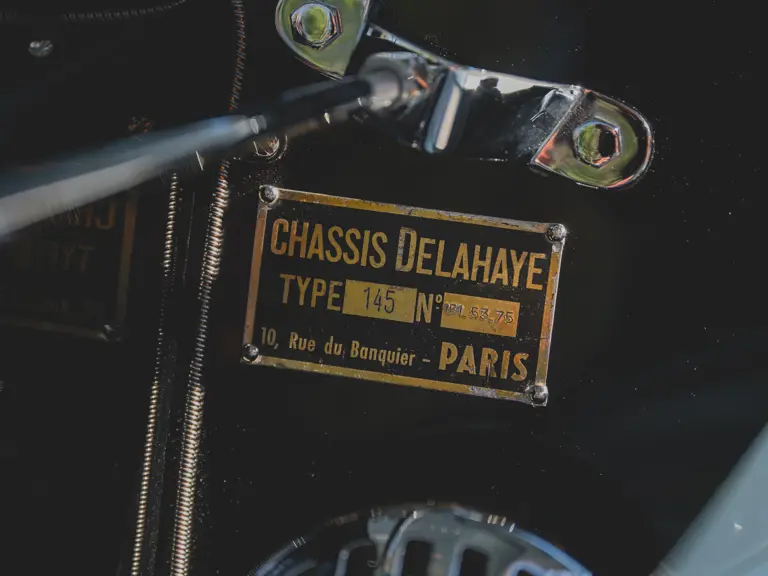
151_53_75 (See Text)
$3,415,000 USD | Sold
Offered from The Sam and Emily Mann Collection
{{bidding.lot.reserveStatusFormatted}}
The story of this automobile is one of the Germans using their technology to frighten Europe with cars that had two or three times the horsepower, but which could not beat the twelve-cylinder Delahaye in the city-to-city courses with cobblestone streets. Delahaye took advantage of that, knowing that success had as much to do with the nature of the track for which it was designed as with the performance of the car proper. Thus the history of this car is one of victory over an aggressor, and one of considerable importance, to the world as much as to the Delahaye marque. – S.M.
A MILLION FRANCS
Many a racing victory over time has been described as heroic, but seldom has the car itself been the hero—not just in a competition sense, but in the old-fashioned sense of patriotic victory over tyranny. The Delahaye 145 was, in a sense, as much a hero as any other of the late 1930s, an era when tyranny was darkening the skies over Europe, and, even before the actual start of the upcoming World War, it was seen as increasingly important for the free powers to show Adolf Hitler that their technical prowess was still capable of victory. It was important for the Americans who outpaced his athletes at Berlin in 1936; and it was important for the French who saw the Mercedes-Benz and Auto Union “Silver Arrows,” funded by almost unlimited government coffers, bring 400, 500, and 600 horsepower to the racing circuits of the world and win with technology years ahead of what their own country was offering.
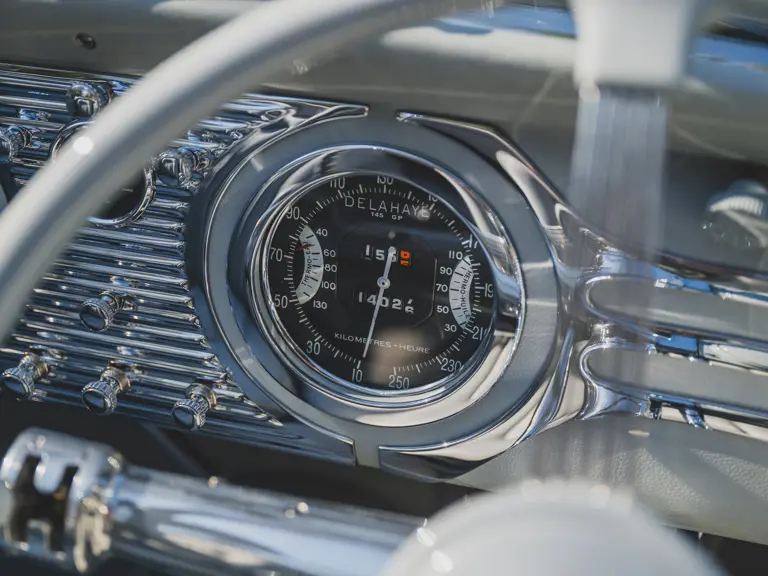
Thus in 1937, the French government decided to take on the Germans’ challenge, and in collaboration with the Automobile Club de France, posted a prize of one million francs, the Prix du Million, for the constructor and driver who could beat the speed record set by Mercedes-Benz at Montlhéry by the date of 31 August. Two French manufacturers responded, Bugatti with their Type 51, and Delahaye with the new 245-horsepower, 12-cylinder 145, developed with the abundant funding of expatriate American socialite Lucy Schell to contest the new 4 1/2-liter Grand Prix formula. Bugatti, for all their glory, soon succumbed to mechanical failure, but the Schell-Delahaye team kept pounding along, and in the fading hours of the challenge succeeded in beating the German record and securing the “Million Franc Prize” with the great René Dreyfus behind the wheel.
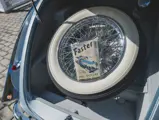
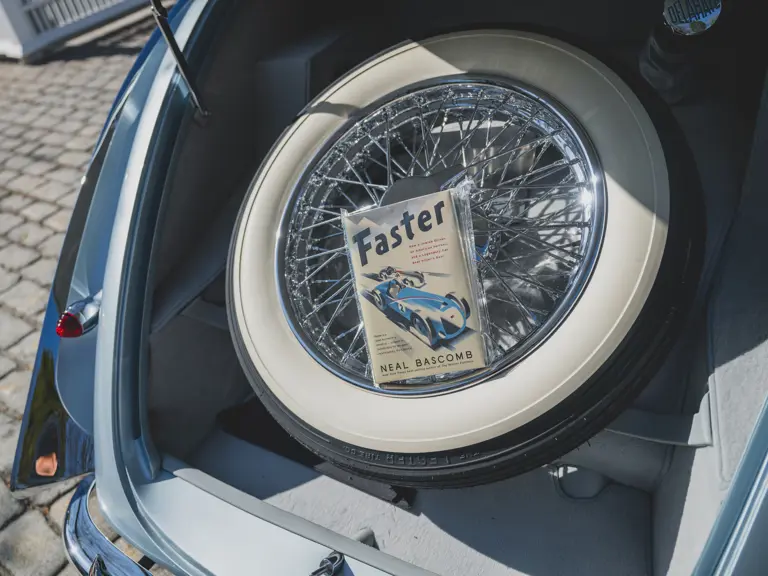
The Million Francs won Delahaye a lot of glory in the popular press—then and now; Neil Bascom’s wonderful 2020 book, Faster, masterfully describes the challenge and the colorful characters who populated it. However, the 145 was not yet finished in besting its Teutonic rivals.
In the year to come, 1938, the Prix du Million-liveried 145 went on to achieve numerous track successes, most prominently the Grand Prix of Pau and the Grand Prix of Cork, again with Dreyfus at the wheel. These victories were even more strategically significant to French manufacturing morale than the Prix du Million had been. The German cars were extremely well-built, to the height of modern technical sophistication, and offered previously unheard-of amounts of horsepower—which was all well and good, except on the cobblestone street courses where they lost virtually all traction in the corners. Quite literally, the Delahaye danced around them, proving that there was something to be said for proven old-fashioned engineering.
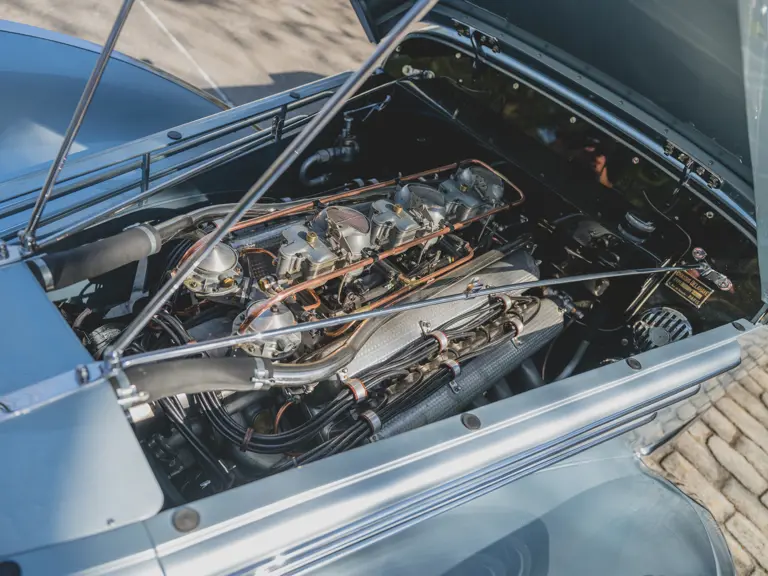
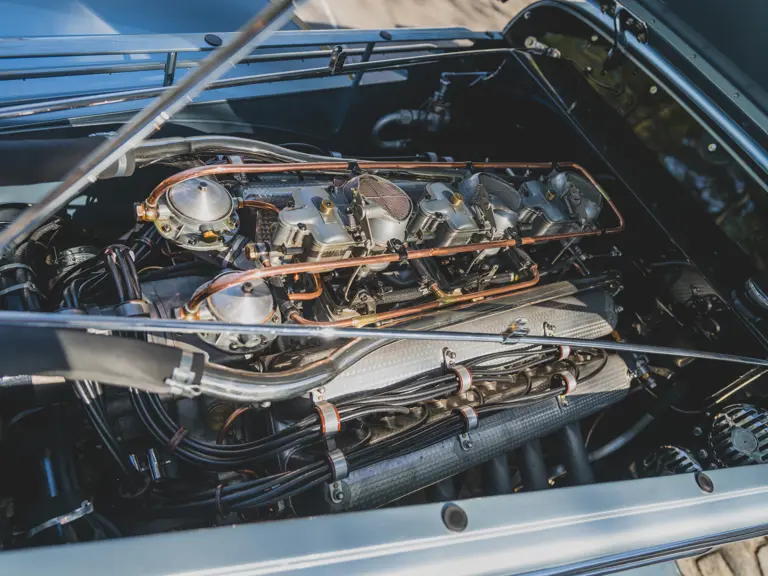
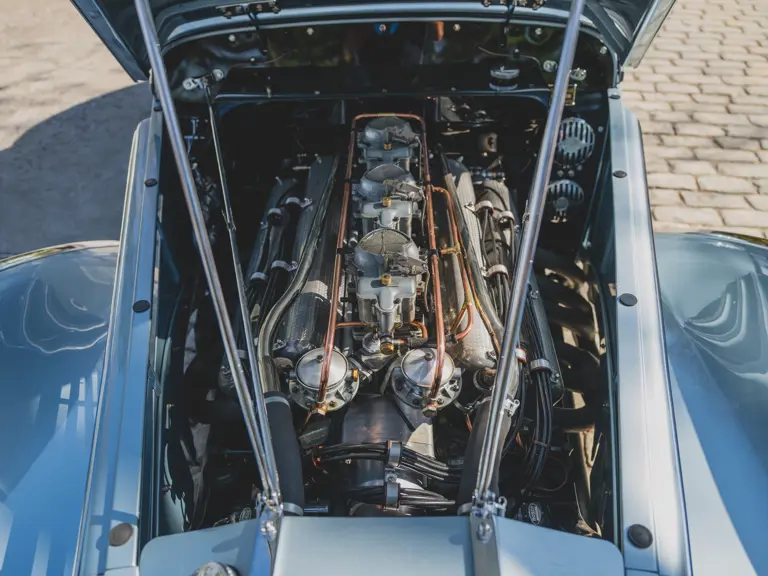
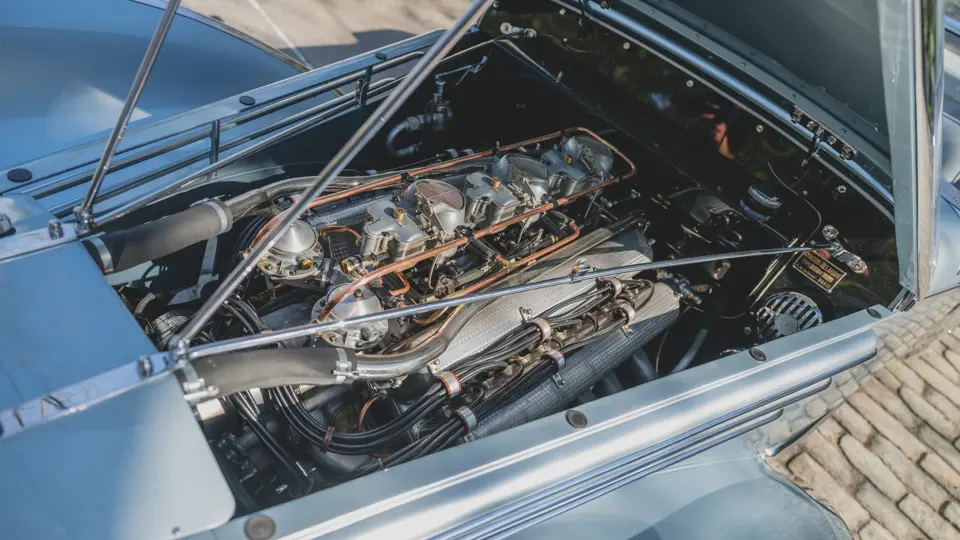
Interestingly, period photographs, gathered by Sam Mann and included in the history file, indicate that the 145s were all built and assembled to an unusually high standard for racing cars, with their engine components all well-finished in a manner more common to show vehicles of the period. It would appear that Delahaye expected its automobile to win, and wanted to ensure that it would put its best face forward before the cameras. That it did, in every sense.
A WOLF IN SHEEP’S CLOTHING
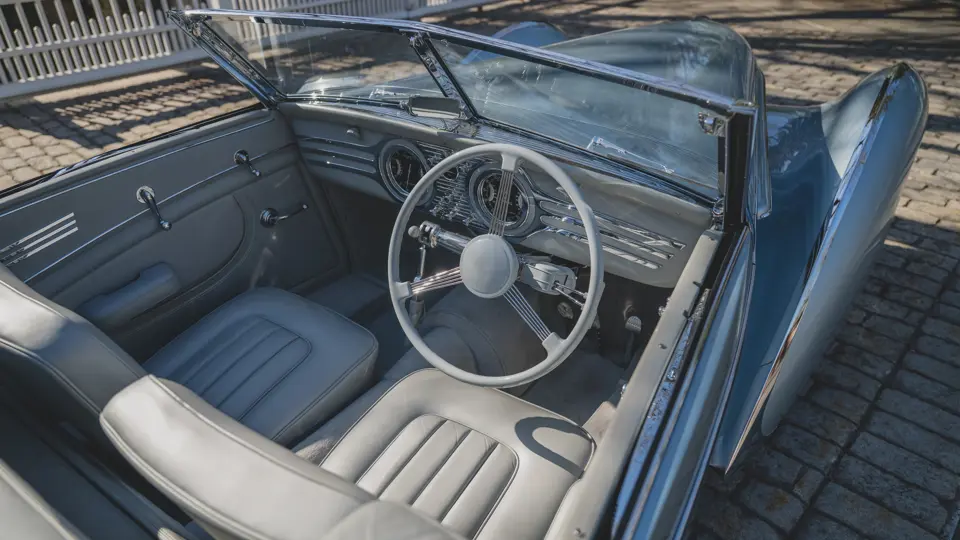
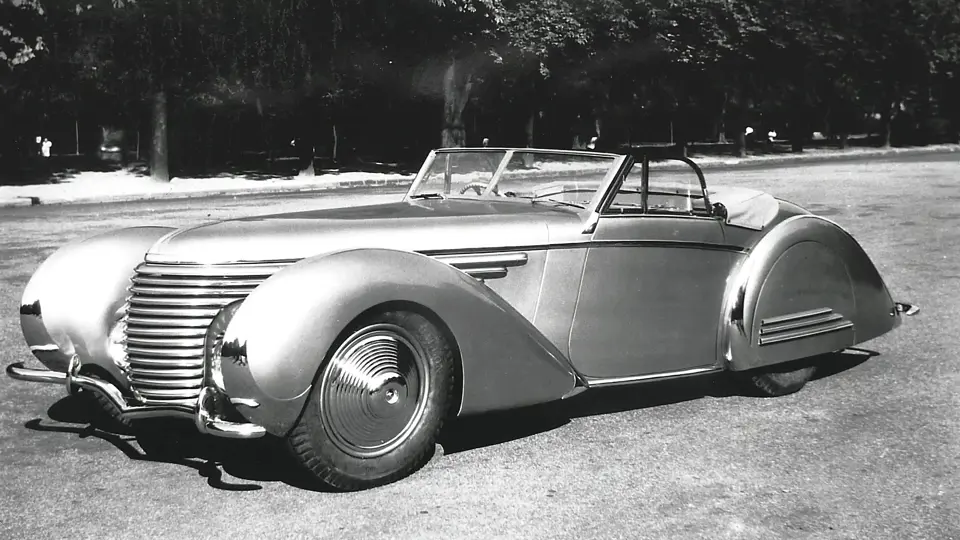
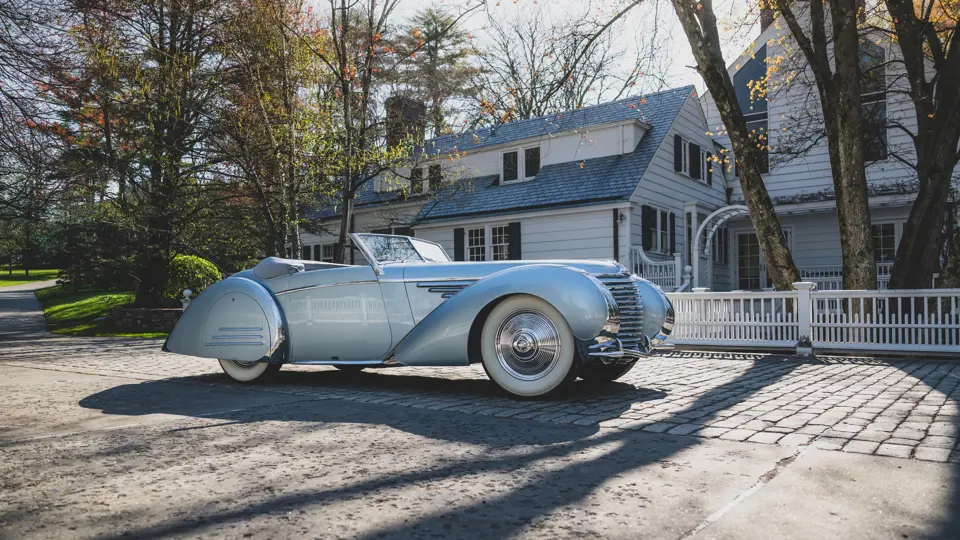
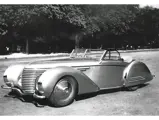
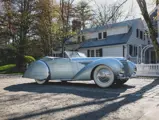
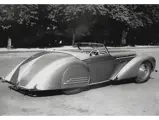
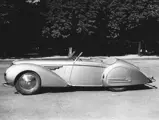
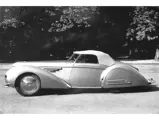
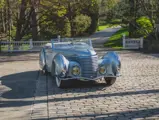
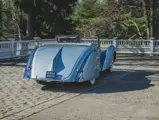
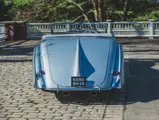
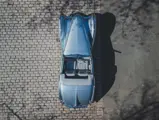
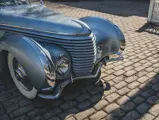
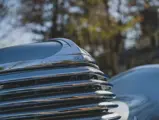
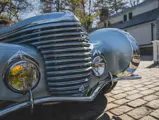
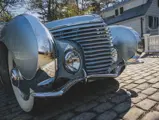
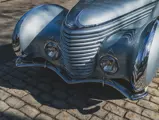
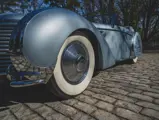
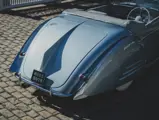
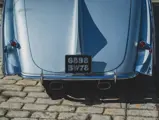
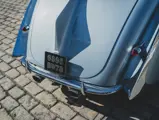
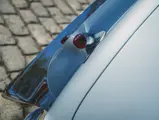
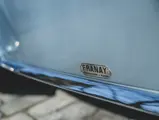
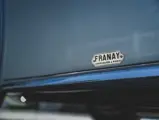
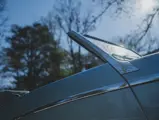
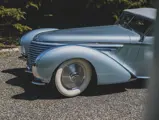
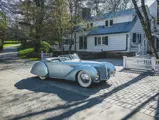
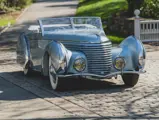
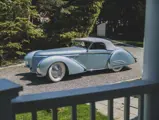
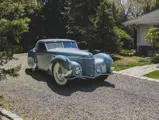
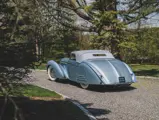
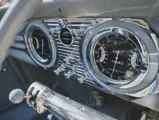
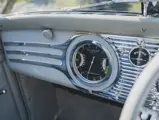
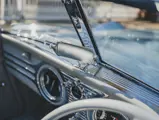
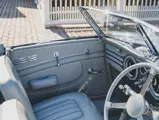
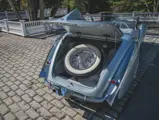
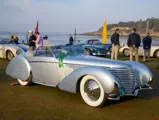
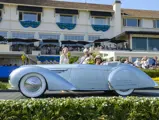
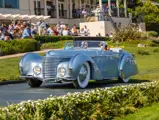
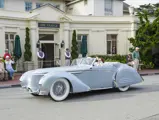
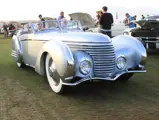
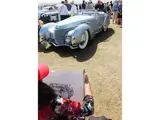
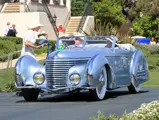
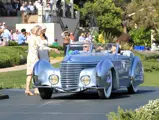
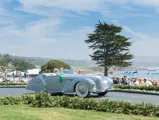
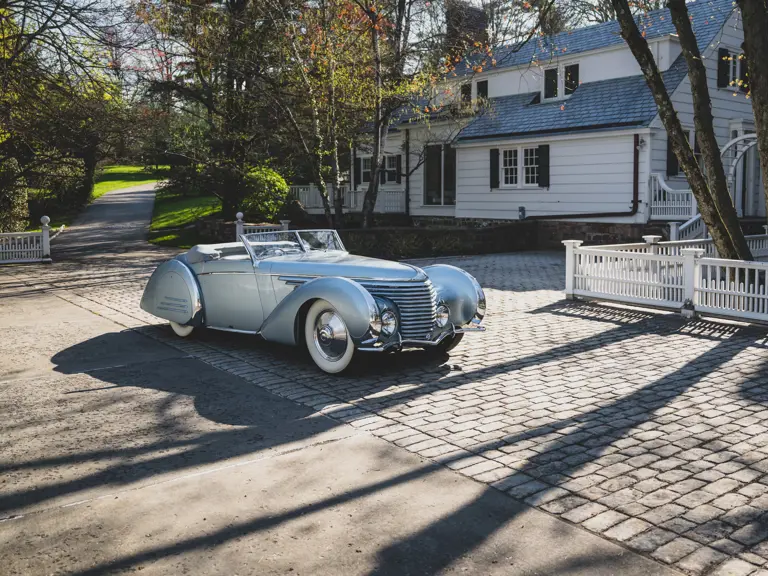
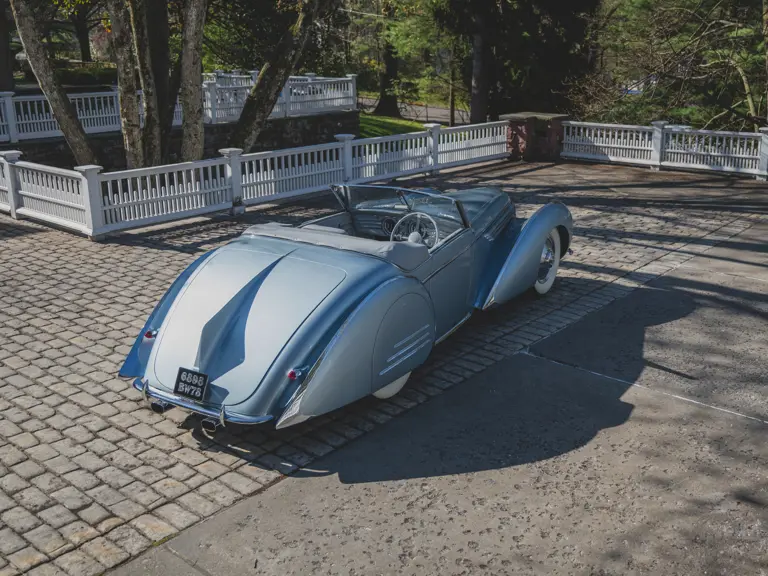
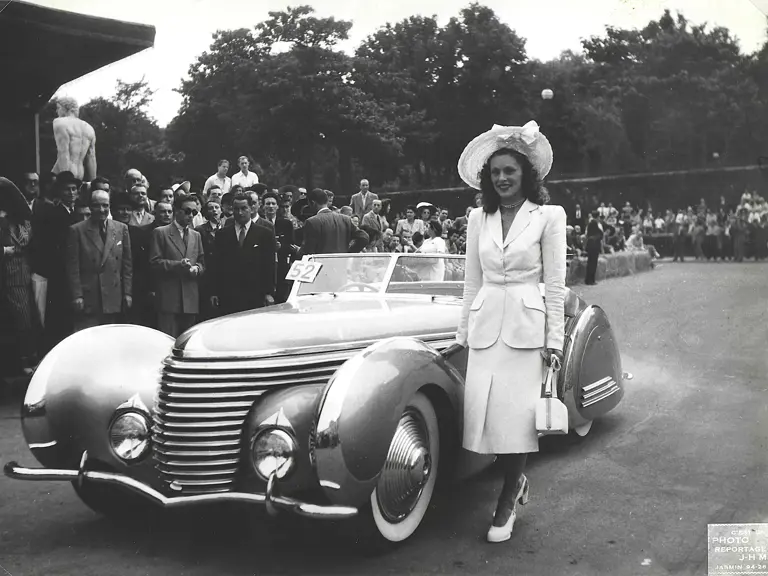
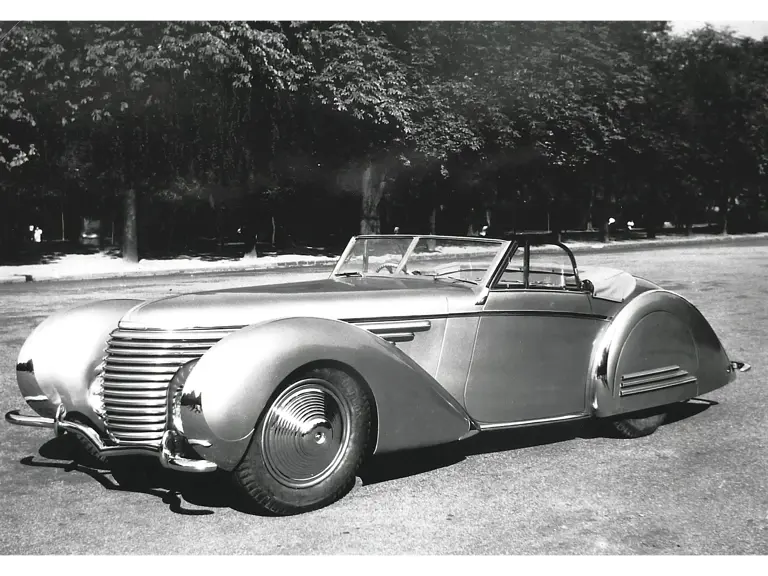
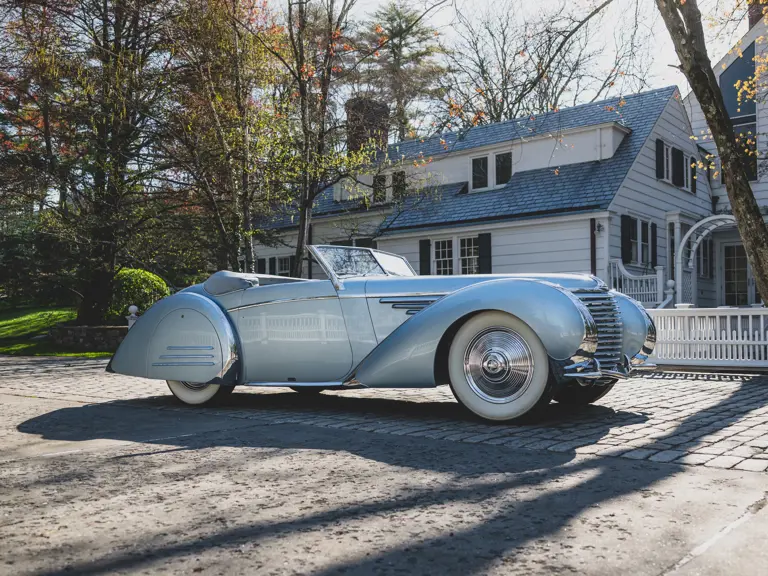
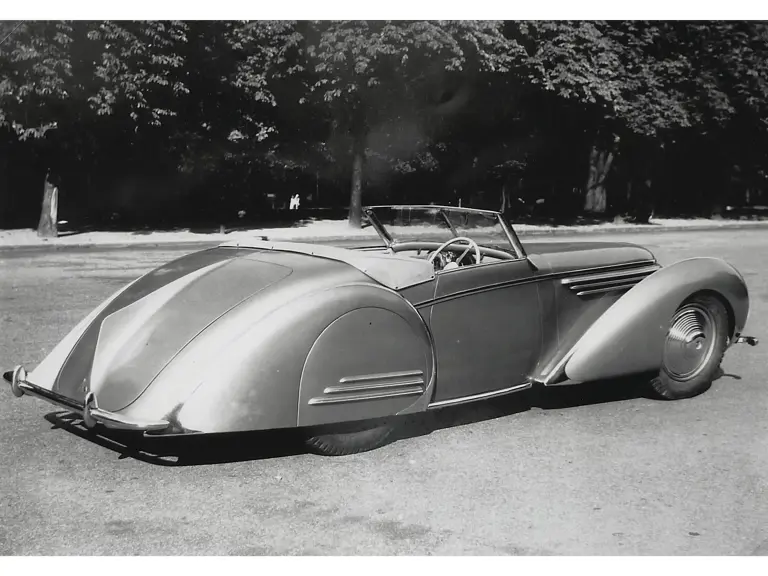
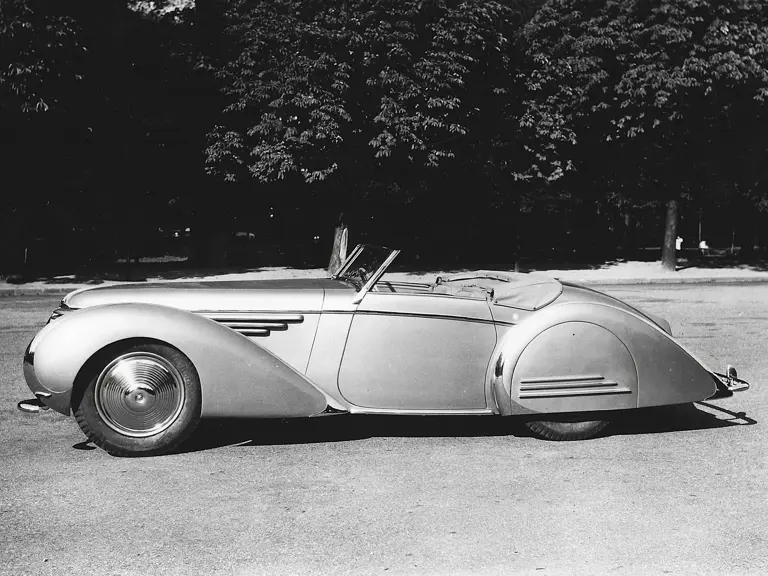
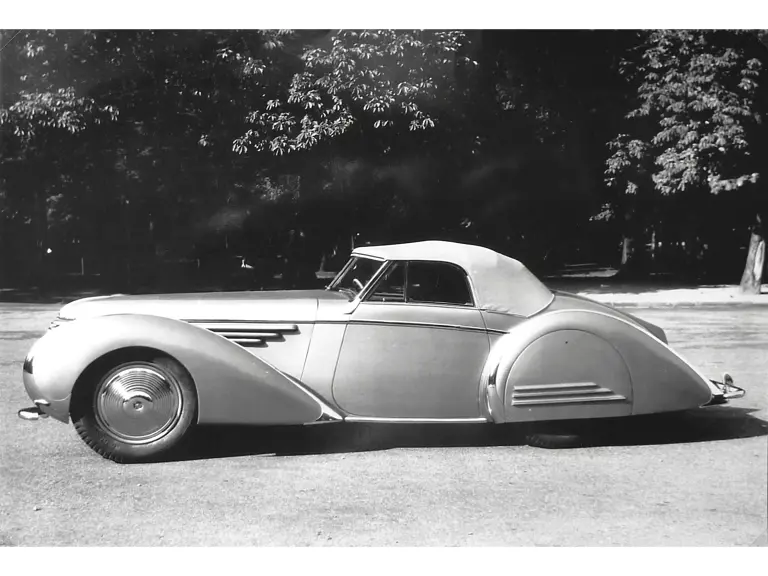
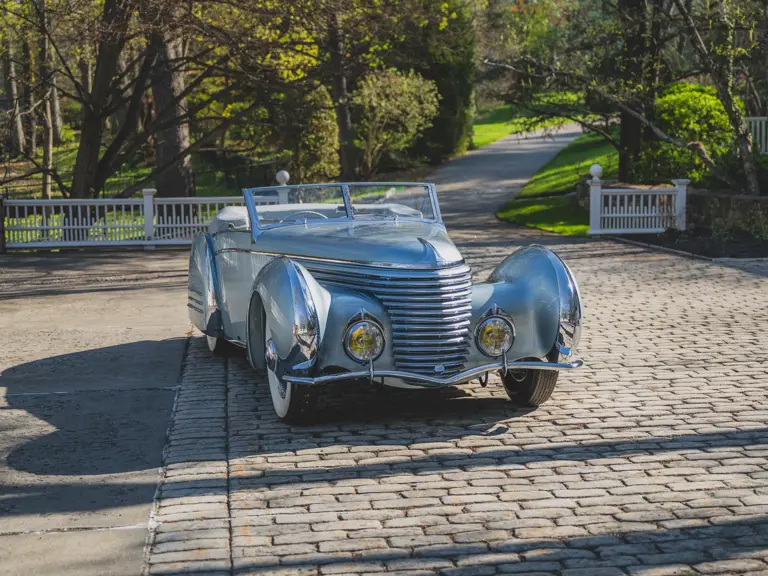
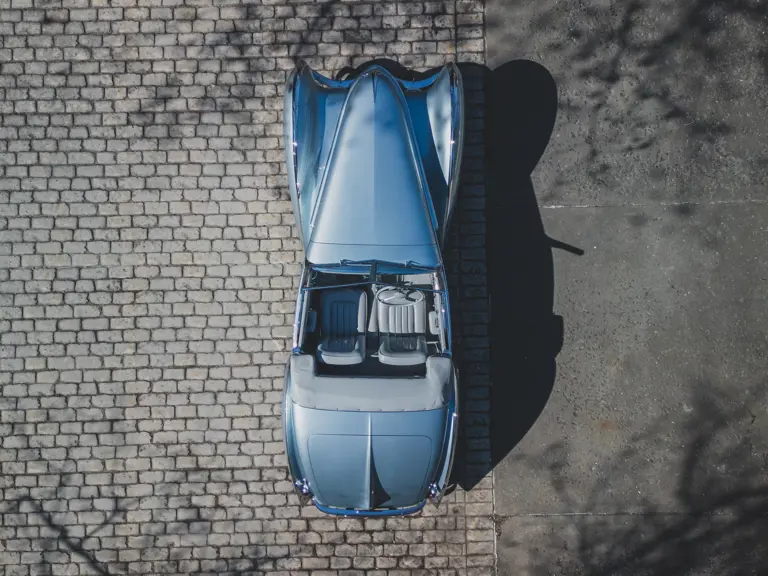
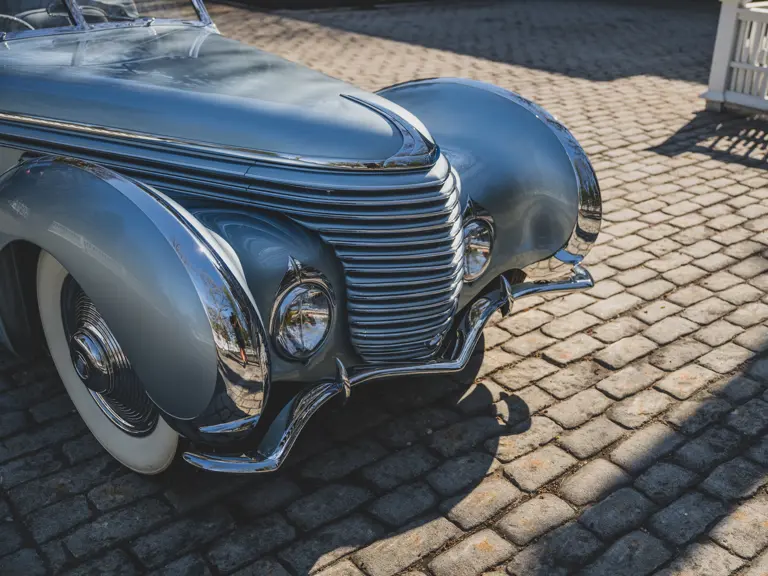
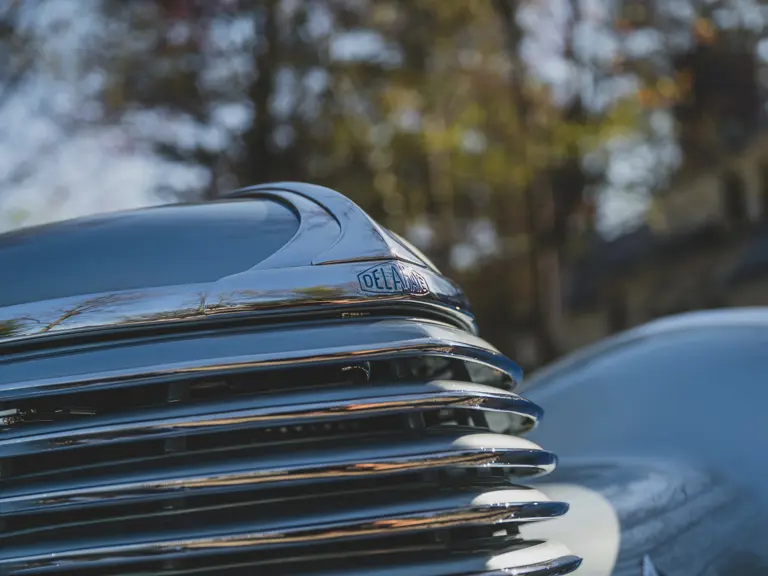
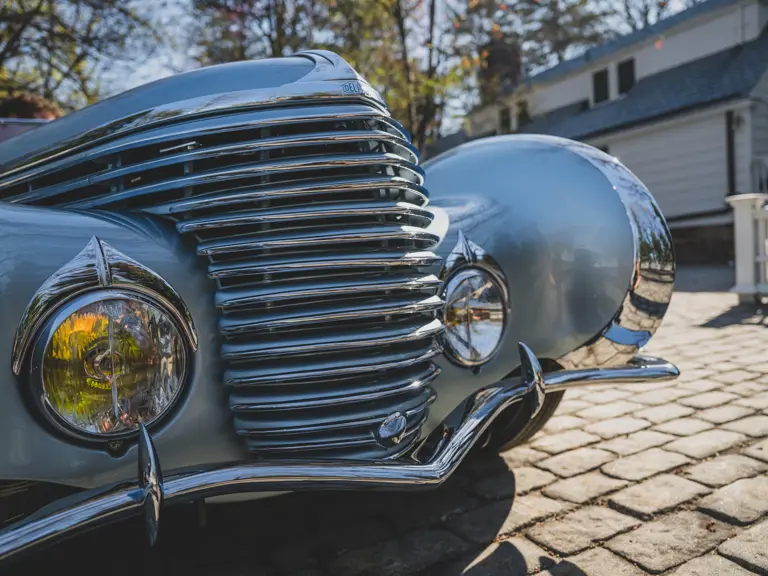
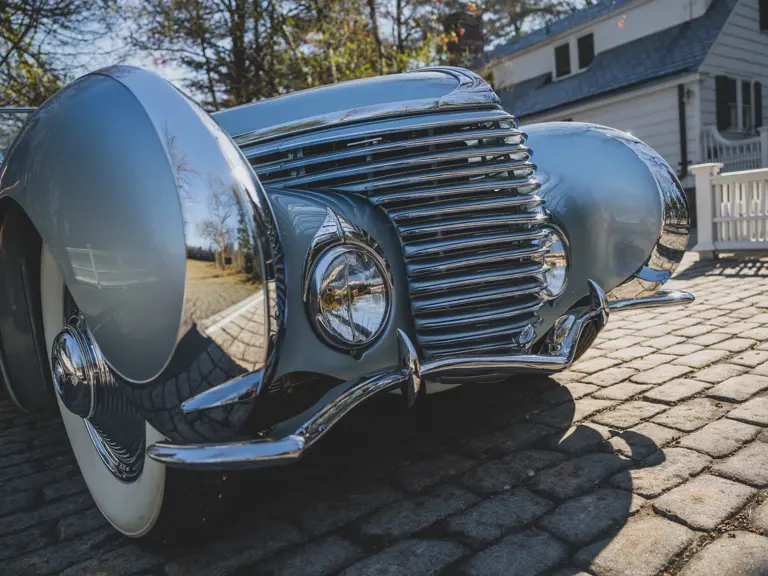
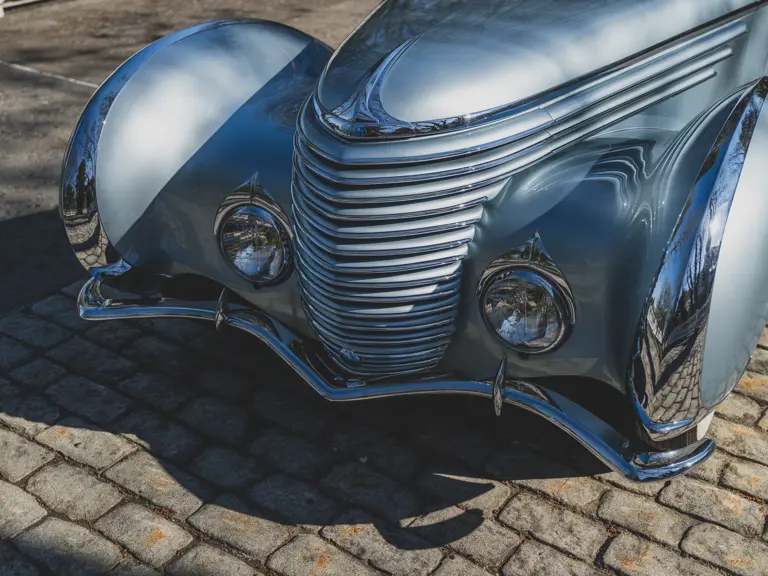
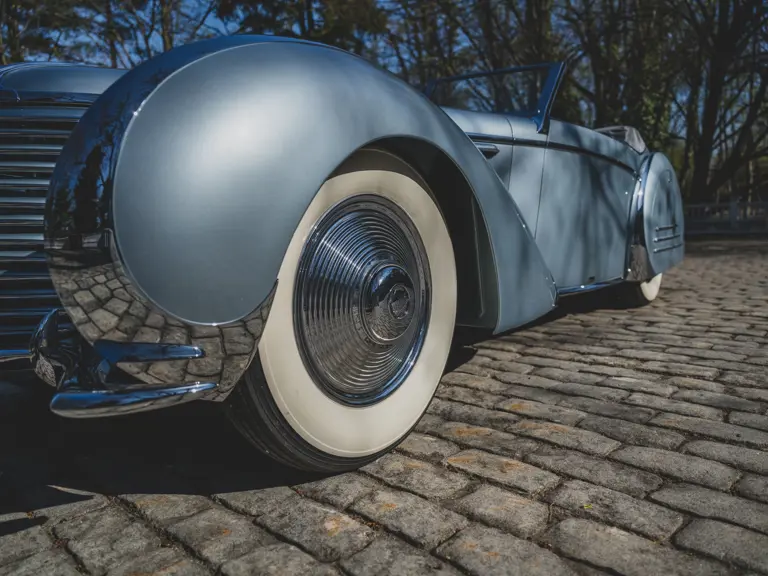
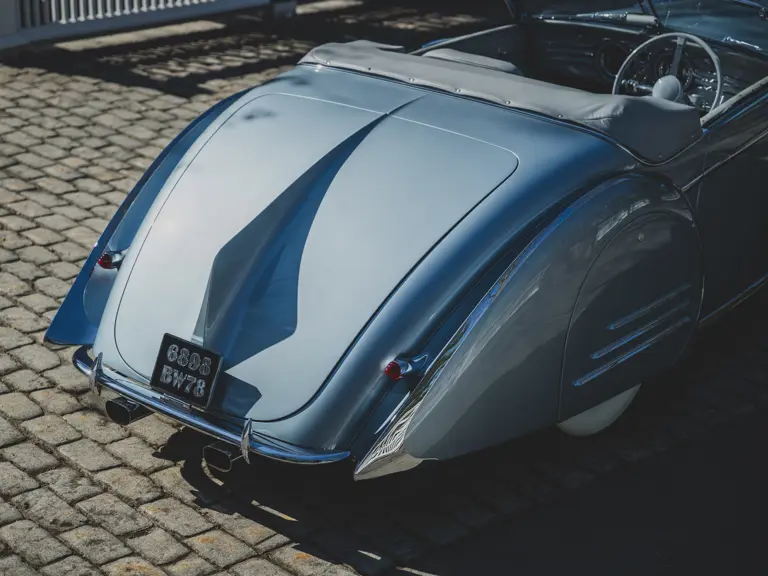
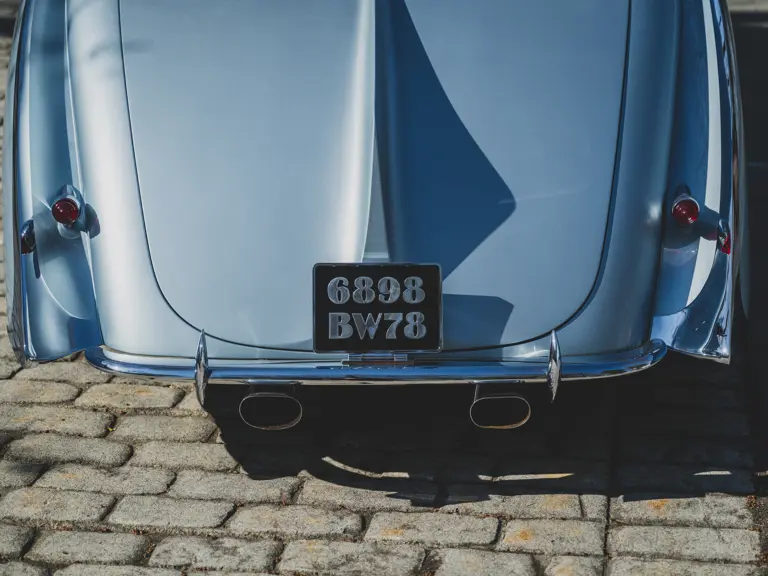
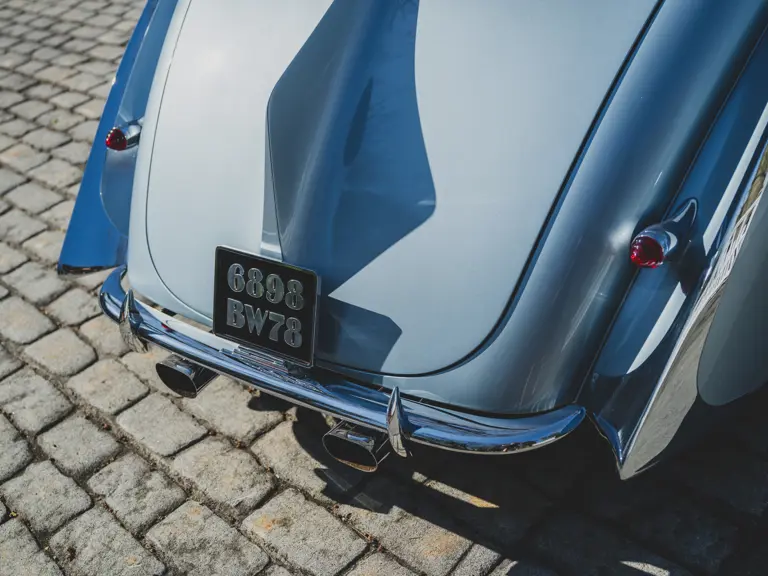
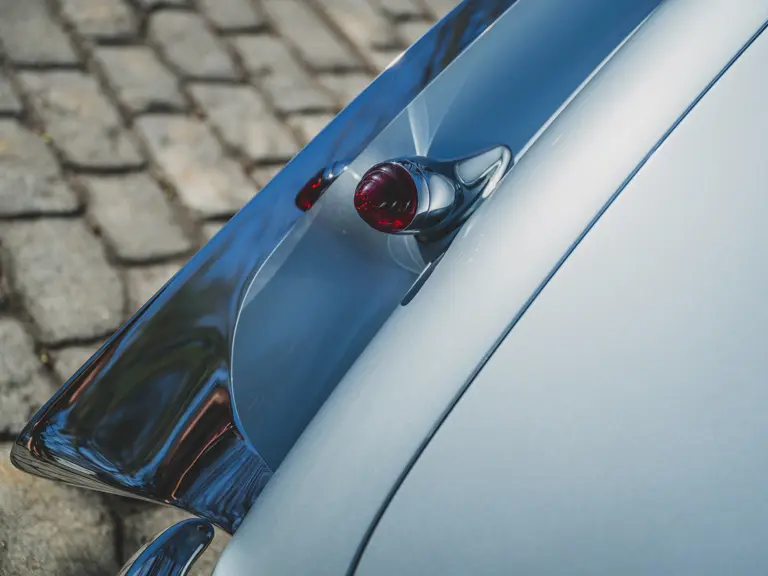
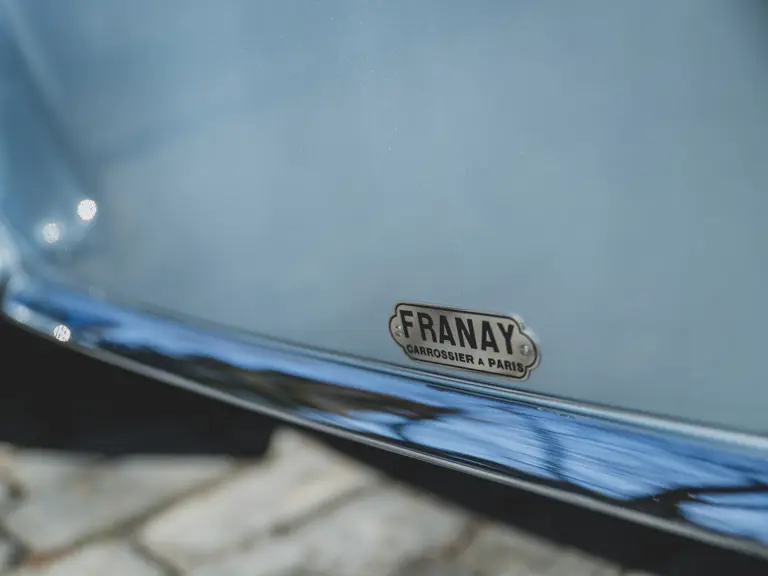
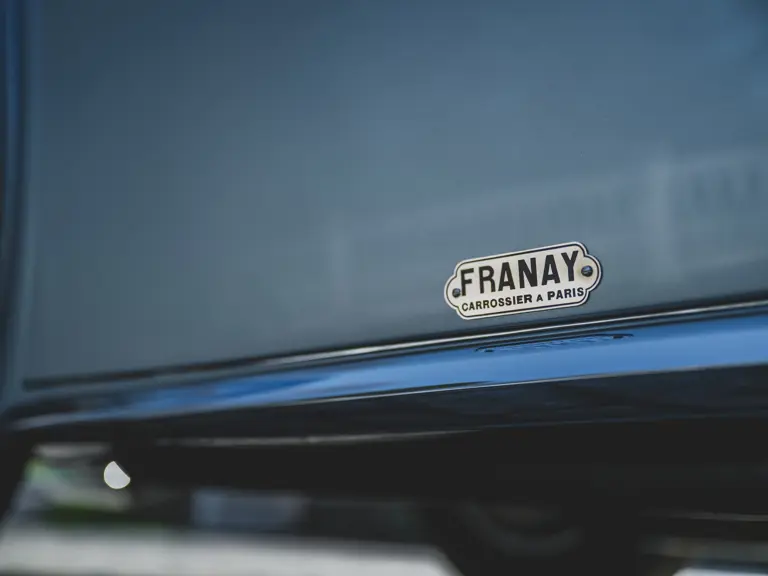
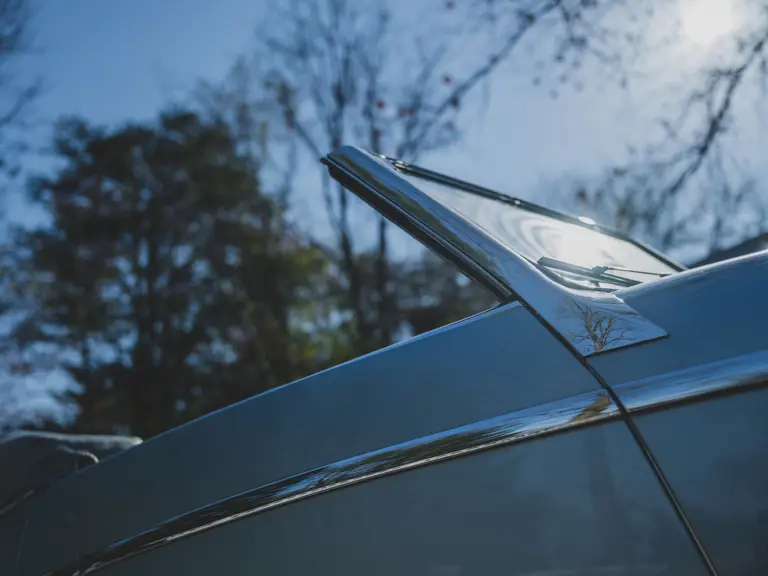
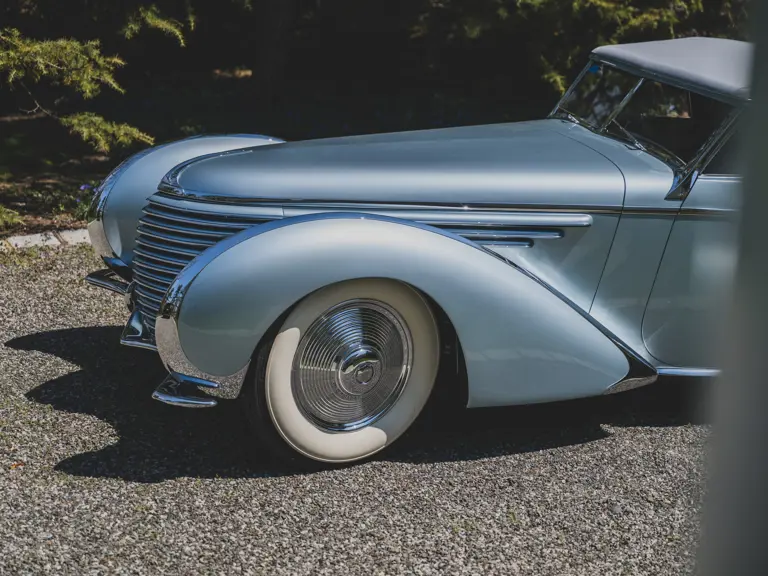
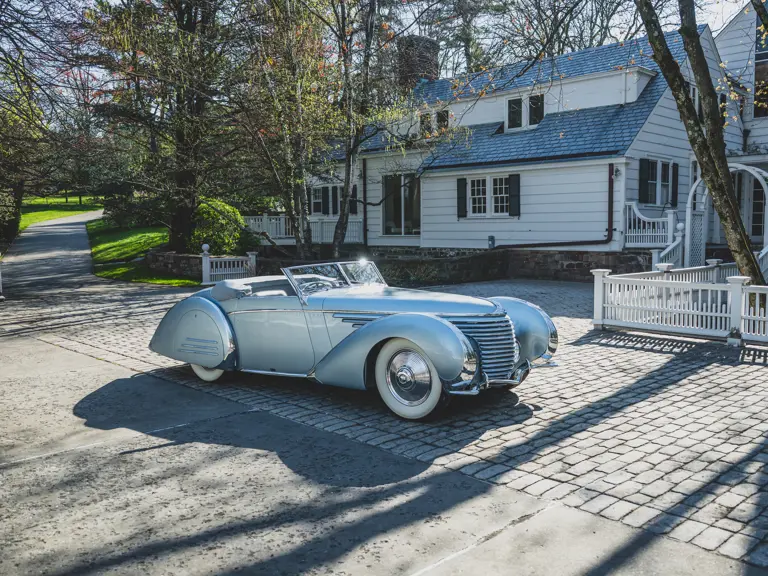
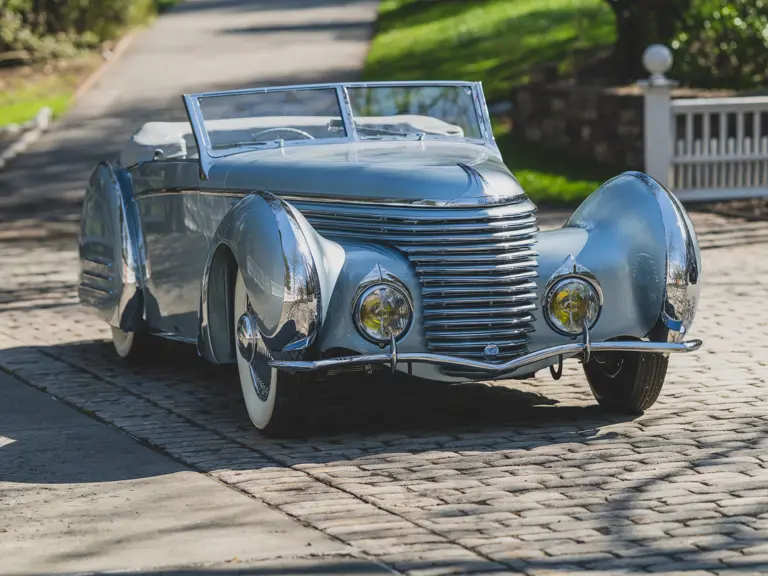
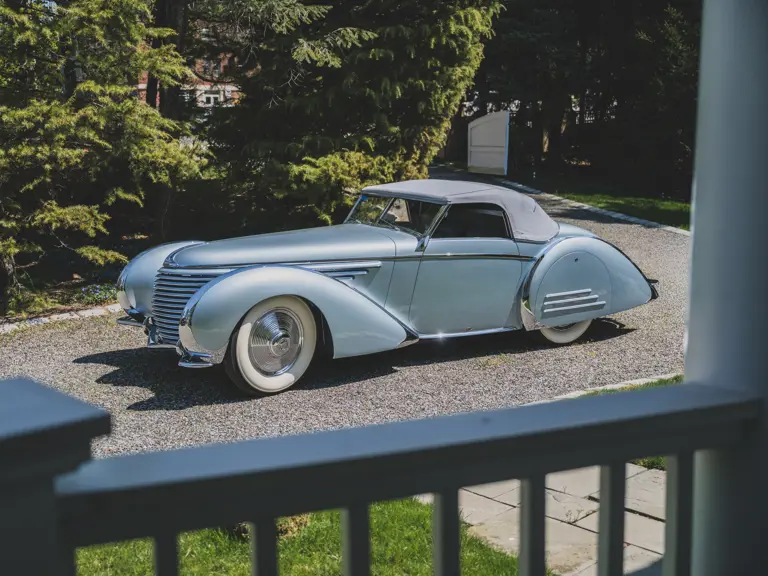
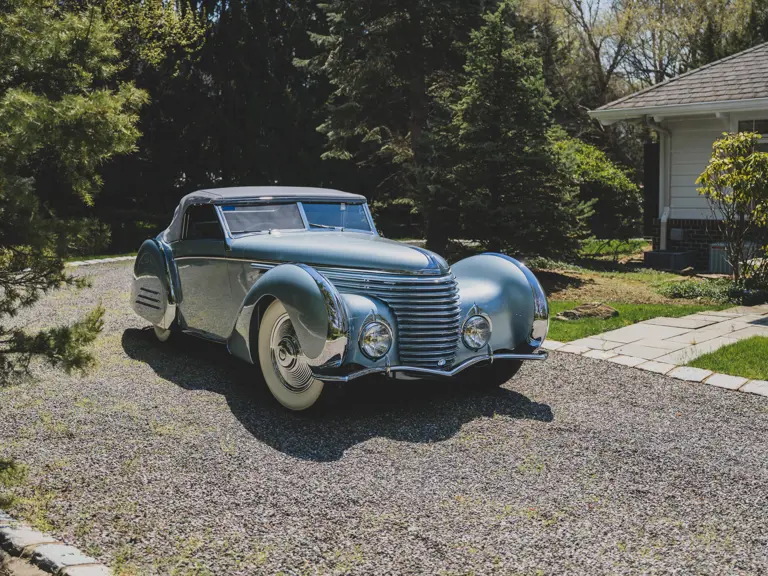
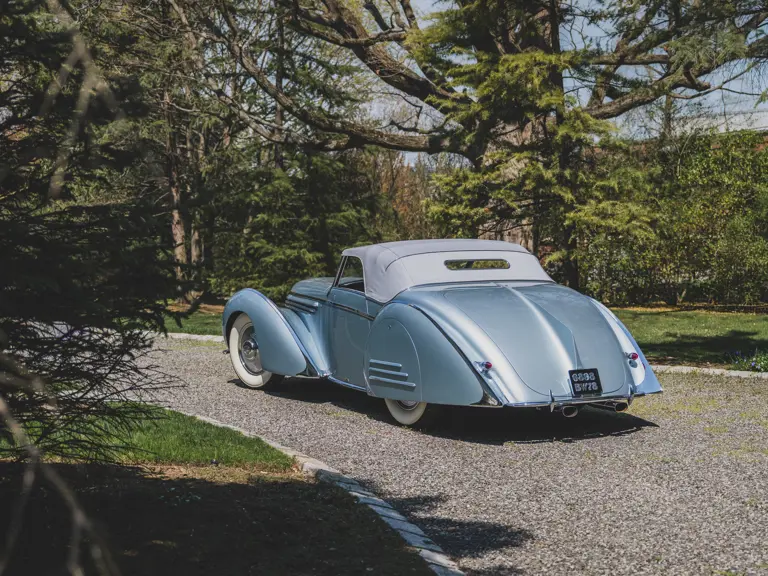
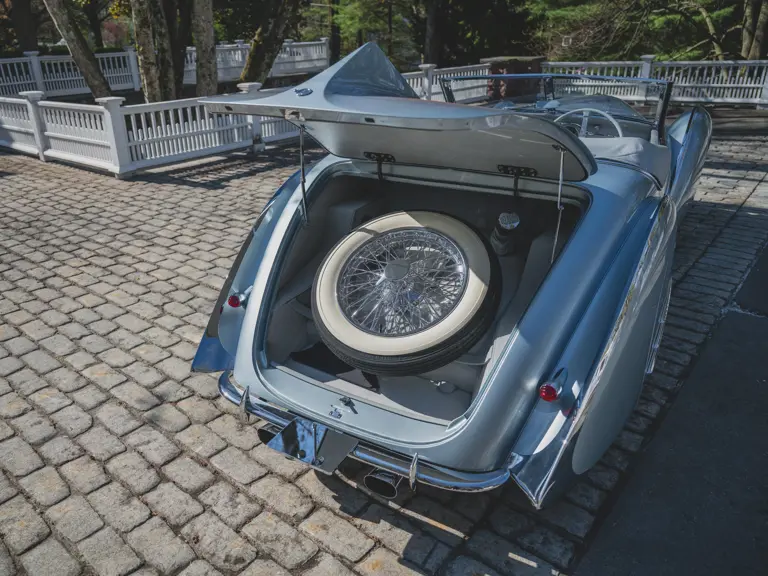
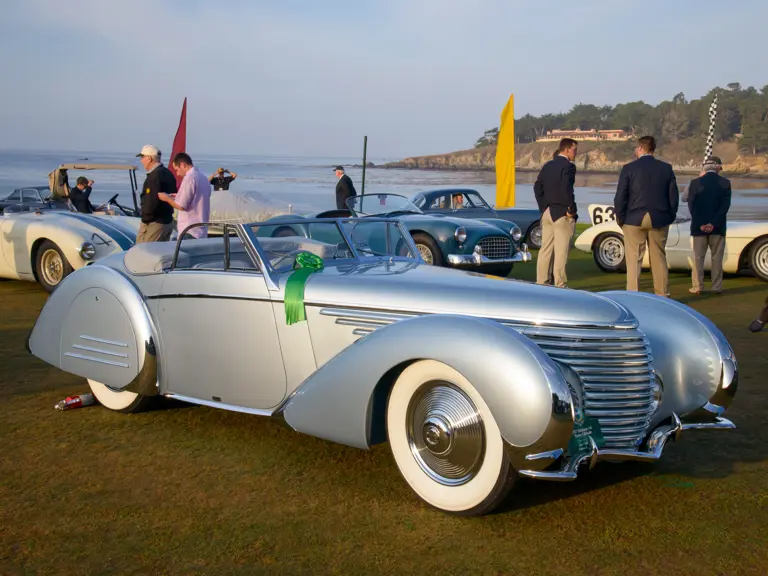
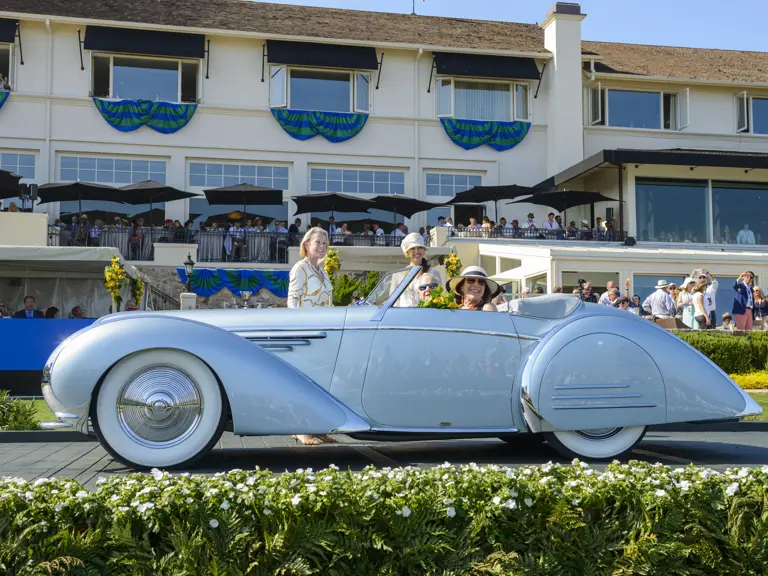
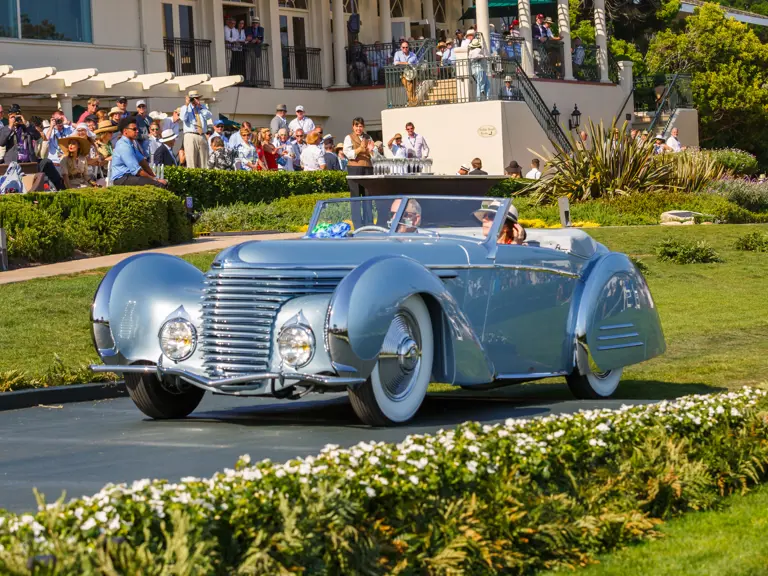
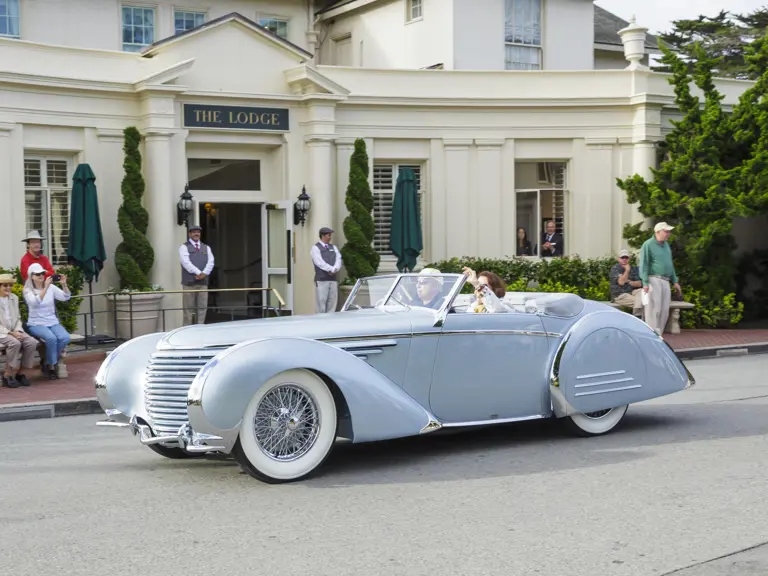
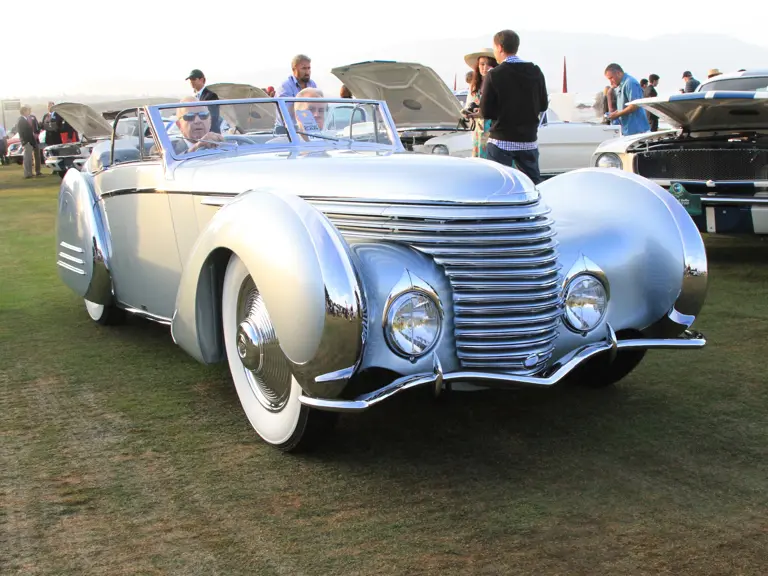
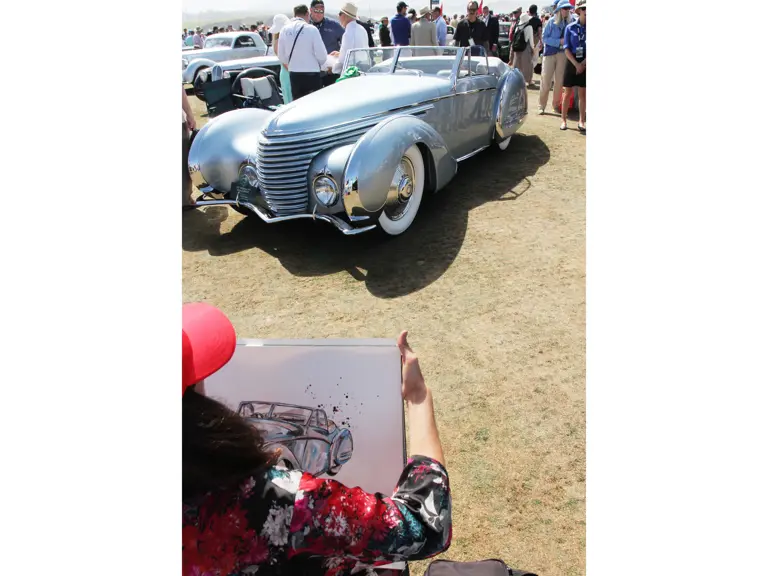
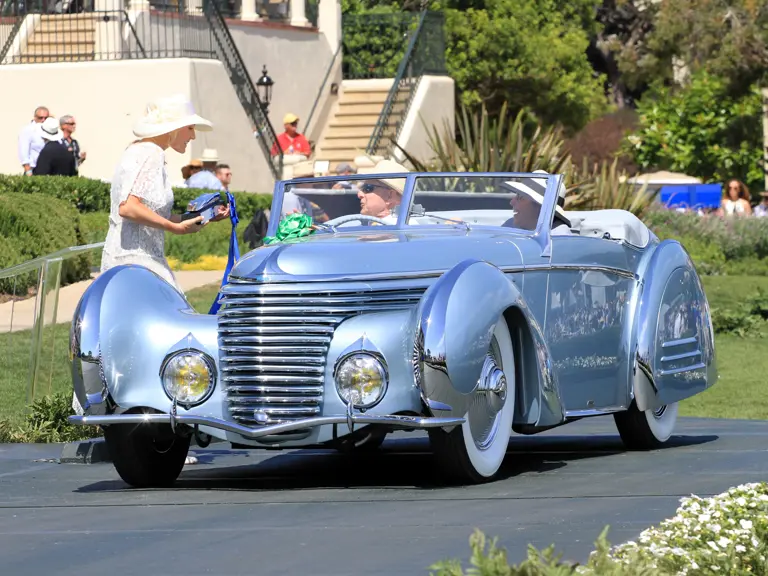
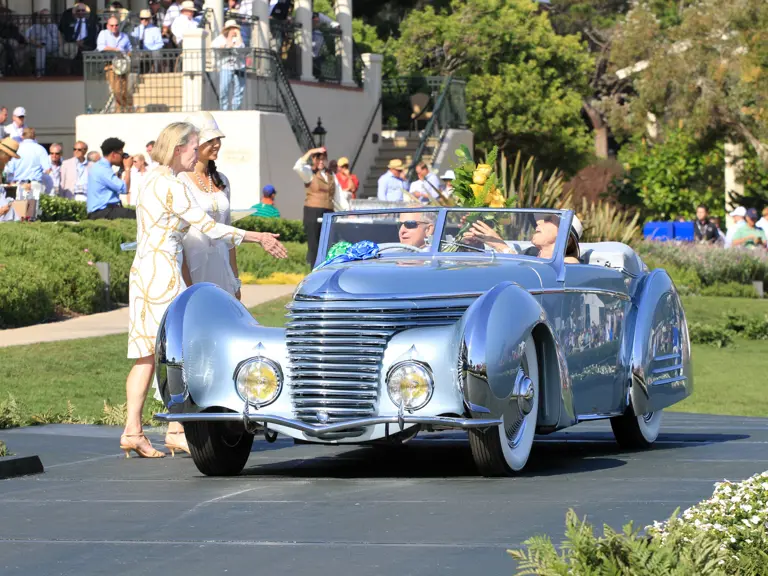
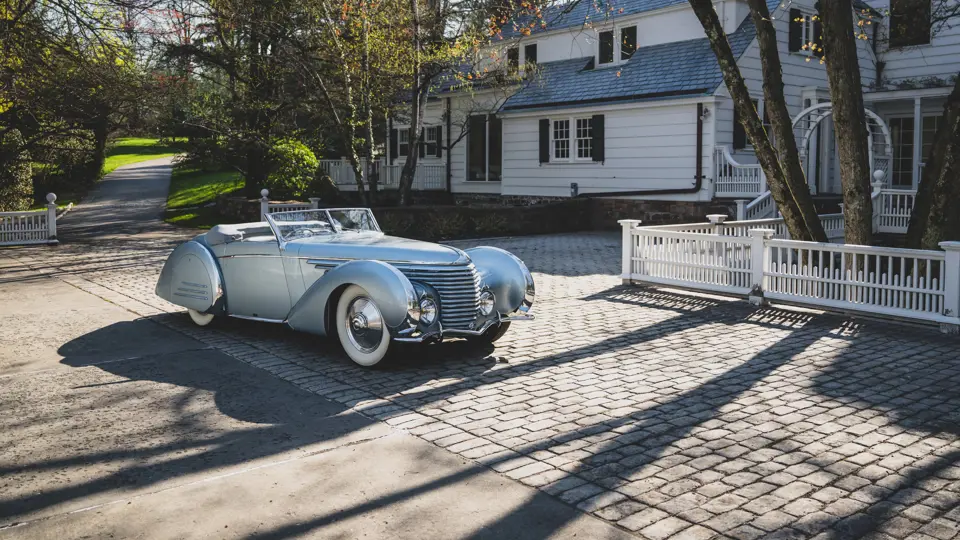
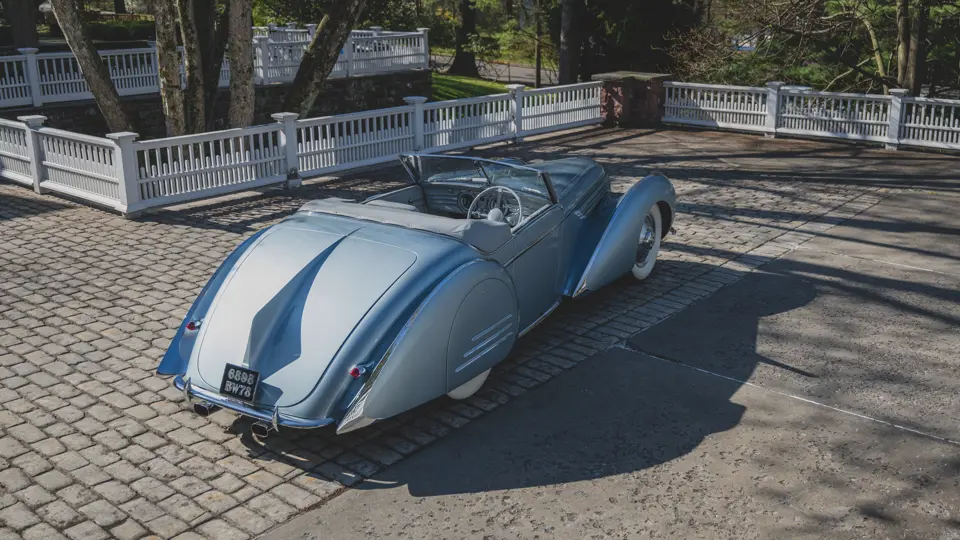
After the 1938 season had concluded, the Schells decided to retire their Delahaye 145s. The car offered here, identified by historian André Vaucourt as chassis number 48773, the Pau and Cork winner as well as the Prix du Million car, was stored for the duration of World War II, then acquired in 1946 by a private customer, who commissioned the great coachbuilder Marius Franay to transform it into something of the ultimate Delahaye road car. Franay built a body that was almost otherworldly in comparison to his usual creations, with dramatically sweeping and deeply curved front fenders bearing a knife-like bladed edge of chrome, flanking the traditional Delahaye upright radiator with very low and deeply inset headlamps. The result was arguably the most beautiful body that Franay ever produced, and certainly one that did justice to the magnificent performance of the full-bore competition car underneath.
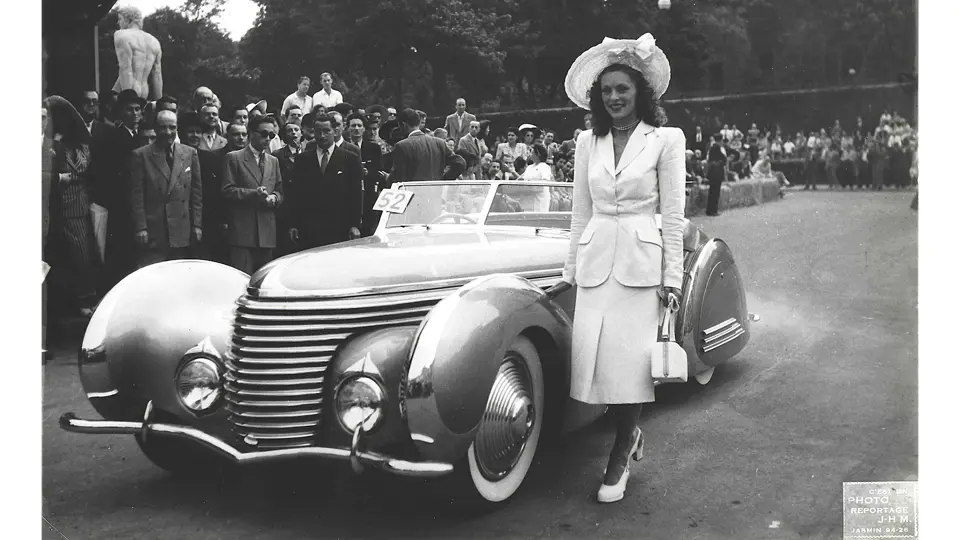
The only problem with Franay’s creation was the client, who was shortly apprehended by Allied authorities and charged with collaborating with the Vichy French Nazi government. Much to the frustration of an unpaid Franay, the considered traitor’s Delahaye was requisitioned by the French government and sent to public auction. Franay managed to convince many of his friends in the room not to bid on the car, and was able to buy it himself. Afterward he exhibited the car at the 1946 Paris Motor Show, and at the 1947 Concours d’Élégance du Palais de Chaillot in Paris.
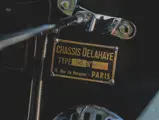
Franay eventually titled the car in his own name in 1953. Due to its previous history with the French government, a new chassis number had to be obtained, and so the car was registered as 151_53_75 (the 151st car registered in 1953 in the 75th department, i.e. Paris) by the French Service des Mines.
Only at his firm’s bankruptcy in 1956 did Franay part with his most fabulous creation, which was sold late that year to Francis Mortarini. It was subsequently exhibited in the Le Mans Museum, then in 1963 returned to the Paris Motor Show as part of a special display, aptly titled the Most Beautiful Cars in the World. In 1964, Mortarini exchanged the car with Robert de Goulaine, who sold it the following year to the Baron Napoléon Gourgaud du Taillis, who exhibited it in his museum, the Autorama de la Grange, in Yerres.
After the museum closed in 1972, the Franay Delahaye was purchased by industrial designer and car enthusiast Philippe Charbonneaux for his own distinguished collection. Charbonneaux soon elected to restore the car with a recreation of the Million Franc coachwork, which he felt was more appropriate to the history, built in collaboration with restorer Paul Grist. He moved the magnificent Franay body to a post-war Delahaye 135 MS chassis, which was soon sold to the prominent French collector Michel Seydoux.
The 145, now returned to racing form, remained in the Charbonneaux museum, with occasional outings to French historic grand prix, Rétromobile, and in 1987, for the 50th anniversary of the original victory, to Montlhéry, where it was once again driven by René Dreyfus.
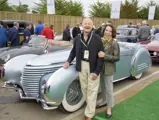
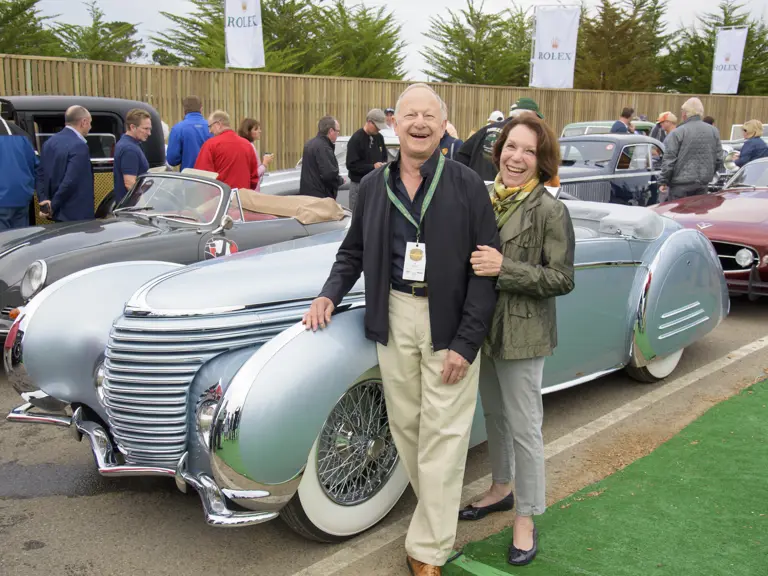
In 1997, Sam Mann acquired the magnificent Franay coachwork on its 135 MS chassis, and two years later, in 1999, acquired the 145 with its Charbonneaux racing body as well; he drove the former locally, while driving the latter in vintage races at Lime Rock and Laguna Seca, describing it as being “dauntingly fast.”
With his typical diligence and curiosity, he also delved into the 145’s history. While another surviving 145 also claims to be the Prix du Million winner, research conducted early in Mr. Mann’s ownership by historian Pierre Arbillion indicated that the Mann car began as chassis 48773, the number found stamped on the front cross-member, and was likely the Prix du Million car as the only 145 built without provision for mounting fenders—to this day, the frame lacks the telltale holes to fit competition fender braces. Additional research was later completed, as previously noted, by Club Delahaye historian Andre Vaucourt, who also came to the same conclusions. Prospective bidders are welcomed to review the history file and the research and documentation therein to this regard. Mr. Mann firmly believes that his 145 was the Prix du Million car, as well as, more pointedly, the Pau and Cork winner; but realistically concedes that in this era, cars were regularly substituted at the last minute and serial numbers fudged, and thus which car won which event can be open to debate.
PUTTING A MASTERPIECE BACK TOGETHER AGAIN
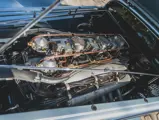
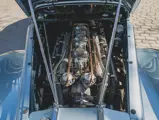
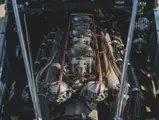
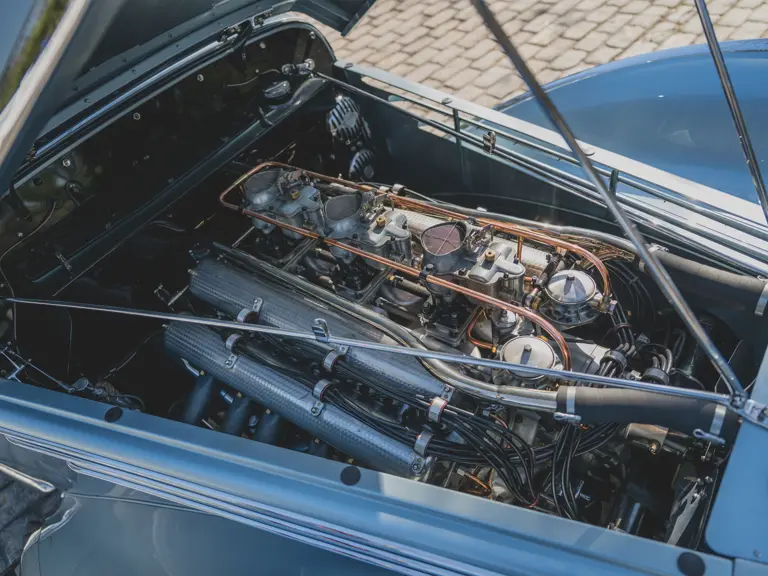
It is the most beautiful body that Franay ever created, but underneath that sophistication the V-12 remains, as it is, a racing engine—unmuffled, with a delicious sound. – S.M.
When it came time to have his 145’s magnificent V-12 rebuilt by Chris Leydon, Mr. Mann, having acquired both halves of the egg, to speak, determined that it was also time for Franay’s masterpiece body to be relocated back to the 145 chassis—thus once more returning the car to its final, original, complete form as visualized by Franay in 1946.
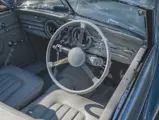
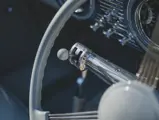
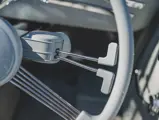
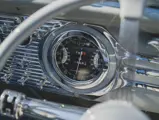
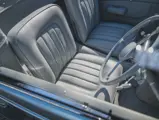
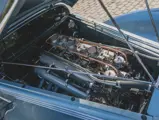
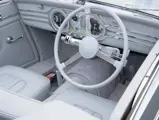
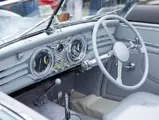
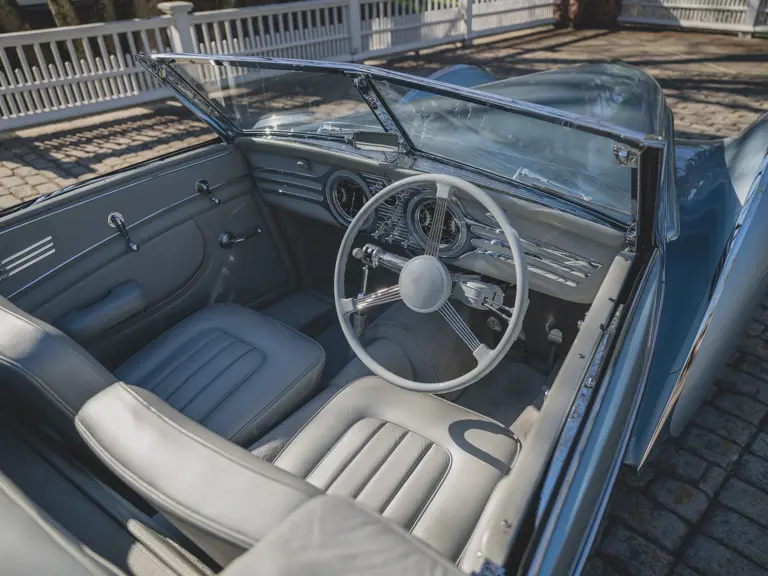
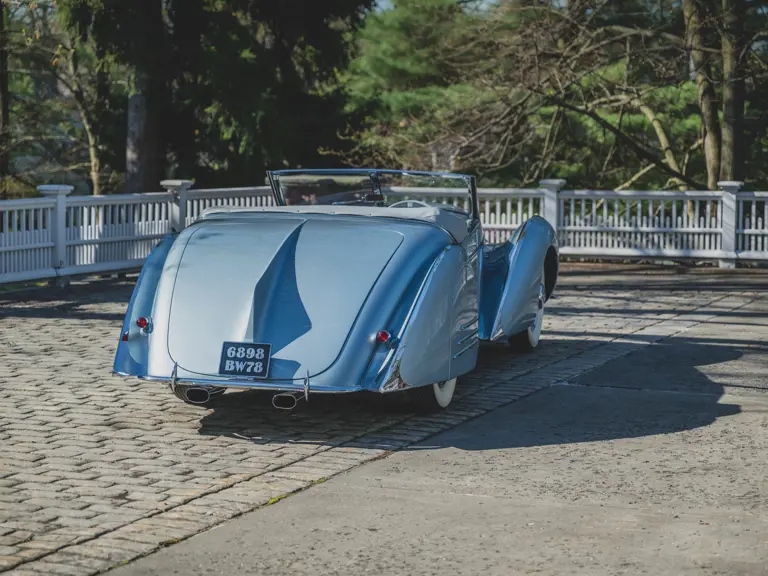
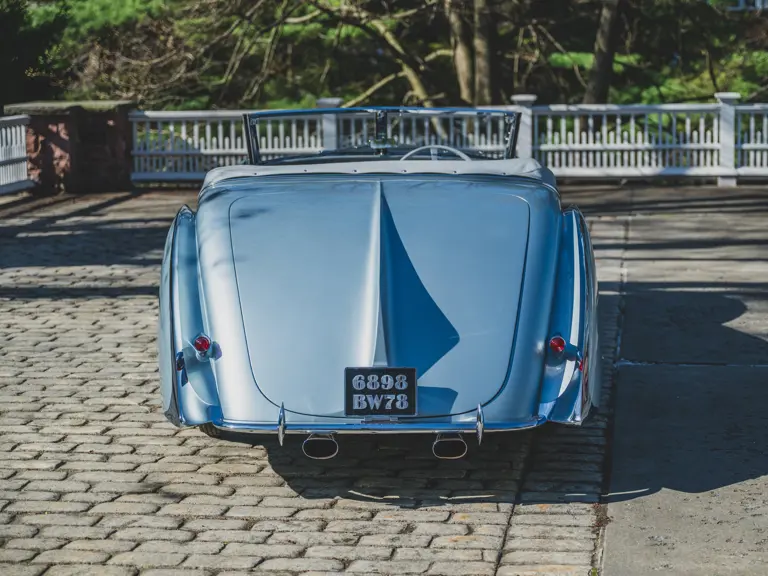
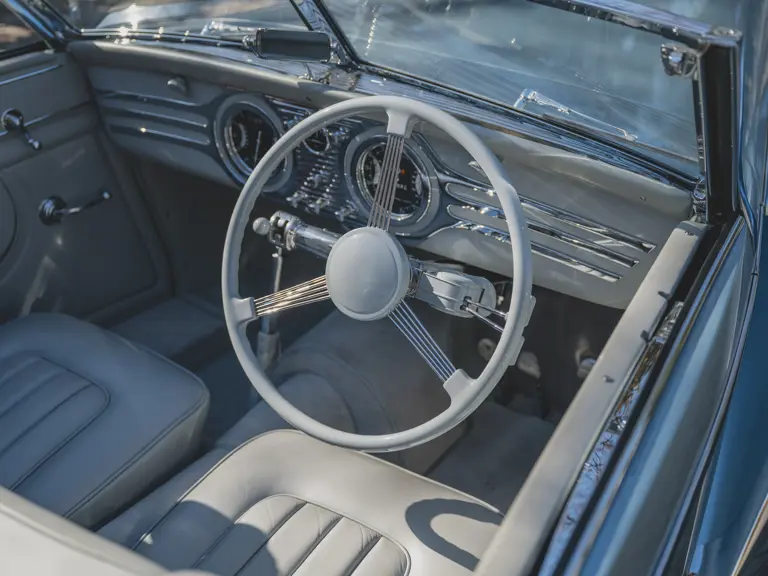
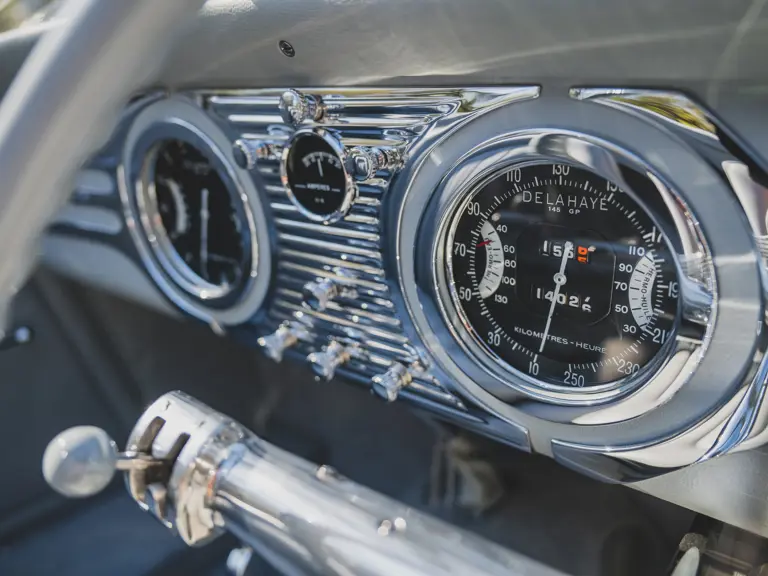
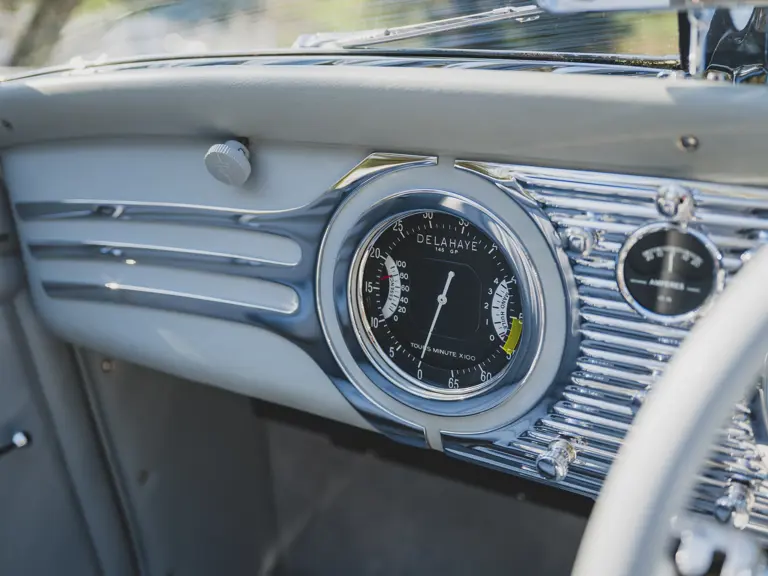
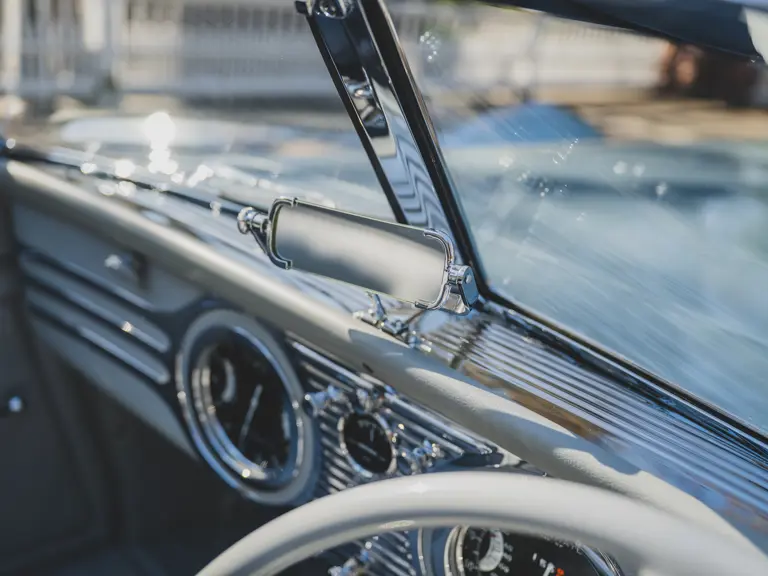
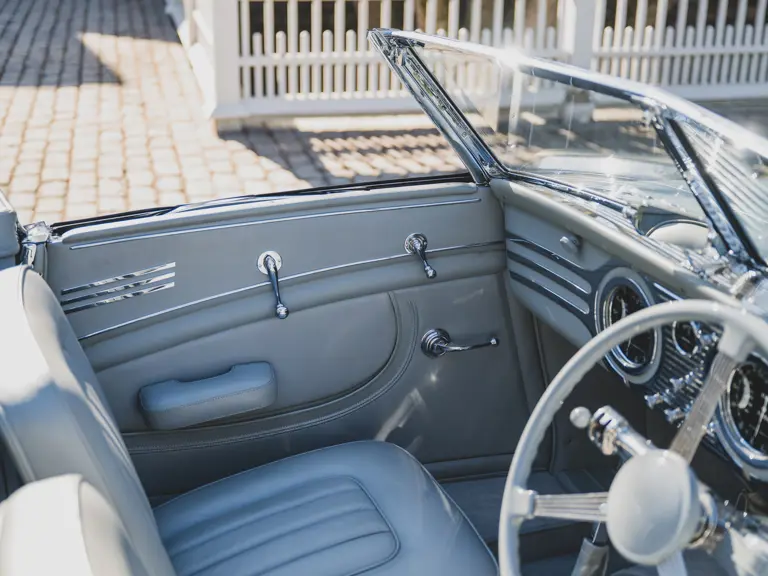
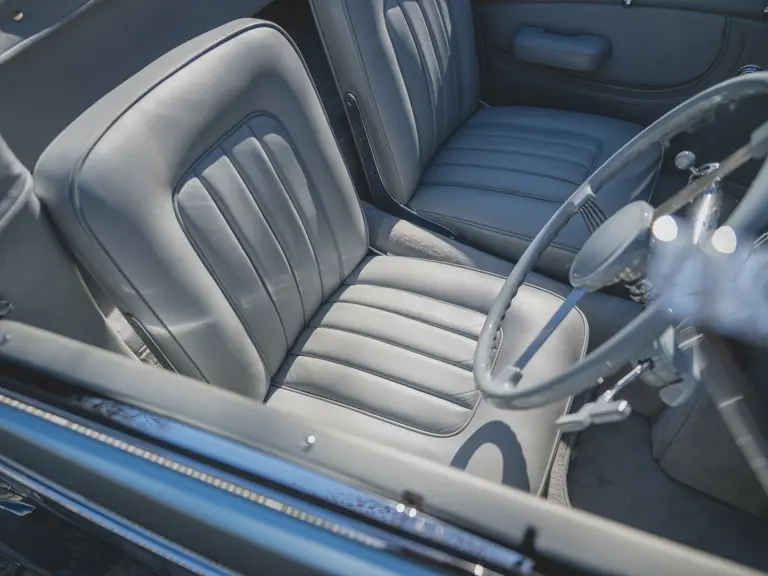
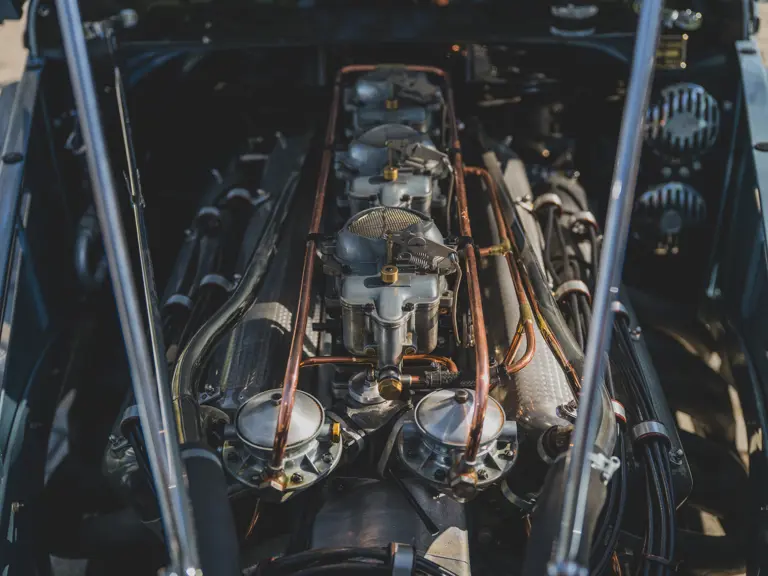
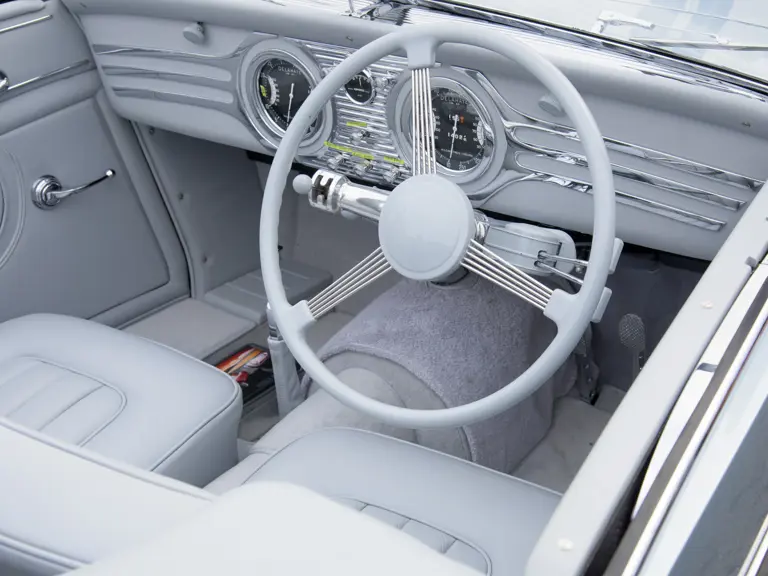
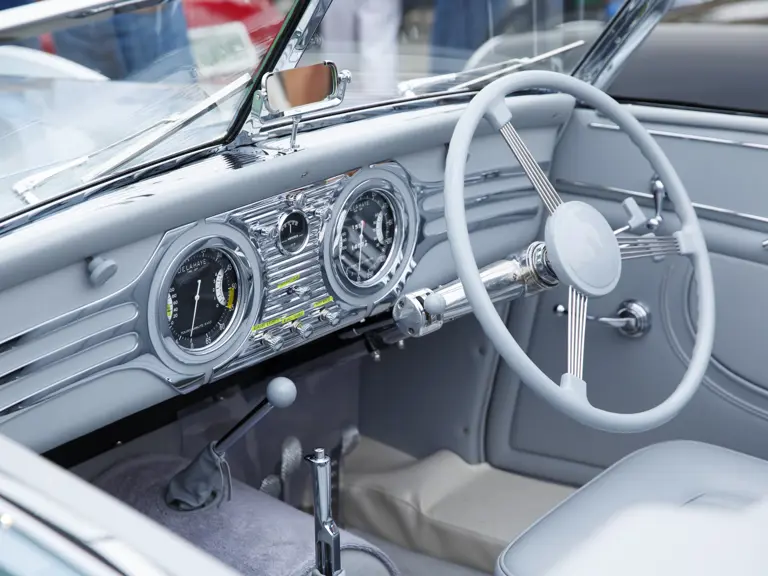
The restoration was completed over a two-year period between 2013 and 2015, by the Manns’ in-house restoration facility. Further exhaustive research was undertaken, including the sourcing of numerous brilliant period photographs that allowed for the presentation of correct finishes, including the engine-turned valve covers and polished water pipes in the engine compartment, and suspension components finished as-original in satined natural uncoated steel. Similarly, the exhaust system remained in unmuffled racing tune, as left by Franay, who presumably knew the value of a delicious exhaust note! The body was finished in its original paint color, referred to in the 1946 French press as Electric Blue, and upholstered as-original in pale grey leather.
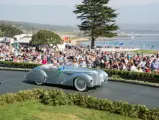
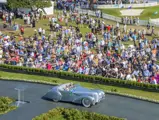
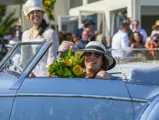
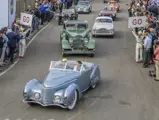
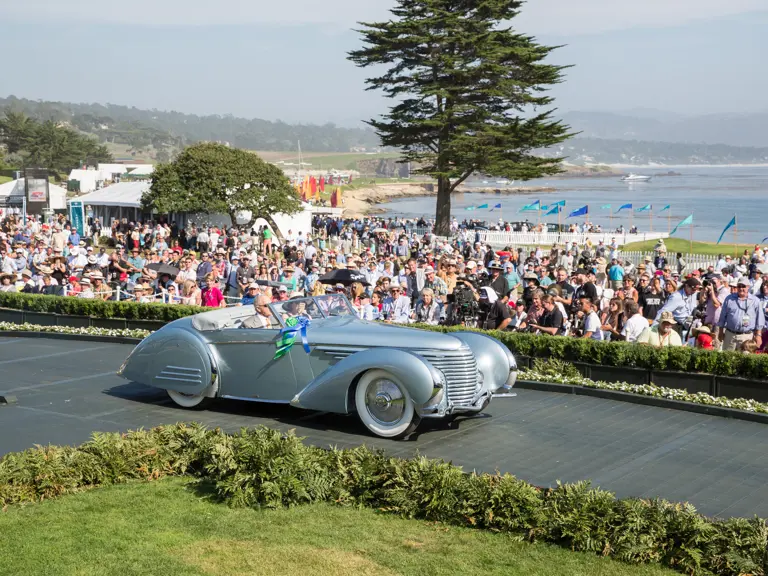
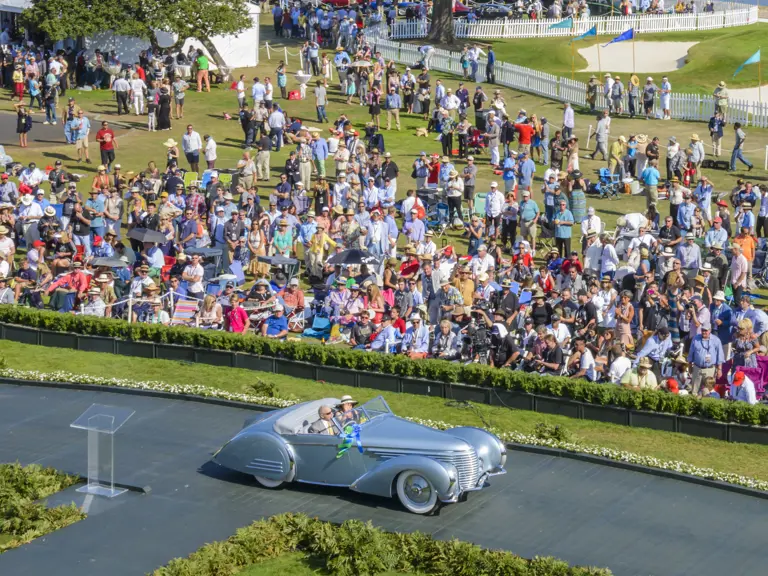
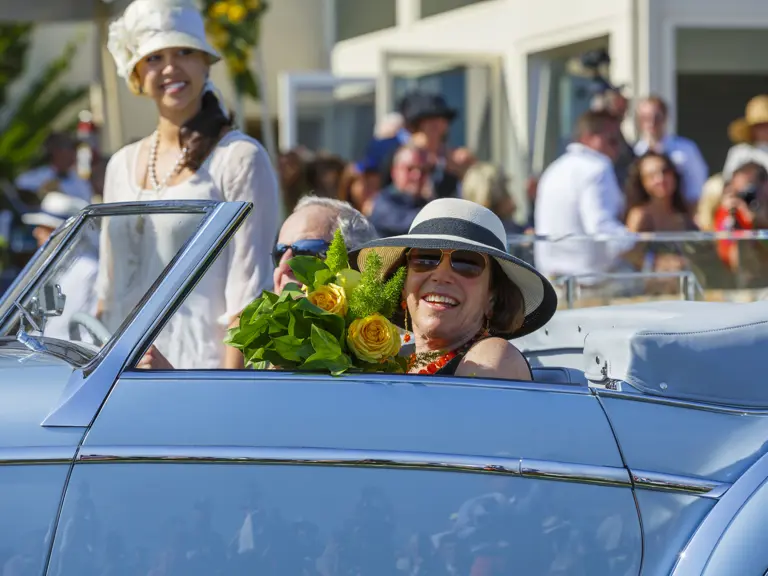
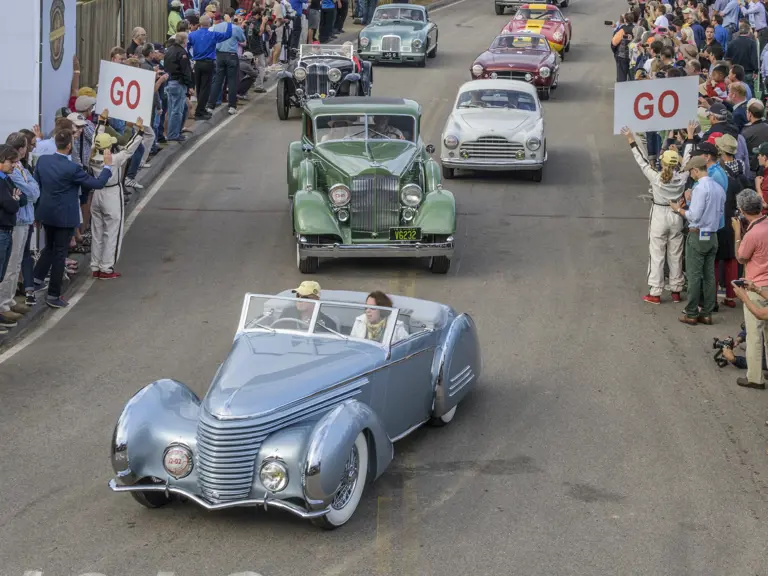
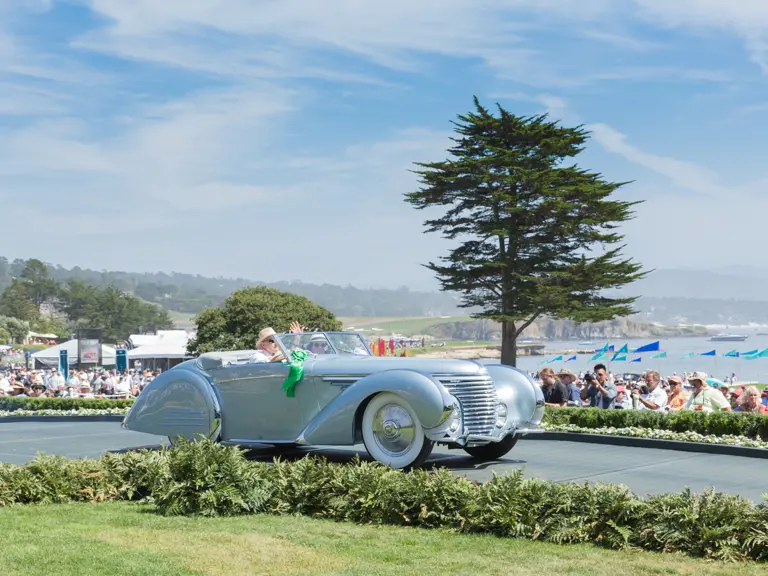
At completion the car was debuted at the 2015 Pebble Beach Concours d’Elegance, where it was justifiably awarded First in Class and a Nomination for Best of Show. The car went on to be named Rolex Circle of Champions Best of Show at The Quail, A Motorsports Gathering, in 2024, and was subsequently nominated for the Peninsula Classics Best of the Best Award that year.
A magnificent piece both in its design and in the presentation of its restoration, as well as in the meticulous research of its history, this is one of the most important surviving products of the Delahaye marque. It is a car that speaks to history, loudly, bringing back not just one victory, but three, that gave Adolf Hitler a taste of the justice soon to come his way—and which stood, and stands, as a moment of pride for both a manufacturer and its country.
Vive la France.
 | Monterey, California