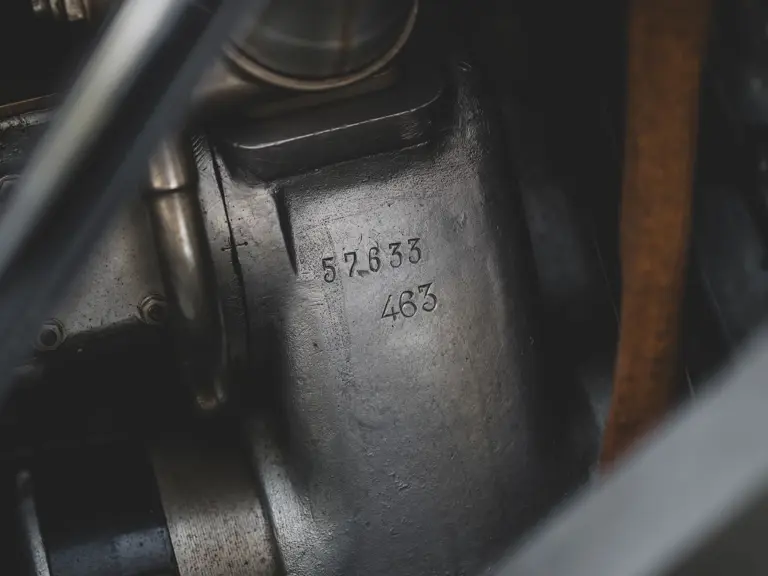
Chassis No.
57633
$1,500,000 - $1,800,000 USD | Not Sold
Offered from The Sam and Emily Mann Collection
{{bidding.lot.reserveStatusFormatted}}
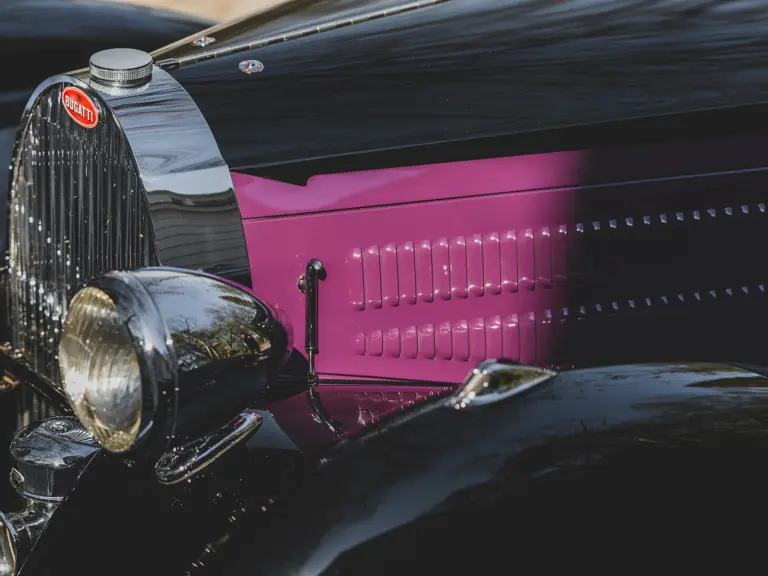
In the world of Bugatti, names matter, and when you say Atalante, people instantly recognize that magnificent shape. – S.M.
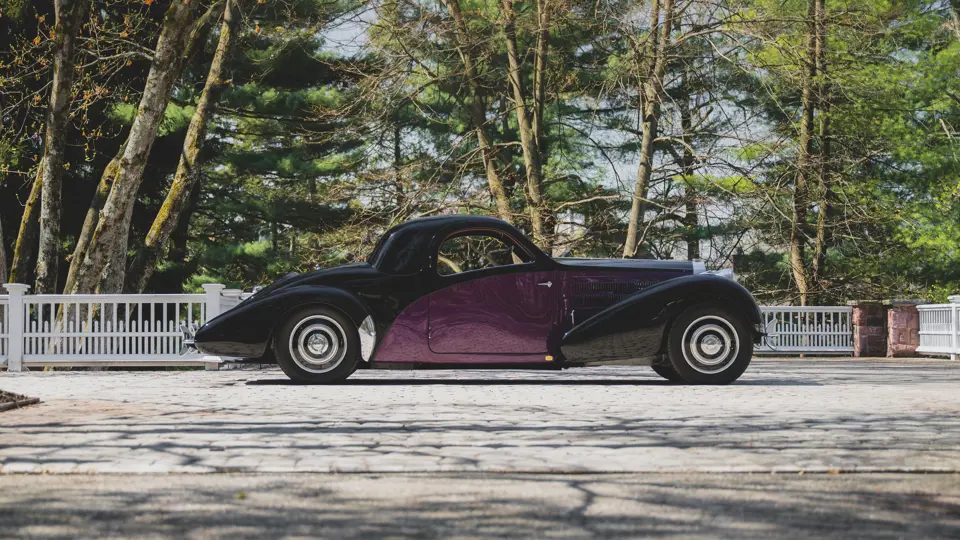
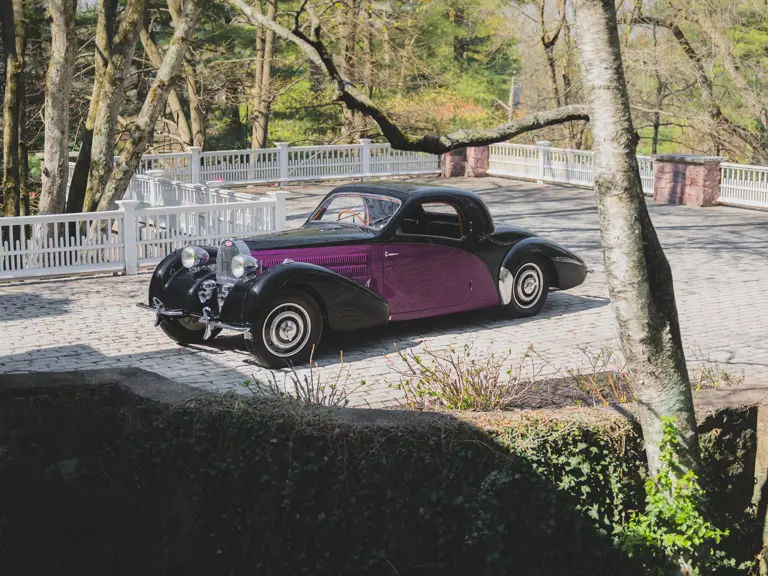
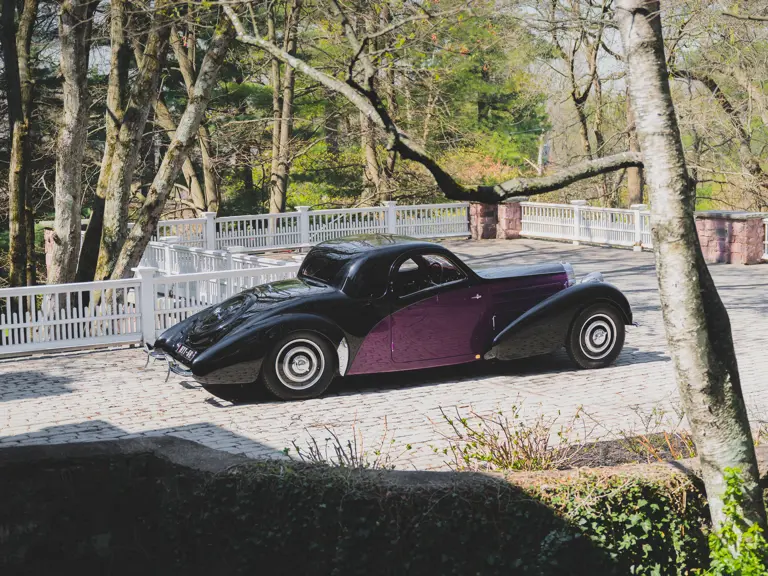
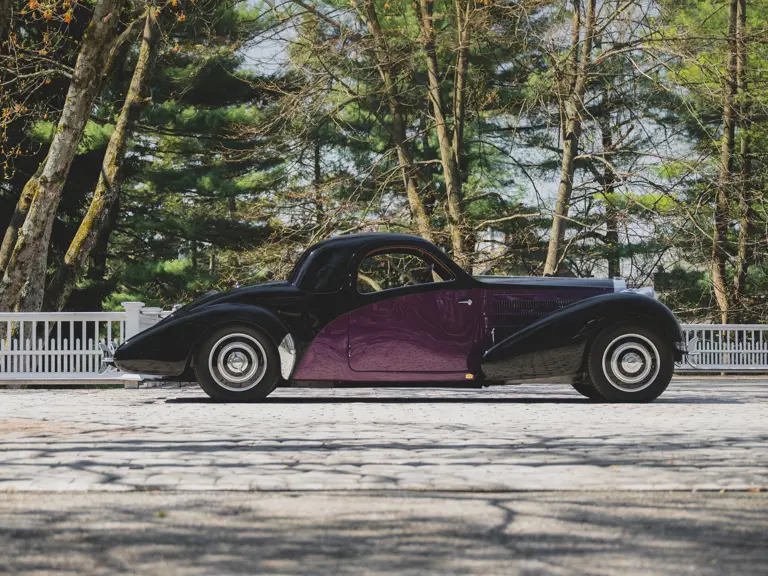
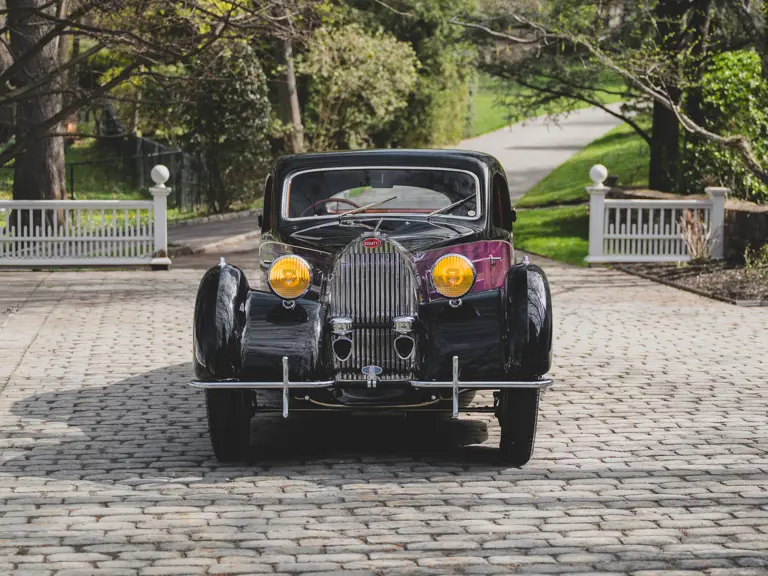
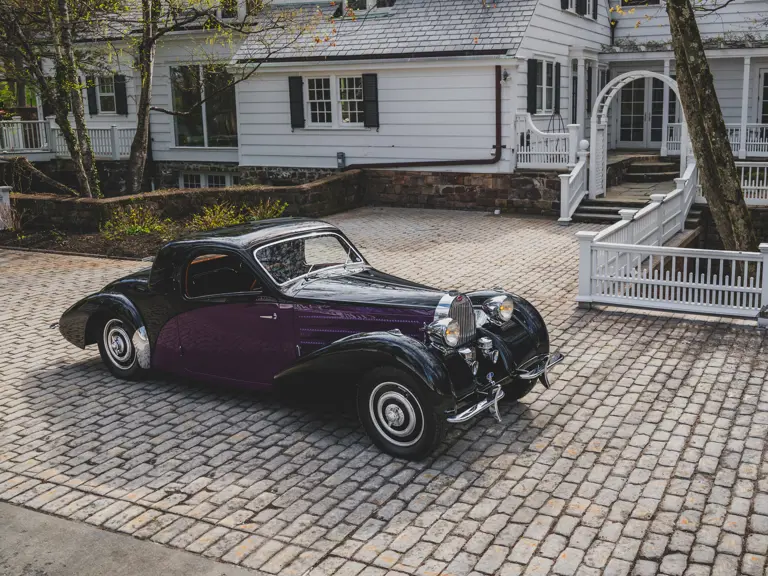
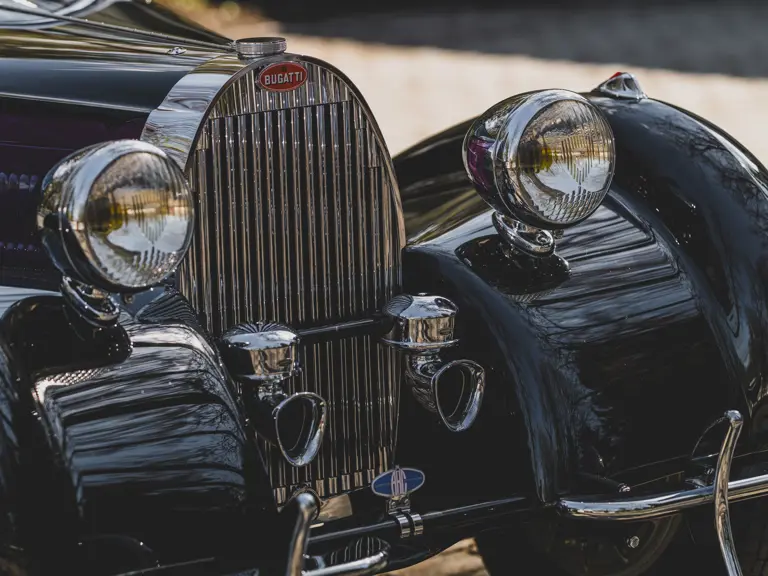
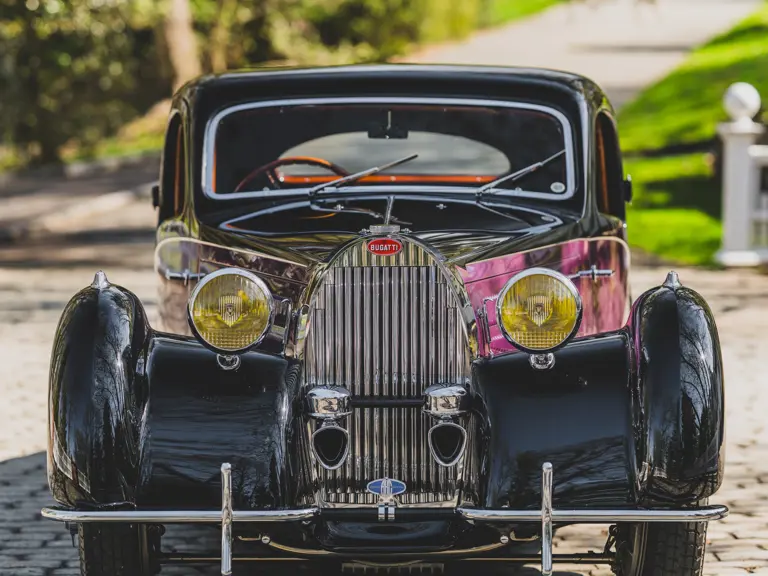
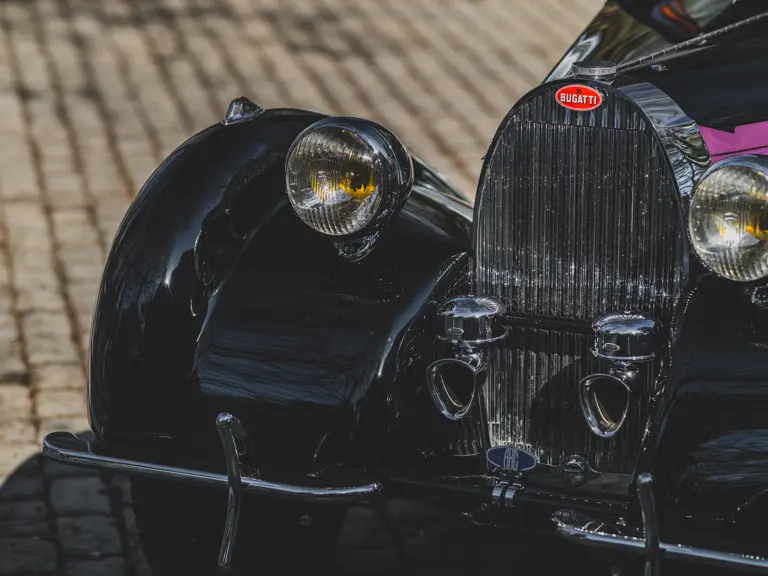
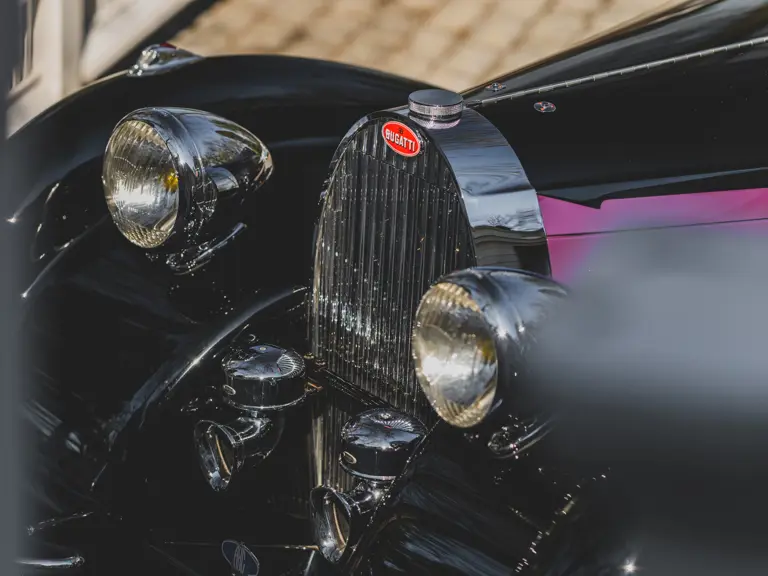
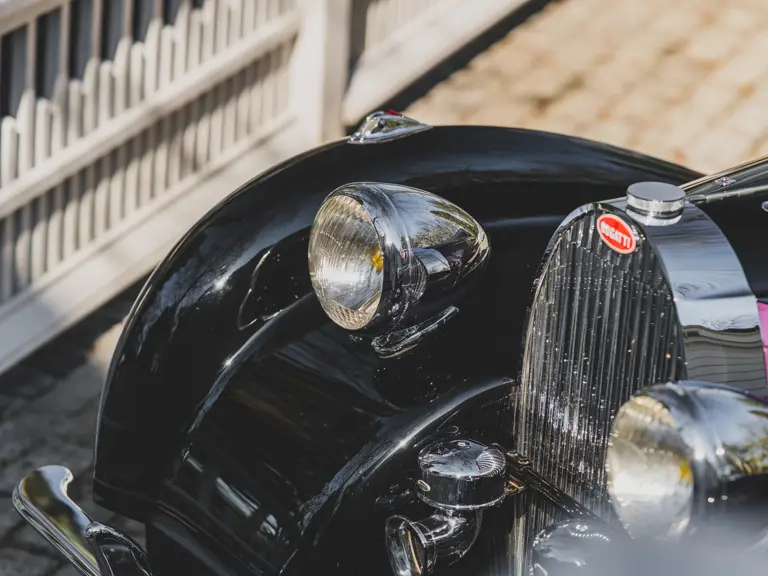
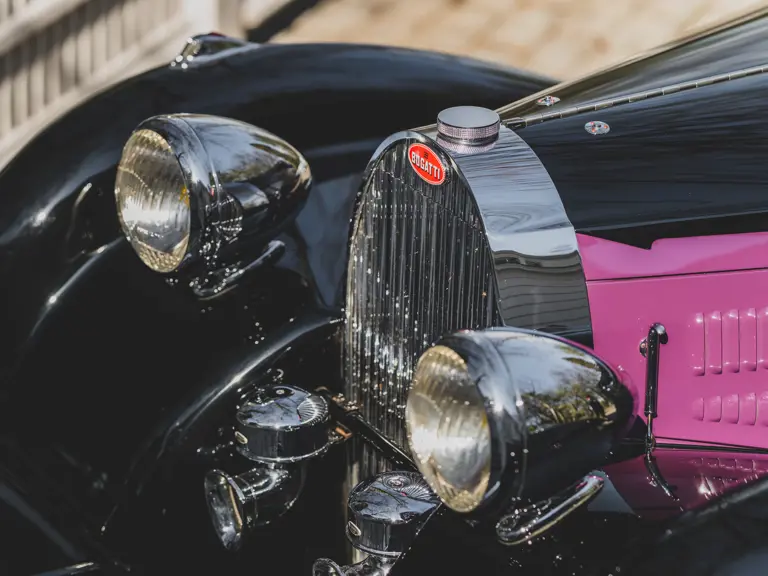
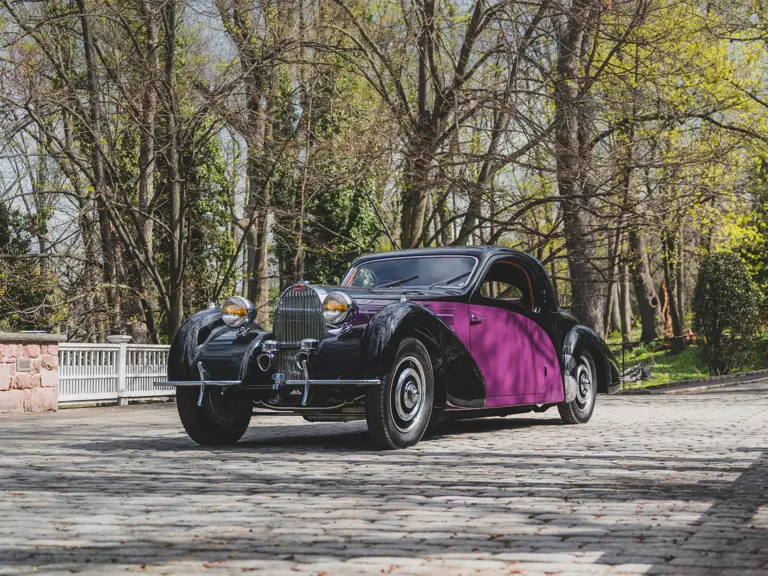
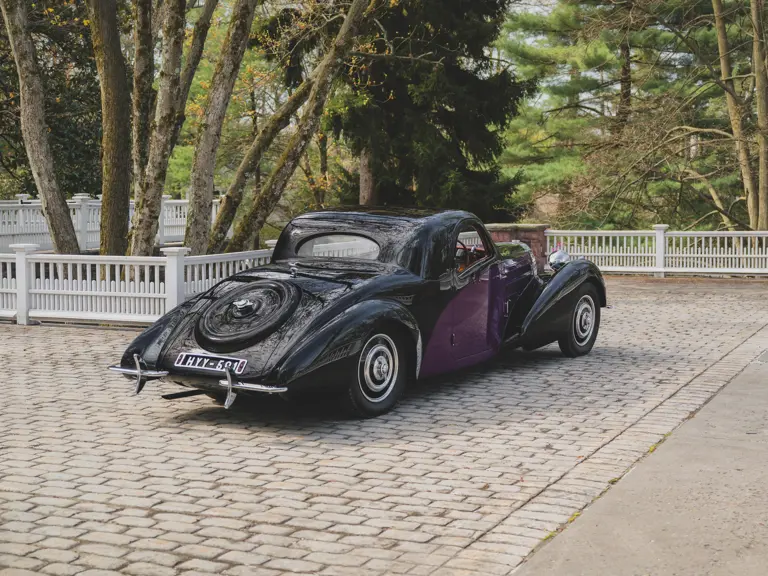
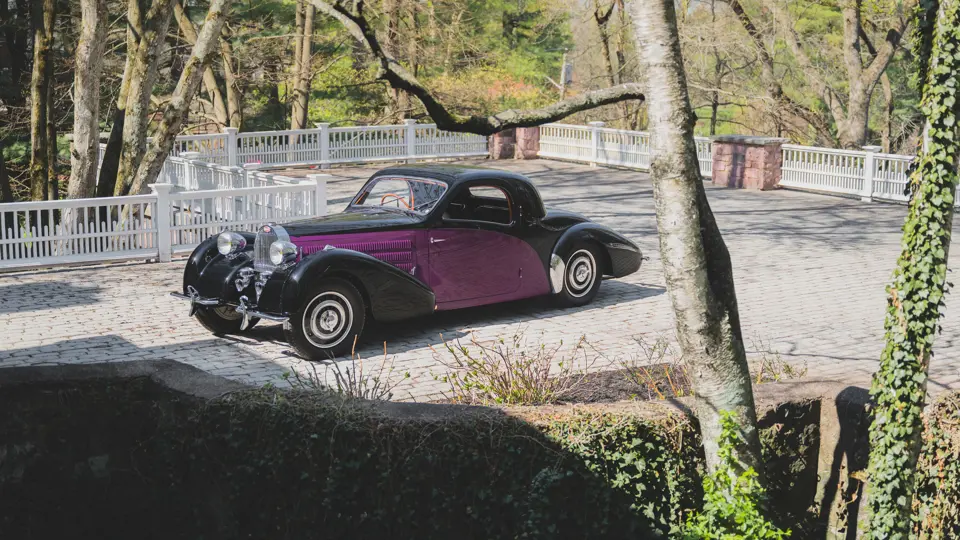
They do indeed. Atalante, to the Bugattiste, means a raked windshield that rises to a sweep of a roof that curves back on itself, above a tautly pulled, angled tail flanked by the round curves of torpedo-like fenders, and bodywork set off by the cut of a two-tone color scheme. Yet just as each artist’s fingertips draw different sounds from a piano, no two renditions of the Atalante were precisely the same, and some emerged more exceptional than others.
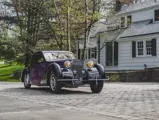
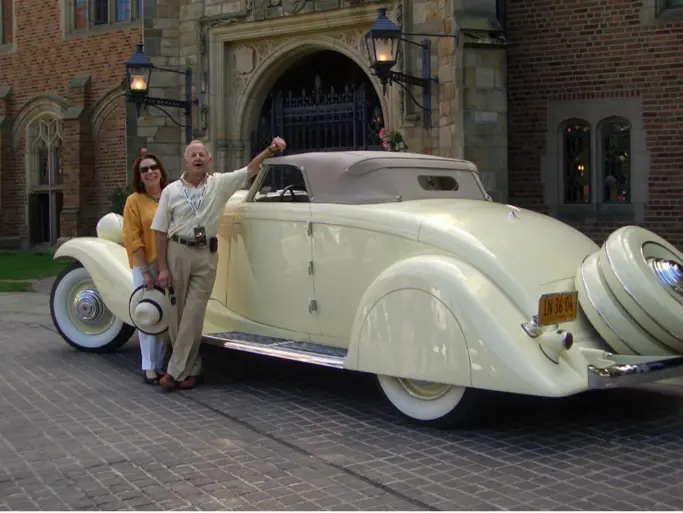
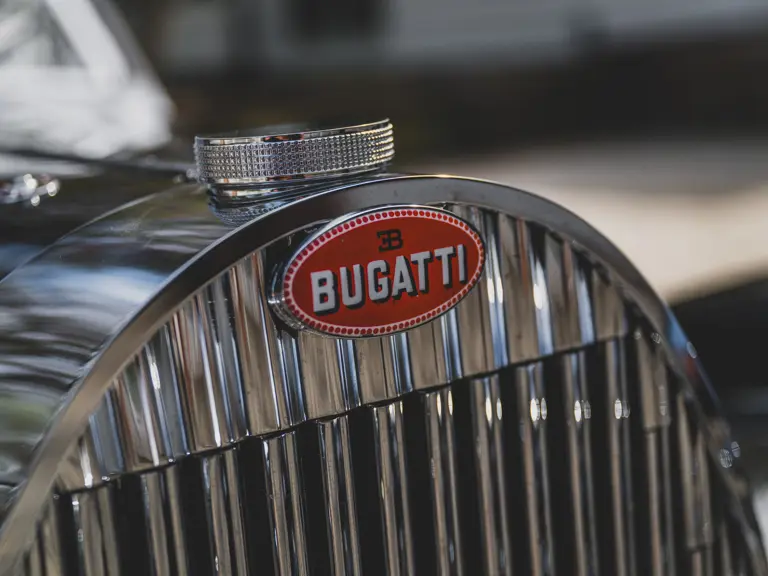
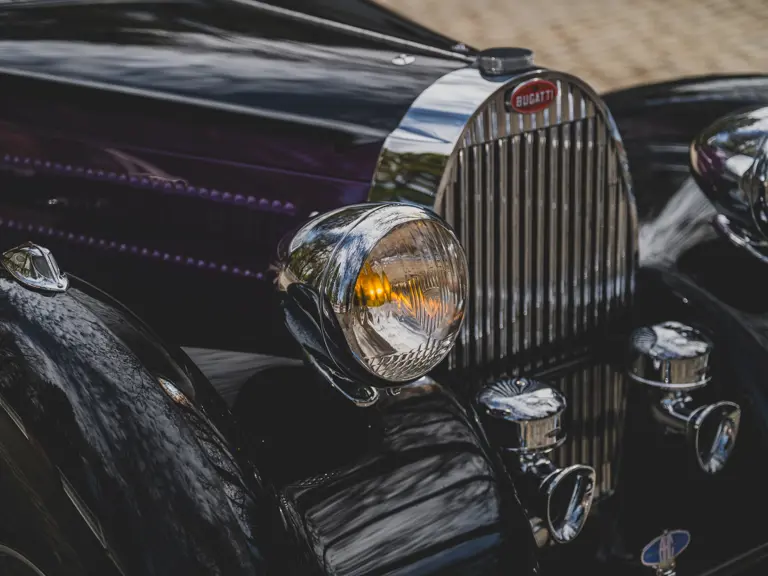
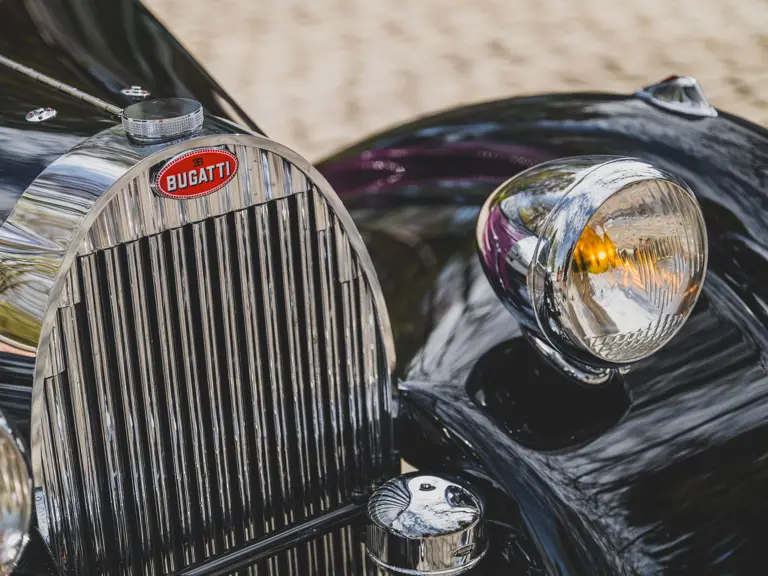
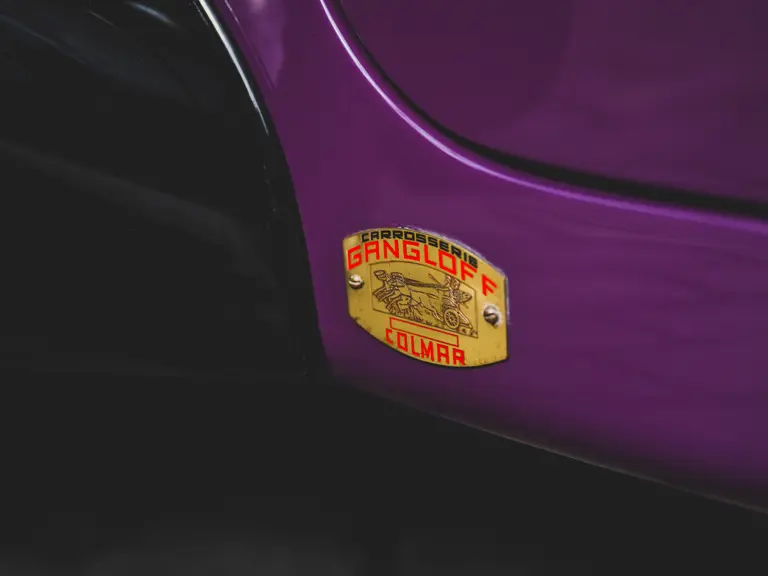
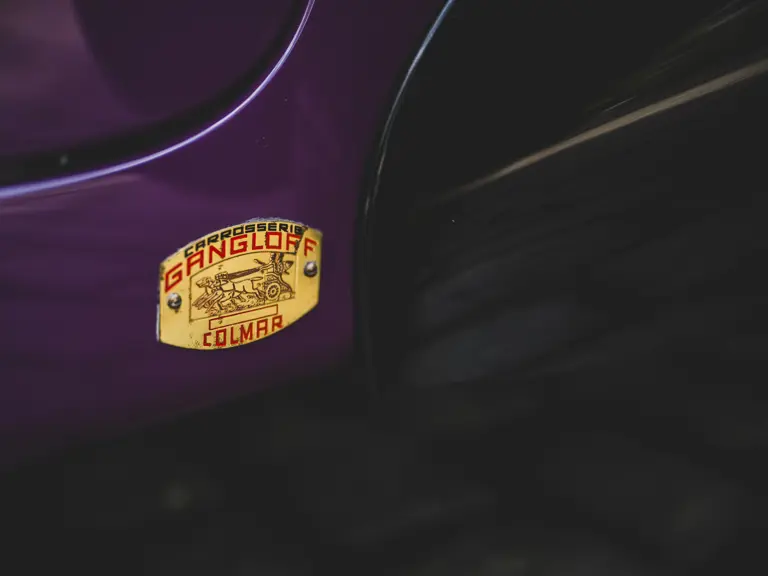
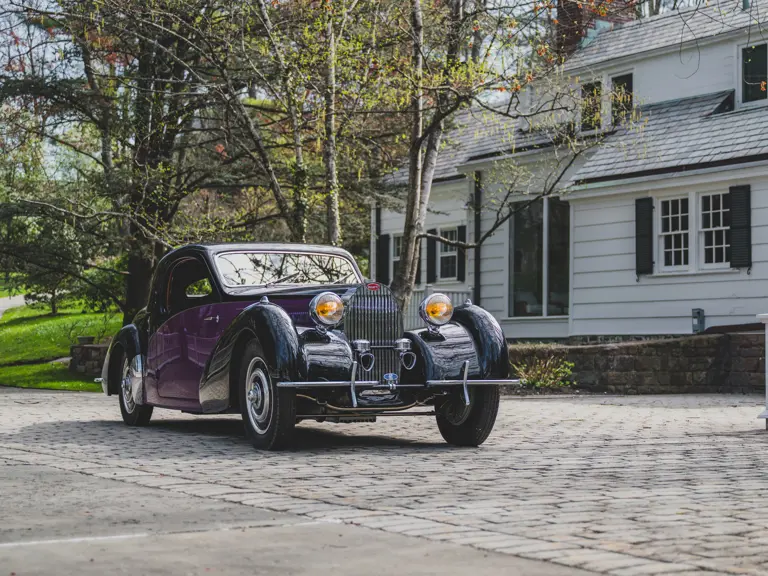
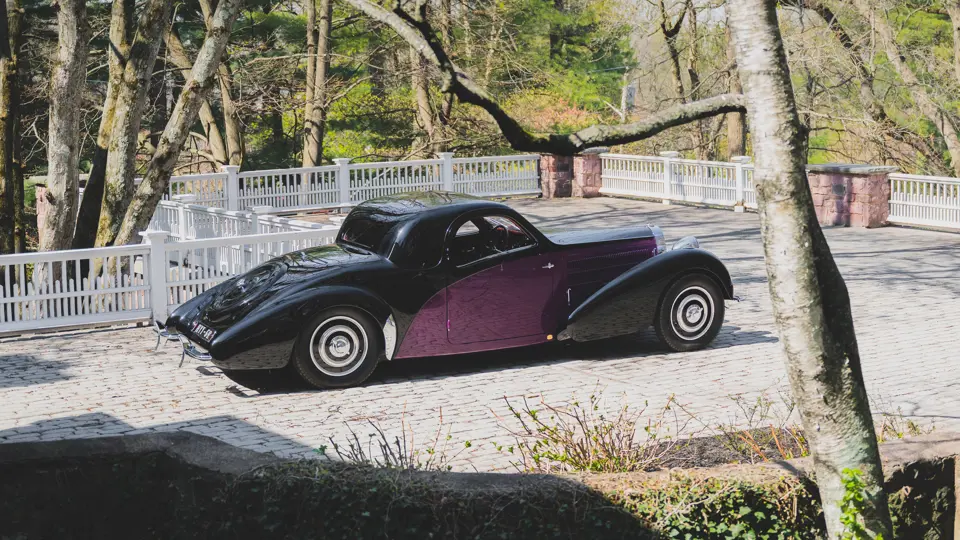
It is worth noting that in the hyper-specific world of Bugatti, only the factory-bodied examples of the design were officially dubbed Atalante; those bodied independently by Gangloff were recorded as faux cabriolets or simply as coupes. Chassis number 57633 is one of the latter, and yet its design is clearly an Atalante. It is a one-off variant, however, commissioned to the fine taste and specification of original owner Fernand Crouzet, proprietor of a large leather factory in Labastide-Rouairoux, Tarn, who eventually owned three Type 57s—one for himself, and another for each of two very fortunate sons. The chassis was delivered to Gangloff in February 1938, and construction of the body took an additional two months.
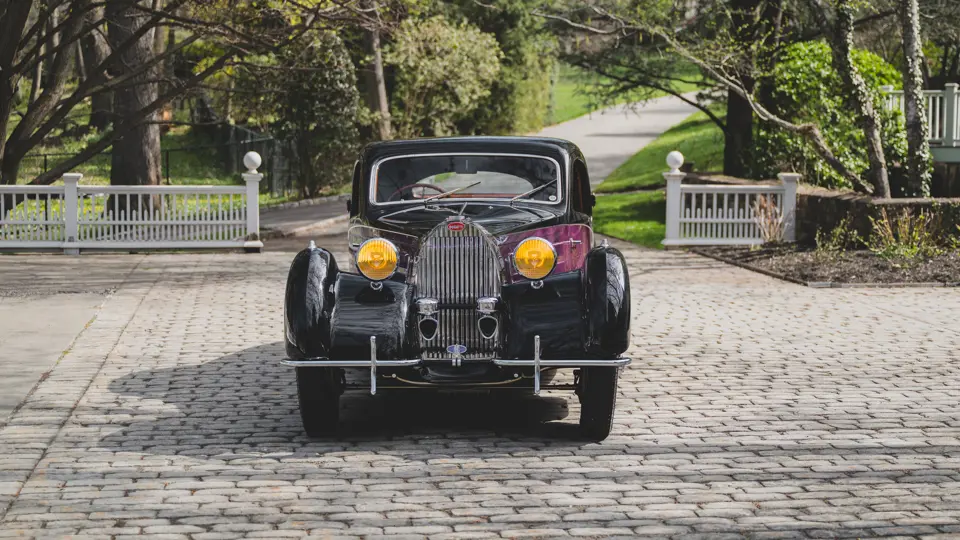
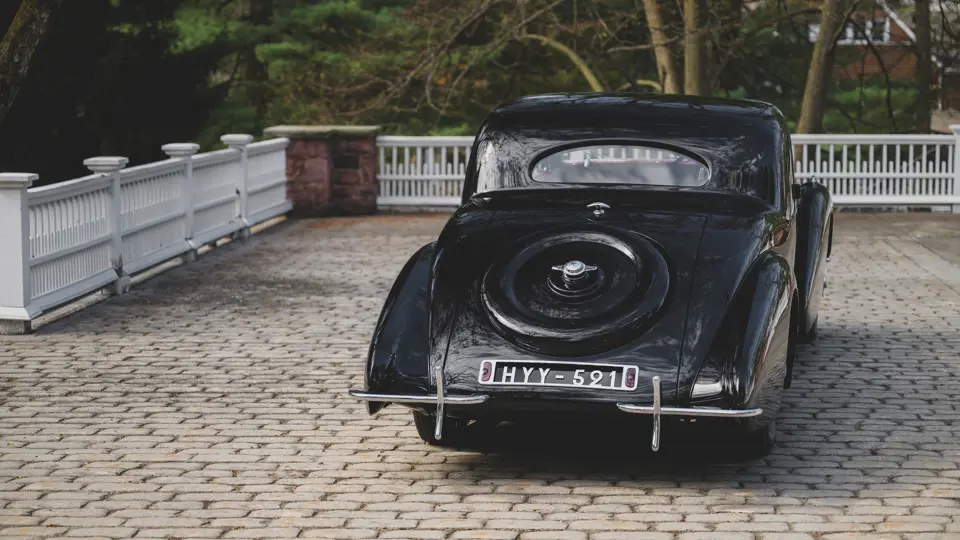
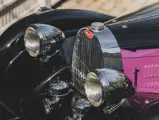
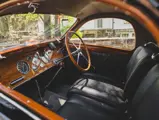
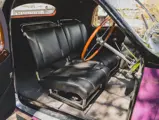
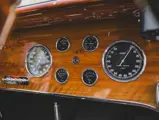
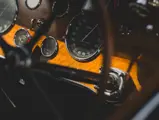
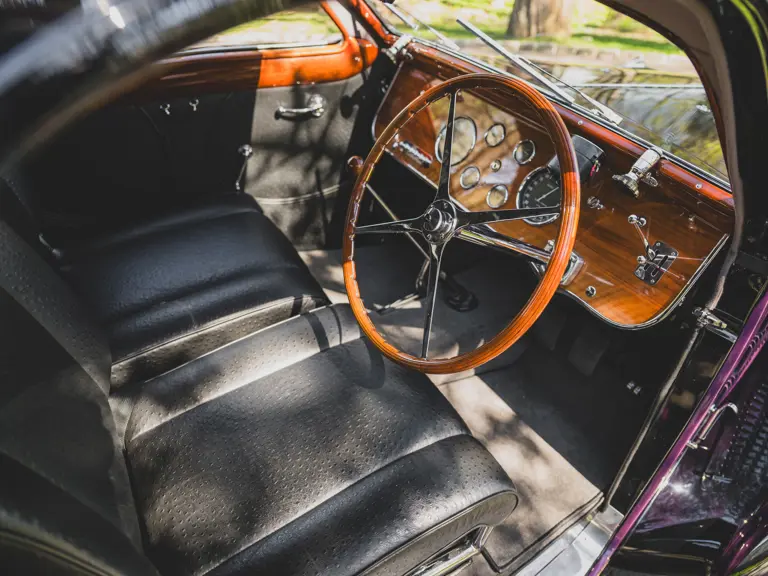
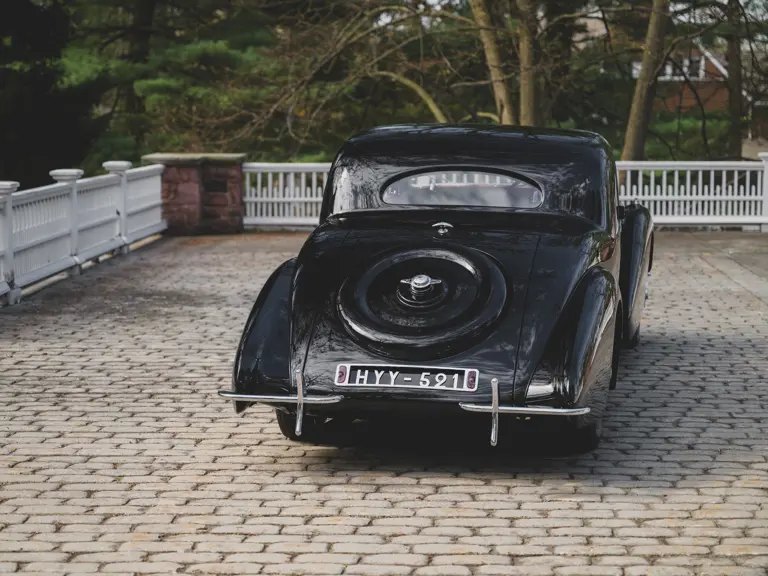
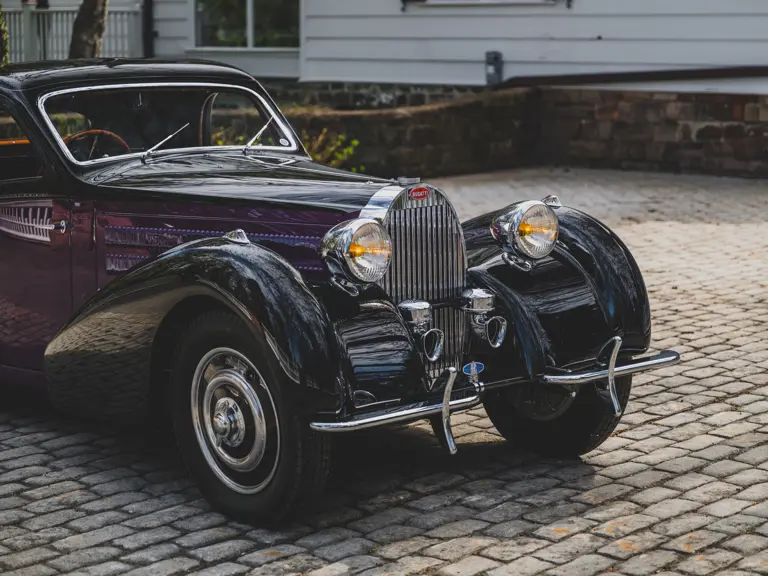
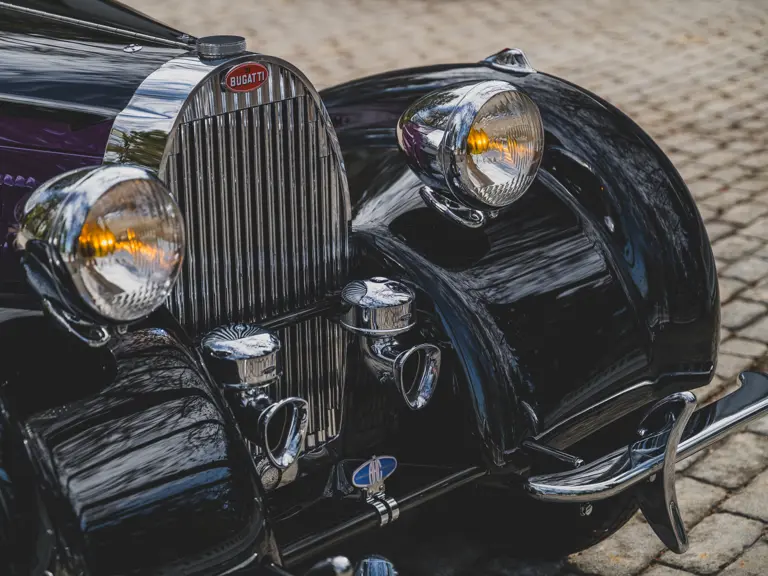
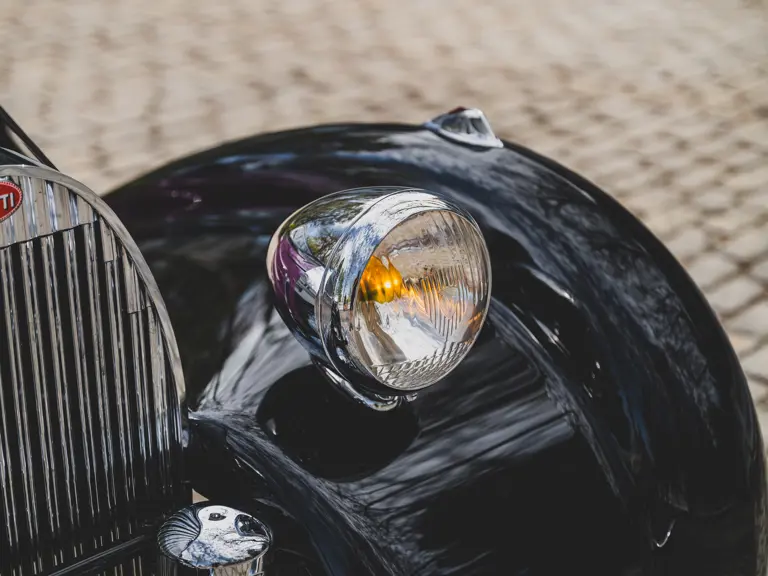
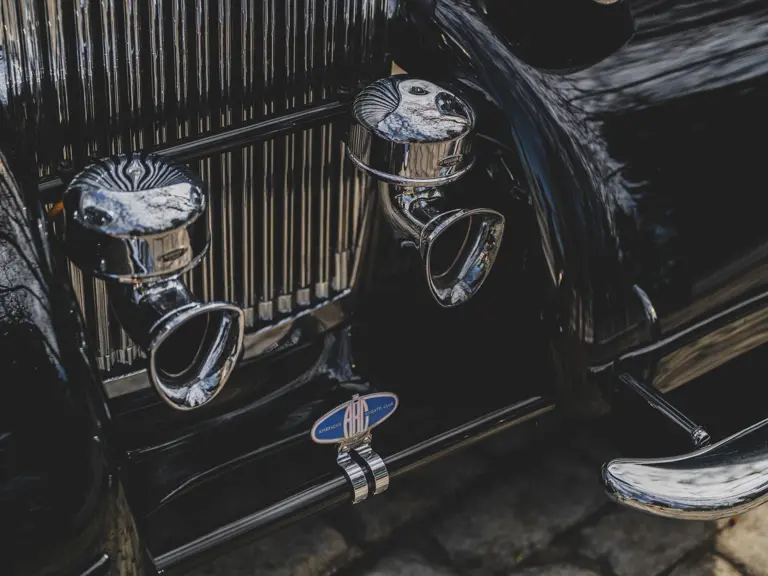
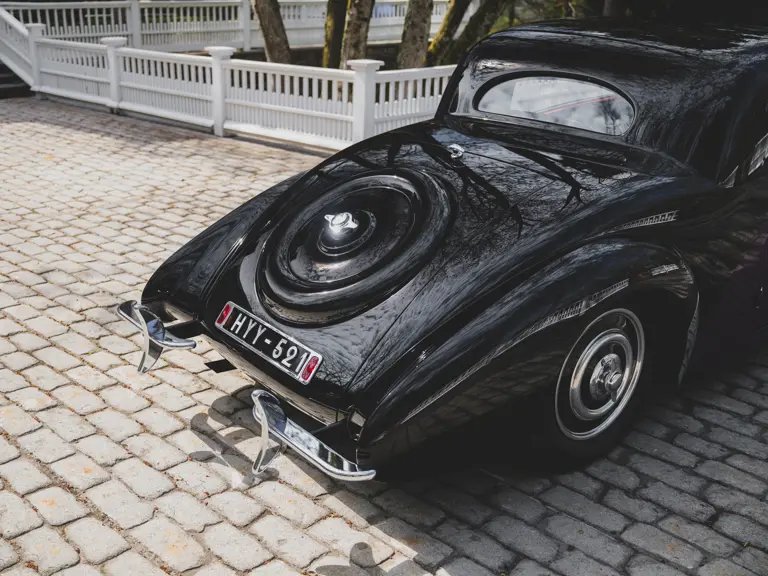
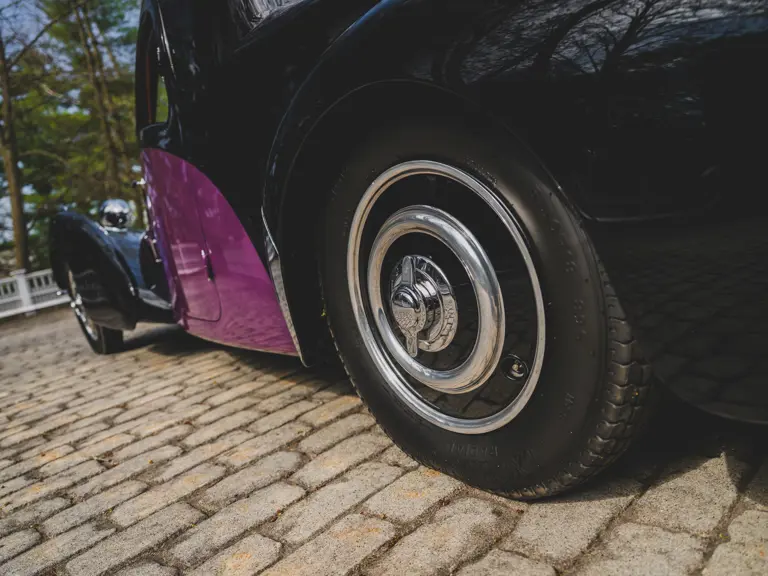
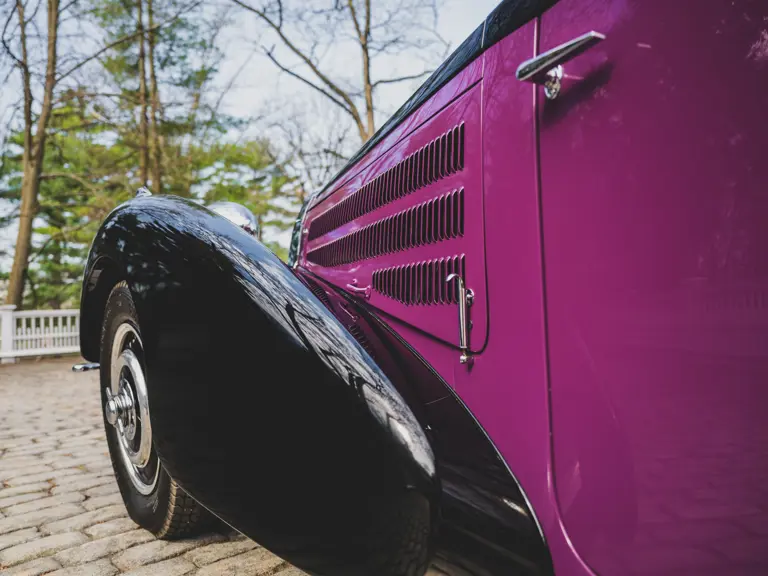
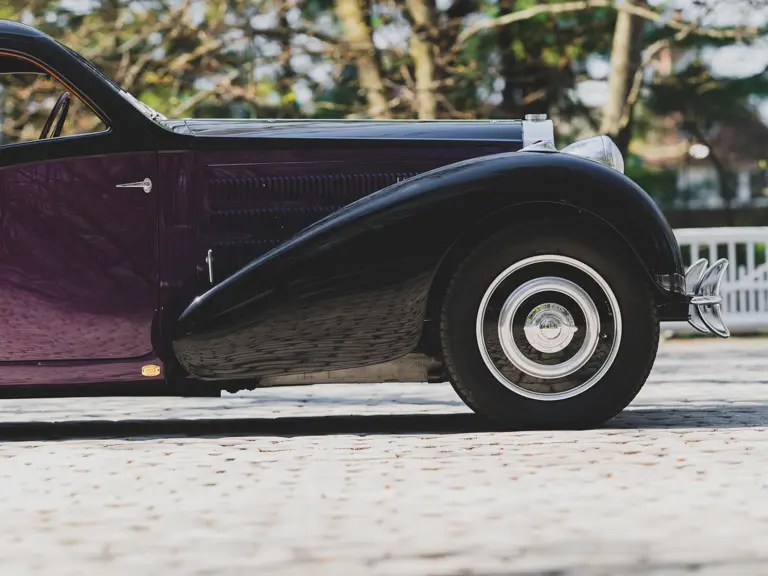
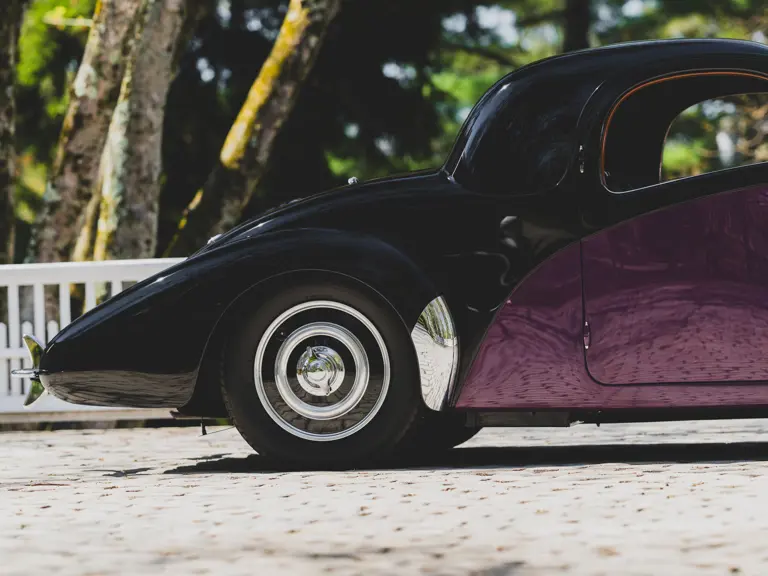
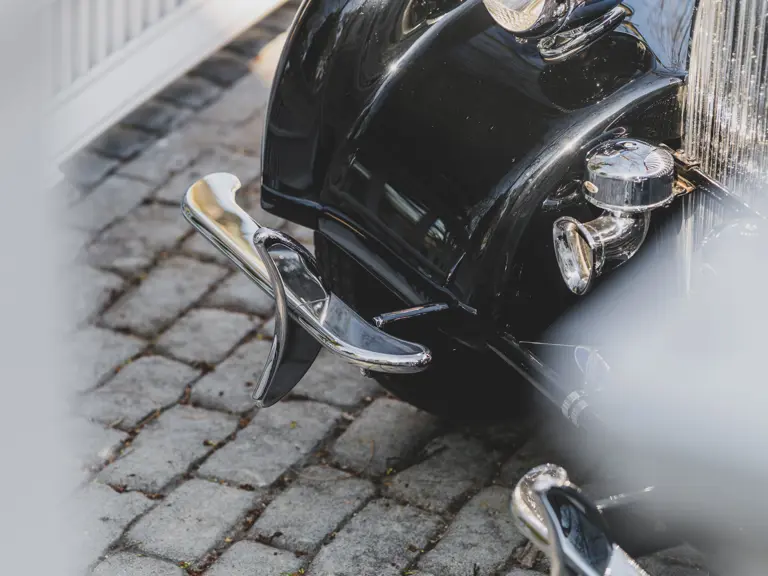
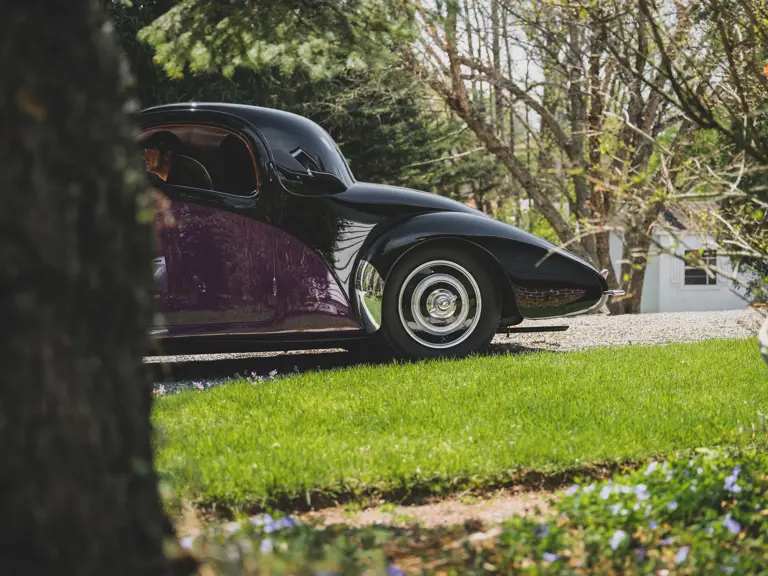
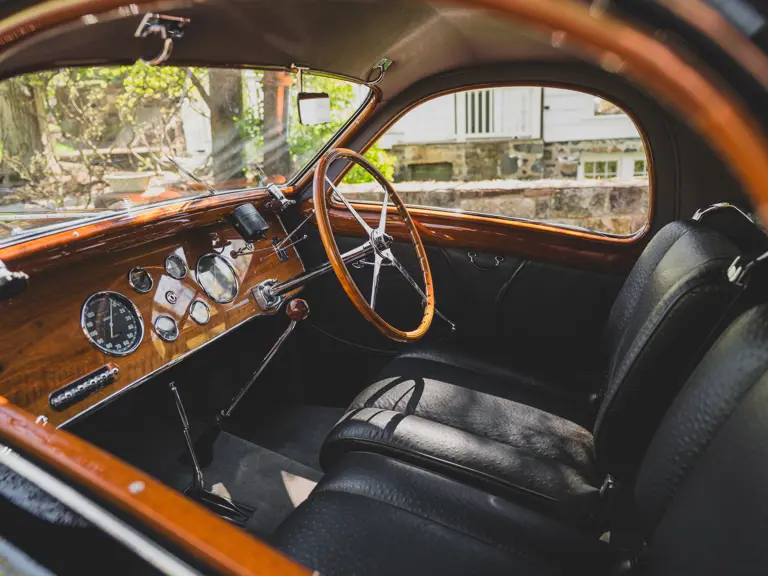
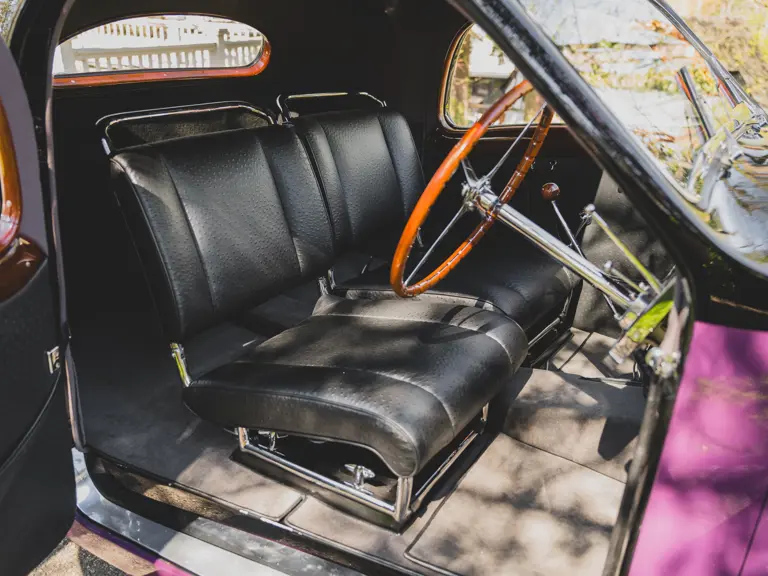
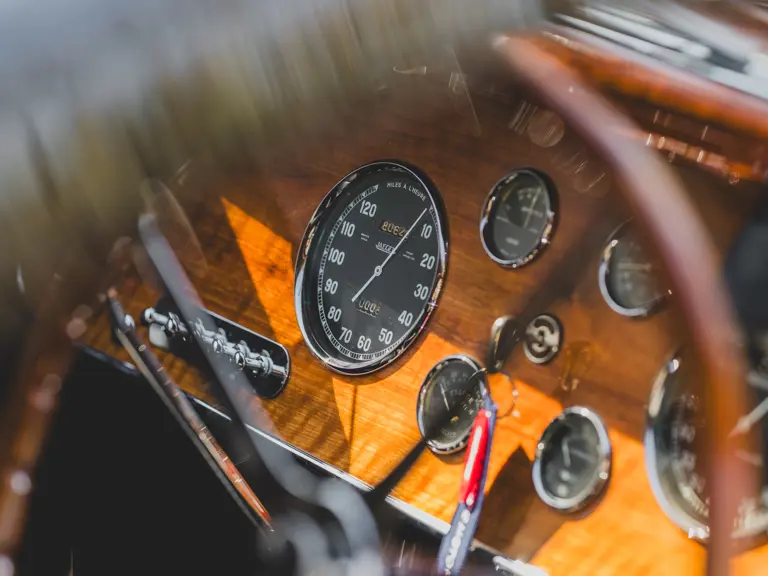
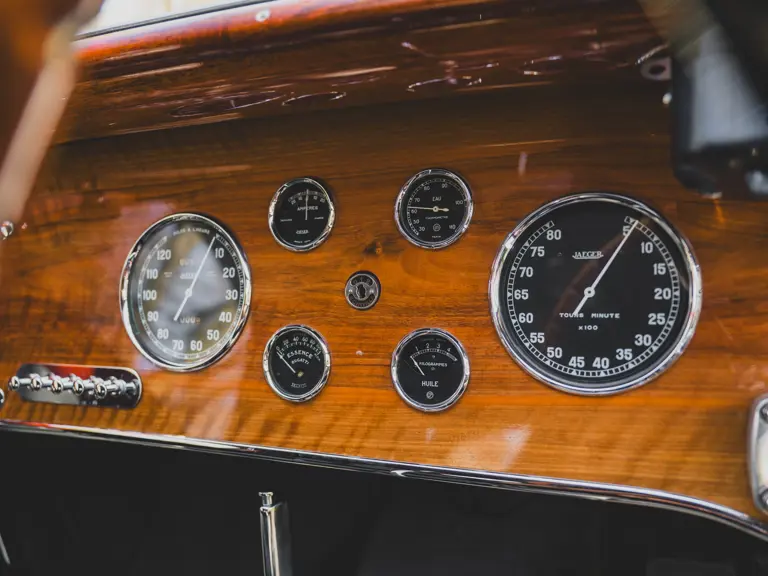
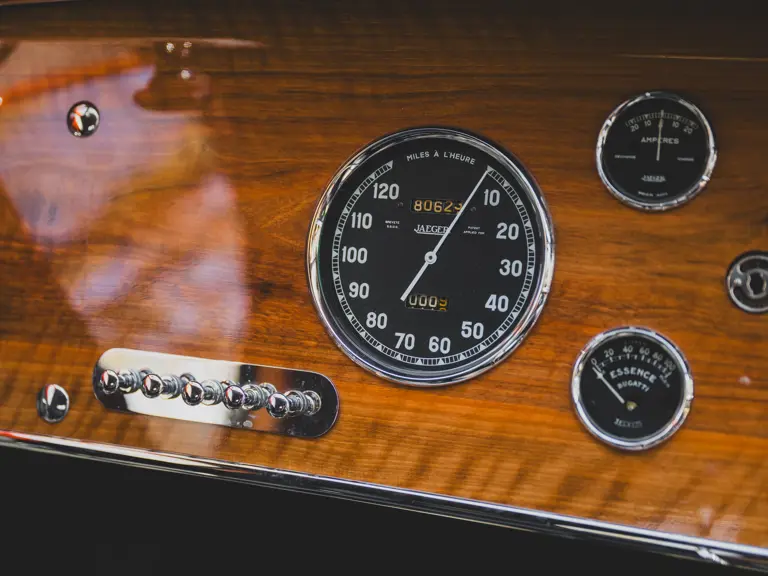
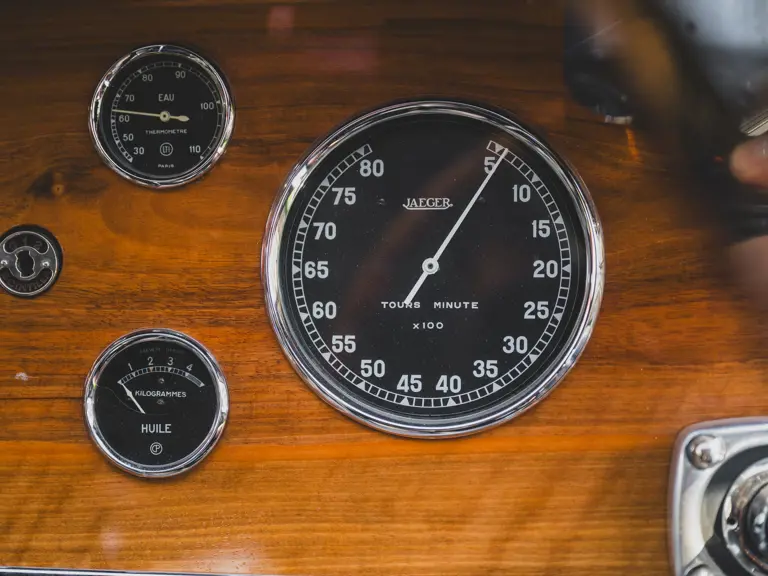
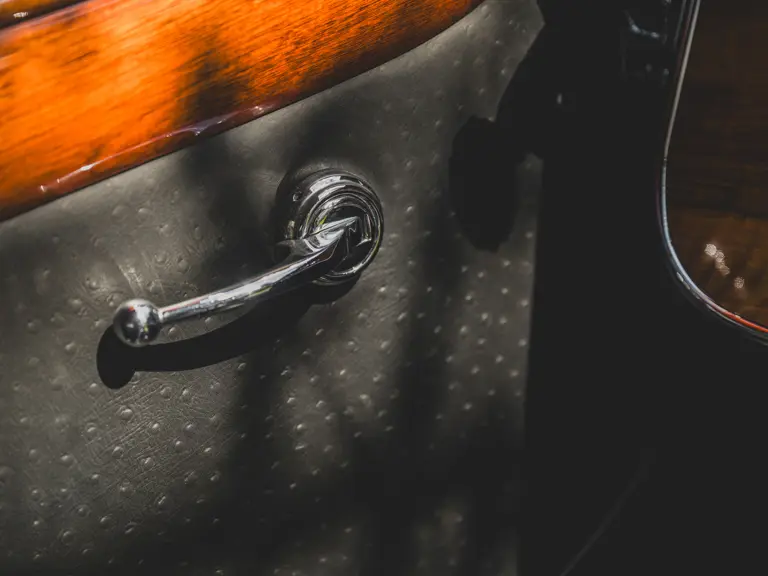
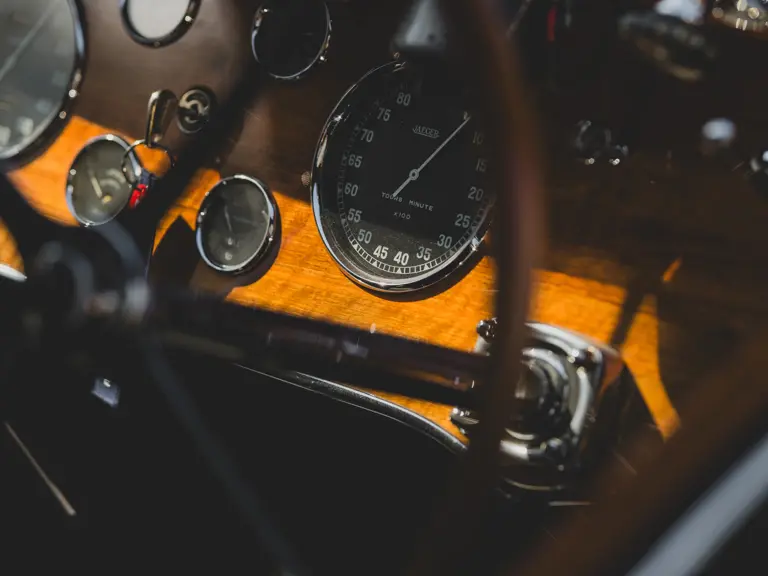
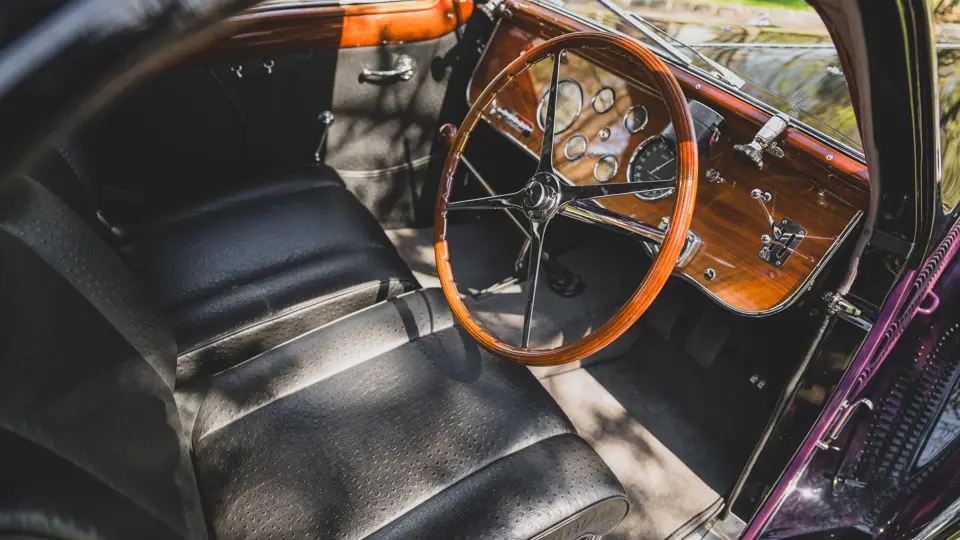
Examination of the car’s profile shows how Crouzet worked with Gangloff to achieve exactly what he sought. The windshield was moved very subtly forward, by only about three inches, sufficient to provide a more delicately curved roofline, ample legroom for even a taller driver, and additional ample luggage space aft of the two seats. Further, long rear fenders were requested, complementing the spare recessed into the rear deck and a large single-piece rear window, again in the interest of making a usable and functional automobile appropriate for grand touring. Mr. Crouzet specifically chose the instrumentation used on supercharged cars, while special disc-style wheel covers and bumpers were the final ornamental touches. Similar to the Gable Duesenberg in the Mann collection, the result is a clear reflection of both its original owner’s connoisseurship and of his eye for solid design.
Chassis number 57633 remained with the Crouzet family until June of 1941, when it was sold to Pierre Vidal of Toulouse. It was sold again in Paris around 1943, and subsequently refurbished by the Parisian Bugatti facility, and in 1947 put into use by the French Government at their embassy in London! Subsequently, it was sold and passed through a succession of private hands, including early enthusiast J.G.H. Carter.
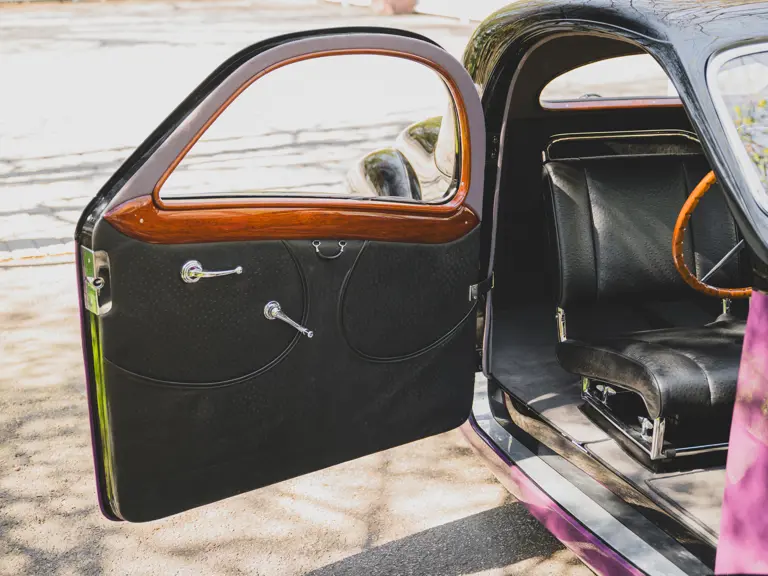
In 1955, the car was purchased by the well-known automotive author Kenneth Ulyett, who used it regularly until his death in 1977. It was sold from his estate in 1987, and eventually acquired by a Japanese collector who shortly passed it in 2003 to J. Peter Ministrelli of Michigan. Mr. Ministrelli took on the challenge of a meticulous, ground-up, fresh restoration, undertaken by the noted Brian Joseph of Classic & Exotic Service in Troy, Michigan. Many of the small parts for the project were acquired during two trips to Rétromobile in Paris, while exhaustive research was also performed into the car’s equipment and finishes.
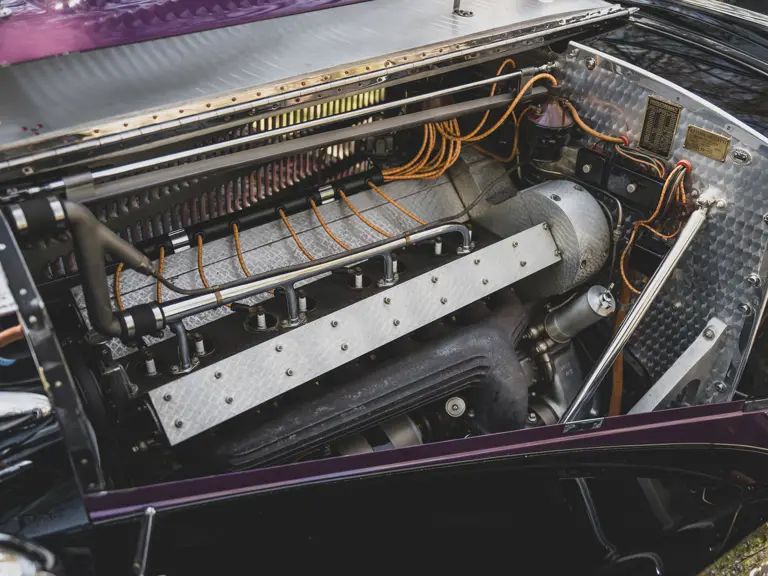
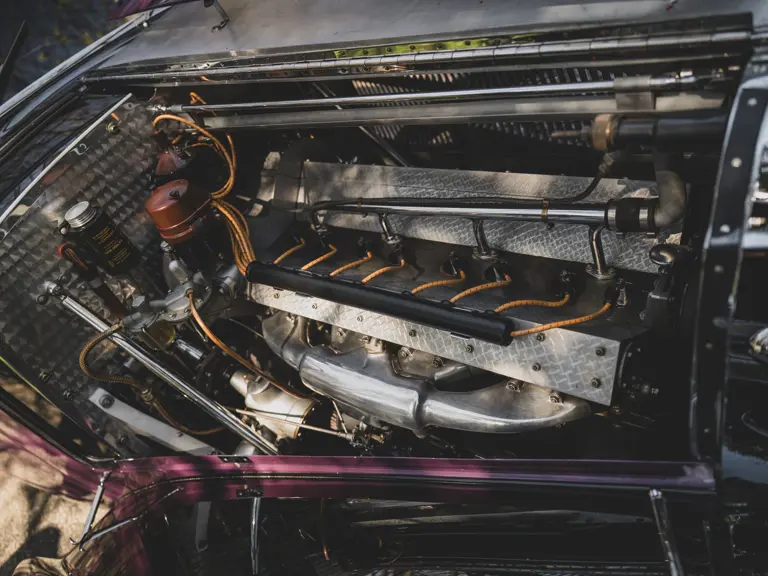
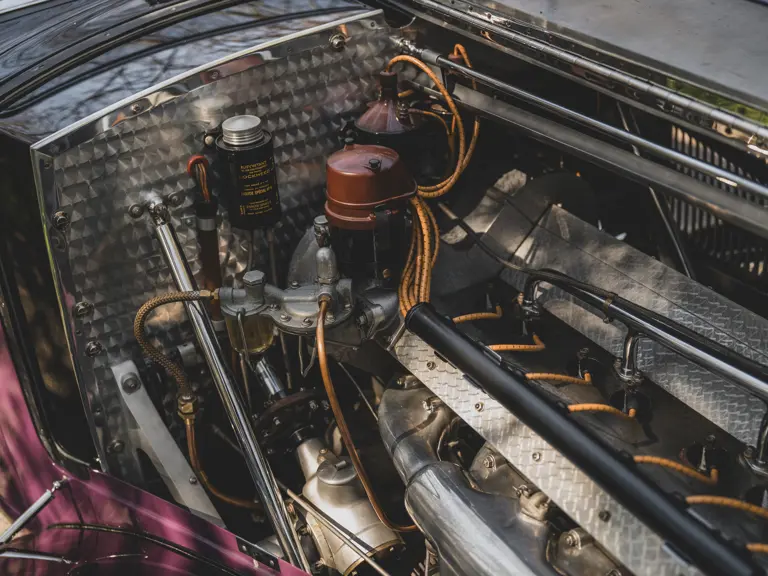
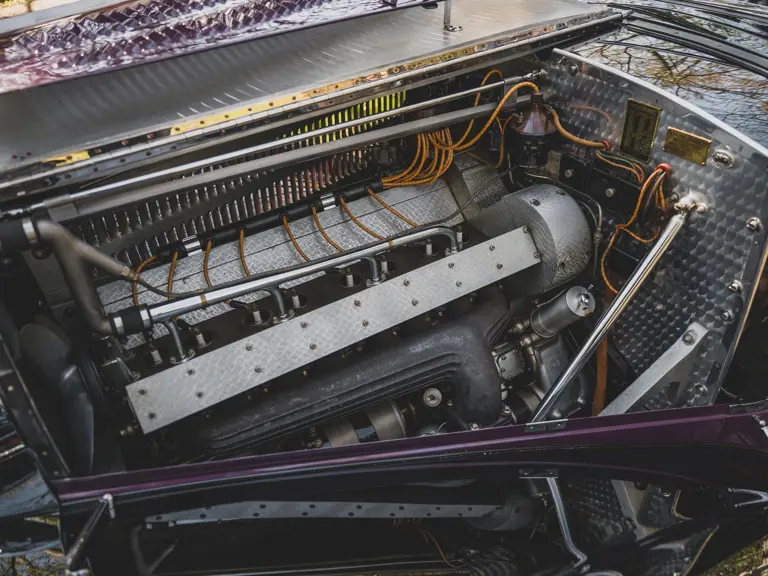
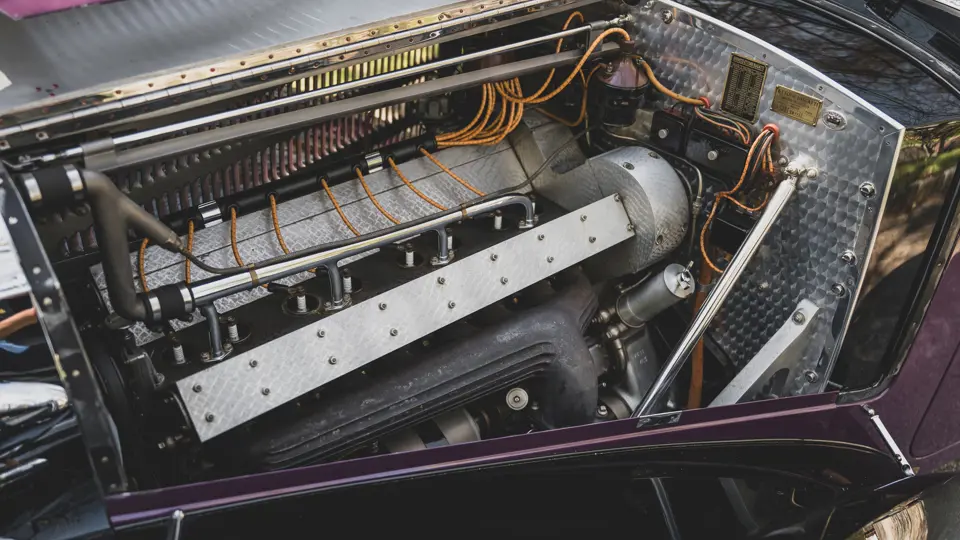
With the engine and drivetrain properly rebuilt in prior ownership by the great California firm of Hill & Vaughn—led by the legendary champion racing driver and superb mechanic Phil Hill—all that was required was new hand-scraping on the aluminum castings for the cam and timing gears; the original scraping pattern was traced by pencil and recreated from the pattern by Dave Barron. An extremely detailed article, published in the Michigan Region CCCA’s Torque magazine, is included in the car’s history file and further details the meticulous craftsmanship and the intense amount of fine detail work that went into its restoration.
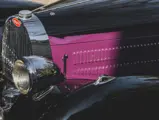
At its completion in a magnificent livery of black and aubergine, the Bugatti debuted at the 2005 Pebble Beach Concours d’Elegance, finishing in its class behind only an original Talbot-Lago “teardrop” coupe. It subsequently won its class at Amelia Island in 2006, and scored 99.5 points at the Michigan Region Grand Classic later that year. Late in 2006, the Bugatti was sold by Mr. Ministrelli at auction to benefit Beaumont Hospital, a favorite subject of his philanthropic efforts. It was acquired by David Wooley of England, next passing in 2007 to the Roberts family, with whom it would be held and much-enjoyed for 14 years.
Longtime Bugatti owners and enthusiasts, Sam and Emily Mann, were very happy to acquire their latest Type 57 from the Roberts family in 2020. It has remained much-enjoyed in the collection since, occasionally taken out for shows as well as for driving events, and has been nicely upkept to the Manns’ high standards, with only minor signs of age and use to its superb Joseph restoration.
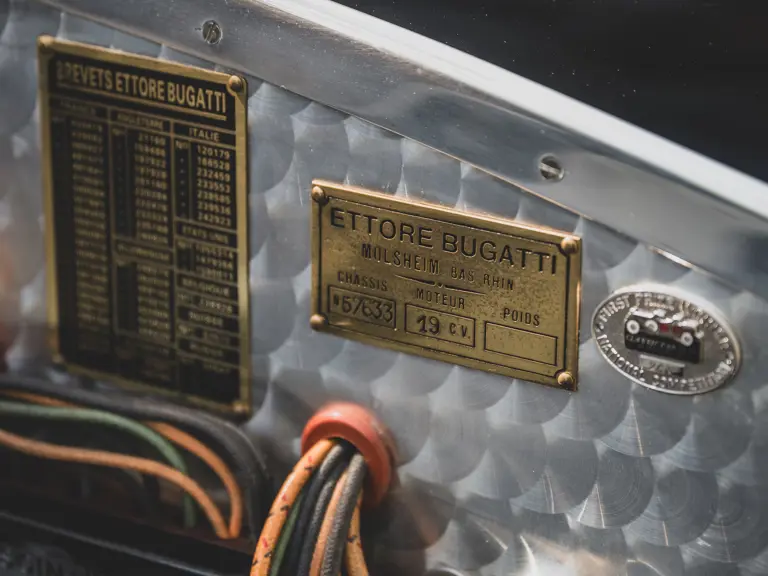
The car is accompanied by an exhaustive report completed by Mark Morris of Independent Bugatti Consultants, including numerous images, detailed documents, and analysis of the car’s numbers and history, and by marvelous historic photographs of the Bugatti in its early ownership by the Crouzet family. The Morris report notes that the car retains its original chassis plate and all major mechanical components, save the gearbox lid (the case, significantly, is the original); the number has been polished off the front axle during plating, but it, too, is believed to be original. Thoroughly laudatory, the report, recommended reading for prospective buyers, even comments on the car’s correct rubber pedal pads!
Few Bugattis have as much to recommend them as this exceptional car, which represents the height of the marque’s design and engineering excellence, as a one-off and especially elegant variant of the iconic Atalante, and the fine result of a lifetime spent with true connoisseurs, the Manns not least among them.
As I get older and the world gets noisier, I found that I enjoy driving this car much more than my Type 57SC Atalante—it is smoother, quieter, and furnishes ample power for traveling on road or track. The space behind the seat can carry all our luggage, and our granddaughter in her car seat—a true family sports car! – S.M.
 | Monterey, California