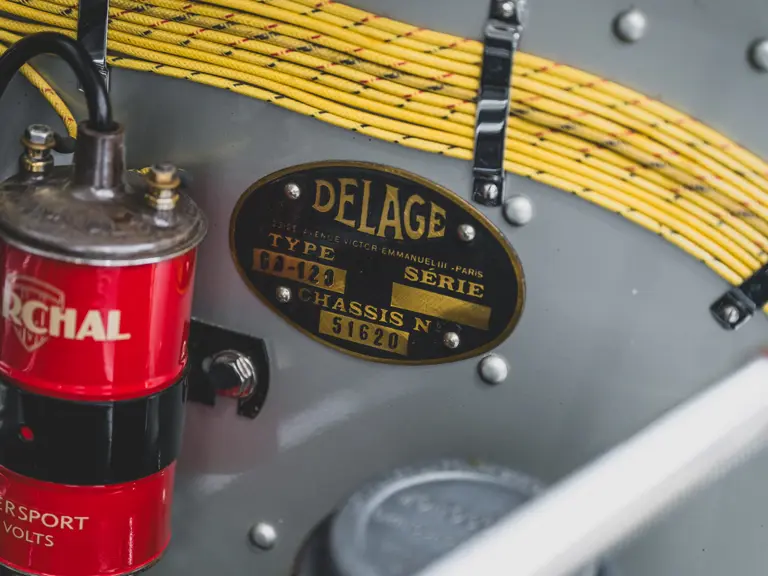
Chassis No.
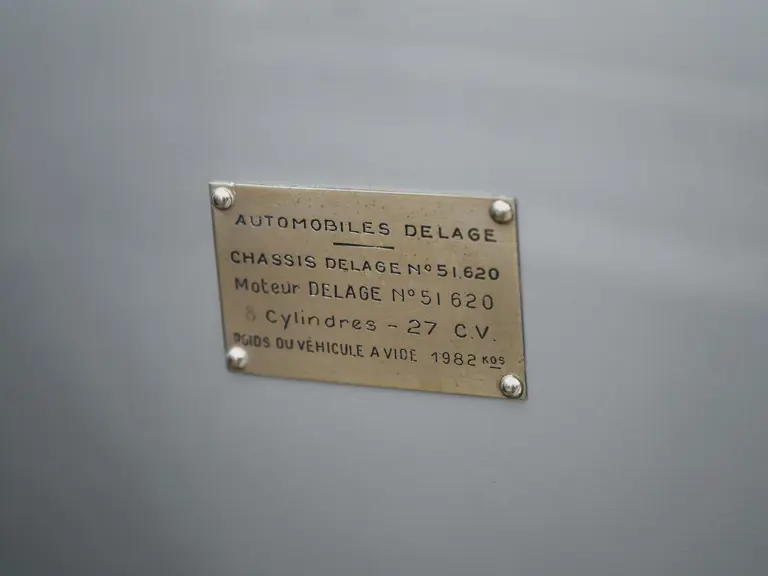
51620
$5,780,000 USD | Sold
Offered from The Sam and Emily Mann Collection
{{bidding.lot.reserveStatusFormatted}}
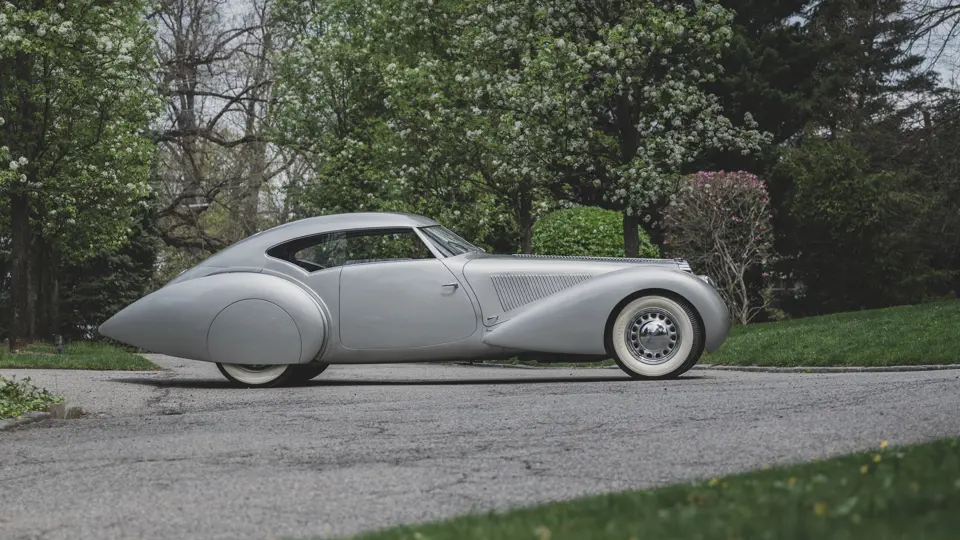
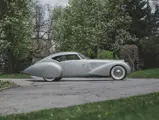
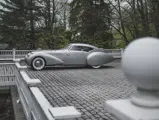
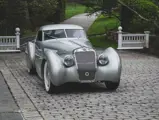
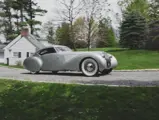
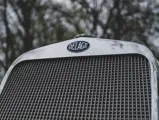
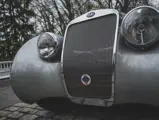
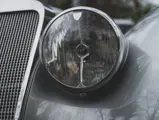
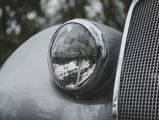
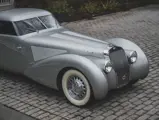
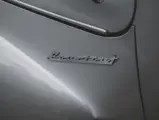
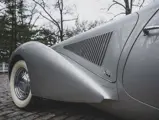
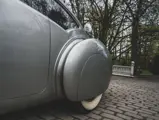
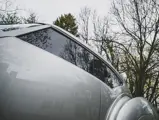
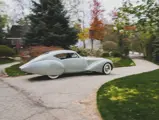
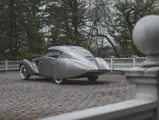
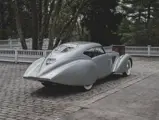
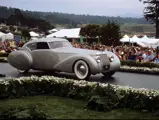
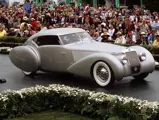
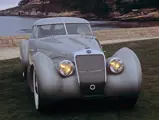
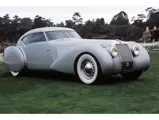
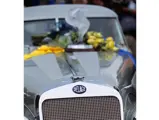
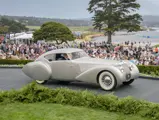
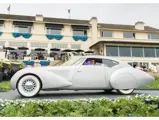
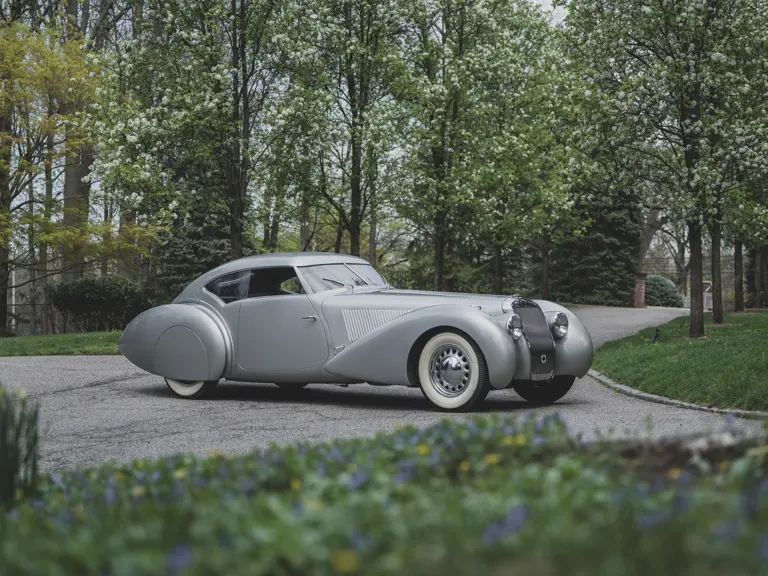
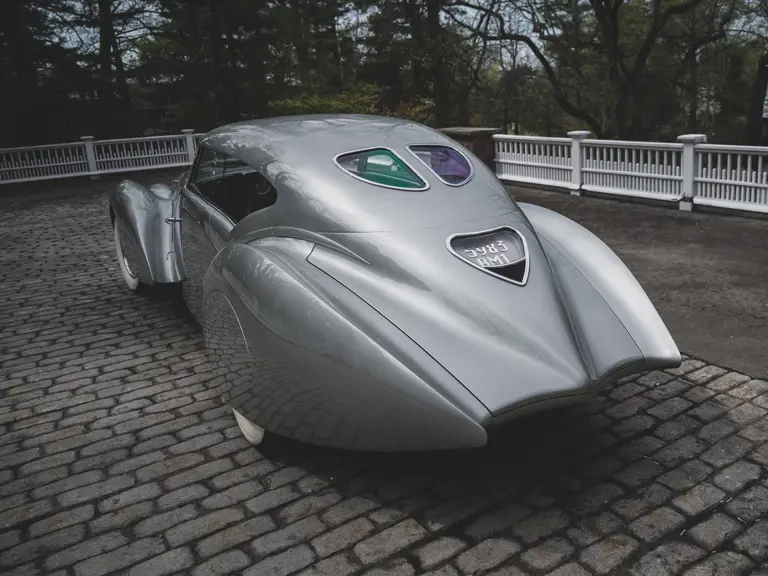
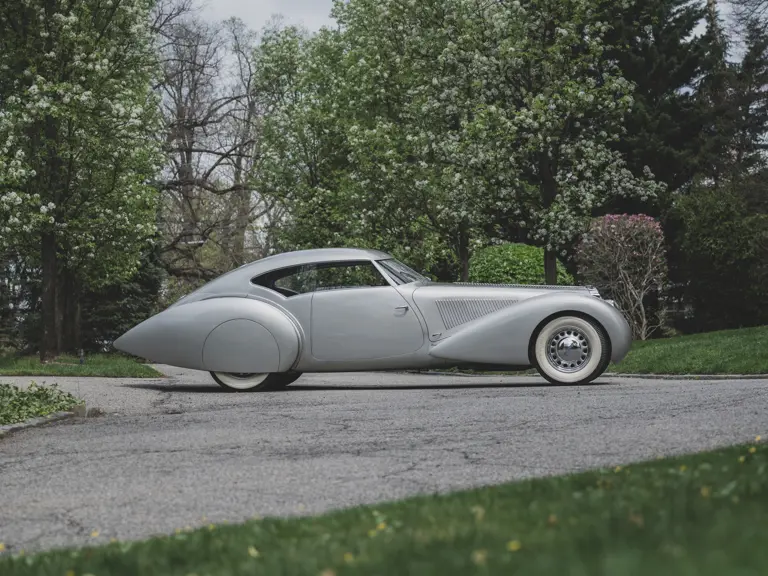
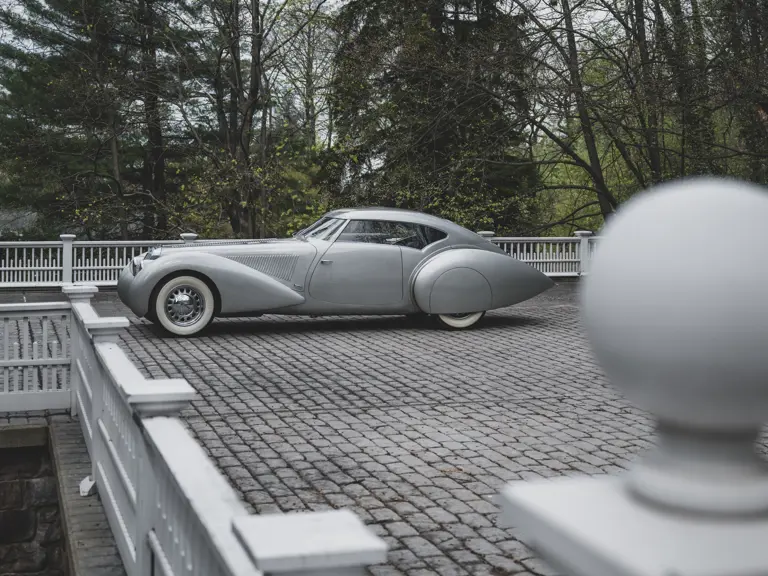
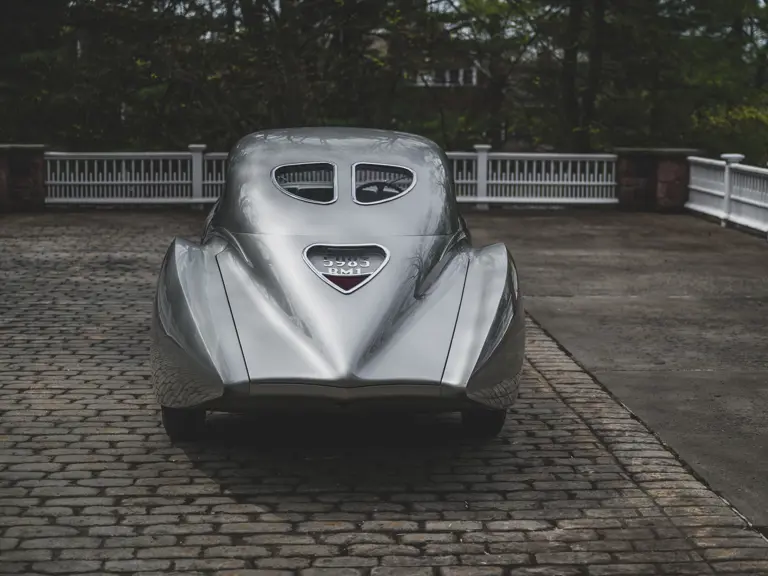
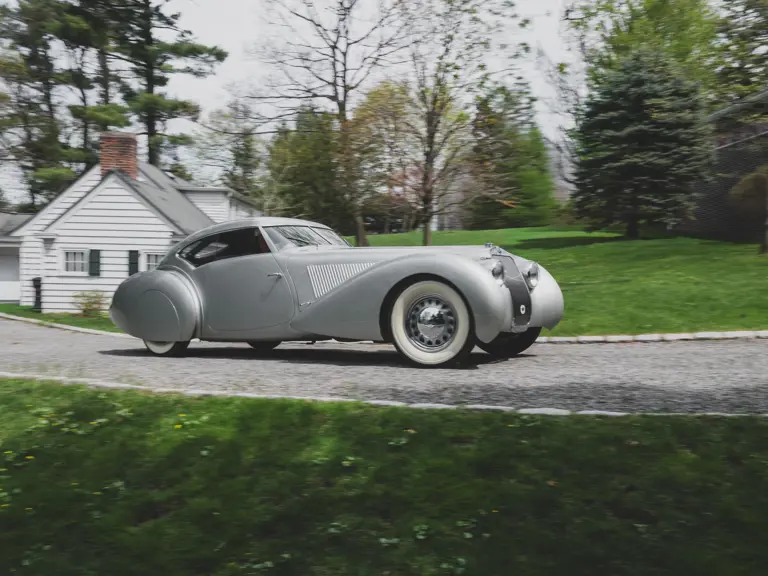
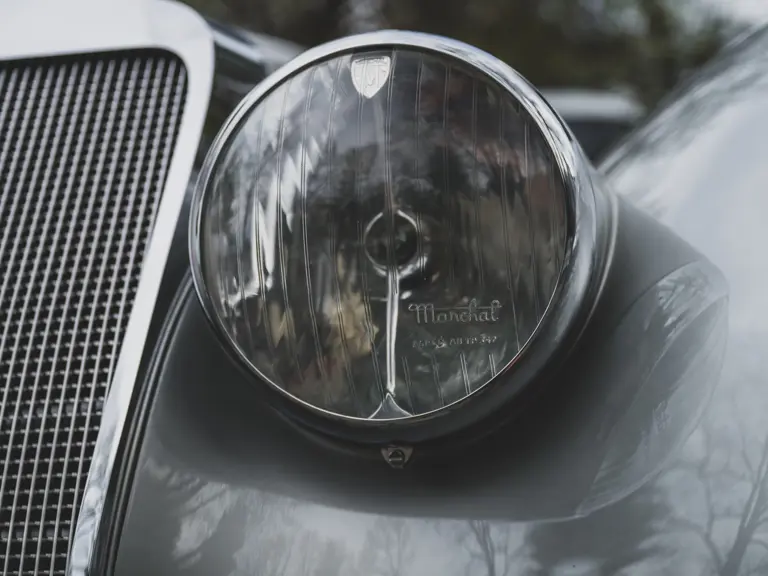
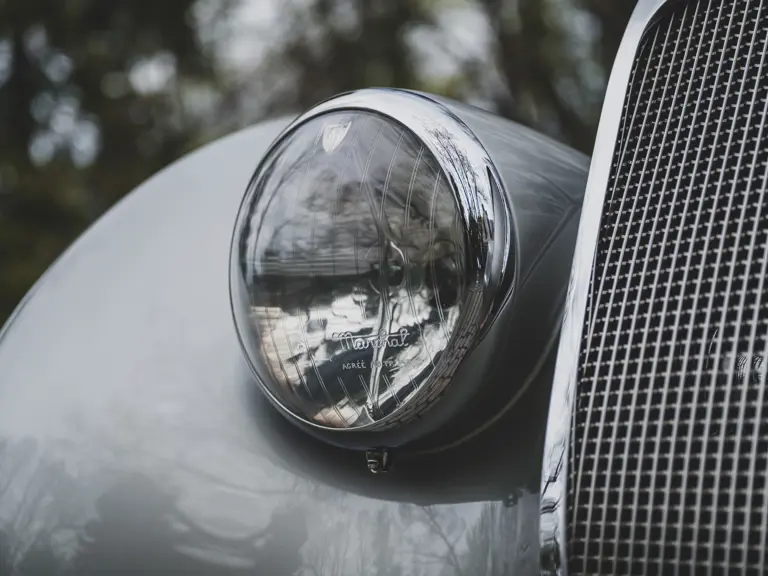
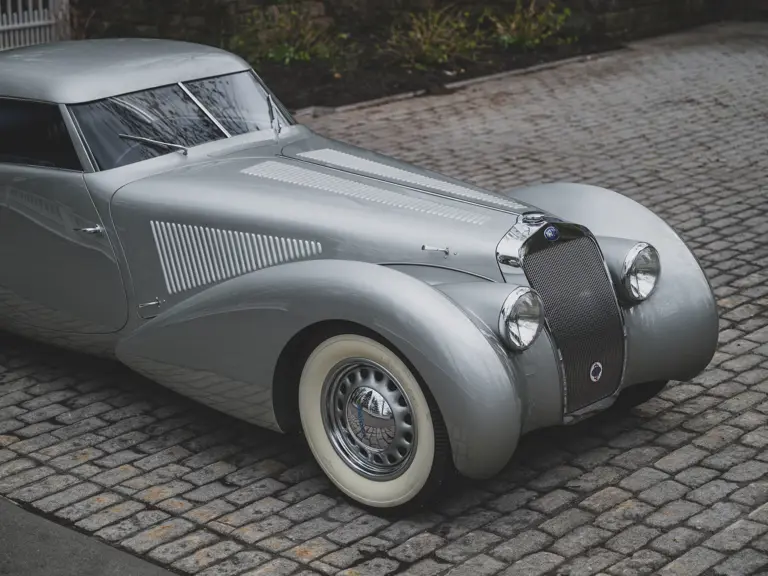
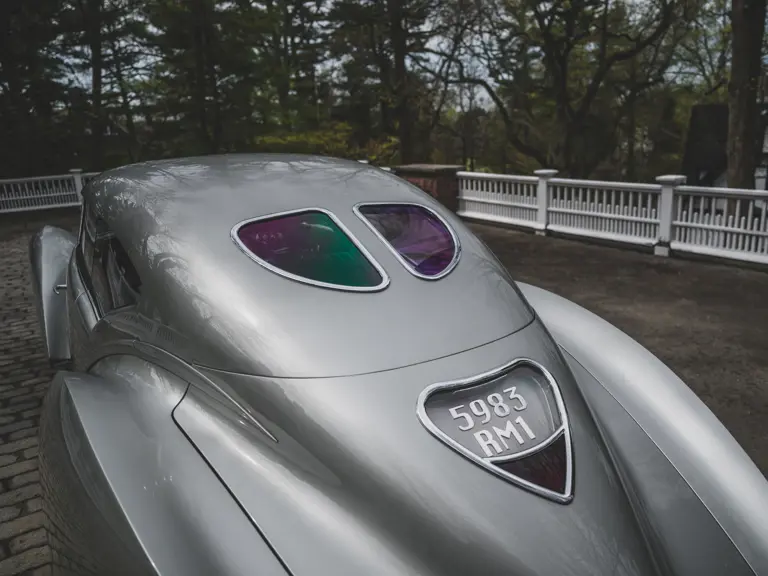
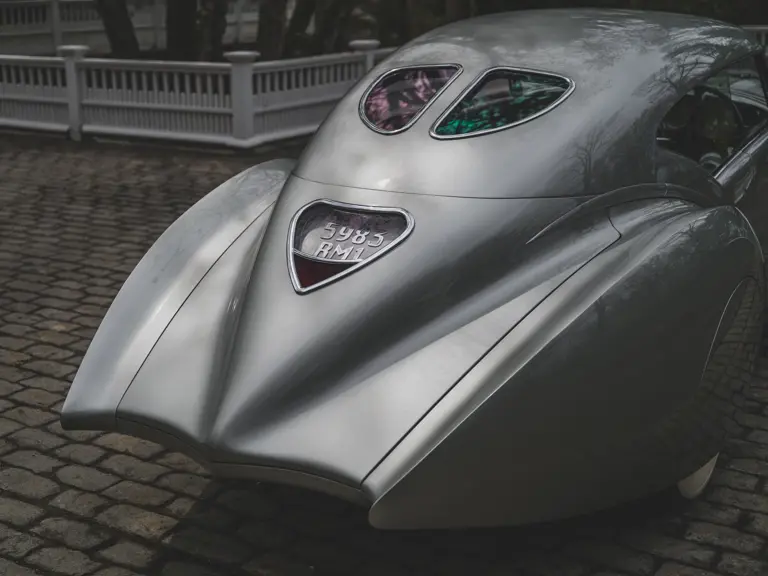
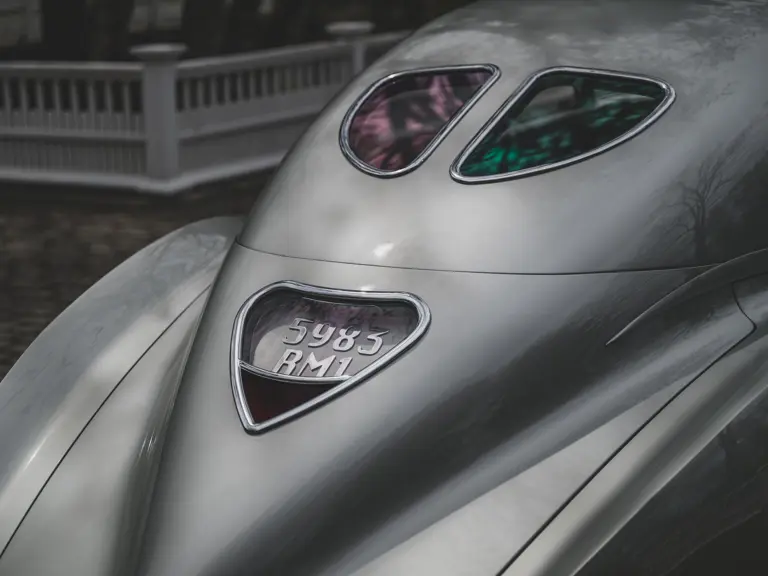
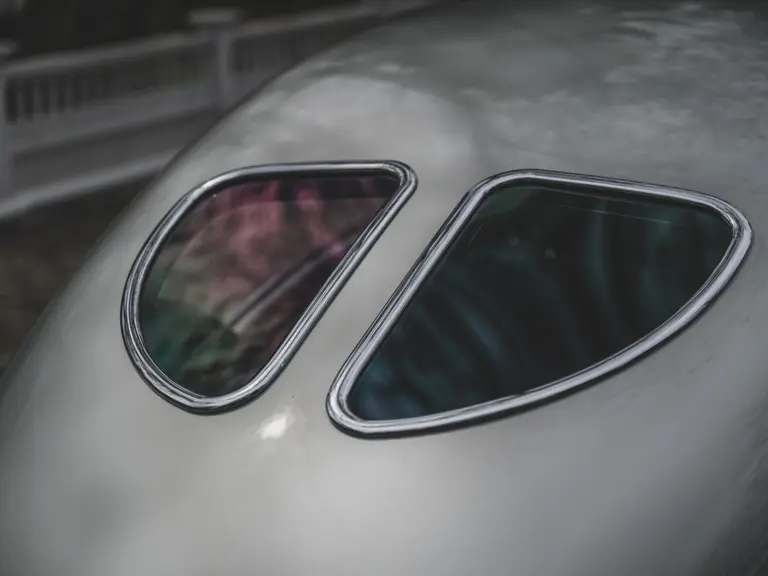
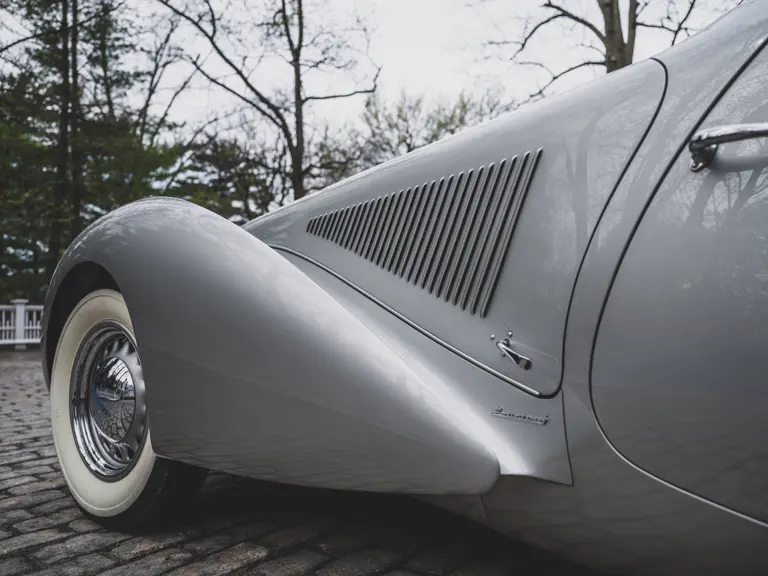
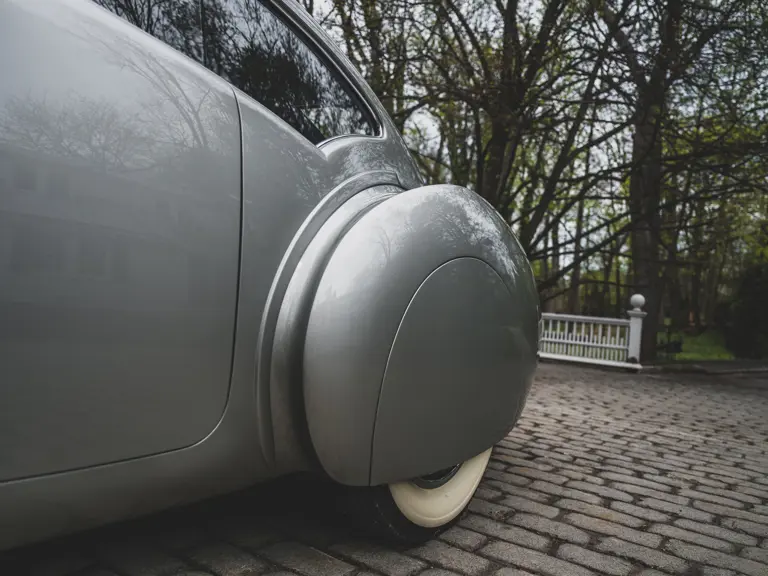
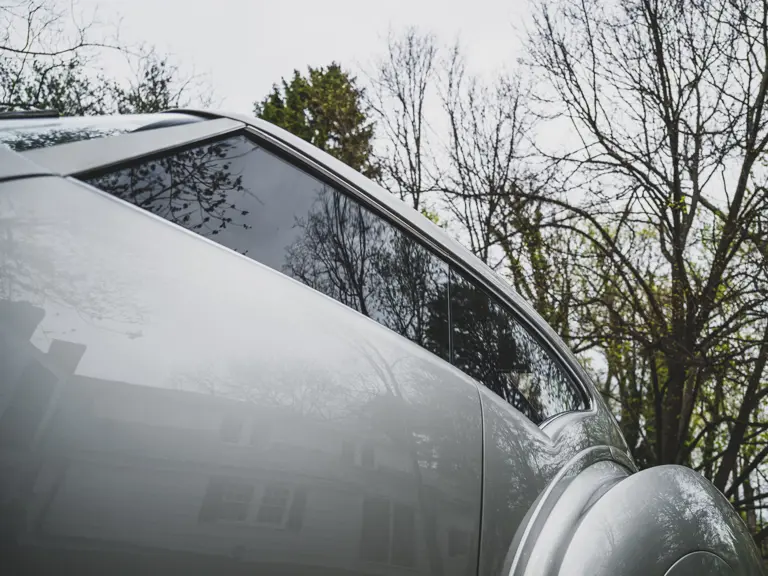
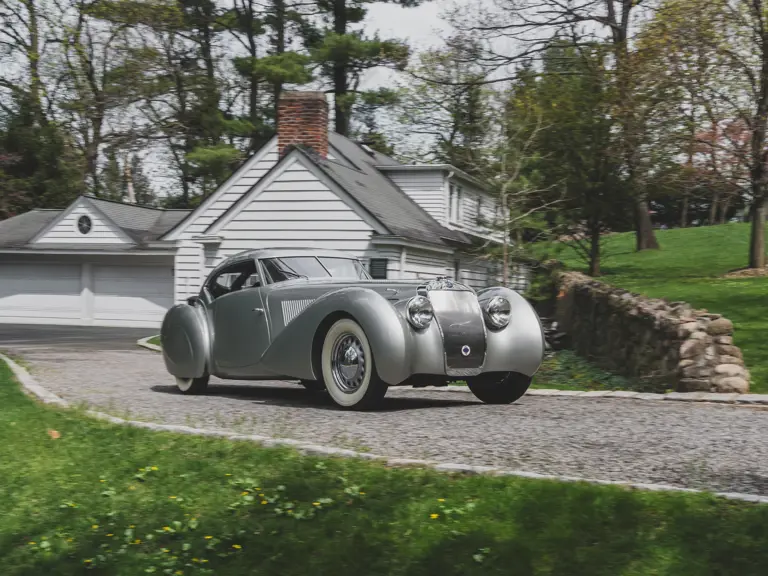
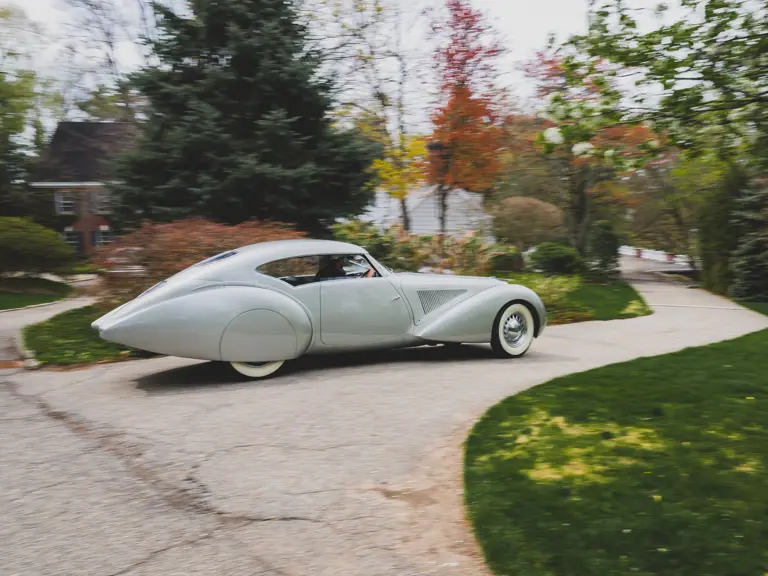
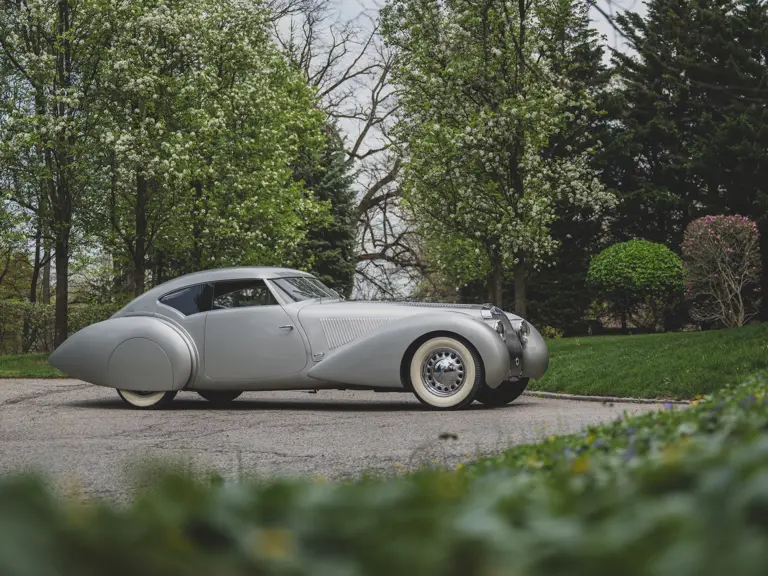
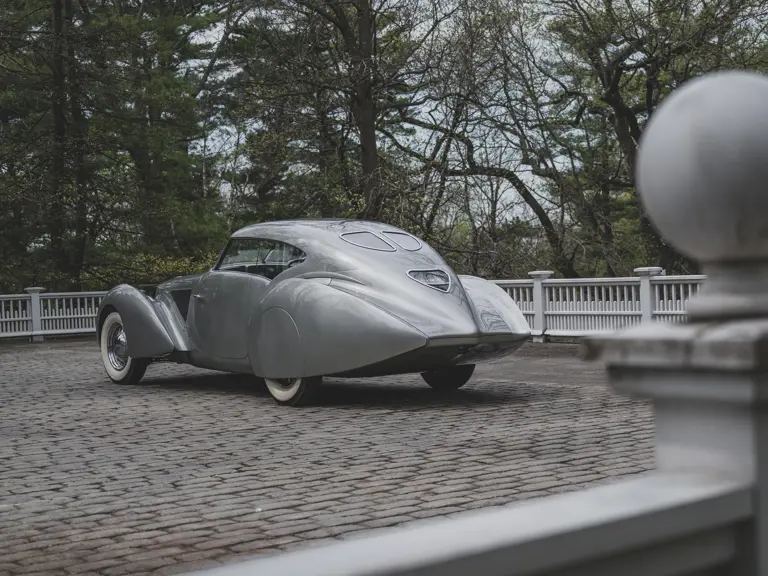
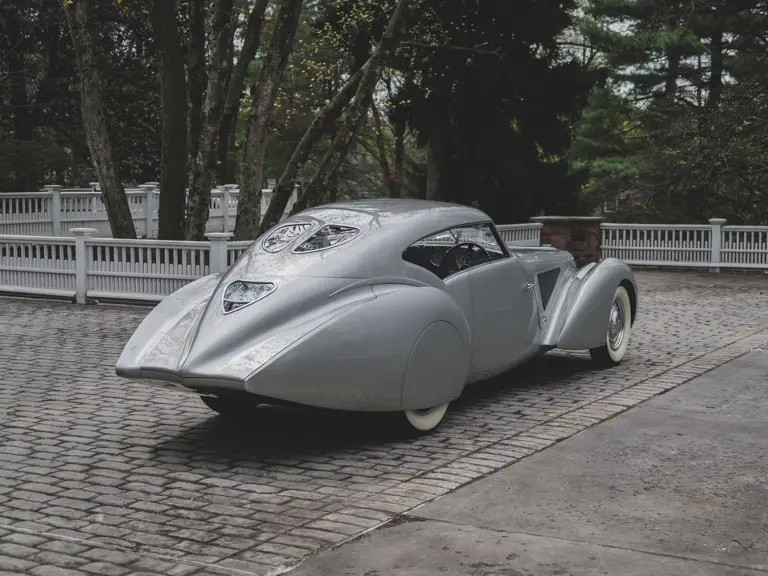
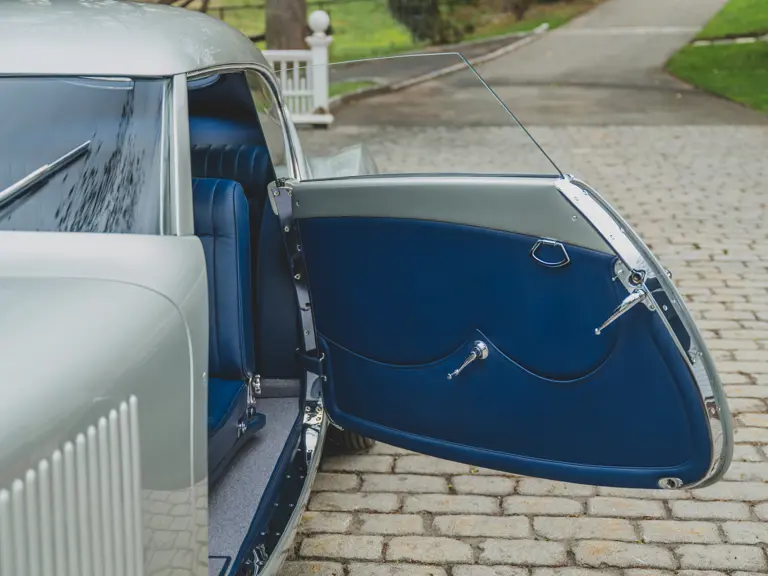
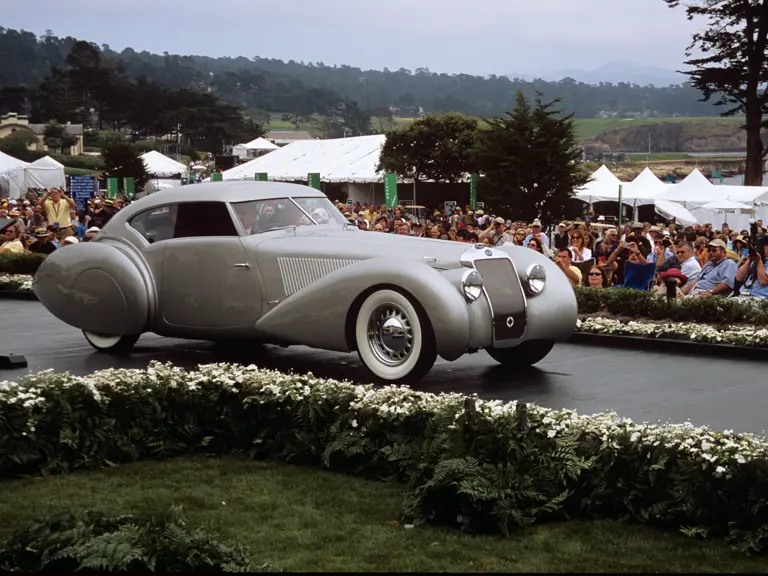
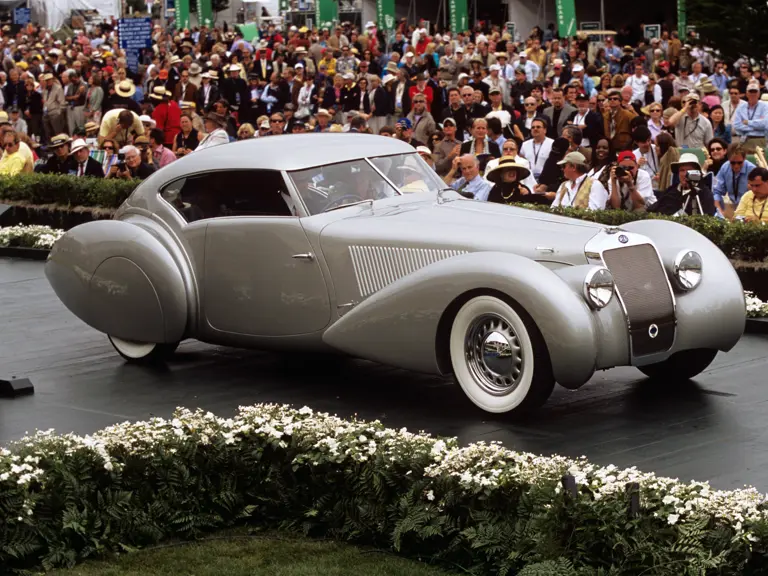
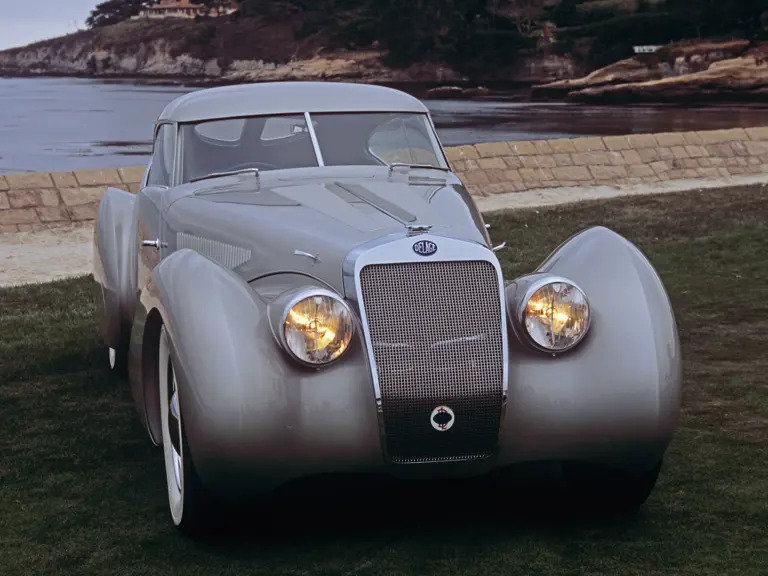
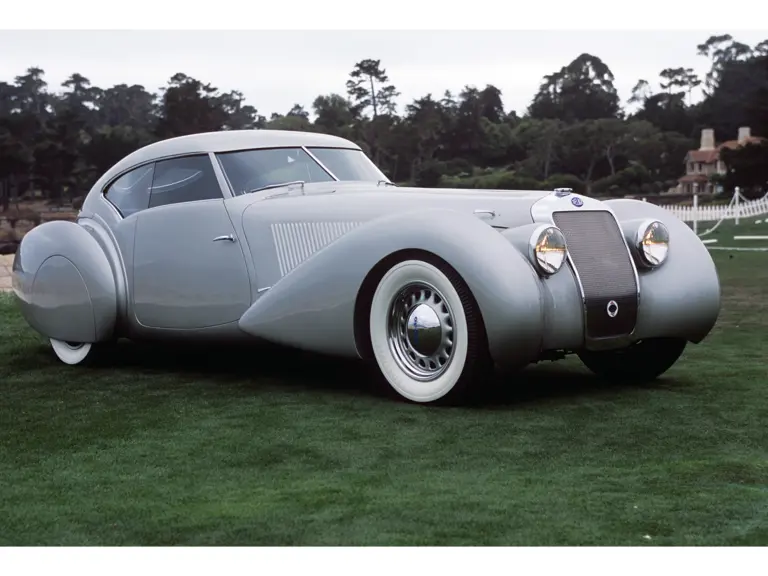
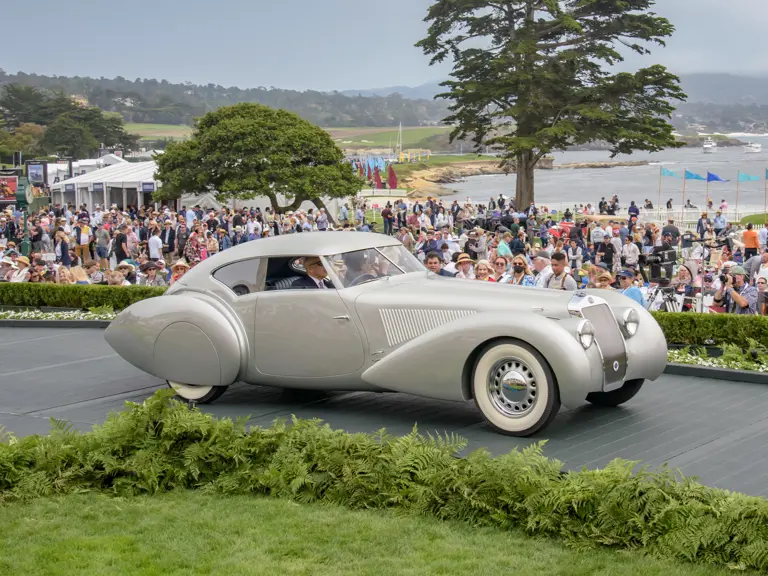
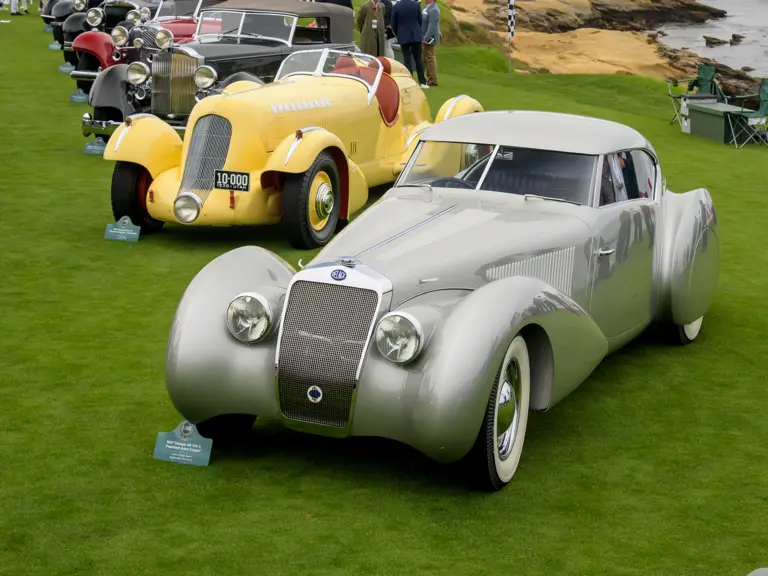
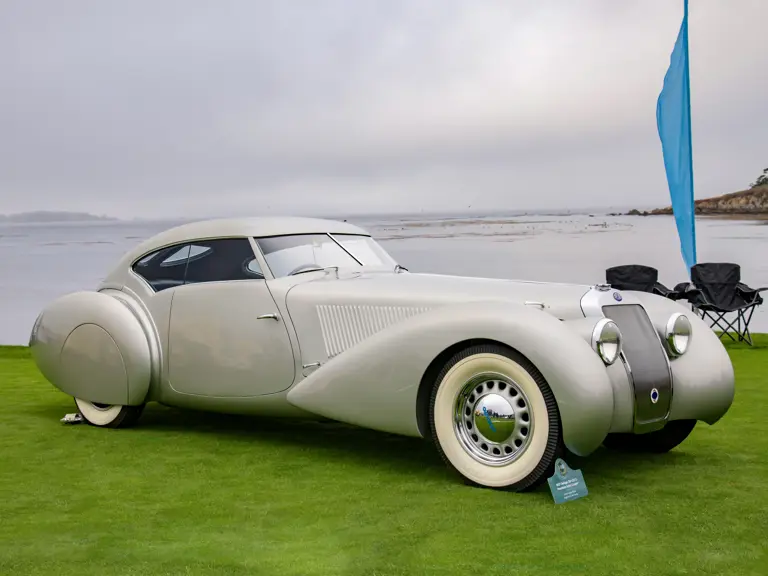
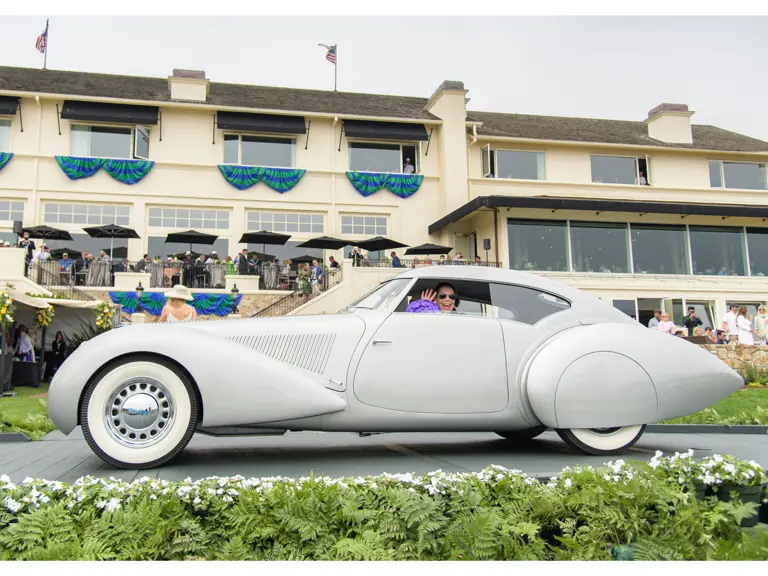
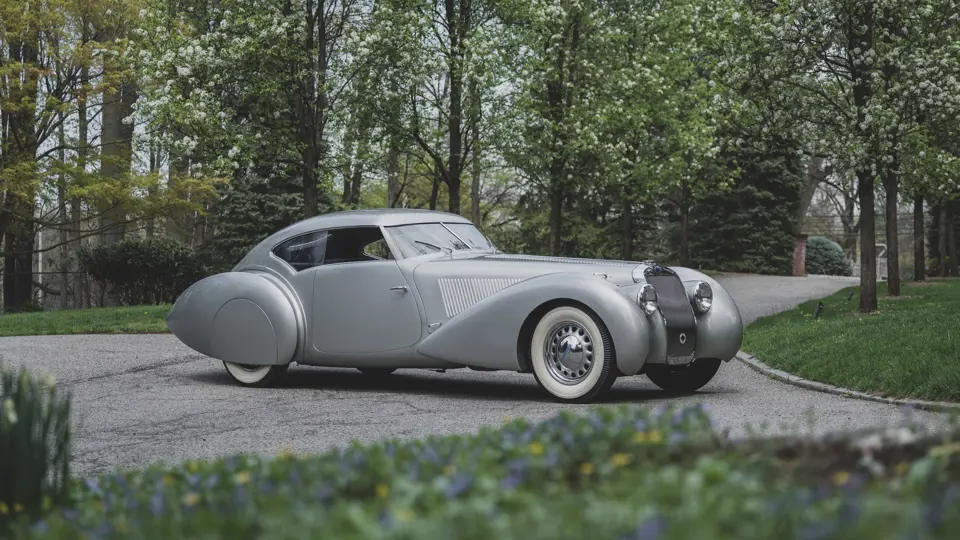
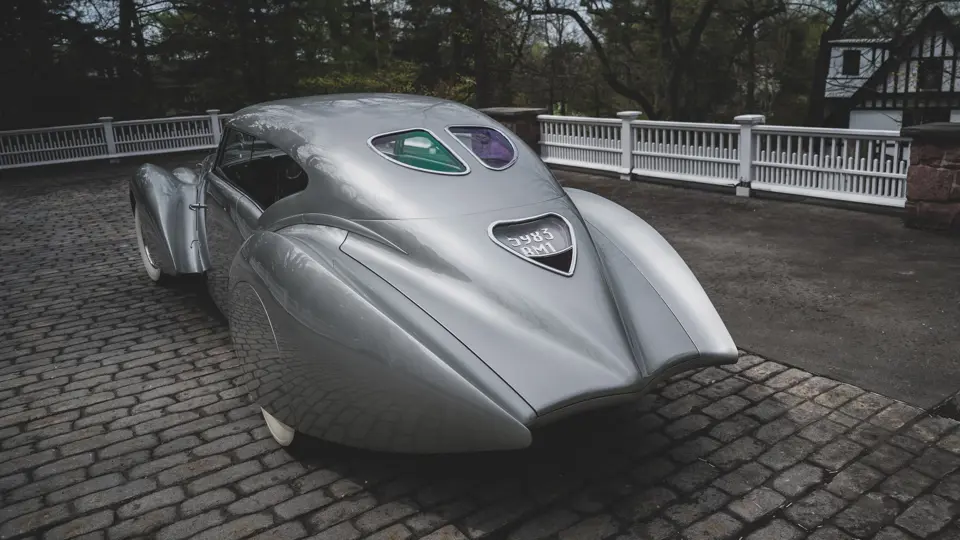
Everything about this car is a reflection of the hands building it. Stand about six feet back from a rear quarter view; that is the best angle to appreciate what they created. You could never have made those fenders, that disappear into a thin blade in the rear, on a machine. You never could have made, at least in that era, a glass that blended into the body without a frame and without a gasket.
Of all the automobiles that we have ever owned, it is perfection, in line and in form. – S.M.
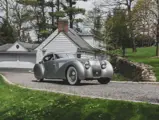
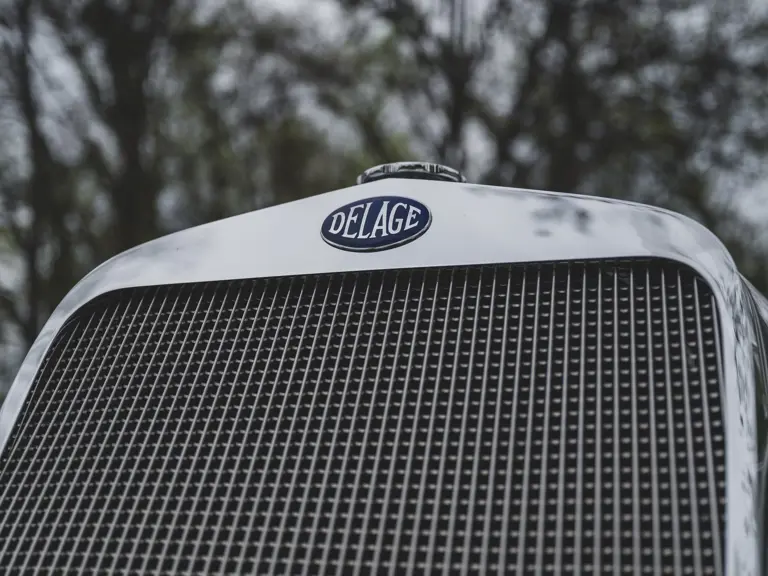
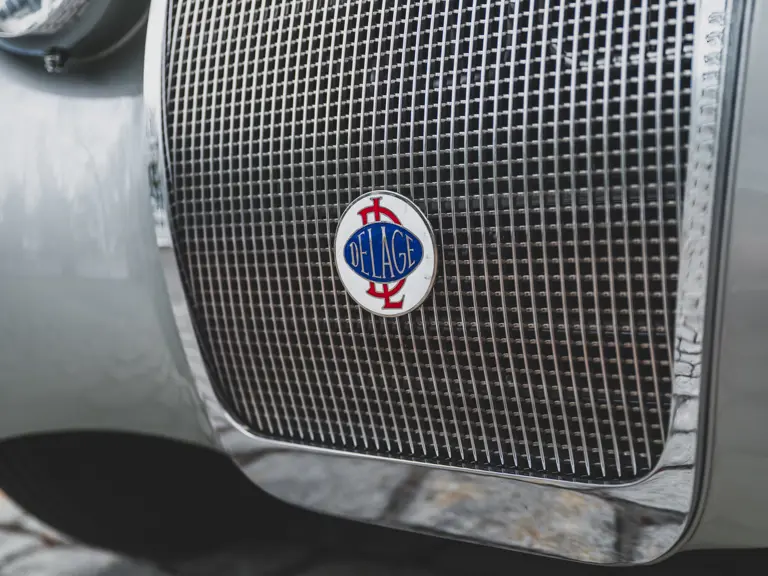
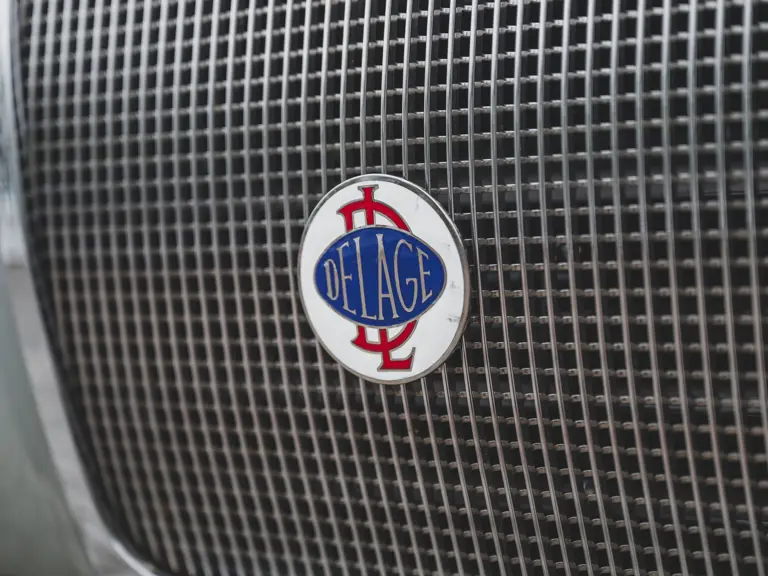
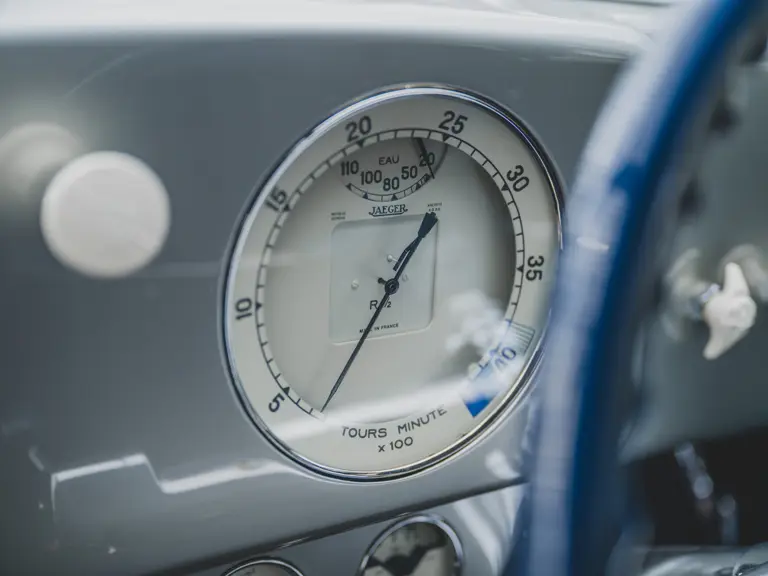
Few automobiles stand as tall in the history of the Delage marque as chassis number 51620. It was born and released into the world at a major period of transition, as what had once been a proud firm was essentially acquired by onetime archrival Delahaye in a transaction urged by prominent dealer Walter Watney. The reorganized concern, with founder Louis Delage retained as an executive, soon launched the D8-120, a new model with an inline eight-cylinder engine that was smooth and potent, and visually distinguished by sporty external exhausts.
Evolution continued, and in November 1936 management decided—in no small part to assuage the competition-loving Louis Delage—to build a D8-120 that was more performance-focused. It carried an eight overbored to 4 3/4 liters, on a chassis that not only had lowered suspension but was also narrower of track, lighter, and rode on larger wheels with the same suspension as the Delahaye V-12 racecars, improving handling and roadholding. It would be dubbed the D8-120 S—not for “sport,” as so many assumed, but surbaissé, as on the Bugatti Type 57S, a nod to the lowered chassis. It was the rightful heir to the literally all-conquering 1927 Delage racecars, which pioneered a driveshaft running along the driver, rather than under him, and were the first to emphasize a lowness of frontal area as a means to maximize speed.
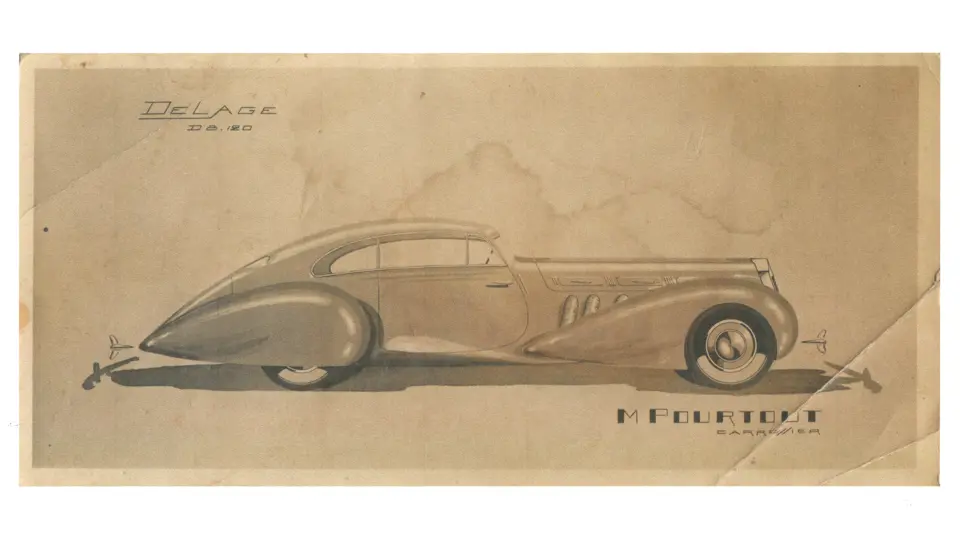
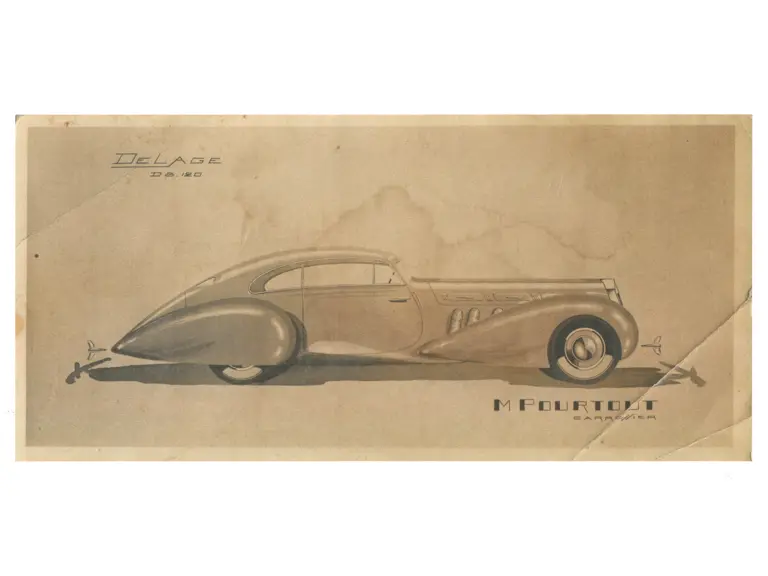
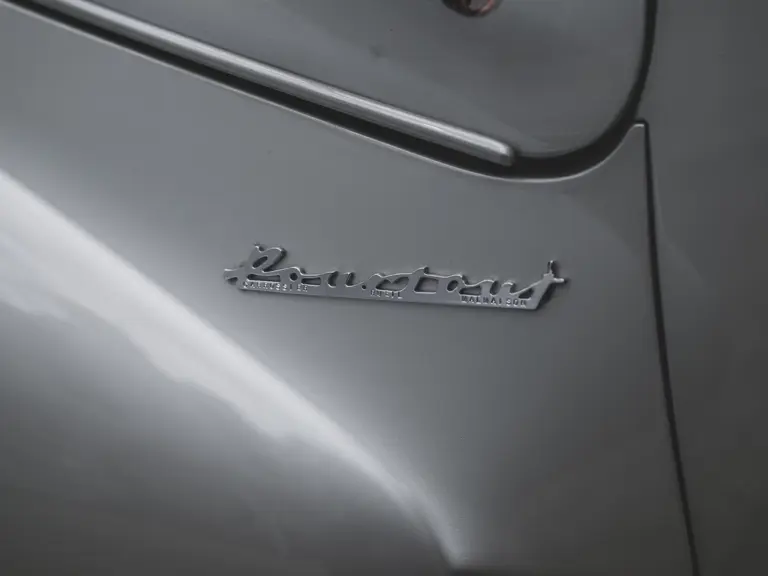
An appropriate body for the car was ordered in March of 1937, fashioned by Marcel Pourtout’s carrosserie in Rueil-Malmaison with encouragement from Delage, the man, who, in writing the coachbuilder, asked to “take great care in making this car, [as] this can be interesting for you as well as us.” That Louis Delage was deeply invested in the process, and indeed involved at every step, is obvious: The car’s build sheet, a copy of which is in the file, was signed off by “M. Delage.”
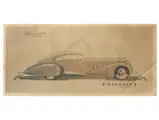
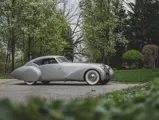
Design work was ably handled by the great young Georges Paulin. Paulin was, of course, a pioneer in the use of aerodynamics in automobile design, reflected no better than in the prototype Delage, whose shape was fashioned by wind tunnel testing, using first a scale model, then a full-sized model of the eventual finished car. (This was, historians Richard Adatto and Diane Meredith noted, work that predated the use of the method in Pourtout’s Embiricos Bentley.) The final product was carried out almost entirely in aluminum, save only for the front fenders, which were an unusual choice for performance coachwork of the period due to the costliness of the alloy.
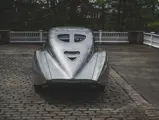
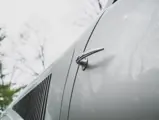
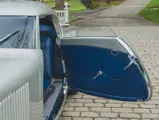
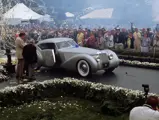
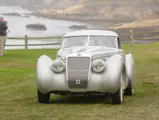
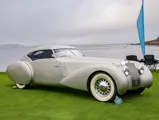
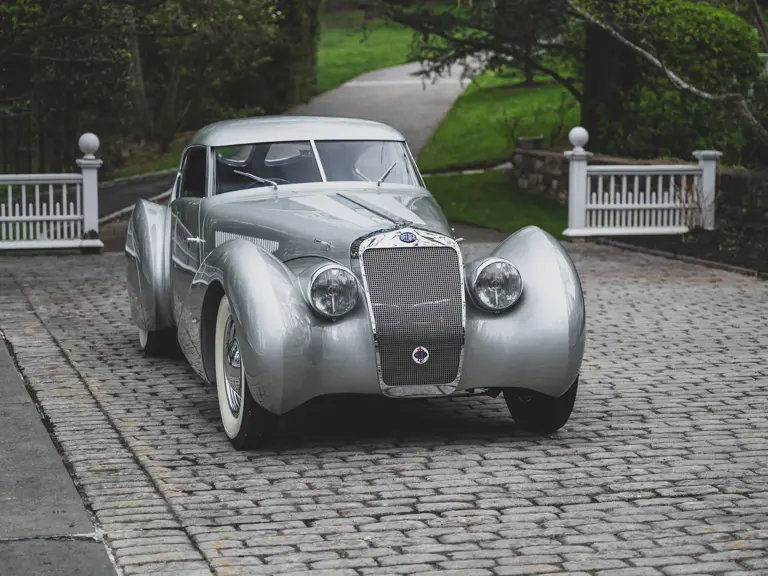
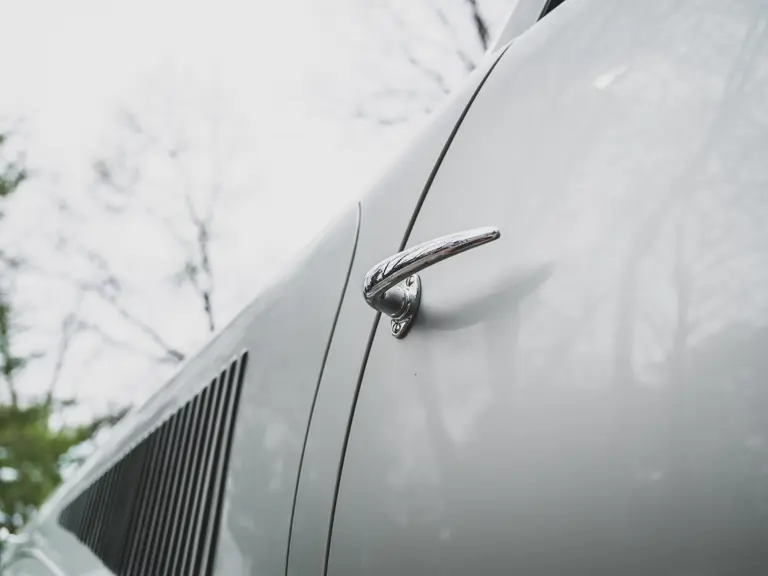
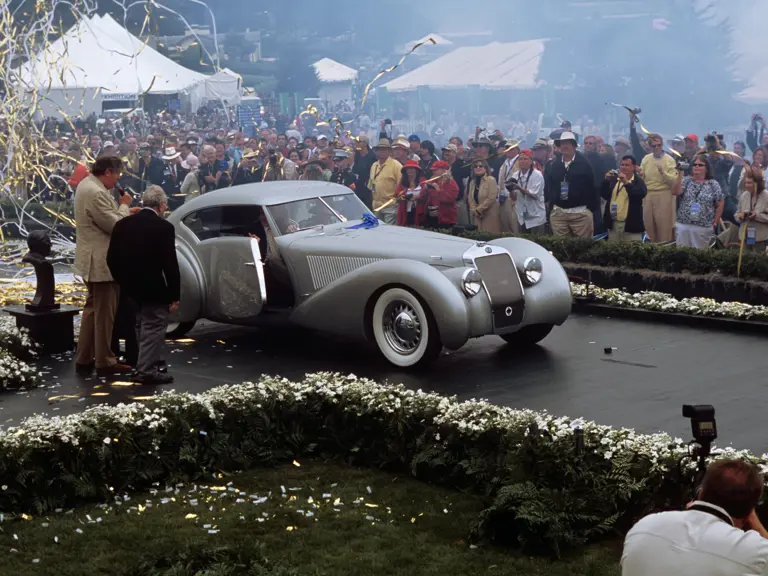
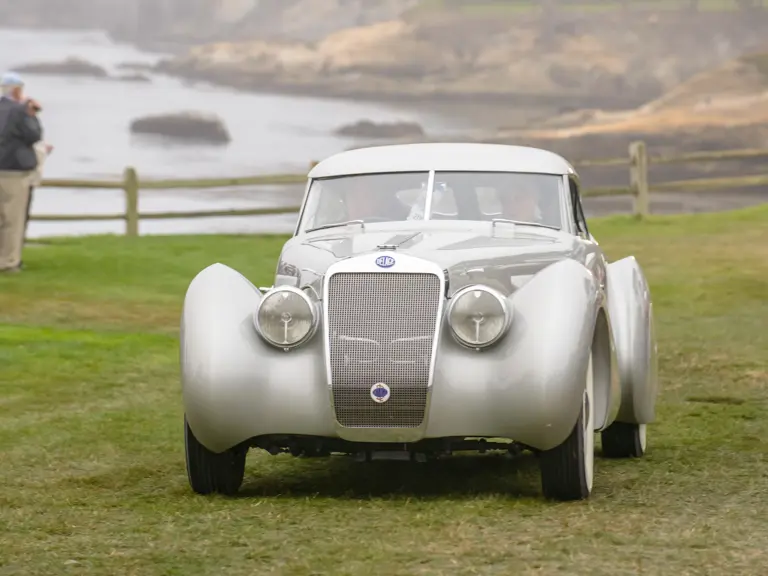
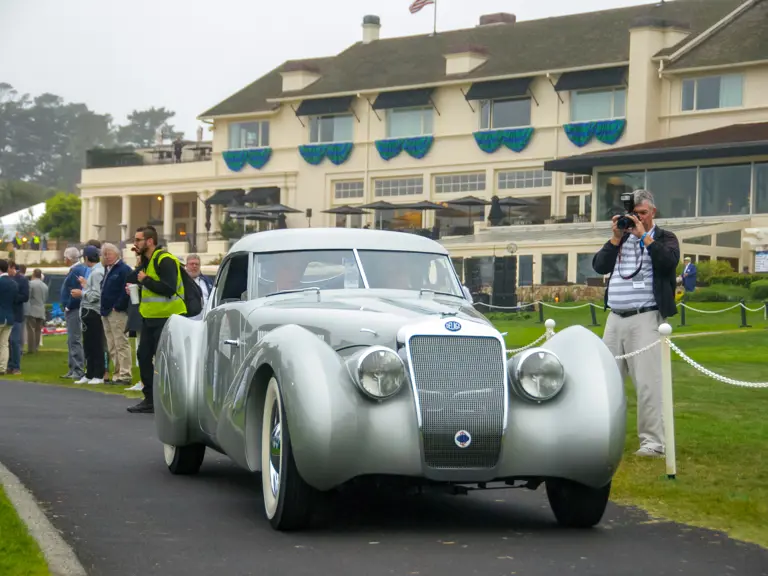
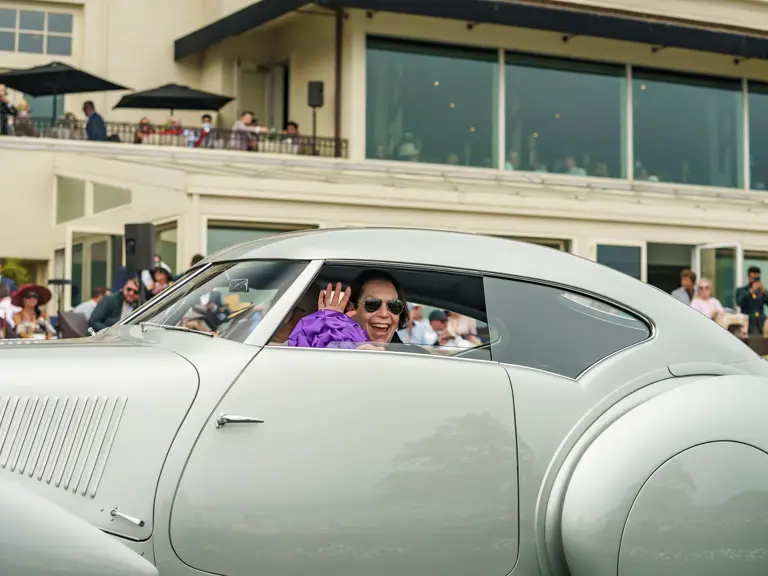
What resulted was a masterpiece of curves that flowed into curves, with frameless window glass and a curved glass windshield, the latter a major technical achievement. Whereas similar aerodynamic coachwork of the period often used brightwork to emphasize its voluptuousness, the Paulin-Pourtout Delage required no such ornamentation. Every line was bold enough to be seen yet subtle enough to fade into a continuous whole; glass and metal faded into one singular, unforgettable shape.
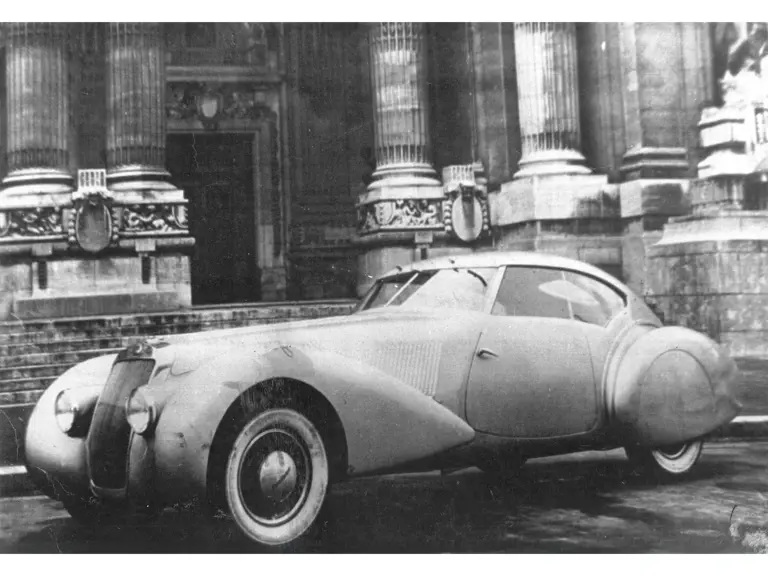
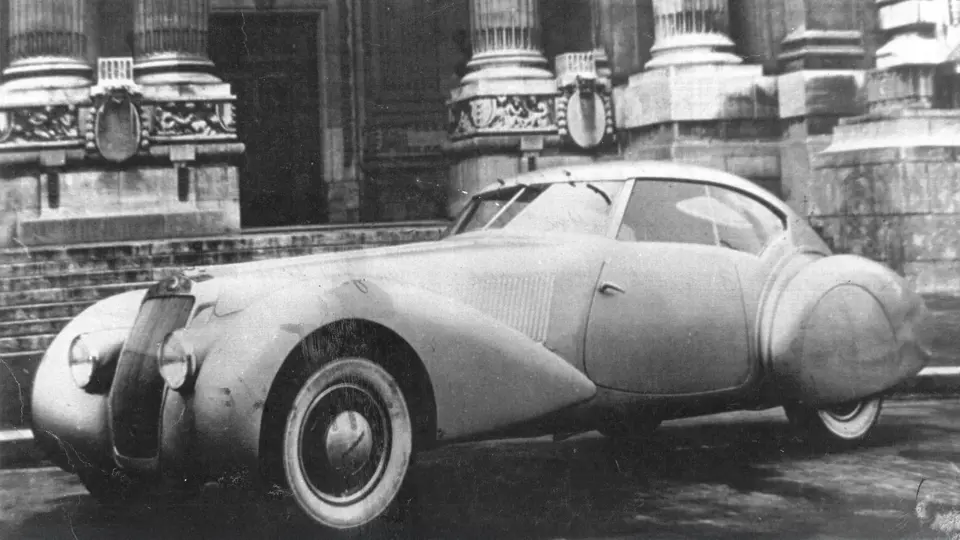
The builders of the car were late for applying for the Paris Salon of October 1937, and by the time the Aerodynamic Coupe had been completed, applications were closed. There was a simple solution, one that Delage and Pourtout would not be the first or the last to command: They drove the car over to the Grand Palais and parked it in front of the building, right where any incoming press would be sure to see it—and see it, they did. An article in the French automotive review, EnRoute, praised “the very advanced design from the coachbuilder Pourtout.”
“MY BEST OF LUCK TO ‘BRANCUSI’”
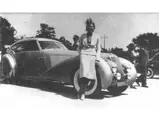
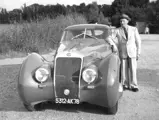
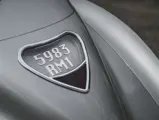
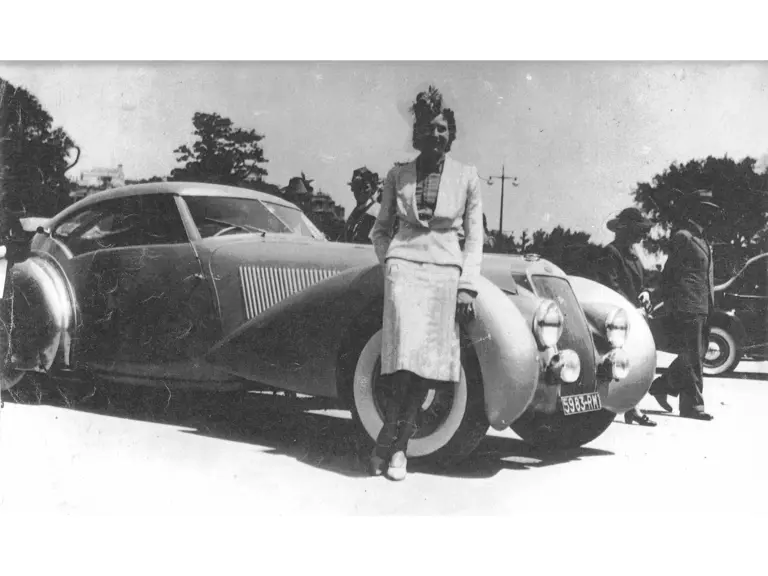
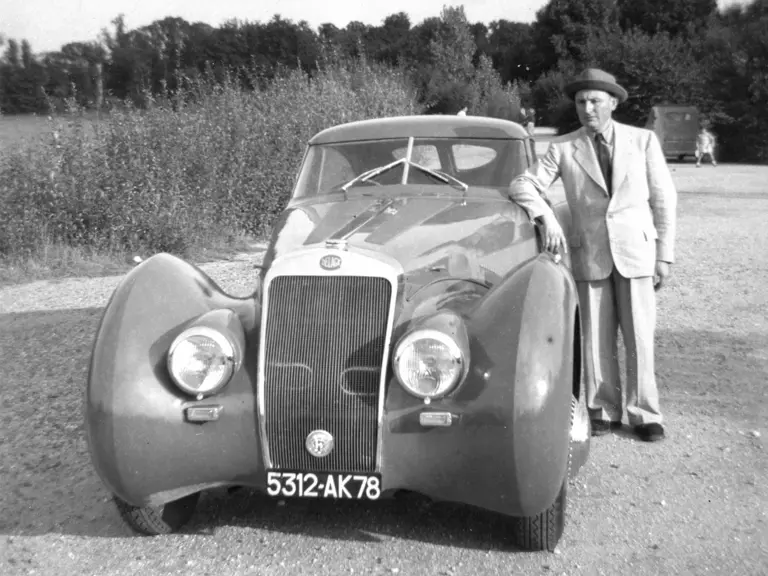
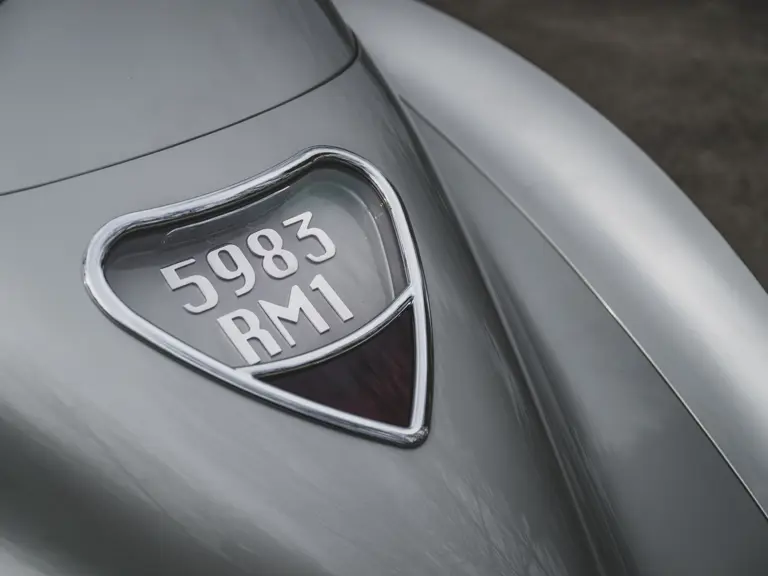
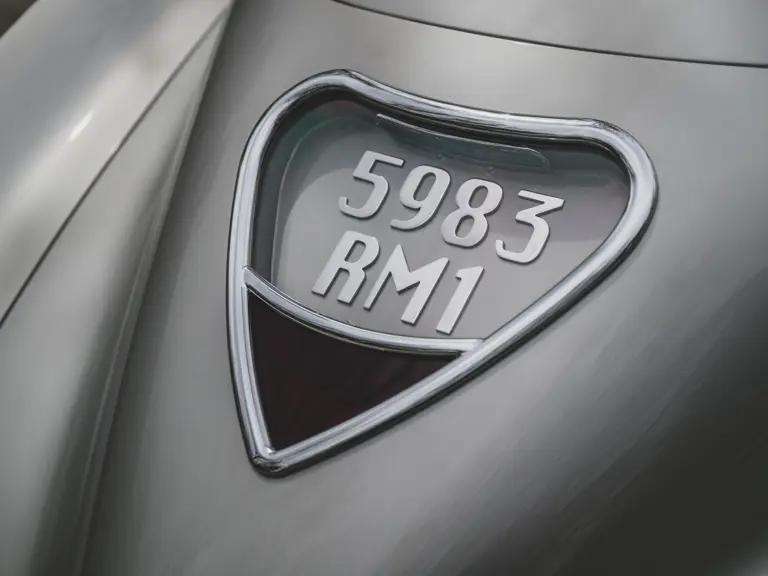
The Aerodynamic Coupe was Louis Delage’s personal automobile. Registered in Paris as “5383 RM 1,” it is believed to have been shown at a French concours. Delage drove the car for several years, apparently until the outbreak of World War II in 1939. The following year it was sold to a M. Penicaud, who stored it for the duration of the conflict. Following a minor accident in the car in 1953, it was sent through the auspices of tuner F. Mortarini, apparently caring for it on Penicaud’s behalf, to the renowned Parisian coachbuilder Saoutchik. Saoutchik modified the Pourtout styling with a blunted and more conventional snout, a new windshield, and a one-piece rear window; remarkably, their invoice for the work remains in the Delage’s history file to this day.
Next owner William A. Raidy, aptly described by subsequent owner Willard Maas as “owner of a chain of Long Island newspapers [who was] stinko rich,” bought the car in Paris later in 1953, reportedly paying “7,000 smackeroos” for the privilege. After four years of use in France, Mr. Raidy brought the Delage stateside and sold it to Mr. Maas, who was an artist of more than metaphors. He and his wife, filmmaker Marie Menken, were noted figures of the New York experimental art scene, described by their contemporary Andy Warhol as “the last of the great bohemians.” The Maases’ unconventional and somewhat stormy marriage is believed to have inspired another colleague, Edward Albee, to create the characters of George and Martha in Who’s Afraid of Virginia Woolf?
The car passed in 1956 to a Mr. Haynes, then in 1958 to Robert “Bob” Muelke, a noted industrial designer. Mr. Muelke was an avid participant in the custom automobile scene on the East Coast, and with his wife, Priscilla, were a great enthusiast couple; they both enjoyed their share of Porsches, and “Prill” had her own extraordinary automobile, a 1934 Packard Twelve Individual Custom stationary coupe by Dietrich. Bob Muelke would provide the Delage with a proud long-term caretaker who was ahead of his time in recognizing both the beauty of the car and the importance of provenance. He carefully studied its history, keeping what documents had come with it for posterity, and adding others as he corresponded with the likes of Willard Maas, who, hearing that a restoration was planned, offered “my best of luck to ‘Brancusi’”—an apt nickname for the car, especially between two such erudite creatives.
Mr. Muelke retained the Delage for over two decades, although he never did undertake restoration, and following the early 1960s, it remained largely tucked away in storage, out of sight and forgotten to even many Eastern collectors. In 1979, it was at last sold to a Connecticut-based restorer and collector who had long hunted it. It was moved to its new owner’s facility and tucked away, eventually undergoing some restoration work but not progressing far as months turned into years.
THE DISCOVERY
I first saw it in the back of [the owner’s] shop. I could only see, above the other parts and projects, the curve of the top and the start of the door opening, but just that ‘cut’ was enough. Even with the trunk lid and all the rest of the car that made up its shape not attached, that one line was just so magnificent that it reached out and captured me. – S.M.
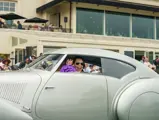
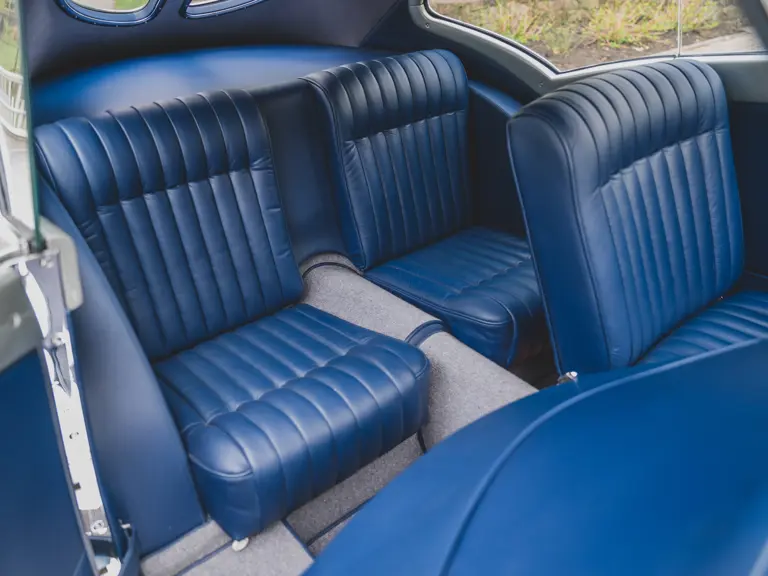
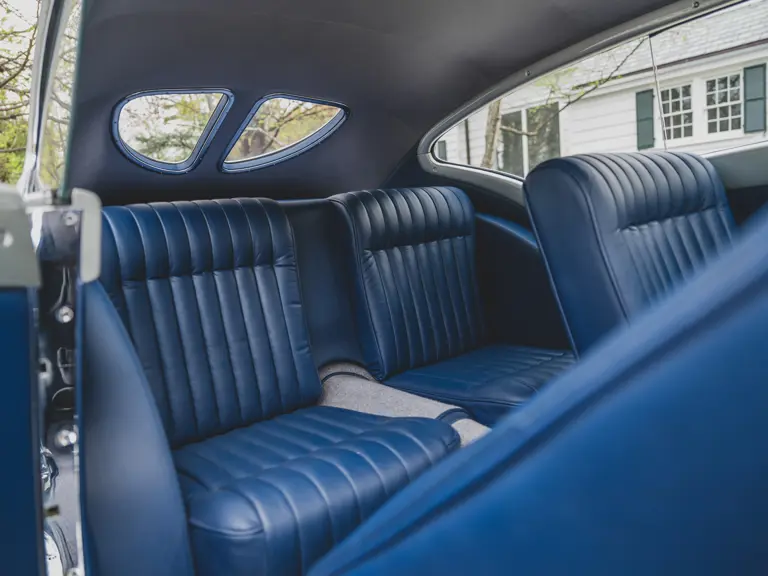
Sam Mann’s capture by the Delage notwithstanding, the car was not yet for sale. Nonetheless, Mr. Mann doggedly pursued it for the next 10 years. When it did finally become available, it was quickly acquired by Alfredo Brener, at the time amassing a well-known collection of coachbuilt performance automobiles, who promptly had the prior owner begin restoration work in earnest. Still, Mr. Mann could not push the Delage out of his head, and he began negotiating with Mr. Brener. Eventually, Mr. Brener fell out of love with the cost of and lack of progress in restoring the car, and agreed to sell it to Mr. Mann, the man who, in the seller’s words, “knows how to do this and is the person to restore it.” The new owner, as part of the agreement, graciously offered to display it at Pebble Beach, with Mr. and Mrs. Brener riding in the backseat if the car were to be called up the ramp.
The Delage arrived in New Jersey, where Mr. Mann oversaw the talented Tommy Caruso of Contour Metalshaping in Watchung, New Jersey at carefully patching and straightening all of the complex original body panels, as well as recreating the missing original fender skirts. That work completed, the project was passed on to the renowned Stone Barn of Vienna, New Jersey, where it was meticulously restored by Rich Fass and his team back to its original beauty over a one-and-a-half-year period. The work from start to finish was guided by Sam Mann’s careful research into the correct finish of components, as well as the invaluable historical services of the renowned French Delahaye Club historian, André Vaucourt.
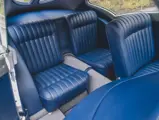
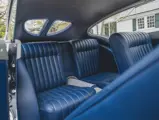
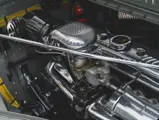
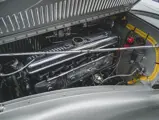
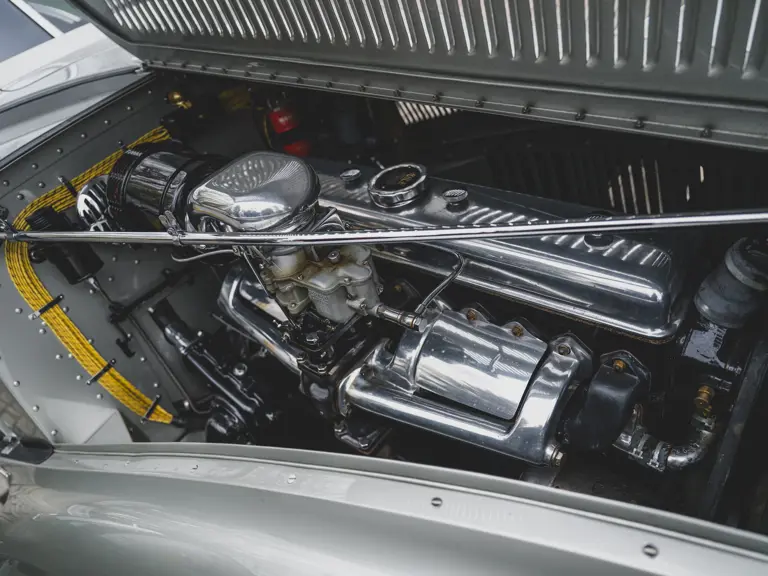
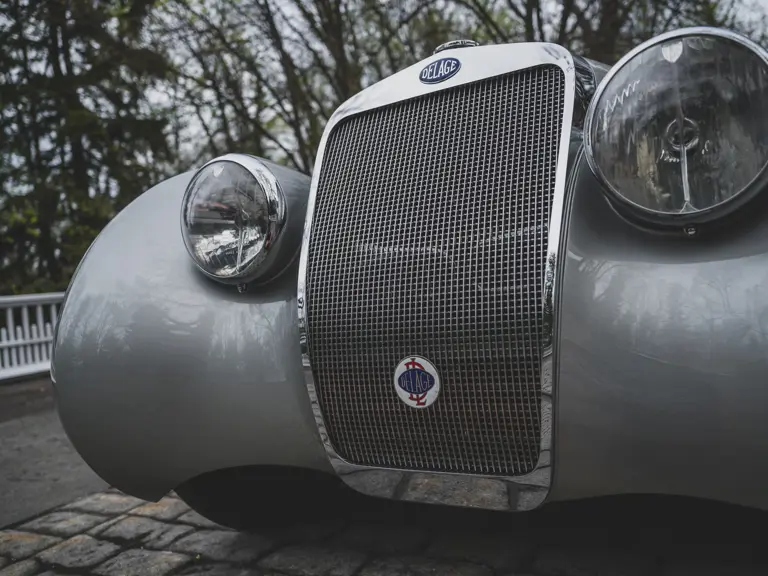
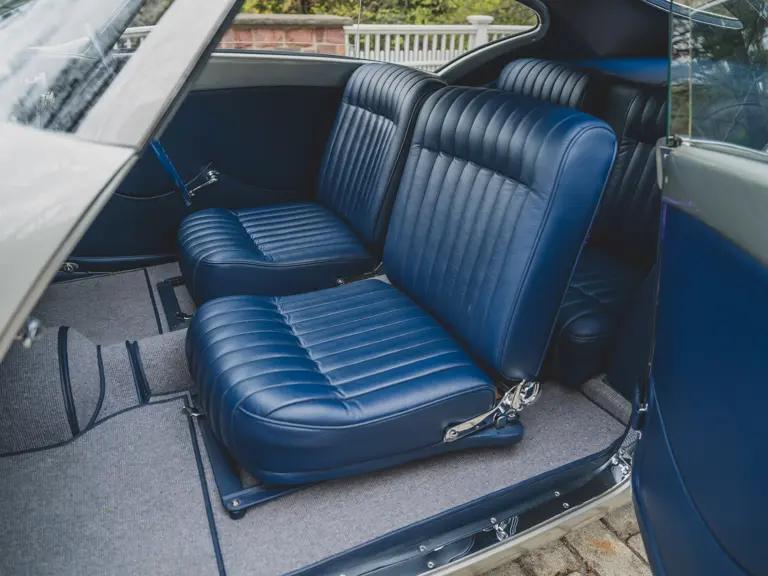
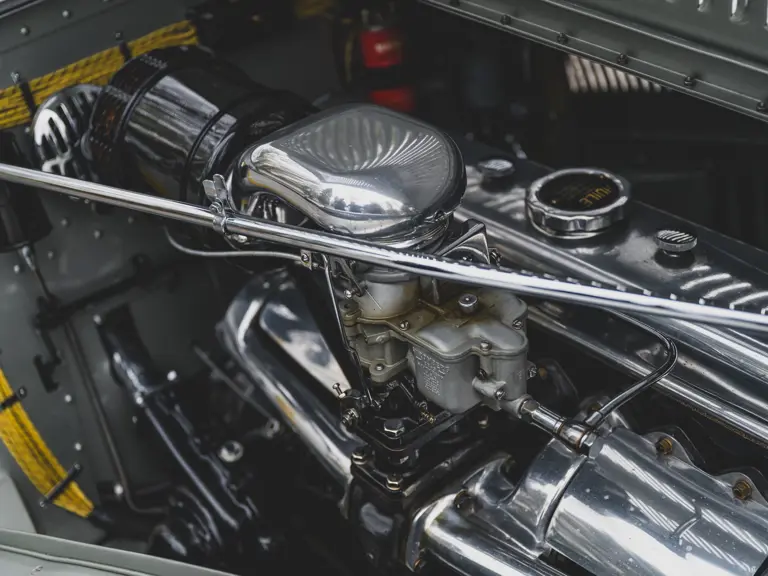
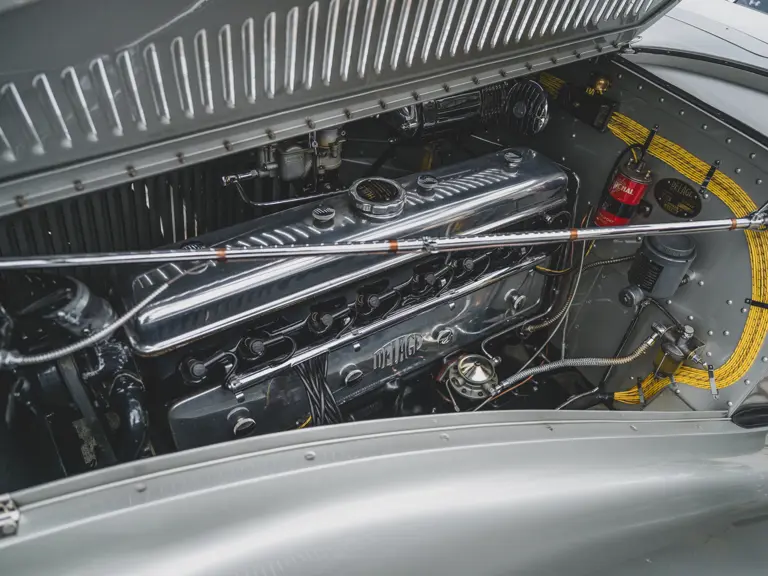
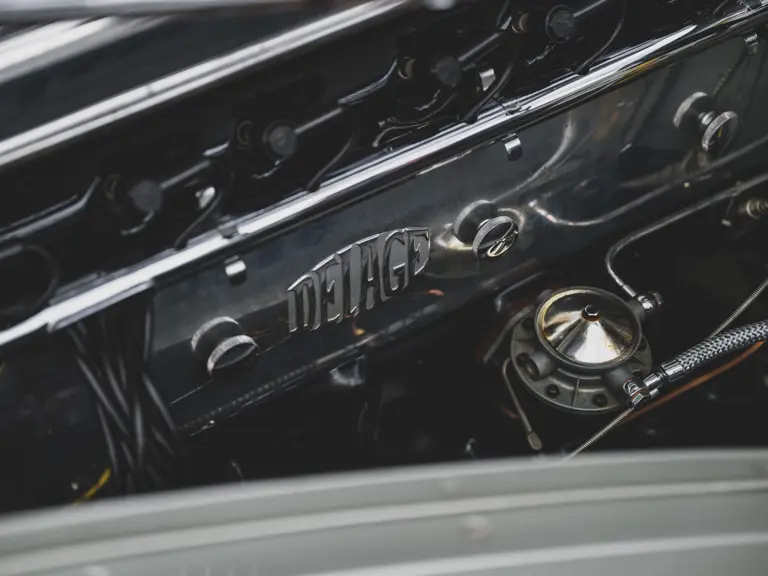
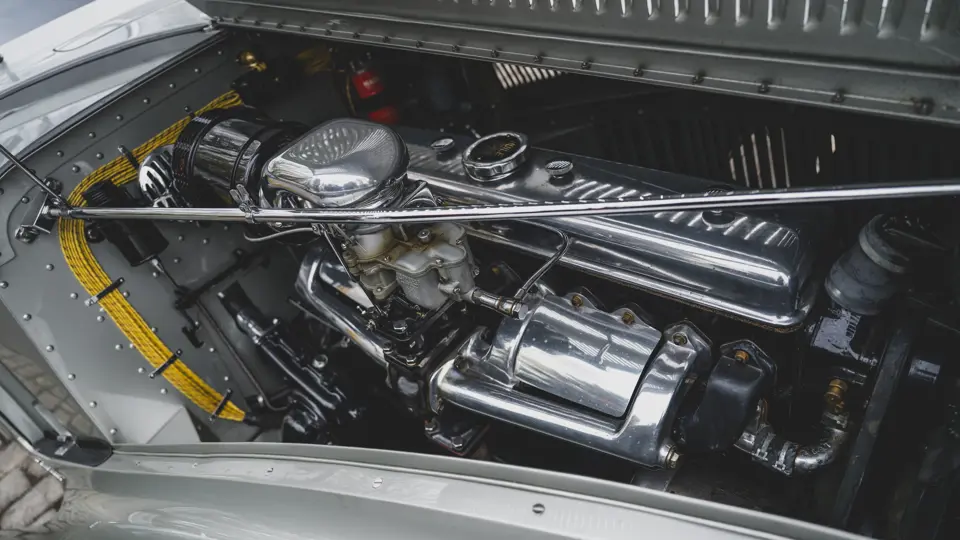
While the period alterations to the nose and tail had to be reversed—guided by wonderful original period photographs, as well as Claude Pourtout’s input, with the panels reshaped and corrected by Caruso’s skilled hands—all of the body less the grille section was able to be preserved, as was the original fitted luggage, found in the rear, which required only recovering. Such is the design of the body and its hardware that, even more so than usual, great care had to be taken to ensure a proper fit of the beautifully shaped glass and panels into one proper and harmonious whole. Similarly, the engine—rebuilt by Phil Reilly for Mr. Brener in 2002—and the drivetrain were assembled and tuned to deliver the silky, swift performance of which Delage was renowned.
THE VICTORY
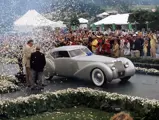
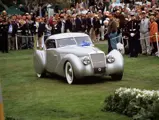
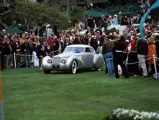
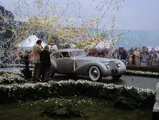
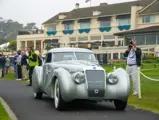
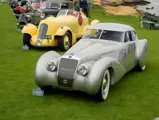
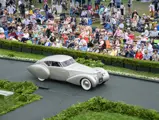
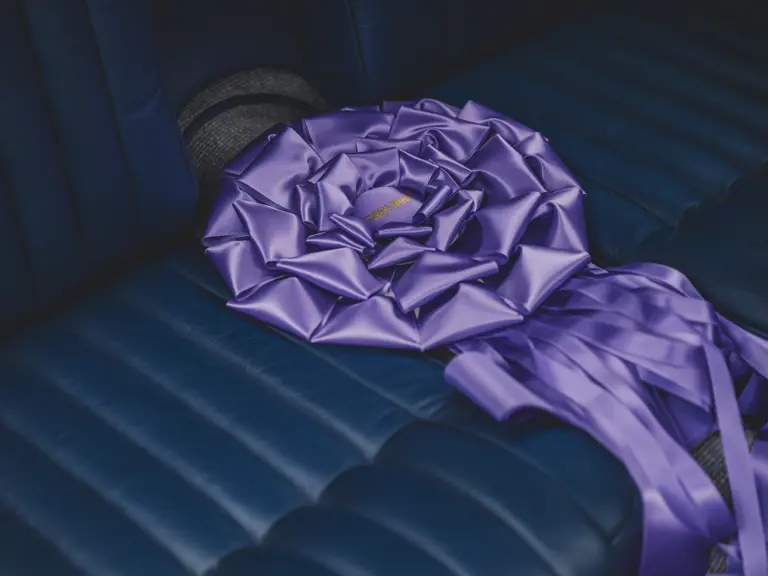
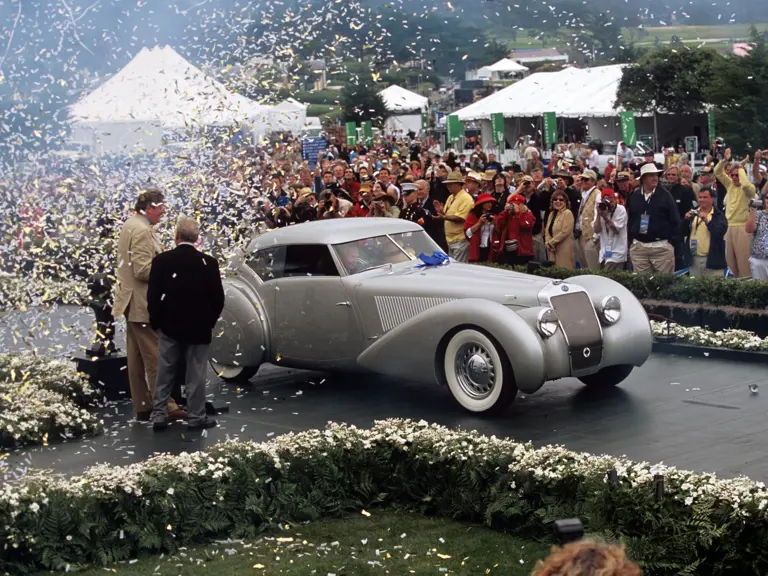
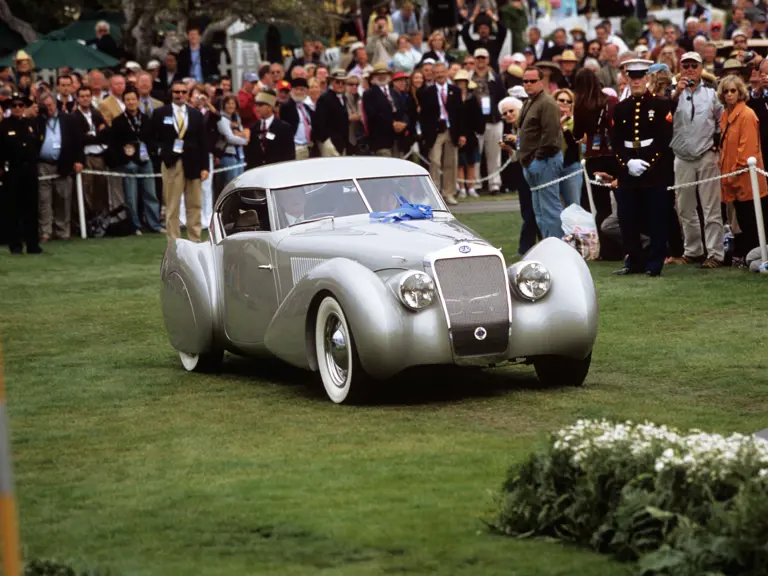
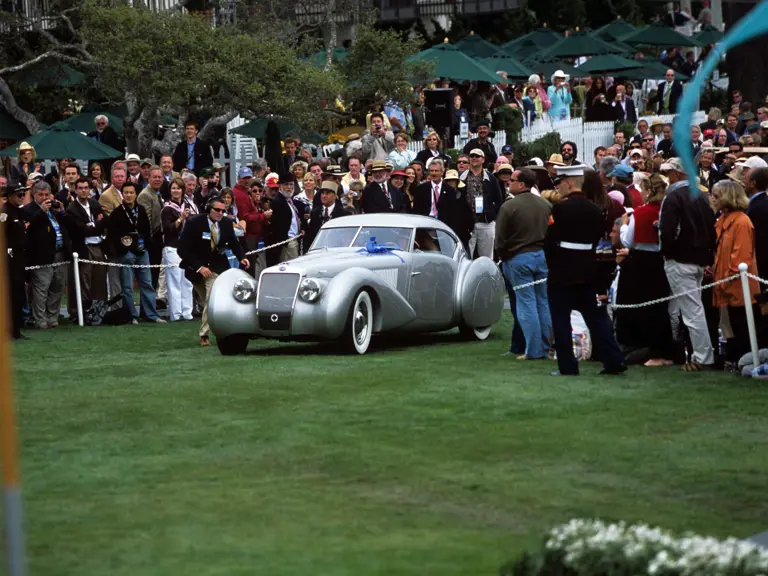
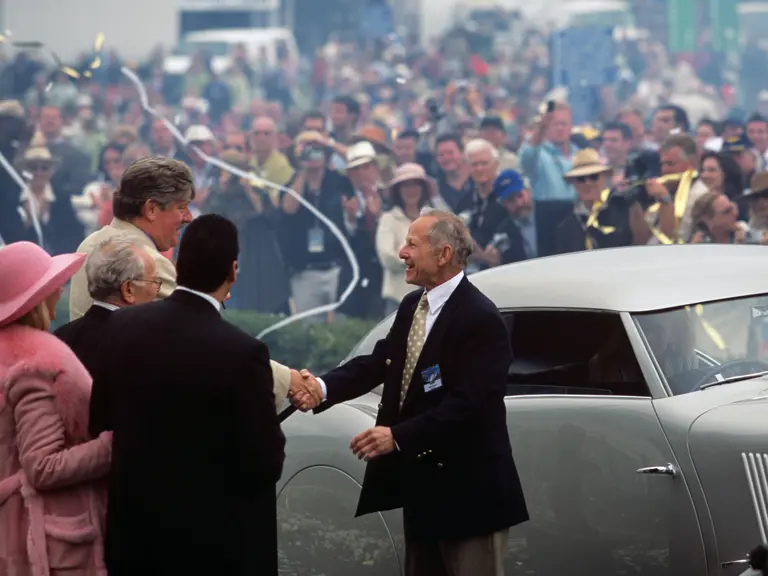
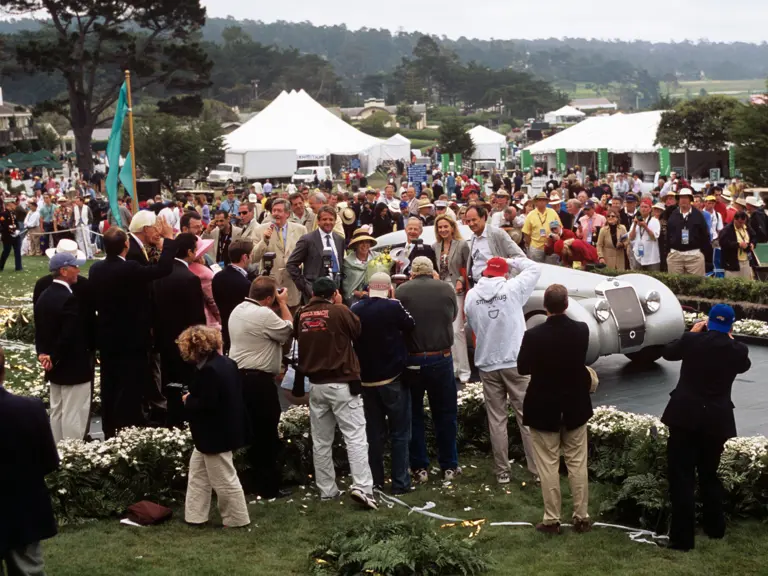
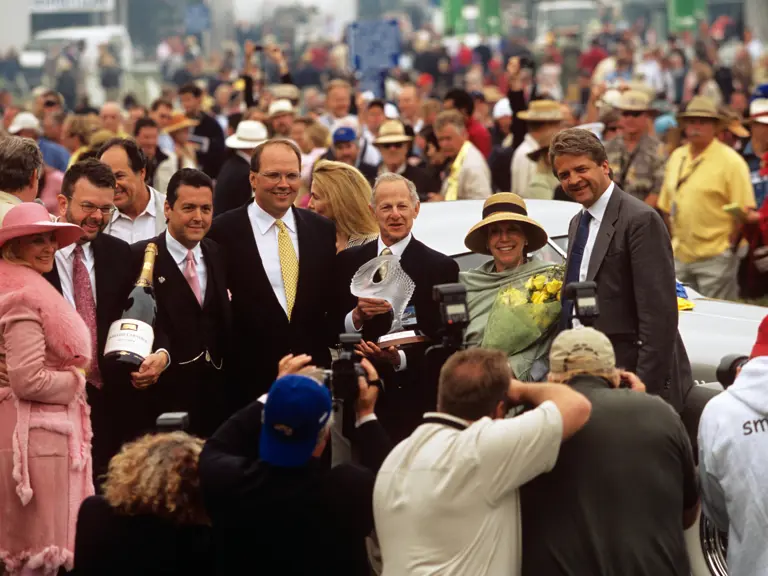
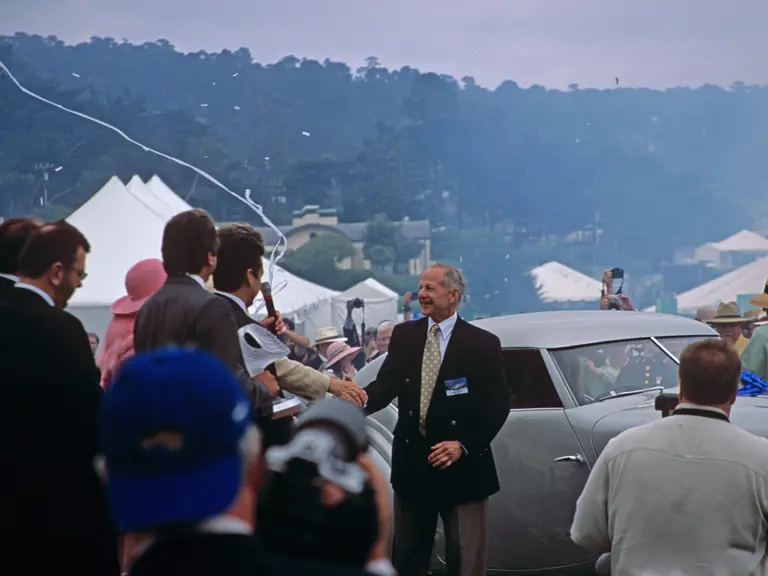
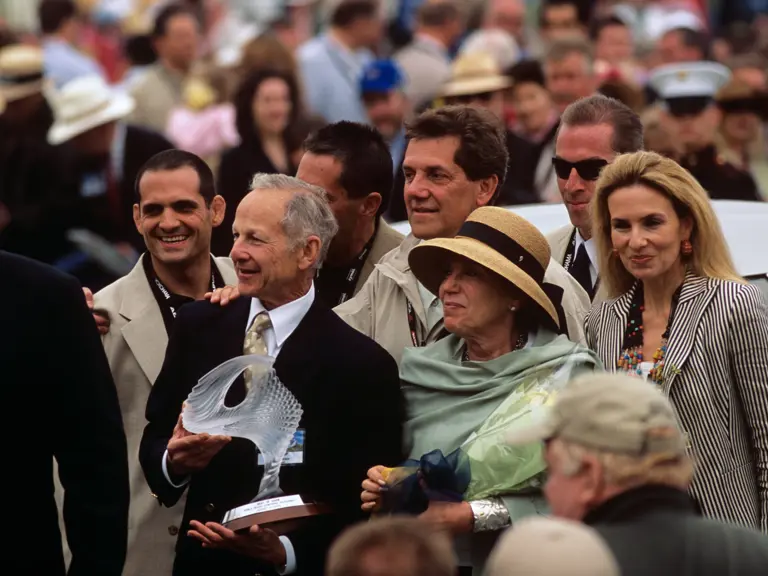
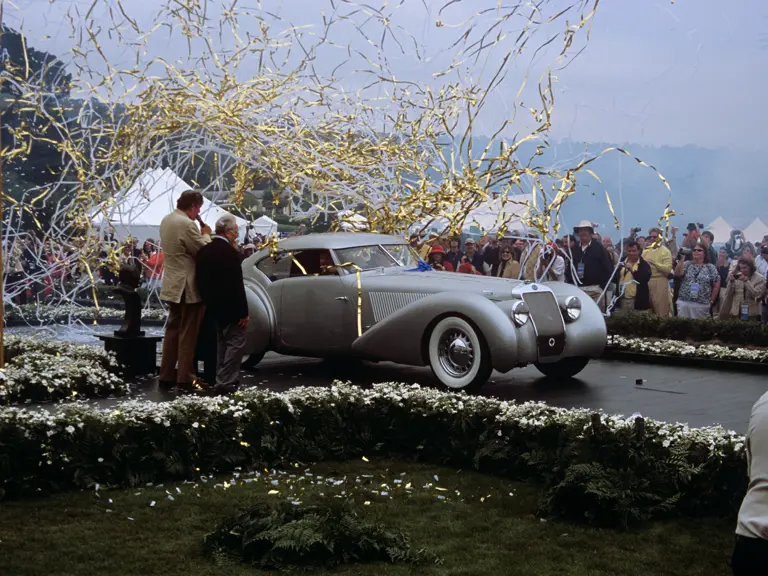
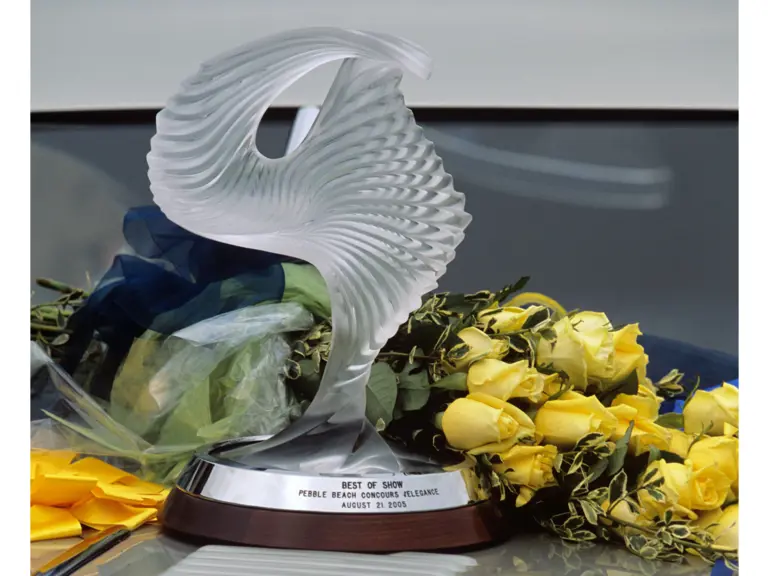
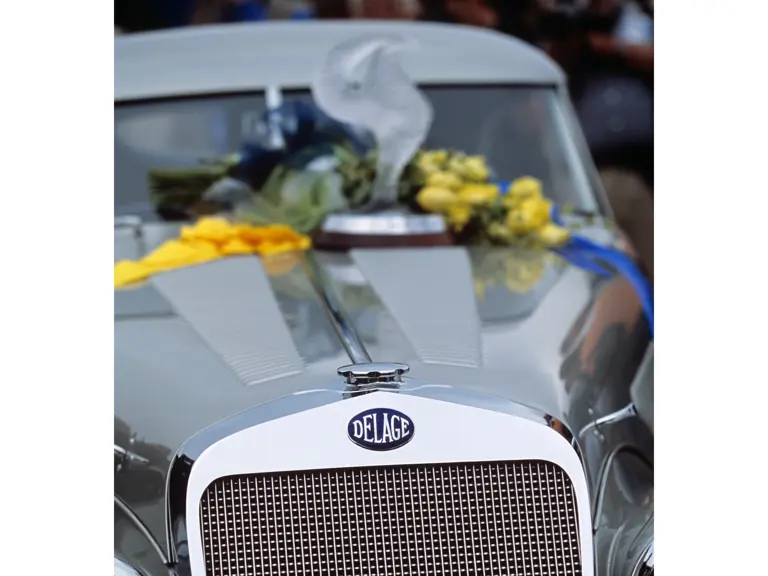
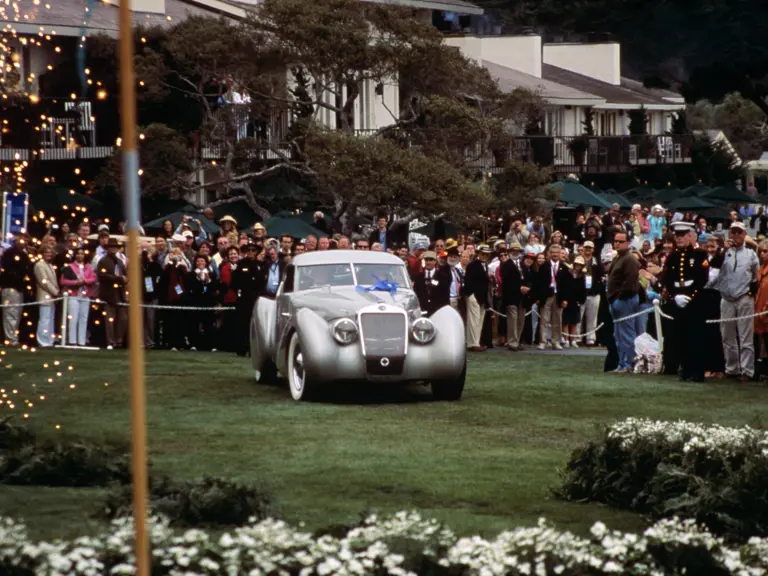
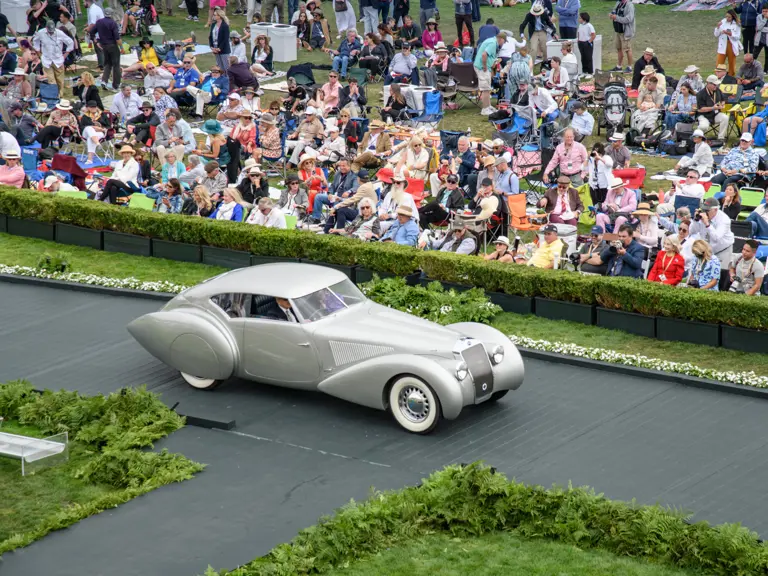
The completed car was at last brought to the 2005 Pebble Beach Concours d’Elegance, where, shown by the Manns in the company of the Breners, it completed the Tour d’Elegance, won its class, achieved a Best of Show nomination, and was finally selected as Best of Show, the fourth and final time that the Manns received the August honor. An in-depth article, on the car and its success, would appear in the November 2005 issue of Octane.
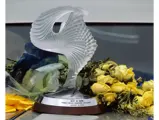
Subsequently, shown by the Manns alone, the Delage was awarded the first Louis Vuitton Classic Best of the Best Award (a competition today continued by the Peninsula Hotels) for 2005, and was shipped to France in January 2006 for exhibition at the Vuitton fashion house’s headquarters on the Champs-Élysées as well as Rétromobile. It appeared in the Ken Gross-curated exhibit, “Curves of Steel,” at the Phoenix Art Museum in 2007, and as part of the Petersen Automotive Museum’s exhibit of silver automobiles, “Precious Metal,” in 2016. Such is its beauty that it has even been faithfully captured as an Automodello model.
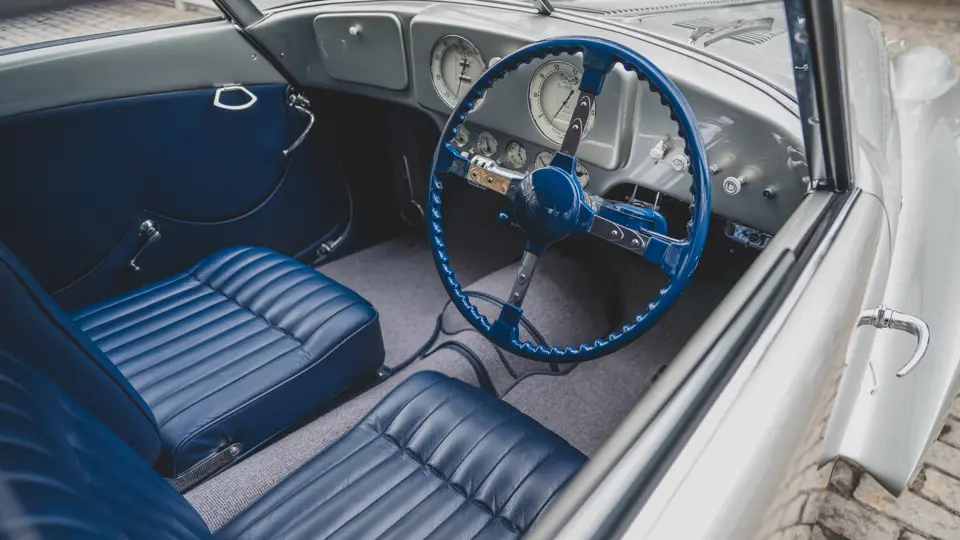
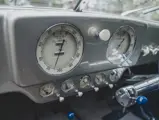
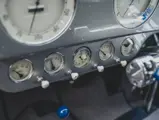
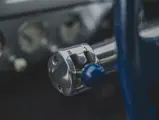
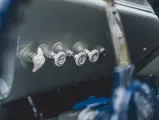
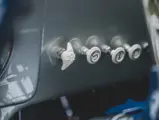
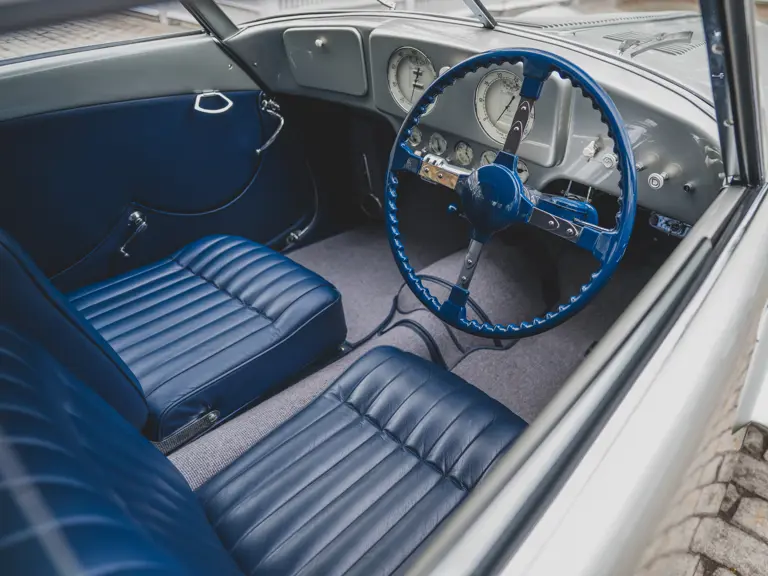
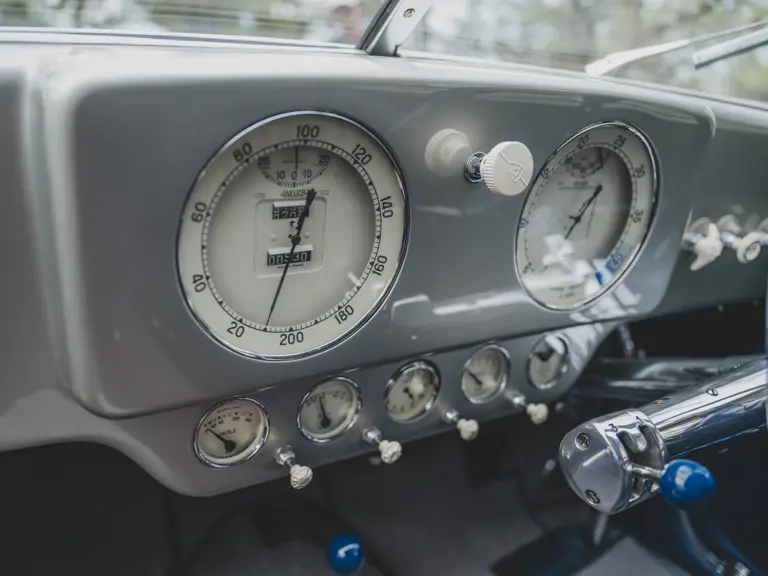
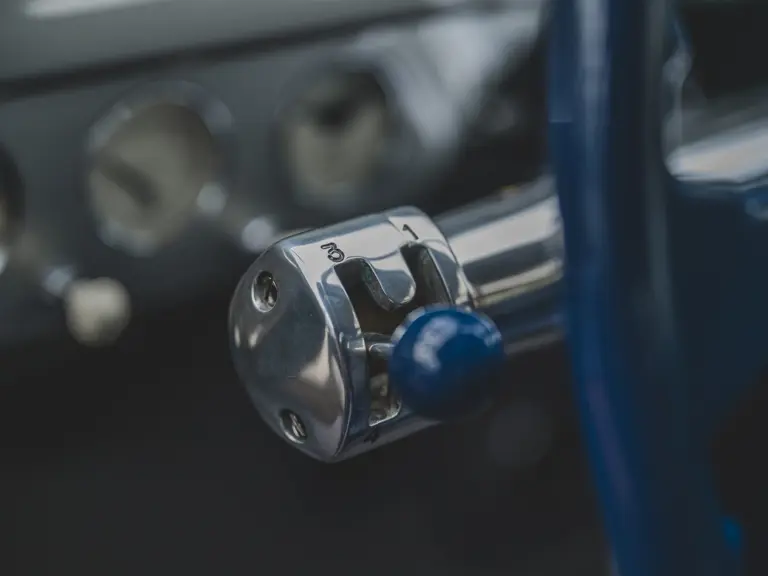
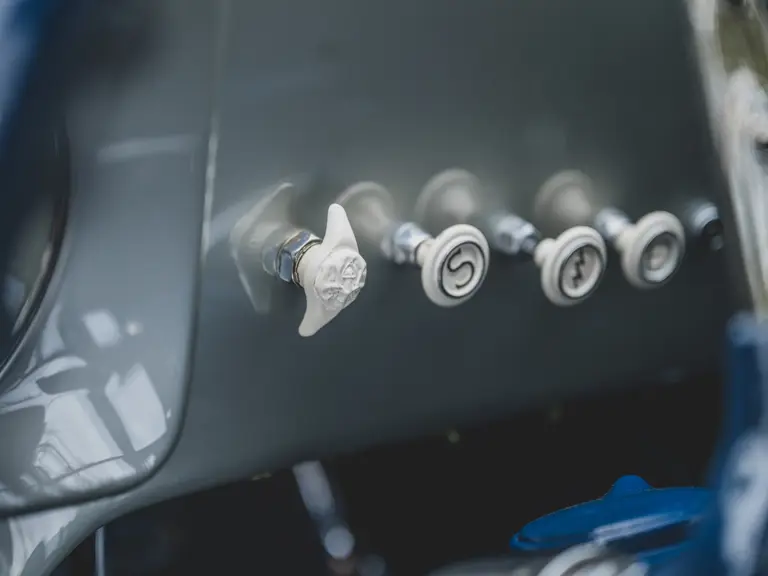
Mr. Mann notes that “as a driver, the Delage is exceedingly responsive, light, fast, very well-balanced, and comfortable. Its Cotal gearbox is the essence of mechanical simplicity. On the floor, there is a shift lever which has only two positions, forward and reverse. On the steering column, within fingertip reach from the steering wheel, is a miniature shift lever with a gate for the ‘semi-automatic’ four-speed transmission. The clutch is used to put the car into first; after that, the car can be shifted without the clutch, up and down, through all the speeds. The shifts are lightning fast and smooth as the mechanism is electromechanical.”
It stands as Sam Mann’s favorite in the collection that he and Emily have built together, a stable that in 40 years has seen 80 of the world’s greatest cars through its doors. It marks the grandest achievement of its builder, of its coachbuilder, and of a couple whose drive took it from the back of a restoration shop to the heights of the concours world and beyond, ensuring that it would be finished, as near as possible, to the point when Delage first slipped across the seat of his Delage.
It is the epitome of everything we have ever owned, and the purest example of the automobile as art. – S.M.
 | Monterey, California