
Chassis No.
90117
$7,000,000 - $8,000,000 USD | Not Sold
{{bidding.lot.reserveStatusFormatted}}
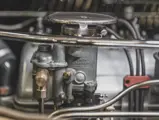
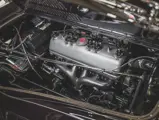
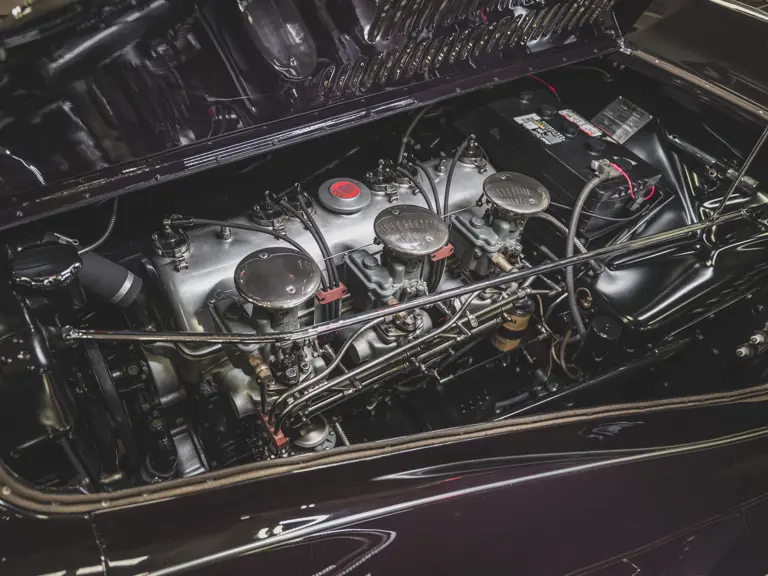
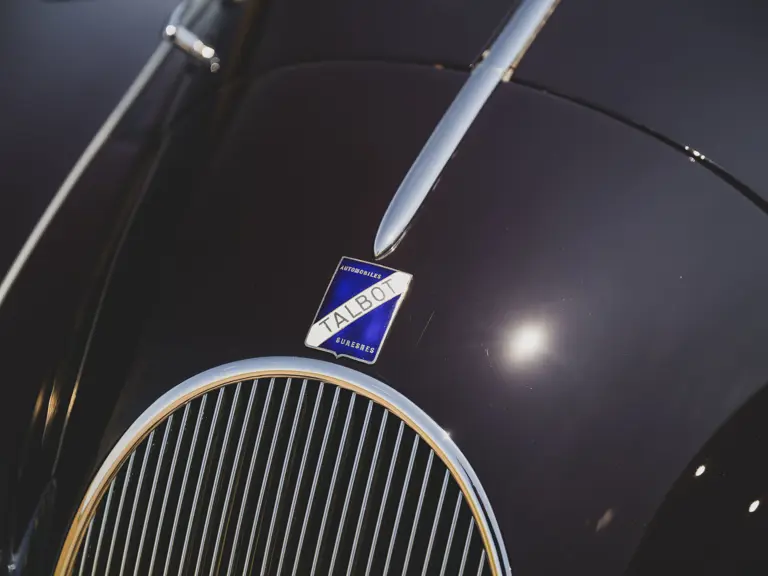
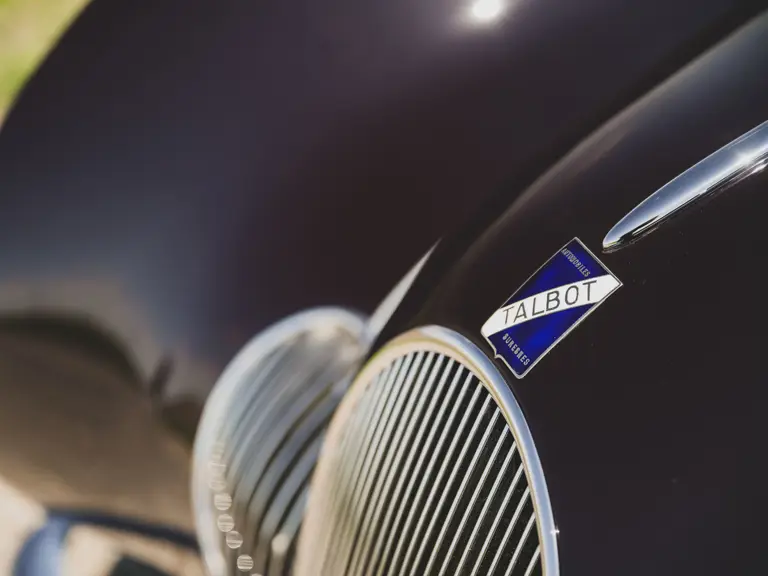
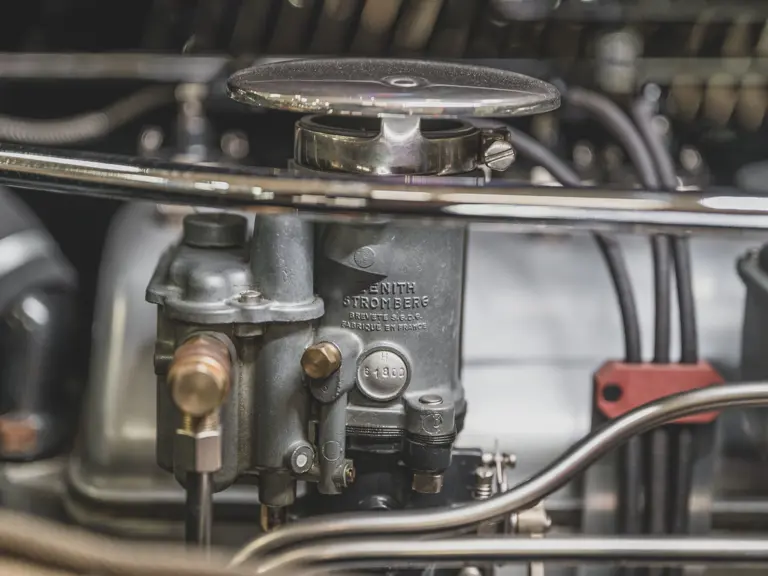
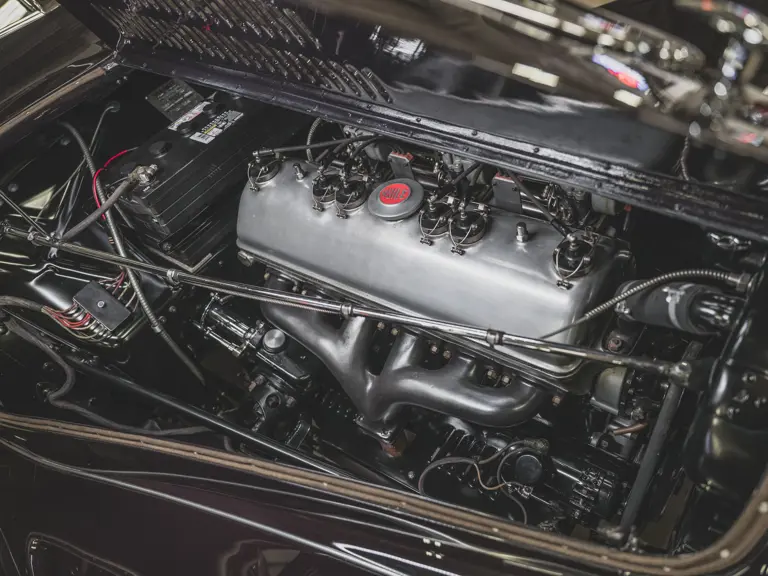
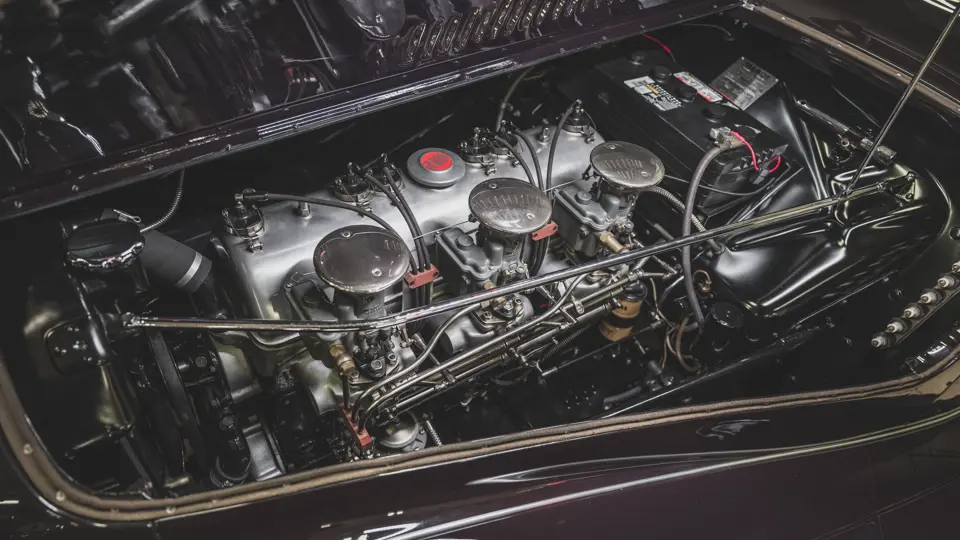
Having assumed control of Automobiles Talbot S.A. in 1933 and subsequently purchased the historic name from the receivers in 1936, ambitious Anglo-Italian engineer Anthony Lago set about revitalizing the beleaguered company with a range of new cars designed by Walter Becchia. Becchia was tasked with developing a competition version of the company’s 3-liter six-cylinder T150 engine, as Lago had identified motorsport as an area critical to the company’s future success. A comprehensive redesign saw the newly enlarged 4-liter engine modified with hemispherical combustion chambers and three Zenith-Stomberg carburetors; its generous 104.5-millimeter stroke afforded copious torque at modest revs, rendering it ideally suited to competitive use.
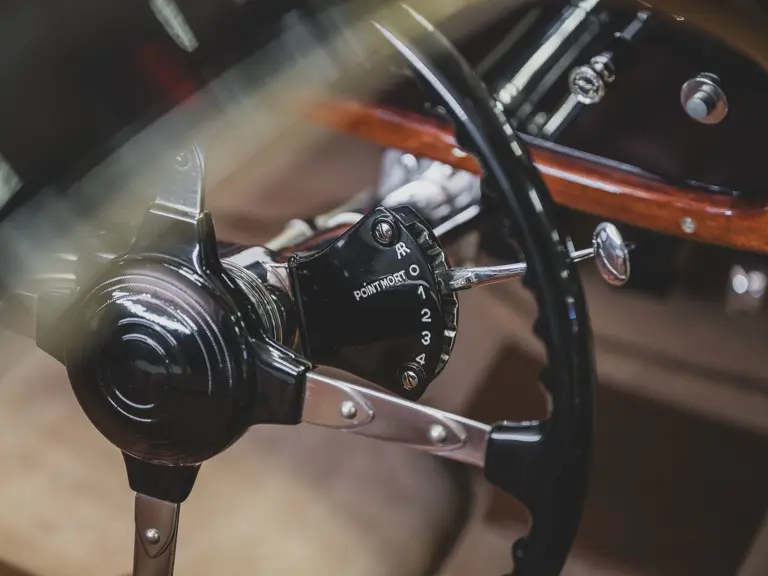
However, Lago understood that future racing success would require far more than mere horsepower. To this end, he instructed Becchia, in conjunction with fellow Fiat alumnus Vincenzo Bertarione, to construct a commensurate chassis. The new T150-C frame—the “C” denoting Corse—was of a conventional ladder type, with box section side spars joined by tubular cross-members. The short-chassis Super Sports or SS variant boasted a wheelbase of 104 inches and featured independent front suspension via a combination of top links and a transversely mounted leaf spring, while at the rear an underslung live axle was employed. Further modifications specific to the T150-C SS included a large-capacity oil pan, and the fitment of a Wilson pre-selector gearbox ensured quick and dependable gear changes.
Four T150-C SS roadsters were constructed for the 1936 season, although it was not until the following year that they achieved the results they deserved: A magnificent 1-2-3-5 in the sports car-only French Grand Prix and a commanding win in the RAC Tourist Trophy at Donington Park were notable highlights.
ENTER FIGONI ET FALASCHI
Lago had, by this time, been introduced to celebrated coachbuilder Giuseppe Figoni by Luigi Chinetti—yes, that Luigi Chinetti—a mutual friend and then Talbot-Lago’s Parisian agent. Italian by birth, Figoni had emigrated to Paris as a young boy, subsequently establishing his fabled coachworks in nearby Boulogne-sur-Seine. It was there that he built up a strong bond with Chinetti; the latter employed him to modify the bodywork of the long-chassis Alfa Romeo 8C 2300s with which he would emerge victorious at Le Mans in 1932 and 1934.
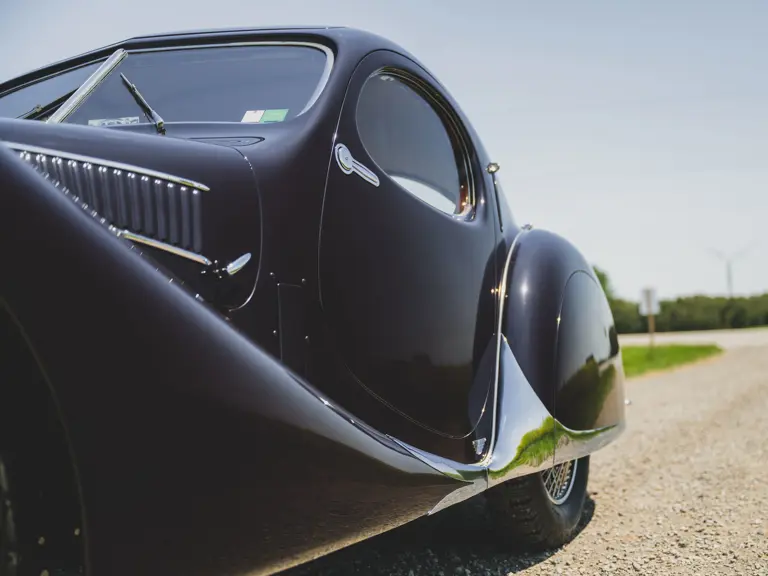
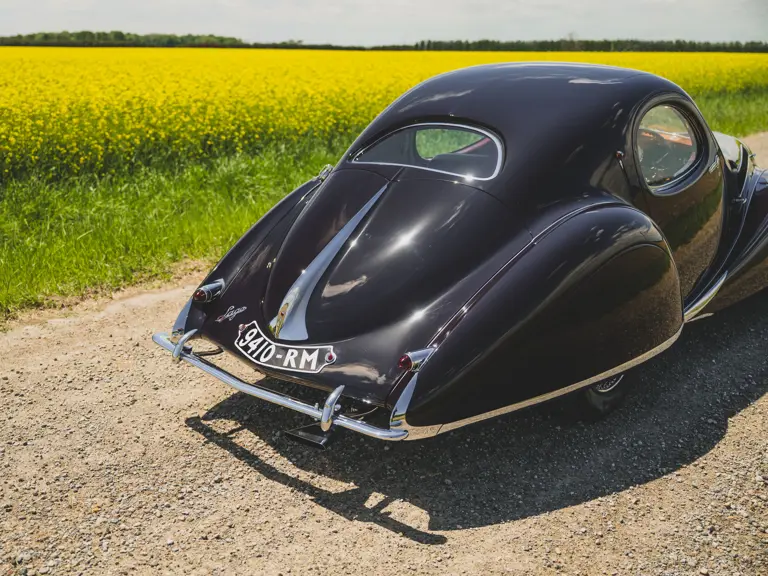
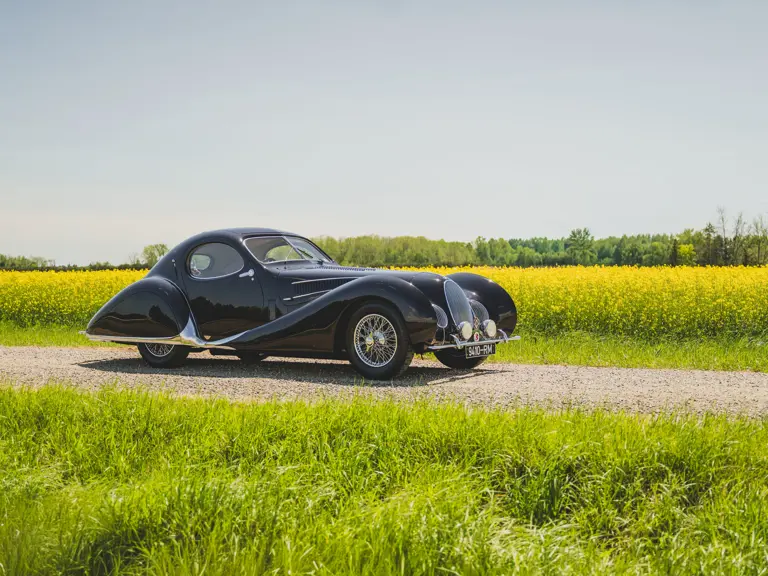
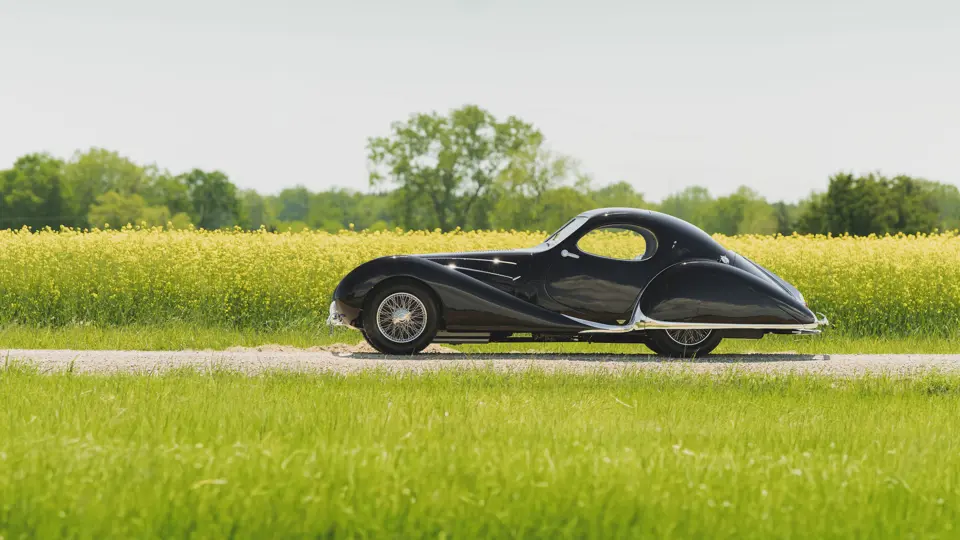
Mindful of the seemingly limitless styling opportunities offered by the distinctly en vogue Art Deco movement, Lago discussed with Figoni the possibility of fitting a number of his chassis with suitably extravagant coupe bodies constructed by the now re-named Figoni et Falaschi coachworks. Such was Figoni’s enthusiasm for the idea that no less than 16 such coupes were constructed over the next two years. Upon its unveiling at the 1937 Paris Motor Show, the new coupe was dubbed Goutte d’Eau—literally “water drop”—although this term was quickly anglicized into the more appropriate “teardrop,” which endures to this day.
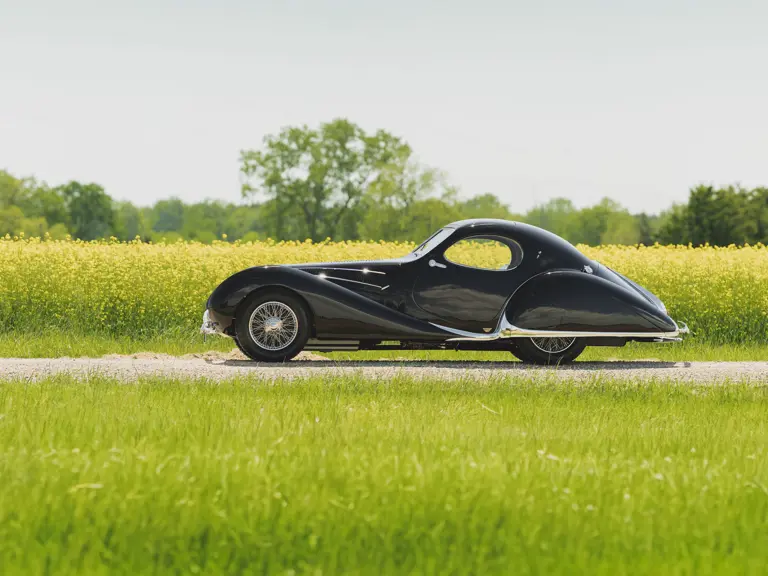
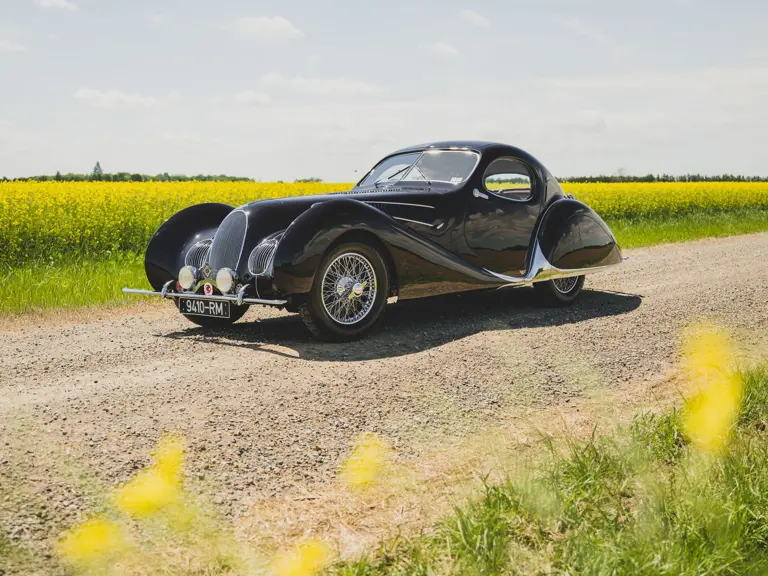
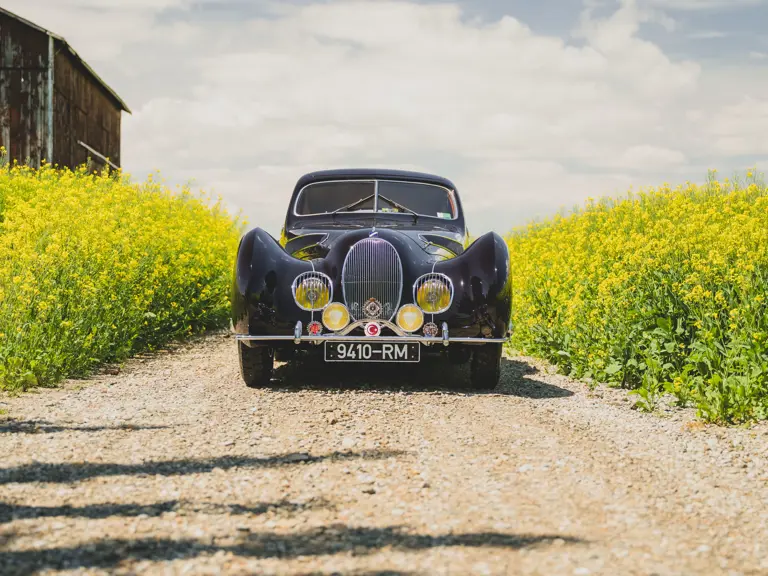
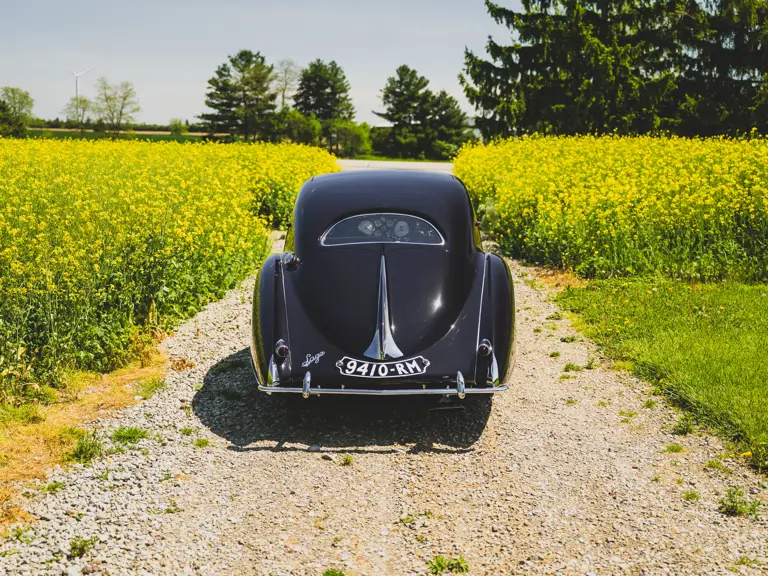
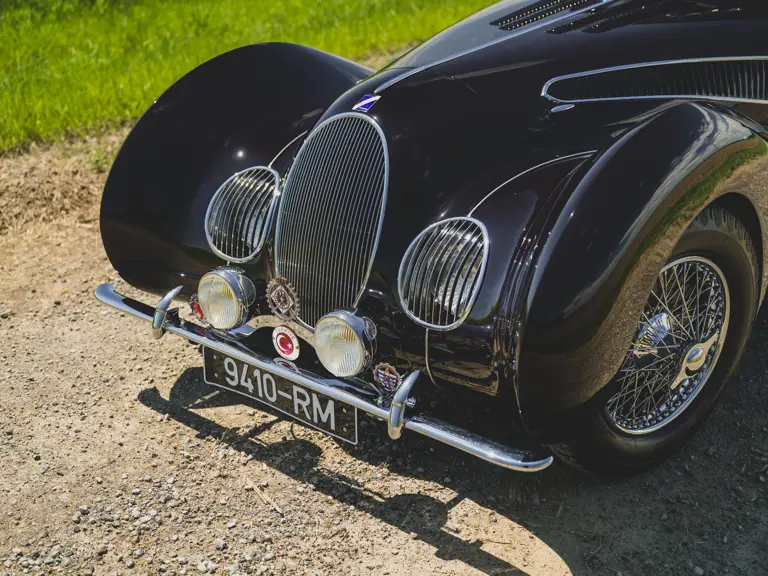
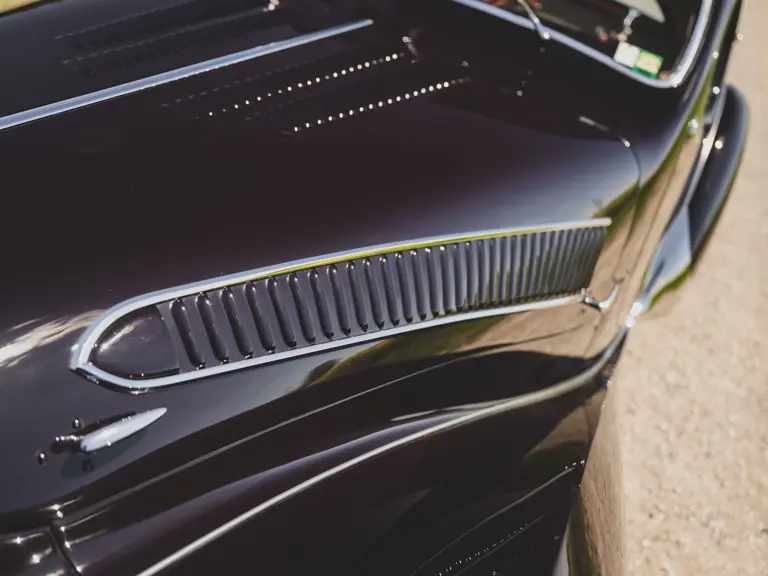
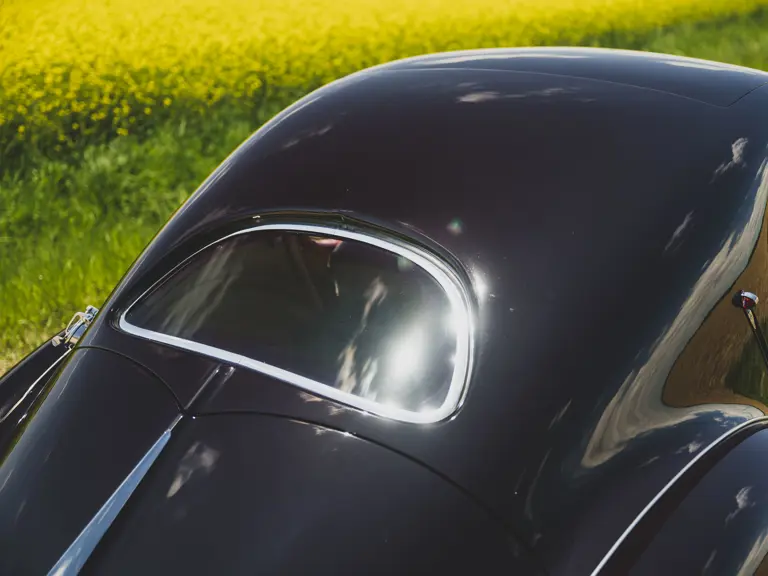
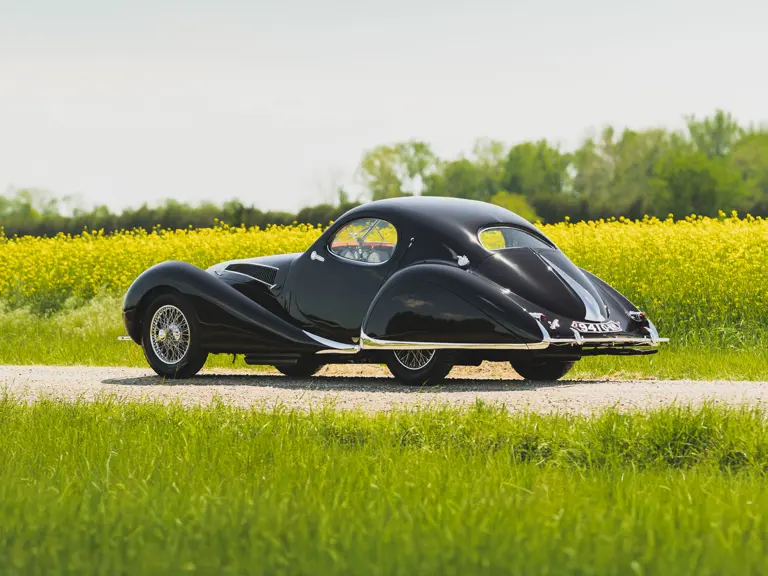
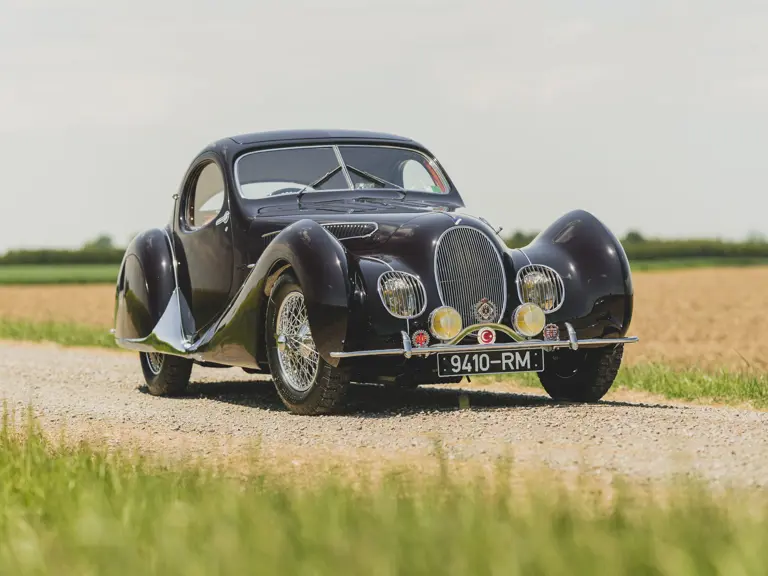
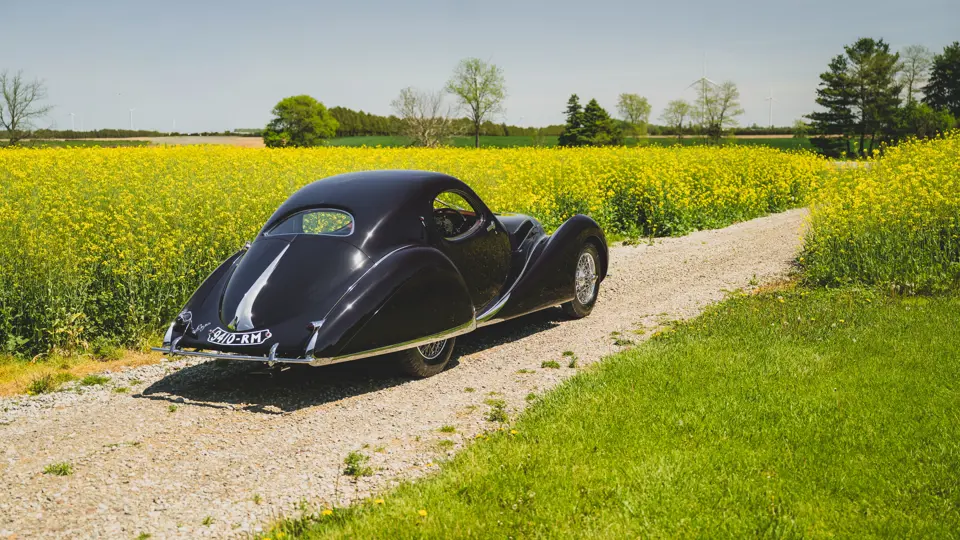
The initial batch of five cars, retrospectively termed “Jeancart” coupes in deference to the purchaser of the first such example, was constructed using a combination of T150-C and T23 chassis. Featuring trademark Figoni touches such as steeply raked windscreens, sumptuously sculpted fenders, and oval window apertures, each was impossibly beautiful yet subtly different to the next. As the Jeancart coupes all exhibited an elegant notch-backed side profile, the second-series cars were arguably even more pure in aesthetic terms, exhibiting as they did a simpler “fastback” tail section. Launched at the 1937 New York Auto Show, the second-series examples assumed the unofficial title of “New York” cars, and 11 were constructed in this style: 10 on 104-inch T150-C SS frames, and one on the longer 116-inch T23 chassis. Each was powered by a 140-horsepower version of the dependable T150-C engine.
CHASSIS NUMBER 90117: THE COMPETITION TEARDROP
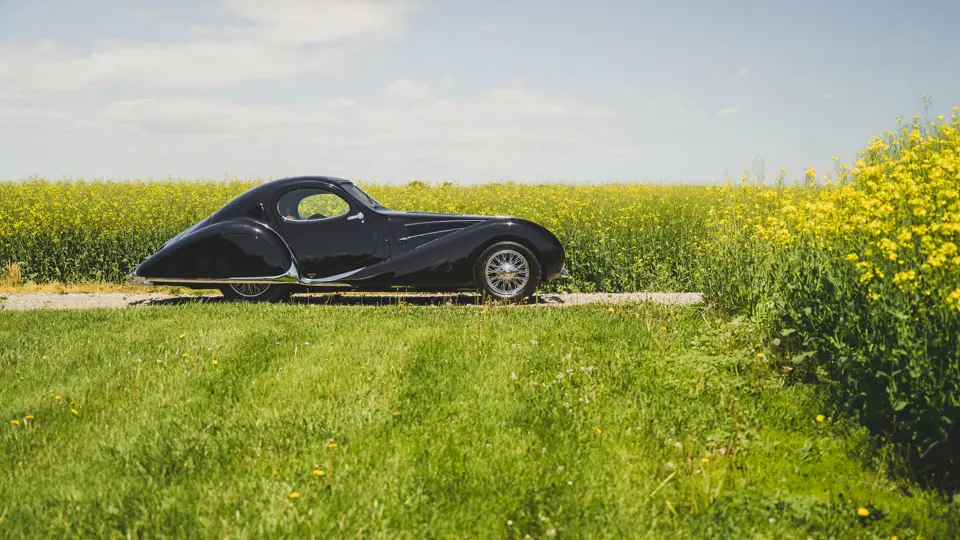
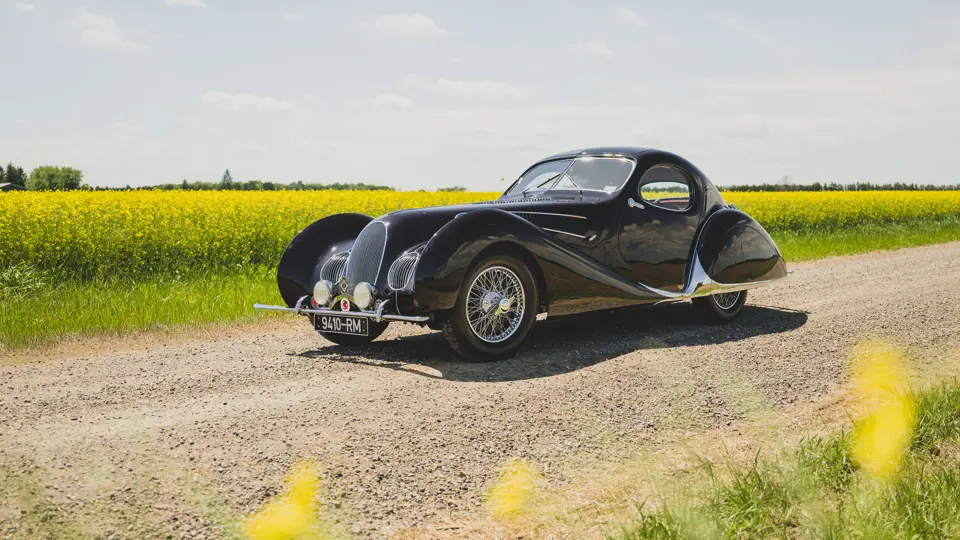
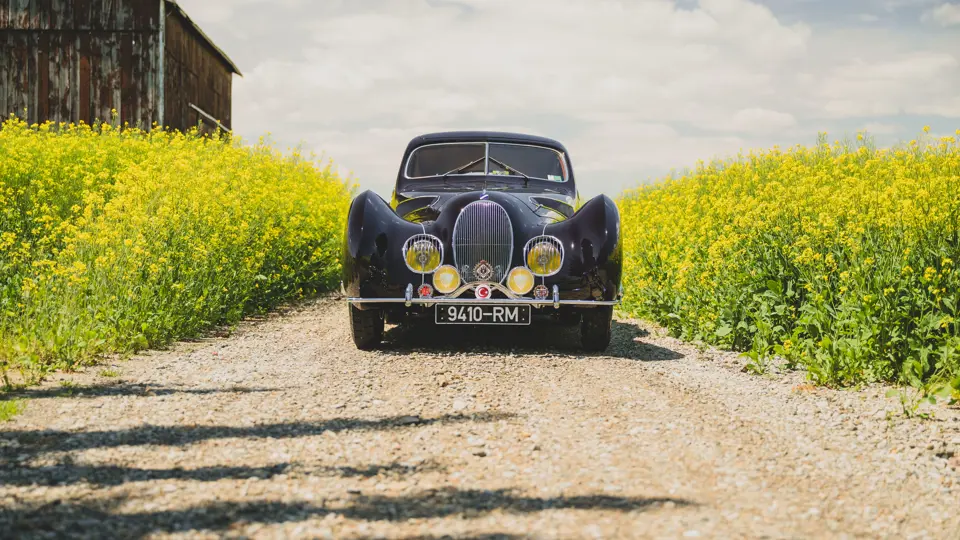
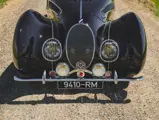
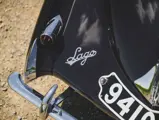
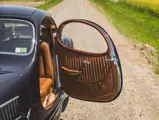
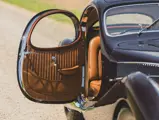
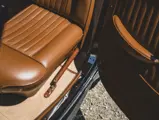
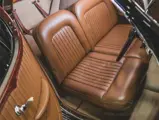
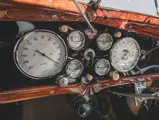
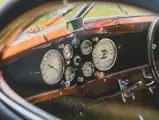
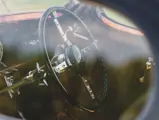
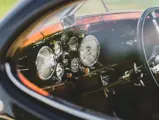
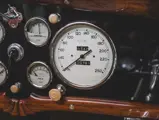
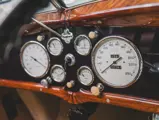
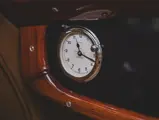
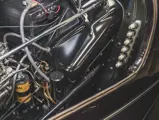
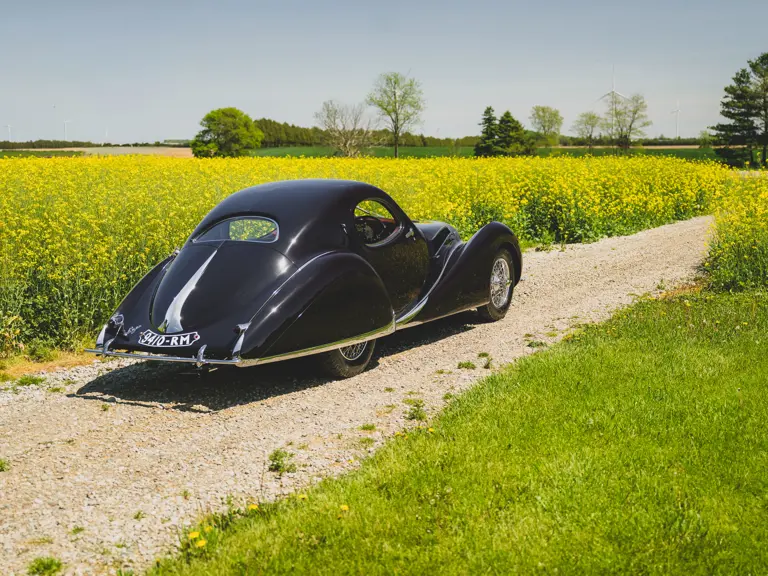
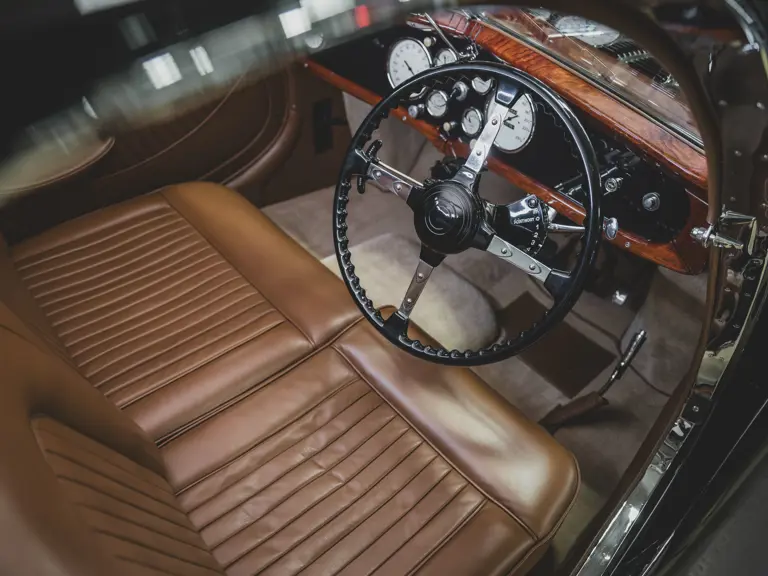
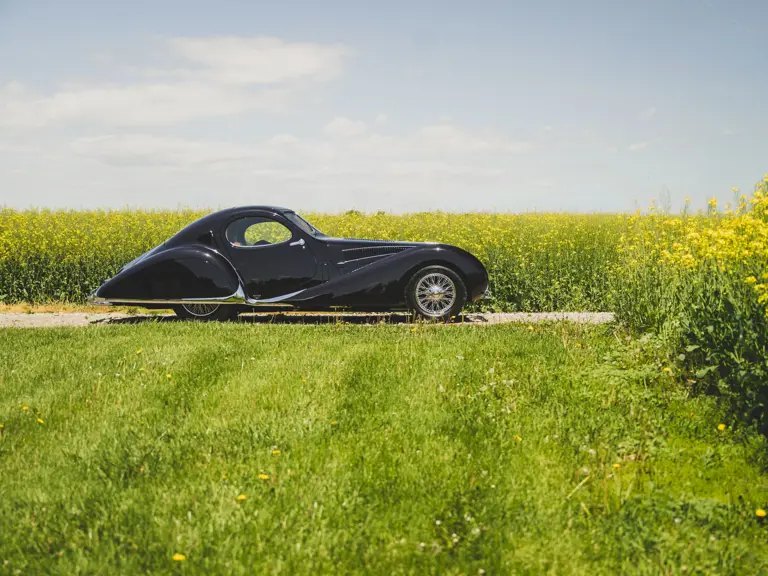
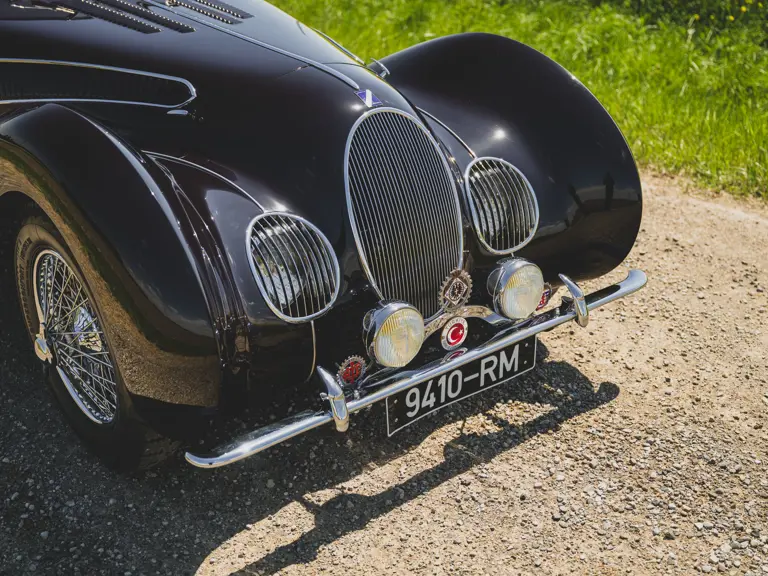
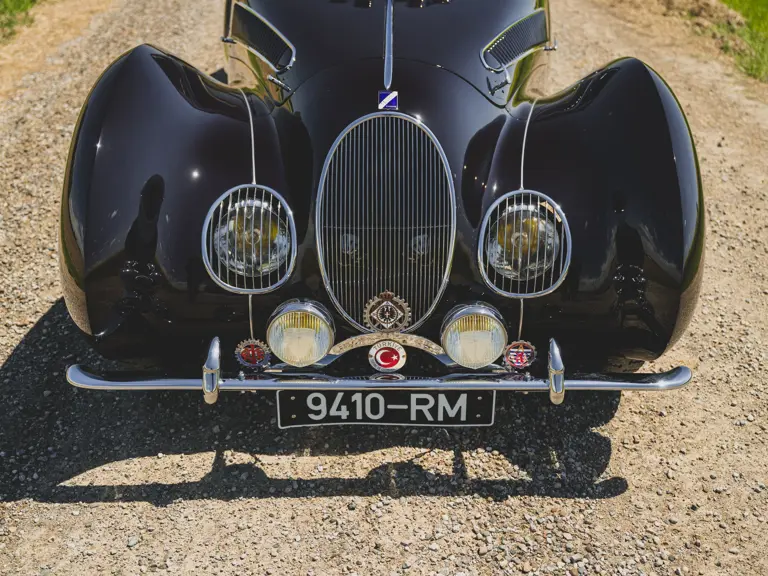
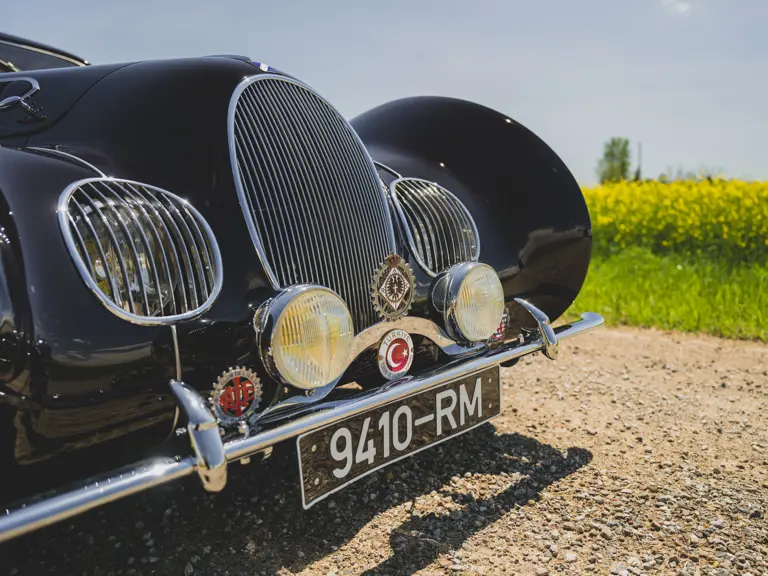
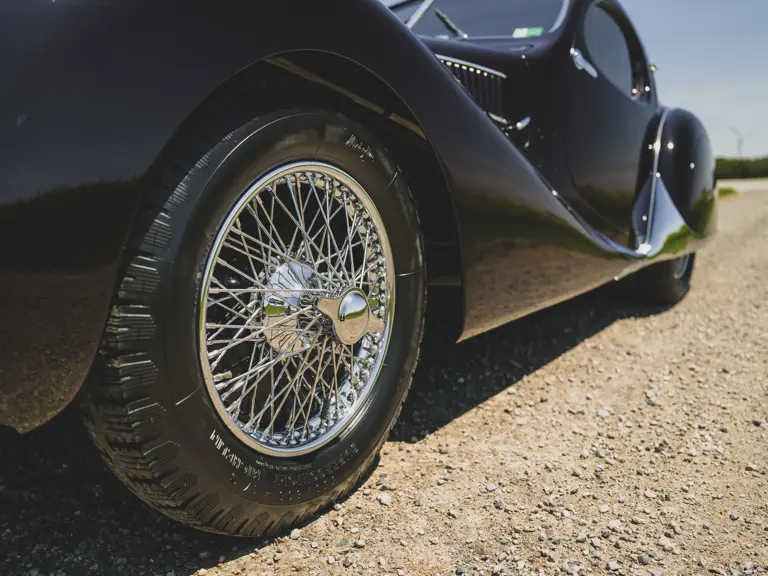
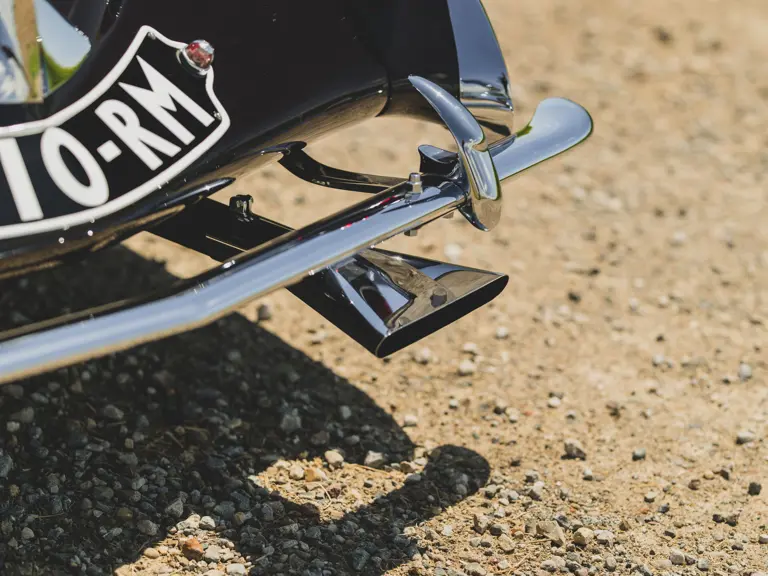
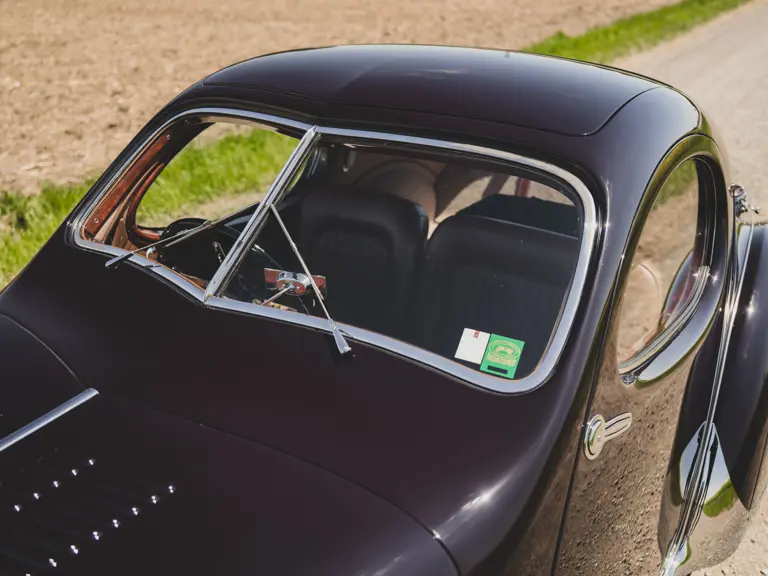
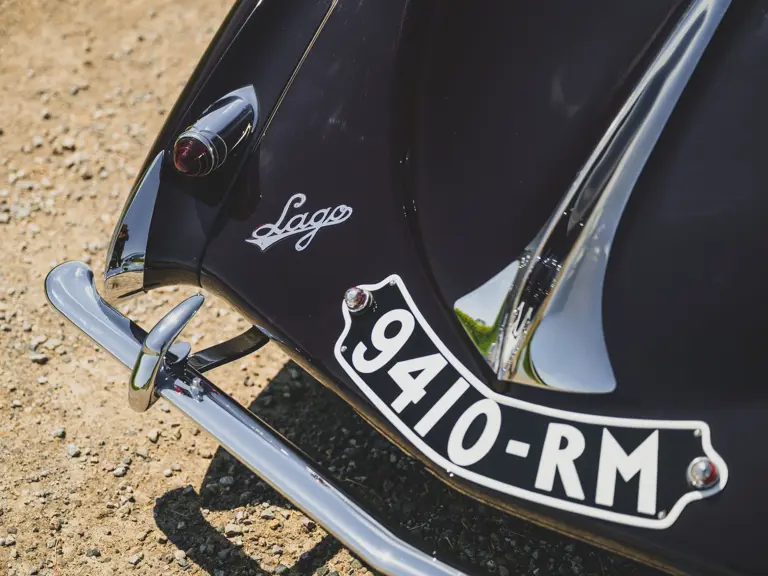
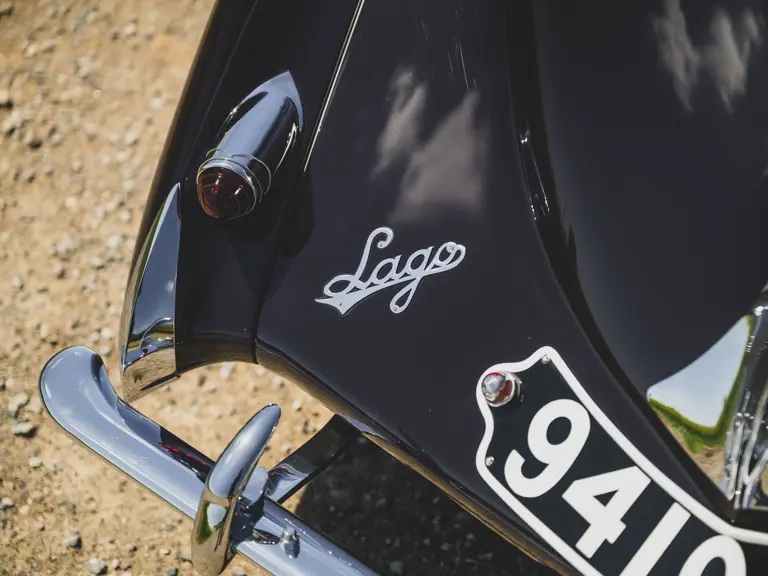
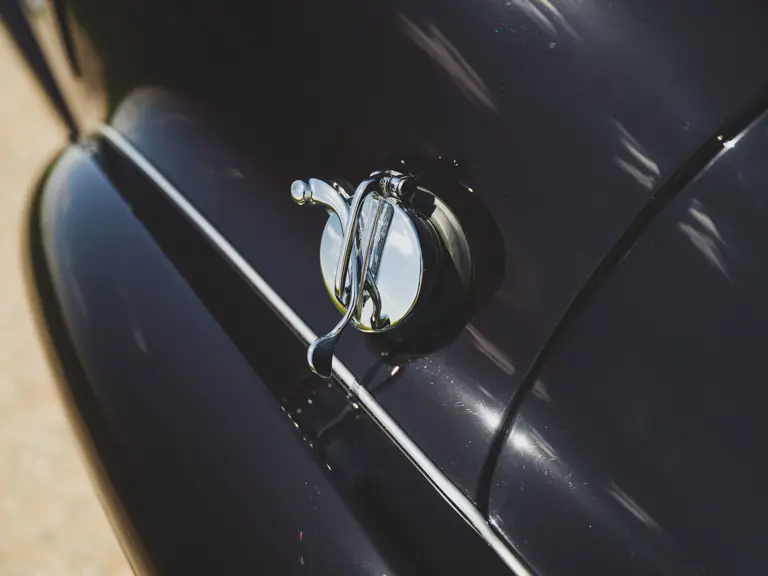
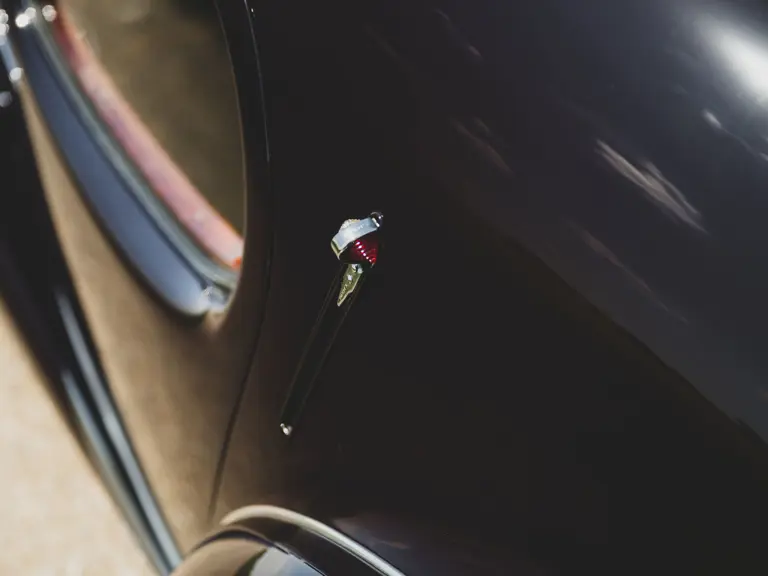
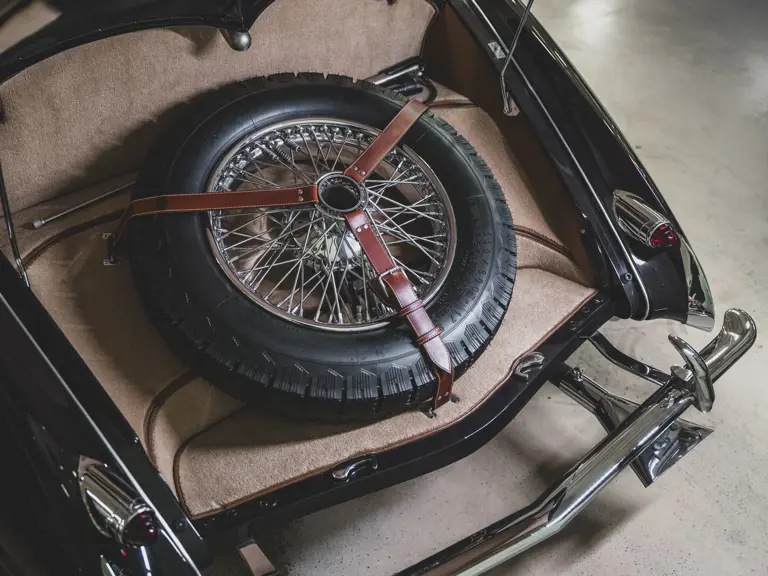
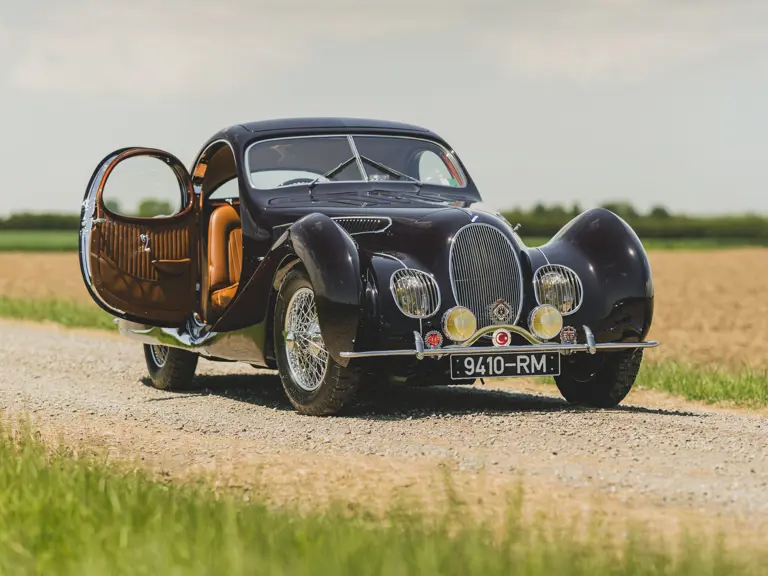
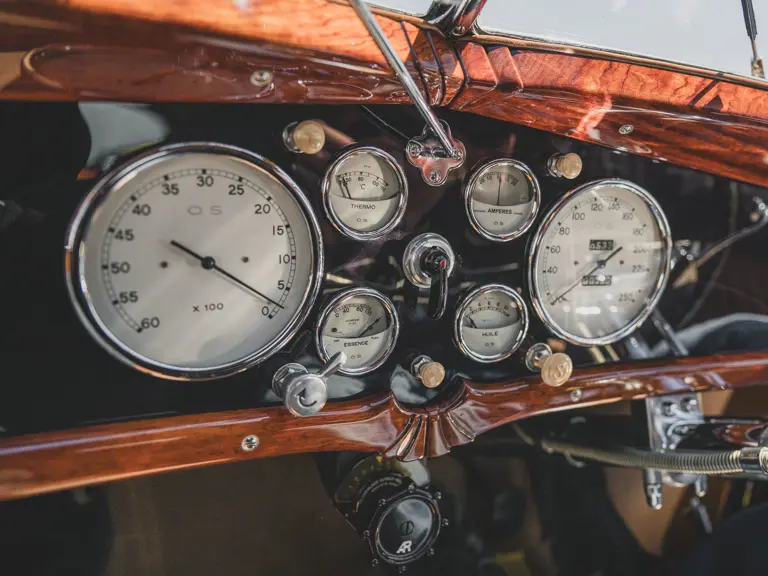
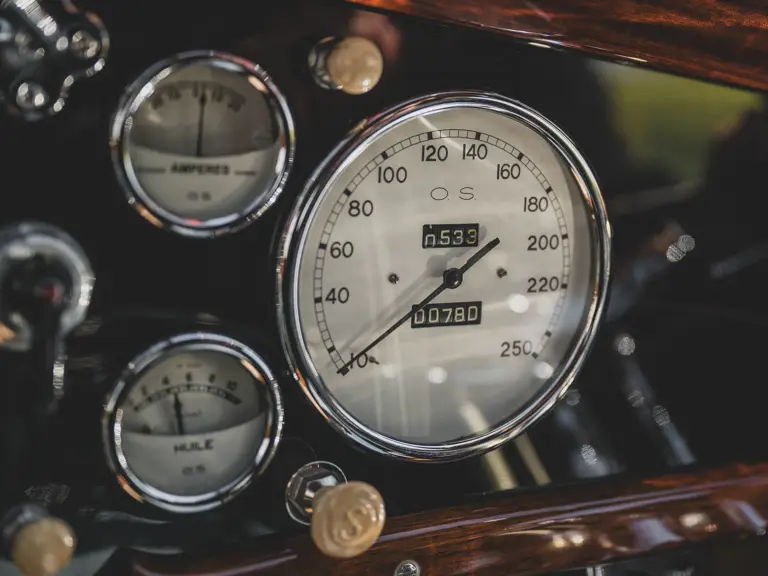
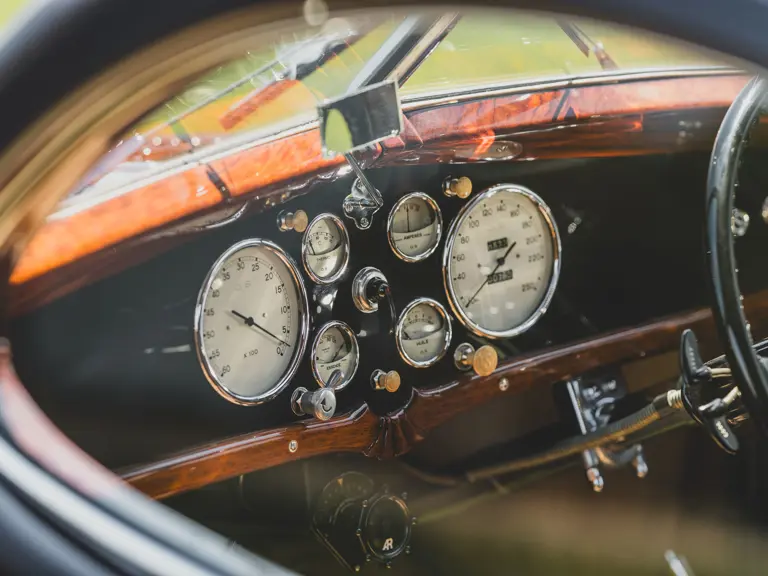
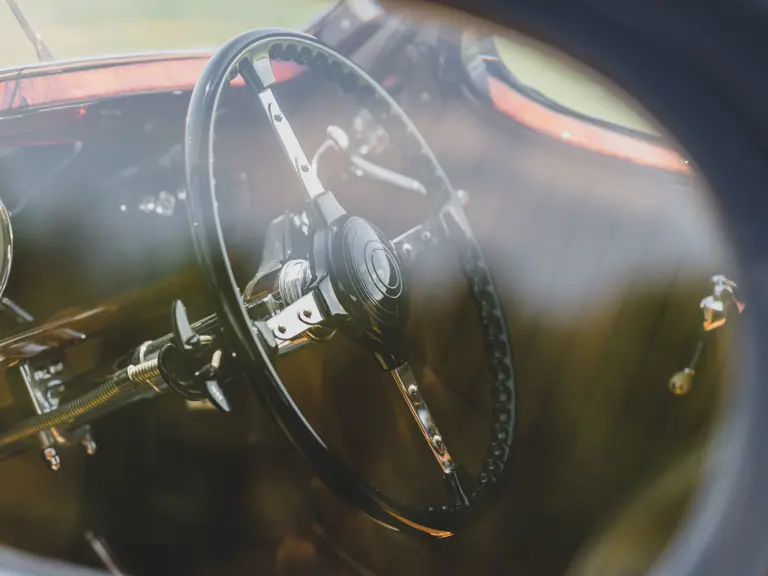
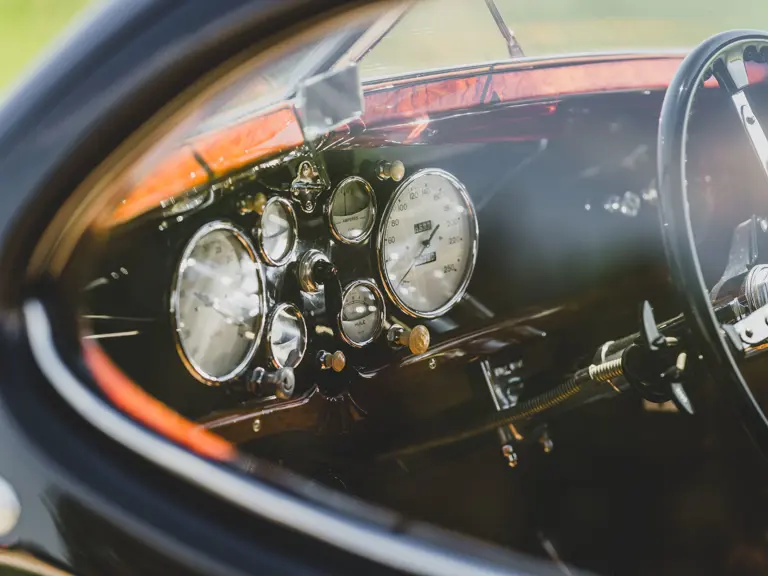
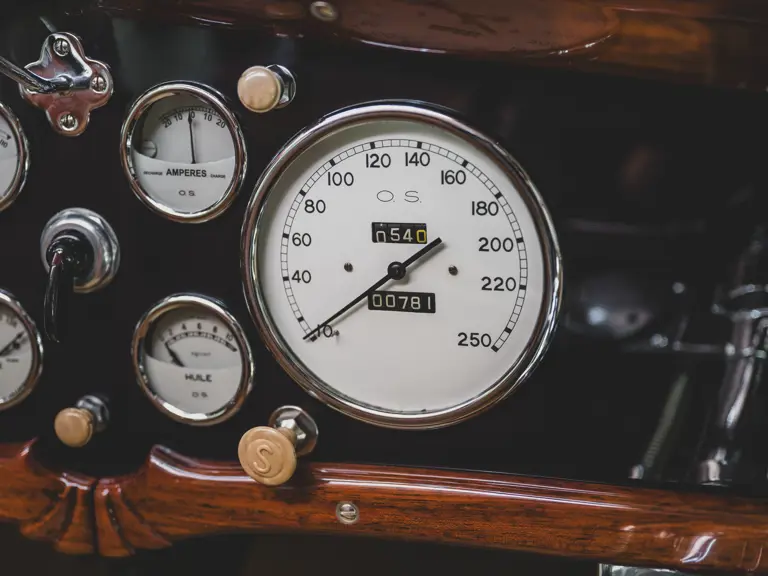
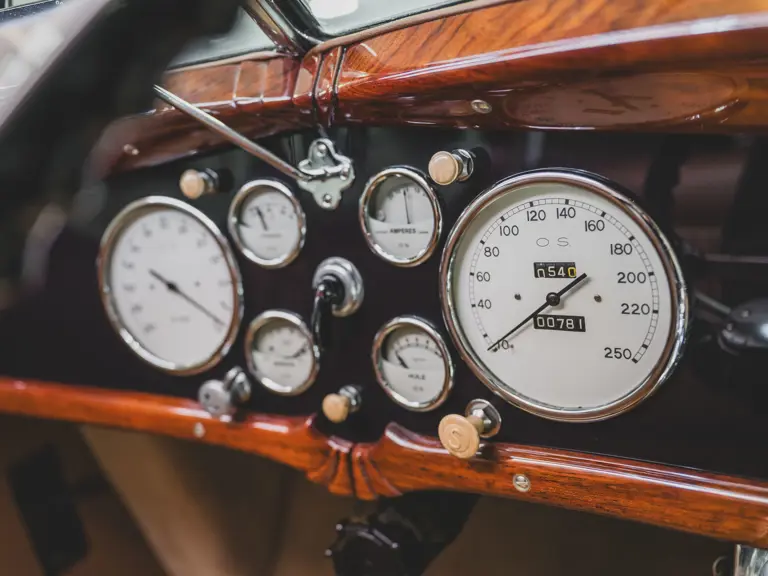
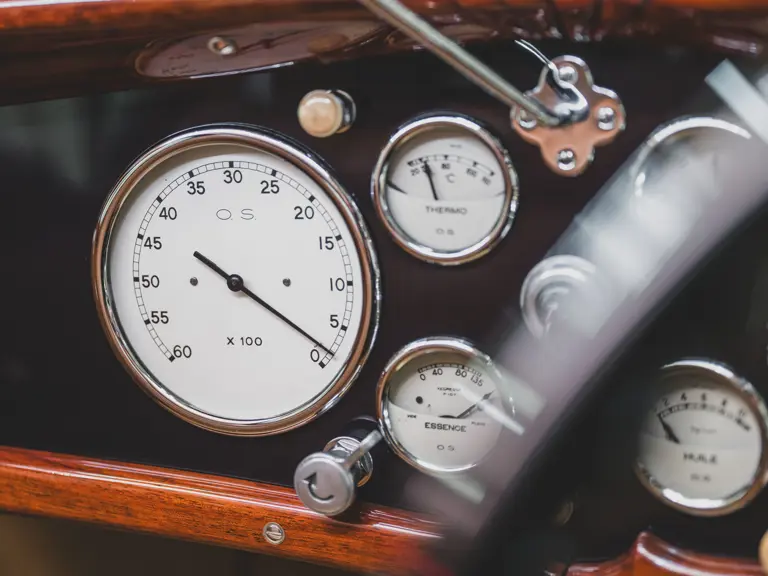
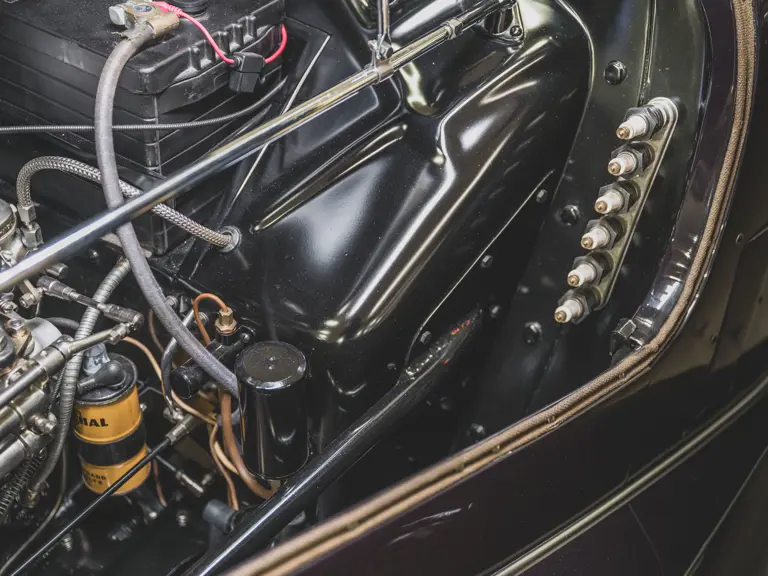
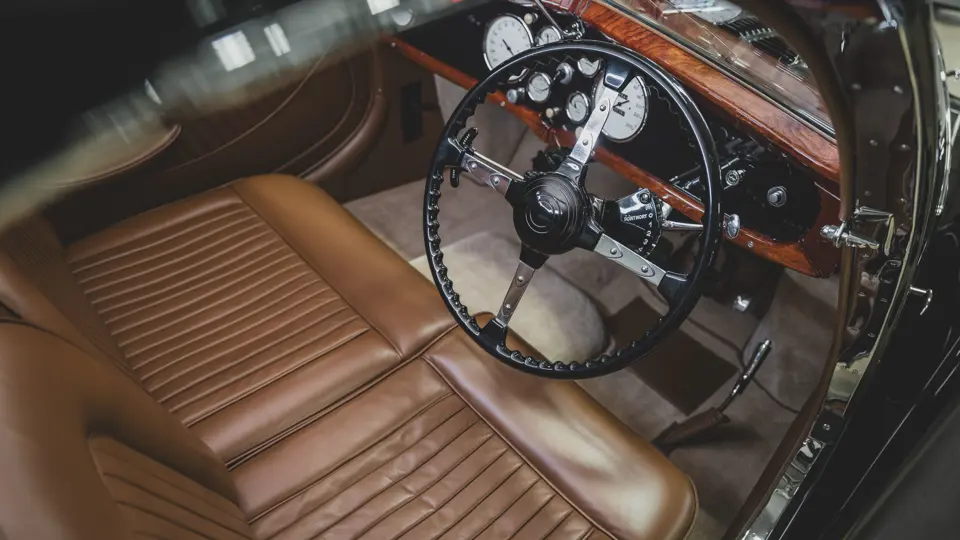
Chassis number 90117 is believed to have been the penultimate “New York” design built and was the only Goutte d’Eau coupe to be constructed expressly with competition in mind. It was commissioned by Philippe Régnier de Massa, a member of one of France’s oldest and most decorated noble families, with several competition-inspired modifications. Per Figoni’s son, Claude, the car was two inches lower and four inches longer than other Teardrop coupes, in an attempt to minimize both frontal area and drag, and featured additional driving lights, an opening rear window and a unique heart-shaped sunroof to aid ventilation, and a sort of proto-bucket seat on the driver’s side, facing a 250-km/h speedometer. The specifications were not merely skin-deep; beneath, the engine bay was fitted with additional reinforcement tubes and brackets, and the engine itself was fed by a long-range fuel tank supplied through an external filler cap.
De Massa appears to have taken note of the 3rd place achieved at Le Mans in 1938 by Prenant and Morel’s Pourtout-bodied Talbot-Lago and entered his own car into the 1939 edition—remarkably, both car and driver’s first race of international standard! The Talbot-Lago was officially entered in the name of British racing luminary and writer T.A.S.O. Mathieson—himself sharing a new T26 model with Chinetti in the race. De Massa co-drove with Norbert-Jean Mahé, who had finished 9th in the 1934 event. The pair was running strongly in 9th place when they were eliminated on the 88th lap, a retirement variously attributed to a broken valve spring or the car skidding on oil and actually traveling some distance in the wrong direction!
Aside from a brief appearance in an unnamed post-Le Mans concours, no other outings are recorded for the car during de Massa’s ownership, for good reason: World War II broke out scarcely 10 weeks after the 24-hour race had concluded. The Talbot-Lago found itself in Germany by 1942, and was acquired there in a neglected state, less its engine, by Herr A. Becker of Rangsdorf, near Berlin. Unfortunately the car found itself on the wrong side of the Iron Curtain and thus remained largely inaccessible and, in fact, forgotten by most Western collectors. One who had not forgotten was the Dutch dealer Jan Bruijn, who knew of the car and would occasionally meet Becker to discuss an eventual acquisition, in a rather Le Carre-esque cloak-and-dagger fashion involving roadside meetings in a smoky Trabant.
When the Wall fell in late 1989, the Talbot-Lago was sold to German enthusiast Peter Schmitz. Bruijn caught up and acquired the car in 1995. Photographs show the car in somewhat worn condition but nonetheless largely cosmetically intact.
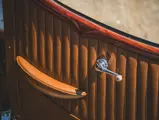
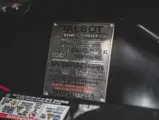
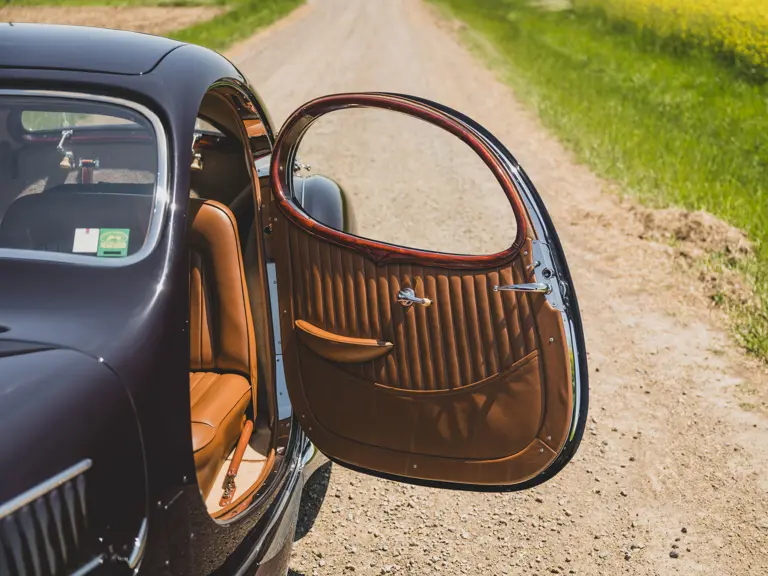
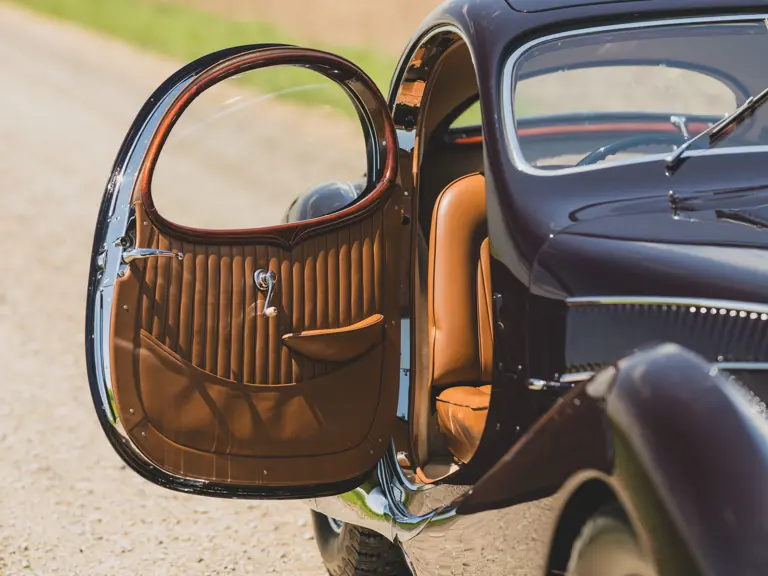
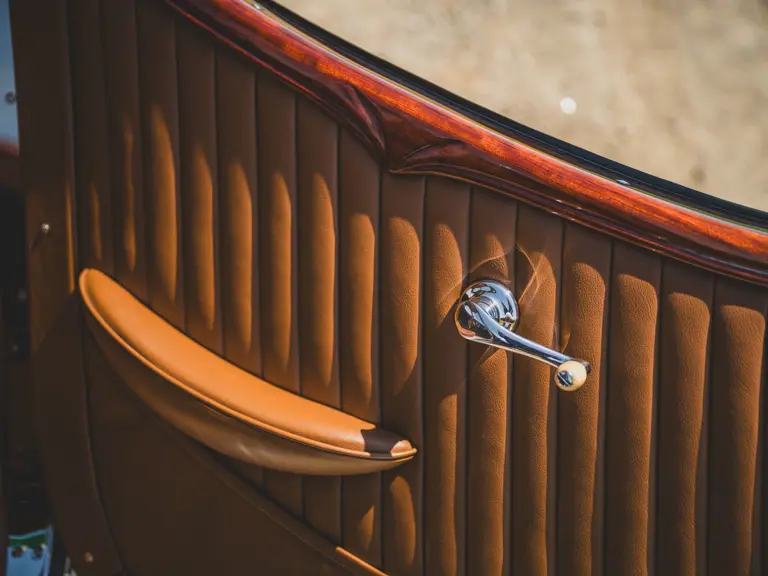
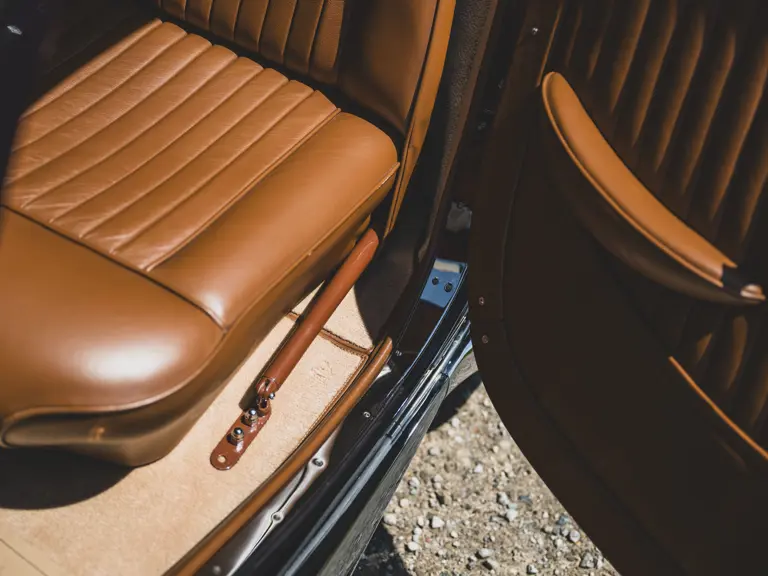
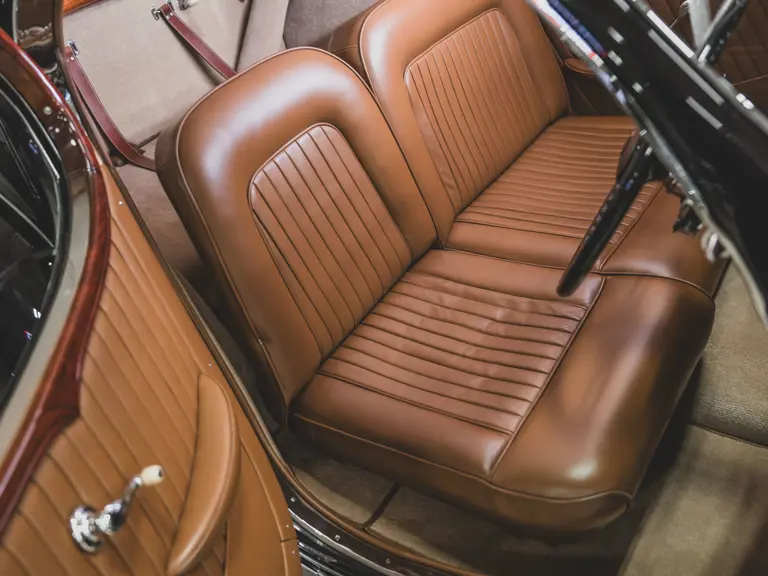
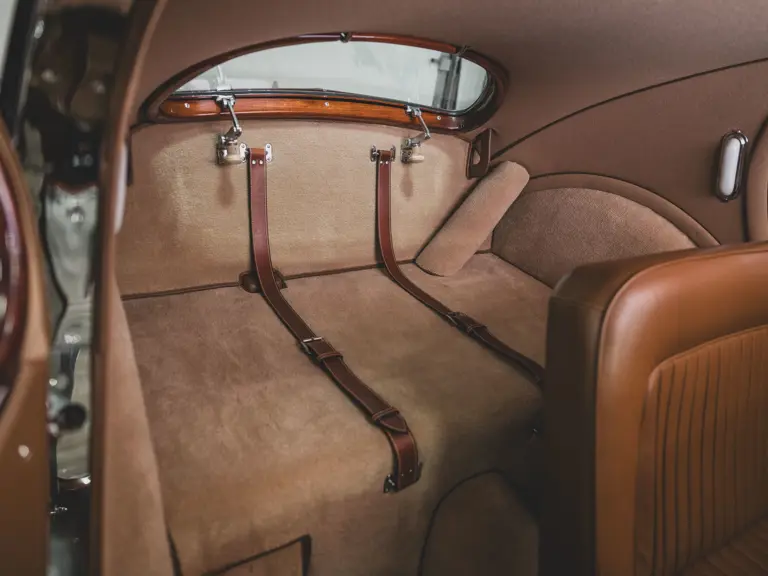
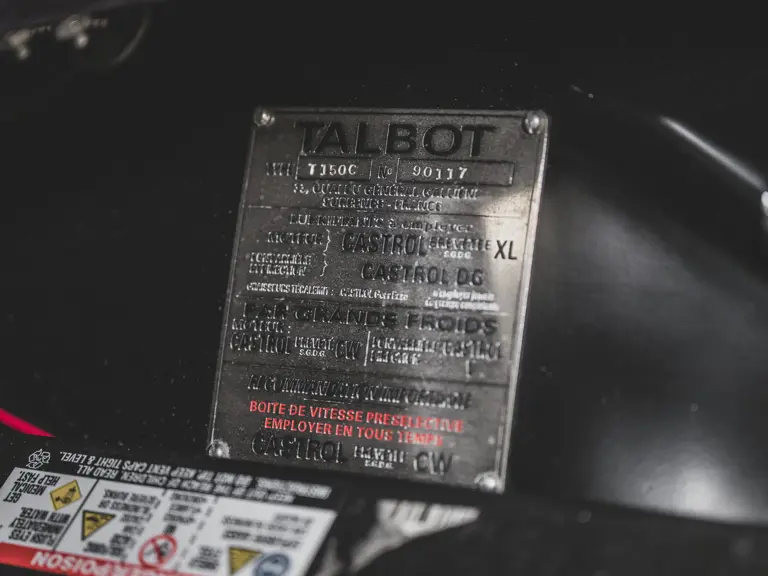
Bruijn sold chassis number 90117 the following year to Georg Lingenbrink of San Diego, California, who succeeded in completing the restoration over a six-year period. With the original chassis number tag apparently missing, the car was properly identified as 90117 by extensive research and correspondence with marque authorities, allowing for a complete list of that car’s unique features to be compiled and matched to the design of the German “find.” Equipped with a correct replacement engine, sourced from England, the car was finished in an appropriately elegant livery of deep aubergine over tan pigskin leather upholstery with matching cloth door cards and headliner. At completion, it debuted at the prestigious Pebble Beach Concours d’Elegance, in its first public showing since it went into hiding during the early 1940s.
In 2006, chassis number 90117 was acquired by the renowned enthusiast and collector, Oscar Davis. In Mr. Davis’s ownership, respected restorers Classic and Sport Auto Refinishing of Edinburg, Virginia, assessed the car exhaustively and performed some $100,000 in additional mechanical and cosmetic restoration during 2006 and 2007. Afterward the car was again displayed at Pebble Beach. It went on to receive the juried Trofeo BMW Group – Best of Show and the publicly selected Trofeo BMW Group Italia award at Villa d’Este in 2010, followed by the Louis Vuitton Concours Classic Award, intended to recognize “the best of the best” of the world’s concours winners, in 2011.
The present caretaker acquired the car from the Davis collection in 2022, and has continued to preserve its restoration, including recent service work by RM Auto Restoration. With its competition-oriented specification, Le Mans history, and numerous bespoke details, it can be considered a truly unique example of a design that has been called iconic, legendary, immortal, groundbreaking, and a masterpiece—all clichés in the automotive world that are, for once, every one apt and true.
 | Monterey, California