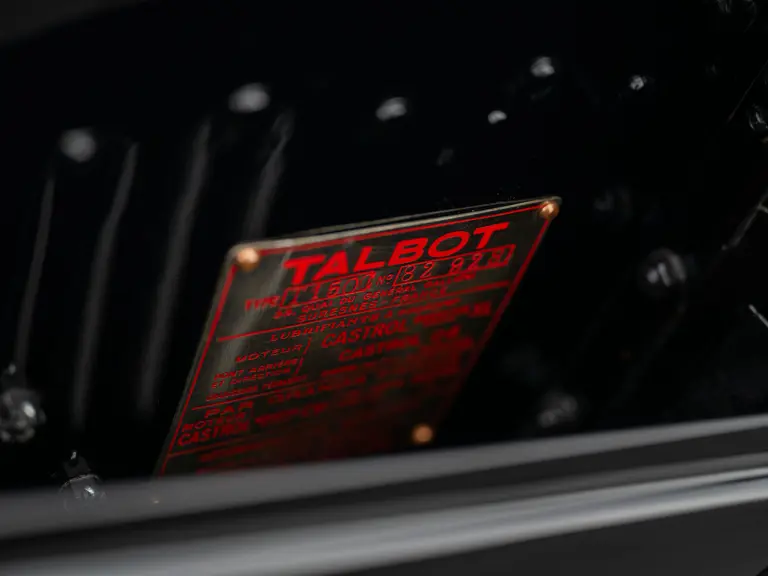
Chassis No.
82928
$1,655,000 USD | Sold
Offered from The Jim Patterson Collection
{{bidding.lot.reserveStatusFormatted}}
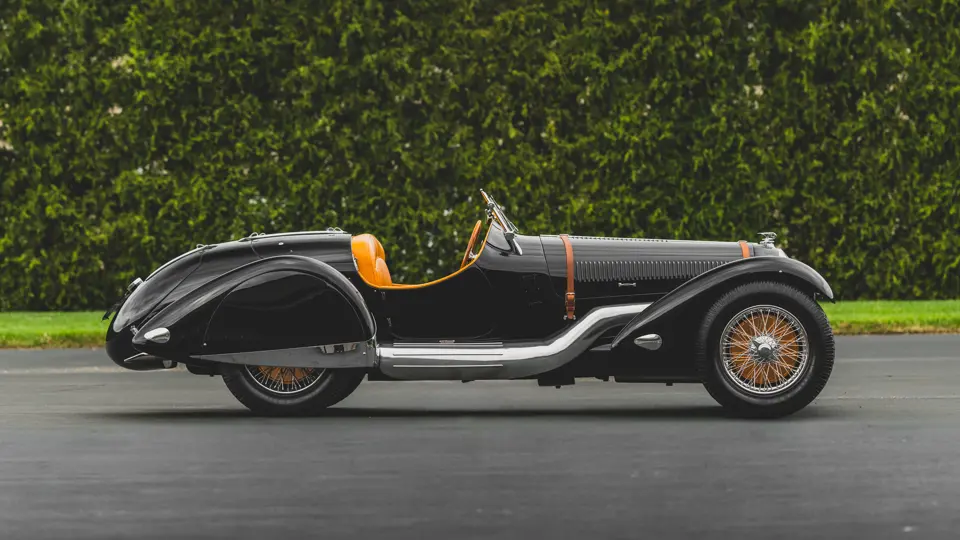
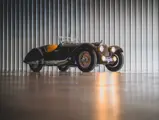
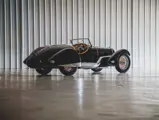
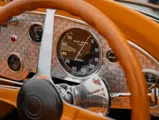
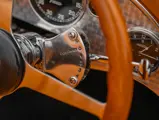
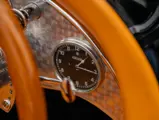
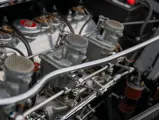
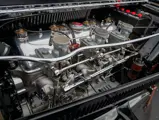
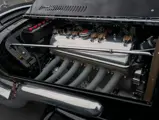
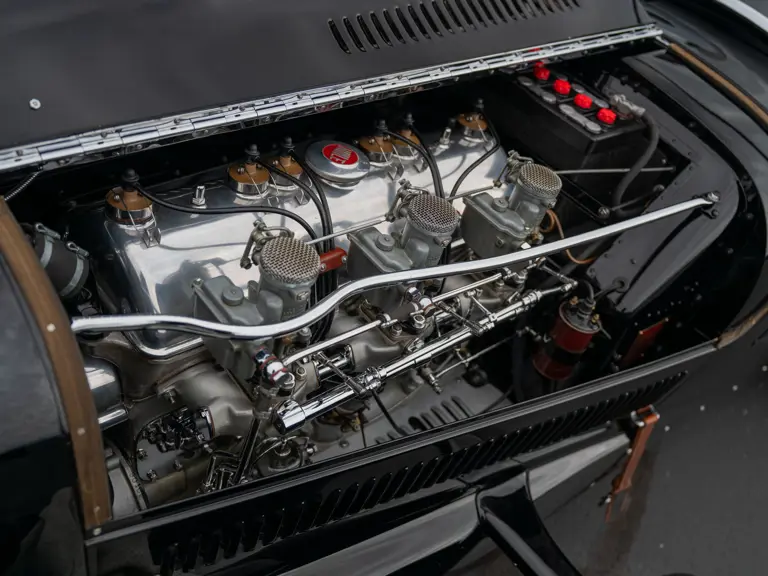
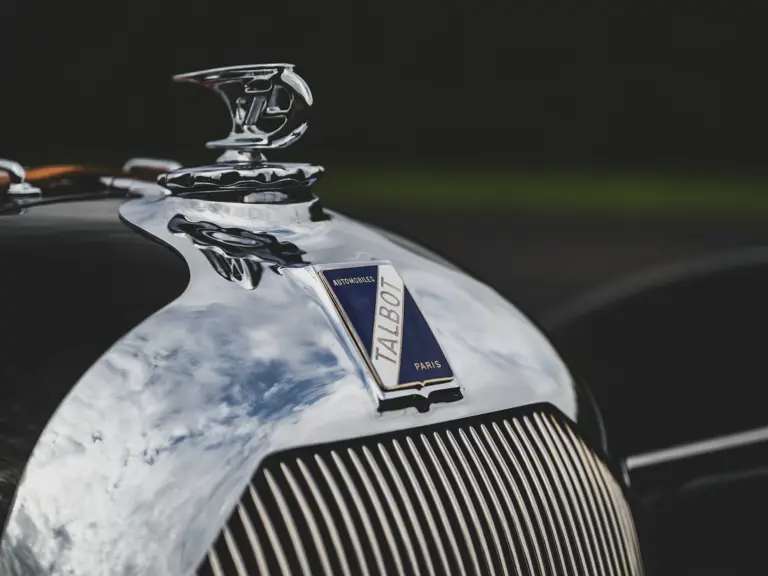
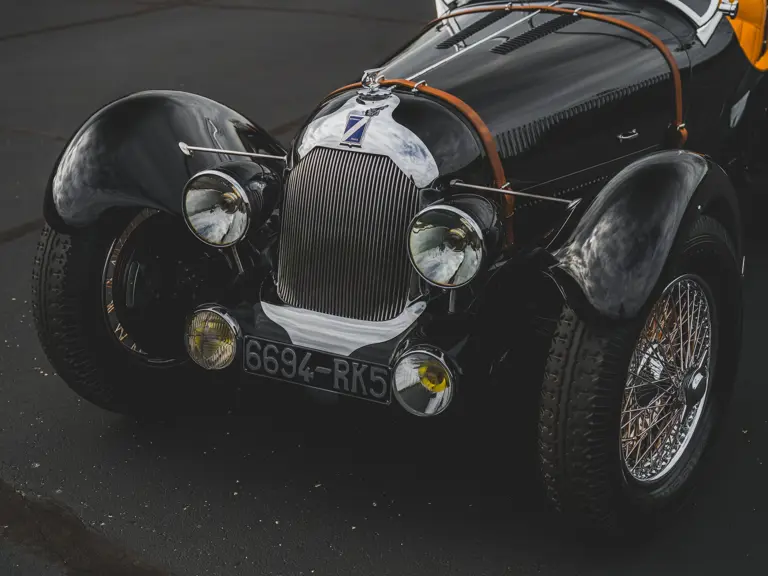
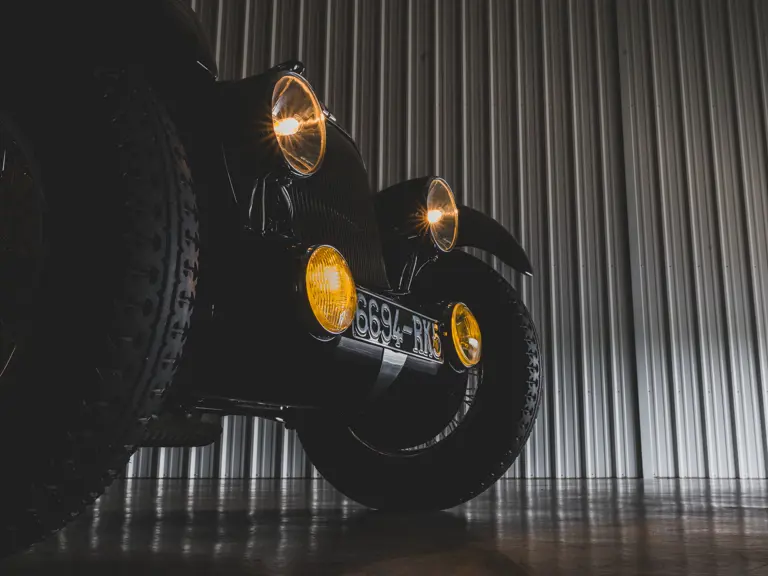
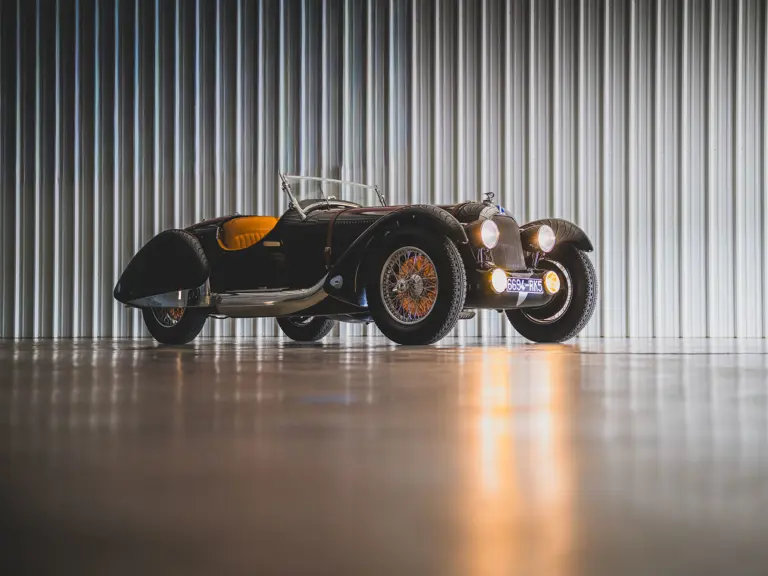
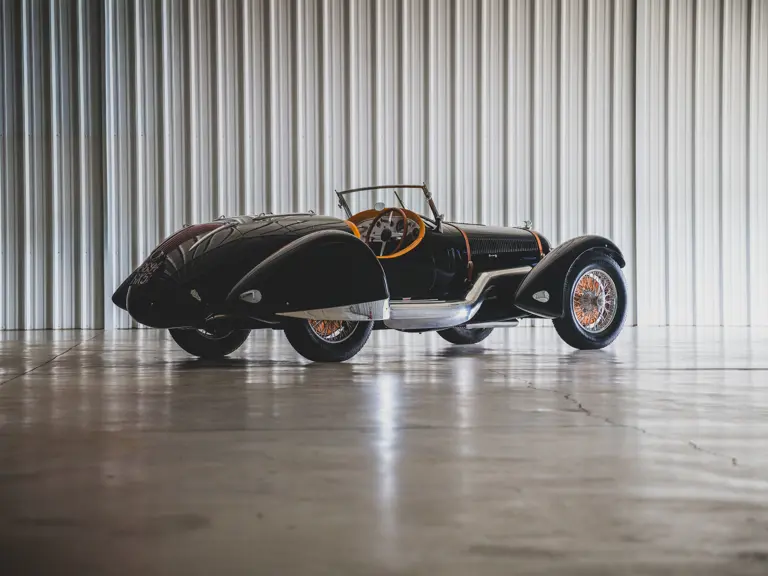
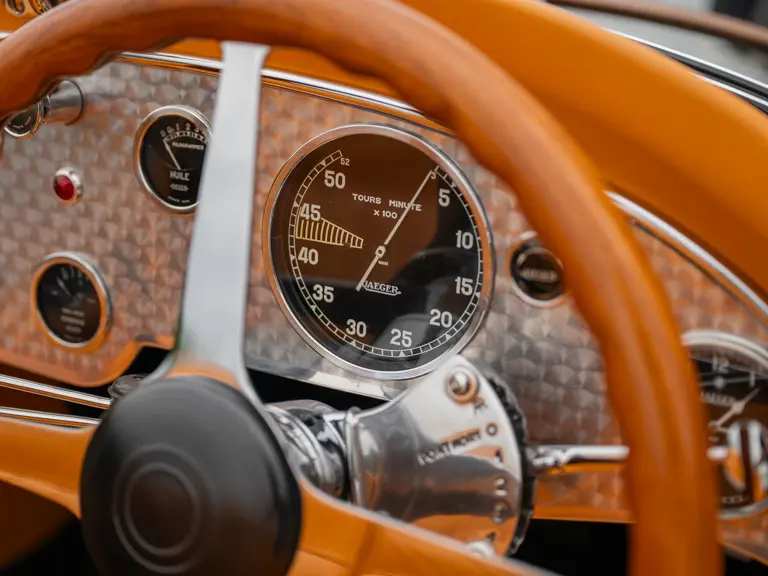
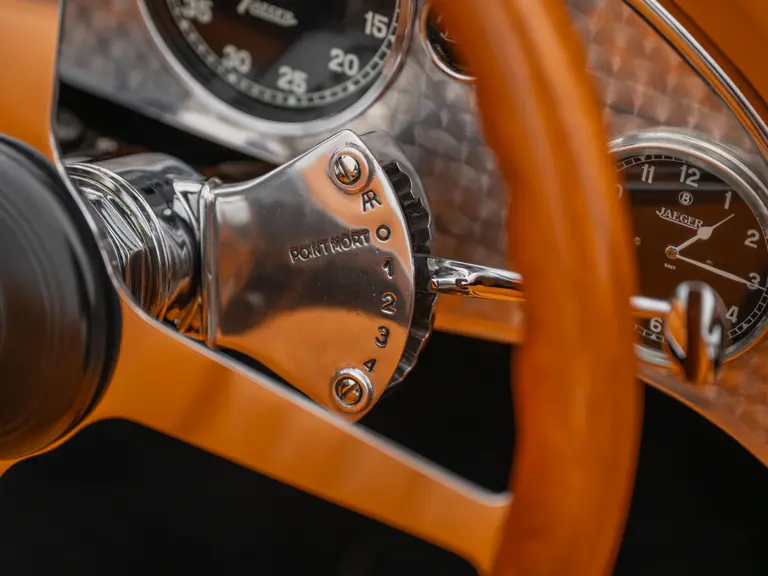
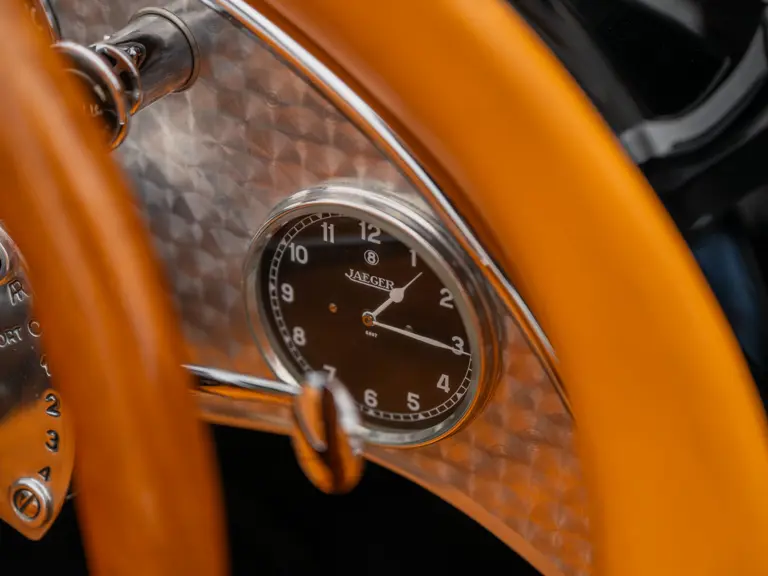
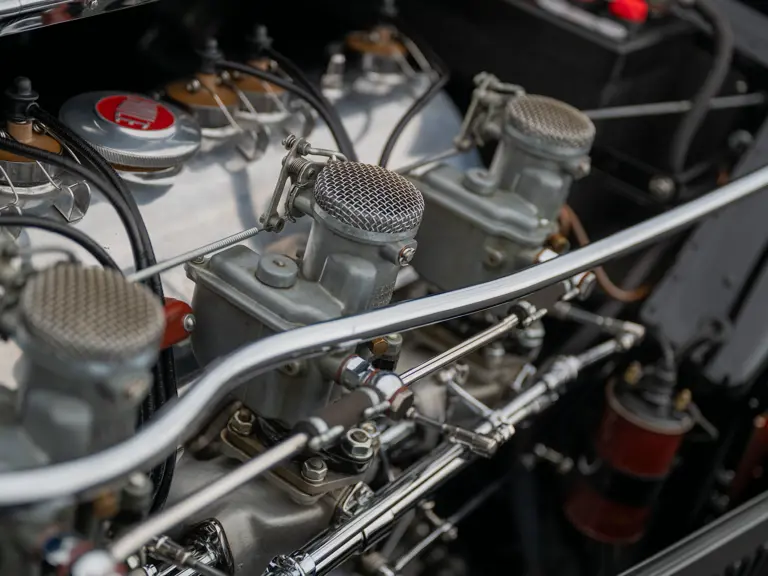
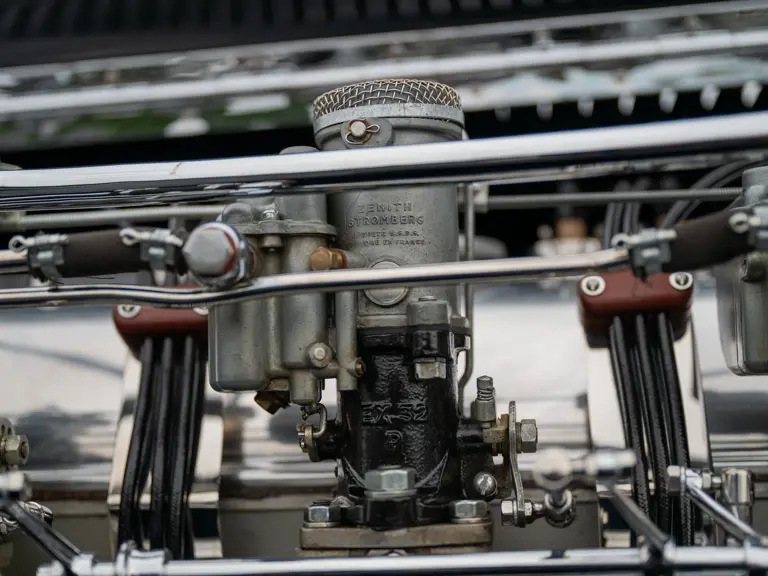
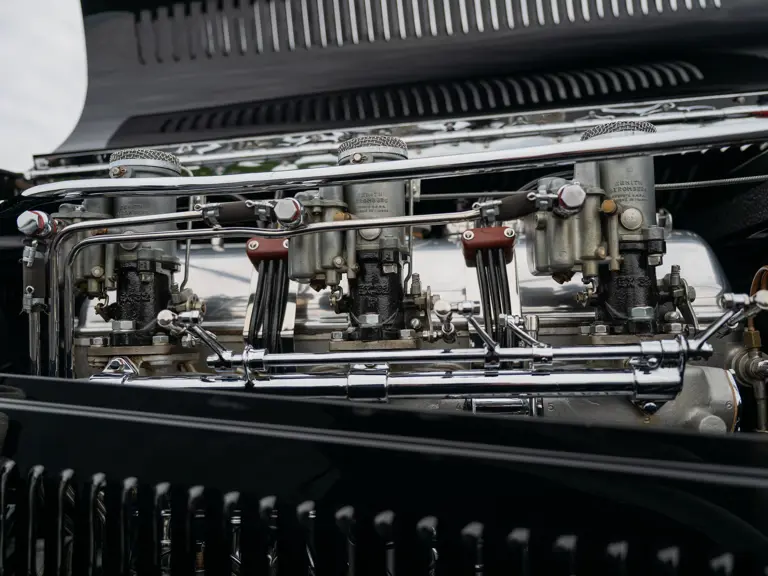
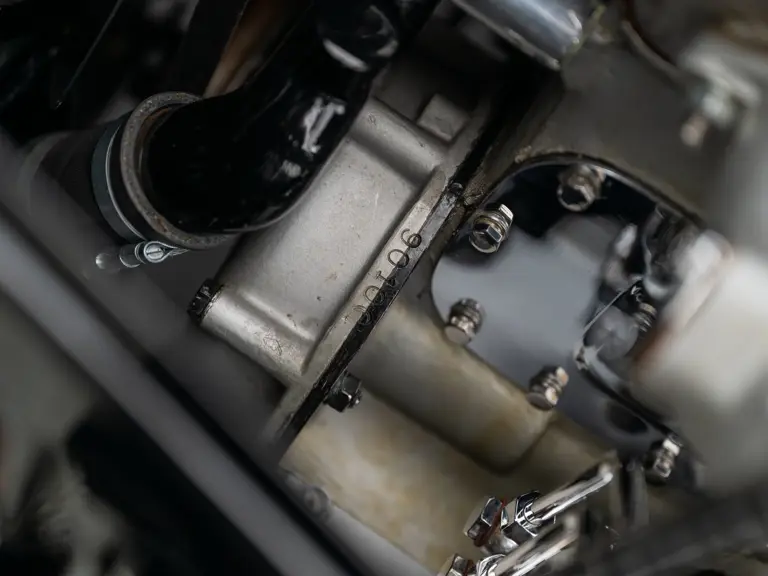
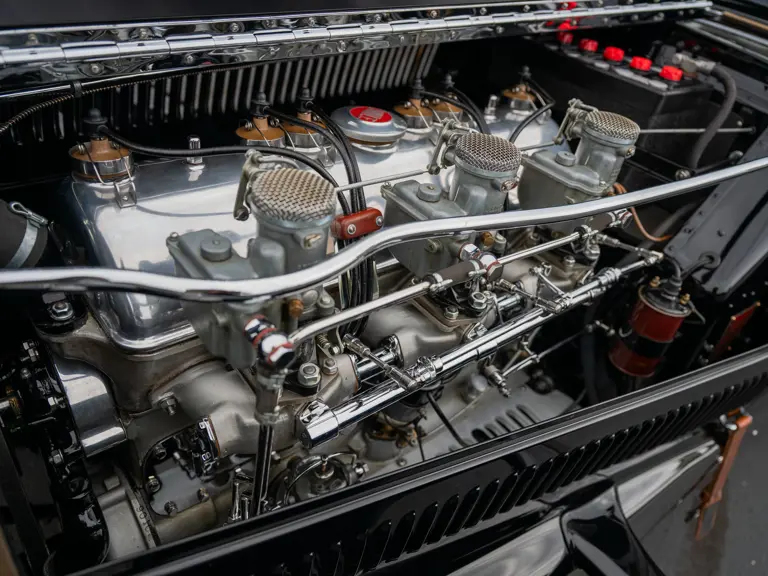
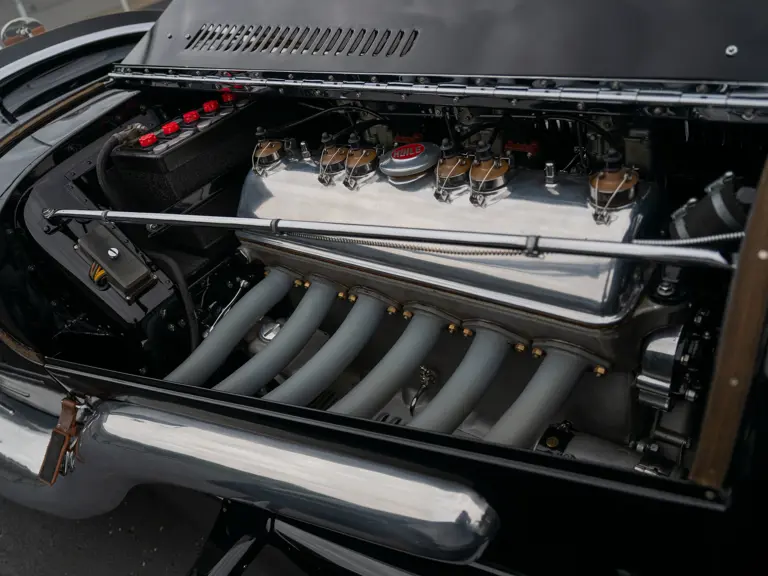
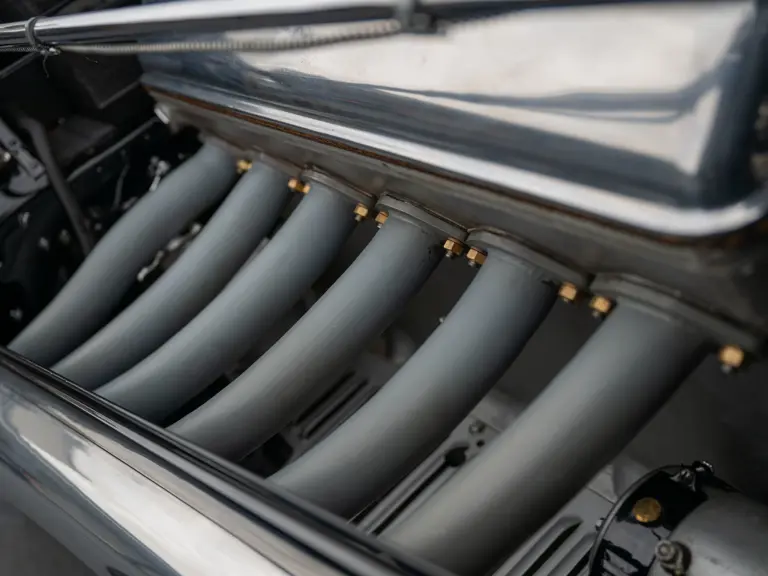
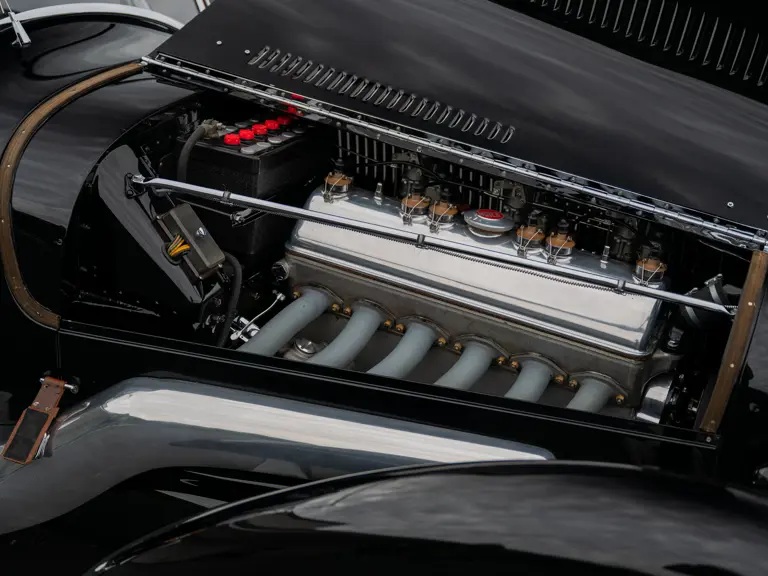
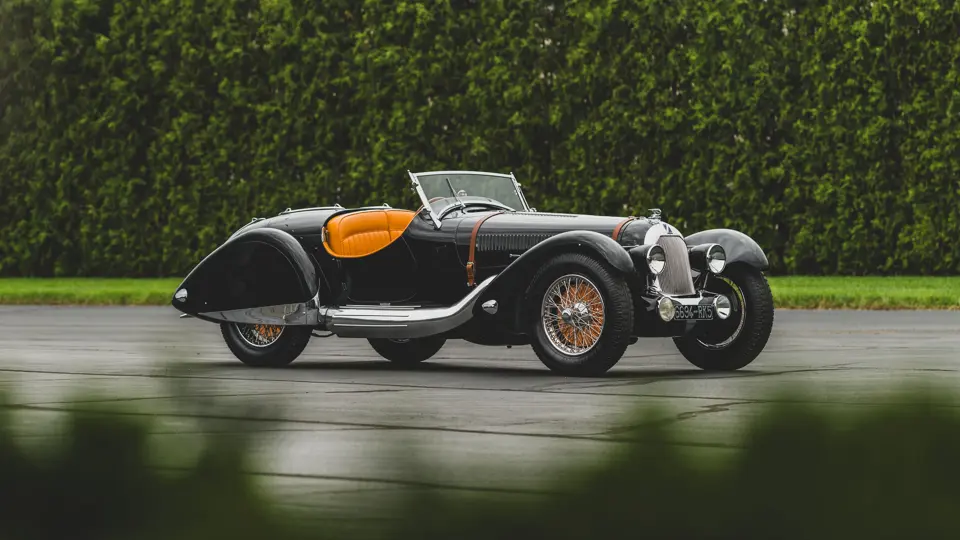
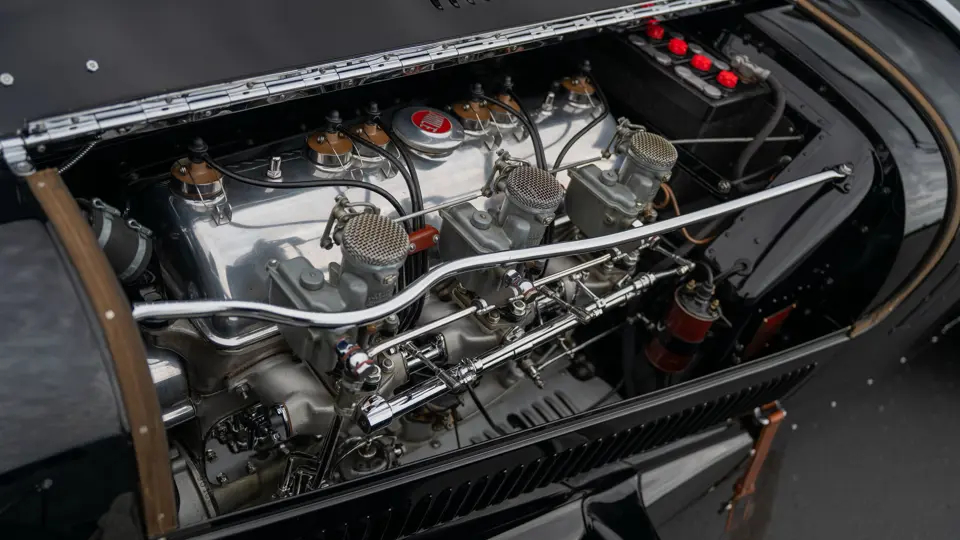
The first built and sole survivor of two prototype roadsters of the roadgoing T150-C SS built upon T150-C competition chassis, chassis number 82928 was delivered by Talbot-Lago as a Talbot chassis “course,” making clear it was a full-bore racing chassis and supported by the car’s equipment: a large-capacity oil pan, punched handbrake lever, dual braking system, high-compression engine, and drilled pedals, all as on the factory racing cars. It is believed that the chassis had in fact been constructed for the 1936 running of Le Mans, which was cancelled due to political upheavals in France, making its availability possible for its new purpose.
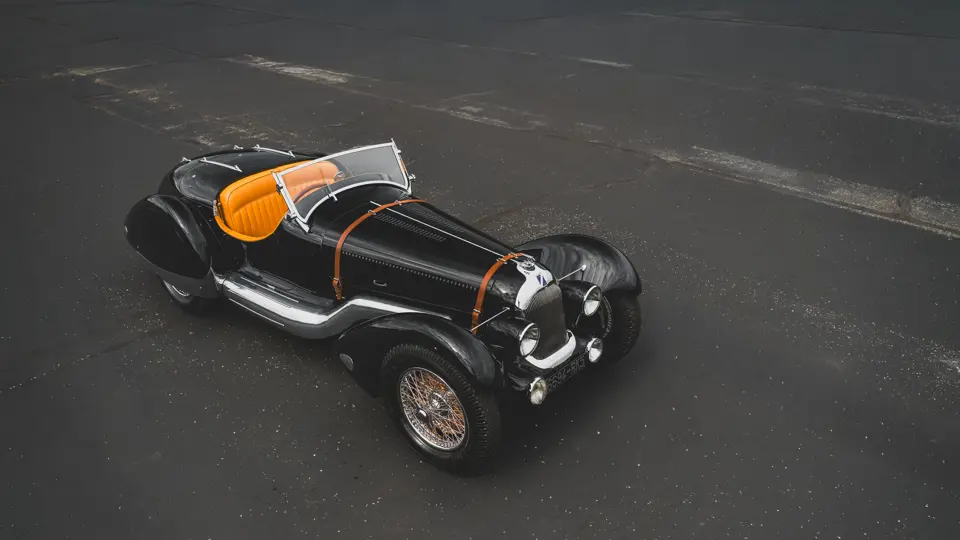
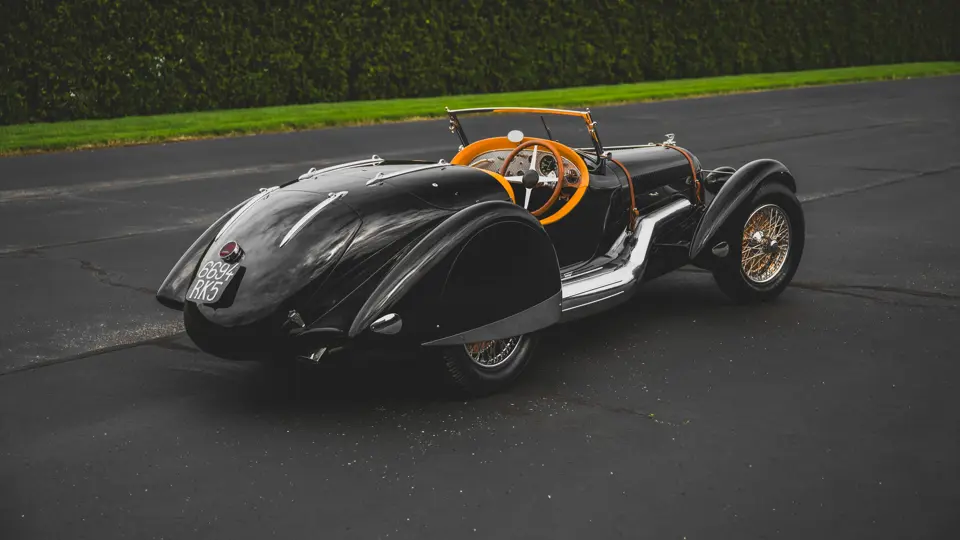
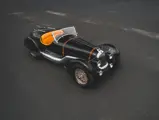
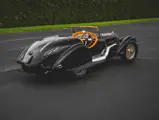
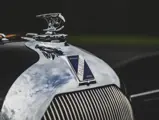
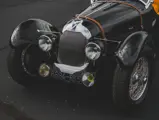
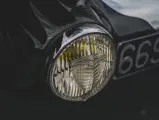
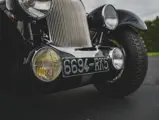
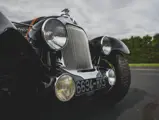
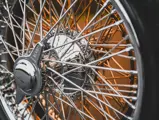
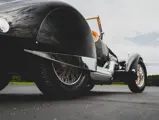
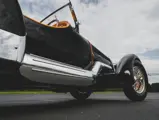
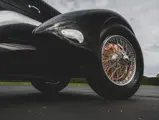
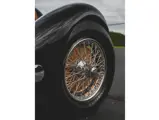
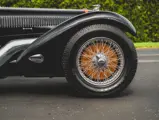
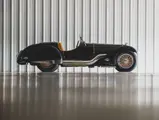
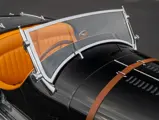
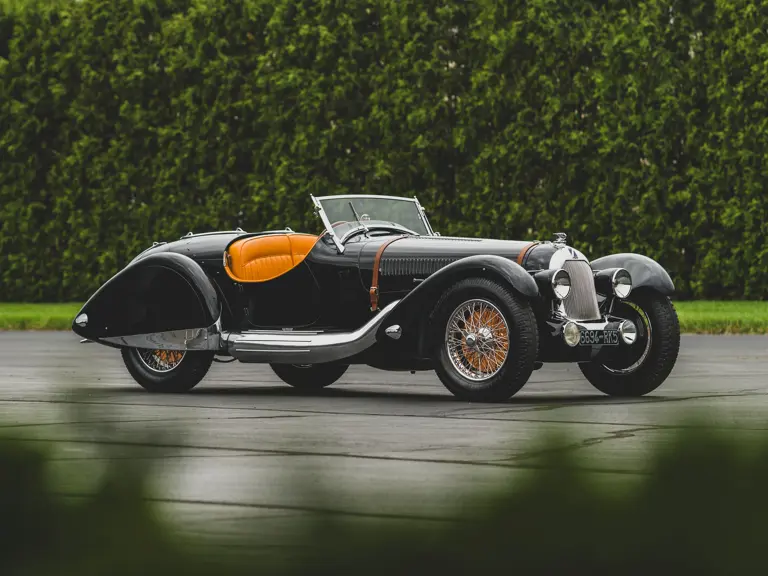
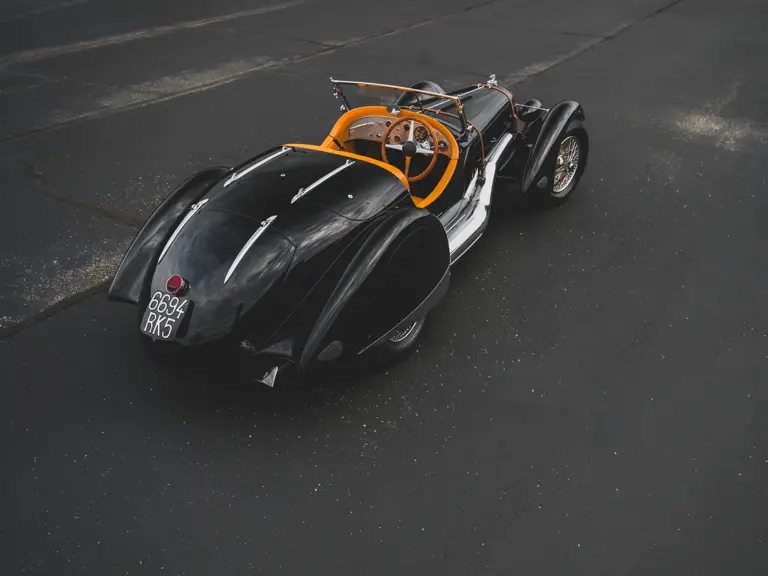
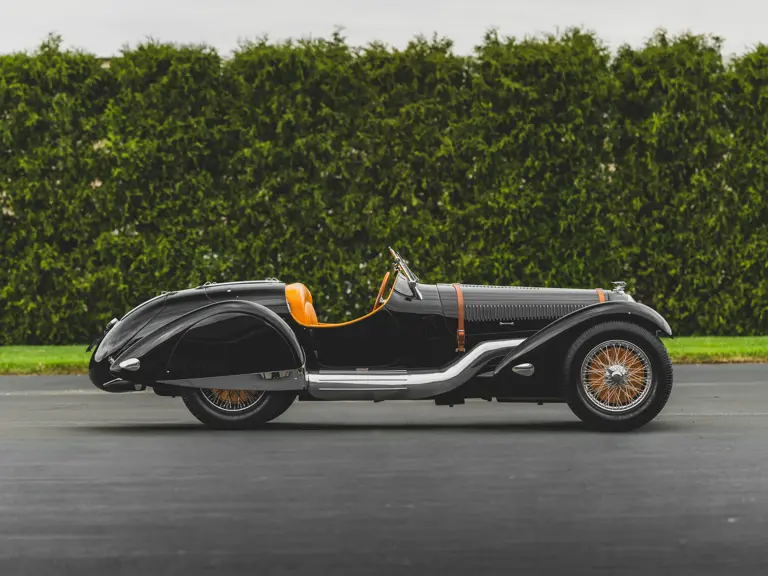
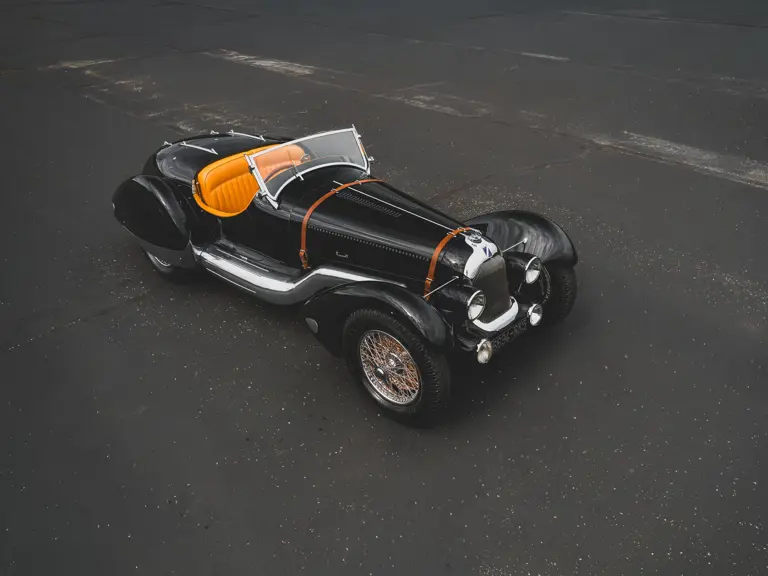
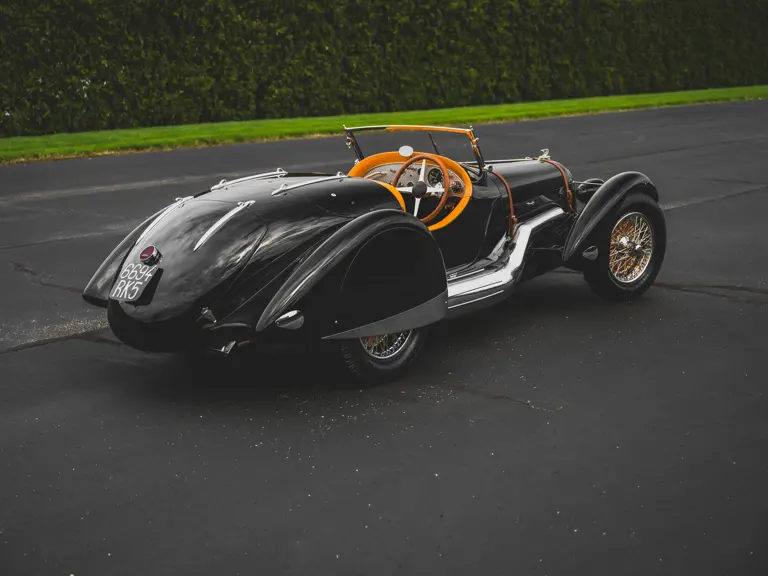
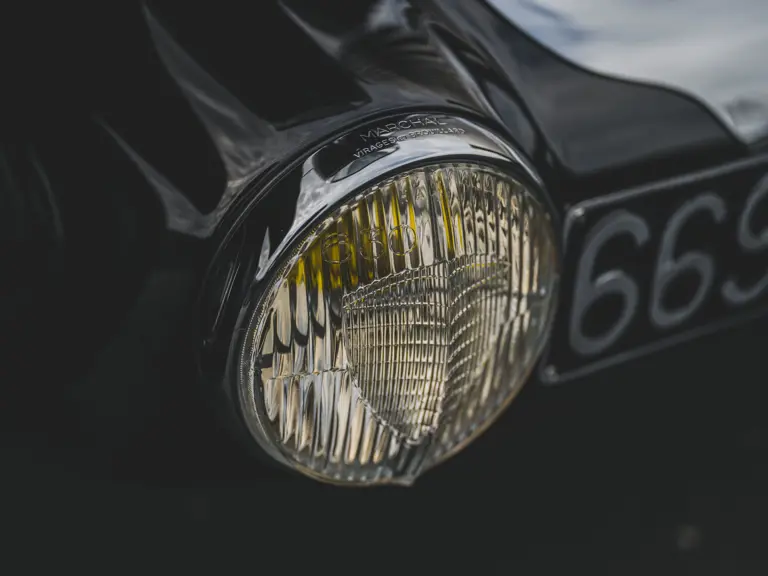
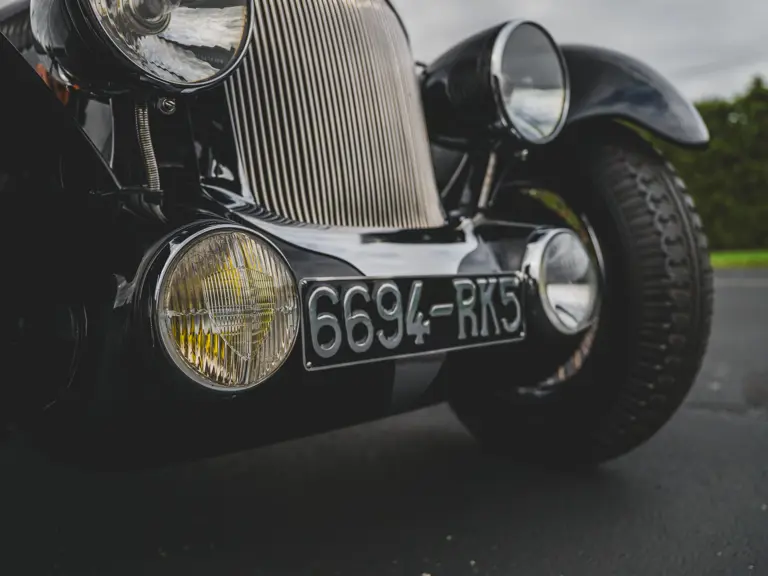
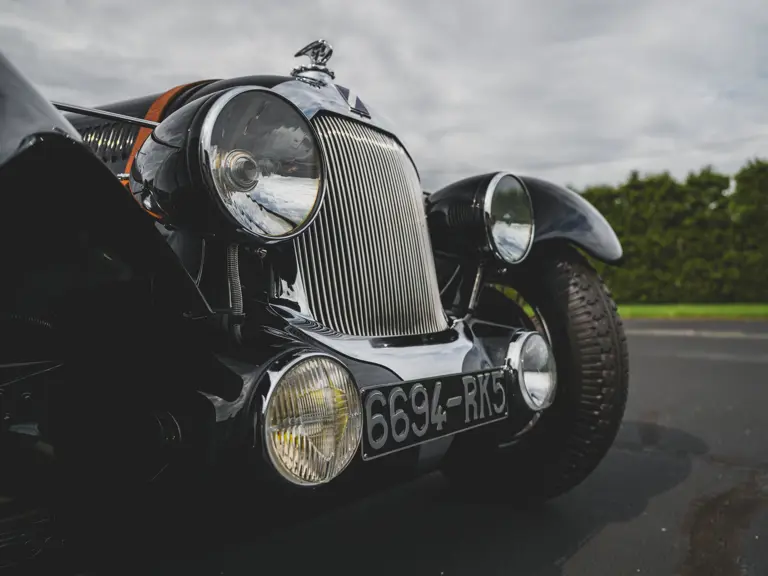
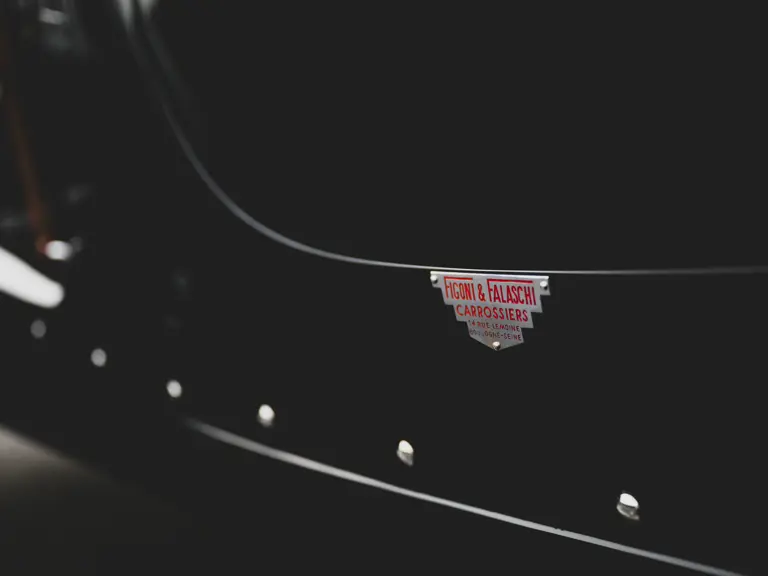
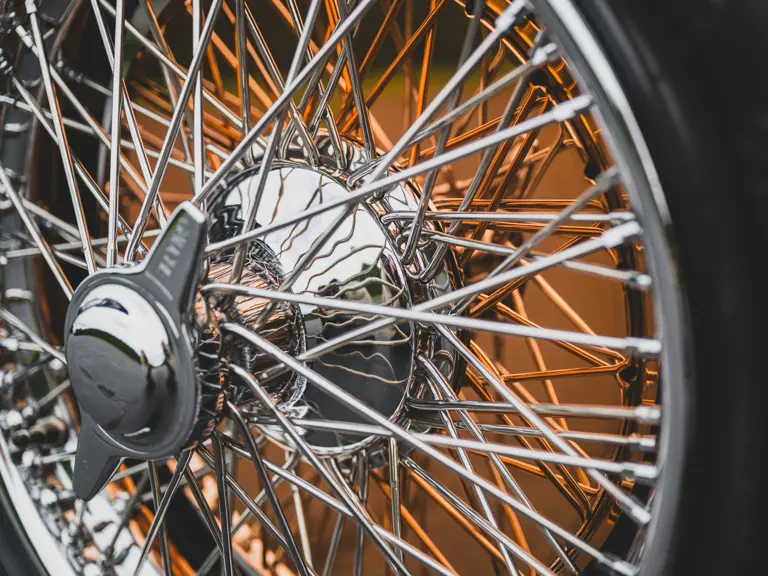
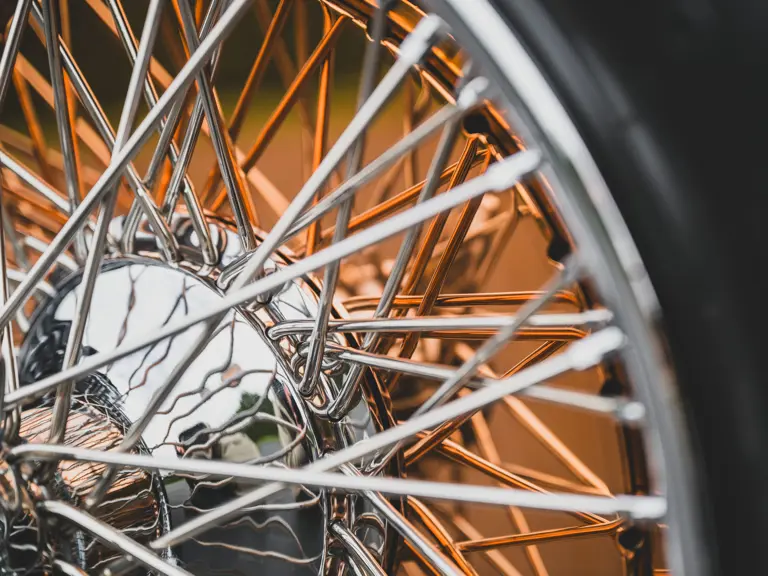
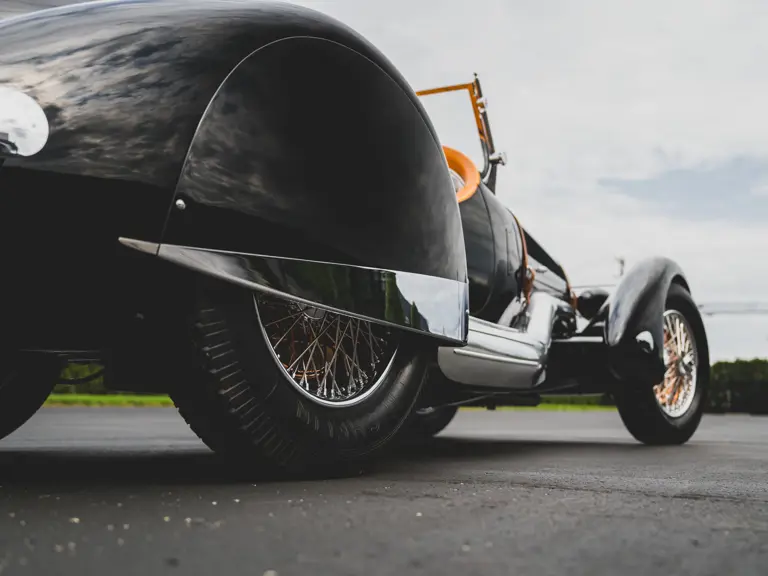
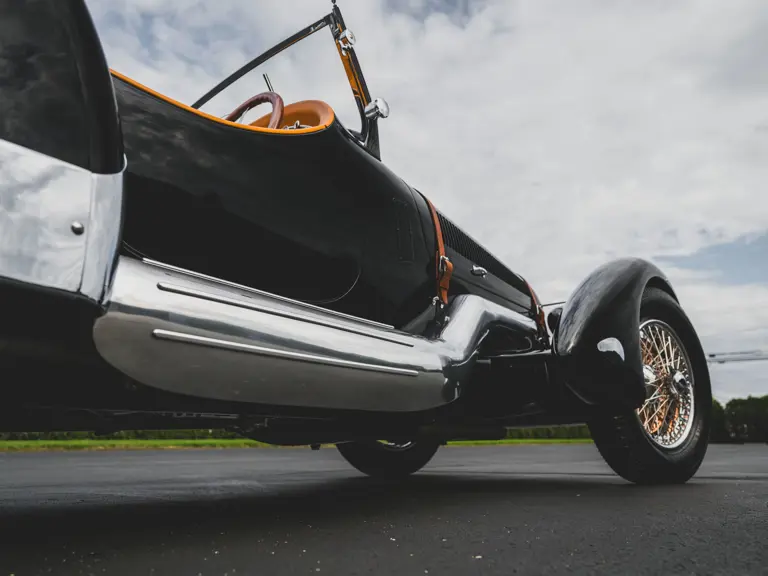
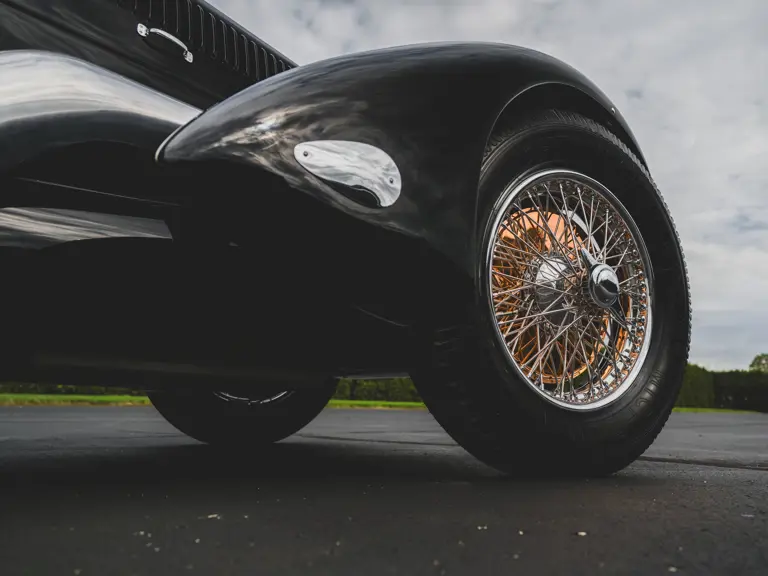
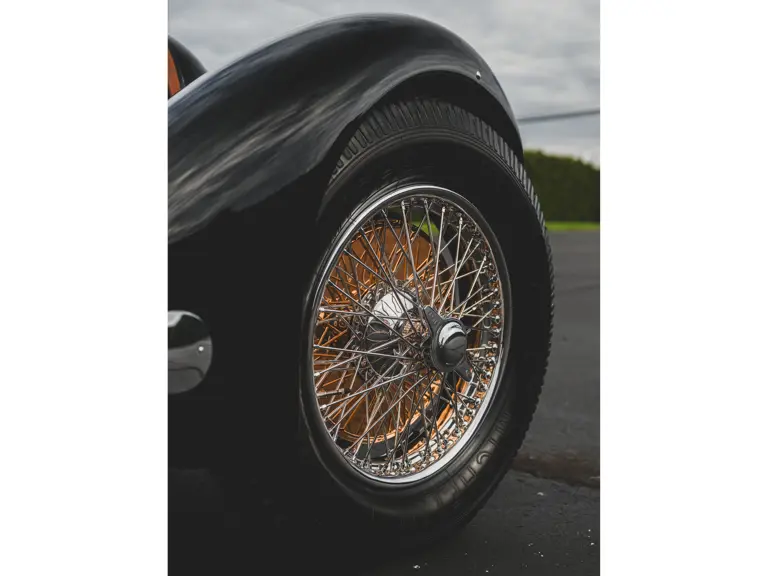
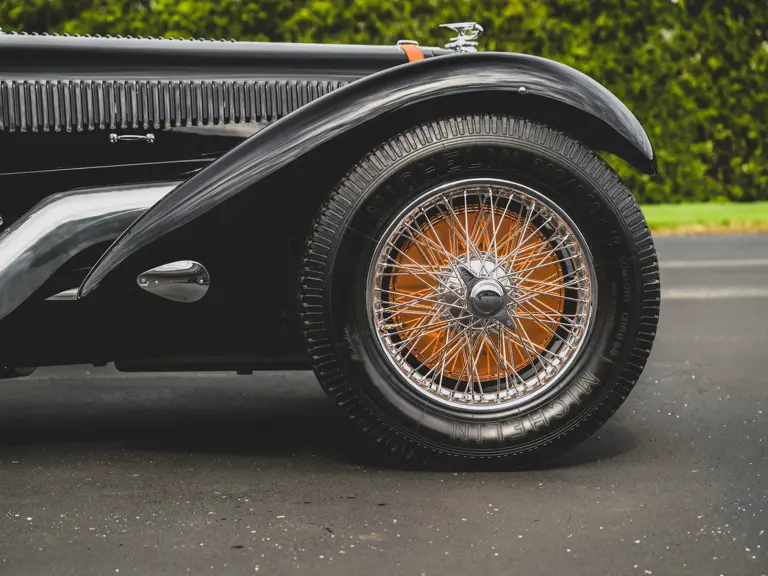
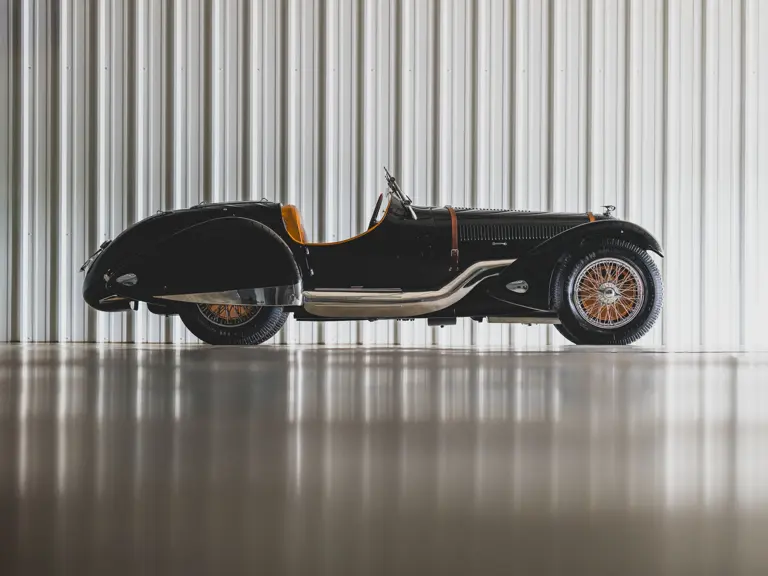
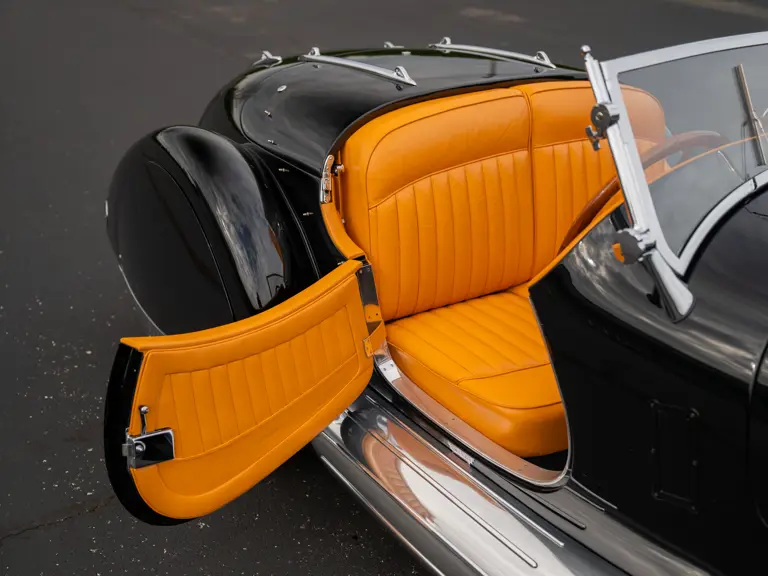
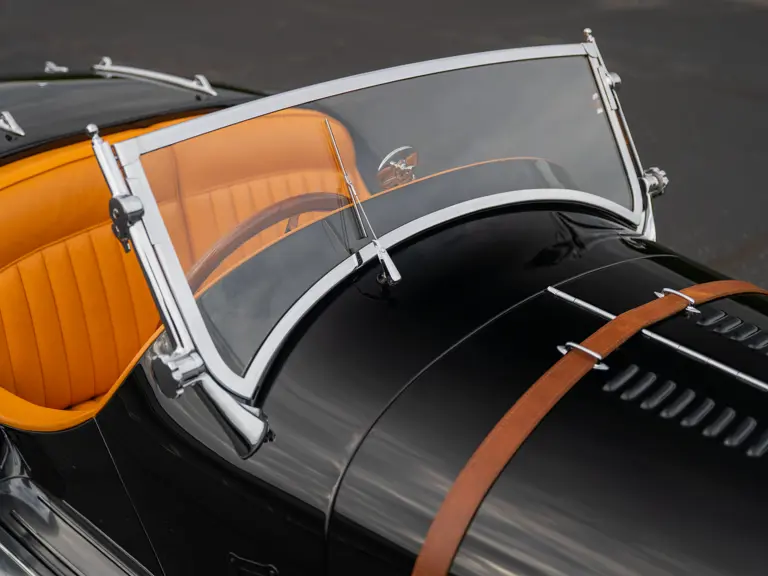
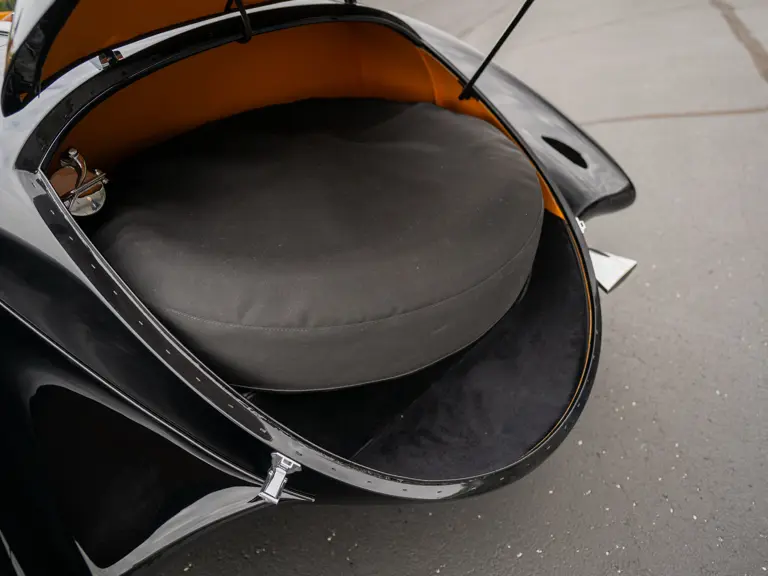
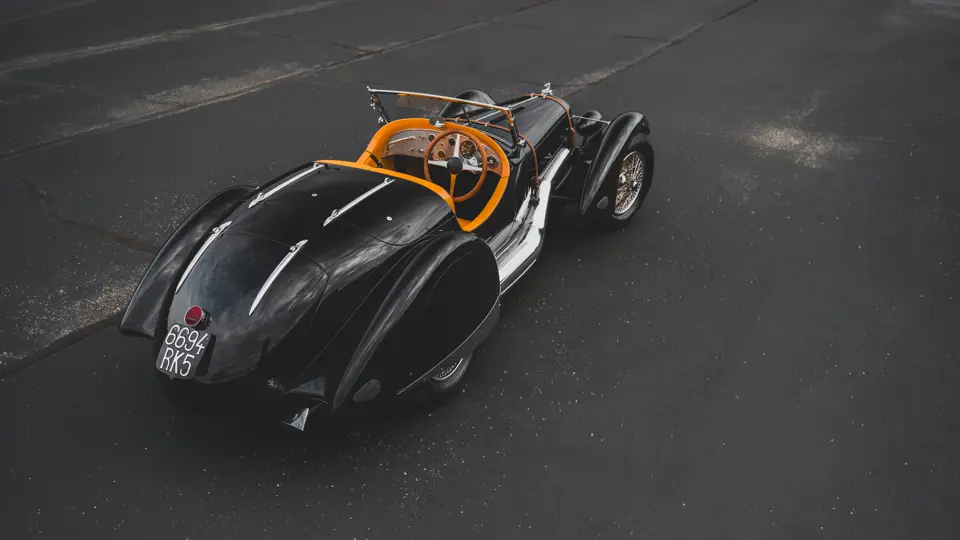
Joseph Figoni’s spectacular design used the Talbot-Lago racing chassis’ existing radiator assembly sheet-metal, horizontal radiator cross-member, leather hood straps, and aerodynamic chassis apron, while the competition cycle-style fenders were modified with an apron concealing the front suspension, a wide decorative chrome band was added around the grille, and pontoon-style fenders were mounted and decorated with bold chrome scallops, an accent to the bright plating of the external exhaust manifold. While ostensibly a roadgoing car, its body was essentially a racecar in the vaguest streetworthy skin, and, unusually for a body of its era, used very little wood in its construction, contributing to its ultimate lightness. The result was almost certainly one of the best-performing examples of the T150-C ever produced.
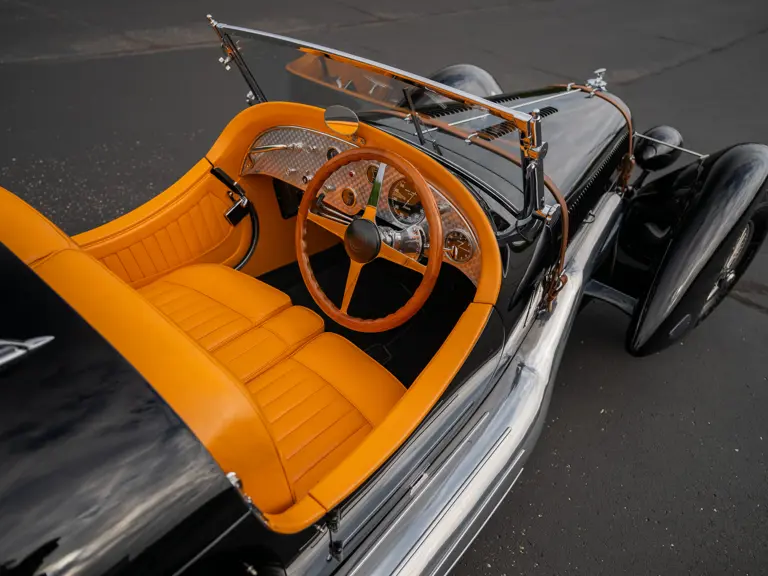
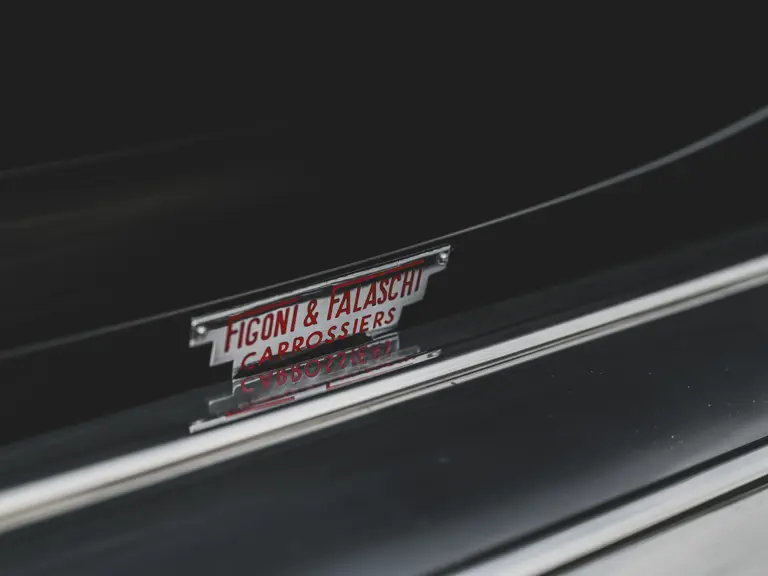
The roadster was completed in time for the summer 1937 concours d’elegance season. At the Concours d'Élégance de l’Auto in Paris that June, it was presented by Madame Jeanne Falaschi, wife of Ovidio, and won its class, a predecessor of things seven decades to come. Their son Claude, then only 9 years old, was photographed in the car for advertisements for Dunlopillo seat cushions, as used in its interior.
Original owner Boris Aslan-Finaly was the stepson of the managing director of the Banque de Paris. He had been a combat aviator during the Great War, eventually worked alongside his stepfather in the banking business, then became an executive of the Compagnie Française des Pétroles. Along the way he married Velma Ziegler, a Pennsylvania beauty queen and Broadway starlet; against the odds and likely many expectations, the marriage held, and the couple were active socialites on the Côte d’Azur and in Paris until his death in 1973.
Aslan-Finaly was thrilled with his new acquisition. He wrote Figoni, “I find that the body you put on my Talbot is a real work of art. Your work will have no problems from admirers and car aficionados and I hope that this style of body will bring you success in the future.” Correspondence from Aslan-Finaly to Figoni further noted that racing driver and future Ferrari impresario “[Luigi] Chinetti will pick it up one of these days to try it at Montlhery; I told him to go by the Talbot factory, I am certain that they would be happy to see a car so well done and proportioned.”
Further history of the car is unknown until, according to the Vaucourt report, it reappeared in the ownership of Anton Biel of Komárno in the Slovak Republic, who sold it to Roland Kedro of Bratislava in November 1967. Two months later the car was sold through a friend of Kedro’s to Swedish collector Allan Söderstrom. Photographs included in the file show the car on display in the Söderstrom museum, with the central part of the body instantly recognizable although some modifications had been made over the years.
In 1996 the car was acquired from the Söderstrom collection by a restorer in Connecticut, who, under the impression that the car was actually the second of the two roadsters built, began reskinning the rear of the body to a somewhat different design. With work only partially completed, the Talbot-Lago was acquired in 1998 by noted enthusiast Tom Price, then in 2001 by Jim Patterson, becoming an early major acquisition for what he eventually curated into one of the finest collections of French coachwork in the world.
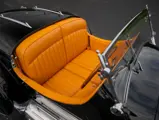
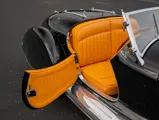
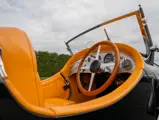
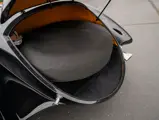
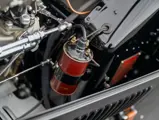
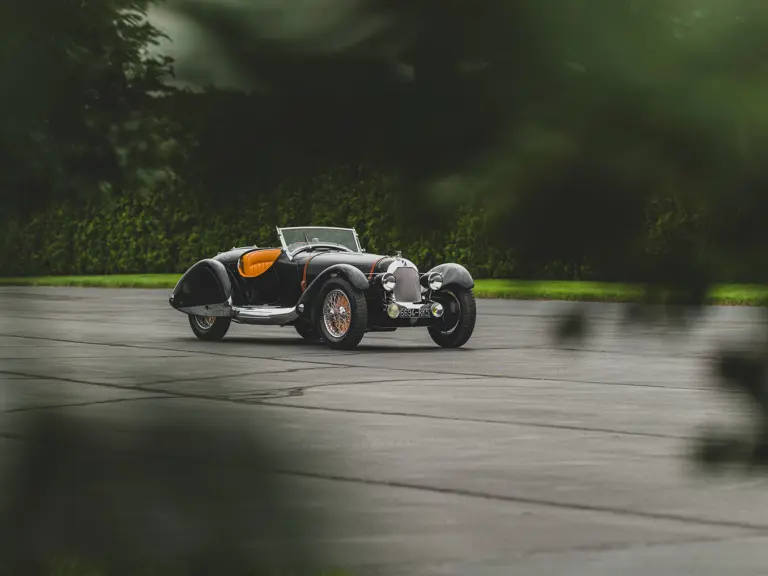
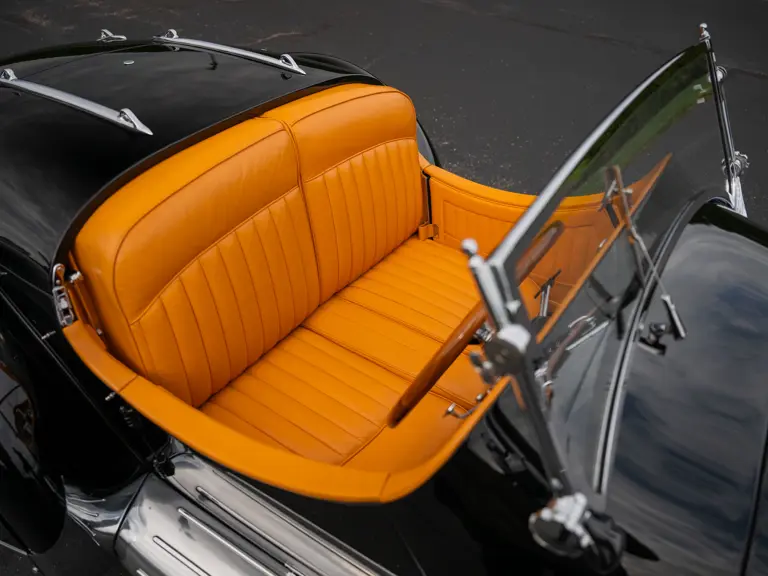
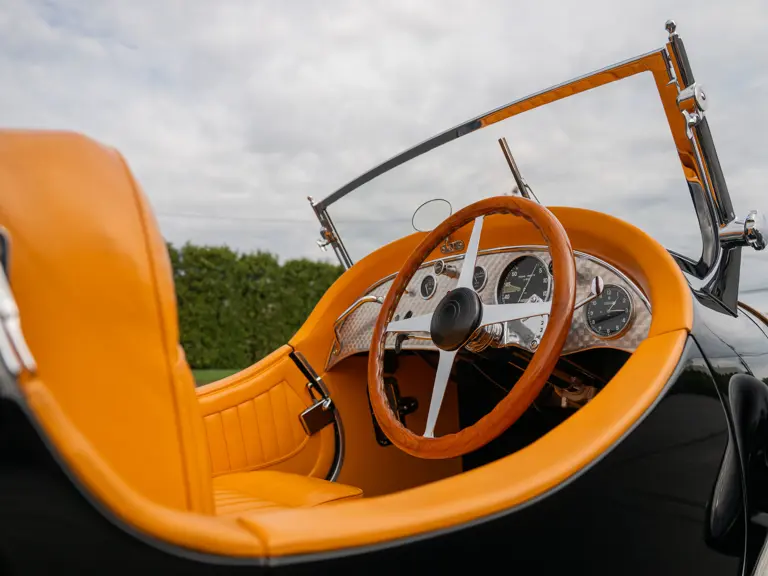
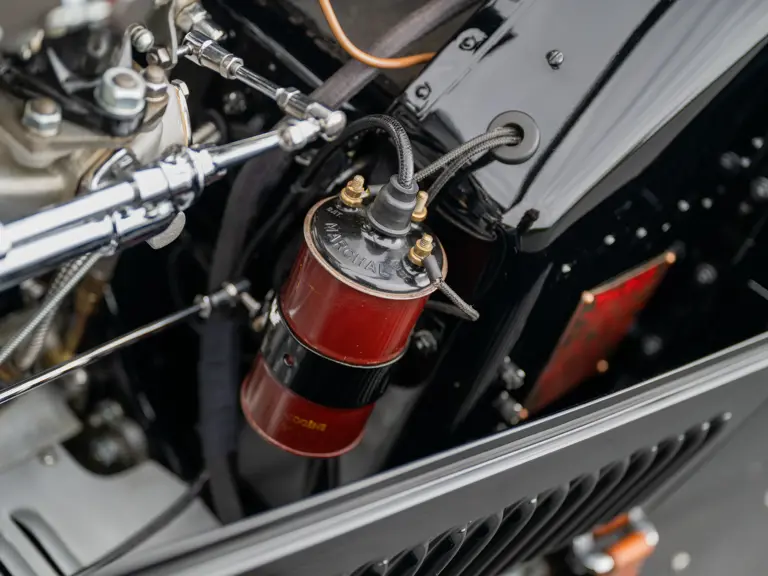
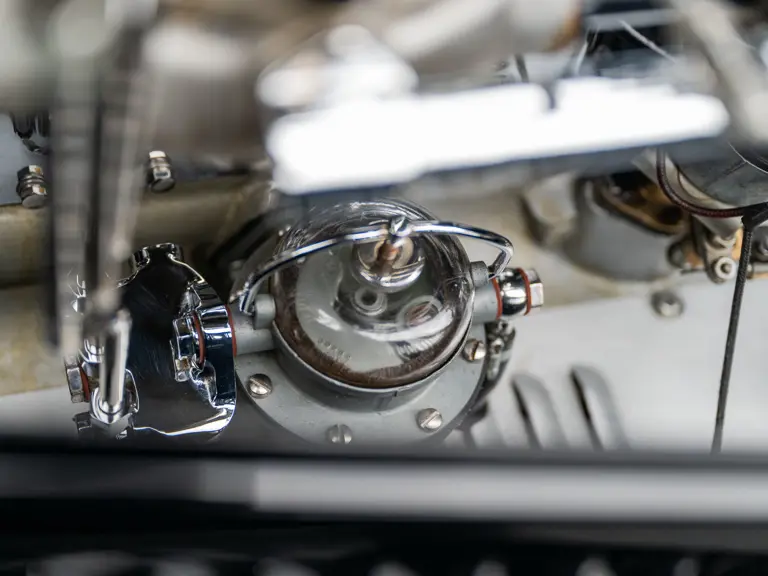
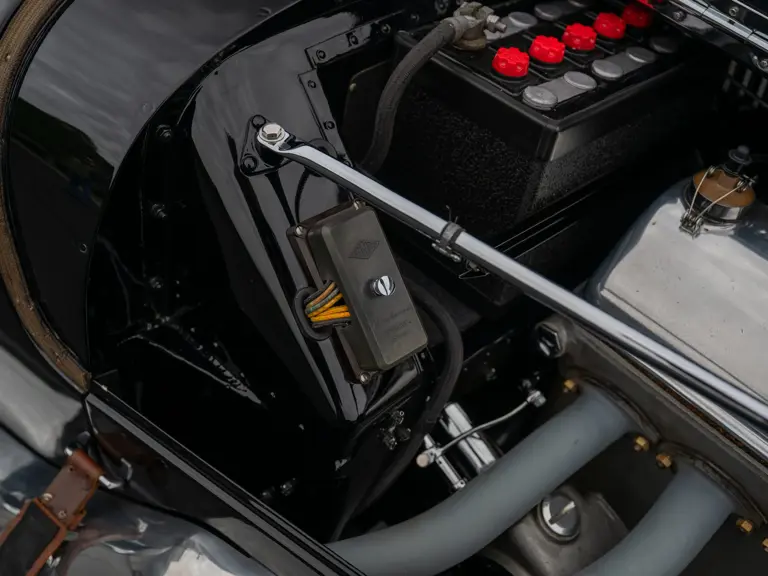
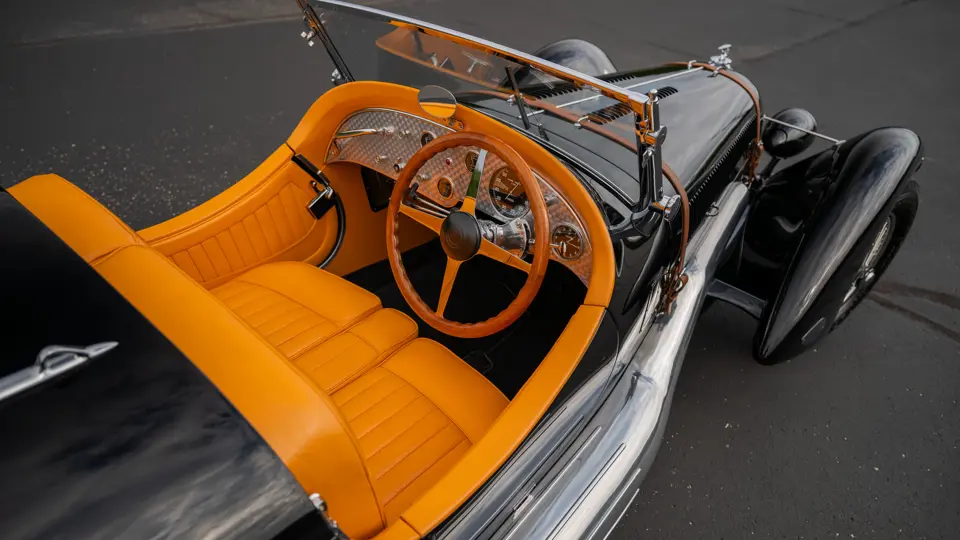
RM Auto Restoration took on the challenge of completing the restoration—which, essentially, meant starting anew, as research eventually indicated that the car had in fact been the first roadster produced, for Aslan-Finaly. Accordingly, the body was at last fully restored back to its original lines, as displayed in period photographs that had fortuitously survived. The intricate grille and rear fender skirts were both recreated, the tail reshaped to its original form using the original deck lid, the original fenders (fortunately retained “loose”) reinstalled, and numerous correct components, including the sump lines, fuel pump, ignition coil, and correct DeRam shock absorbers, all sourced from France. The end result was finished in black over tan leather interior, a “black-and-tan” livery that eventually became a Patterson signature.
At its completion by RM, the T150-C was debuted at the 2002 Pebble Beach Concours d’Elegance, where it received top honors in the strenuously competitive European Sports and Racing class, besting a Zagato Alfa Romeo and Peugeot 402 Darl’mat—no small achievement! It went on to be displayed selectively at other major concours, including at Amelia Island in 2008.
Unshown in recent years and ripe for further star appearances, the Figoni roadster is offered today as an exceptional example, both of an outstanding high-performance chassis and of a great designer’s art. Not just fluid and lithe in Figoni’s typical style, it is light, purposeful, and muscular, emphasizing not just beauty but the power beneath—befitting a socialite, befitting a winner, and befitting the finest stable.
 | Monterey, California