
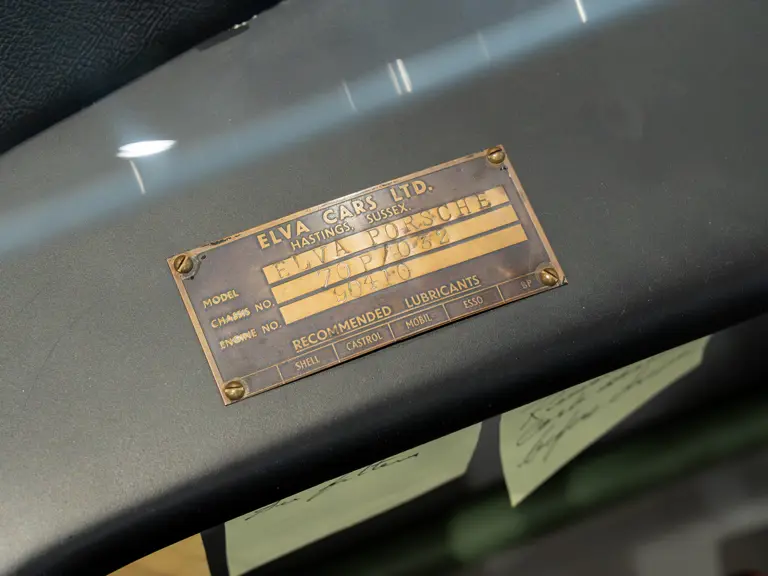
Chassis No.
70P/032
$268,800 USD | Sold
{{bidding.lot.reserveStatusFormatted}}
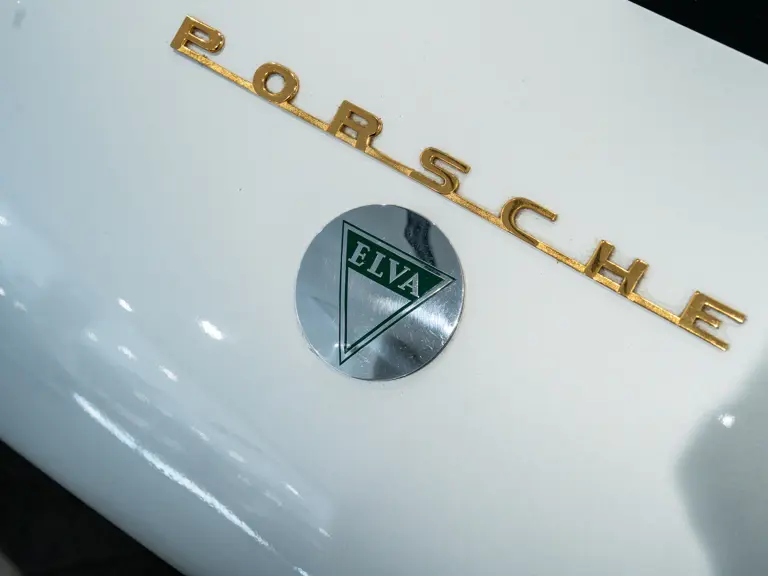
Established by Frank G. Nichols in 1955, the English constructor Elva (a name suitably derived from the elle va, French for “she goes”) built a series of road and racing cars and experienced considerable closed-circuit success before ceasing production in 1968—especially on the great road courses of the United States.
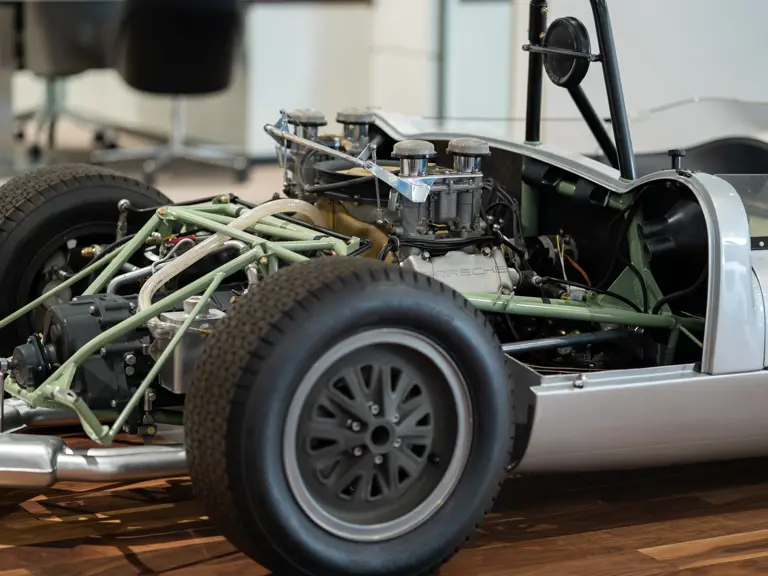
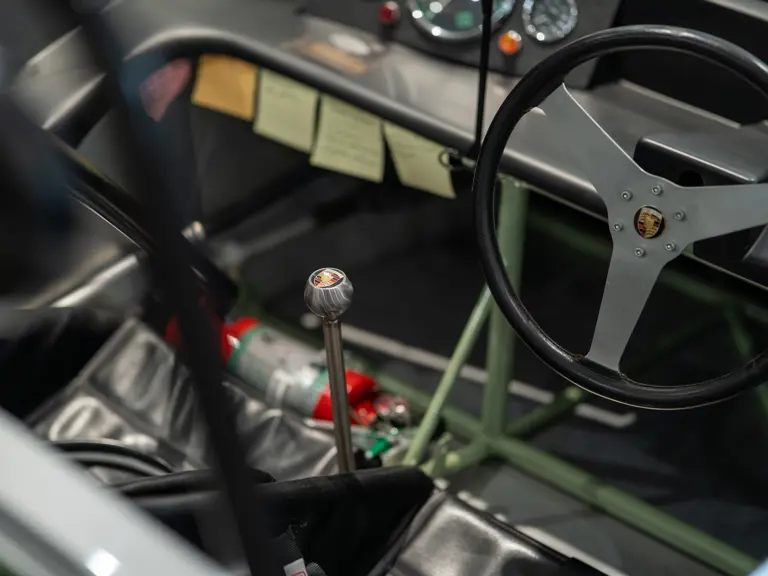
It is fitting, then, that the development of one of the firm’s greatest creations, the Elva-Porsche Mk VII S, was driven by Carl Haas and Ollie Schmidt, Chicago-based importers of Elvas and Porsches, respectively. Realizing the potential of the Porsche four-cam engine and Elva Mk VII’s lightweight tube-frame chassis, Schmidt approached Porsche Motorsports press director and manager Fritz “Huschke” von Hanstein in 1963 with a proposal to combine the two; aware of the 718’s deficiencies on short, tight courses, and with the 904 not yet fully developed, von Hanstein agreed.
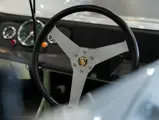
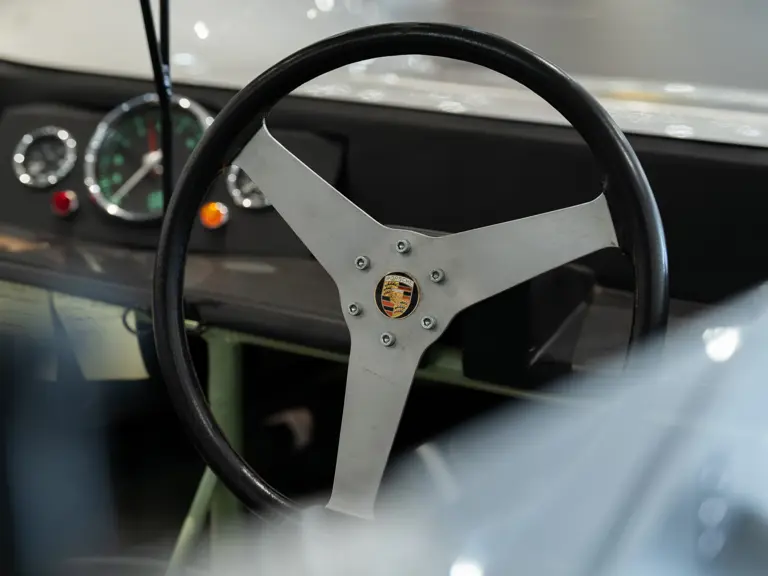
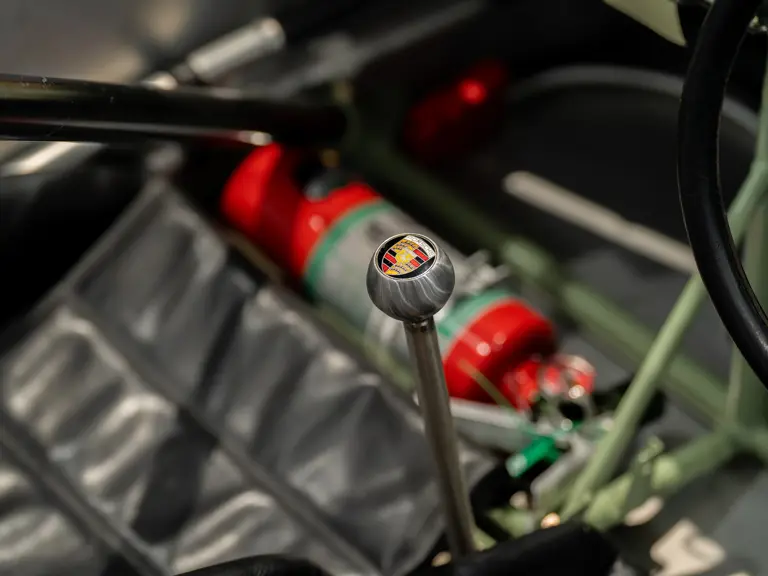
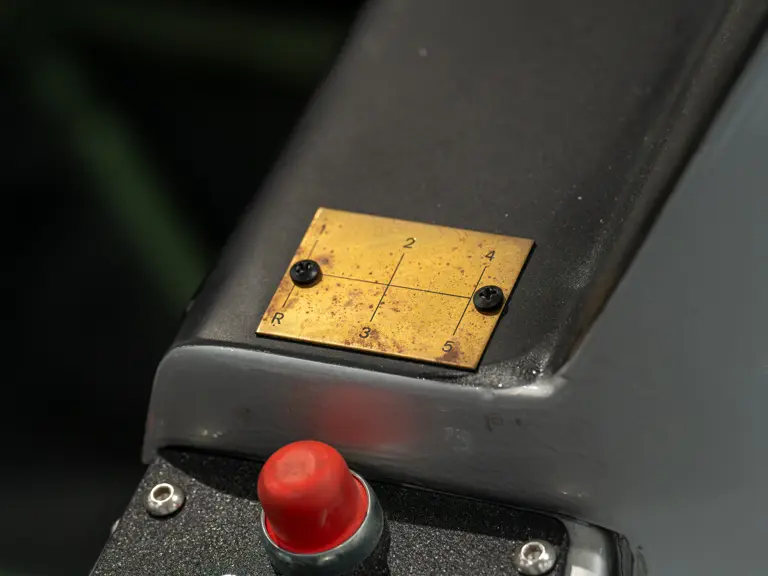
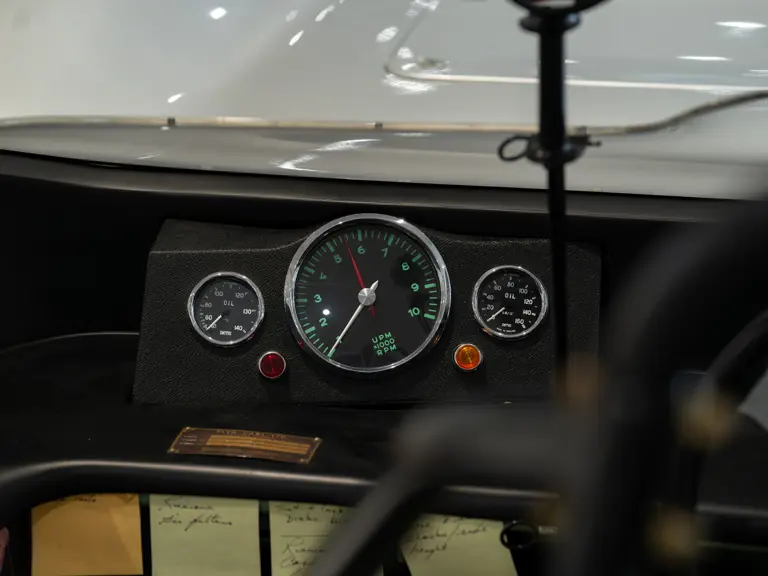
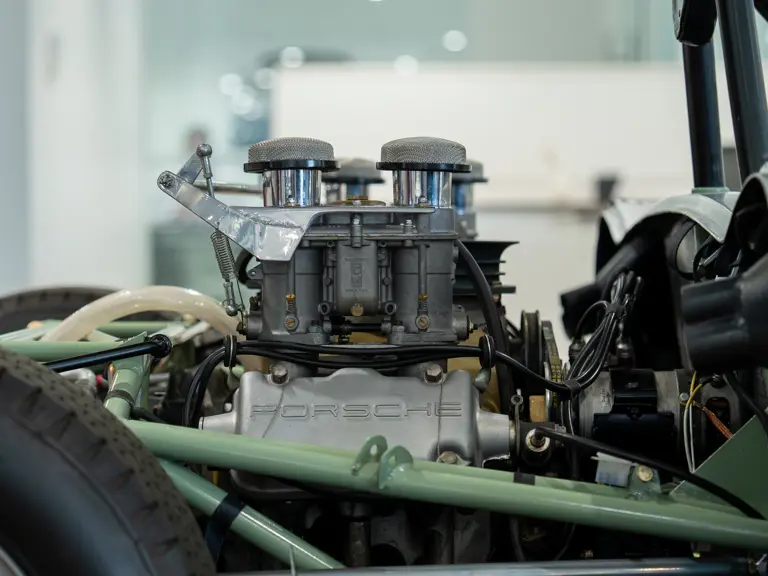
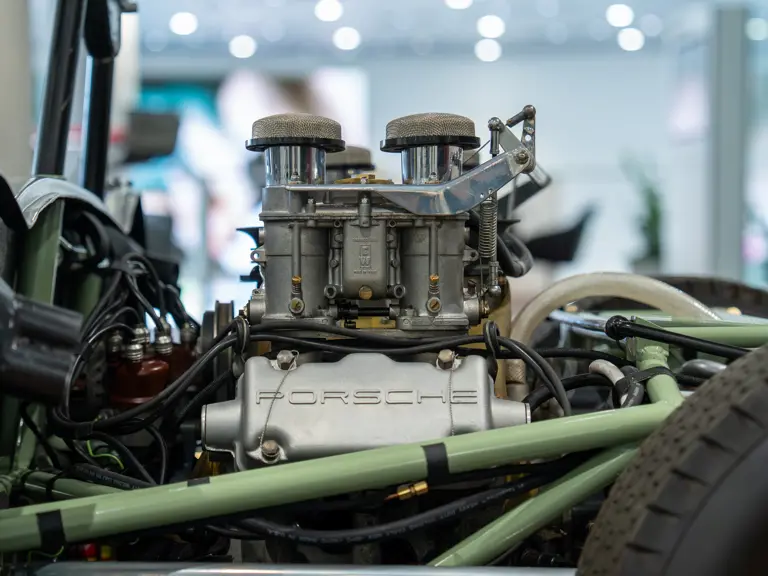
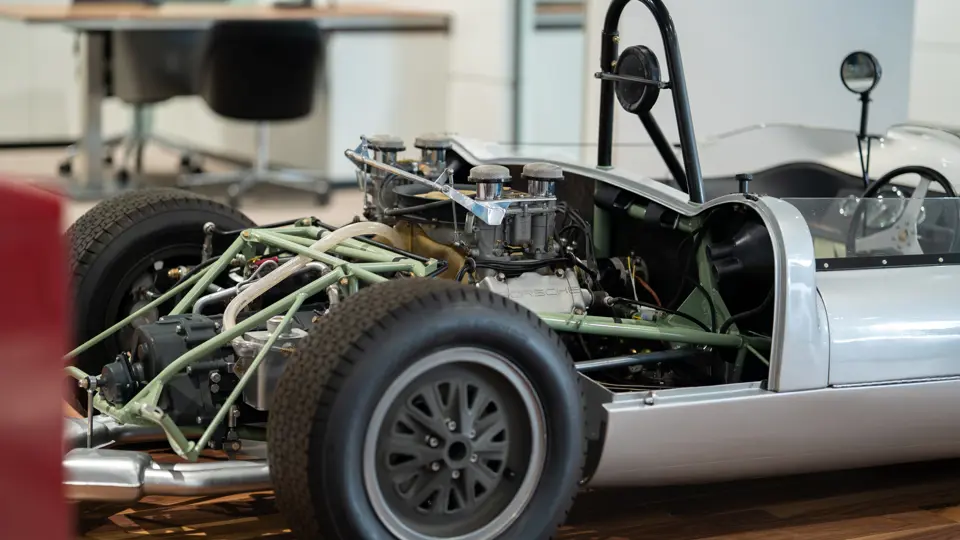
Though other privateers had created Porsche-engined “specials,” this was Porsche’s first official collaboration with an outside constructor, with Porsche supplying Elva with Type 547/5 four-cam Carrera motors for installation in specially adapted frames and working closely with Elva during the development and testing of the model. Still, there were lingering reservations about the program; Ferry Porsche reportedly suggested that the car be dubbed an Elva-Porsche, rather than vice-versa, partially out of concern that Elva’s chassis would not withstand the rigors of competition.
The Mk VII S’ success quickly proved that there was little need for worry. Indeed, as János Wimpffen writes in Elva: The Cars, the People, the History, the Elva-Porsche was the car that planted the seeds for many of the famous Stuttgart racing machines that followed: “Porsche’s intimate look at English expertise in the construction of lightweight chassis at first led to the 910 Bergspyder, and then to the highly regarded 908 and 917 series. It may be a stretch to consider the Porsche 917 as an Elva product, but some strands of DNA are linked.”
CHASSIS NUMBER 70P/032
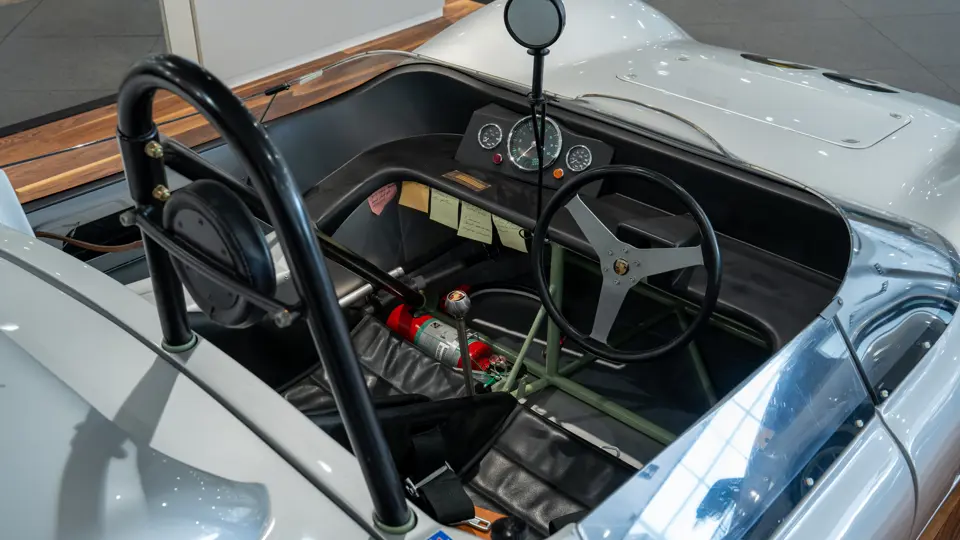
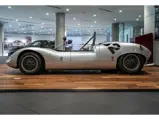
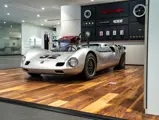
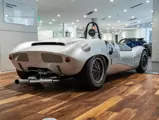
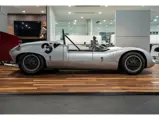
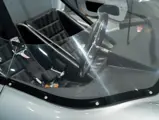
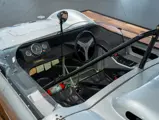
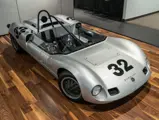
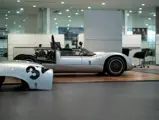
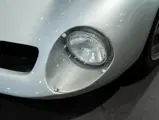
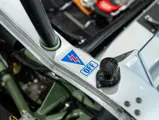
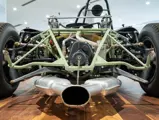
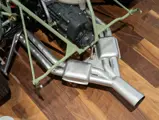
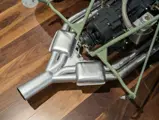
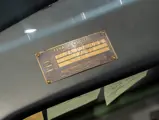
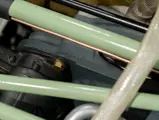
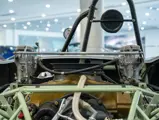
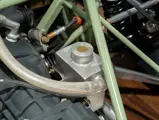
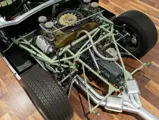
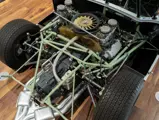
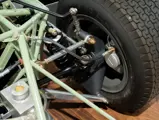
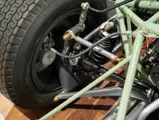
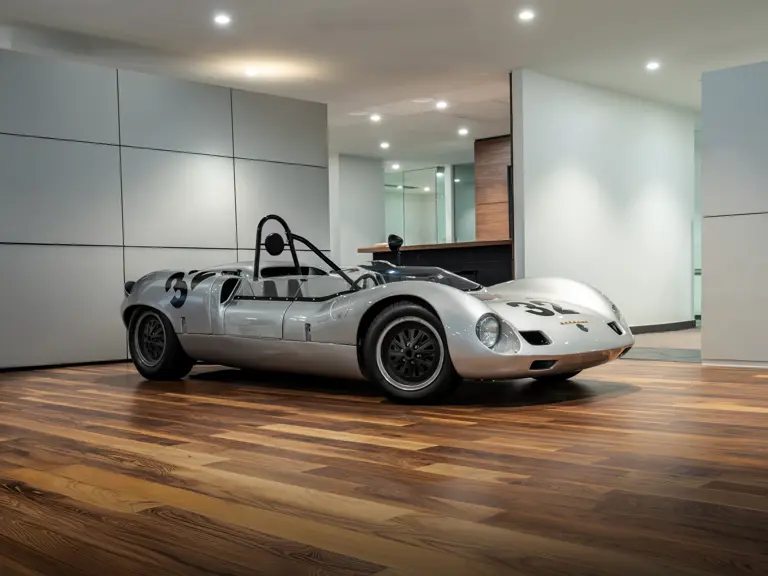
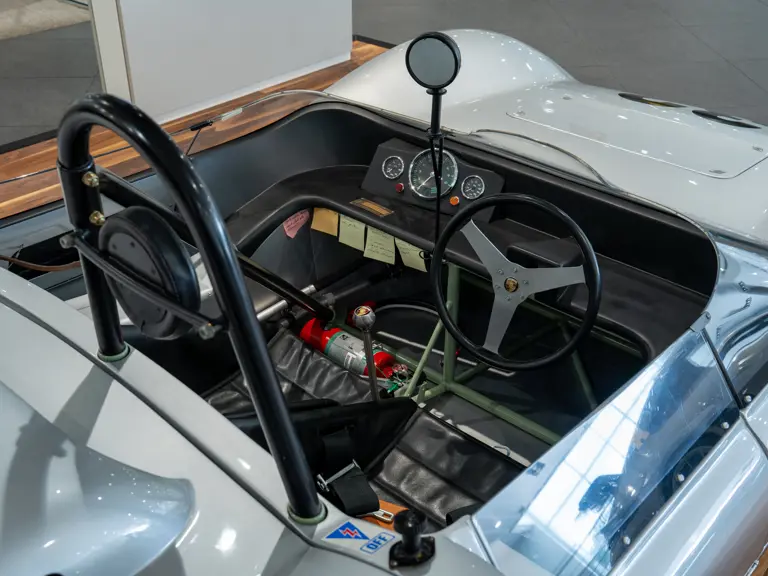
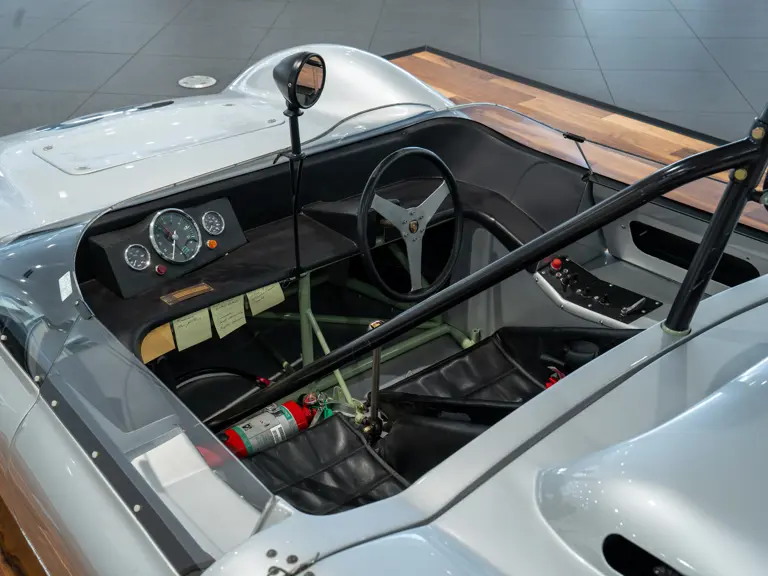
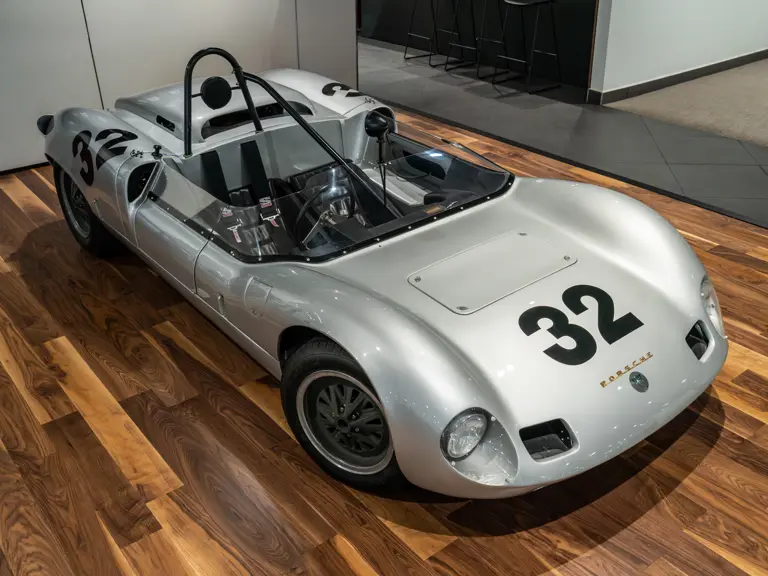
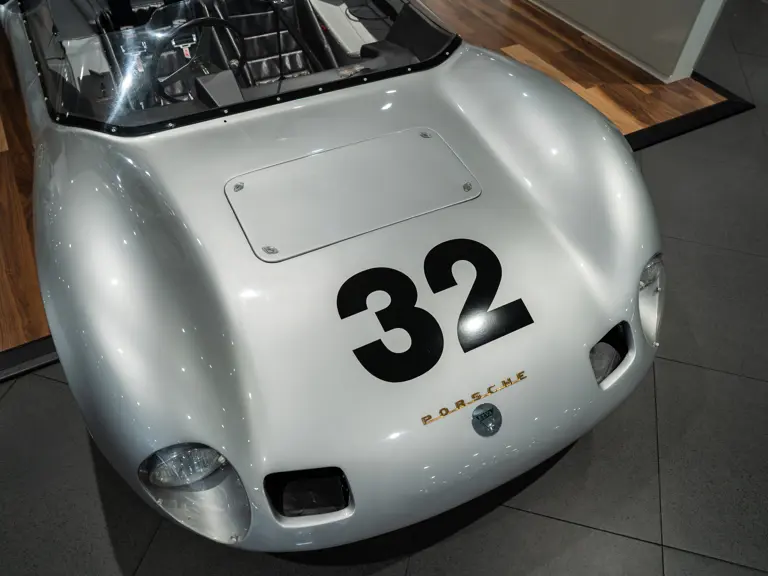
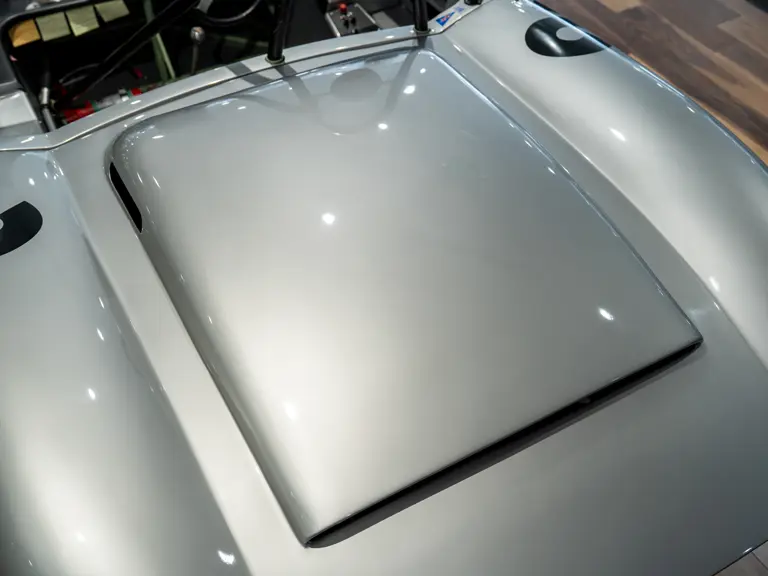
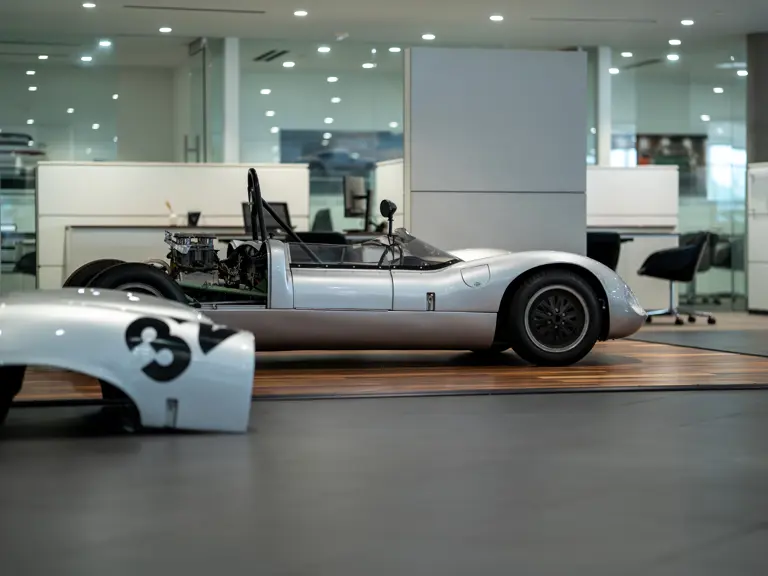
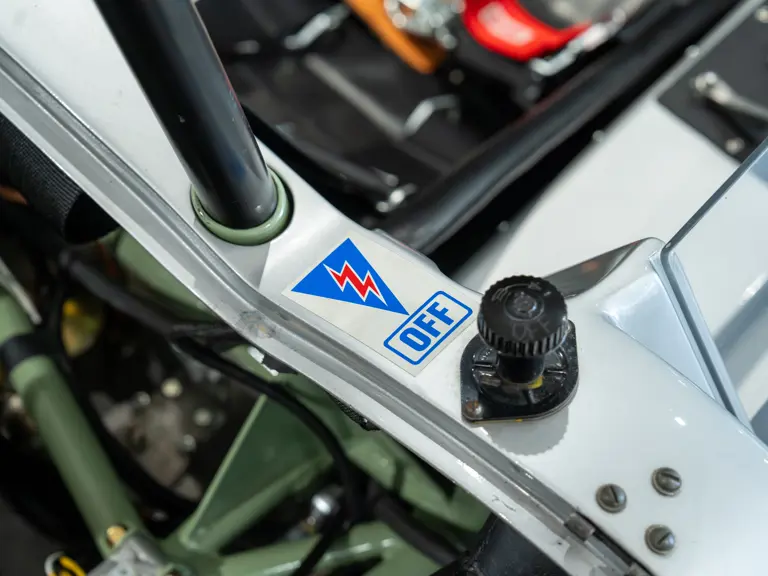
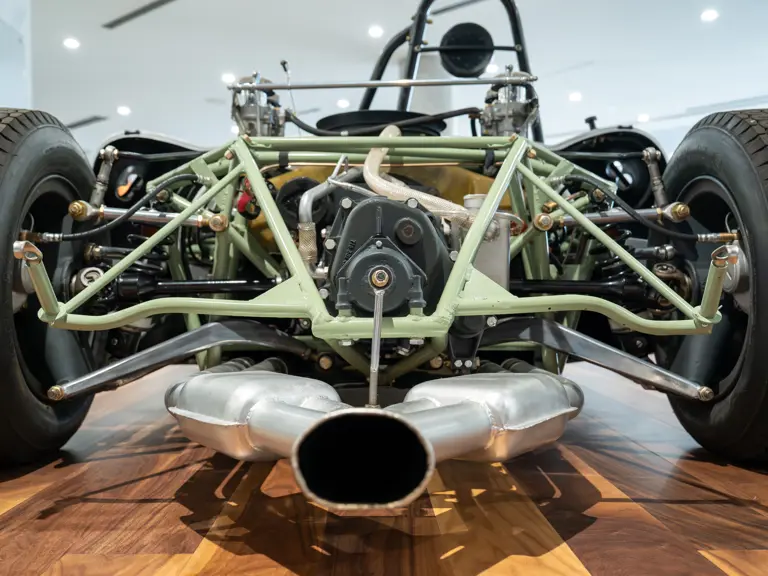
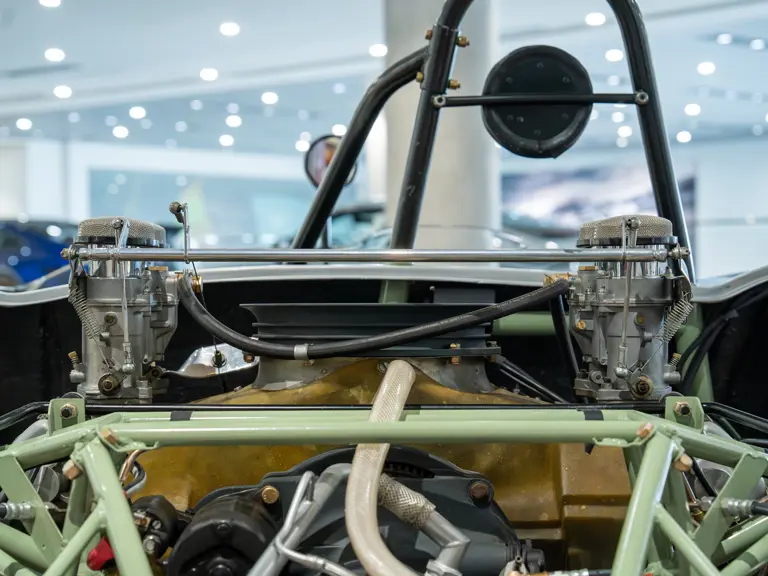
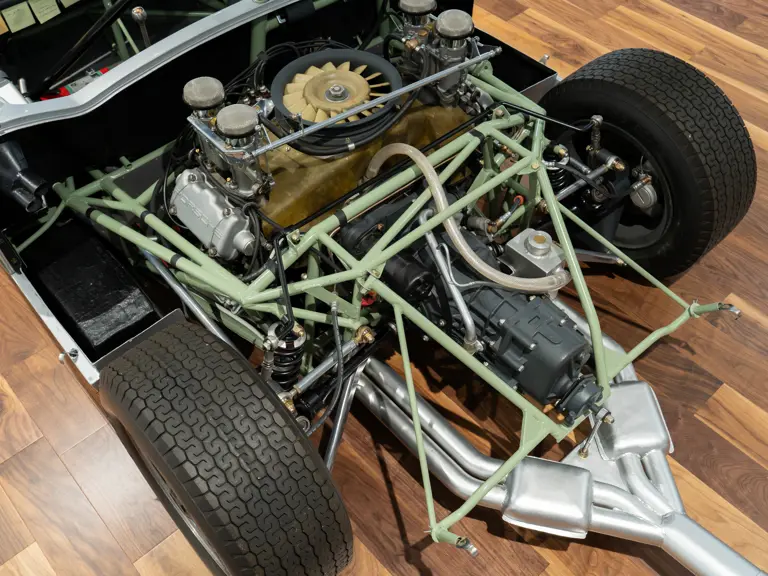
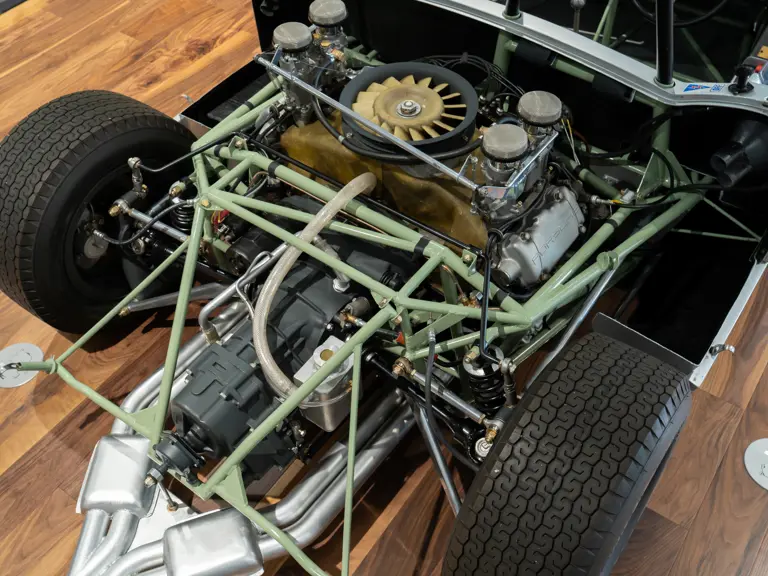
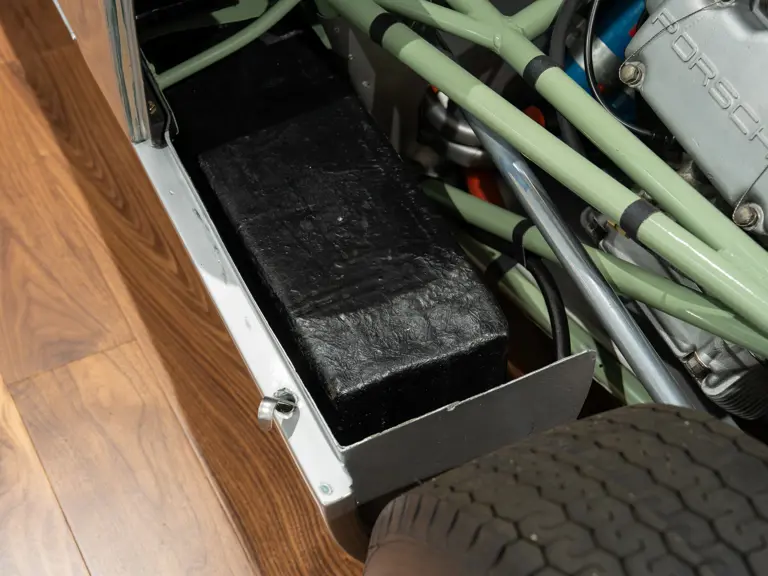
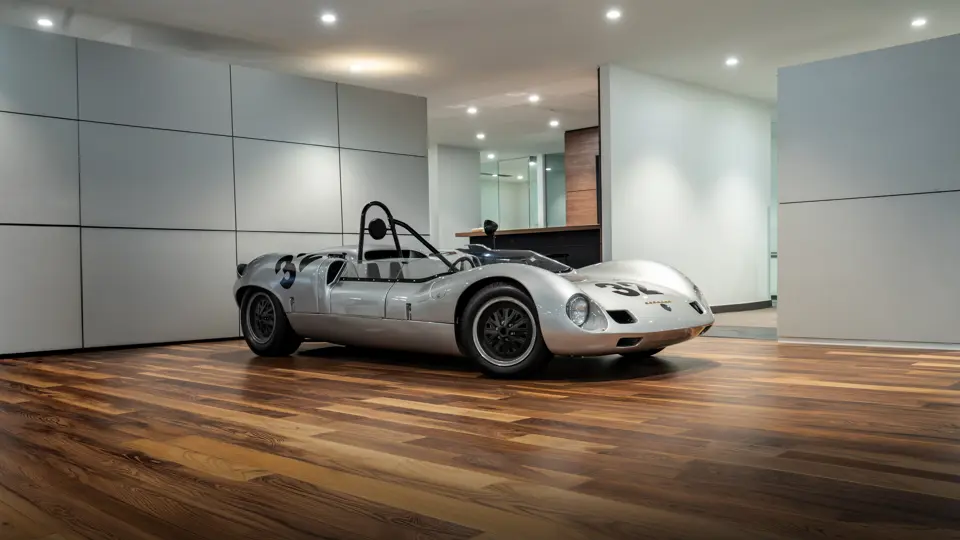
In total, 19 Elva-Porsche examples—including the first prototype, which was based on an Elva Mk VII—are understood to have been constructed, with the bulk of production delivered to the United States. The VII S presently offered is a particularly interesting representative of the breed. Its uniquely finished light green frame and recognizable engine cover suggest it was originally built as a prototype and development car. Indeed, the entry for 70P/032 in Elva production records states that it was an “EX TEST CAR—REBUILT & MOD. TO STD” with a build date of 12 February 1964, presumably reflecting the date when these modifications were completed.
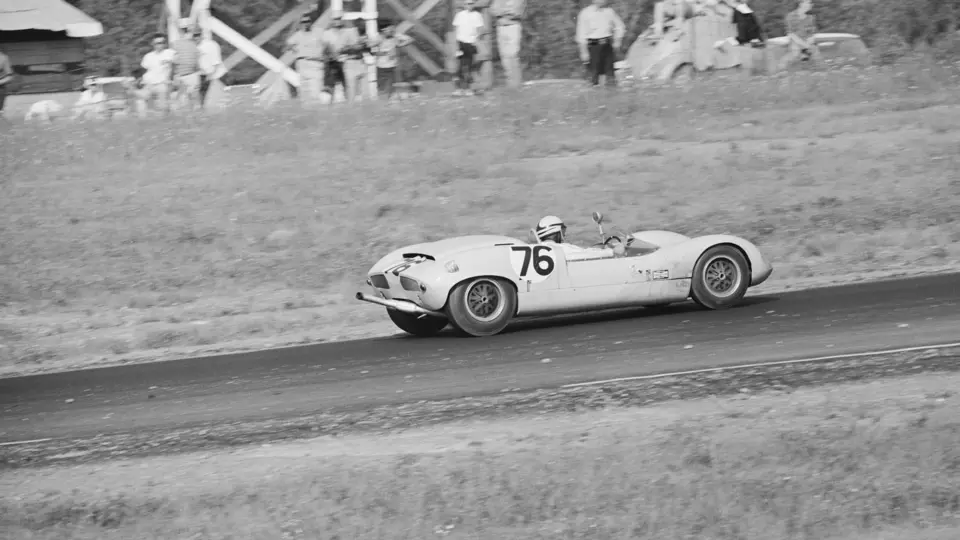
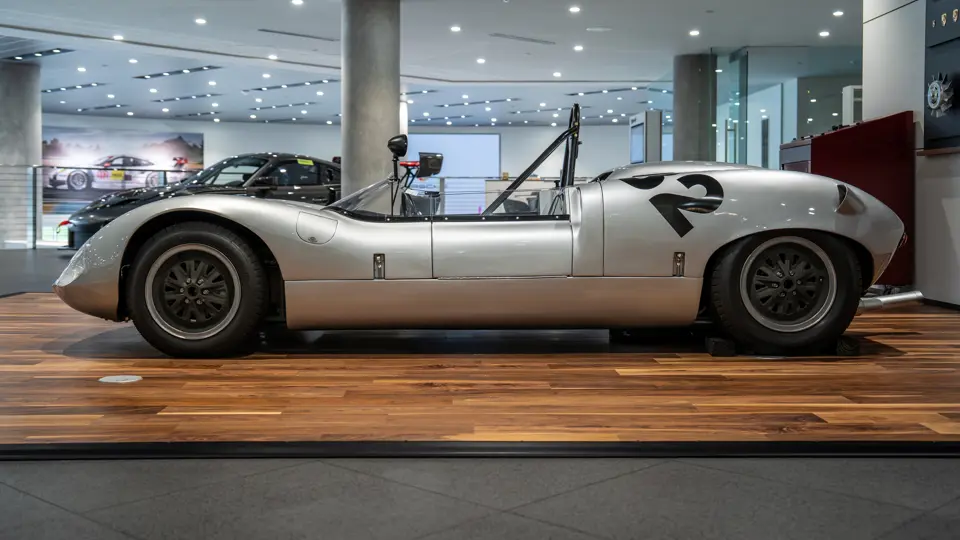
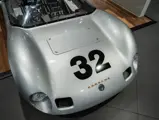
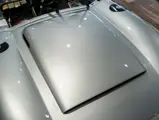
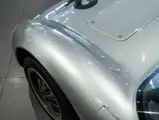
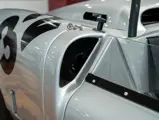
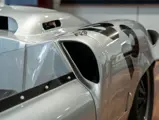
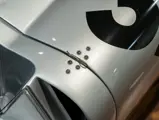
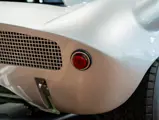
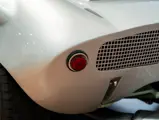
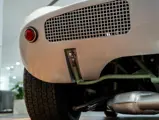
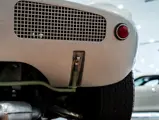
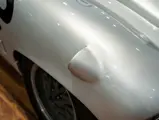
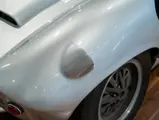
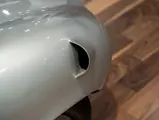
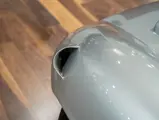
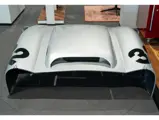
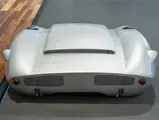
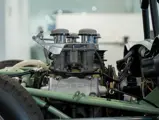
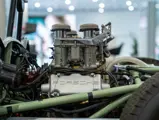
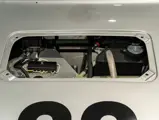
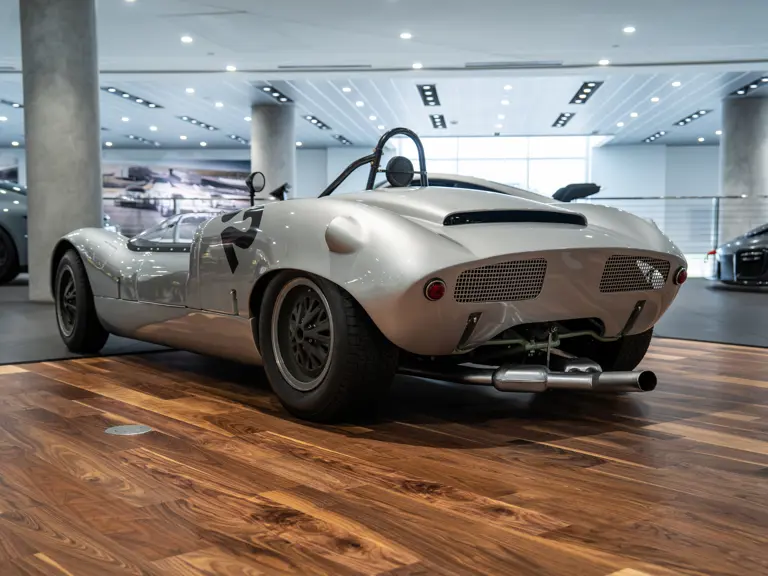
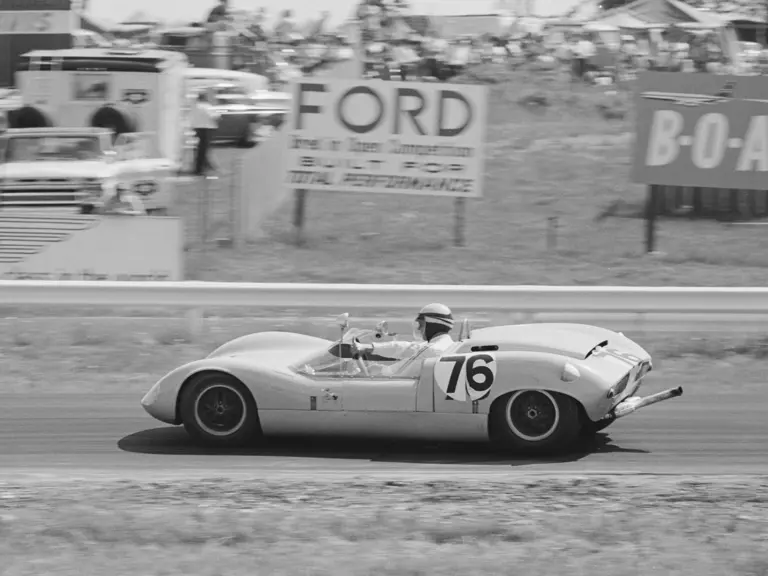
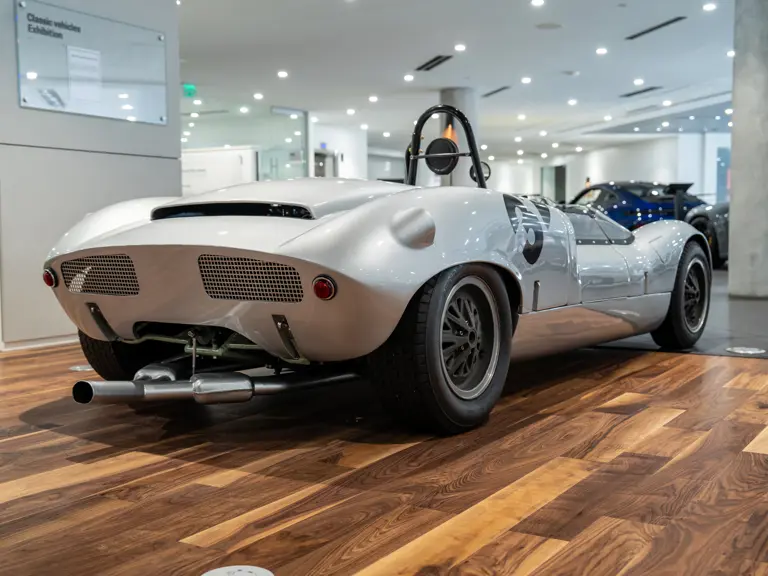
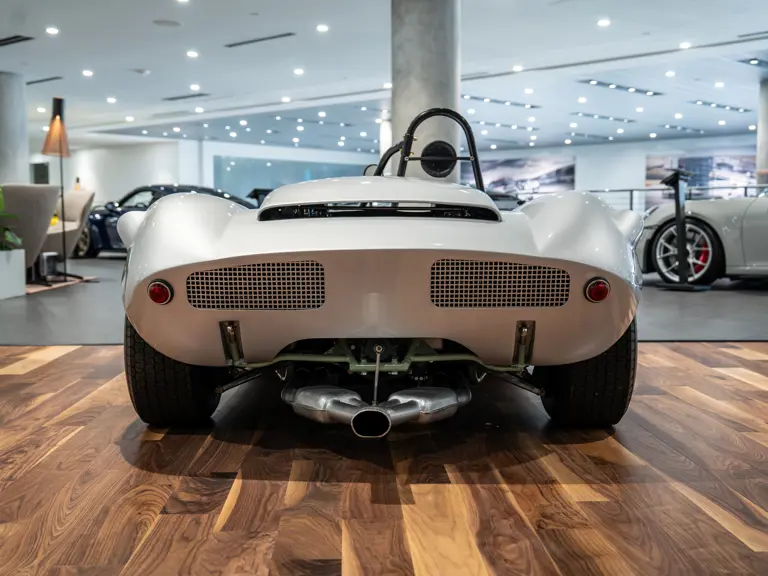
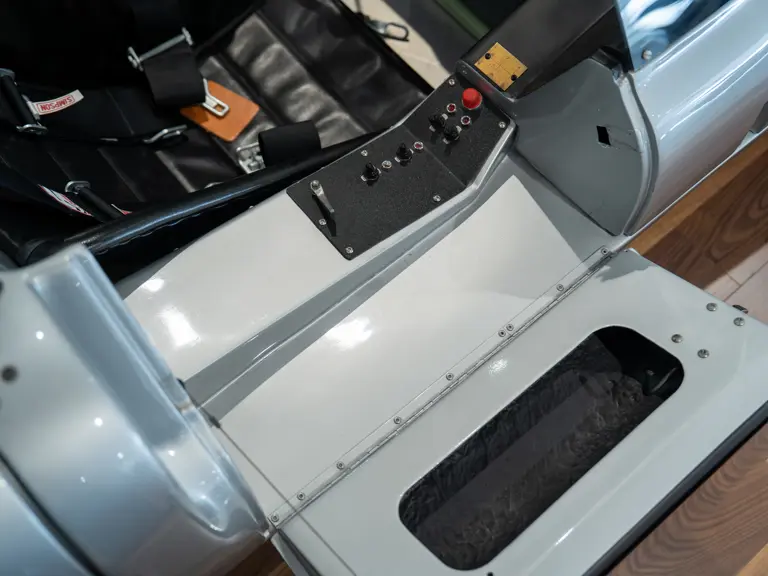
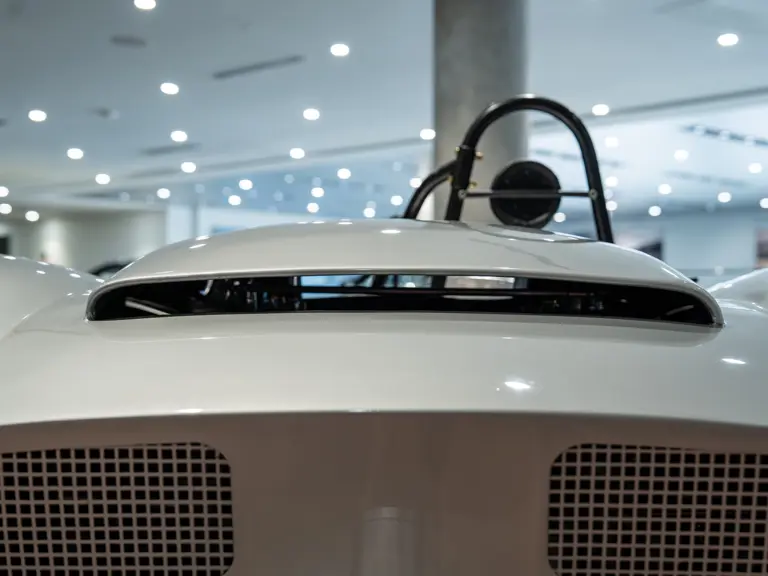
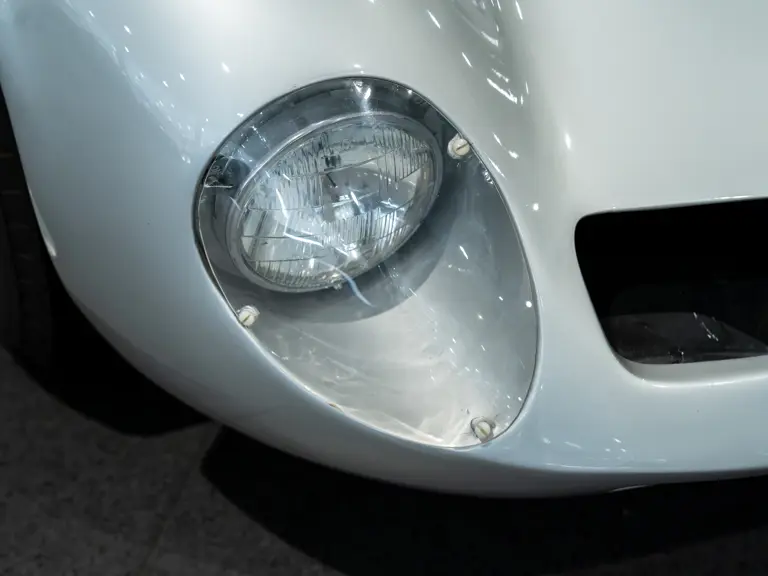
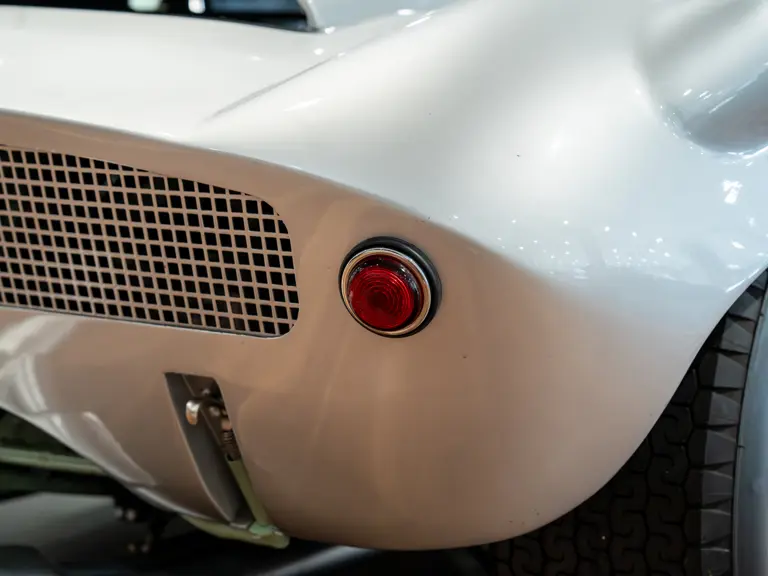
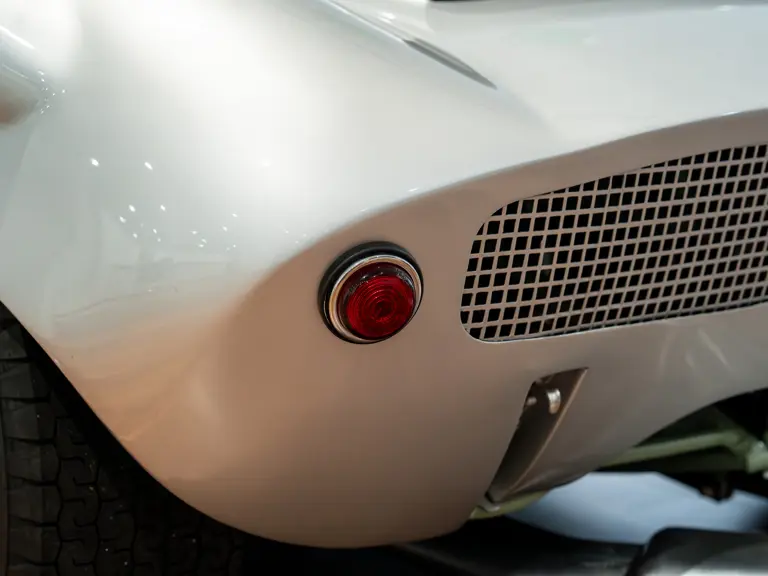
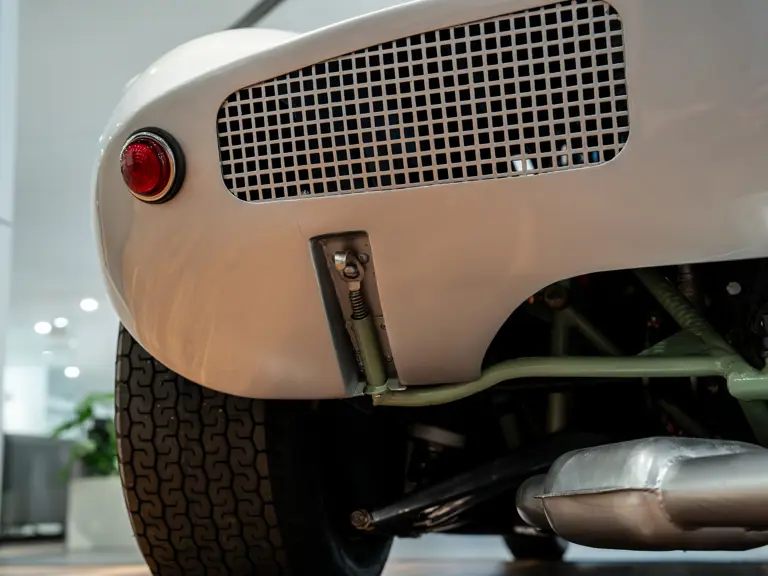
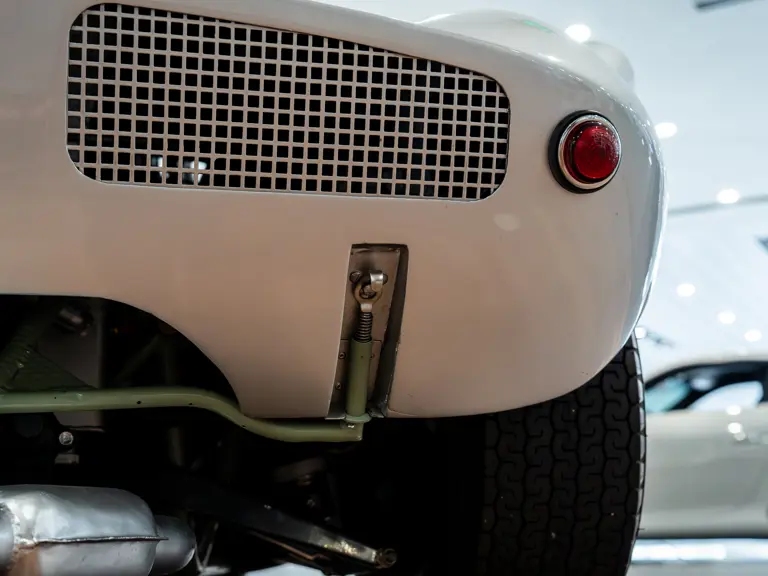
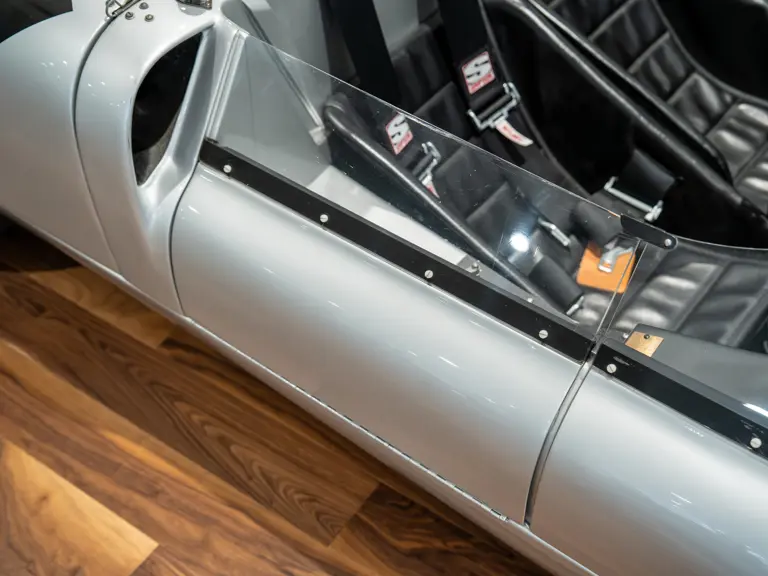
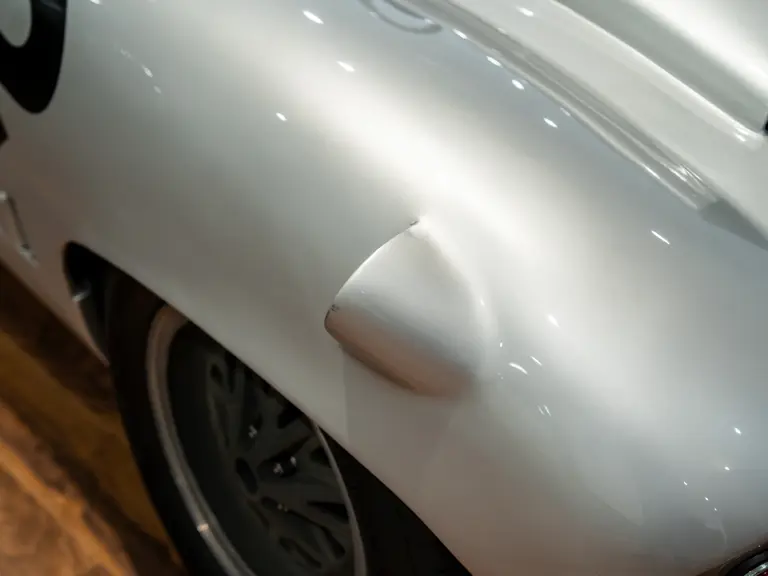
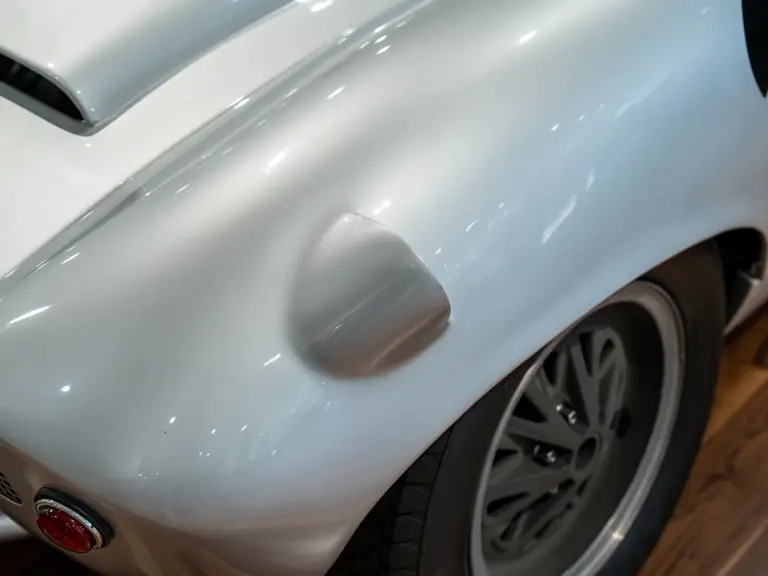
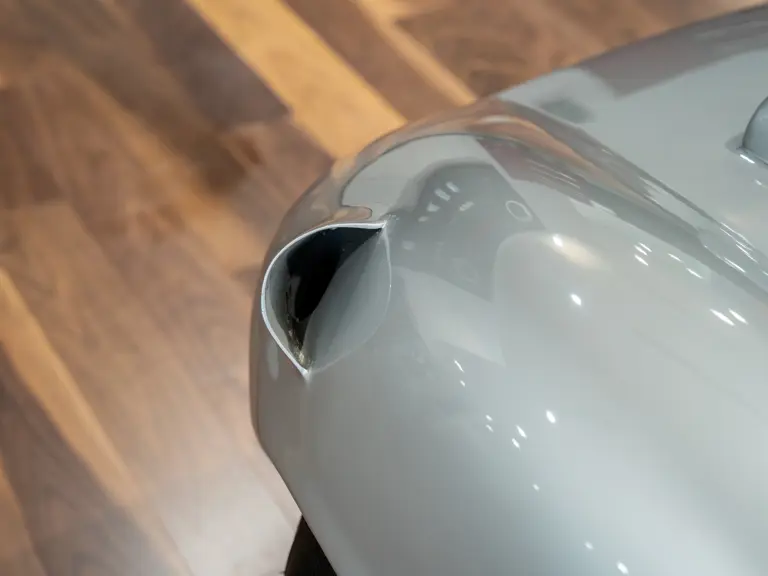
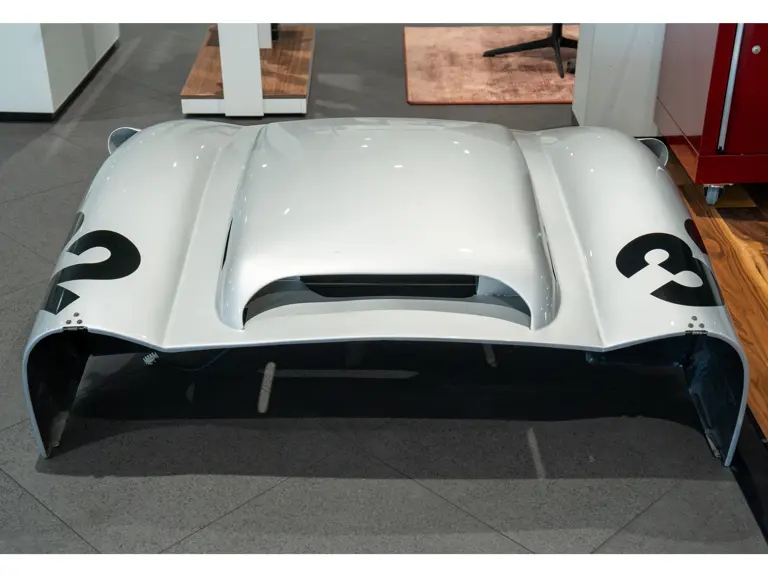
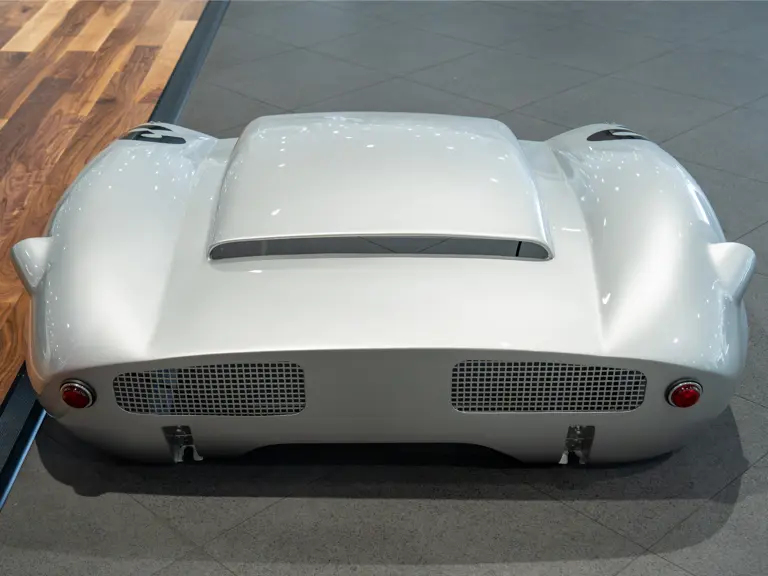
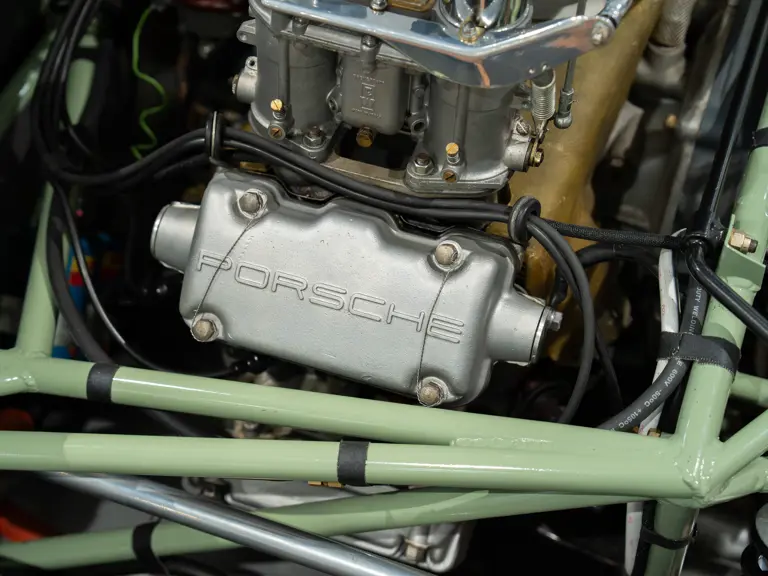
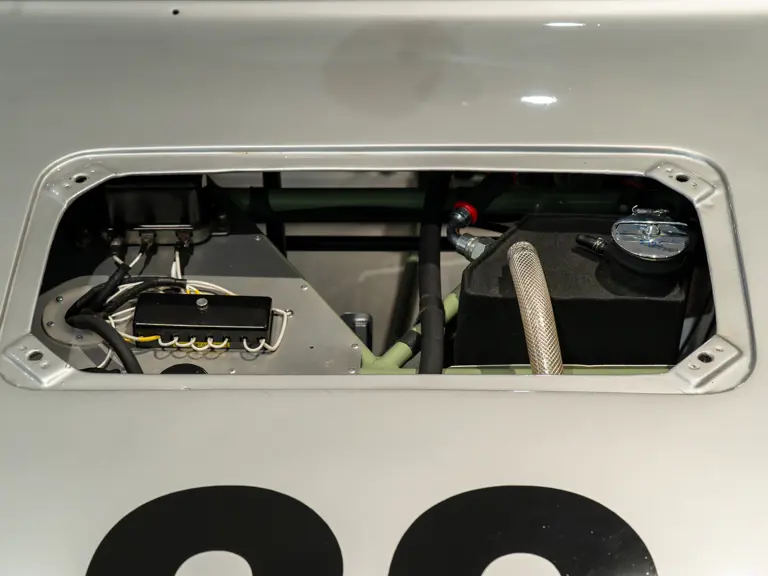
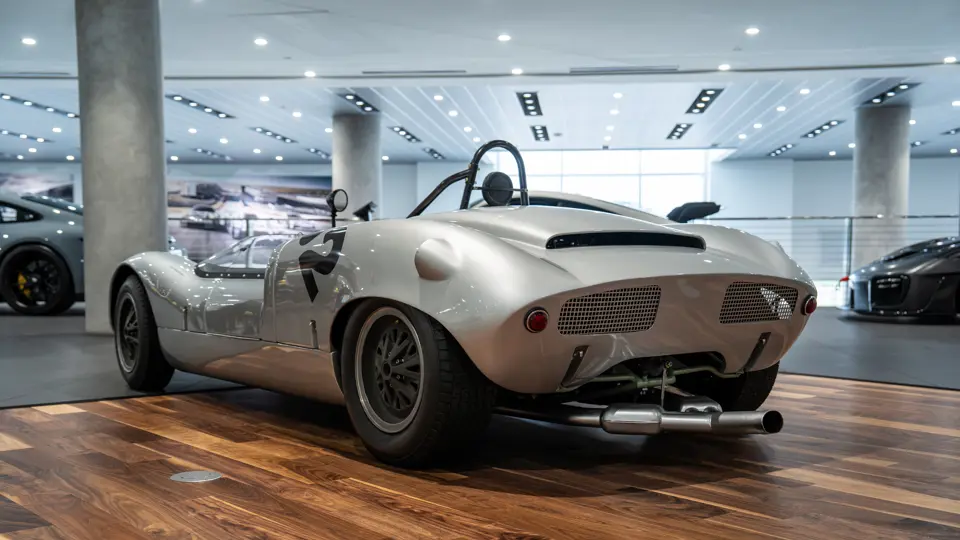
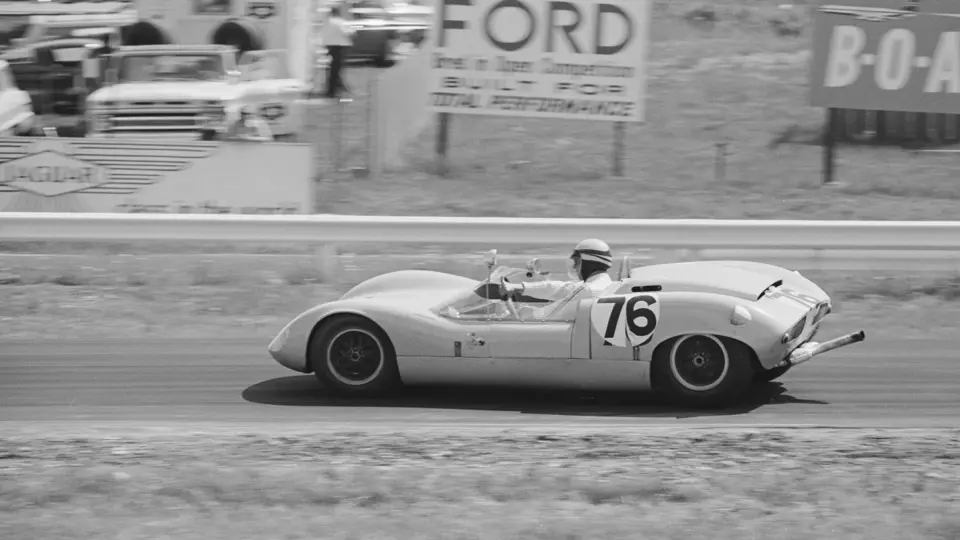
Further supporting this car’s status as a prototype, it was initially constructed to house a standard “vertical fan” four-cam engine, which necessitated a distinctive “hunchback” rear engine cover that visually distinguishes 70P/032 from its peers. This was also witnessed on the first competitive test run for the Elva-Porsche at Brands Hatch on the day after Christmas in 1963, when driven by Mike Beckwith to a 5th place finish. Though a horizontal-fan engine was installed prior to delivery, the distinctive rear engine cover remained. Upon dispatch from England, chassis 70P/032 was one of four cars delivered to Haas and Schmidt’s Scuderia Tin Can; it was one of three painted in the team’s distinctive yellow livery, with the fourth car painted white.
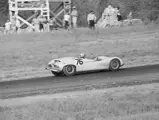
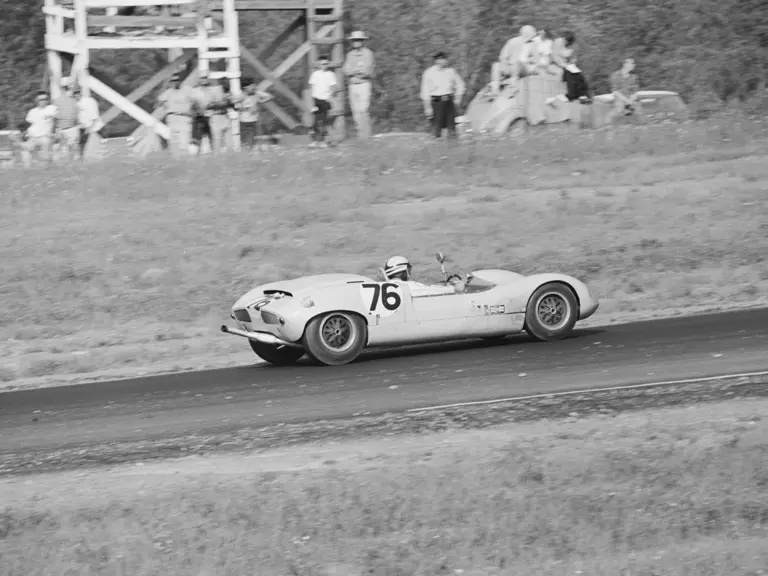
Predominantly wearing #76 in competition, this car was campaigned across the United States throughout 1964. Its known appearances include Augusta for the first round of the United States Road Racing Championship 29 February–1 March (driven by Chuck Dietrich, DNF), the USRRC Laguna Seca GP 3 May (Chuck Dietrich, 4th in class and 9th overall), the USRRC Watkins Glen GP 26–28 June (Don Wester, 2nd in class and 6th overall), a USSRC Greenwood race 18–19 July (Don Wester, DNF), and the Road America 500 12–13 September (John Cannon and Charlie Hayes, 3rd in class and 7th overall).
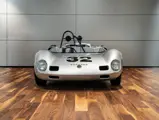
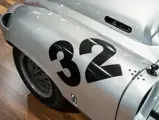
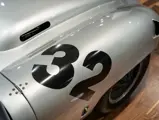
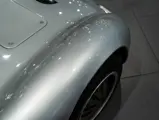
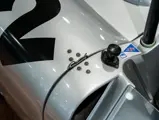
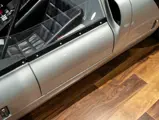
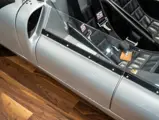
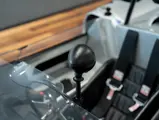
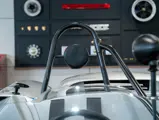
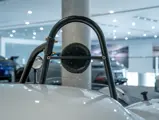
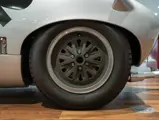
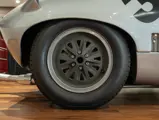
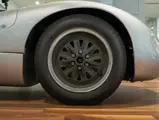
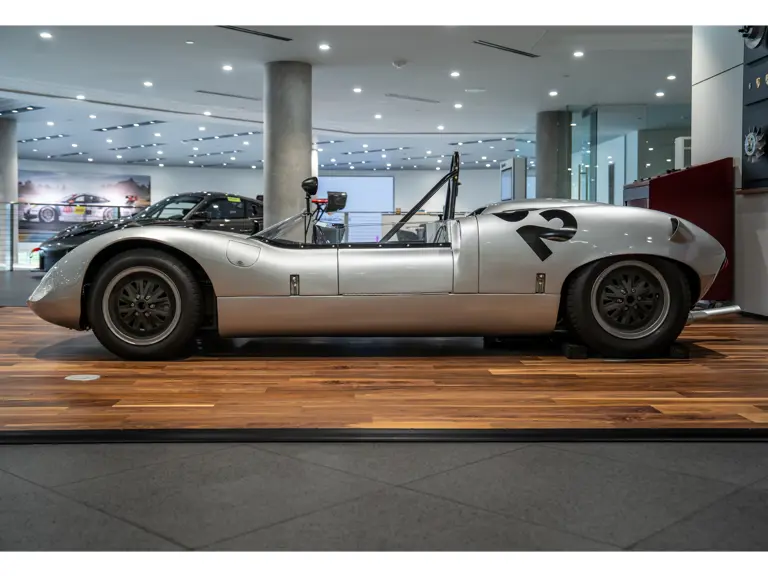
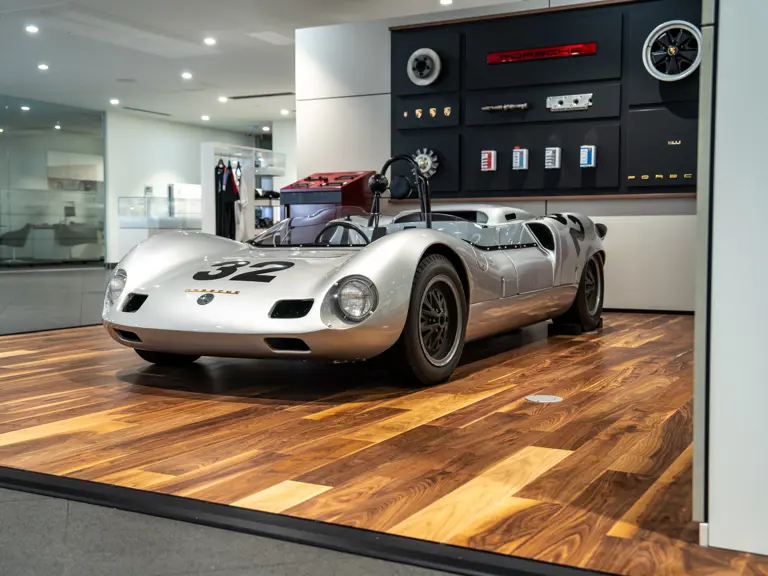
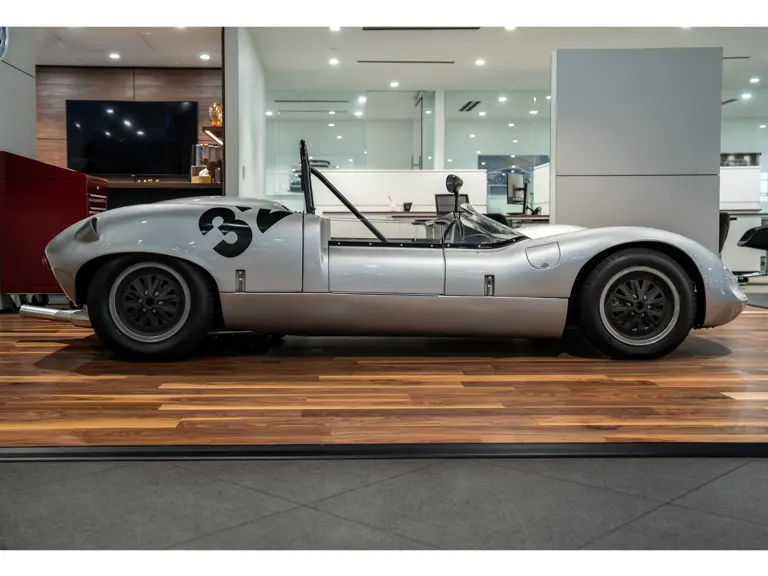
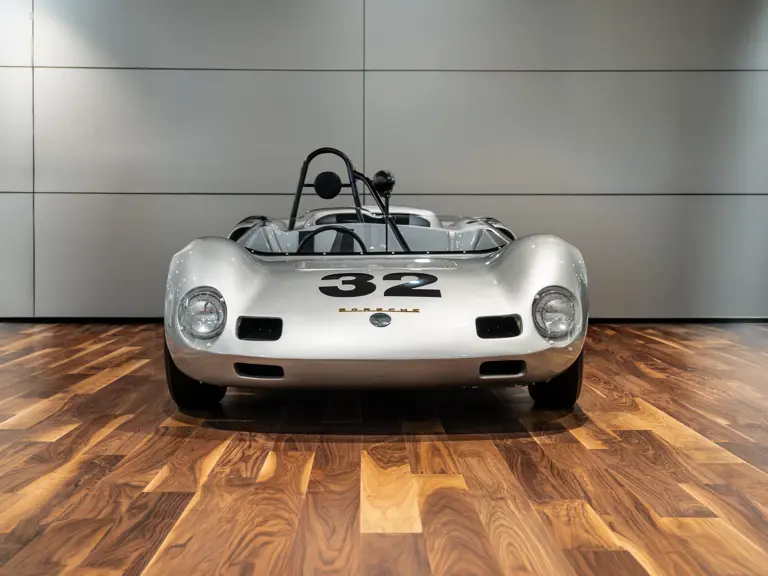
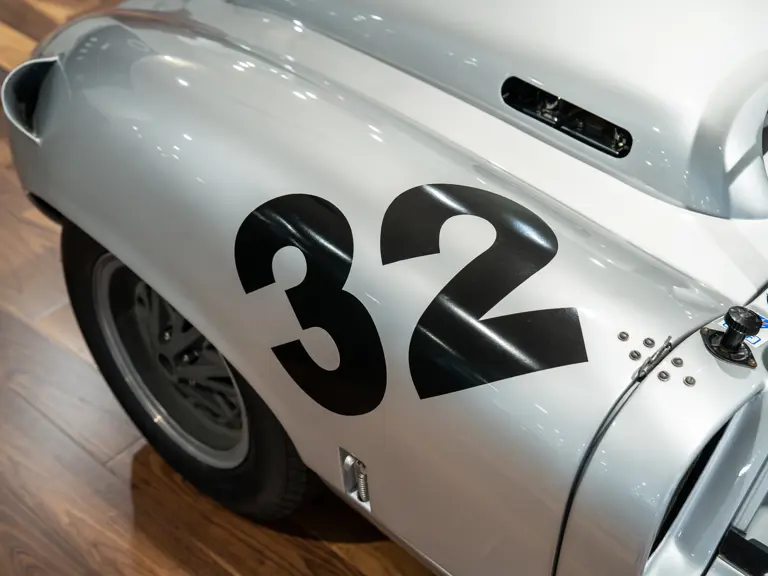
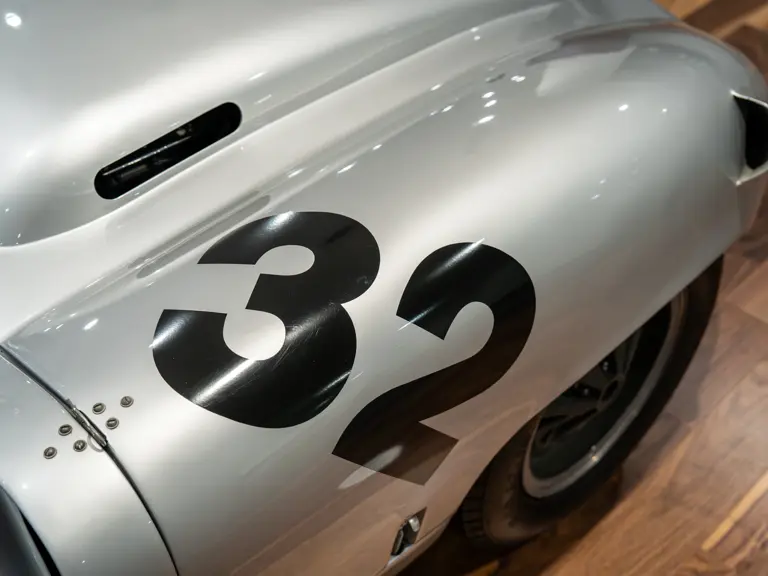
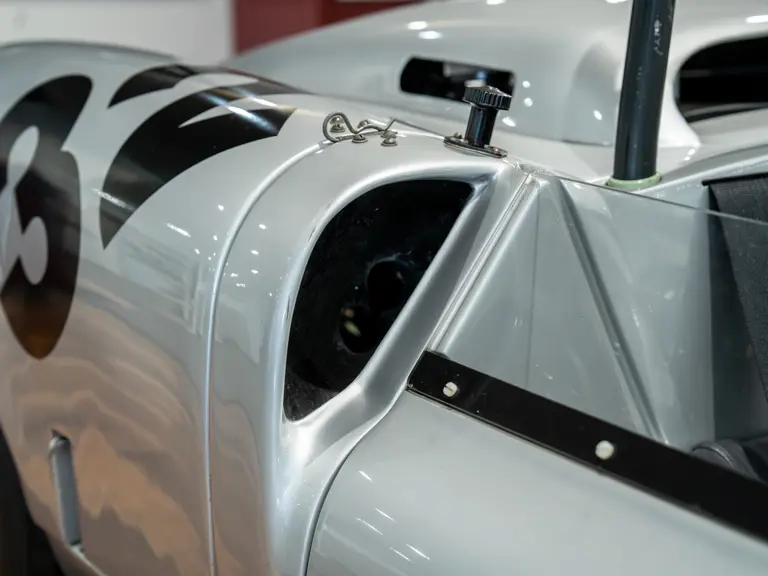
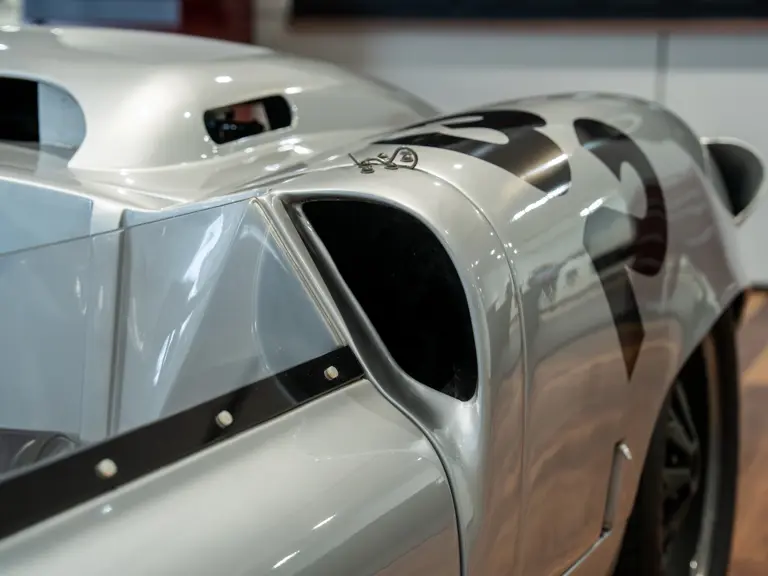
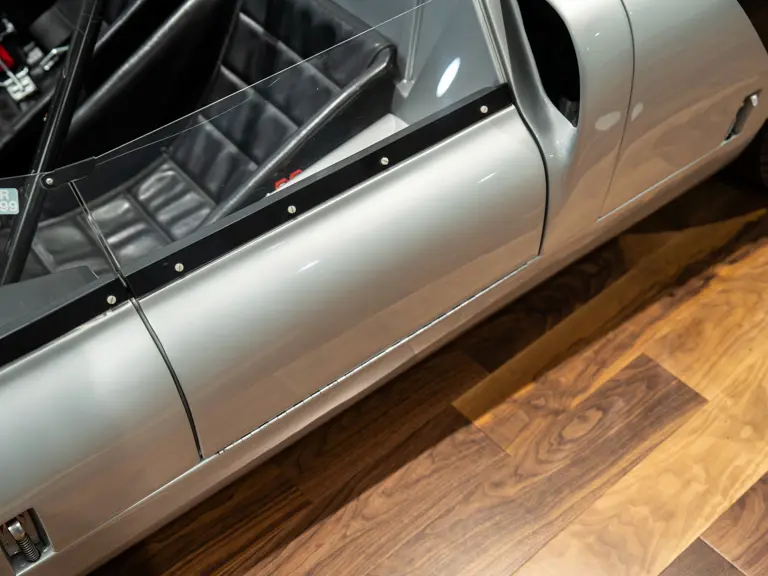
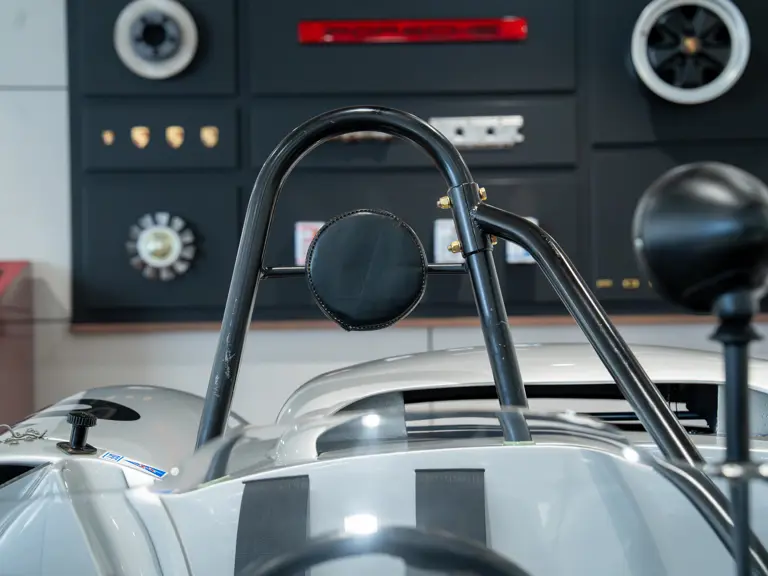
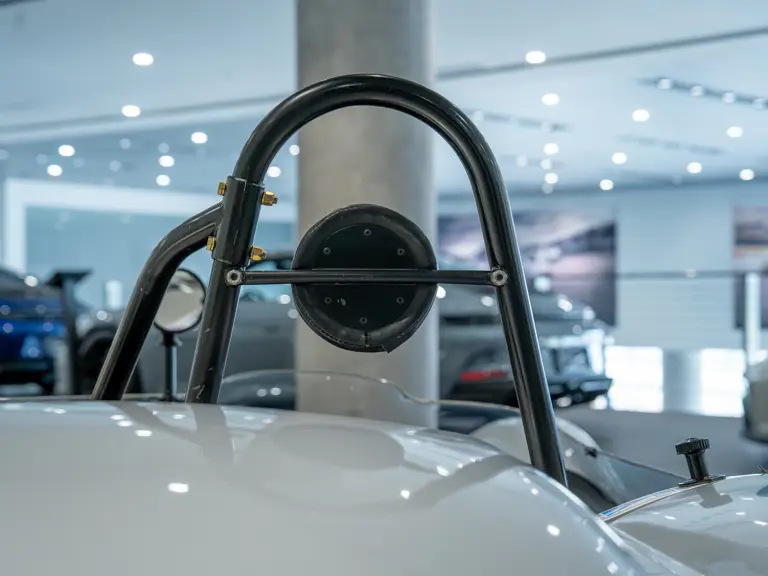
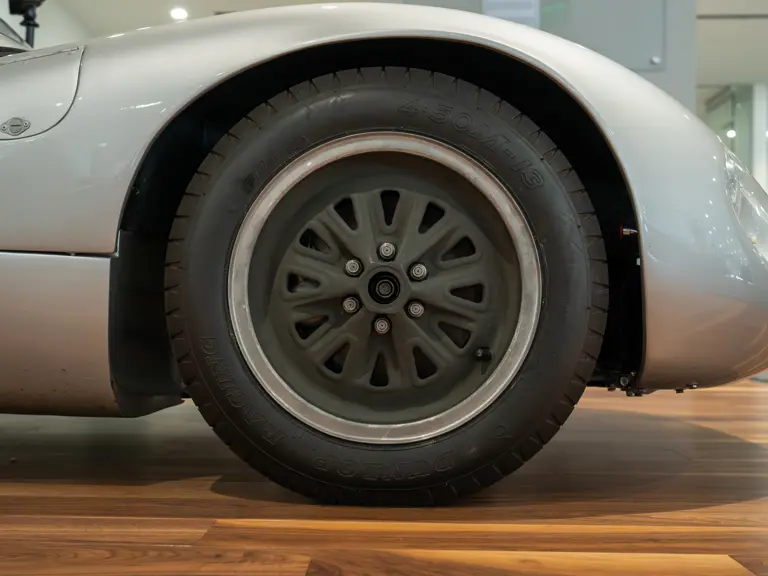
The Elva-Porsche was later acquired by a noted Porsche collector, still in its original yellow, and restored for him by Dick Hyland (including fabrication of a period-style roll bar and a color change to British racing green). It was subsequently displayed as part of the collection of Dr. Julio Palmaz, by then painted silver.
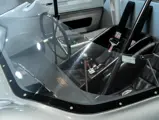
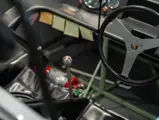
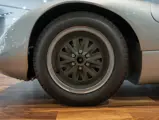
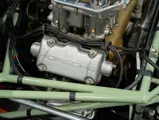
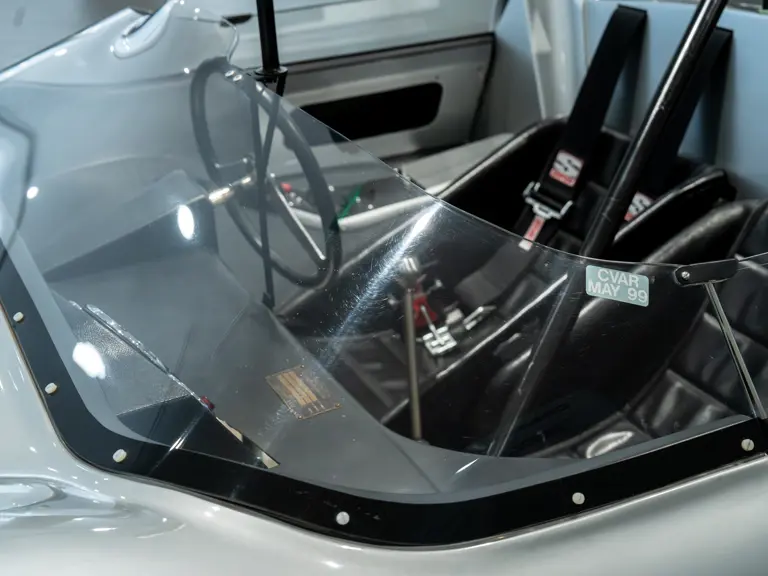
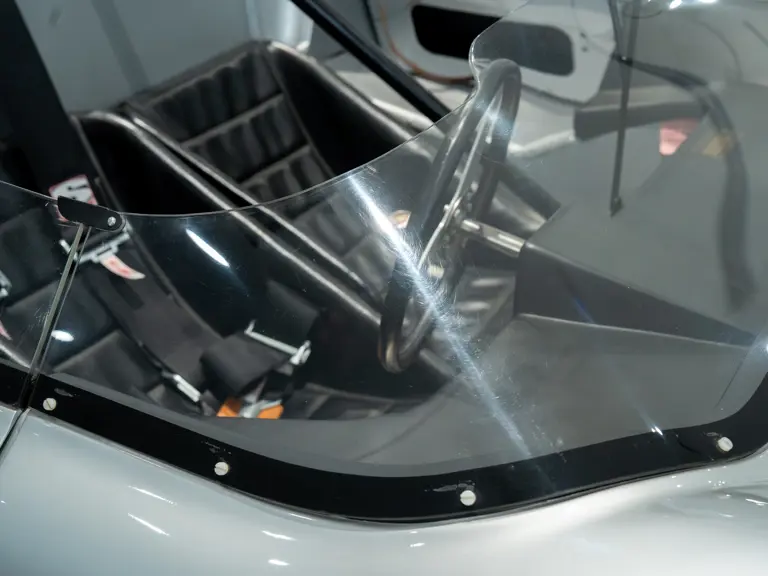
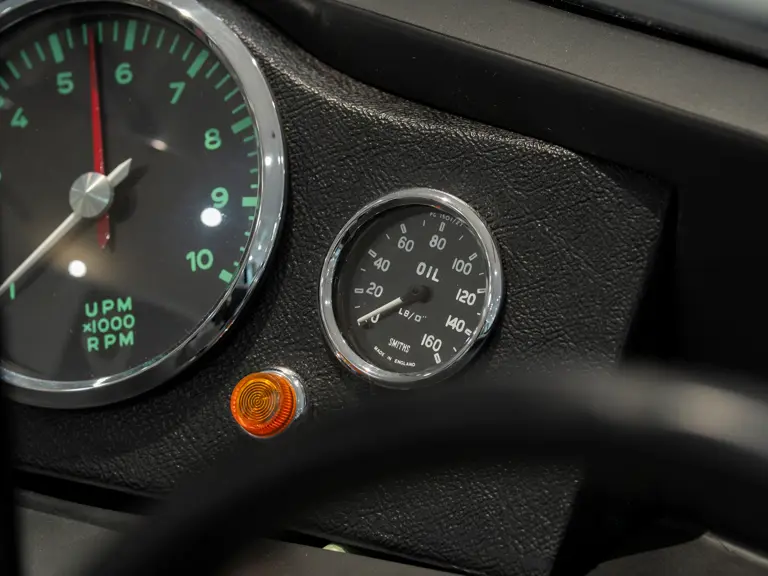
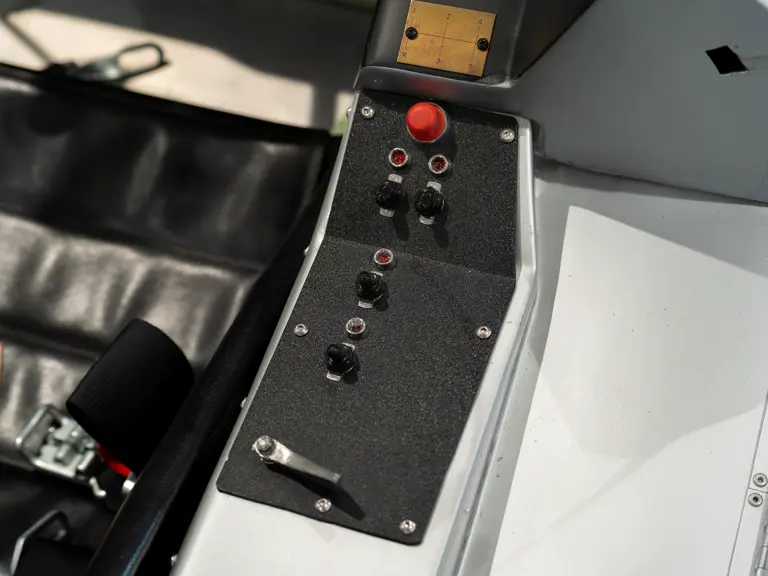
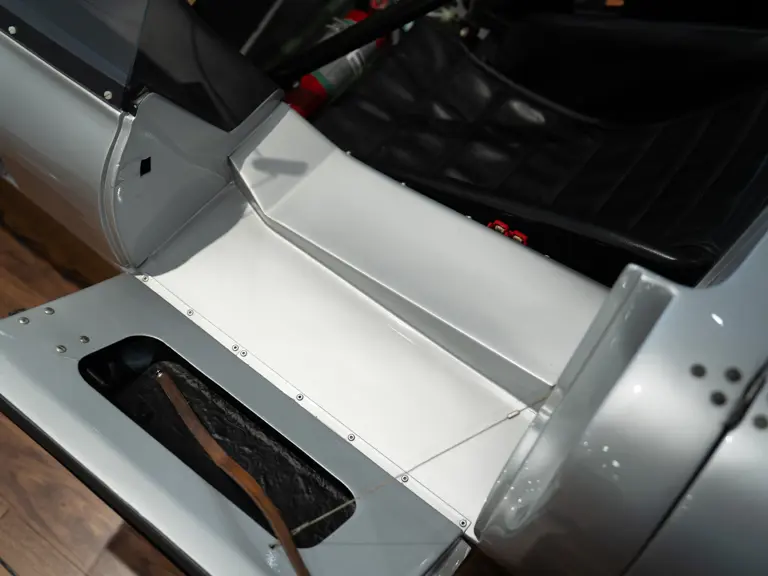
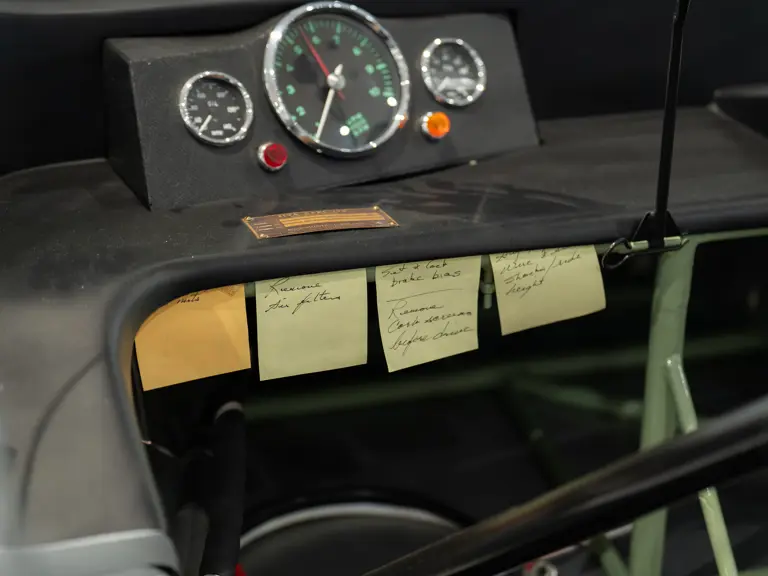
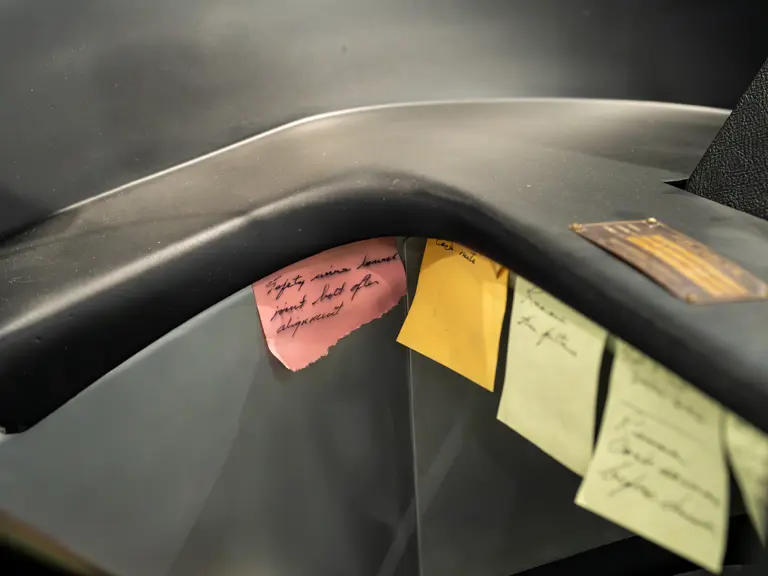
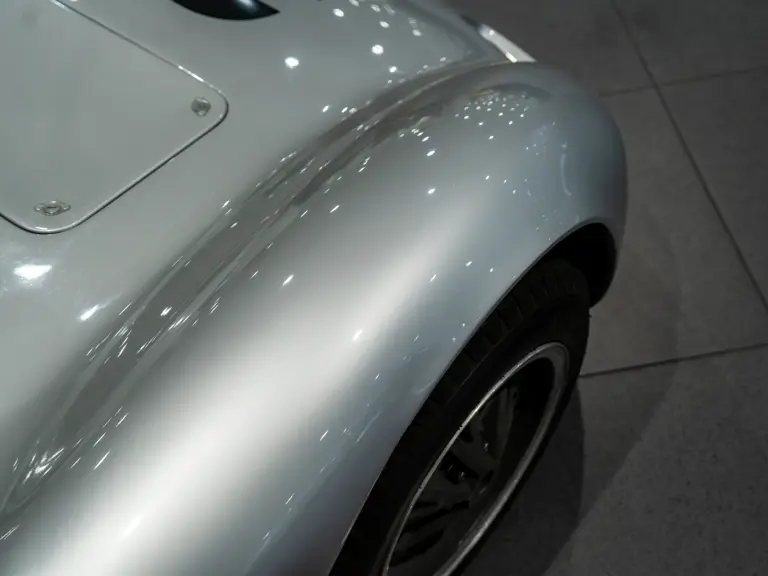
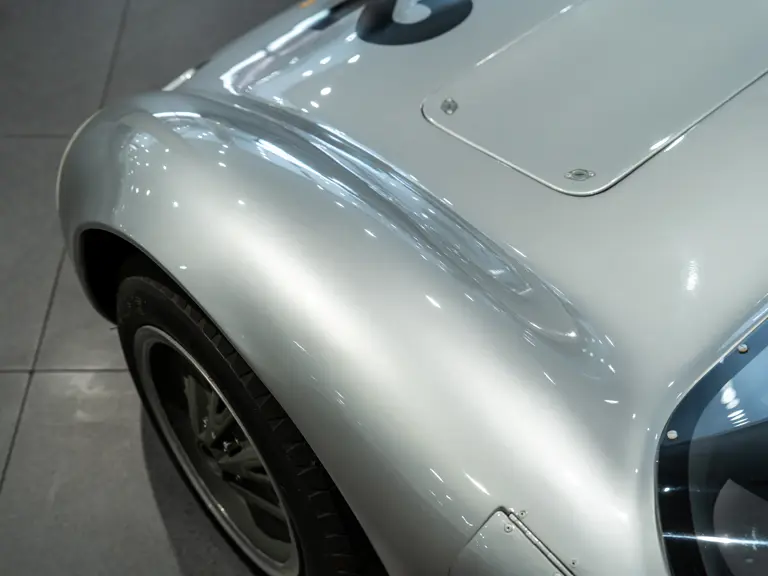
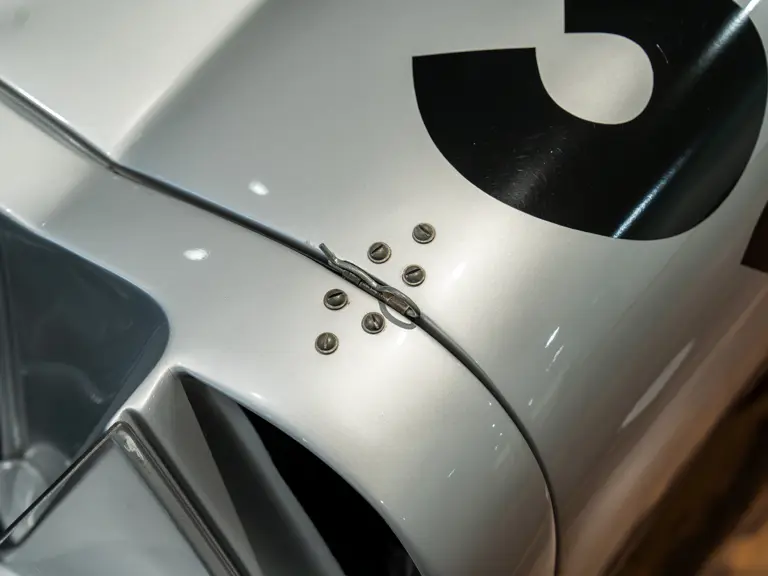
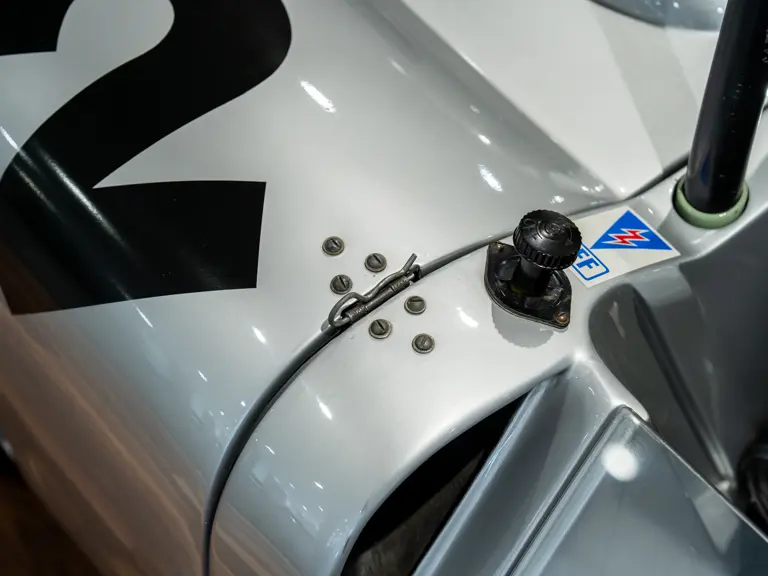
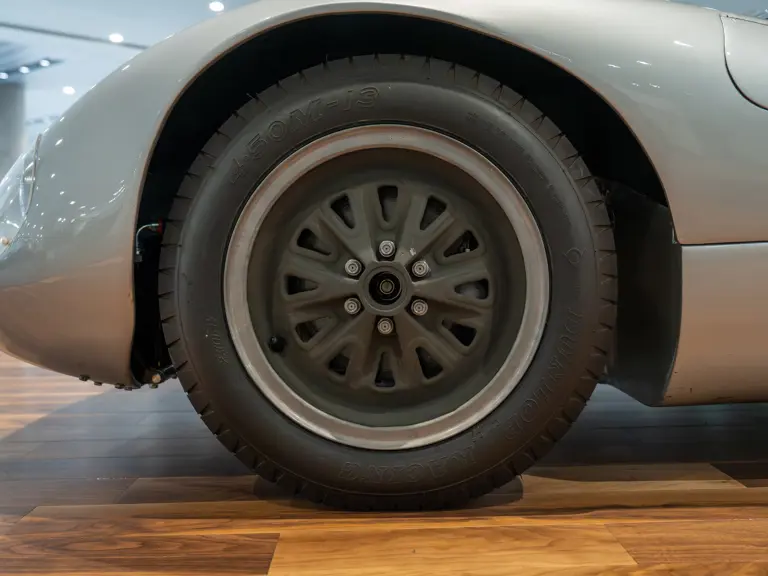
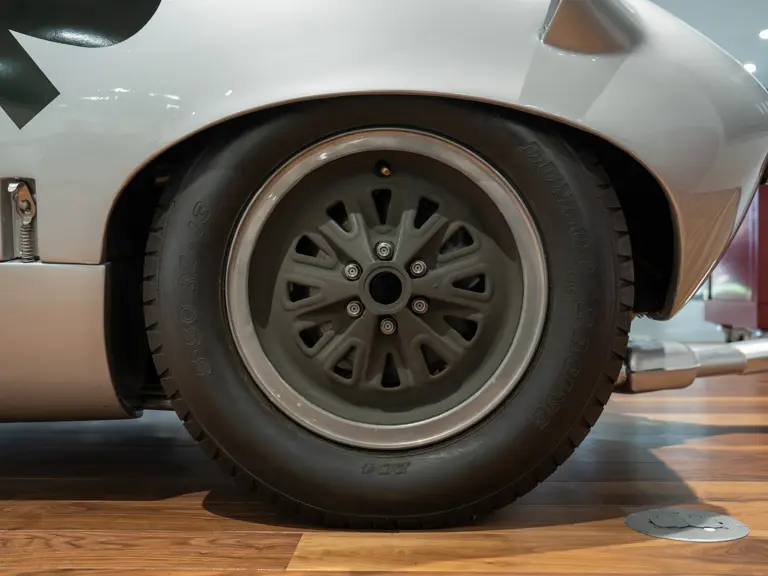
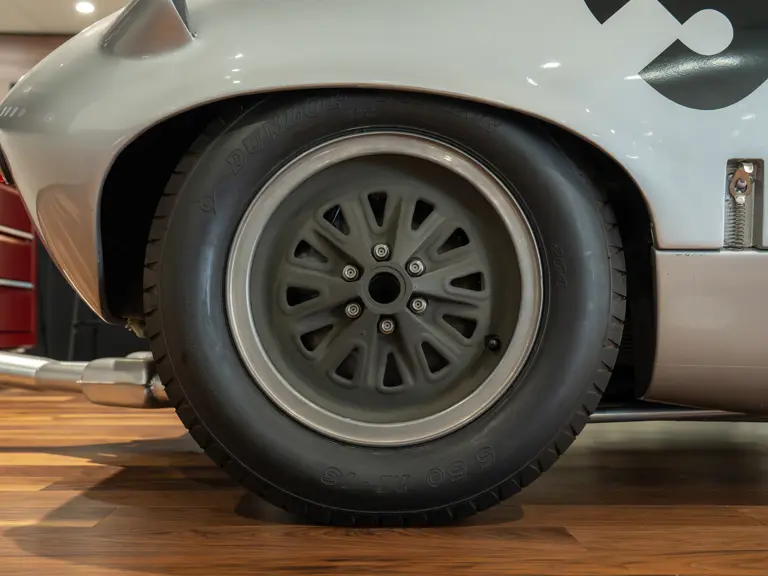
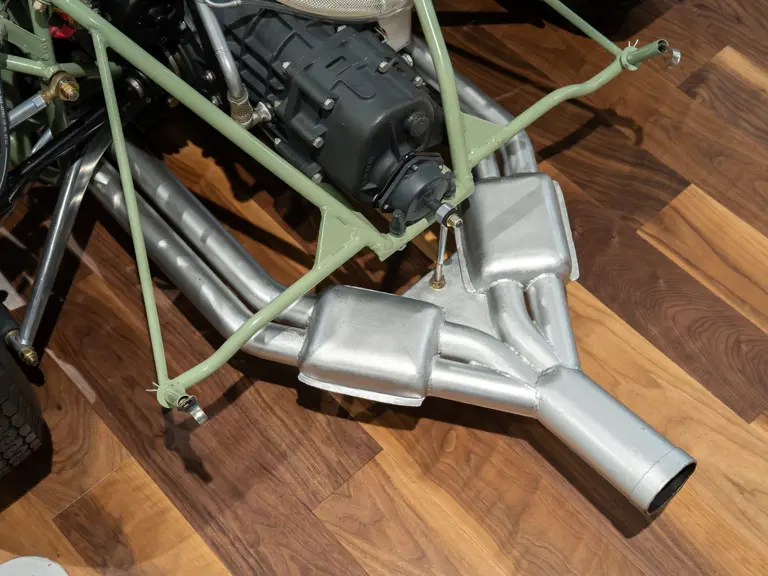
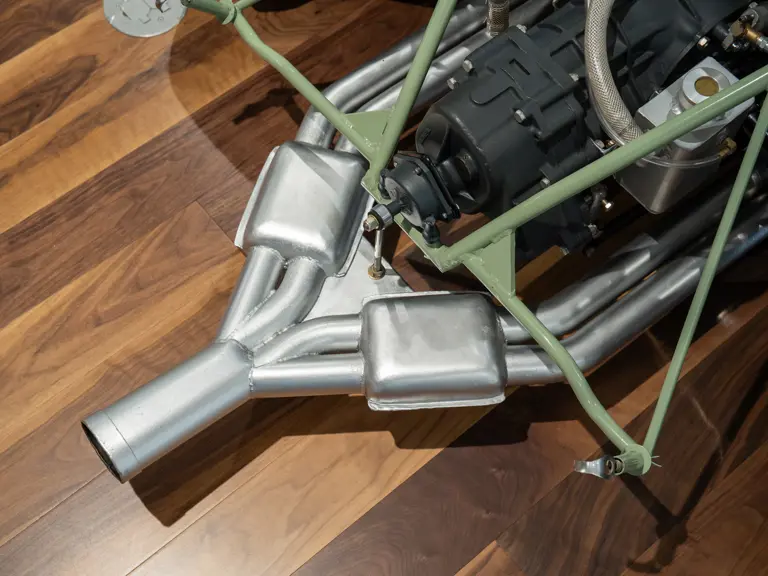
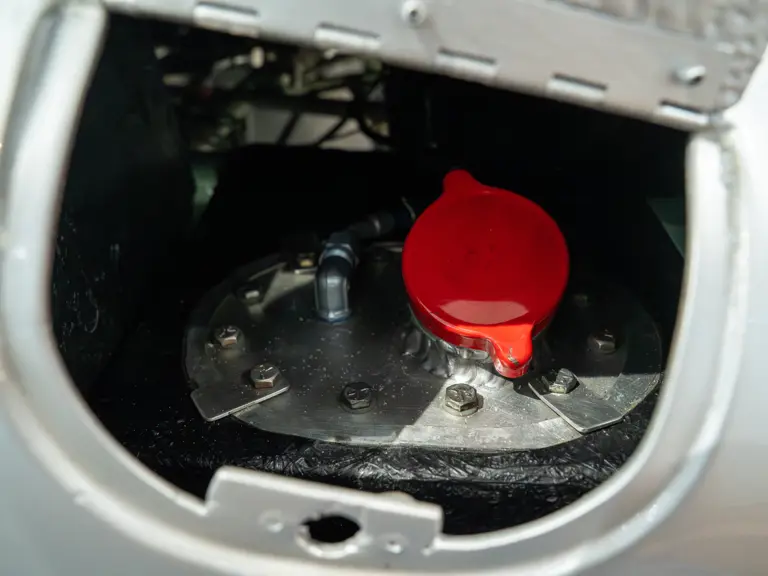
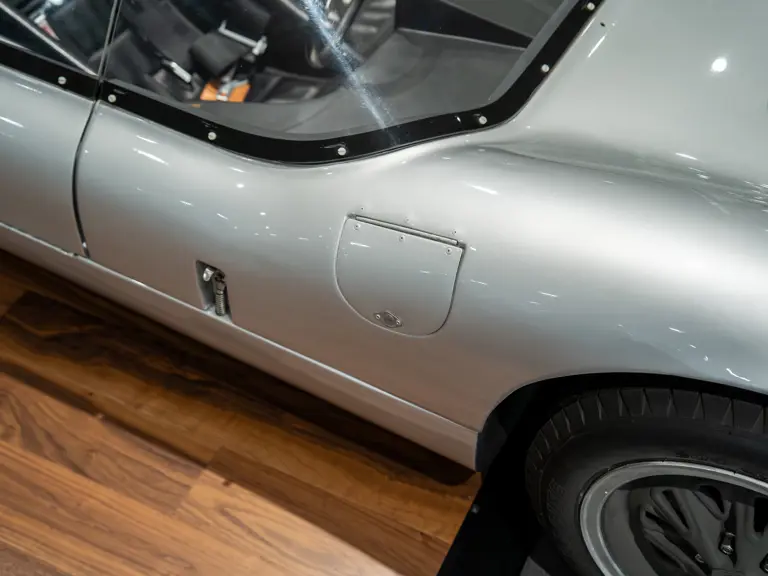
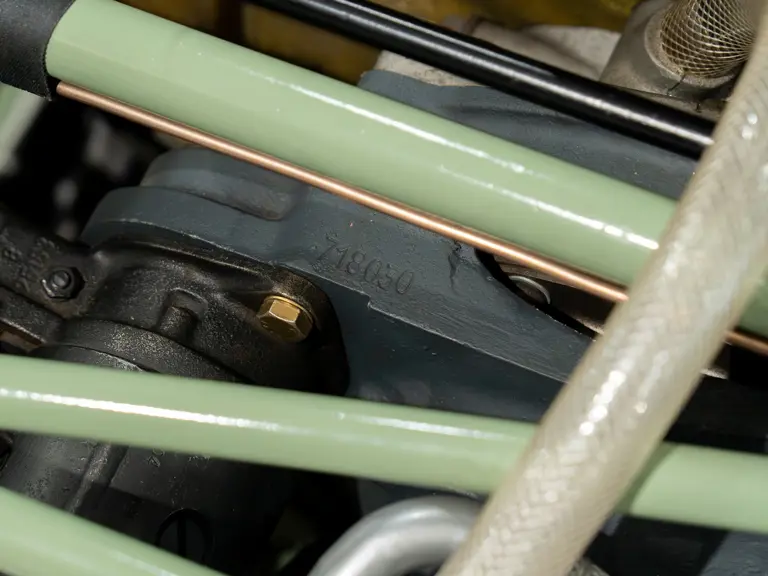
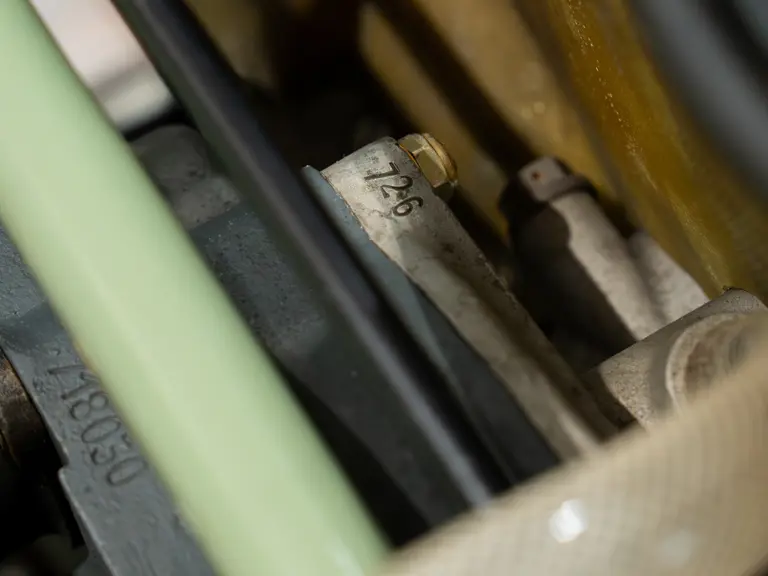
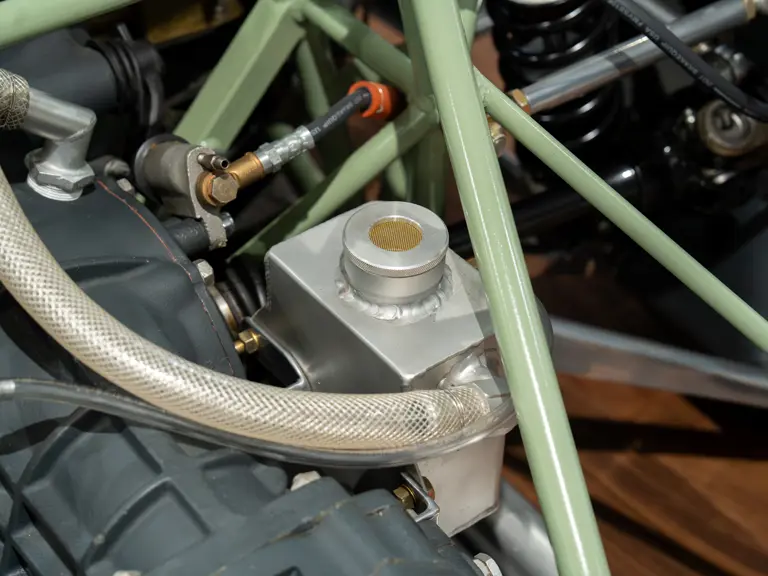
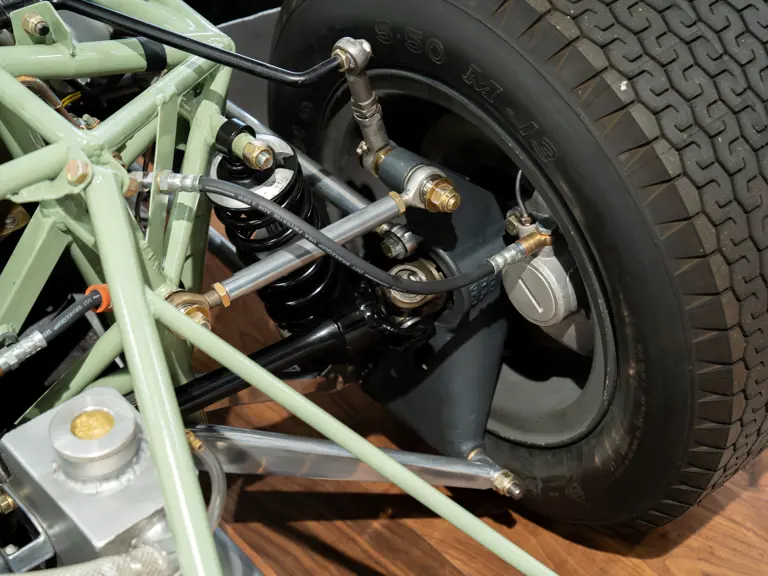
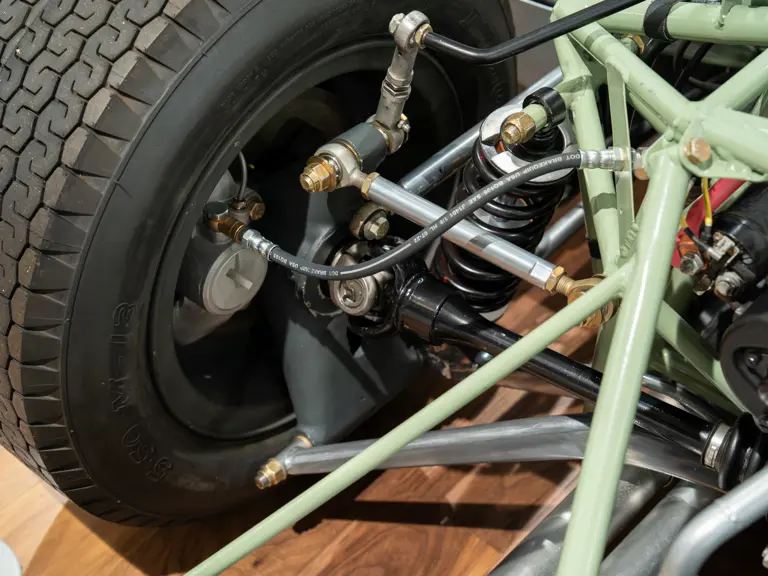
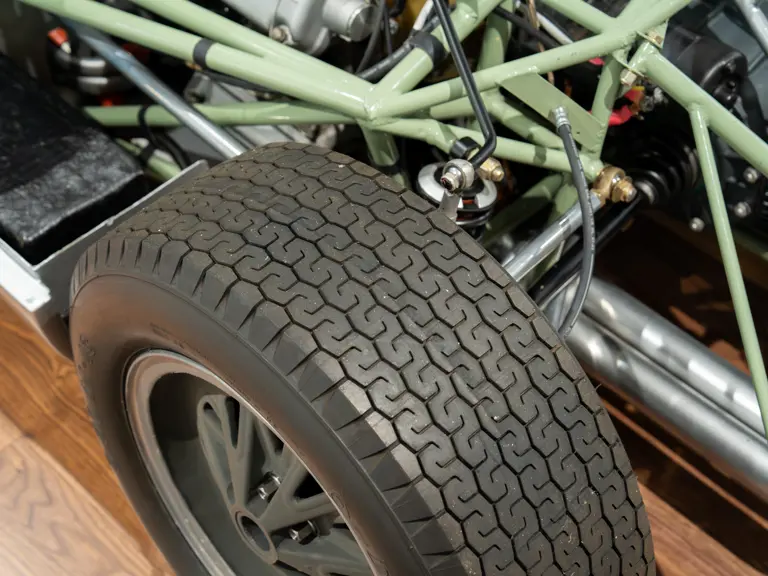
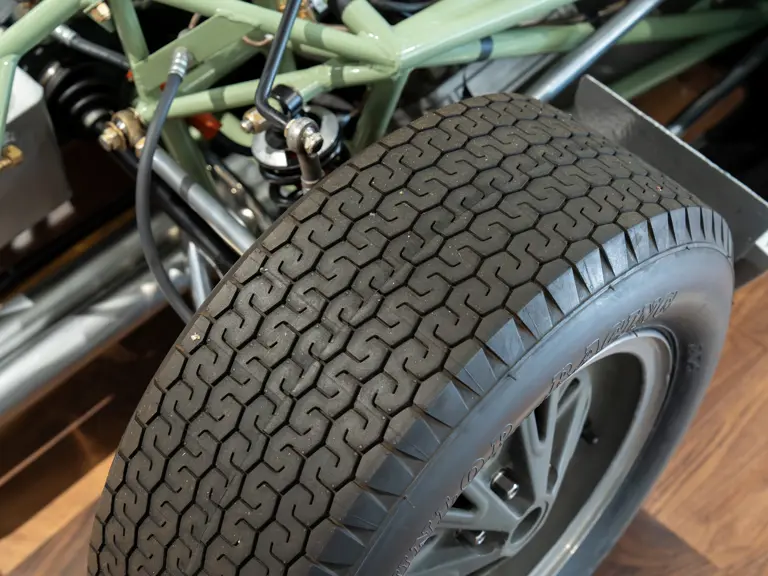
The car was purchased by its current caretaker in 2012, retaining its numbers-matching four-cam engine and a correct-type 718 gearbox (number 718030). He soon gave Dave Helms of Scuderia Rampante in Erie, Colorado, a mandate to, simply, “get the car back to what it would be like when it was racing in 1964.” A five-year restoration that cost in excess of $250,000 commenced, bringing it to an event-ready state of preparation. As documented by photos on file, this covered the teardown and rebuild of all mechanical components except for the engine, which was inspected and determined to be in proper running condition. The previous silver paintwork was also left intact; appealing in its current color, it could also be refinished yellow to return it to its period-correct Scuderia Tin Can livery.
A fascinating and significant piece of motorsport history, this special Mk VII S is a wonderful demonstration of Elva’s skill as a constructor and Porsche’s mechanical mastery—all in a shapely package that is sure to command respect on any number of vintage racing circuits worldwide.
| Date | Event | Driver | Entrant | Race # | Result |
|---|---|---|---|---|---|
| 29 February 1964 | USRRC Augusta | Chuck Dietrich | 76 | DNF | |
| 5 April 1964 | USRRC Pensacola | Chuck Dietrich | 76 | DNF | |
| 26 April 1964 | USRRC Riverside GP | Chuck Dietrich | 176 | DNF | |
| 3 May 1964 | USRRC Laguna Seca GP | Chuck Dietrich | 76 | 4th in Class, 9th OA | |
| 9 May 1964 | USRRC Pacific Raceway | Chuck Dietrich | 76 | 2nd in Class, 6th OA | |
| 28 June 1964 | USRRC Watkins Glen GP | Don Wester | 76 | 2nd in Class, 6th OA | |
| 19 July 1964 | USRRC Greenwood GT | Don Wester | 76 | DNF | |
| 13 September 1964 | USRRC Road America 500 Miles | John Cannon/Charlie Hayes | 76 | 3rd in Class, 7th OA |
 | Monterey, California