
Chassis No.
029
$1,000,000 - $1,400,000 USD | Not Sold
{{bidding.lot.reserveStatusFormatted}}
By the mid-to-late 1980s, Jaguar had firmly re-established itself as a force to be reckoned with in the top echelon of motorsport. Jaguar formed a partnership with Tom Walkinshaw Racing, called JaguarSport, in 1986; its objective was to compete, and win, in the same World Sportscar Championship (WSC) where Jaguar had built its racing legacy with its C-Type and D-Type racers.
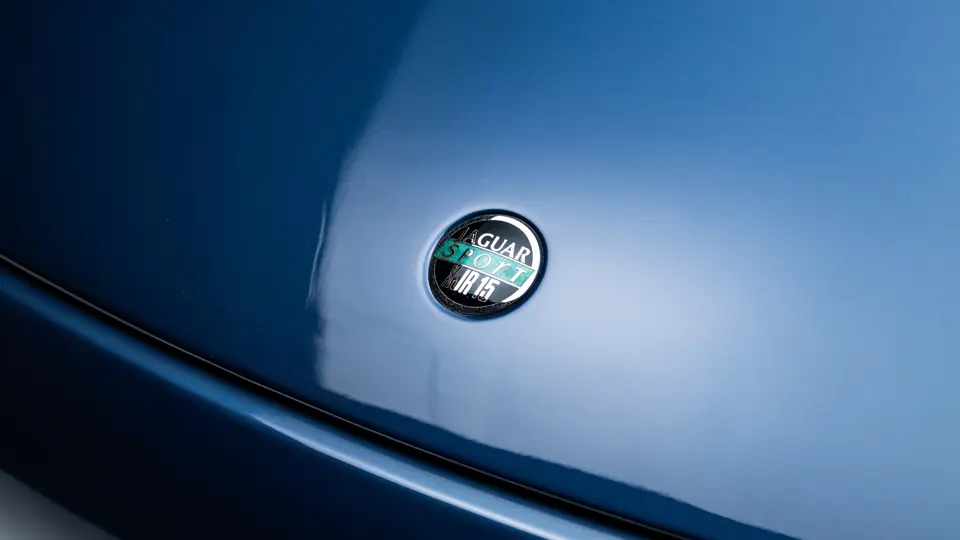
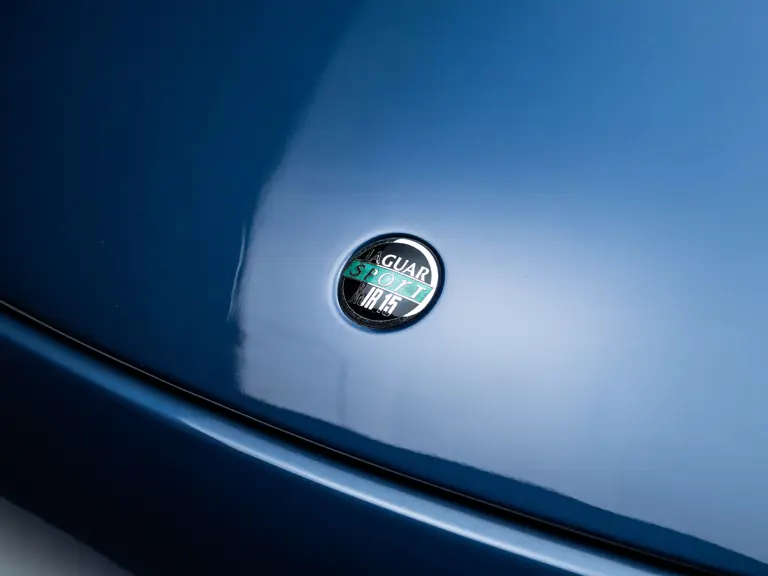
Jaguar honed the performance credentials of its XJR prototype racecar platform through various model iterations. This culminated with the XJR-9 and XJR-12, which won the 1988 and 1990 editions of the 24 Hours of Le Mans. This monumental success on the track would form the building blocks for what followed from Jaguar. Demand for a roadgoing version of the XJR-9 was apparent, and so the thundering, ground-breaking XJR-15 was birthed with development by JaguarSport.
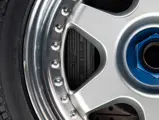
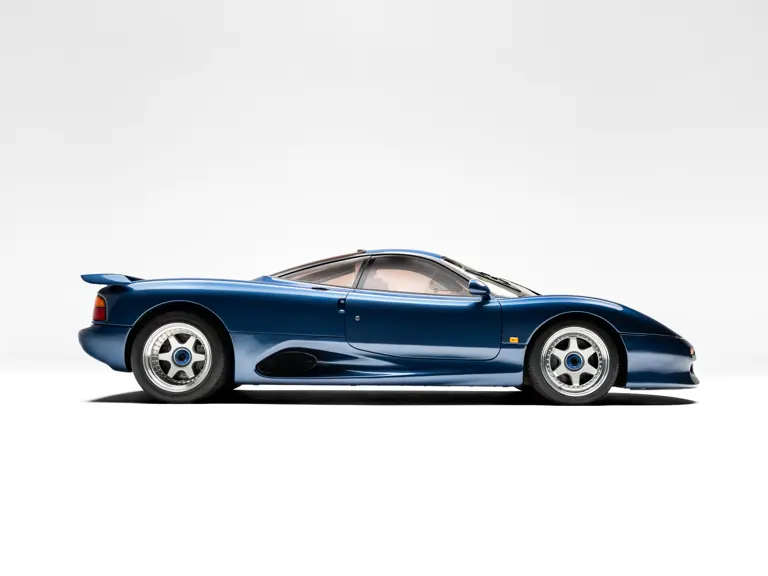
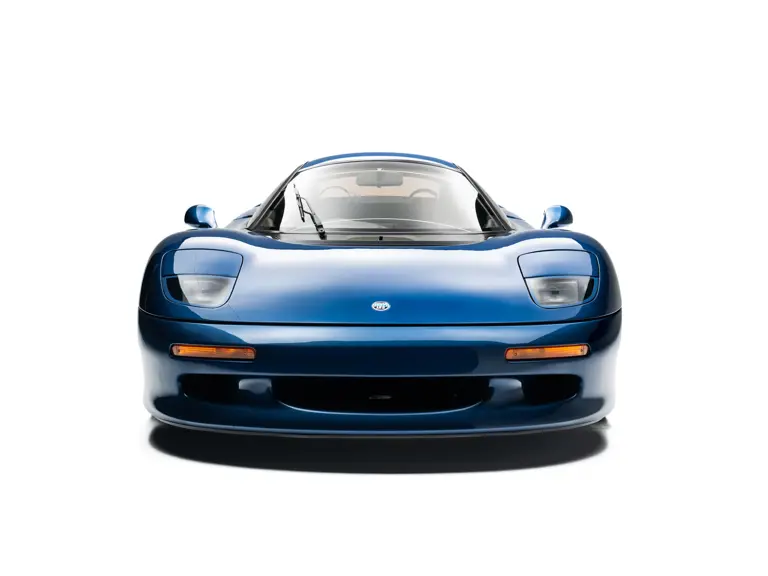
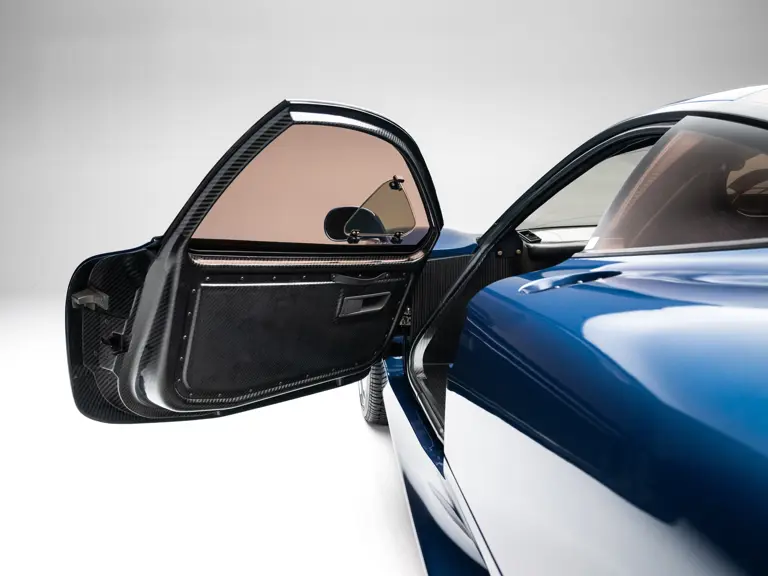
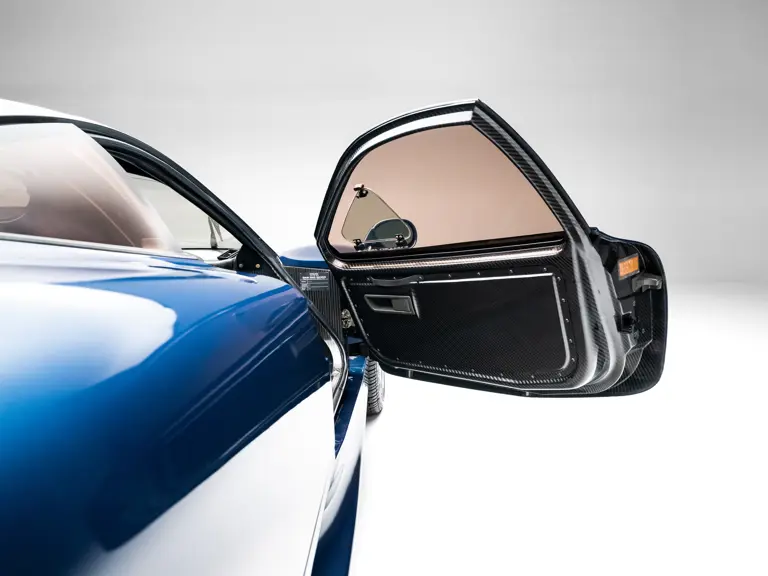
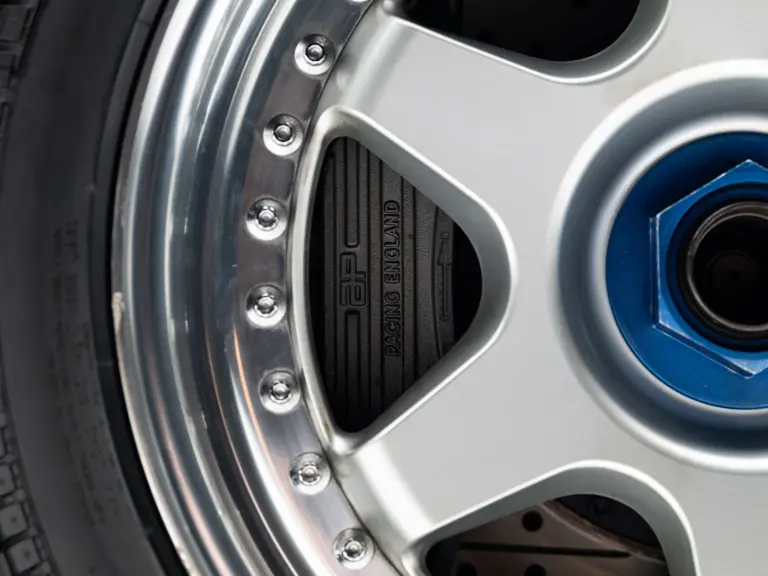
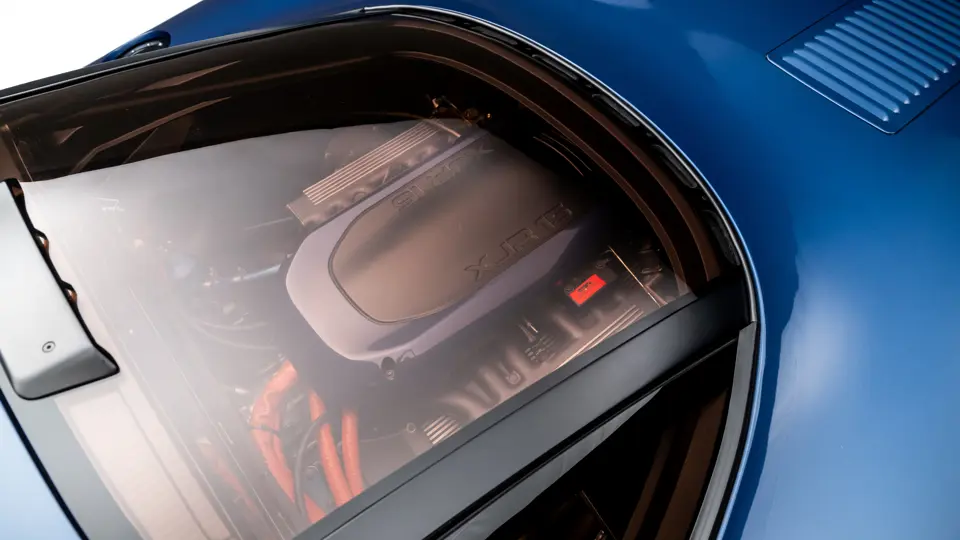
Employing a heavily tuned 6-liter, 450-horsepower version of the same V-12 engine that brought Jaguar its recent victories, and with an approximately 2,300-pound curb weight, the XJR-15 possessed a race-bred power-to-weight ratio that outclassed all supercars of the era. However, the comparisons to the XJR-9 did not end there. The XJR-15 used a central monocoque chassis tub similar in concept to that of the Tony Southgate-designed, Le Mans-winning XJR-9, although this new tub, designed Jim Router and Dave Fullerton, differed somewhat in its dimensions. The body was designed by Peter Stevens, who was also responsible for the McLaren F1, and was constructed with a unique carbon fiber and Kevlar composite. Notably, this was the world’s first roadgoing car to use carbon fiber in the construction of its body and tub. The XJR-9 suspension was retained at all four wheels, with fabricated wishbones and horizontal pushrod-spring dampers at the front and coil springs at the rear. Four-piston AP Racing calipers mated to disc brakes housed completely within the wheels provided stopping power.
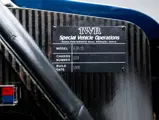
After undergoing development tests through 1990, the car was officially launched in November of that year, built by JaguarSport in a specialized facility in Oxfordshire. In a production run that would last until 1992, JaguarSport would build 50 production examples of the XJR-15. Of these, only 27 of those would leave the factory in roadgoing specification, while the others followed directly in the lineage of the preceding XJR racecars and were built especially for the track.
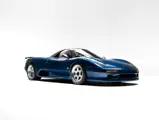
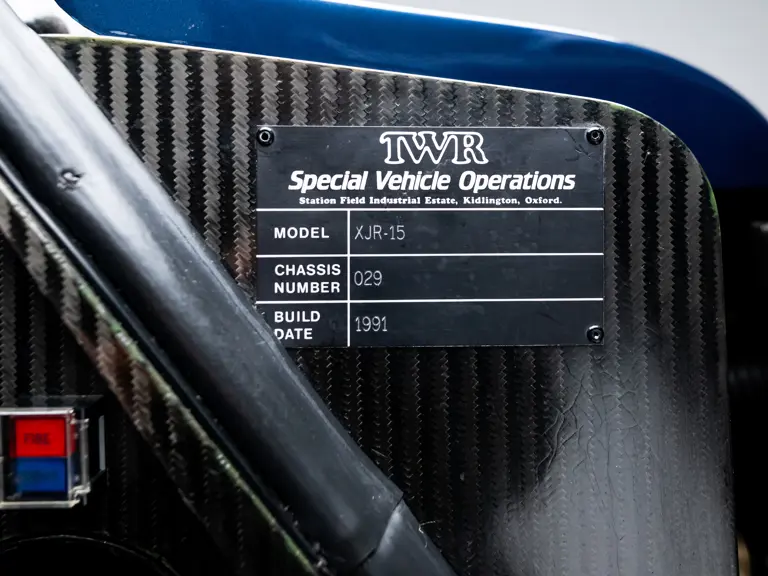
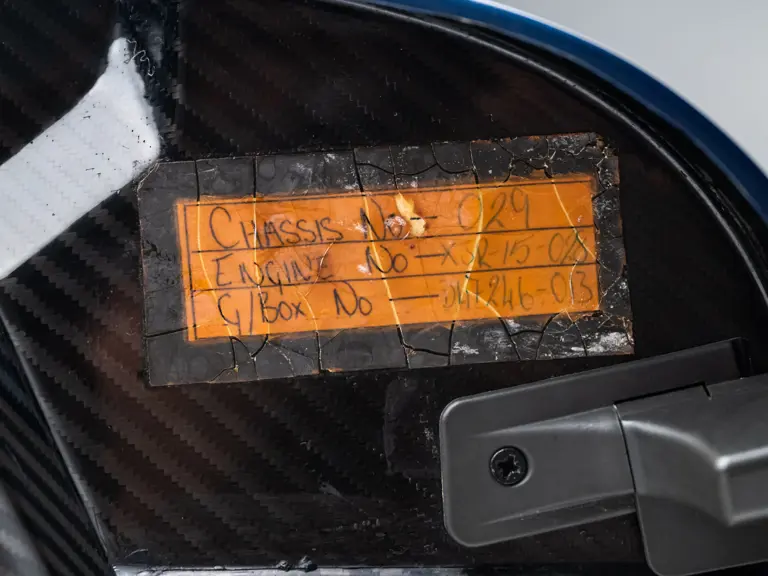
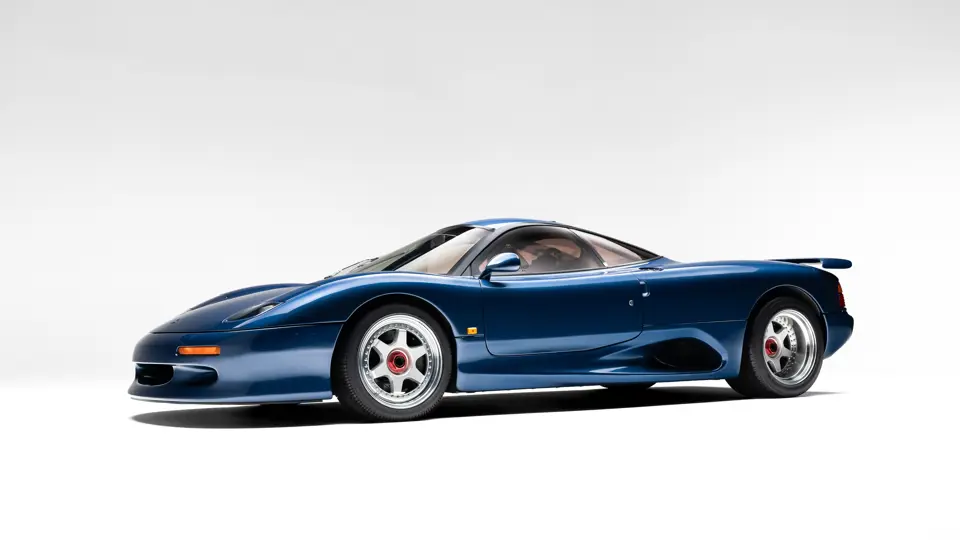
This car, chassis 029, is one of that exclusive set of roadgoing cars. Completed on 8 August 1991, it was delivered new to a collector in Singapore. There, it was stabled in a climate-controlled facility alongside several other examples of the XJR-15; carefully preserved, it was rarely driven. By the time he decided to part ways with the car in 2015 after which it departed for Australia, it had accrued fewer than 150 miles—largely delivery mileage, plus extremely limited road use needed for maintenance purposes. In fact, the car has never been registered, and it remains offered on bill of sale today. In 2017, the car arrived in the United States, joining the collection of the present consignor.
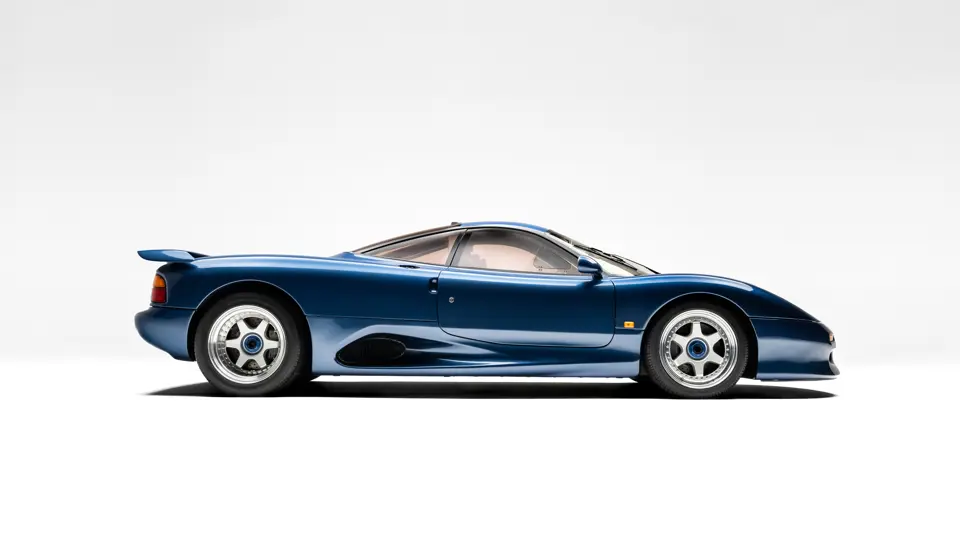
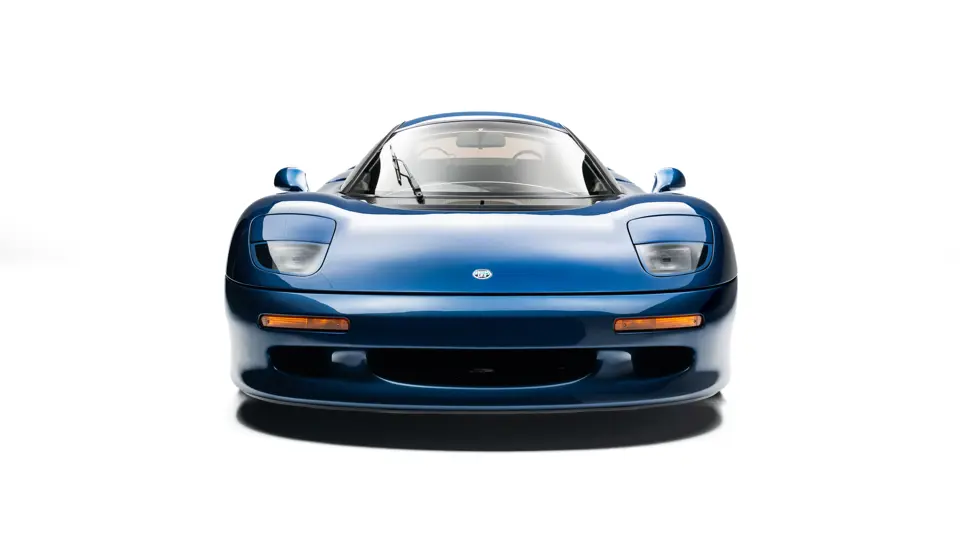
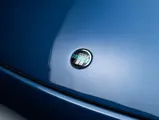
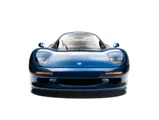
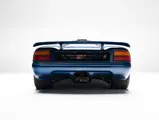
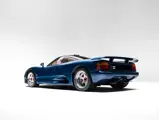
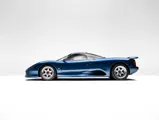
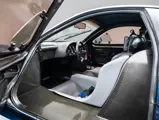
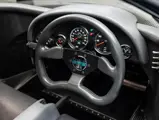
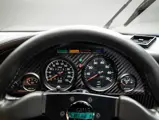
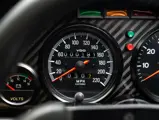
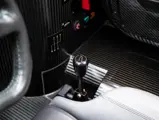
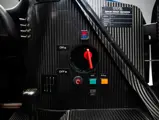
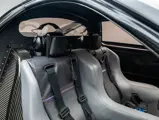
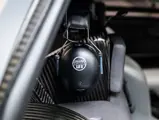
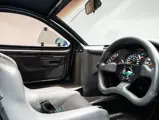
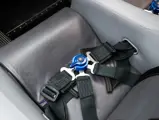
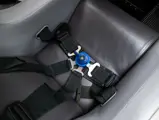
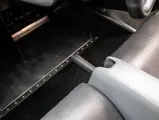
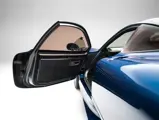
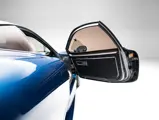
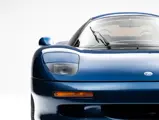
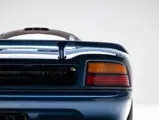
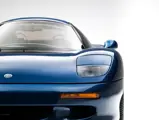
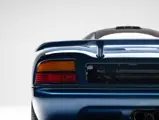
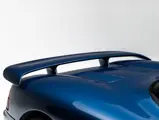
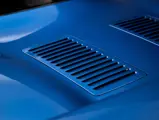
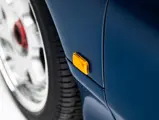
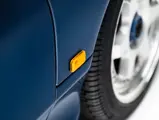
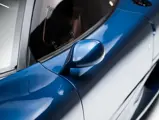
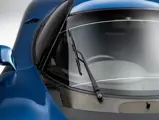
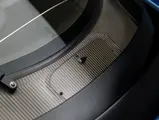
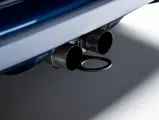
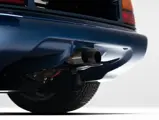
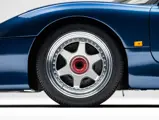
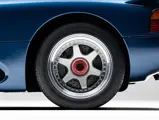
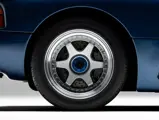
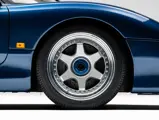
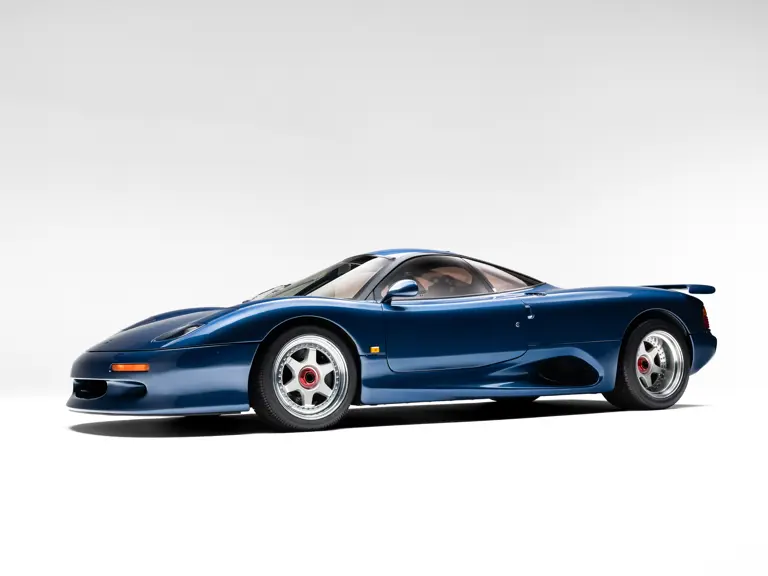
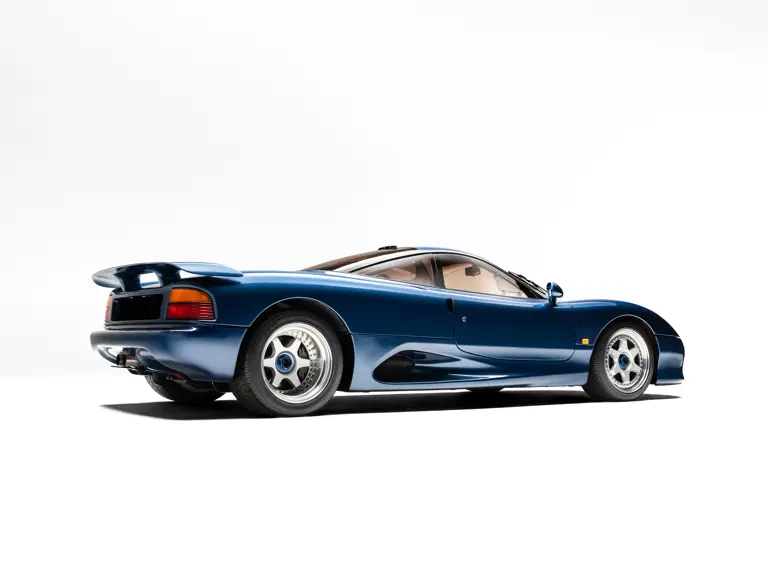
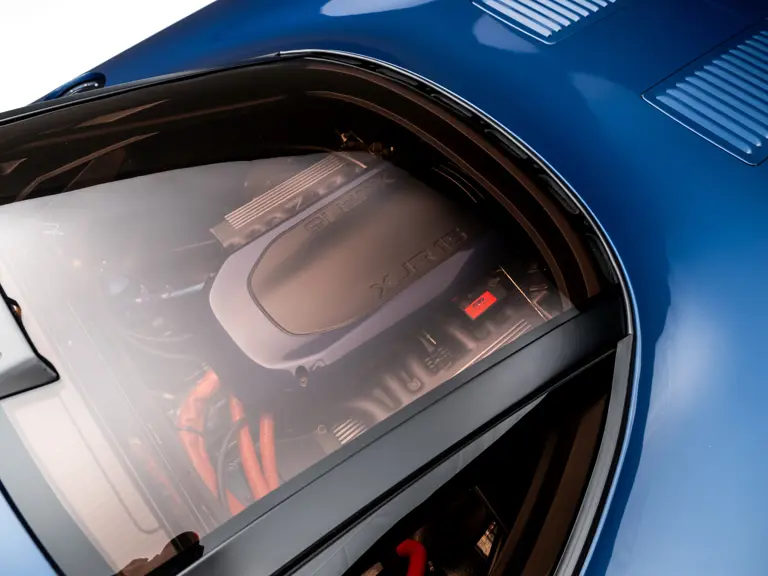
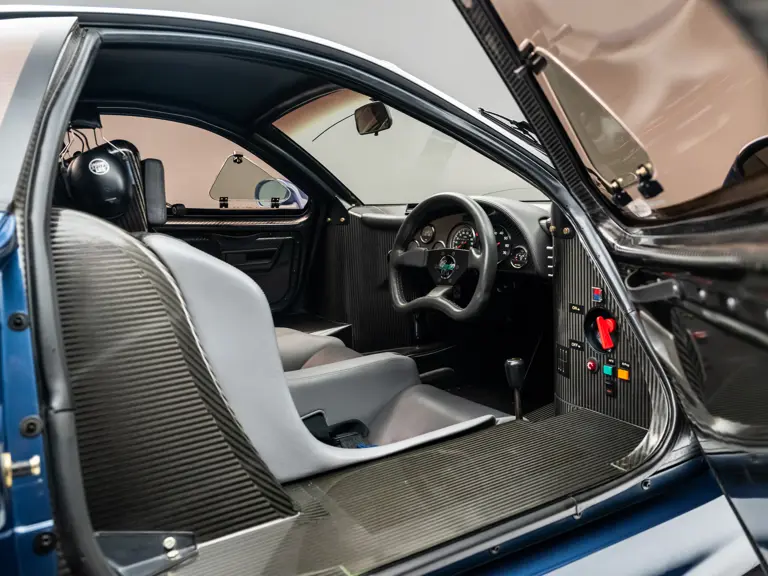
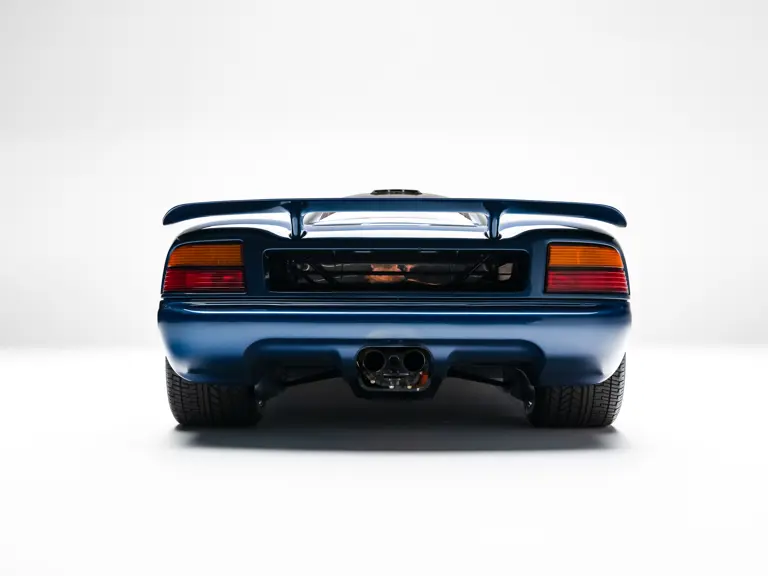
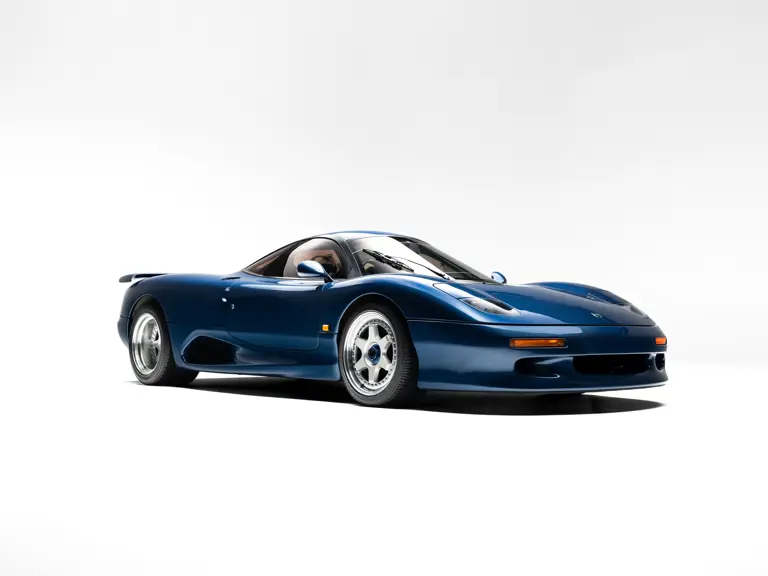
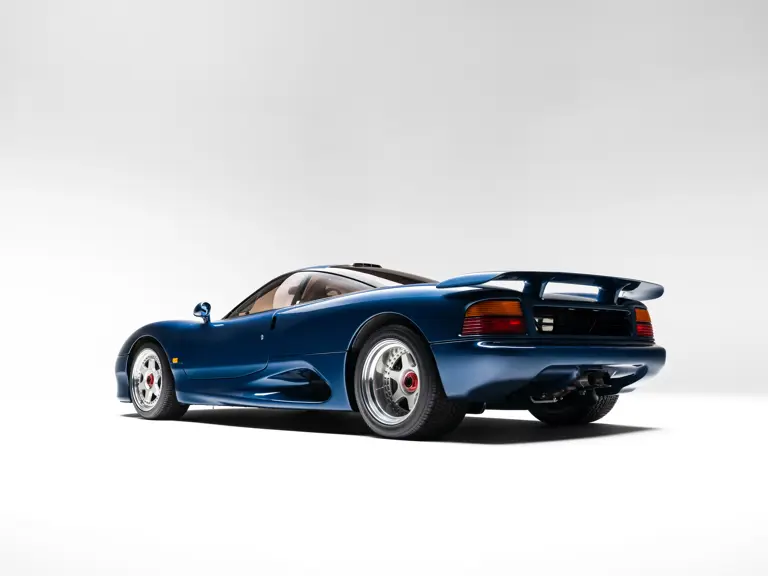
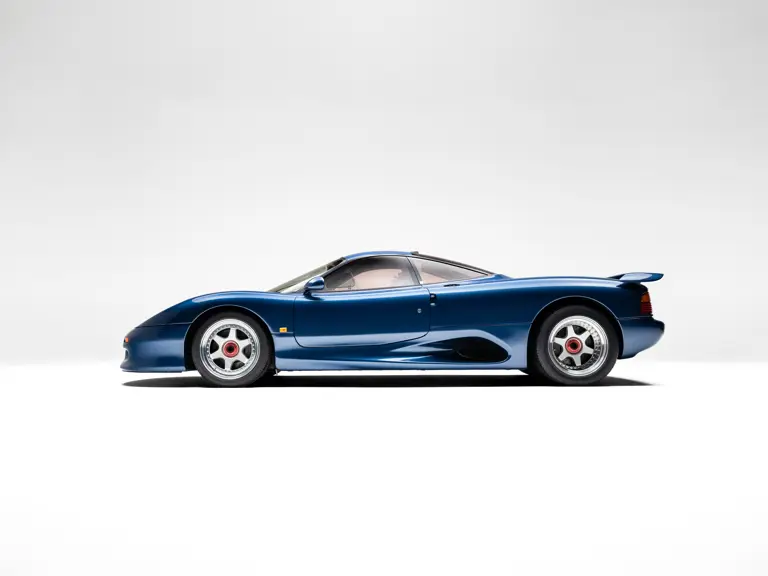
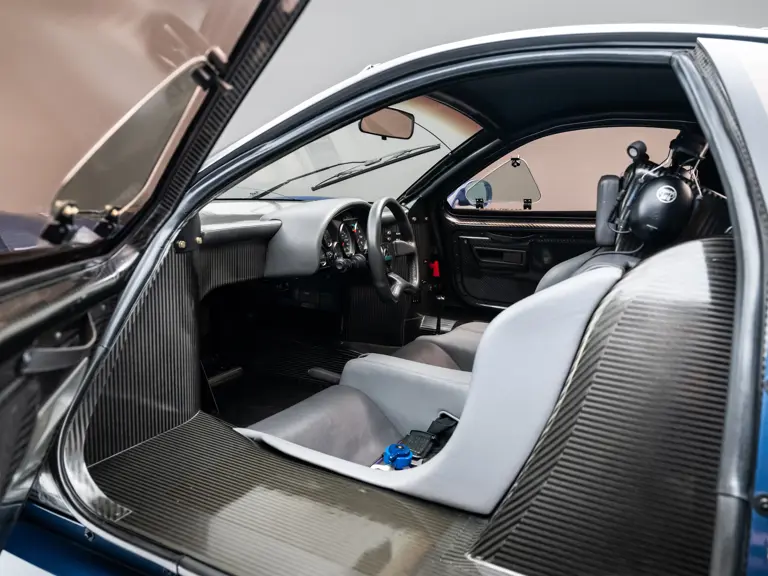
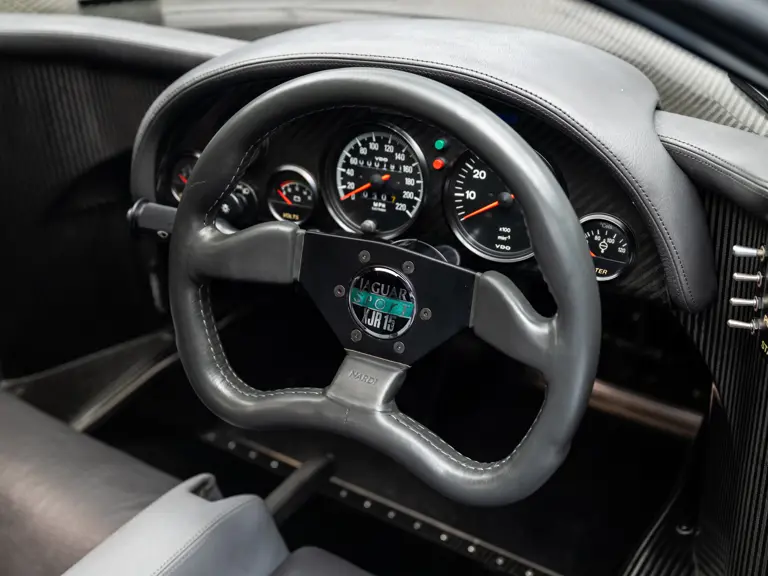
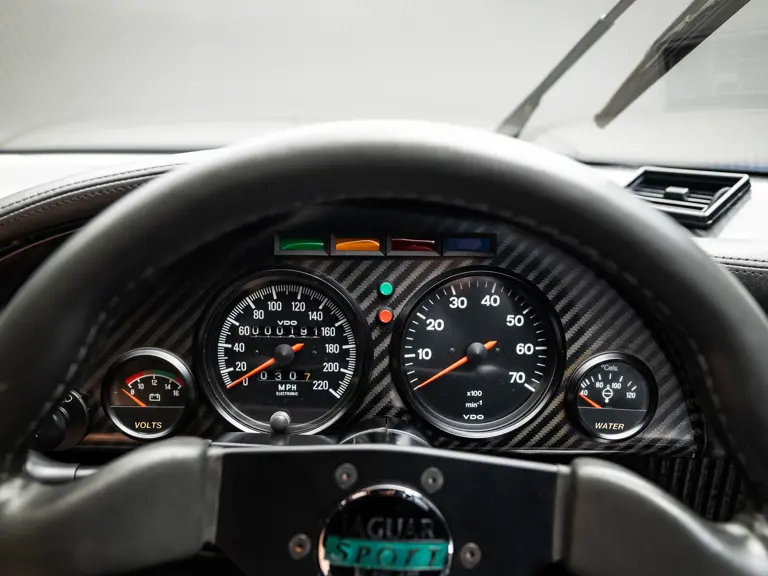
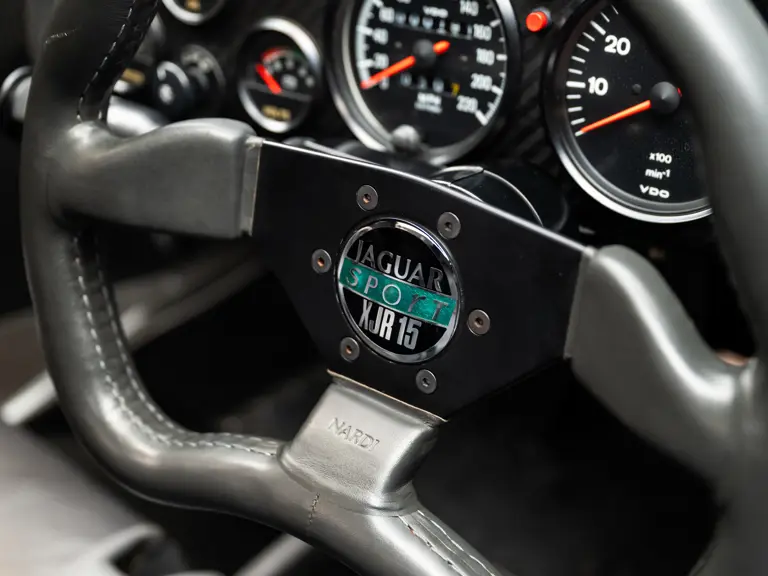
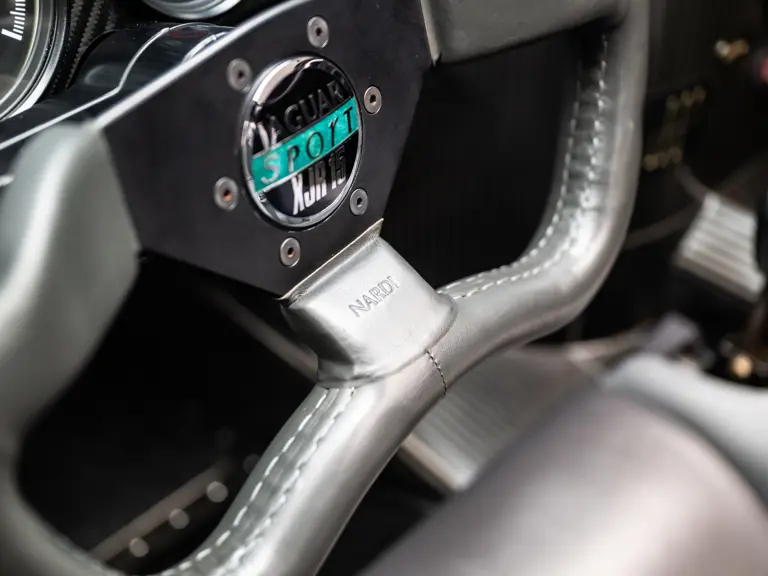
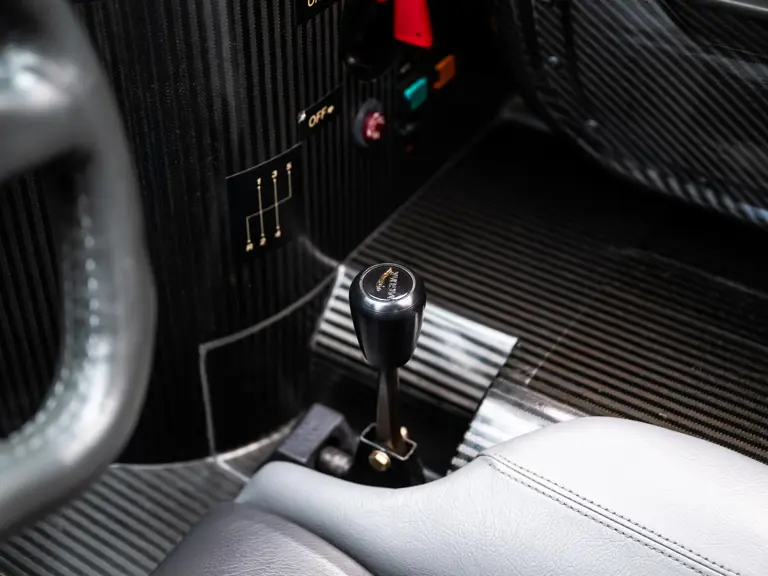
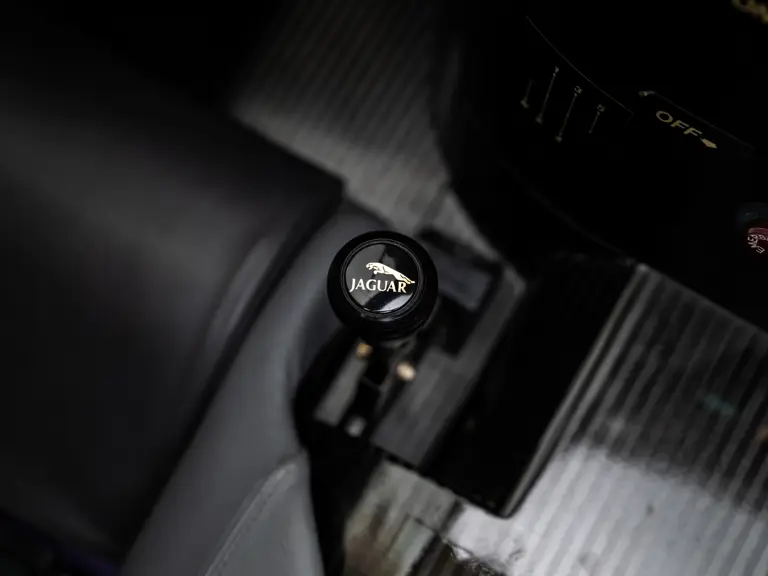
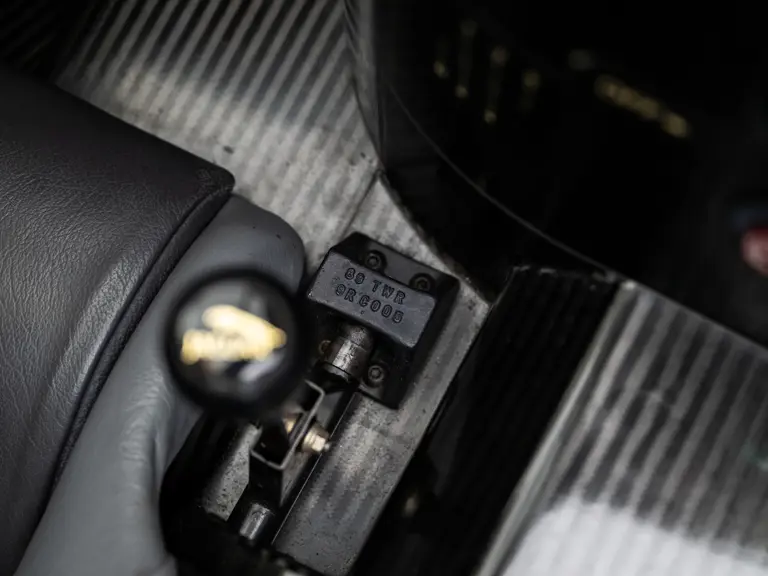
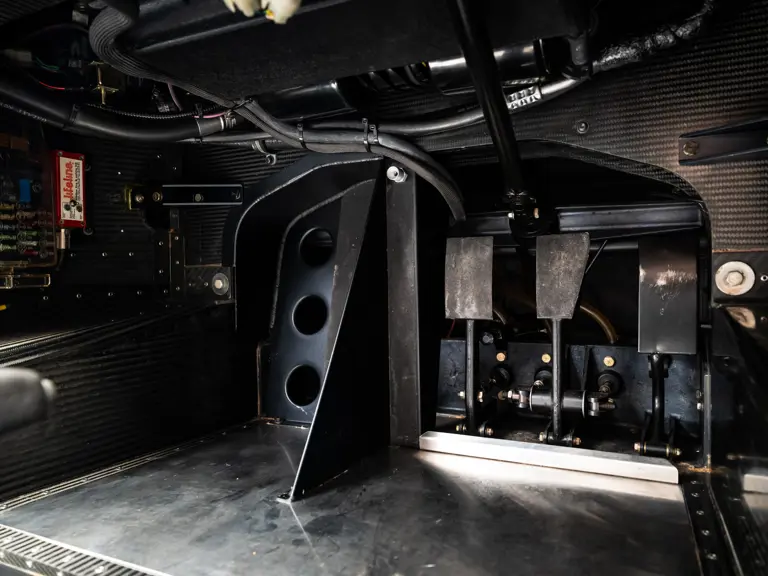
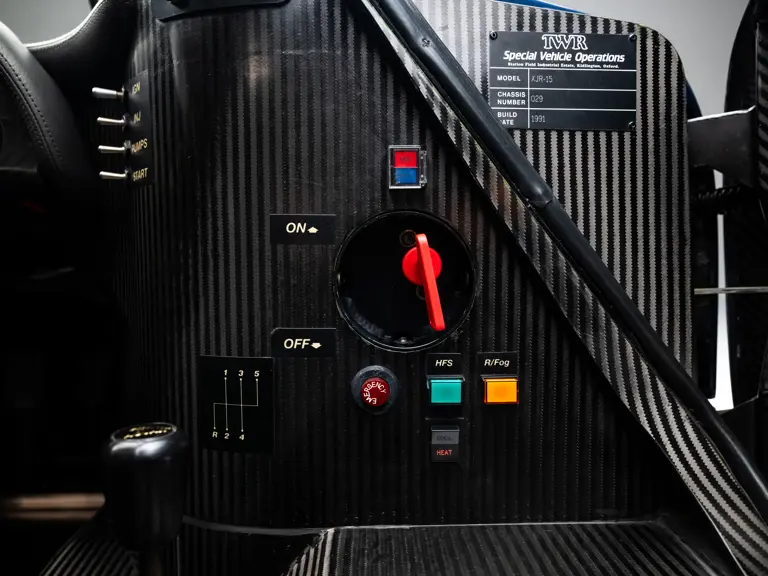
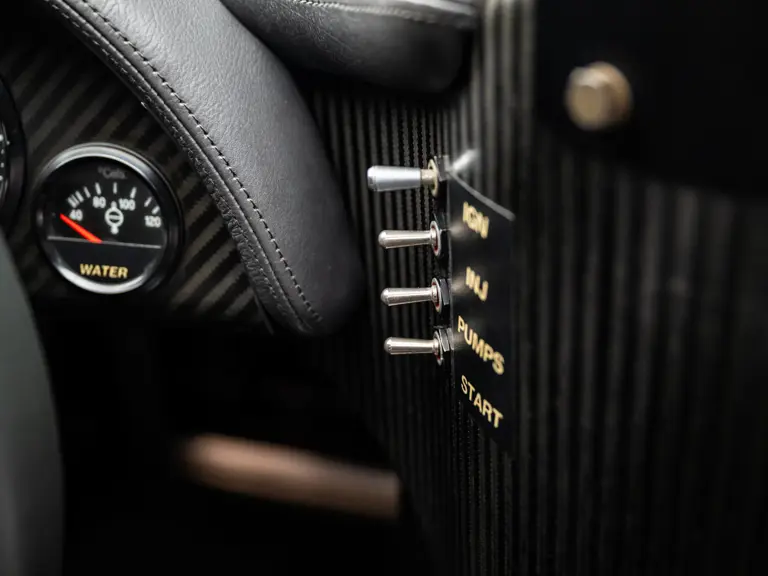
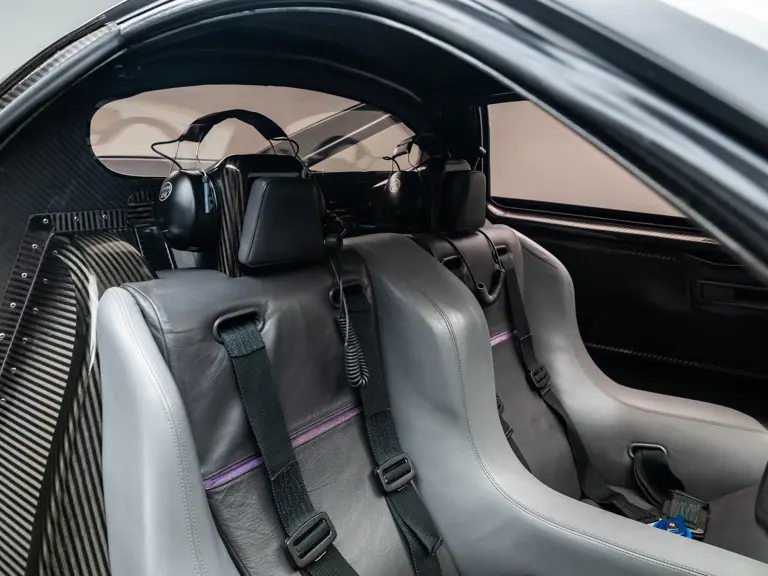
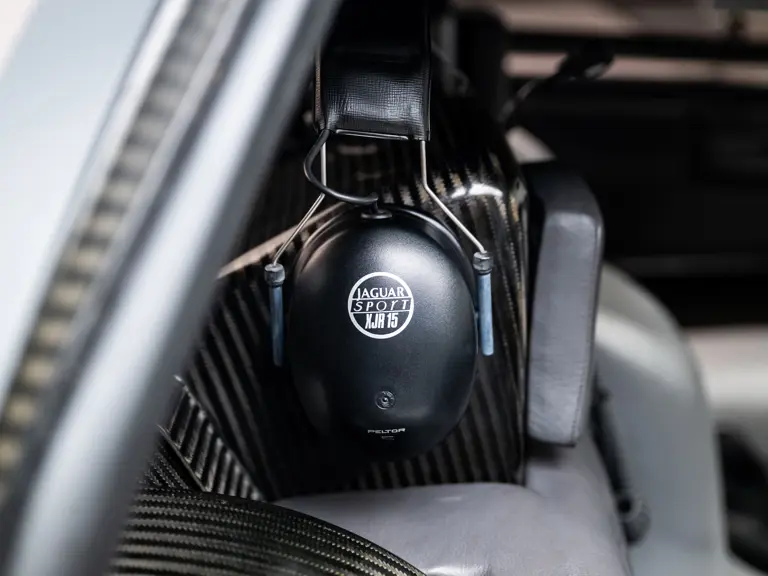
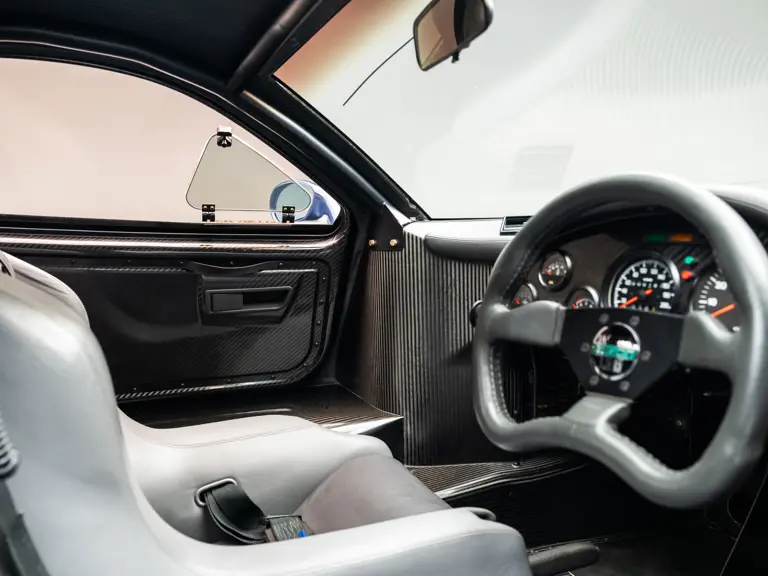
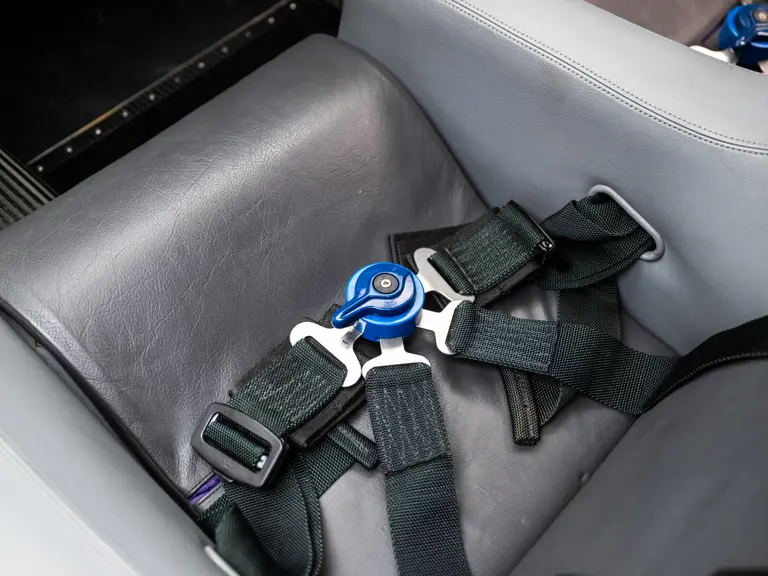
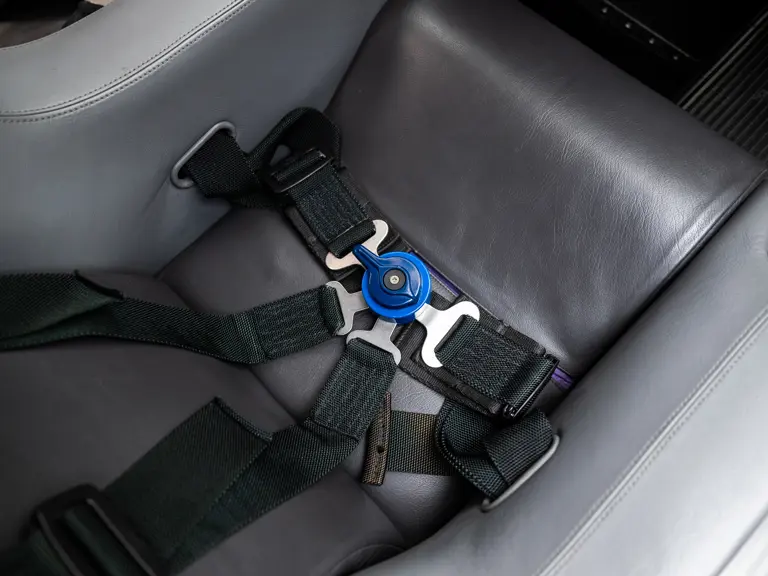
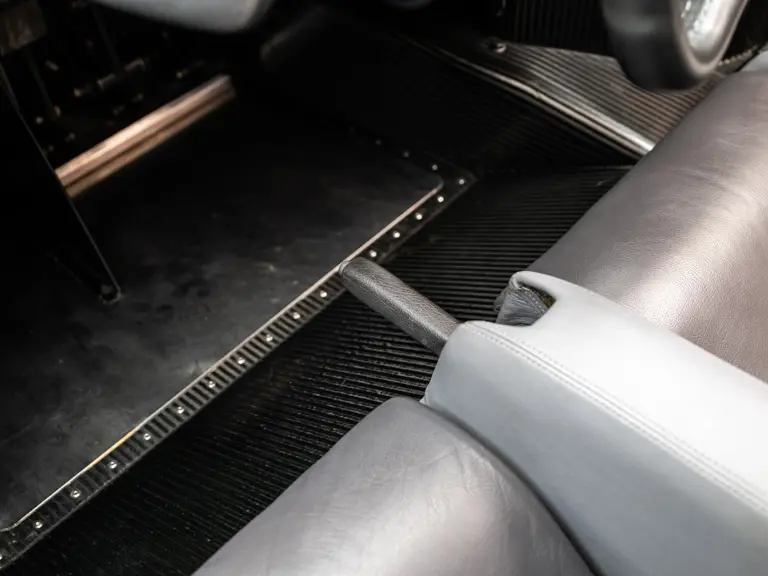
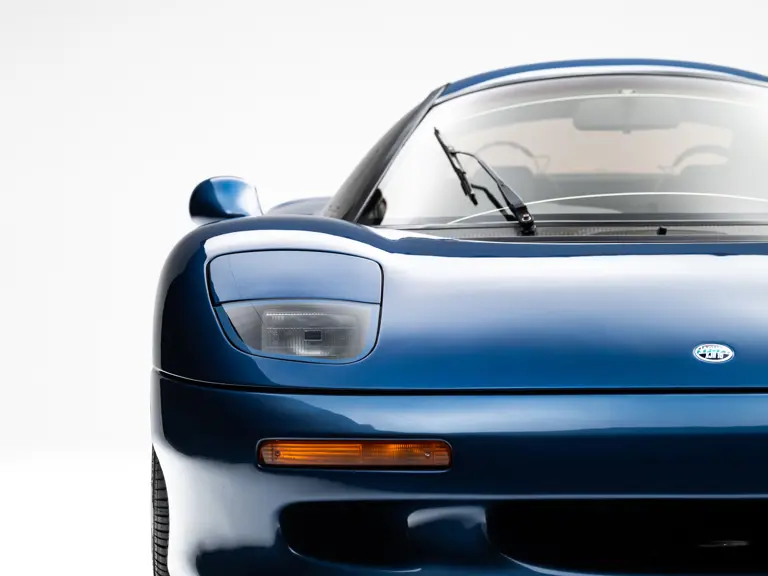
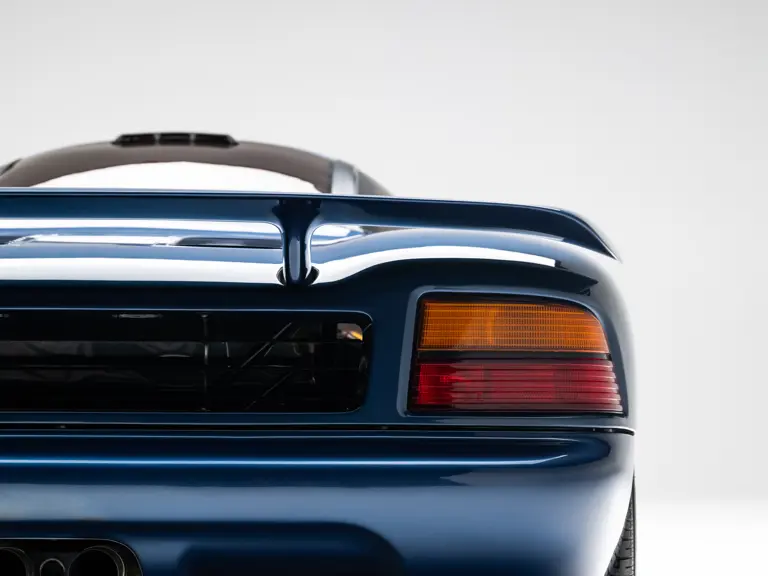
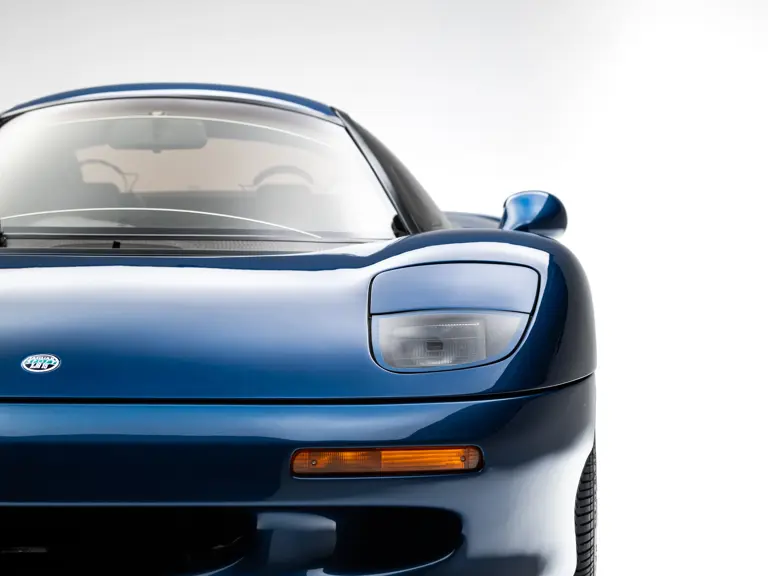
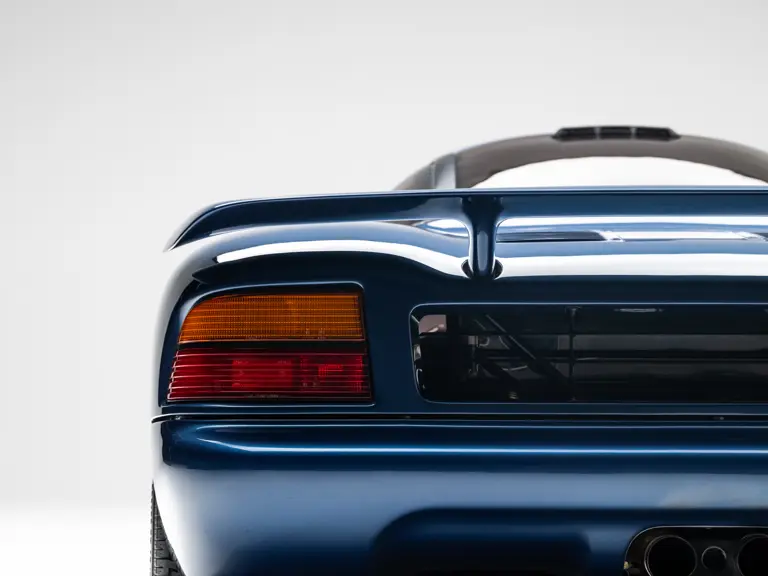
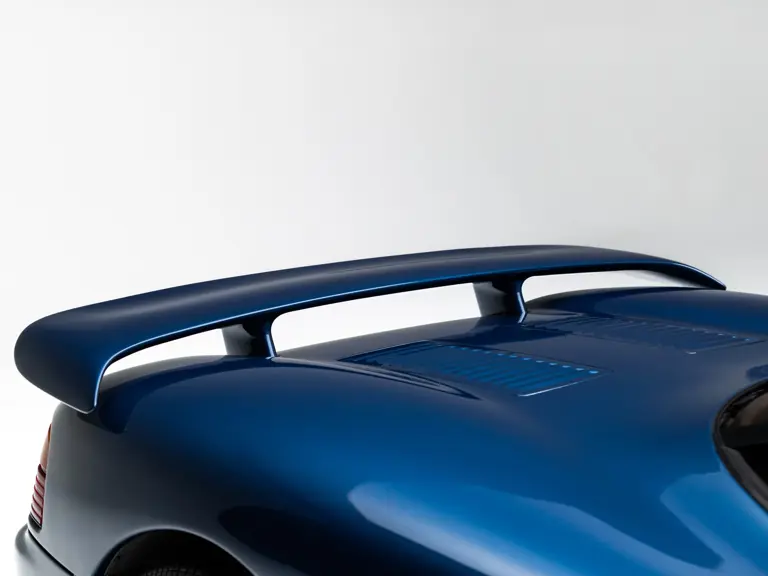
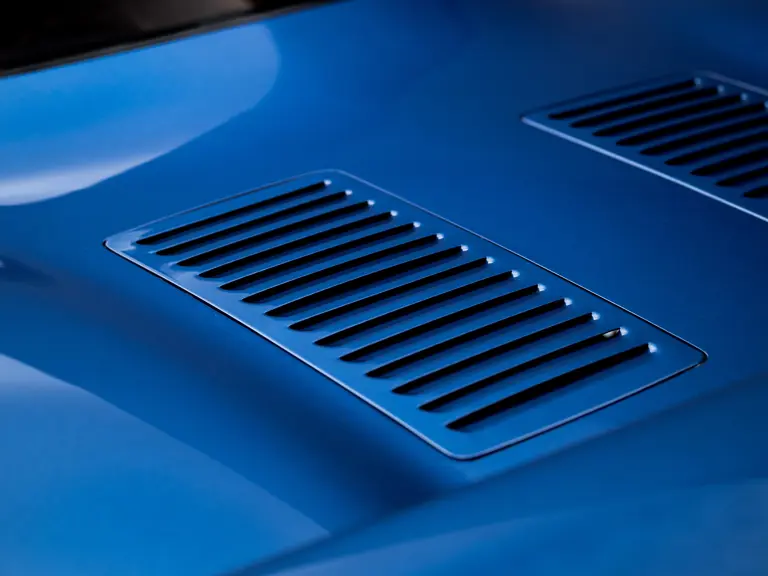
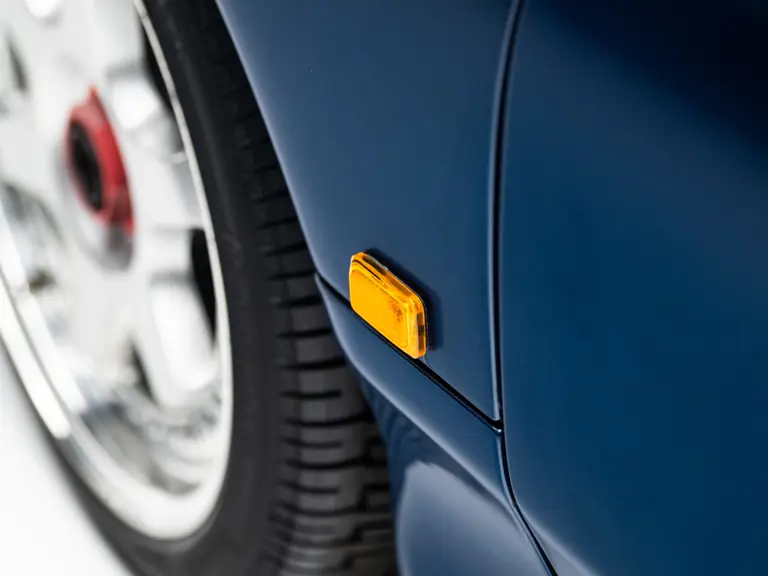
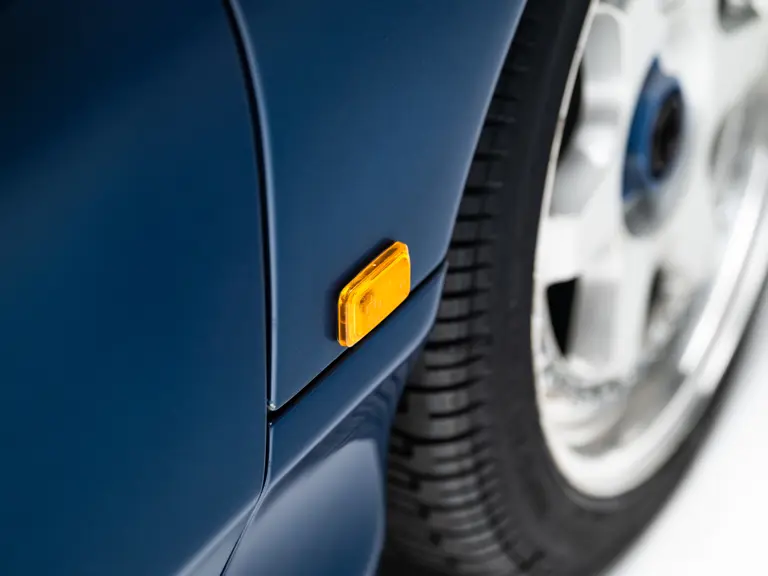
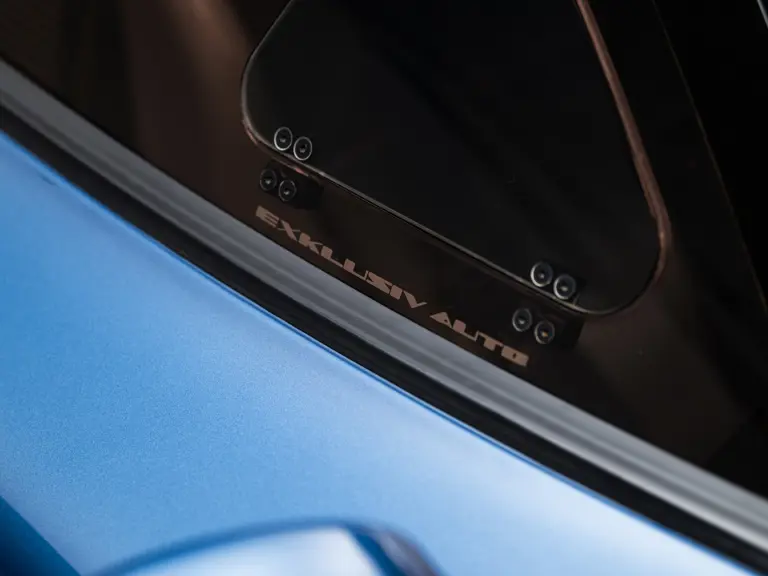
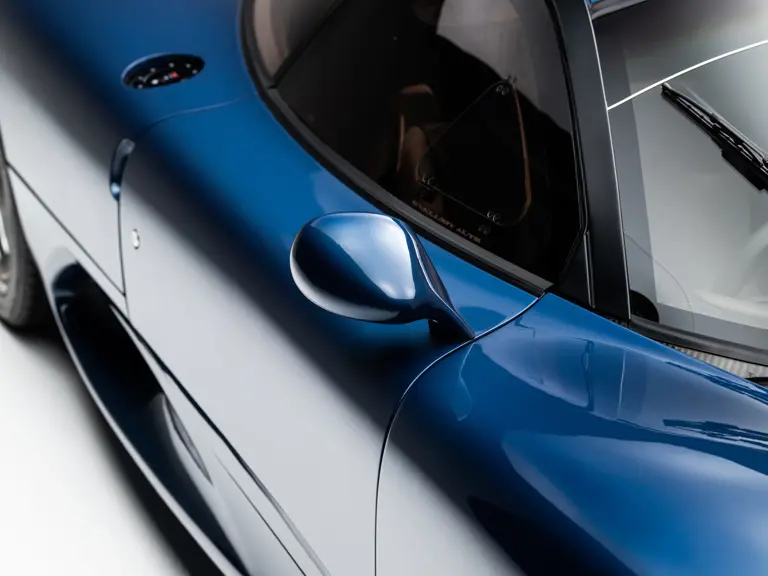
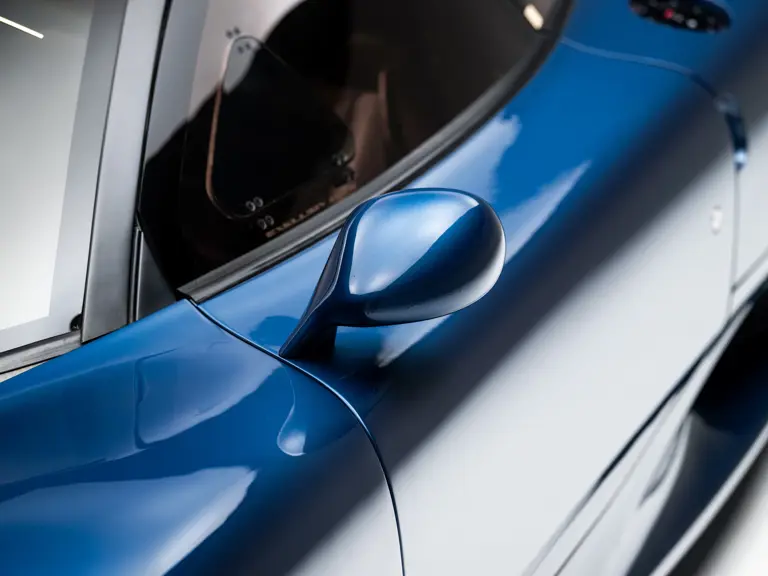
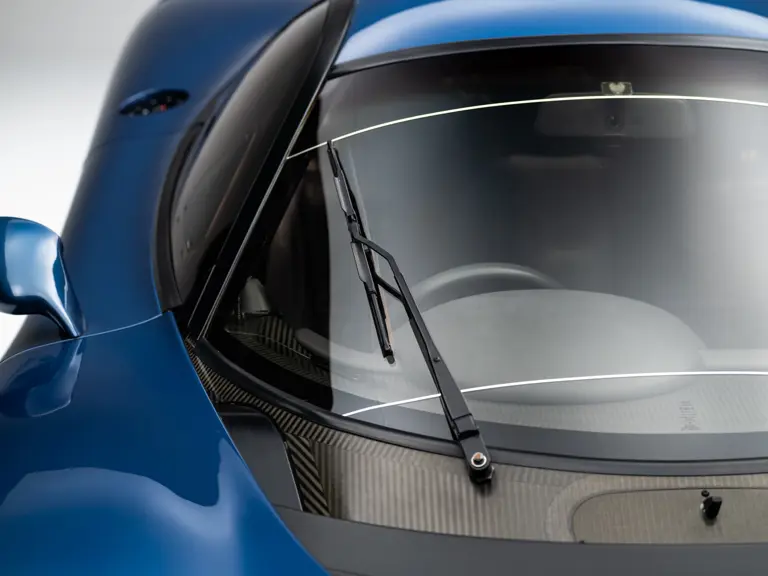
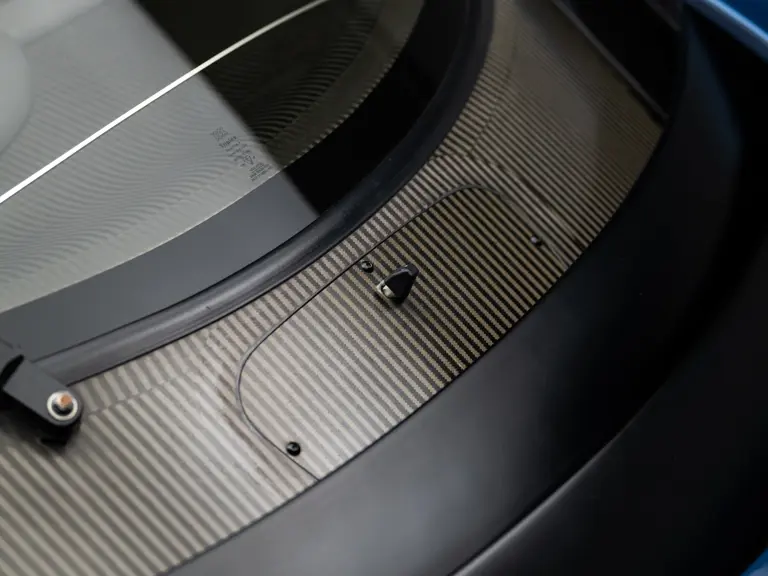
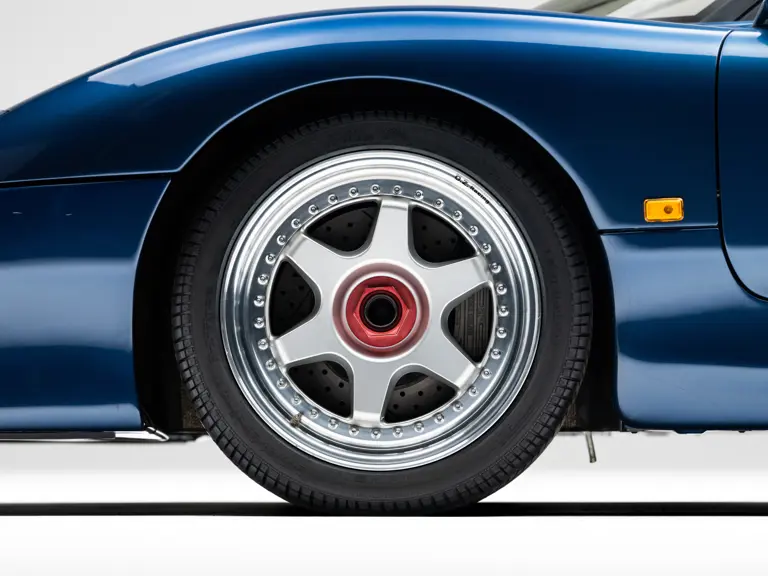
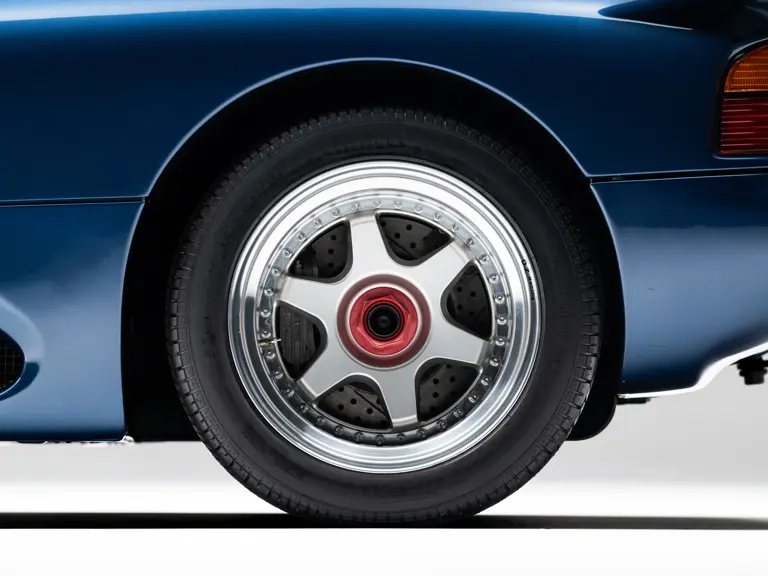
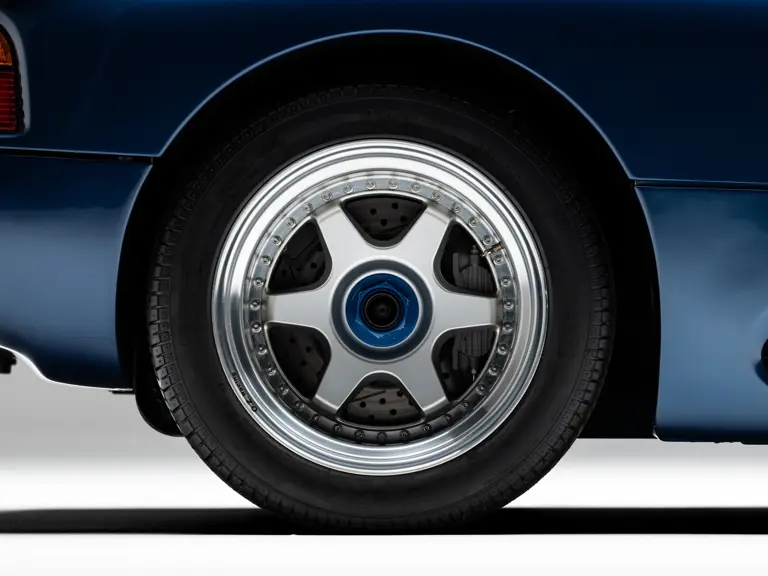
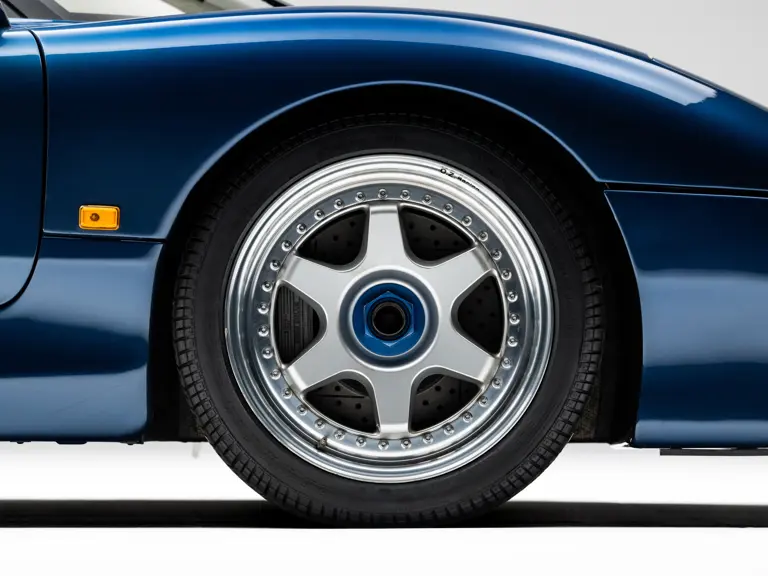
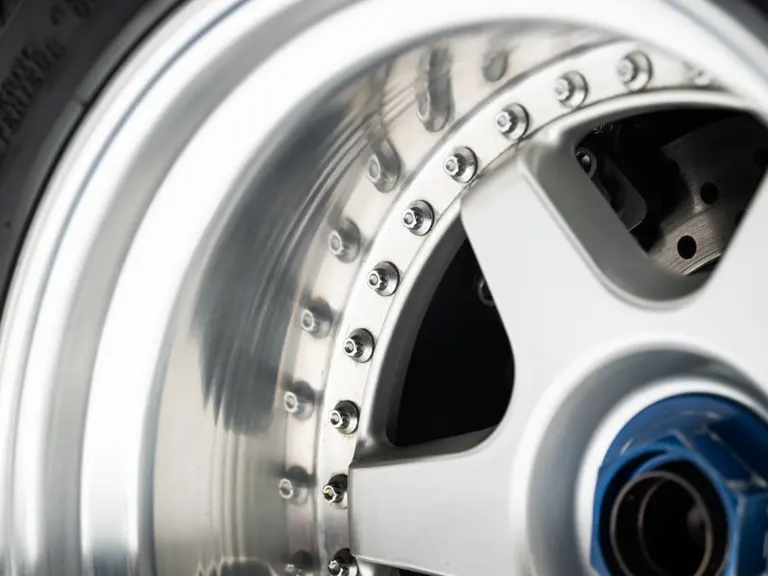
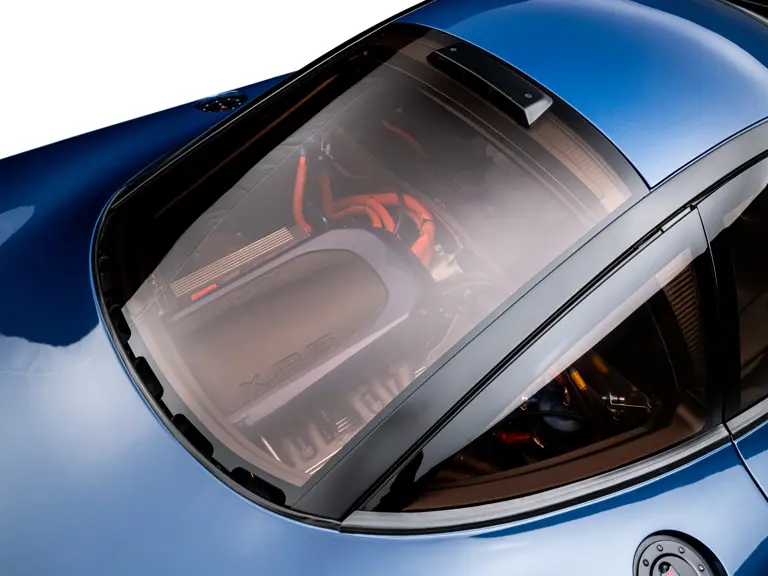
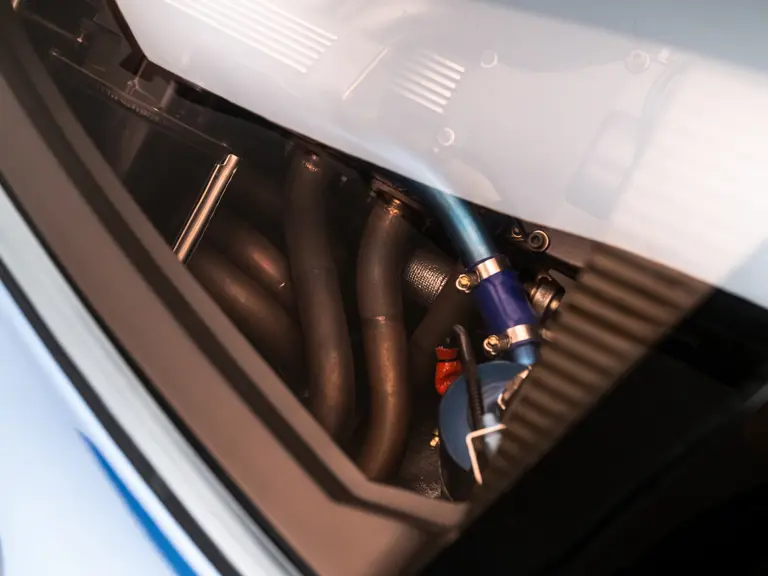
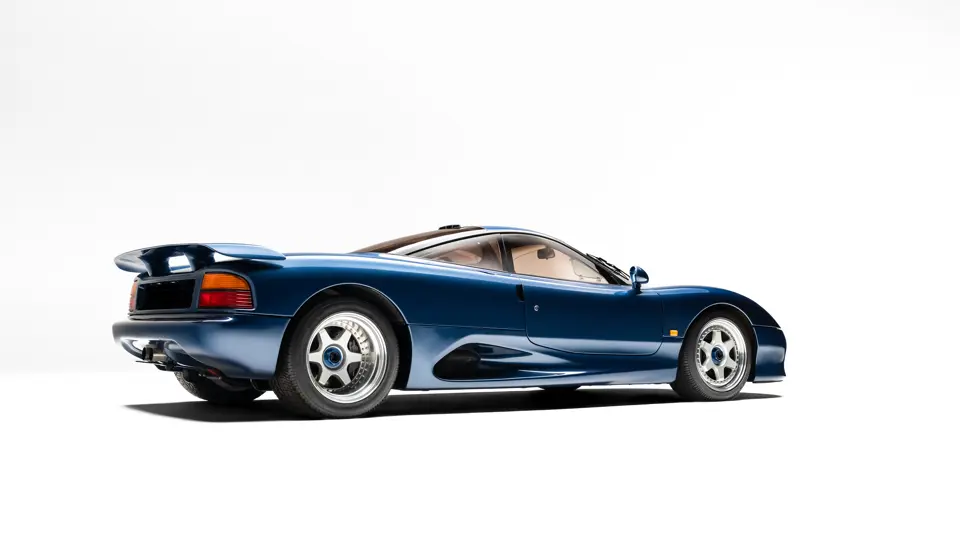
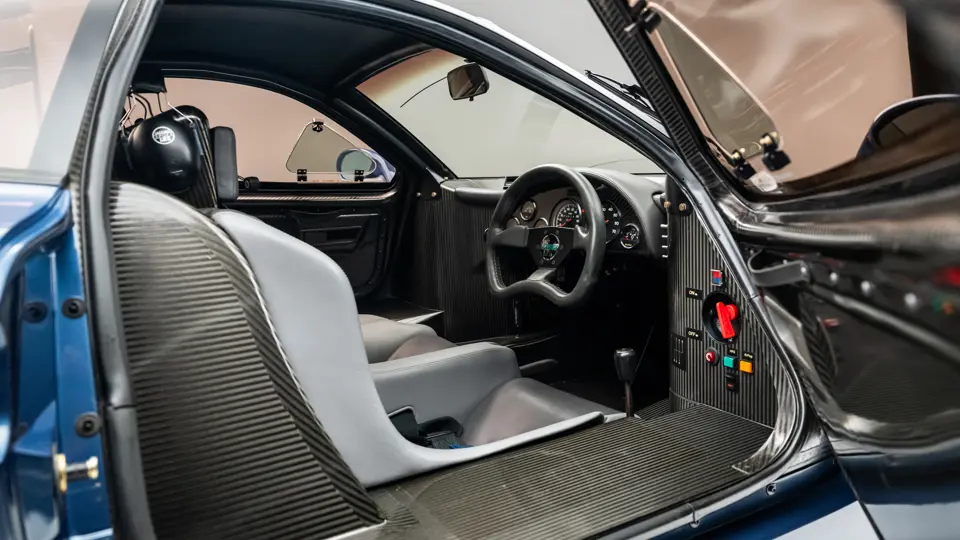
With its carbon weave structure visible even through the paint, in addition to its clear engine cover and three-piece OZ racing wheels, the exterior delights the senses and hints at the car’s astounding performance. Inside, leather racing seats cradle the driver and passenger, with hardwired headsets for easy conversation when cruising in the triple digits. The bare, black-and-silver striped carbon fiber tub is exposed throughout the cabin, with the material framing the gauges and Nardi racing steering wheel and highlighting the unique shifter mounted up against the inner door sill. It is accompanied by delivery materials, period press information and enthusiast literature, a wheel nut, fire extinguishers, and even JaguarSport-branded ear protection for driver and passenger.
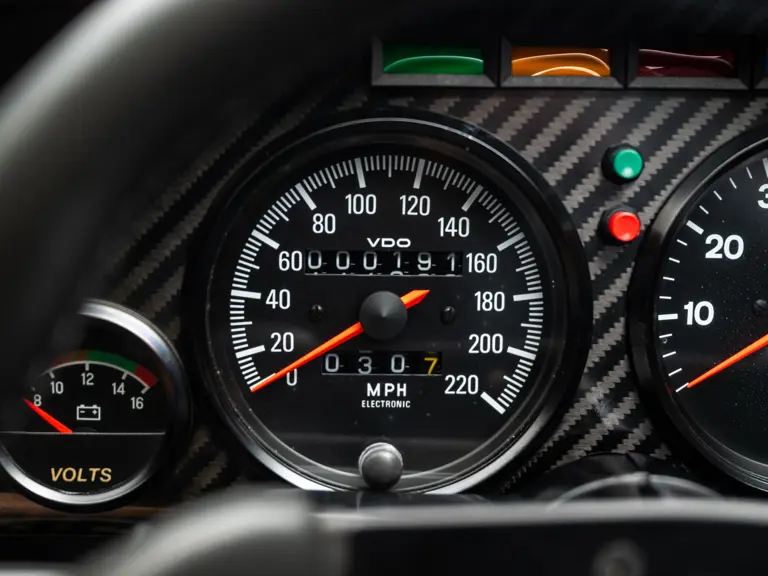
Still in remarkably original condition throughout, chassis 029 displays just 191 miles at time of cataloguing. Suitable for continued preservation, it could also be prepared for road use, taking full advantage of the unobtrusive upgrades and modifications that have been developed by model experts in the decades that have followed the XJR-15’s introduction. Please contact an RM Sotheby’s specialist for further information and details.
As a rare, road-ready counterpart to the car that returned Jaguar to the top of the racing world, and displaying just 191 miles at cataloguing, this meticulously maintained XJR-15 certainly ranks among the finest available and is sure to make a treasured addition of any collection.
 | Monterey, California