Chassis No.
9140430705
$900,000 - $1,100,000 USD | Not Sold
Offered From The Jim Edwards Collection
{{bidding.lot.reserveStatusFormatted}}
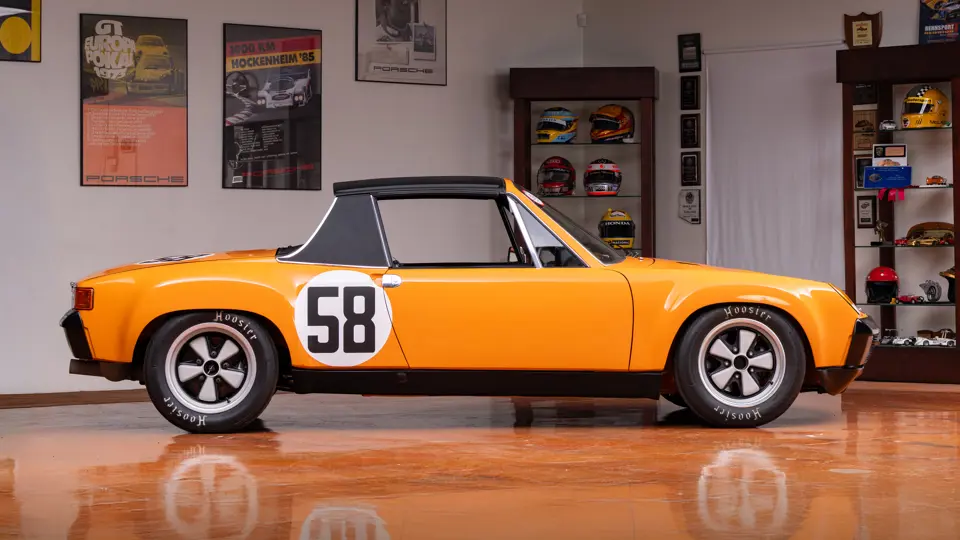
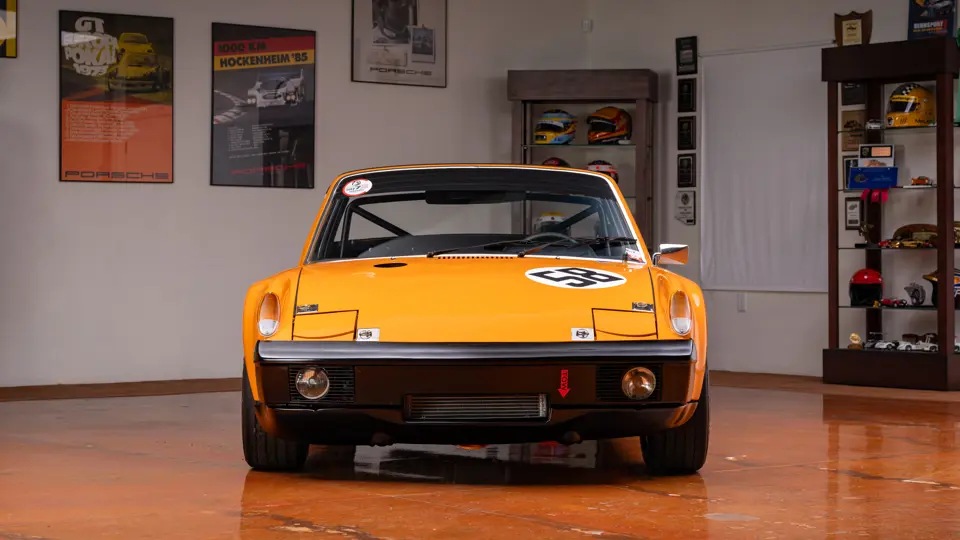
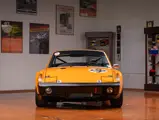
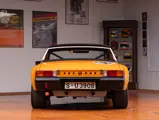
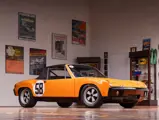
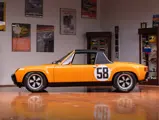
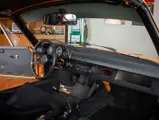
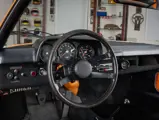
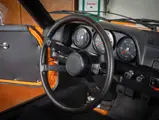
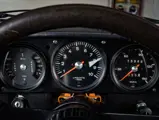
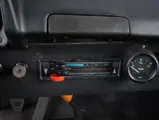
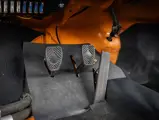
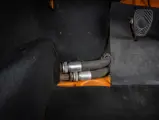
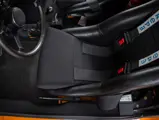
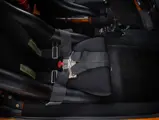
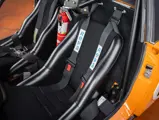
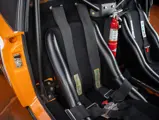
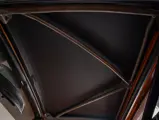
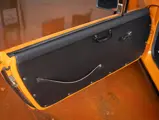
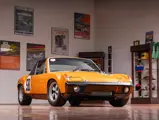
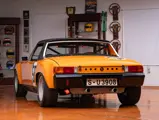
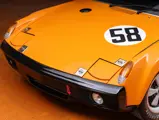
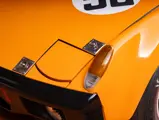
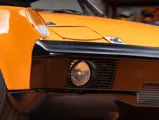
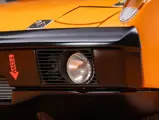
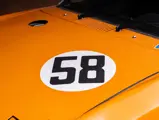
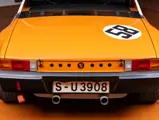
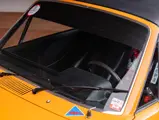
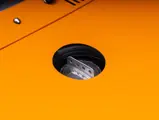
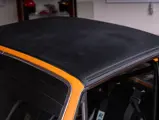
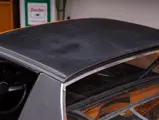
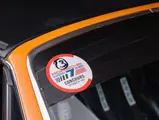
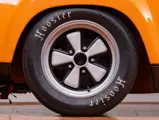
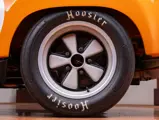
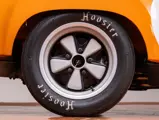
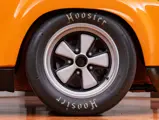
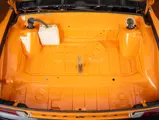
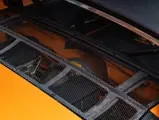
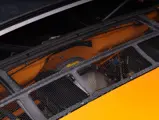
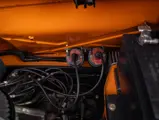
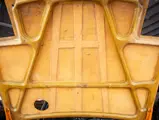
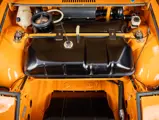
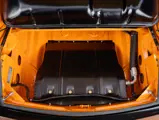
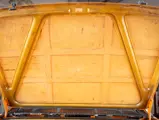
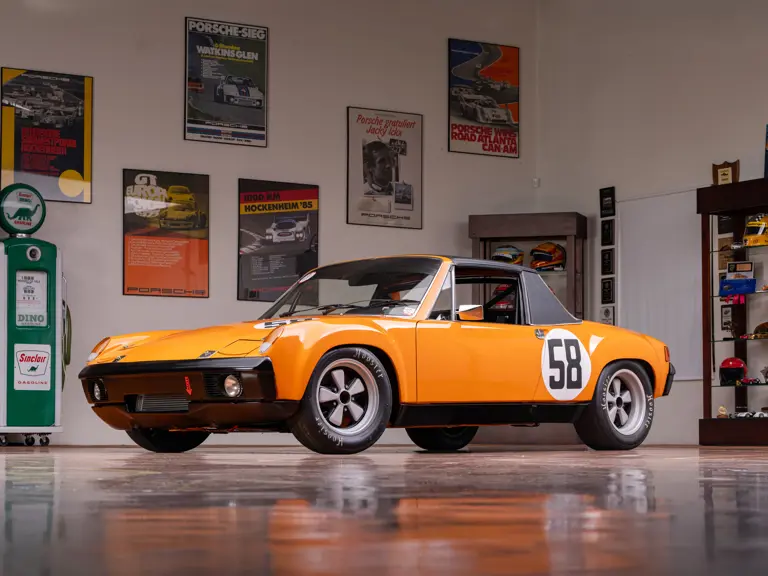
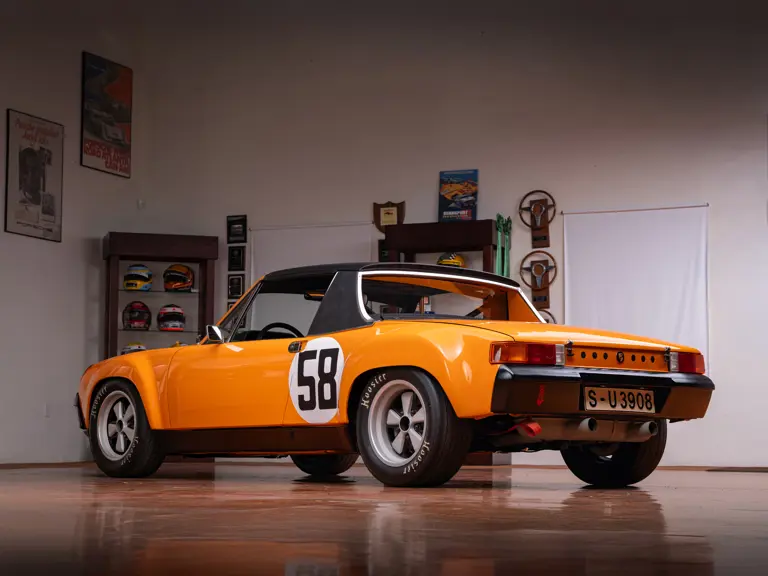
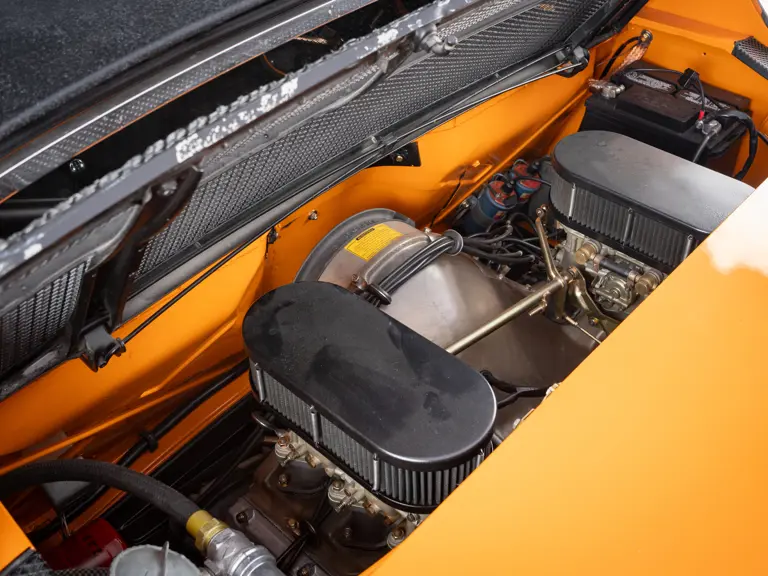
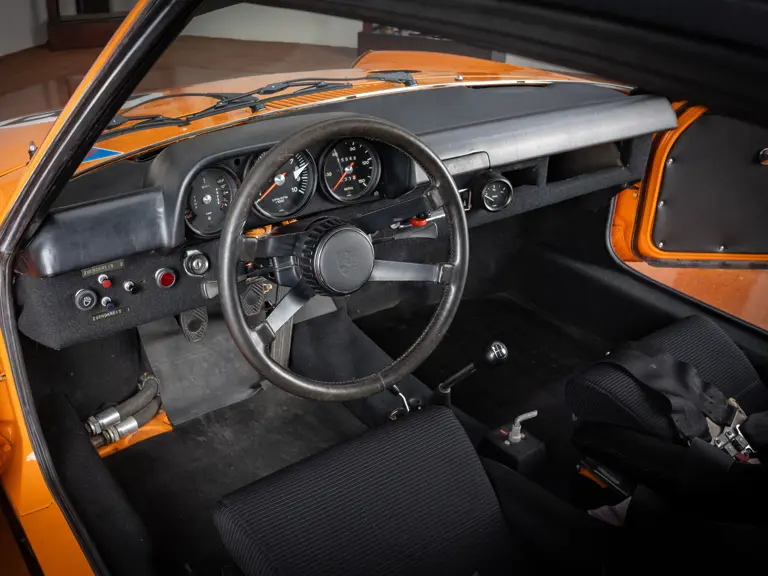
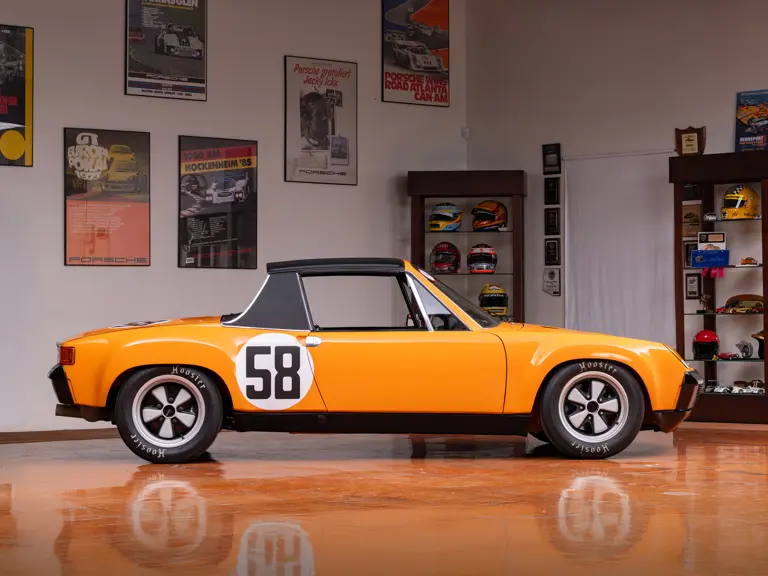
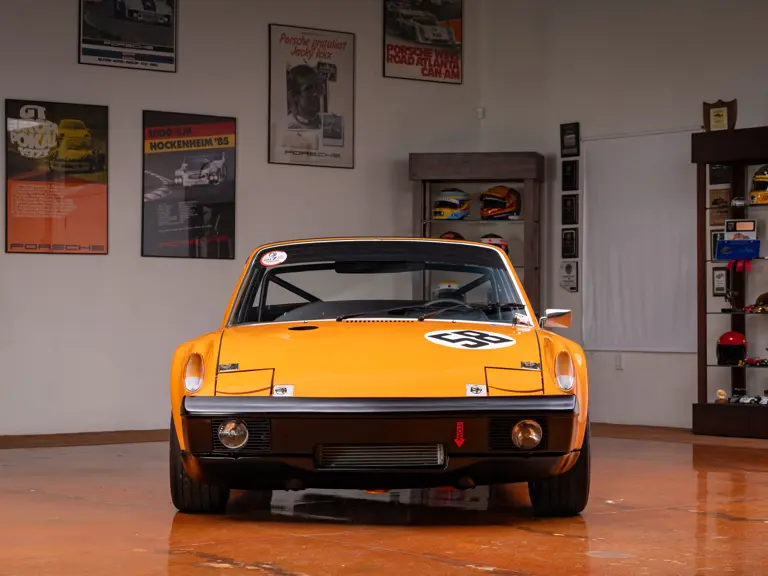
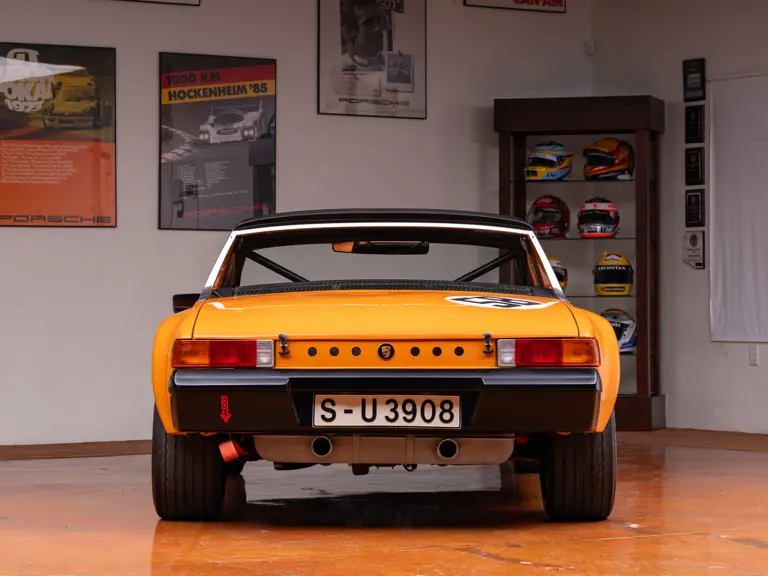
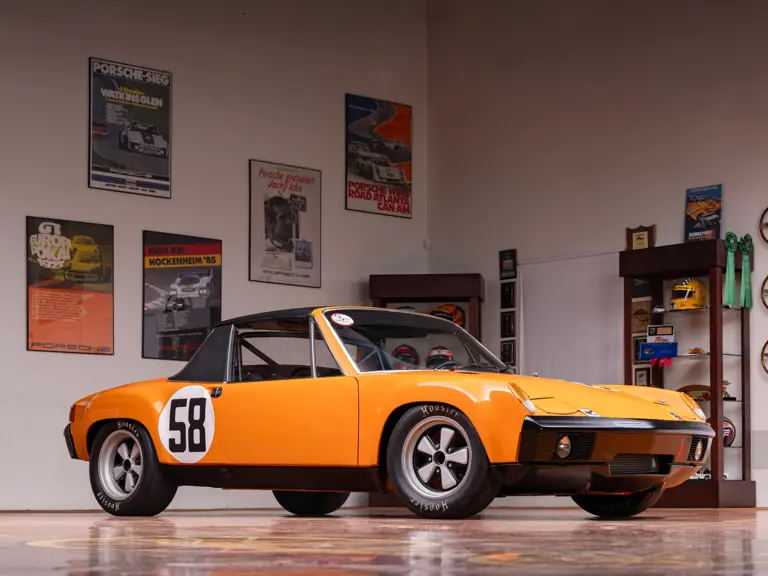
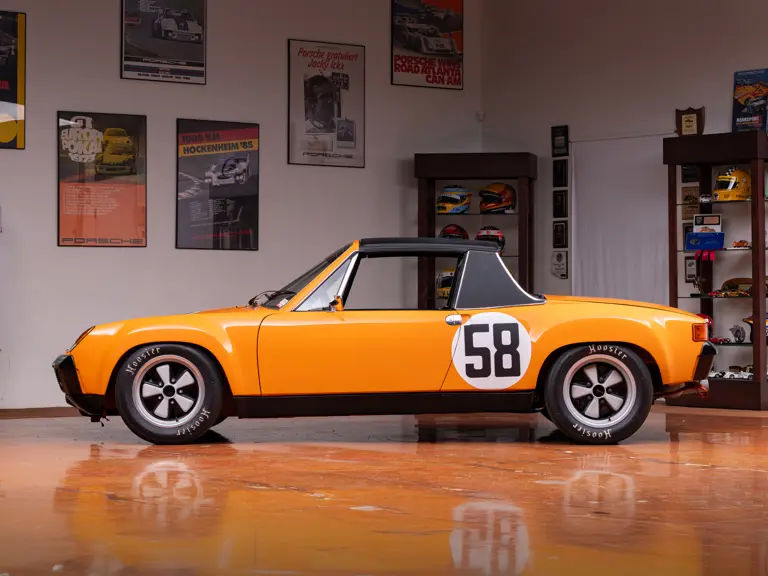
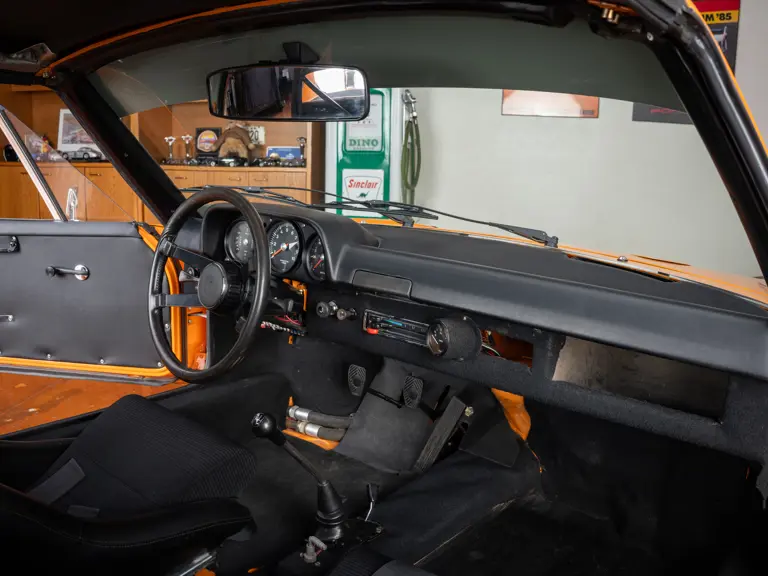
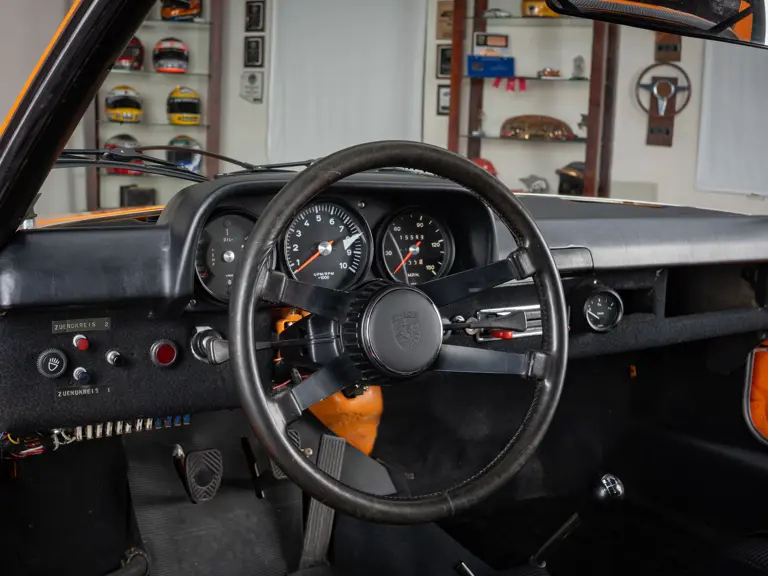
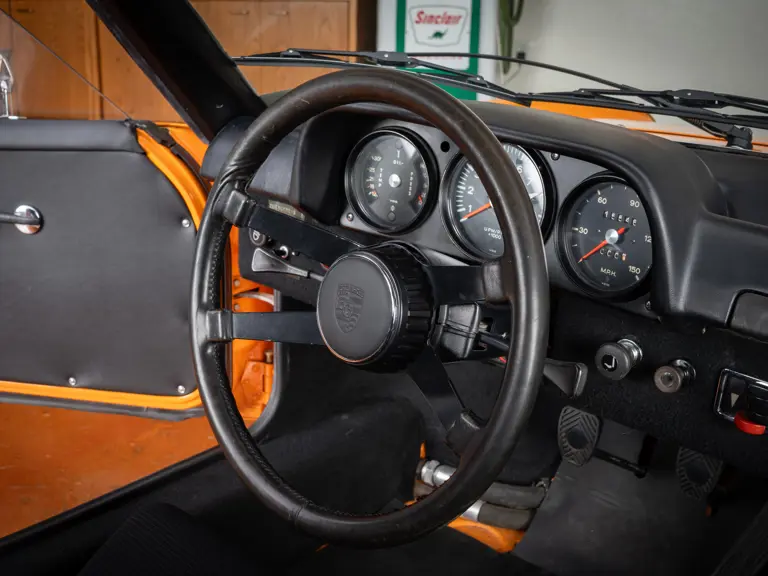
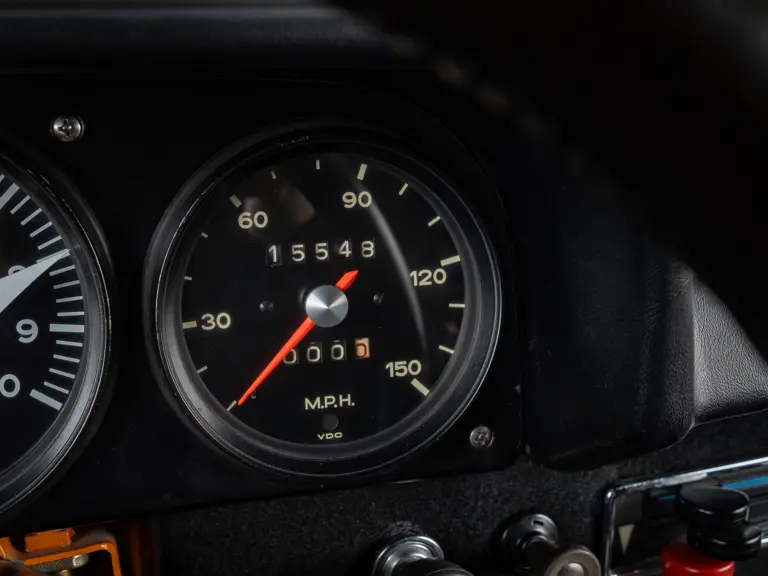
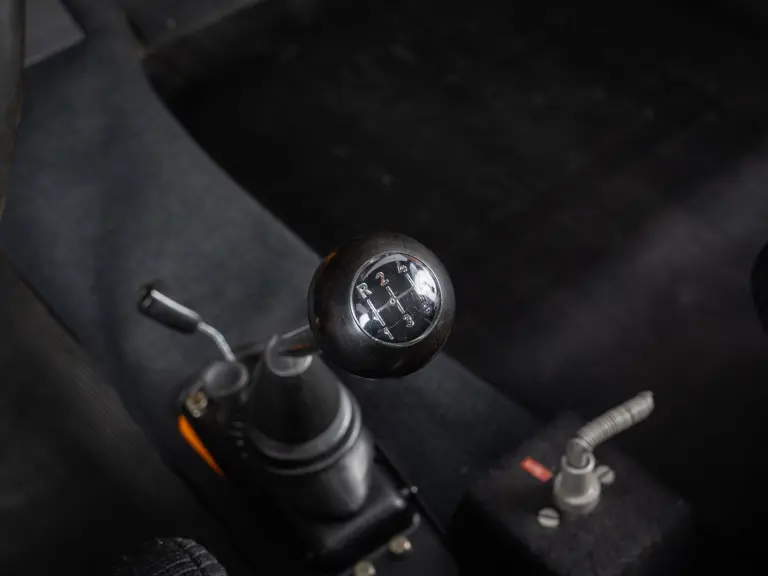
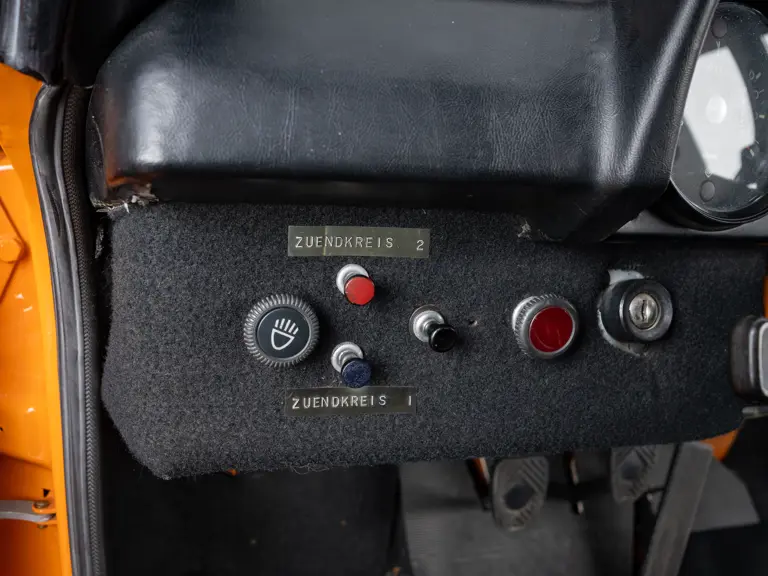
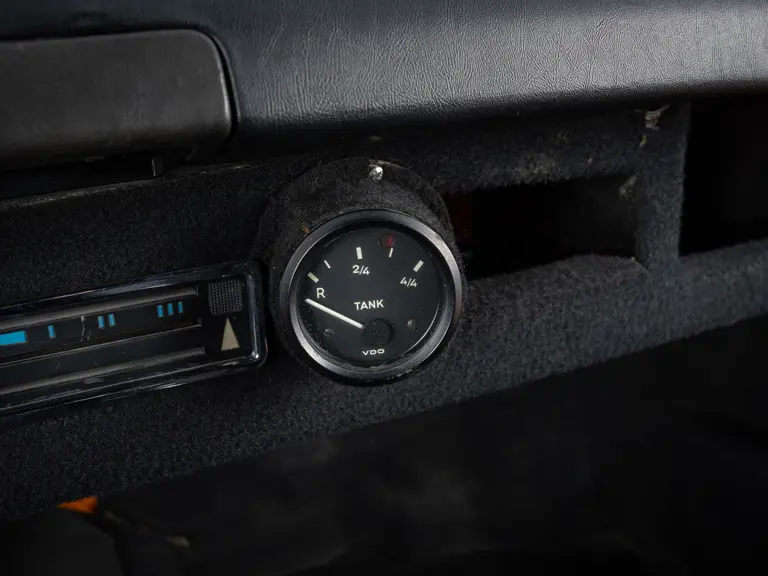
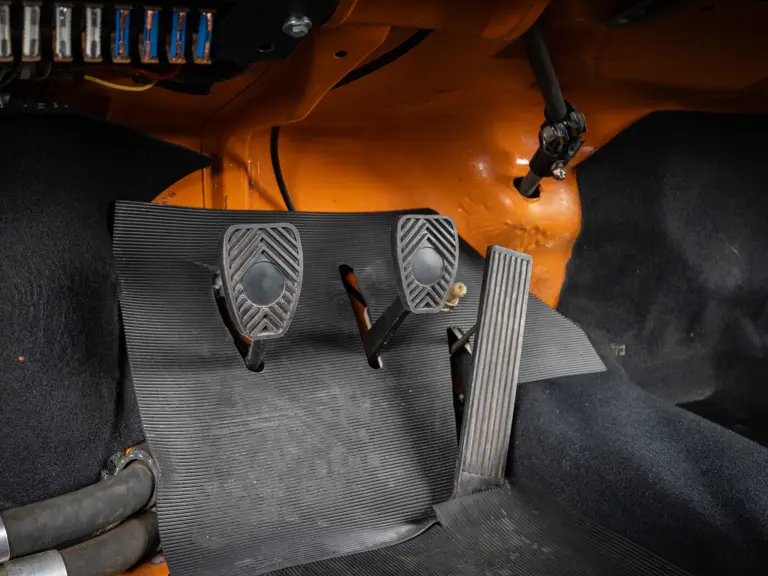
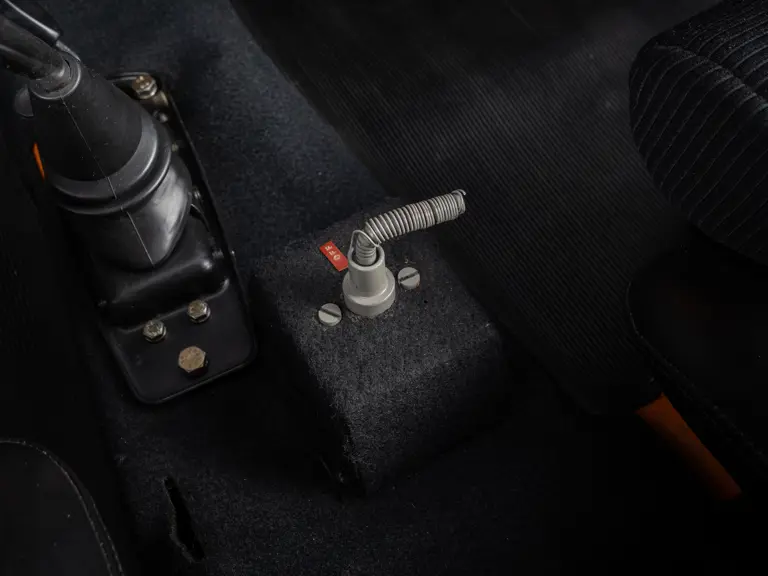
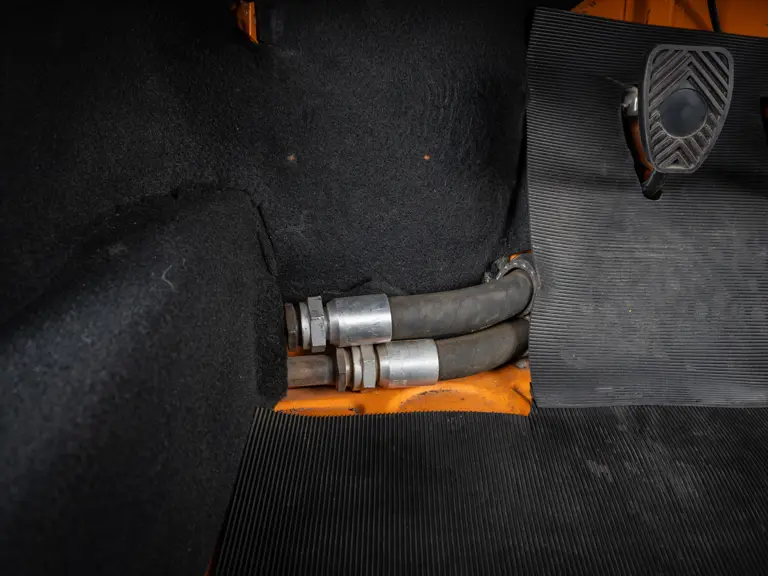
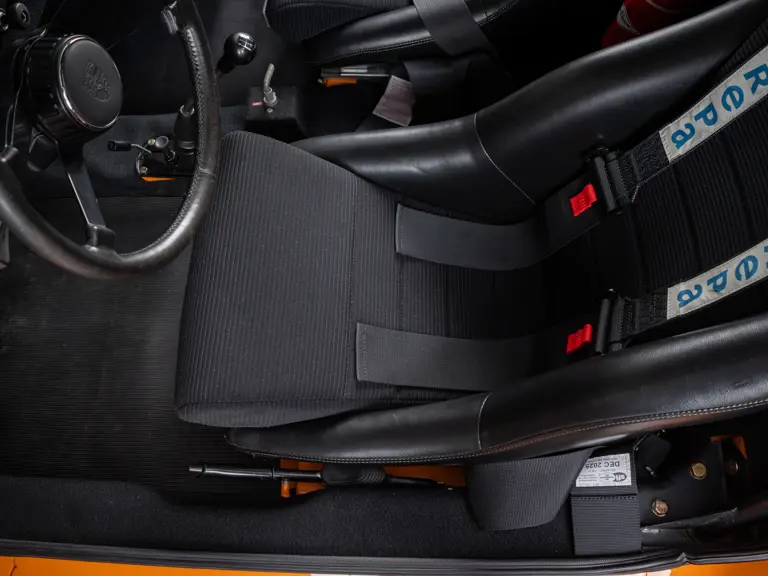
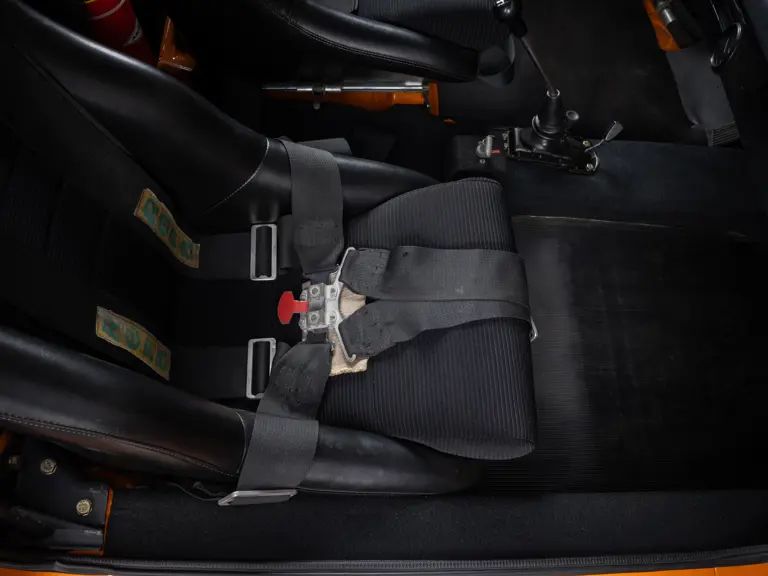
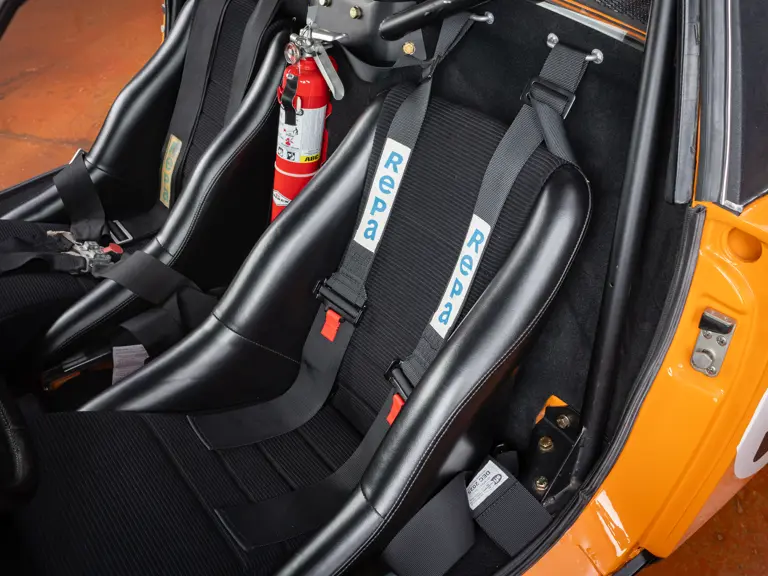
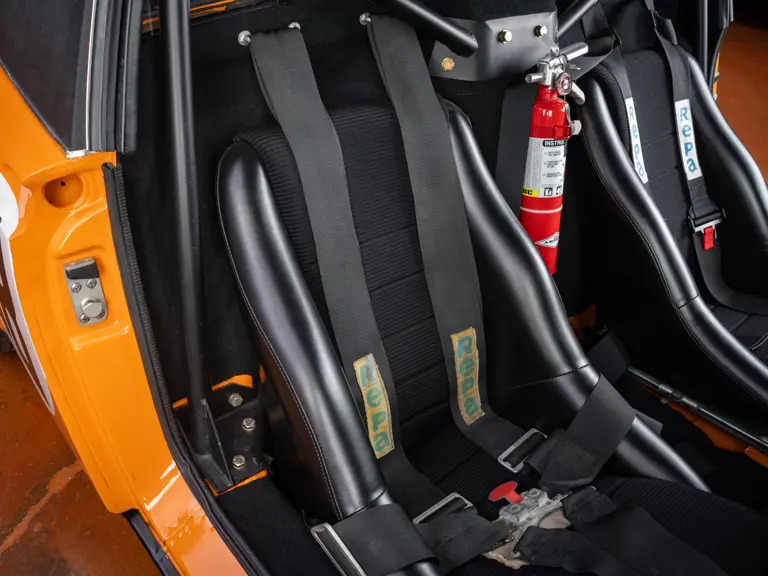
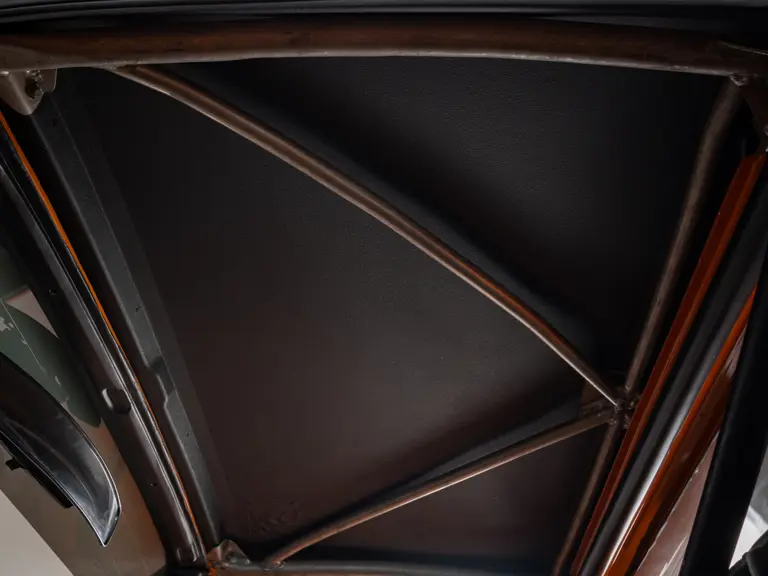
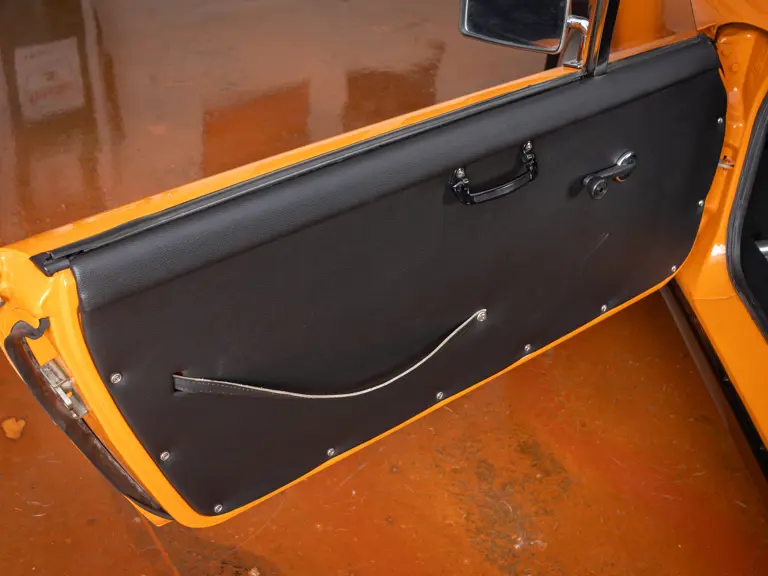
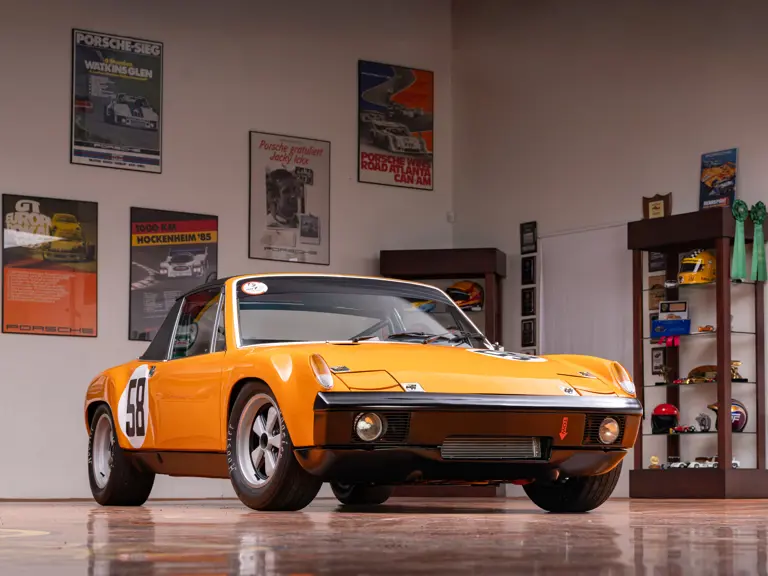
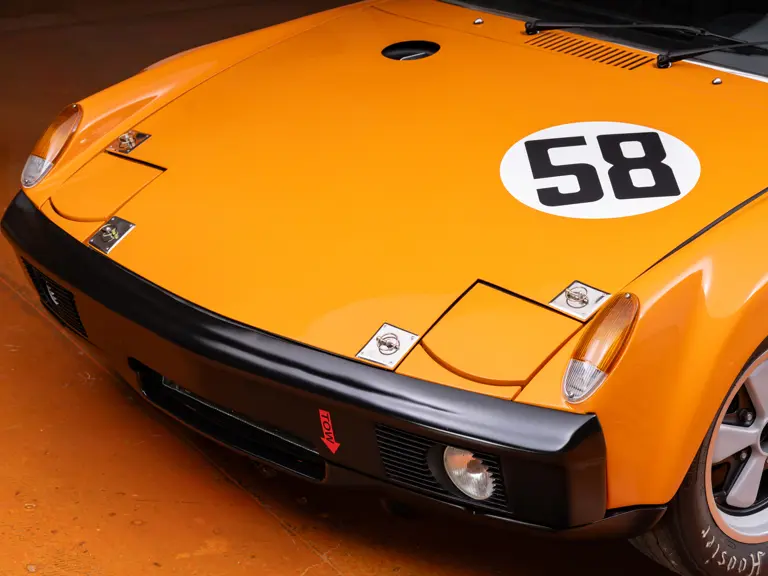
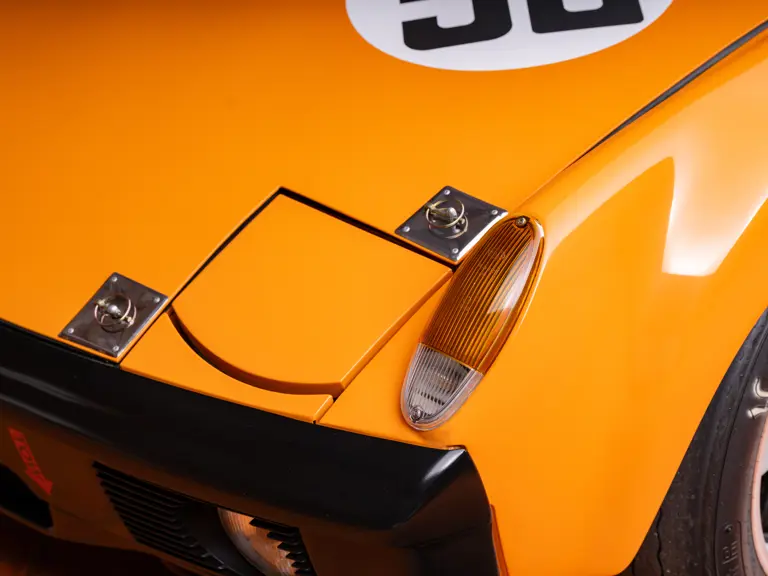
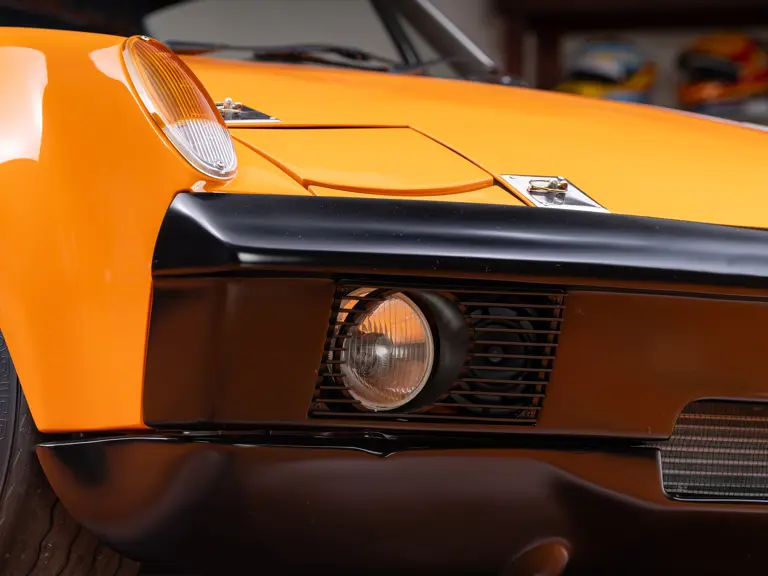
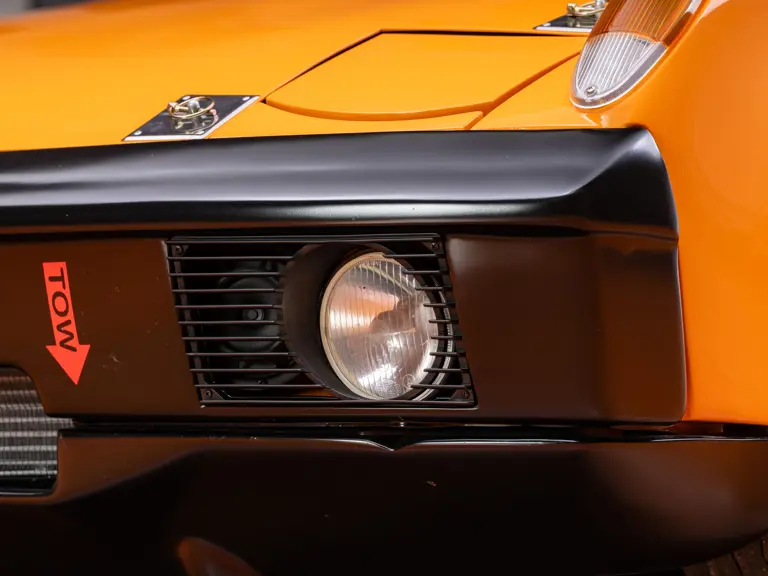
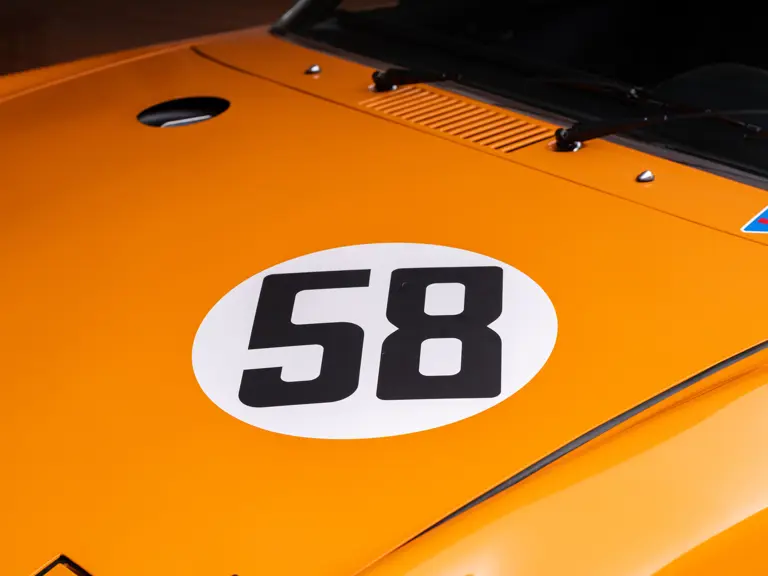
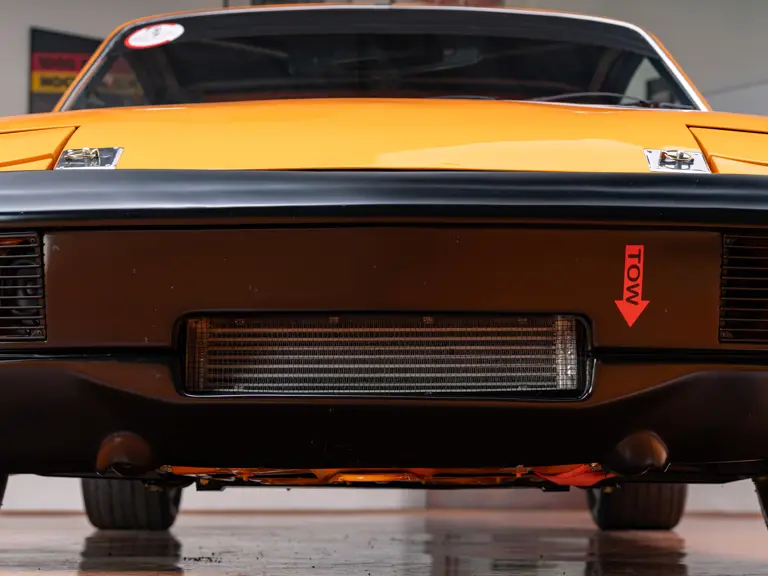
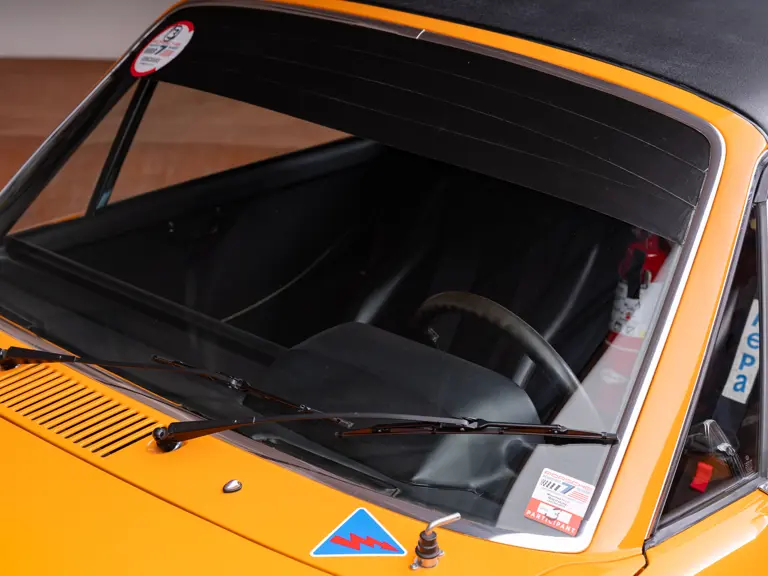
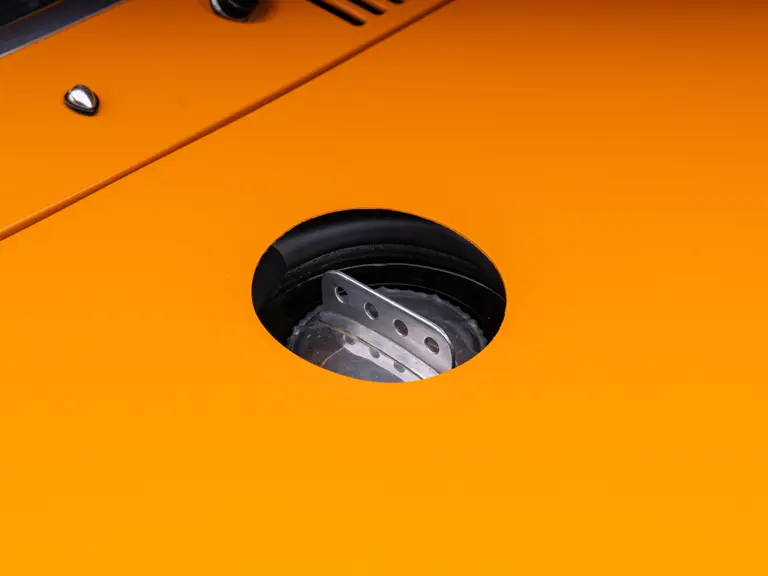
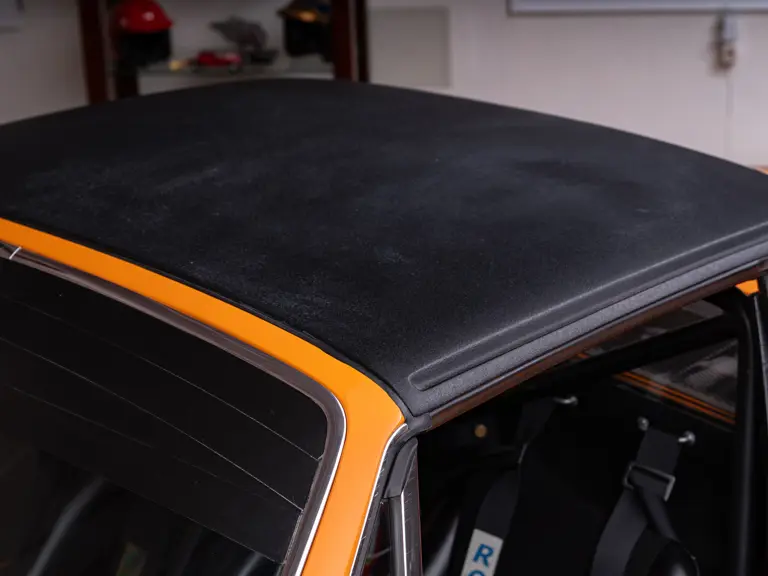
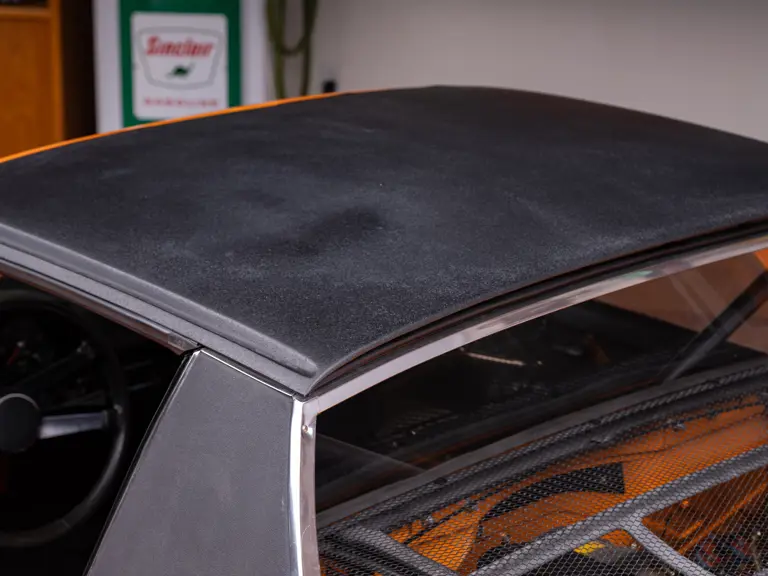
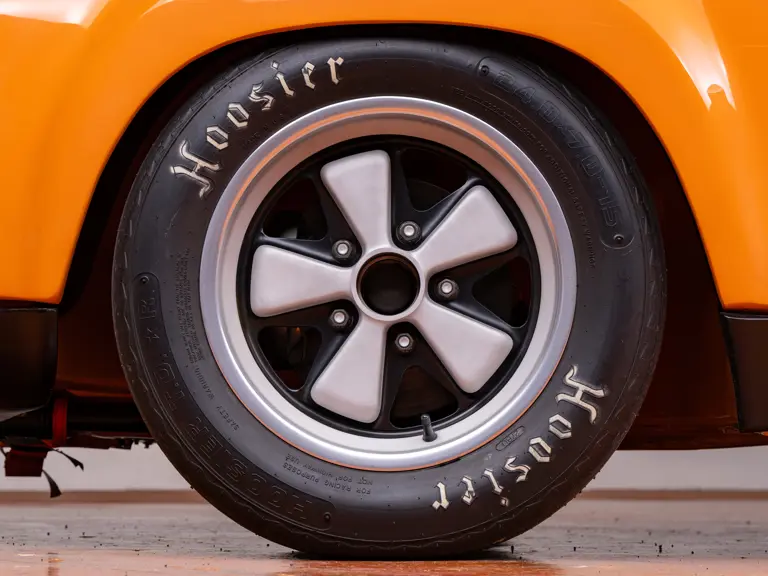
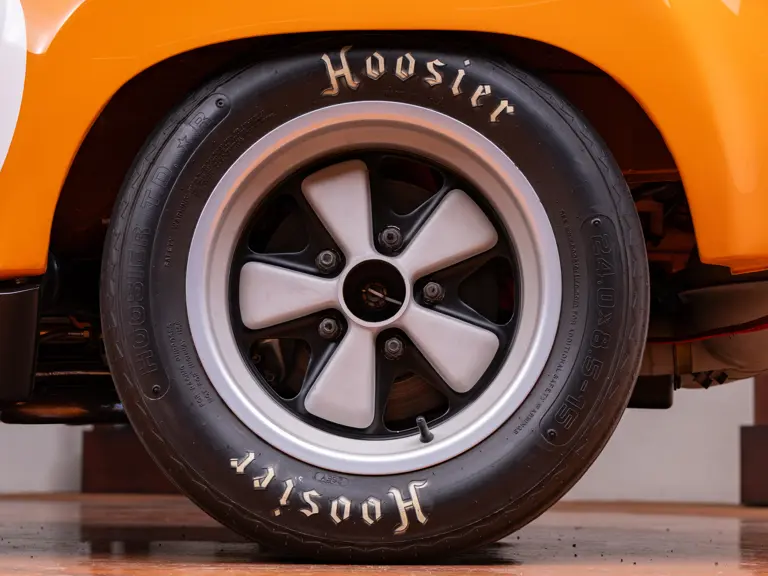
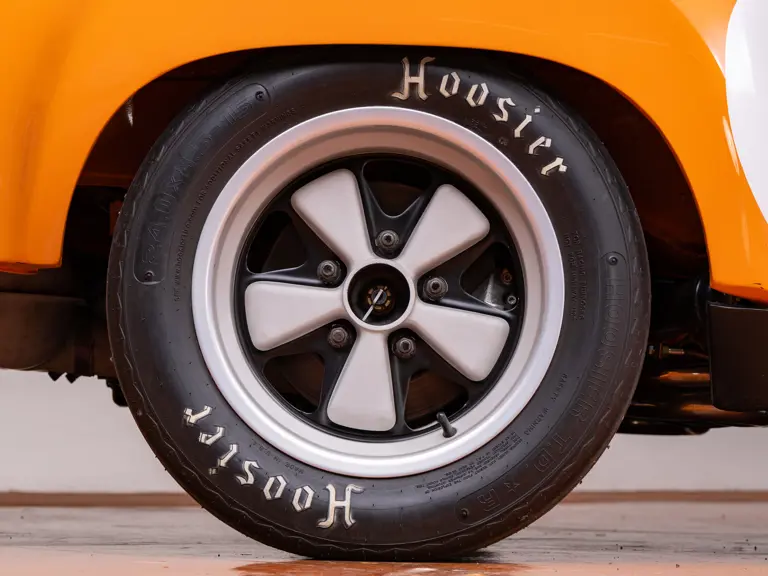
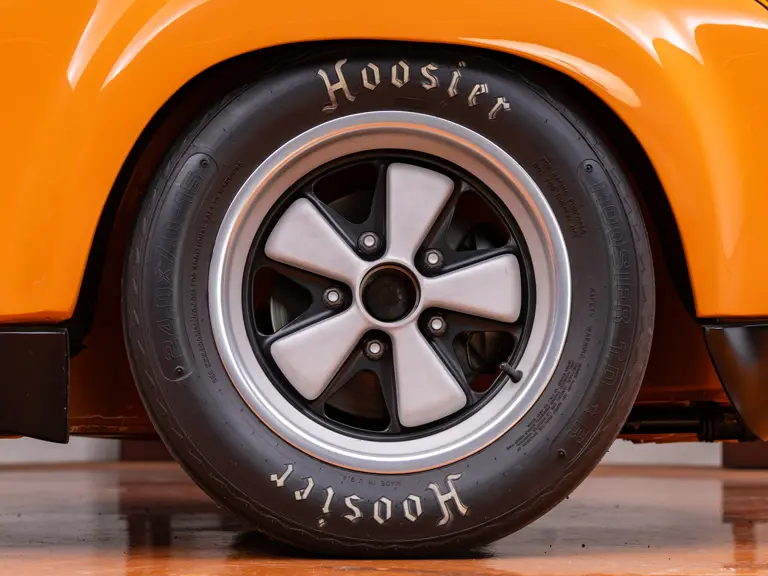
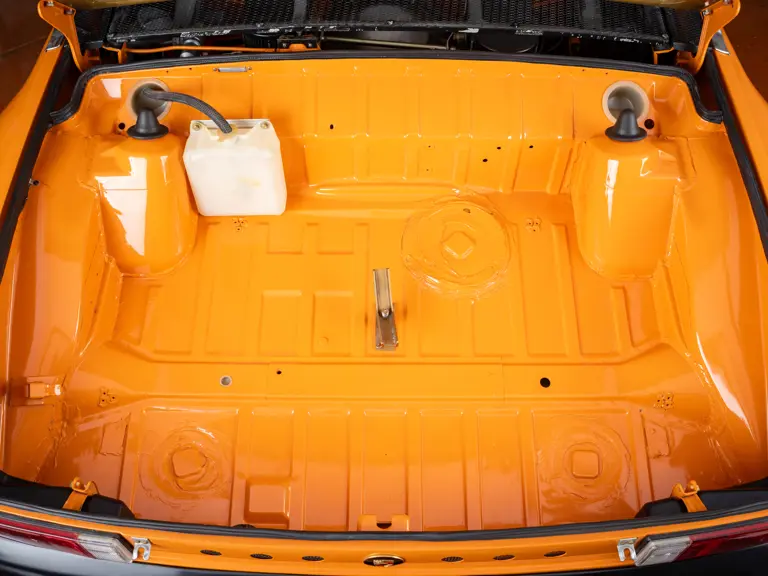
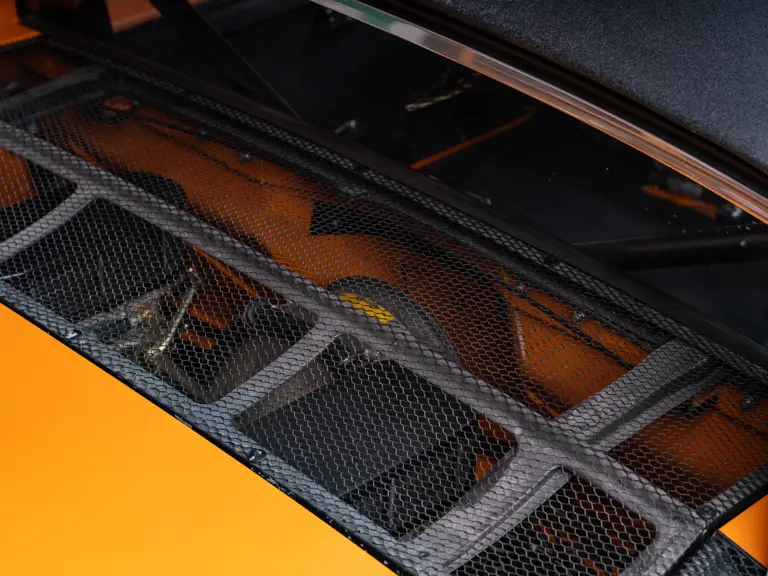
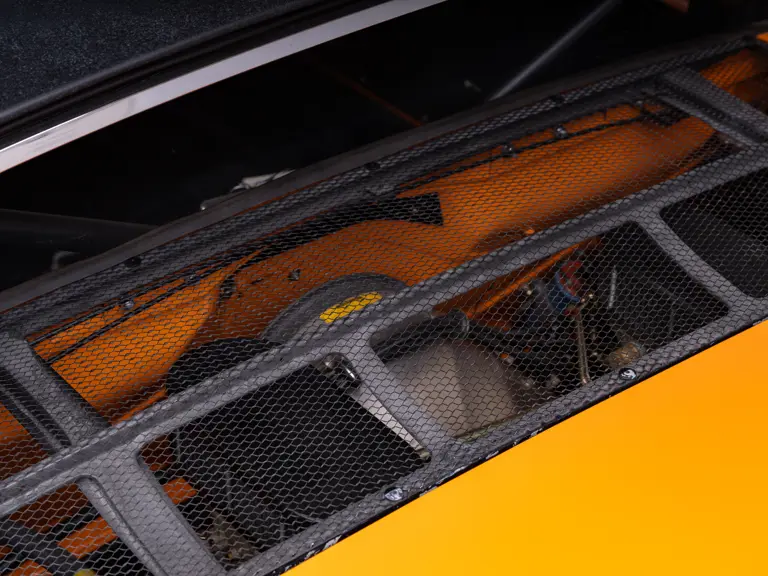
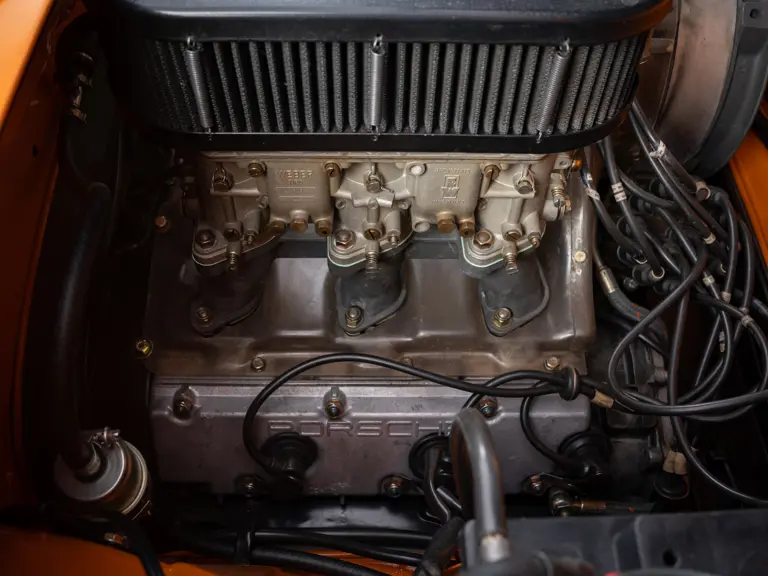
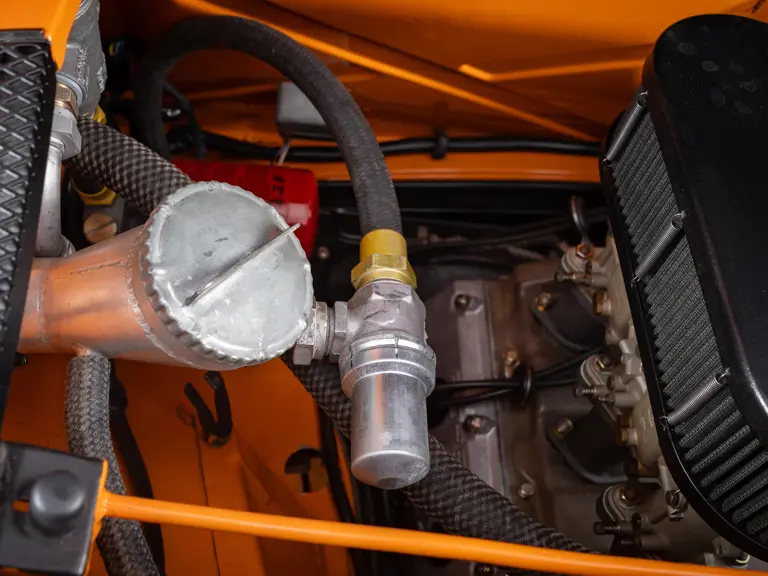
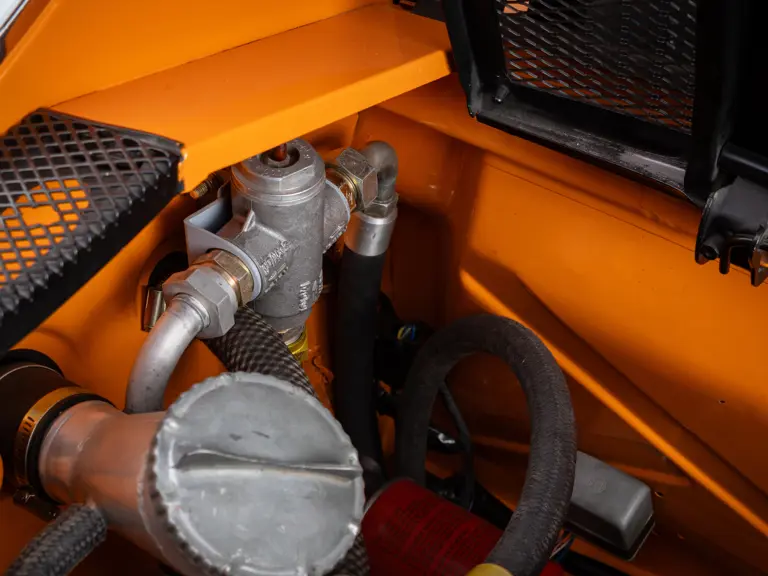
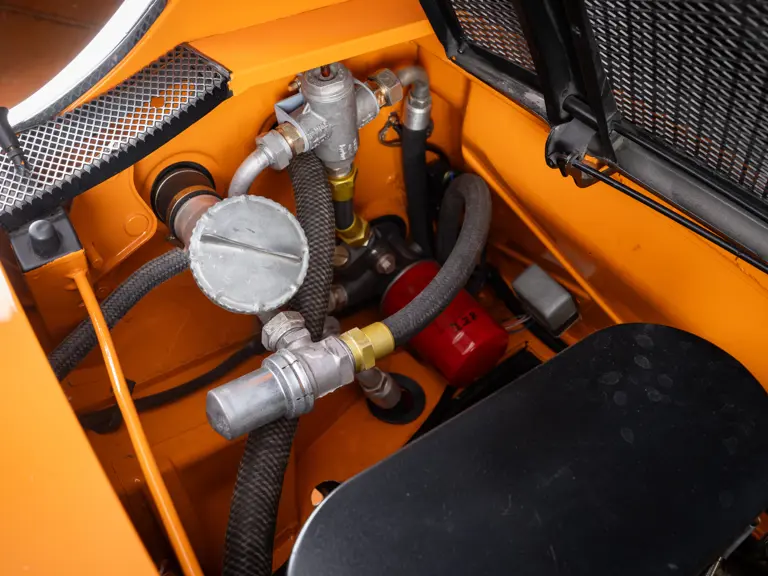
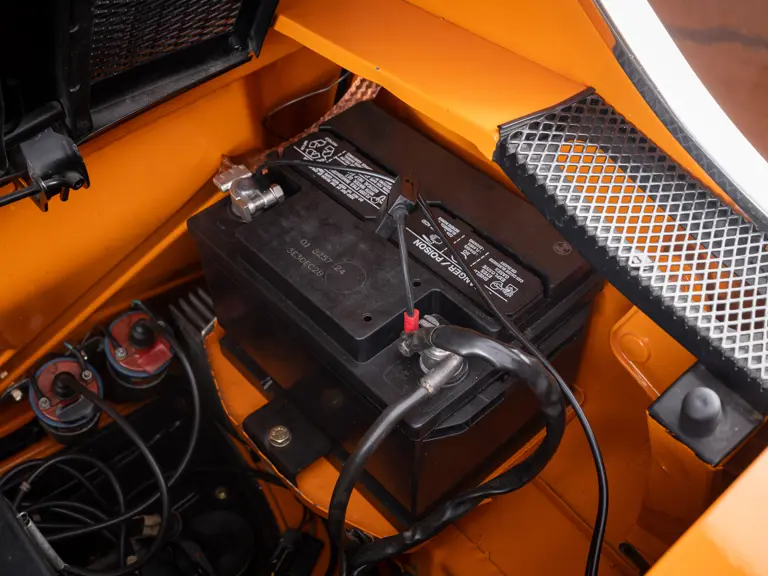
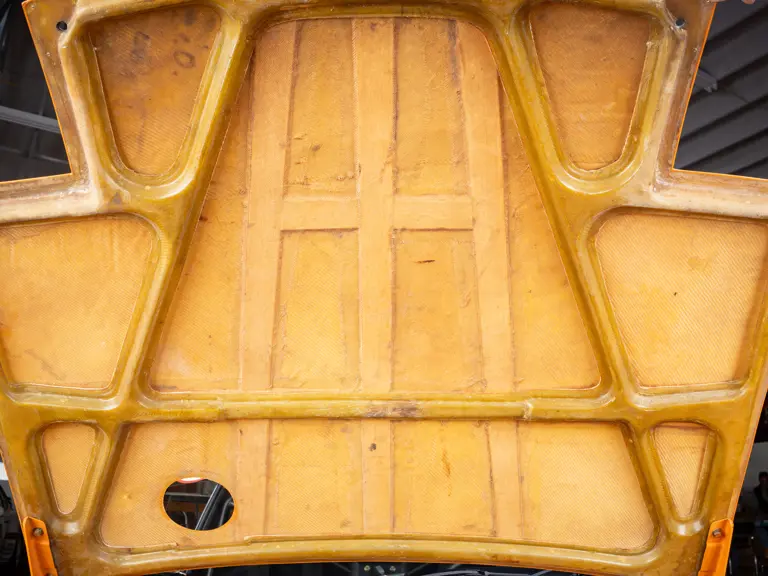
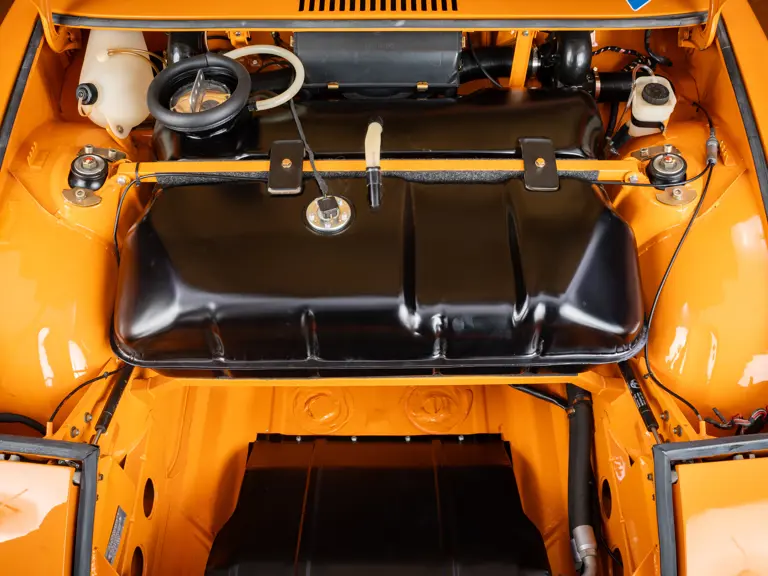
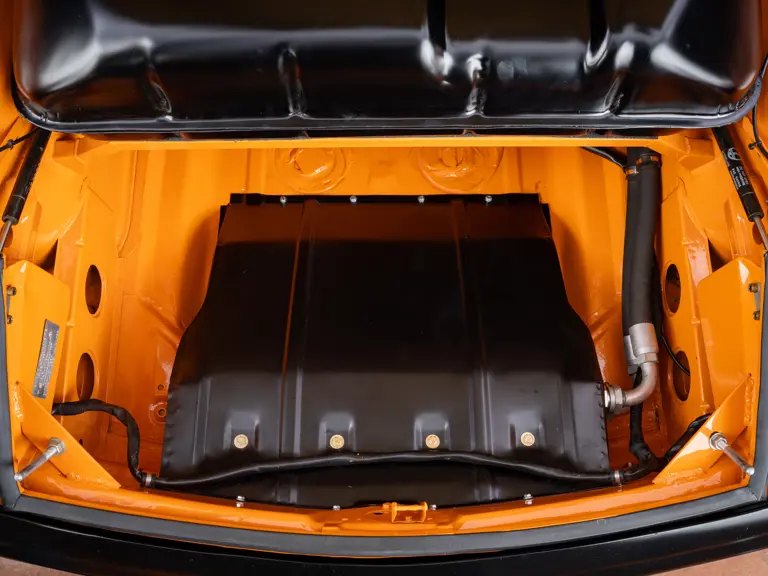
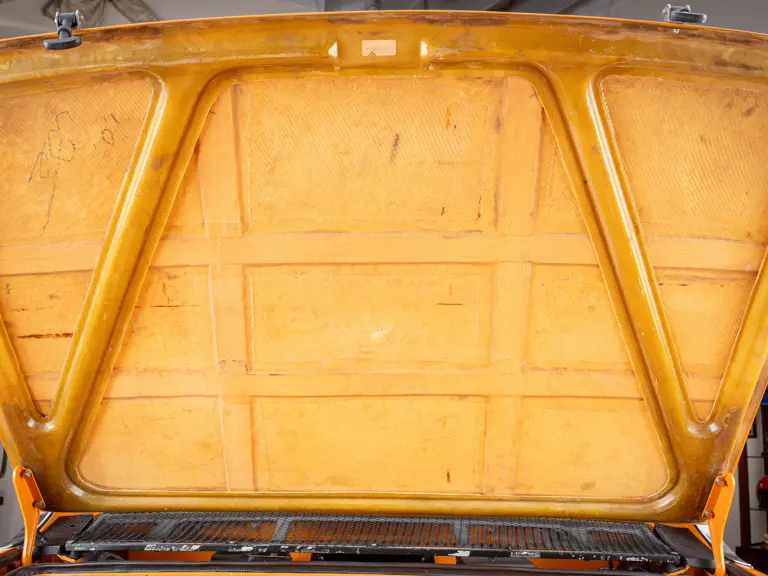
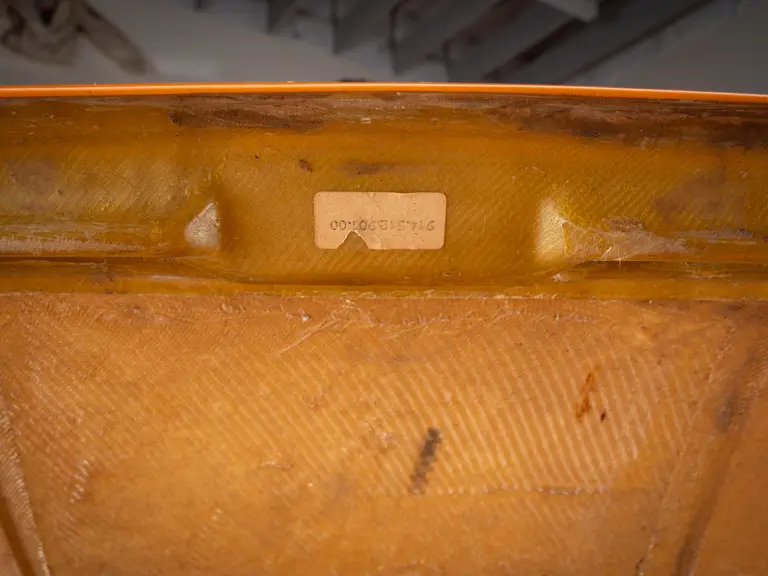
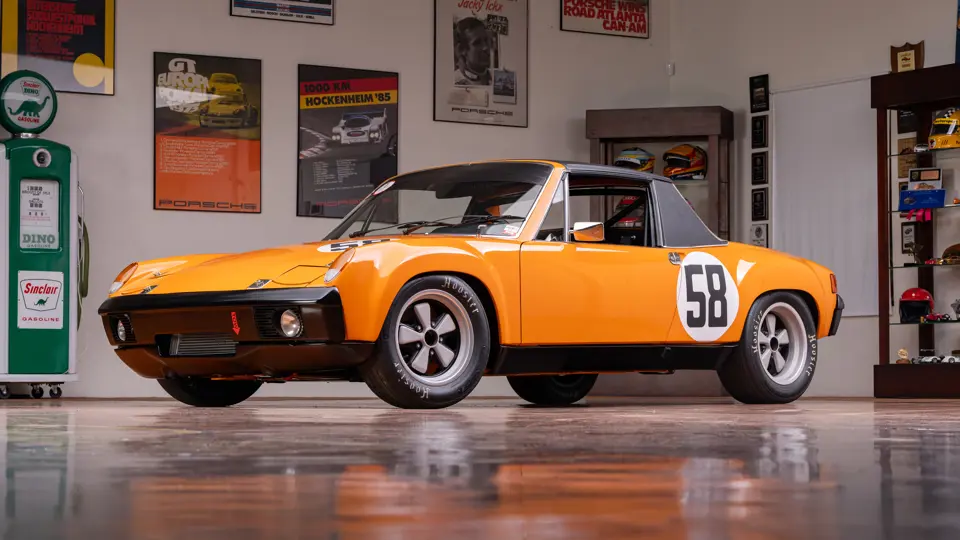
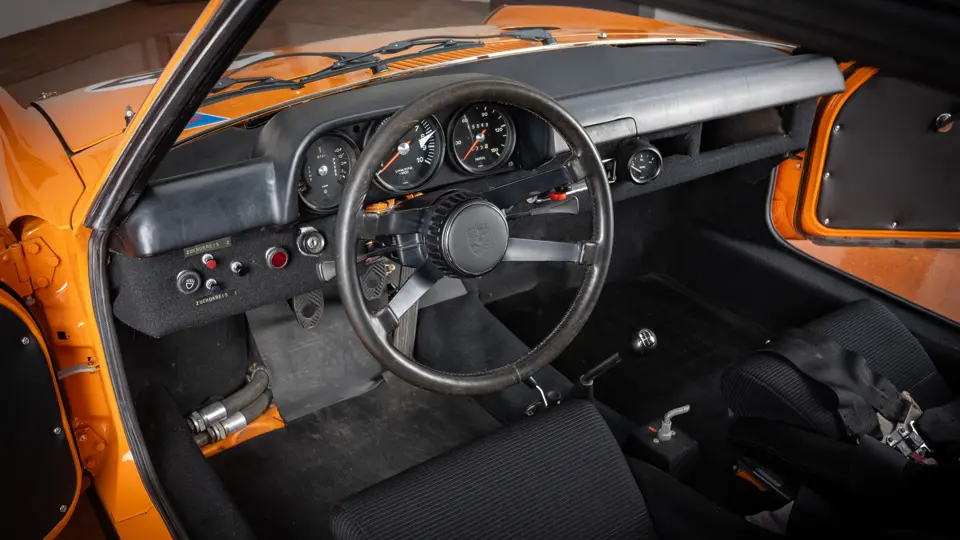
This 1970 Porsche 914/6 R, chassis 9140430705, was delivered to the experimental department at the Porsche factory on 3 March 1970. According to copies of a Porsche documentation on file, the chassis, internally identified as 914/39, belongs to an exclusive group of 12 “works” 914/6 racecars and, following the prototype, is likely the first production model of what would later be known publicly as the 914/6 GT, visually identified by its iconic boxed fender flares. Built to FIA/CSI Group 4 homologation rules, 0705 features additional chassis reinforcements, including permanent support structures fitted around the roof. Some of the body is composed of special lightweight panels, with balsa wood visibly reinforcing the hood and decklid. A mechanical system to deploy the pop-up headlights saved additional pounds, as did simplified door cards and Scheel racing seats.
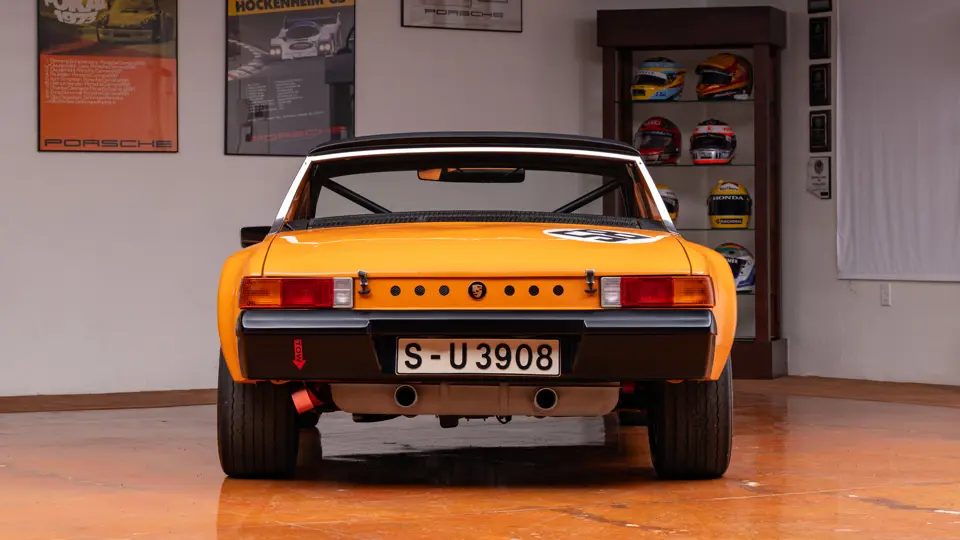
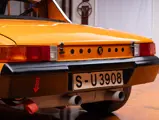
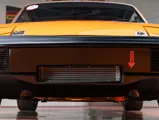
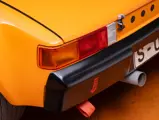
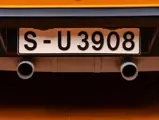
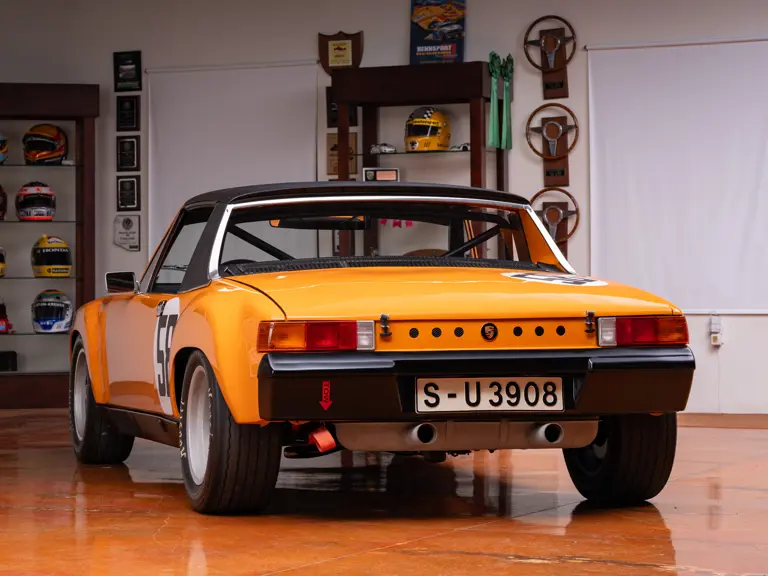
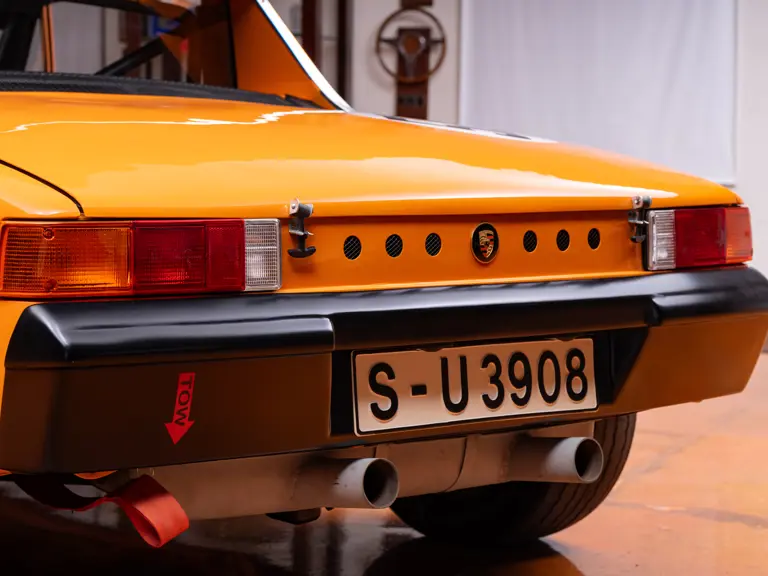
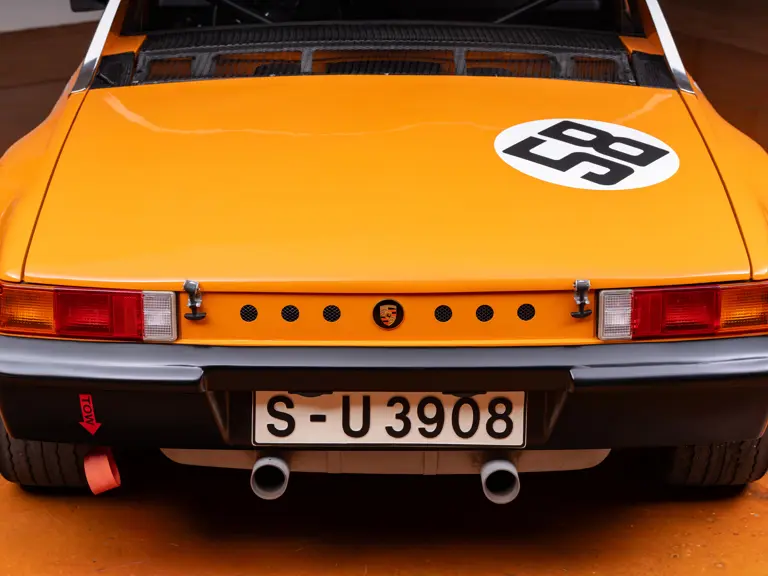
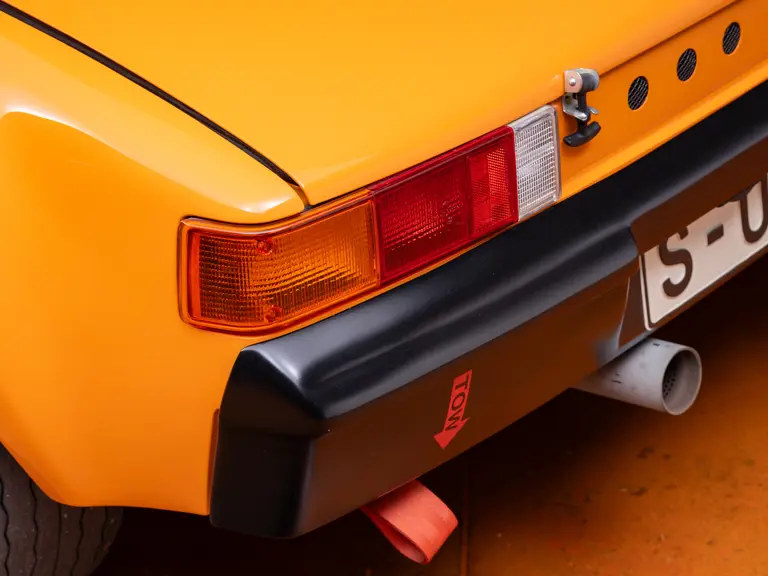
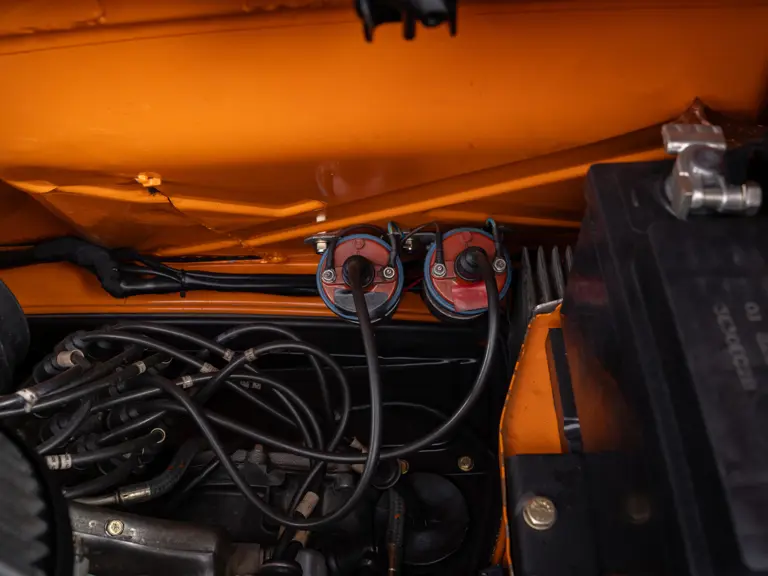
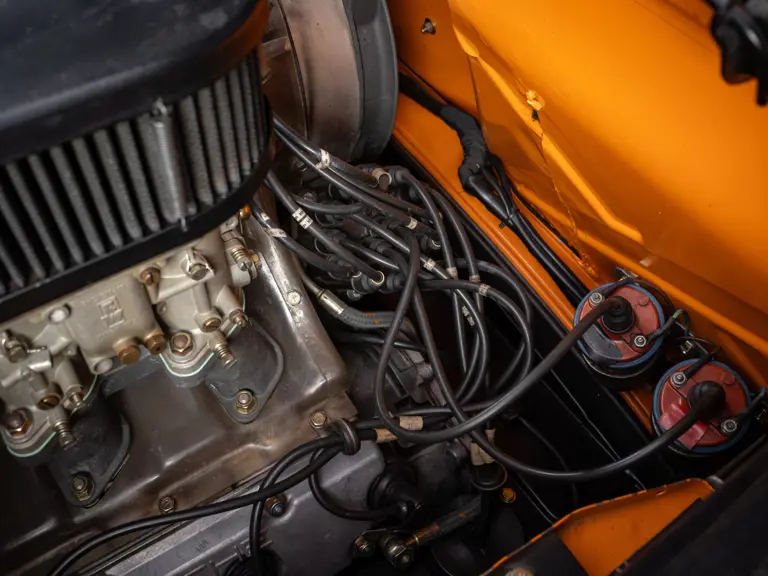
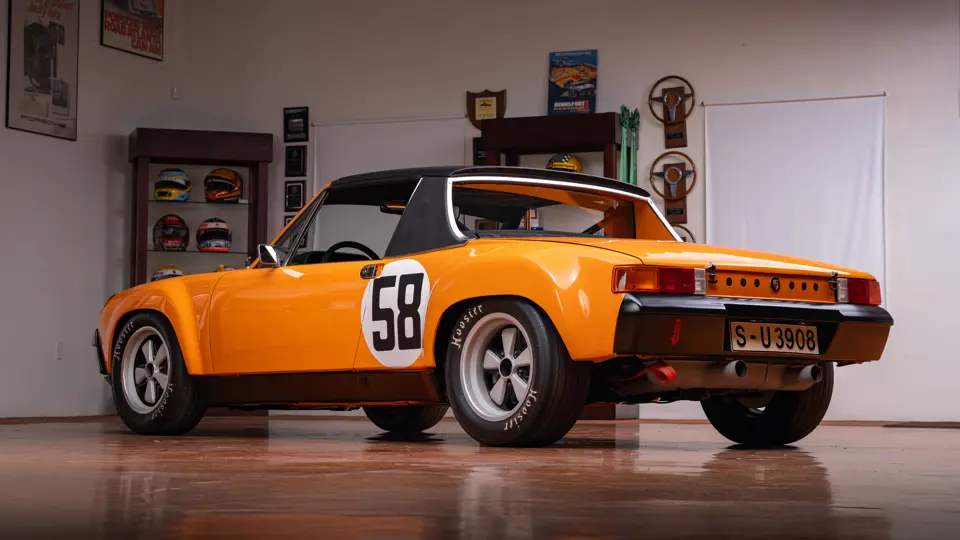
Porsche initially used chassis 0705, along with its sister 914/40, as a practice and test car for the 1970 Targa Florio, driven by Vic Elford, who had won that race in 1968, along with the Monte Carlo Rally, 24 Hours of Daytona, and Nürburgring 1000km that year, before making his Formula 1 debut shortly thereafter. At this point, both vehicles were fitted with type 901/25 2.0-liter air-cooled flat-six engines similar in specification to those found in the 906 and 911R racecars. Later, Porsche would continue to use 0705 for testing various other engines. During this period, six distinctive round holes on the rear valance were added to provide ventilation for the extra heat produced by some of the test engines.
Once it completed duties with Porsche, chassis 0705 was shipped without an engine to the United States through Jo Hoppen at Volkswagen of America’s racing division and delivered to Peter Gregg and the famed Brumos Racing team in Florida. Understood to have been acquired predominantly as a backup car due to the team having already procured a customer 914/6 GT, chassis 0705 likely ran at the Bridgehampton 3 Hours in 1971, where it finished third behind the race-winning sister car.
Eventually, ownership transferred to Lee McDonald of Mountain Top, Pennsylvania, and the Porsche raced under the Algar Porsche-Audi banner in 1972. At the conclusion of its official racing career, the car moved to Southern California, where it resided at Vasek Polak’s well-known Porsche dealership, with the engine and gearbox reportedly removed. The Porsche was then sold to Pat Gain out of a used car lot near San Jose and driven at autocross events in the Bay Area. After this, in the mid-1970s, chassis 0705 was placed in long-term storage, to be unearthed decades later.
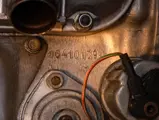
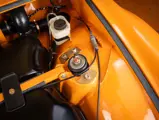
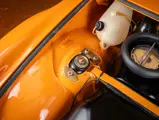
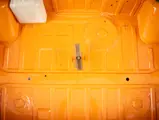
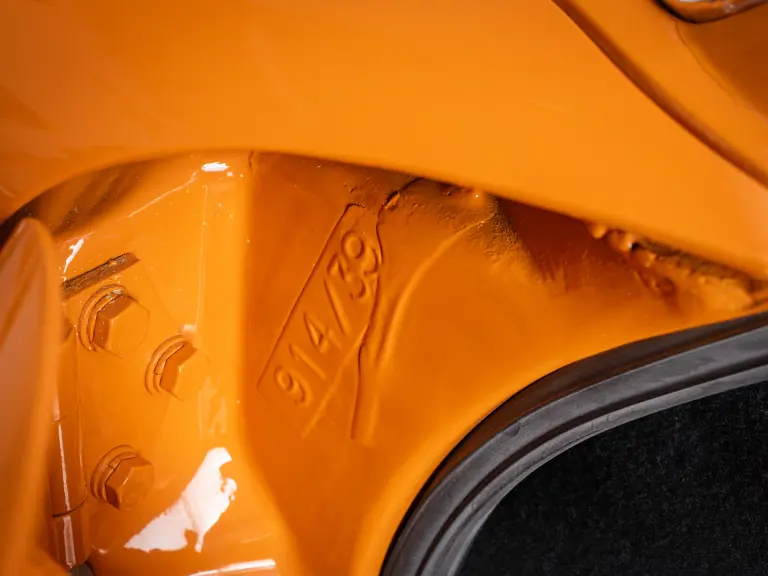
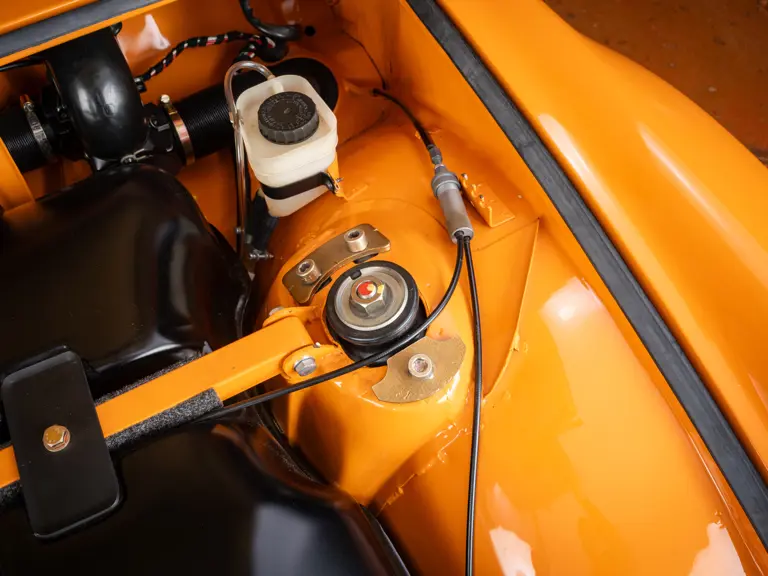
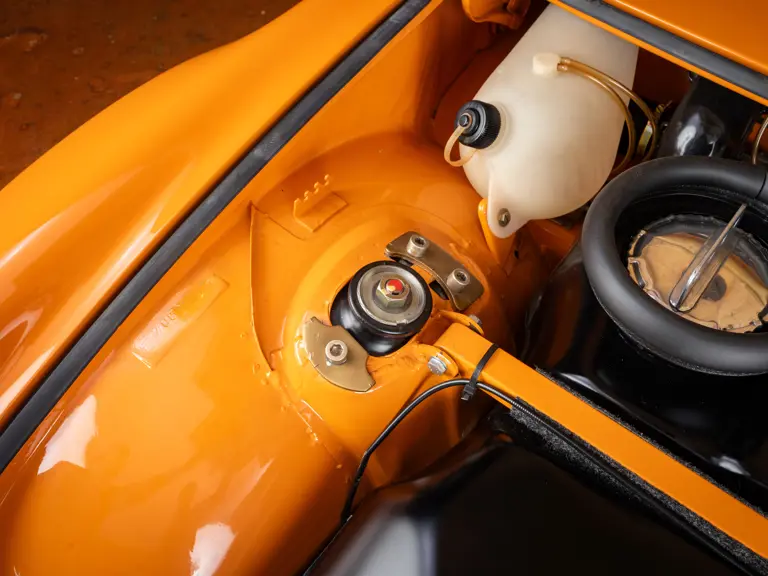
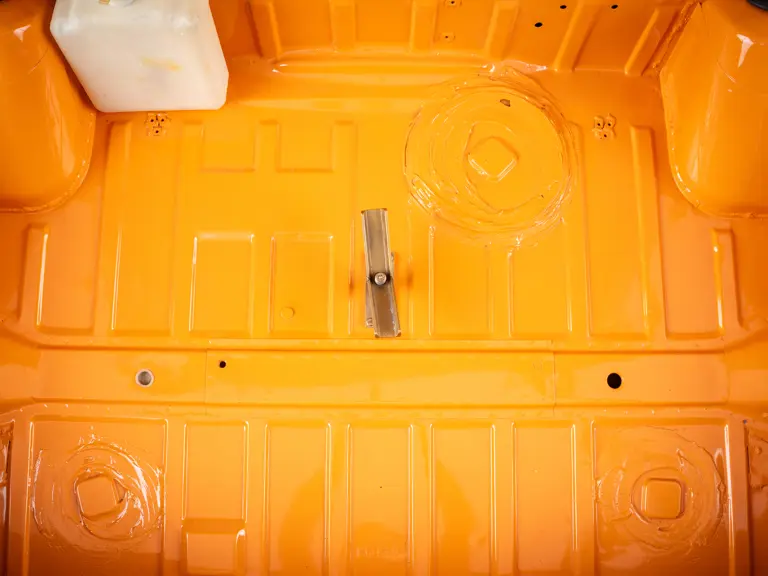
In 2010, Llew Kinst caught wind of an unusual 914 for sale in Sunnyvale, California, and organized a trip to inspect the find. Opening the driver’s door revealed the factory project number 914/39 on the left door post, confirming the car’s special pedigree. There were other telltale signs, such as the six holes drilled in the rear bumper. Surviving remarkably intact through its many dormant years, 0705 still bore its Scheel seats and lightweight door cards. Apparent chassis strengthening in the form of seam-welded shock-mount housings, reinforcement plates for the rear anti-roll bar, and a camber support bar were all hallmarks of the factory racing modifications. Stripping some of the paint revealed markings on the special lightweight body panels, further verifying the vehicle to be one of a few factory racers equipped with the option. Kerry Morse, who aided Kinst’s efforts to identify the car, would eventually make a deal to buy the Porsche from the family that owned it.
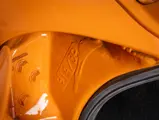
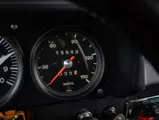
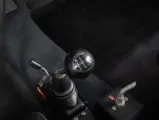
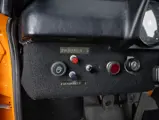
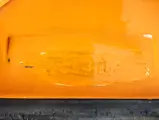
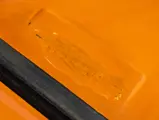
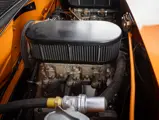
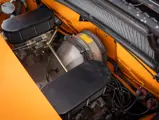
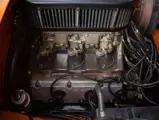
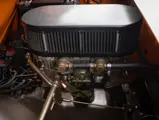
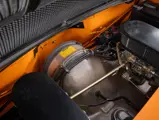
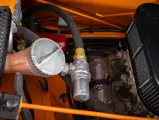
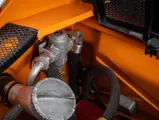
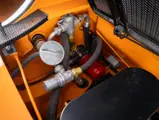
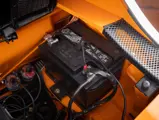
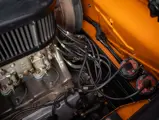
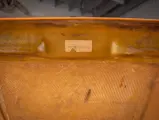
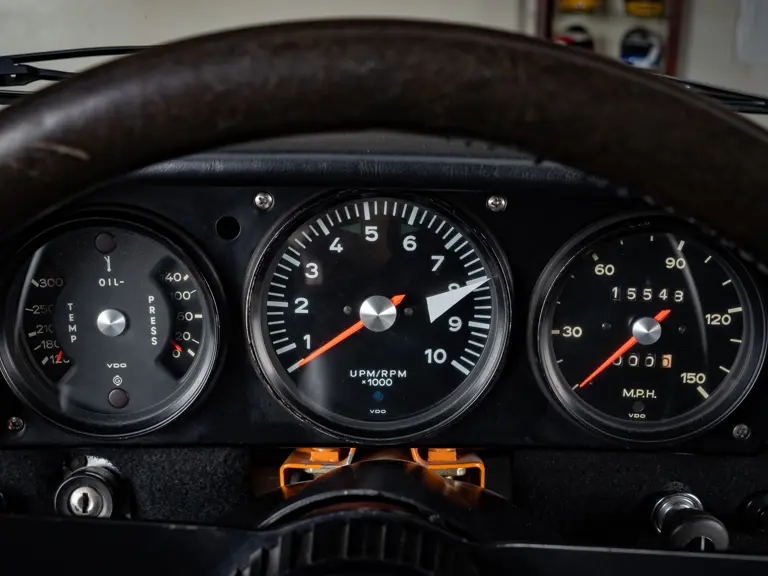
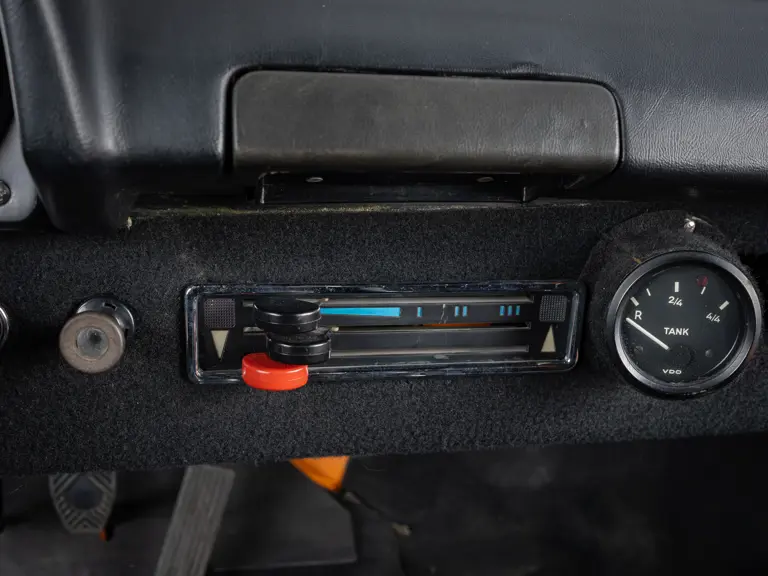
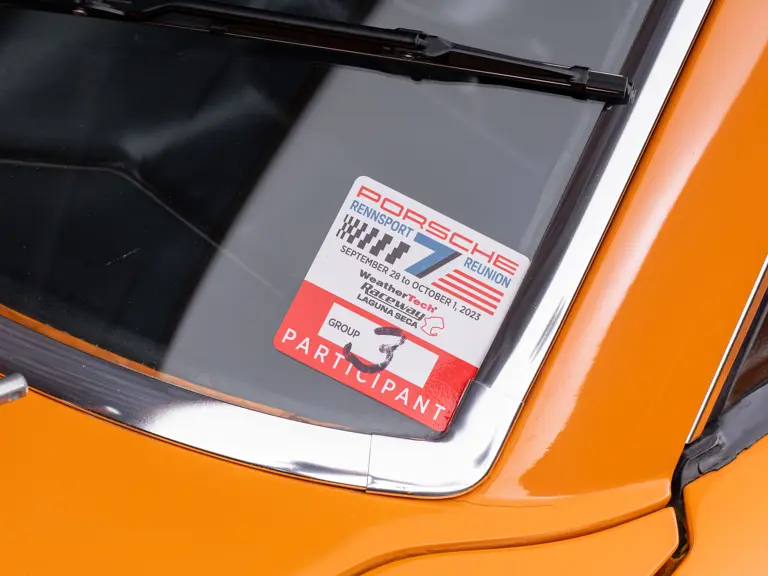
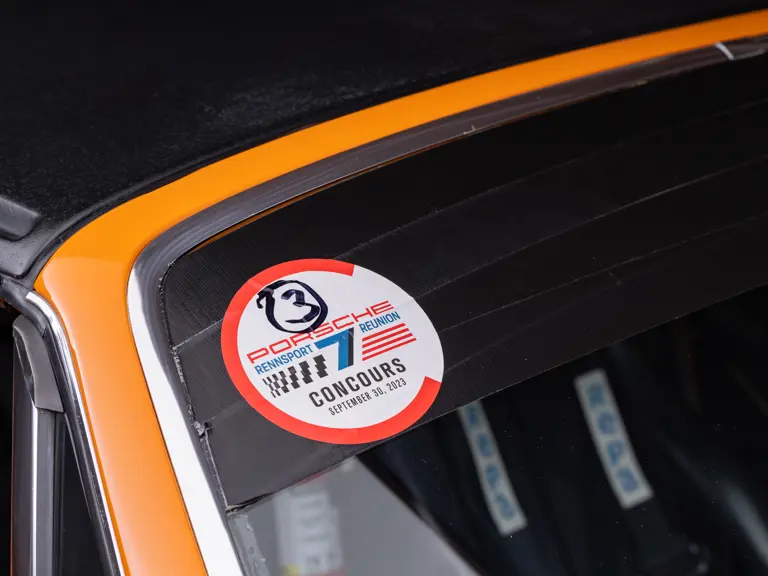
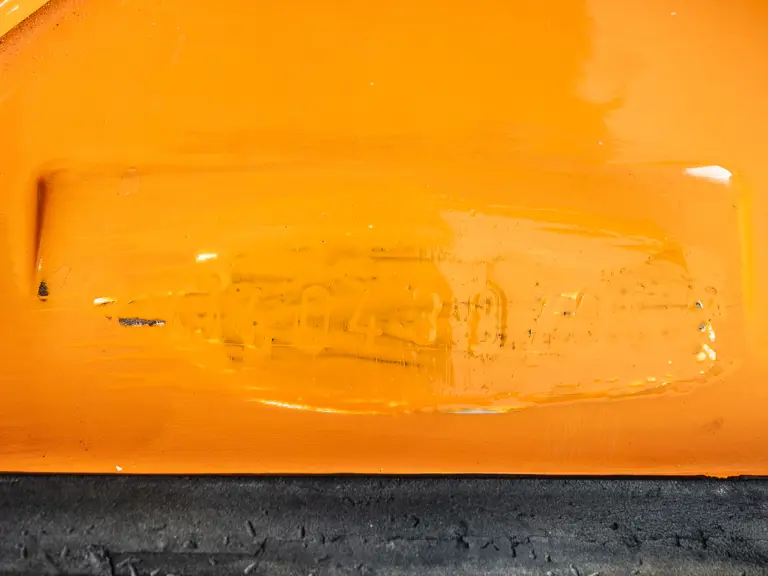
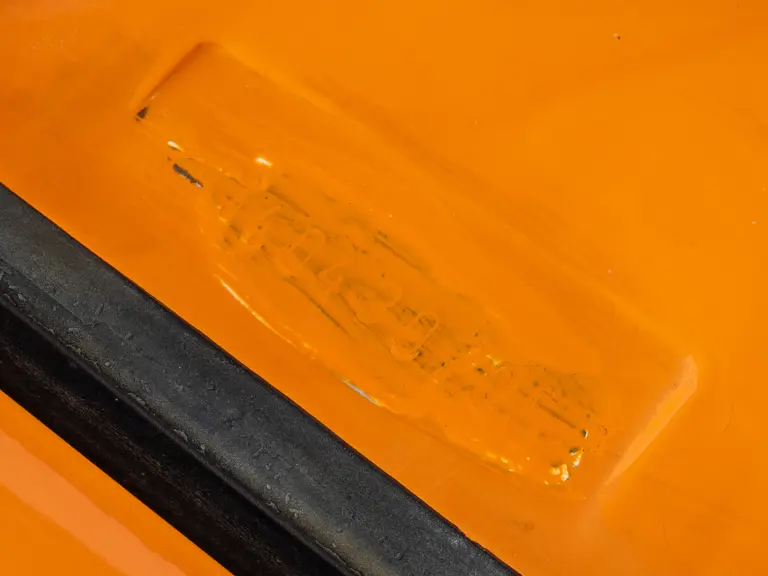
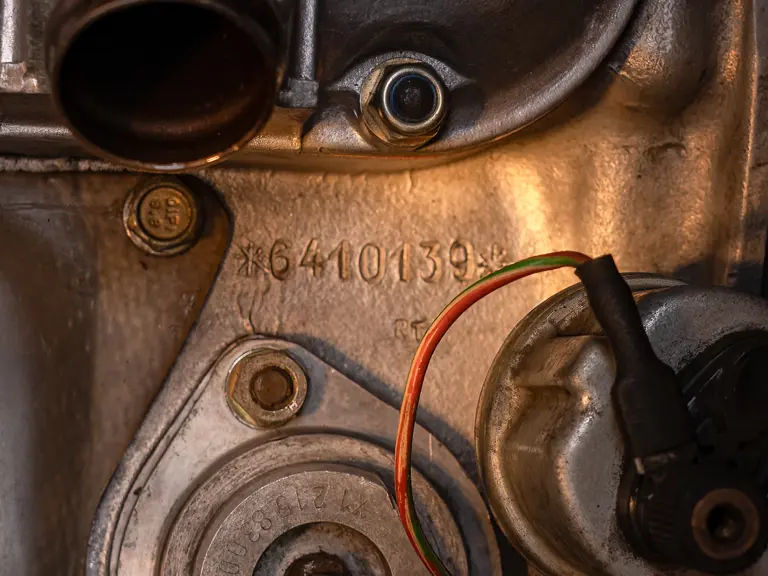
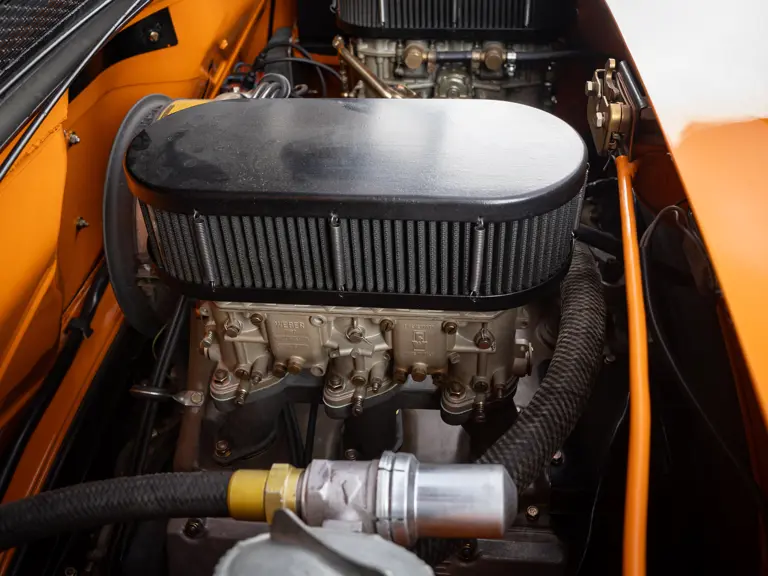
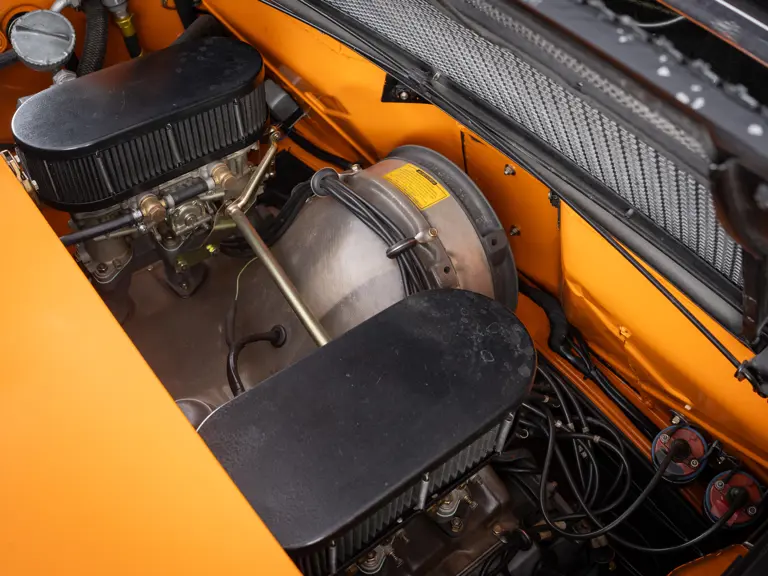
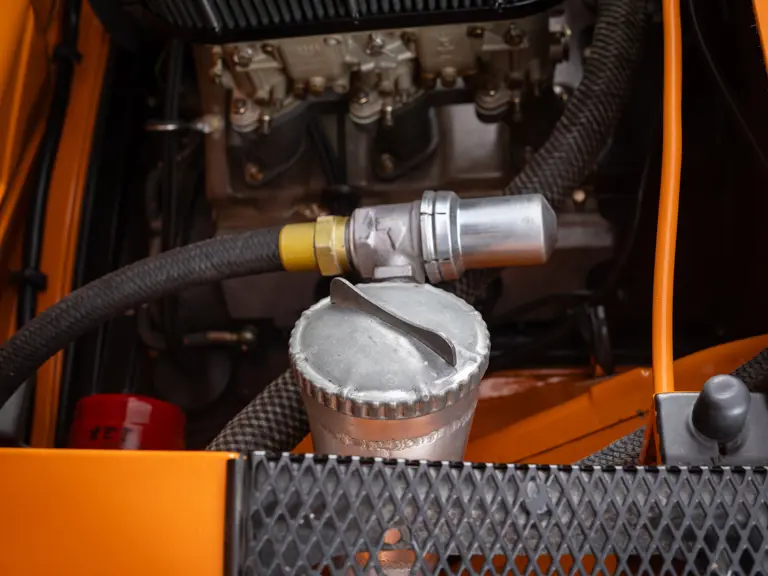
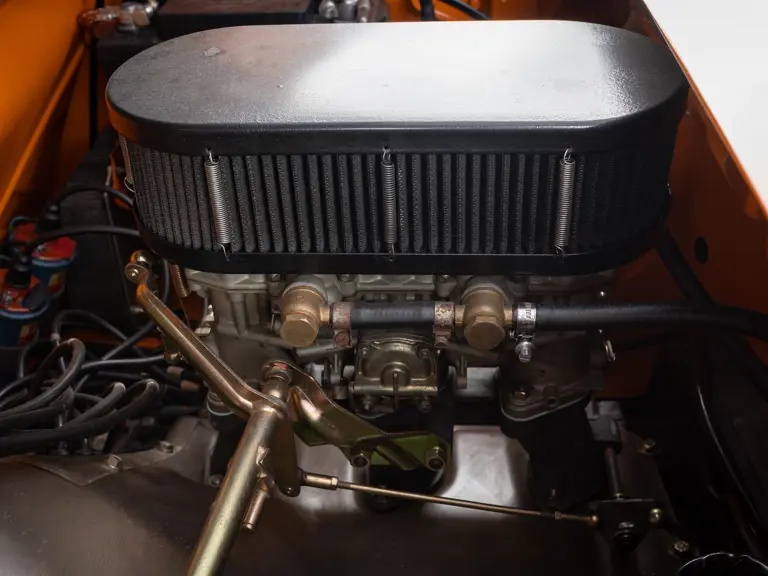
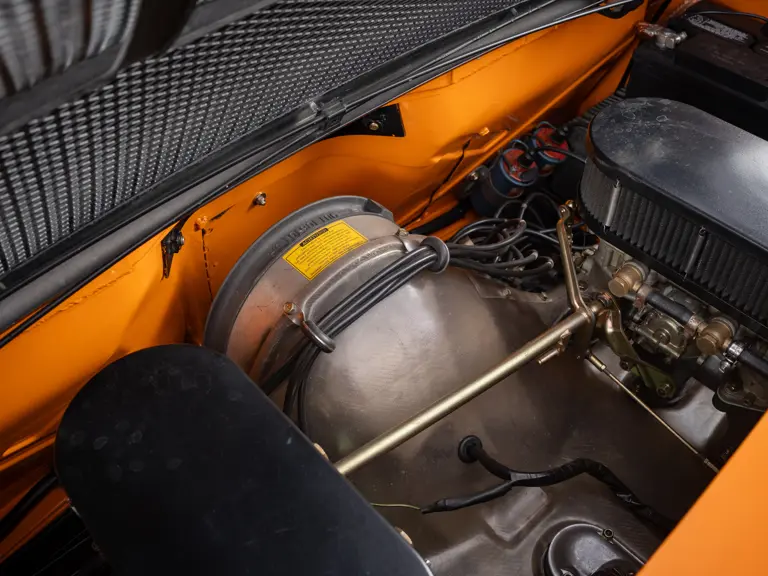
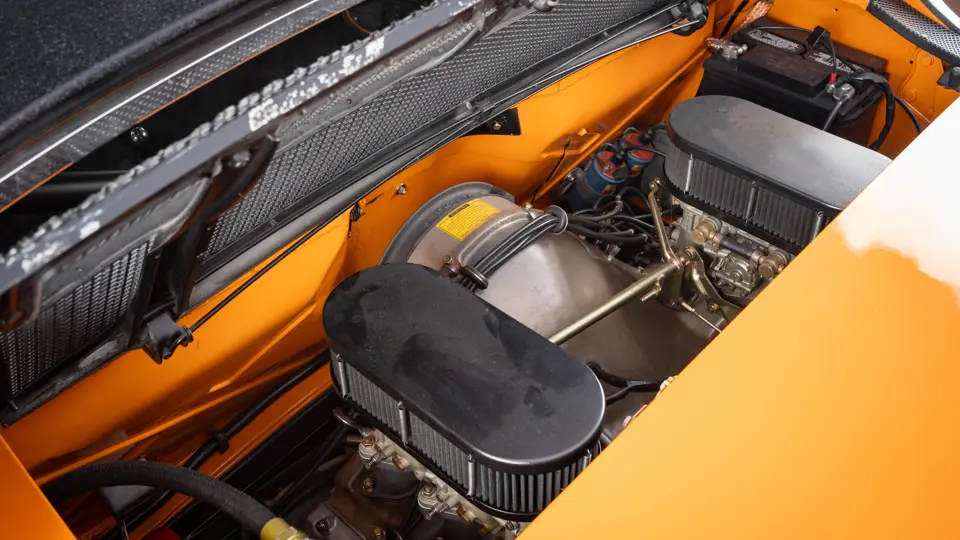
Morse then began a restoration process that stripped the Porsche completely bare and revealed several “R”—for “rennen,” or “racing”—etchings, as seen in photos on file. With the work still in process, the current owner would acquire the 914 in 2011 and saw it to completion. Notably, interior fitments were kept as found, other than cleaning various elements and tightening the original seat material. In terms of the bodywork, only the left rear fender flare presented signs of damage when stripped bare, according to Morse. Chassis 0705 received a 906-specification type 901/25 2.0-liter engine and a 914/6 transaxle. With its extensive recommissioning complete, the Porsche made its first track appearance since being lost to history at Rennsport Reunion 7 in October 2023.
An incredibly significant piece of Porsche motor sport development, chassis 0705 belongs to an exclusive group of twelve 914/6 factory racecars of which only nine are understood to have been used by Porsche “works.” Now fully restored, it is made even more desirable thanks to its association with Brumos Racing as a team car used in their efforts to win the 1971 IMSA GTU Championship.
 | Phoenix, Arizona