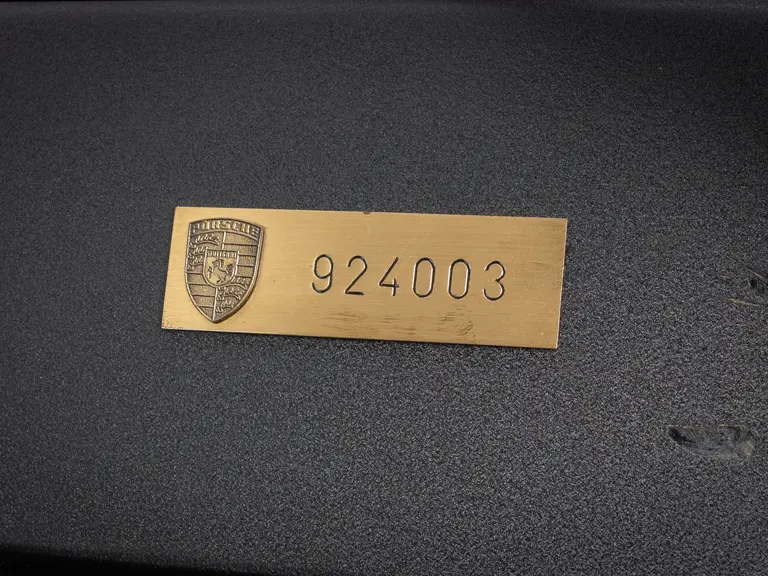
Chassis No.
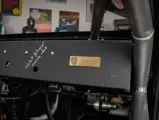
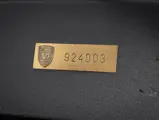
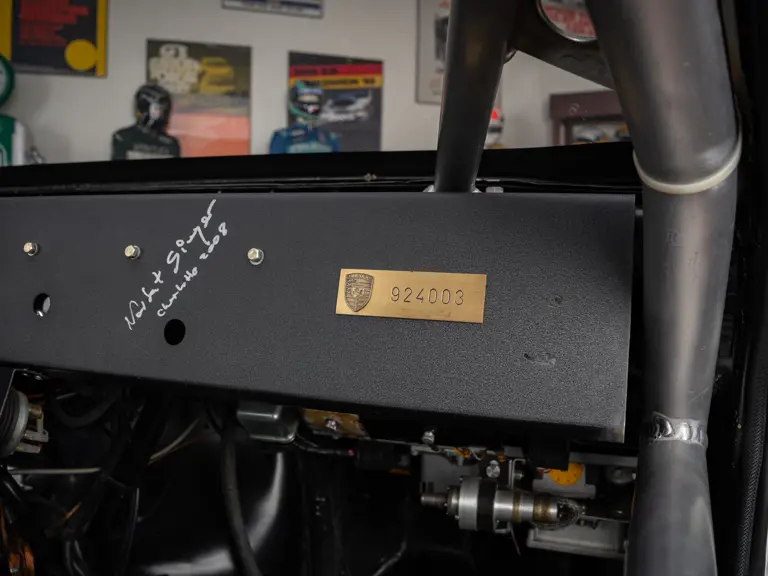
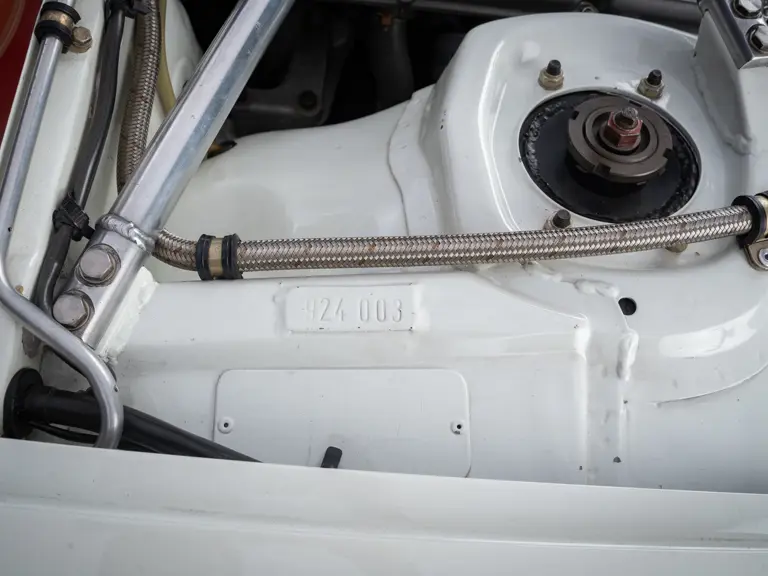
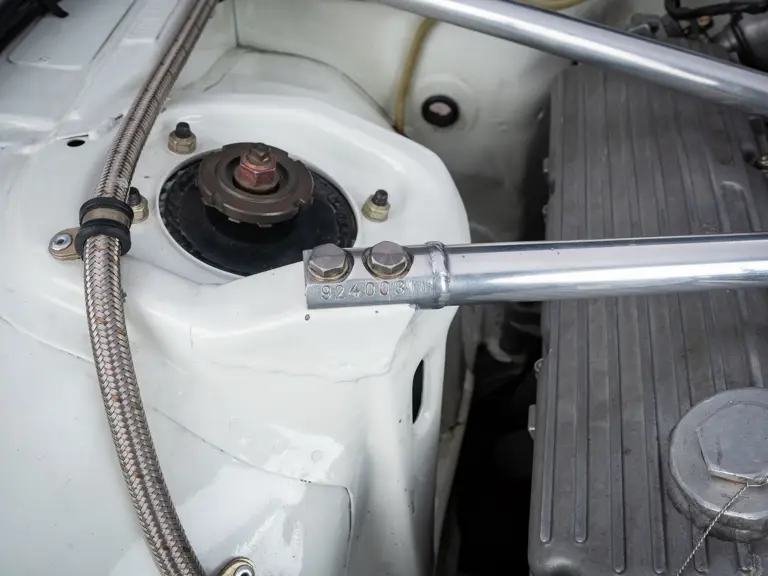
924003
$423,000 USD | Sold
Offered From The Jim Edwards Collection
{{bidding.lot.reserveStatusFormatted}}
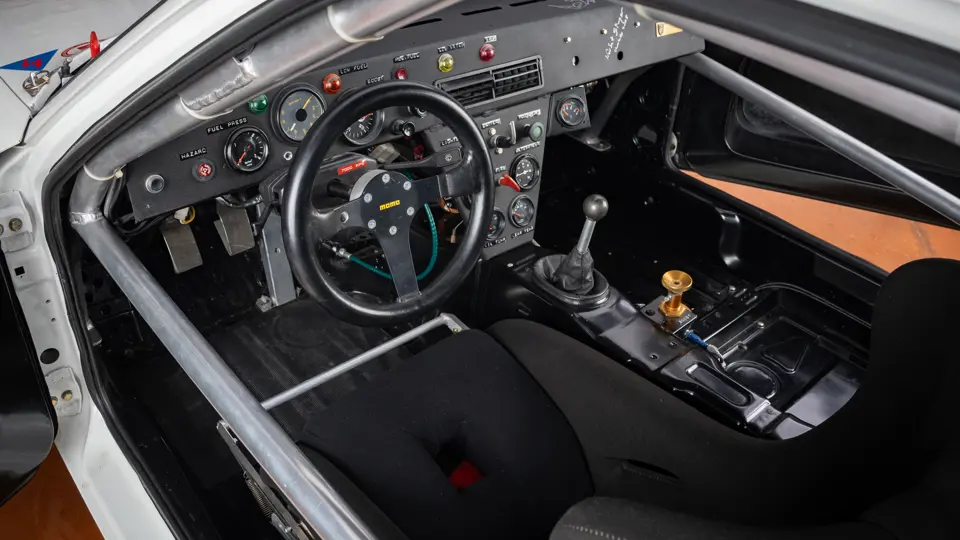
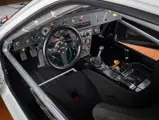
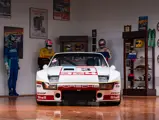
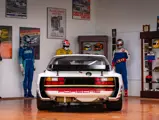
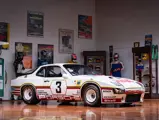
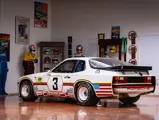
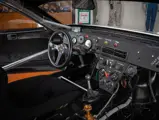
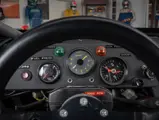
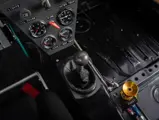
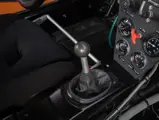
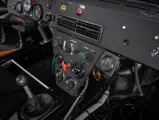
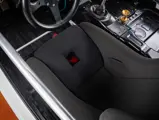
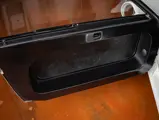
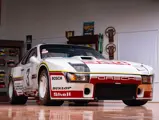
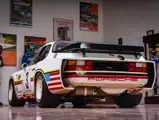
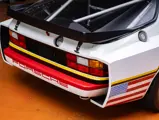
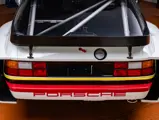
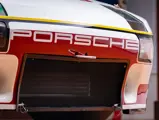
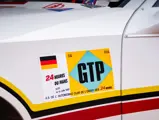
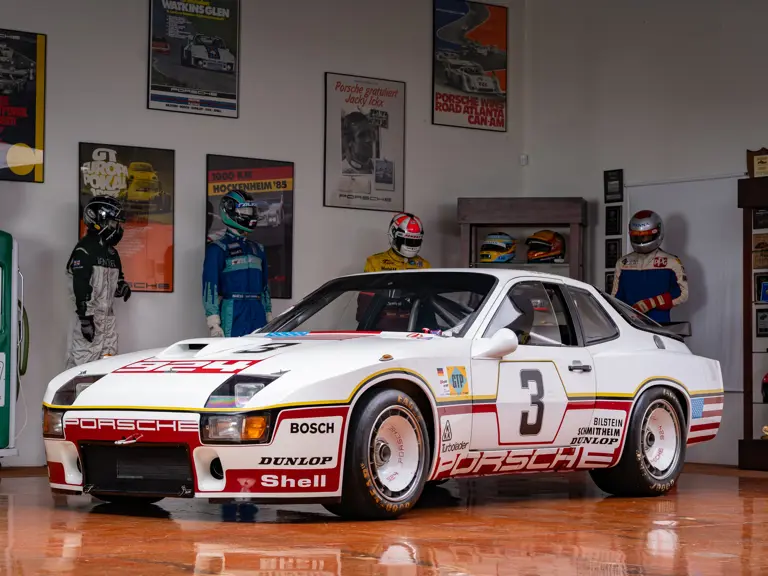
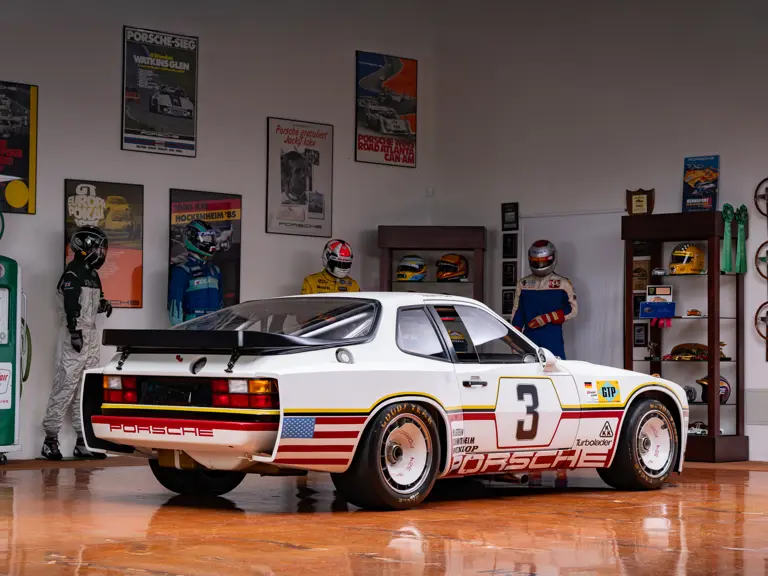
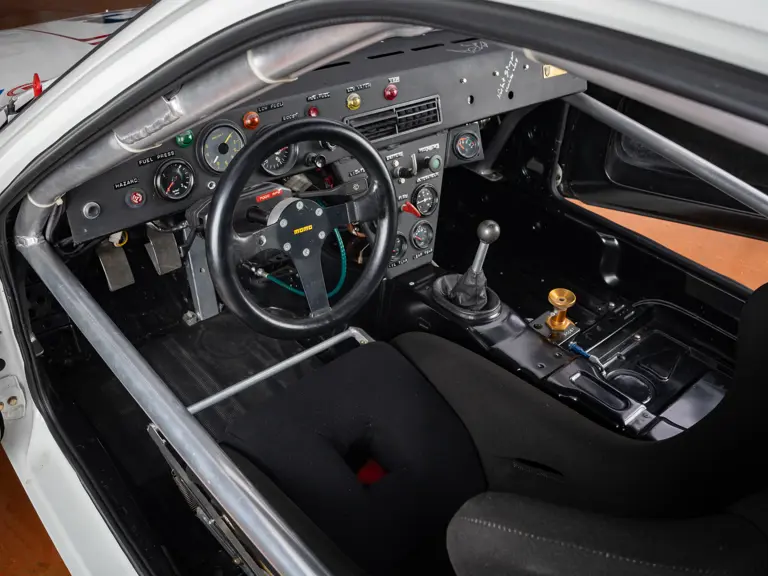
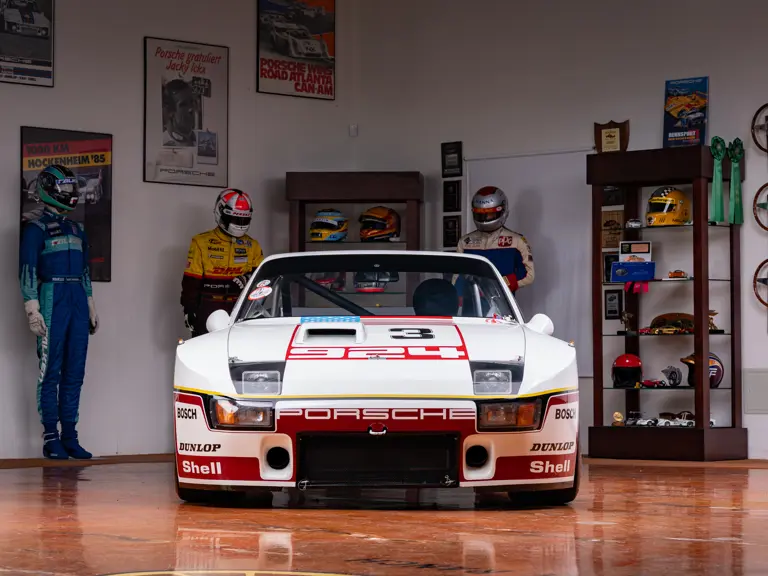
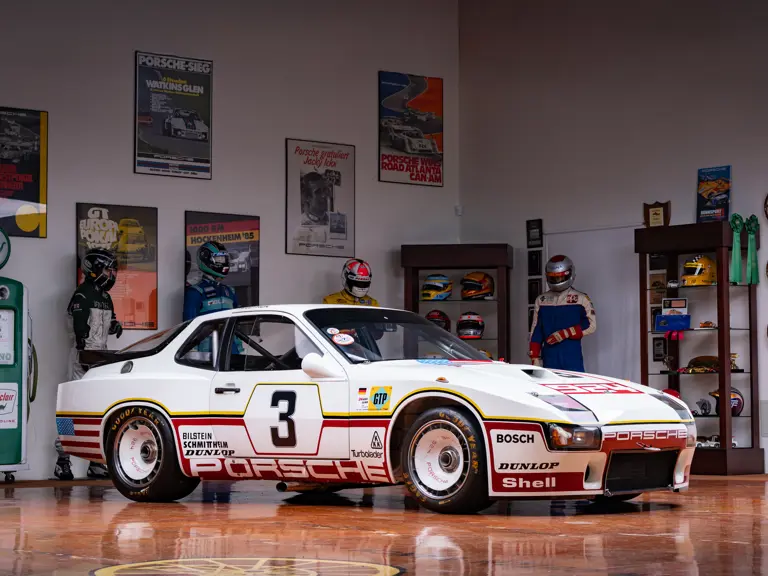
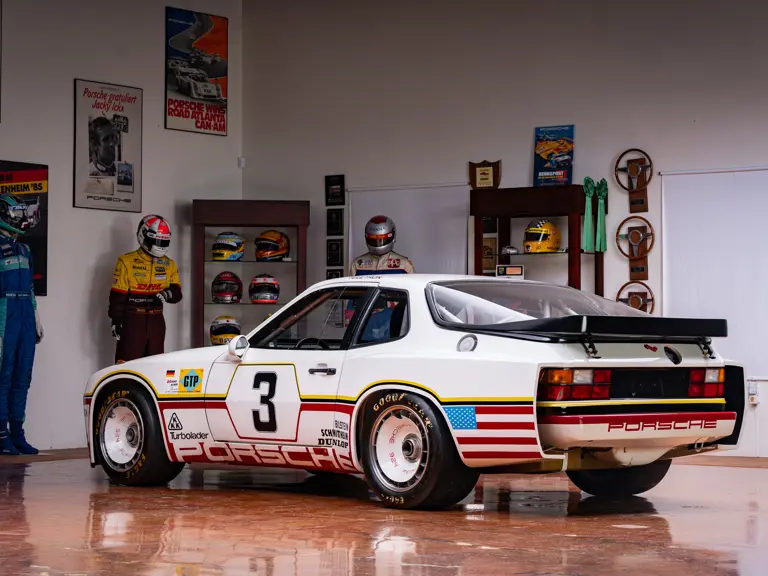
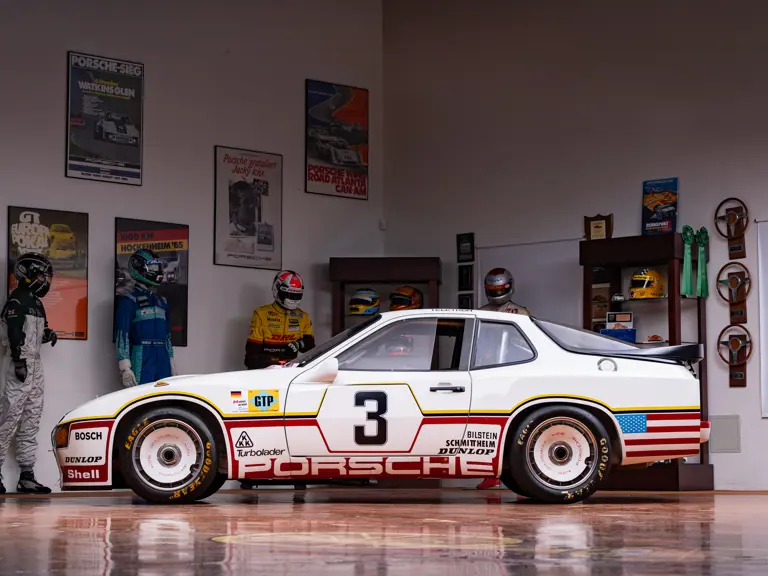
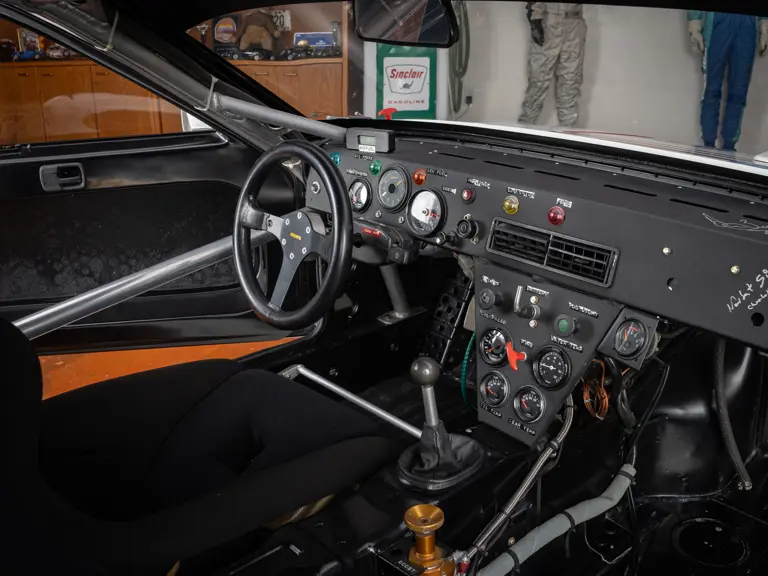
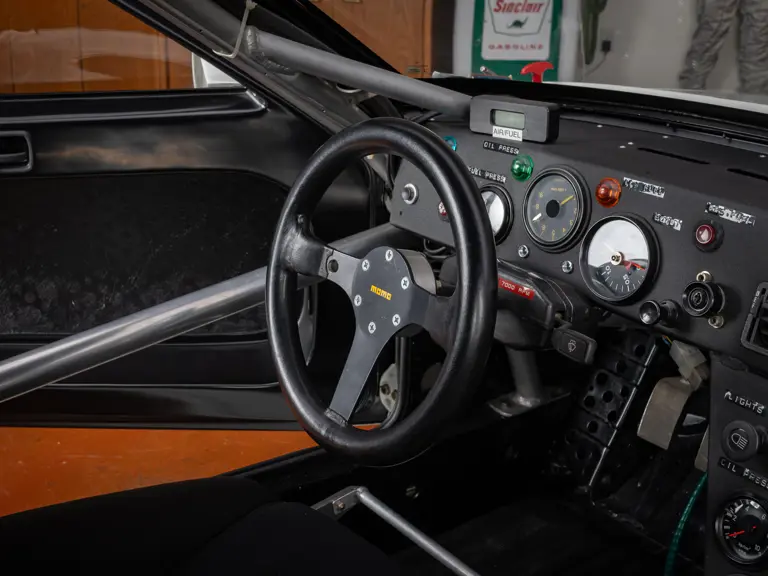
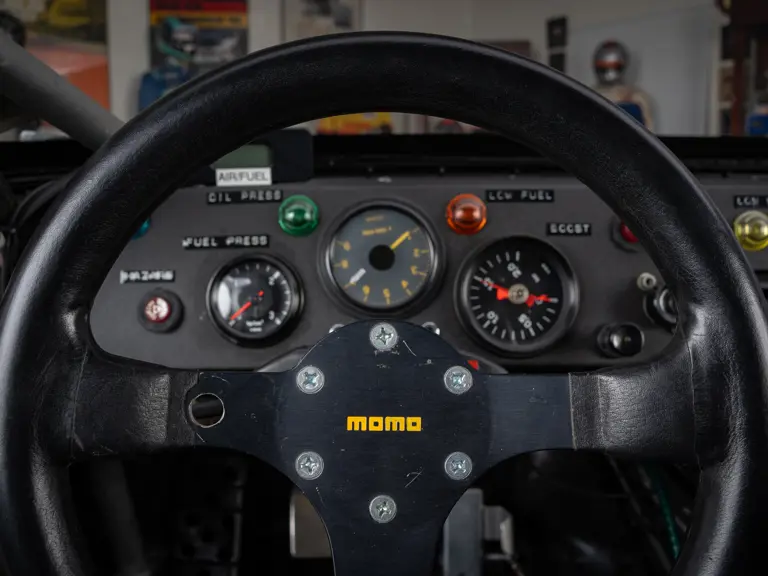
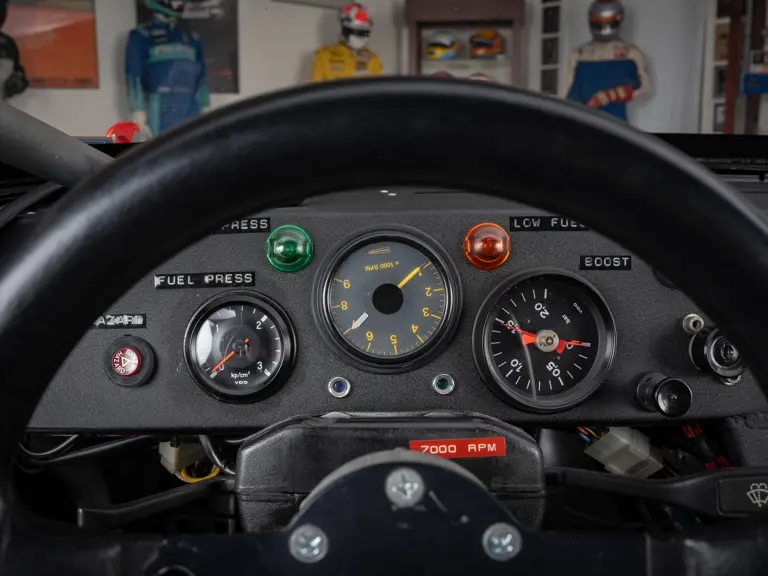
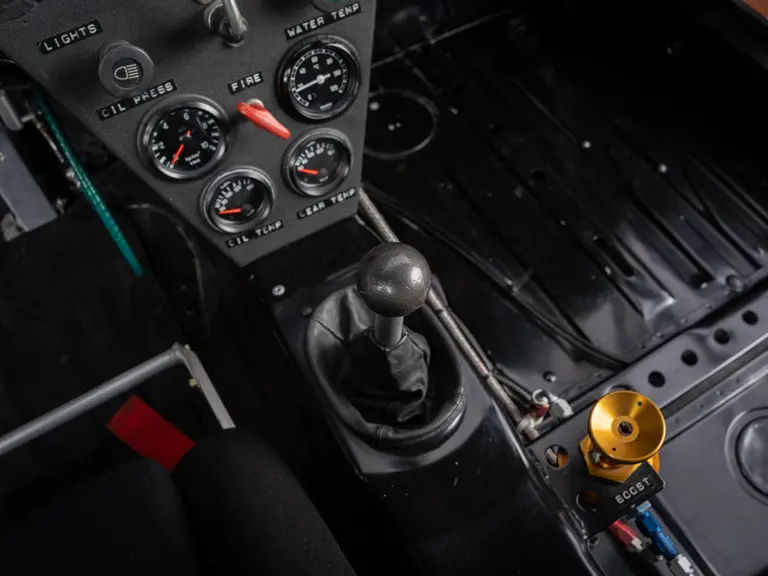
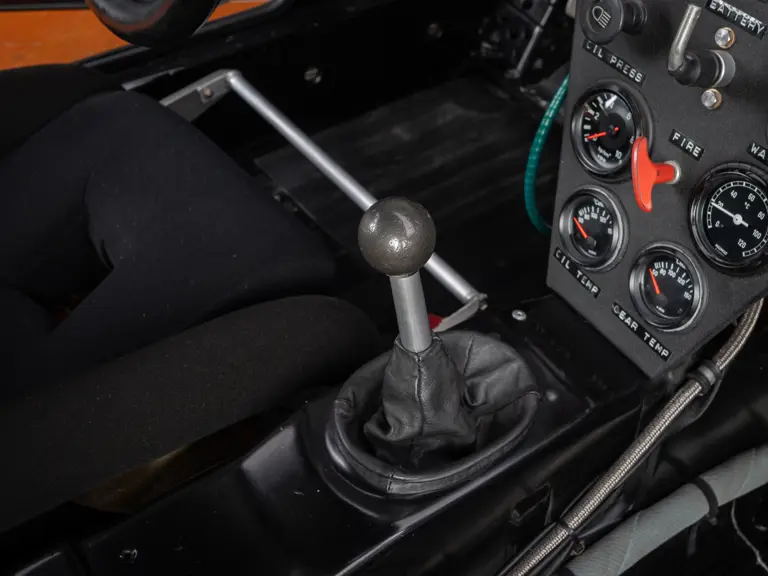
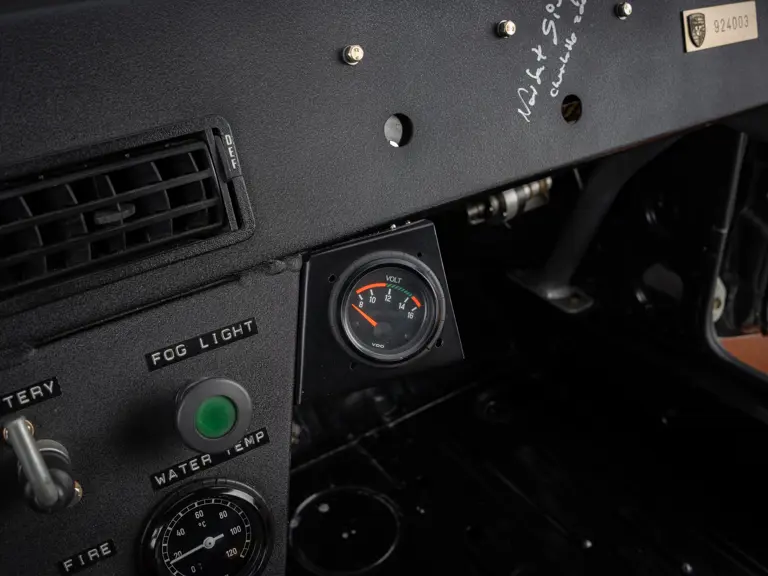
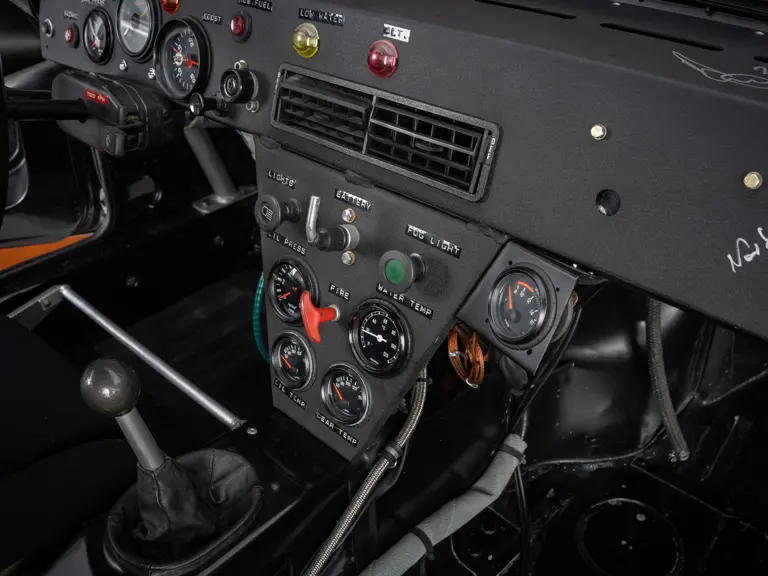
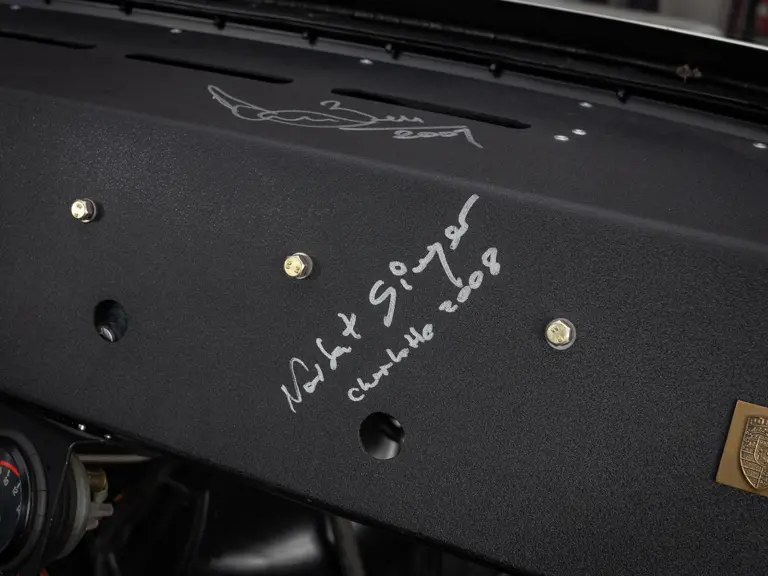
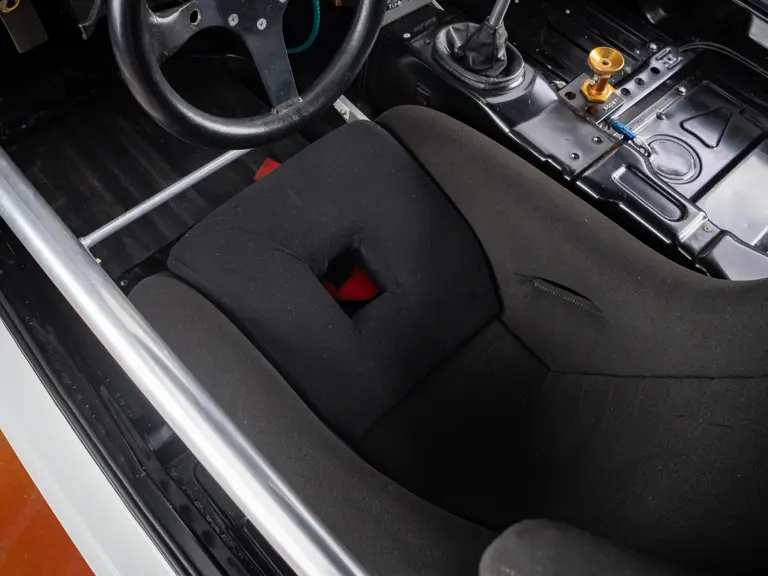
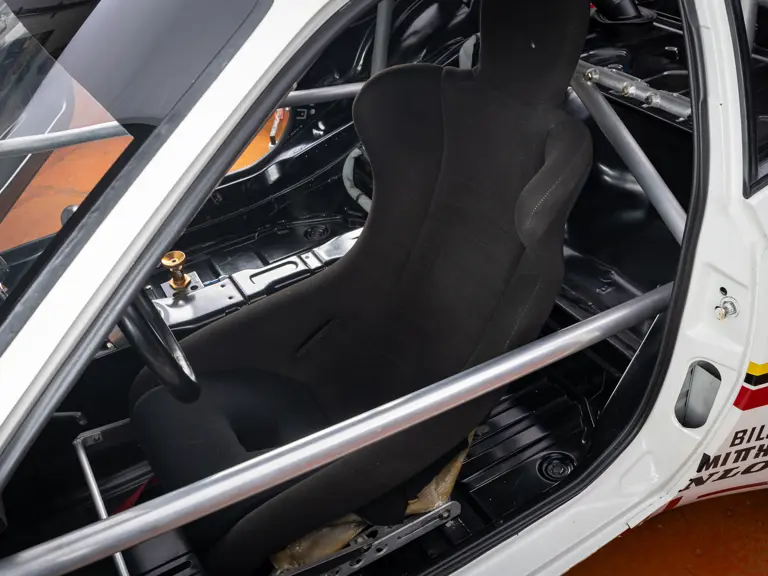
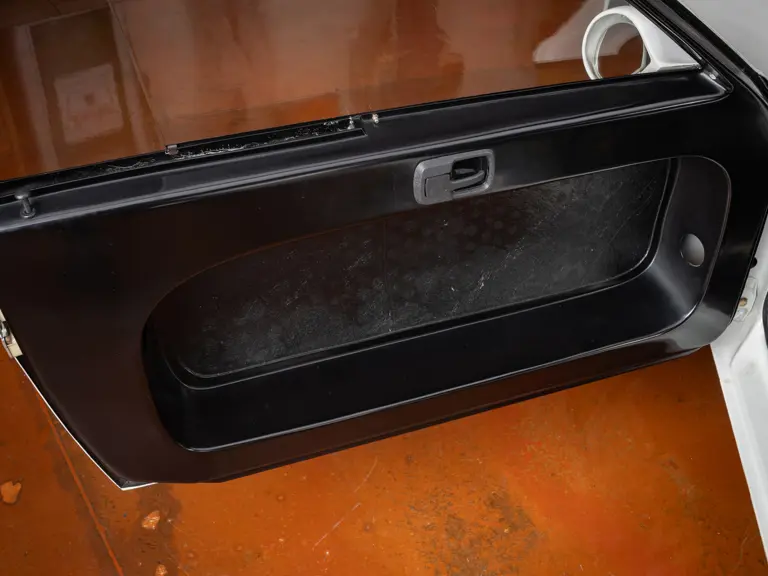
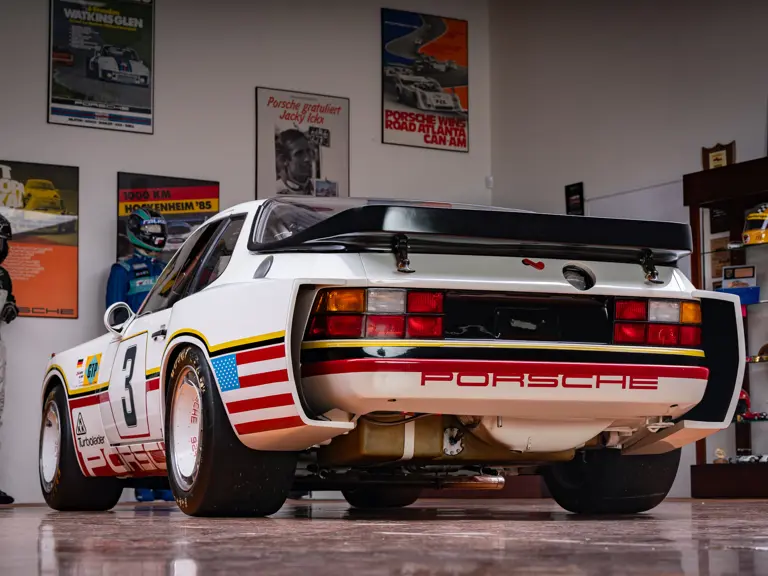
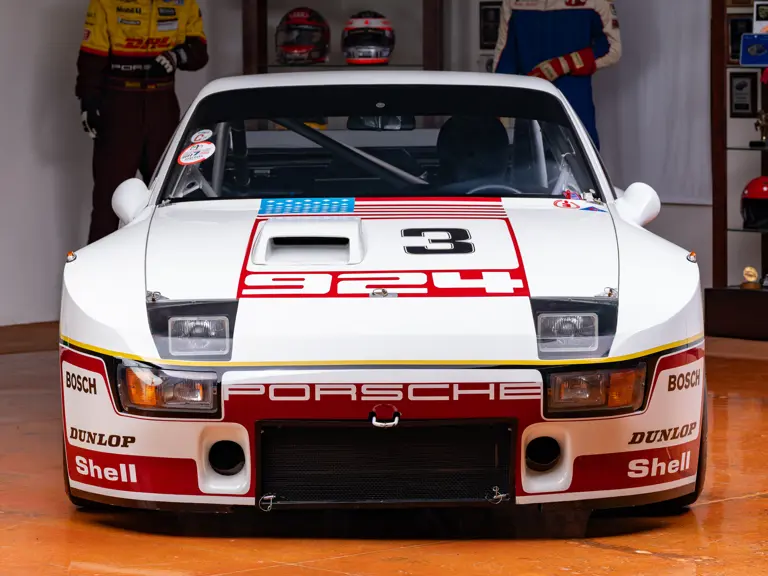
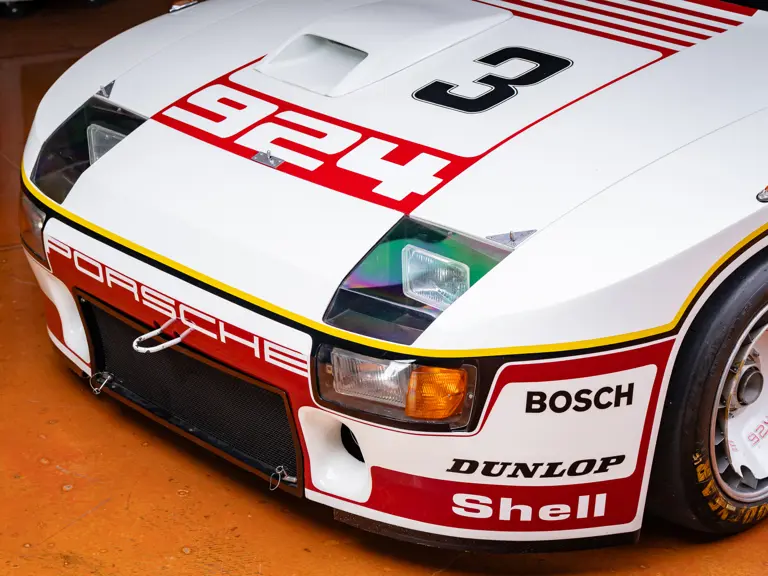
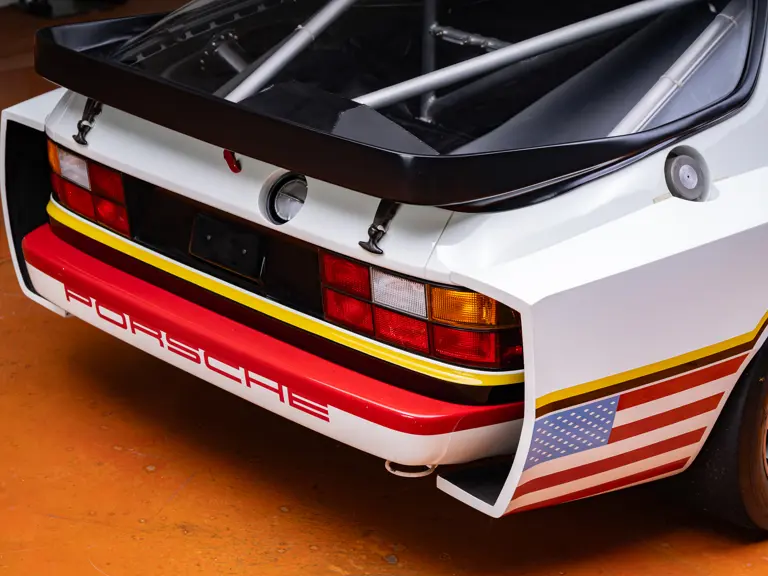
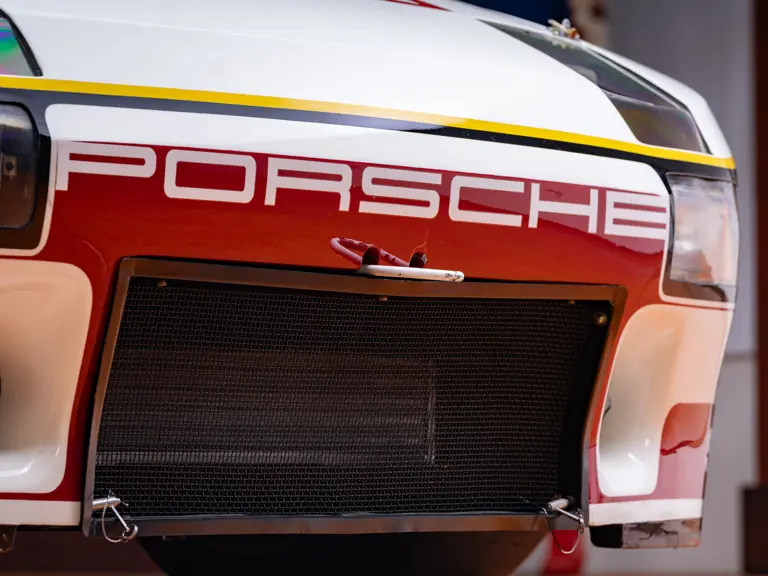
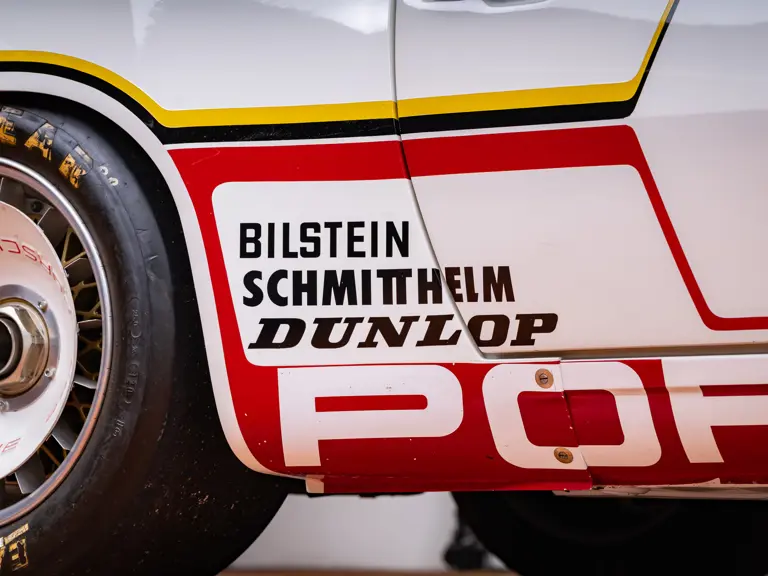
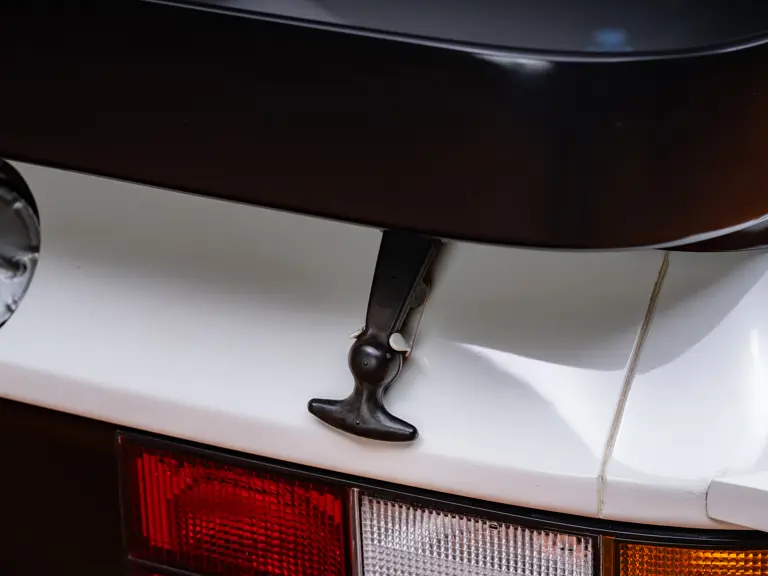
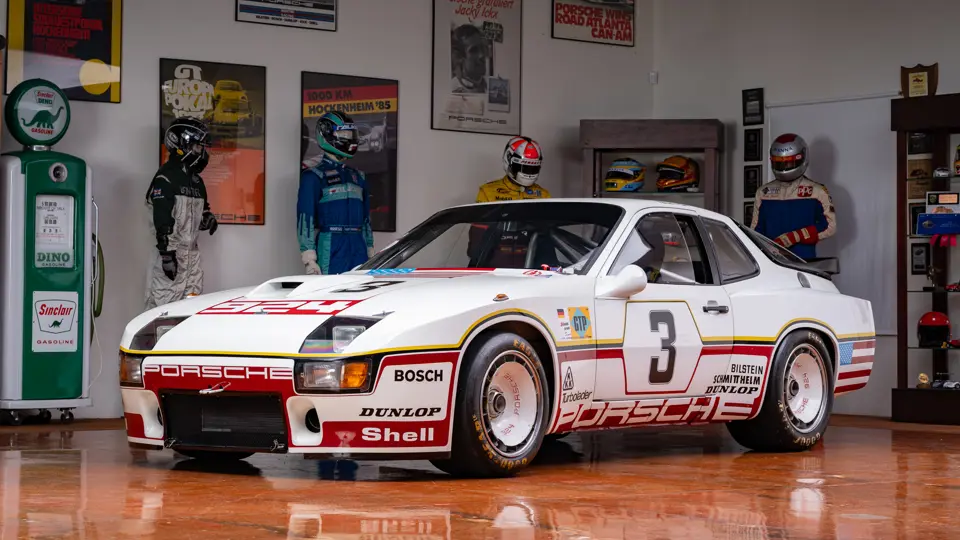
Born out of Porsche’s front-engine 924 program in the mid-seventies, a dedicated racing version would emerge and ultimately showcase the advantages of proper weight distribution achieved by locating the engine at the front of the chassis, counterbalanced by a rear-mounted transaxle. Porsche engineer extraordinaire Norbert Singer developed the 924 GTP to compete in the Grand Touring Prototype class at the 1980 24 Hours of Le Mans. It featured boxed fender flares, an Audi-based 2.0-liter turbocharged four-cylinder engine, and a stripped-out interior. Essentially a prototype racecar with drastic changes under the skin, it stood out noticeably from its road-car siblings.
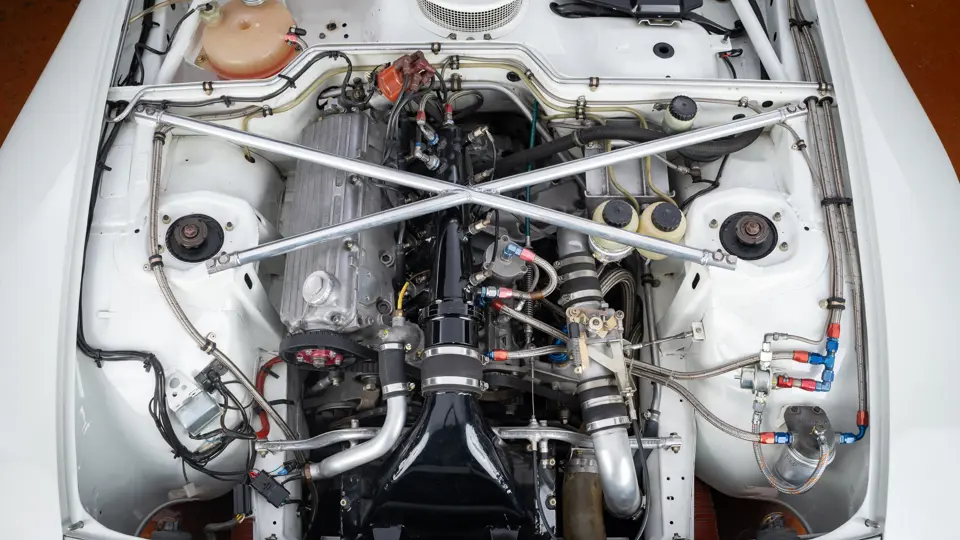
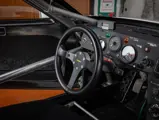
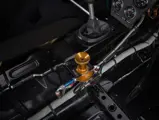
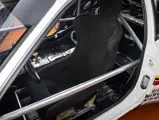
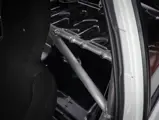
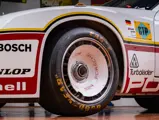
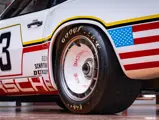
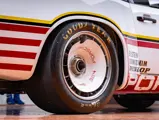
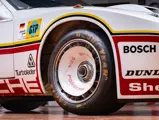
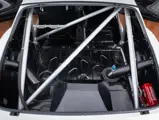
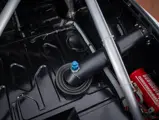
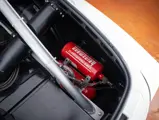
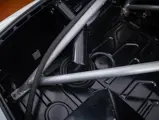
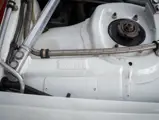
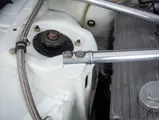
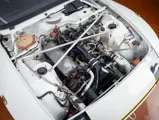
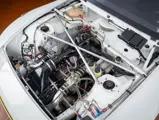
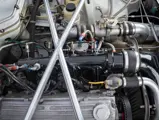
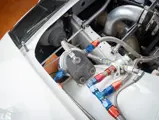
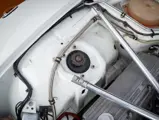
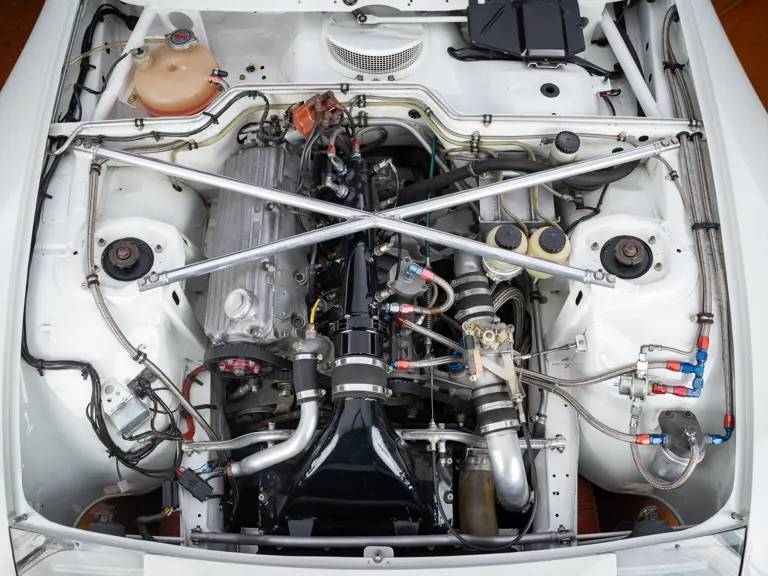
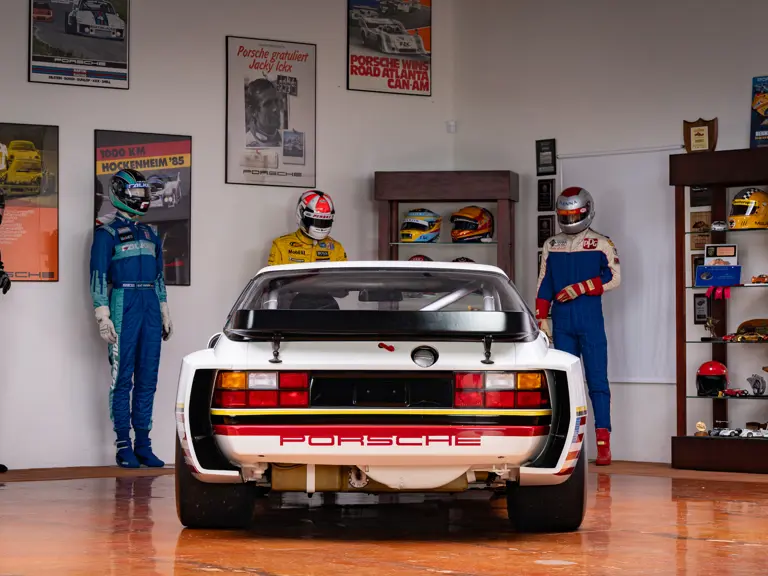
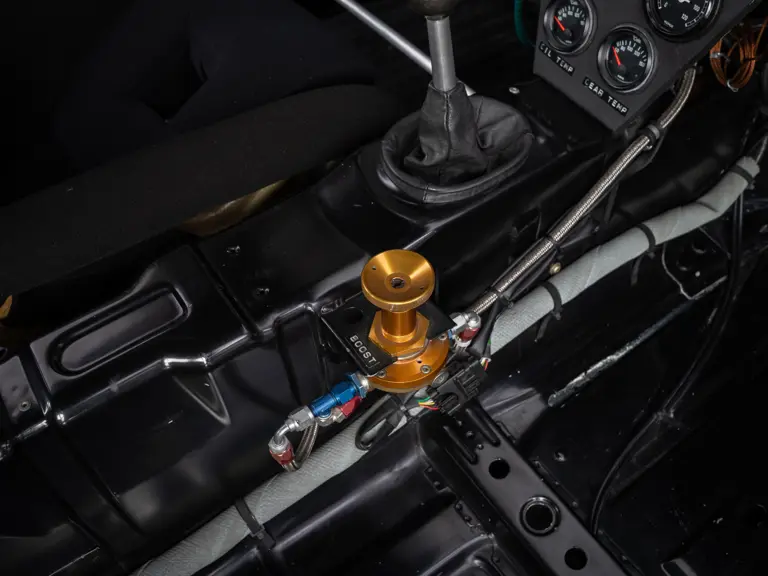
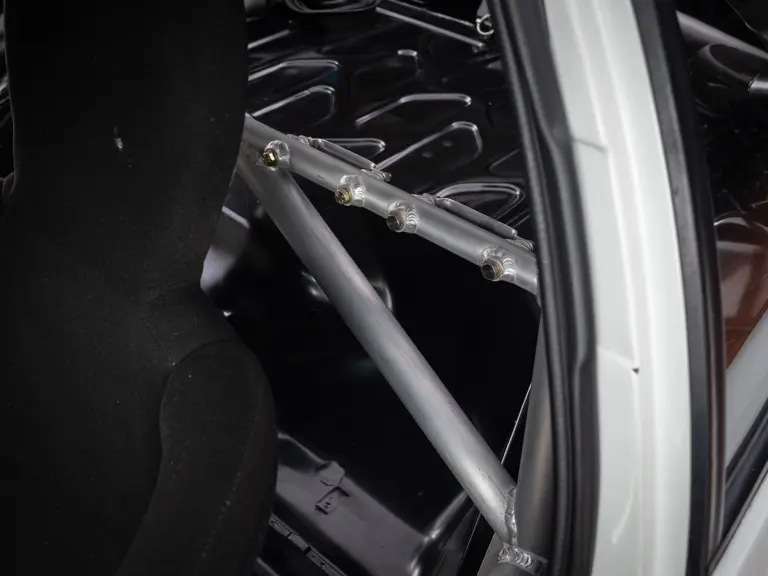
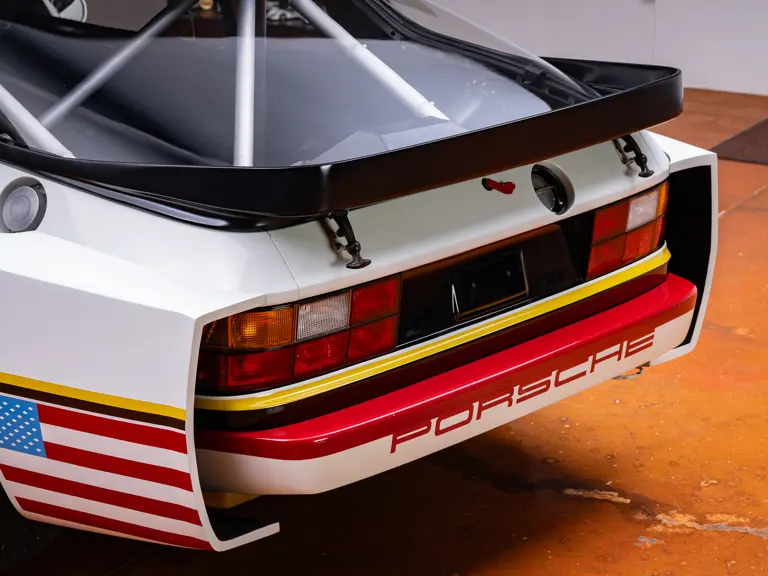
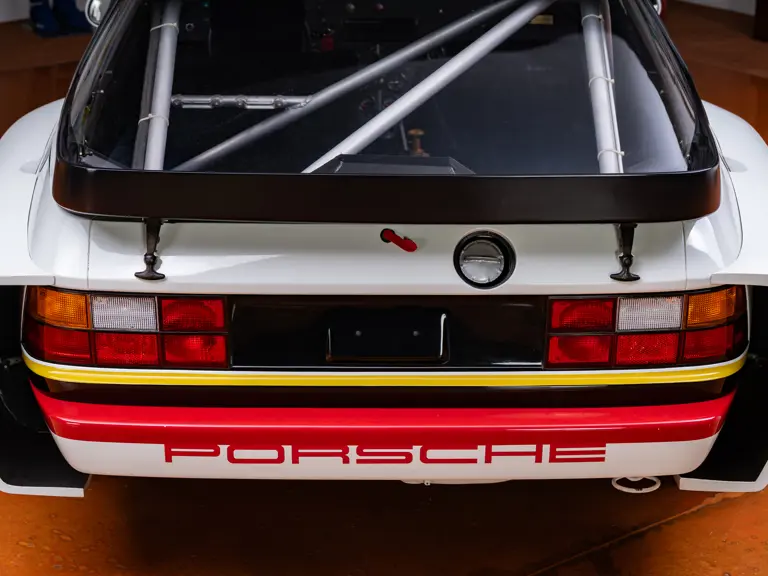
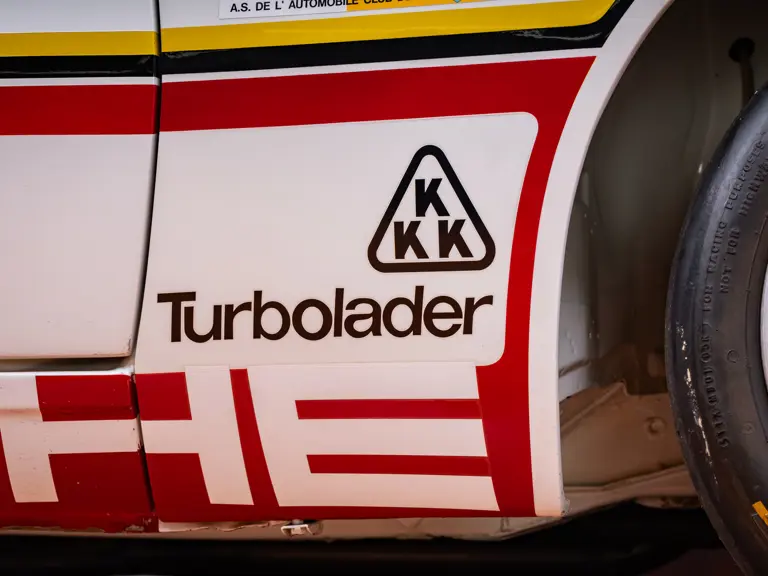
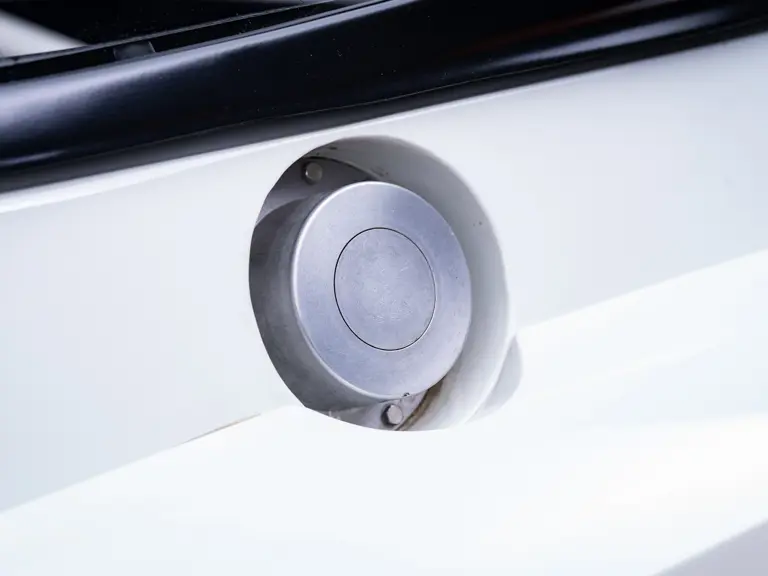
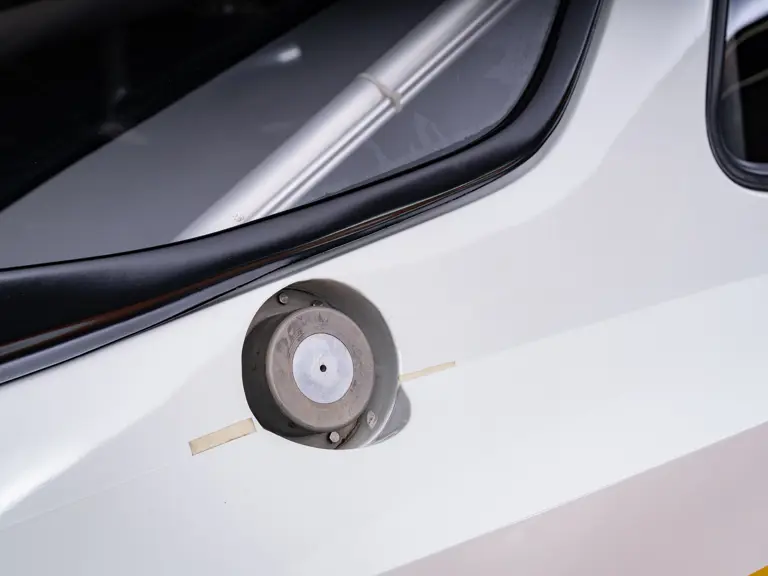
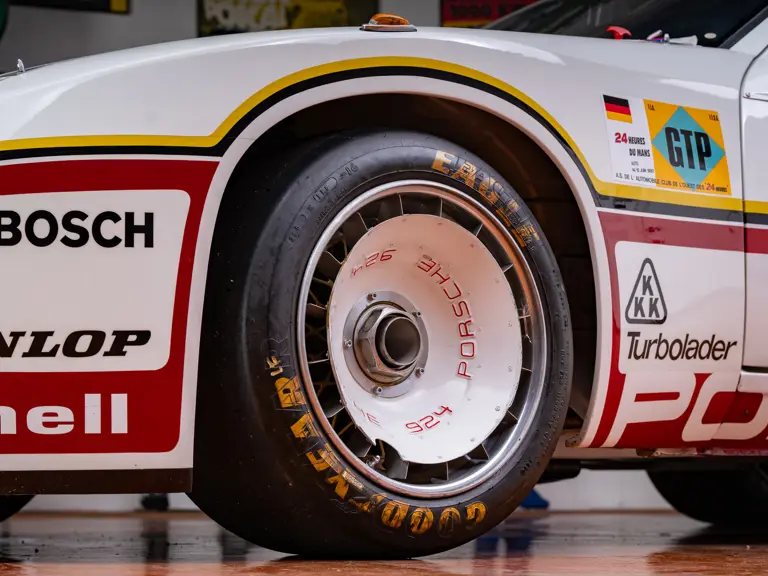
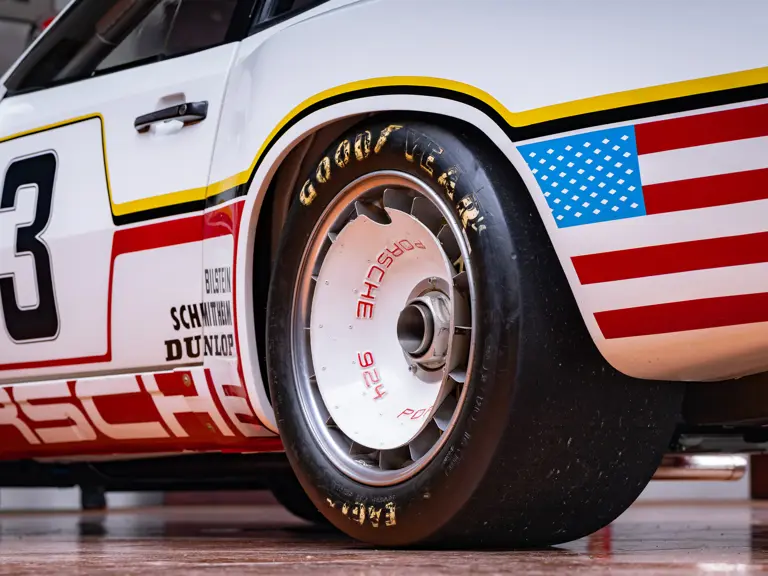
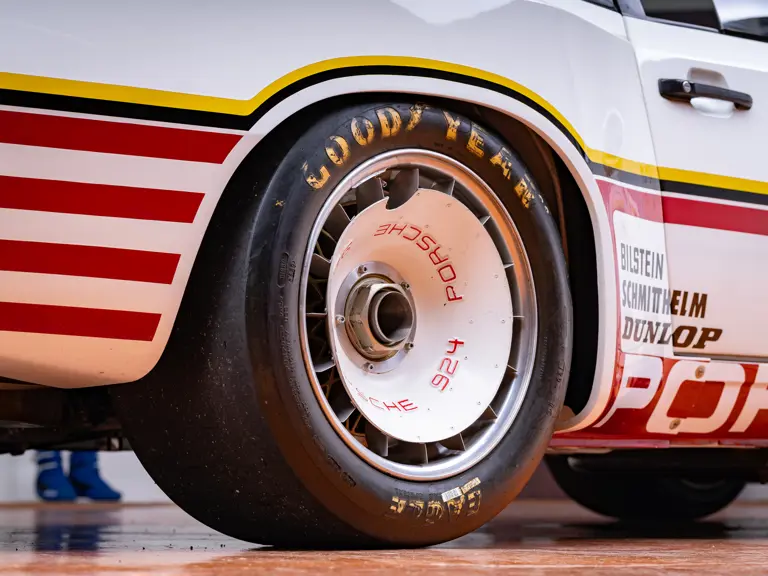
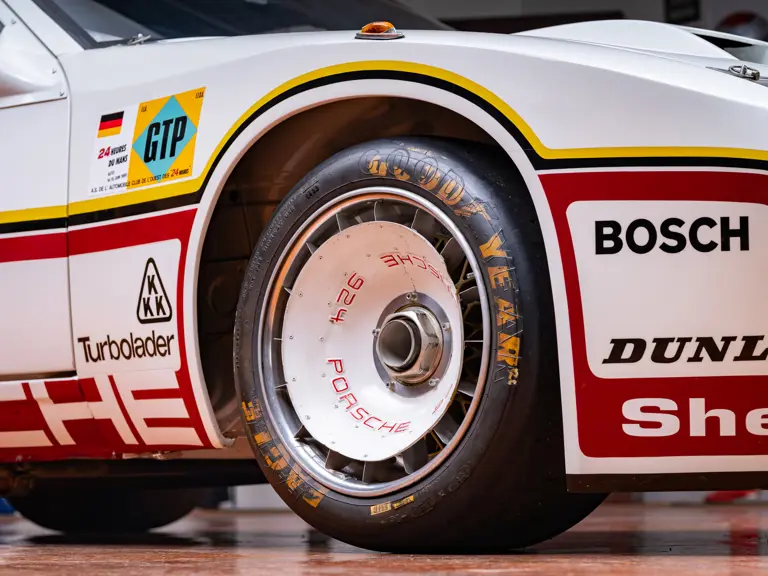
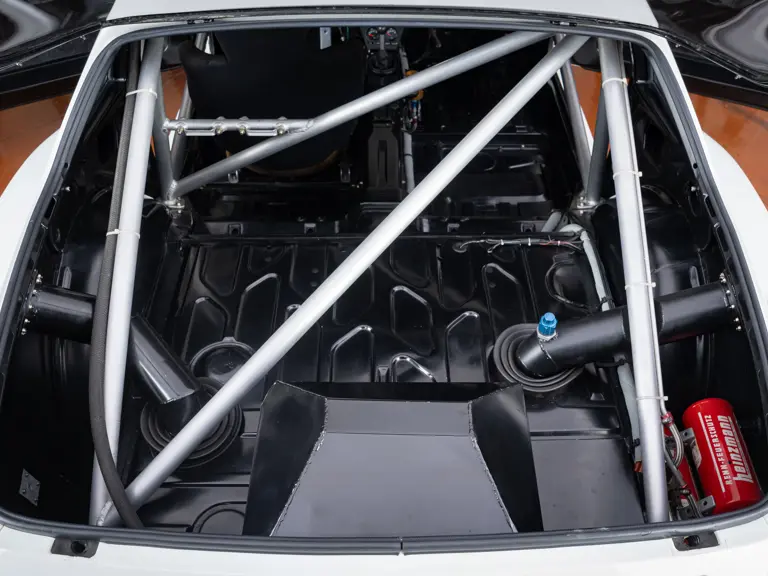
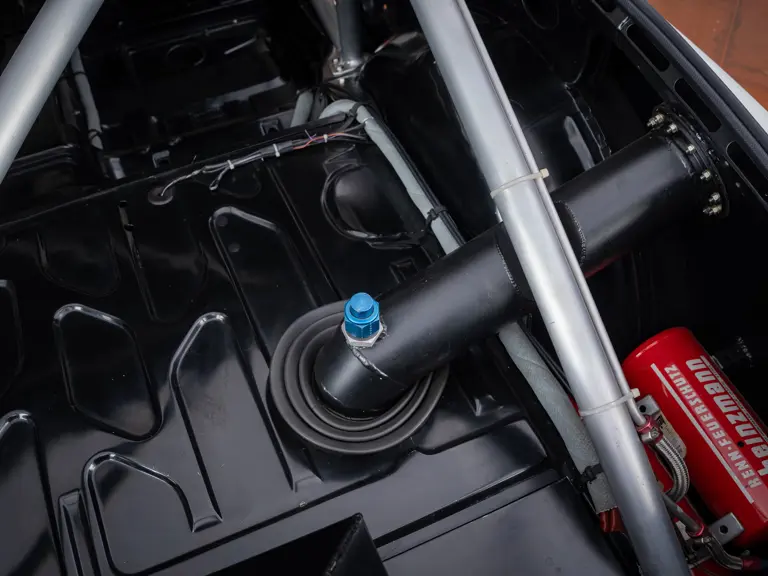
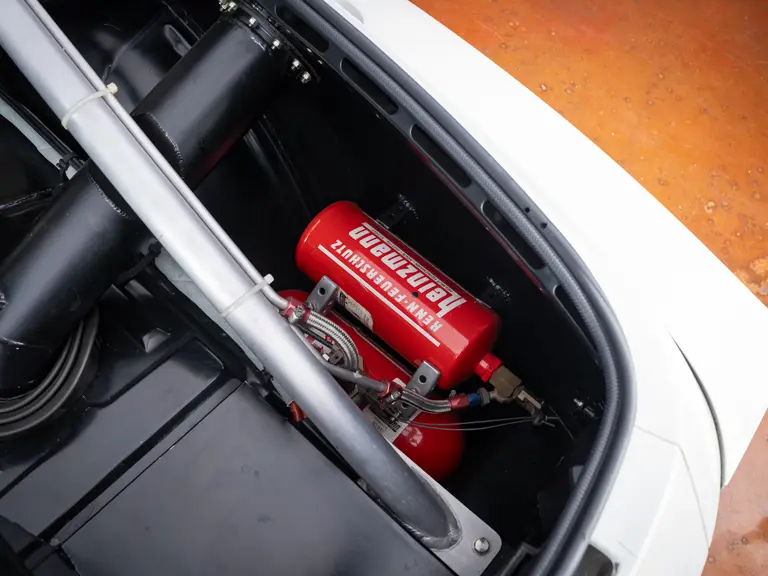
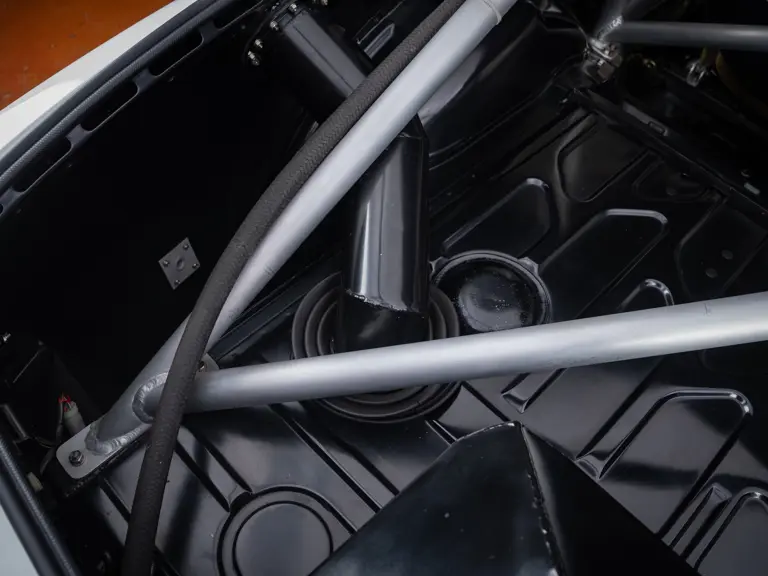
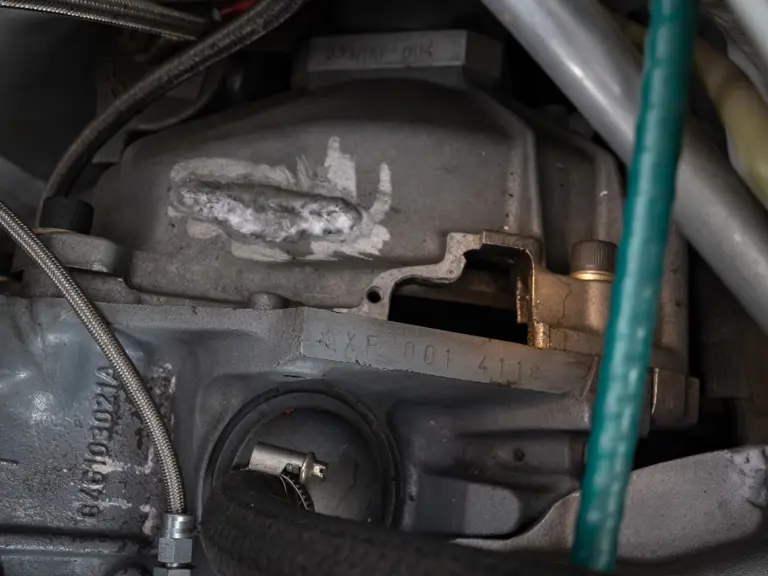
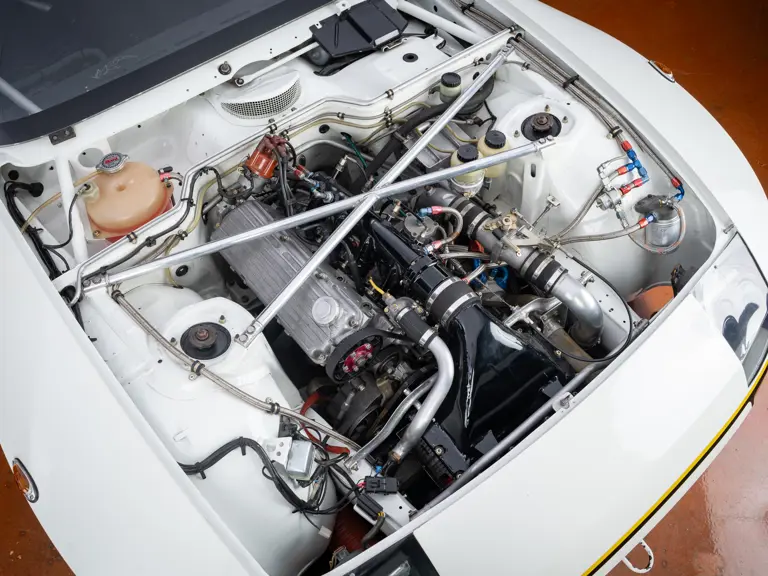
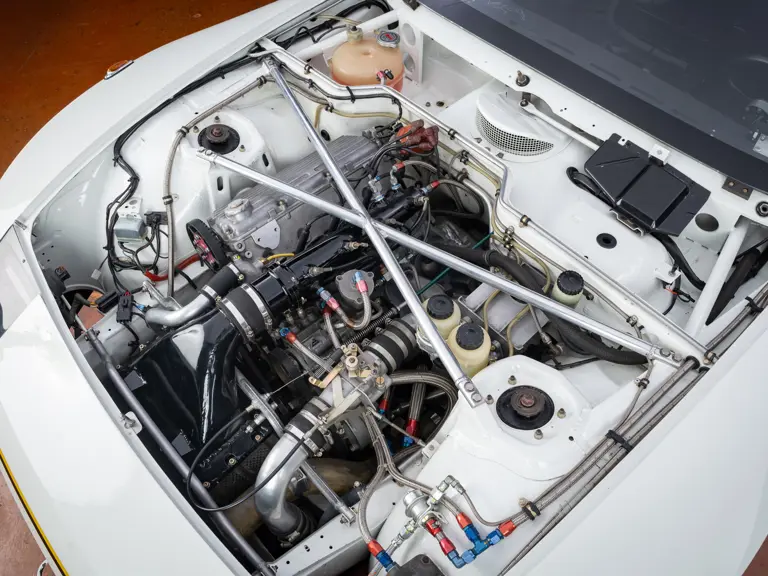
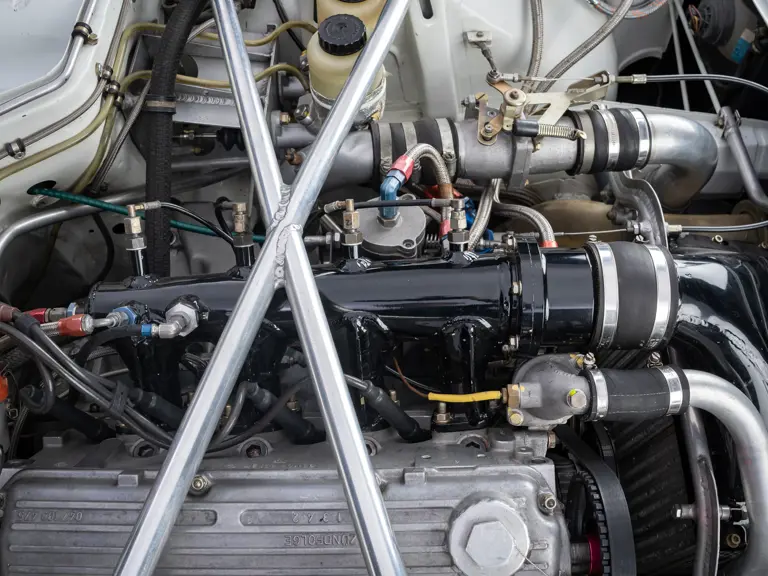
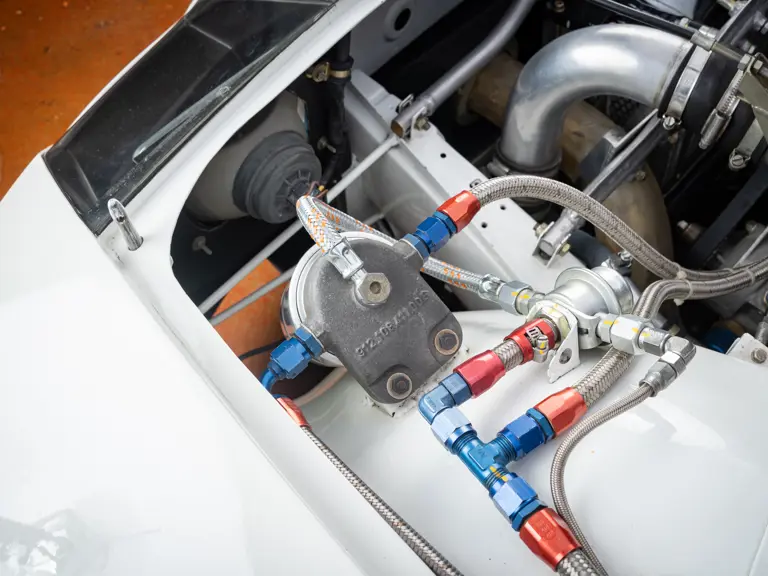
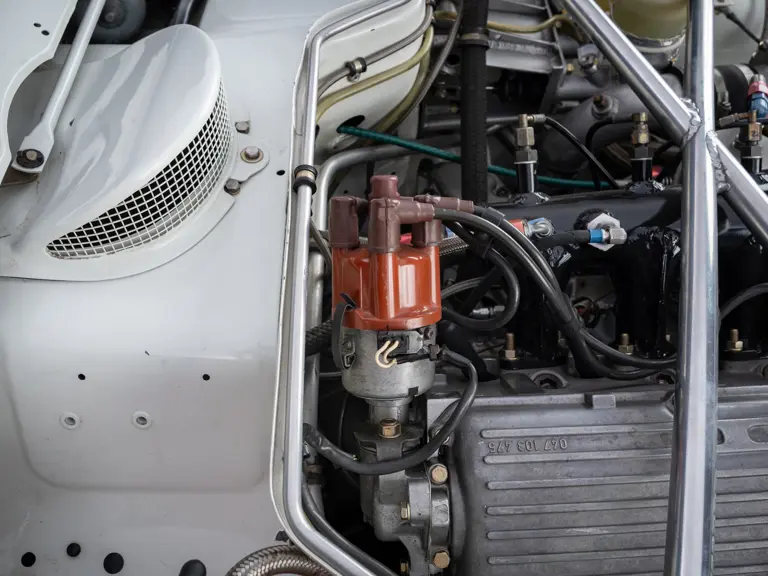
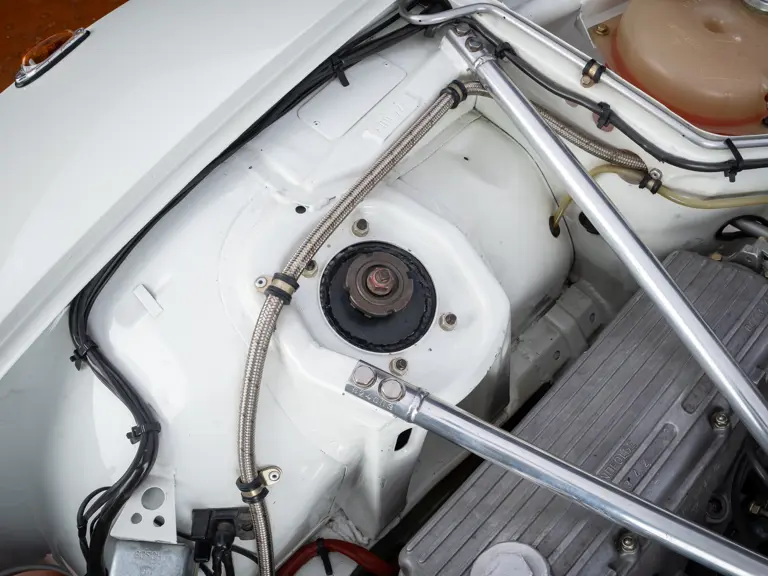
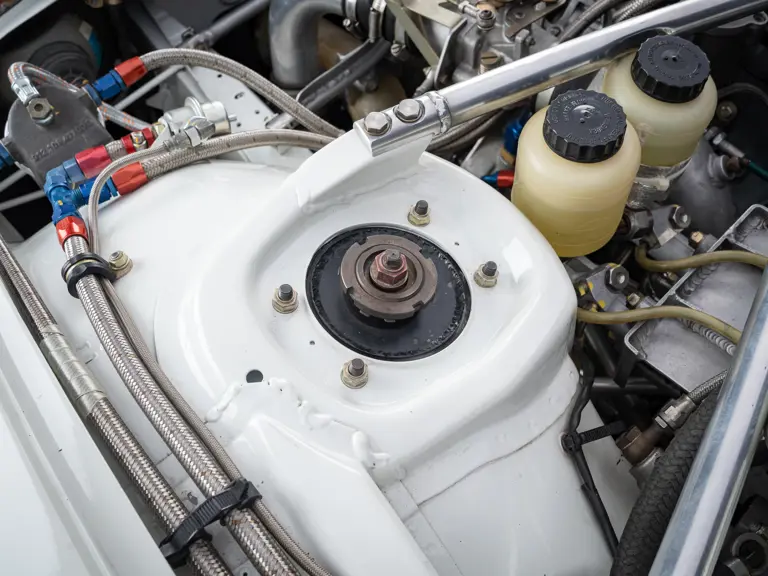
An aluminum roll cage and extra cross bracing under the hood improved rigidity and safety. The pedal assembly was custom fabricated, similar to those of other contemporaneous Porsche racers. A healthy amount of titanium components dropped weight further, while center-locking wheels reduced service time on pit lane. The body was constructed with lightweight materials, including aluminum, urethane, and fiberglass. The turbocharger was repositioned to the driver’s side of the engine bay for greater exhaust flow, and a larger intercooler was fitted, resulting in output over 300 horsepower. The inline-four fed into a strengthened five-speed transaxle featuring a limited-slip differential with its own cooling system.
With a top speed touching 180 mph, the 924 GTP was competitive on the long straights of the 8.5-mile Circuit de la Sarthe. To rein in the speed, brake calipers similar in size to the Porsche 935’s were revamped with bespoke tooling, as so many parts on the car were. While Porsche went on to produce 924 GTR racecars for customer teams, the factory-backed 924 GTP was a wholly unique prototype racer specially engineered with a bevy of bespoke parts.
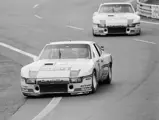
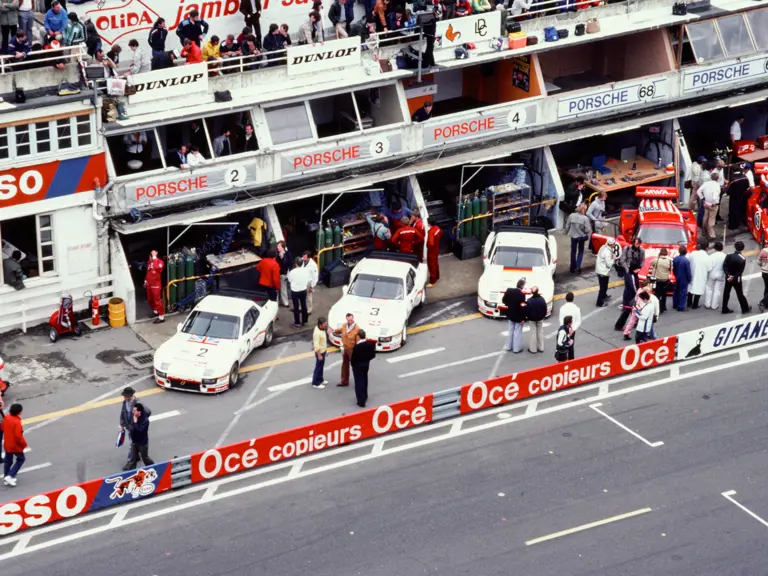
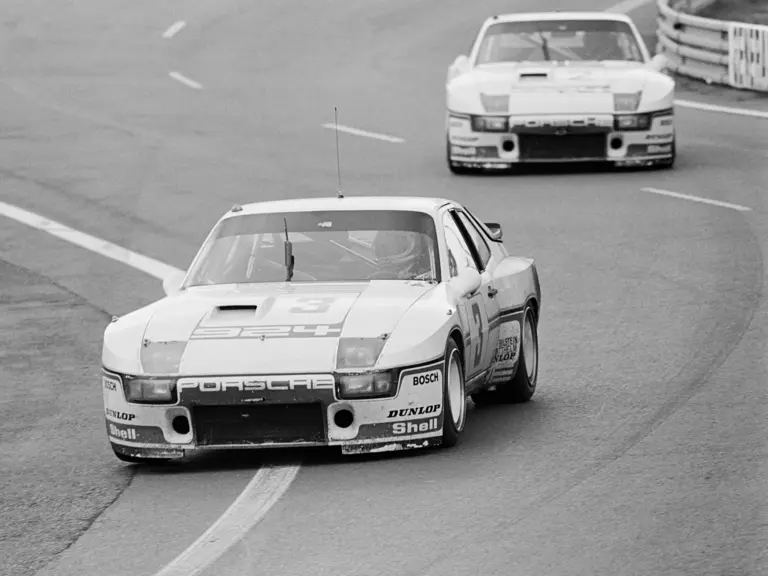
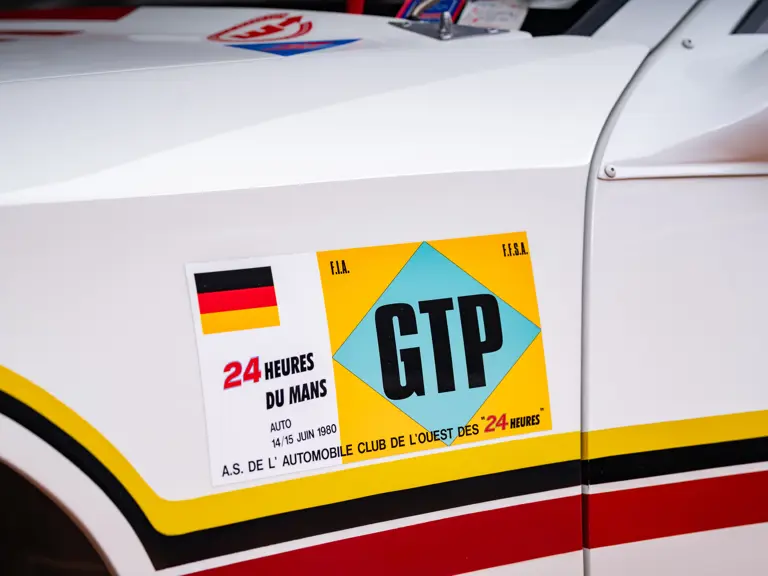
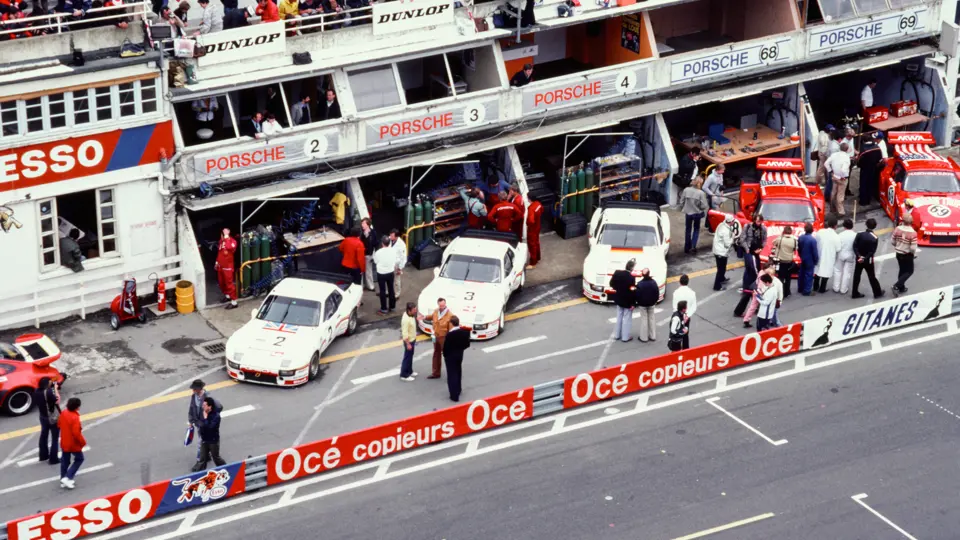
Porsche entered three 924 GTPs for its assault on Le Mans in 1980. Bearing chassis numbers 924002, 924003, and 924004, they represented Great Britain, the United States, and Germany, respectively. Given the immensely wet conditions during the race that year, the well-balanced chassis provided ample grip in the rain and allowed these GT-category cars to overtake some of the more powerful struggling prototypes. The slower pace of the race resulted in a strong finish from the trio of 924 GTPs: 6th, 12th, and 13th overall.
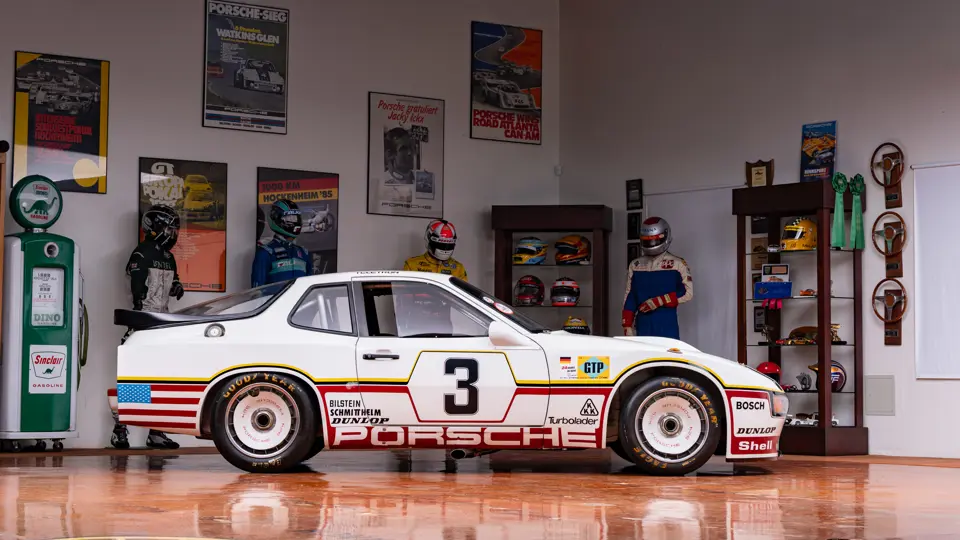
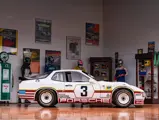
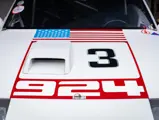
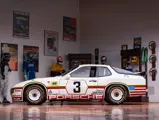
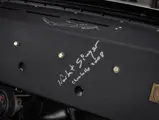
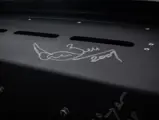
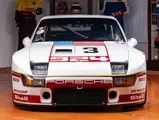
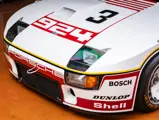
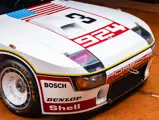
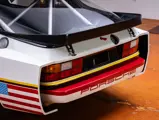
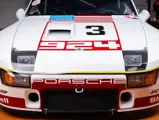
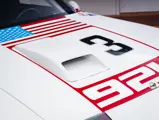
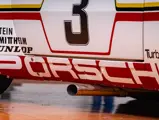
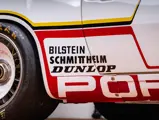
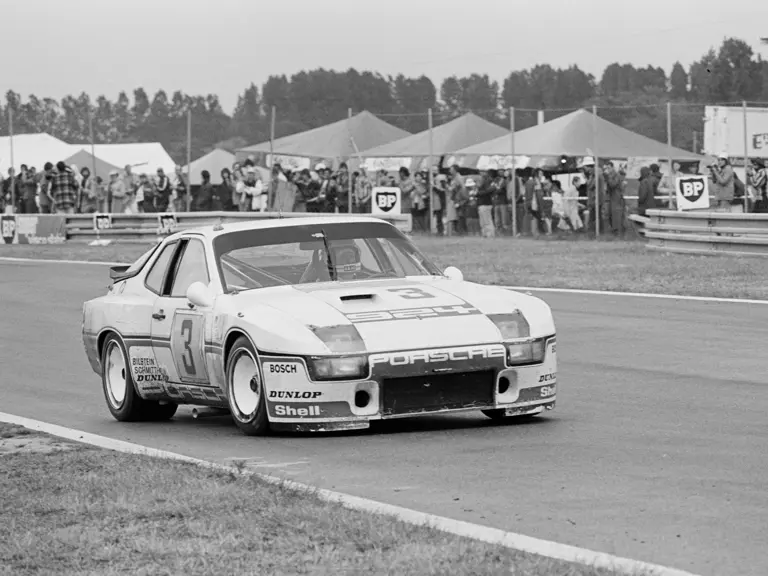
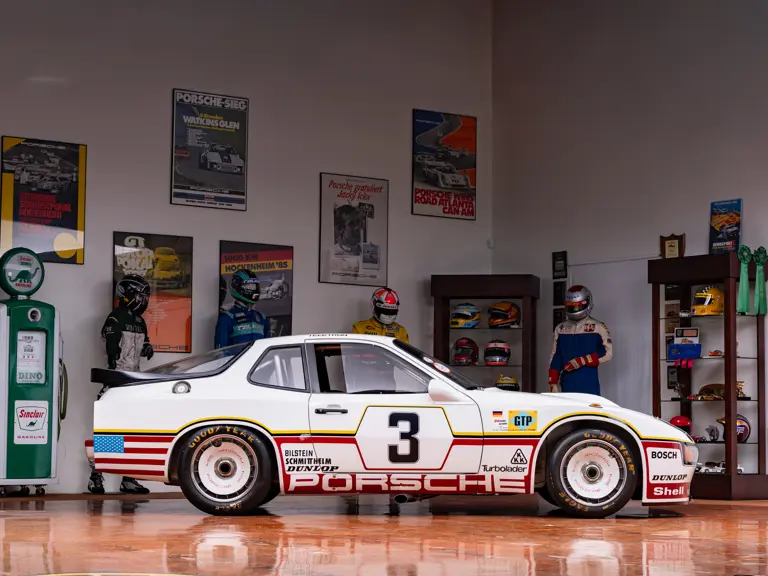
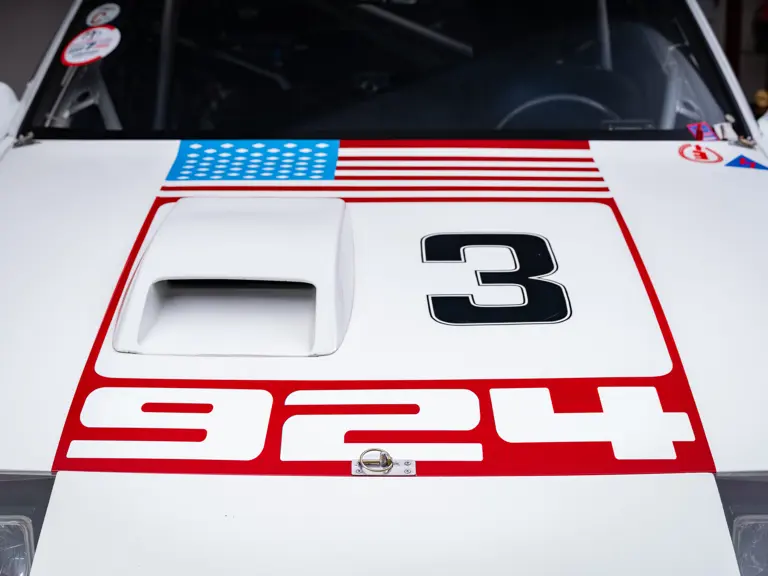
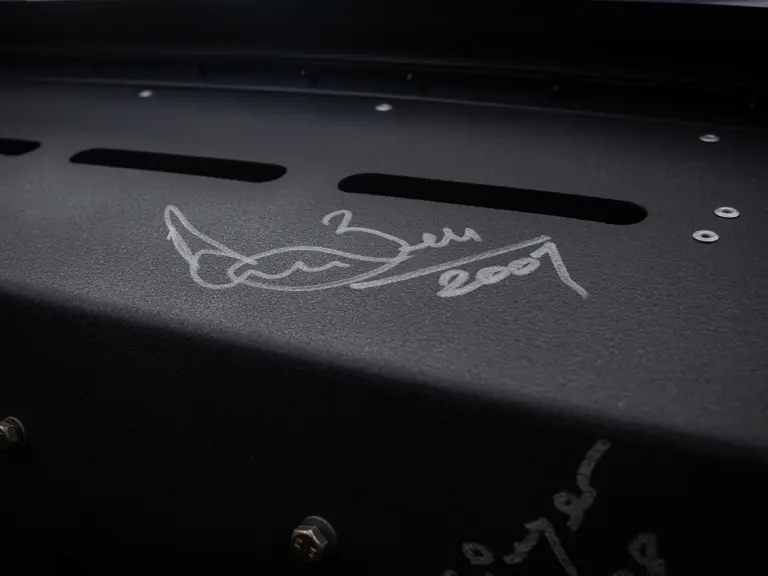
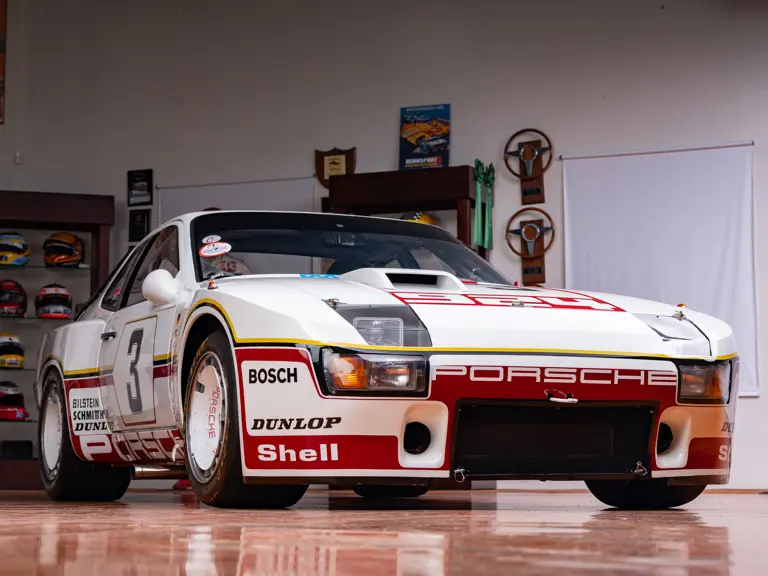
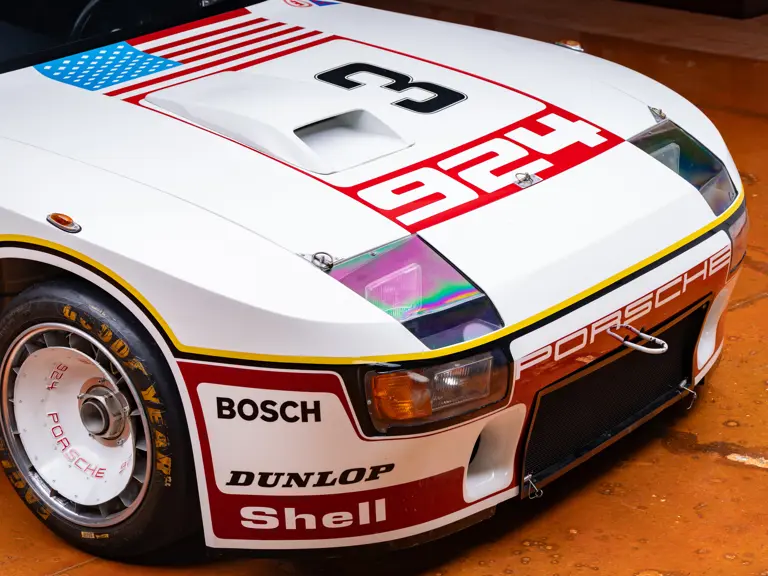
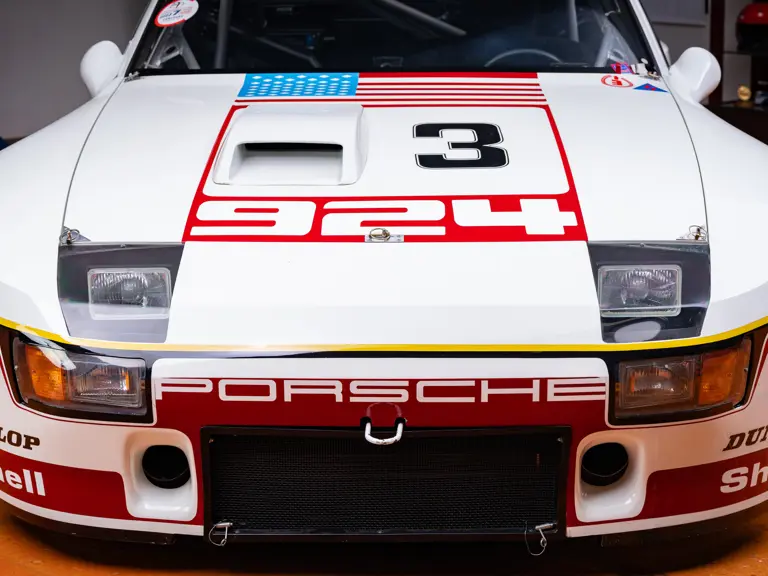
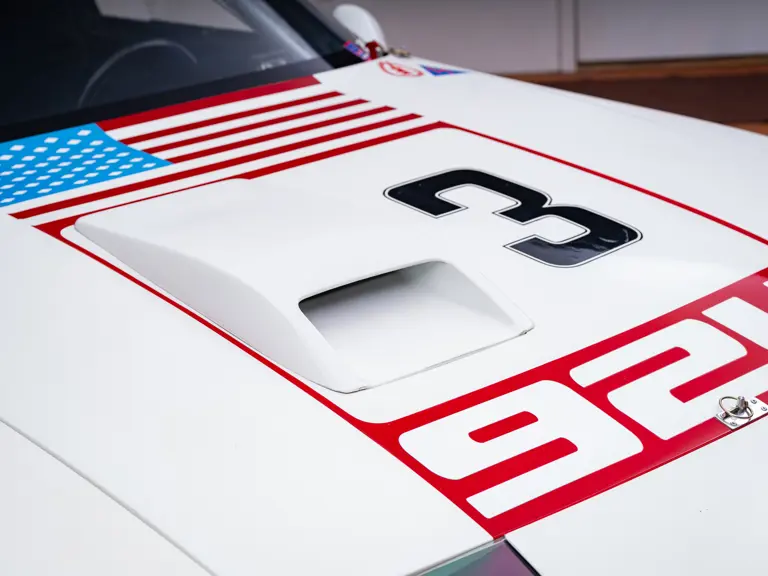
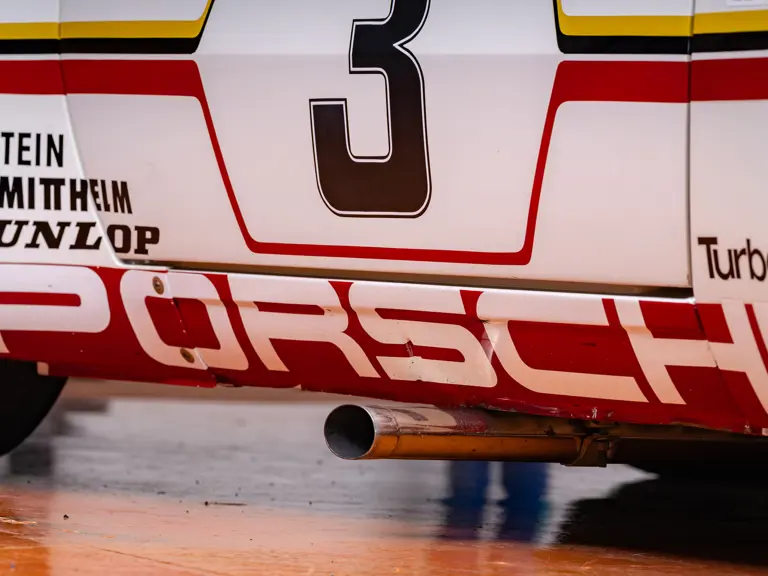
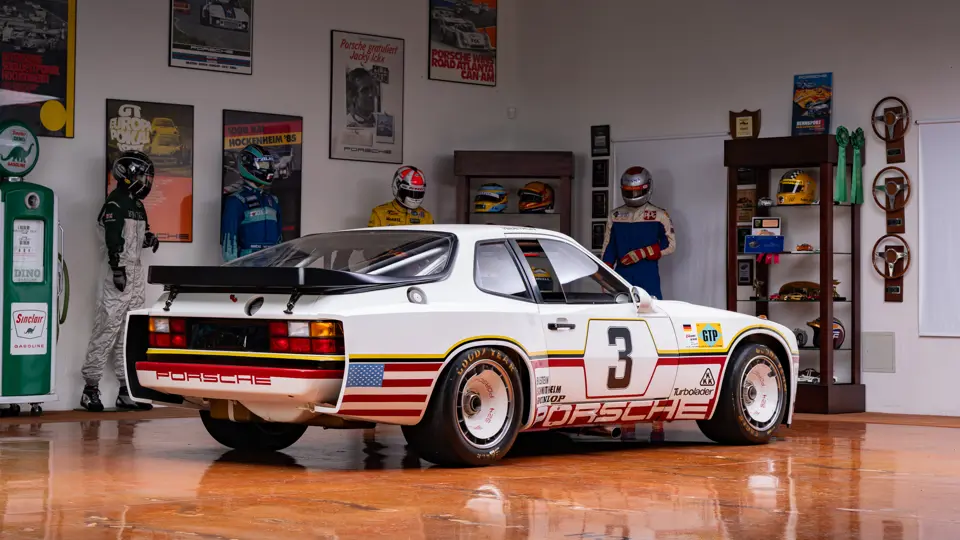
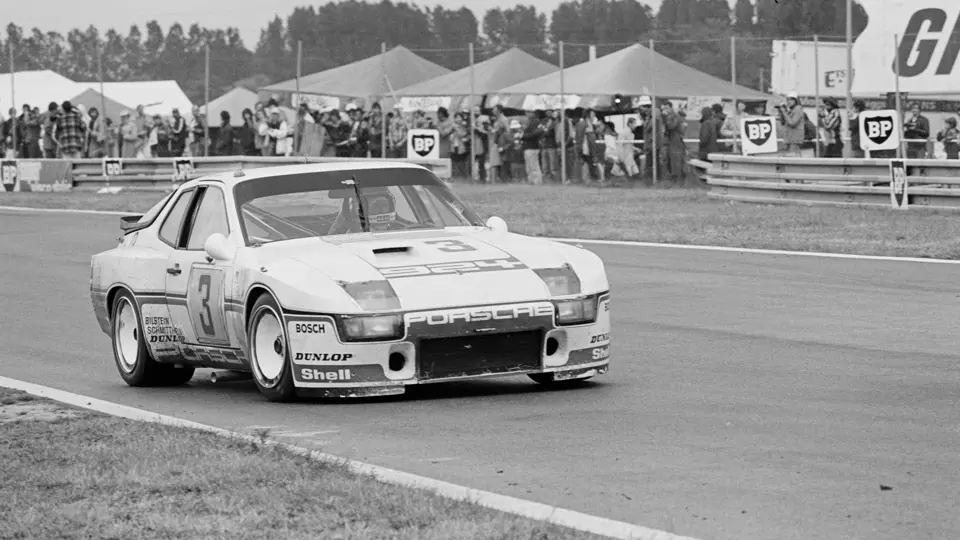
The 924 GTP offered here, chassis 924003, donning racing number 3, represented the American effort and was slated for drivers Al Holbert and Peter Gregg. For Holbert, 1980 marked his second running at Le Mans. Known at the time for competing in NASCAR and winning at the 1976 12 Hours of Sebring, he would later win Le Mans three times and the 24 Hours of Daytona twice. Meanwhile, Gregg was a veteran Brumos driver who had six runs at Le Mans under his belt, twice finishing third overall, achieving first-in-class one of those times. Unfortunately, Gregg was unable to compete in the 924 GTP that year, due to a road accident enroute to Circuit de la Sarthe for practice. Called into action in Gregg’s place was noted British racing driver Derek Bell, who had competed at Le Mans ten times already, clinching an overall win in 1975—the first of five such victories over his long, illustrious career. With Holbert and Bell behind the wheel, chassis 924003 started the race 34th, impressively climbing to 16th in just the first hour. Holbert and Bell would reach as high as 6th place by hour 13. In the end, chassis 924003 covered 306 laps of the legendary Circuit de la Sarthe, finishing an impressive 13th overall, ahead of a pair of BMW M1s.
Following the 1980 24 Hours of Le Mans, the Porsche was shipped to Holbert’s racing facility in the United States and campaigned in IMSA and Trans-Am events throughout the 1981 season. Bruce Leven would then acquire the car and, together with noted driver Hurley Haywood, would continue to compete with it in Trans-Am through his Bayside Racing team until the end of 1982.
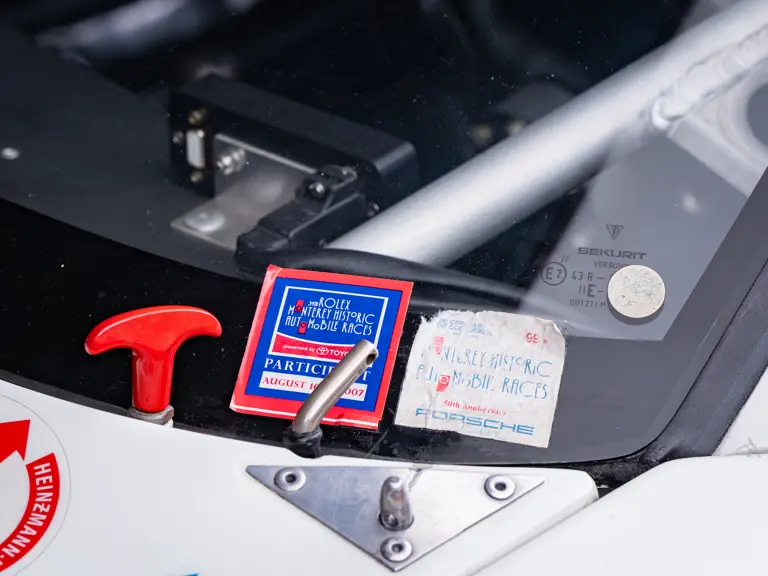
The 924 GTP eventually found use as a club racer with owner an outside of Portland, Oregon, before entering the hands of Kerry Morse in December 1987. He would sell the car to David Morse (no relation), a well-known collector of Porsche racecars, on the agreement that Kerry would campaign it at Monterey Motorsports Reunion historic races. Morspeed, David Morse’s collection facility and race-prep shop, conducted a comprehensive restoration of the Porsche, completed in 1990, with Porsche expert “Big Ron” Gruener helping bring the vehicle back to its Le Mans specifications. Throughout the process, Porsche factory personnel helped with many of the car’s unique details.
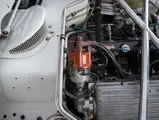
The current owner acquired 924003 in 2012. He addressed several cooling-related issues by installing a modern head gasket, heat-activated radiator fans, and increasing flow through the coolant channels. In 2023, Patrick Motorsports of Phoenix, Arizona, addressed various items in need of attention, which included replacing the battery cables, refurbishing the brake system, rebuilding and rebuilding the master cylinder, fuel pumps, and radiator. Digital invoices for the work are on file.
Chassis 924003 is the only “works” Le Mans 924 GTP in private hands and so presents what is very likely an unrepeatable opportunity to acquire a monumental piece of Porsche racing heritage, one that embodies the company’s deft experimentation with front-engine chassis as part of its endless efforts in pursuit of victories at Le Mans and beyond.
 | Phoenix, Arizona