

Chassis No.
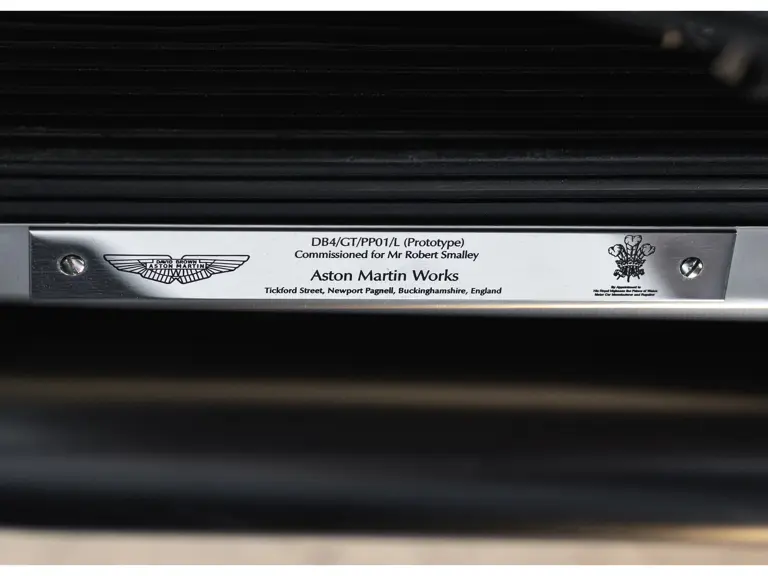
DB4/GT/PP01/L
$907,000 USD | Sold
{{bidding.lot.reserveStatusFormatted}}
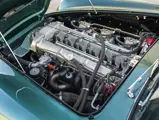
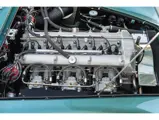
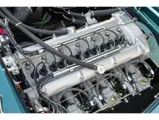
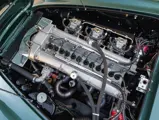
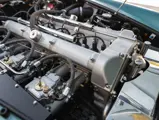
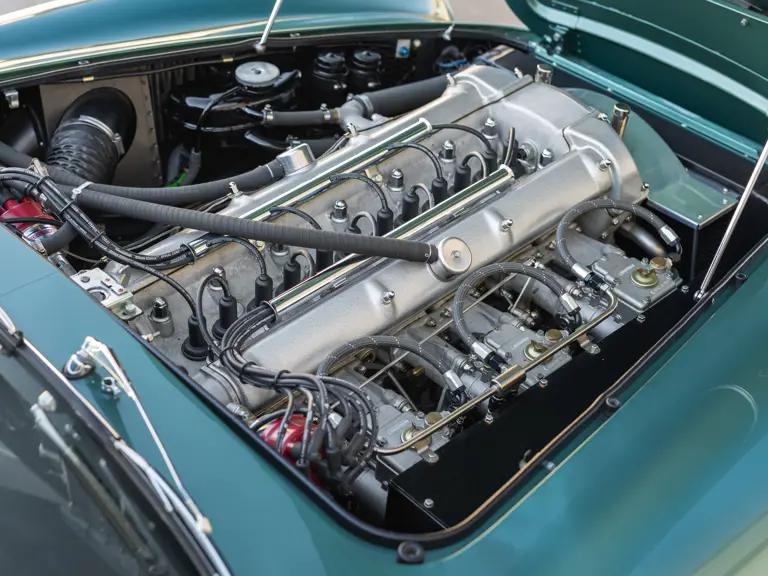
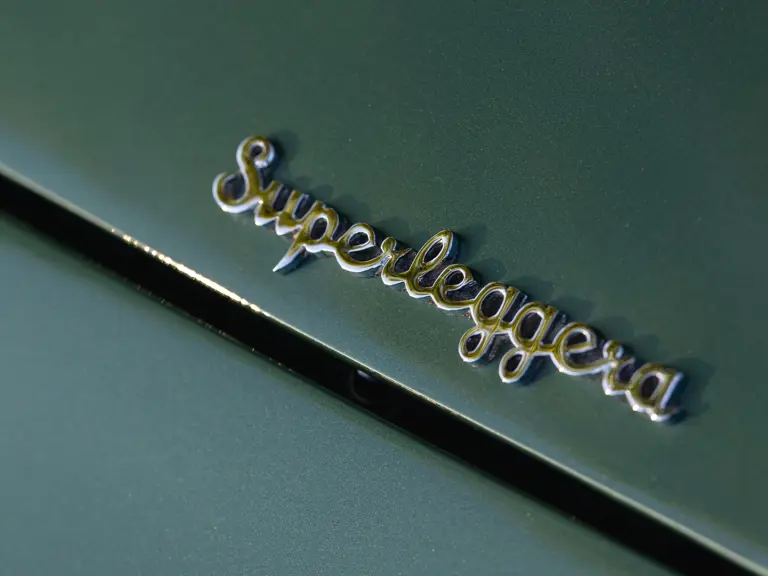
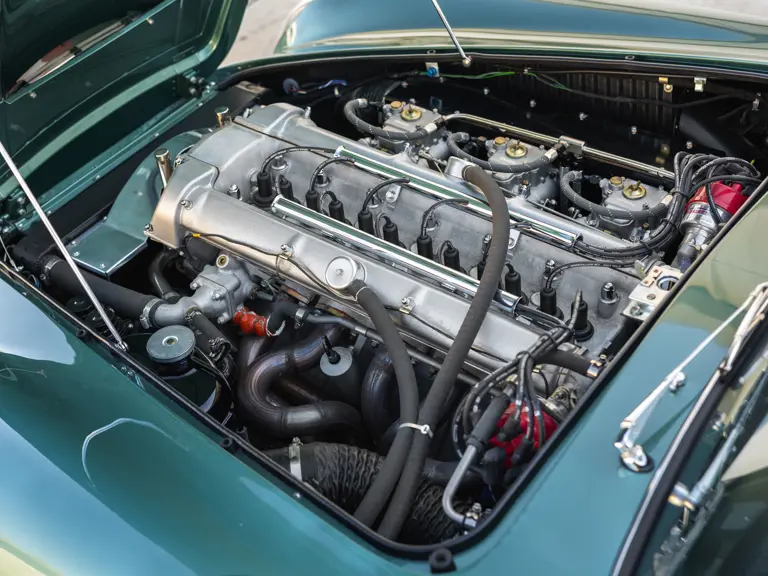
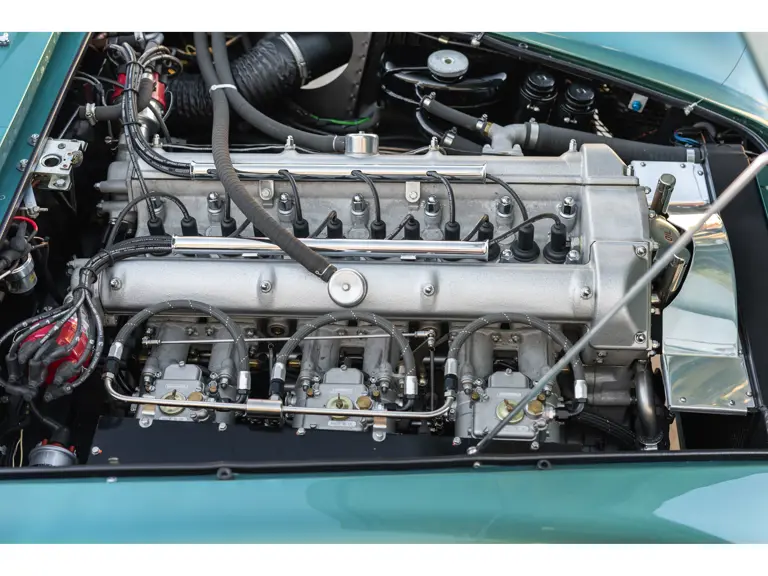
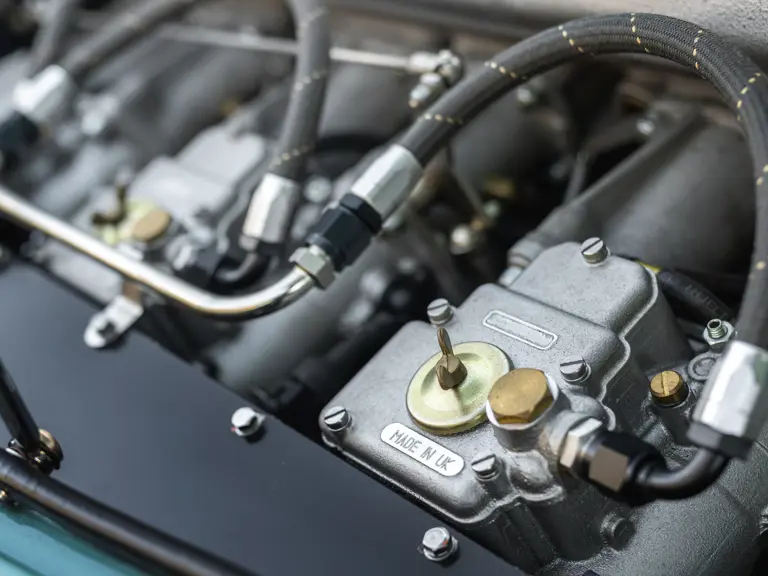
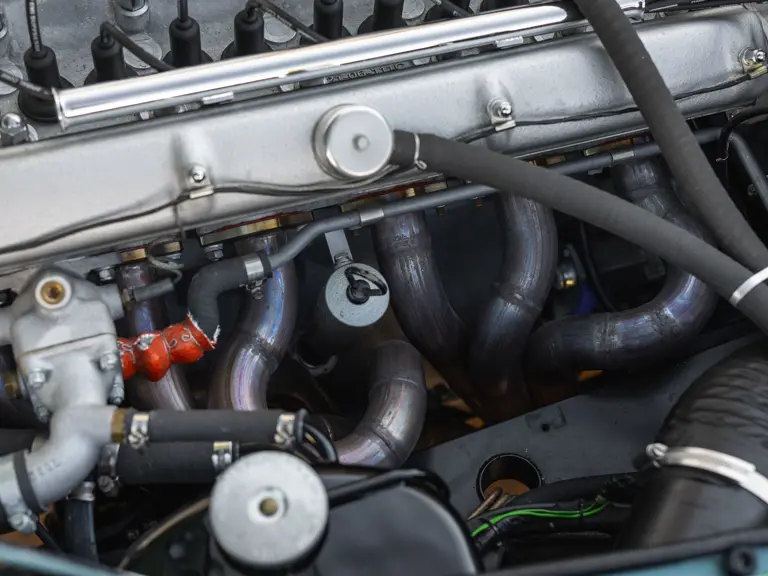
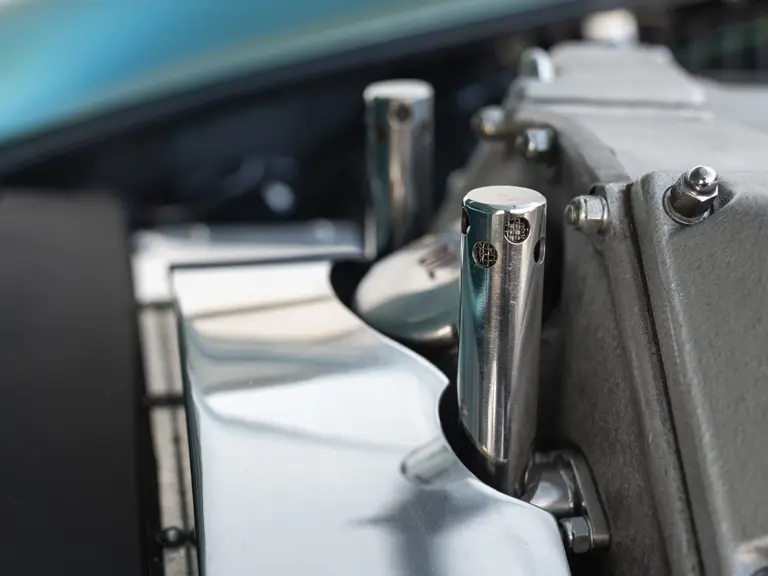
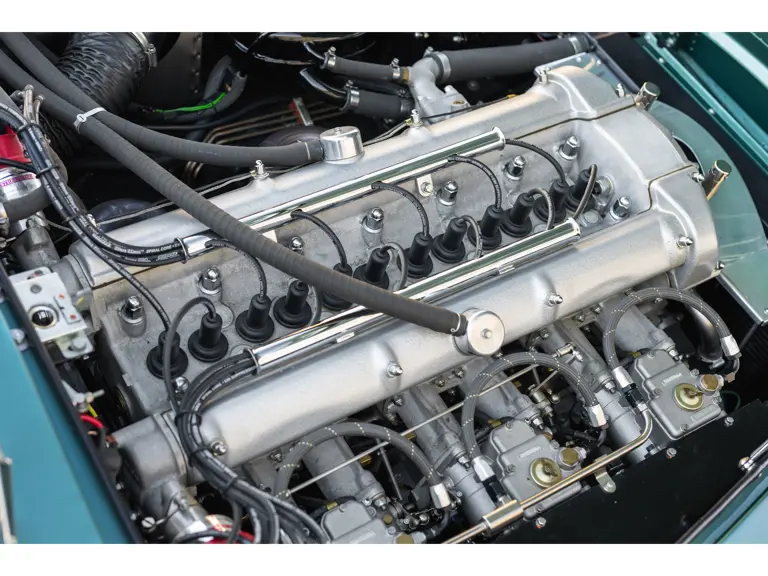
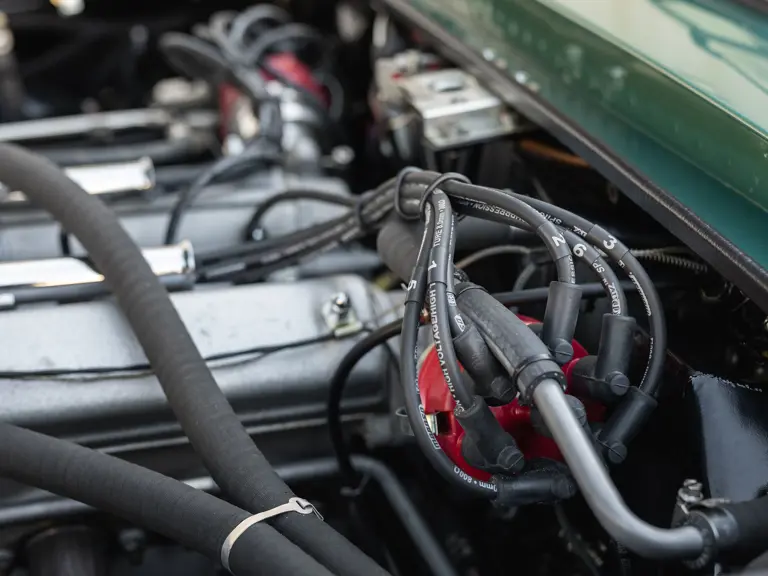
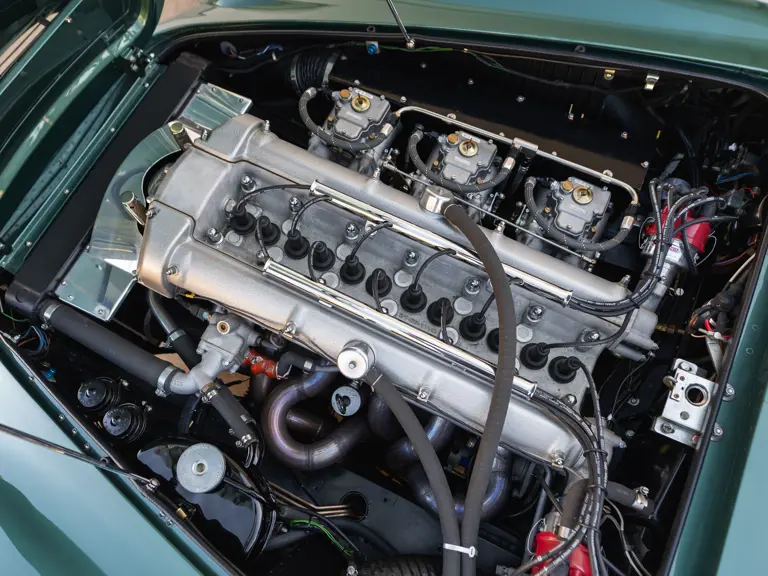
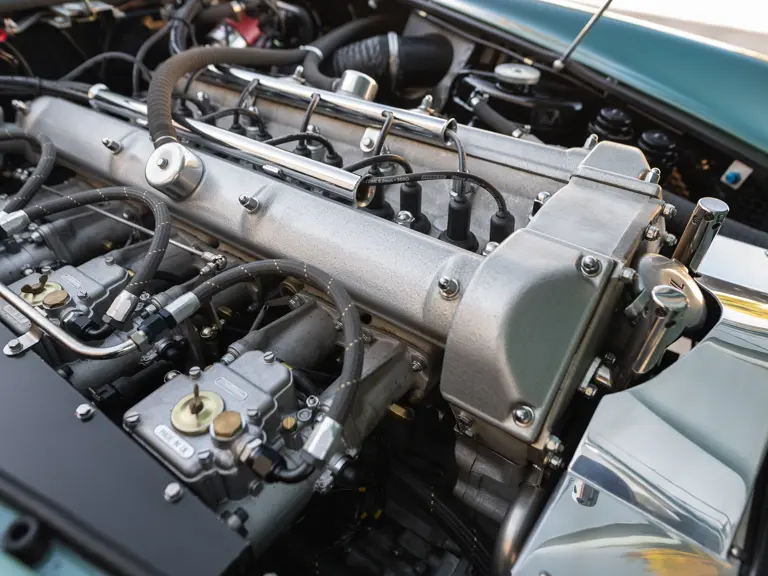
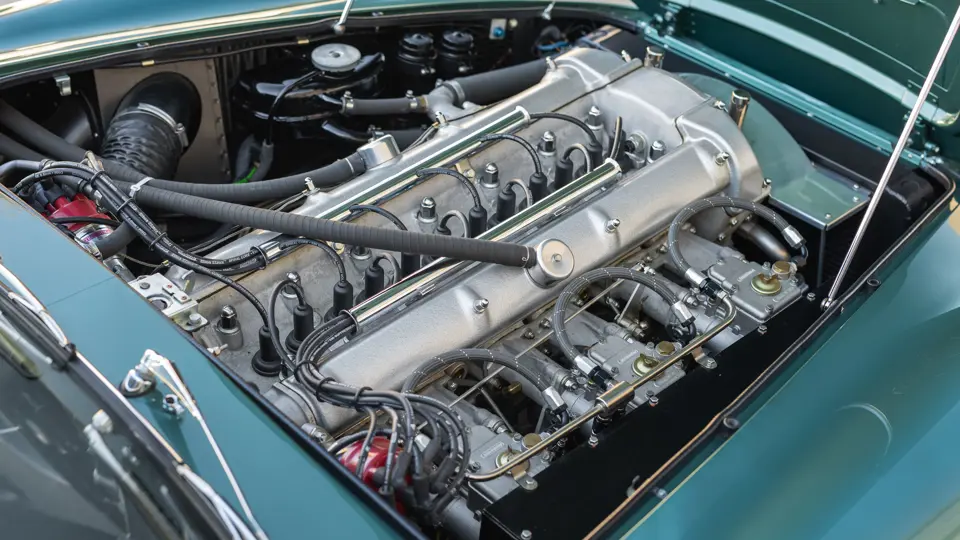
In early 1959, Aston Martin began developing a new short-wheelbase racing version of its popular DB4 model, eventually to be dubbed the DB4 GT. Endowed with a lightened chassis and thin-gauge aluminum alloy coachwork, it was fitted with Girling disc brakes and a highly tuned version of engineer Tadek Marek’s legendary 3.7-liter six-cylinder engine, featuring twin-plug ignition and triple Weber carburetors.
In May 1959, the DB4 GT prototype codenamed Development Project 199 (DP199/1) made its public and competitive debut at Silverstone Circuit where Stirling Moss drove it to victory in stunning fashion, setting a new lap record in the process. Officially introduced in September 1959 at the London Motor Show, the DB4 GT was produced in a modest quantity of just 75 examples, of which only eight were built to lightweight specification.
Many of these cars were originally owned by British privateers competing in Royal Automobile Club events, where they caused great frustration among the usually dominant Ferrari drivers. With its elegant styling and upgraded performance, the DB4 GT was a winner from its inception, and the ensuing decades have only further solidified its position as one of the British automaker’s most desirable post-war models.
RETURN OF THE DB4 GT—THE CONTINUATION PROTOTYPE
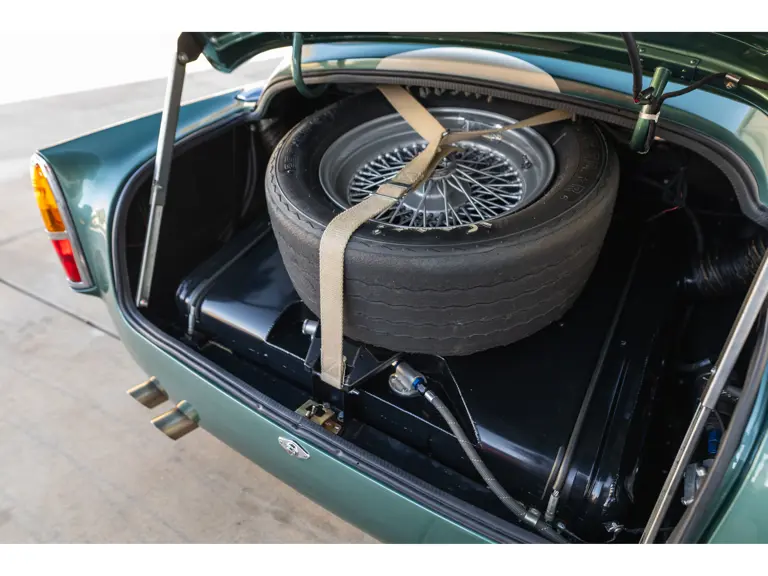
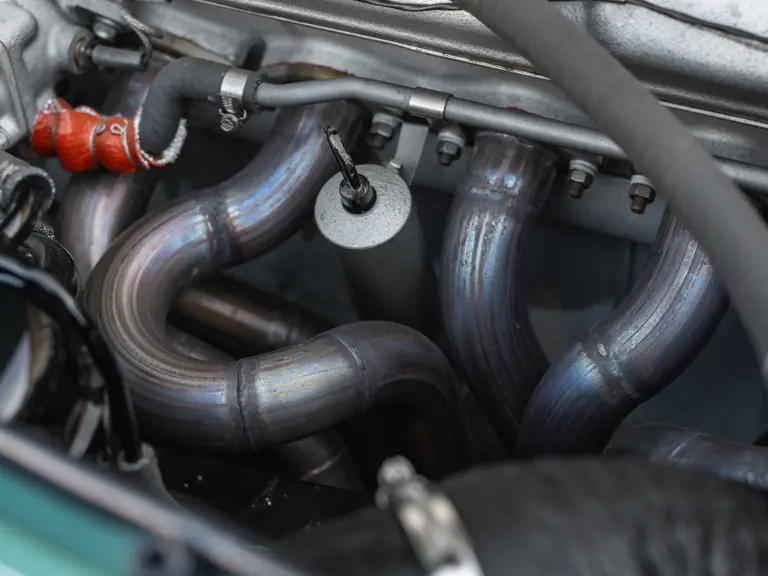
In 2016, Aston Martin Works, the company’s heritage division, announced its most ambitious project yet: to produce 25 track-only DB4 GT Continuation models, all to lightweight specification, at a cost of £1.5 million each. A remarkable undertaking, they were constructed from the ground up using freshly created parts largely interchangeable with the original mid-century cars. Employing a blend of old-world craftsmanship and modern production techniques, the continuation models benefited from improvements in engine performance, handling, braking, and safety, while preserving the exceptional character and feel of the original. Notably, engine displacement increased to 4.2 liters, delivering an output of 340 brake horsepower.
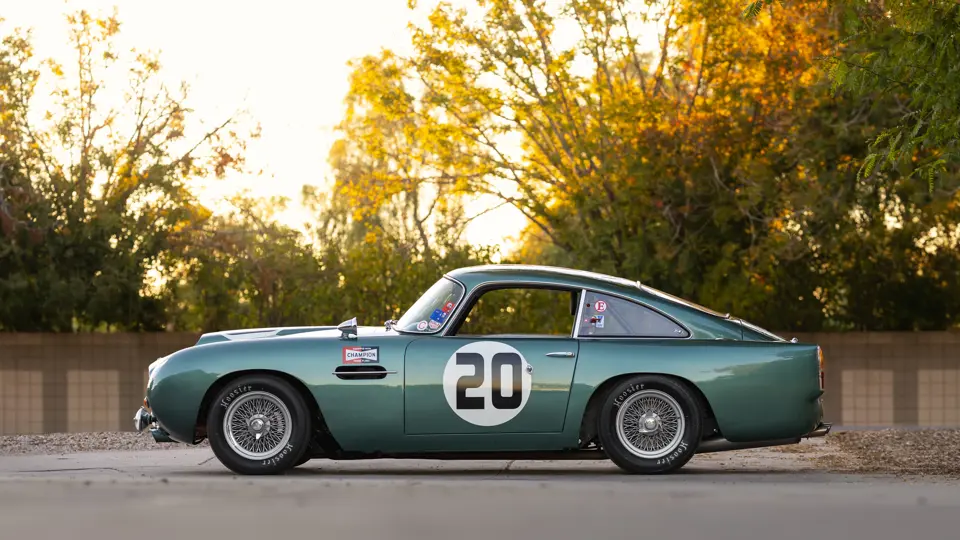
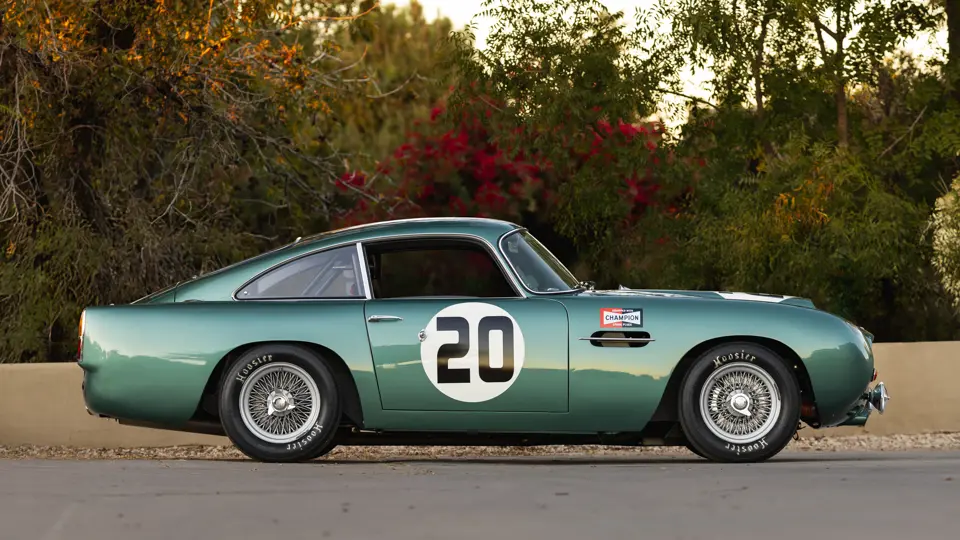
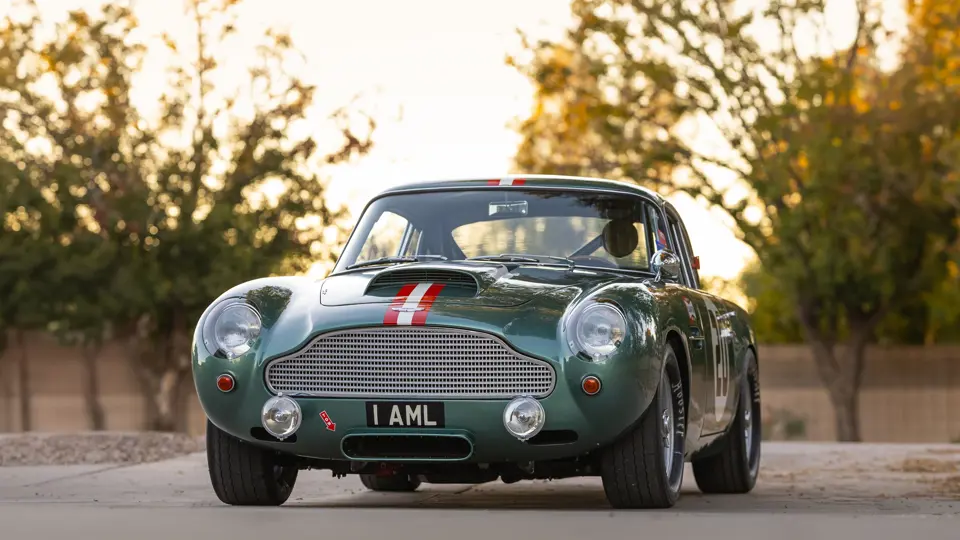
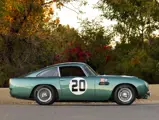
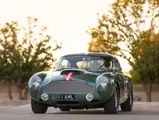
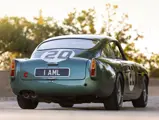
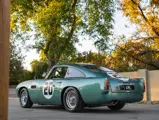
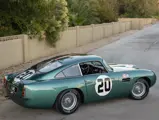
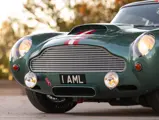
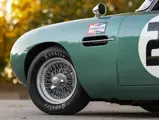
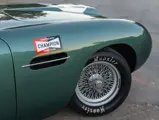
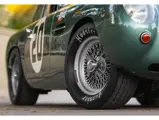
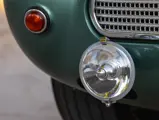
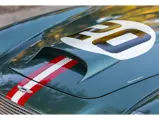
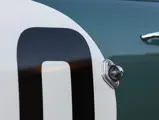
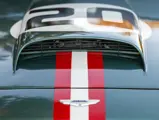
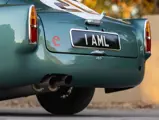
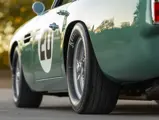
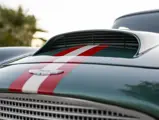
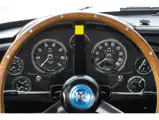
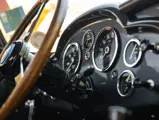
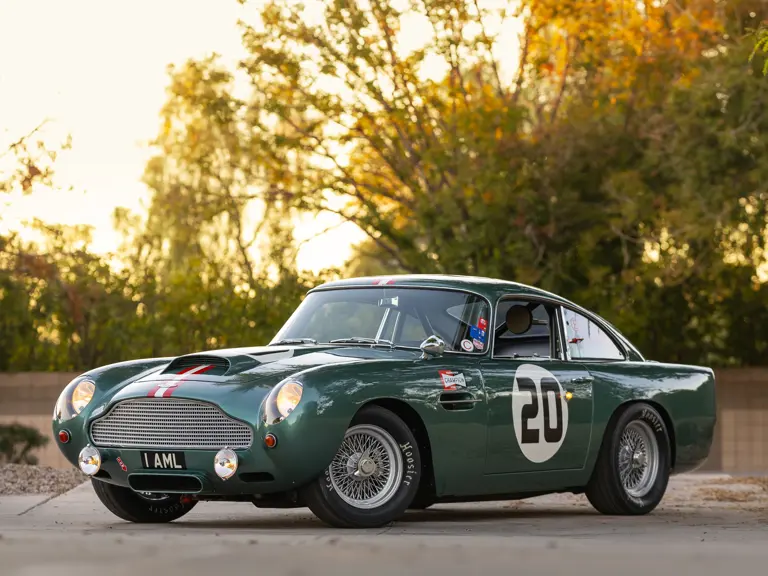
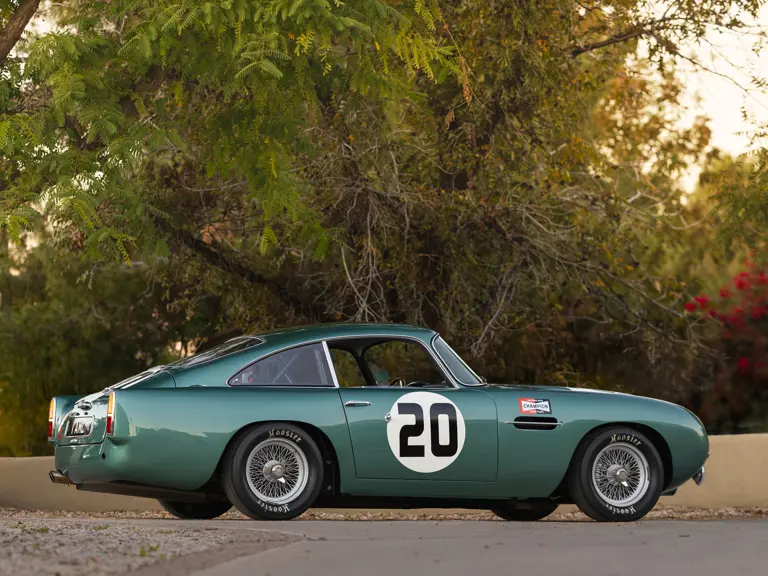
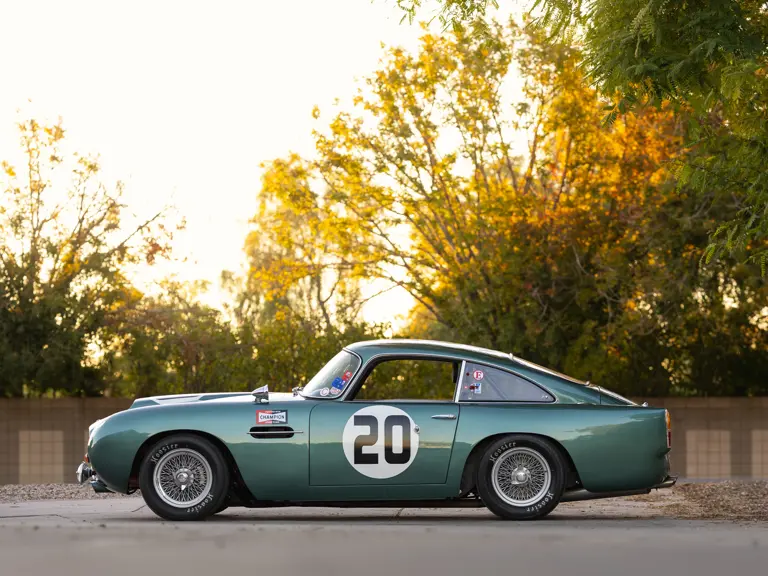
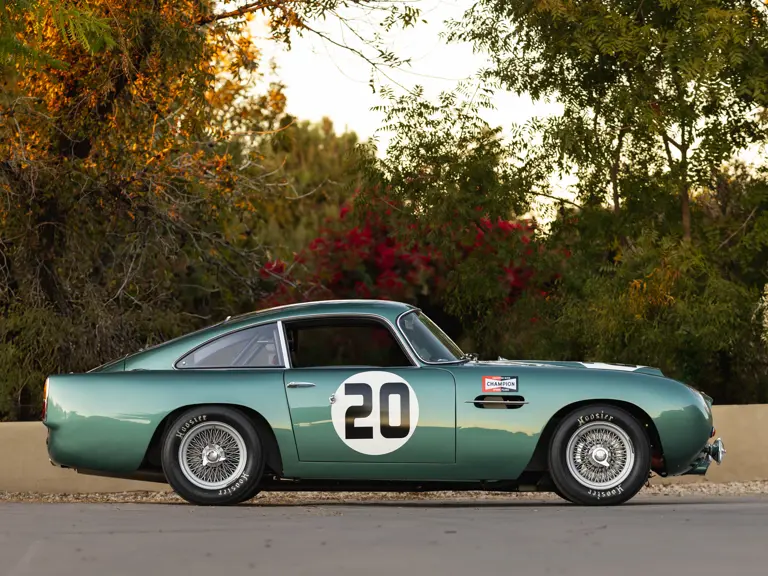
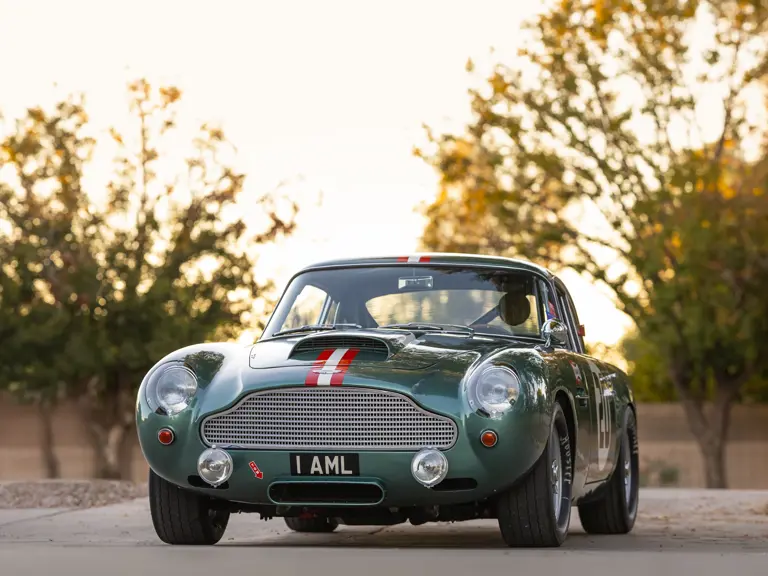
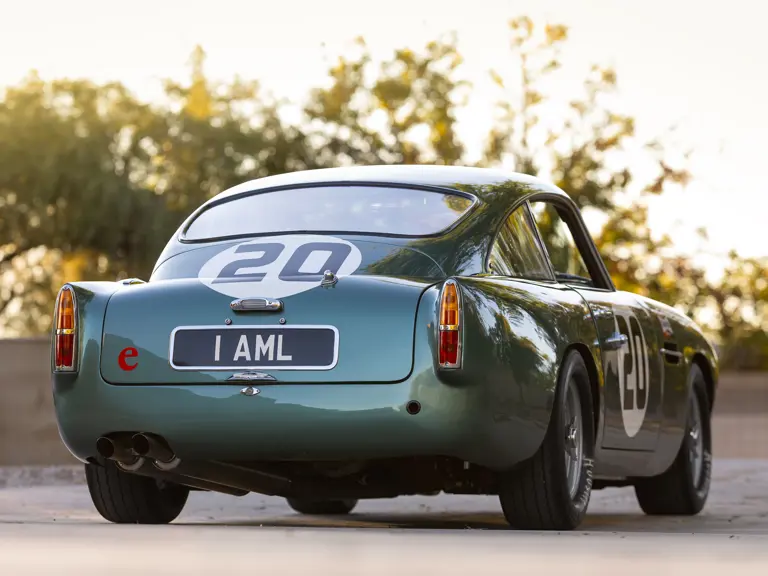
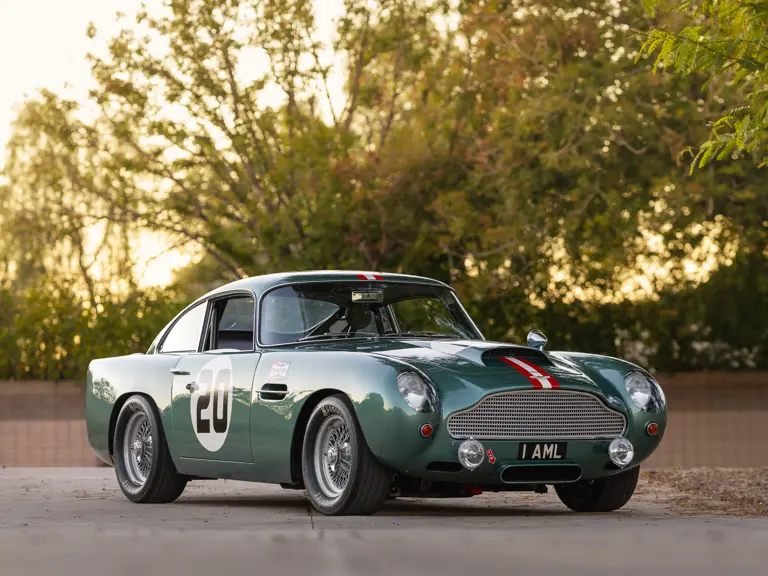
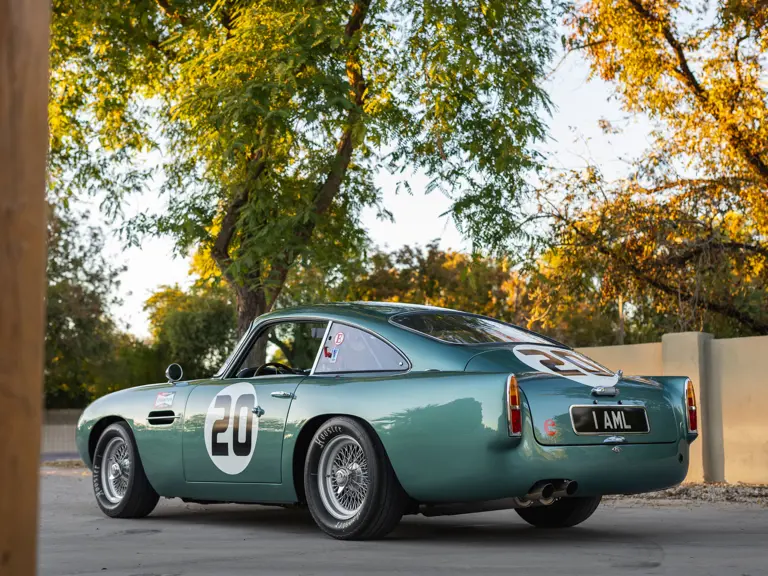
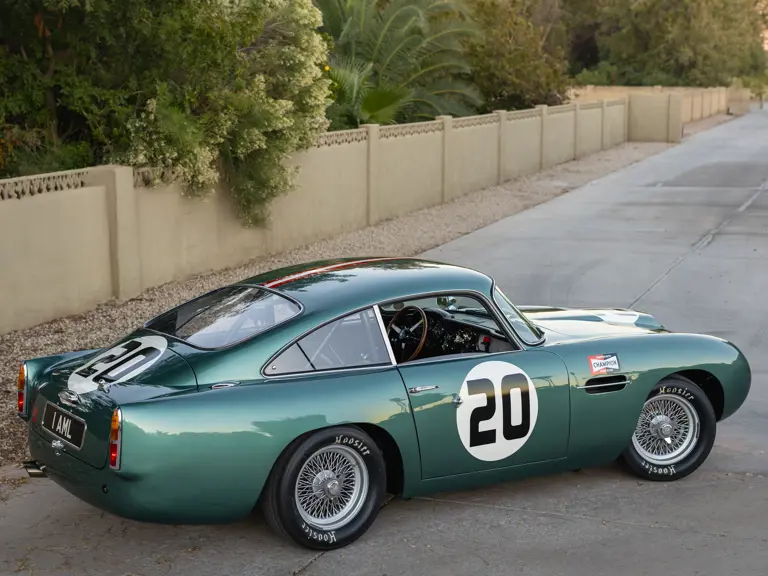
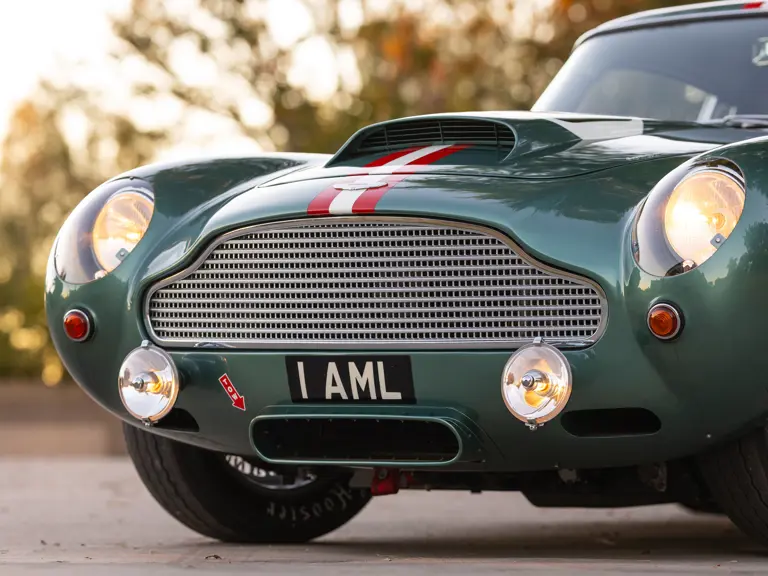
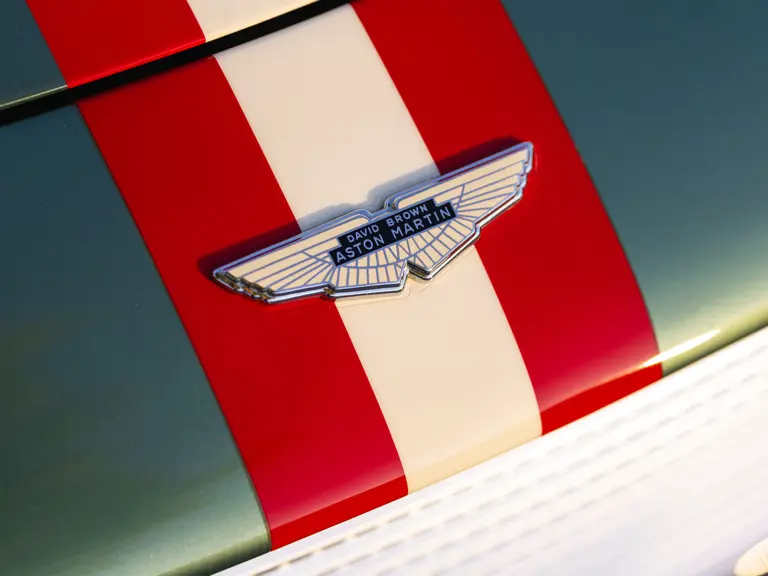
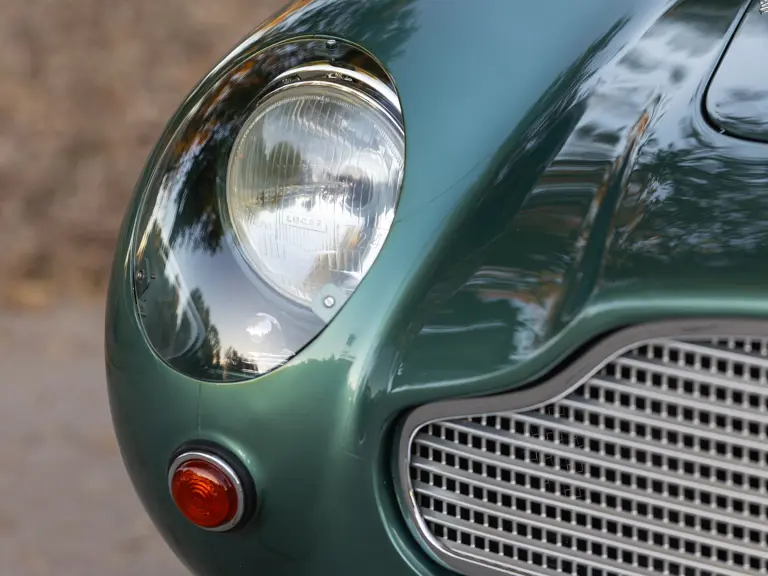
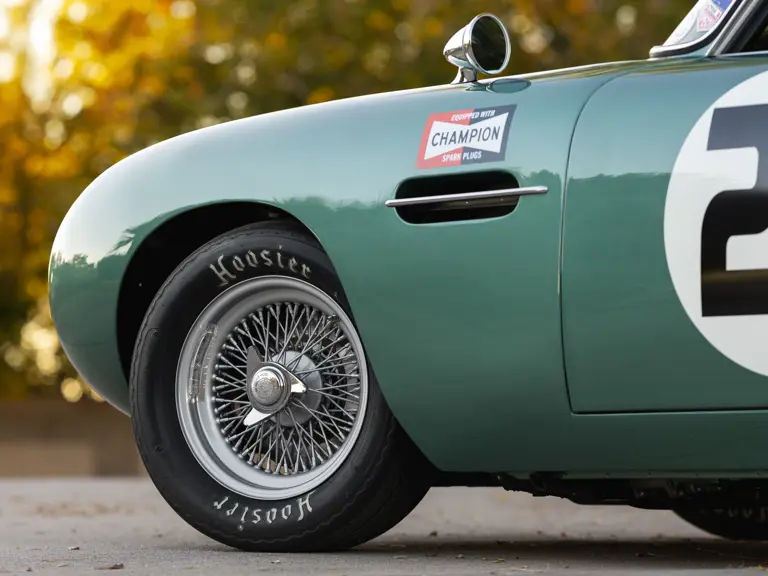
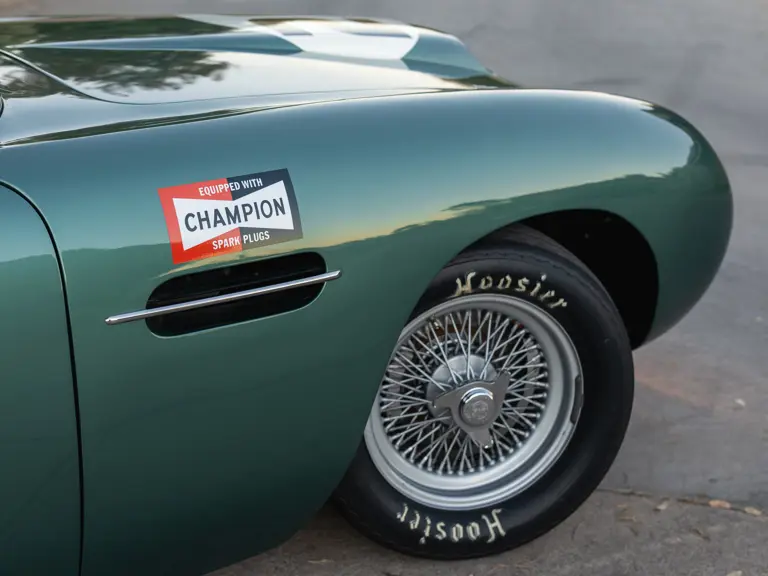
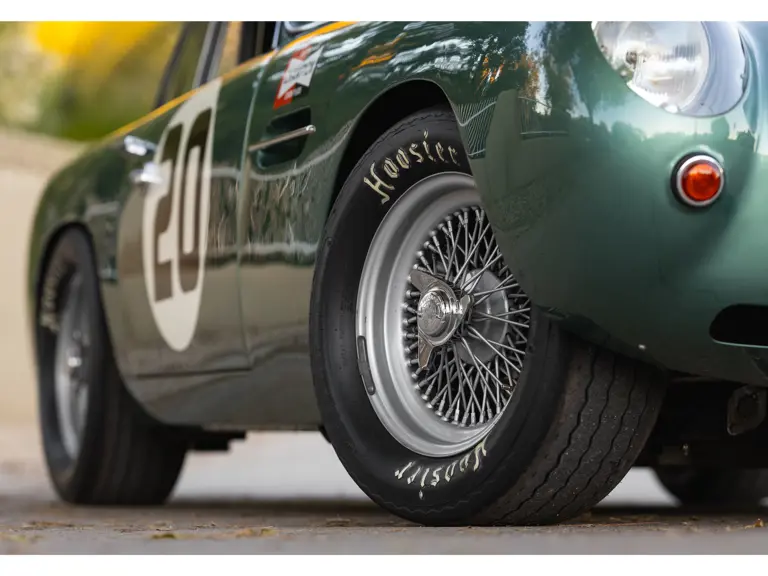
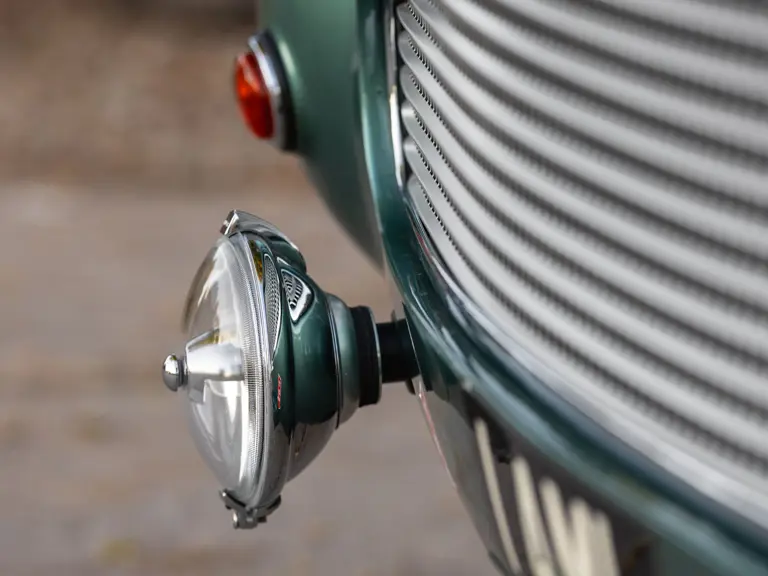
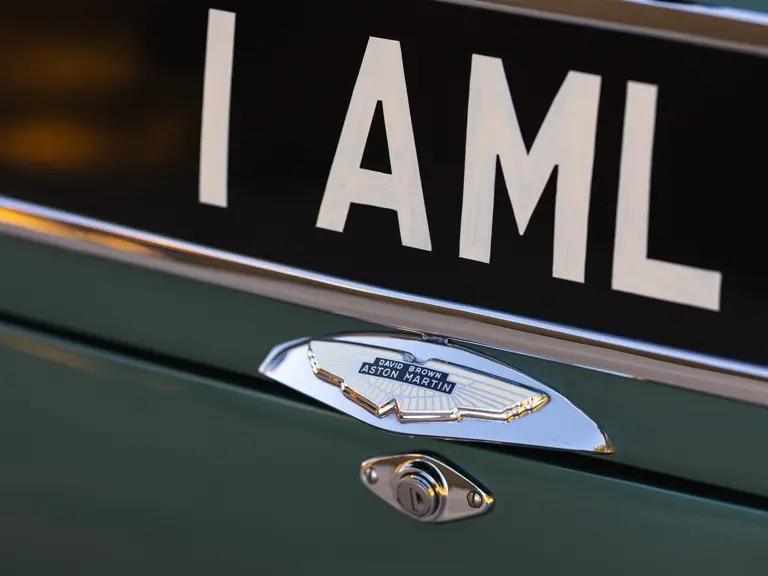
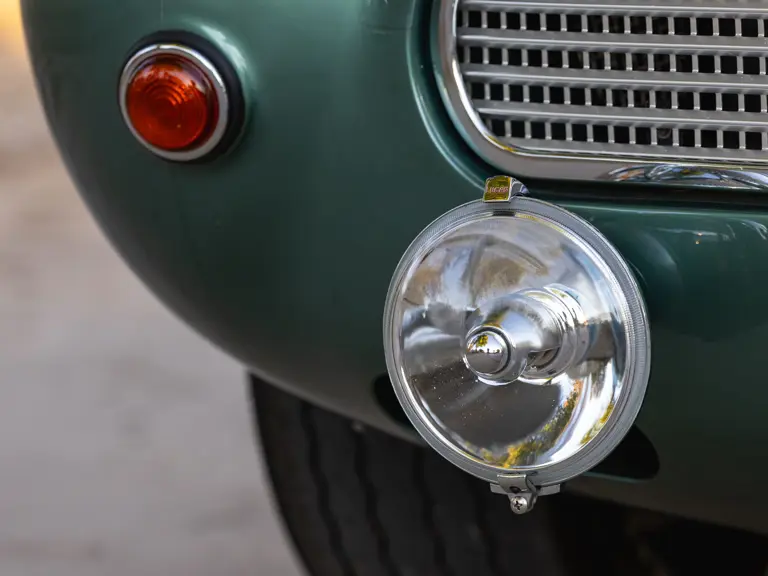
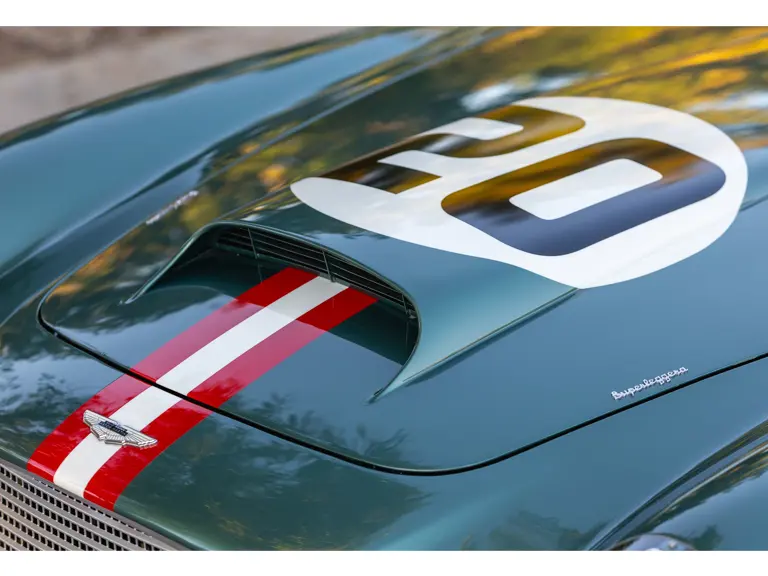
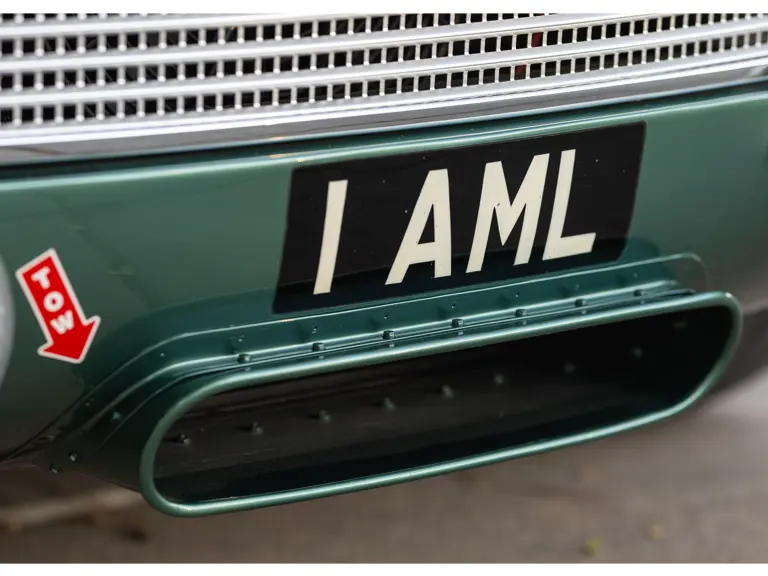
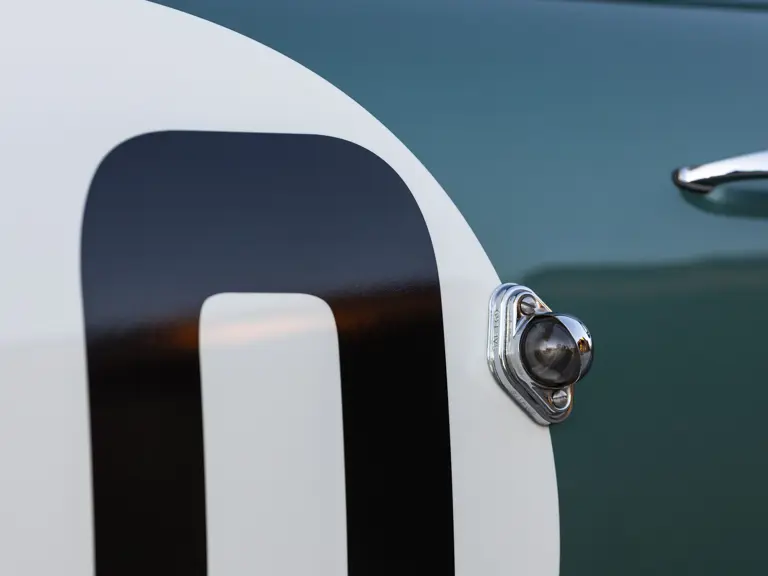
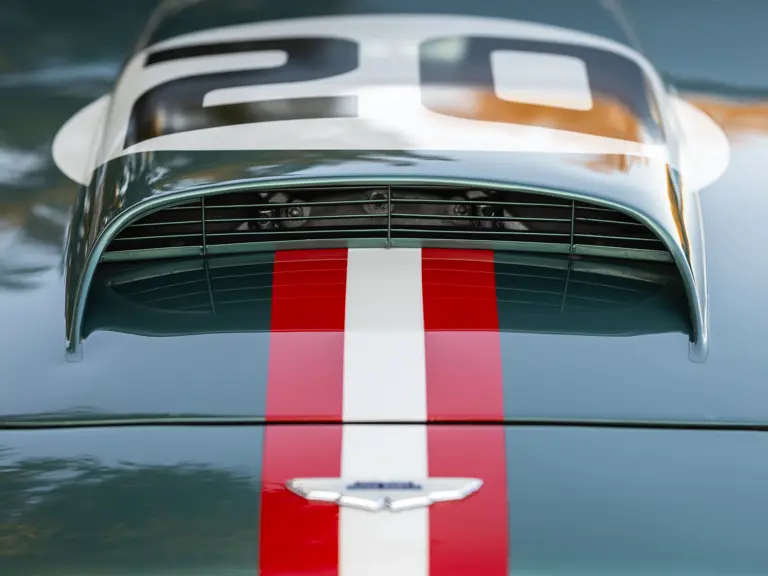
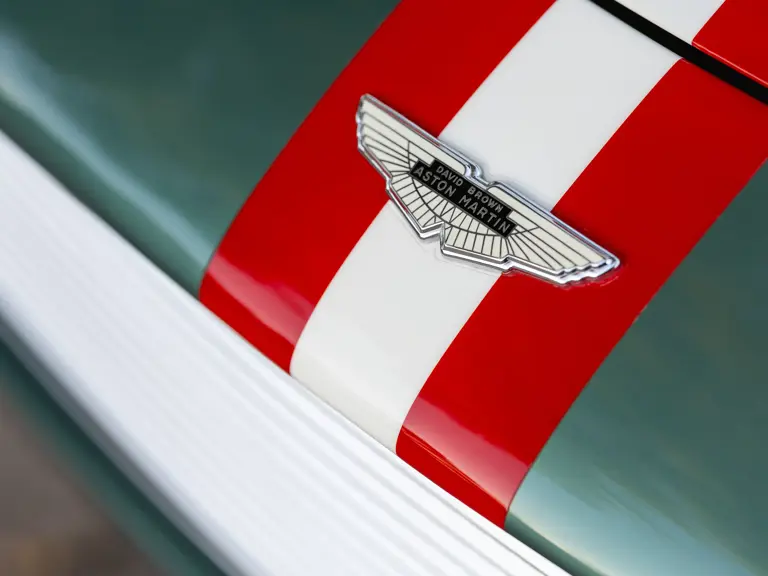
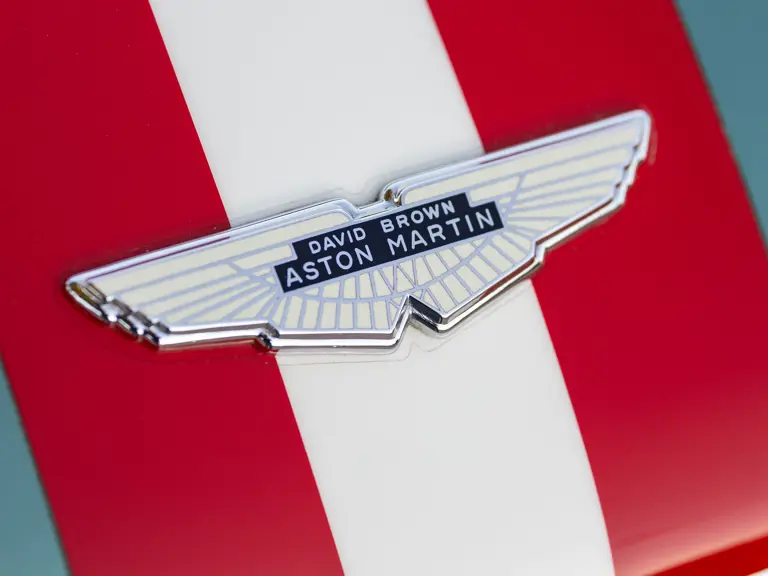
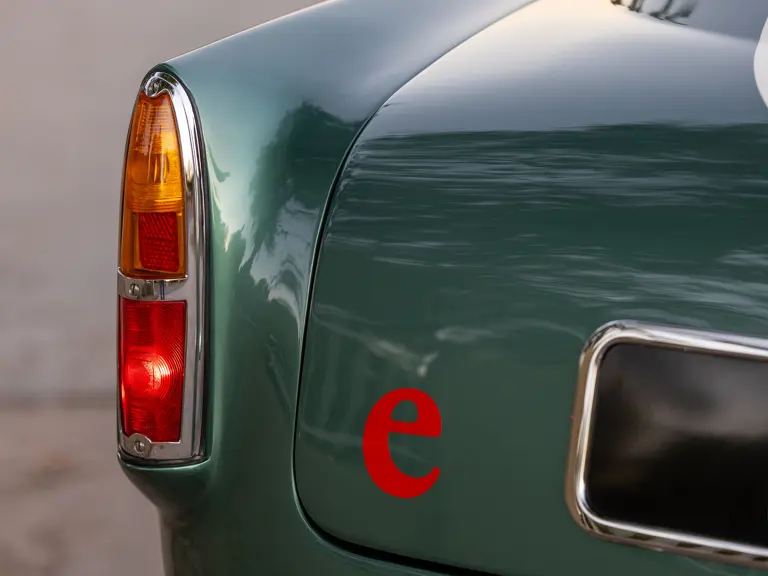
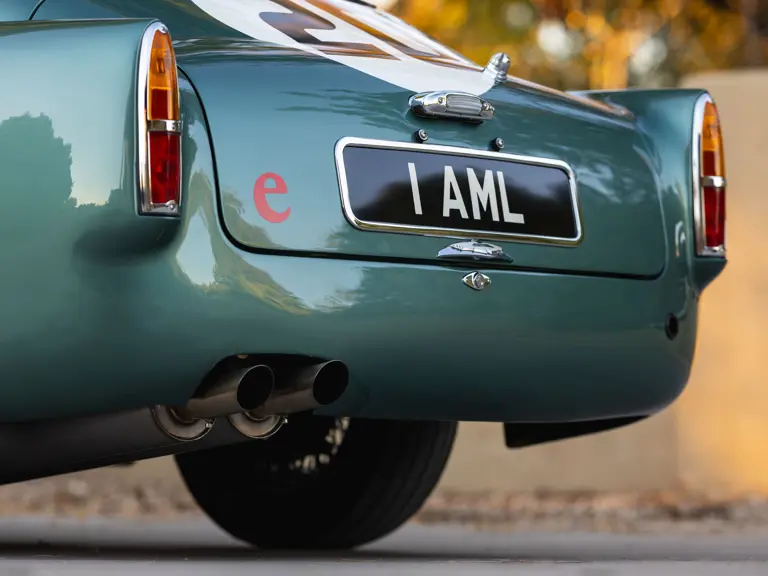
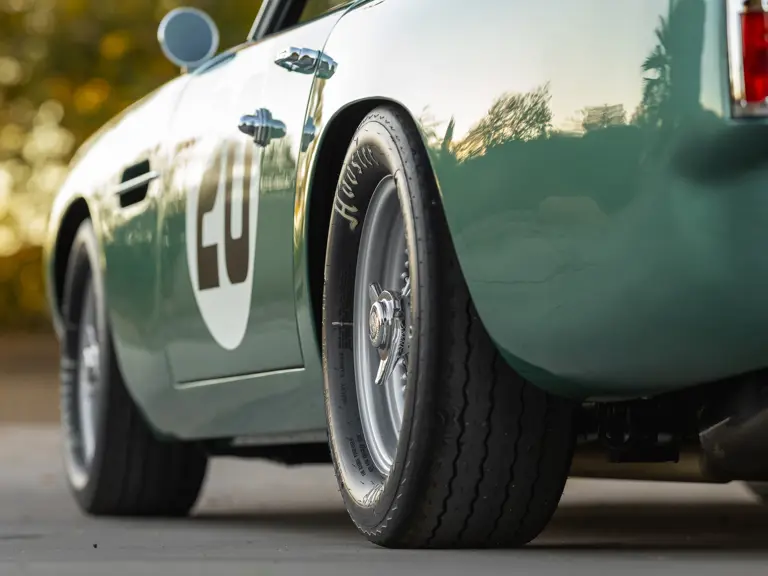
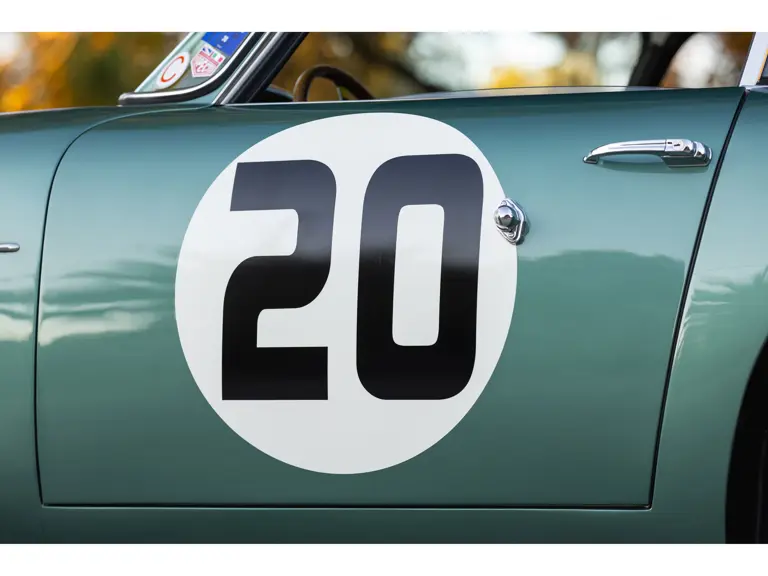
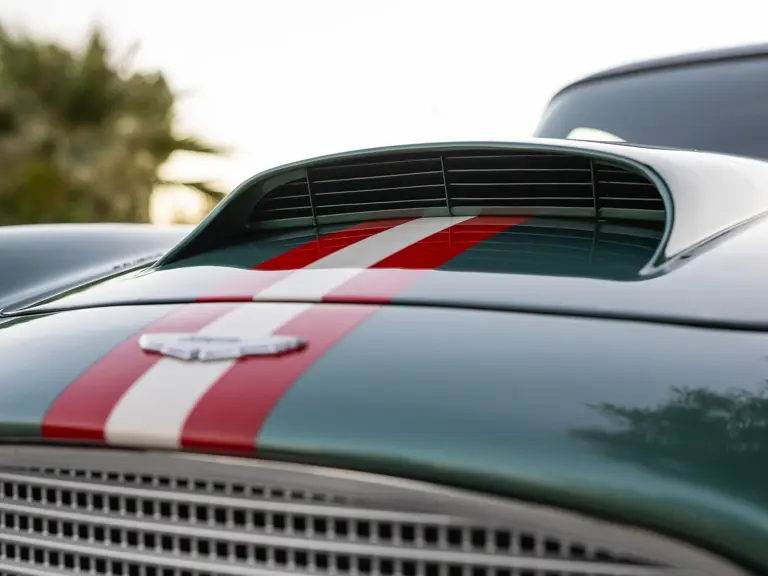
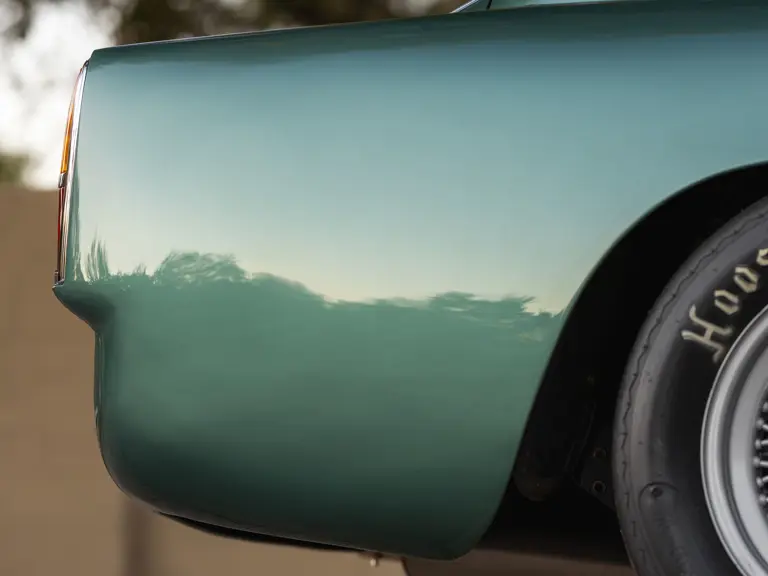
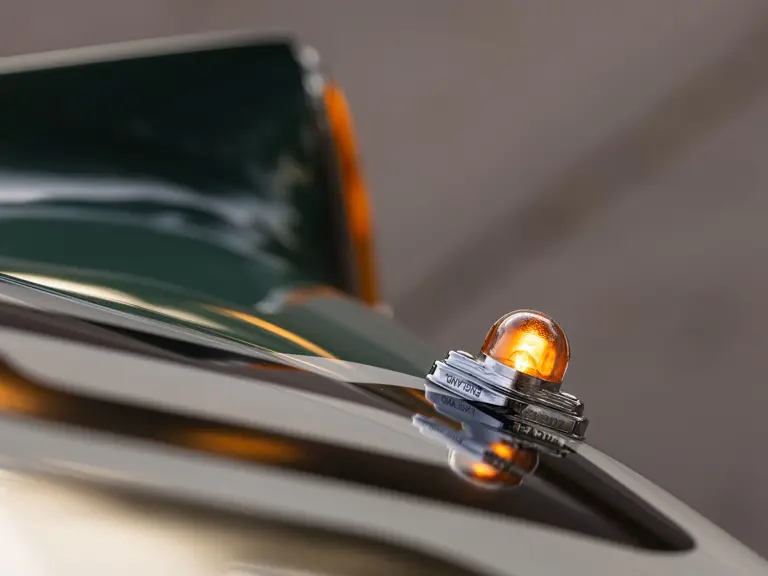
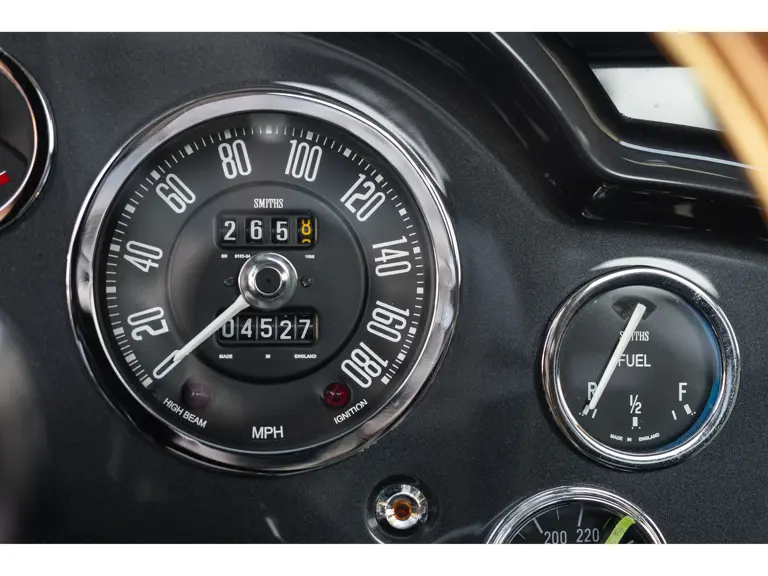
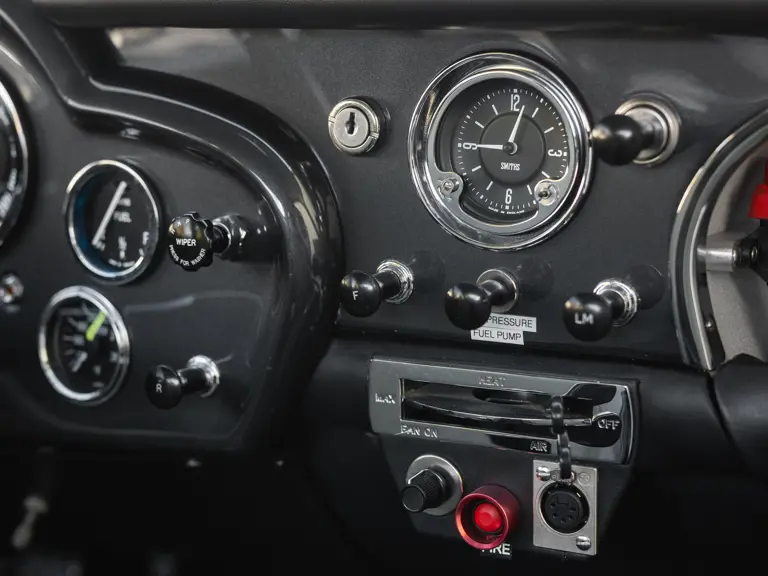
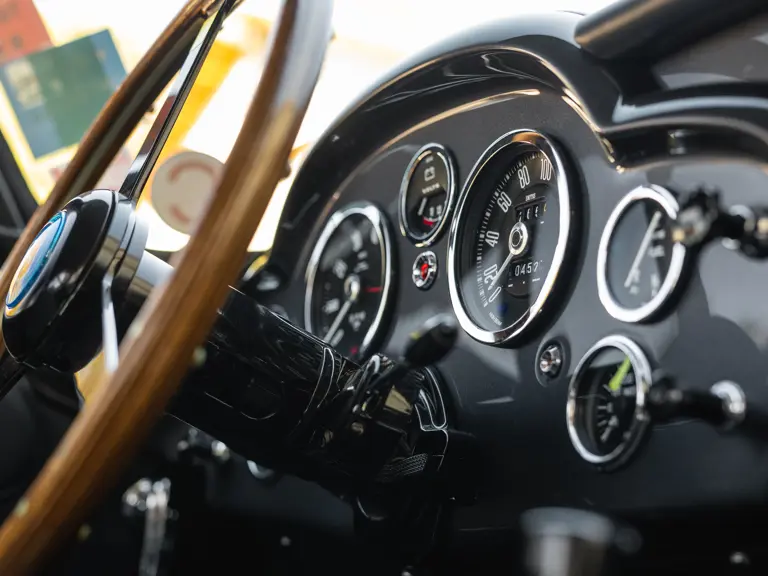
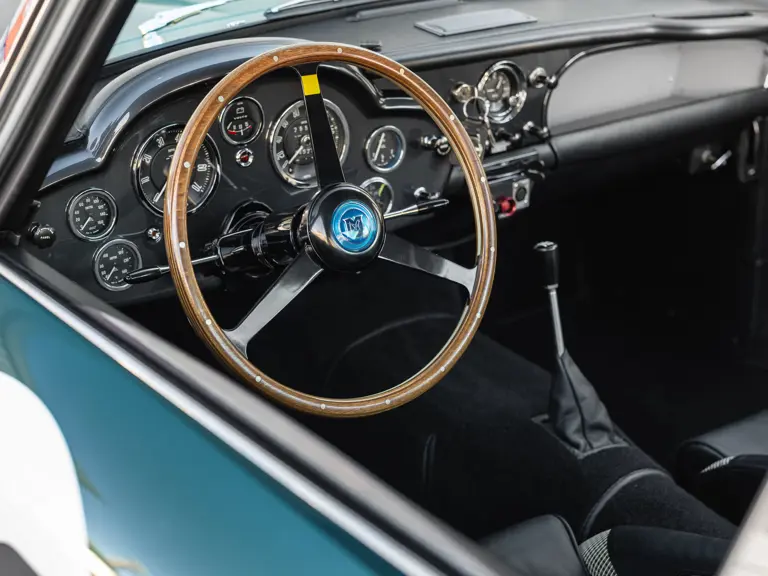
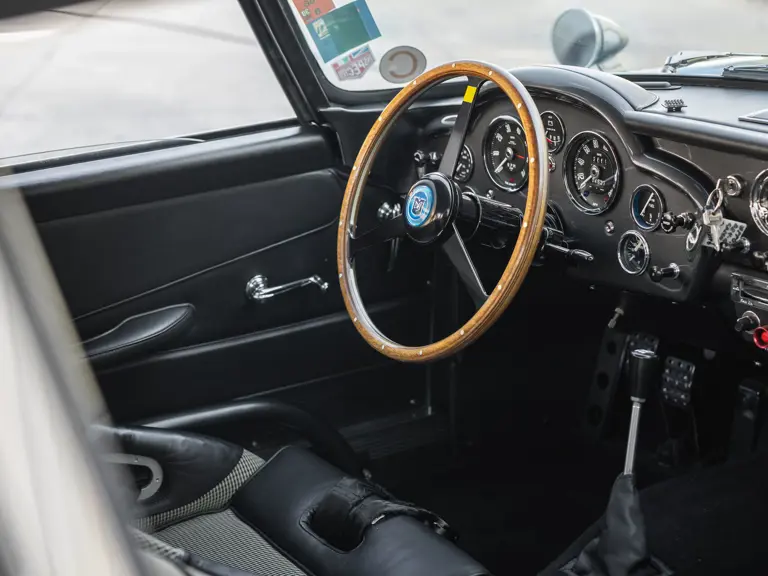
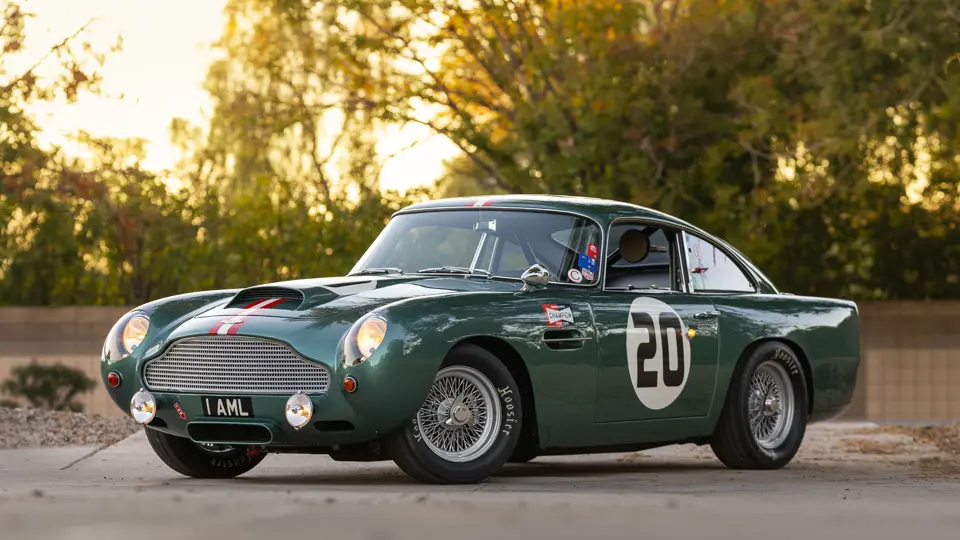
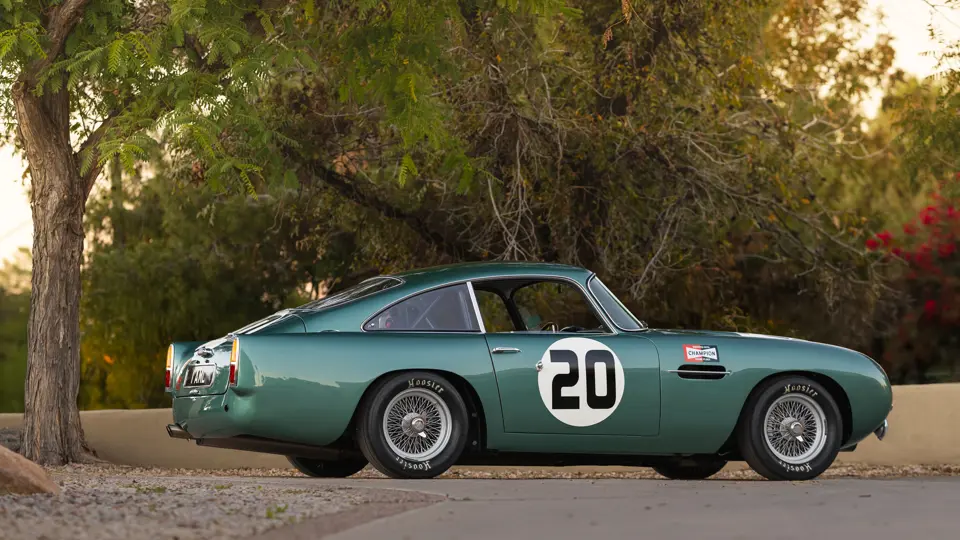
To underscore authenticity, chassis numbers picked up from the last original DB4 GT ordered, chassis 0202R—save for the remarkable example offered here. Chassis DB4/GT/PP01/L is particularly special, having served as the prototype vehicle for the project. Modeled after the original DB4 GT prototype, chassis DP199/1, which the Swiss team Ecurie Trois Chevrons campaigned at the 1959 24 Hours of Le Mans, it features the original's distinctive, central red and white stripes, along with lighting for its number roundels and front auxiliary driving lights, both required for competing at Le Mans. Given its importance, this DB4 GT Continuation was heavily featured in promotional materials and press coverage for the project at launch. Viewers of the hit Amazon show The Grand Tour should find the car immediately recognizable from a segment in which host Jeremy Clarkson attempts to conquer the high banks of Autódromo de Sitges-Terramar in Spain behind the wheel of chassis DB4/GT/PP01/L.
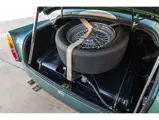
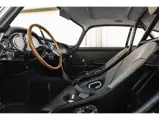
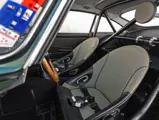
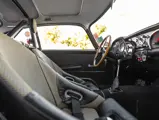
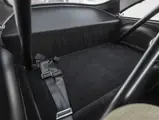
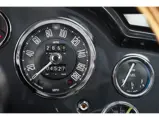
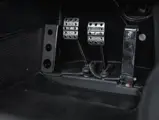
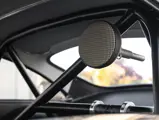
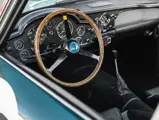
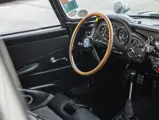
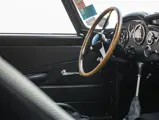
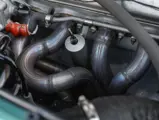
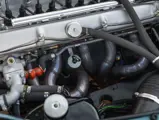
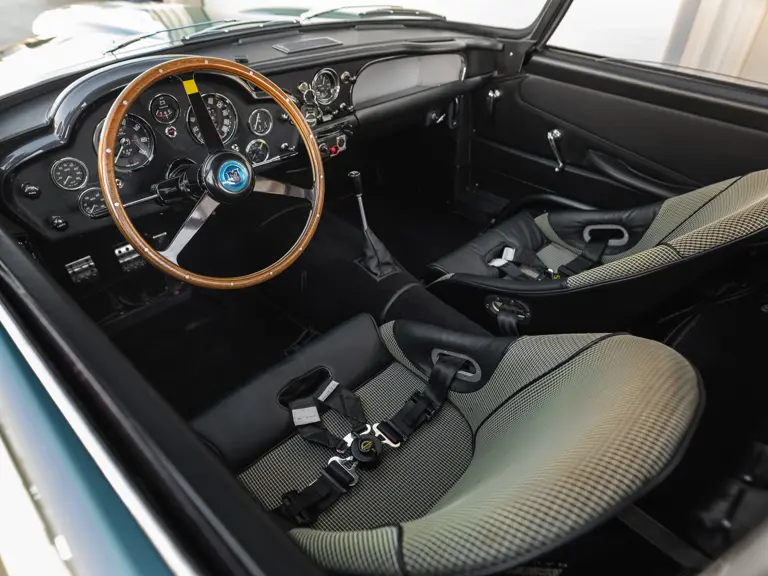
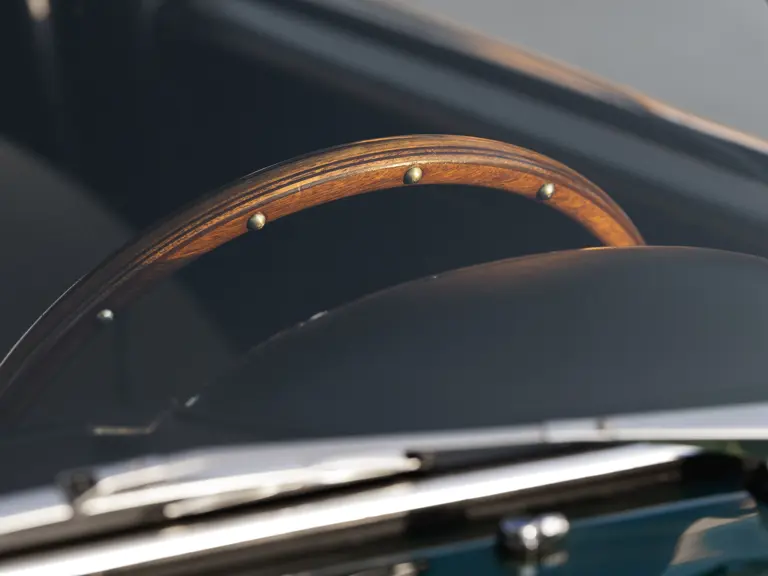
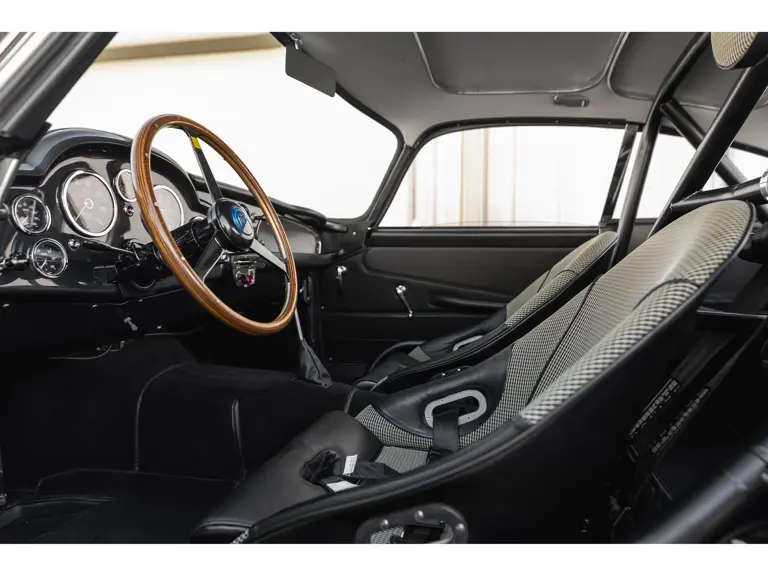
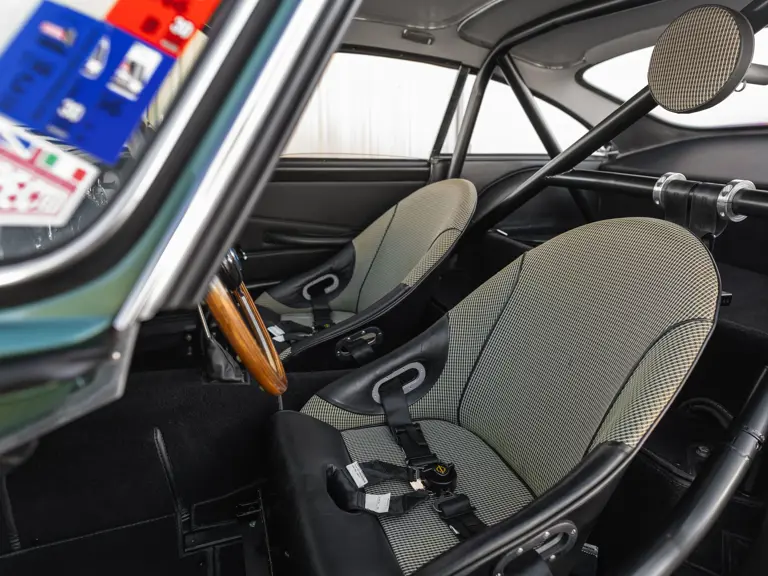
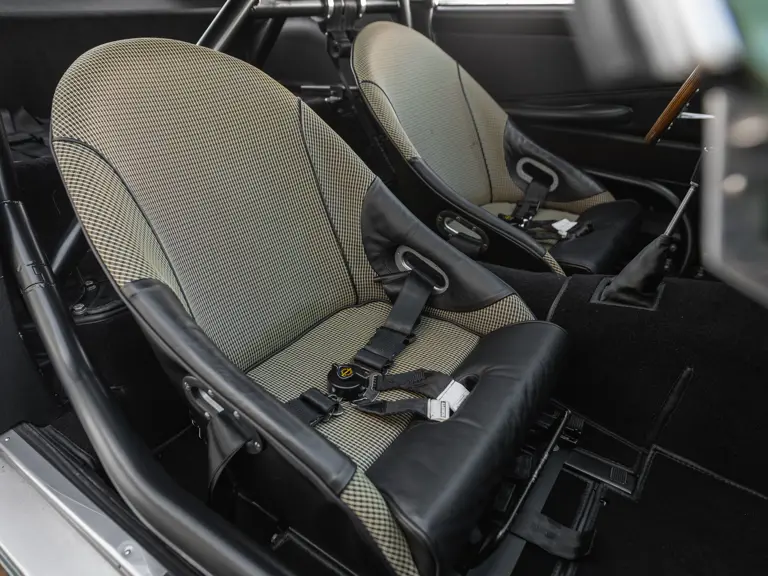
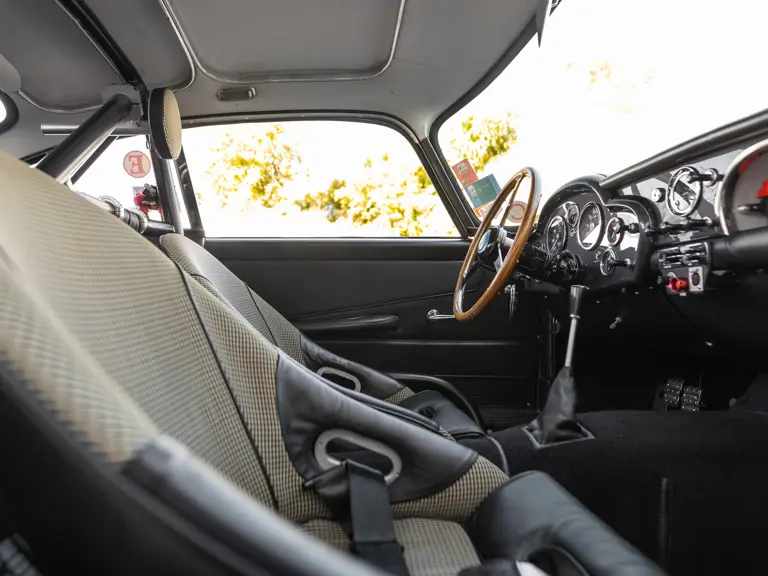
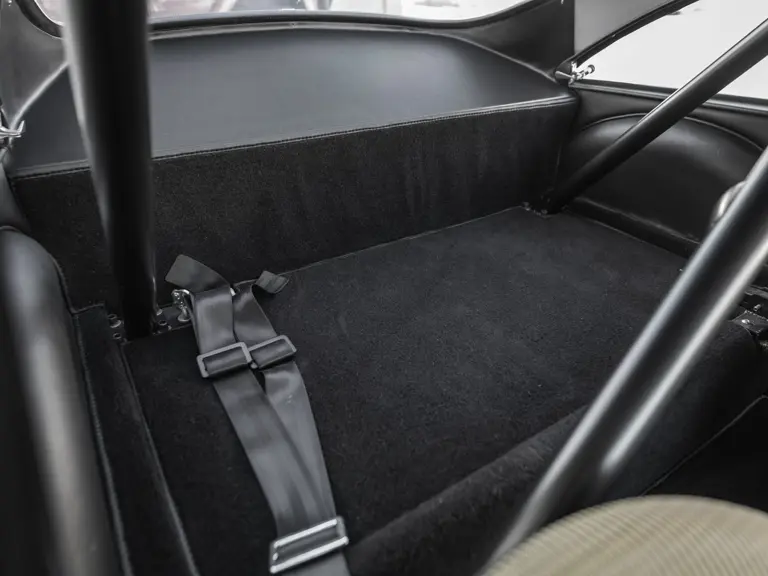
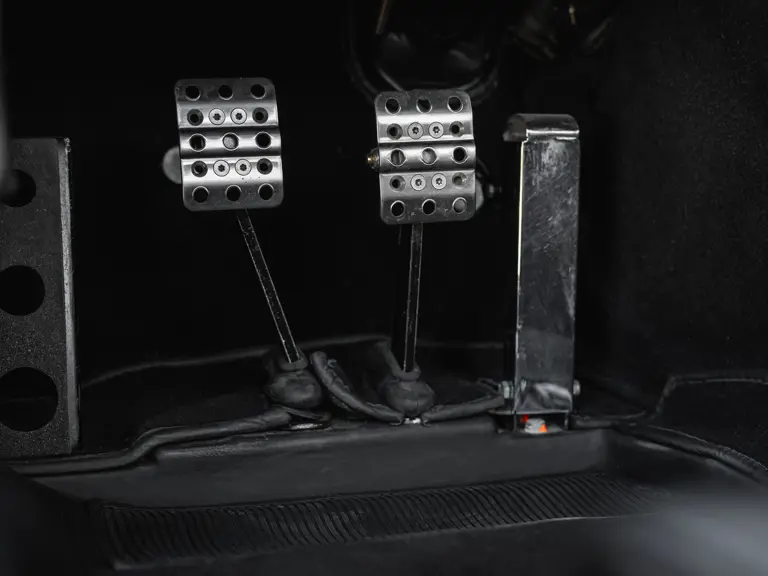
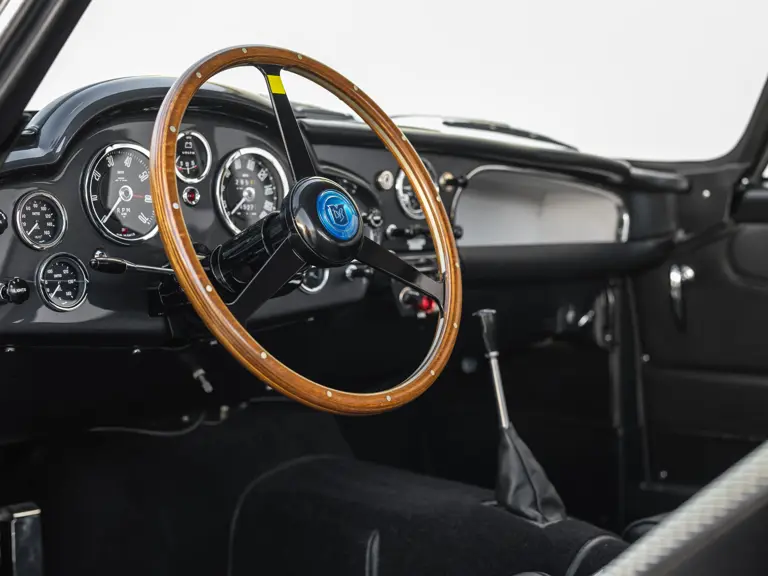
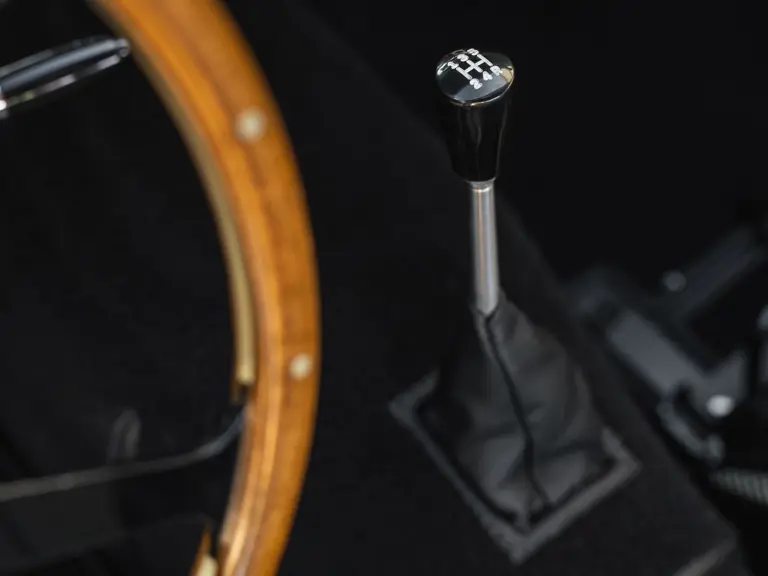
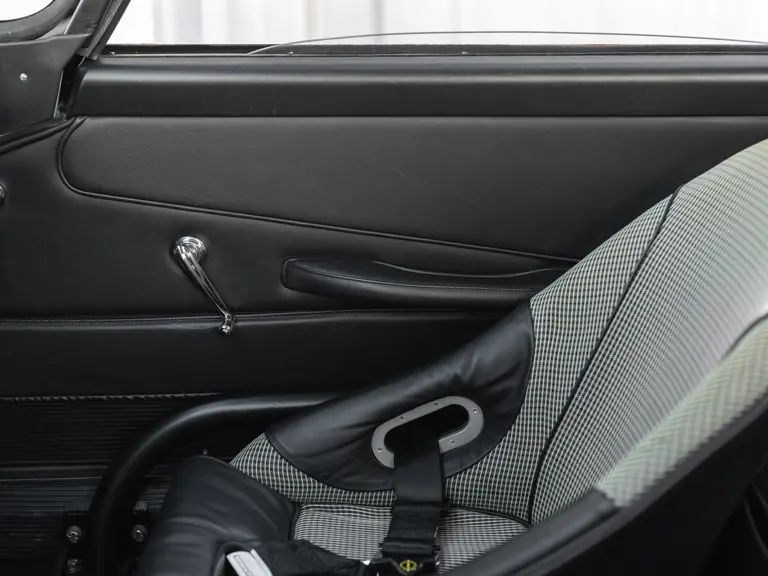
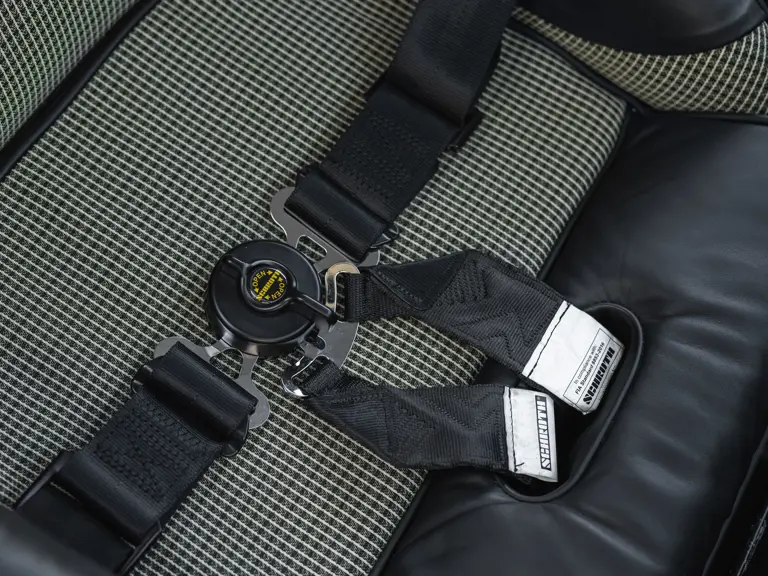
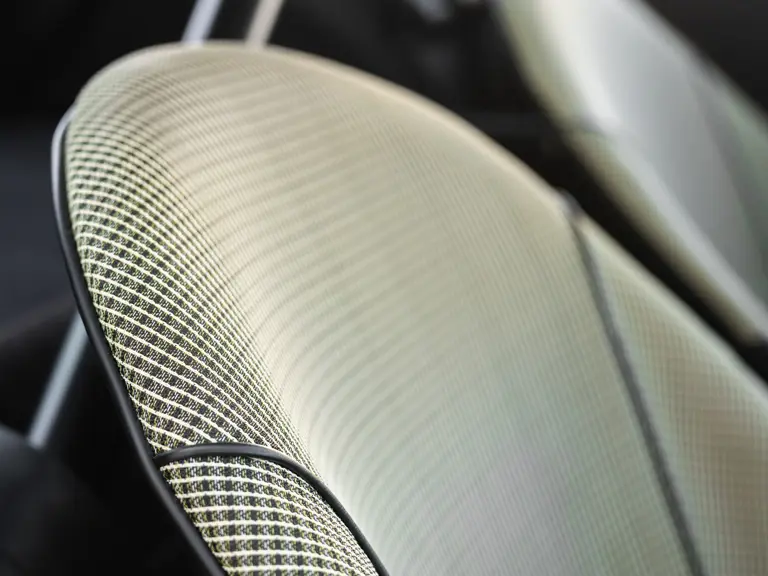
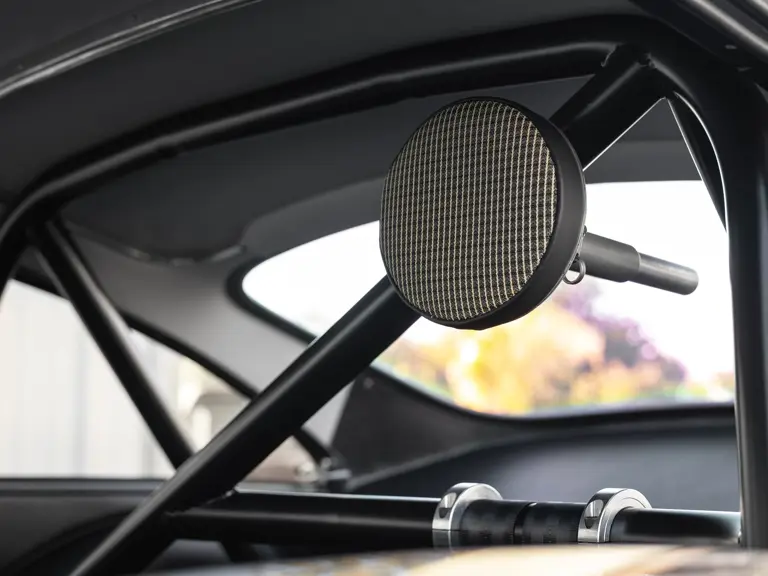
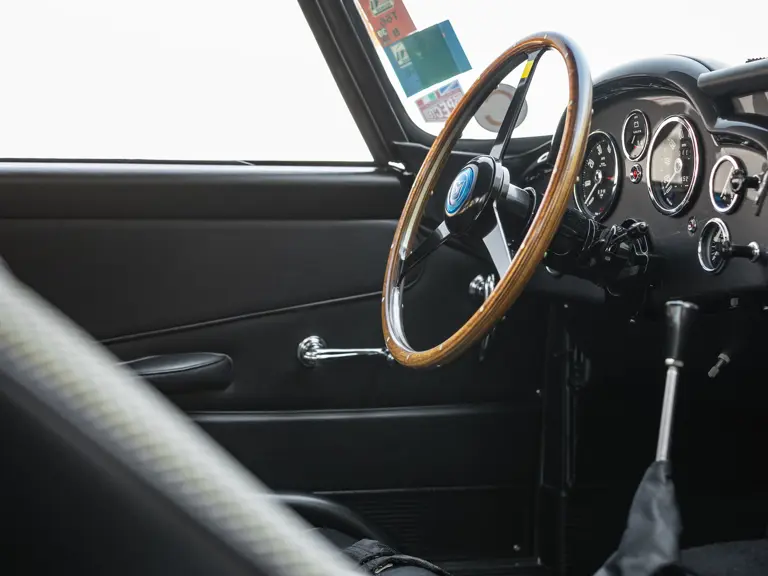
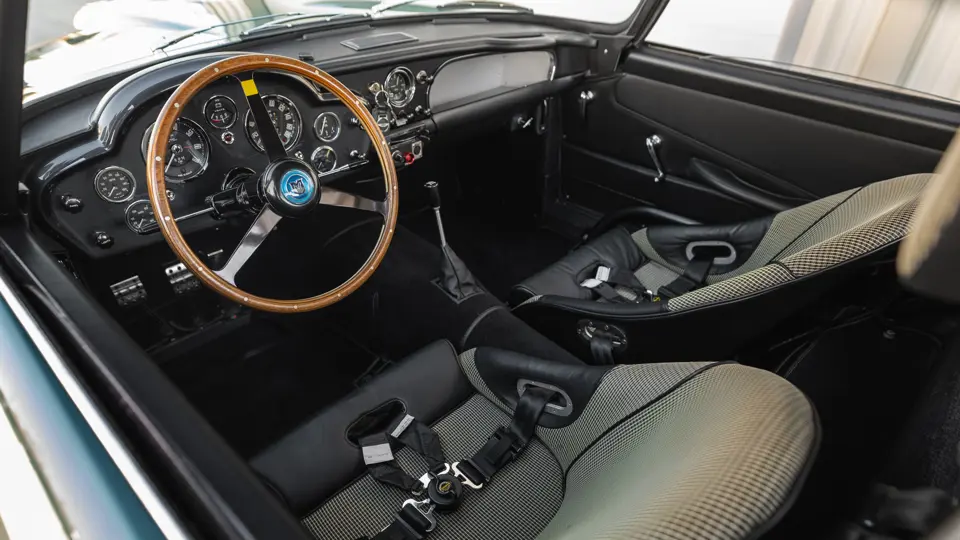
Once its prototype duties were complete, this DB4 GT Continuation was sold to its first and only owner, a collector based in the United States. Seeing even greater potential in the vehicle, he sent the car to Aston Martin specialist Steel Wings of Ivyland, Pennsylvania, in 2018 to install a new Tremec five-speed manual transmission, Quaife rear differential, power steering kit, and adjustable suspension components. The car returned to Steel Wings in 2019 for the engine to be converted to fuel injection, and again in 2020 for the front brakes to be upgraded and modernized. To improve comfort and ingress/egress, new seats modeled after those found in the original DB4 GT were installed and the roll cage was modified with lower side-impact bars. All of these modifications—totaling more than $147,000, as confirmed by invoices on file—greatly improve usability and drivability.
A celebration of one of the rarest and most revered Aston Martins ever created, any DB4 GT Continuation model is a collector’s item of the highest order. This example is even more special thanks to its status as the project’s singular prototype and its inclusion in high-profile media coverage. Expertly modified for increased performance and ease of use, chassis DB4/GT/PP01/L will certainly endure as a highlight of any collection and, with the usual race prep required for circuit driving, make for an enthralling track car that only a fortunate few will ever experience.
 | Phoenix, Arizona