RM Sotheby’s upcoming Hershey auction features some truly unusual lots—here are ten of our favorites
Even the most committed of us can be forgiven for finding their eyes glazing over at the sight of yet another immaculate Ferrari or Mercedes-Benz at a show, however lovely they may be. No, to draw a crowd, a car needs to be a bit different, a little out of the ordinary—and RM Sotheby’s is offering several contenders at its Hershey sale this year. Any one of them is a guaranteed attention-grabber, yet not all of them are cars—and not all of them are a conventional size, either…
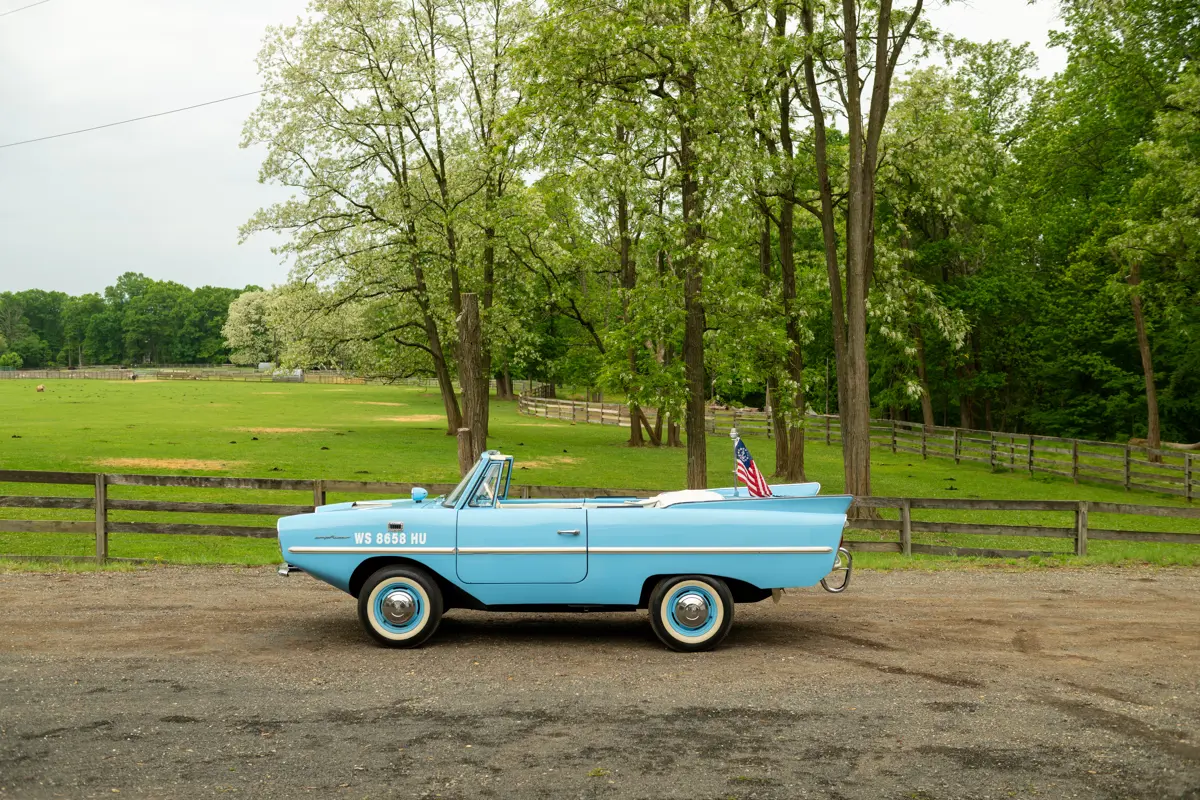
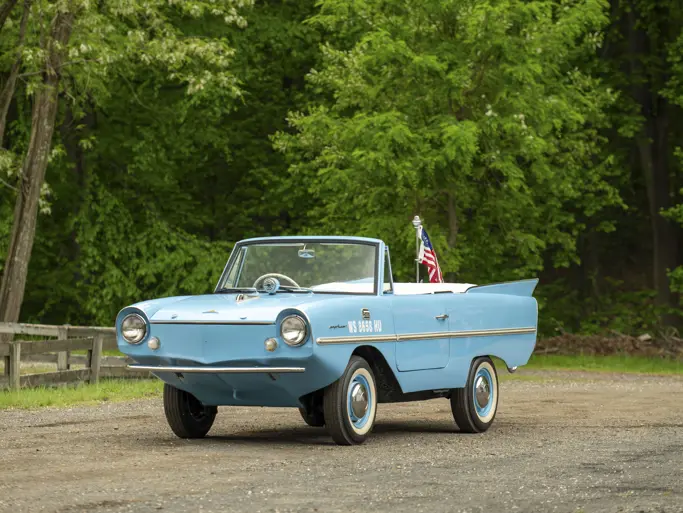
Water Lotta Fun
1965 Amphicar 770 (Est $40,000 - $60,000)
One of the most exclusive concours in the world is held each May at Villa d’Este, right beside Lake Como in Northern Italy, and by far the coolest way of arriving there is in an Amphicar. About 3,878 of these compact amphibious cars were built in Germany during the 1960s and more than 3,000 of those came to the United States—along with all the remaining spares when the Amphicar went out of production in 1968. Power (we use the term loosely) comes from a British Triumph Herald engine developing all of 43 brake-horsepower, enough to give the Amphicar a top speed of 7 mph on water and 70 mph on land—hence the ‘770’ designation.
As the homepage for the US-based International Amphicar Owners’ Club website points out: “This isn’t something to own if you don’t like talking to strangers!” But if you like the idea of upstaging Ferraris with a car that costs Fiat money—and this one is being offered with no reserve—you can’t do better.
Express Delivery
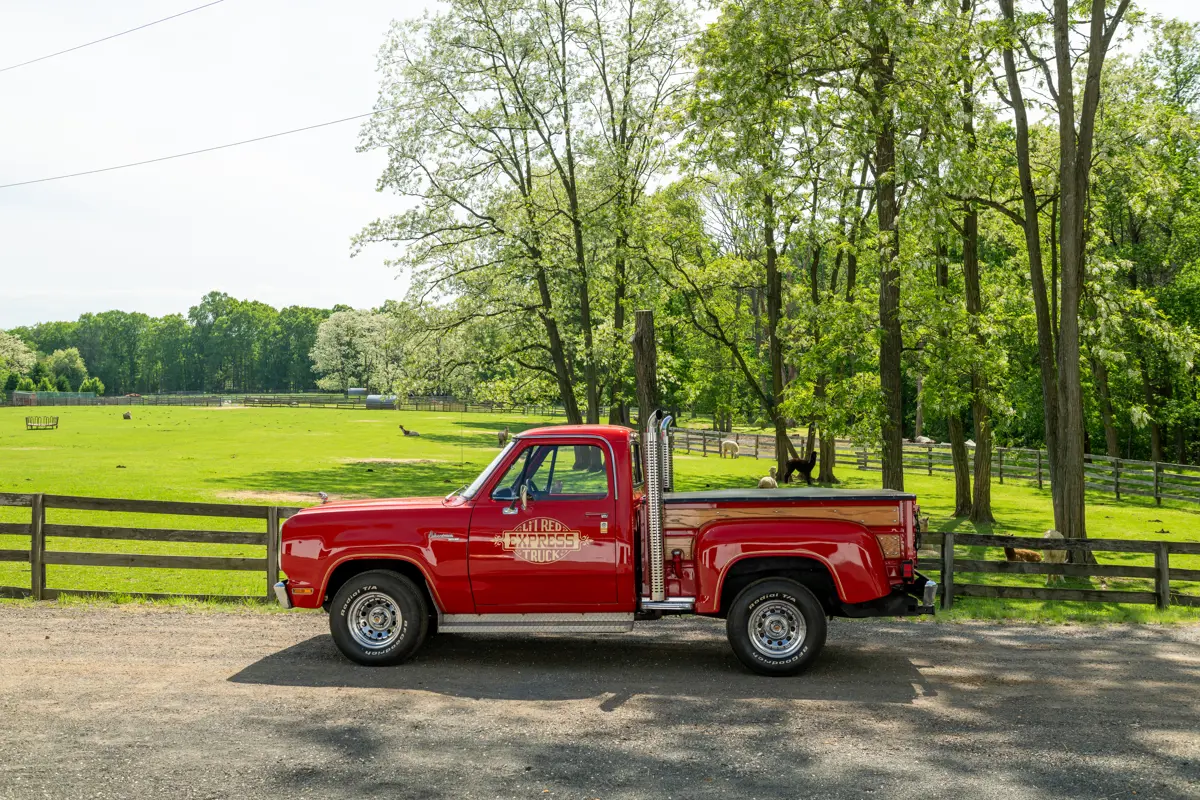
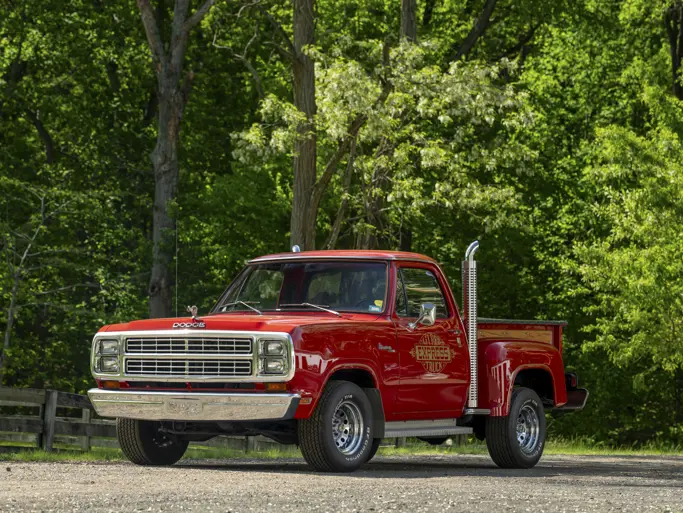
1979 Dodge Li’l Red Express (Est $25,000 - $35,000)
What was the fastest American production vehicle in 1979? A Corvette, maybe, or a Trans Am? Nope—it was a two-wheel-drive Dodge truck, launched on the back of Mopar’s ‘Adult Toys’ range that debuted in 1977.
These Adult Toys (ahem) were glitzed-up pick-up trucks and vans with names such as Warlock and Macho Power Wagon that piggy-backed on the ’70s vogue for customizing. They featured bright colors, lairy graphics, and shiny accessories, but only the Li’l Red Express had real go to match its show. By exploiting a short-lived exemption from catalytic
convertors for certain trucks and thanks to a hotted-up Police Interceptor 360 V-8, Li’l Red could scorch from nought to 60 mph in 6.7 seconds—more than a second faster than a Corvette. Having covered a little over 49,000 miles from new, this one should still be capable of showing many a sports car a clean pair of BFGs.
In the Army Now
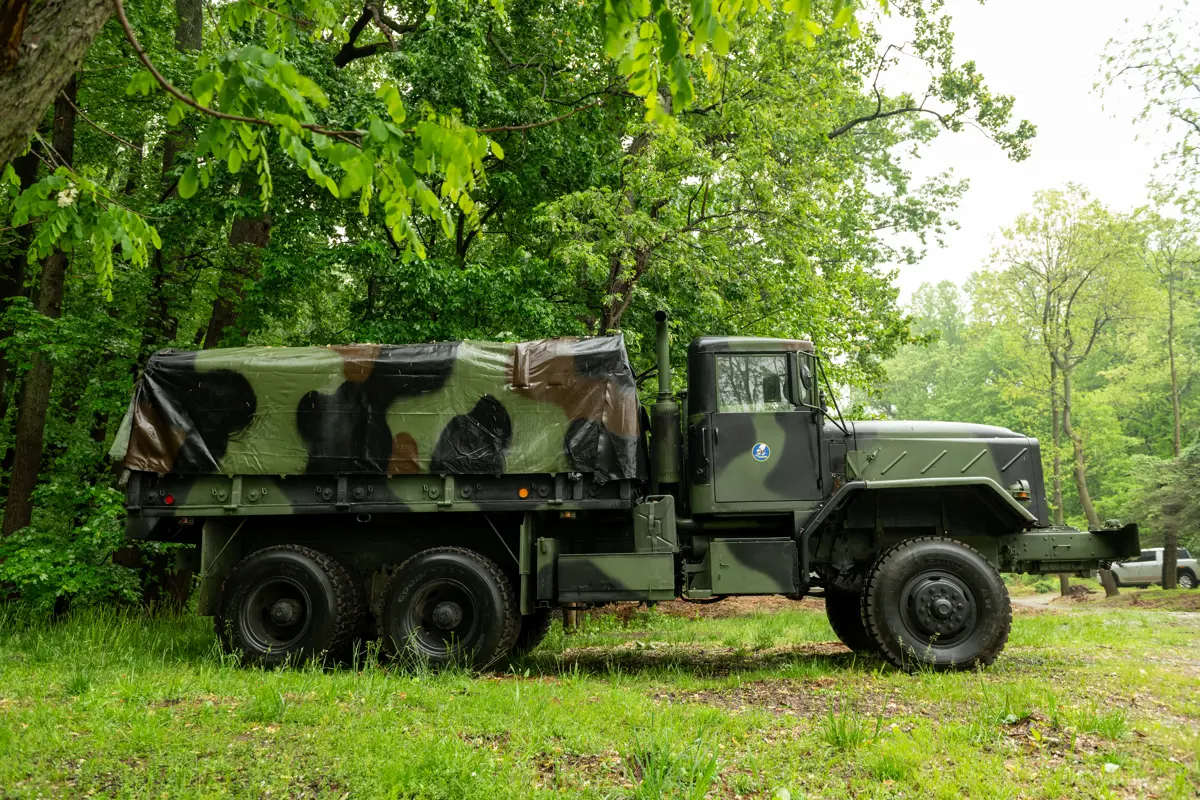
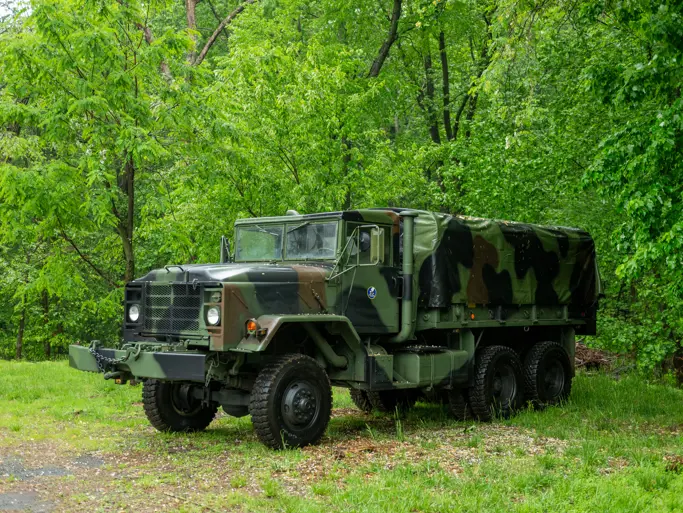
1984 AM General M925 (Est $15,000 - $20,000)
If the preceding lot is a little too frivolous for your tastes—and you think any truck worth its salt should have at least two driven axles—then this 6x6 monster may appeal. The US Army’s ubiquitous cargo carrier of the 1980s and part of a series built from 1982 to ’87, it features an 855-ci Cummins diesel that puts out a stump-pulling 685 lb-ft of torque. Should you actually want to pull stumps, the standard front-mounted winch might also come in handy, and there’s a two-speed transfer box for when the going gets tough and the tough really need to get going.
Delivered to Uncle Sam on 8 October 1984, this is an awful lot of vehicle at its estimate of $15,000 - $20,000, with no reserve. You’ll never get stuck on a muddy rally field again.
Learning Made Fun
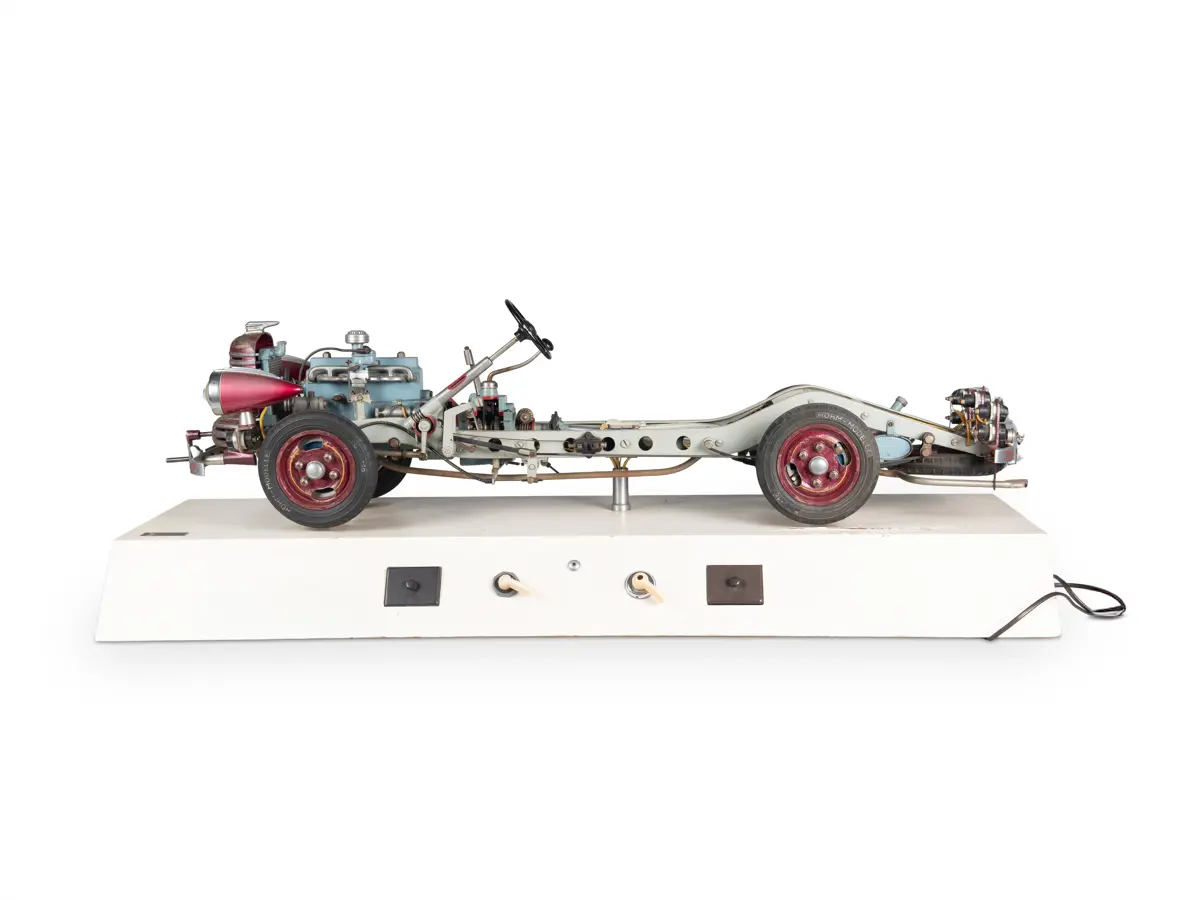
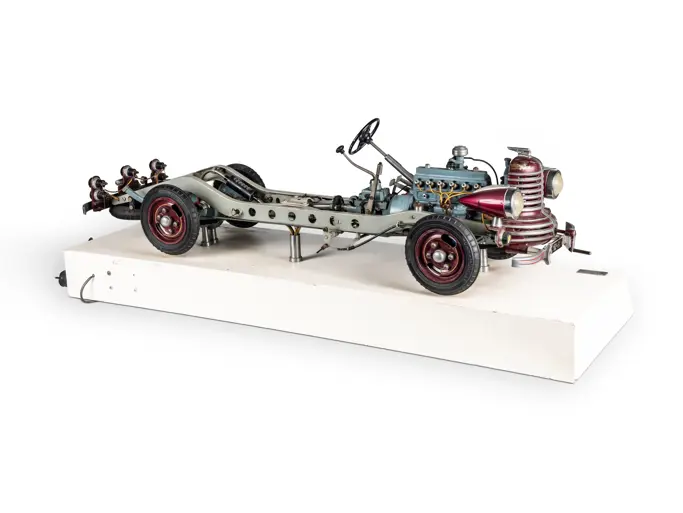
1930s Cutaway Educational Model Chassis (Est $750 - $1,000)
Drive through rural France and you may still find educational models like this on display in the windows of local driving schools, although these days they turn up more often at autojumbles and auctions. This one, however—as you might guess from its exceptional standard of detail and construction—is German and probably dates from the late 1930s.
Intended to show would-be Ringmeisters the basics of how a car works, this superb example has many operating features such as brakes and lights, but also a cutaway engine, gearbox, steering box, and differential. While the electrical components have not been tested, recommissioning should be a simple process and the result will be the ultimate desk toy for anyone who appreciates the joy of seeing machinery in motion.
Whip Crack Away!
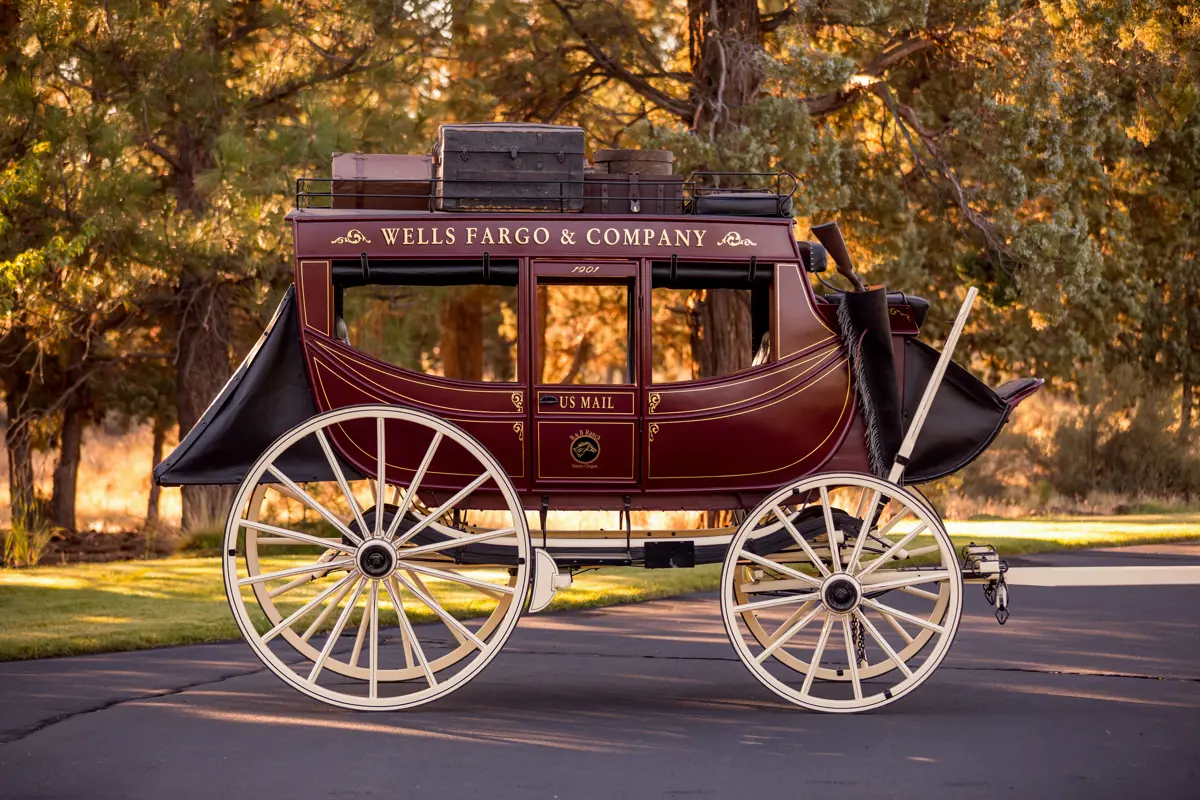
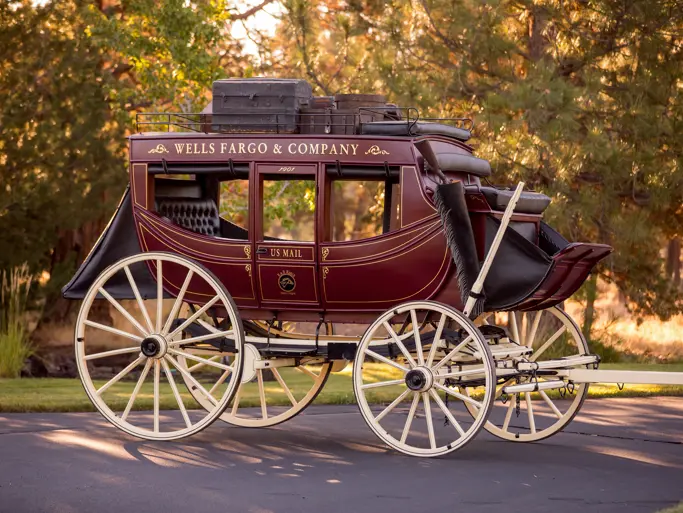
‘Wells Fargo’ Liveried Stagecoach (Est $90,000 - $140,000)
If you fondly recall the Deadwood Stage “a-rollin’ on over the plains, with the curtains flappin’ and the driver slappin’ the reins” in the 1953 movie Calamity Jane, then this beautifully restored Abbot-Downing stagecoach (on which a six-figure sum was reputedly spent in the early 2000s) could be right up your prairie.
Nothing epitomises the romance of the Wild West more than a stagecoach painted in Wells Fargo’s distinctive red-and-gold livery, and this one showcases the traditional boat-shaped body (for strength) with flat roof where luggage could be stored. Every time you look at it, you’ll picture Doris Day belting out “Whip crack away! Whip crack away! Whip crack away!”
French Fancy
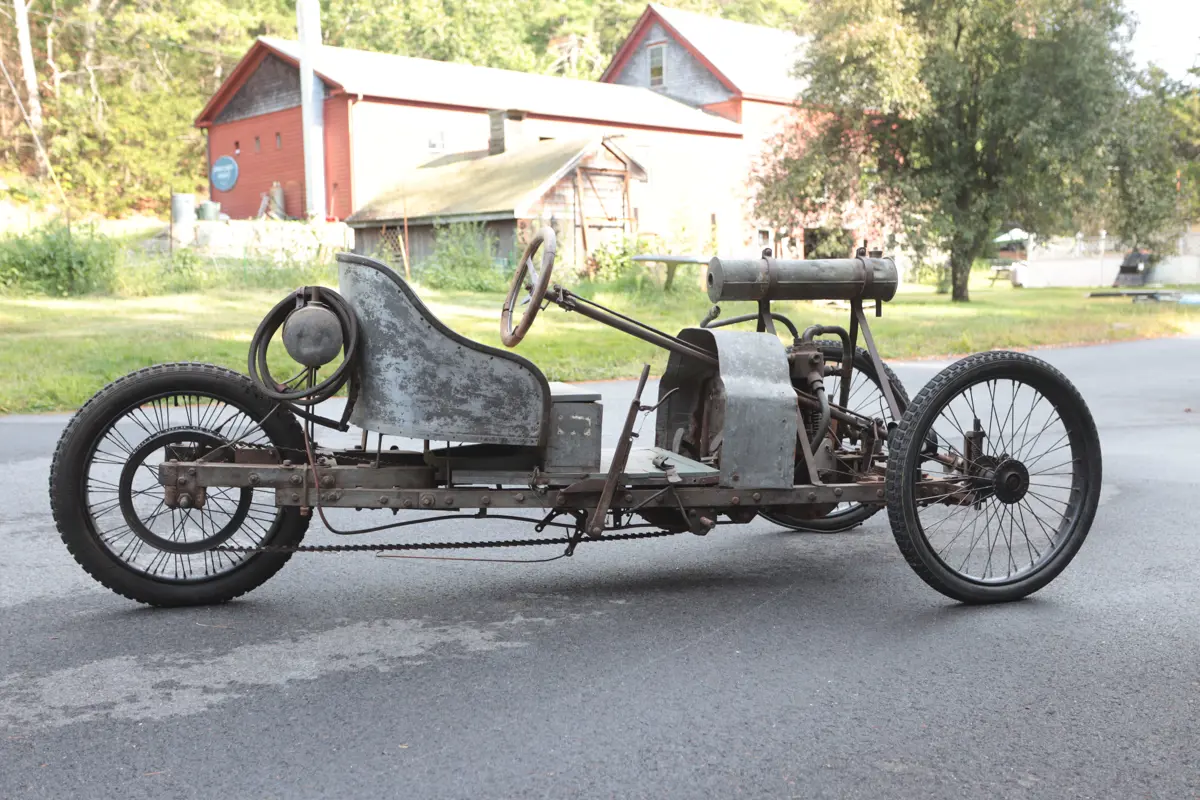
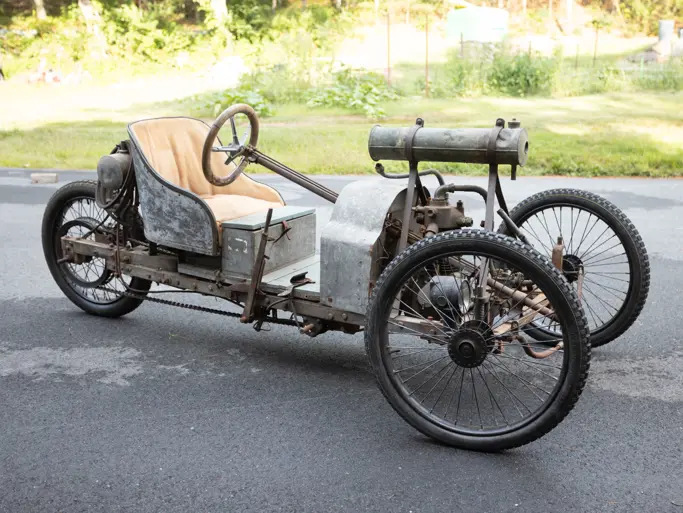
c1902 Automoto Motorized Tricycle (Est $15,000 - $25,000)
When you consider the prices paid for pre-1905 vehicles eligible for the UK’s RM Sotheby’s London to Brighton Veteran Car Run, the estimate for this ‘motor tricycle’ looks very reasonable—although satisfying the event’s notoriously strict criteria for dating would be a challenge.
Regardless, there’s a huge amount of fun to be had from this minimalistic project, which is believed to be one of the kits offered by French outfit Automoto in the early 20th century. Featuring a 2-horsepower single-cylinder engine—on which engine speed is regulated by adjusting the movement of the exhaust valve—the tricycle also has a three-speed gearbox, in which the most appropriate ratio must be selected before moving off since gears can’t be shifted on the move. All part of the fascination of operating a vehicle that was designed several years before the Model T Ford.
Ballistic Buick
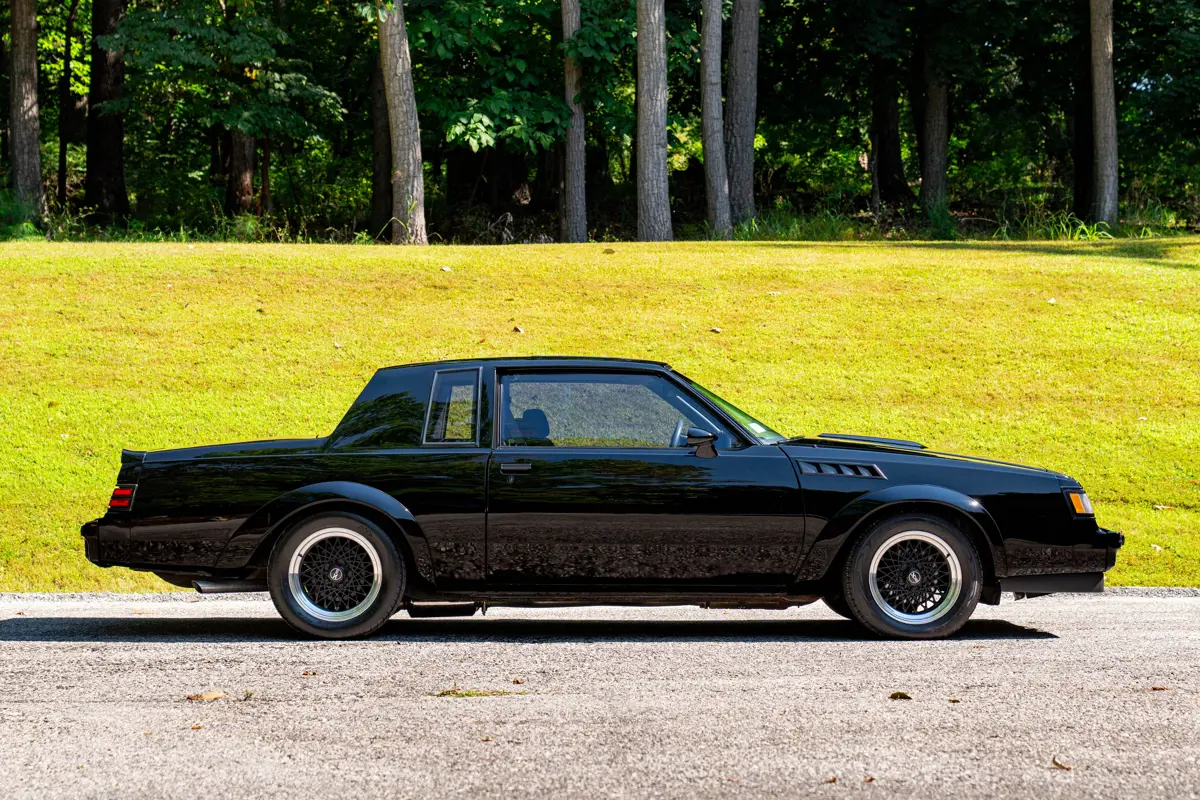
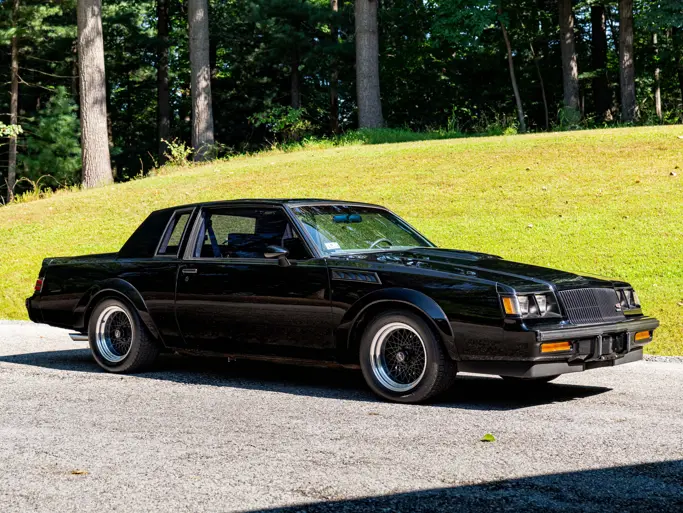
1987 Buick GNX (Est $90,000 - $120,000)
One of automotive history’s greatest-ever sleepers, the staid-looking Buick Grand National of 1984 was a real road-burner thanks to its 200-horsepower turbocharged and fuel-injected V-6 motor. The car offered here, however, is one of the ultra-rare GNX (for Grand National Experimental) models, which were extensively re-engineered to deliver an official 276 horsepower—although some say the true figure was north of 300.
Recently brought further into the public consciousness when rapper Kendrick Lamar used a genuine GNX as a prop for this year’s Super Bowl halftime show, the model is one of the ultimate Buicks of all time. This example, number 35 of just 547 made, has a detailed history from new and was reputedly often used by NASCAR legend Bobby Allison on his visits to Atlanta. Not everyone will appreciate just why this understated-looking sedan is so special—and that is a large part of its appeal. If you know, you know.
Dead Man Walking
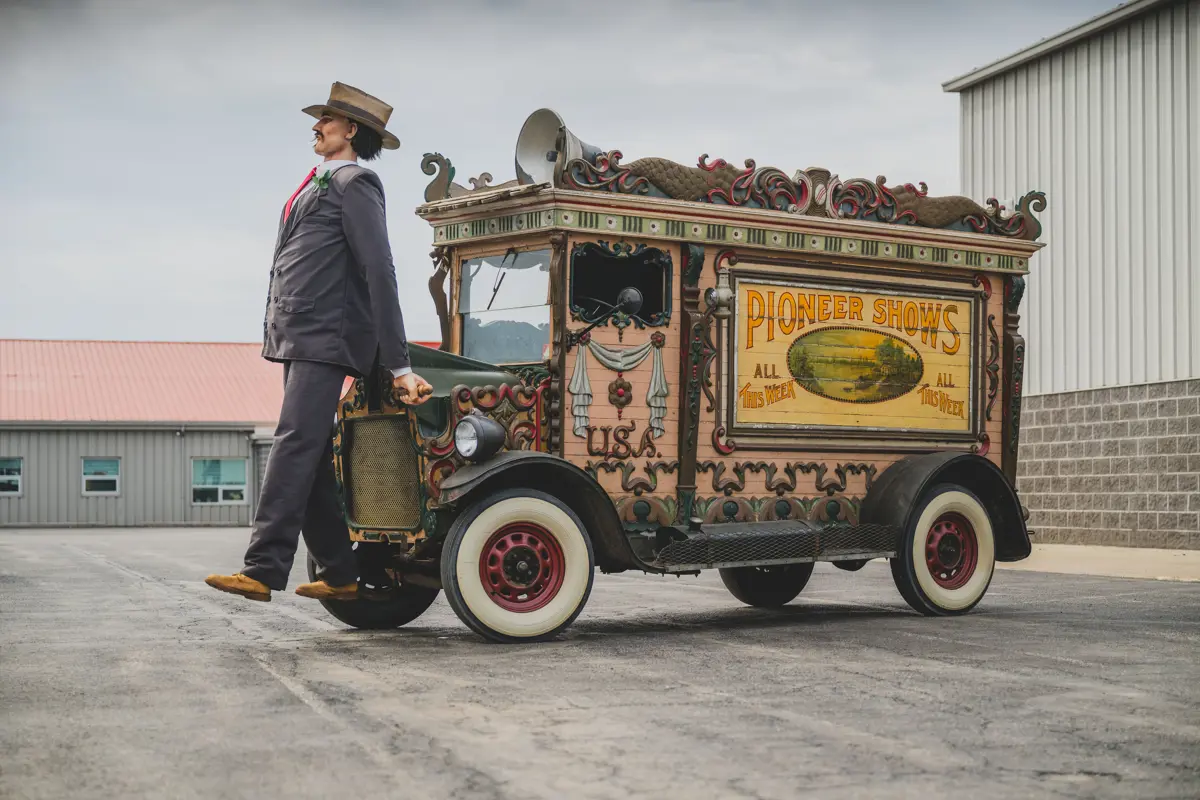
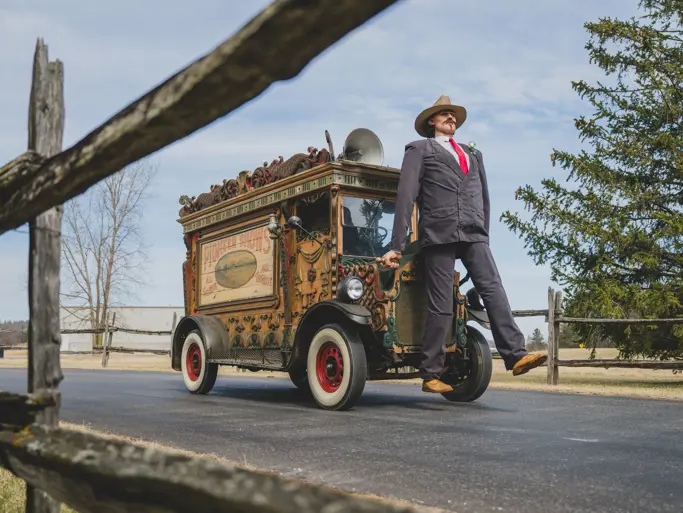
1922 ‘Walking Man’ Pioneer Circus Wagon (Est $50,000 - $80,000)
Amusing or terrifying?! Surely unique, this motorized circus wagon features a ‘walking’ eight-feet-tall mannequin who appears to be pulling the truck behind him—and who, in period at least, could turn his head from side to side in order to transfix small children with his dead-eyed stare…
The inventors of this remarkable device described it as “an attractive novelty,” and this one was built as a promotional vehicle for a Milwaukee brewery in 1922. It seems they never used it and the wagon ended up with, appropriately, a travelling carnival. A period newspaper clipping records it as startling a resident while on tour—we can’t imagine why.
Conveniently now fitted with a 1984 AMC Jeep 2.5-liter motor and modern Pioneer sound system, the wagon would still be the highlight of any parade, a century after it was built. The mannequin, by the way, is called Oscar, and his ‘walking height’ can be adjusted to suit differing terrain. Just don’t go upsetting him.
Surprisingly Modern
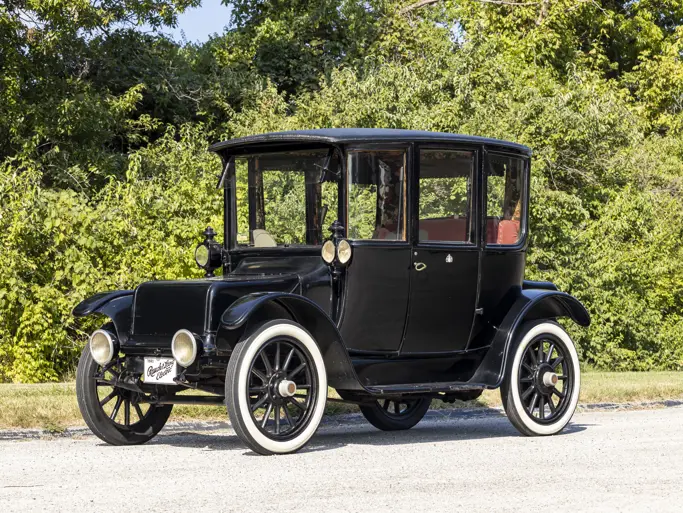
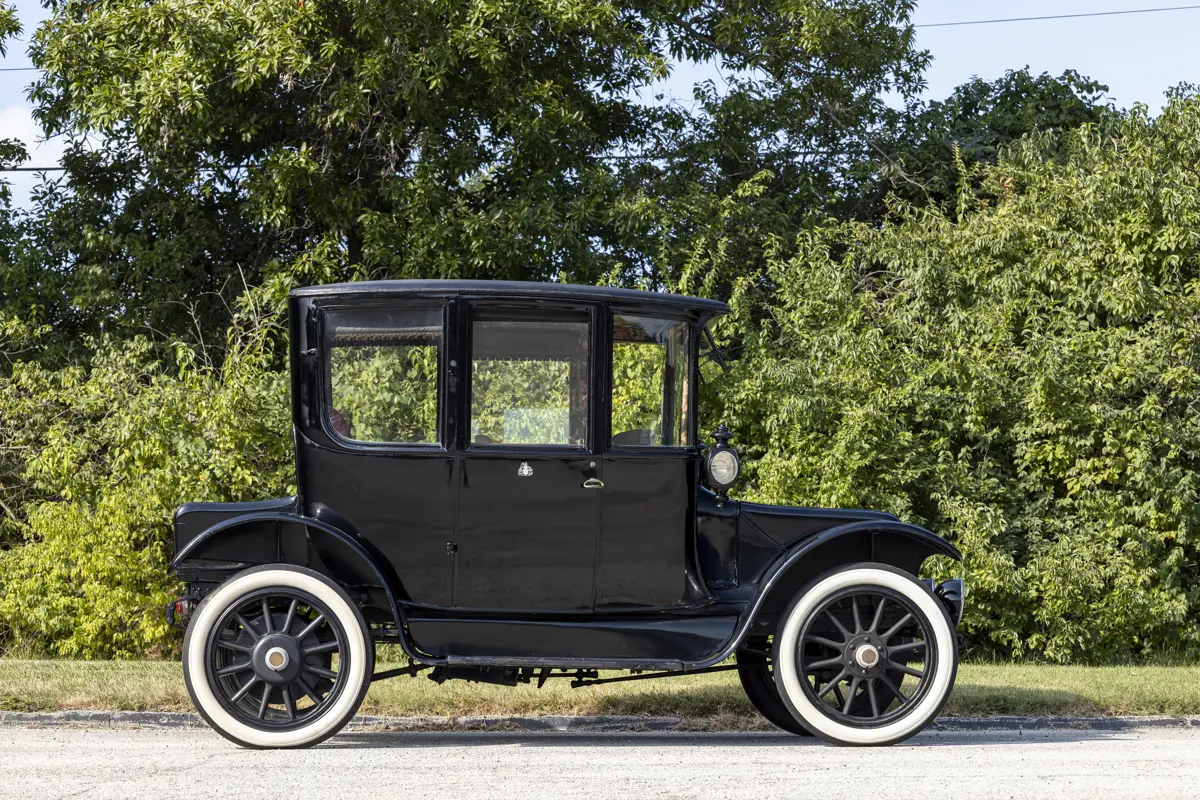
1921 Rauch & Lang Electric (Est $100,000 - $130,000)
Early electric vehicles now have a growing following in the age of the modern EV—Jay Leno is a notable fan—and this late example of a Rauch & Lang C55 Double Control Coach has a unique feature: As the name suggests, it can be driven from either the front or the back seats. Whether that is so that the chauffeur can be kept in check by a nervous passenger, history does not record.
More likely, perhaps, is that it was designed to allow those in the front seats to be treated to a panoramic view of their surroundings without the nuisance of having to actually drive. Like many early electrics, its upright shape with huge glass area looks more 19th century than 20th—although this is a notably late example, from a time when gasoline ruled supreme.
Virtually silent in operation and, of course, producing no exhaust fumes, this technological pioneer could be an ideal way of showing visitors around a large complex or collection. Which is exactly how the aforementioned Mr. Leno uses his.