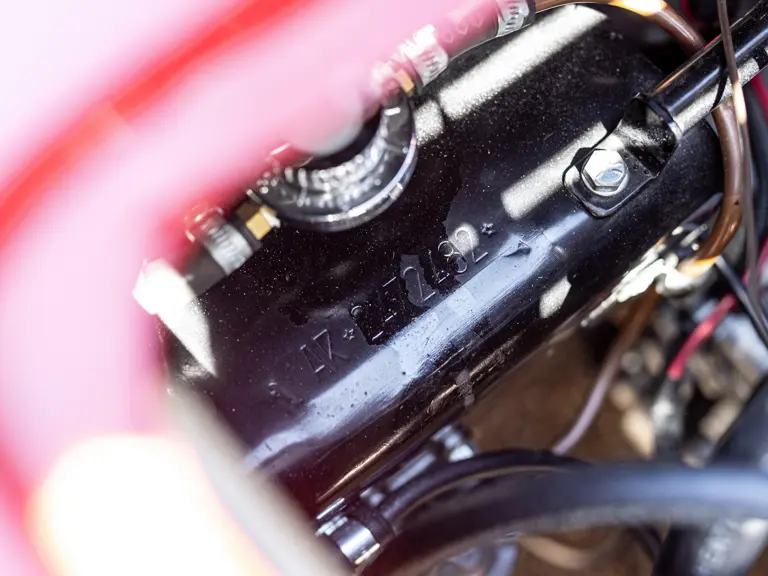
Chassis No.
AR 2472482
£314,375 GBP | Sold
{{bidding.lot.reserveStatusFormatted}}
Formerly based on the shores of Lake Como in Italy, the Italian coachbuilder Autotecnica del Lario specialised in one-off designs and bespoke requests for its niche base of clientele. After setting up in the 1960s, the company initially thrived as an outlier but later languished in the face of modern monocoque construction techniques and a diminishing demand for coachbuilt cars. Swimming against the tide, and while other coachbuilders made radical changes just to survive, Autotecnica del Lario oversaw a production run for a limited number of hand-built, bespoke sports cars, with the last examples completed by the end of the 1970s.
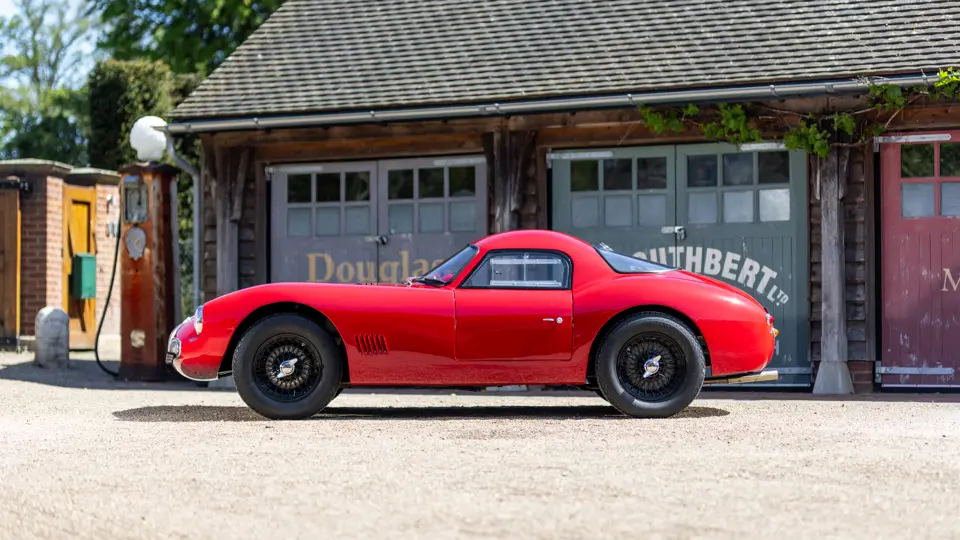
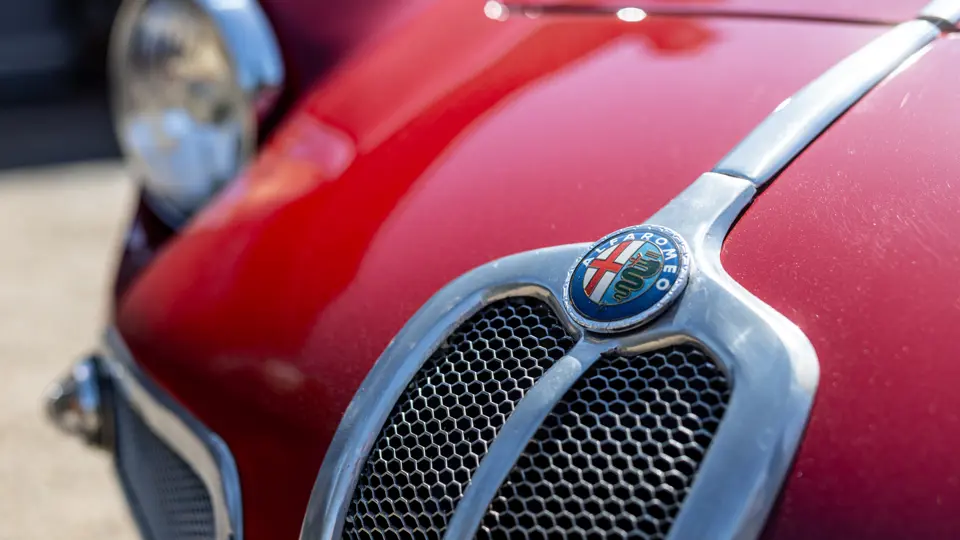
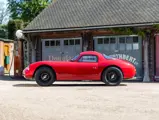
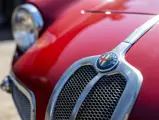
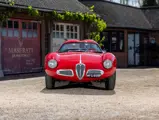
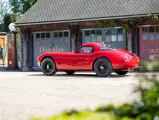
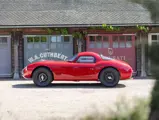
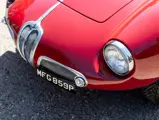
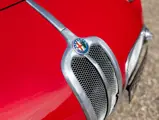
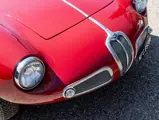
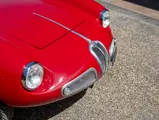
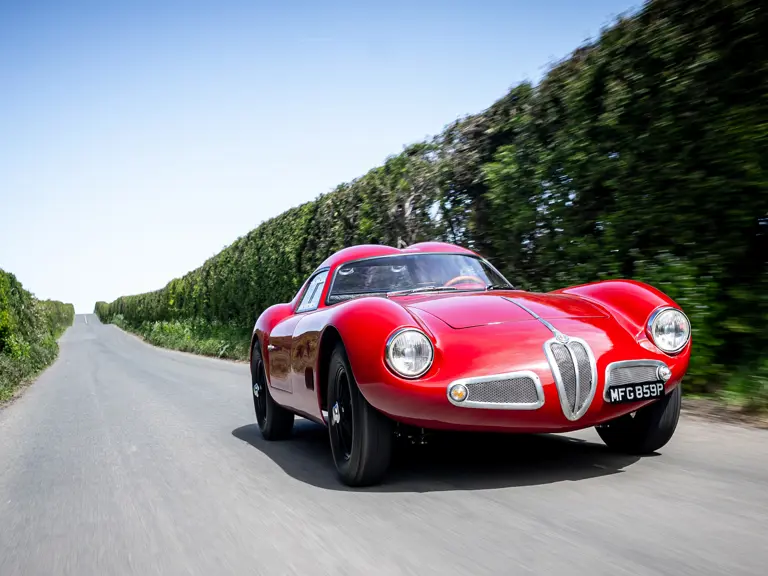
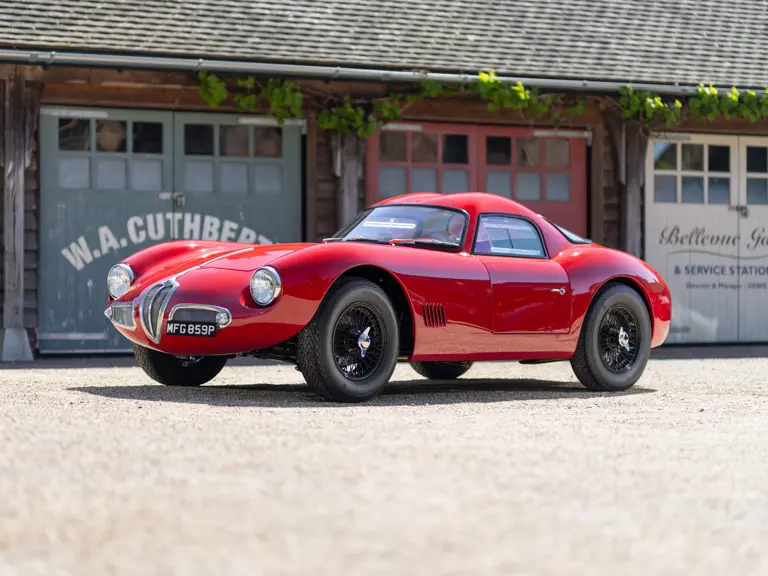
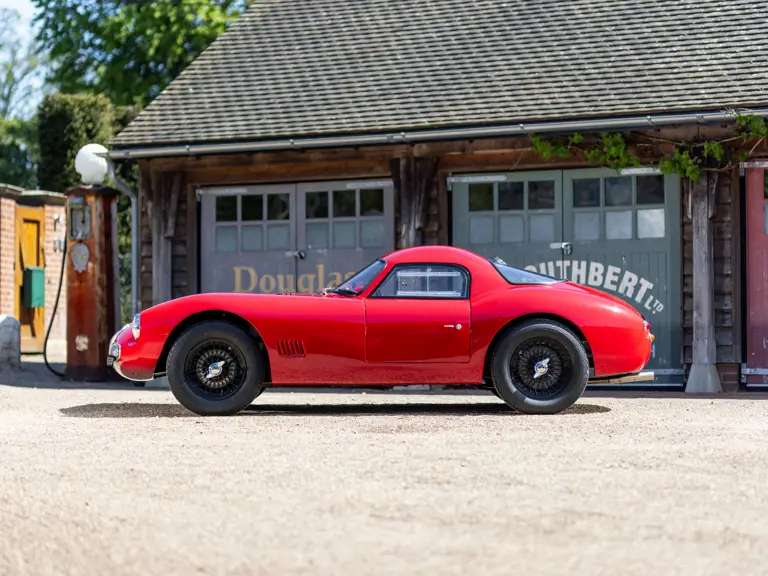
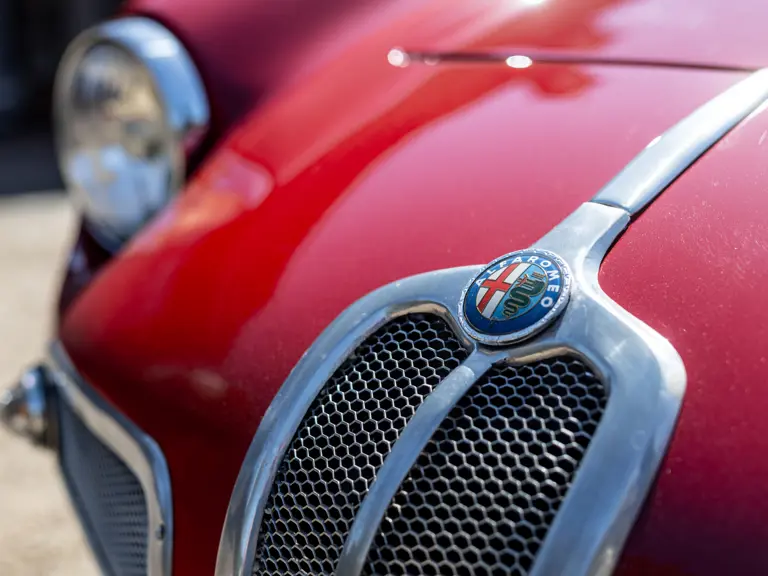
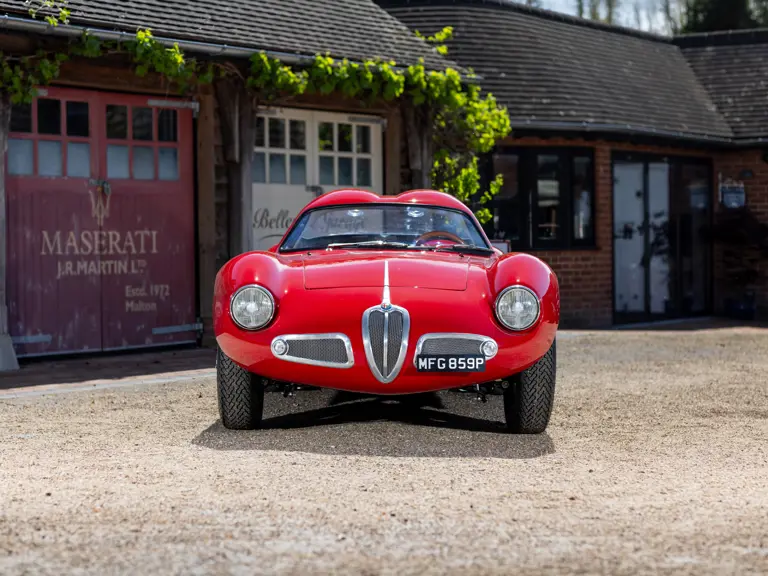
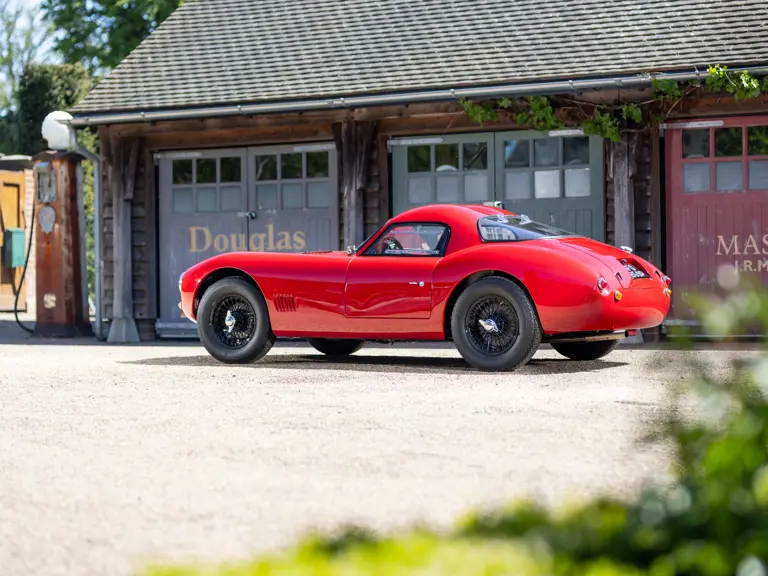
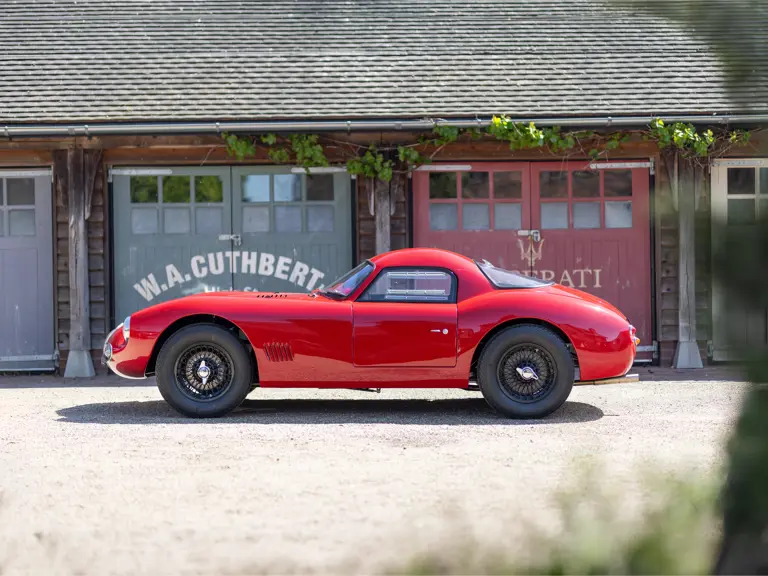
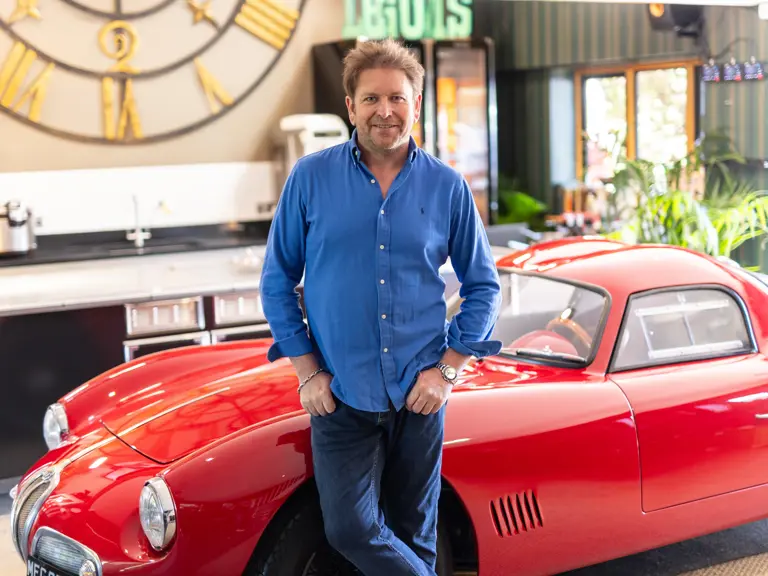
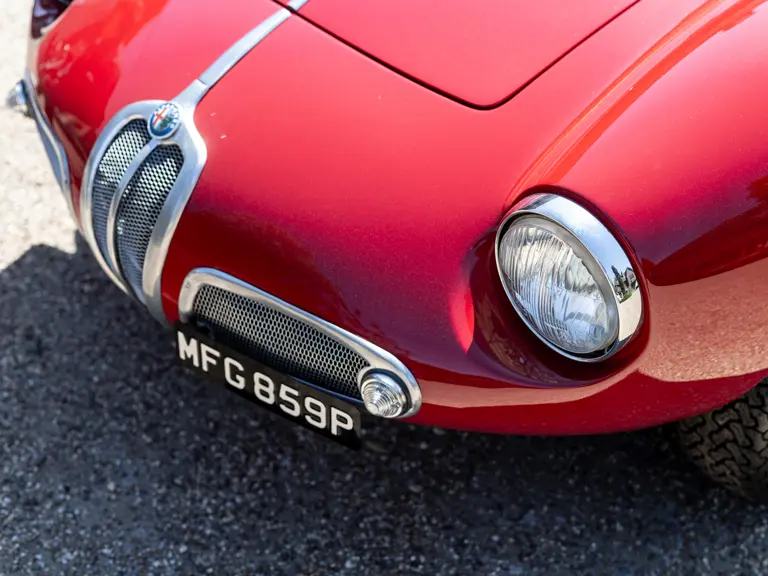
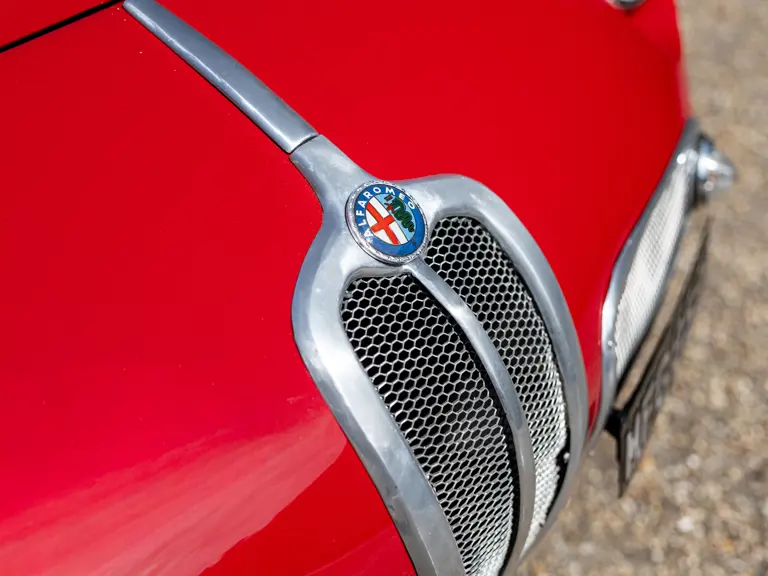
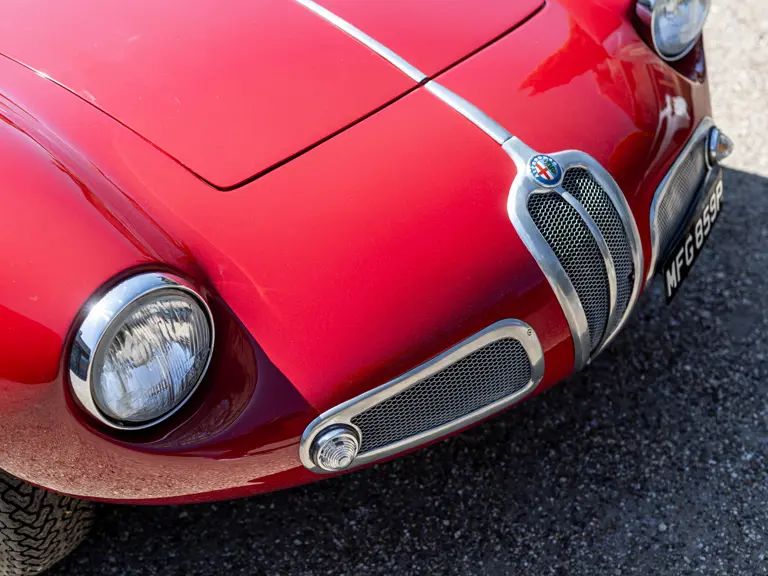
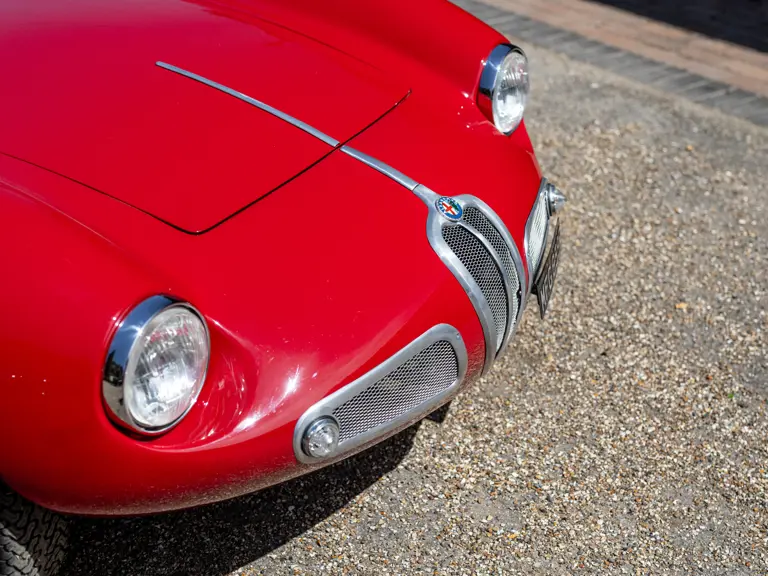
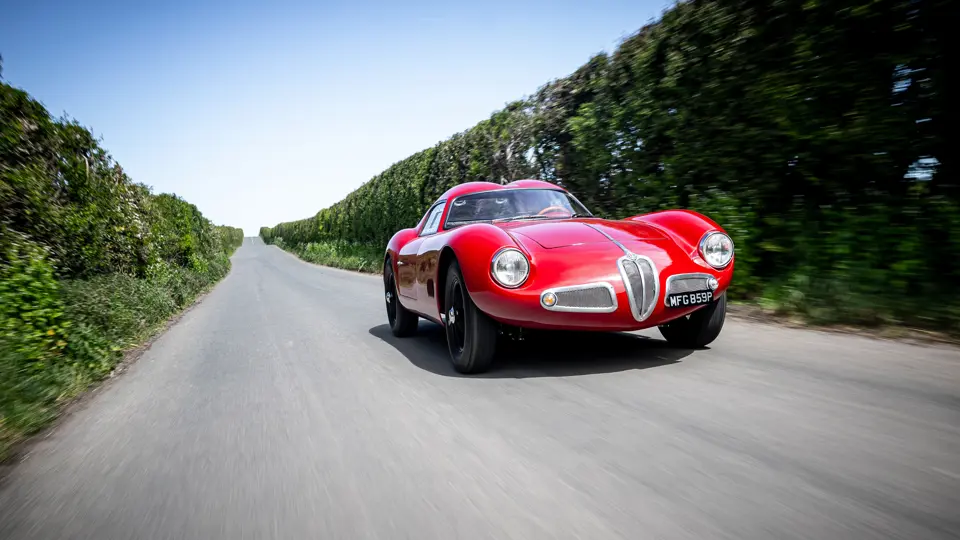
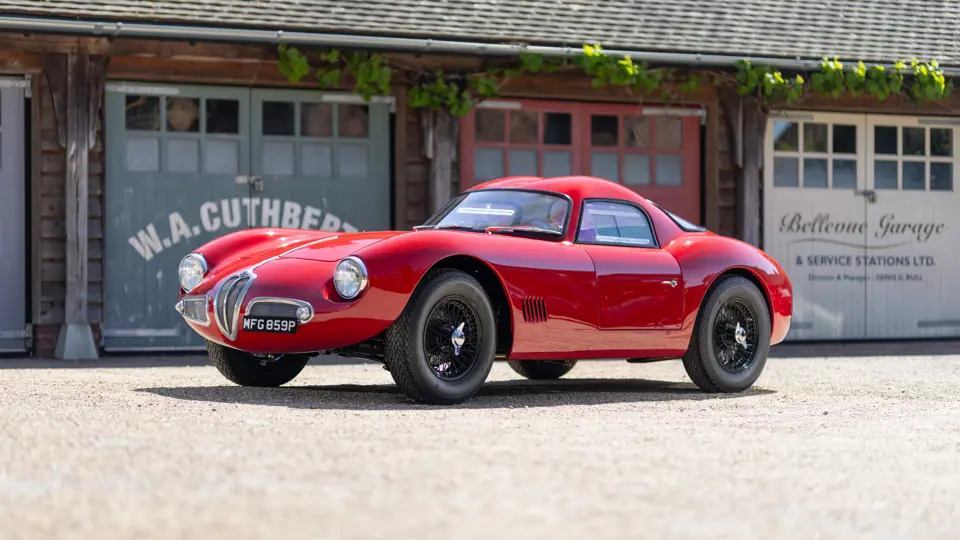
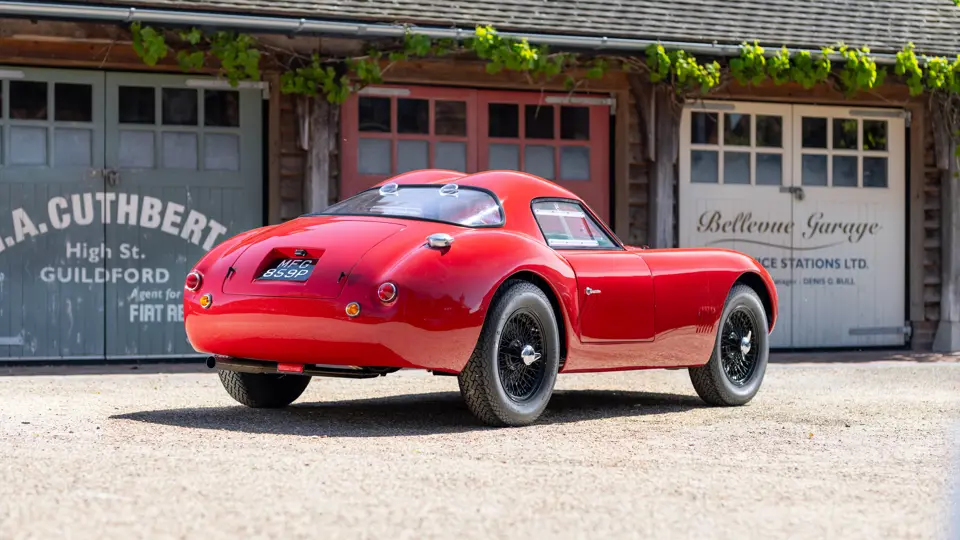
In tribute to some of Alfa Romeo’s most daring and memorable coupé designs of the 1950s and 1960s, the ATL Sports Coupé was reminiscent of some of the finest designs by Alfa Romeo and the most prominent Italian carrozzeria of the era, prominently based upon a two-seater Berlinetta shape. Styling cues are evident from the ever-stylish 1950s Alfa Romeo 1900 Sport Spider and 2000 Sportiva through to later, more modern models from the marque.
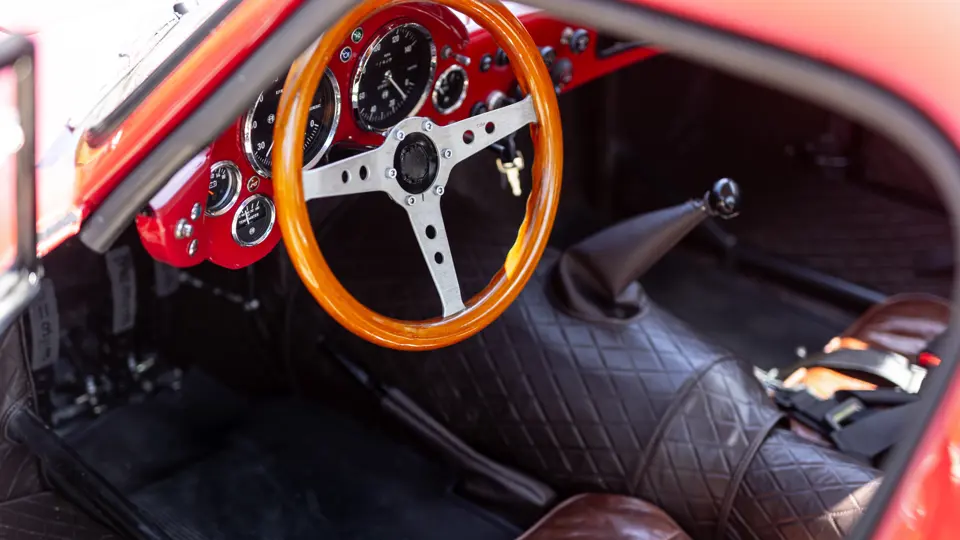
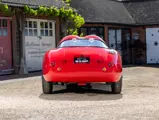
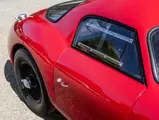
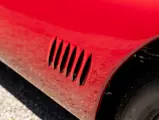
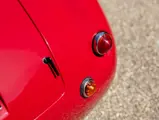
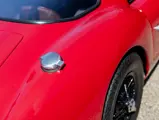
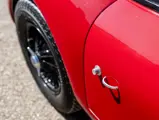
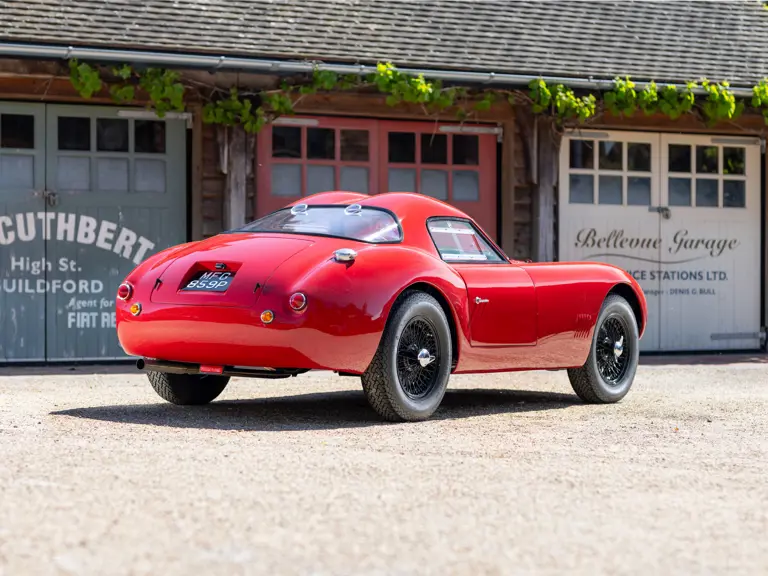
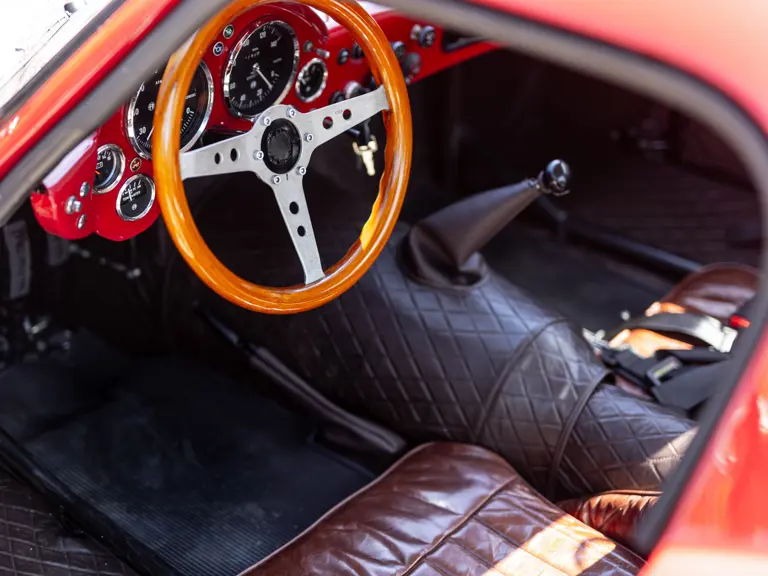
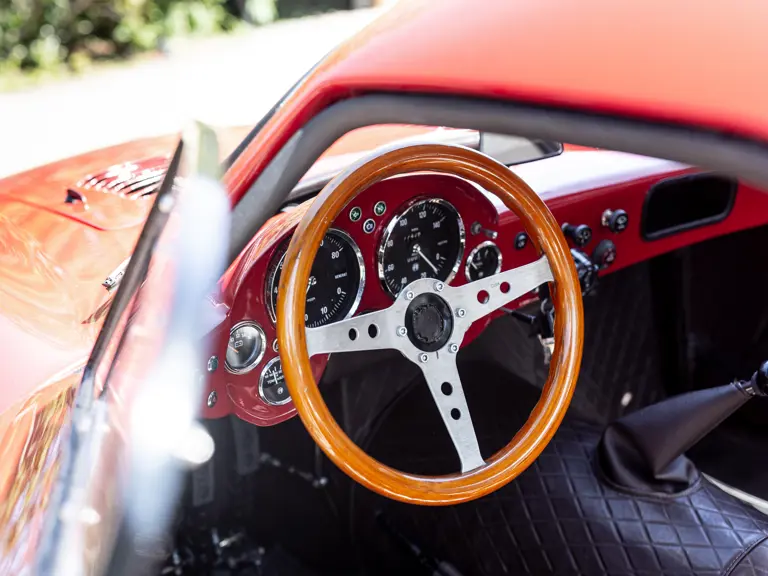
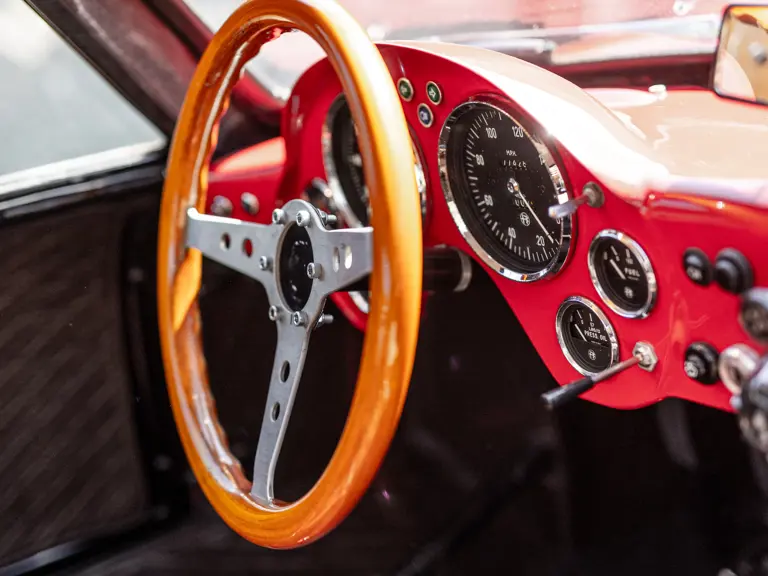
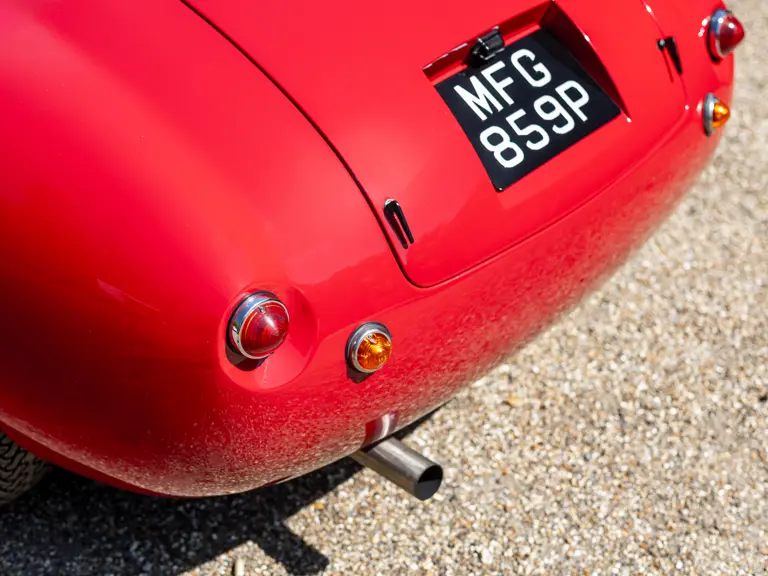
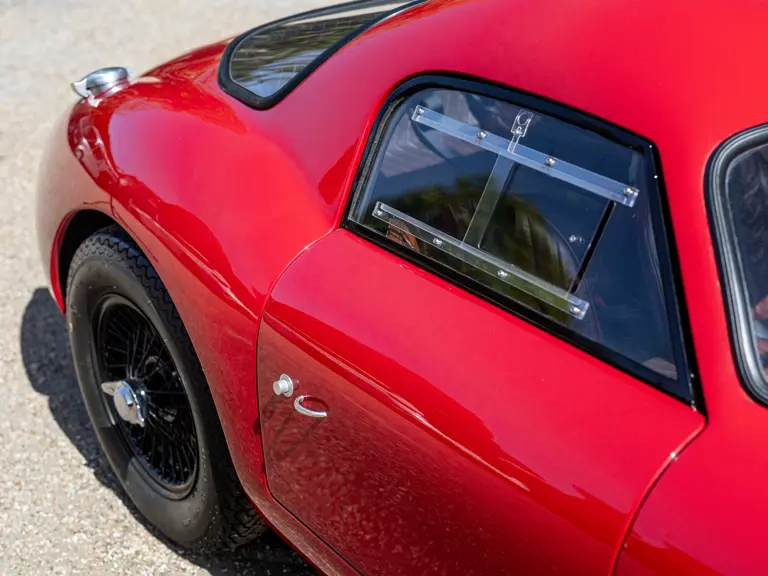
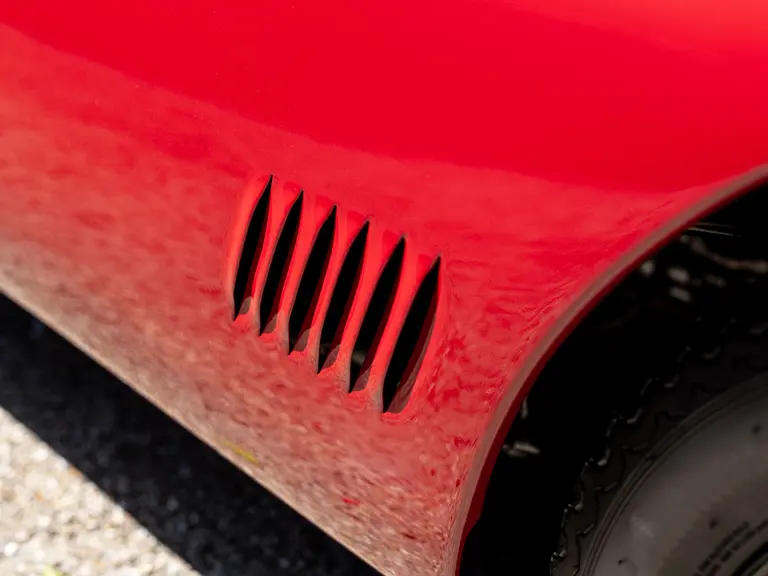
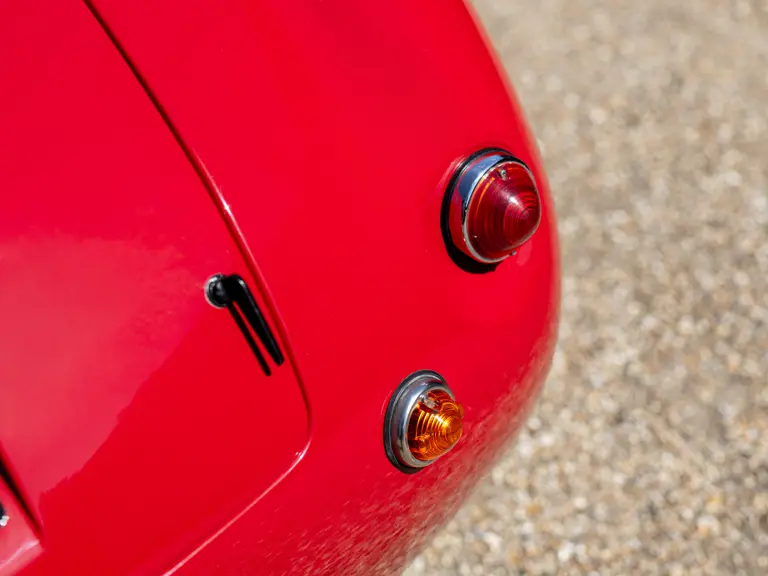
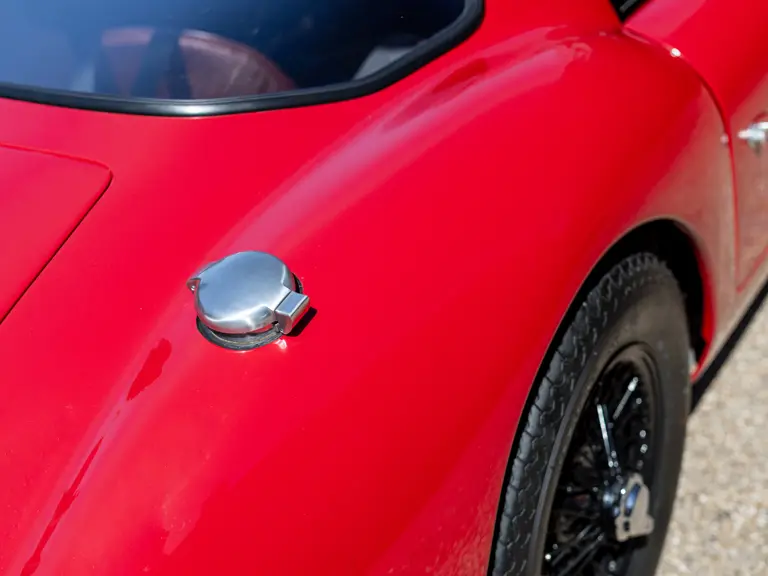
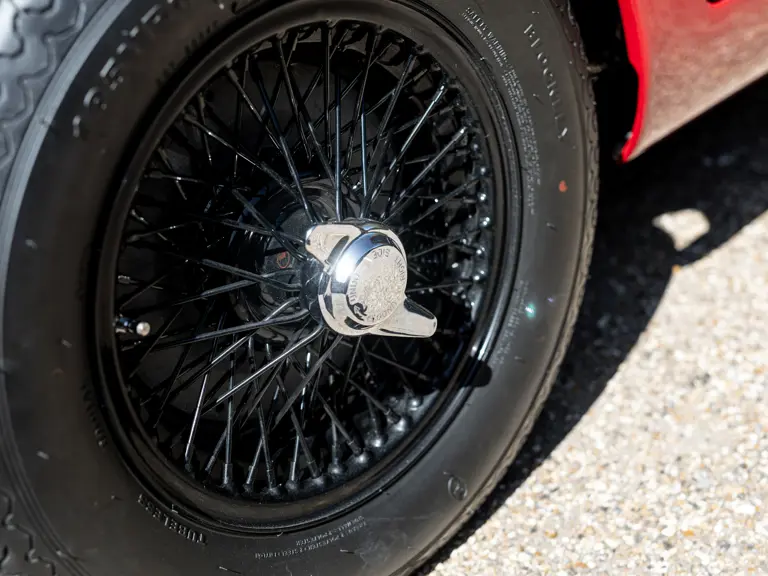
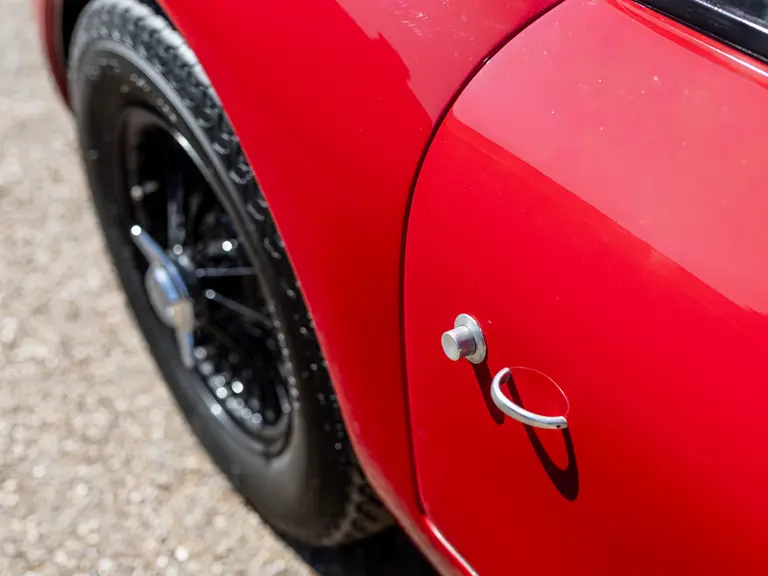
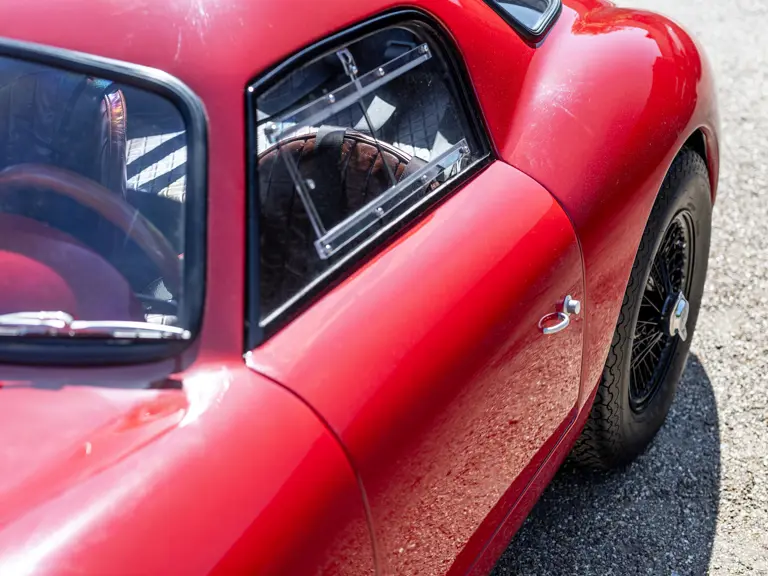
Each example of the model to be hand-built by Autotecnica del Lario differed in detail but the model is immediately recognisable for its stunning aluminium coachwork; one constant in the design output from the coachbuilder. The thin-gauge bodywork sits atop a “birdcage” frame, akin to the coachbuilder construction techniques for the finest sports cars of a golden era. The lightweight steel tubular chassis comprises varying diameter metals with boxed in sections within which the mechanical ancillaries are guided, while suspension was independent on all four wheels with front and rear disc brakes shrouded by Borrani wire wheels. The chassis was inspired by and built to the specifications of the frame designed by Alfa Romeo for the 2000 Sportiva, of which only two were made in coupé form. All in, thanks to its lightweight composition, the coachbuilt Sports Coupé tipped the scales at just 810 kilograms.
While no factory nor production registers exist for the cars built by Autotecnica del Lario, it is believed that the coachbuilder’s production process involved the assumption of an existing Alfa Romeo chassis number, even though new a new chassis frame was constructed. The example offered here, chassis AR 247482, originated with the identity of a 1976 Alfa Romeo 2000 Spider Veloce. This example is believed to have originated in October 1976, as per the accompanying statement on file by Giorgio Greppi, founder of Autotecnica del Lario, while its Alfa Romeo chassis number sequence coincides with the build window for its donor vehicle.
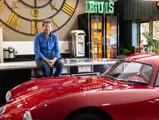
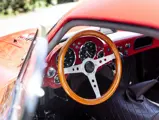
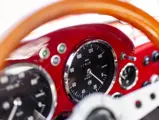
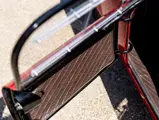
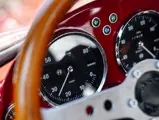
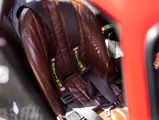
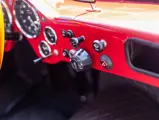
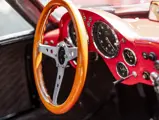
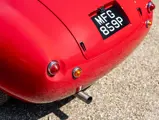
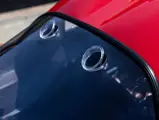
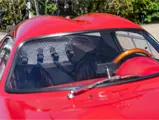
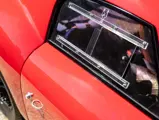
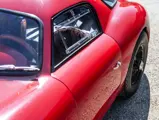
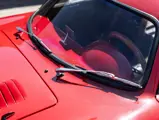
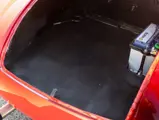
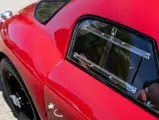
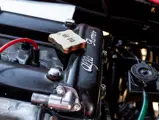
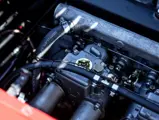
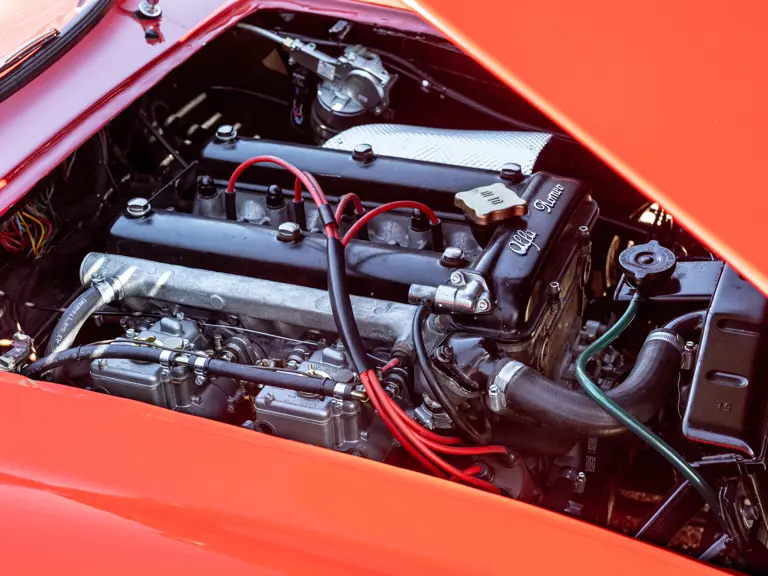
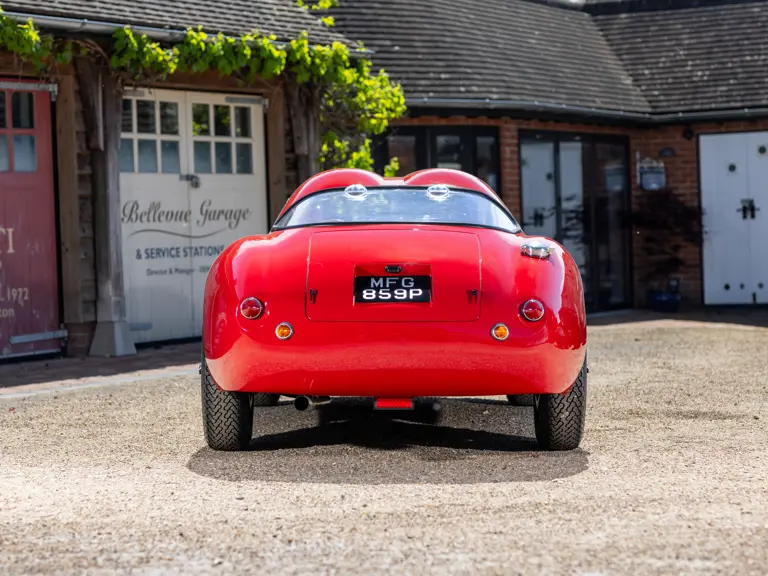
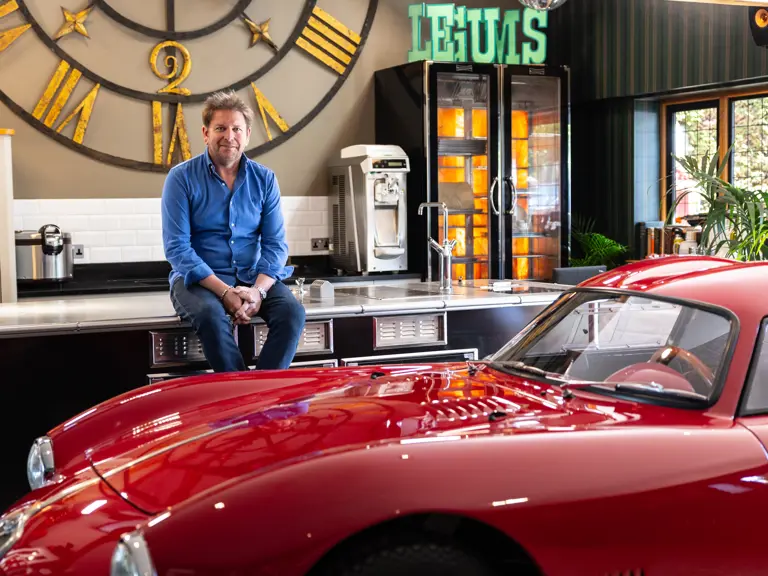
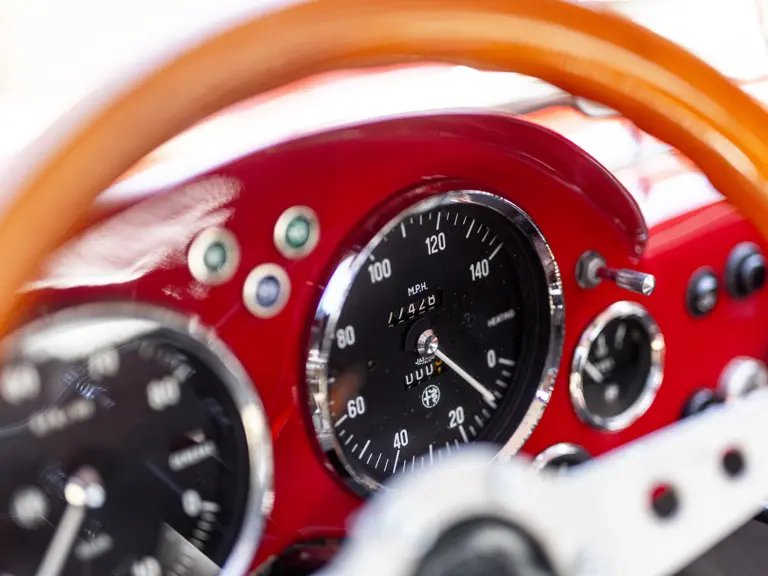
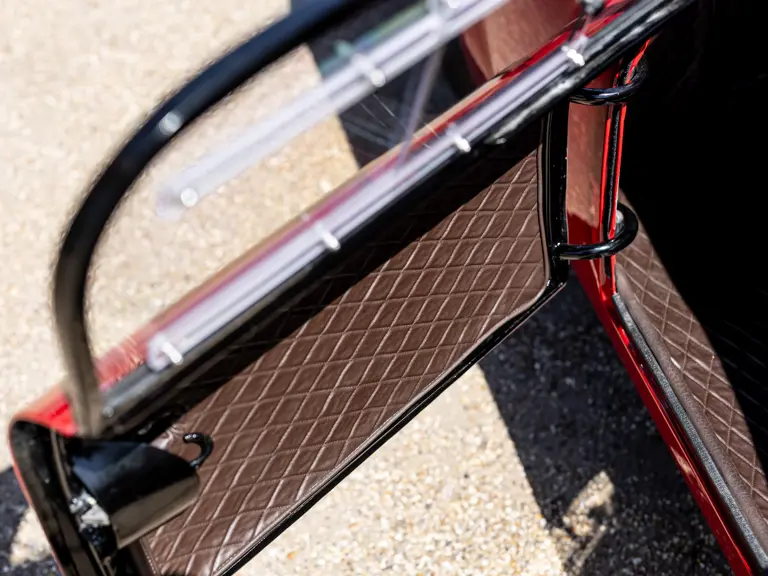
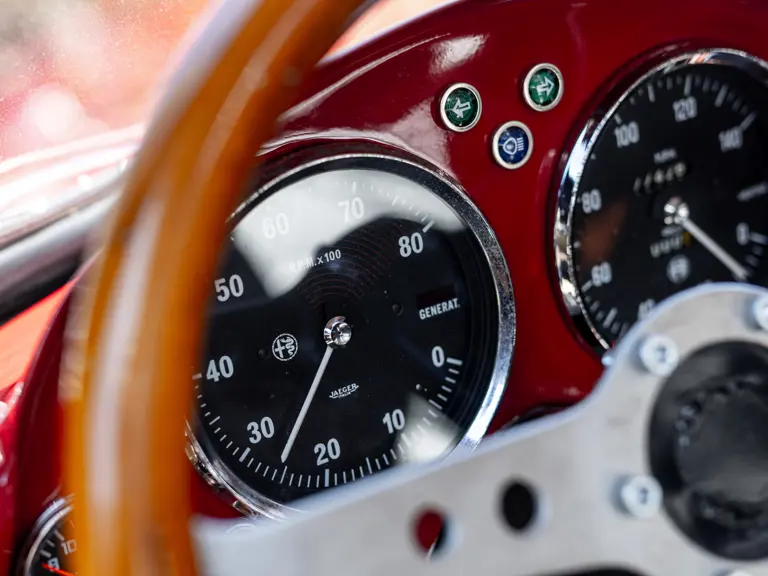
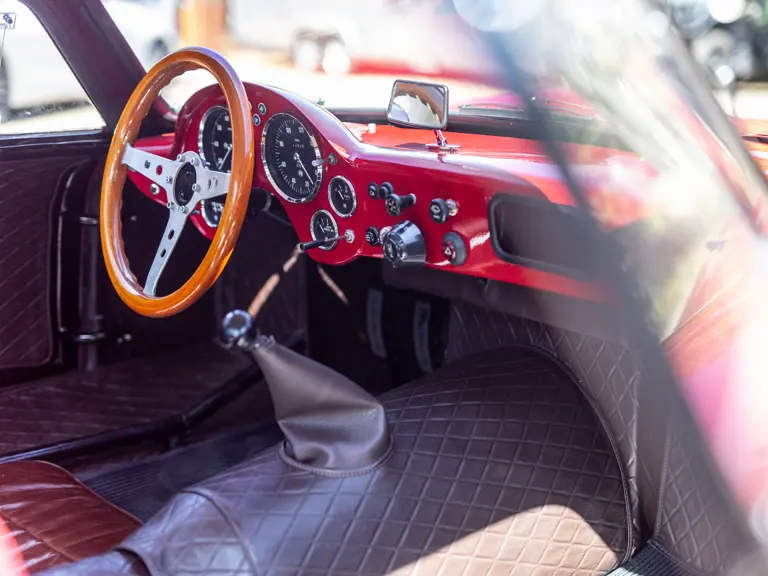
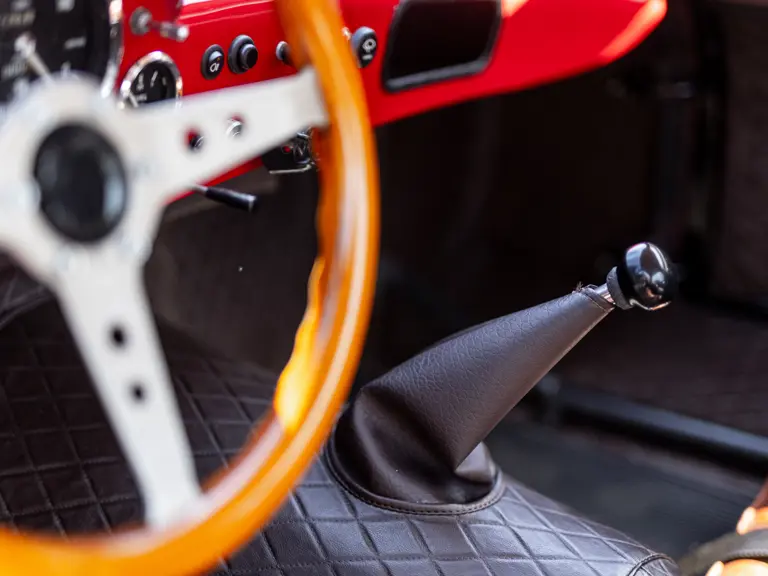
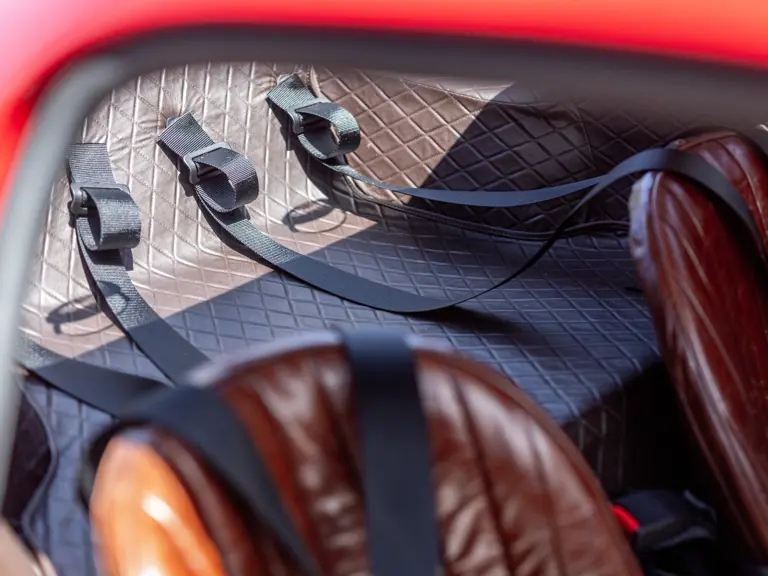
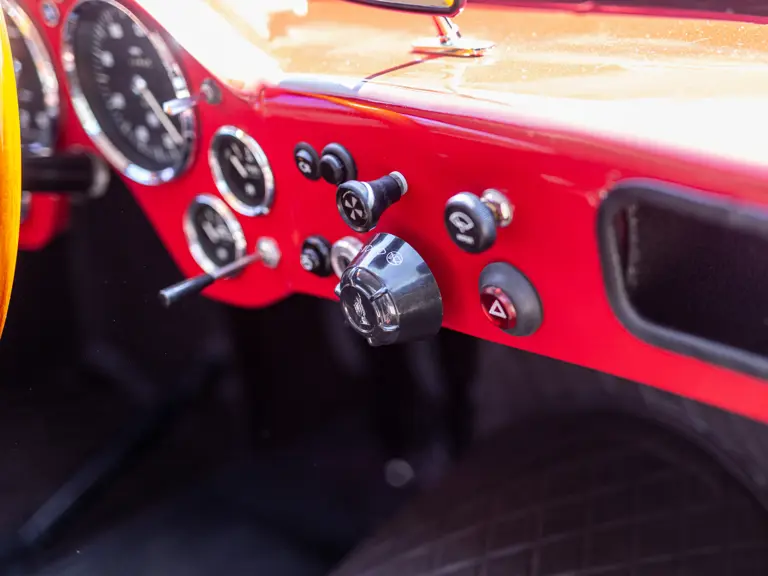
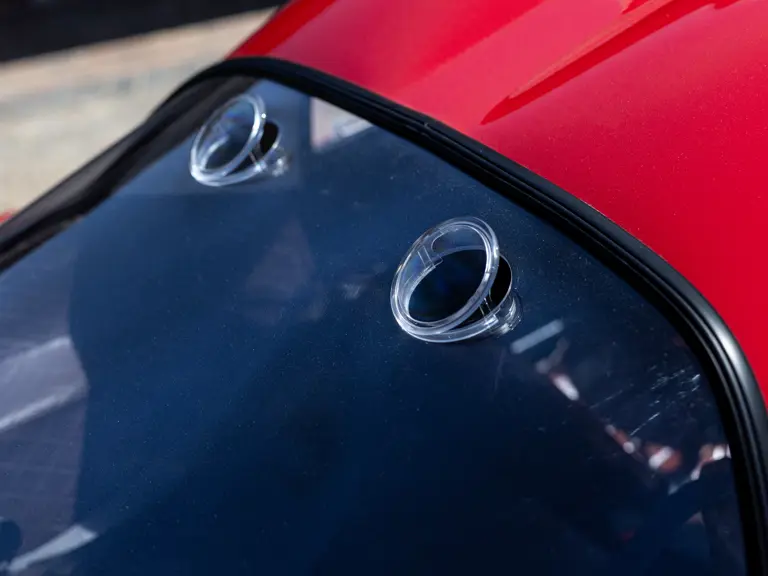
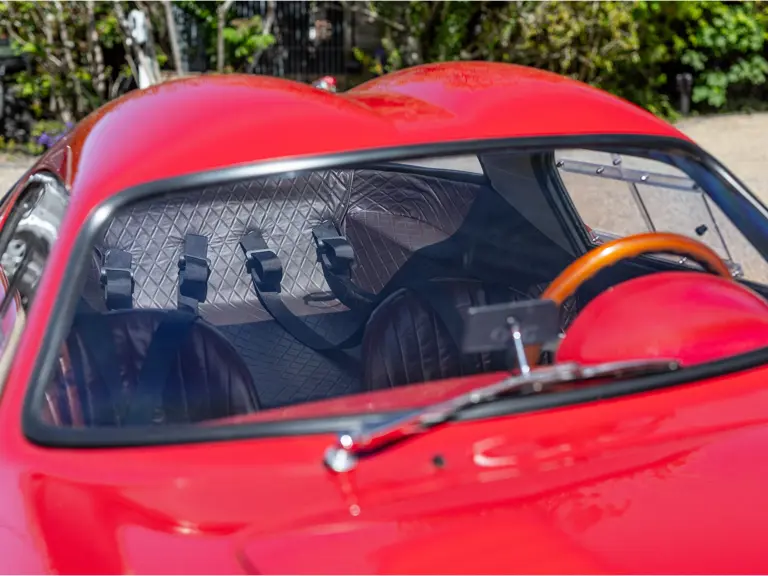
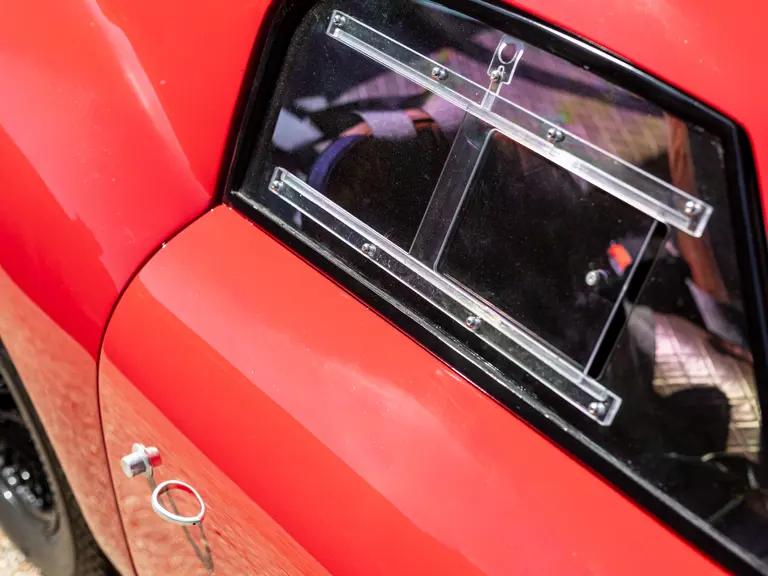
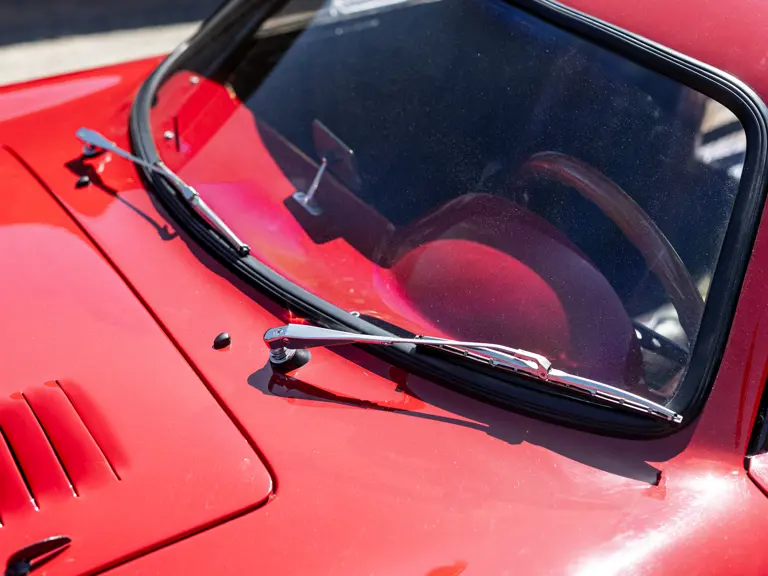
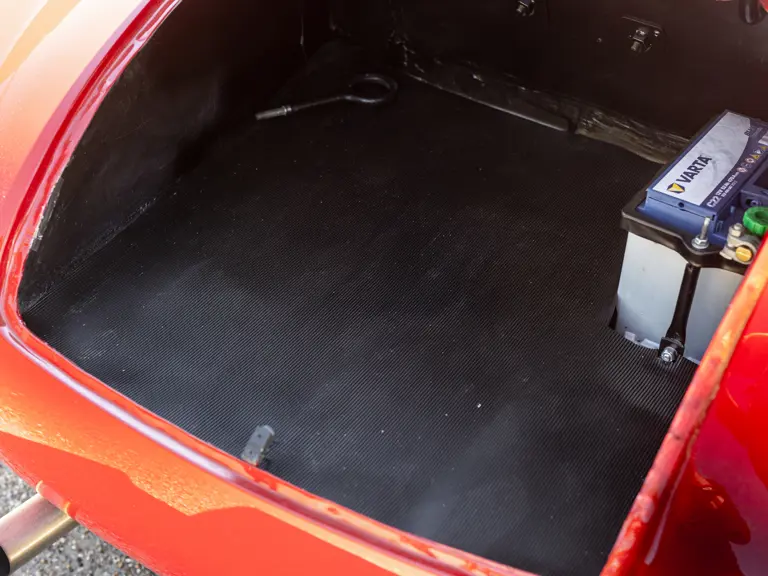
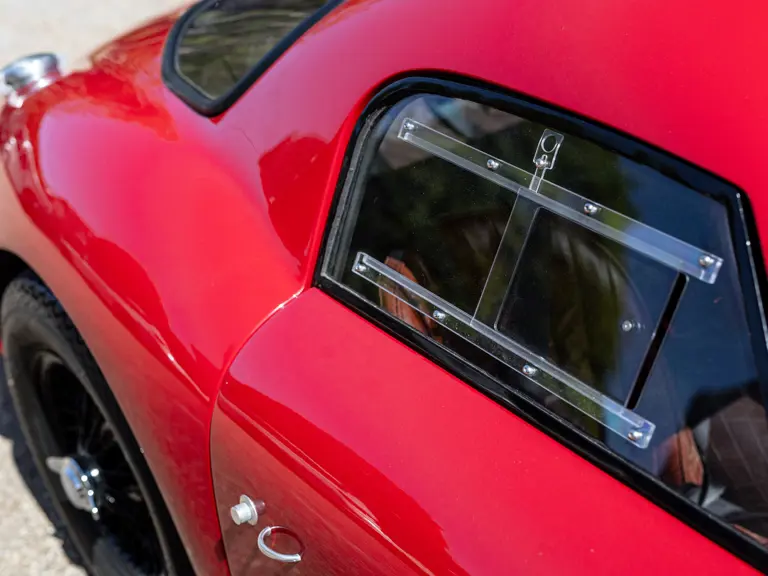
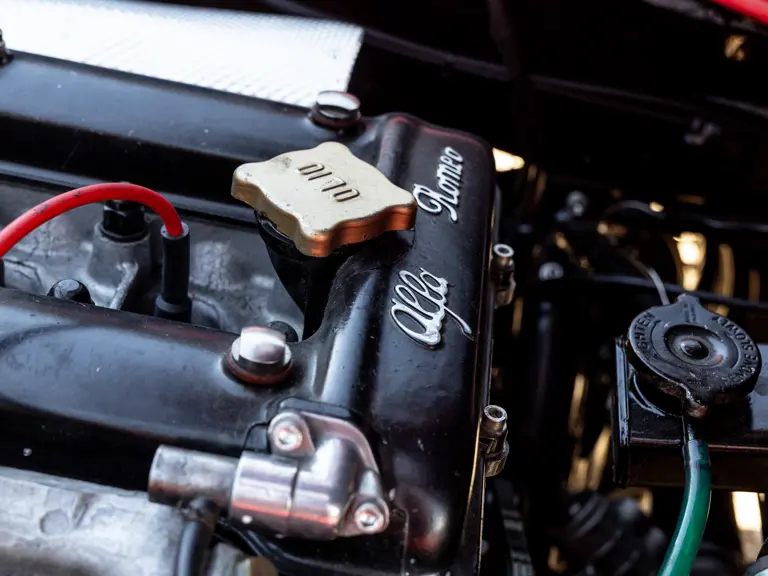
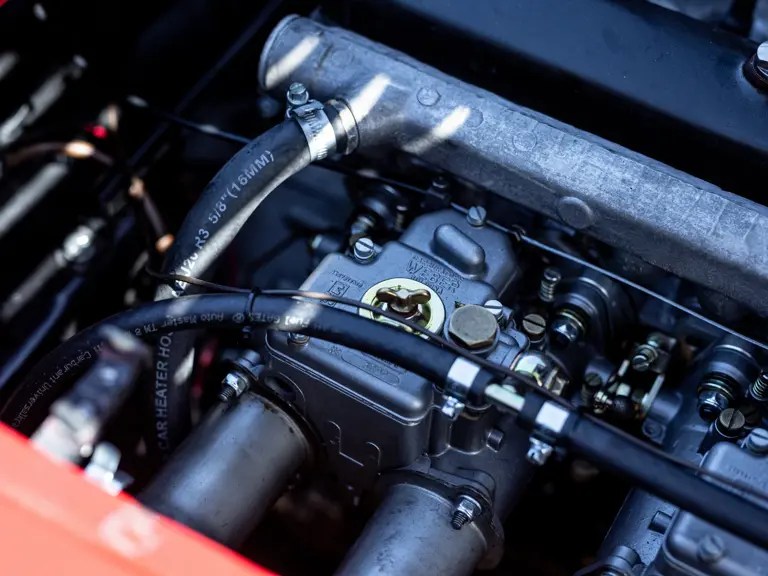
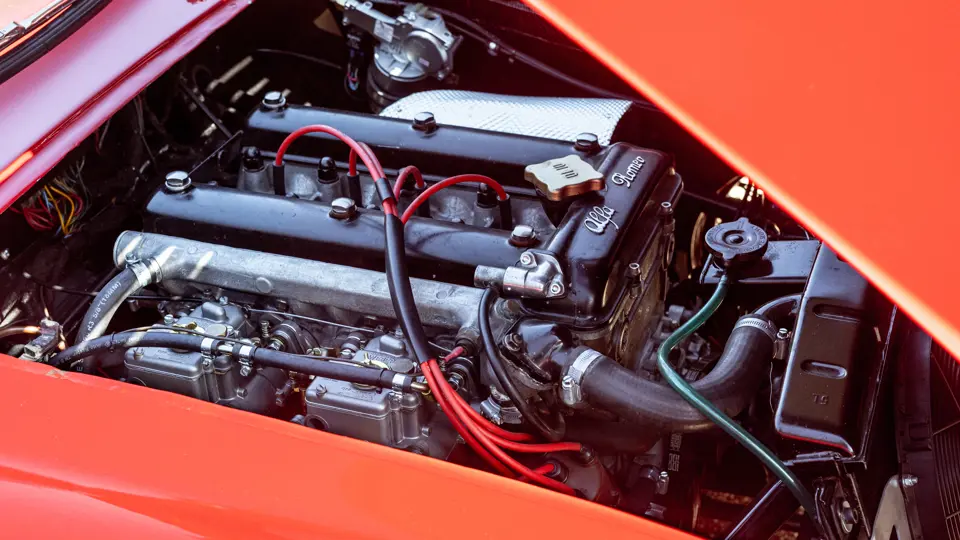
While the car’s intermediary history is unknown, in 2018 the car was purchased by renowned car collector and TV chef, James Martin. On taking delivery of the car, Mr Martin quickly set about embarking on an ambitious restoration process. The Speciale was handed over to Cars International Heritage of Rochford, Essex in February 2019, which marked the beginning of a six-year restoration journey, totalling almost £90,000. At this point, the “double-bubble” Zagato-style roof was installed, adding signature Italian coachbuilder charm to the car’s visual appearance while also boosting the internal headroom for taller drivers and passengers. The restoration, which accounted for the fact that the car not run for a prolonged period beforehand, involved a complete strip-down of the body, chassis, and mechanical components. Bespoke Perspex windscreen and rear screens were fabricated, new centre-lock wire wheels sourced, and new twin-Weber carburettors fitted to the engine.
Now offered for sale fresh out of restoration, this extremely rare and seldom-seen coachbuilt car would be an ideal contender for entry into many of the driving events and tours that mark the collector car calendar. Its unique coachwork and fascinating back-story is sure to draw attention wherever it is driven.
 | Epsom, United Kingdom