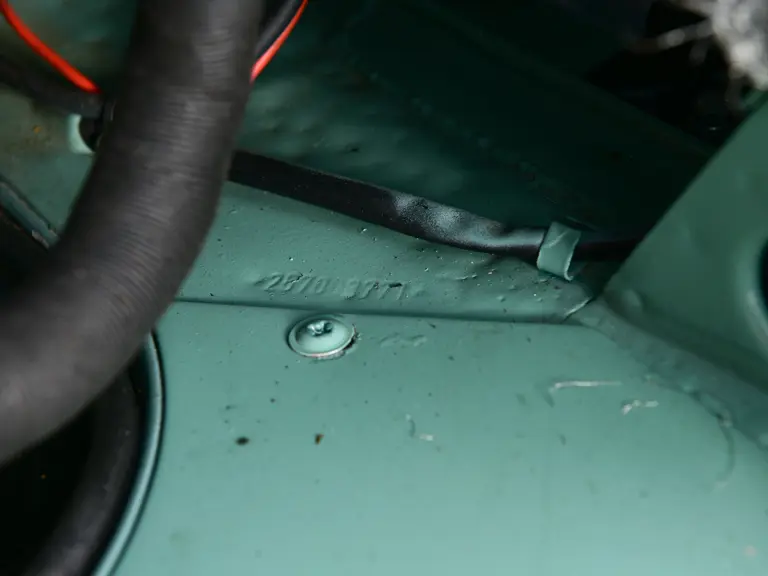
Chassis No.
257003771
€69,000 EUR | Sold
Offered from The Godehardt Collection
{{bidding.lot.reserveStatusFormatted}}
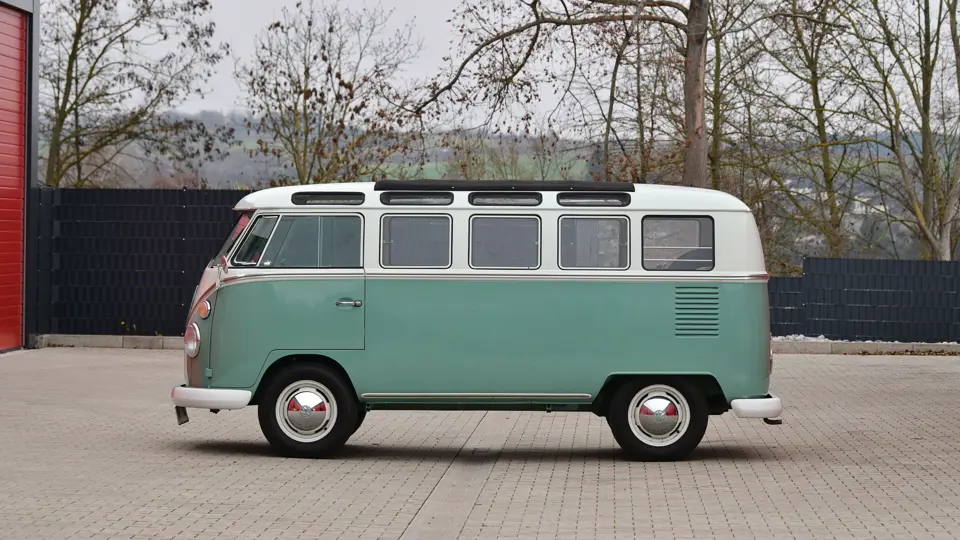
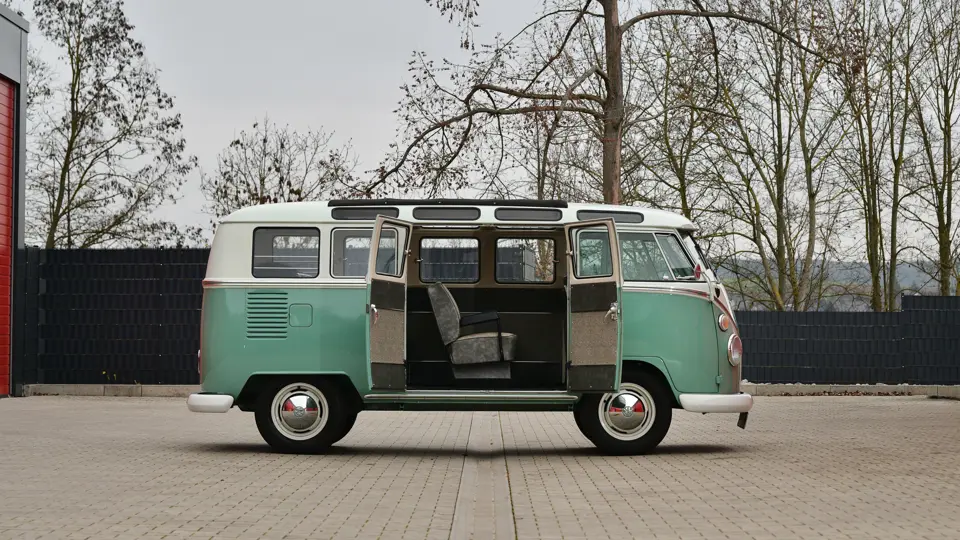
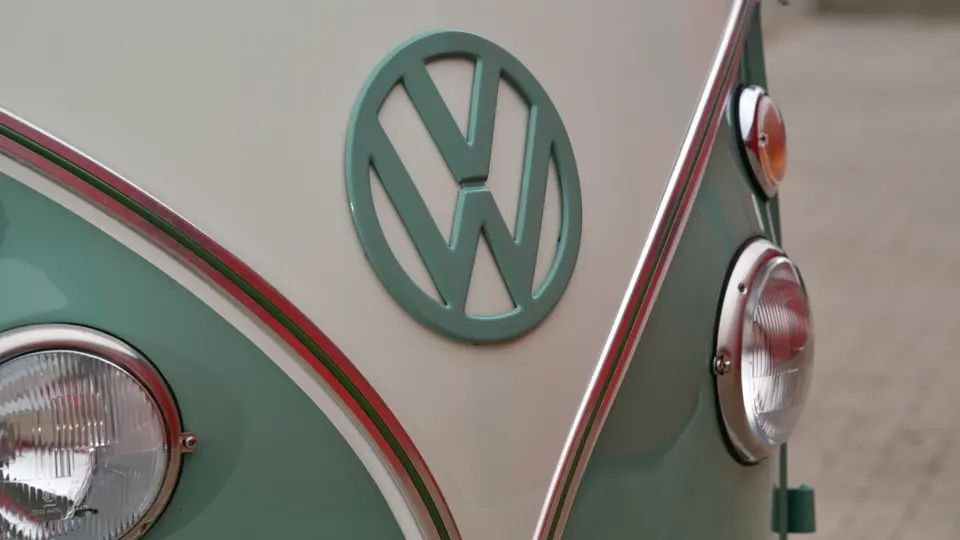
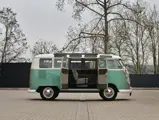
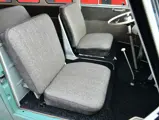
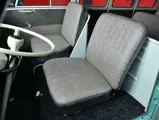
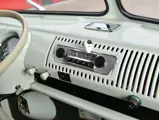
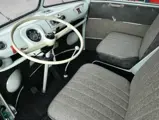
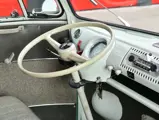
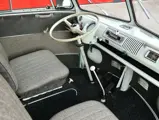
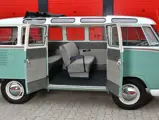
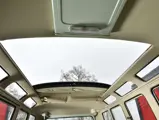
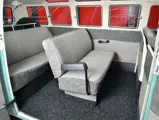
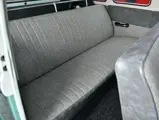
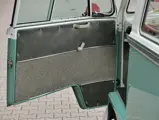
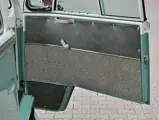
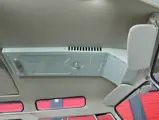
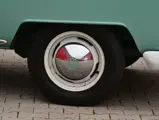
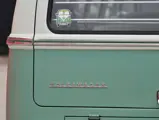
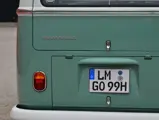
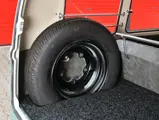
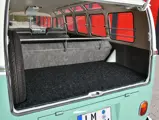
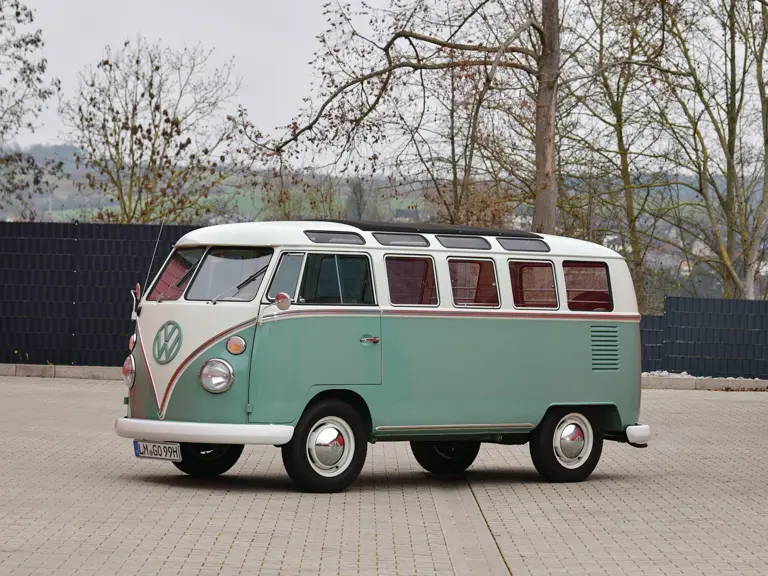
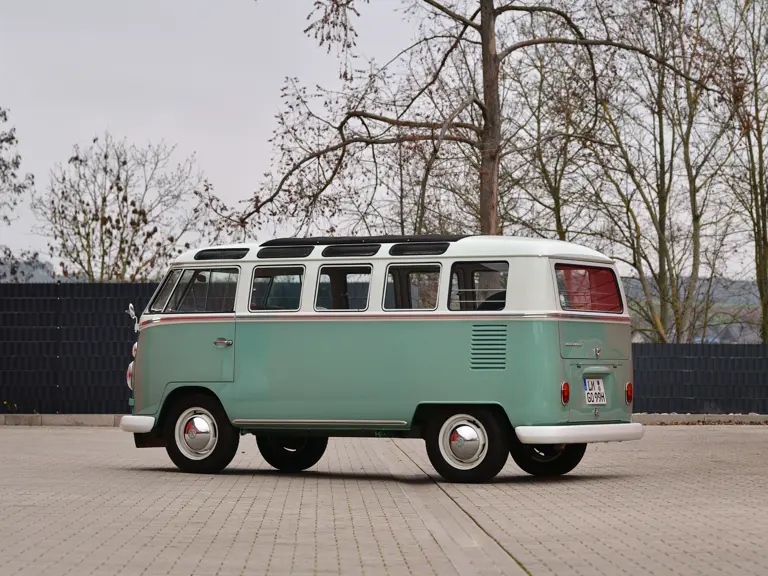
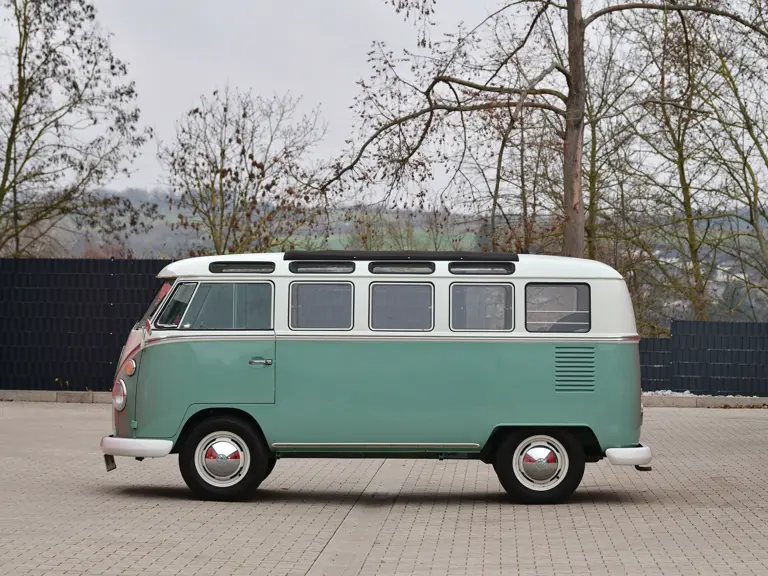
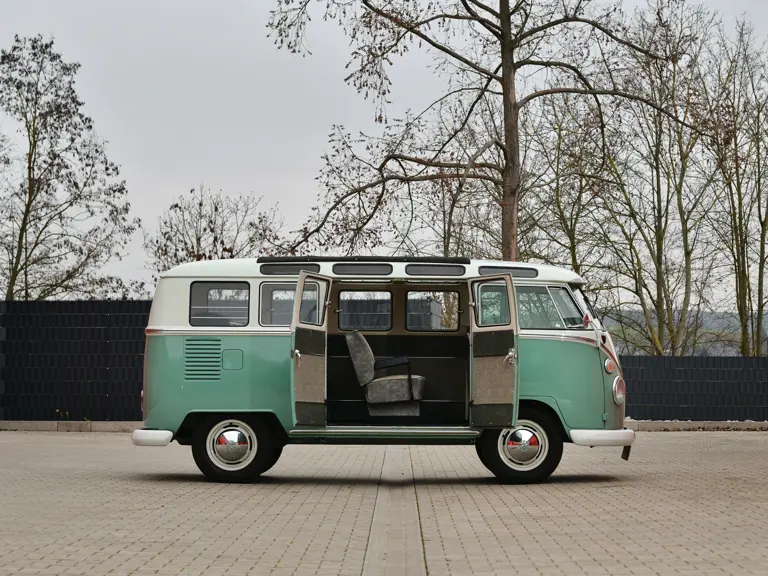
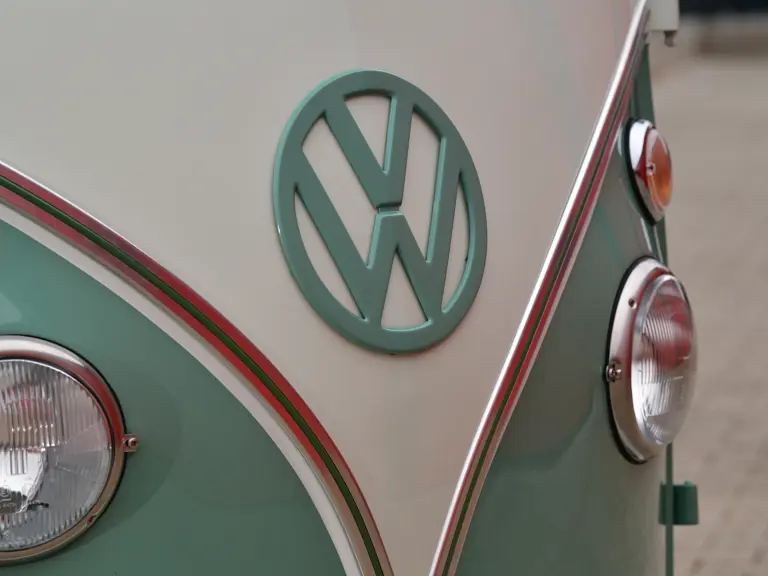
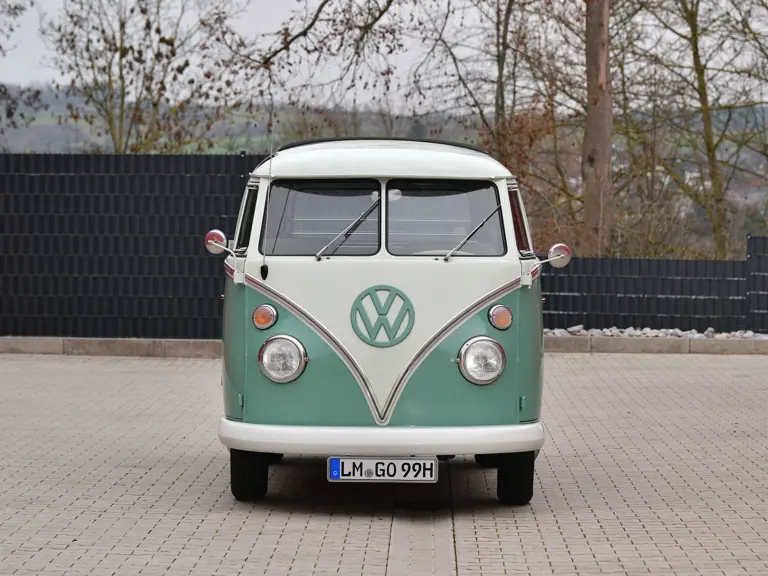
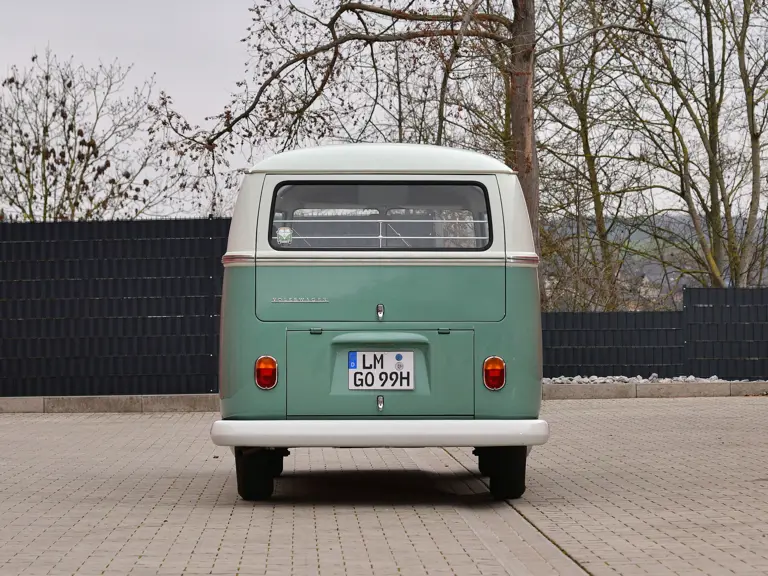
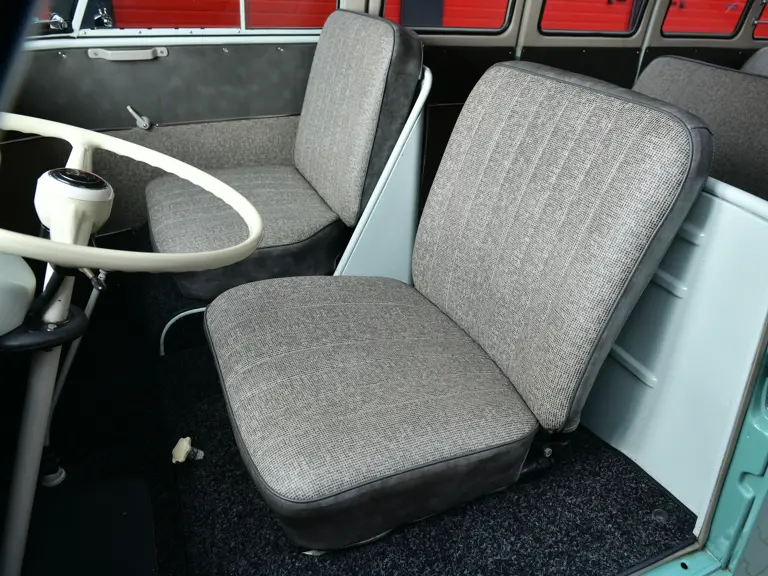
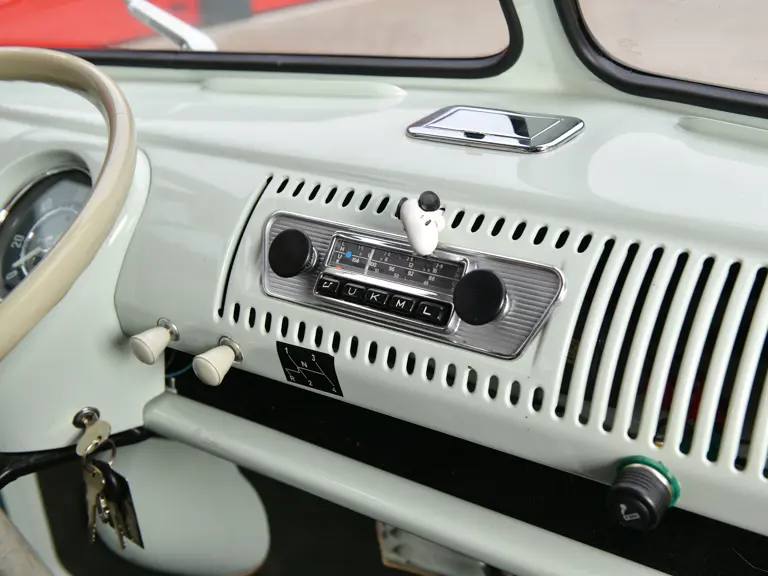
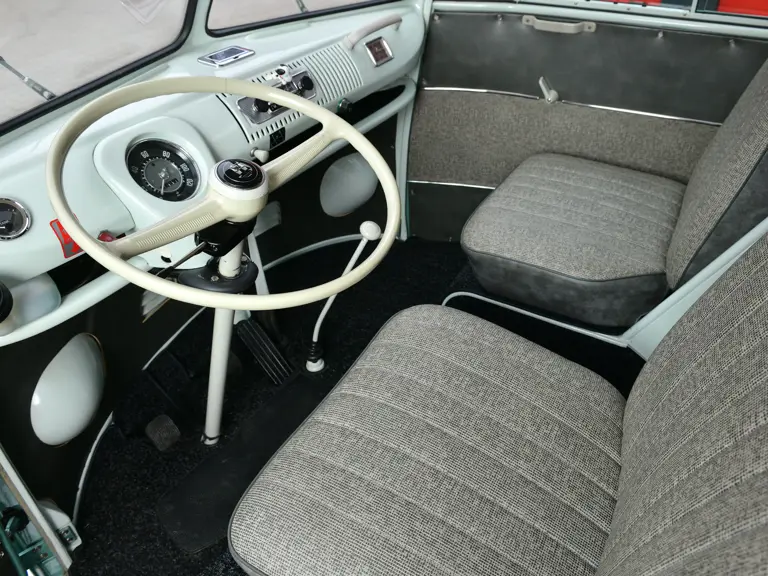
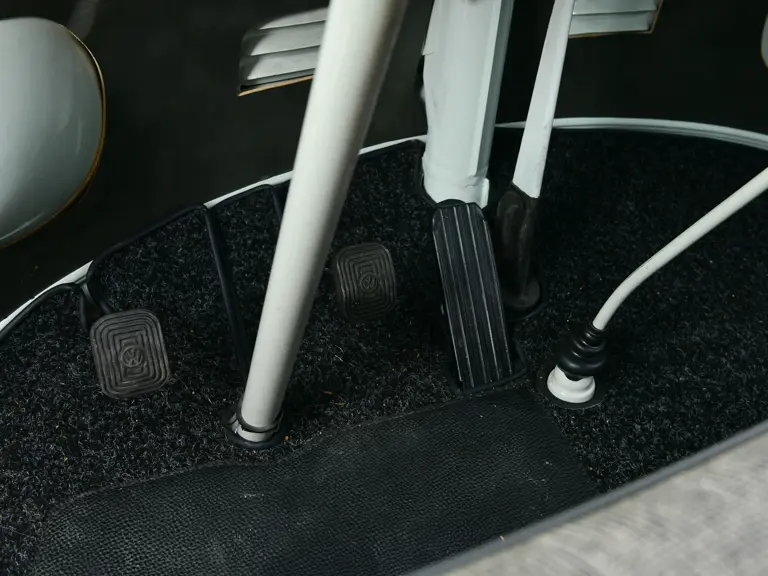
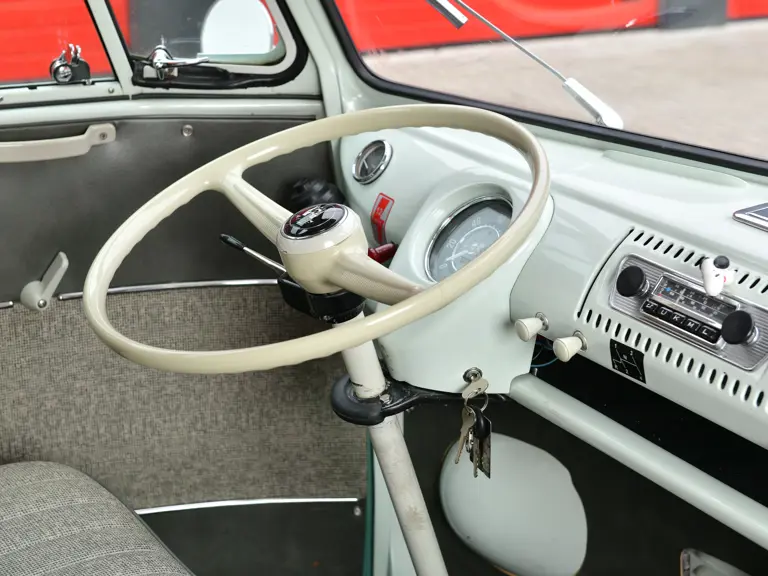
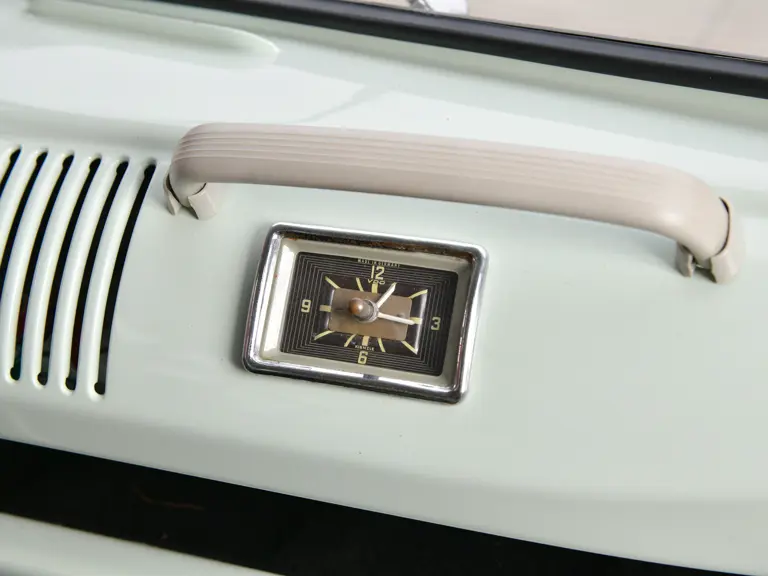
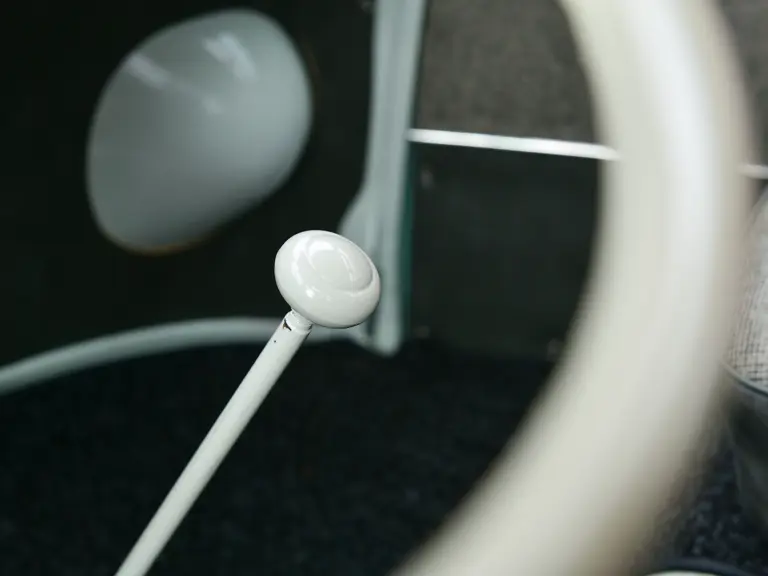
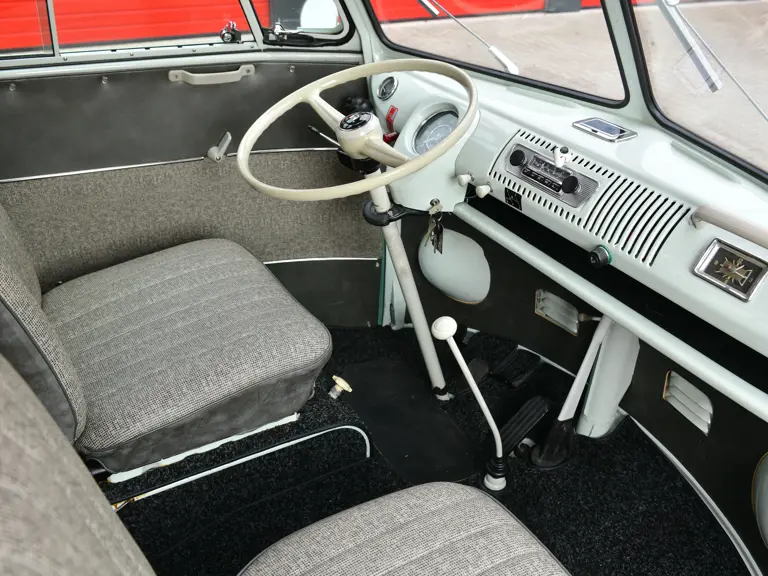
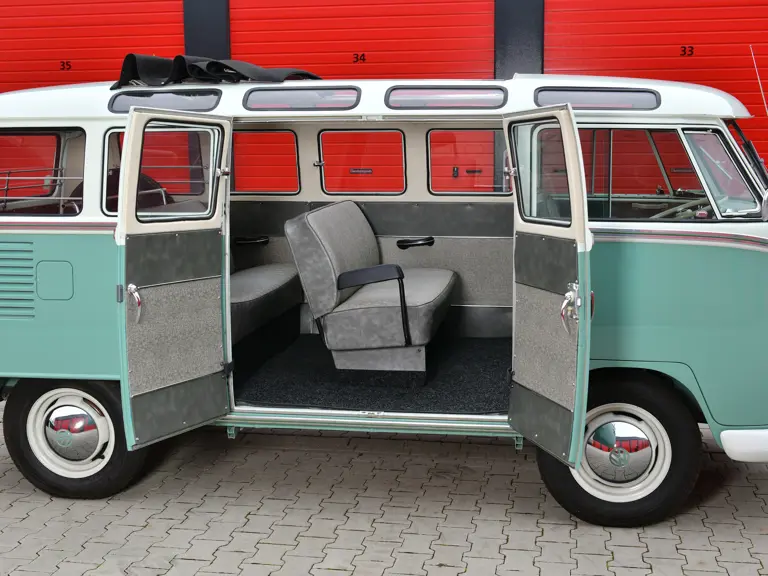
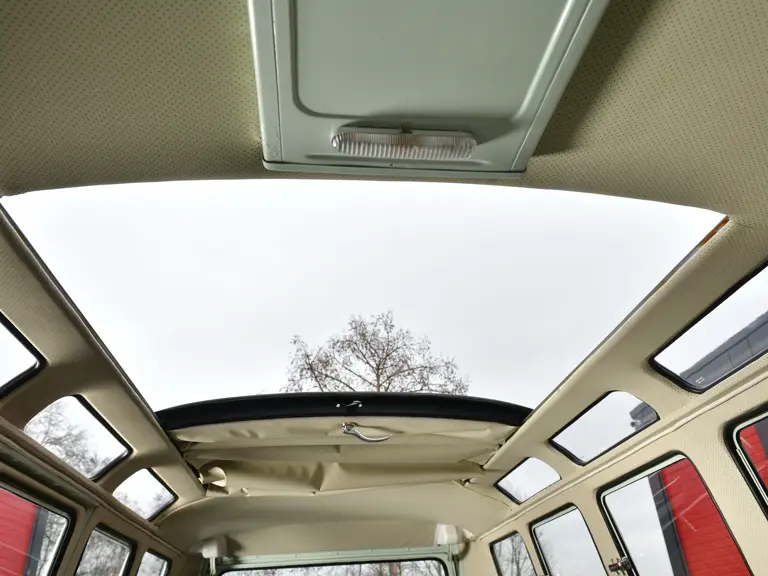
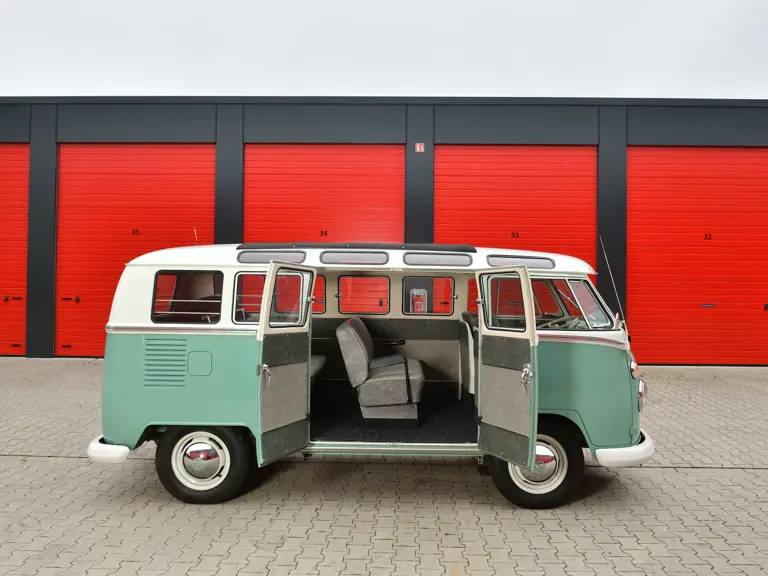
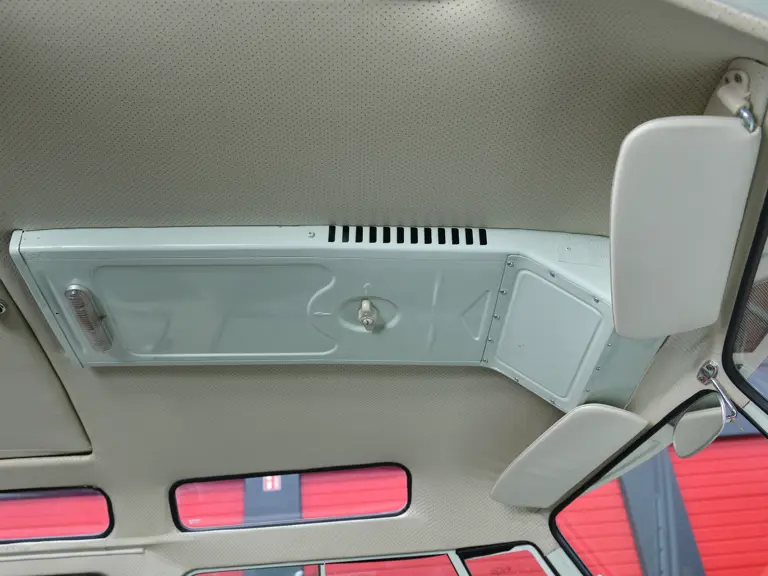
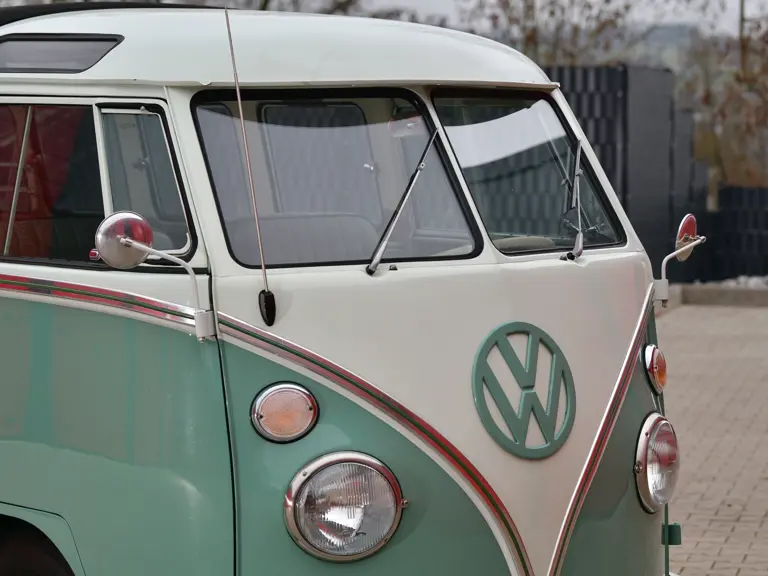
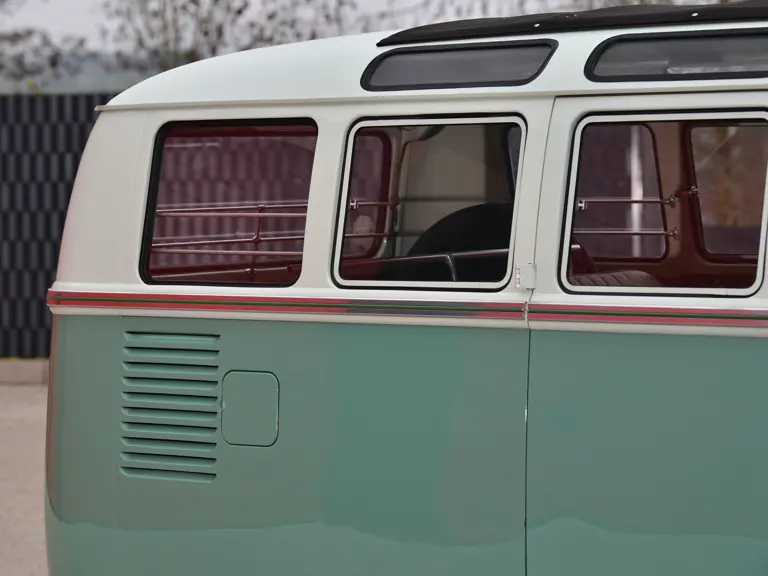
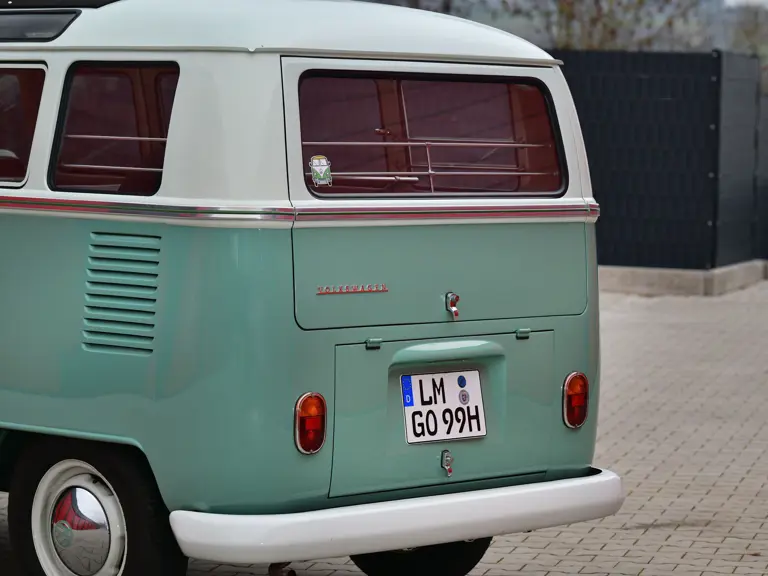
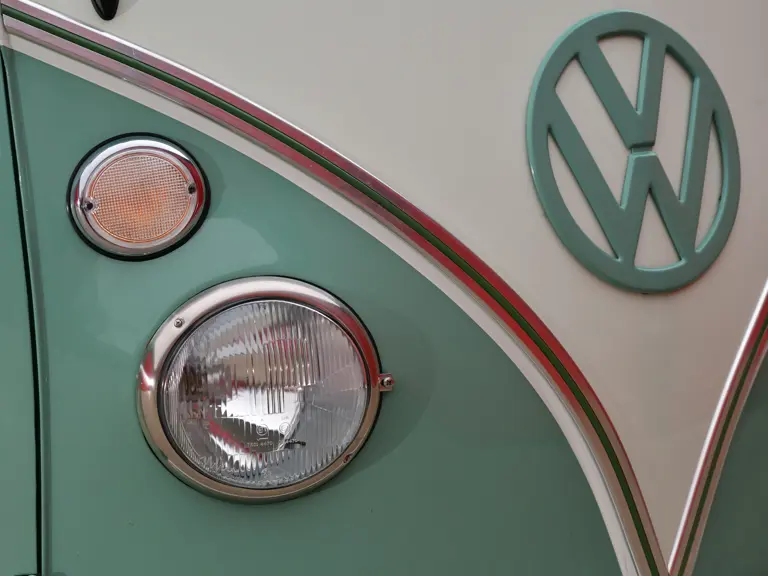
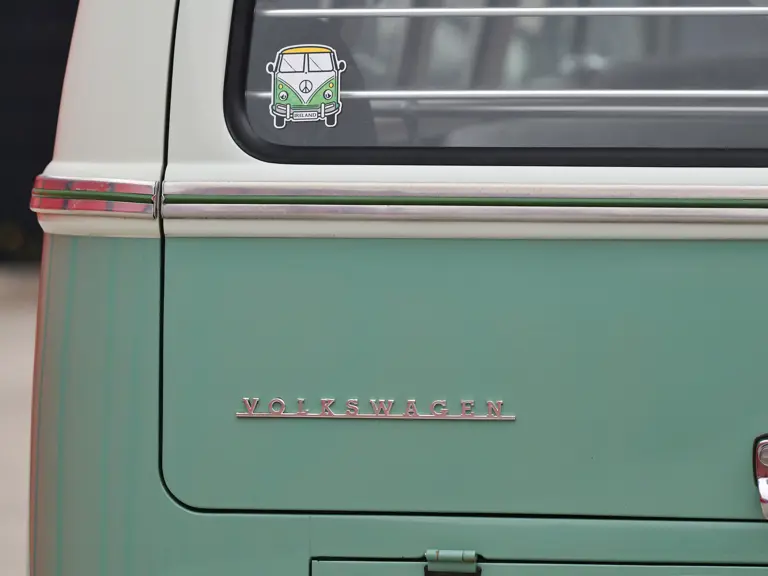
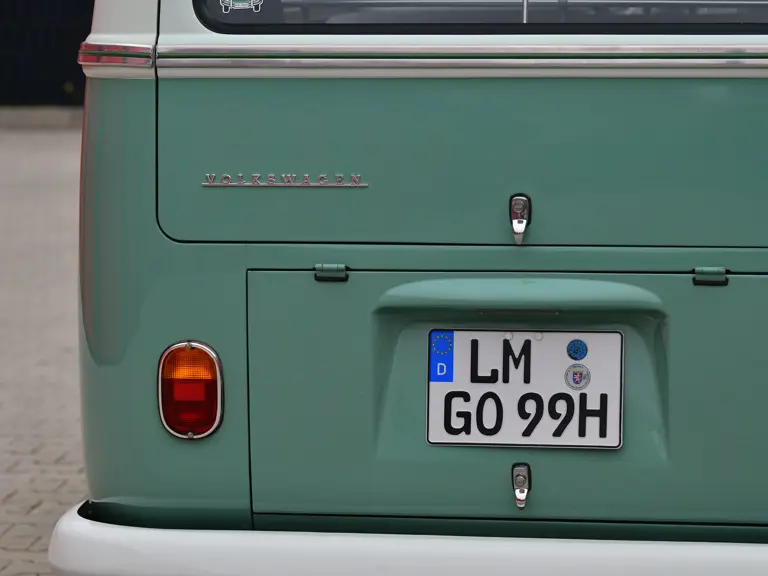
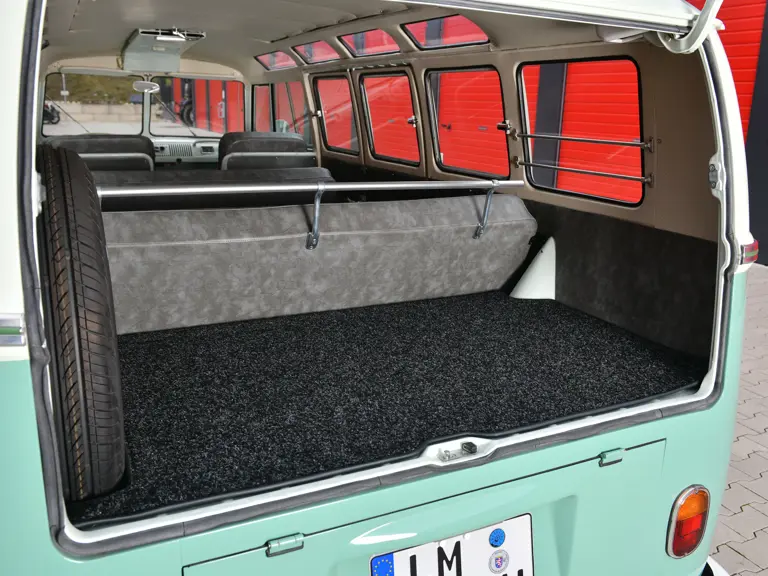
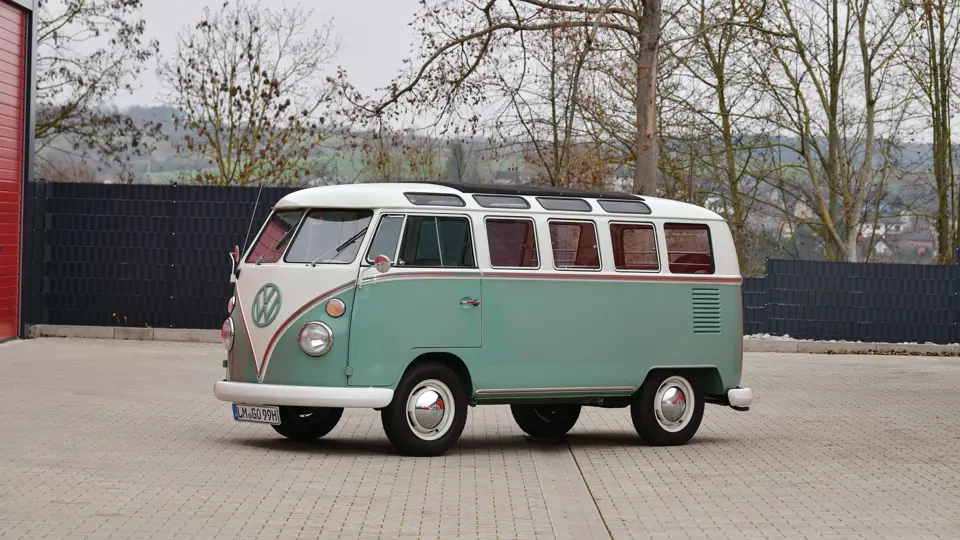
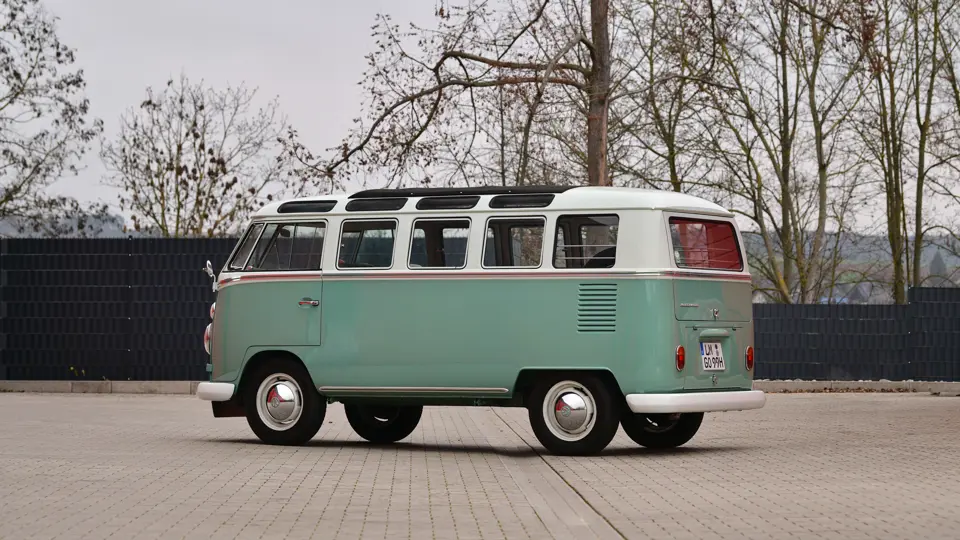
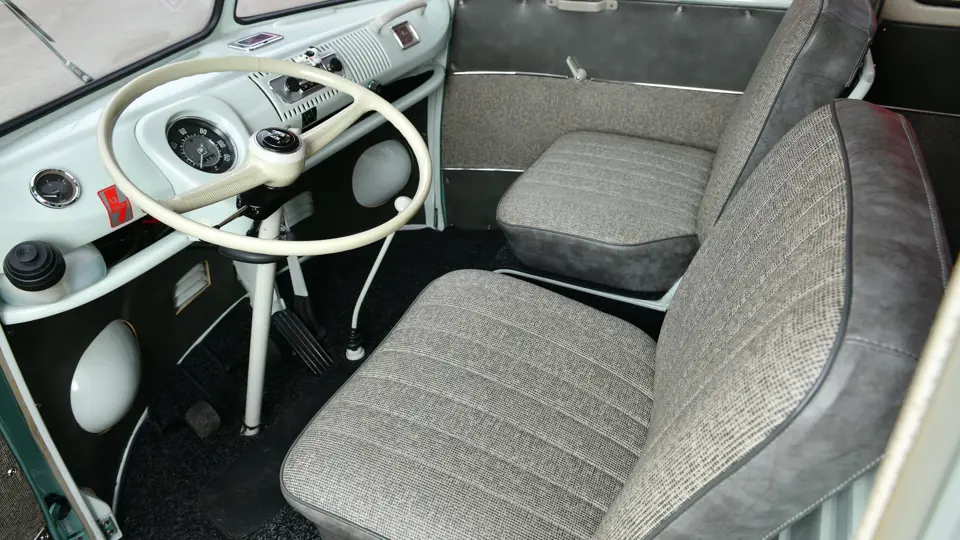
While the foundations of the Volkswagen marque were focused on the introduction of the Beetle as an affordable car for the masses, the company’s Type 2 van has enjoyed equal acclaim as a cultural phenomenon. Deploying the same layout as the Beetle passenger car with a rear-mounted air-cooled engine delivering power to the rear wheels, the Transporter was often utilised as a microbus for carrying passengers, panel van for hauling goods, pick-up for utility, or for conversion as a camper van. The “Samba” was the most luxurious version of the earliest split-screen T1 Transporter, noted by its bi-parting cargo doors, large fabric sunroof, and 21 windows.
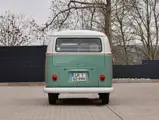
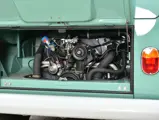
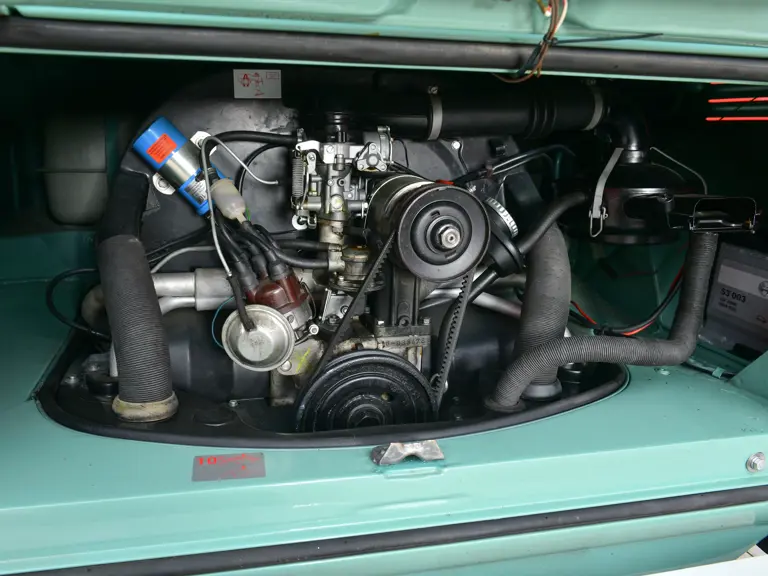
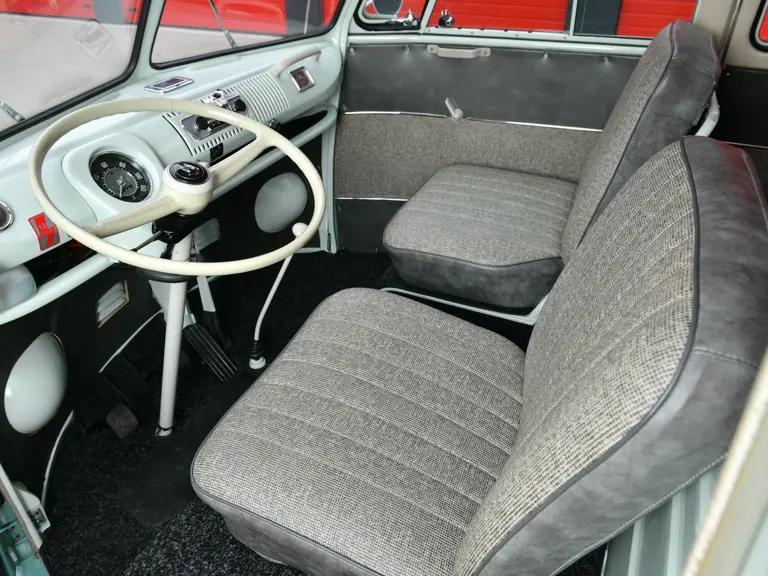
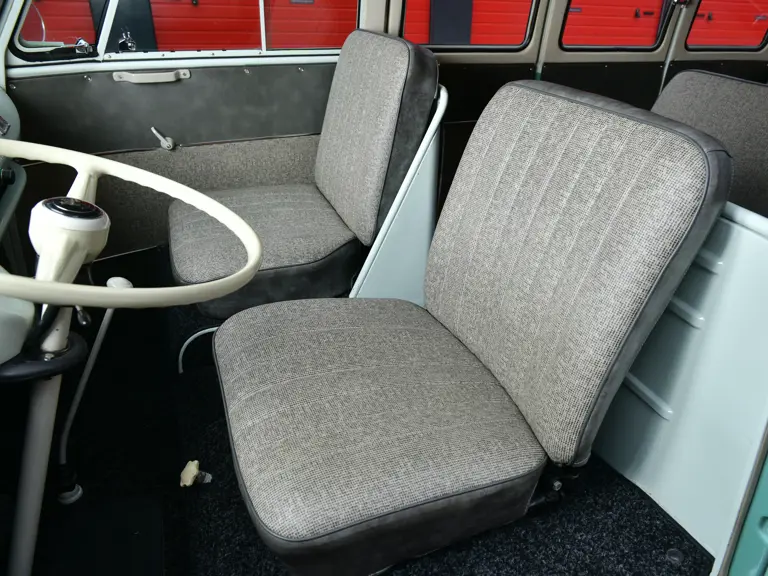
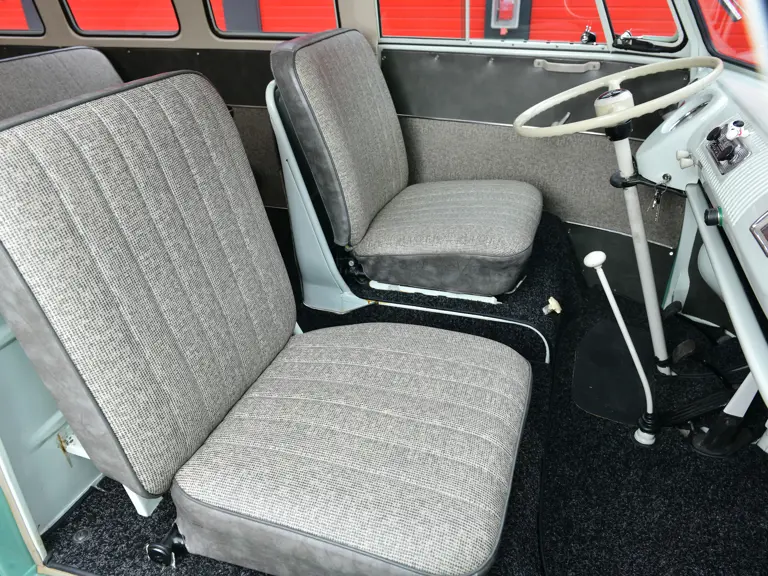
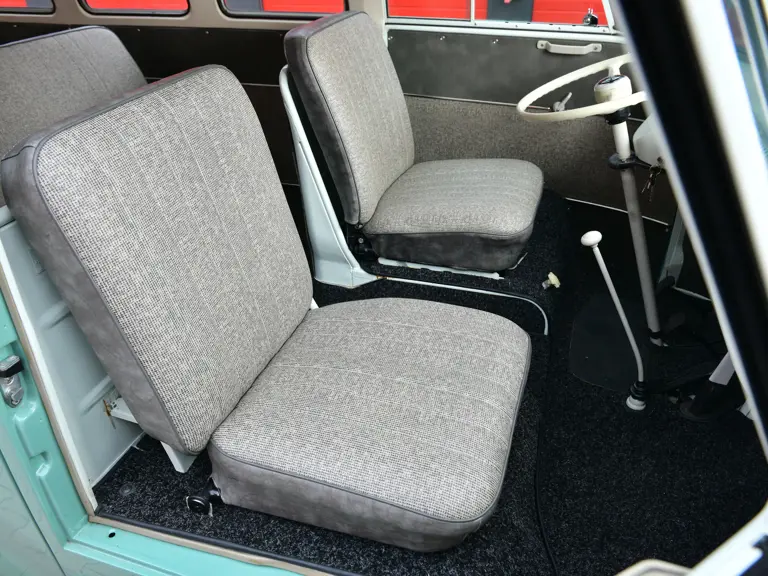
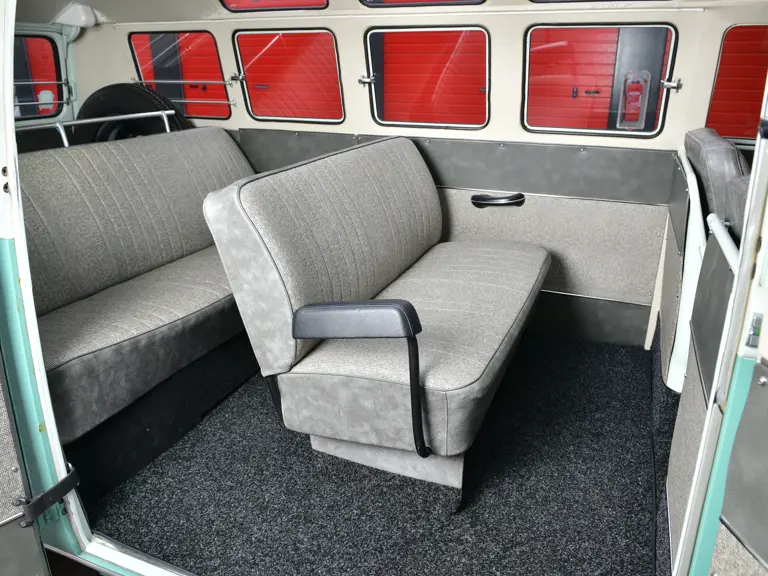
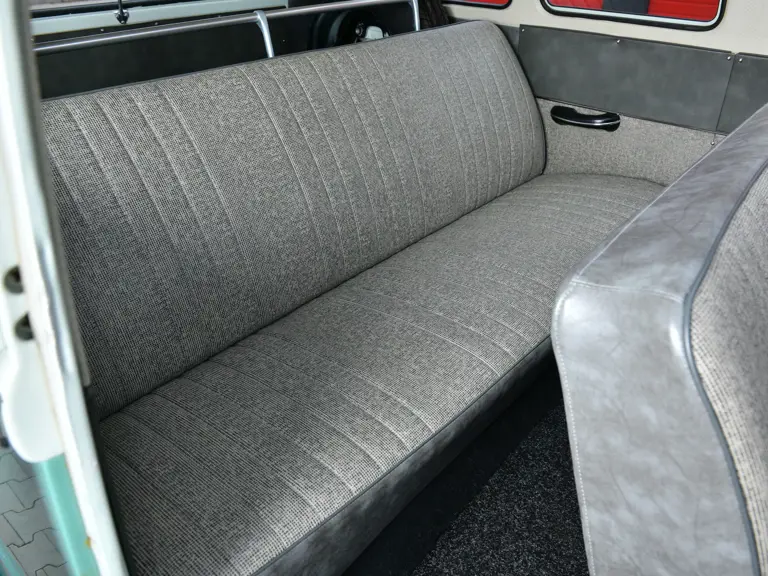
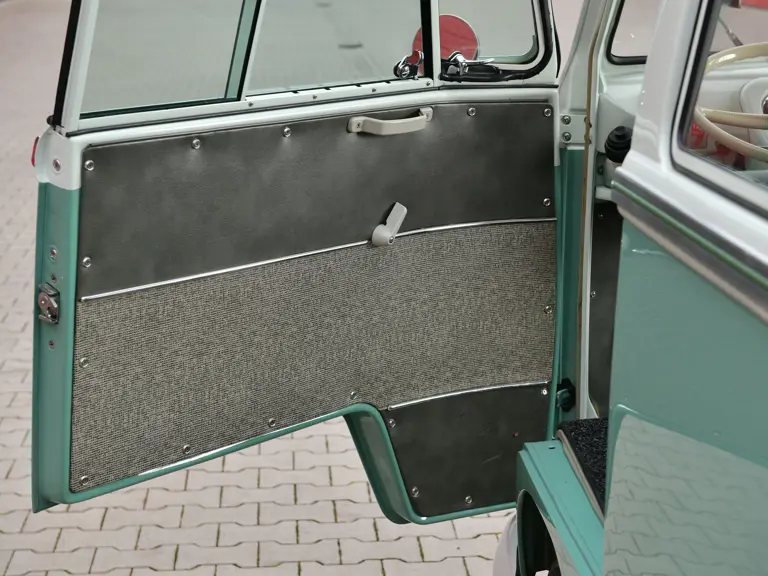
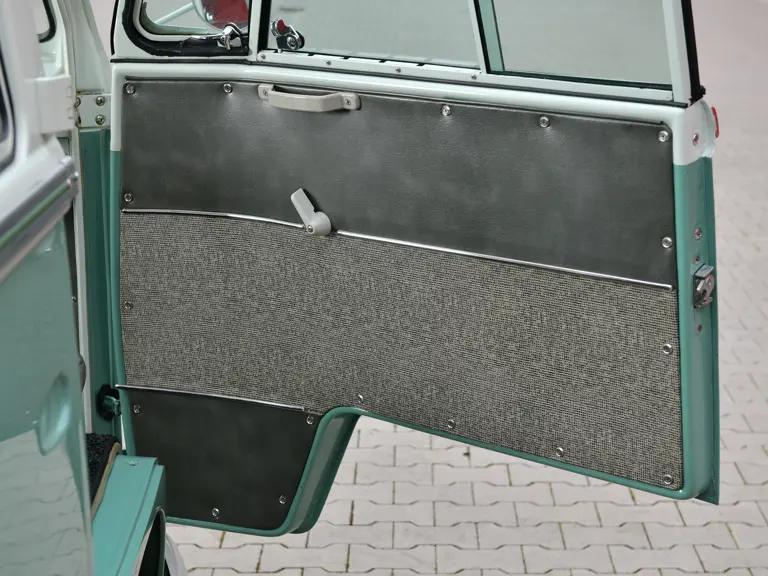
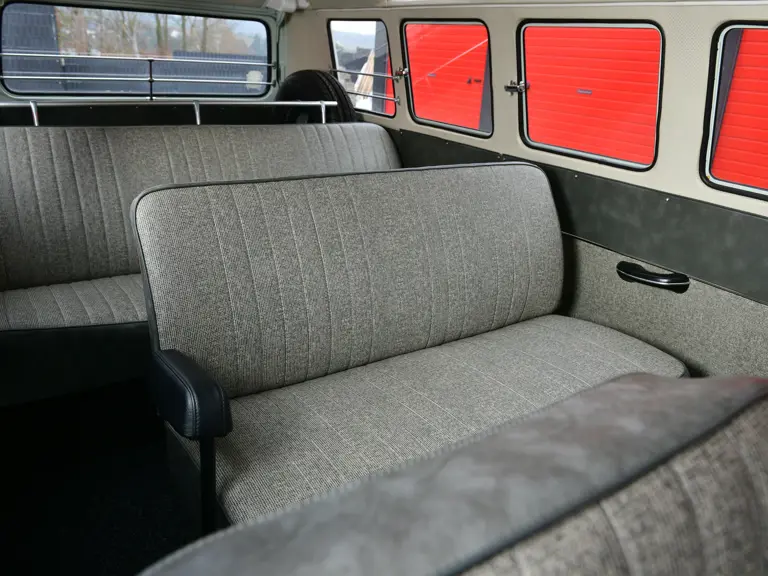
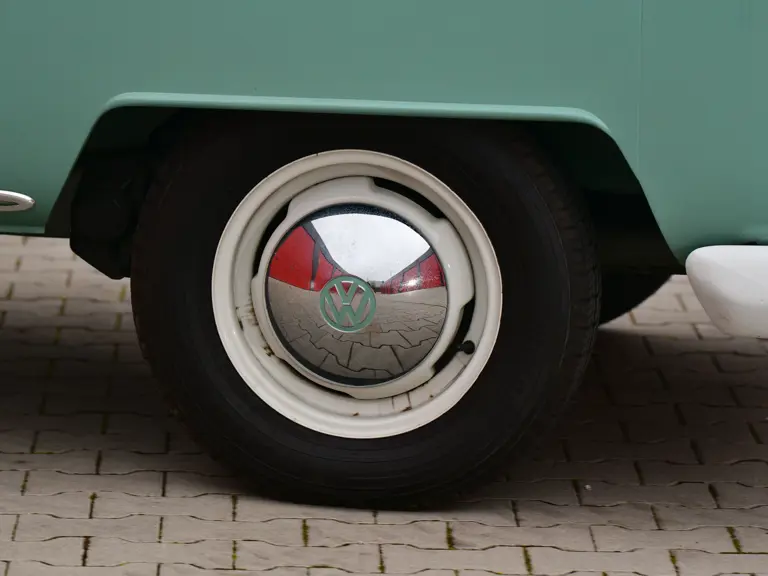
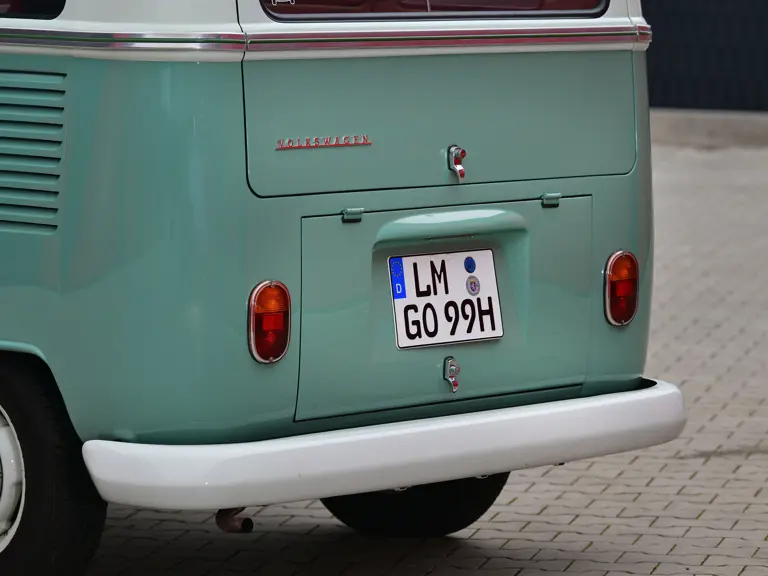
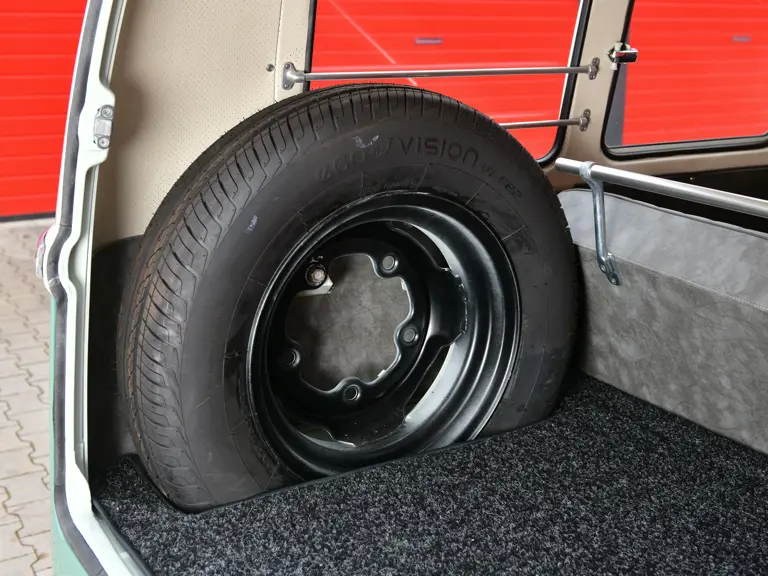
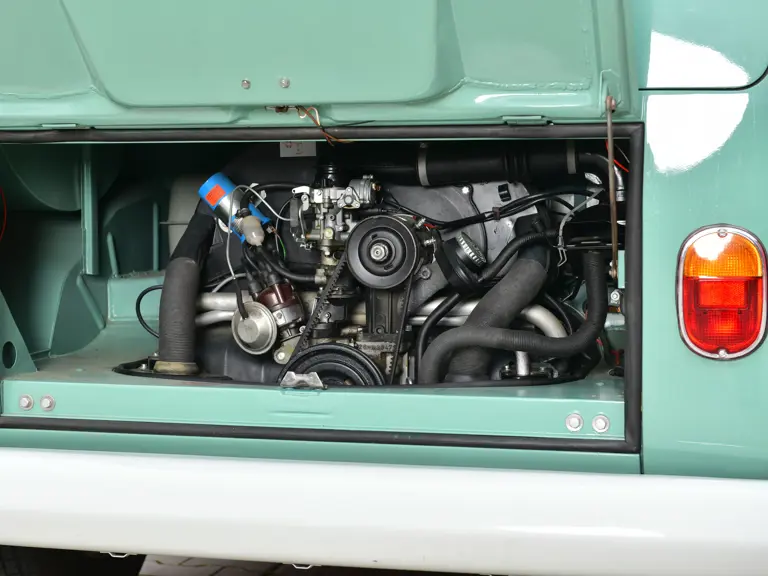
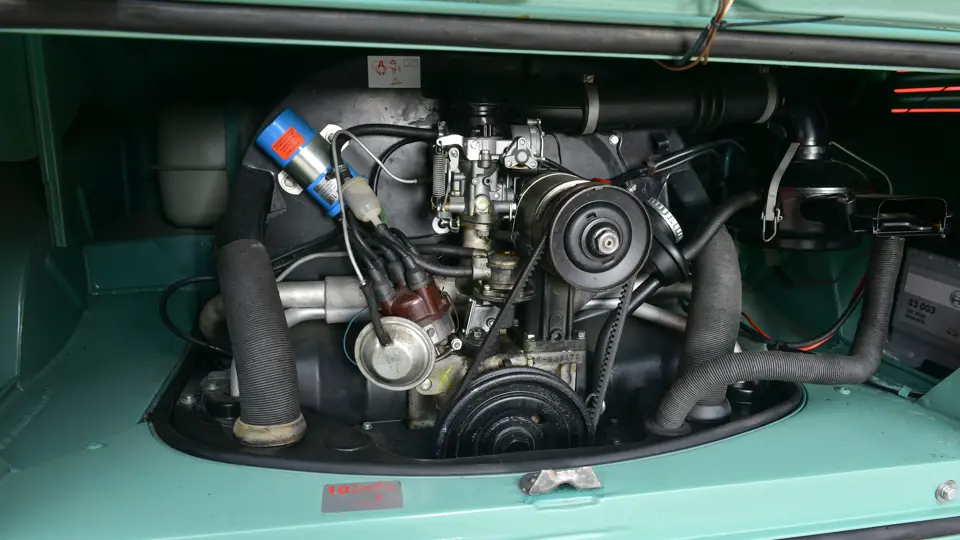
The example offered here finished production on 2 August 1966 and was delivered new to the United States some 10 days later. In its original form, the Type 2 was fitted with a 1,493-cc flat-four engine, though on inspection the van looks to have since been fitted with a Type 126 Volkswagen industrial engine with a 1.6-litre capacity—a common replacement motor type for air-cooled Volkswagen vans. Acquired by The Godehardt Collection in 2018, the Microbus has been enjoyed on trips around Germany. With its timeless design, the Type 2 would be a charming addition to the collection of any enthusiast.
Alors qu'au départ, la marque Volkswagen s'est appuyée sur le lancement de la Coccinelle à un prix abordable pour le grand public, la fourgonnette Type 2 a connu un succès tout aussi retentissant en tant que phénomène culturel. Sur la même architecture que la berline, avec un moteur arrière refroidi par air entraînant les roues arrière, le Transporter était souvent utilisé comme minibus pour transporter des passagers, fourgon tôlé ou pick-up pour un usage utilitaire, ou pour être transformé en camping-car. Le "Samba" était la version la plus luxueuse du premier Transporter à pare-brise en deux parties, avec ses portes latérales à deux battants, son généreux toit ouvrant en toile et ses 21 fenêtres.
L'exemplaire proposé ici est sorti d'usine le 2 août 1966 et a été livré neuf aux États-Unis quelque 10 jours plus tard. Dans sa forme originale, le Type 2 était équipé d'un 4-cylindres à plat de 1 493 cm3, mais une inspection montre que cette mécanique a été ici remplacée par un moteur Volkswagen industriel Type 126 d'une cylindrée de 1,6 litre — un remplacement fréquent pour les vans Volkswagen refroidis par air. Acheté en 2018 par la Godehardt Collection, ce minibus a été utilisé pour effectuer des voyages en Allemagne. Avec sa forme intemporelle, ce Type 2 constituera un séduisant apport à la collection de tout passionné.
 | Paris, France