

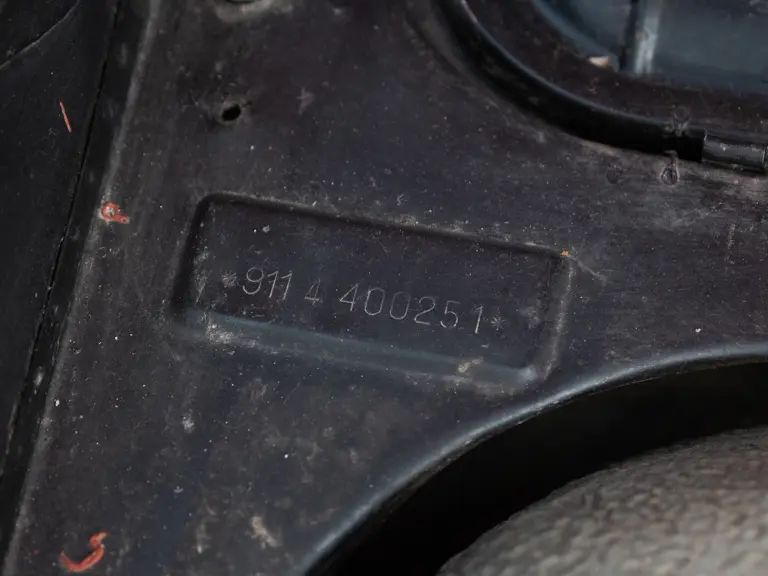
Chassis No.
9114400251
$50,600 USD | Sold
{{bidding.lot.reserveStatusFormatted}}
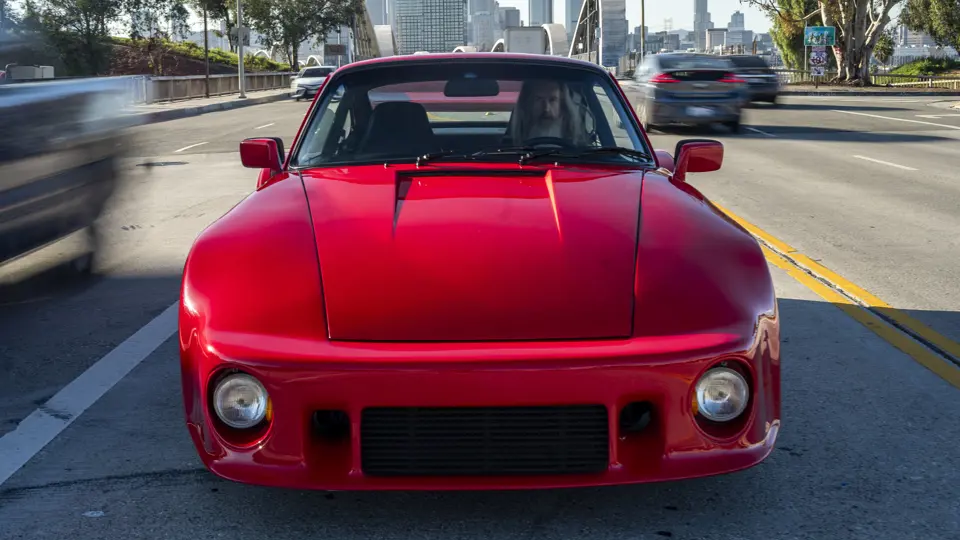
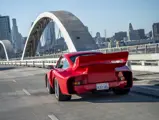
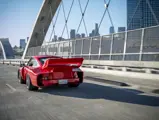
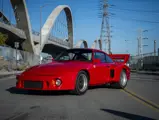
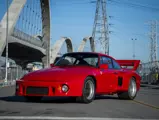
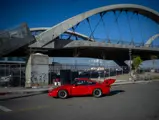
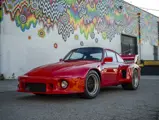
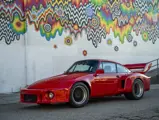
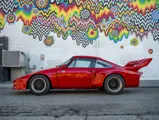
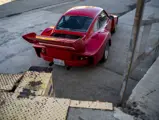
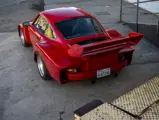
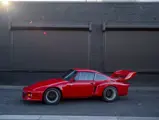
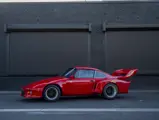
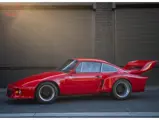
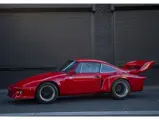
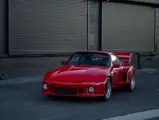
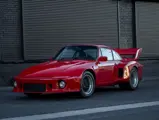
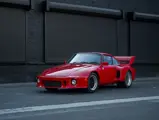
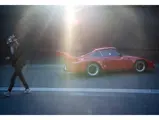
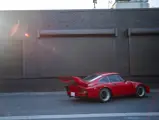
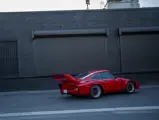
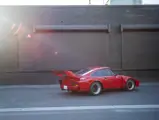
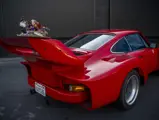
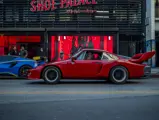
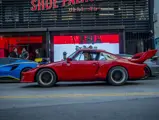
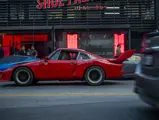
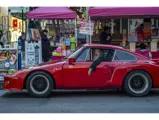
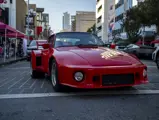
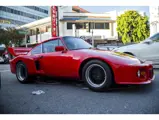
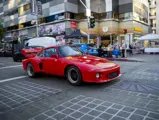
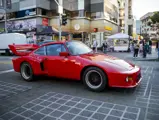
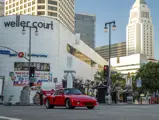
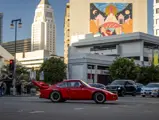
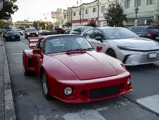
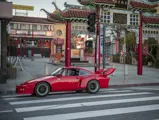
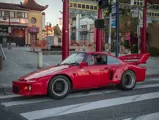
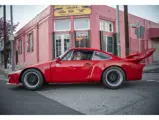
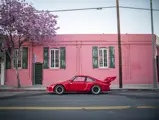
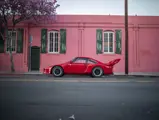
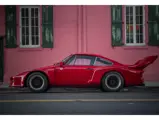
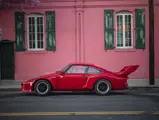
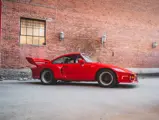
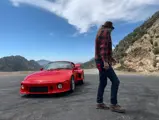
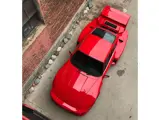
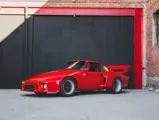
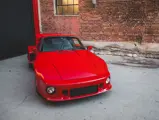
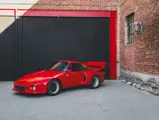
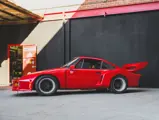
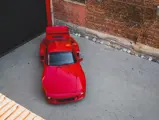
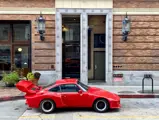
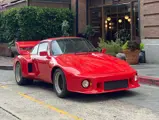
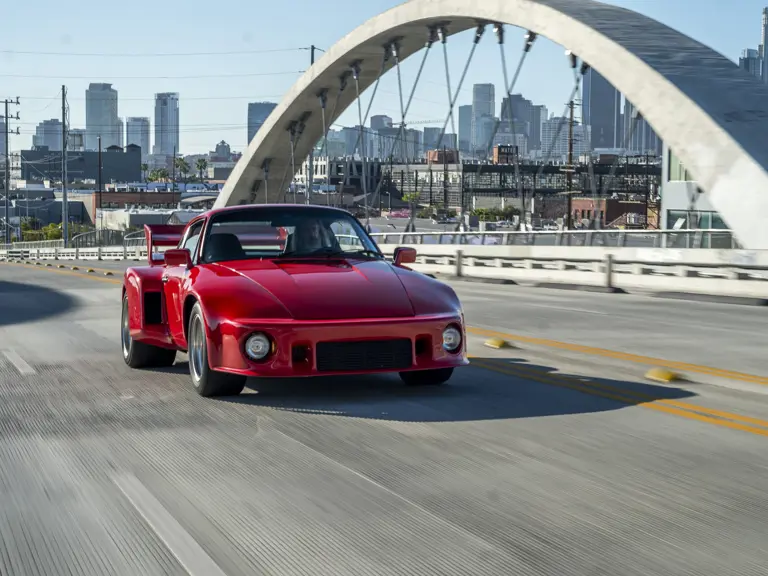
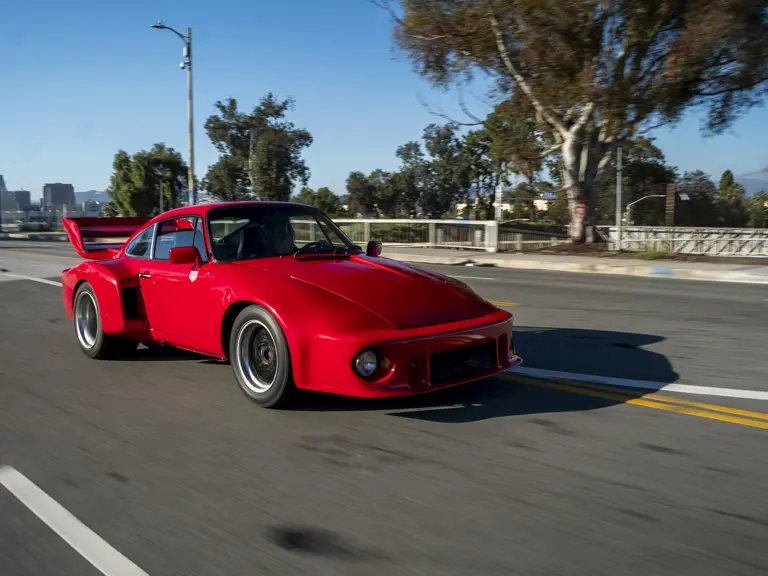
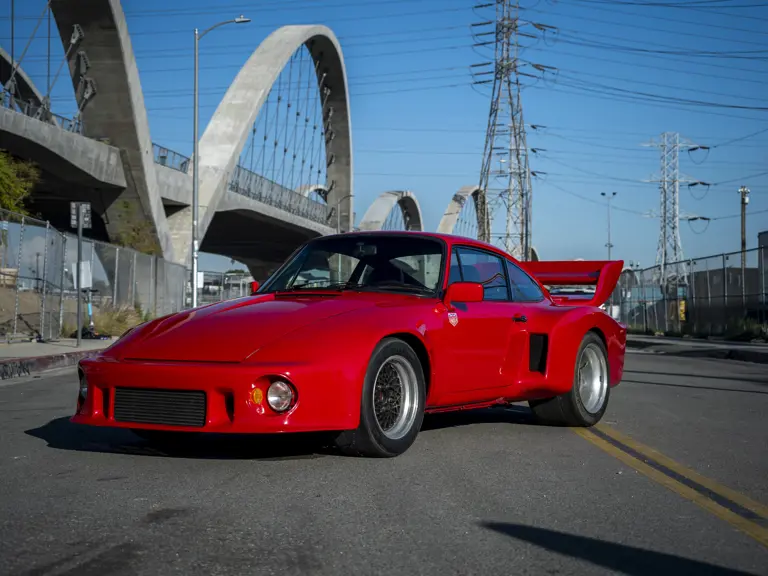
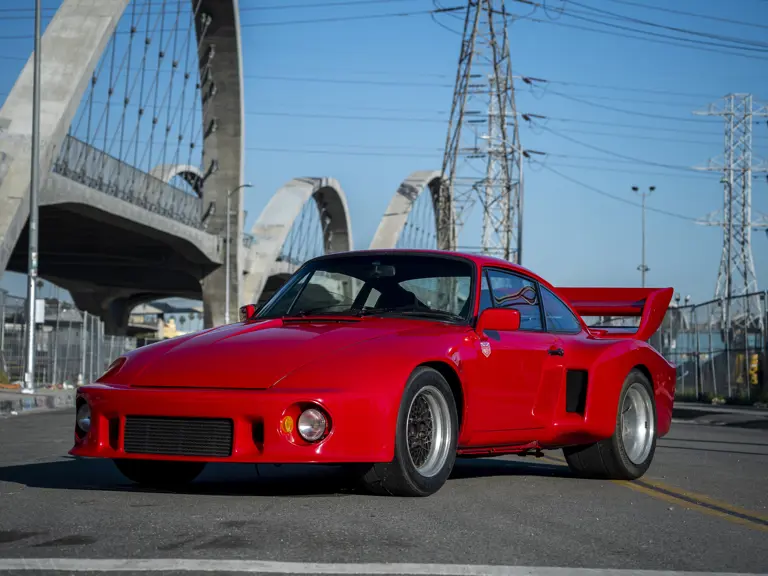
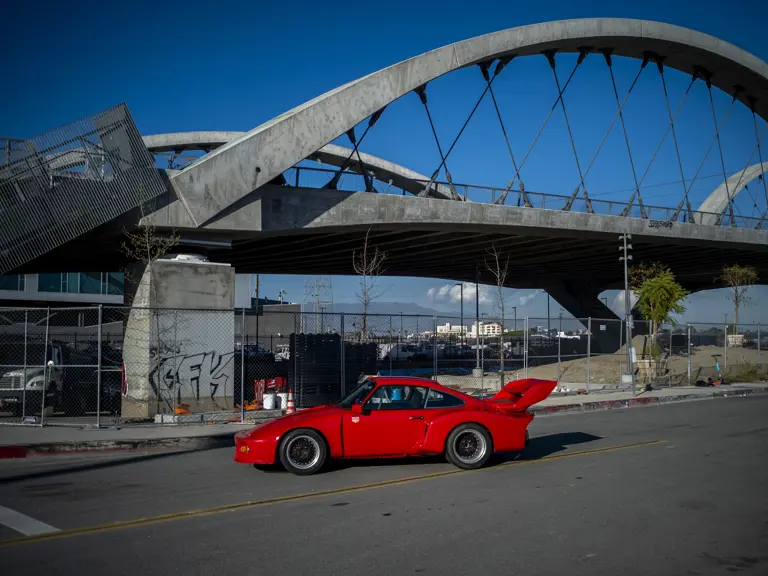
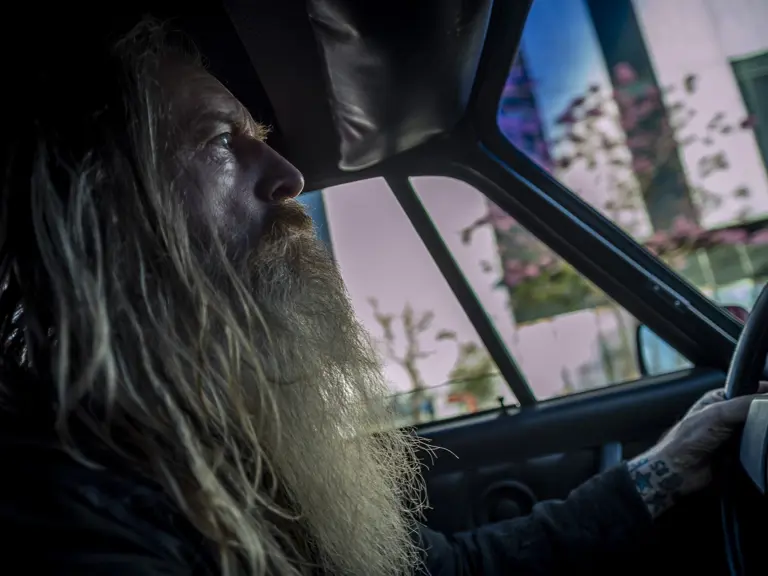
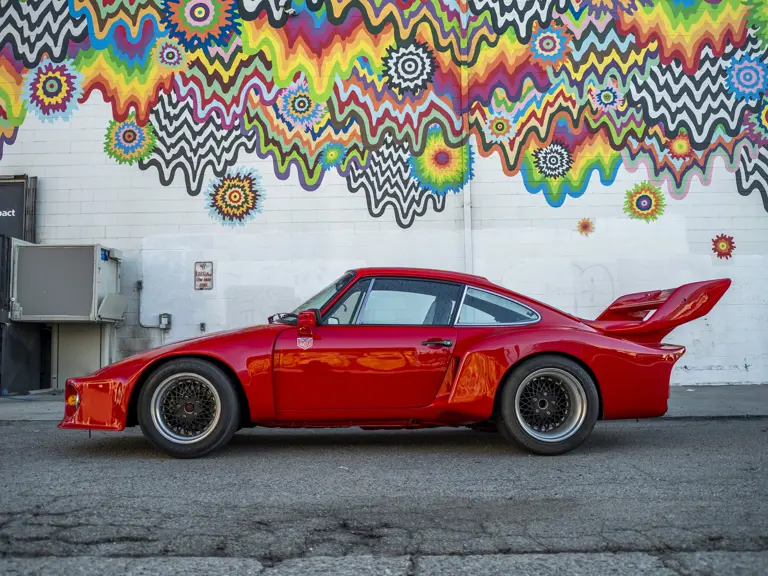
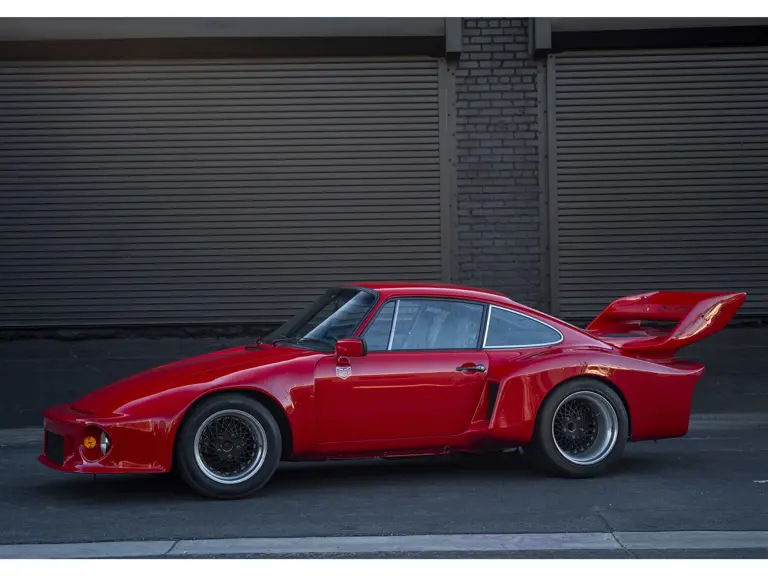
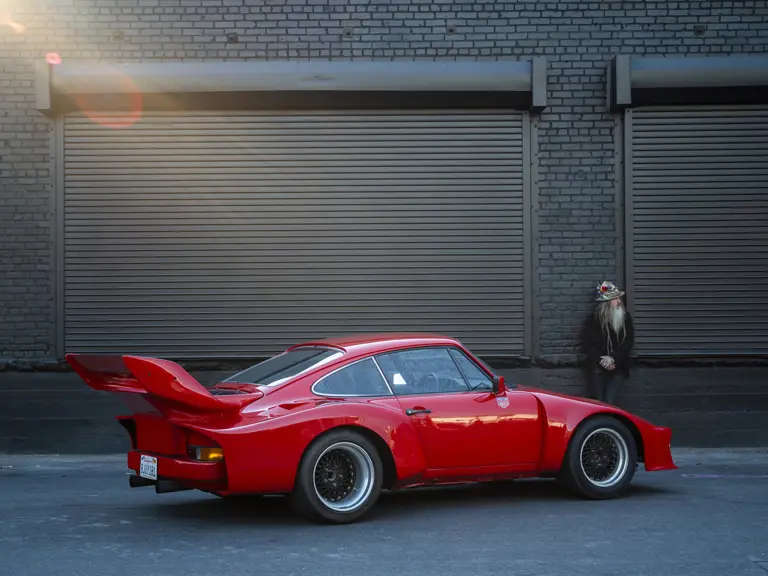
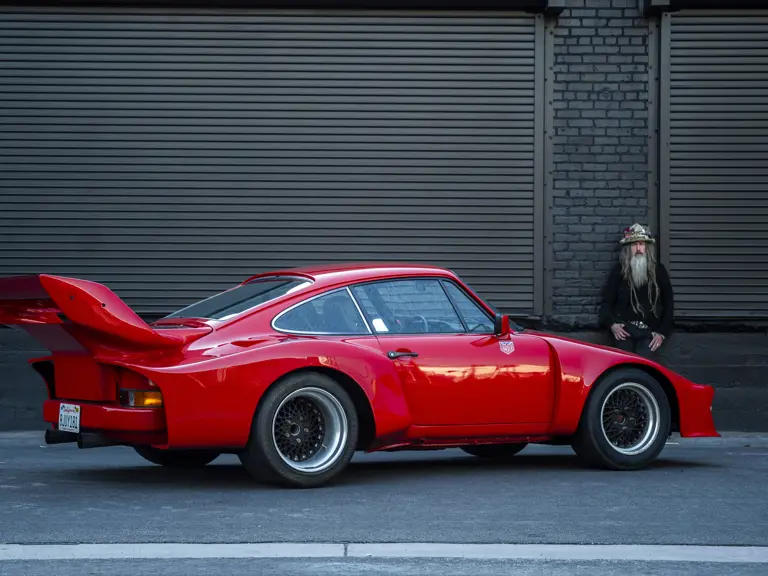
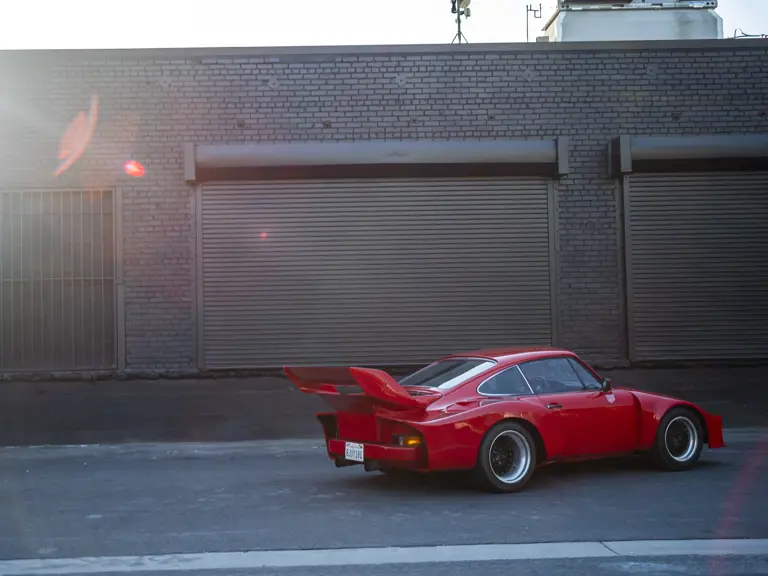
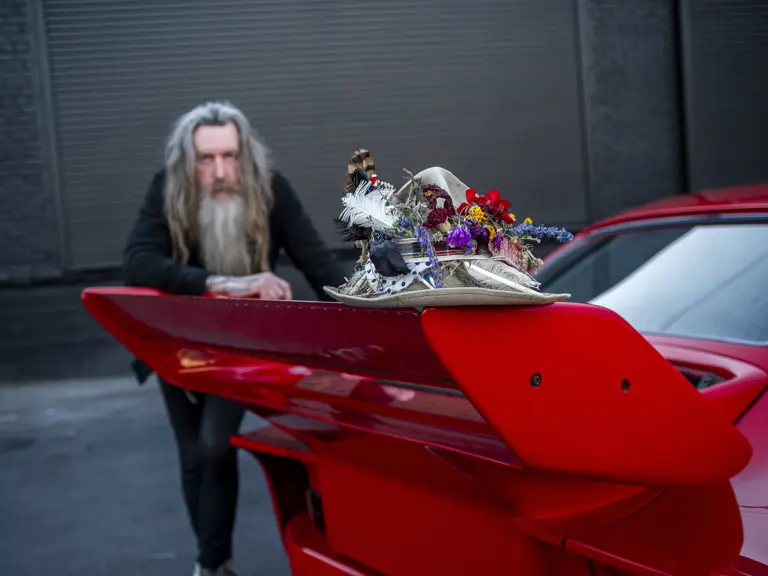
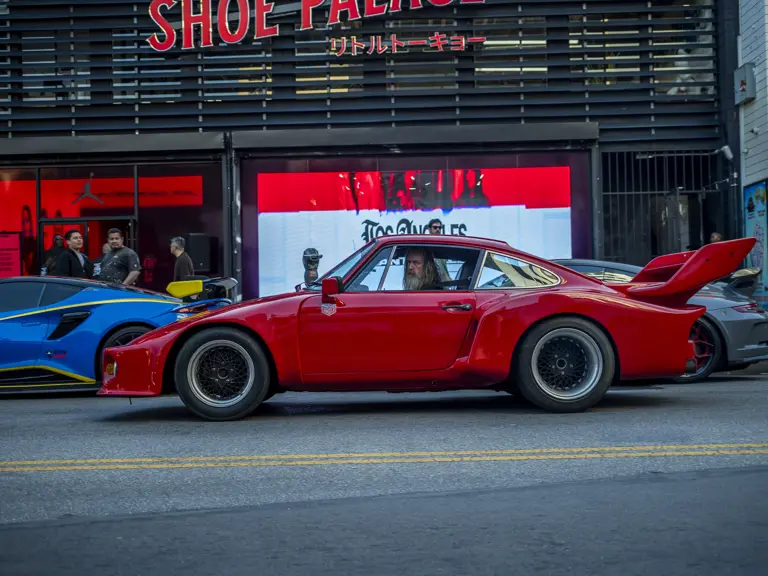
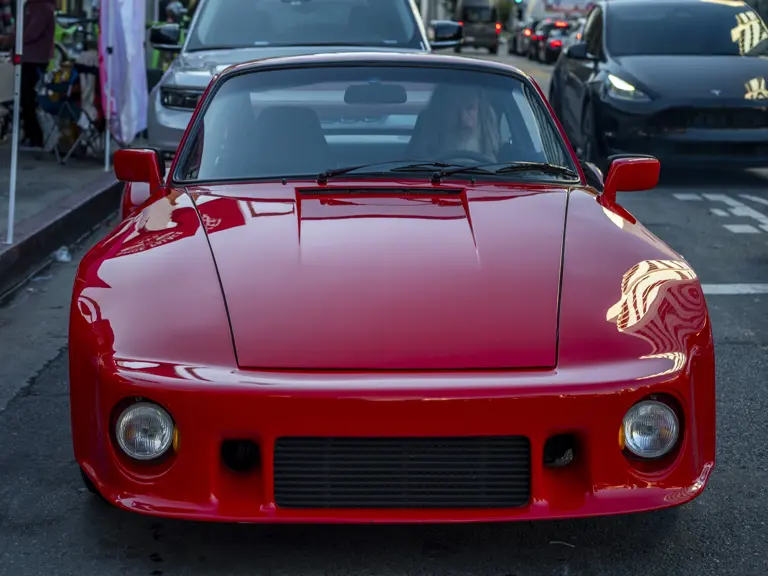
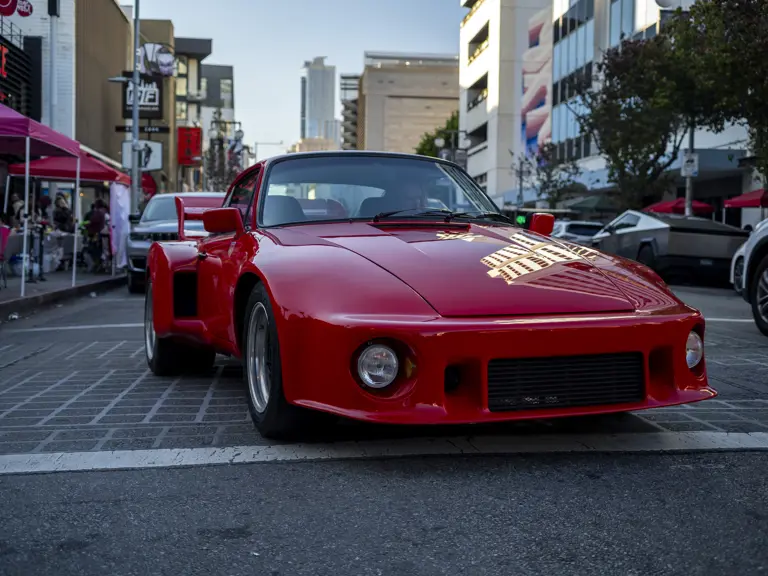
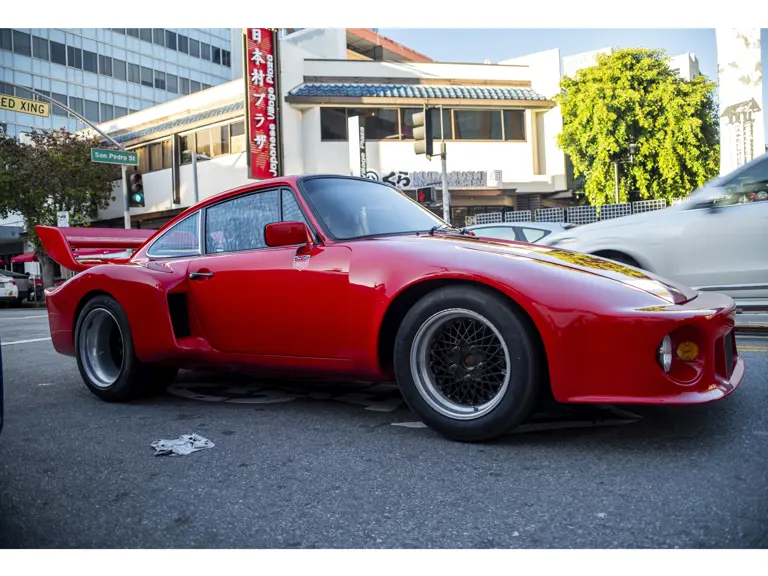
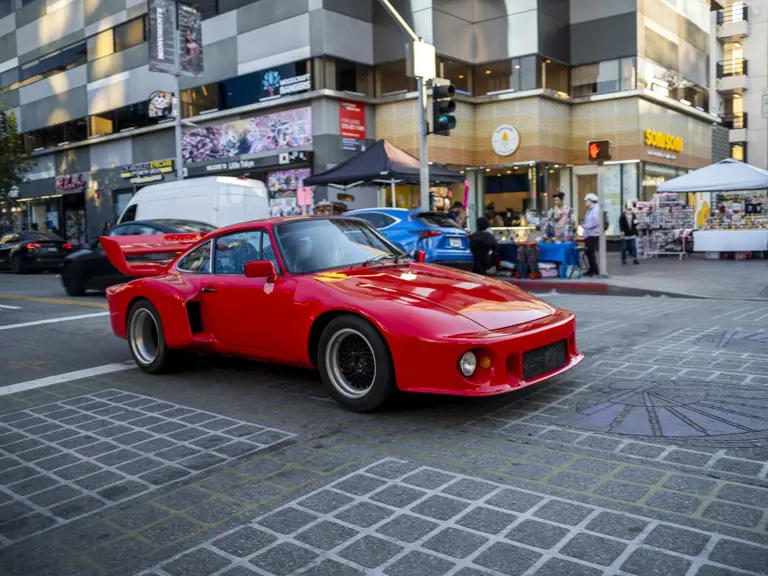
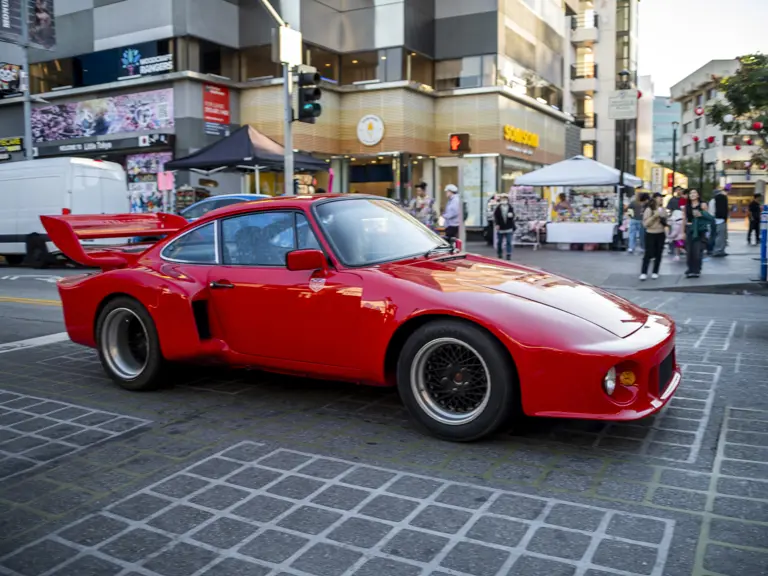
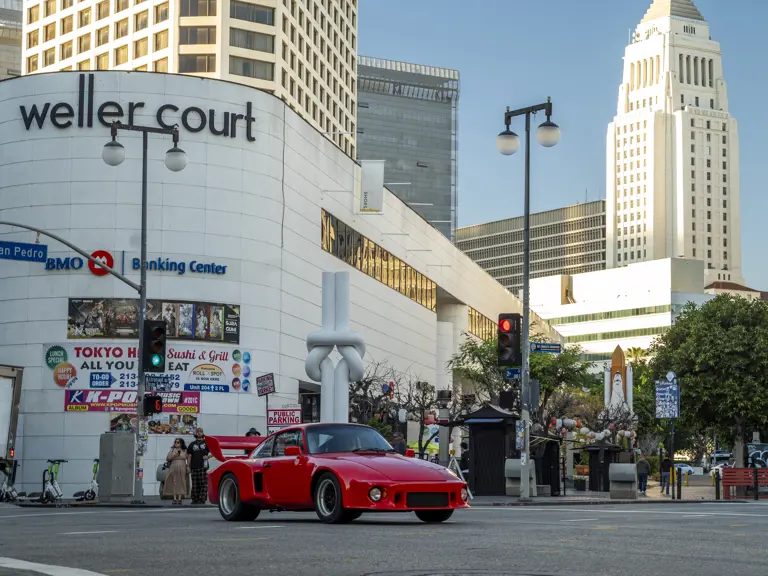
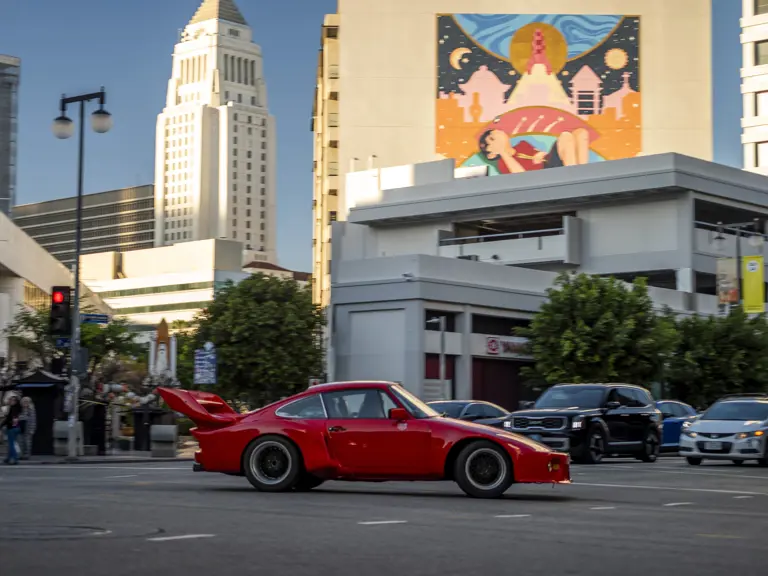
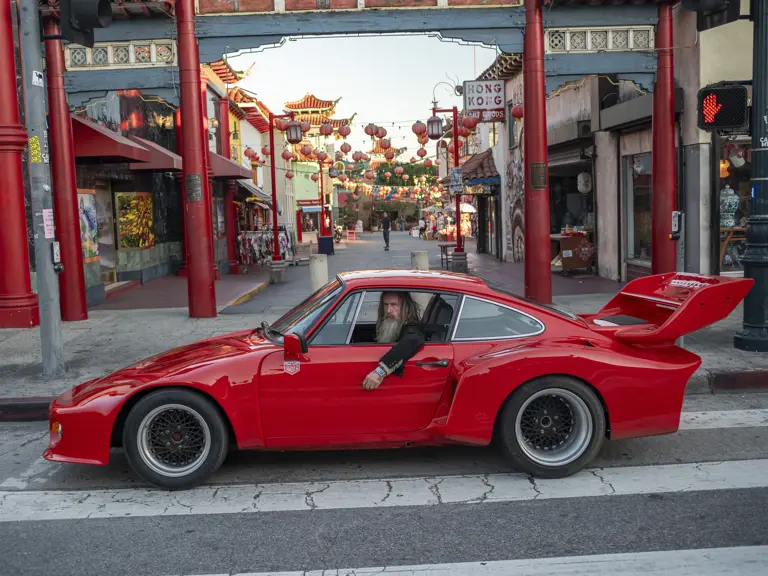
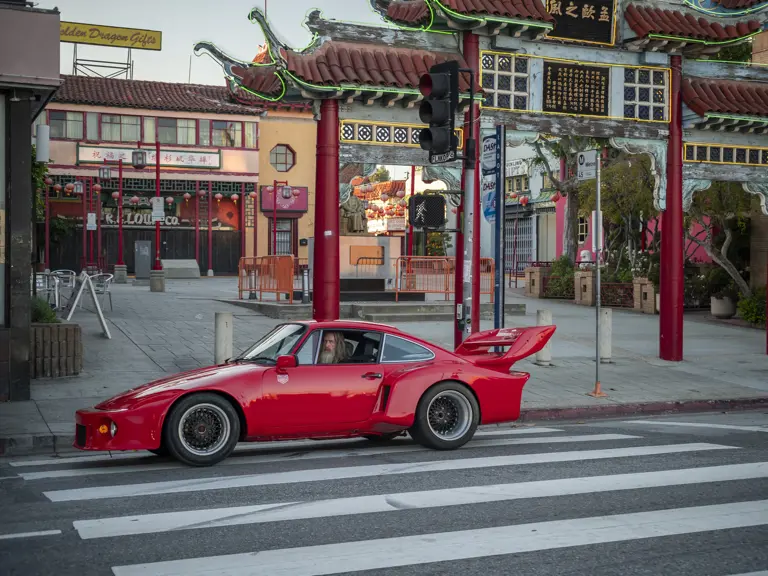
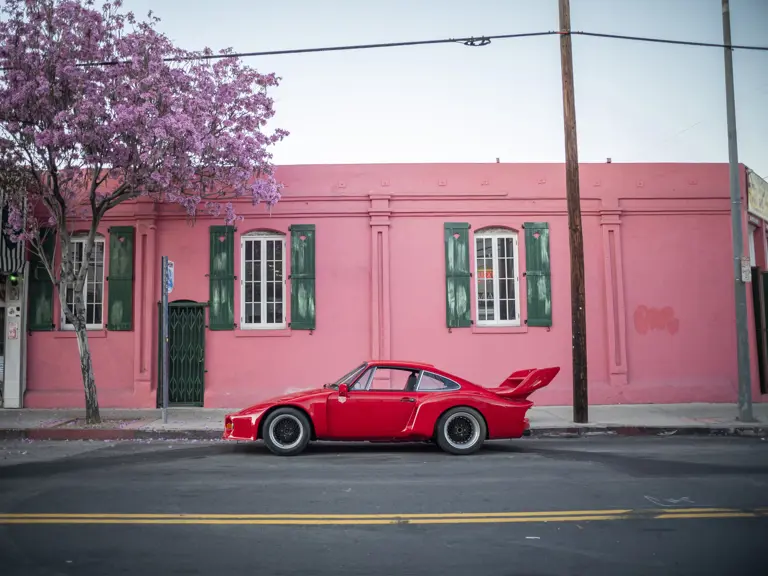
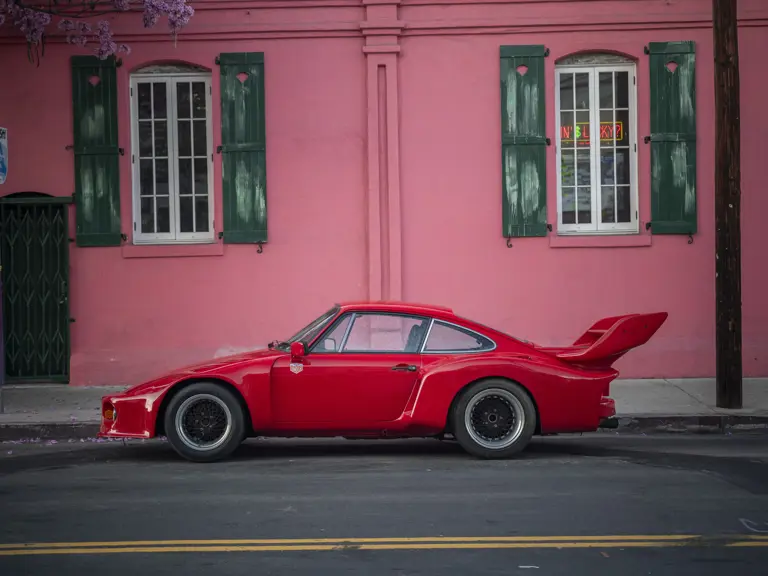
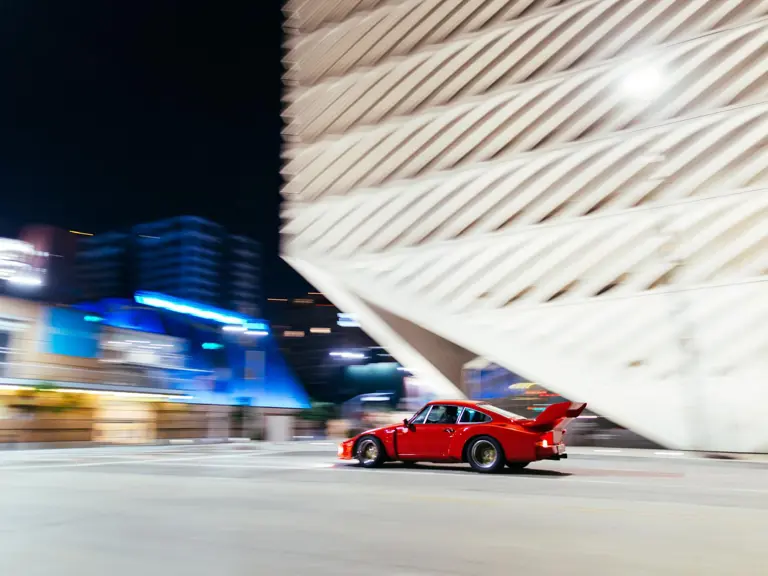
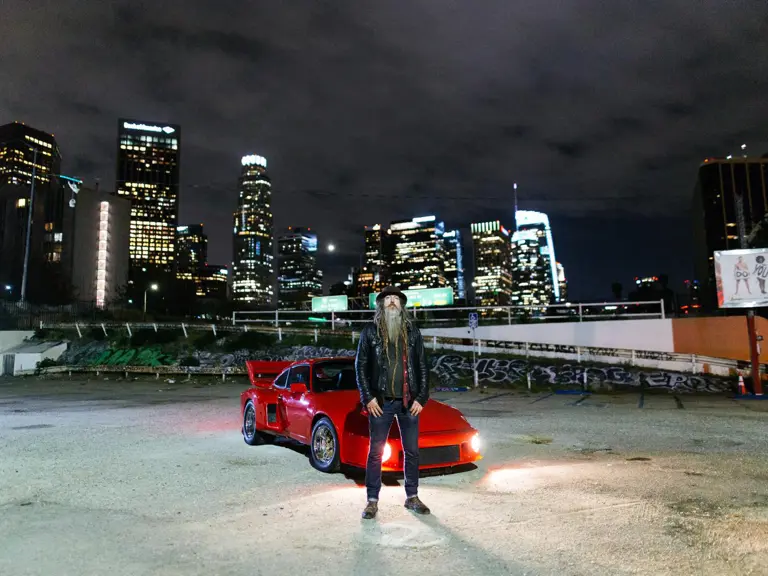
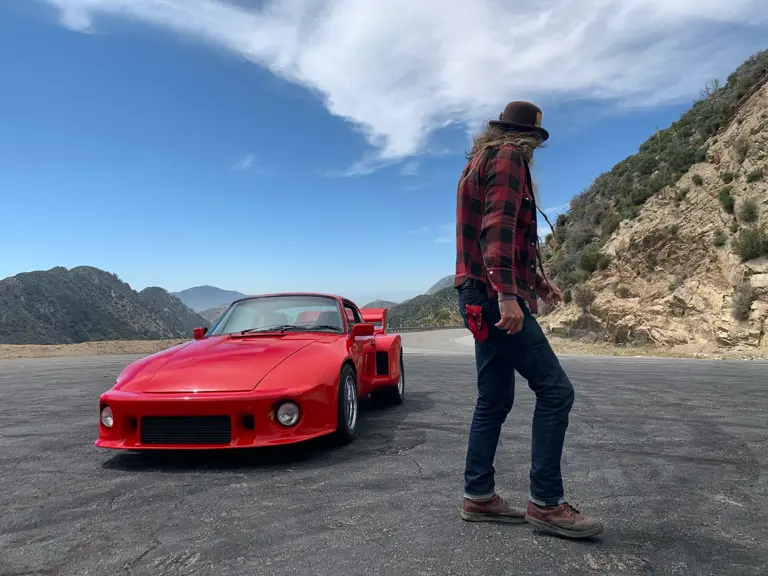
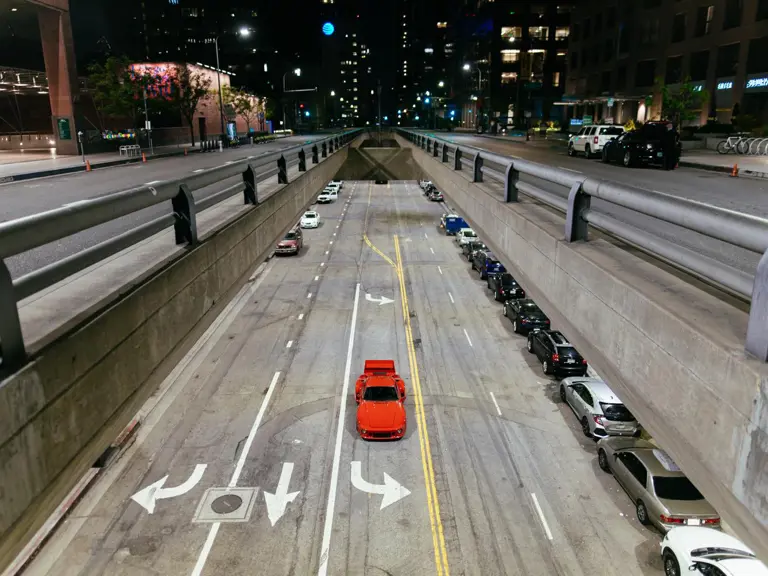
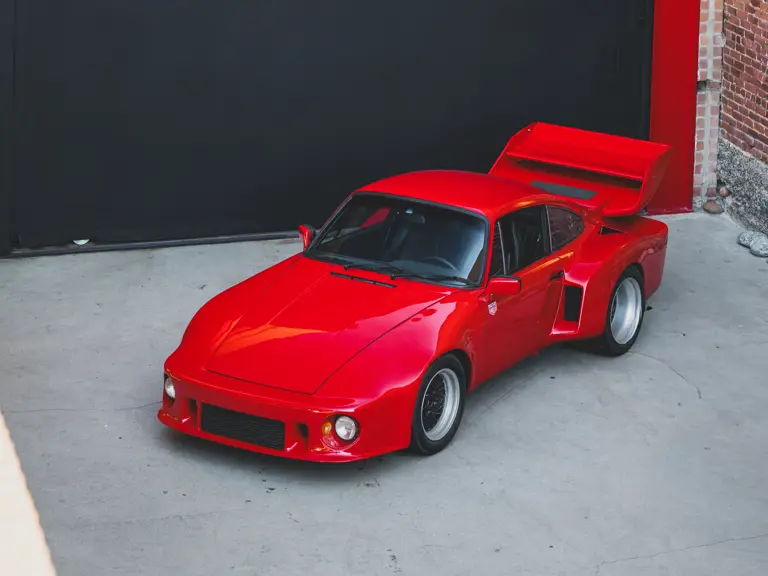
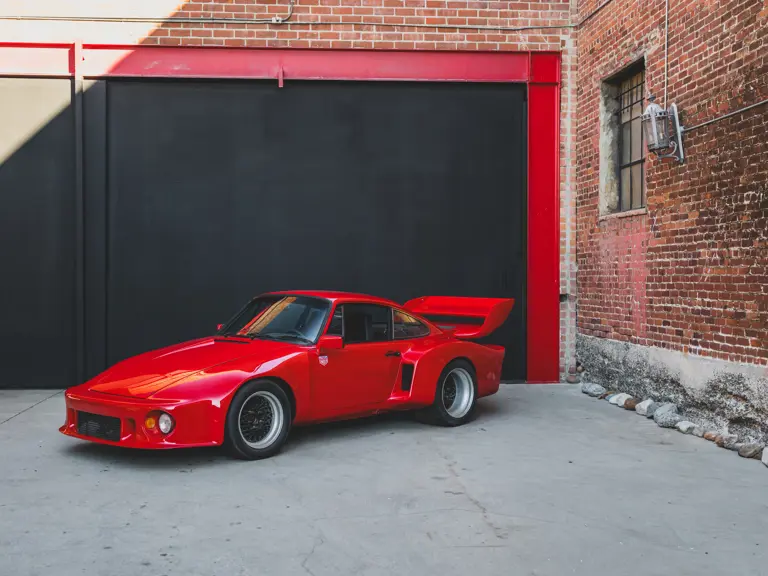
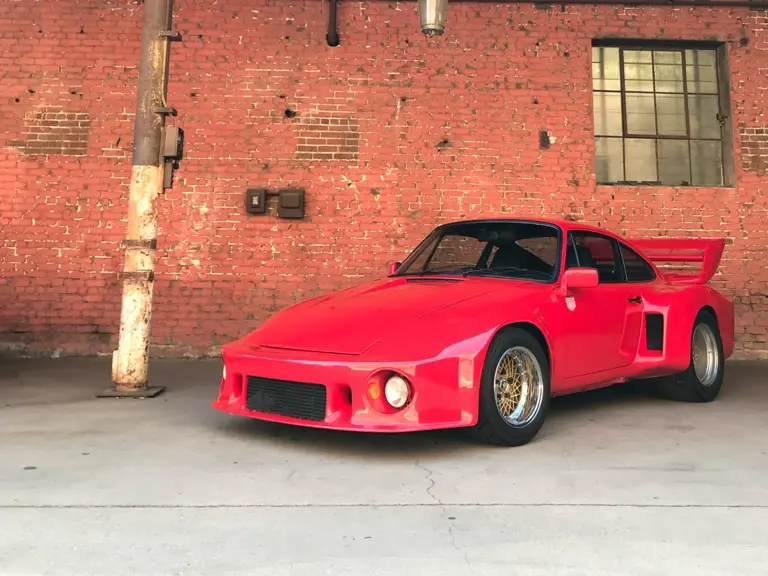
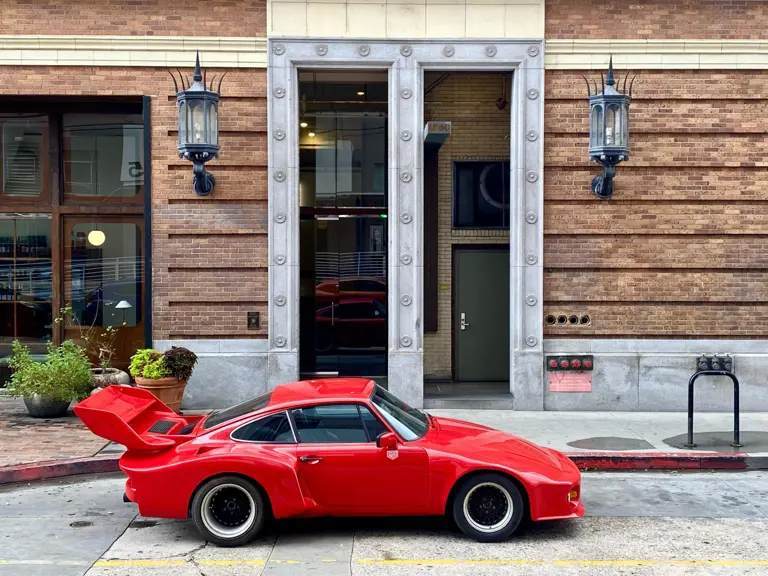
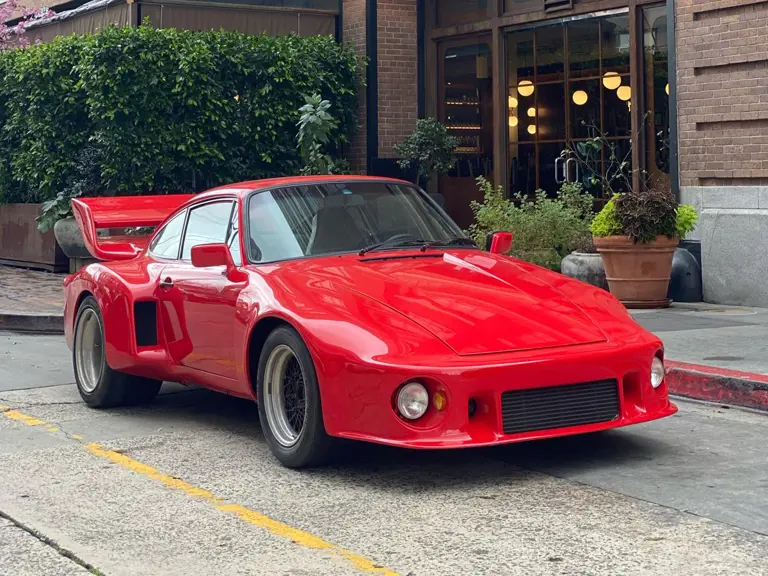
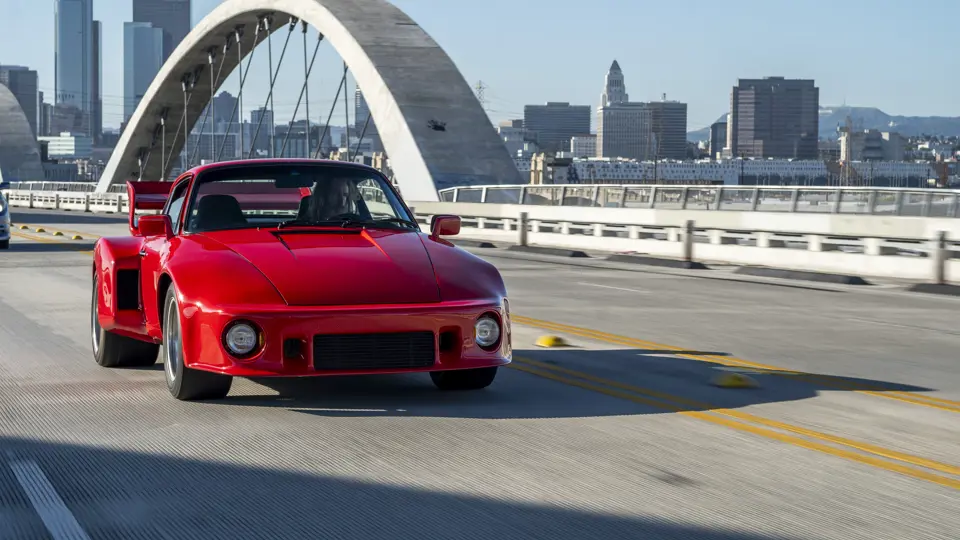
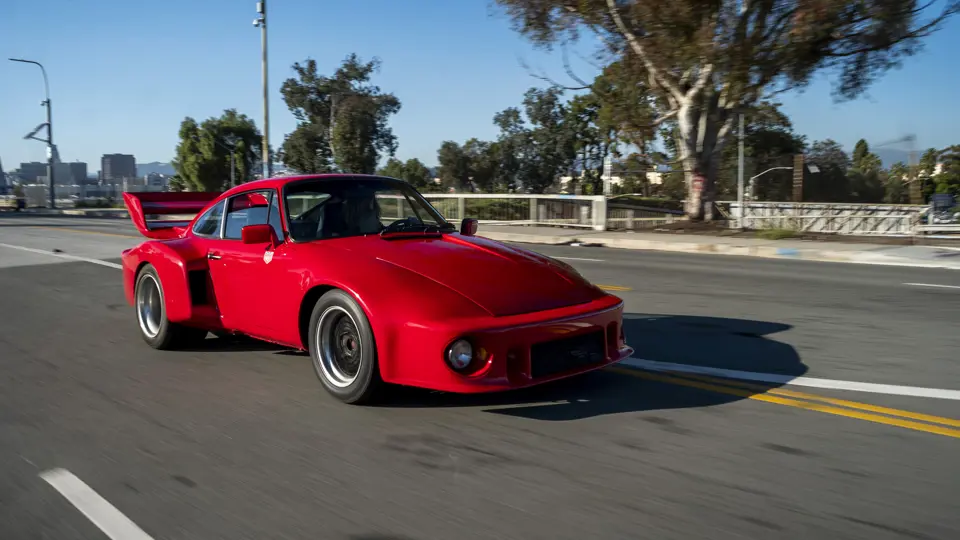
I've lost track of how many Porsches I've owned but I do remember the very, very first Porsche I ever bought: A red slant-nose conversion that I bought in 1992 when I was 25 years old. That car represented to me a dream come true and the first sense of some sort of achievement—having had a dream to own a Porsche and finally realizing that goal. This is not that car, but, ironically, it is a red 1974 slant-nose conversion.
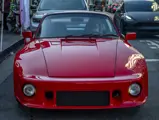
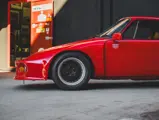
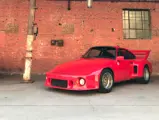
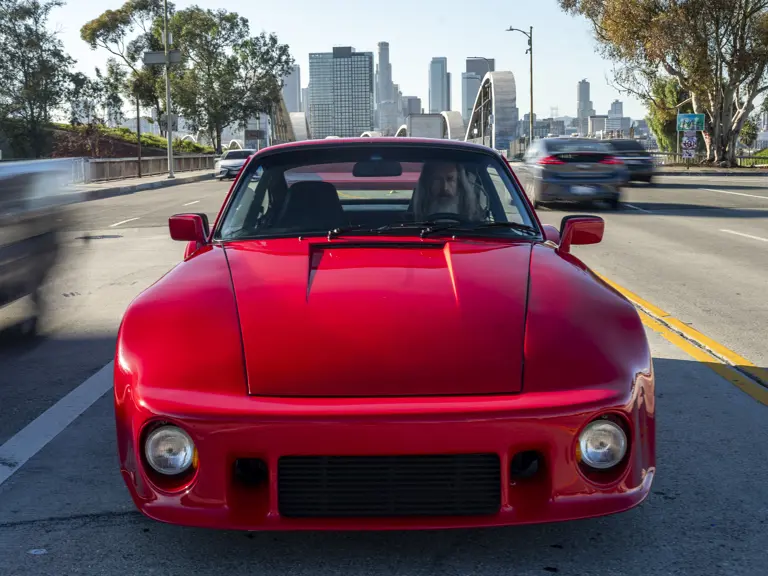
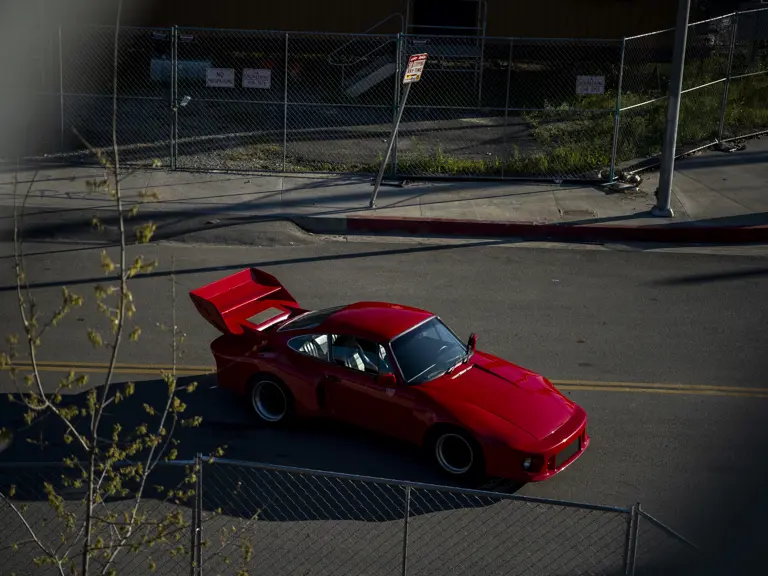
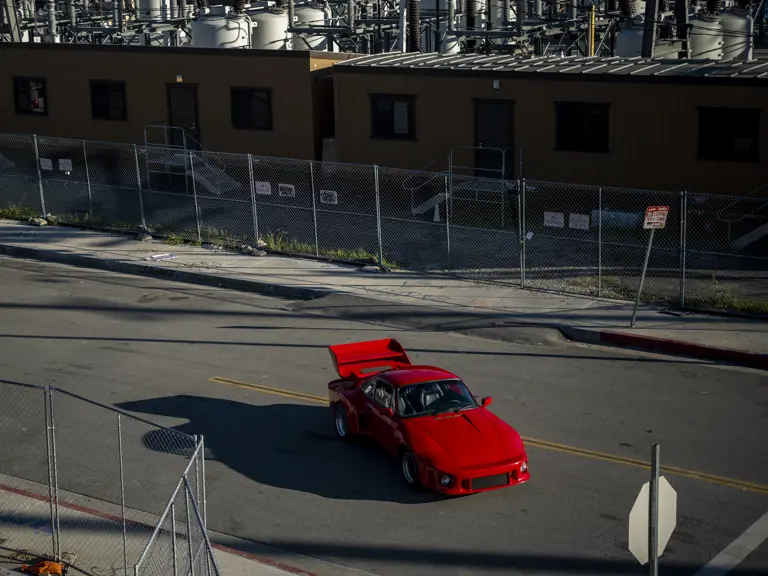
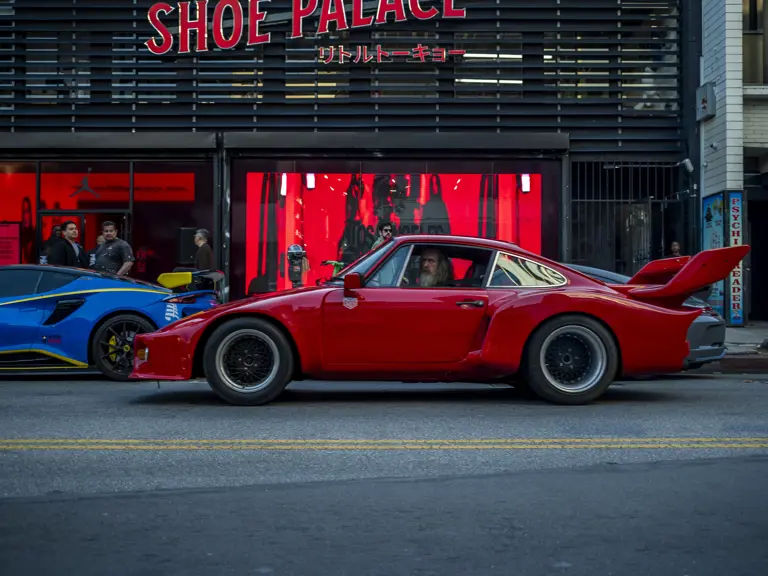
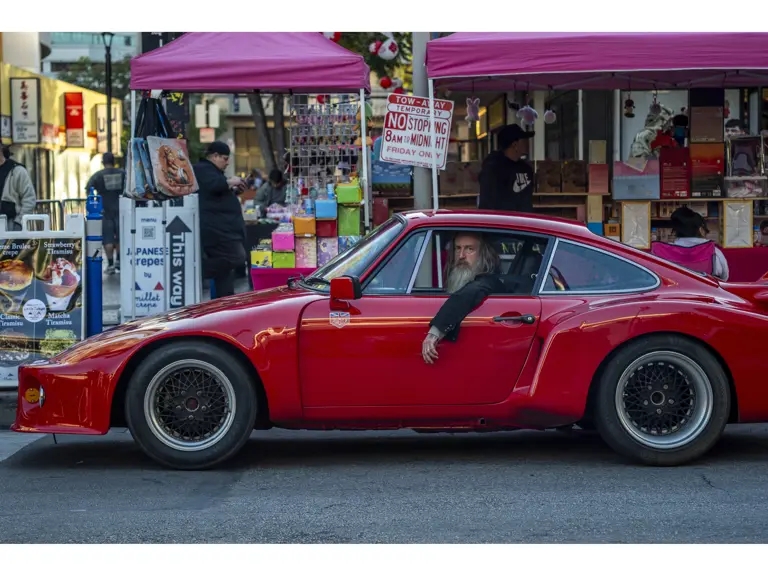
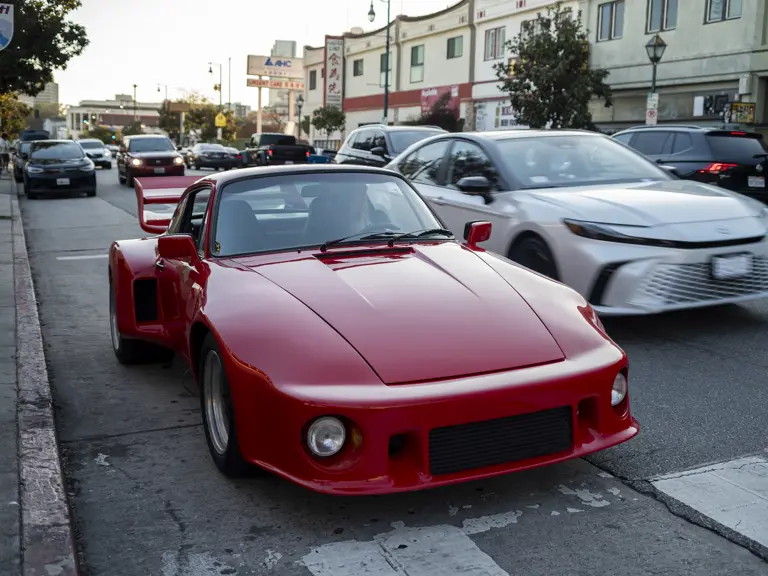
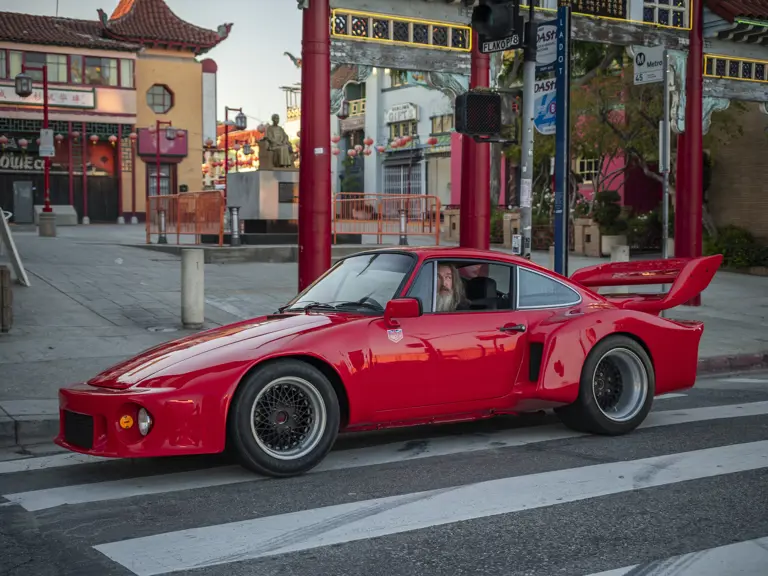
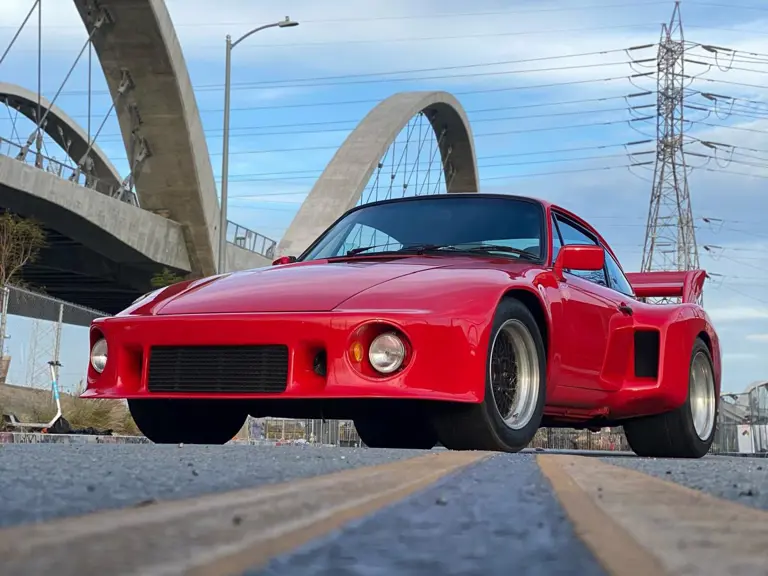
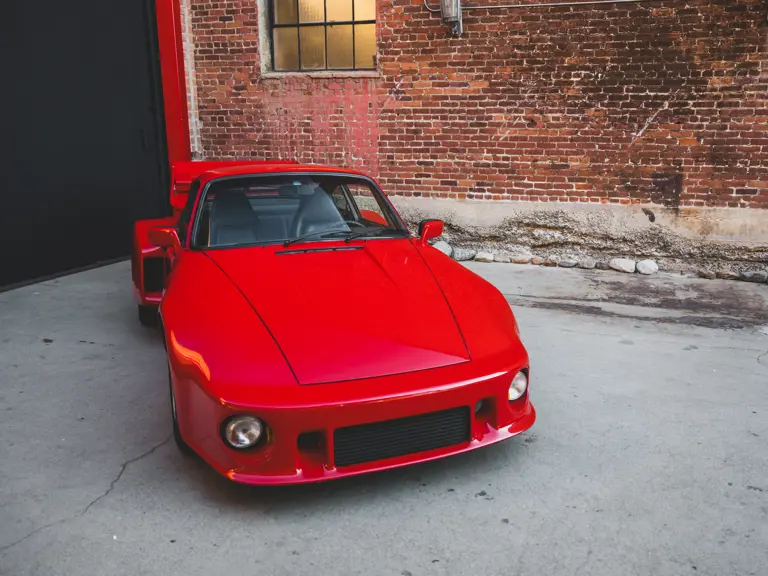
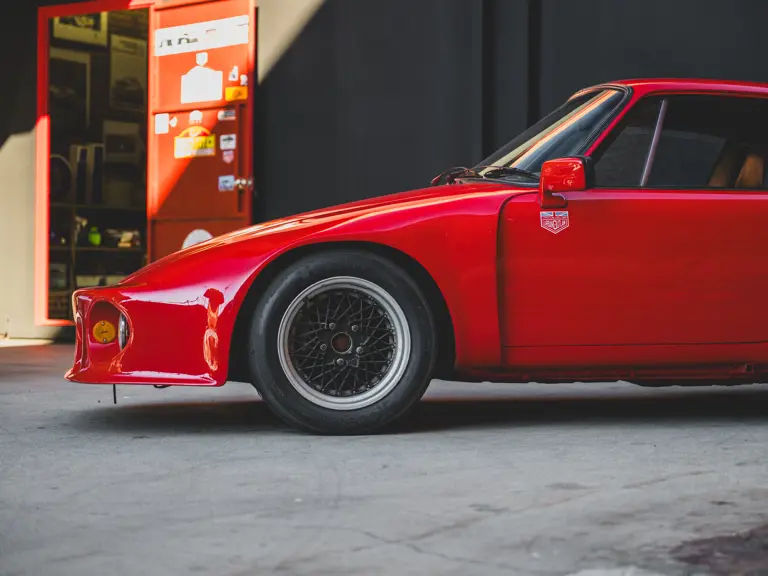
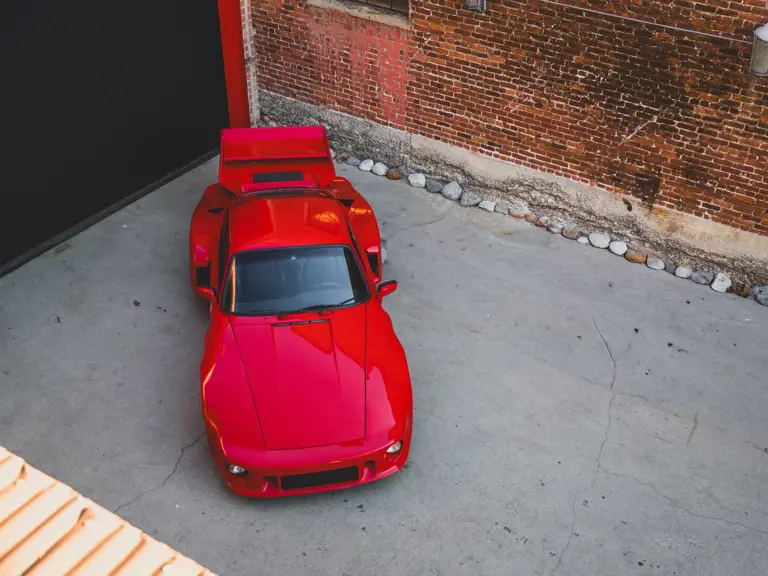
The slant-nose 911 is one of those things that I believe you either love or hate. For me, I love them. The history of the slant-nose goes back to the Kremer brothers in the ’70s, when they converted the 935 Le Mans-winning slant-nose wide-body silhouette into a street application. This was several years before Porsche actually offered a slant-nose body kit through its then Sonderswunsch, Special Wishes, program. Kind of unbelievable to think back that Porsche didn't [initially] offer a slant-nose conversion on its Turbo—the only way you could get one was to go to an aftermarket builder or tuner, someone like a DP Kremer, Gemballa, Strosek, or any of these sort of backyard builders that were prevalent in the early ’80s, especially in LA. I've heard stories about people literally buying brand new Turbos from the dealer and then taking them into aftermarket body shops to have slant-nose conversion body kits put on. Performance-wise it doesn't make an ounce of difference. It is a body kit, whether it's done by the factory, an independent specialty tuner, or some backyard builder.
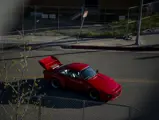
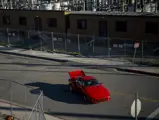
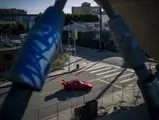
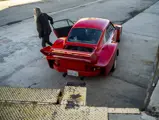
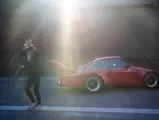
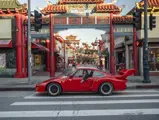
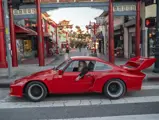
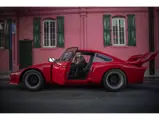
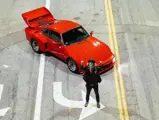
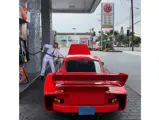
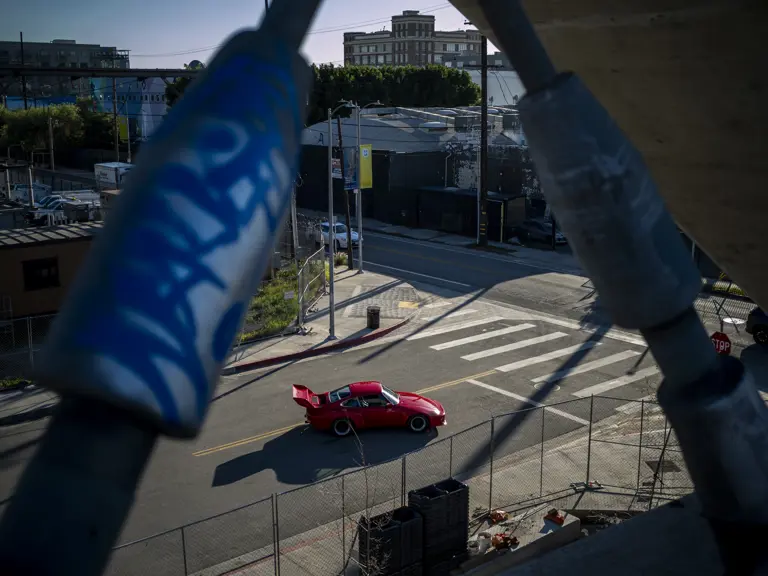
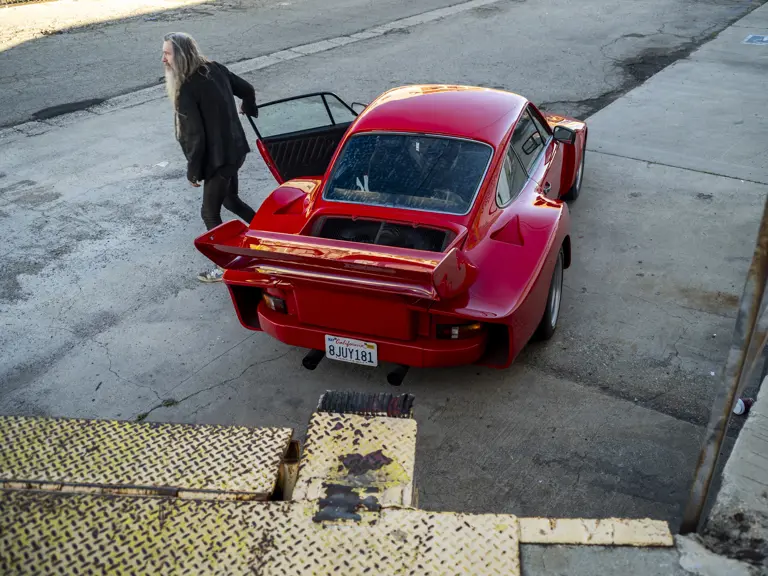
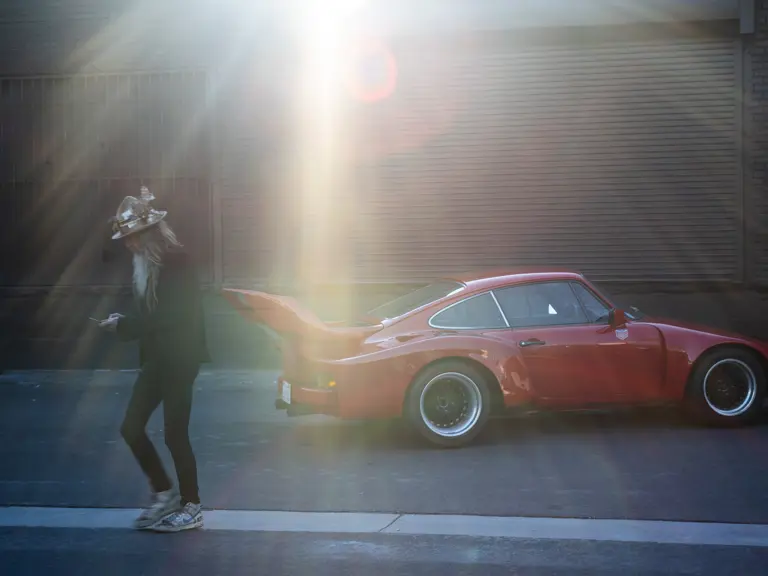
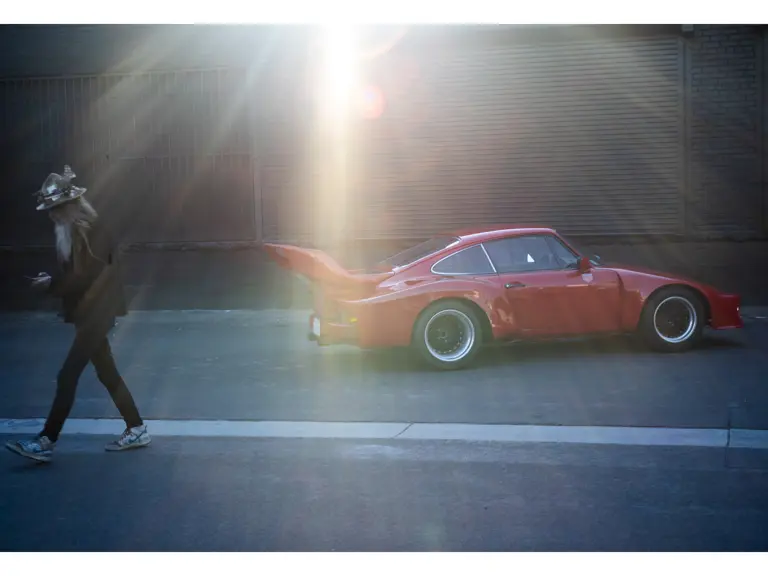
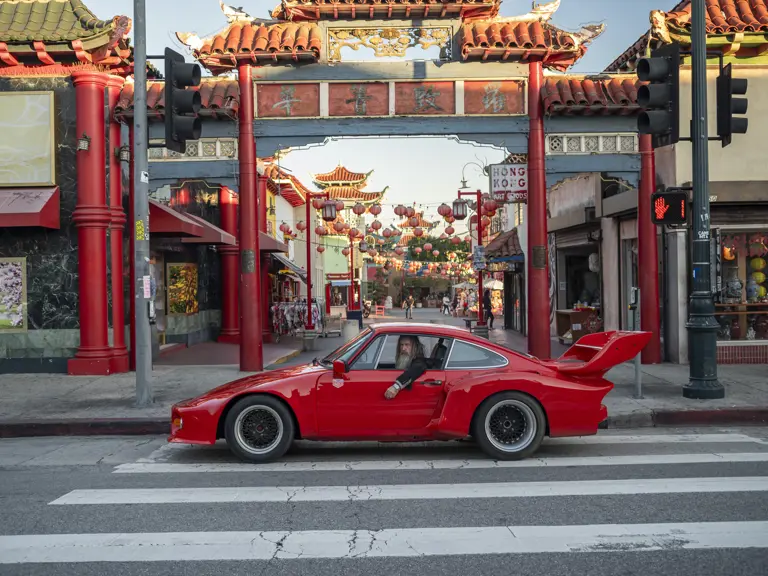
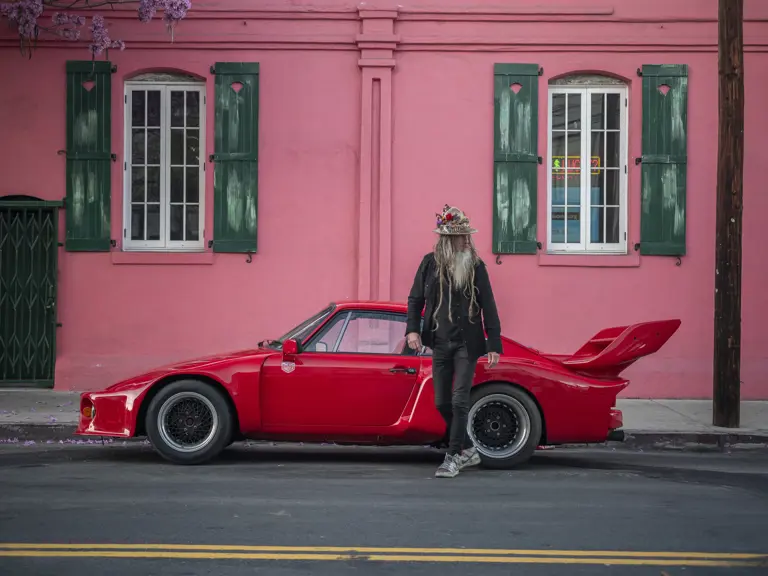
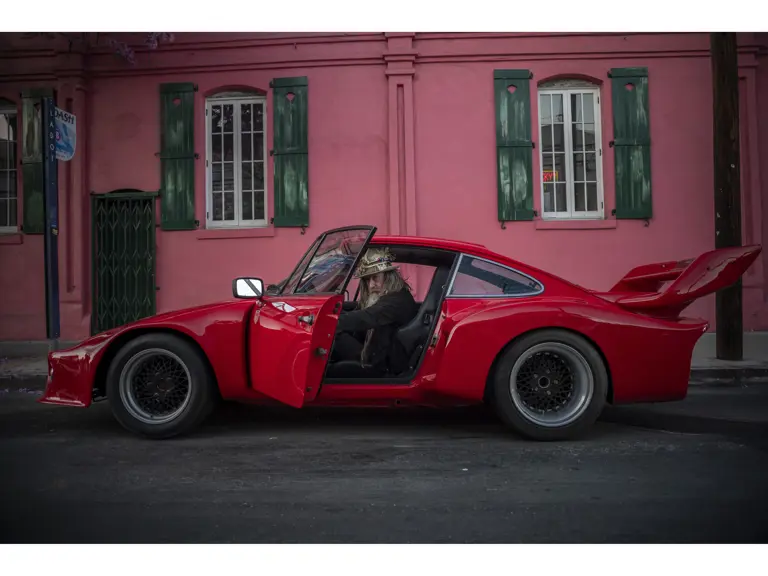
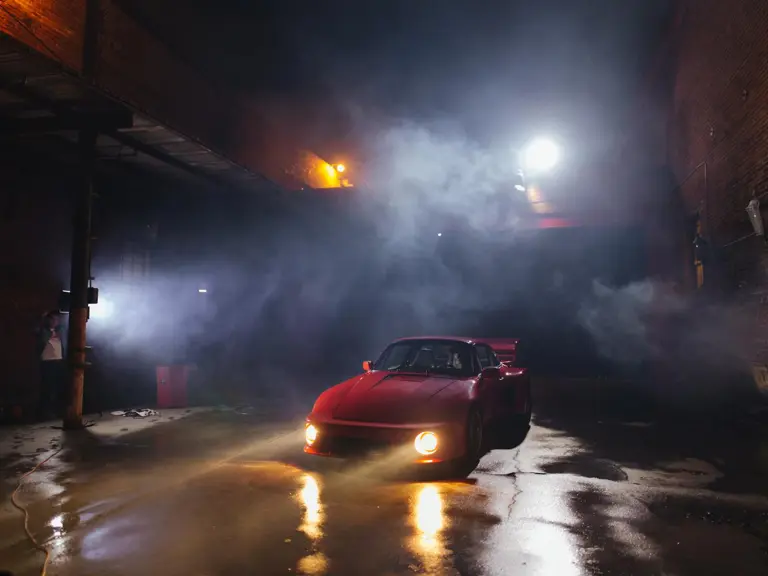
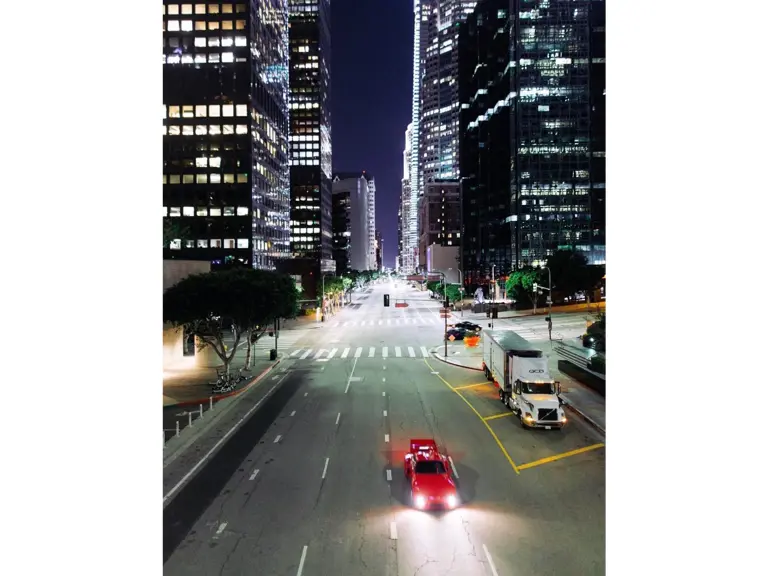
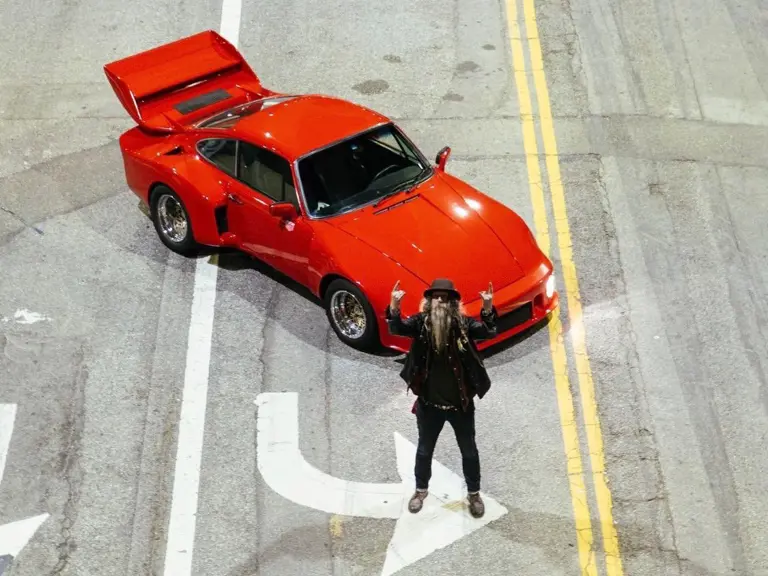
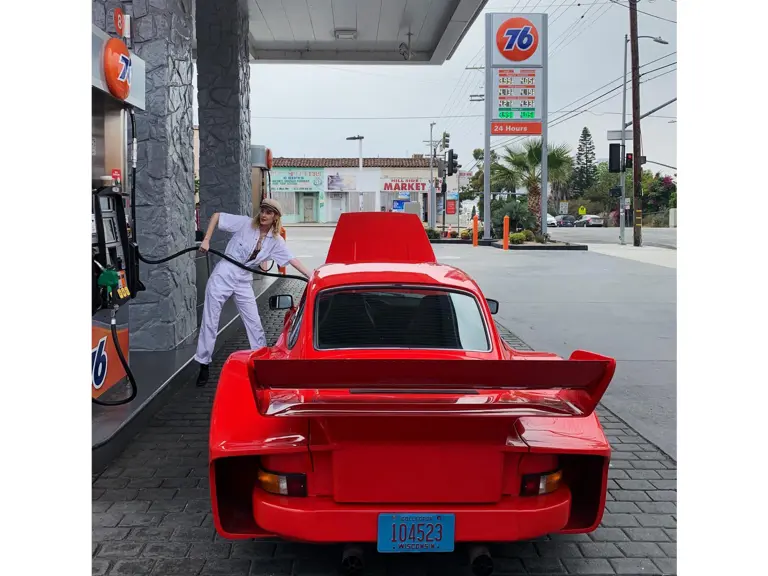
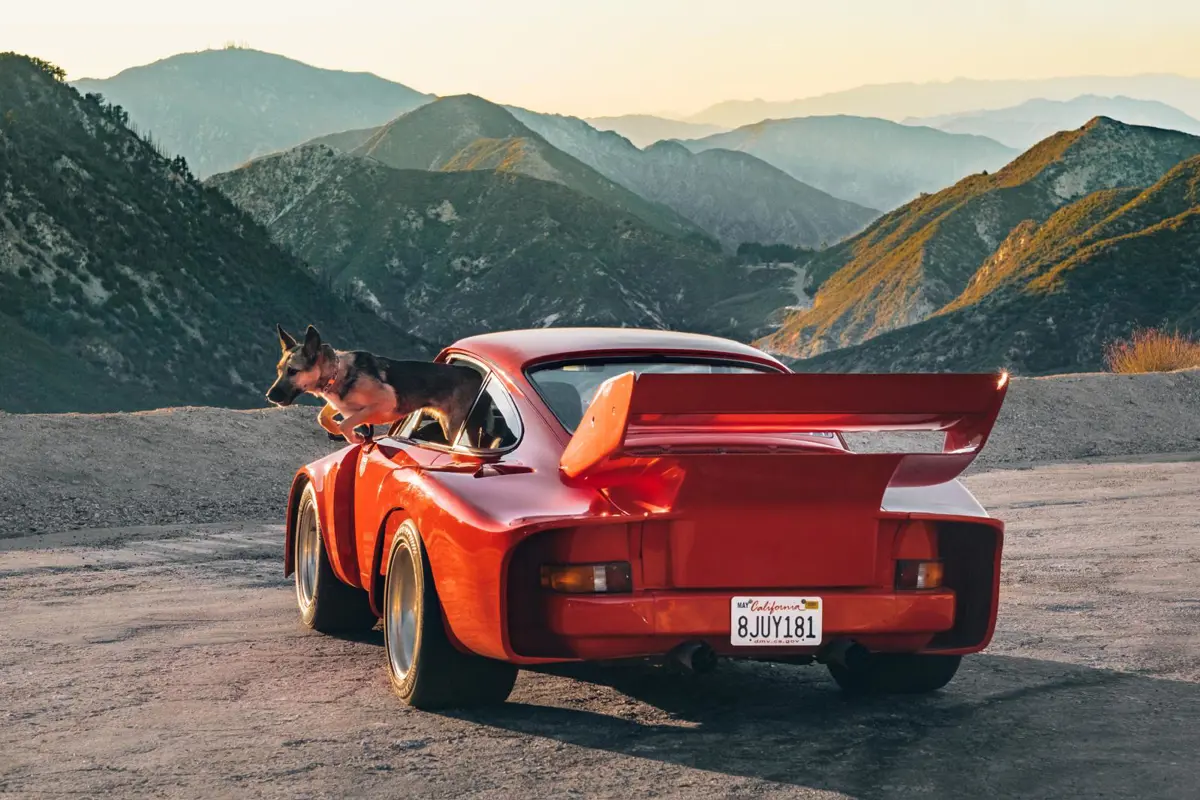
So this particular car—maybe five or six years ago I started thinking it's really time to get a second slant-nose. I looked at factory original slant-noses, I looked at backyard build slant-noses, modified slant-noses, and nothing ever really ticked the box. And as fate would have it, when I'd sort of stopped looking, ironically, I got a call from Rob Dietz over at WOB Cars and he said he had a customer who was selling one. I went out there to look at it and bought it. It was the cheapest one I'd looked at. I drove it home and didn't really think too much of it. Drove it a couple of times. We ended up getting that iconic shot of Willow jumping out of the side of it in 2021 that photographer Daniel Malikyar took [as part of a 2021 photo series displayed at Santo Gallery].
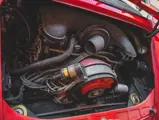
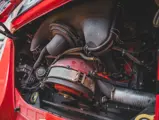
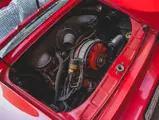
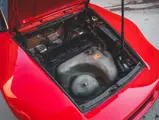
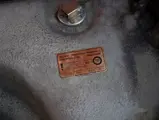
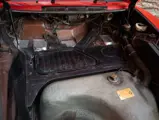
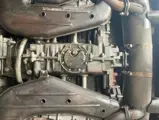
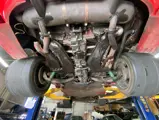
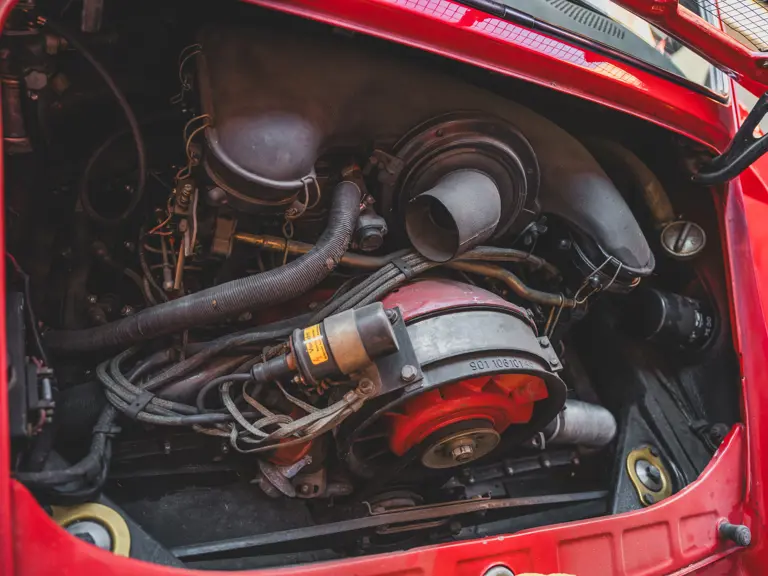
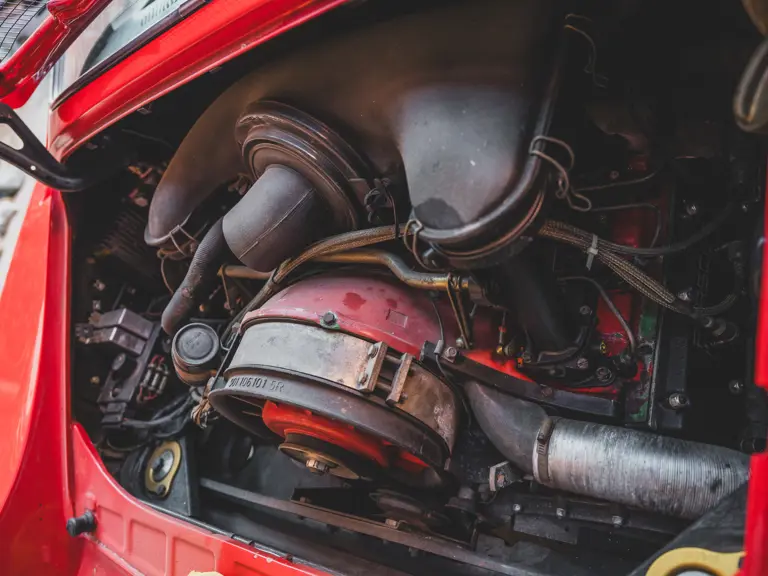
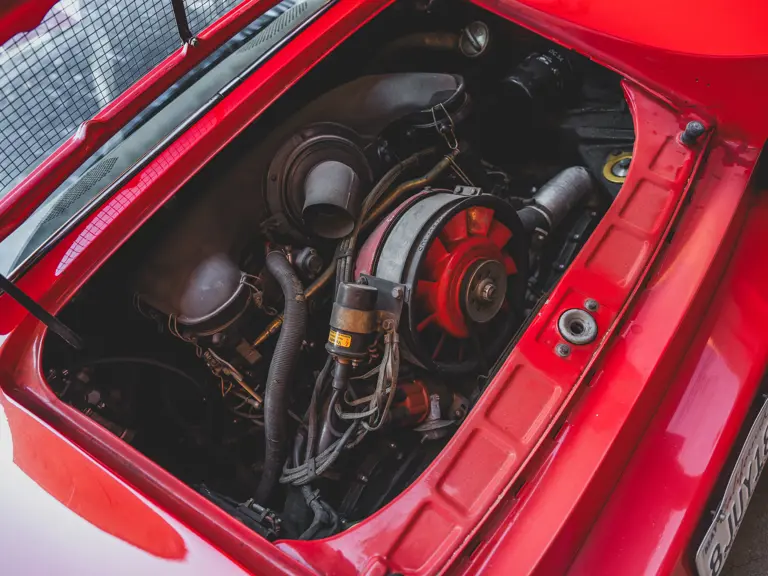
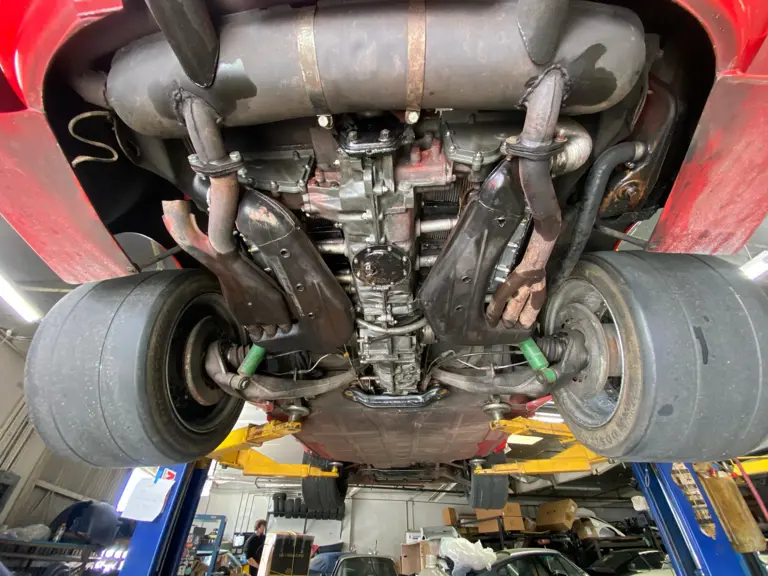
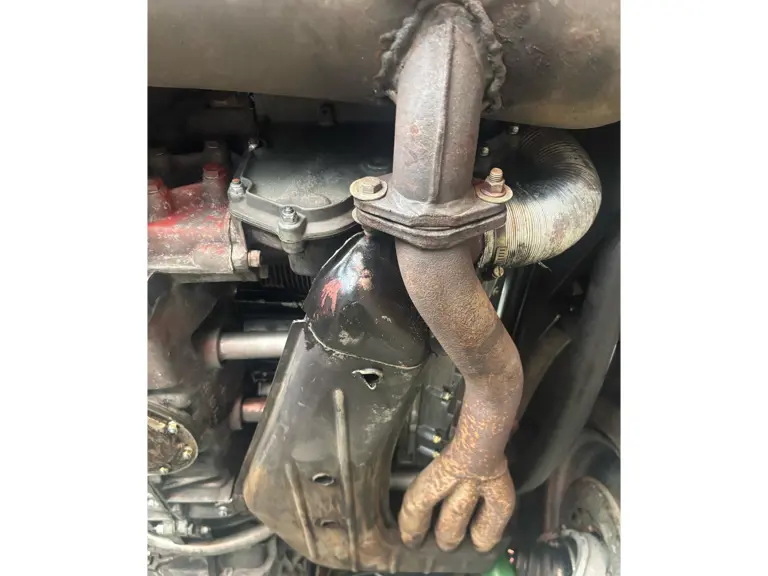
I parked it in the corner of the garage, because even though I'd lusted after one, this was going to be a steep ride down the slippery slope of performance modification. The chassis number decodes back to a ’74 US Carrera, which is somewhat desirable. But this car doesn't have the original motor: it actually has a 2.7 RS-spec MFI motor built on a ’73 911 E 2.4 case. So it's already sort of a complete Frankenstein thing. It really needs a 500- to 600-horsepower big-turbo monster motor that will give it the show and go, which will mean more suspension, bigger brakes, fresh set of wheels, and everything else. So, I kind of halted the project.
But here's a real twist of fate to the story: Probably nine months ago, I had ended up getting a phone call or text from this old timer guy, George something or other, who I might have bought a car from 25 years ago, who was calling to try and sell me something I wasn't interested in that I can't even remember. But he said, “Hey, I built that red 911 that you've got.” I had to think for a minute, and then I go, “You mean the ’74 slant-nose?” He goes, “Yeah. I built that car in the ’80s.” And I was always somewhat intrigued as to who had built this car, and it turned out this guy that I knew had built it for a customer almost 40 years ago. He even asked if it still had the ’73 911 E 2.7 RS MFI-spec motor in it, which it does.
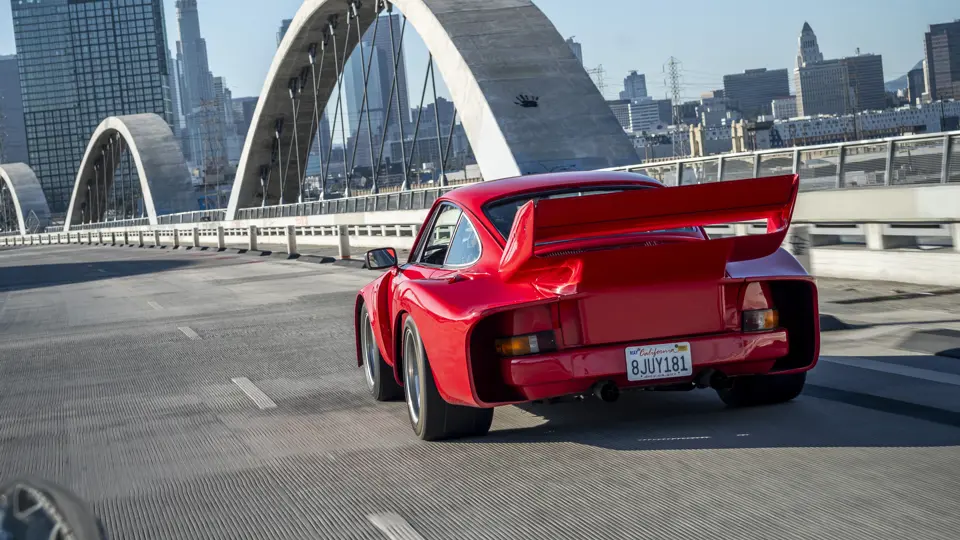
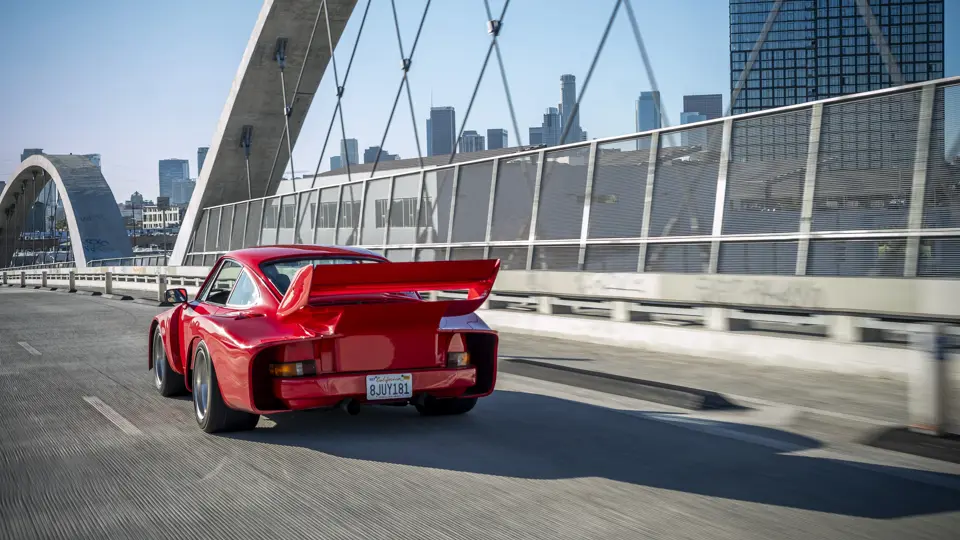
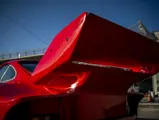
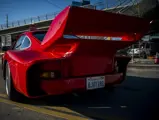
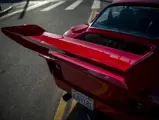
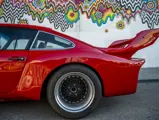
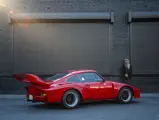
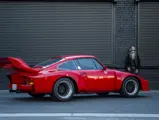
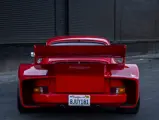
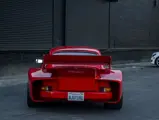
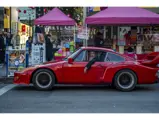
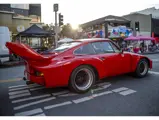
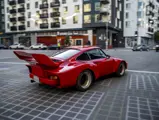
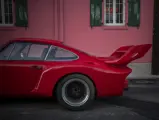
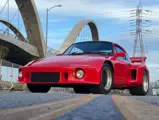
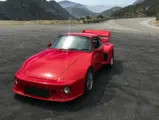
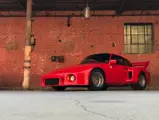
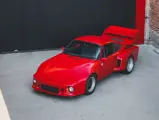
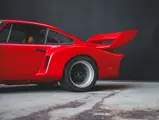
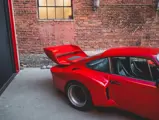
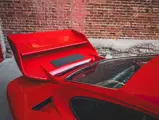
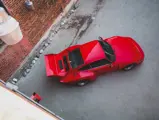
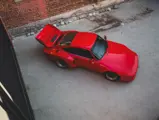
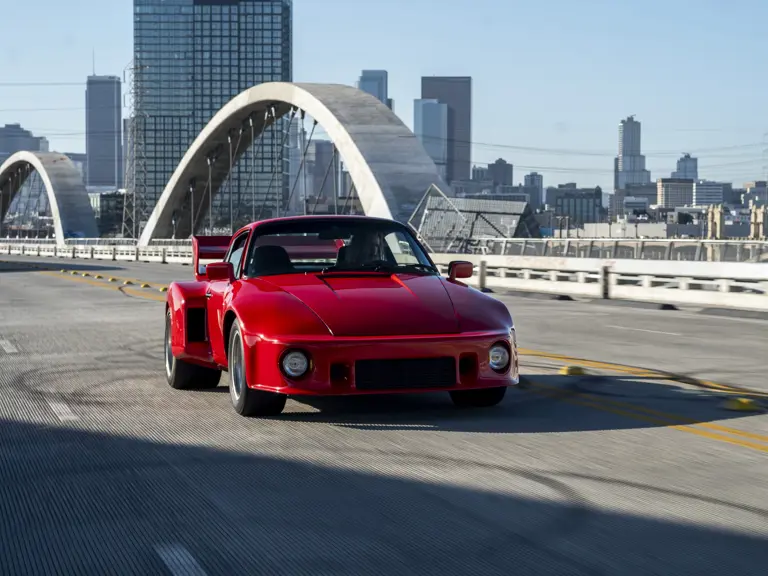
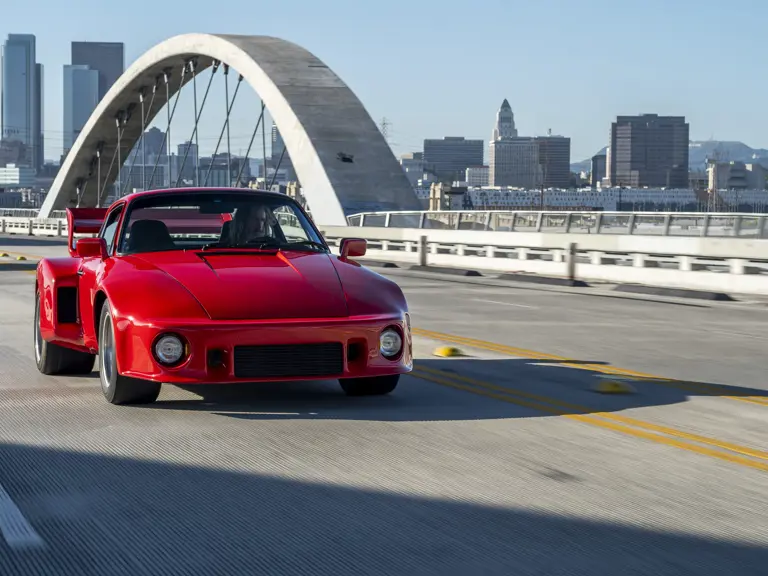
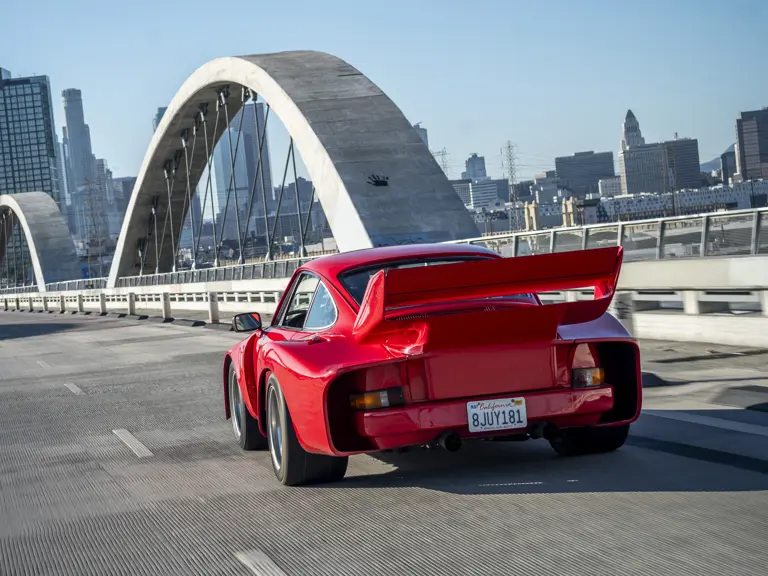
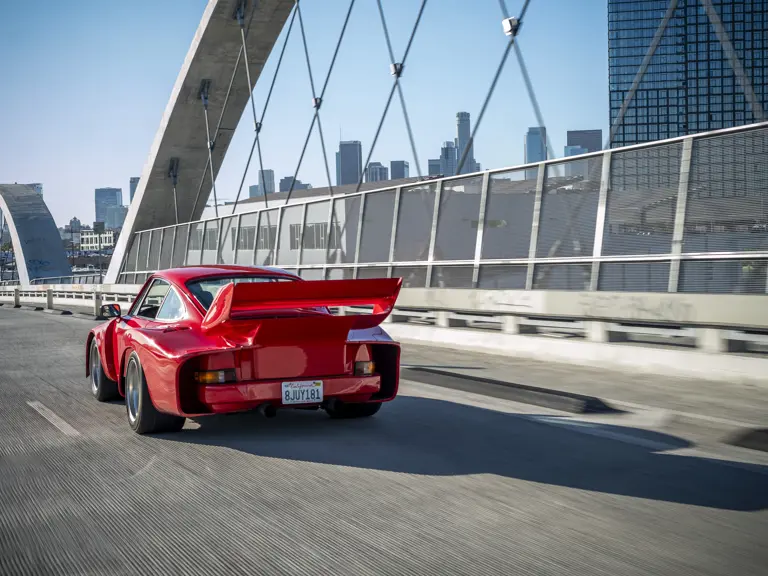
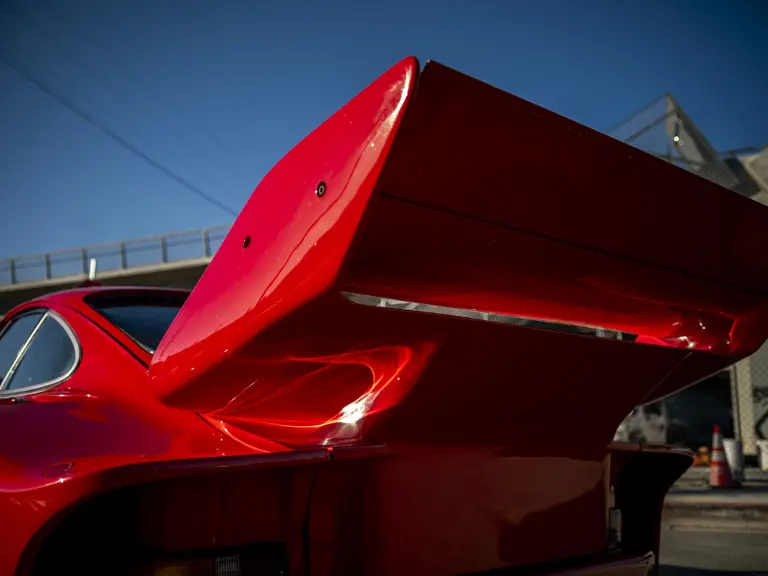
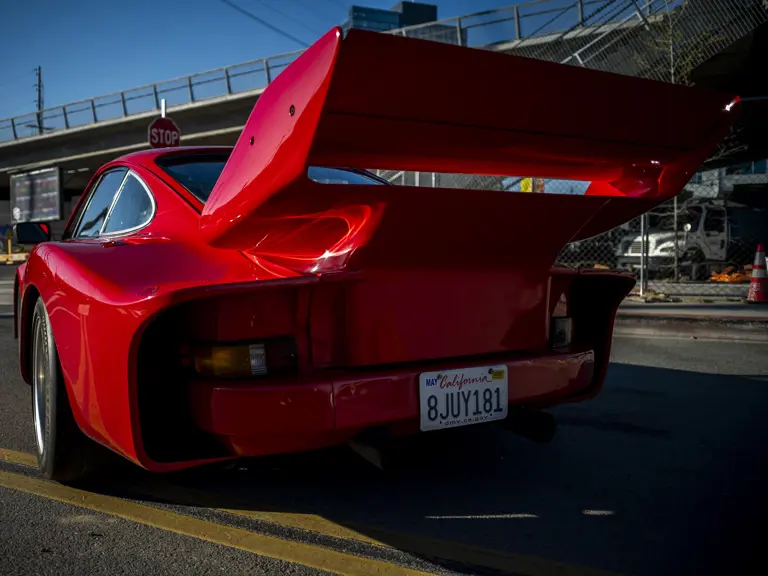
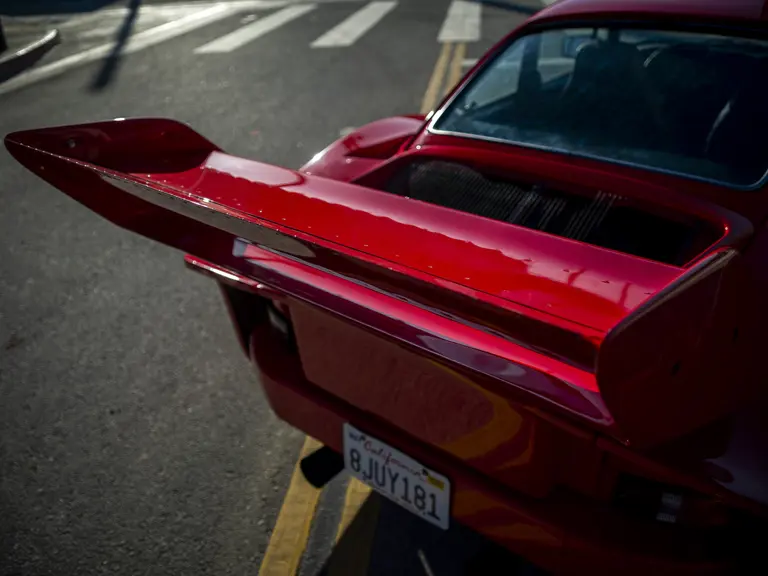
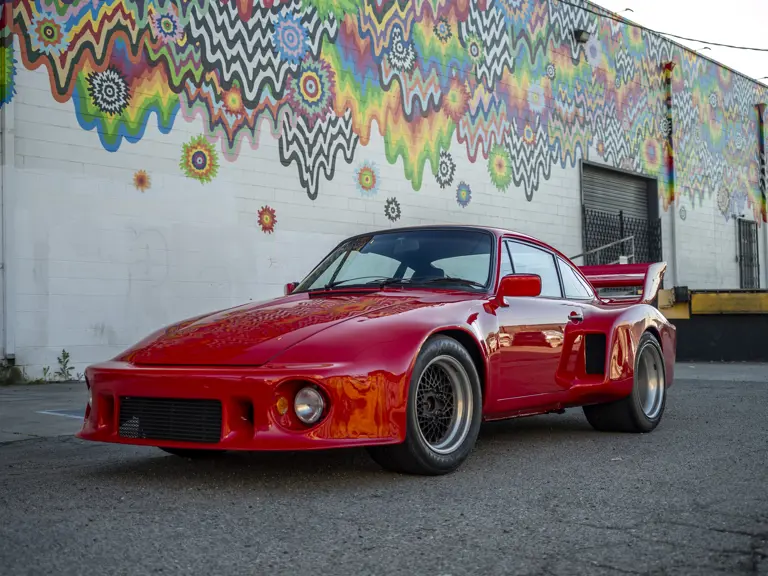
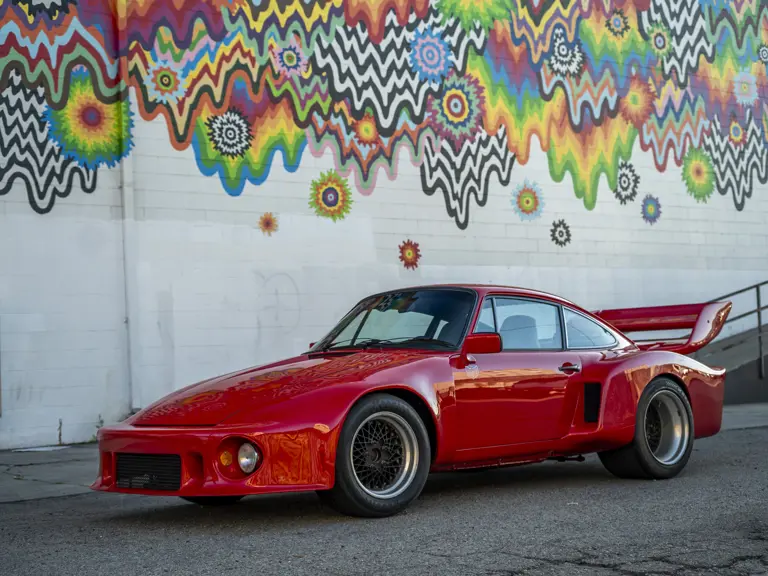
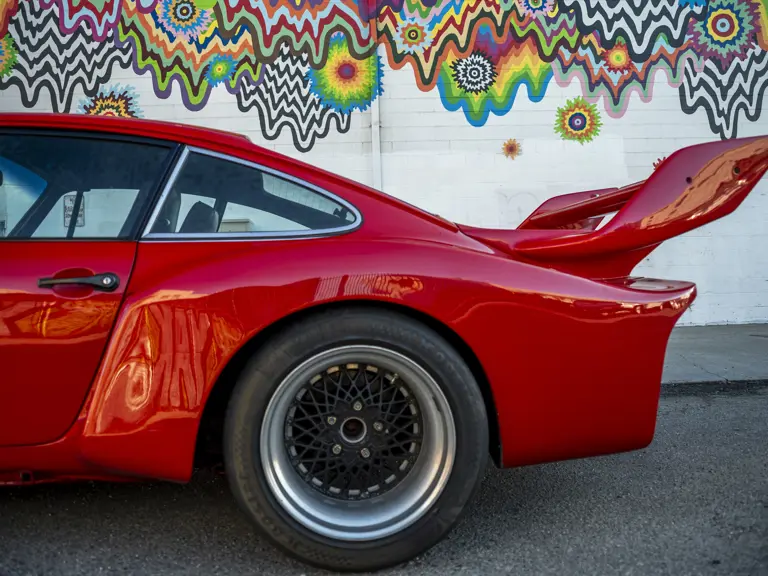
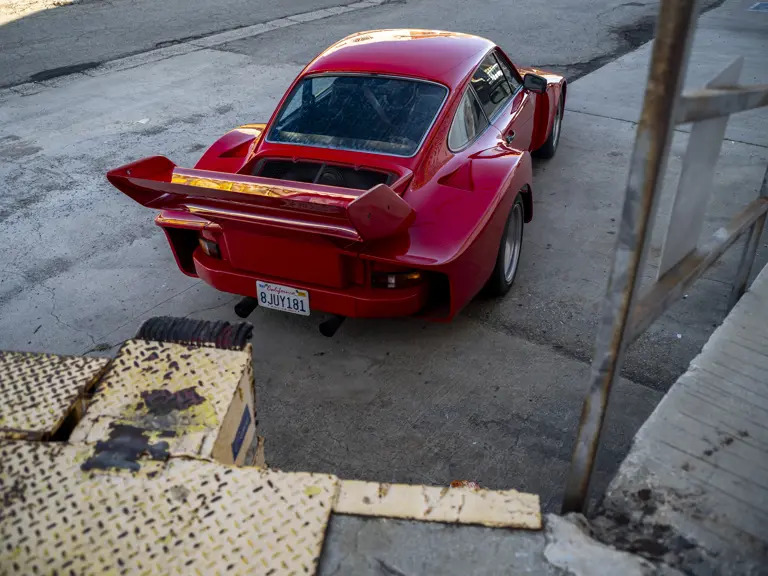
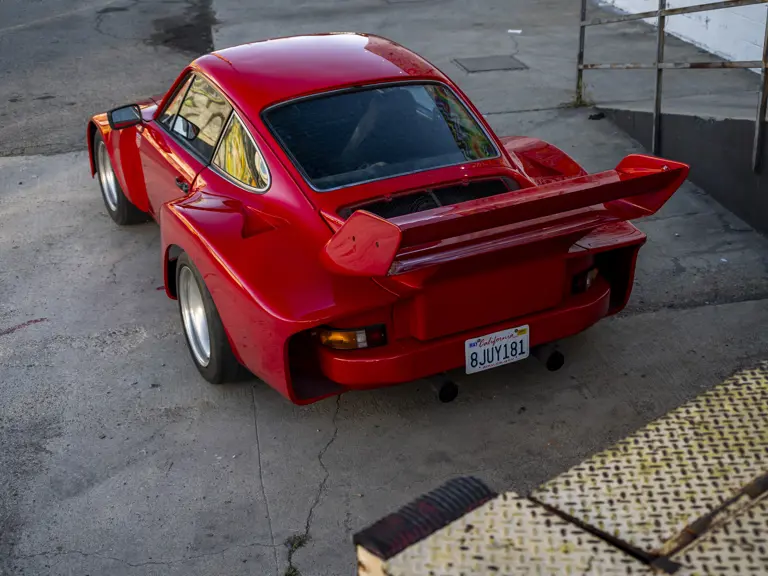
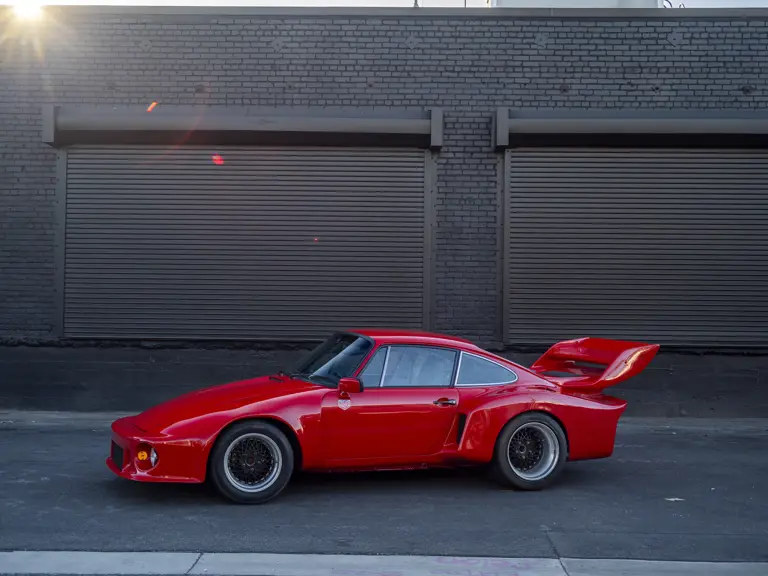
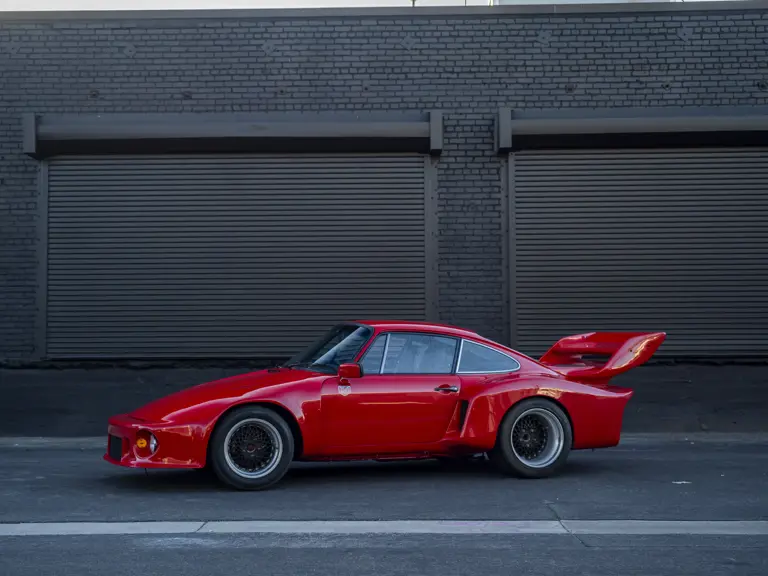
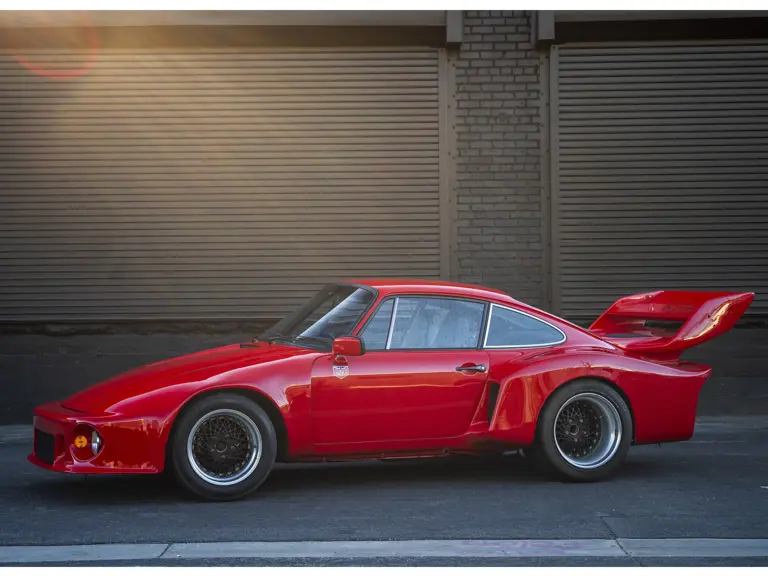
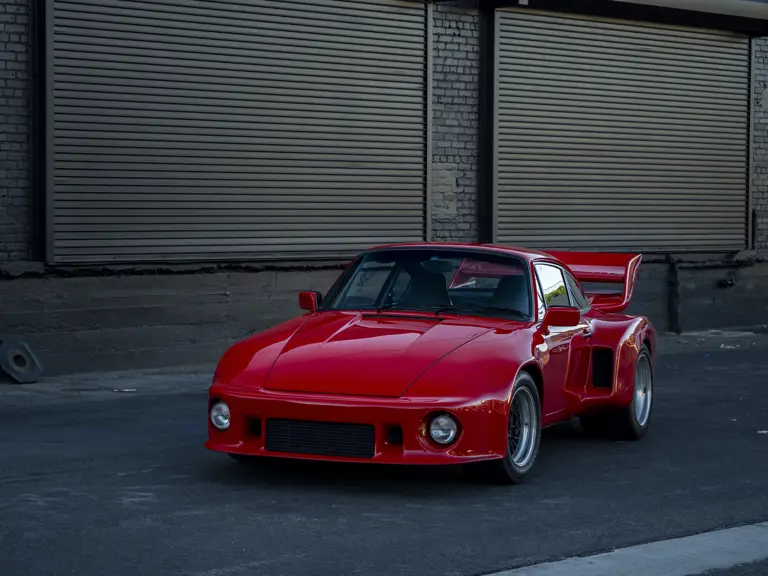
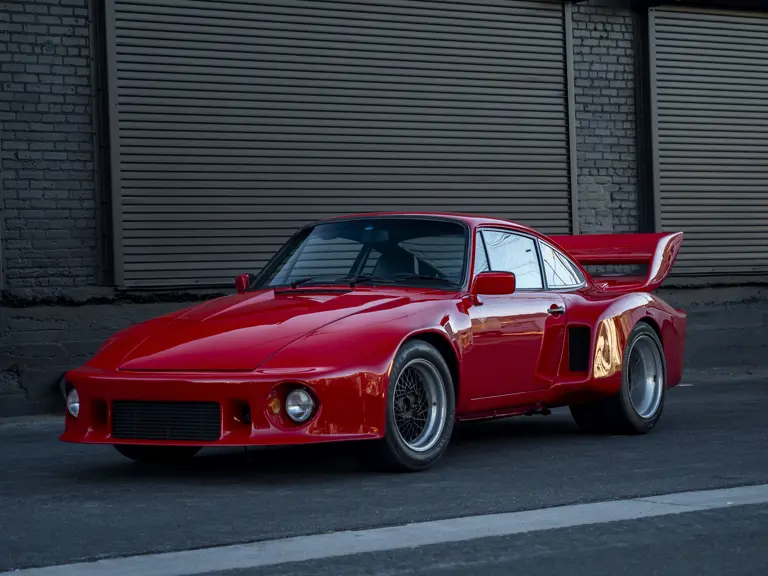
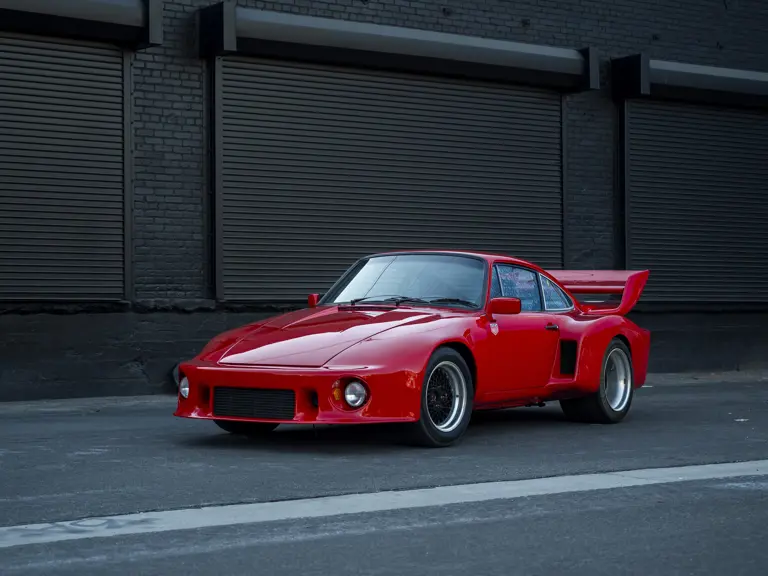
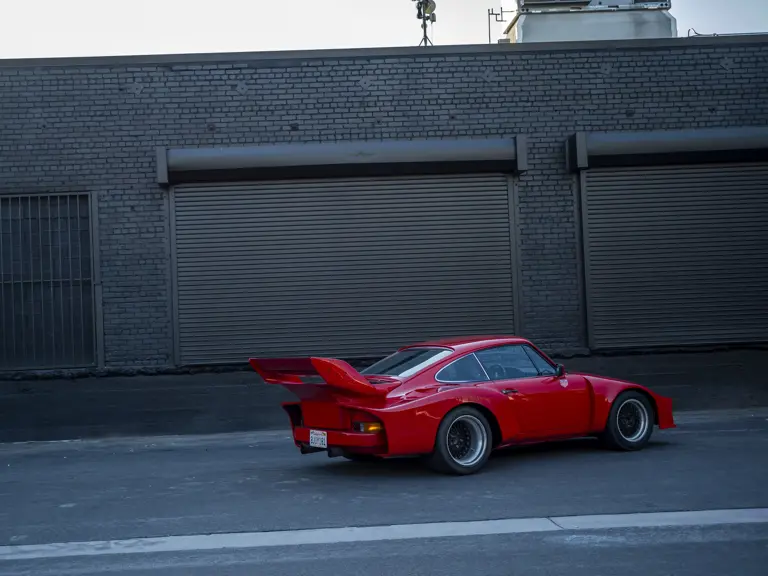
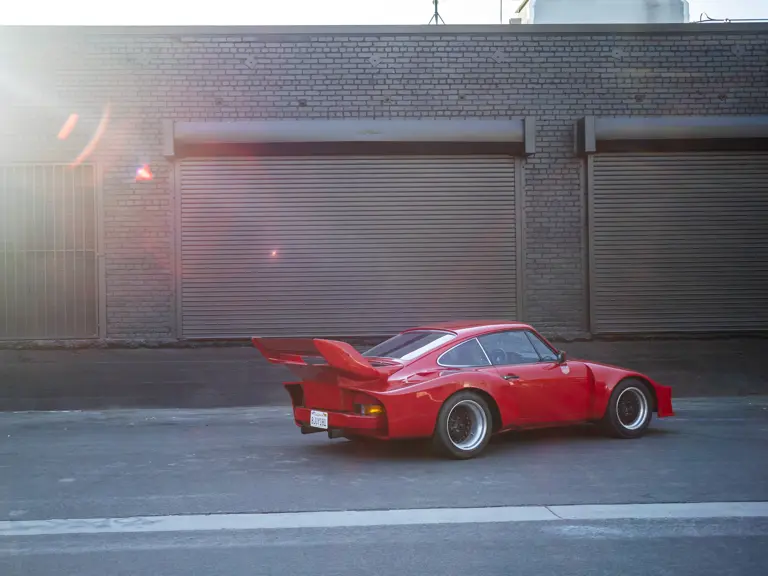
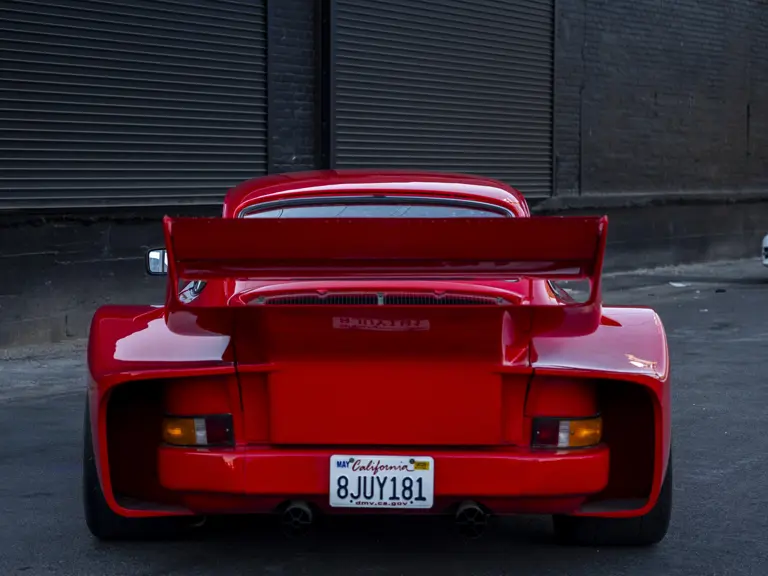
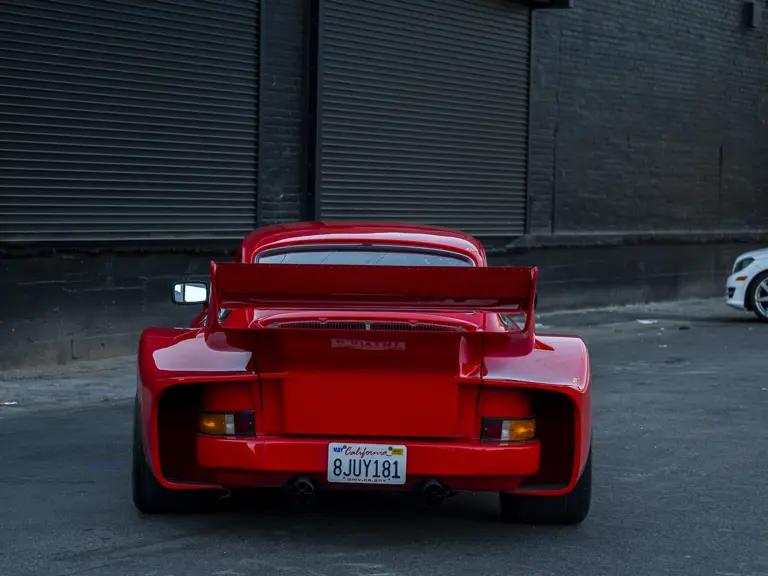
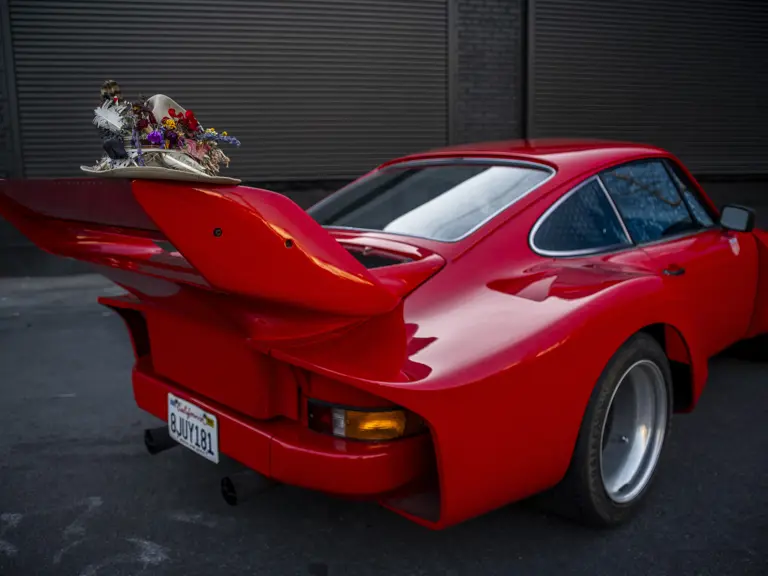
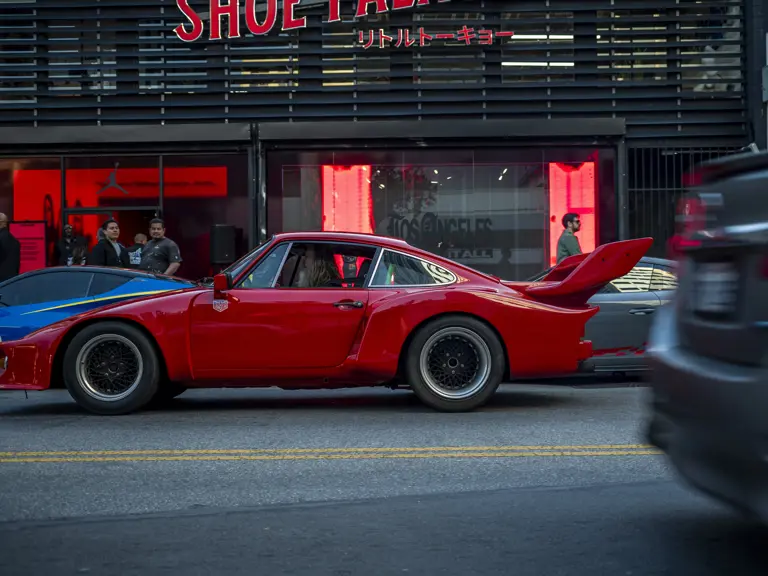
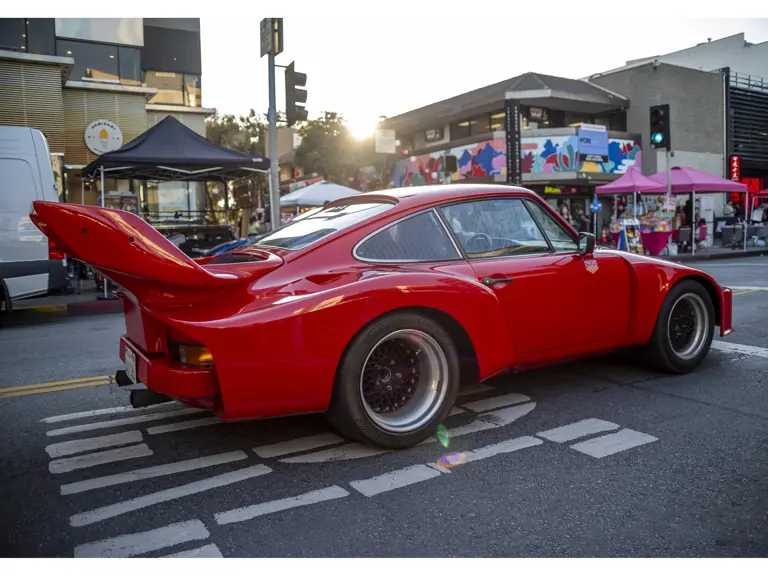
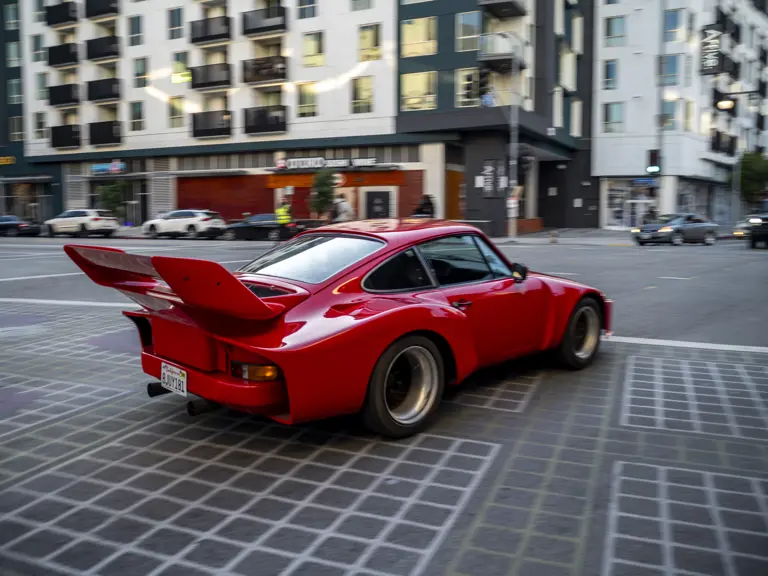
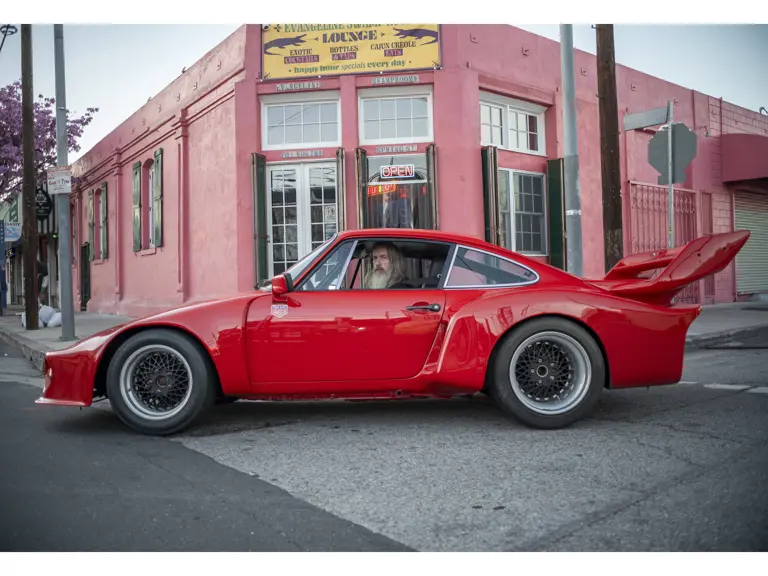
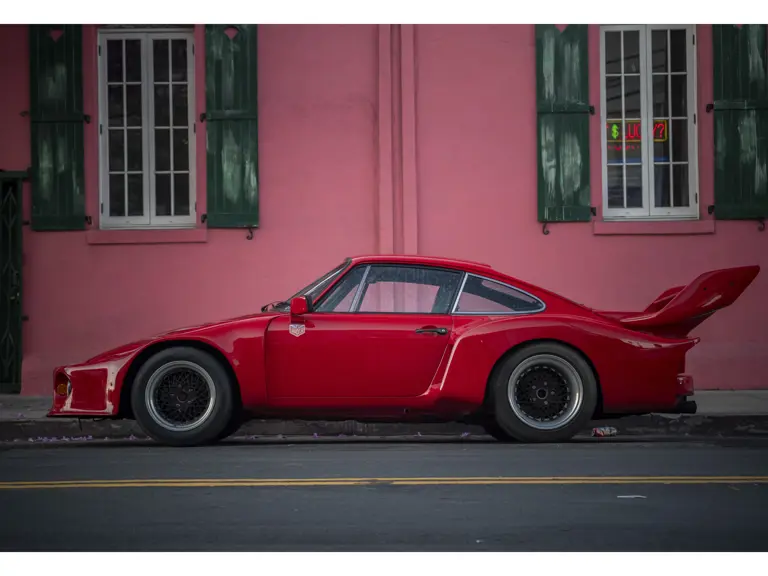
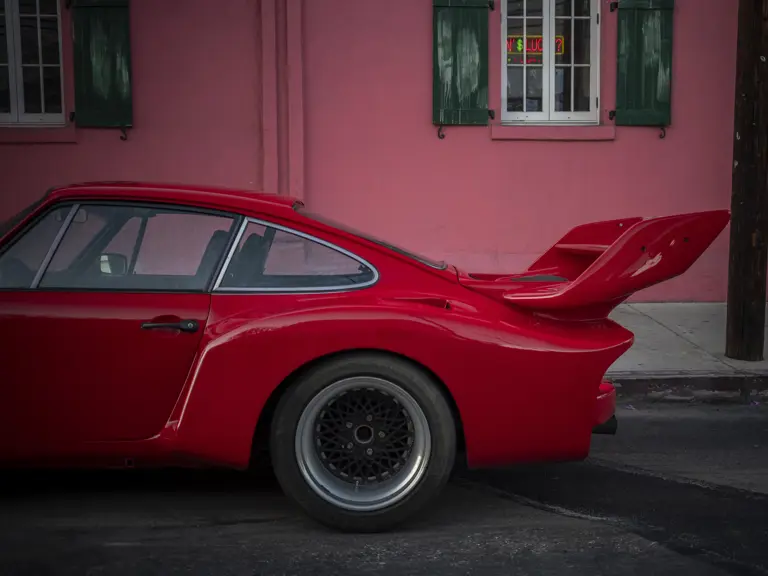
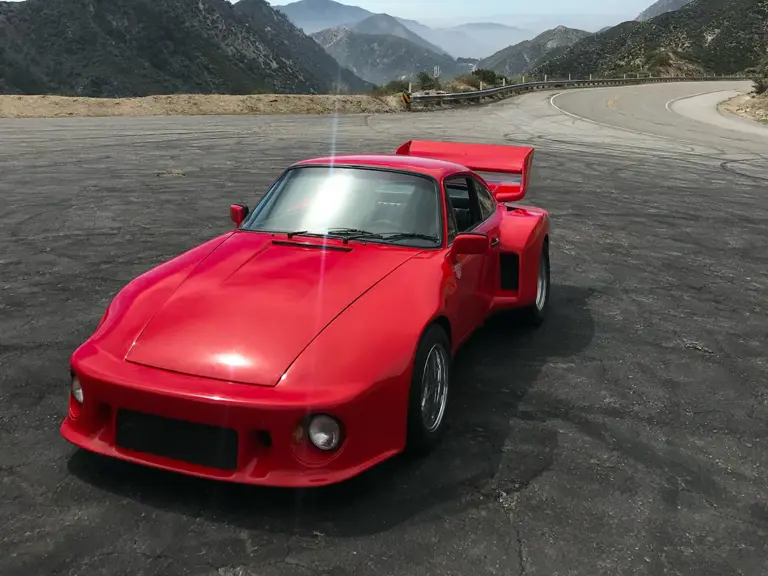
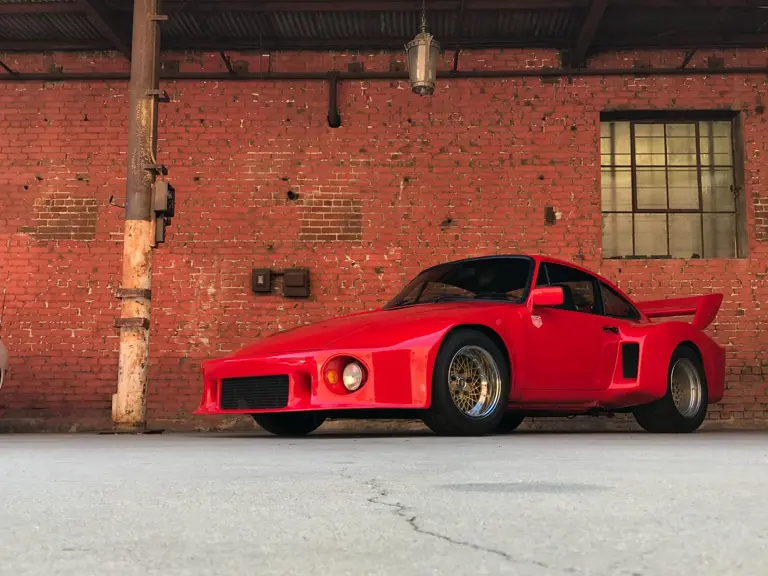
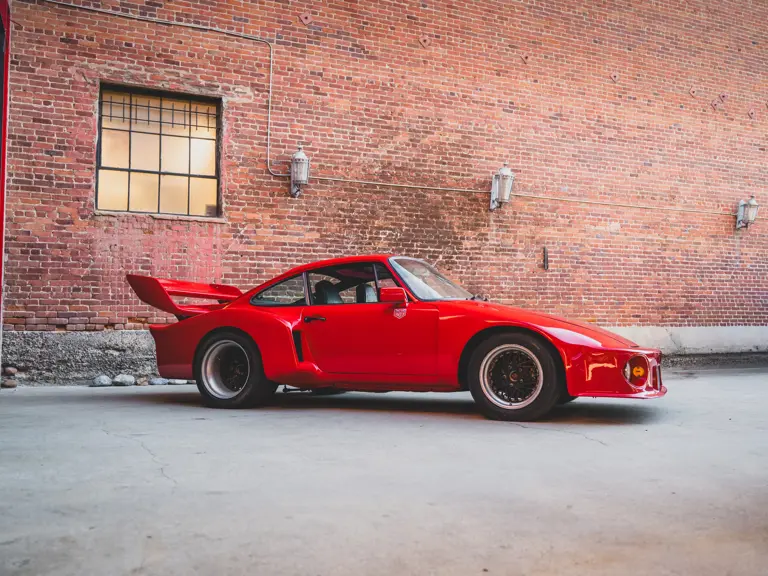
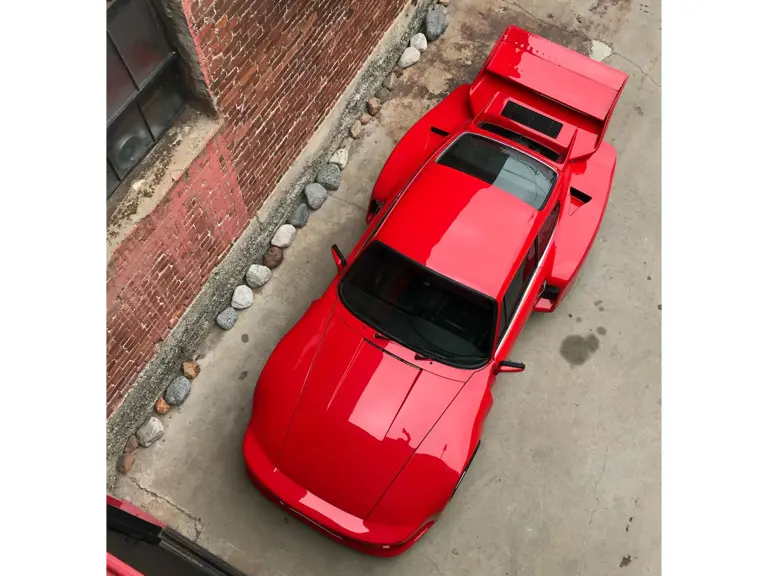
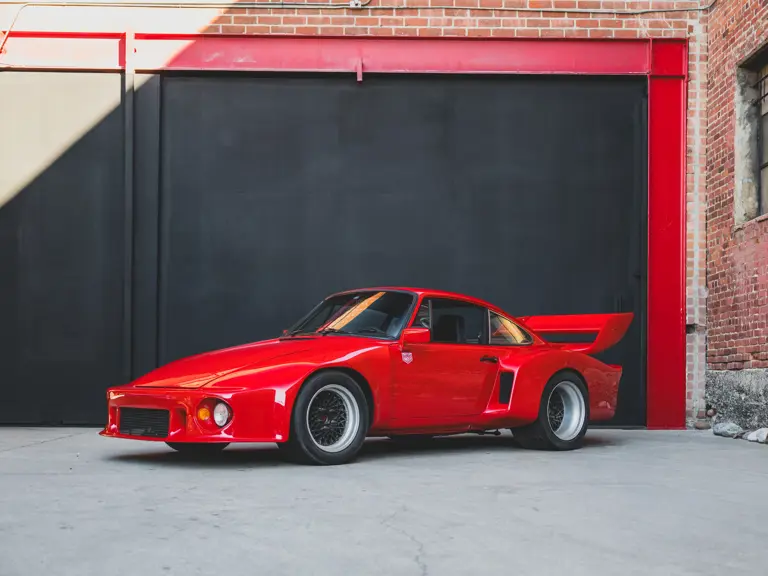
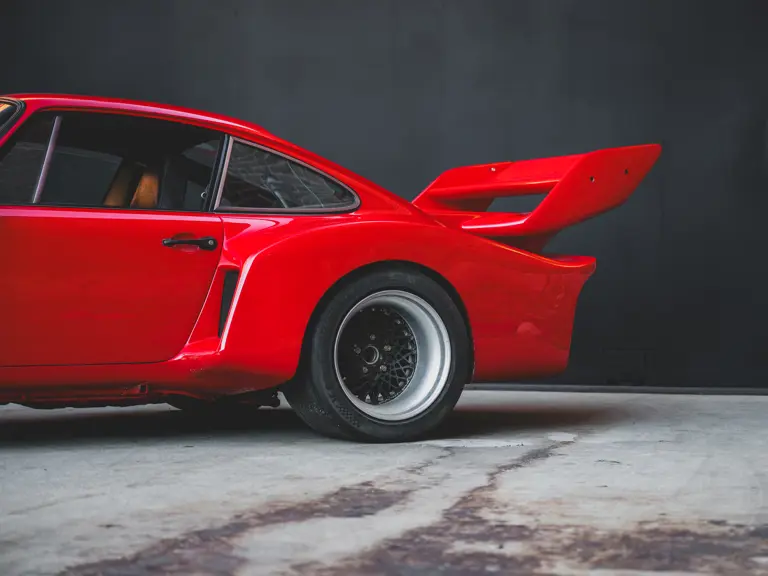
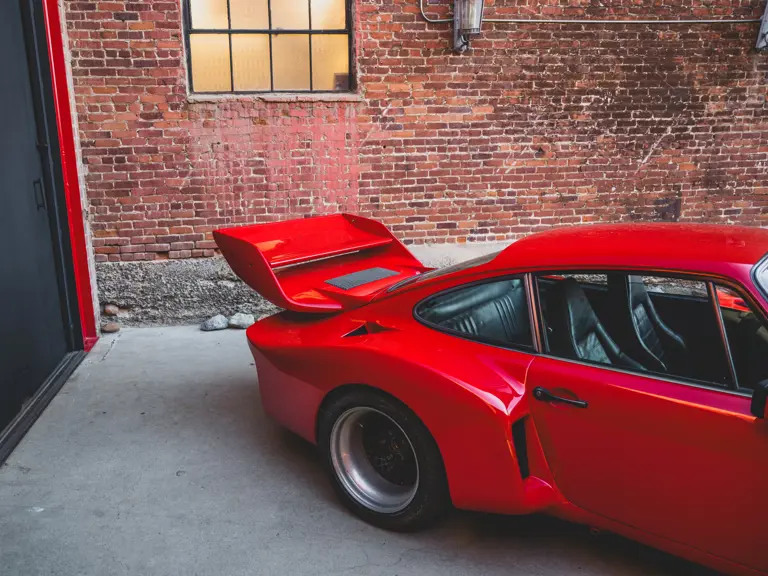
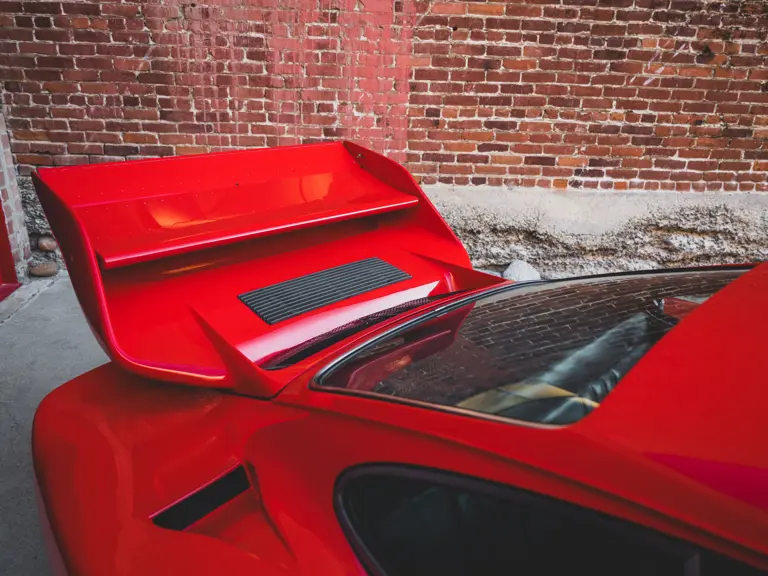
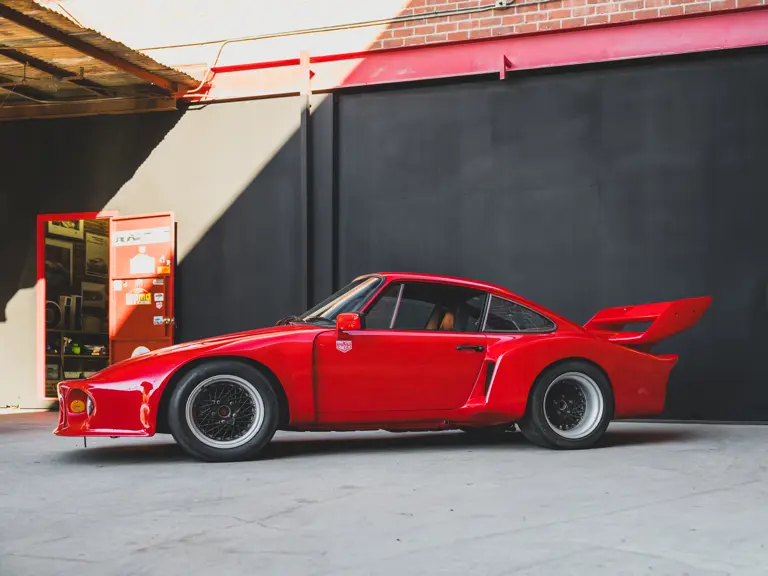
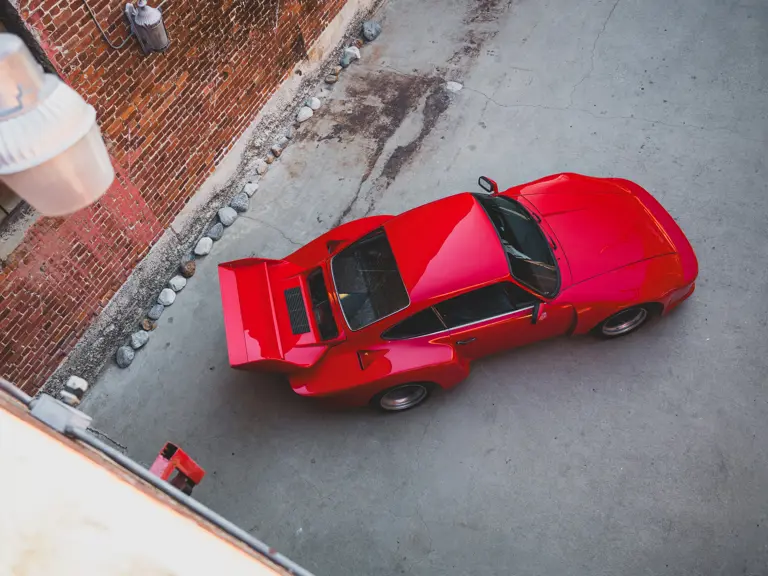
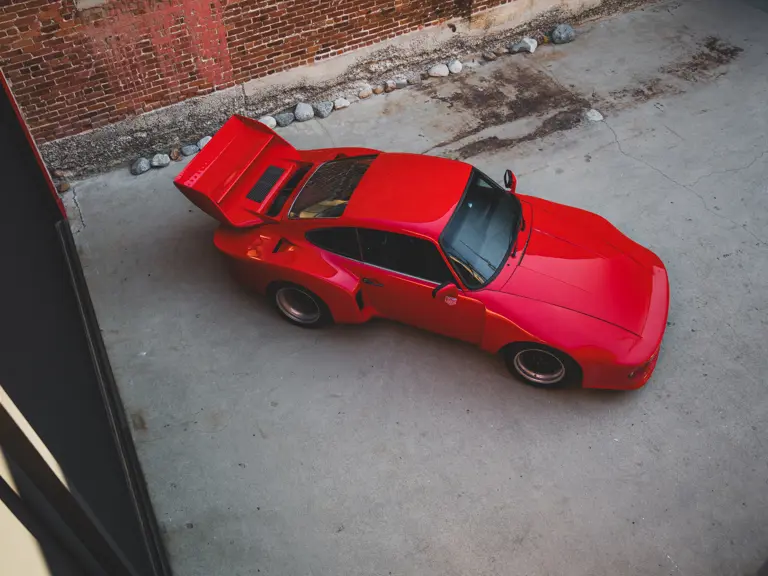
And then I asked him, “Hey, what is that body kit?” Because it’s kind of a combination of a 935 racecar front and rear with a bigger wing—it really is a bit of a Frankenstein. It's a fiberglass kit and it turns out the body kit is by A.I.R., American International Racing, which actually made Porsche replacement body-part kits in the ’80s. So, I found the full-circle story of the guy that built it 40 years prior. It's kind of a fitting end to a story of a car that I was chasing that found me.
—Magnus Walker
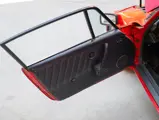
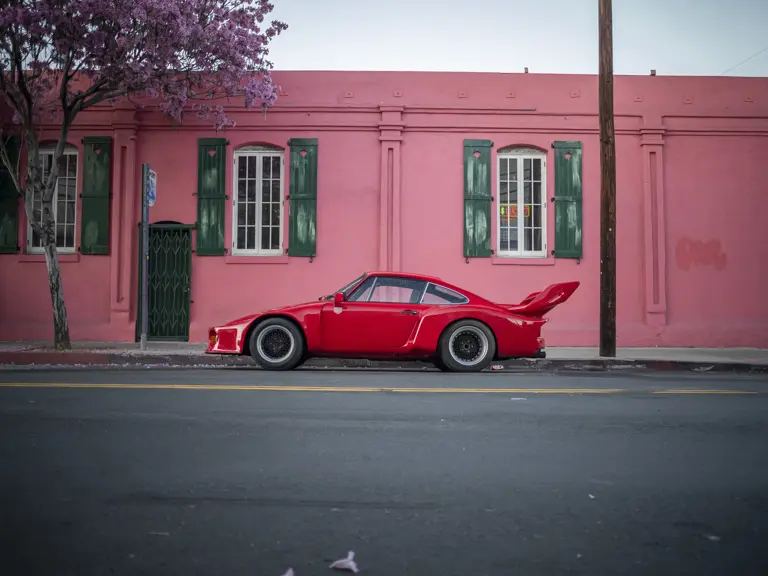
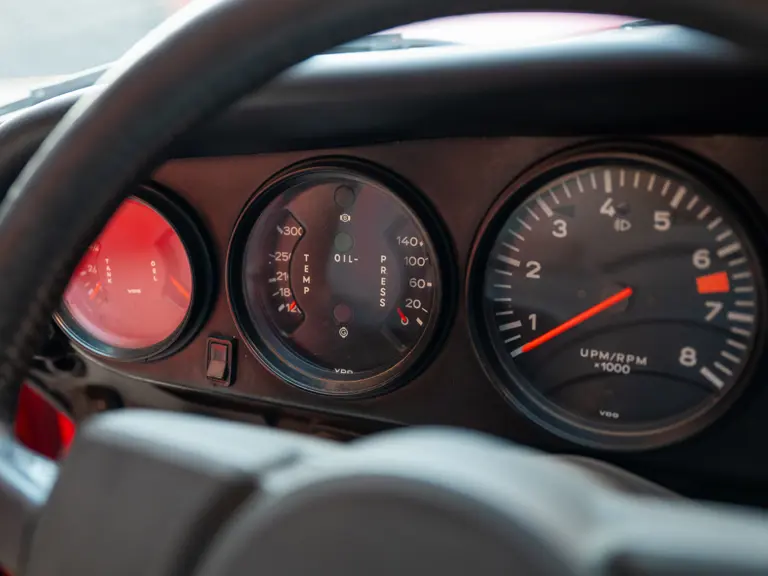
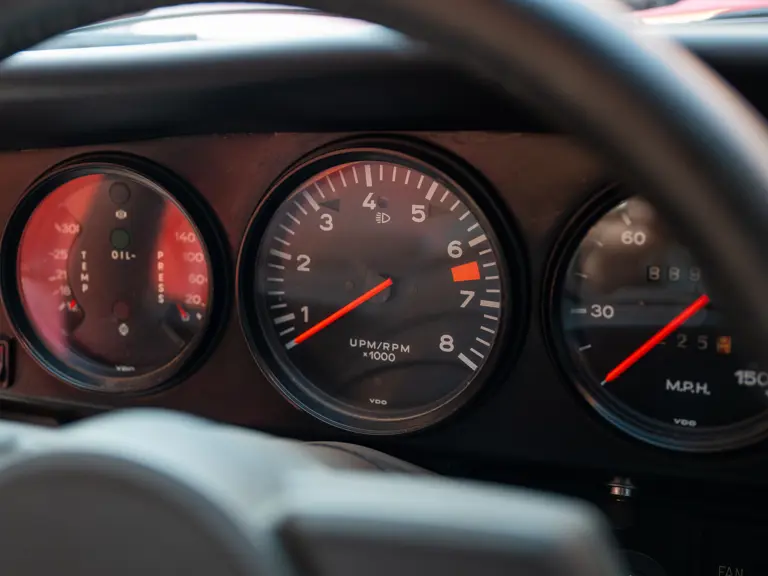
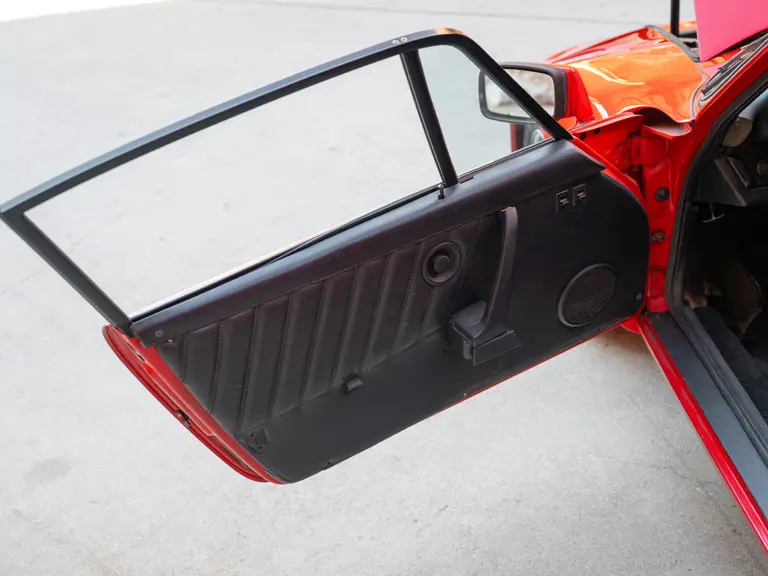
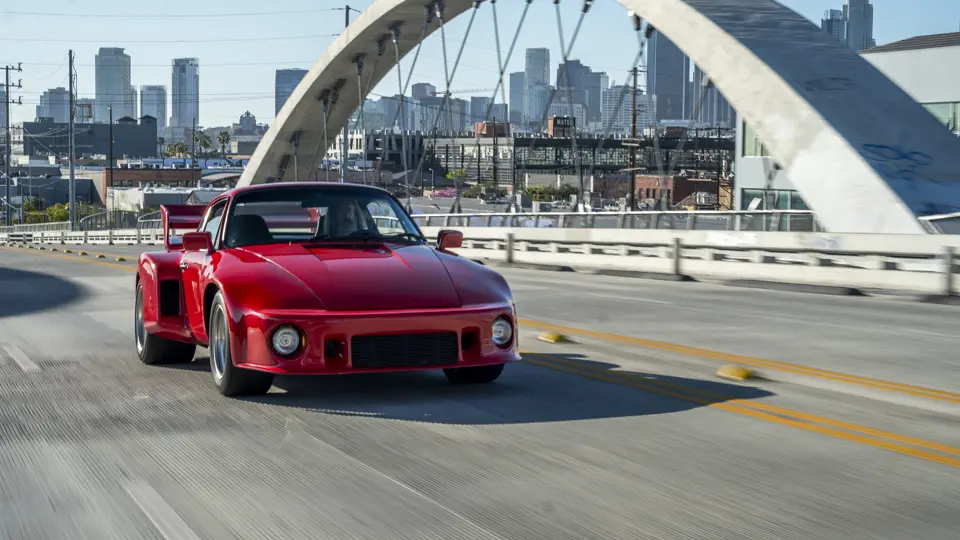
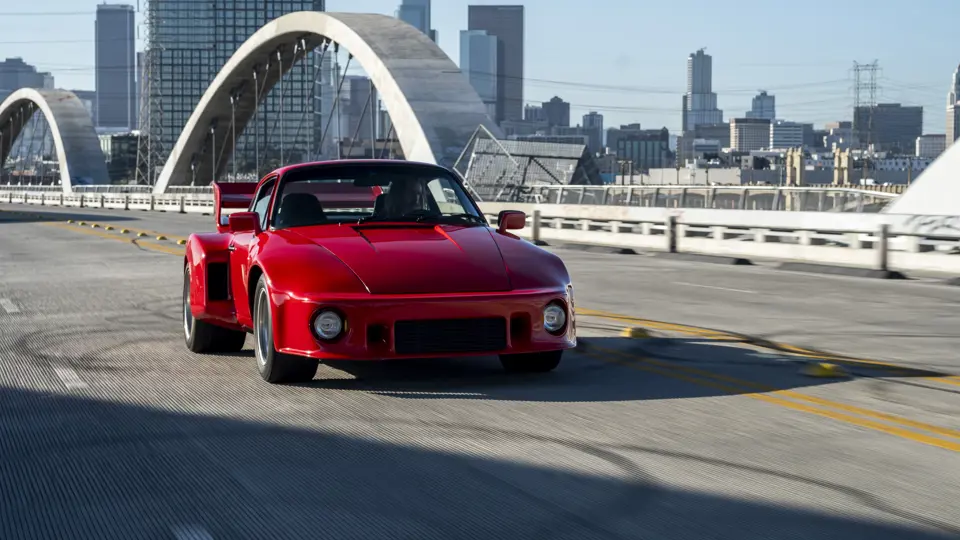
For 1974, Porsche notably updated the 911 with new bumpers that offered better impact protection and changed the look from the classic silhouette from the model’s inception to what would become its iconic 1980s aesthetic. Of course, none of this is apparent on the 1974 911 Carrera 2.7 offered here, which was converted in the 1980s with a 935 racecar-inspired fiberglass widebody kit from American Racing International (A.I.R.).
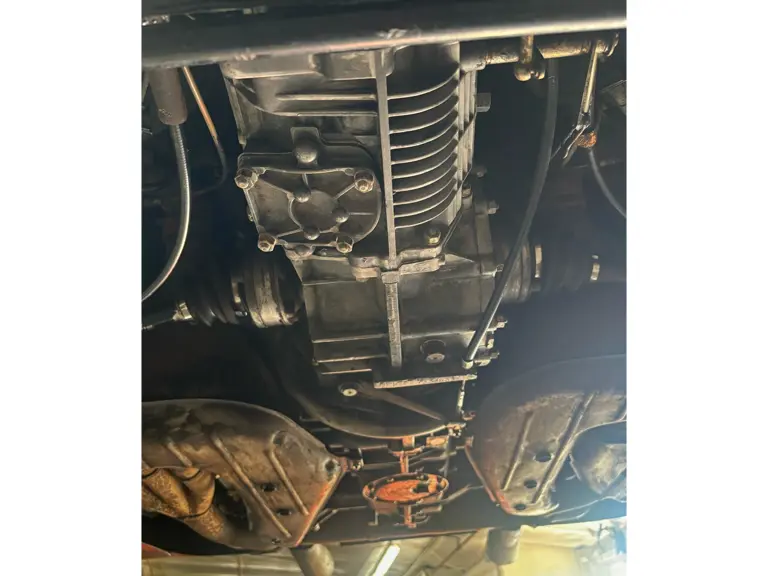
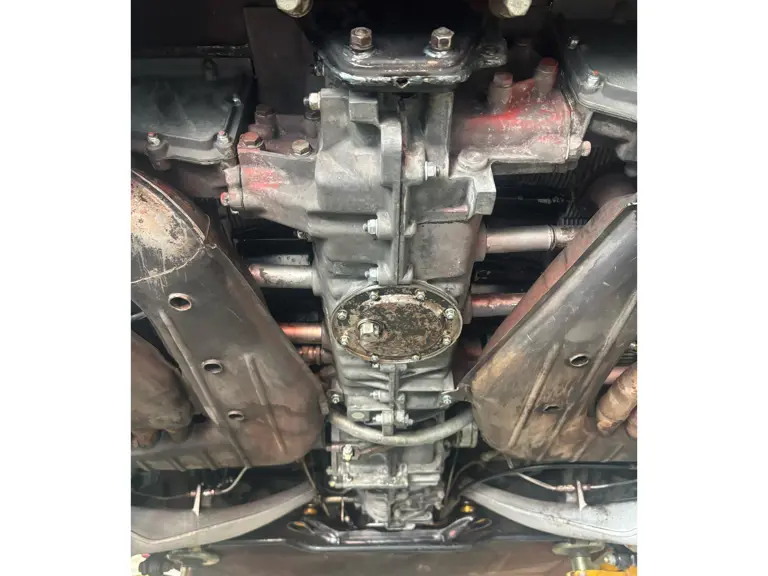
Porsche offered the 1974 911 with a potent Carrera 2.7 MFI engine featuring Bosch mechanical fuel injection from the vaunted 1973 Carrera RS, but not in the United States. US-market 911 Carrera 2.7s, including the one underpinning this “Flat-Nose” Widebody Conversion, got the less-potent flat-six from the 911 S. This engine featured the newer and more emissions-compliant Bosch K-Jetronic or “Continuous Injection System,” and these cars are hence known by Porsche experts as “CIS” models.
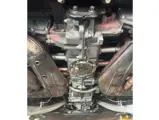
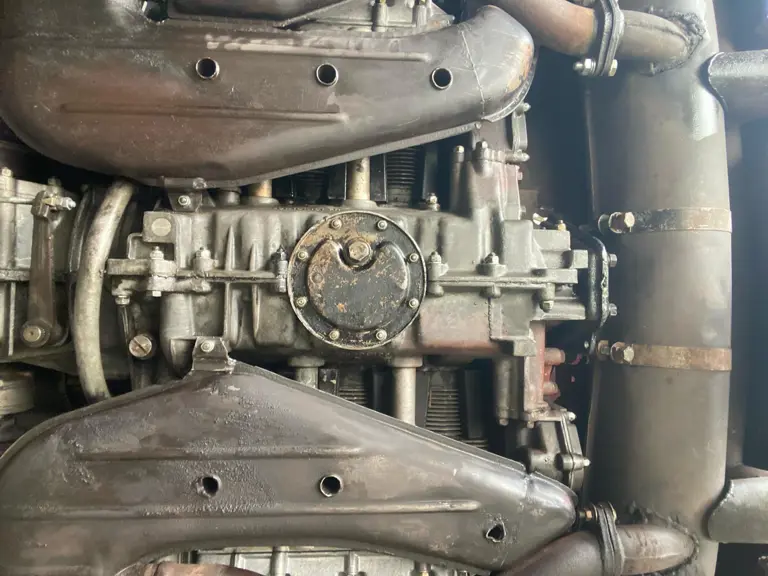
However, when this 911 Carrera 2.7 coupe received its A.I.R. body kit in the 1980s, the engine was also replaced with a higher-output unit built to Carrera RS 2.7 MFI-specification using the crankcase from a 1973 911 E 2.4. Walker himself acquired the car about six years ago out of nostalgia for a similar-looking conversion, which was the first Porsche he ever bought.
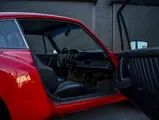
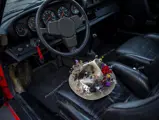
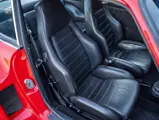
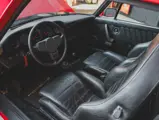
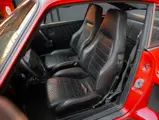
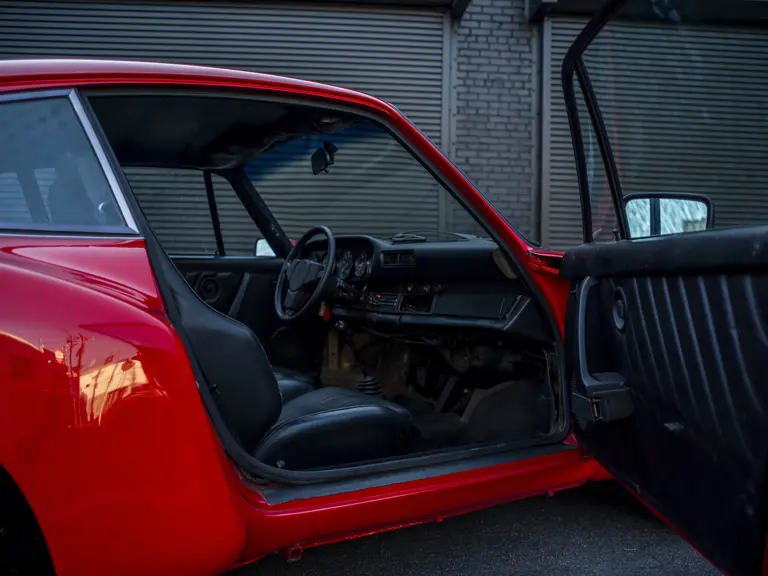
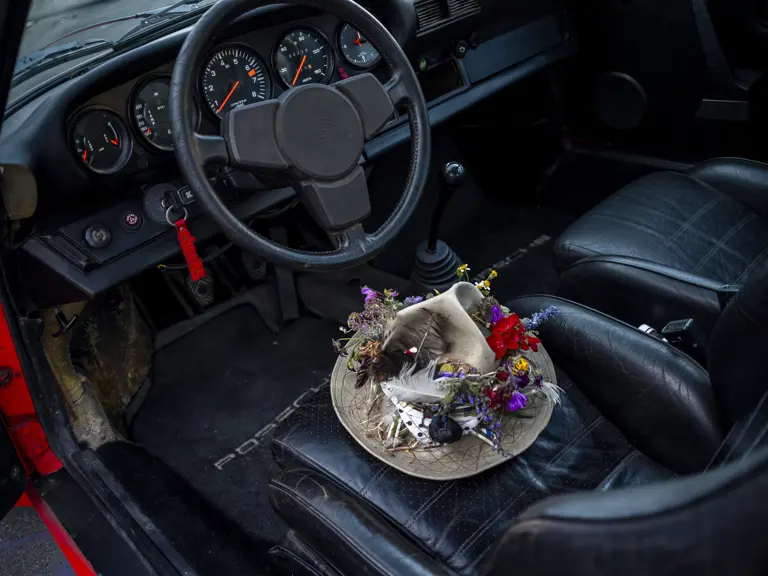
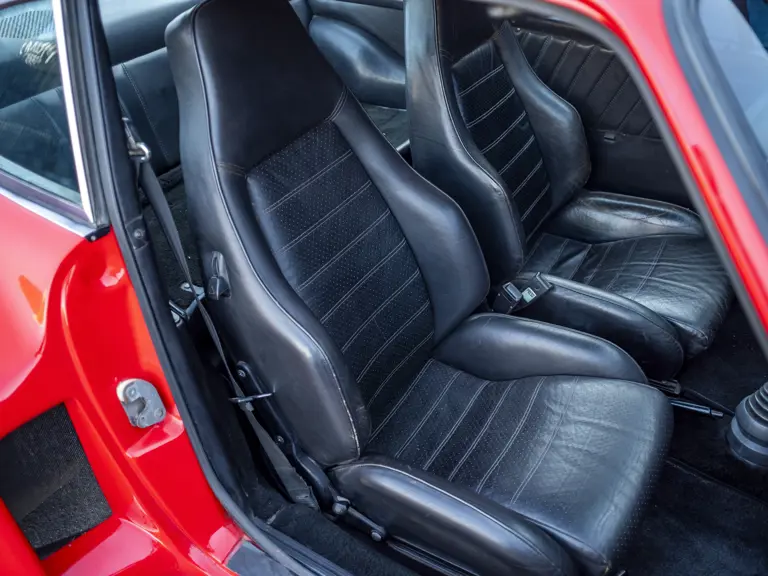
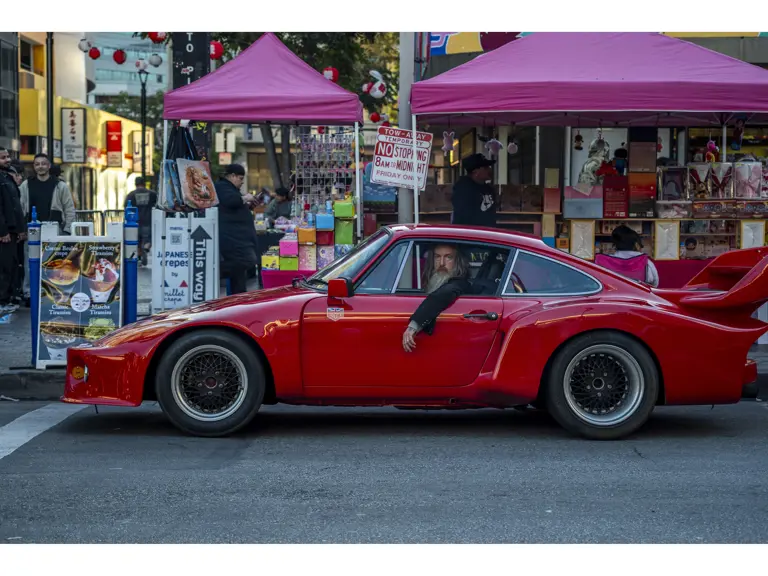
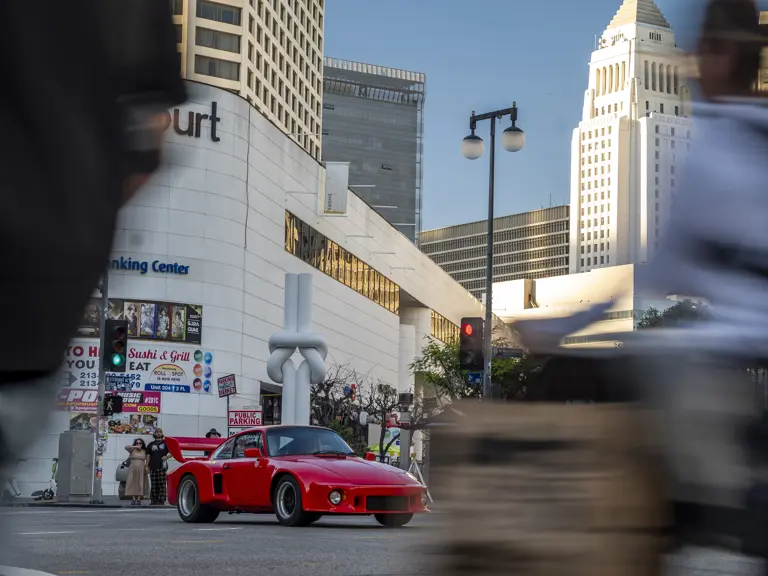
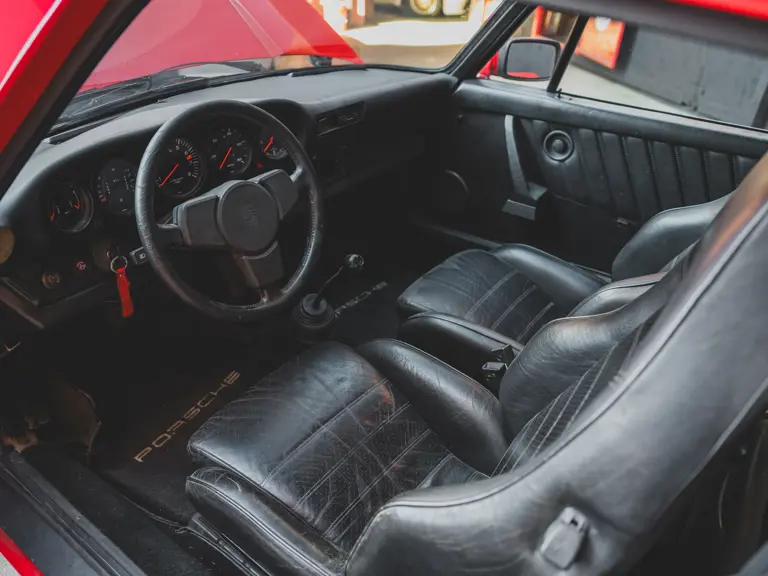
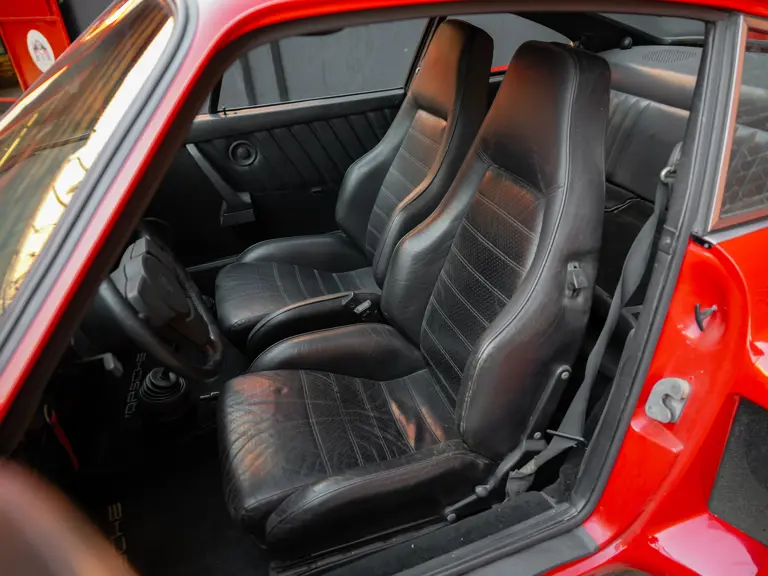
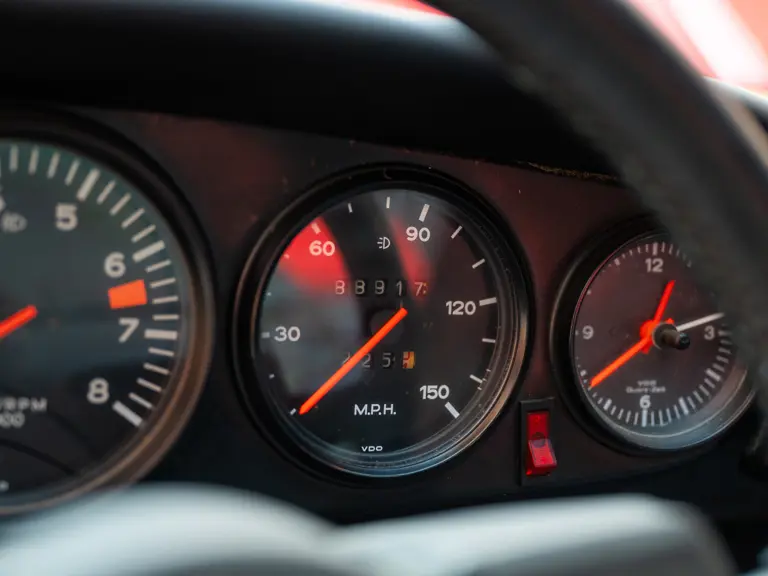
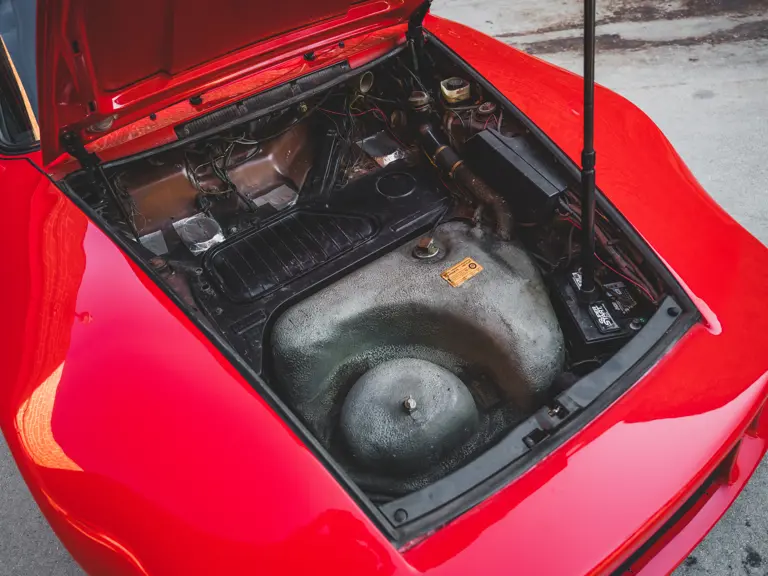
It has remained more or less a collection piece under his ownership, resting quietly in a corner of the garage. The car presents many options for its next owner, potentially serving as a canvas for resto-modding or continuing down the path of 935-inspired modifications with a turbocharged engine and enhanced chassis components. In its present configuration it exudes attitude, delivering racecar style and swagger well beyond its price point.
 | Los Angeles, California