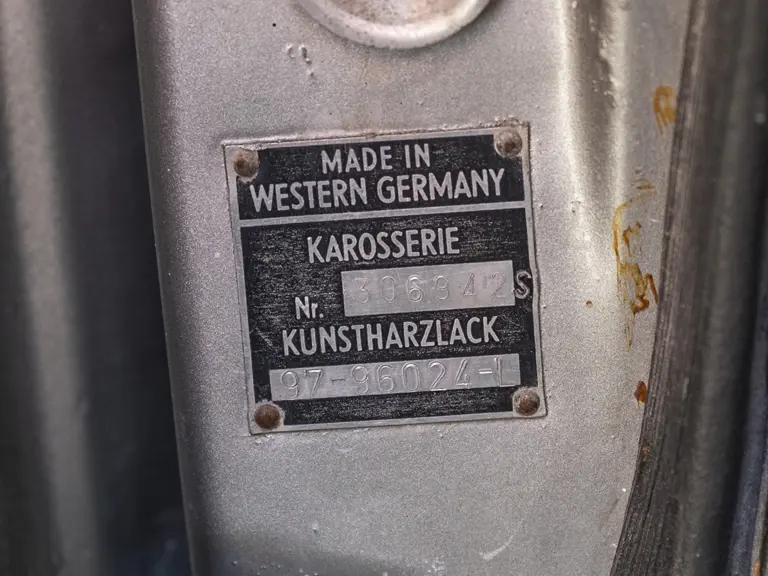
Chassis No.
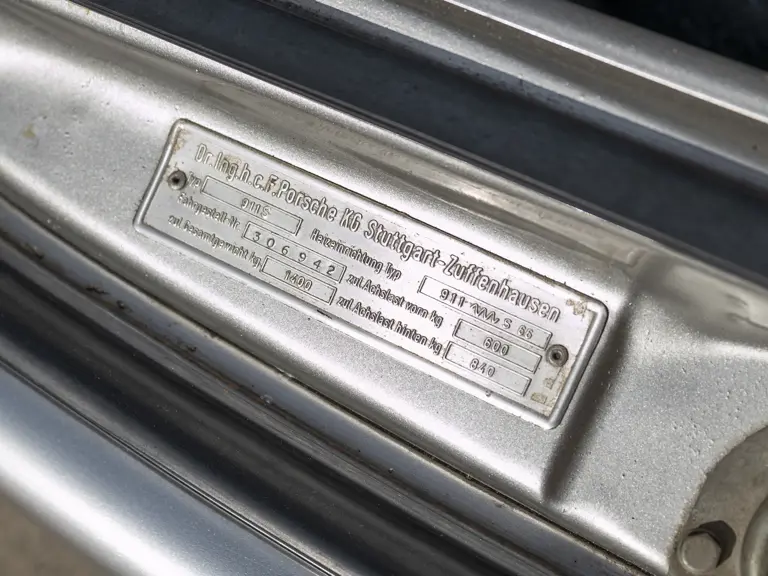
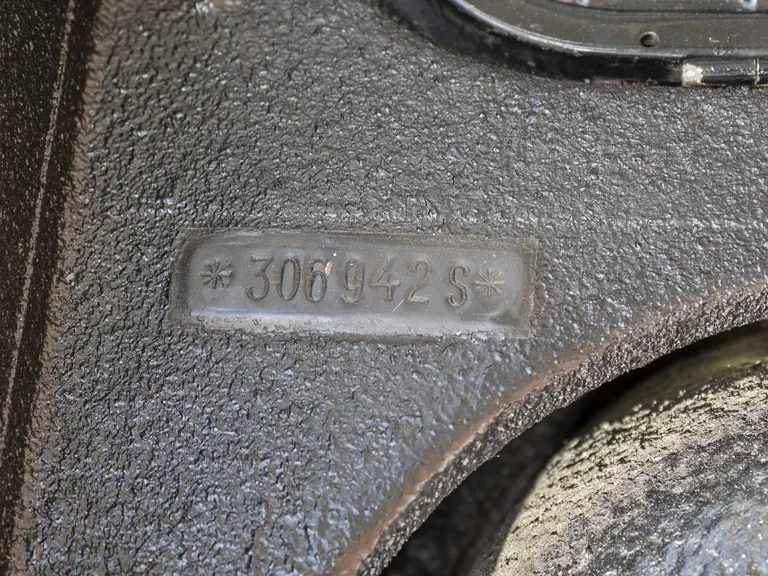
306942S
$308,000 USD | Sold
{{bidding.lot.reserveStatusFormatted}}
Nineteen-sixty-seven was the year I was born, so I've got a soft spot for anything that's 1967, the Summer of Love, whatever music was out then, and especially the 911 S. I've owned seven of them, including at one point, five at the same time.
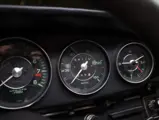
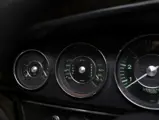
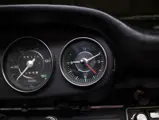
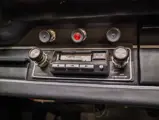
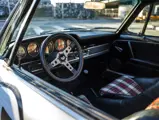
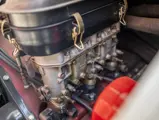
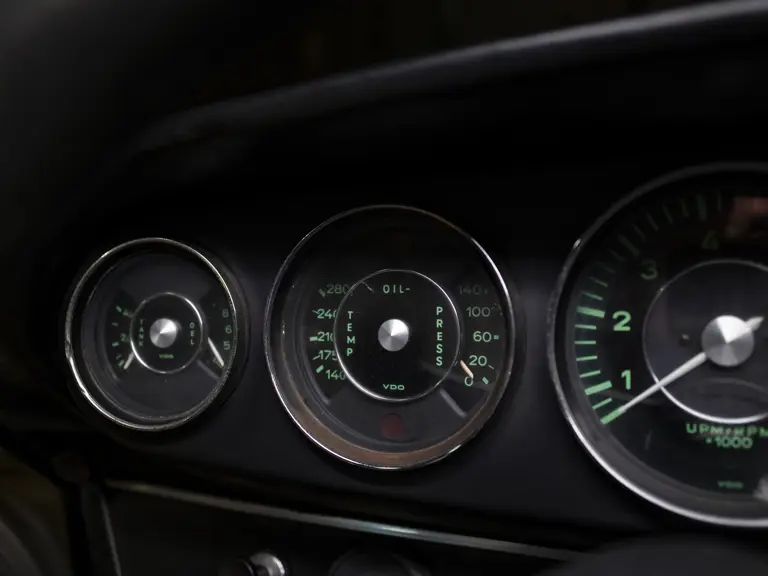
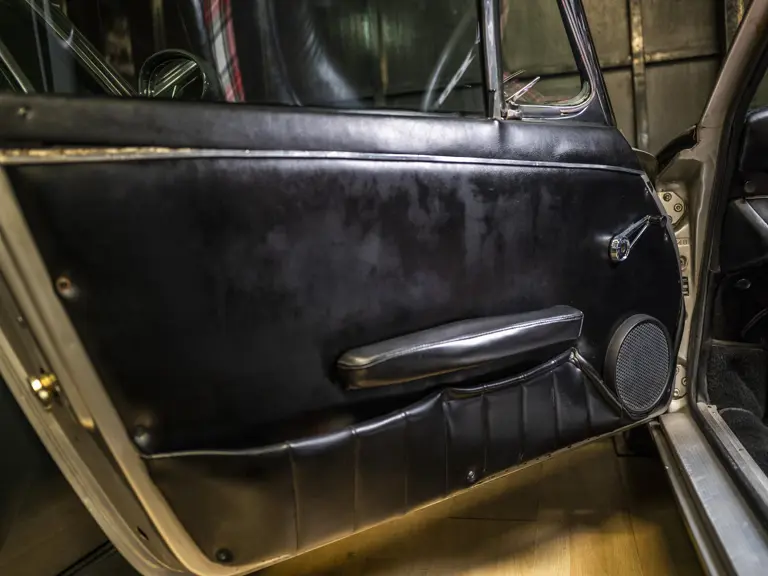
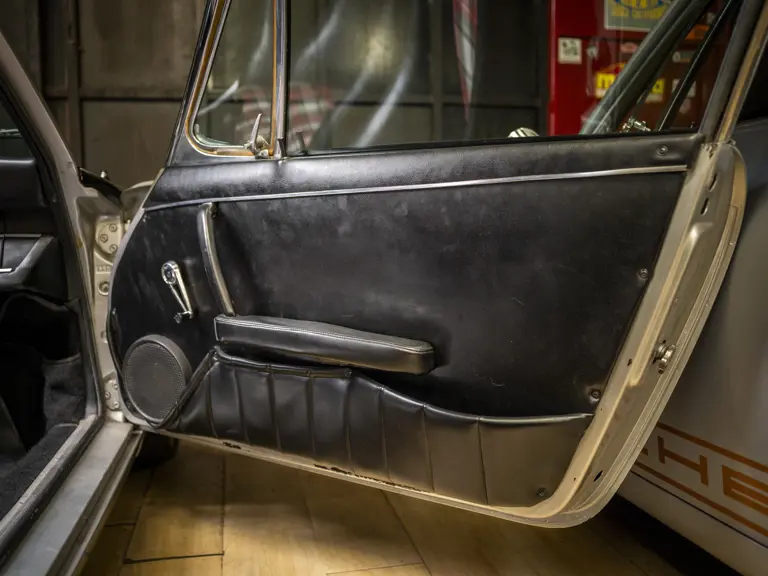
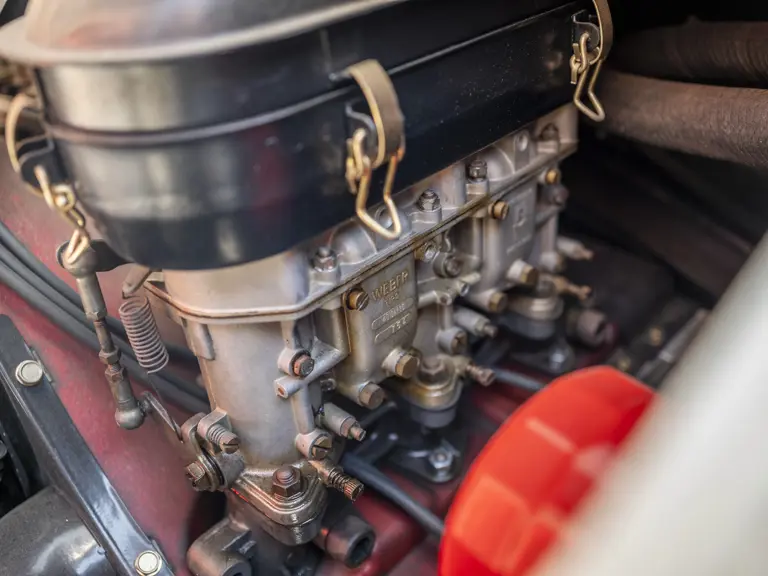
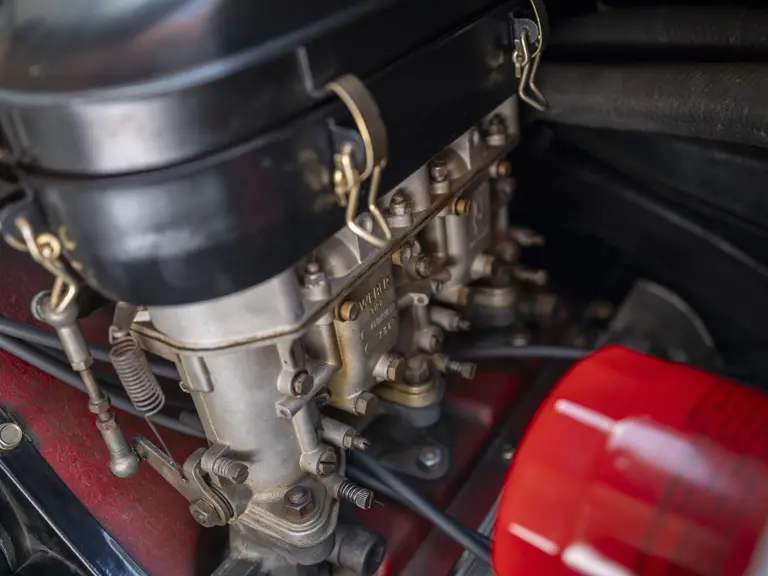
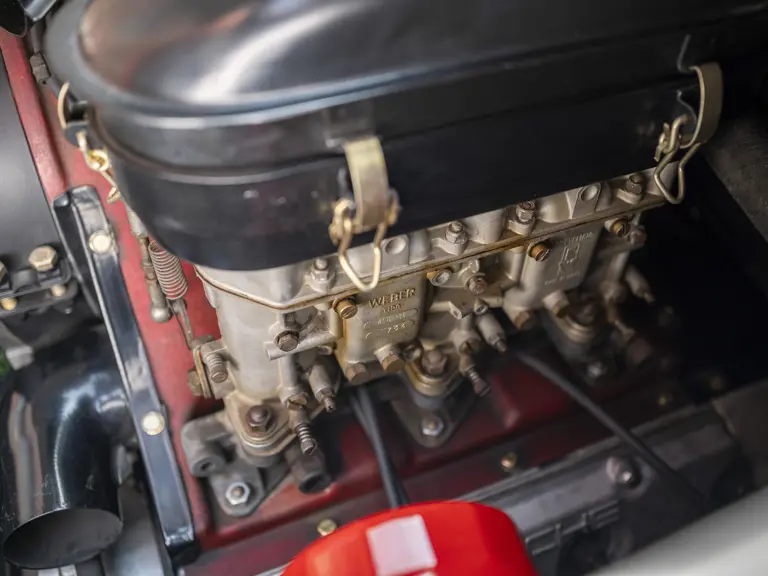
The 911 S came out in 1967 and essentially had a different cam and different Webers with different jets that increased the horsepower from 130 horsepower to 160. That was a significant change really, almost 25% more horsepower than the original 2.0-liter without increasing displacement. Being the top-of-the-line model—“S” standing for Sport—it also came with unique trim details. There was special brightwork around the dash, along the door tops, and around the armrests, all of which set it apart from a regular short-wheelbase car. 1967 was also the first year that Porsche omitted the wood dash paneling and went to a vinyl-wrapped aluminum trim piece.
But anyway, back to this car. And this one has a pretty interesting story.
Twenty years ago, the ’67 S was nothing special. Back then, everyone was chasing 996 GT3s and GT2s—the water-cooled, modern-era Porsches were the cars to have. The early short-wheelbase cars were really only appreciated by the die-hard, true enthusiasts.
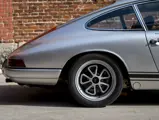
I’ve always loved the sport-purpose short-wheelbase cars and found this one as an ad that had been floating around on online, sort of lost in the shuffle. I printed it out, placed it on my desk, and forgot about it for six months. When I finally rang them, lo and behold, it was still available—they had even reduced the price! Part of the reason the car was still available was that, although it was numbers-matching, it wasn’t actually stock, it wore turbo flares and short-wheelbase cars just don’t wear wide bodies well. There's something about the silhouette. It is short and narrow, not muscular and beefy. It's like a waif as opposed to a voluptuous pinup girl.
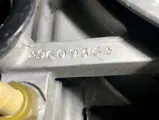
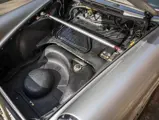
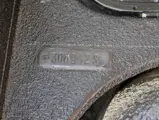
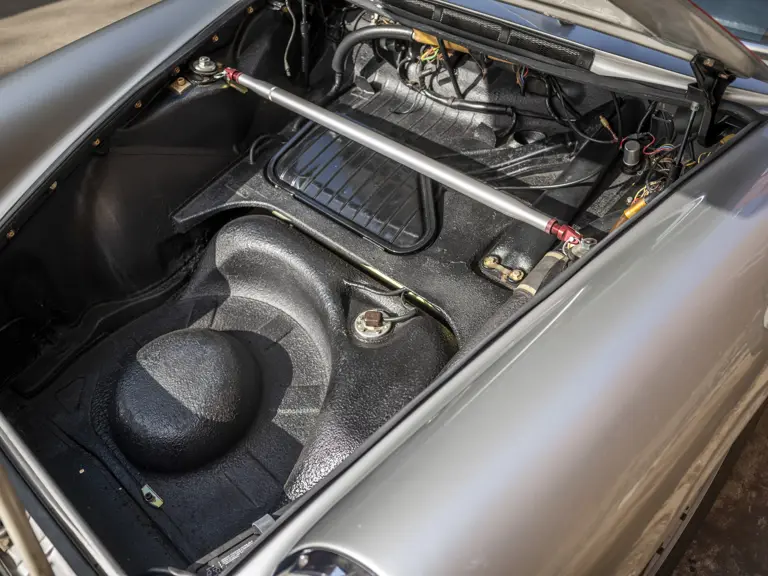
So anyway, I bought the car in Phoenix and brought it back to LA. The really cool thing was that it still had its original fenders. The turbo flares had simply been welded on. I knew that because when you pull out the headlight, the front headlight bucket is stamped with the last three digits of the VIN. The numbers were there, which meant the fenders had never been removed—someone had just grafted the turbo flares onto them.
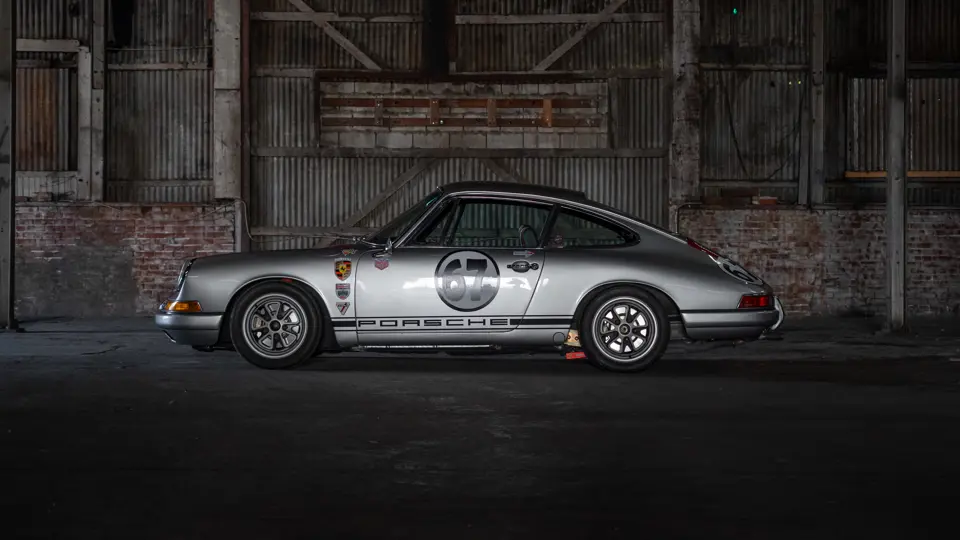
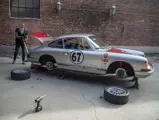
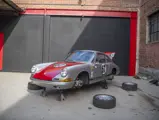
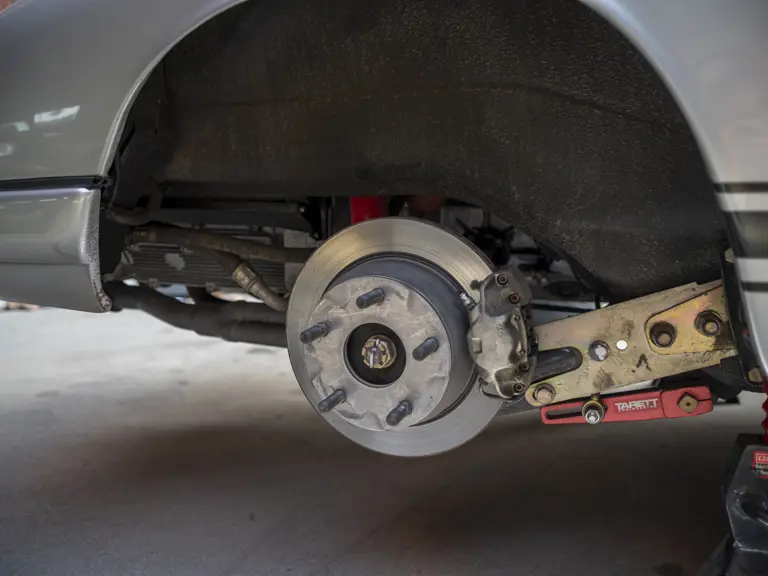
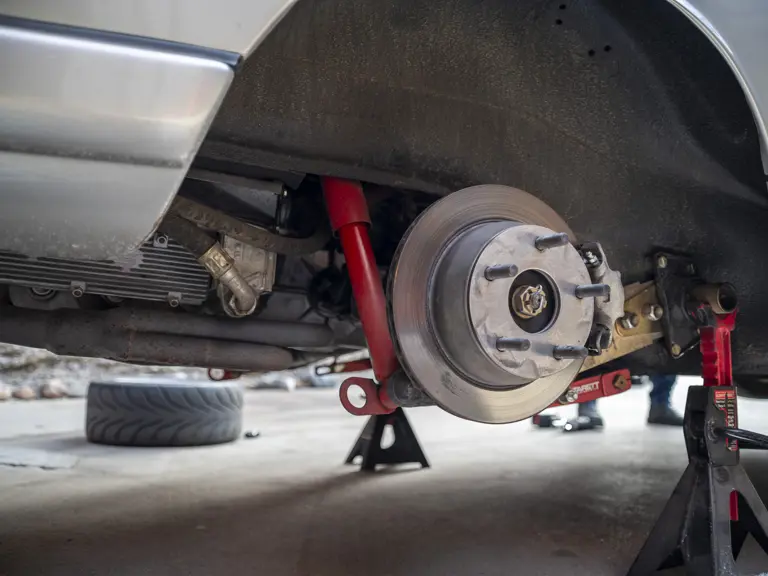
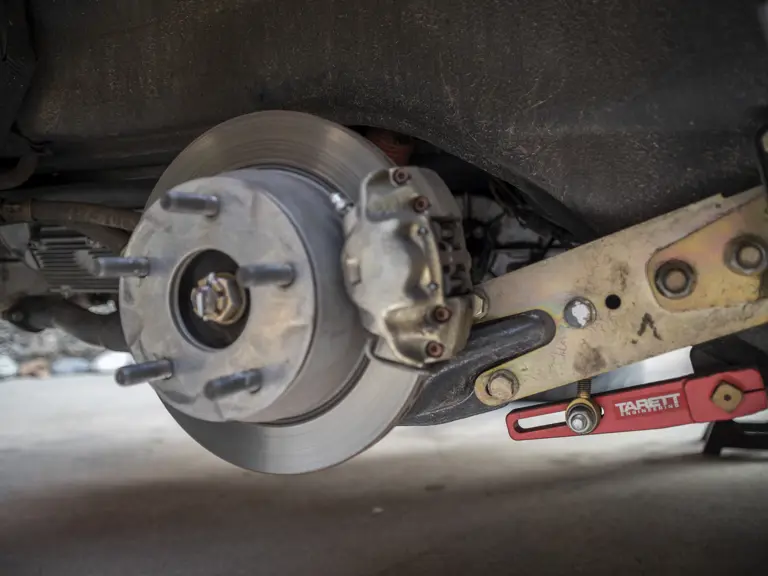
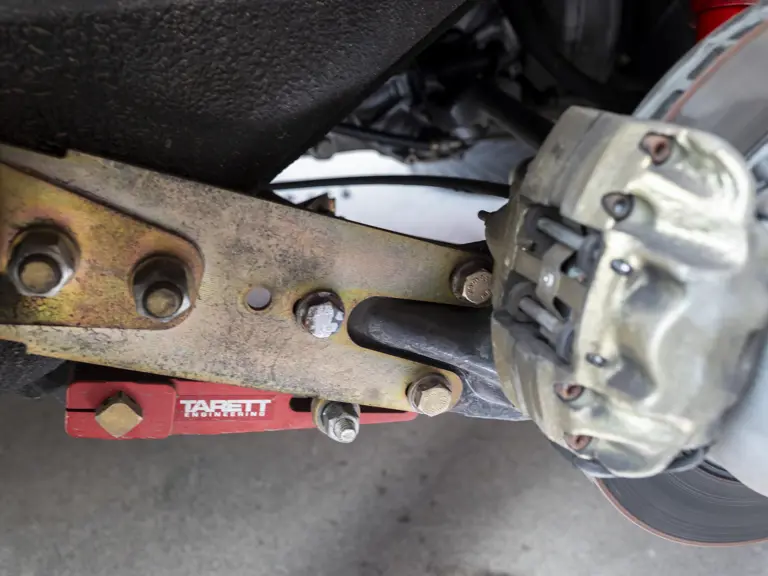
What I did next was have my buddy, the metal master guru Frank Turner, de-flare the car using correct short-wheelbase wheel arches off a donor car I had in my chop shop. Frank literally de-turbo-flared it while keeping the original fenders on the car the entire time, carefully welding the short-wheelbase arches back onto the original front fenders and rear quarters. The car still had the short-wheelbase trailing arms, which was perfect. That made it much easier to position the wheel arches correctly front and rear and get everything centered so the gaps looked right.
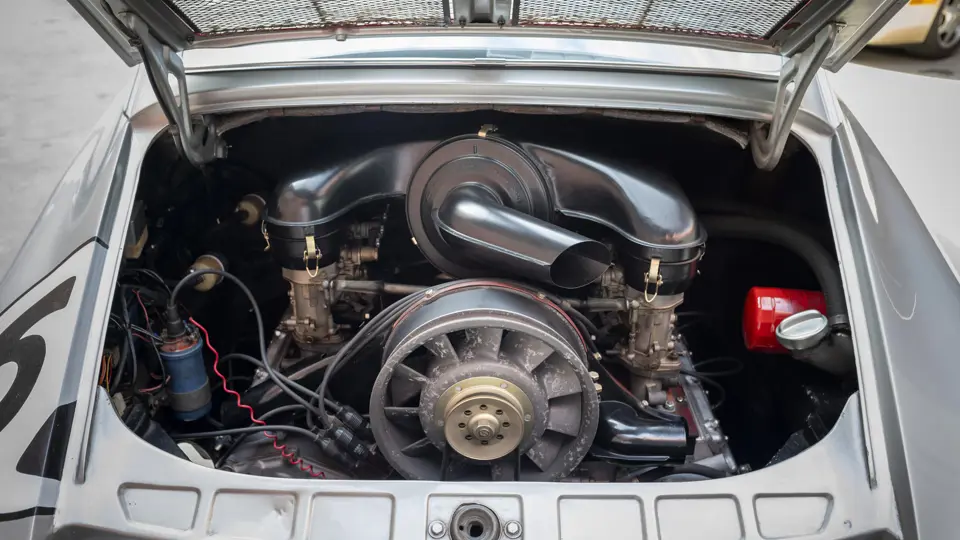
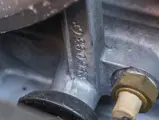
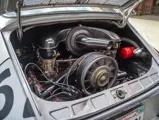
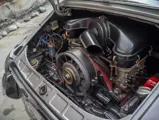
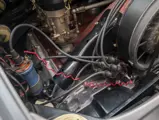
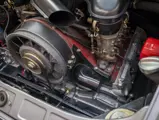
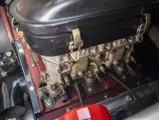
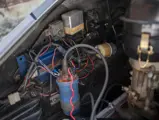
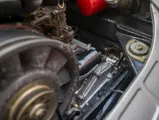
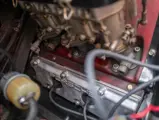
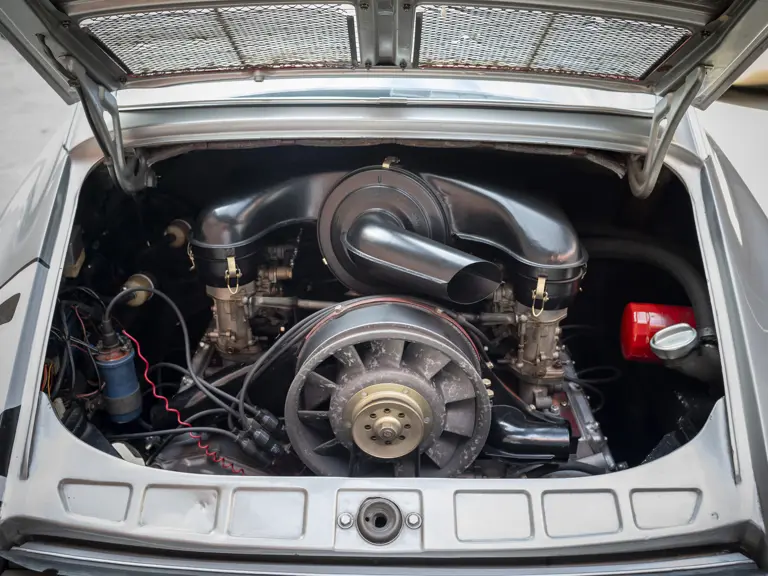
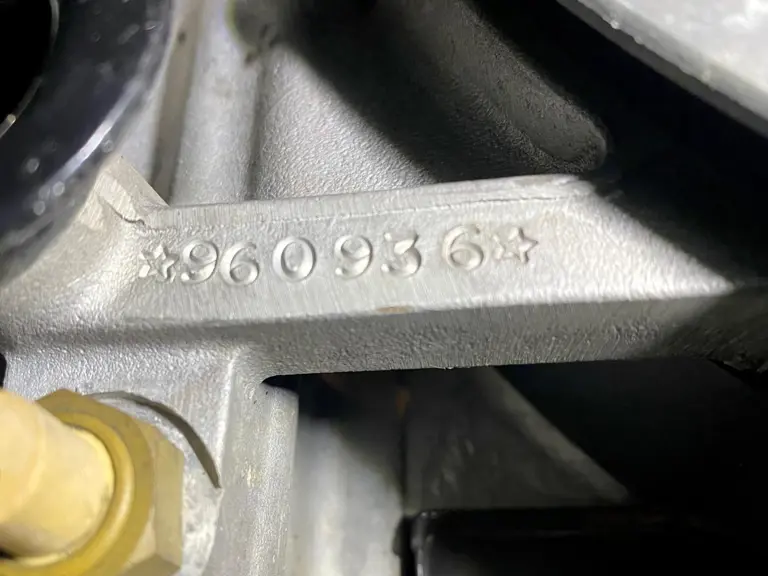
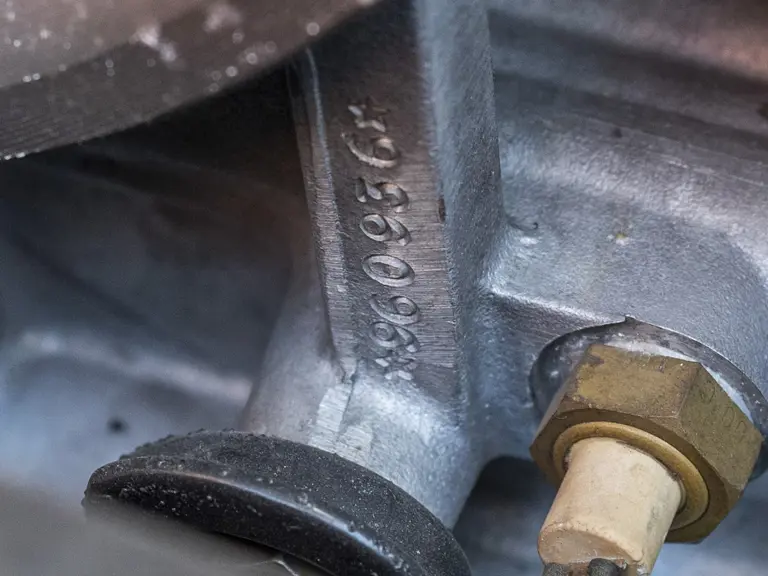
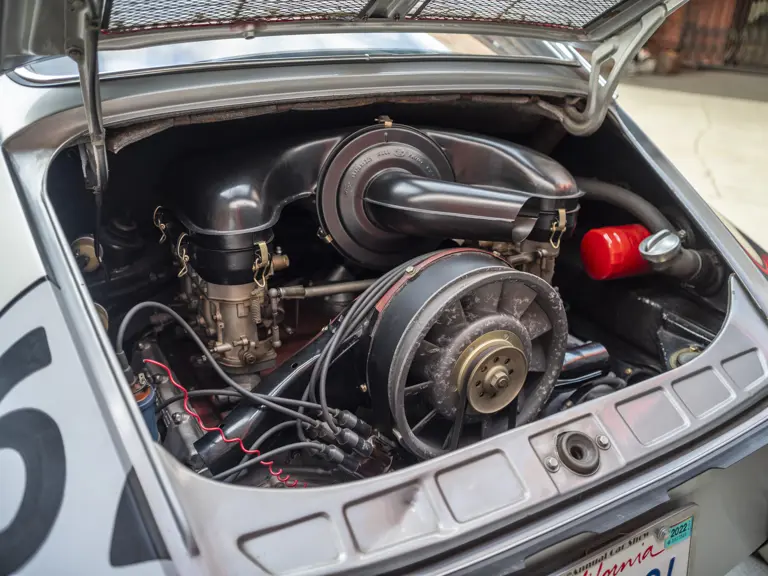
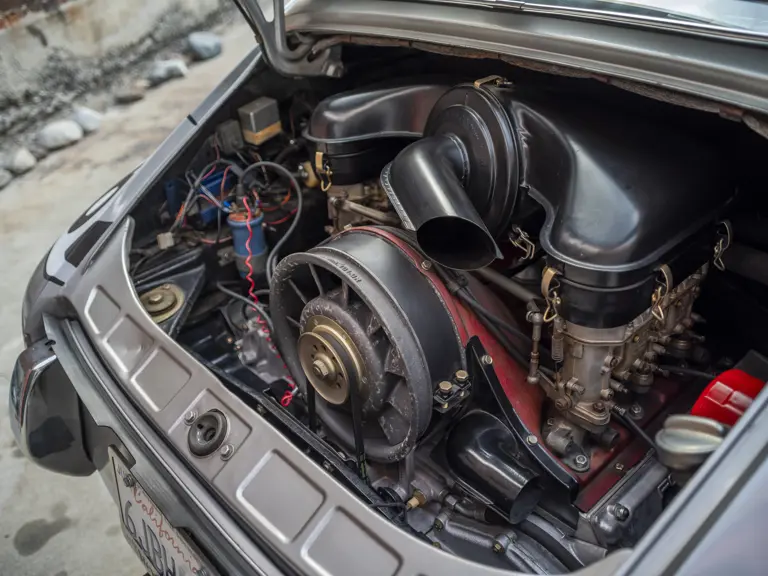
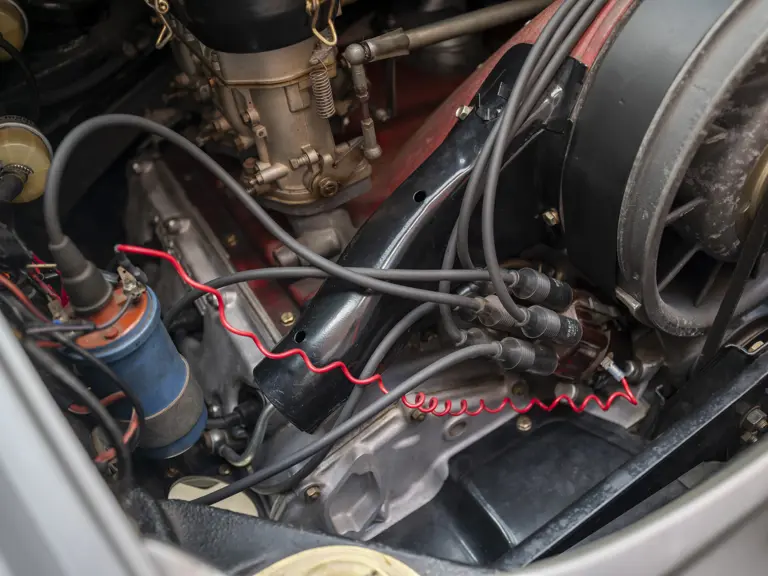
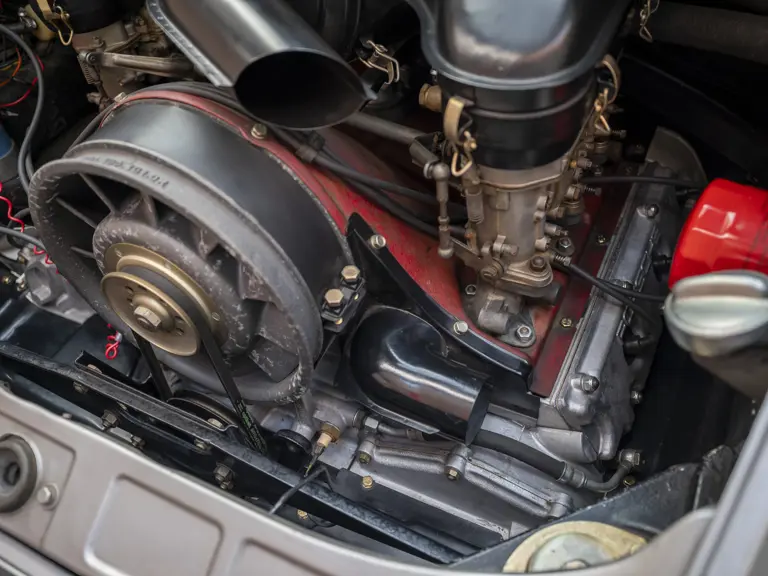
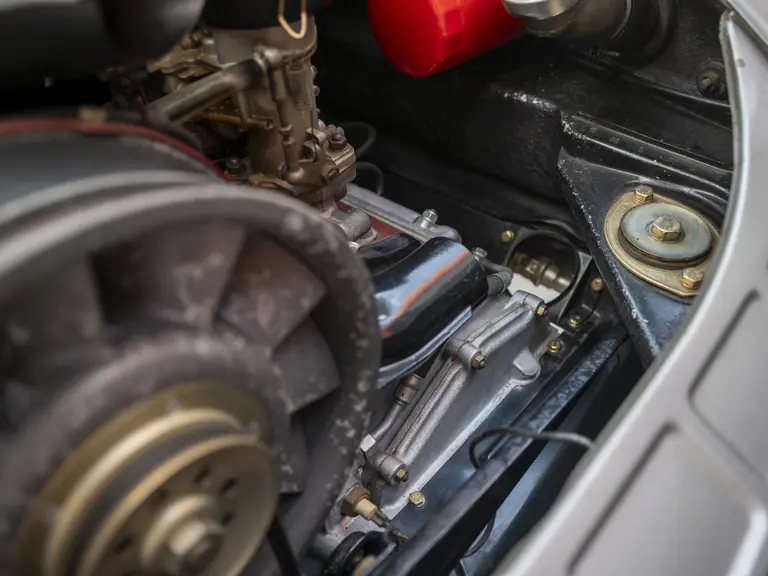
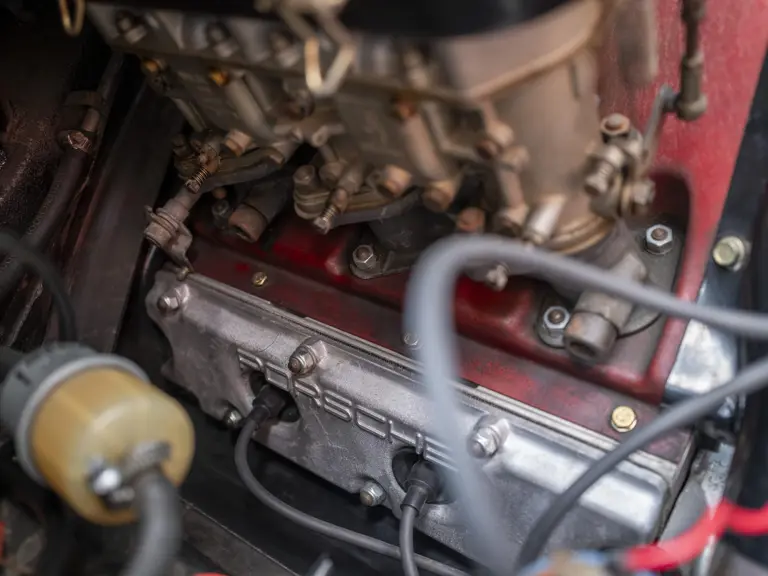
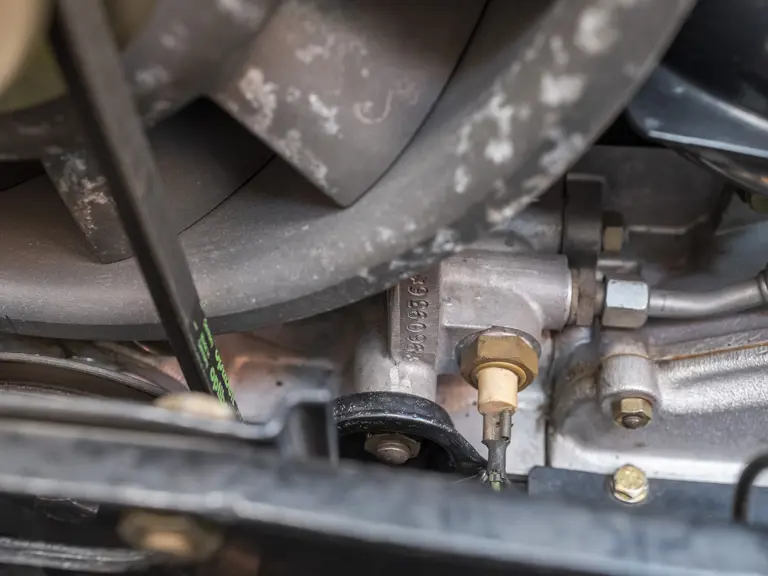
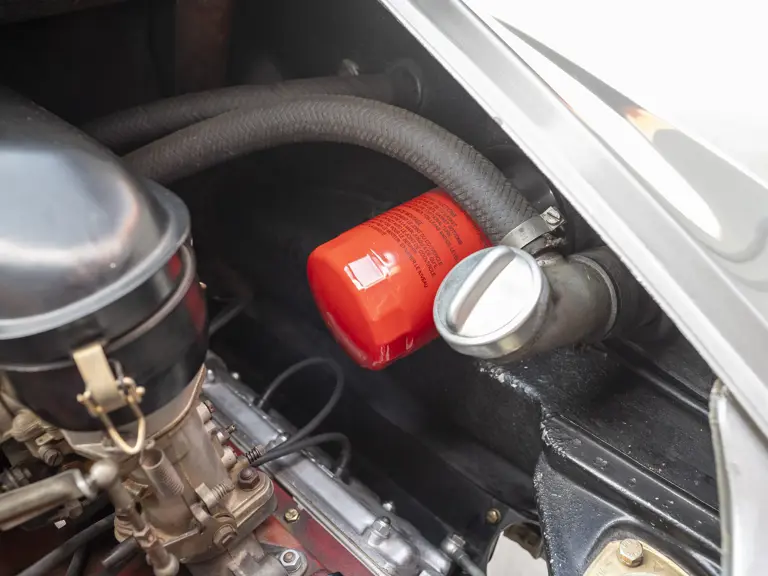
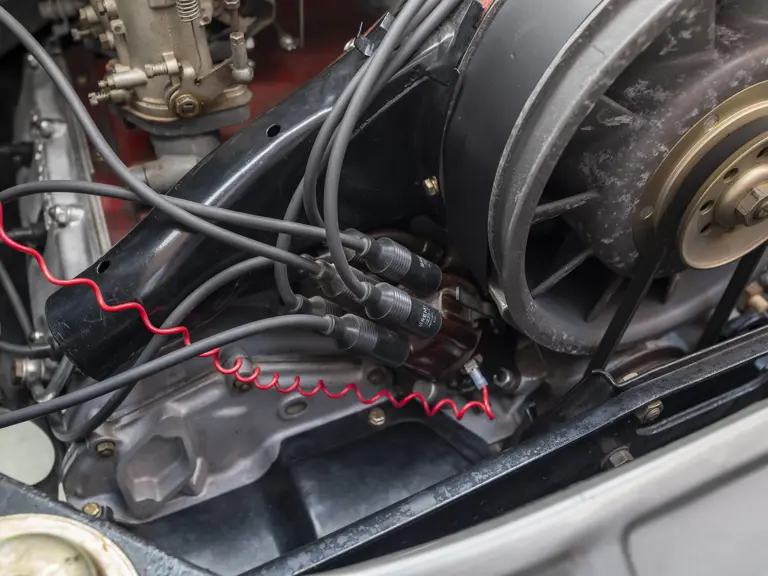
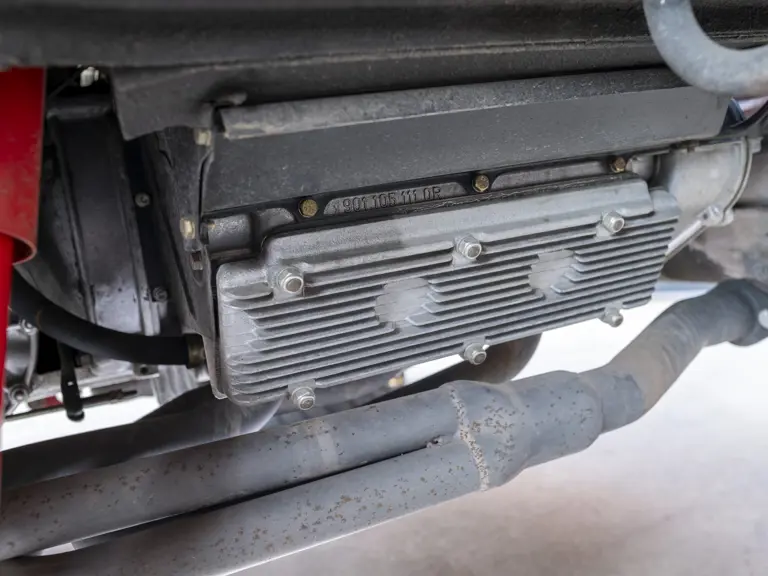
The other thing I noticed early on was that the car felt zippier than a regular 2.0-liter ’67 S. Later, when I had some engine work done, I found out why. It was still the original, numbers-matching engine, but it was no longer a 2.0-liter—it had been punched out to a 2.3-liter.
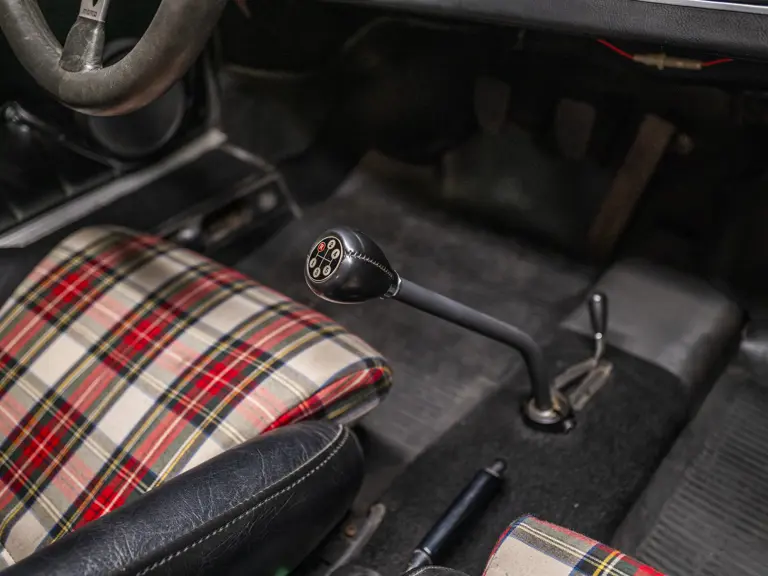
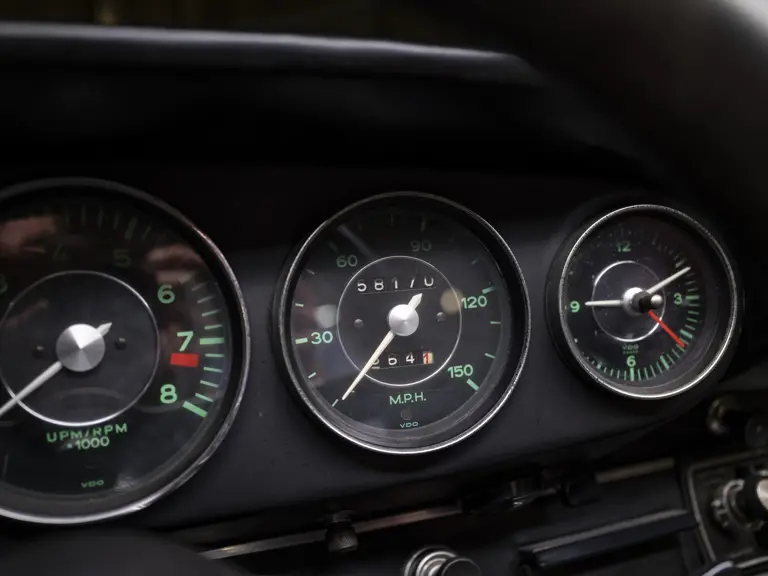
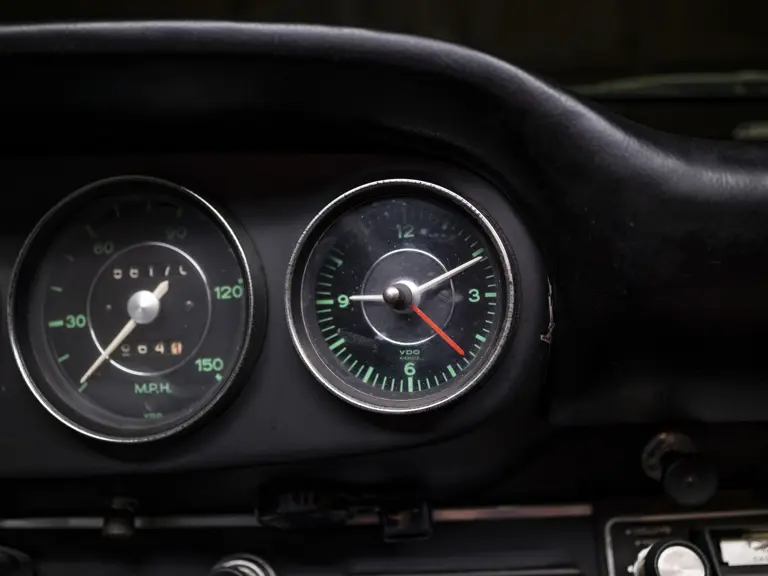
On top of that, it is running what appear to be short-ratio “airport” gears. They’re fantastic for mountain roads and tight, twisty driving, but not so great on the freeway. The result is that gears one through four keep you right in the power band and feel super lively, but there’s not much in the way of top end. It taps out at about a buck twenty, 120 mph, which, honestly, is about as fast as you’d ever want to go anyway.
—Magnus Walker
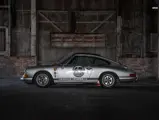
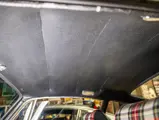
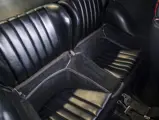
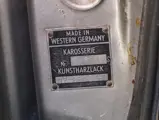
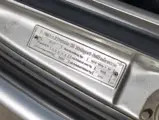
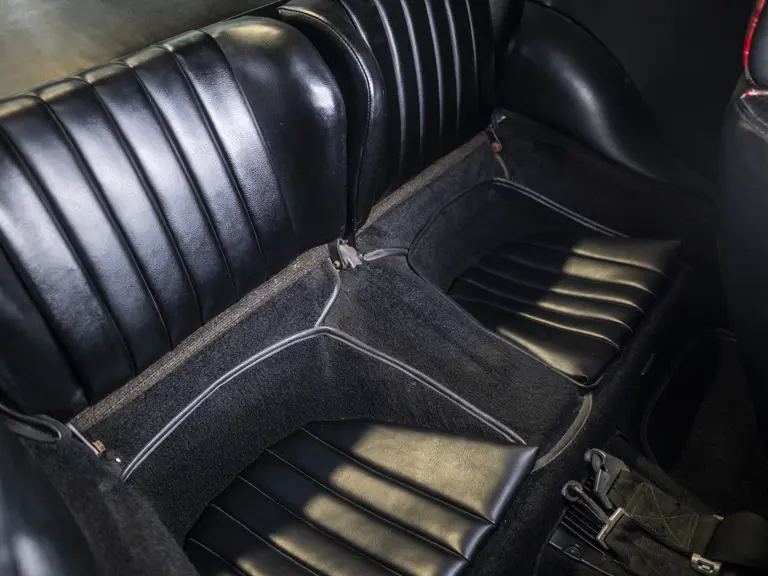
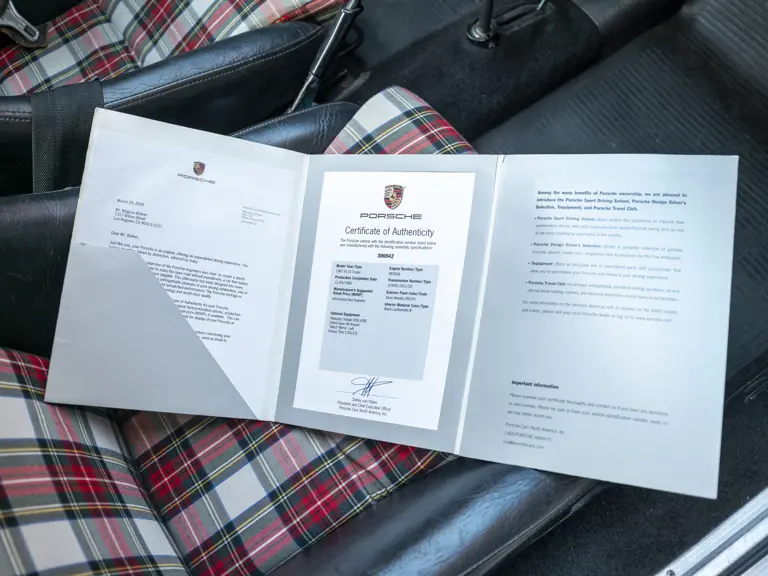
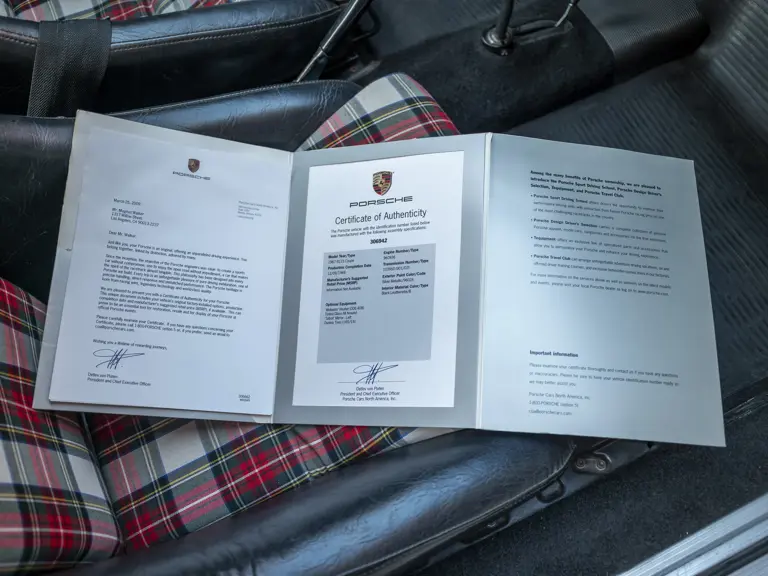
While little is known of the car’s life prior to Magnus Walker’s acquisition well over a decade ago, an accompanying copy of its Kardex shows that this genuine 1967 Porsche 911 S was completed on 6 December 1966 finished in Silbermetallic (96024-B) over black vinyl trim and equipped with a Webasto heater, Catacolor glazed window glass, and a Talbot sideview mirror. Destined for the sun-drenched shores of Southern California, it was sold to its first owner on 1 February 1967 via Porsche Cars Distributors of Culver City, California.
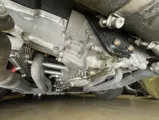
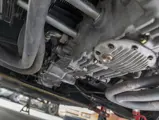
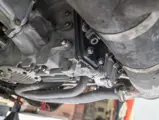
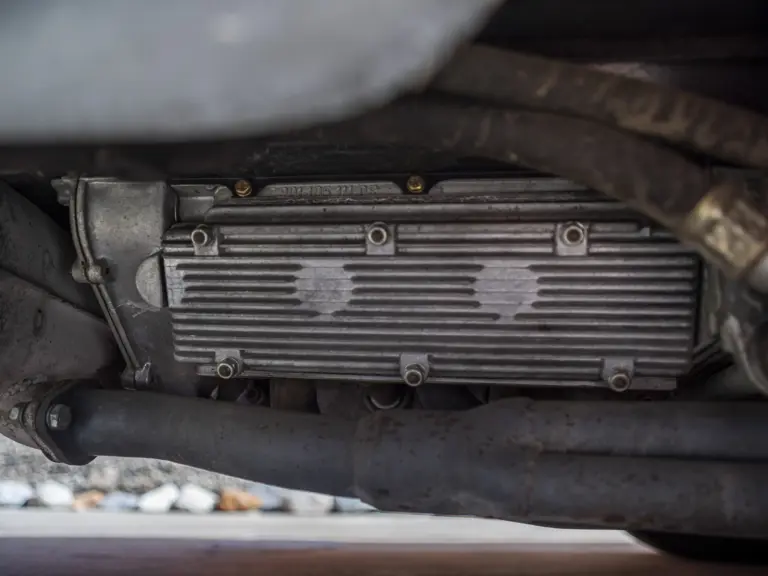
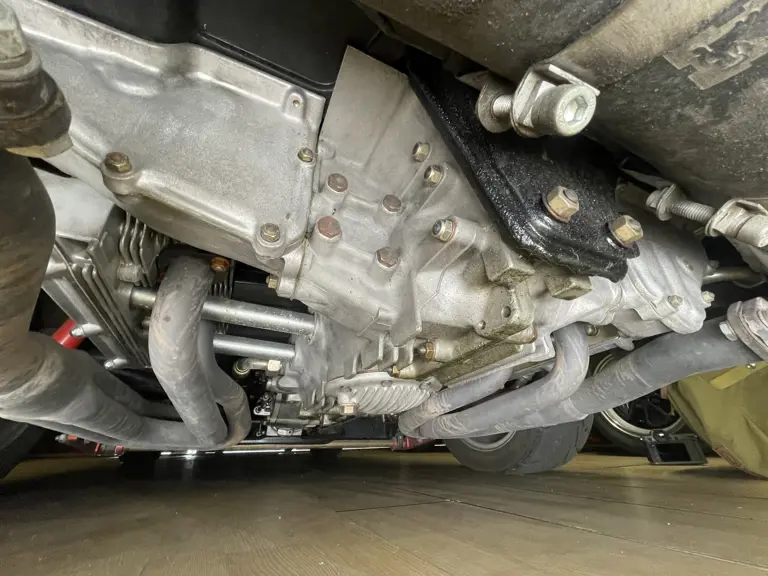
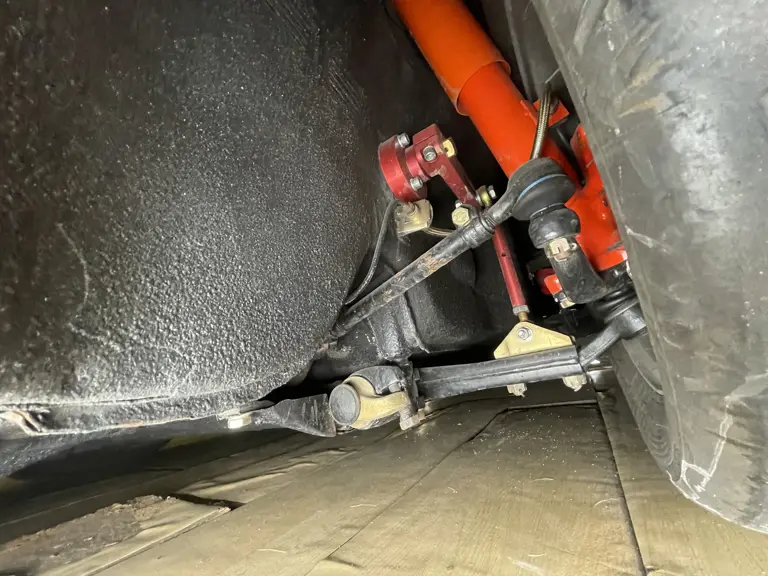
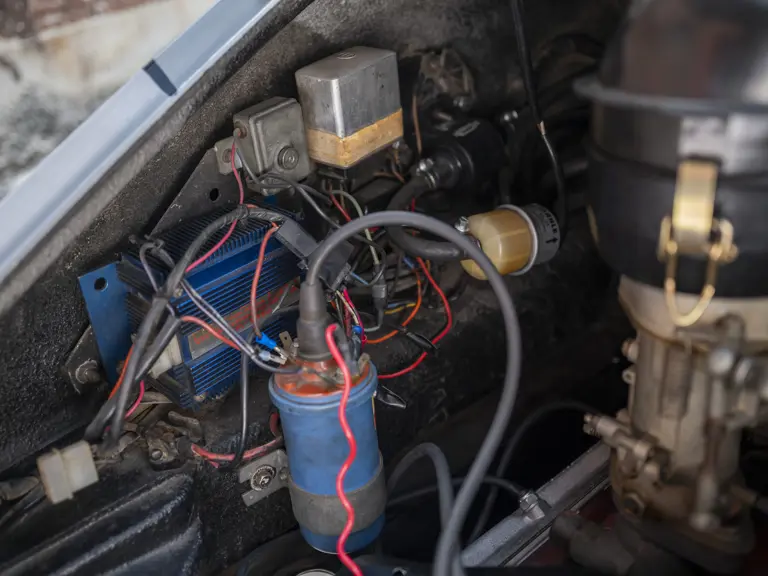
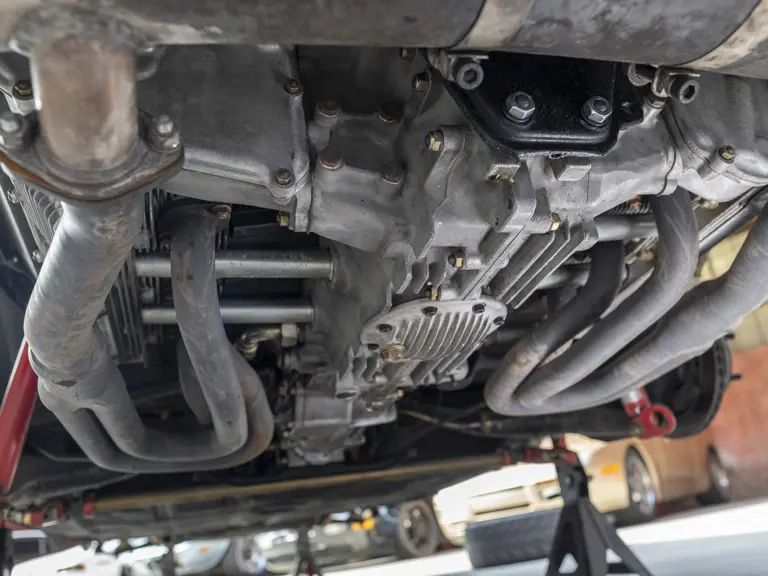
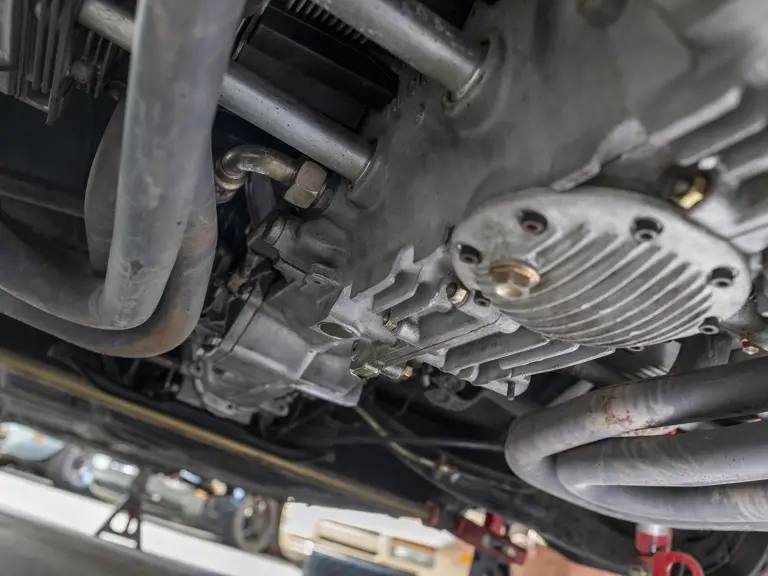
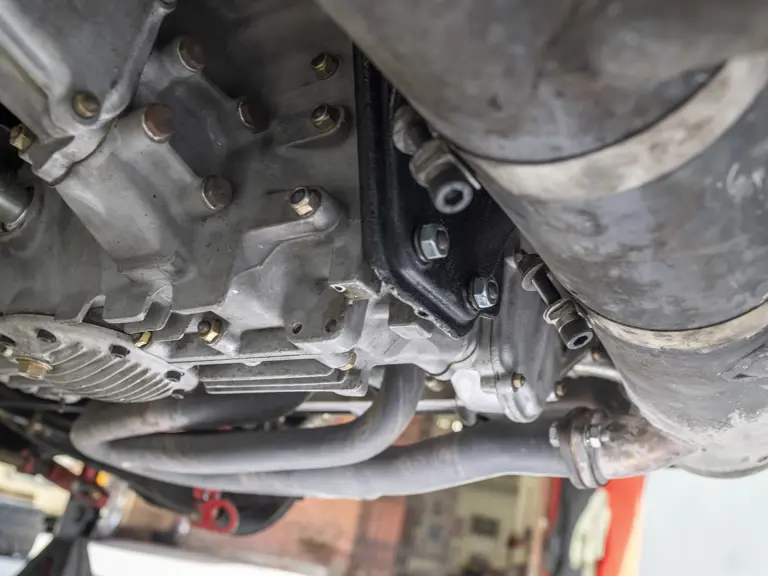
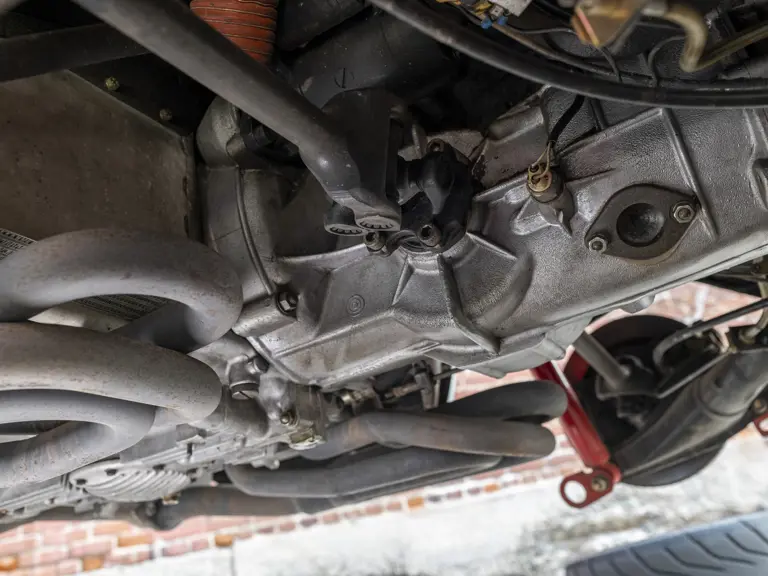
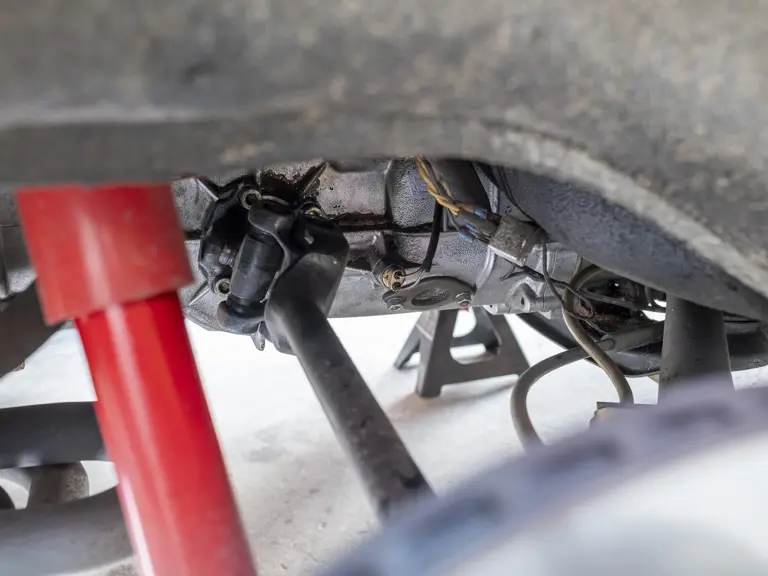
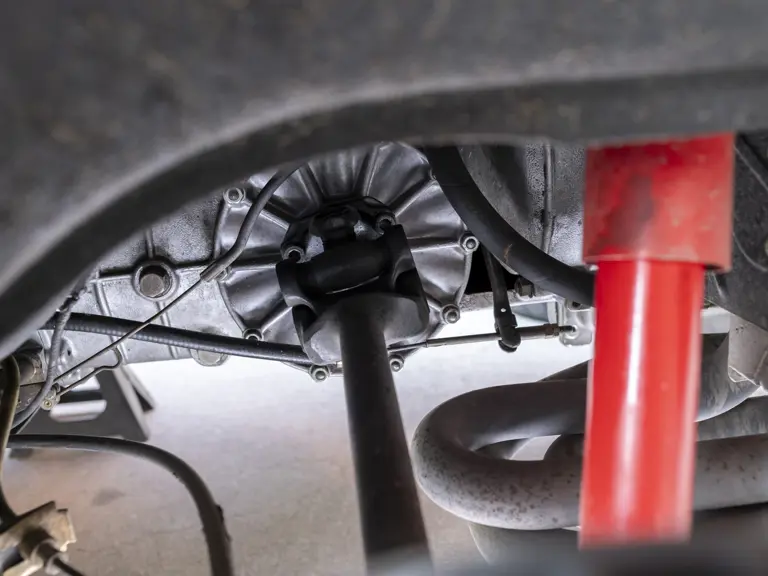
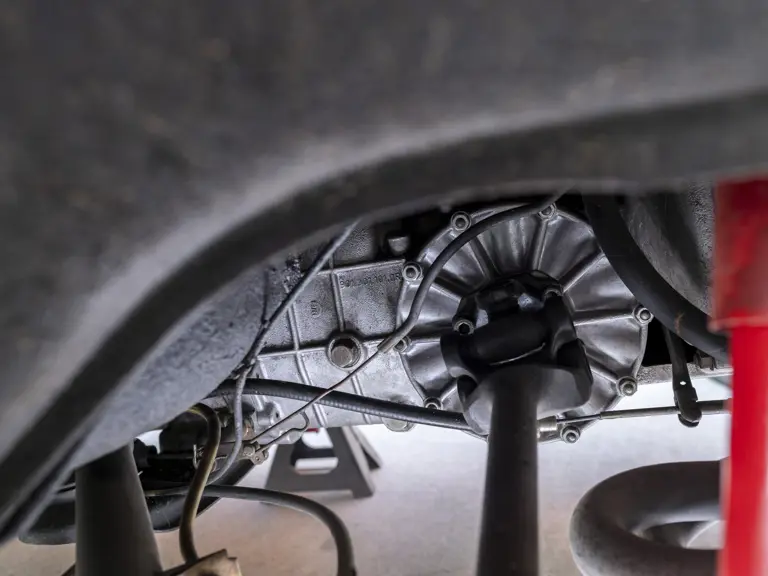
The car does retain its numbers-matching engine, enhanced to 2.3-liters of displacement, but please note that it is fitted with a non-original but period-correct Porsche 902/02–type gearbox numbered 1283692. This transmission is highly regarded by enthusiasts for its reinforced spindle input shaft and simplified differential design, both of which represent an improvement over the earlier 901/02 gearbox originally fitted to the car.
Walker continues:
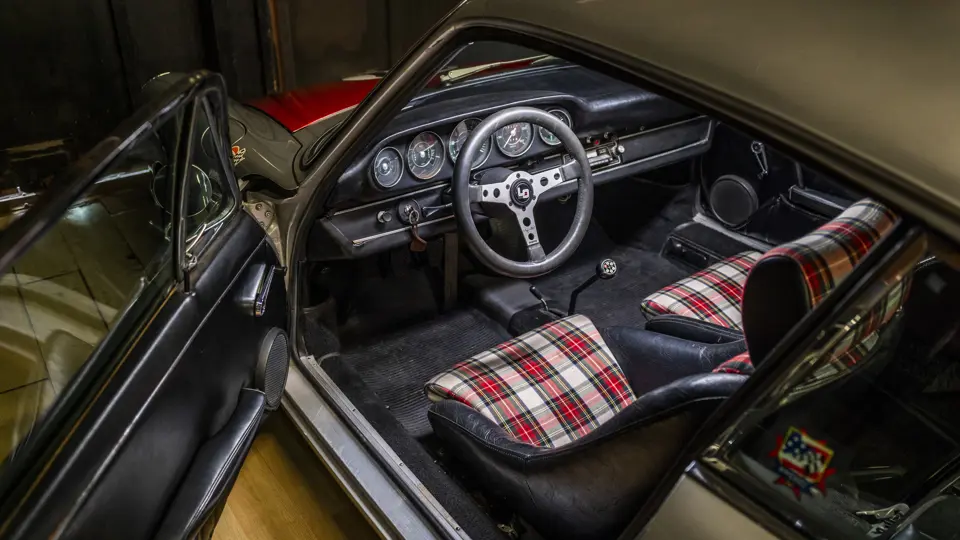
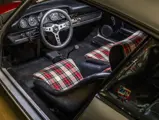
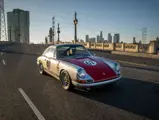
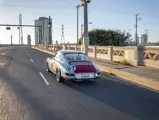
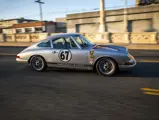
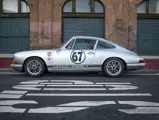
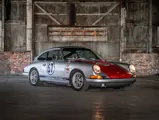
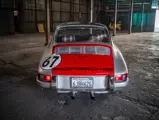
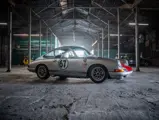
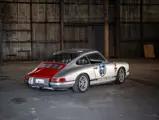
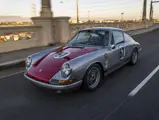
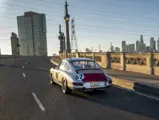
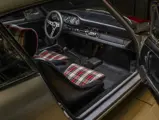
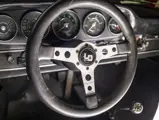
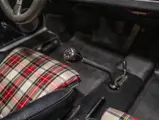
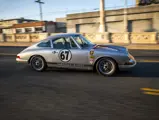
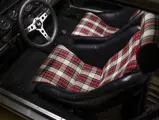
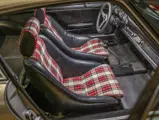
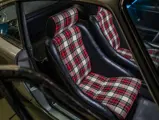
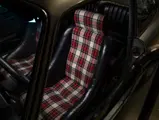
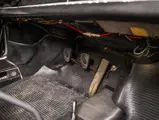
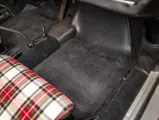
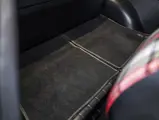
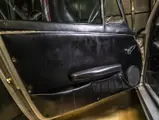
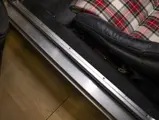
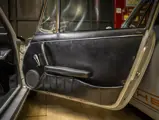
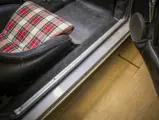
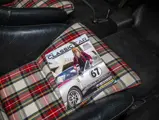
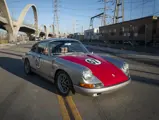
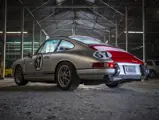
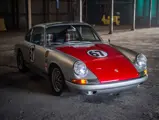
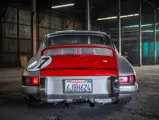
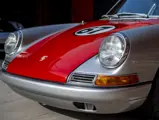
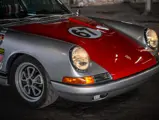
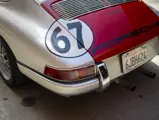
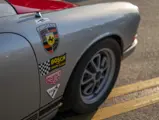
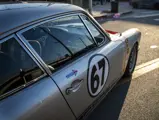
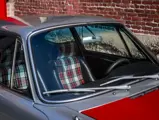
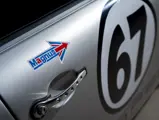
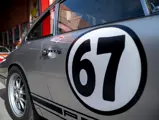
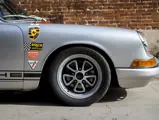
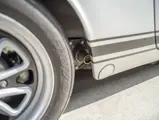
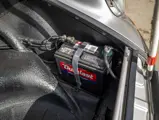
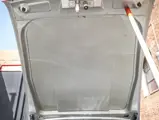
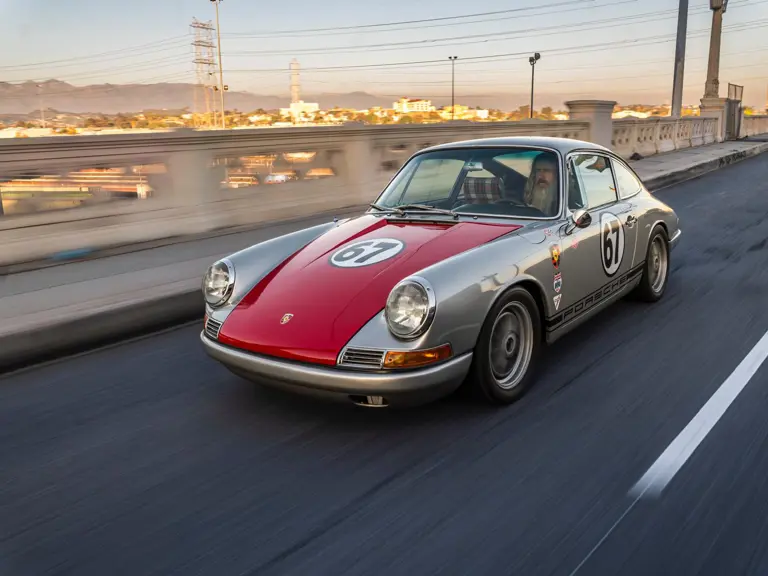
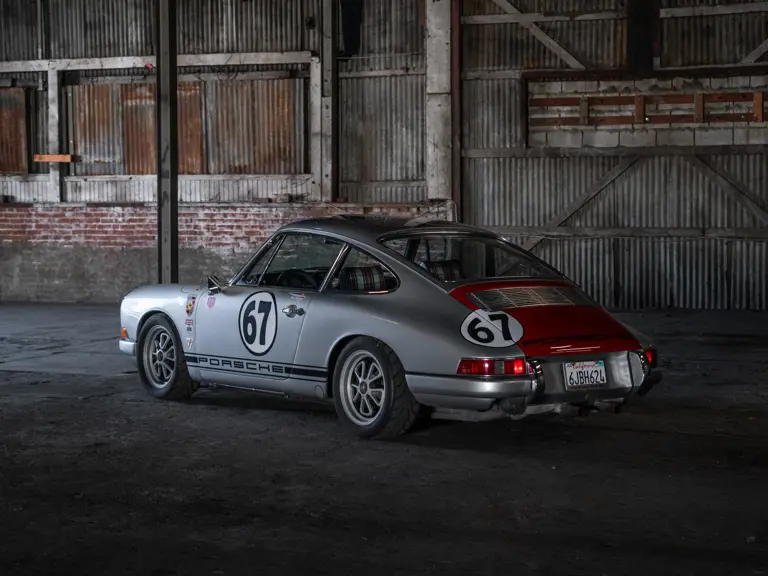
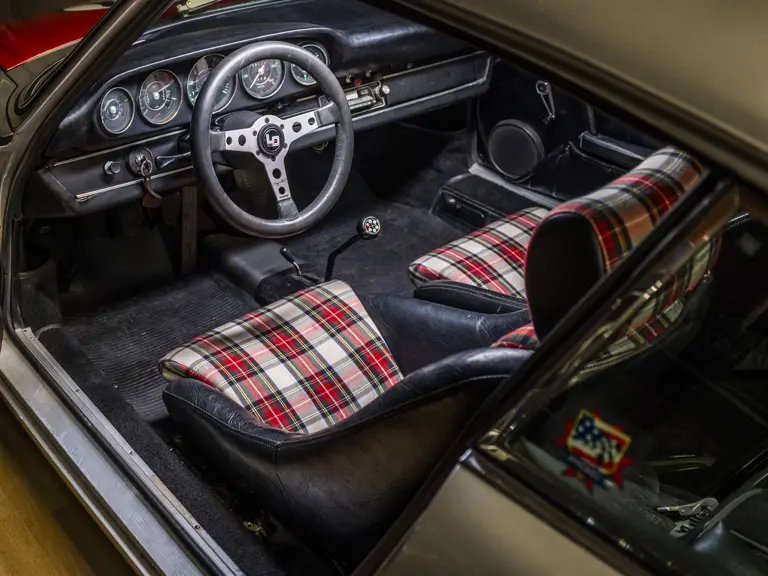
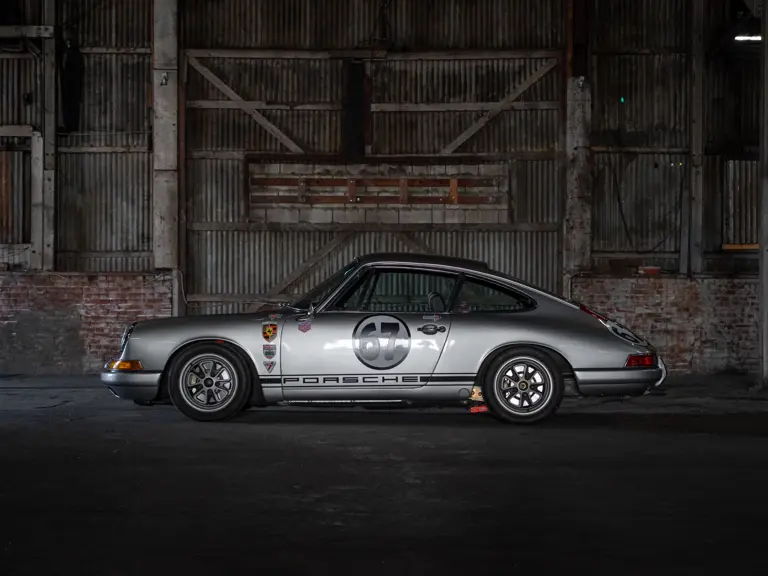
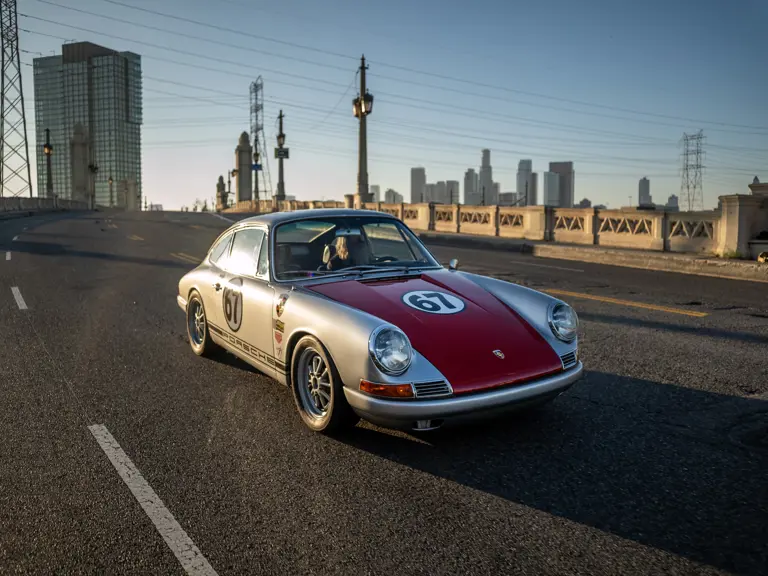
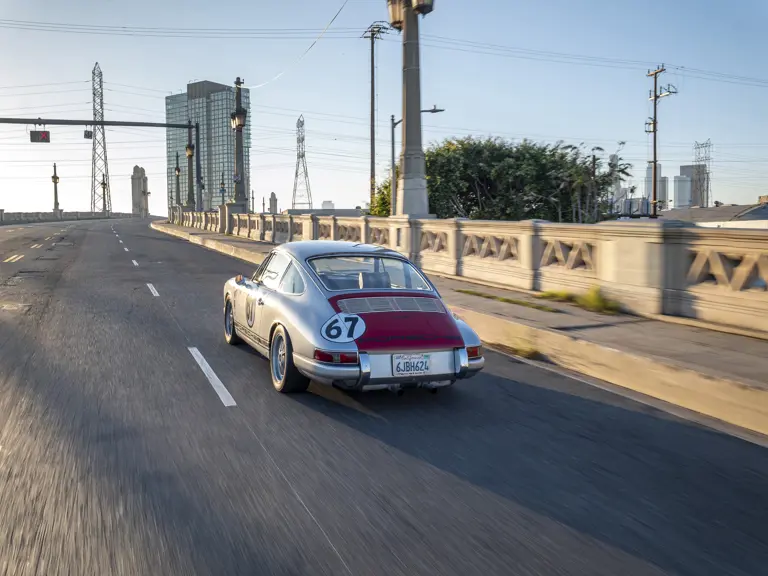
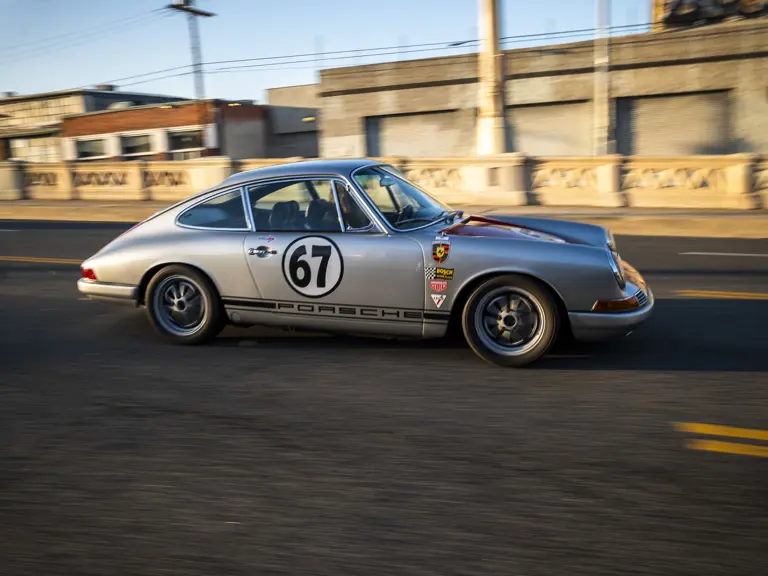
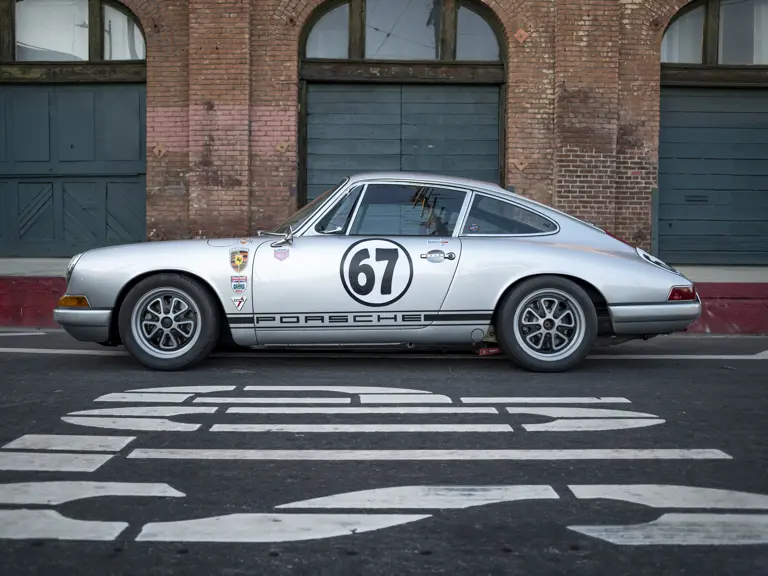
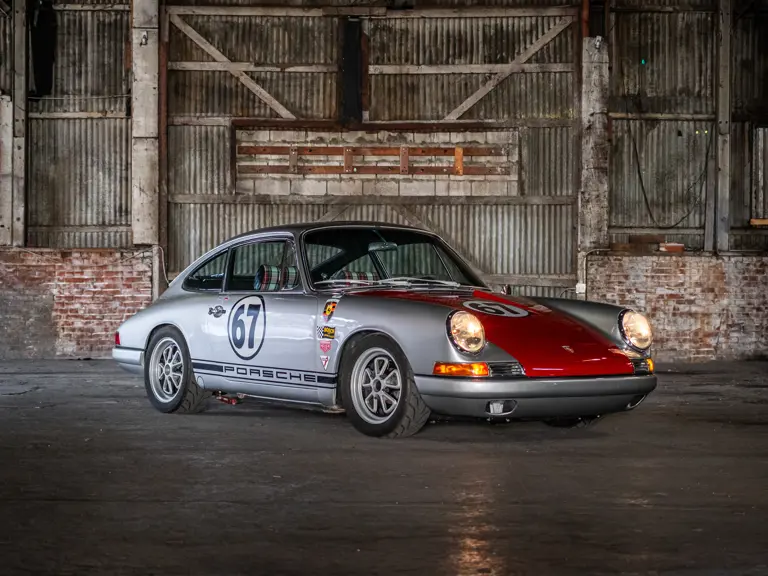
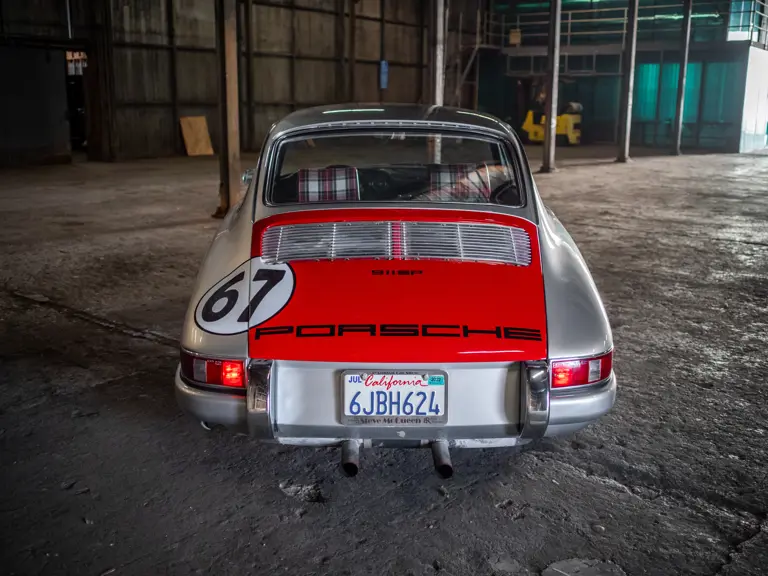
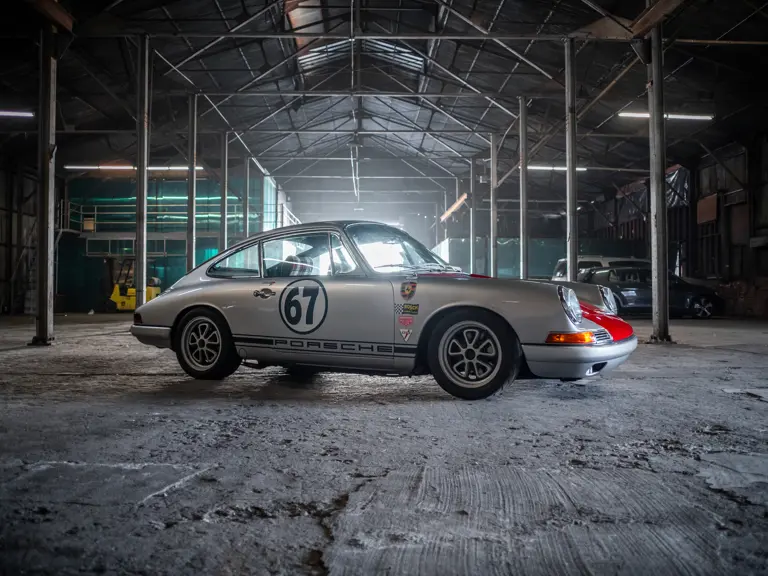
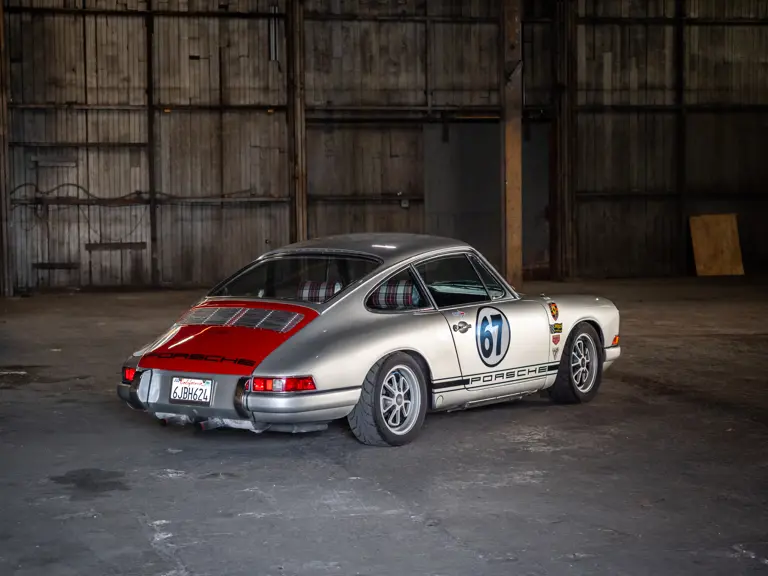
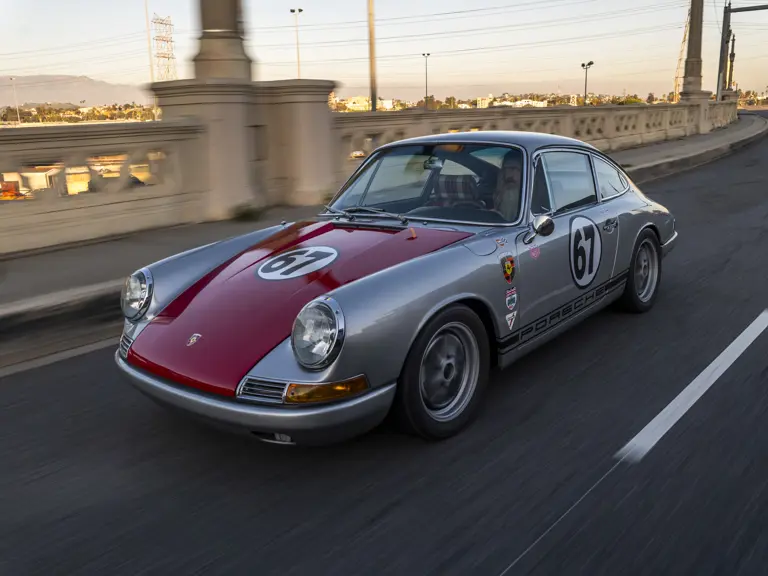
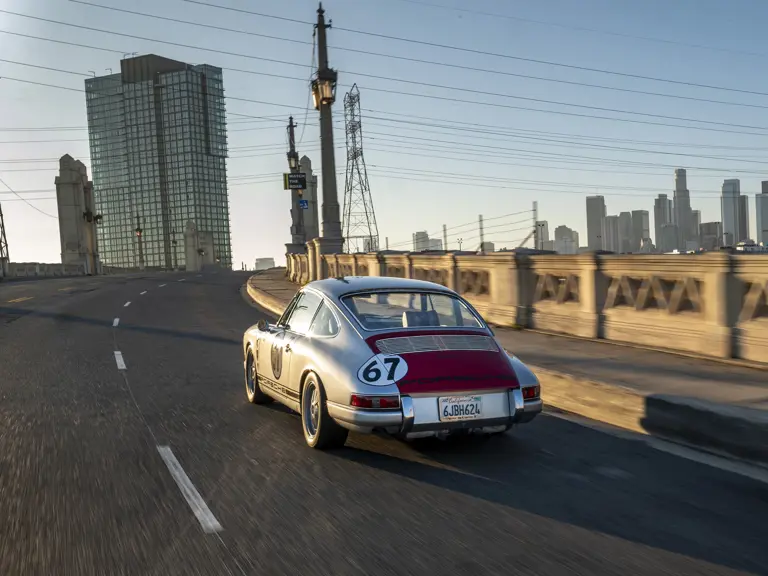
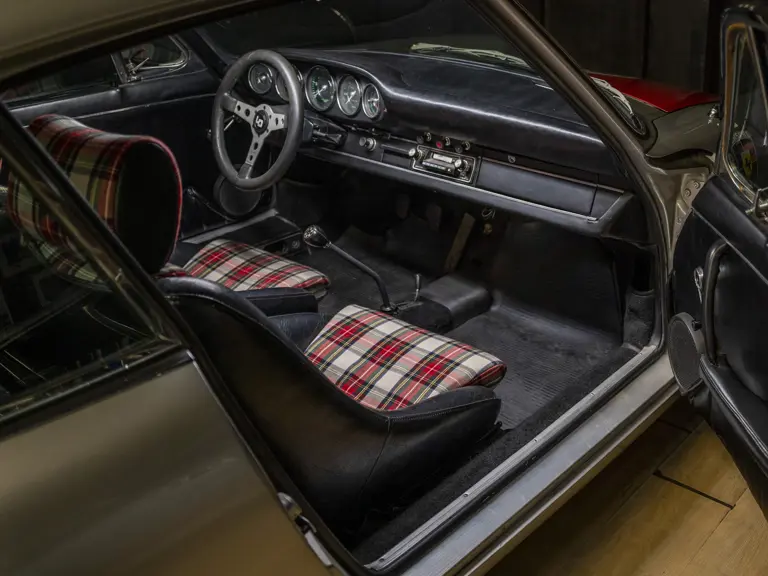
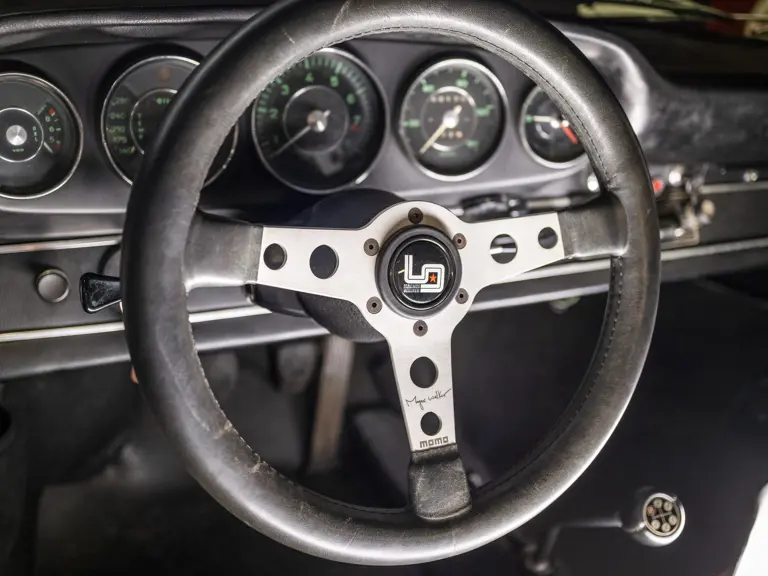
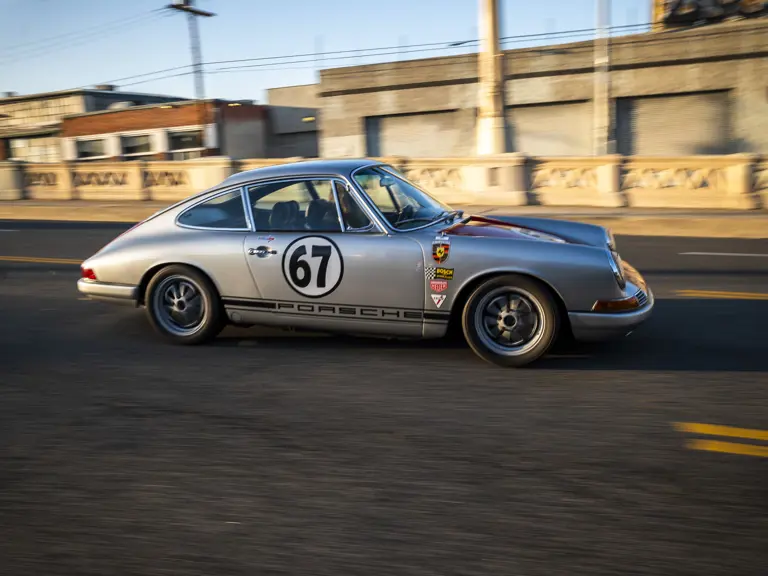
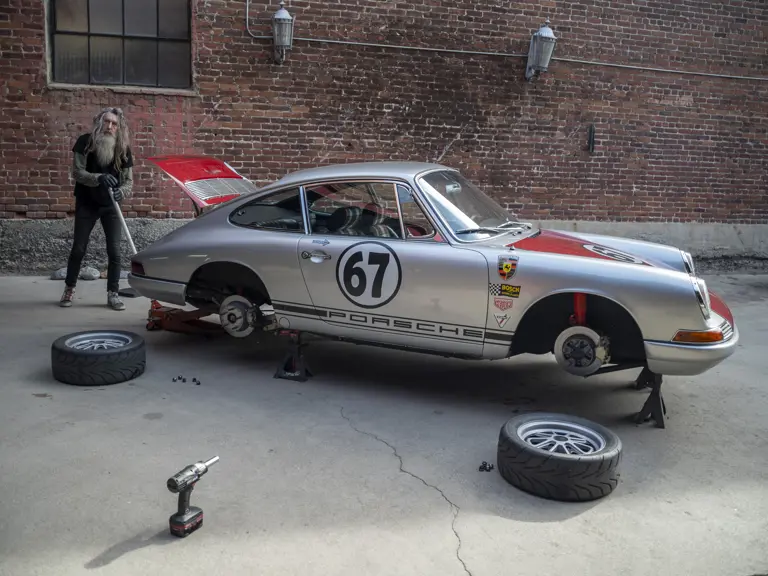
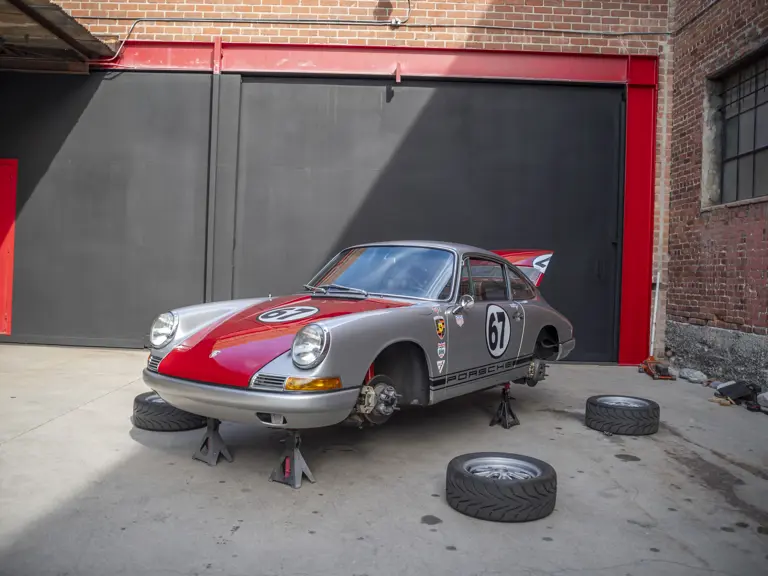
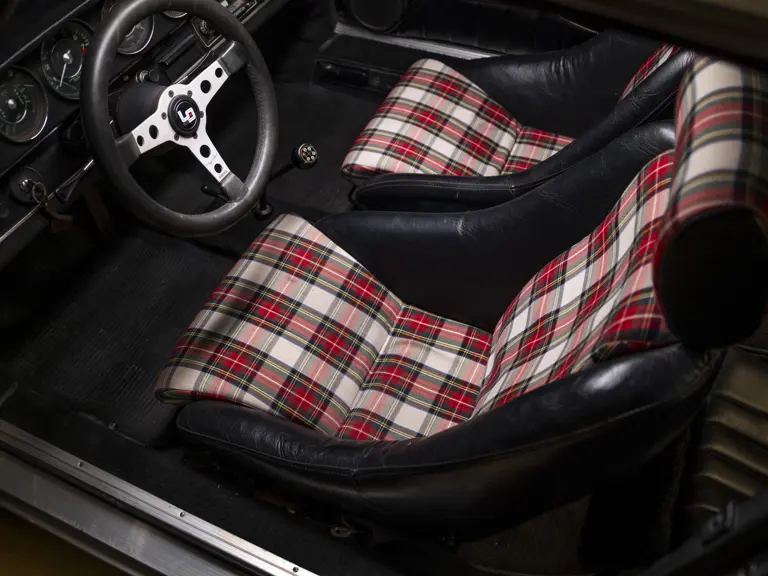
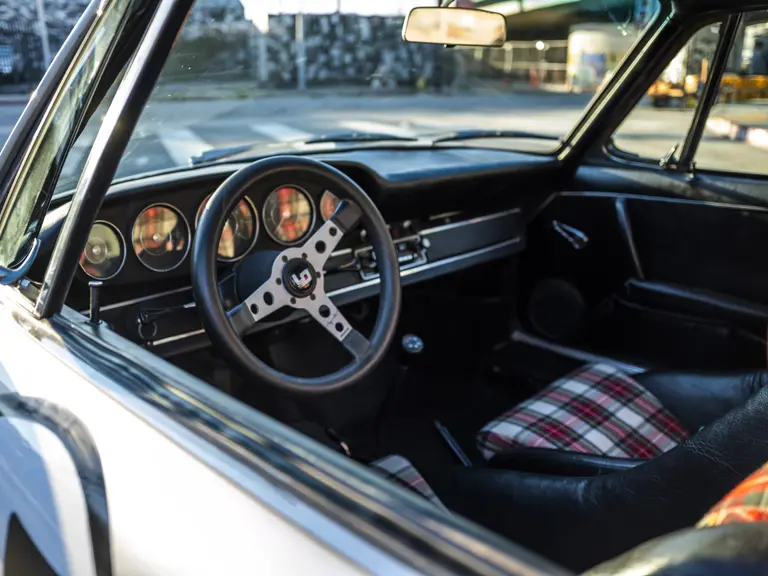
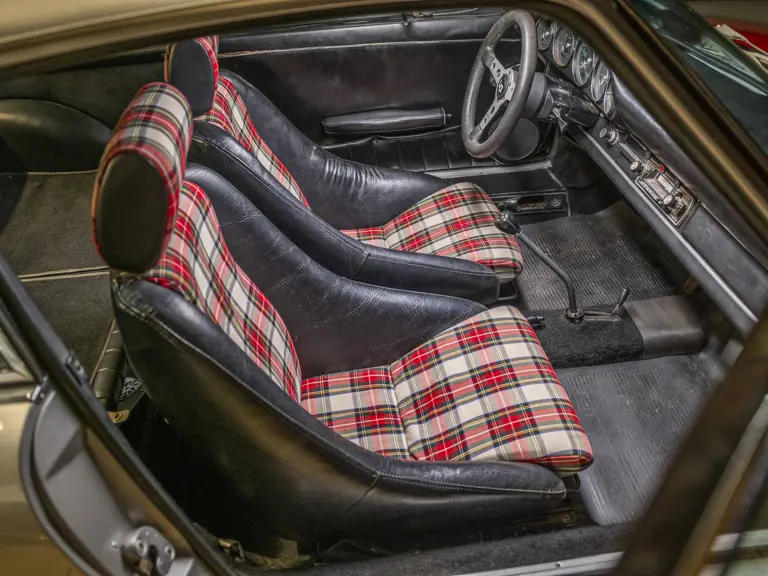
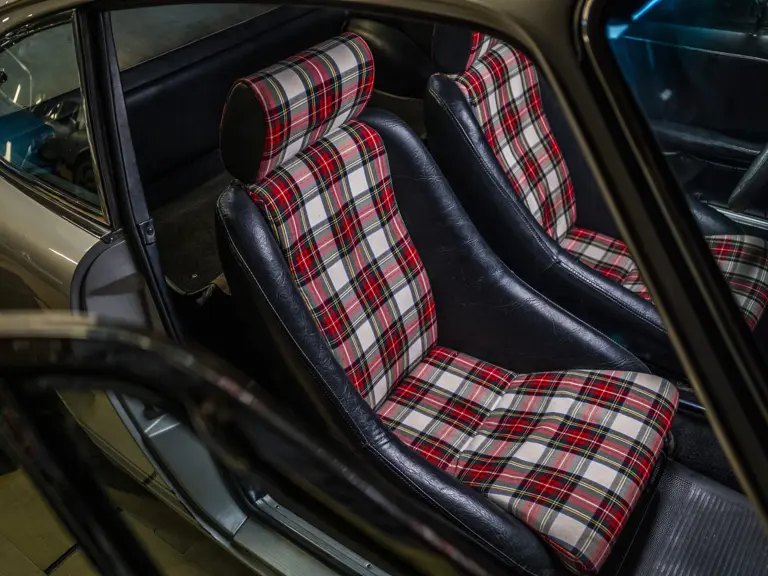
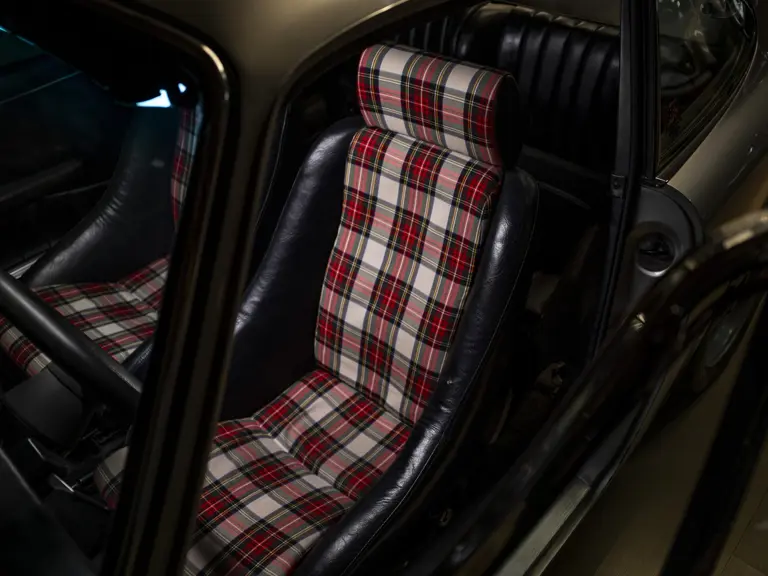
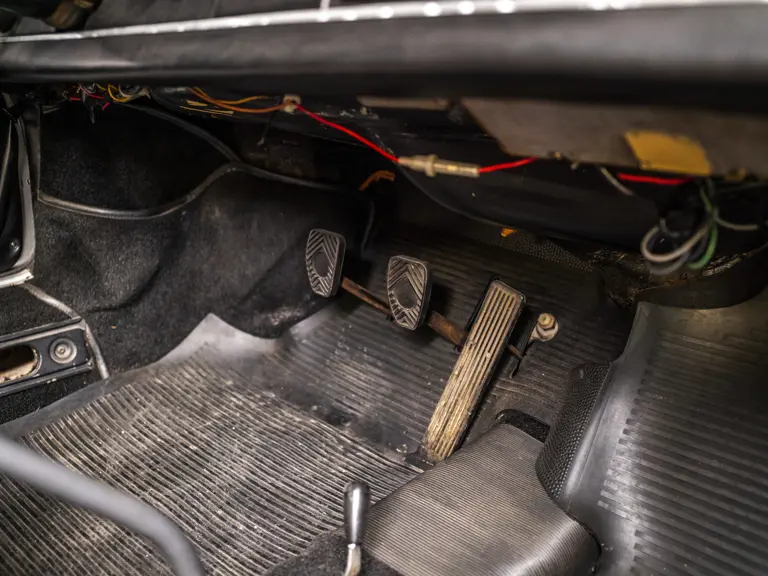
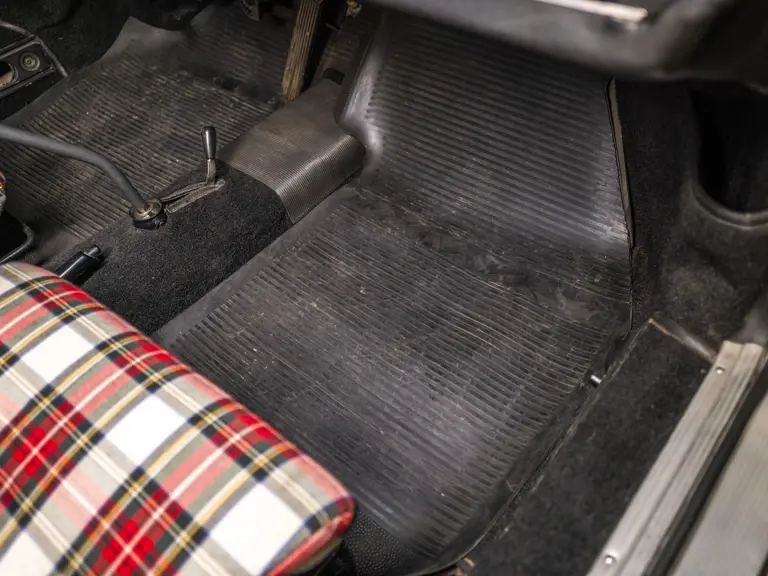
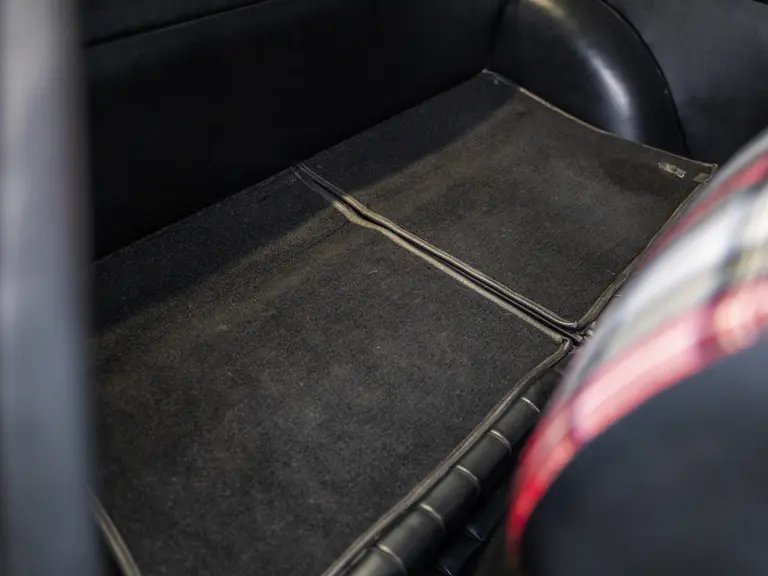
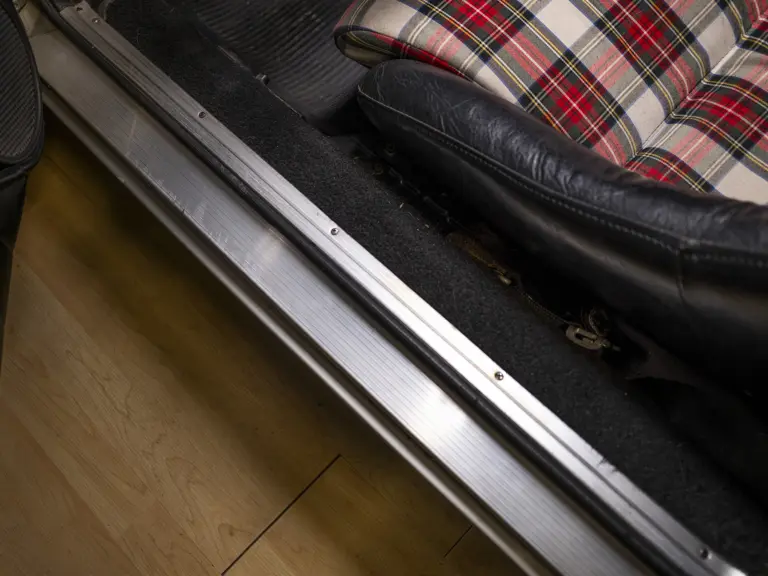
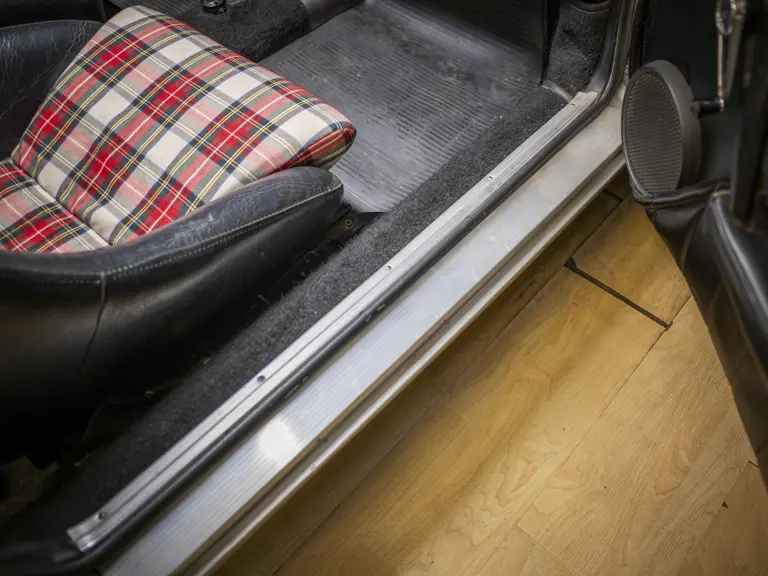
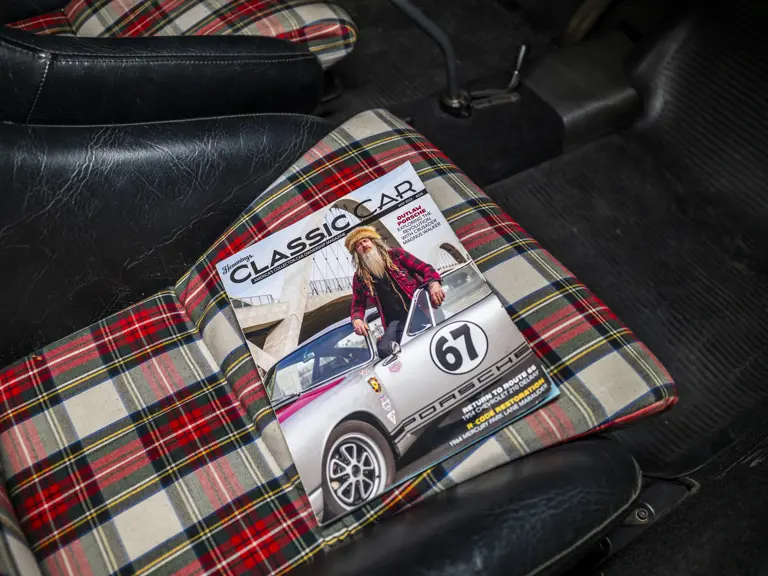
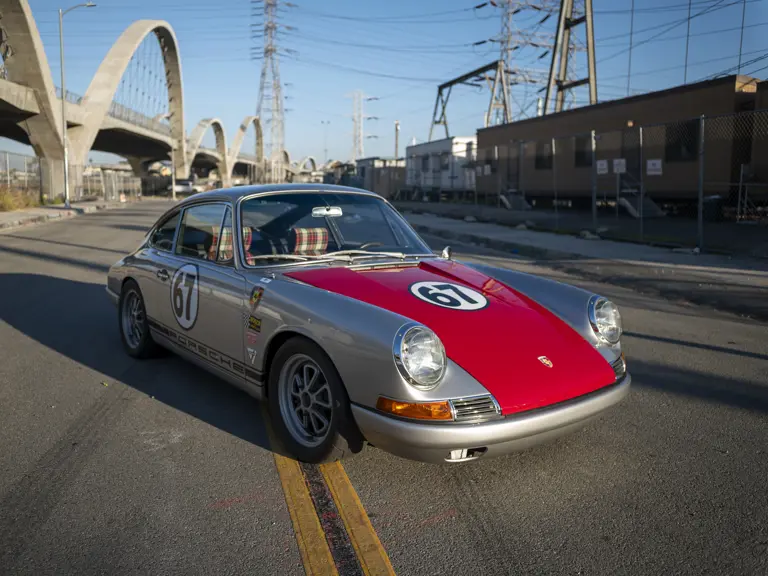
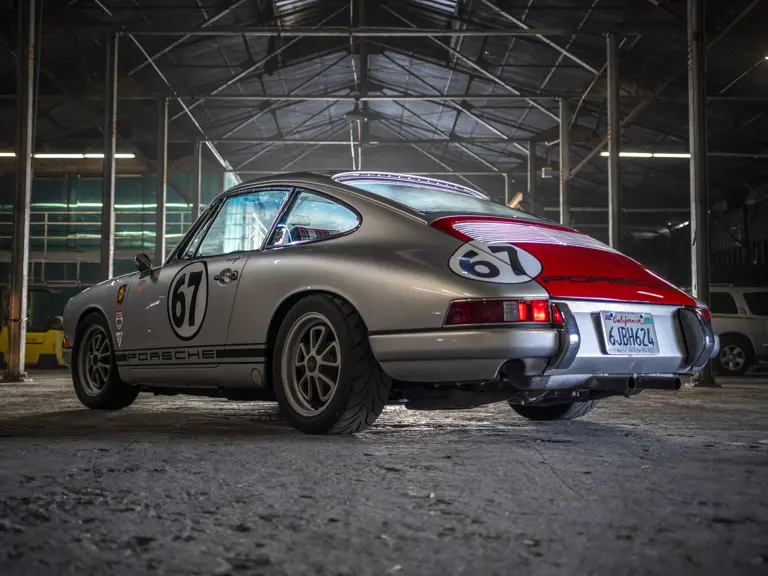
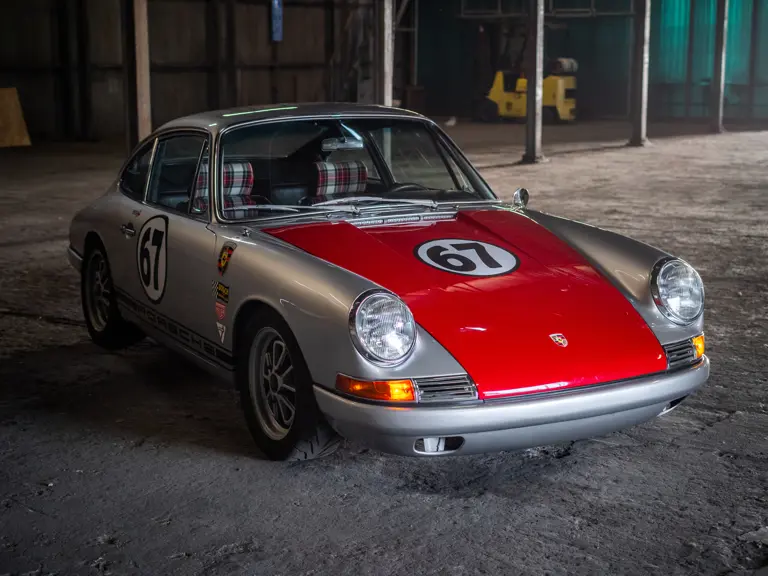
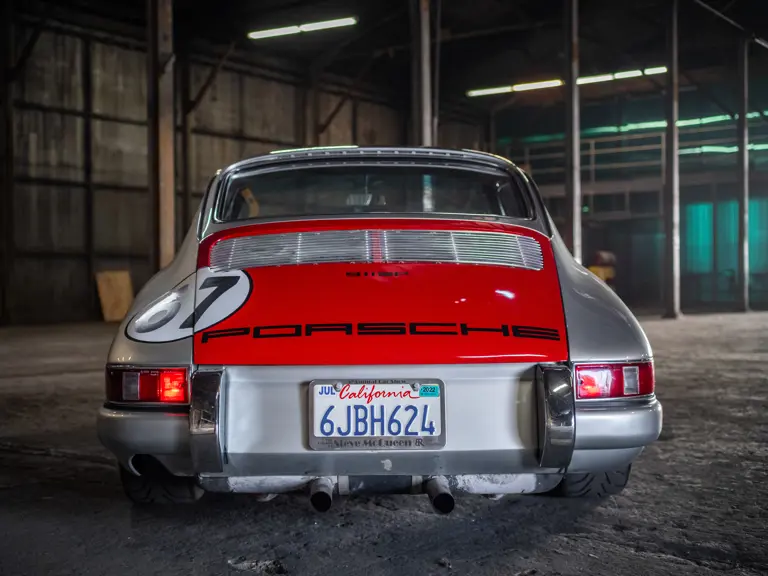
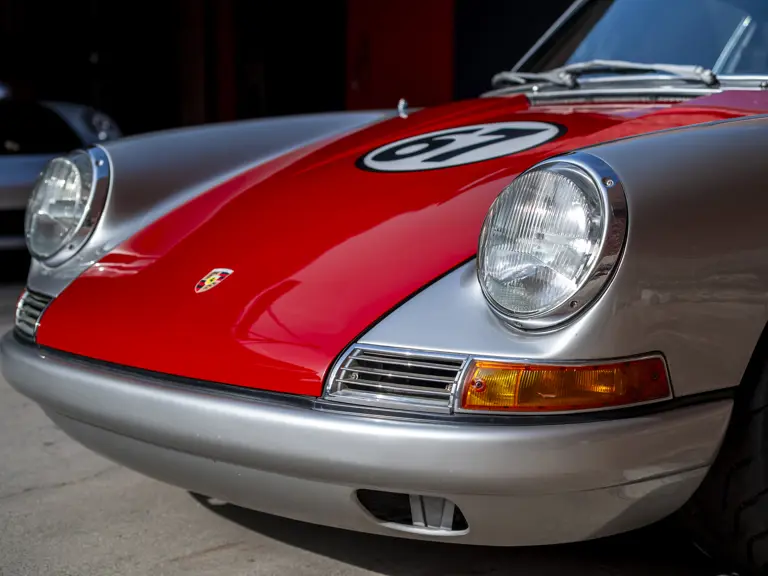
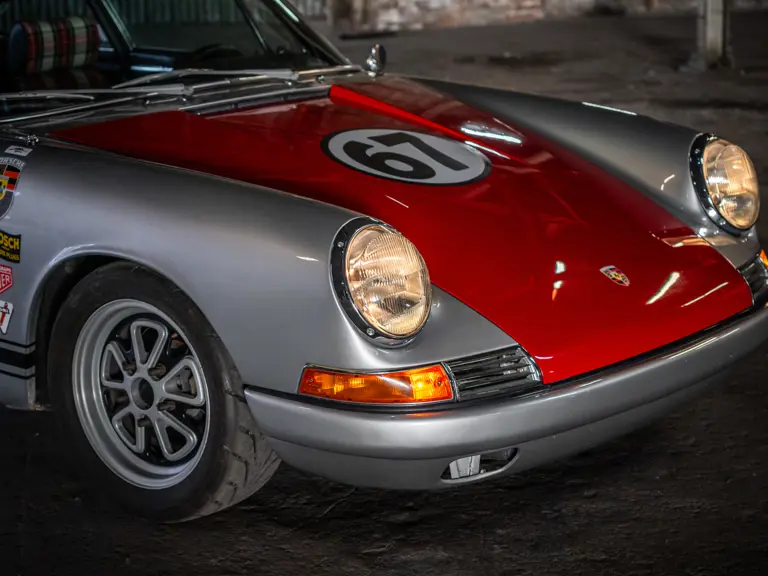
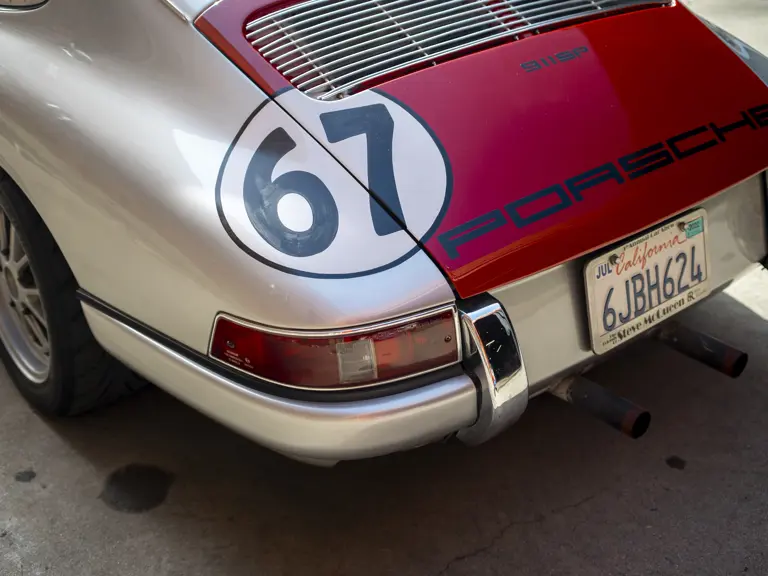
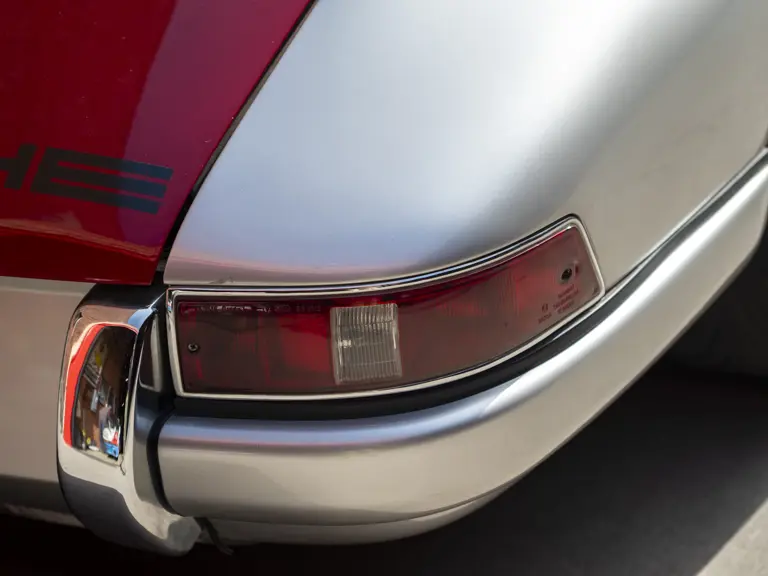
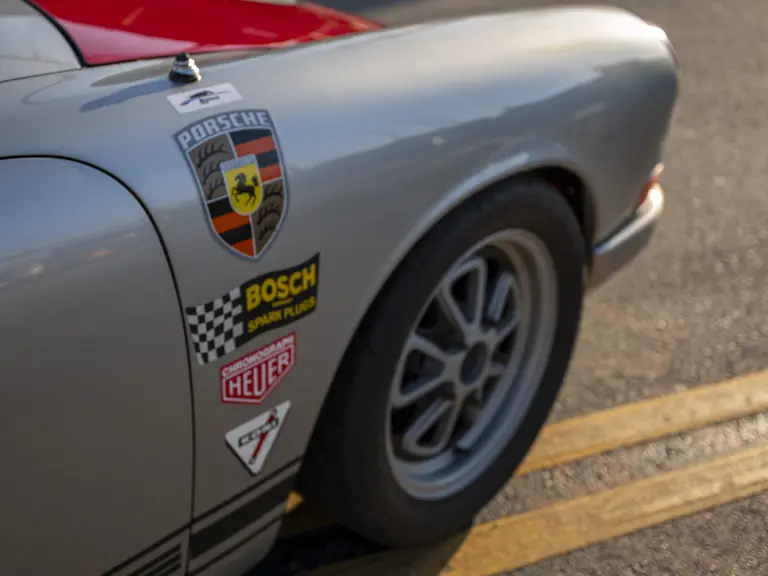
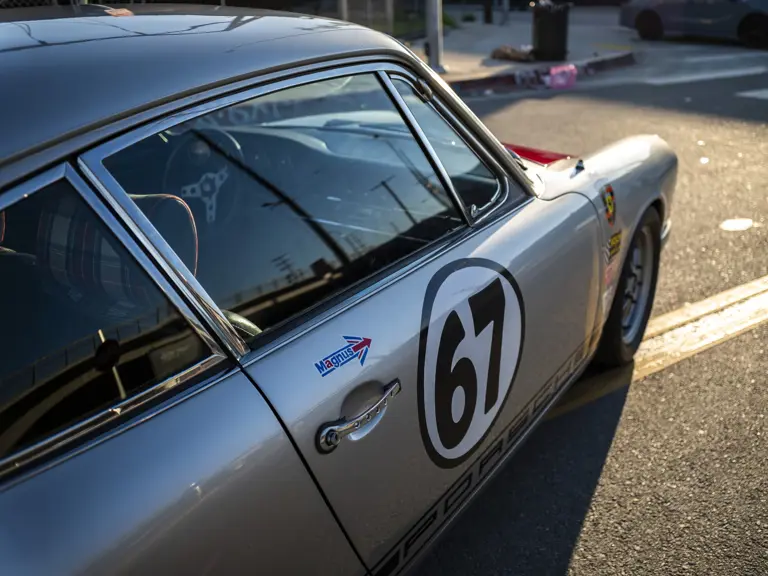
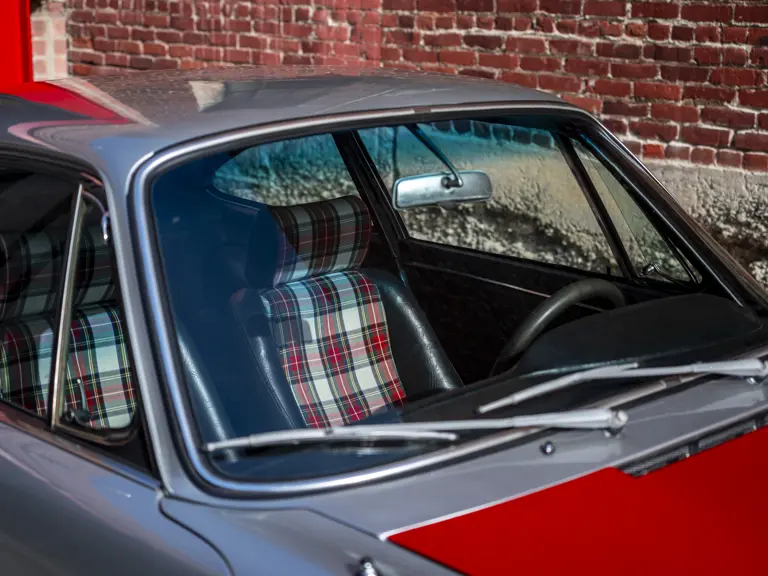
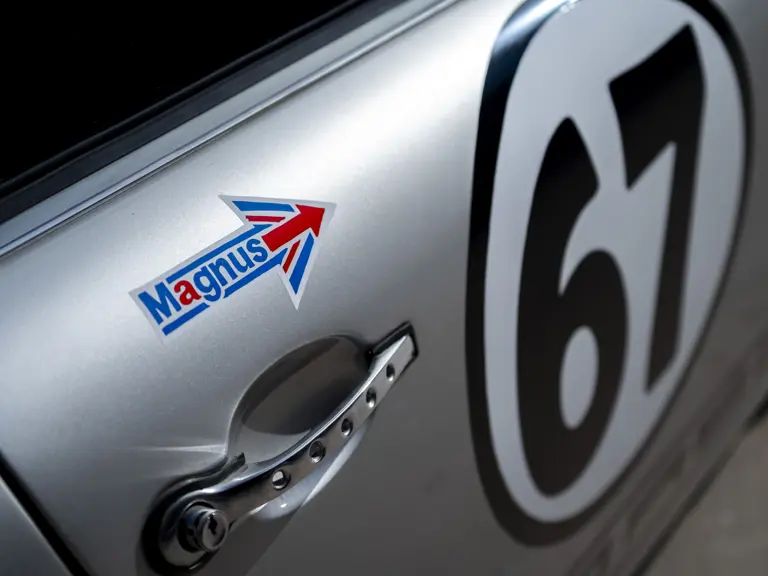
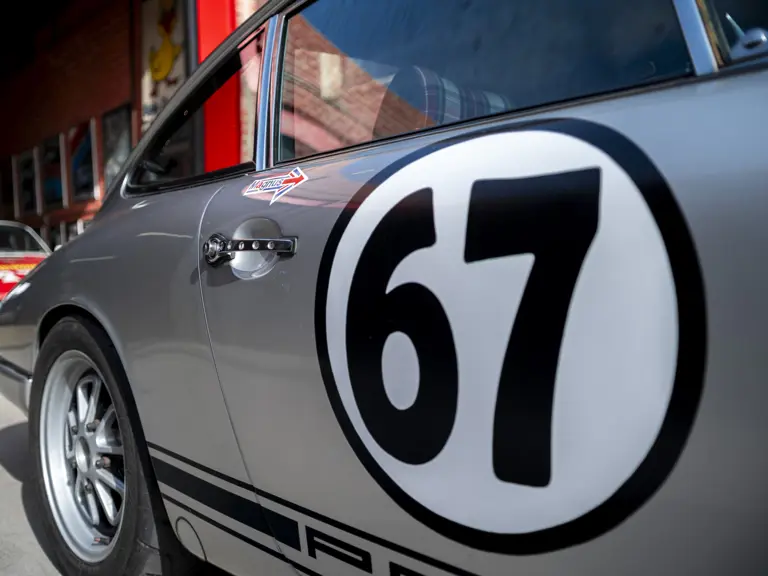
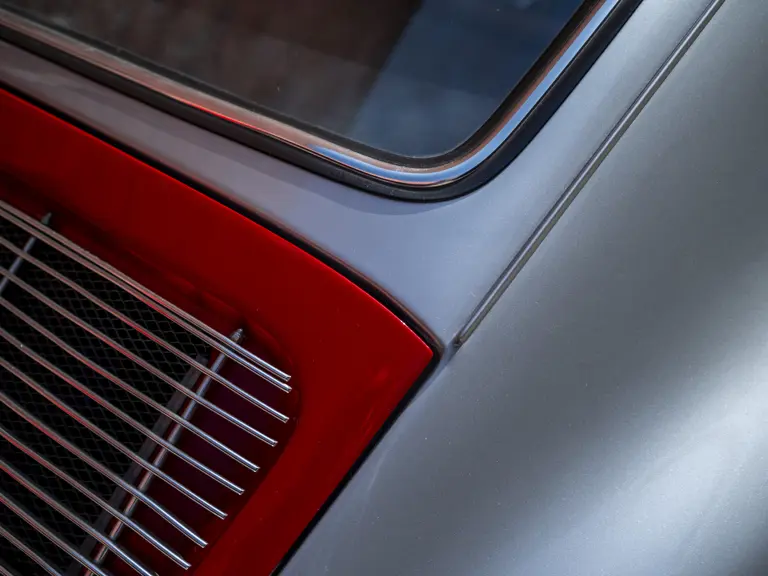
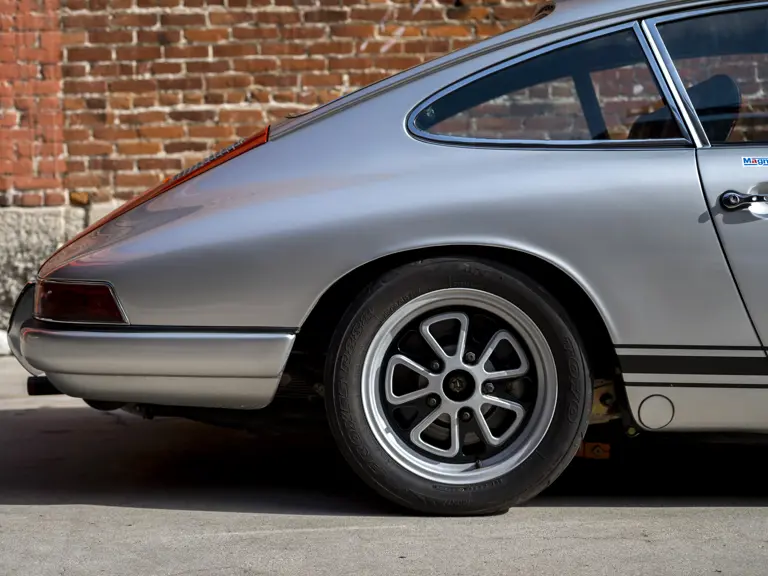
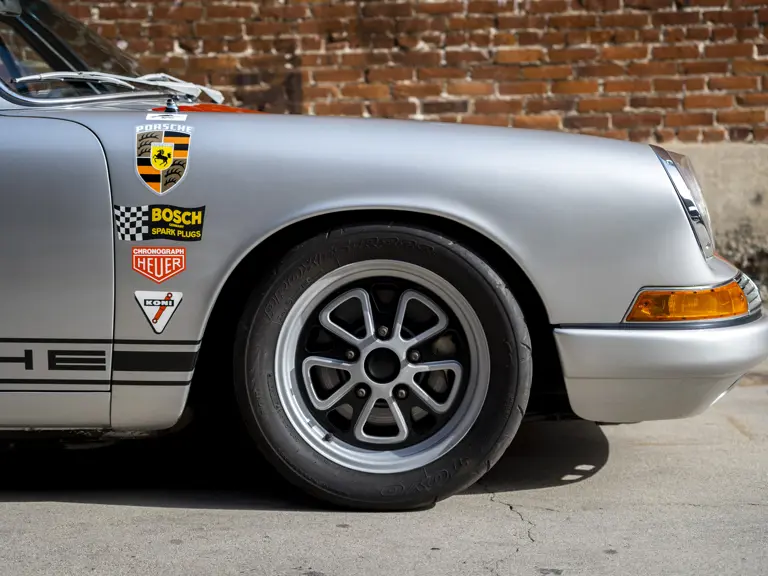
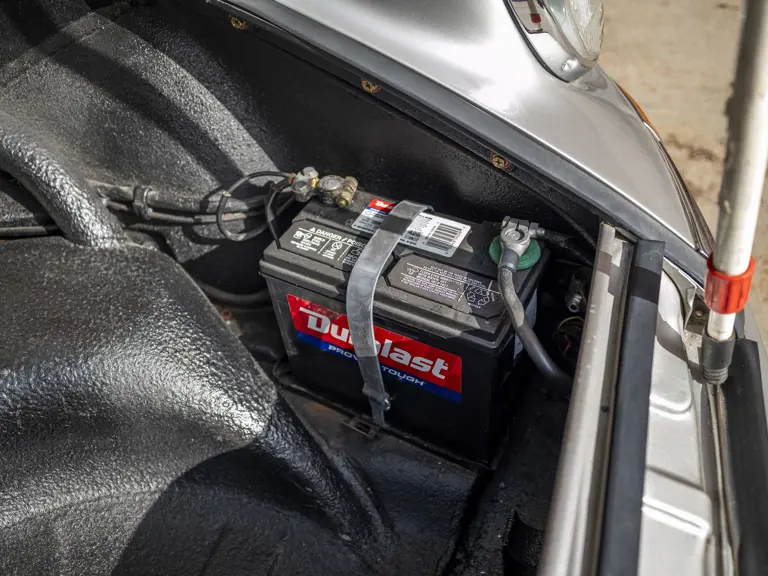
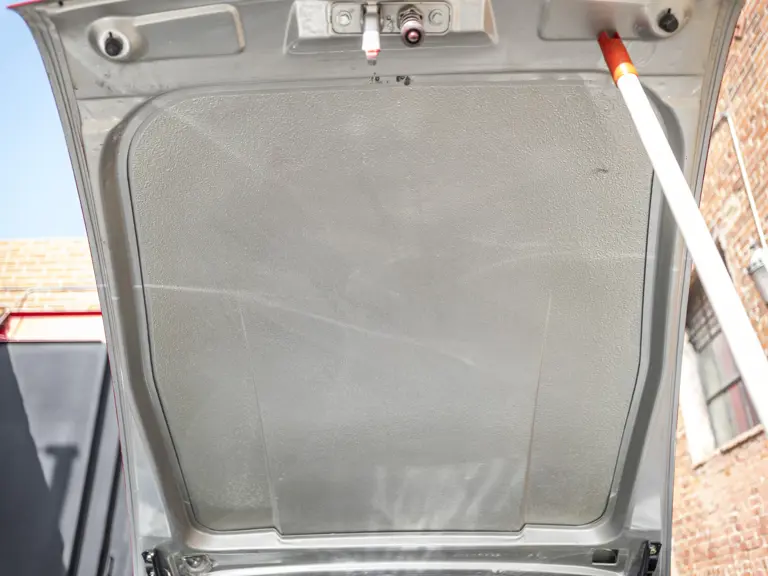
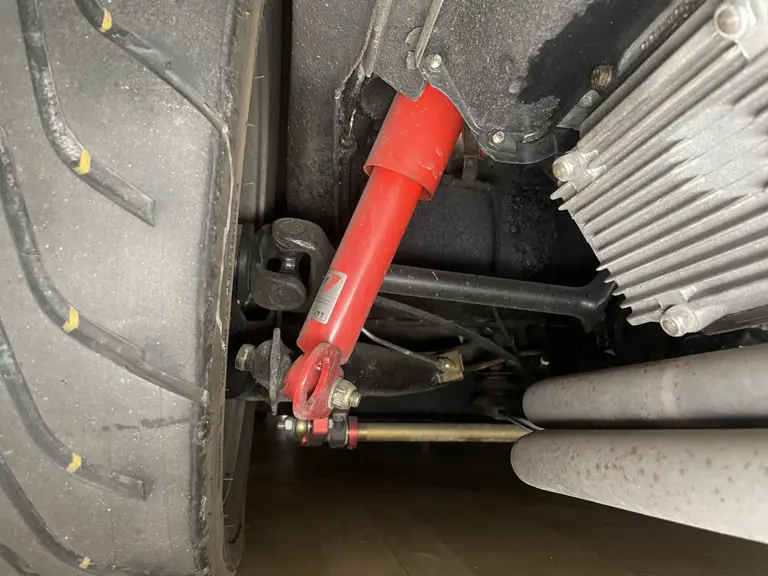
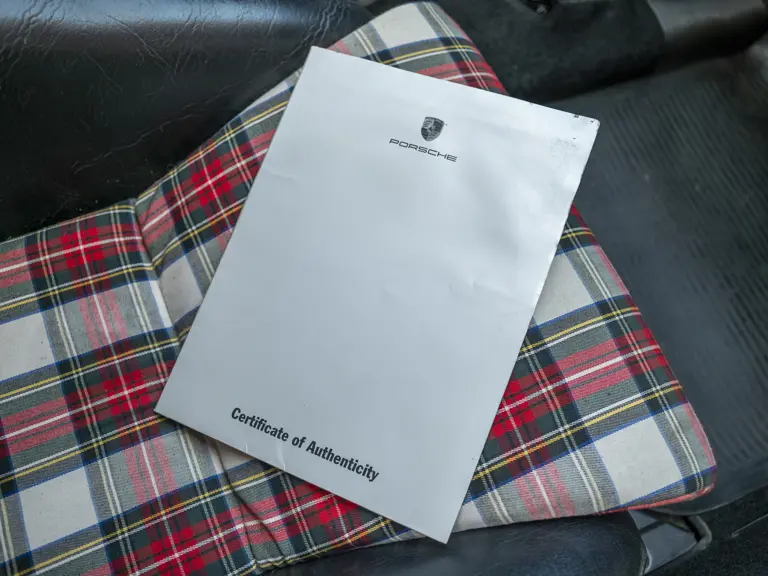
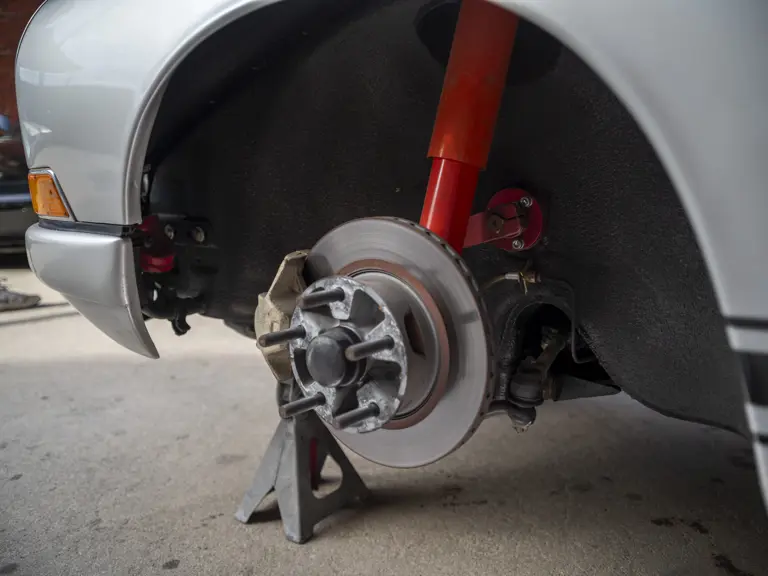
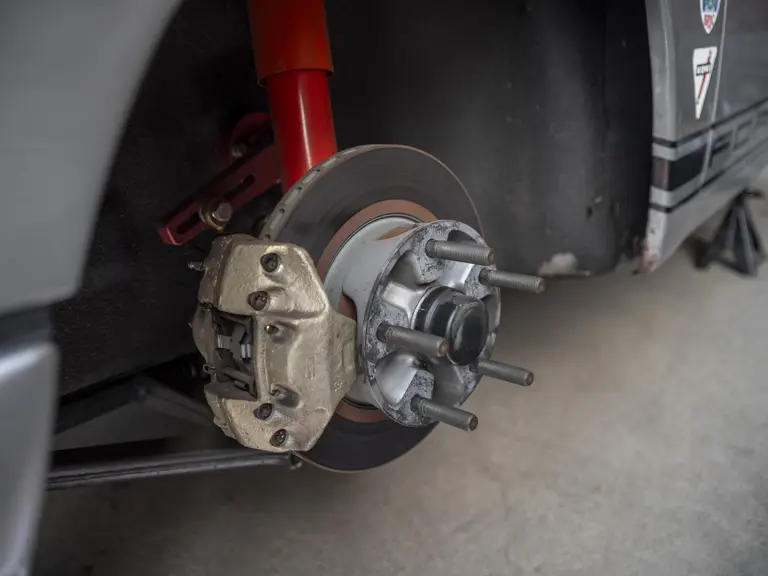
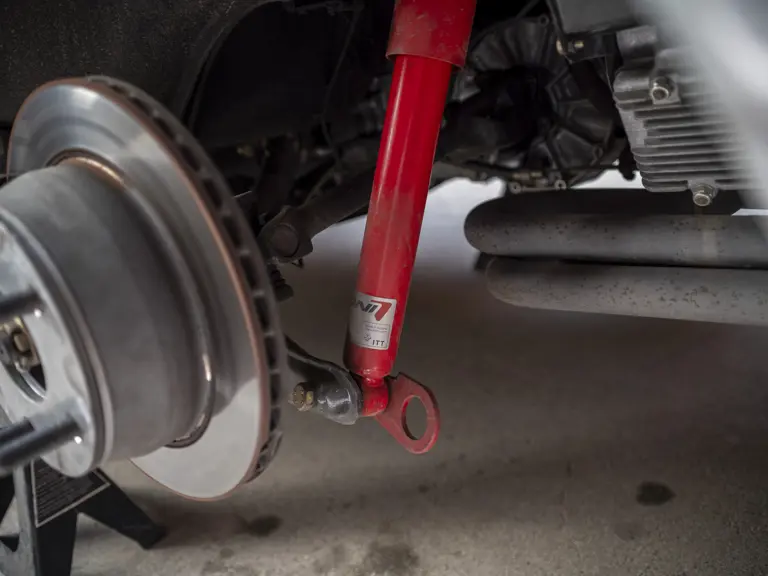
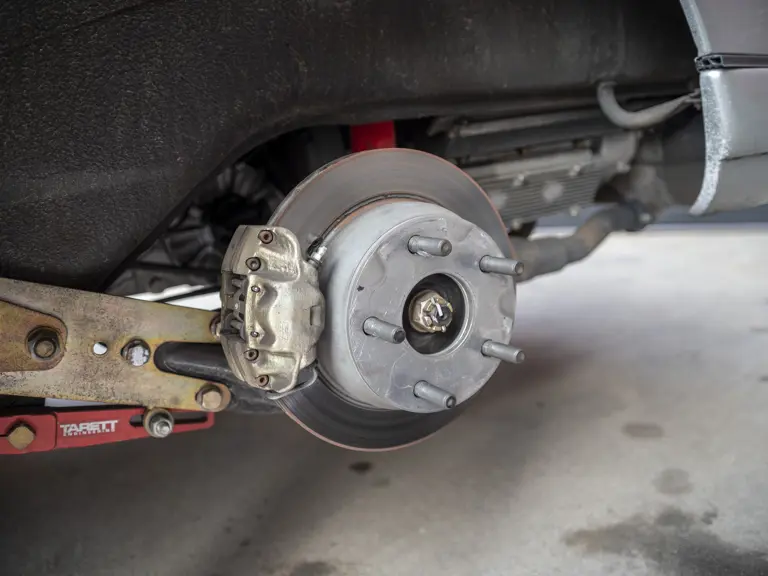
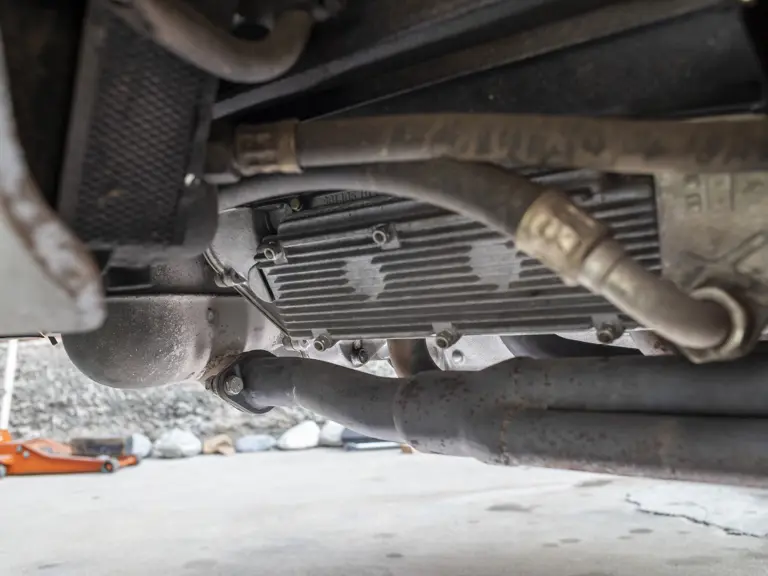
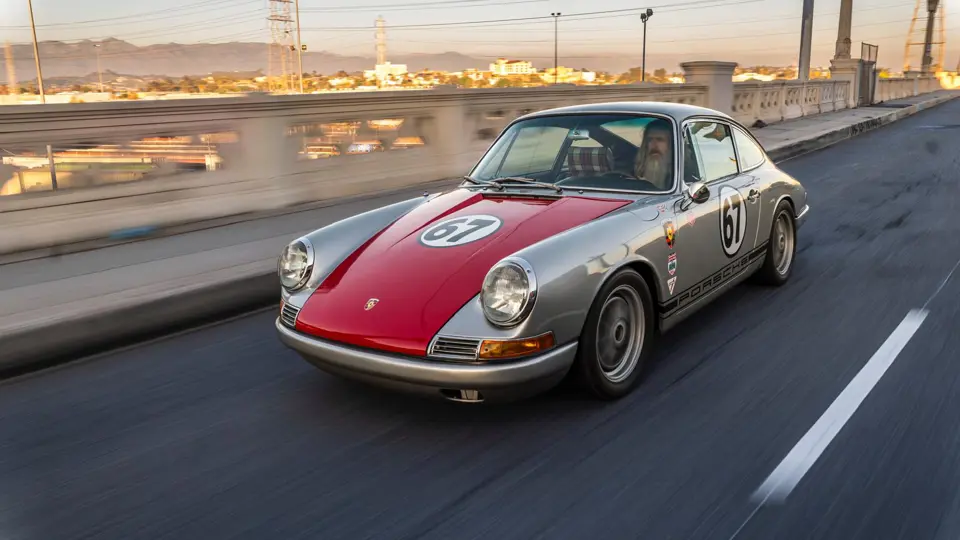
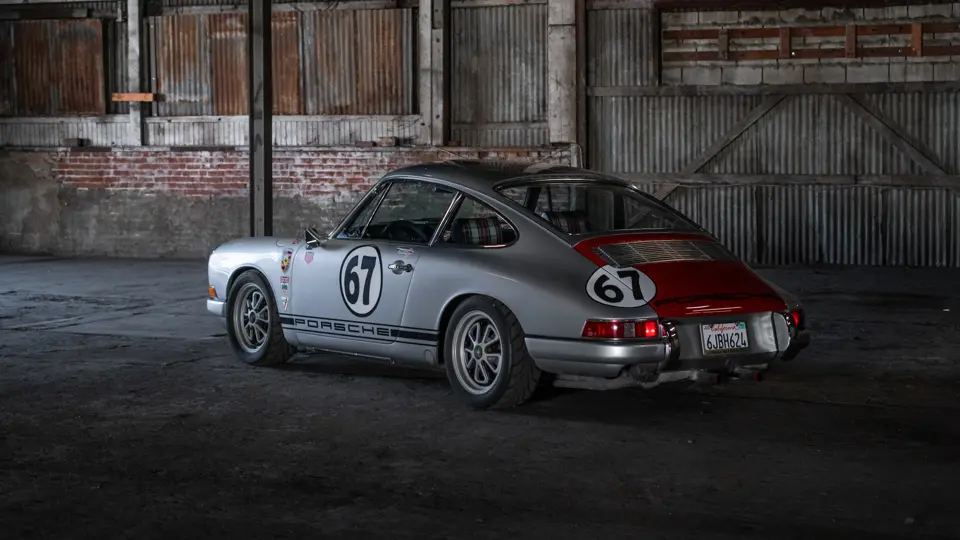
So essentially what I’ve done in my years of ownership is add these vintage Ultra Shield bucket seats with tartan interior that I reupholstered myself. I’ve had the front hood painted, added a rear decklid, fitted a sport exhaust, installed my own steering wheel, and put it on a set of my concave Outlaw wheels. They’re a 15x7 R-style fitment all around—basically a slightly wider take on the original look. I deleted most of the deco trim, went with a twin-pipe sport exhaust, and added red front and rear hood straps along with an R-inspired side rocker script. I did the drilled door handles, had the round 67 meatball number, hand painted, and—of course—a few go-faster stickers.
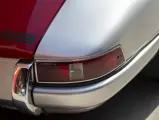
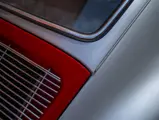
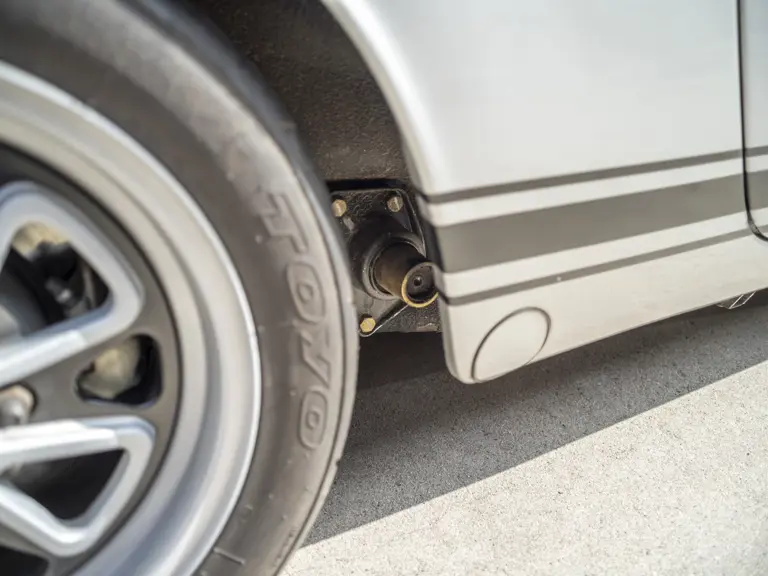
In essence, it’s a sport-purpose, streetable, R-inspired lightweight track car, while still retaining some great original details, like the brass chrome–plated horn grilles. It lives somewhere between a ’67 S, a Trans-Am car, an L, and an R—very much its own thing, with a lot of character.
So anyway, that’s the story of this 2.3-liter ’67 S.
 | Los Angeles, California