Chassis No.
10R
$34,655,000 USD | Sold
{{bidding.lot.reserveStatusFormatted}}
ACHIEVING THE IMPOSSIBLE
The McLaren F1 is rightly considered the undisputed king of the contemporary hypercars from the 20th century—a masterpiece of both form and function that has never been outshone.
That enduring legacy owes everything to the racing variant—the McLaren F1 GTR—and its stunning overall victory at the 1995 24 Hours of Le Mans on its competitive debut. It was that famous win against impossible odds that propelled the McLaren F1 to the dizzying heights of collectability that it enjoys today.
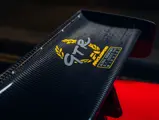
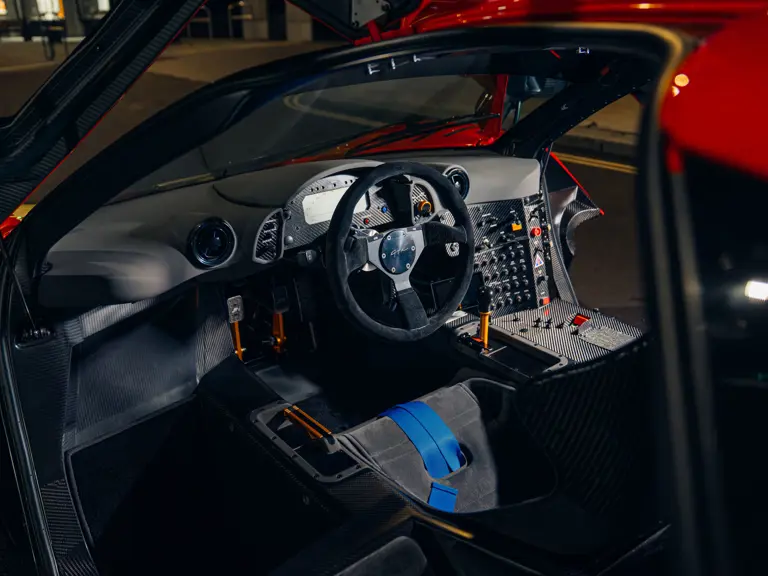
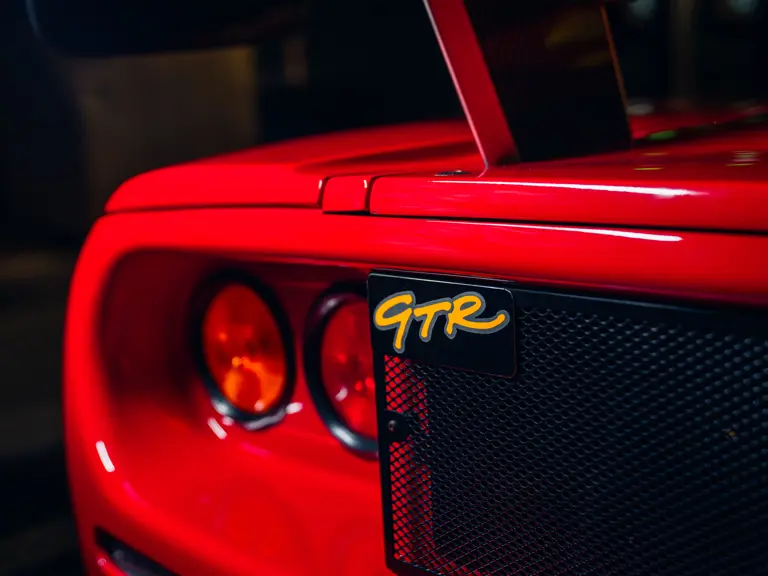
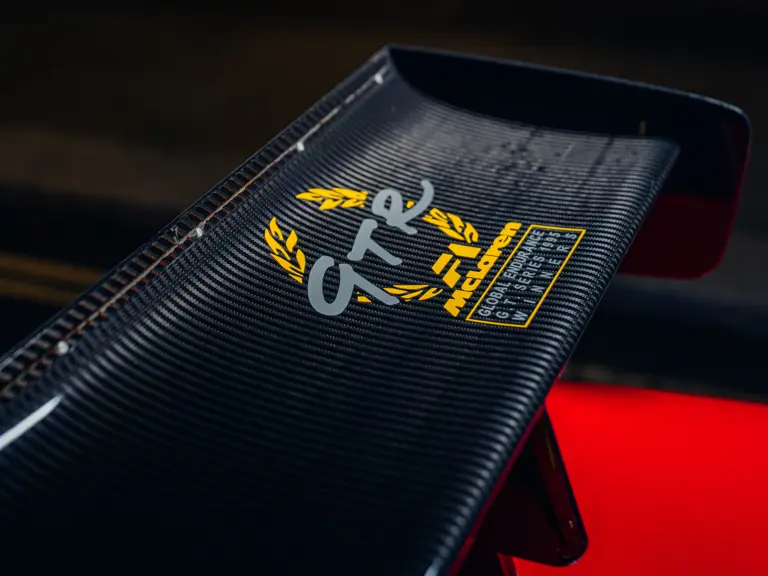
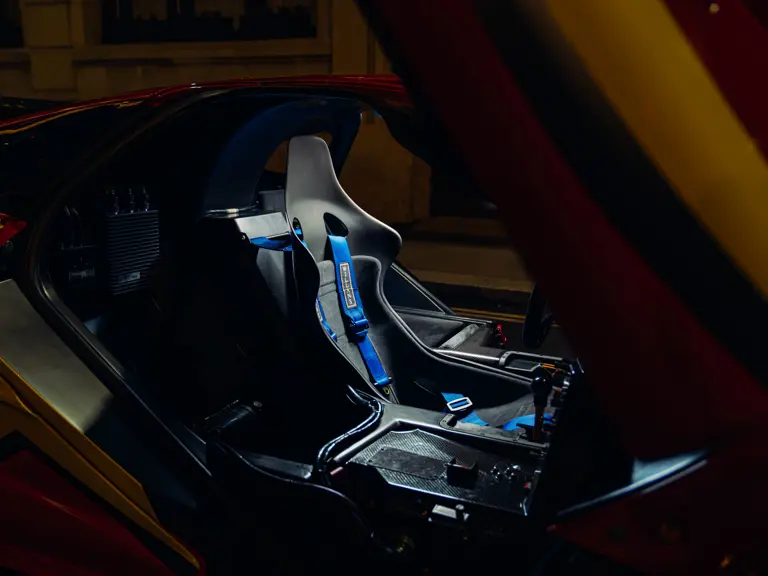
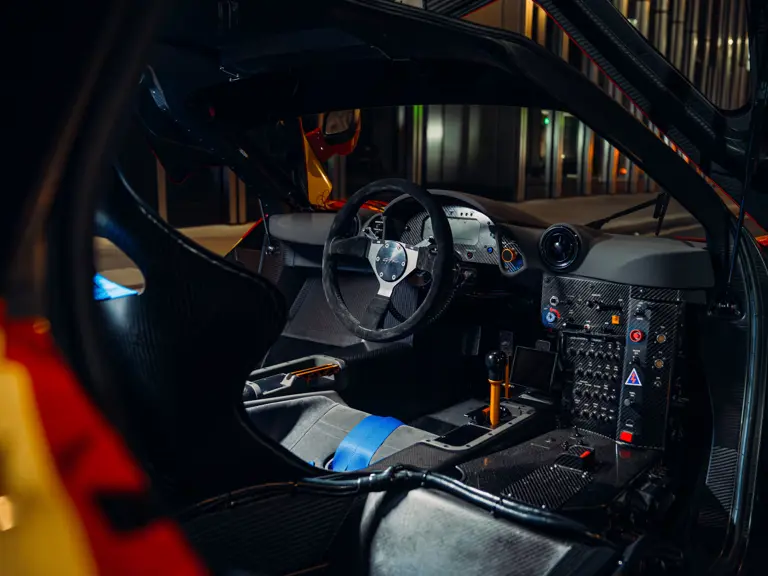
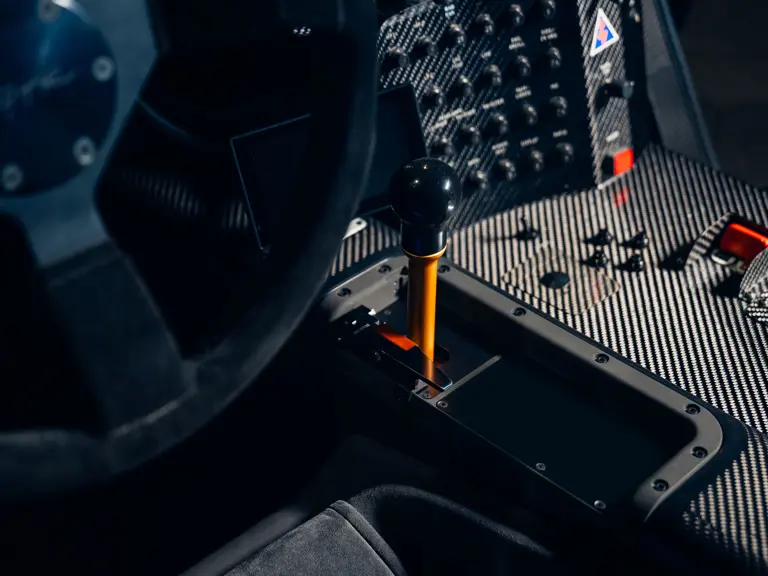
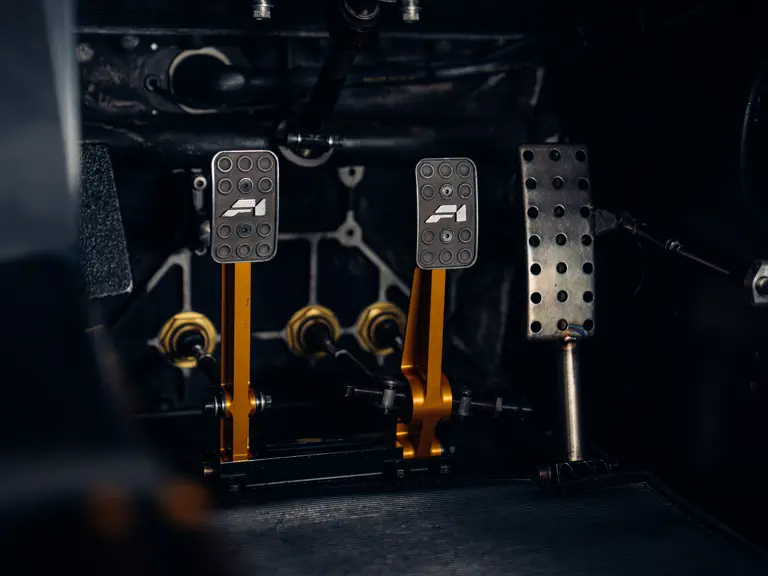
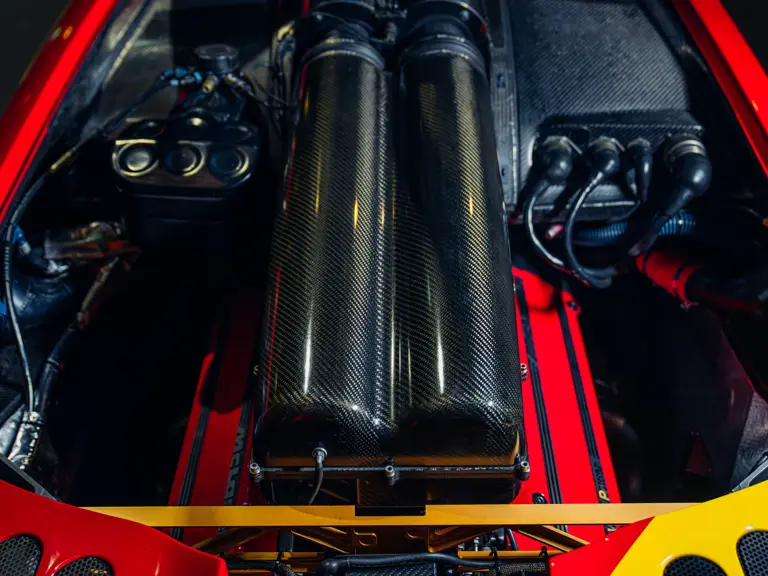
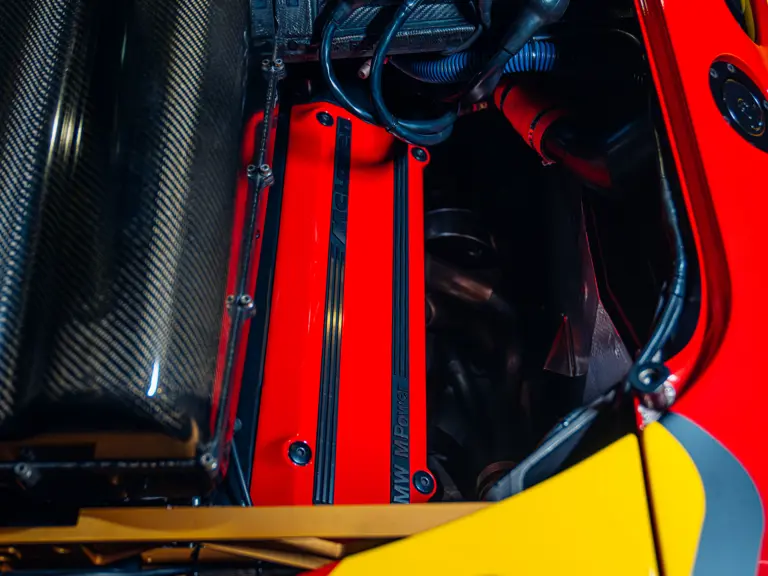
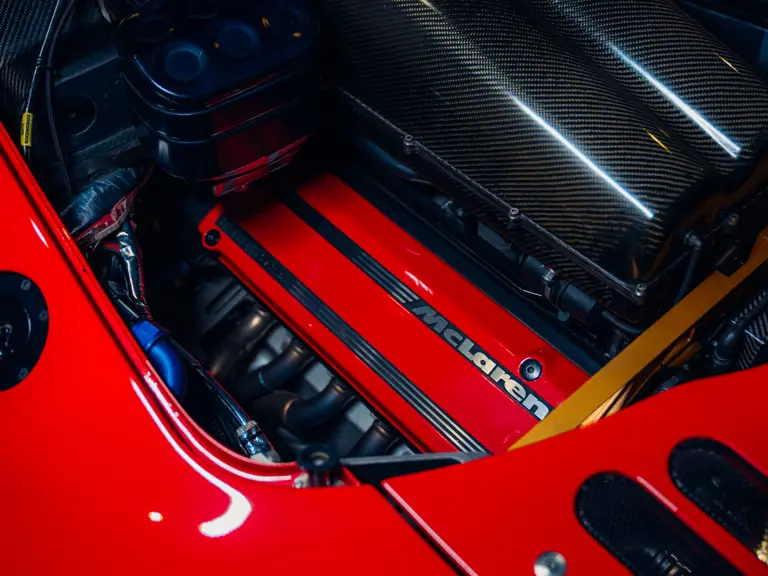
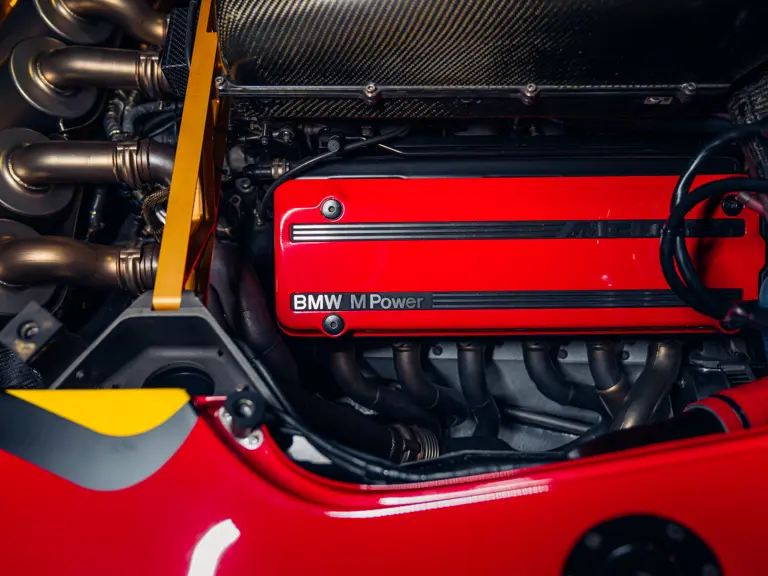
McLaren’s groundbreaking supercar was never intended for competition, but its race-derived components made it a force to be reckoned with on track. Built to contest the BPR Global GT Series, the first GTR variants were essentially lightened versions of the road car that featured new bodywork, a large rear wing, and carbon-ceramic disc brakes; even the standard gearbox was retained. Nine chassis were built for privateer use, with McLaren’s own development car—chassis 01R—winning Le Mans in spectacular fashion under the Kokusai Kaihatsu Racing banner. The achievement was monumental, with Gordon Murray famously saying that winning Le Mans at the first time of asking was harder than winning back-to-back Formula 1 Championships.
The following 1996 season brought with it the fresh challenge of pure-bred racecars such as the Porsche 911 GT1, requiring the McLaren F1 GTR to become lighter, faster, and more focused than the model that took victory at La Sarthe the previous year. The McLaren F1 GTR 1996, as it became known, featured extensions to the bodywork at both the front and rear, and a more aggressive front splitter that significantly increased downforce. The gearbox benefited from a lightweight magnesium housing along with heavy duty internal components, which contributed to a weight saving of 38 kilograms compared with the outgoing car.
The McLaren F1 GTR 1996 would be the fastest ever variant of the famous racer, outpacing even the final “Long-Tail” version of 1997. Just as in 1995, only nine 1996 cars were built, beginning with arguably the most famous and significant of them all: chassis 10R.
10R – THE ULTIMATE 1996 “XP” CAR
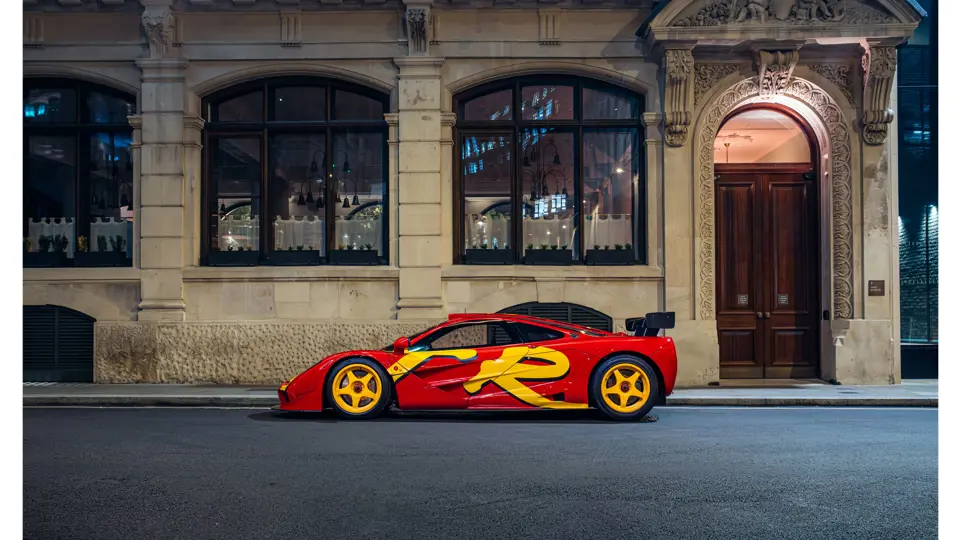
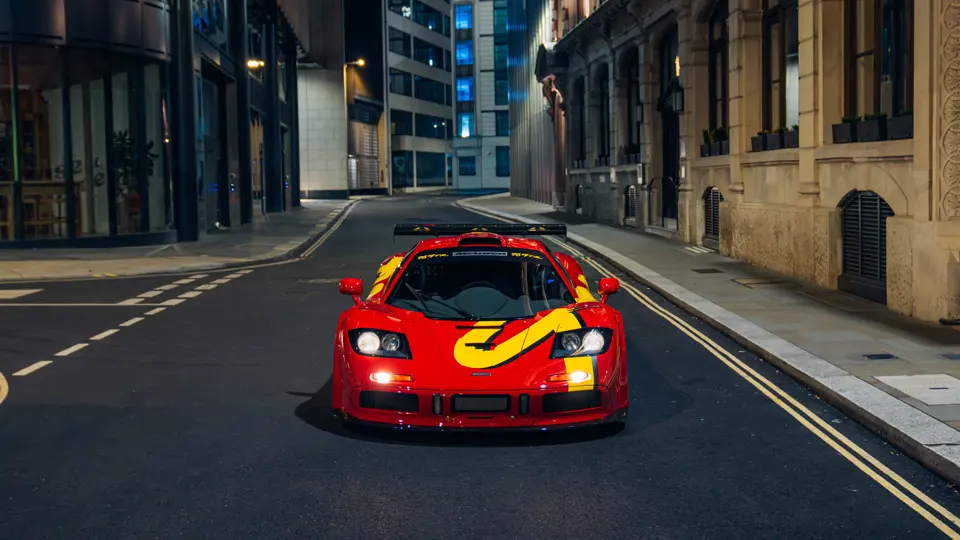
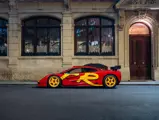
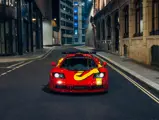
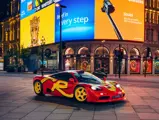
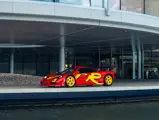
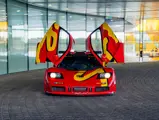
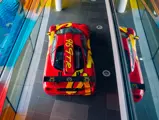
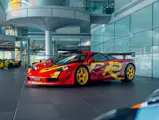
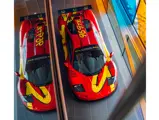
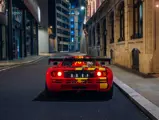
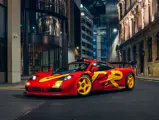
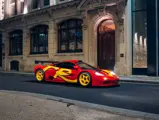
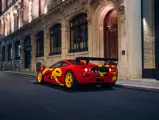
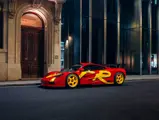
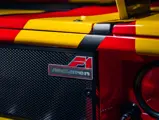
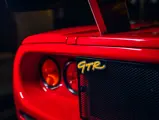
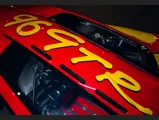
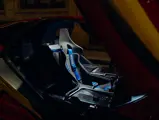
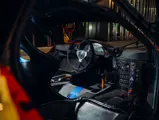
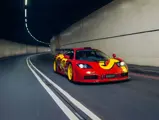
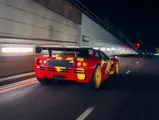
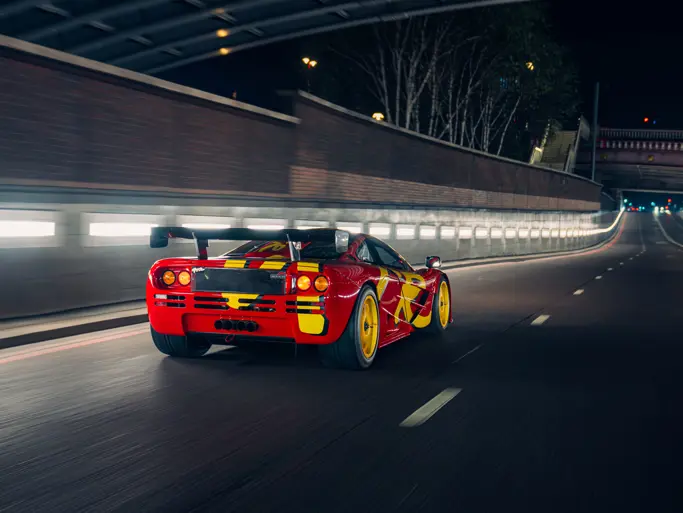
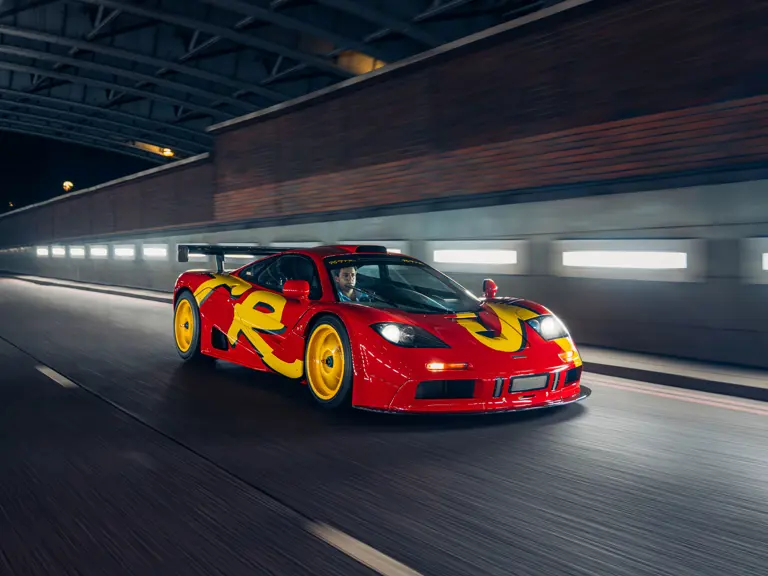
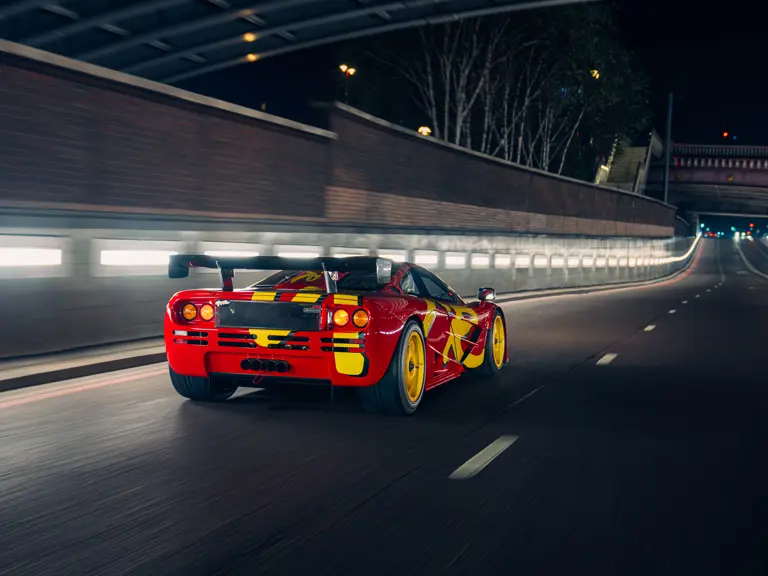
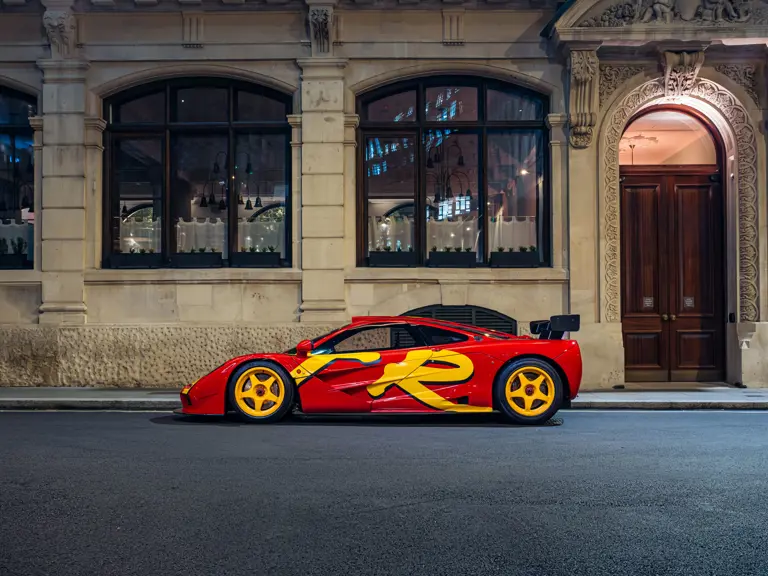
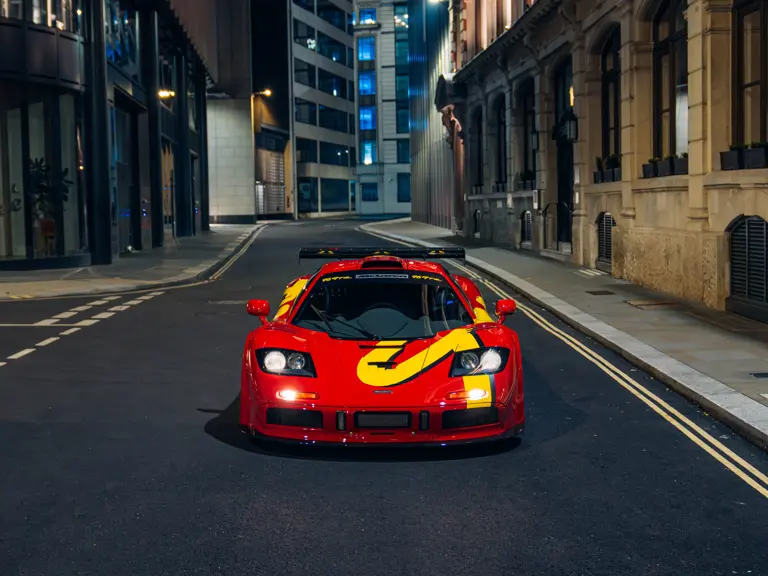
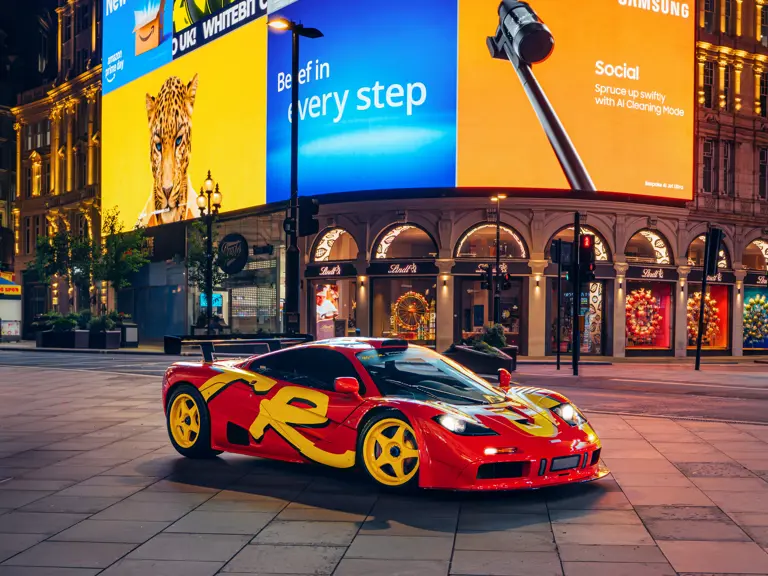
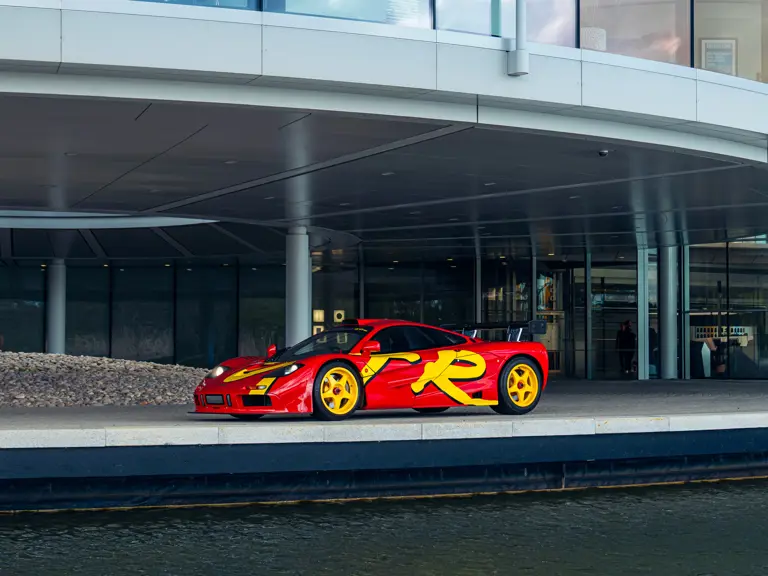
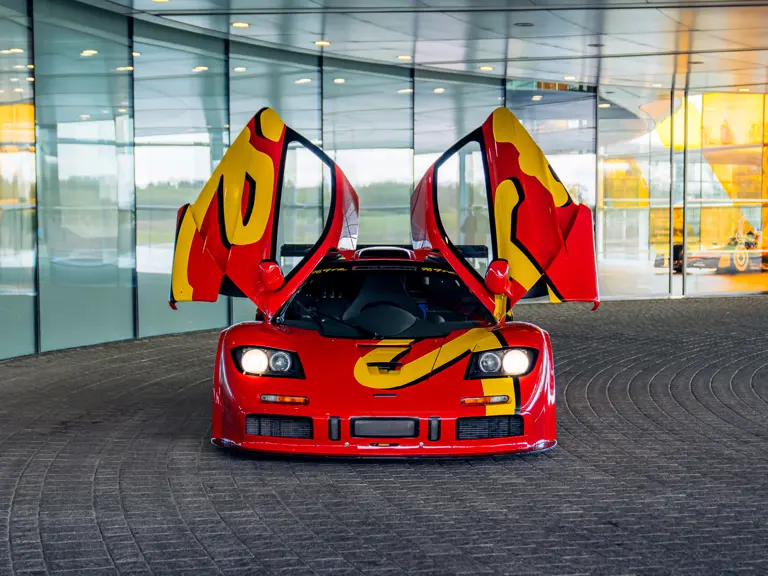
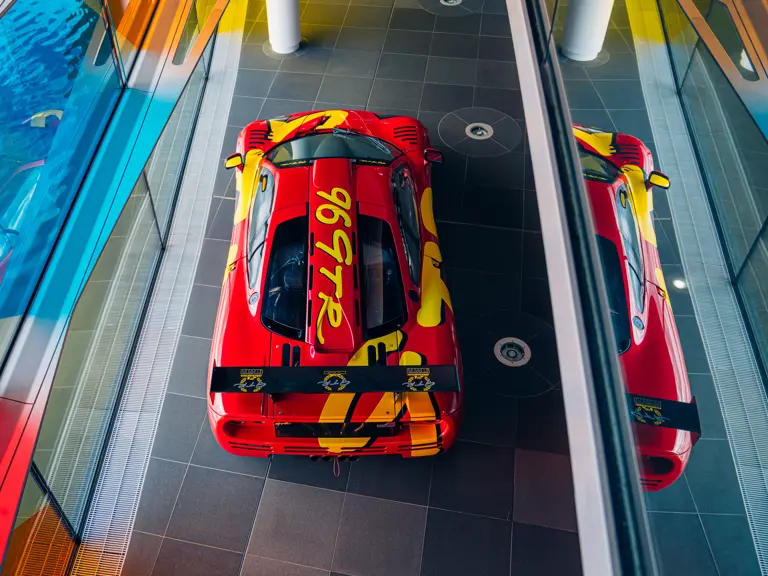
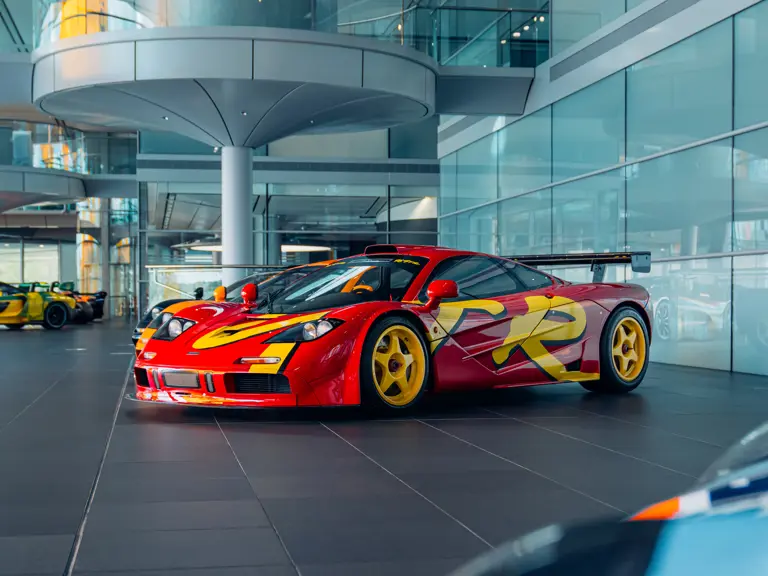
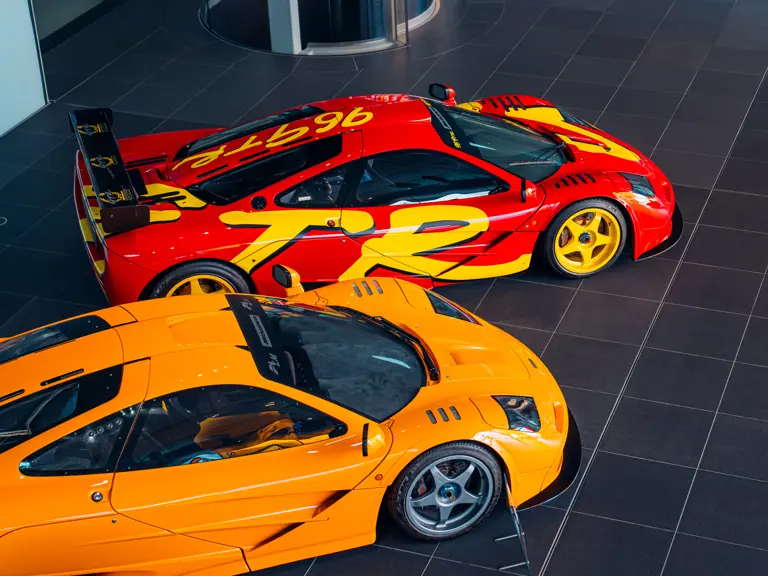
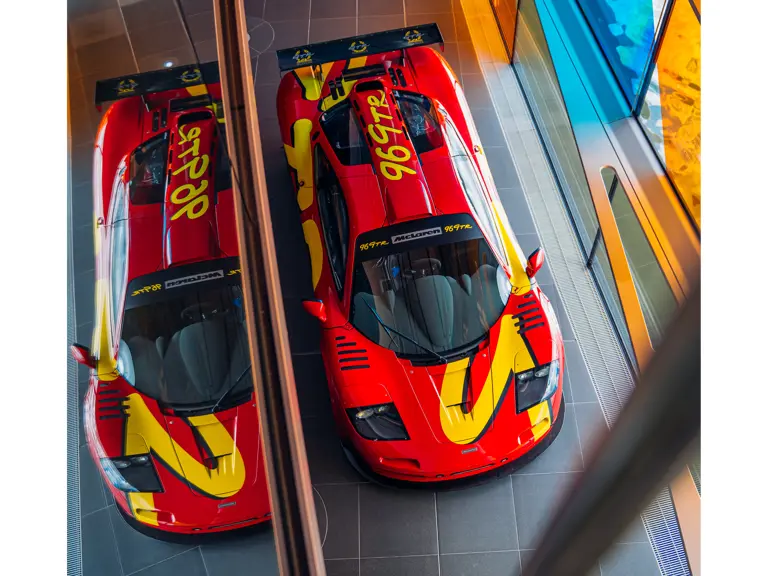
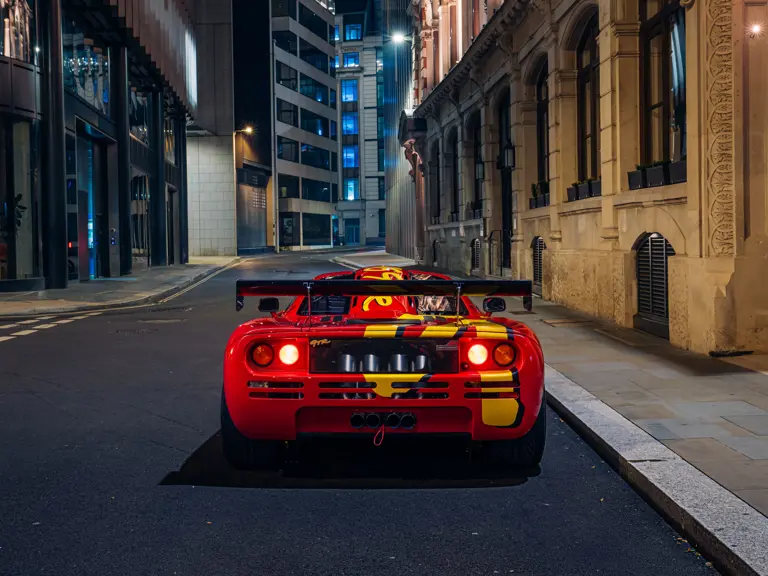
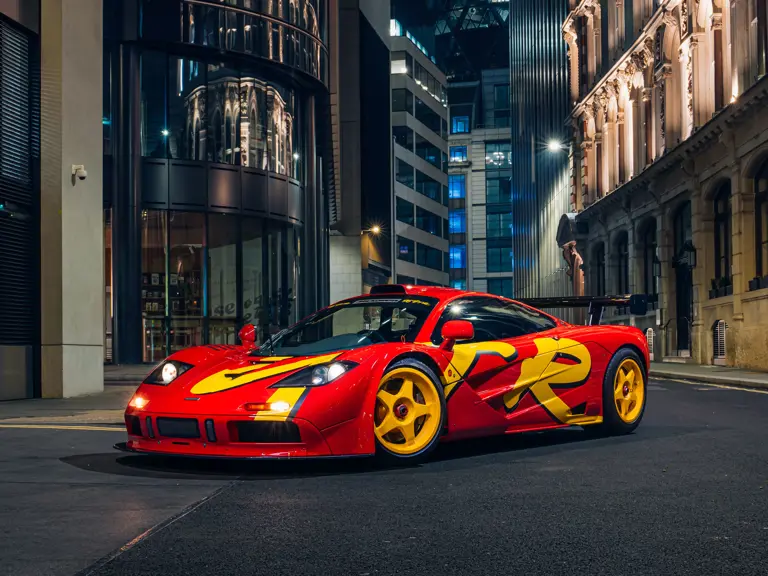
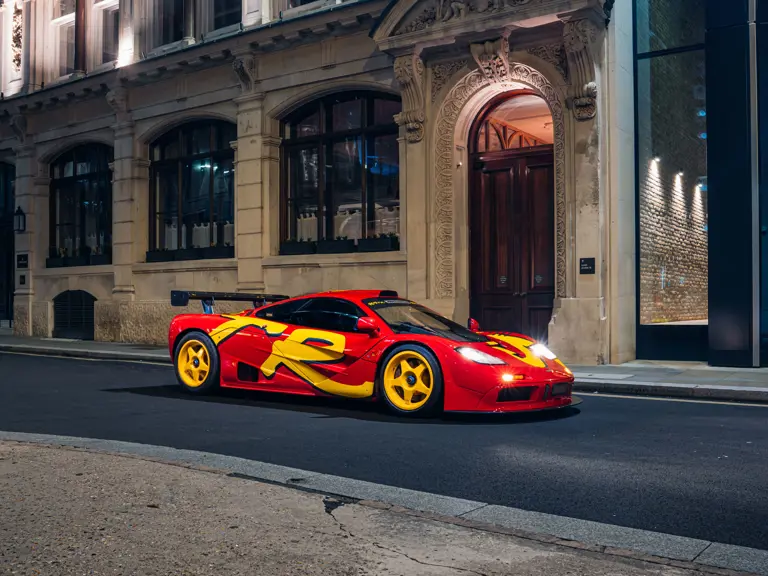
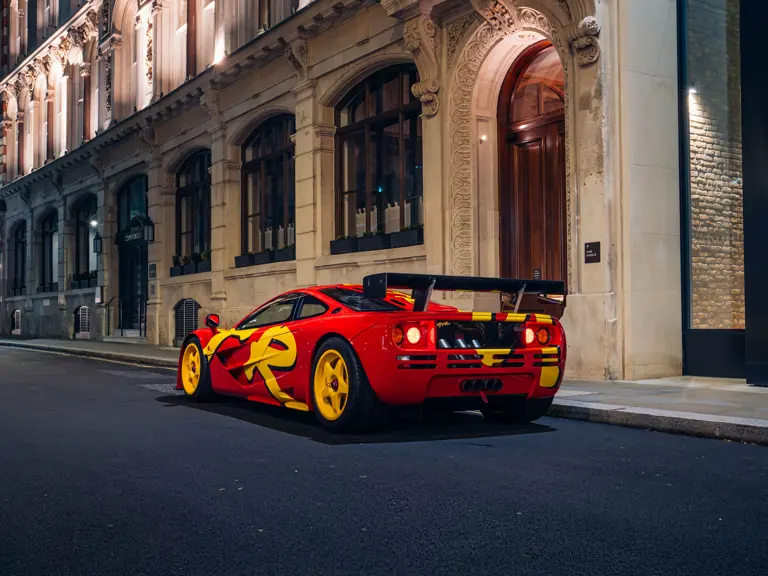
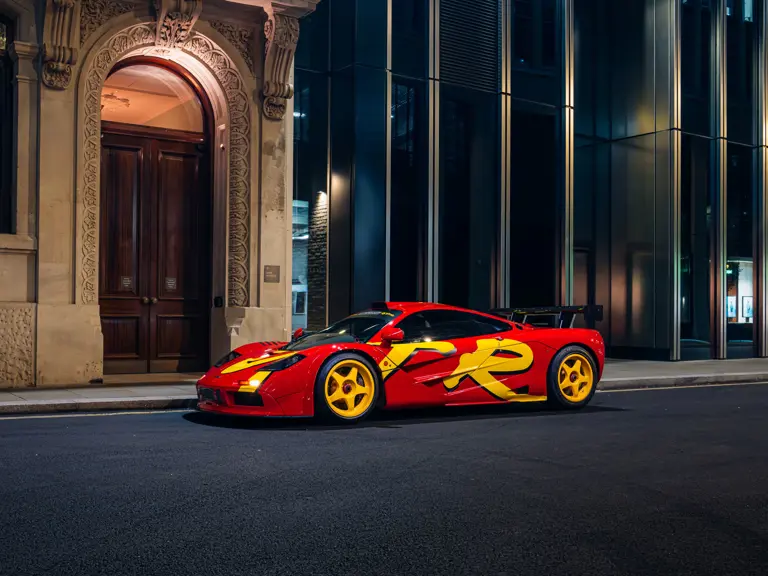
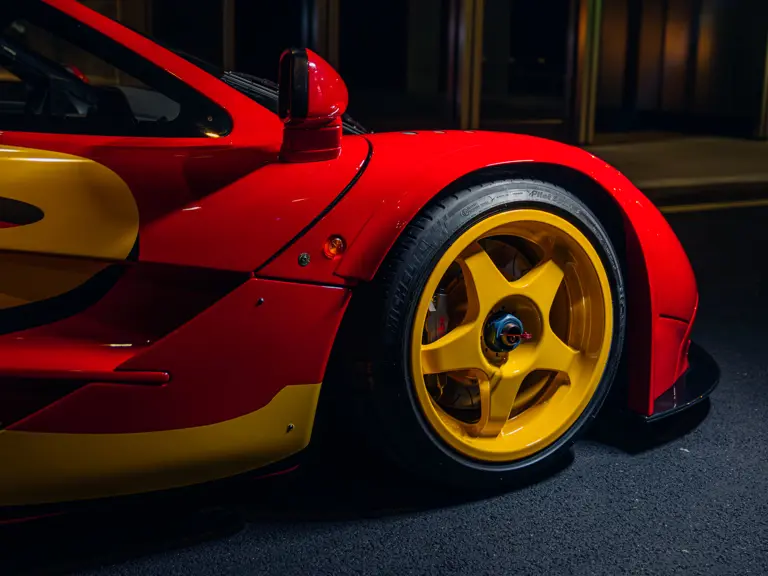
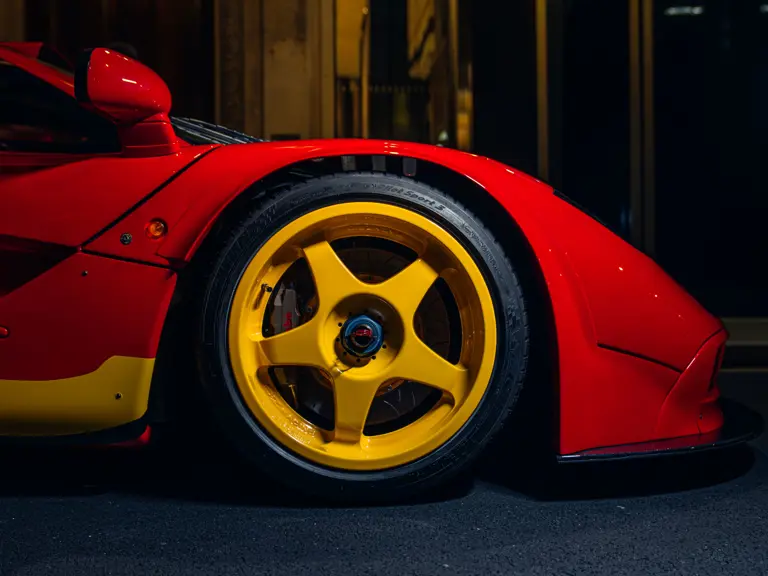
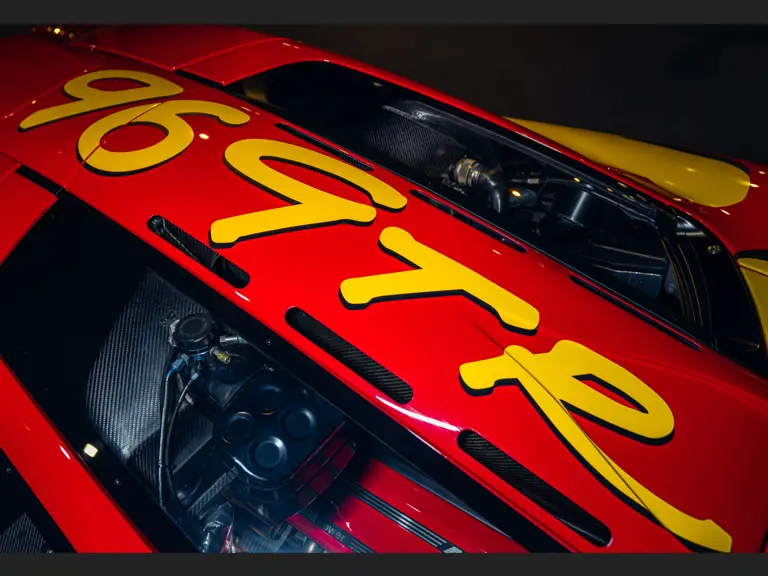
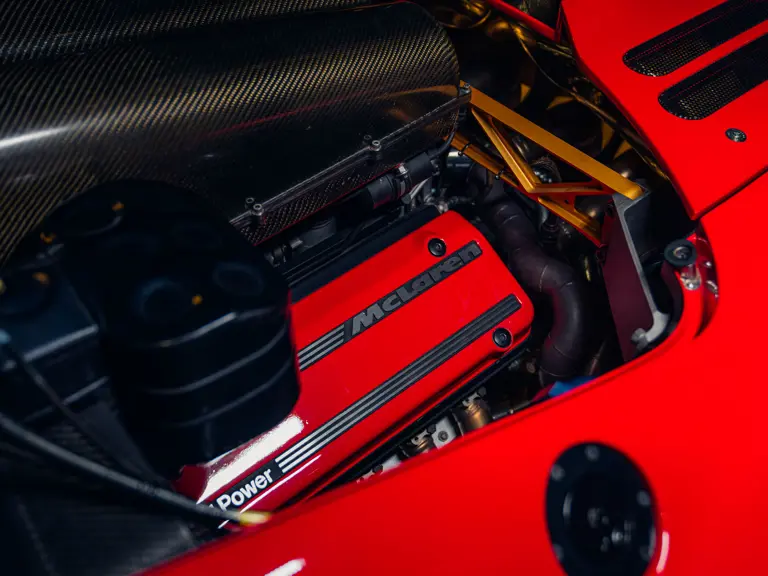
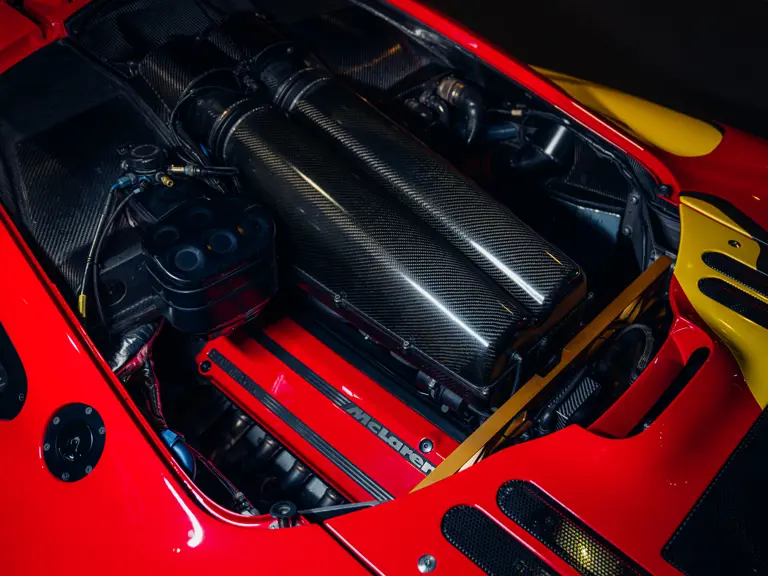
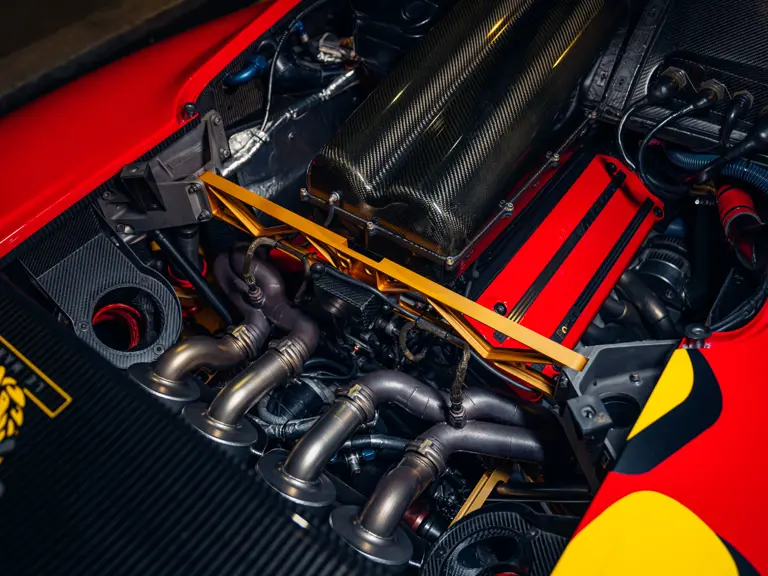
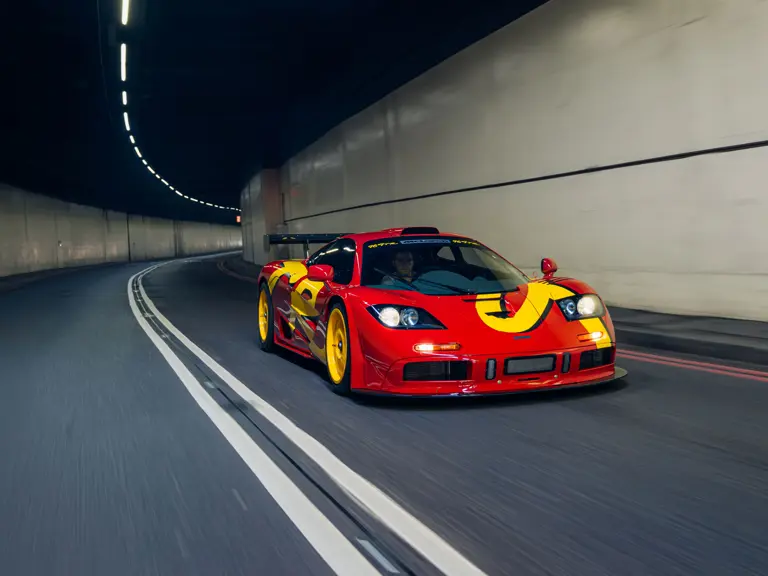
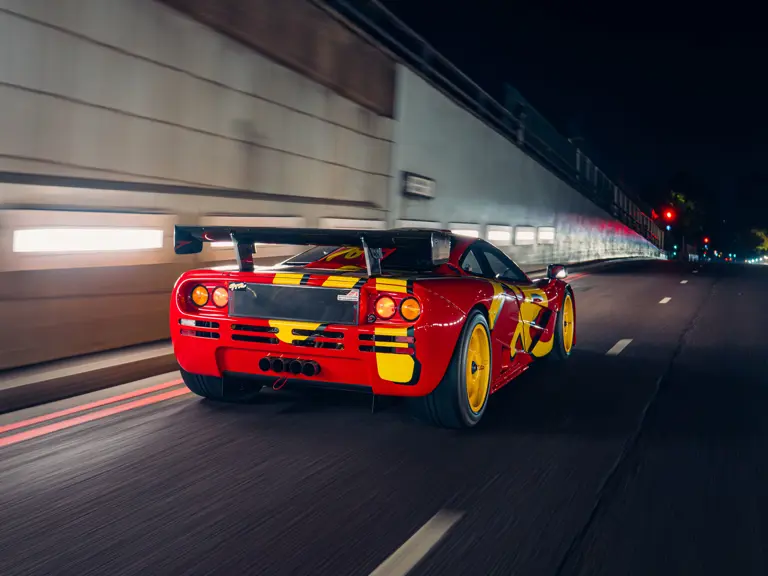
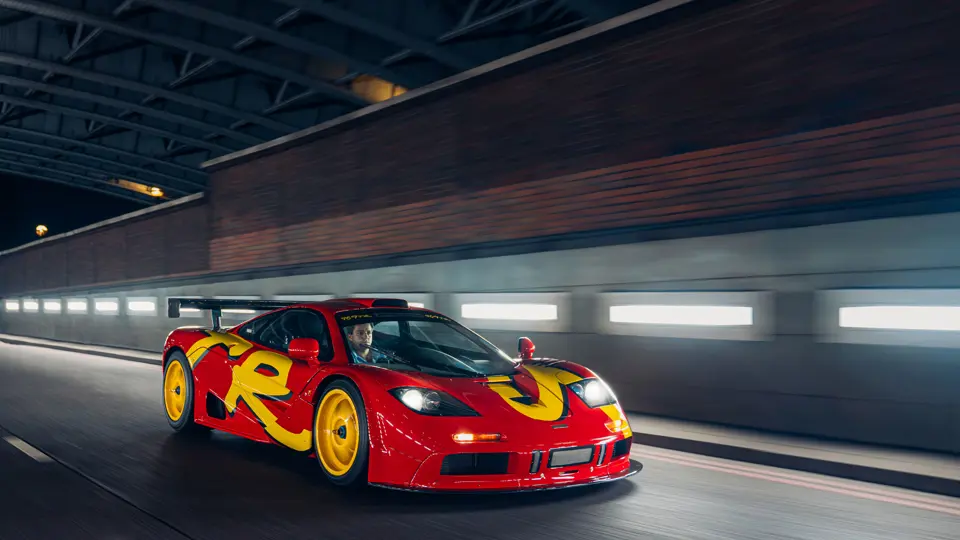
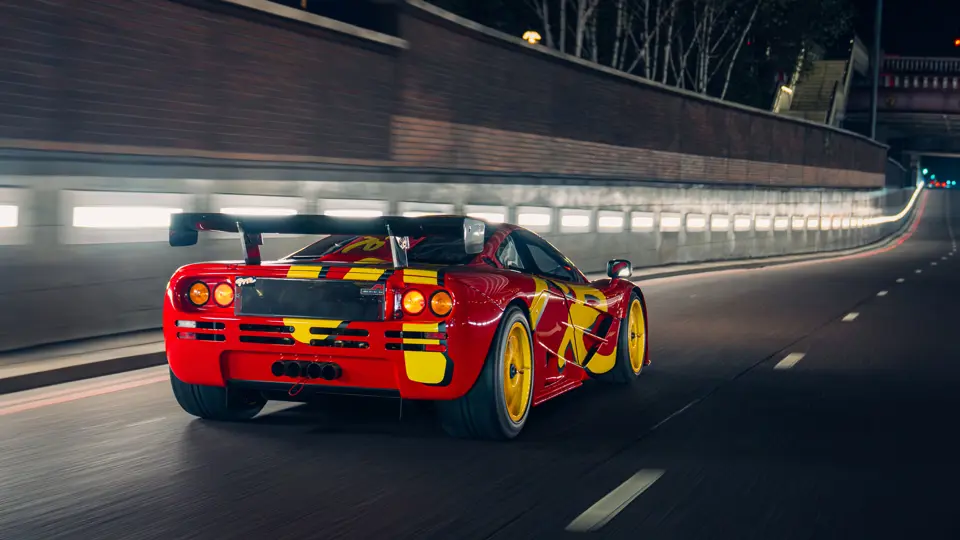
The XP cars are widely considered the most desirable and valuable of all the F1 variations. Chassis 10R left the Woking works in December 1995 as the first example built to F1 GTR 1996 specification. As the first of its type—just like the Le Mans-winning chassis 01R—the car was retained by McLaren, and would have been driven by a host of the manufacturer’s top drivers, including 1995 Le Mans winner, JJ Lehto, during winter testing at Magny-Cours. It also served as a promotional tool for the marque and was present at several rounds of the BPR Global GT Series, resplendent in Blood Red with contrasting yellow “96 GTR” graphics—the livery for which the car would become famous.
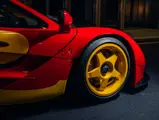
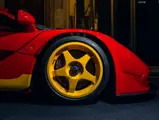
The car eventually saw competitive action in early April when it took part in 12 hours of testing in preparation for the manufacturer’s assault on the 1996 24 Hours of Le Mans. Three weeks later chassis 10R made the journey to the Circuit de la Sarthe, where it participated in Pre-Qualifying for the French epic. Wearing a plain Blood Red livery with graphite wheels and running under the auspices of reigning Le Mans champions, Kokusai Kaihatsu Racing, the car was driven by McLaren Works driver, David Brabham.
Doubtless all eyes would have been on 10R during Le Mans testing—a bright red F1 fresh with factory upgrades over last year’s outright winner, being put through its paces by the very team that won it all in 1995. A successful weekend resulted in the car ranking 8th in class and 20th overall, though it would be sister car, chassis 11R, that would go on to contest the race proper.
NICK MASON AND BRITISH POP INFLUENCE
Britain was, in a crucial sense, Pop Art's birthplace. While Richard Hamilton and David Hockney became its most globally recognized practitioners, the rock and roll scene also became an important area where art was fused with music. Of all Pink Floyd's visual achievements, the one that transcends its category most completely is the artwork for The Dark Side of the Moon. Released in March 1973, with cover artwork designed by the British graphic design studio Hipgnosis, the album spent 996 weeks on the American Billboard 200 chart, selling more than 45 million copies worldwide making it the fourth-best-selling album in the history of recorded music and an instant icon of pop culture.
While both 01R and 10R were initially retained by the McLaren factory, it was fittingly decided that 10R would be sold directly to Nick Mason, renowned collector and drummer for the legendary rock band Pink Floyd. A car enthusiast long before finding fame with Pink Floyd, off-stage Mason has curated an impeccable collection of the world’s most significant automobiles, including a Ferrari 250 GTO, Maserati 250F, Bugatti Type 35, Jaguar D-Type, Porsche 962, and a host of other magnificent examples. In many ways a modern disciple of those groundbreaking racing designs, the McLaren F1 GTR was a perfect fit for Mason’s thoughtfully curated and highly exclusive collection.
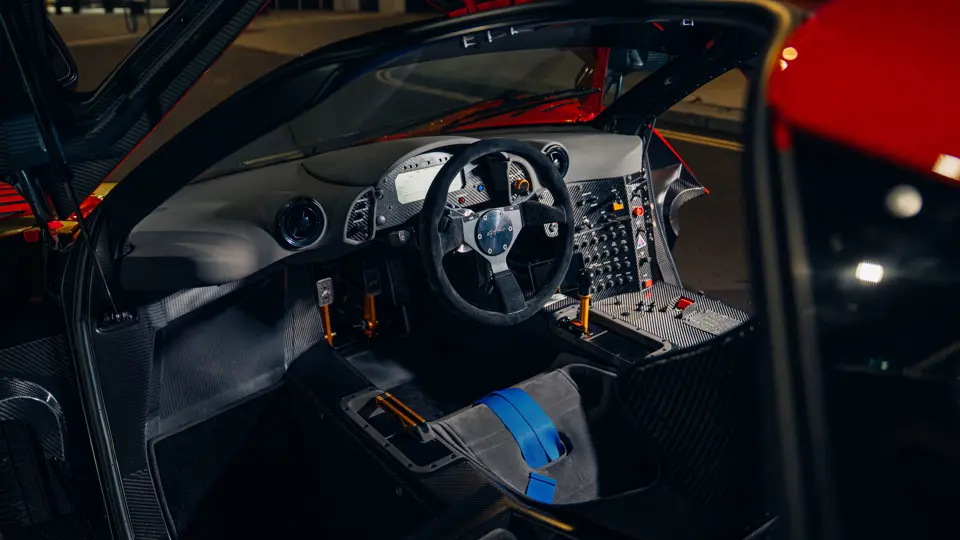
Having been converted for road use by McLaren directly, and subsequently registered “K40 MCL” in 1999, further work was carried out on the car by Paul Lanzante and his company Lanzante Limited. No stranger to McLaren or the F1, it was Paul Lanzante who was at the helm of the Kokusai Kaihatsu Racing team at Le Mans in 1995, leading the team to victory on what was also his first participation in the fabled event. Chassis 10R was one of the earliest conversions of an estimated 16 McLaren F1 GTRs to be modified for road use, taking one of the most feted racing cars of the 1990s full circle. A dominant force on track, it returned to where its creator always intended it to be: the open road.
Chassis 10R was later displayed at Rétromobile in 2007 and subsequently used for a 2009 test by Autocar’s Steve Sutcliffe. That was followed by another journalist losing control of the car and ending up in a field of wheat, prompting a no-expense-spared restoration by Paul Lanzante’s son, Dean, and his incredible team at Lanzante Limited in 2009. Having been a member of the Le Mans-winning squad in 1995, Dean worked alongside his father in race preparing and restoring McLaren Formula 1 cars and F1 GTRs before striking out on his own and opening Lanzante Limited, which not only served as an official McLaren dealership (as McLaren Petersfield) but also became the foremost authority in converting McLaren racing cars—including the F1 GTR, P1 GTR and LM, and Senna LM25— and other similarly high-strung racing cars for the road.
In 2012, the McLaren was displayed at the 73rd Goodwood Members’ Meeting, and just a few weeks later it participated in the 750-kilometer 20th Anniversary Tour organized by the 106 Drivers Club. In 2014, the McLaren joined five other F1 GTRs for the Club’s Tour of Tuscany, a 750-kilometer road rally based in Siena, Italy. The car returned to the Chichester circuit in 2017 for a GT1 demonstration at the 75th Goodwood Members’ Meeting, during which Mason famously left the track and struck a tire wall. The McLaren was subsequently treated to a second restoration by Dean Lanzante, while its most recent Goodwood appearance was at the 2022 Festival of Speed. Nick Mason would go on to own 10R for 25 years at which point it was privately transacted in the Spring of 2024 to a well-respected independent party, who offers it for sale today.
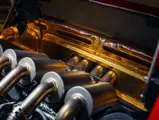
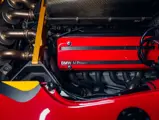
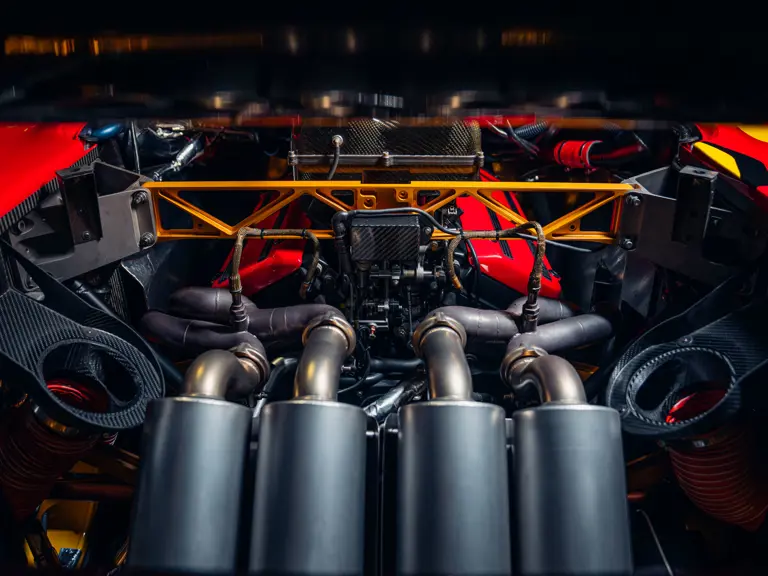
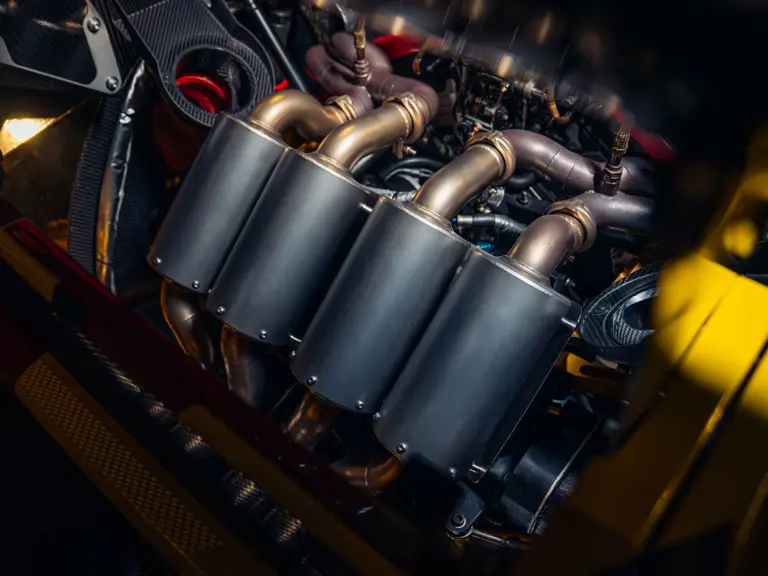
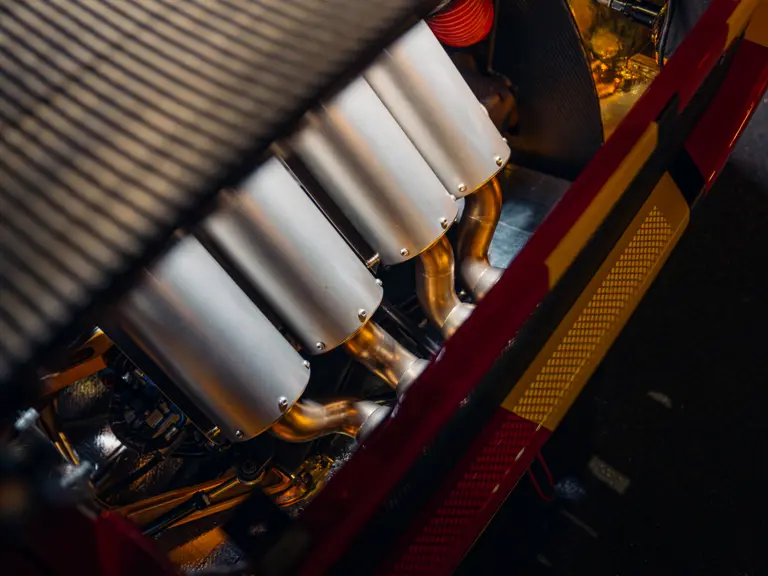
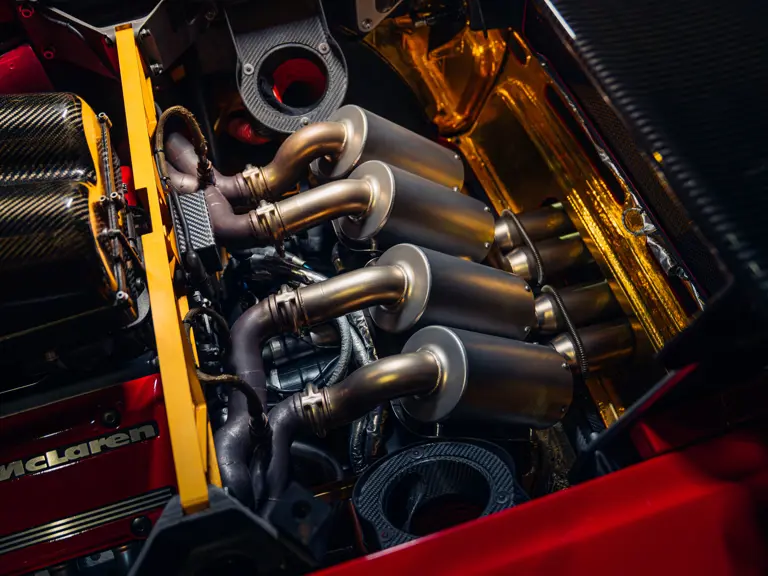
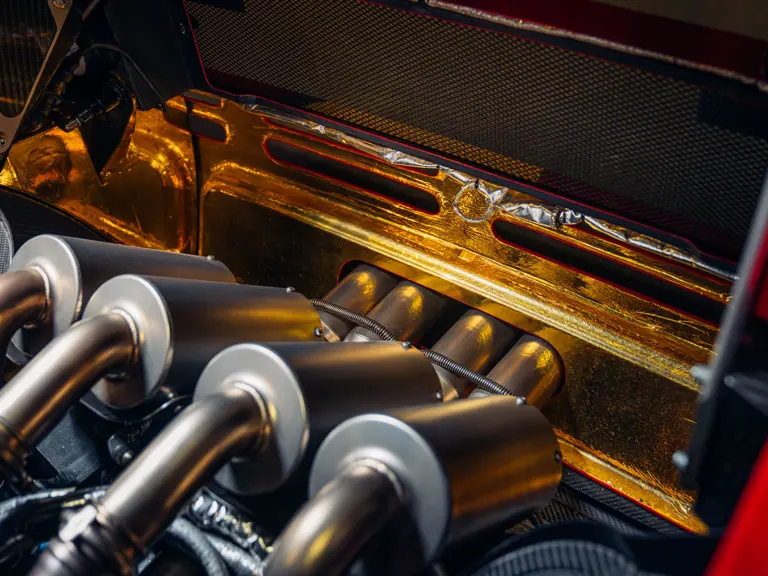
Having been maintained by both Paul and Dean Lanzante since entering Mason’s ownership, chassis 10R is mechanically among the best of its type. The collector is said to have had an “open checkbook” policy when it came to the car’s maintenance, sending the McLaren back to Dean Lanzante’s workshop following every significant drive and leaving no stone unturned in ensuring it was always in top cosmetic and mechanical condition, ensuring that 10R remained one of the very best maintained of all F1s. A recent inspection carried out by Lanzante Limited is on file for interested parties.
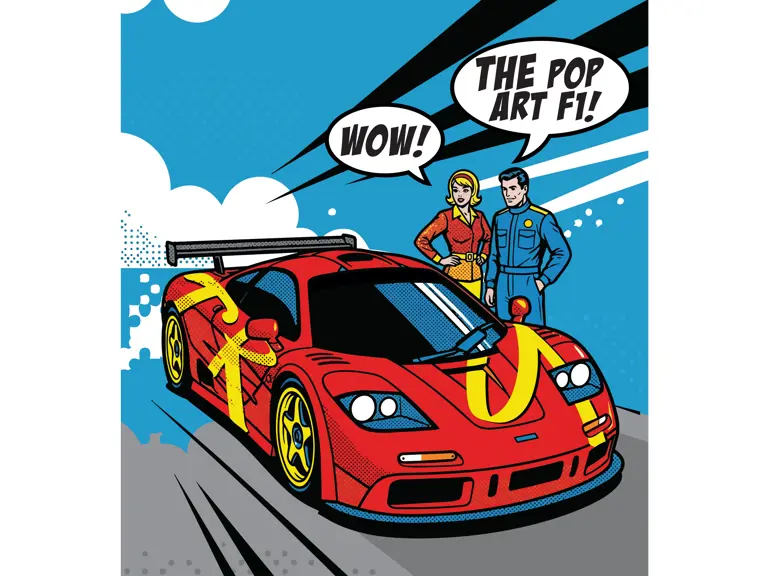
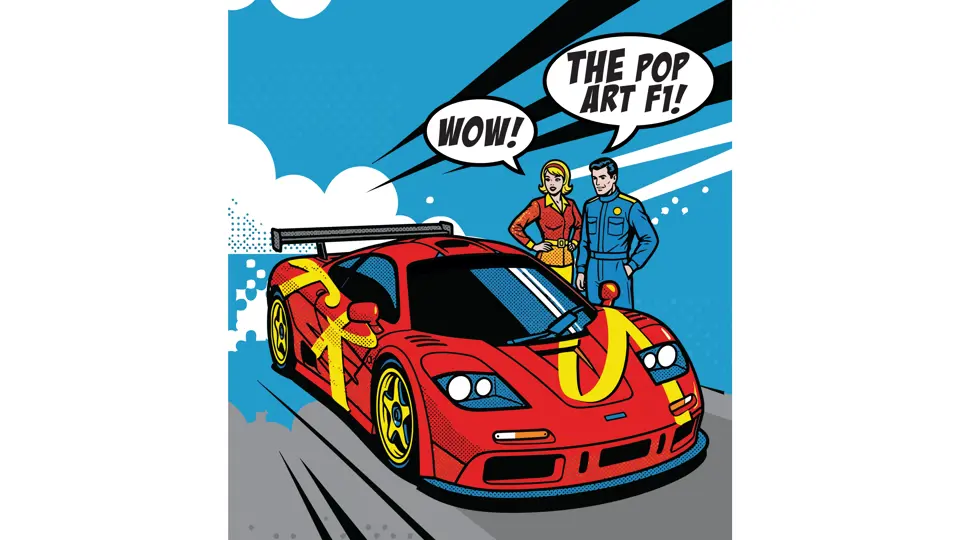
SIMPLY THE BEST – “THE POP ART F1”
The McLaren GTR is a hugely significant machine, both for its accomplishments on track and its contribution to the development of the supercar. It is the last ever outright Le Mans winner that could be driven on the road, and can be considered alongside the Ferrari 250 GTO among the greatest and most valuable racers of all time.
Of the three generations of F1 GTR, it is the “Goldilocks” 1996 model year that offers collectors and drivers the most, combining the effortless good looks and practicality of the first short-tail configuration with the significant mechanical upgrades over the 1995 Le Mans winner. Of those nine examples—arguably the most beautiful and indisputably the fastest of all F1 GTRs—chassis 10R is without doubt the most special, having followed in the footsteps of 01R and served as McLaren’s own prototype, later joined by 19R, the 1997-spec F1 GTR longtail that was also used by McLaren for development purposes.
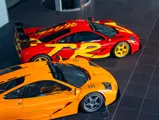
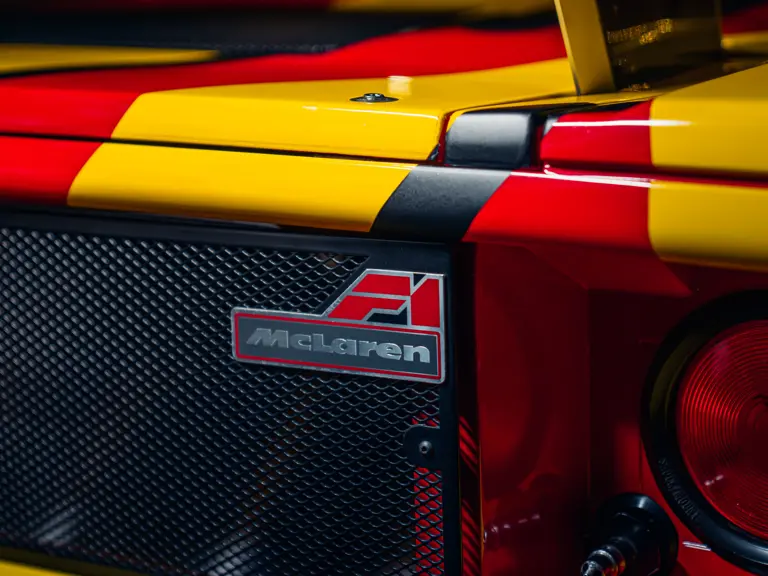
The F1 GTR was the last Le Mans-winning racecar developed directly from a GT hypercar—the definitive end of an era in which the road and the circuit shared the same DNA, and in which a car conceived as the ultimate driver's machine could go to La Sarthe and win outright. What distinguishes chassis 10R from every other McLaren F1 GTR ever built is a convergence of factors so unlikely that no amount of deliberate planning could have produced it. It is the only GTR to wear its unique factory livery—that scarlet and yellow 1990s pop art palette, as bold and graphic as anything to emerge from the British visual tradition—making it instantly the most recognizable of all McLaren F1s. It is one of only two short-tail GTR prototypes in existence alongside the 1995 Le Mans outright winner, chassis 01R. And it is the first of only nine cars built to the 1996 specification, the fastest and most developed variant of the GTR ever produced.
Driven at the 1996 24 Hours of Le Mans during testing, subsequently converted for road use by the McLaren factory itself, and retained within McLaren until directly passing into the hands of its former private owner: rock and roll legend Nick Mason CBE, co-founder of Pink Floyd. That the most visually iconic McLaren F1 GTR should belong to a founding member of the band whose Dark Side of the Moon prism became one of the most reproduced graphic images in human history is not coincidence so much as cultural logic—two pillars of Britain's extraordinary creative legacy, united in a single object.
Chassis 10R carries all of that history, all of that provenance, and the full weight of its remarkable pop cultural inheritance, transforming it into a true artifact of British heritage and a crown jewel for any collection.
 | Monterey, California