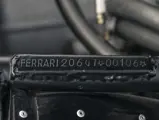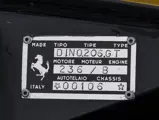

Chassis No.
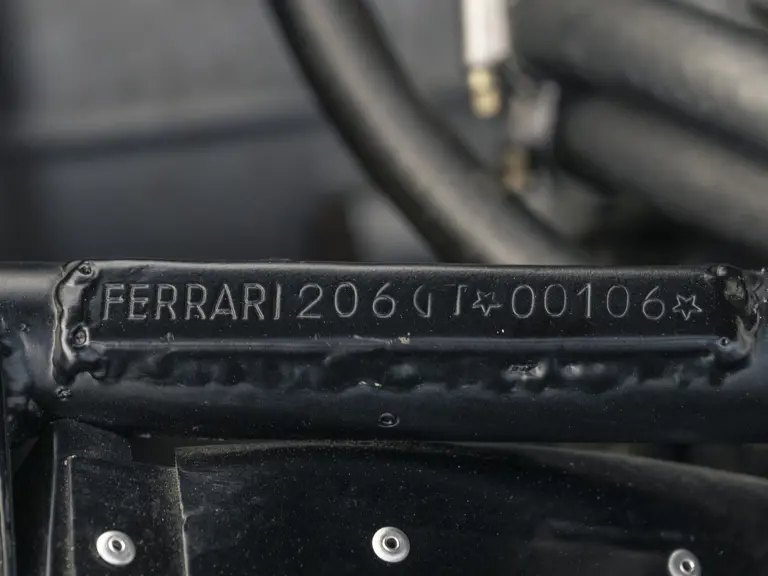
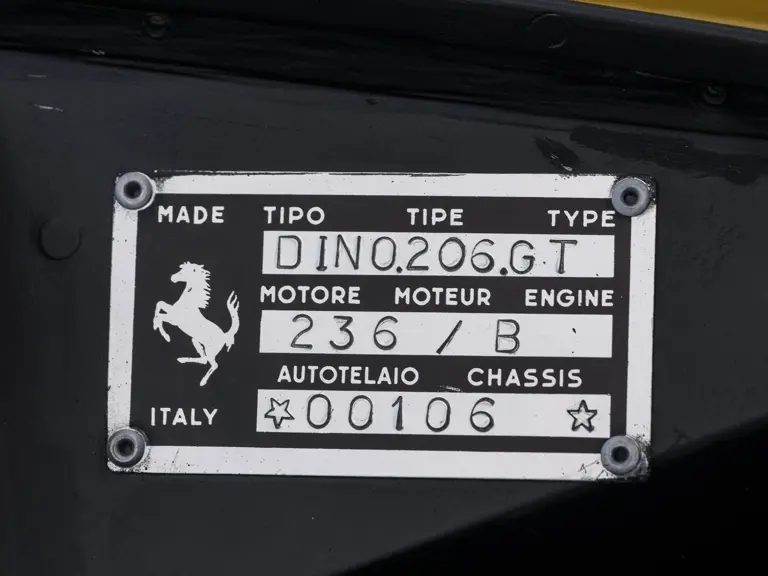
00106
{{lr.item.text}}
{{bidding.lot.reserveStatusFormatted}}
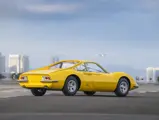
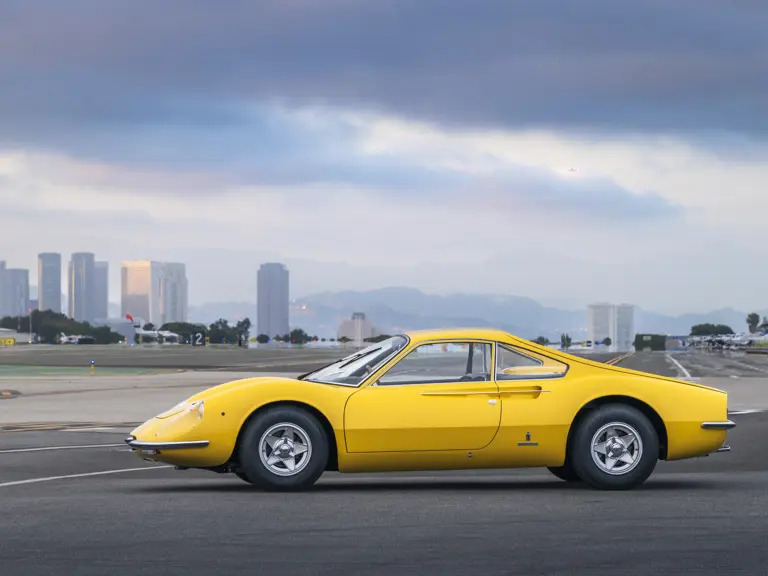
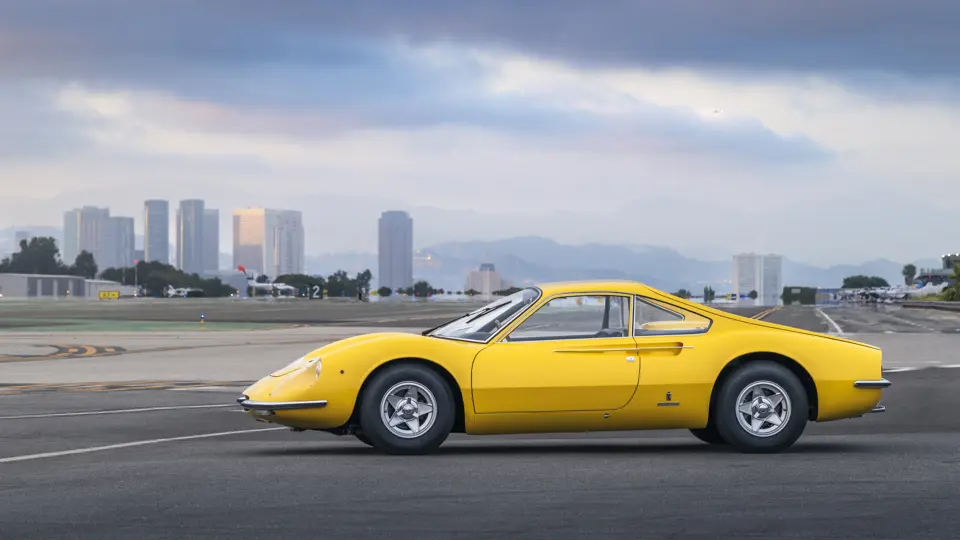
Given the boosted cachet and corresponding collectability of show cars and prototypes in general, it should come as no surprise that a prototype for a significant Ferrari model would command an even greater premium. The featured Dino 206 is just the second prototype for what would eventually become the legendary Dino model, the junior production Ferrari that the company launched in 1967.
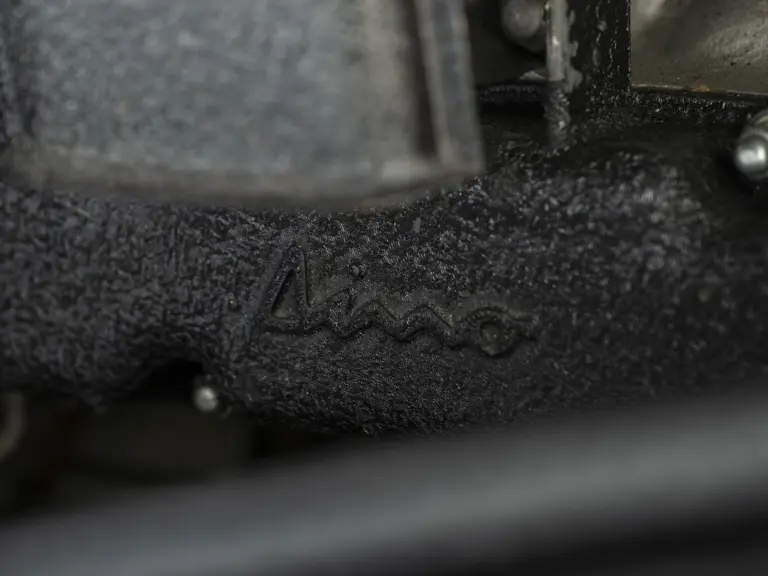
The Dino lineage, of course, traces back some 12 years earlier, when Enzo Ferrari’s son Alfredino urged his father to consider developing a V-6 engine for Formula 1 competition. The resulting engine was dubbed the Dino in his posthumous honor, and it figured significantly in winning both the 1958 Drivers' Championship and the 1961 Manufacturers' Championship. The engine was also successfully adapted to the marque’s sports-racing cars, such as the celebrated Dino S and SP models of the 1960s.
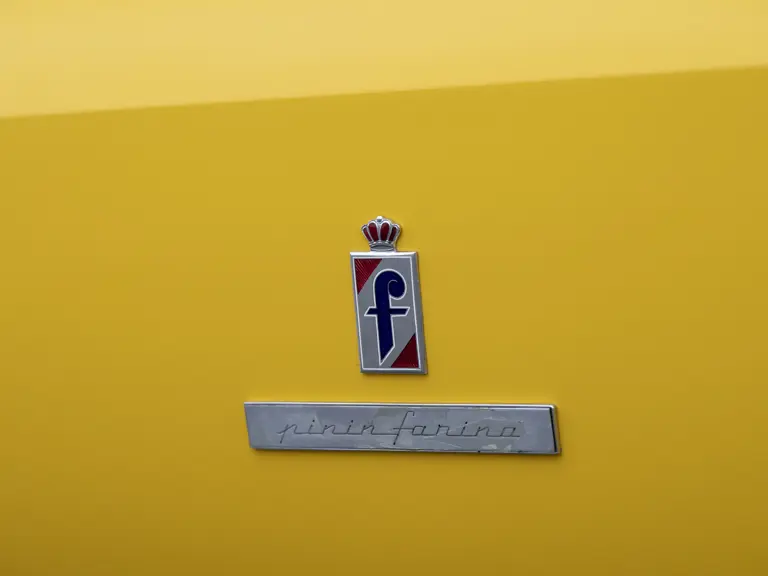
By 1965 Pininfarina began to explore the idea of a Dino road car, starting with designer Aldo Brovarone’s sketch of a two-seat coupe with a short wheelbase and flowing aerodynamic lines. This idea was developed into the Dino Berlinetta Speciale shown by Pininfarina at the 1965 Paris Salon, the first prototype for the eventual roadgoing Dino model. The Speciale was firmly a concept car however, as it was not equipped with an engine or running gear, and was both extremely low to the ground and built with a low roof, making for terrible ergonomics.
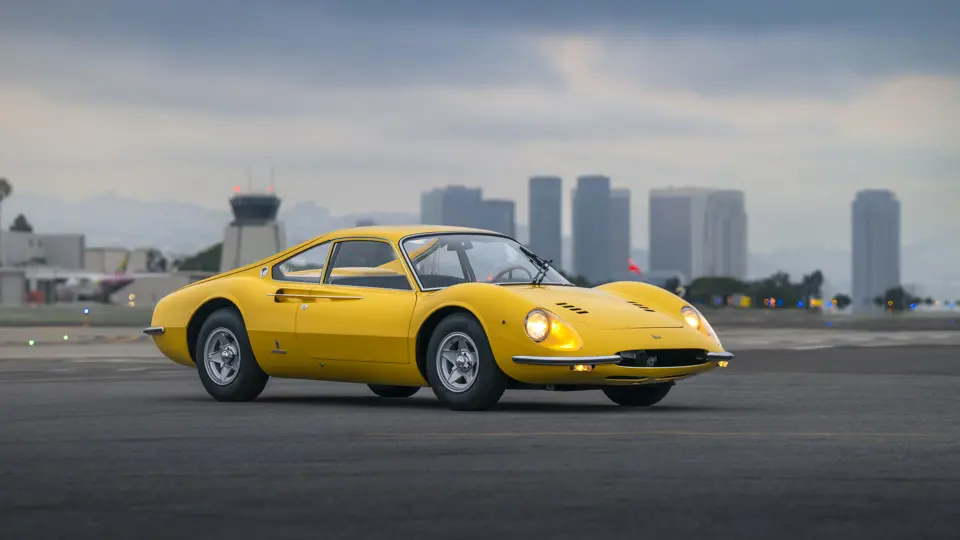
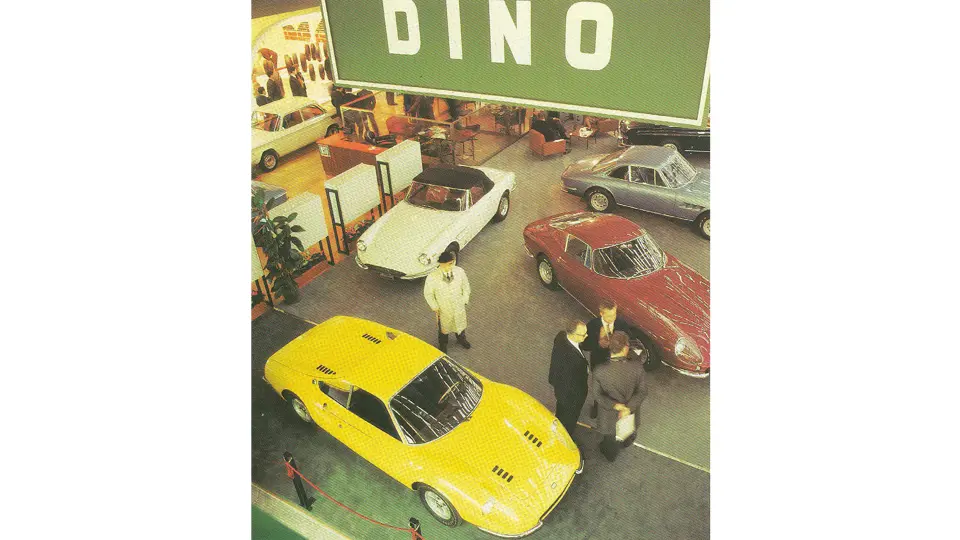
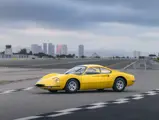
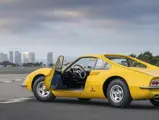
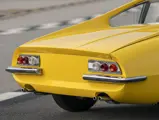
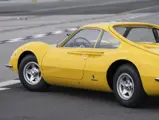
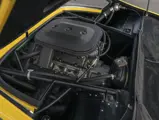
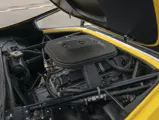
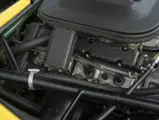
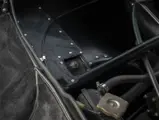
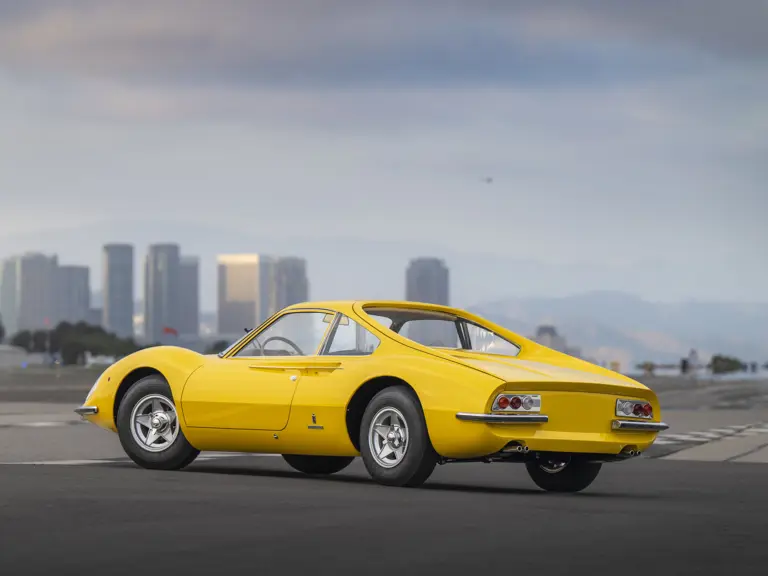
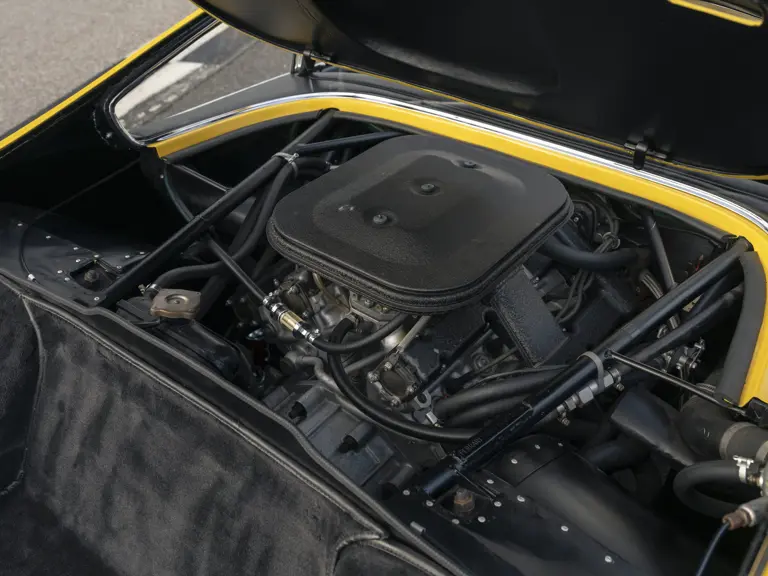
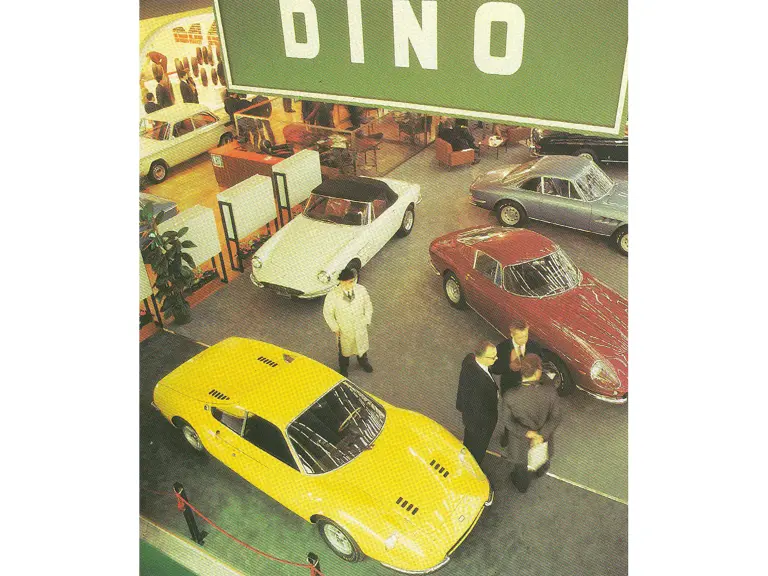
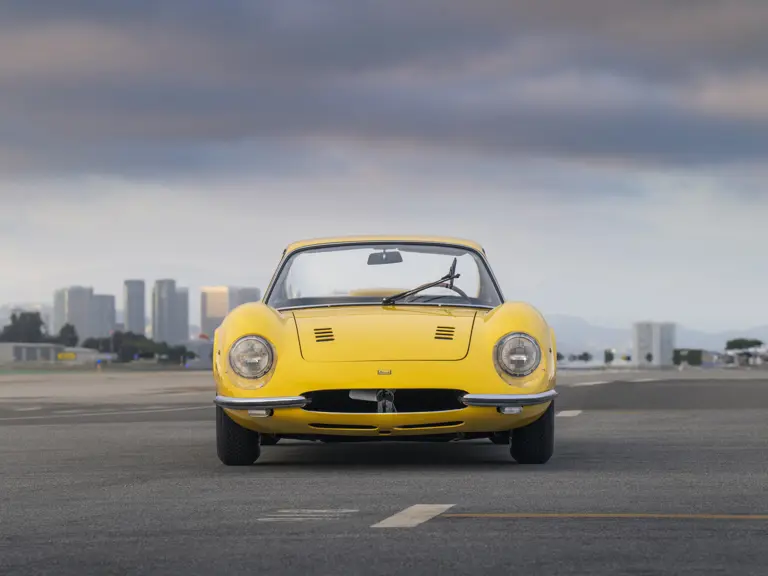
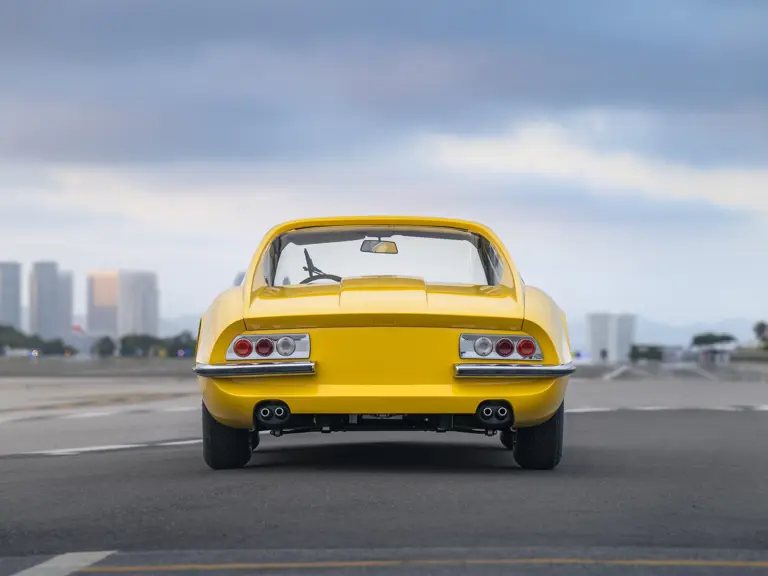
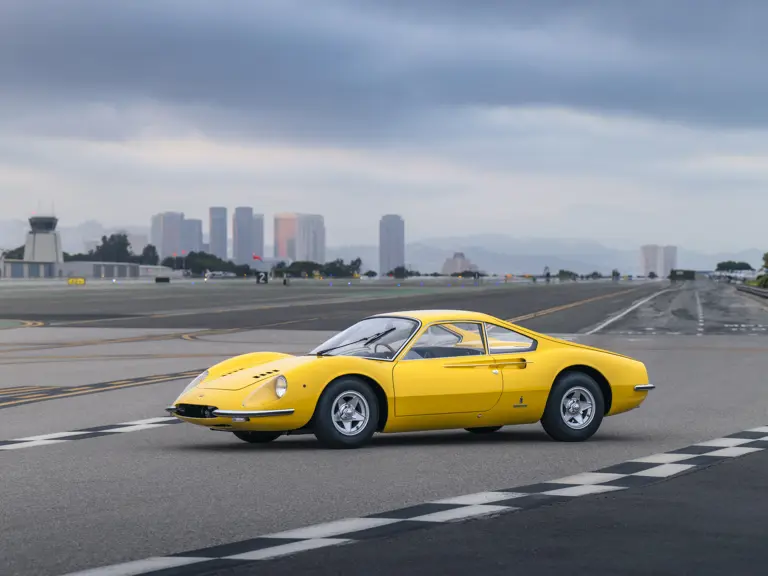
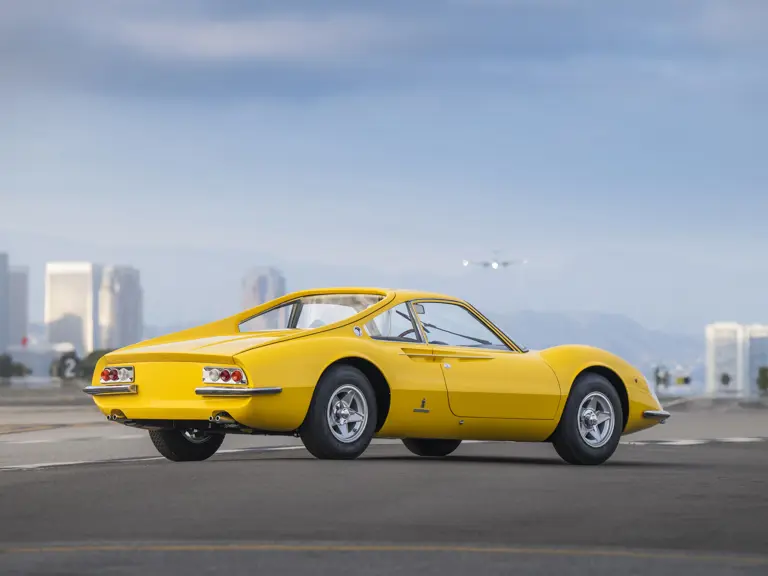
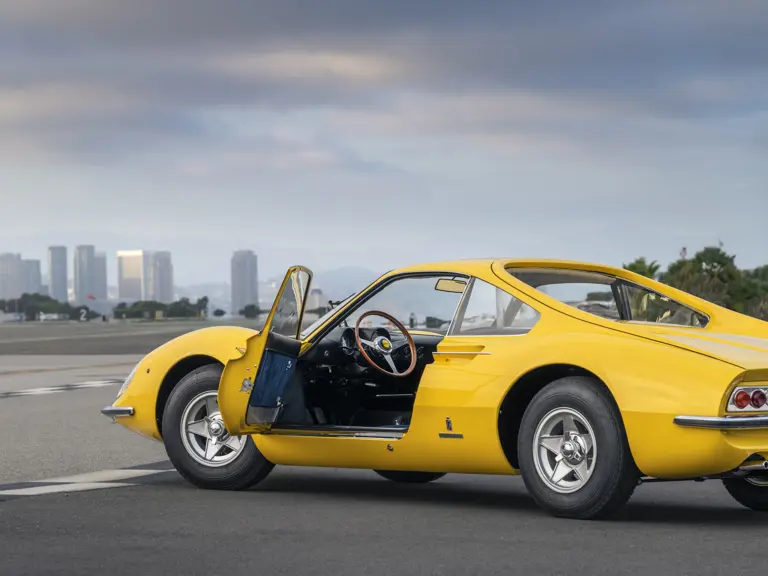
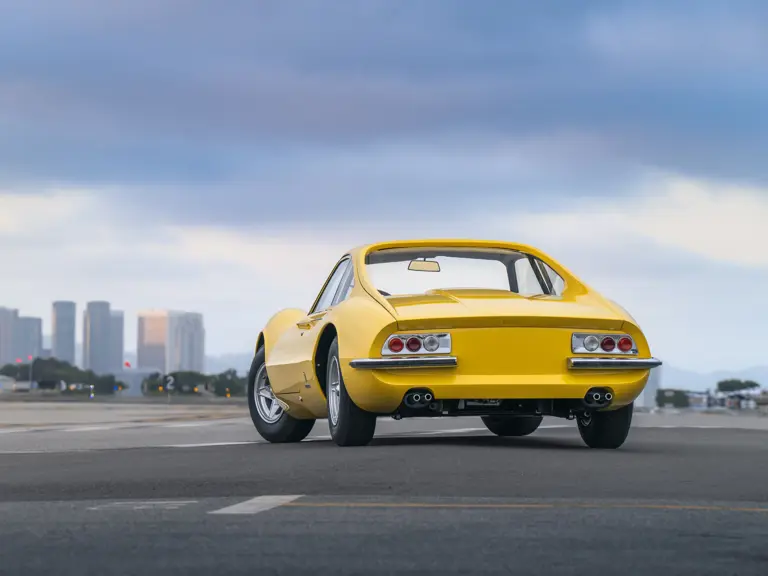
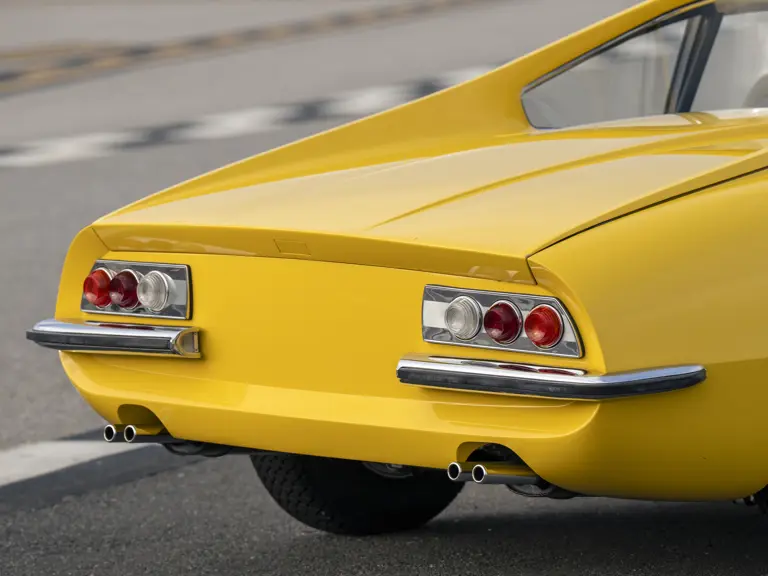
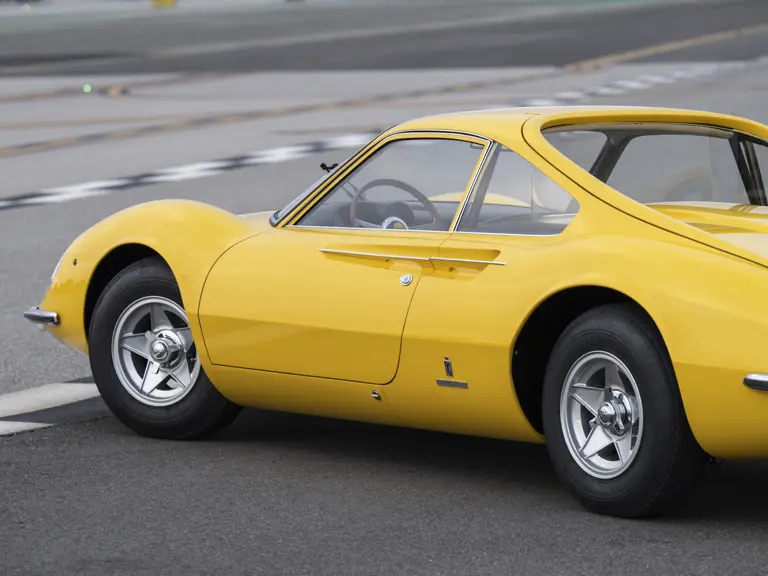
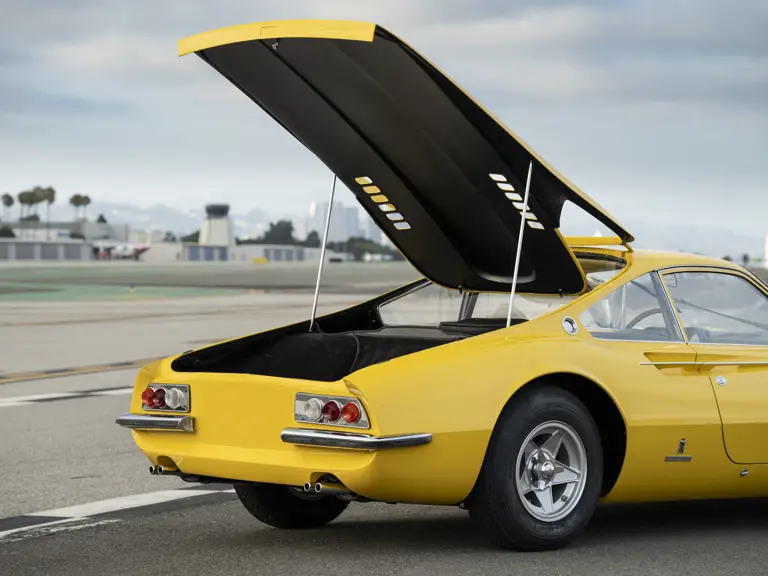
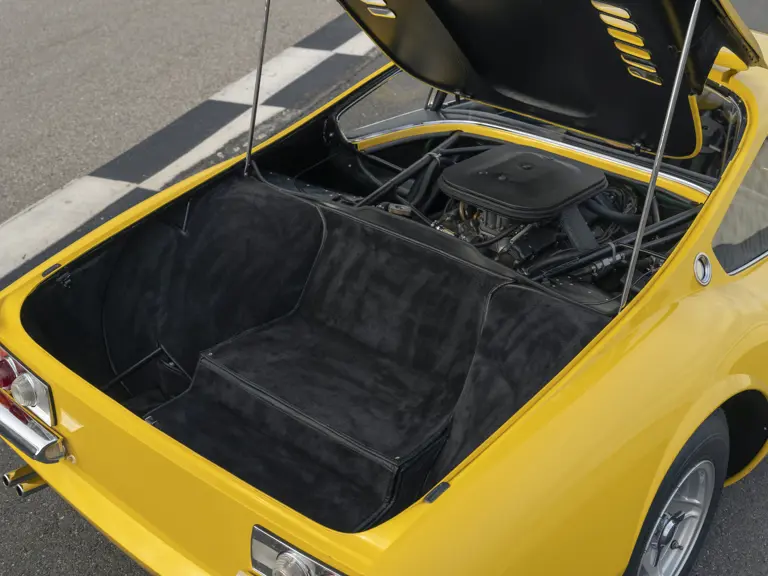
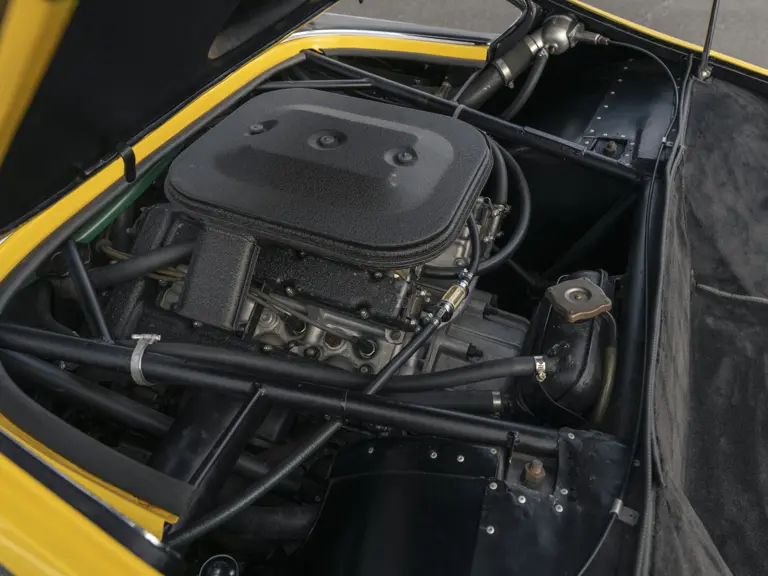
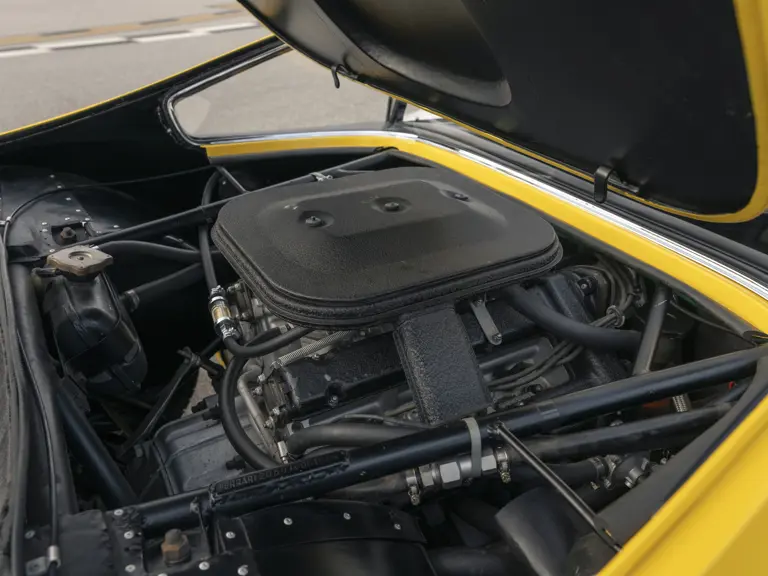
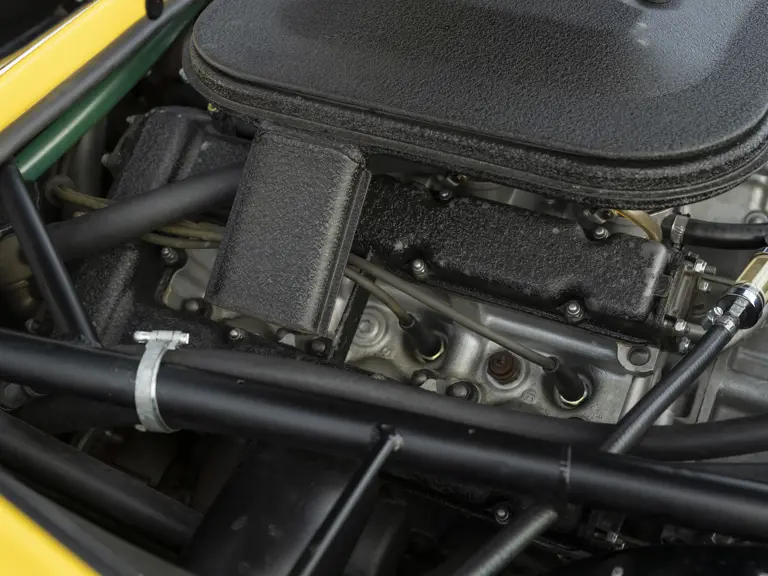
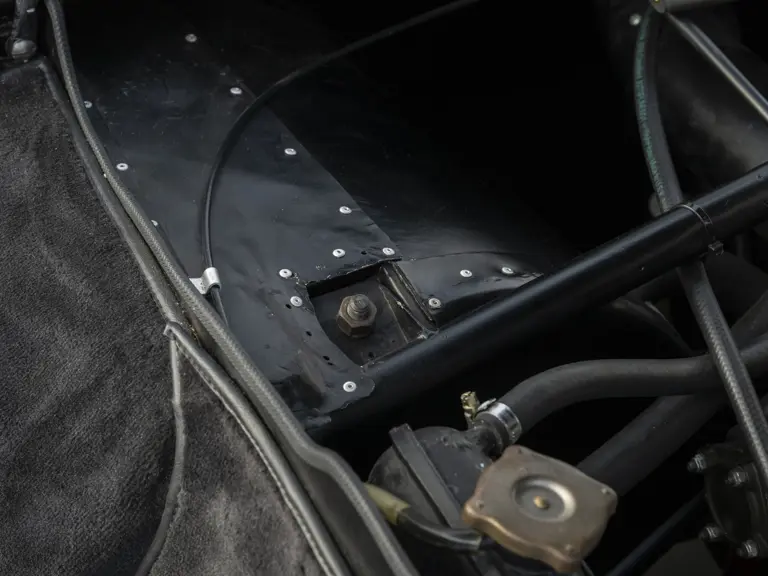
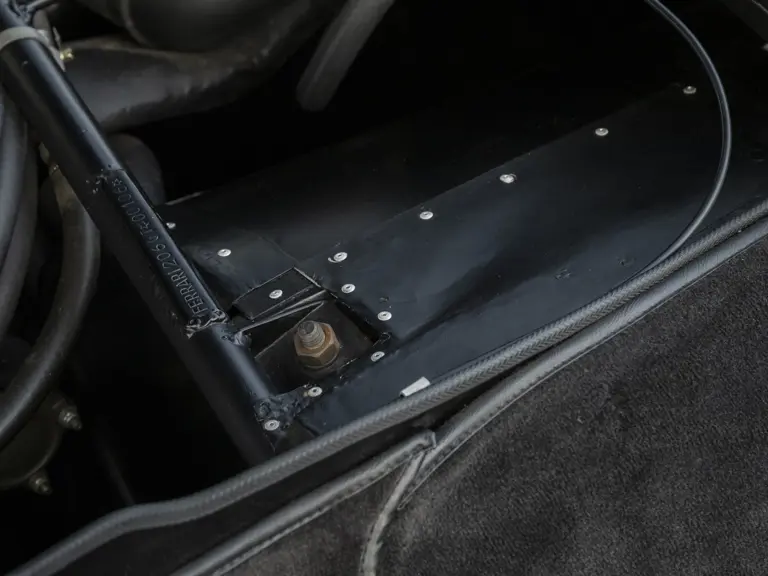
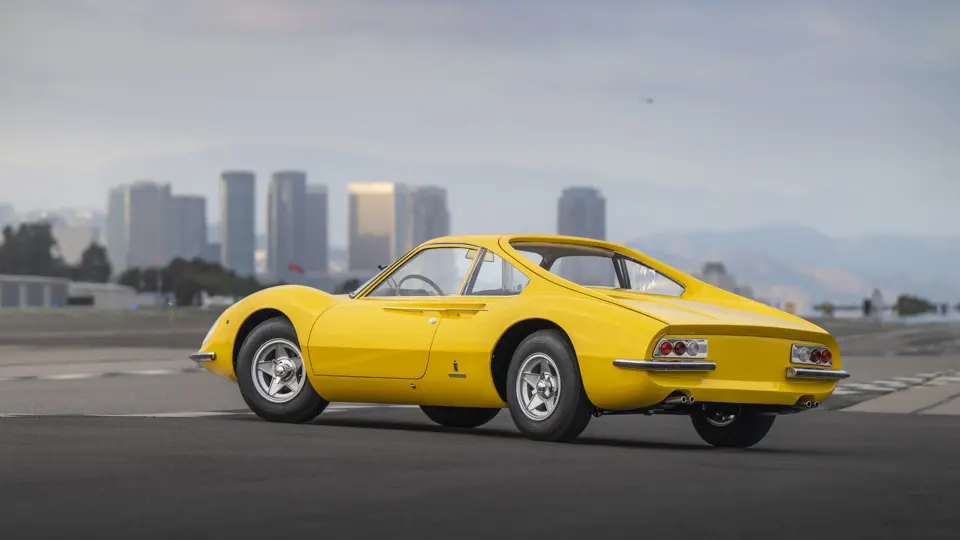
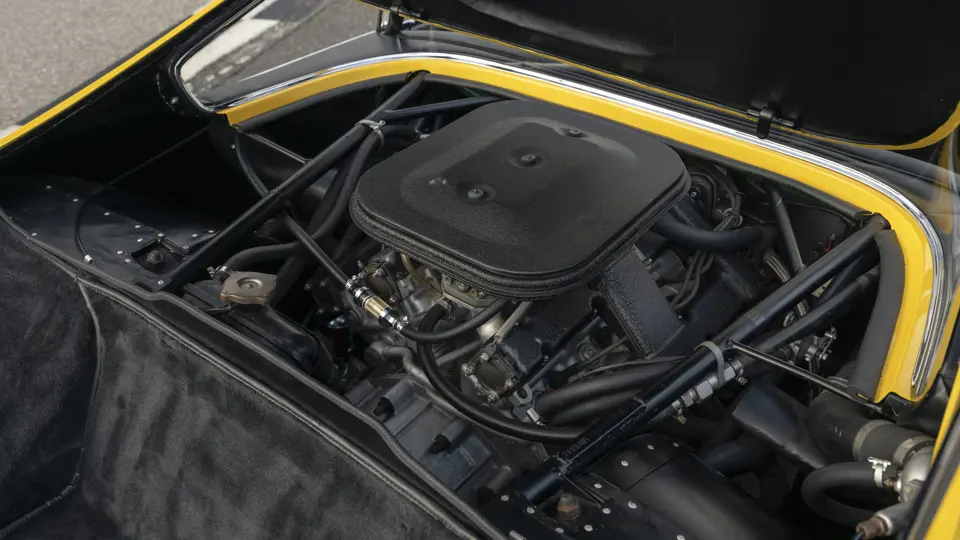
Thirteen months later, at the 1966 Turin Motor Show, Pininfarina unveiled the next step in the Dino’s development, the car offered here. According to the Dino Compendium, this prototype was built on a type 599 tubular competition frame from the Dino 206 S with frame number 020. It was assigned its production chassis number, 00106, when it was sold to a customer in 1968. In addition to its sports-racing prototype-sourced frame, the car importantly featured a full running drivetrain which included a longitudinally rear-mounted two-liter V-6 engine. (The future production model, of course, would feature a transversely positioned engine.) Although a much smaller car, the design of 00106 is strikingly similar to the famous 365 P “Tre Posti” which debuted at the Paris Motor Show a month earlier. Both cars share a longitudinal mid-engine layout, long rear deck with sloping roofline, and similar nose designs, and were designed by Aldo Brovarone.
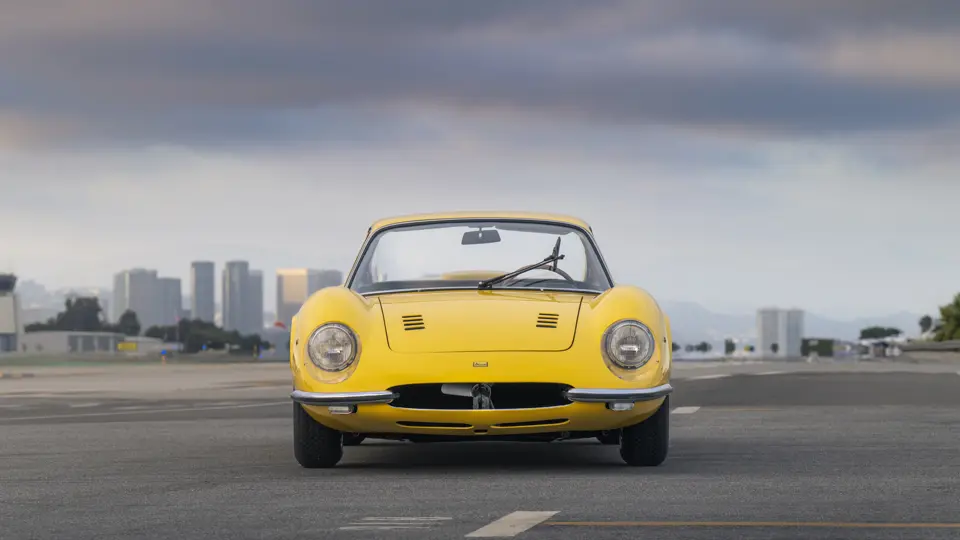
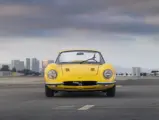
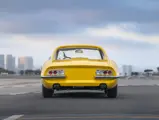
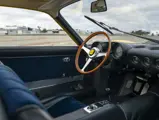
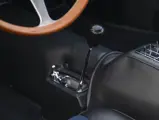
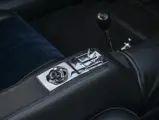
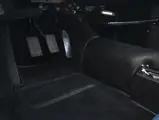
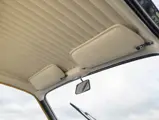
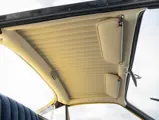
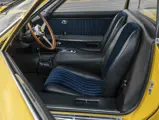
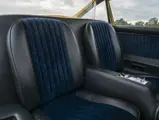
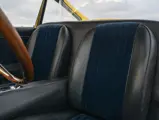
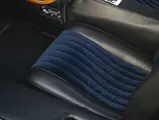
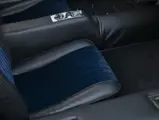
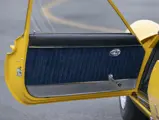
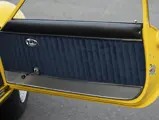
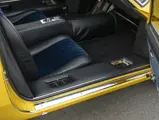
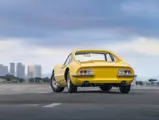
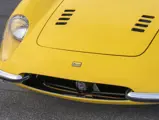
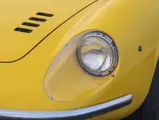
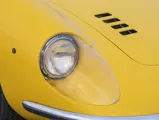
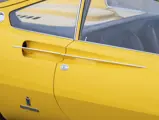
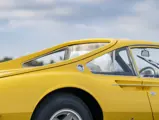
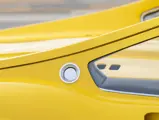
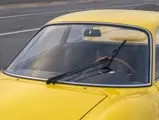
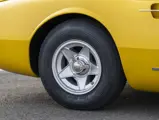
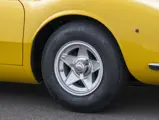
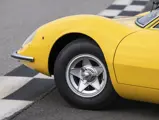
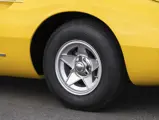
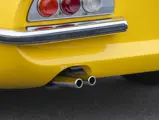
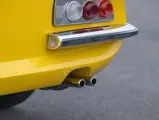
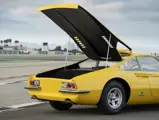
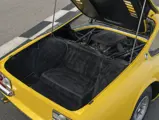
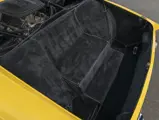
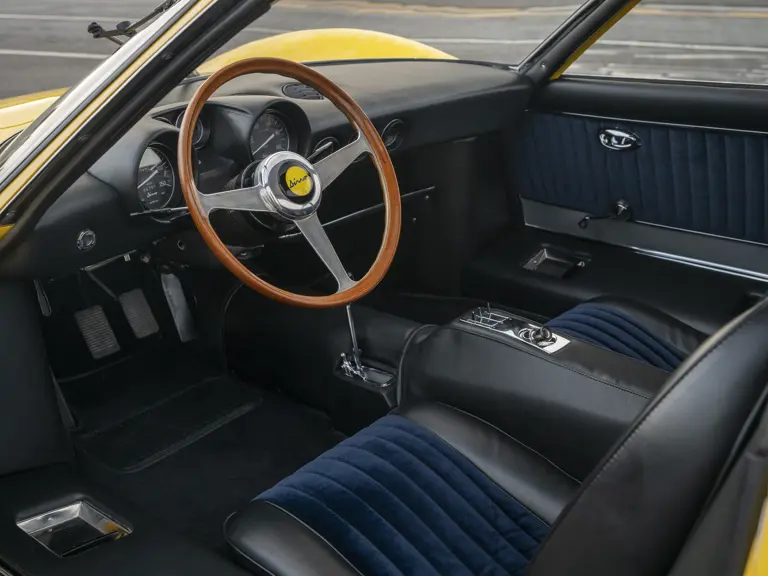
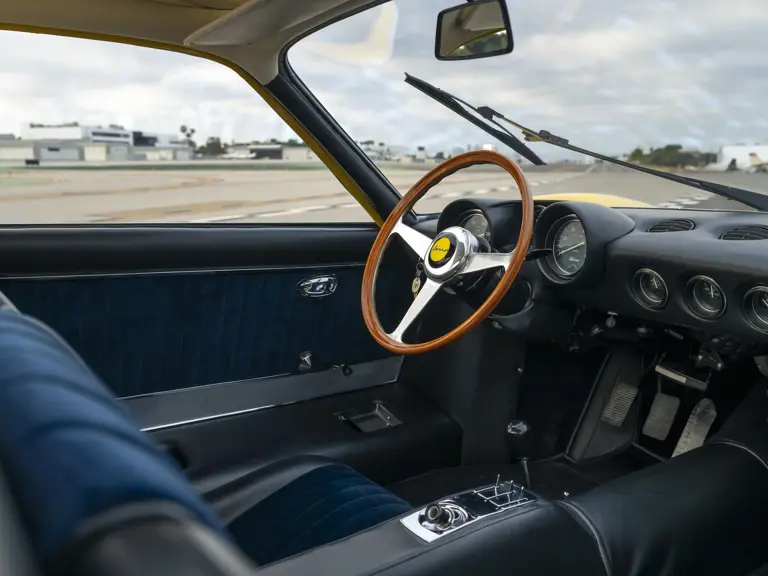
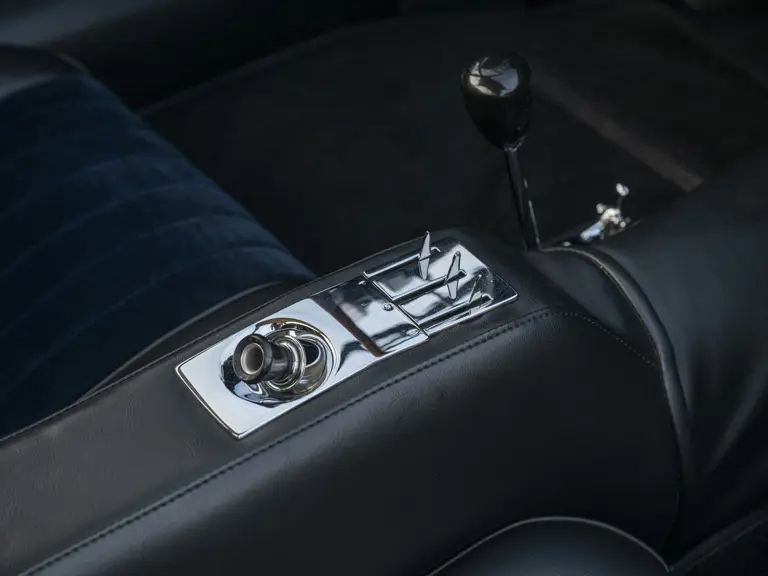
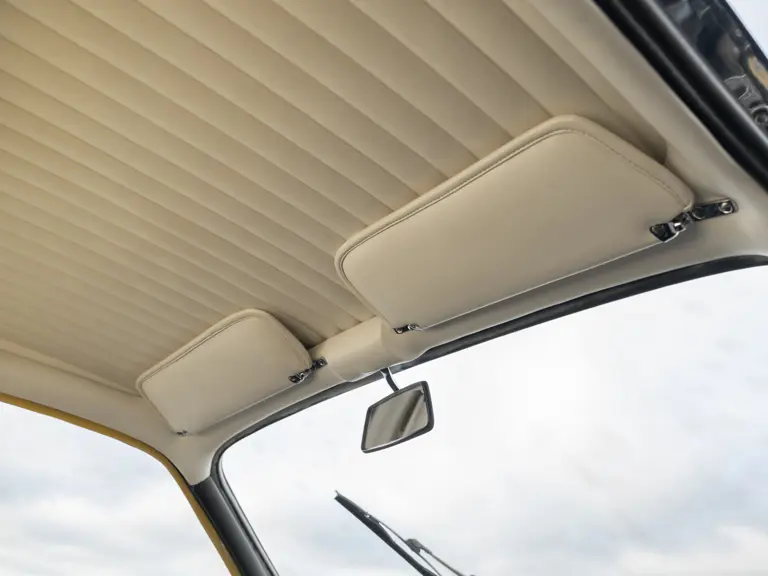
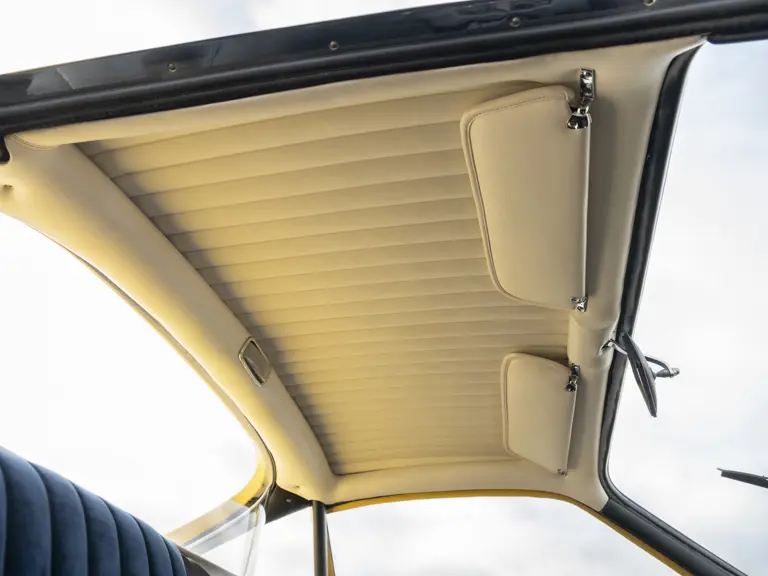
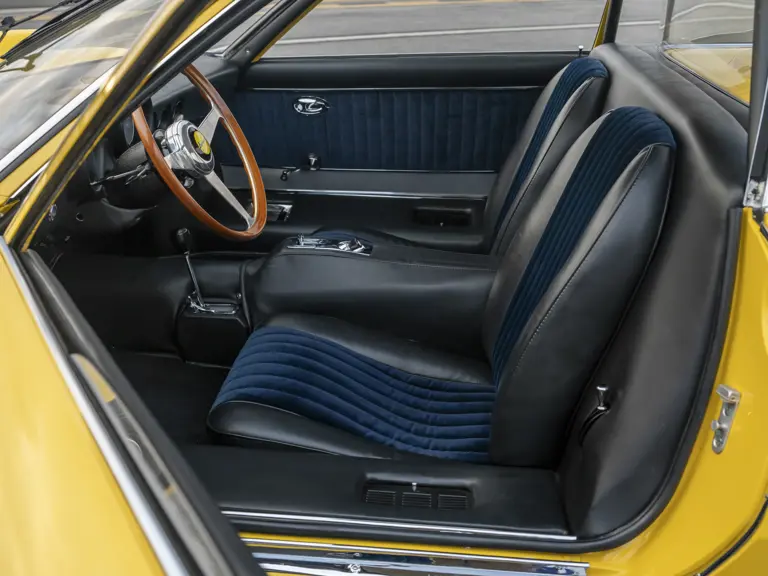
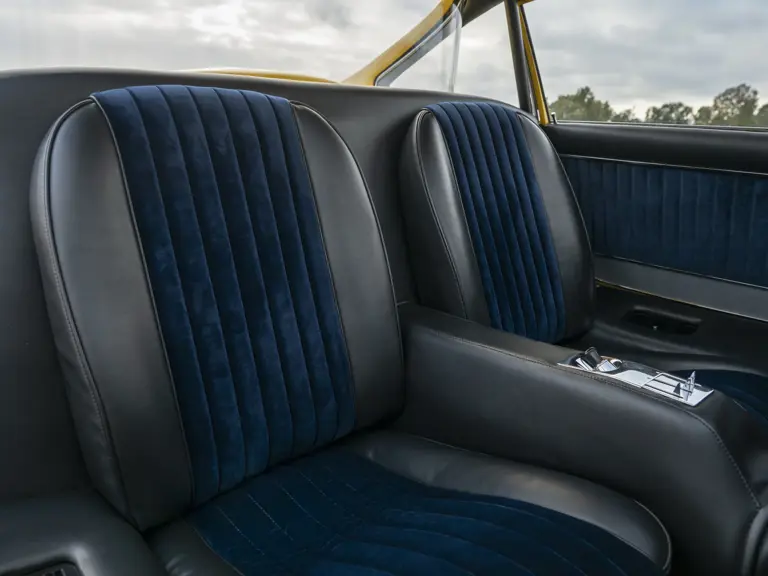
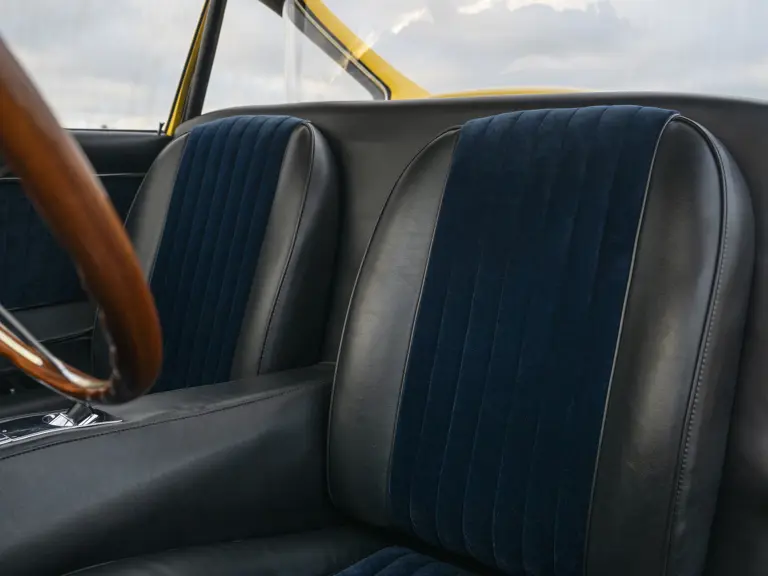
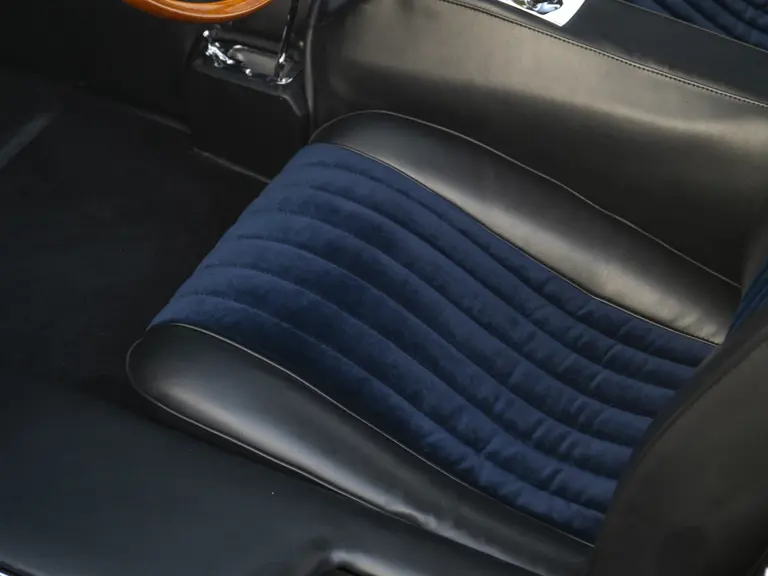
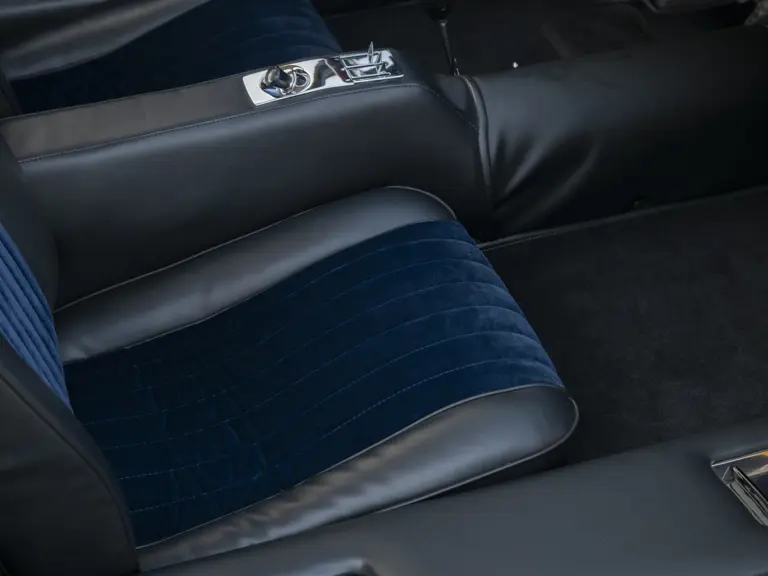
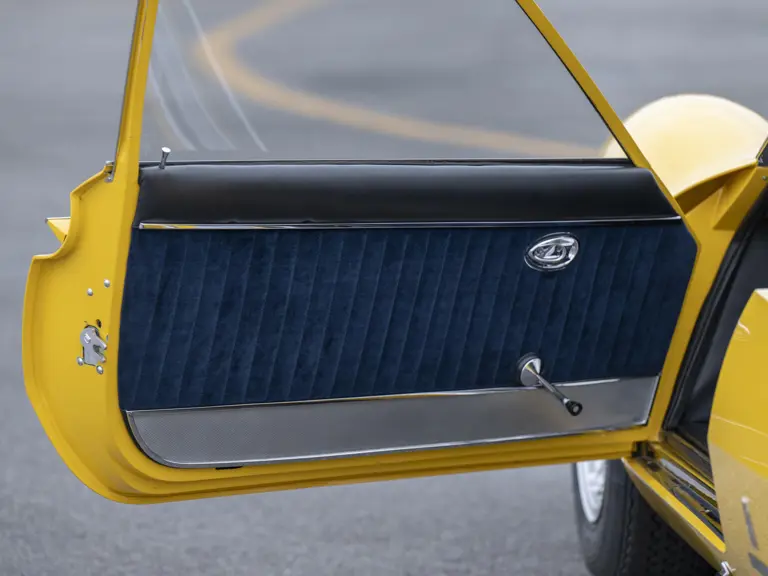
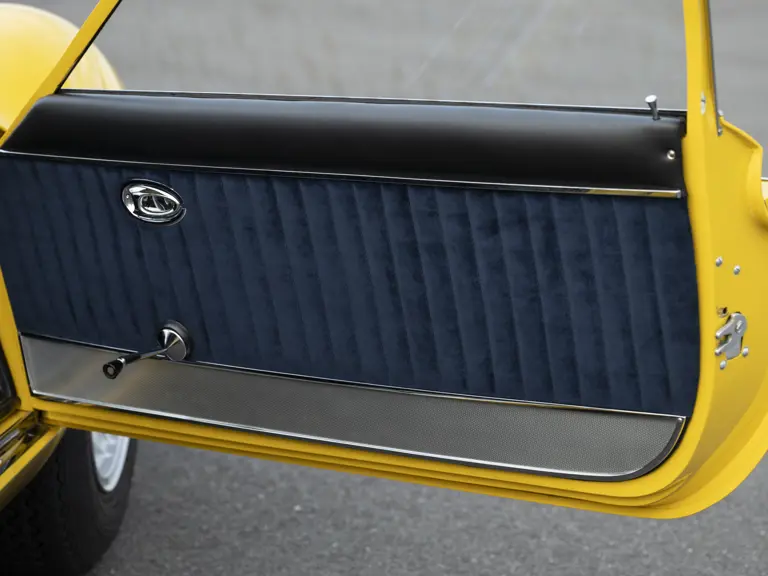
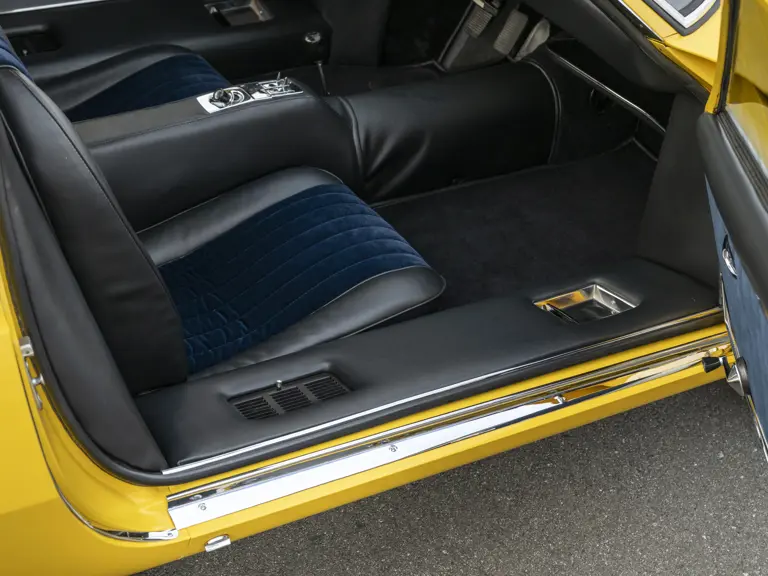
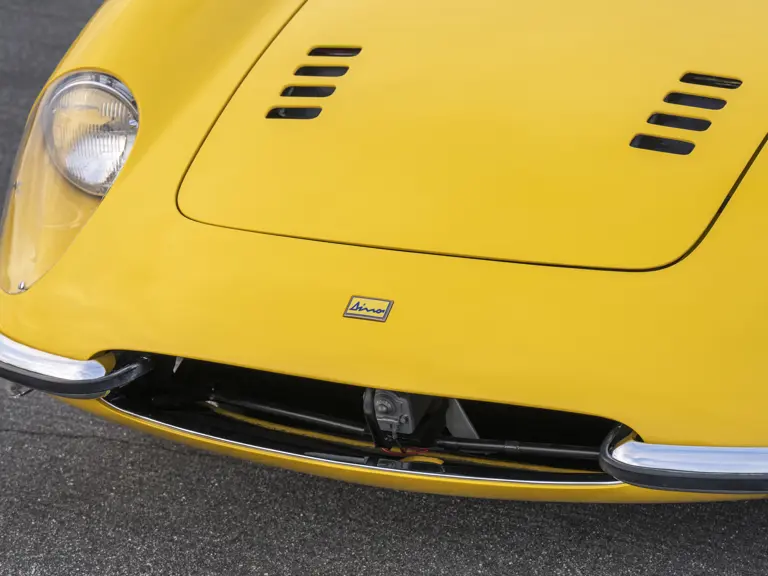
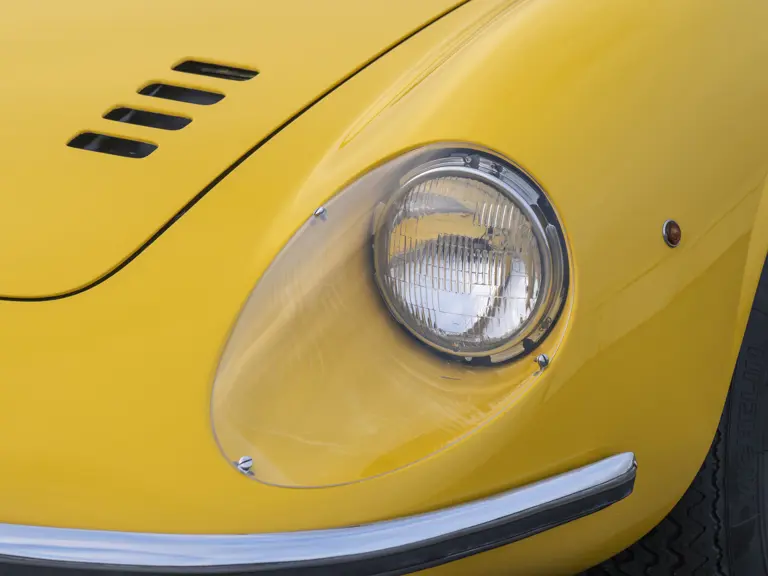
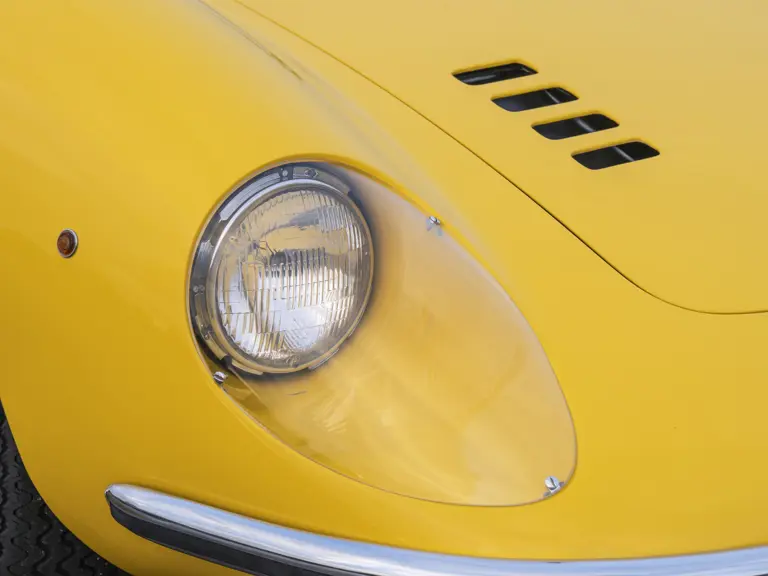
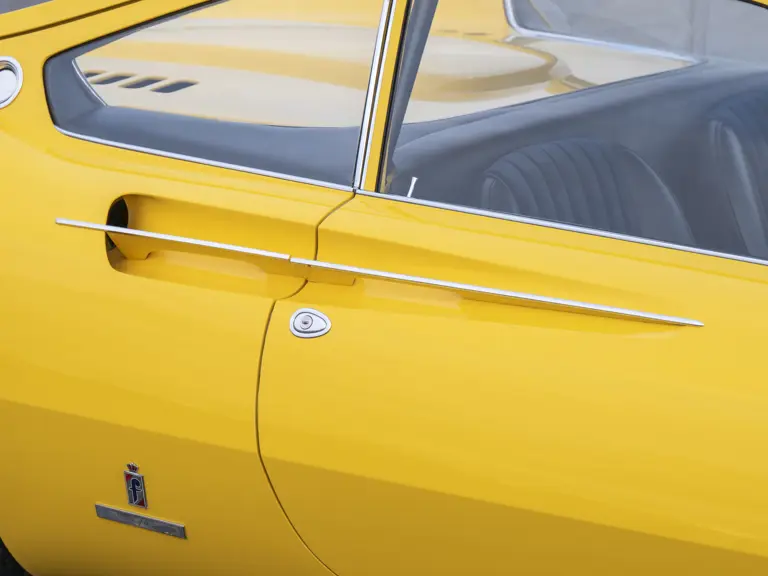
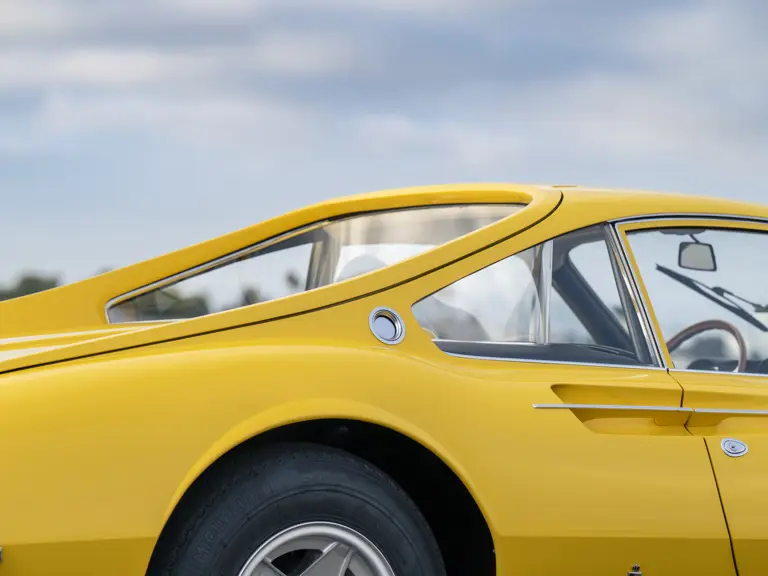
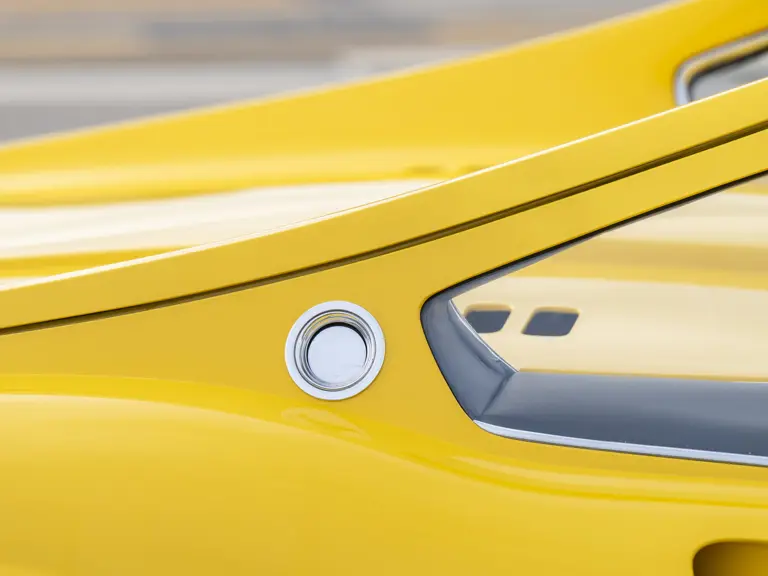
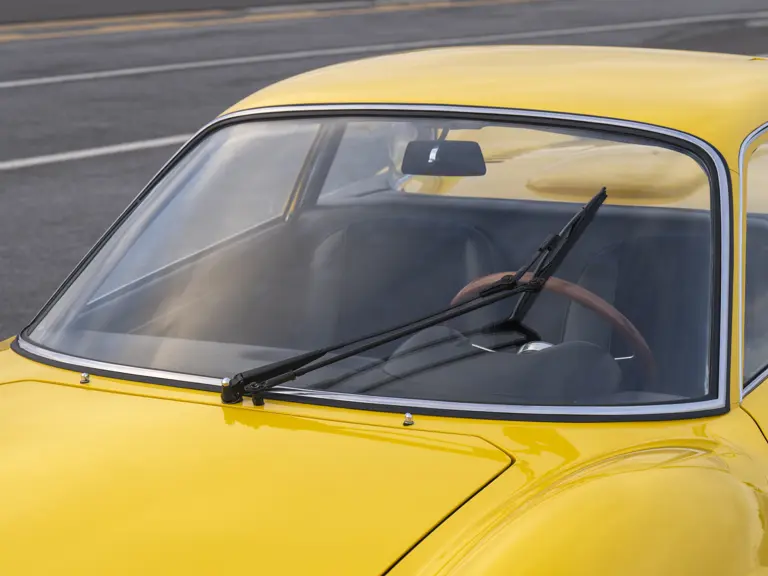
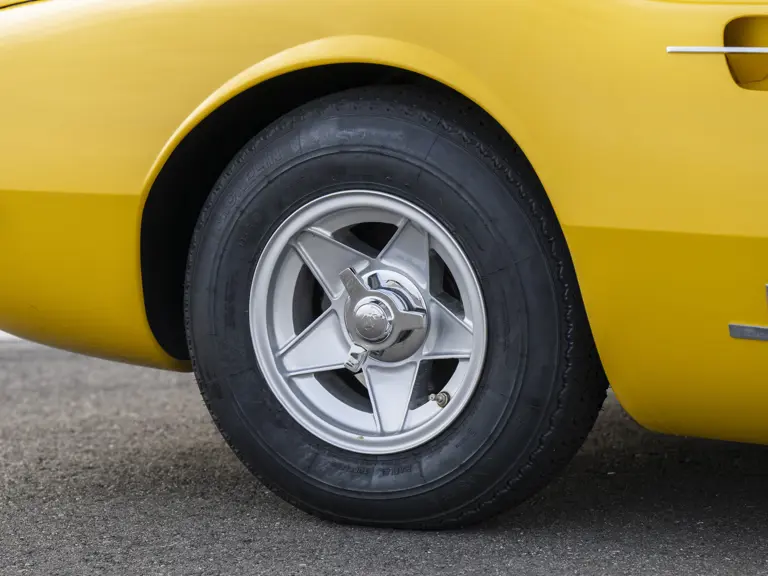
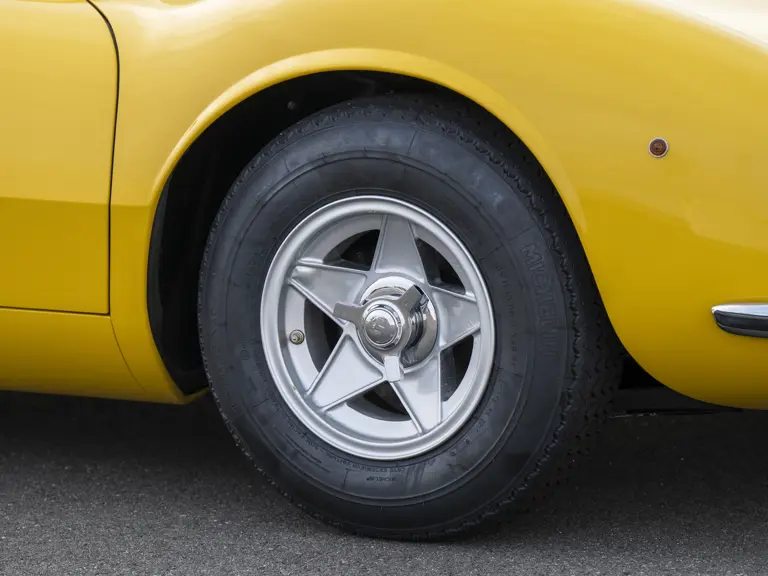
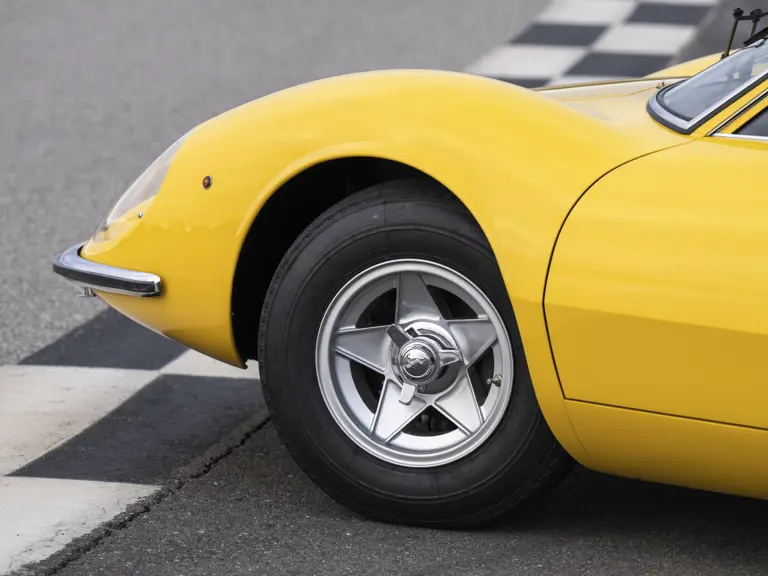
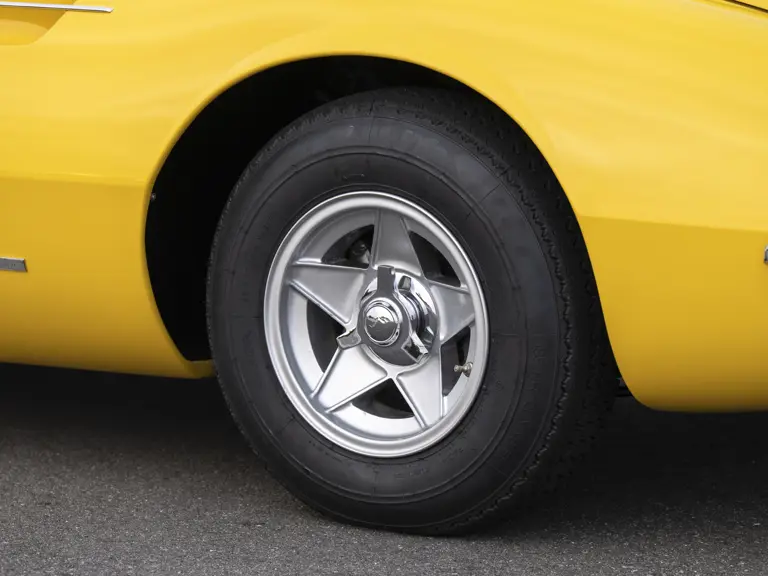
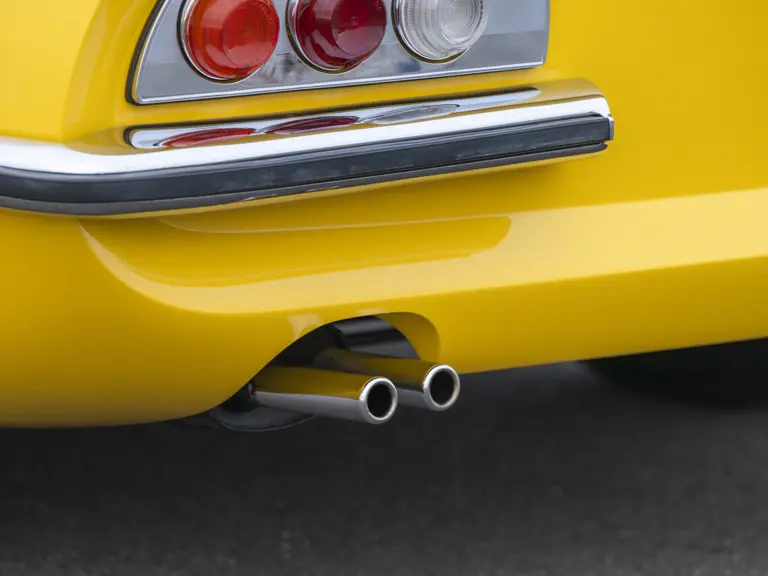
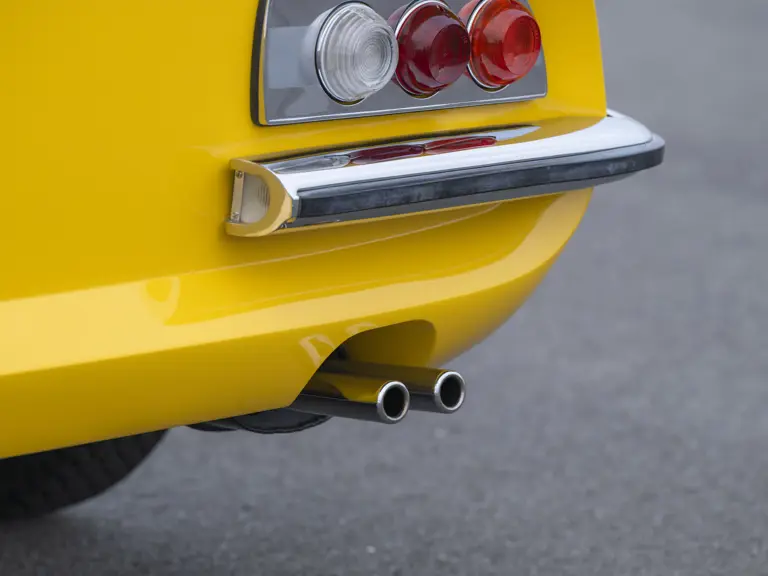
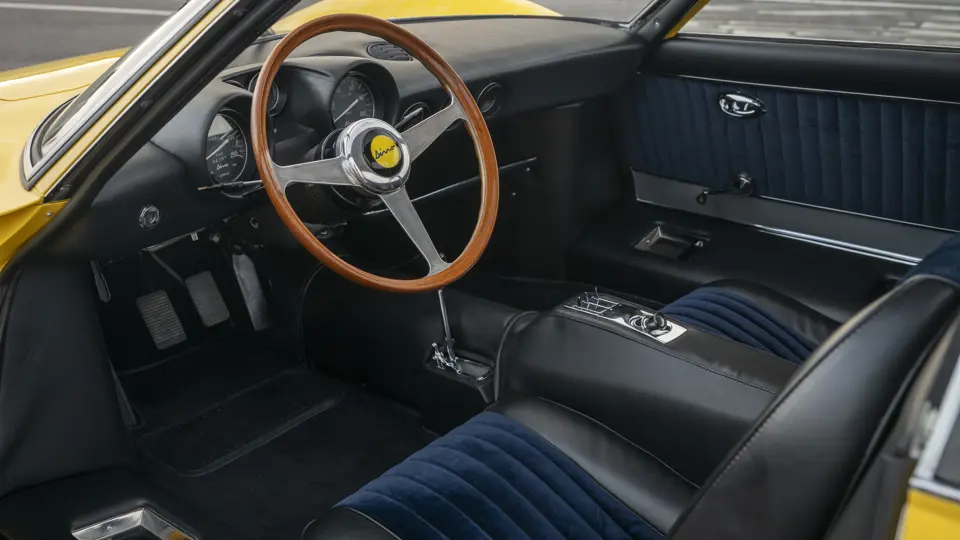
The new coachwork continued the general lines and proportions of its predecessor, with a small oval-mouth grille, covered headlamps, and a flying buttress rear deck, all beautifully finished in Fly Giallo paint over an interior trimmed in Blu cloth. But this new fully running prototype was much more usable than the first car, with functional running gear, greater cabin space, and the ventless windows and dual front bumperettes that would eventually characterize the production iteration.
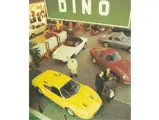
The public took due notice of the magnificent Dino 206 prototype, and photos from this period were pictured in no less than five different books, including titles by renowned authors such as Angelo Tito Anselmi, Michael Frostick, Doug Nye, and Antoine Prunet. The Turin show appearance was also captured in Jean-Pierre Gabriel’s book Dino – Les Autres Ferrari.
According to a history report by marque expert Marcel Massini, the prototype was assigned an official production date in December 1966, and early the following year it was sold to Tullio Lombardo of Naples, Italy. In 1968 Lombardo sold the Dino to Charles Betz and Fred Peters, the well-known Southern California-based marque enthusiasts who helped define the early Ferrari collecting niche. They imported the Dino to the US and soon after sold the car to Harold Austin, who in turn sold it a year later to Dr. Eli Mishuck of Arcadia, California.
Dr. Mishuck retained possession for two years before the Ferrari was acquired by Carle Conway of Naples, New York. Mr. Conway was a president of the Ferrari Club of America during the early 1980s who owned several significant racing Ferraris, including two 250 GTO examples and the famous one-off 412 Sport. He went on to keep the Dino for 16 years, during which time the coachwork was refinished in silver metallic grey in 1974. During this ownership 00106 was also depicted in Stan Grayson’s book Ferrari, the Man, the Machines.
In 1986 Mr. Conway sold the Ferrari to Howard Cohen, then a resident of South Africa. The new owner had the car shipped to the Cape of Good Hope, where he enjoyed it in several rallies before relocating to West Vancouver, British Columbia. By 1993 the Dino was acquired by the Ferrari specialist/broker Michael Sheehan, and he reportedly supervised a sympathetic restoration, eventually presenting the car at the Pebble Beach Concours d’Elegance in August 1993.
Later that year the Ferrari was sold to an international heavyweight collector who owns some of automotive history’s finest coachbuilt sports cars and competition machines. This owner kept the alluring prototype for an impressive period of 25 years, during which time the Dino was largely domiciled in a climate-controlled facility in the US.
In August 2018 the longtime owner sold the Ferrari to the consignor, who has continued to dutifully care for the car while presenting it at a small handful of opportunities, including a 2021 showing at the Petersen Automotive Museum in Los Angeles.
Ideal for presentation at premier marque gatherings and international concours d’elegance, this important Pininfarina-designed Ferrari Dino Berlinetta Prototype is a fascinating and unique part of Ferrari’s golden era in the 1960s.
 | Monterey, California