Chassis No.
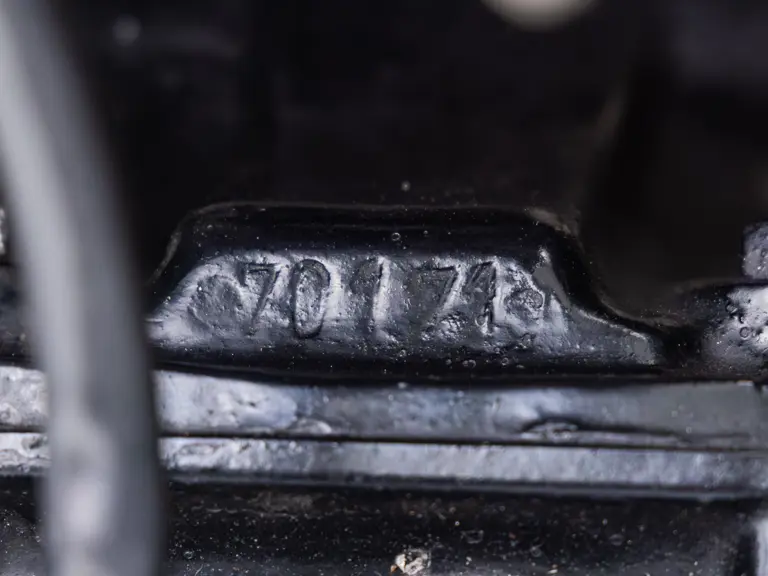
70171
$2,000,000 - $2,500,000 USD | Not Sold
{{bidding.lot.reserveStatusFormatted}}
The post-war North American market was sometimes something of a mystery to European manufacturers, who relied on their local importers to keep them in touch with evolving tastes and new opportunities. Occasionally, these relationships spawned all-new models, such as the Ferrari 250 GT SWB California Spider. Luigi Chinetti was not alone in this regard: In New York, Austrian-born automotive importer Max Hoffman—who had introduced the American public to the likes of Jaguar, Mercedes-Benz, and Porsche—hatched a plan for BMW to produce an all-new sports car. Its suggested $5,000 ticket price would bring in new customers without affecting sales of the cheaper Porsche 356 and more expensive Mercedes-Benz 300 SL.
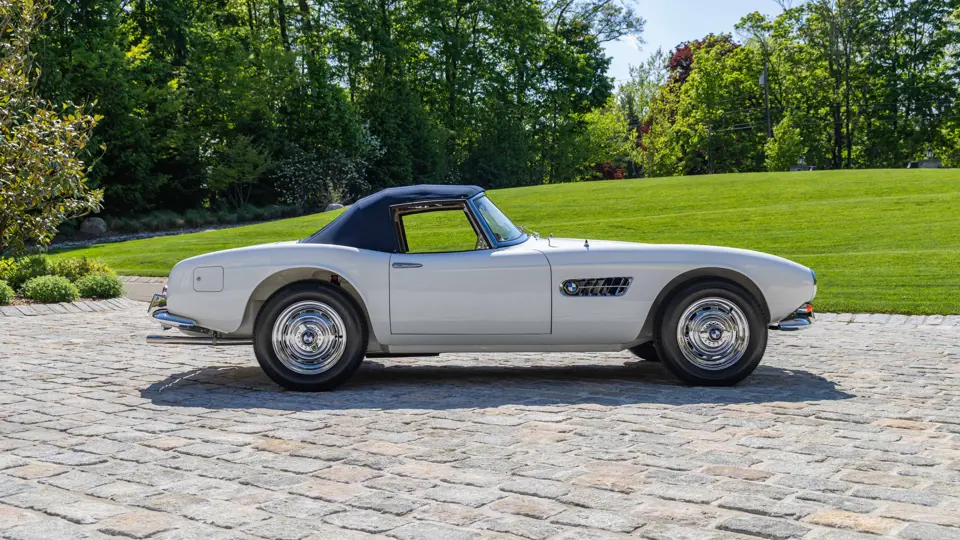
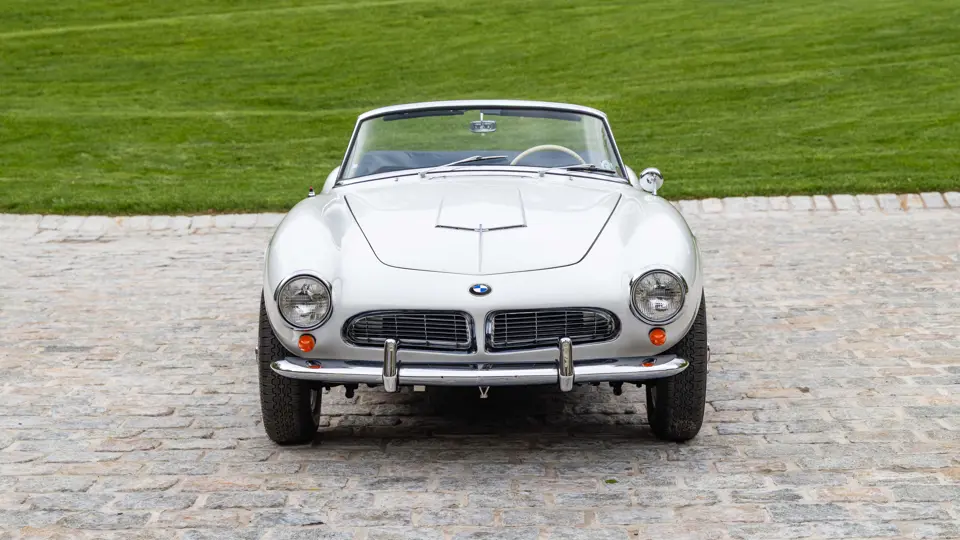
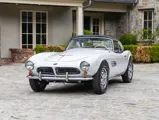
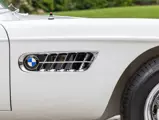
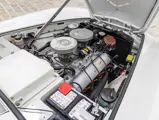
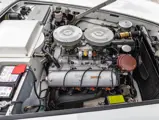
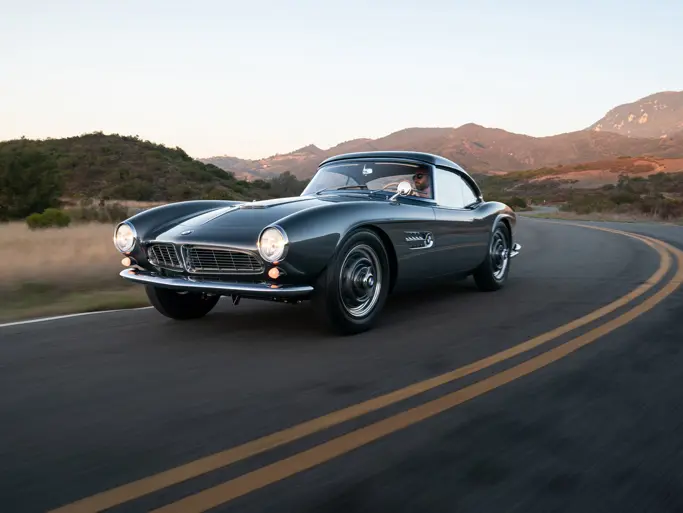
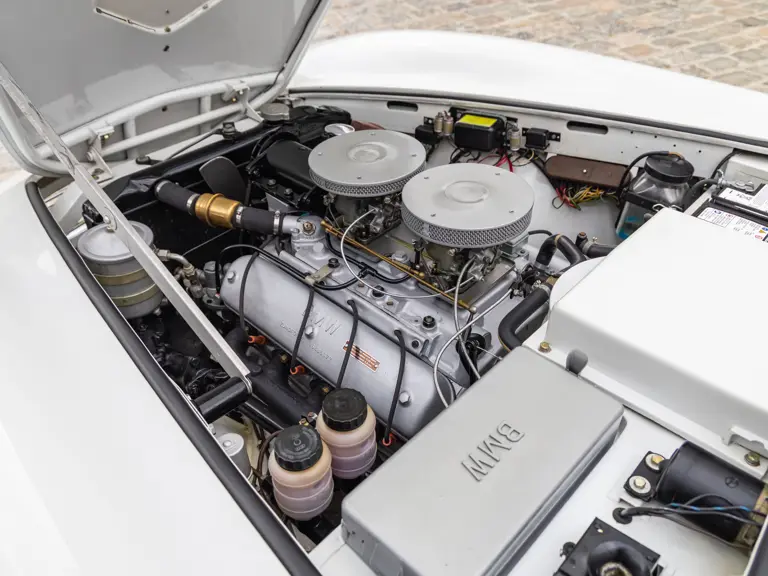
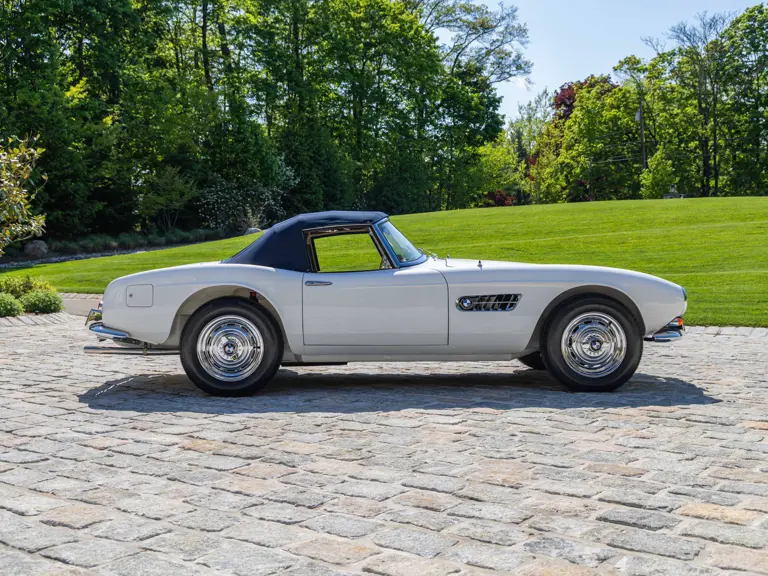
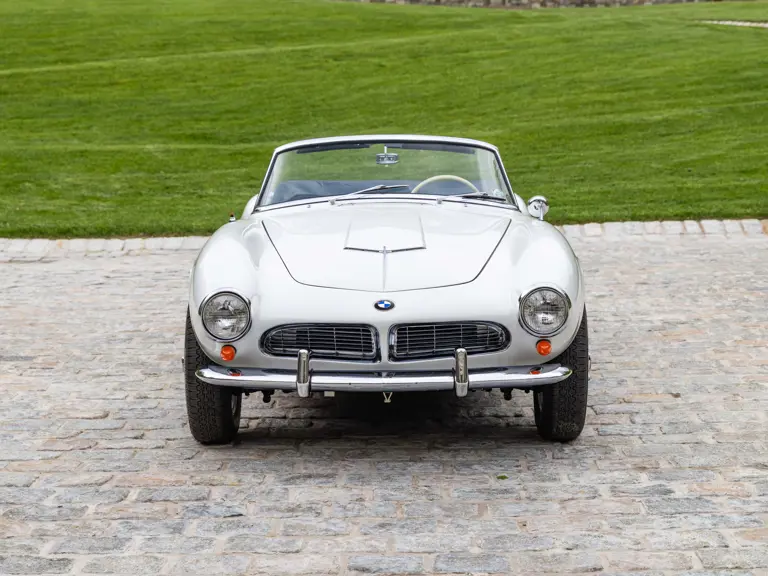
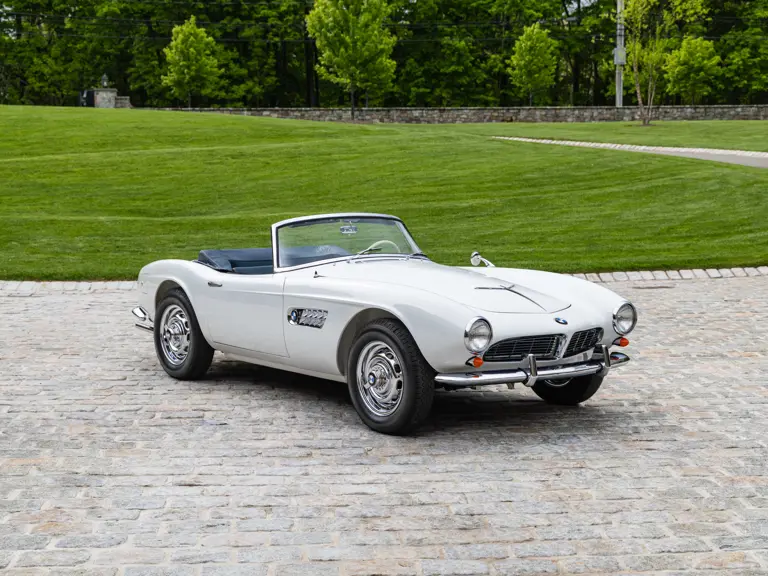
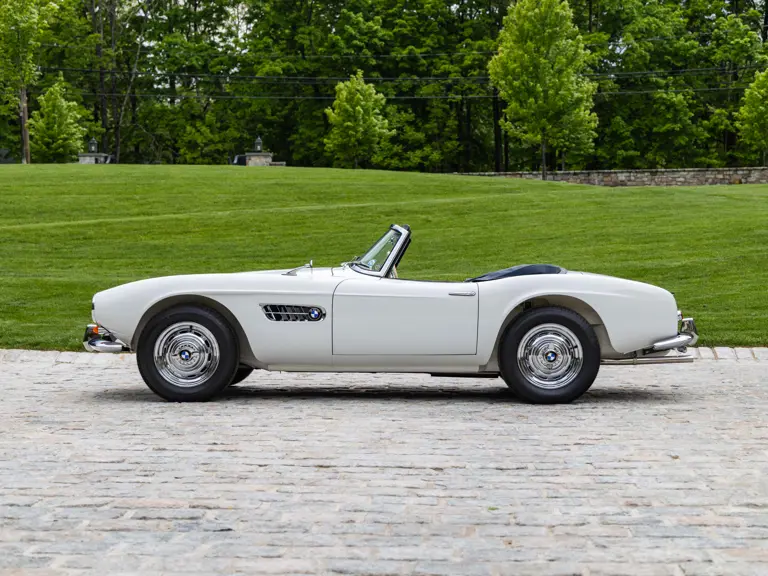
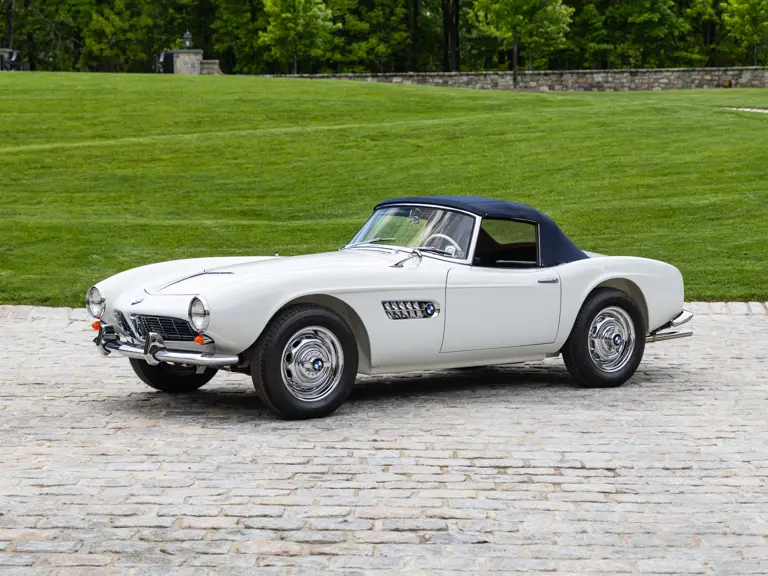
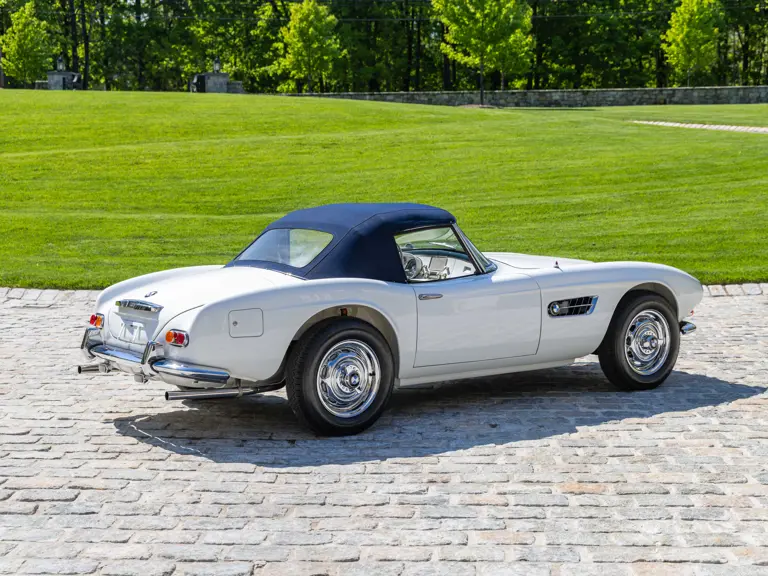
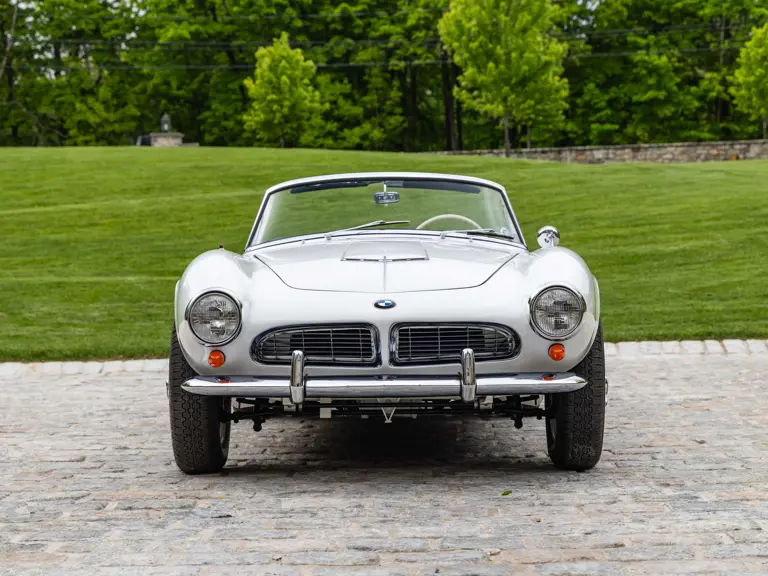
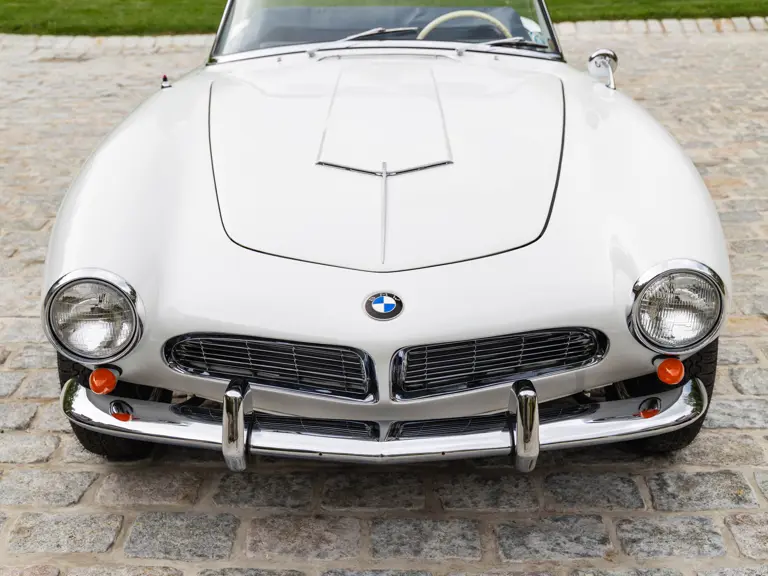
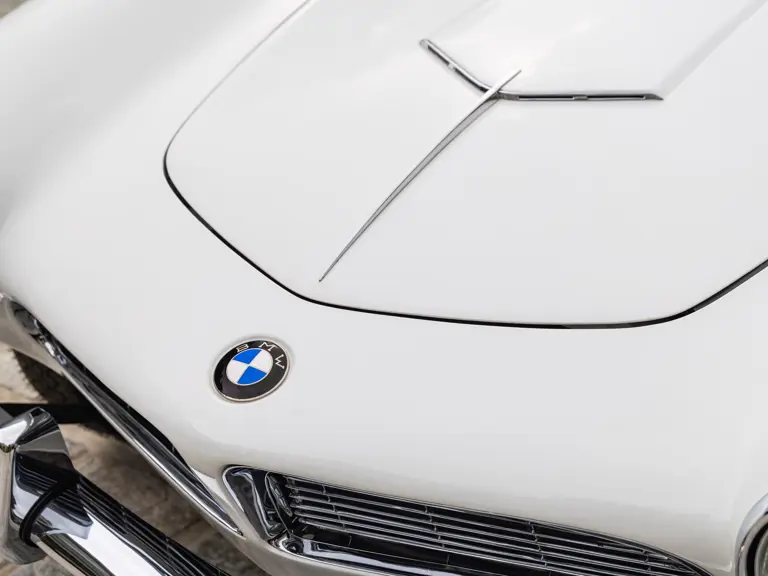
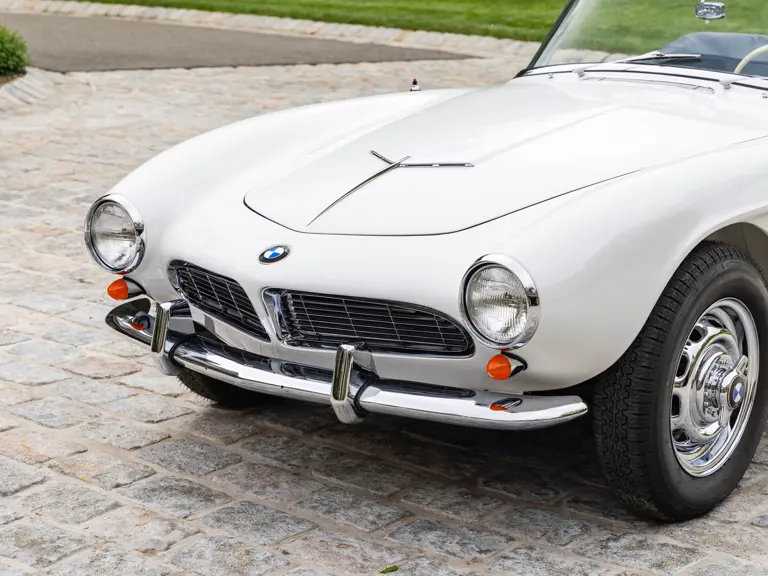
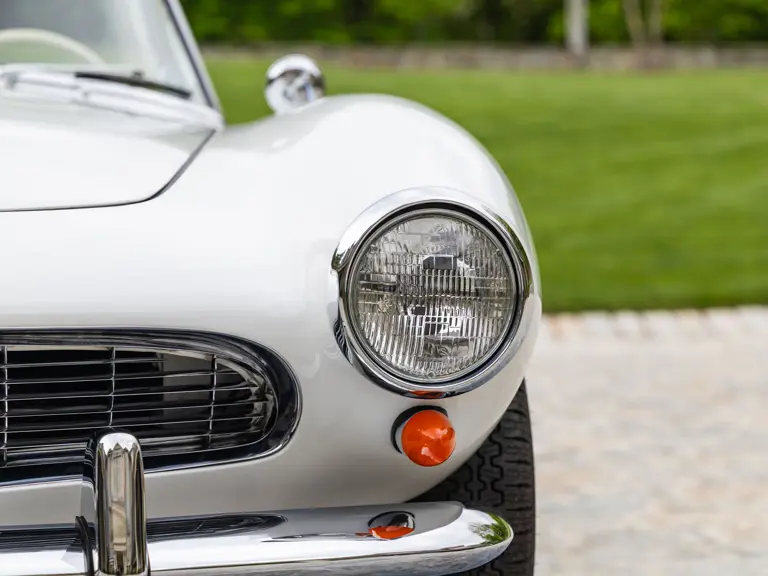
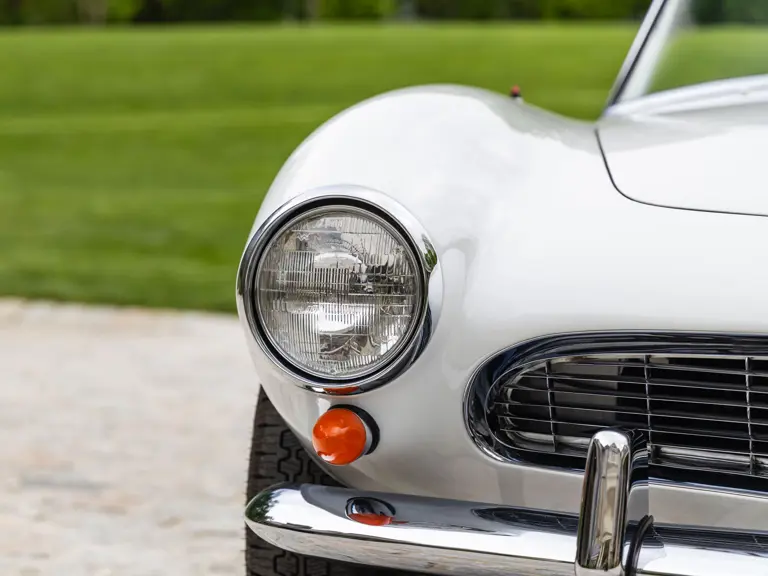
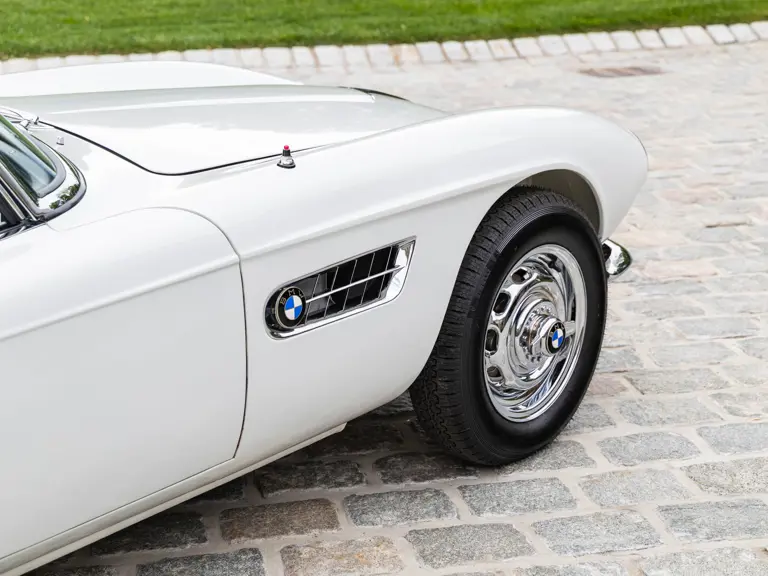
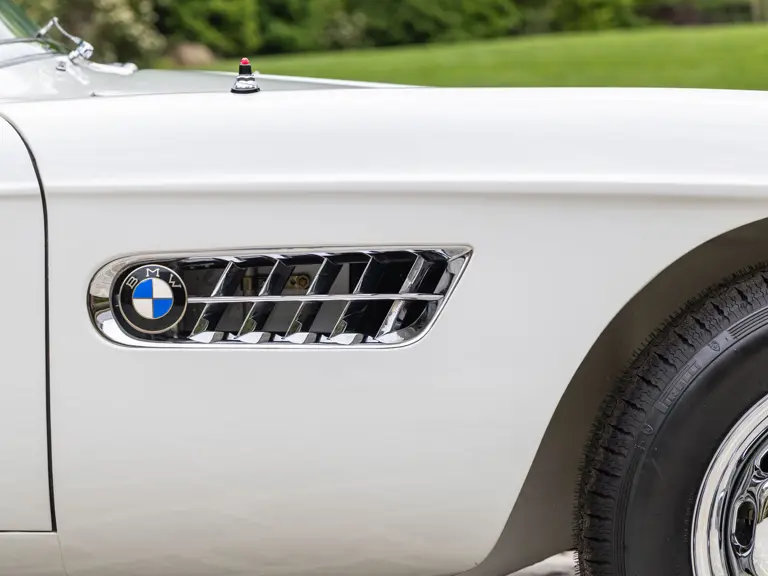
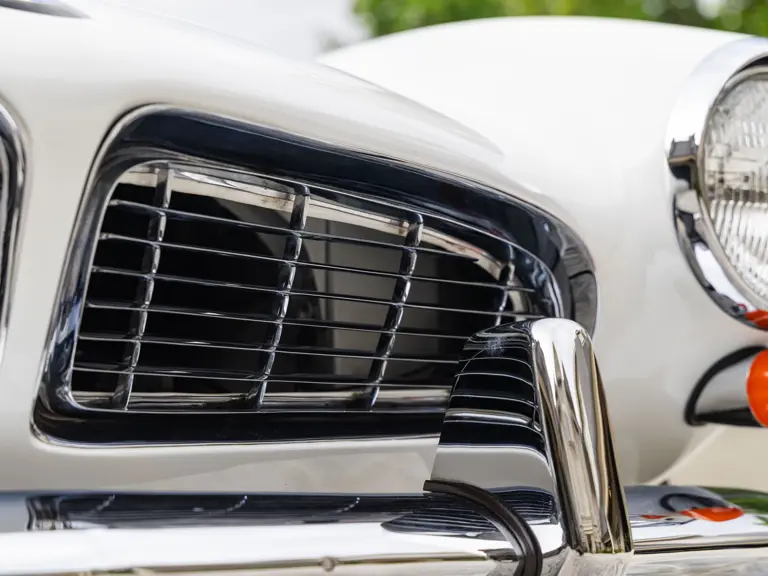
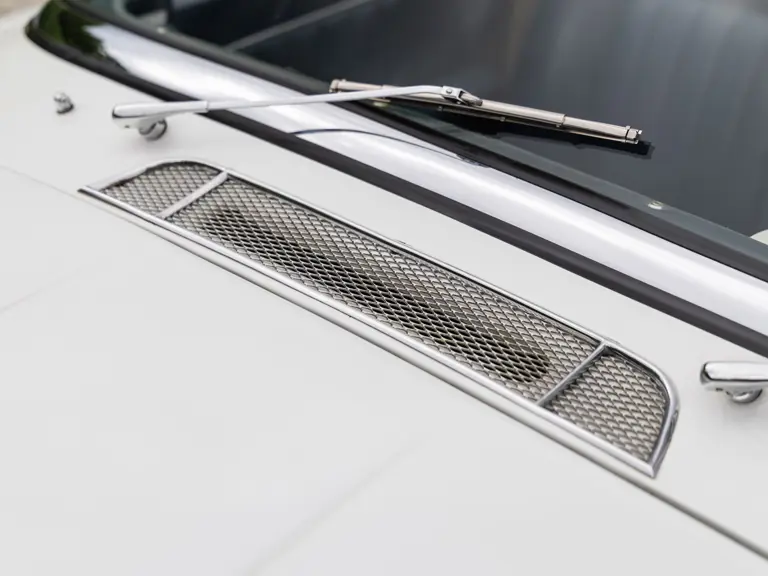
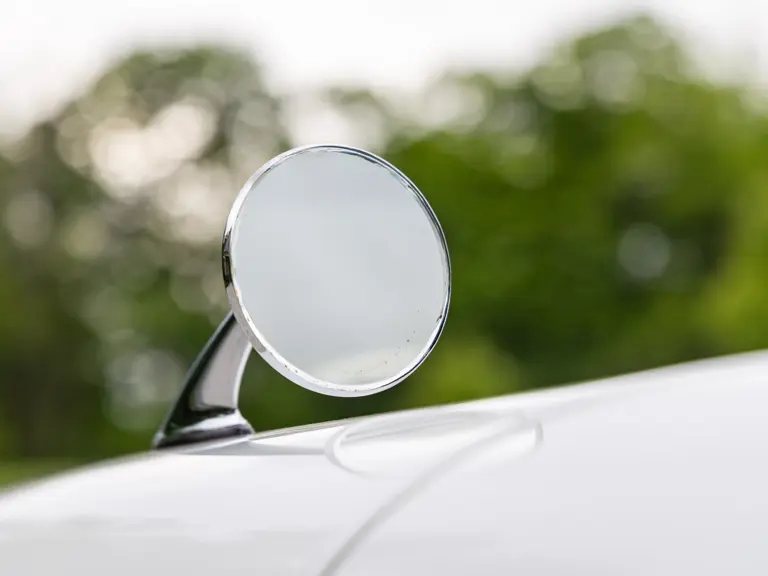
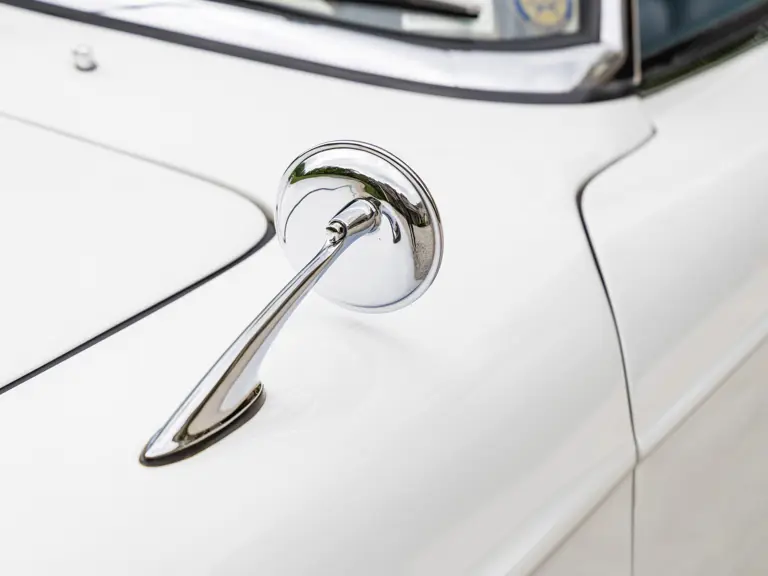
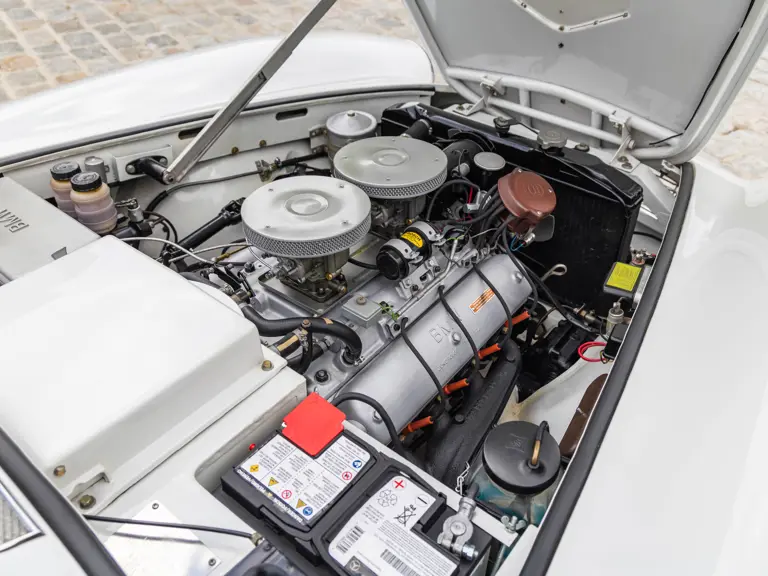
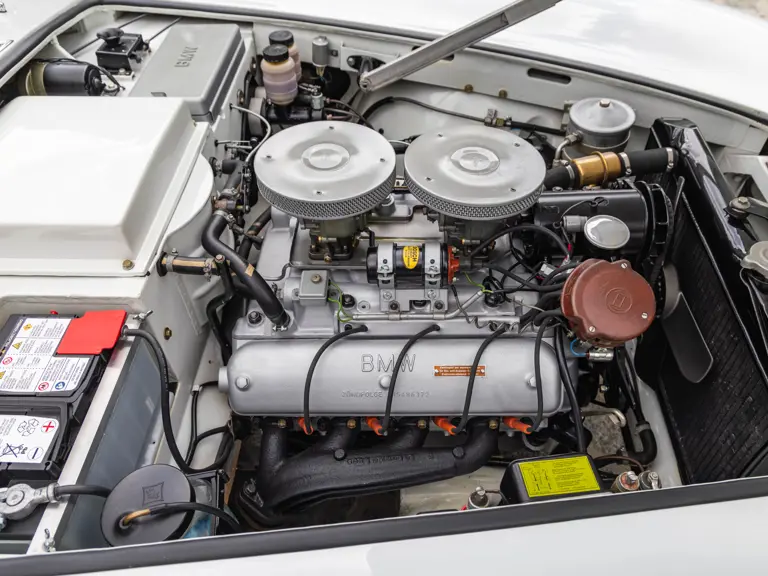
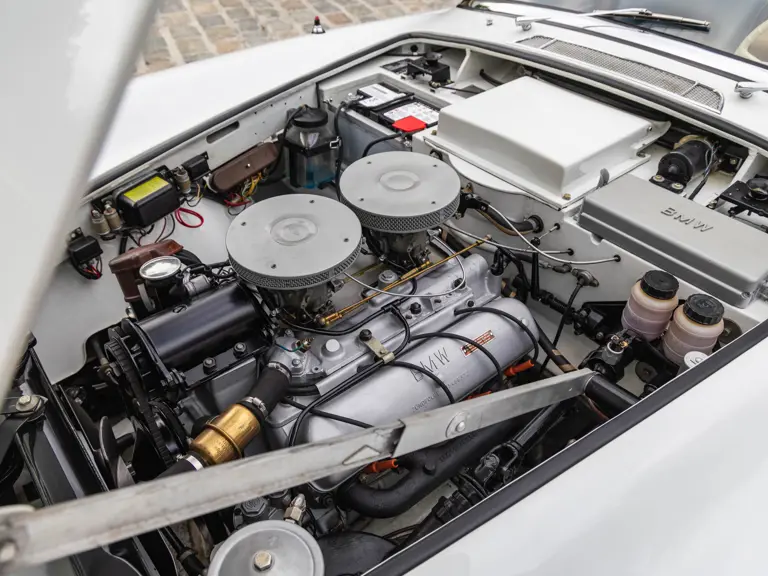
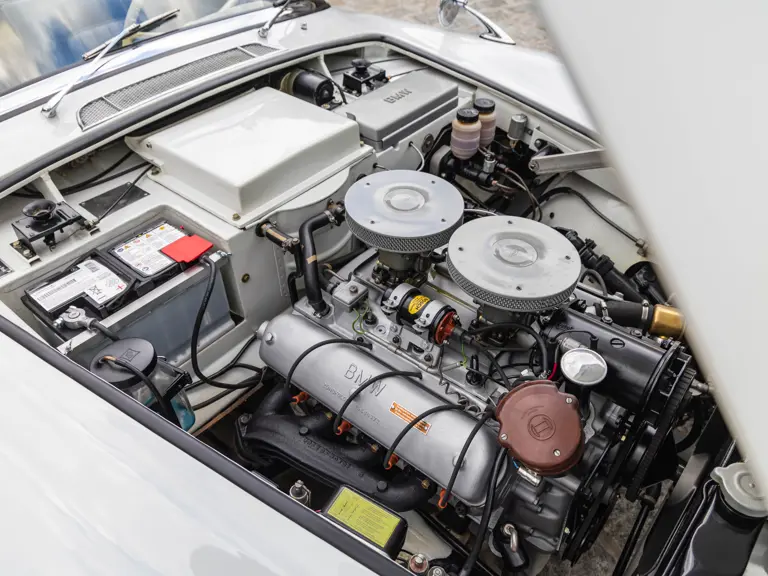
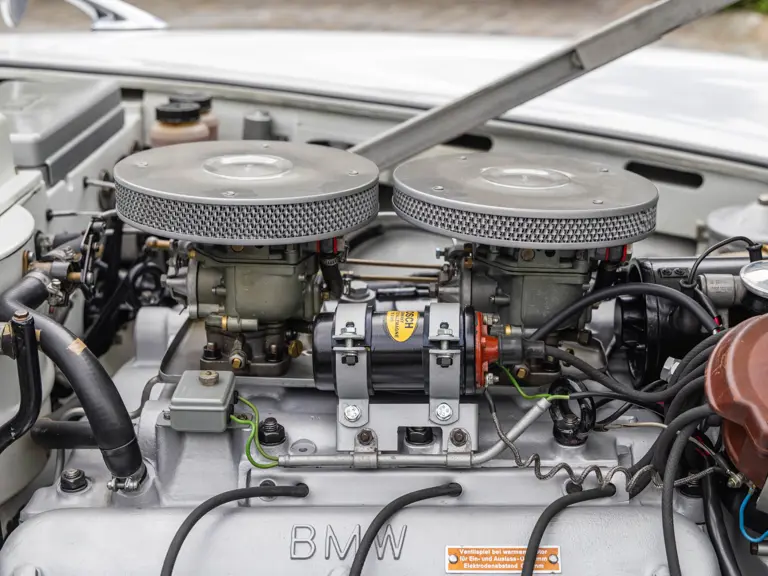
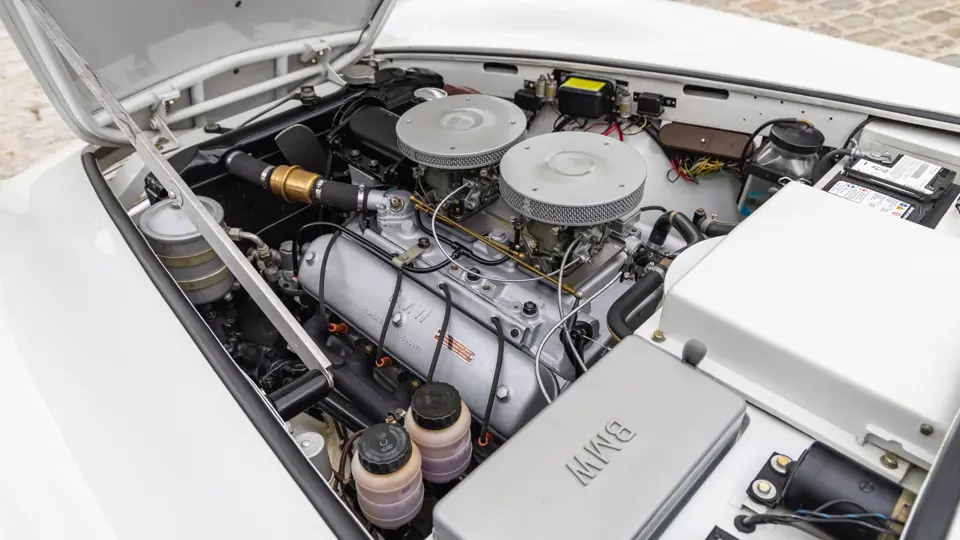
Unveiled in 1955 and entering production just over a year later, the 507 featured a shortened version of BMW’s 501-series chassis, with double wishbone and torsion bar front suspension, a Panhard rod-located live rear axle, and Alfin drum brakes at each corner. At its heart lay a 3.2-liter Type M507/1 engine—a jewel of a V-8 based on that of the 503 GT model that offered an improved 150 horsepower thanks to a higher-lift camshaft, revised ignition timing, and a higher compression ratio. Styling was led by fellow New York resident and close associate of Hoffman, Albrecht von Goertz, who penned an elegant, shark-like open design formed in aluminum and accented with lavish chrome fittings, that was aimed squarely at Sunset Boulevard and the Hollywood set.
More boulevardier than racer, performance on paper lagged that of its more expensive Teutonic rival both in terms of acceleration from rest and top speed. Nonetheless a spirited performer, the 507 was capable of reaching 60 mph in around 11 seconds with a top speed of around 125 mph—but it was the way it delivered that power that made it special. With torque in abundance, the BMW could comfortably outpace the 300 SL from 40-80 mph in top gear.
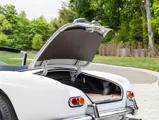
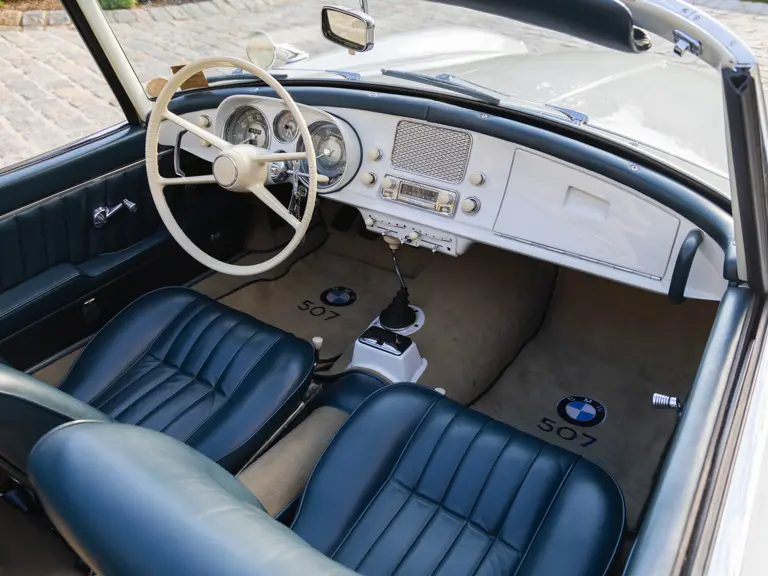
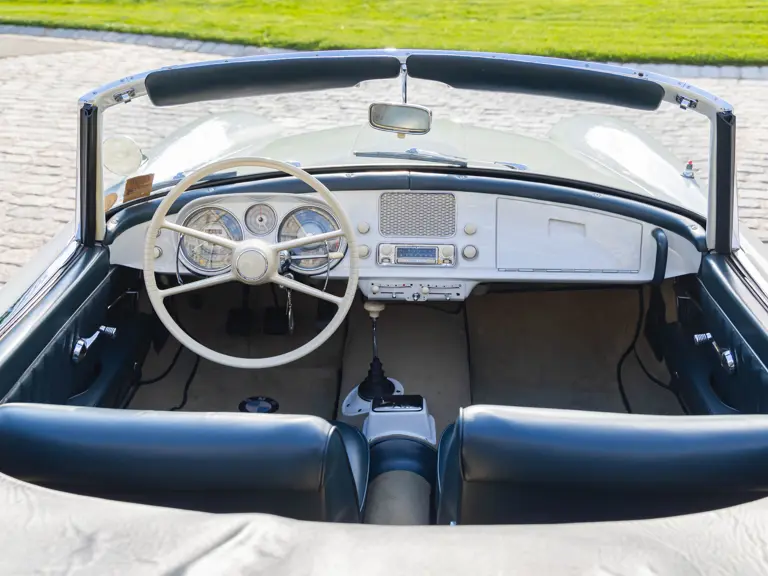
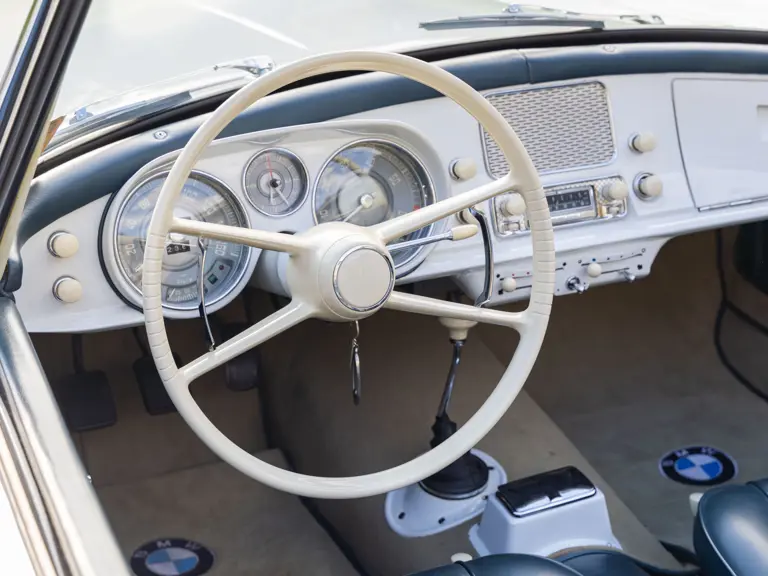
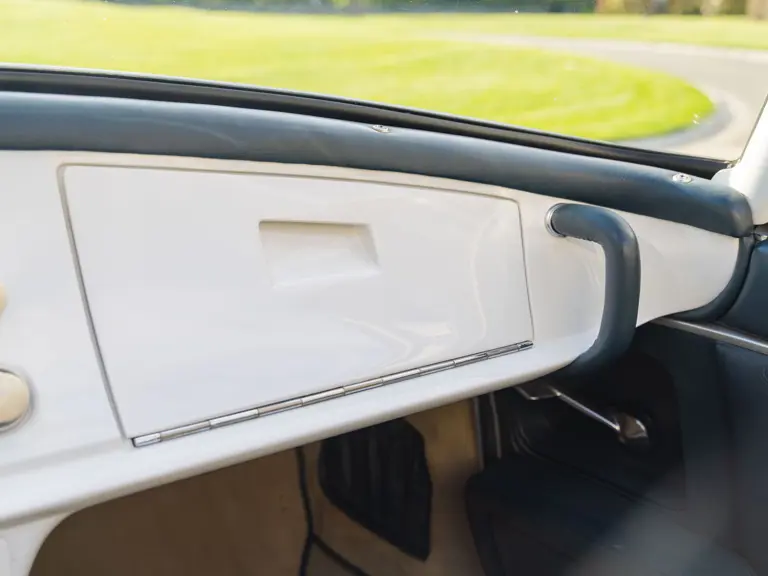
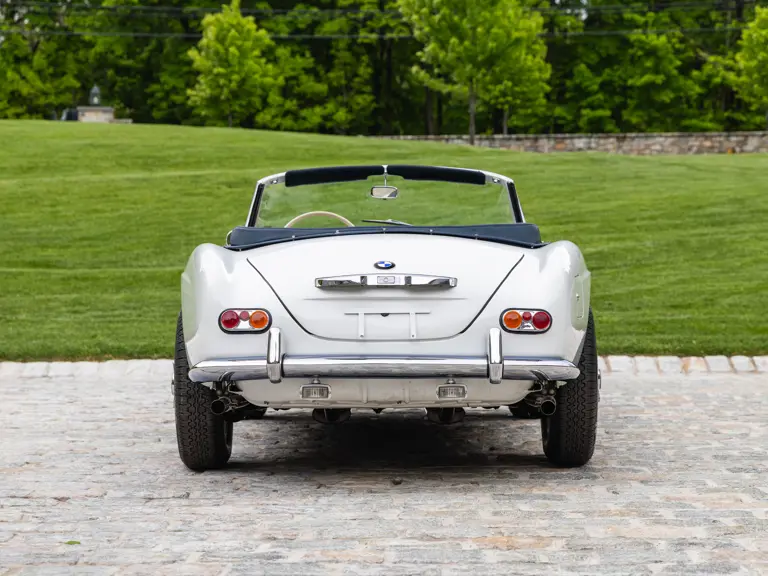
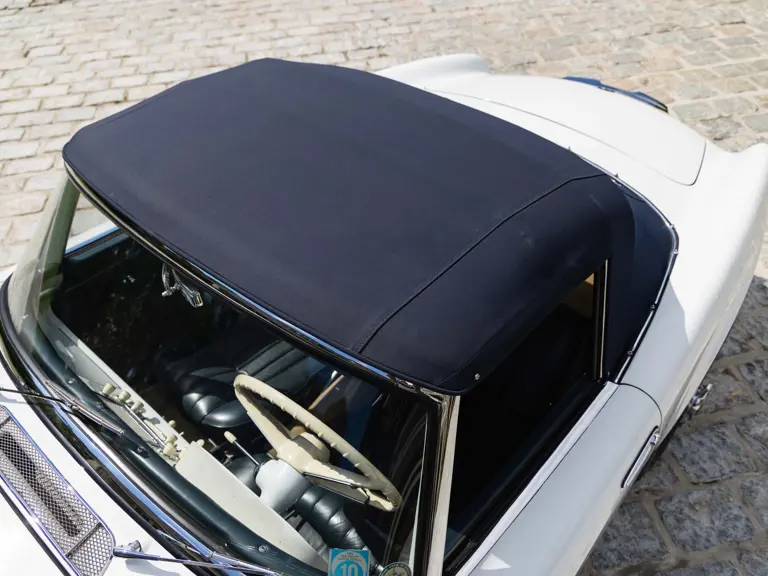
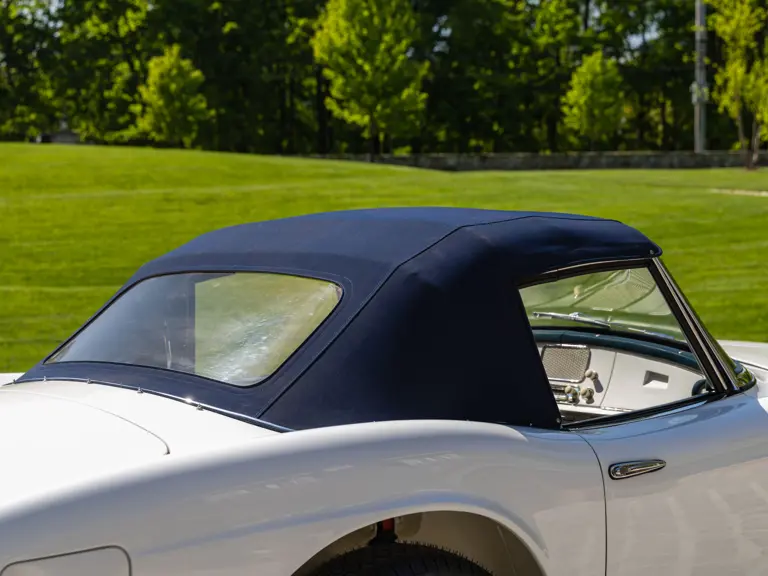
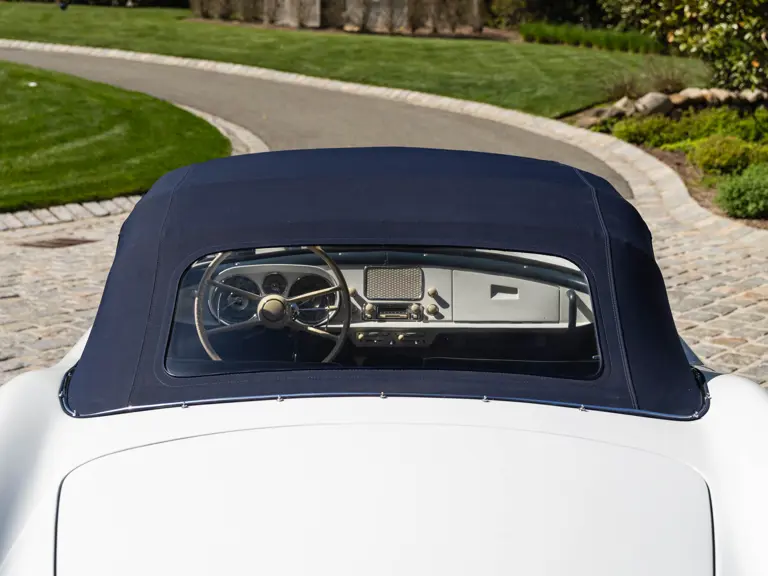
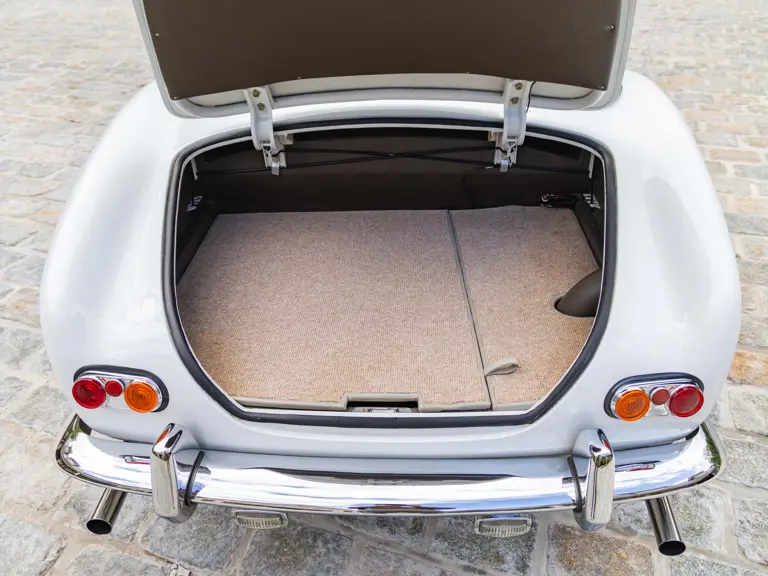
By mid-1957, and after the production of just 34 retrospectively titled Series I cars, the 507 underwent revisions to improve cabin and boot space. In addition to offering greater room for driver, passenger, and their luggage, the Series II featured a reworked dashboard and a more discreetly stowed fabric roof. With the changes came a higher asking price of $10,500—more than double Hoffman’s suggested retail figure. As a result of that eye-watering sum, the BMW 507 would remain one of the most exclusive and elusive sports cars of the era, with just 251 examples being built before production ended just three years after it had begun.
CHASSIS 70171: IN DISTINGUISHED COMPANY
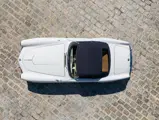
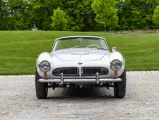
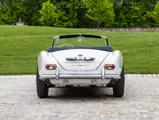
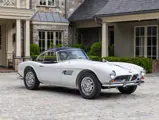
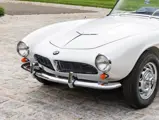
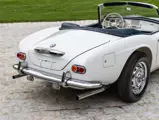
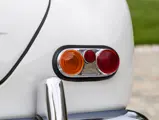
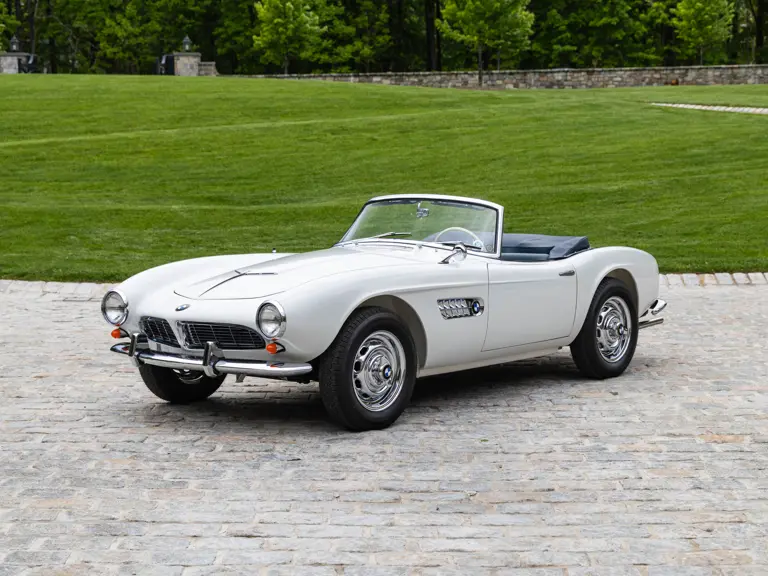
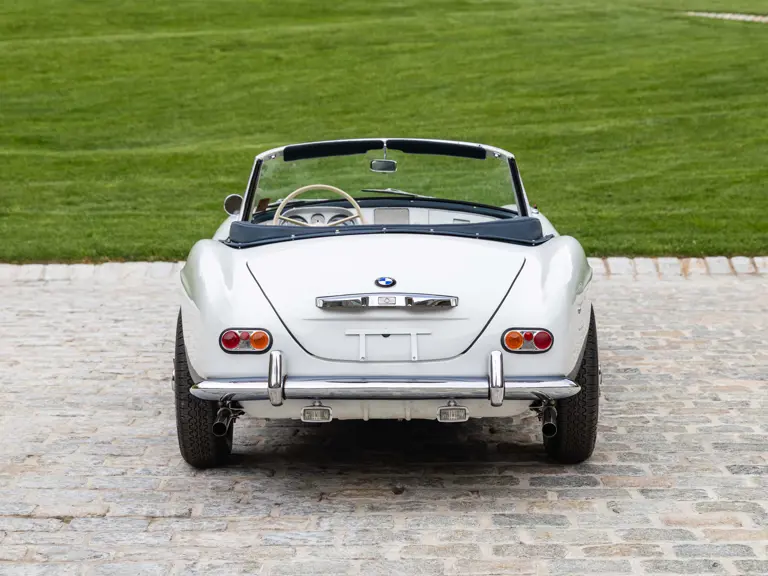
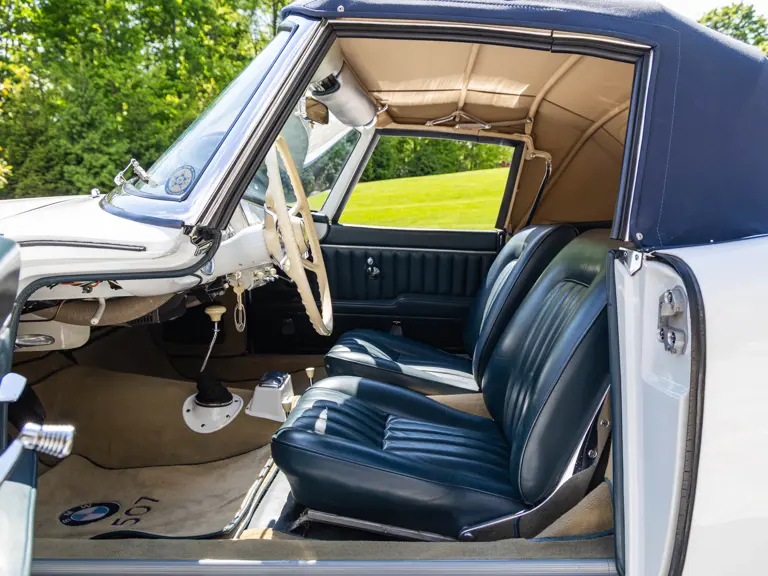
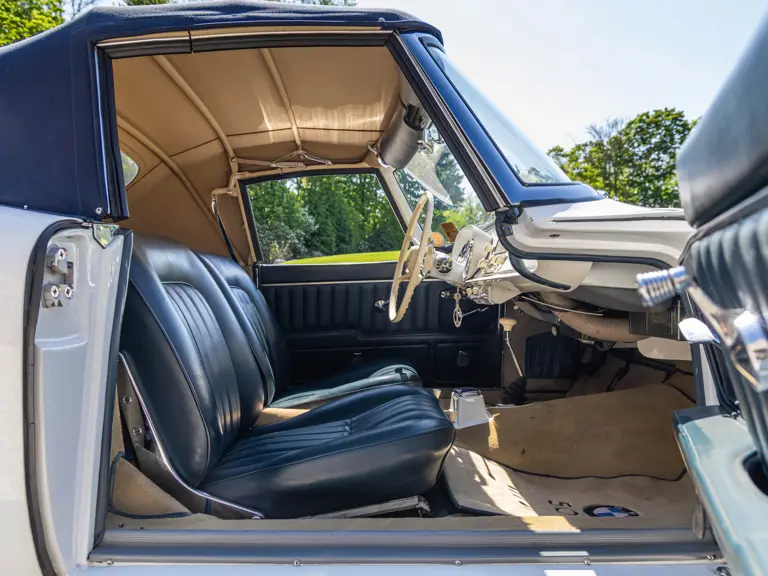
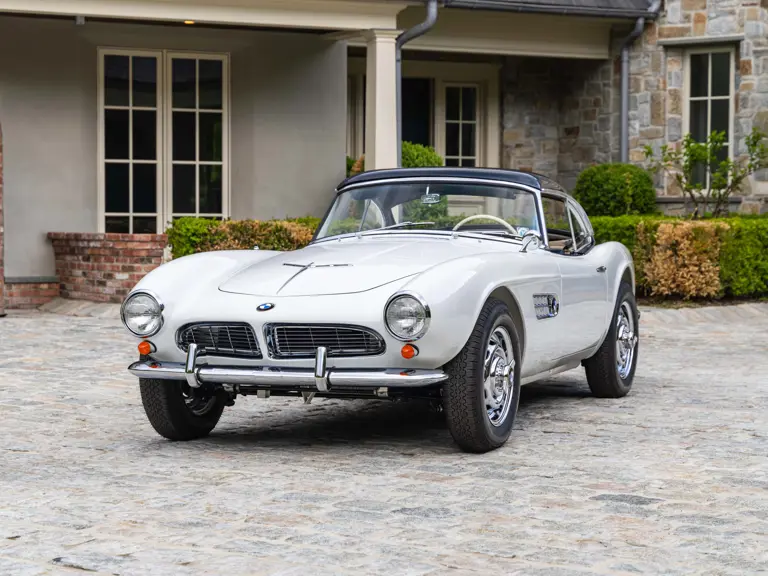
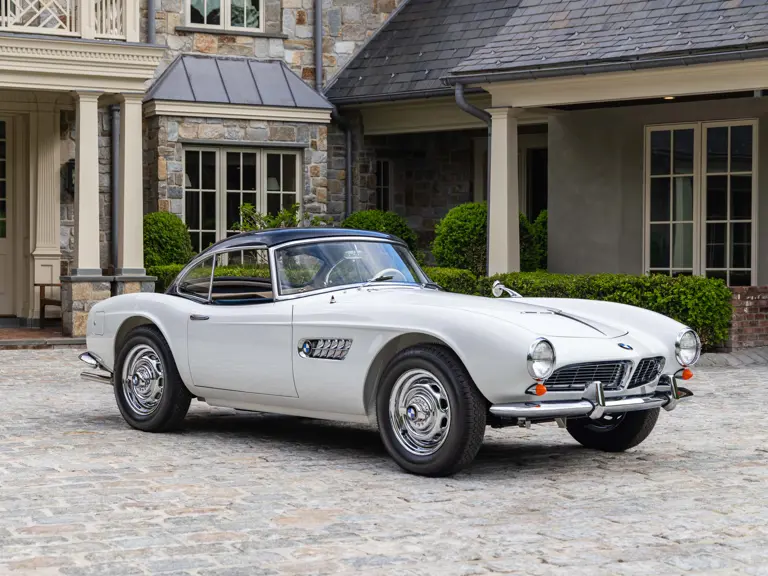
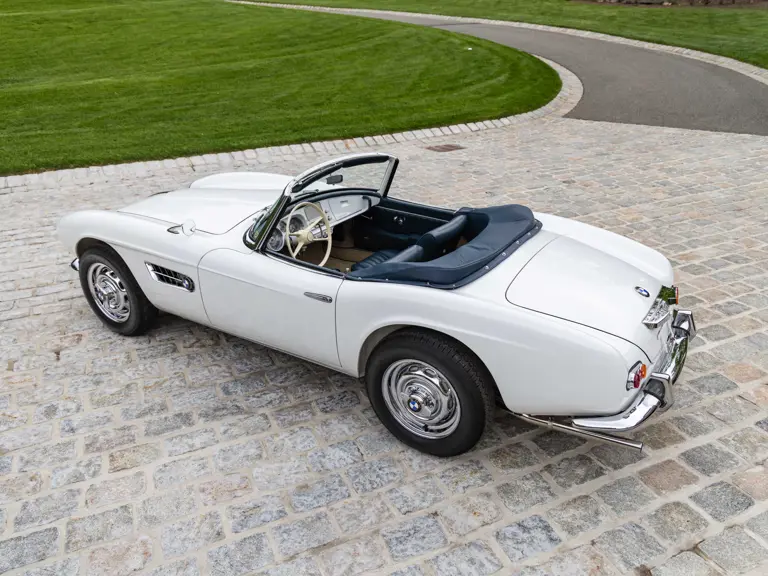
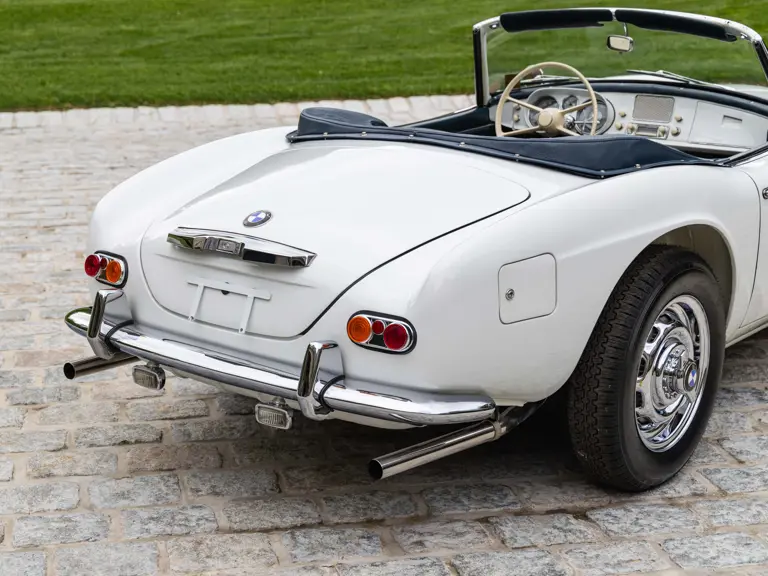
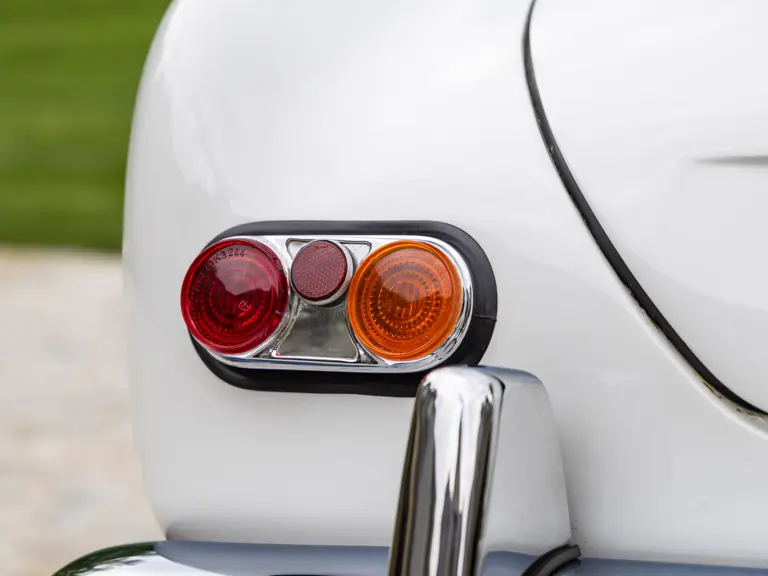
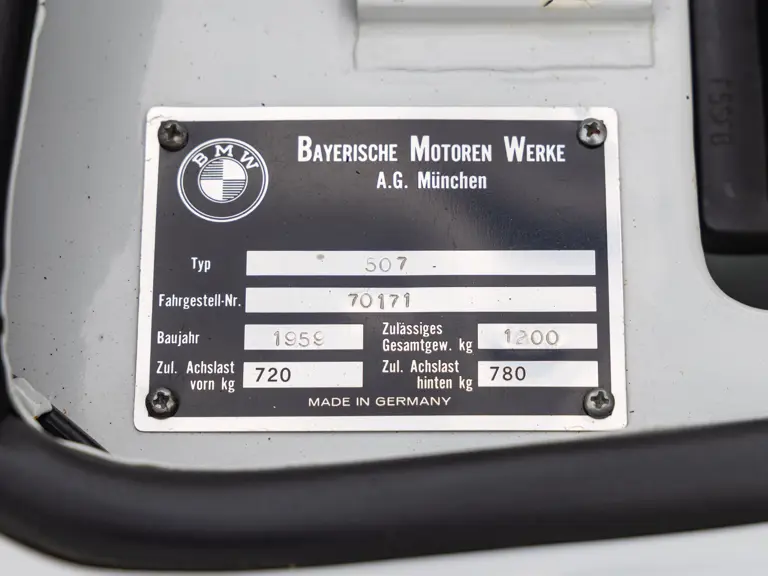
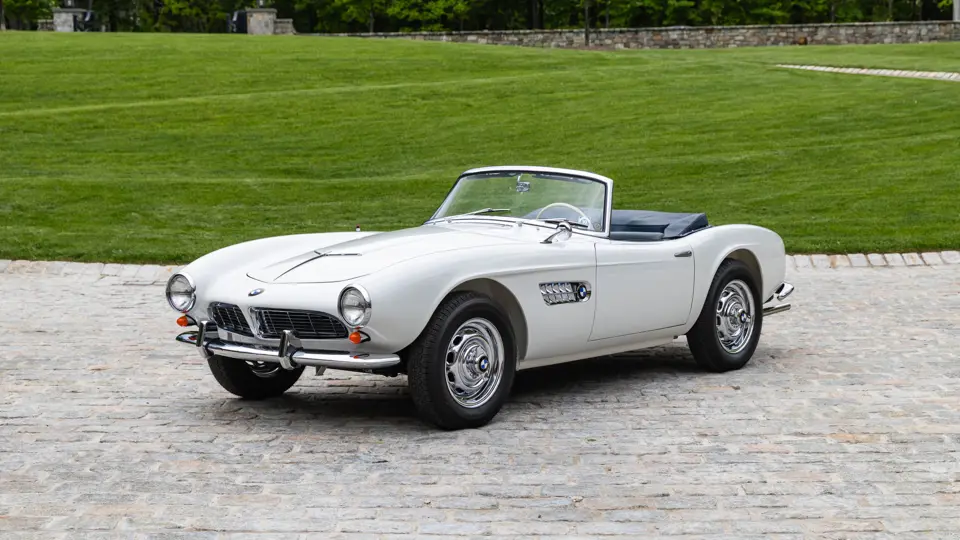
Chassis 70171 is a fine example of the more usable Series II 507 and possesses the wonderful provenance one expects from such an extravagant automobile of the 1950s. According to the BMW Birth Certificate on file and additional information provided by BMW Group Classic, this 507 Roadster was completed in September 1958 and, interestingly, was used as a showroom display model at dealerships in Mainz and Kassel, Germany, before being shipped to the United States.
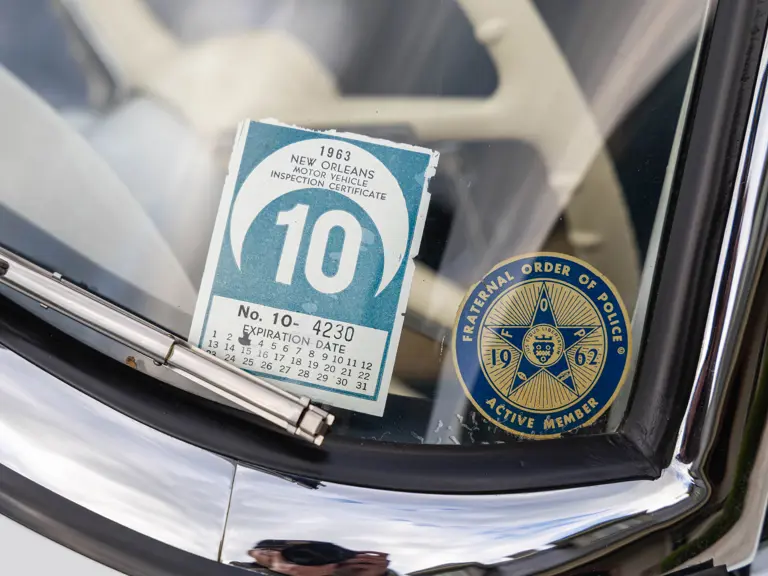
Originally ordered by a Mr. Eisman, it is believed he was ultimately unable to complete the purchase. As a result, Charles Frederick Offenhauser, nephew of legendary engineer Fred Offenhauser, is believed to claim the title of first owner, and further correspondence on file details the unfortunate story behind his court-mandated separation from the BMW. In the span of three weeks, Mr. Offenhauser was ticketed for speeding within a school zone—albeit only by two or three mph—by the same officer, at the same time of day, resulting in three separate infractions. Needless to say, the judge was unimpressed but mercifully decided not to suspend Offenhauser’s license. Instead, a single penalty was enforced on the agreement that the BMW 507 would no longer remain in his possession. Offenhauser reluctantly took the deal, and the roadster was sold to a friend of great distinction.
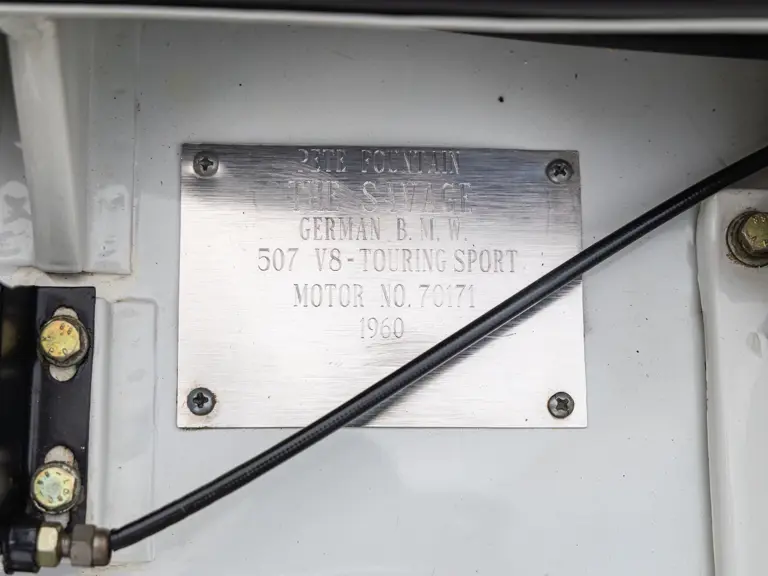
Pierre Dewey LaFontaine Jr., professionally known as Pete Fountain, became a prominent clarinetist within the vibrant New Orleans jazz scene before founding the Basin Street Six in 1950. Over the course of his decorated career within the genre, LaFontaine would also perform with the Dukes of Dixieland, Al Hirt, and the Lawrence Welk Orchestra. At some point, LaFontaine and his wife Beverly developed a close relationship with Charles Offenhauser. Pierre greatly admired the BMW and, on several occasions, requested that Offenhauser sell him the car. Eventually, Offenhauser relented once faced with the legal realities before him, and the 507 Roadster luckily found a new trusted home with LaFontaine.
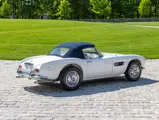
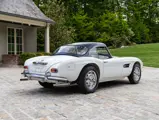
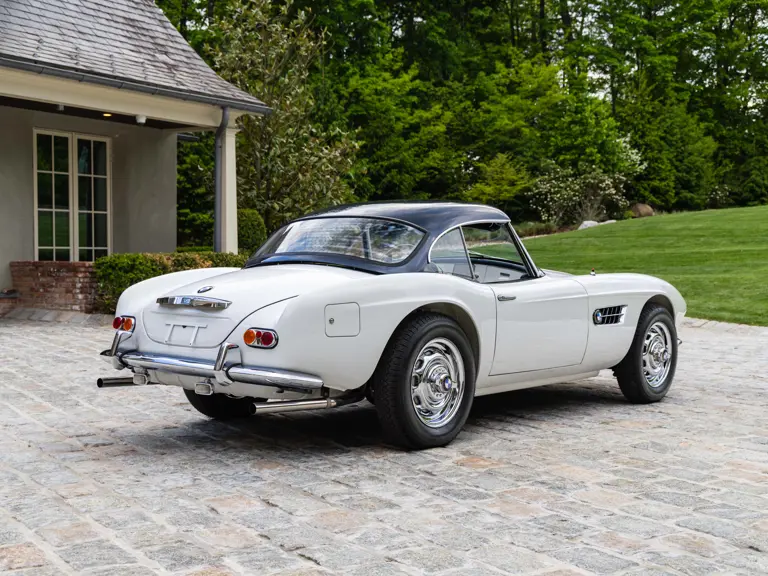
While the correspondence on file mentions another individual had become the owner of the BMW by the early 1970s, the next confirmed caretaker of the vehicle, Terrance K. Knudsen of Wisconsin, is listed on a registration dated to 1994. Before the turn of the millennium, Melvin F. Wiess of New Jersey became the next owner and would cherish the 507 Roadster for the next two decades. Under his stewardship, a restoration is believed to have been performed on the vehicle, and the exterior was refinished to its factory-correct color, Papyrus White, at that time.
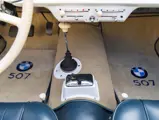
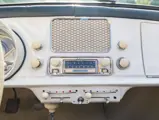
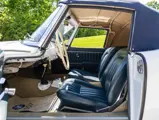
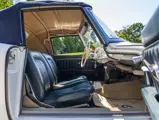
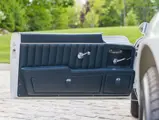
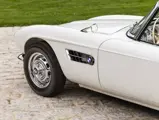
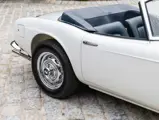
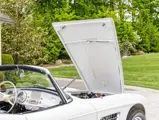
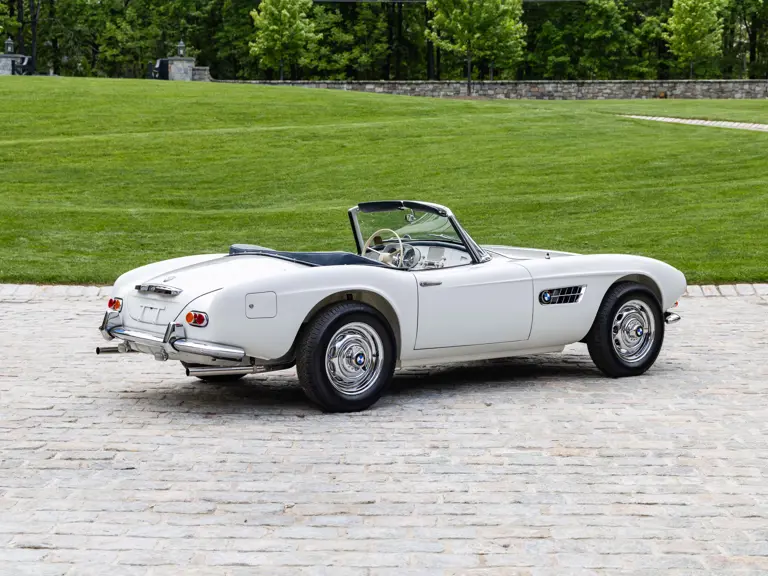
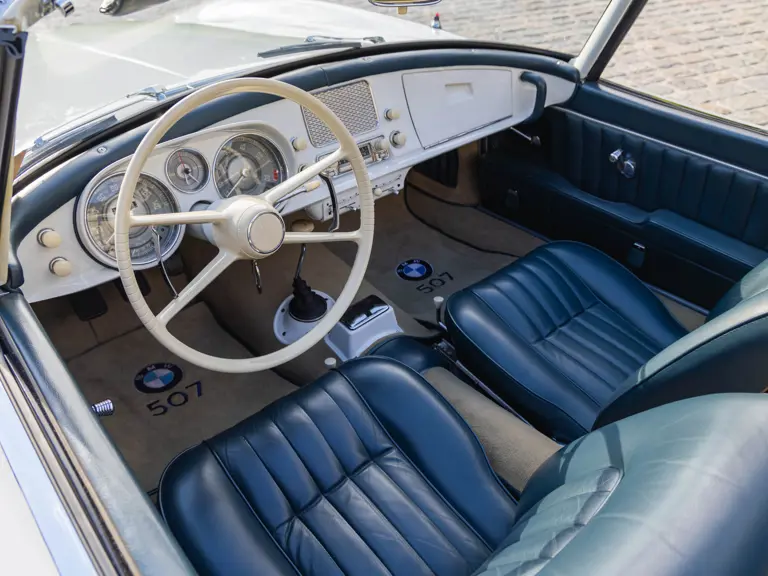
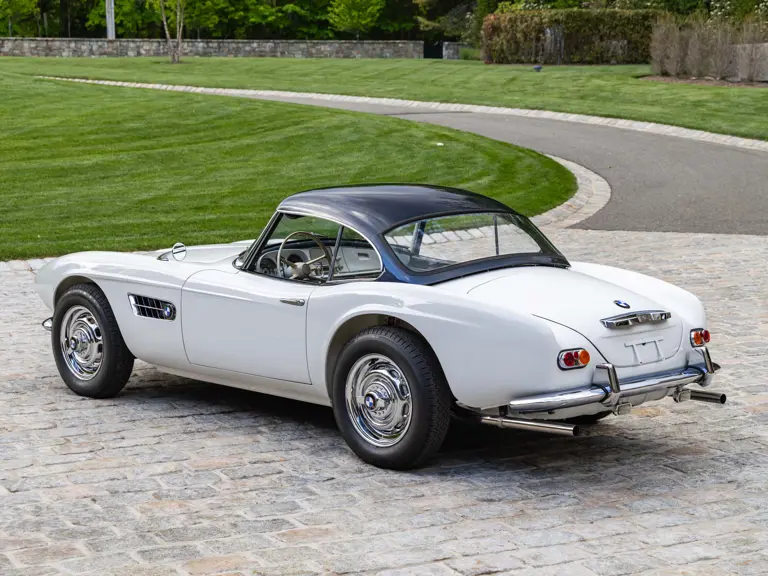
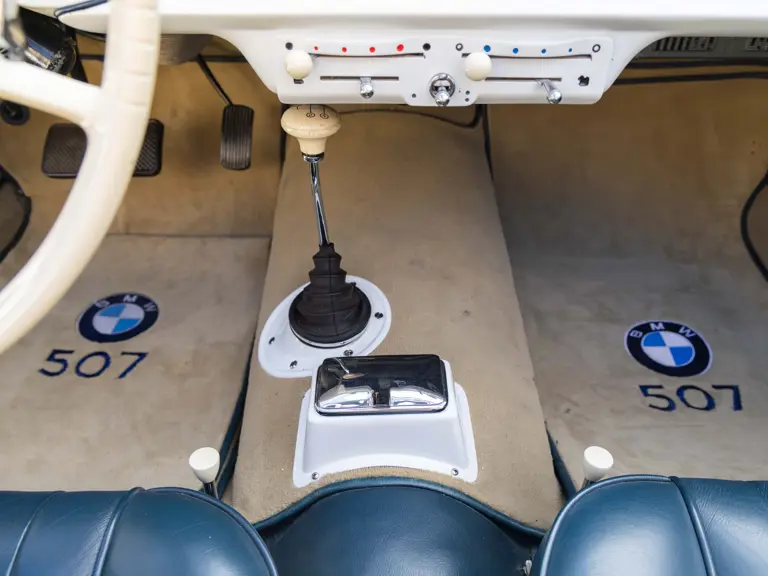
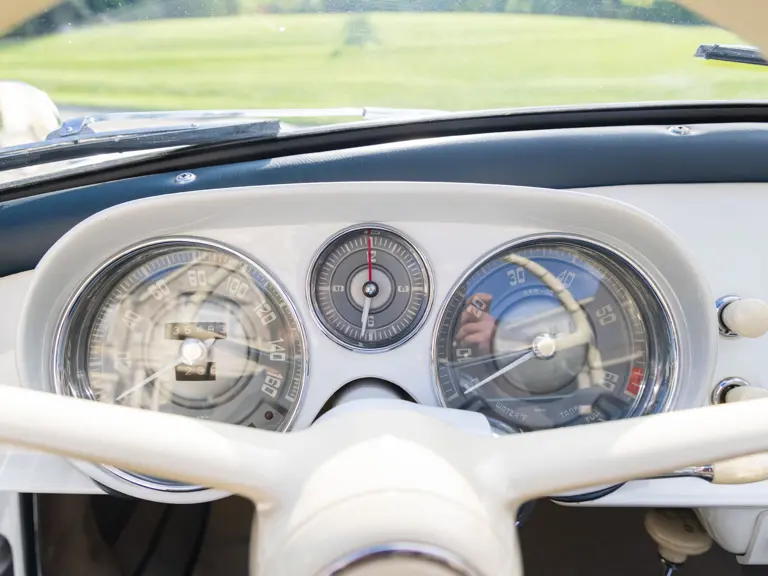
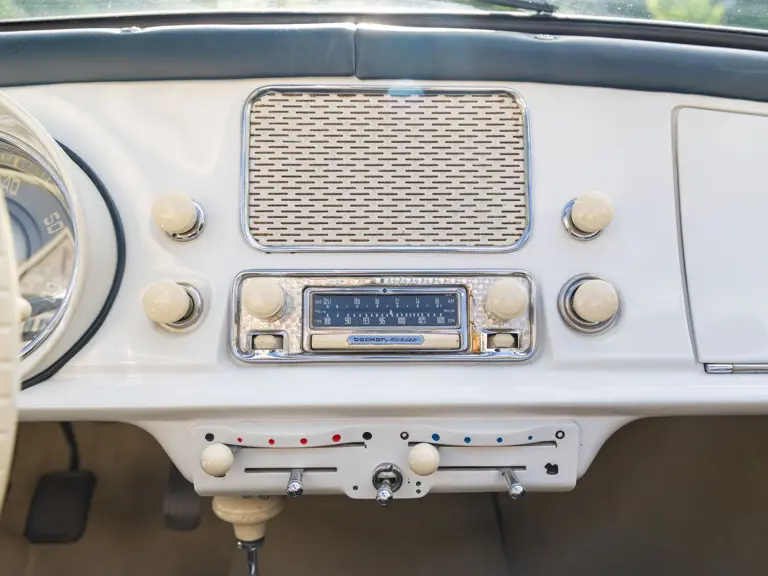
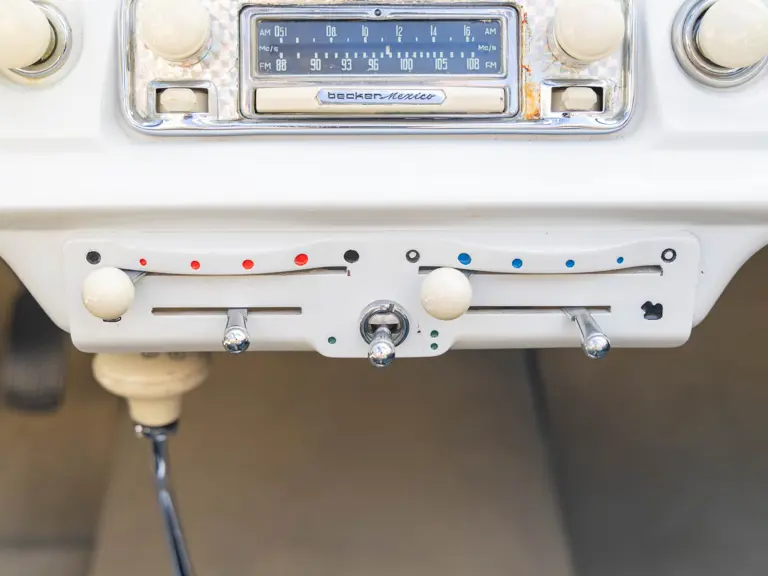
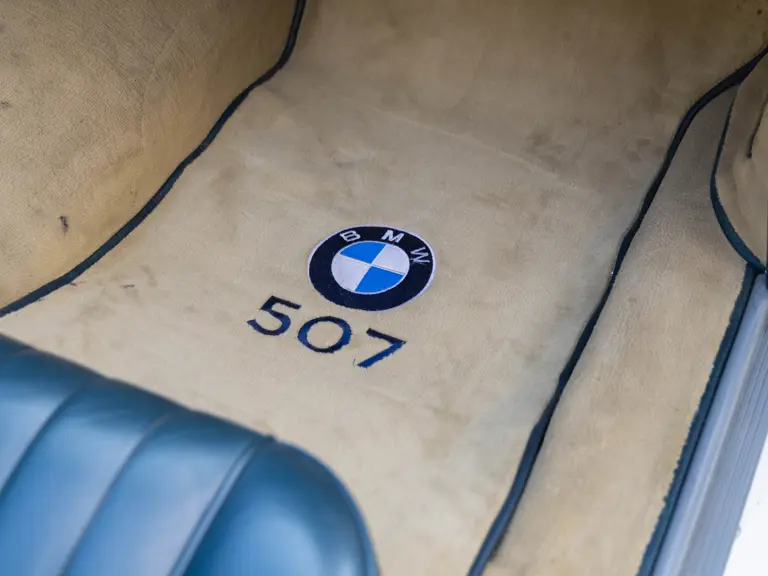
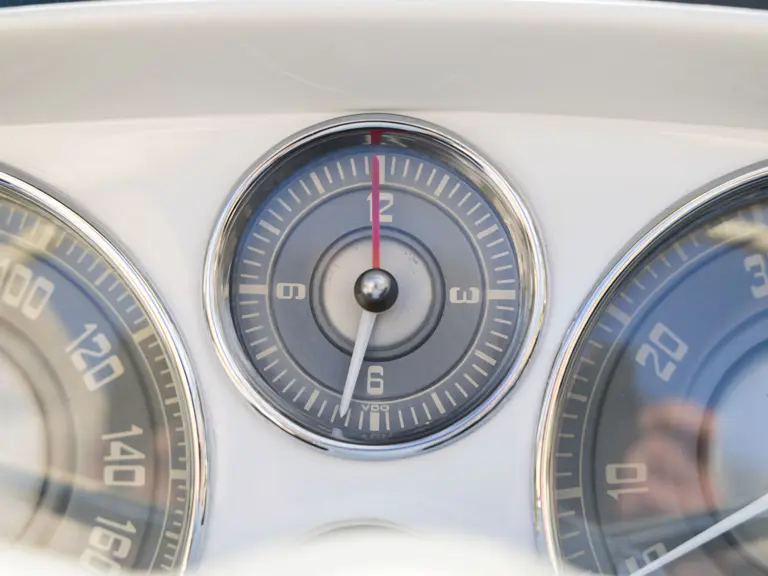
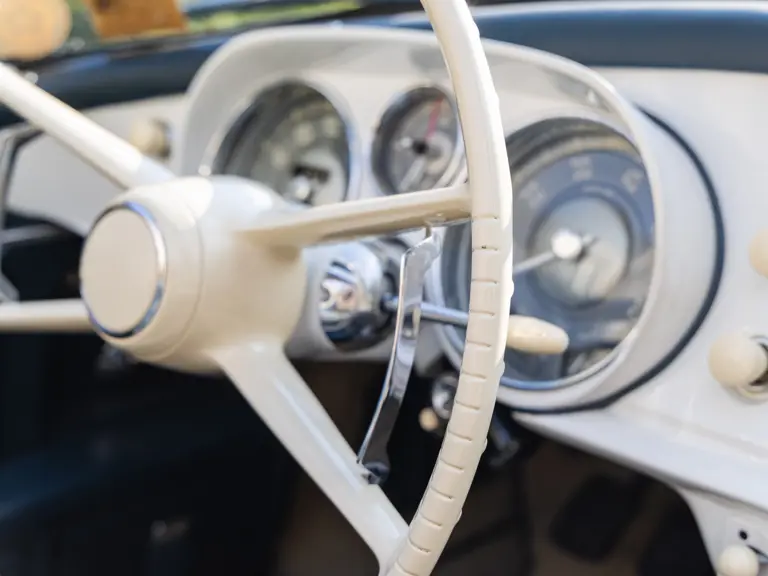
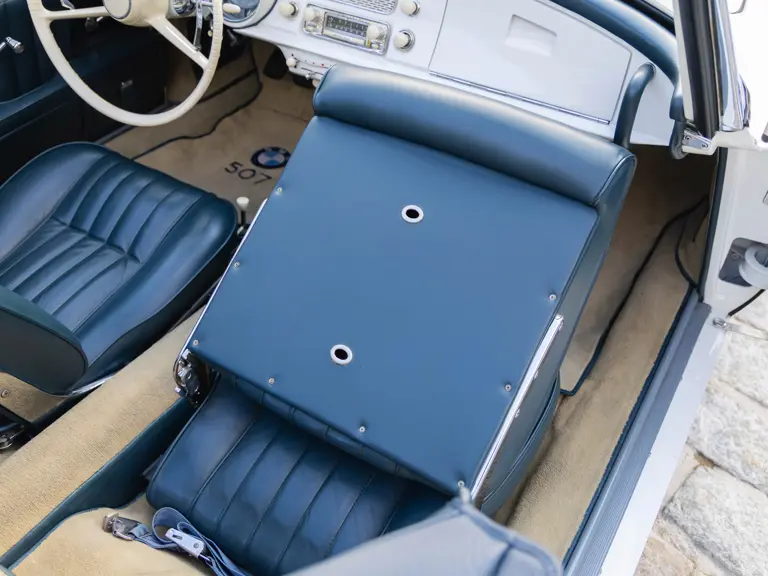
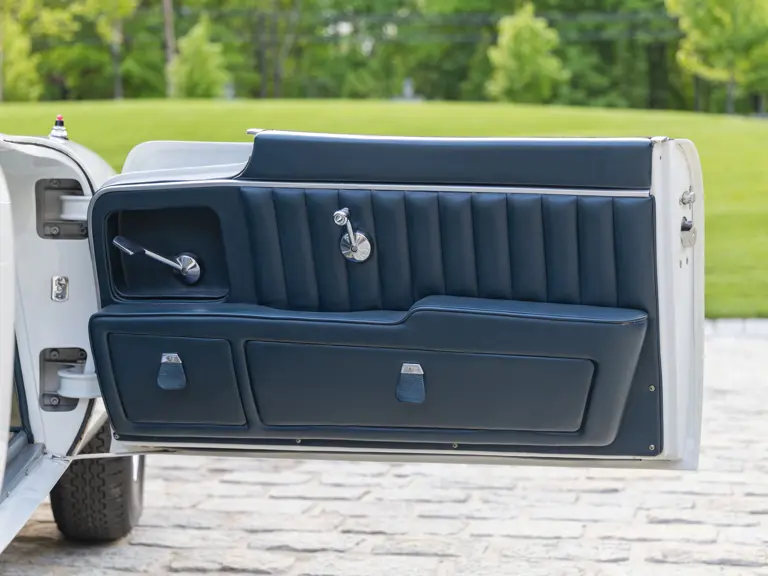
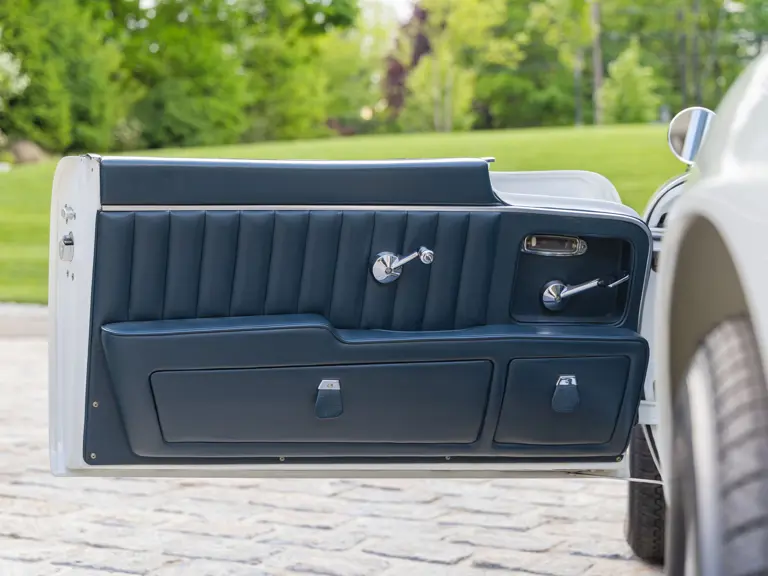
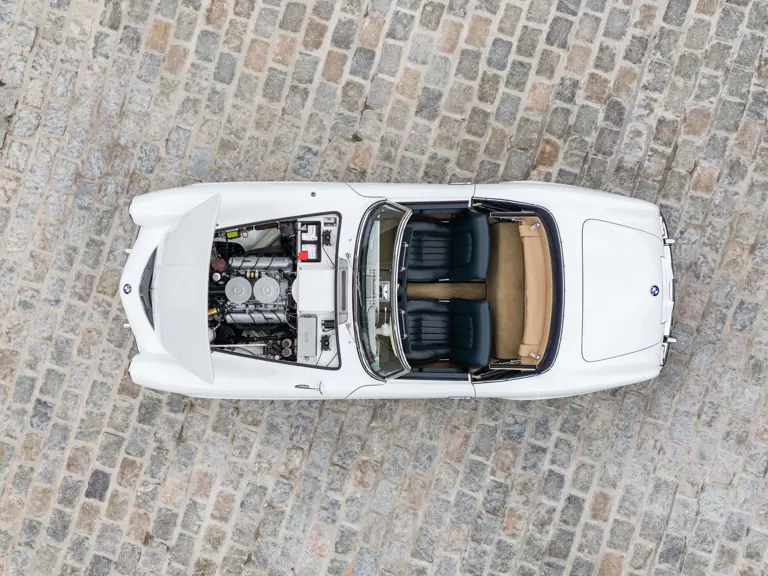
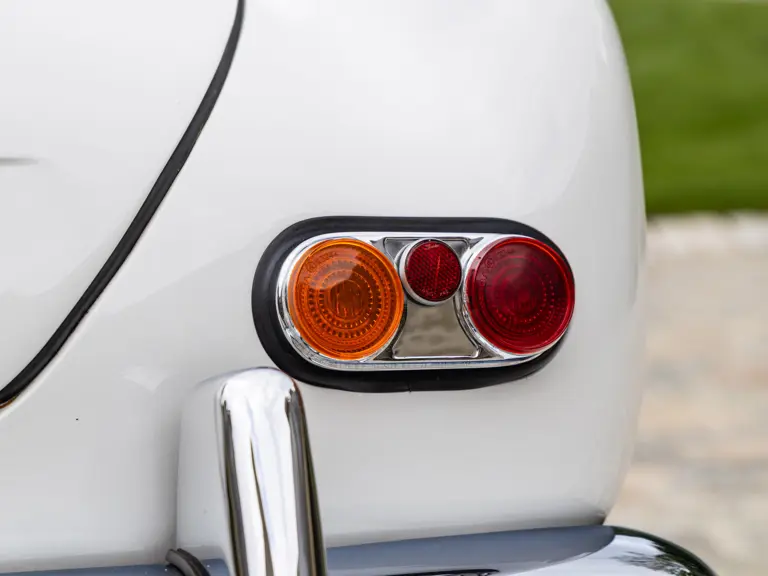
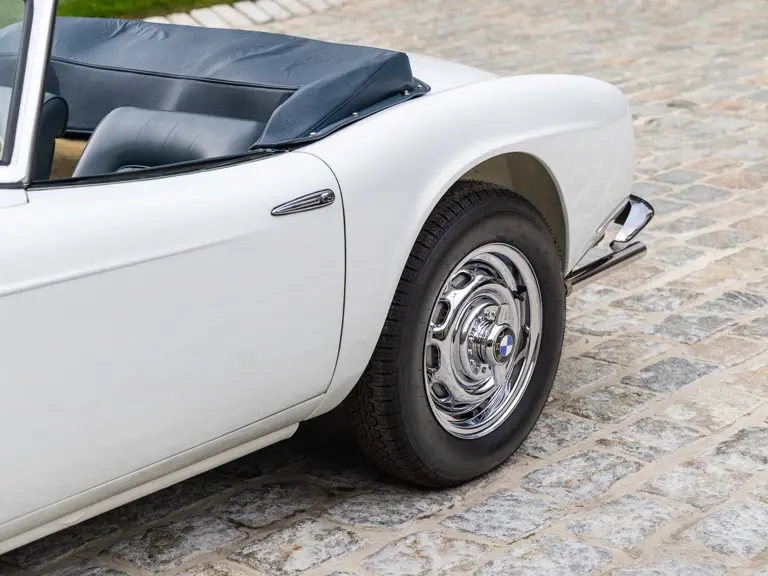
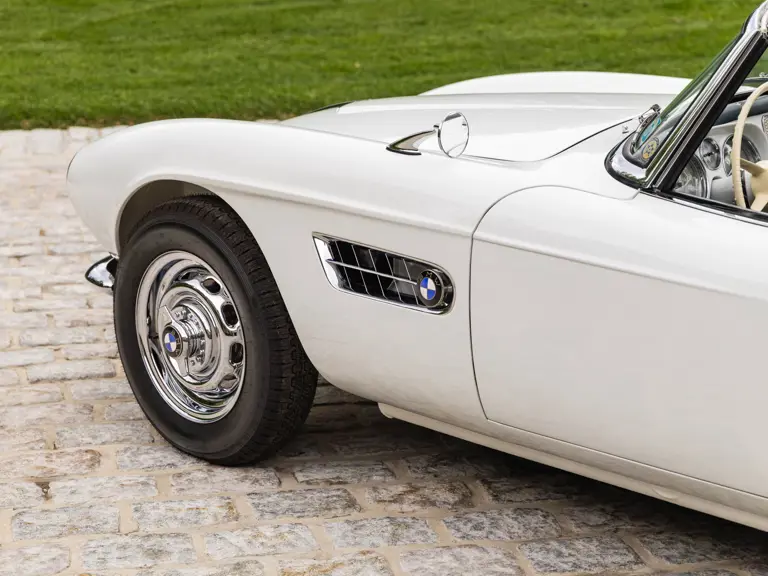
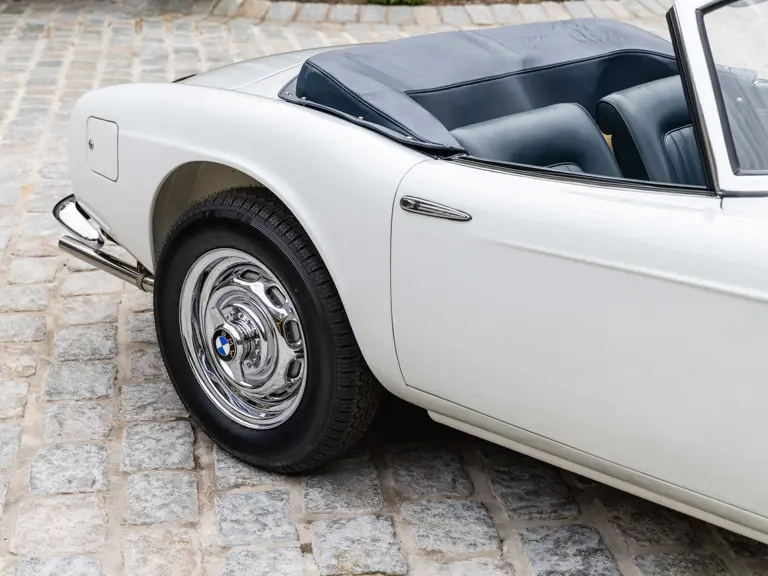
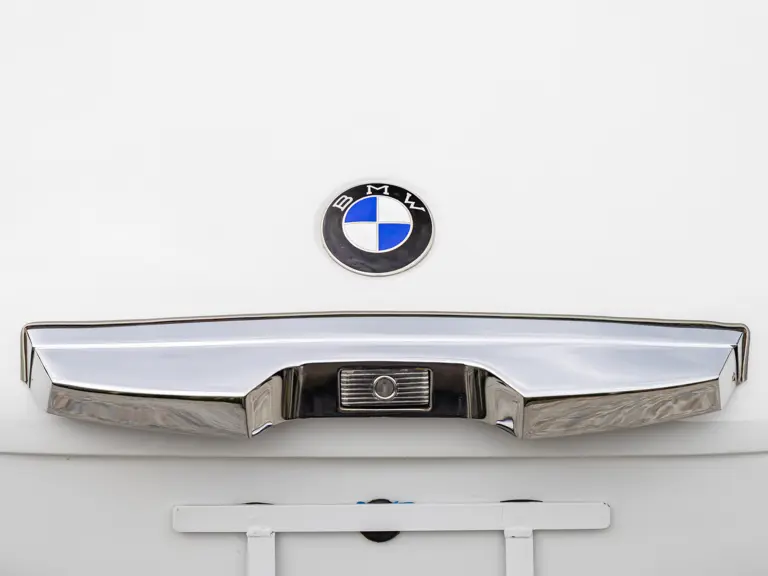
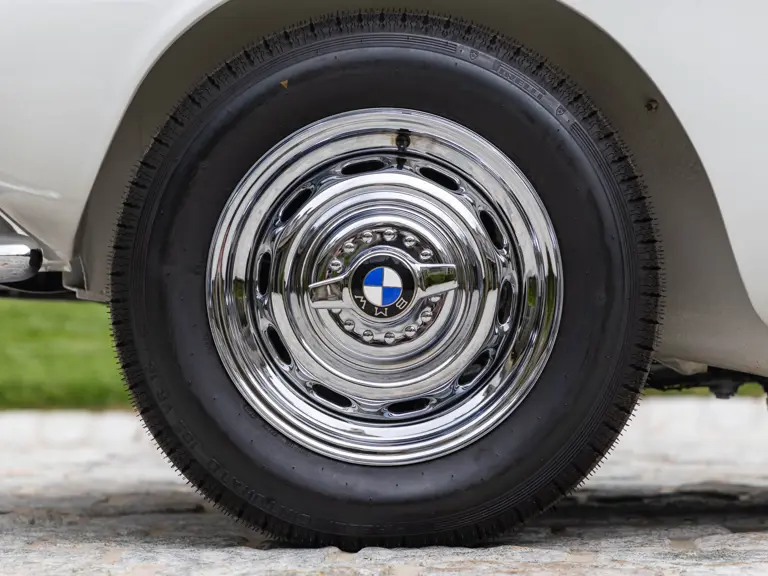
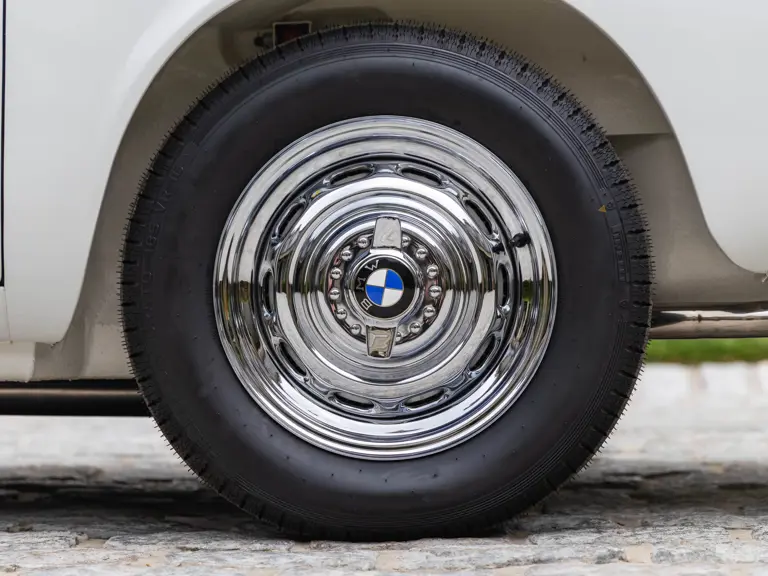
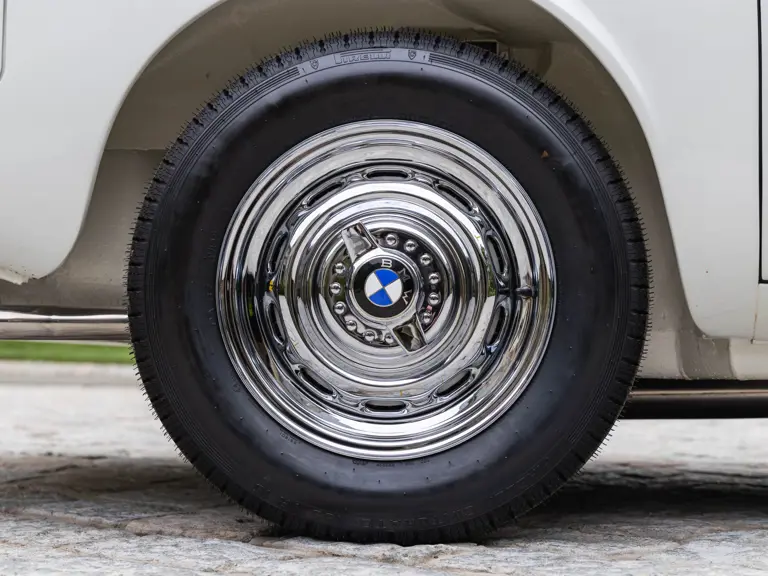
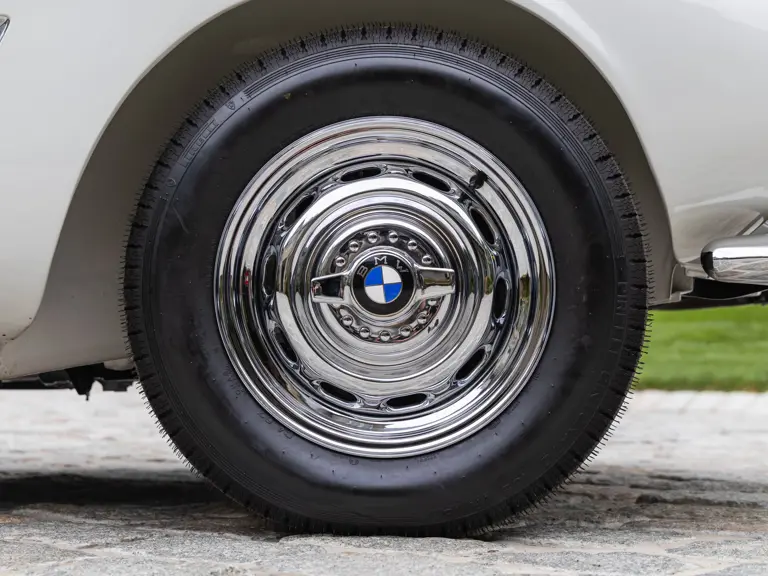
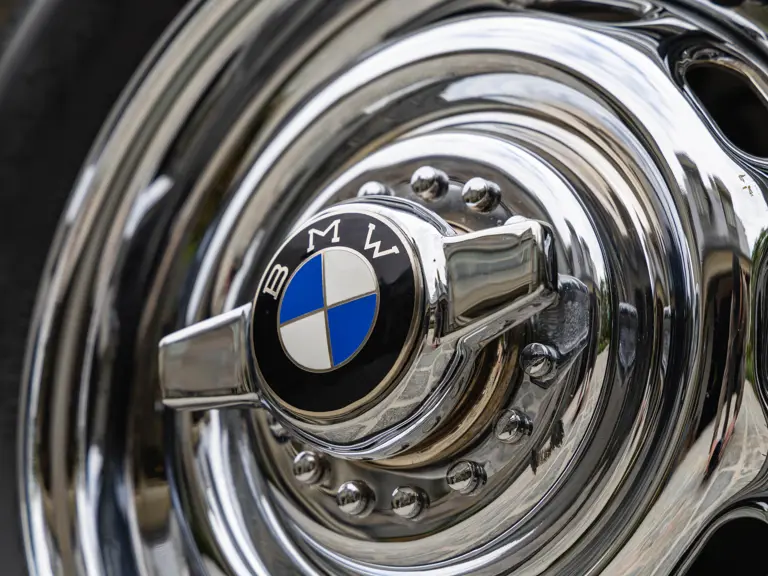
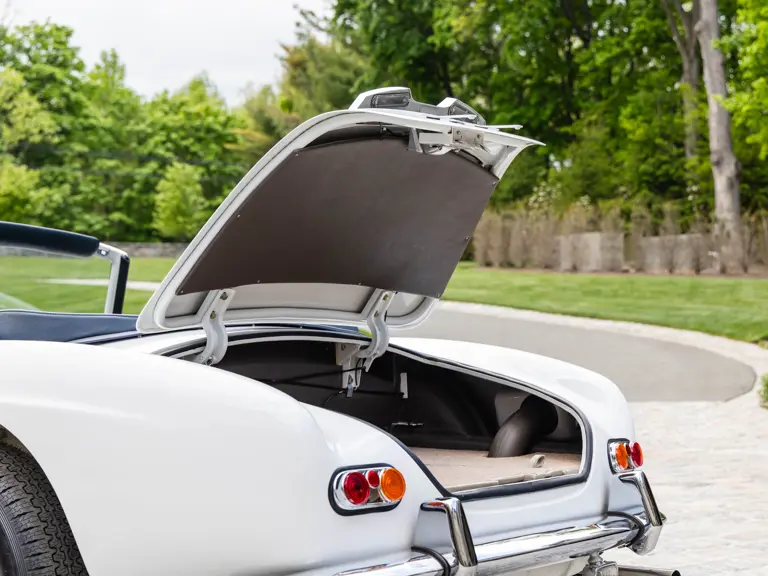
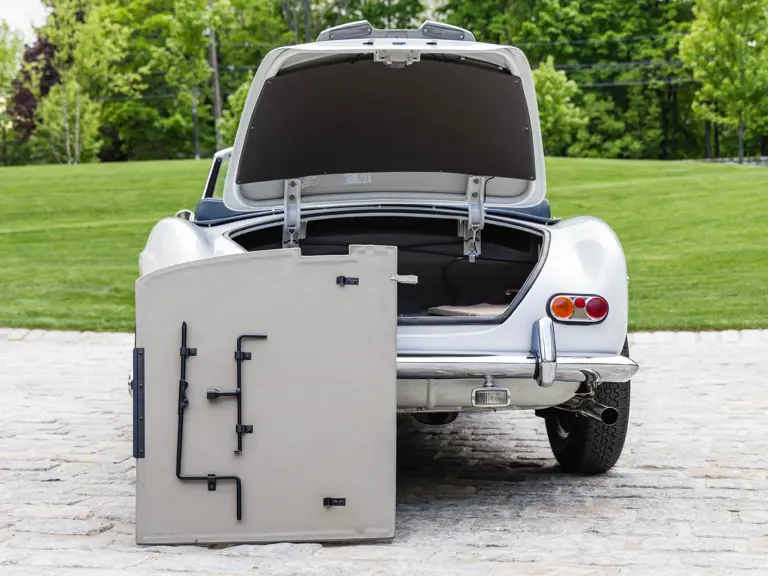
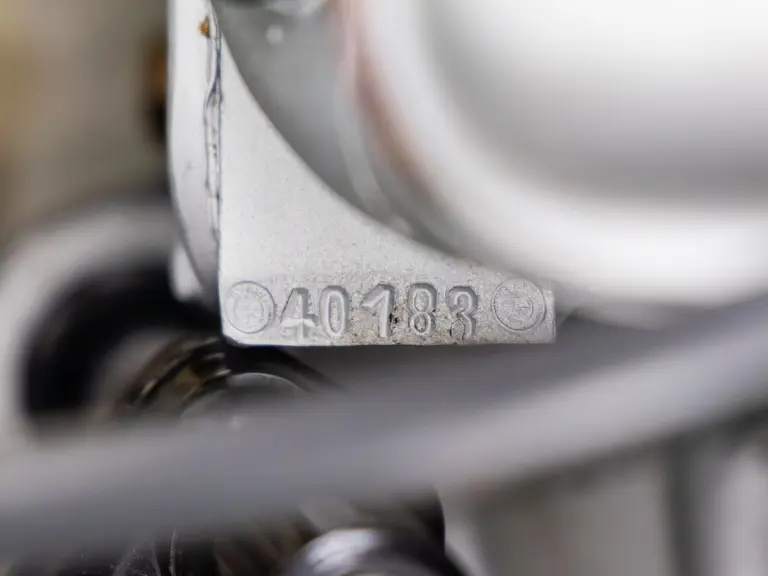
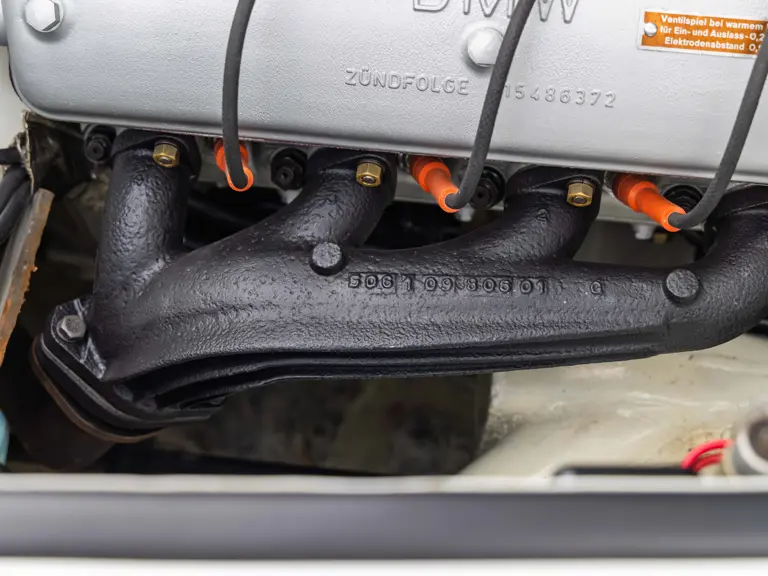
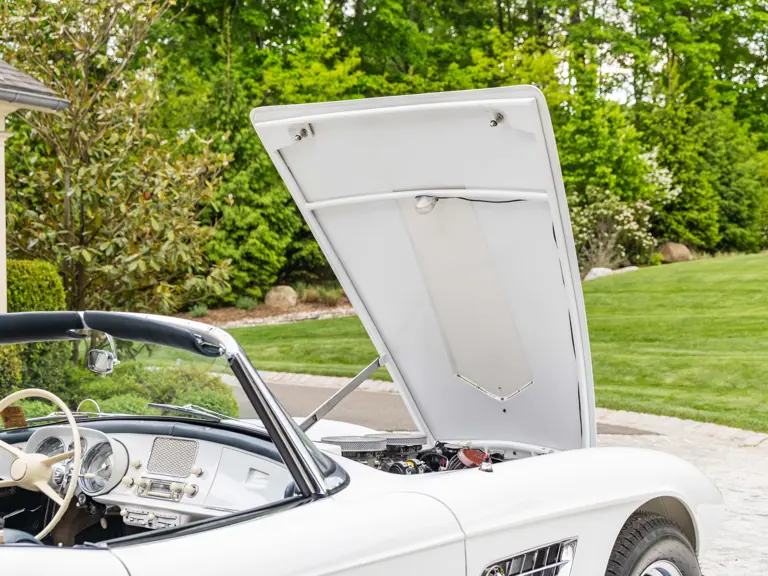
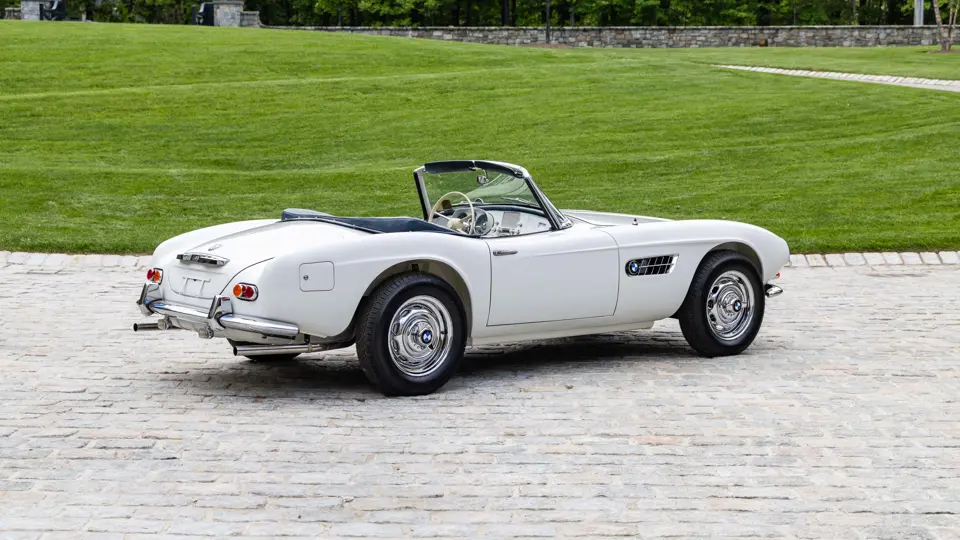
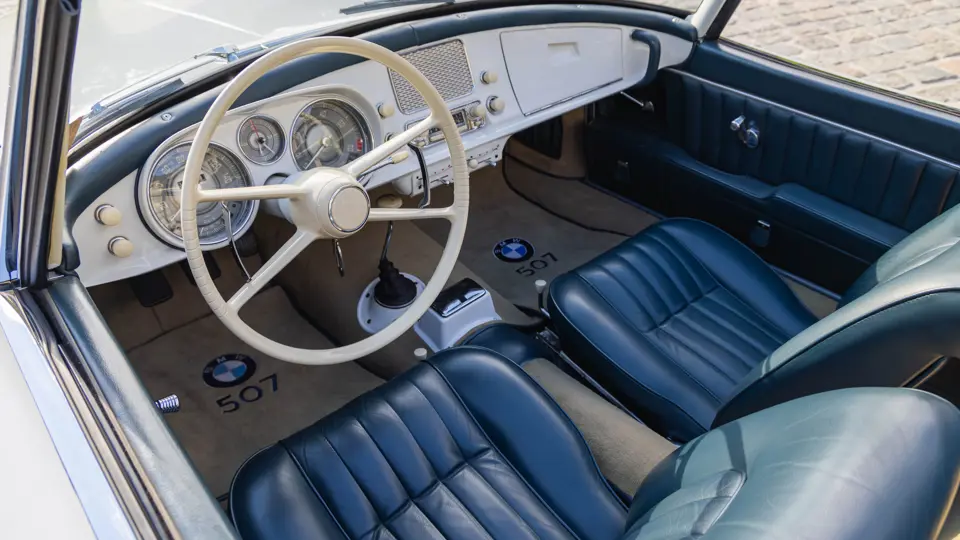
Thanks to careful ownership over the years, this work aimed to improve an already intact automobile, and correspondence from BMW Group Classic confirms the engine to be the matching-numbers unit. Additionally, the roadster is fitted with an attractive set of Rudge wheels and the dashboard is furnished with a lovely Becker Mexico radio. Lastly, both the hood and trunk lid bear stampings “127” indicating they are a potentially matching pair.
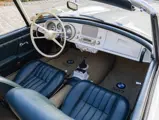
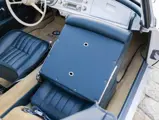
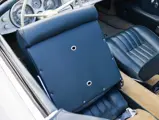
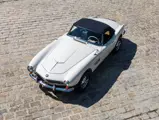
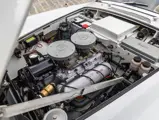
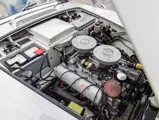
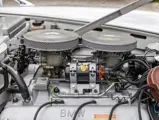
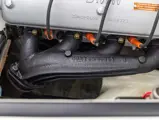
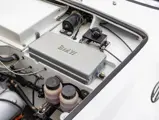
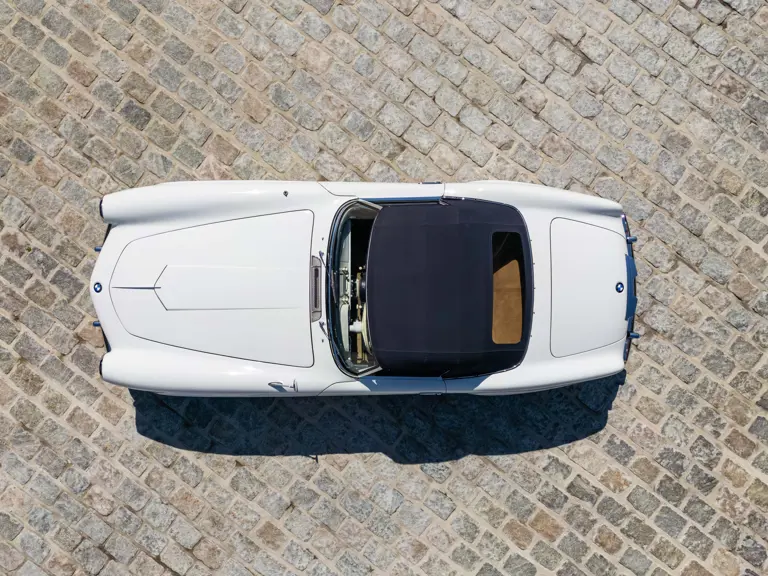
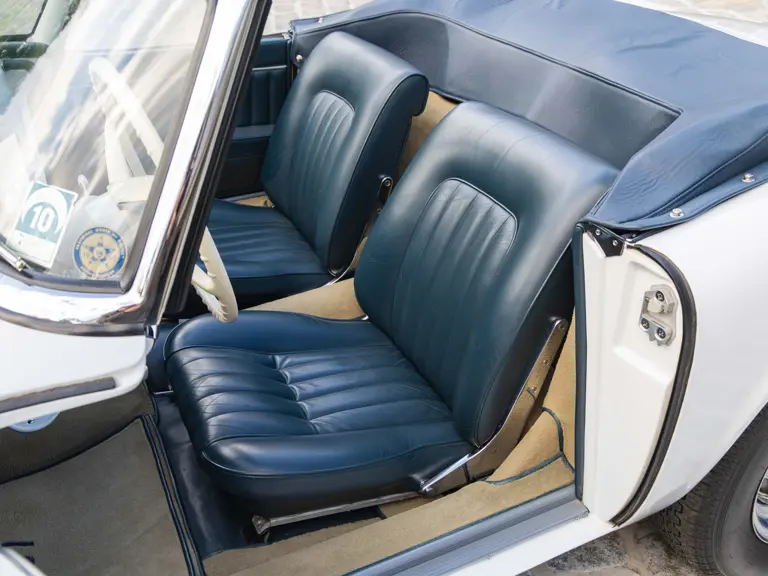
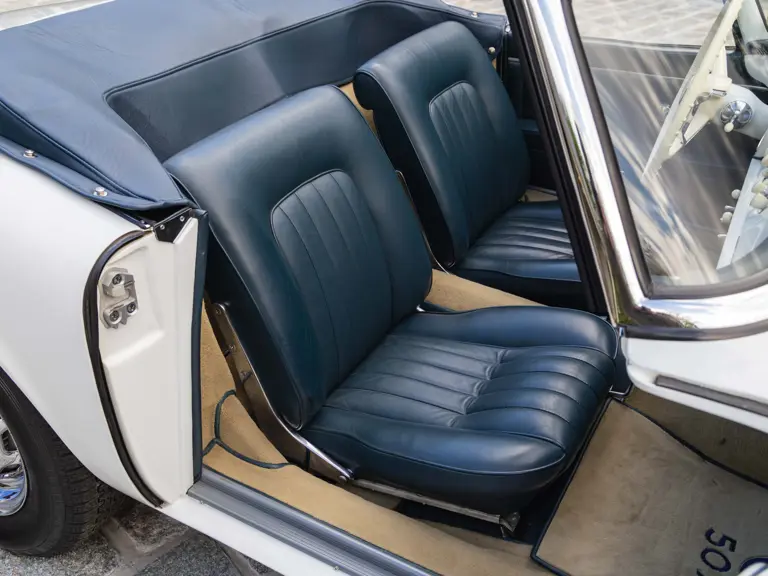
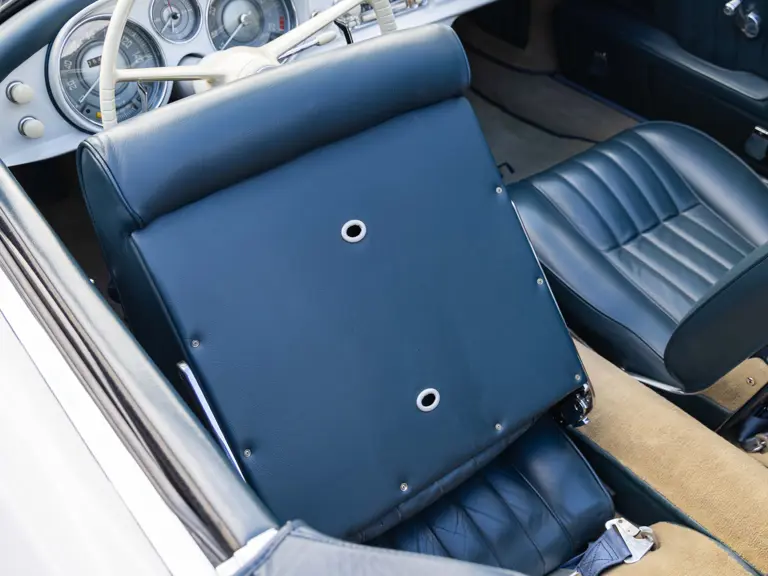
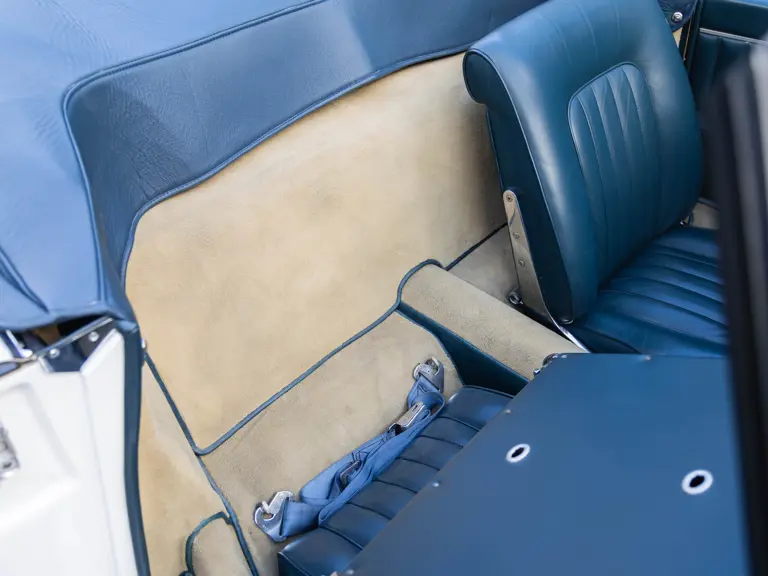
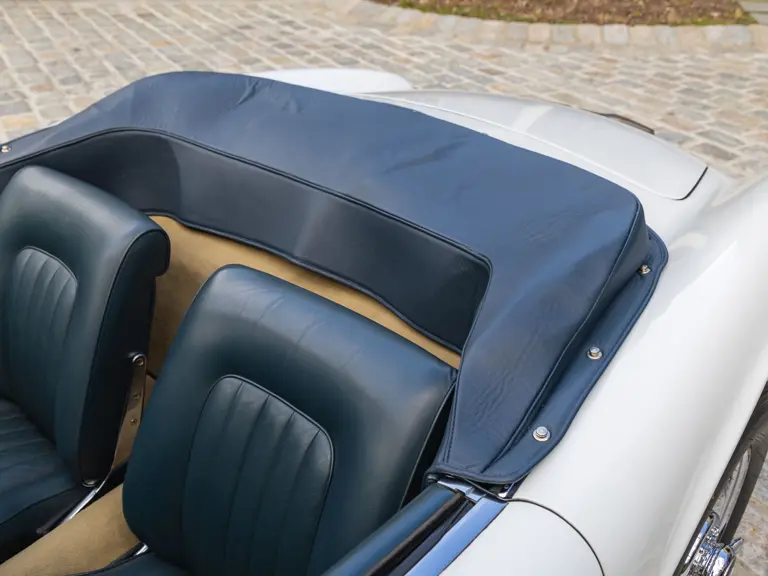
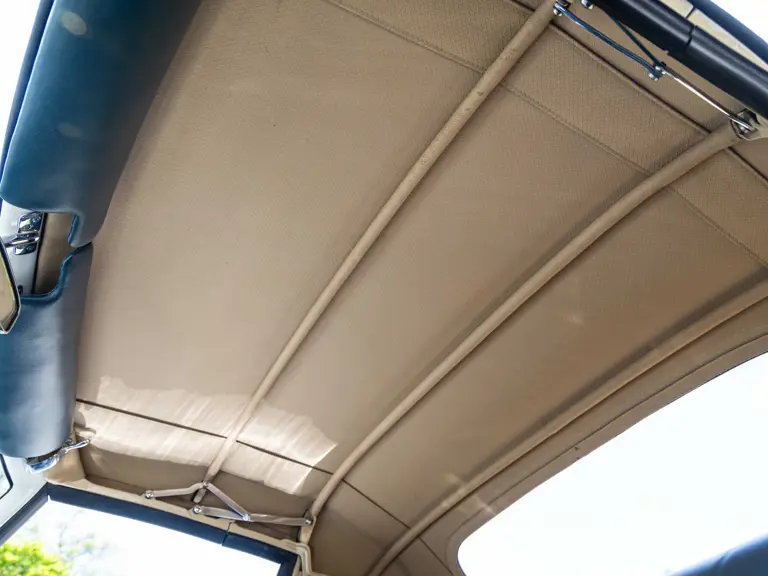
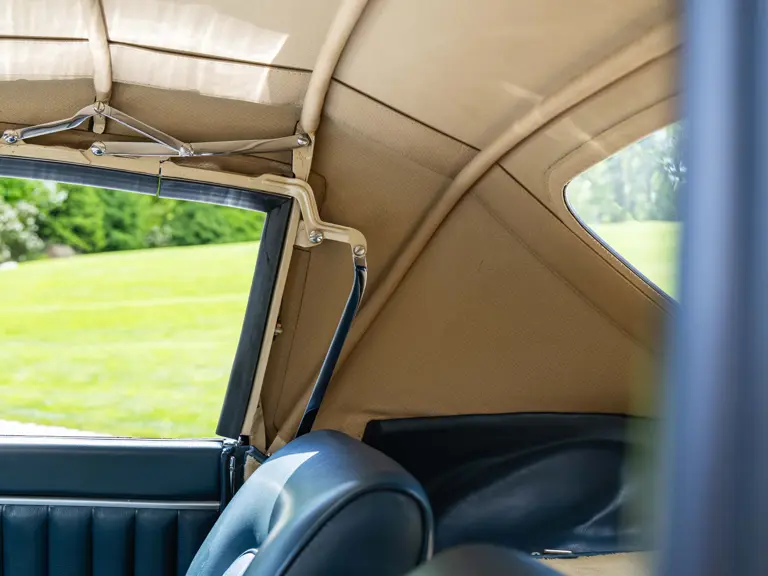
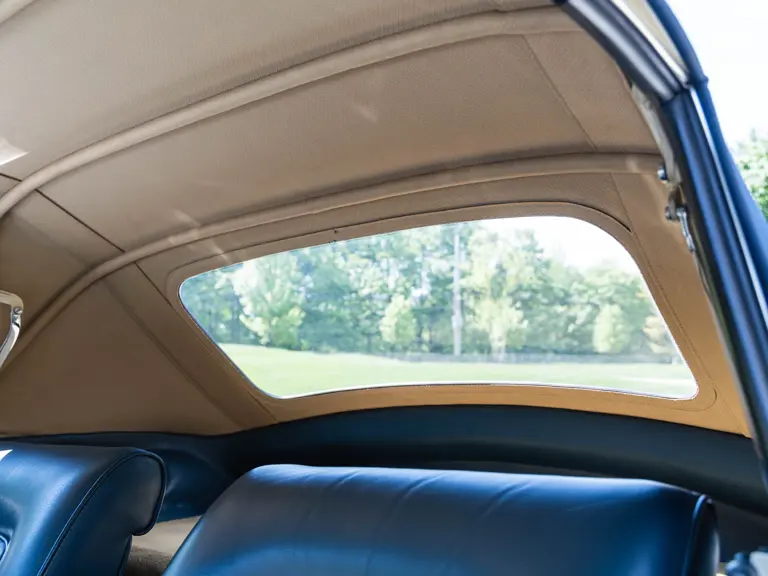
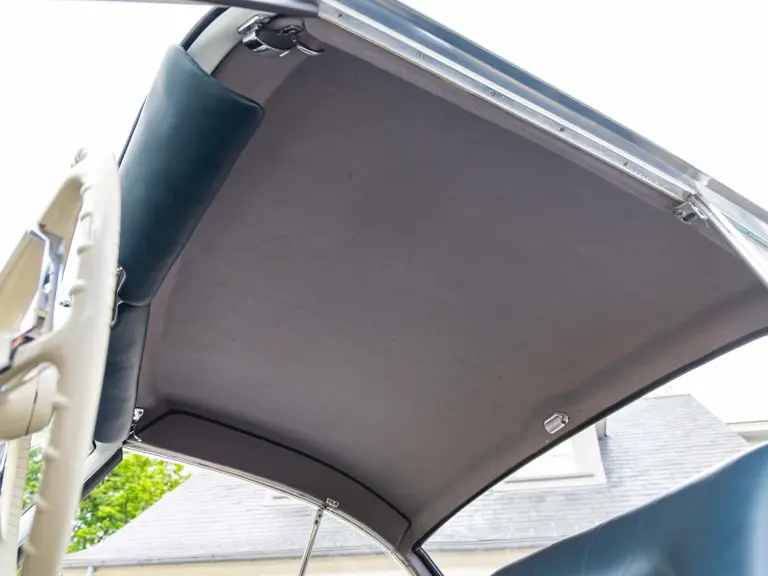
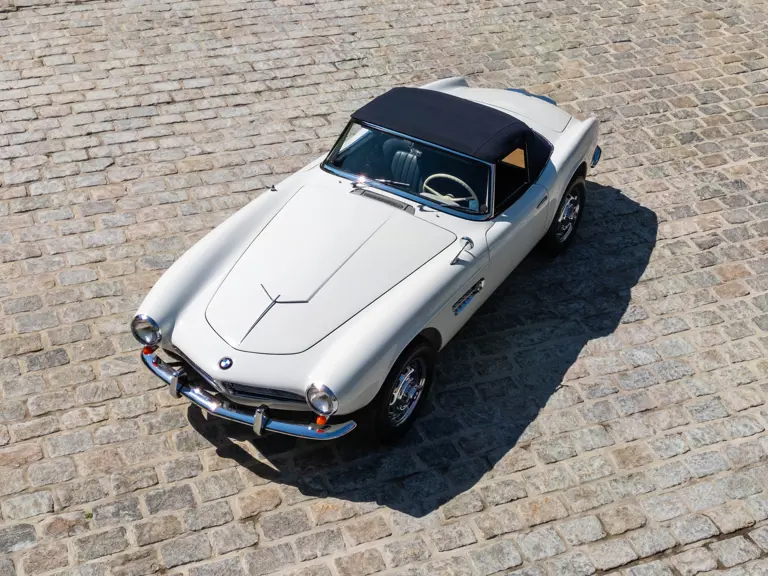
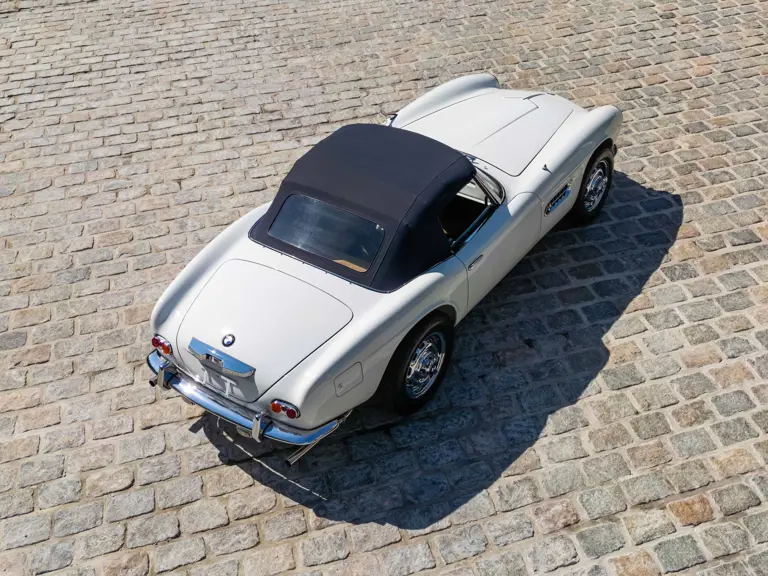
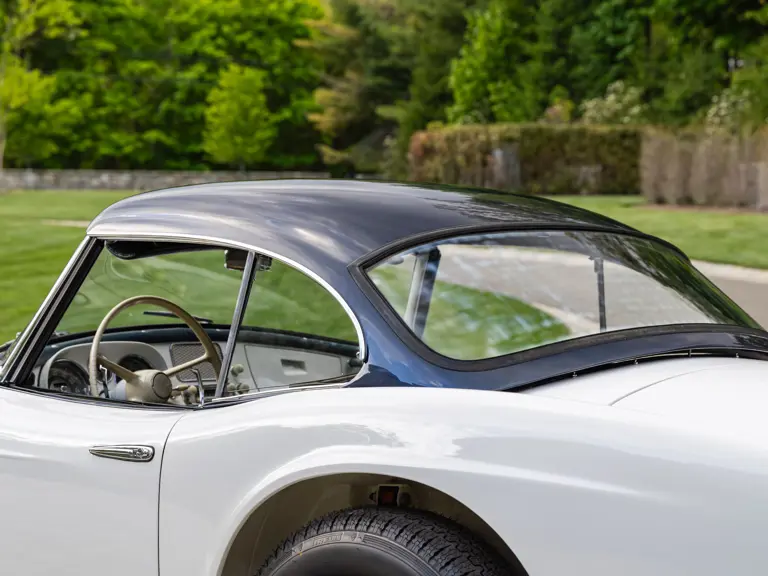
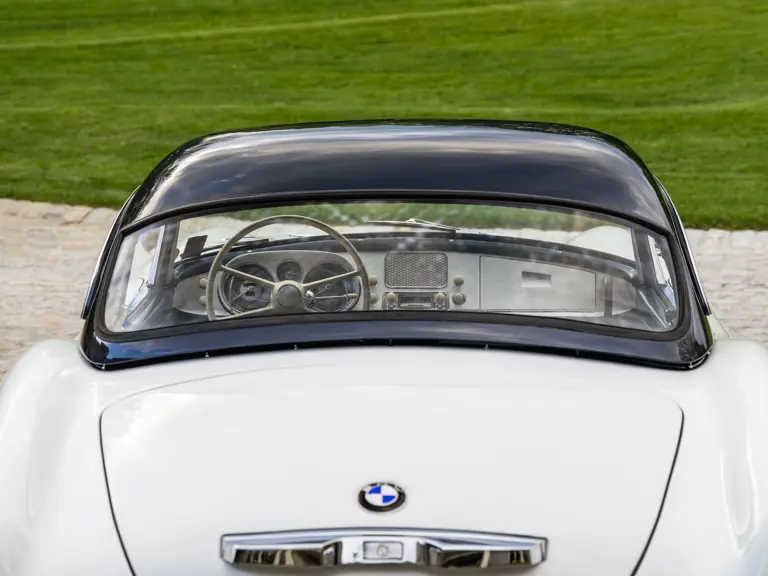
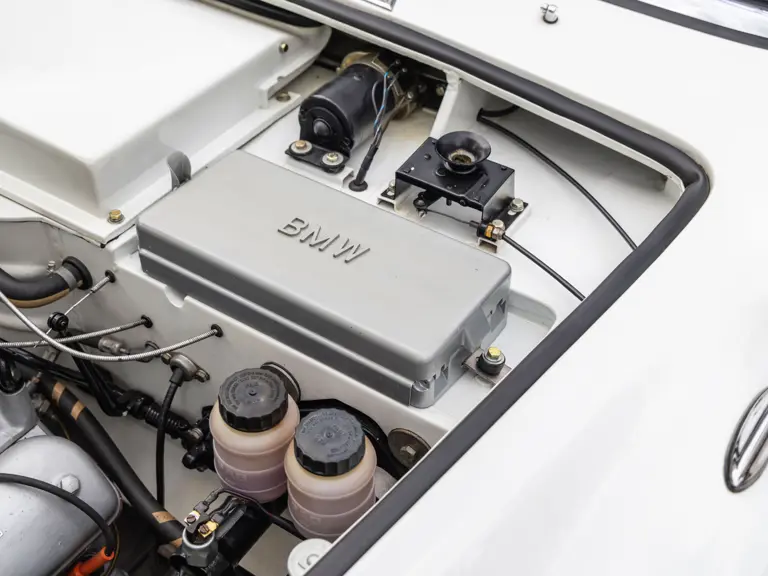
Complementing the exceptional cosmetic quality of the BMW, the engine was treated to a roughly 10-month rebuild by the respected craftsmen at Motion Products Inc. of Neenah, Wisconsin, between 2023 and 2024. Totaling nearly $80,000 according to the invoices on file, the comprehensive project additionally included a clutch replacement, and the BMW continues to perform in sound mechanical shape. Under current ownership, a new set of period-accurate Pirelli Cinturatos were fitted to all four corners in 2024, and the hardtop received a coat of dark blue paint to complement the interior.
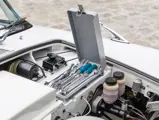
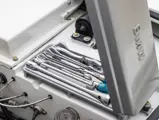
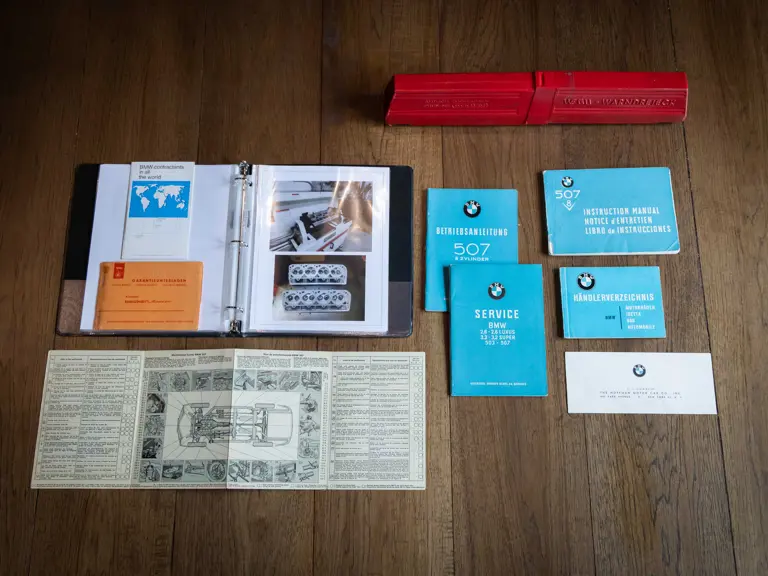
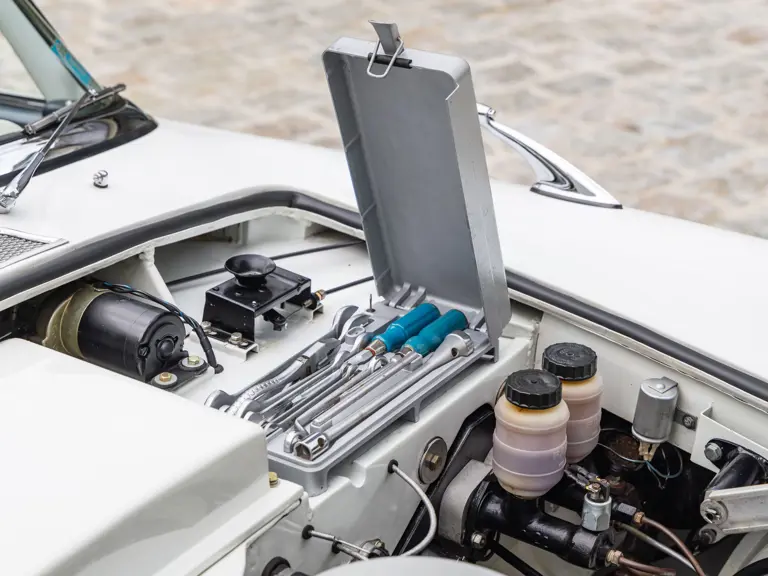
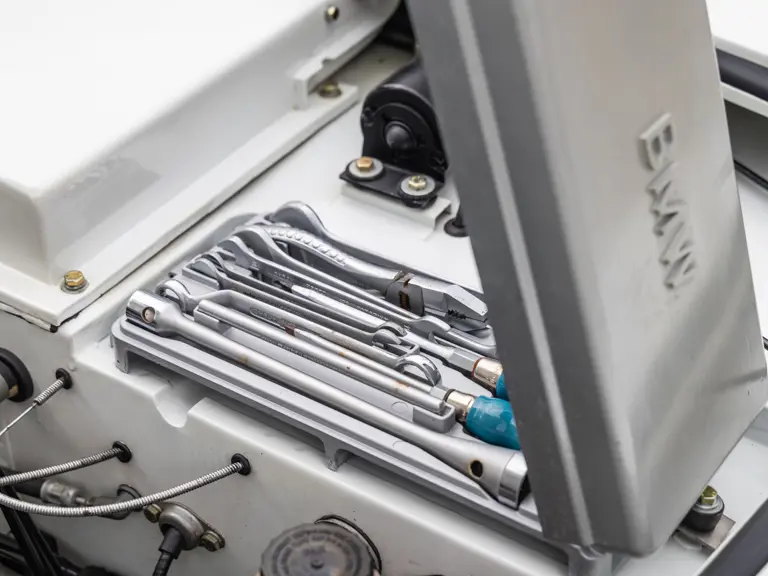
Further adding to the desirability of this gorgeous automobile, a large collection of documentation provides a robust picture of the car’s history through past registrations, insurance paperwork, and the aforementioned correspondence. Highlights include Mel Weiss’ business card with LaFontaine’s autograph on the back side, and a collection of additional materials related to the jazz legend including the oldest known photo of this BMW 507 Roadster. A rare set of owner’s books and a tool kit round off the accompanying items.
The BMW 507 Roadster is among the most glamorous automotive creations of all time. Chassis 70171, offered with exceptional provenance, is now ready to star as part of a new collection.
 | Monterey, California