
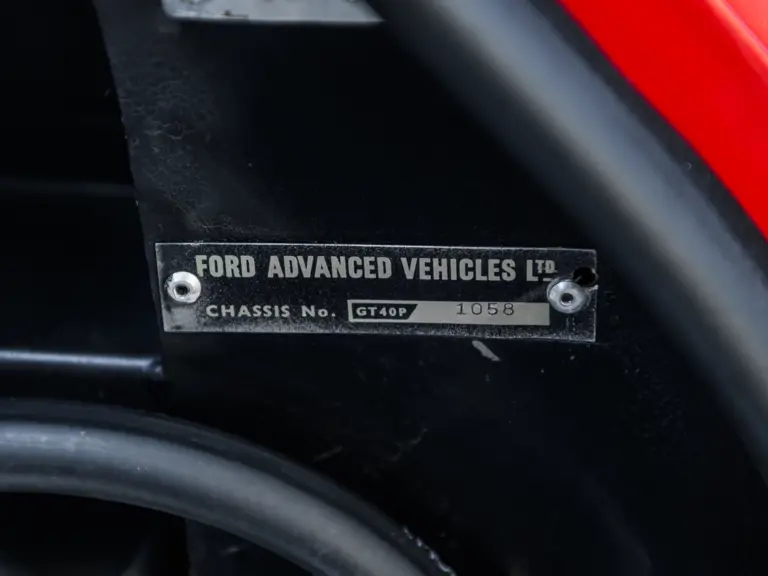
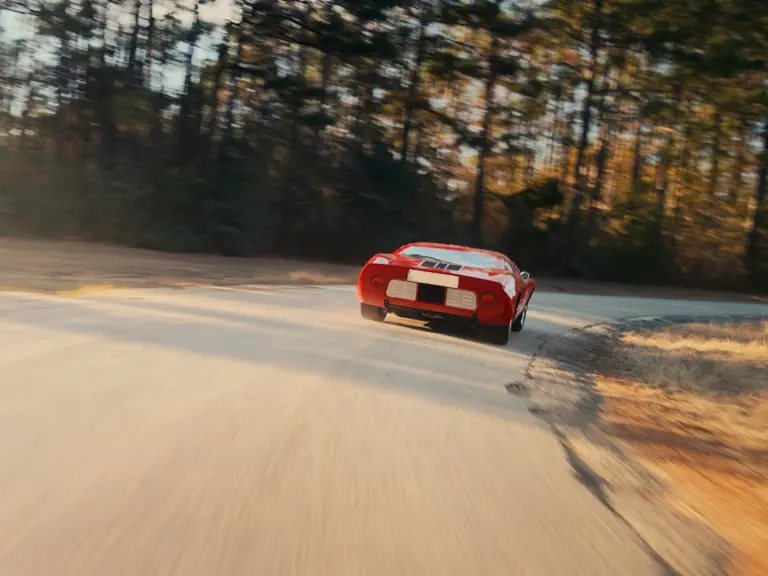
Chassis No.
P/1058
{{lr.item.text}}
$6,500,000 - $8,000,000 USD | Not Sold
{{bidding.lot.reserveStatusFormatted}}
PRÉCIS OF A LEGEND
Very few cars truly achieve the allure, and are deserving of the title, of legend. Cast the hyperbole aside, and a short list of cars is laid bare. Among this first tier of collectability, the Ford GT40 is a nuanced masterpiece of its own, layered with a history of blood, sweat, and tears that stretched from the factories of Slough, to the hills of California, and back to the straightaways of Circuit de la Sarthe—all in the name of de-throning that nemesis from Maranello, the indomitable Enzo Ferrari. That the GT40 would go on to win four consecutive 24 Hours of Le Mans was nearly unthinkable, but that is precisely what it did, capturing the world’s most prestigious sports car race from 1966 through 1969, in one form of build or another.
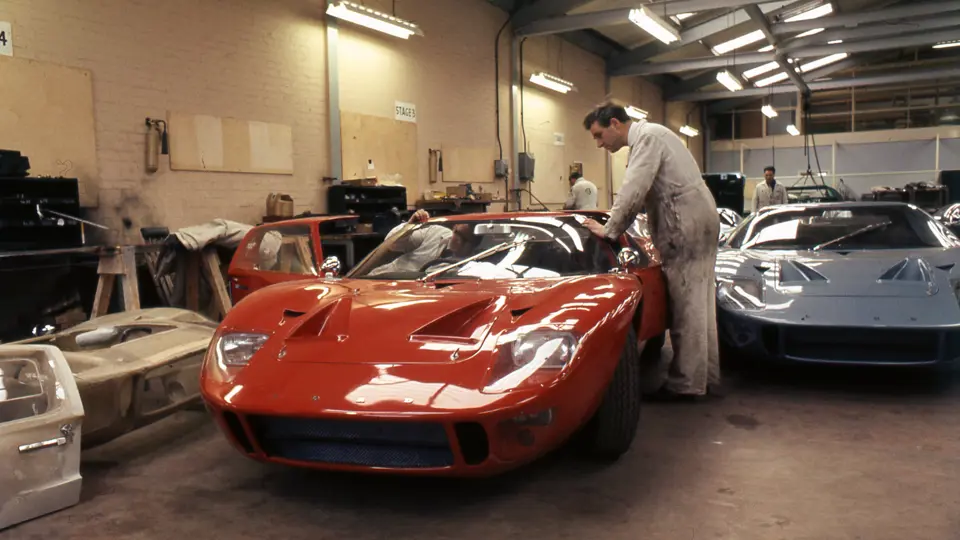
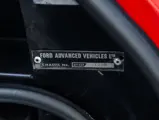
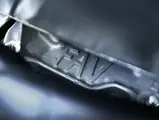
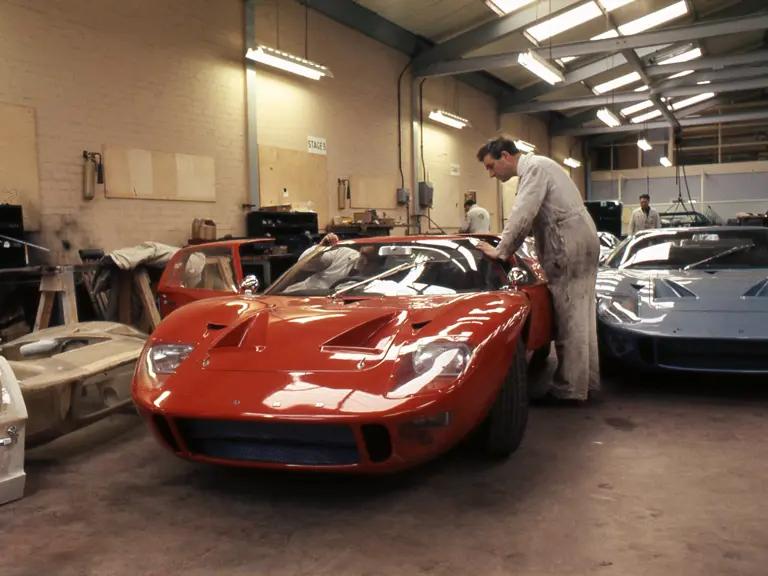
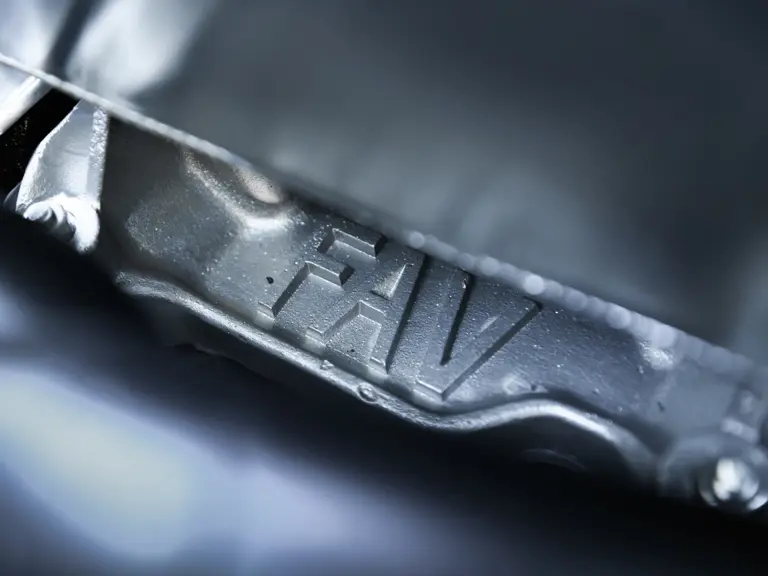
Like most of the great American sporting legends, the GT40 blossomed from the minds of visionaries, overcame early setbacks, and capitalized on countless hours of intense development, all to result in a champion like no other. It is rare that a major manufacturer commences a novel racing program with the intention of beating a rival manufacturer out of sheer animus, but by many accounts that is exactly what Henry Ford’s directive to build a world-class sports racer amounted to. Gestation began at Ford’s new UK plant, the GT40-focused Ford Advanced Vehicles (FAV), with the mid-rear engine Lola GT serving as a development mule.
A season of promising if unspectacular results brought about additional pruning, most famously led by Carroll Shelby, while Detroit’s Kar Kraft worked out aerodynamic details of the bodywork. Ford’s blitz of Le Mans in 1966, which saw no fewer than 14 GT40 entries and featured the legendary 1-2-3 GT40 finish, triggered a period of racing dominance that lasted well into the late 1960s, and a legend was born.
While approximately 133 examples of the GT40 of all types were built by the conclusion of production, including every iteration across all versions, just 31 Mk I cars were configured for roadgoing use, which, it is worth noting, makes them rarer than Ferrari’s legendary GT racer of the early/mid 1960s, the Ferrari 250 GTO.
ONE OF 31—BORN TO RUN
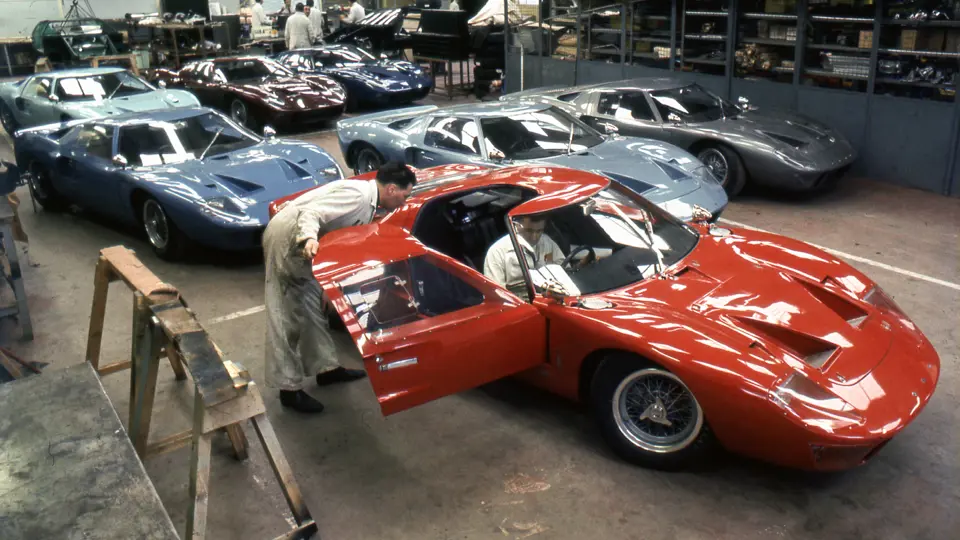
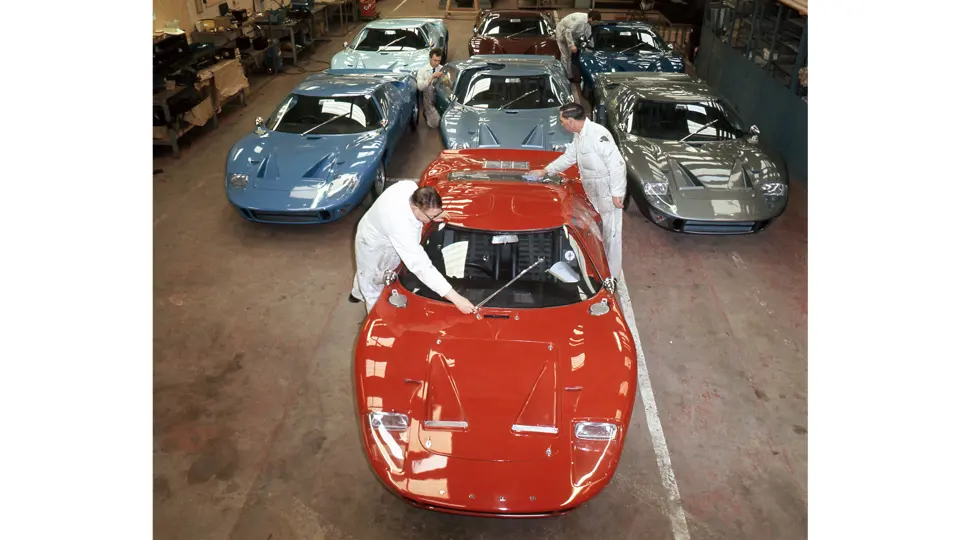
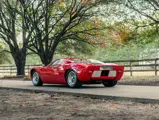
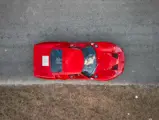
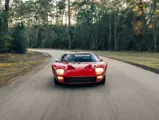
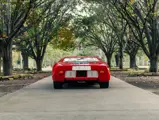
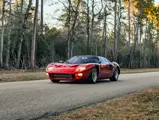
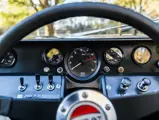
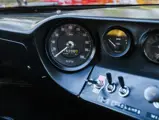
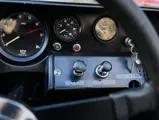
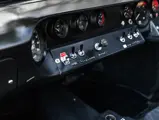
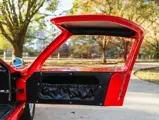
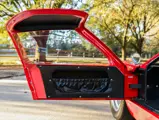
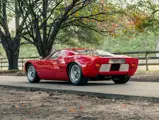
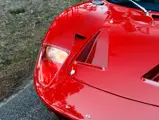
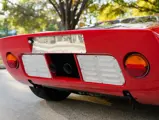
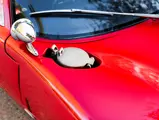
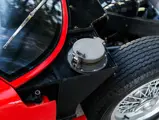
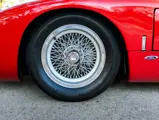
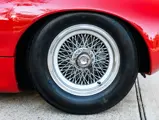
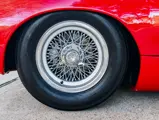
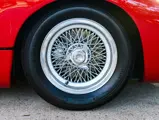
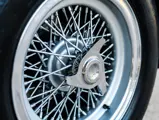
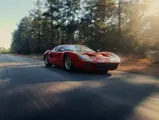
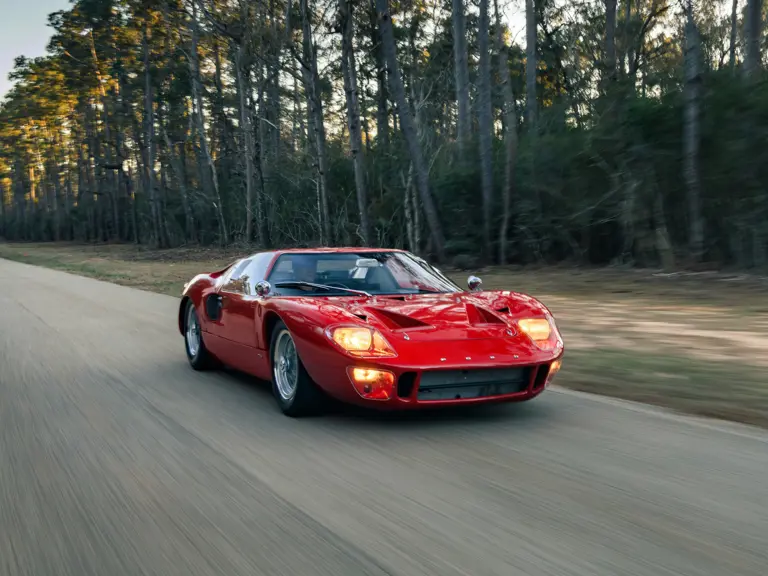
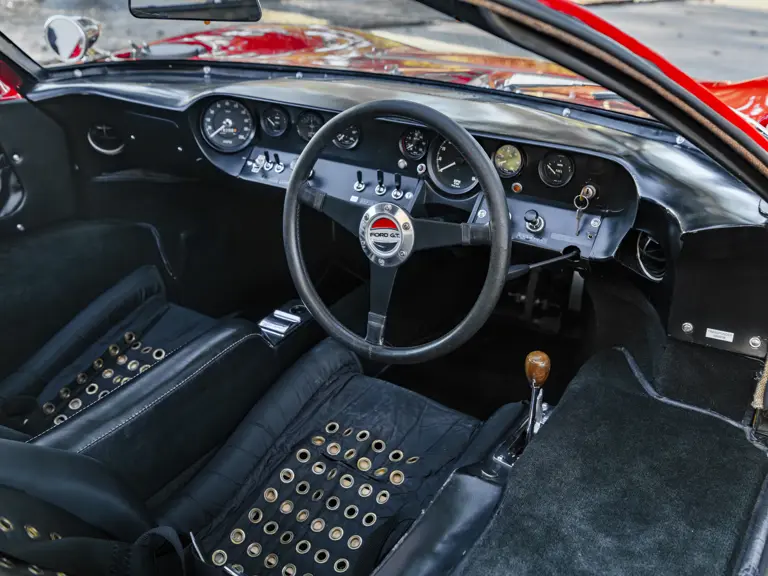
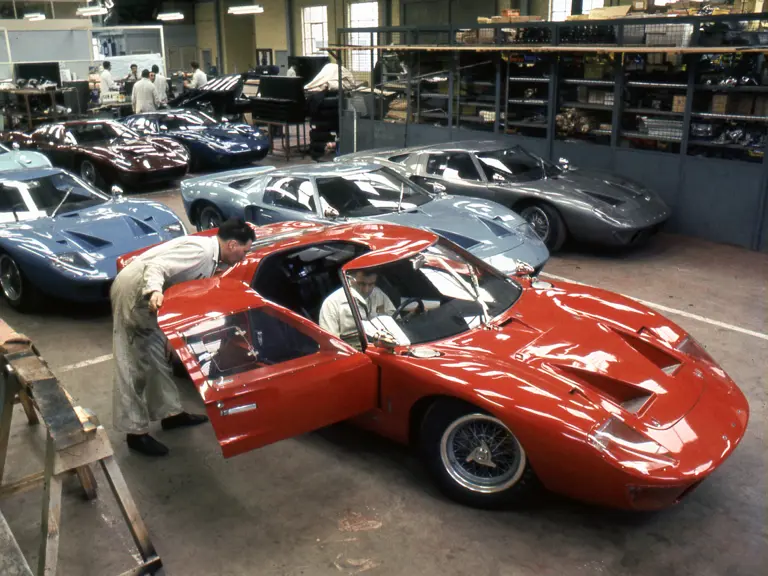
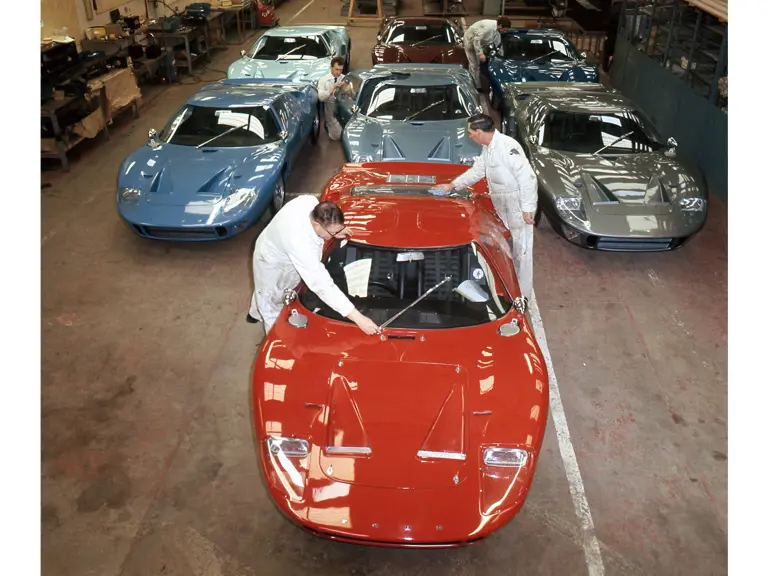
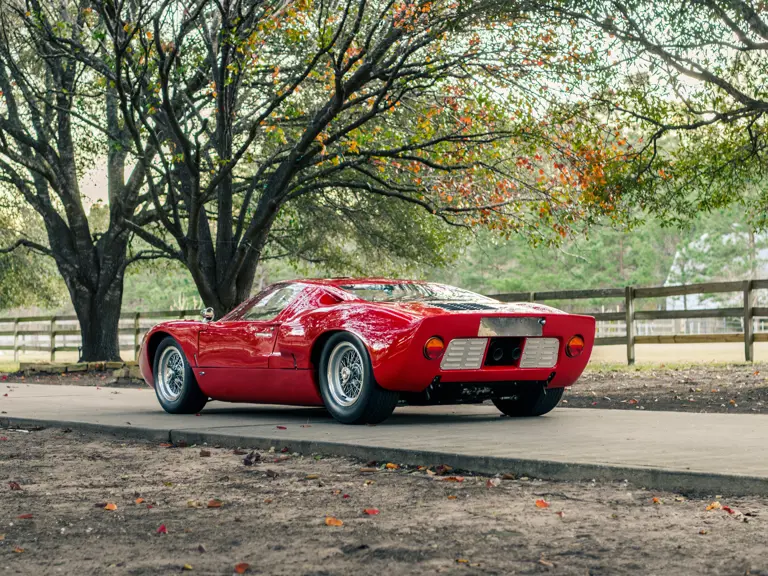
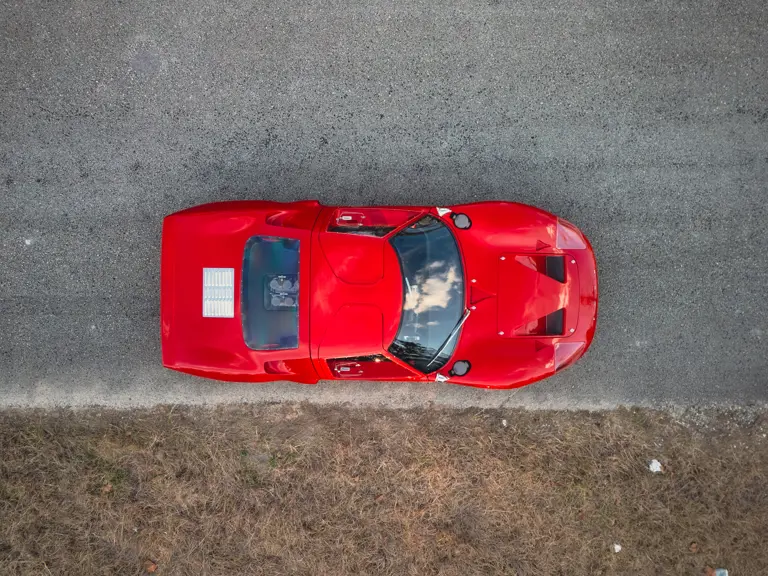
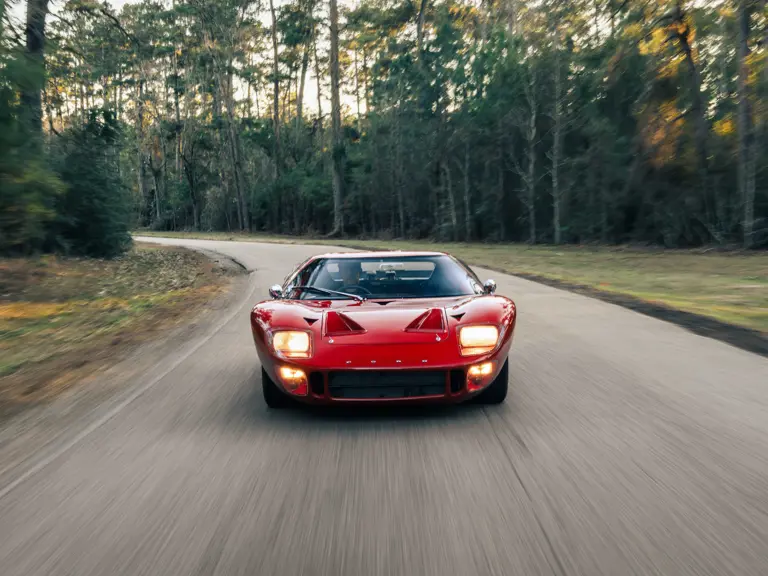
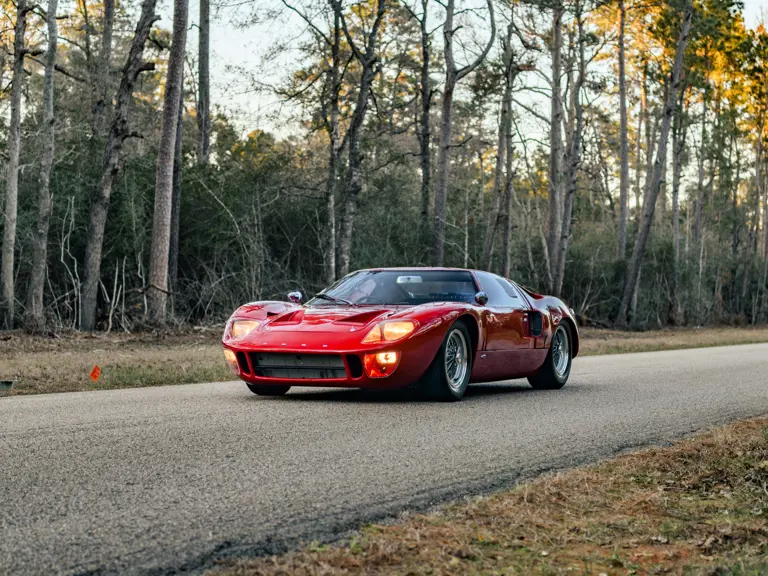
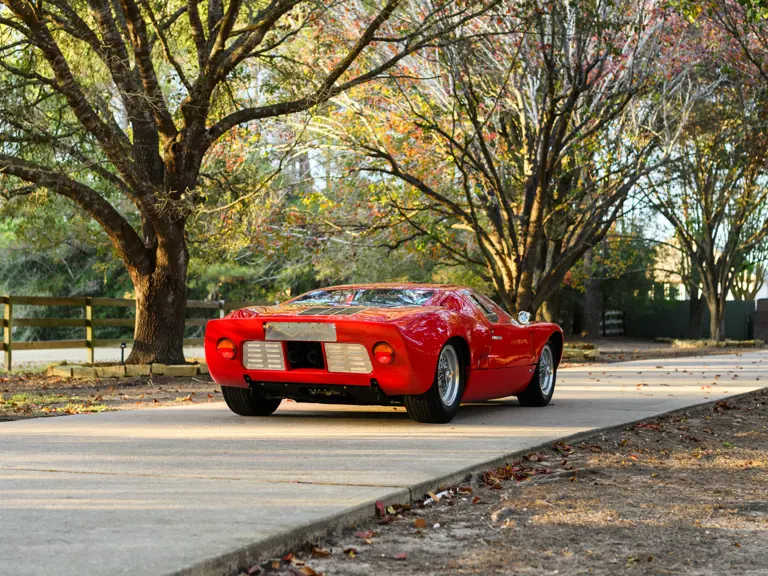
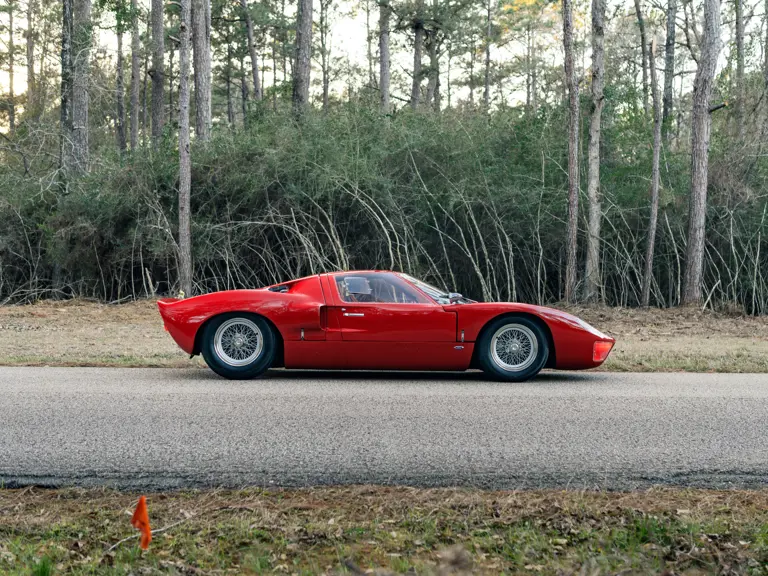
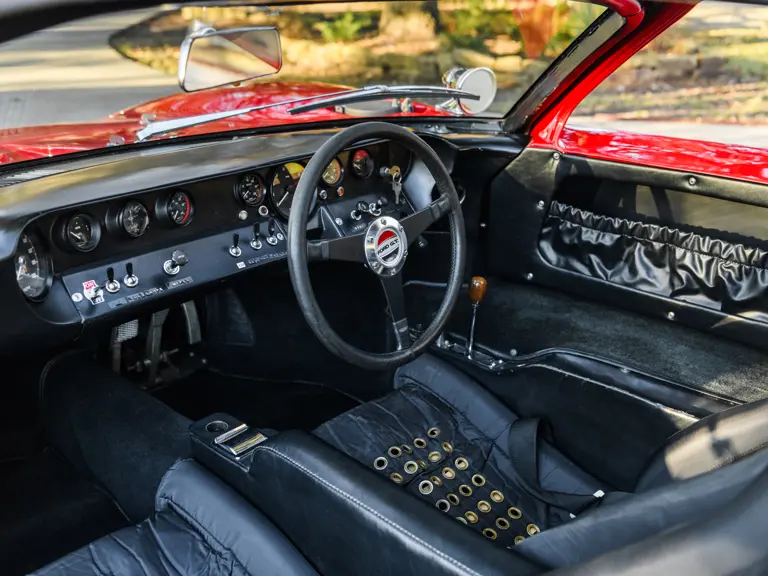
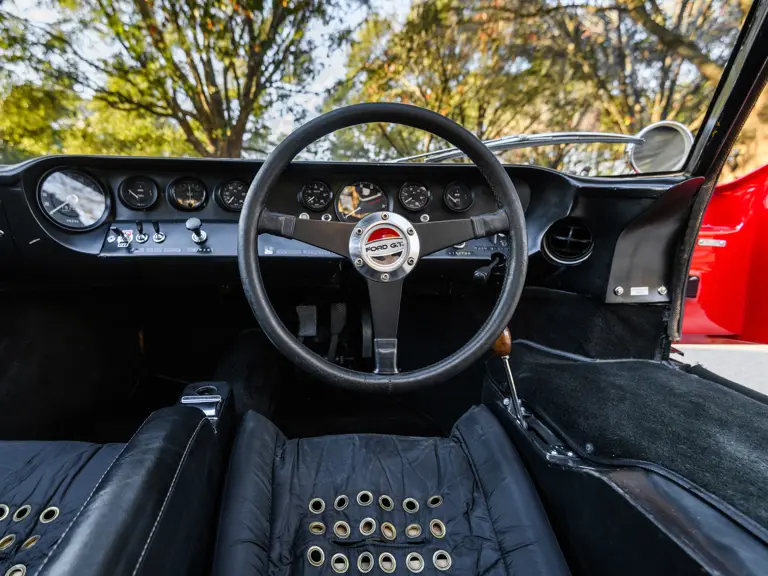
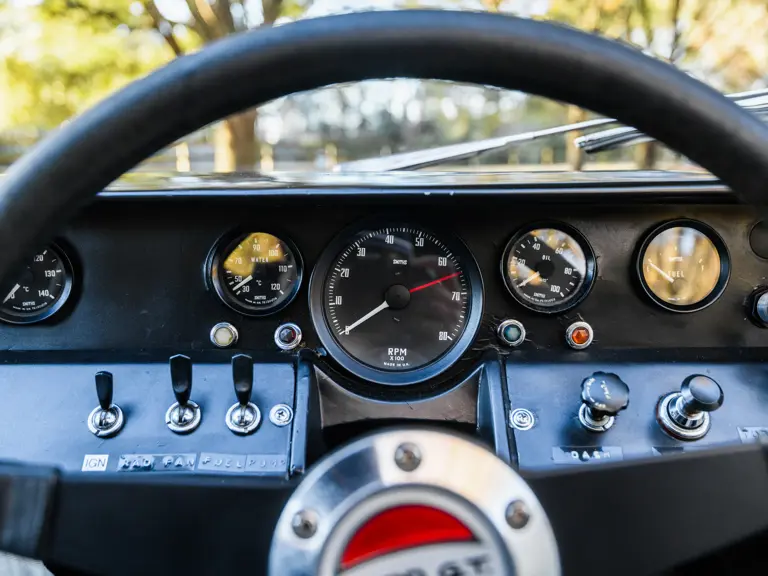
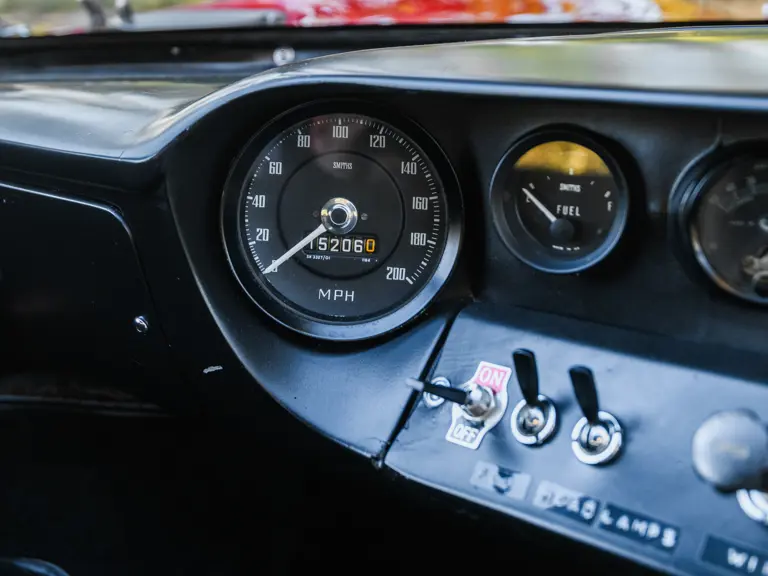
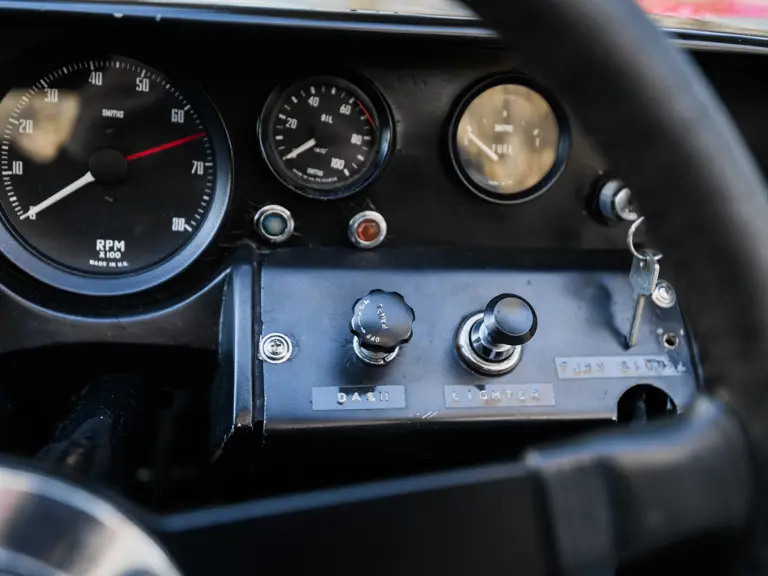
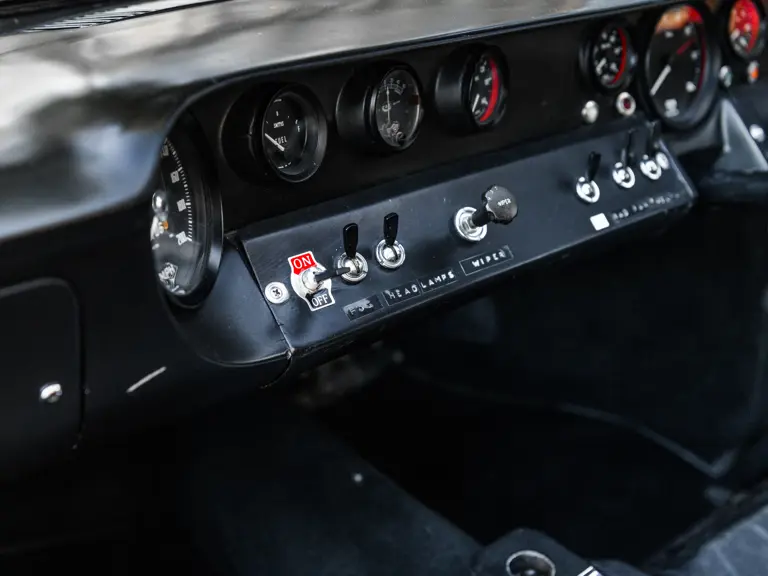
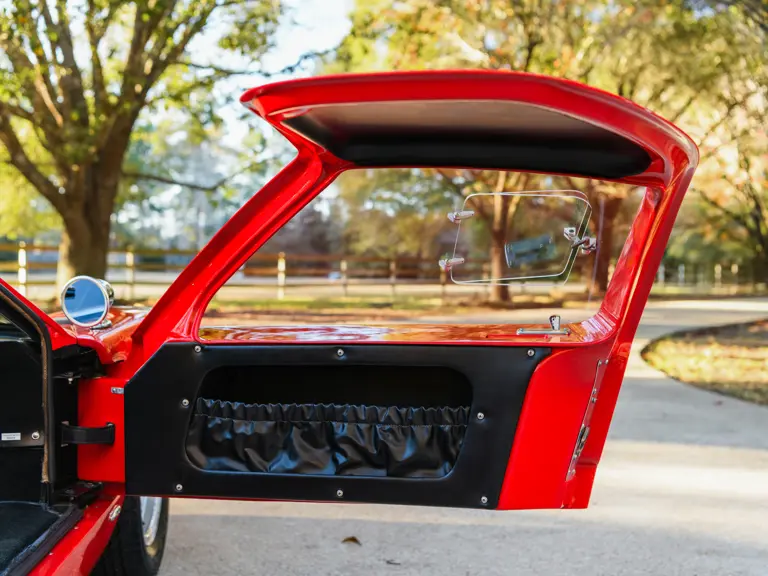
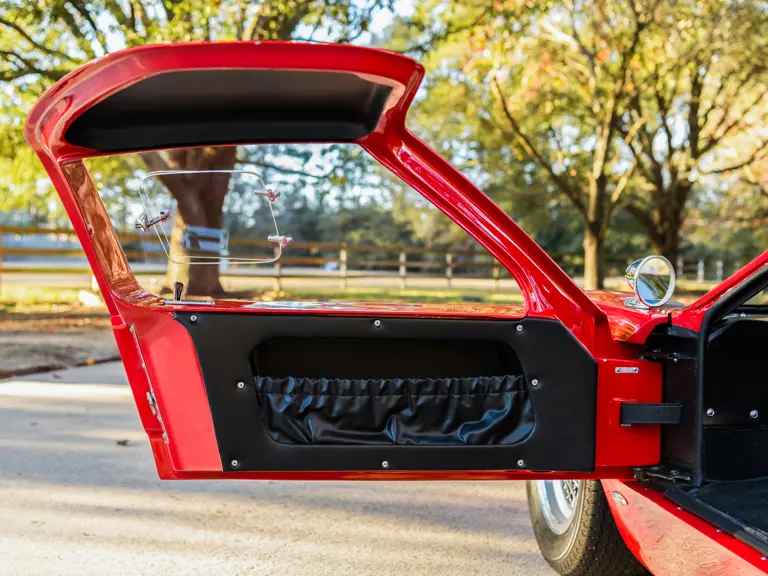
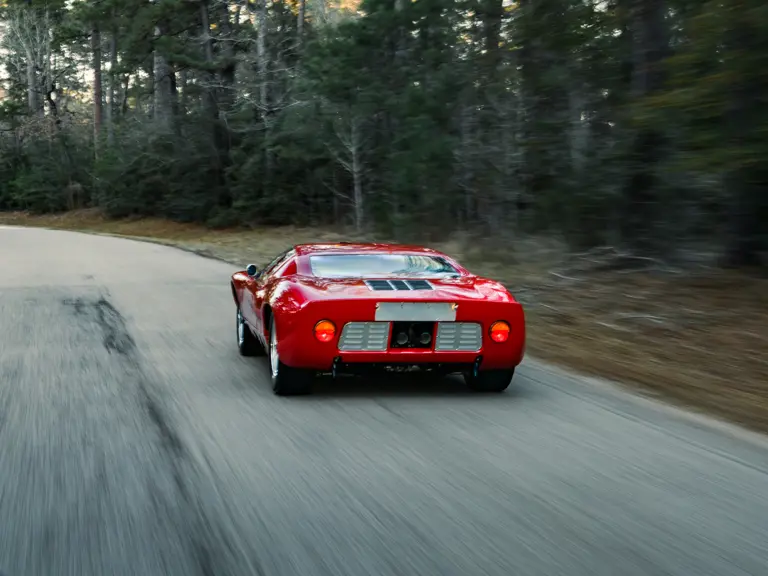
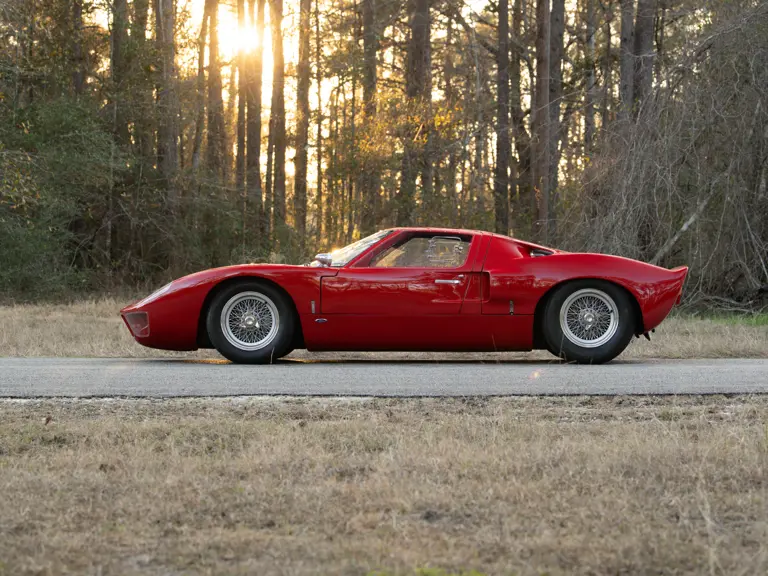
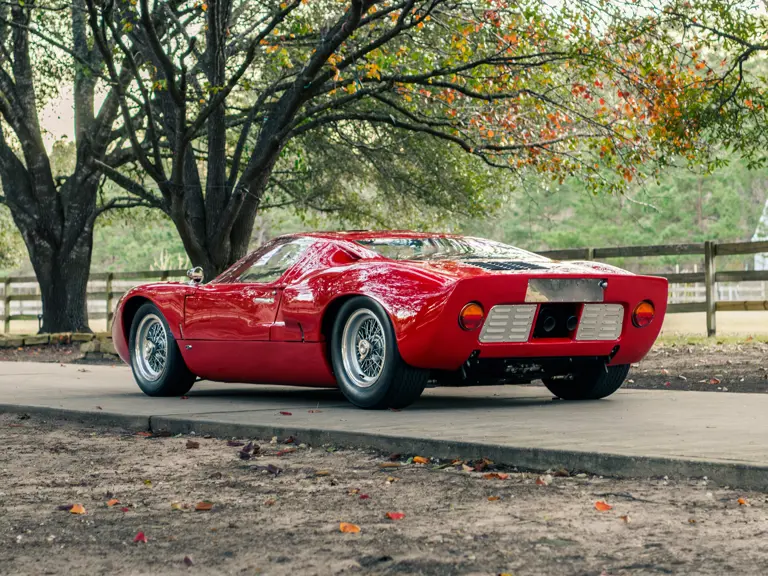
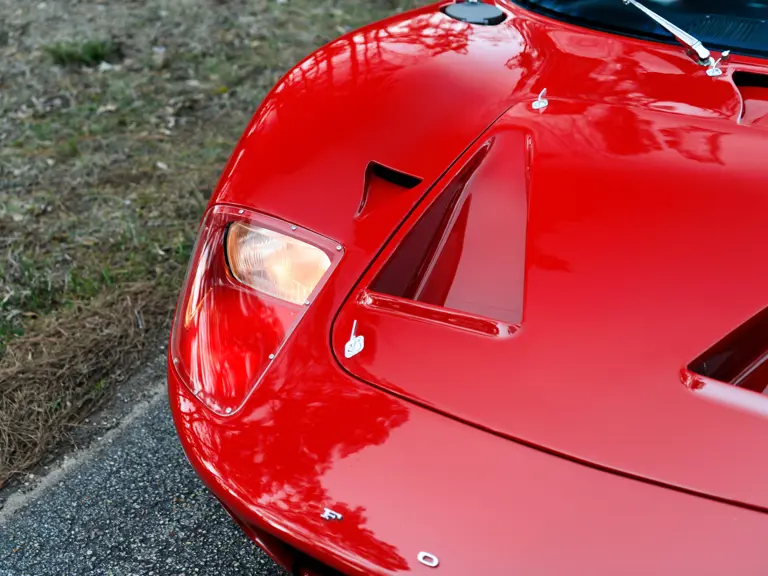
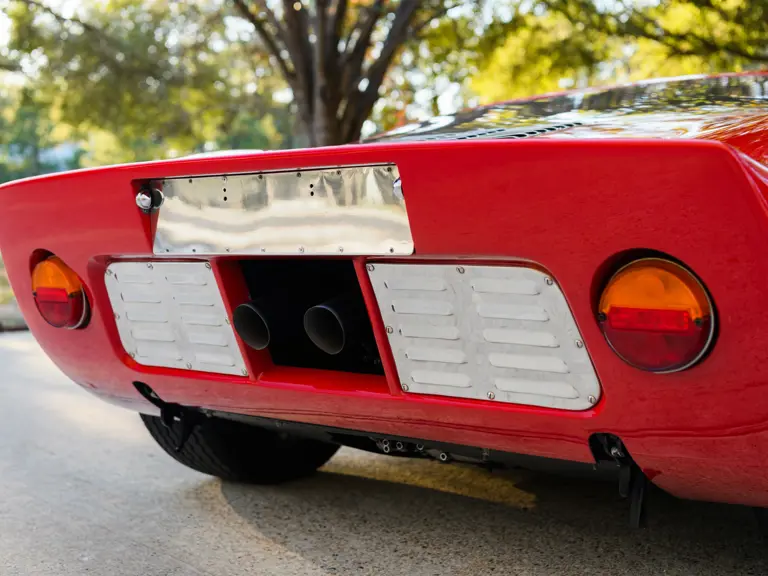
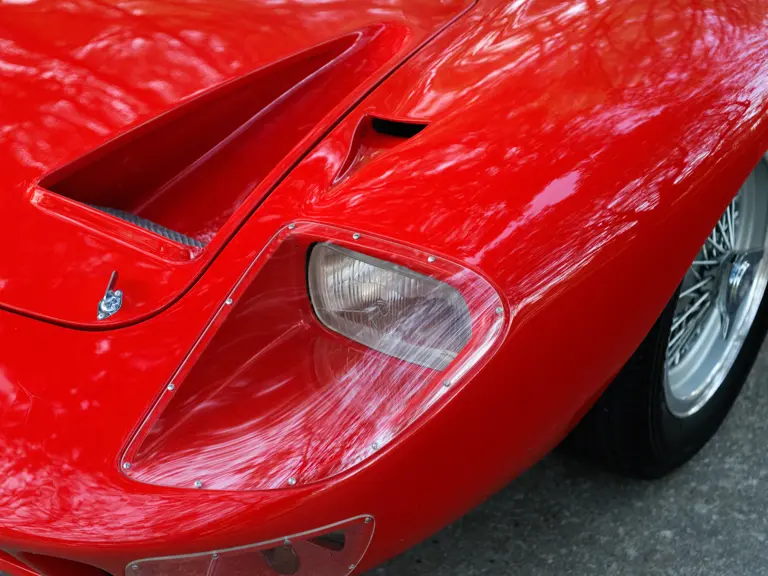
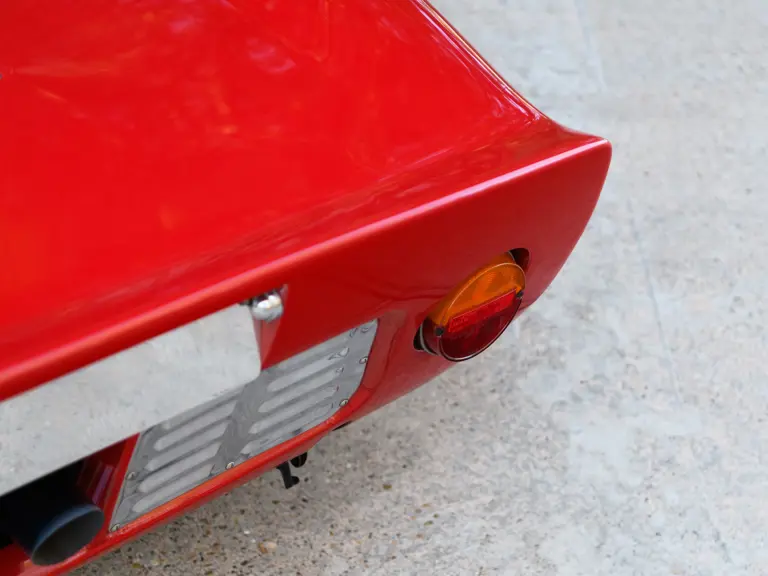
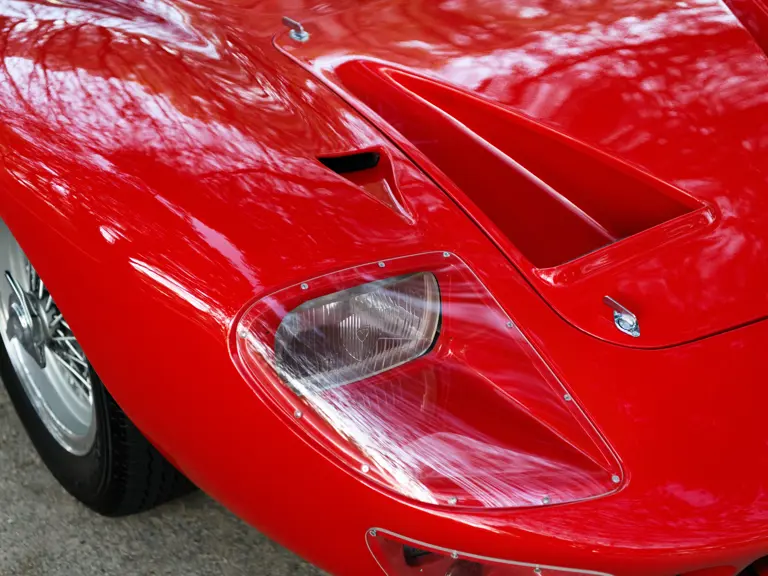
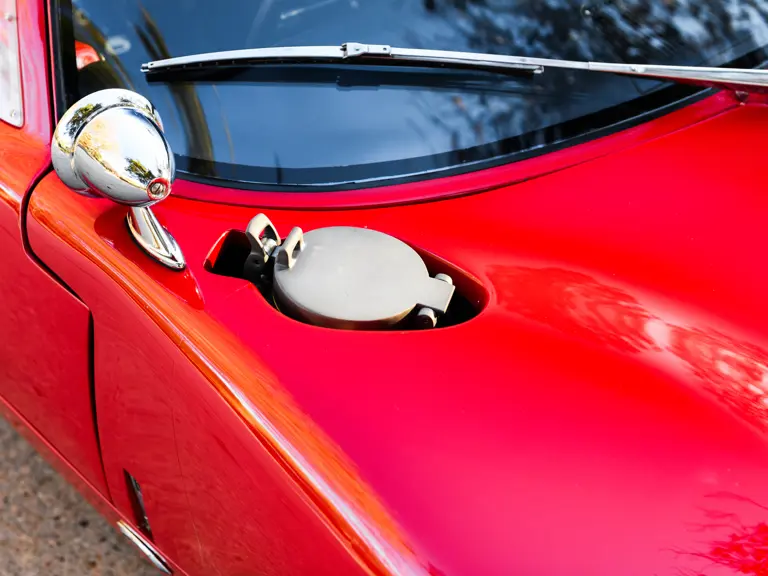
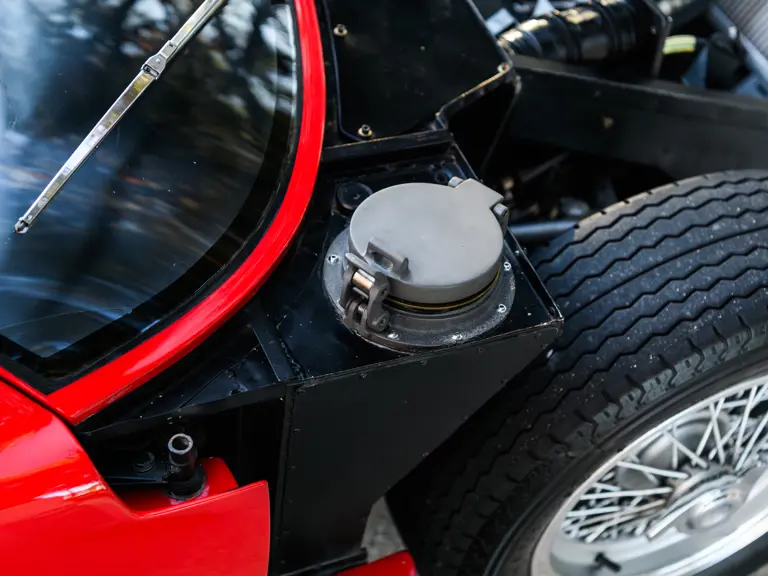
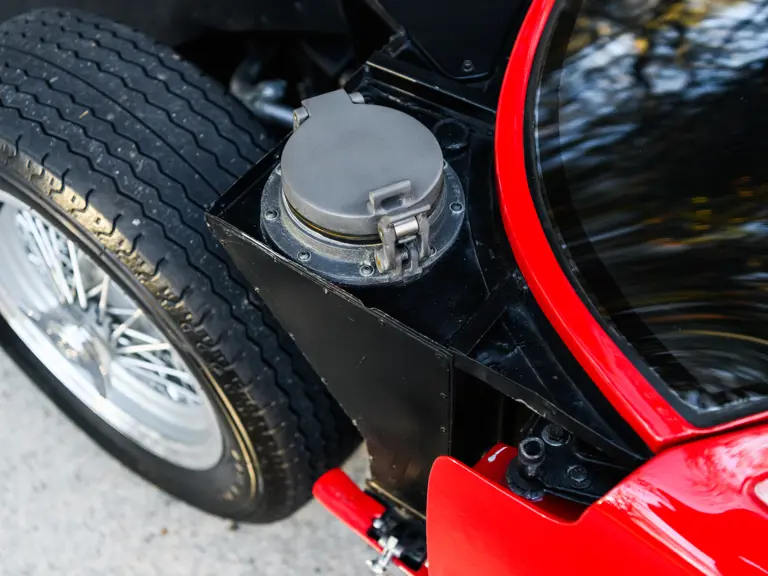
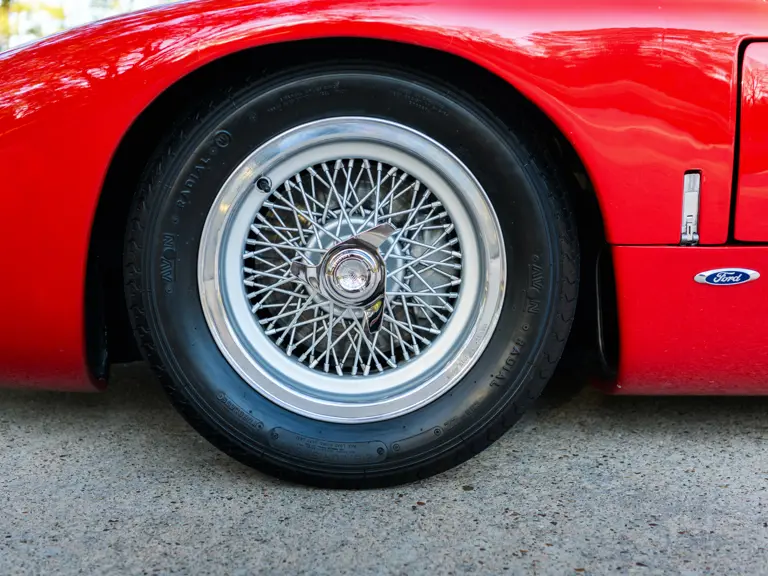
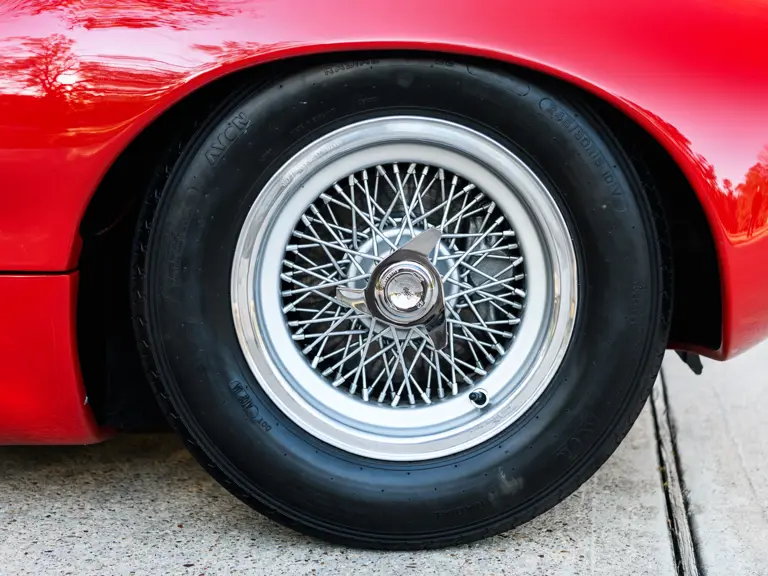
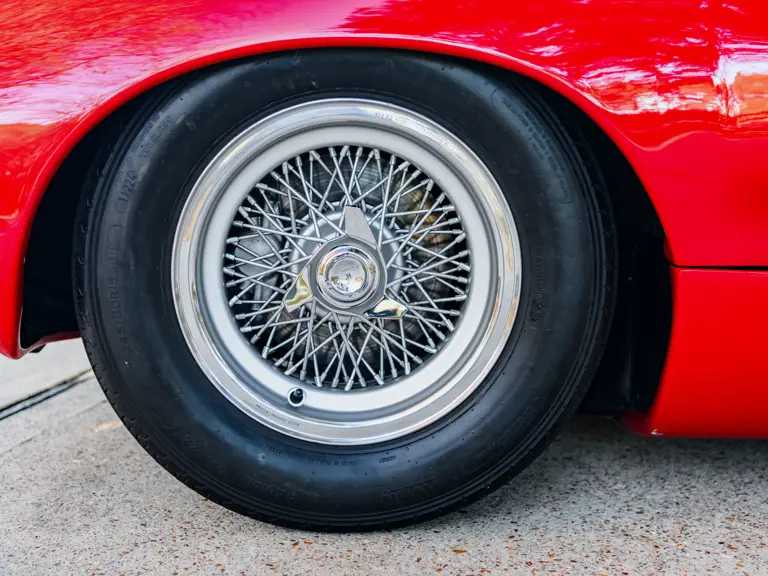
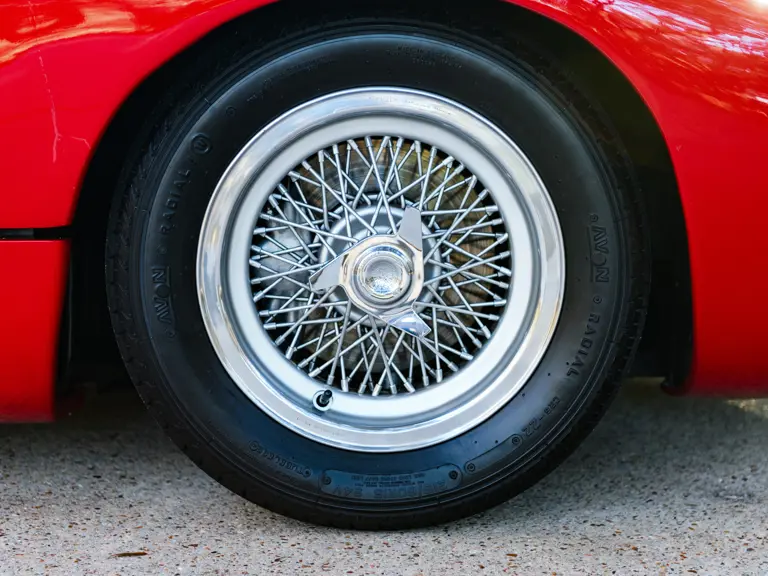
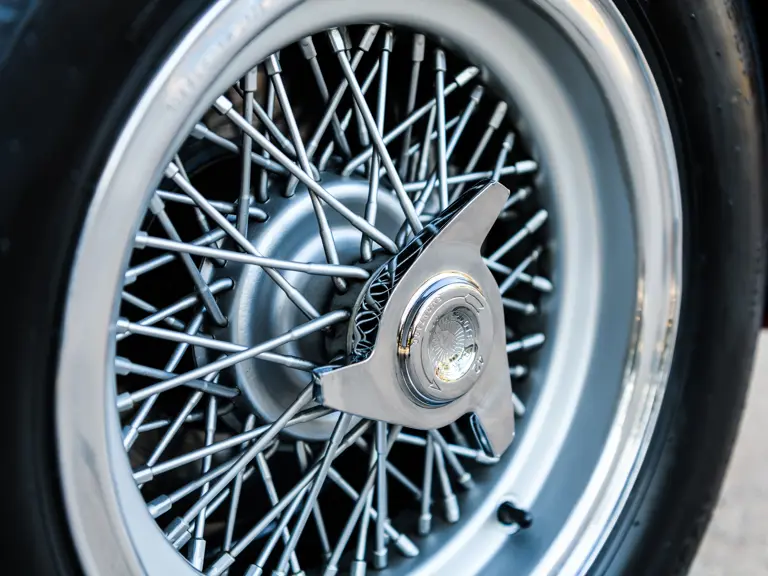
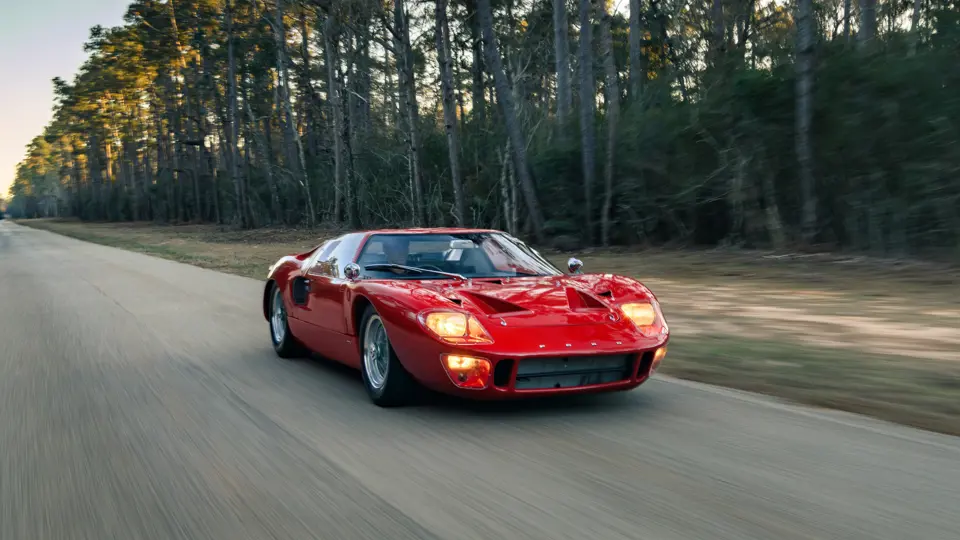
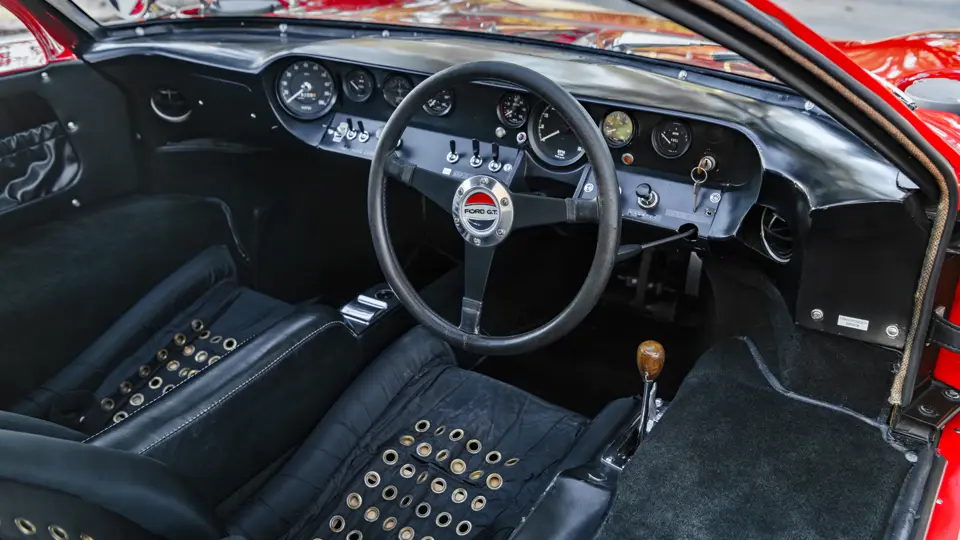
Chassis number P/1058 is one of 87 total Mk I examples built, and one of just 31 cars trimmed to roadgoing specifications as part of the effort to meet homologation requirements for the FIA’s Group 4 (thus avoiding Prototype classification). The roadgoing cars were fitted with more creature comforts—albeit still very few—including fender sideview mirrors and a windshield-mounted day/night rearview mirror, reverse lights, heated windscreen, leather-trimmed seats, door storage pockets, ashtray and cigar lighter, and a fully carpeted interior. Further, they were equipped with Borrani wire wheels, and “FORD” block letters were added to the front of the car, similar to those found on the Mustang. As part of its efforts to sell customer chassis, Ford formulated a marketing plan dubbed the Promotion and Disposal Program. Under this program, subject cars toured from dealership to dealership, eventually being sold along the way.
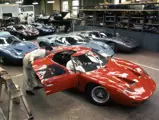
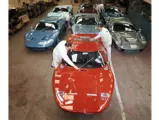
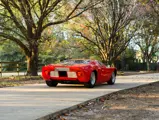
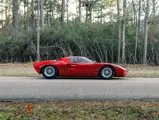
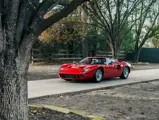
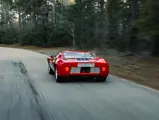
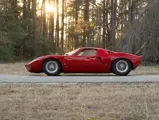
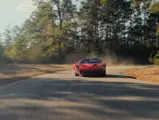
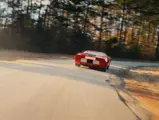
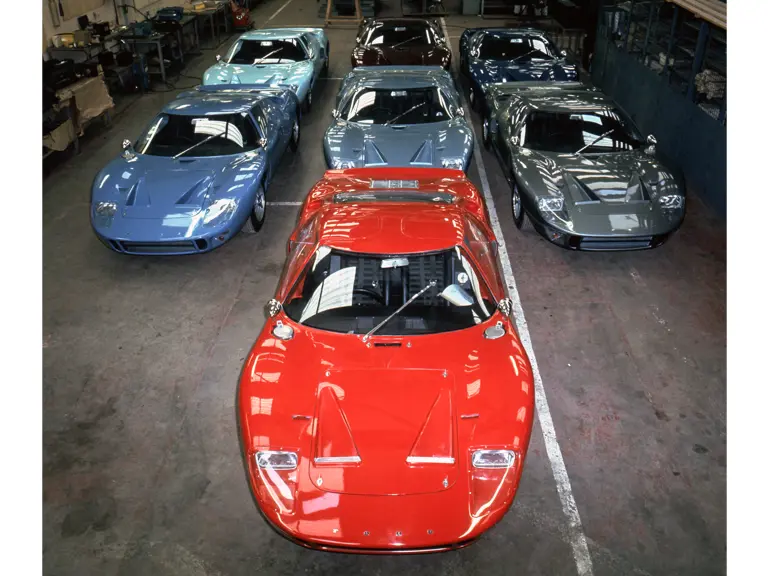
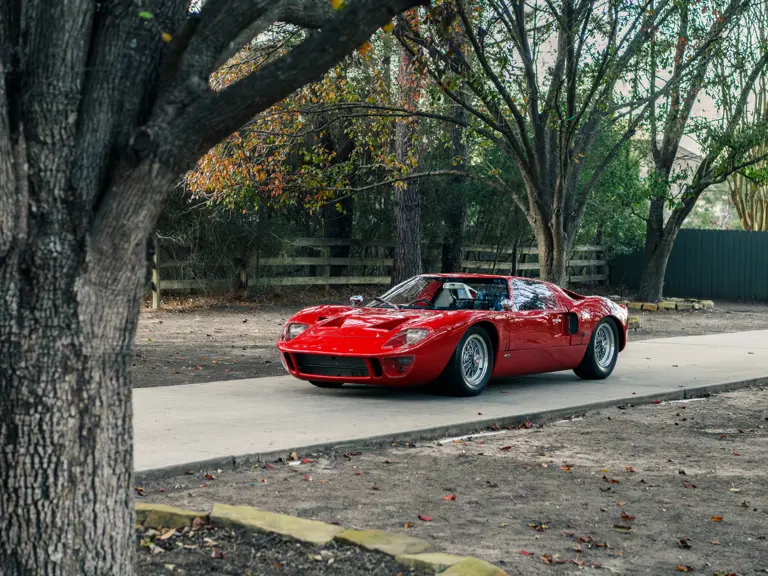
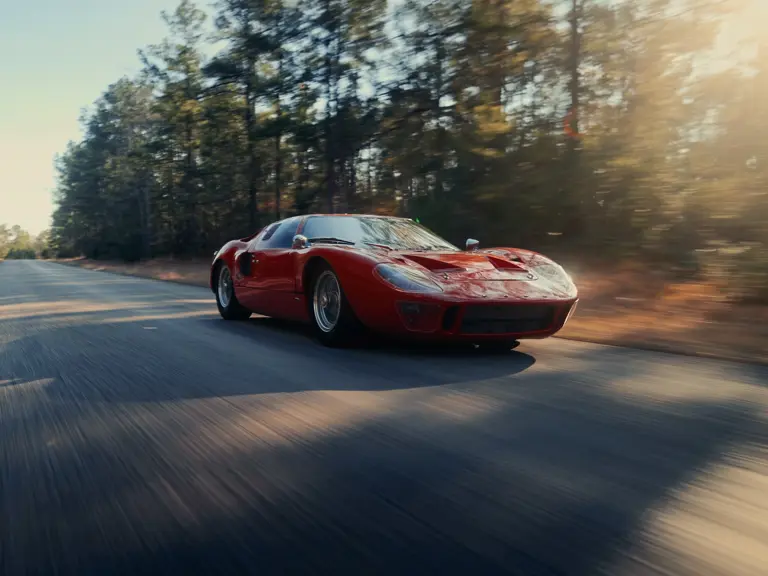
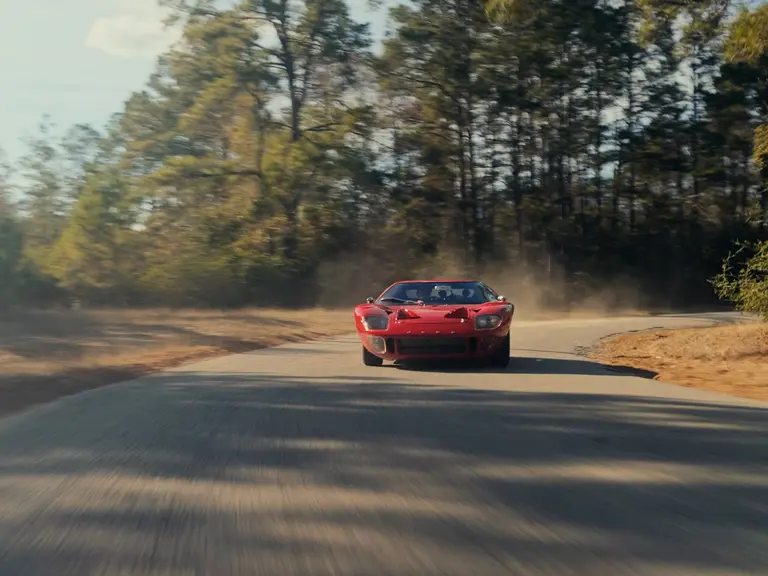
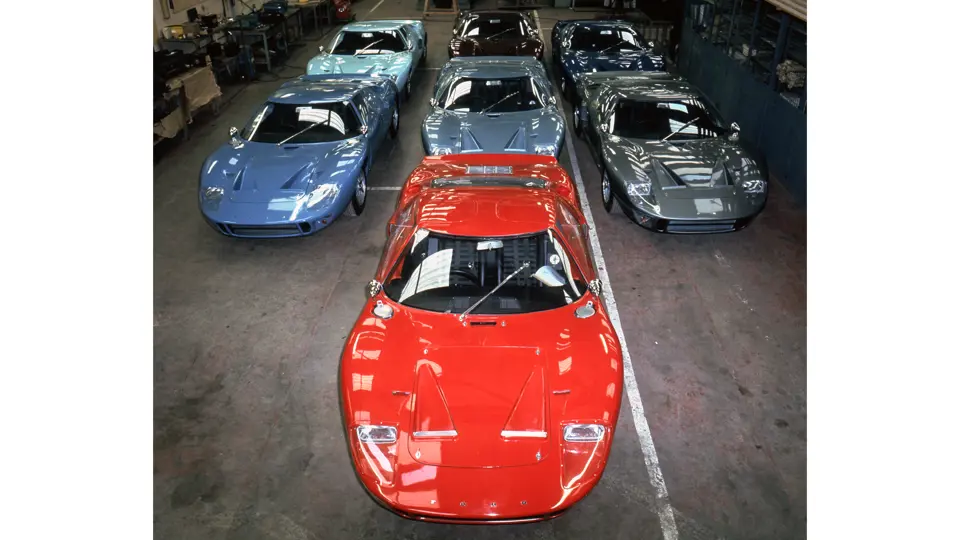
This GT40 is one of 20 such Mk I examples that were assigned to this program, and in December 1966 the car was part of a group of seven GT40s that were shipped together from FAV’s Slough factory en route to Ford’s Dearborn facility. Finished in Carmen Red paint over a black interior, chassis P/1058 was officially assigned to the Promotion and Disposal Program in February 1967, and it subsequently joined six sister cars as a consignment to the Ford Division’s Car Merchandising Department.
Although there are some discrepancies regarding the details of which GT40 appeared at which particular dealership, the research of marque expert Ronnie Spain, as revealed in his 2024 magnum opus Ultimate GT40 – The Definitive History, contends that P/1058 was presented in April 1967 at the legendary Tasca Ford dealership in Seekonk, Massachusetts, in a celebration of the Mustang model’s third anniversary.
Dealership owner Bob Tasca was a noted figure in Ford’s stateside Total Performance era, campaigning dealership-supported cars in racing and offering customers speed shop services at their dealership—all this in addition to selling numerous Shelbys, and even inventing what would become the 428 Cobra Jet option, which would later be used as the basis for the Shelby GT500 KR. This GT40 was prominently featured in a famous promotional photo taken during the gathering, which included Tasca’s very own KR-8 (the Cobra Jet Mustang prototype), this GT40, and Tasca executives, waiting to greet Ford/Holman-Moody 1966 and 1967 Le Mans Ford GT40 racing driver Mario Andretti.
In December 1967 the GT40 was sold to noted North Shore performance dealer Al Grillo Ford (formerly Nel-Nick) in Lynn, Massachusetts. There is some suggestion that during this time this GT40 was used as a demonstrator on the East Coast by Shelby American representative Ed Casey. In late 1968 the Mk I was sold to David Carroll of Brookline Village, Massachusetts, and he repainted the car in yellow, possibly hoping to escape the notice of local law enforcement. According to the Shelby American Registry, during this period the car was used to record background audio for a Gulf Oil television commercial, and Mr. Carroll later fondly recalled scaring the daylights out of the soundman plastered into the passenger seat as the microphone-laden GT40 lapped Lime Rock racetrack in Connecticut.
In February 1969 the Ford passed to racing driver John “Skip” Barber, the well-known founder of the Skip Barber Race Driving School. He soon sold the car to Andrew Carduner. In March 1969 the GT40 found more lasting ownership when it was acquired by Harvey Siegel of New York City. The new owner went on to keep the car for several decades, during which a full restoration was conducted in the 1980s, including a repaint in white with blue racing stripes. Although Mr. Siegel apparently mostly kept the Ford garaged, P/1058 did participate in the GT40 reunions held at Watkins Glen in 1989 and at Elkhart Lake in 1994.
In February 2002 chassis number P/1058 was next acquired by George Getz of Paradise Valley, Arizona, through Harley Cluxton III’s respected Grand Touring Cars, Inc., of Scottsdale, Arizona. Getz immediately commissioned Grand Touring Cars, Inc. to refinish the coachwork in the original Carmen Red, returning the car to its authentic period appearance, in addition to restoring the interior with effort made to keep as much of the original upholstery as possible. Grand Touring Cars, Inc. would provide service for the car under Getz’s ownership including a mechanical refresh from March 2004 to January 2005.
In 2011 the GT40 was sold to the respected dealer Peter Klutt, and he occasionally presented the car at high-level events, including the National Shelby Convention at Fontana Speedway in May 2013, and the 2013 Concours d’Elegance of America in Plymouth, Michigan. Later that year Mr. Klutt displayed the car on the floor of his dealership showroom.
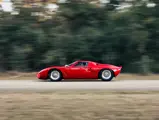
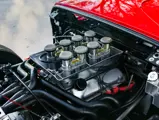
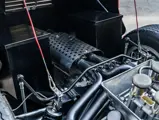
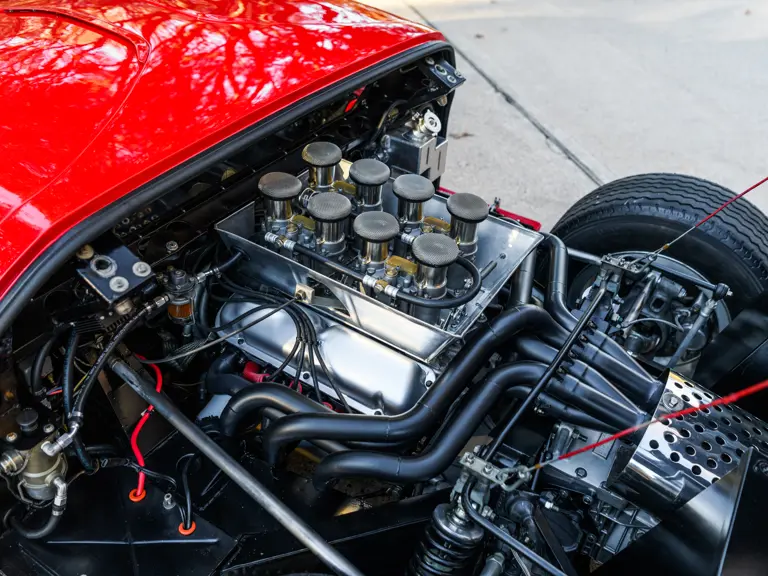
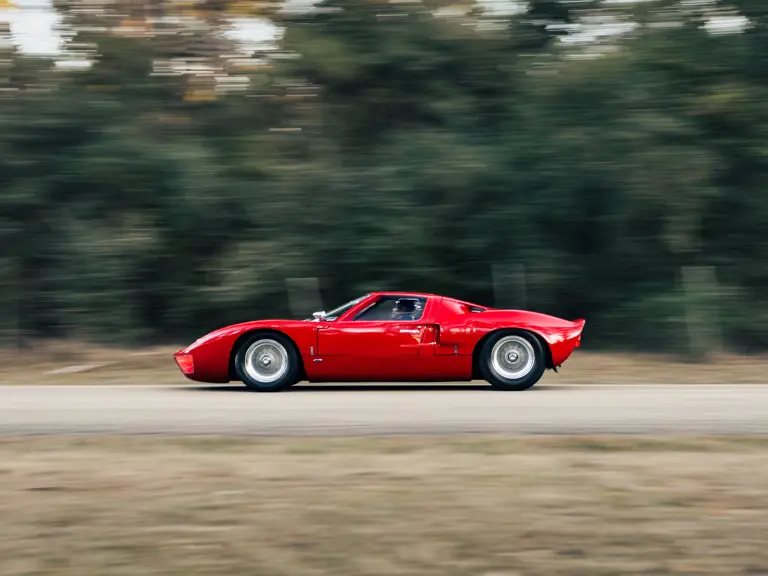
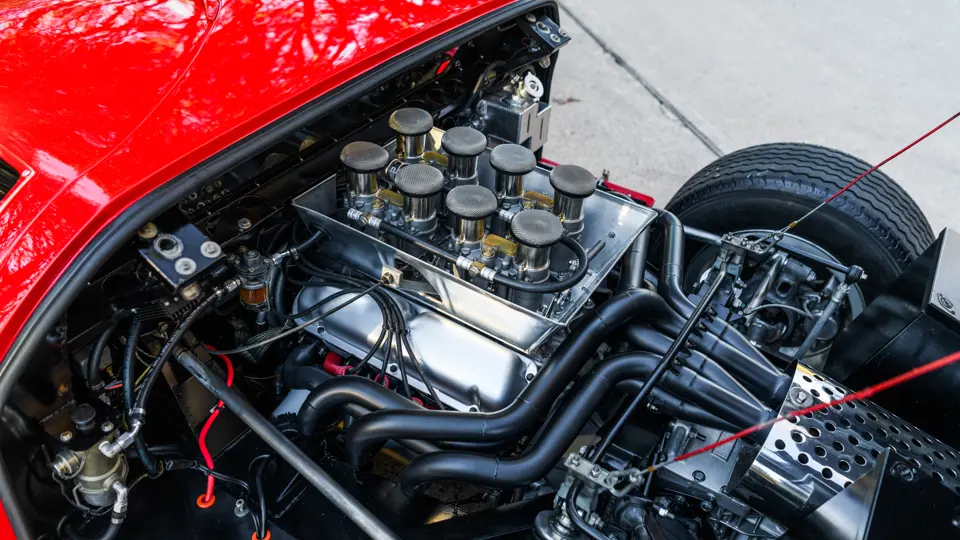
In August 2014 the GT40 was acquired by the consignor, an esteemed collector based in Texas. During his ownership the car has continued to enjoy doting care and service as needed. In 2021 the engine was refreshed, after which it was properly tuned on a run-in stand prior to reinstallation. Throughout his ownership tenure the GT40 has been exhibited selectively, winning Best in Class at Keels and Wheels Concours d’Elegance in Seabrook, Texas, in 2018, and used on solo test drives at the famed Circuit of the Americas (COTA) Formula 1 racetrack.
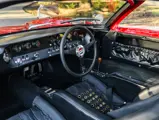
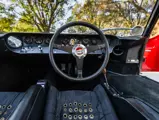
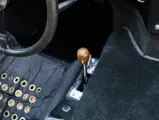
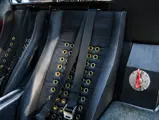
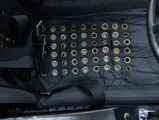
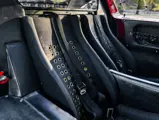
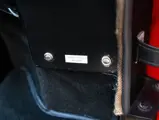
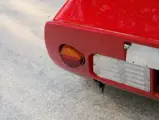
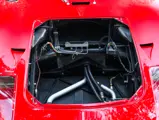
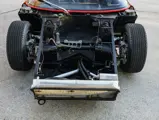
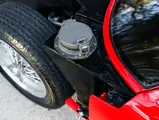
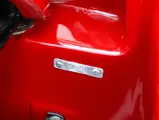
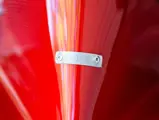
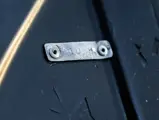
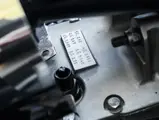
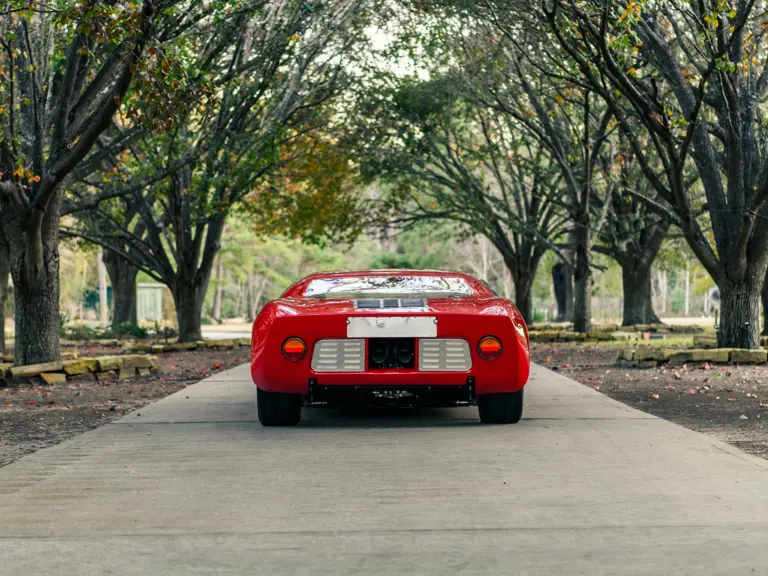
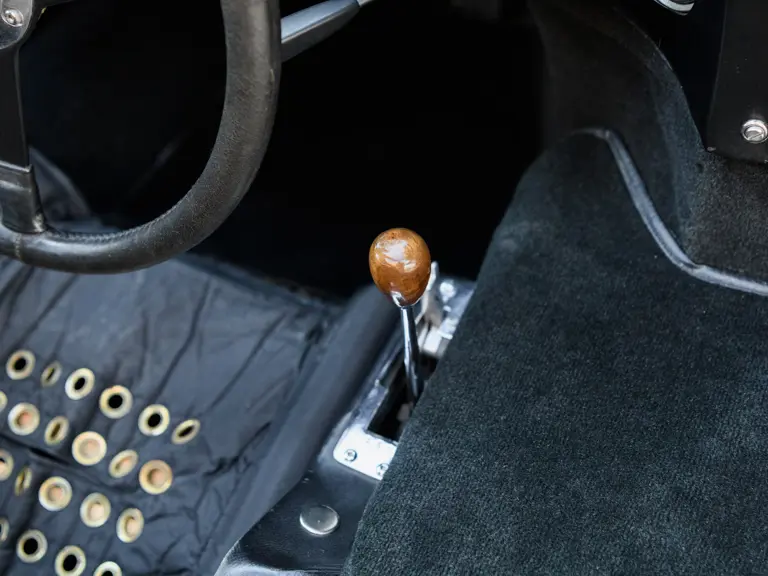
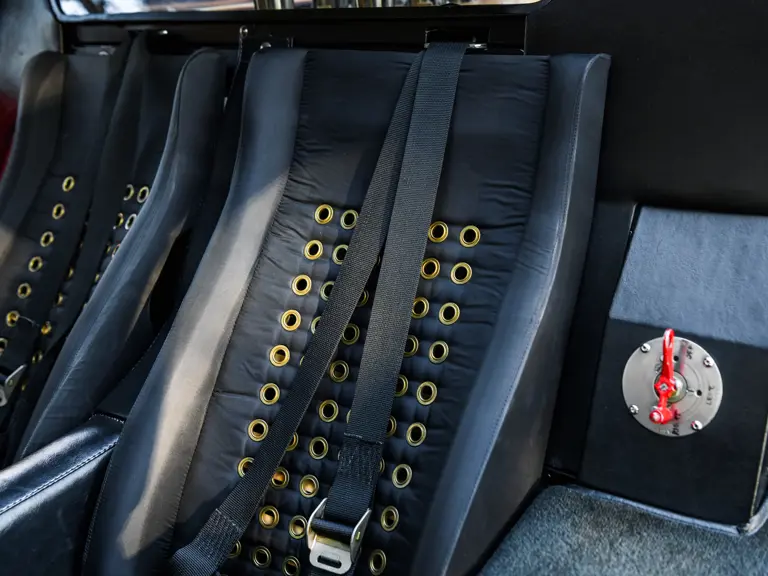
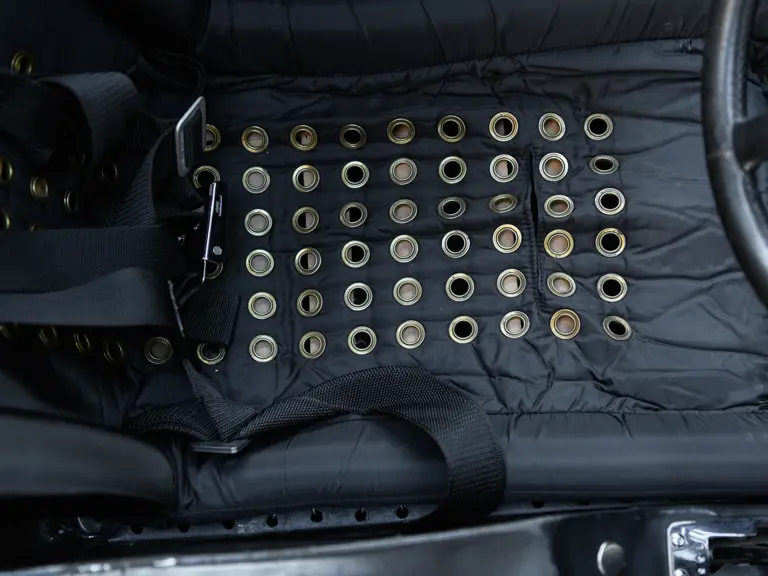
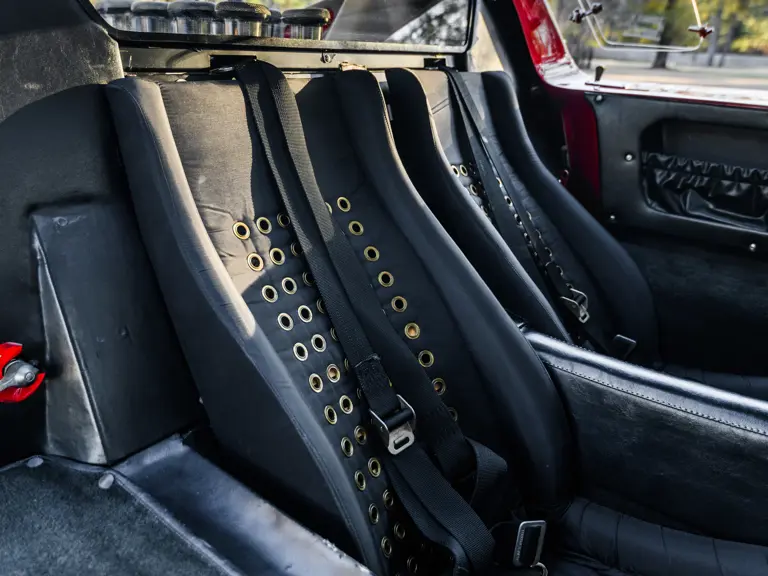
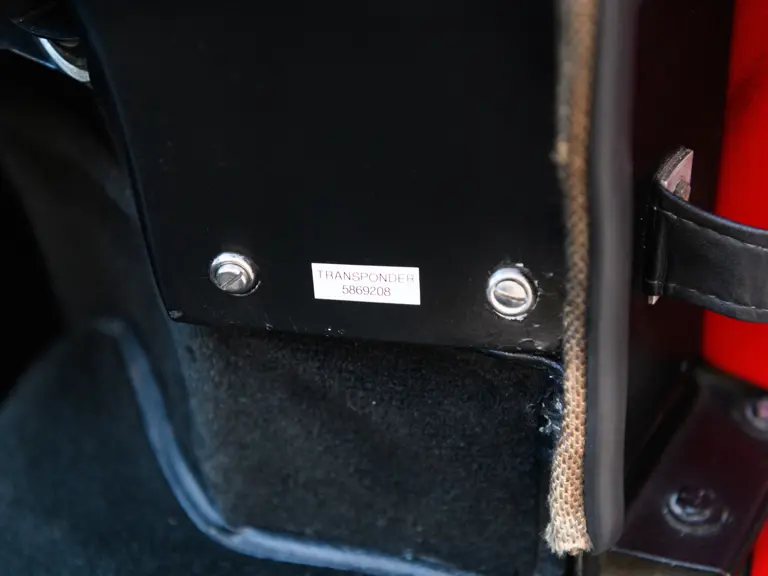
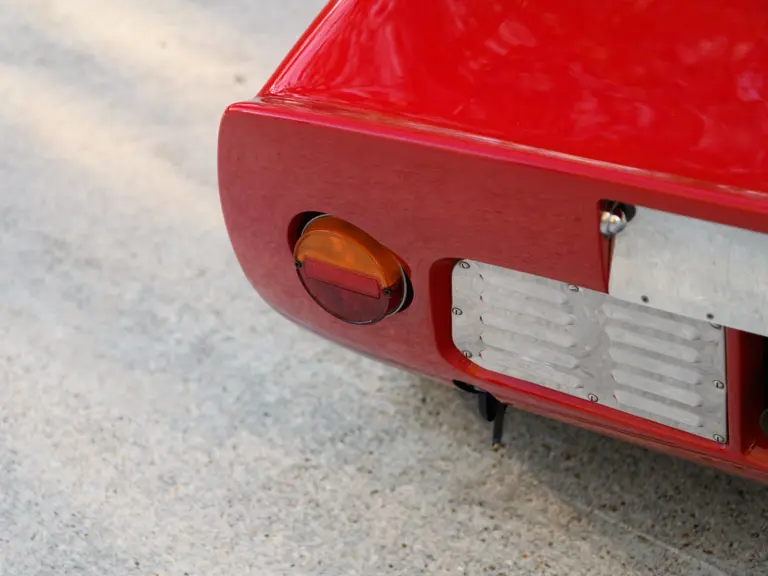
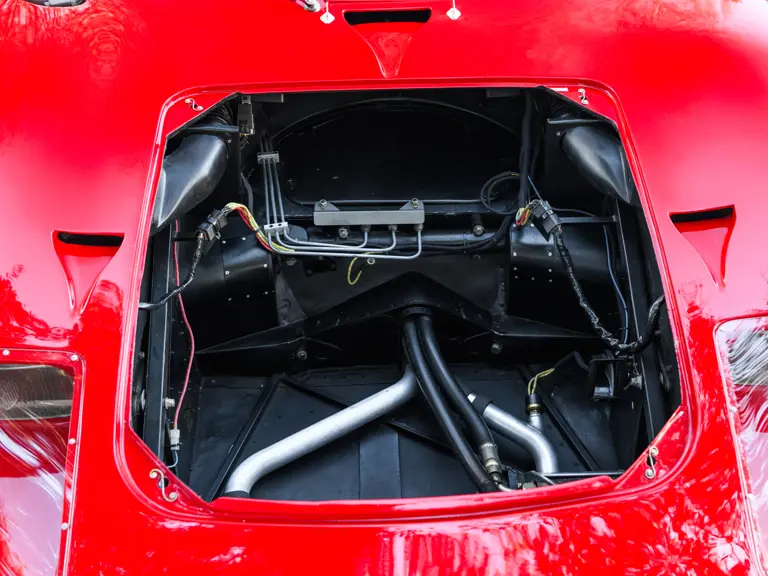
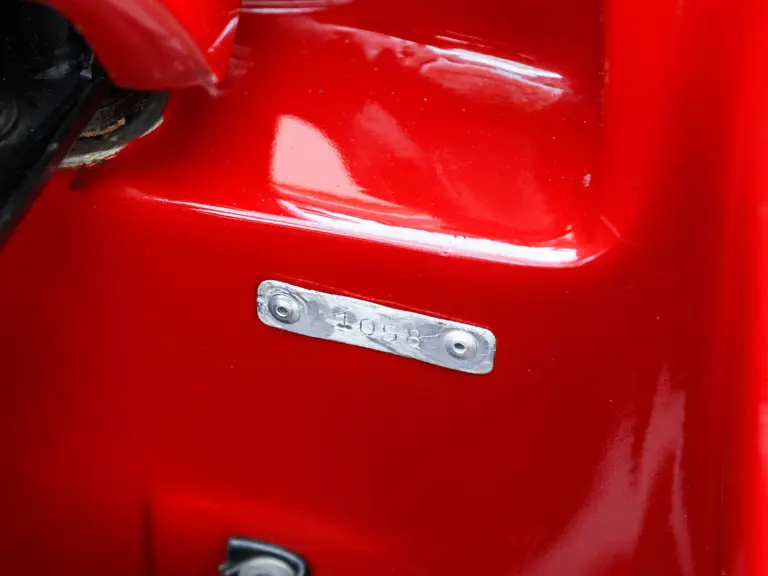
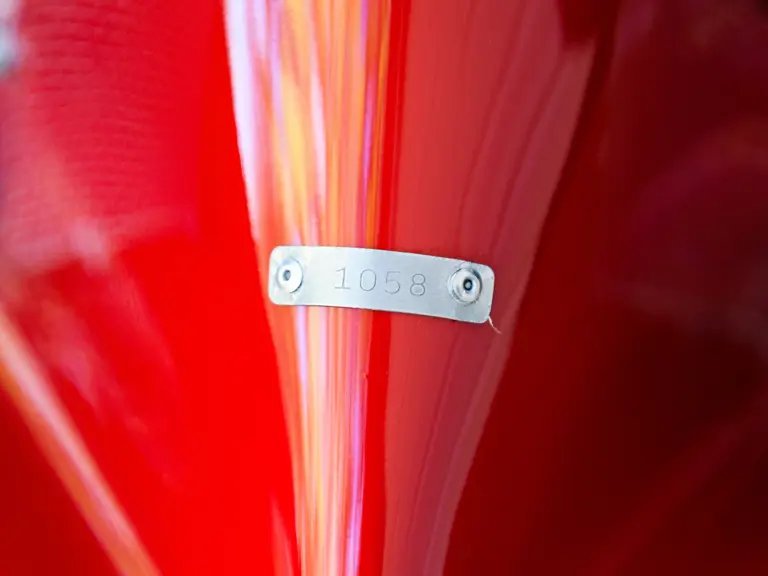
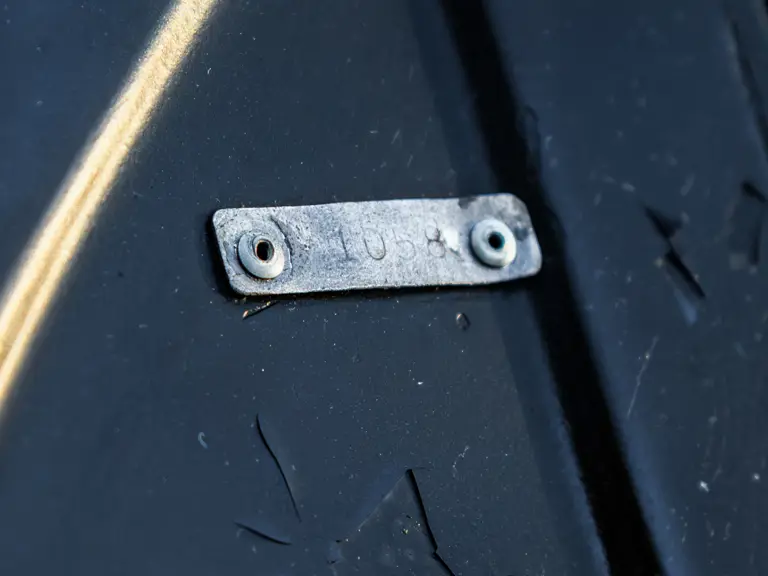
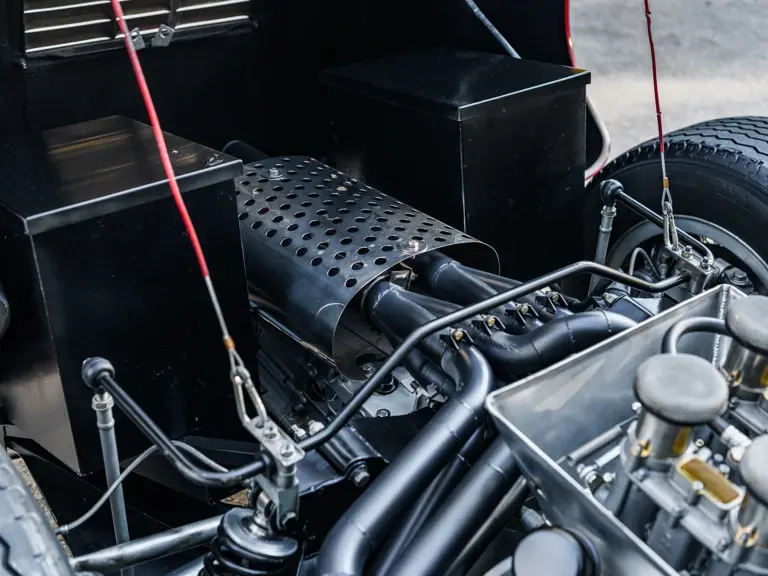
In a testament to the relatively gentle use P/1058 has experienced throughout its life, compared to those that were used in wheel-to-wheel racing, riveted 1058 tags can be found throughout the car on various body panels, and it even retains the small “luggage boxes” beneath the rear clamshell that, if only technically, allowed the GT40 to meet storage requirements necessary for racing qualification. Under current ownership the seats have been changed in favor of the lightweight racing style design trimmed in lightweight black fabric with brass eyelets; original seat coverings and components accompany the sale.
The Ford GT40 continues to enjoy immense popular acclaim as one of the United States’ most successful racecars from any era, bar none. In the medium of cinema, from the period images of Steve McQueen’s Le Mans, to widely acclaimed retellings like Ford v Ferrari, the GT40 has remained an iconic presence that has truly transcended to the realm of mythic legend. So powerful is the GT40’s impact, Ford revived it as the GT for the 2005 and 2006 model years with a widely celebrated retro-inspired design. The Blue Oval later returned to—and won—the GTE Pro Class at the 2016 24 Hours of Le Mans with a modern interpretation of the GT, corresponding with production of a celebrated road car counterpart from 2017 through 2022.
The rare availability of this road-specified Mk I offers discerning collectors an amazing opportunity to add a bona fide benchmark original Ford GT40 to their collections. With just 31 examples produced of the GT40 Mk I road car, very few collectors have the complete range of Ford GTs. As a cornerstone example of the model that remains America’s most successful prototype sports racer of all time, P/1058 would make a crowning addition to any collection, a valiant embodiment of one of motorsports’ indisputable archetypes.
 | Miami, Florida