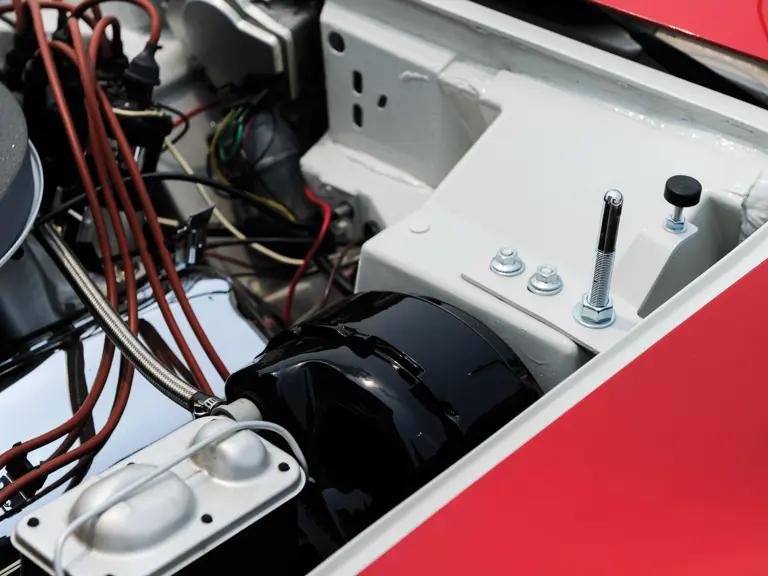
Roll Cage No.
83-096
{{lr.item.text}}
{{bidding.lot.reserveStatusFormatted}}
Among the world’s legendary races, one stands out as the most grueling of them all: the 24 Hours of Le Mans. For 24 hours, the race pushes the world’s best drivers and machines to their limits, blurring day into night and night into day, forging motorsport’s most hallowed legacies along the way. It is the world’s oldest endurance race and remains the most unforgiving. For decades, it showed little mercy to American entrants.
The Chevrolet Corvette debuted at Le Mans in 1960 with three entrees by the legendary Briggs Cunningham and one by Camoradi. Just two of the cars finished the race, with one of Cunningham’s cars placing 8th overall. Corvettes would return to Circuit de la Sarthe as privateer entries in 1962, 1967, 1968, 1969, 1970, and 1971; each entry frustratingly ended in DNFs with the exception of the 1970 Ecurie Greder Racing Corvette, which completed the race but did not receive official classification due to insufficient distance covered. Ford’s GT40s famously humbled Ferrari, but beyond those brief years, American machinery—and particularly Corvettes—had found the French countryside an unwelcome place.
PUT SOME ENGLISH ON IT
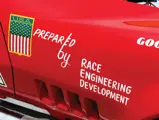
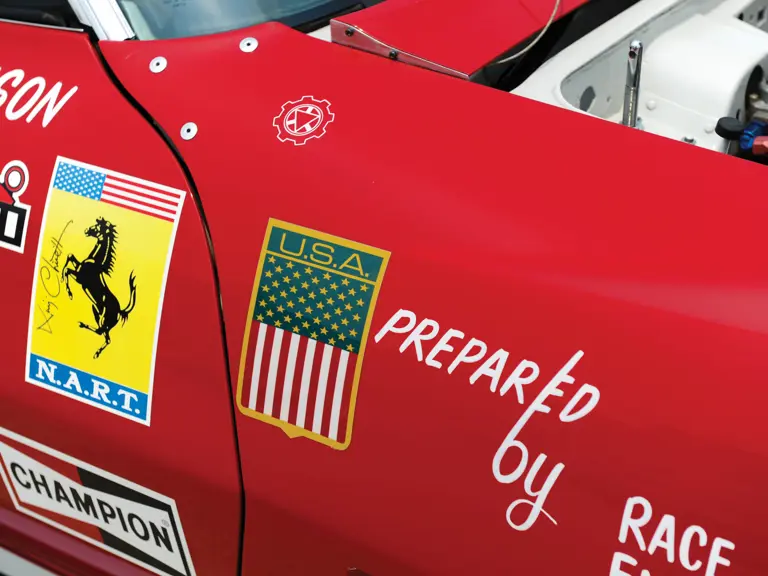
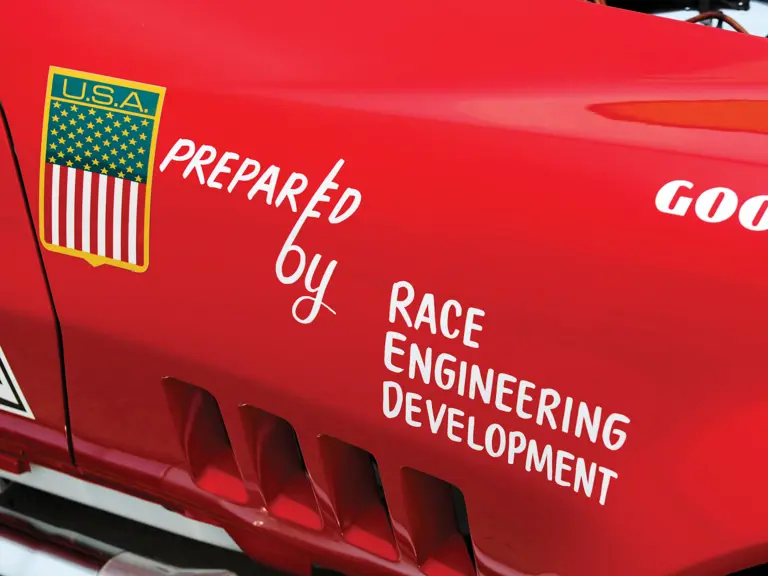
By the early 1970s, Florida-based Dana English had earned a reputation as one of the premier racing mechanics in the American South, a hotbed of grassroots and professional racing. When racer Orlando “Or” Costanzo, for whom Dana English was working at the time, decided to step away from competition, he and his father—Tampa, Florida Chevrolet dealer Toye English—acquired Costanzo’s fearsome factory-built, lightweight, L88-powered 1969 Chevrolet Corvette. This marked the founding of Race Engineering & Development (RED).
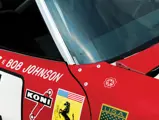
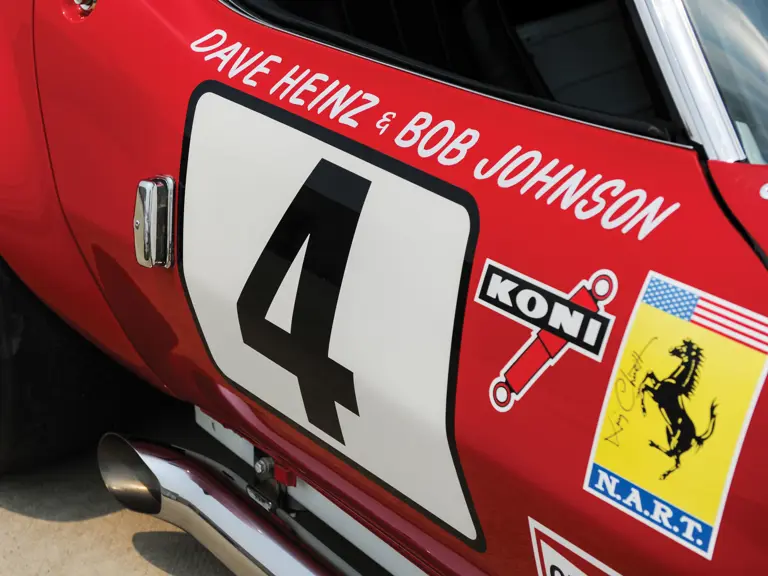
Joined by drivers Dave Heinz and Robert “Marietta Bob” Johnson, and with input from engineers like Don Yenko, they campaigned the 1969 Corvette under their RED banner typically racing as #57—a tongue-in-cheek nod to the ketchup brand sharing Dave Heinz’s surname. Wrapped in a bold “Stars & Bars” livery, the design was a pointed jab at rival, and well-known Corvette tuner and racer, John Greenwood’s nationally known “Stars & Stripes” Corvettes of the period. The unique RED livery was a move to generate both controversy and attention. The visual provocation stuck, earning the 1969 Chevrolet Corvette its enduring nickname: The Rebel Corvette.
Working nights and weekends while holding day jobs, the Florida-based team quickly made its mark on American GT racing, capturing the 1971 IMSA Championship in the over-2.5-liter class and scoring top-10 finishes at numerous high-profile events including back-to-back class wins at Daytona and Sebring—all with a two-year-old, non-sponsored Corvette. While that kind of success would satisfy most, the fiercely competitive Dave Heinz had his sights set on fulfilling a dream on motoring’s biggest stage: the 24 Hours of Le Mans.
THE LITTLE TEAM THAT COULD AND THE BIRTH OF THE RED/NART LE MANS CORVETTE
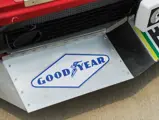
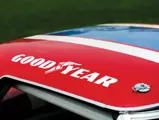
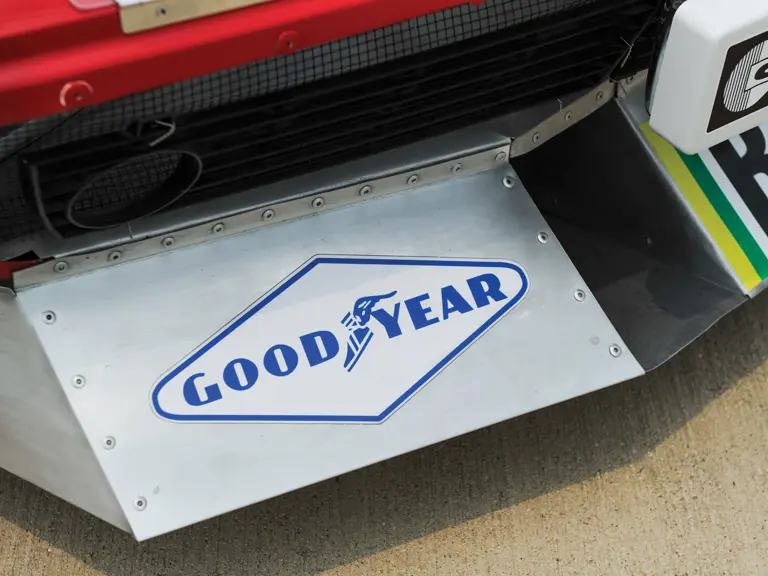
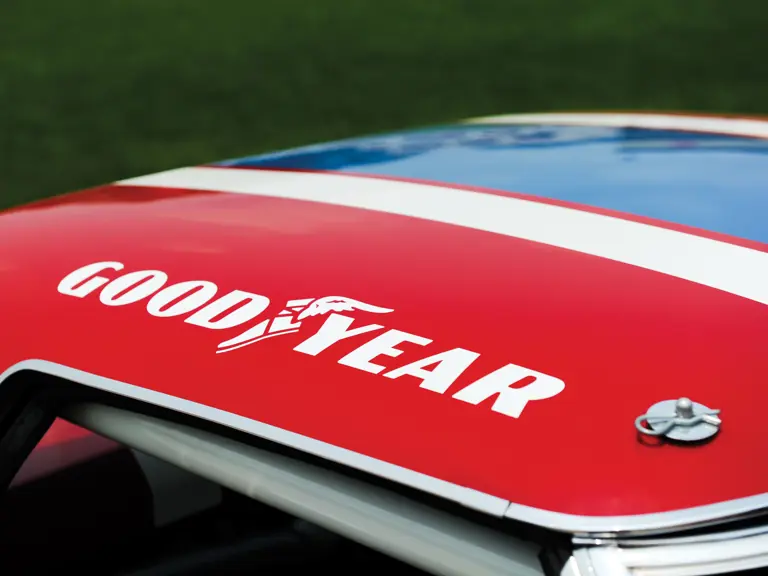
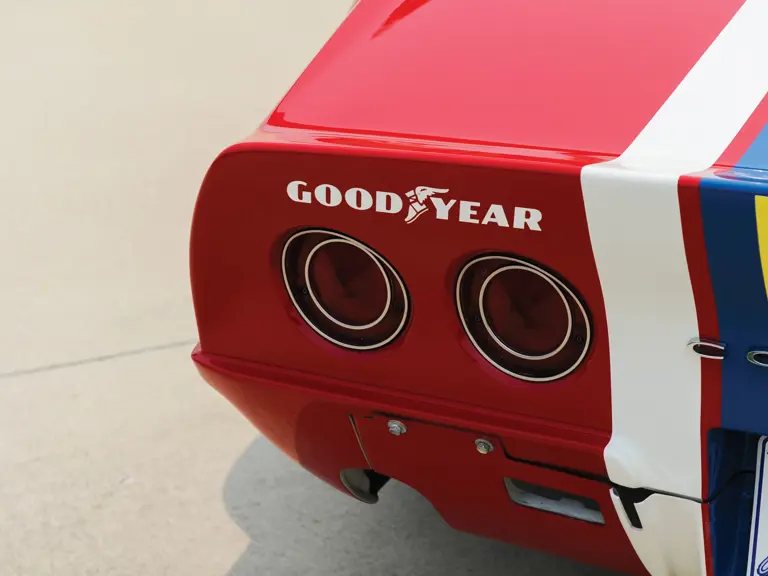
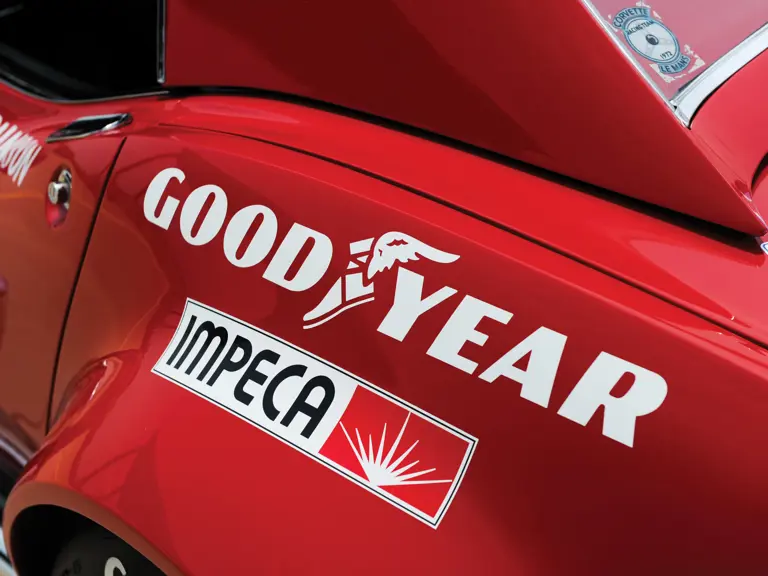
Success on the track soon brought attention off it, with sponsorship offers from big names such as Trans World Airlines (TWA), Moët, and the Goodyear Tire Company. Leveraging their growing notoriety and powerful new friends, including Zora Arkus-Duntov himself, the RED team eventually got their application in front of the officials at Le Mans—who promptly rejected them. The usual bureaucracy was at play: their 1969 Rebel Corvette was too powerful, its livery too bold, its drivers unknown.
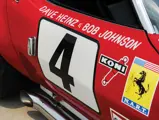
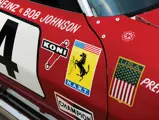
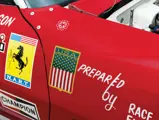
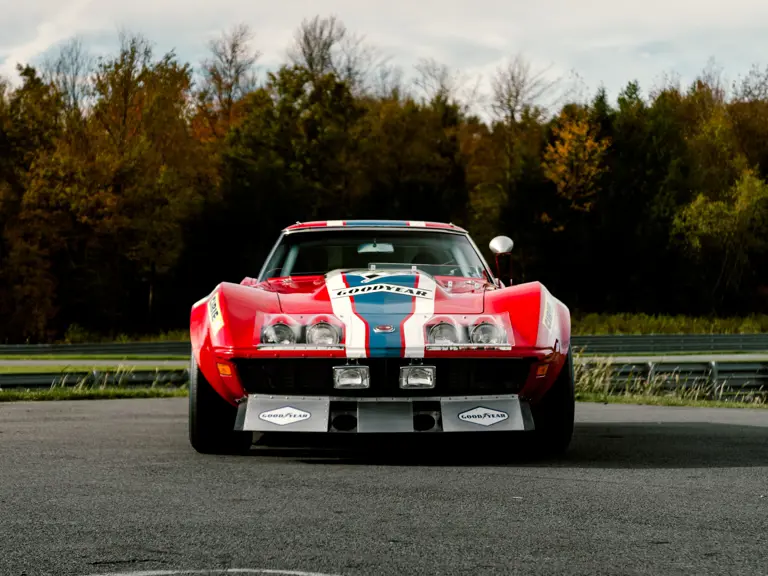
Unwilling to be denied, the team contacted Goodyear’s Director of Racing, Larry Trusdale, who in turn contacted Luigi Chinetti, the legendary Ferrari importer for North America and then owner of the famed Ferrari-backed North American Racing Team (NART). Chinetti, himself a three-time champion of Le Mans as a driver, had also won in 1965 as the NART team owner. Chinetti was also sponsored by Goodyear and had been allotted four entries at Le Mans for 1972. With a little persuasion, Chinetti agreed to give his reserve entry to the RED team—so long as their Corvette wore the same NART livery as his Ferraris.
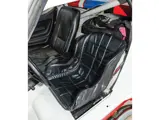
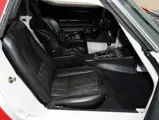
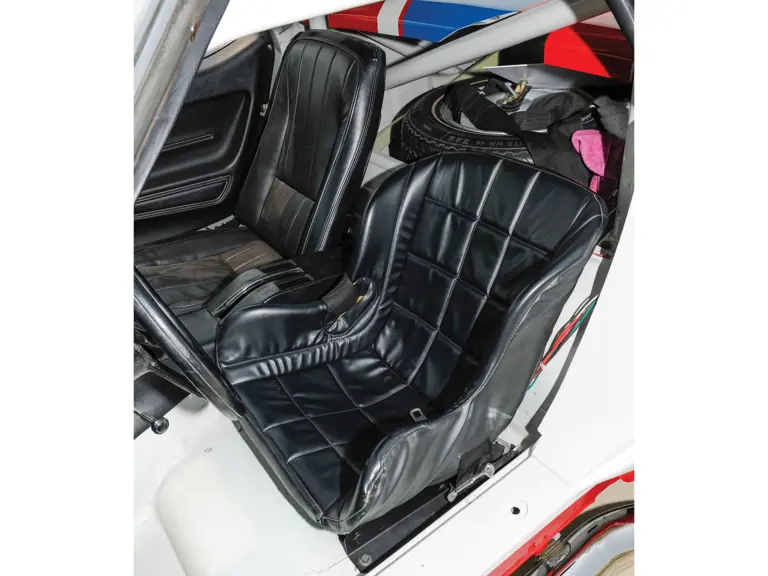
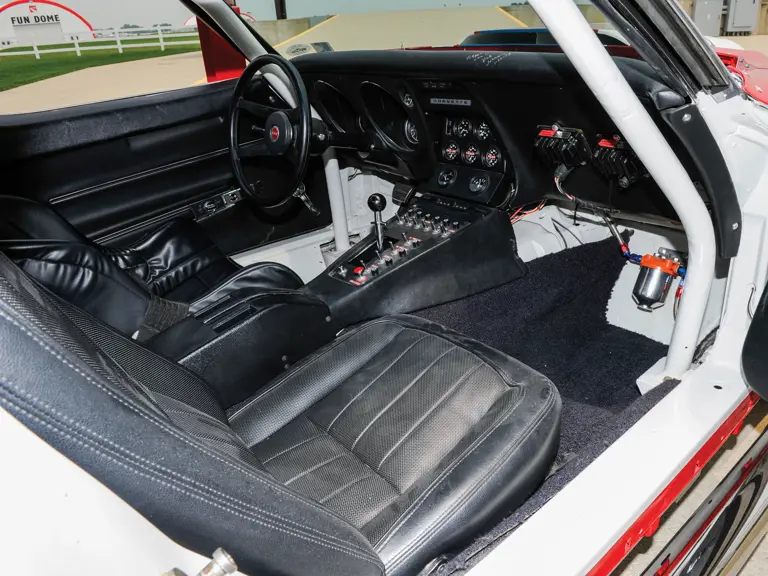
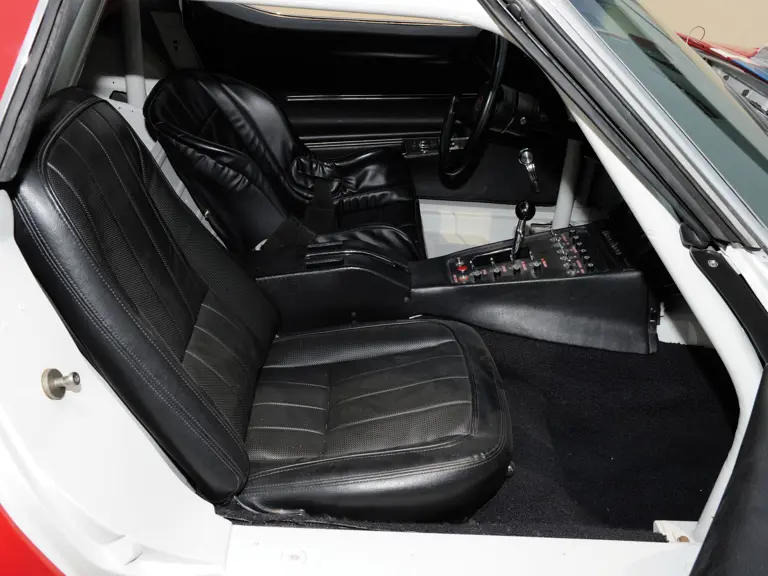
With their entry secured, the team faced a new obstacle: FIA rules required all GT cars to be nearly street-legal, complete with roll-up windows and a passenger seat. Their 1969 Chevrolet Corvette, the #57 Rebel—affectionately dubbed “Scrappy” for how many of its original parts had ended up in the scrap heap—was far from compliant. Rather than retrofit it, the team decided it made more sense to build a new Corvette in accordance with FIA rules.
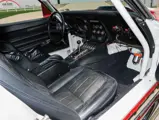
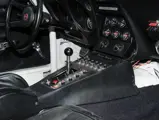
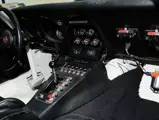
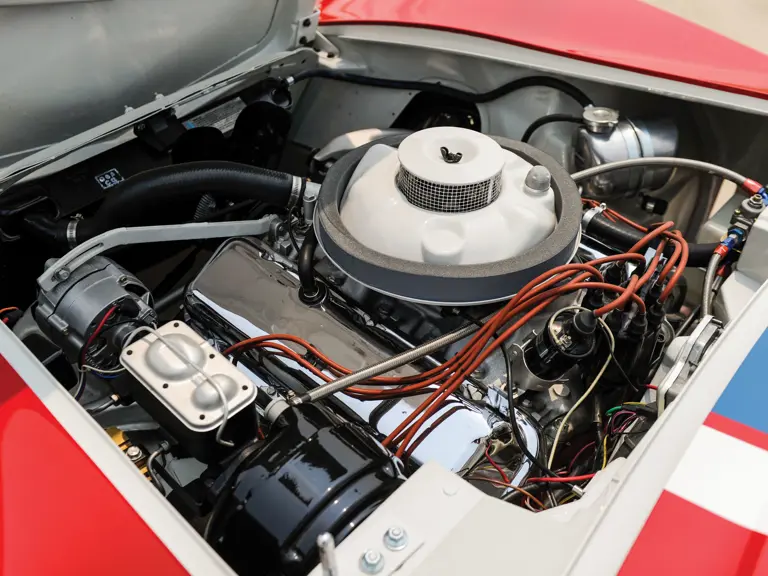
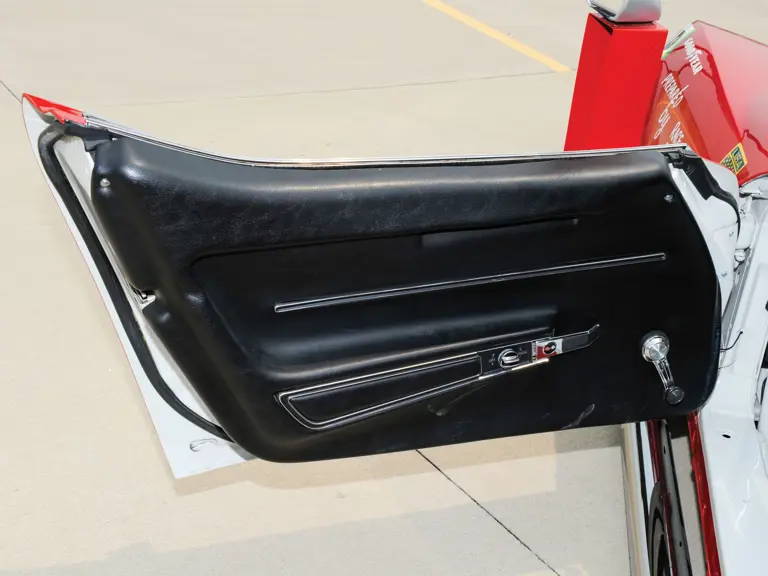
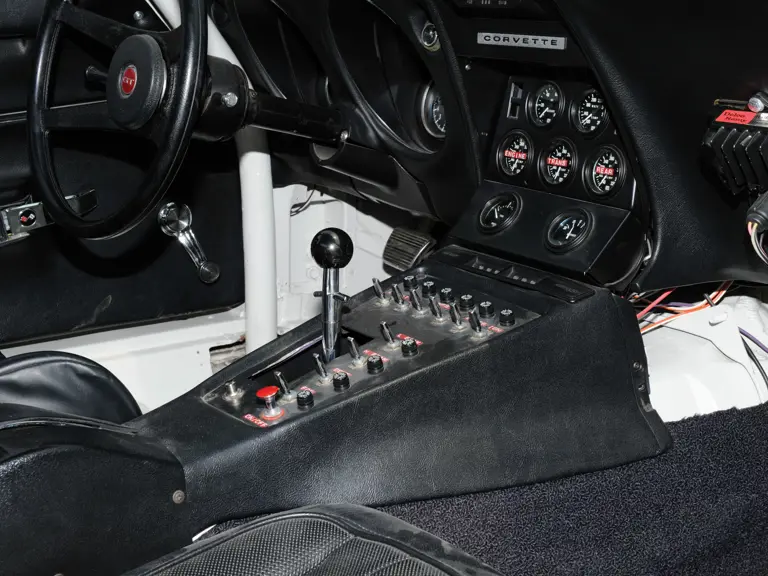
Toye English quickly sourced a wrecked 1968 Chevrolet Corvette roadster, dispensed with most of its body, frame, and original 327-cubic-inch V-8 engine, and promptly built a new Corvette: The Corvette now offered here. A new frame was acquired and seam-welded for strength before being fitted with new race-spec suspension, brakes, M22 “Rock Crusher” transmission, rearend, and axle components—all reportedly sent directly from Chevrolet with Zora Arkus-Duntov’s blessing.
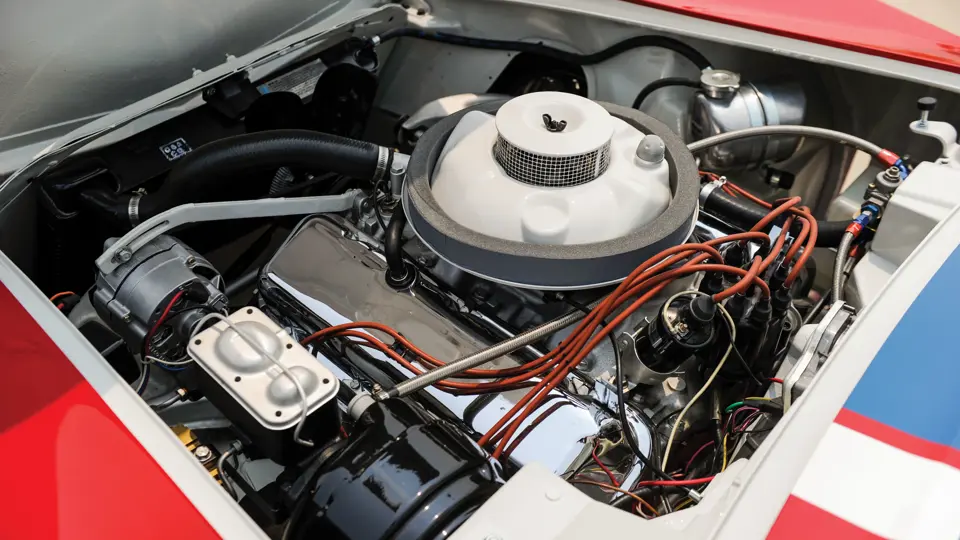
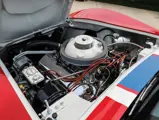
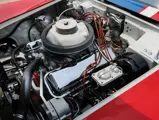
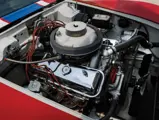
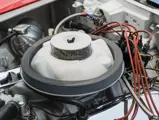
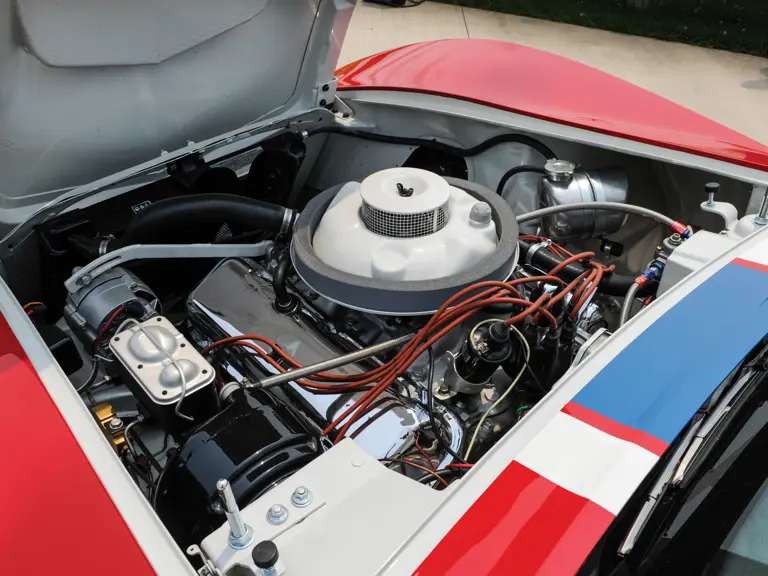
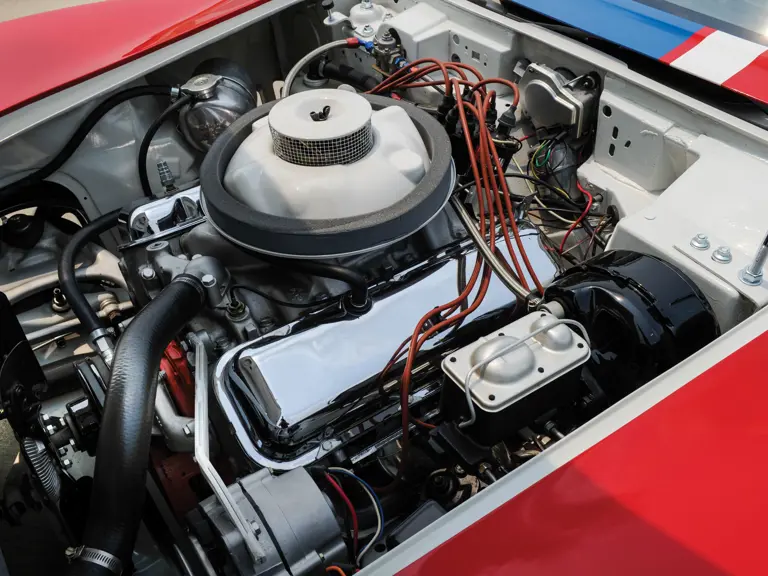
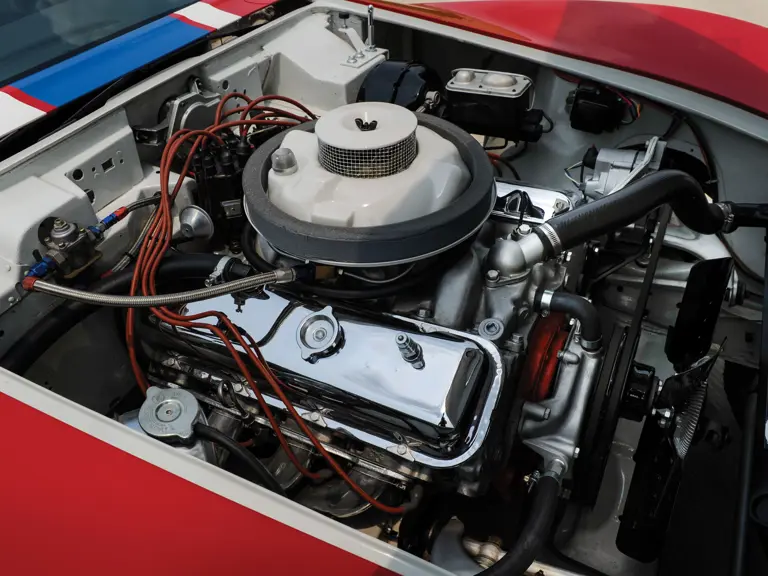
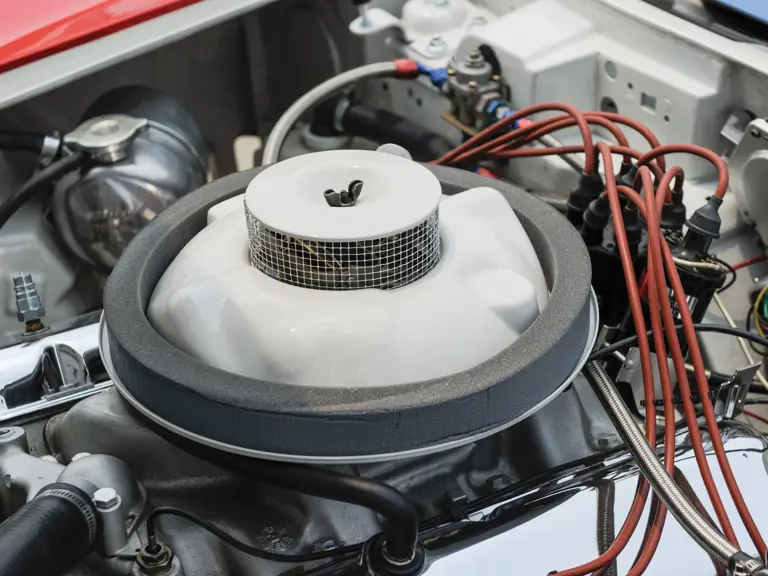
The Corvette’s small block was replaced by a blueprinted Chevrolet L88 engine. This near-mythical 427-cubic-inch big-block V-8, with its 12.5:1 compression ratio, massive Holley carburetor, forged internals, radical cams, and special aluminum heads and headers, was effectively a racing engine for the street, designed to run on 103-octane gasoline. According to team member Walt Thurn, the L88 engine was actually detuned for this motorsport application with a milder cam, lower-compression pistons, and a reduced 5,800-rpm redline, emphasizing the team’s strategy of durability over power.
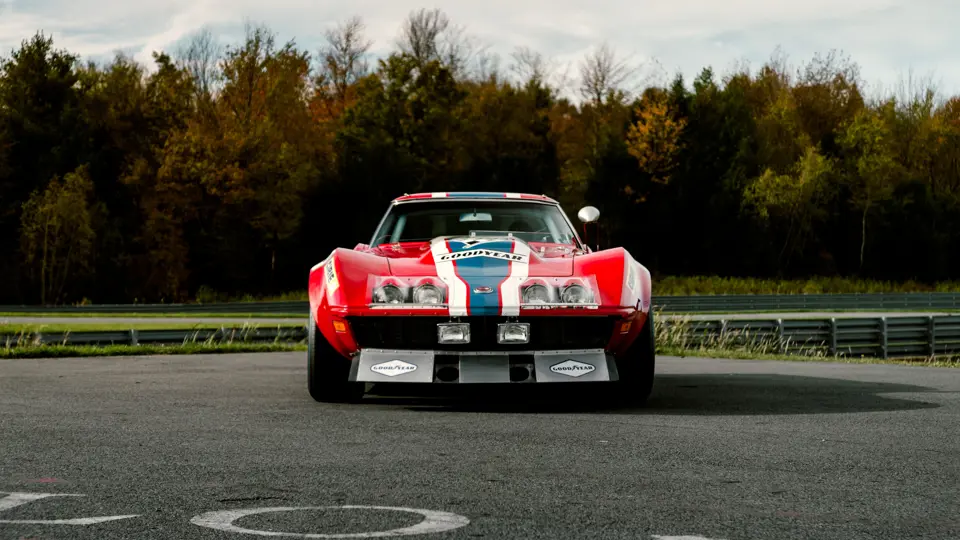
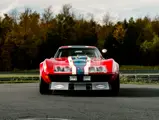
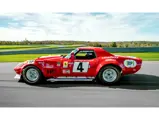
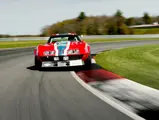
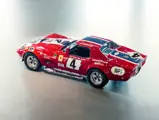
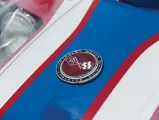
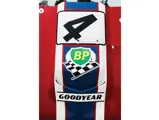
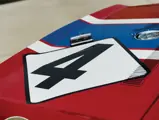
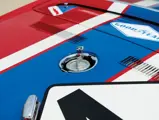
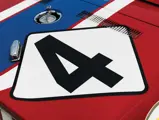
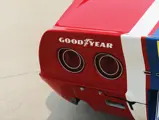
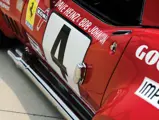
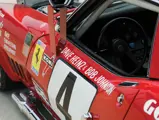
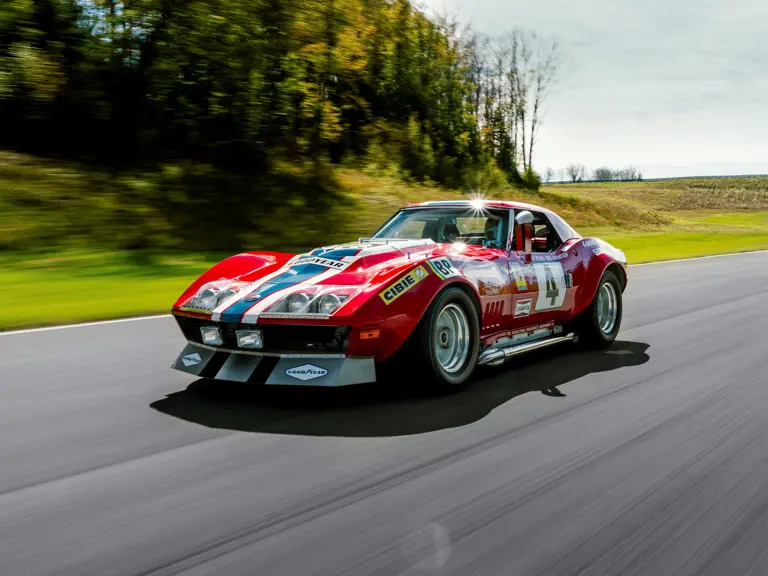
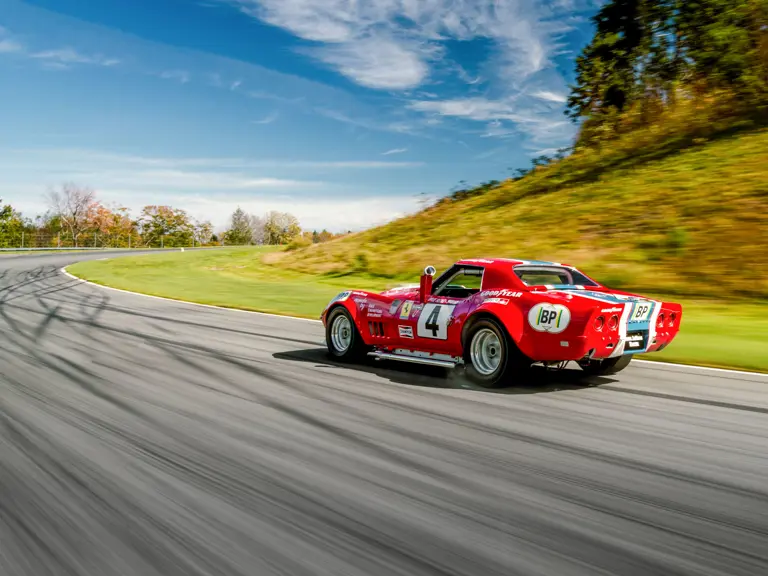
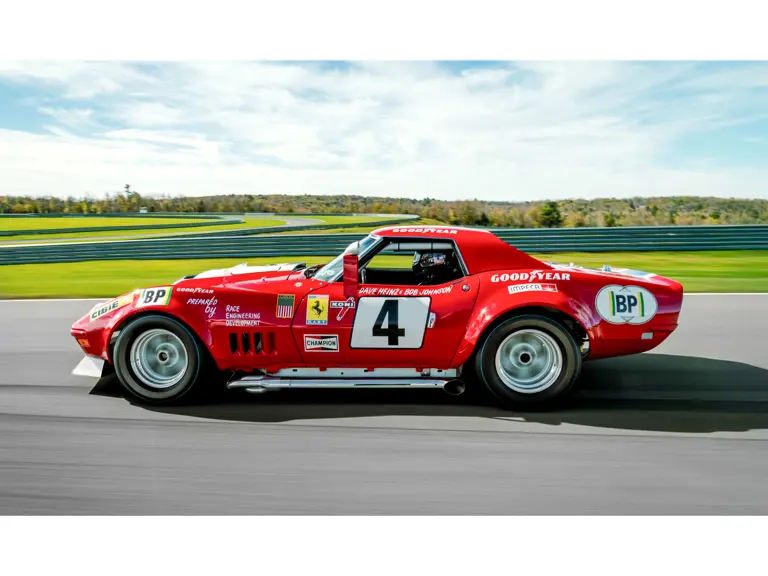
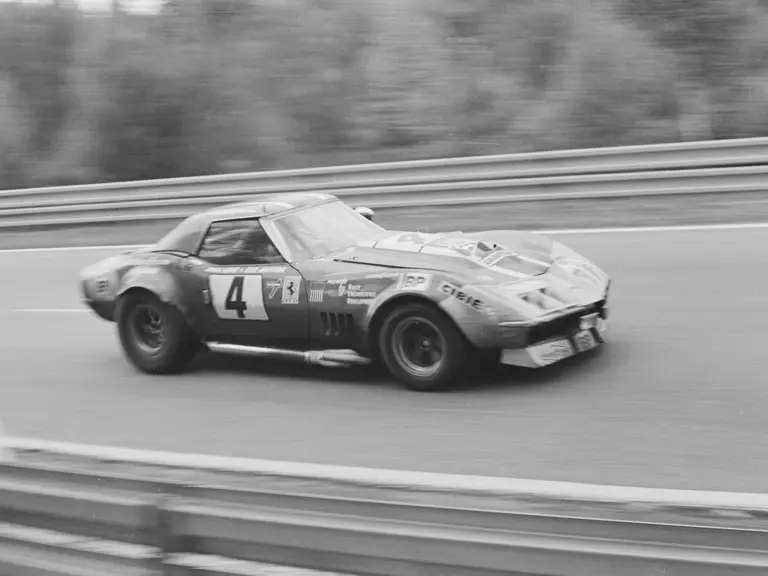
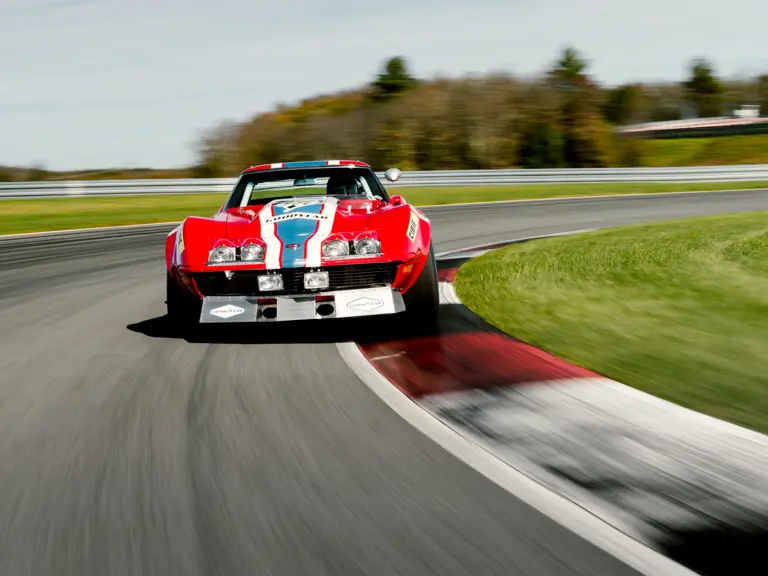
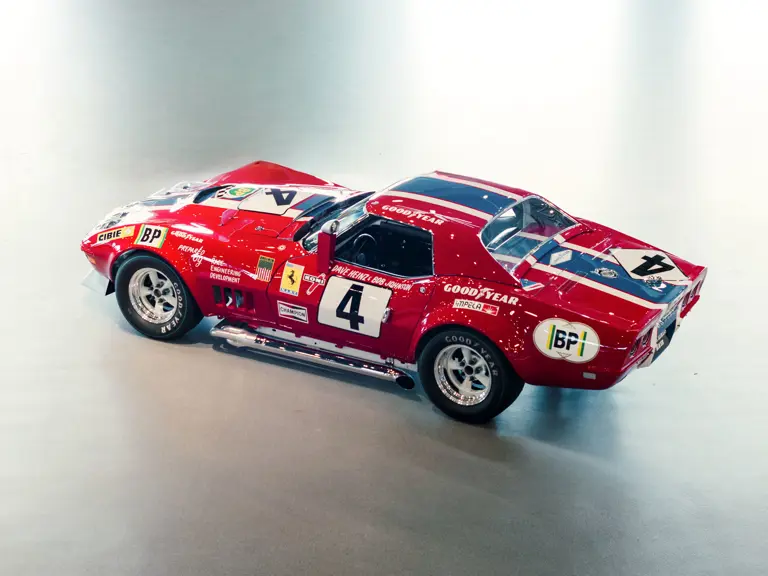
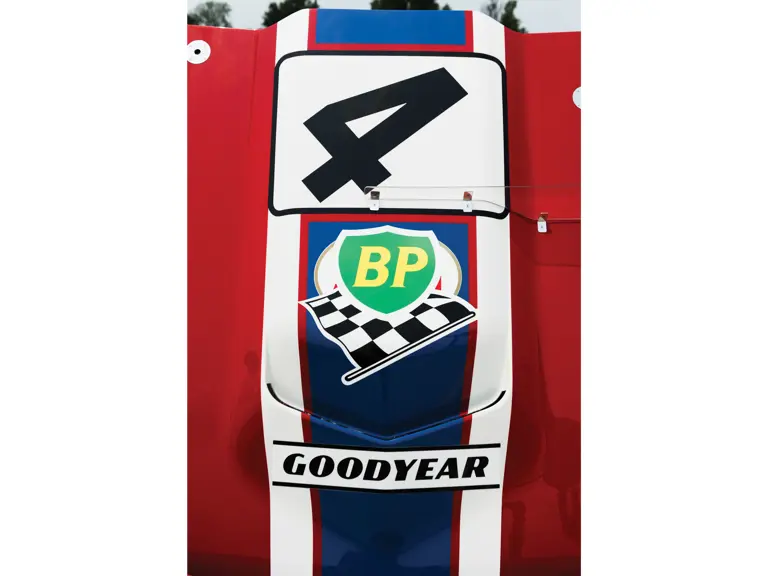
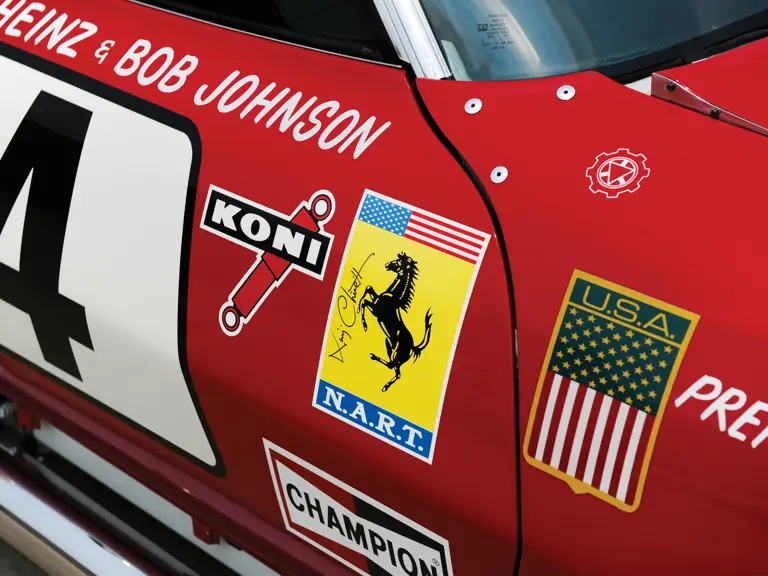
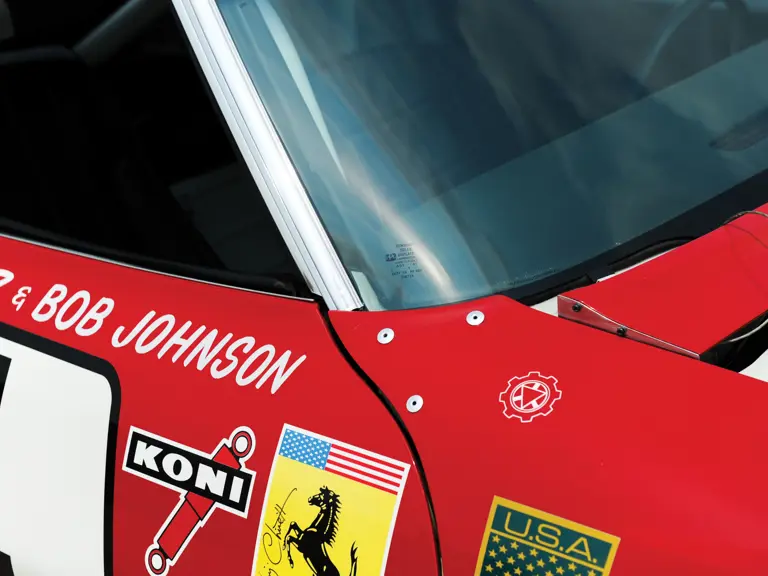
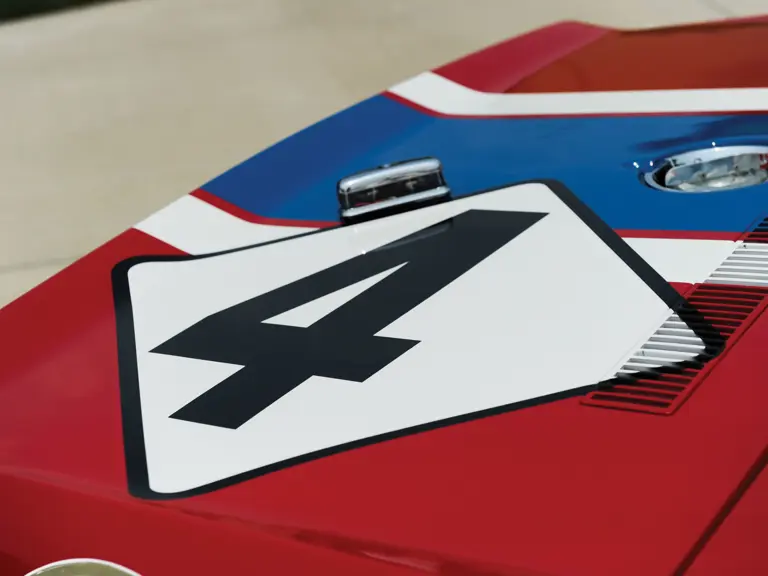
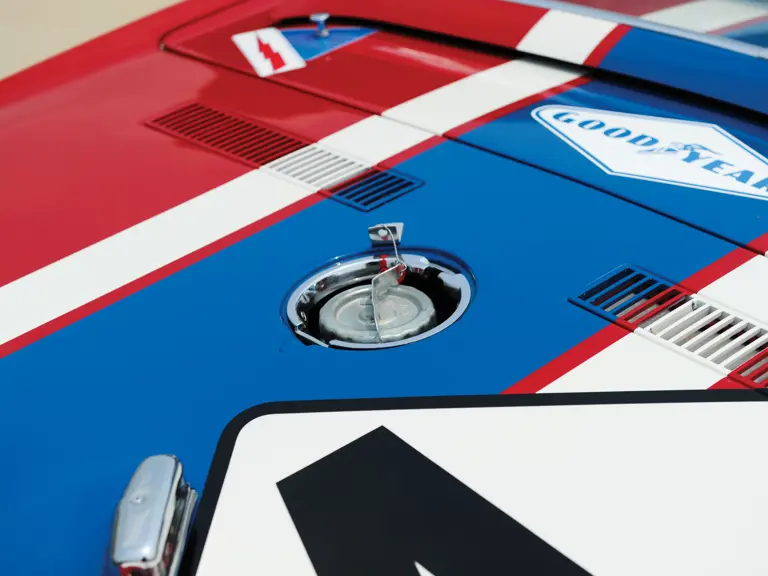
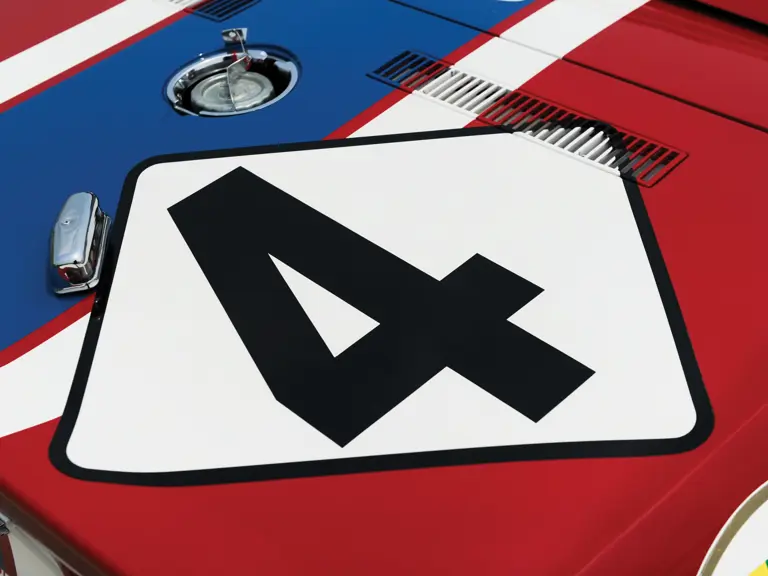
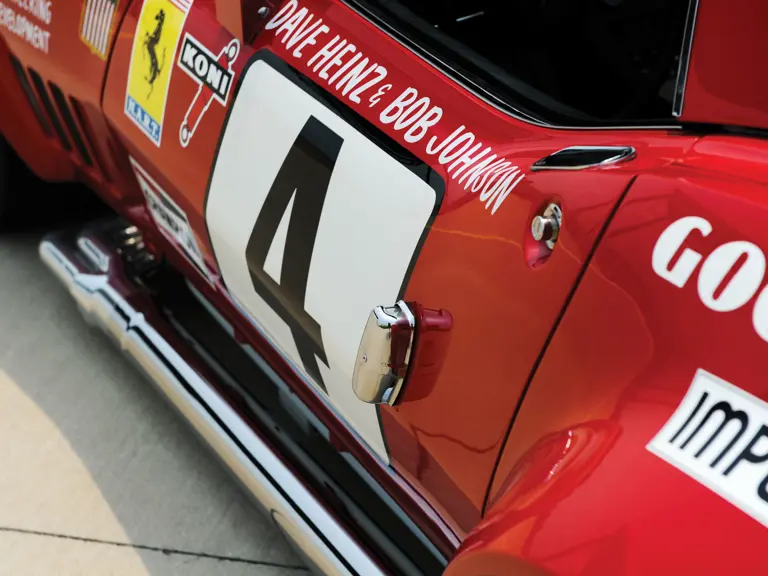
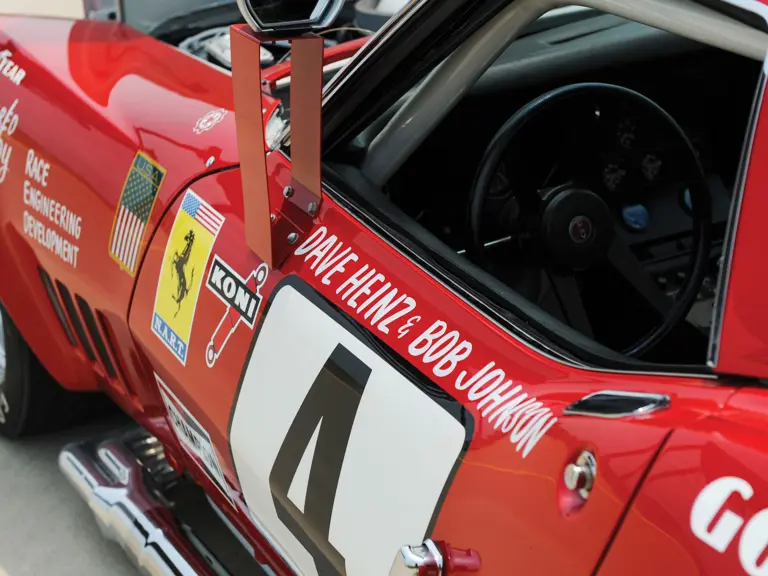
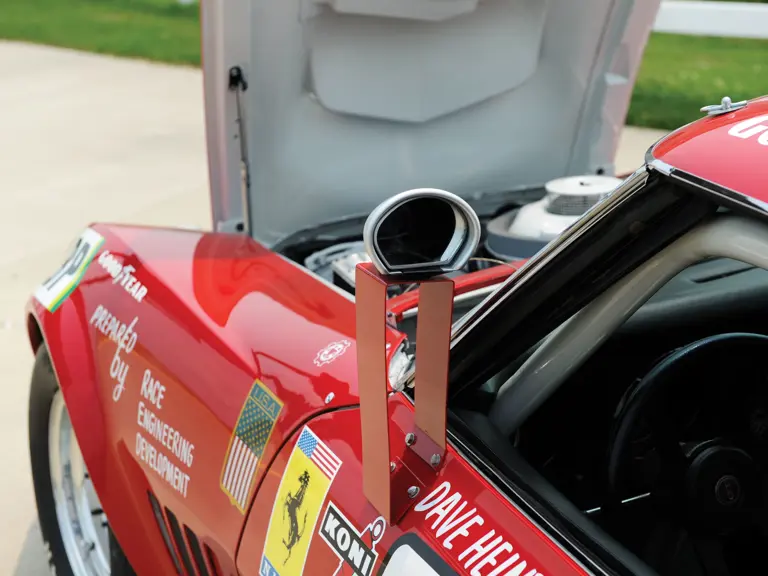
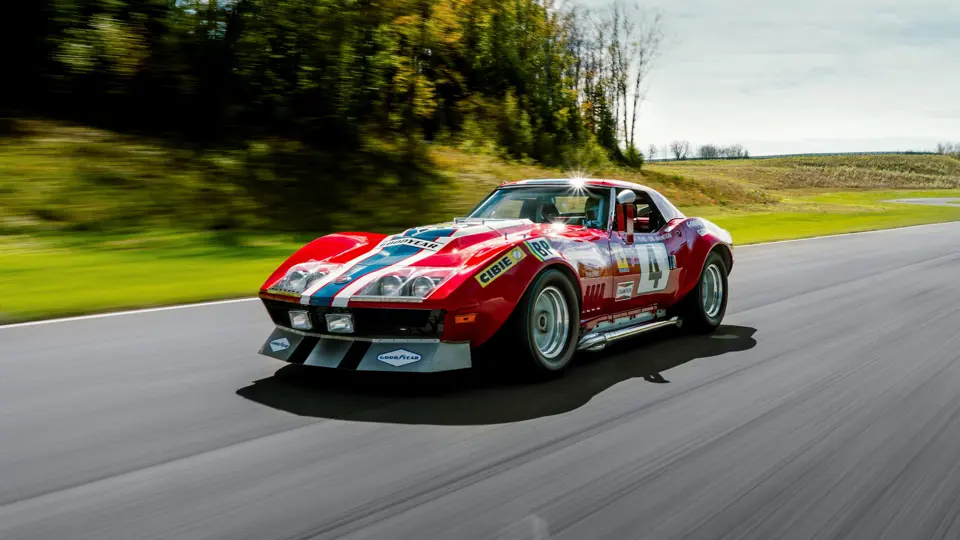
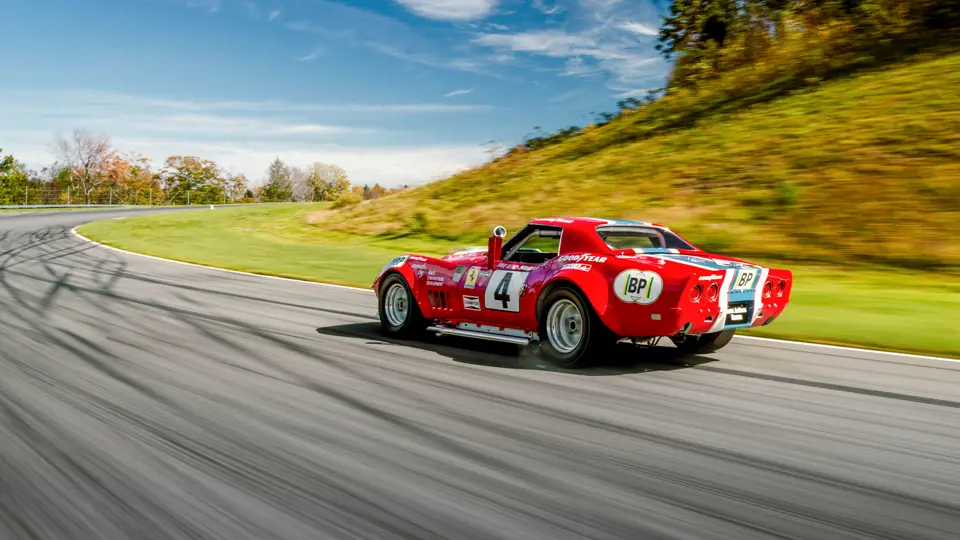
The finished 1968 Corvette donned the #4 and was dressed in Chinetti’s distinctive NART livery, complete with the team’s Cavallino Rampante shield gracing both doors. The build was completed in just eight weeks and promptly loaded onto the plane for France. Its first race would be the 24 Hours of Le Mans, a true trial by fire.
THE 24 HOURS OF LE MANS AND THE #4 RED/NART CORVETTE
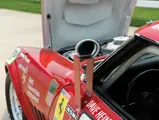
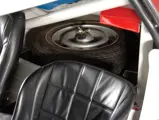
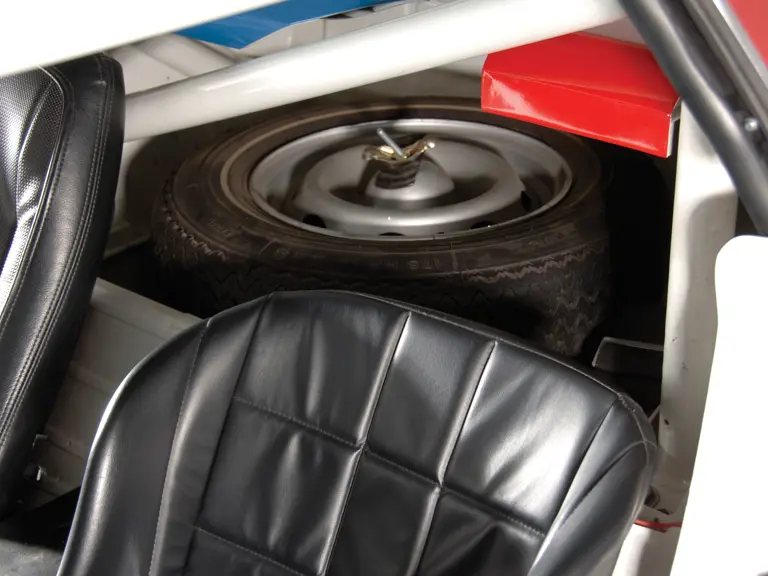
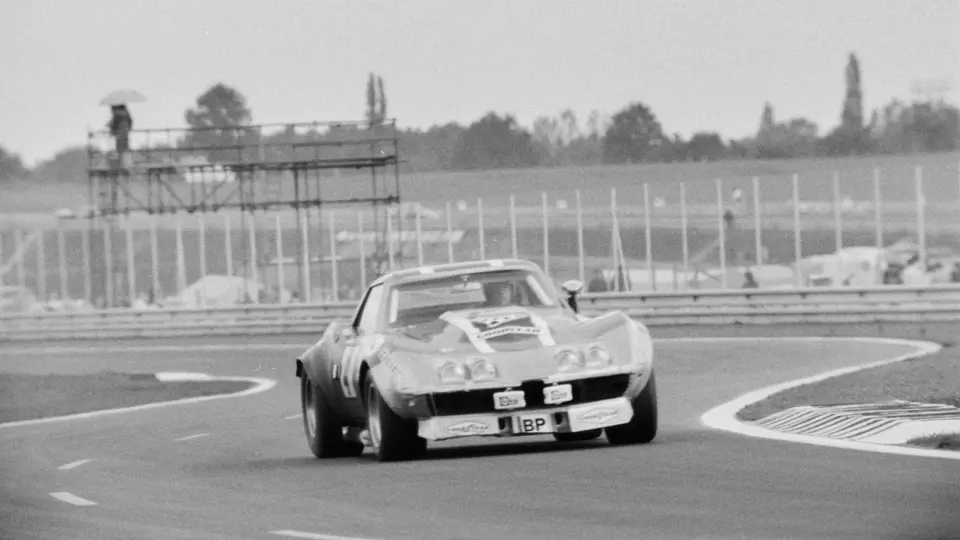
Just prior to FIA inspection, the team realized a spare tire was required to pass class requirements. Thinking quickly, they borrowed the spare from their Peugeot rental car—an expedient addition that remains with the car today. Then, the Corvette took to the circuit for practice. Drivers Dave Heinz and “Marietta Bob” Johnson quickly learned the nuances of the famed Circuit de la Sarthe.
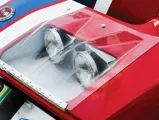
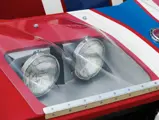
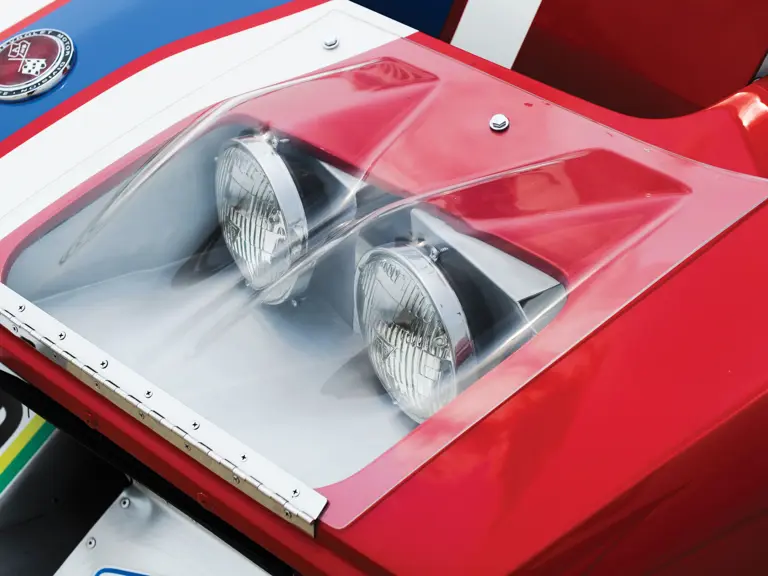
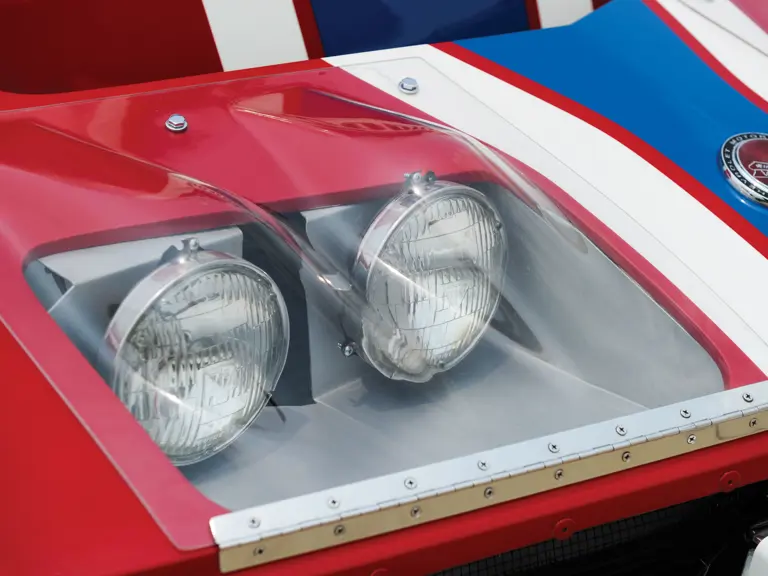
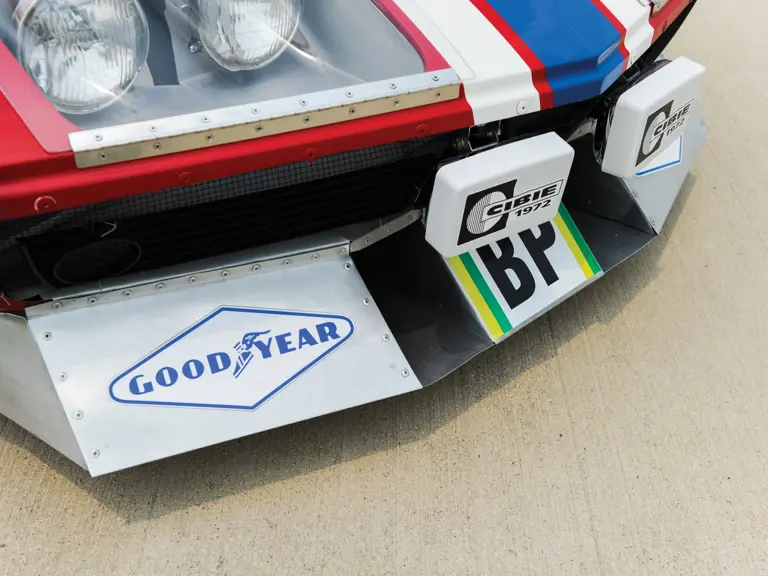
Near the end of practice, Johnson skidded on a plastic banner that had blown onto the track and crashed at 100 mph. He was unhurt, but the Corvette sustained significant front-end damage. Ever resourceful, the team stripped off the damaged fiberglass, pop-riveted aluminum sheet metal in its place, disassembled a shipping crate for wooden support struts, and covered the whole assembly with duct tape. When incredulous race officials questioned the improvised front end’s ability to sustain the stresses of an endurance race, one team member responded by jumping up and down on the new nose, proving its durability.
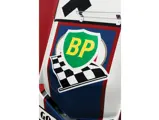
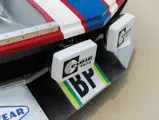
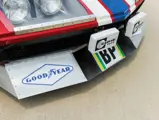
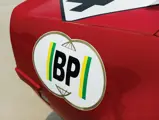
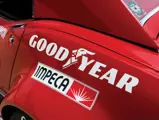
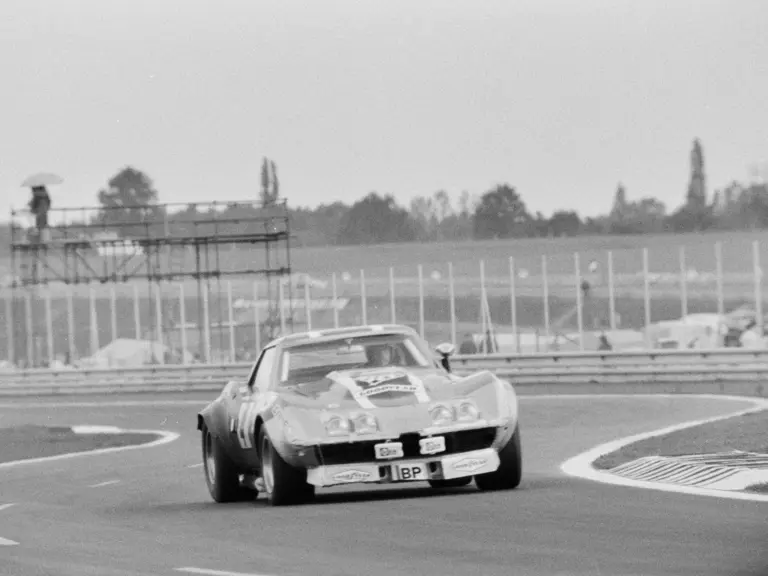
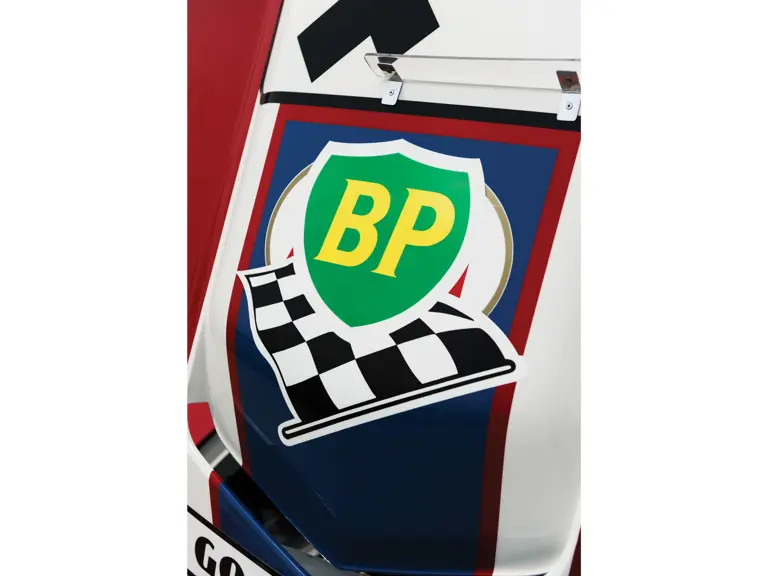
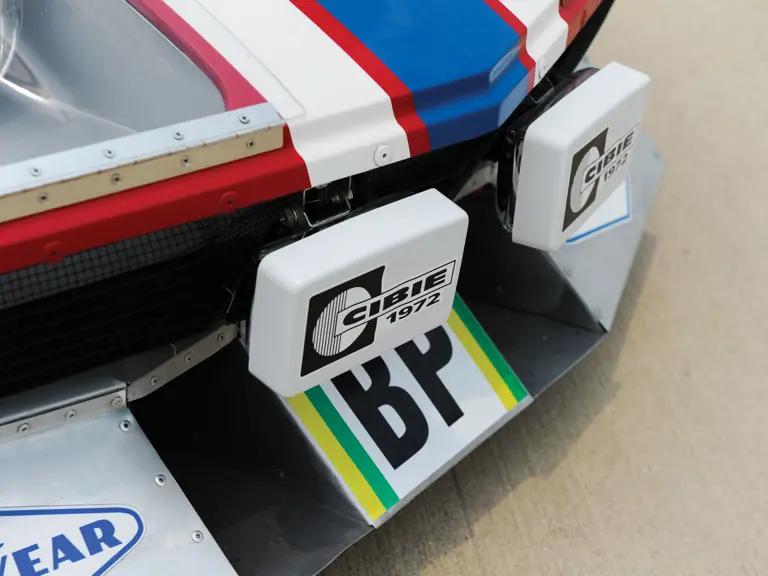
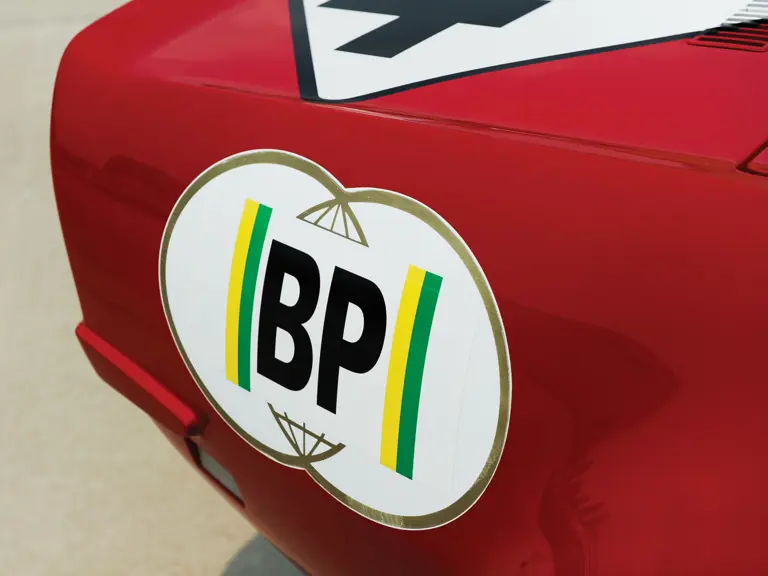
Despite the accident the team remained in the race and cautiously partook in qualifying the next day. The accident, however, led TWA to withdraw its sponsorship. The team luckily secured BP sponsorship just prior to the race and simply applied BP decals over the TWA globes that had already been put on the car.
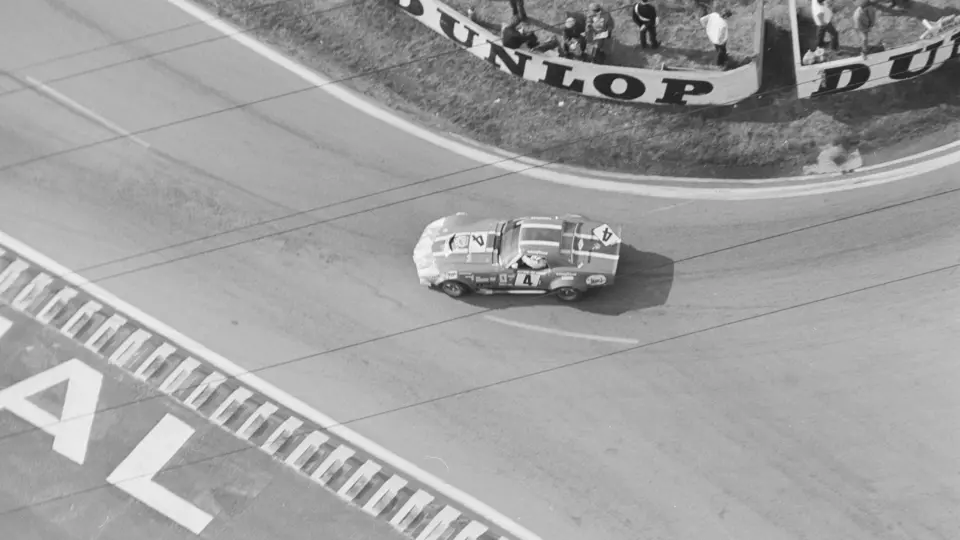
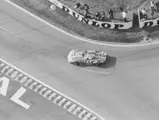
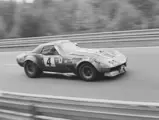
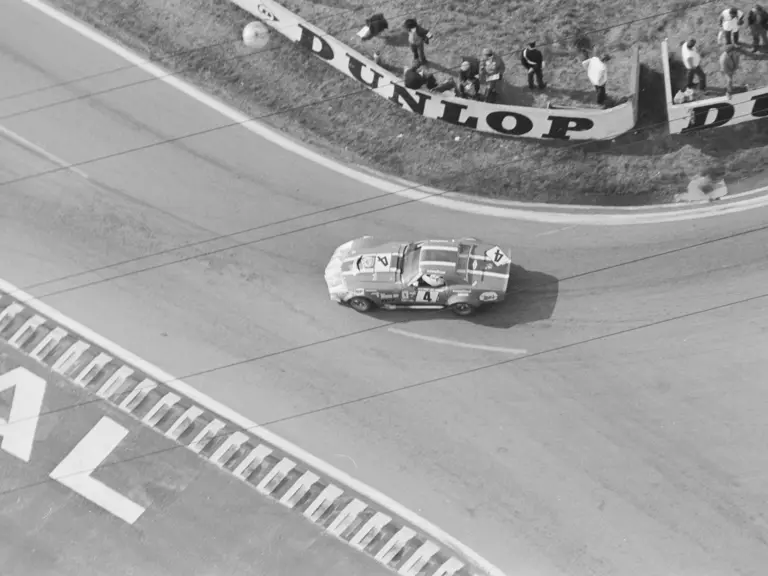
The #4 NART Corvette would start the race in 51st position, 5th from last, ahead of a Porsche 911 S, a fellow C3 Chevrolet Corvette, Ligier JS2 Maserati, and NART’s Ferrari Dino 246 GT. Despite the start at the back of the field, in just the first hour of the race the team impressively climbed into 28th position. As the race progressed, the team encountered challenges with refueling; the crash in practice had kinked the overflow fuel line, which forced the team to refuel twice as often as planned. Nonetheless, they kept at it.
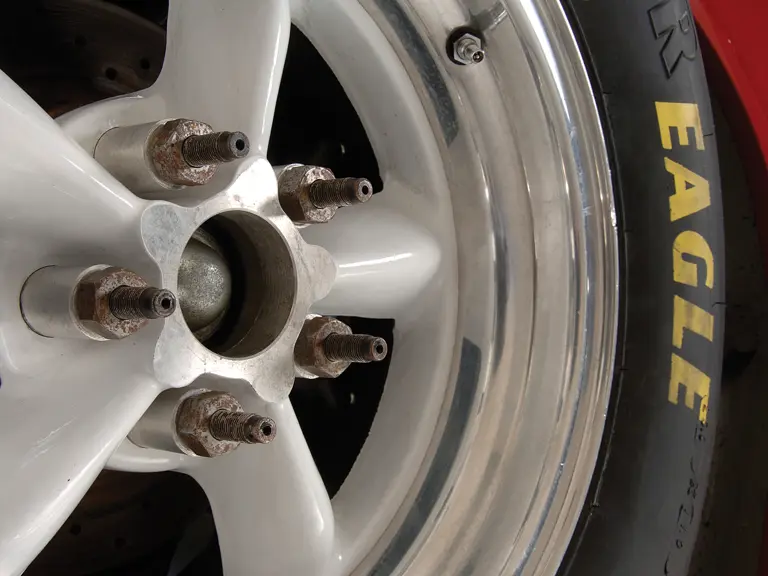
Rain during the race brought on treacherous conditions on the famed Circuit de La Sarthe, specifically the high-speed Mulsanne straight. In Terry O’Neill’s N.A.R.T. A Concise History of the North American Racing Team 1957 to 1983, Heinz recalled his own harrowing experience at night on the rain-soaked Mulsanne straight. “I was accelerating in fourth gear when I hit a wall of standing water at nearly 200 mph. Surprised, I held the wheel tight, but the car spun 360 degrees, and when the spin stopped I was heading in the right direction, and the car had hardly slowed down.” A wise pit stop for Goodyear radial slicks with hand-cut channels provided improved traction during the wet portion of the race.
As the sun rose over Le Mans on the morning of 11 June, the #4 Corvette had—per the recollections of Walt Thurn—climbed as high as 8th place overall, with Dave Heinz and “Marietta Bob” recording speeds of up to 212 mph on the Mulsanne Straight. That speed figure is particularly noteworthy as, if accurate, it bested the widely publicized Ferrari top speed figure of 332 kph (~206 mph) during the race. Unfortunately, late in the race Heinz noticed smoke curling from beneath the hood, forcing him to pull over, extinguish the flames, and splice the ignition system back together with nothing but spare wire from his tool kit. Heinz limped the car back to the pits where it was quickly repaired, but the team had lost valuable time.
Undeterred, “Marietta Bob” climbed back in for the final shift, and when the checkered flag was waved, he and Heinz had piloted the #4 RED/NART Corvette—and the Little Team That Could—to a 15th overall, just behind René Ligonnet’s Lola T290, but more importantly, two laps ahead of C. Dubois’ De Tomaso Pantera. This gave the #4 RED/NART Corvette an impressive class victory in the Group 4: GT Special over 5000 cc class. Decades later, Johnson would fondly remember rolling the car to a stop, turning it off, and promptly crying tears of joy, a lifetime dream fulfilled. The #4 RED/NART was the only Corvette to finish the 1972 race and just the fourth Corvette ever to survive the grueling 24 Hours of Le Mans.
SUBSEQUENT STATESIDE RACING AND RETIREMENT
After returning to the United States, the 1968 RED/NART Corvette shed its Le Mans livery and was repainted in a revised Stars & Bars scheme, echoing the original Rebel Corvette. The two team cars would campaign together until the original 1969 Rebel was retired and sold halfway through the 1972 race season. This left the 1968 Corvette on offer—the former Le Mans class-winner—as RED’s primary racer.
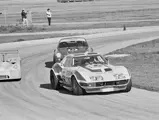
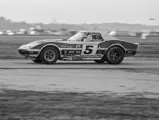
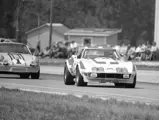
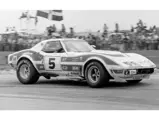
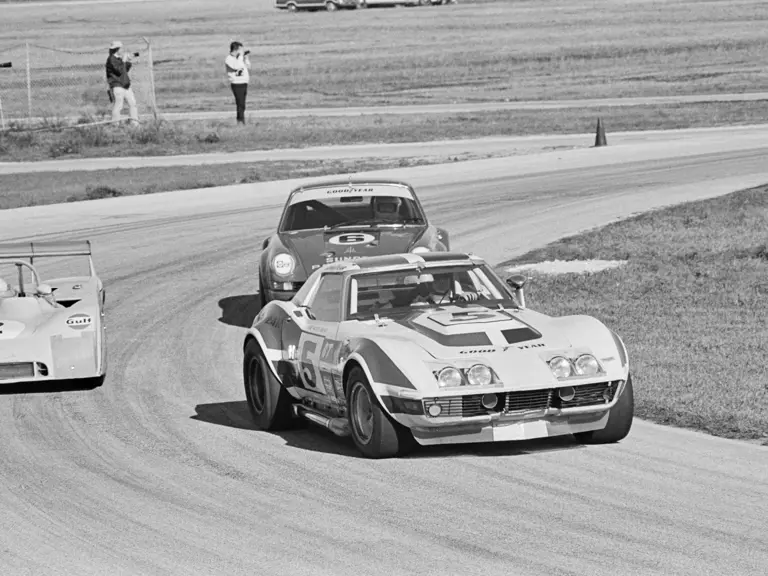
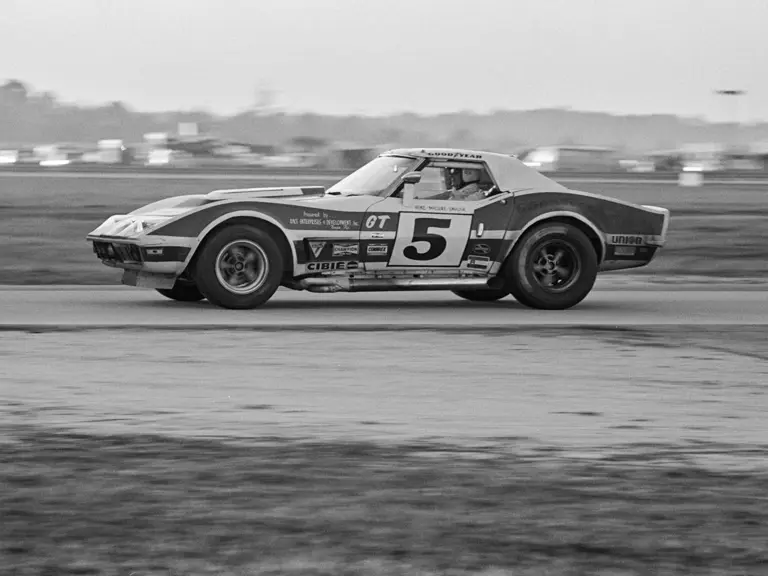
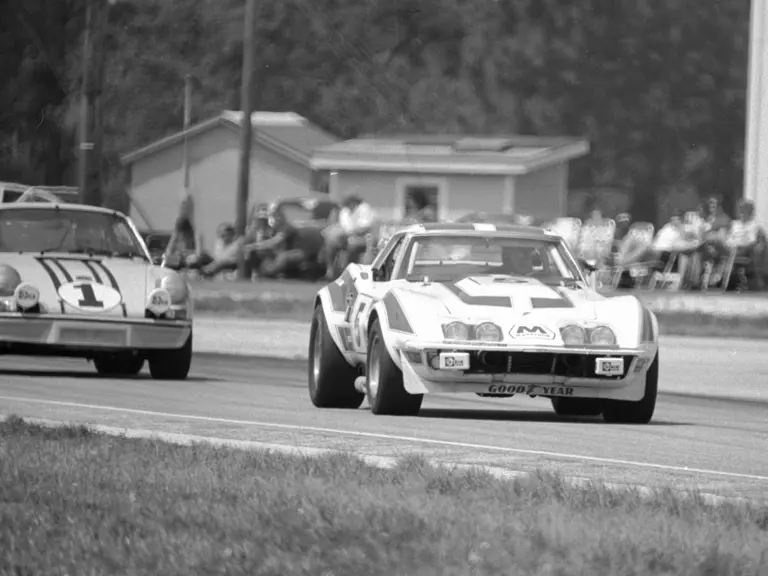
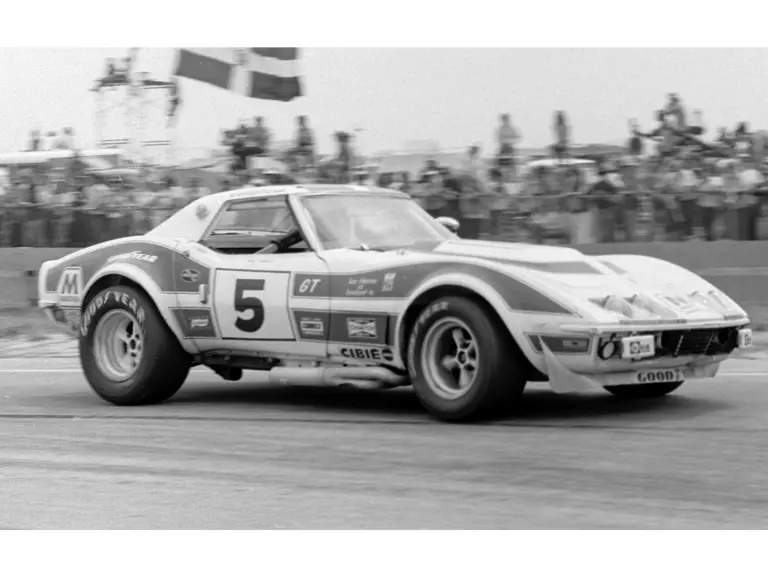
In February 1973, this Corvette kicked off the season at one of America’s most challenging races, the 24 Hours of Daytona. Team drivers for the event were Dave Heinz, Bob McClure, and Dana English. The Corvette donned #5 for the race, with team drivers qualifying 13th behind the Penske Racing Porsche 911 Carrera RSR driven by Mark Donohue and George Follmer. In just the car’s second 24-hour race it performed flawlessly. When the checkered flag finally fell the Corvette had covered 644 laps, finishing 3rd overall behind the Brumos Porsche 911 Carrera RSR and NART’s Ferrari 365 GTB/4 respectively, and 2nd in class behind the NART Ferrari 365 GTB/4.
In March 1973, this Corvette raced in the 12 Hours of Sebring. Donning #5 and driven by Dave Heinz and Jerry Thompson, the RED Corvette would qualify an impressive 2nd behind another C3 Corvette. During the race the RED Corvette fell out of the top 10 by the end of the first hour before climbing to 5th in hour two, then climbing to 3rd in hour three, before regaining its 2nd qualifying position in hour four. The RED Corvette would retire early after 110 laps of the challenging Sebring circuit.
The car continued to compete with distinction through the 1973 and 1974 IMSA seasons before being sold by Dave Heinz and Toye English in 1976 to Corvette enthusiast and period SCCA racer Rick Thompkins of Fort Meyers, Florida. Tompkins would own the car until thorough 1981, eventually selling it in 1982 to Tom Carr of Naples, Florida. Carr would later sell the car in 1987 to Diane and Randy Strofe of Orlando, Florida.
In 1991 the Corvette was purchased by noted vintage racing enthusiast Jack Boxstrom. From 1991 to 1993 Boxstrom had the car restored with the intention of using it on-track. The car debuted on 5 February 1994 at the Rolex Legends at the 24 Hours of Daytona (HSR). In January 1995 the car was granted approval by the SVRA for Group 6 competition, and it was later it was invited to the NCRS Cypress Gardens show where it received a Special Recognition Diploma. March 1995 was busy month for the car as it took 3rd in class at the HSR Sebring Endurance Challenge with Bob Johnson behind the wheel. Later in the month it was shown at two racecar concours events: First at the SVRA Spring Fling at Moroso Motorsports Park, where it took 2nd overall, and then the SVRA 12 Hours of Sebring, where won and 1st place overall.
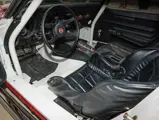
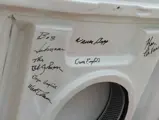
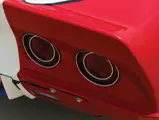
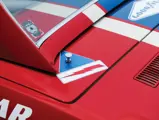
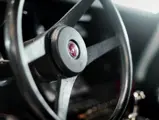
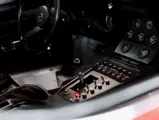
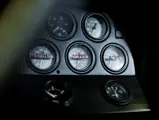
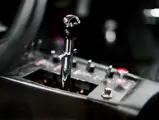
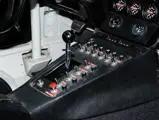
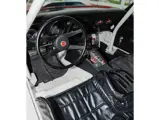
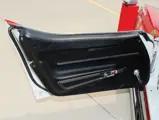
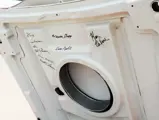
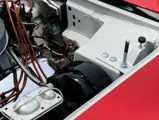
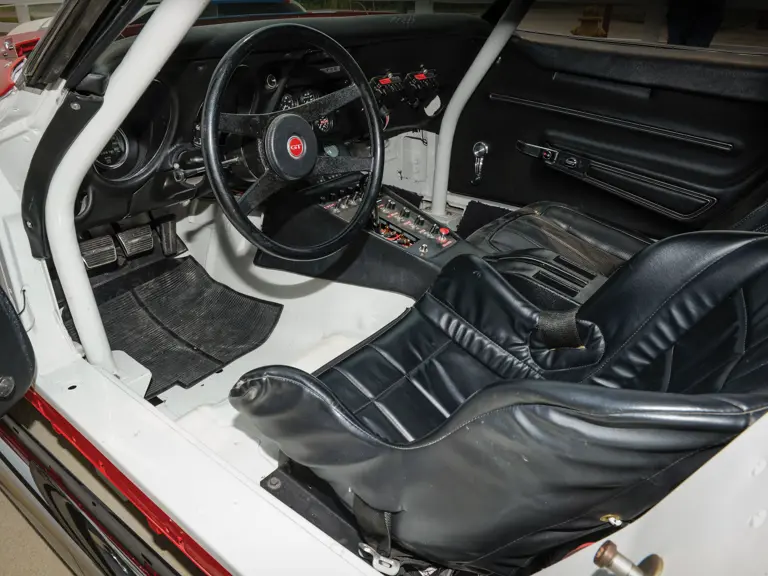
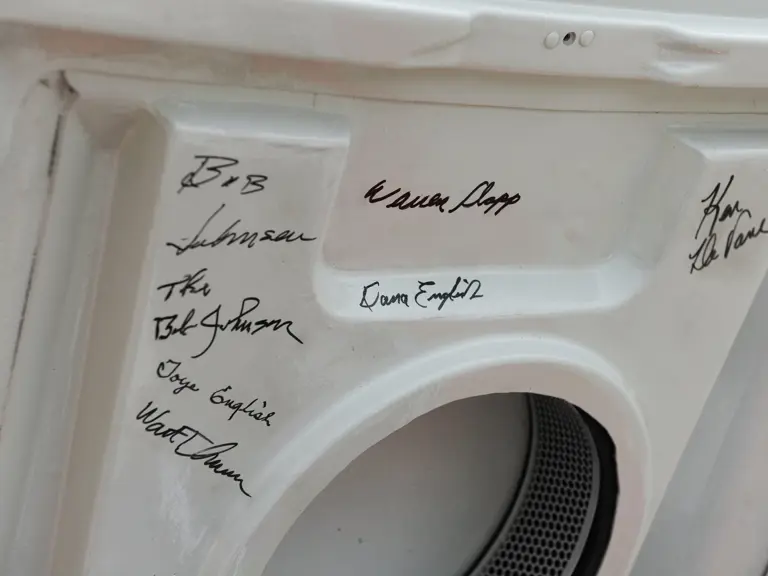
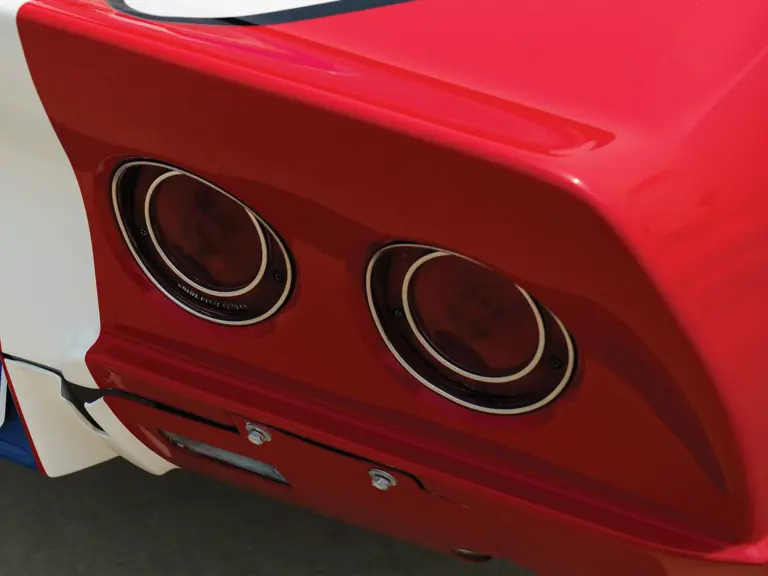
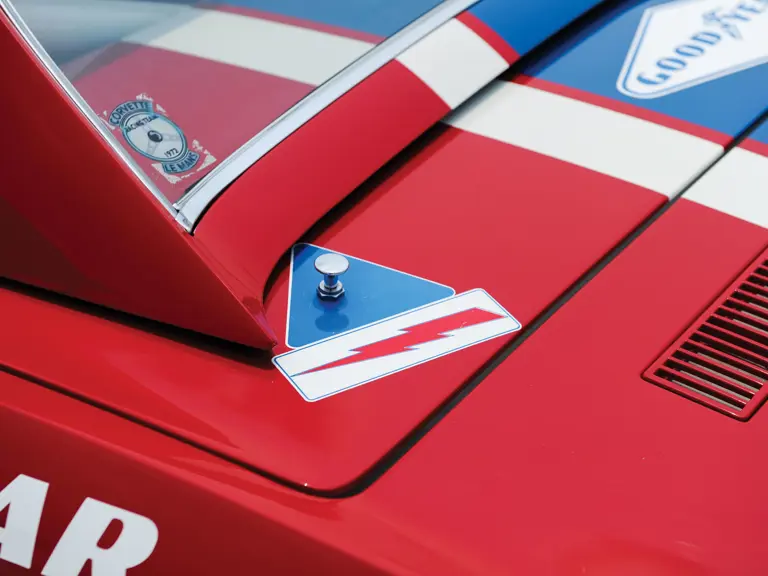
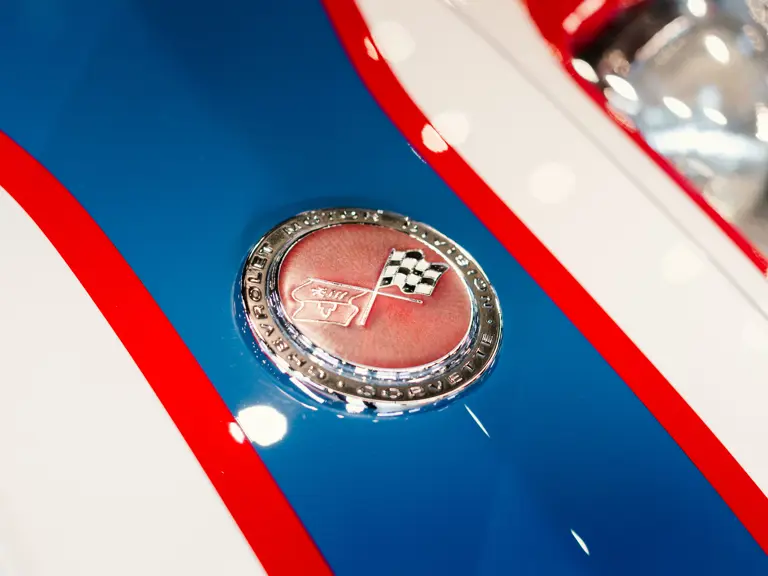
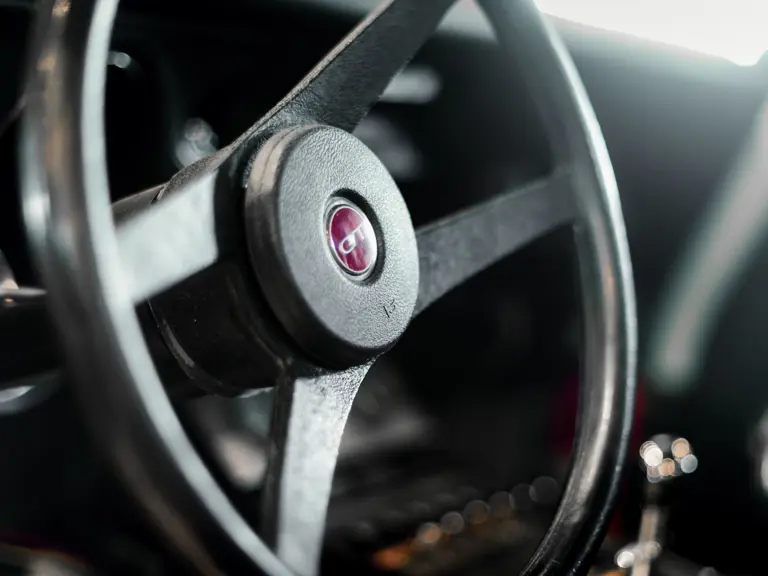
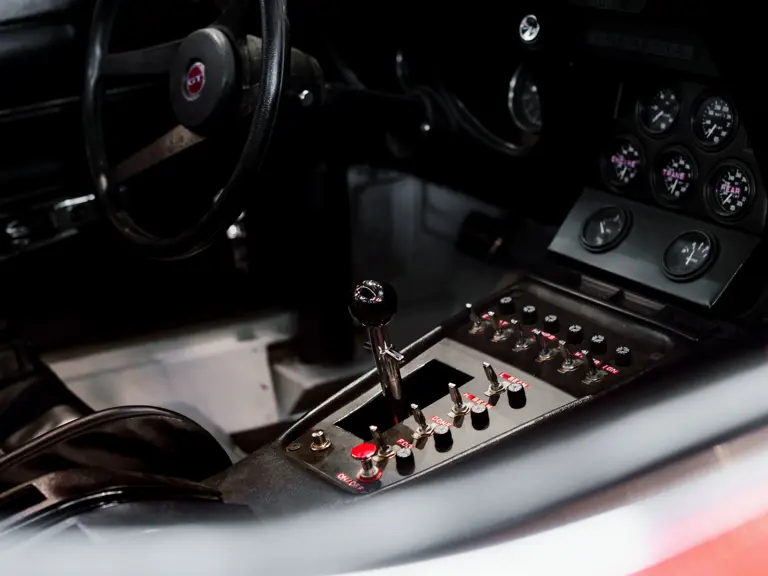
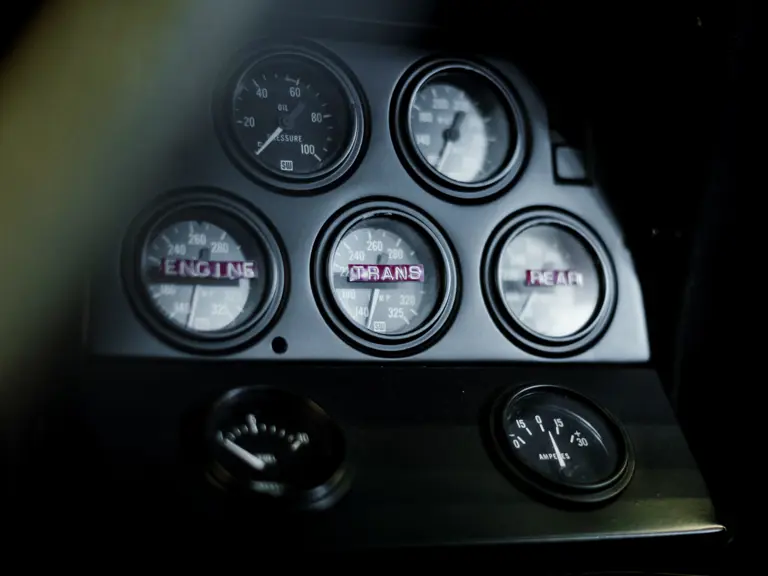
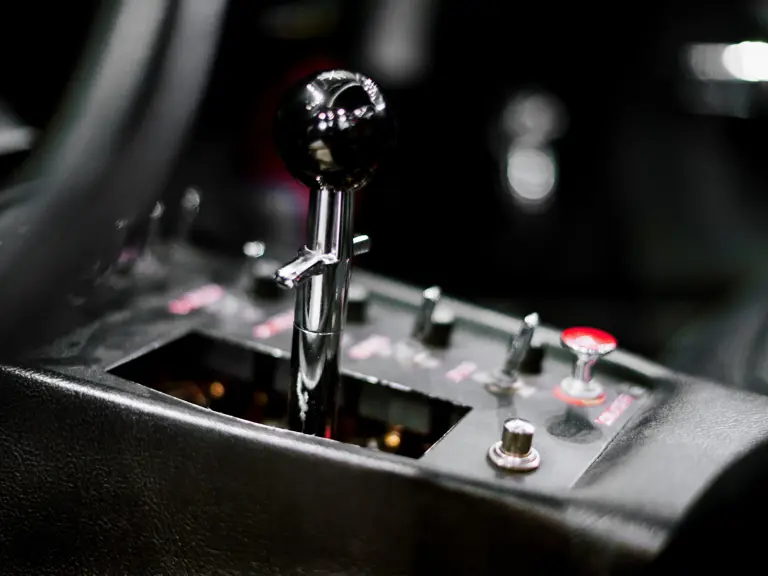
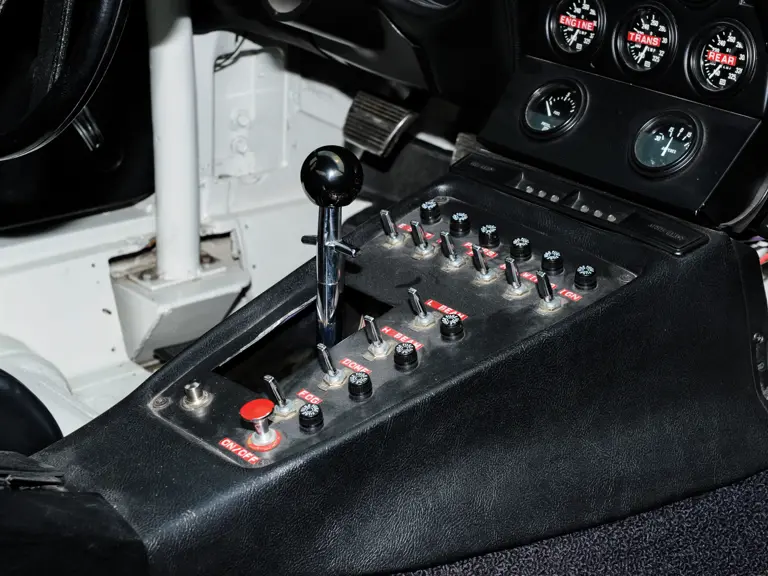
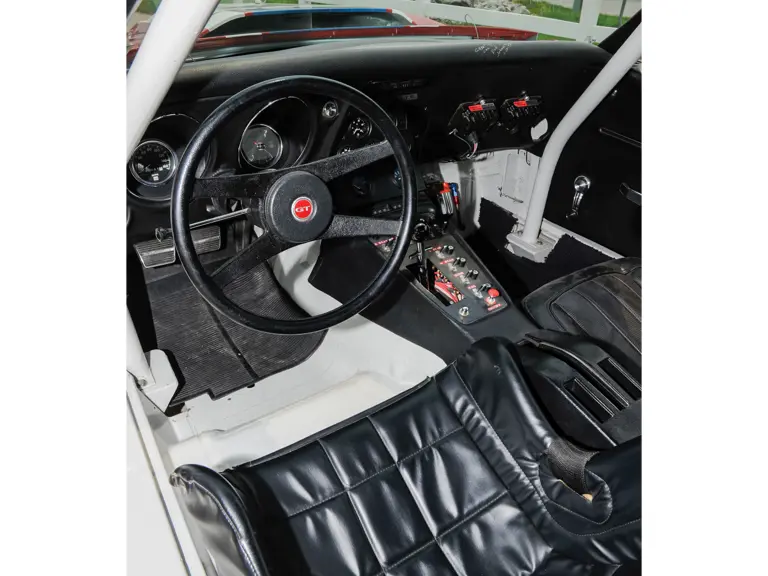
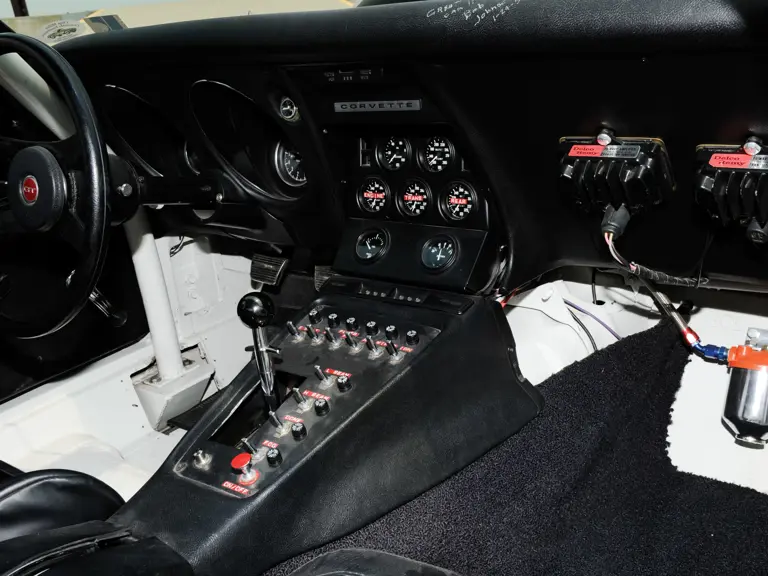
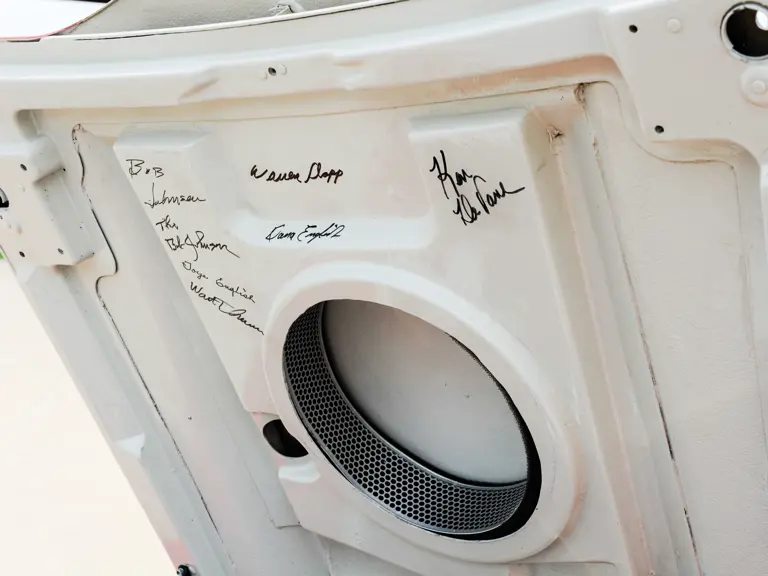
In August of 1995 it was purchased by Mike Yager, founder of classic Corvette parts supplier Mid America Motorworks. Mr. Yager entrusted Kevin Mackay and the experts at Corvette Repair in Valley Stream, New York to immediately undertake a meticulous restoration back to its Le Mans configuration. Research revealed that the car had been constructed using a master cylinder from a Nova, a steering wheel from a Vega GT, door and rear deck lights from a Triumph, a snow-plow oil pressure fitting, and marine-grade toggle switches and fuse holders. These electric components, restored by Mackay and company, testified to the RED team’s ingenuity—creating a world-class racecar in their spare time from whatever they had on hand. The restoration work went so far as re-creating the team’s last-minute sponsorship change at Le Mans: the outlines of TWA globe logos are visible below the BP decals, just as they would have been at the start of the race in 1972. As a crowning touch to the restoration, the underside of the hood was autographed by the surviving RED team members.
Upon completion of the restoration the car was used to promote Mr. Yager’s company, prominently displayed in the company’s onsite museum in Effingham, Illinois, and proudly shown at numerous events over the years. The Corvette received the NCRS Special Interest Award at the ninth “Heart of America” Regional in May 1996. In June 1998, it was exhibited as part of the Bloomington Gold Special Collection XIV, followed by Corvettes at Carlisle that August. It participated in the Concours d’Performance Exhibit at The National Corvette Museum Millenium Anniversary Celebration, held over Labor Day weekend in 2000, and was inducted into the Bloomington Gold Corvette Hall of Fame in 2001.
Equally at home on the concours green, the racecar was shown at the 2002 Meadow Brook Hall Concours d’Elegance and the 2002 NCRS National Monterey, followed by the appearances at the Amelia Island Concours d’Elegance 2003 and Chicago’s Chevy Vettefest Nationals in April 2004. A decade later, it was displayed at the Muscle Car And Corvette Nationals (MCACN) Corvette Racing Invitational Special Showcase Display in November 2014.
Mr. Yager sold the RED/NART Corvette to present ownership in 2017. While with its current caretaker, it has been shown at The Bridge in Bridgehampton in 2017, the Amelia Island Concours d’Elegance in 2018 at the NART display (as the only non-Ferrari invited) where it won the Grand Sport trophy, the Amelia Island Concours d’Elegance in 2023 as part of the Corvettes at Le Mans display, Corvettes at Carlisle 2023 as part of Chip’s Choice display and the 2023 Rolex Monterey Motorsport Reunion celebrating 70 years of the Corvette. Since March 2025 the RED/NART Corvette has been proudly displayed in the Performance Gallery at the National Corvette Museum in Bowling Green, Kentucky. Accompanying the car is a trove of documentation and correspondence, along with numerous magazine features—both period and contemporary—and firsthand testimony from RED team members.
In the decades that followed Race Engineering & Development’s glorious endurance racing efforts, the Corvette has proven itself to be a capable competition machine around the globe. Benefitting from official factory backing, the Corvette Racing team achieved no fewer than nine class wins at the 24 Hours of Le Mans between 2001 and 2023, as well as too many victories and championships to list. The status of America’s Sports Car as a true contender on road or track is no longer in question.
This car hails from another era entirely, and it is all the more special, and historically significant, for it. Built by an upstart crew in their spare time who—with a little help from legends like Zora Arkus-Duntov and Luigi Chinetti—went toe-to-toe with the best Europe had to offer, the 1968 RED/NART Le Mans Corvette is a testament to American ambition and ingenuity. Appearing just as it did when it arrived at the Circuit de la Sarthe in June 1972, it is worthy of recognition, and indeed celebration, by motorsports enthusiasts of all stripes.
 | Miami, Florida