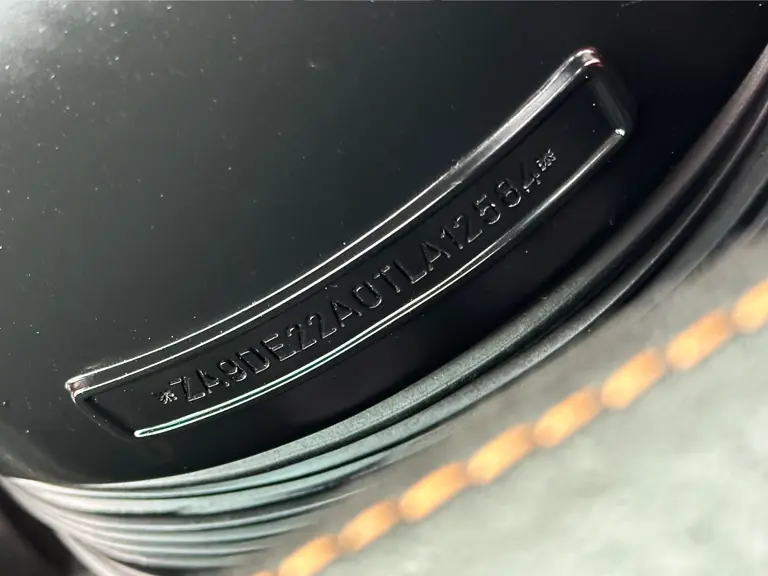
Chassis No.
ZA9DE22A0TLA12584
{{lr.item.text}}
$698,000 USD | Sold
{{bidding.lot.reserveStatusFormatted}}
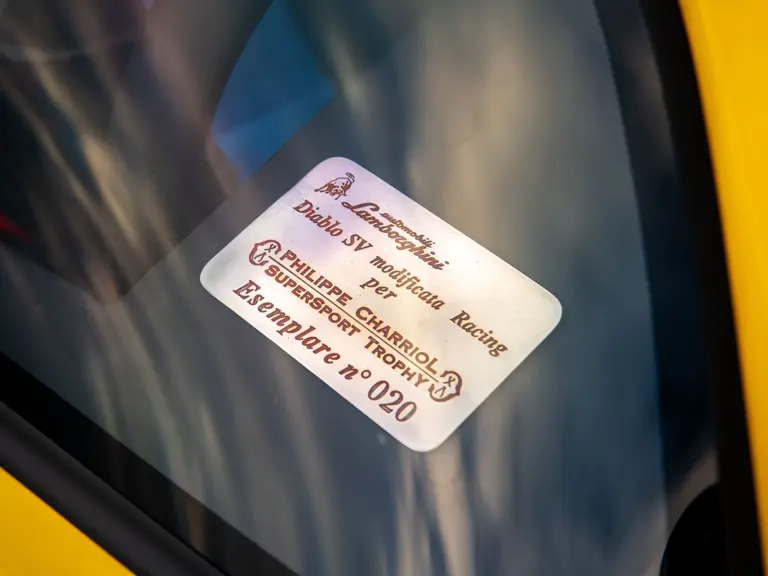
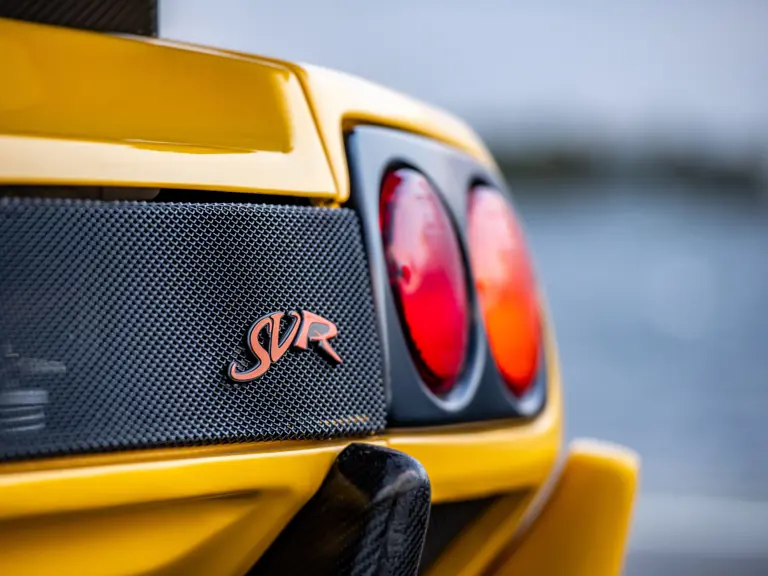
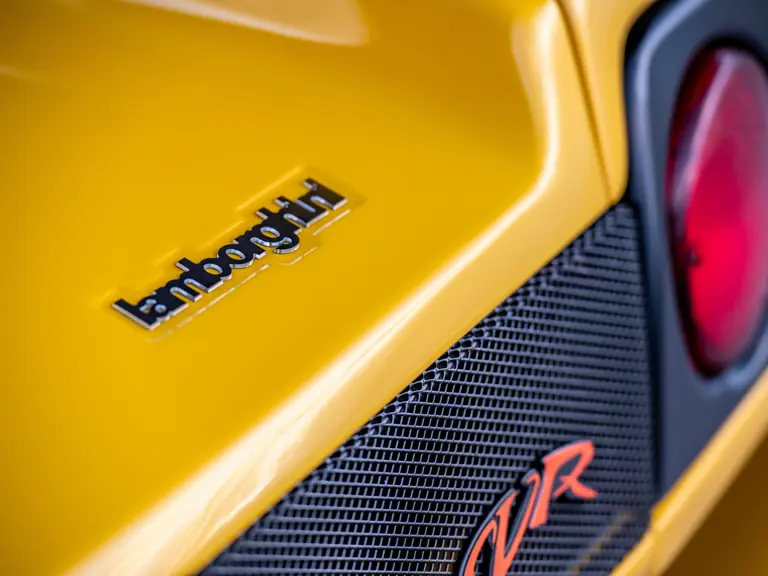
The Diablo SV-R is Lamborghini’s first factory-developed racecar, a cornerstone in the company’s burgeoning motorsports program and the precursor to production-based racecars now competing in the incredibly popular FIA GT3 class. It was conceived and created in the mid-nineties for a single-make support series called the Philippe Charriol SuperSport Trophy, sponsored by Swiss watch tycoon and gentleman racer Philippe Charriol and orchestrated by Stephan Ratel’s SRO Motorsports, now a leading organizer of international racing competition, including GT World Challenge.
With their shrieking V-12 engines and rakish silhouettes, the Diablo SV-R racecars wowed spectators at the inaugural SuperSport Trophy, held in conjunction with the 1996 24 Hours of Le Mans. “Looking back, it was kind of a laboratory of ideas for what SRO has done since: two drivers per car, two races per weekend, the pro-am format, and so on,” said Ratel in a retrospective for Daily Sportscar. “When we ran alongside FIA GT1 and realized how much cheaper these production-based cars were to run, that really began the idea of GT3.”
These race-spec Diablos would compete on some of the most famous racetracks in the world, including Circuit de Spa-Francorchamps in Belgium and the Nürburgring in Germany. The 1996 and 1998 seasons encompassed 10 races at five different circuits with two races per venue, while the 1997 season featured 14 races at seven different tracks.
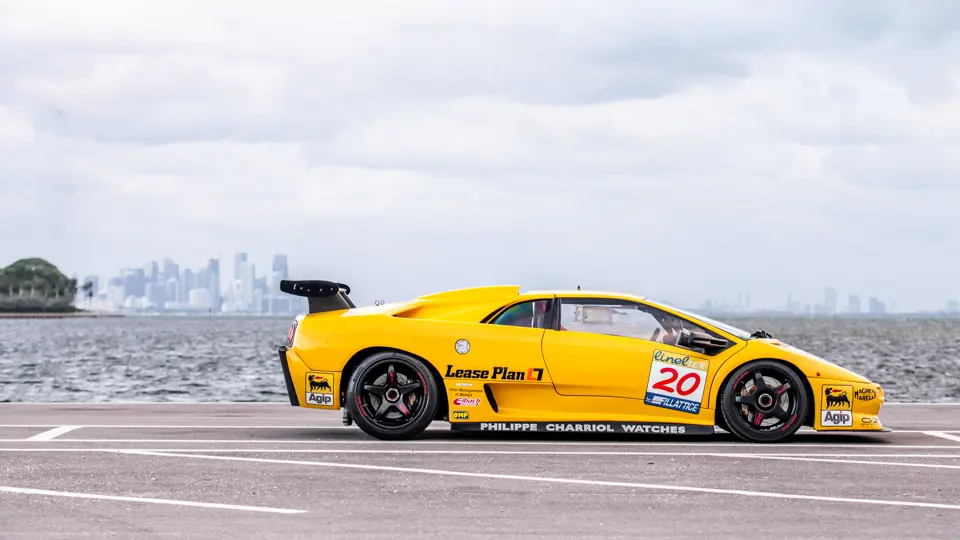
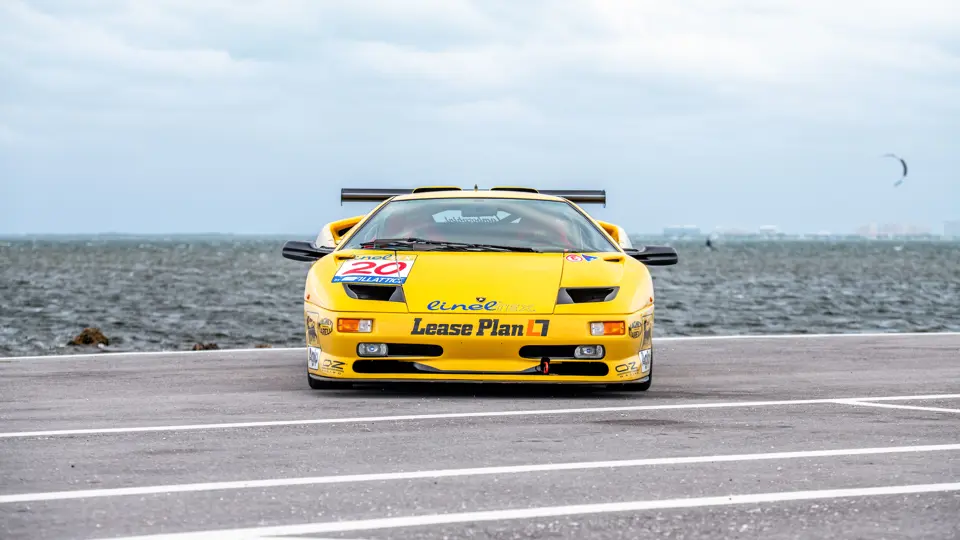
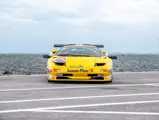
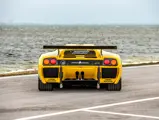
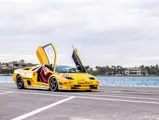
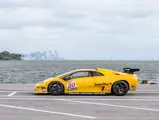
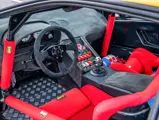
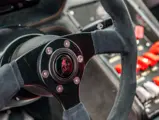
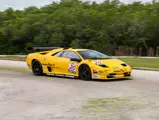
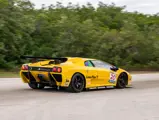
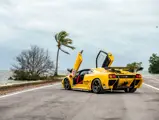
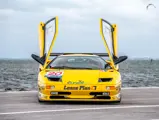
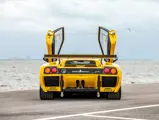
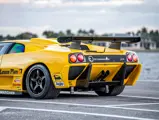
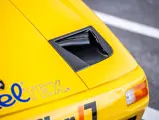
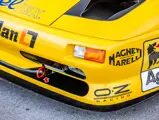
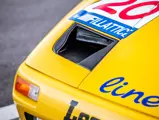
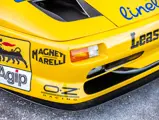
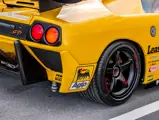
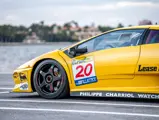
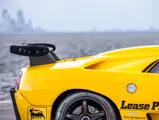
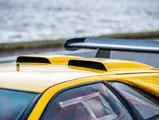
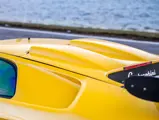
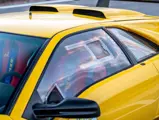
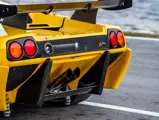
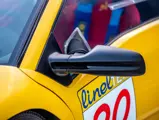
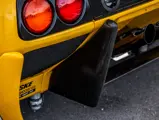
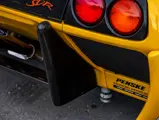
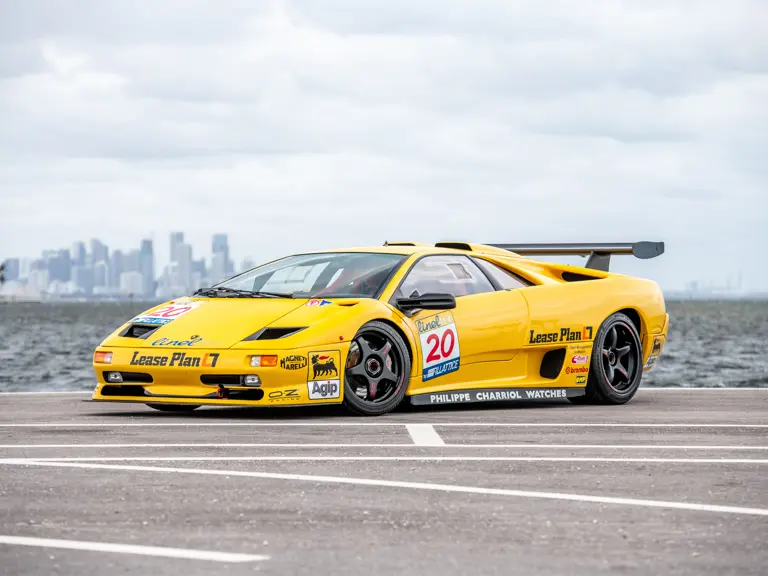
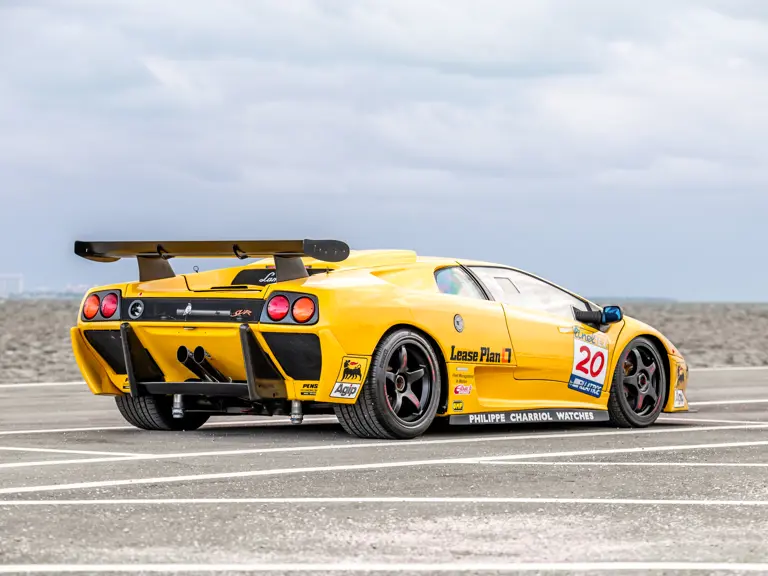
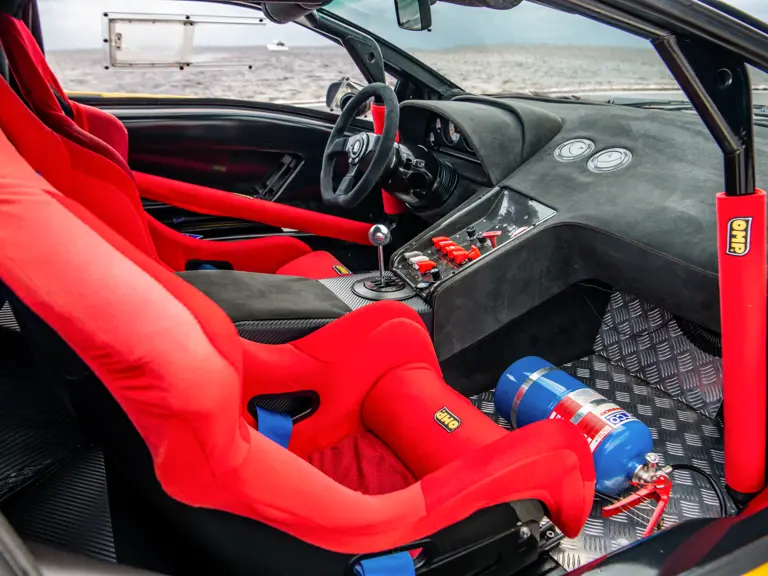
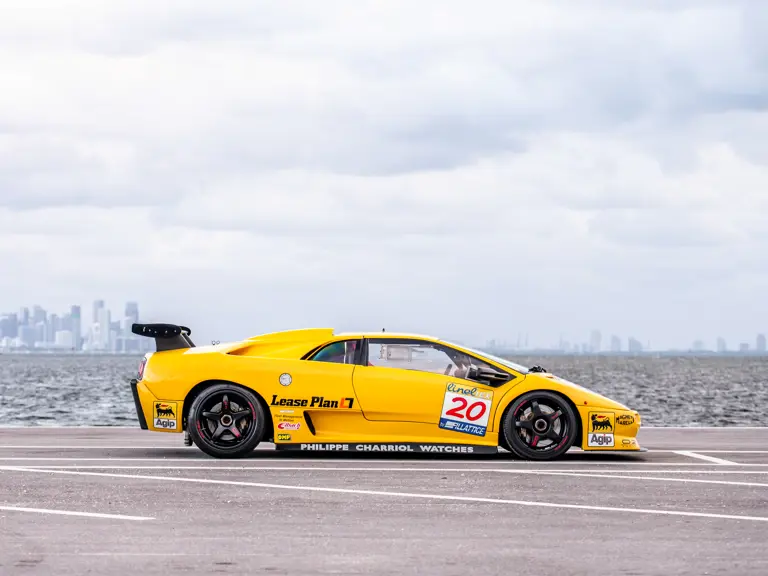
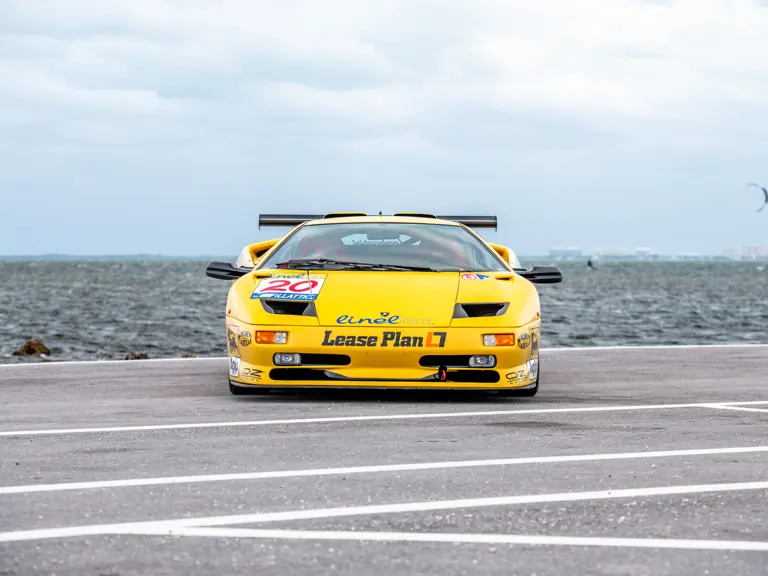
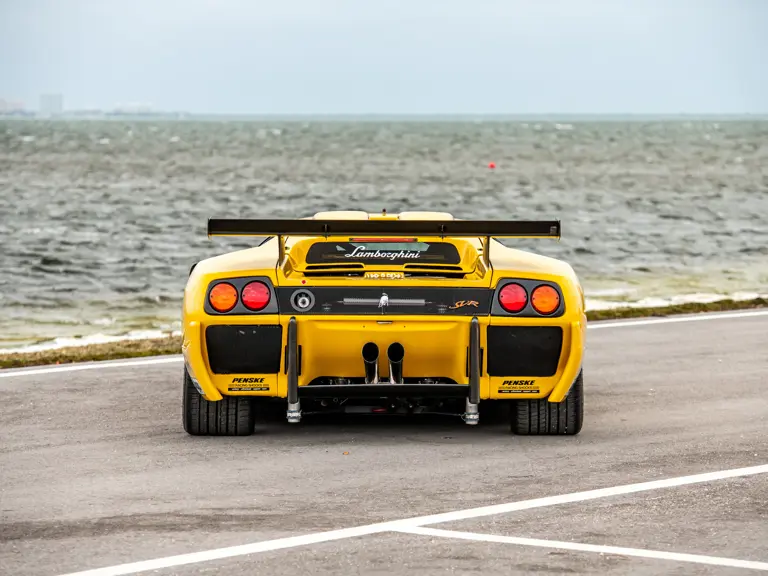
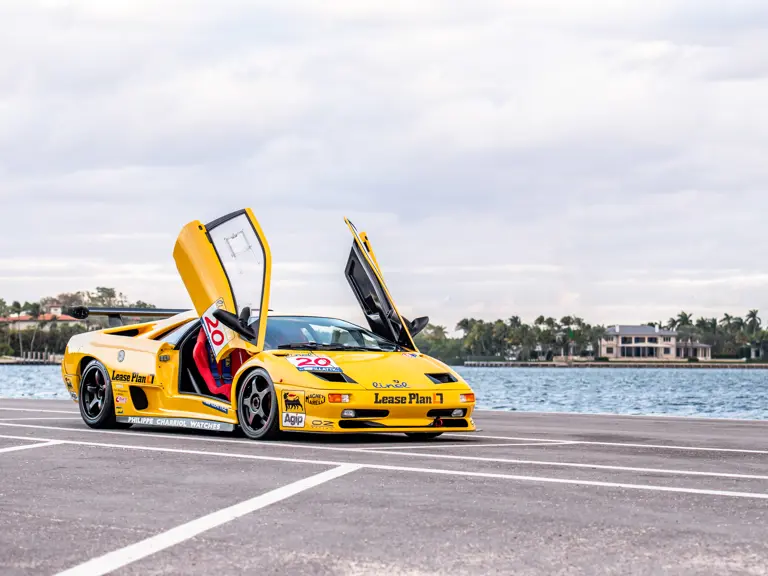
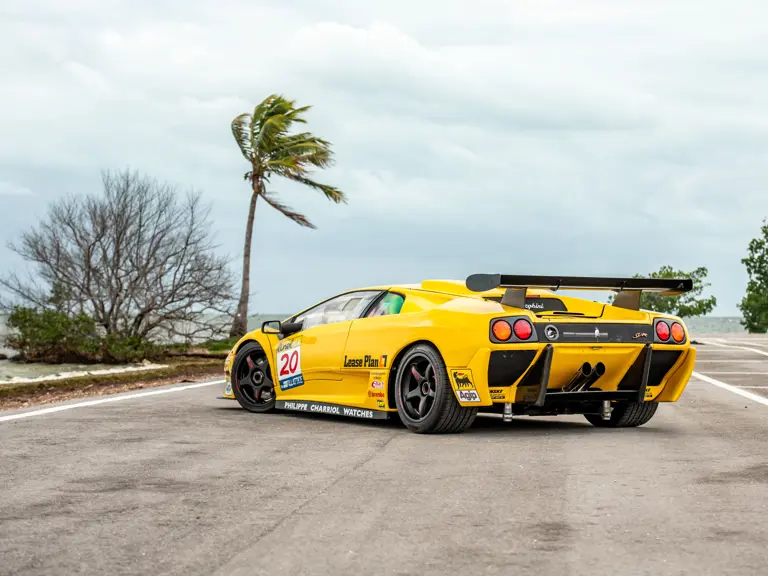
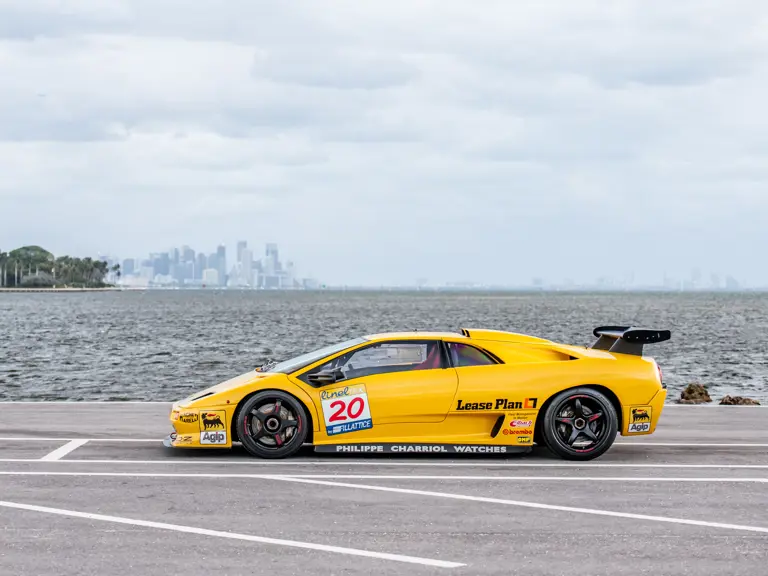
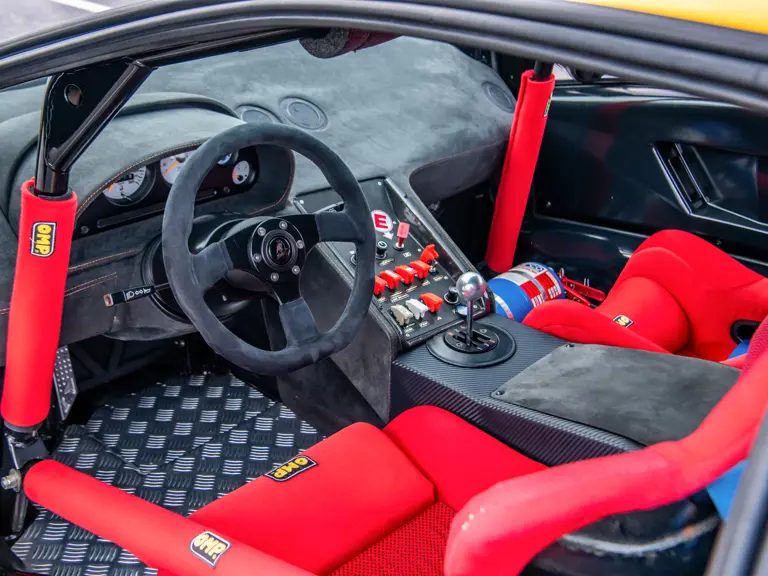
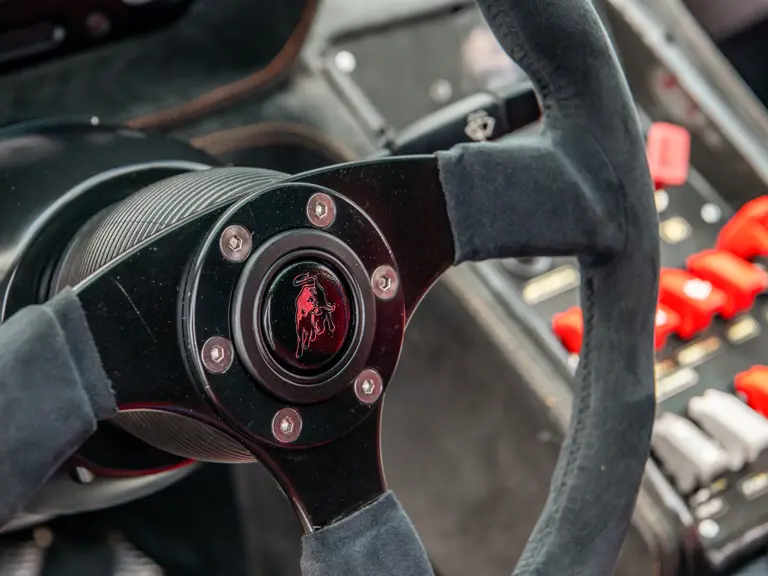
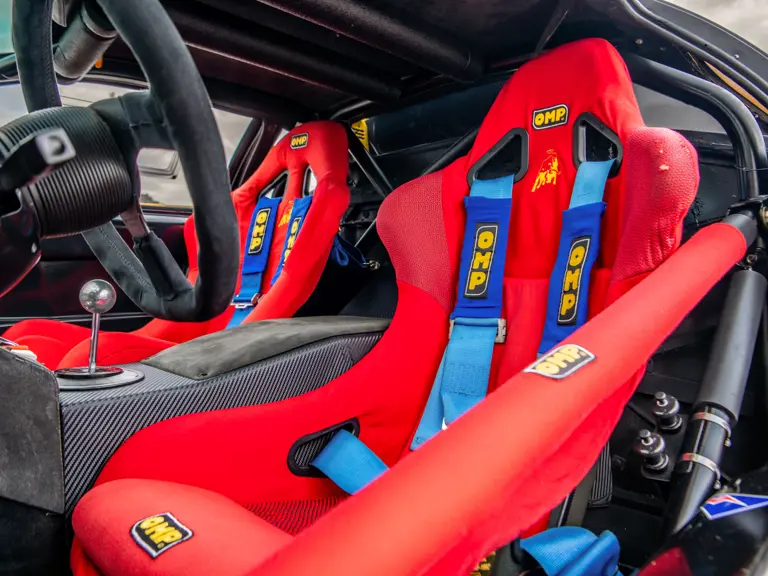
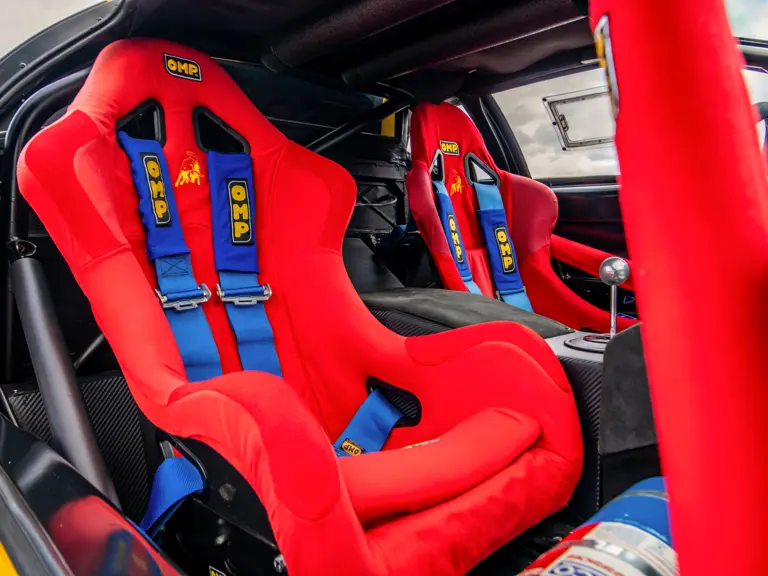
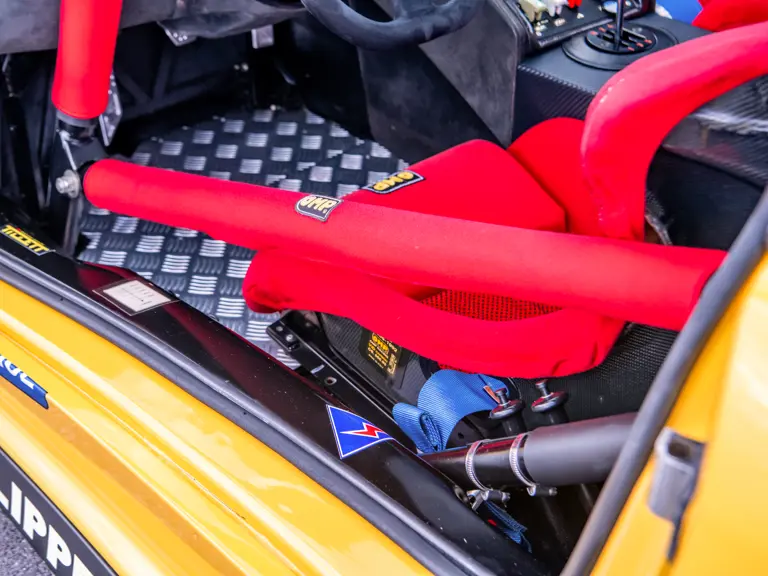
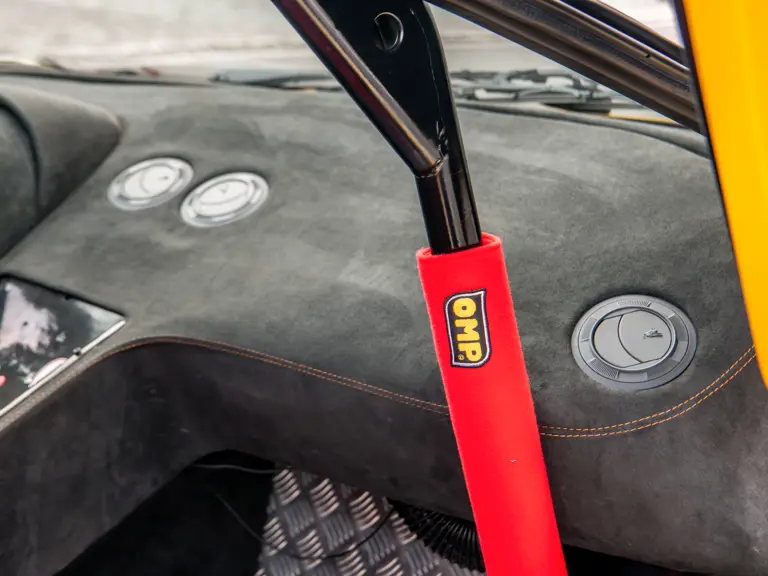
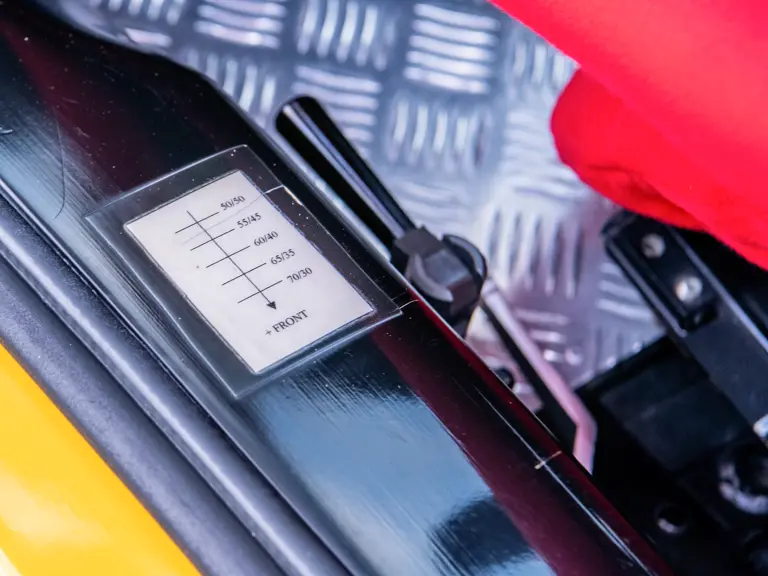
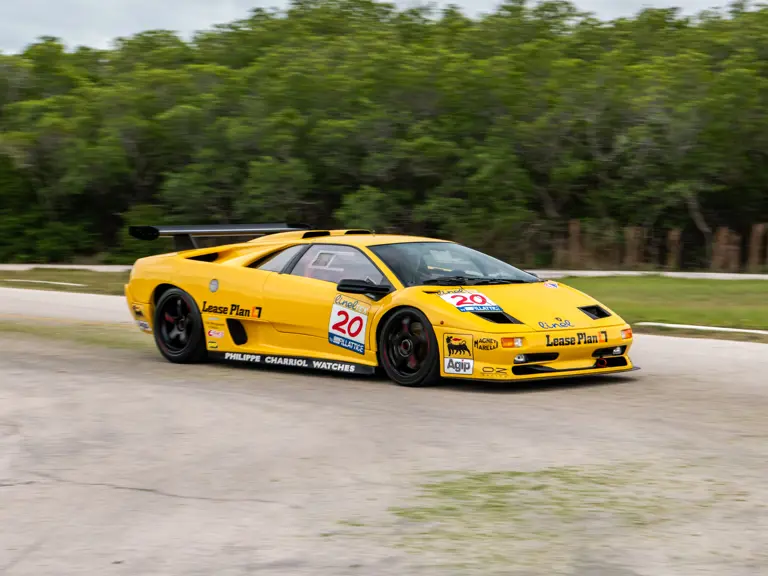
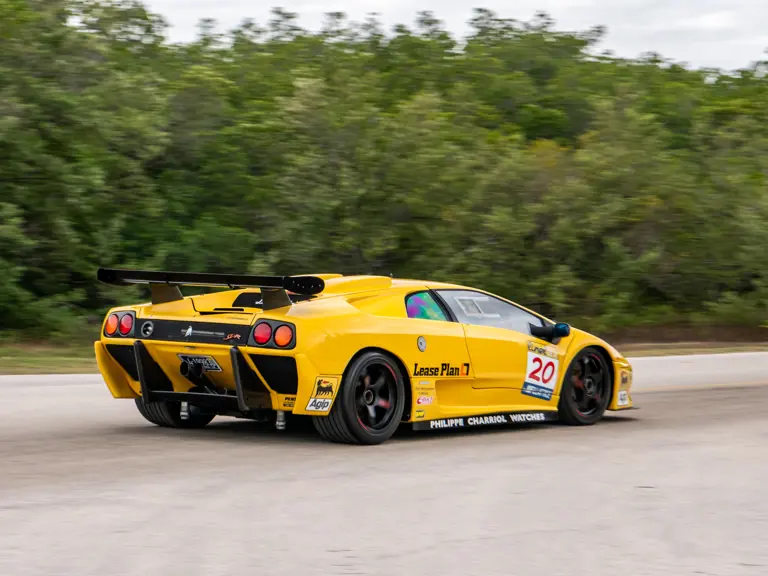
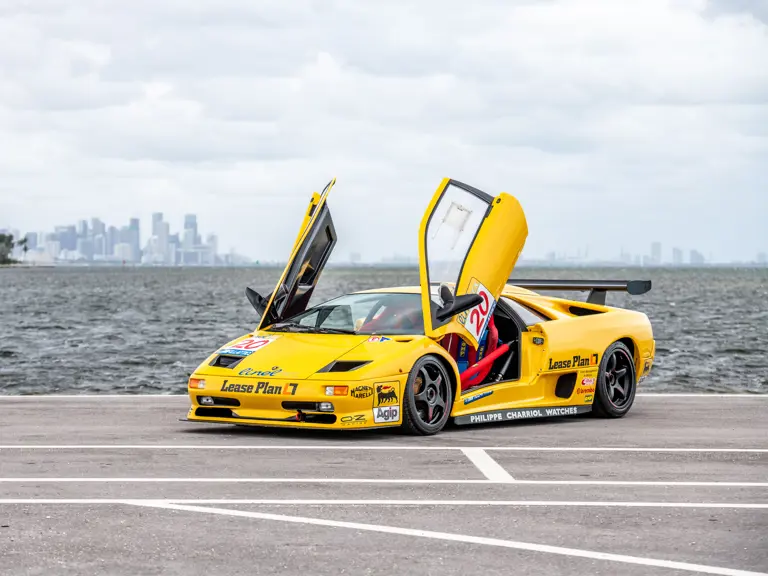
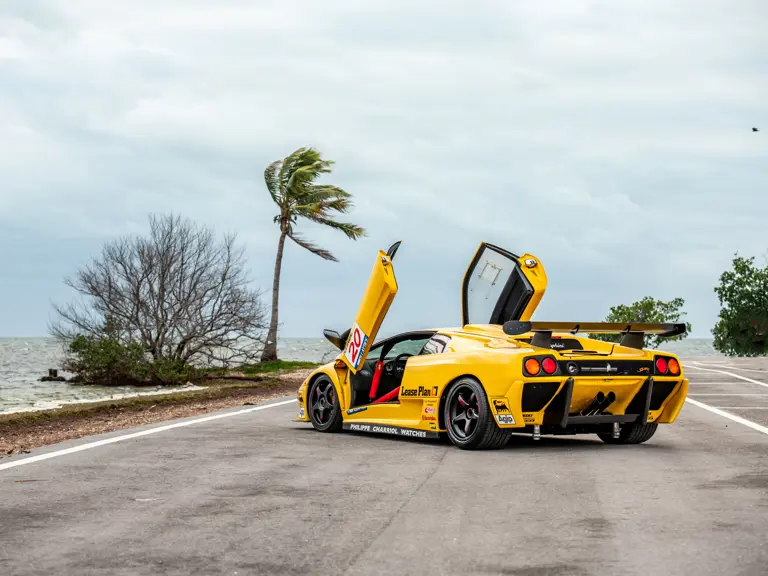
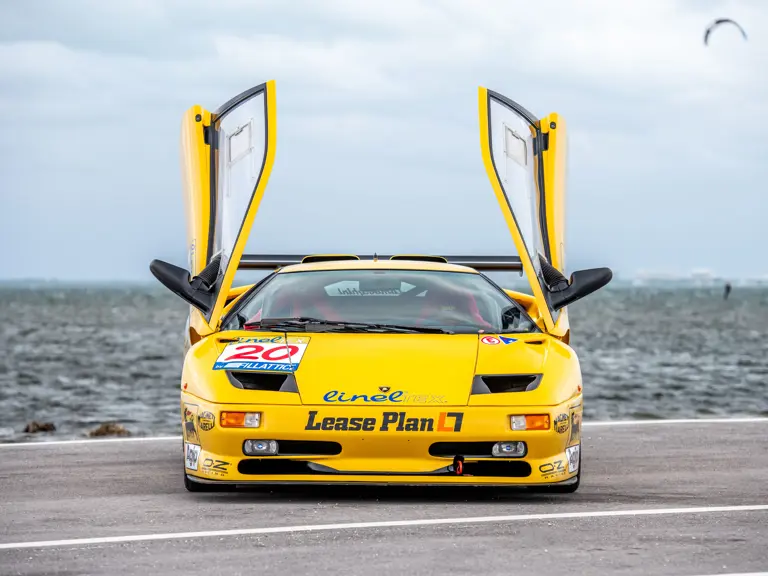
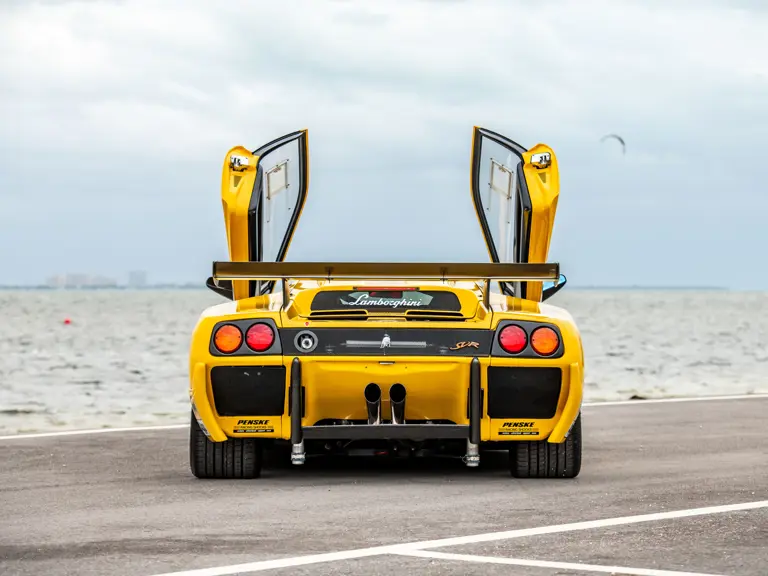
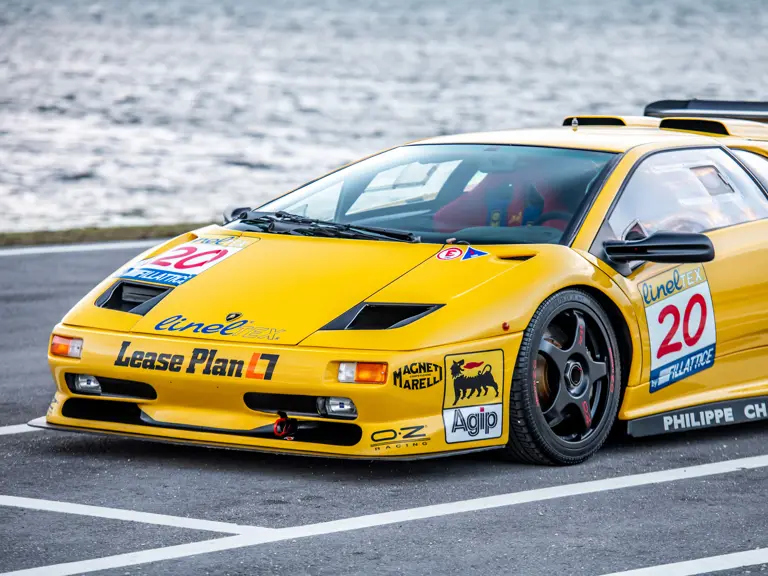
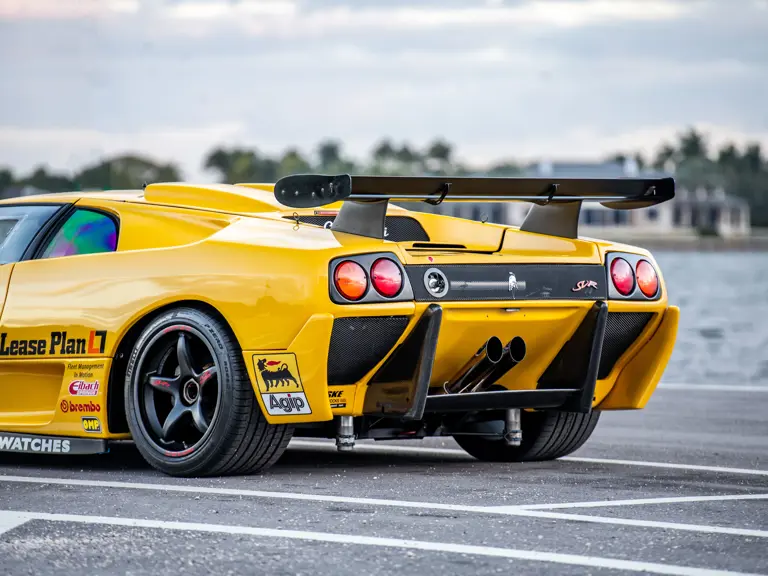
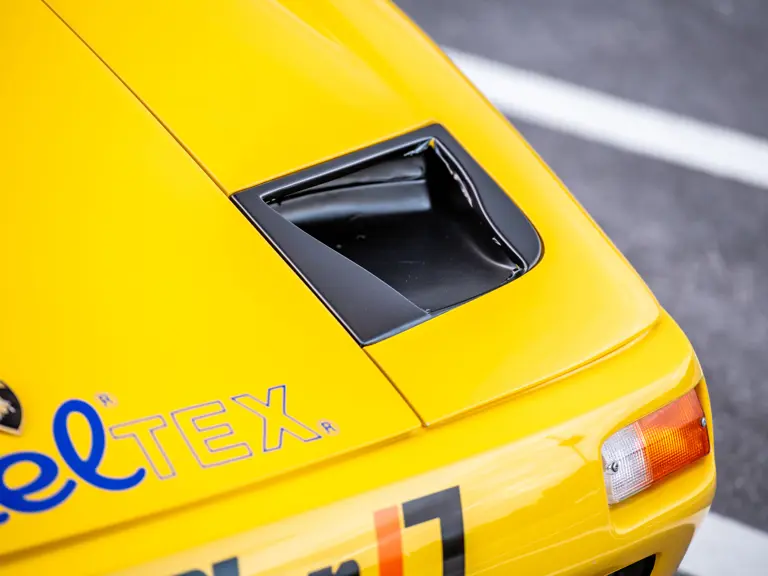
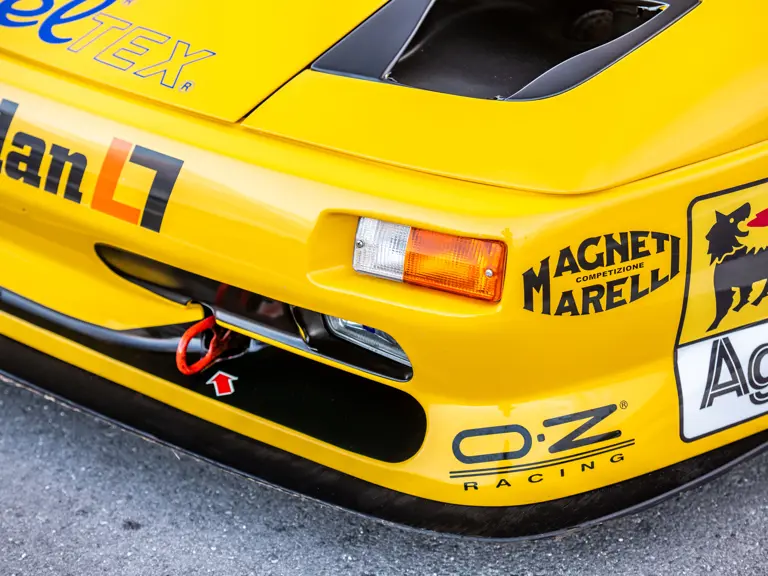
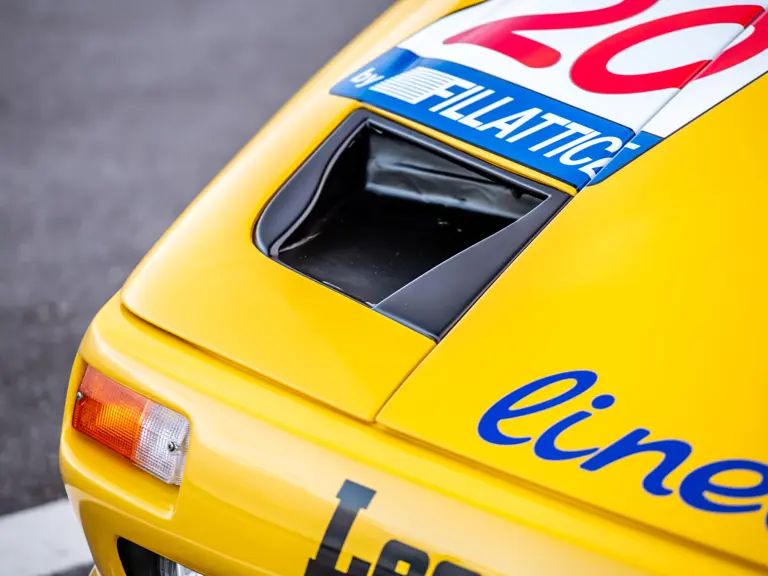
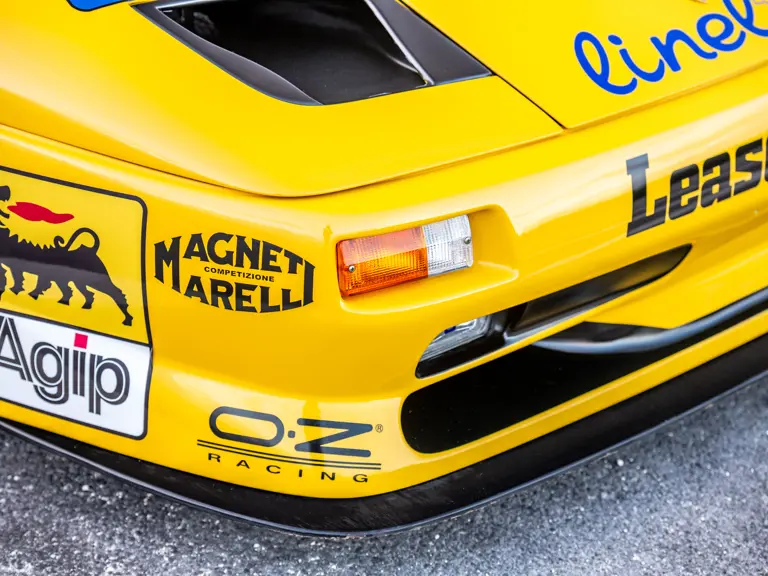
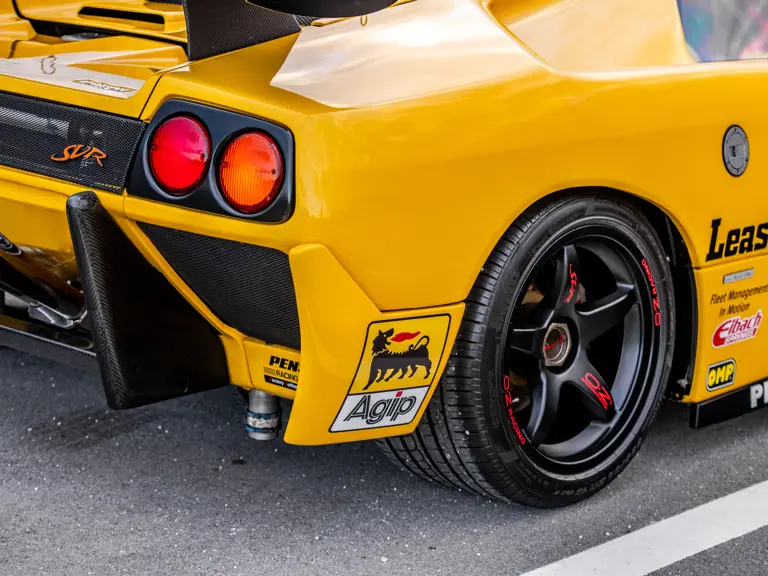
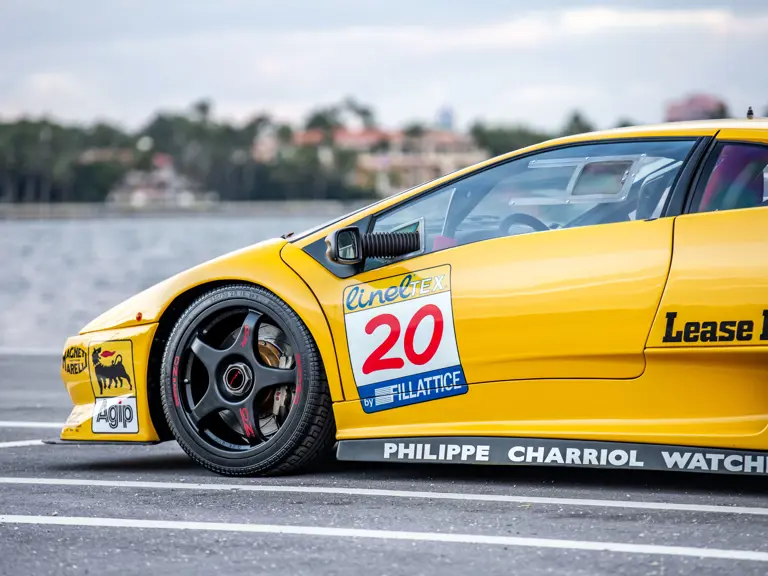
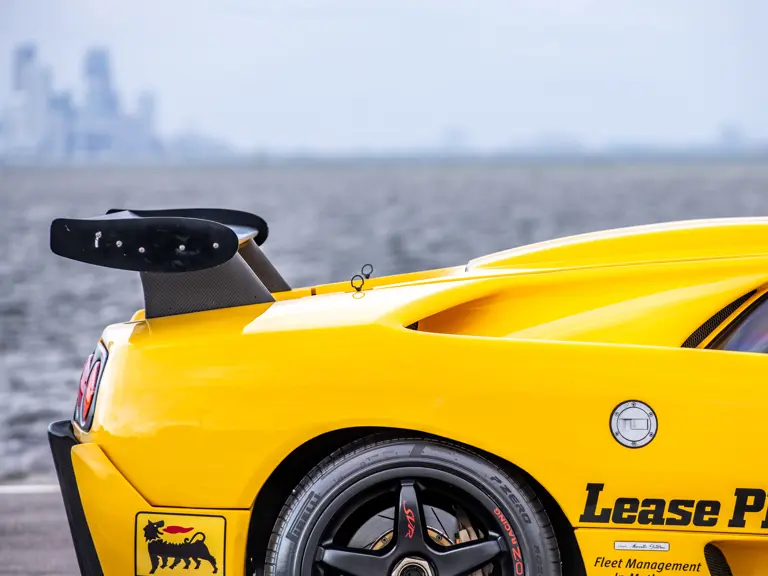
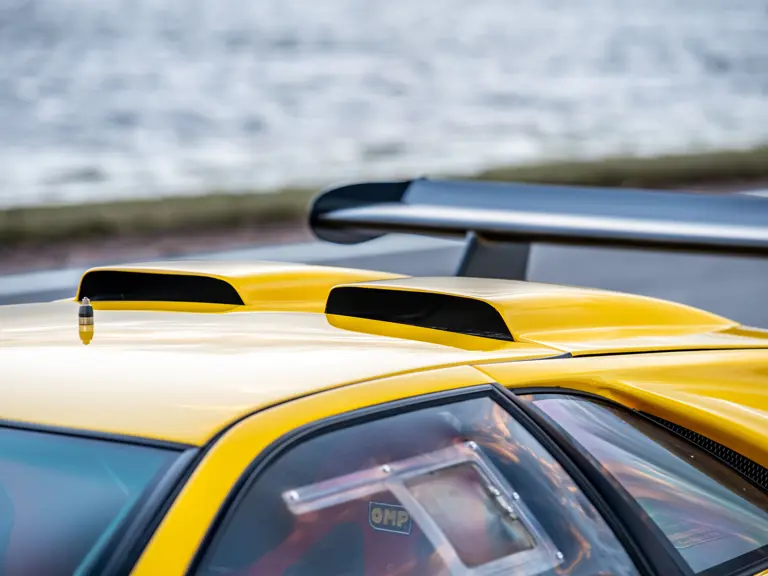
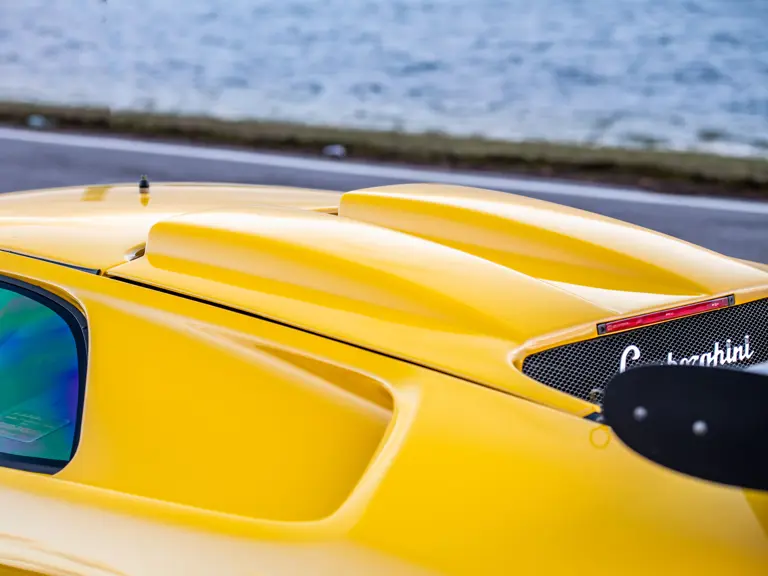
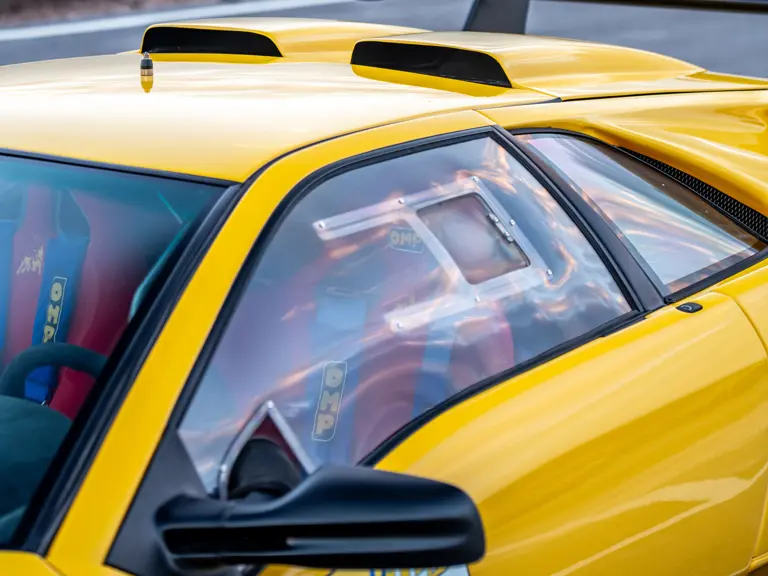
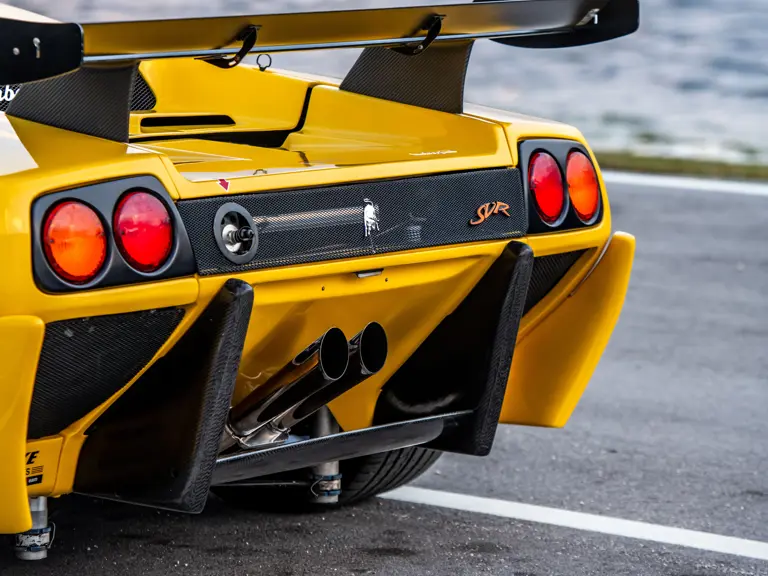
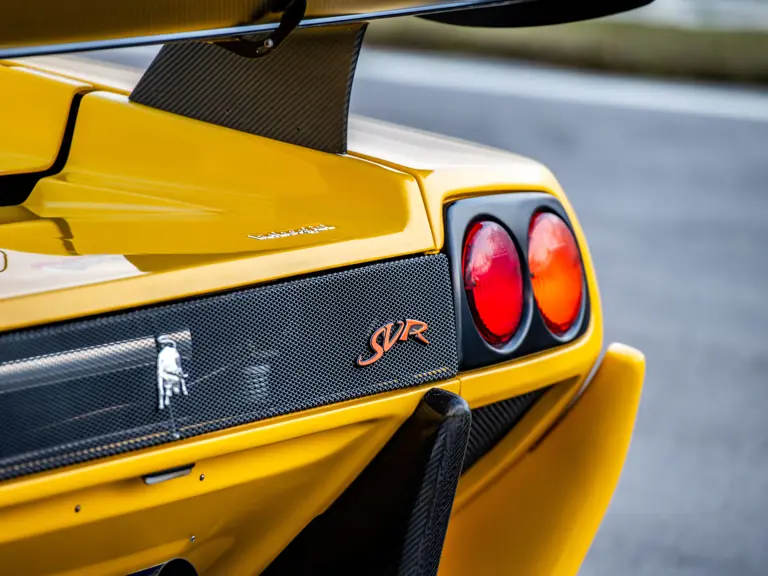
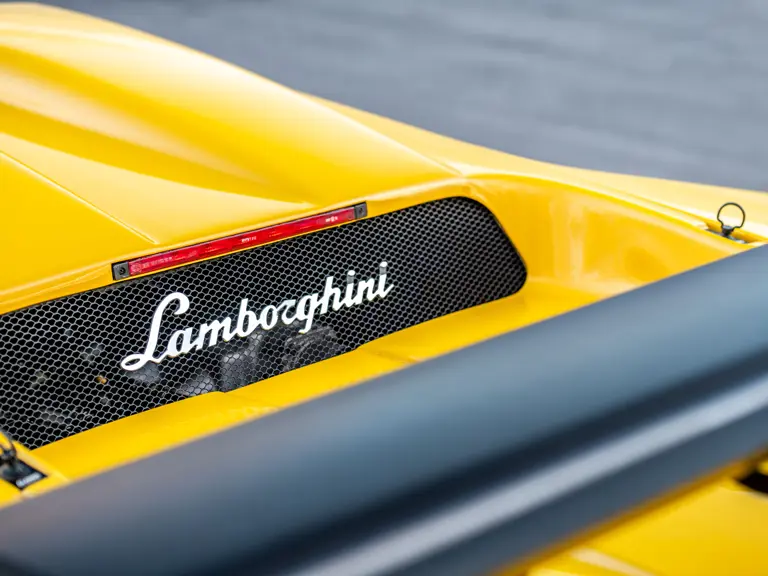
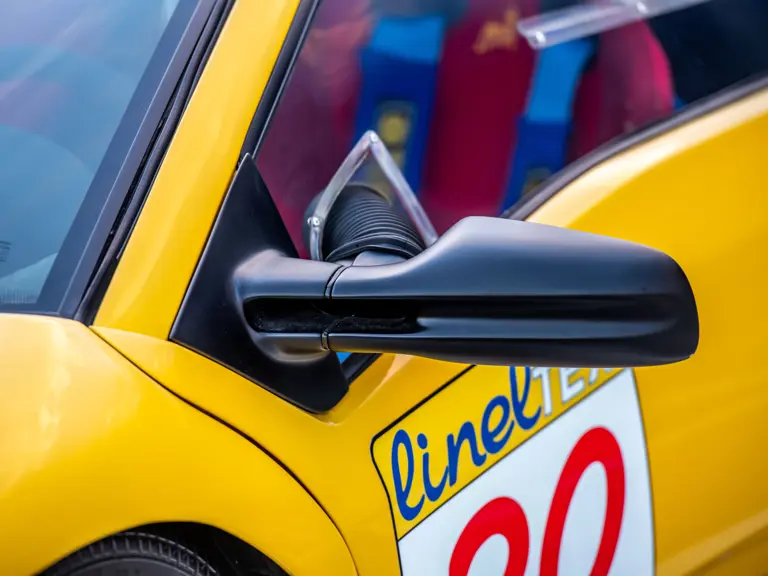
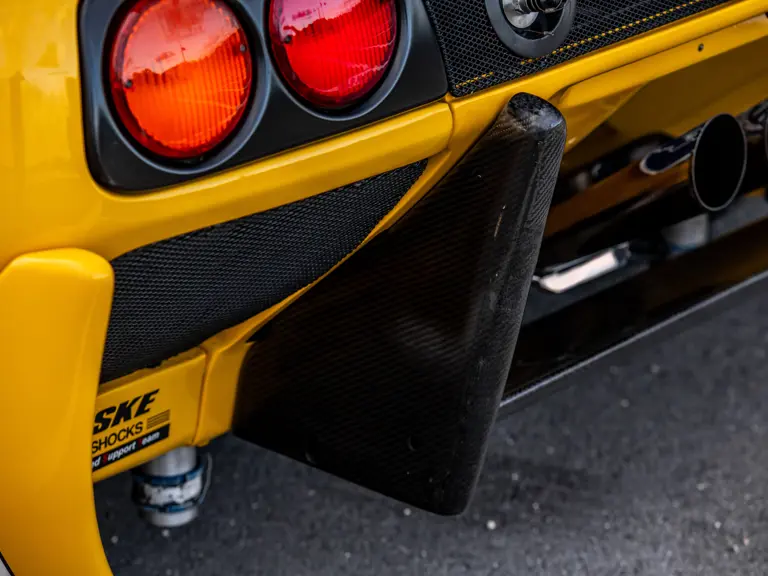
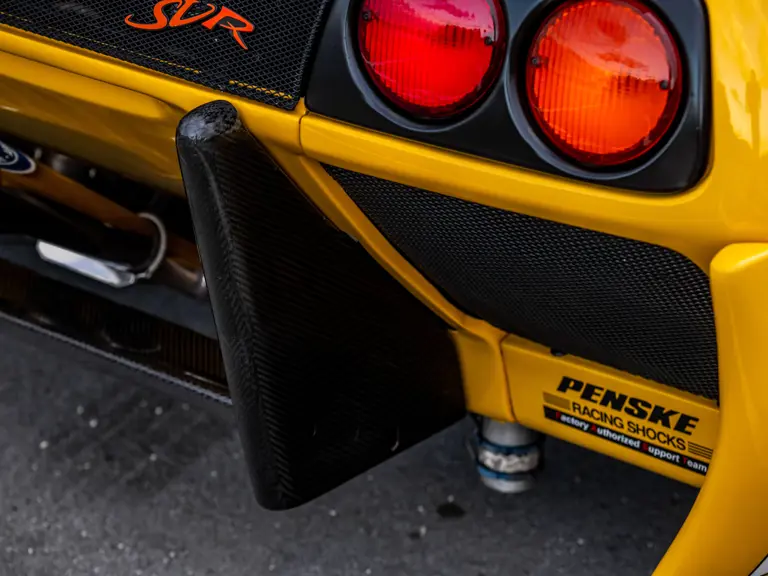
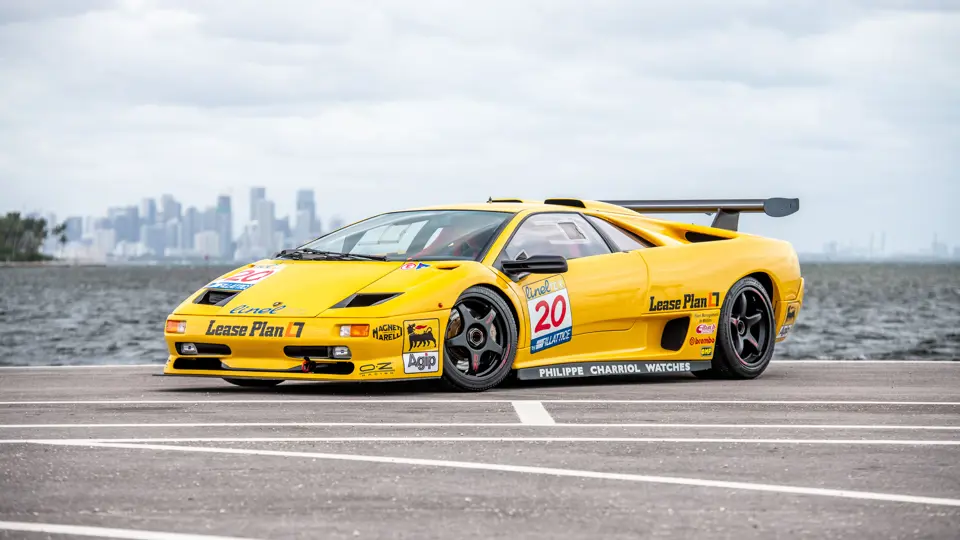
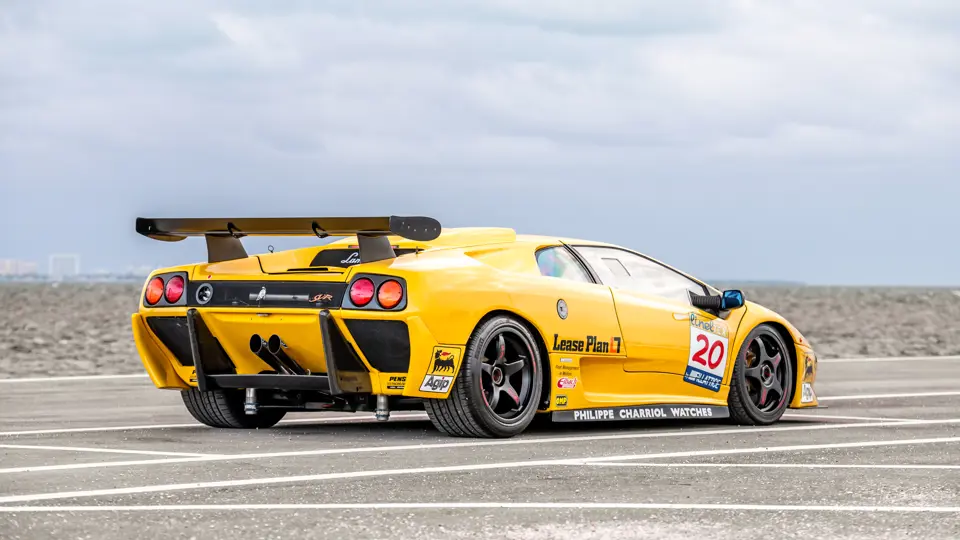
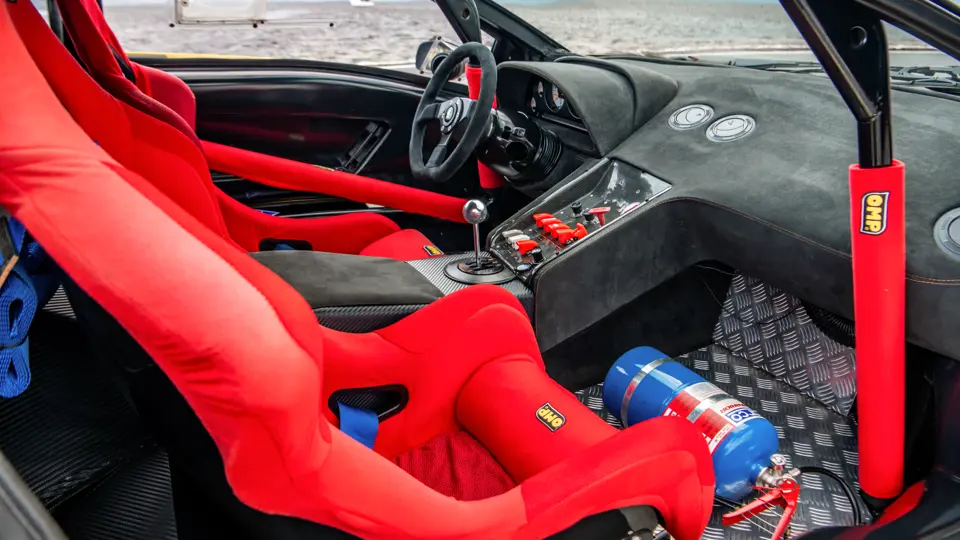
The Diablo SV-R competition cars were based on the rear-wheel-drive Diablo SV and built alongside production models on the Diablo assembly line. They featured a stripped interior with roll cage, racing seats, and removable steering wheel. Modified bodywork included a deeper front spoiler and side skirts, rear diffusers, an adjustable carbon fiber rear wing, and fixed Plexiglass side windows with sliding sections. Vents channeling air to the brakes replaced the production version’s pop-up headlights.
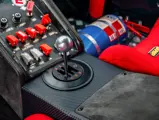
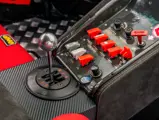
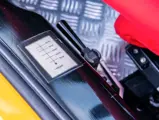
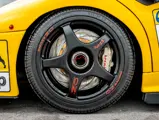
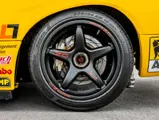
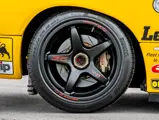
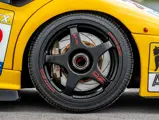
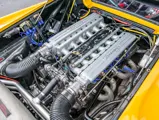
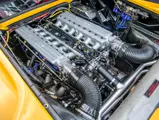
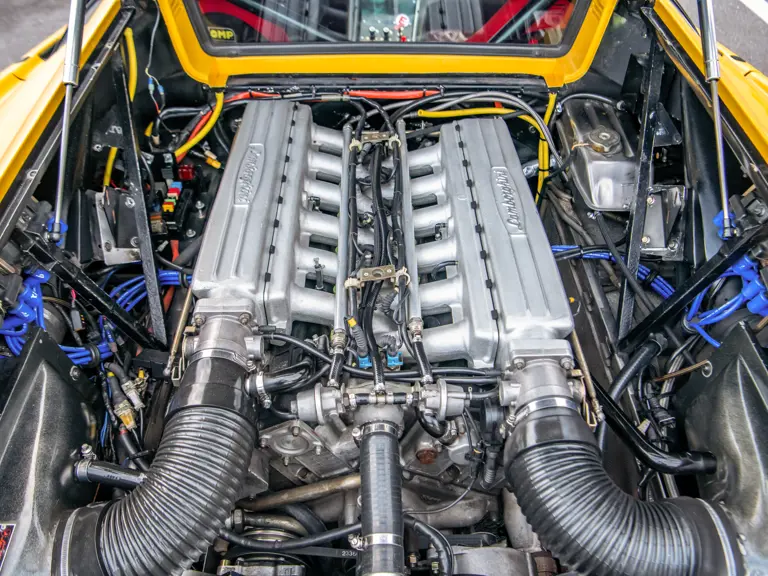
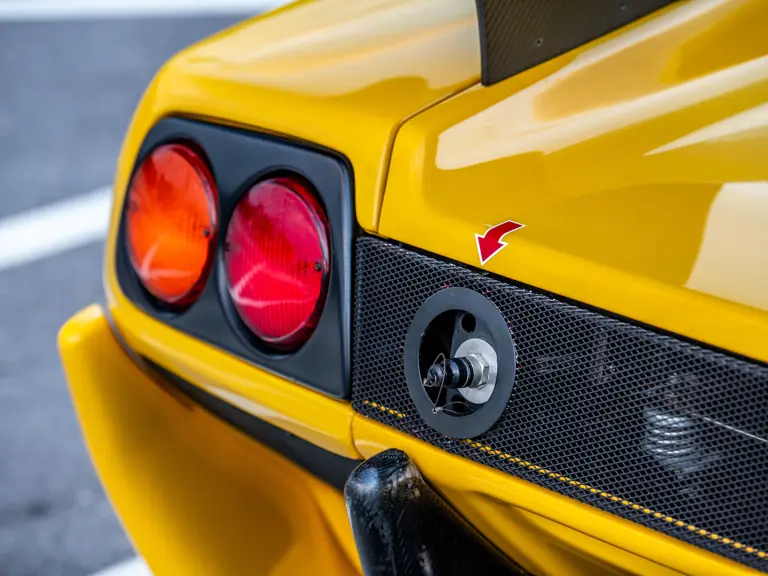
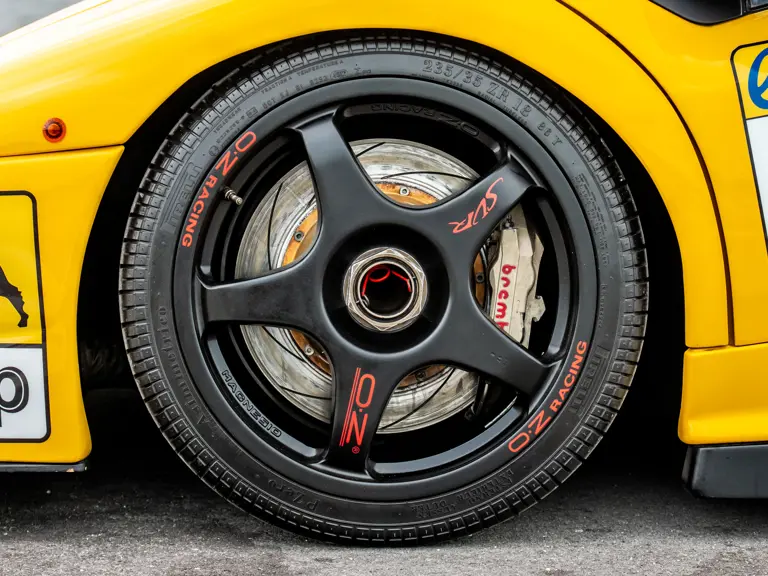
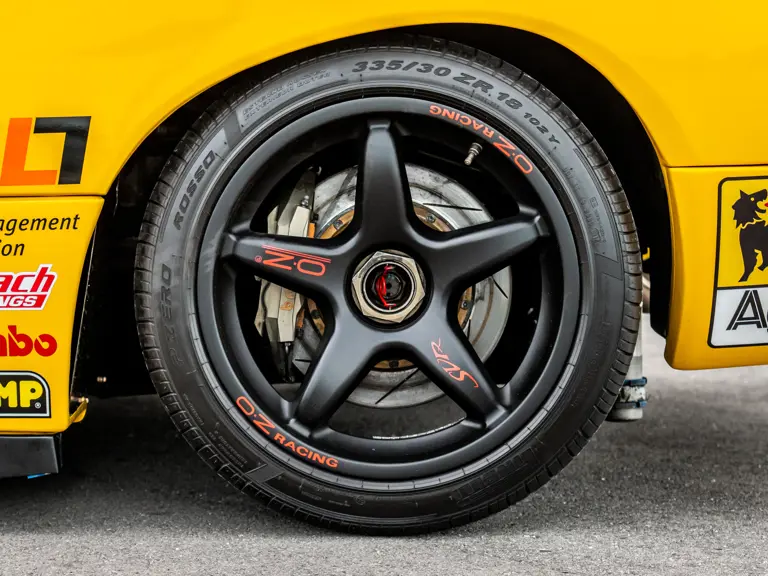
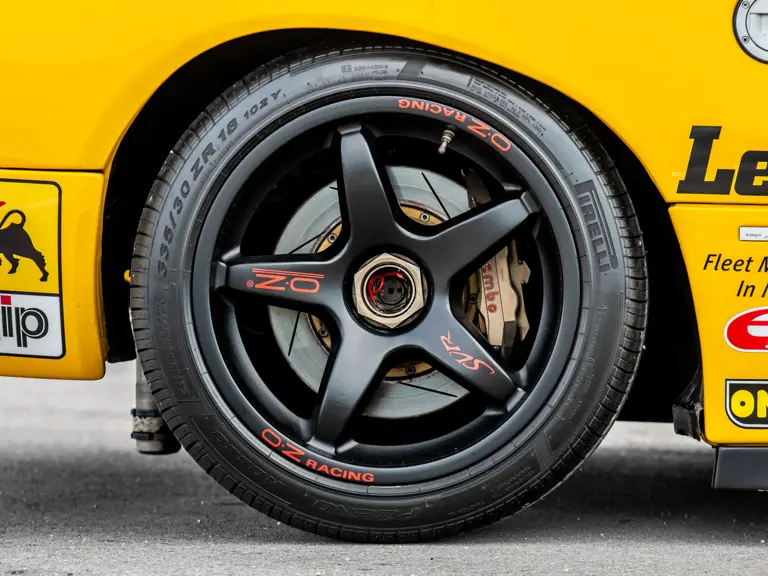
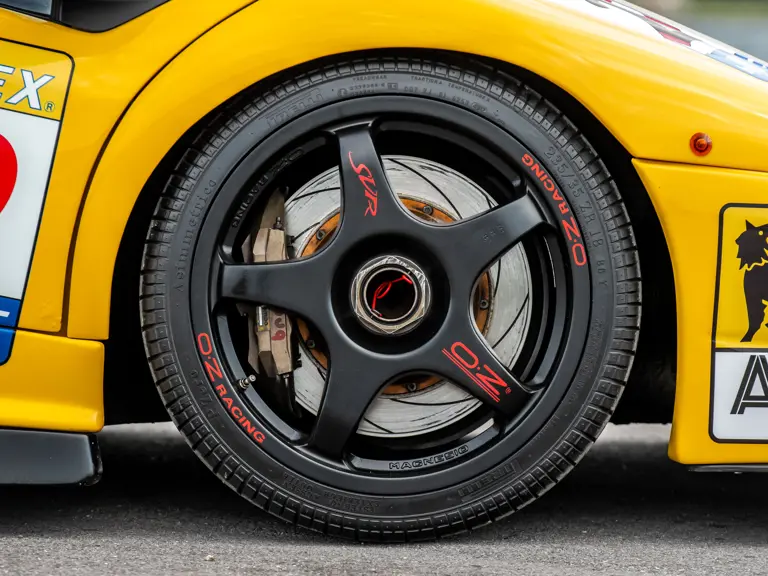
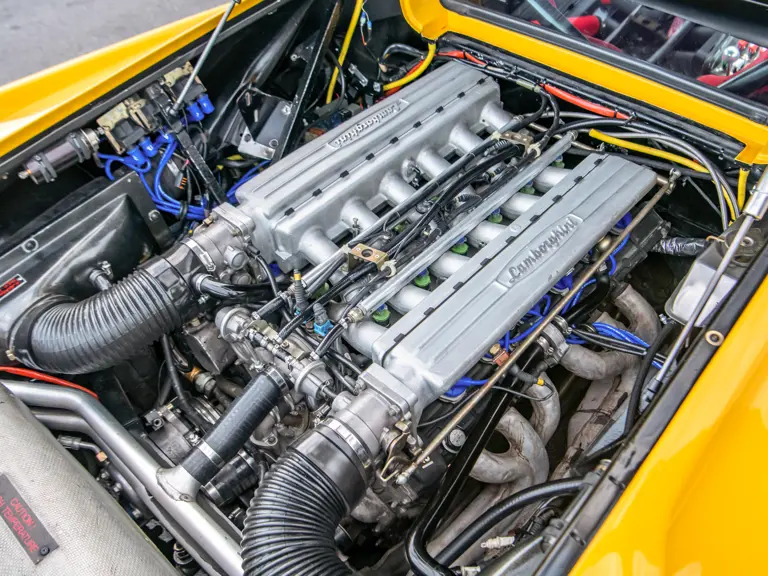
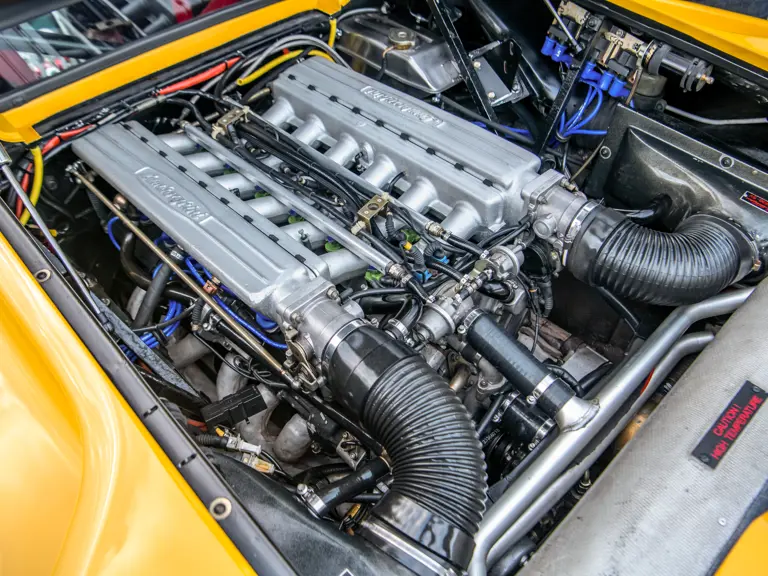
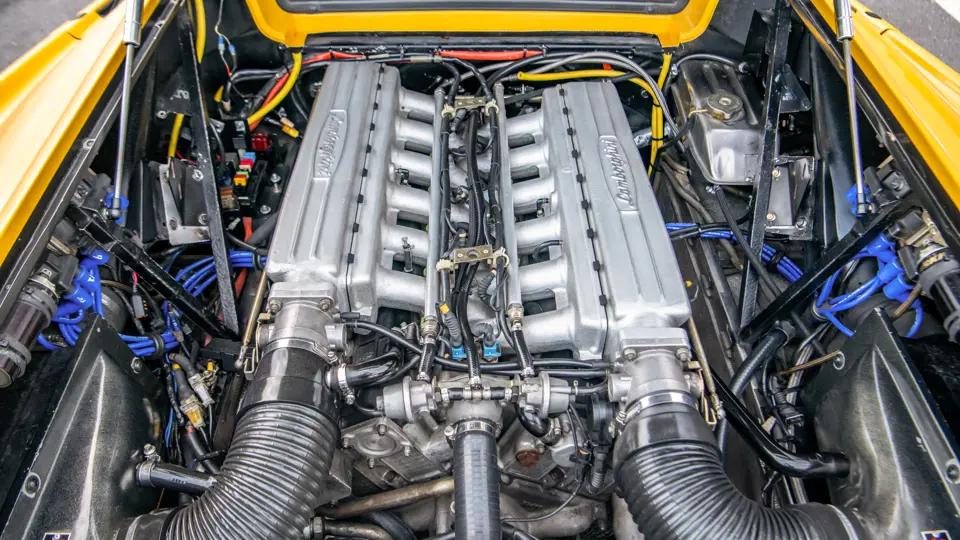
Chassis upgrades included a stiffer suspension, beefed-up brakes, an air-jack system, and hollow-spoke OZ Racing wheels. A revised fueling system and variable valve timing—both incorporated on subsequent production models—increased output of the Diablo’s 5.7-liter V-12. With massive power to the rear wheels, no ABS, and a gated six-speed manual gearbox, the Diablo SV-R thrilled both drivers and onlookers. In total, Lamborghini produced 34 examples, according to the Lamborghini Registry, before the Diablo GTR supplanted it.
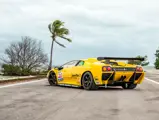
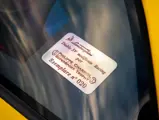
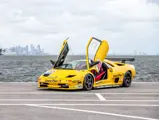
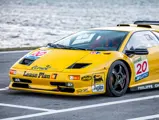
This 1996 Lamborghini Diablo SV-R, serial number 020, is understood to have been delivered new, along with another Diablo SV-R, serial number 019, to French car rental company LeasePlan on 7 June 1996, finished in Bianco over Nero, according to the Lamborghini Registry. It was driven by former Minardi Formula 1 driver Luis Pérez-Sala and Spanish businessman and amateur racer Alberto Castelló. A digital image on file shows the two men standing with Diablo SV-Rs 019 and 020 in white and blue LeasePlan livery and bearing their respective racing numbers. Other liveries would adorn 020’s bodywork while the car was driven in competition.
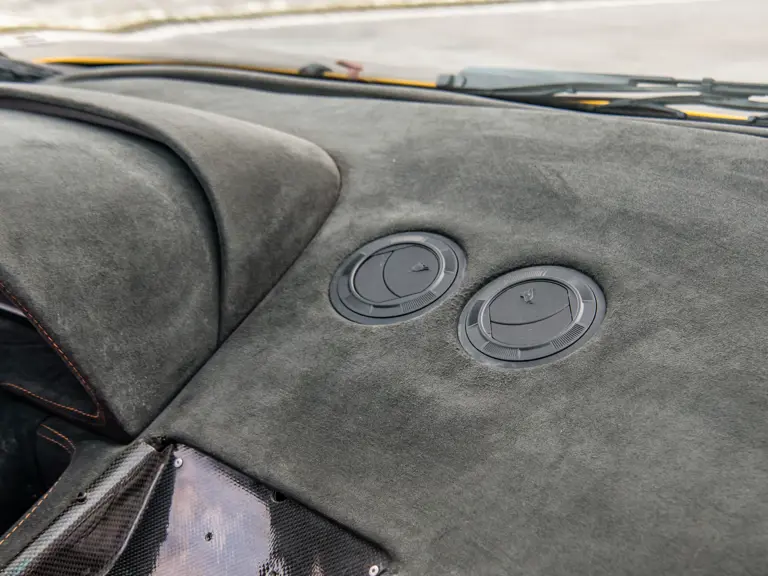
After the SuperSport Trophy, this Diablo SV-R participated in GT European Championships in the early 2000s, according to the Lamborghini Registry. It would later be acquired by an enthusiast in Japan and converted for road use with headlights, turn signals, and an air-conditioning system. The car was imported to the United States in 2023 and acquired by the consignor in October 2023 with sparing road use and no track driving since.
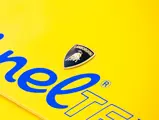
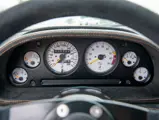
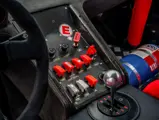
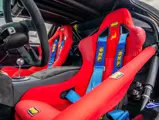
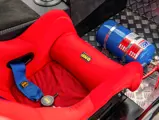
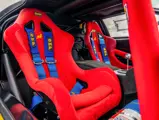
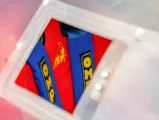
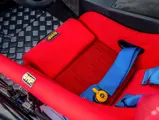
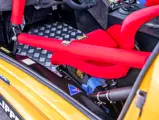
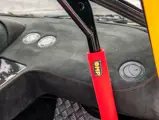
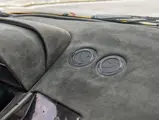
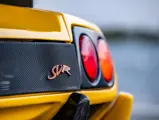
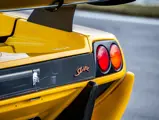
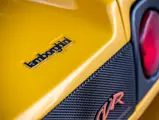
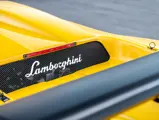
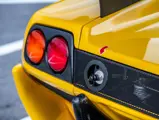
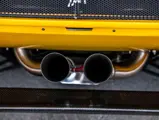
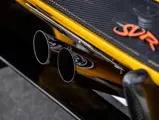
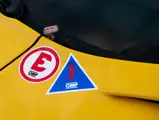
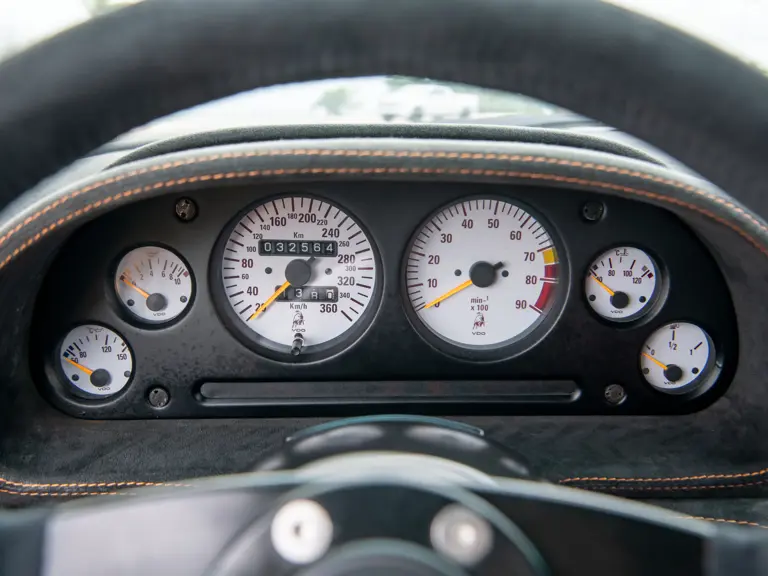
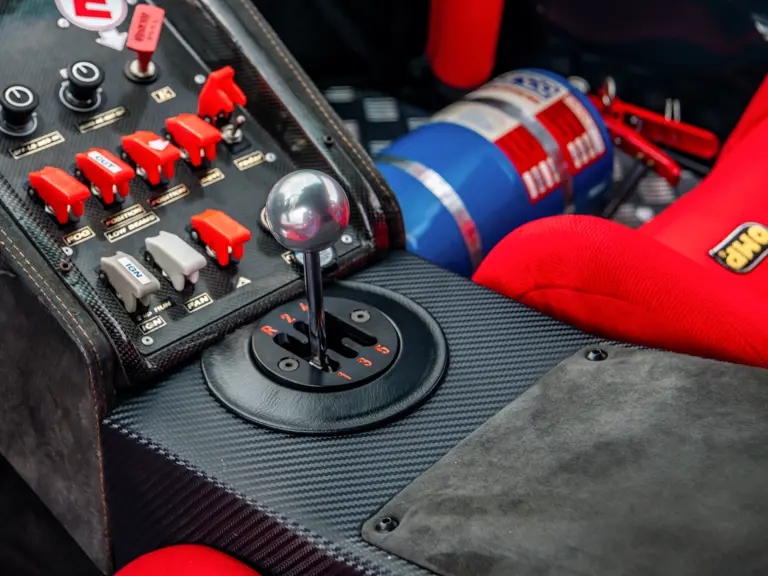
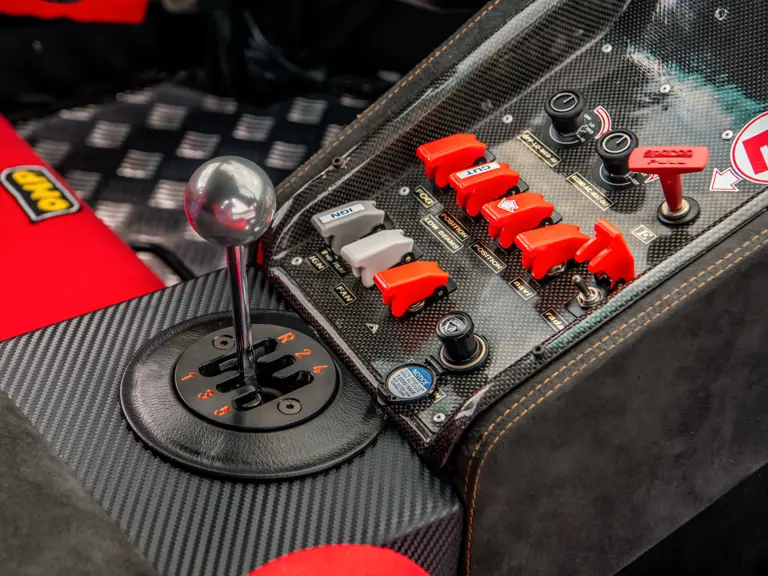
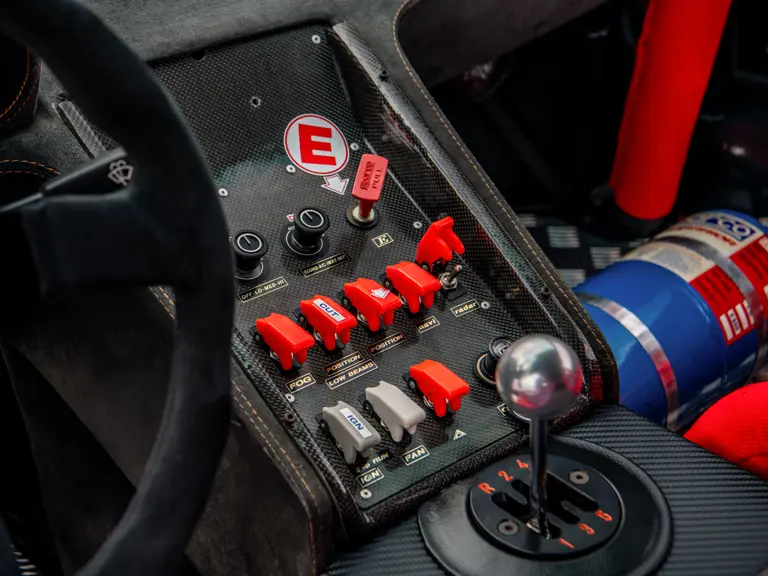
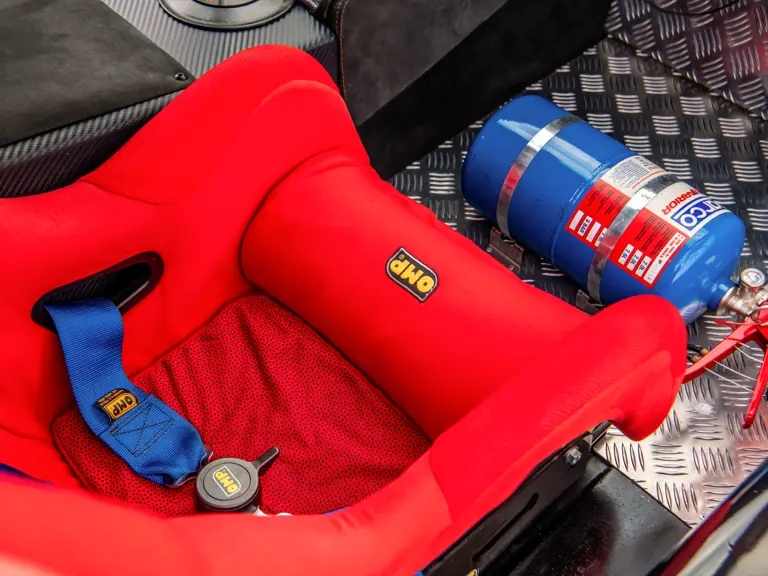
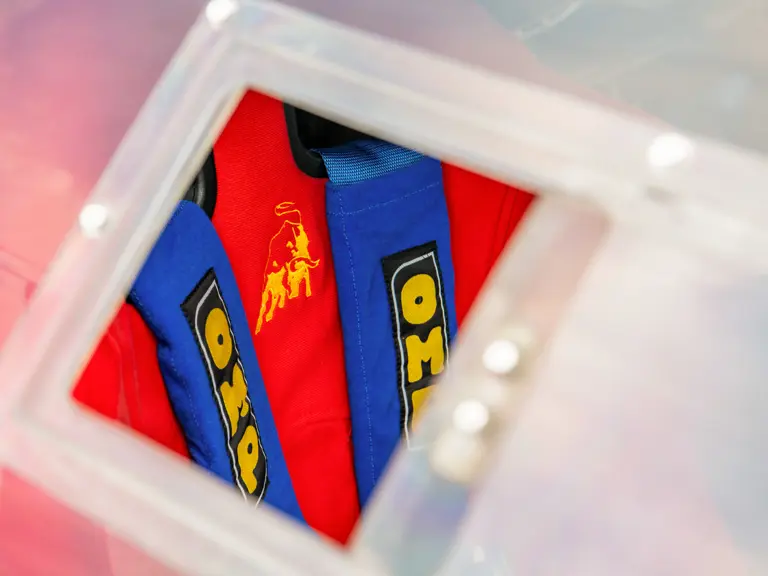
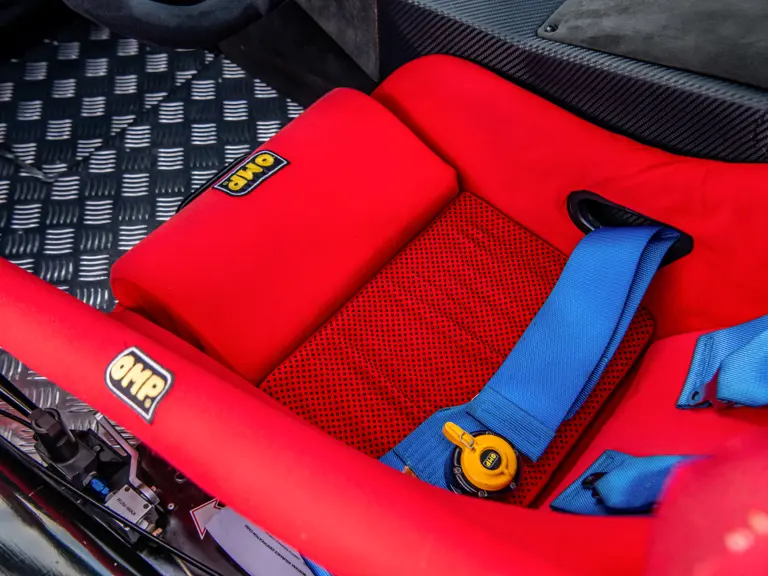
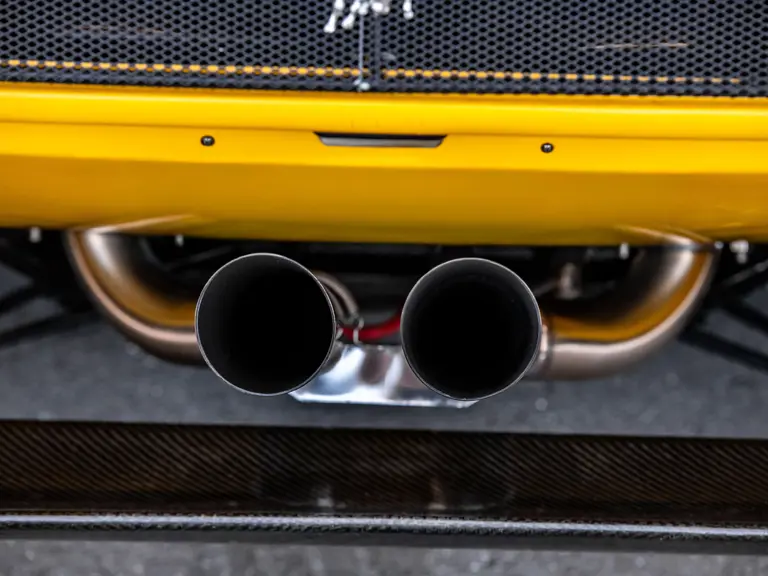
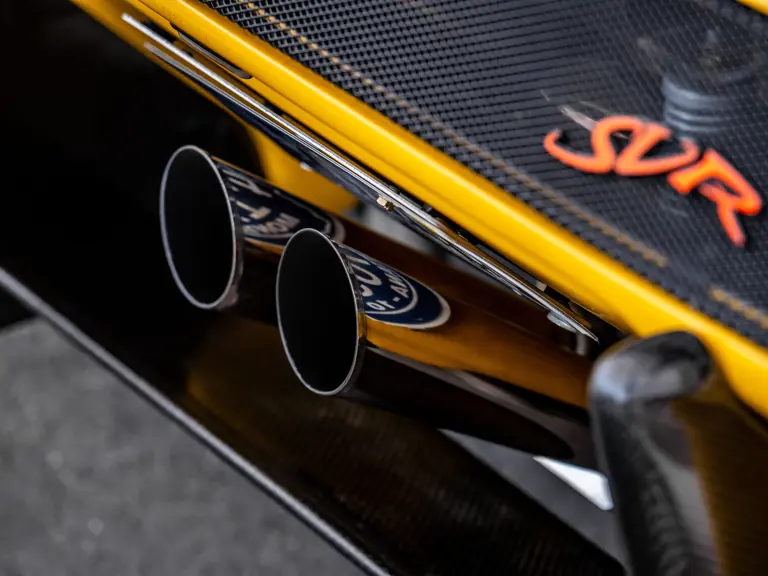
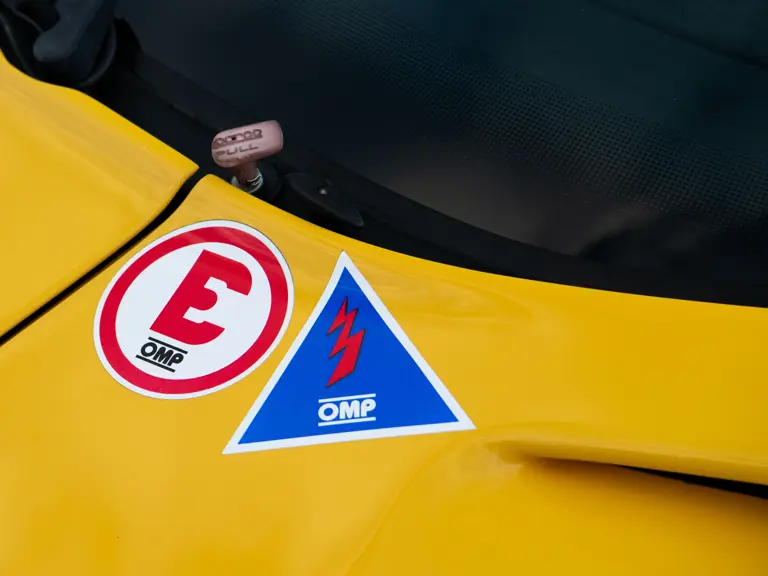
A stereo head unit, satellite navigation, rear-facing camera, and radar detector installed by a previous owner were removed. The aftermarket air-conditioning system remains installed for convenience, as do the headlights and turn signals for street use. The car is also equipped with a previously installed exhaust control valve. The interior features an OMB roll cage, OMB racing seats with Lamborghini logo, OMB harnesses, and a Sparco fire-suppression system. In 2025, the starter, fuel regulator, belts, hoses, and seals were replaced, and the fuel sender and coil wires repaired, according to invoices on file. The car is now finished in Giallo.
As the Italian automaker’s first factory-produced racecar, the Diablo SV-R is the very bedrock of Lamborghini’s motor sports heritage, a template for today’s GT3 competition that paved the way for the company’s current Super Trofeo series and success in the GT World Challenge. It remains as thrilling to behold and drive now as it did upon its monumental debut nearly 30 years ago, offering its next caretaker the opportunity to participate in vintage racing as well as enjoy it on the road.
 | Miami, Florida