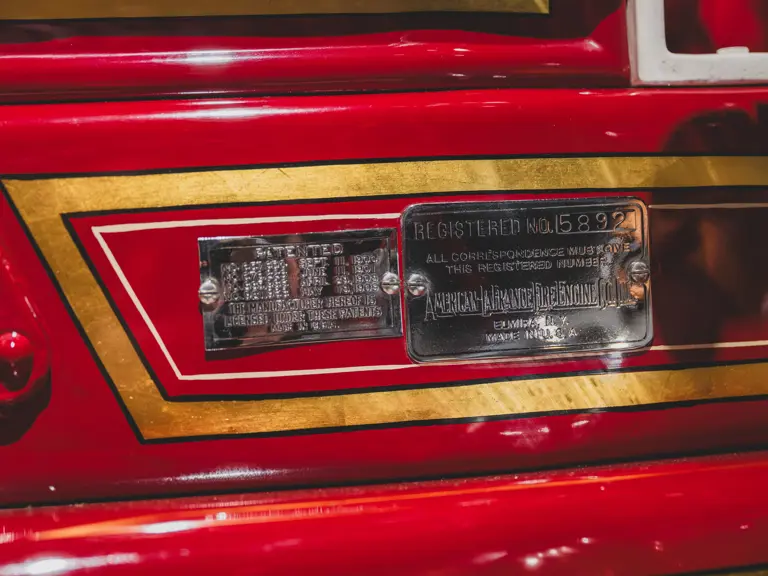
Registered No.
5892
$50,400 USD | Sold
Offered from The American LaFrance Corporate Collection
{{bidding.lot.reserveStatusFormatted}}
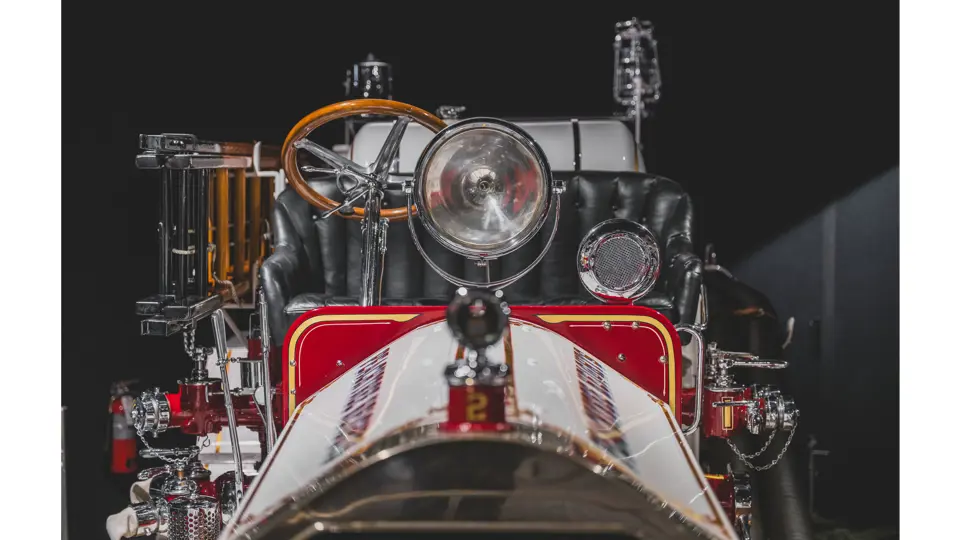
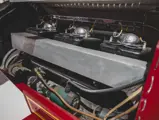
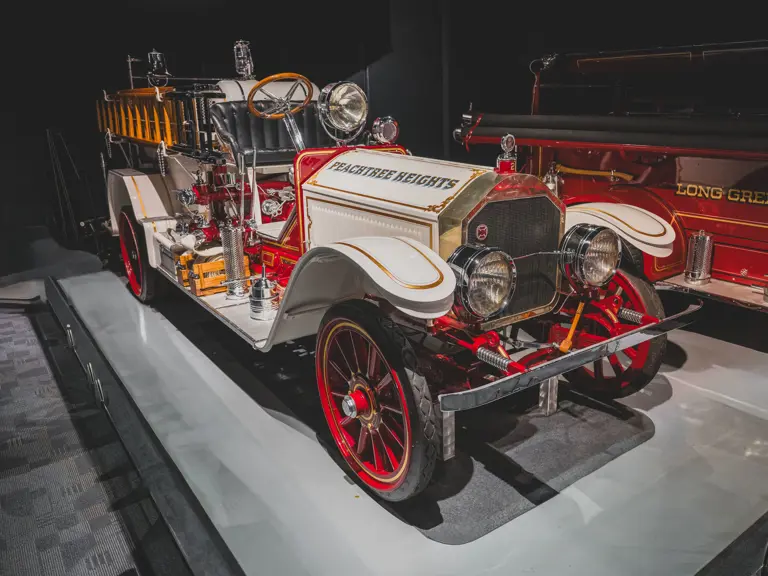
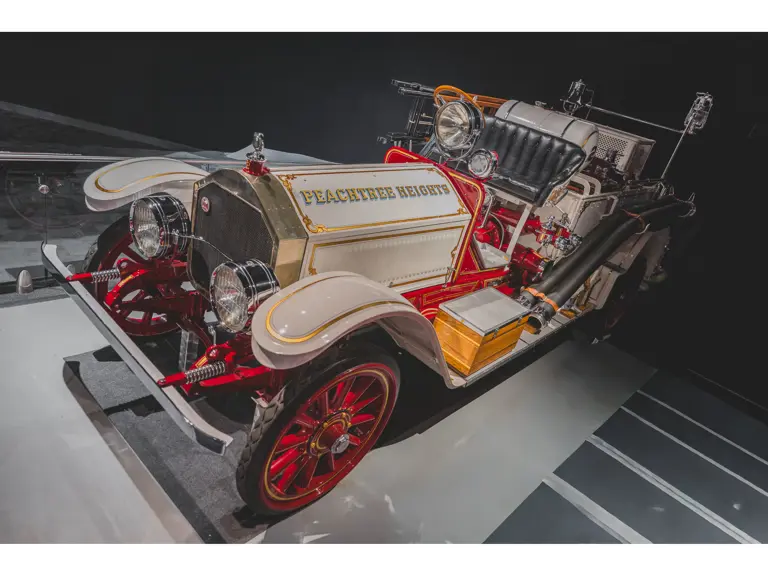
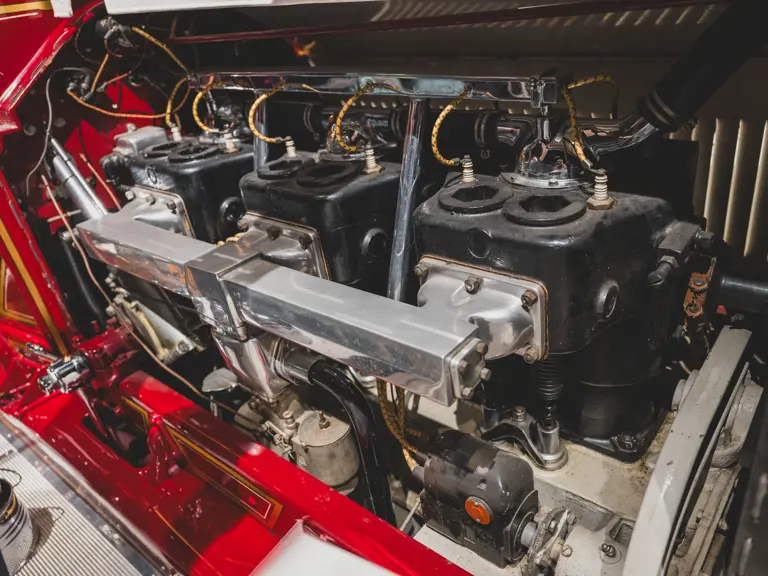
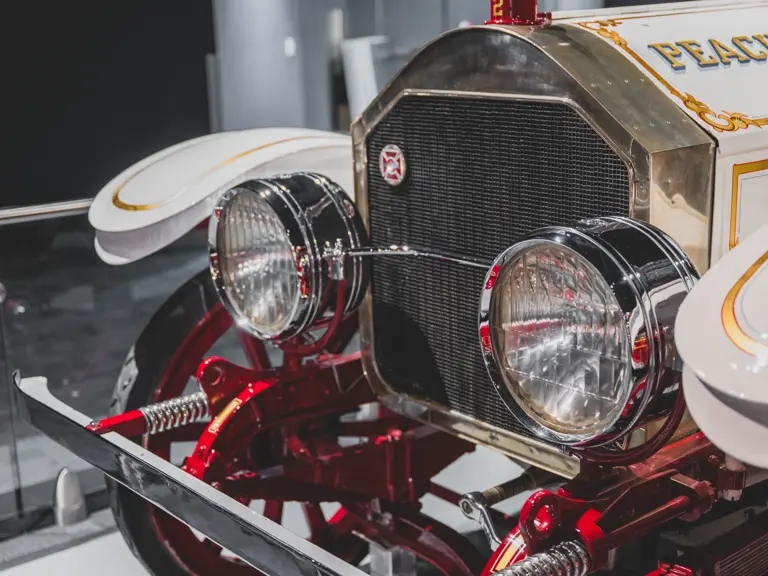
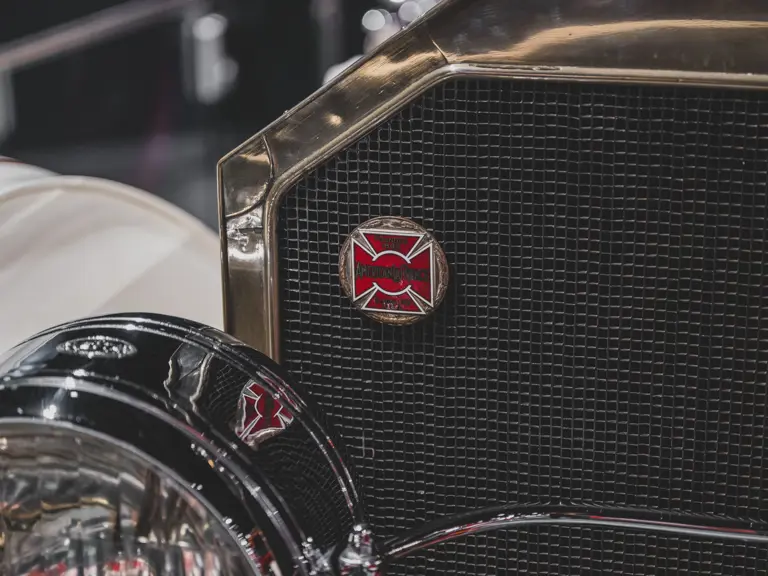
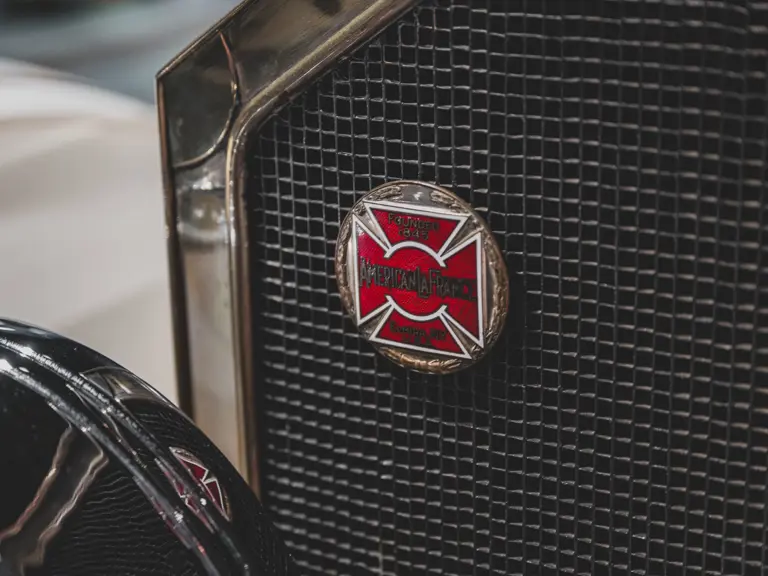
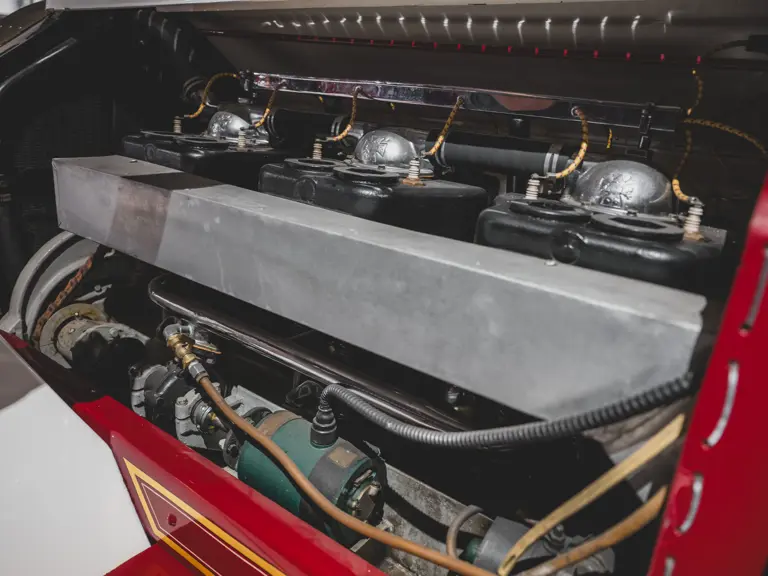
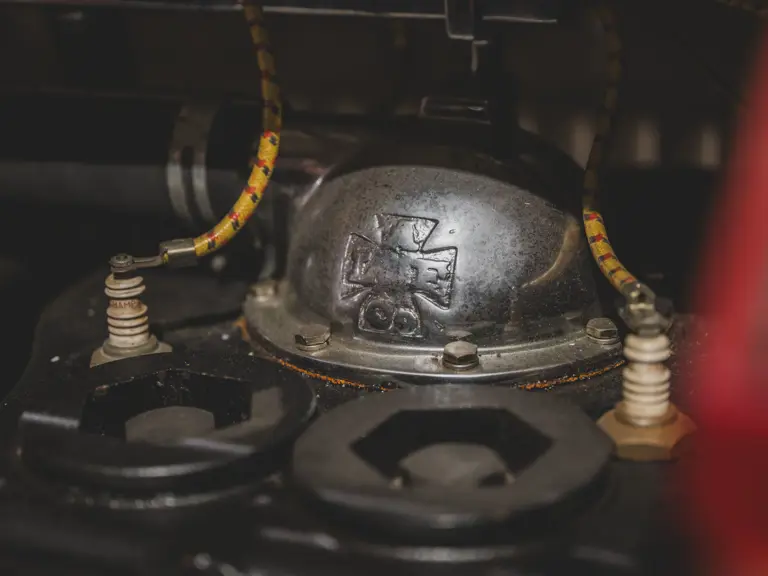
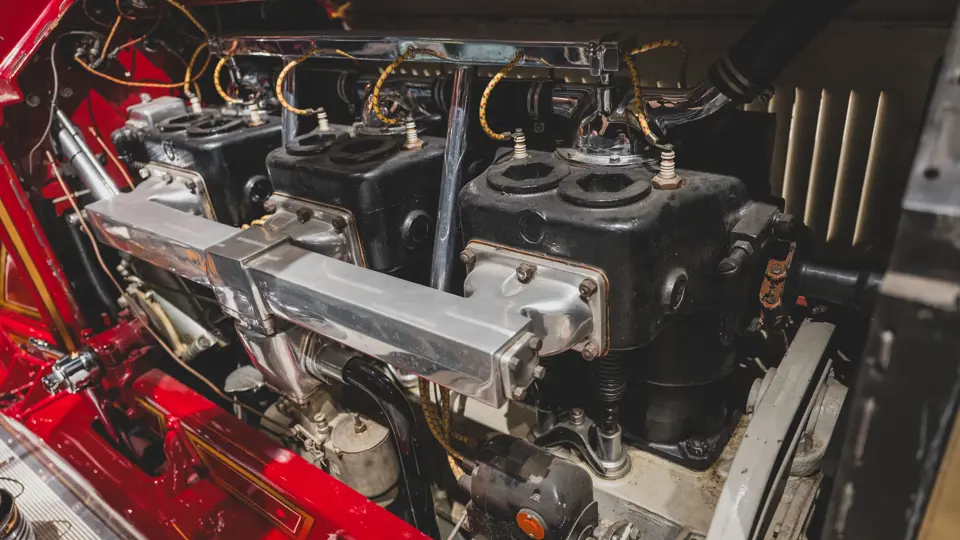
Produced between 1915 and 1927, the Type 75 was American LaFrance’s bread-and-butter model of the era, offering an unbeatable combination of attributes. It used the company’s custom chassis and proprietary 120-horsepower, T-head six-cylinder engine with dual chain drive, renowned for their durability and quality of construction, but in a somewhat more manageable size, making it well-suited for negotiating city streets. Type 75s were built in every combination and served all over the country, many for decades. They are, it can safely be said, one of the legends of mechanized firefighting, and among their manufacturer’s best-loved creations.
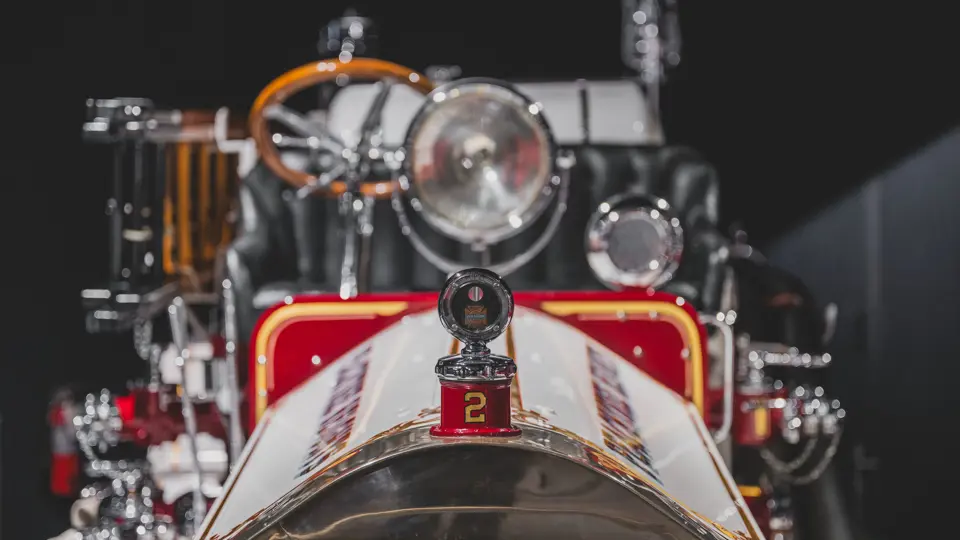
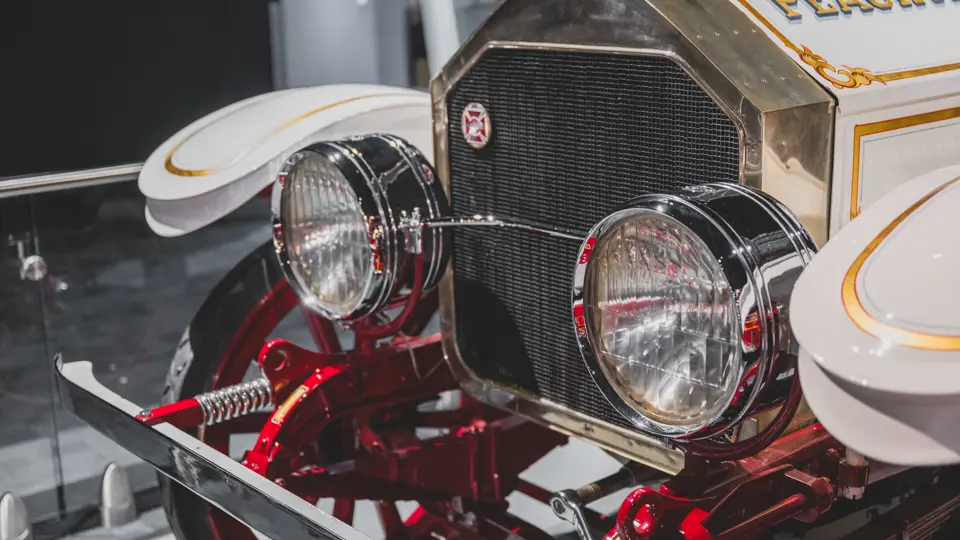
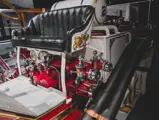
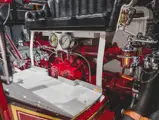
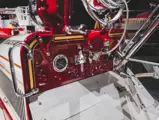
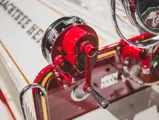
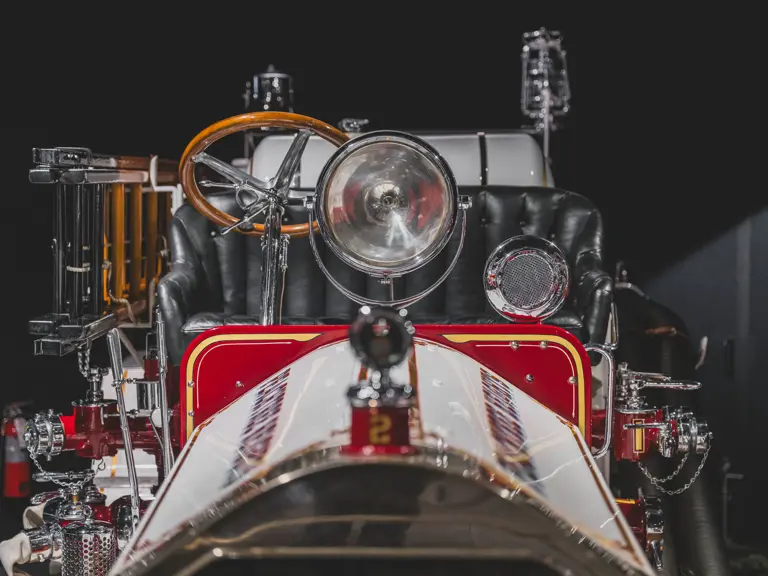
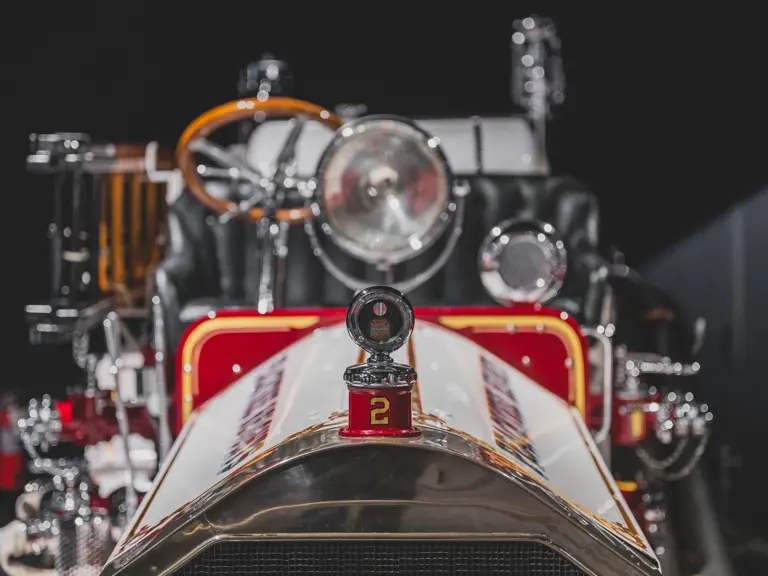
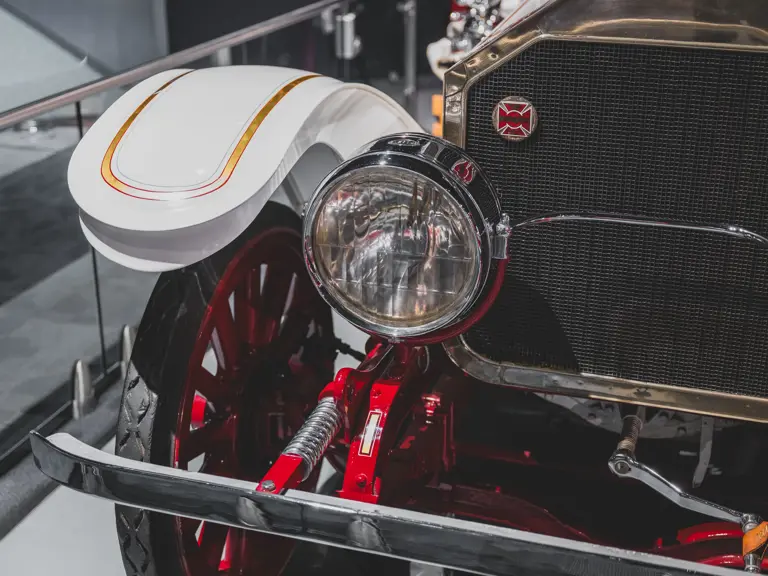
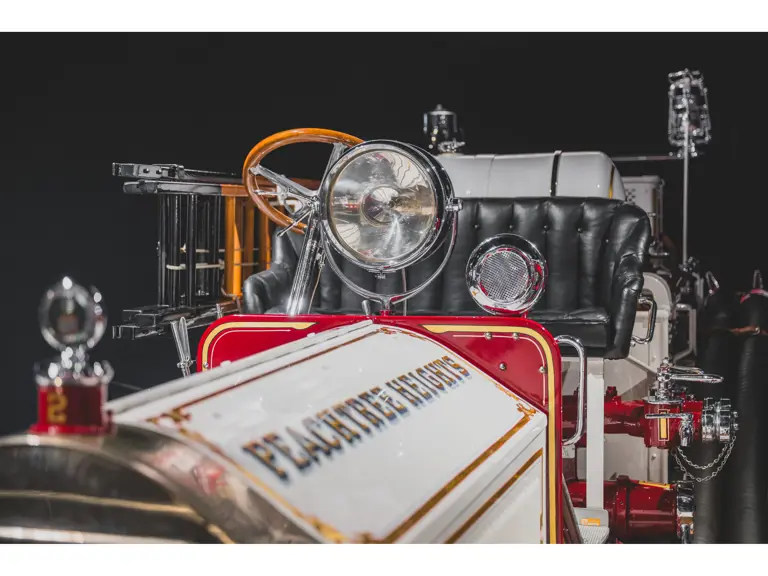
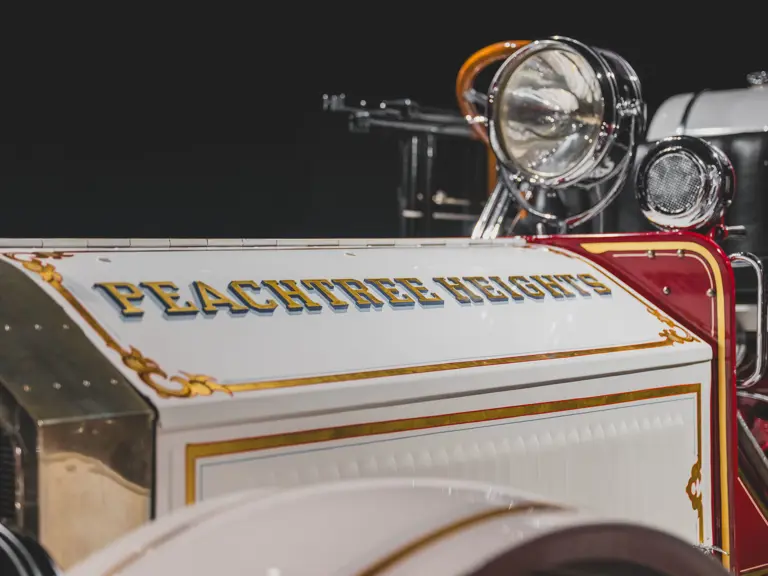
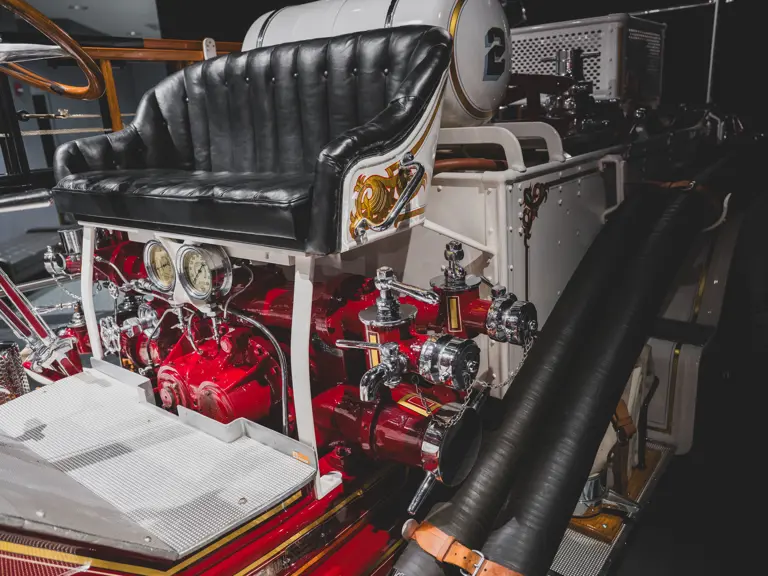
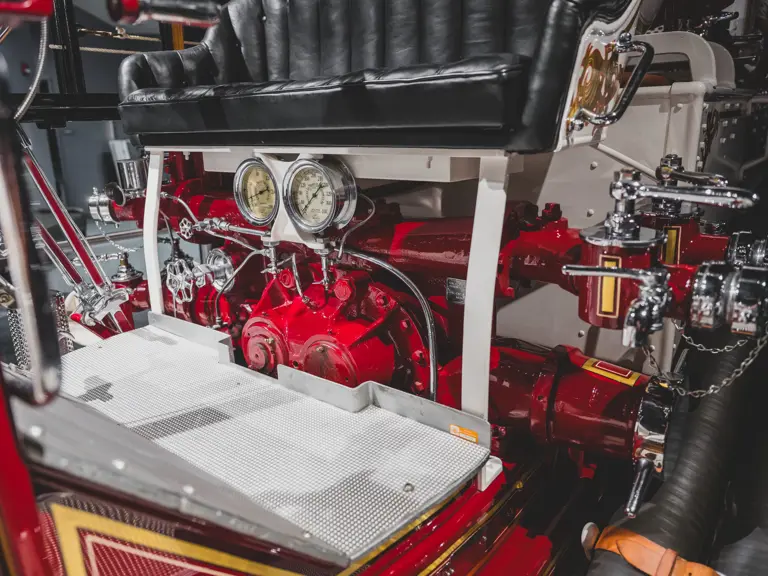
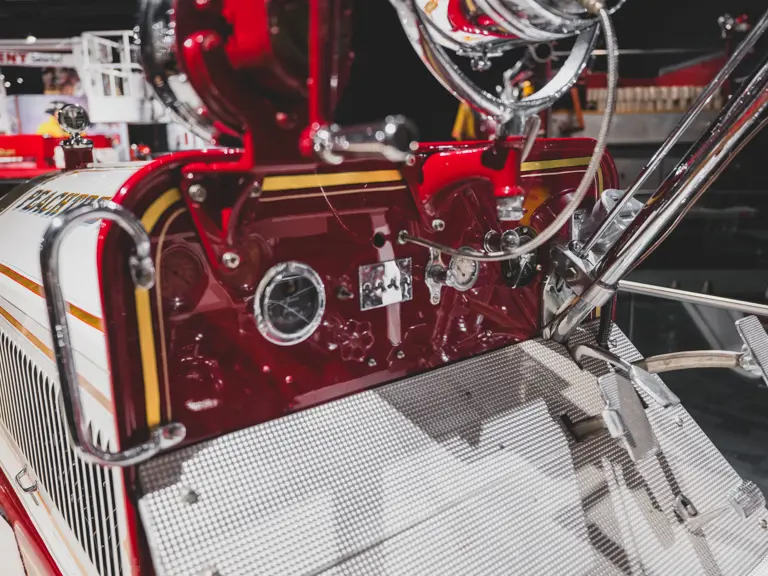
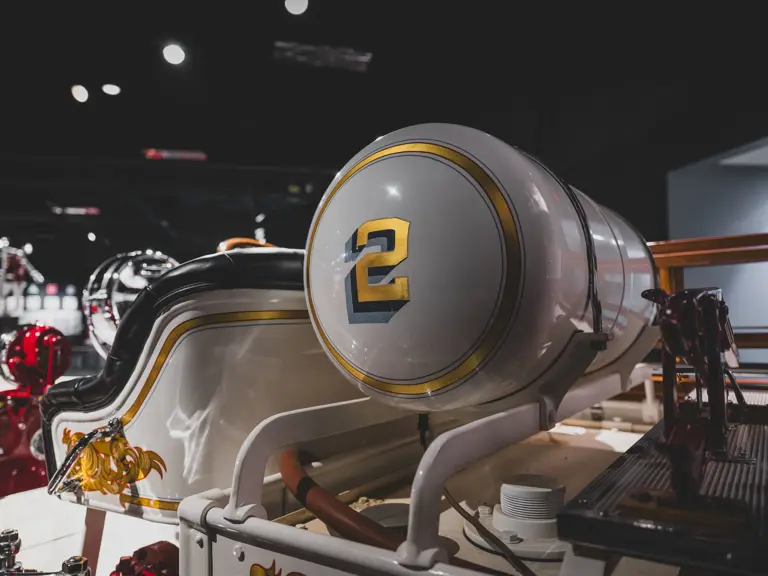
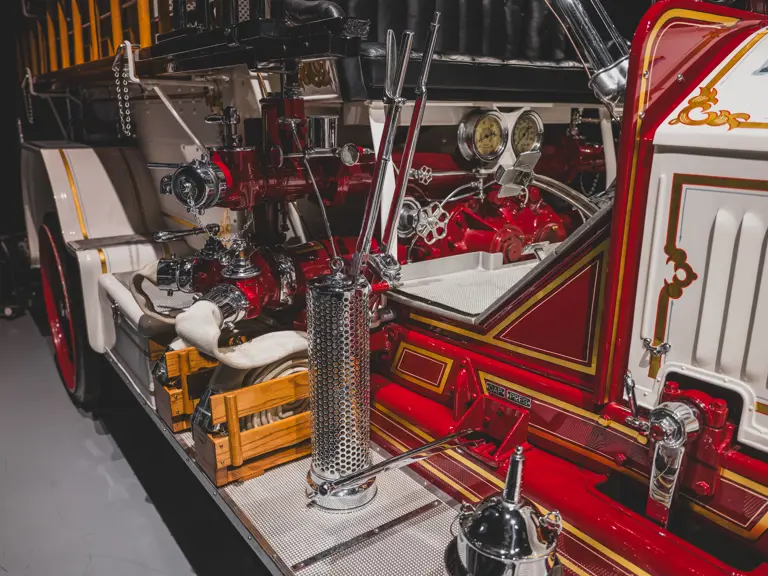
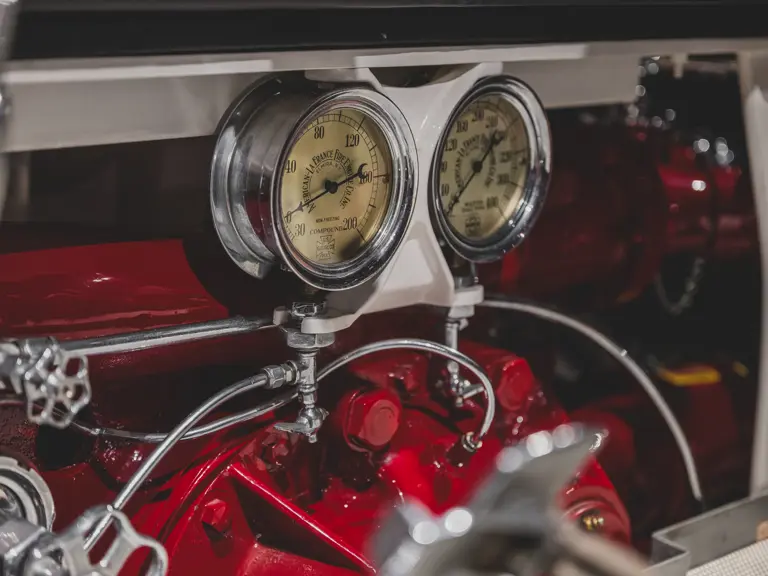
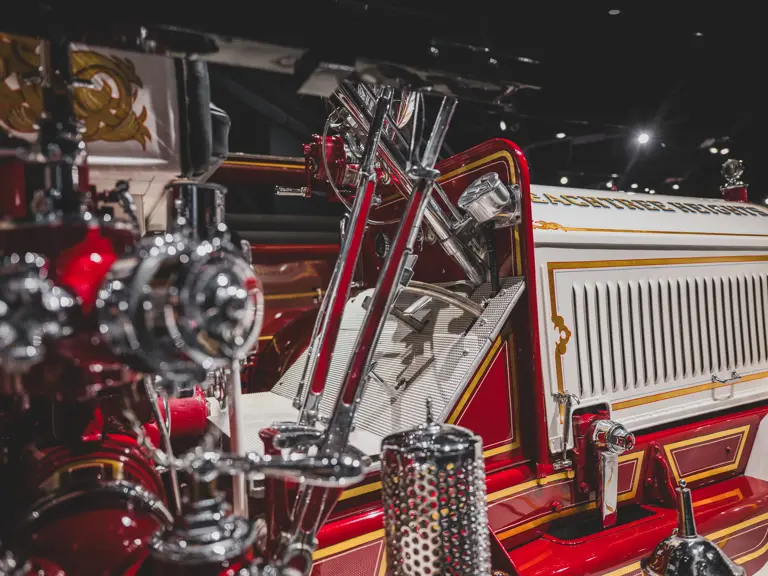
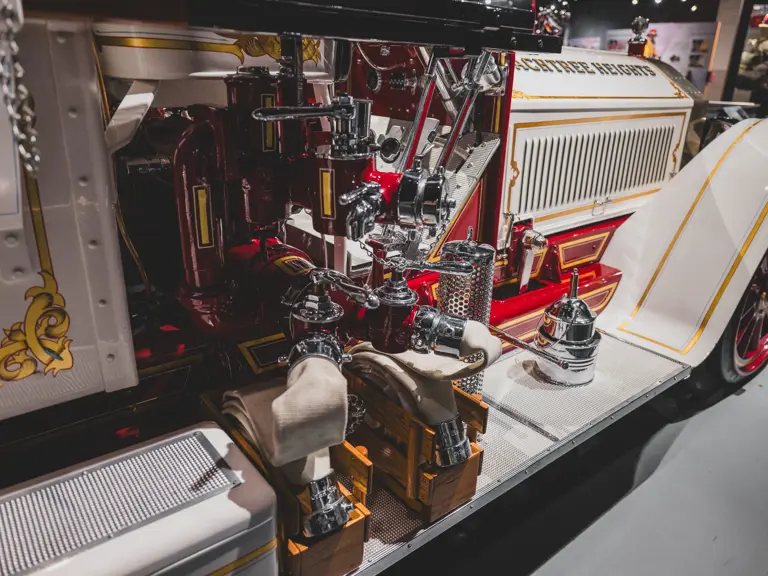
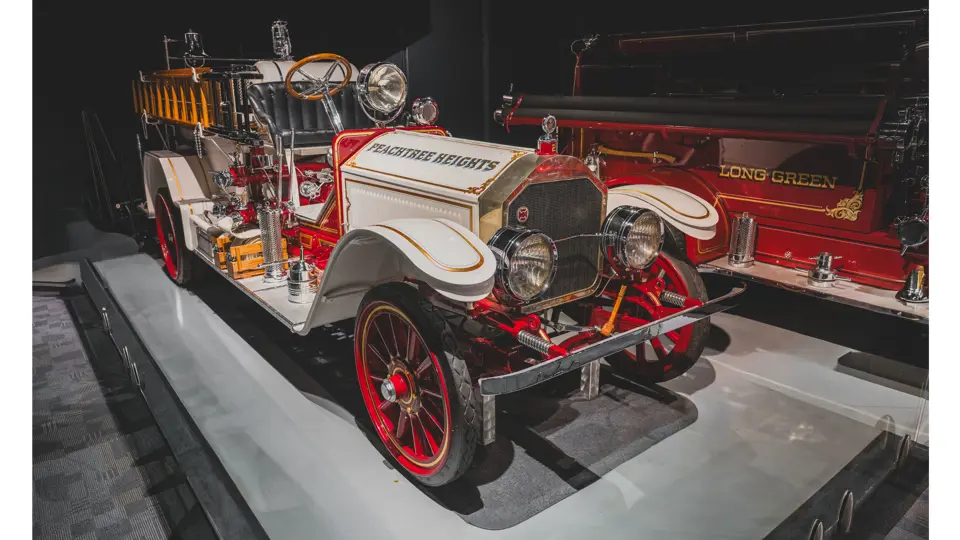
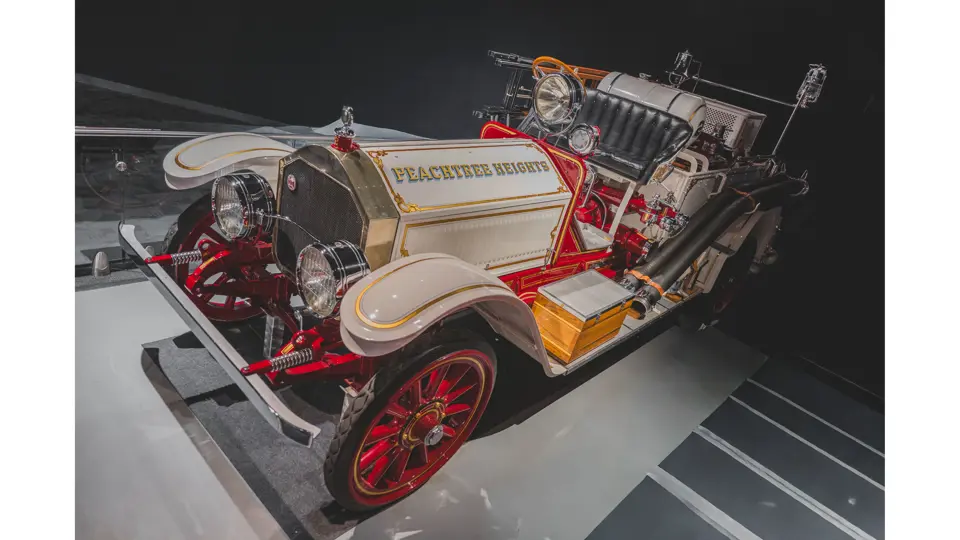
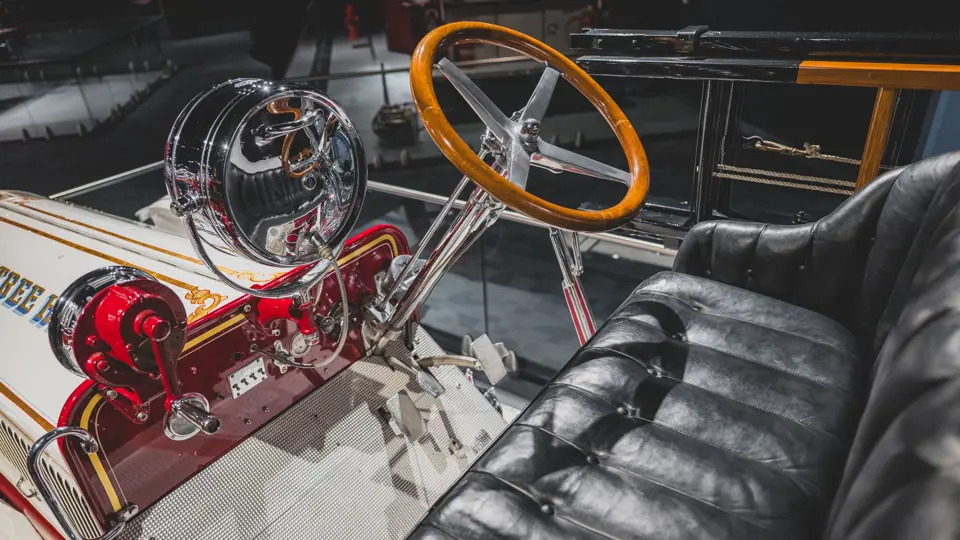
The Type 75 offered here was outfitted as a triple combination, complete with American LaFrance’s renowned 750-gpm pump. It was originally supplied to the small town of Inglenook, Alabama, a community east of Birmingham, which was incorporated into the latter city not many years after the Type 75 was delivered. Like many vintage fire trucks, it owes its continued existence to the Shriners, one of whose temples employed it for some years as a parade vehicle. Afterward it was refinished in this present color scheme of white over red—a more seldom-seen “reverse” of the usual—and lettered for Peachtree Heights, a historic neighborhood in Atlanta, Georgia.
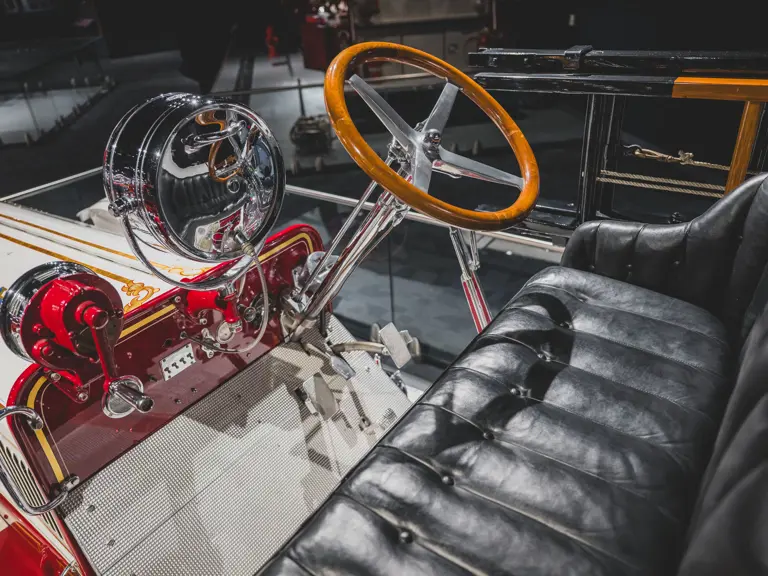
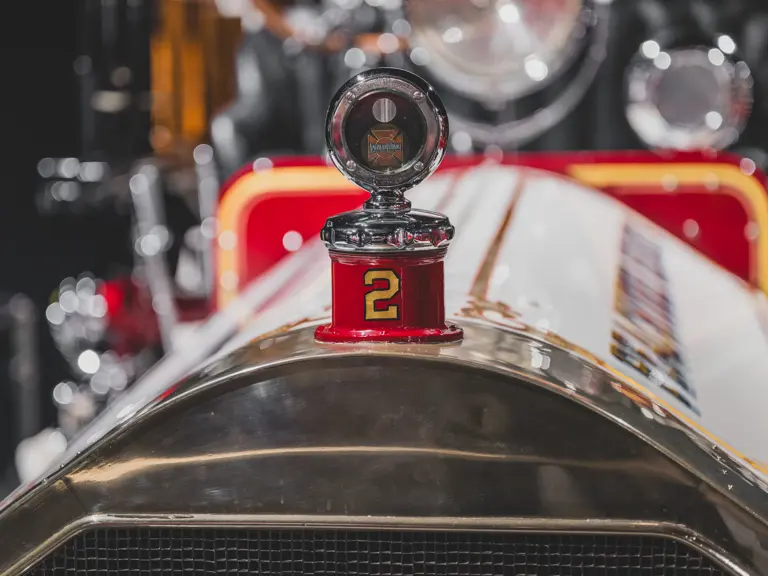
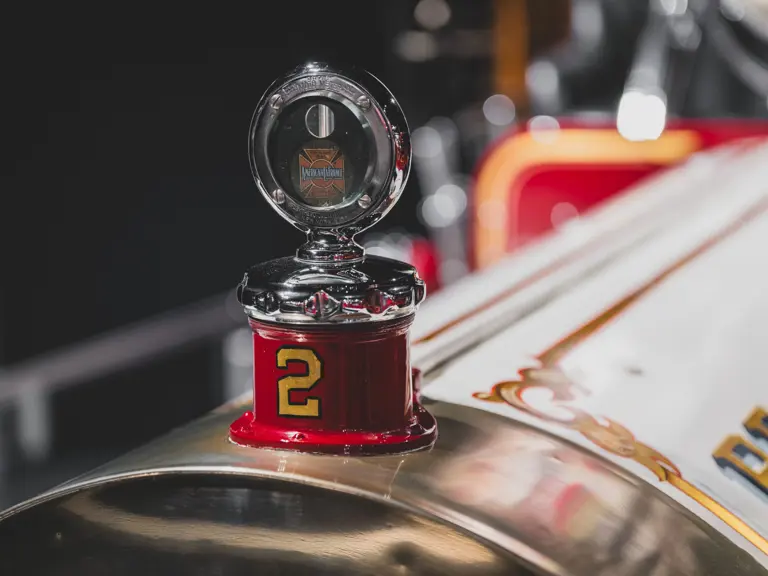
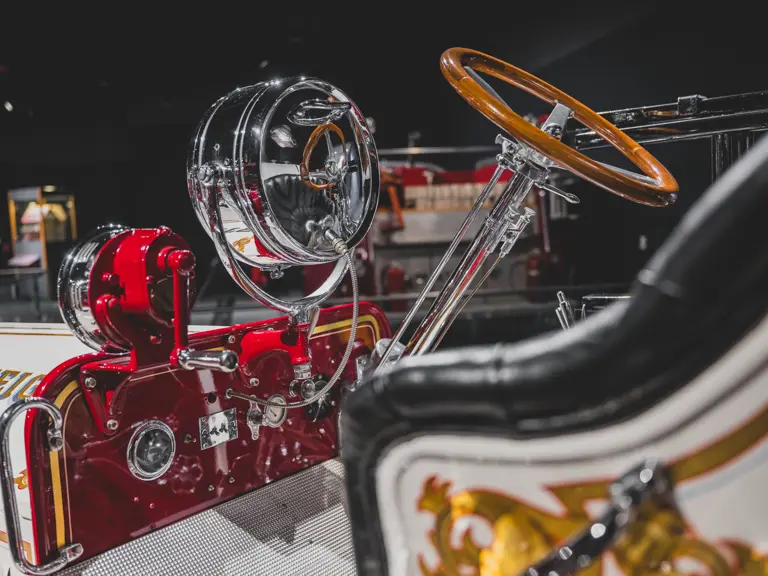
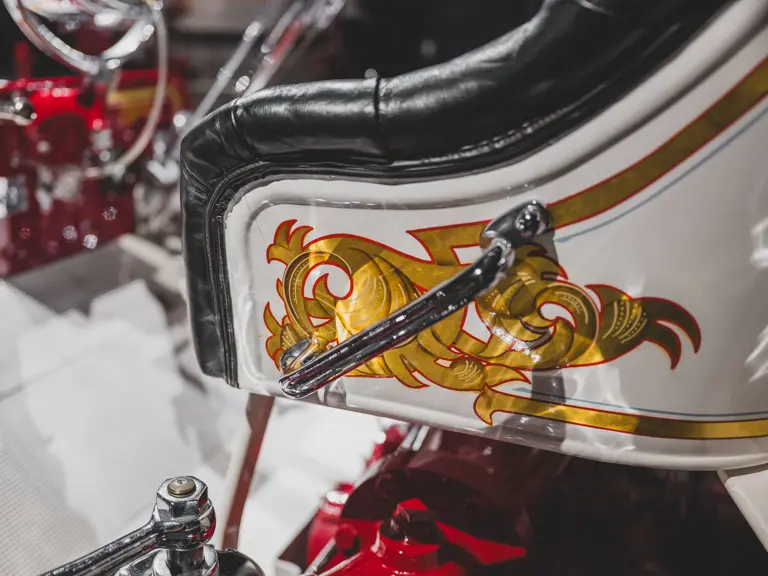
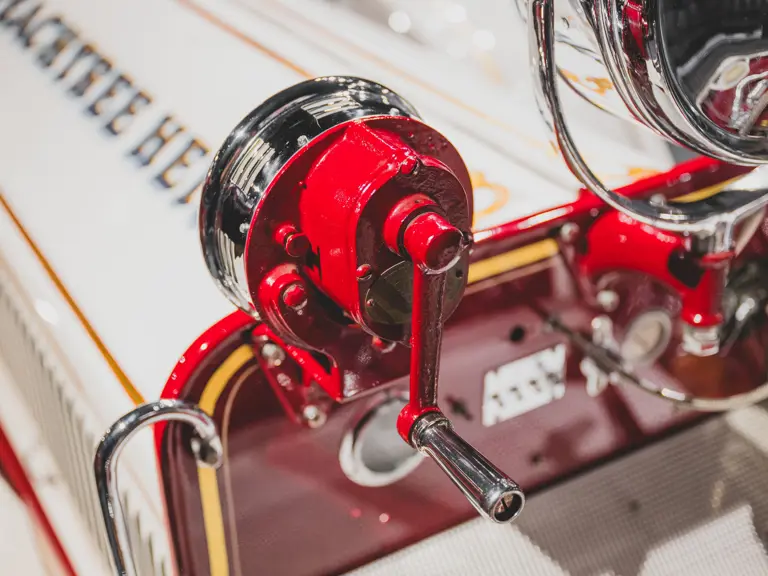
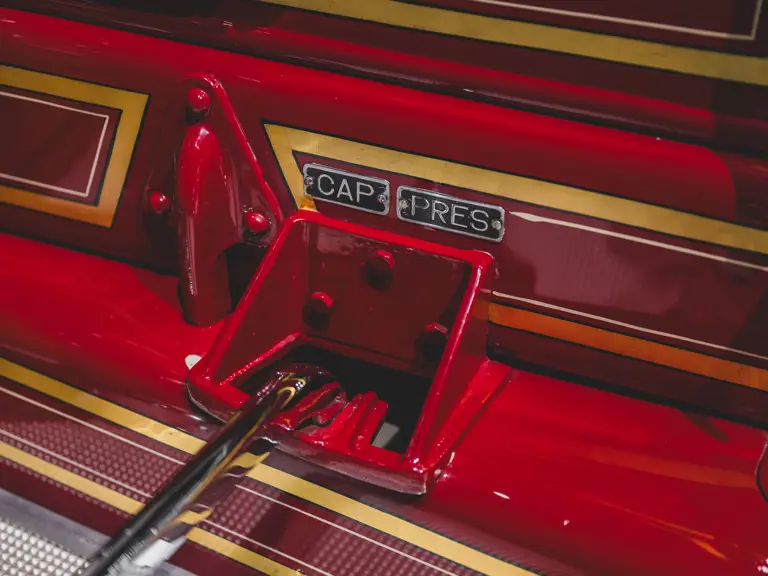
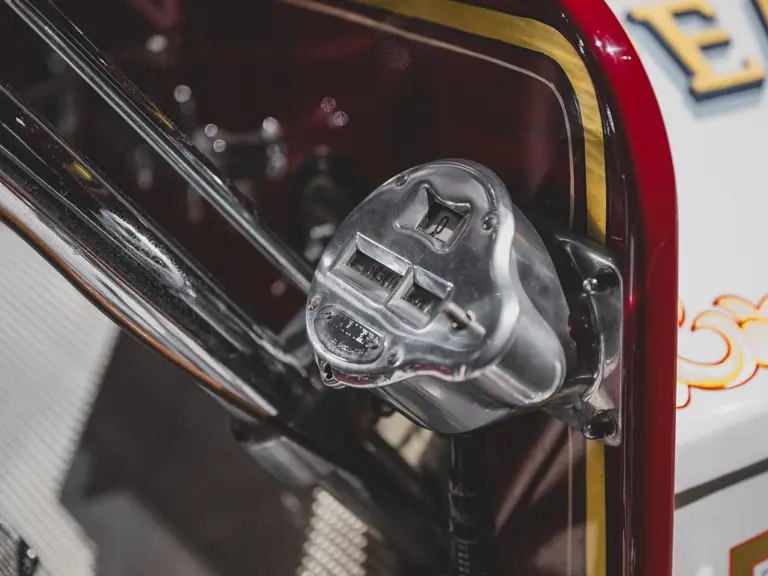
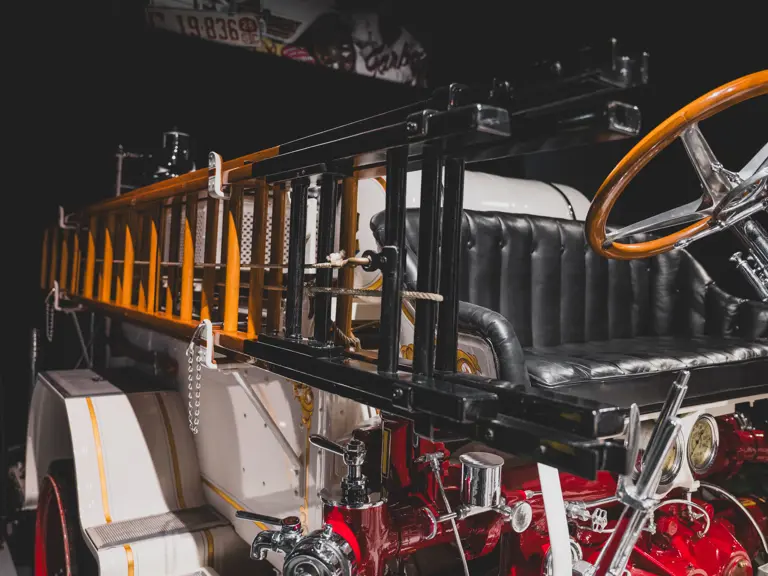
Restored for the American LaFrance Corporate Collection by their frequent collaborator, the late Jim Cox, at his Sussex Motor and Coach Works in Matamoras, Pennsylvania, the Type 75 retains its original dashboard and many correct accessories, lights, and running and tail boards throughout, and has especially impressive 23K gold leaf decoration throughout. While not a totally authentic restoration, it is still quite attractive, and was apparently enjoyed for promotional purposes before its retirement to museum display. Accordingly it would benefit from mechanical freshening before continuing to demonstrate its superb engineering on modern roads, as an excellent parade vehicle or simply for the entertainment of its owner.
 | Miami, Florida