Chassis No.
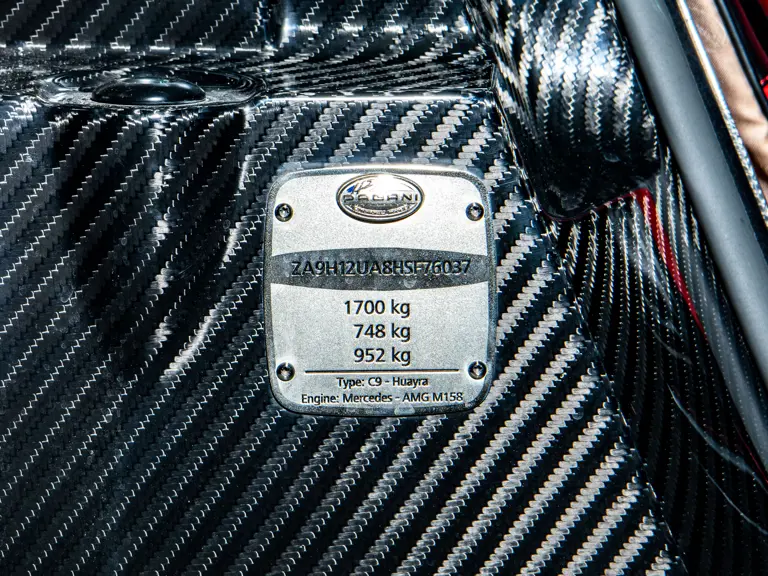
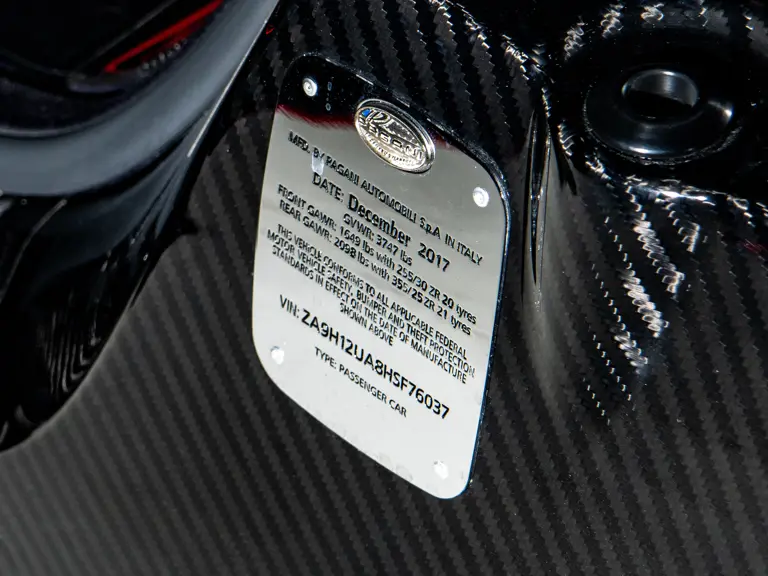
ZA9H12UA8HSF76037
{{lr.item.text}}
$3,415,000 USD | Sold
{{bidding.lot.reserveStatusFormatted}}
Pagani today requires no introduction, but there was a time when the storied supercar company was nothing more than a dream in the mind of its founder. As a young man Horacio Pagani, the son of an Italian-born baker, left his native Argentina for Europe to make his way in the high-performance automotive space. Renault’s racing team provided a foothold, after which he moved to Lamborghini.
Pagani was an early and vocal proponent of the use of carbon fiber. When Lamborghini proved unable to adopt his vision for the lightweight composite, he struck out on his own, eventually founding his own automaking firm in 1992. Remarkably, it would take seven years from the establishment of Pagani Automobili until the debut of its first car, the Zonda C12, in 1999—but any enthusiast will tell you that it was well worth the lengthy wait.
Though one never knows exactly what Horacio Pagani will come up with next, there are a few touchstones that devotees of the marque have come to expect: First, the development cycle for each new Pagani offering will take as long as its creator deems necessary. Hence, there have been only three main models, the Zonda, the Huayra, and the Utopia, introduced in the three-plus decades since the company’s founding. Each time a new model or variant is announced, the world takes notice.
Next, every Pagani automobile will feature an intoxicating blend of cutting-edge materials, traditional craftsmanship, advanced technology, extravagant yet purposeful styling, and obsessive attention to detail—only, of course, to the extent that each component enhances the overall experience of owning, and driving, one of these fantastic creations.
Finally, it is a certainty that each Pagani model and variant will be utterly unlike anything else on the road.
So it was with the Huayra, introduced as the long-awaited successor to the Zonda in 2011. Named after a Quechua wind god, the Huayra’s lightweight composite bodywork was, fittingly, unearthly in appearance. Active aerodynamics—a first for Pagani—operated via a complex system of flaps controlled by the ABS and ECU systems. The drag coefficient could be varied from .31 to .37 depending on the high-speed situation in which the car found itself. Not only was the active aero system effective at keeping the car planted as it zoomed to nearly 240 mph, it also provided a substantial stability improvement in cornering.
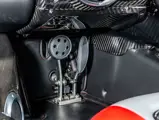
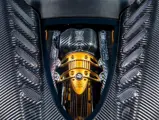
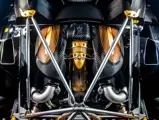
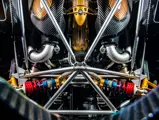
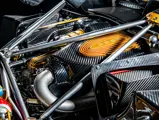
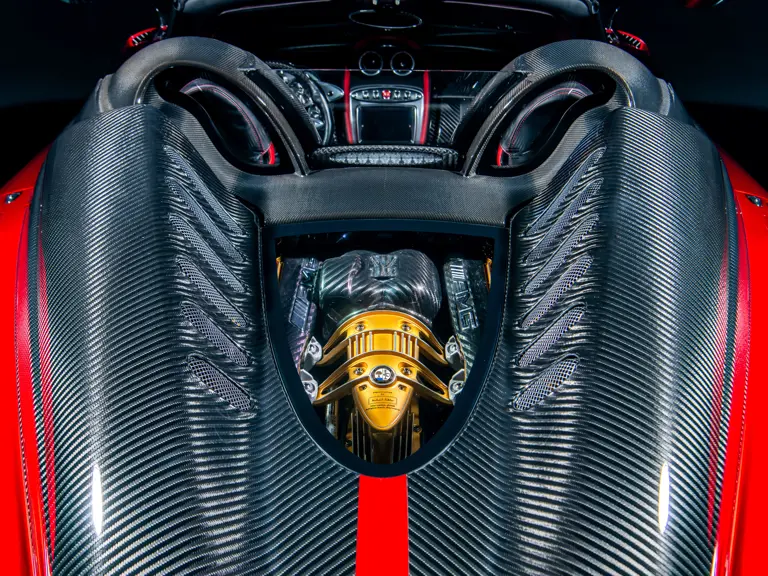
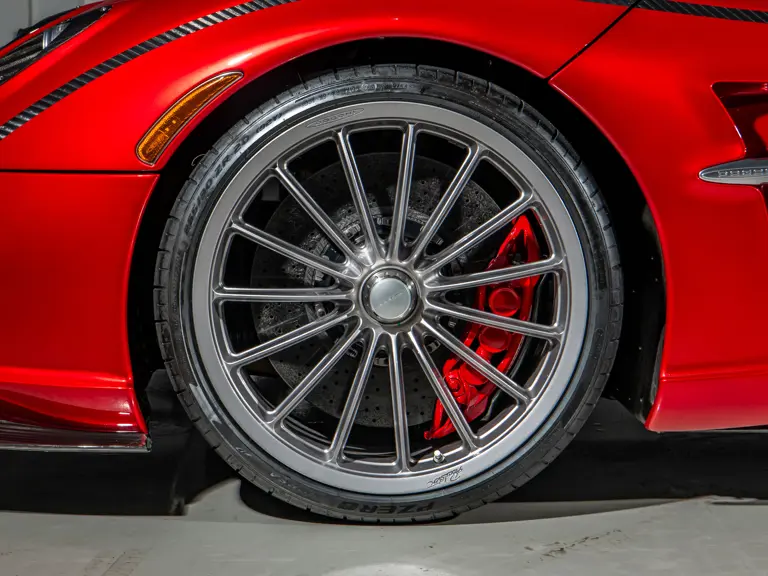
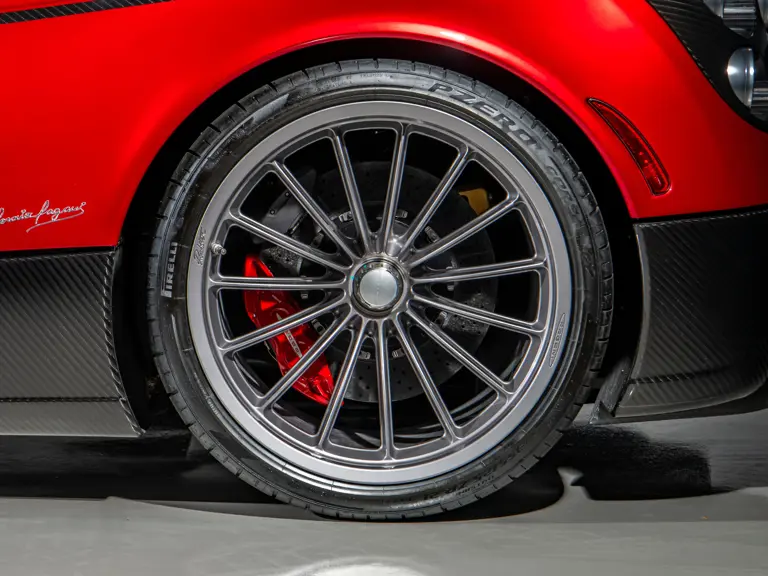
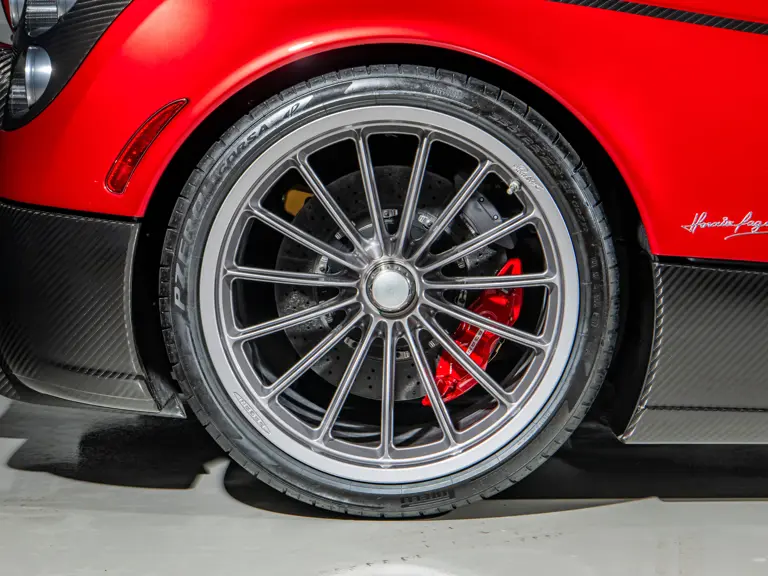
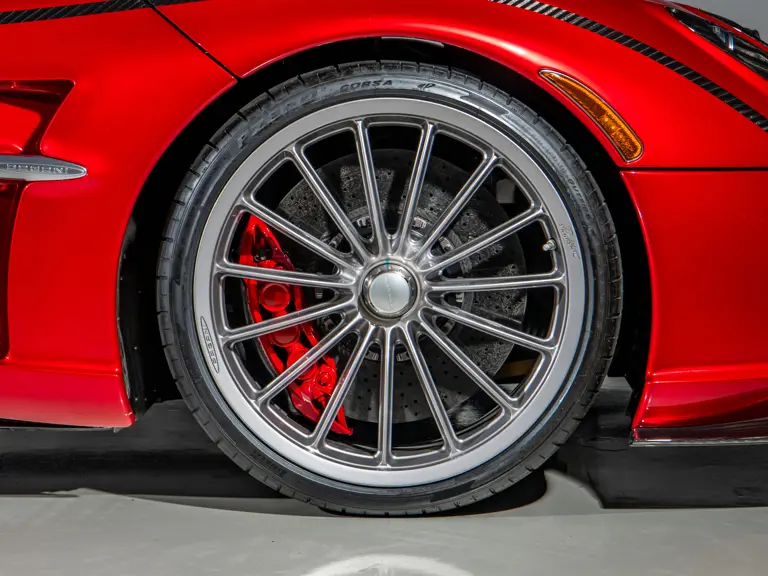
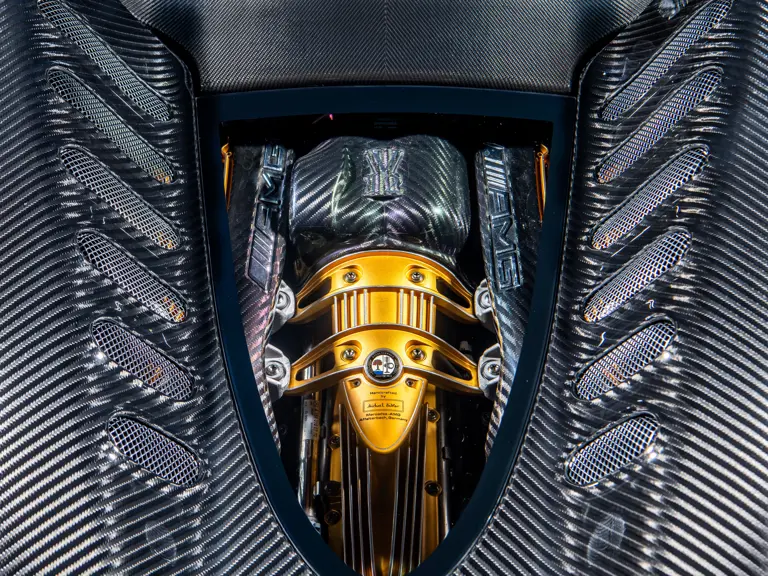
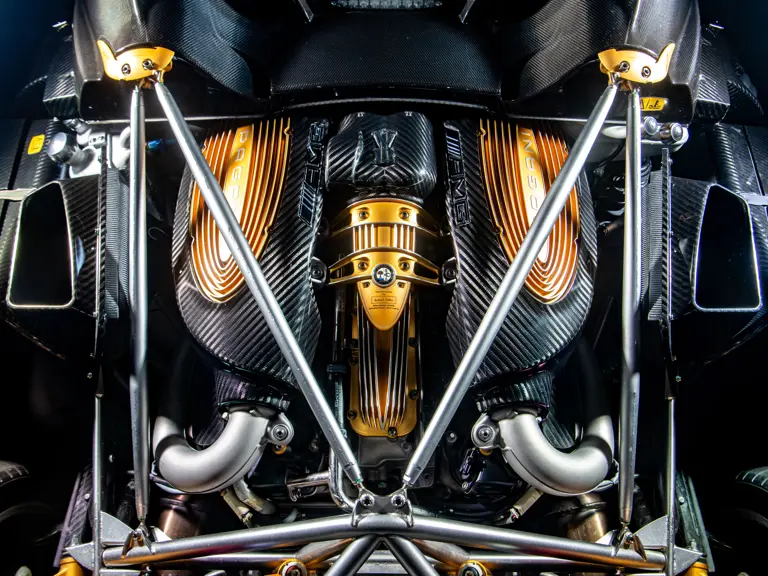
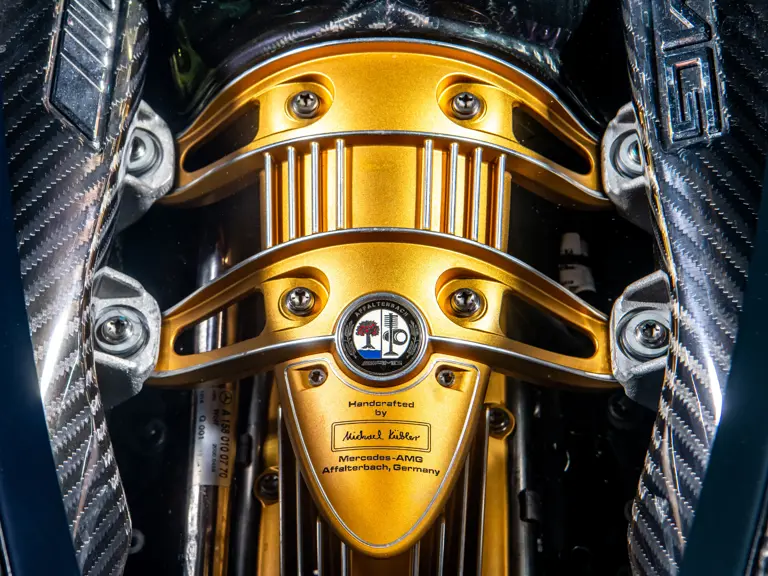
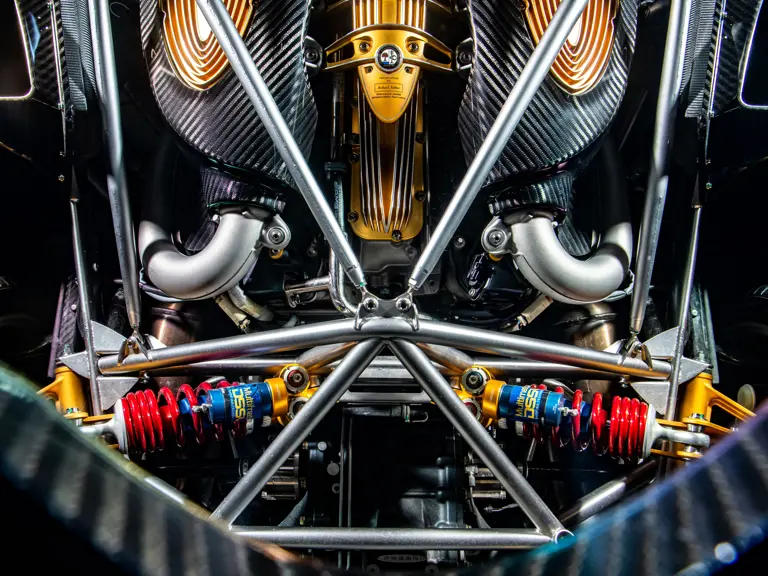
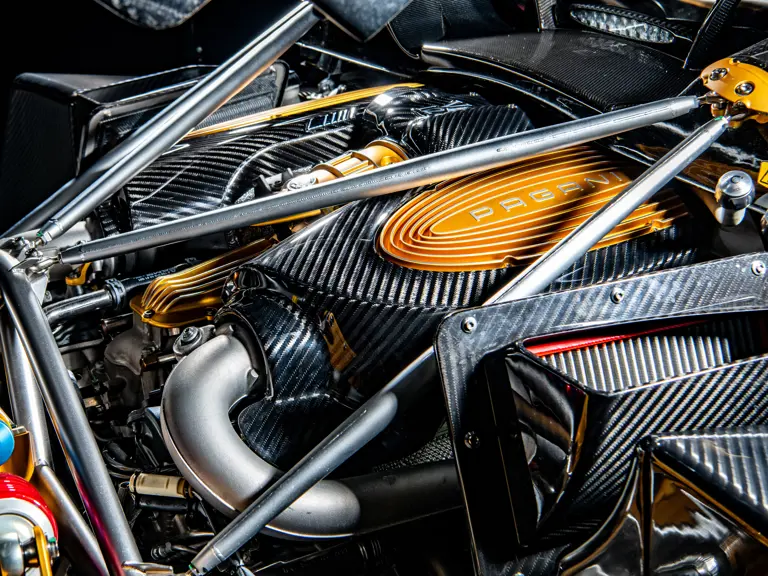
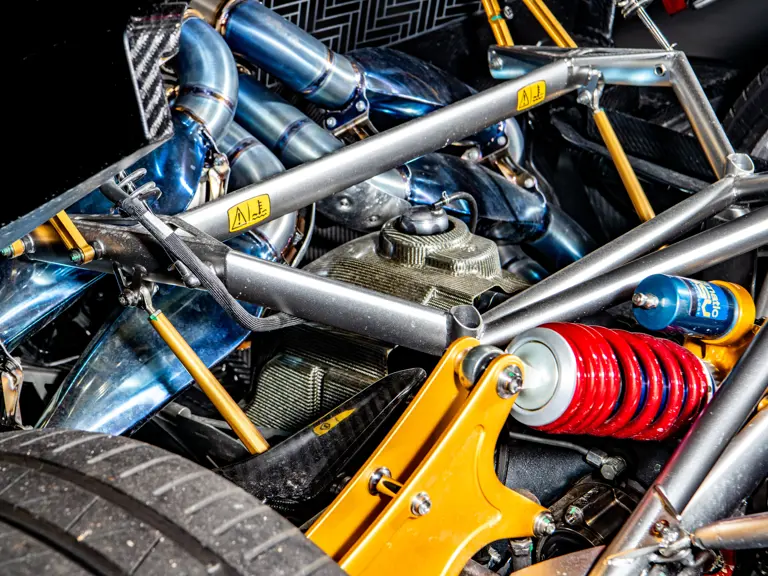
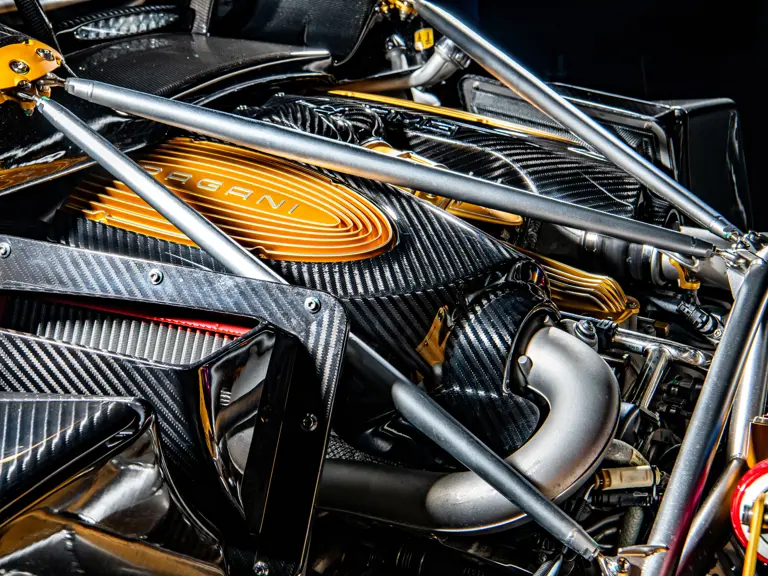
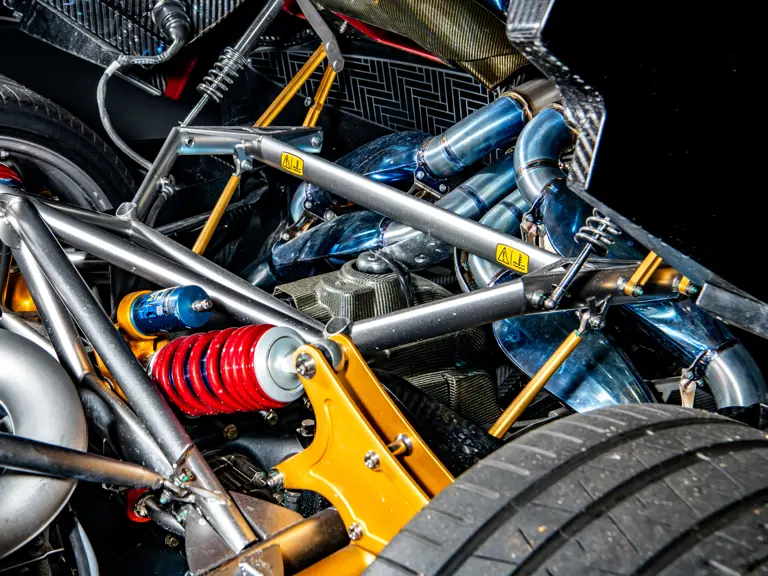
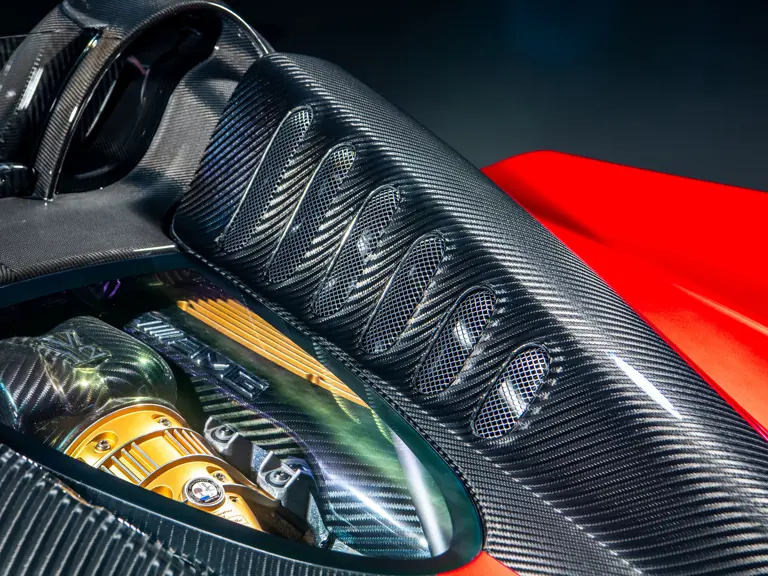
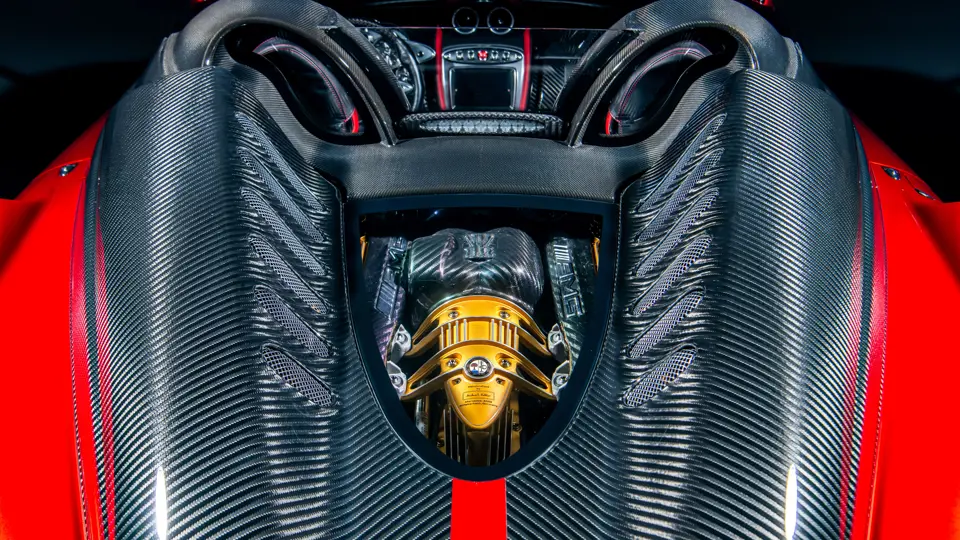
An AMG-sourced twin-turbocharged V-12 engine built specifically for Pagani in Germany by Michael Kübler produced over 700 horsepower, while a seven-speed sequential gearbox with an unusual single-disc clutch configuration was chosen for its rapid gear changes and its remarkably low weight. Massive Brembo-sourced four-piston front and rear brakes grab the 15-inch drilled carbon ceramic brakes to bring the car to a halt reliably, consistently, and above all, exceptionally rapidly.
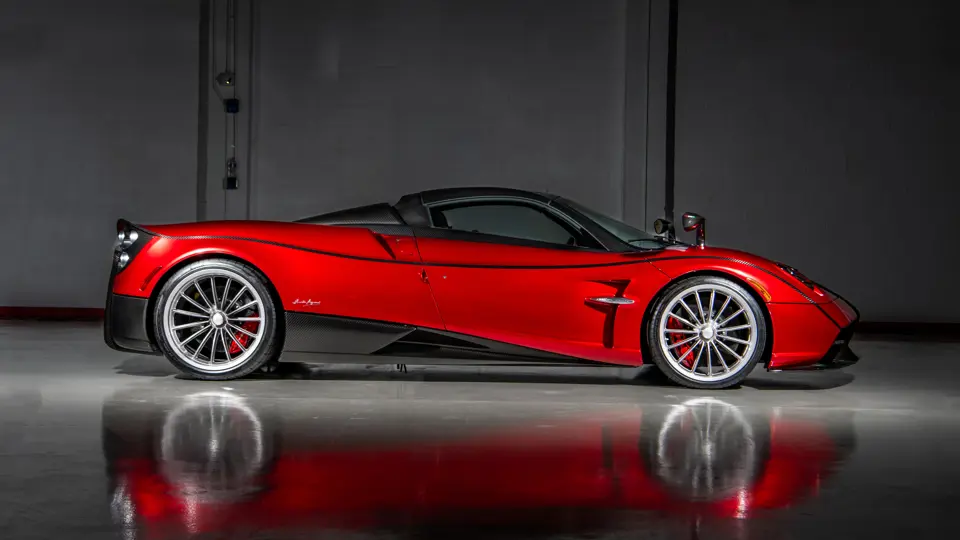
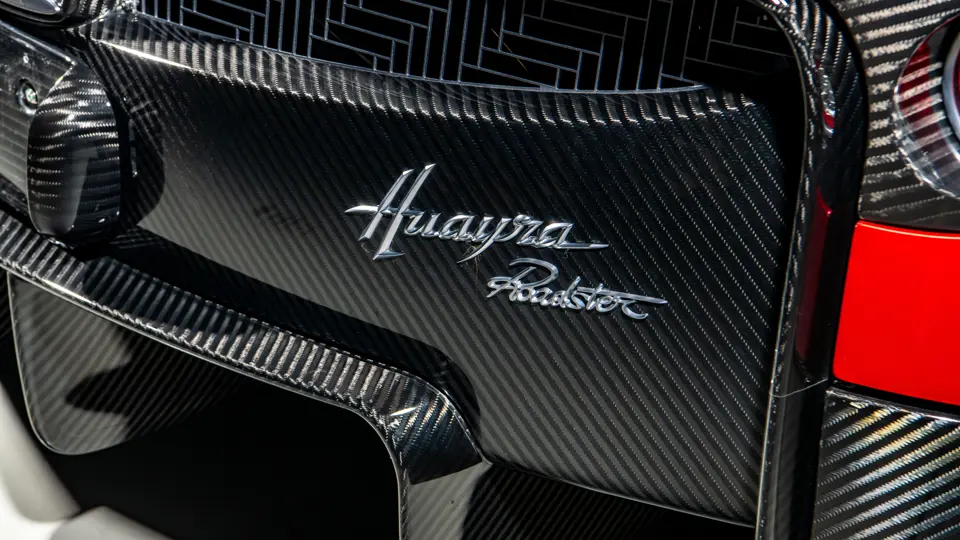
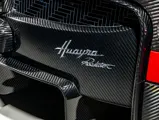
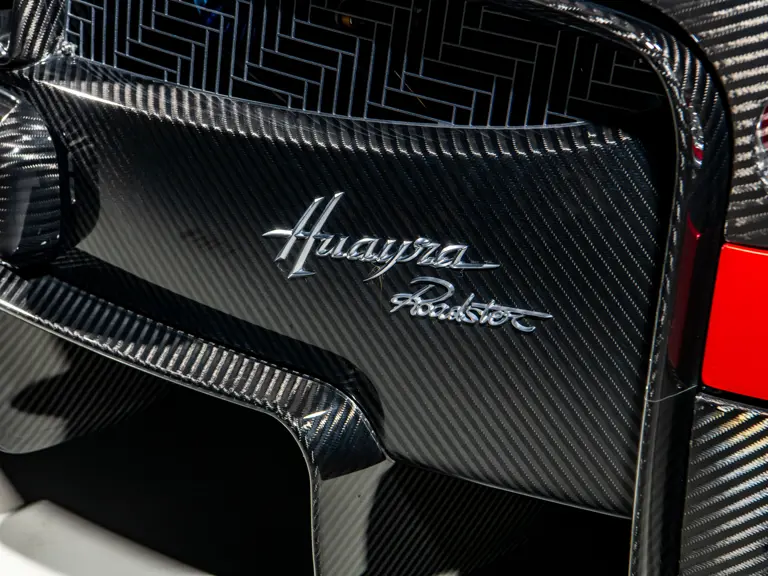
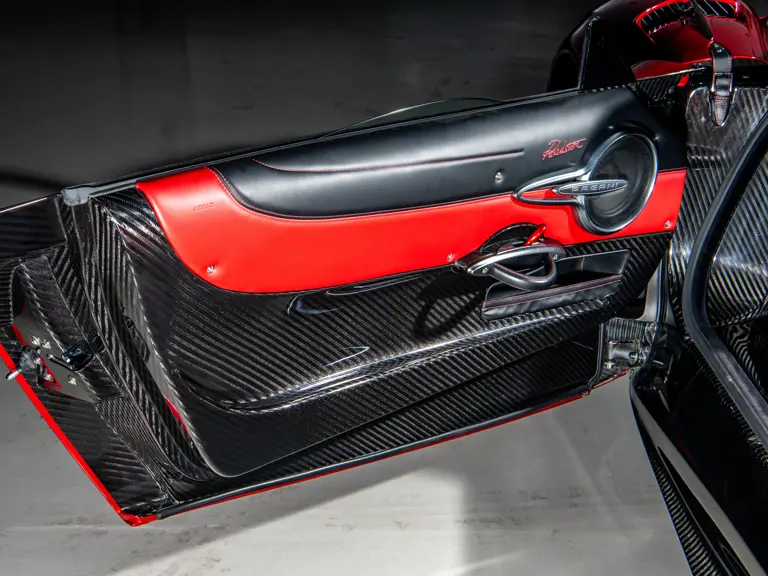
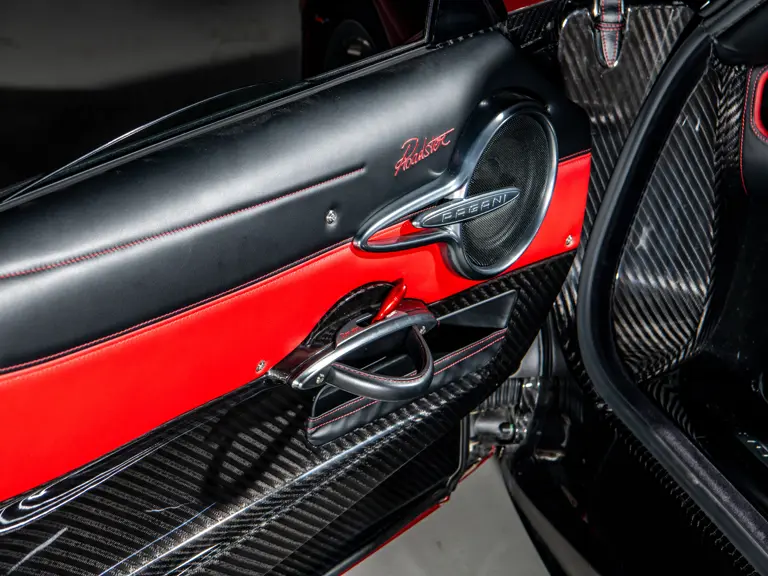
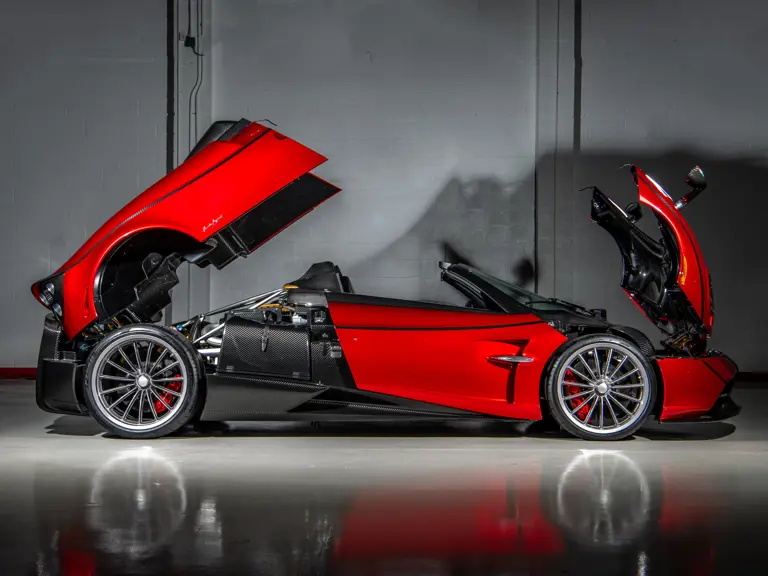
The Huayra coupe was met with immediate praise, and it was perhaps inevitable that an open-topped version would follow. The Huayra Roadster debuted in 2017 after several years of development, and what emerged was a notably different car overall. Power still came from a twin-turbo V-12, yet output was dialed up to 754 horsepower and a punchy 738 pound-feet of torque. The bodywork was revised, most obviously to accommodate the removable roof, but also in its doors (conventional rather than gullwing) and the rear end.
A revised carbon-titanium body tub helped shed mass without sacrificing rigidity, and as a result the roadster is, at 2,820 pounds, actually lighter than its hardtop counterpart—yet more proof of Pagani’s obsession with making each variant a genuine, progressive evolution of the core model on which it is based.
In total, only 100 Huayra Roadsters were produced. Each was immediately accounted for by dedicated collectors, and examples like the roadster on offer are as coveted as they are rare.
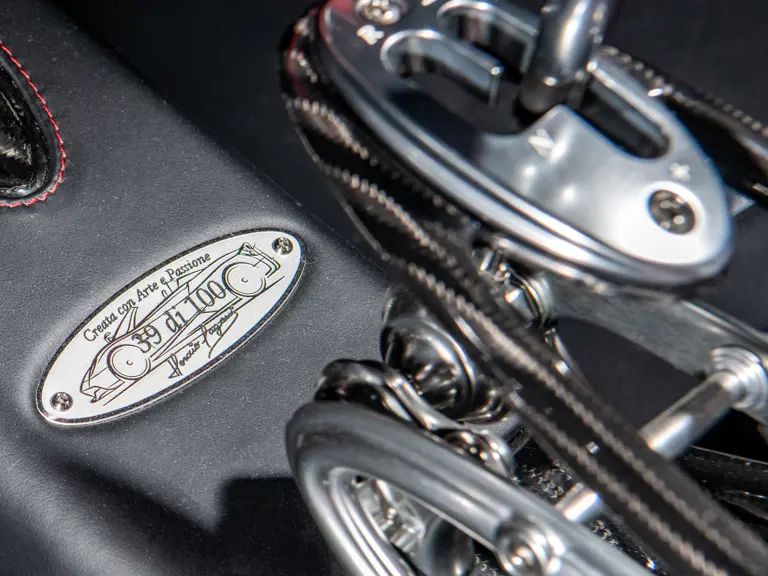
CREATA CON ARTE E PASSIONE: ROADSTER NUMBER 39
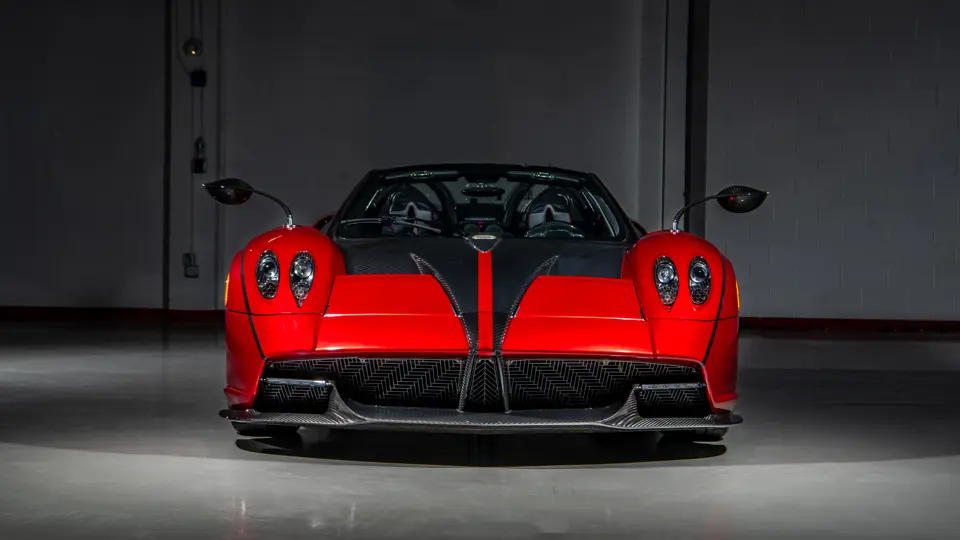
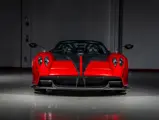
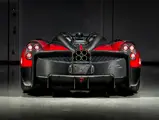
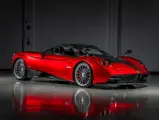
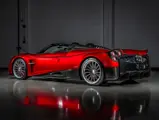
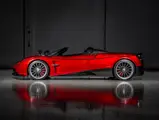
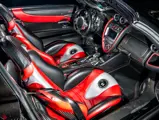
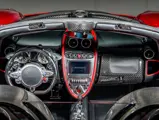
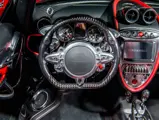
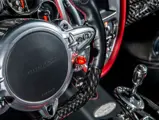
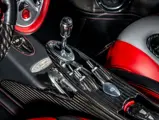
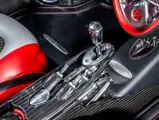
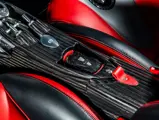
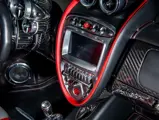
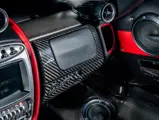
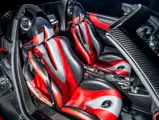
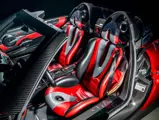
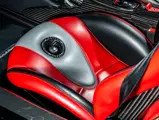
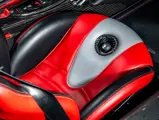
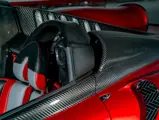
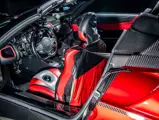
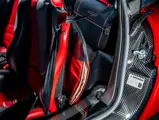
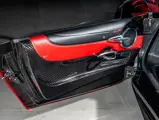
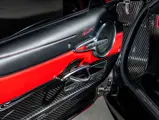
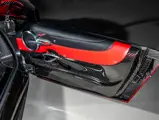
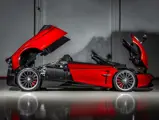
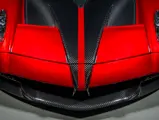
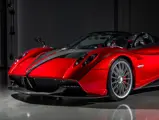
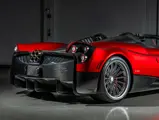
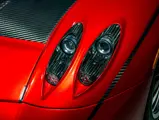
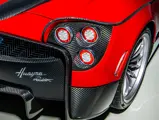
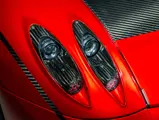
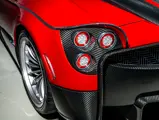
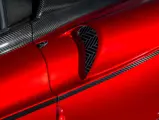
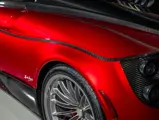
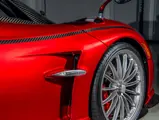
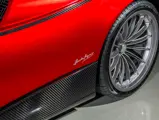
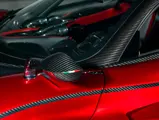
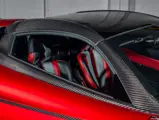
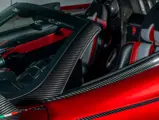
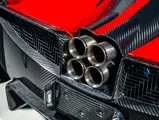
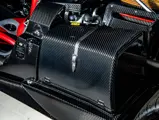
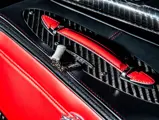
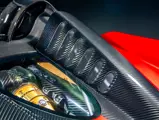
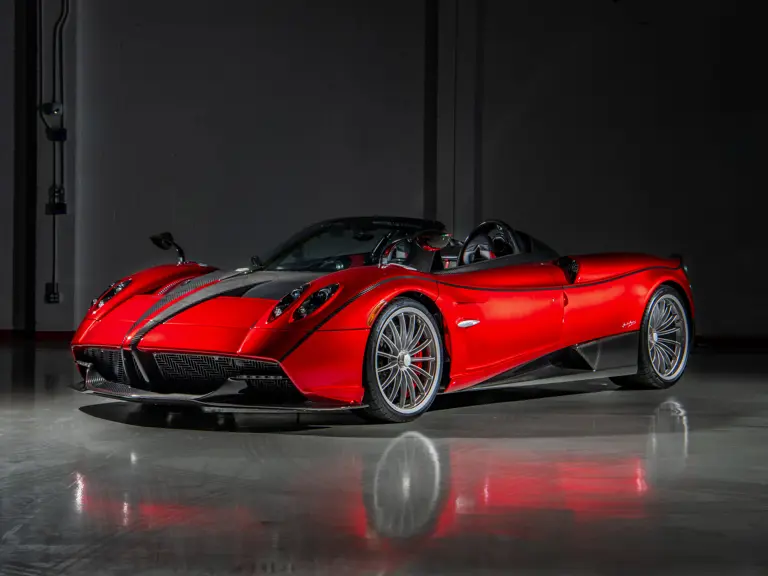
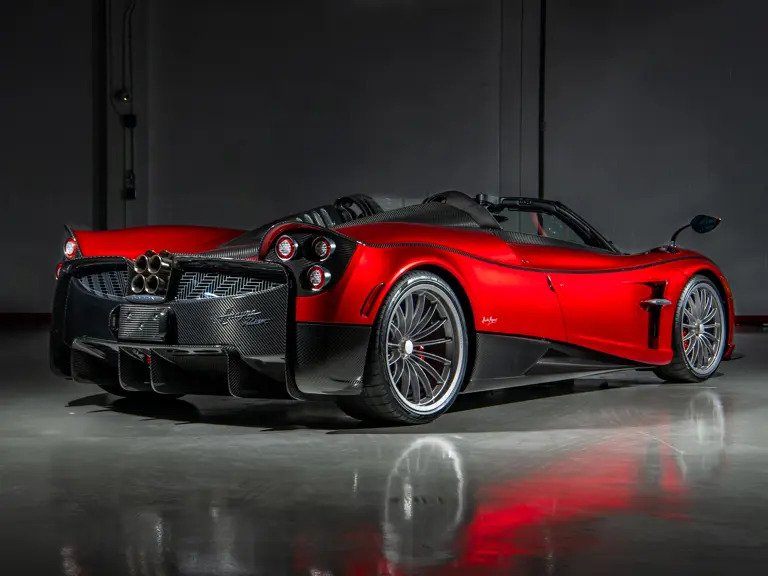
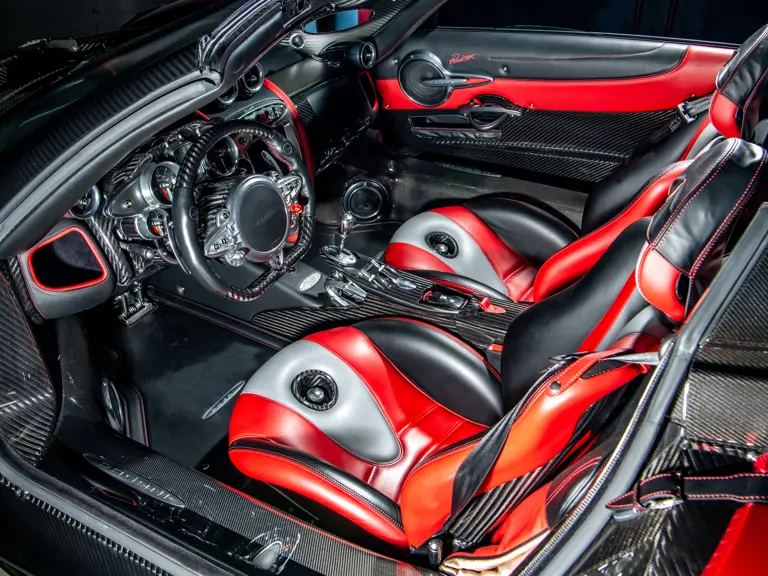
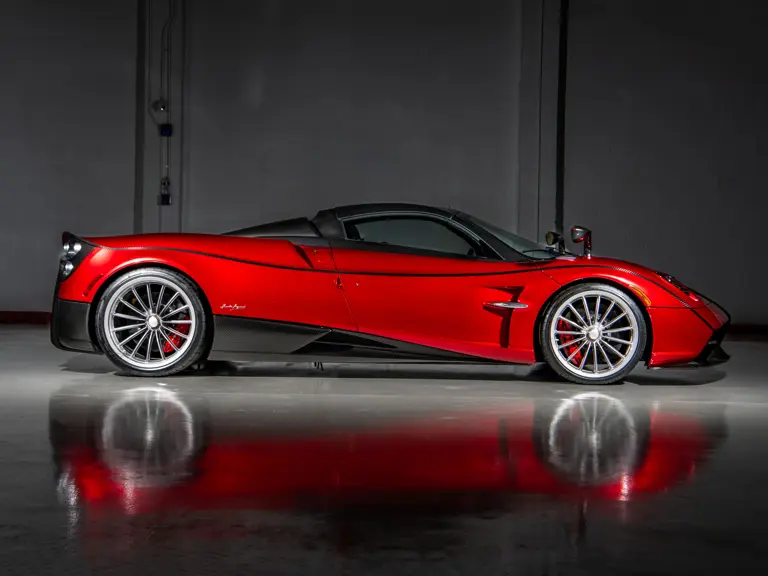
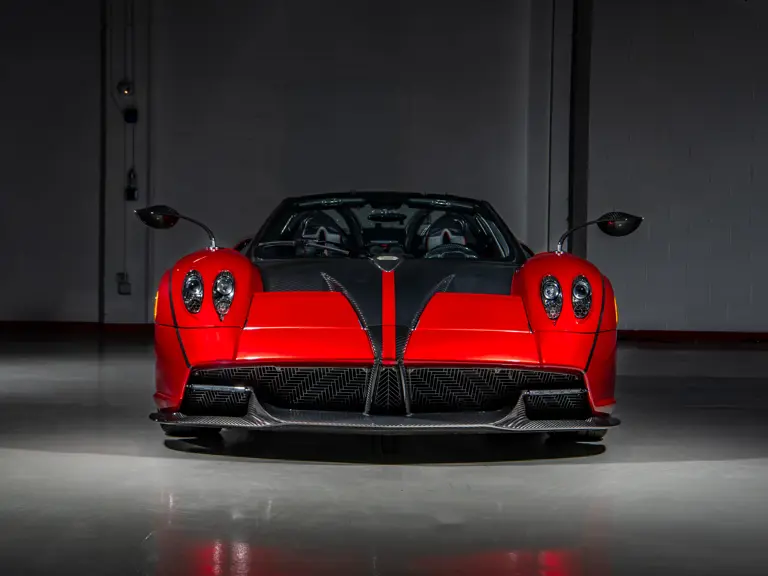
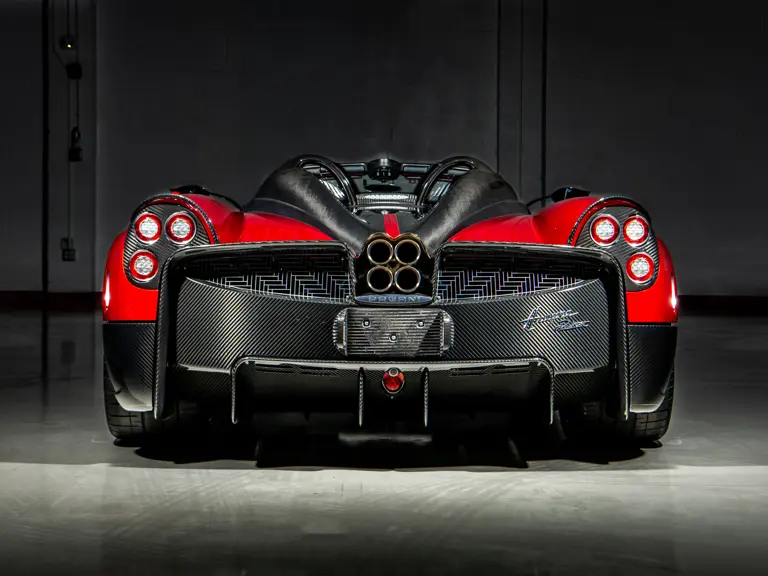
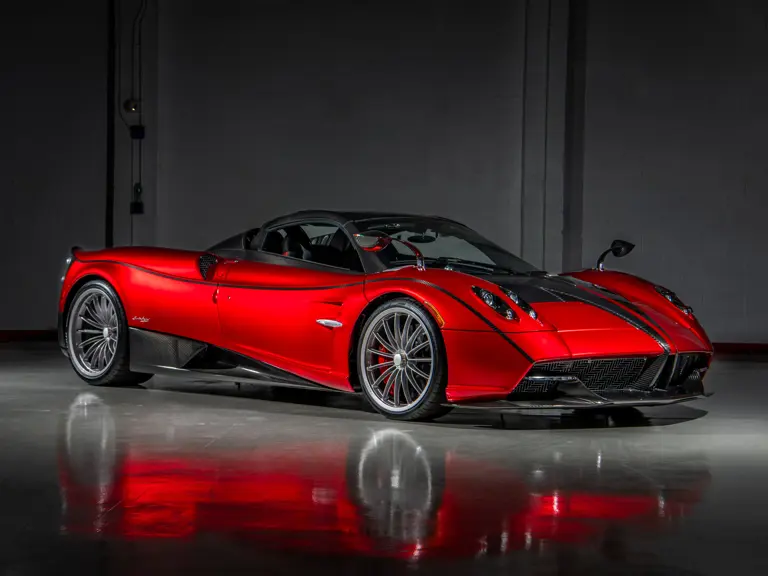
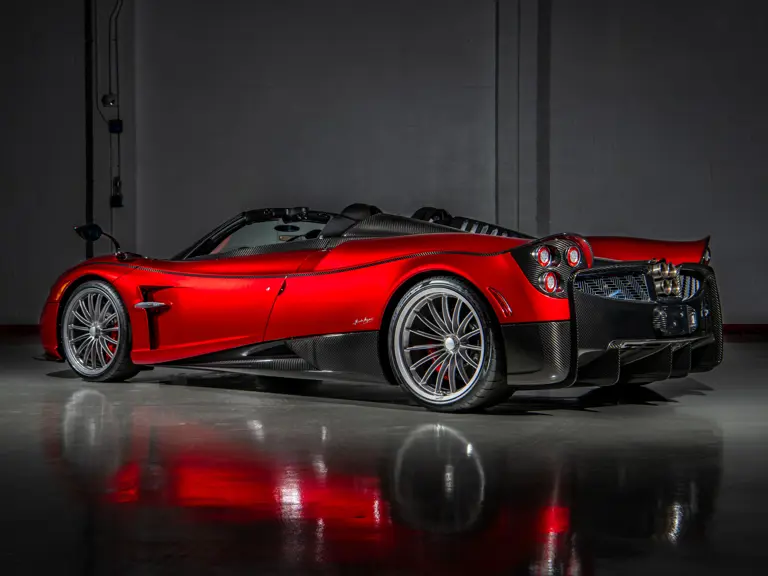
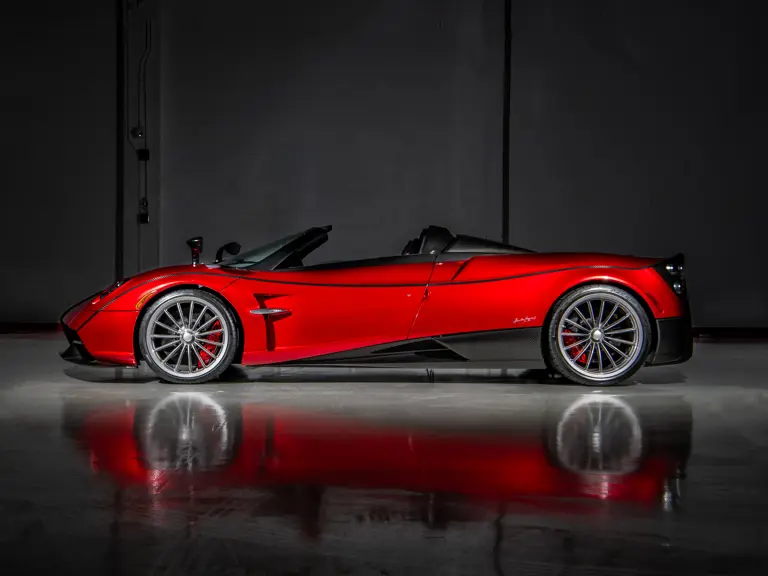
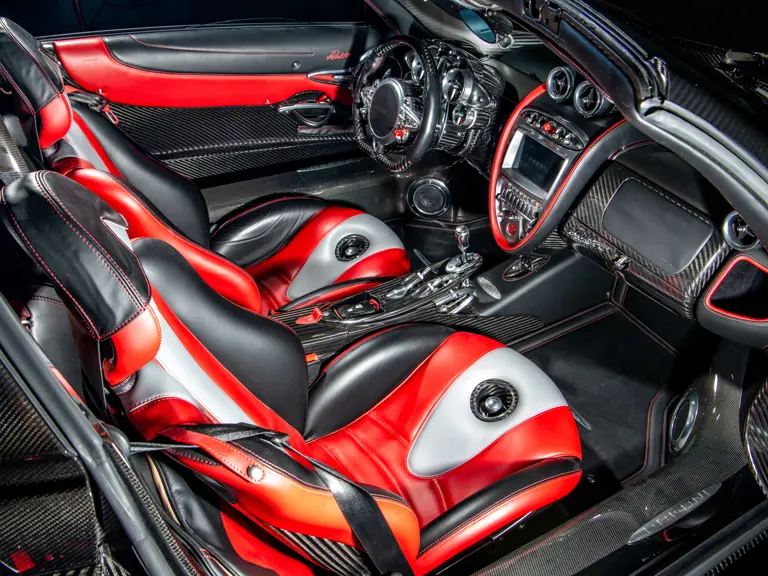
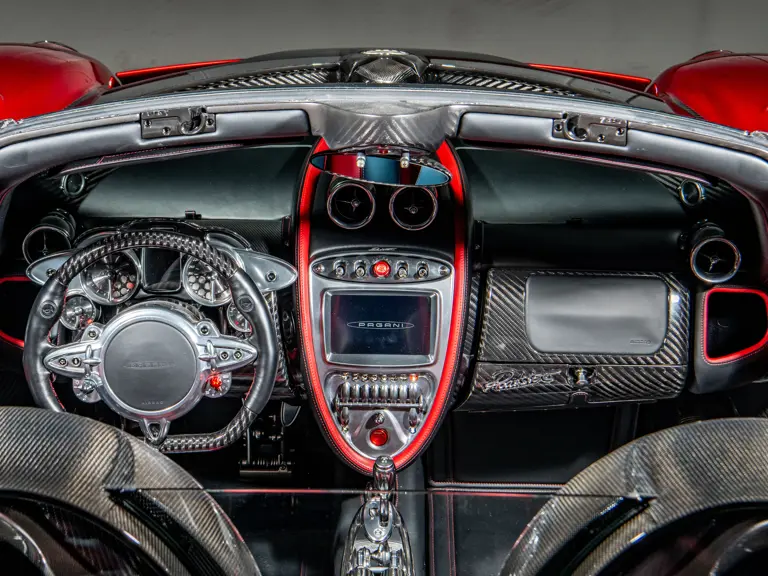
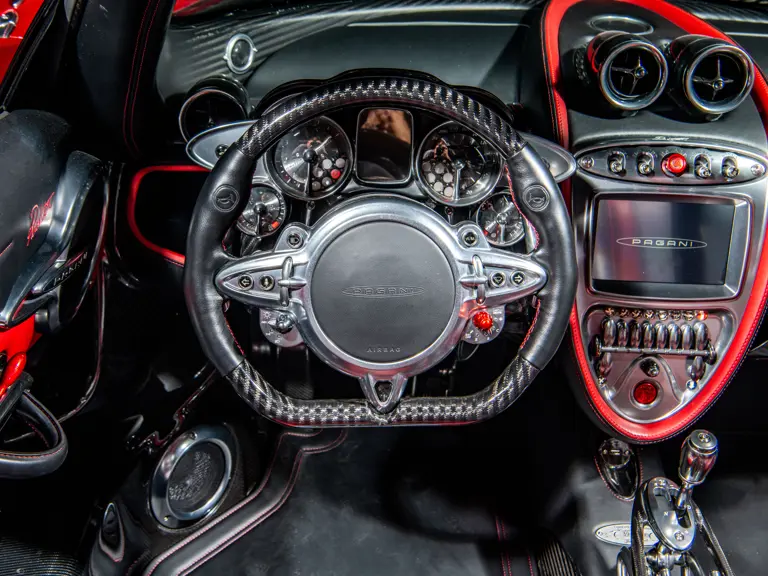
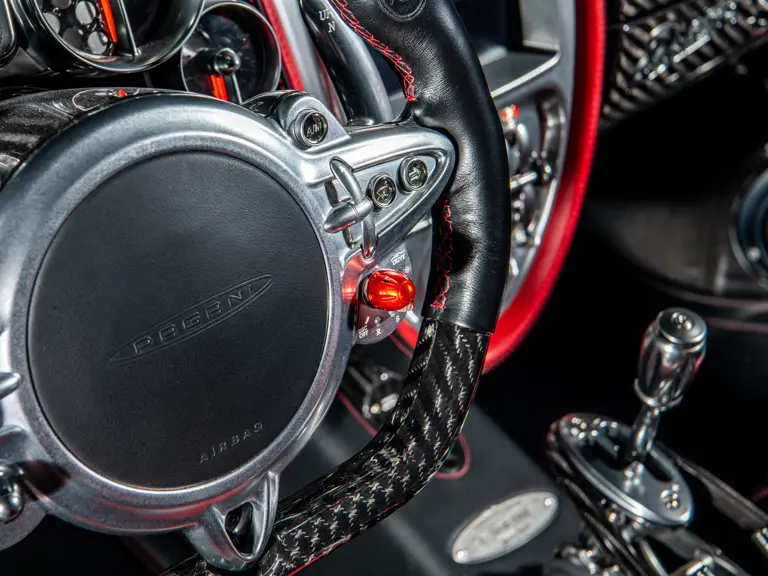
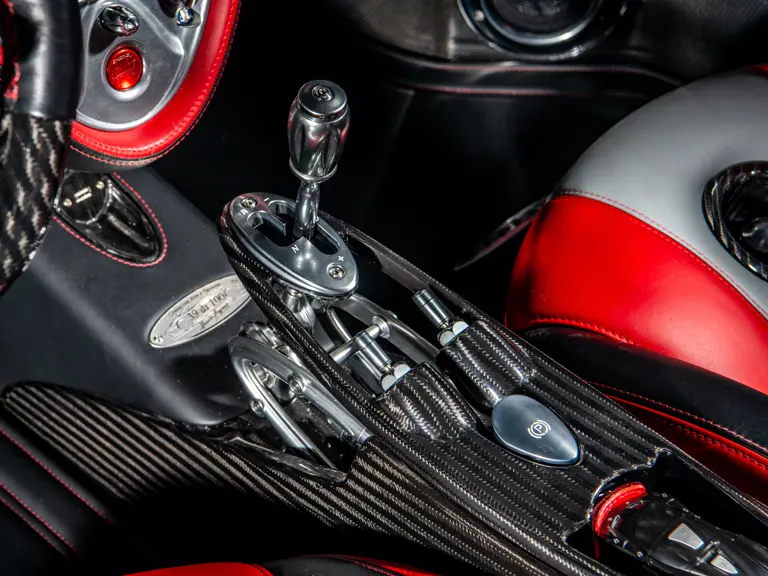
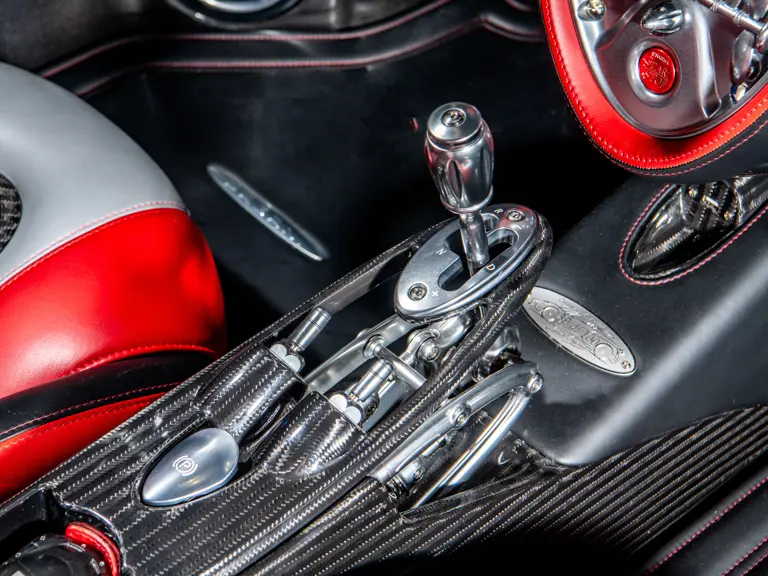
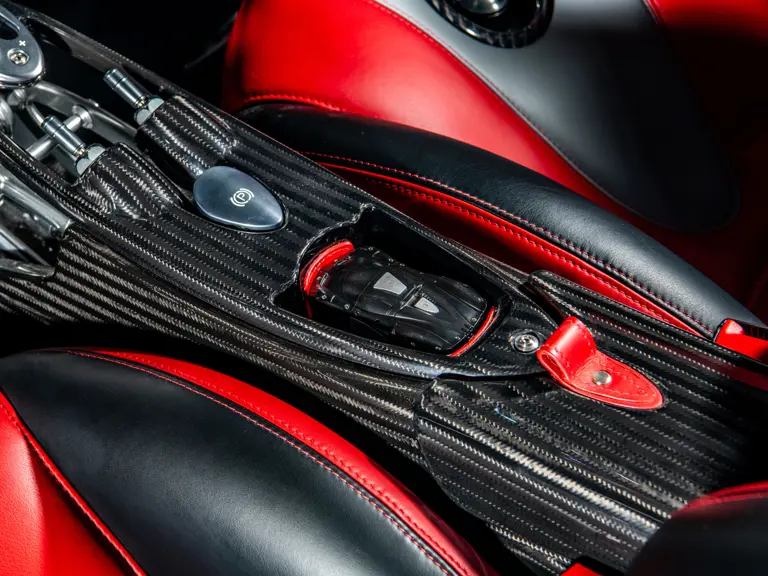
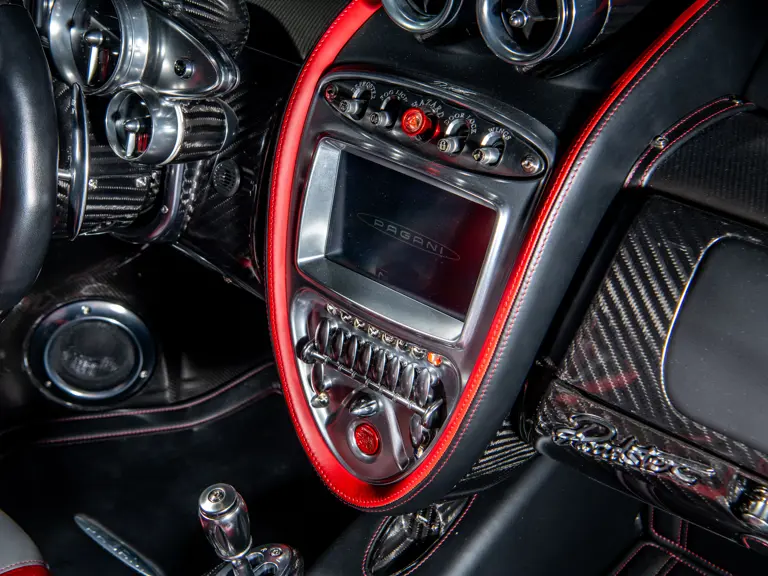
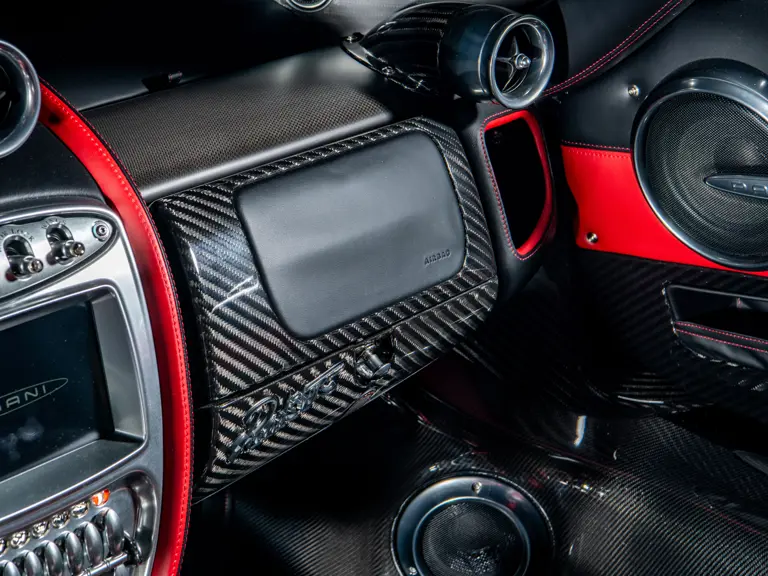
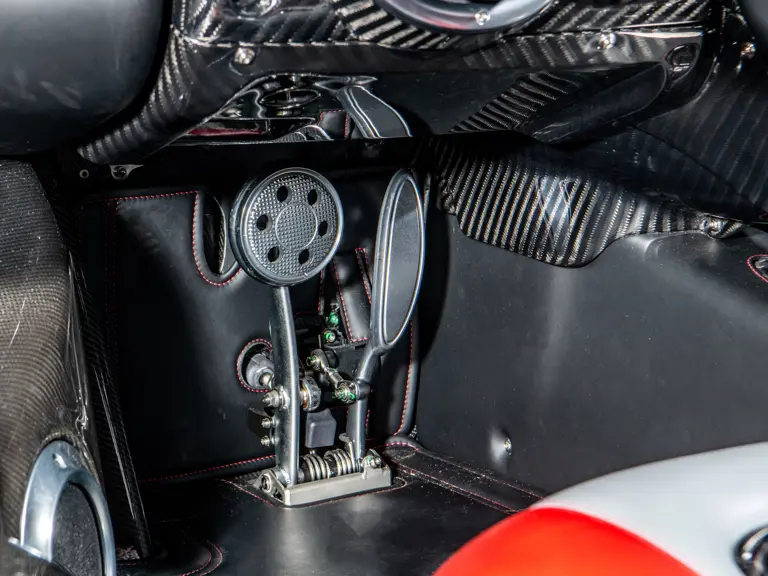
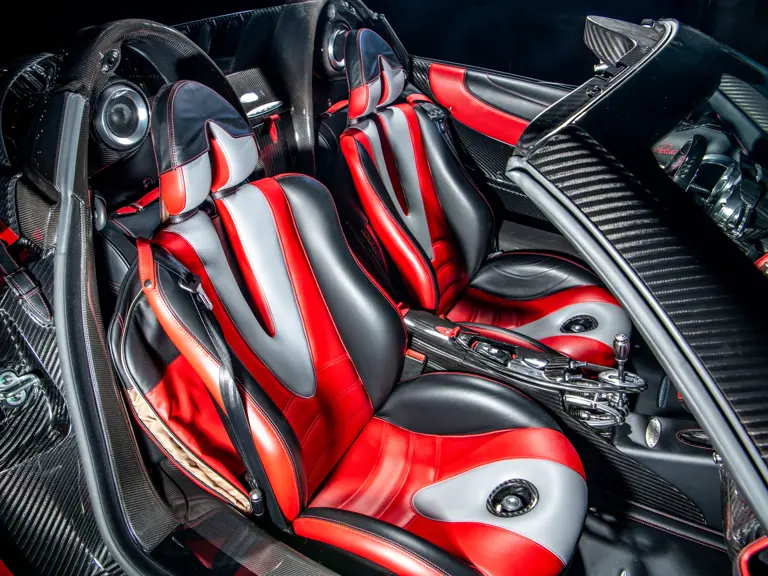
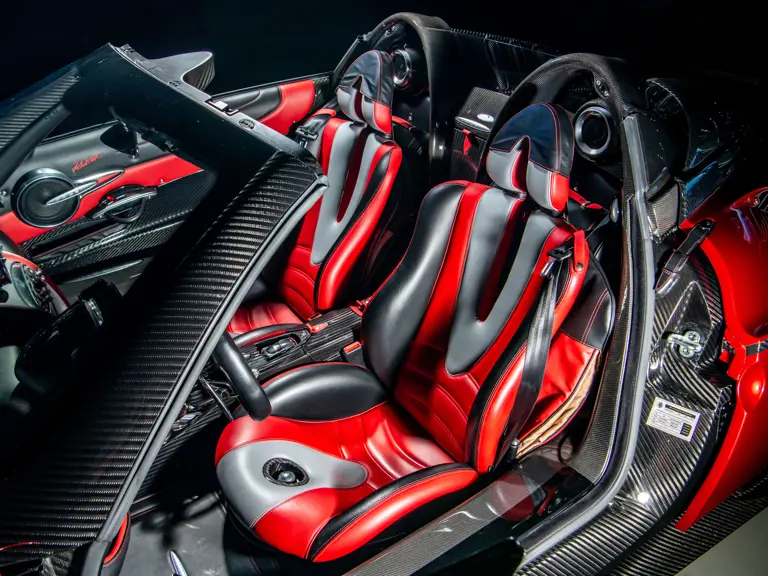
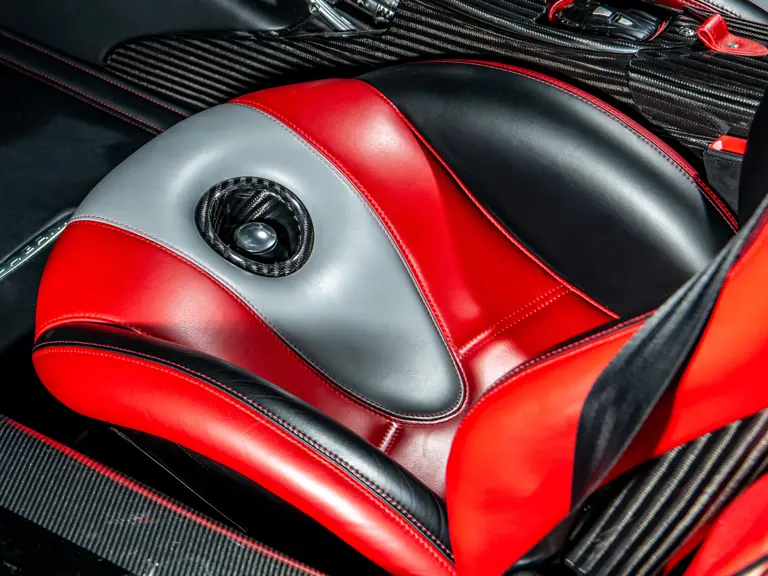
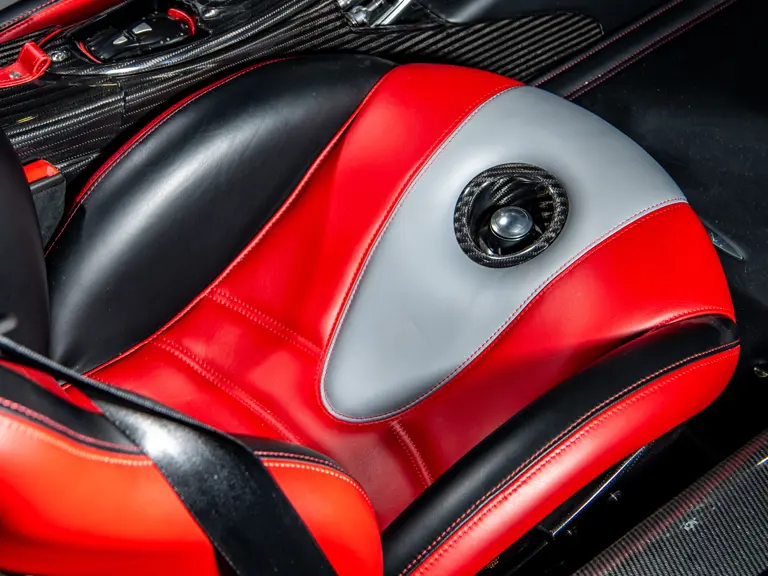
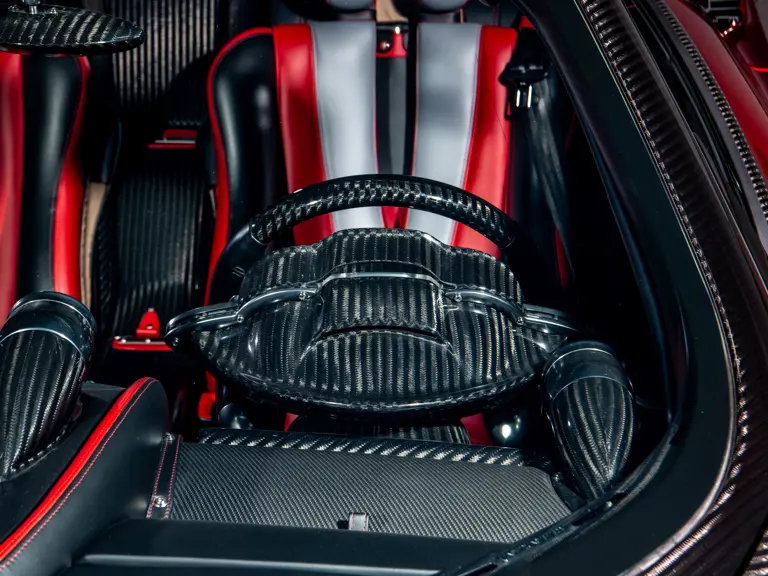
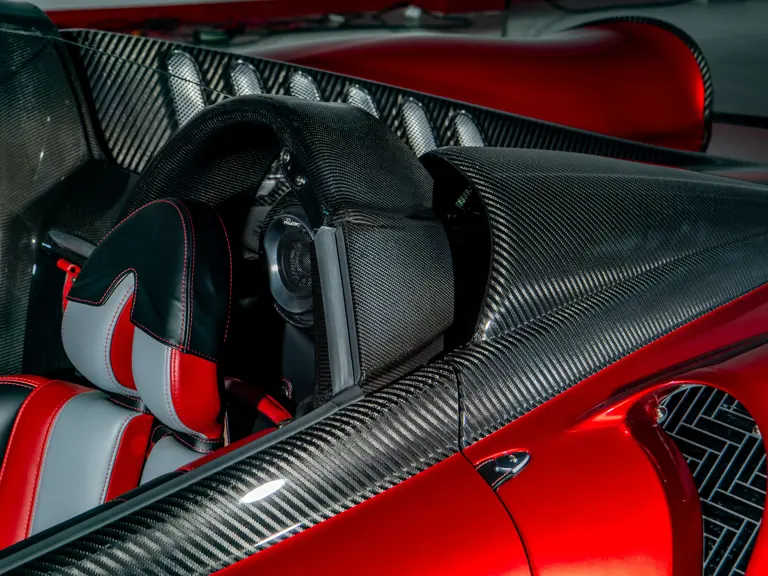
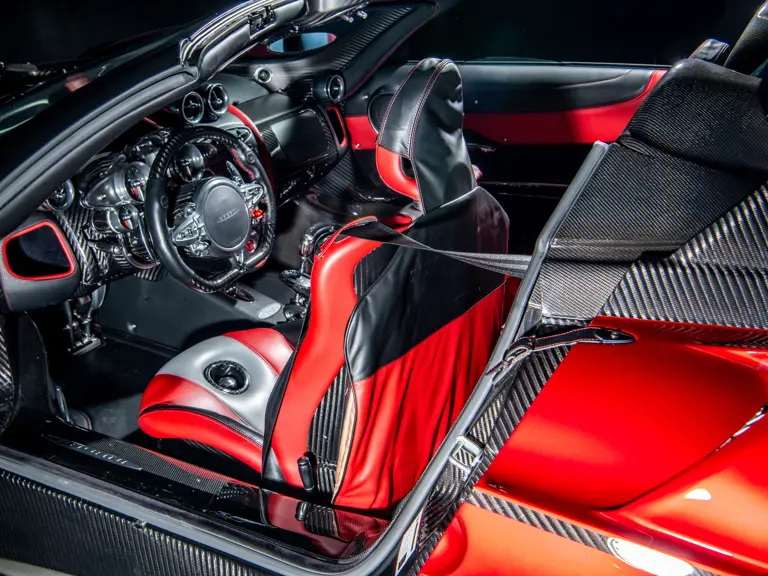
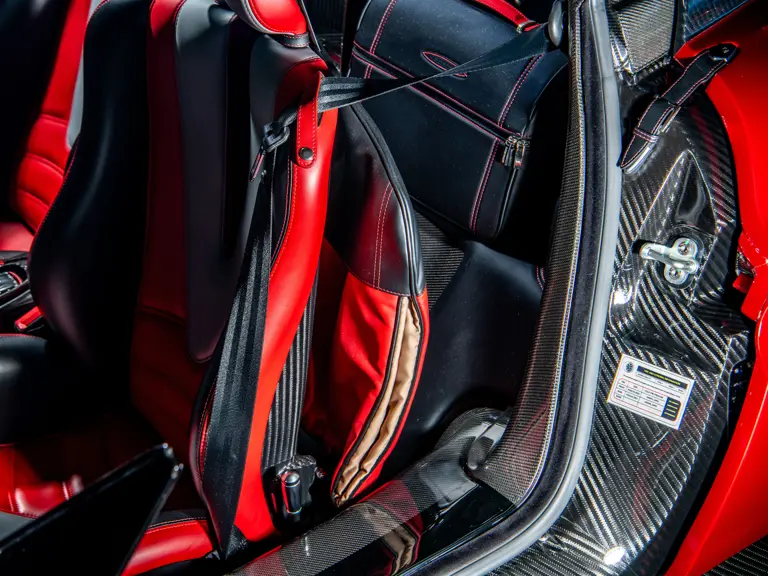
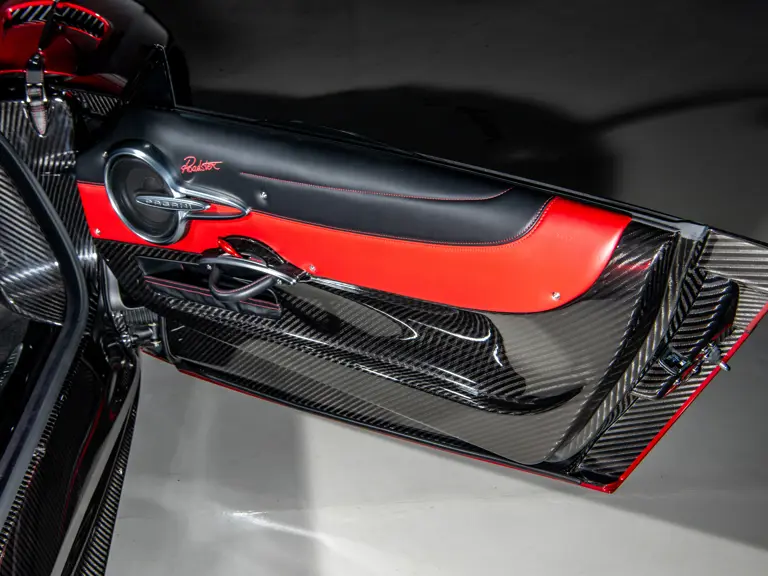
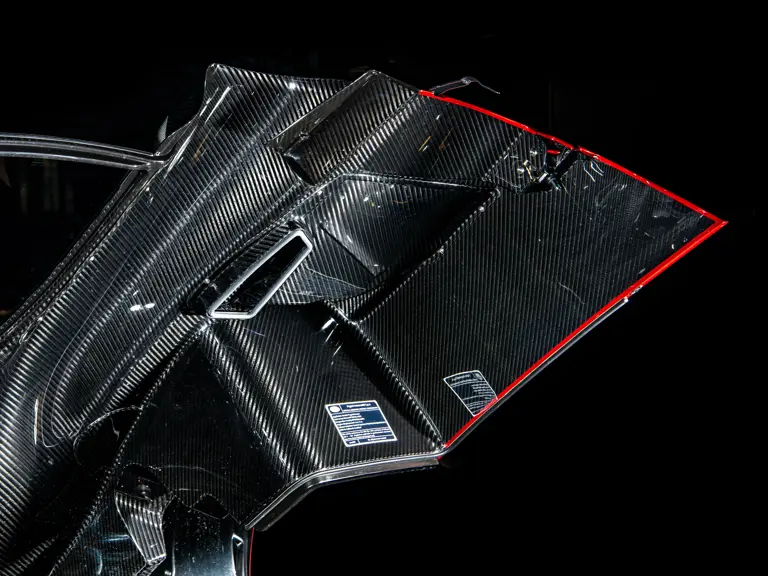
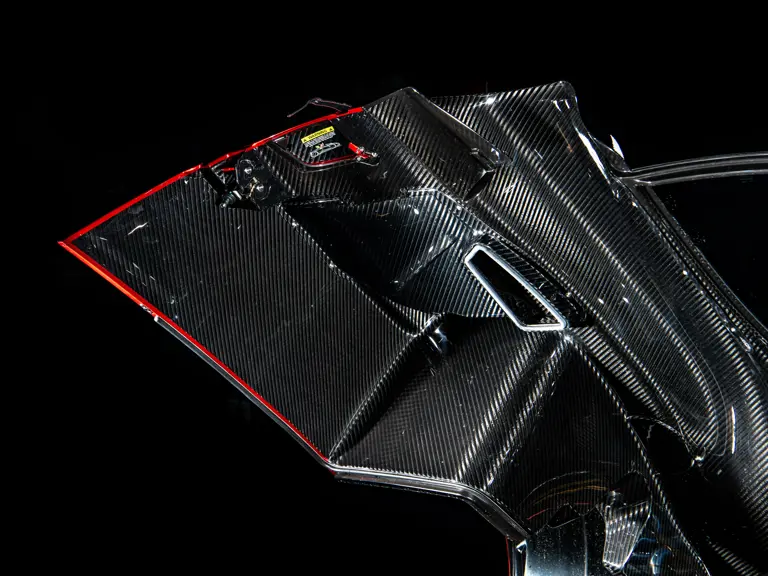
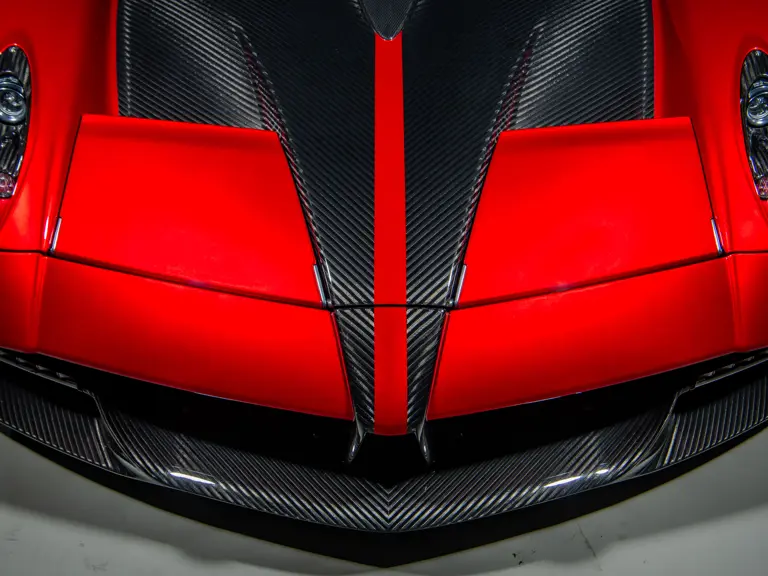
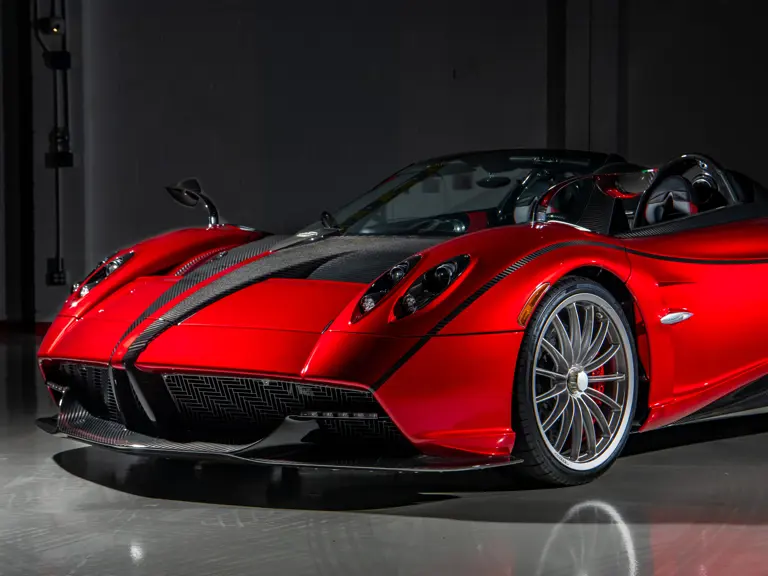
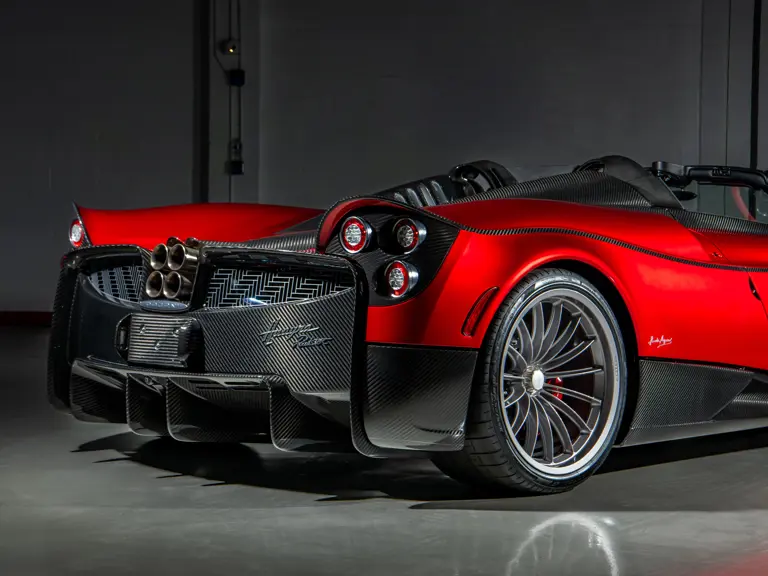
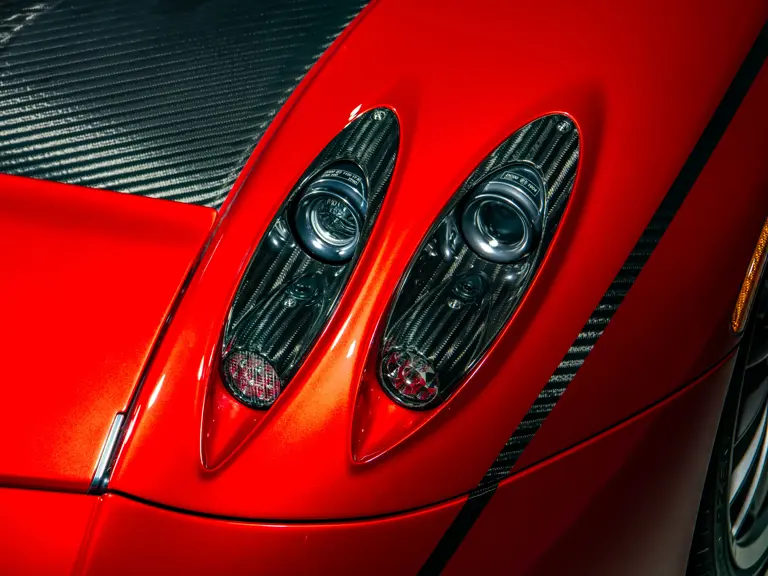
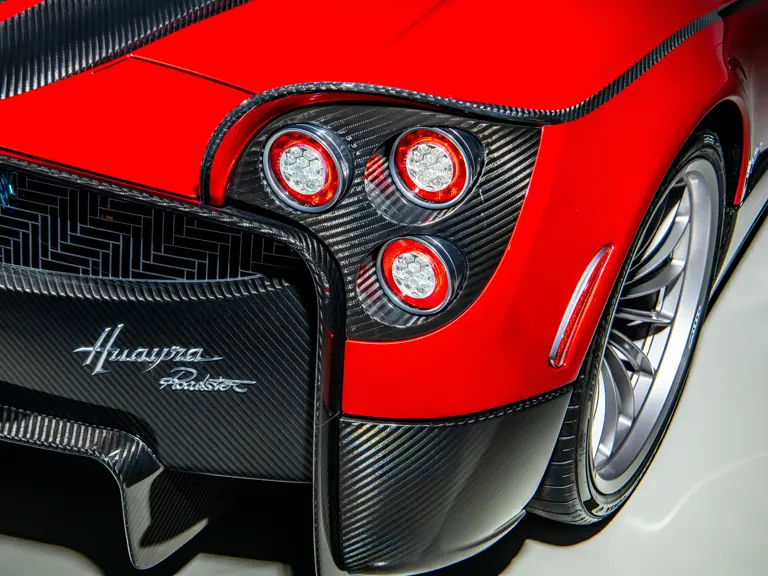
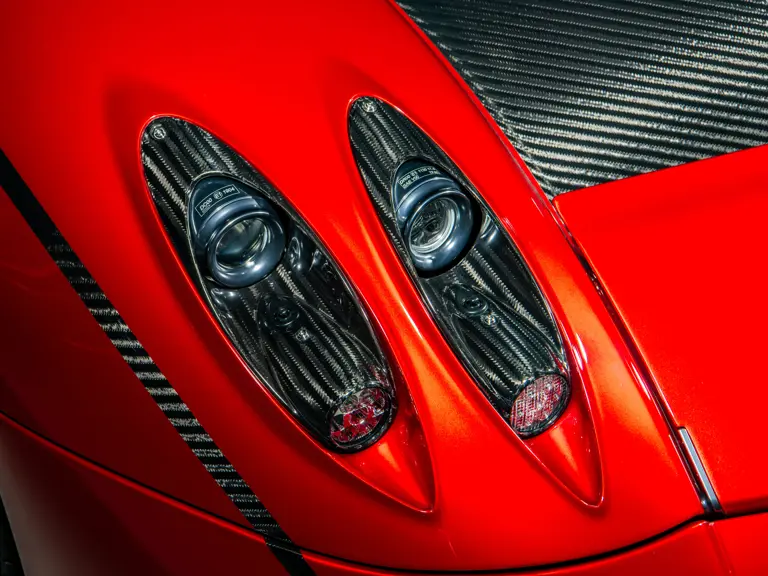
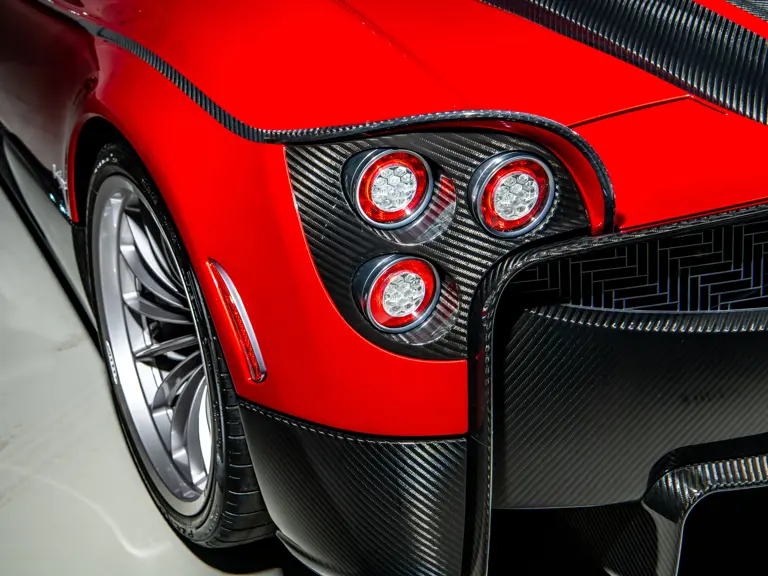
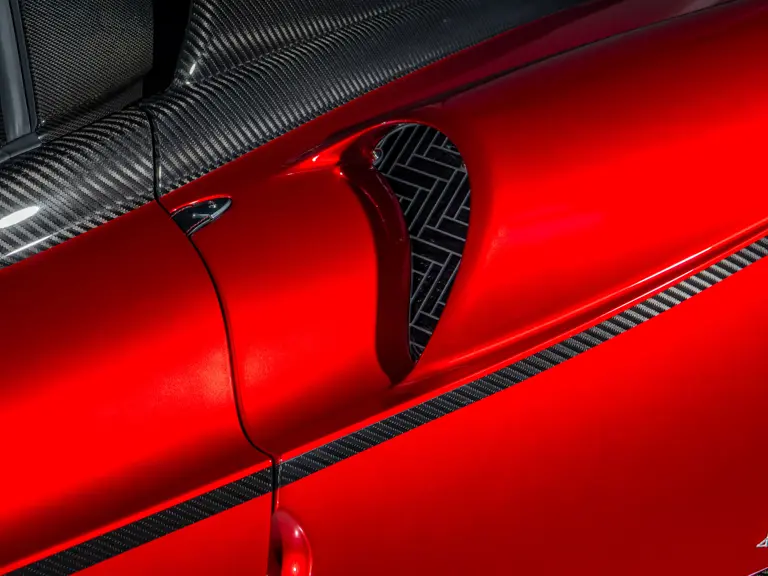
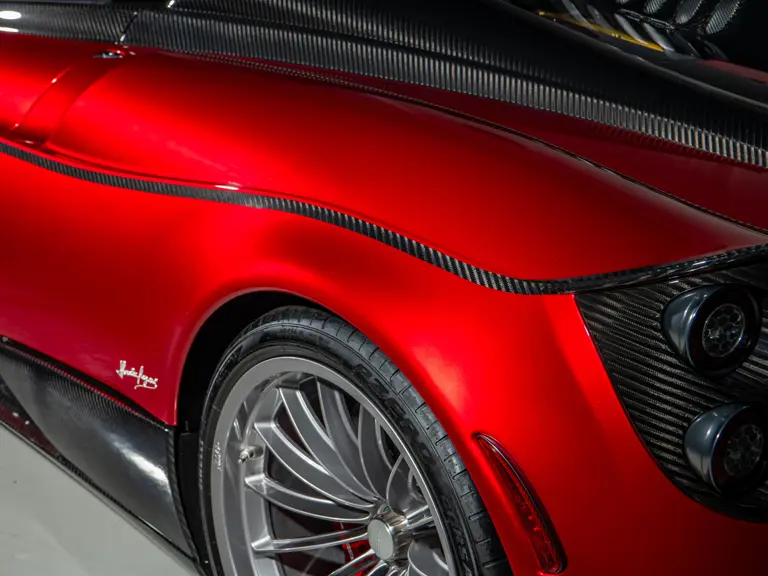
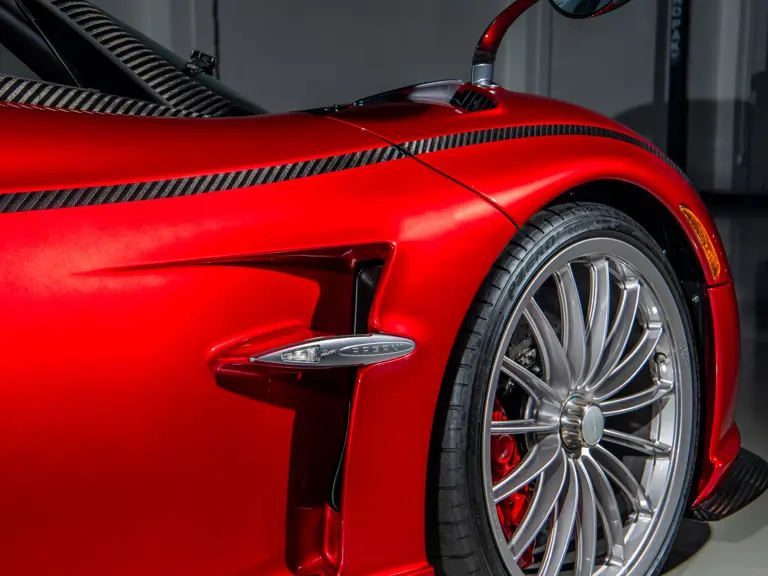
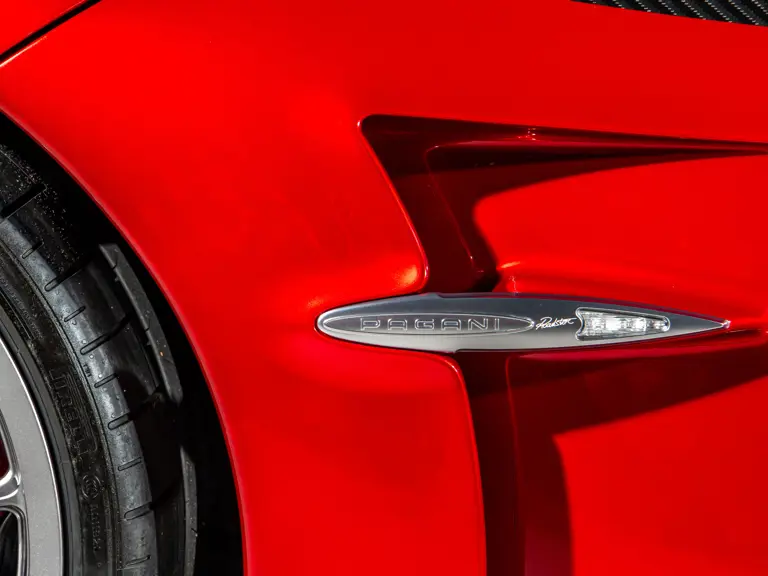
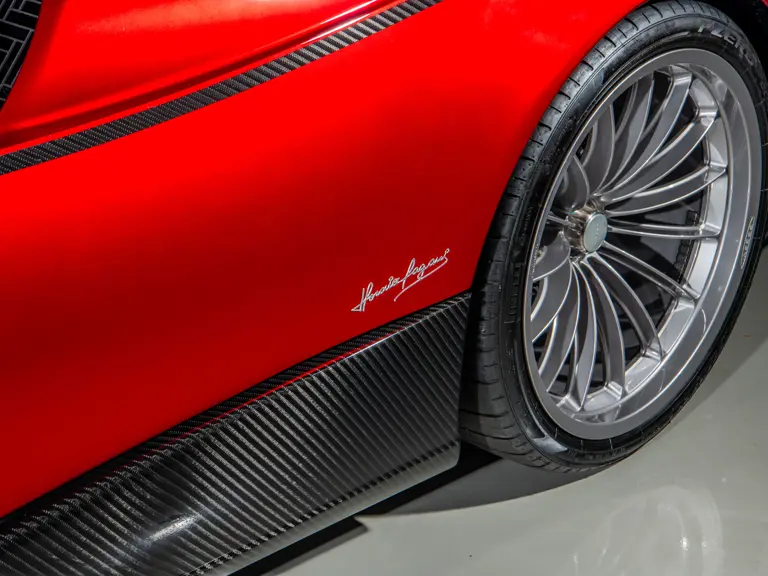
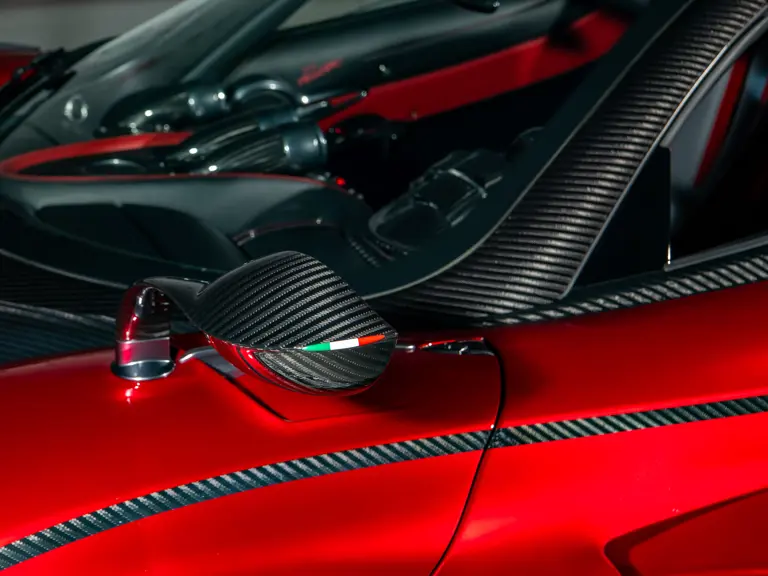
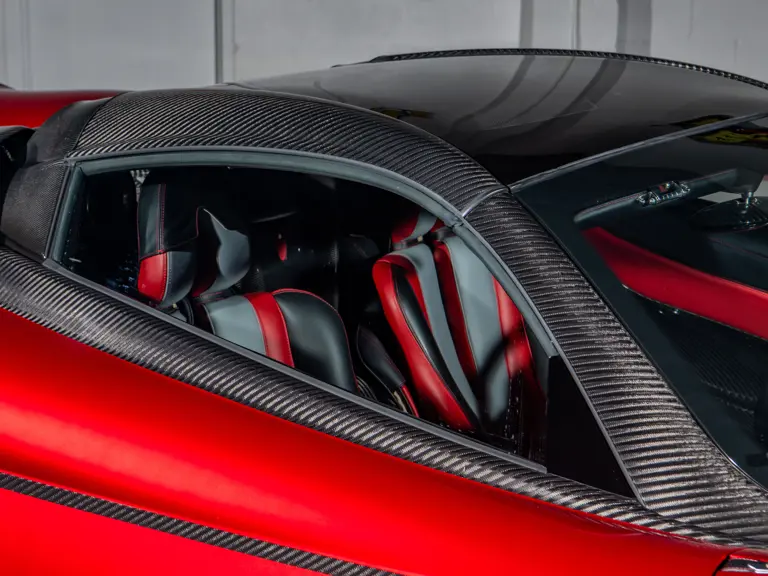
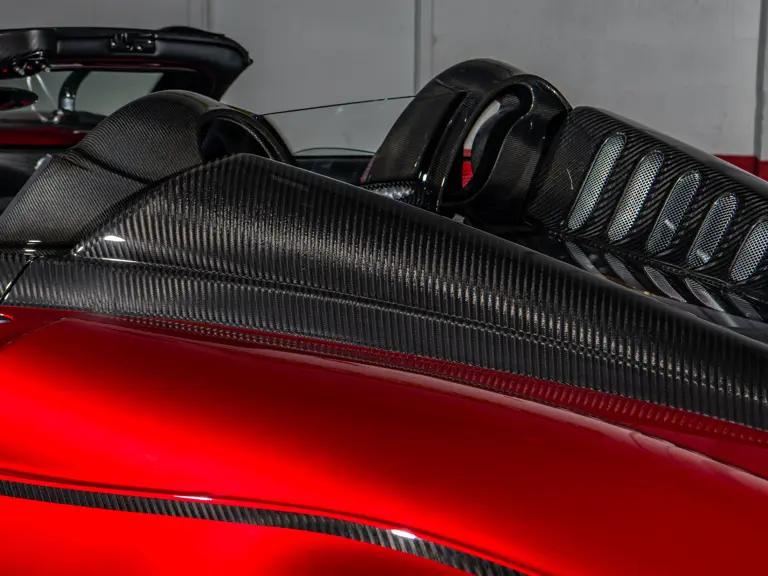
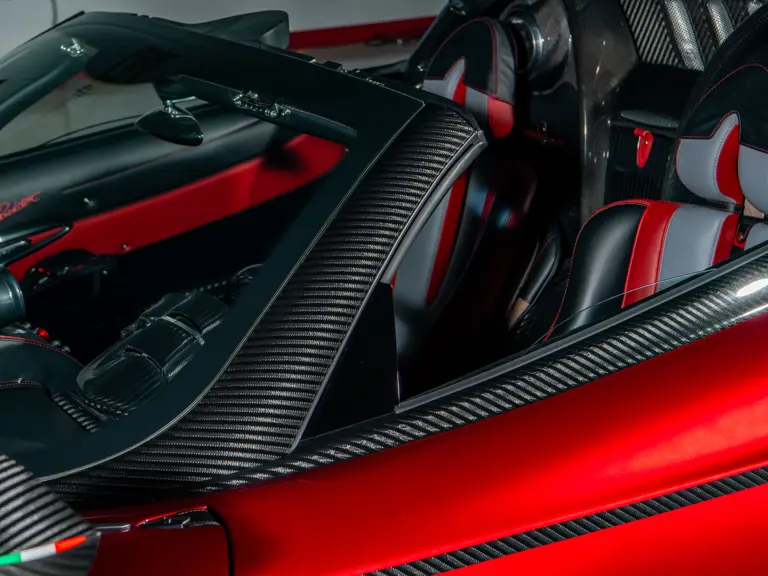
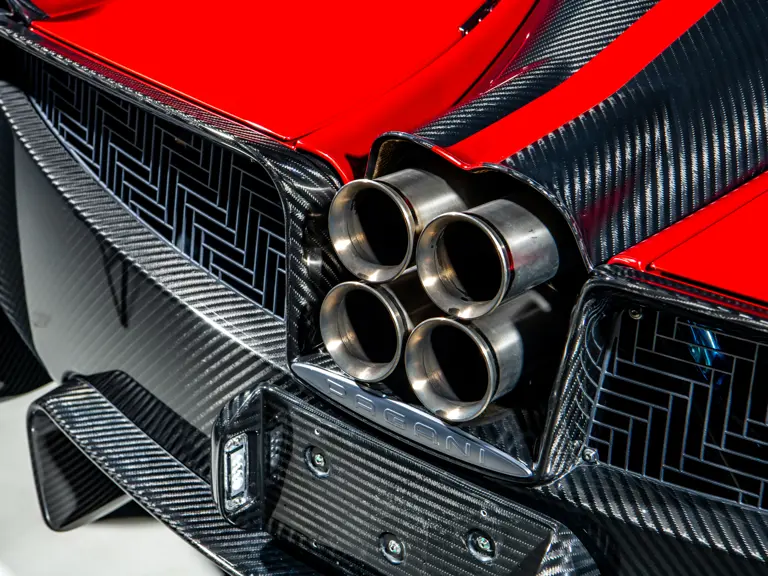
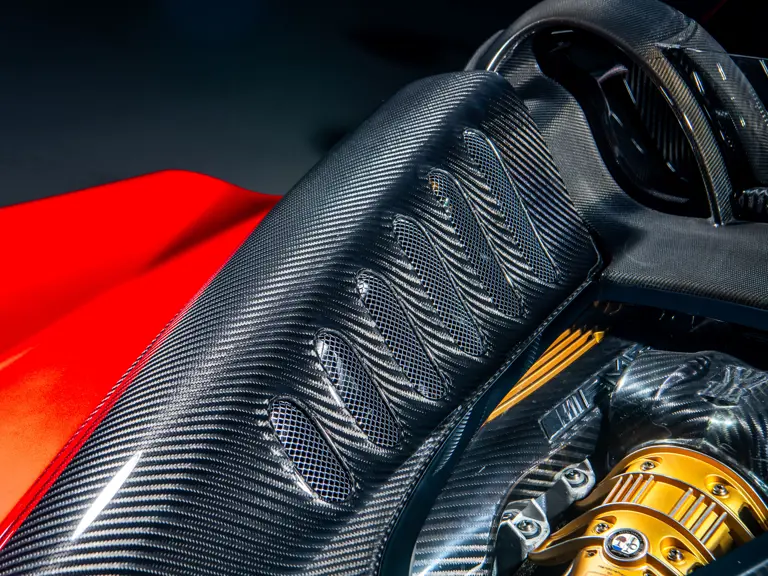
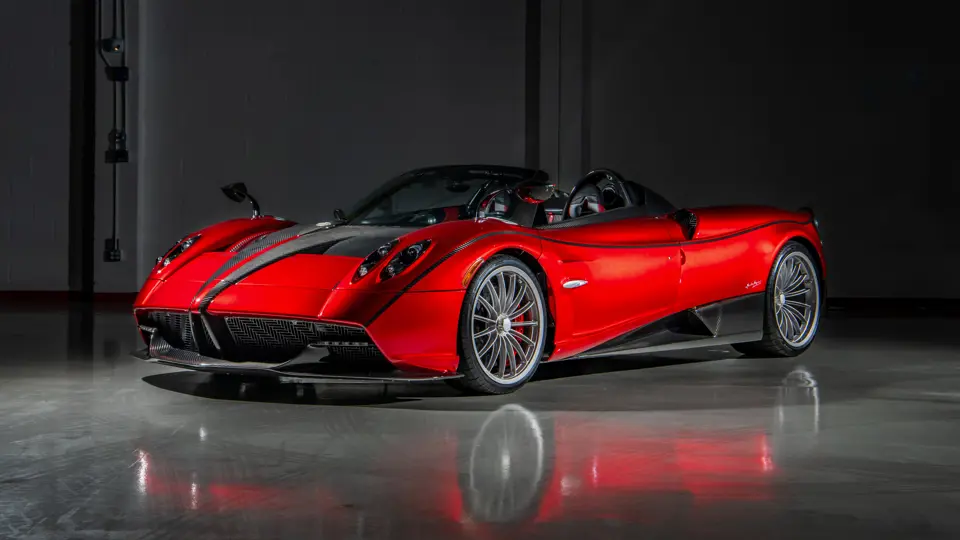
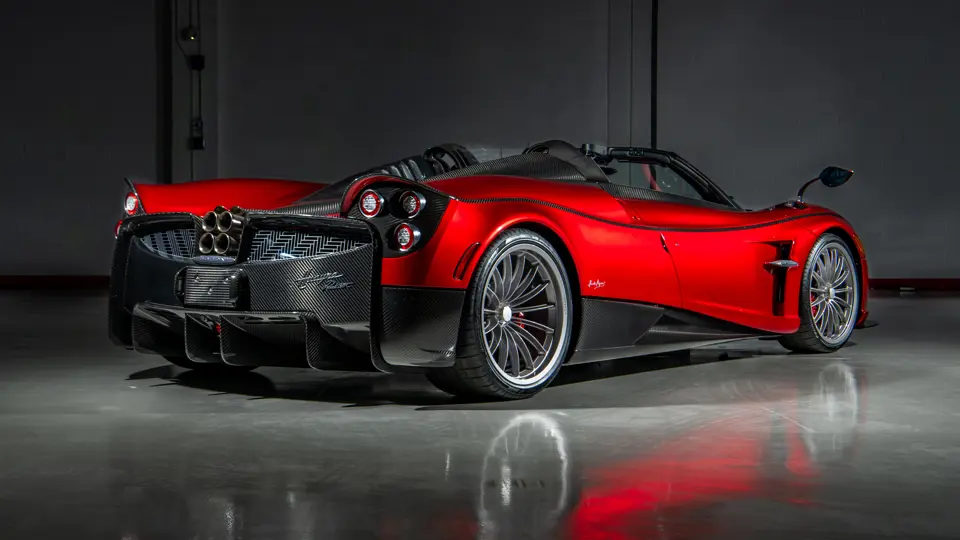
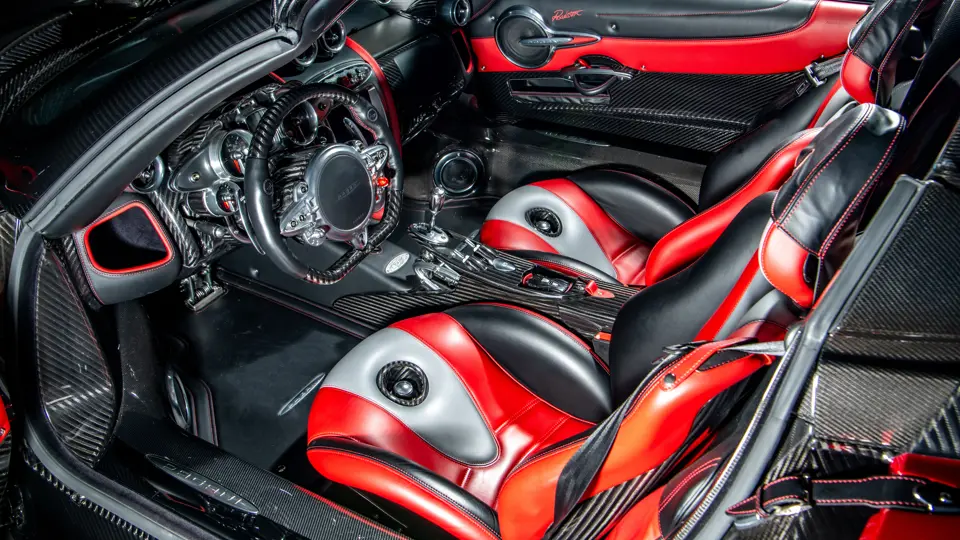
Delivered via Miller Motorcars of Greenwich, Connecticut, this Huayra Roadster has been owned by just one dedicated collector from new. As noted by its window sticker, the total MSRP for this chassis was €2,604,110, or the equivalent of over $3,100,000 at the time. Its exterior is finished in striking Rosso Dubai. A custom stripe of exposed carbon fiber runs along the side character line from the front to the rear of the car; this bold accent that pays tribute to Horacio Pagani’s signature material, which is also extensively featured in exposed form on the front splitter, the marque’s famous leaf-shaped mirrors, the rear end and diffuser, the lower portion’s of the car’s sides, the windshield surround, and the hardtop, as well as throughout the cabin.
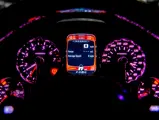
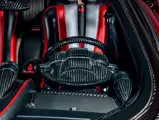
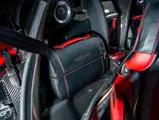
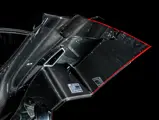
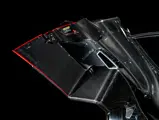
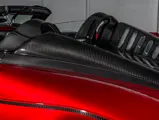
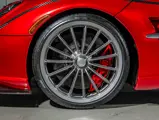
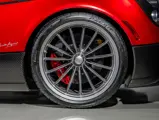
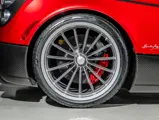
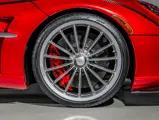
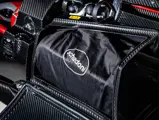
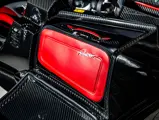
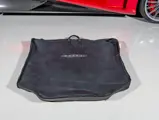
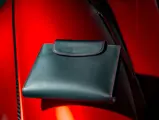
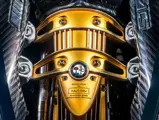
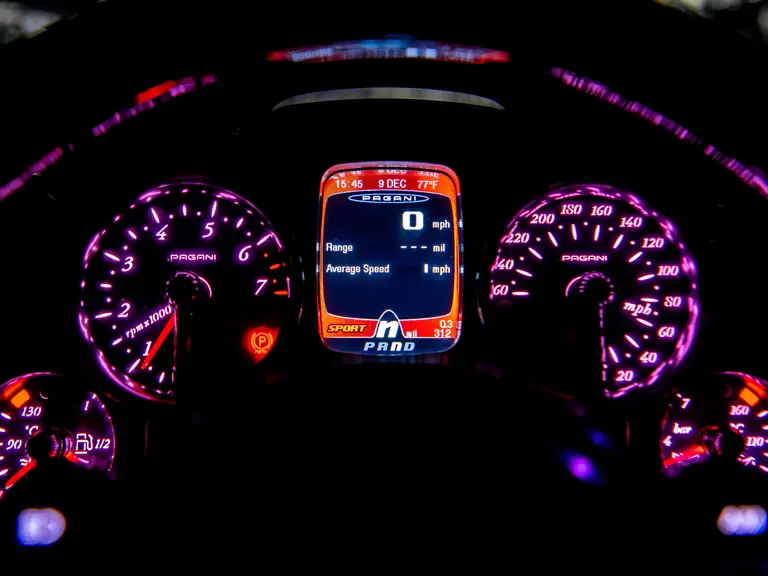
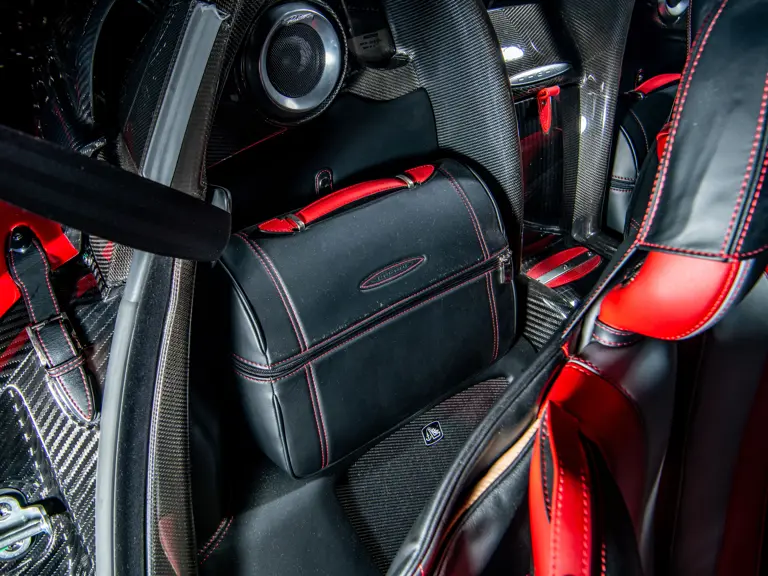
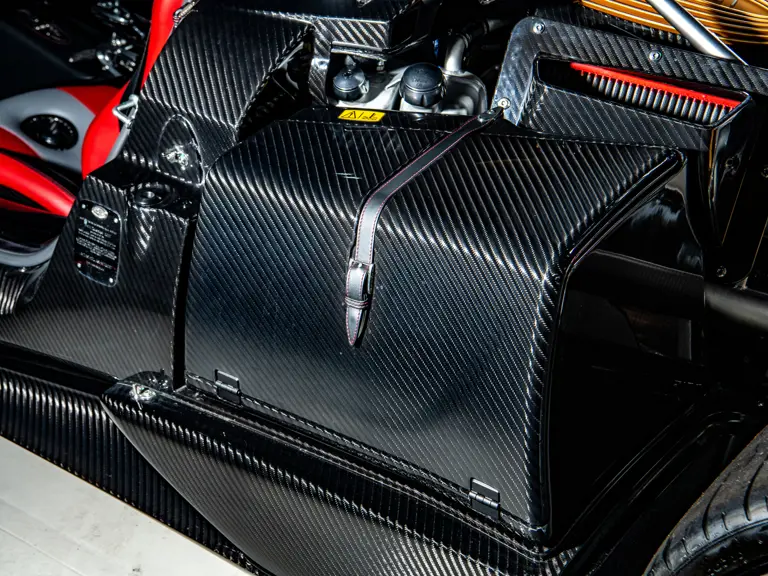
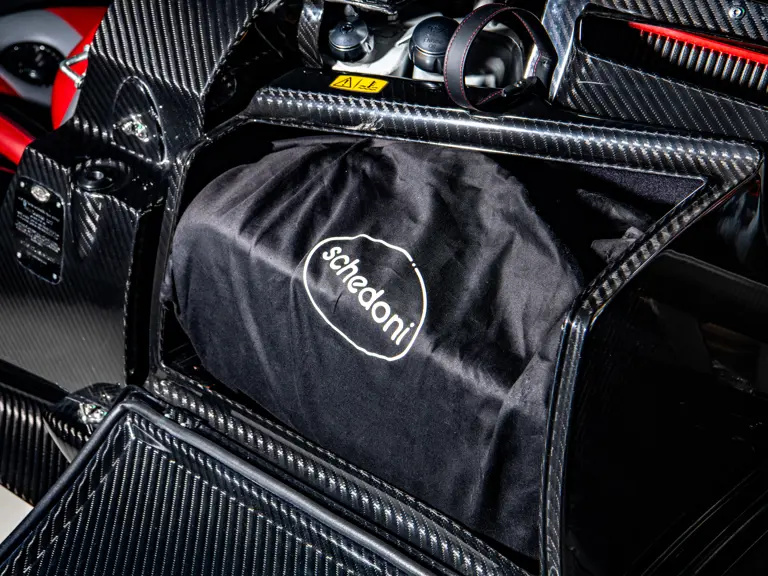
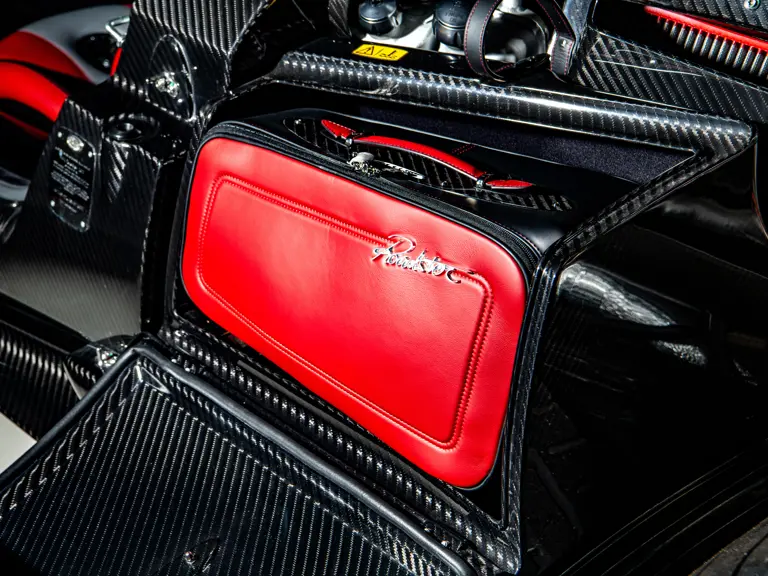
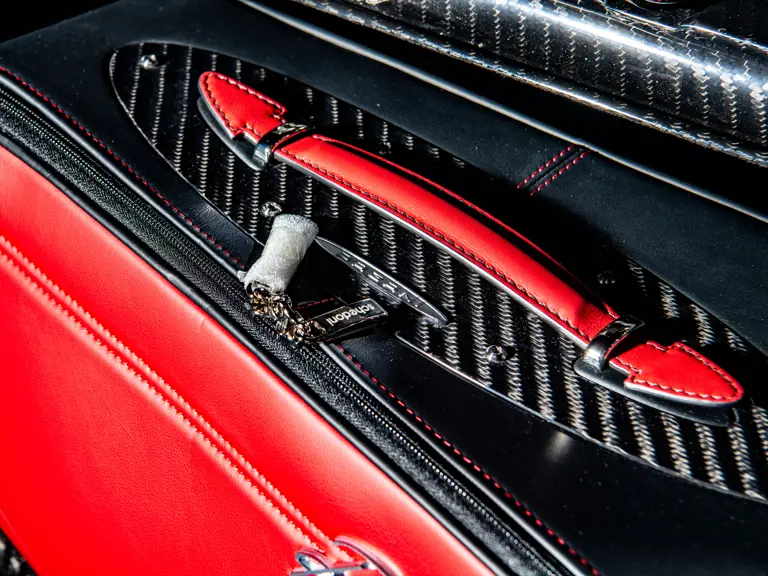
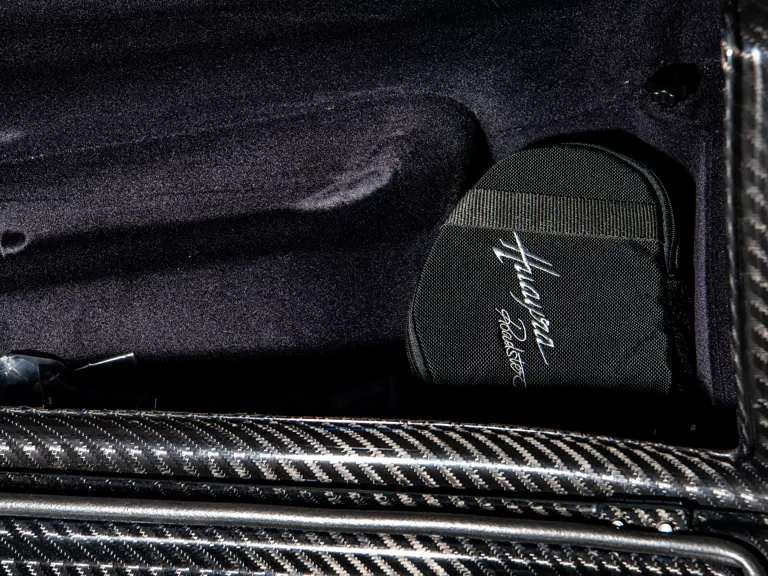
In addition to a standard, lightweight Inconel titanium exhaust system, carbon ceramic brakes, and a front lifting system, this roadster benefits from optional instrument clusters in Black, Titanium-finish Huayra-style wheels, and interior and exterior Titanium-finish aluminum for a cohesive look. As a finishing touch, the build included a set of two-tone Schedoni luggage (itself an option costing over $25,000), which neatly tucks behind the two seats and into special compartments beneath the rear cover.
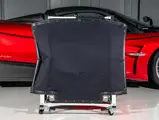
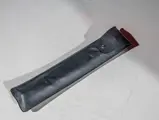
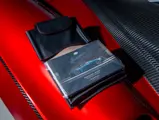
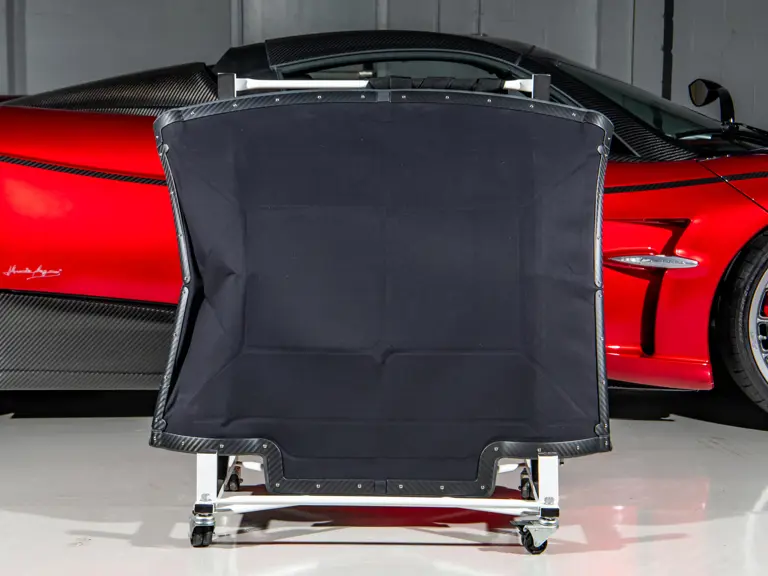
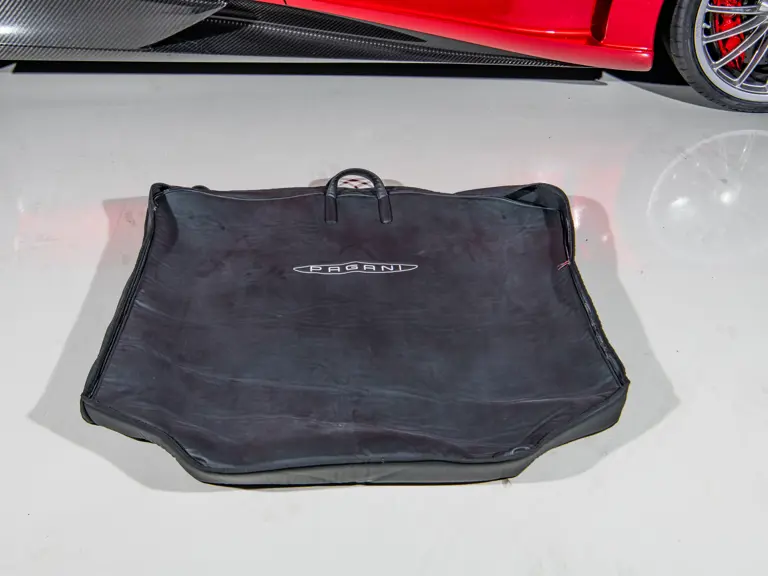
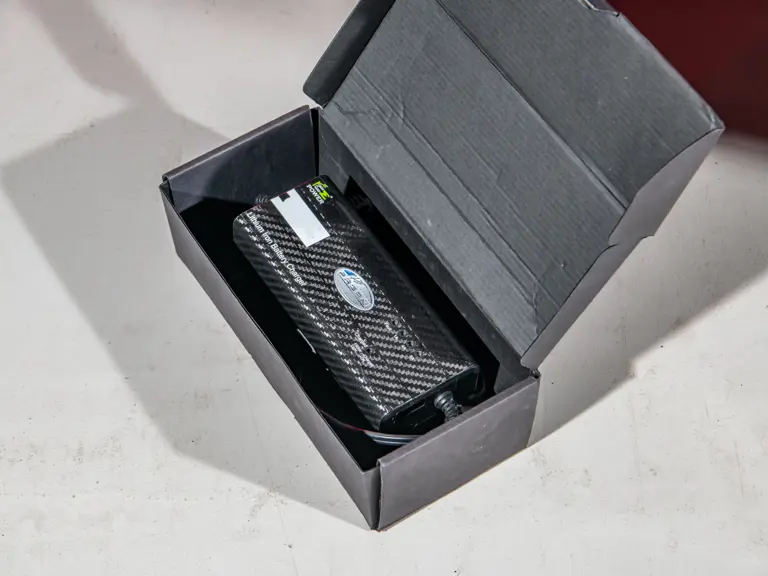
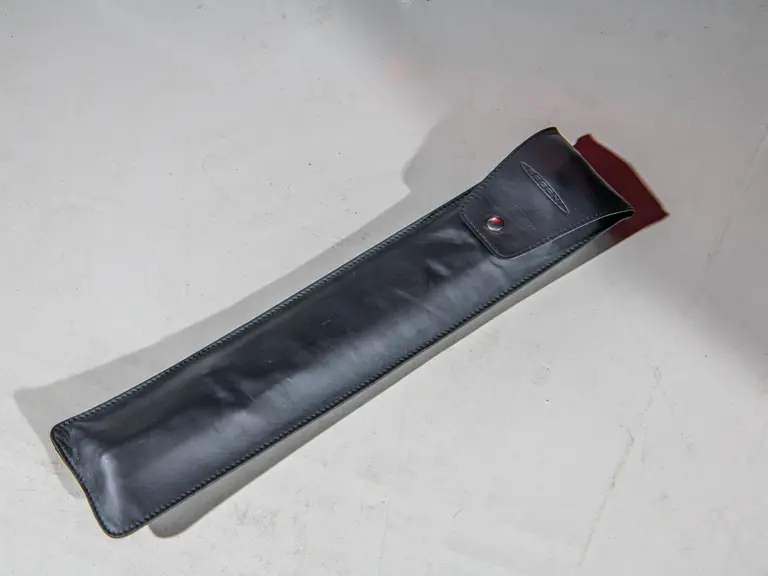
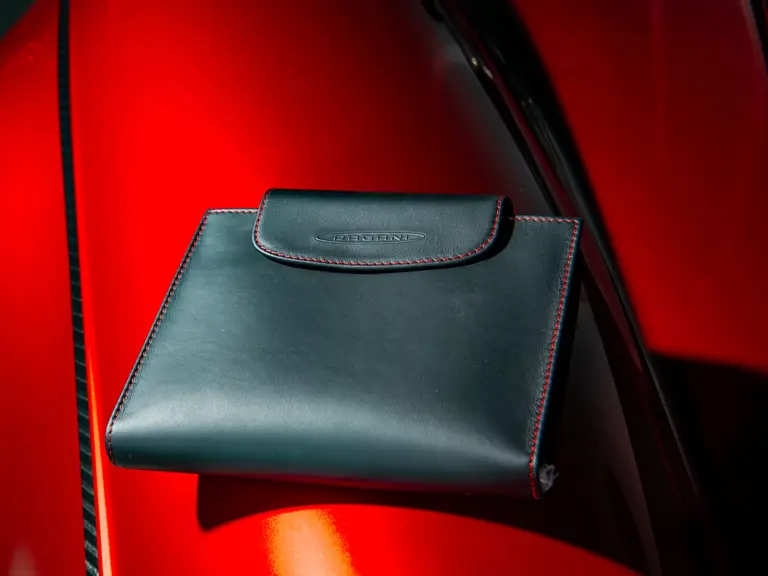
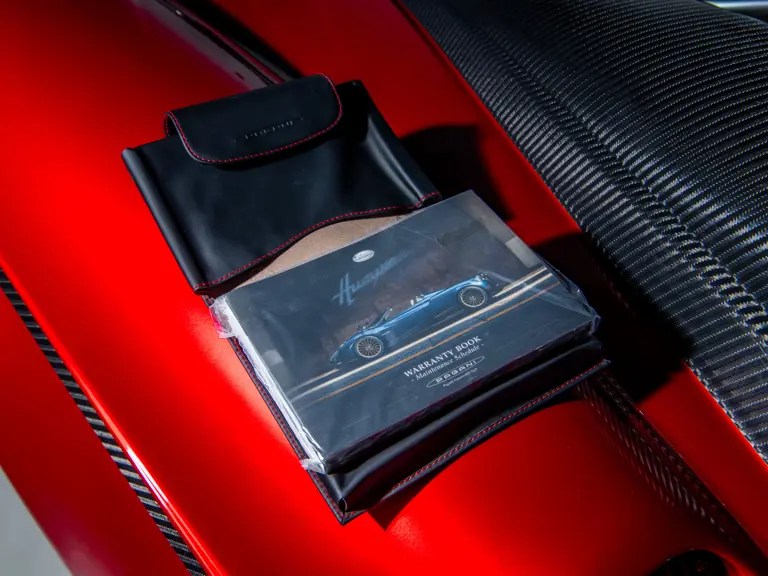
Under its present, and sole, ownership, this Huayra Roadster has been carefully maintained yet scarcely driven; as a result, it presents in essentially as-delivered condition, with the odometer displaying just 312 miles at the time of cataloguing. In addition to the removable carbon fiber hardtop, the car is now accompanied by a lightweight foldable, stowable fabric top for expedient protection while on the road, its manuals and warranty book in pouch, a battery charger, and luggage.
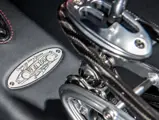
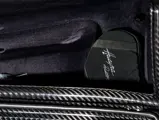
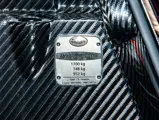
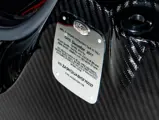
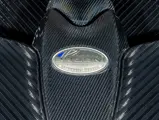
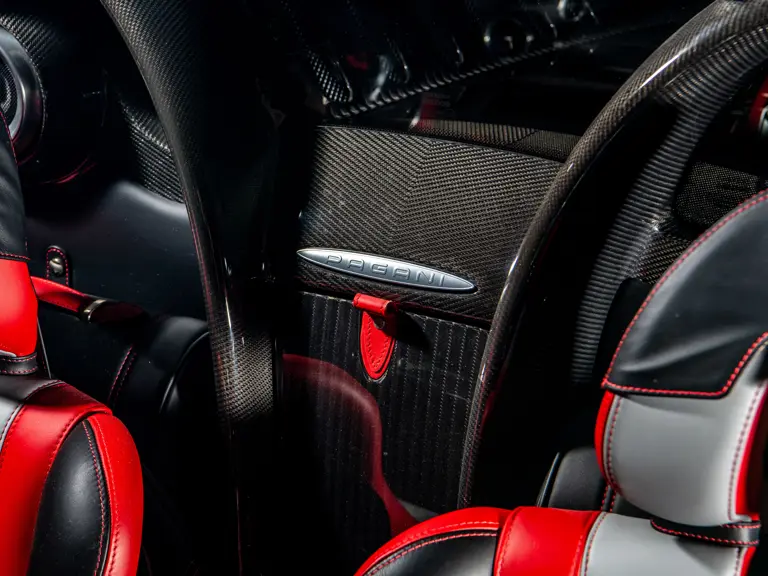
Each Pagani automobile is, as the serial number plate in its cockpit says, Creata con Arte e Passione—Created with Art and Passion. The next owner of Huayra Roadster number 39 will have the opportunity to discover firsthand the truth behind those words.
 | Miami, Florida