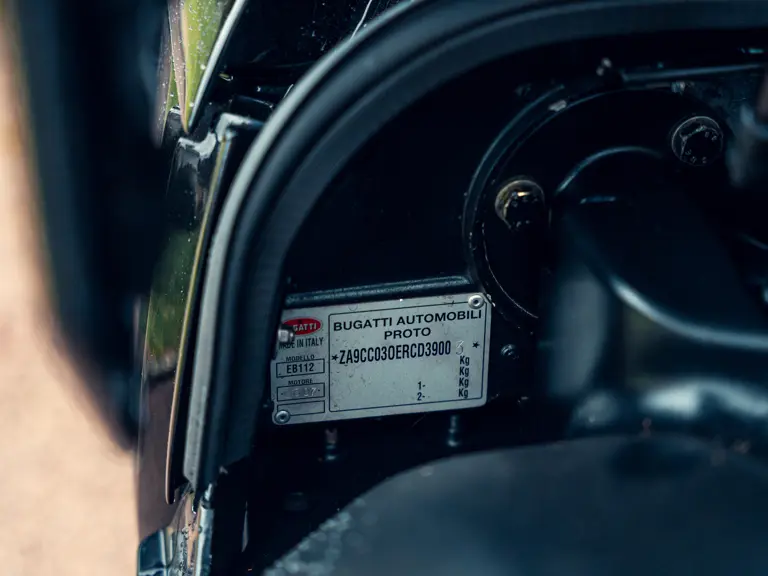
Chassis No.
ZA9CC030ERCD39003
€1,692,500 EUR | Sold
{{bidding.lot.reserveStatusFormatted}}
Bugatti is, today, a marque that exudes confidence, with its Molsheim-built automobiles once again sitting at the very pinnacle of the luxury-performance space. Four decades ago, the situation was rather different. The rights to the Bugatti name had been acquired and revived in 1987 by Italian businessman Romano Artioli, who recruited industry veterans and experienced designers to develop a world-class supercar. Production would take place at a futuristic factory in Campogalliano, Italy.
The Bugatti Automobili project was hugely ambitious and, though long-term success ultimately eluded Artioli, it was an undeniably exciting moment in marque history. With a decades-long production gap, the resurrected Bugatti had, effectively, carte blanche to reinterpret Ettore’s legacy using the most advanced materials and methods available in the late 20th Century—and to do so with a wholly new design language and cutting-edge technology.
The Bugatti EB110 captivated enthusiasts upon its debut in September 1991. Built around a carbon-composite chassis supplied by French firm Aerospatiale, the EB110 was powered by a quad-turbocharged 3.5-litre V-12 with five valves per cylinder, capable of producing in excess of 600 horsepower depending on the application. All-wheel drive, a feature of many of today’s most powerful performance vehicles, was standard.
The EB110 set numerous performance records and even tasted success in motorsport. Yet Artioi’s vision for Bugatti was much bigger, and broader, than only two-door supercars.
A ROYALE FOR THE MODERN ERA
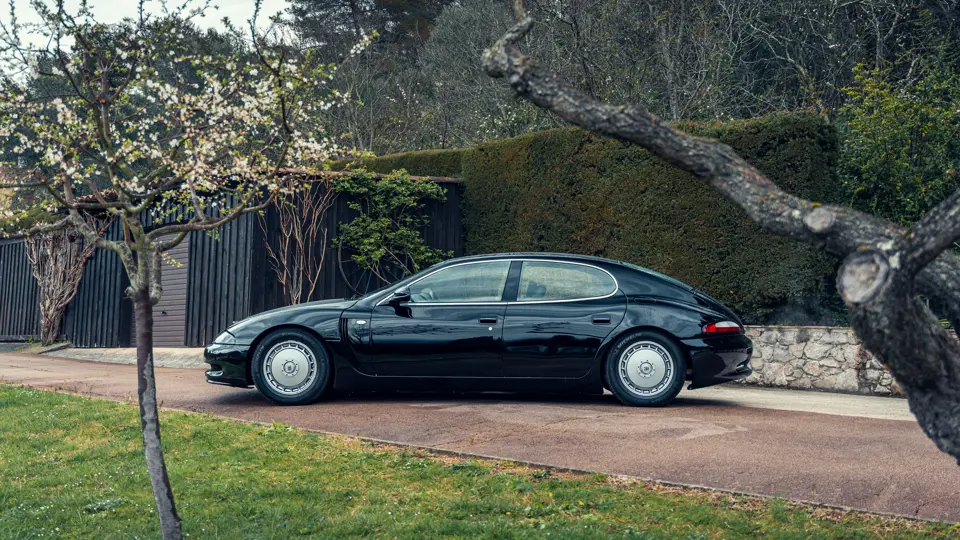
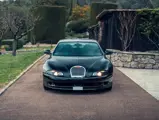
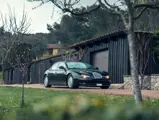
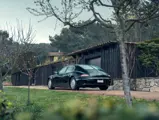
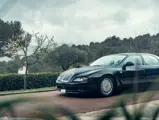
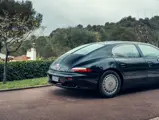
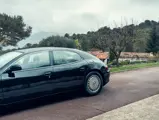
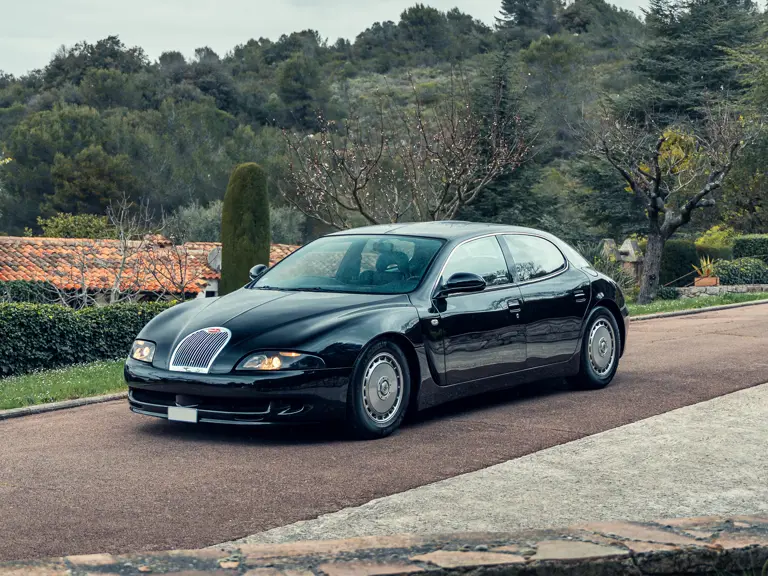
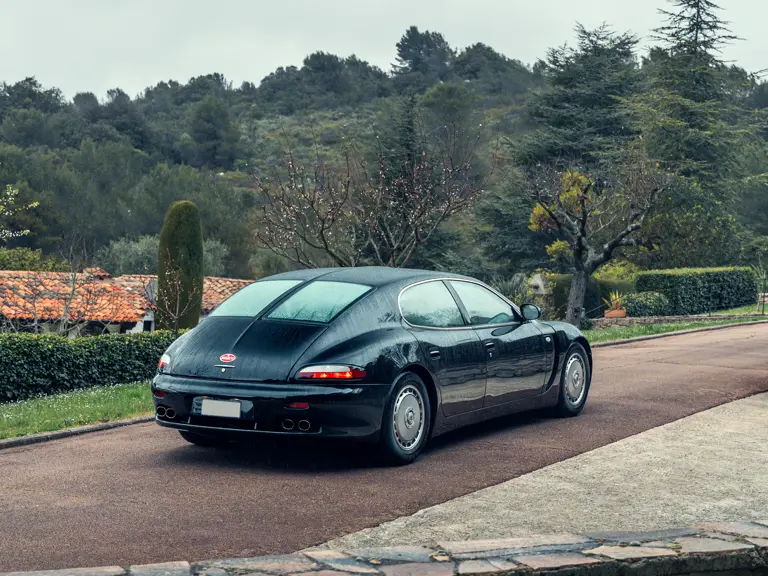
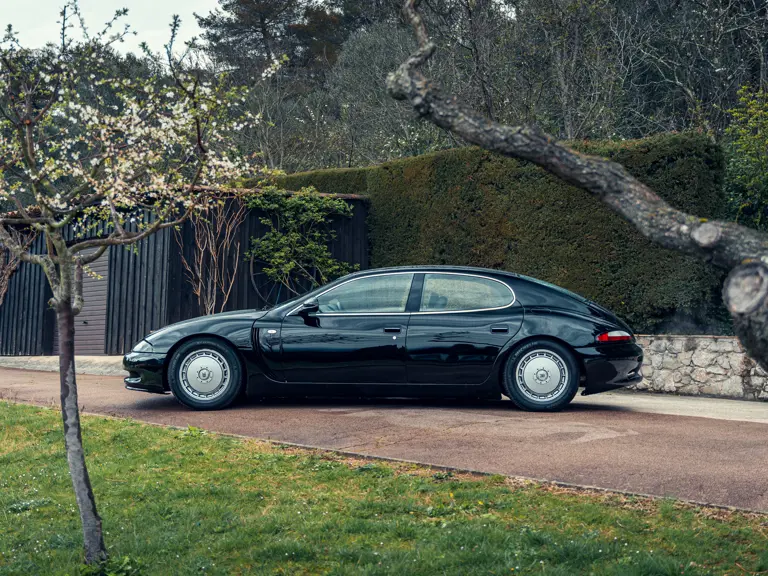
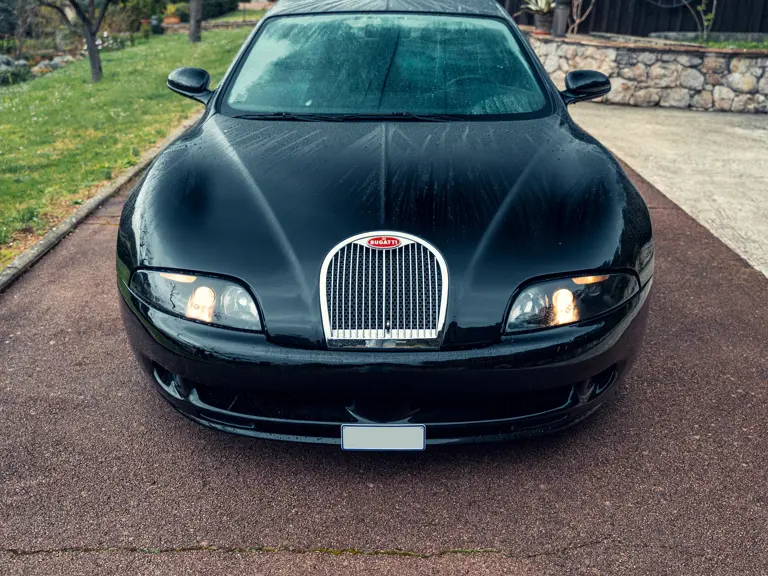
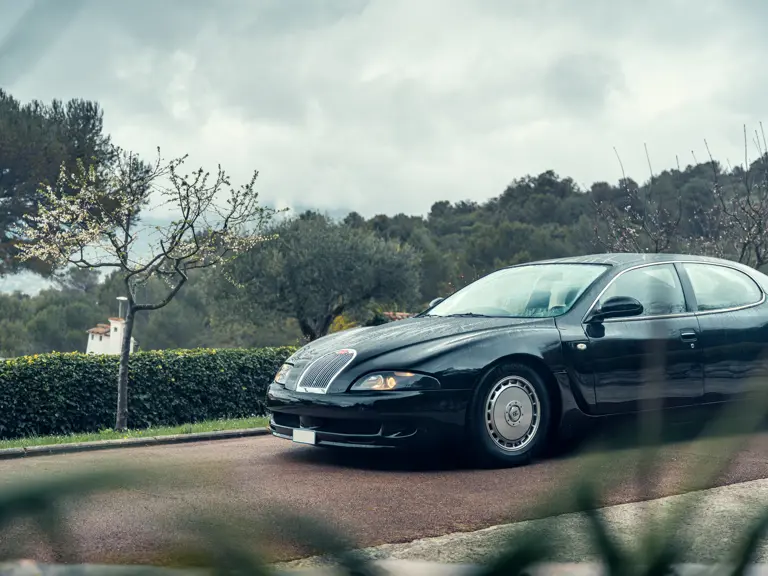
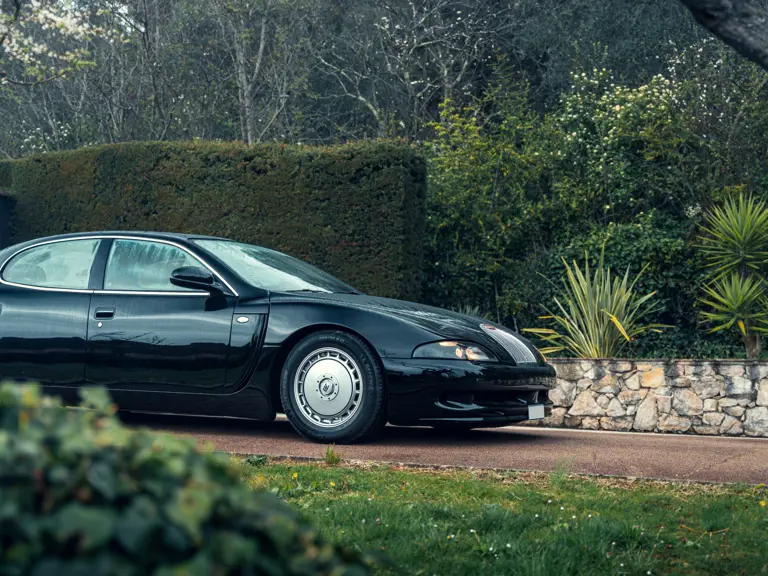
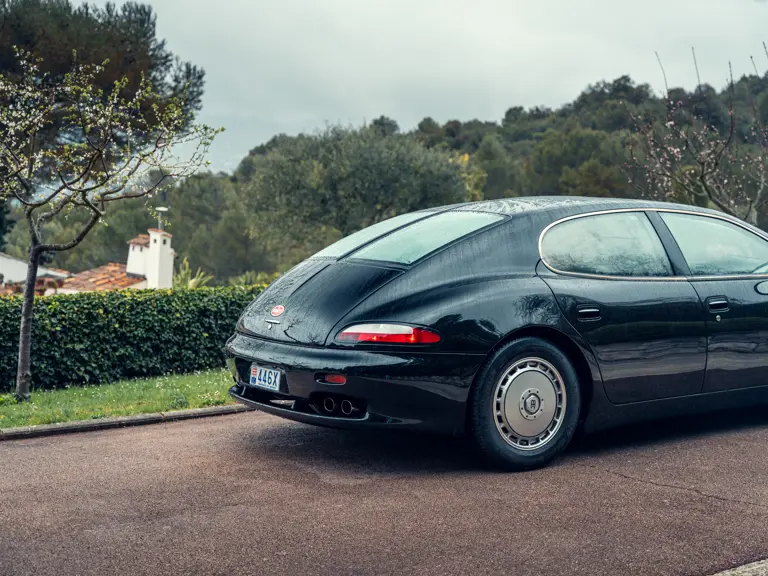
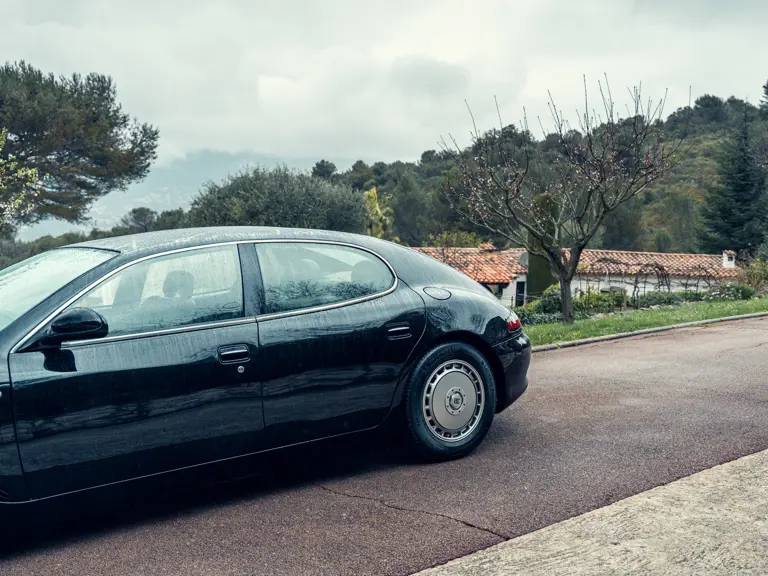
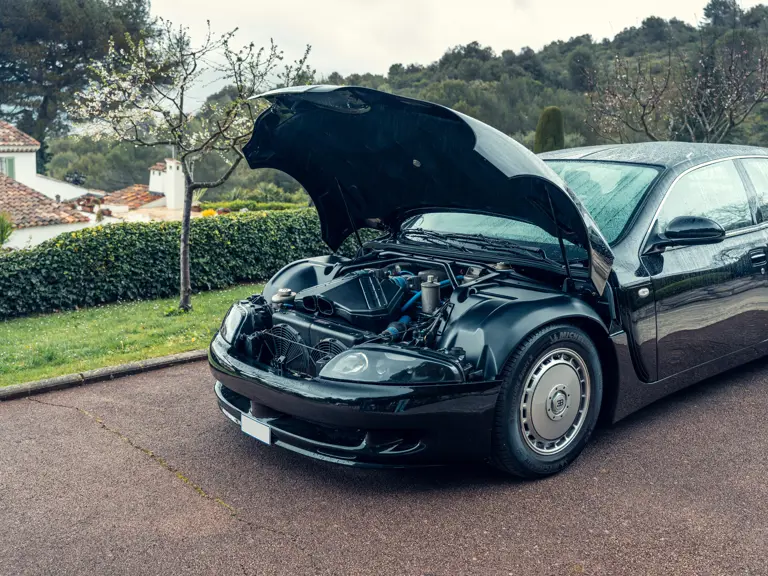
In its glory years, Bugatti built everything from monoposto racers to luxurious limousines, including the titanic Type 41 Royale. It was only fitting that Artioli’s Bugatti Automobili sought to expand into the realm of saloons with the EB112, a model that would ingeniously adapt key EB110 components to create a dramatic four-door fastback.
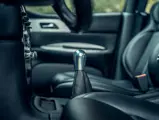
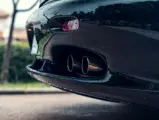
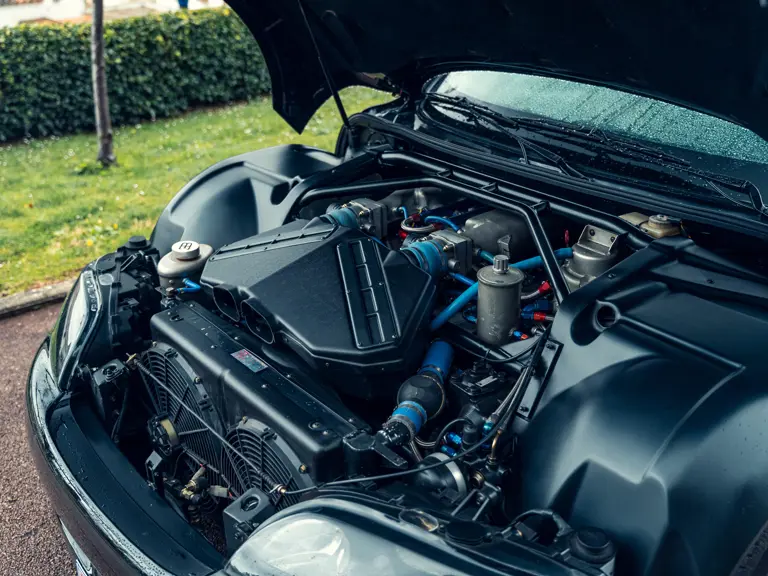
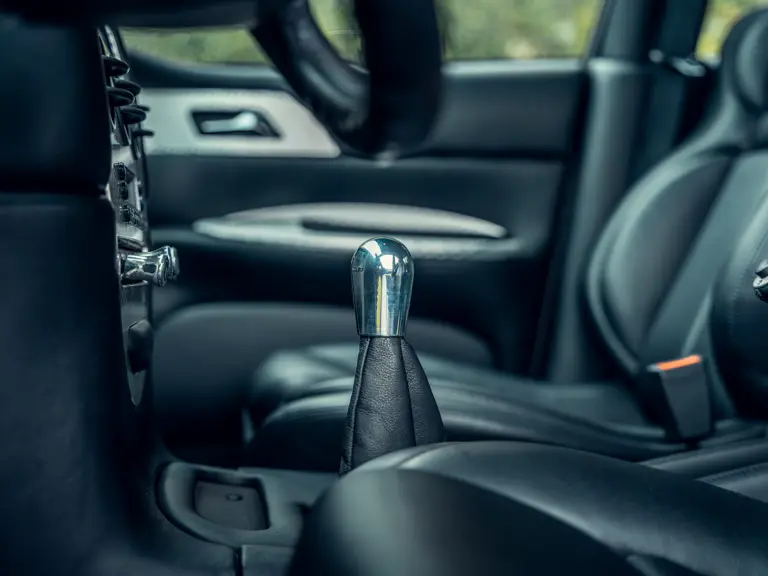
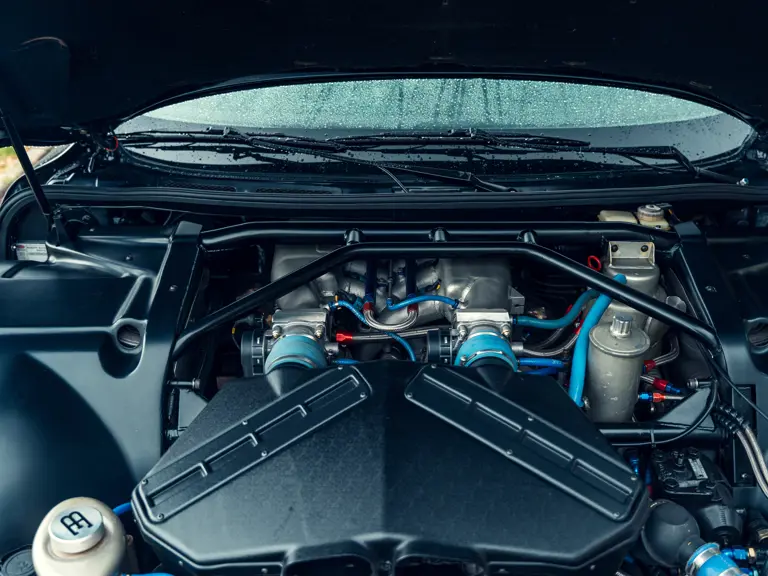
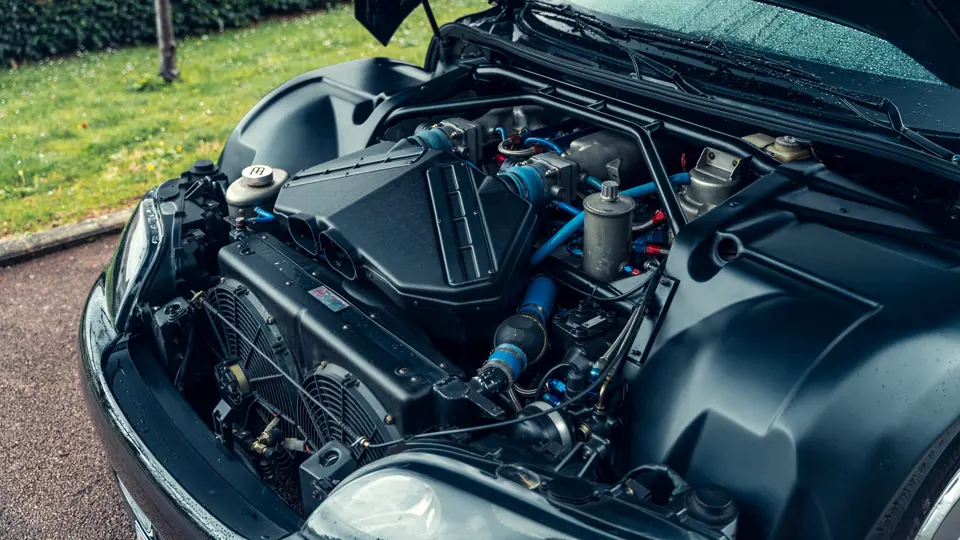
The EB112’s carbon fibre chassis was derived from that of the EB110; however, the engine was front, rather than rear, mounted. Its V-12 was based on the EB110’s, though displacement grew to 6.0 litres, and it was naturally aspirated rather than turbocharged; output was said to be 460 horsepower at 6,300 rpm, with 590 Newton-metres of torque from 3,000 rpm. All-wheel drive (here with a 38:62 front-rear torque split) and a six-speed manual gearbox were once again standard.
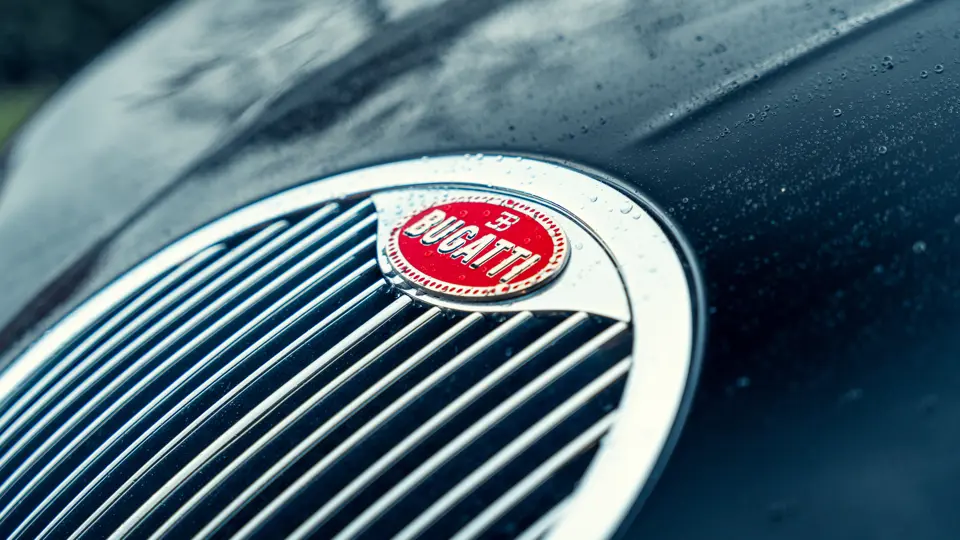
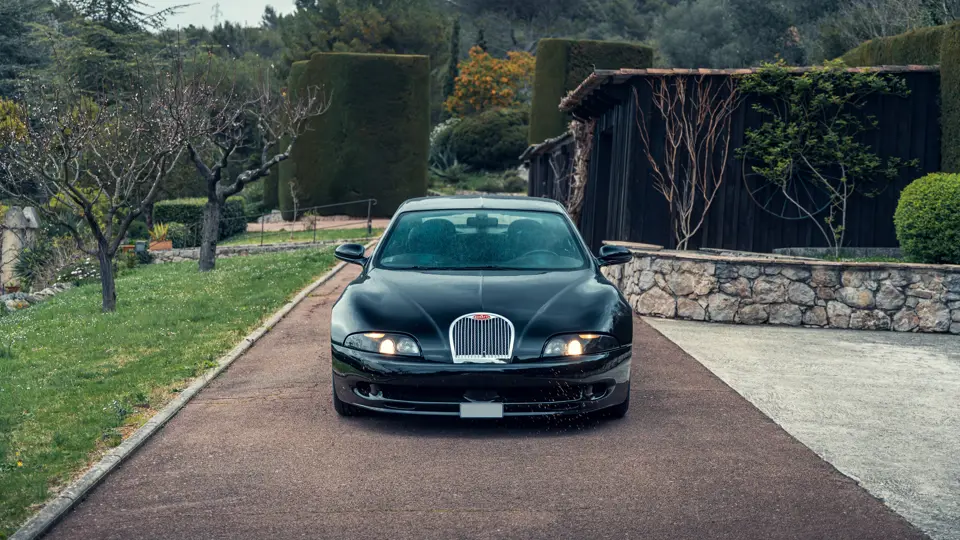
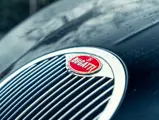
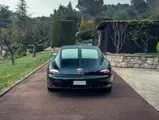
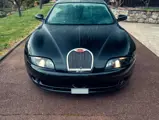
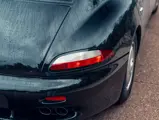
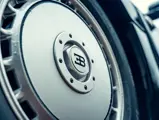
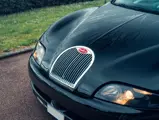
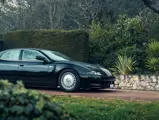
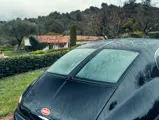
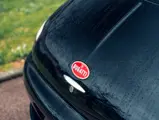
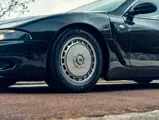
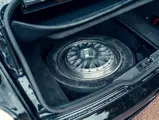
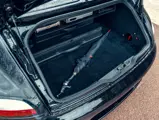
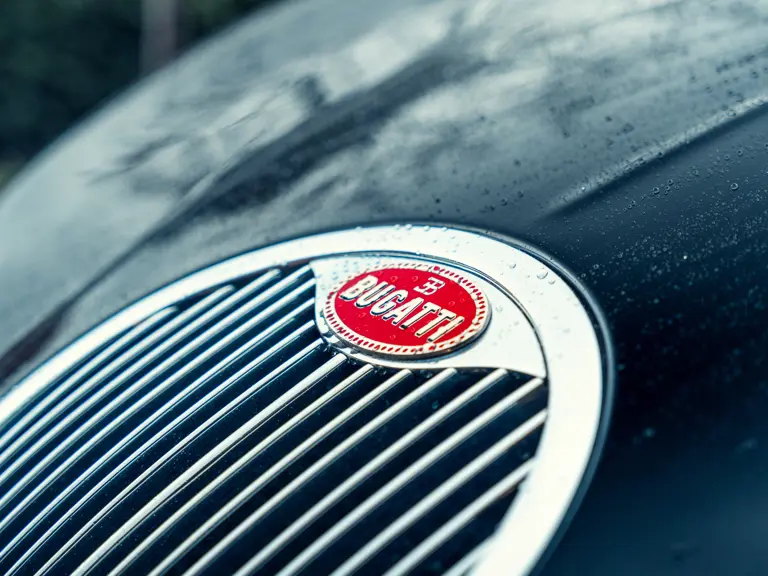
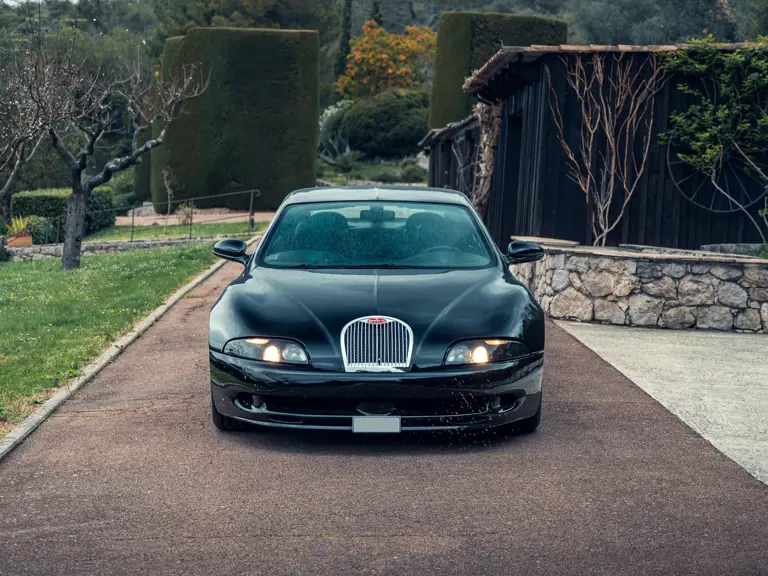
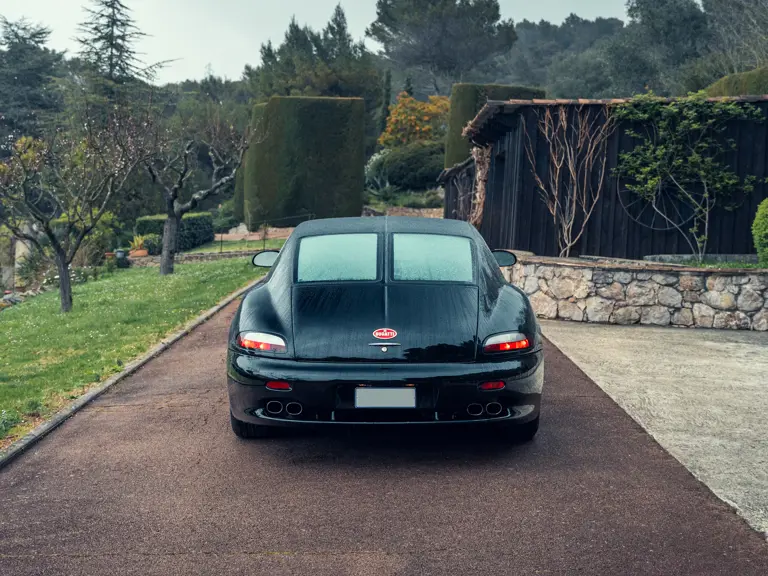
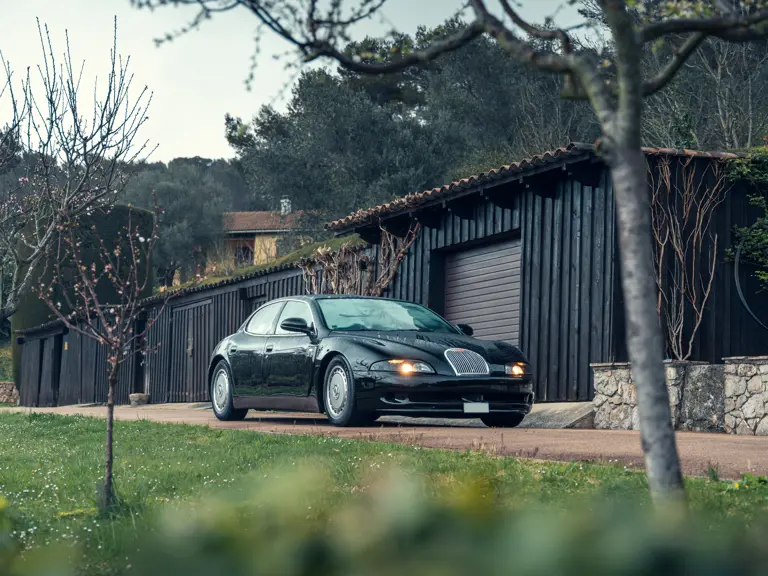
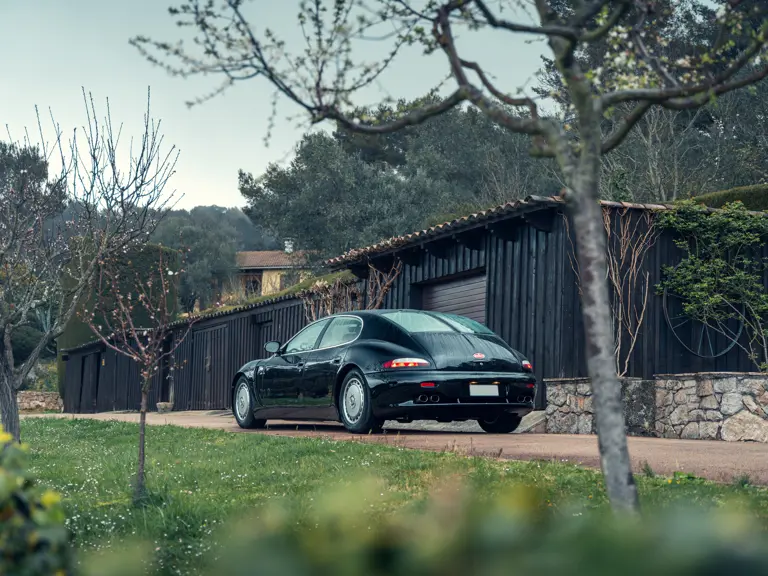
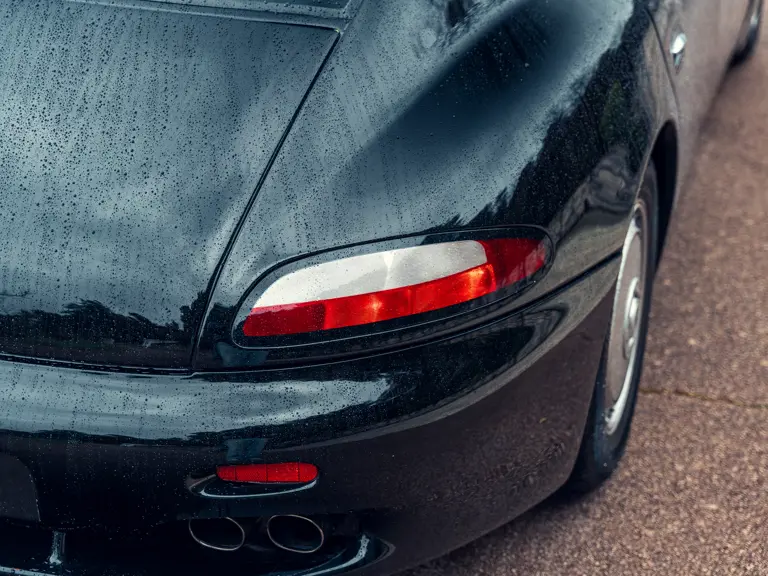
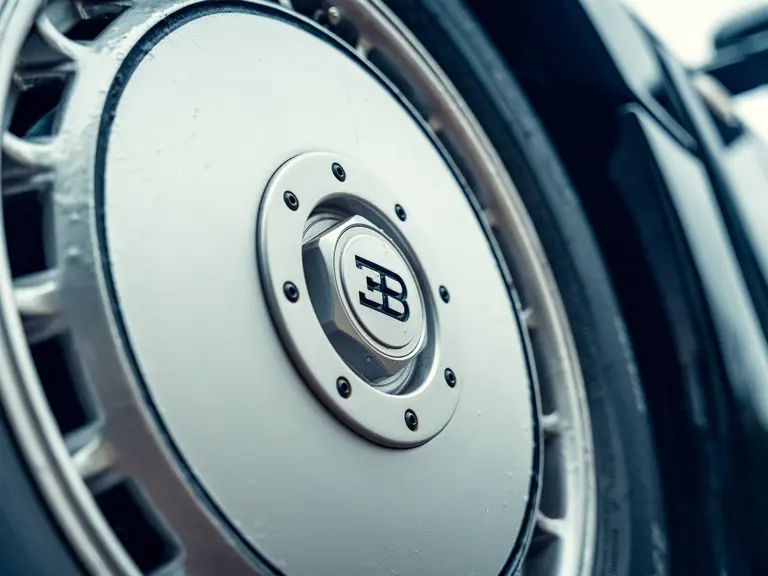
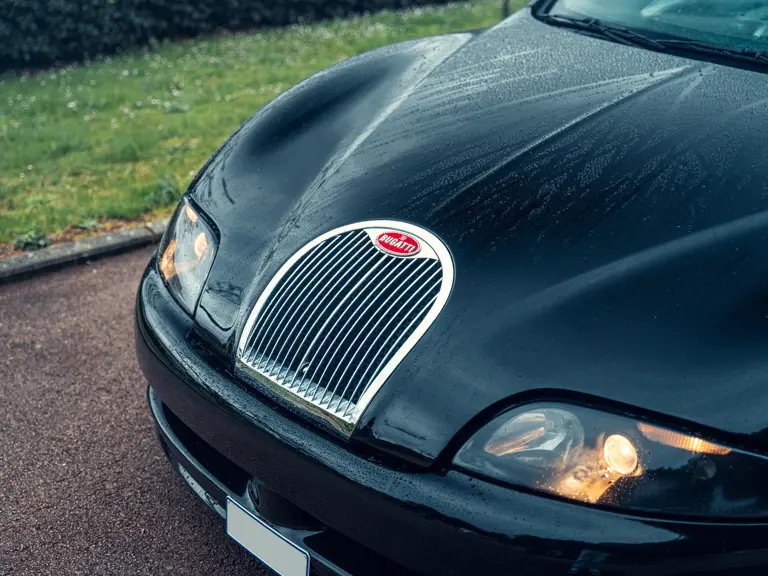
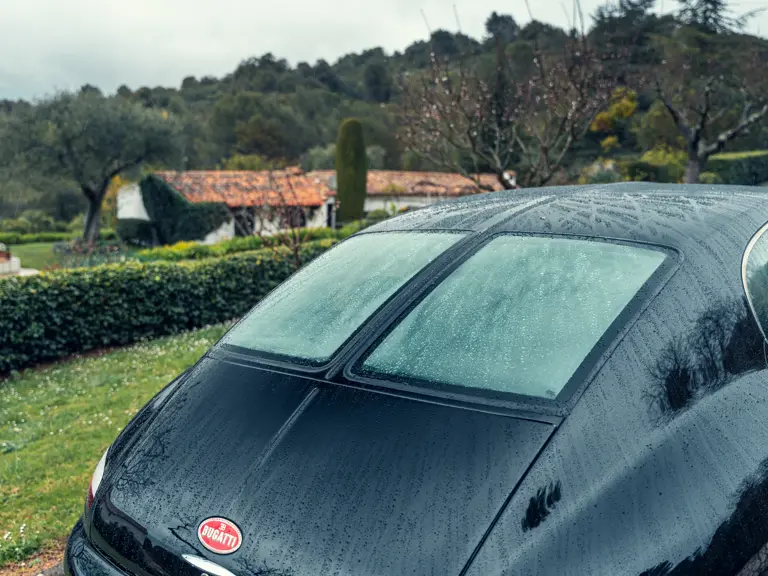
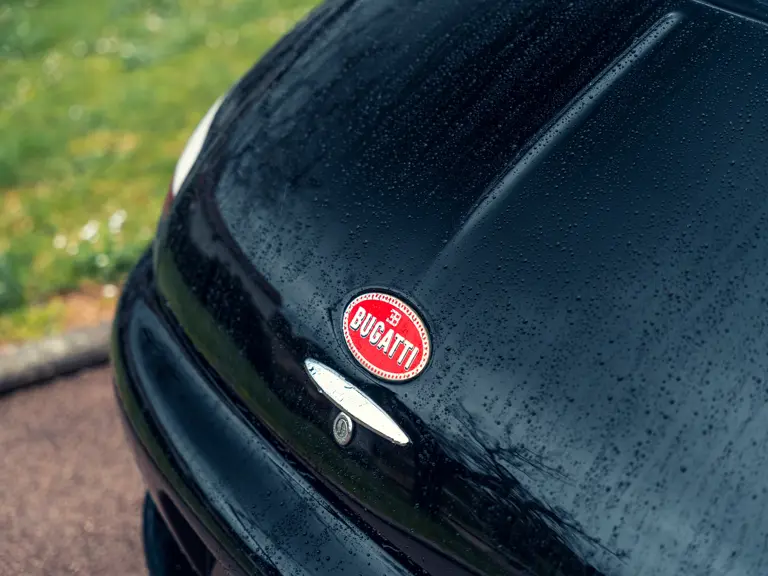
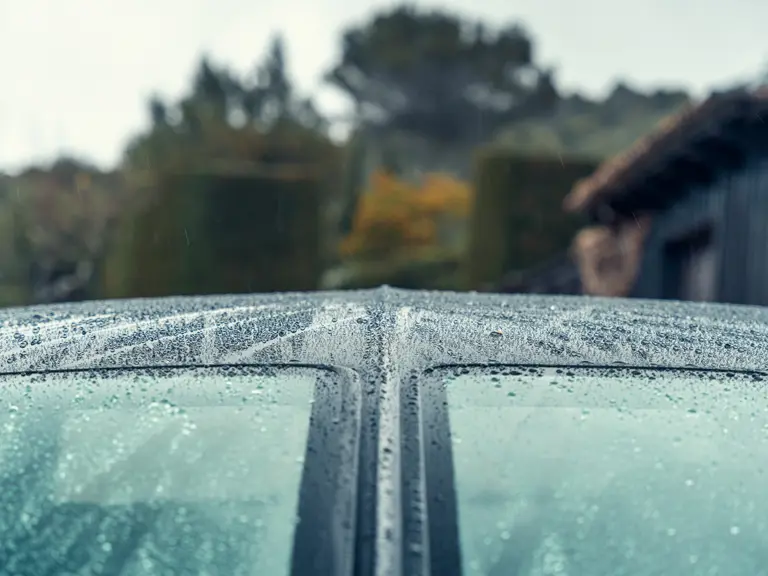
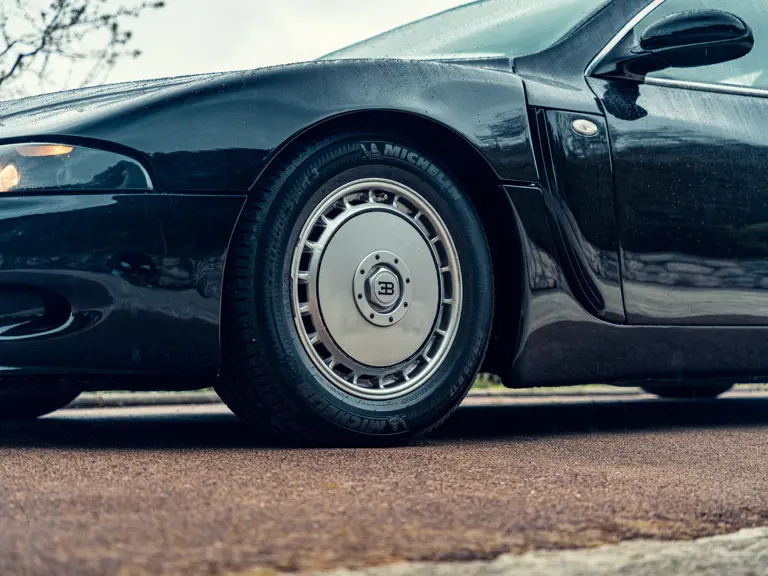
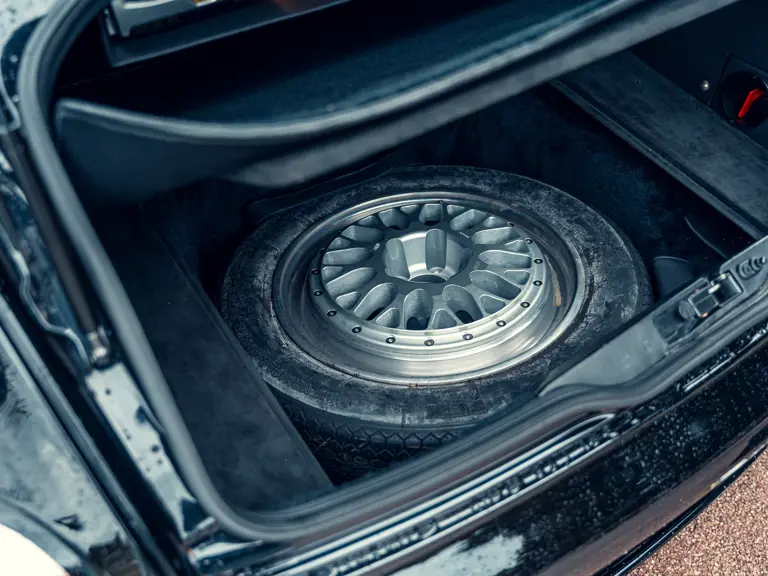
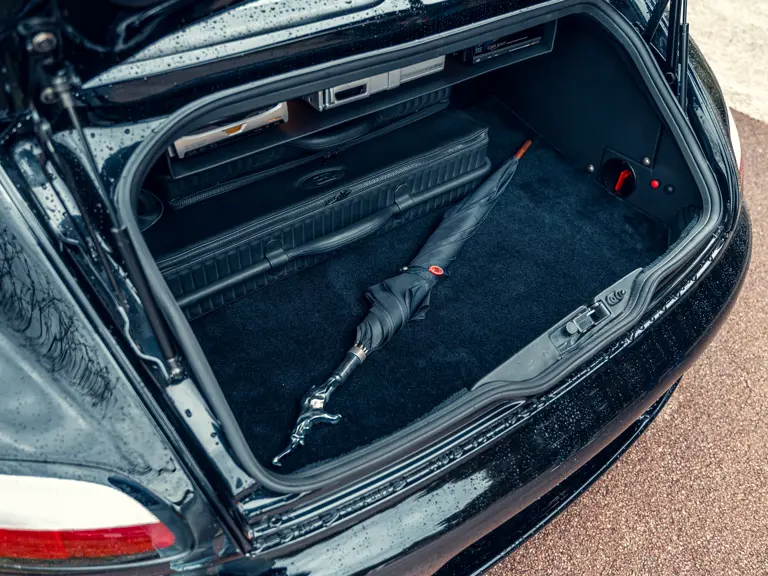
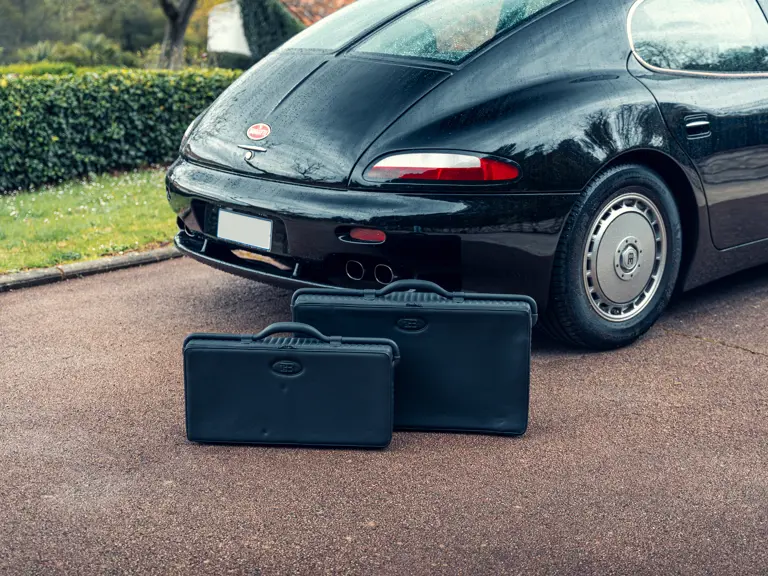
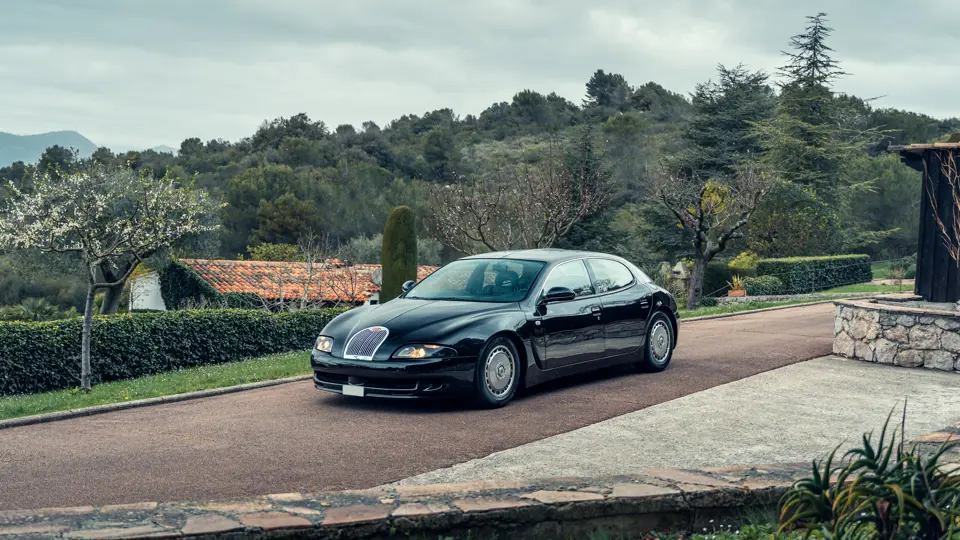
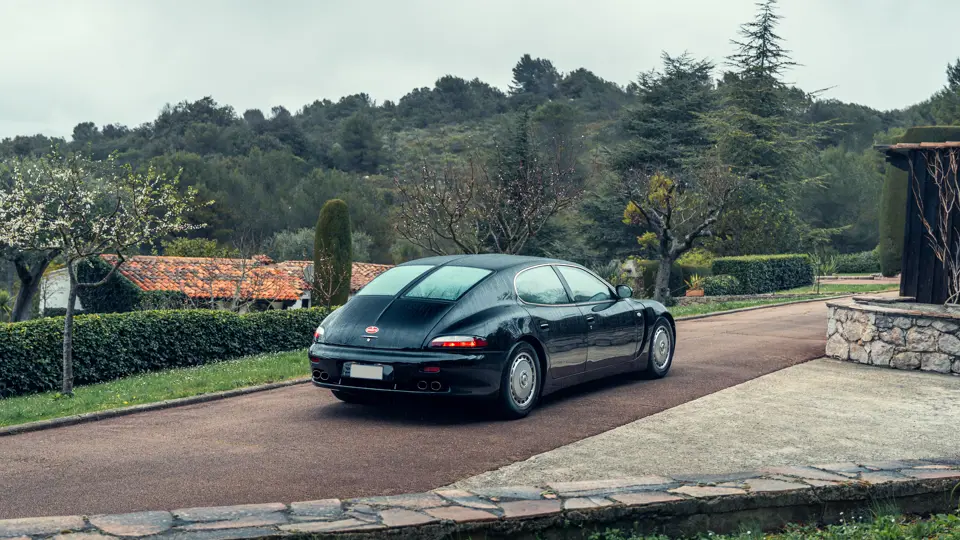
While the EB110 was thoroughly modern in appearance, the EB112 drew more obviously from Bugatti’s past. Flowing, curving bodywork penned by ItalDesign’s Giorgetto Giugiaro incorporated a subtle longitudinal spine and split rear window, recalling one of the Type 57 SC Atlantic’s defining features, while the wheels were an updated interpretation of the solid, vented alloy units used on the Type 41. The famous Bugatti “horseshoe” grille, a vestigial element within the EB110’s fascia, is far more prominent on the EB112. Even the accompanying umbrella was a nod to marque history, incorporating a scaled-down copy of Rembrandt Bugatti’s elephant sculpture (used as a radiator mascot on the Royales) as its handle.
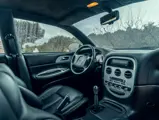
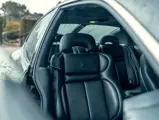
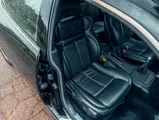
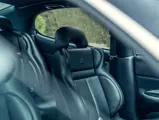
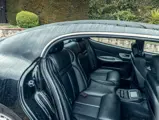
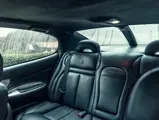
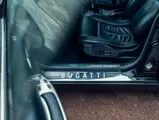
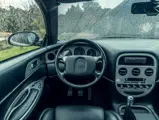
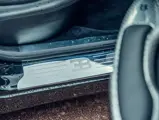
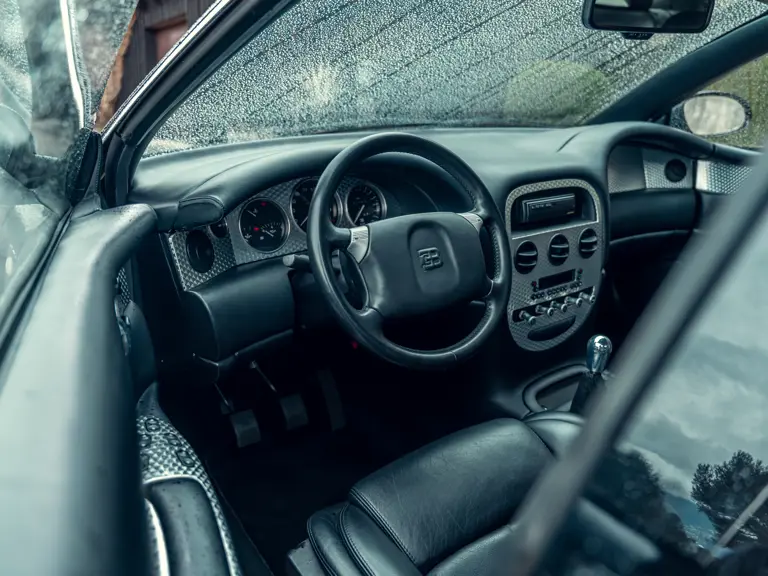
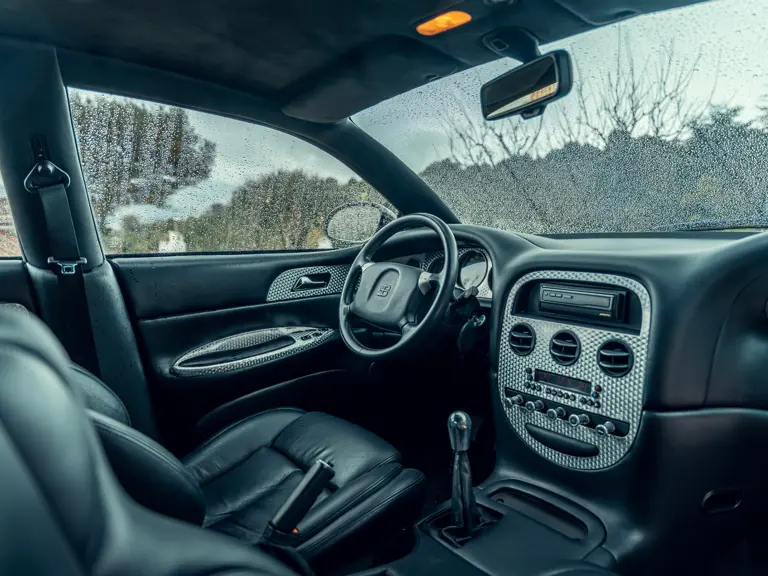
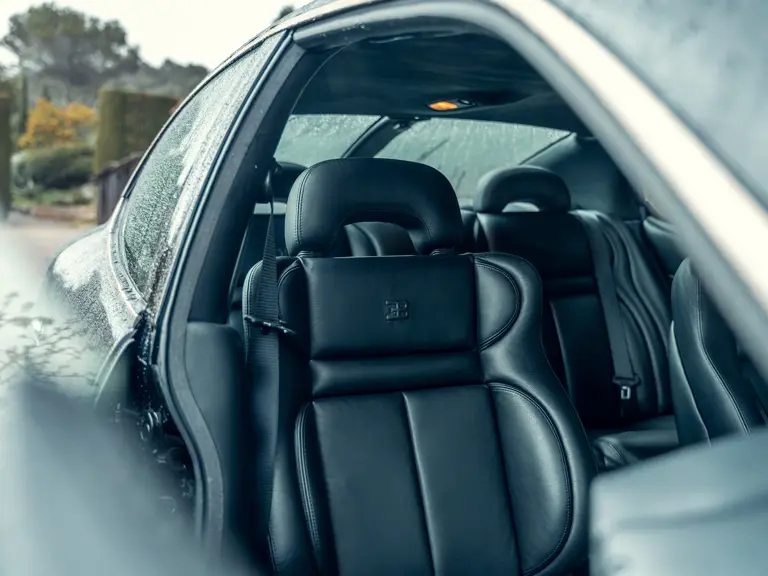
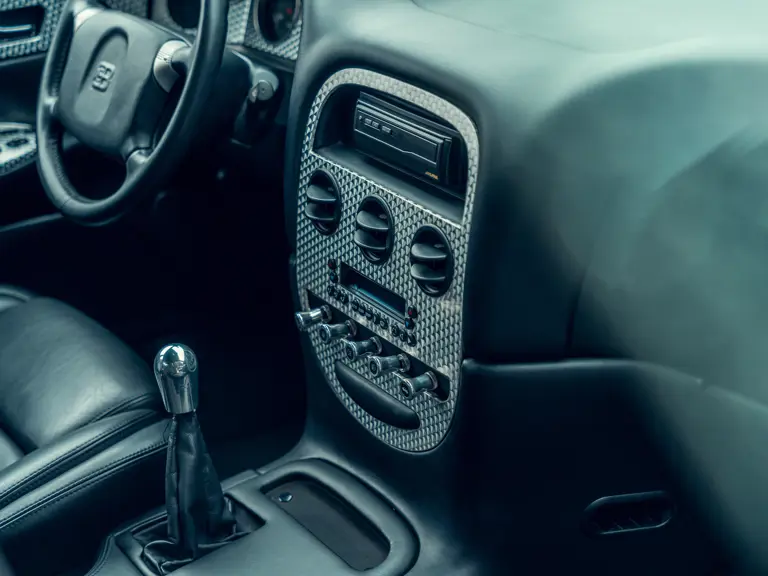
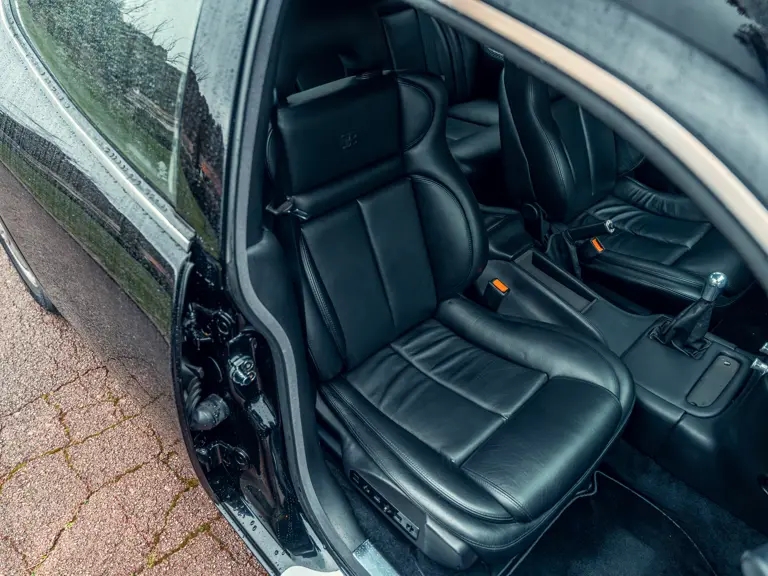
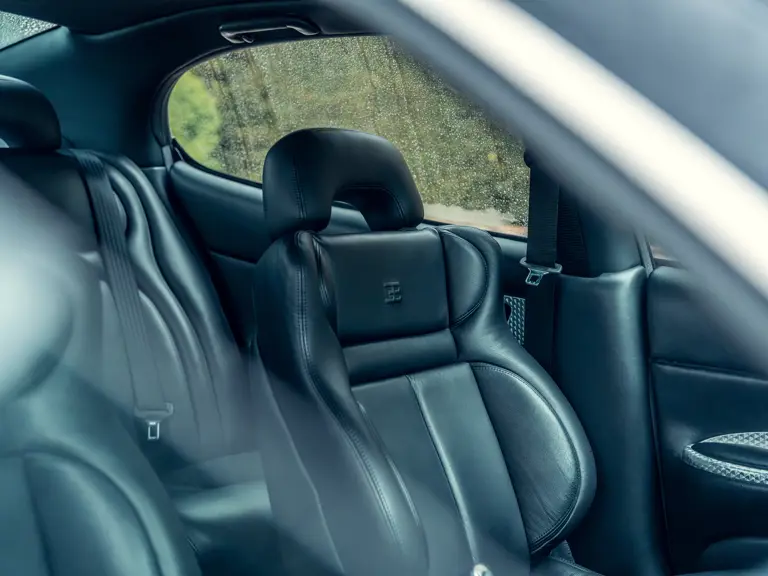
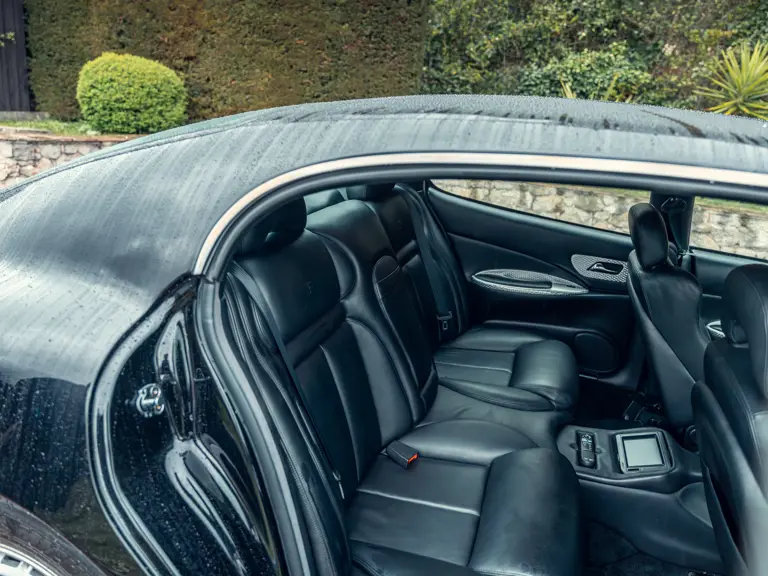
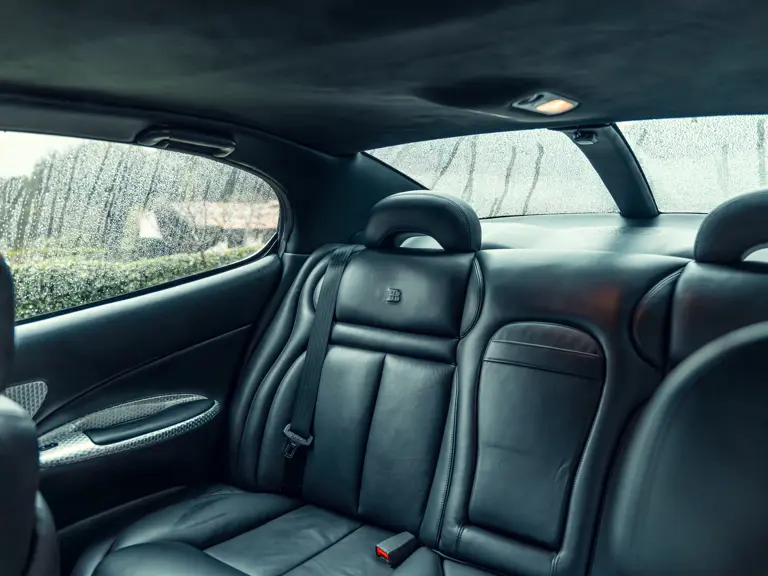
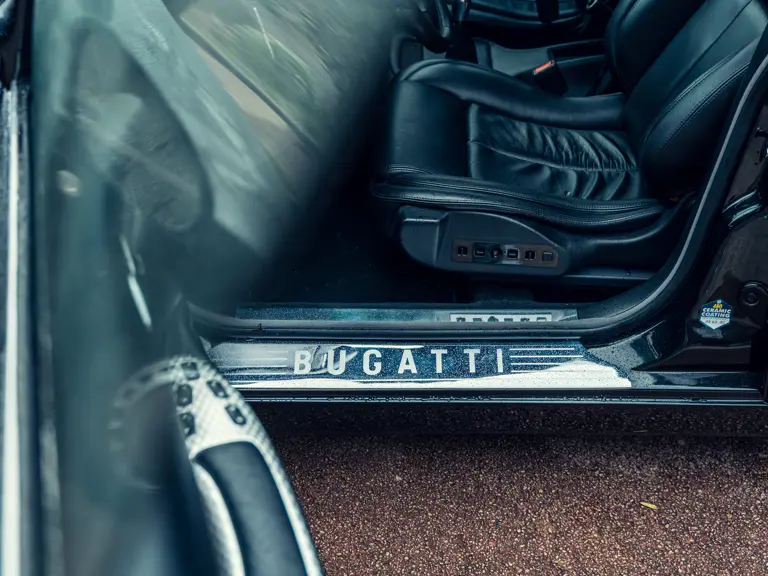
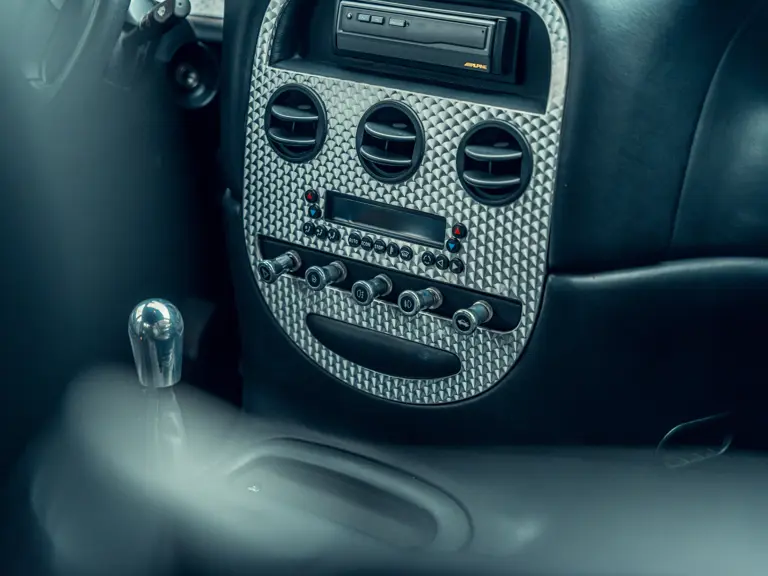
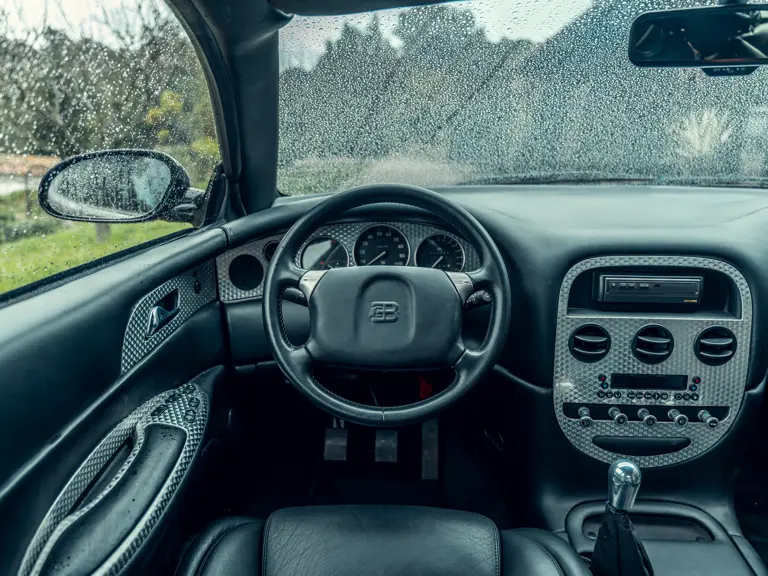
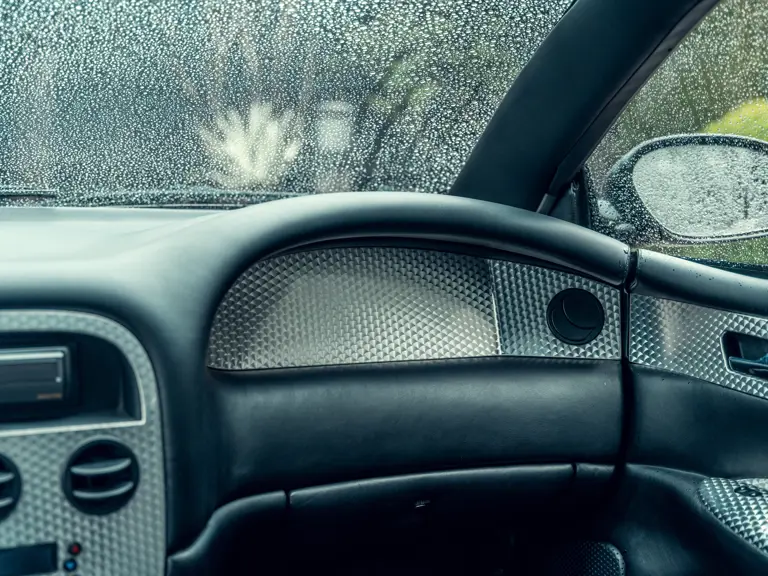
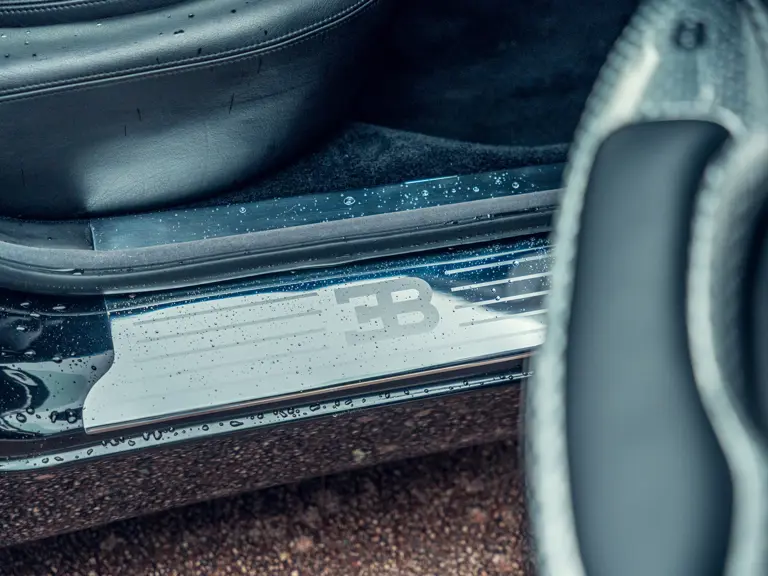
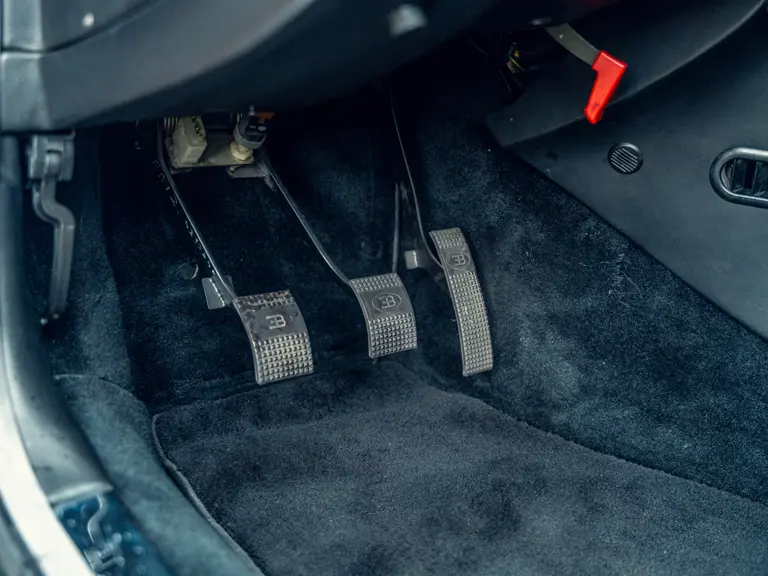
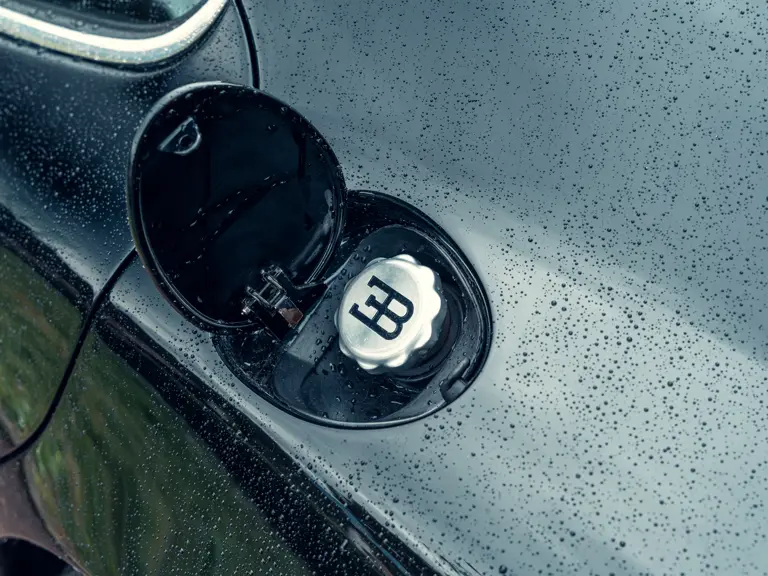
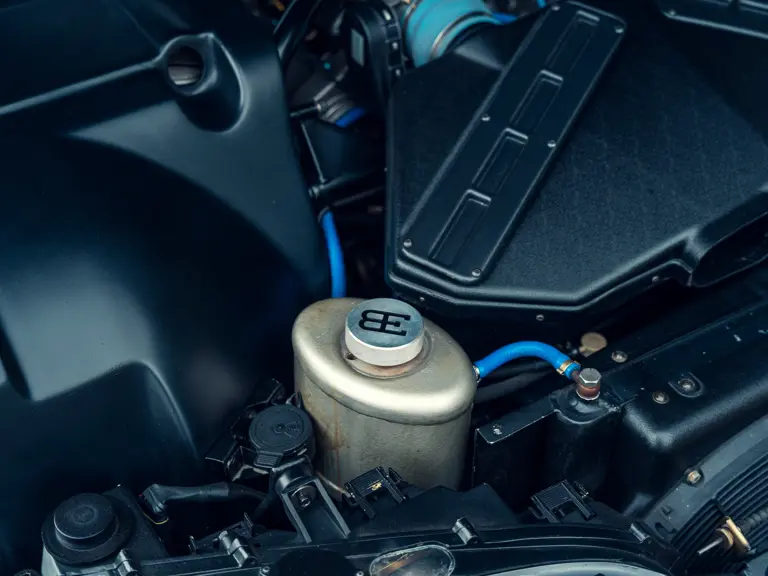
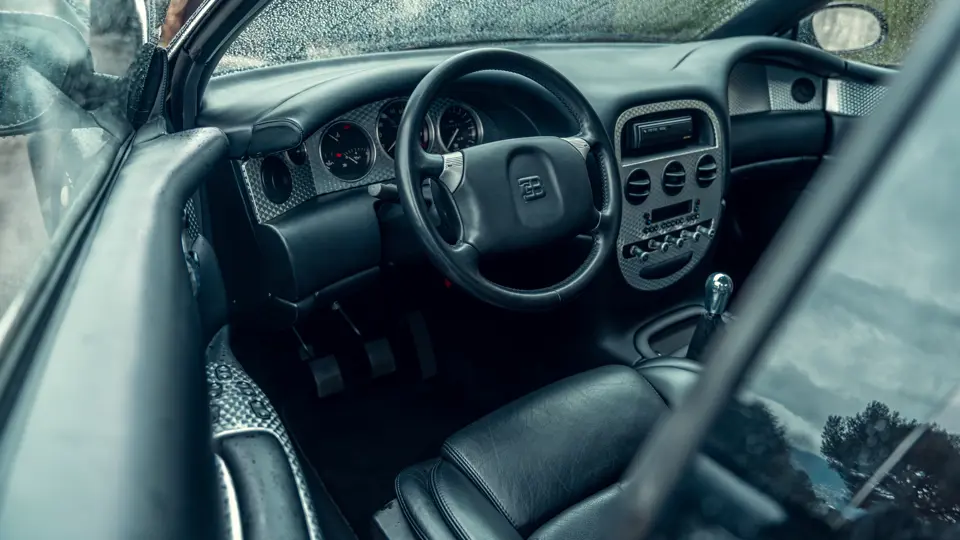
The EB112’s interior accommodates seating for four, with rear seats separated by a fold-down armrest. Headrests are emblazoned with the Bugatti “EB” logotype, and the instrument cluster surround, central dashboard, and door panels sport metal panels accented with a classic Perlée finish. But the interior is otherwise restrained and refined. In many ways it anticipates the cabin of the Bugatti Veyron, which involved Giugiaro and Italdesign in its initial development stages.
In a 2021 article in Magneto, Artioli summed up the EB112 as “an incredible car, a delight to drive, with a 6.0-litre V-12 installed behind the front axle. The chassis was made of carbon fibre and the internal suspension was lightweight. It drove like a go-kart.” Projected performance was impressive, with a 0-100 km/h sprint of 4.3 seconds and a top speed of 300 km/h. The EB112 had the makings of an ultra-luxury super-saloon unlike anything else built at the time, but it was not to be. Bugatti Automobili completed a drivable EB112 prototype, which debuted at the 1993 Geneva Motor Show, as well as two styling models. Further pre-production chassis were partly constructed when operations at Campogalliano ceased in 1995.
This is where things might have remained, if Monegasque businessman Gildo Pallanca Pastor had not purchased assets from Bugatti Automobili following its bankruptcy. Pastor ran an EB110 SC in motorsport competition under the auspices of the Monaco Racing Team and was seeking a stock of spare parts. As part of the deal, he also acquired the incomplete EB112 chassis and components.
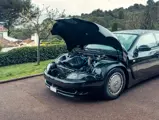
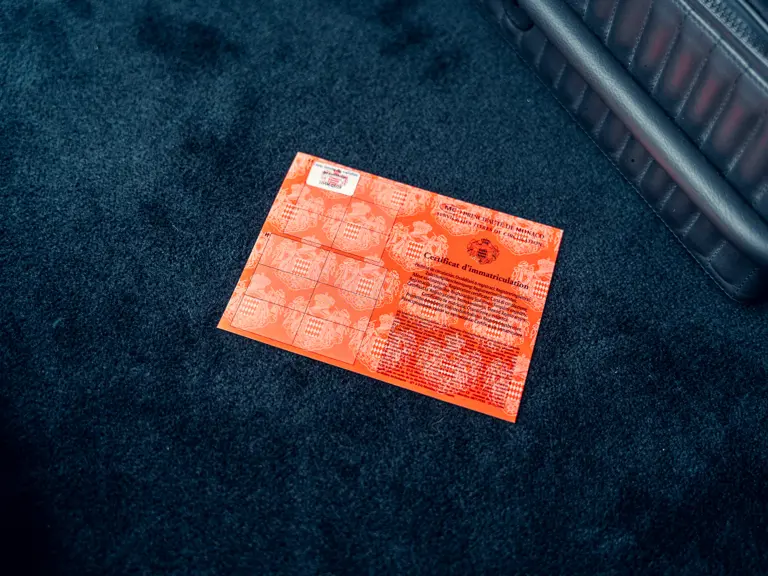
Pastor eventually completed two EB112 examples. He retained this car, the second of two chassis completed by Pastor and thus the last of three EB112 constructed, until 2015, when it passed into present ownership. In addition to periodic exhibition, including a stay at the renowned Schlumpf Collection in the mid-2000s, it was registered on Monaco plates and occasionally driven on the streets of the Principality. To keen enthusiasts, it would have been truly exciting to spot this near-mythical machine in motion, while more casual onlookers must have been baffled by such a distinctive, unfamiliar car wearing a horseshoe grille and Bugatti badges!
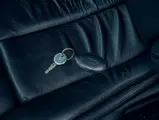
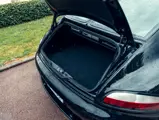
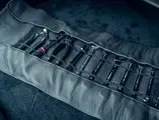
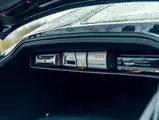
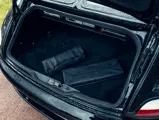
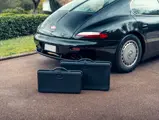
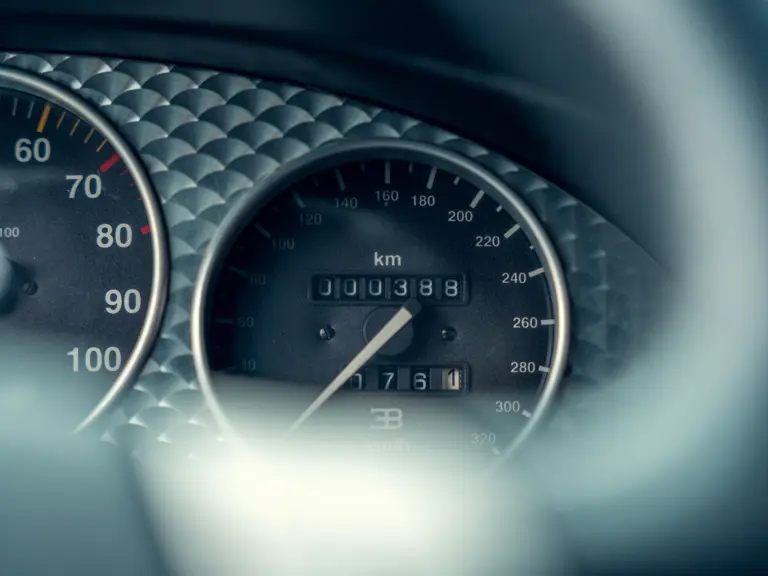
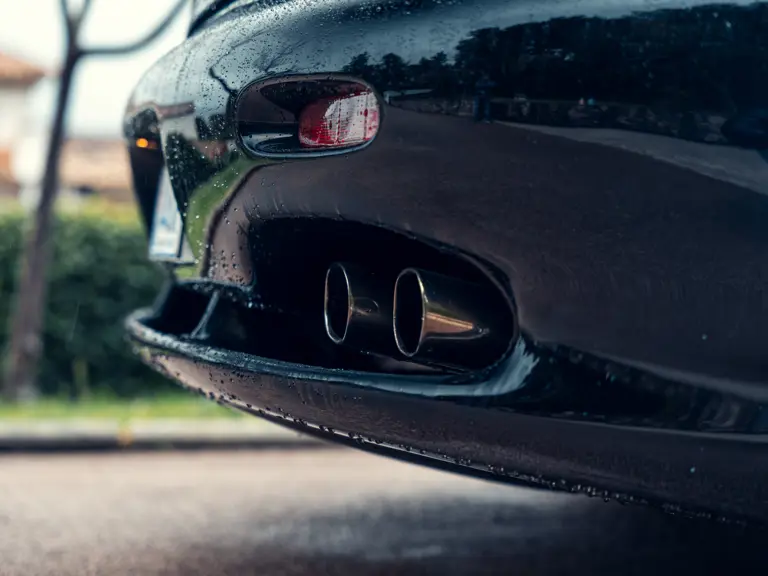
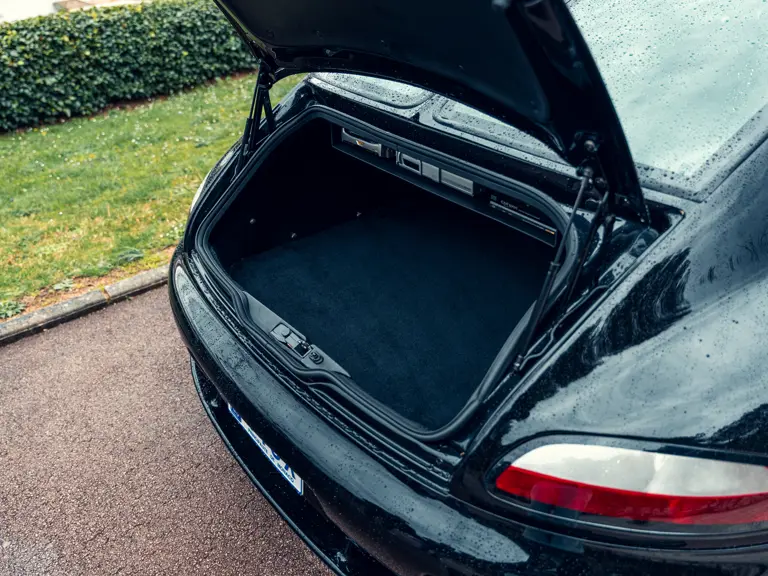
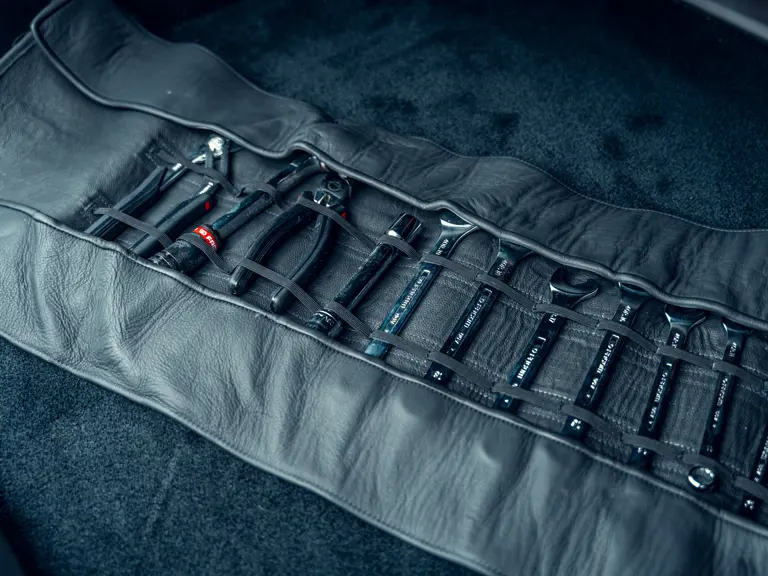
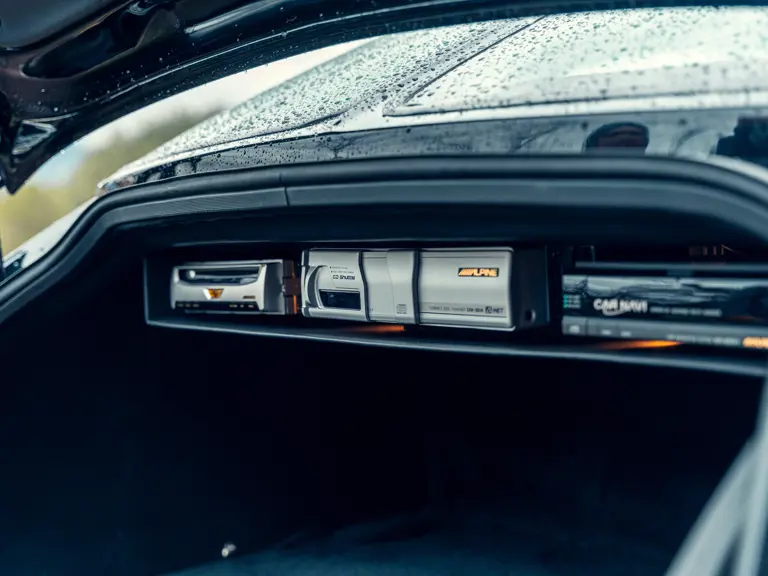
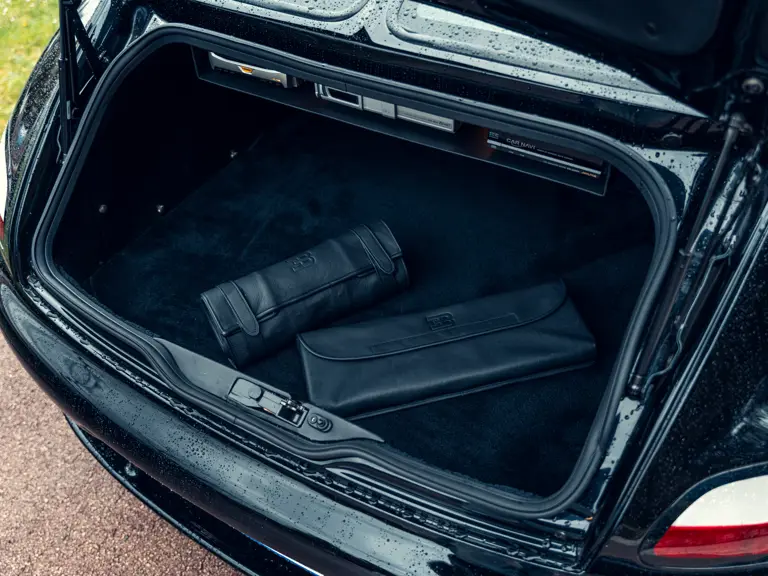
As offered today, the EB112 is still very much as it was when completed by Pastor. It has remained registered in Monaco and is offered by only its second owner from new, with the odometer displaying a mere 388 kilometres at time of cataloguing. The consignor enlisted specialist shop Garage des Moneghetti to service the Bugatti, with work conducted in 2021 and 2022 including repair of the car’s braking and suspension systems, an overhaul of its emissions control system, including replacement catalytic converters, as well as attention to the car’s cosmetic condition and fitment of new Michelin tyres. Further engine work was completed by Lorrtec Race Engines in May 2022. In total, service invoices on file reflect over €37,000 invested in the EB112 under current ownership. The car is now accompanied by two pieces of luggage, a tool roll, and, importantly, its special umbrella with the elephant mascot handle.
Under current Volkswagen ownership, Bugatti commissioned the Giugiaro-penned EB218 concept, as well as the more recent 16C Galibier. But it has not yet produced a four-door model. The EB112 is, then, the only opportunity to possess and drive a modern Bugatti saloon. Technologically fascinating, visually unmistakable, and incredibly exclusive, it is everything a Bugatti should be—and with the first EB112 in the collection of Italdesign and the second in private ownership, the opportunity to acquire an example such as this is exceedingly rare indeed.
 | Monaco, Monaco