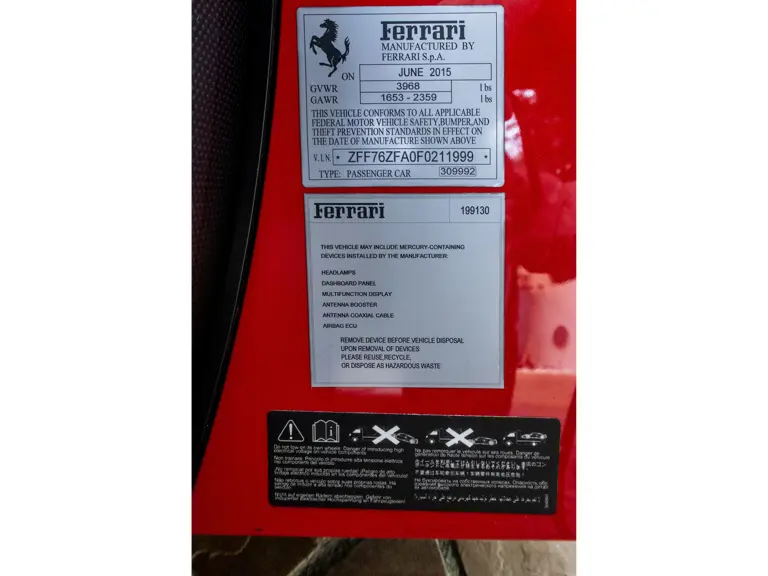
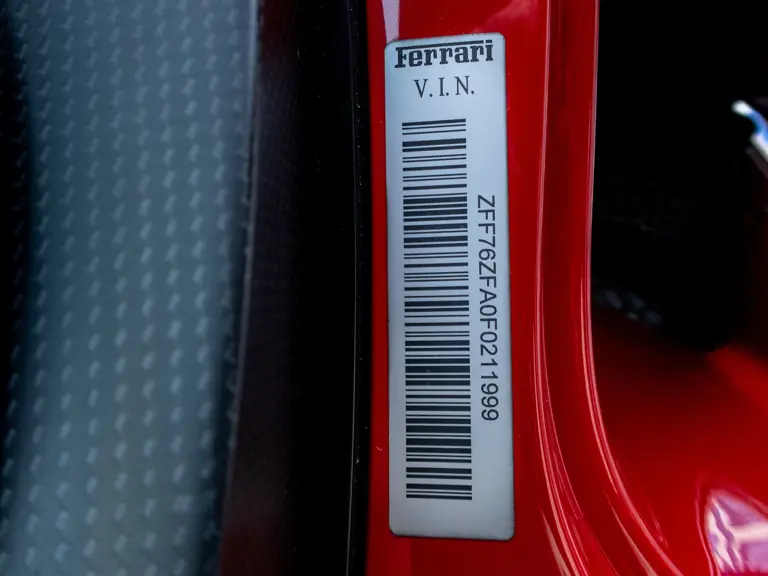
Chassis No.
ZFF76ZFA0F0211999
$5,230,000 USD | Sold
{{bidding.lot.reserveStatusFormatted}}
Perhaps more than any other automaker, Ferrari has a tradition of building limited-production supercars that push the envelope of performance and design, while enriching the manufacturer’s cachet. From the competition-intended 288 GTO of the mid-1980s, through the anniversary celebrating F40 and F50 models, the millennial Enzo, and on to today’s F80, these cars have served heritage commemorative purposes while reinforcing Ferrari’s identity as a boutique company that builds nothing less than the finest money can buy.
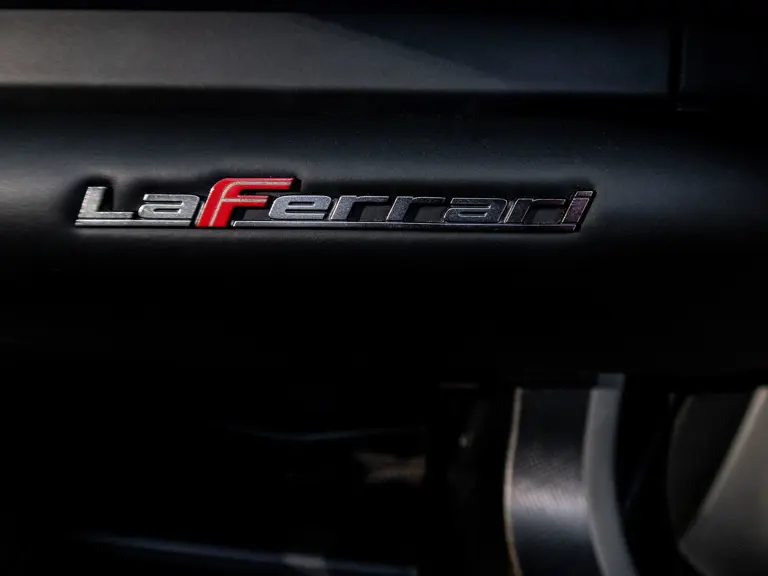
By the early 2010s this notion was being challenged by a new breed of hybrid-electric hypercars produced by other manufacturers, most notably the Porsche 918 Spyder and the McLaren P1. Relying on the spirit of competition that had served it so well on the track for 65 years, Ferrari duly met this challenge with yet another limited-production supercar, one that would dwarf its predecessors in power, technology, and scope. Unveiled at the 2013 Geneva Salon, the new model was simply called LaFerrari—literally “The Ferrari.” When the performance numbers and build approach were eventually dissected by the media and enthusiasts, it was difficult to argue with the model’s boastful name.
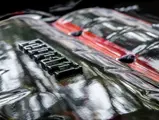
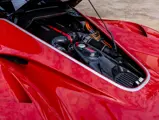
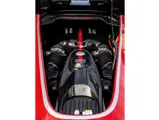
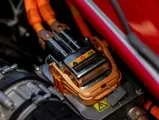
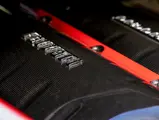
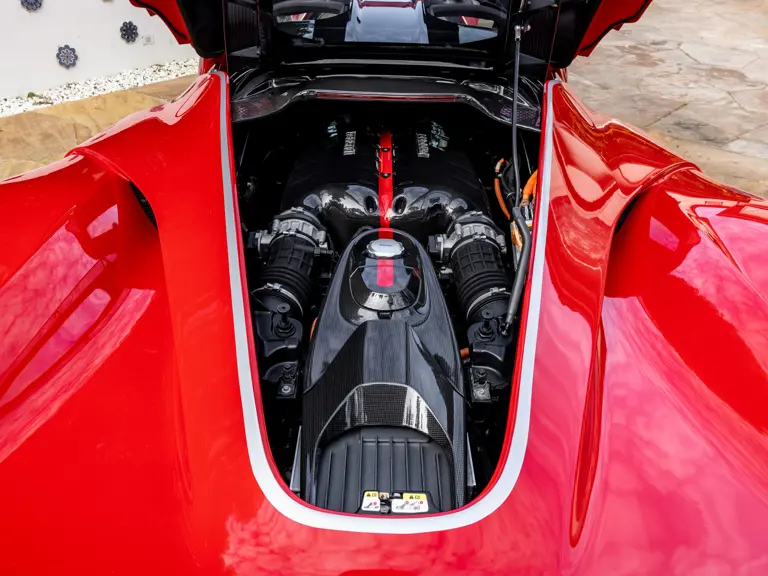
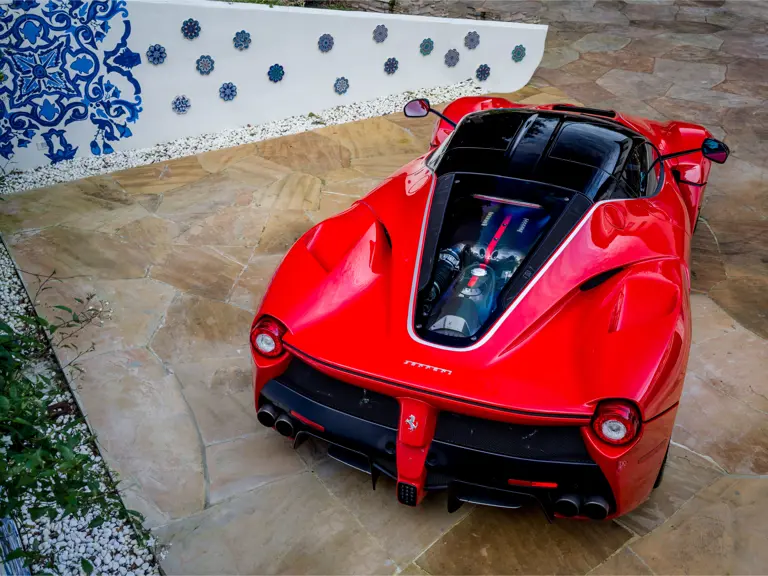
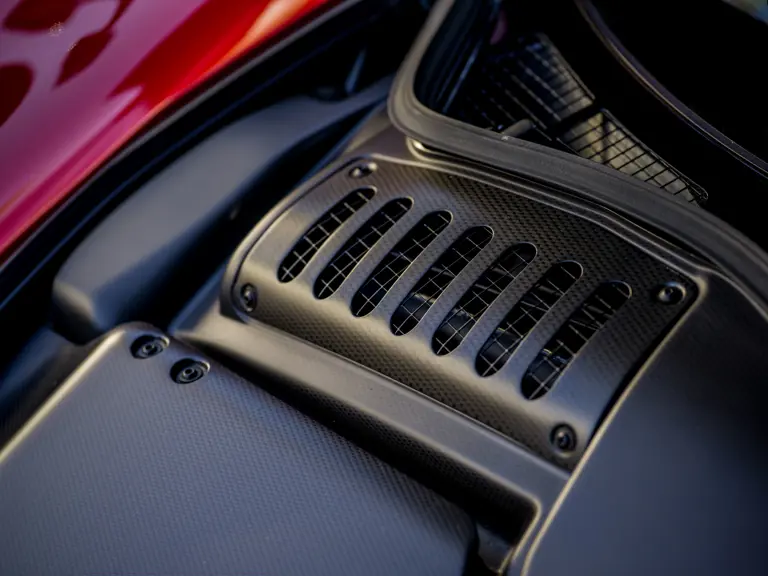
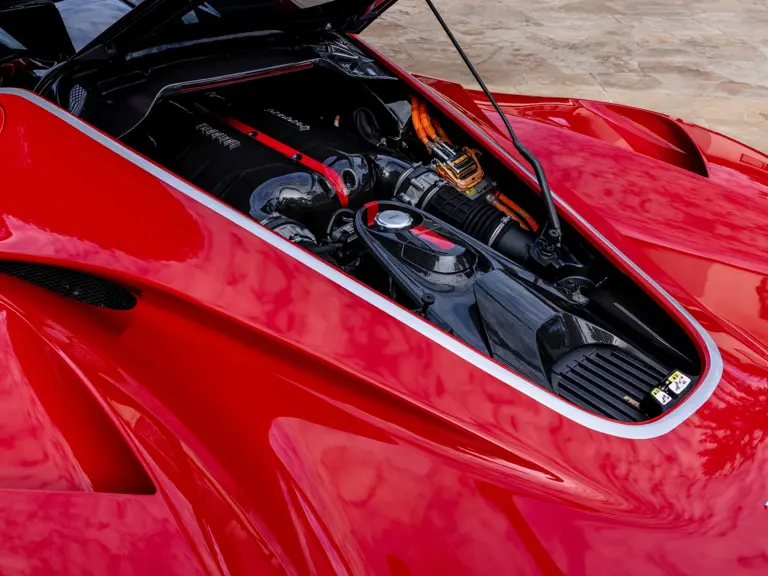
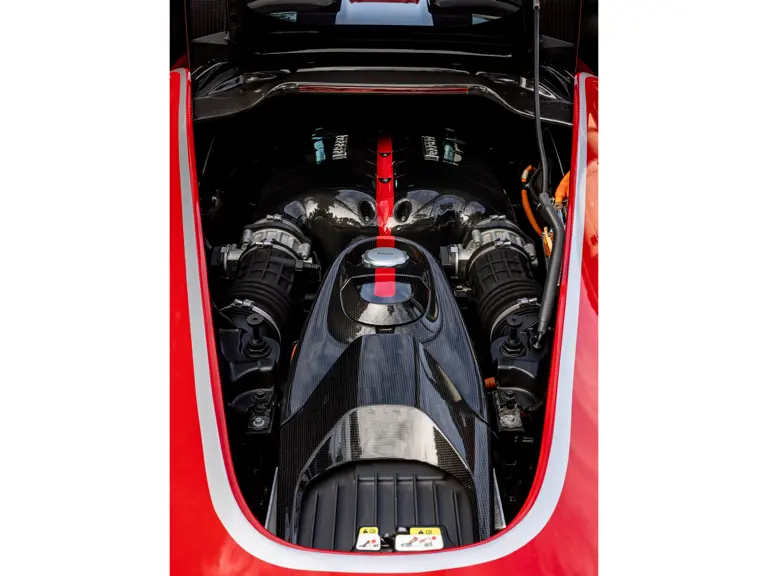
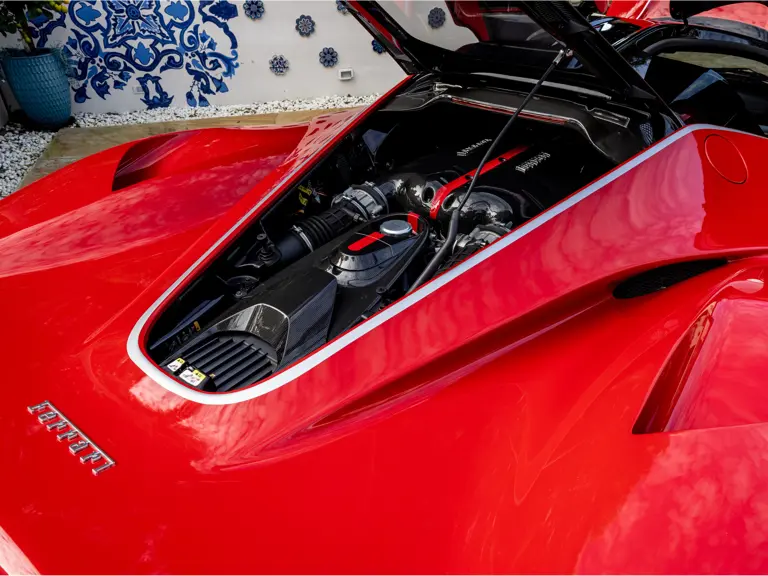
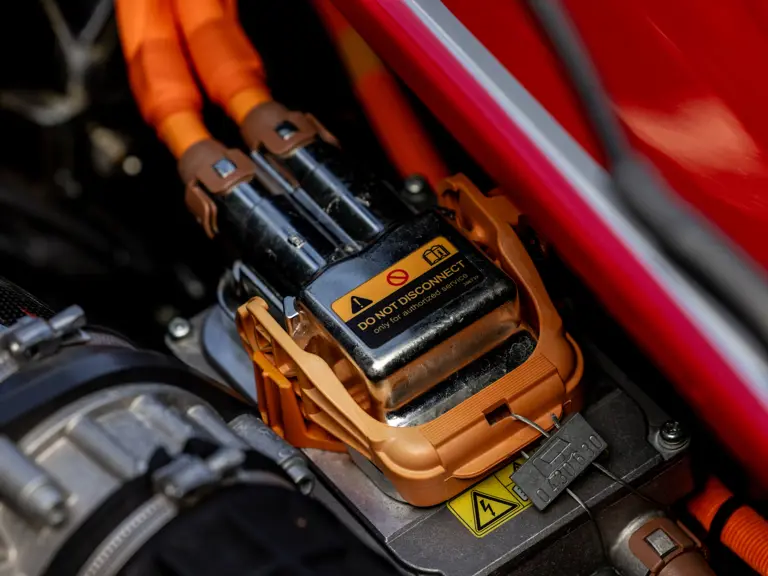
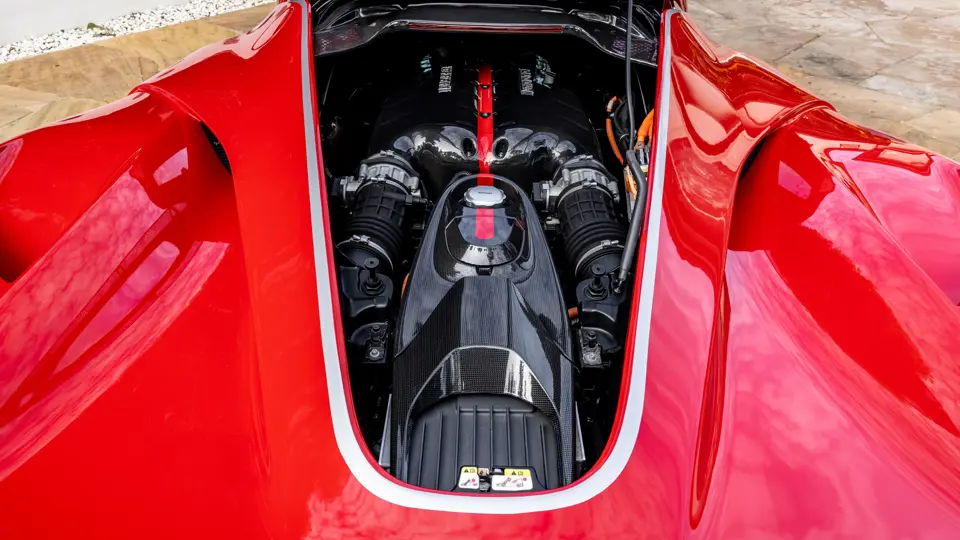
The heart of LaFerrari is a rear-placed 6.3-liter V-12 that was directly lifted from the developmental FXX model. With an absurd compression ratio of 13.5:1, the V-12 develops 789 horsepower while redlining at a whopping 9,250 rpm. The 516 pound-feet of torque arrive relatively high, just shy of 7,000 rpm. So an electric motor derived from the company’s Formula 1 KERS technology was installed in the rear, adding 161 horsepower, most of which is tapped for use at lower rpms. Power is routed directly to the rear axle alone, and shifting is accommodated by a seven-speed dual-clutch transaxle.
In total, the two engines combine for a head-spinning 949 horsepower and 663 pound-feet of torque, propelling the slippery LaFerrari to 60 mph from standstill in as little as 2.4 seconds. The quarter-mile arrives in 9.7 seconds at 149.2 mph, besting both the Porsche 918 and the Bugatti Veyron.
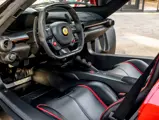
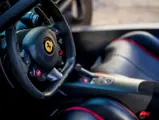
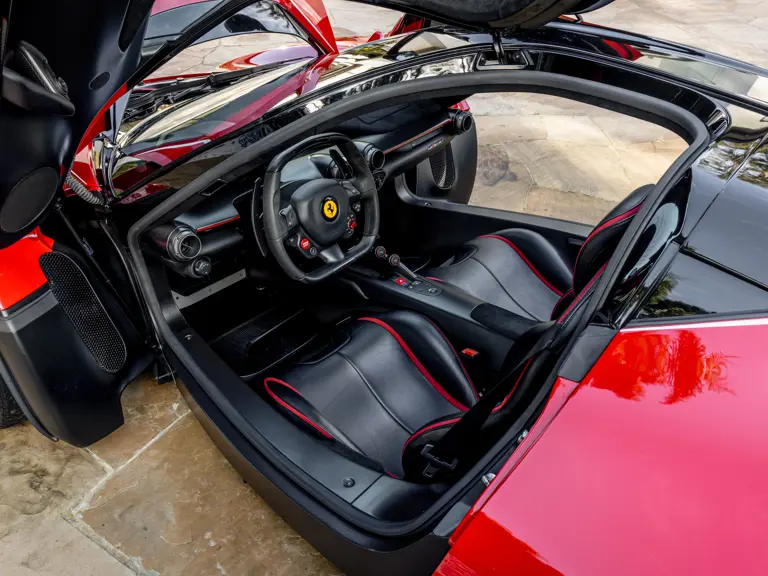
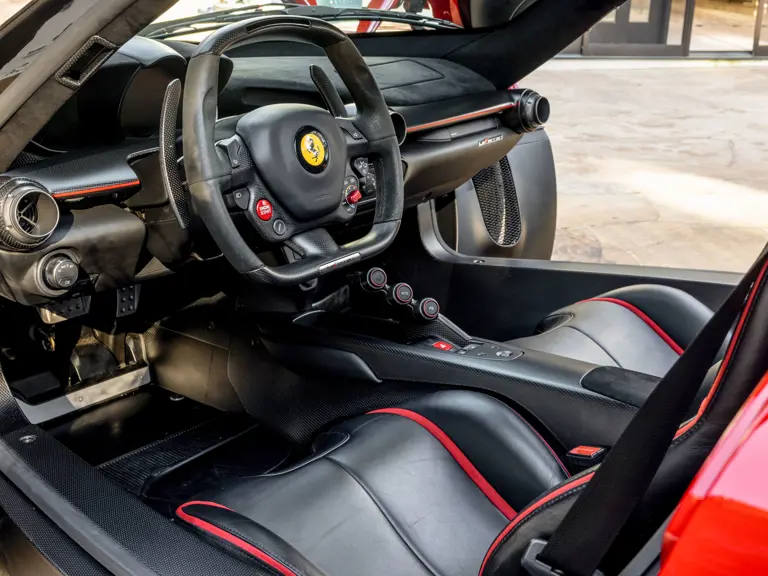
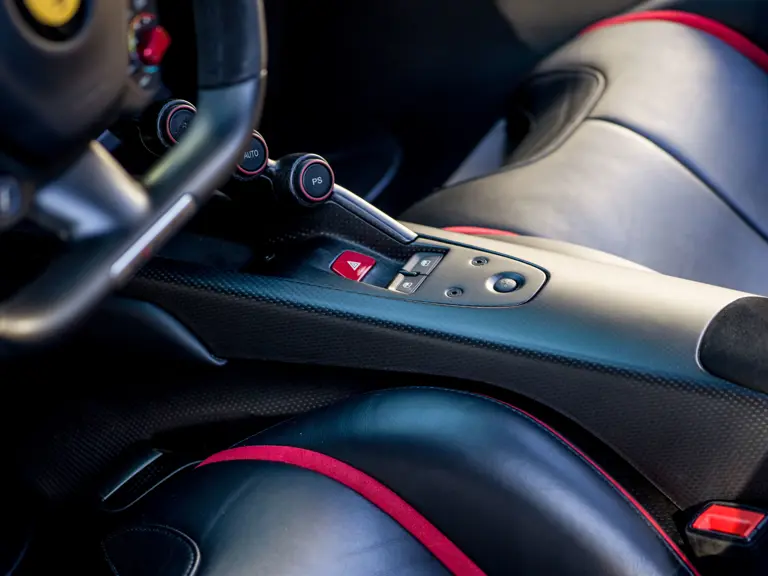
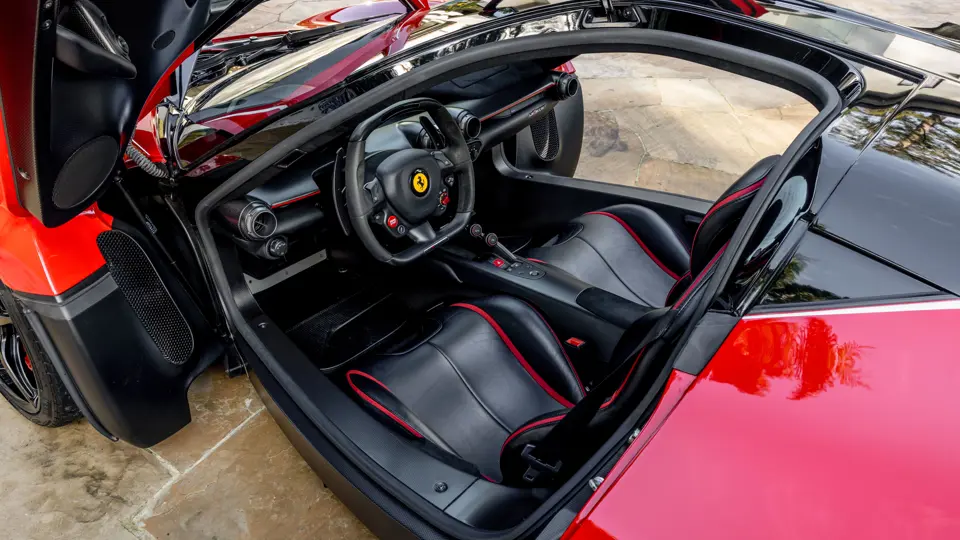
The LaFerrari’s carbon fiber tub is baked alongside those of the Scuderia Ferrari’s Formula 1 cars, and the hypercar’s entire architecture is based around the driver’s seating position, which is 2.4 inches lower than that of the Enzo. This was achieved, ironically, by removing the seat. That is to say, the LaFerrari’s seats are little more than Alcantara-swathed pads that are directly attached to the floor and rear firewall. Accordingly, the pedals are adjustable and the “seat” is custom-padded for each individual buyer.
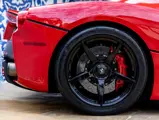
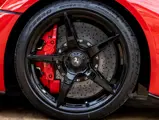
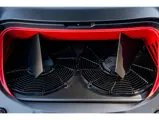
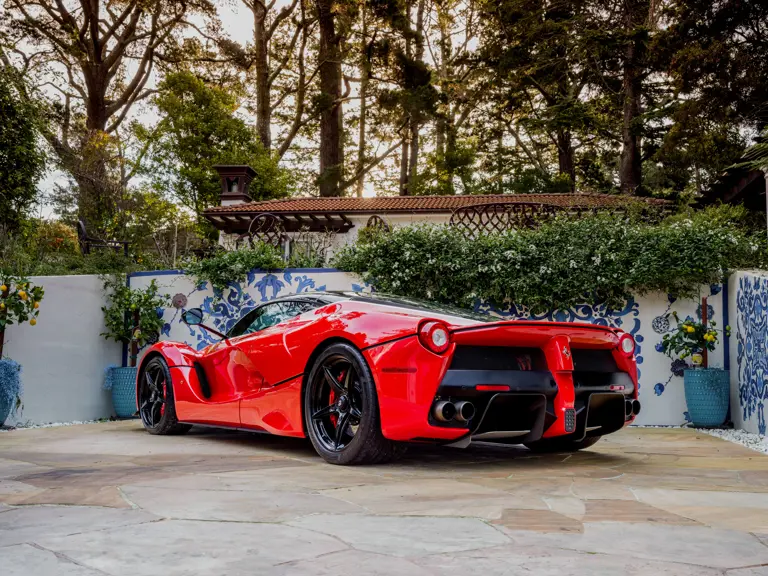
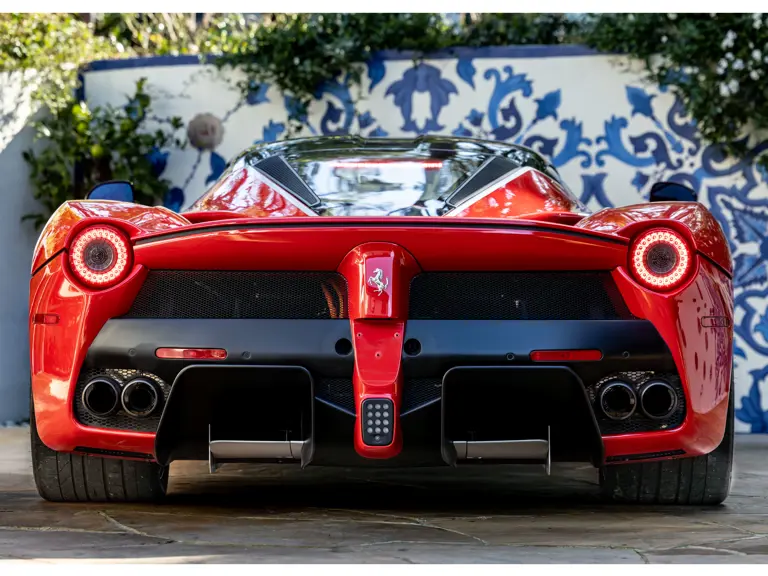
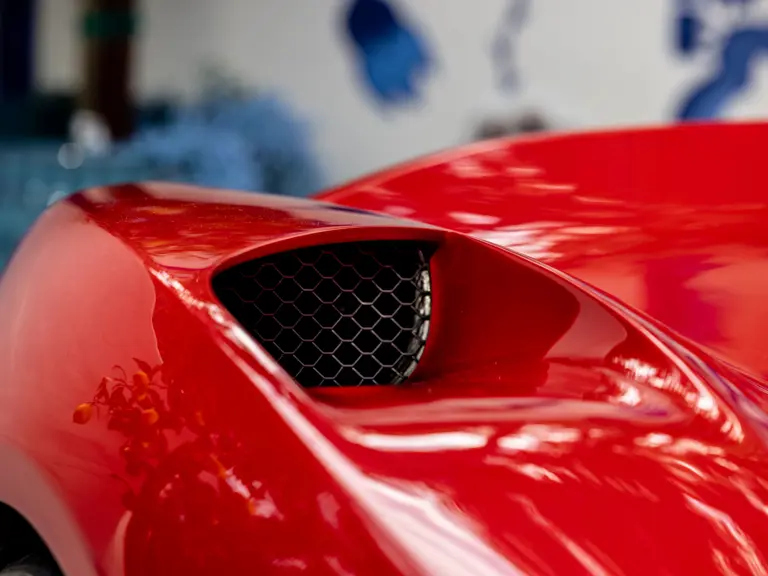
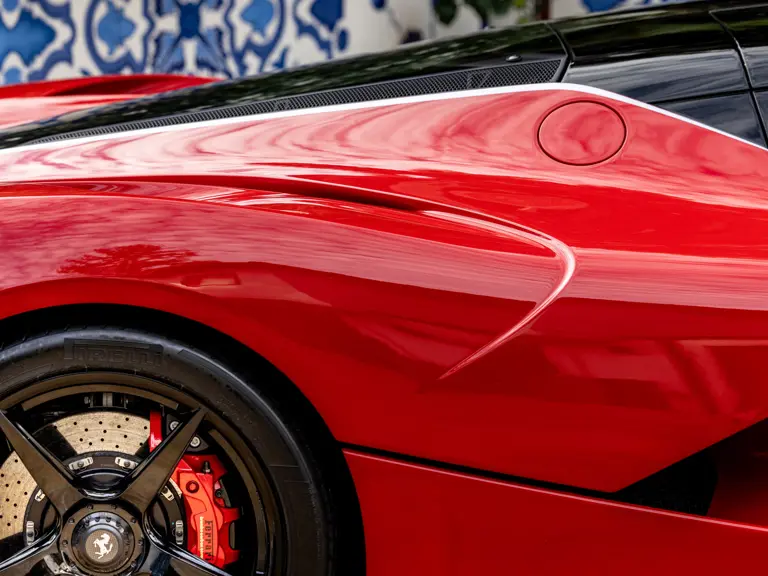
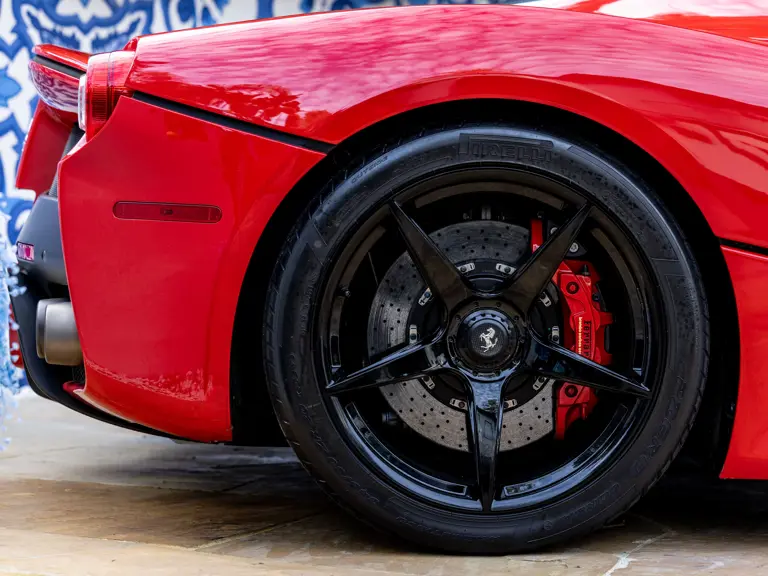
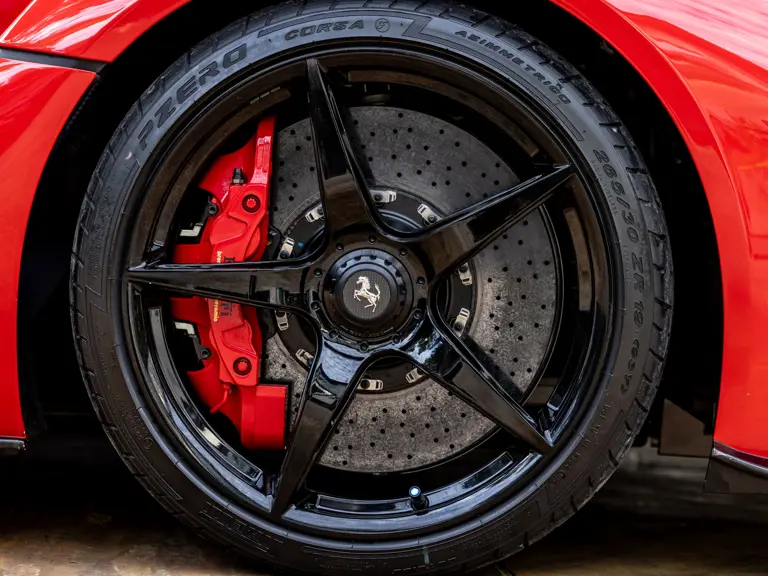
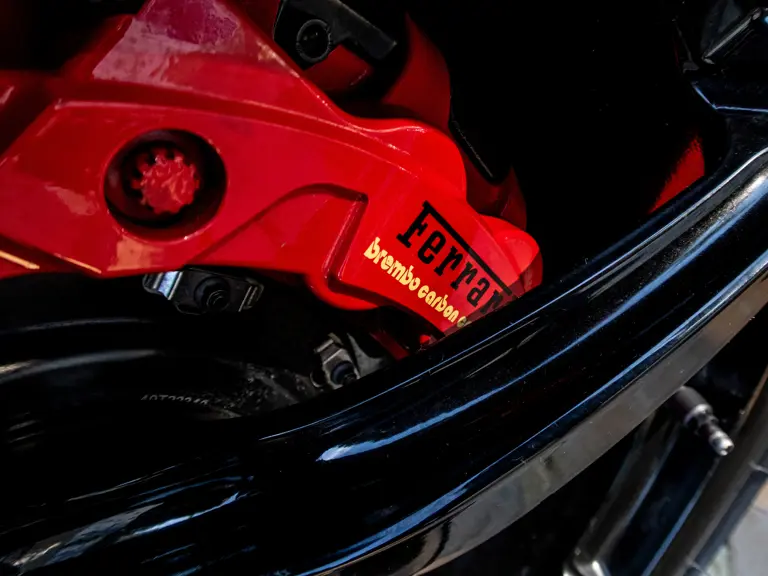
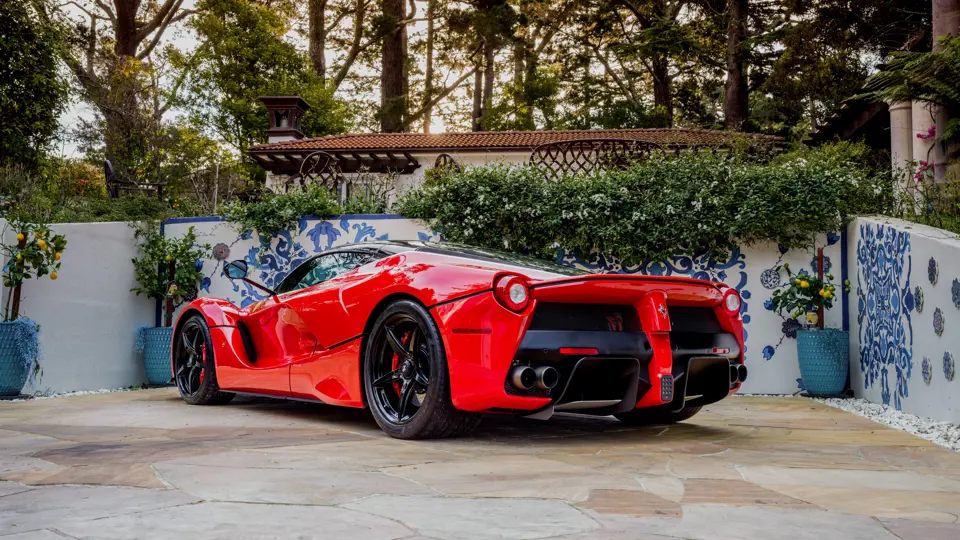
Ferrari’s in-house designer Flavio Manzoni penned the coachwork, which is beautifully low-slung and sleek while eschewing the brutal and somewhat controversial styling of the Enzo. In order to control all the power on tap, the body was adorned with a host of electronically deployed active aerodynamic elements, including smart front and rear undercarriage panels, and a rear spoiler. These manage to continuously attenuate downforce from between 200 and 800 pounds. Mammoth cross-drilled and vented Brembo carbon ceramic disc brakes and proprietary Pirelli P-Zero Corsa tires complete the technical profile, keeping the LaFerrari grounded as possible through screaming switchbacks.
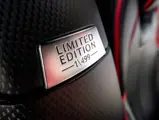
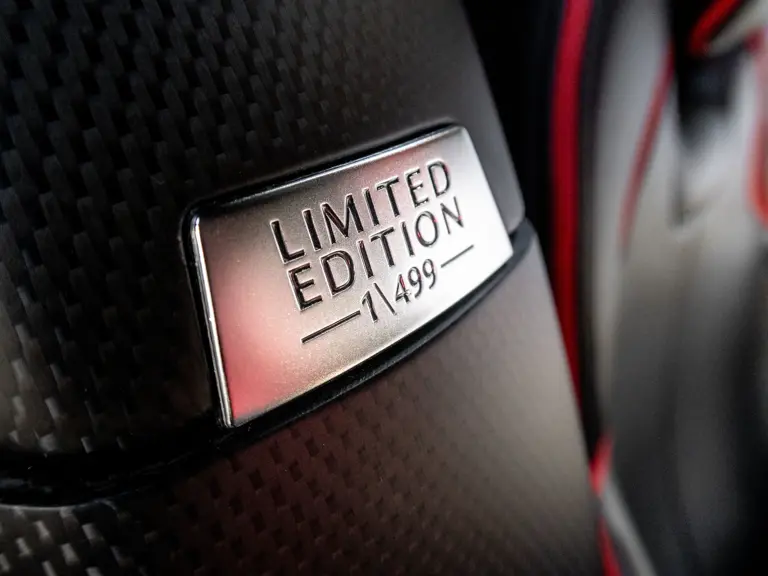
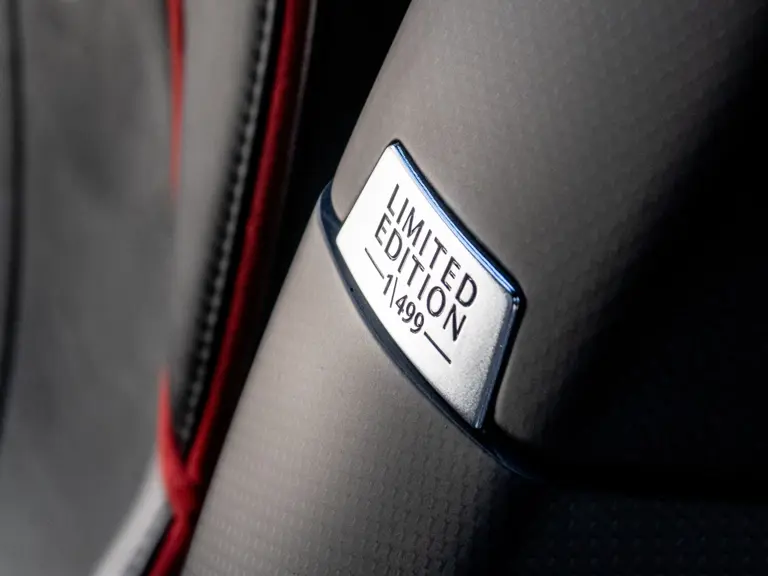
Concluding production in January 2016, manufacture of the closed variant of the LaFerrari was capped at 499 examples, lending the model the degree of exclusivity expected of a top-shelf Maranello hypercar. Despite officially retailing for over $1.3 million each, all 499 cars were purchased by preferred clients before the first LaFerrari was even completed.
CHASSIS NUMBER 211999
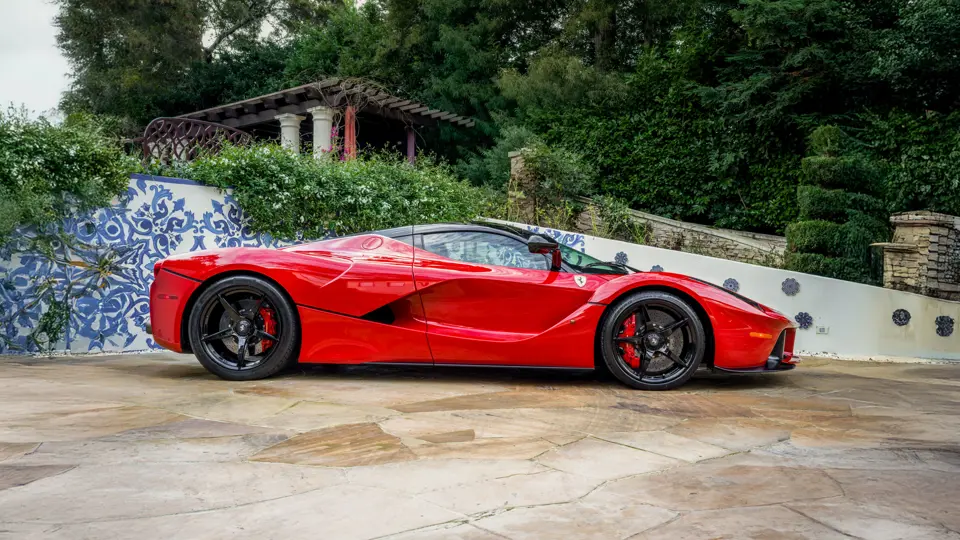
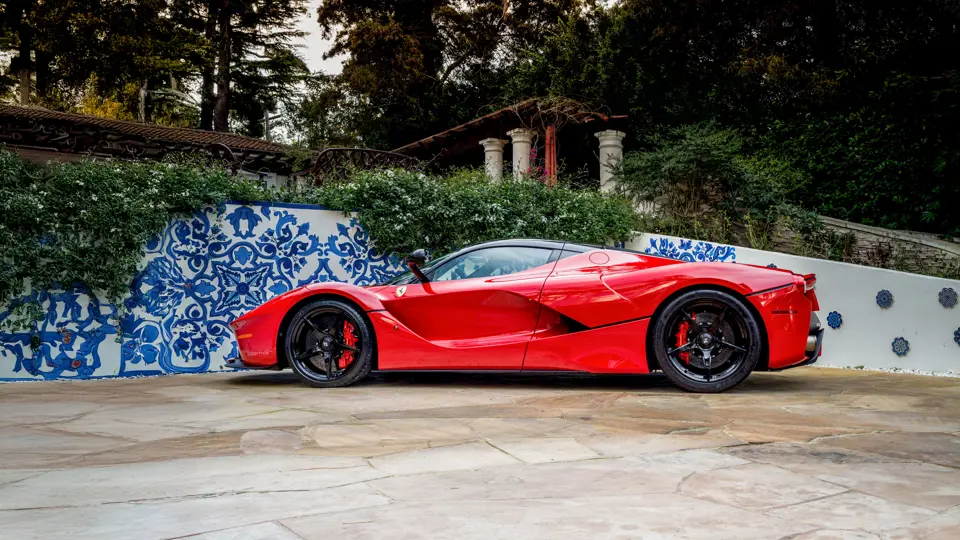
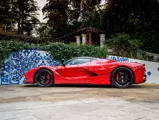
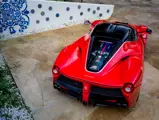
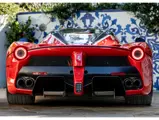
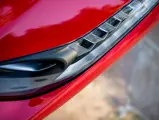
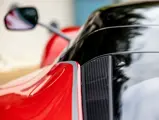
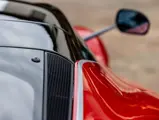
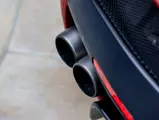
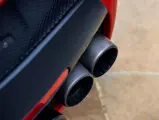
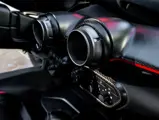
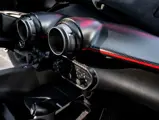
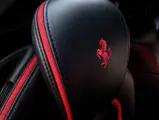
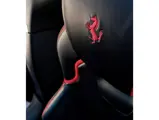
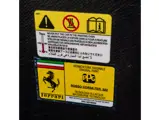
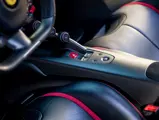
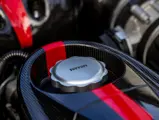
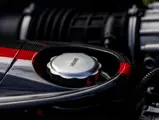
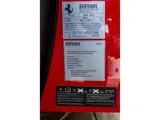
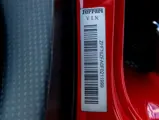
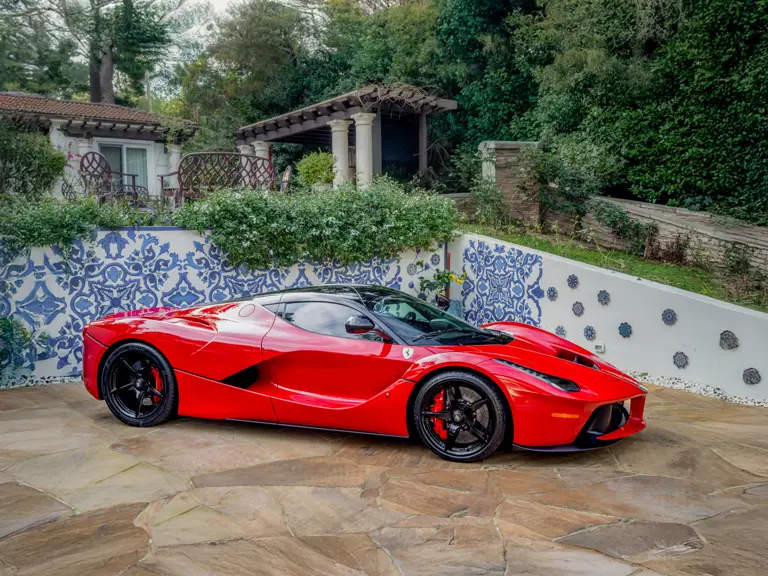
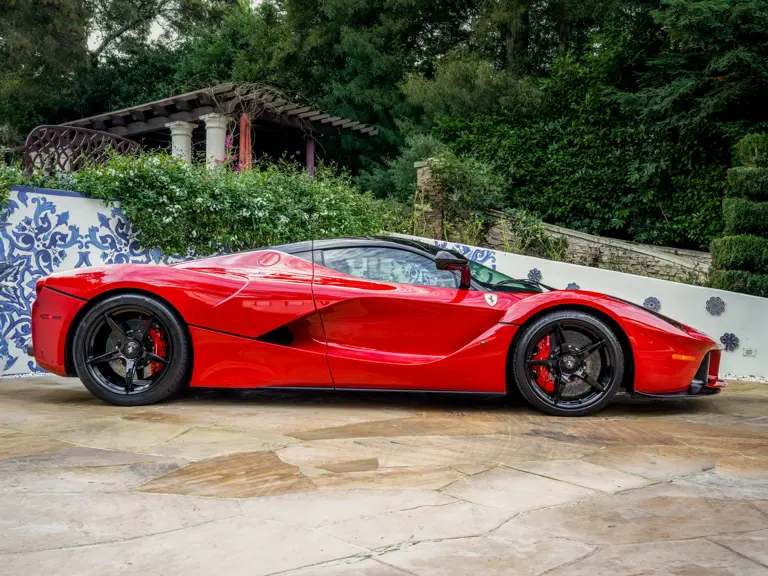
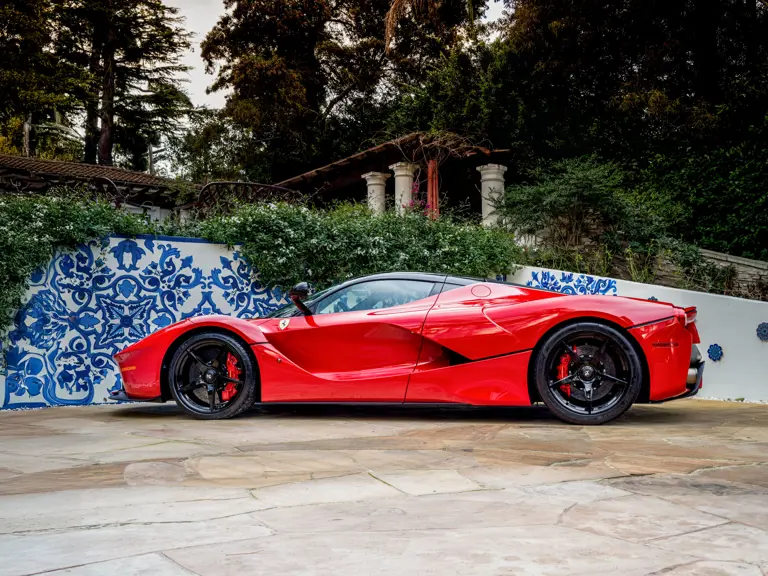
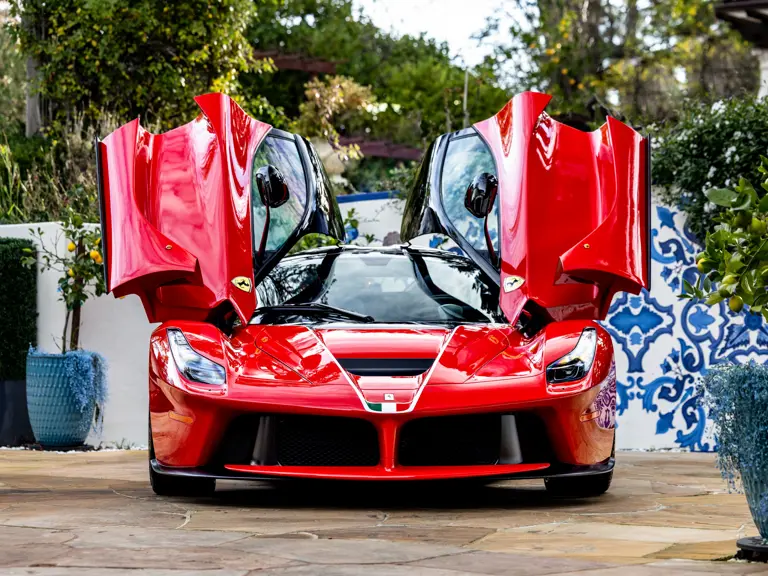
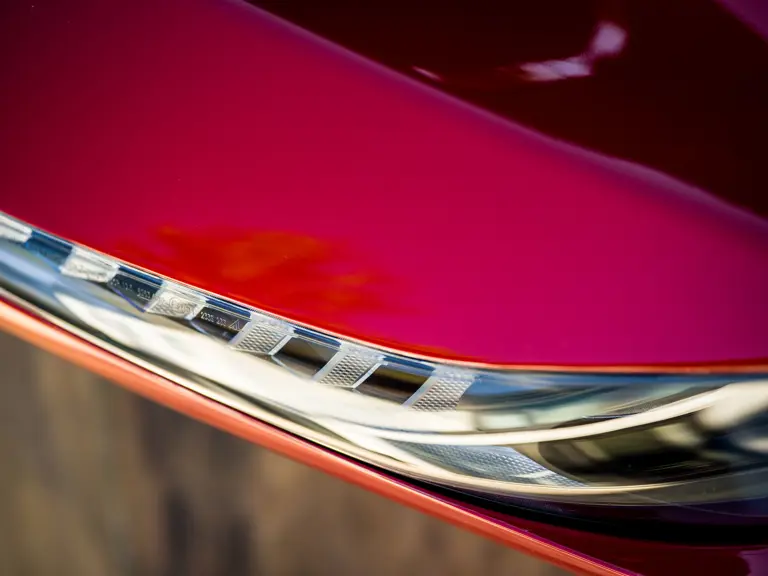
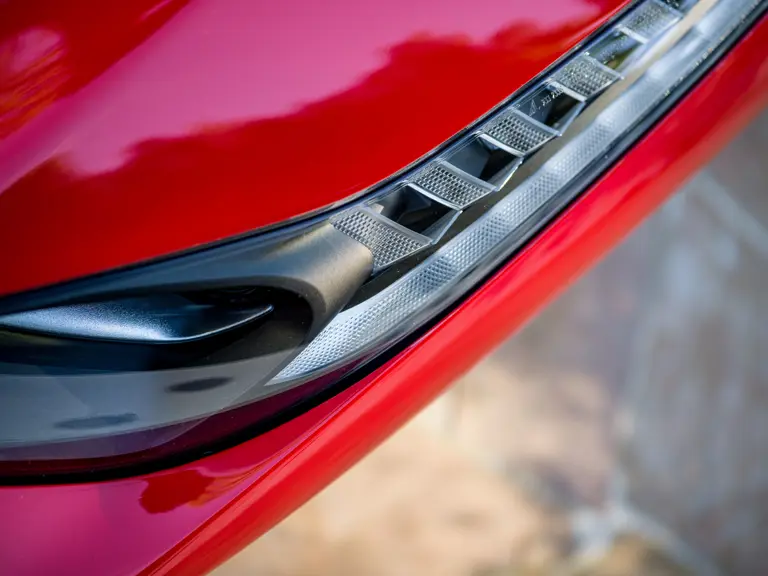
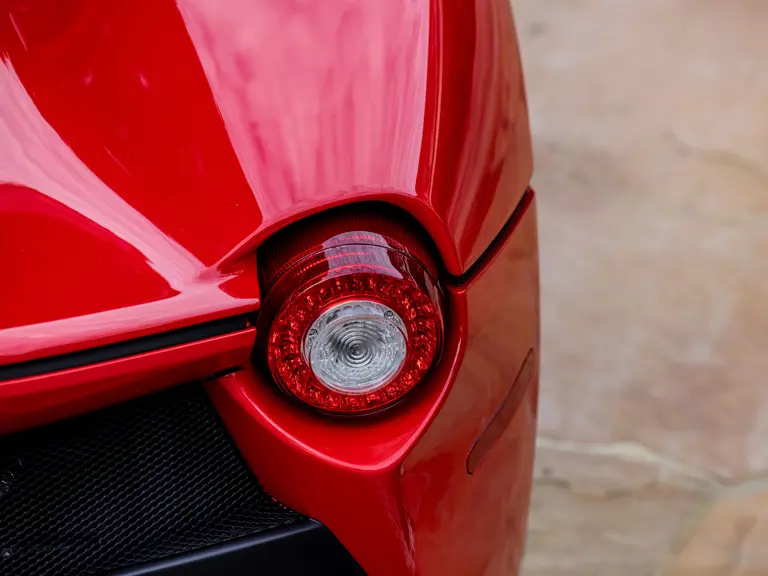
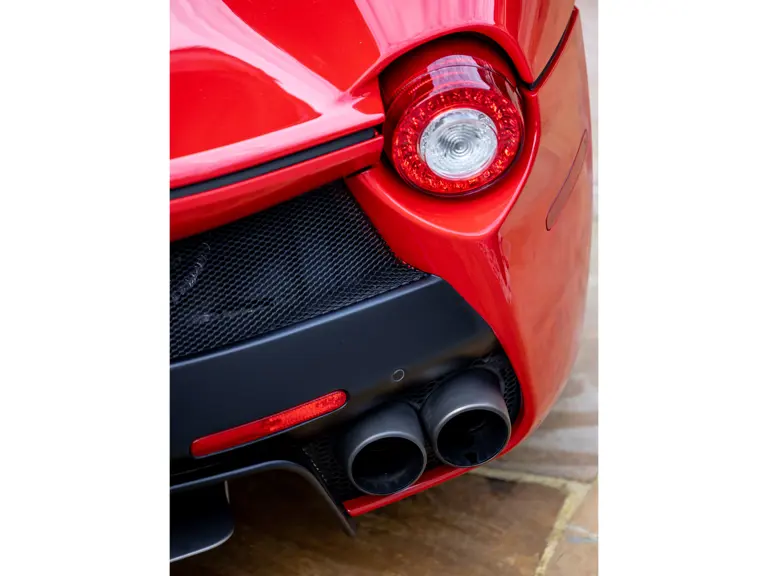
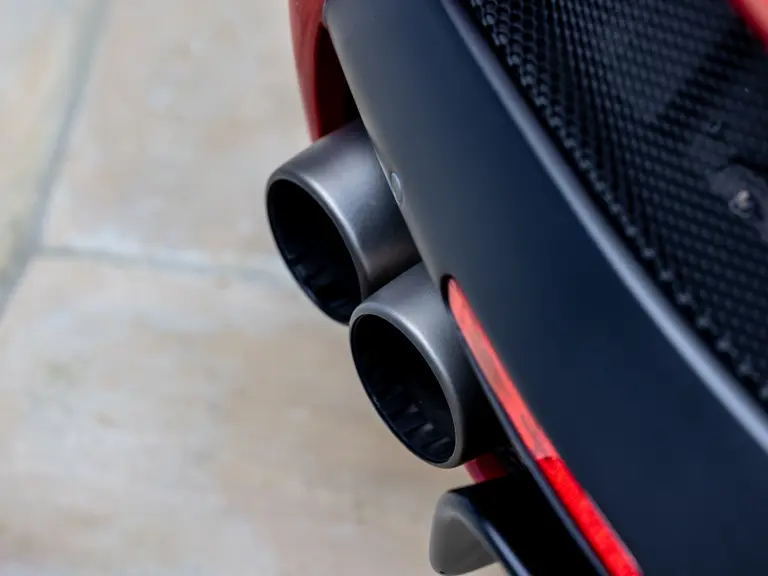
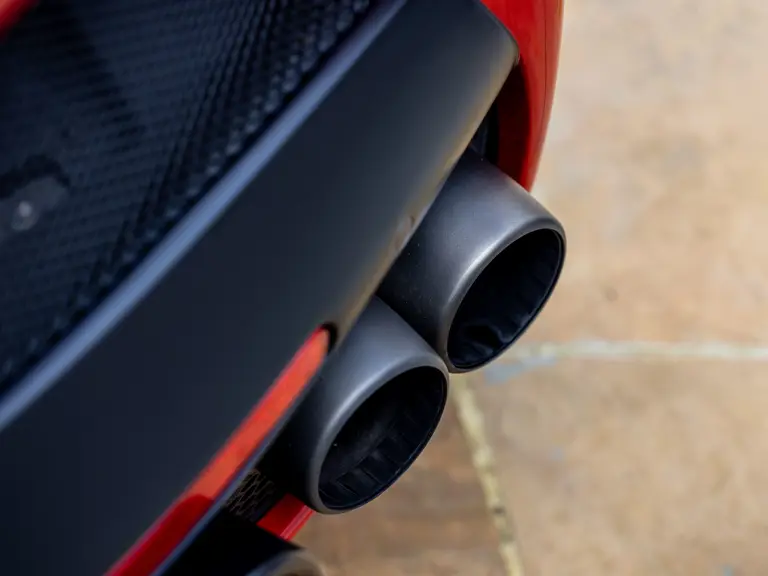
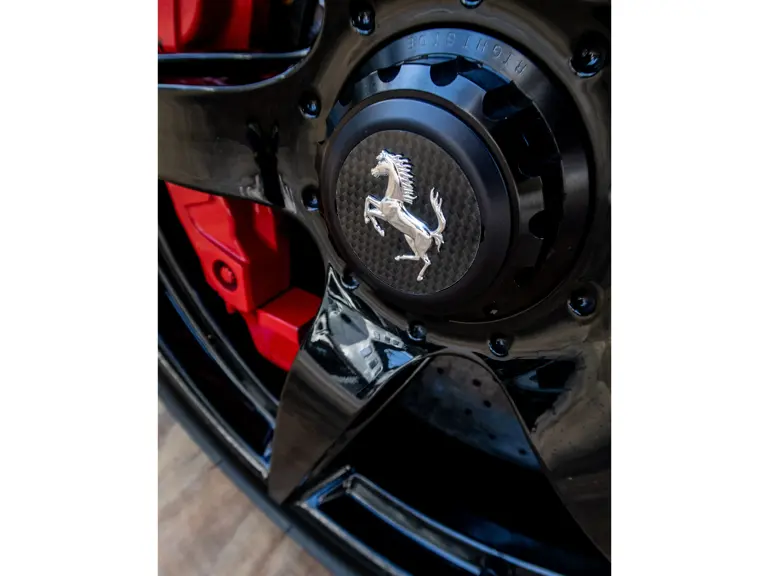
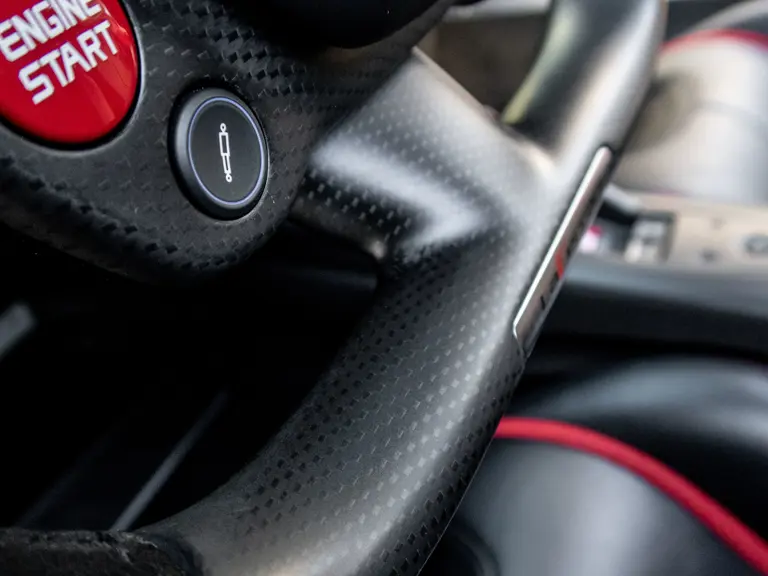
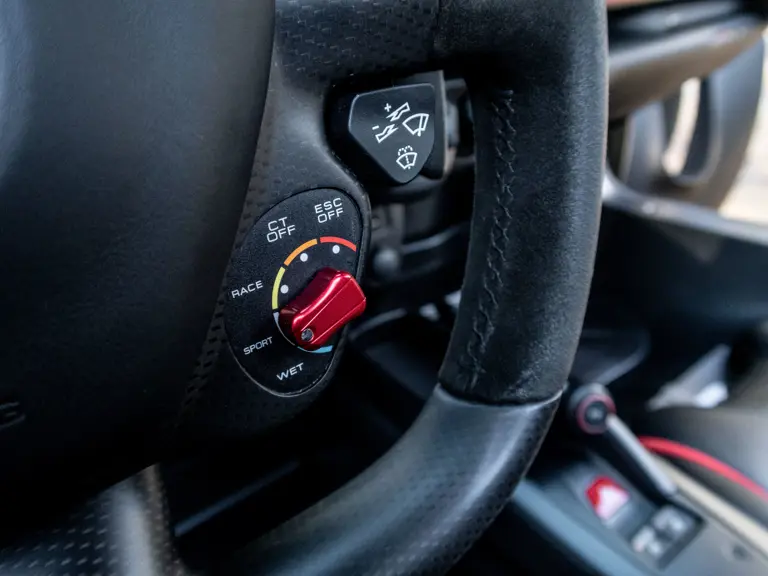
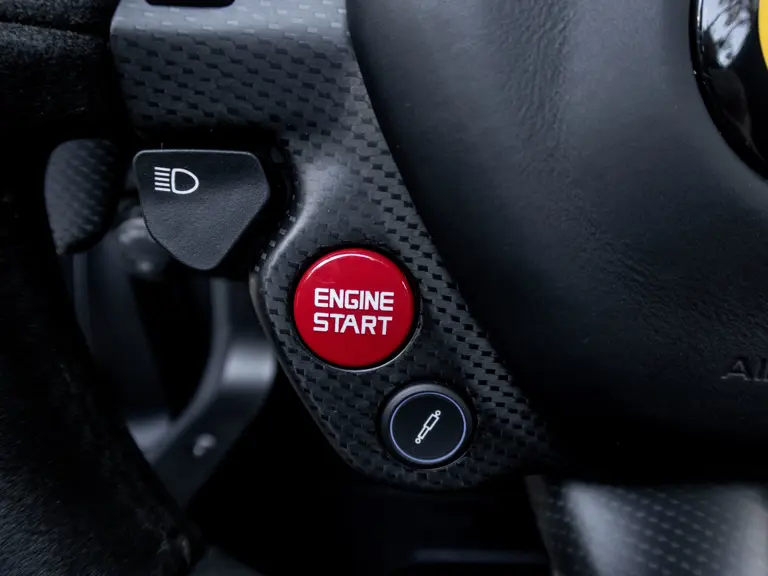
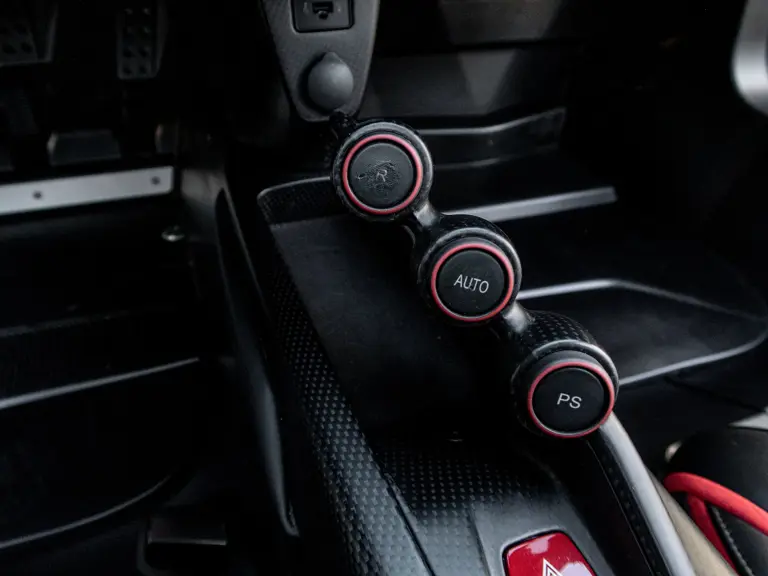
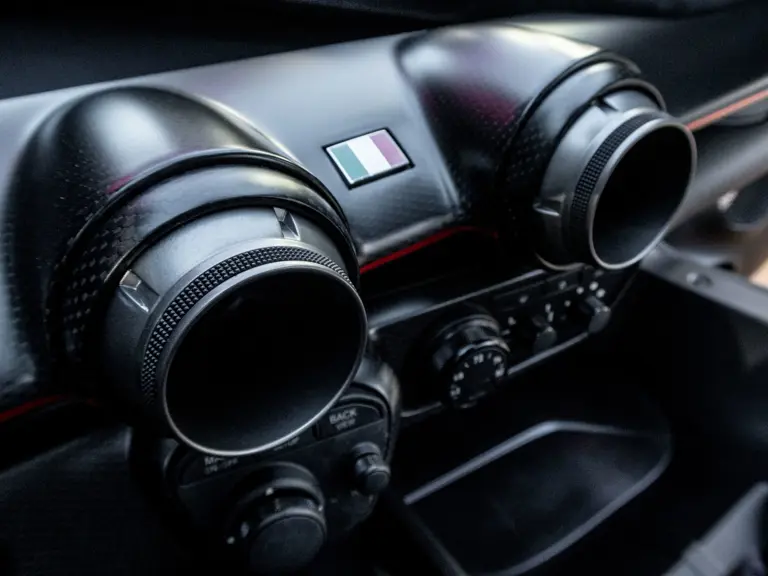
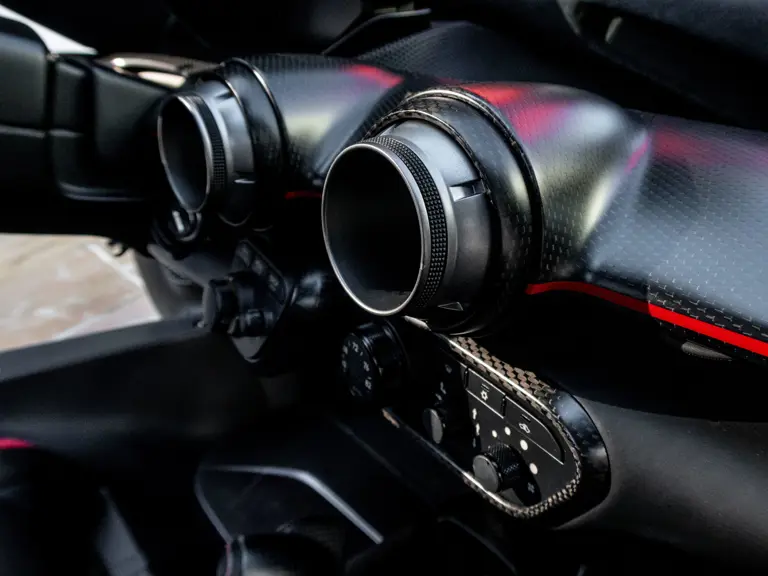
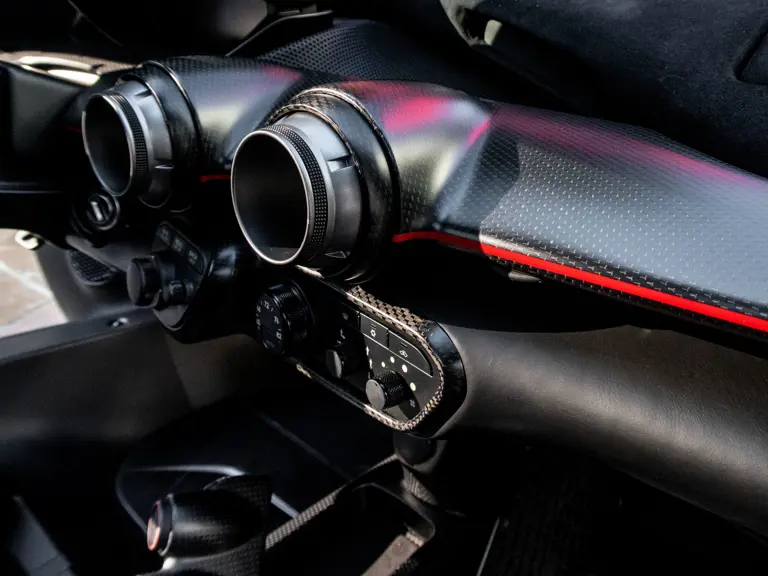
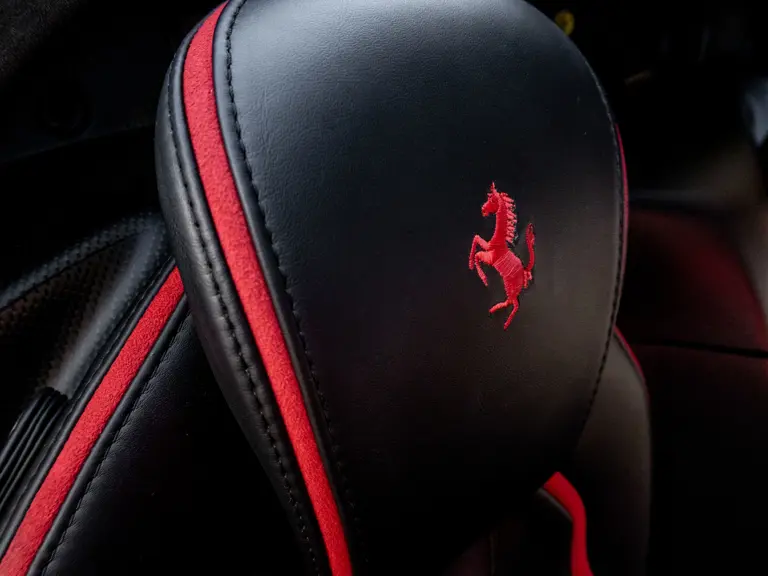
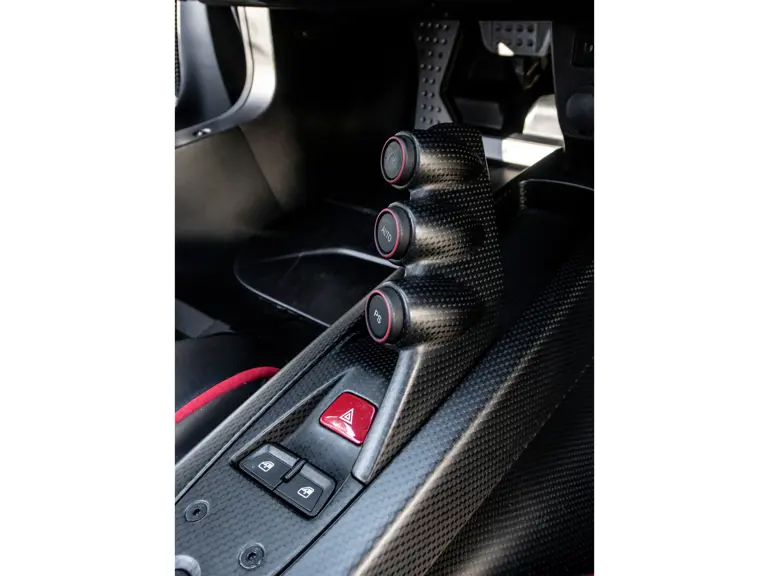
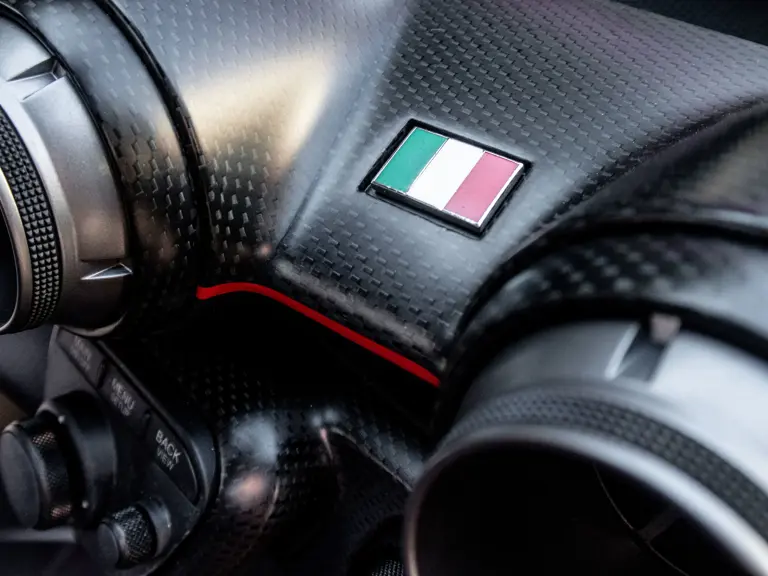
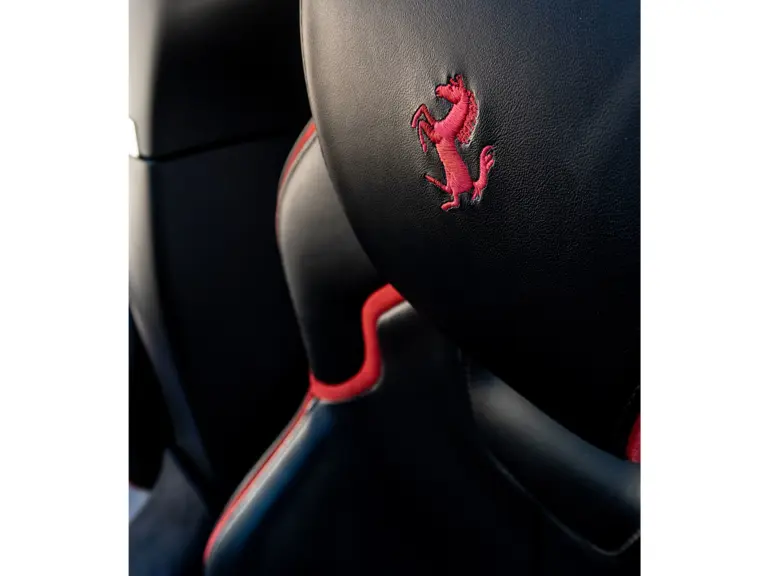
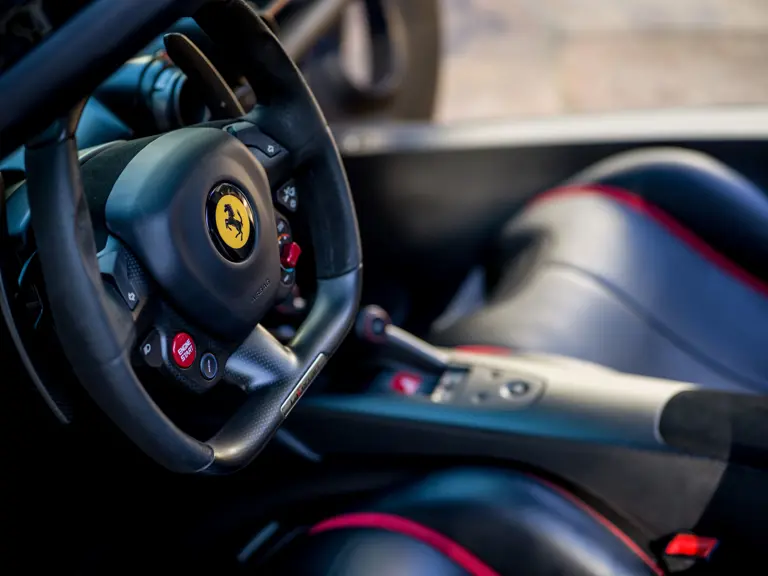
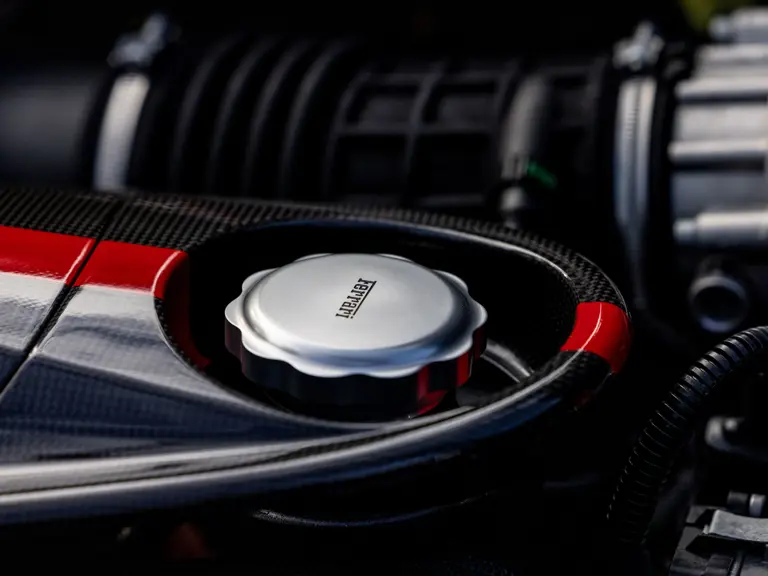
This handsomely presented LaFerrari benefits from a life of modest driving use through just two ownerships, the latter of which transpired for eight years in the forgiving climate of California. According to an original window sticker on file, and as corroborated by its authenticating Ferrari Classiche Yellow Book (the birth-book Classiche documentation that accompanies special limited-edition flagship Ferraris), chassis number 211999 was optioned with matte carbon fiber, carbon fiber wheel-center caps, dashboard with carbon fiber livery, and Prancing Horse-stitched headrests.
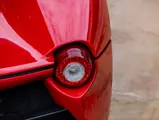
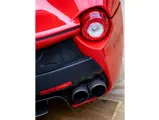
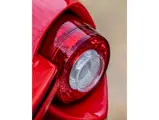
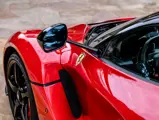
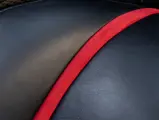
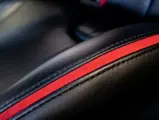
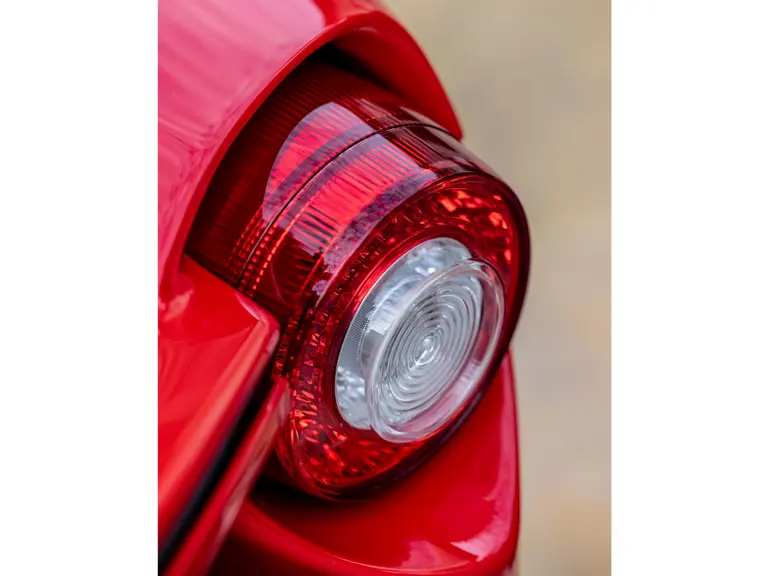
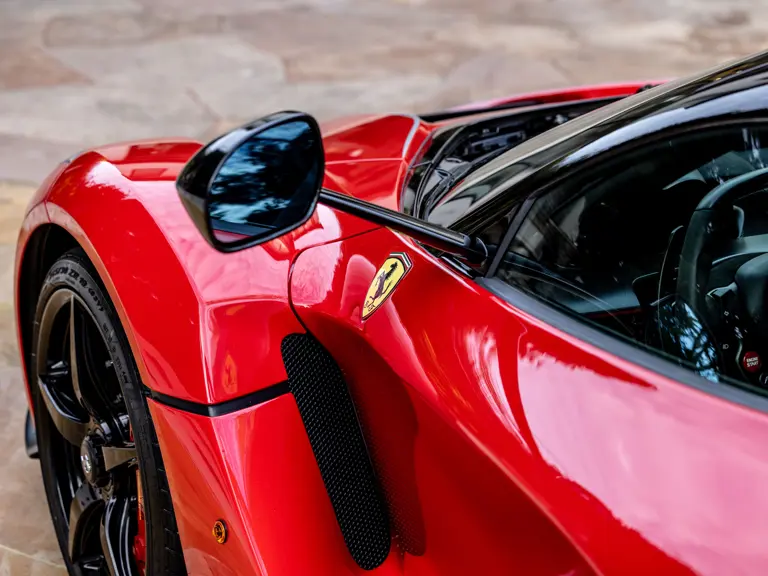
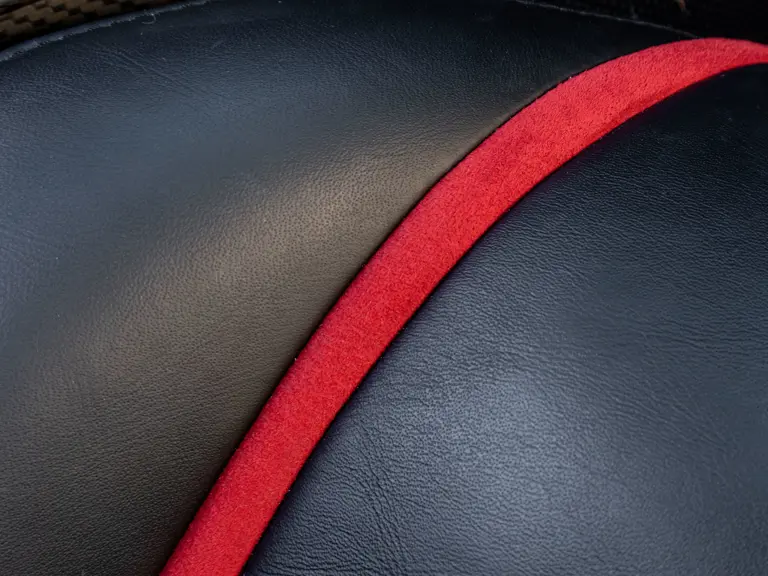
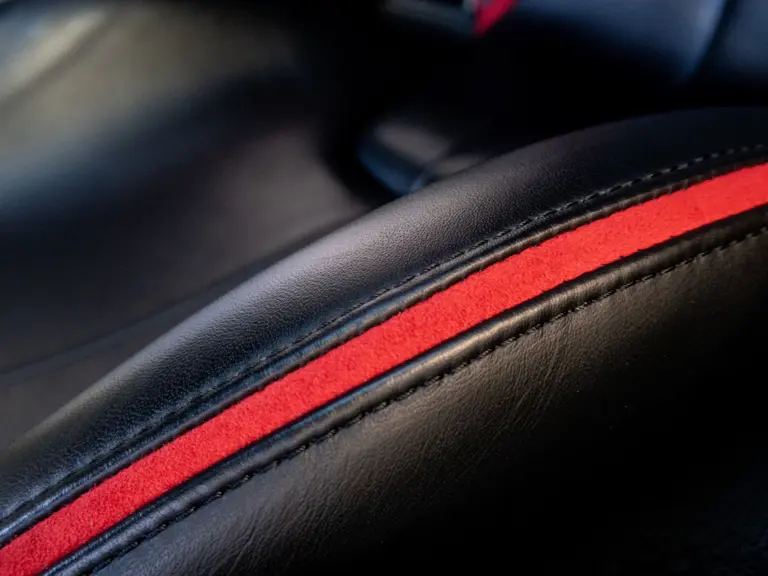
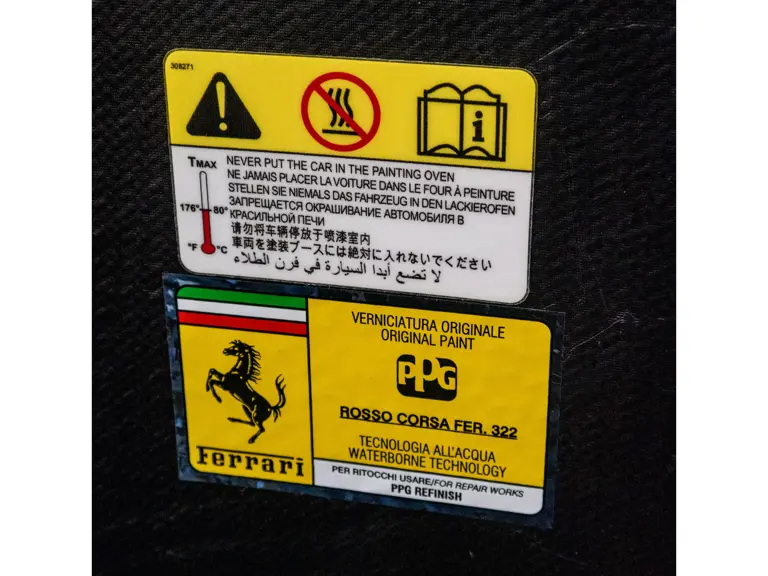
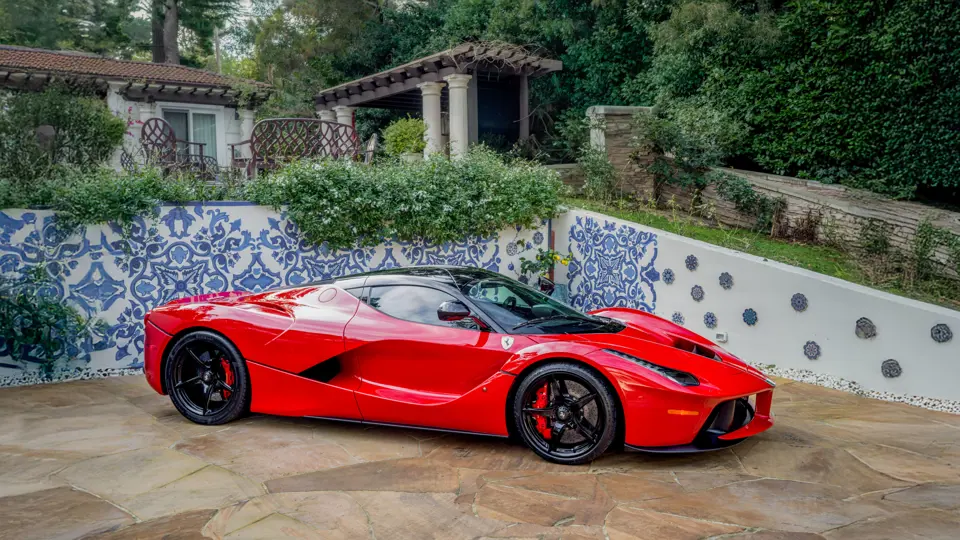
Finished in Rosso Corsa paint over a Nero interior with complementary special rosso seat piping and stitching, the LaFerrari was dispatched to the US in July 2015, and distributed through Ferrari of Long Island to the independent dealer Recovery Racing III, also based in Plainview, New York. The Ferrari was soon delivered to its first owner. During the three years of its initial ownership, the hypercar was annually serviced by marque dealerships while accruing only 637 miles by April 2018.
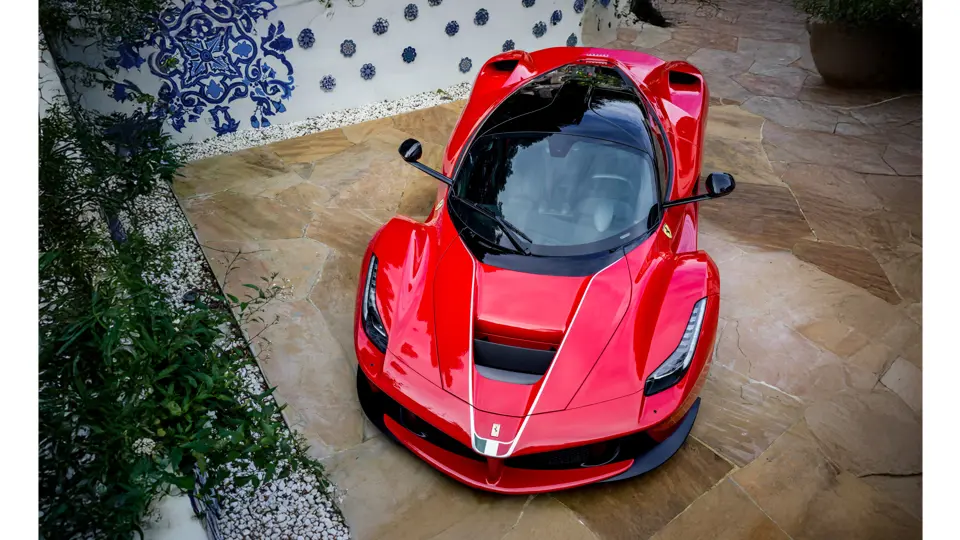
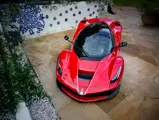
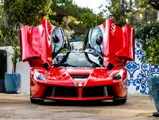
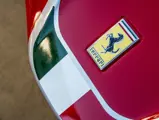
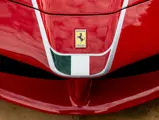
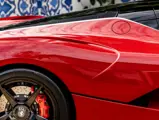
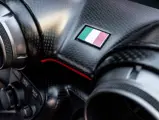
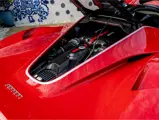
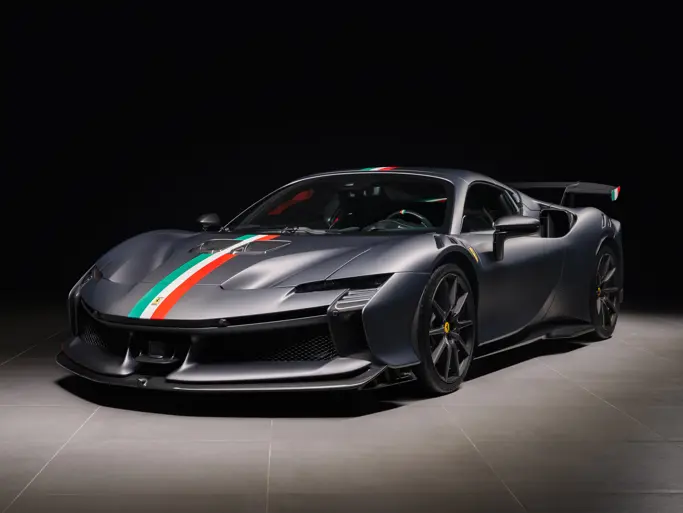
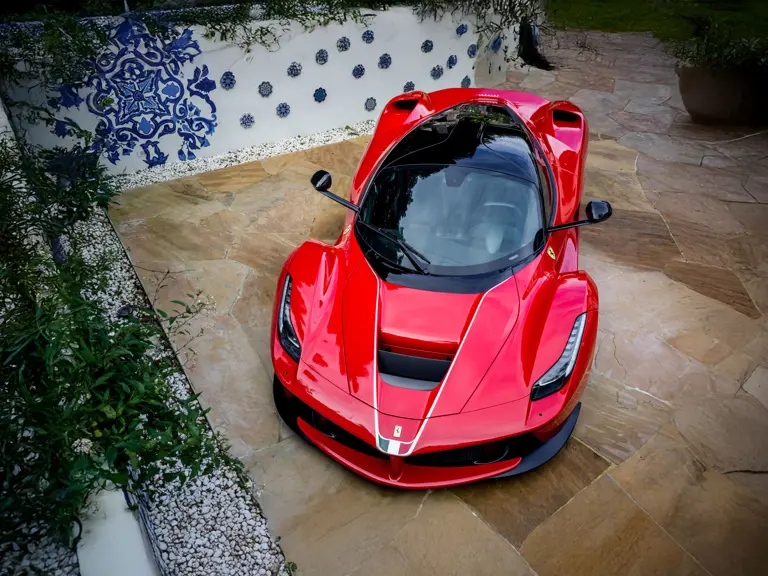
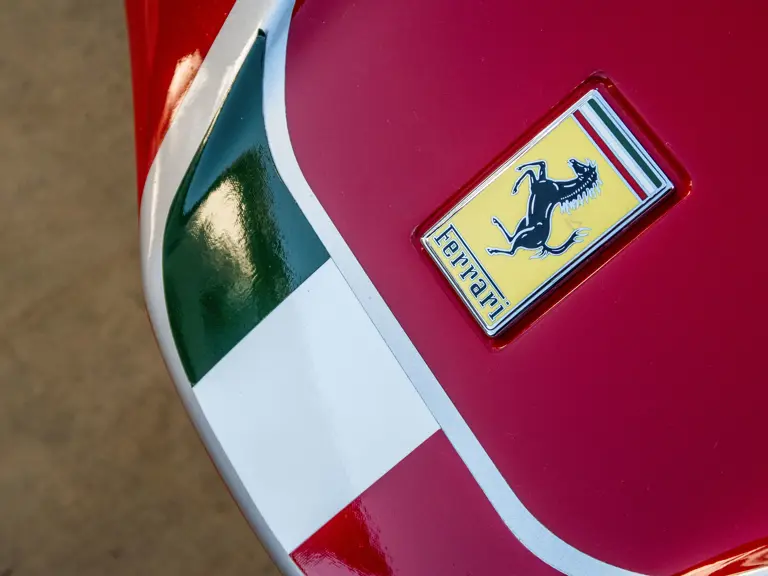
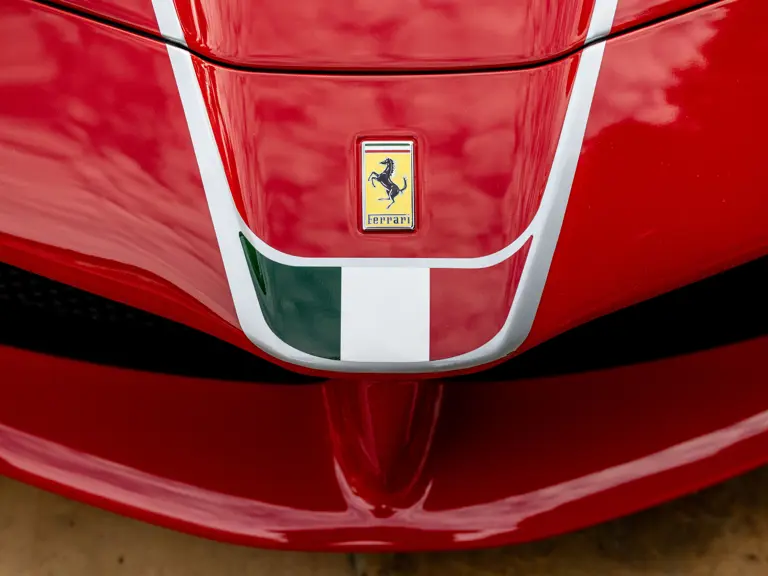
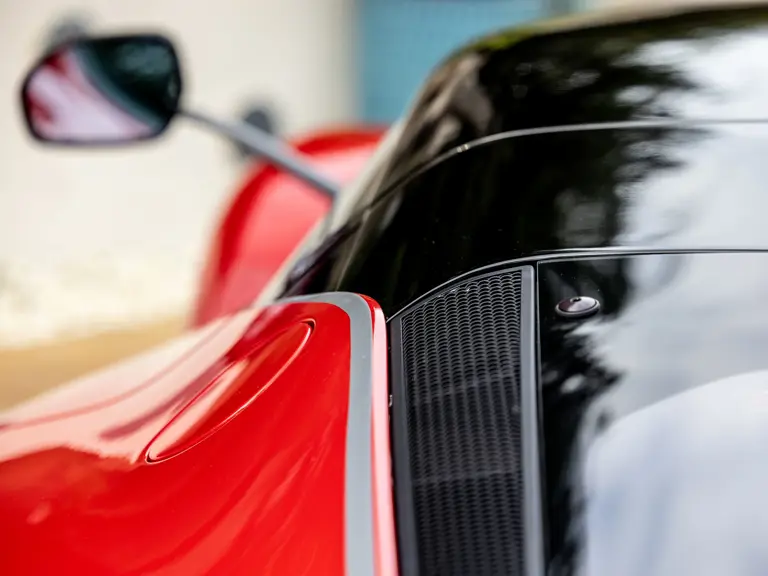
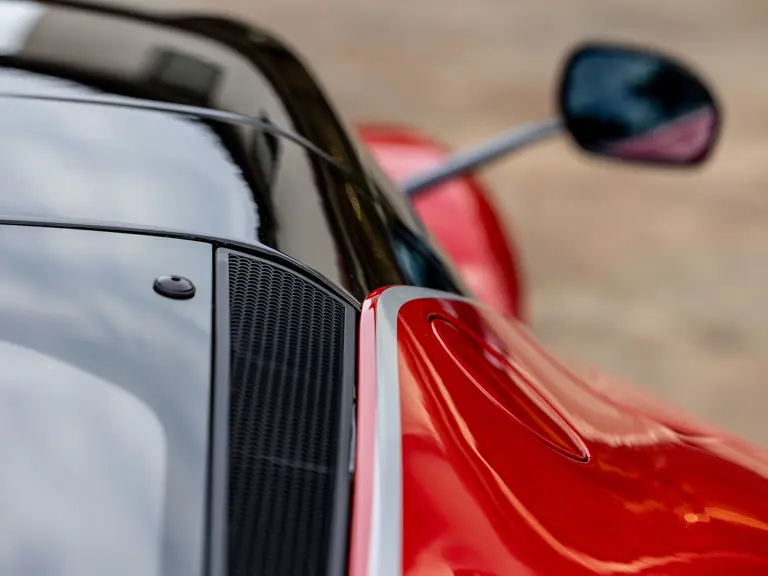
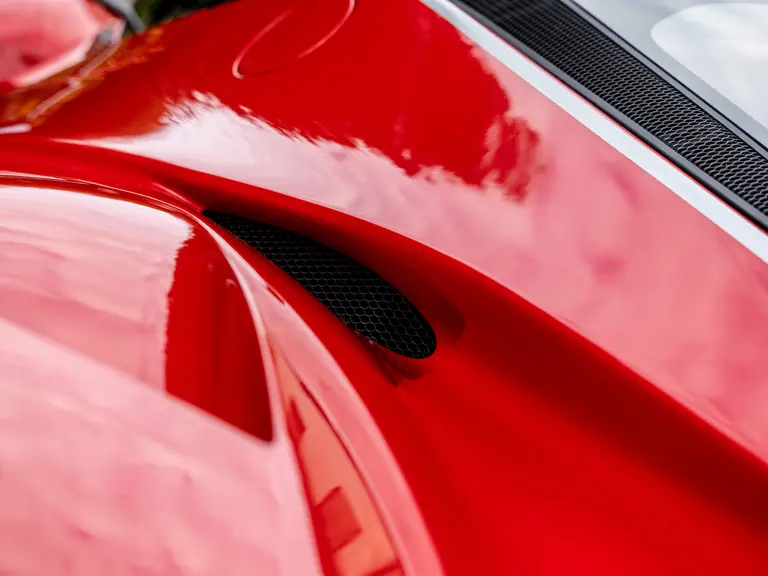
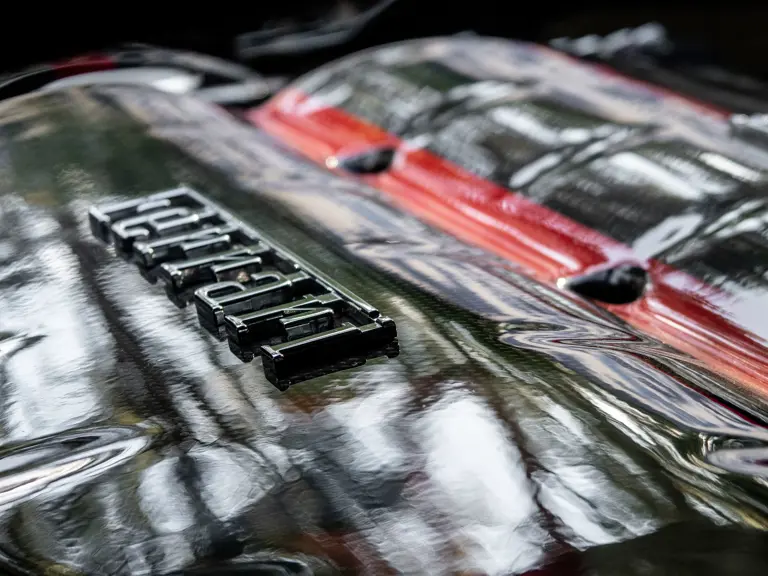
Purchased in mid-2018 by the consignor, an enthusiast based in Northern California, the LaFerrari continued to enjoy the expert attention of marque dealerships, with annual service conducted by Ferrari of Silicon Valley. The owner enjoyed 211999 as a display piece as much as anything, never driving the car on a track or in any competitive setting, and lovingly displaying it in his living room. Per his personal preference, the owner submitted the car to Ferrari of Beverly Hills for the application of the current Italian tri-color nose emblem and hood pinstriping, based on the styling of the marque’s open spiders. This aesthetic enhancement was conducted with adhesive, not paint, and therefore can be easily removed if the future caretaker prefers a stock appearance.
It is worth noting that in late 2019 the consignor transferred official ownership of the LaFerrari to his LLC, and as a result documentation cites three separate owners. Despite this bureaucratic distinction, the Ferrari has remained the consignor’s personal car for all intents and purposes, and it should definitely be considered a two-owner car.
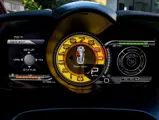
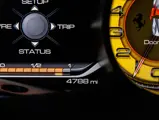
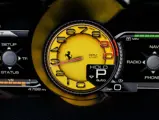
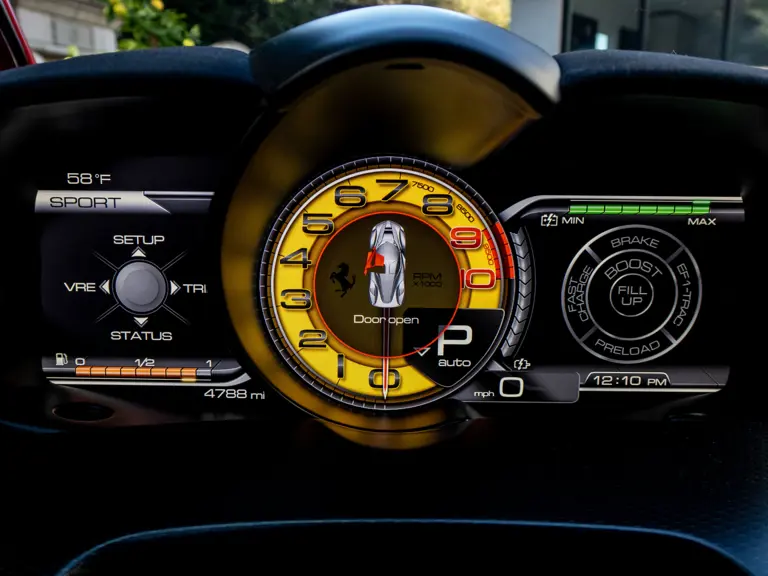
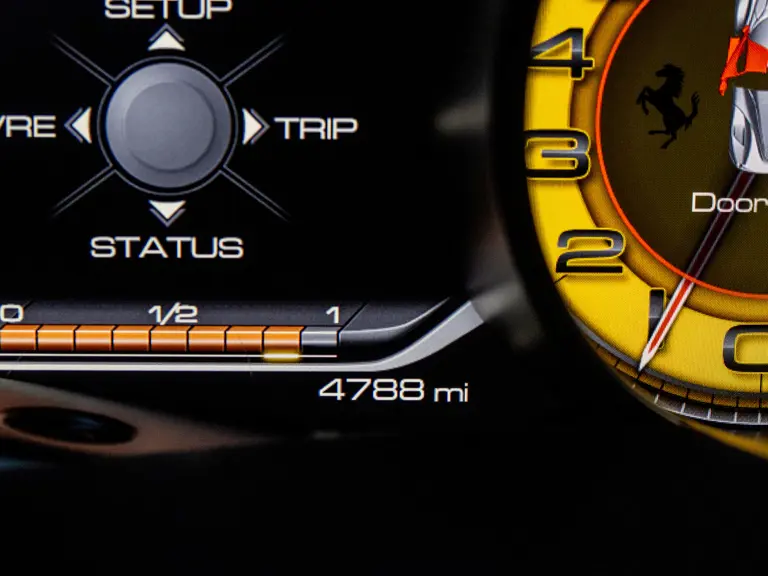
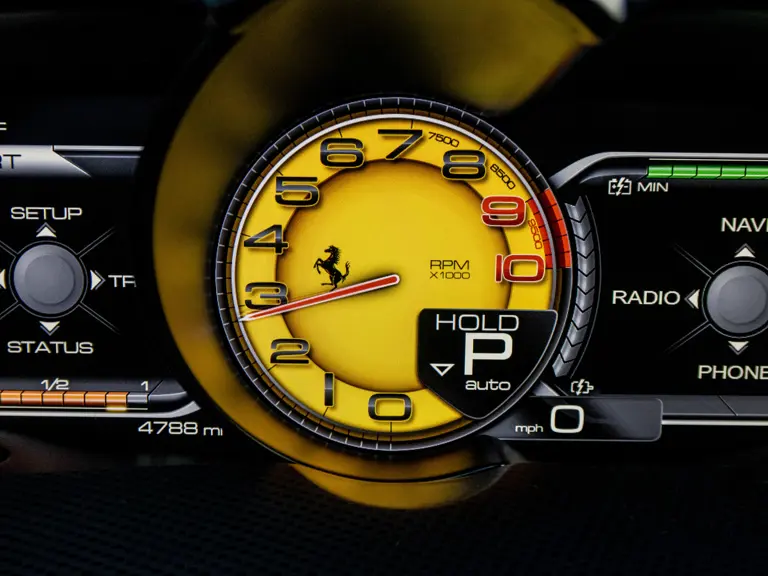
Given the consignor’s sparing use of 211999, the car continues to claim very modest mileage, and at the time of cataloguing the odometer displayed just 4,788 miles. Such a low-mileage example from Ferrari’s "Big Six" hypercar portfolio (288 GTO, F40, F50, Enzo, LaFerrari, F80) would doubtlessly make a cornerstone addition to any marque-themed collection.
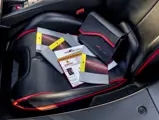
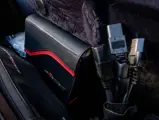
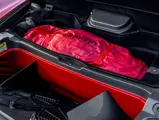
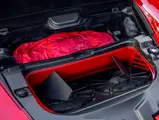
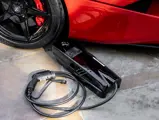
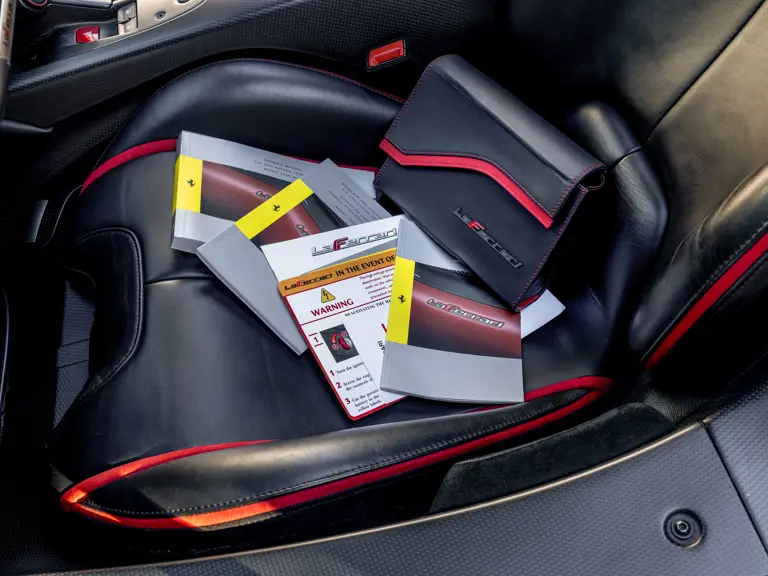
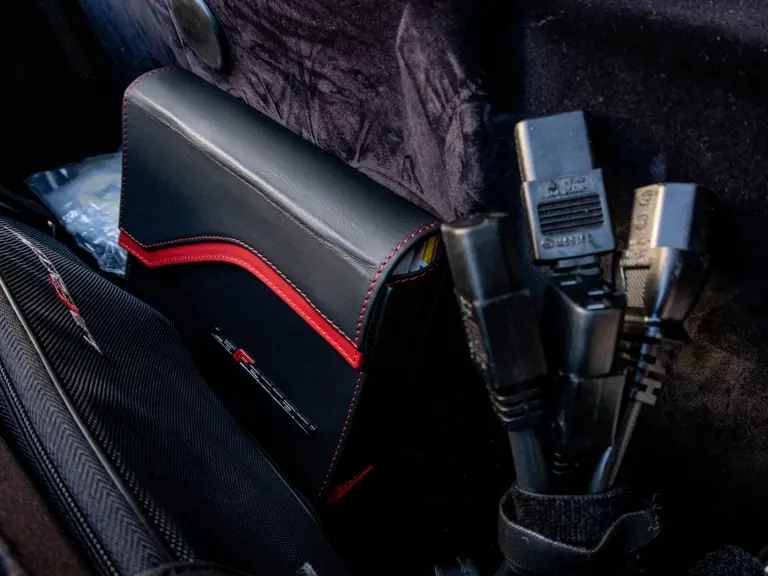
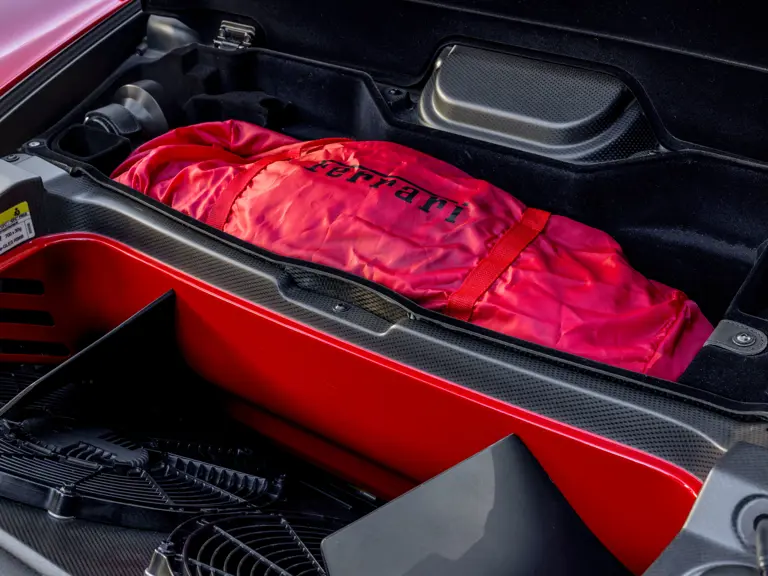
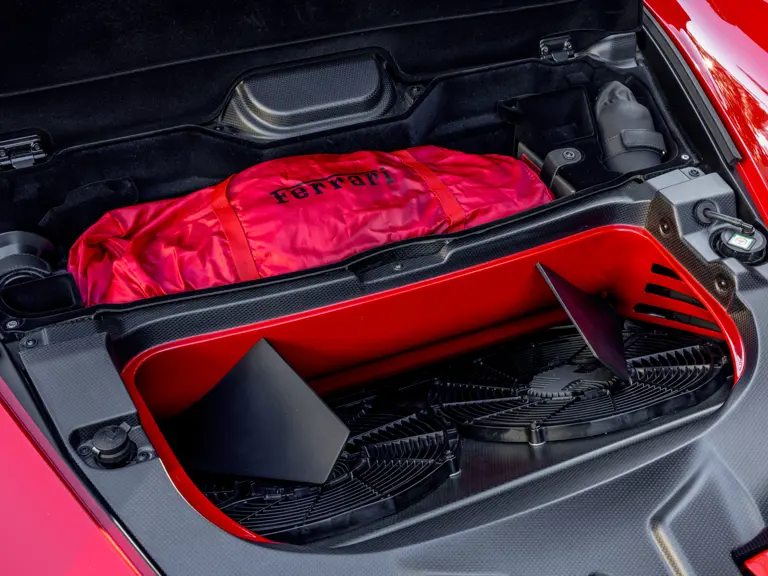
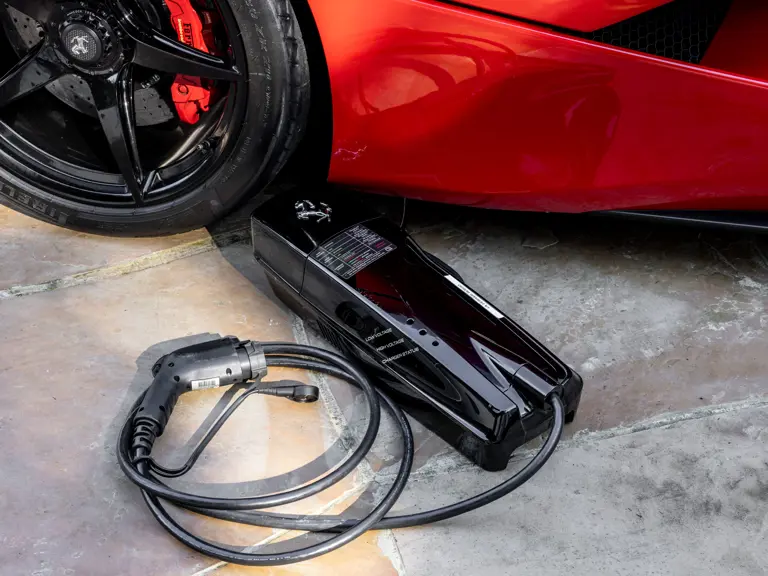
Accompanied by owner’s manuals, tools, and charger; and ideally documented with its original window sticker, and Ferrari Classiche Yellow Book, this handsomely presented and minimally driven two-owner LaFerrari now awaits its next caretaker, offering prodigious power and advanced technological function. It should experience a warm welcome at marque events and major concours d’elegance worldwide, or it may be quietly admired for its brilliance as one of Maranello’s most highly developed hypercars, an eminent example of THE Ferrari.
 | Boca Raton, Florida