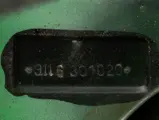












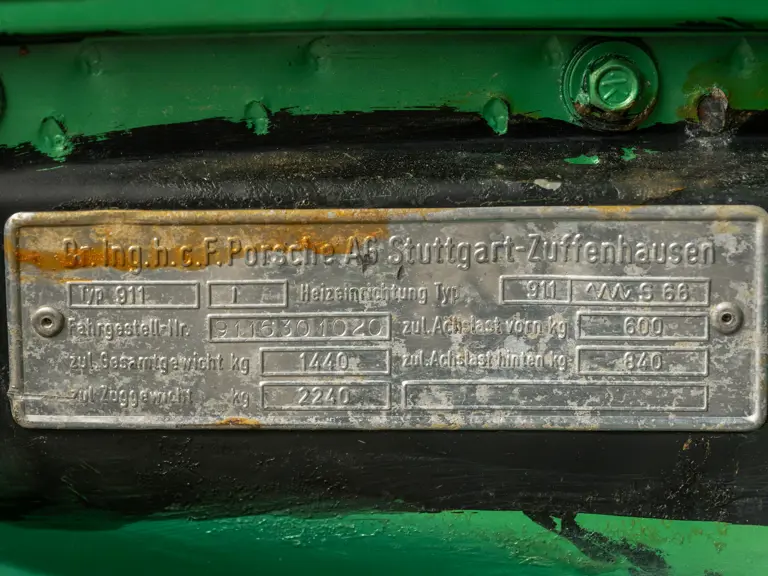
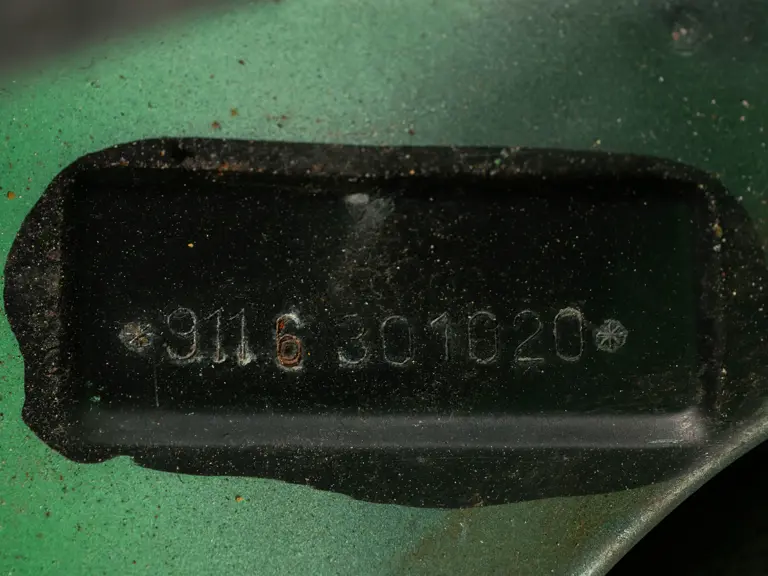
Chassis No.
9116301020

{{lr.item.text}}
Offered Without Reserve
{{bidding.lot.reserveStatusFormatted}}
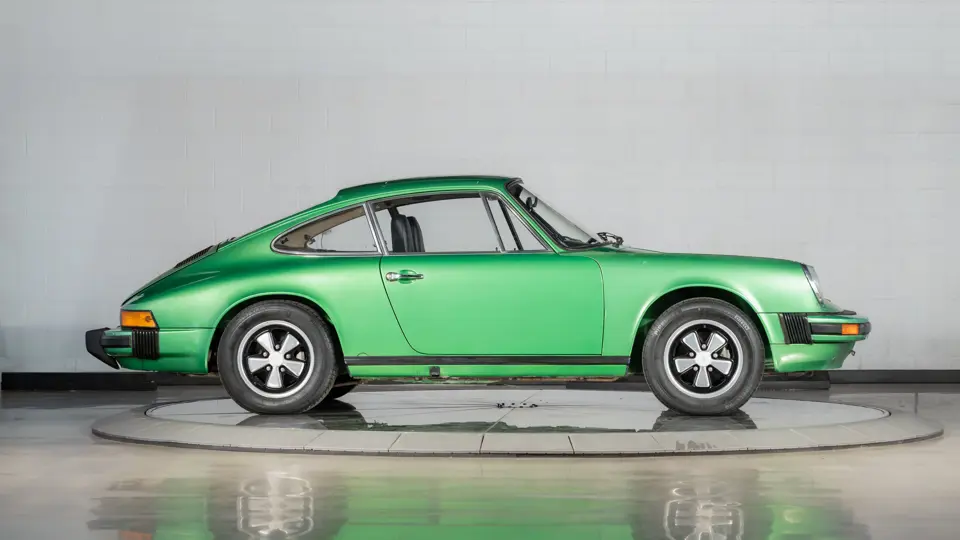
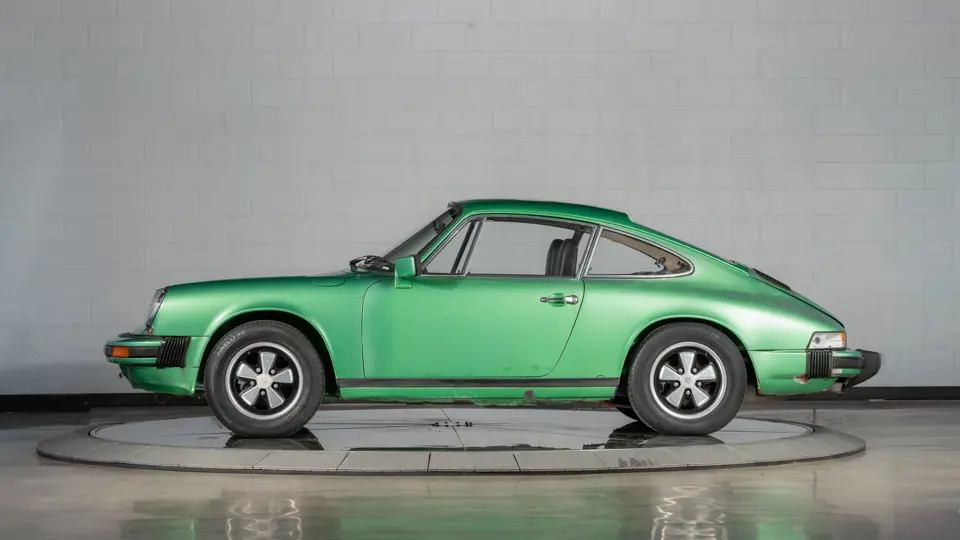
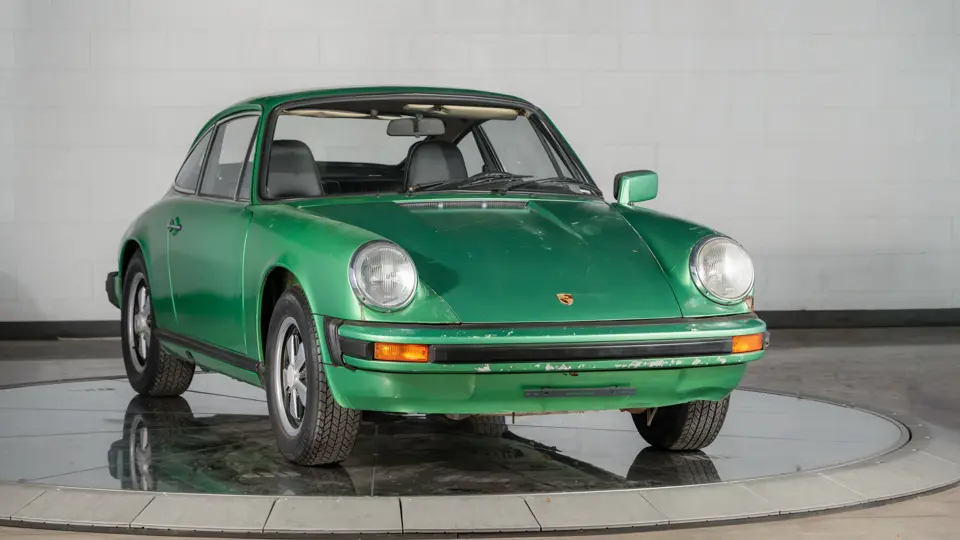
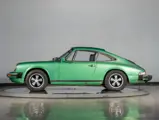
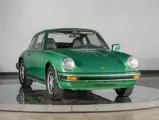
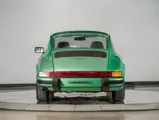
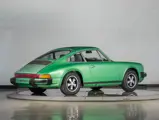
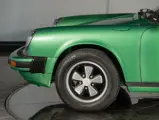
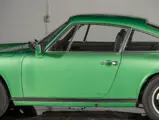
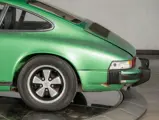
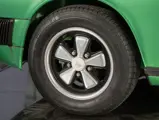
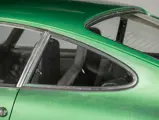
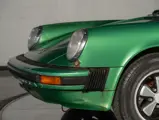
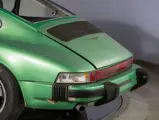
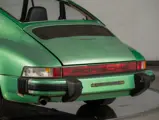
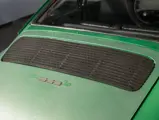
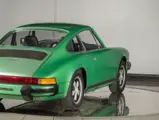
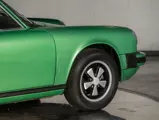
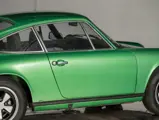
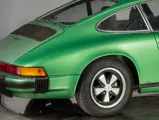
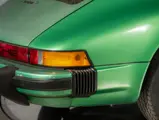
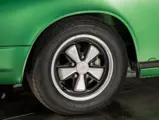
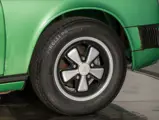
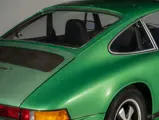
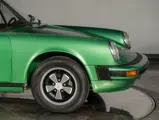
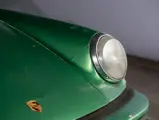
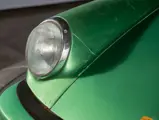
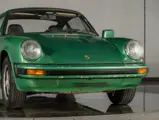
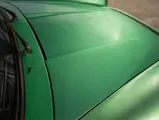
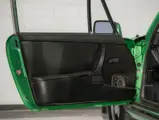
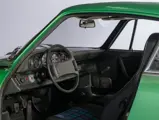
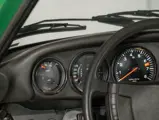
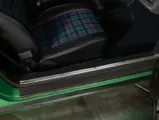
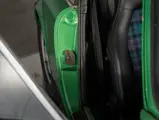
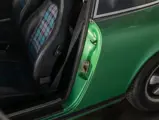
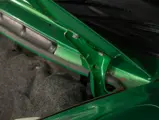
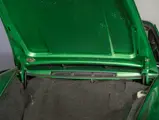
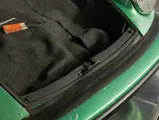
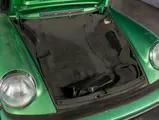
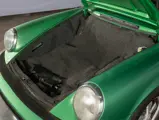
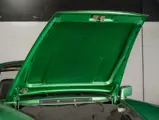
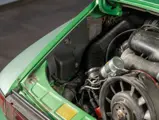
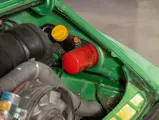
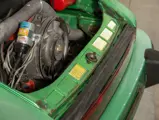
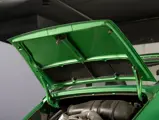
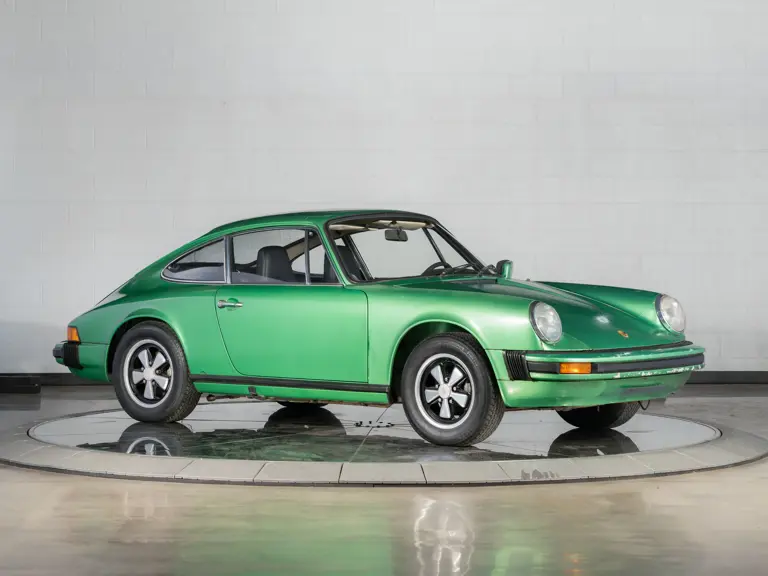
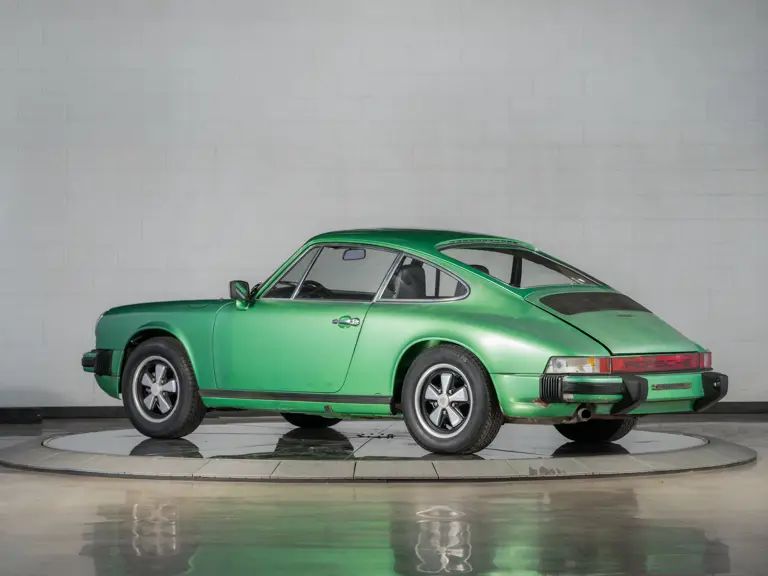
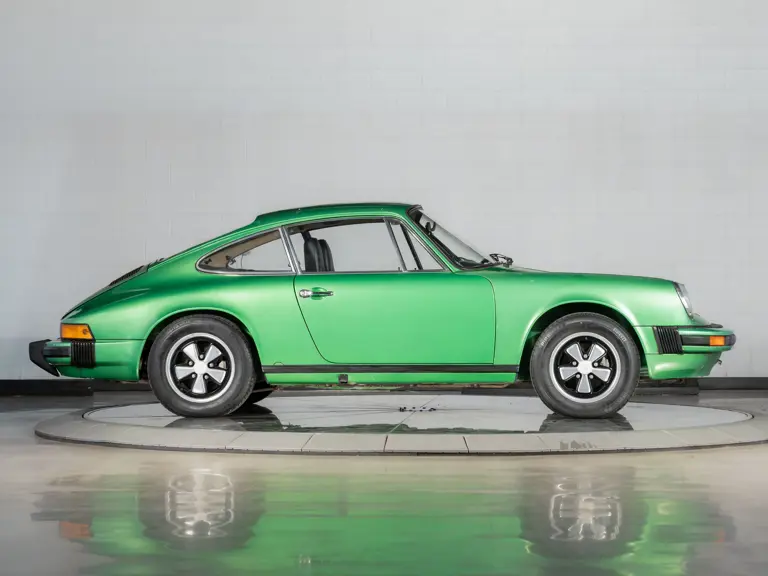
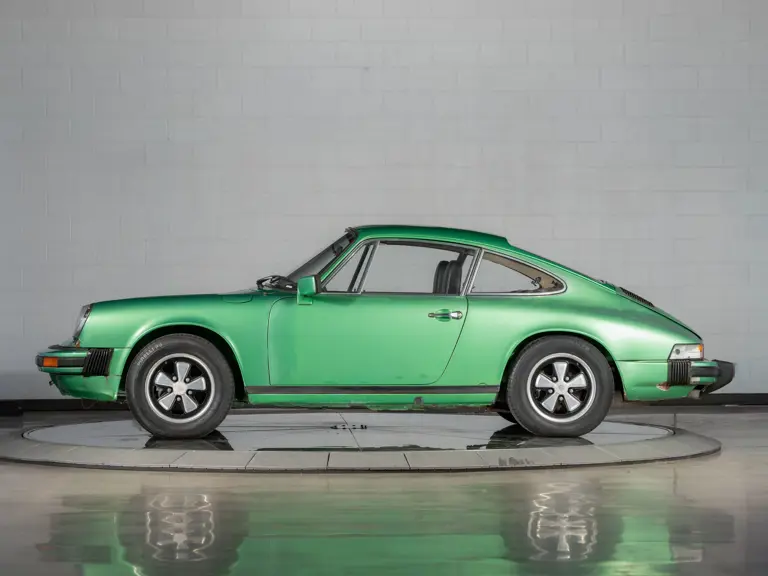
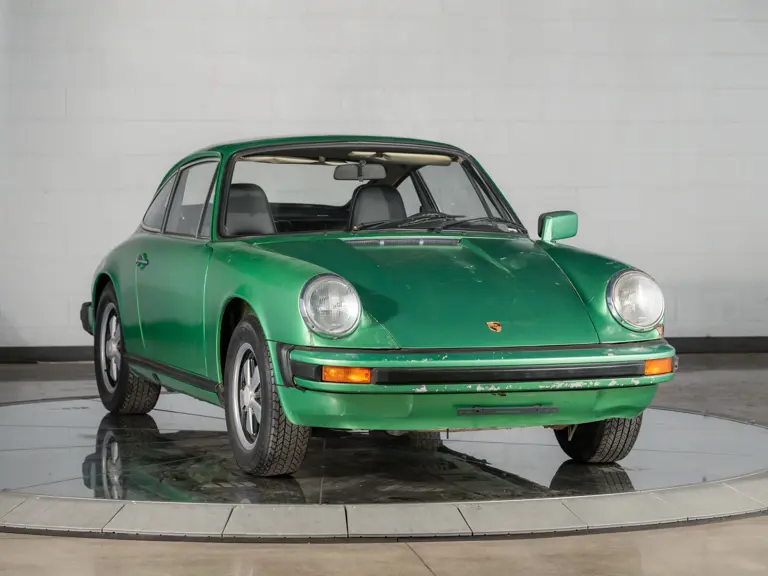
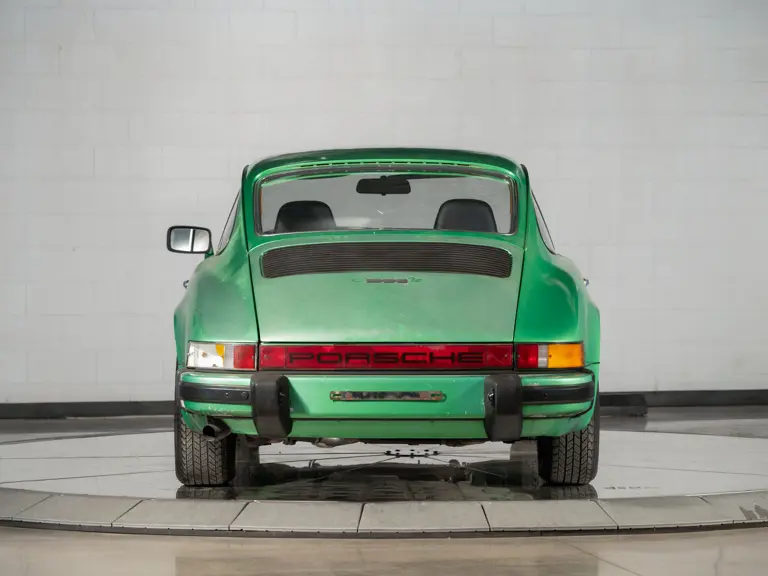
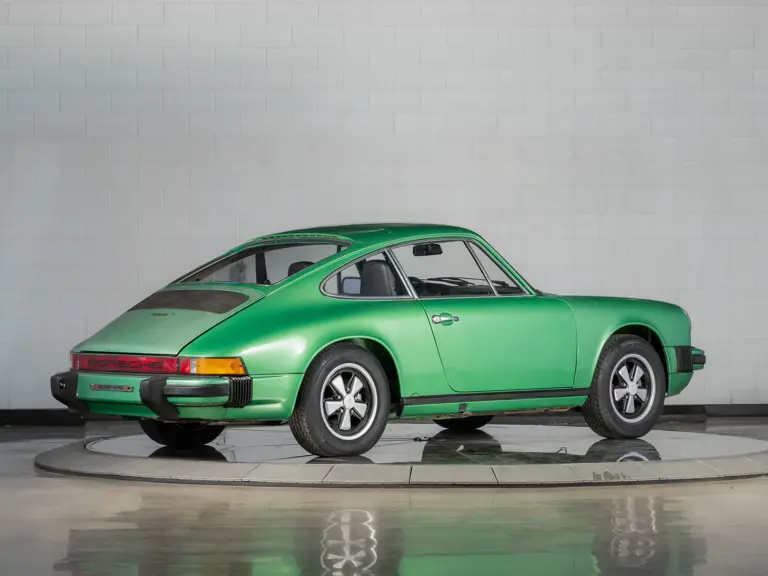
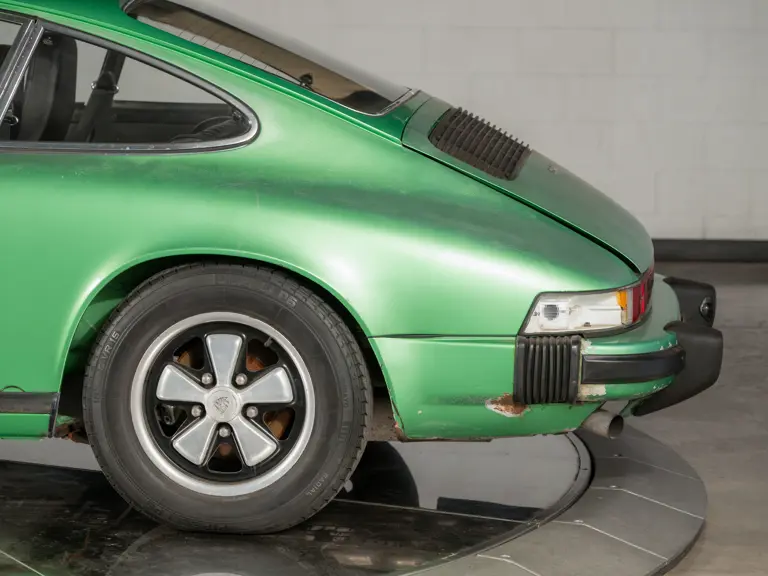
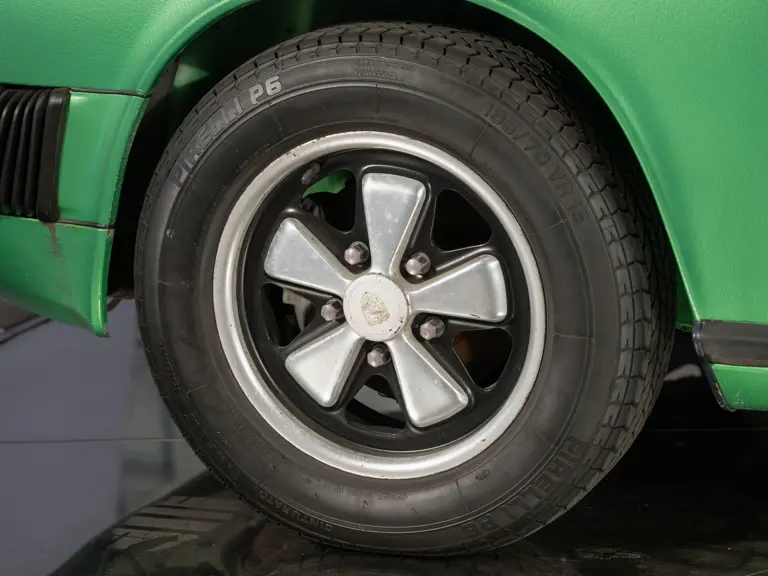
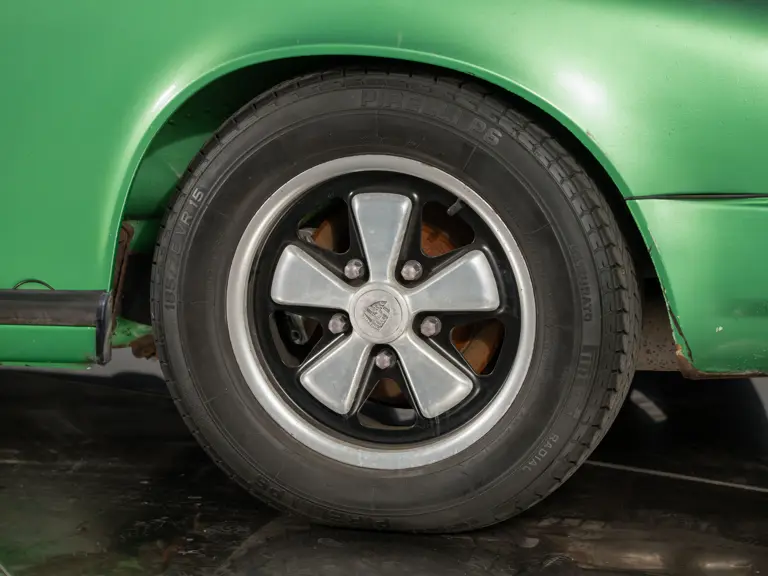
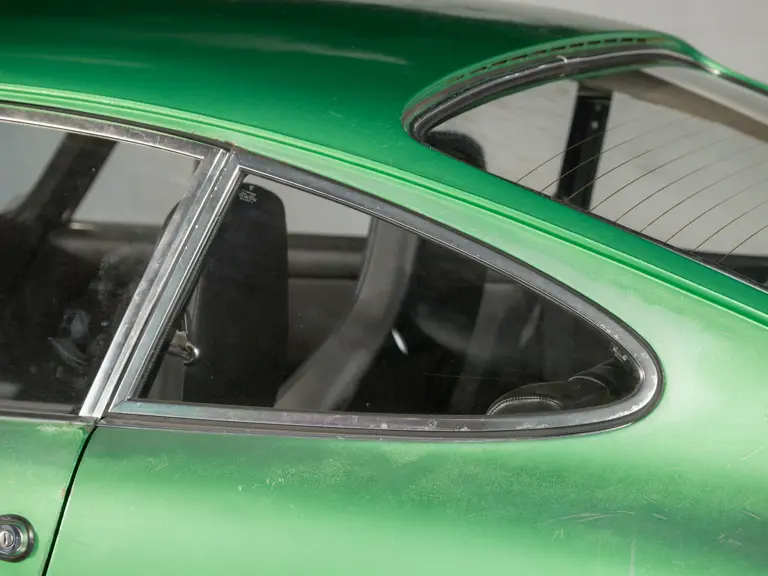
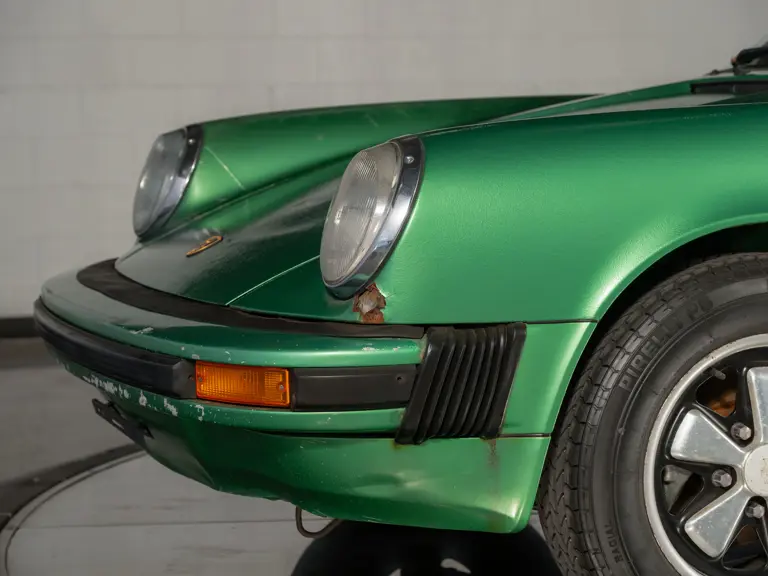
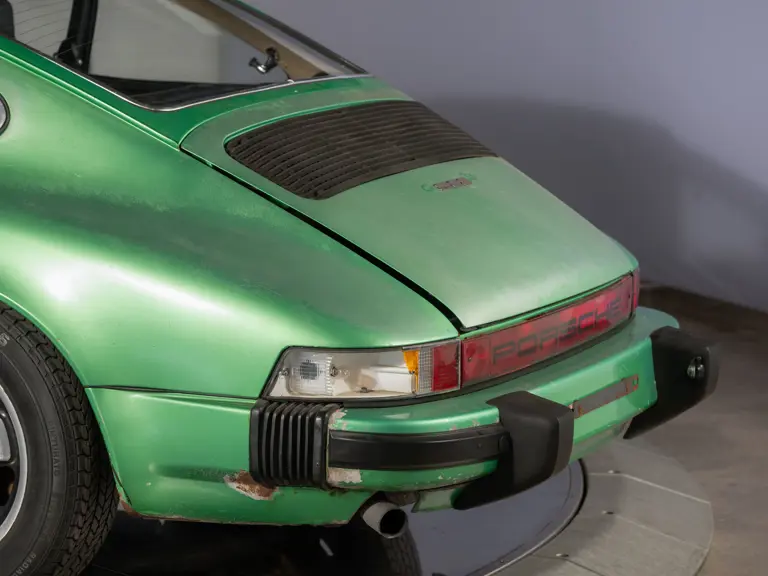
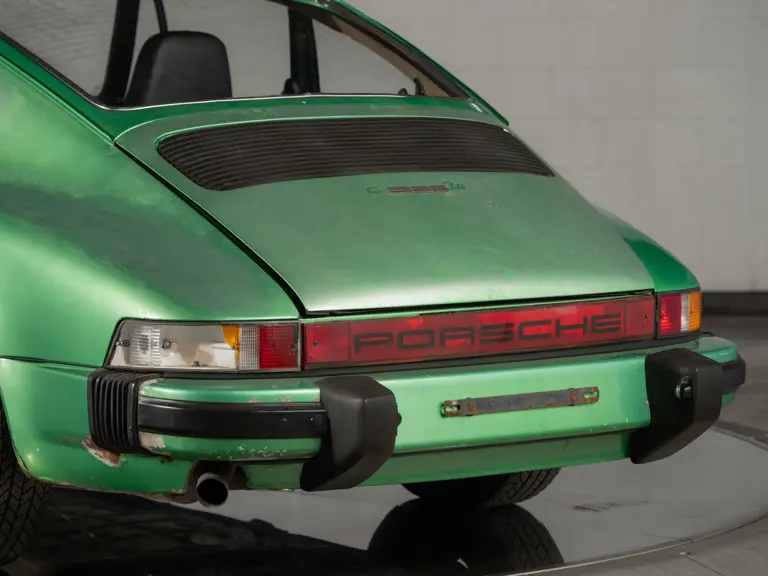
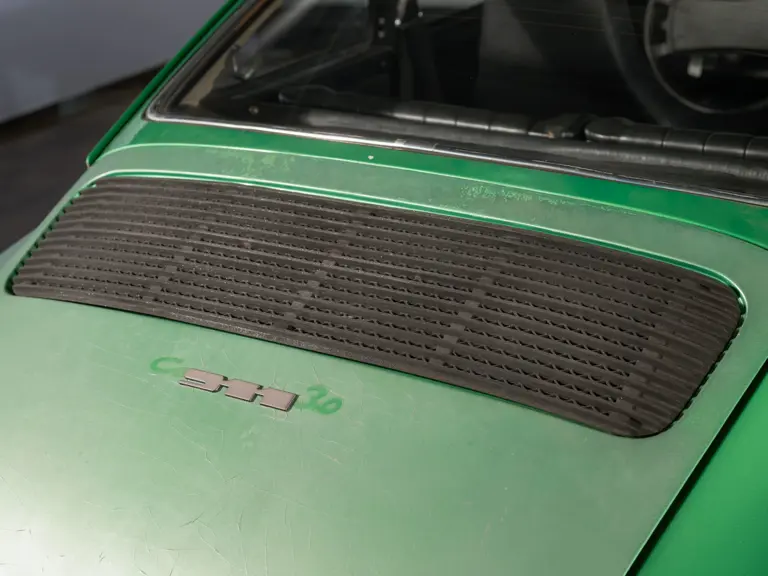
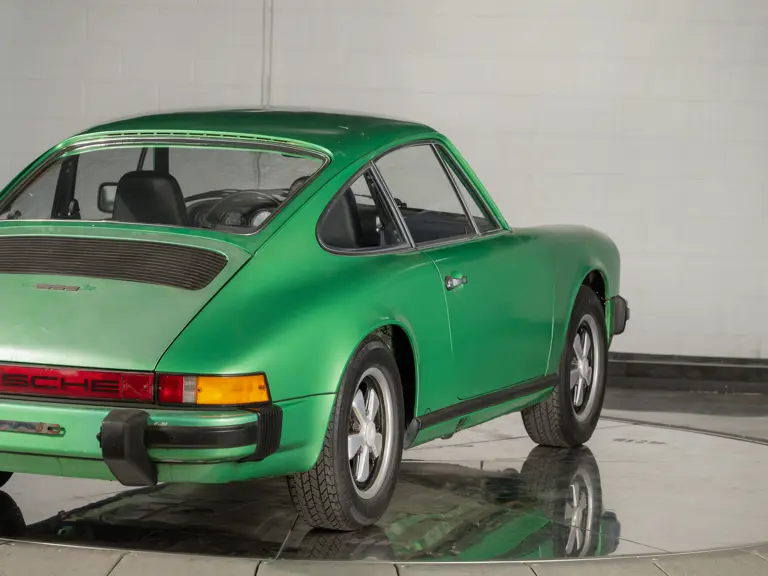
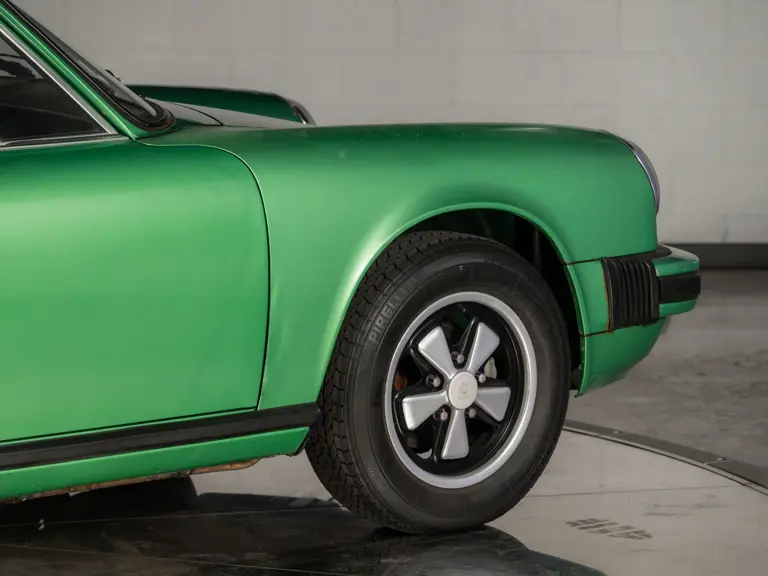
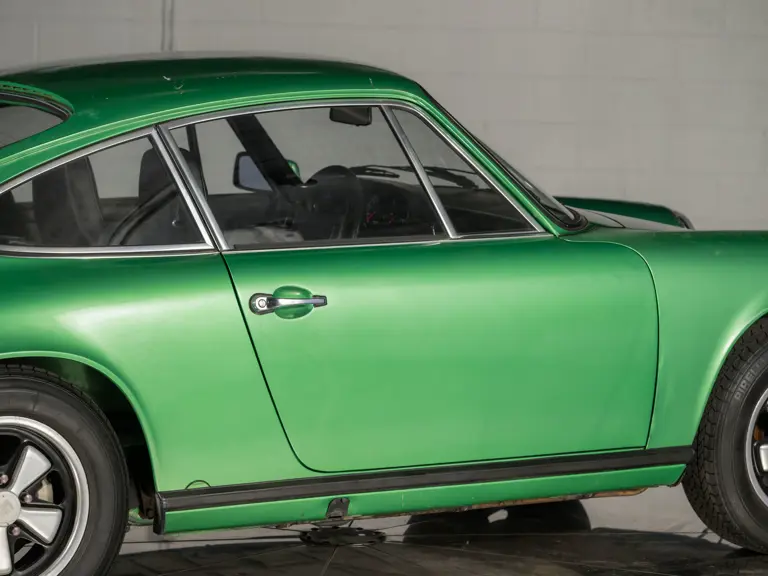
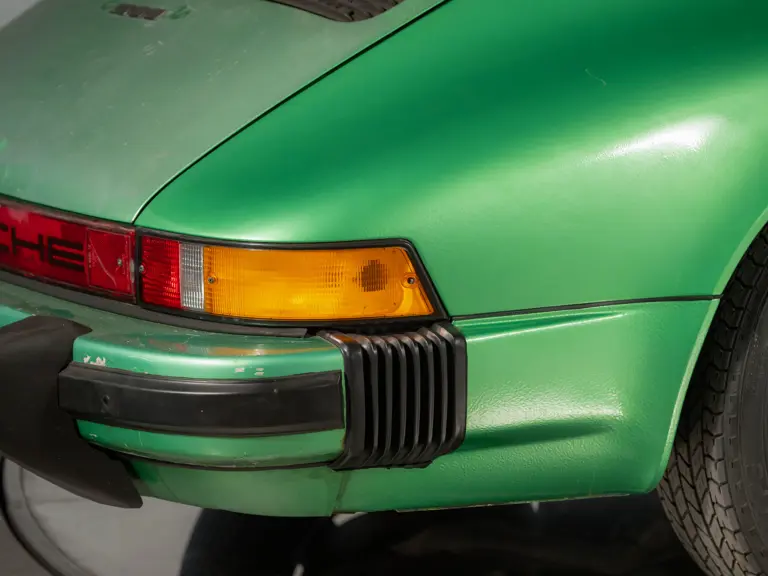
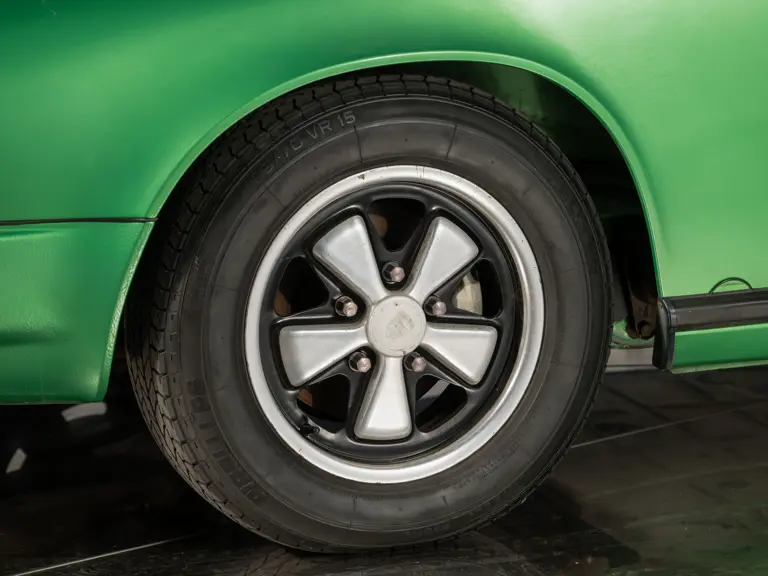
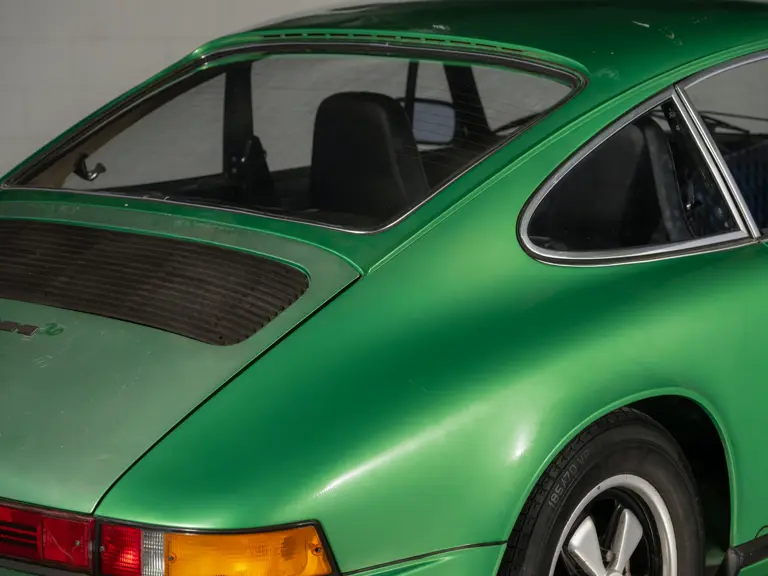
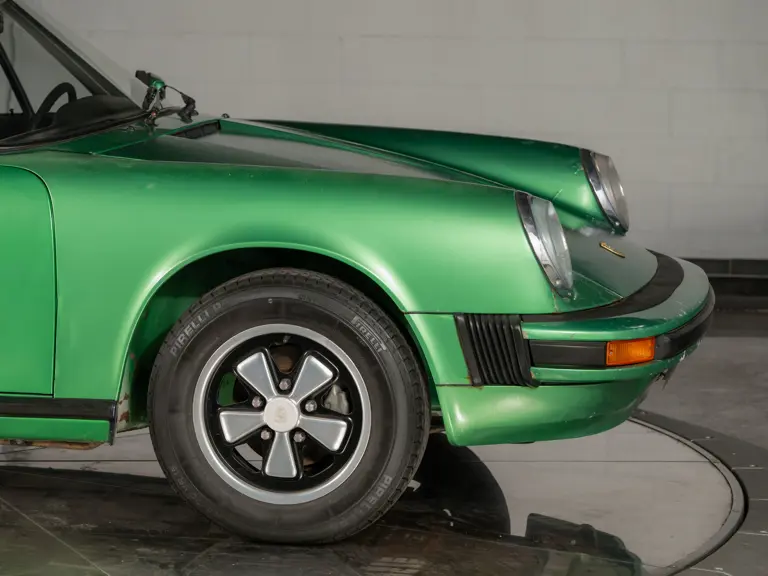
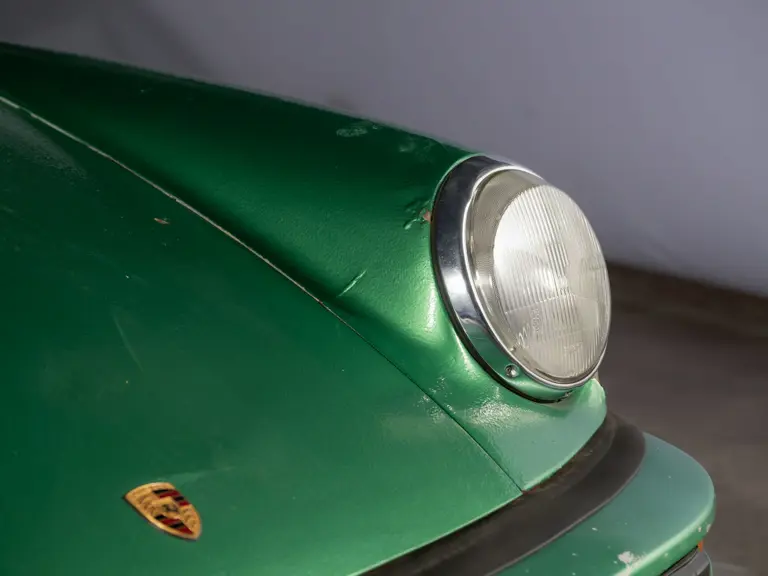
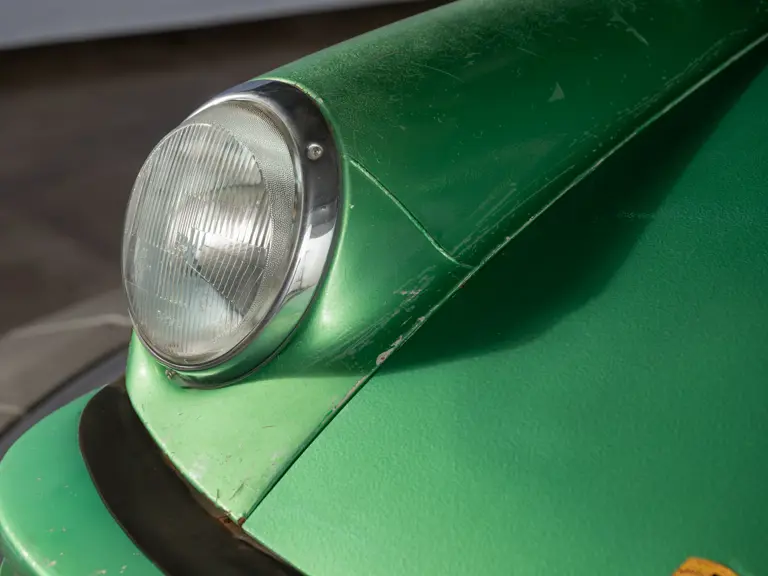
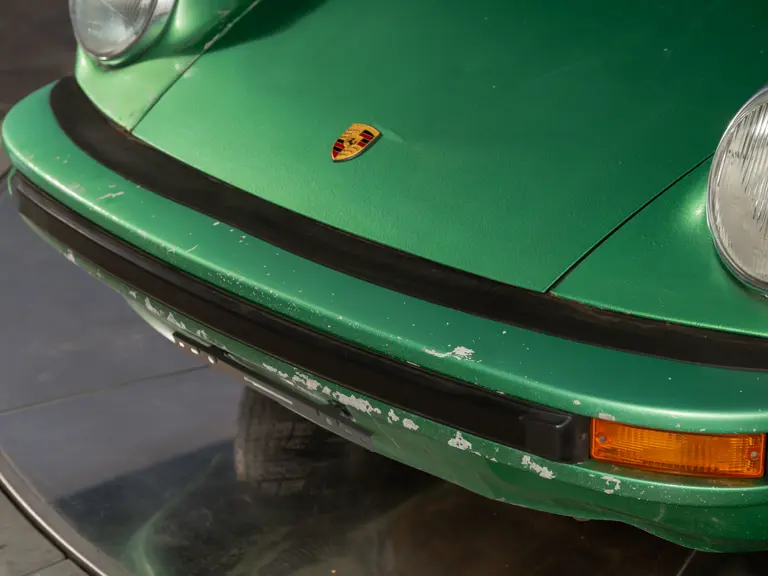
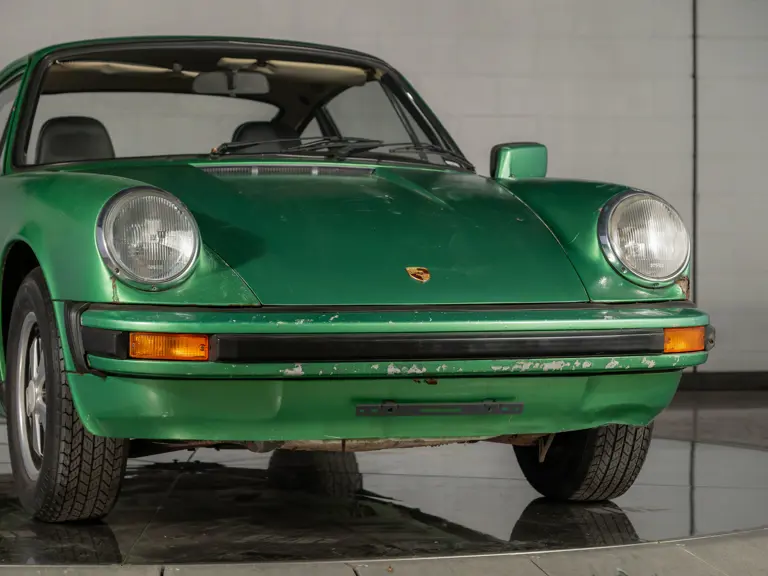
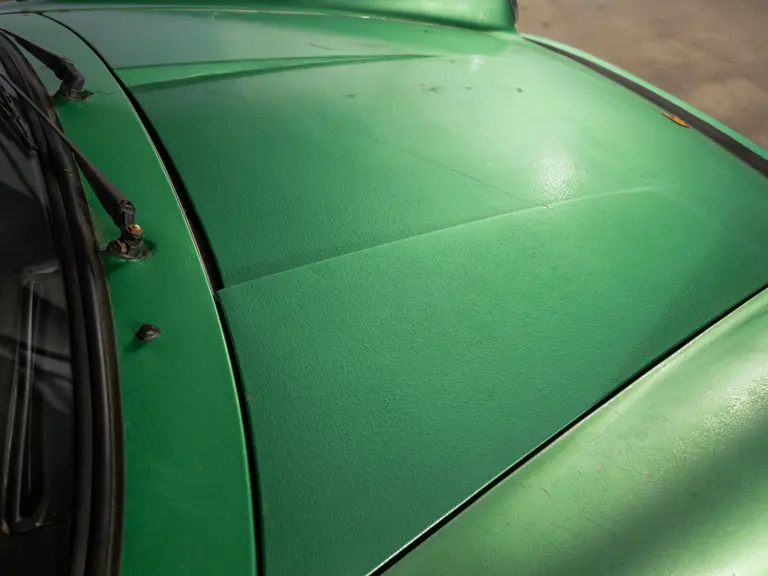
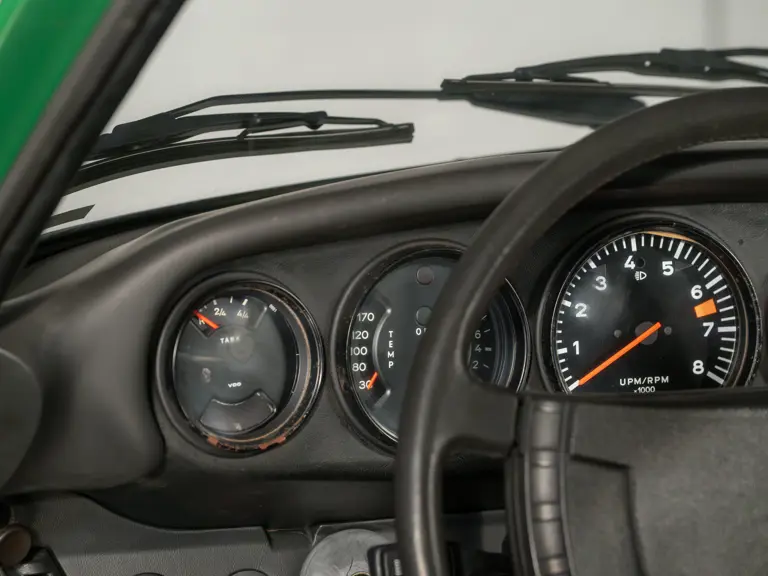
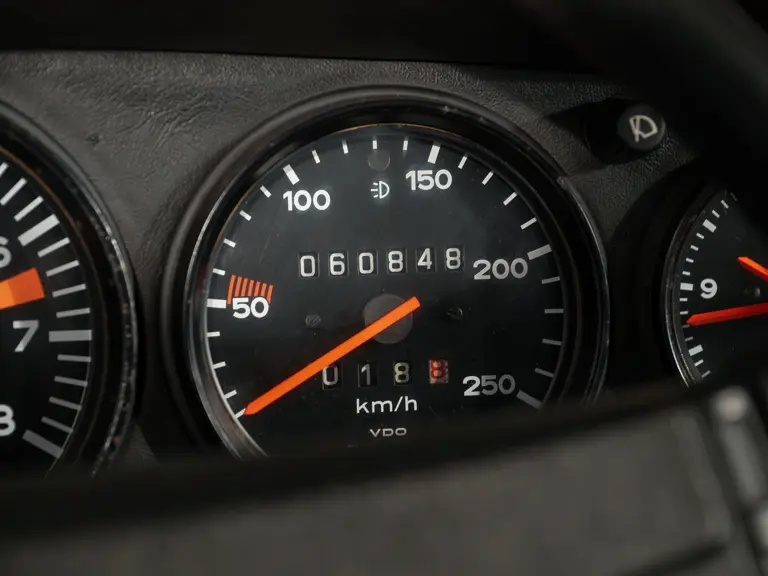
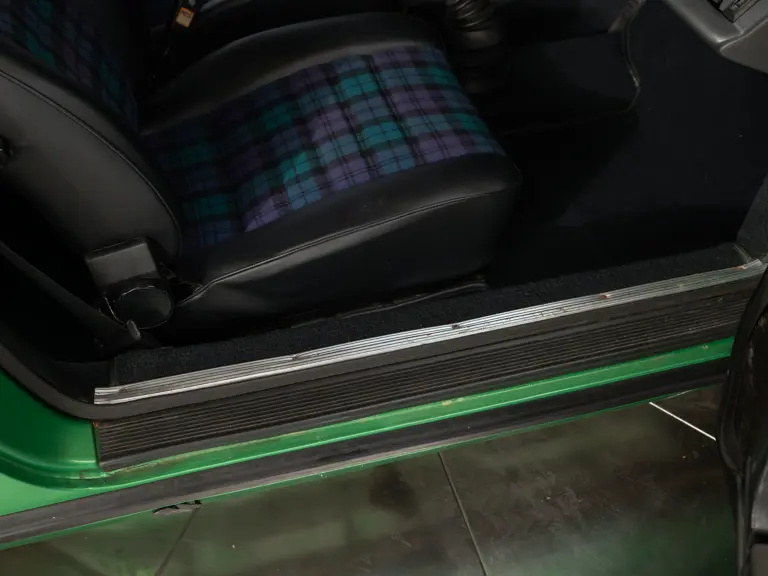
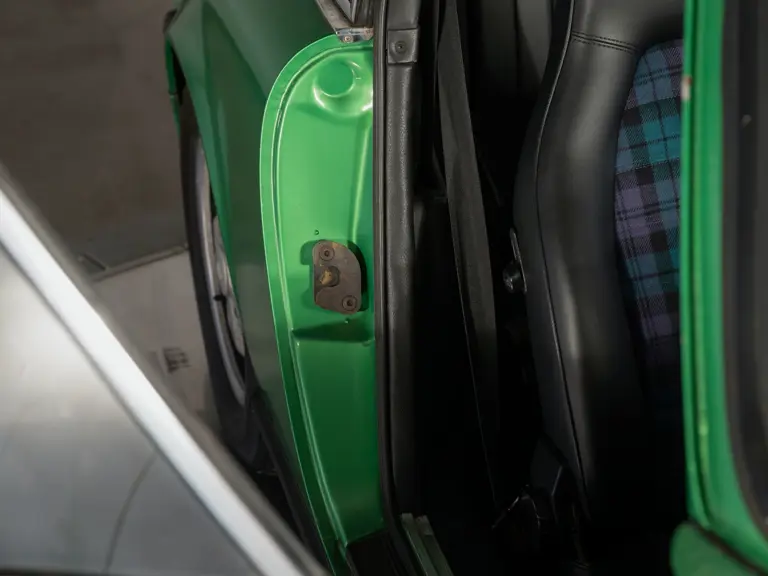
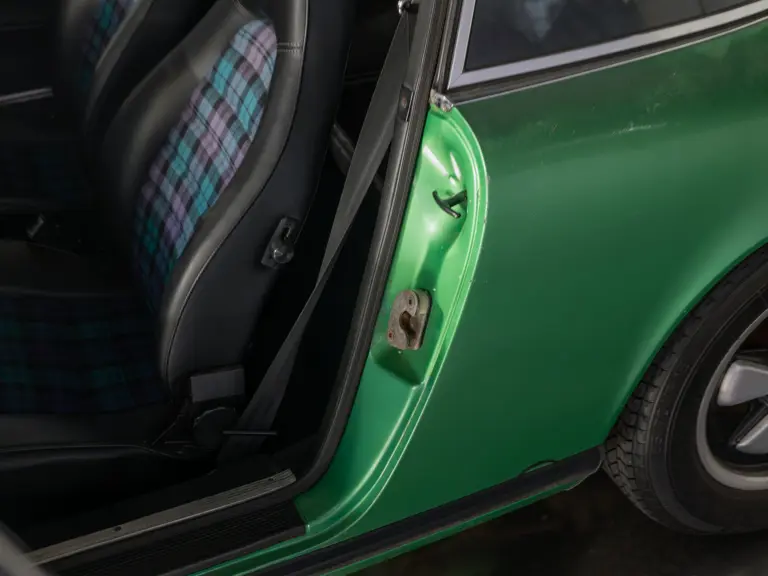
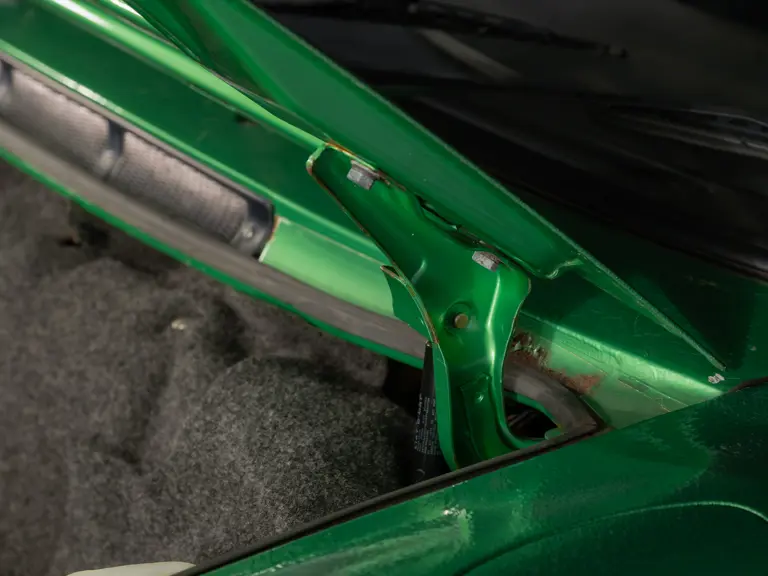
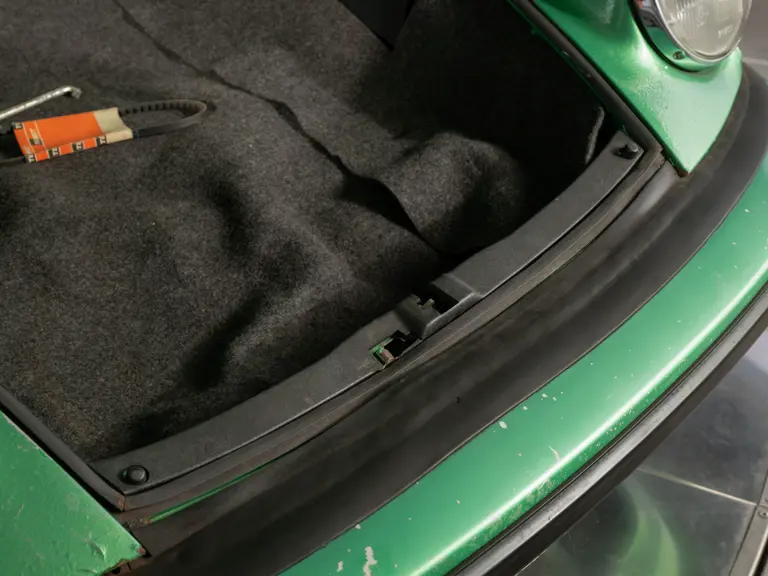
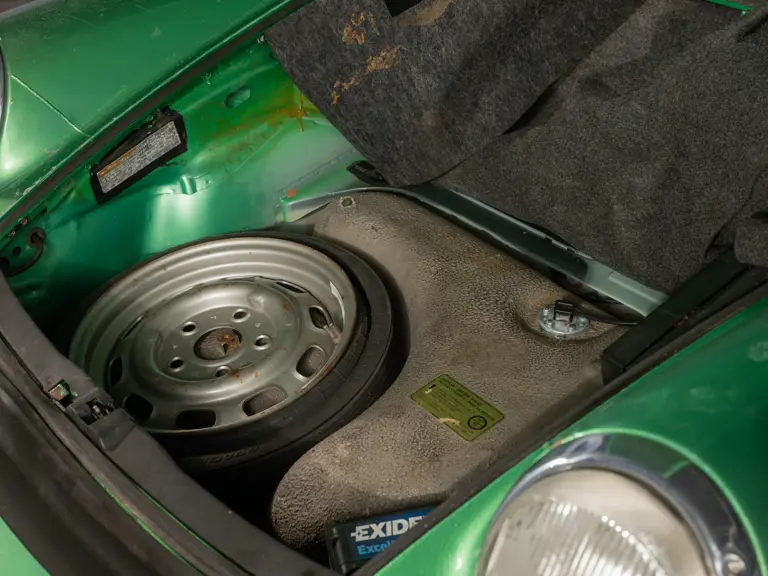
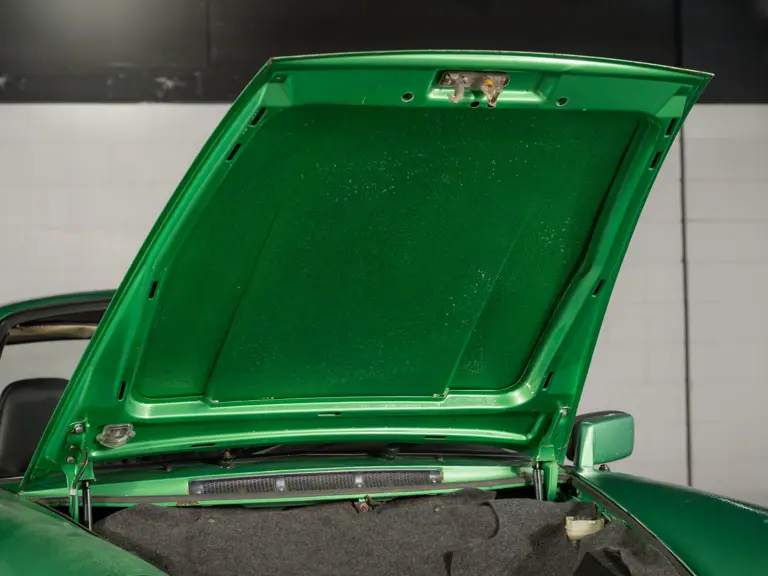
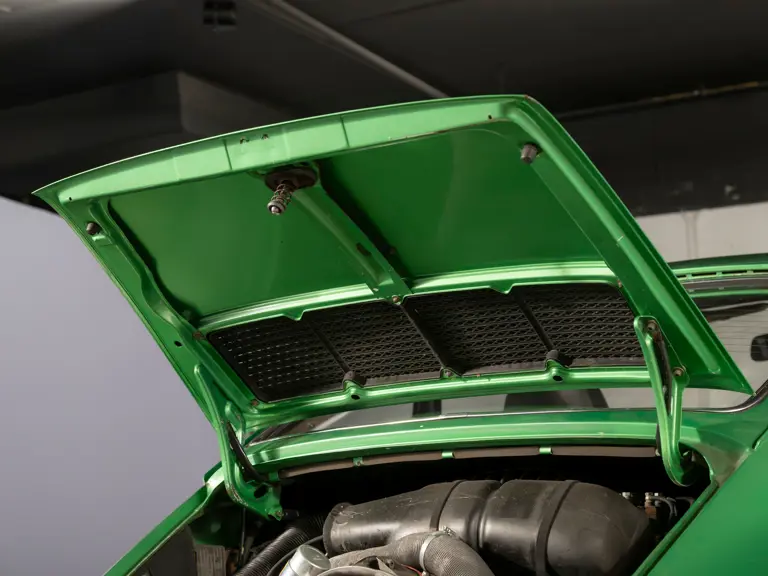
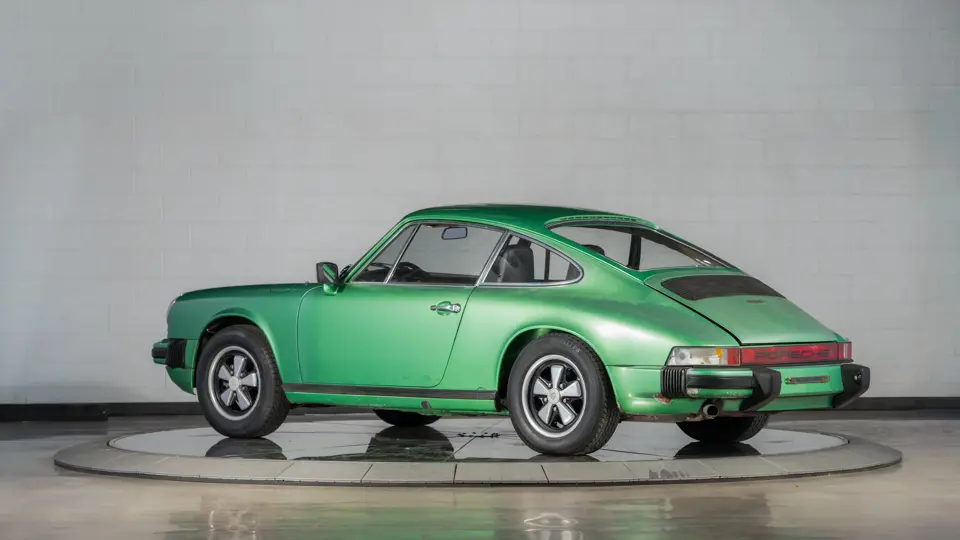
On offer is no ordinary G-model 911, but a remarkable survivor from one of Porsche’s most intriguing engineering experiments. Finished in its distinctive, heavily textured Viper Green Diamond PVC-coated finish, this was one of a small group of 911s prepared by Porsche for an experimental anti-corrosion program, an unconventional idea conceived under the direction of development chief Helmuth Bott.
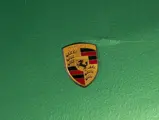
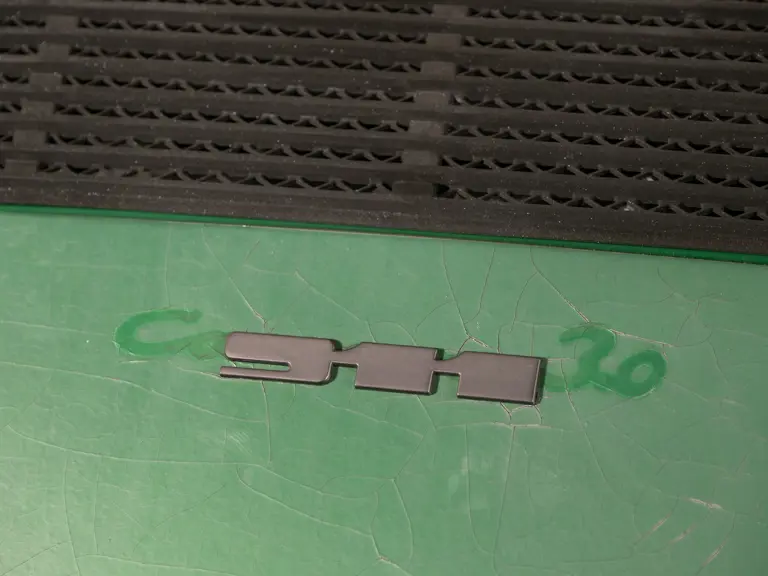
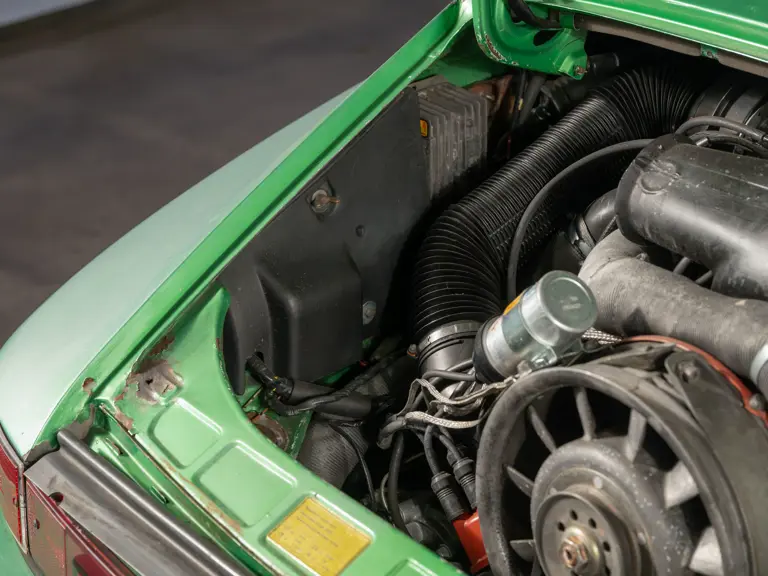
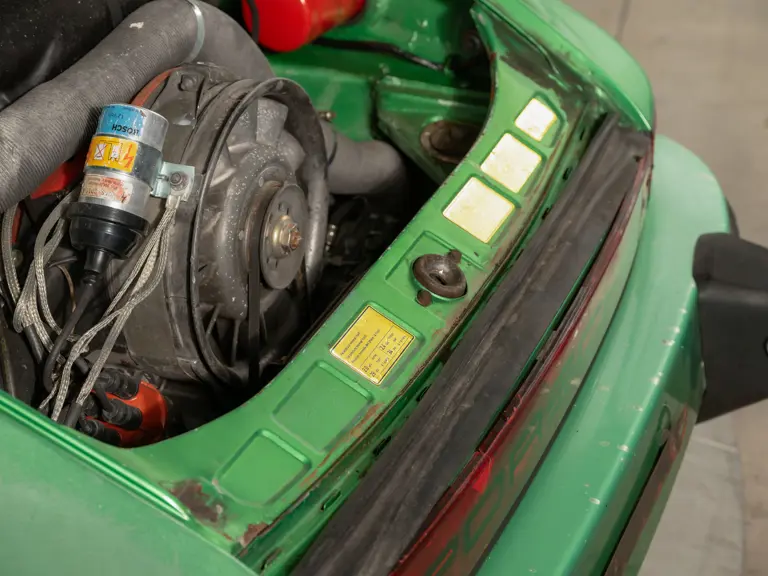
While PVC-based coatings were already widely used to protect vulnerable underbody surfaces from road debris and stone chips, Bott sought to explore their potential on a far greater scale, tasking his engineers with developing a thinner, harder PVC layer that could be applied not only to the underside of the car, but across its exterior surfaces, followed by color and clear coats. The result was a visually unmistakable textured surface, likened to severe orange peel or even the wrinkle-finish coatings made famous by one of Porsche’s Italian rivals. Yet this was no styling exercise; rather, the treatment was conceived as a full-scale, real-world test of whether a tough but elastic protective layer could withstand the cumulative effects of everyday use.
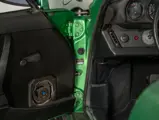
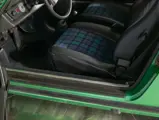
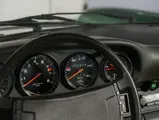
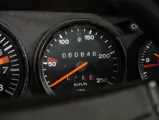
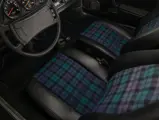
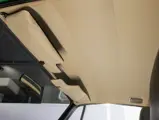
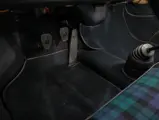
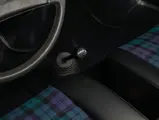
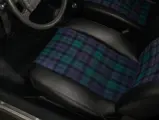
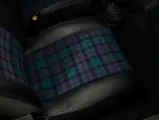
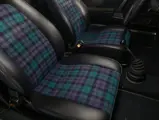
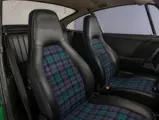
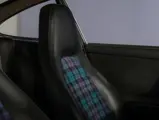
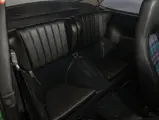
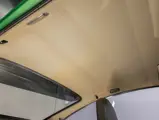
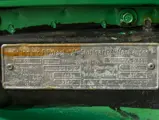
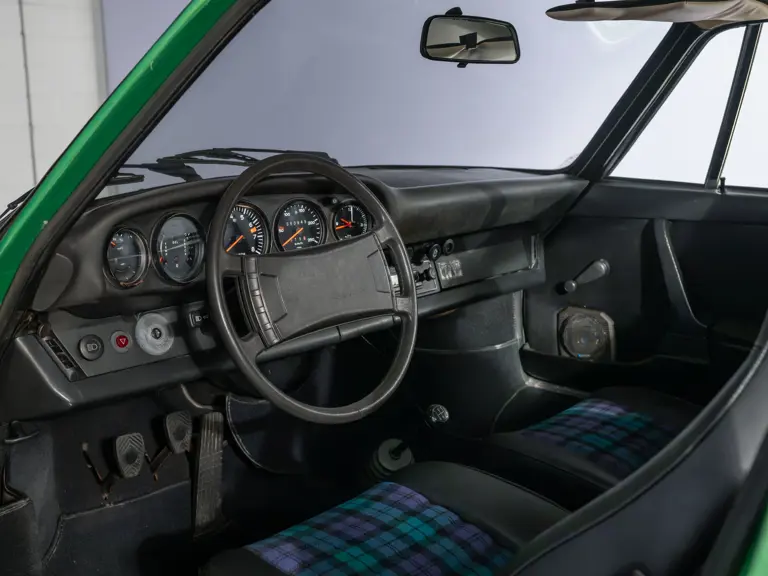
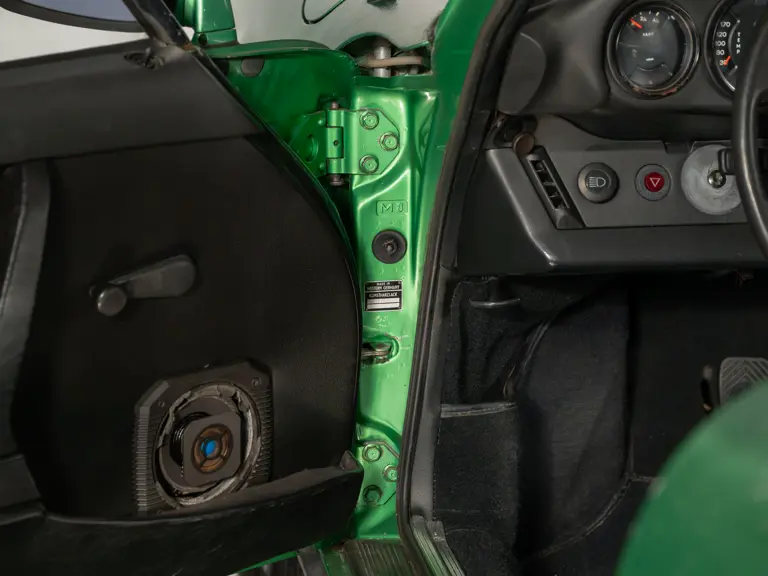
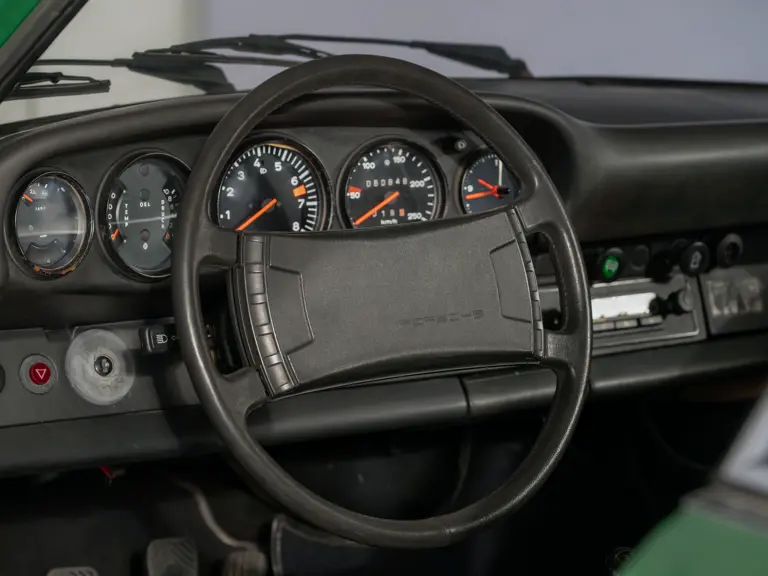
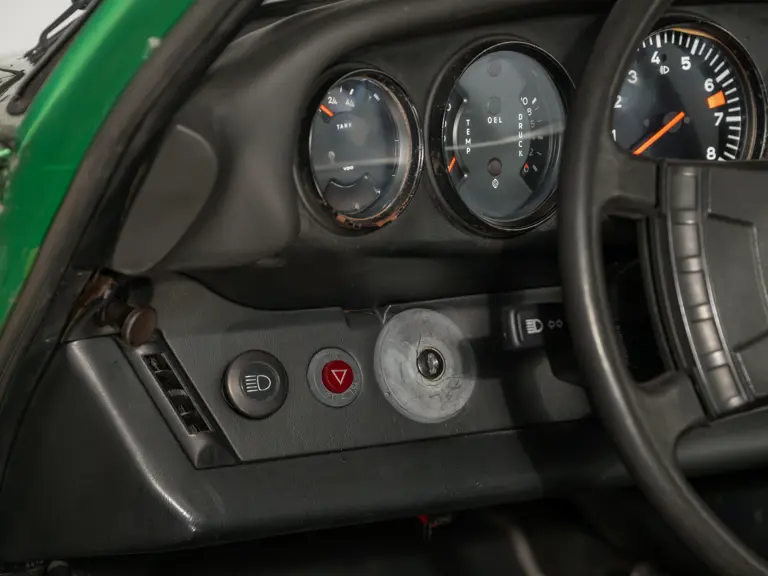
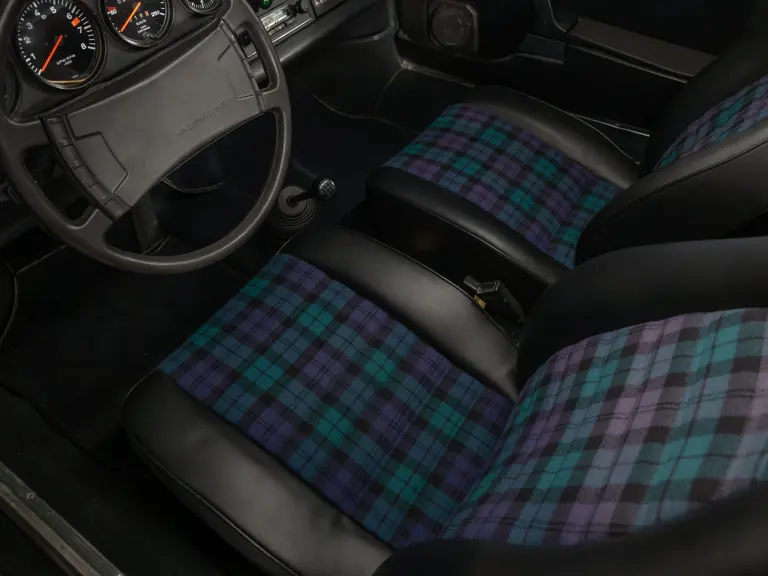
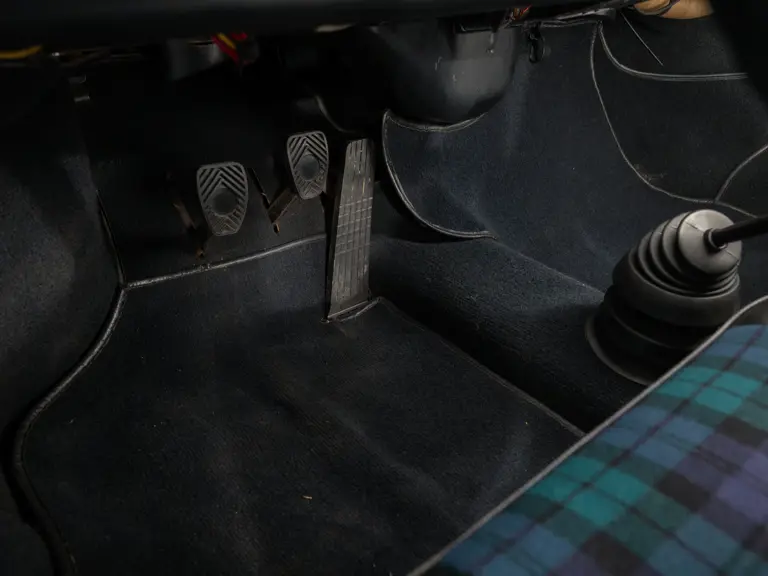
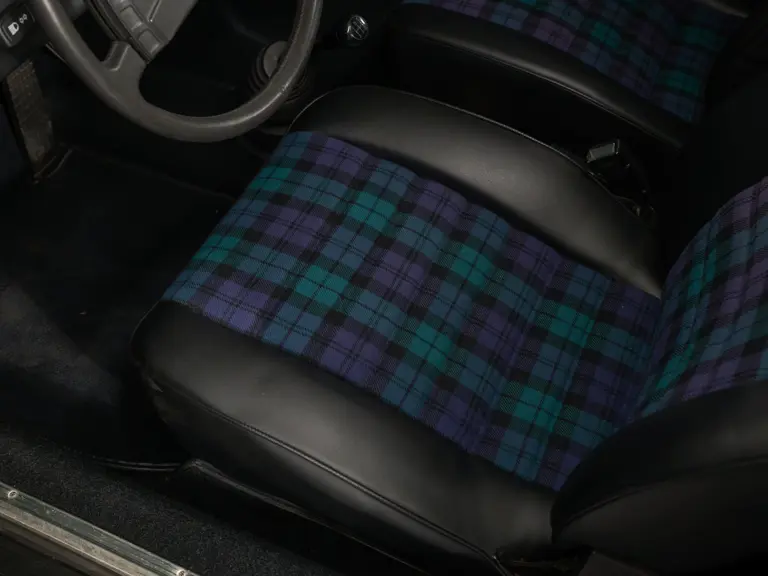
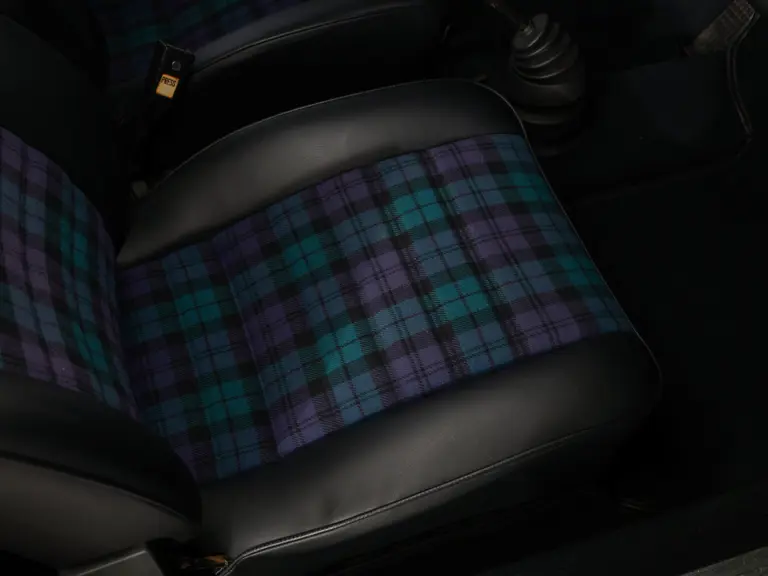
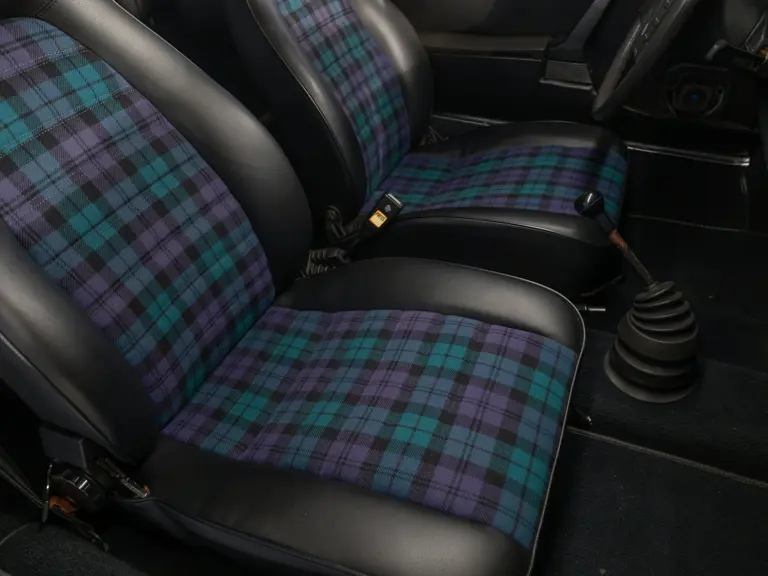
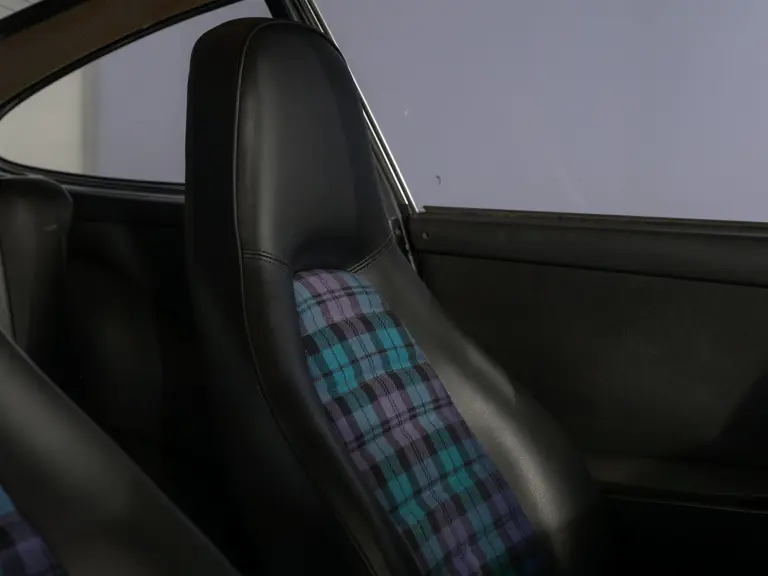
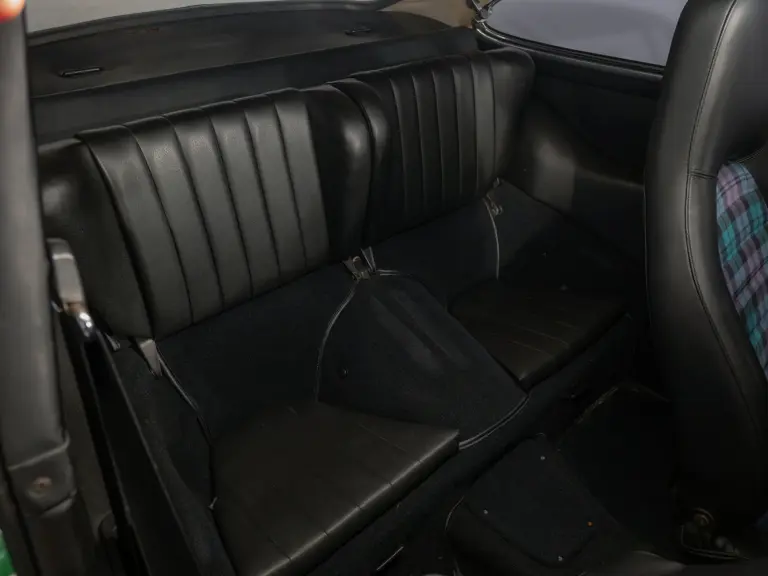
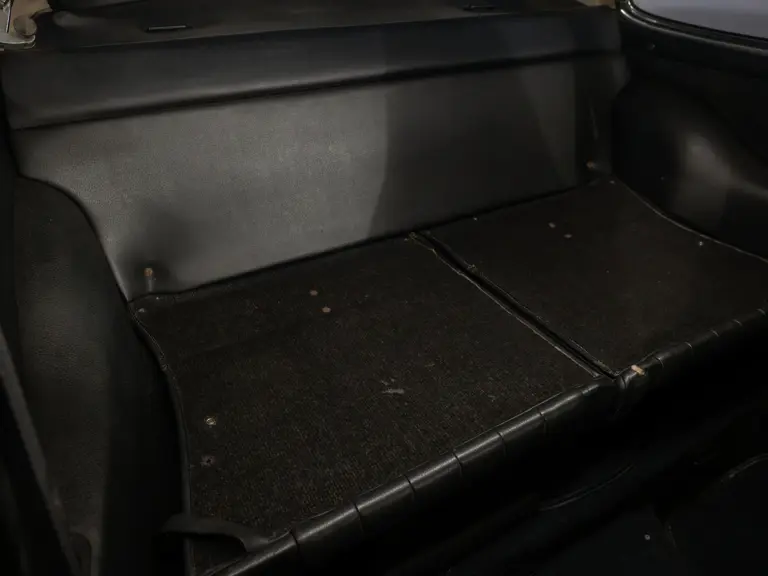
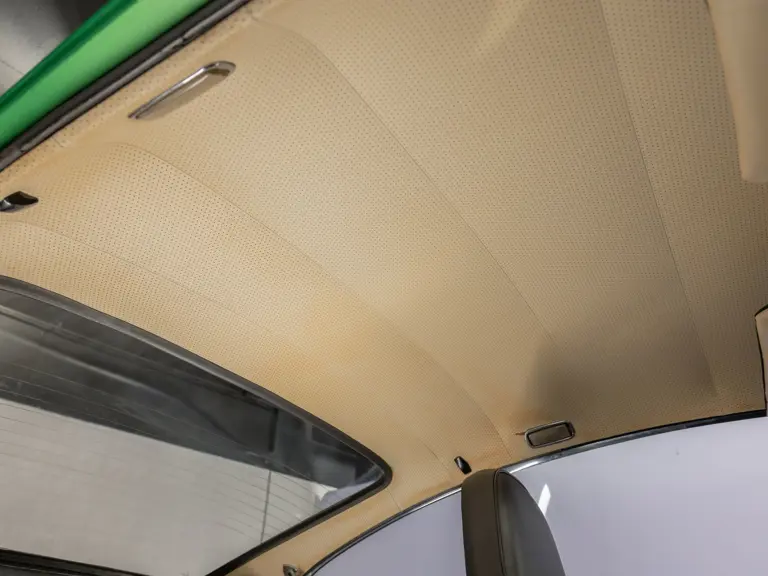
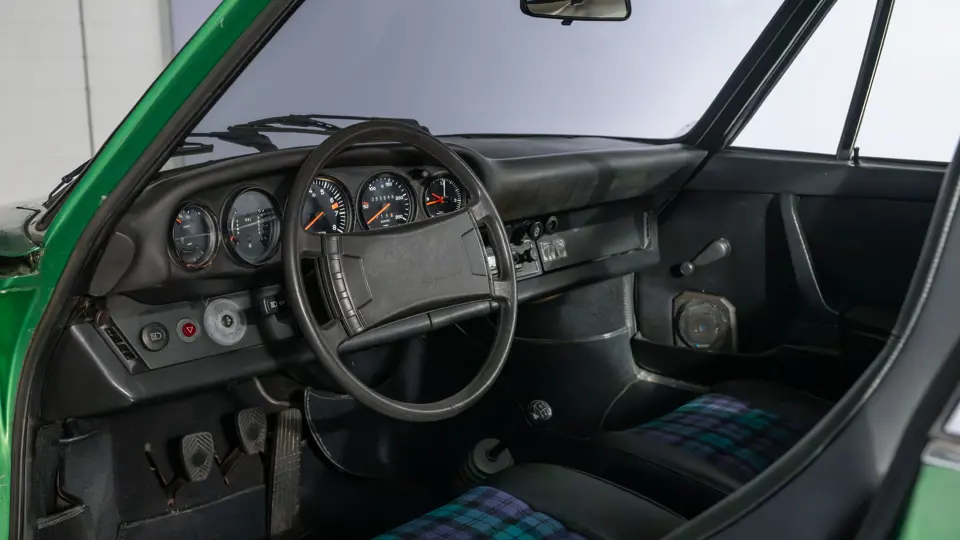
According to the factory build records on file, this example was completed in late December 1975 in Vipergrün Diamant, or Viper Green Diamond (264-9-3), over black leatherette upholstery with tartan fabric inserts. The records further show that Porsche retained the car for factory use and equipped it with a “special” five-speed gearbox. Former Porsche test driver Ginter Steckkönig later recalled the car in a Fall 2018 article in 000 Magazine, noting that Bott regularly used “the green car” and was a committed proponent of the PVC-coating program. Such practical testing was characteristic of Bott’s hands-on development philosophy: new ideas had to be proven in the real world, often over thousands of kilometers, before they could be accepted, refined, or rejected.
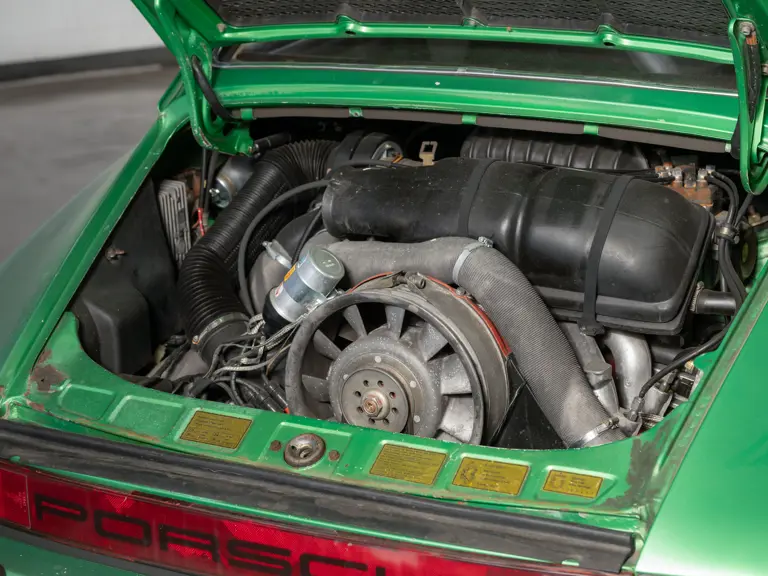
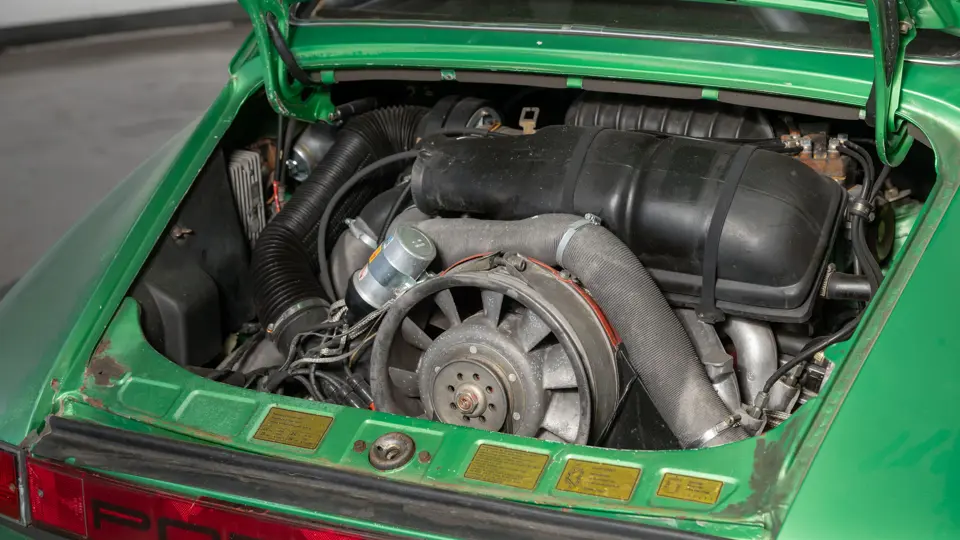
During approximately three years in factory service, the car was reportedly fitted with dozens of experimental engines and subjected to endurance testing at locations around the globe. Its various other assignments are said to have included Porsche’s investigation of stratified-charge combustion technology, a precursor to the catalytic converter, adding another dimension to its place in Porsche history.
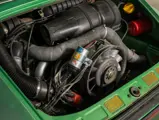
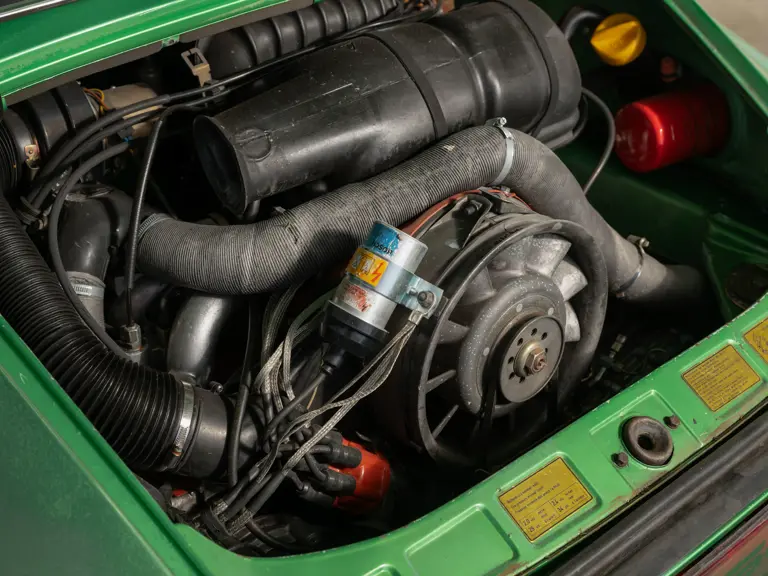
Following its factory test career, the 911 was reportedly acquired by Porsche engineer Thomas Brachert, who fitted it with a 3.0-liter Carrera engine and continued evaluating its durability in private use before it passed through a succession of enthusiast owners.
Rare, fascinating, and visually arresting, this 911’s significance lies in its survival. Far more than an unusual Porsche, it is a tangible connection to the experimental engineering work that helped shape the company’s enduring reputation for durability and innovation.
 | Phoenix, Arizona