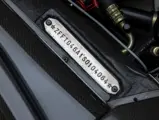
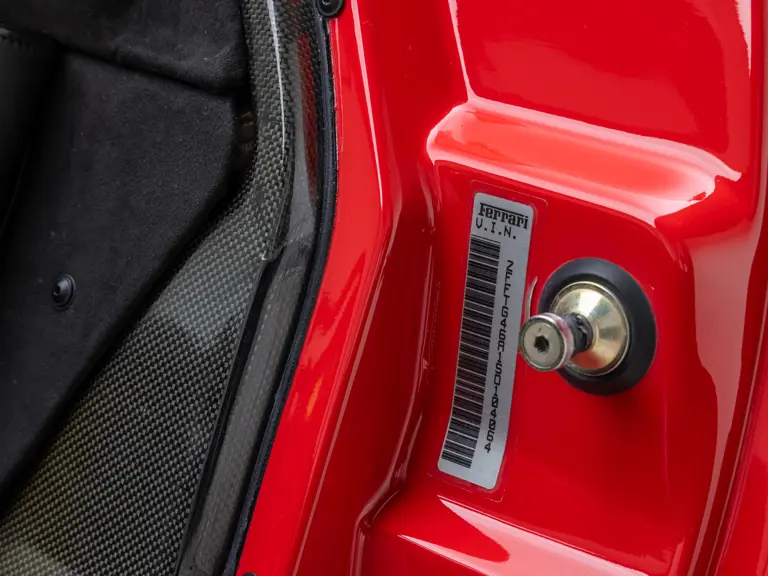
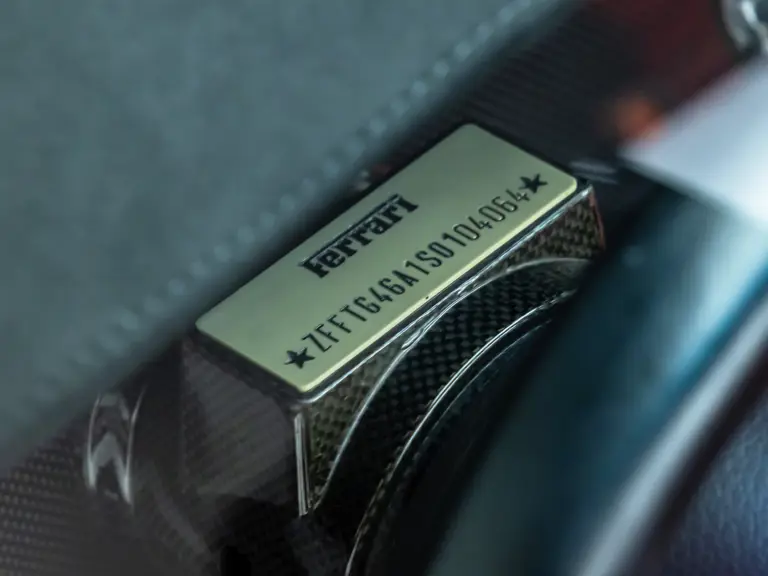
Chassis No.
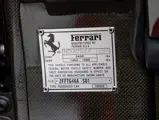
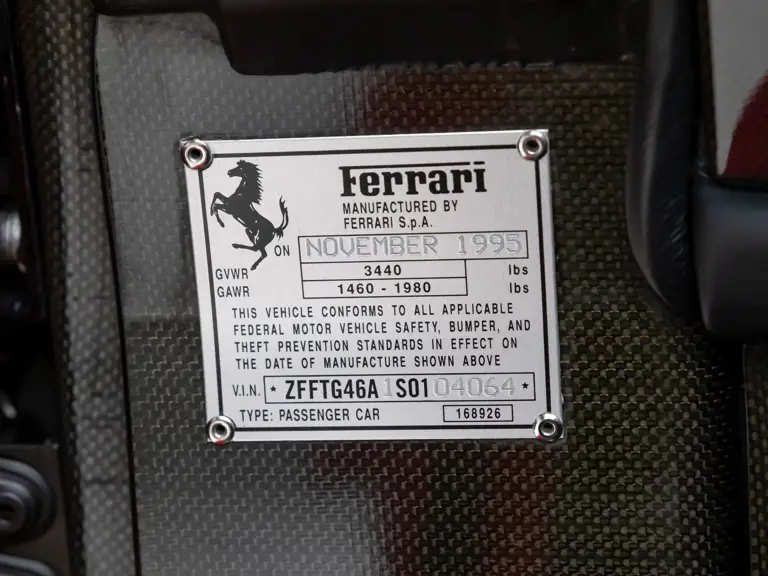
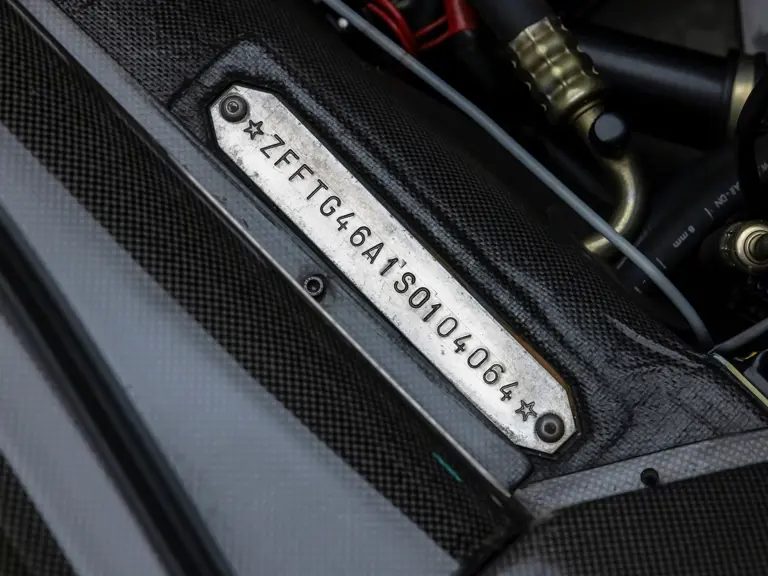
ZFFTG46A1S0104064
$8,805,000 USD | Sold
Offered from The Longhorn Collection
{{bidding.lot.reserveStatusFormatted}}
CELEBRATING HALF A CENTURY OF FORZA
The only achievement more difficult than reaching the peak is remaining there, an inherent truth the minds at Ferrari had long realized by the early 1990s. Given the success and acclaim of the Ferrari F40, the 40th-anniversary supercar that debuted in 1987, the Italian automaker’s engineers recognized that an even more superlative model would be needed to properly commemorate the soon-to-follow 50th anniversary.
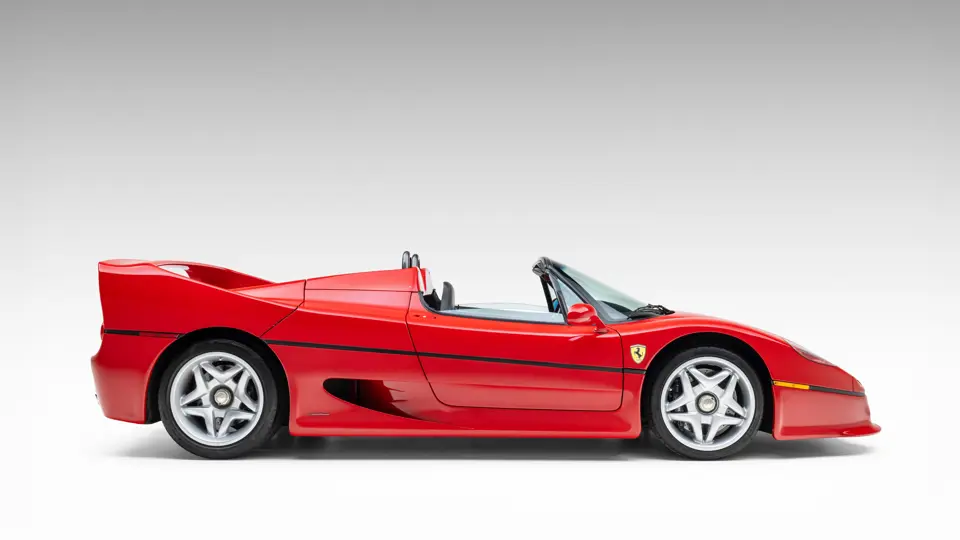
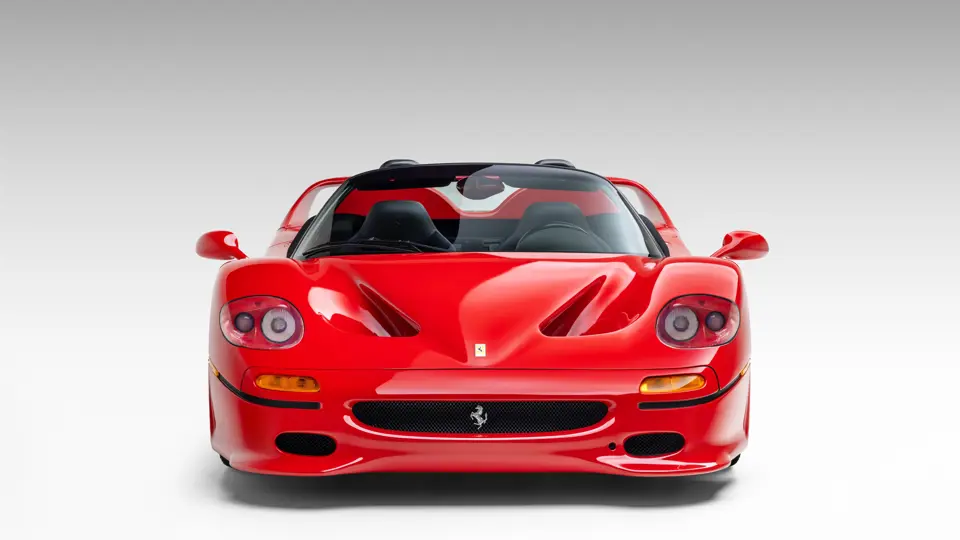
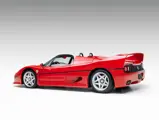
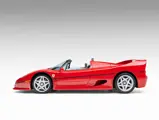
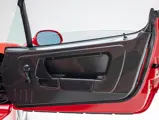
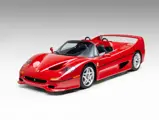
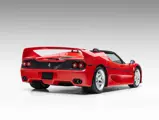
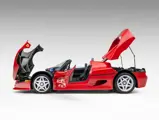
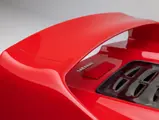
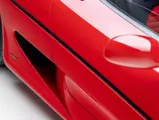
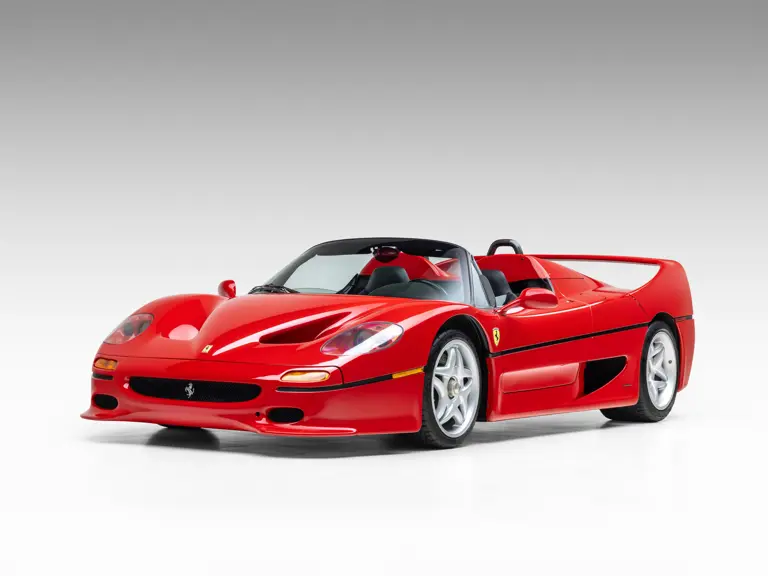
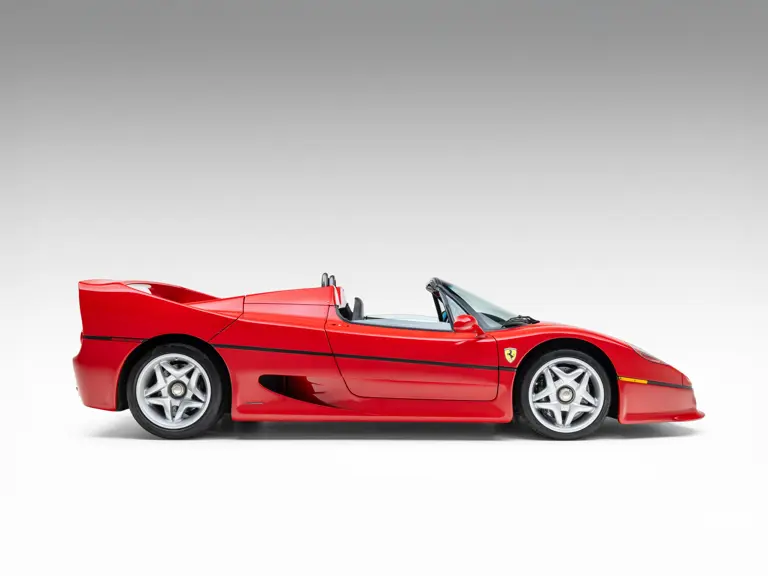
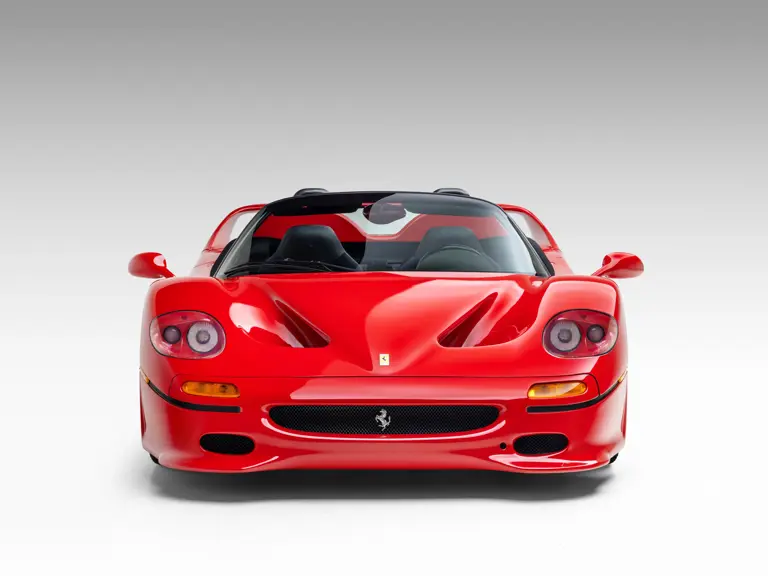
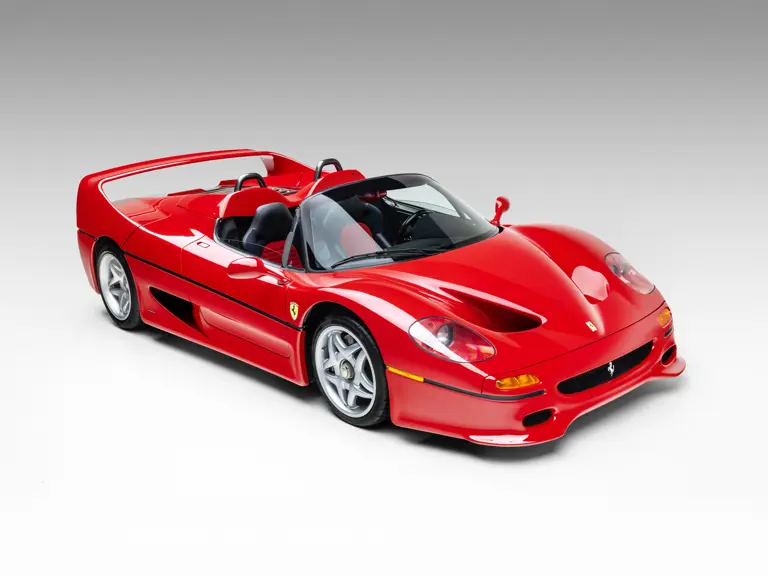
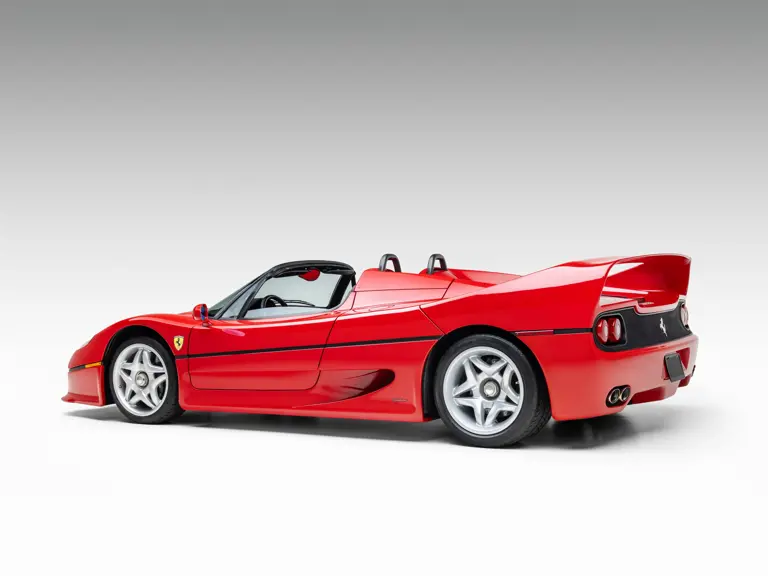
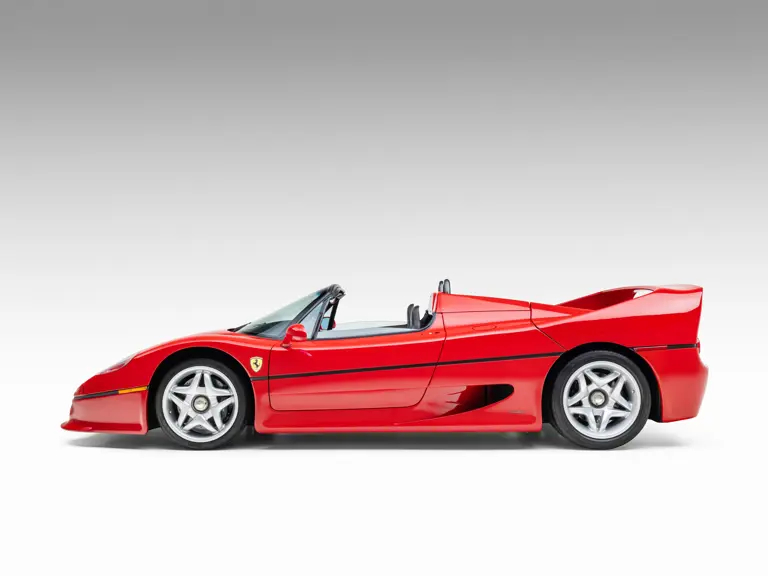
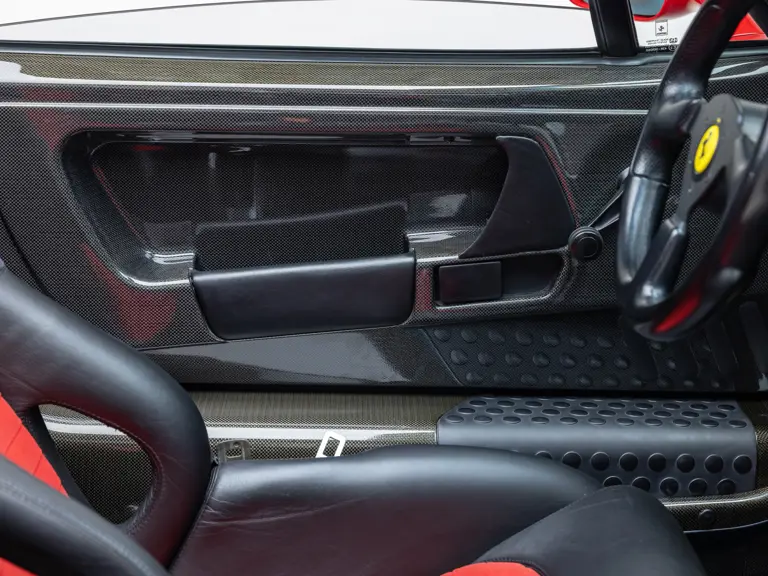
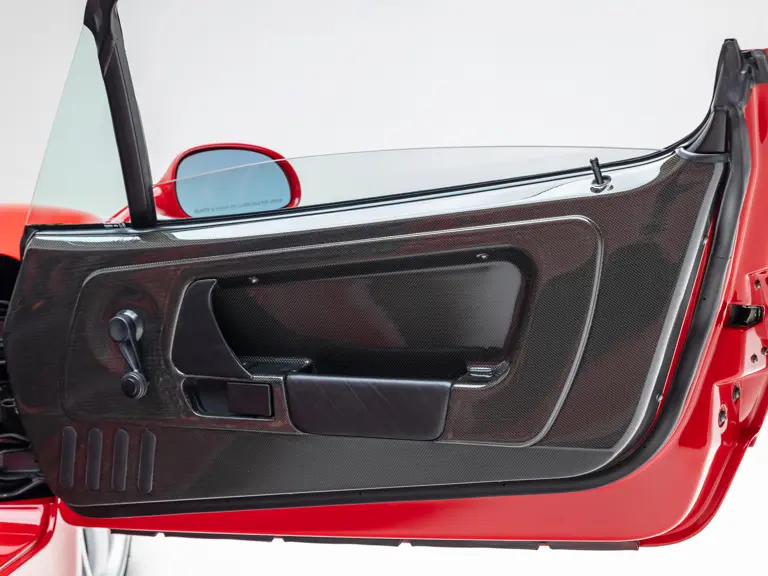
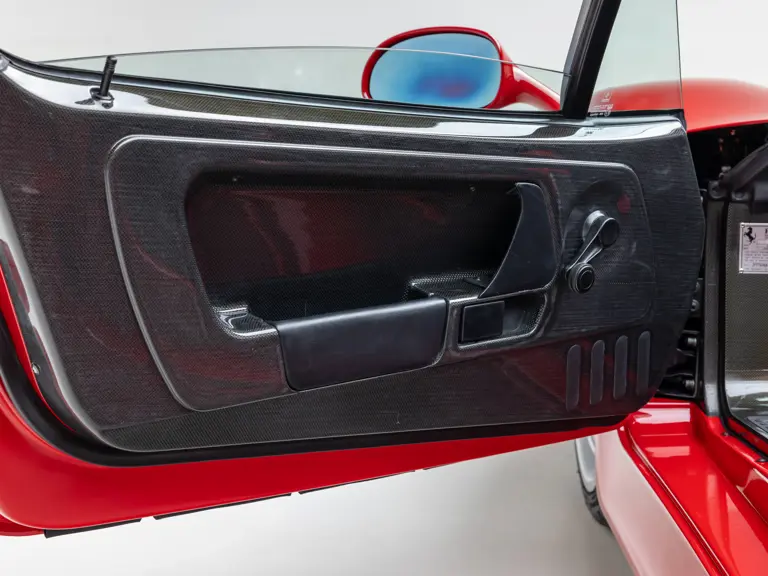
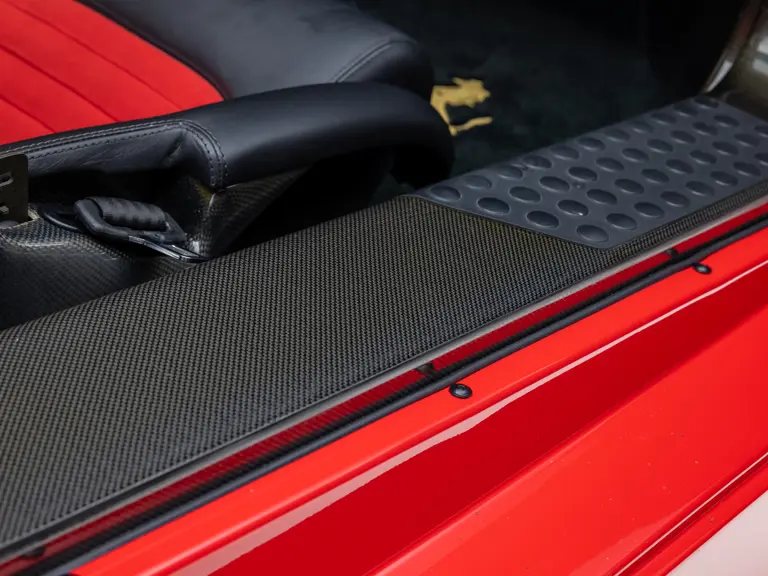
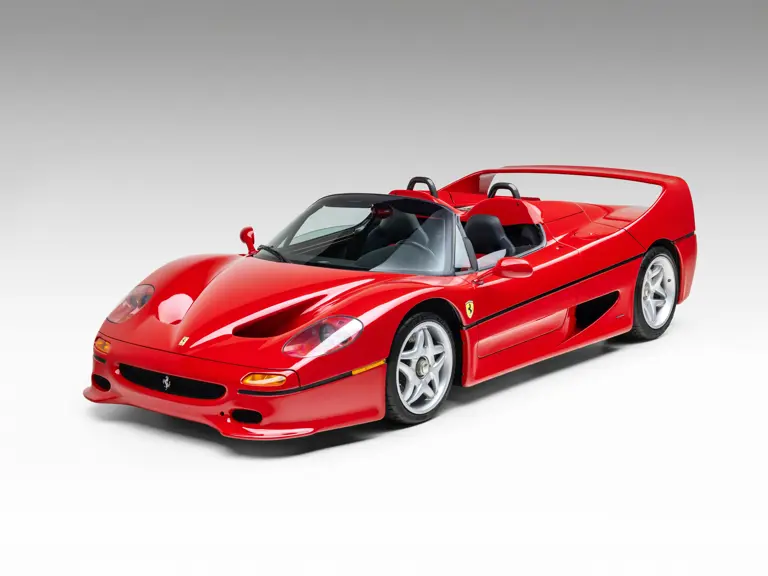
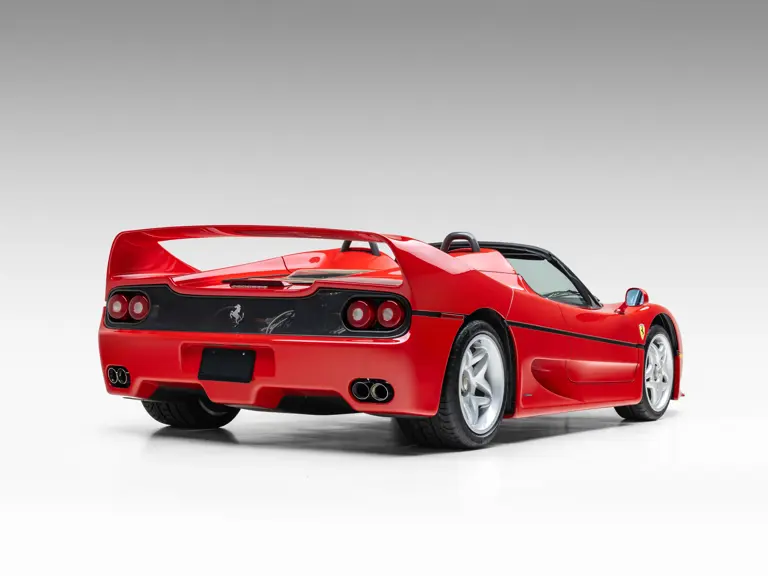
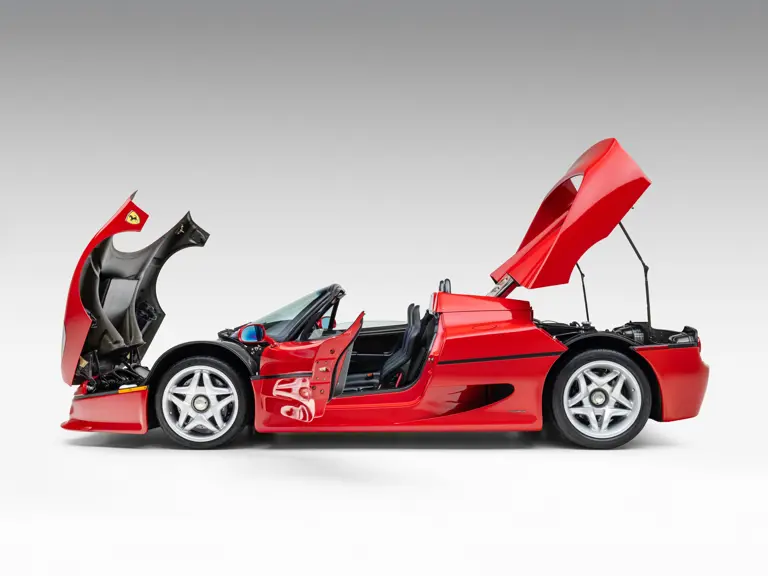
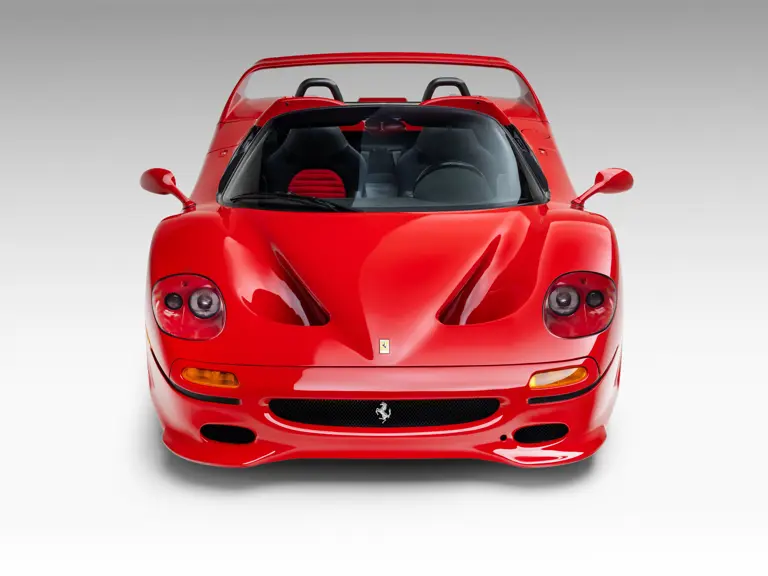
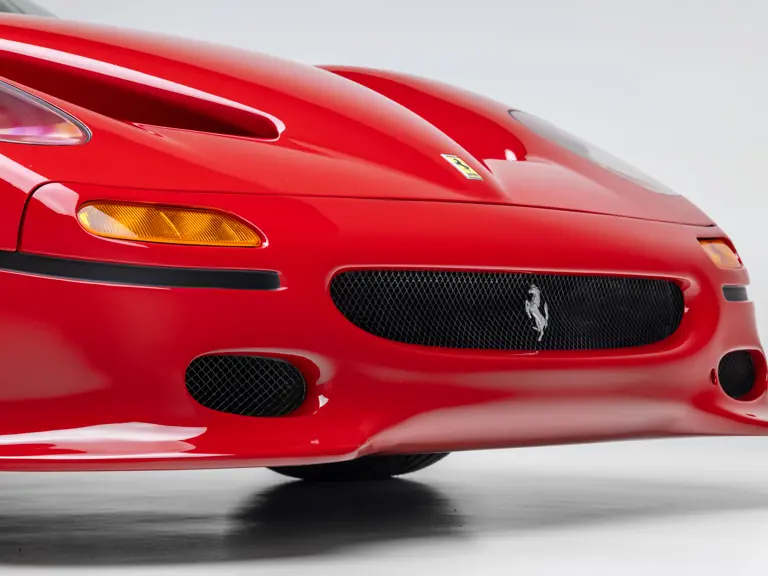
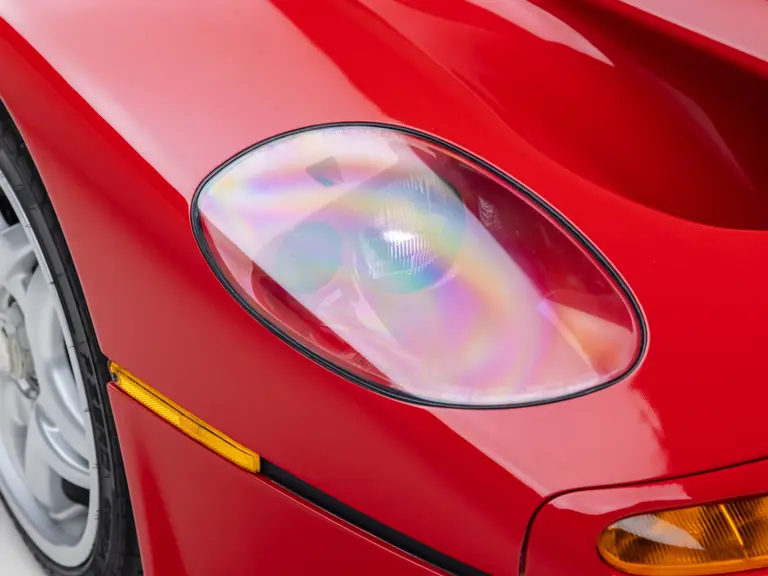
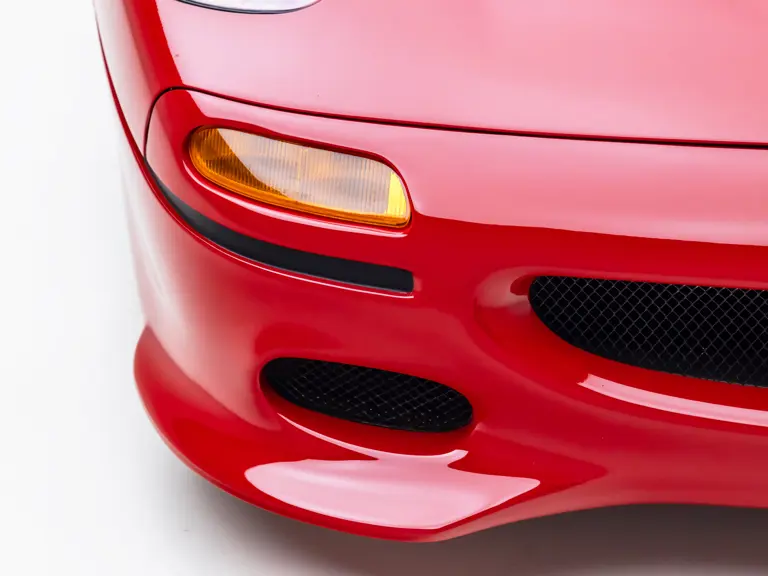
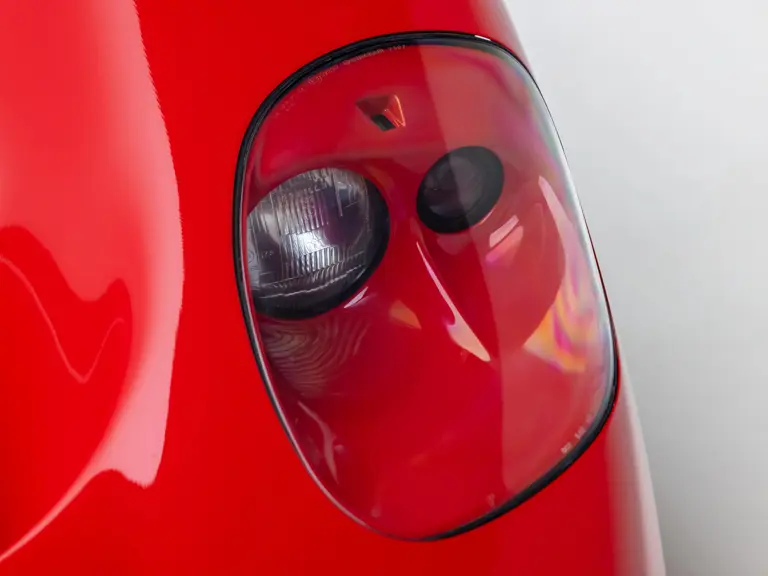
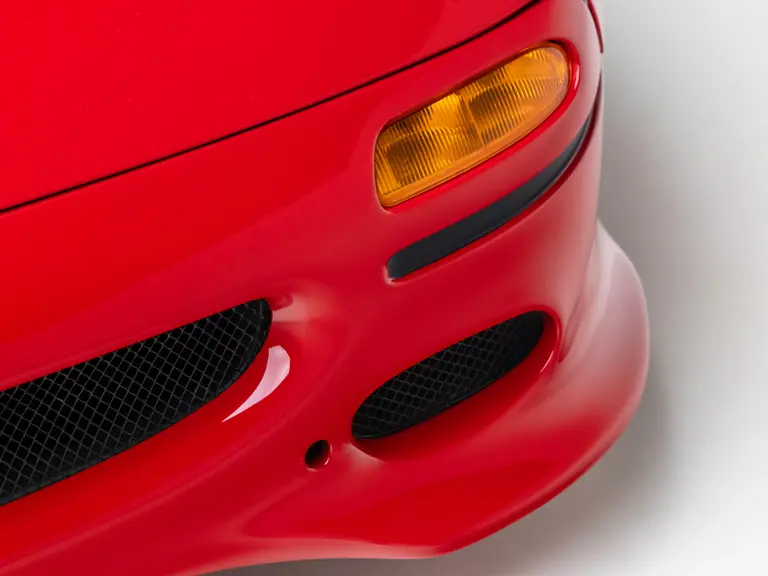
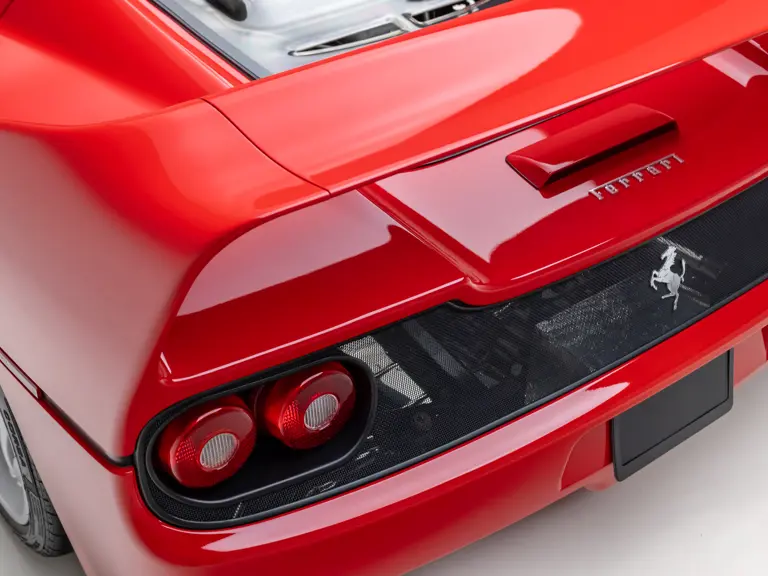
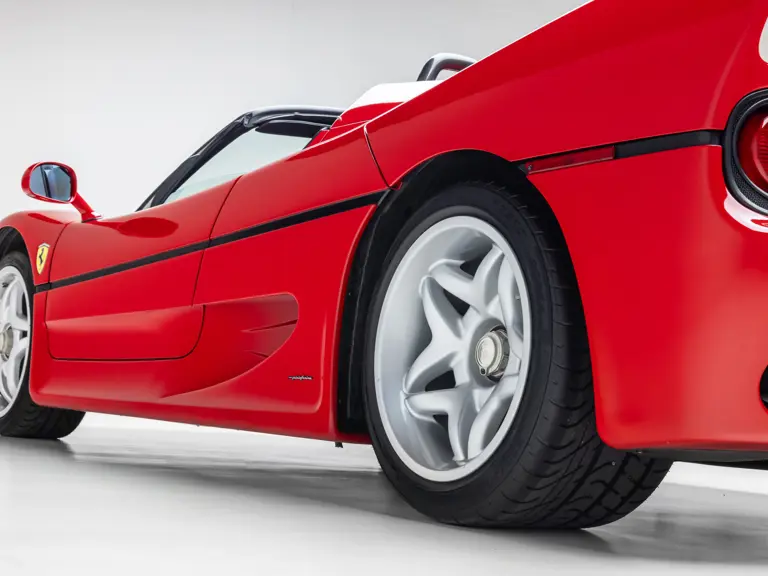
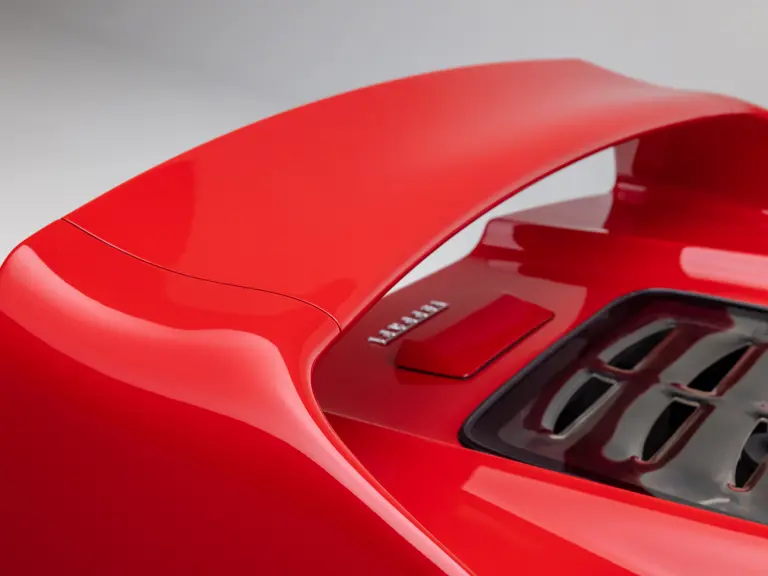
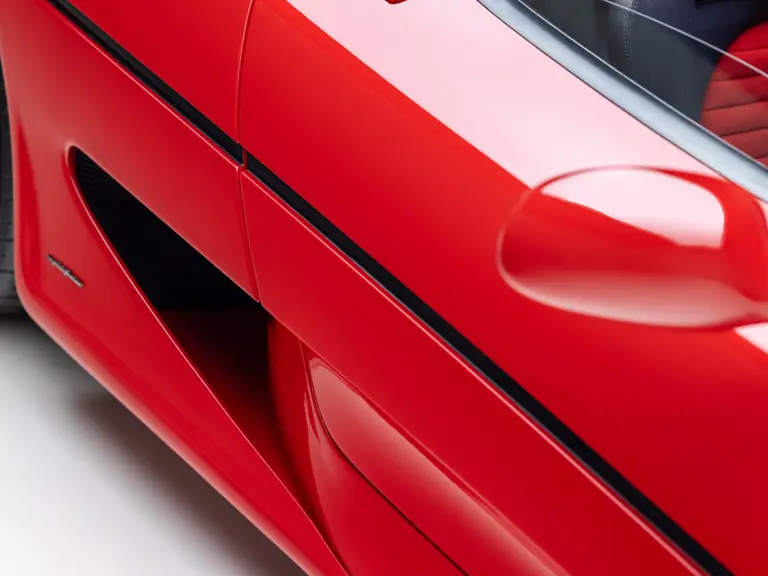
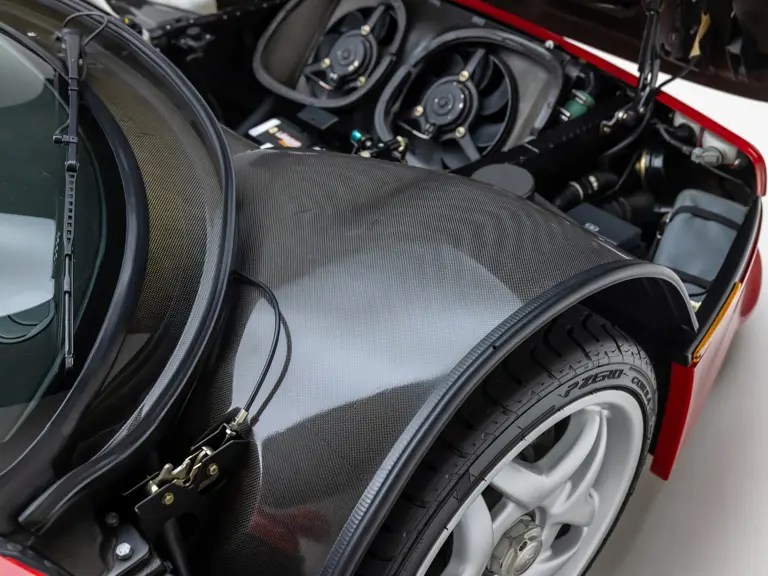
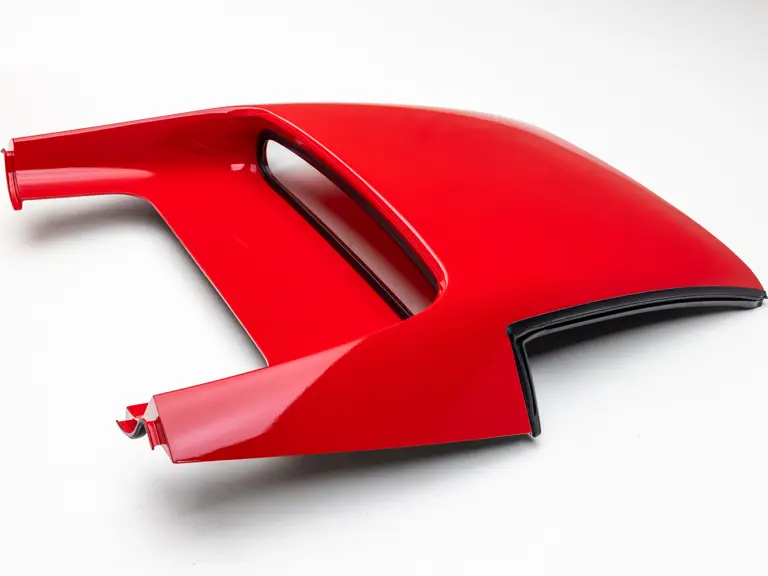
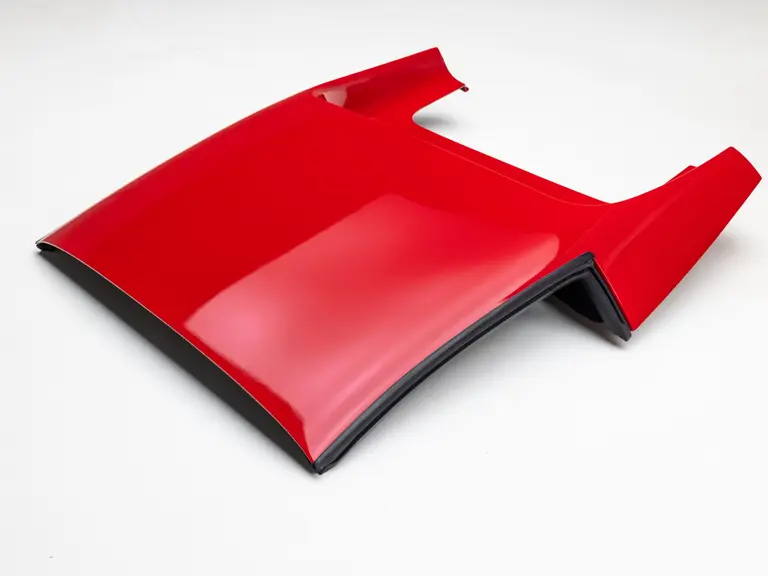
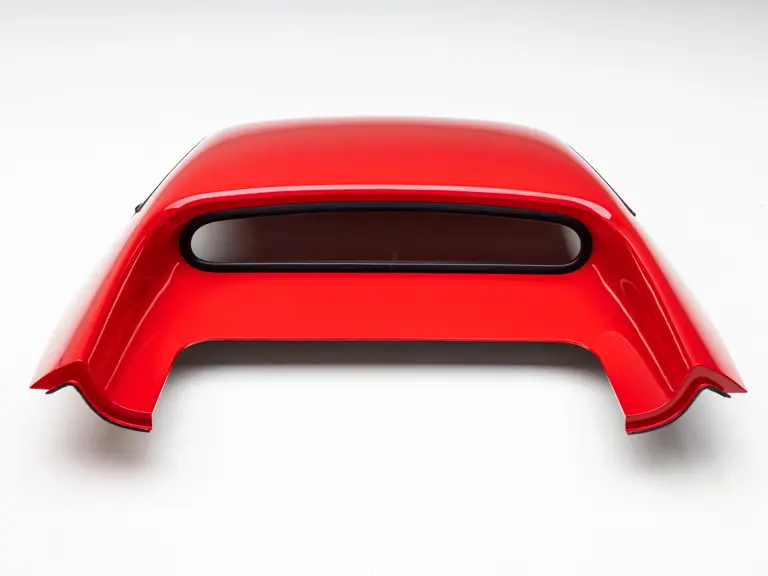
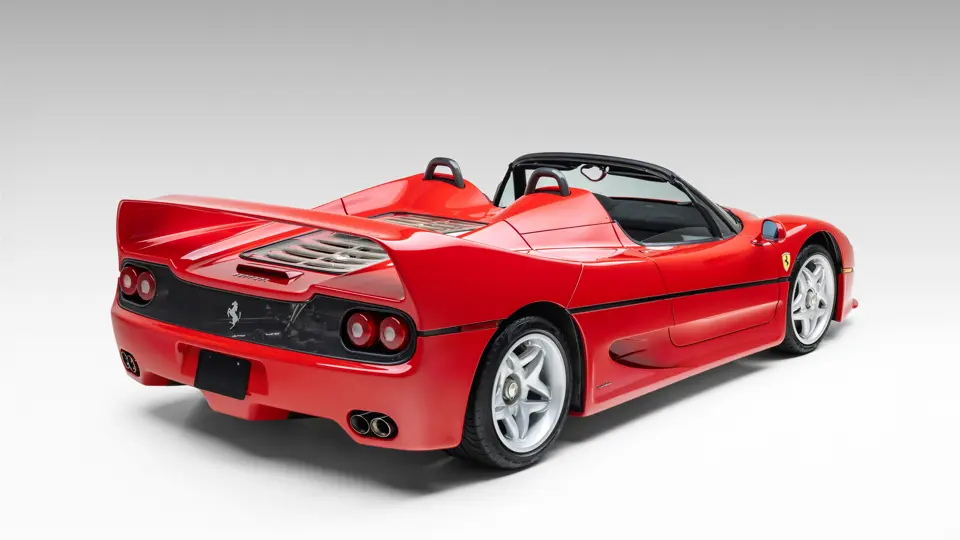
Four years of development went into a dedicated road car with characteristically strong ties to Ferrari’s racing technology, starting with the chassis, founded on a Formula 1-style lightweight carbon fiber tub. The designers at Pininfarina outdid themselves with curvaceous coachwork molded from carbon fiber, Kevlar, and Nomex honeycomb, eschewing the wedge motifs of the 1980s in favor of free-flowing lines evocative of Ferrari’s most legendary sports racers of the 1950s and '60s. The body included a solid removable targa top that allowed the F50 to strike the pose of either a barchetta or berlinetta, offering the best of both worlds.
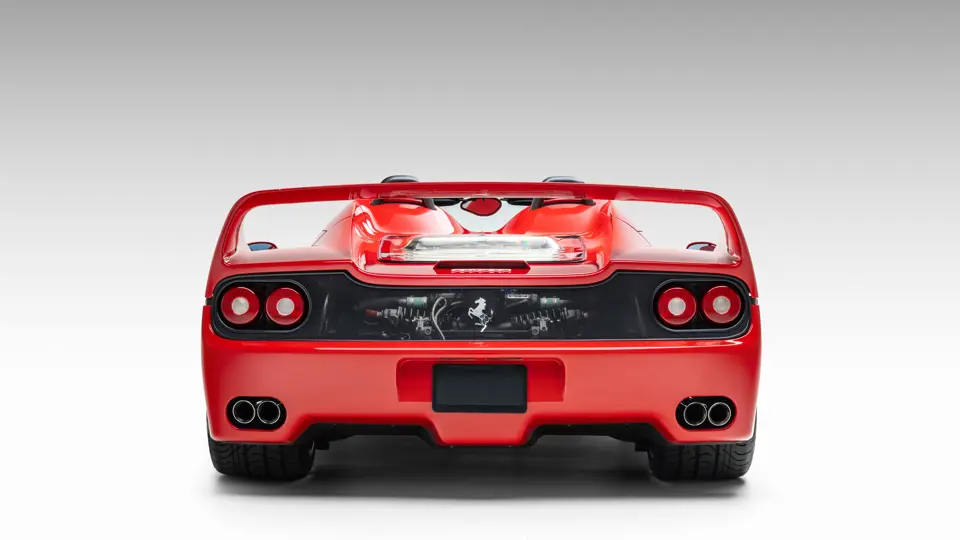
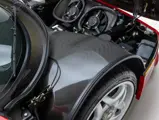
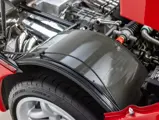
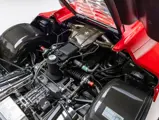
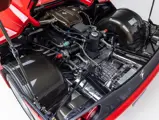
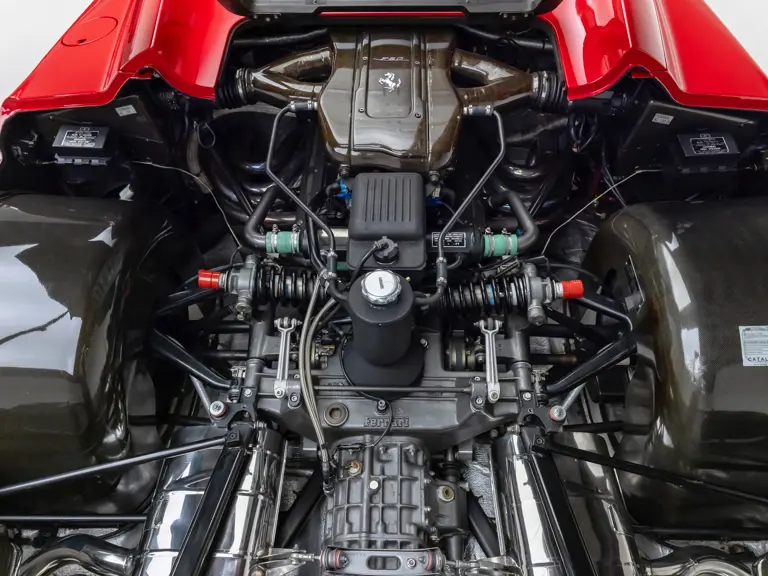
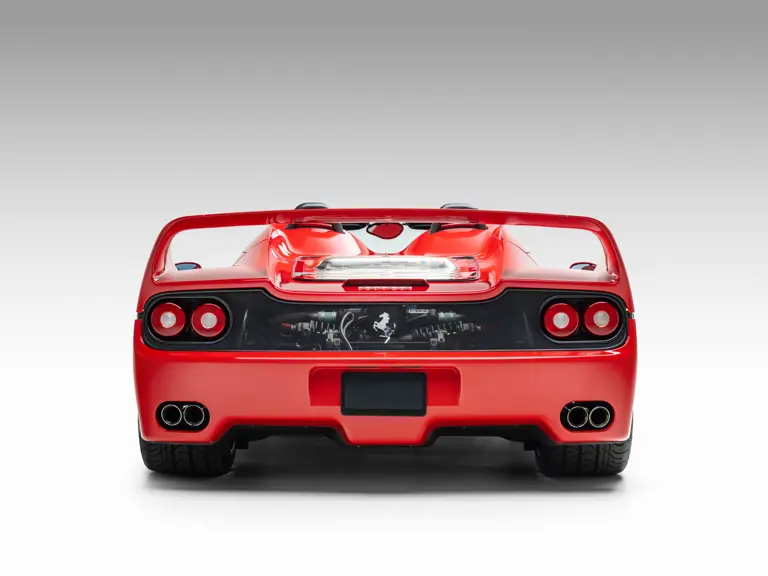
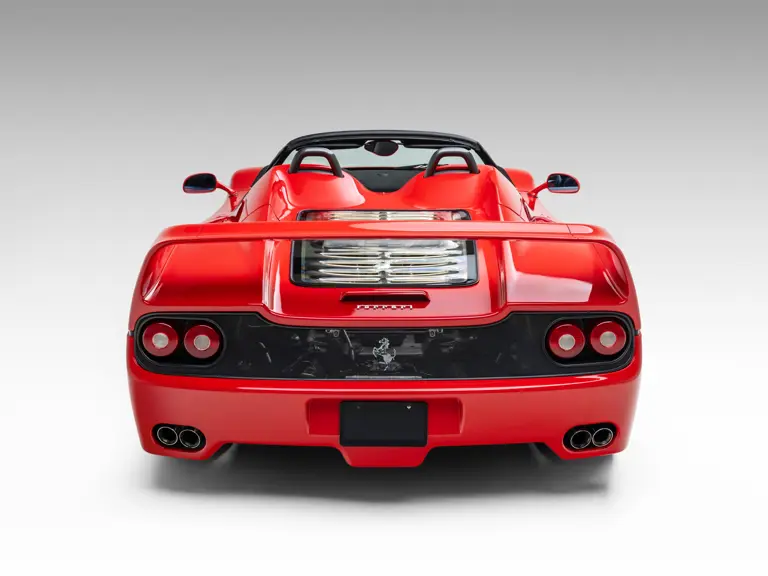
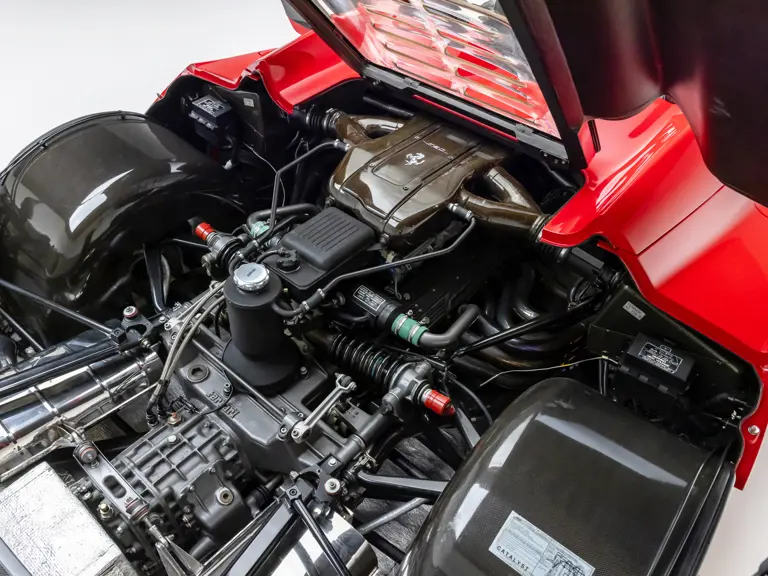
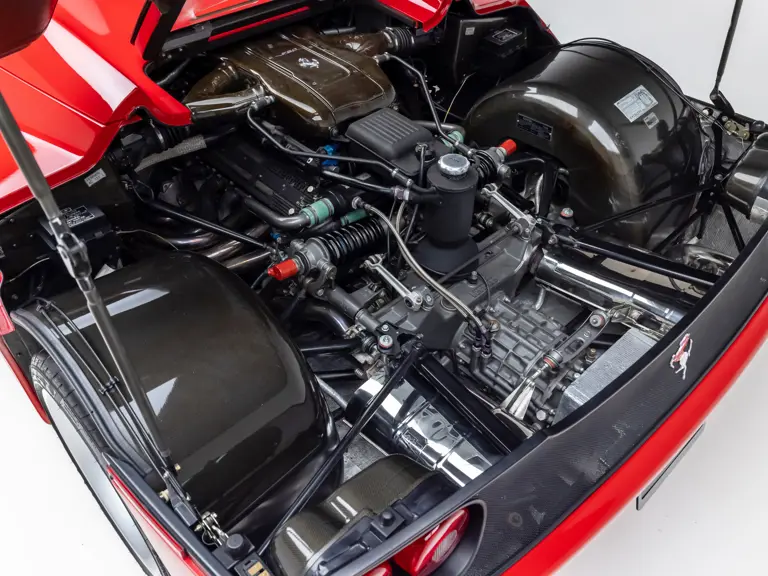
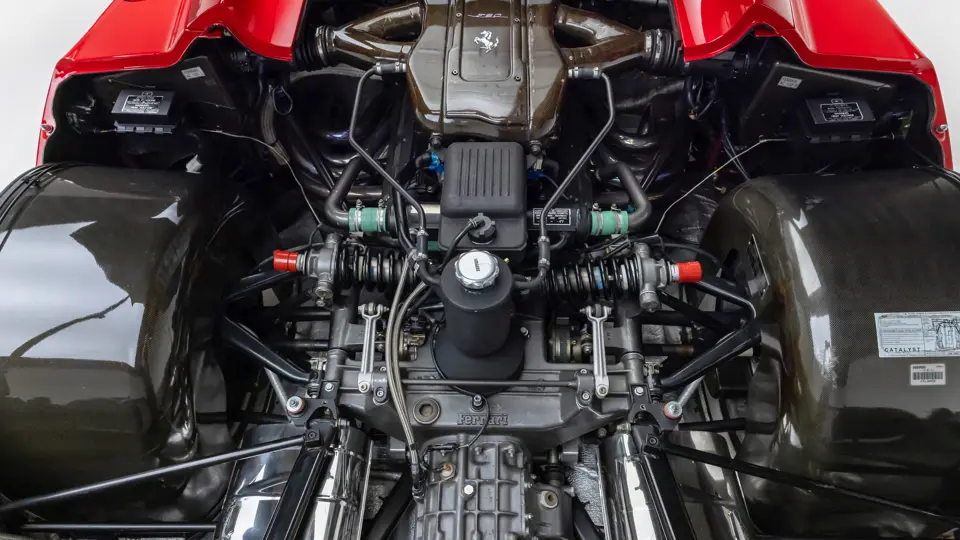
Completing the spectacular marriage of body and chassis, was a new 4.7-liter V-12 positioned in a mid-rear architecture, ensuring optimal weight distribution. The type F130B engine began life in Ferrari’s 1992 Formula 1 car and underwent further development in the 4.0-liter 333 SP sports racer, which won numerous Drivers' and Manufacturers' Championships in IMSA GT and FIA sports car racing from 1995 to 2001. Later enlarged to displace 4.7 liters but detuned for more reasonable revving and tractable road manners, the new high-compression V-12 developed 513 horsepower and 347 pounds-feet of torque. The engine provided otherworldly performance, as proven by Road & Track magazine’s test of the car, in which the editors accelerated to 60 mph from a standstill in just 3.6 seconds while achieving a top speed of 202 mph, firmly establishing the model’s membership in the exclusive 200-plus mph club.
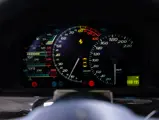
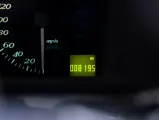
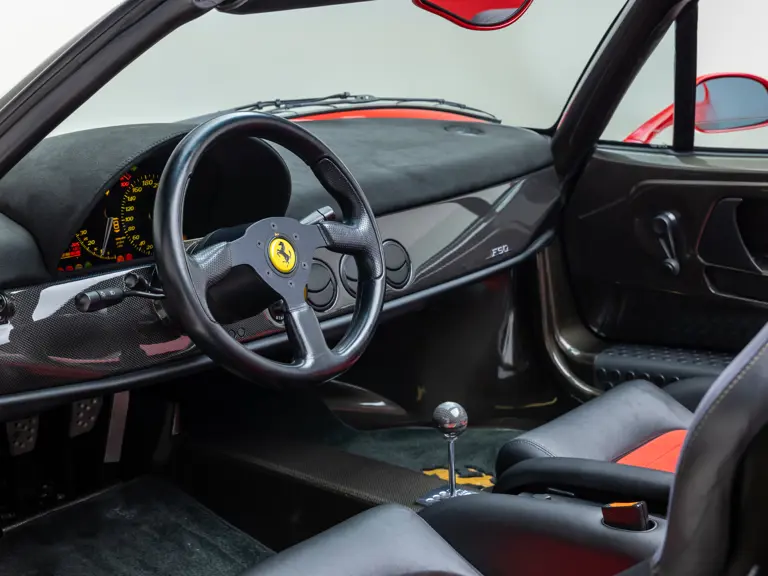
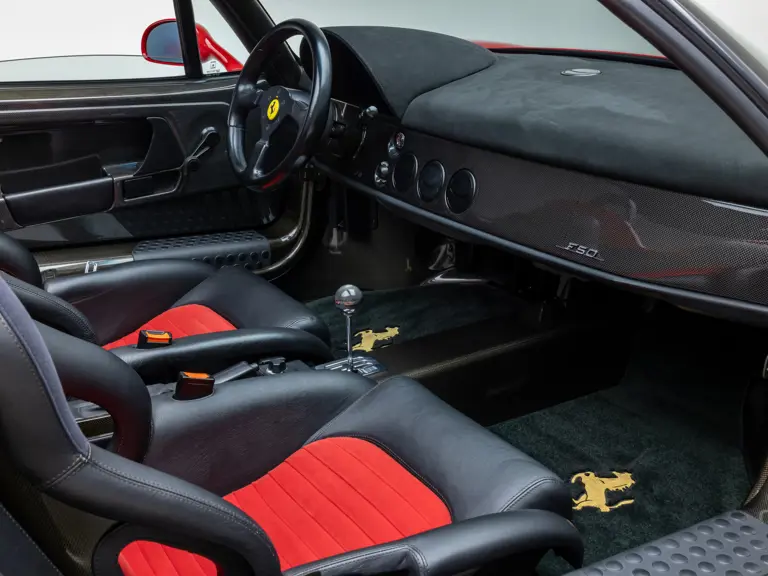
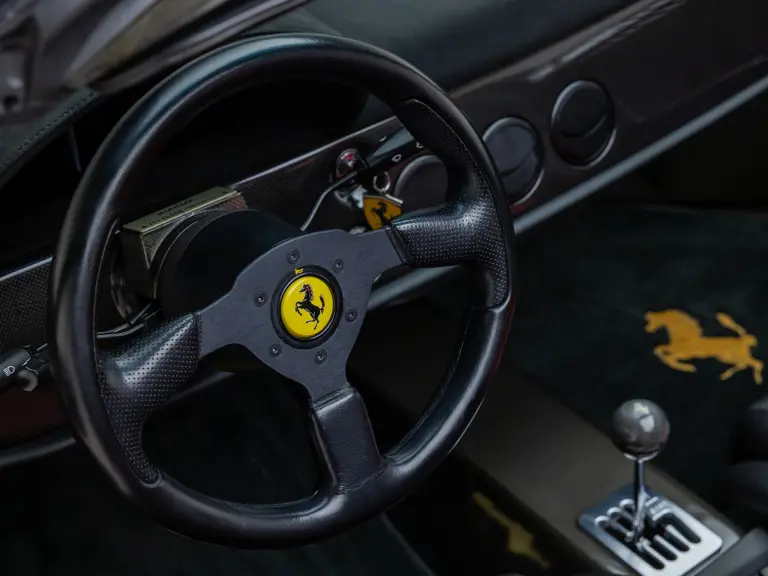
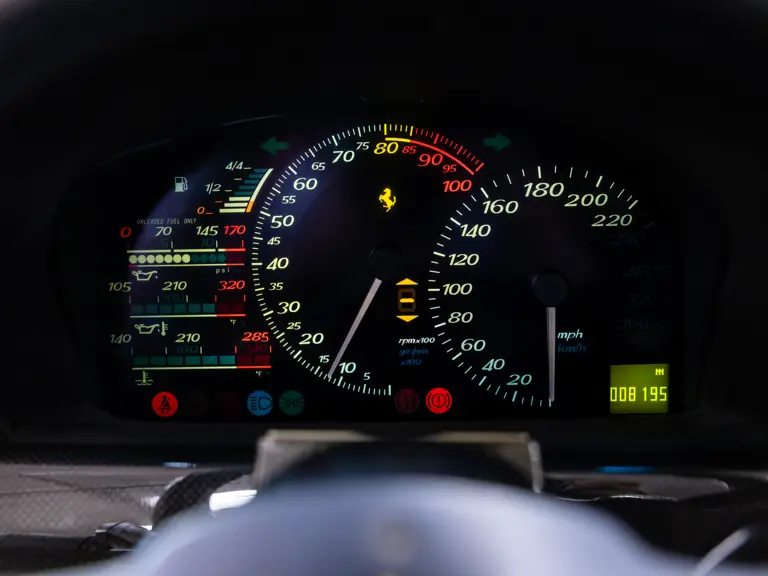
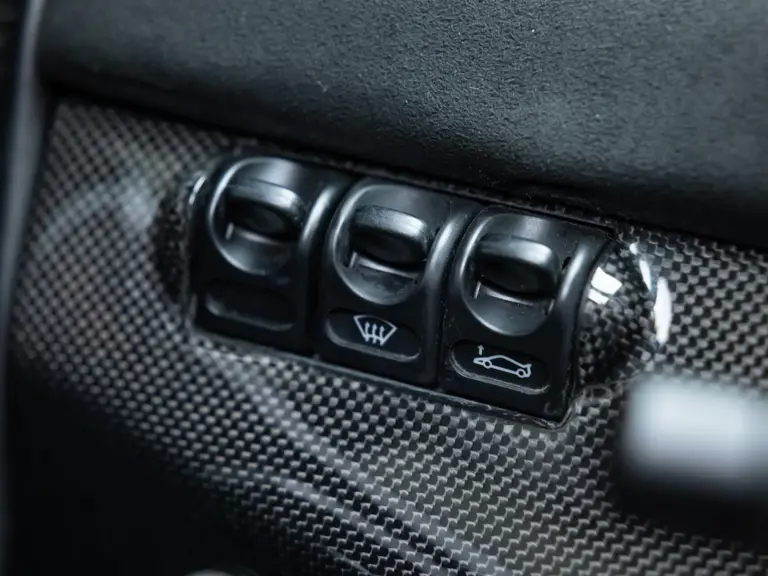
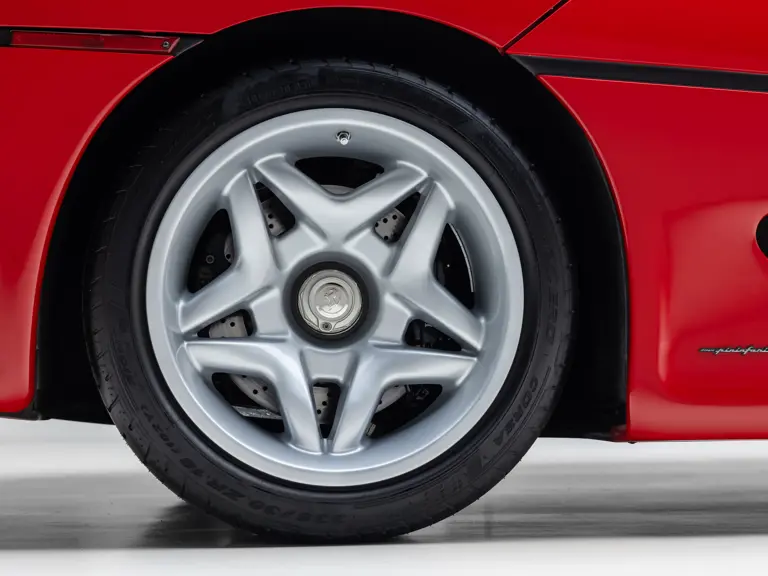
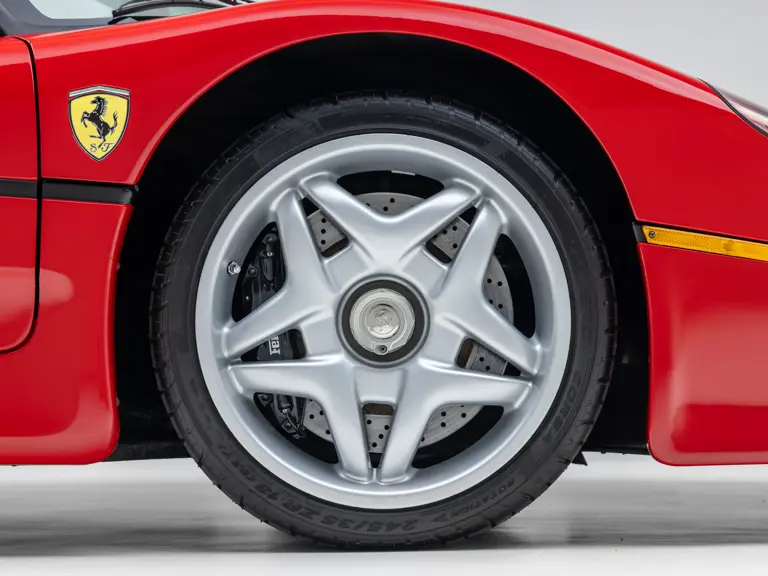
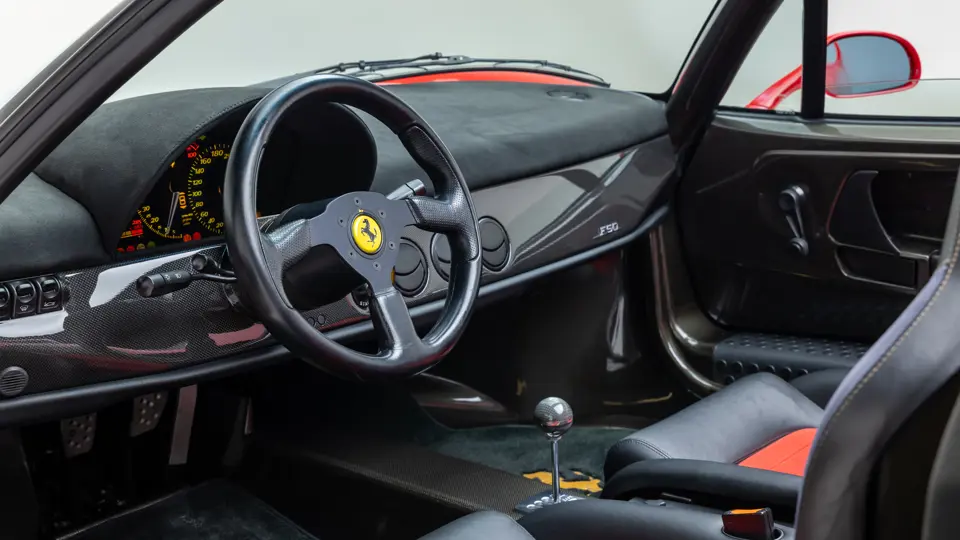
The return to earthbound speeds came from monstrous Brembo brakes with huge rotors—14 inches in front and 13.2 inches at the rear—anchored by aluminum pistons. In addition to the engine and braking technology, other Formula 1-inspired details abounded, from the racing-style fuel cell to the LCD dashboard instruments. Despite such heavy motor sports influences, the F50 did not deny creature comforts, with its leather-trimmed seats, air conditioning, and adjustable ride height.
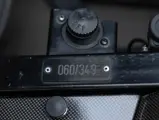
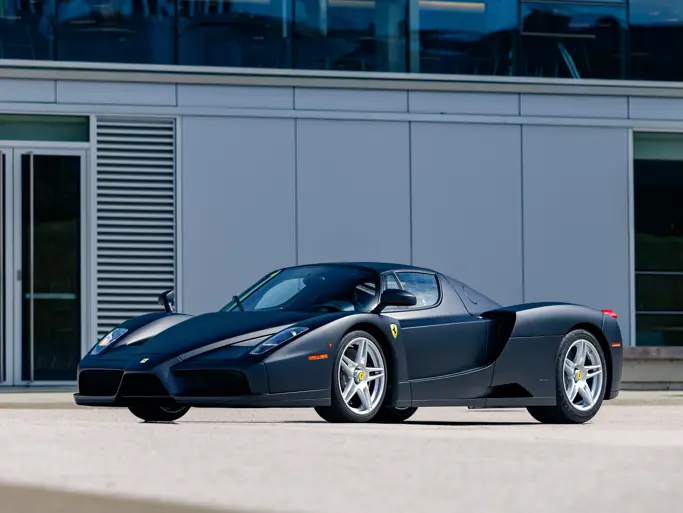
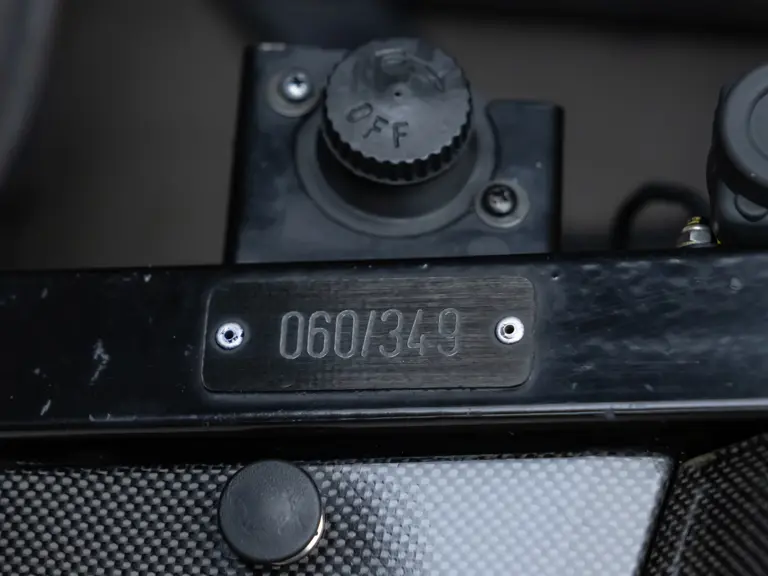
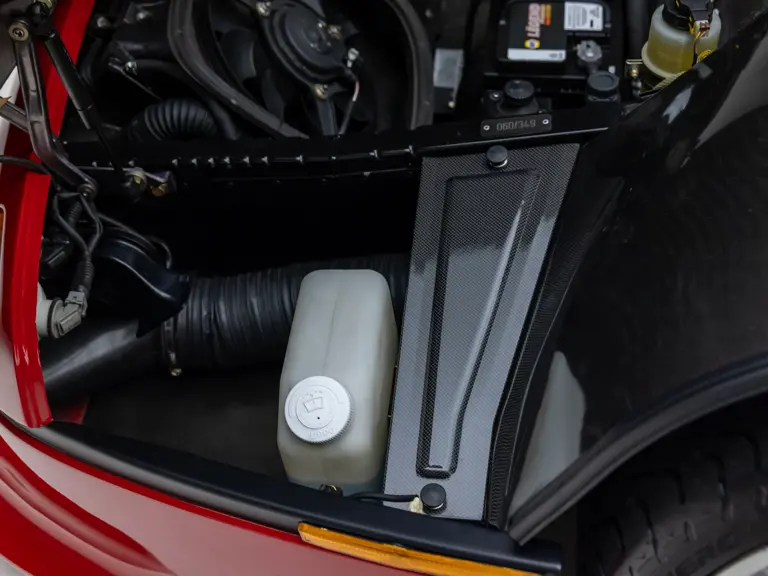
In an apparent response to the criticism that it had built too many F40 examples, thus diluting rarity and corresponding valuation, Ferrari produced only 349 numbered examples of the breathtaking F50 through the conclusion of production in 1998, ensuring a uniqueness and premium cachet that instantly established the model as a bona fide collectible. The F50 remains a favorite of Ferrari-focused collectors, often serving as the centerpiece of modern stables, a critical component of the illustrious “Big Six” hypercar portfolio—including the 288 GTO, F40, Enzo, LaFerrari, and F80—relished by the most dedicated enthusiasts.
CHASSIS NUMBER 104064
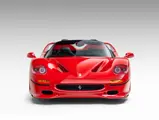
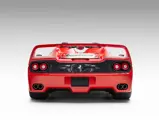
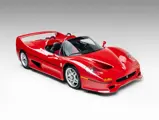
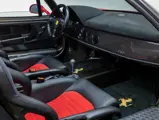
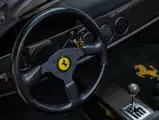
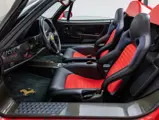
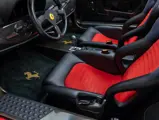
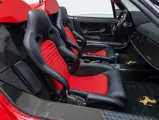
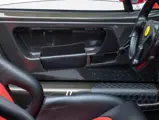
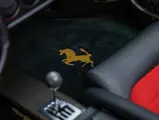
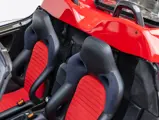
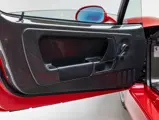
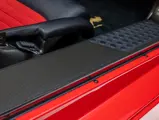
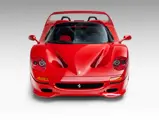
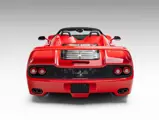
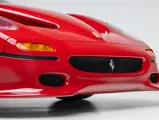
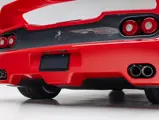
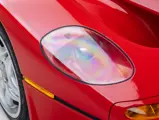
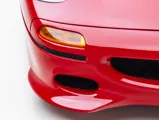
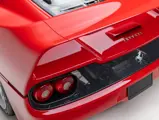
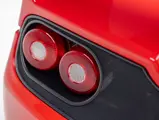
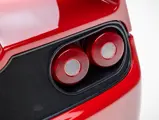
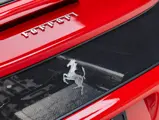
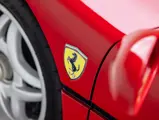
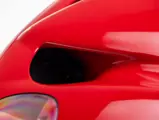
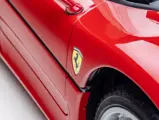
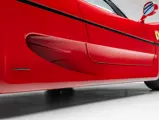
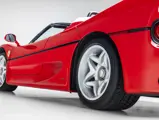
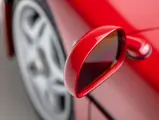
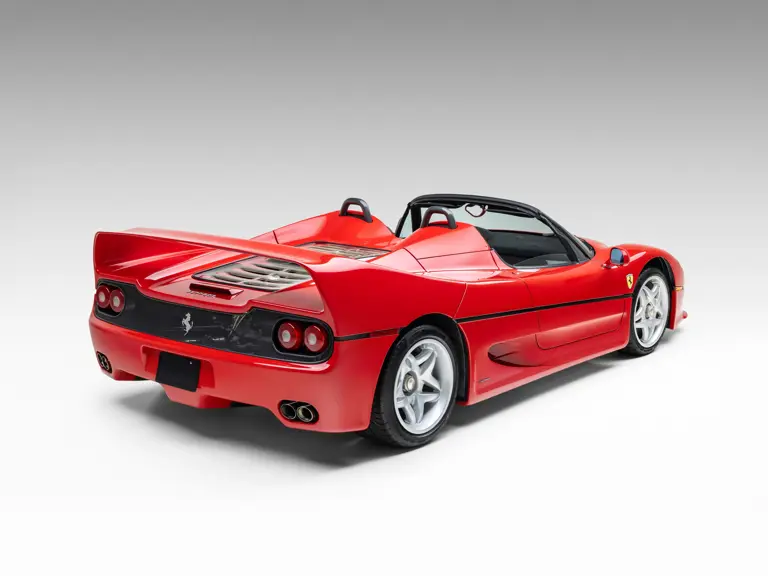
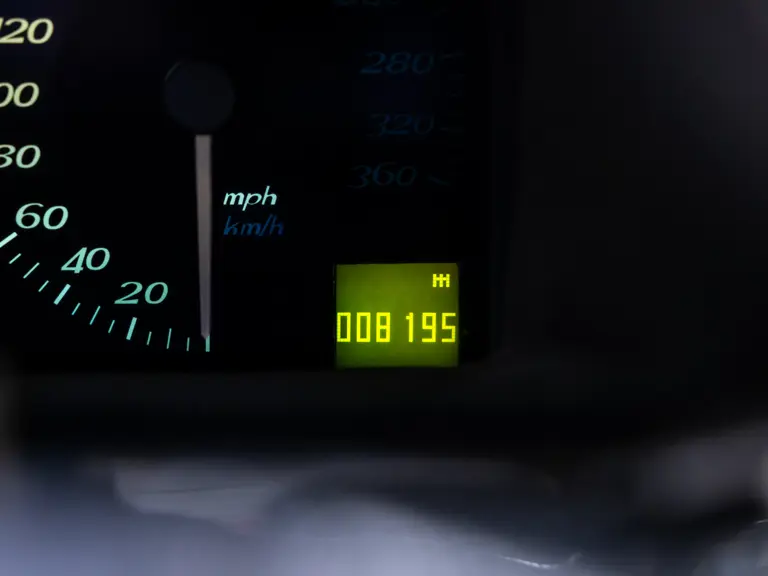
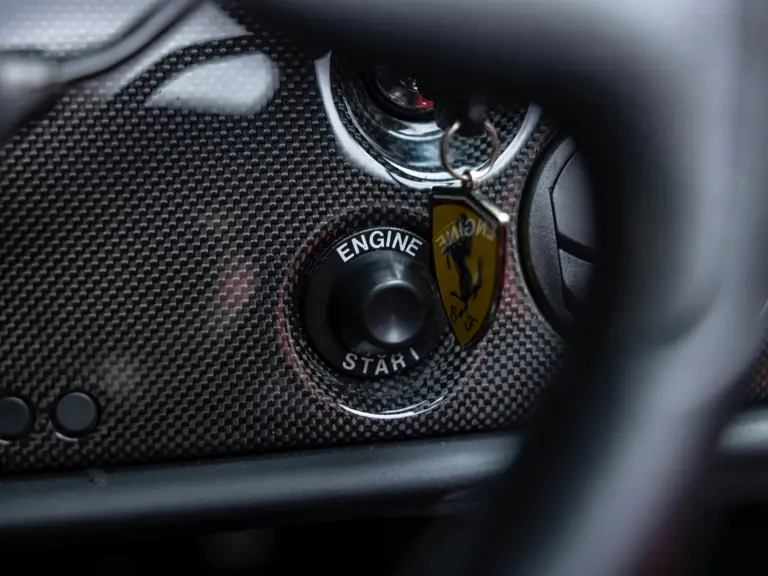
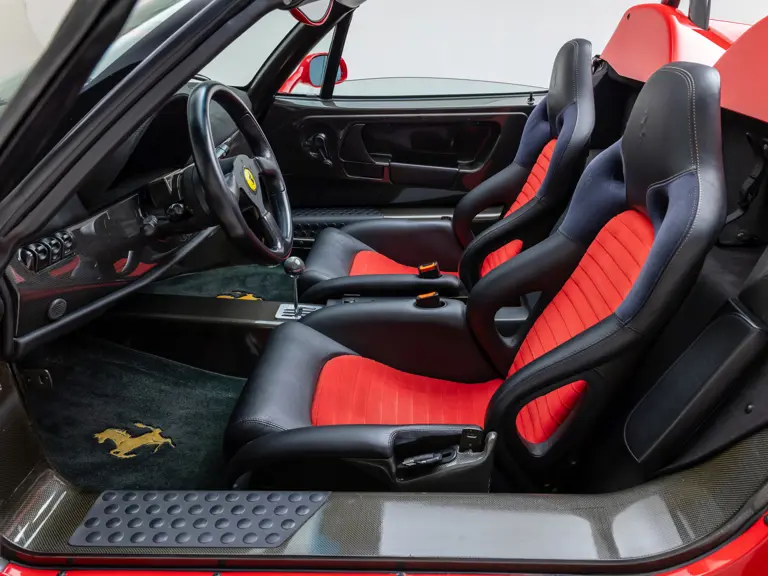
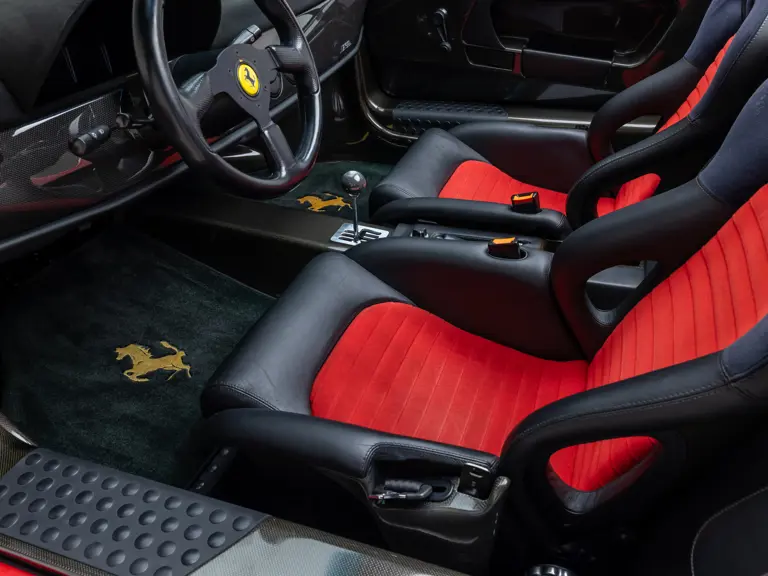
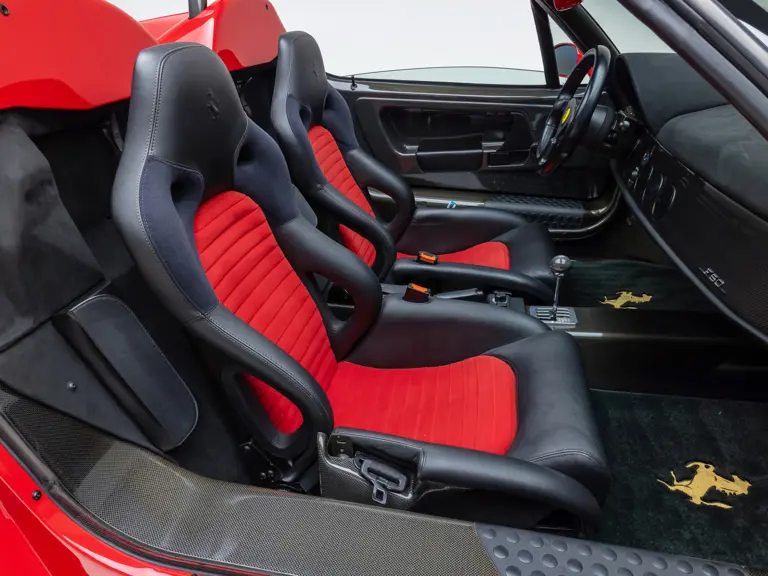
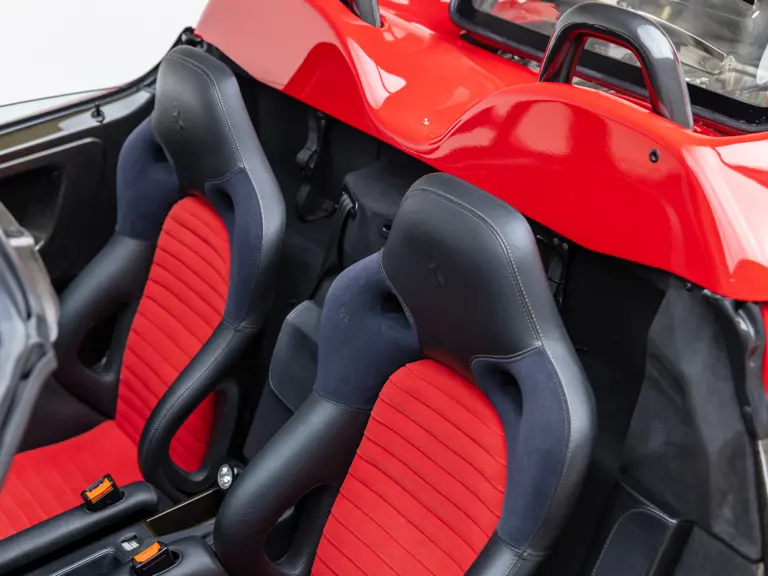
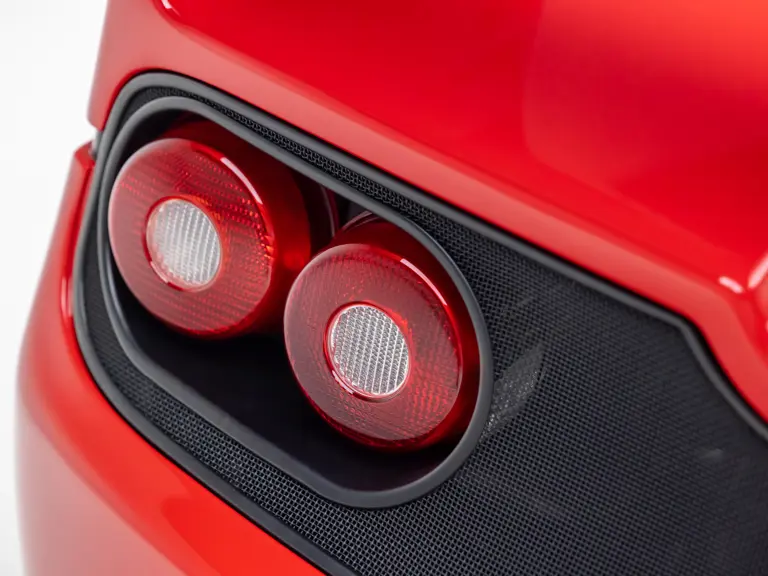
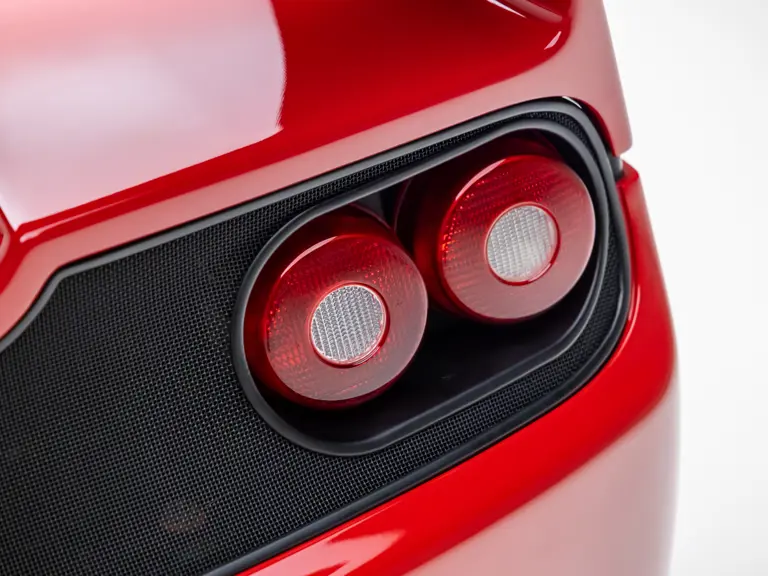
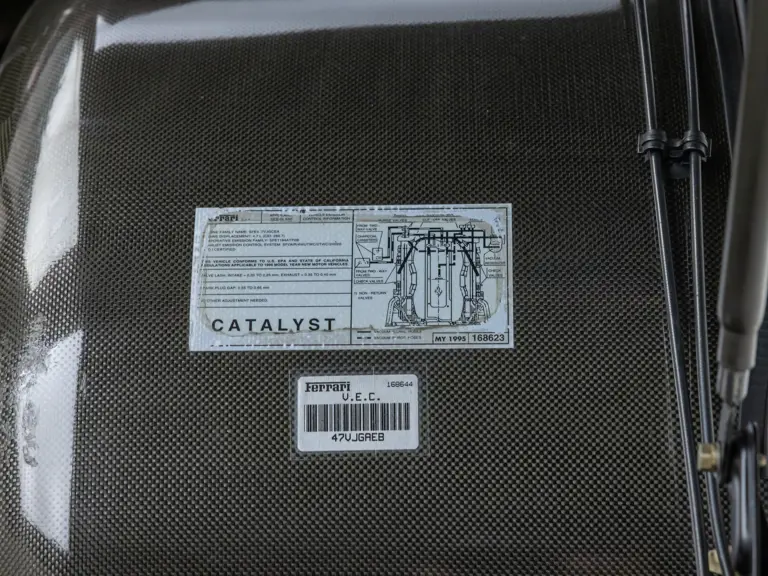
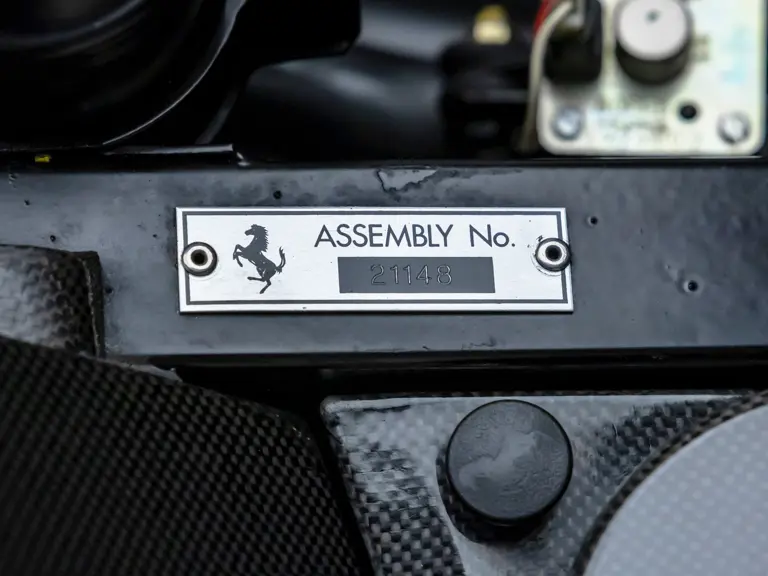
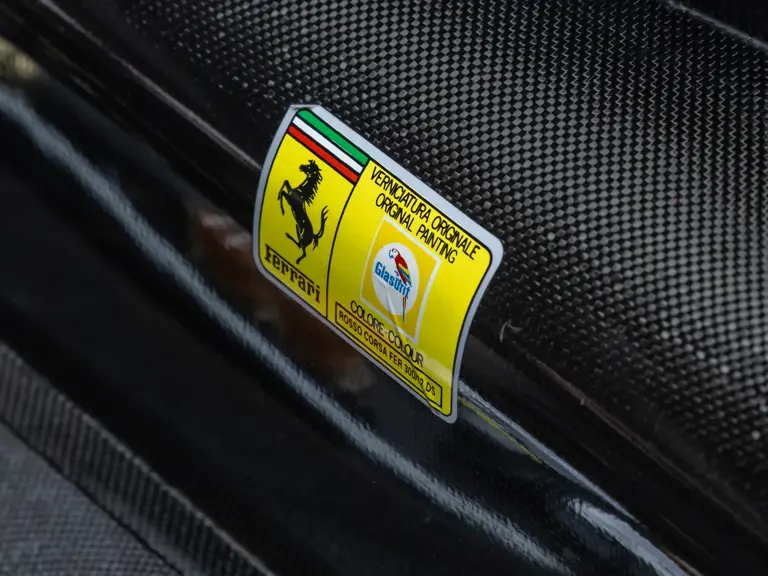
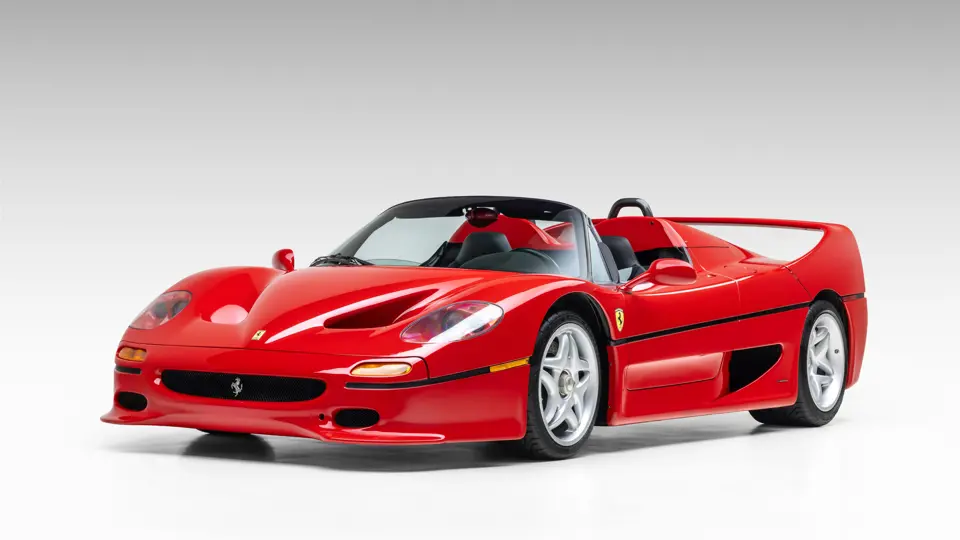
Claiming modest mileage through a lifetime in forgiving climates, this F50 is particularly fetching. Completed in November 1995, chassis number 104064 is the 60th car built, and it was finished in the characteristic livery of Rosso Corsa Ferrari over a Nero interior offset with Rosso seat inserts.
The Ferrari was initially owned by Stephen Cloud of Campbell, California, the principal of a distribution company in the Fresno area. In April 1998 John Carmack of Rockwall, Texas, acquired the F50. Carmack, a noted video game developer and co-founder of id Software, was behind numerous successful early video game titles, including Commander Keen and Wolfenstein 3D, the latter of which sold over 250,000 copies by the end of 1995. Carmack and iD Software would later create the immensely successful Doom and Quake video game franchises. Under Carmack’s ownership the F50 was twin-turbocharged by noted period specialists Norwood Performance in Dallas, Texas, an interesting modification that was reverted back to factory specification at the end of Carmack’s ownership. The car was offered for sale in May 2004 by Norwood Performance through Ferrari Market Letter. It remained in the Lone Star State through July 2005.
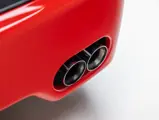
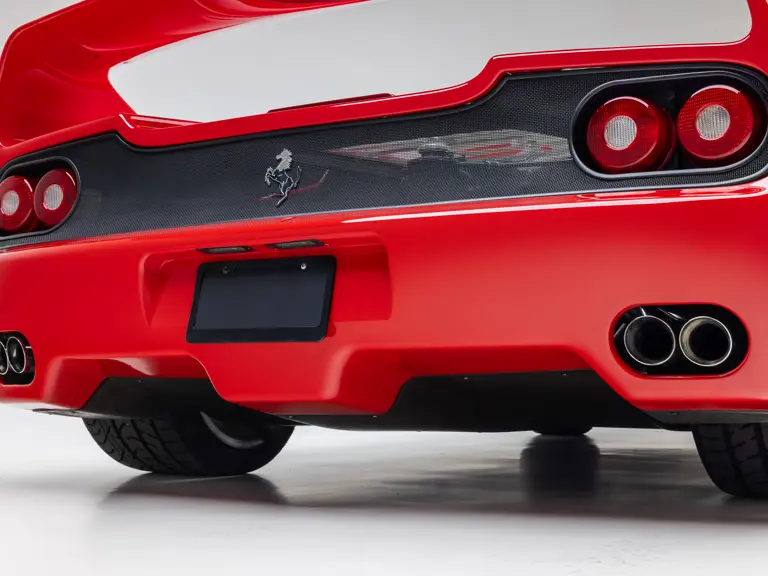
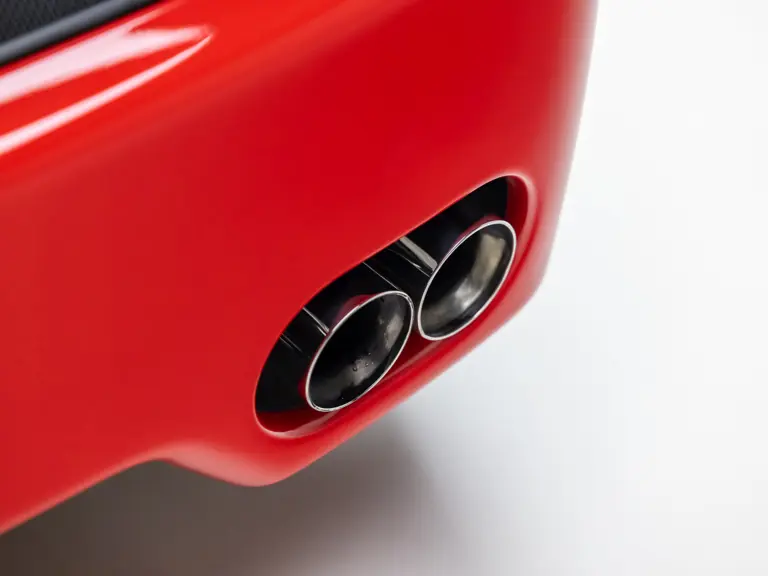
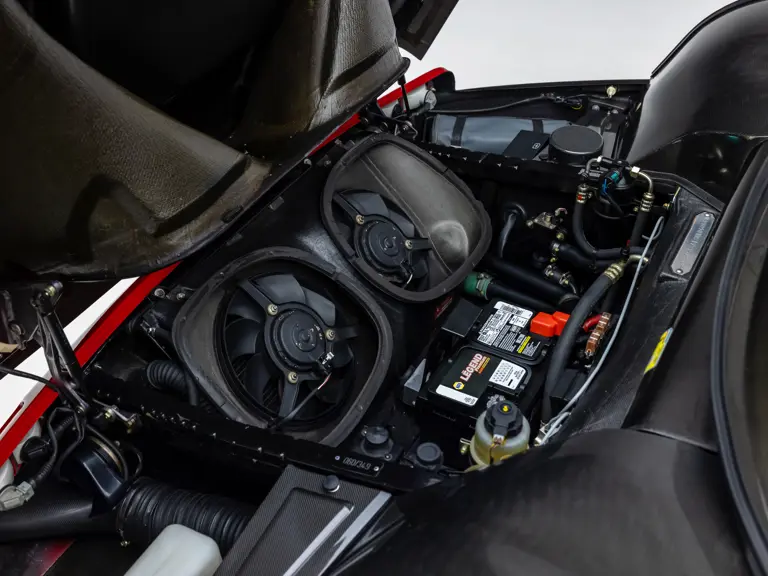
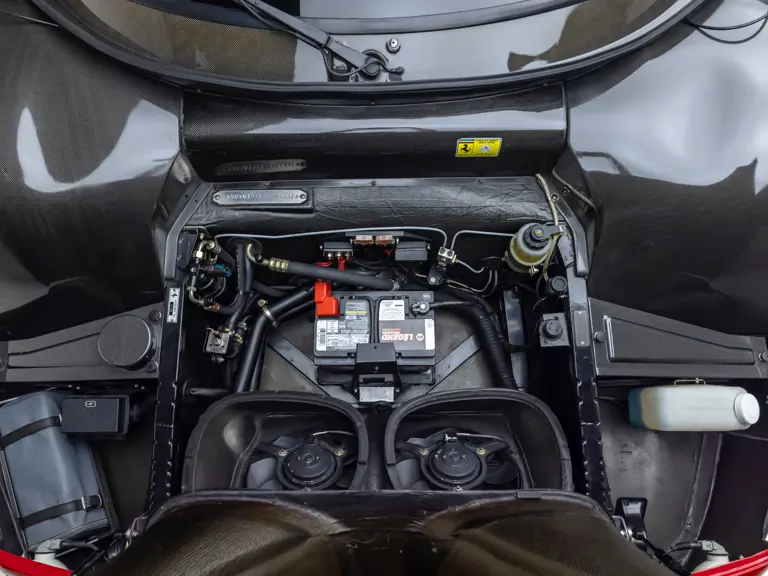
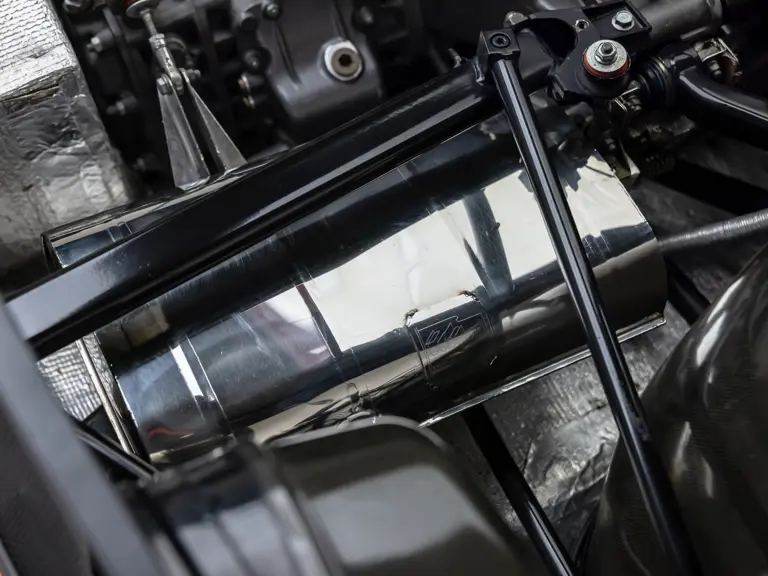
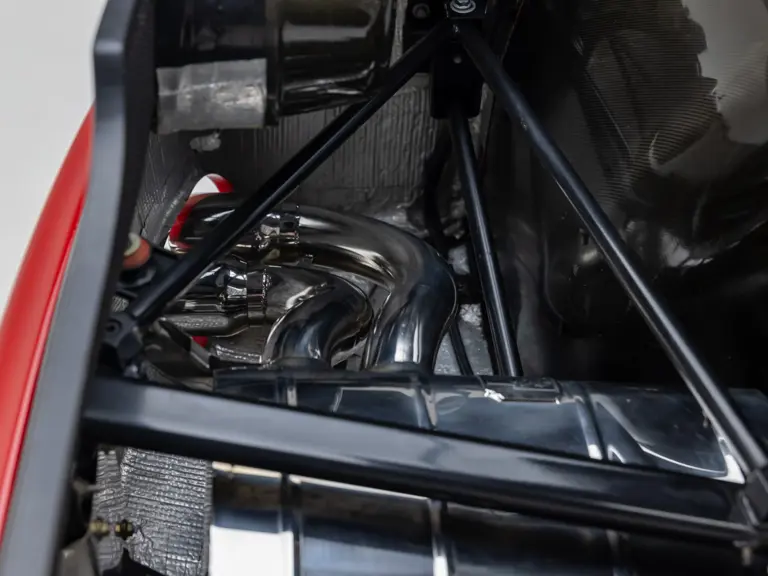
The F50 then passed to a San Diego-based dealership that reportedly commissioned $100,000 in servicing, including installing a new fuel cell and Tubi exhaust system, as well as replacing all belts, hoses, and filters.
In June 2006 the Ferrari was sold to Thomas Kosasa, an endocrinologist residing in Hawaii, where the car would remain for the following 13 years. During its time in the Aloha State, the F50 was regularly serviced by Ferrari of Hawaii.
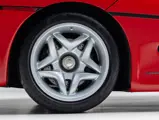
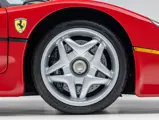
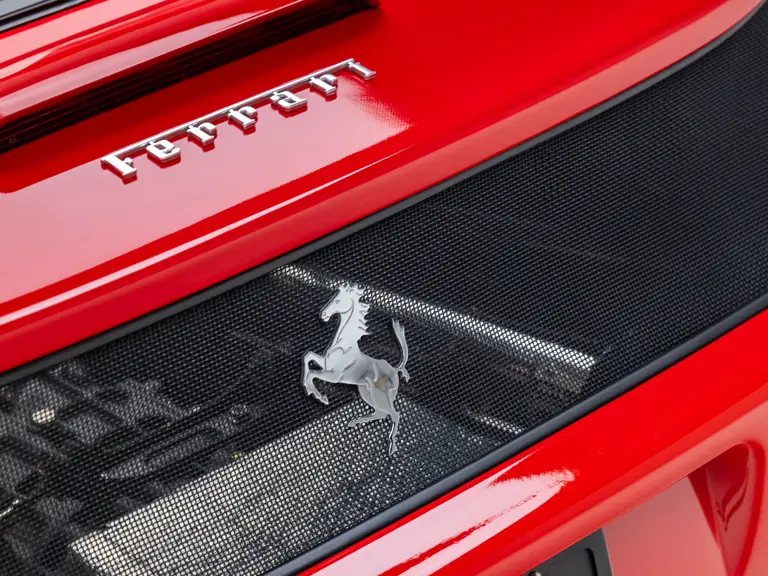
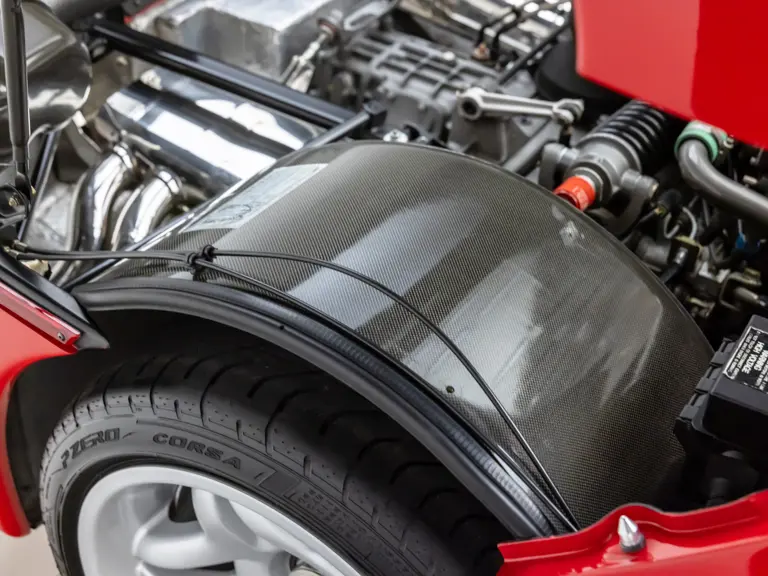
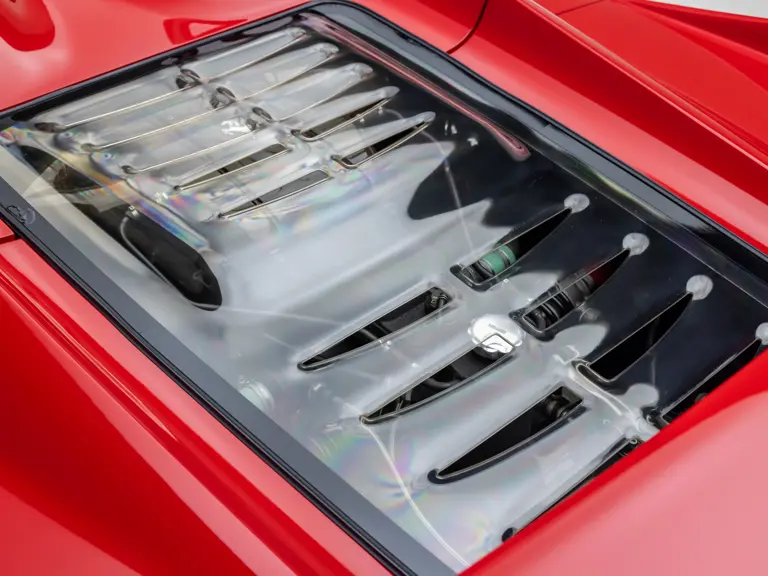
In preparation for the current offering, the car was submitted to Ferrari of Newport Beach in Southern California for a thorough service that included recharging the air conditioning system; replacing the rear plexiglass, brake lines, accessory belt, and rear engine main seal; and mounting new Pirelli P Zero Corsa tires. Most importantly, the fuel cell was again replaced. This six-figure expert attention has mechanically refreshed the F50 to roadworthy condition.
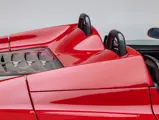
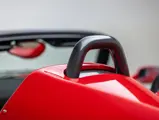
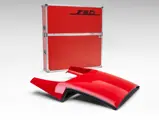
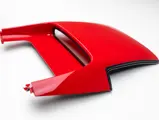
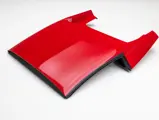
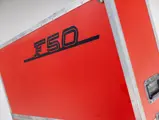
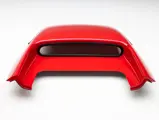
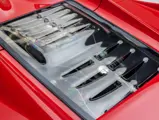
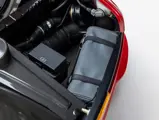
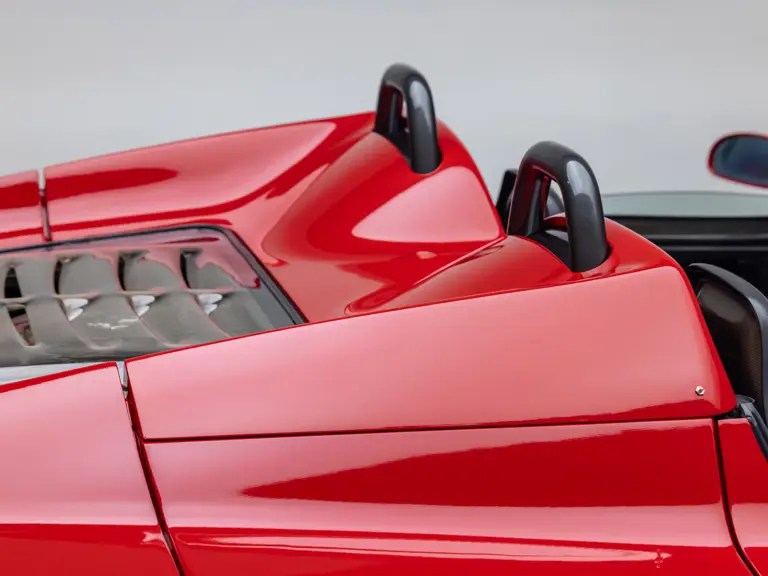
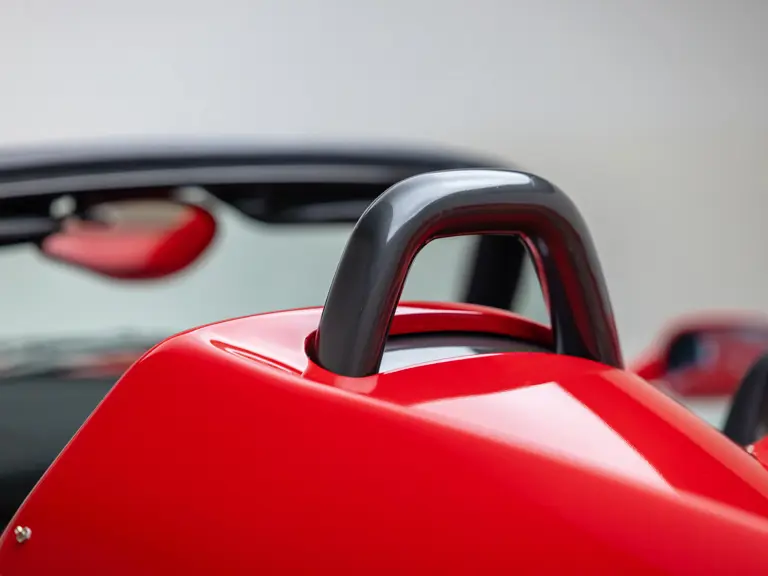
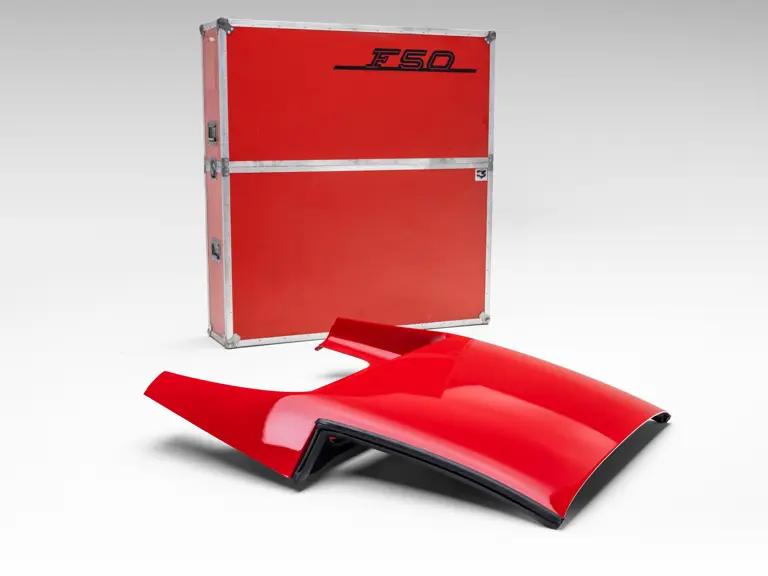
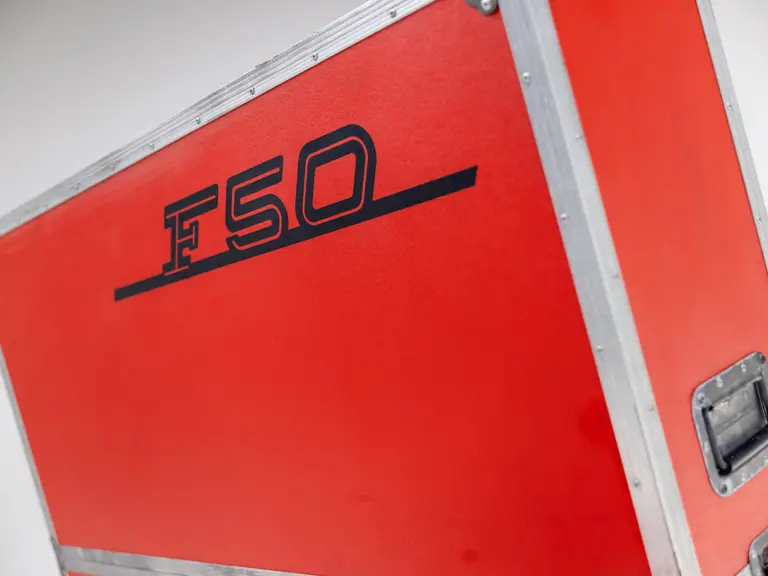
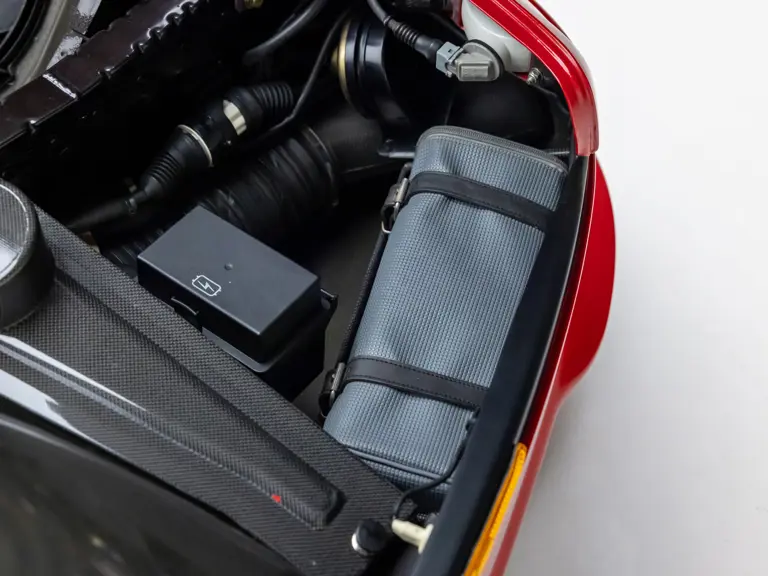
Ideal for display at Ferrari Club of America gatherings, premium exhibitions, and supercar Sundays, this highly authentic and gently used F50 is accompanied by a hard top roof panel with flight case, the optional soft top with roll hoops, a set of owner’s manuals, and Tod’s Ferrari F50 driving shoes, a rarely seen original F50 accoutrement. Given the presence of so many desirable accessories, chassis 104064 would make a smashing acquisition for discerning Ferrari enthusiasts, beautifully representing one of the seminal components of the Italian automaker’s “Big Six” hypercar portfolio.
 | Phoenix, Arizona