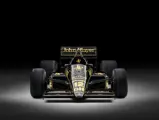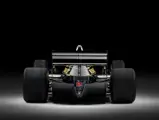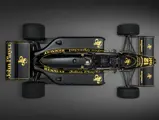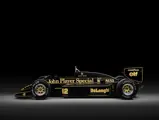
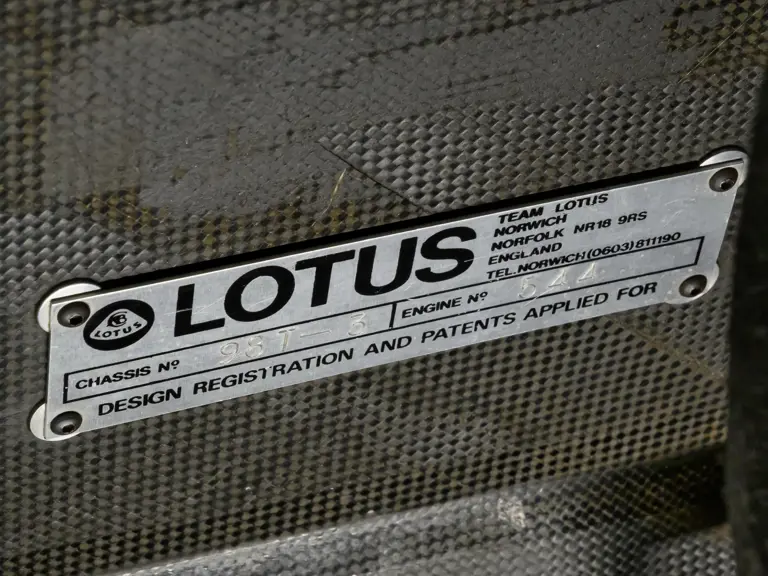
Chassis No.
98T-3
{{lr.item.text}}
{{bidding.lot.reserveStatusFormatted}}
SENNA UNLEASHED
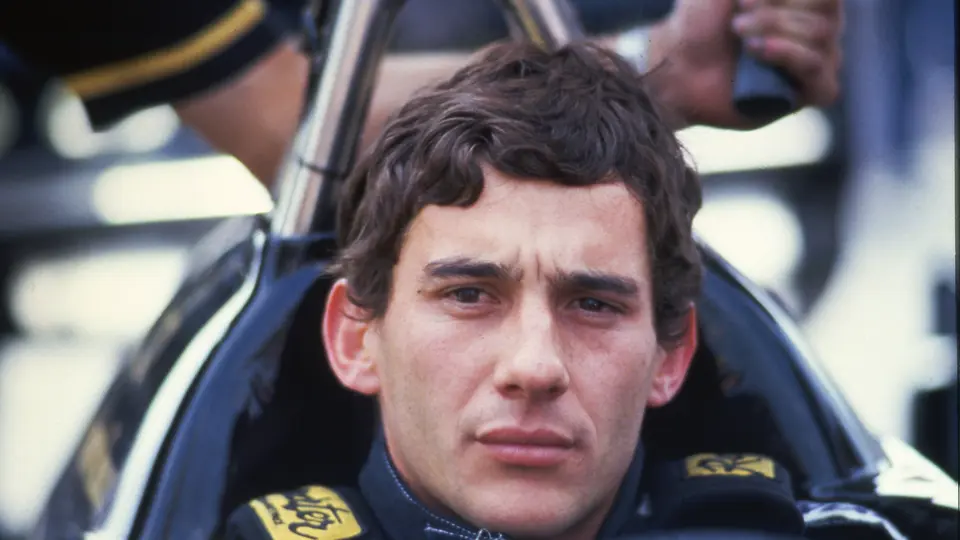
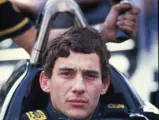
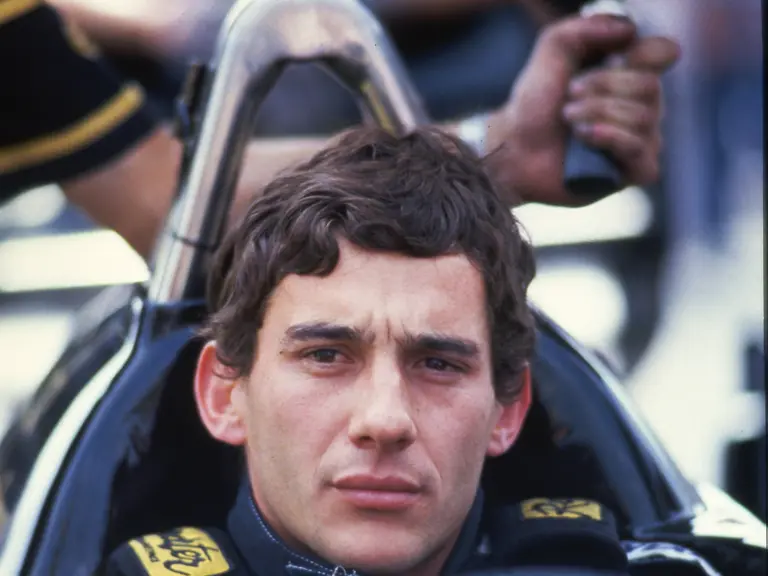
It’s Friday afternoon at Jerez and the pits are a jangling assault on the senses. The smell of burning oil hangs thick in the air. Mechanics burst in and out of garages, cars drop angrily from jacks, and everywhere the orchestrated chaos of qualifying is made mad by the cheers of the crowd, the shrill scream of pneumatic tools and the rhythmic barking idle of Formula One’s most aggressive, most untamed era of turbocharged track monsters. It isn’t just loud; the sound goes through you—shaking you until your very cells throb in unison with the cylinders. Through it all sits Senna, eyes closed, cocooned in his black and gold Lotus 98T as calm and serene as a monk gone to God, visualising every apex, crack, and camber of the 4.218 kilometres that lay ahead.
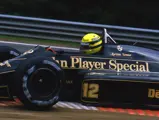
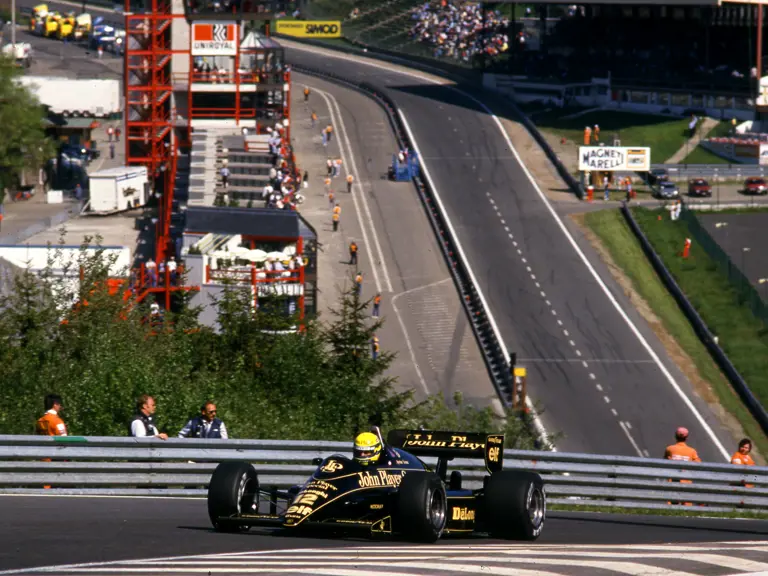
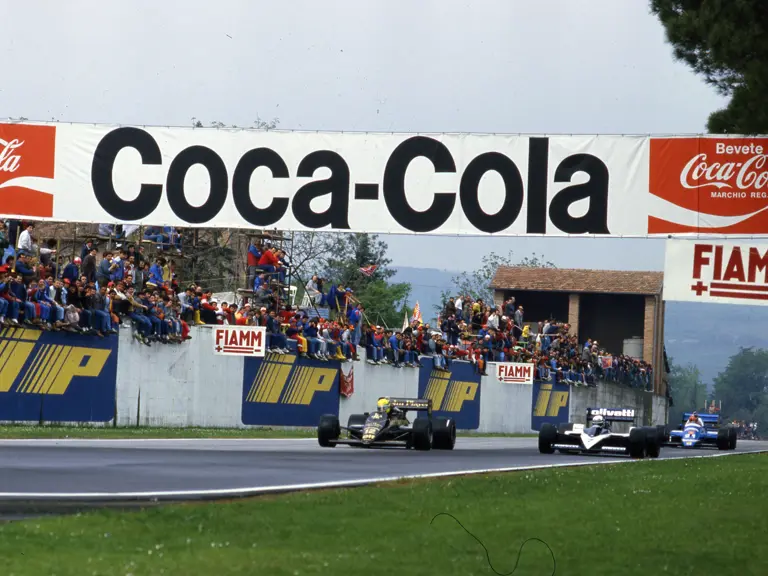
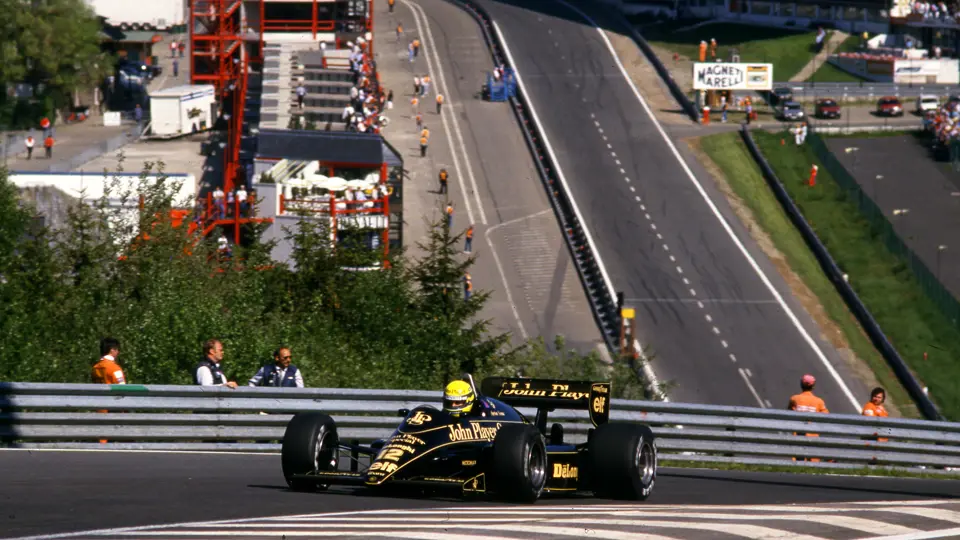
If ever there was an example of Senna’s brilliance, competitiveness, and determination to be the best, the following lap was it. With boost turned up to more than 4 bar and the 1.5-litre Renault V-6 pushed nearly to point of explosion, the Lotus scythed through the baking-hot dust-brown Spanish countryside, bouncing across the new track’s undulating surface in great showers of sparks and making use of every inch of the obsidian asphalt. Senna had slashed almost a full second from his already blistering qualifying time, clocking a fastest lap of 1 minute 21.605 seconds—almost a second and a half quicker than his nearest rival and marking a famous 100th pole for Lotus. By the end of another full day’s qualifying on Saturday, no one else had even come close. It was the Brazilian at his ethereal best.
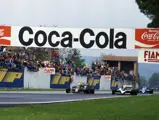
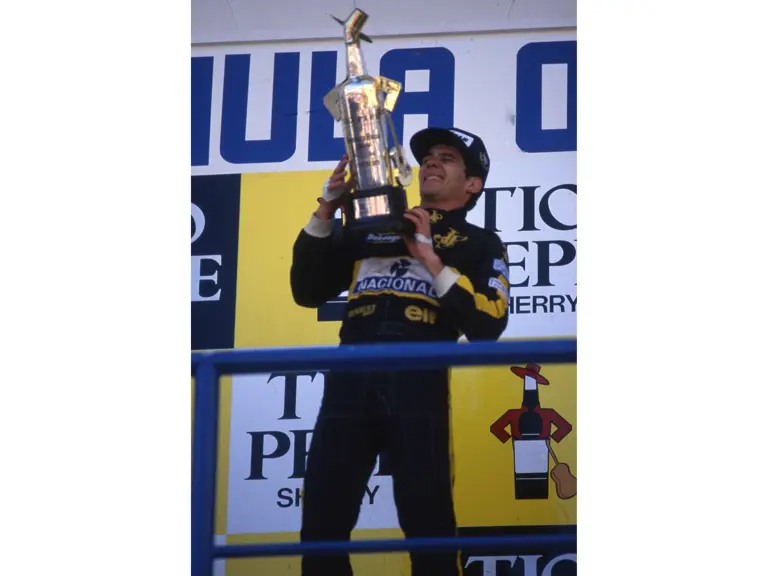
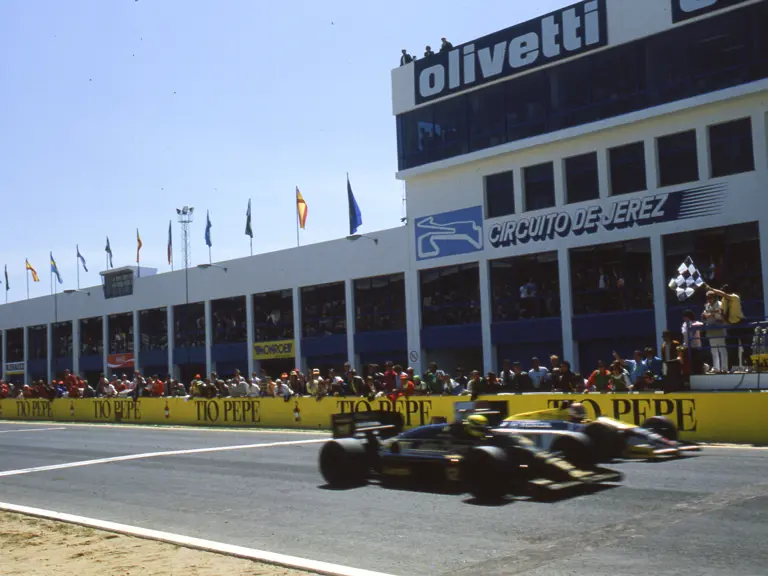
On race day Senna would pip Nigel Mansell to the chequer by just 0.014 seconds—the third closest finish in Formula One history. “From the green light to the flag there was no time to think on anything else apart from driving as quick as possible,” said Senna, who had brilliantly held on to catapult himself to the top of the driver standings.
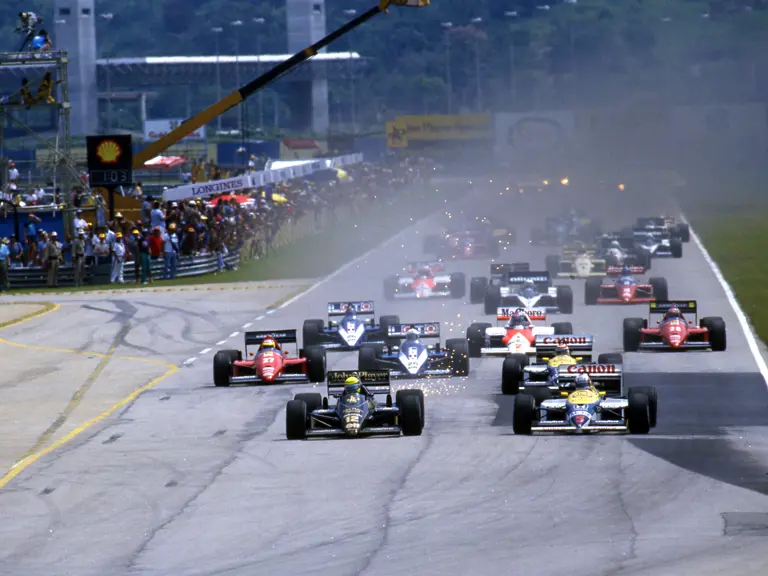
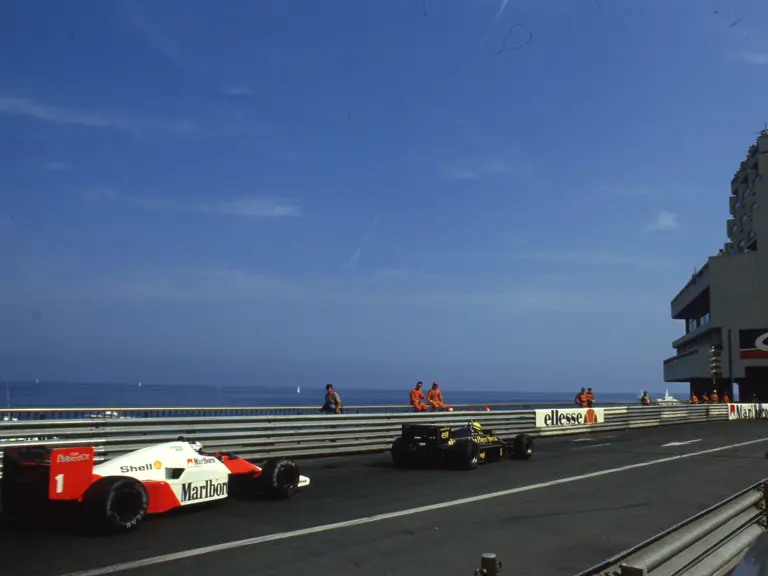
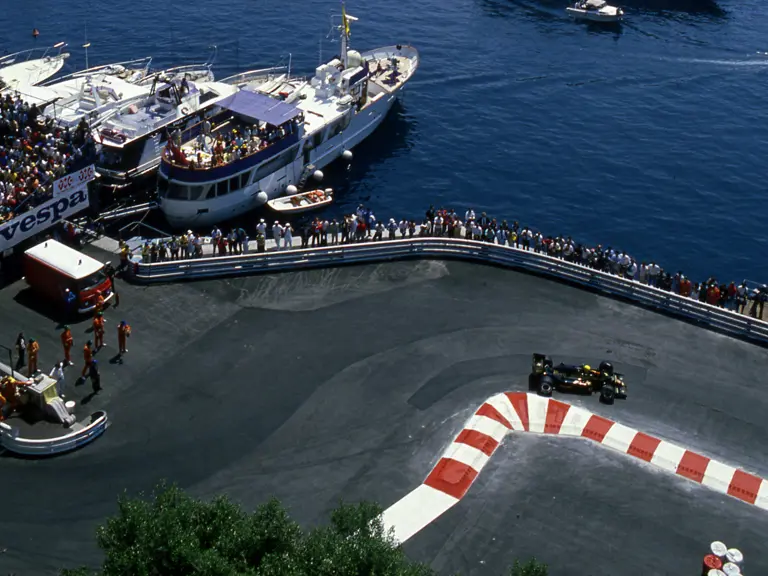
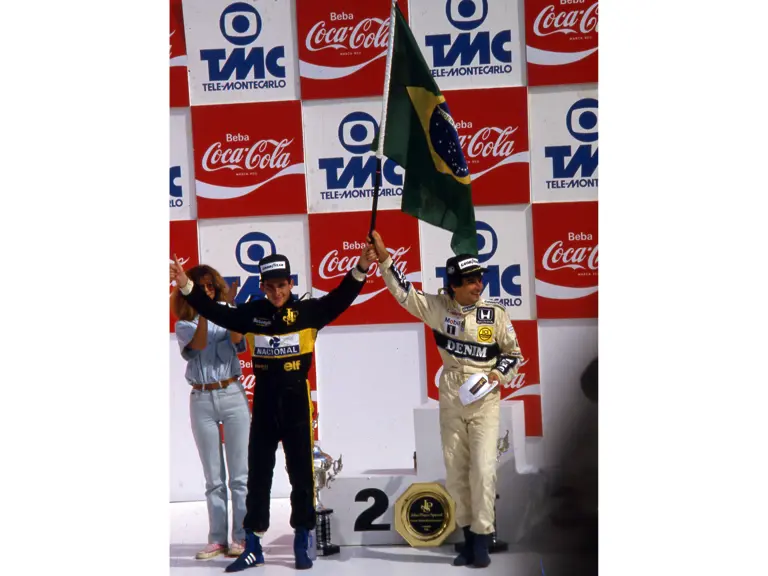
The spectacular win in Spain came just a few weeks after the season opener in Senna’s native Brazil, where he had finished 2nd to fellow countryman Nelson Piquet, and ahead of San Marino, where Senna once again posted his best time on the first day of qualifying before retiring with a broken right wheel bearing. Monaco followed, where Senna’s podium finish was determined largely by his place in the procession earned during qualifying; agonisingly for the Brazilian, his otherworldly 1 minute 22.340 second lap time was posted during the closing moments of Saturday’s unofficial session, so he started behind both Prost and Mansell to finish 3rd. Another 2nd-place followed in Belgium, prior to an uncharacteristically disappointing 5th in Canada that only served to set the scene for another display of Brazilian brilliance as the Formula One circus decamped to the United States.
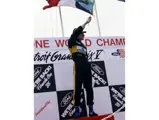
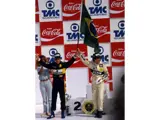
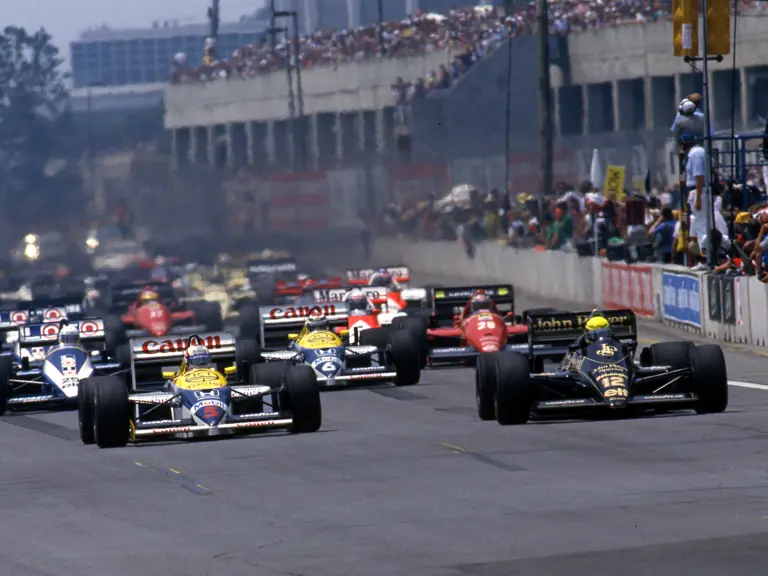
Senna returned to his glittering best in Detroit, duelling with Mansell throughout qualifying before putting in a stunning time of 1 minute 38.301 seconds to claim his fourth pole of the season. Job done, he retreated to his hotel room to watch his country’s World Cup clash with France, the bemused press left to listen to his post-qualifying comments from a tape recorder.
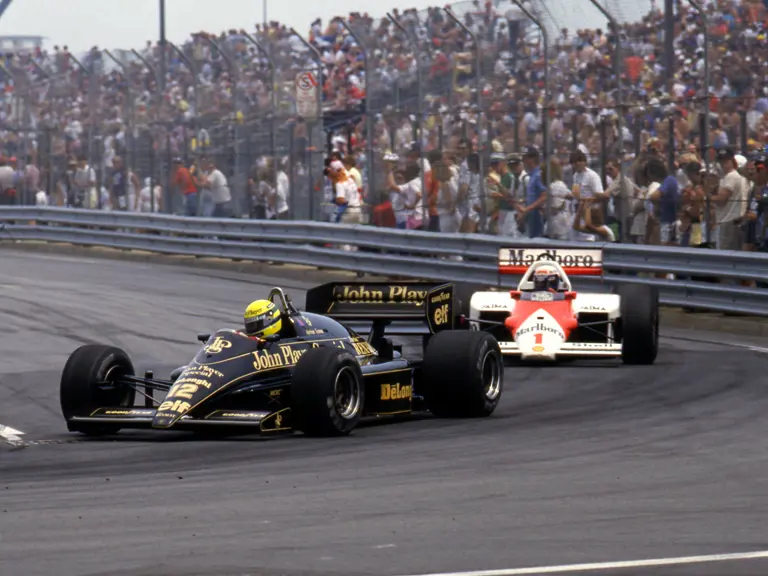
The race itself was another demonstration of Senna’s incredible gift. After starting well, the Brazilian ace briefly relinquished the lead to a charging Mansell, retaking it on lap eight after the Briton struggled to get temperature into his rear brakes. Then, on lap 14, disaster struck for Senna: a slow puncture forced him to pit from a 6.5-second lead. By the time he rejoined he was in 8th place, a full 20 seconds behind race-leader René Arnoux.
What followed was a masterclass, as Senna one-by-one reeled in and passed first the Ferraris of Michele Alboreto and Stefan Johansson and then the McLaren-TAG of Prost, the Williams of Mansell, and the Ligier of Laffite, along the way also leap-frogging Arnoux, who had pitted on lap 18. After eight laps being pursued by Senna, race-leader Nelson Piquet dove into the pits, only to suffer a glacially slow stop due to a sticking right-front wheel. With Senna leading, Piquet promptly posted the fastest lap of the race, only to push too hard on the next lap; clipping the apex of the final left-hander, his Williams was thrown across the track and smashed into the outside wall, the stricken wreckage left precariously positioned on a blind corner.
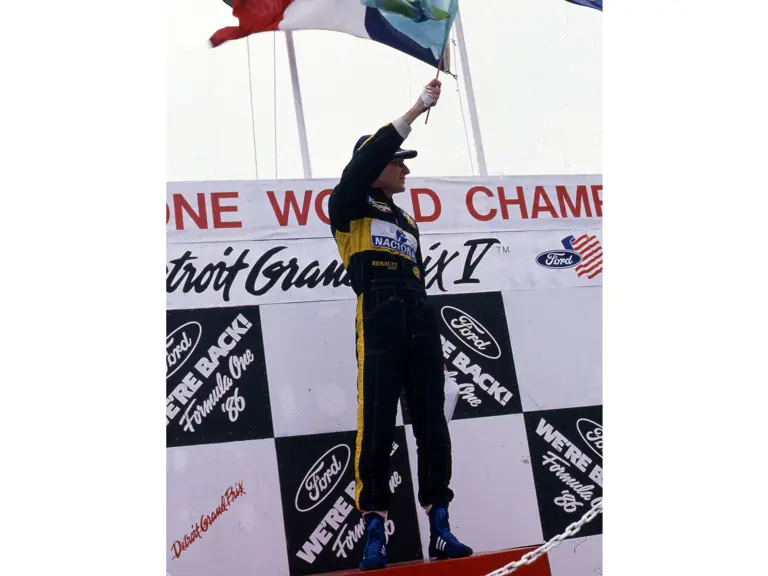
Incredibly, the marshals put away the yellow flags after four laps, and while Senna narrowly avoided his countryman’s car, Arnoux wasn’t so lucky. The Frenchman struck the wall while dodging the wreck, before reversing directly into the path of Thierry Boutsen. With an unassailable lead, Senna romped home to a much-needed win, immediately pulling in to collect a Brazilian flag from a rowdy group of his supporters in the public enclosure.
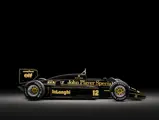
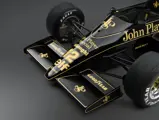
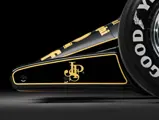
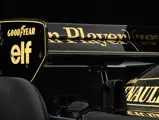
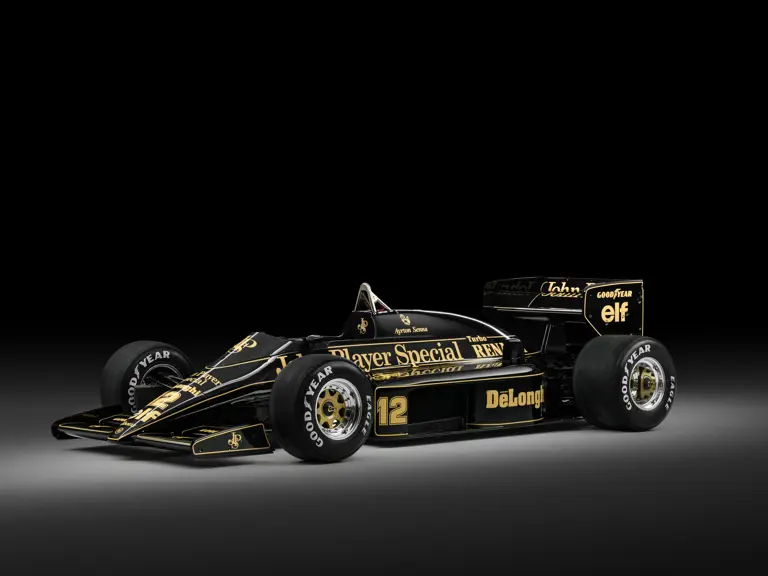
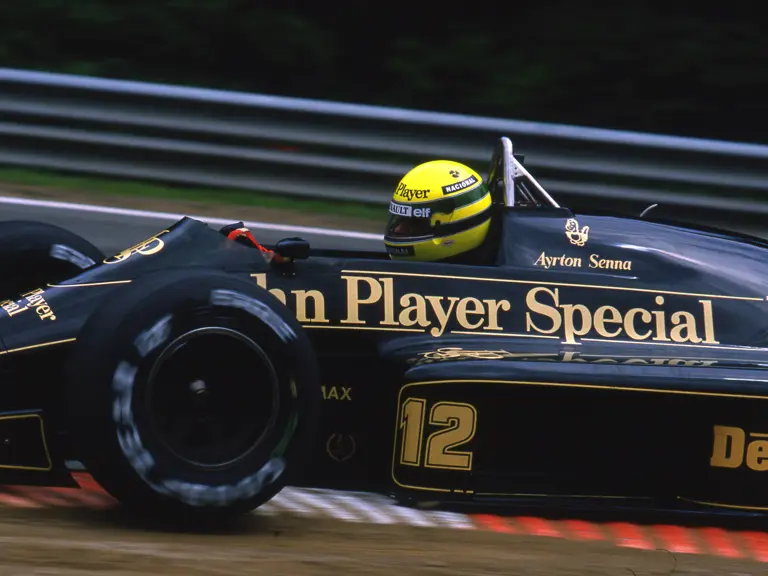
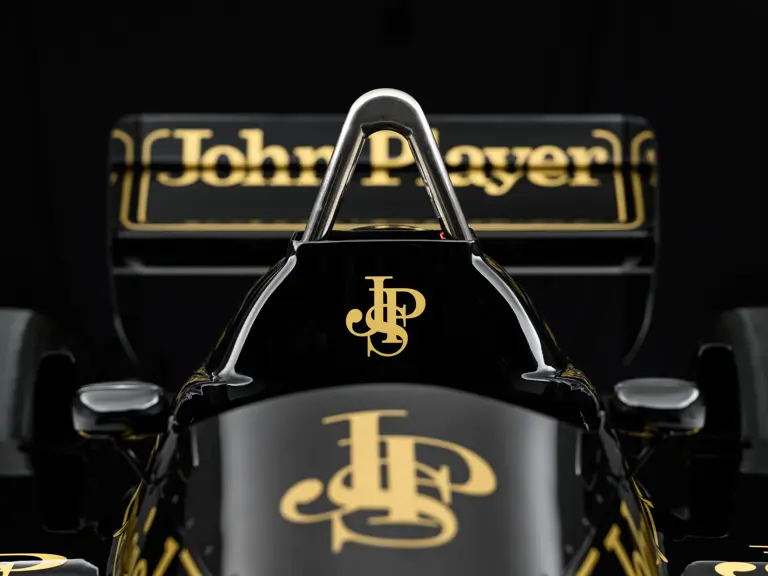
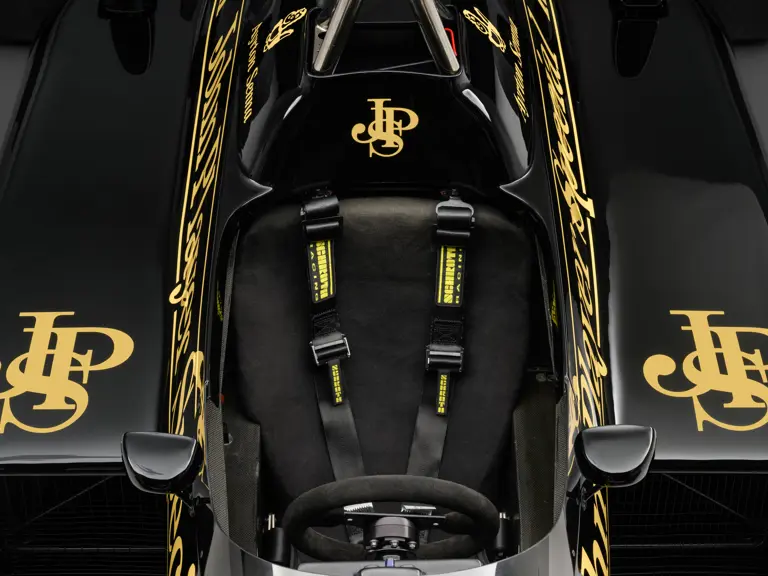
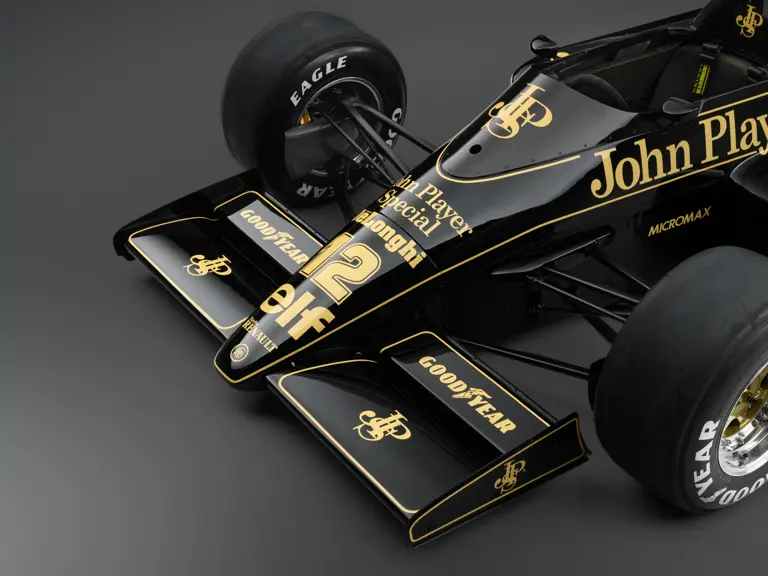
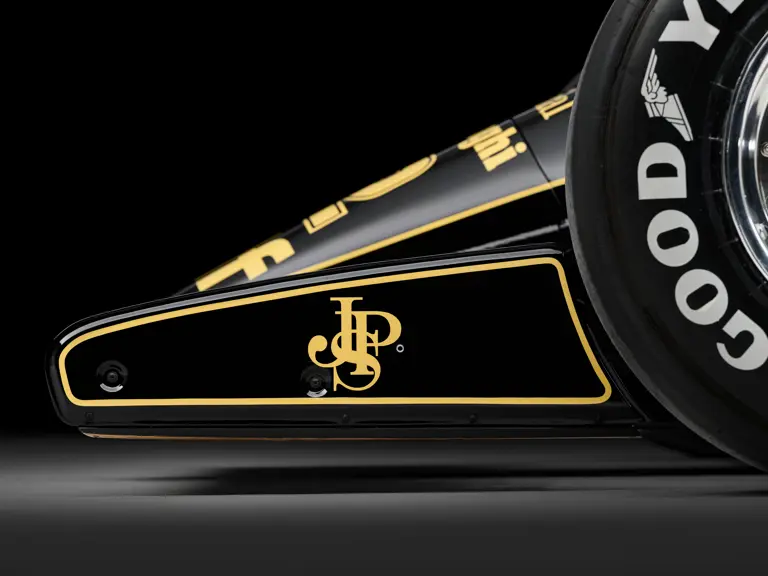
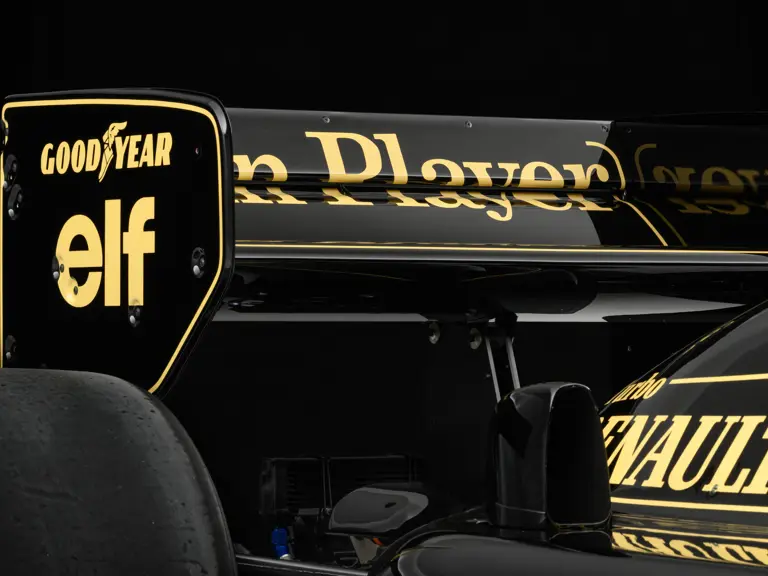
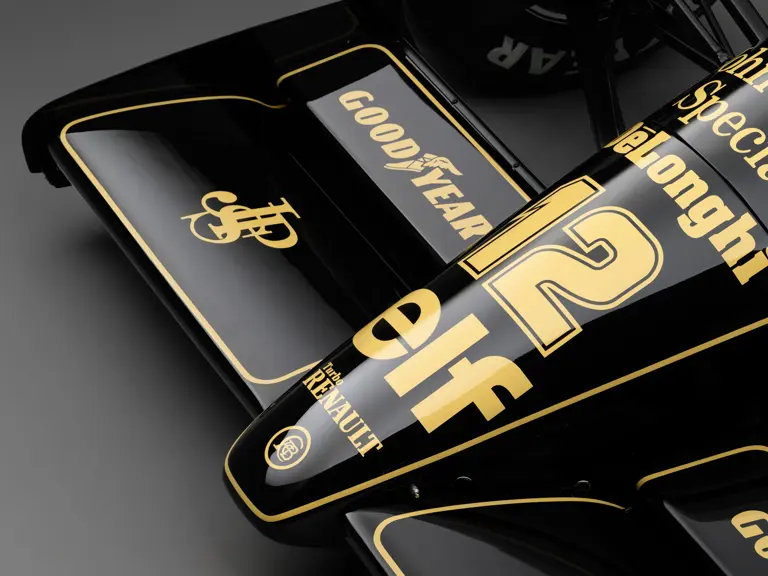
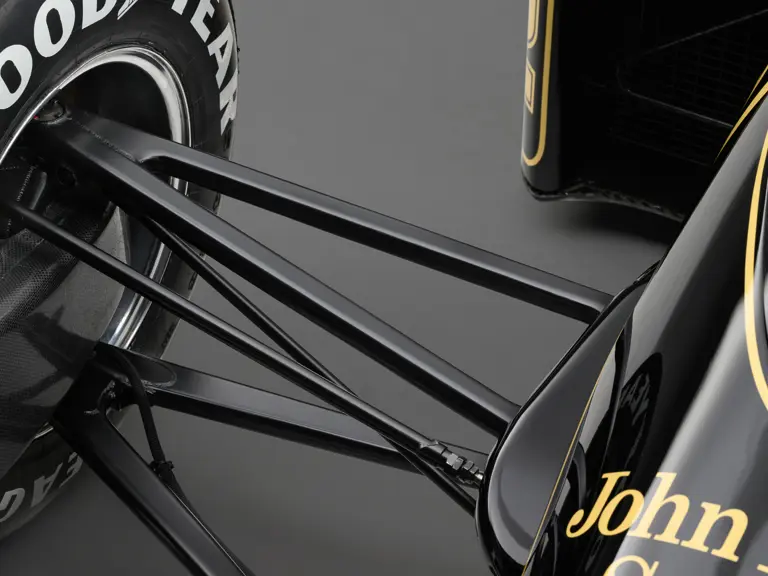
In just his third season in Formula One, Senna was already a national hero. Thanks in large part to the spectacular Lotus 98T and its sublime black-and-gold John Player Special livery, he was also becoming an icon.
POWER WITHOUT LIMIT
Senna had entered Formula One during one of the sport’s wildest periods. The cars were turbocharged monsters, there were no restrictions on horsepower, and loose regulations allowed for huge differences between race day and qualifying.
Lotus, and more specifically, team boss Peter Warr, had wanted Senna from the outset. John Player Special, however, was more concerned with signing a British driver, leading Lotus to lose out to Toleman in 1984. There, Senna repeatedly showed his class in machinery that had no place troubling the leaders, including narrowly missing what would have been an historic win on the rain-soaked streets of Monte-Carlo.
The Brazilian’s stock had risen so much in the space of a year that when he did eventually sign for Lotus for 1985, it cost the team 10 times the fee that had been floated 12 months earlier. Senna enjoyed a brilliant first season with Lotus scoring two wins, six podiums, and seven pole positions—but it was the 1986 season that arguably presented him his best chance of a Championship thanks to the fire-breathing 98T.
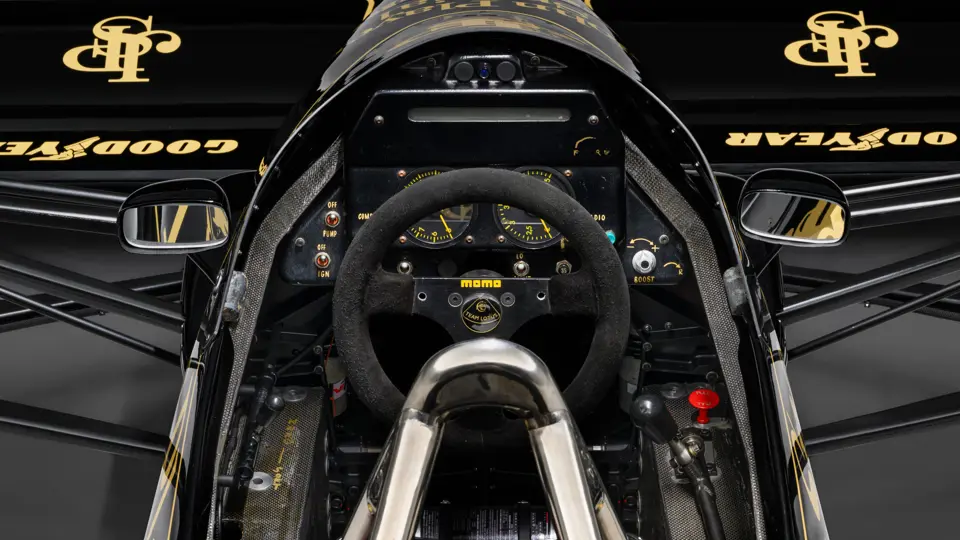
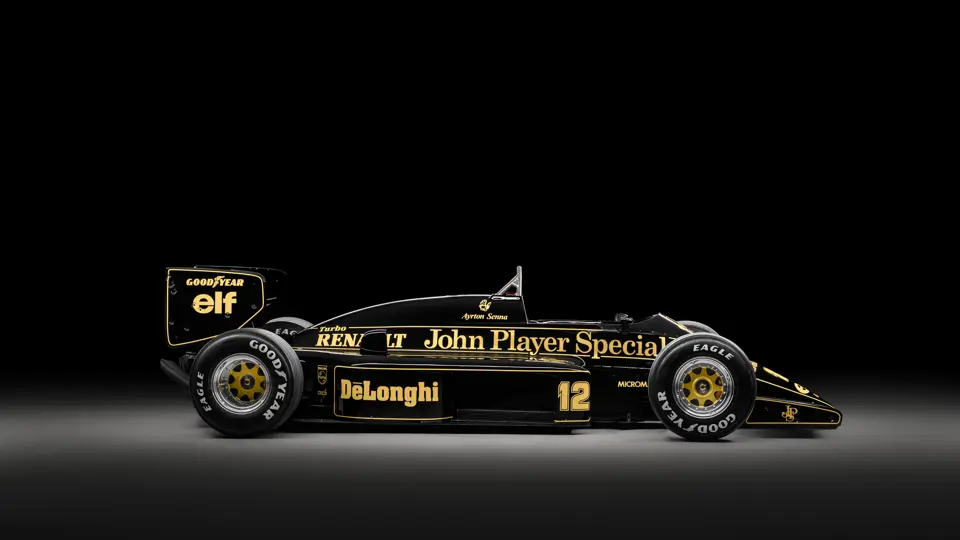
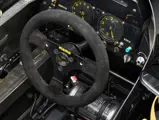
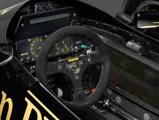
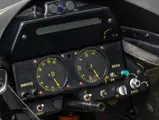
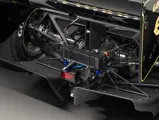
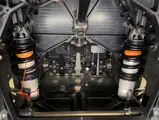
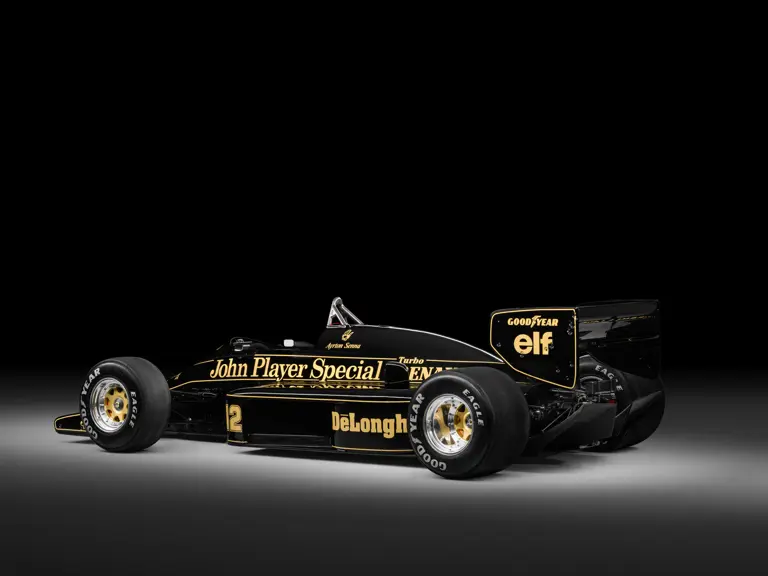
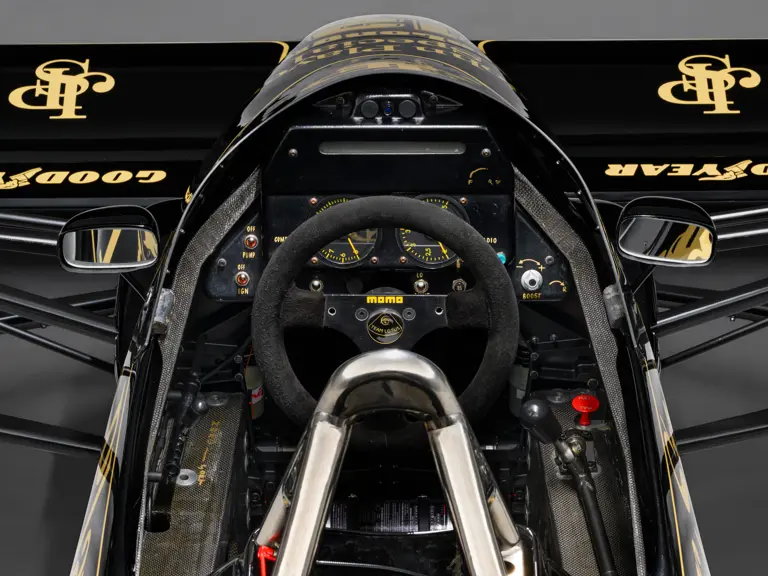
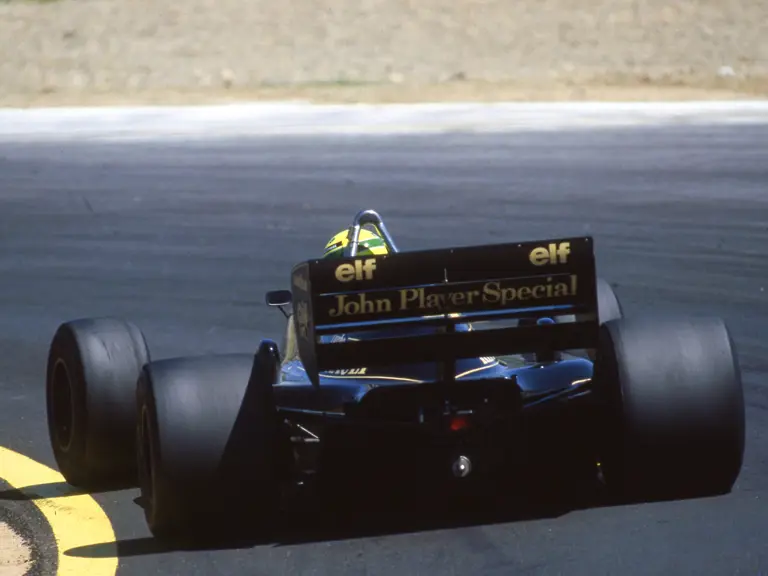
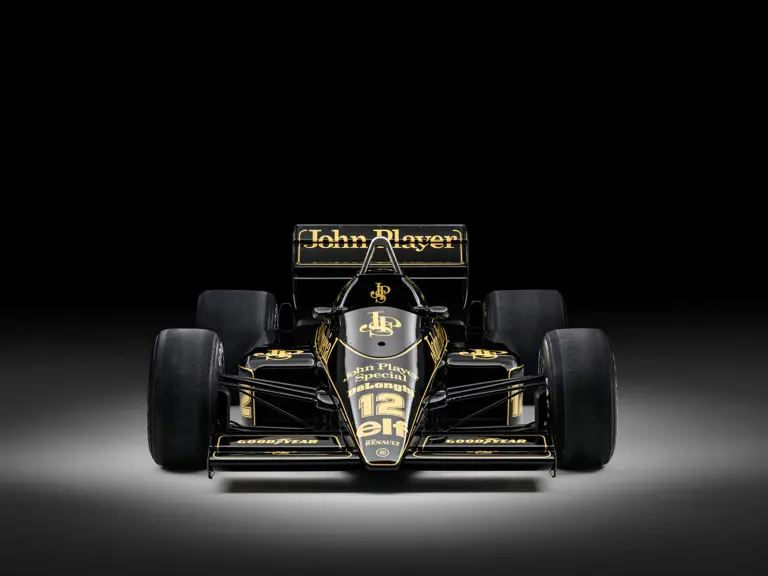
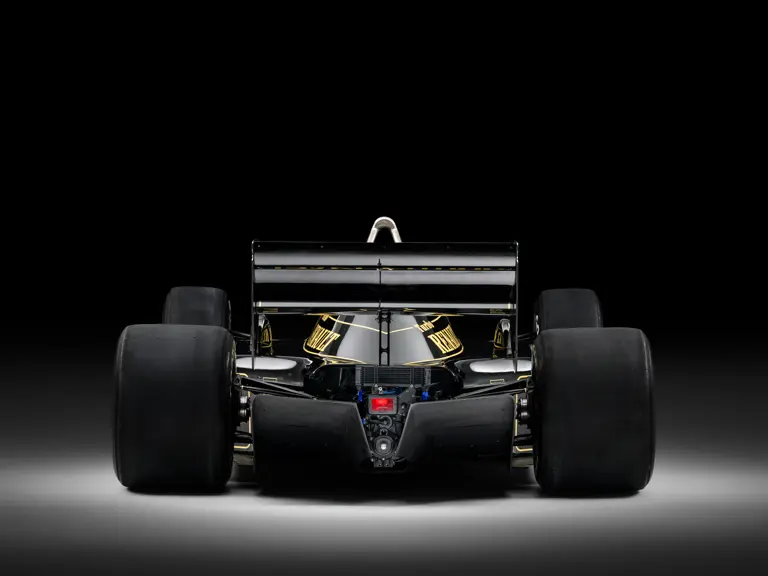
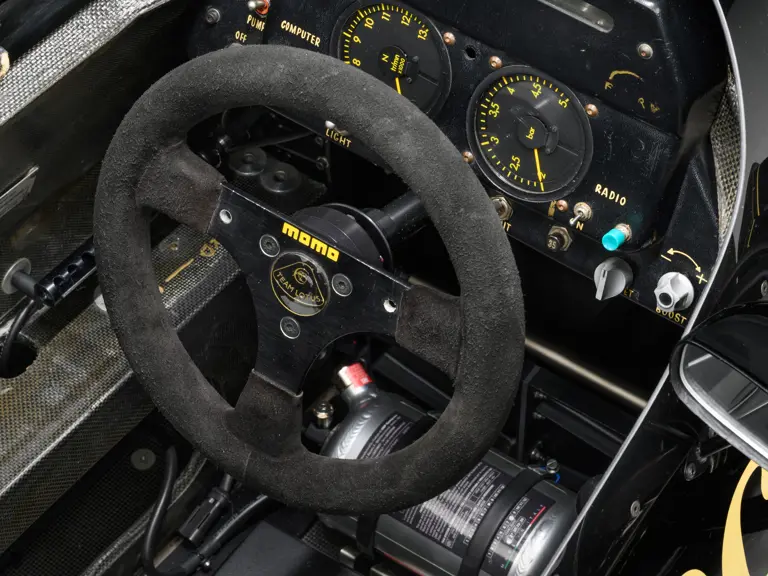
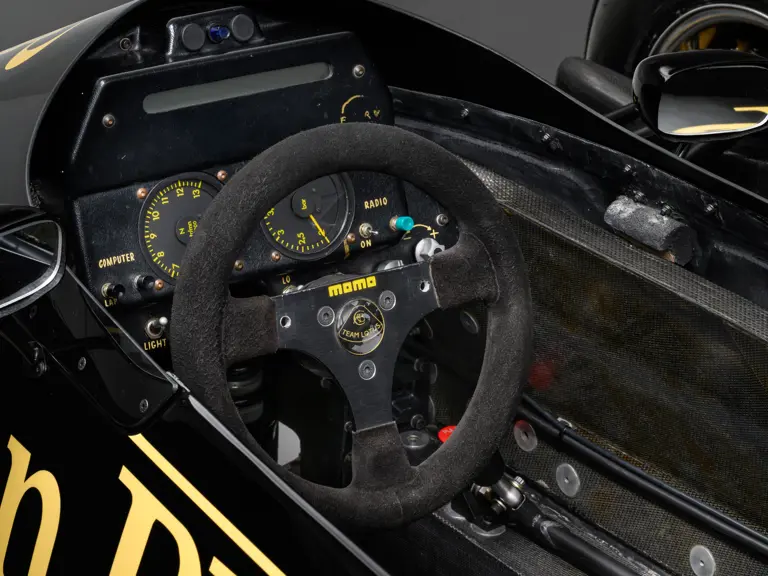
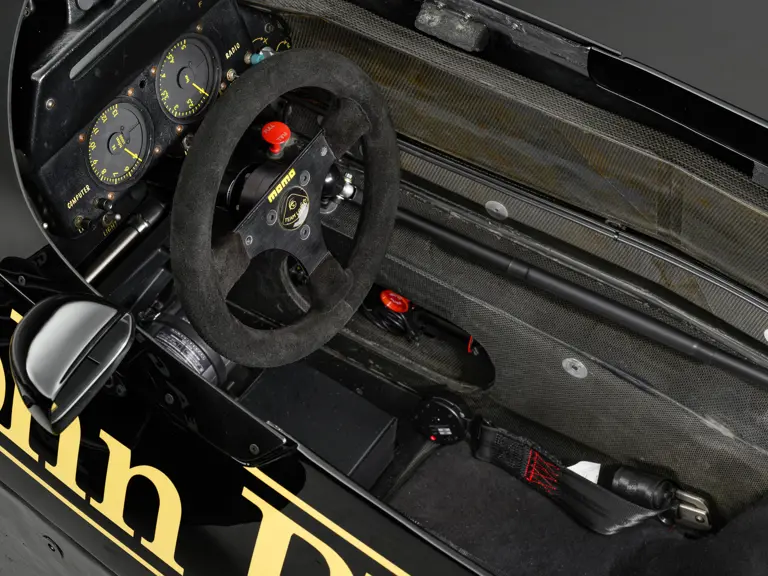
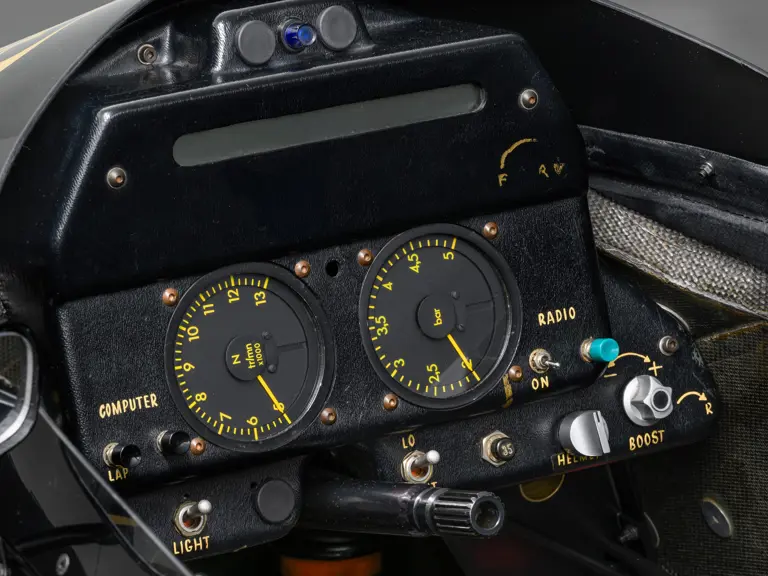
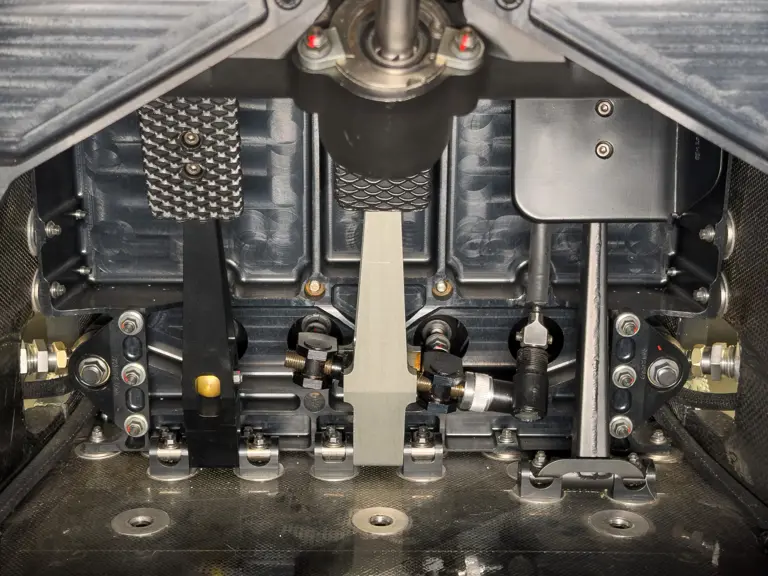
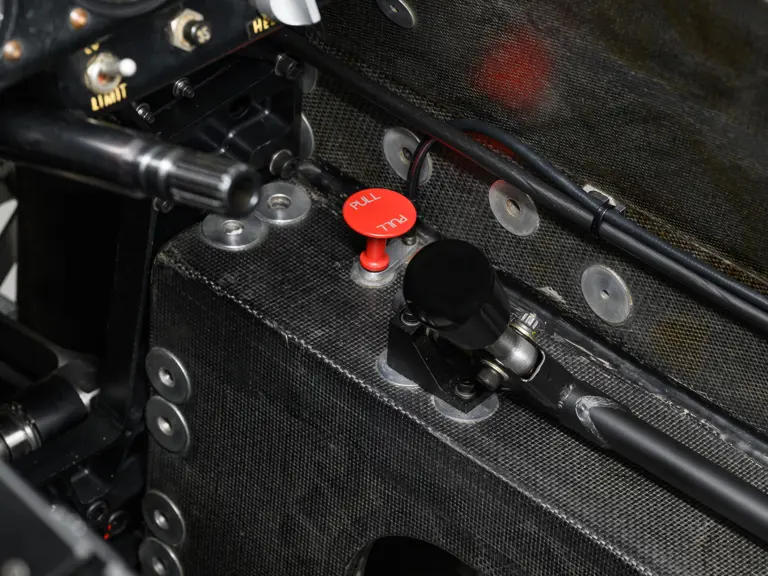
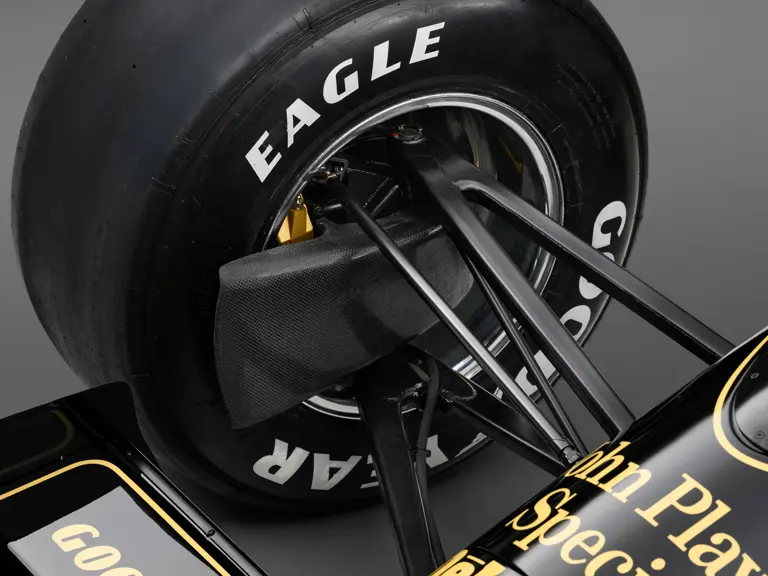
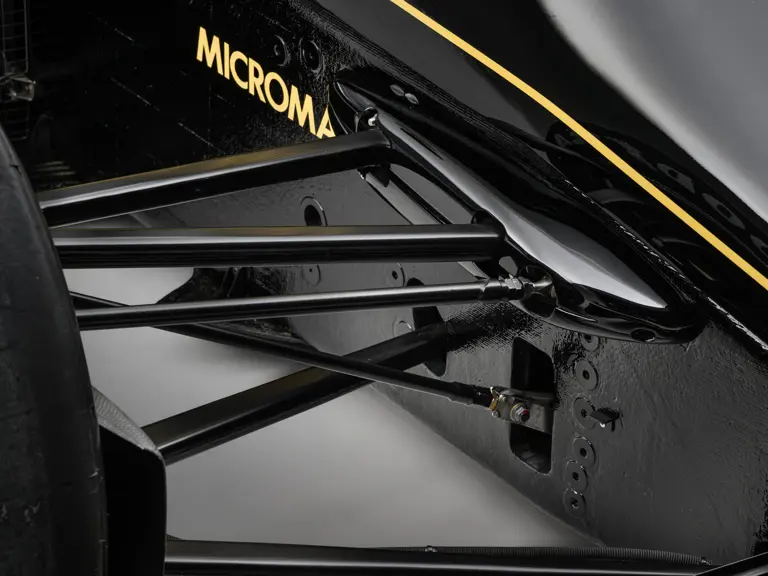
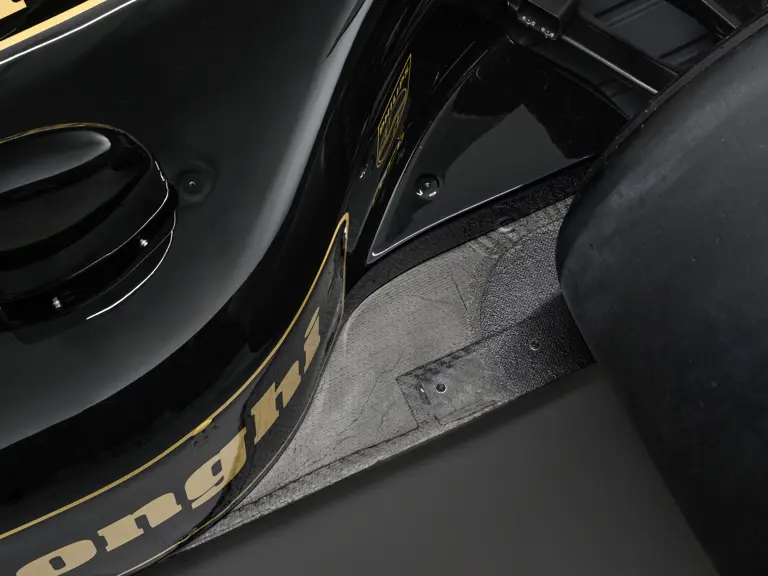
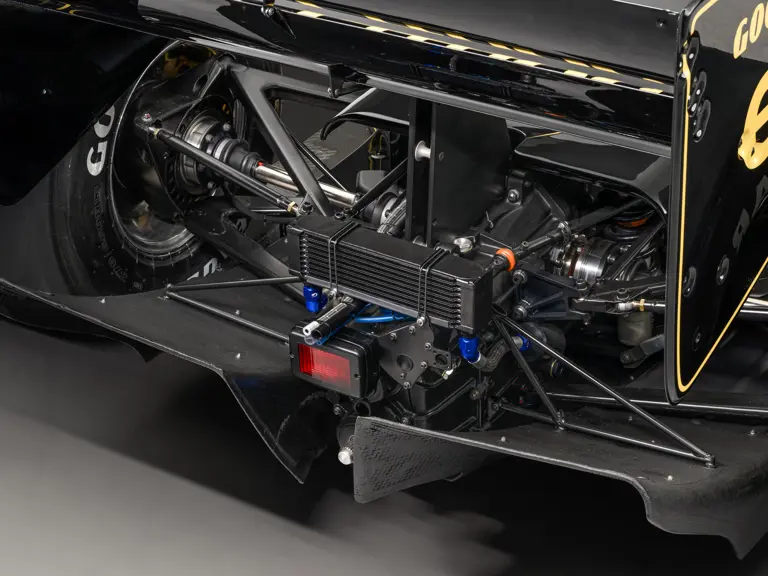
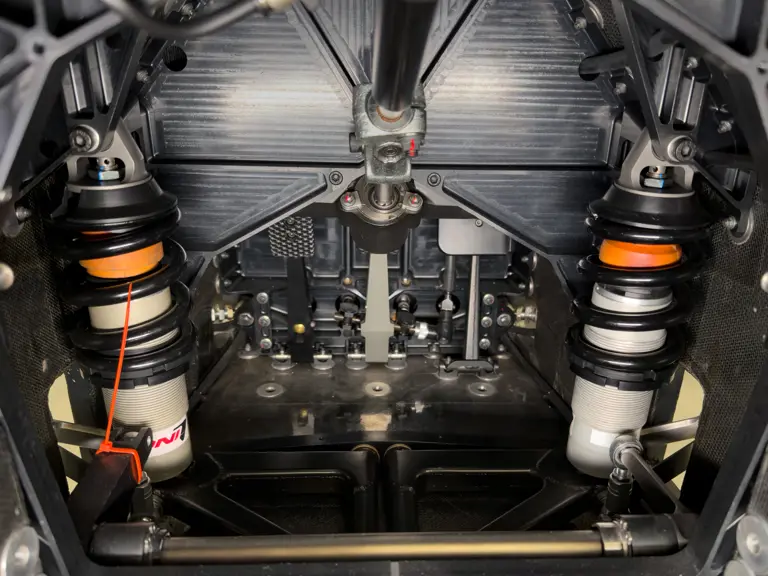
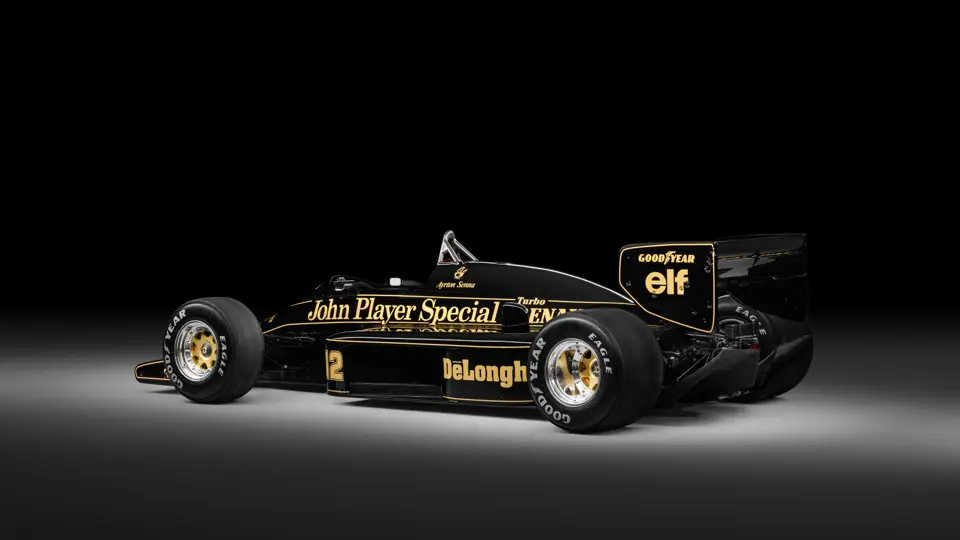
Designed by Gérard Ducarouge, the Lotus 98T was a significant improvement over the car that had delivered Senna his first Formula One victory. Key to the improvements was the chassis, which was now a one-piece integral unified moulding of carbon fibre and aluminium. Its moulded composite skins were filled with aluminium foil, while the bulkheads were machined from solid aluminium. Regulations hadn’t changed hugely since 1985 and power still remained unlimited, but there had been a tweak to the fuel allowance, which dropped from 220 to 195 litres—a headache for race day, but an opportunity to fit a smaller fuel cell and reduced the tub height behind the cockpit. There, a new engine management black box was fitted, while for the first time a computer was installed that gave drivers a continuously monitoring fuel-level readout on the dashboard, showing—in theory, at least—exactly how many laps were left in the tank. As a result of the new chassis, the 98T was smaller and more refined than the outgoing 97T, with a much-improved aerodynamic package—but the biggest improvement lay in the rear.
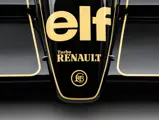
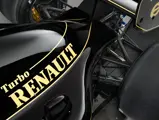
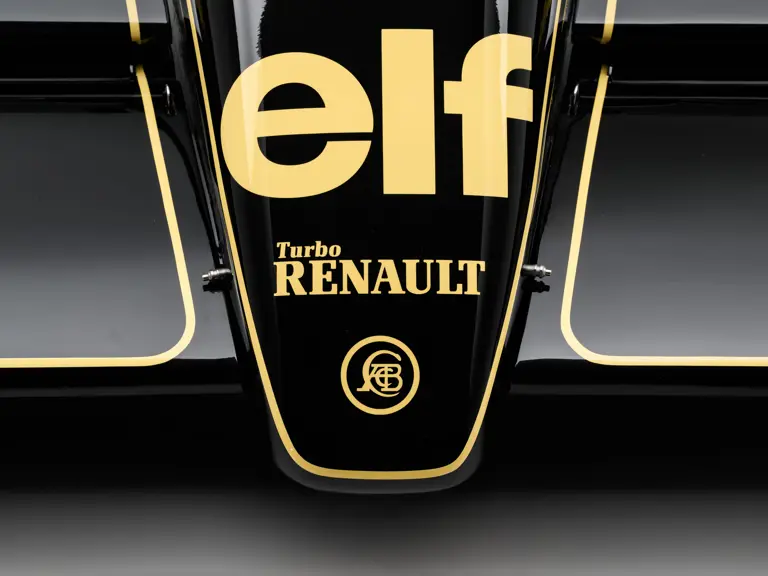
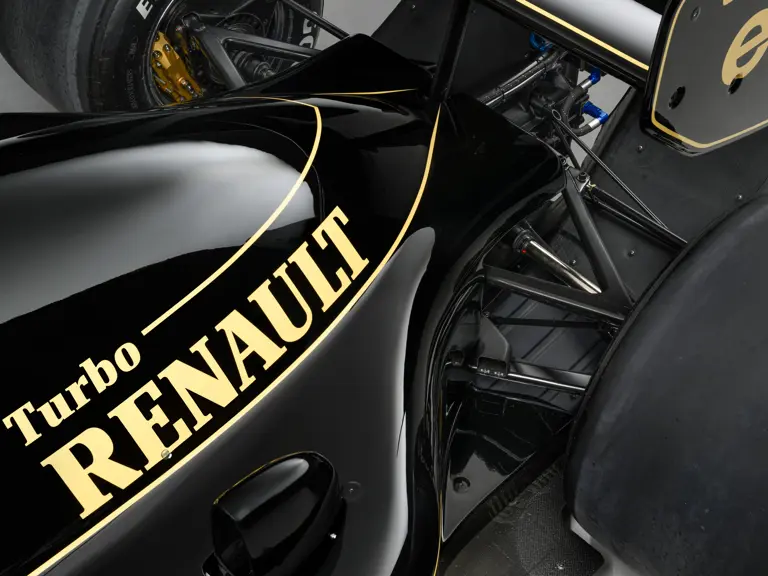
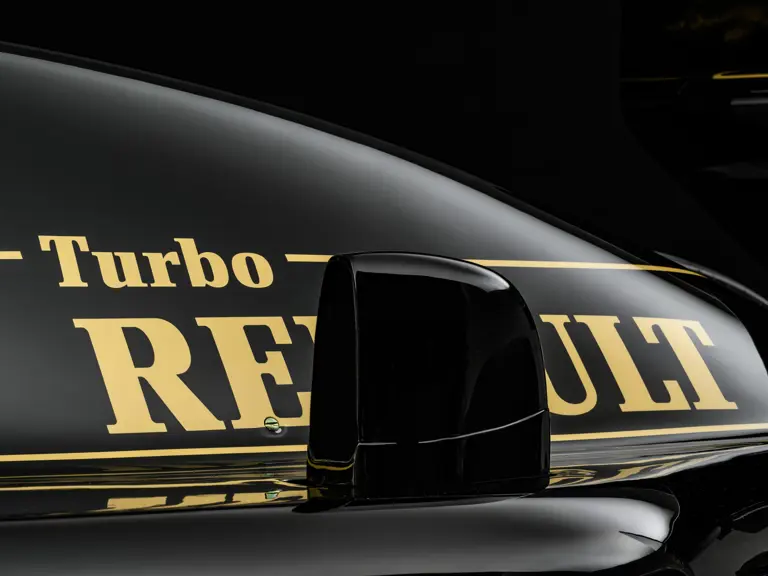
Renault had withdrawn its Works team for ’86 in order to fully throw its weight behind Senna’s Championship tilt, and while Ligier and Tyrrell got their engines from Mecachrome in Bourges, Lotus had theirs built by Renault Sport at Viry-Châtillon. There, Renault Chief Engineer Bernard Dudot created the EF15bis, an evolution of the previous year’s engine with a significant secret weapon: it was offered in both standard and DP—or Distribution Pneumatique—form. The latter featured a clever pneumatic valvetrain that effectively replaced conventional valve springs with compressed air, saving weight and preventing surge, plus an ingenious ignition system where each sparkplug was fitted with its own, tiny ignition coil. Lighter, lower, and significantly more ambitious than the 11,000-rpm outgoing model, the new engine could safely rev to a dizzying 12,500 rpm and produced a reliable 900 brake-horsepower in race trim. In qualifying, it was even more extreme.
Blessed with laissez faire regulations, Formula One qualifying was the Wild West in 1986, and the 98T a fire-breathing monster. While fuel conservation and reliability concerns effectively limited power to around 900 brake-horsepower during the races, in qualifying there were no such qualms. Indeed, there was even a special variant of the EF15B fitted with water injection and no waste gates. Boost was turned up to 11, special turbochargers were used, and even different gearboxes to cope with the extra power generated by the 1.5-litre V-6.
“That season, ’86, we used to change the turbochargers after every qualifying run, because the turbos would get so stressed that they were finished after just one lap,” said Steve Hallam, Senna’s lead engineer. “The turbos would be glowing red, and the mechanics had these massively thick asbestos gloves to handle them and undo the bolts. And they’d be clicking and pinging as they cooled off. When you took the body off, the air around them was literally sparking as they were so hot. The boys would be sweating and you’d hear the sizzle as the moisture dripped onto the turbo.”
It was estimated that the difference between race day and qualifying trim amounted to as much as 300 brake-horsepower—far exceeding the limits of contemporary dynamometers. While the total output of these mythical cars is shrouded in mystery, the Lotus 98T remains one of the most devastatingly powerful Formula One cars in the history of the series—a giant from a time when there were no limits. Grand Prix racing would never again witness anything as extreme as the machines of the turbocharged era, and the drivers who tamed them—Mansell, Prost, Piquet, and of course, Senna—were among the all-time greats.
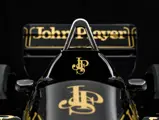
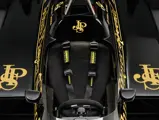
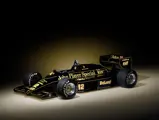
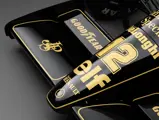
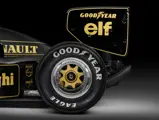
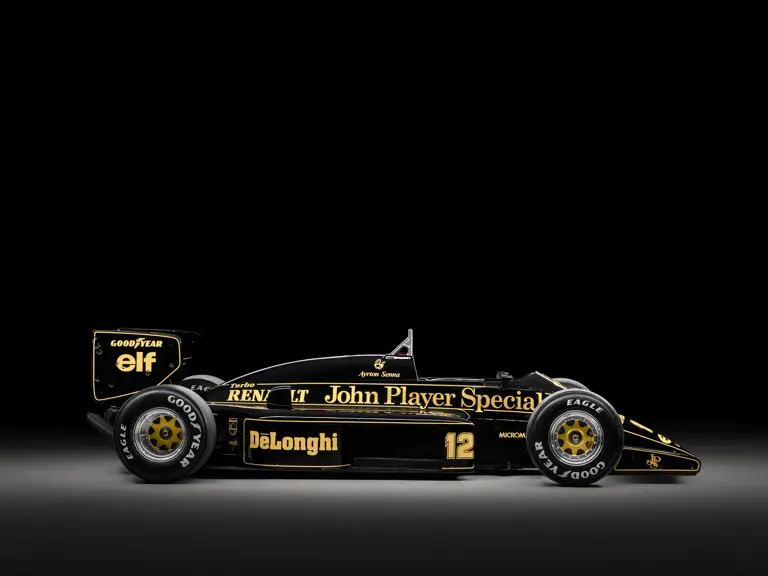
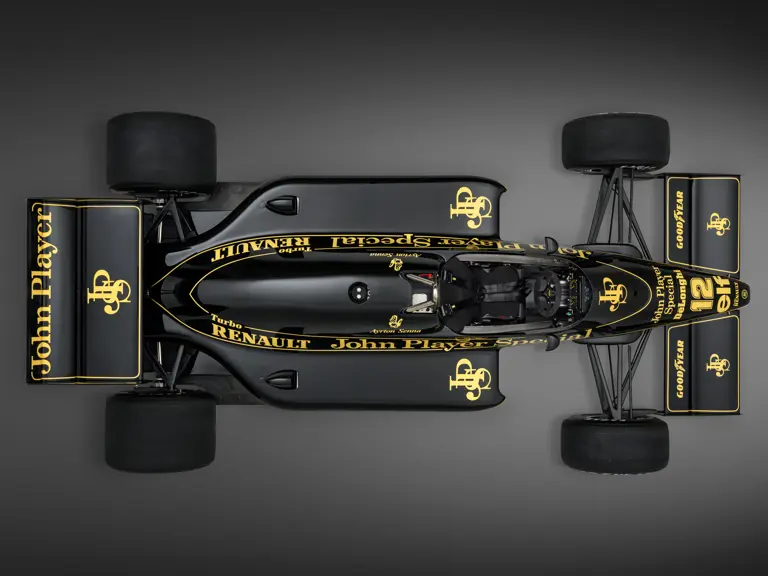
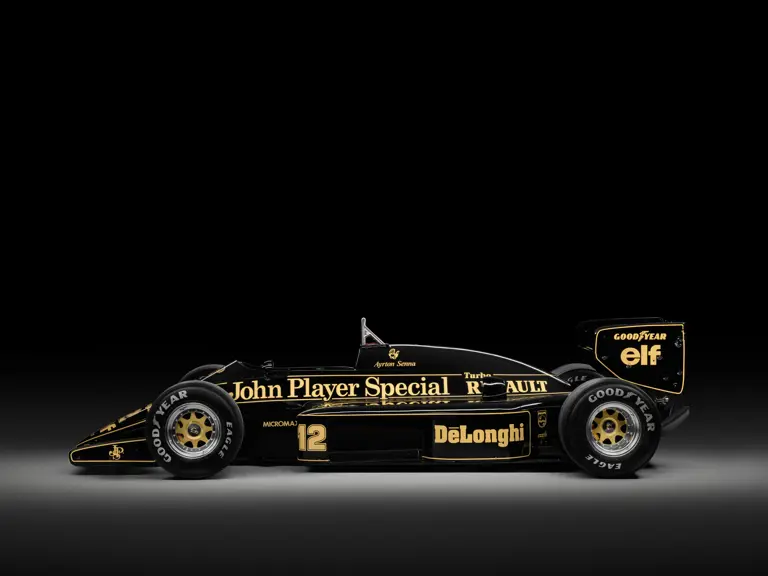
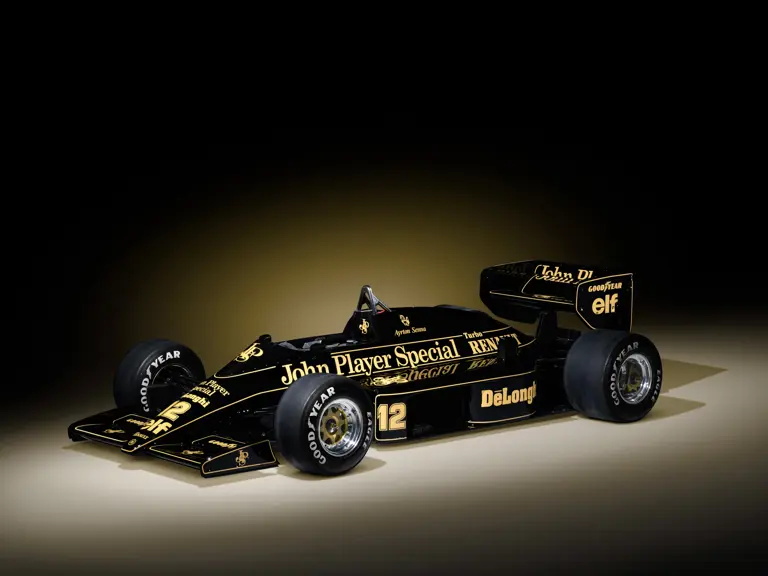
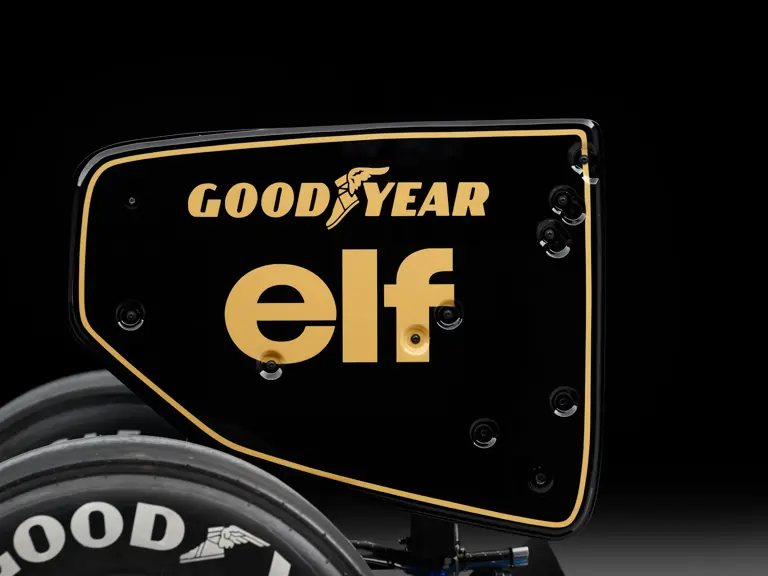
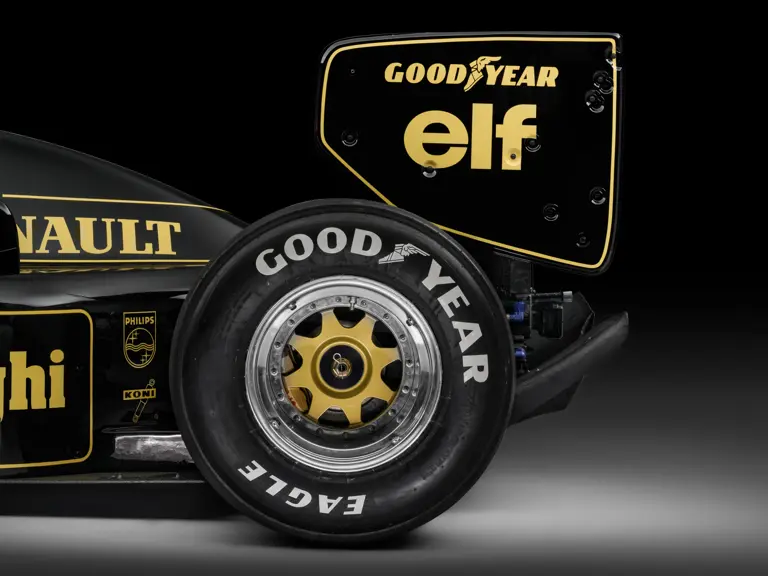
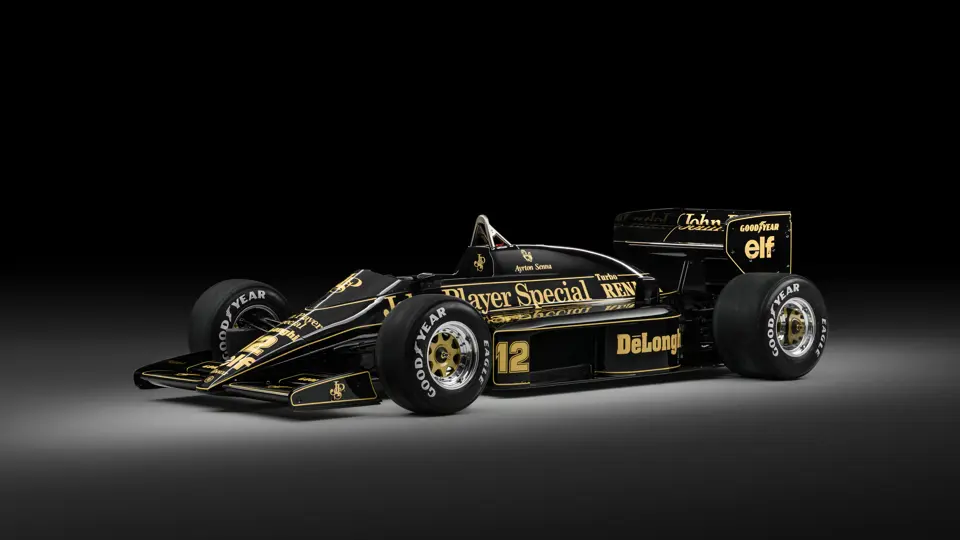
Like the drivers who raced them, the cars of that magnificent period remain etched in the collective consciousness, but few transcended the sport quite like the Lotus 98T. Beautifully proportioned, devastatingly quick, and draped in the elegant black and gold livery of John Player Special—the final Lotus to wear the famous livery—the 98T became emblematic of Formula One’s most exciting and lawless era.
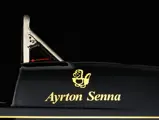
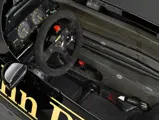
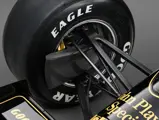
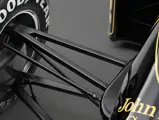
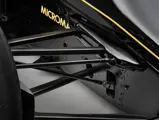
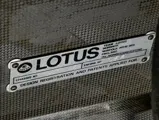
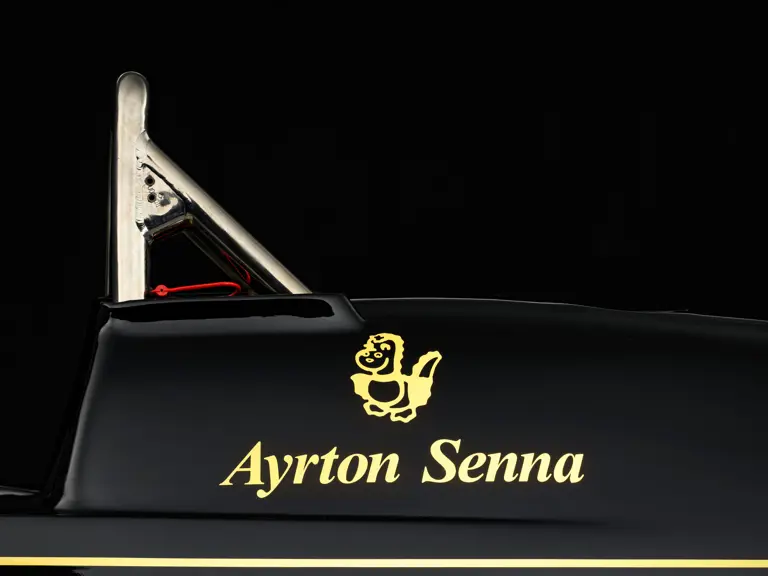
Of the just four cars built, chassis 98T-3 is without doubt the most special, having been driven exclusively by Ayrton Senna during the first half of the 1986 season, scoring two victories, five pole positions, and a further three podium finishes. The car was bought directly from Lotus in 1988 and subsequently passed through a small number of the world’s most notable and respected motorsport collections before being acquired by the consignor in 2016. Since subject to a superlative restoration at the hands of renowned authority Paul Lanzante Ltd, the Lotus boasts impeccable provenance and immaculate condition, and is primed and ready for a return to the track.
This magnificent car is the most successful chassis to emerge from Senna’s historic two-year stint at John Player Team Lotus and will forever be associated with one of the greatest driver’s to ever grace the sport. More than that, it is icon of a period when Formula One pushed the very limits of both man and machine—and giants roamed the earth.
 | United Kingdom