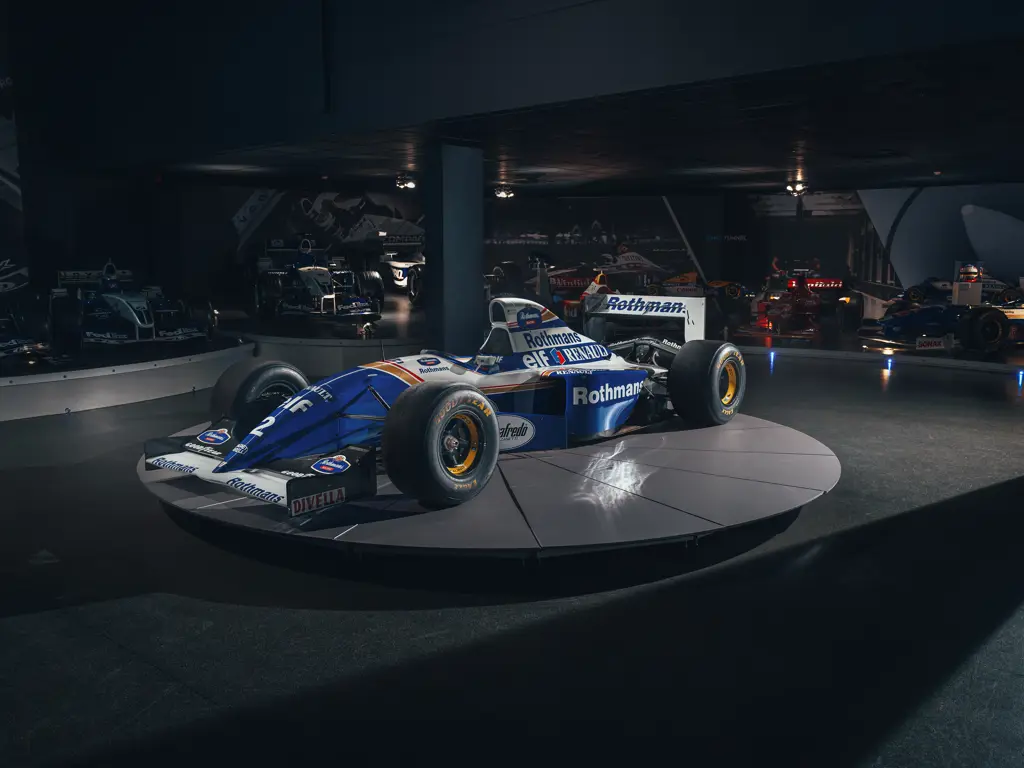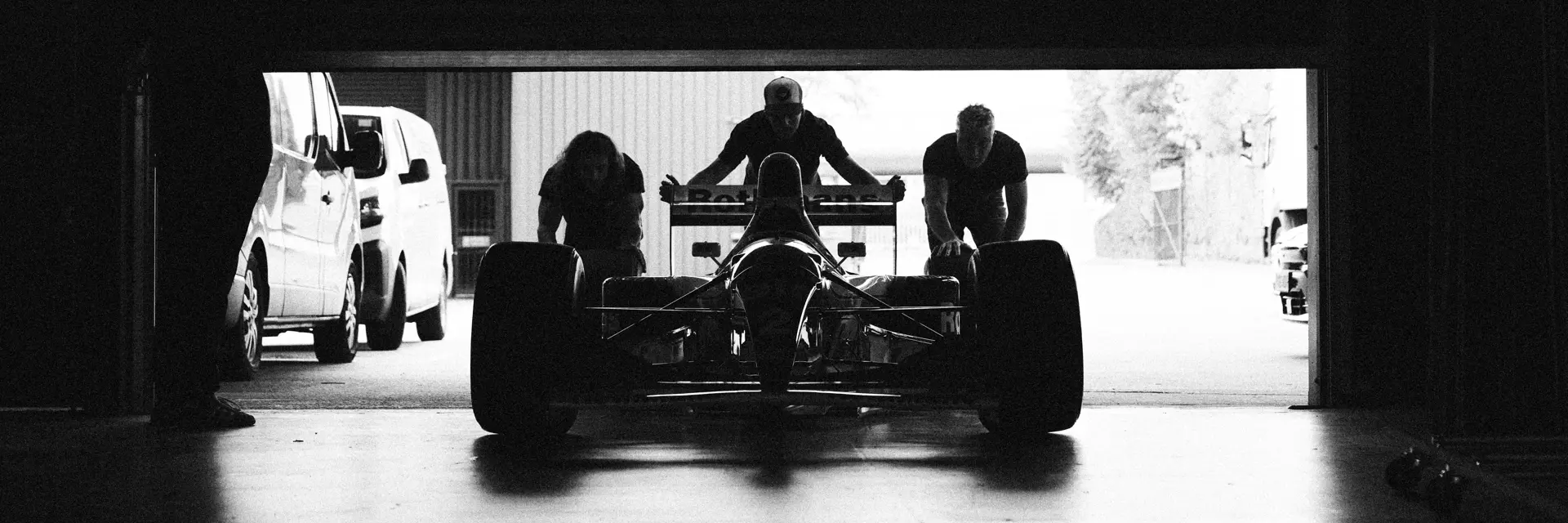
FW16-01 was a car Senna was promised but never had the chance to own. This remarkable Williams is now coming to market.
In 1994, FW16-01 was driven by three Formula 1 world champions—Ayrton Senna, Nigel Mansell, and Damon Hill—and gave David Coulthard the first points of what would become a long and successful F1 career.
But the significance of this particular chassis goes beyond its distinguished list of drivers. Senna’s 1994 Williams contract stipulated that, if the team won the Constructors’ Championship that year, he would be entitled to keep one of its cars. FW16-01 was that car.
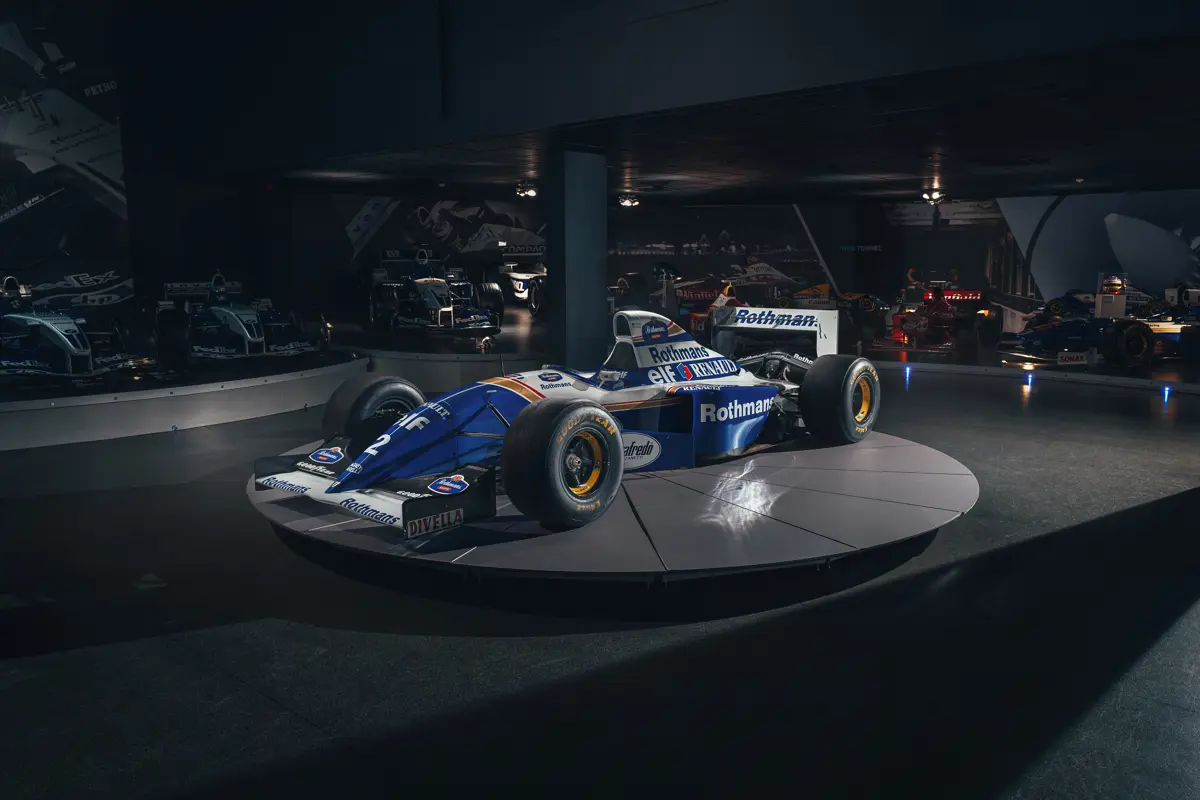
Following Senna’s death at the San Marino Grand Prix, Williams honored the agreement, gifting the car to his family. It remained in their ownership for 30 years, although, in an unusual arrangement, it never left the team’s care. Placed in Williams’s in-house museum, it remained untouched for three decades, with one notable exception: Senna’s seat was fitted to the car.
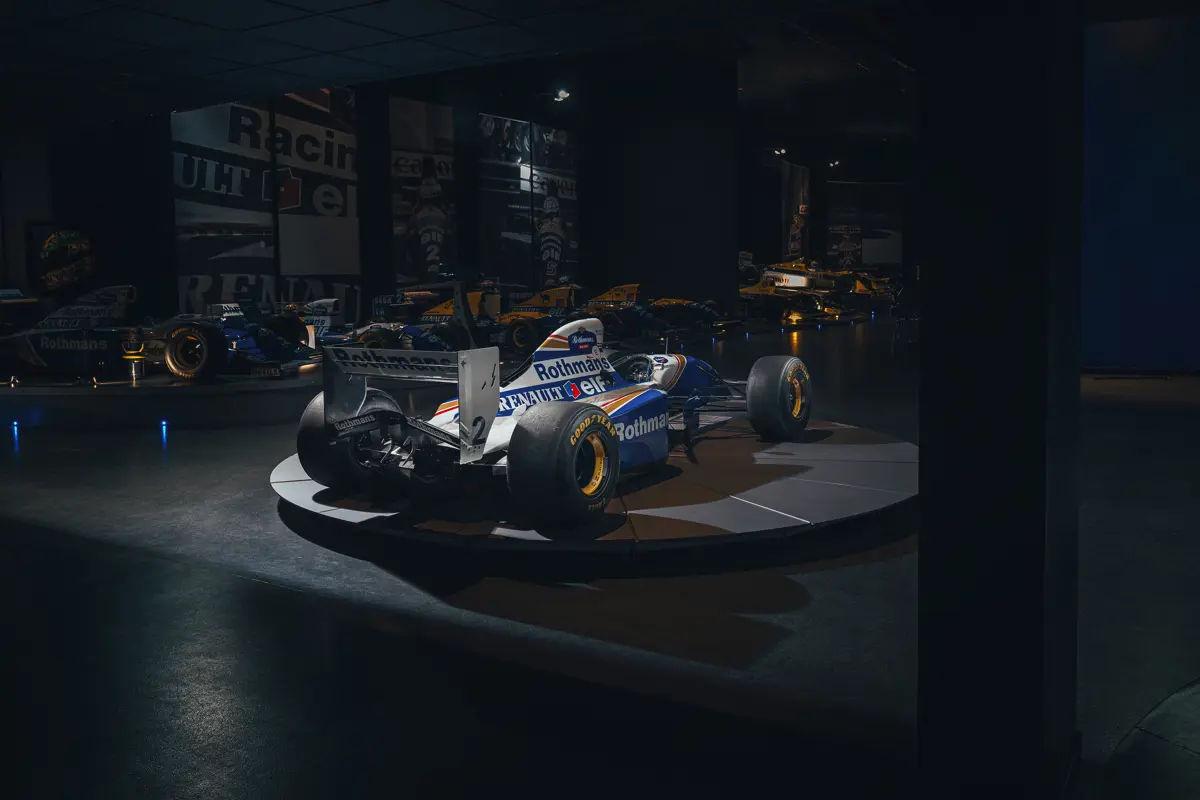
Today, FW16-01 survives in preserved, unrestored condition, a time capsule from one of the most consequential seasons in Formula 1 history. It was acquired by its current owner from the Senna family through RM Sotheby’s Private Sales in 2024 and has remained unused ever since.
One of only two surviving Williams FW16 chassis known to have been driven by Senna, the car will feature as a lead consignment at Sotheby’s The Now & Contemporary Evening Auction in New York on 16 November.
A Brief History of FW16-01
The verdict among paddock insiders, the media, and enthusiasts alike was virtually unanimous: The combination of Williams and Ayrton Senna would be unstoppable in 1994.
The FW16 was the work of a team led by the legendary pairing of Adrian Newey and Patrick Head. It also featured the latest RS6 variant of Renault’s V-10, long regarded as the most powerful engine in Formula 1.
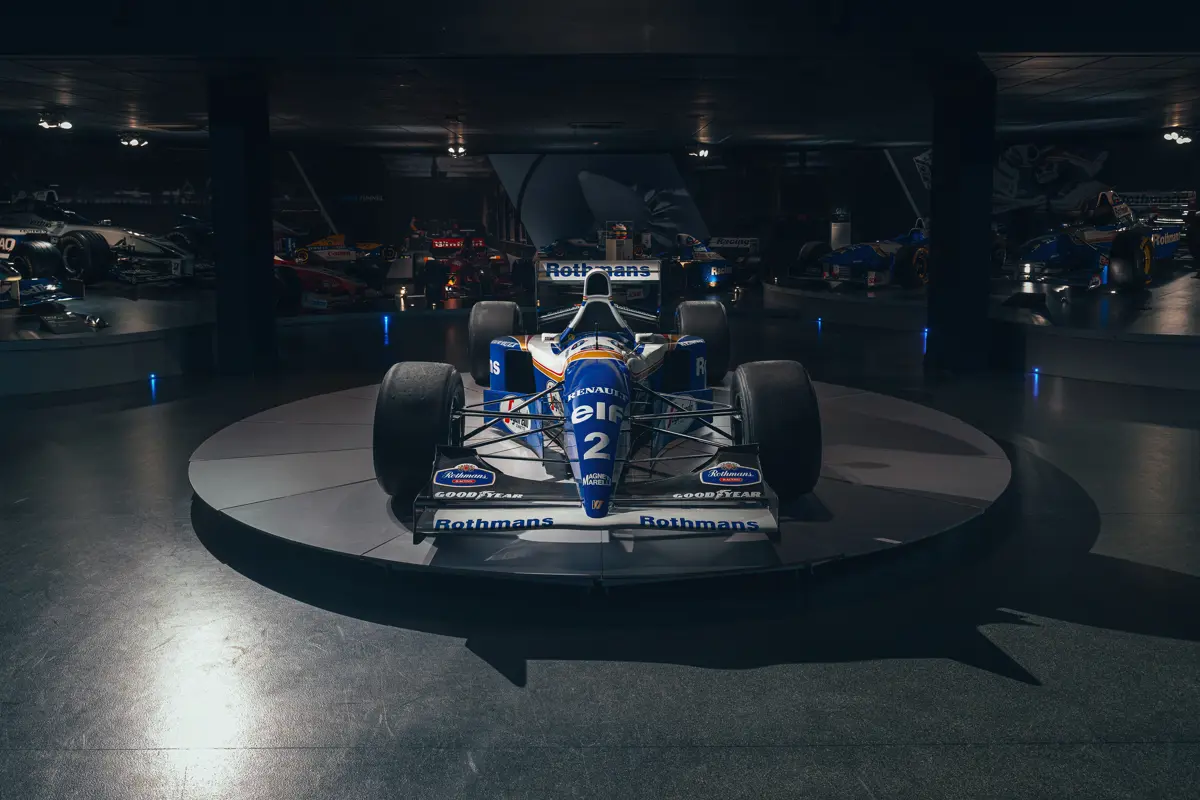
The chassis played an important role in the early development of Williams’s 1994 challenger. At the Brazilian Grand Prix at Interlagos, Senna drove it during Sunday morning warm-up, recording a lap faster than that of eventual race winner Michael Schumacher. Just days later, Senna and teammate Damon Hill drove the car extensively during testing at Jerez, covering approximately 842 kilometers as the team worked to refine the newly introduced FW16.
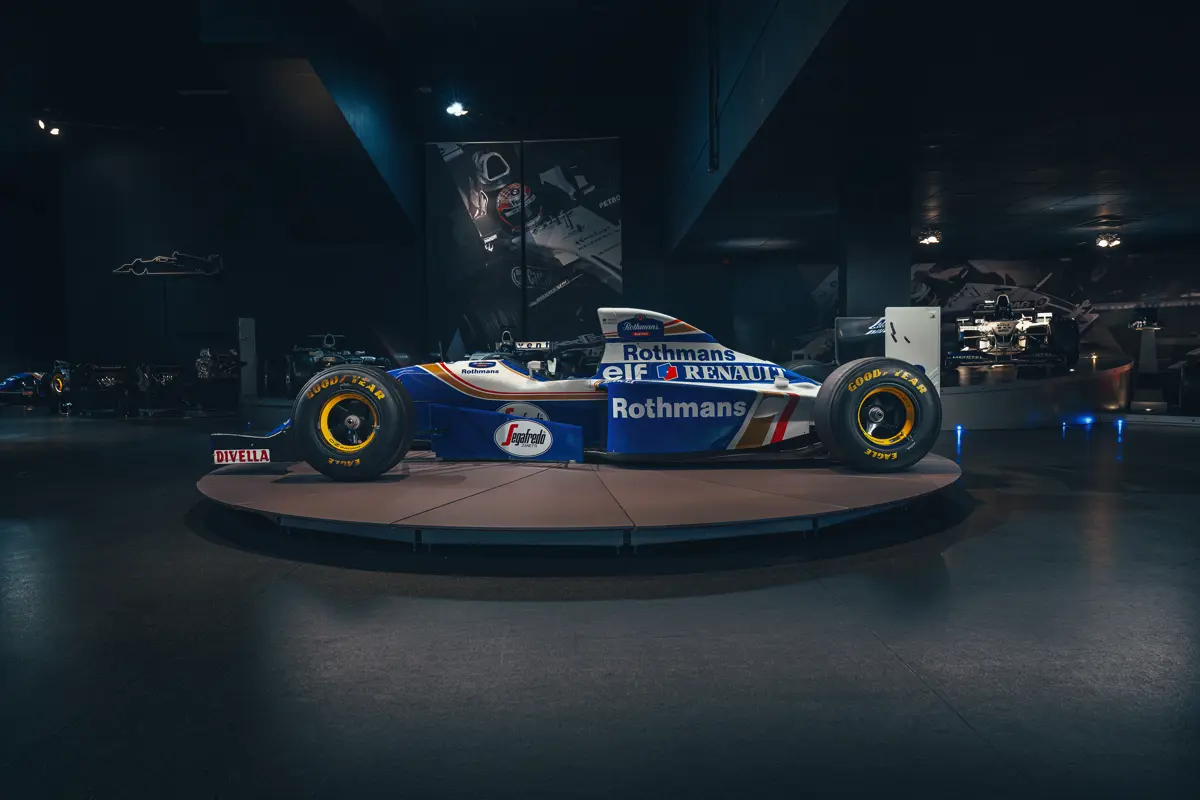
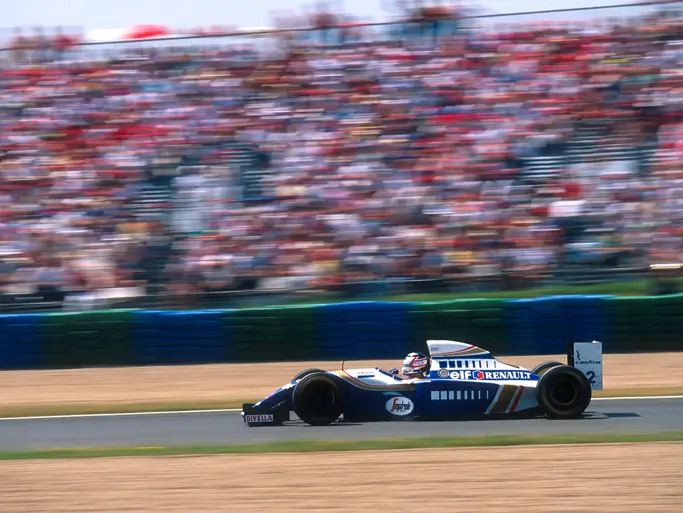
Following Senna’s death, the chassis continued its competitive career with some of Formula 1’s most recognizable names, including David Coulthard, who drove it during his debut Formula 1 season. Coulthard recorded fifth-place finishes at both the Canadian and British Grands Prix, while Nigel Mansell, returning to Formula 1 after winning the CART IndyCar Championship, drove the car at the French Grand Prix, helping Williams secure a front-row lockout in qualifying alongside Damon Hill. Hill himself had driven the chassis during its early development, further adding to its remarkable roster of drivers.
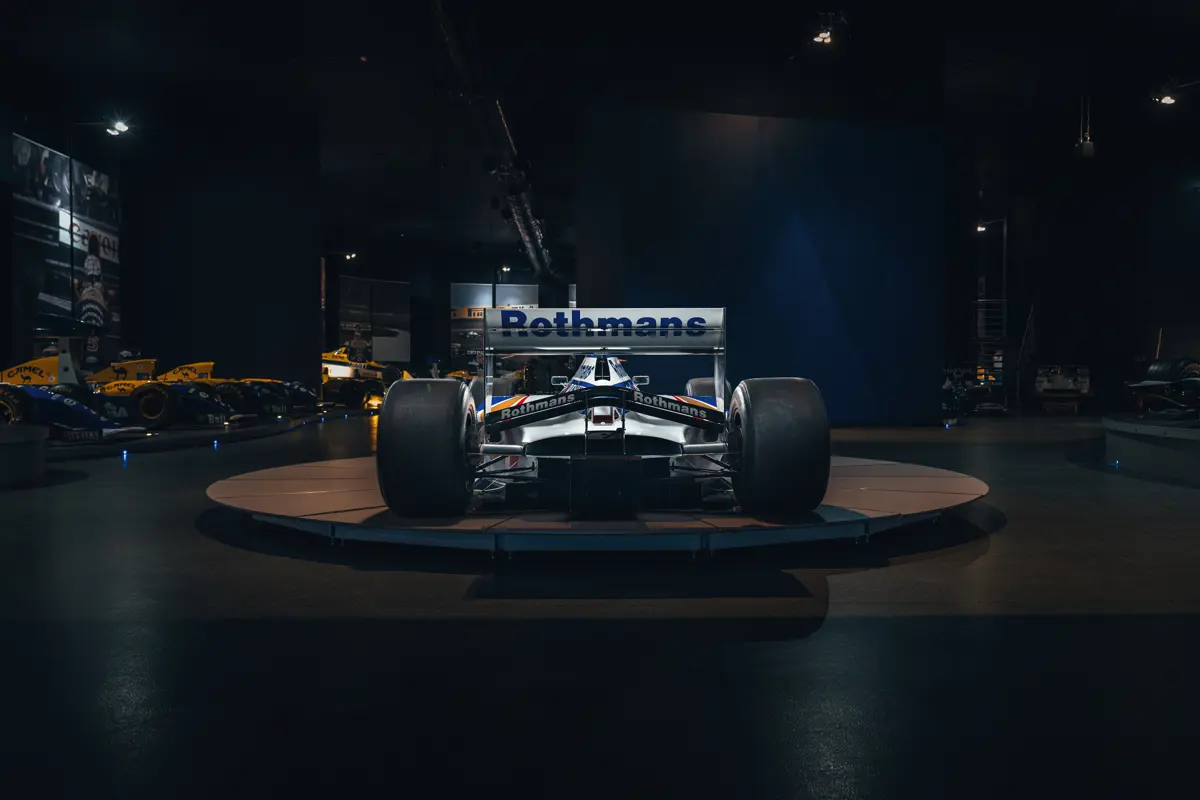
The car was upgraded to B specification after its final race at Silverstone and taken to three further Grands Prix as a spare. The improvements helped transform the team’s fortunes during a season that ultimately delivered the 1994 Formula 1 Constructors’ Championship to Williams.