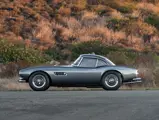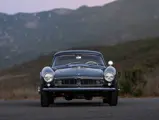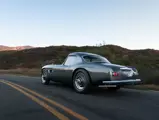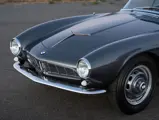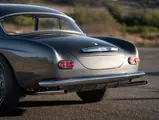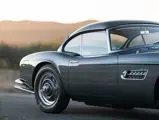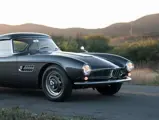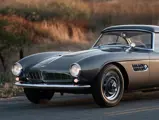
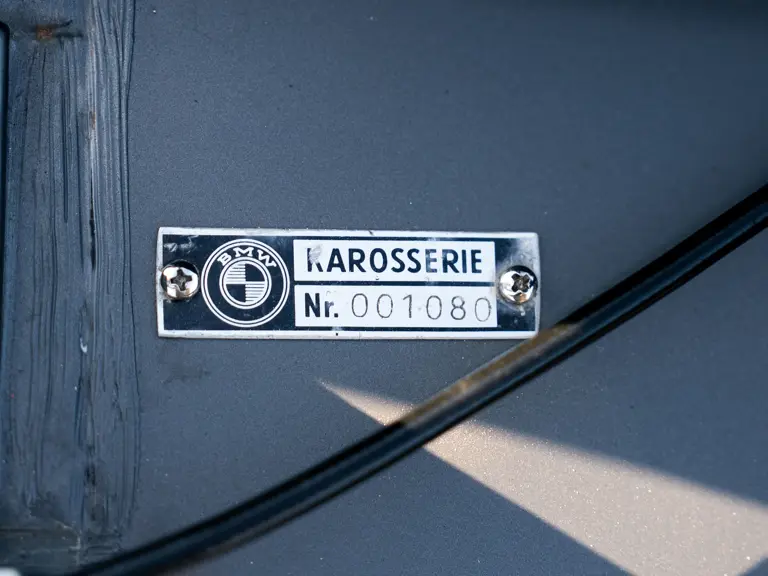
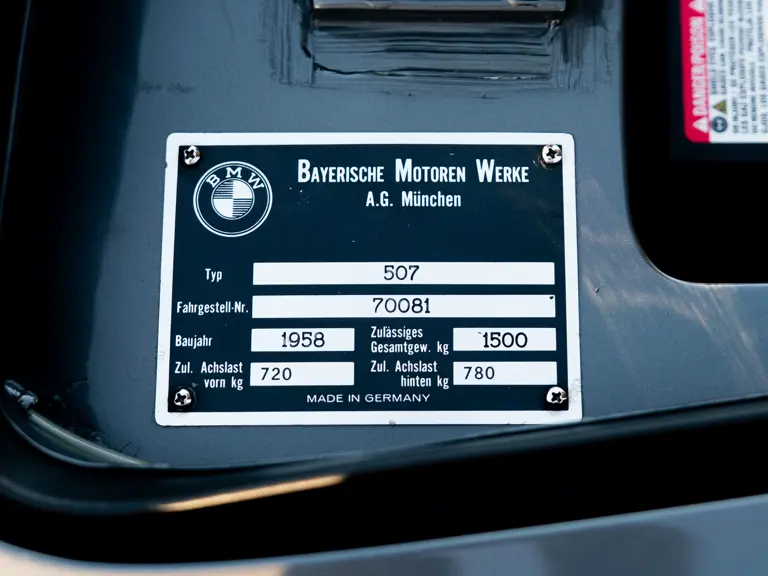

Chassis No.
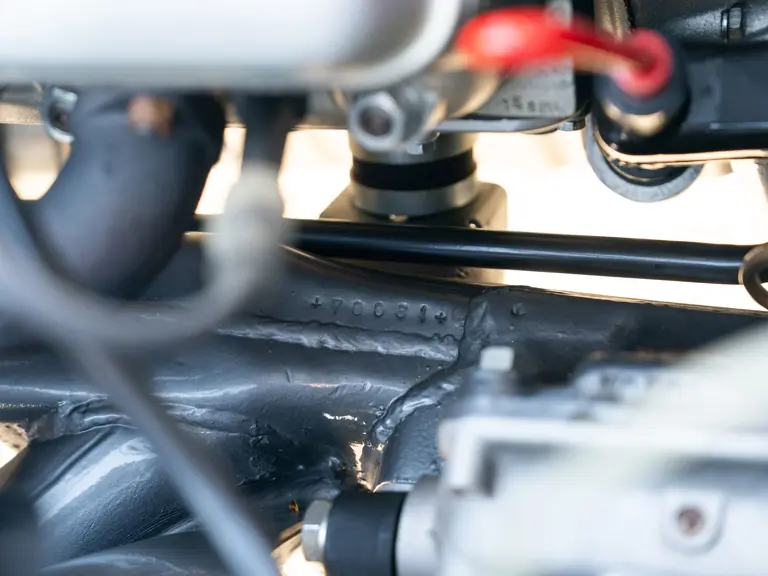
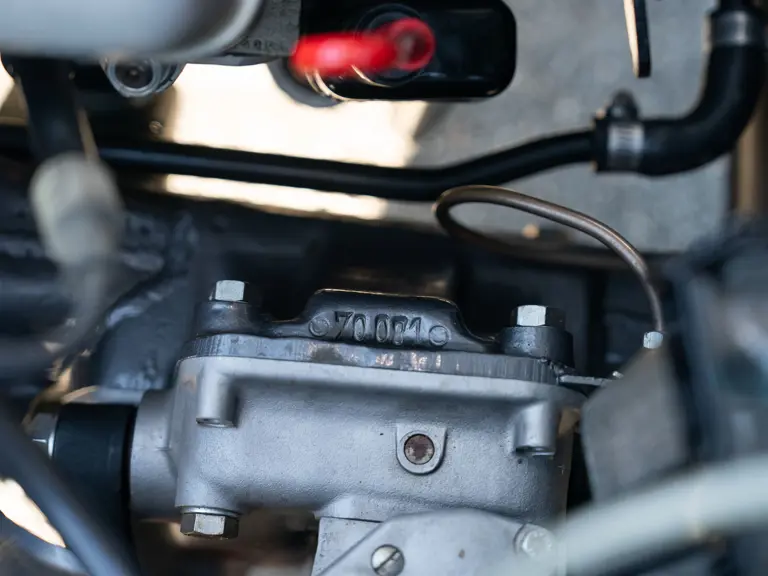
70081
Price Upon Request
{{bidding.lot.reserveStatusFormatted}}
Originally the brainchild of Vienna-born, New York-based automotive impresario Max Hoffman, the BMW 507 represented a concerted attempt by Milbertshofen to re-establish themselves as a major player in the burgeoning luxury and sports car market of the mid-1950s. BMW’s pre-war commercial and sporting success had been predominantly European in focus, and largely underpinned by models such as the 315/1, 319/1 and 328. However, it was evident that the automotive landscape had changed significantly since 1939, and that the United States would be critical to the company’s future expansion plans.
Significantly, Hoffman was credited as being the single most influential component in the US-European automobile import/ export equation of the 1950s, having operated as exclusive Jaguar importer for the US from 1948 until 1952 and thereafter in a similar role for Porsche and Mercedes-Benz. His success in driving US-bound exports for all three manufacturers was central to BMW’s decision to proceed with the 507, although the need to avoid a potential pricing conflict with the former’s 356 Speedster and the latter’s 300 SL would prove critical. However, if this could be achieved, Hofmann was confident that demand for the 507 would stretch to thousands of units a year; the majority being destined for the US market.
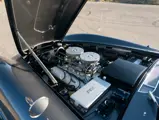
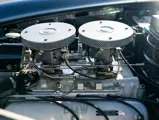
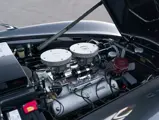
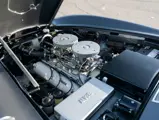
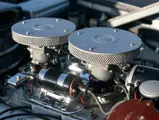
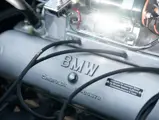
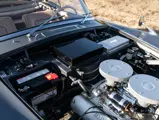
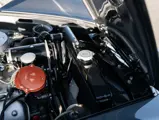
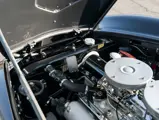
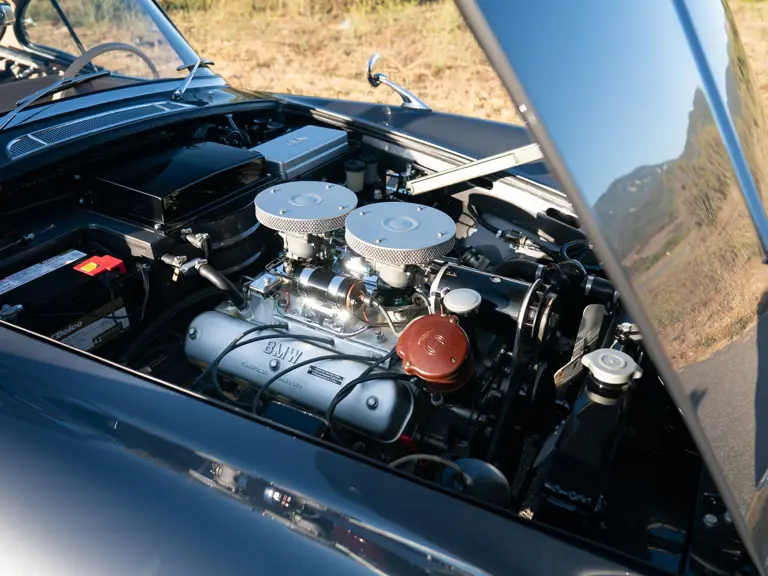
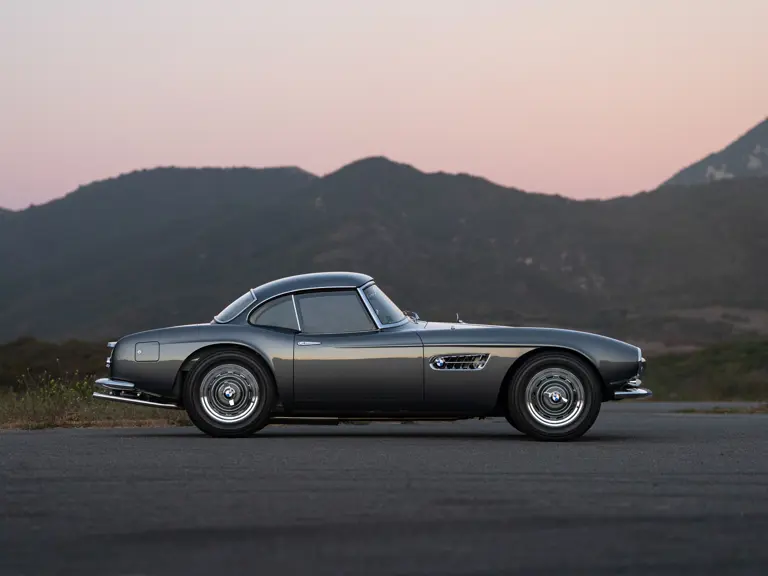
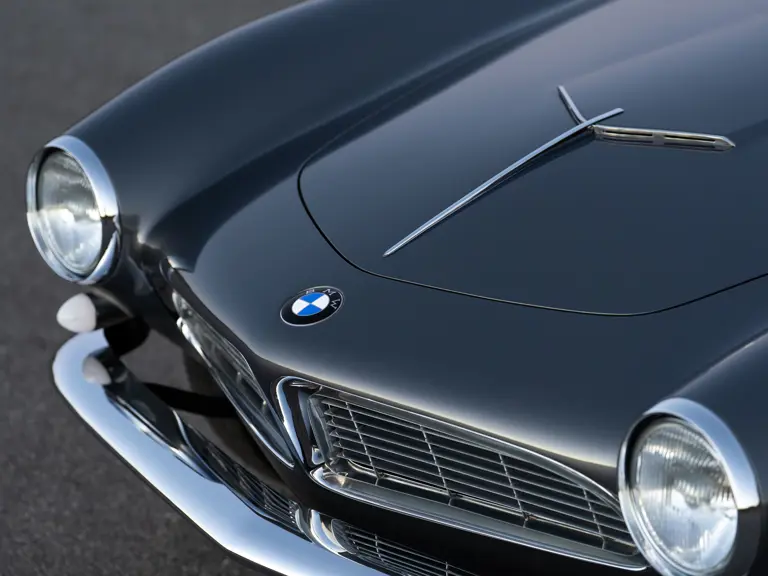
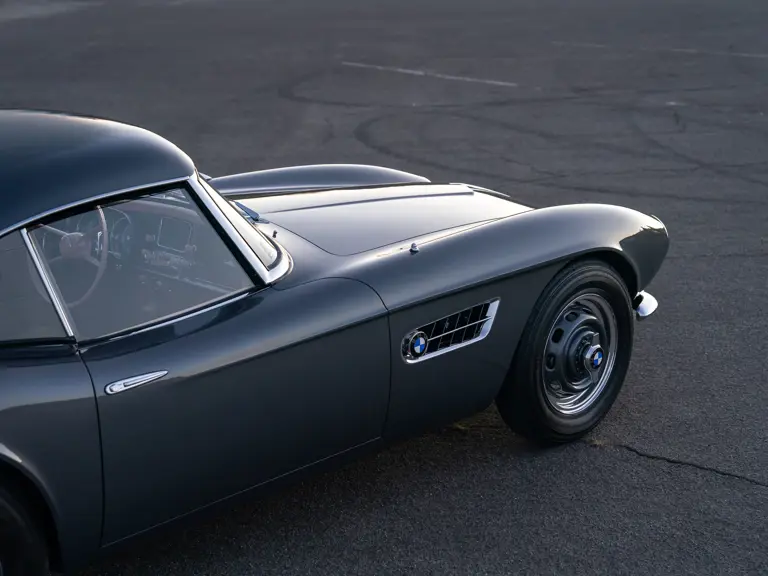
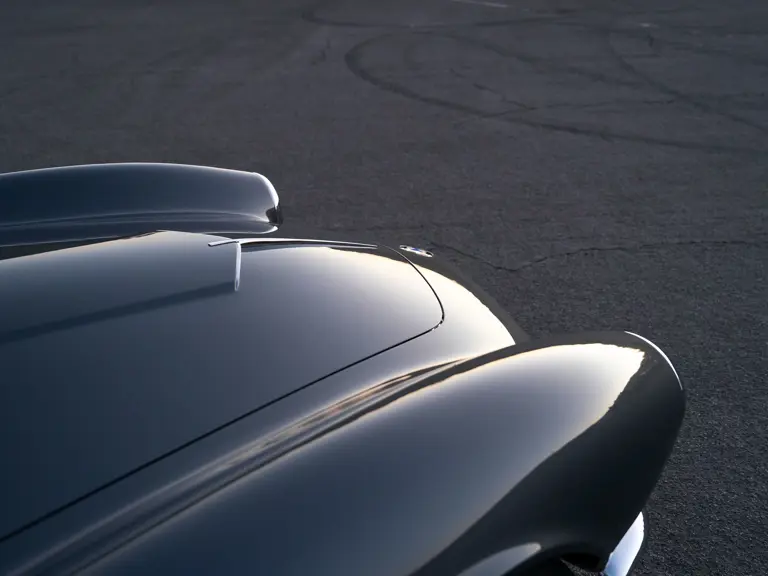
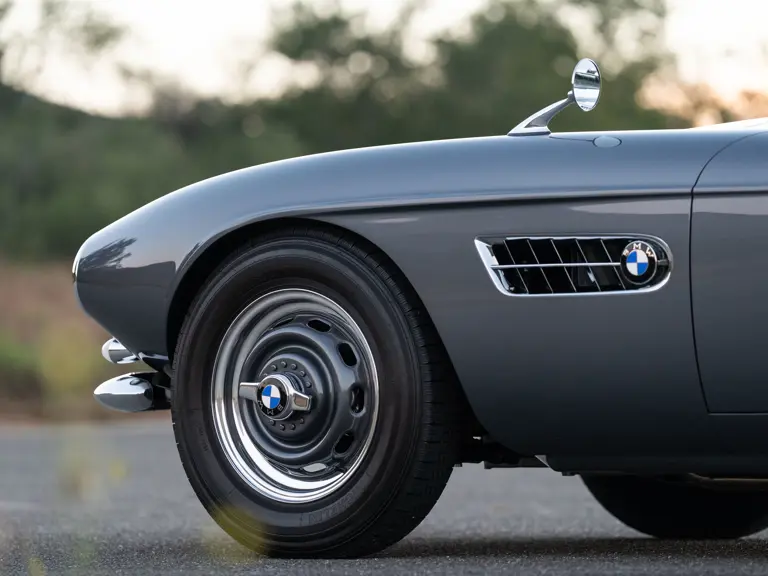
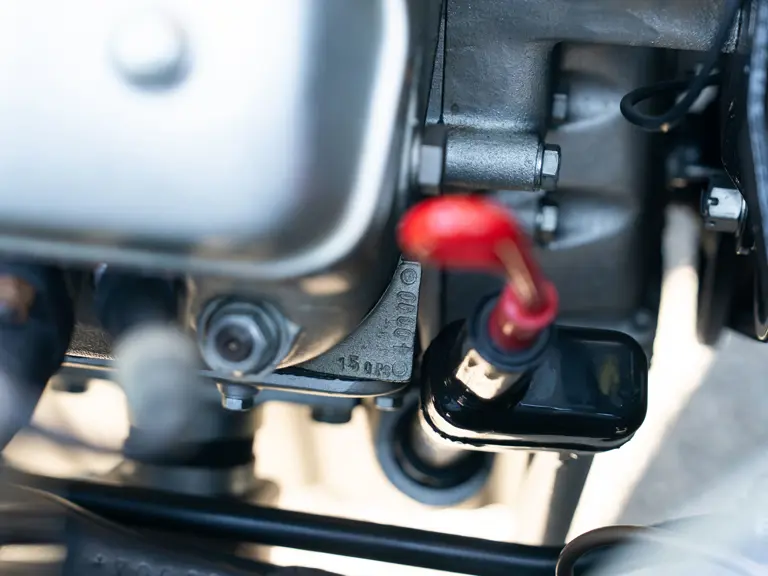
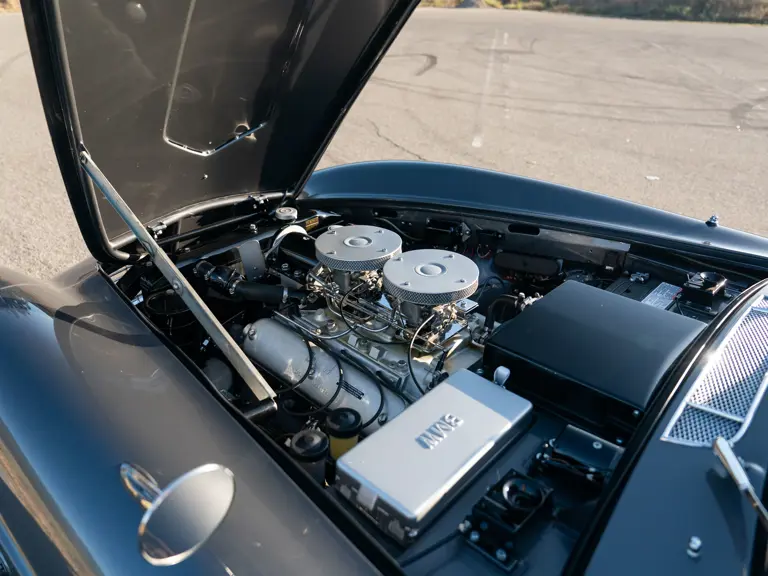
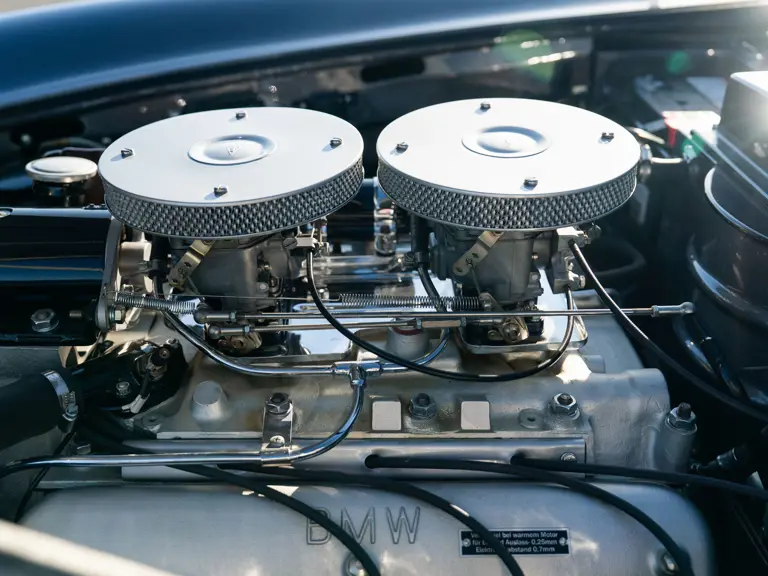
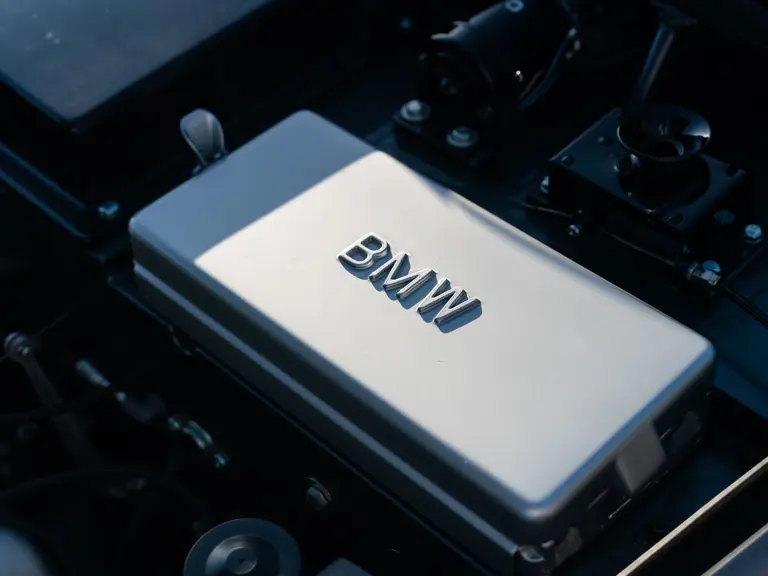
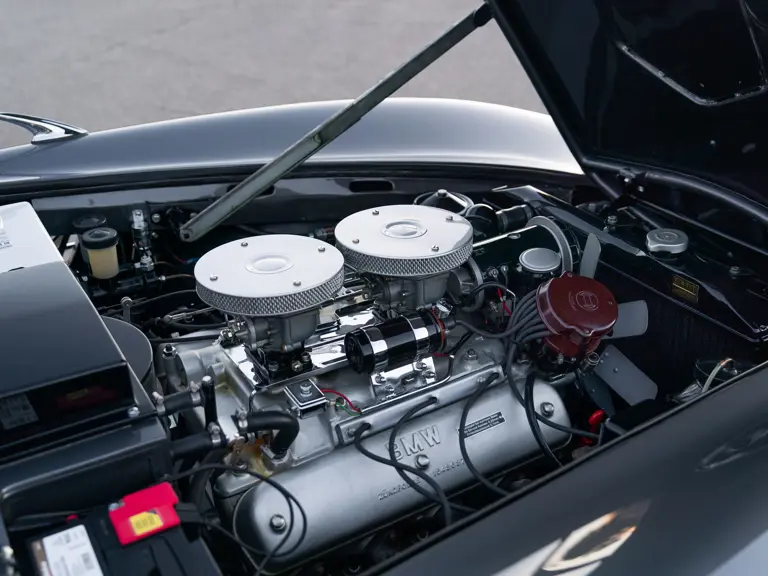
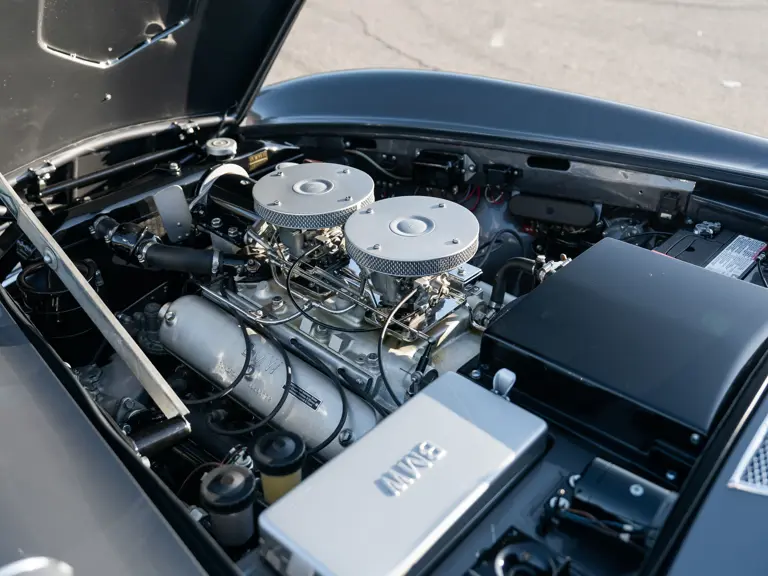
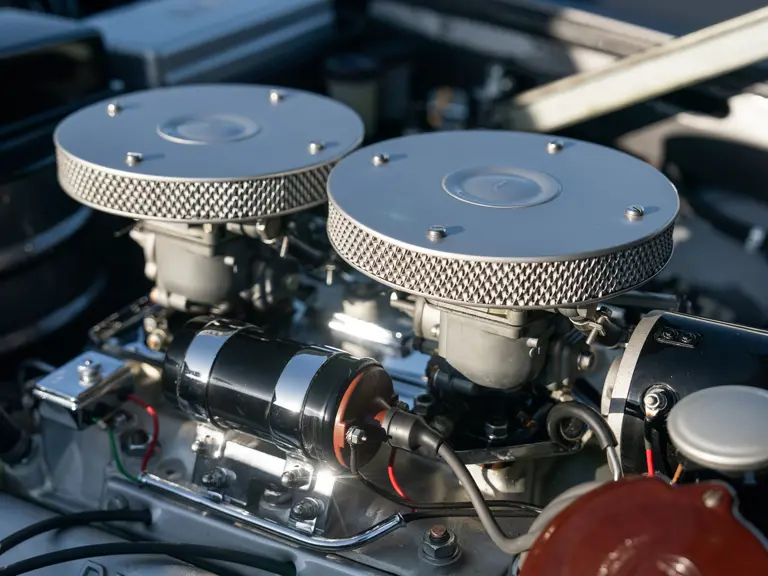
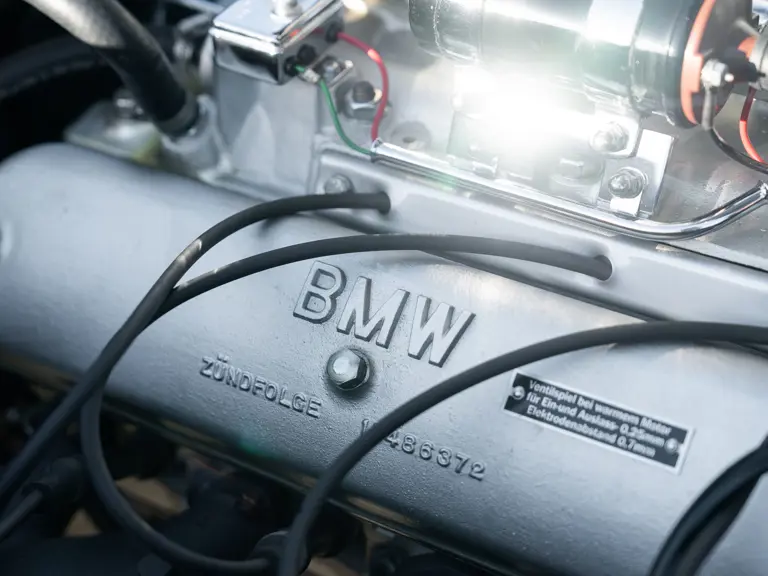
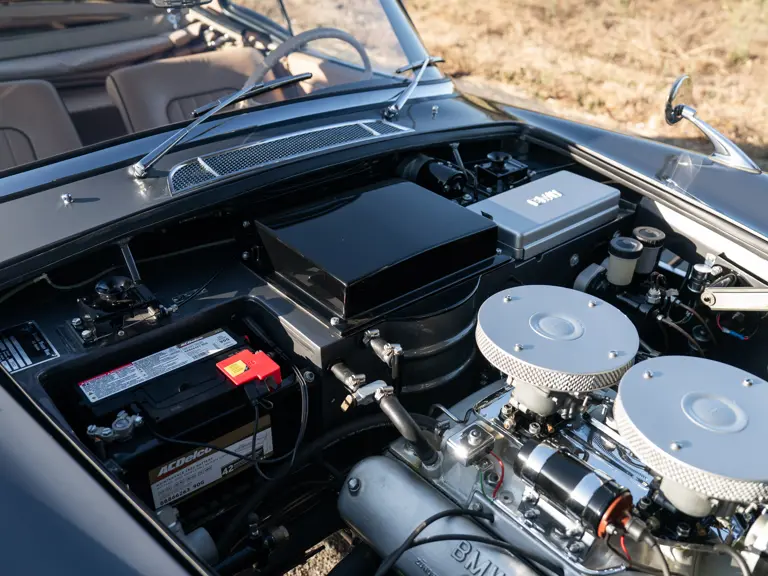
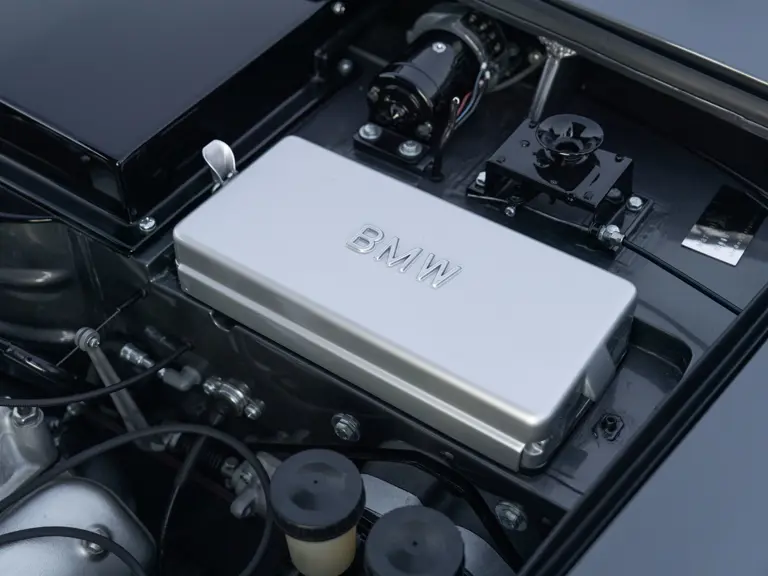
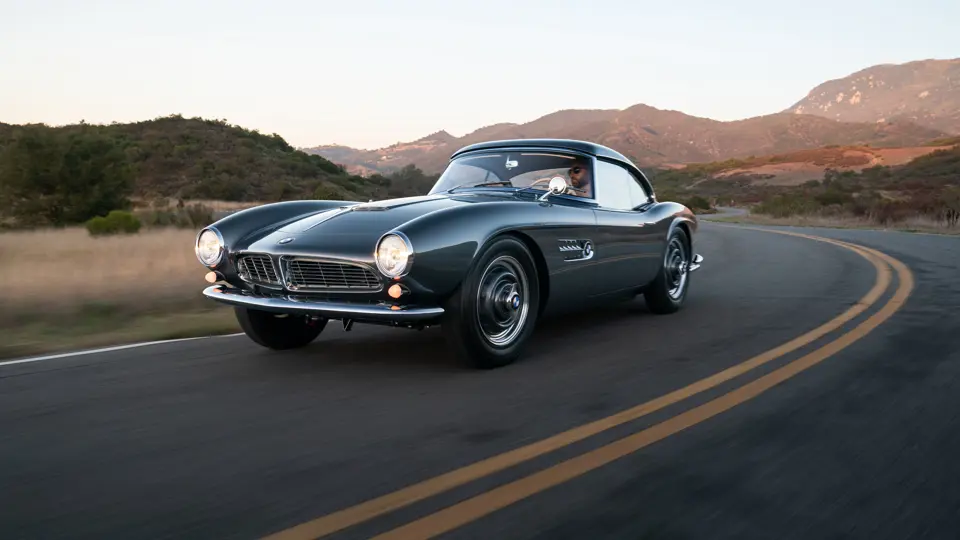
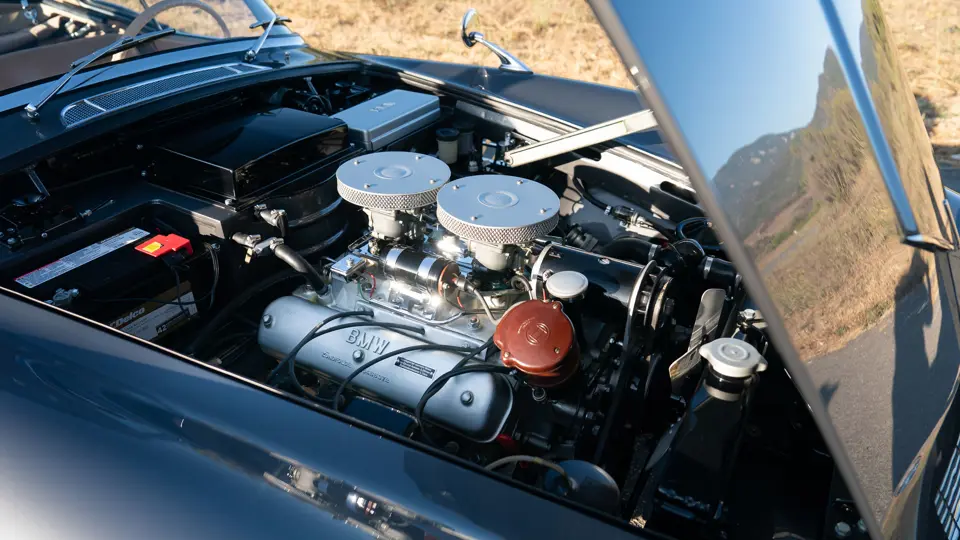
In employing an all-aluminum Type-507/1 3.2-litre V8 engine derived from the incumbent 501 and 502 Saloon range–and a shortened and strengthened version of the 2+2 503’s chassis frame–BMW were able to make use of existing tooling and components, although such relatively mundane underpinnings contrasted starkly with the extravagantly rakish aluminum bodywork styled by Albrecht von Goertz. Invaluable input from BMW mainstays Fritz Fiedler and Alex von Falkenhausen ensured that the car was exquisitely engineered, but from the outset it became apparent that BMW’s estimated production costs were wildly optimistic–thereby leading to an unexpectedly inflated selling price.
Popular reaction to the car at the 1955 Frankfurt Auto Show proved overwhelmingly positive, but the eventual US sales price of over $9,000 approached double the figure of $5,000 initially suggested by Hoffman. Remarkably, this also equated to more than double the price of a comparable Jaguar XK, and exceeded even the cost of a 300 SL; a car by now well-established stateside, and against which the 507 was now competing directly. Significantly, with a 0-60 time of over 11 seconds and a top speed of a mere 122 mph, the 507 proved markedly slower than the 300 SL; the latter recording corresponding figures of 138 mph and 7.7 seconds respectively.
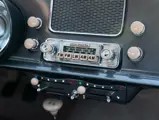
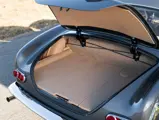
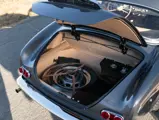
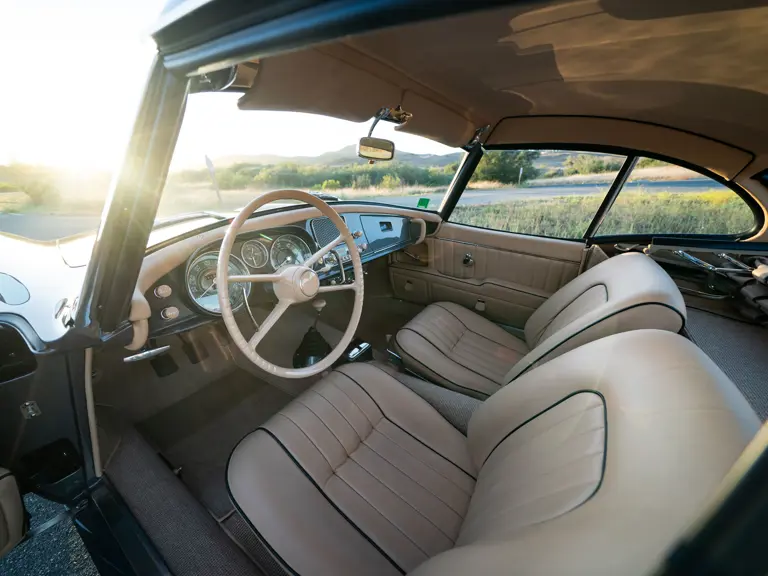
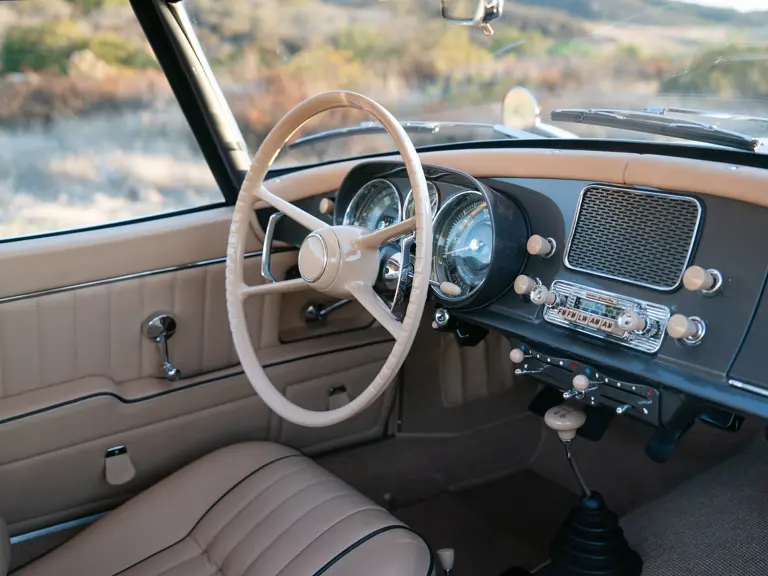
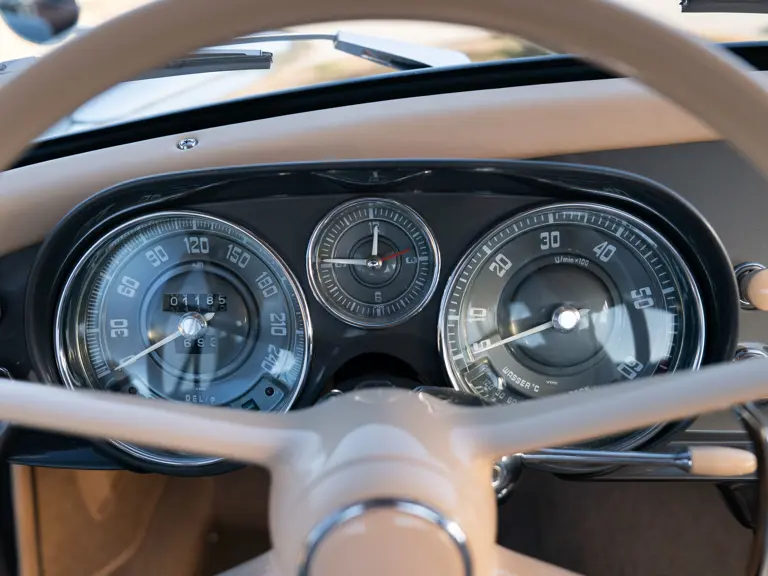
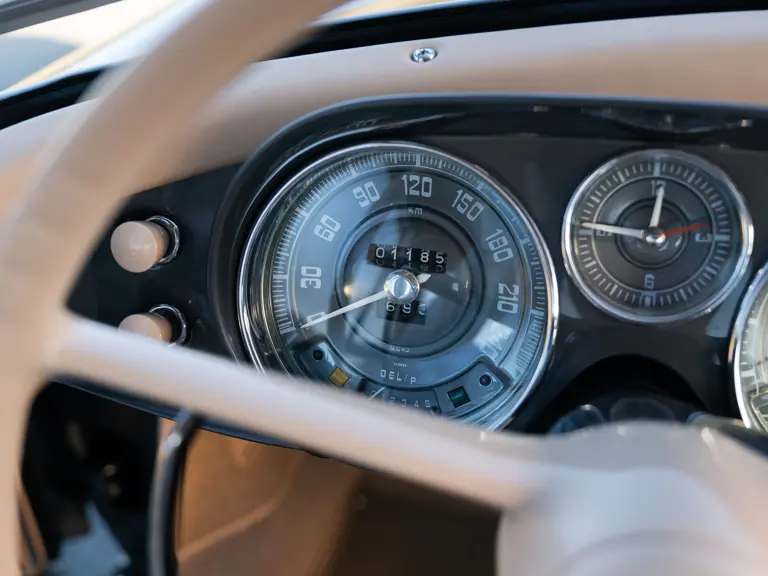
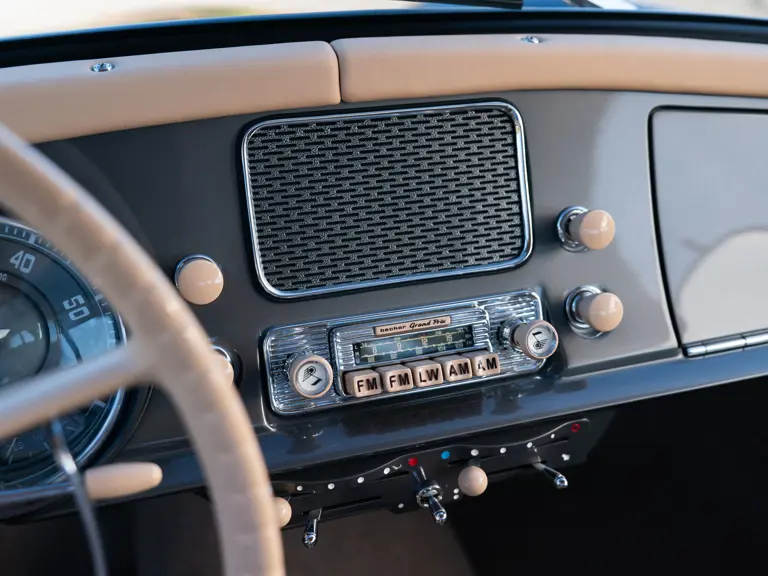
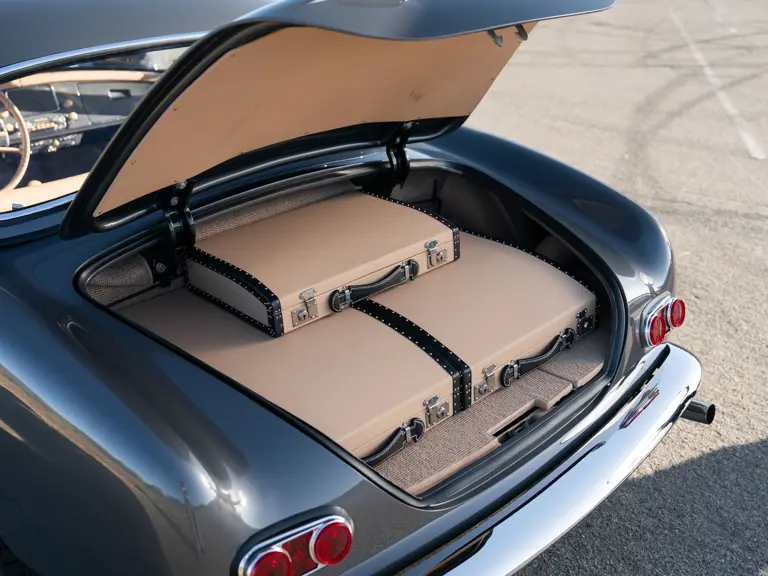
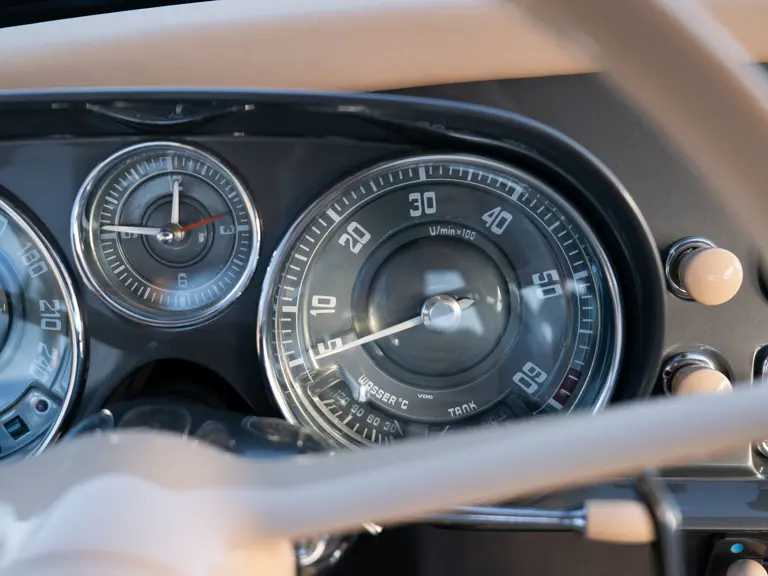
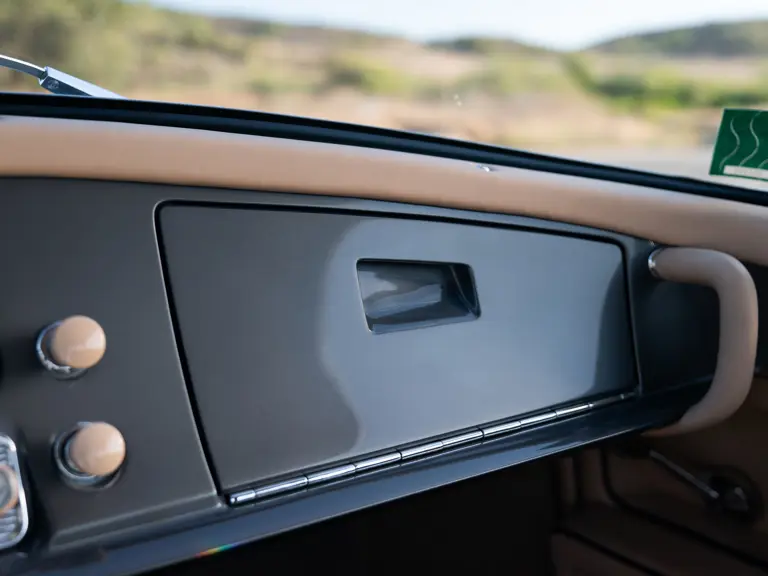
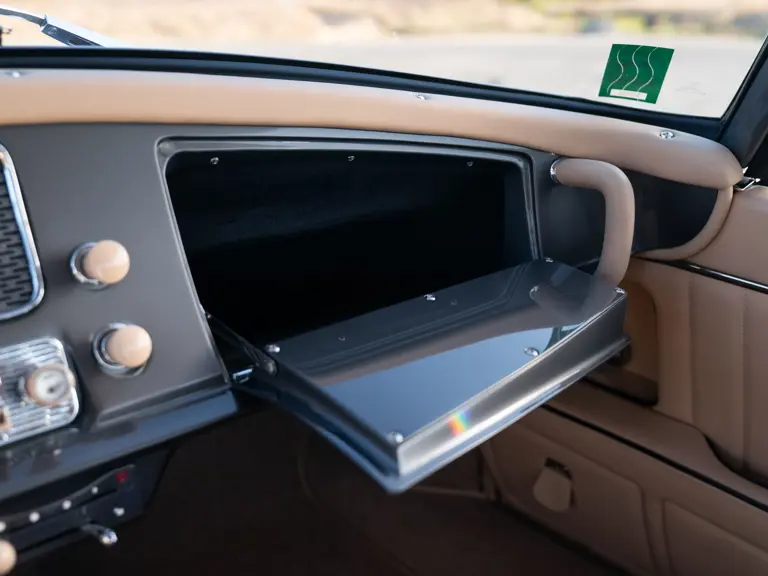
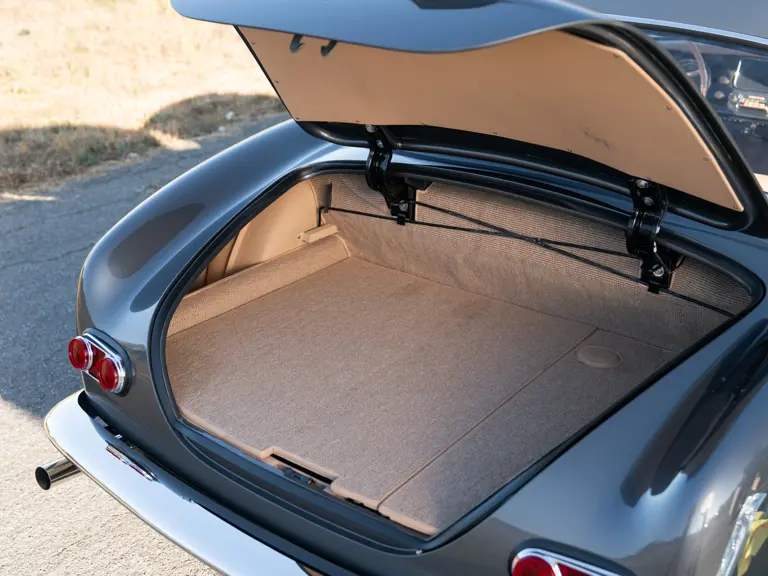
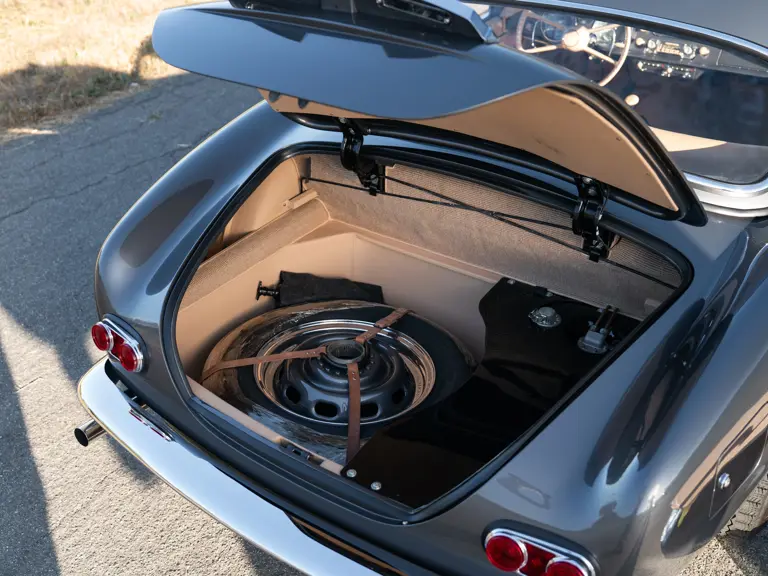
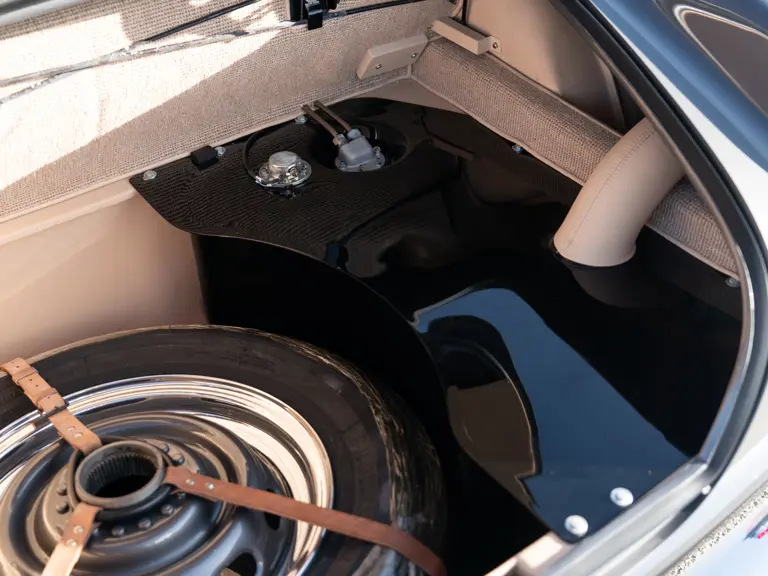
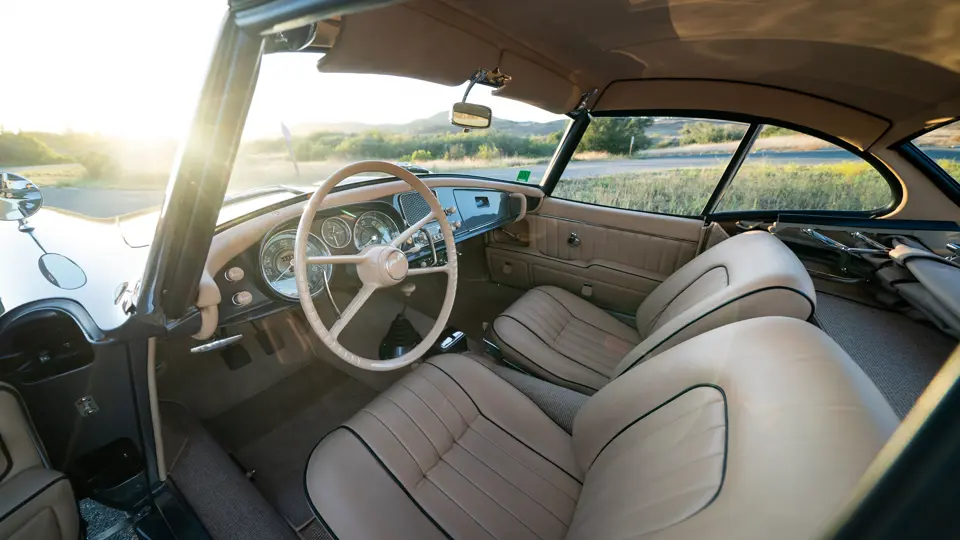
Remarkably–and in stark contrast to combined 300 SL Gullwing and Roadster production of some 3,258 cars–just 252 507s would be constructed between 1956 and 1959. Of these, the first 34 were retrospectively designated Series I cars, with the subsequent 218 chassis termed Series II. Although the model’s relatively modest power output of 150 horsepower remained substantially unchanged between series, later cars benefitted from a reduction in fuel tank size from 110 to 66 liters–affording a commensurate increase in trunk capacity–while also benefitting from an improved dashboard layout, greater seat adjustment and the introduction of a cabin rear parcel shelf.
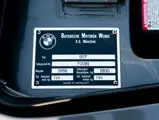
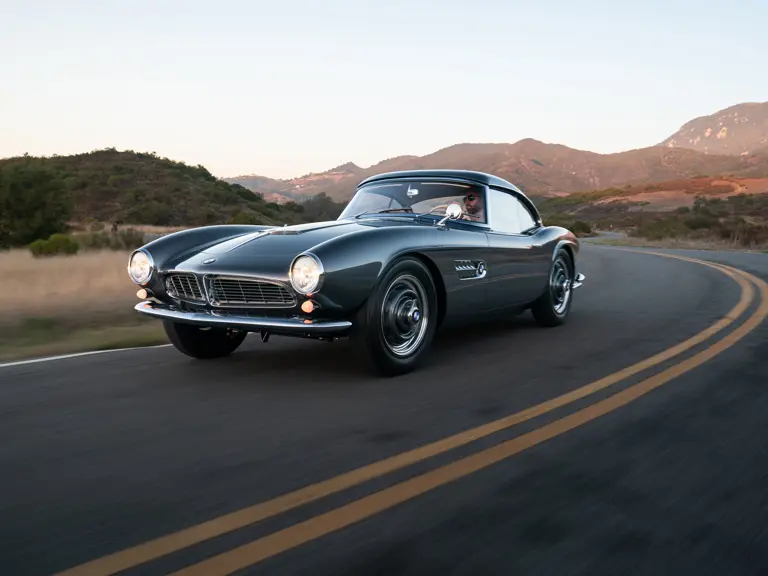
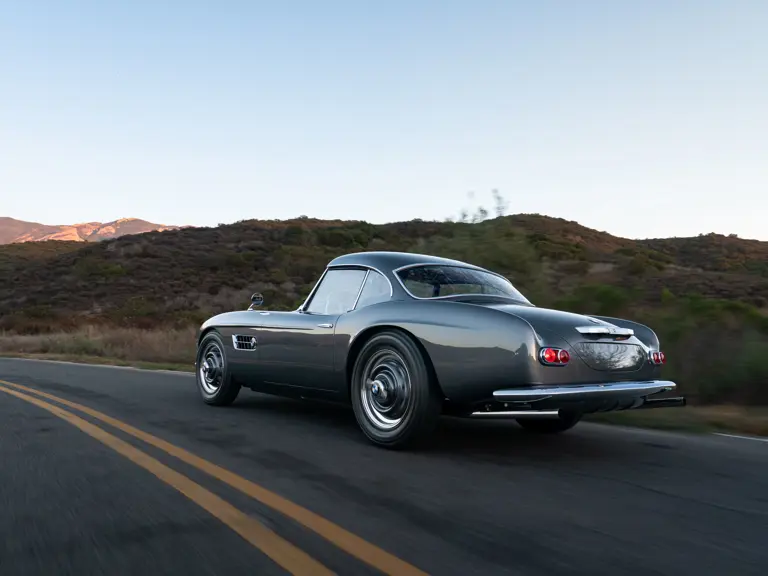
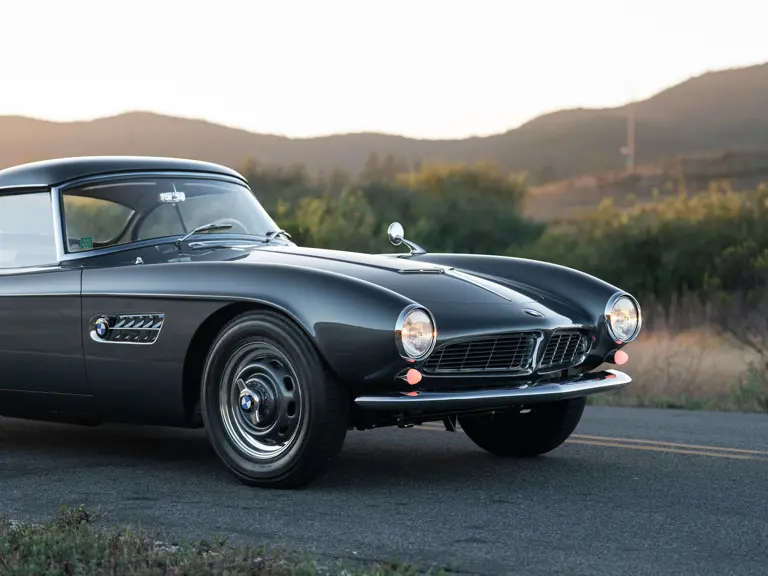
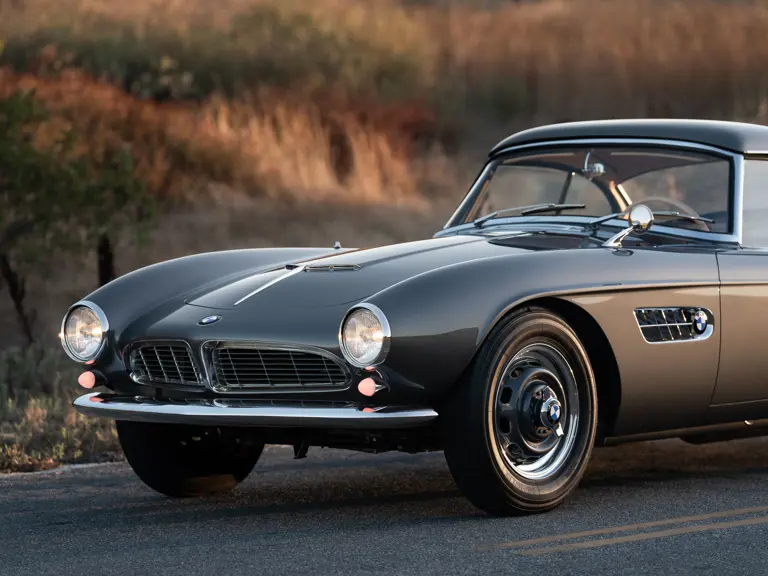
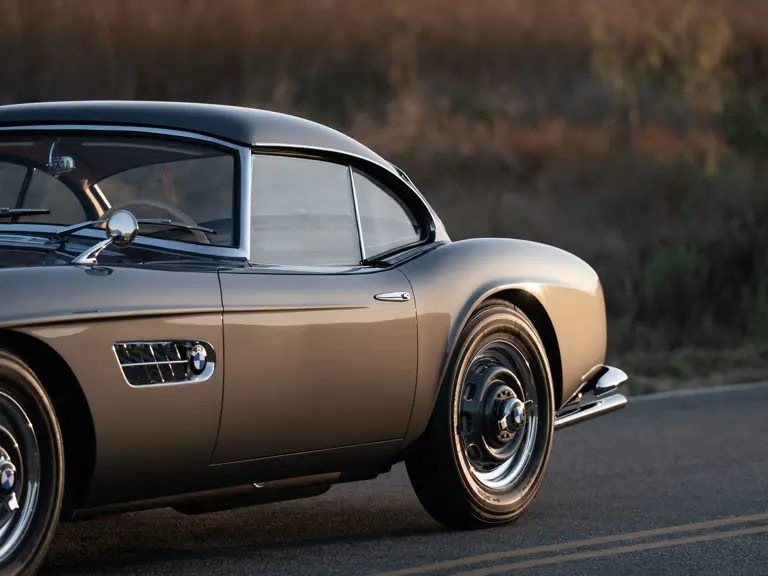
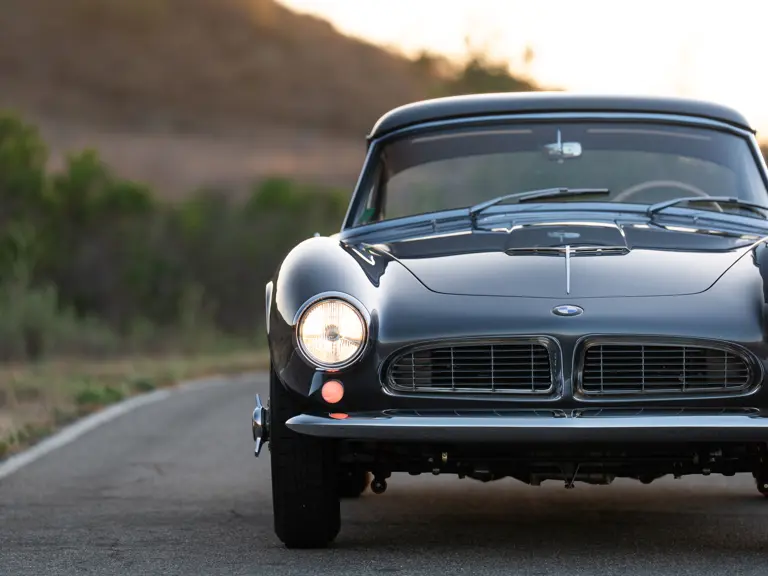
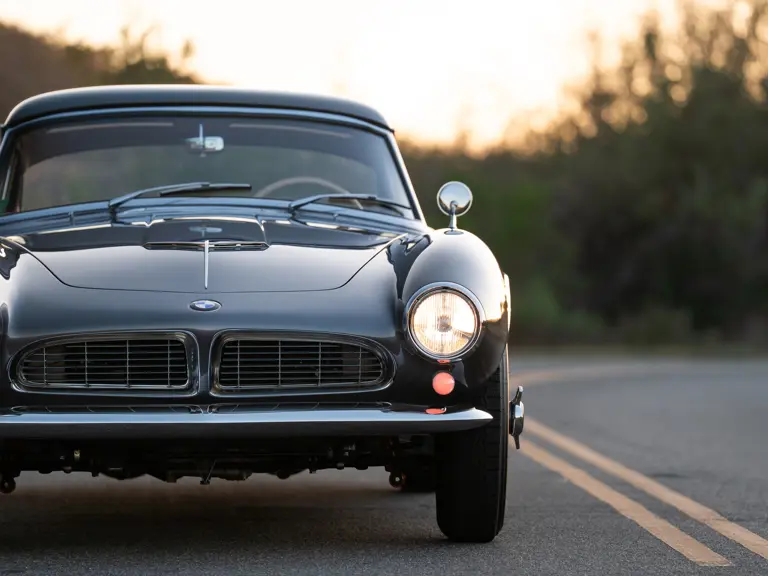
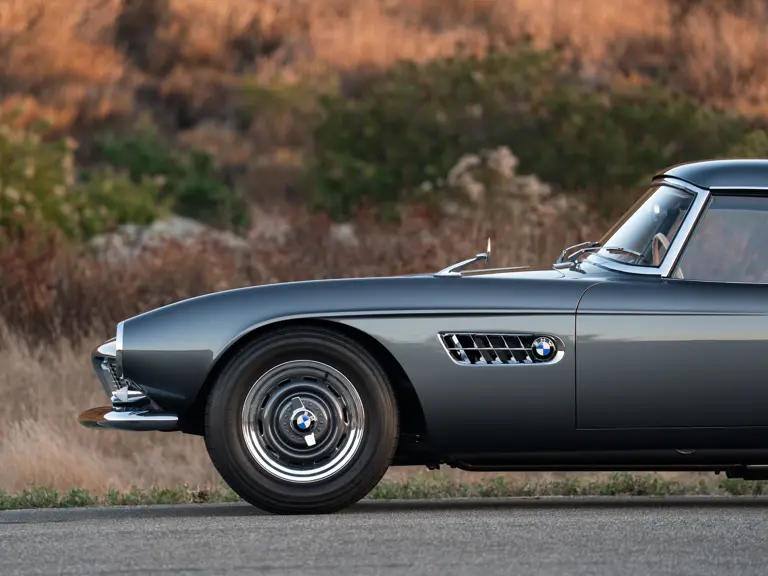
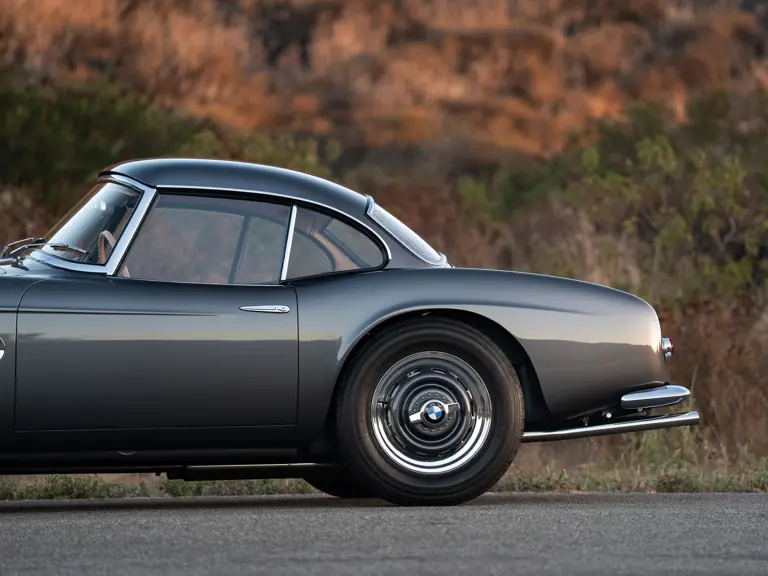
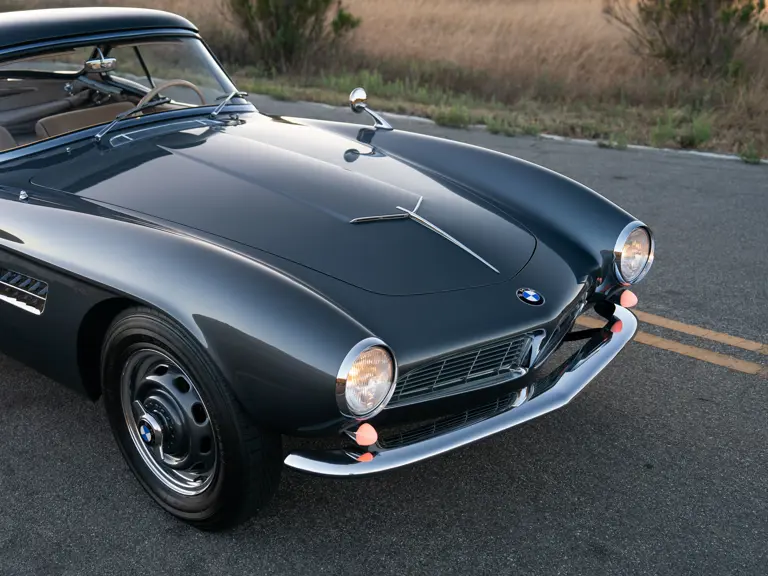
According to a BMW Classic Zertifikat on file, the 507 presented here is a Series II example that was completed by BMW in October of 1957. Several months later, it was delivered new to its first owner, Abraham Eckert of Langhorne, Pennsylvania, just northeast of Philadelphia. While its early life is not known, the car would eventually make its way back to Europe, and it was registered in the Netherlands as of 1995. By 2013, the car was owned by F.H. Breeman of Rotterdam and that same year it was purchased by Ulrich Berberich-Martini and imported to Germany.
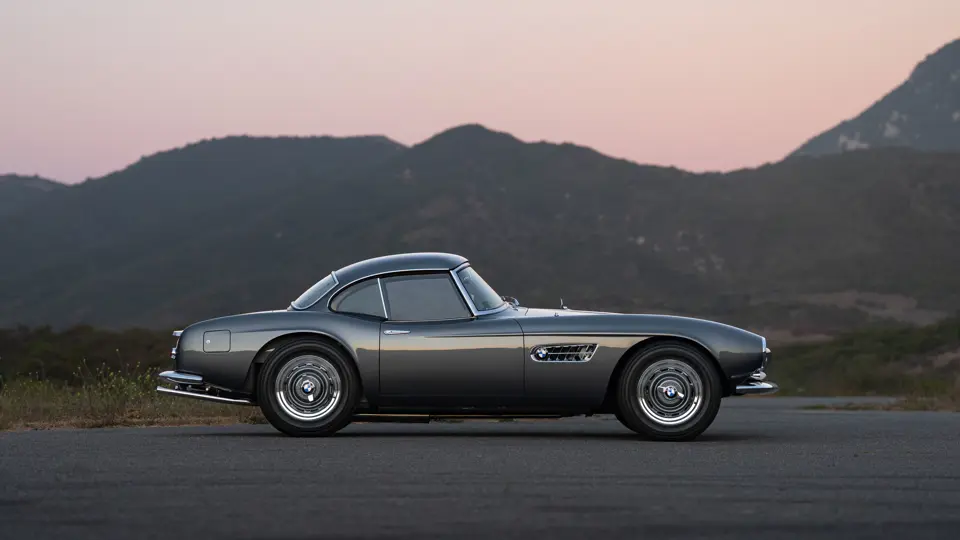
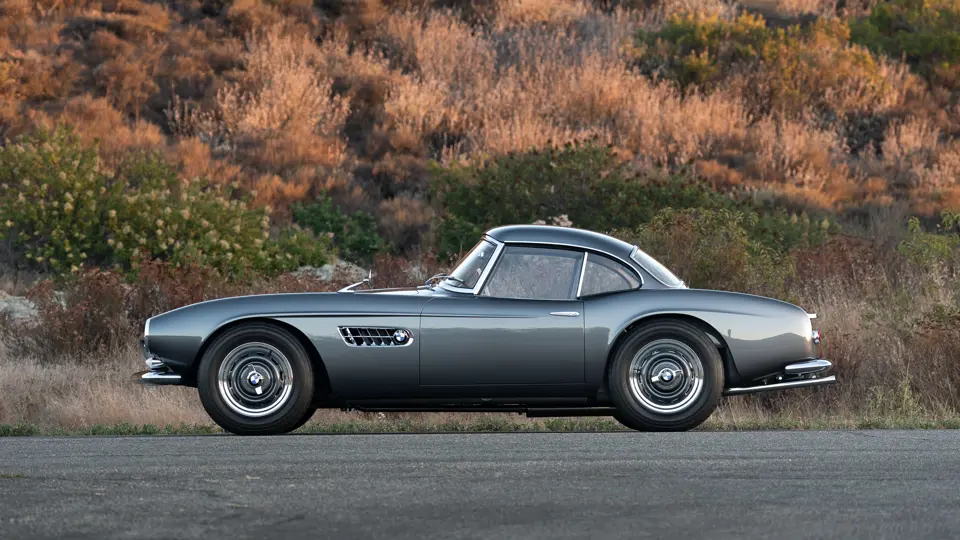
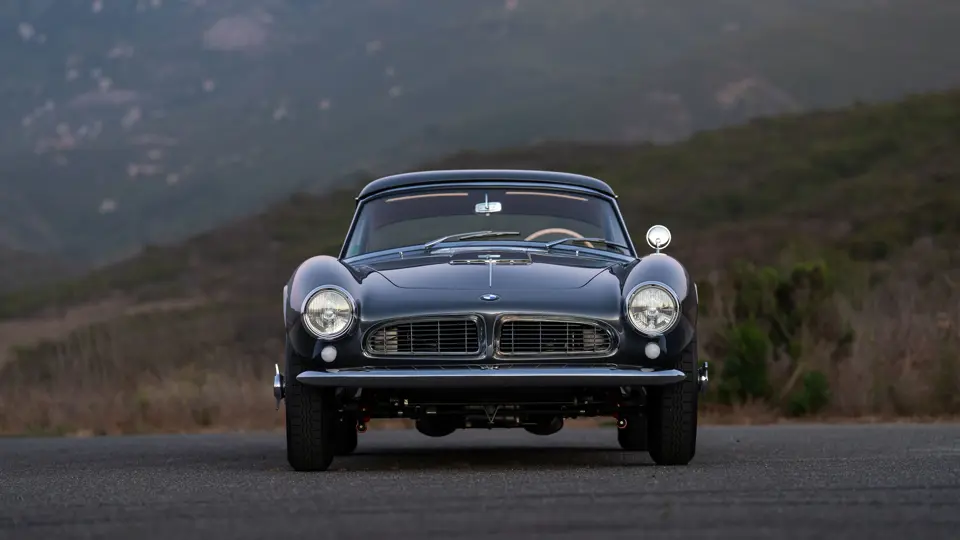
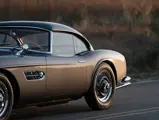
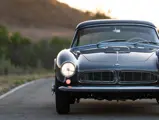
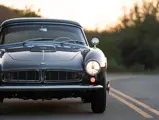
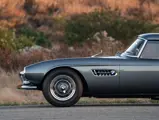
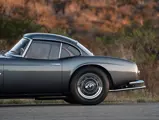
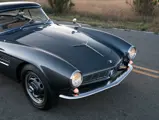
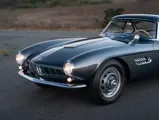
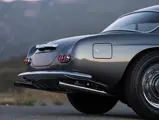
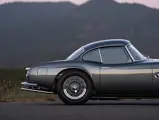
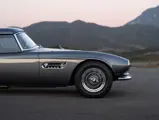
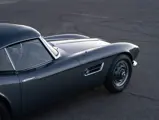
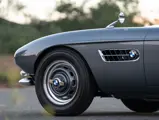
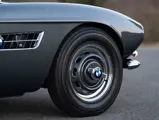
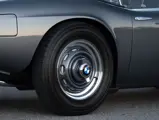
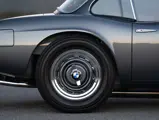
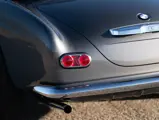
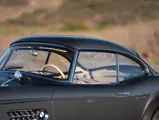
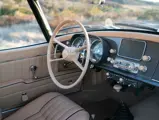
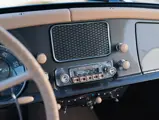
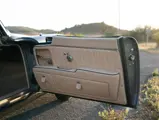
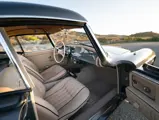
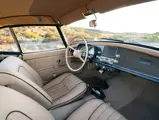
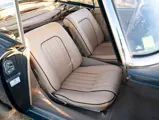
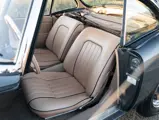
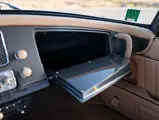
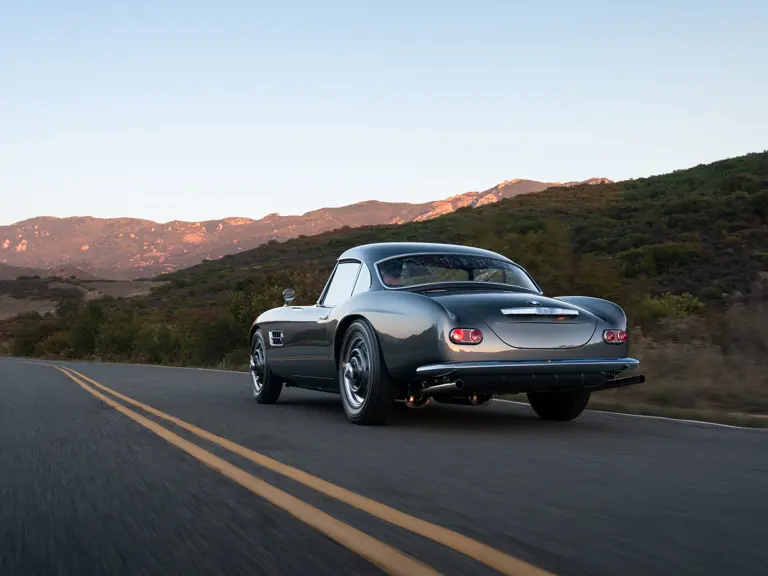
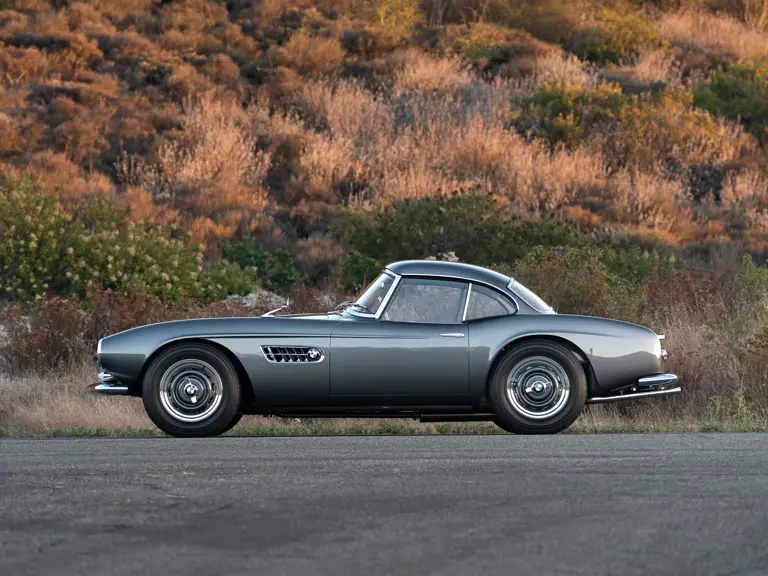
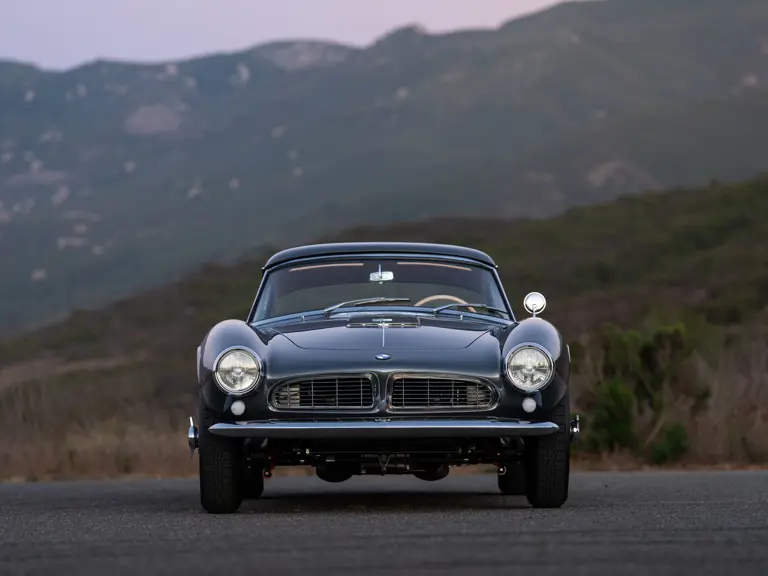
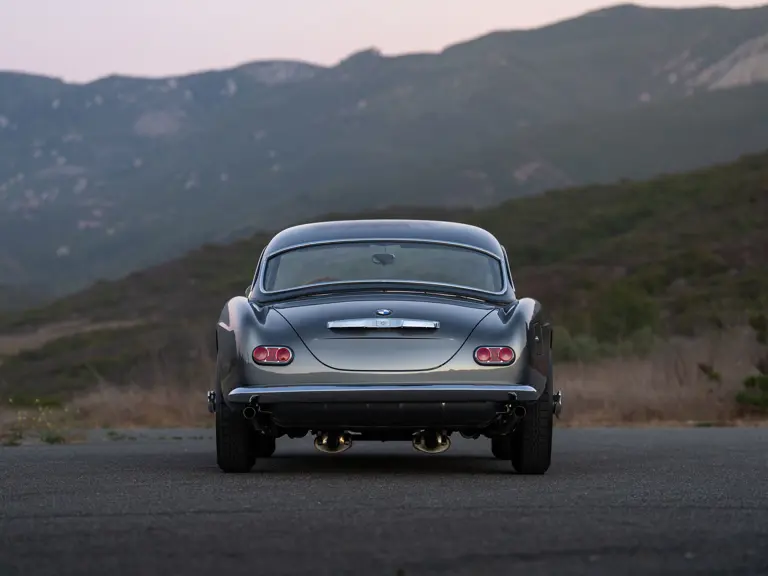
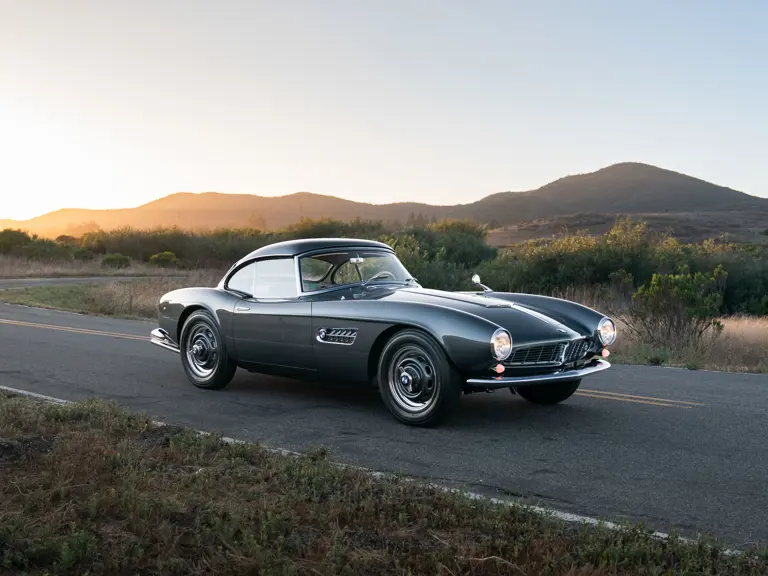
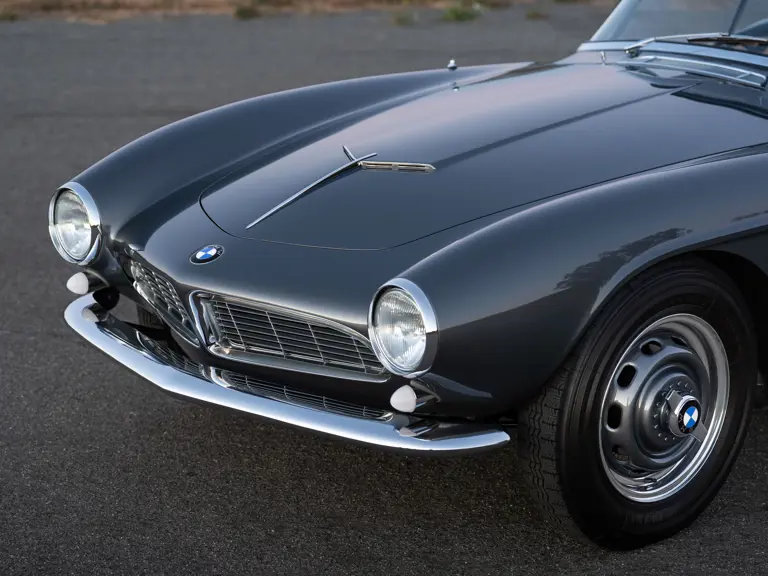
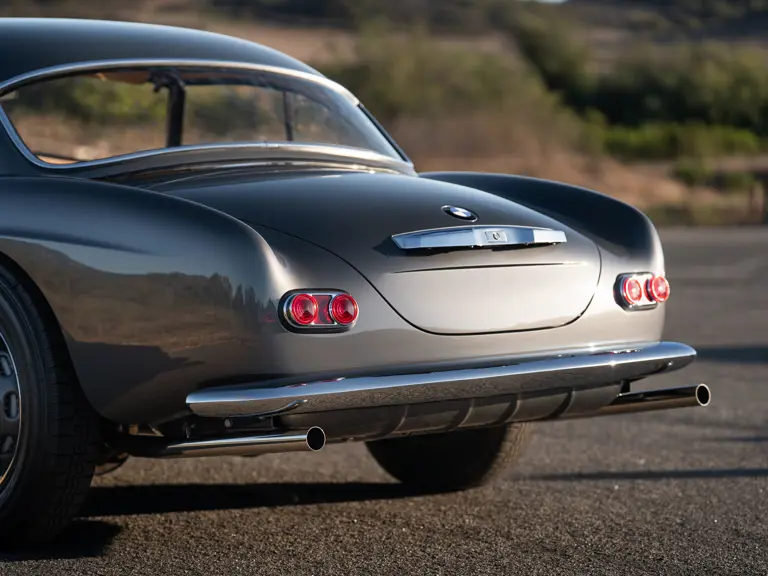
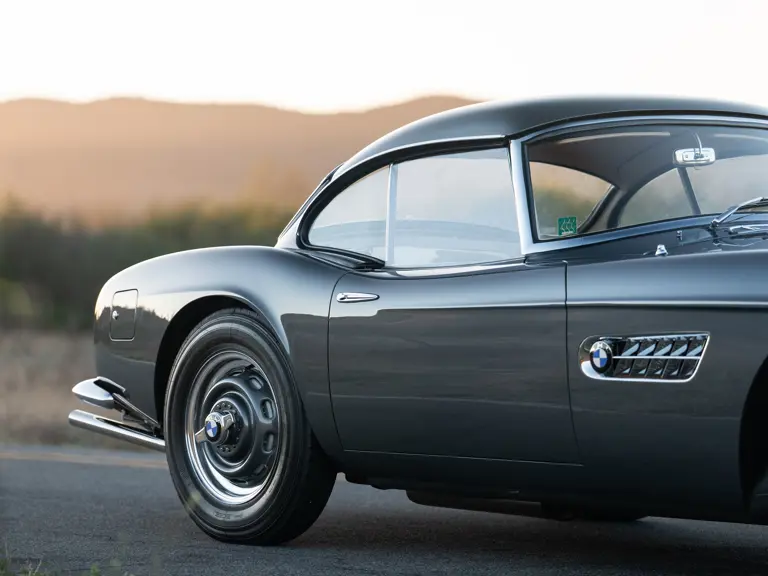
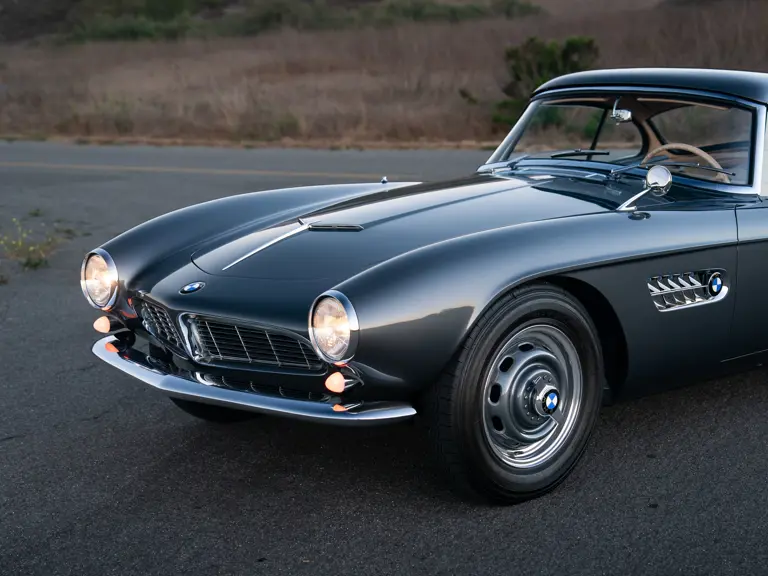
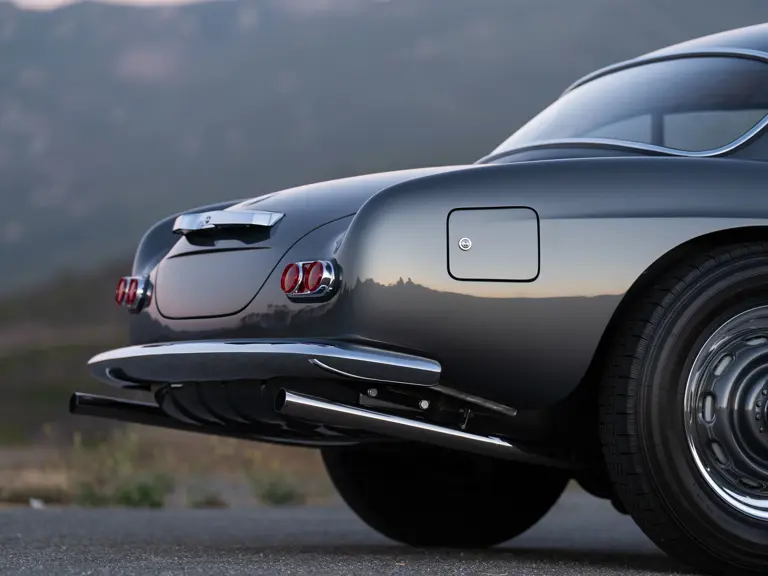
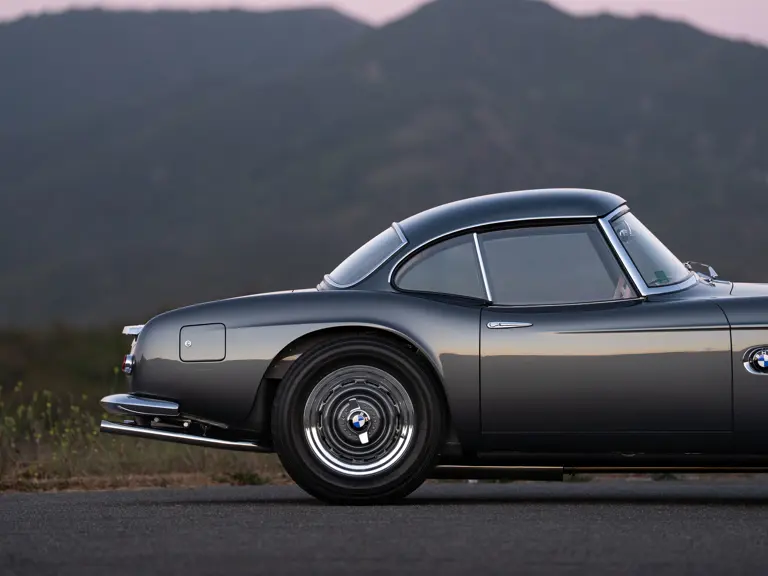
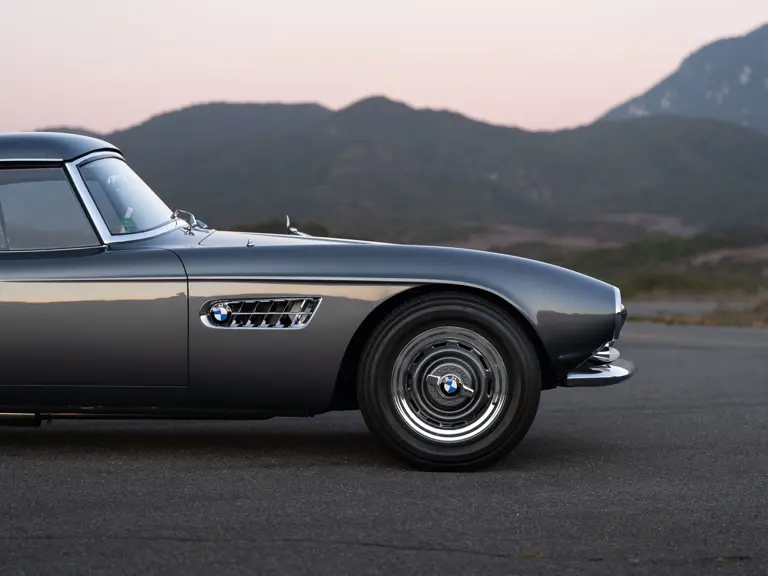
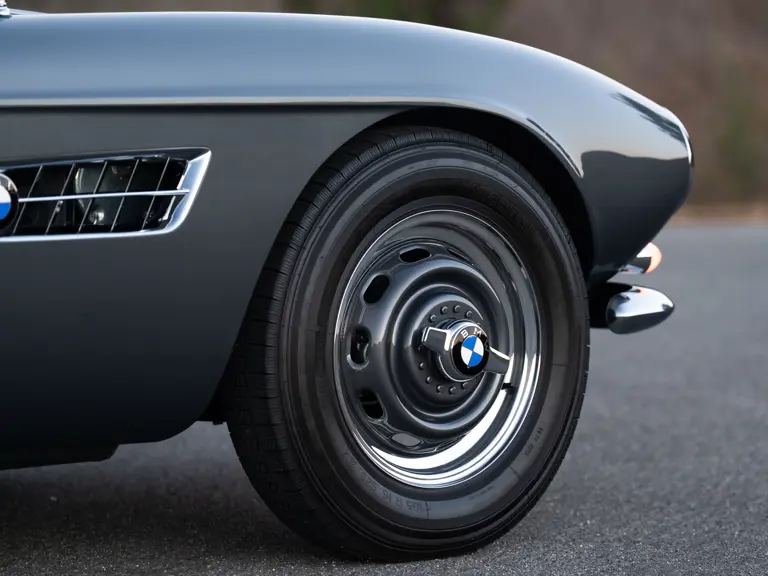
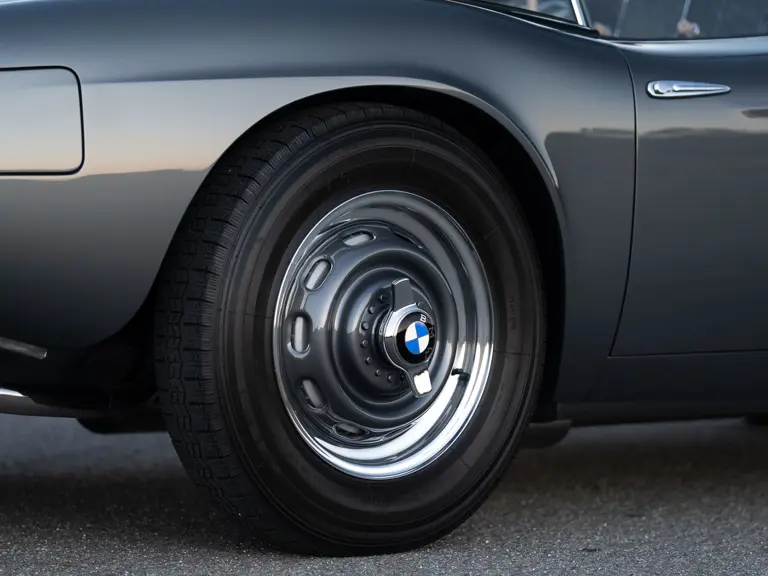
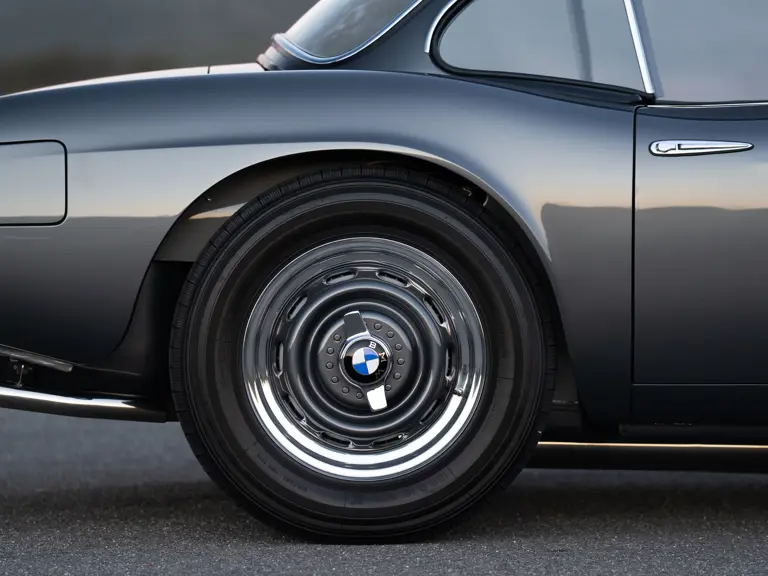
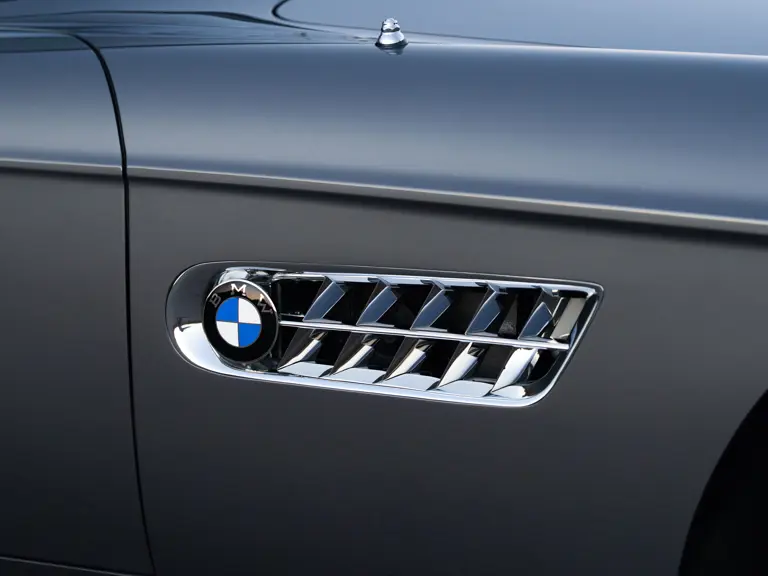
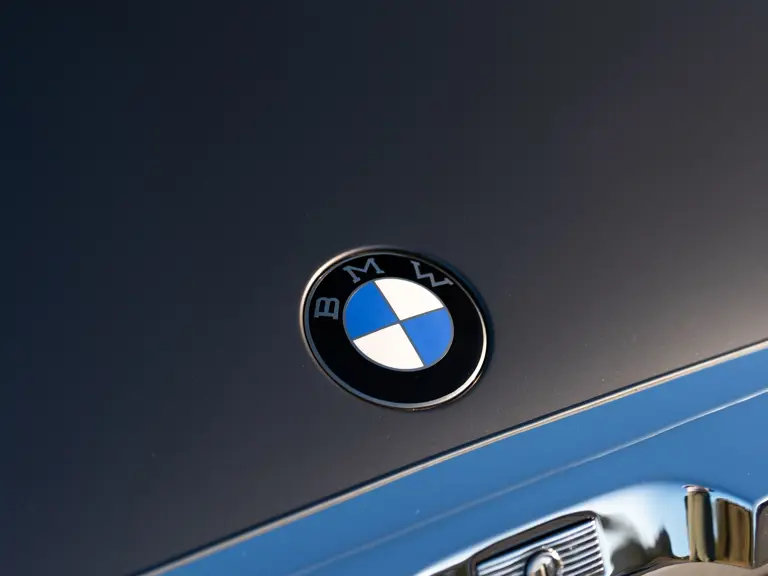
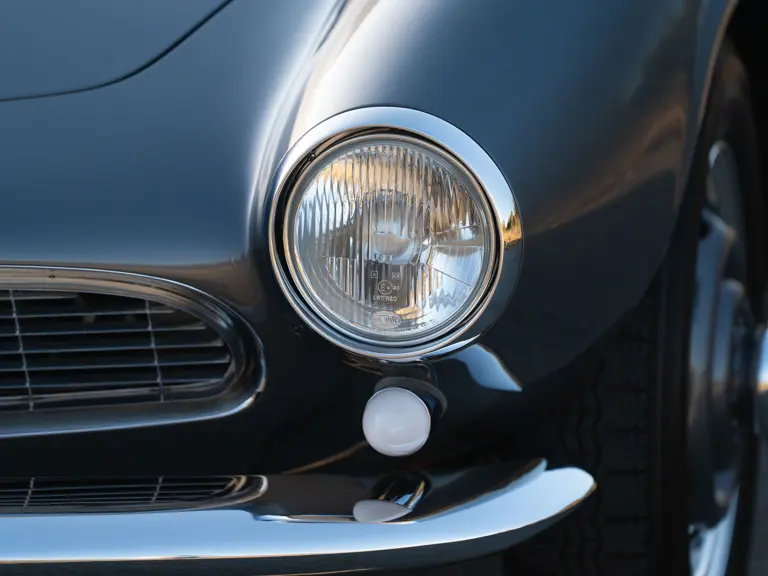
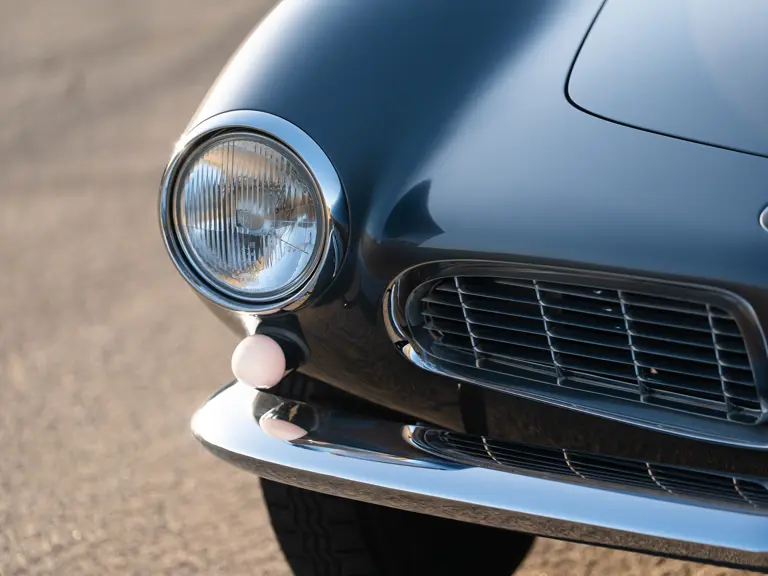
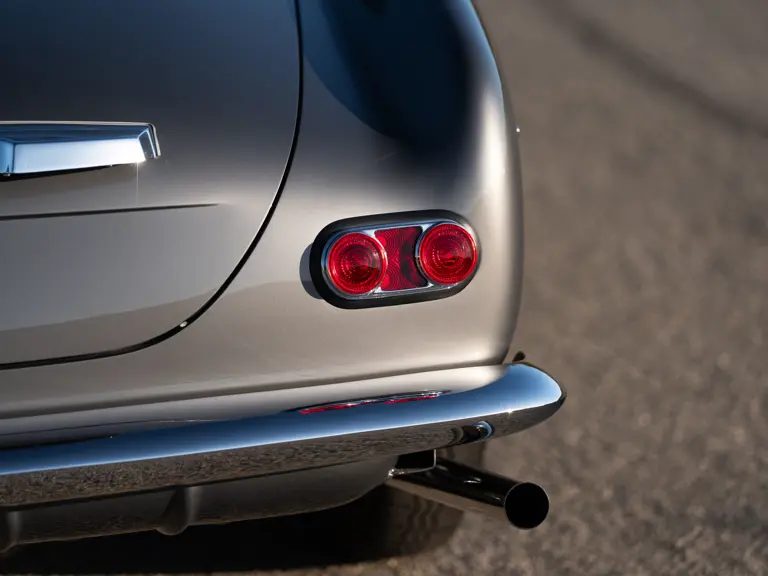
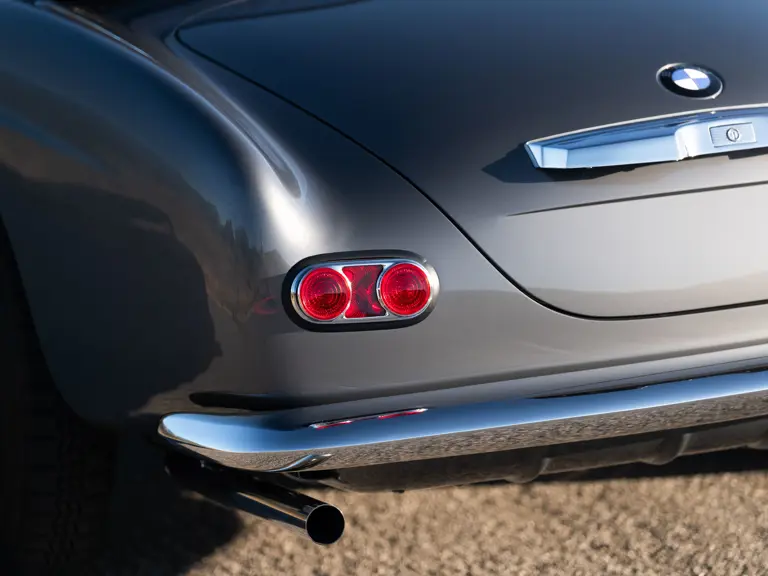
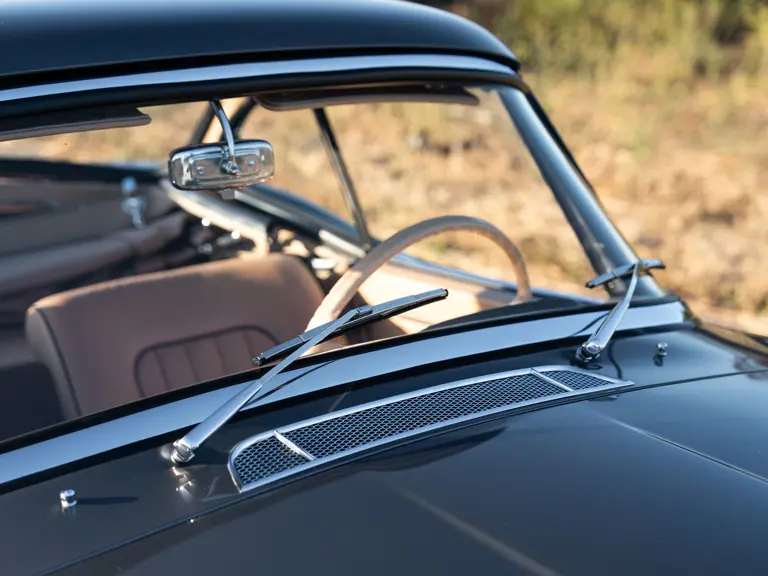
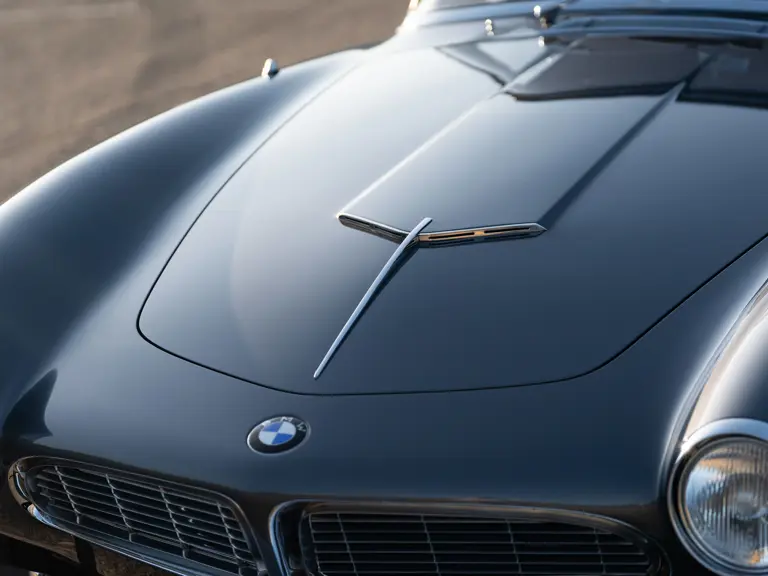
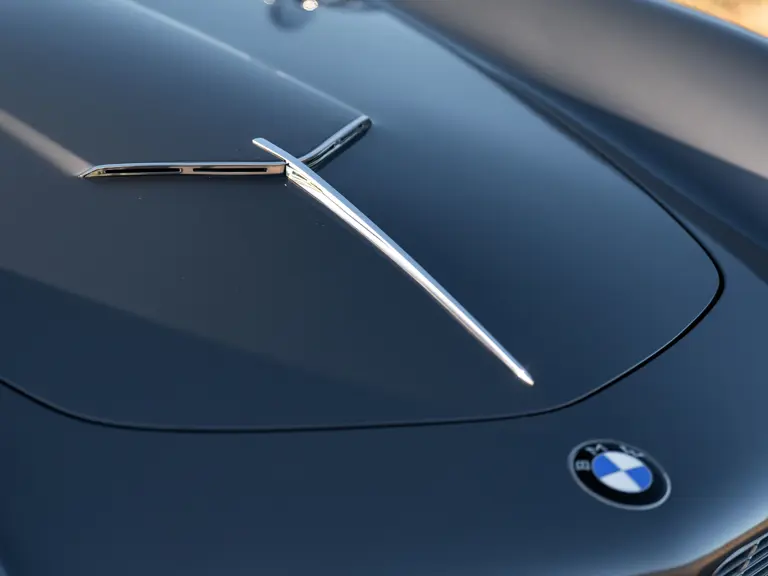
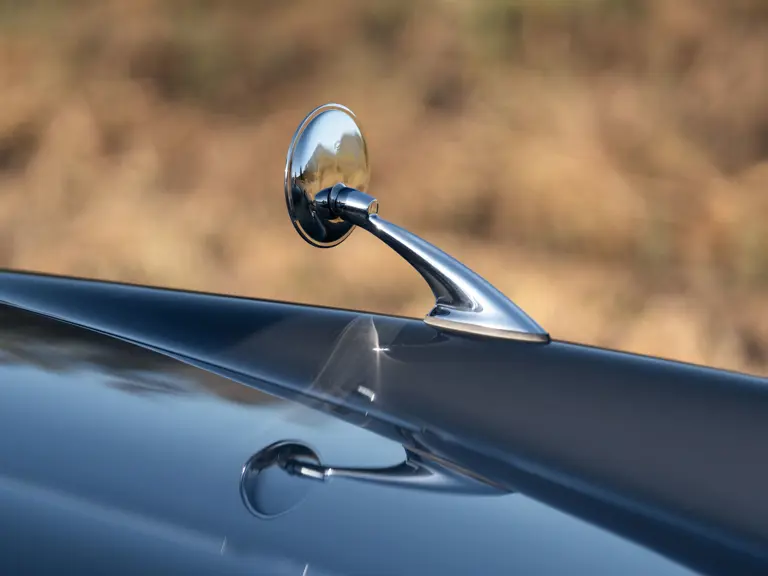
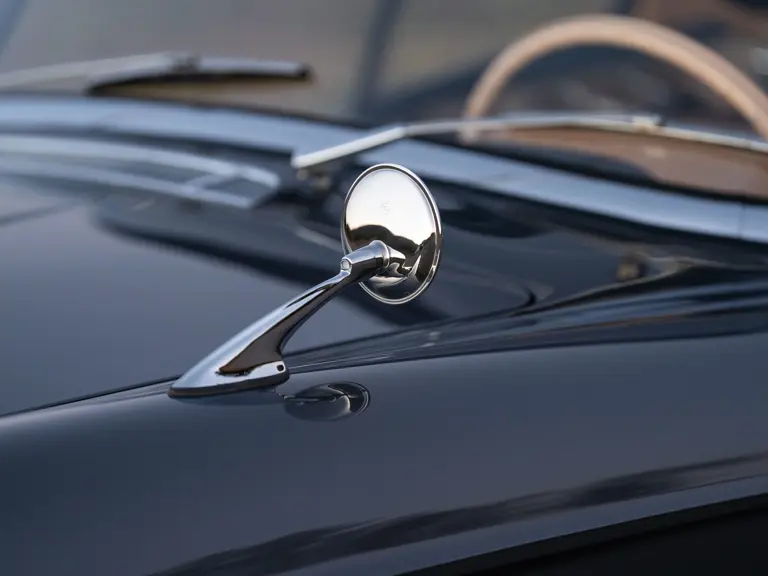
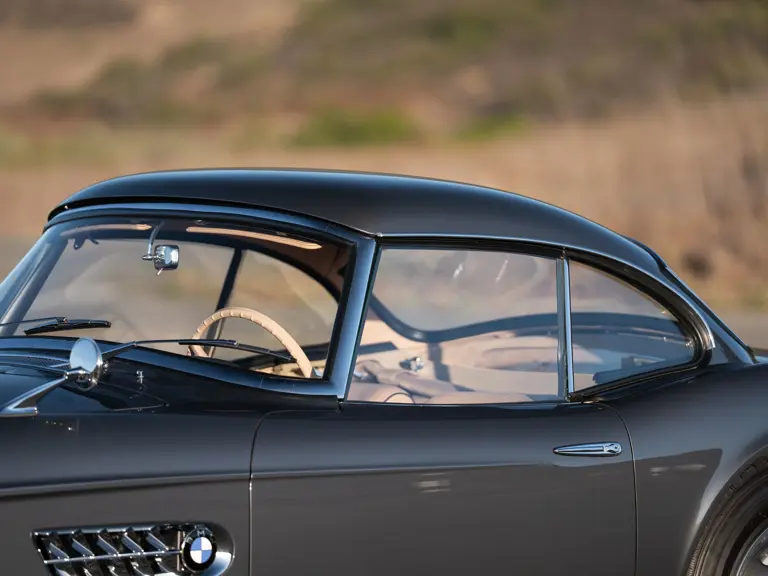
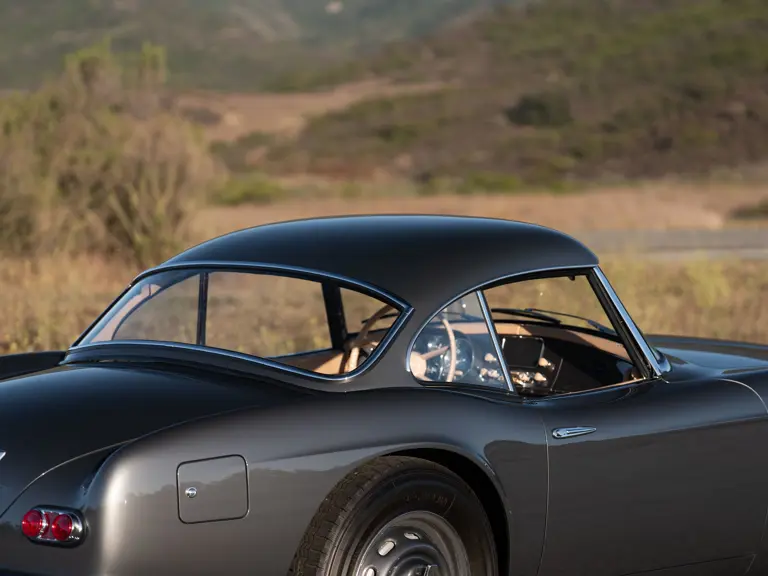
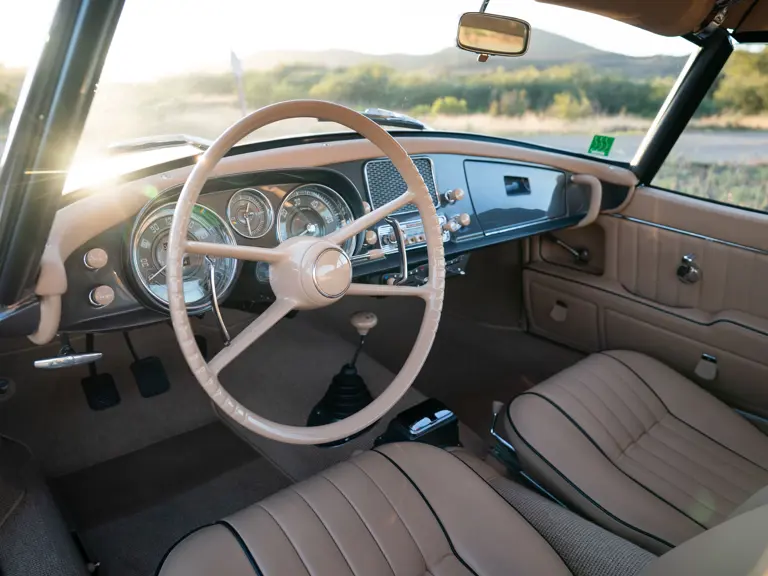
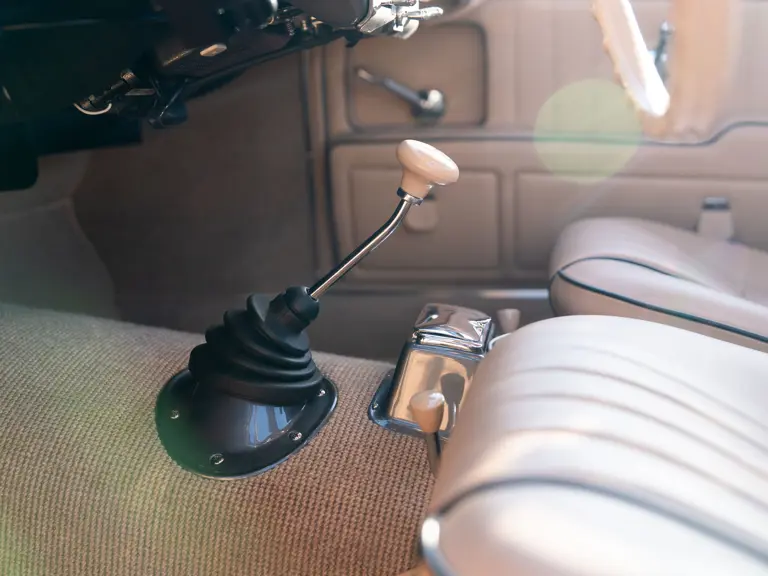
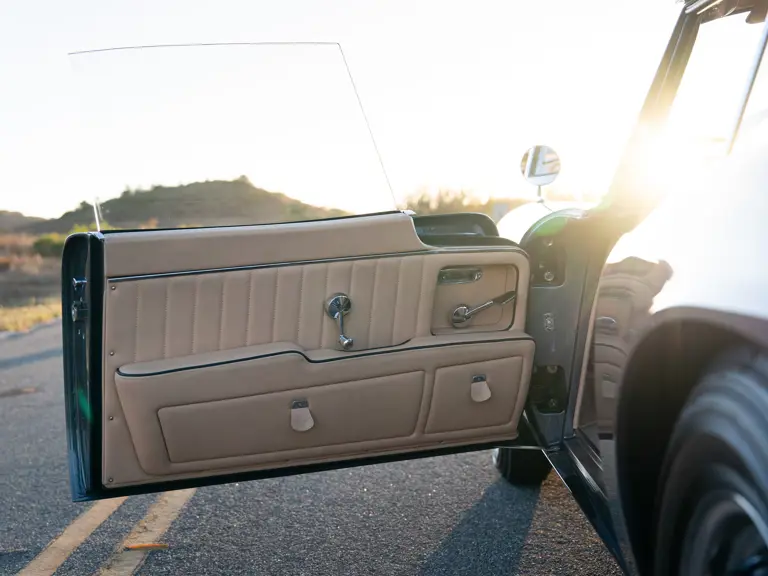
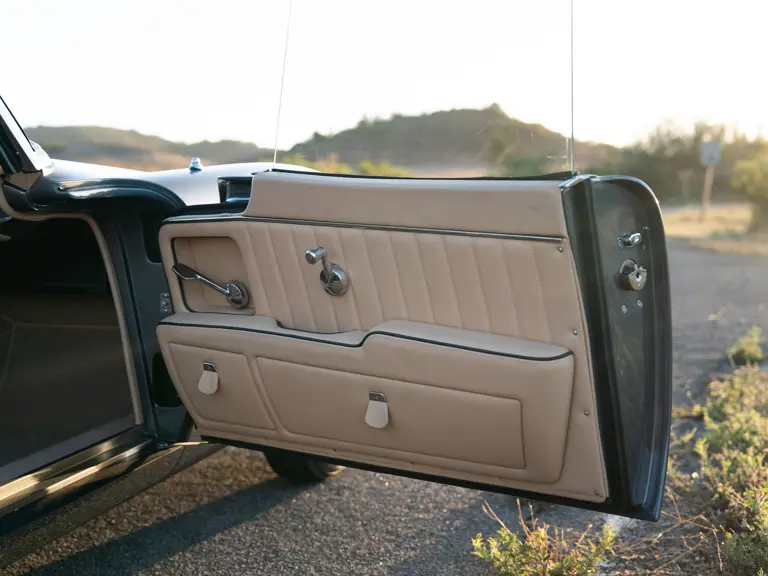
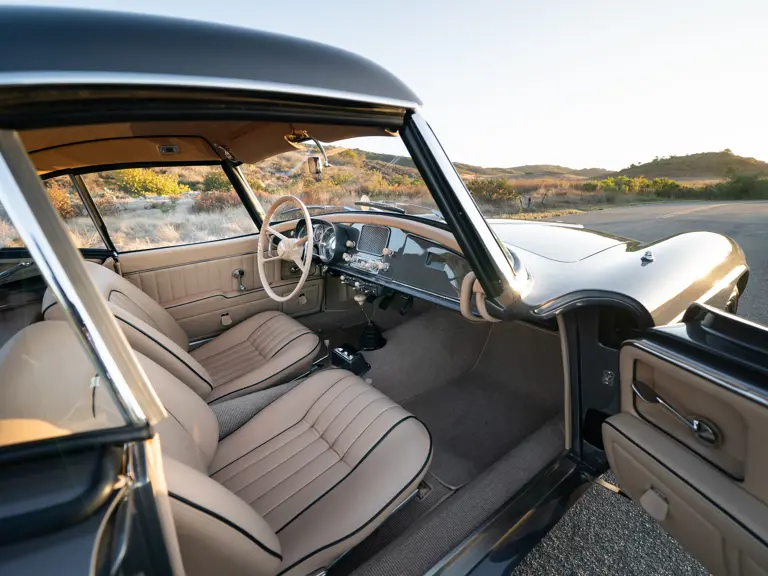
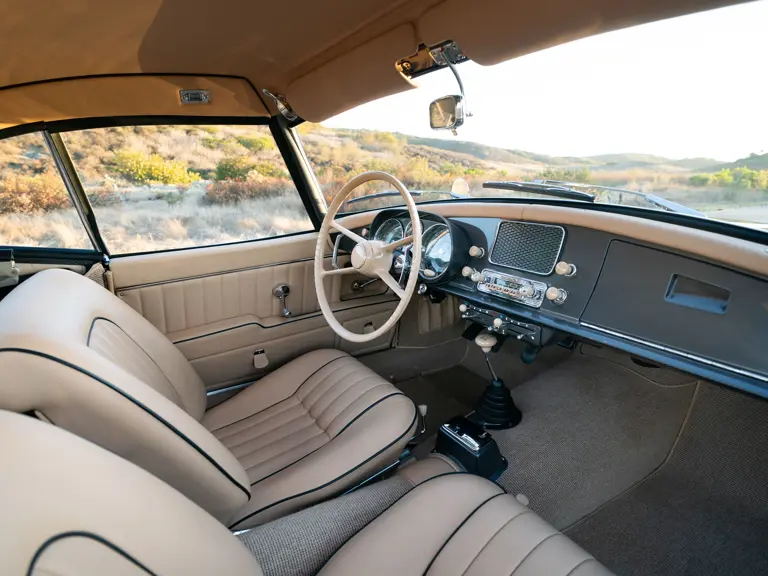
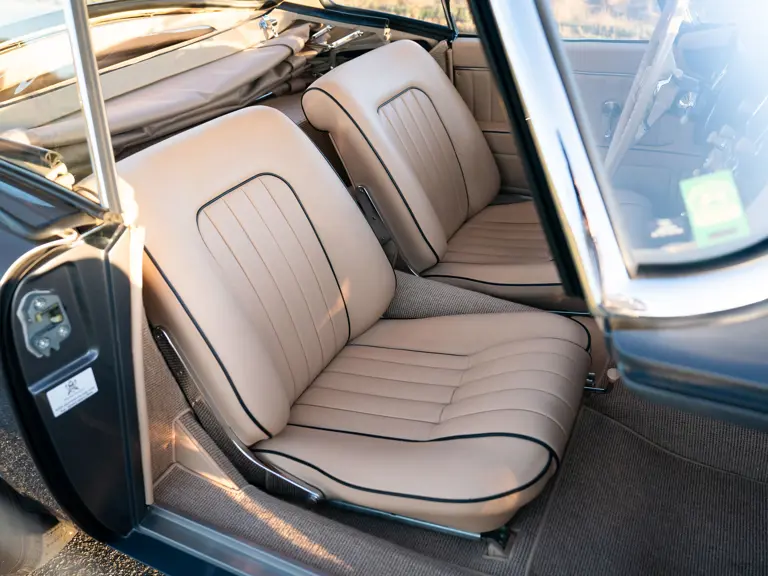
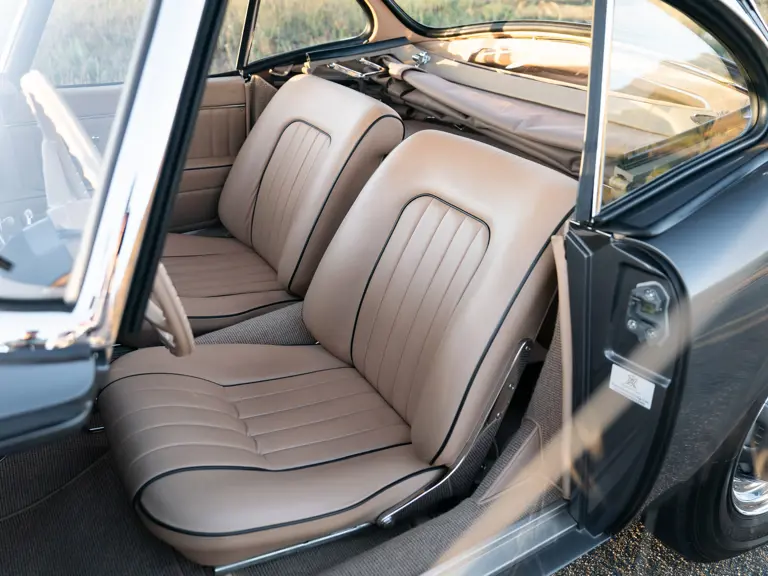
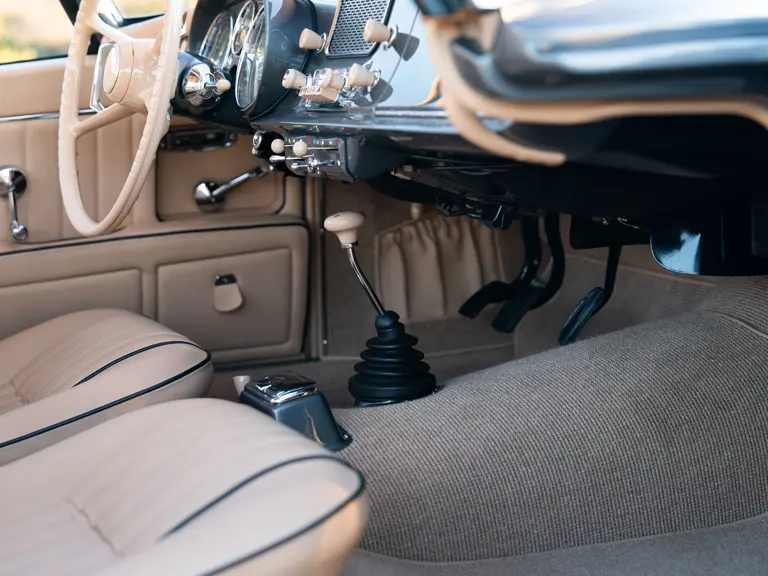
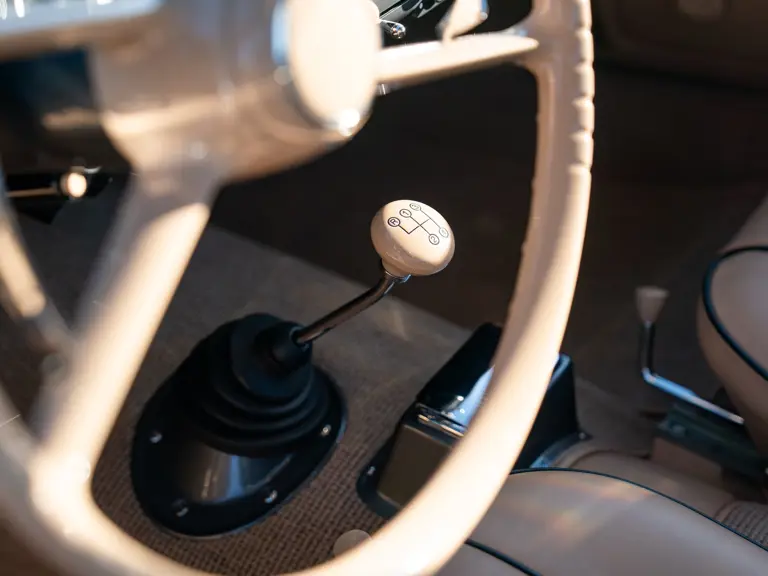
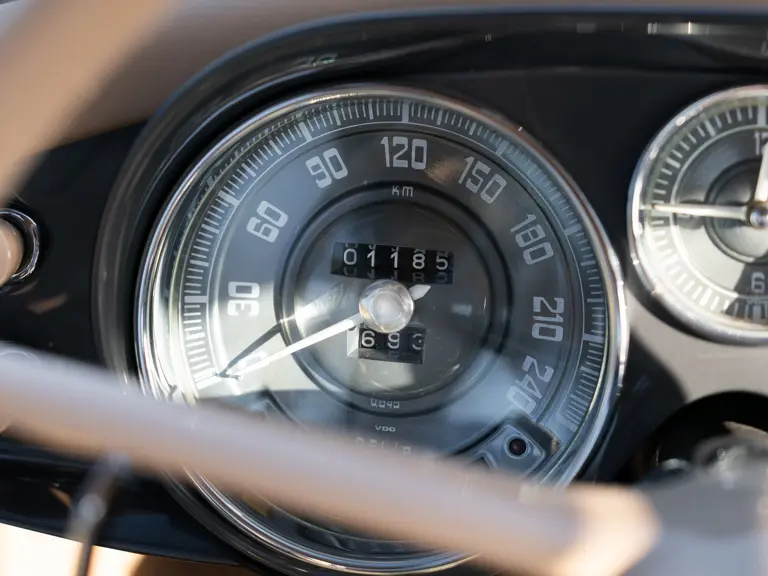
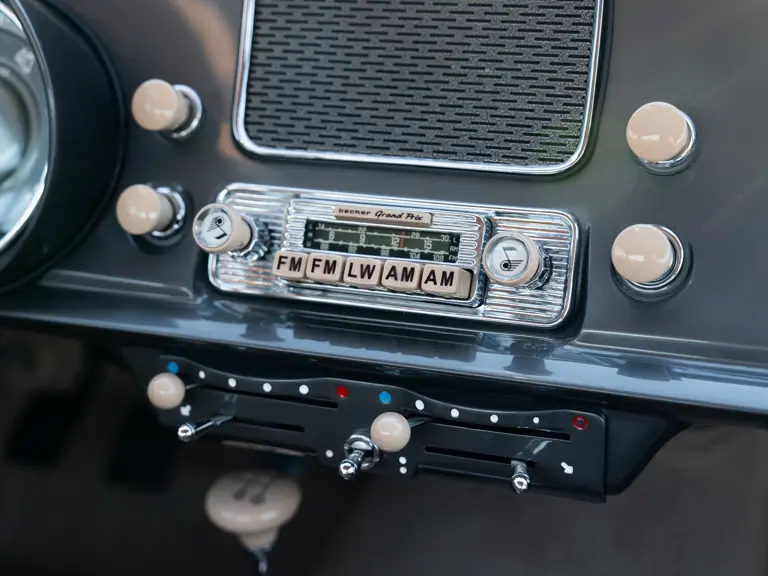
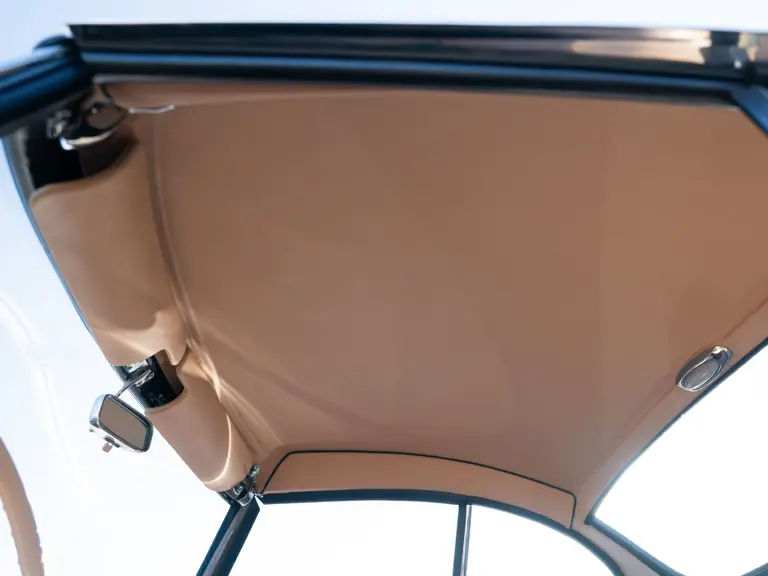
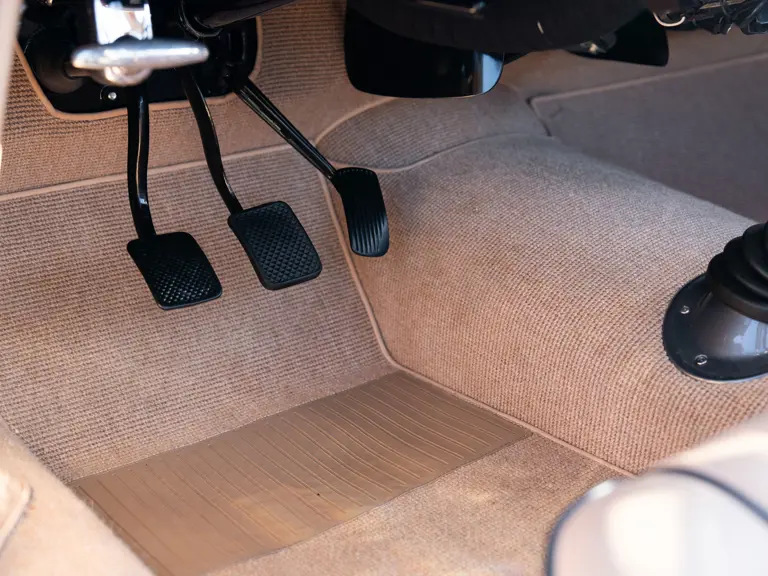
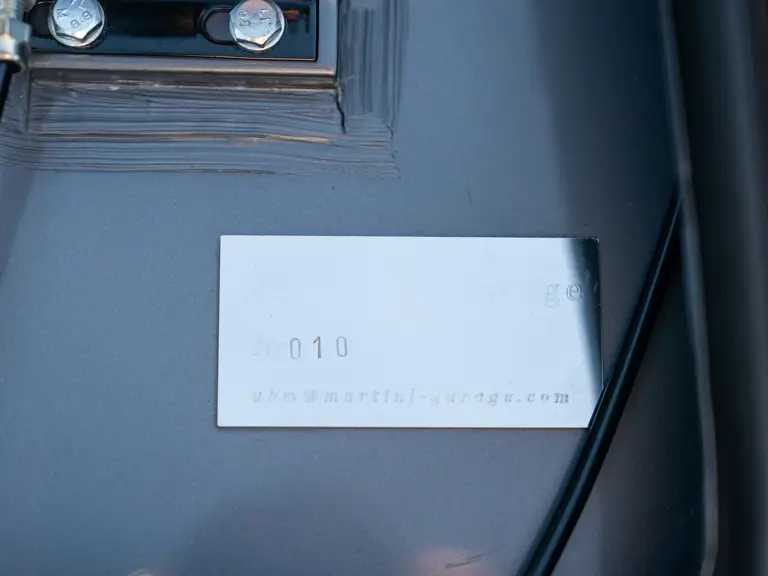
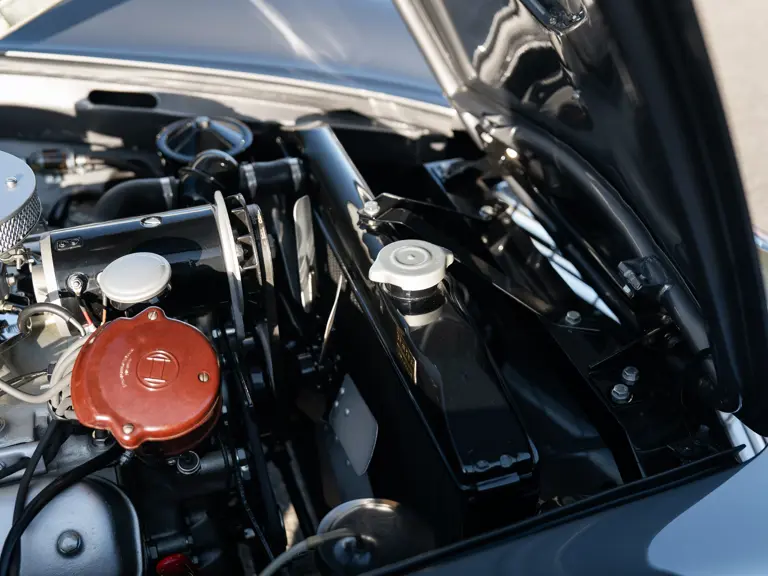
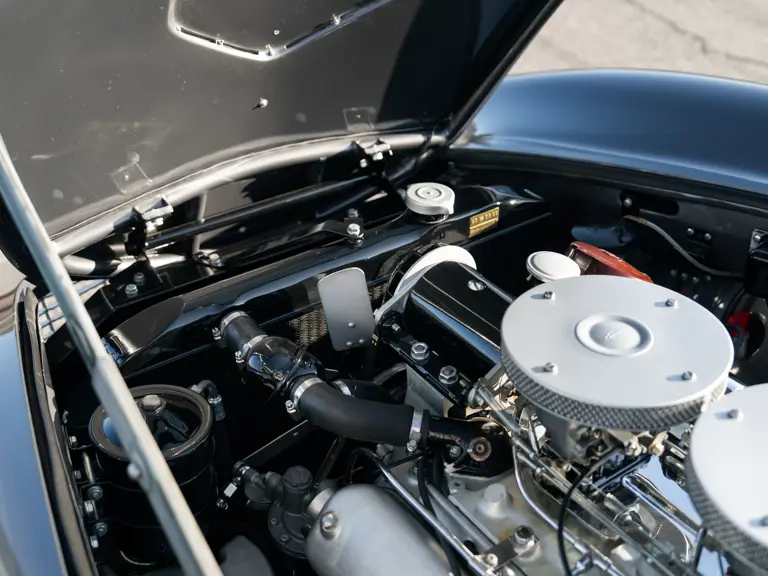
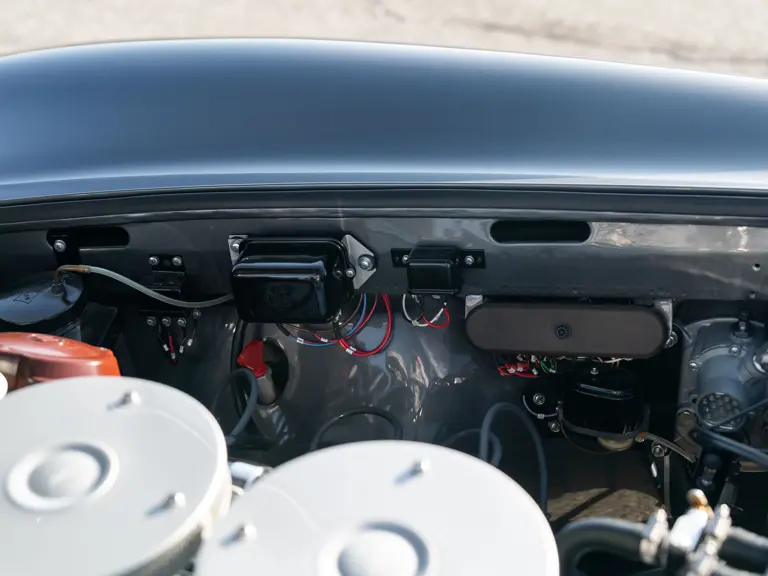
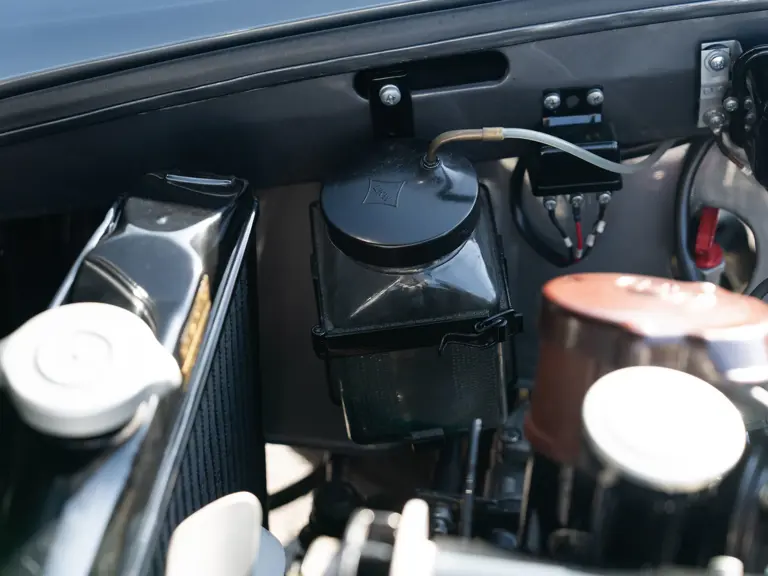
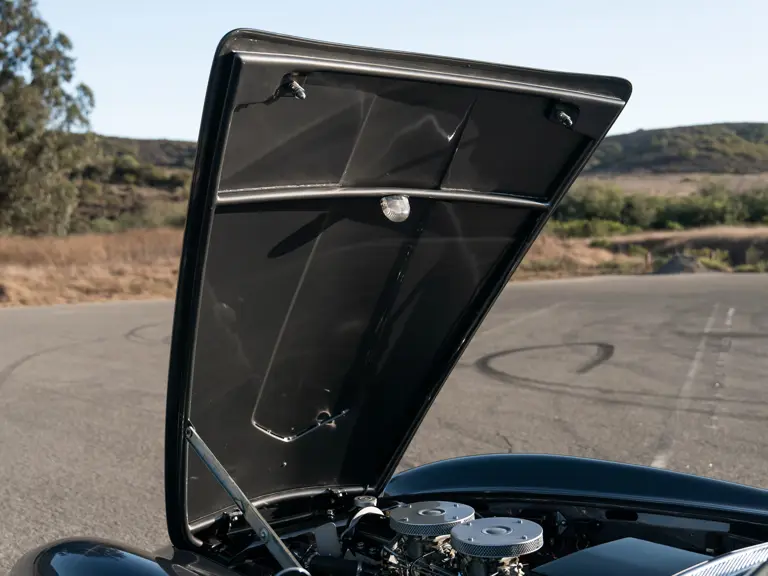
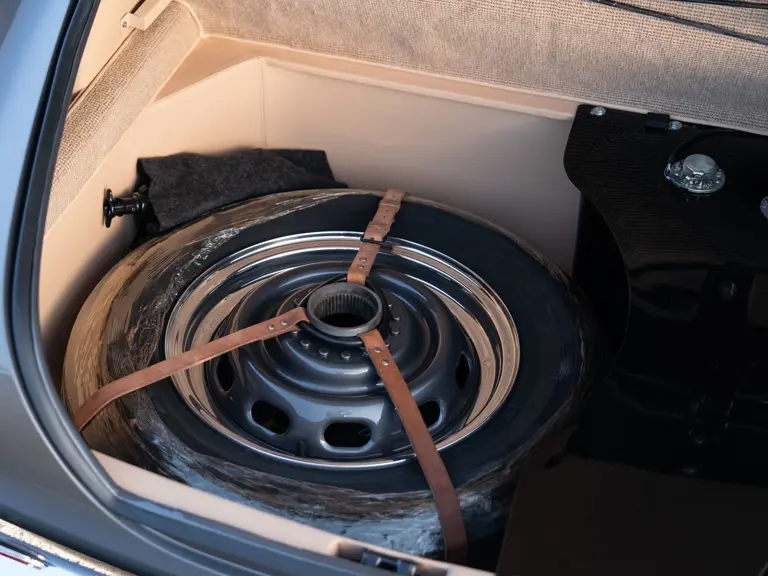
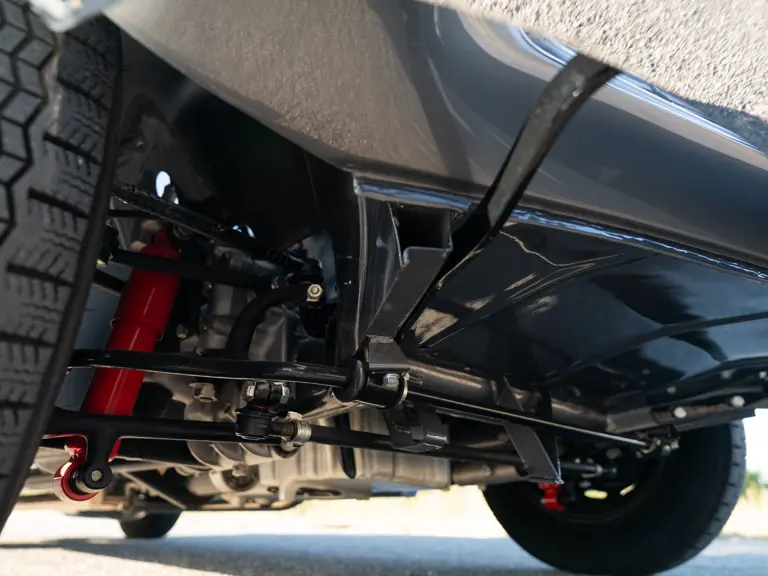
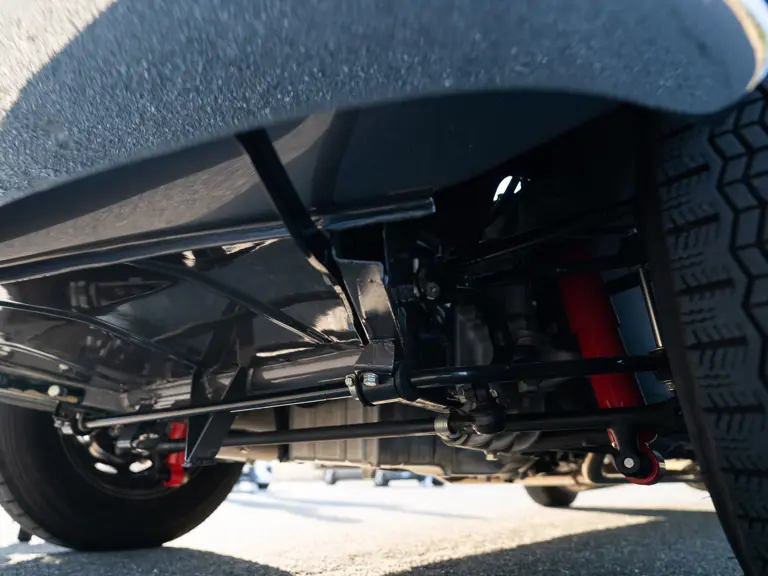
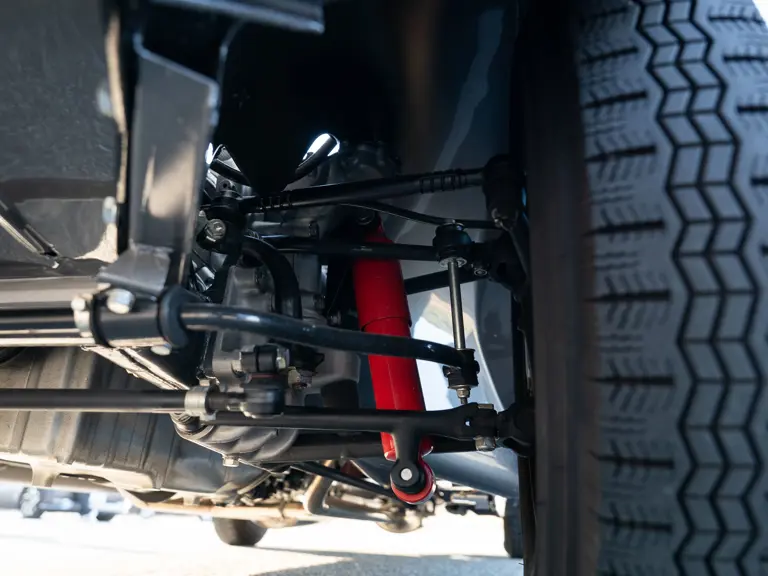
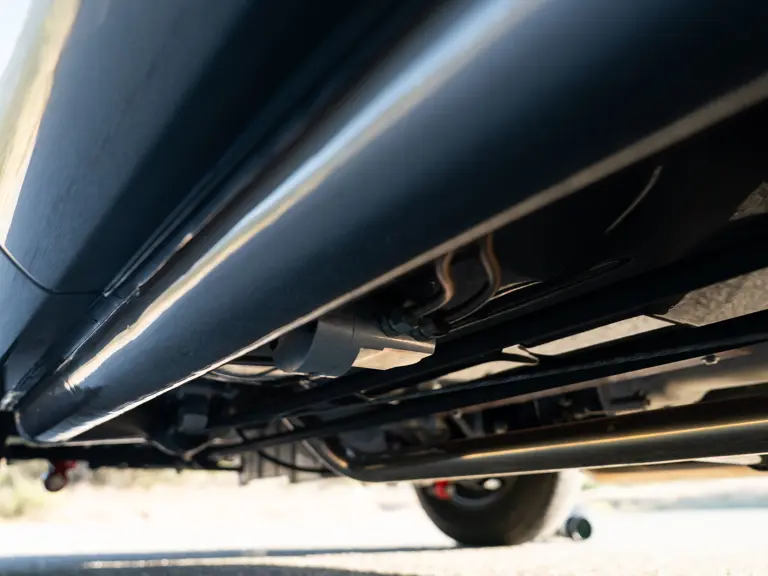
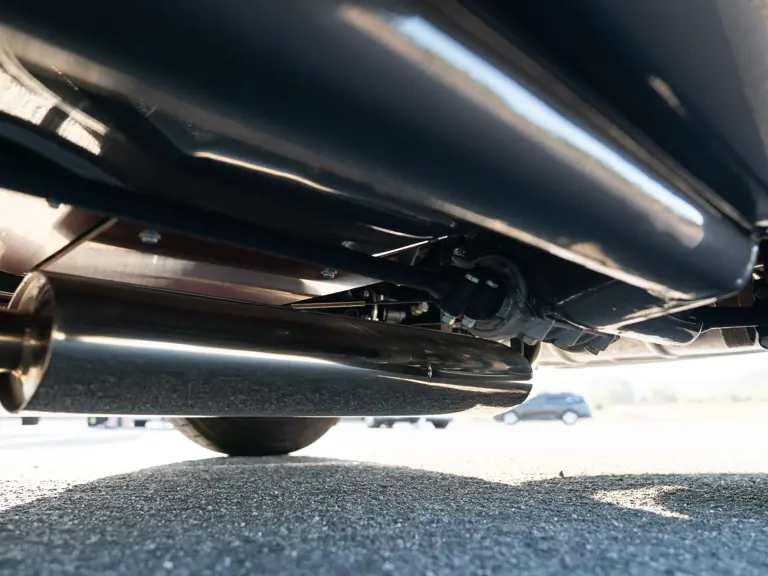
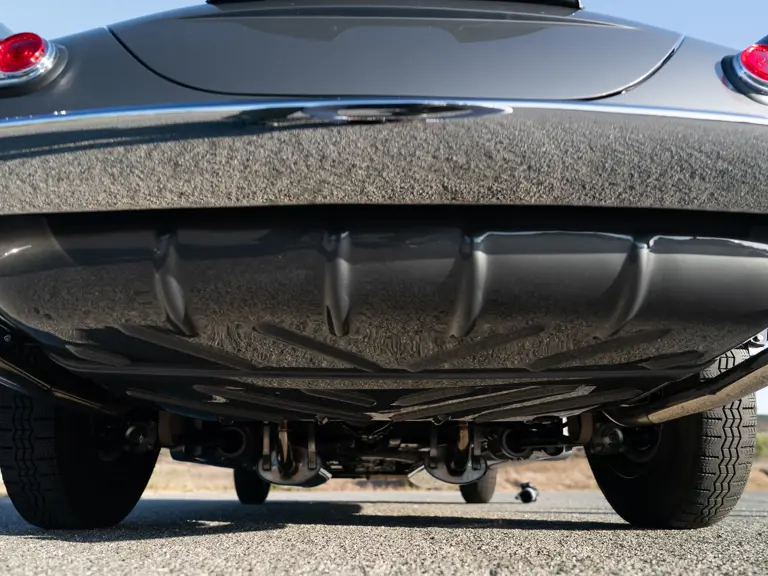
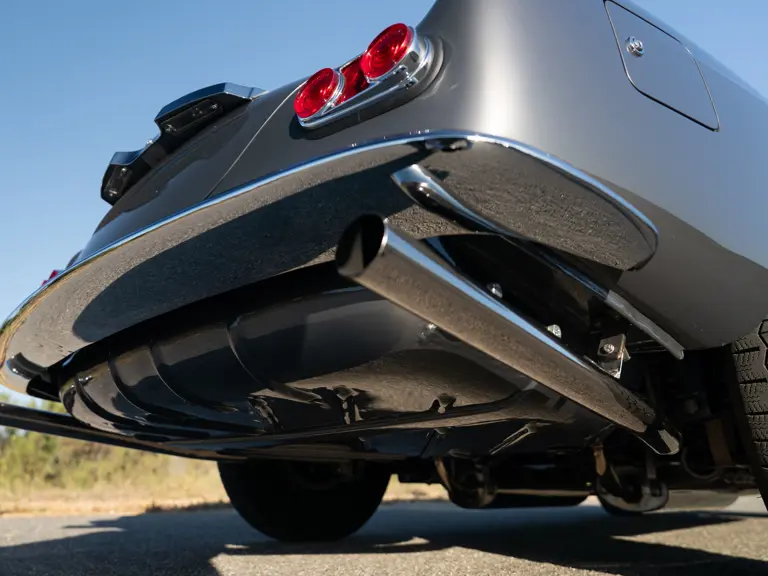
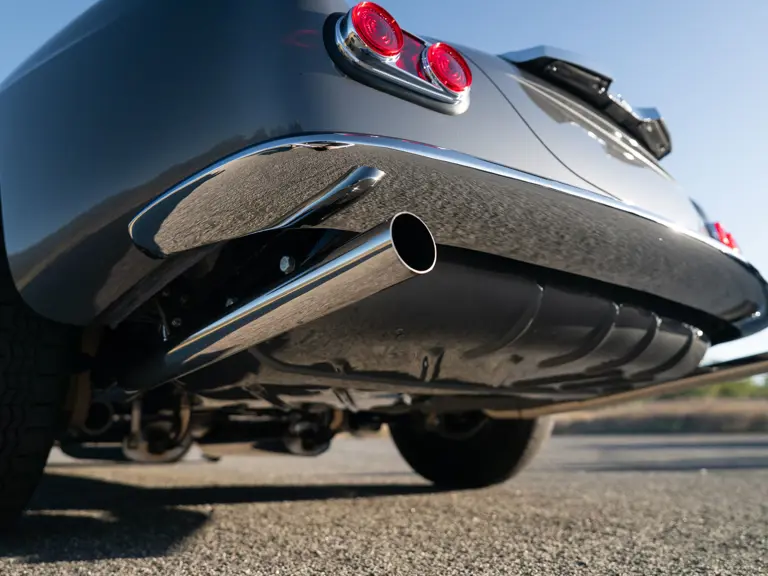
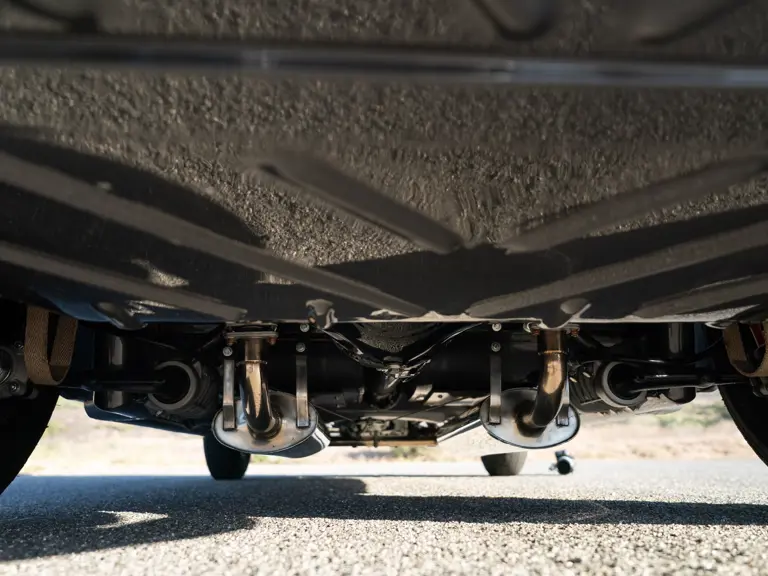
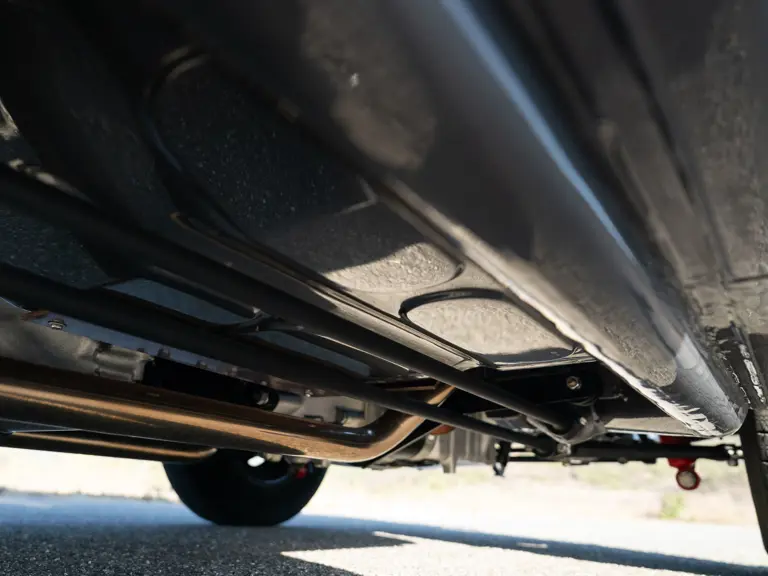
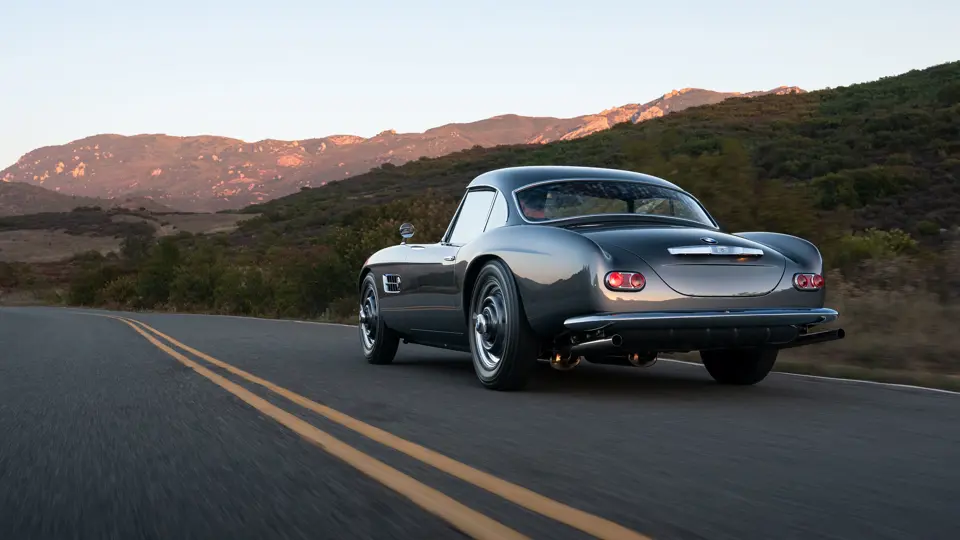
The owner of Martini Garage in Heilbronn, the 507 was subject to a full restoration in its current colors of Graphite Gray Metallic over a beige interior alongside a contrasting hardtop finished in Feather White, with work being carried out by them from 2014 to 2015. An email on file from Uli Berberich-Martini states that the cost of the car’s restoration was approximately €350,000 and an album of photos from the restoration is included in the history file. Acquired by a U.S.-based collector in 2015, the car would remain with him in Europe for a few months of use in Italy prior to being shipped to the United States. Maintained there by that owner’s in-house mechanic, it was driven sparingly and shown just once at the 2017 Pinehurst Concours d’Elegance.
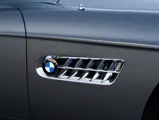
Sold to the current custodian one year later, the 507 still remains in wonderful condition throughout today and presents beautifully in its current color combination which exudes class and sophistication throughout. Far rarer than its period rival from Mercedes-Benz, the 300 SL Roadster, the 507 is unequivocally the most desirable BMW of the era and remained a halo car for the company for years, inspiring the Z8 in some four decades later. Beautifully restored in stunning colors, this 507 would be a centerpiece of any collection and all it needs is its next custodian.
 | Culver City, California