


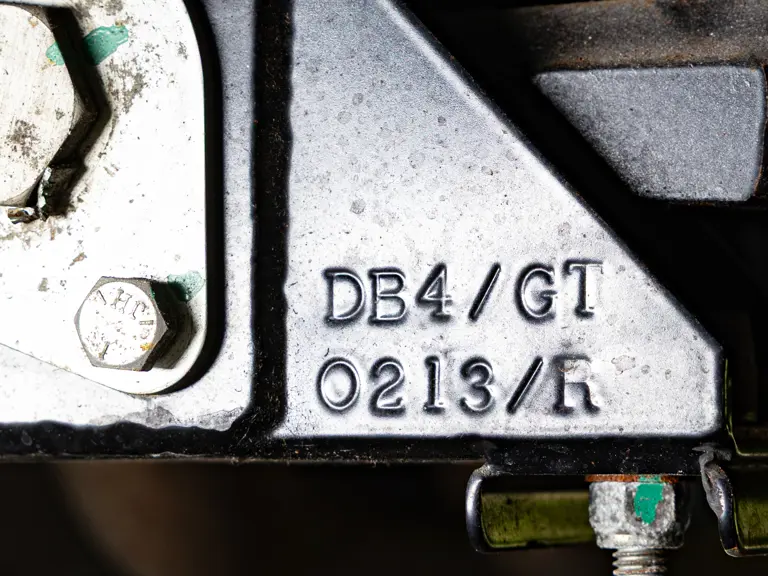
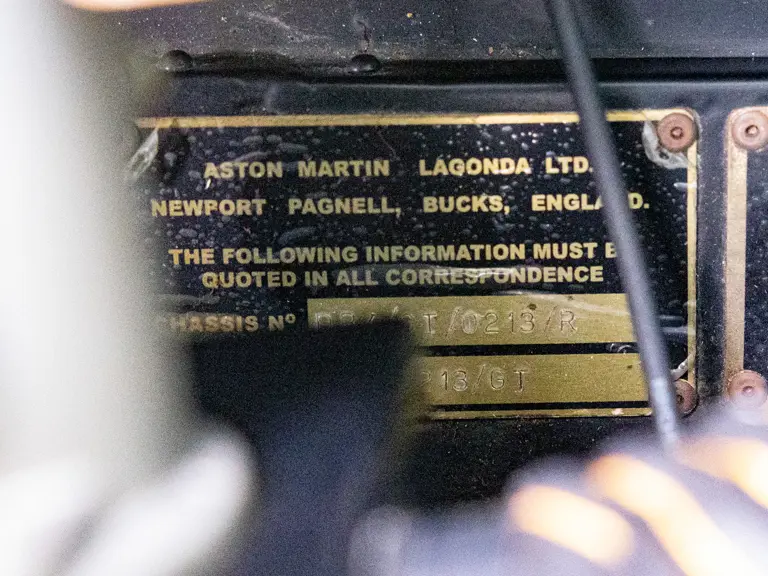
Chassis No.
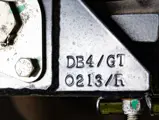
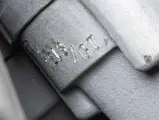
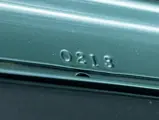
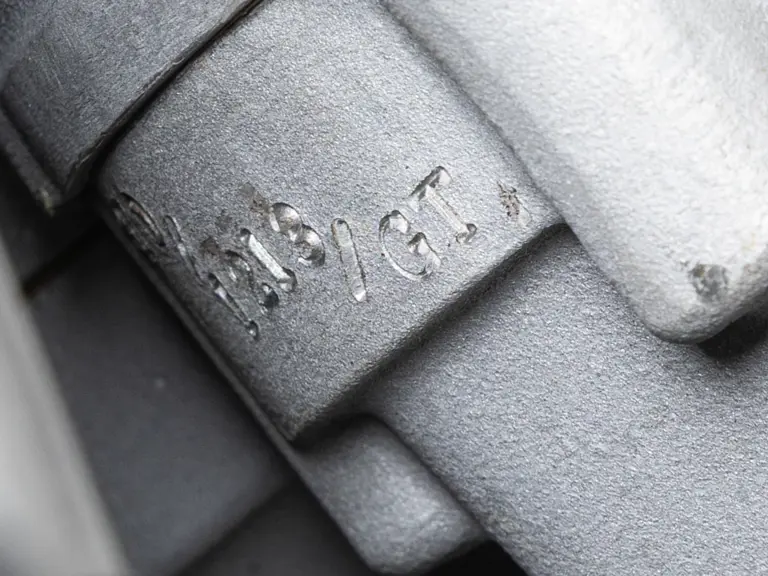
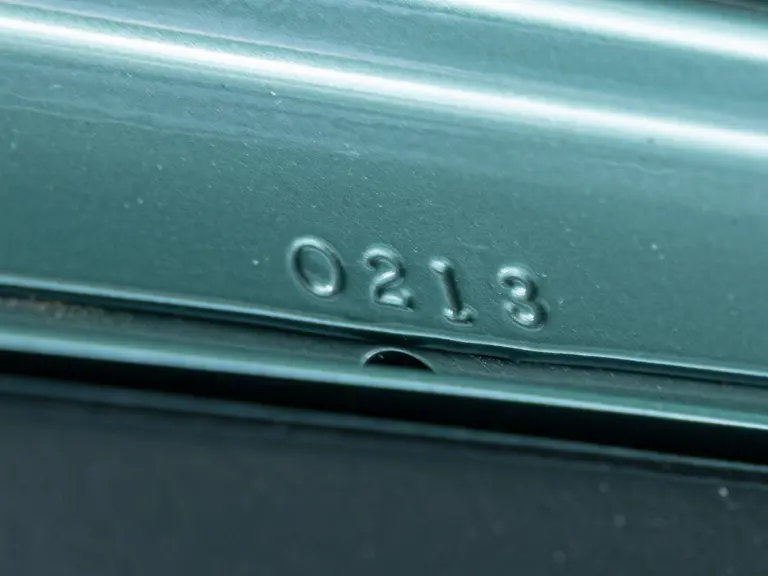
DB4/GT/0213/R

£477,500 GBP | Sold
{{bidding.lot.reserveStatusFormatted}}
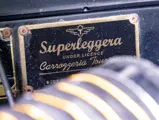
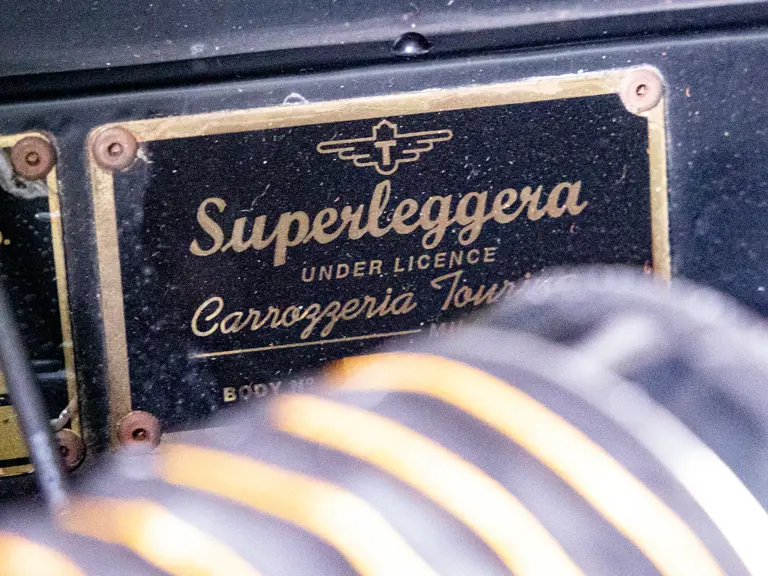
The Aston Martin DB4 marked the beginning of a new era for the British marque, when it was introduced in October 1958. With styling by Italian coachbuilder Touring, lightweight Superleggera construction, and a new six-cylinder engine designed by Tadek Marek, it was a landmark car in the company’s history.
In April 1959, the prototype of a short-wheelbase competition-specification DB4 took part in the Le Mans test weekend and, one week later, was given its race debut at Silverstone in the hands of Stirling Moss. The English ace took a comfortable victory, and that October the DB4 GT was officially launched. During the early 1960s, it was raced on the international stage by the likes of Moss, Innes Ireland, and Roy Salvadori against rivals such as the Ferrari 250 GT SWB and Jaguar E-Type.
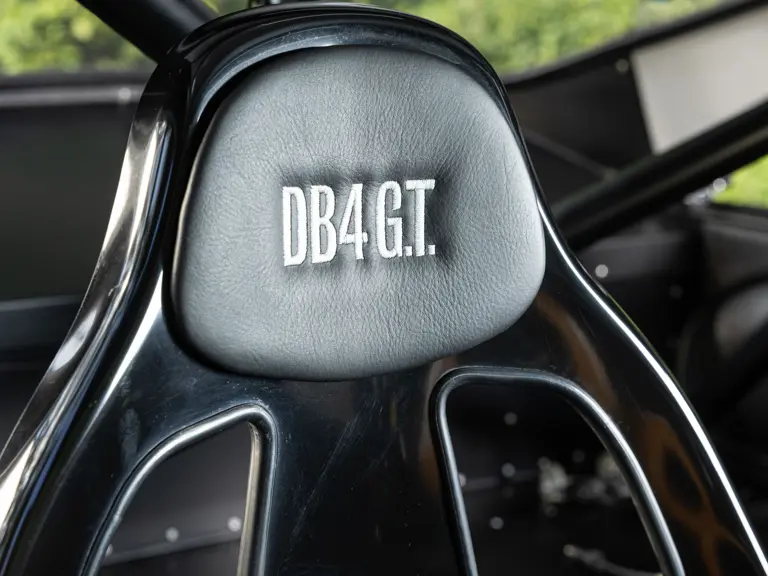
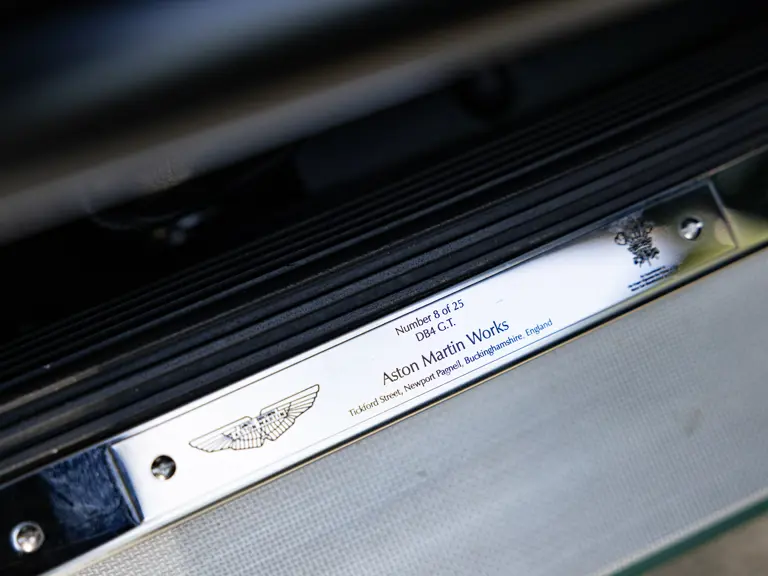
Homologation rules demanded that Aston Martin build 100 Touring-bodied DB4 GTs, but only 75 left the factory. Almost 60 years later, the company decided to fill that gap and build the remaining 25. The project was the brainchild of Paul Spires, President of Aston Martin Works, and received the official go-ahead in December 2016.
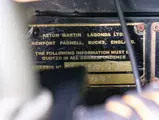
A dedicated Build Centre was installed at Newport Pagnell, period drawings were brought out of the archive, and a number of original DB4 GTs were scanned in order to collect as much data as possible. One owner even allowed the small team—led by Programme Manager Simon Hatfield—to completely strip his car so it could be studied in minute detail.
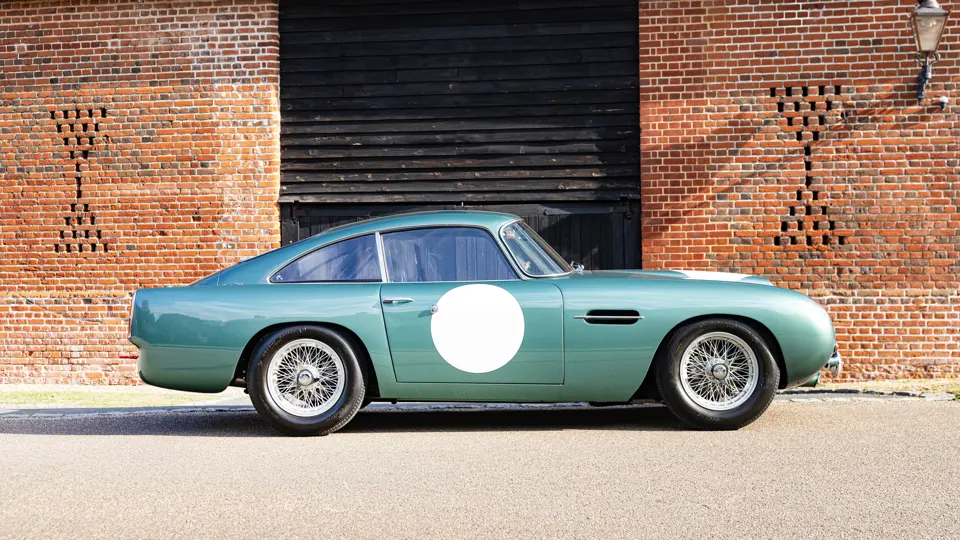
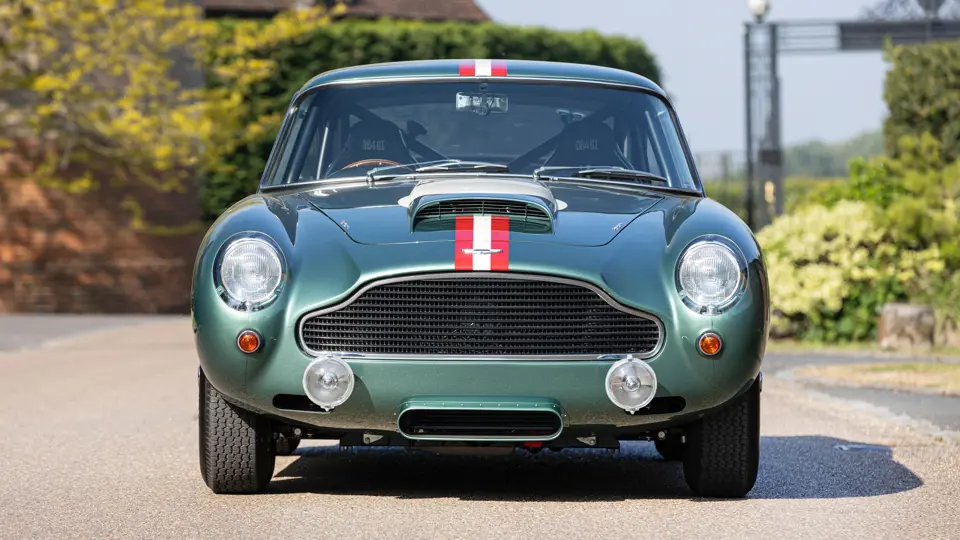
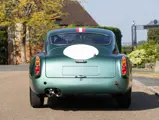
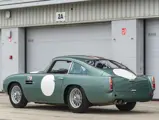
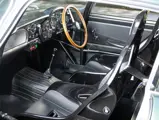
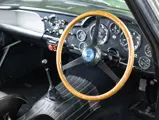
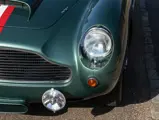
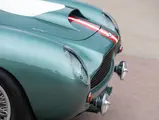
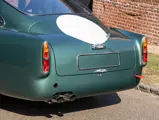
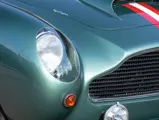
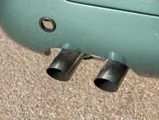
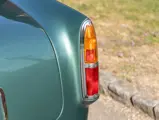
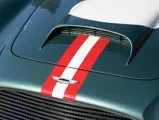
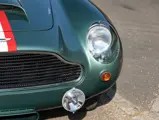
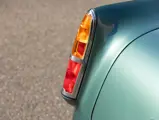
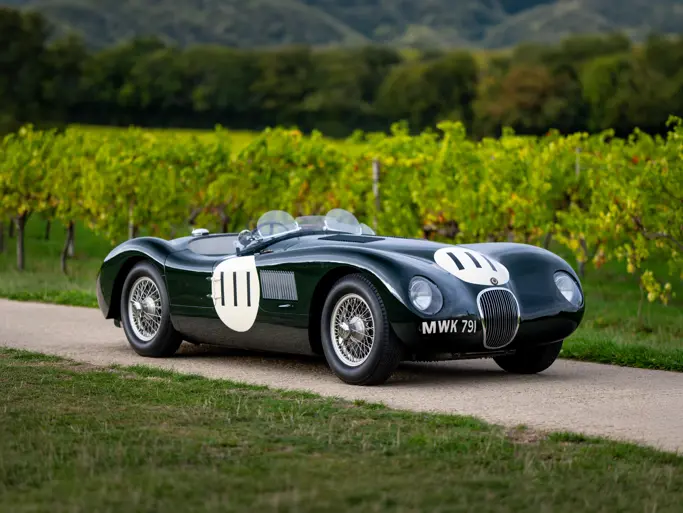
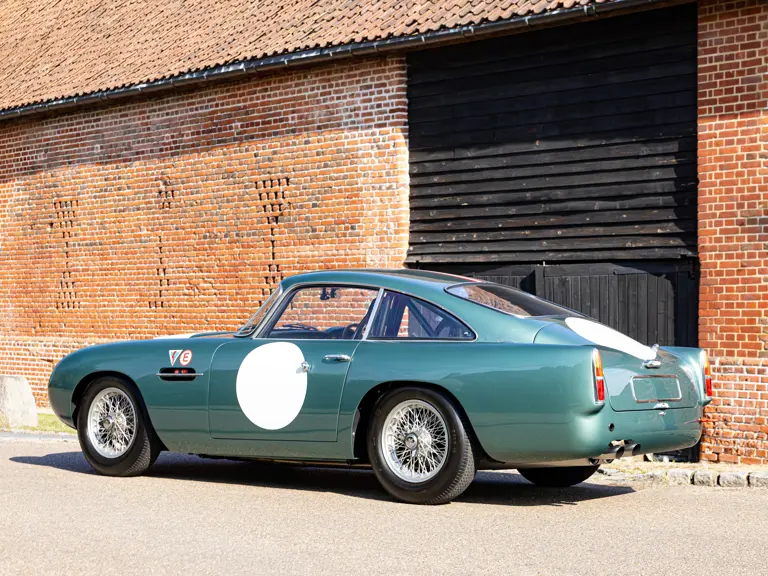
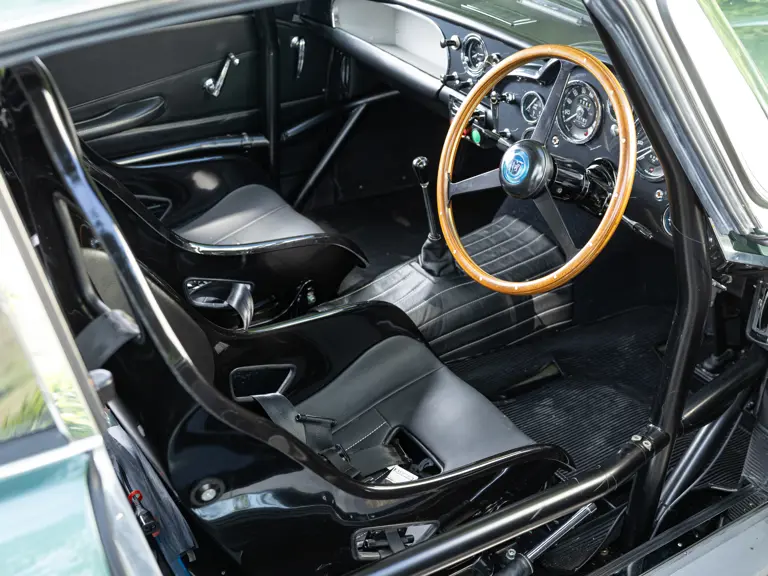
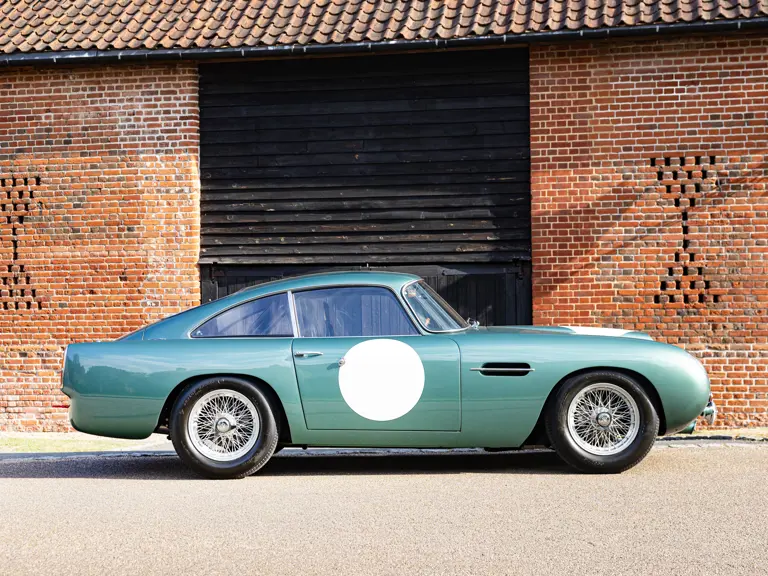
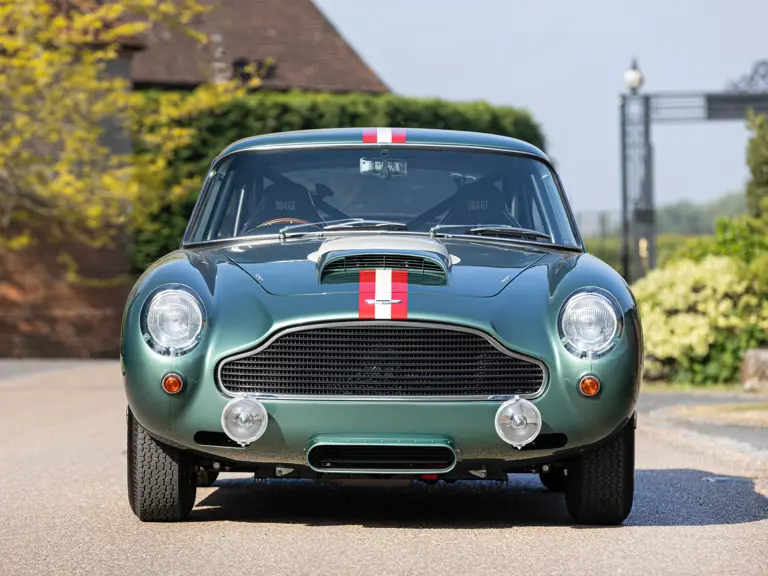
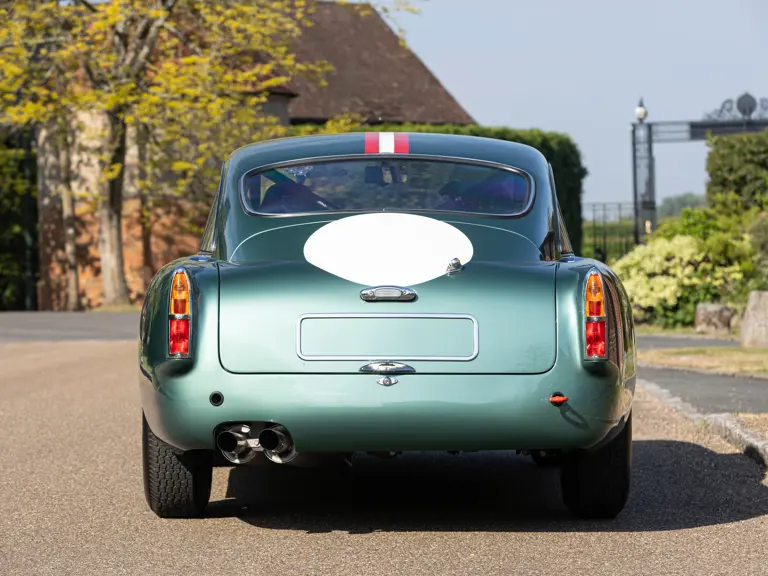
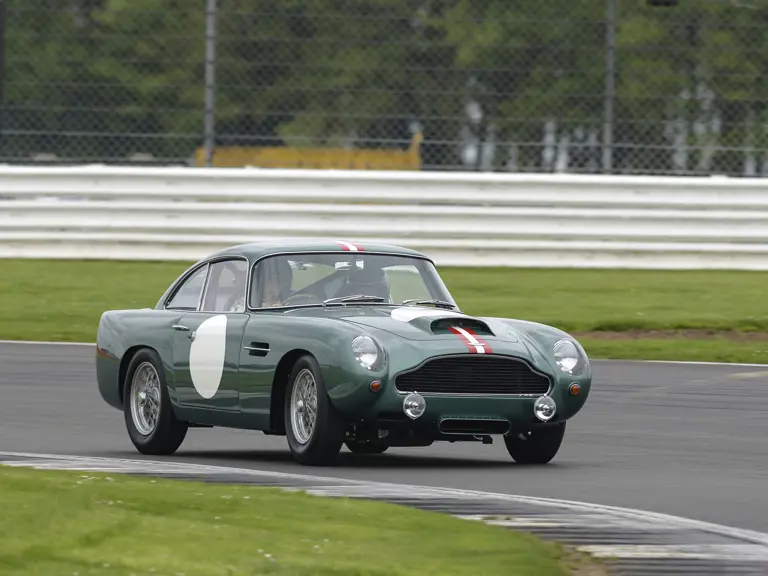
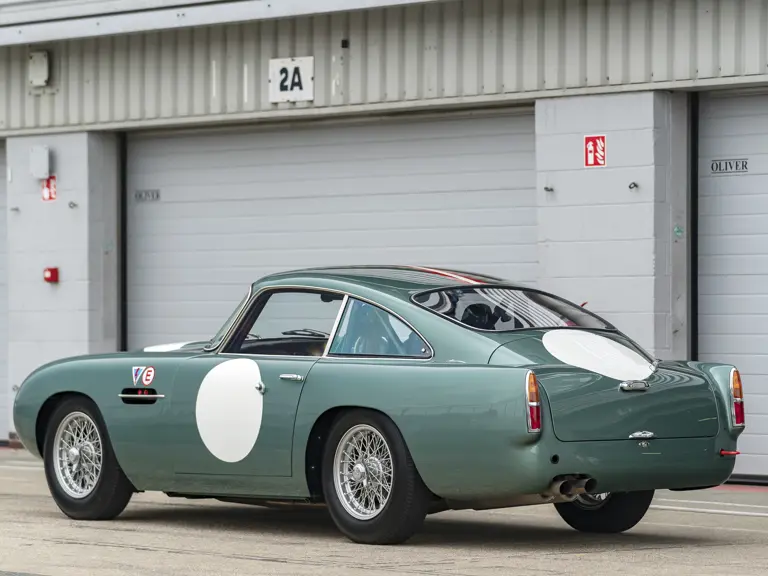
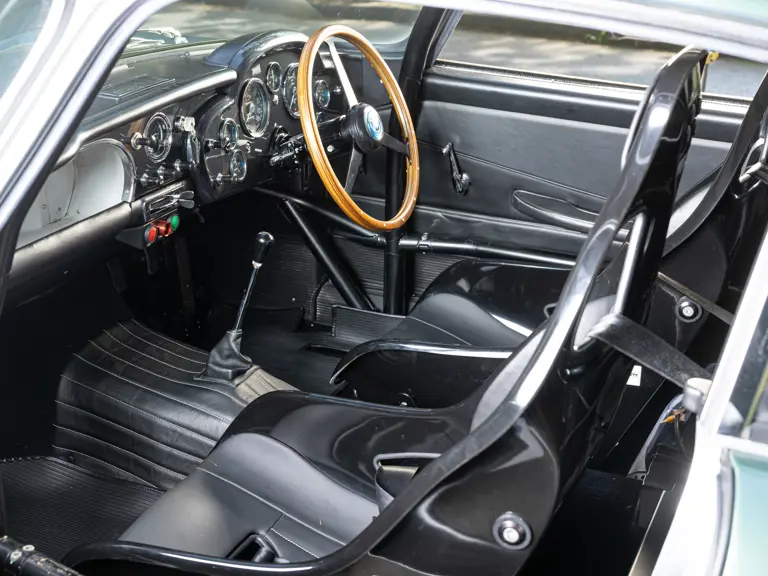
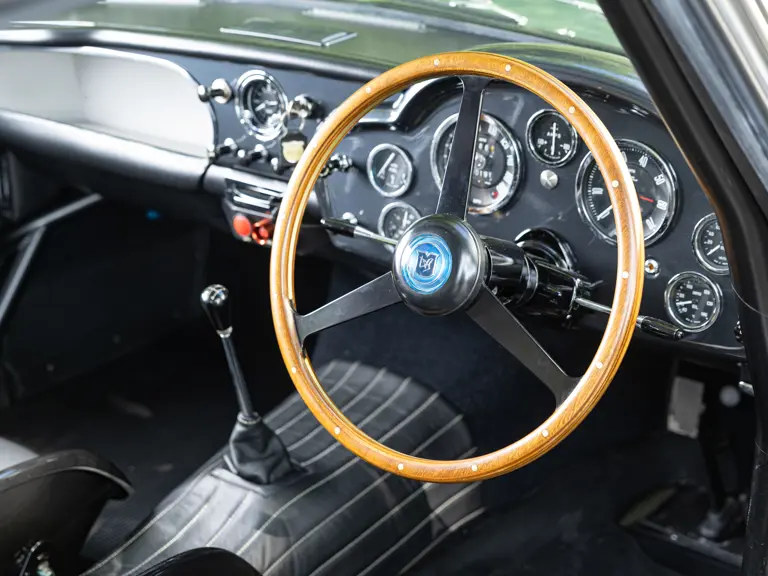
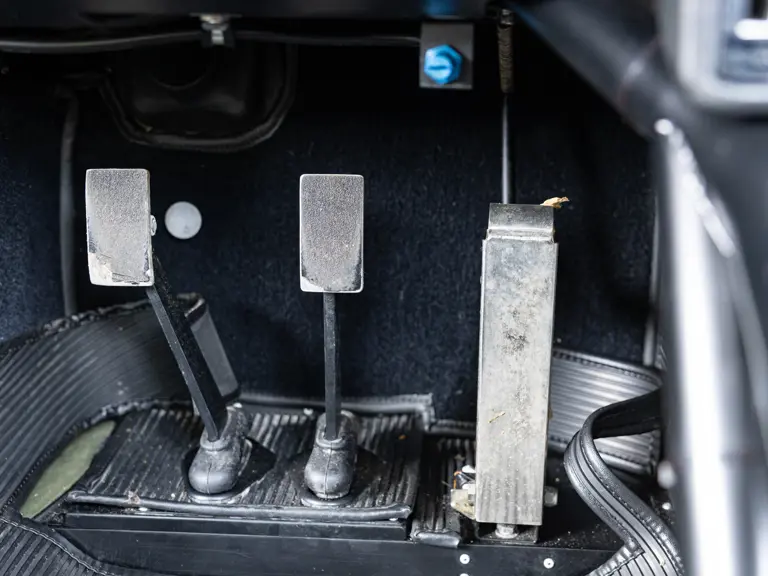
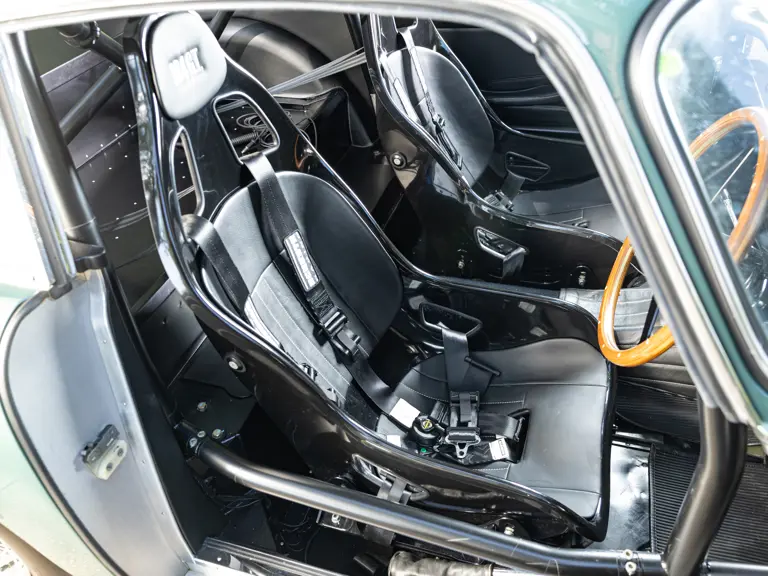
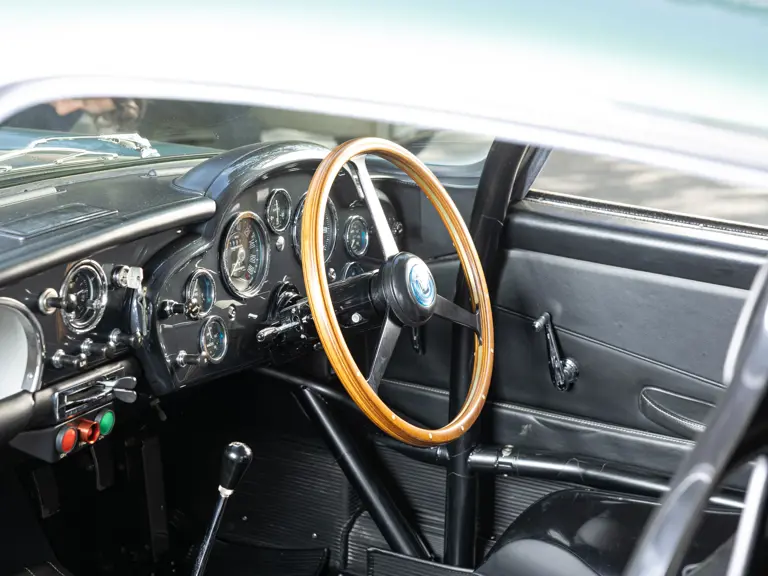
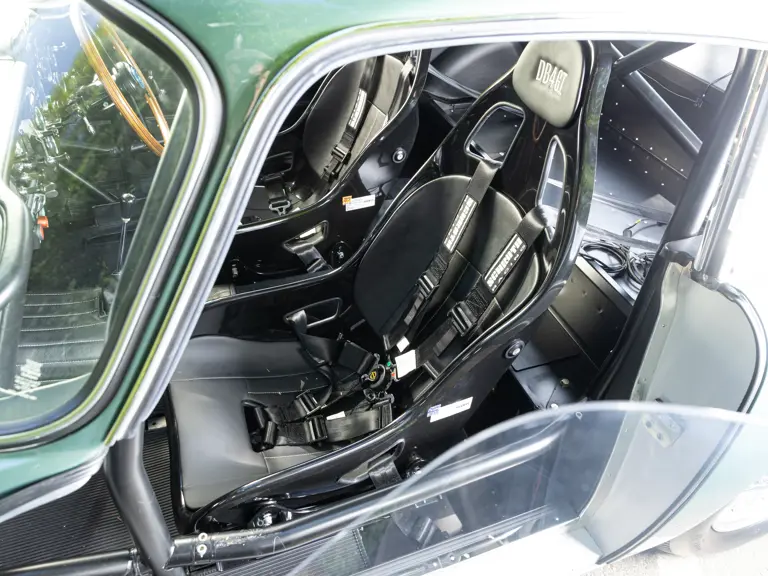
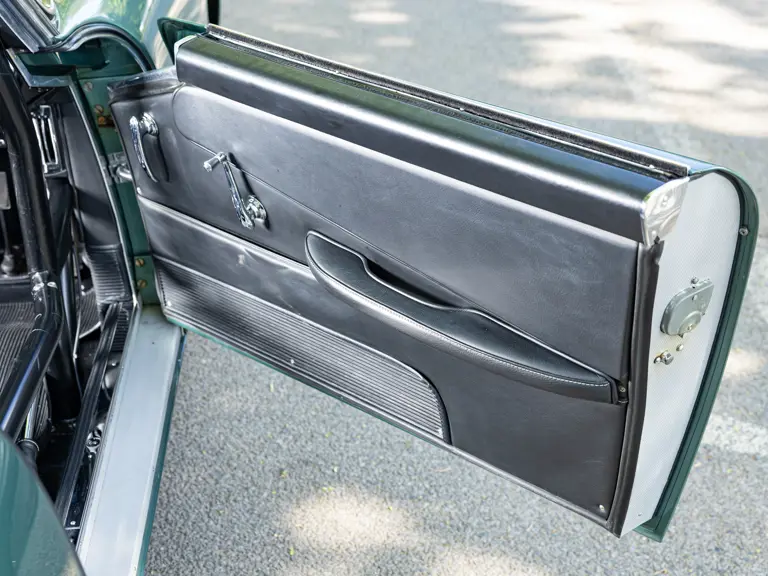
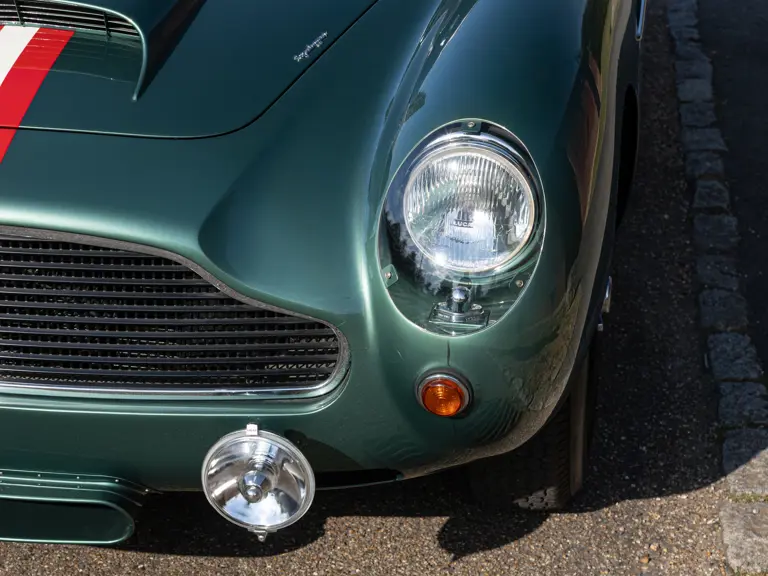
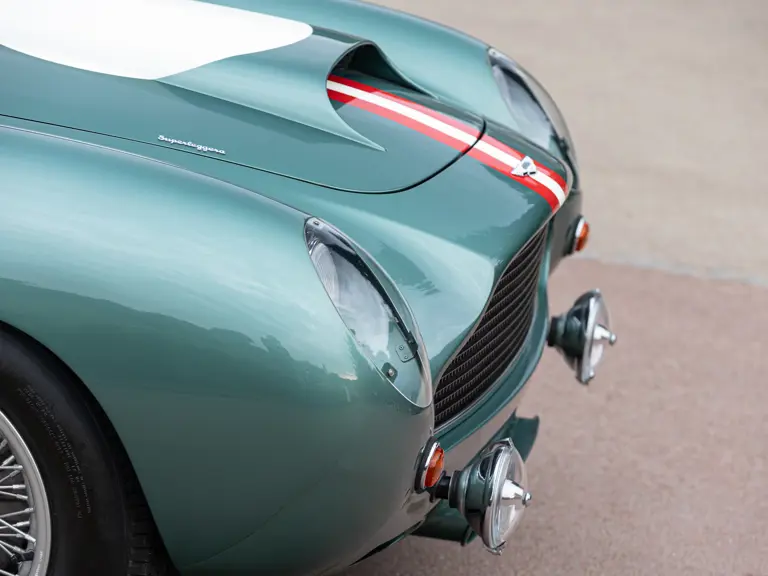
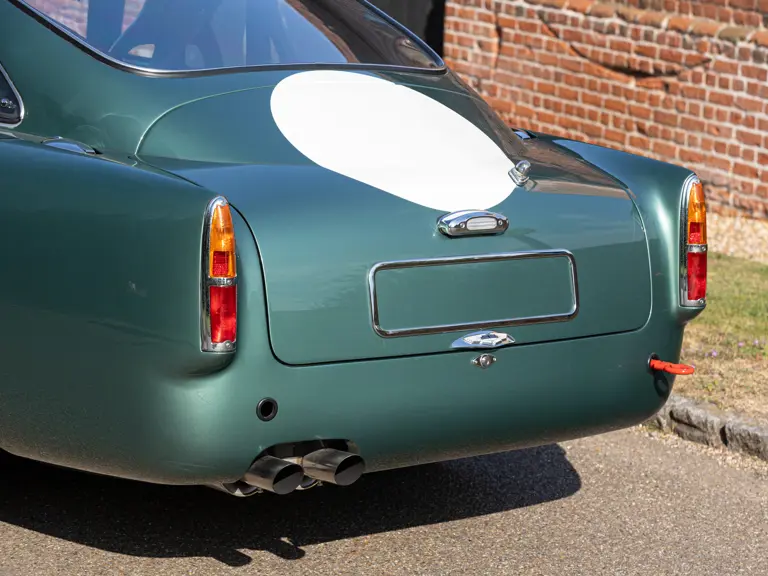
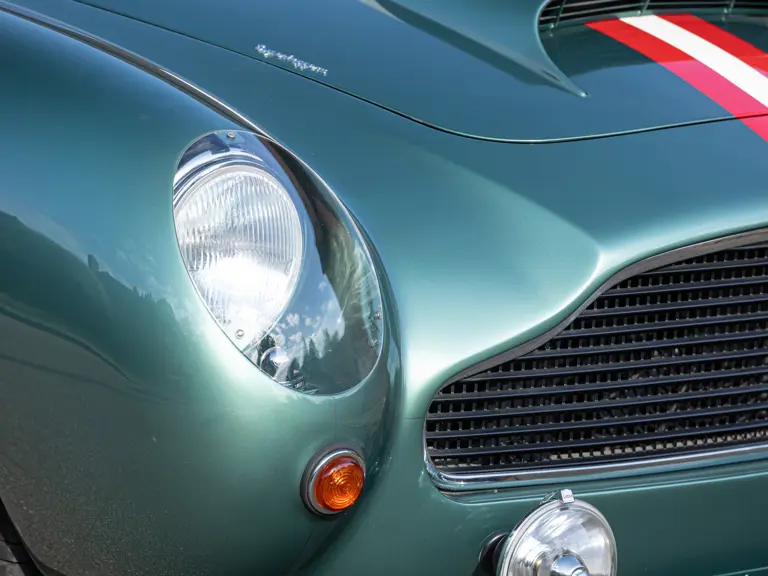
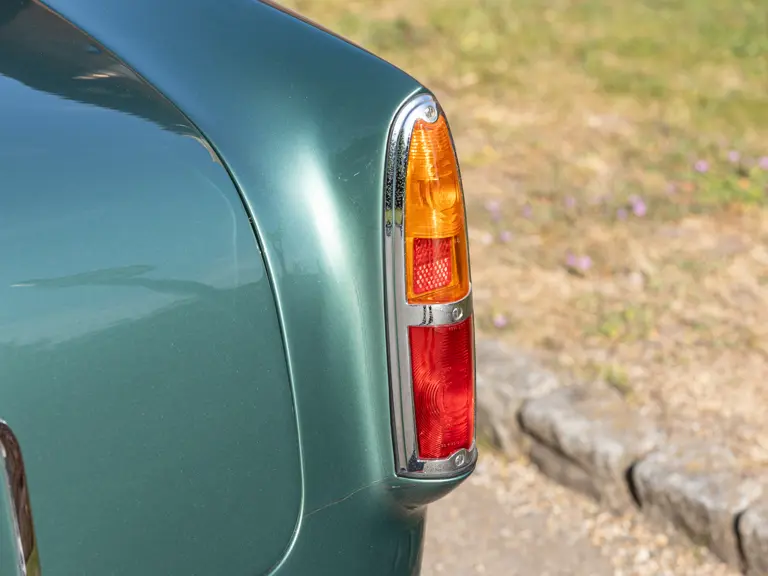
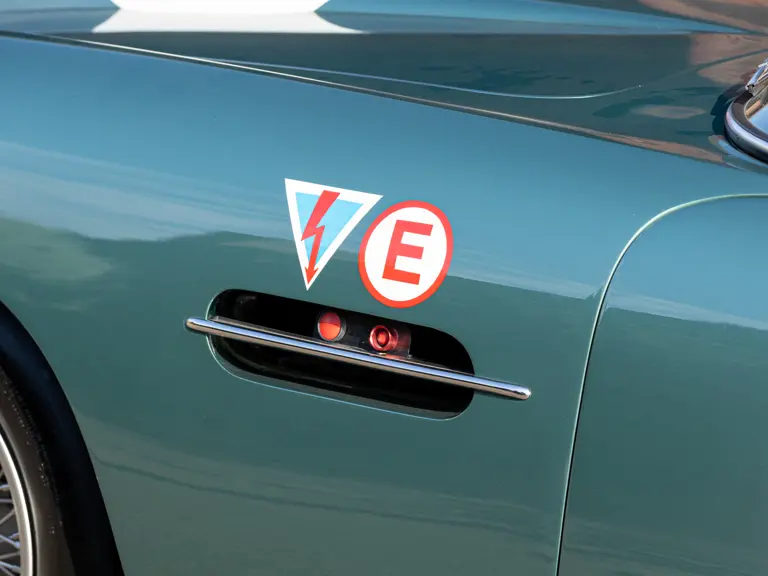
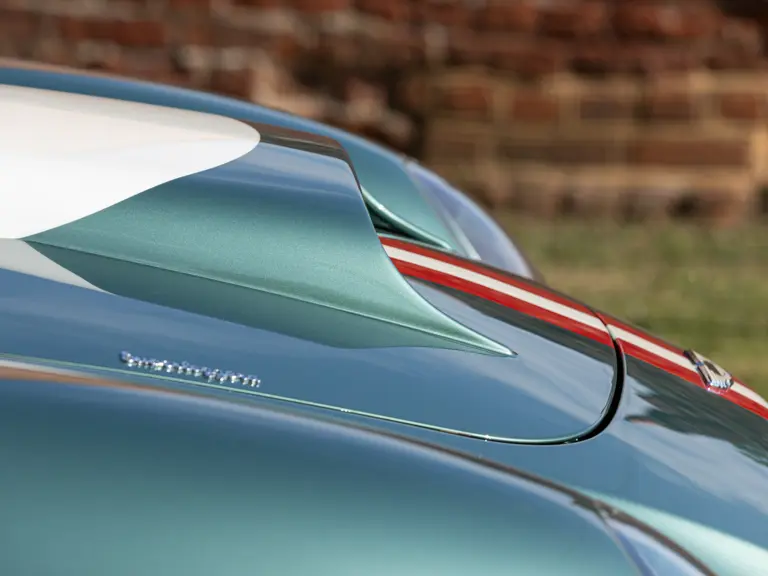
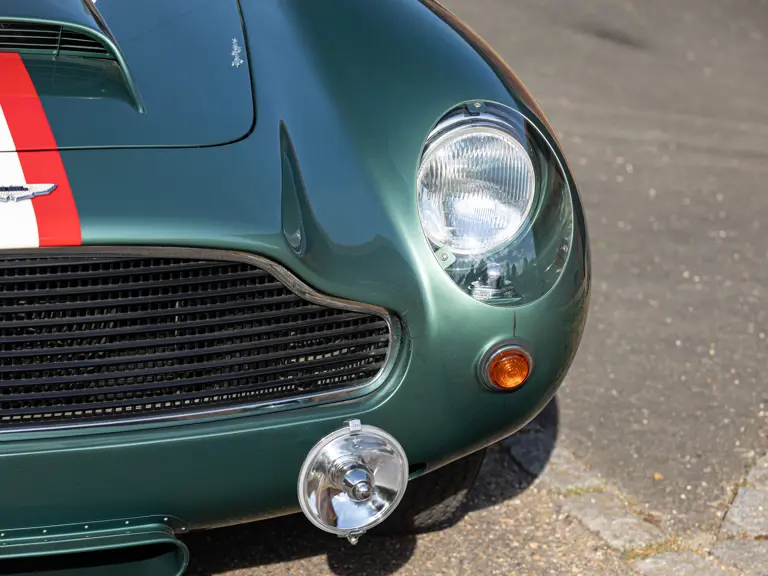
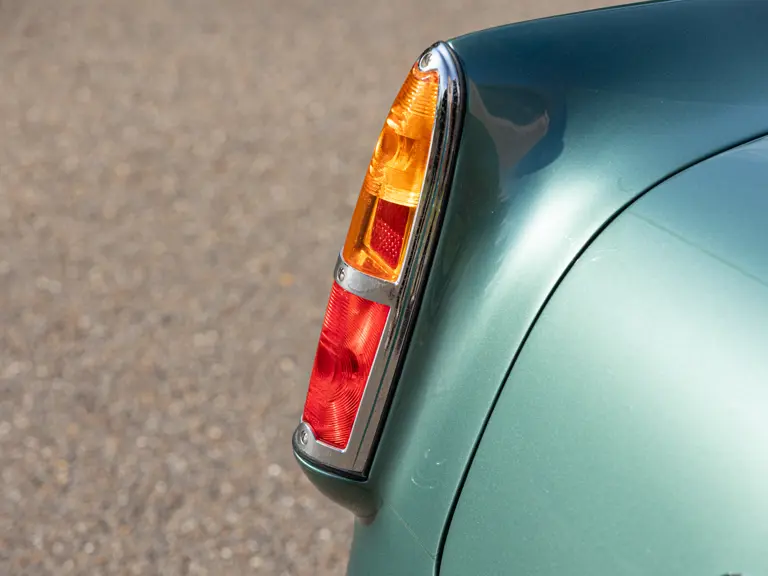
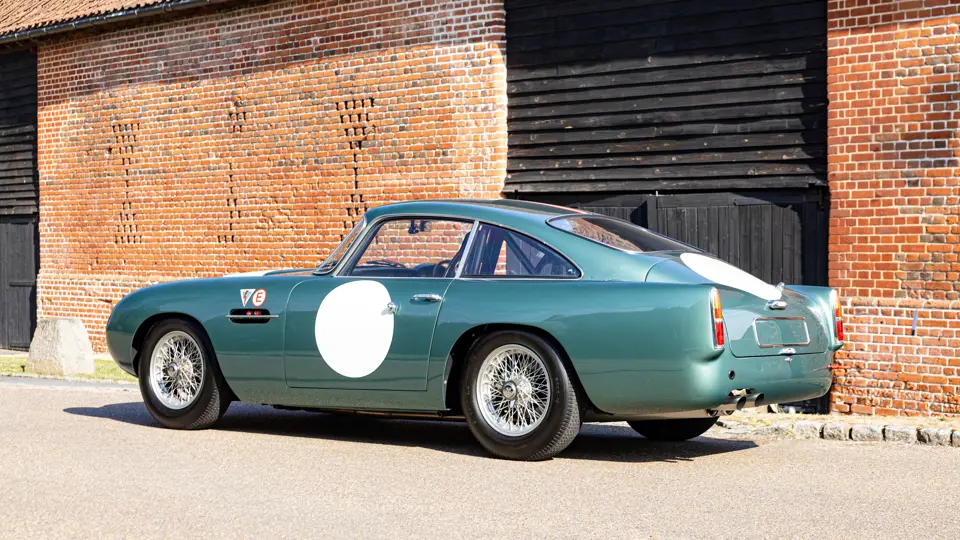
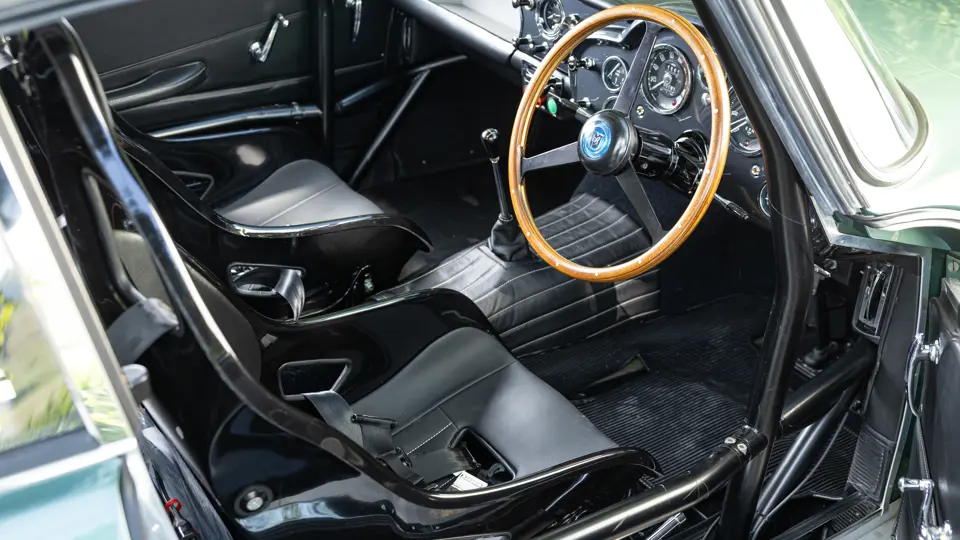
Each of the 25 Continuation cars was built to period ‘Lightweight’ specification, which meant the extensive use of aluminium for the bodywork, no bumpers, and details such as a single bonnet prop instead of two. The rear lights were in the early “cathedral” style, rather than the three individual lights used on later DB4 GTs, while the headlamps, with their exposed screws, matched those on the period prototype, chassis DP199/1.
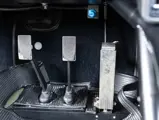
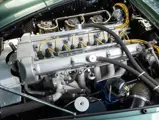
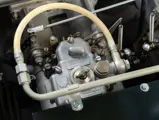
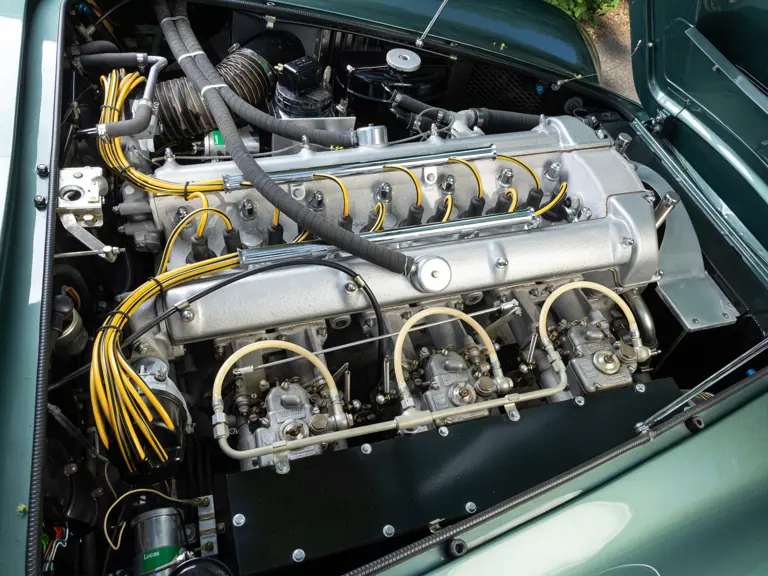
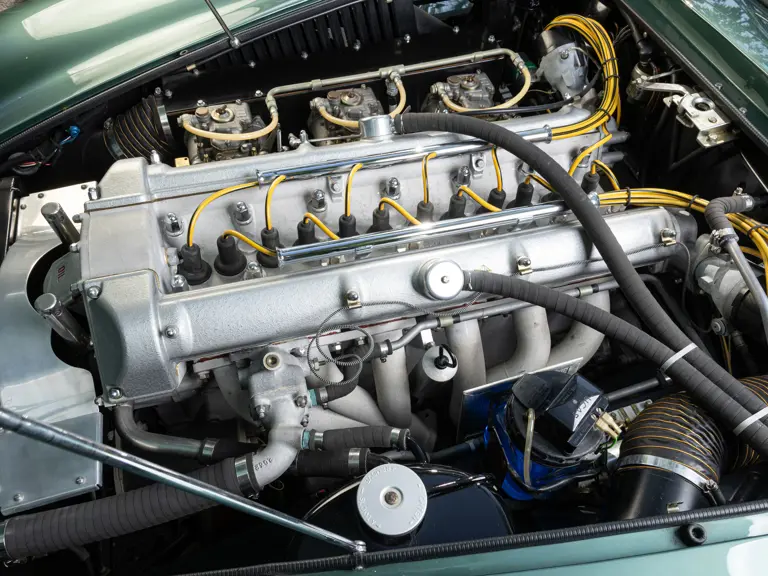
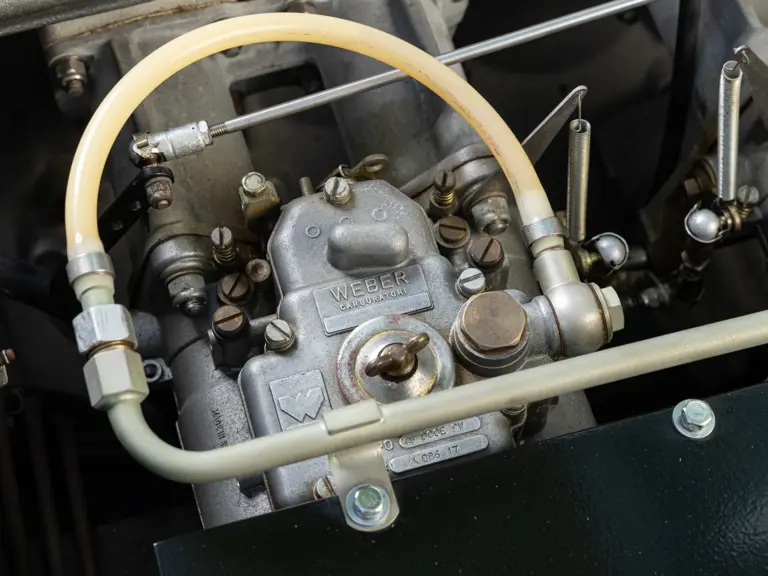
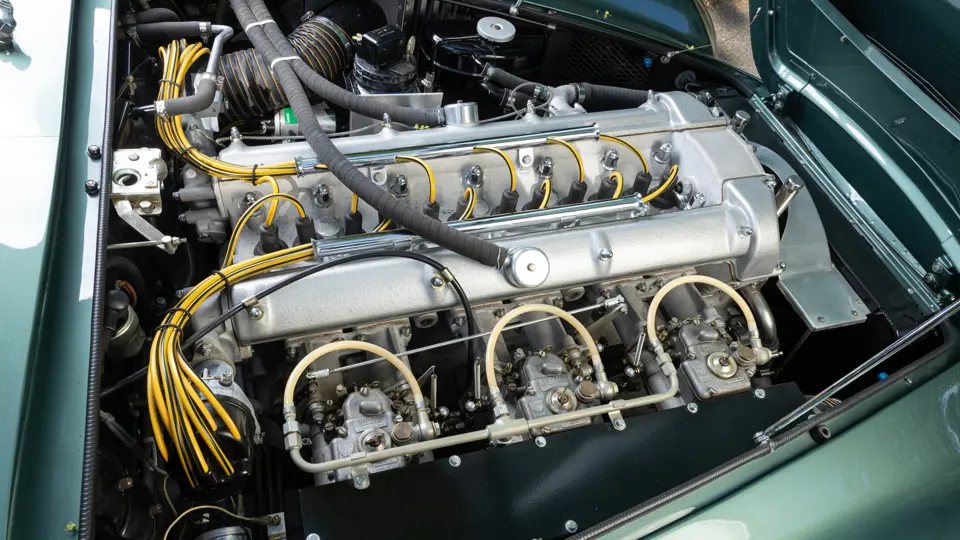
Original engine blocks were CT-scanned to produce those for the Continuation cars, and motor displacement was increased from 3.7- to 4.2-litre capacity. Running on triple-Weber carburettors, the Continuation engine was made to produce 340 brake horsepower. It drives through a four-speed gearbox that features the same casing as the period car but race-specification internals.
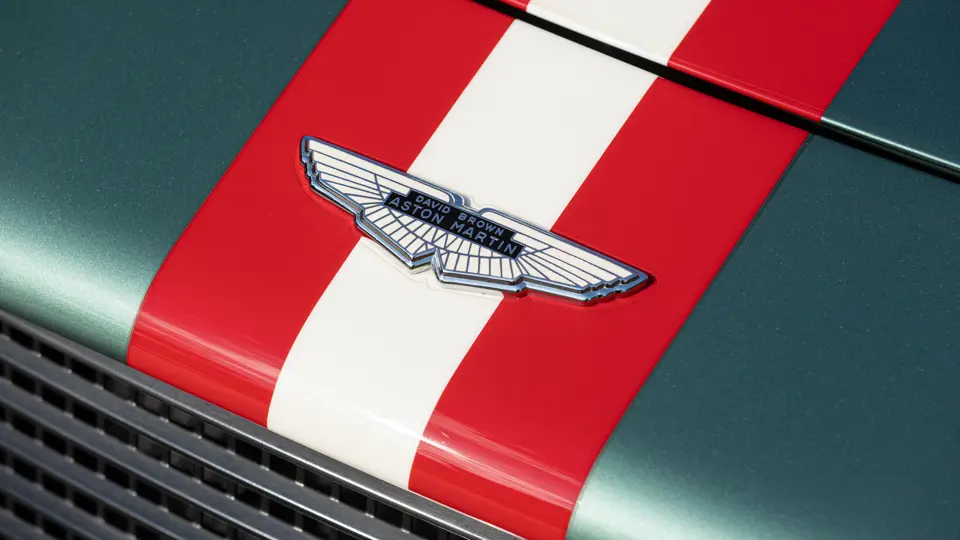
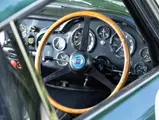
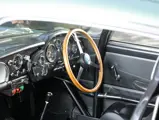
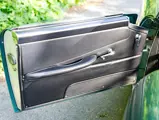
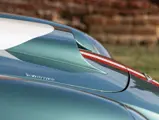
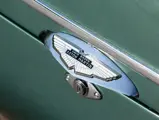
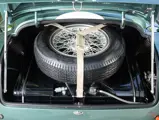
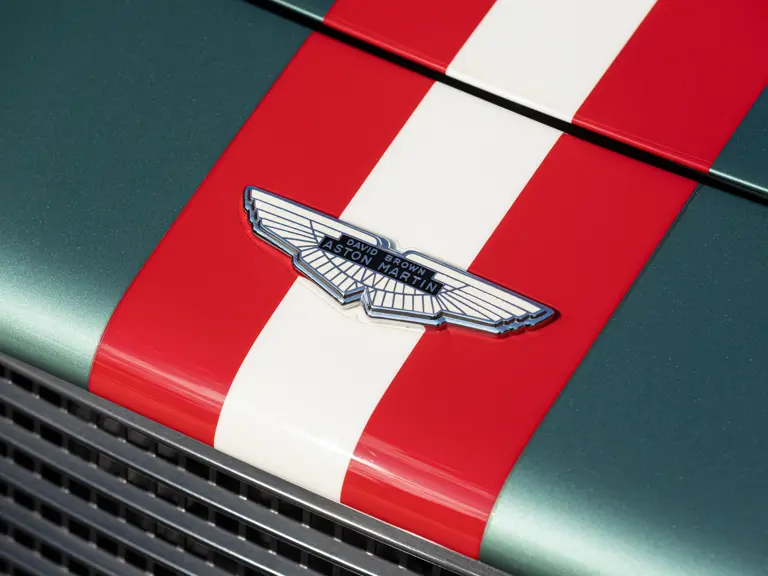
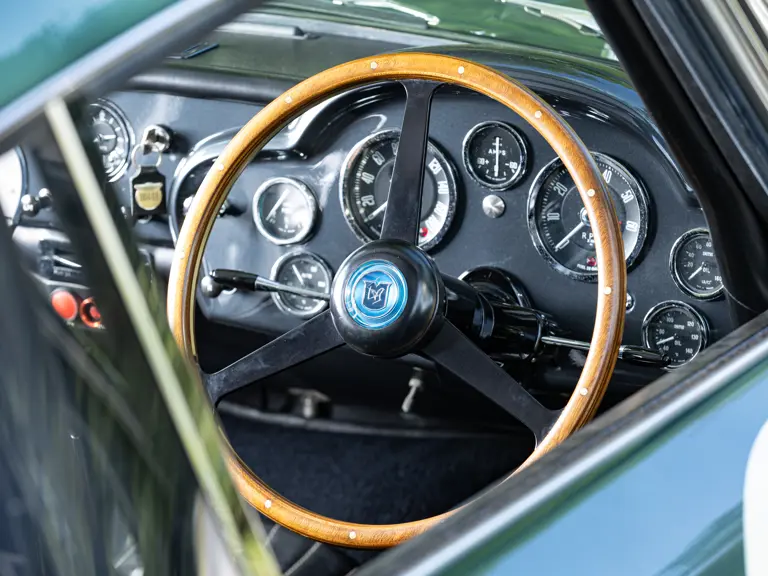
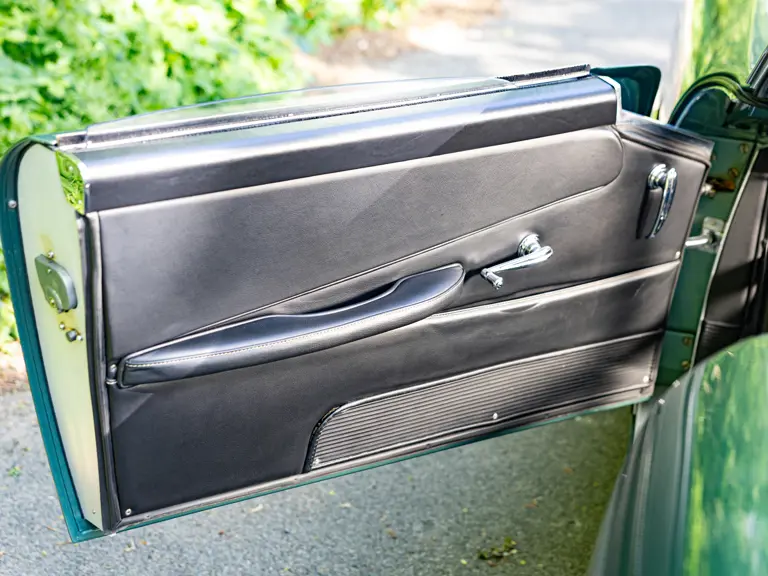
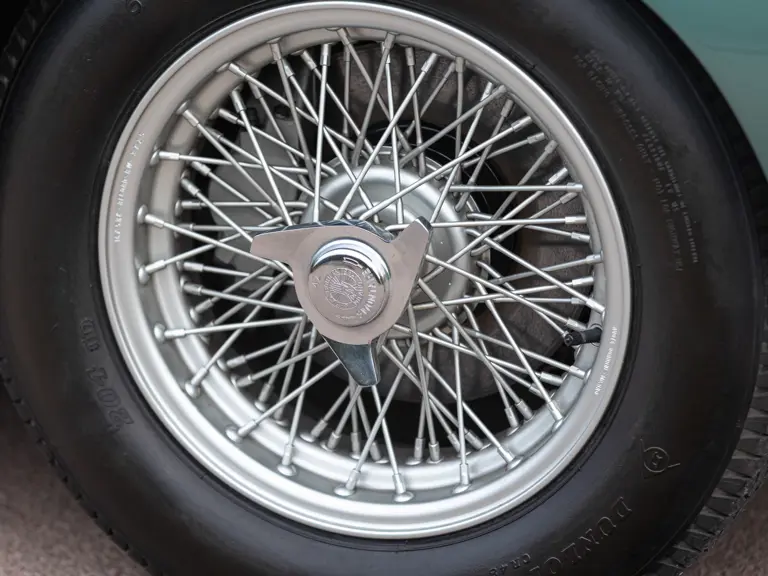
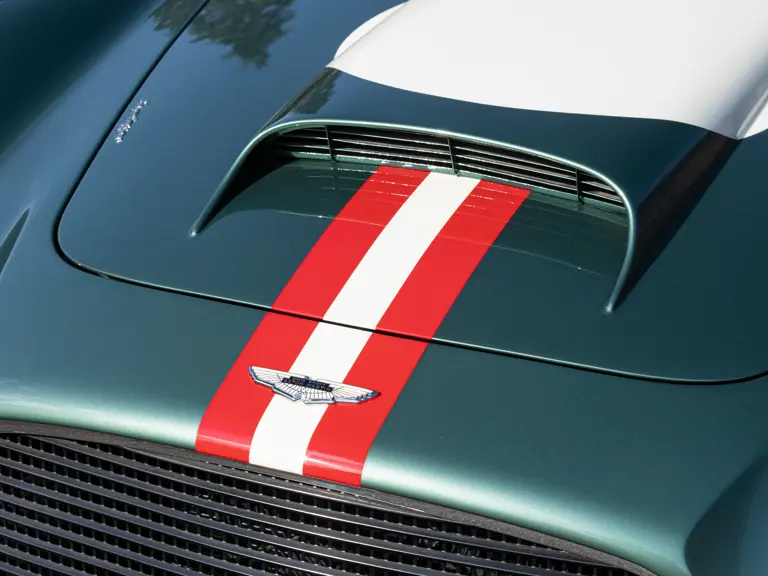
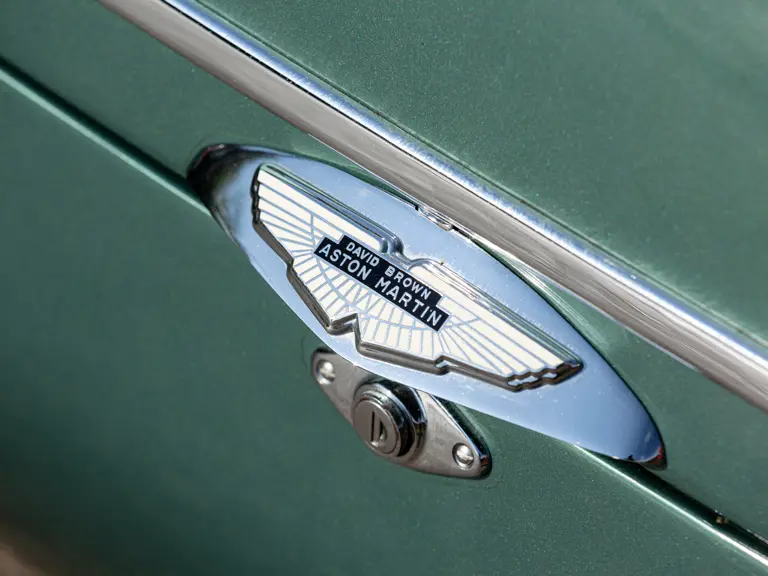
The Continuation cars were hand-assembled at Newport Pagnell and some 4,500 man-hours went into each one. Companies that had been involved with the original DB4 GT were also involved with the Continuation project: the licencing agreement with Touring was revived, Borrani supplied the wheels, and Connolly did likewise with the leather after scouring its archive to advise on the correct colours. The same choice of exterior colours was offered, crossply tyres were specified, and even the bonnet badges were made by the same Birmingham-based company that produced them in period.
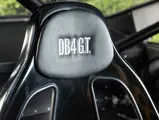
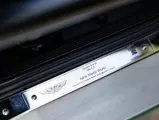
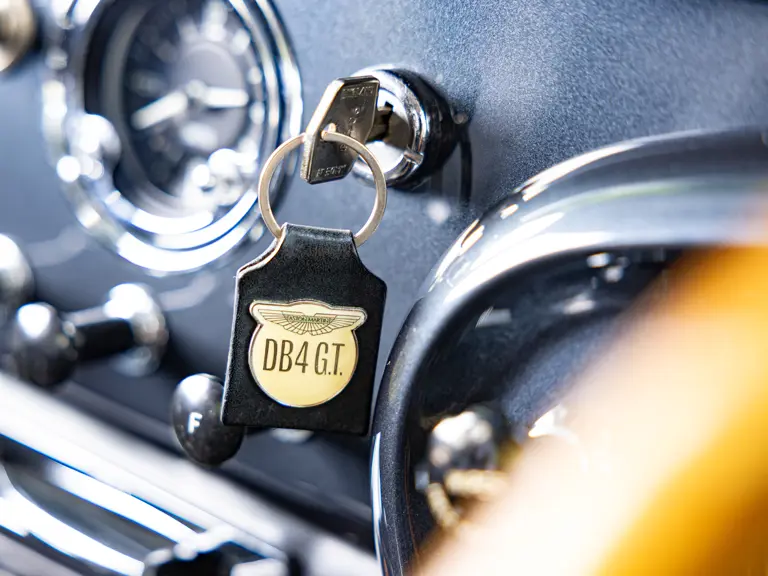
Starting with chassis 0203/R, chassis numbering for the Continuation cars followed on directly from those issued during the original production run, though cars weren’t built in strict chassis-number sequence. This particular car, for example, is chassis number 0213/R. It was the eighth DB4 GT Continuation to be produced, completed in 2018.
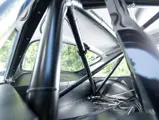
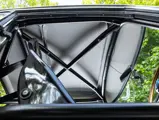
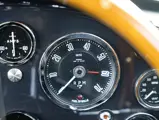
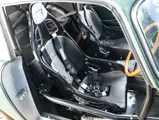
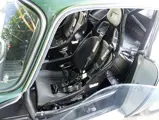
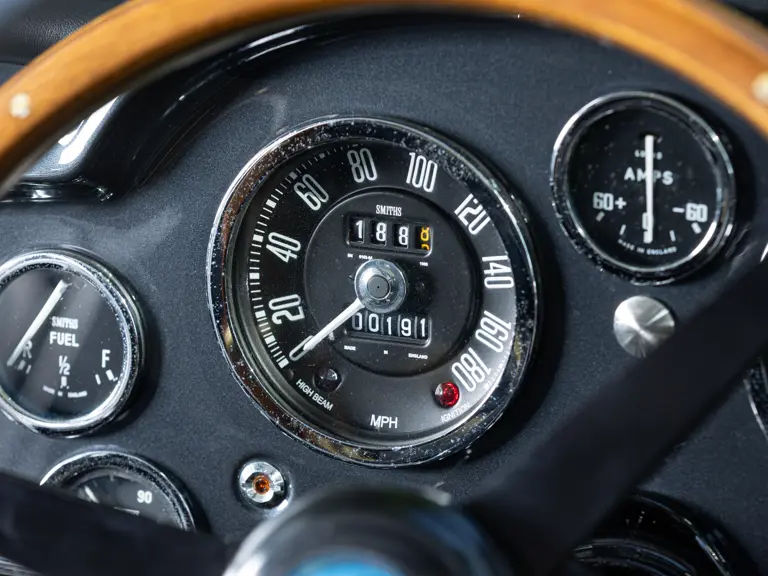
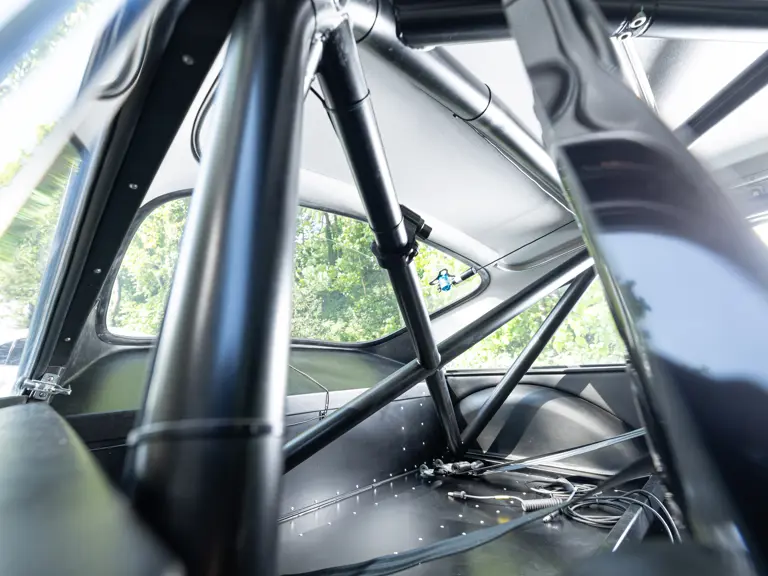
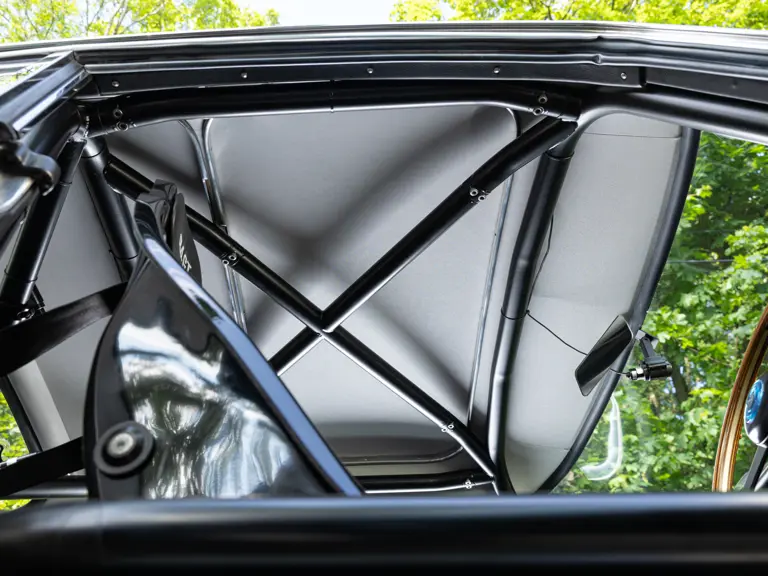
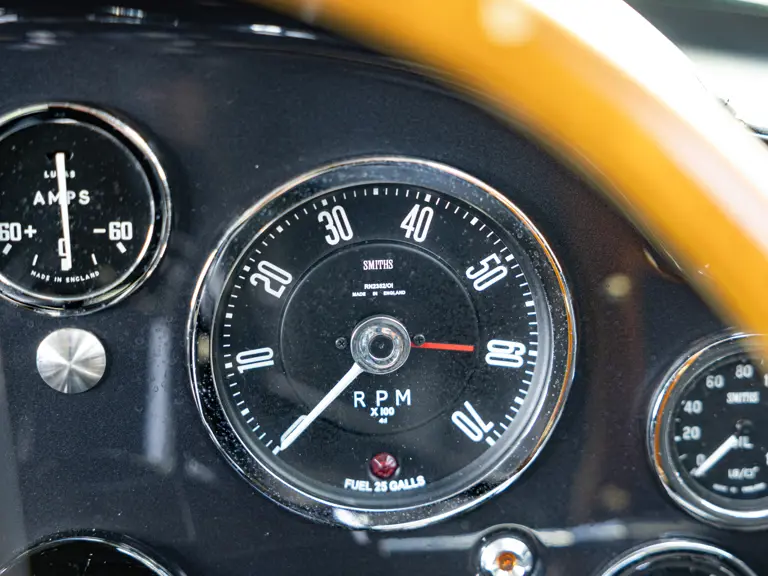
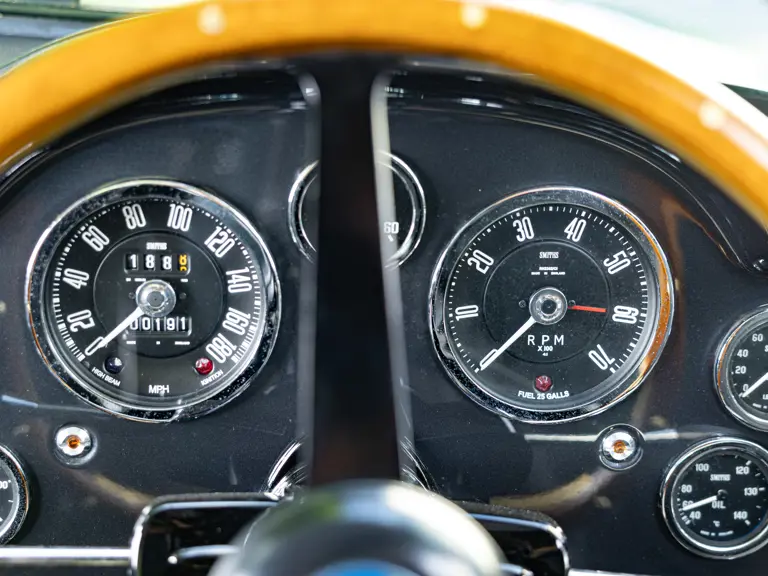
Specified from new to match the colour scheme of the 1959 ‘DP199’ prototype, it has covered only 186 miles in the hands of a single owner and has been serviced by factory technicians on three occasions. Bidders should be advised that in its current form, this DB4 GT Continuation is not intended for registration for the road, but this presents an exciting opportunity to experience the thrill of one of Aston Martin’s most celebrated sportscars on the racetrack.
Blending the charisma and feel of the original DB4 GT with modern production techniques, this highly collectable Aston Martin represents a fascinating chapter in the history of not only the marque itself, but also the Newport Pagnell factory and the skilled engineers and craftsmen who work there.
 | Epsom, United Kingdom