
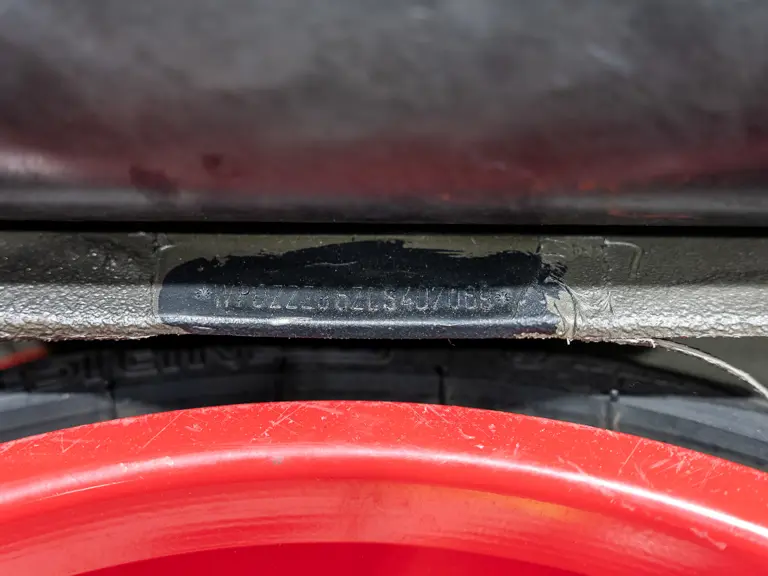

Chassis No.
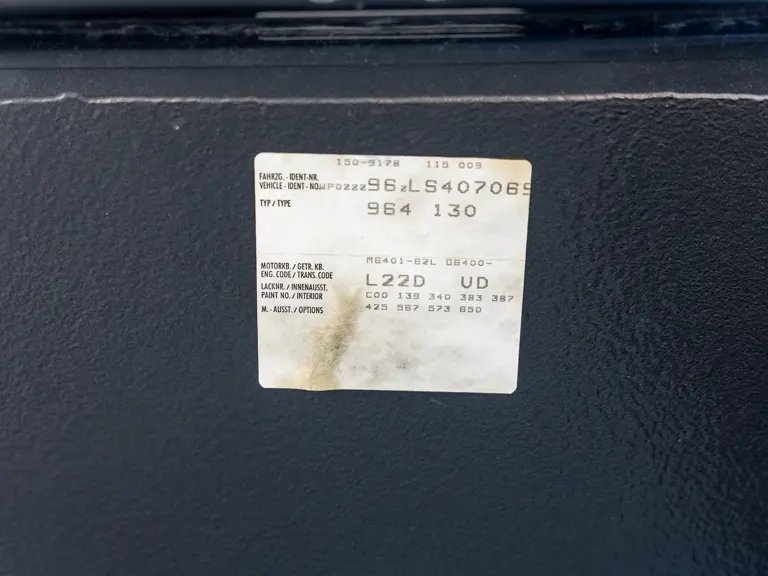
WP0ZZZ96ZLS407069

{{lr.item.text}}
{{bidding.lot.reserveStatusFormatted}}
LOVED, AND LOATHED – VITTORIO STROSEK
Looking back upon the golden age of European tuning, roughly bounded by the oil crises of the late 1970s and the recession that punctuated the early 1990s, no figure occupied a more influential—or more contentious—position than Vittorio Strosek. Few individuals stood closer to the center of that ecosystem, and fewer still embodied its contradictions so completely. Admired as a visionary by some and dismissed as a stylist by others, Strosek helped define an era in which individual expression became a commodity unto itself, and the automobile its most conspicuous canvas.
An industrial designer by training, Strosek entered the automotive world through an avenue far removed from the traditional tuner's path. In 1970 he apprenticed under Luigi Colani, the German-Italian polymath whose organic, aerodynamic creations challenged nearly every convention of postwar industrial design. Where modernism favored straight lines and geometric restraint, Colani found inspiration in biology, fluid dynamics, and the uninterrupted forms of nature. His influence on Strosek was profound. Though the younger designer would eventually develop a visual language of his own, his work retained Colani's fascination with continuity of surface, aerodynamic integration, and the rejection of unnecessary visual boundaries.
According to the company's own history, Strosek departed after roughly a year of freelance collaboration and established Studio Auto Mobil Design in 1971. Throughout the decade that followed, he pursued development projects for industrial and automotive clients alike. This distinction is worth emphasizing because Strosek did not begin as a tuner in any conventional sense. He approached the automobile not as a mechanic, racer, or engineer, but as an industrial object whose form remained open to reinterpretation.
That perspective found expression in a number of increasingly ambitious Porsche-based projects during the 1970s. Freelance work on the EVEX slant-nosed 911 and various commissions for Koenig-Specials revealed an early willingness to challenge assumptions about Stuttgart's most recognizable shape. To Strosek, the 911 was not a sacred artifact to be preserved; it was a design problem to be explored.
By 1982, that philosophy had matured into a business. Under the banner of Strosek Auto Design, he introduced his first production program for the Porsche 928, a model largely ignored by the aftermarket at the time. Success followed quickly. The 944 Turbo came next, and only afterward did Strosek direct his attention toward the 911 itself. Significantly, he approached these projects with the sensibilities of a designer rather than a stylist. Aerodynamics remained a central concern throughout his work. His 1983 BIWING concept achieved a drag coefficient of 0.21, a figure remarkable enough to suggest that Strosek sought legitimacy not merely through appearance but through measurable performance.
STROSEK VERSION II – THE 964 AS IT SHOULD HAVE BEEN
When Porsche unveiled the Type 964 in September 1988, it arrived as both a culmination and a challenge. The factory famously claimed the new model was eighty-five percent new despite preserving the familiar outline of its predecessor. Beneath the skin, Porsche's engineers had thoroughly modernized the 911. Yet the silhouette remained largely untouched, an implicit acknowledgment of the model's cultural gravity. For Strosek, who had spent much of the preceding decade demonstrating the malleability of that silhouette, the 964 represented less a finished product than a fresh point of departure.
Fred Opert, whose racing operation managed Strosek's American business, later described the resulting Version II conversion as the redesign Porsche itself should have undertaken. The remark was revealing precisely because it was not intended as hyperbole. Unlike many tuner creations of the period, the Version II derived its effectiveness from restraint.
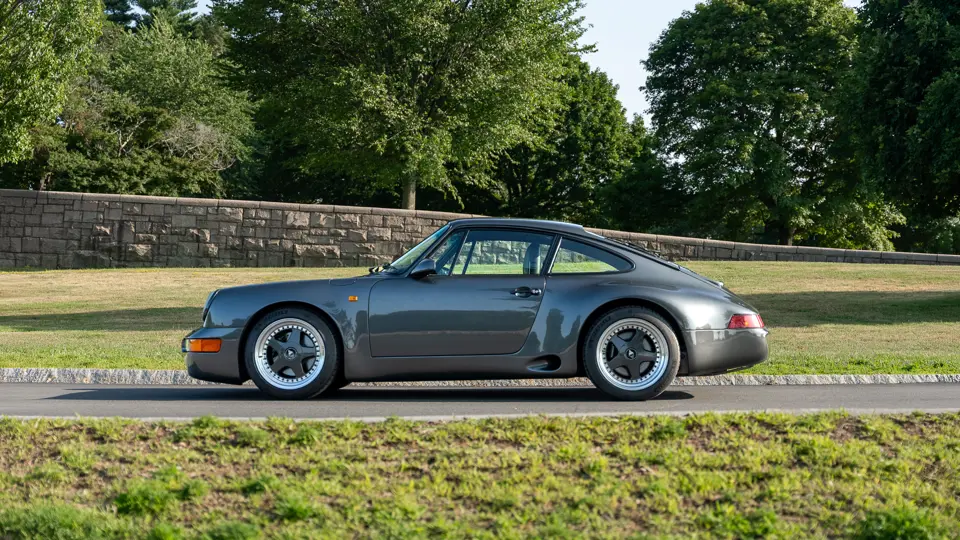
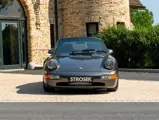
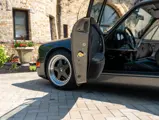
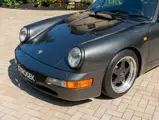
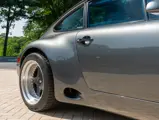
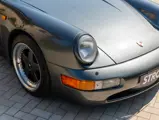
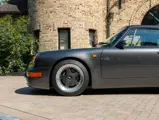
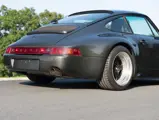
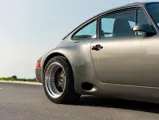
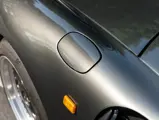
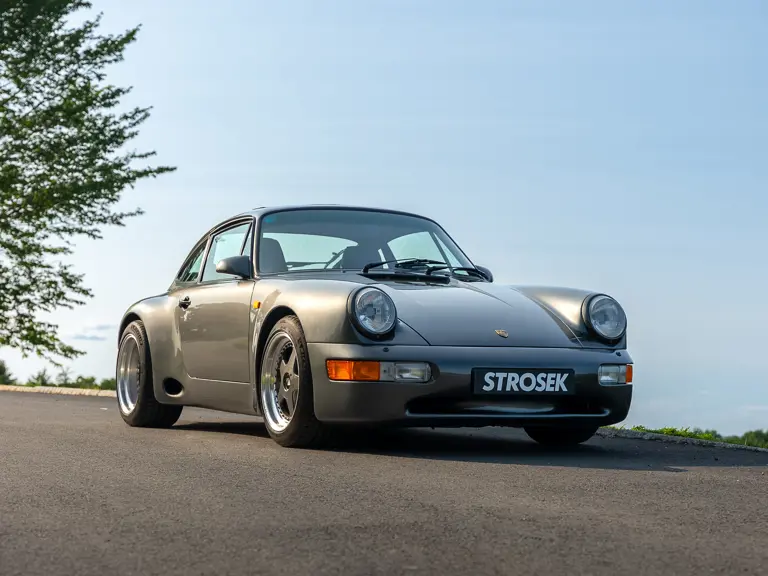
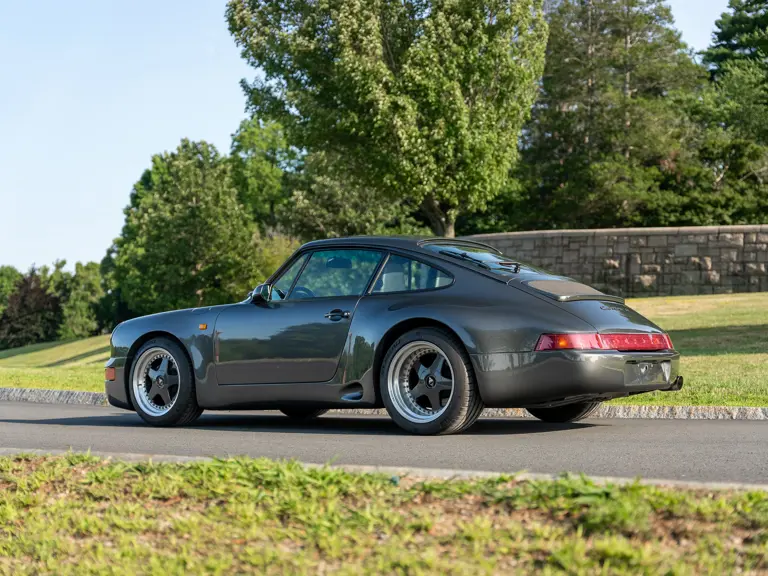
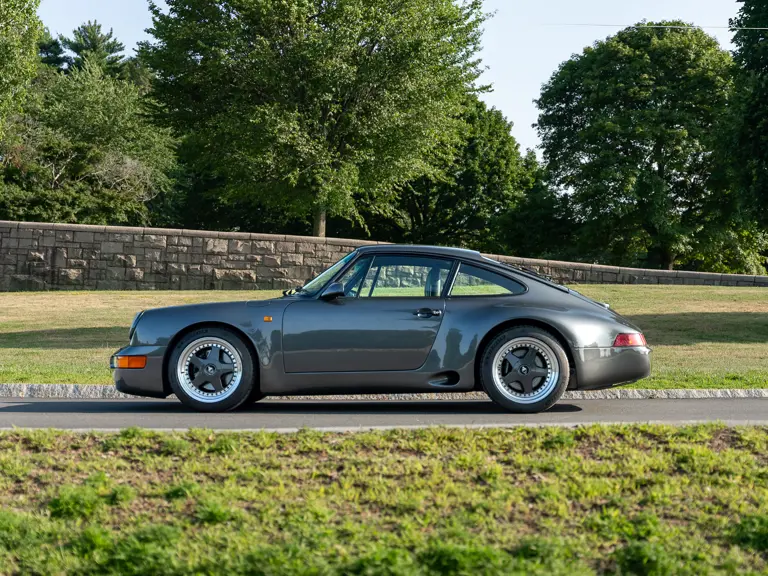
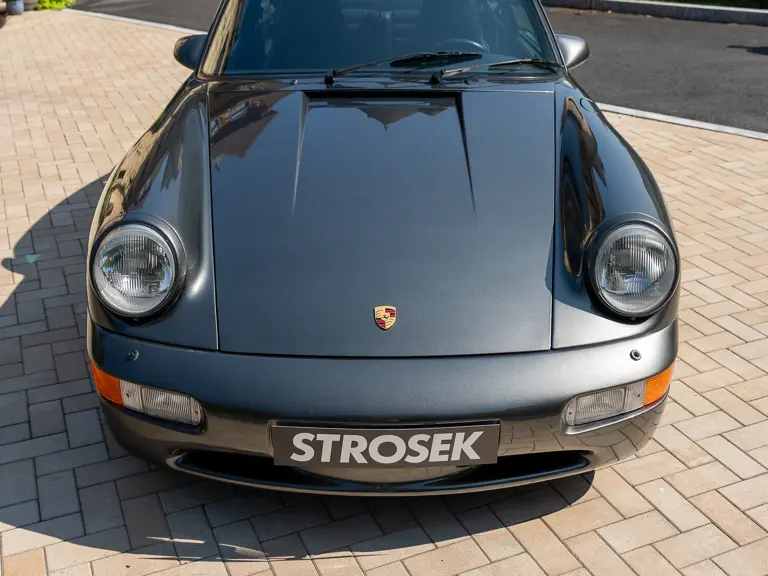
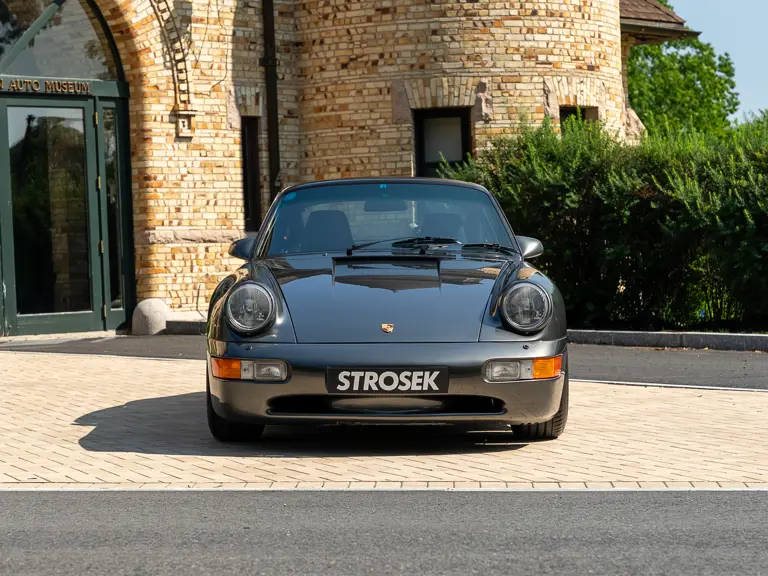
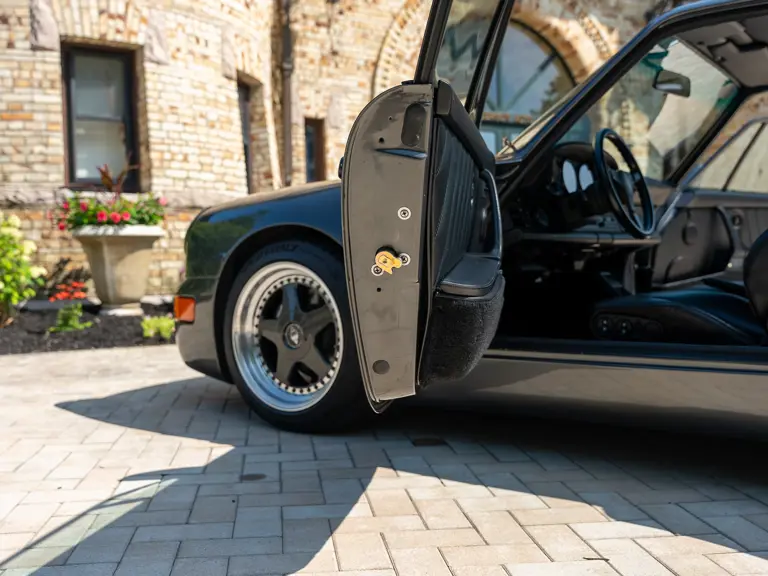
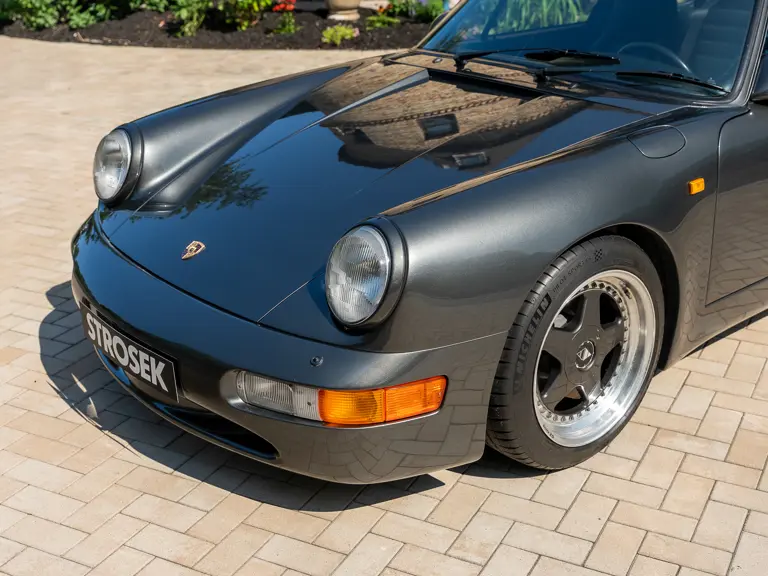
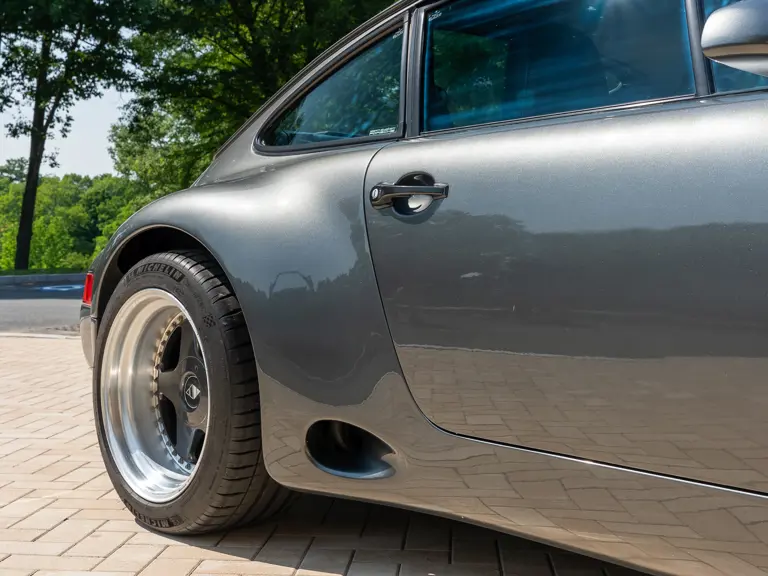
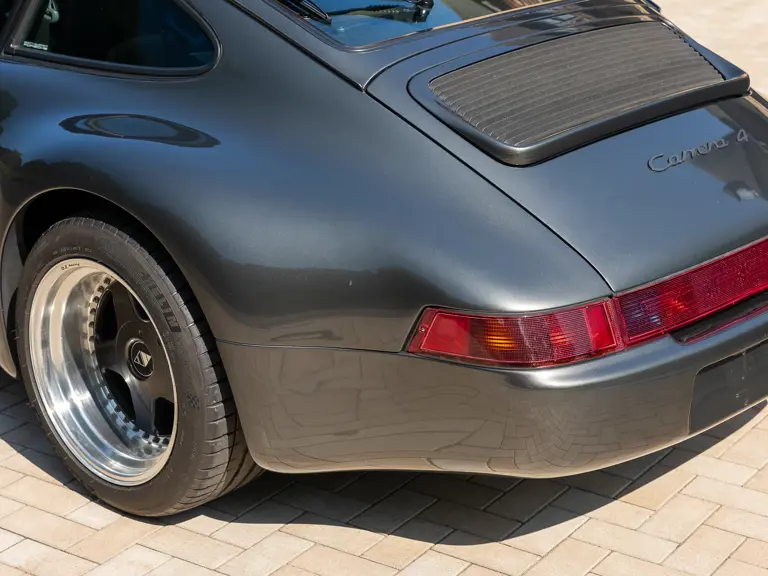
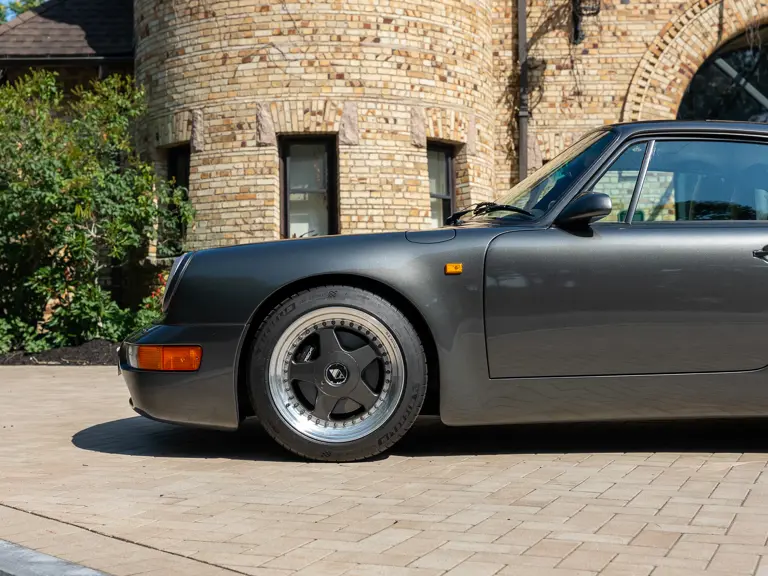
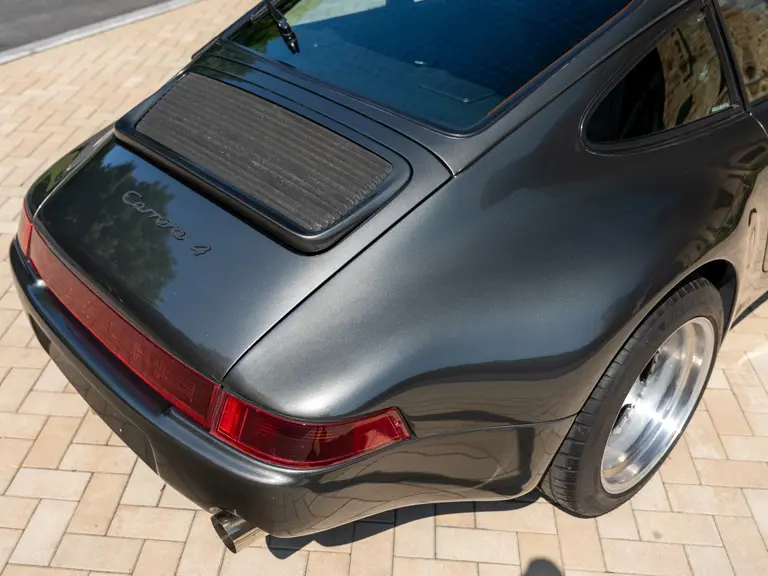
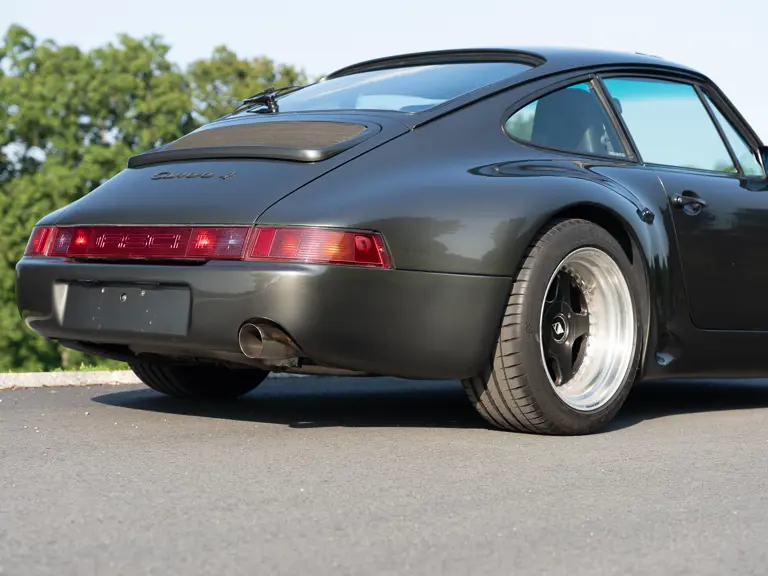
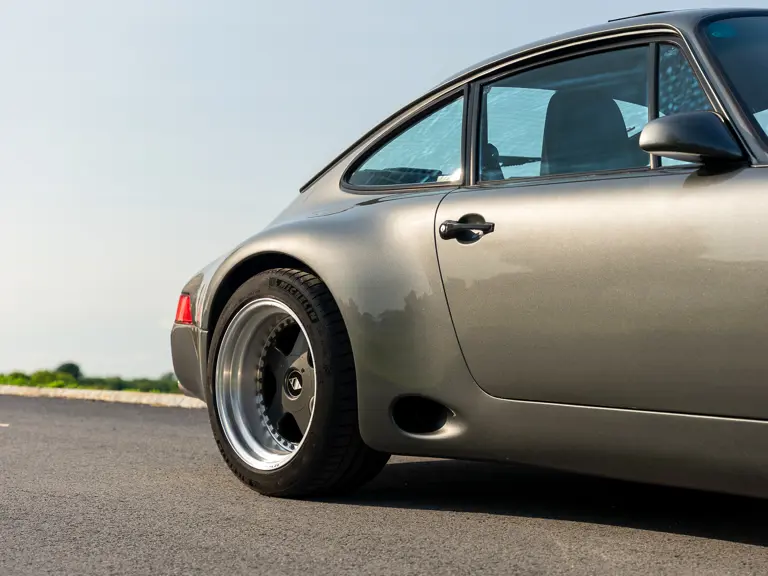
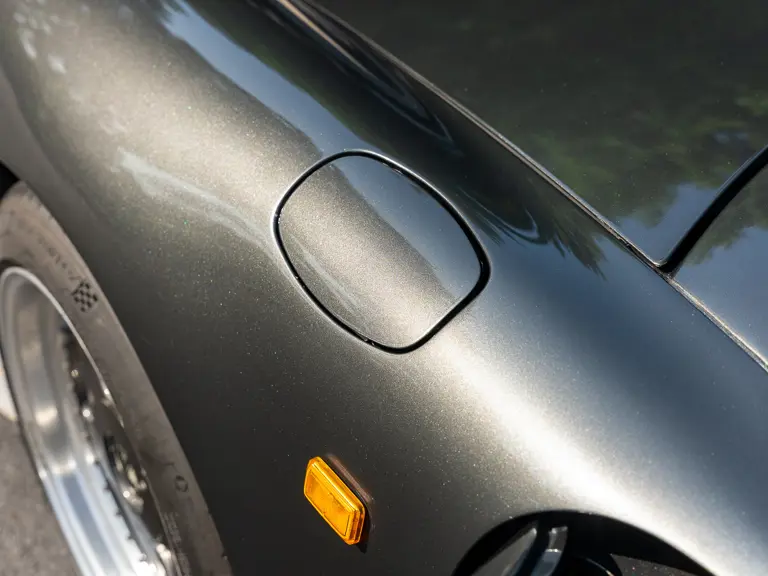
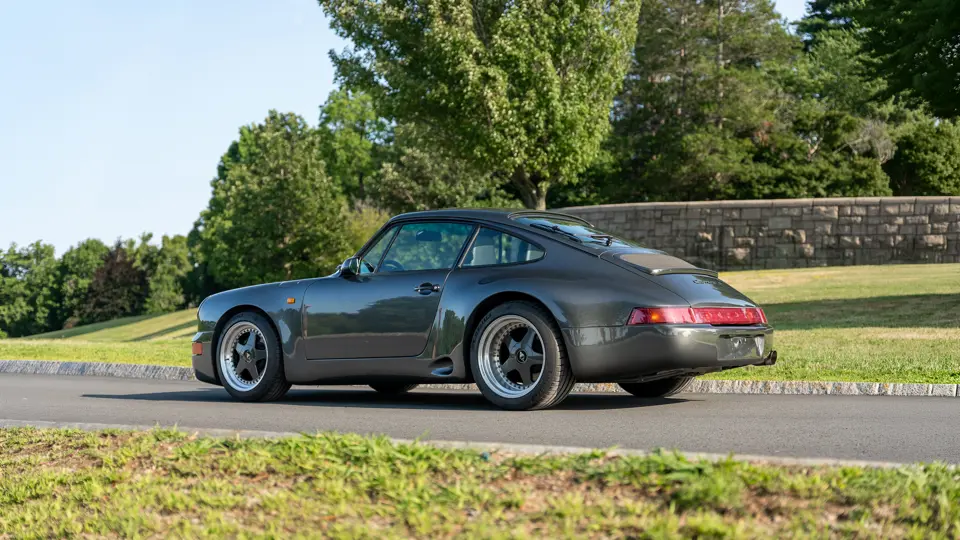
Most of Strosek's interventions occurred below the beltline, subtle enough that even experienced Porsche owners occasionally failed to register them at first glance. Yet beneath that apparent conservatism lay a comprehensive reconsideration of the 964's visual mass. Fiberglass extensions widened both front and rear fenders before flowing uninterrupted into revised rocker panels. Rather than relying upon the appliqué-like side skirts favored by many contemporaries, Strosek used the bodywork itself to conceal the transition between old and new. The resulting composition possessed an uncommon coherence, as though the widened form had been conceived alongside the original structure rather than imposed upon it.
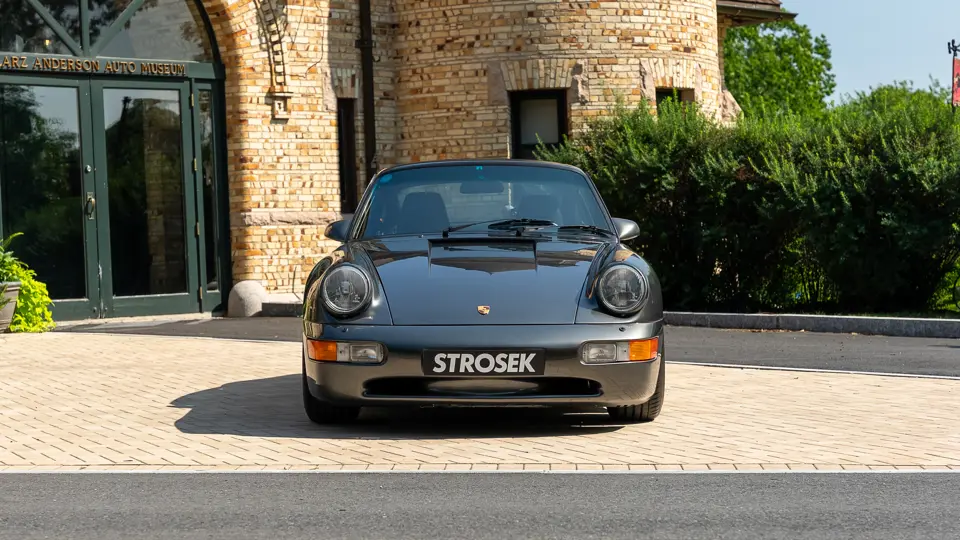
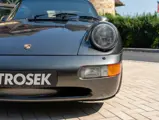
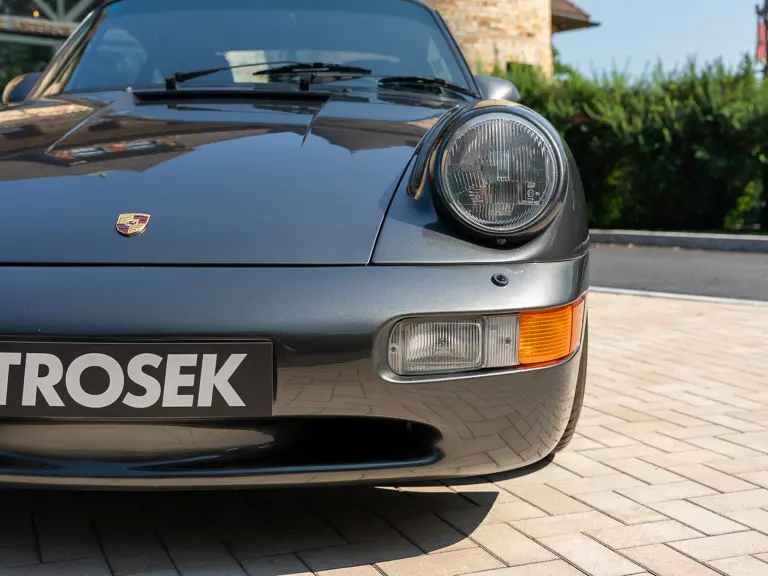
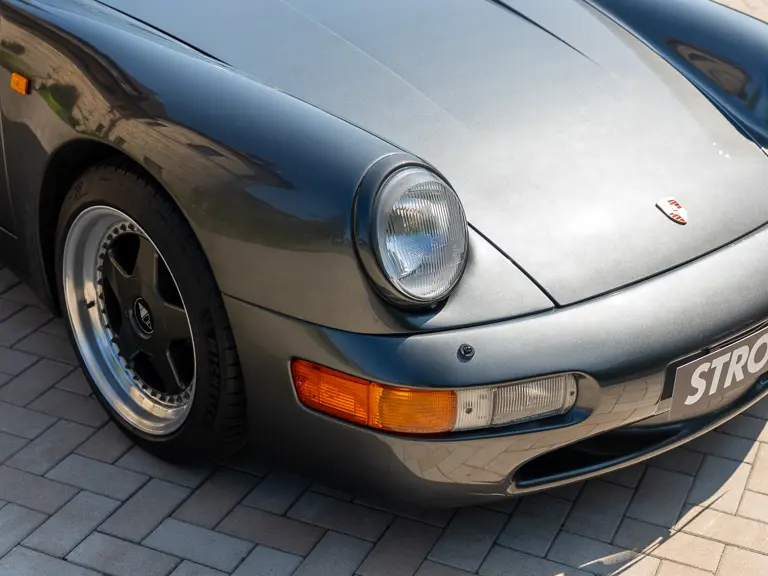
Although the dimensions echoed those of Porsche's own Turbo, the character differed markedly. Where the factory car emphasized geometric tension and muscularity, Strosek softened the transitions, replacing angular definition with rounded volumes and continuous surfaces. The influence of Colani lingered unmistakably in these decisions. Small cooling ducts appeared ahead of the rear wheels, but even these functional elements were carefully integrated into the overall form. Equally telling was what Strosek chose not to alter. At a moment when slant-nose conversions had become the visual shorthand of aftermarket excess, he left the headlamp architecture untouched.
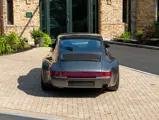
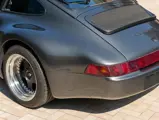
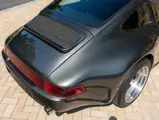
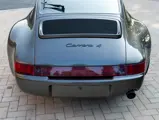
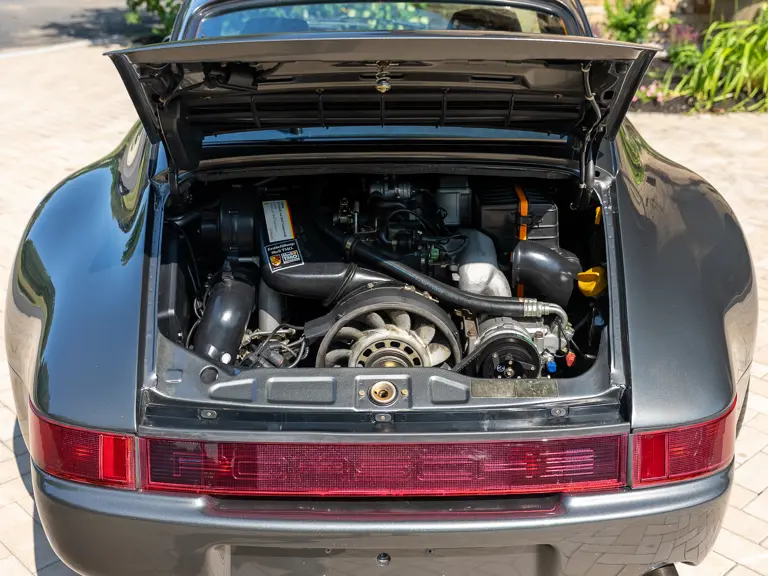
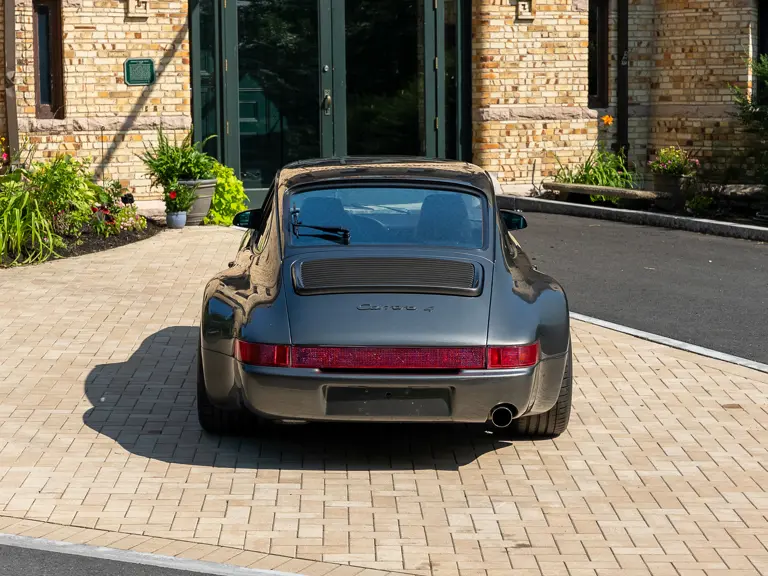
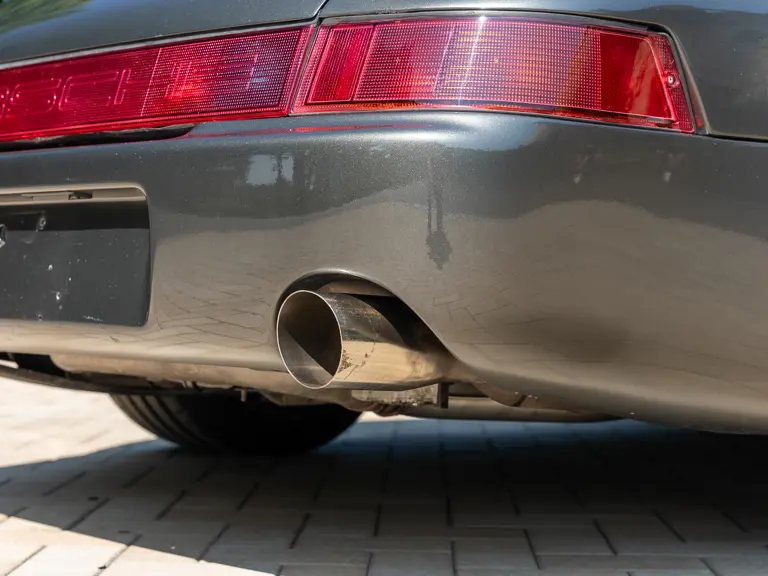
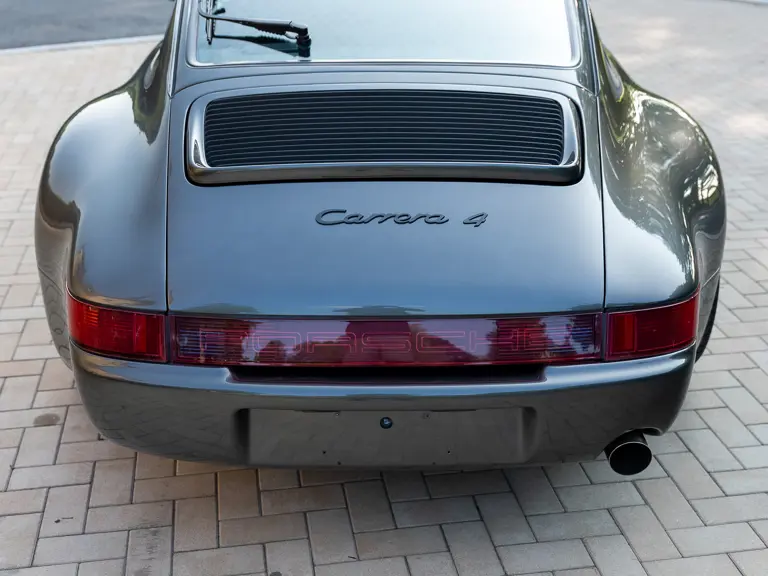
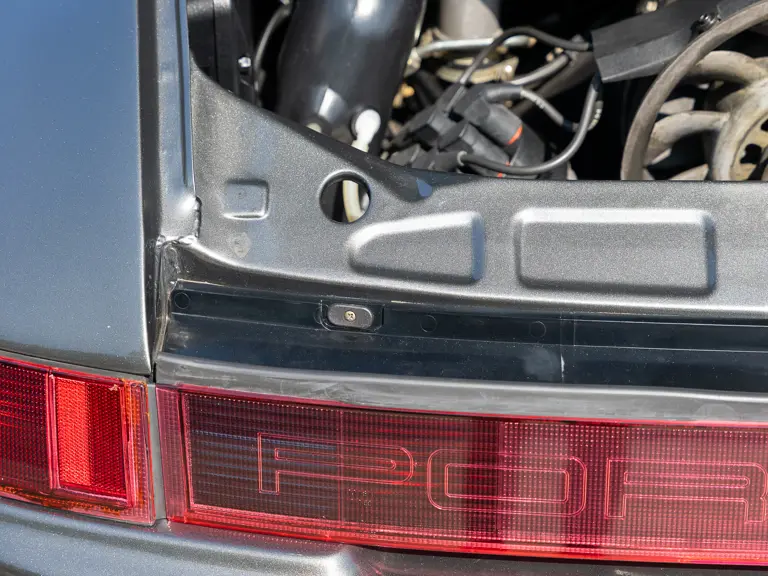
The bumpers adhered to the same philosophy. Rather than replacing Porsche's structures outright, Strosek retained the factory framework and developed new fiberglass skins around it. The front bumper sat lower and incorporated a pair of molded intakes in place of the standard grille openings, while the rear adopted a cleaner, flatter profile without disturbing the factory taillamps. A wide ventilation outlet integrated into the upper surface of the rear bumper provided additional extraction of engine heat, a subtle but telling detail absent from the standard 964. Because the bumper sections blended directly into the widened fenders, they ceased to read as separate components. The body became a single integrated composition, an approach that reflected industrial design thinking far more than conventional tuning practice. At a moment when many tuners relied on exaggerated bolt-on ground effects to advertise their handiwork, Strosek pursued the opposite strategy. He used the body itself to erase evidence of modification.
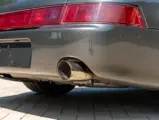
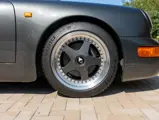
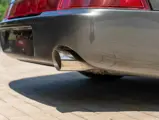
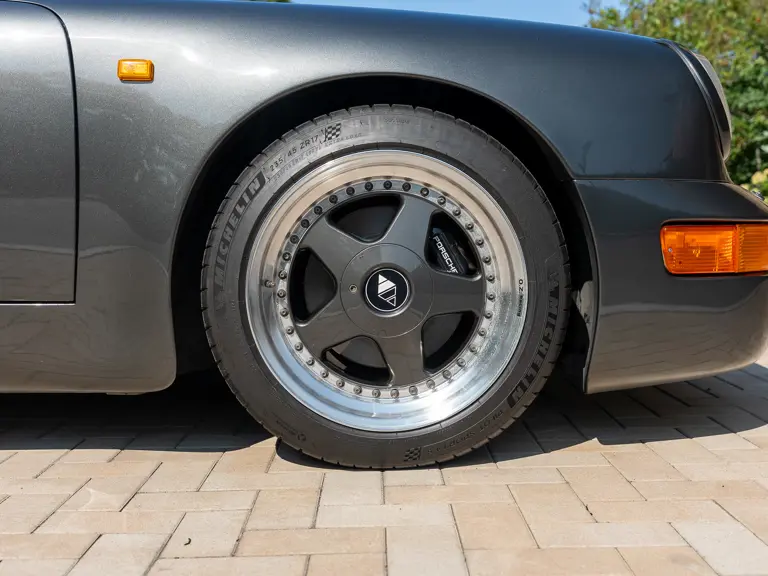
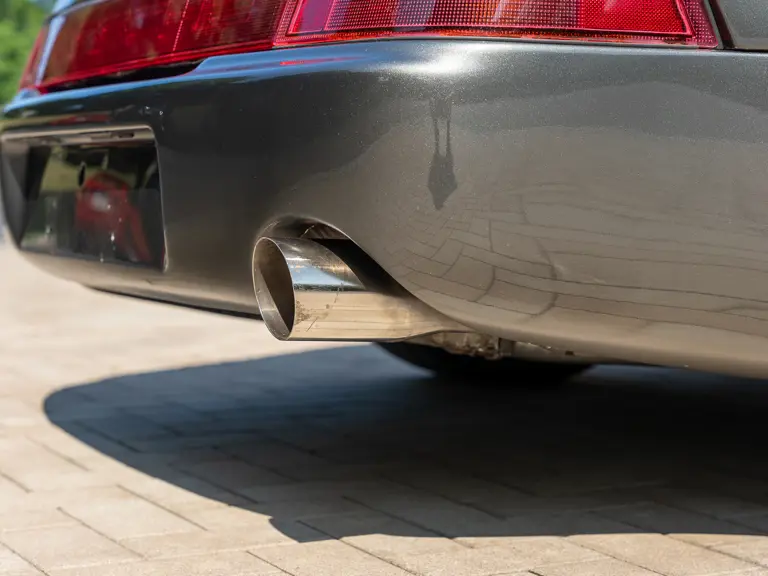
Even the mechanical alterations followed this logic. The 17-inch three-piece wheels commissioned from Italian firm OZ, a bespoke H&R suspension package developed specifically for Strosek, and the company's "Super Sound" exhaust system were not conceived as standalone upgrades but as supporting elements within a larger design exercise. Lowering the car by approximately 1.5 inches, the suspension was widely praised in period road tests for increasing both composure and ultimate handling capability. The exhaust system likewise served a dual purpose, enriching the flat-six's voice while liberating an additional 10 horsepower—the same gain associated with Porsche's contemporary 964 RS specification. As one contemporary road test observed, "while the standard exhaust note hints that there's something mean inside, it's not happy about it and is trying to get out, then the Strosek exhaust is the key for escape." The objective was not transformation for its own sake. It was harmony. Every modification served the same broader effort to refine, modernize, and complete the visual and dynamic character Strosek believed already existed within the 964. The car offered here represents perhaps the purest expression of that philosophy.
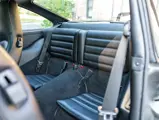
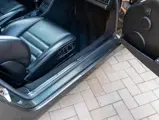
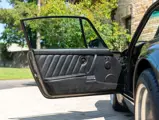
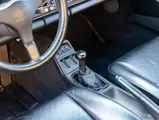
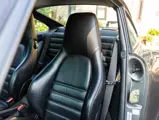
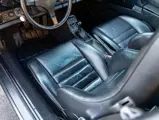
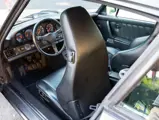
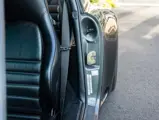
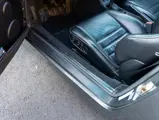
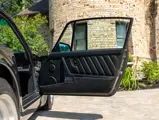
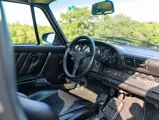
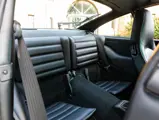
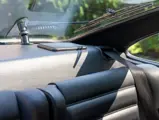
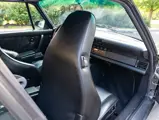
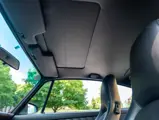
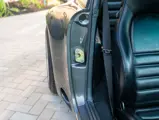
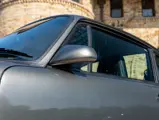
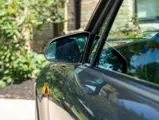
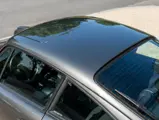
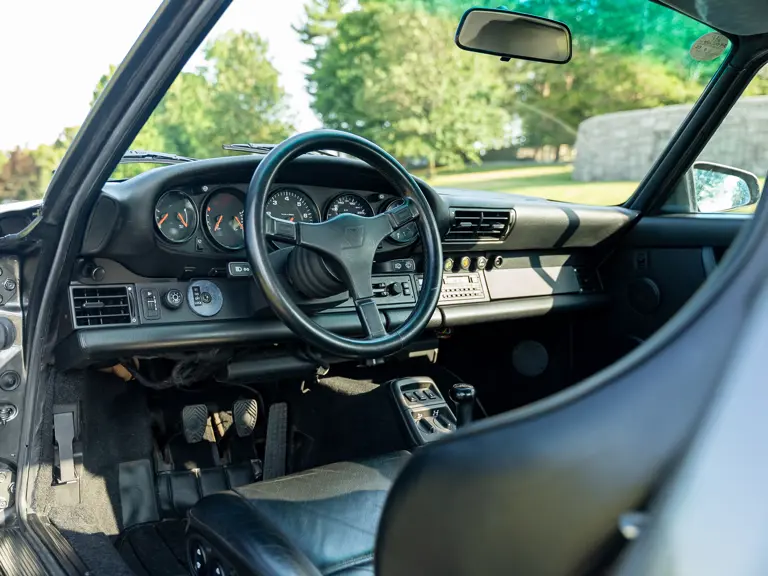
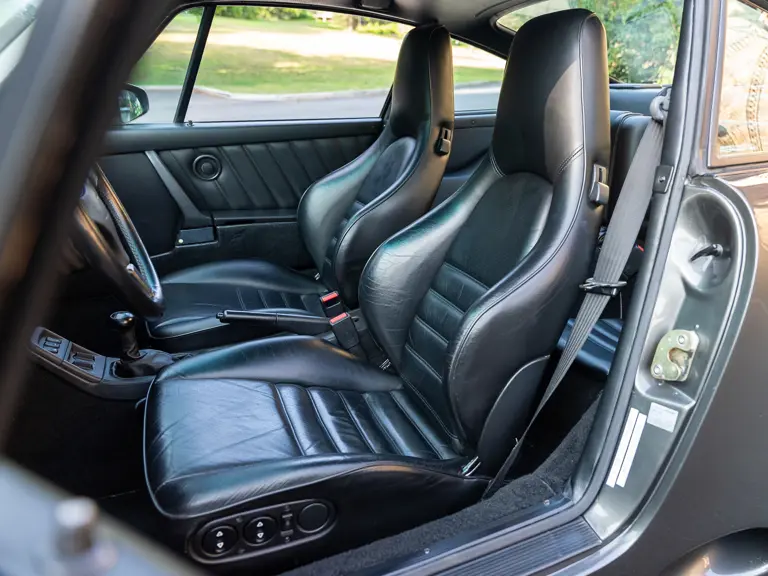
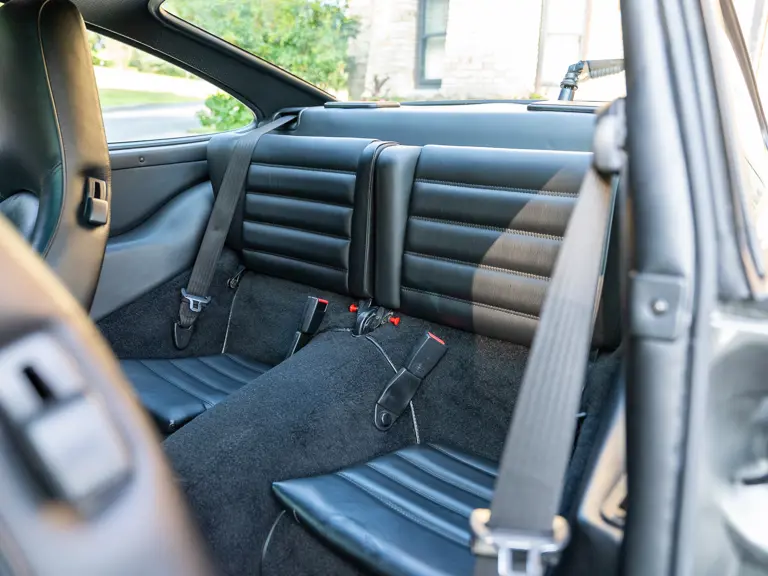
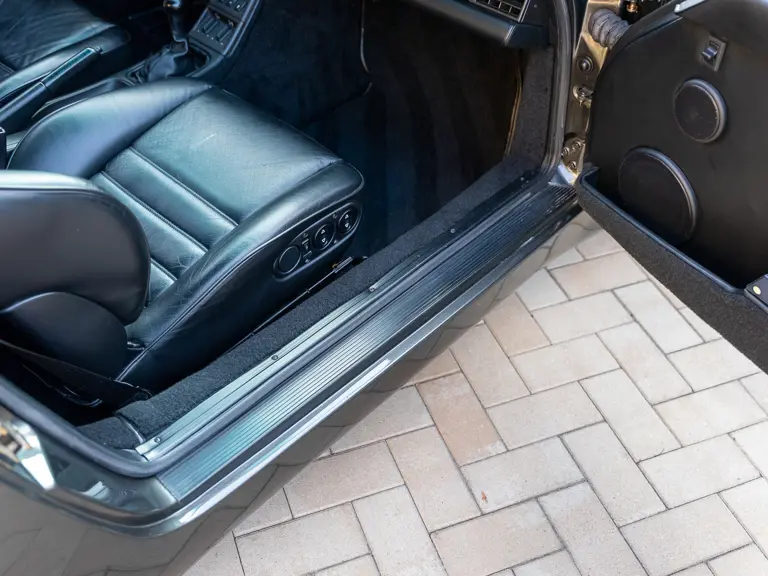
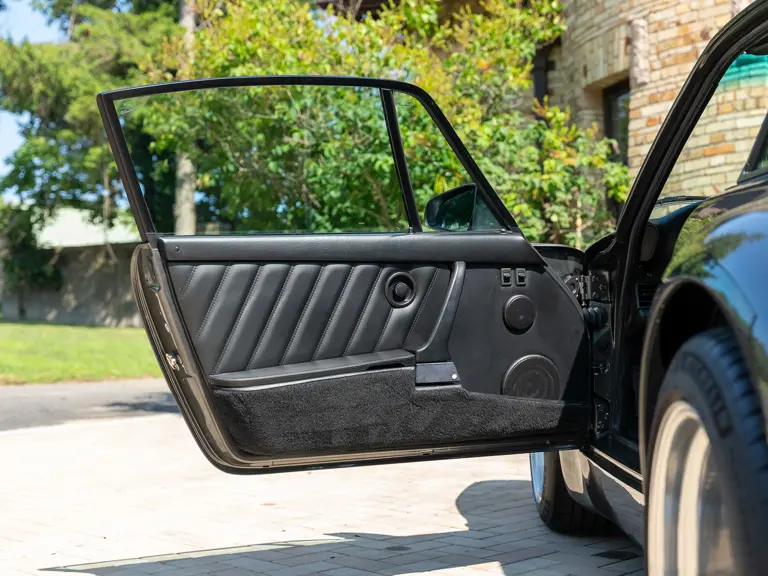
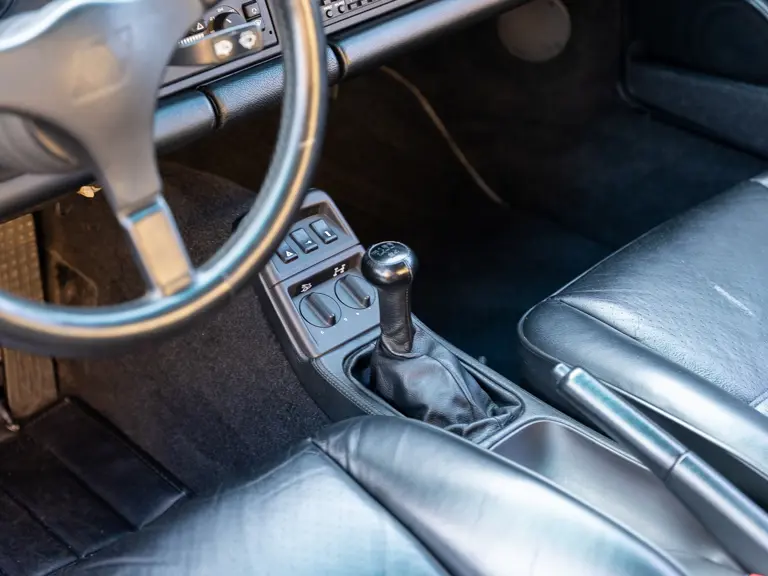
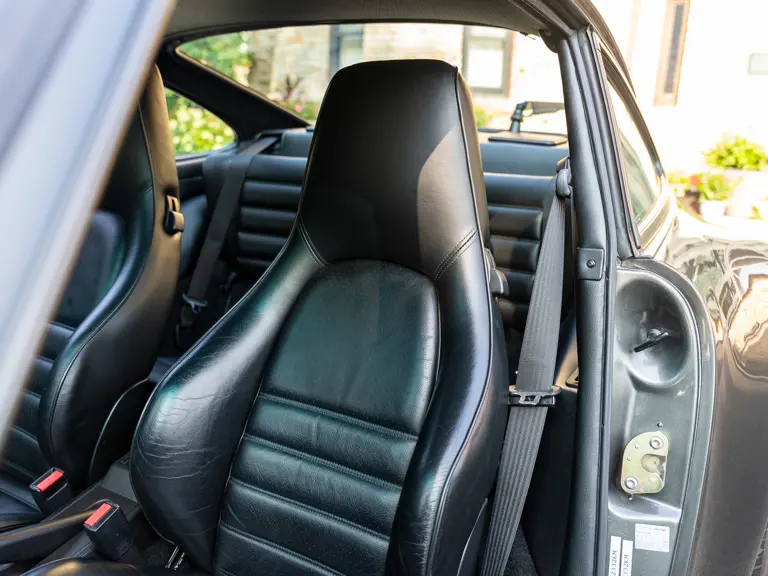
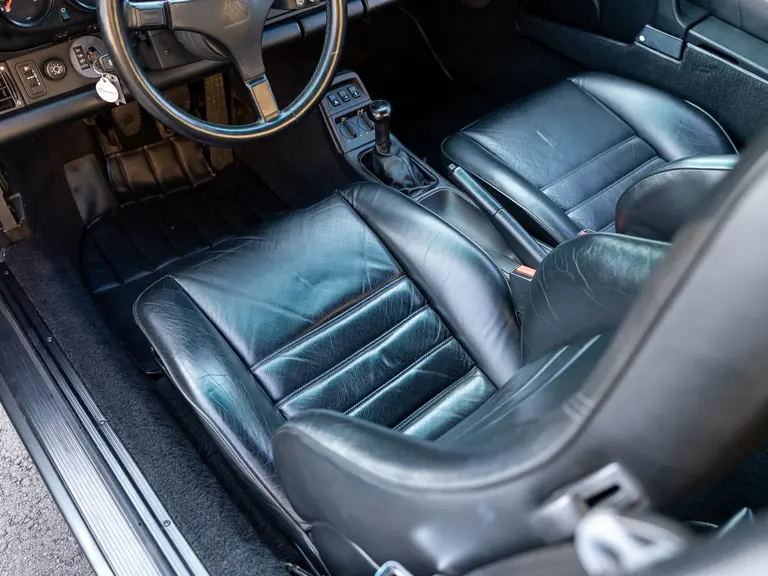
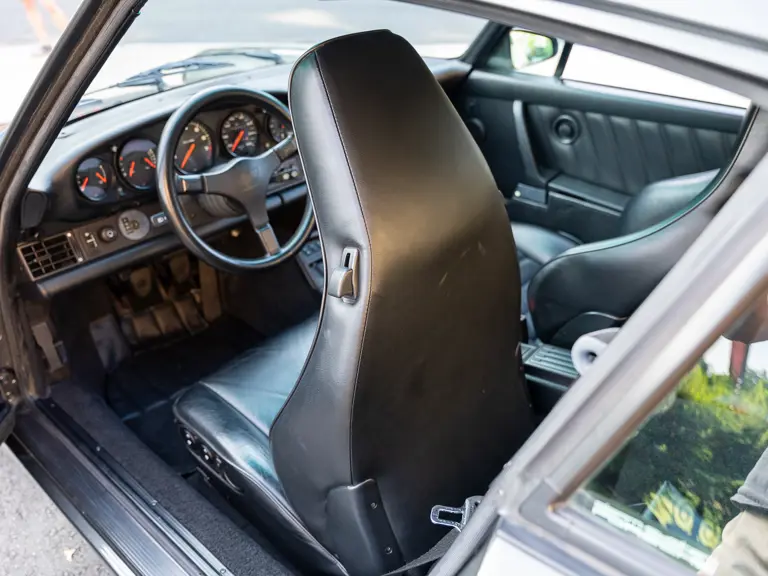
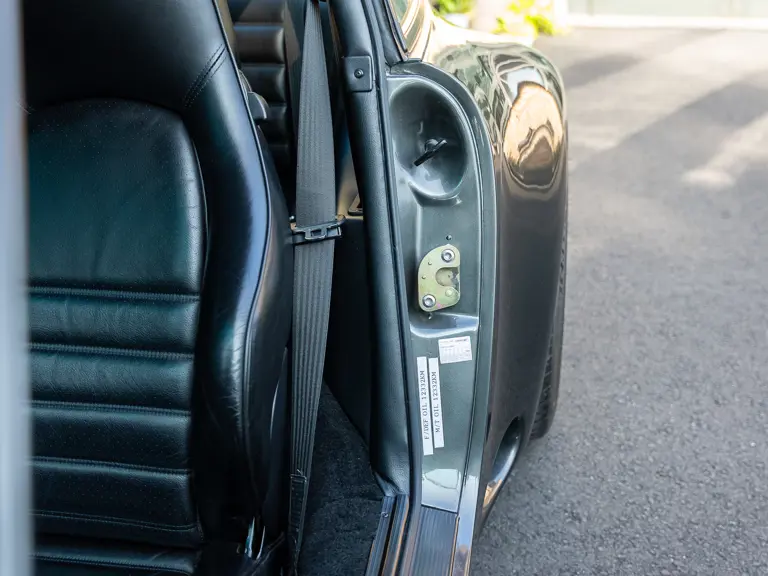
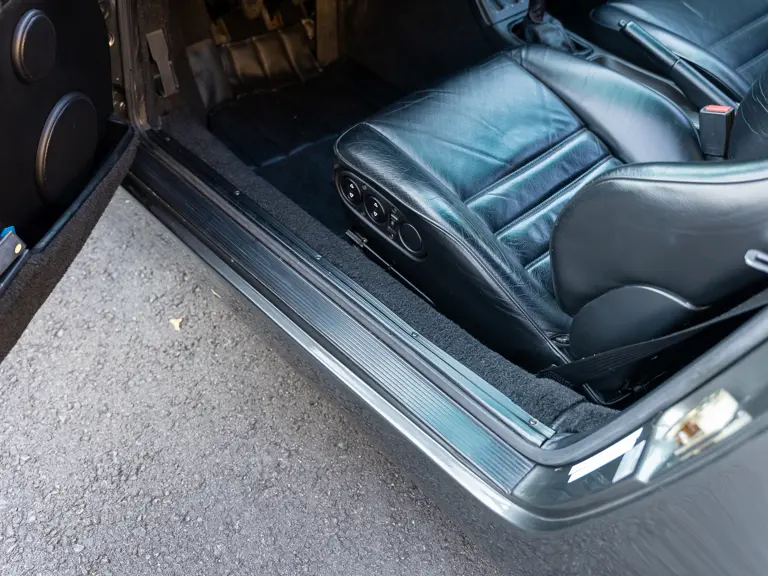
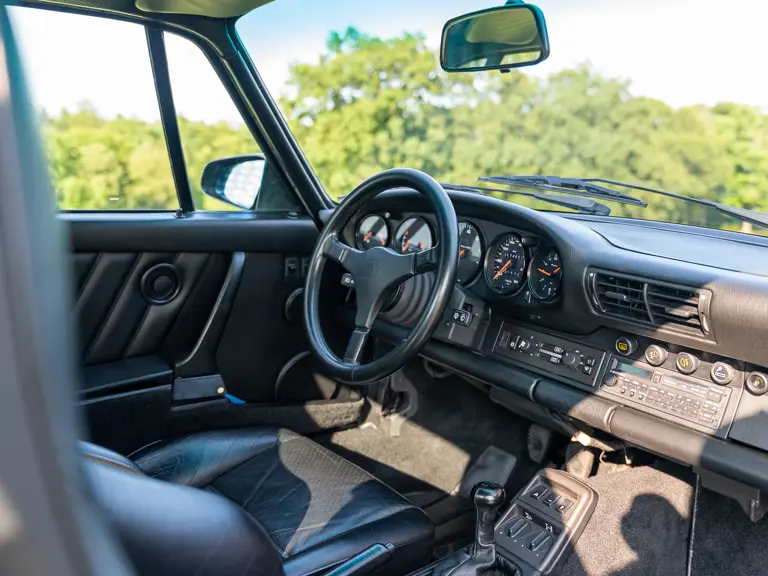
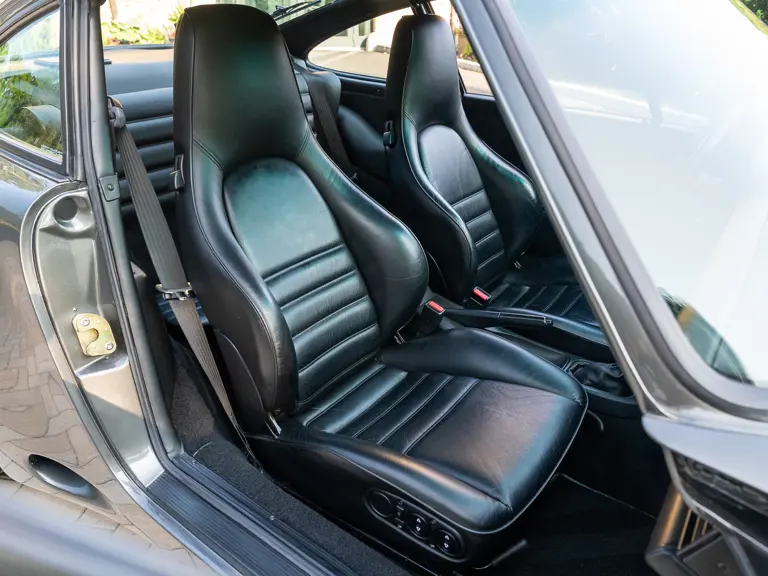
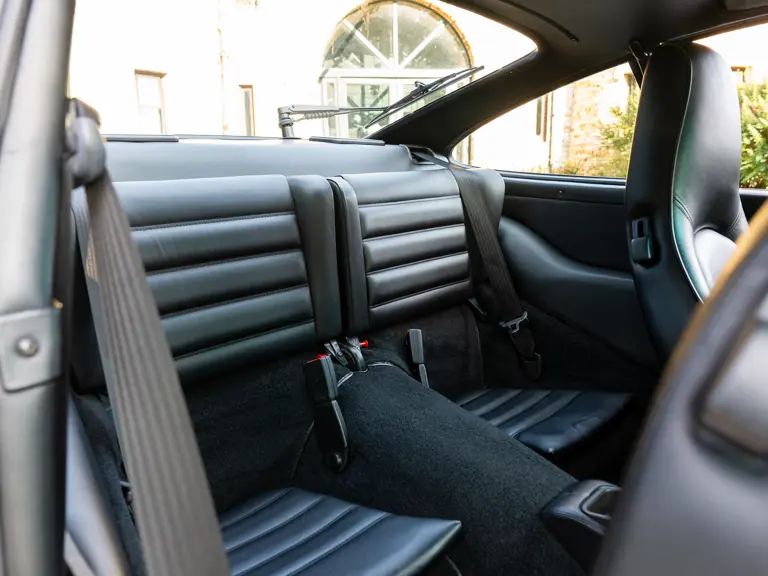
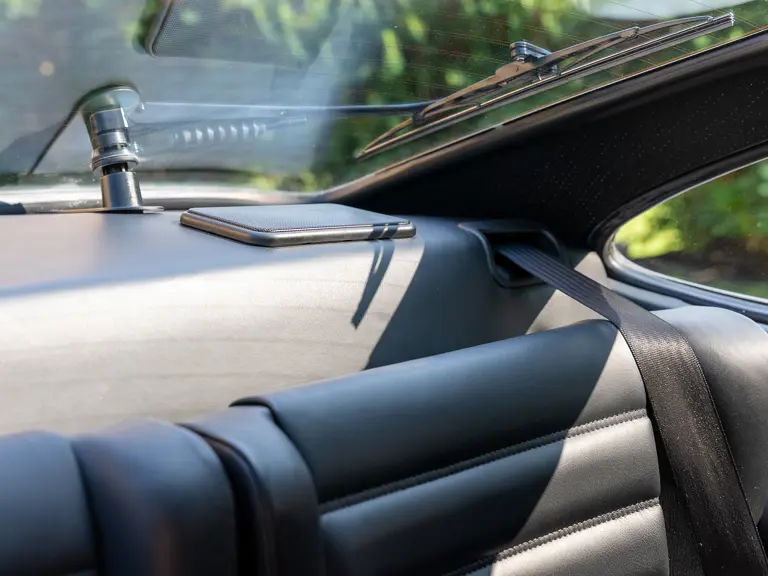
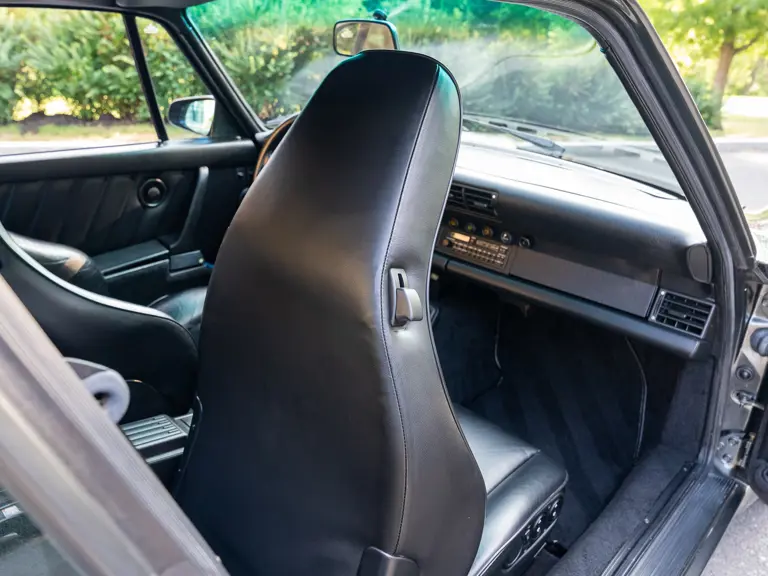
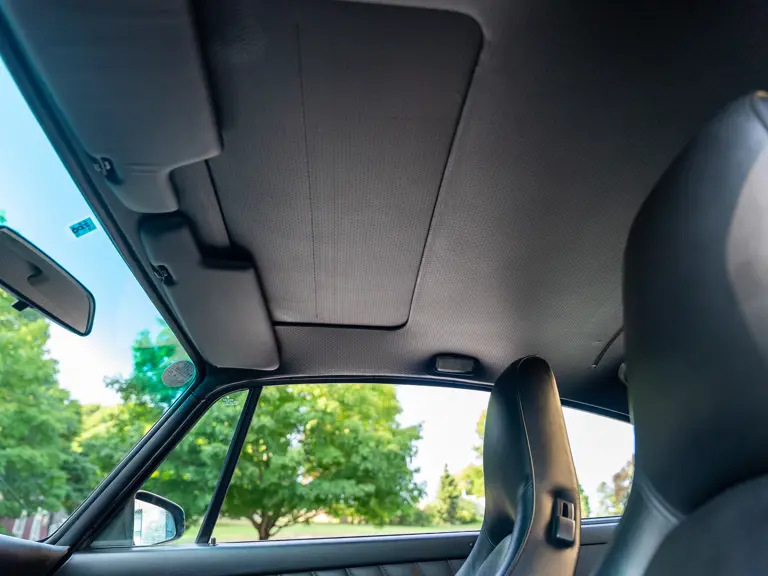
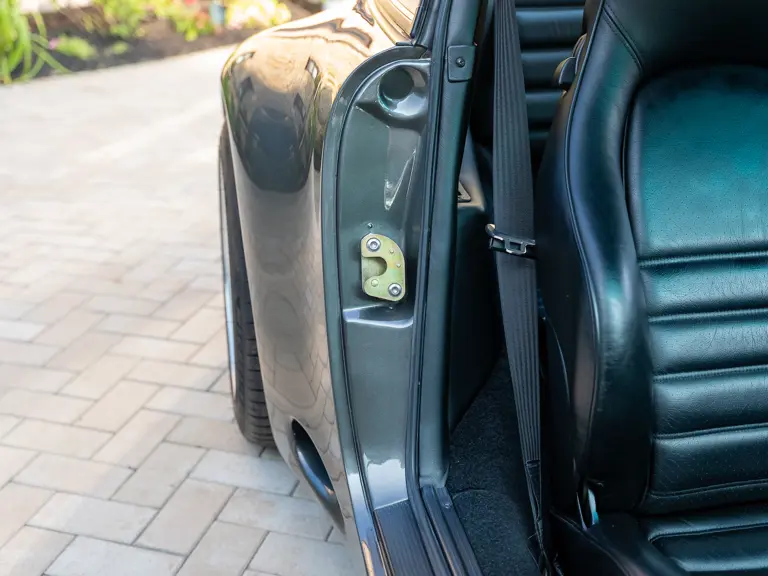
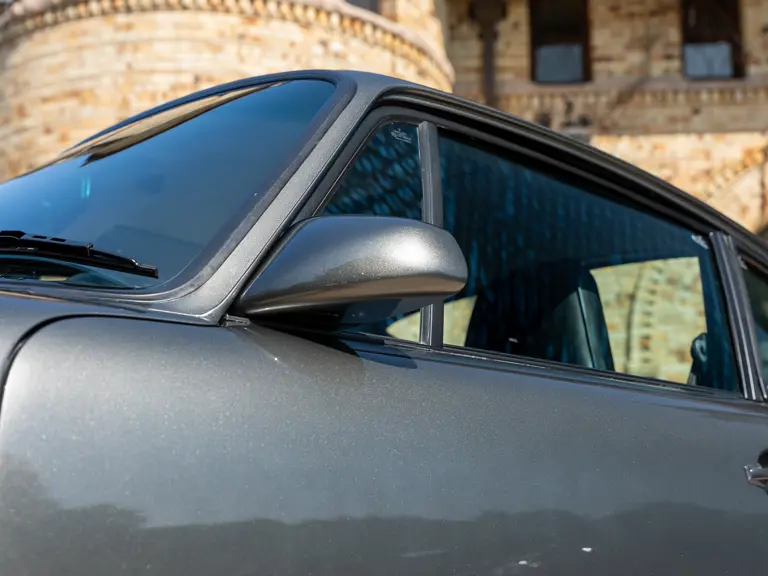
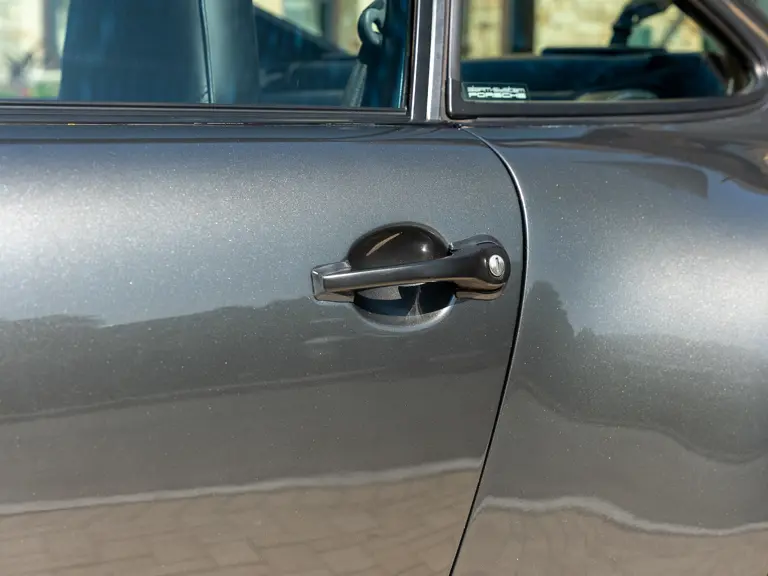
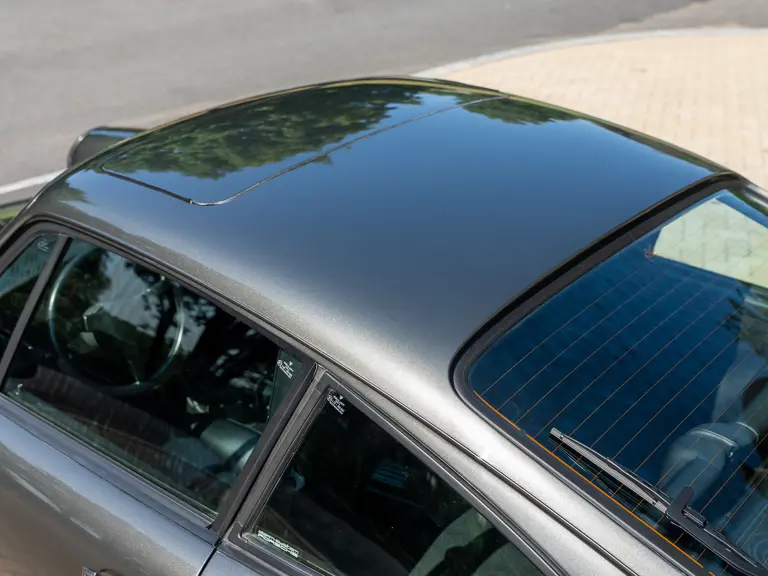
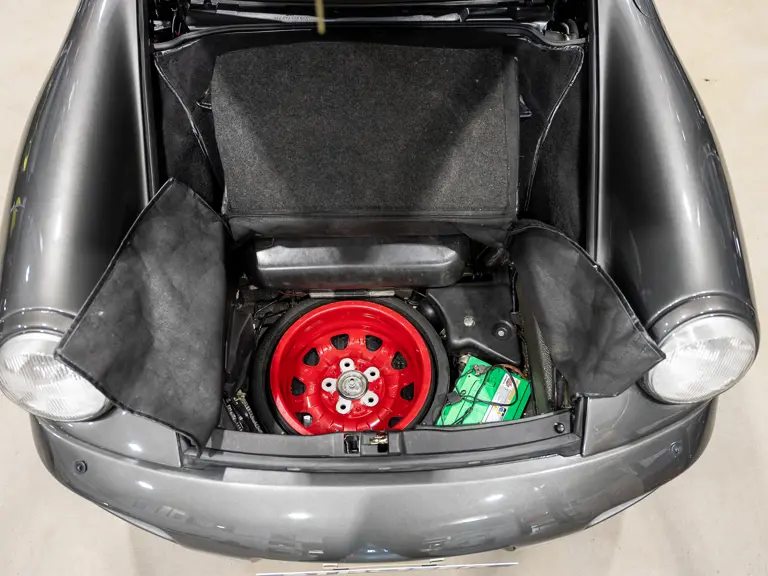
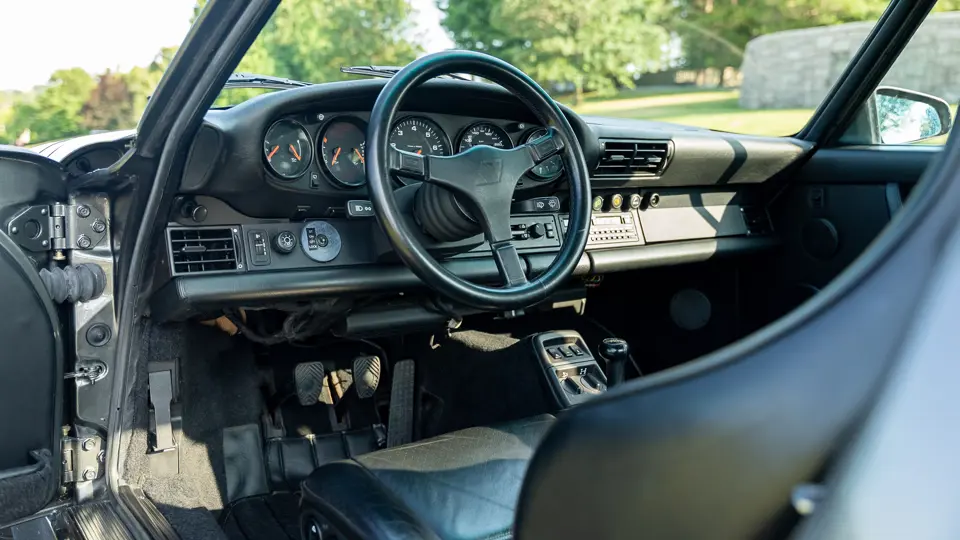
Completed in May 1990 as a German-market Carrera 4 finished in special-order Slate Grey Metallic over black leather, it is believed to have been acquired directly by Strosek Auto Design through Hahn Porsche Fellbach for a Japanese client. The commission would have passed through Ikegami Motors, Strosek's principal representative in Japan, and called for virtually every major component in the company's catalogue. The resulting specifications included the complete Version II widebody coachwork including aerodynamic side mirrors, the signature H&R competition suspension, lightweight OZ Futura alloy wheels painted in Slate Grey Metallic, sport exhaust “Super Sound”, and Strosek-branded leather steering wheel. Significantly, the car retains all these original Strosek performance parts in well-functioning condition, preserving all its most important, dynamic elements.
Following its conversion by Strosek, this car was exported to Japan (via Atman Company) shortly thereafter and first registered in Shinagawa as “34-1162” on 22 November 1990, nearly six months after it was delivered to its original German dealer. After briefly passing through the Car Craft Company and the collection of a Hamamatsu-based construction magnate, this Strosek was acquired by a businessman in Toyohashi, Aichi Prefecture, on 10 April 1992 as “33-8198”. This collector would subsequently keep the car for the next thirty years!
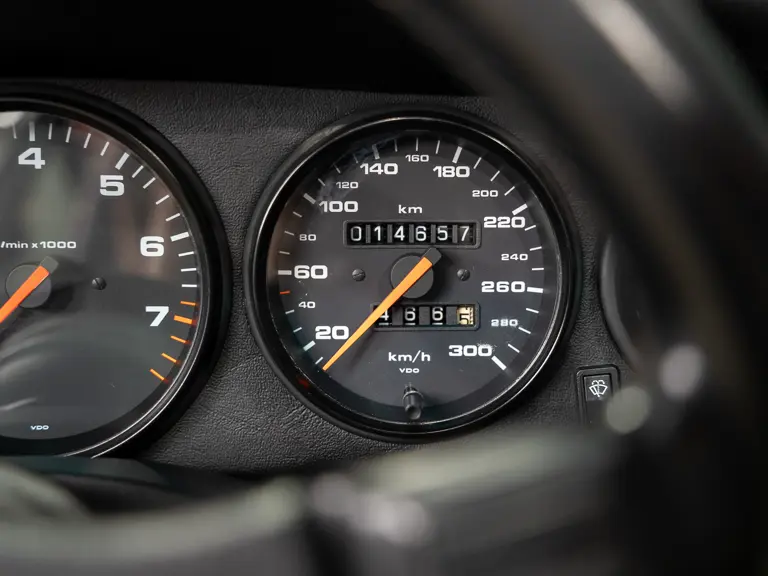
Inspection stickers and mileage records, when cross-referenced with the car’s registration documentation, strongly suggest that its long-term owner largely retired the vehicle from regular use in 2008. Remarkably preserved in highly original condition, the Strosek accumulated just 700 kilometers over the following fourteen years. In August 2022, the consignor acquired the car at auction in Tokyo, where it displayed only 14,188 kilometers from new.
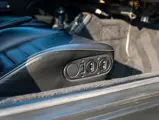
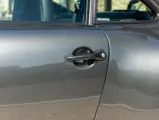
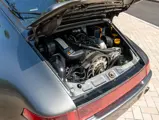
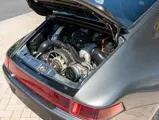
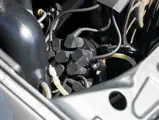
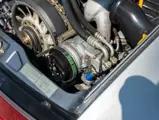
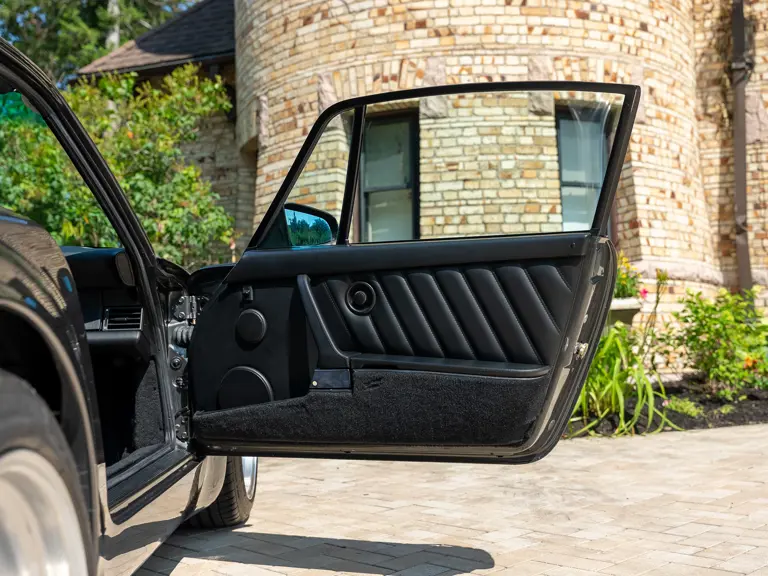
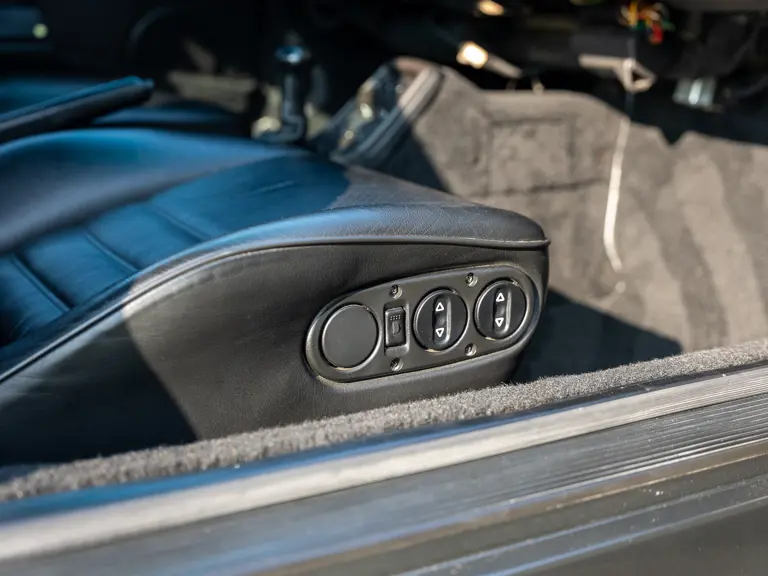
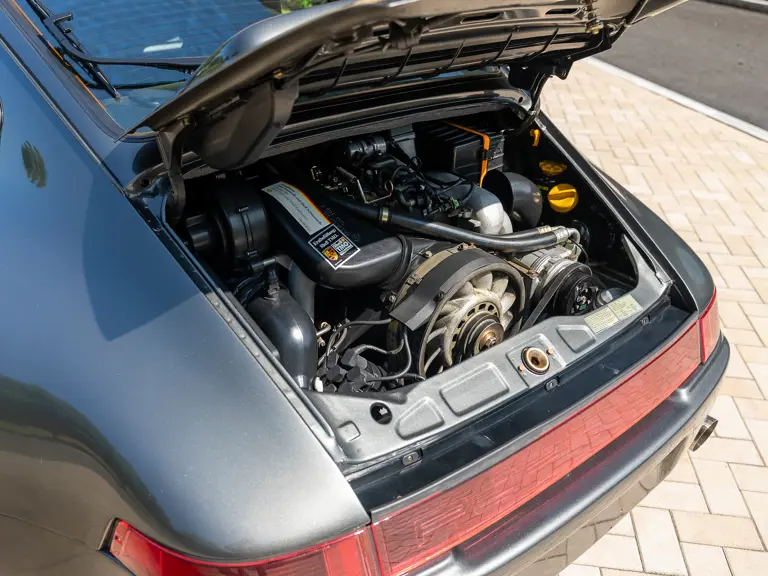
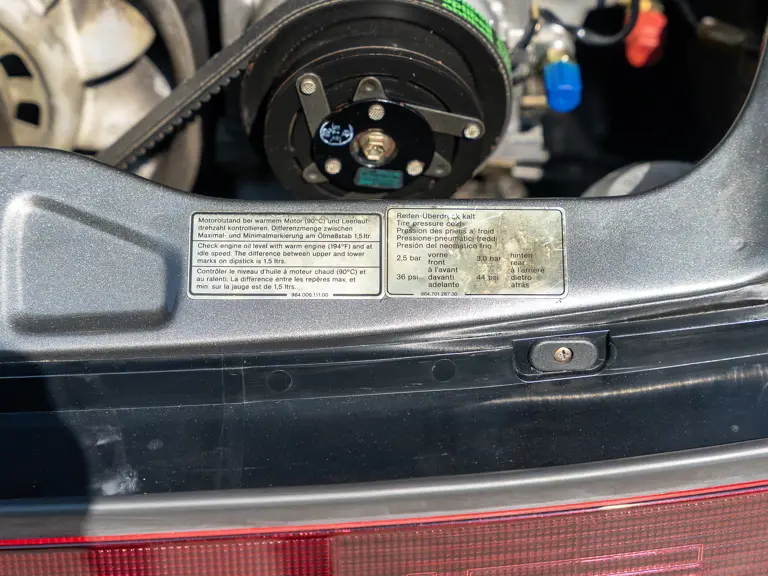
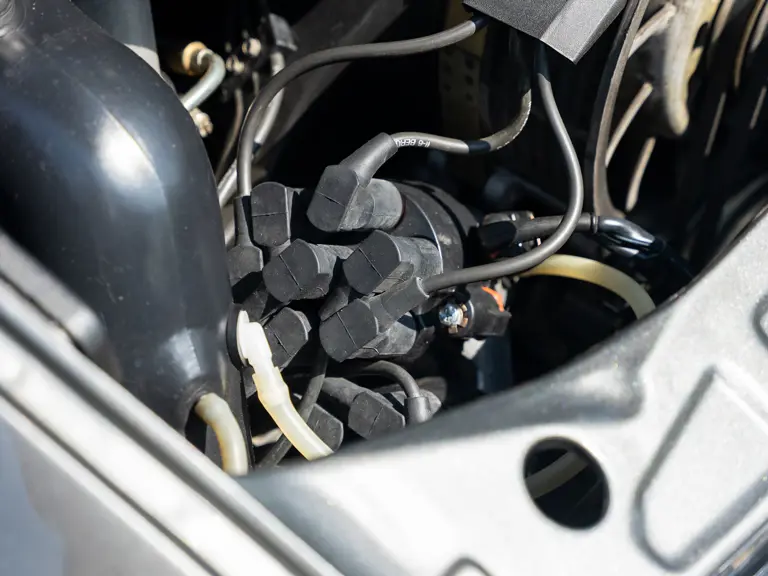
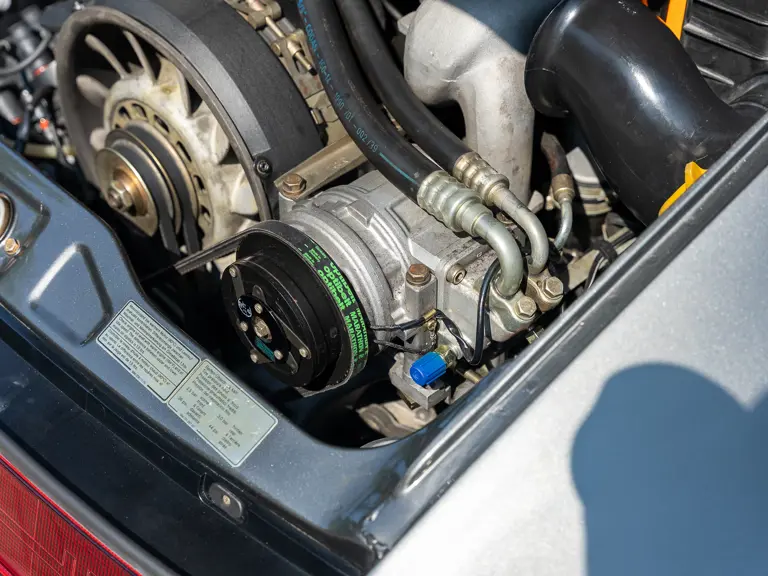
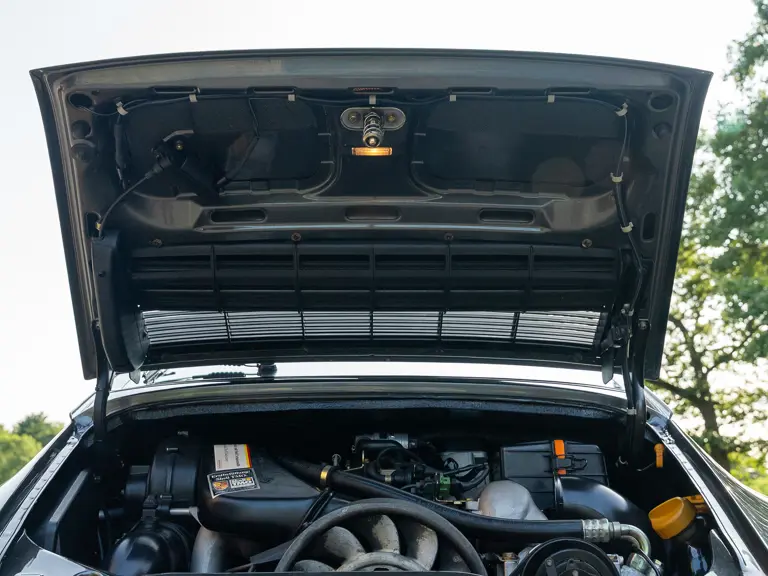
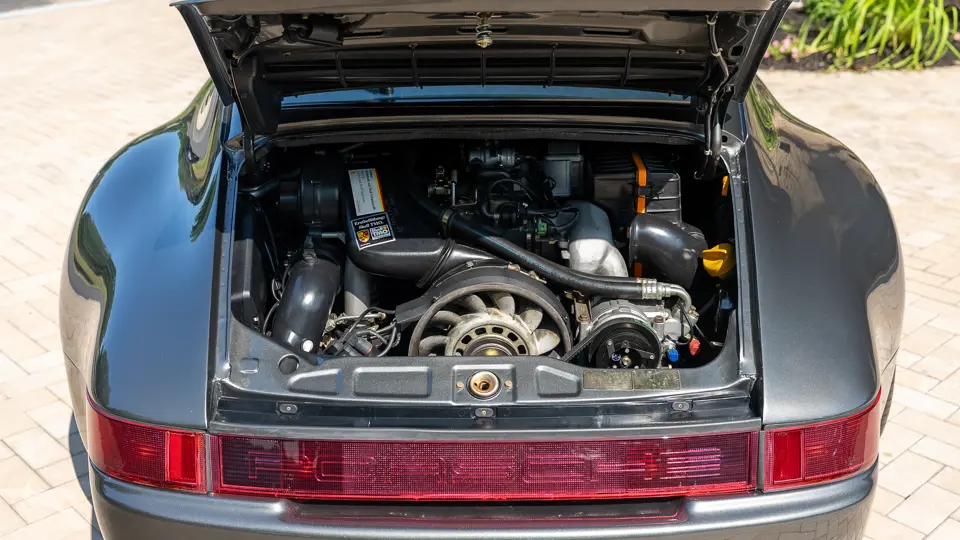
Following its arrival in the United States in December 2022, the car was entrusted to the renowned Porsche specialists at Jerry Pellegrino’s European Performance Engineering (EPE) in Natick, Massachusetts, for comprehensive recommissioning. The numbers-matching 3.6-liter engine received attention to its ignition and fuel-injection systems, including new spark plugs, ignition wires, distributor caps and rotors, a valve adjustment, fuel-pressure regulator, and new airflow meter. EPE also serviced the intake plenum with new runner sleeves, installed a fresh engine insulation pad, and renewed various exhaust mounting hardware. The car’s gauges were removed, cleaned, function-tested, and a cracked lens was repaired. Additional work included a complete brake overhaul with new pads, rotors, sensors, and hoses, as well as new front sway-bar drop links, a four-wheel alignment, a resealed power-steering pump with fresh belts, replace and update all lights as needed, and installing and balancing four new tires. Interior attention focused on switchgear, door-panel hardware, and lighting functionality, while the air-conditioning system was fully evacuated and updated with modern R134a fittings.
This Strosek has only been publicly exhibited once within current ownership, when it was invited for display at The Bridge concours (Bridgehampton, NY) during September 2024. Otherwise, this remarkably preserved 964 has remained a closely guarded treasure within the consignor’s private collection. In preparation for sale, the car most recently had a professional detailing and returned to EPE, where it received routine engine and brake servicing as well as having major components checked including its power-steering and air-conditioning systems.
Today, this exceptional Strosek Version II Widebody Coupe is offered from a carefully curated collection of significant Youngtimer automobiles and retains fewer than 15,000 documented kilometers from new. As one of the most compelling surviving examples of Vittorio Strosek’s work, it stands as a rare artifact from an era when Germany’s premier tuning houses occupied a unique space between coachbuilder, industrial design studio, and automotive provocateur.
More importantly, it represents a side of Strosek’s legacy that subsequent decades have often overlooked. Before the excesses, before the caricatures, and before shifting tastes rendered much of the period unfashionable, there were projects such as the Version II—thoughtful, disciplined exercises in design that asked not how radically a Porsche could be altered, but how convincingly it could be refined.
 | Acton, MA, Massachusetts