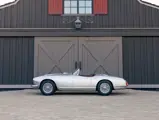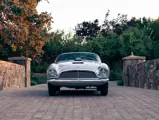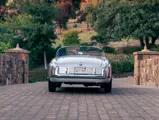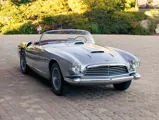
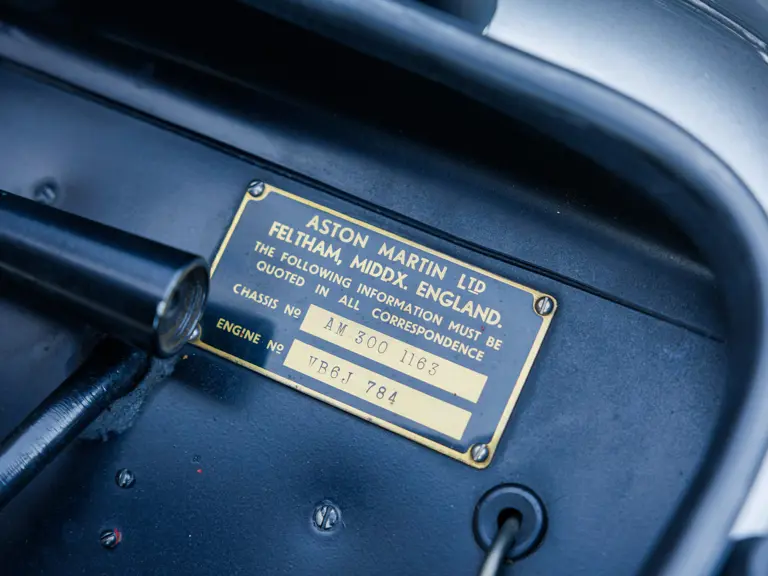
Chassis No.
AM/300/1163
Offered from a Private Collection
{{bidding.lot.reserveStatusFormatted}}
In an era when bare sports car chassis were occasionally dispatched to artisanal carrozzerias for the fitting of limited-production coachwork, it comes as no surprise that some of Aston Martin’s great 1950s sports cars would be clothed in bodies from Italy or France. It is rather the sheer rarity and historical significance of the featured car, and its two sisters, that makes the lot such a compelling automobile, for it represents the smallest first step of the figurative greatest journey.
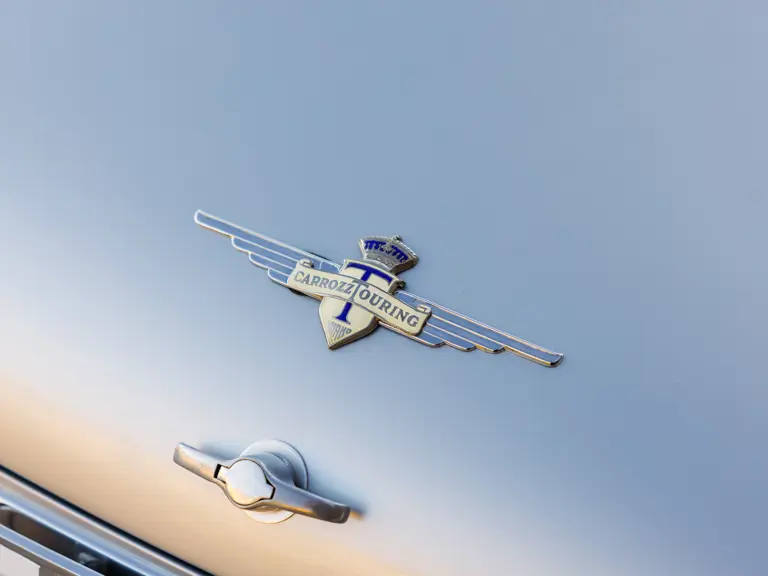
Aston Martin’s legendary line of DB sports saloons crystallized with the DB4 of 1958, which was clothed in striking aluminum coachwork built under license to a design by the Italian firm Carrozzeria Touring, of Milan. This iconic bodywork was so successful that it was essentially copied with modest updates on the two following road car models, the legendary DB5, and the DB6. In total, these three models comprised an overwhelming bulk of the manufacturer’s 1960s output, in the process establishing the distinctive silhouette as one of automotive design’s most legendary forms.
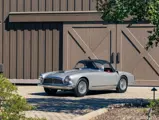
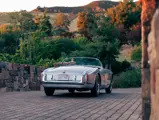
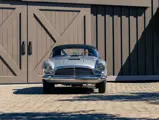
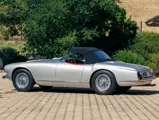
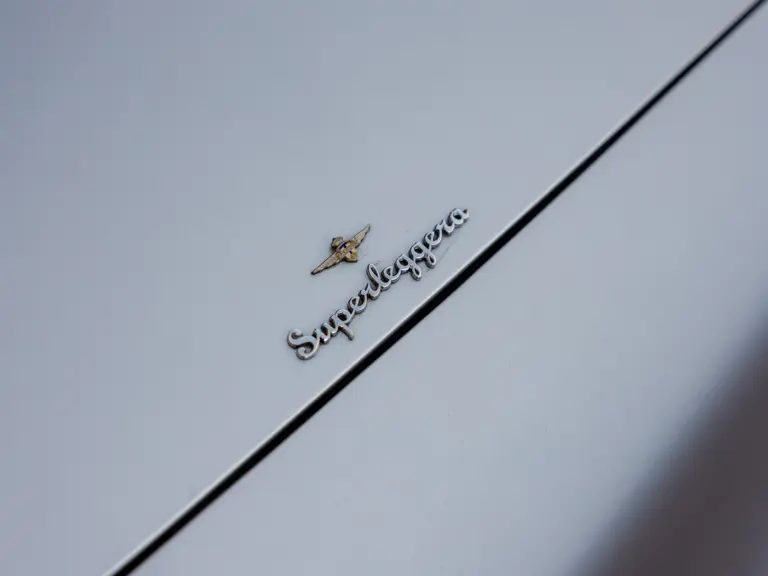
But before all these well-documented and oft-rhapsodized occurrences transpired, a much smaller transaction initiated the entire proceedings. This occurred in 1956, when Aston Martin dispatched three bare DB2/4 Mark II chassis to Touring to be completed with Italian spider coachwork, as a relative experiment in coachbuilt production. Utilizing its lightweight Superleggera construction technique, which essentially amounted to welding ultra-thin aluminum body panels onto a lightweight tube-frame, Touring fashioned exquisite lightweight open coachwork for chassis numbers AM300/1161, 1162, and 1163. These chassis were early/mid-production examples of the sporting DB2/4 Mark II, the more developed three-liter version of the first regular production model of the David Brown era; and the company’s greatest step yet towards an identity as a world-class sports car and racing concern.
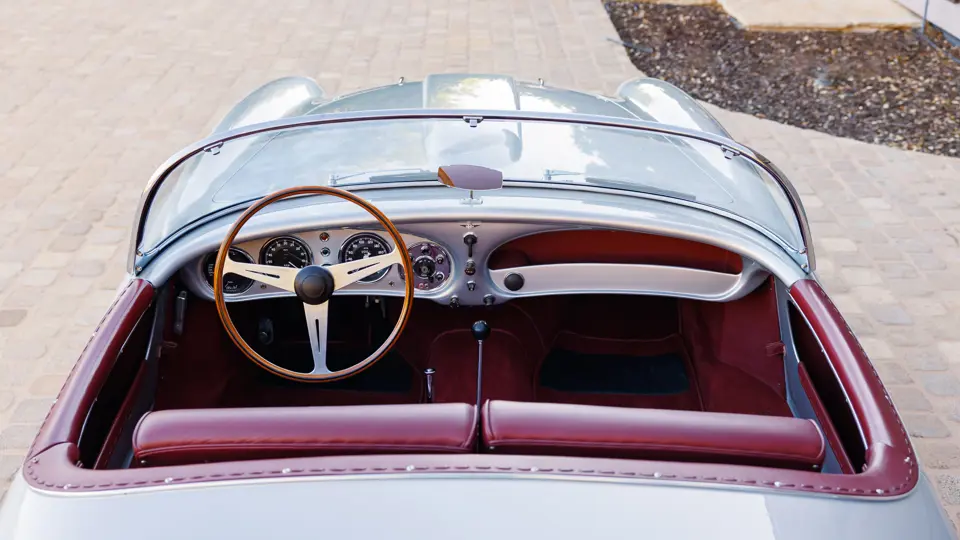
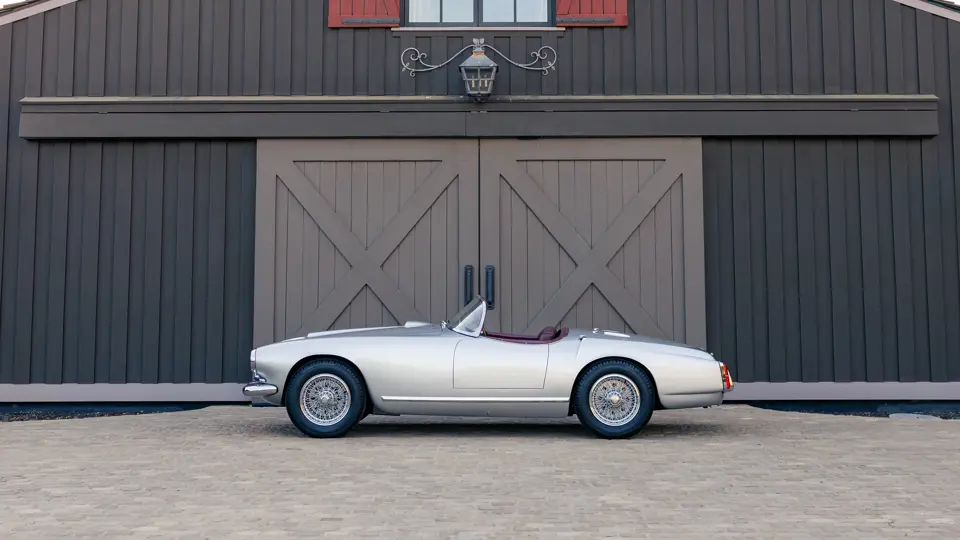
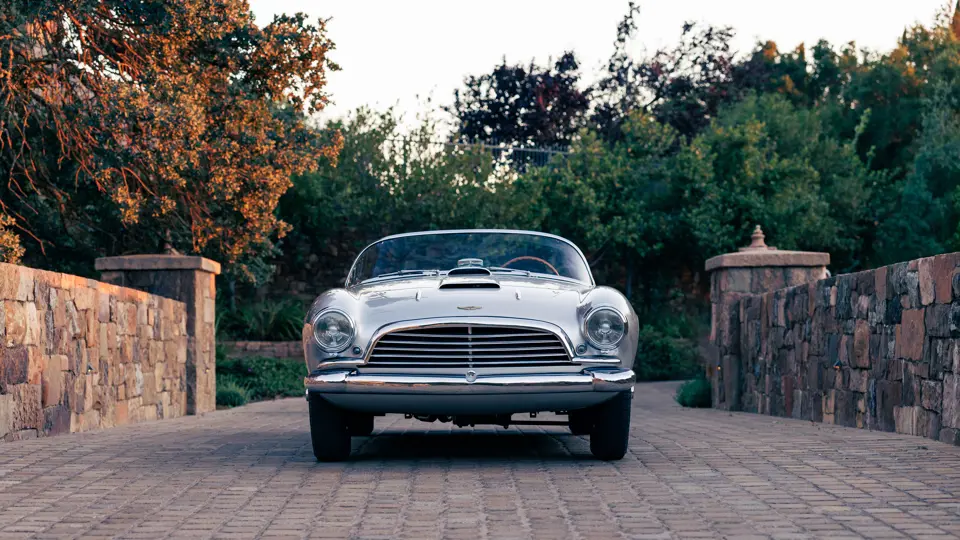
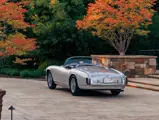
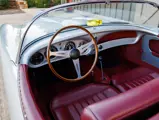
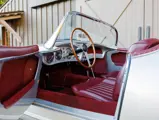
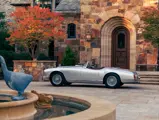
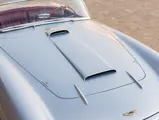
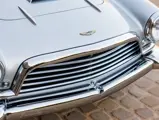
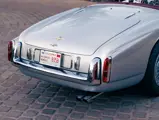
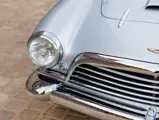
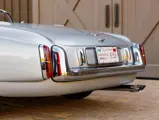
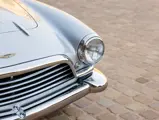
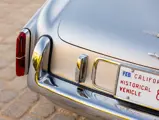
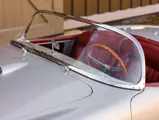
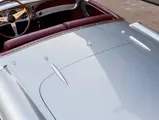
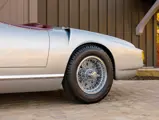
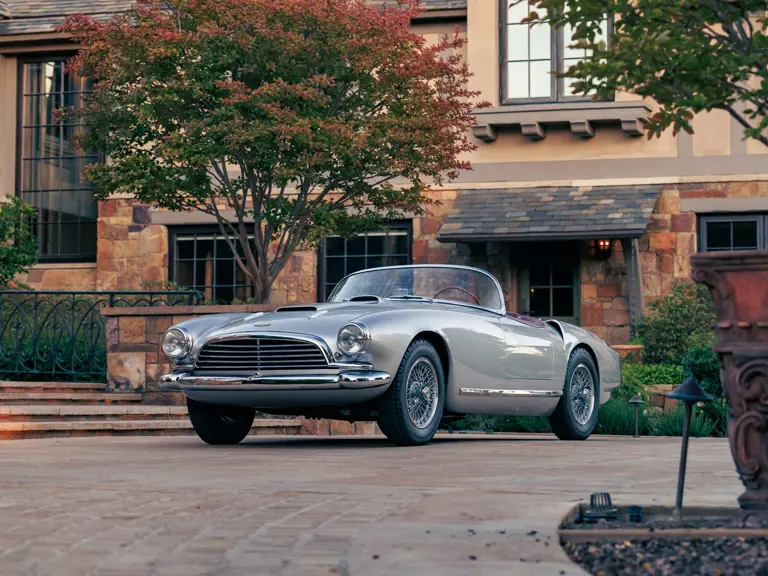
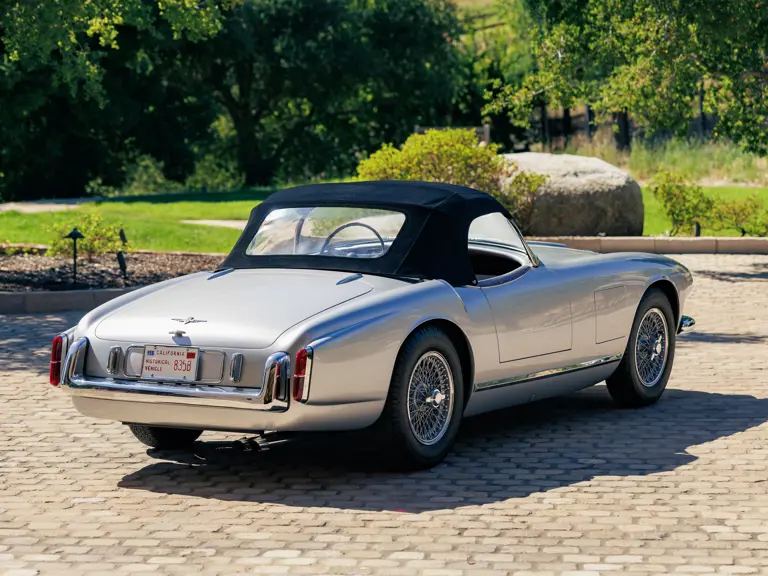
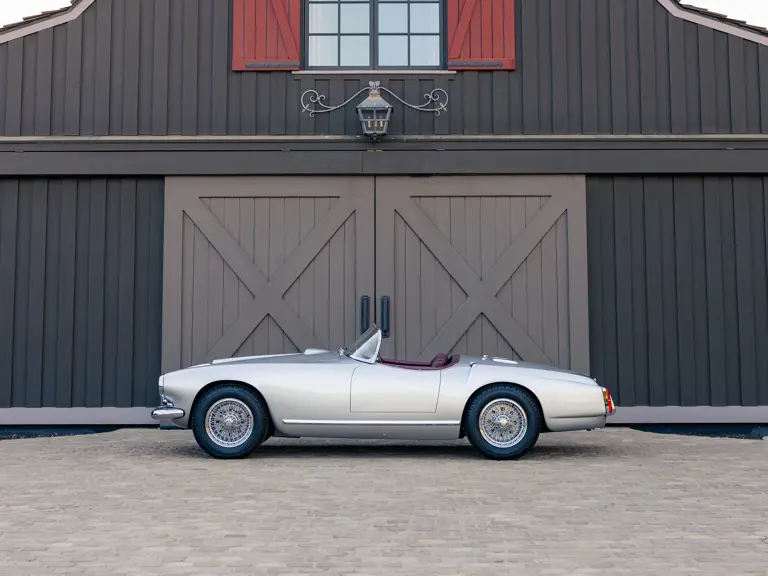
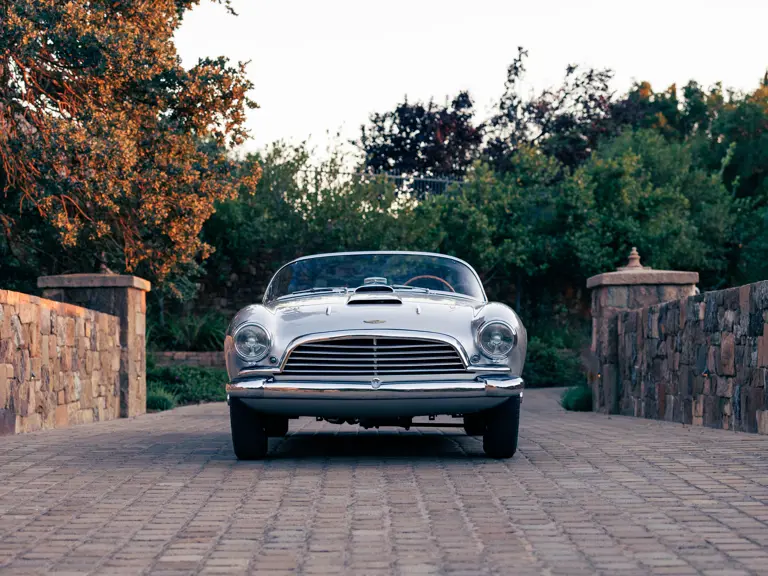
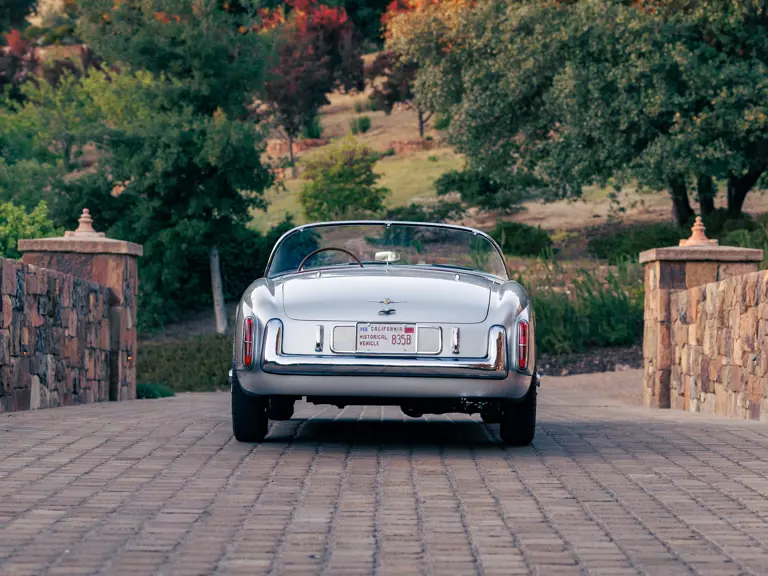
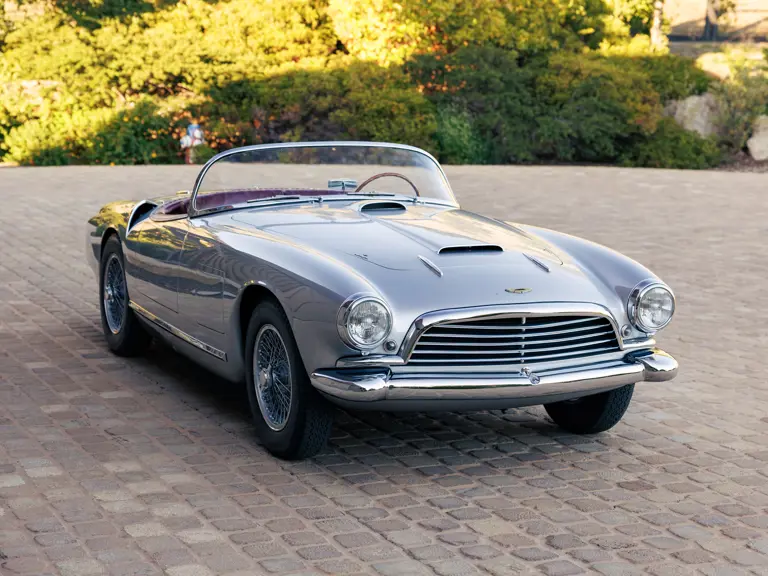
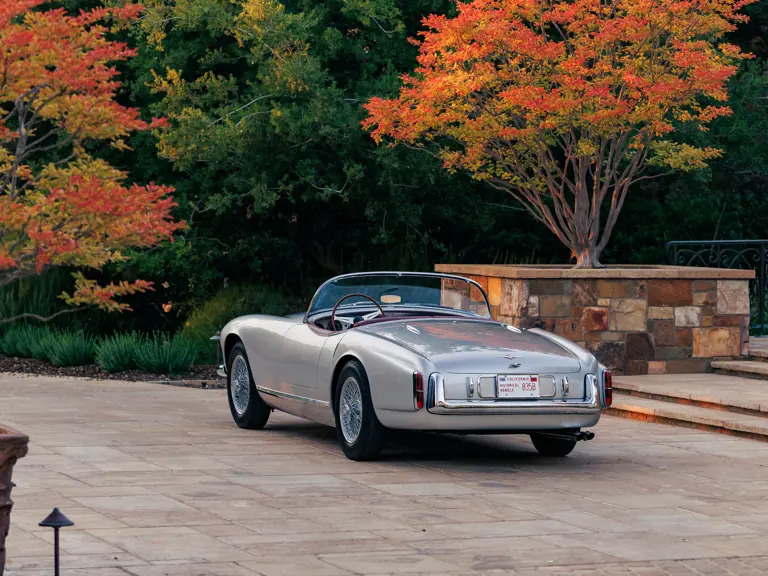
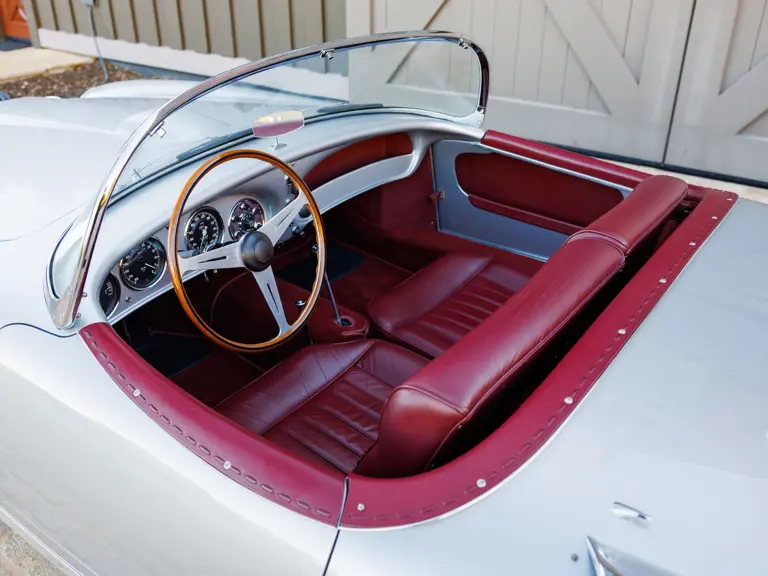
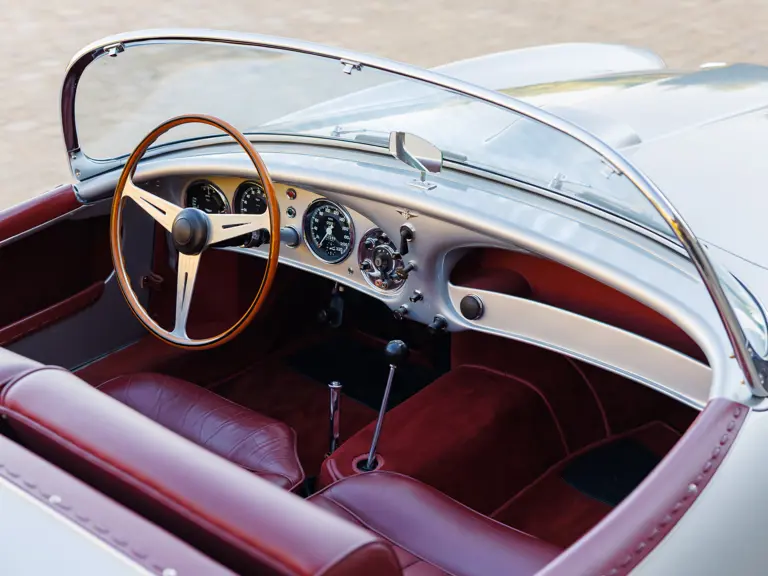
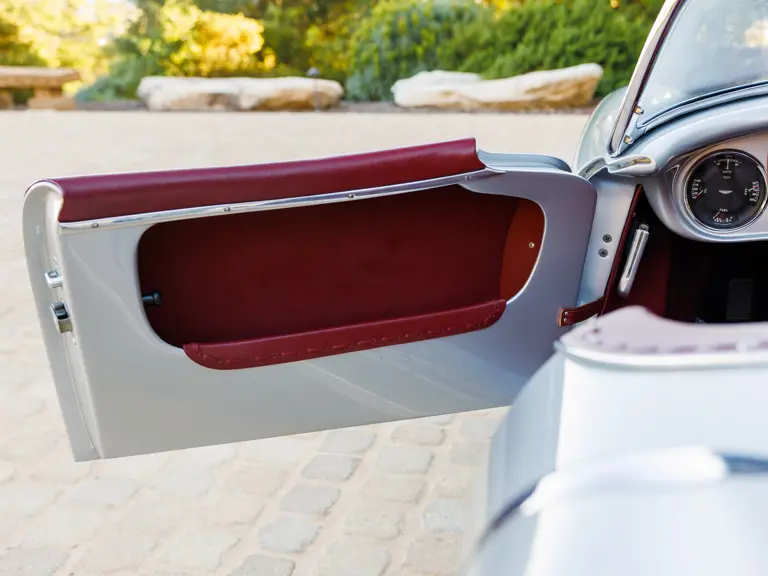
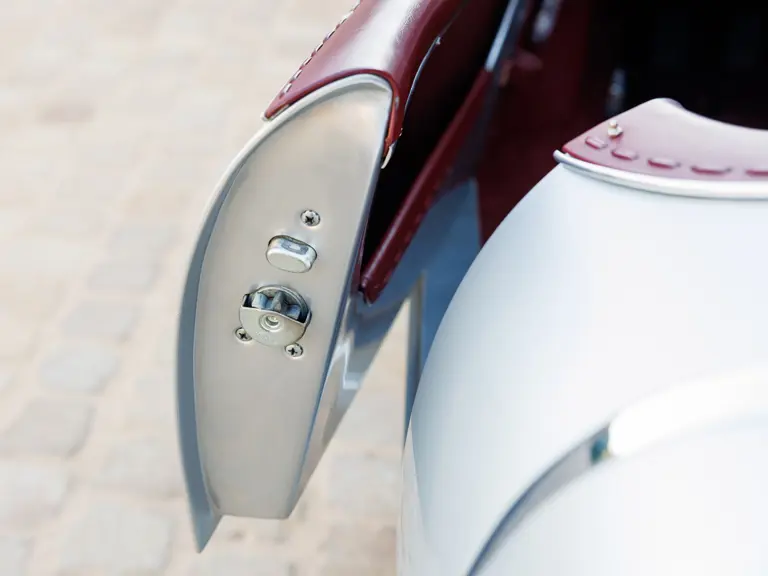
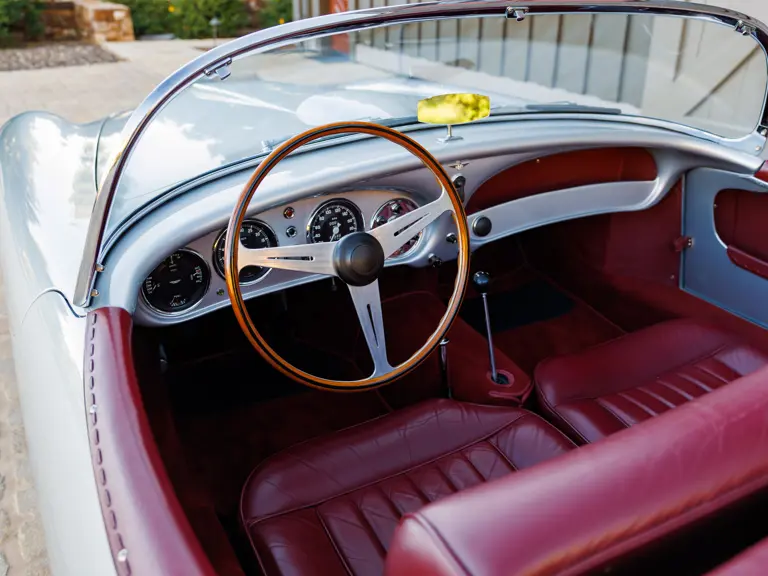
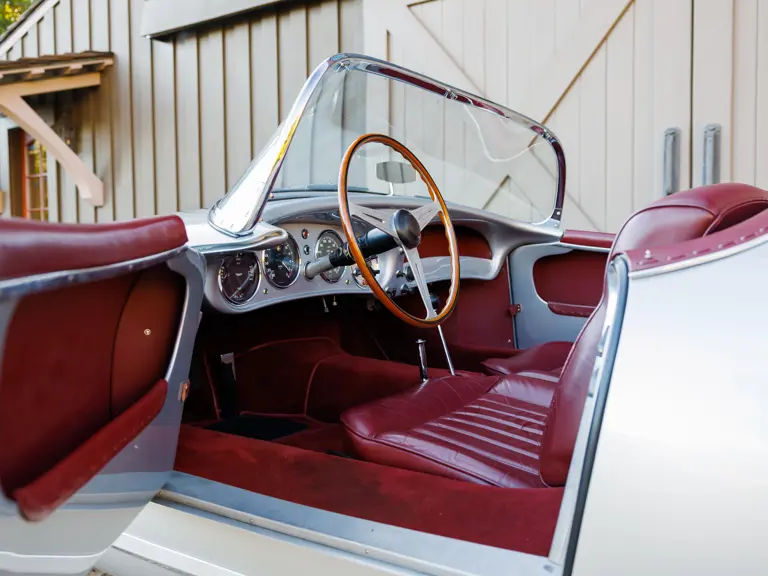
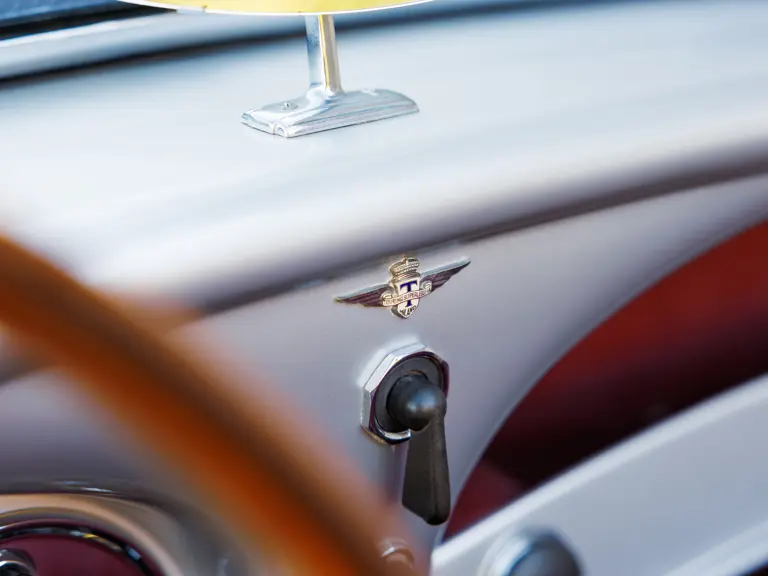
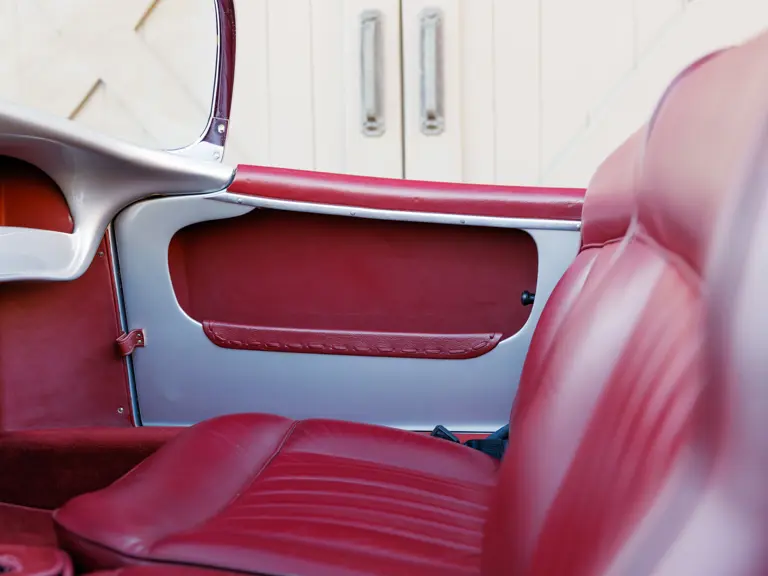
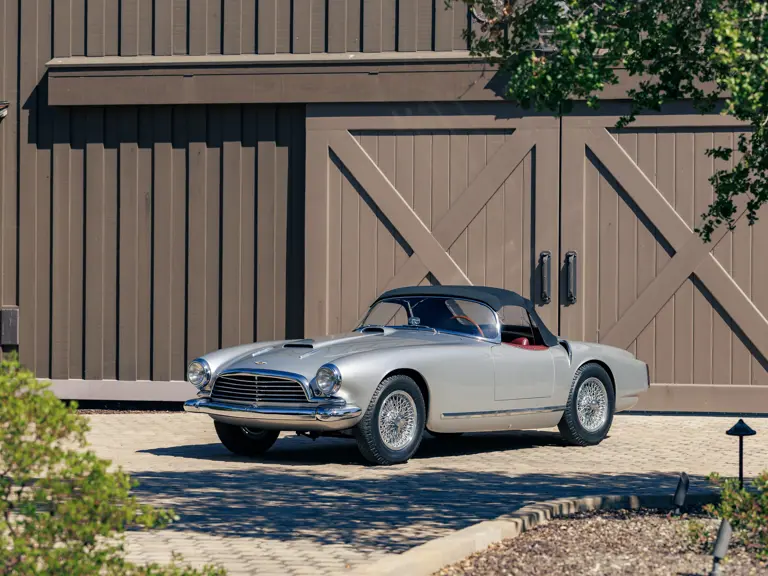
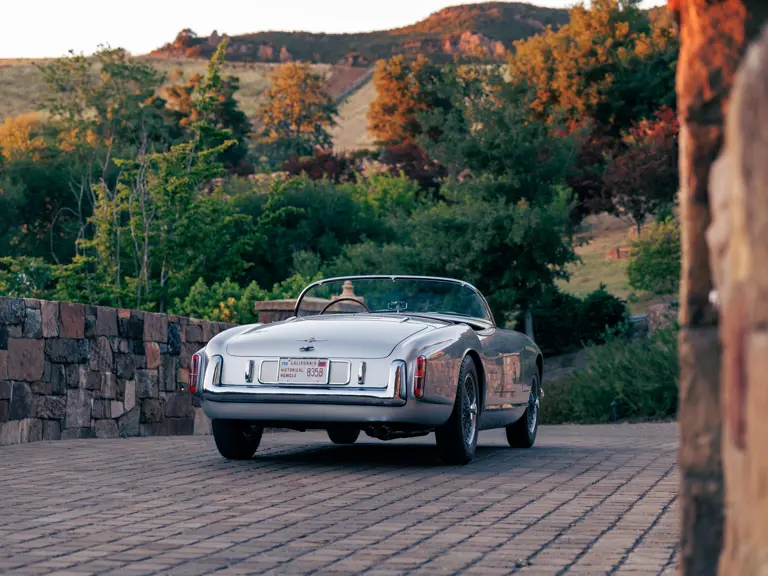
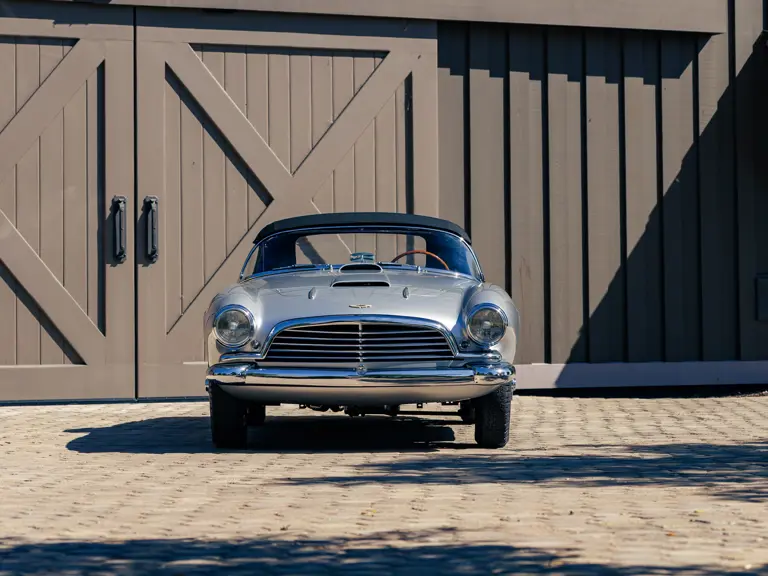
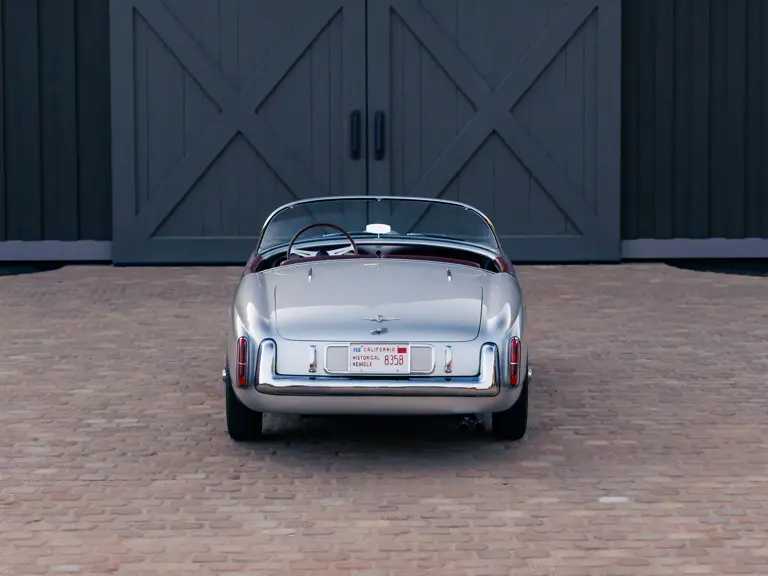
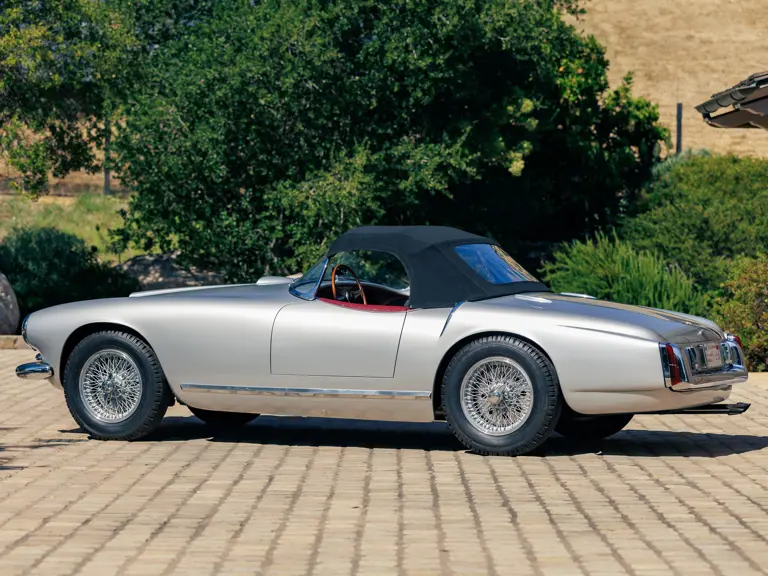
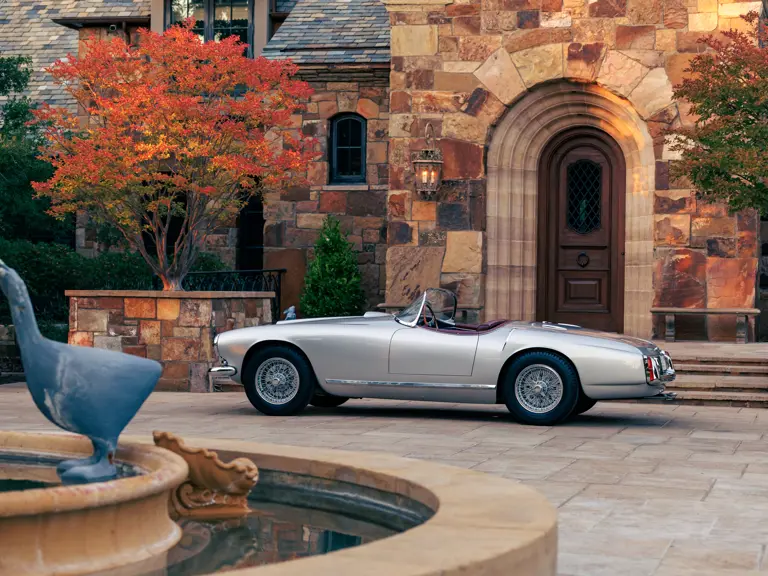
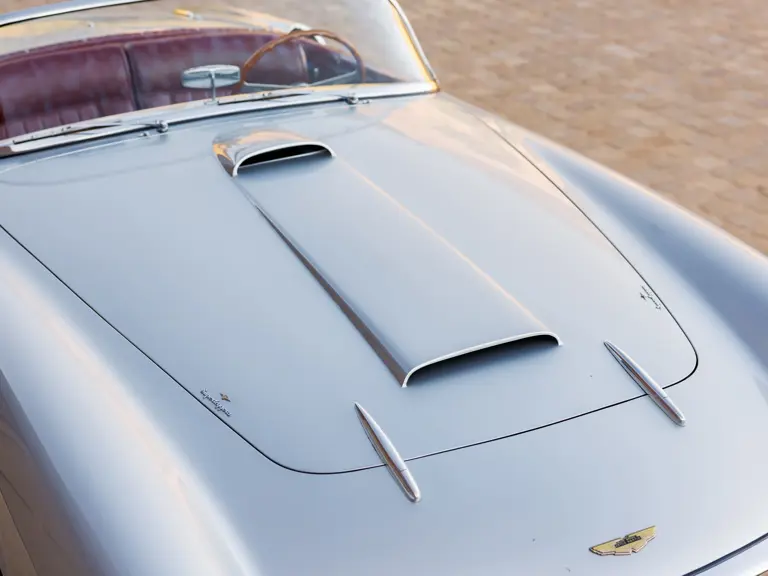
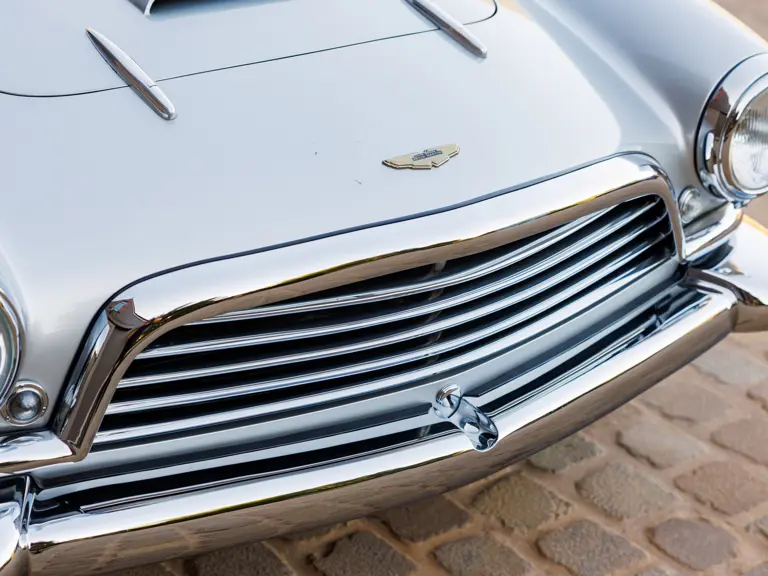
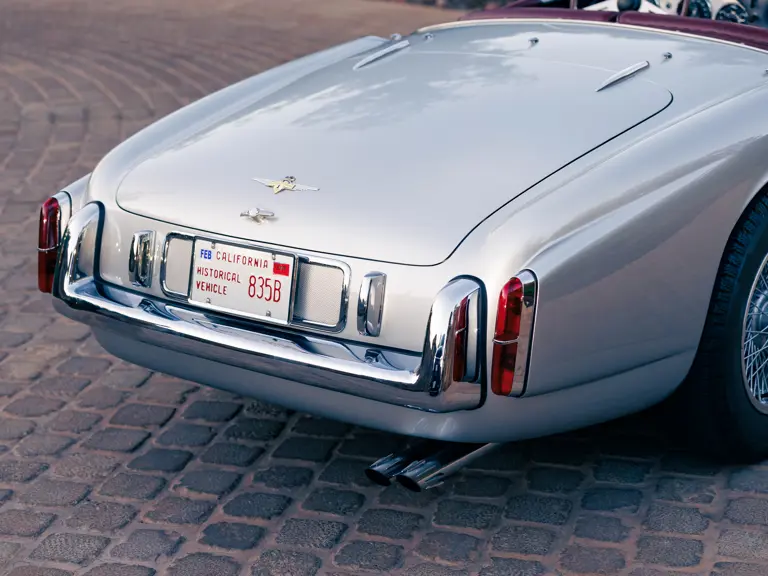
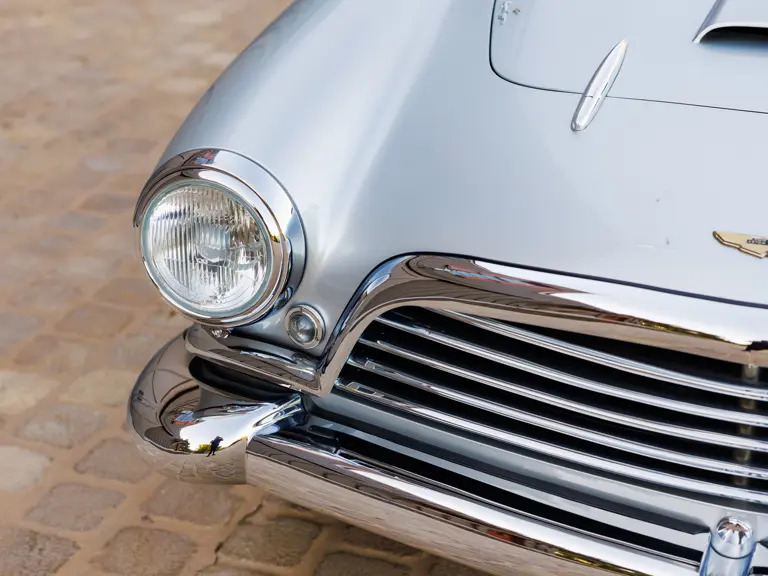
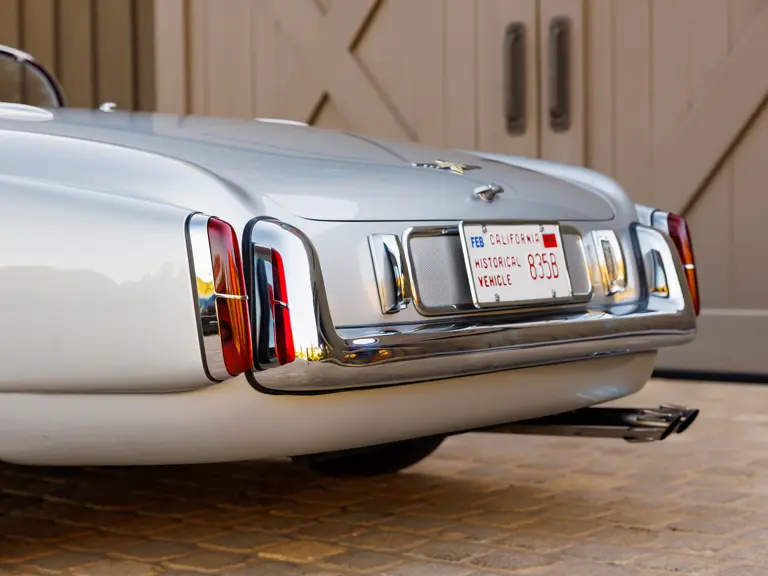
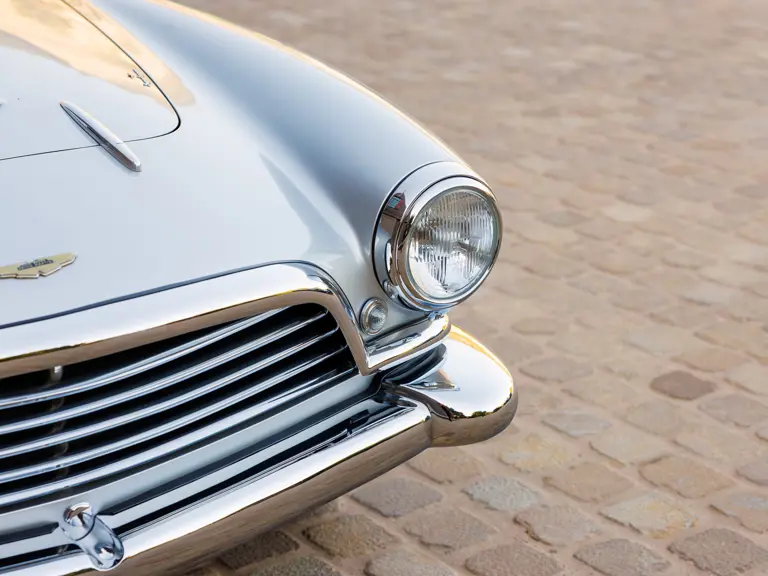
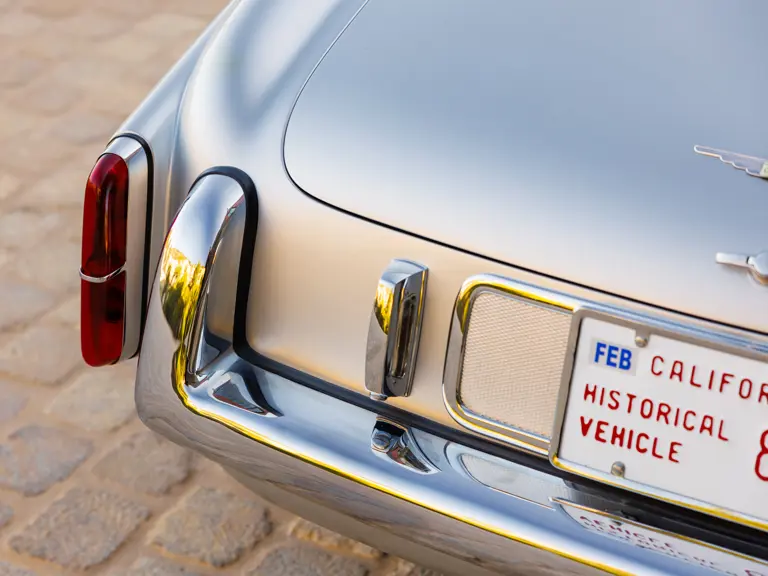
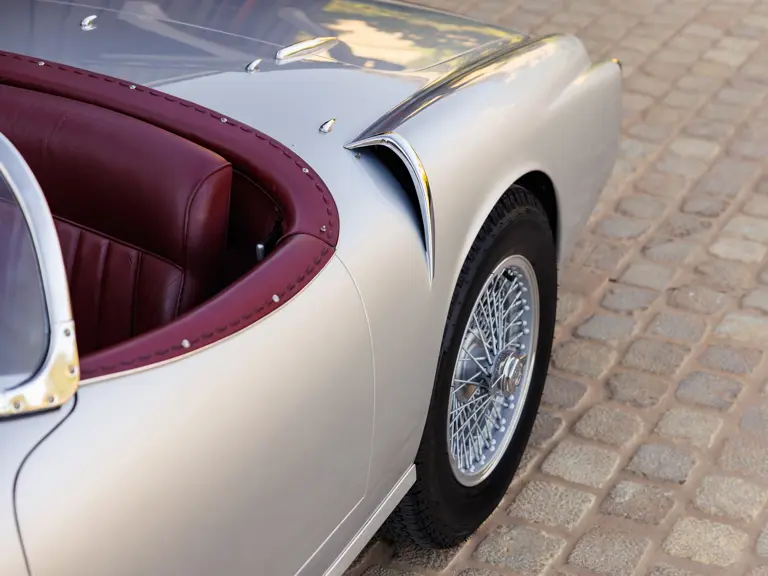
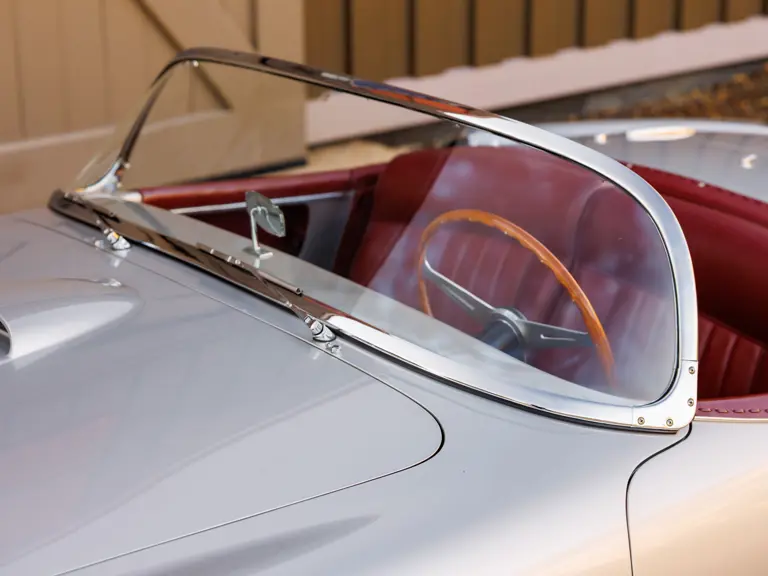
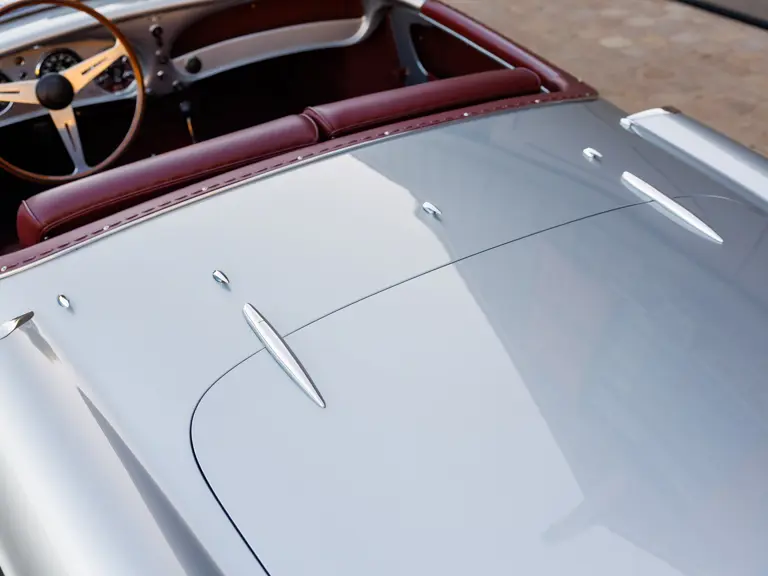
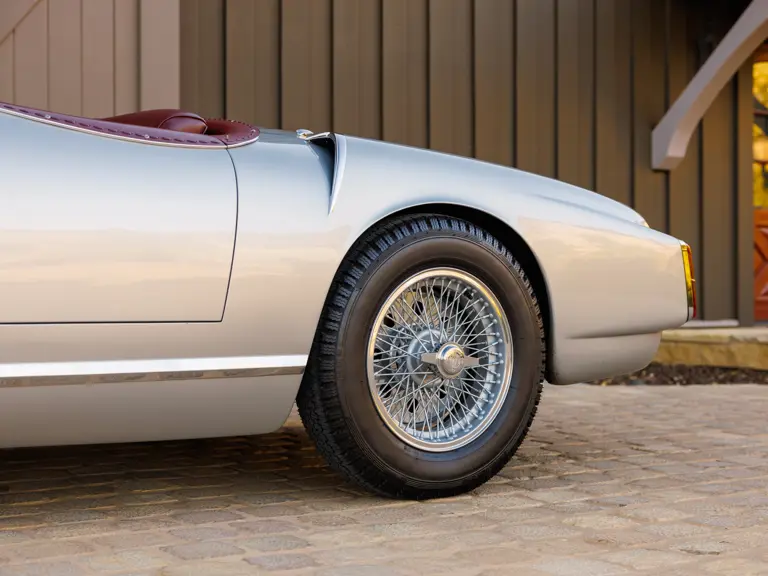
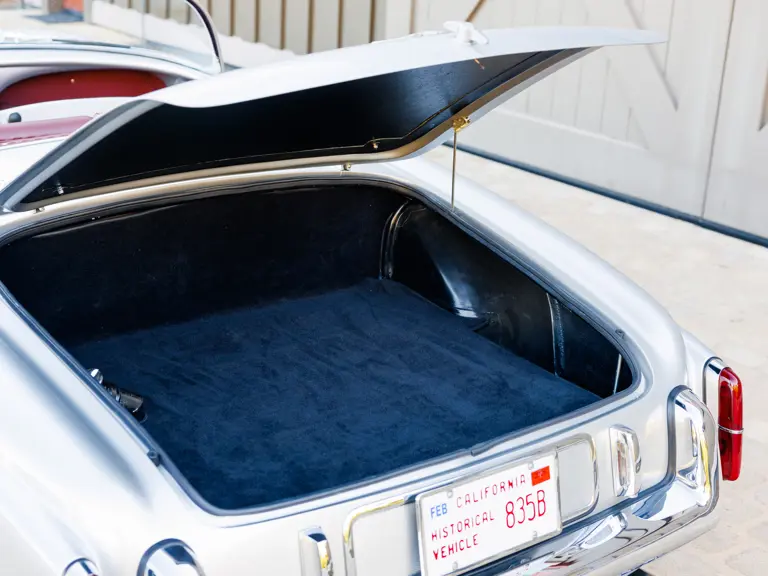
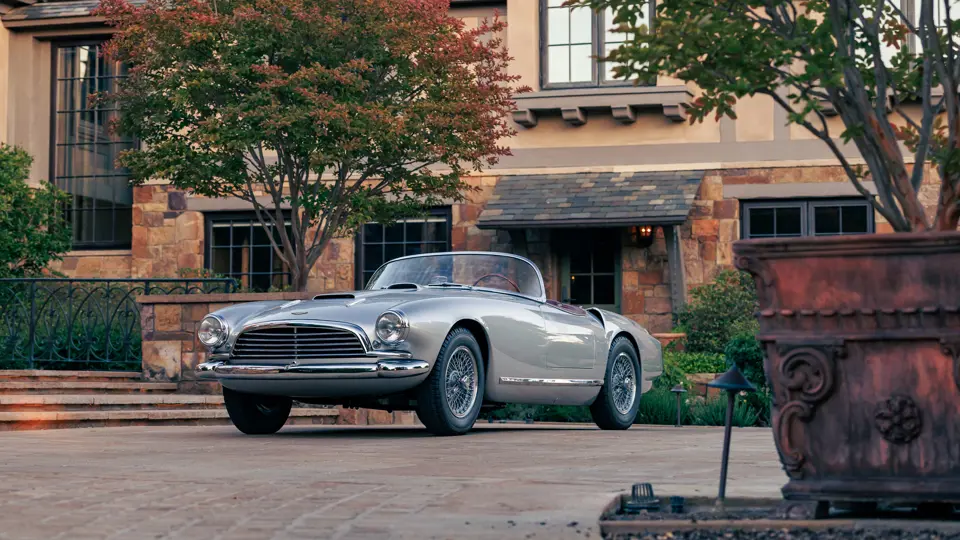
Attributed to Touring chief designer Federico Formenti, the novel spider features some foreshadowing of the Aston Martin sports saloon design to come, including pronounced, bulbous front fenders, a vented hood, and a characteristic front fascia. Elegant period details abound, most notably including the one-piece wraparound windscreen and the non-functional scoops just ahead of the rear fenders.
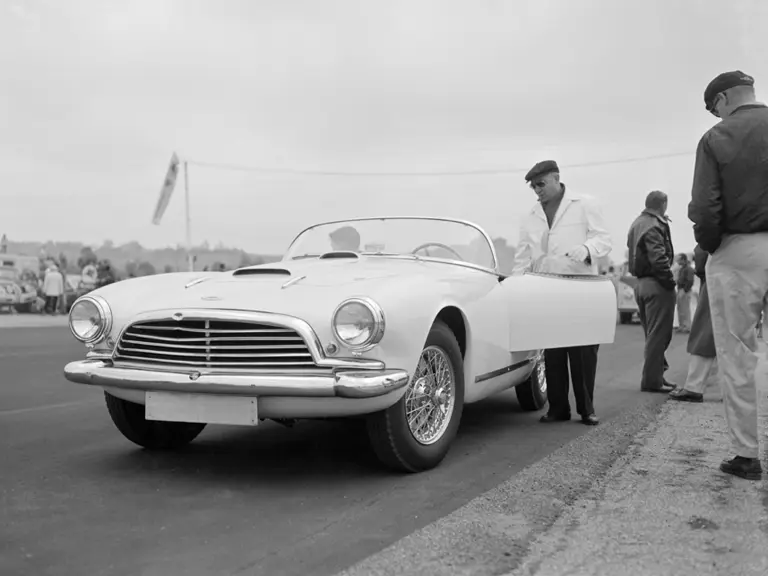
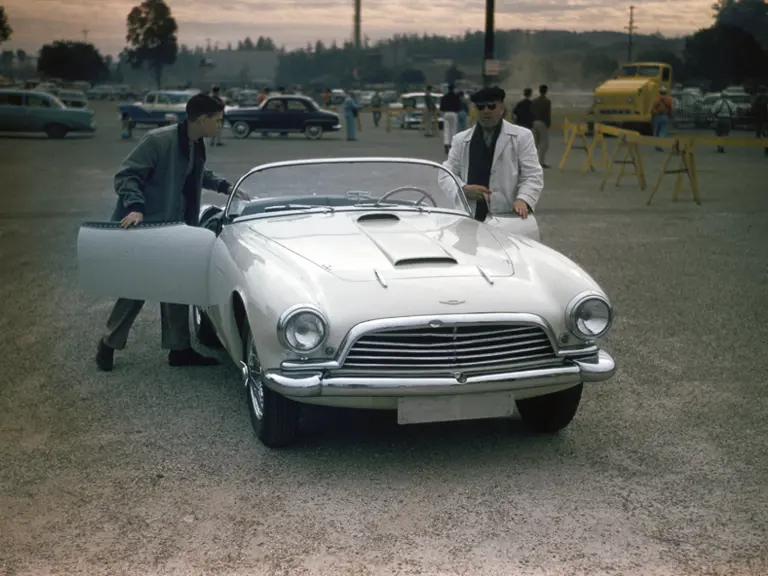
The three unique spiders were apparently commissioned by Aston Martin itself. All three cars were presented by the manufacturer at various major European auto shows in an attempt to keep stride with the coachbuilt offerings from Ferrari and Maserati. Chassis number 1161, painted black (or possibly green), was presented at the Turin Salon in April 1956, while 1162, likely finished in light metallic green, made its debut at the Paris Salon in October. The featured chassis number 1163, the least publicly known of the three cars, and claiming a history that was relatively unknown until recently, was finished in white and presented a week later at the Earl’s Court Motor Show in London.
The records of Aston Martin and the British Motor Industry Heritage Trust maintain that the spider was first purchased by the Thrifty Equipment Company of Los Angeles, California. A company with this name operated as a subsidiary of the TAP (Thrifty Auto Parts) Equipment Company, which was owned by period Aston Martin privateer and British sports-racing car impresario Joe Lubin. It is therefore fair to speculate if the car was purchased on behalf of, or in concert with Mr. Lubin.
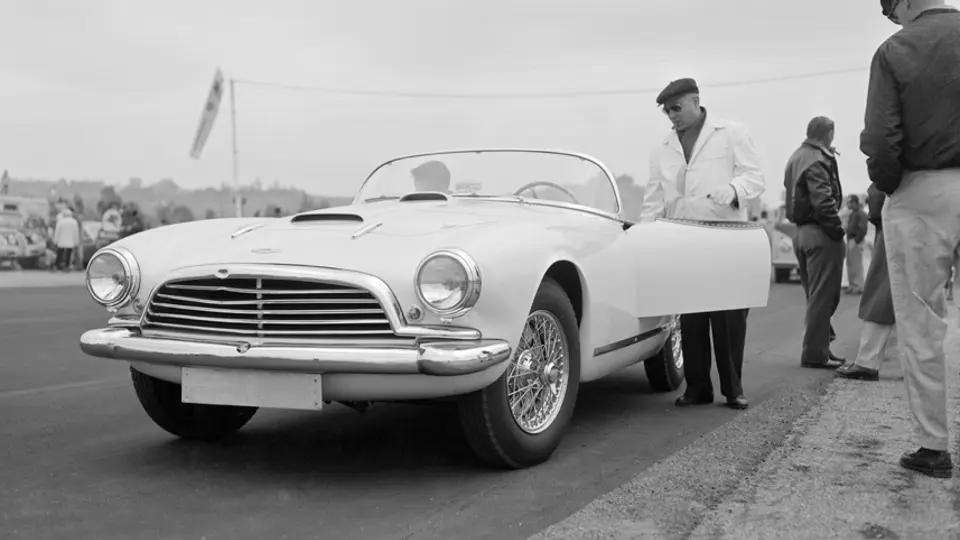
However, recent research by Mike Monk of the Franschhoek Motor Museum in South Africa (which currently owns one of the sister cars) and further corroborated by the findings of period sports car researcher and author Tony Adriaensens, suggests that 1163 was acquired immediately after the Earls Court show by an American serviceman named Irving Babbitt. He apparently had the car shipped to his home in Southern California, where it remained largely in a state of storage for over 30 years. Period magazine coverage shows that the spider was sighted in attendance at the Pomona Road Races in January 1957, as highlighted by photographs on file.
By 1987 the Aston Martin had been refinished in red, and an ailing Babbitt was contemplating selling the car. Word made its way to Whitman Ball, a marque enthusiast who happened to own chassis number 1162 at the time. Astounded by the discovery of a sister car, Ball worked with the Babbitts to advise them on selling the spider, and it passed via auction to a new owner in 1988.
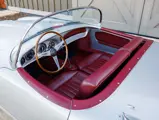
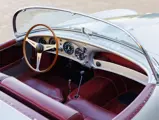
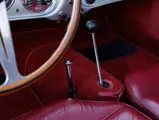
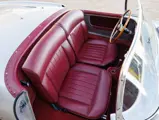
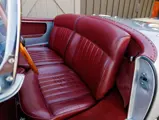
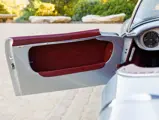
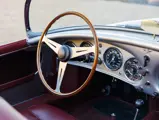
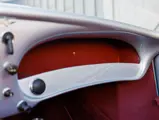
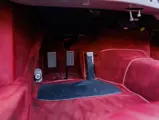
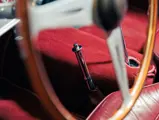
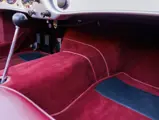
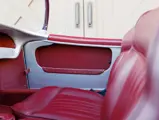
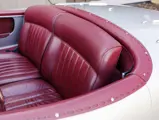
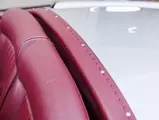
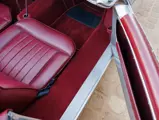
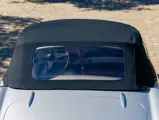
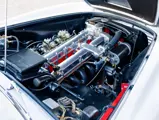
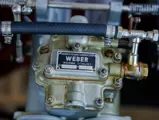
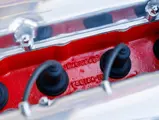
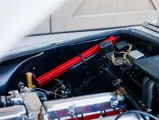
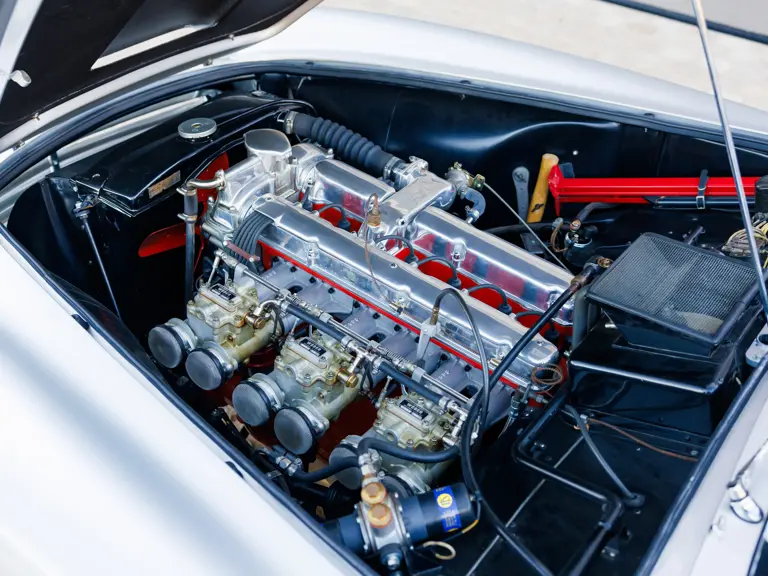
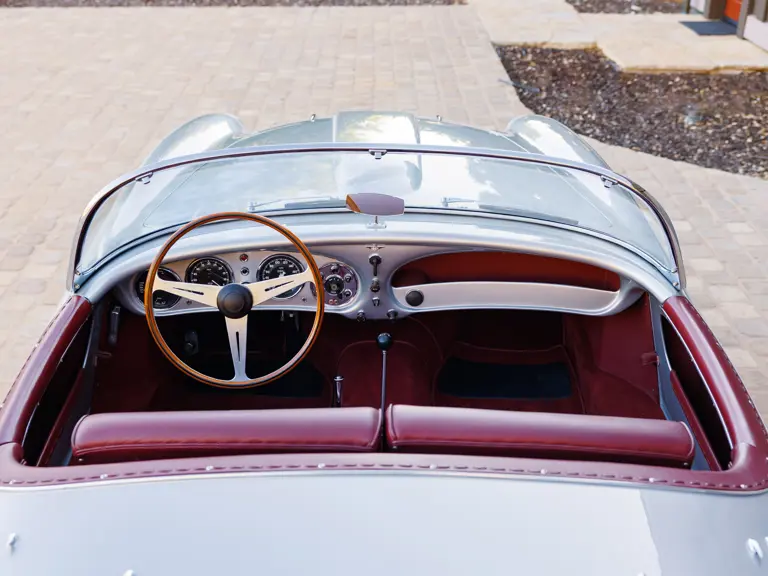
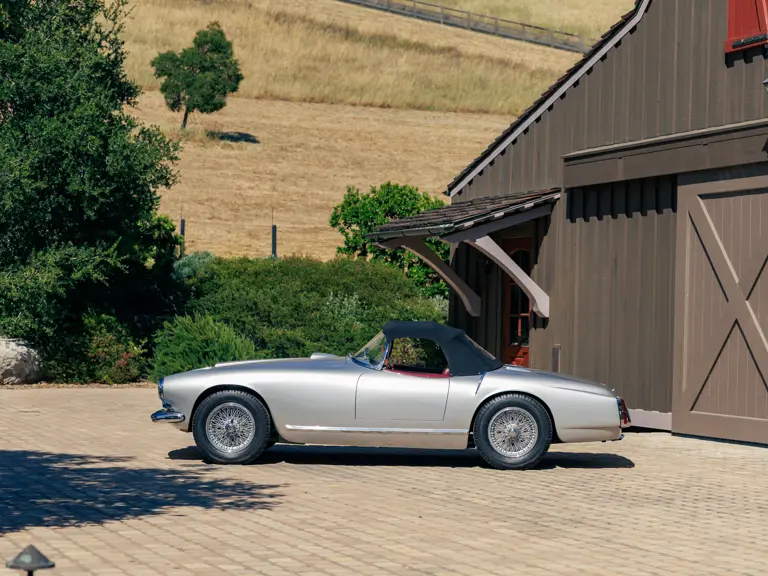
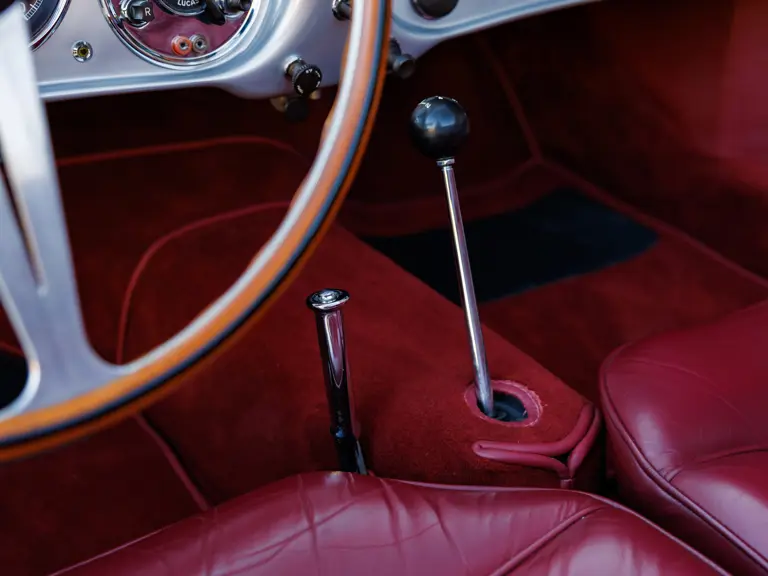
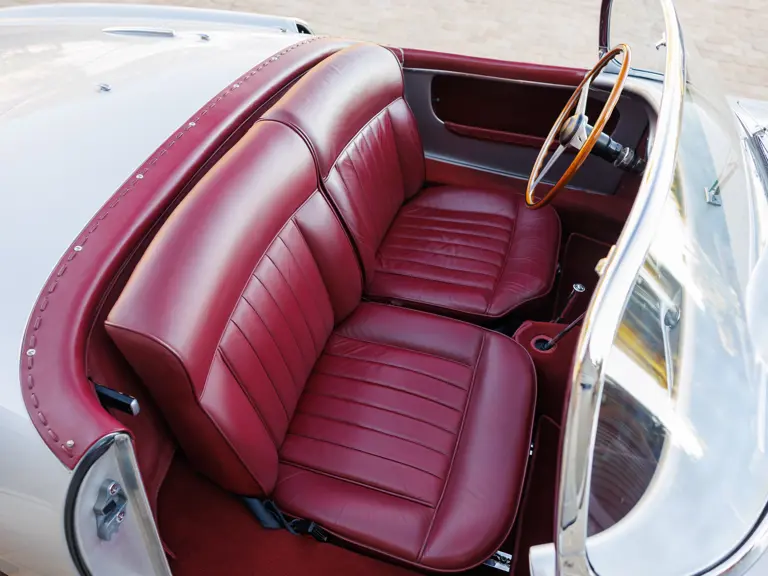
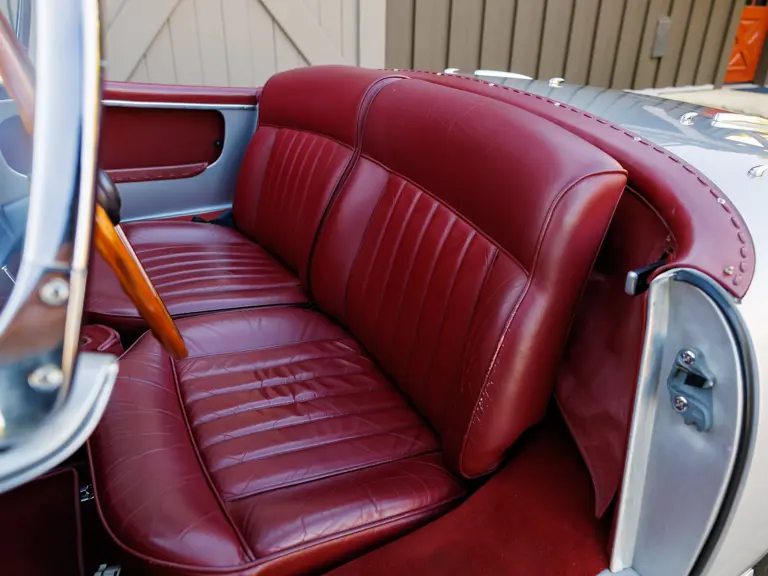
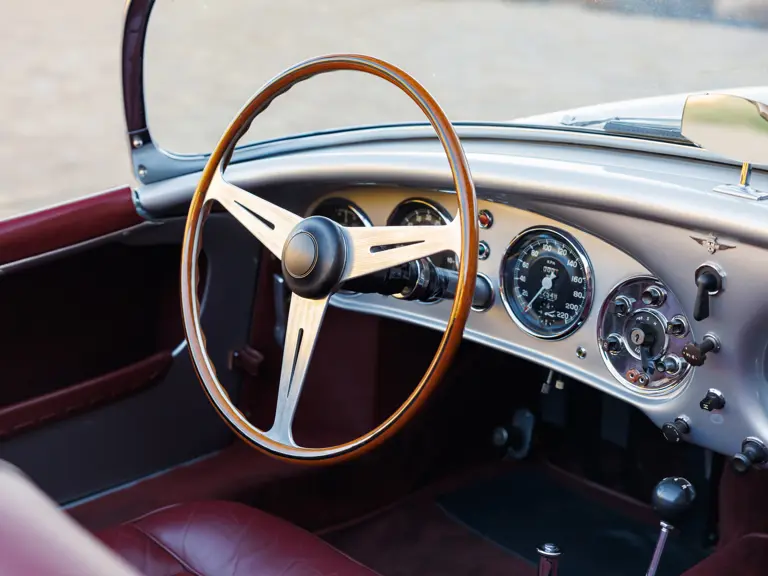
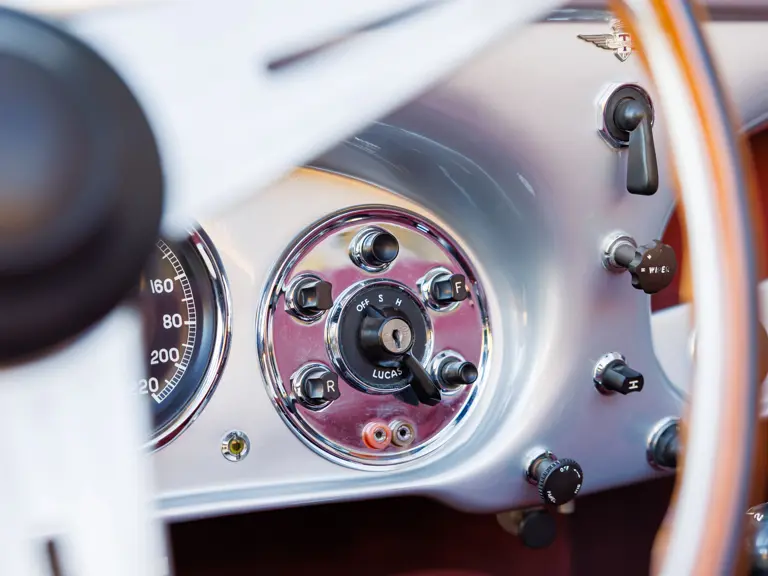
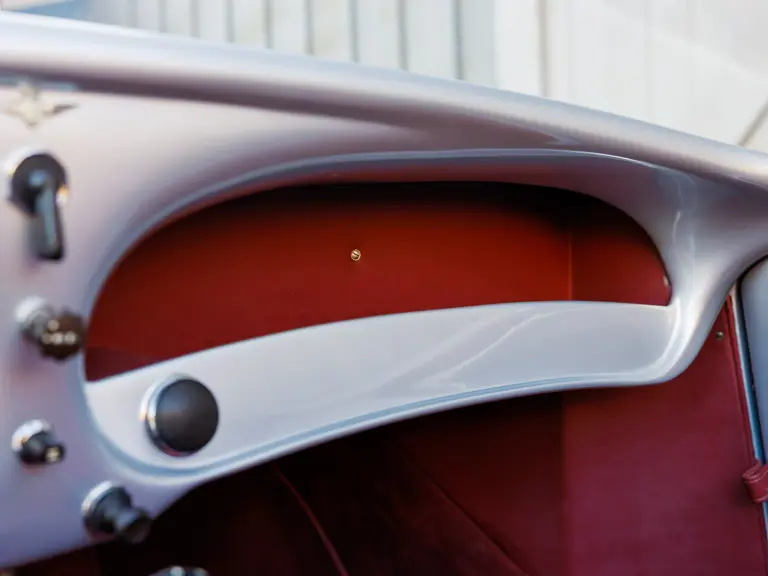
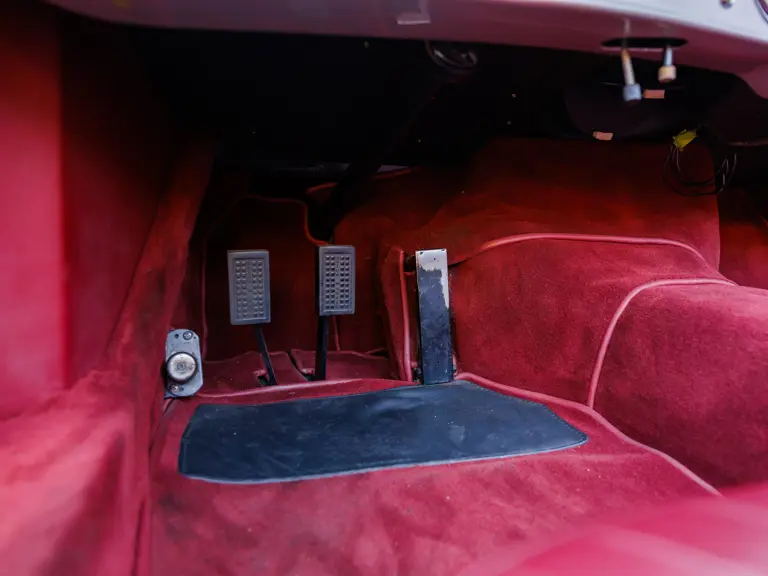
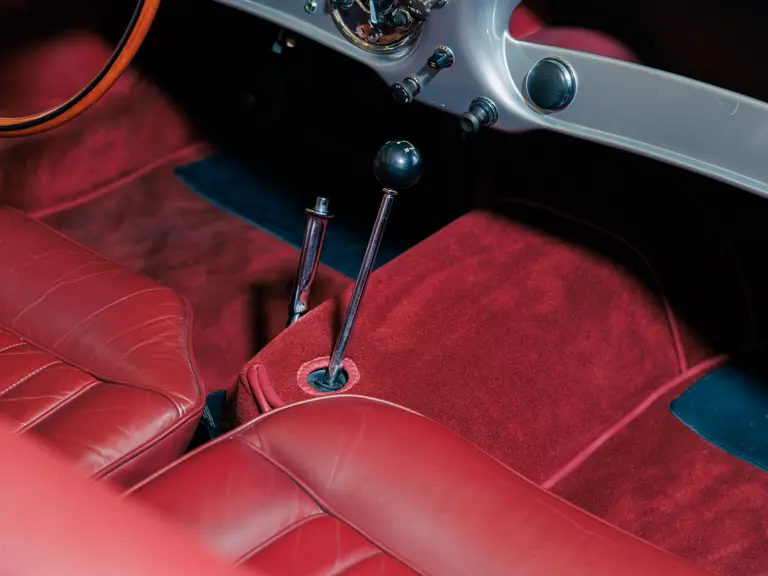
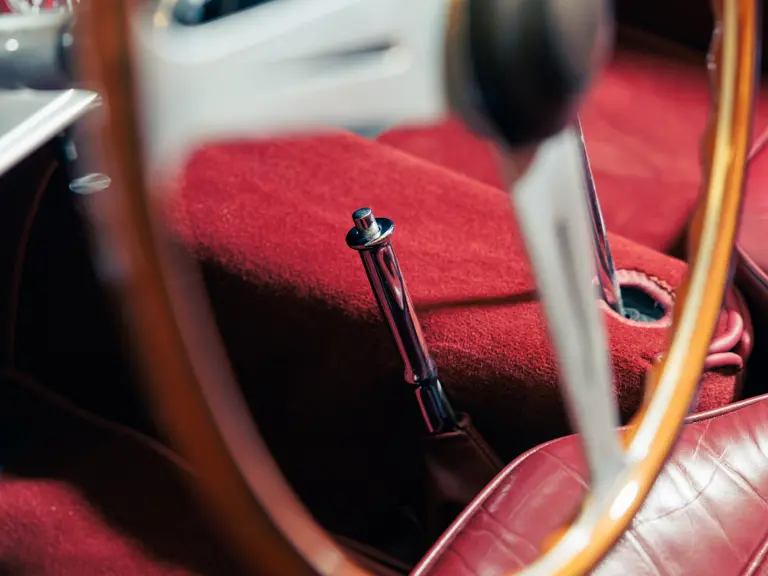
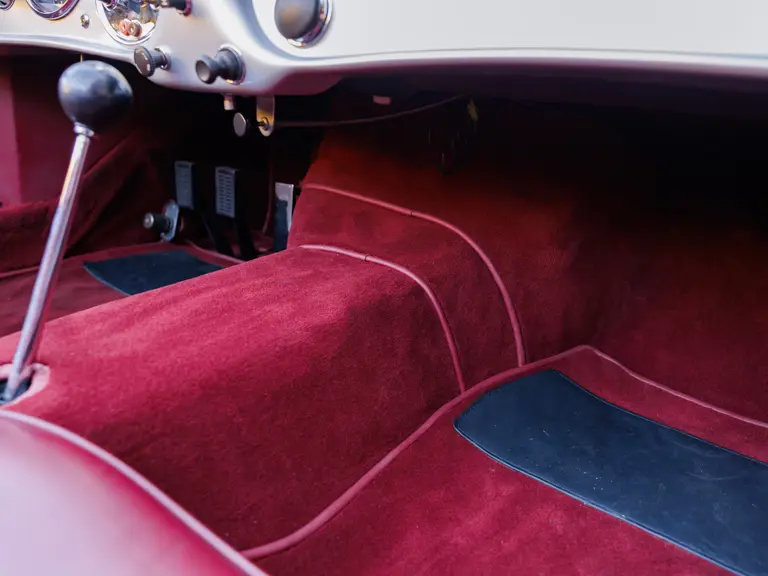
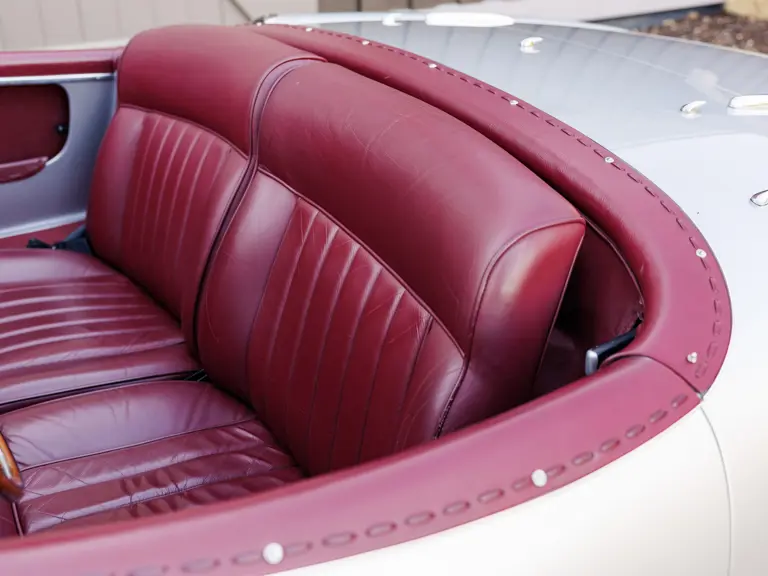
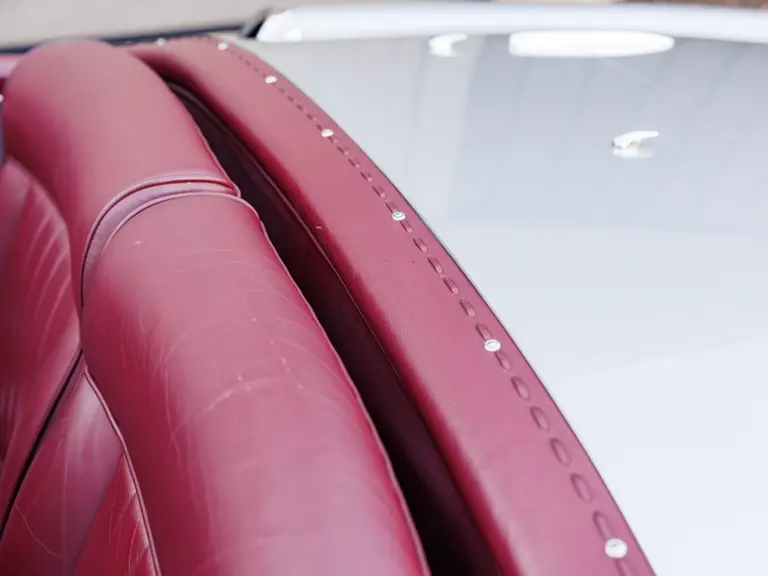
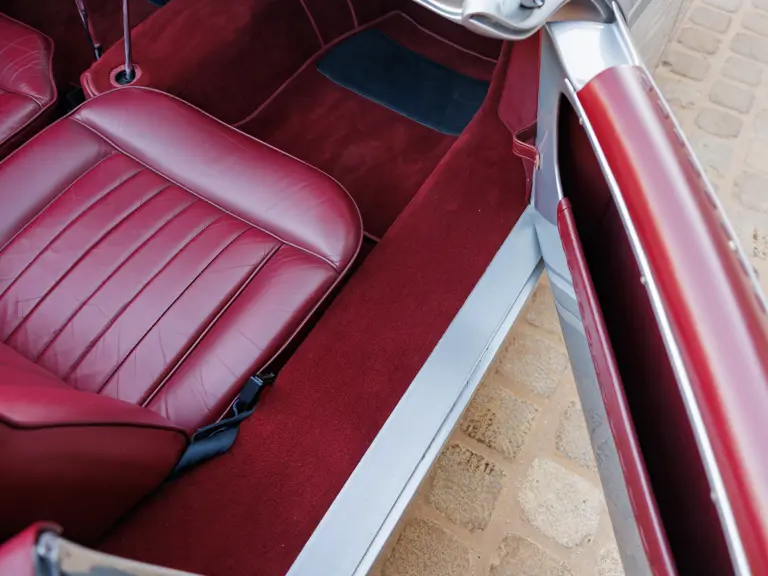
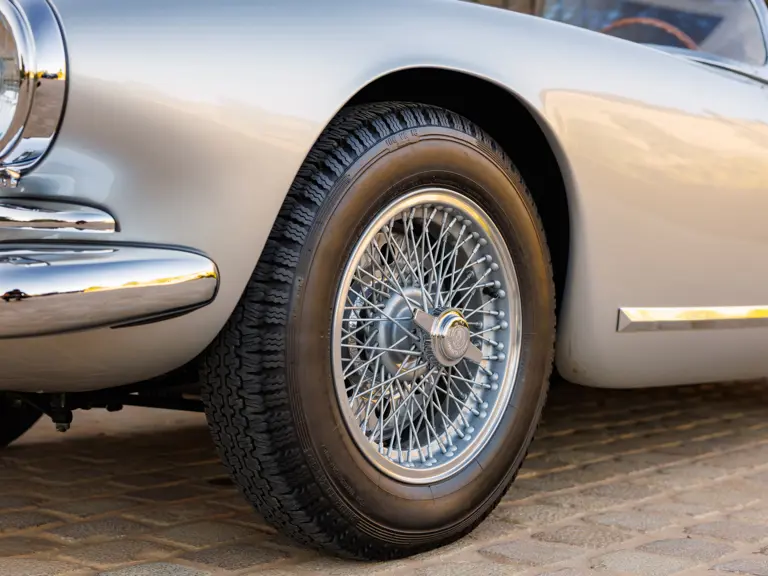
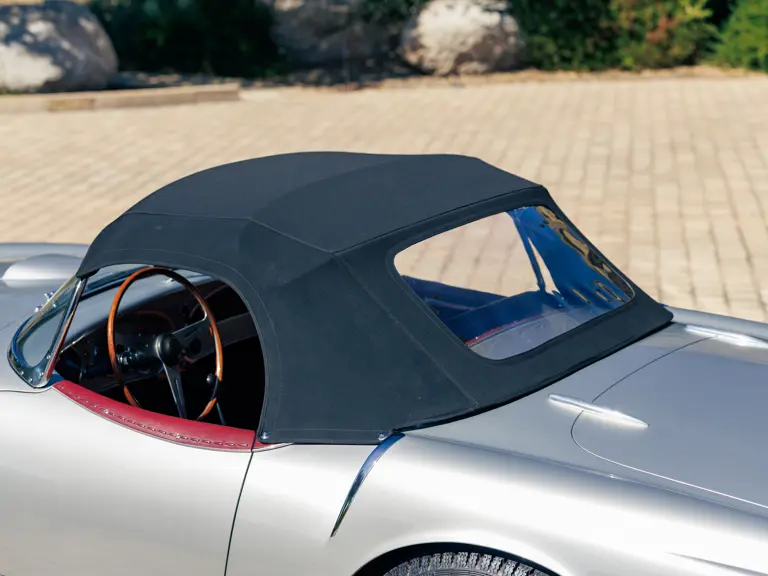
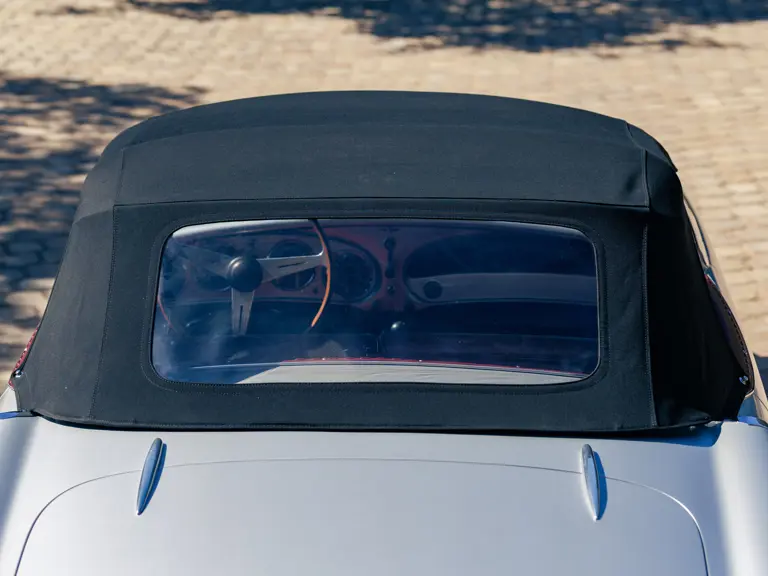
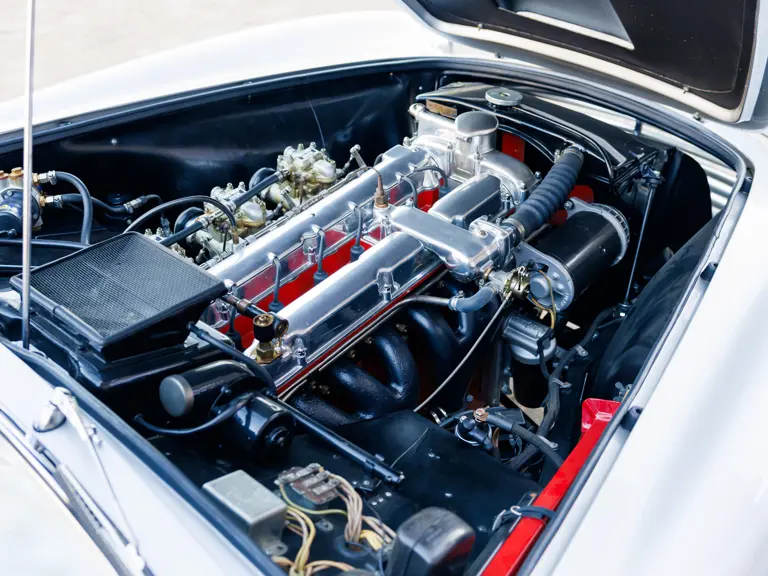
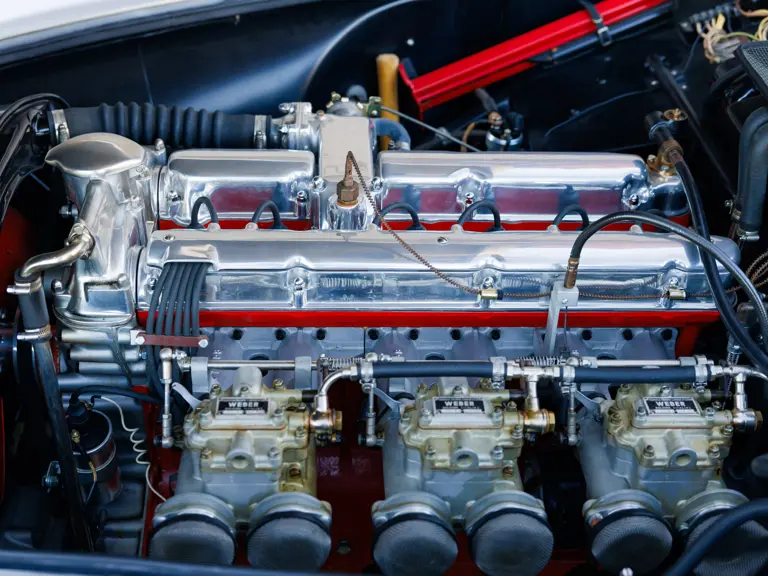
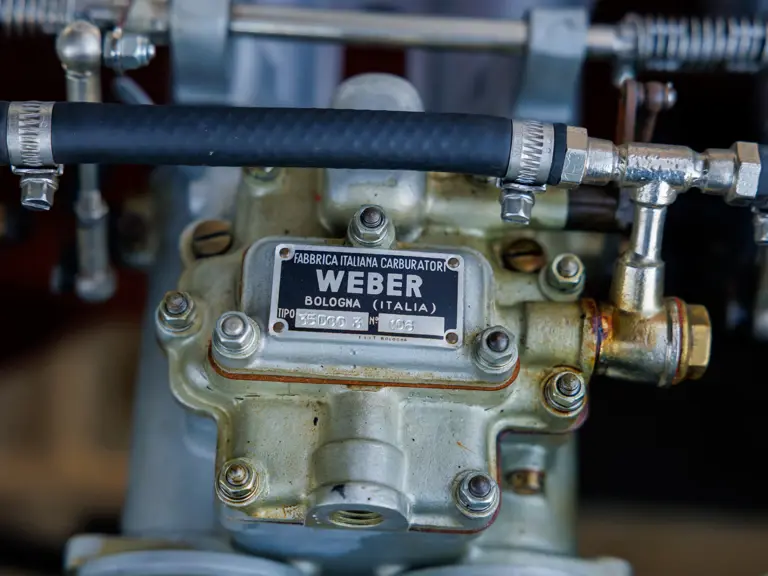
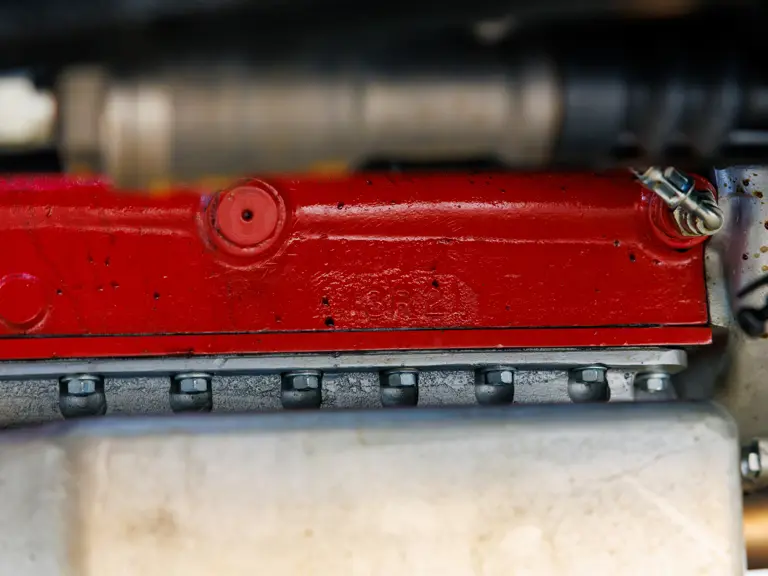
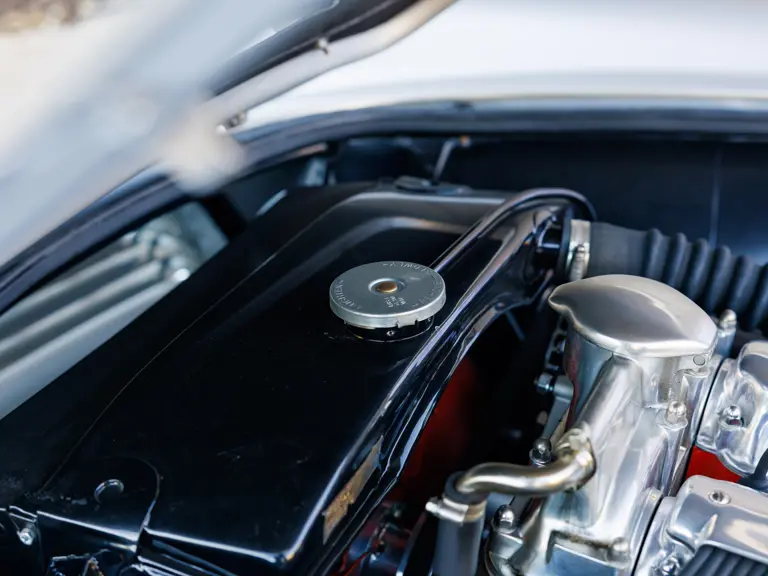
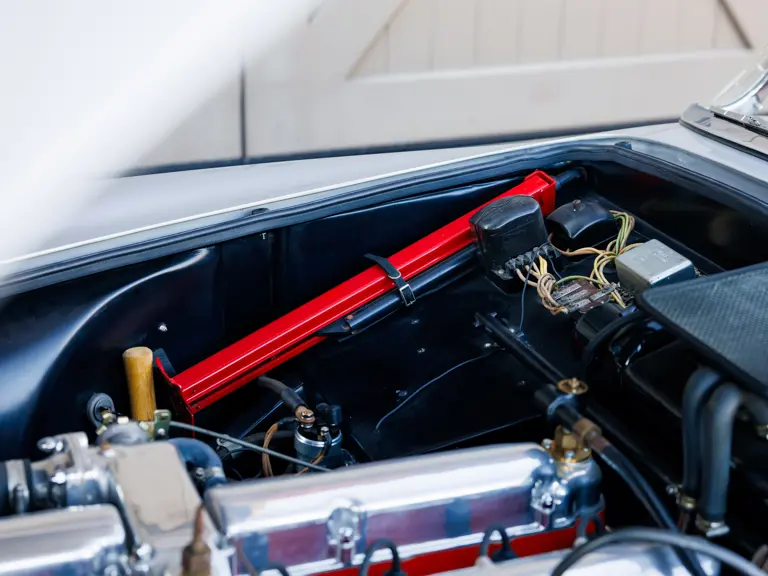
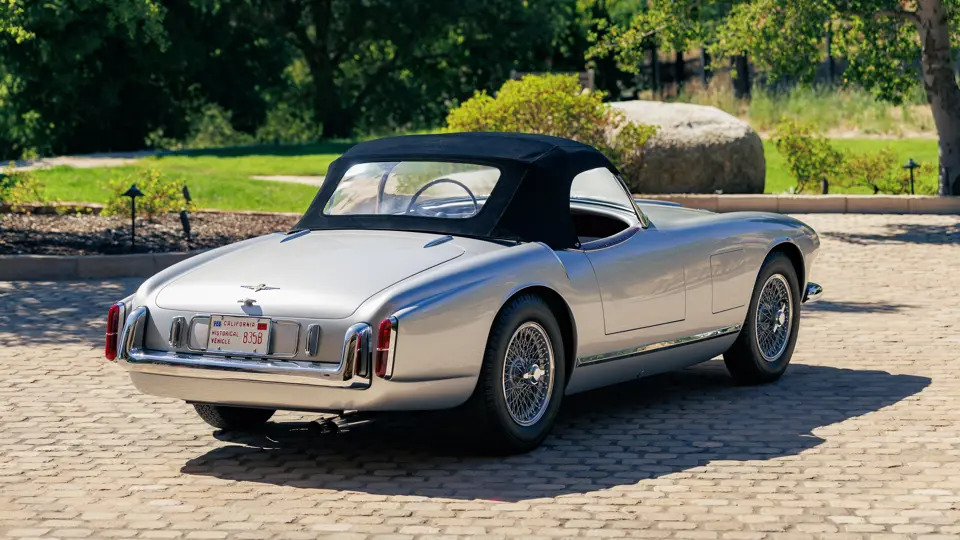
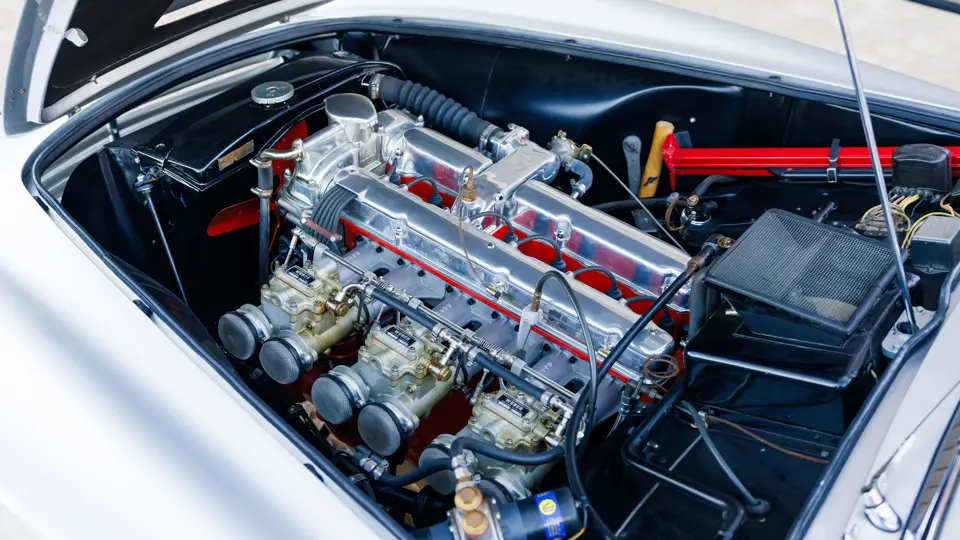
The Aston Martin next reportedly passed to the respected Chicago-based collector Dennis Machul, who had possession of one of the other chassis. It is likely that during this period of care the DB 2/4 was treated to a substantial restoration to its current configuration, including a cosmetic refinish in the current elegant color combination of silver paint over a burgundy leather interior with a complementary black soft top. The W.O. Bentley-designed Lagonda inline six-cylinder motor was fitted with triple Weber 35 DCO/3 carburetors, enhancing the engine’s breathing capacity and presumably improving overall performance.
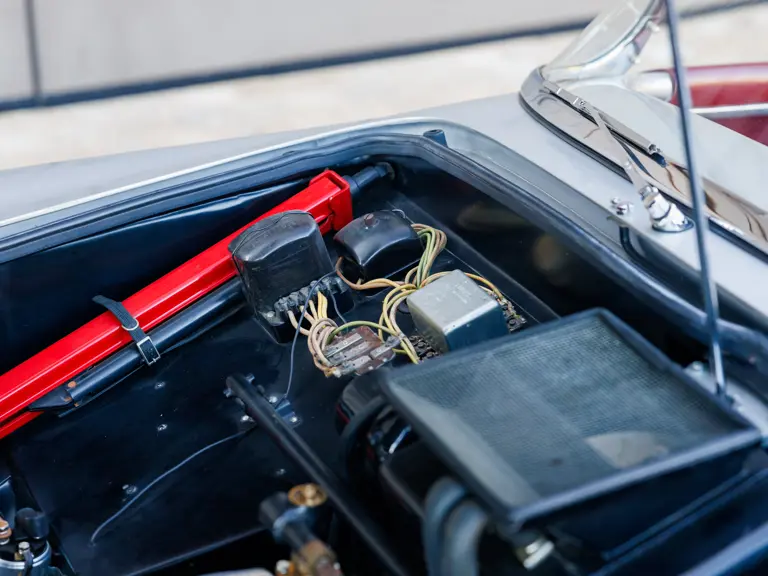
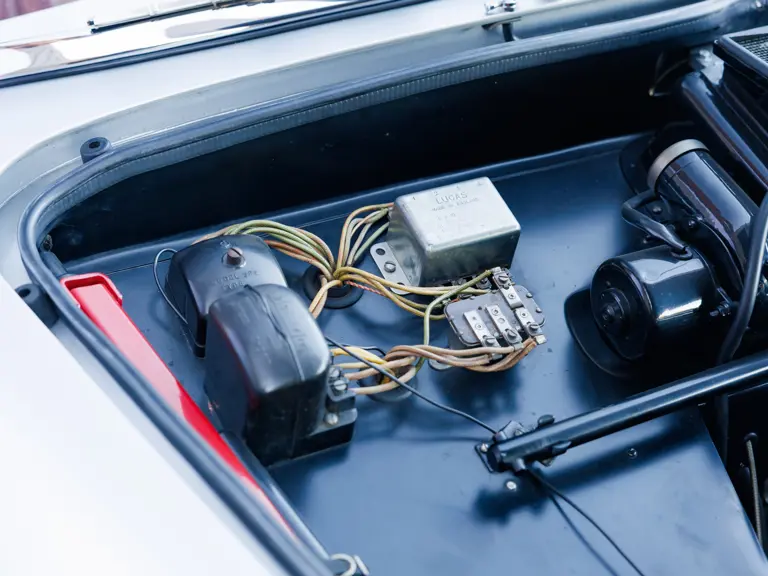
After being acquired in 2004 by the respected Blackhawk Collection in Danville, California, the Spider was sold to the consignor in February 2006 by Blackhawk’s sister-organization The Auto Collections of Las Vegas. Under the current 20-year ownership, the Mark II has benefited from additional mechanical attention in 2007 by Bentley of Silicon Valley. This work included a rebuild of the cylinder head and carburetors, attention to the flywheel, water pump, and electrical system, and a re-coating of the manifolds; the car additionally received a new drive belt, master cylinder, and tie-rod ends. In total, this rejuvenating attention cost nearly $50,000, as clarified by invoices on file.
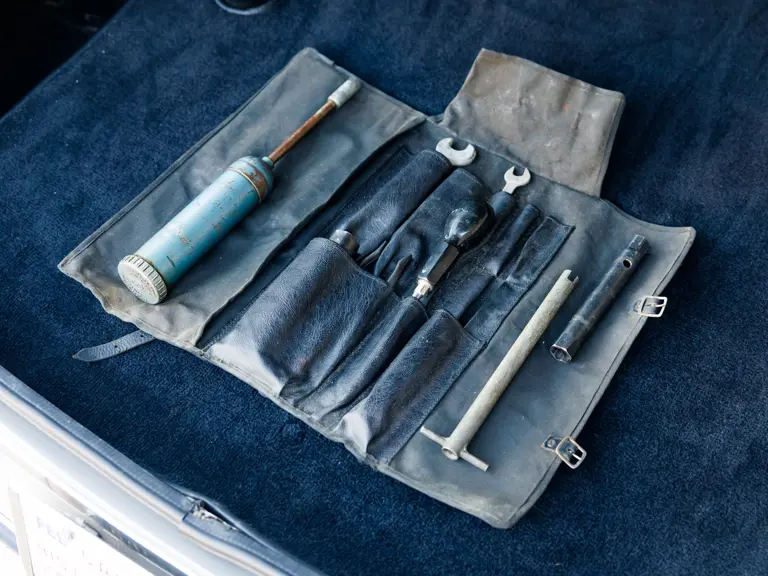
Presenting with ravishing elegance, the unique Aston Martin was invited to and exhibited at the exclusive 2013 The Quail – A Motorsports Gathering, contributing to a special commemoration of the marque’s 100th anniversary. The unique DB2/4 Mark II is accompanied by a tool roll; and it is documented with a prior title and bill of sale, restoration invoices, BMIHT production certificate, correspondence with the Aston Martin Heritage Trust, and period photos. Ideal for enthusiasts of the Touring-designed Aston Martin models of the 1960s, or collectors of important coachbuilt postwar sports cars, this rare and fascinating spider would make a sensational complement to any sporting collection.
 | Redding, California