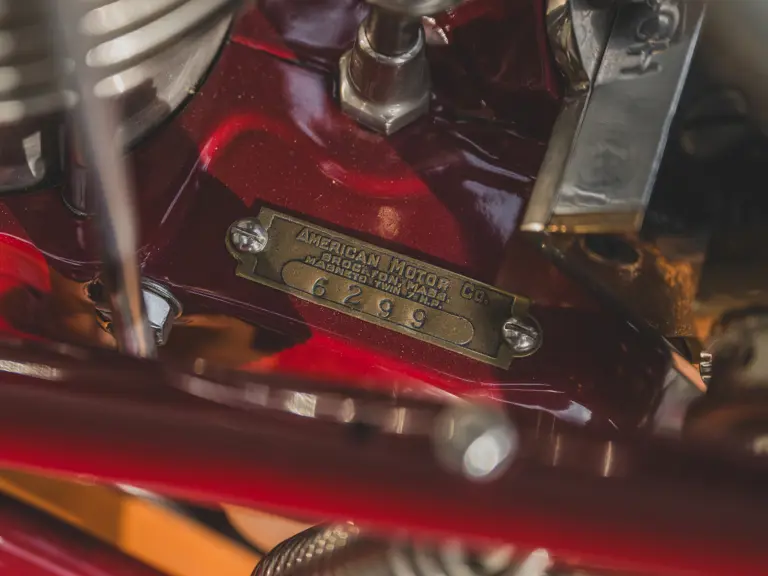
Engine No.
6299
$69,000 USD | Sold
Offered from The Sam and Emily Mann Collection
{{bidding.lot.reserveStatusFormatted}}
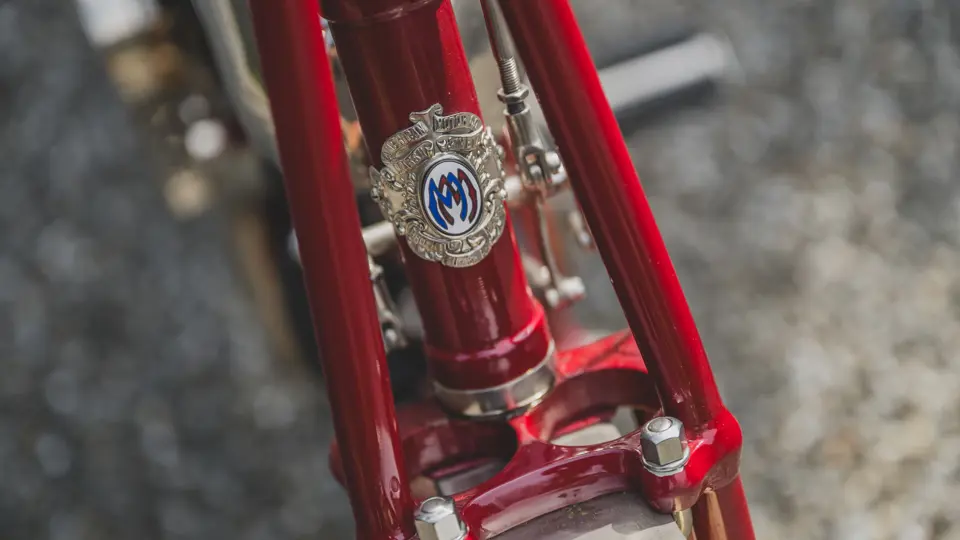
Motorcycle manufacturer Marsh, later Marsh Metz, only existed from 1900 through 1913, and today it is not quite a household name among riders. This is a shame, because its high-quality offerings form a key part of the history of motorcycling in America, with many important firsts to the company’s credit. In fact, founder Charles Metz is said to be one of the very first to use the term “motor cycle,” which was used to advertise his relatively primitive, engine-powered Orient motorcycle—generally acknowledged as America’s first production motorcycle—in 1898.
Metz’s earliest experiments with motorization had involved a rather improbable-looking hybrid: an engine-and pedal-powered tandem bike used, somewhat ironically, for training and pacing riders for the Orient bicycle racing team!
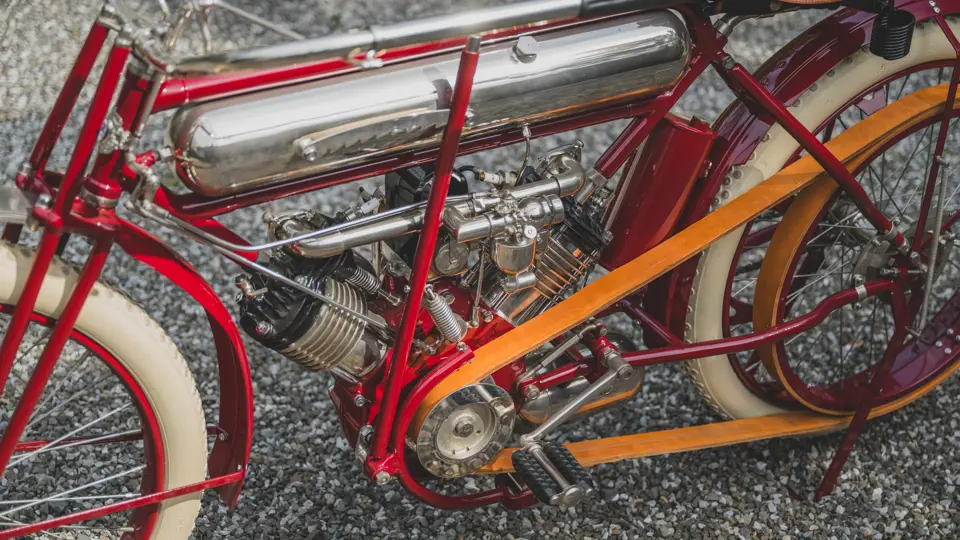
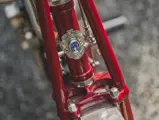
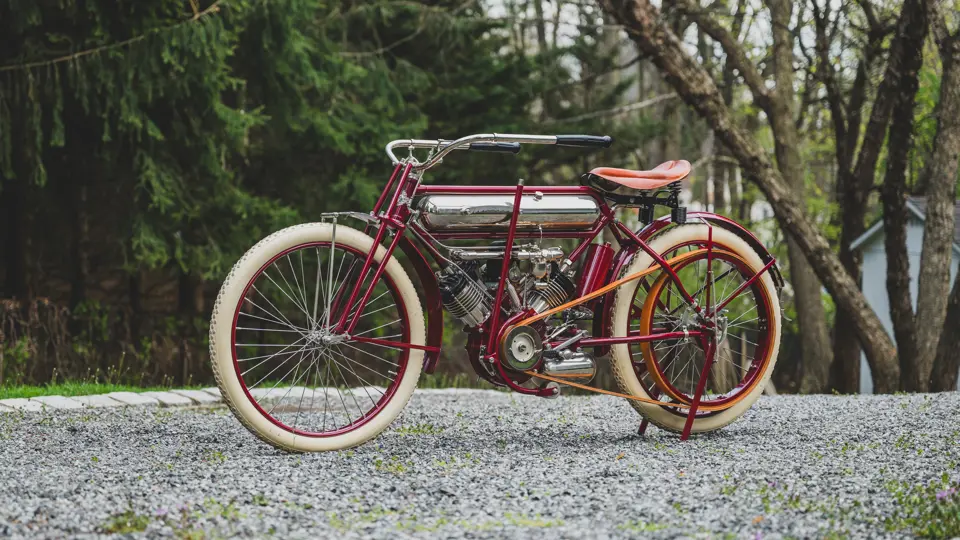
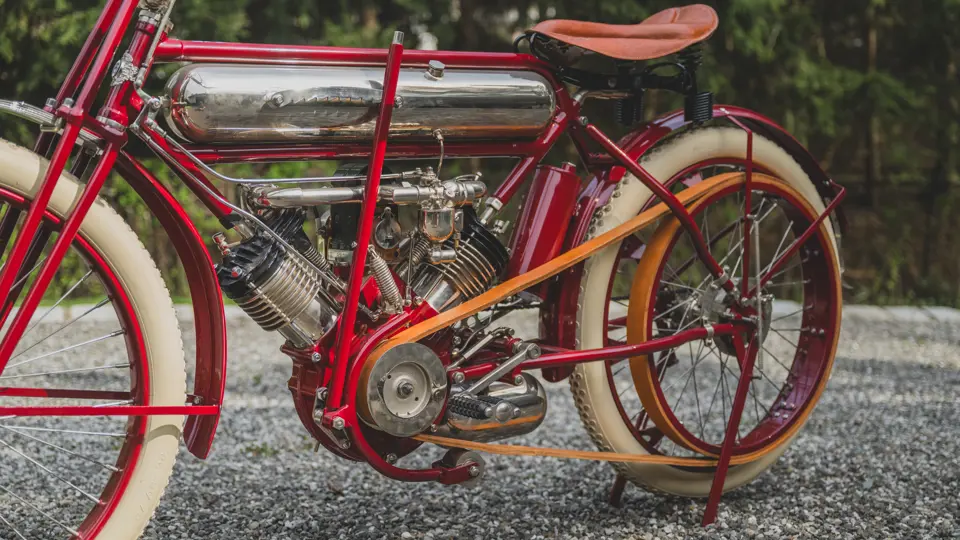
Metz joined forces with fellow constructor A.R. Marsh in 1905. Marsh brought his own innovations to the deal; his single-cylinder motorcycles were among the earliest to use more durable, purpose-built frames, rather than adapting existing bicycle frames. He also employed the engine as a stressed member, positioned directly below the seat. The joint Marsh Metz firm continued to offer a single-cylinder motorcycle, but also added a two-cylinder model to the catalogue.
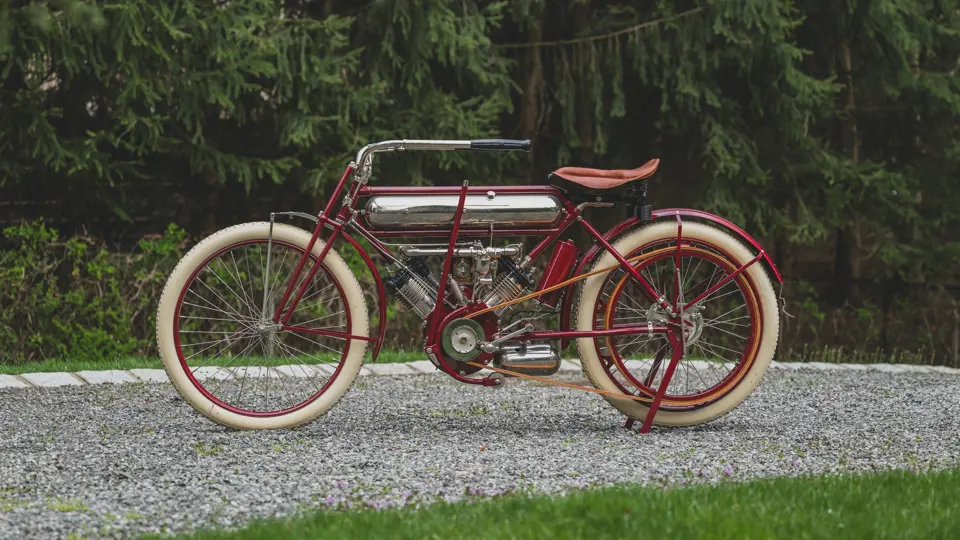
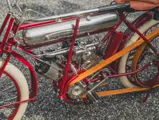
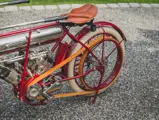
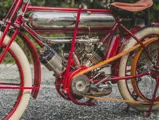
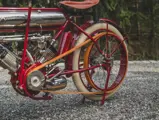
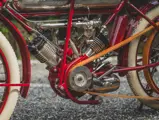
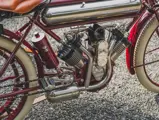
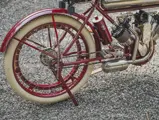
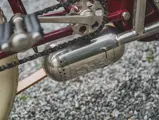
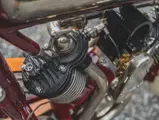
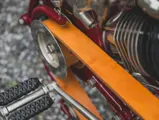
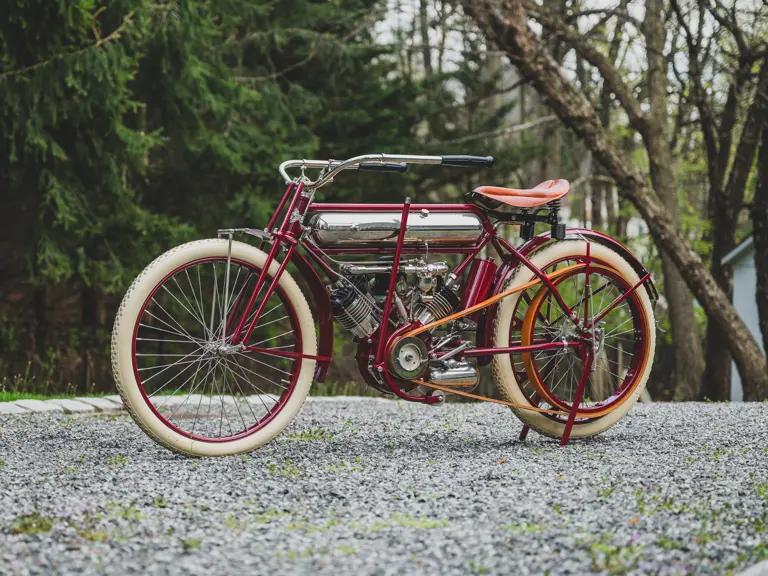
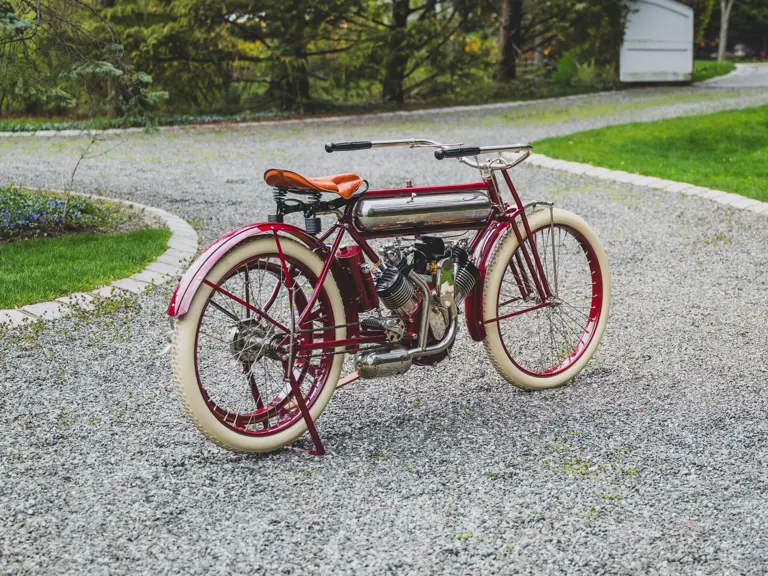
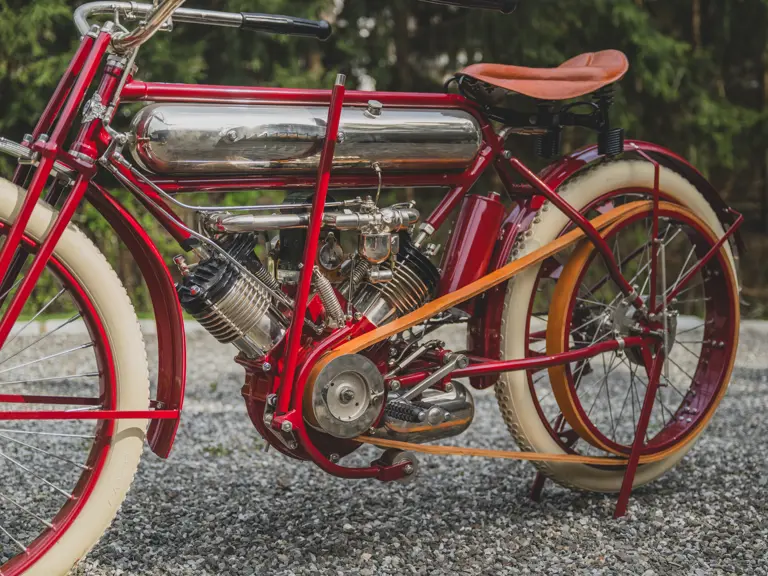
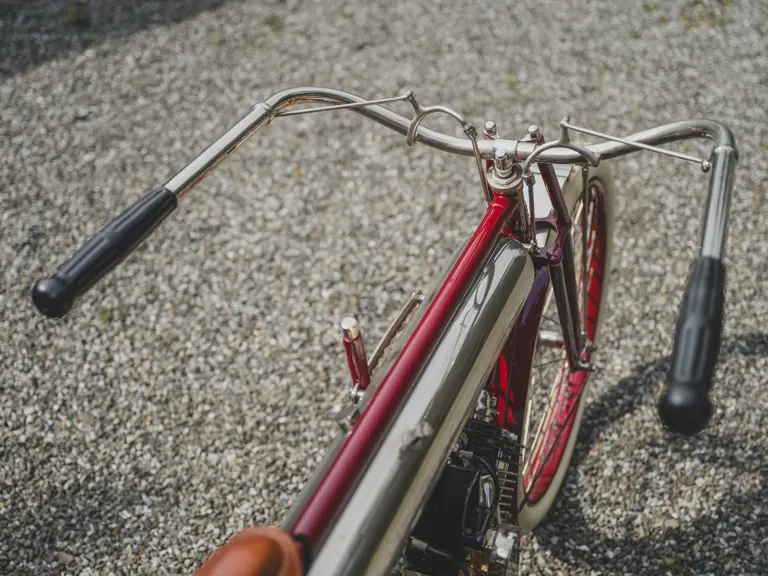
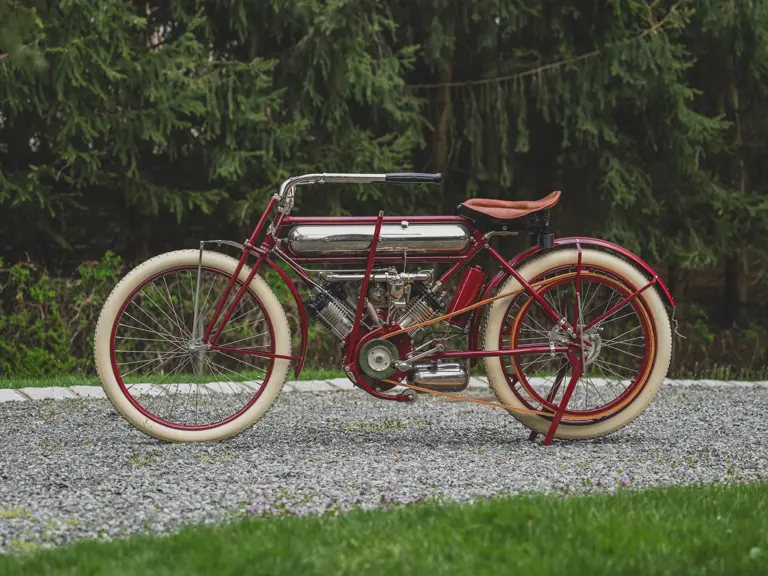
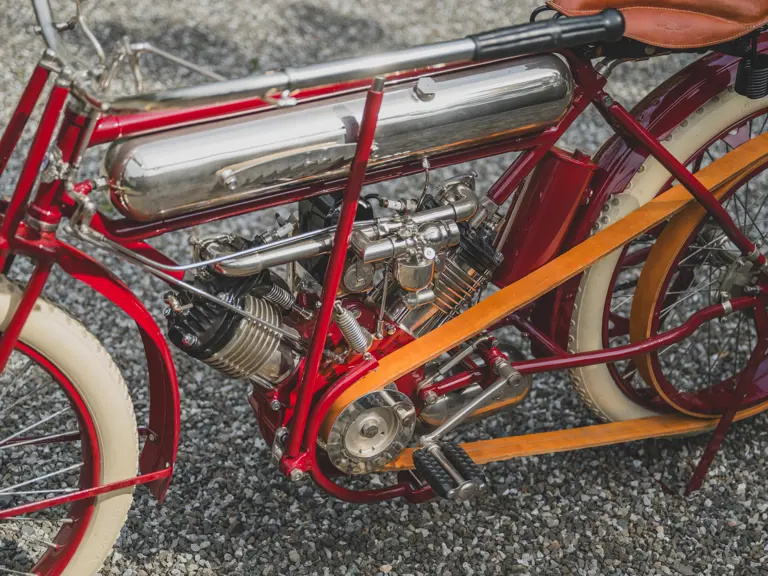
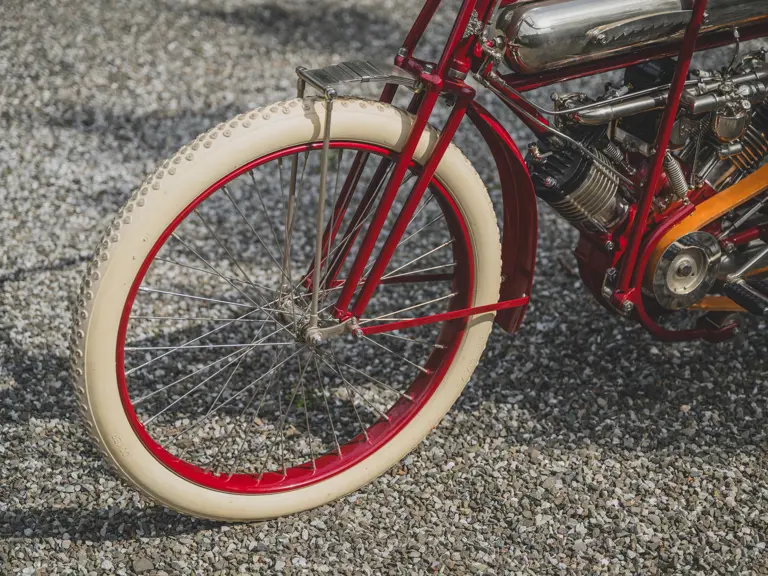
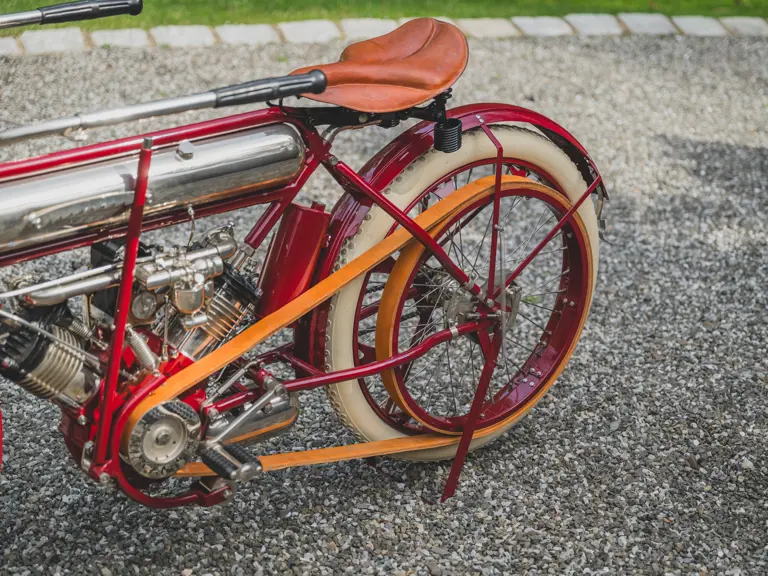
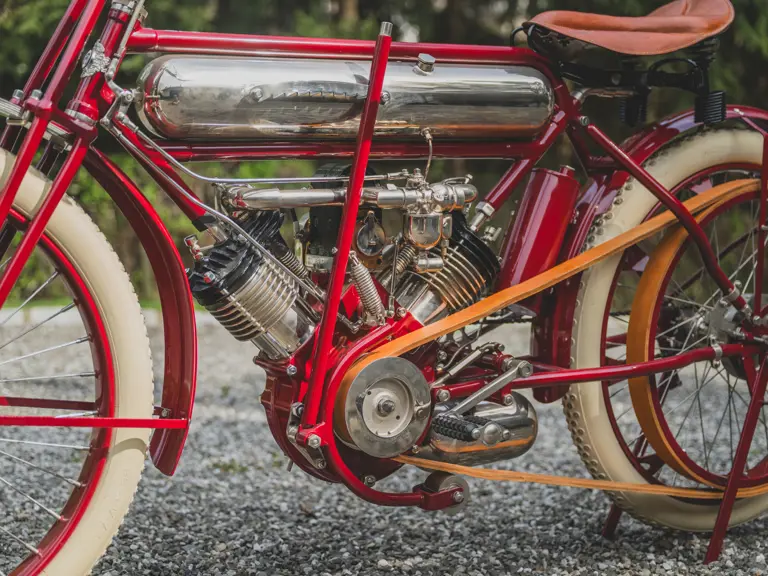
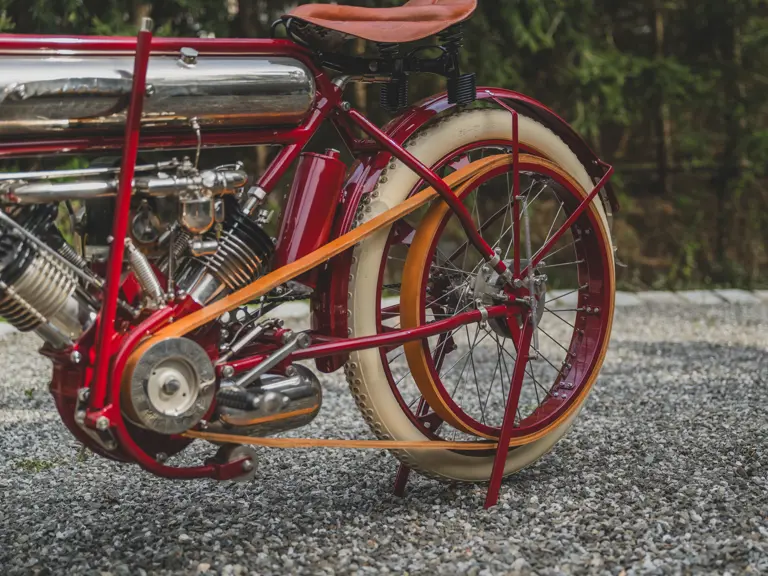
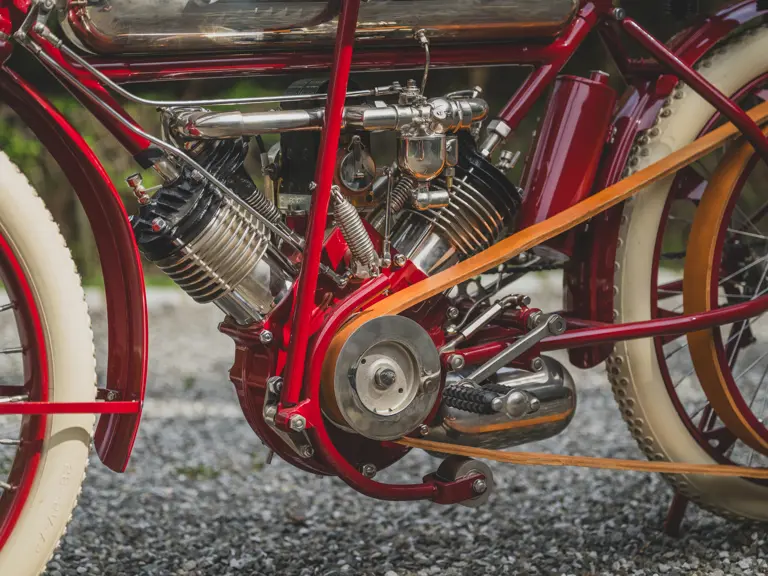
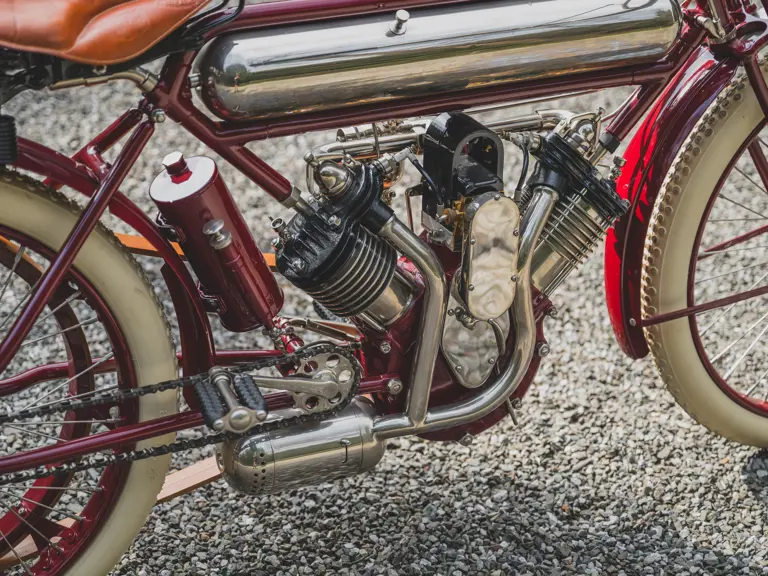
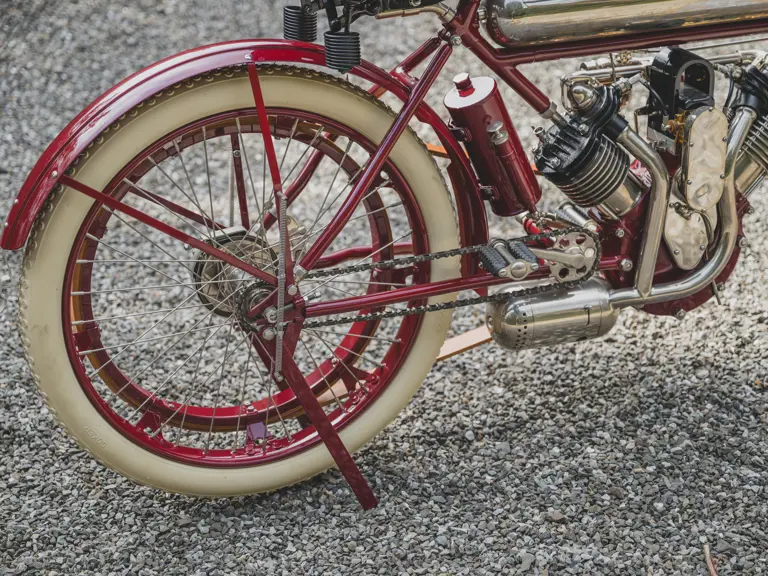
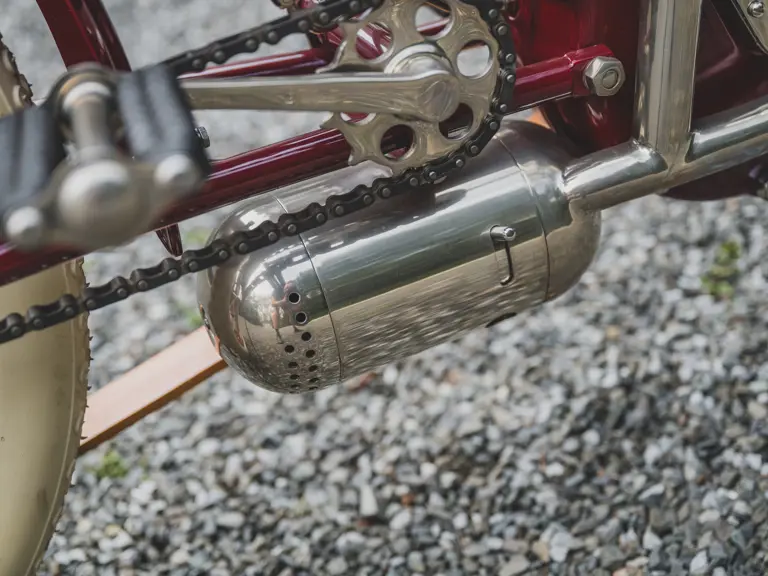
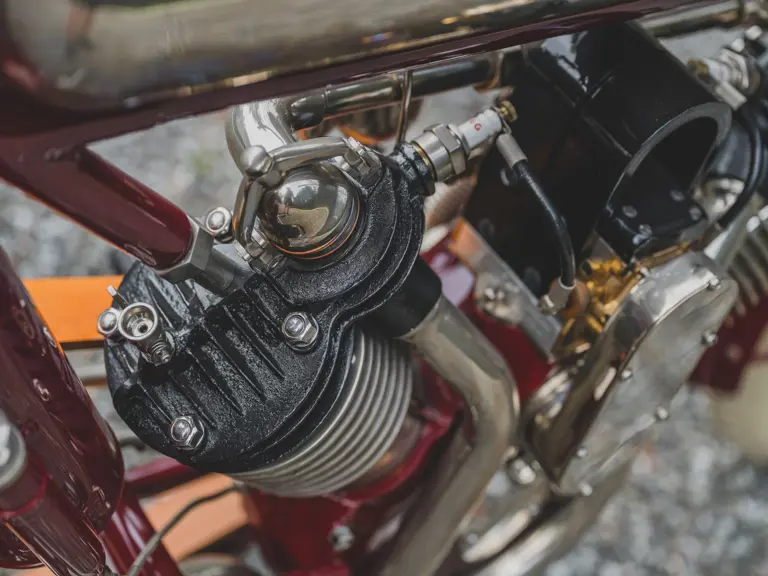
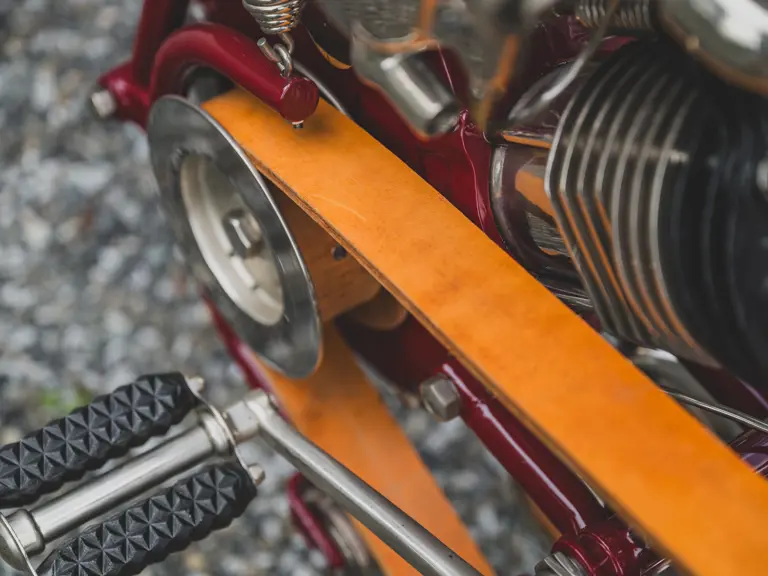
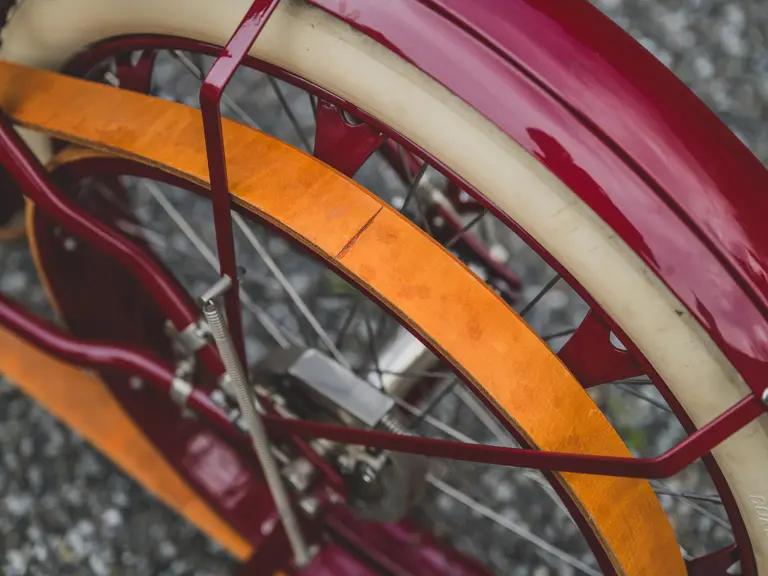
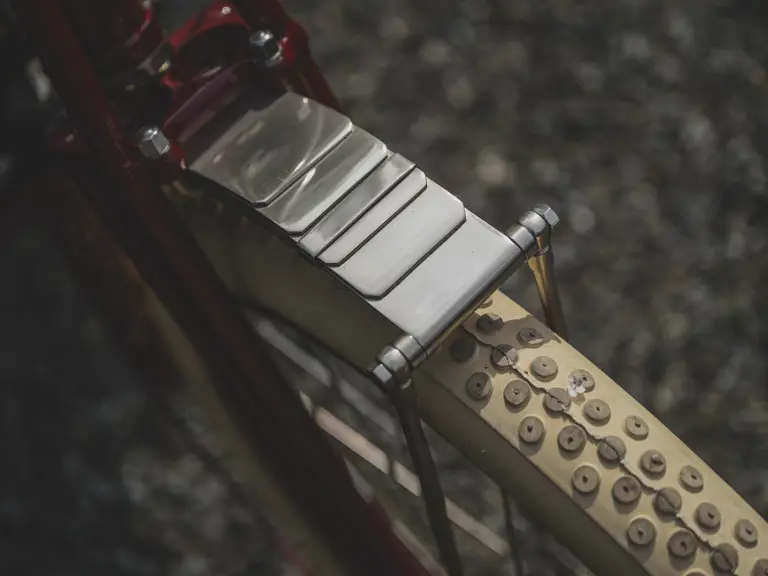
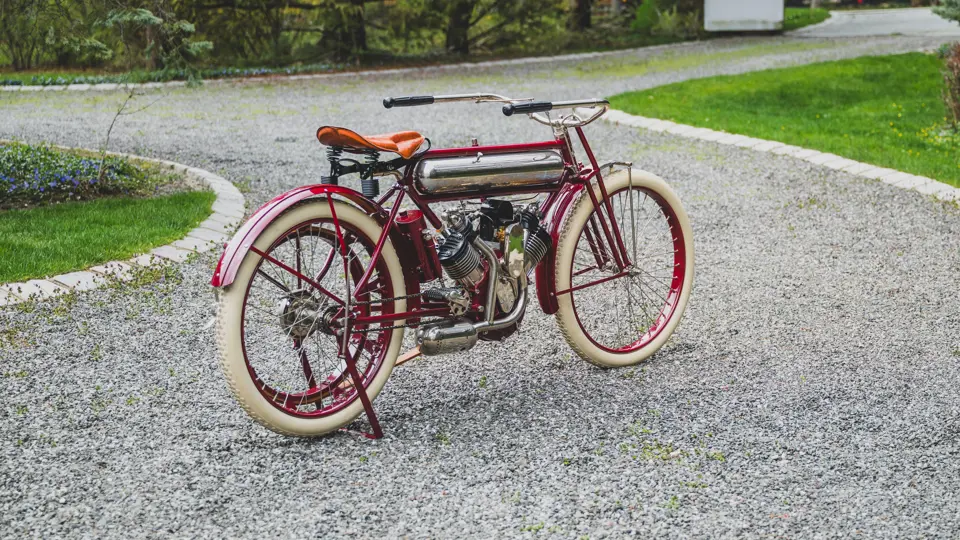
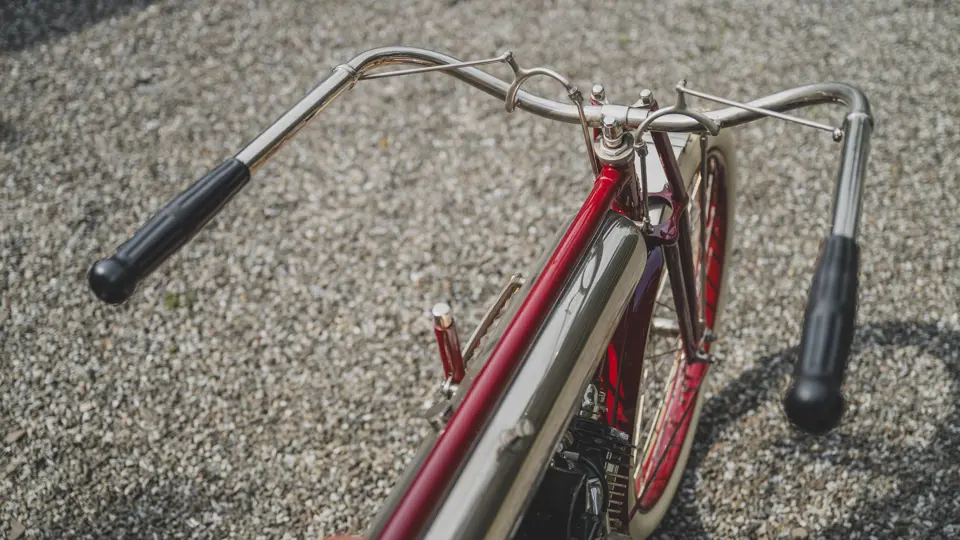
Displacing 1,087 cubic centimeters and powering the rear wheel via belt drive and only one speed, this V-twin engine was rated at up to 10 horsepower—about all that one would want, considering the single band brake on the rear. Importantly, it did so more smoothly than the shallower-angle V-twins produced by other manufacturers at the time. It also led to the bike’s unique appearance: The engine was once again used as a stressed member, tying the frame together at three points. Though the bike is full of eye-catching details, including the cigar-shaped polished fuel tank, it is the distinctive 90-degree motor and the unique frame design that wonderfully showcase the engine as the true “heart” of the machine.
One of few surviving examples, this Marsh Metz was acquired by noted collector Otis Chandler in 2002, and it was restored by Antique Motorcycle Works of Oregon City, Oregon, the following year. It was acquired by Sam and Emily Mann in 2006 following Chandler’s passing, and it has remained in their collection on static display ever since.
Rare, significant, and quite attractive to boot, this 1912 Marsh Metz beautifully illustrates a moment when motorcycles were no longer merely crudely adapted bicycles, and were well on their way to becoming elegant, brilliantly engineered two-wheeled steeds in their own right.
 | Monterey, California