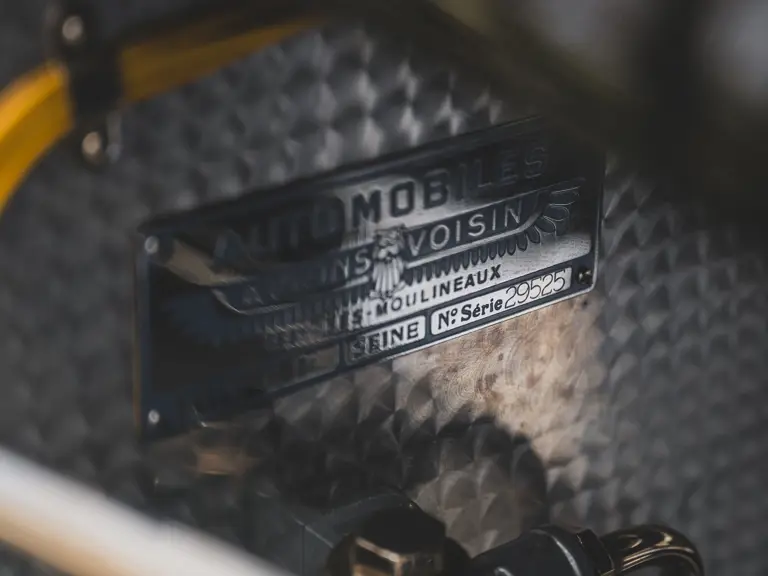
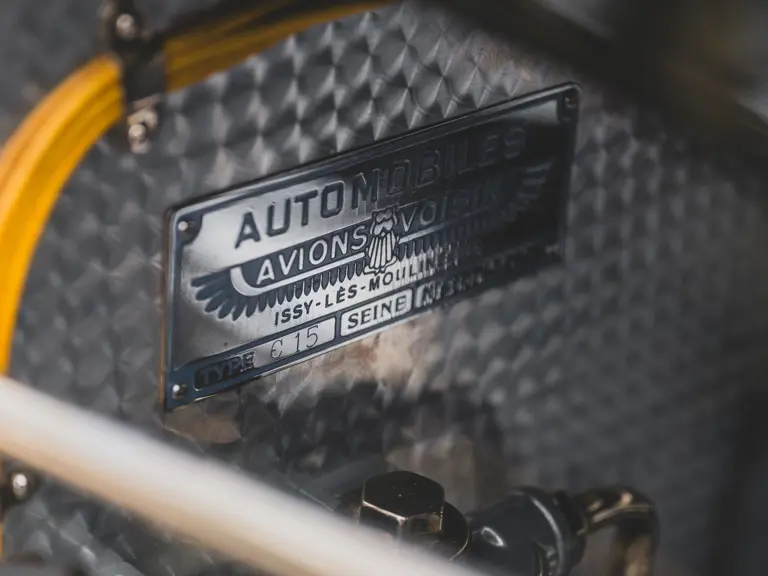
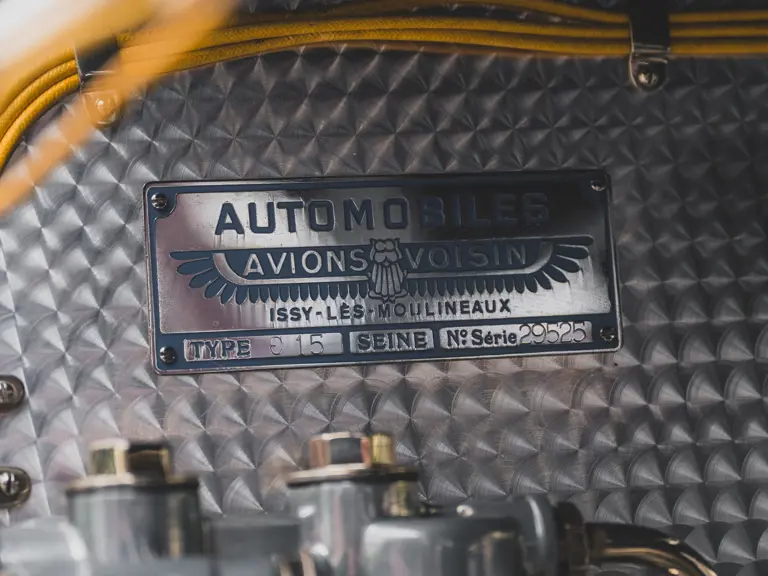
Chassis No.
29525
$2,810,000 USD | Sold
Offered from The Sam and Emily Mann Collection
{{bidding.lot.reserveStatusFormatted}}
She walks in beauty, like the night
Of cloudless climes and starry skies;
And all that’s best of dark and bright
Meet in her aspect and her eyes.
Sam Mann forgives the substitution of Lord Byron’s words—likely for the first time ever in an automobile auction catalogue description—for his own, as his fellow creative in many ways echoes his own thoughts about this particular car.
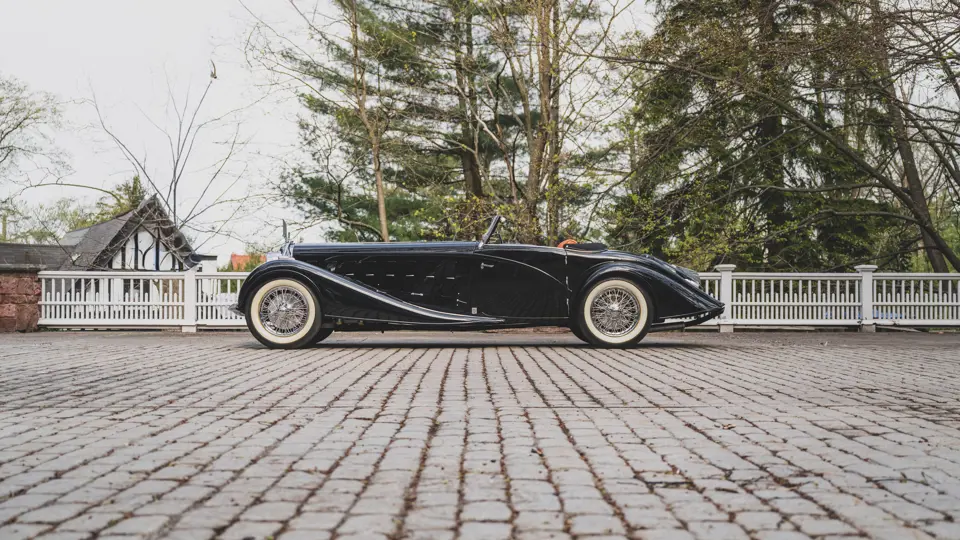
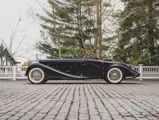
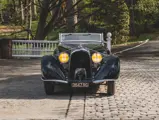
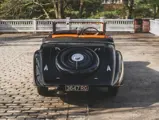
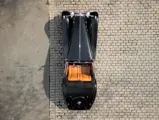
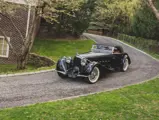
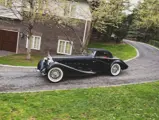
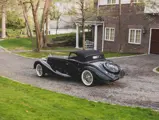
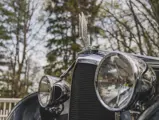
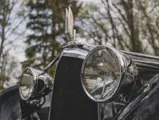
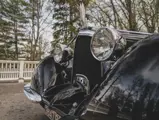
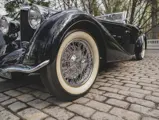
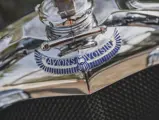
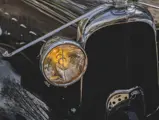
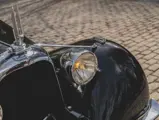
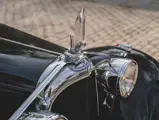
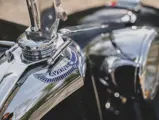
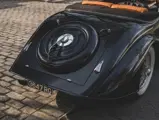
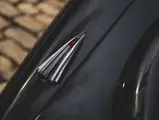
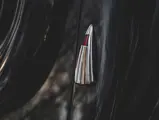
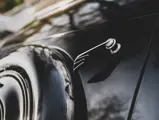
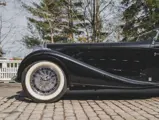
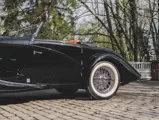
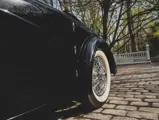
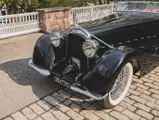
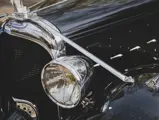
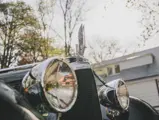
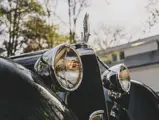
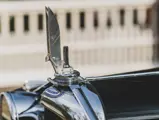
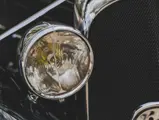
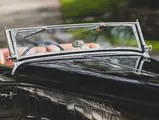
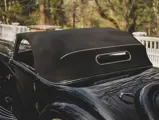
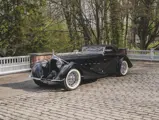
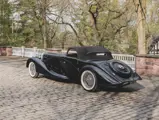
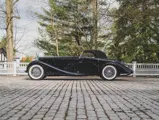
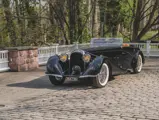
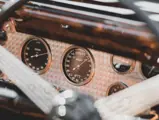
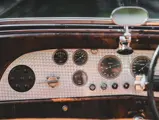
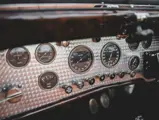
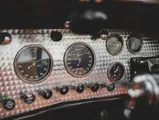
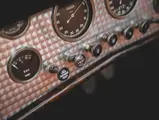
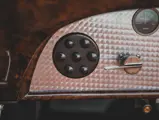
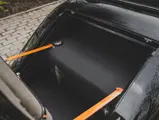
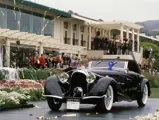
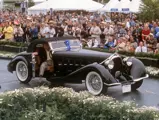
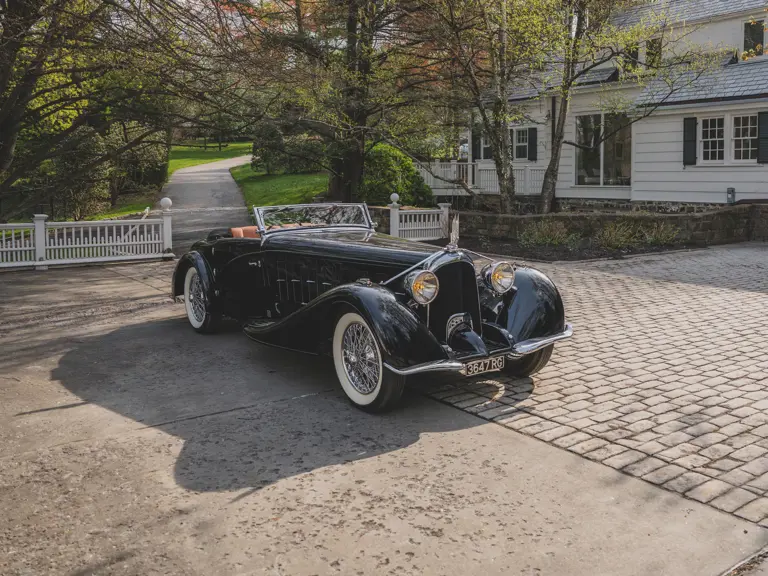
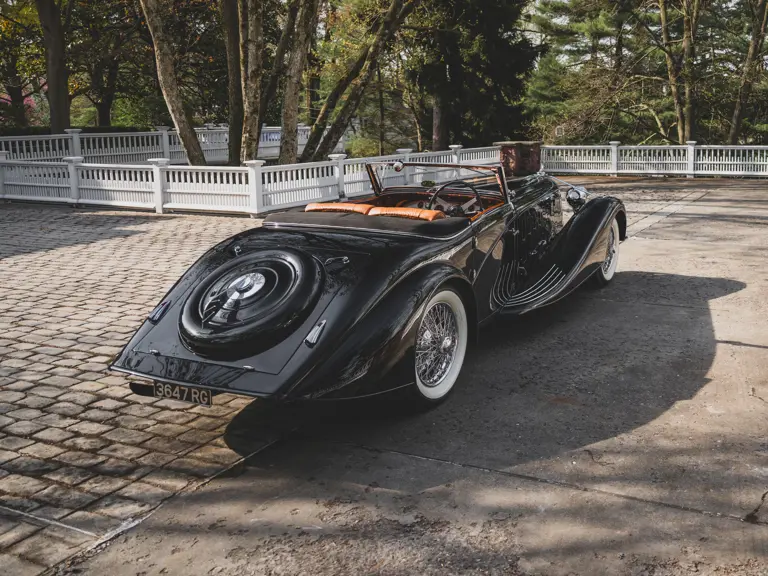
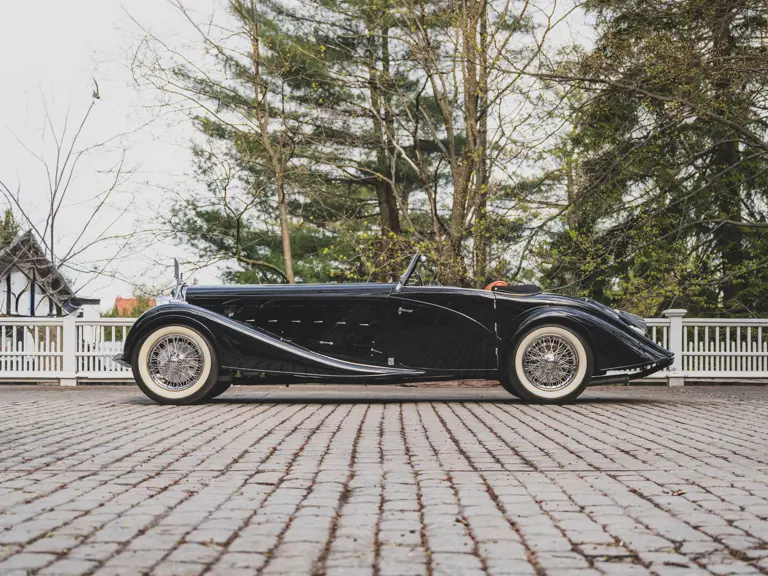
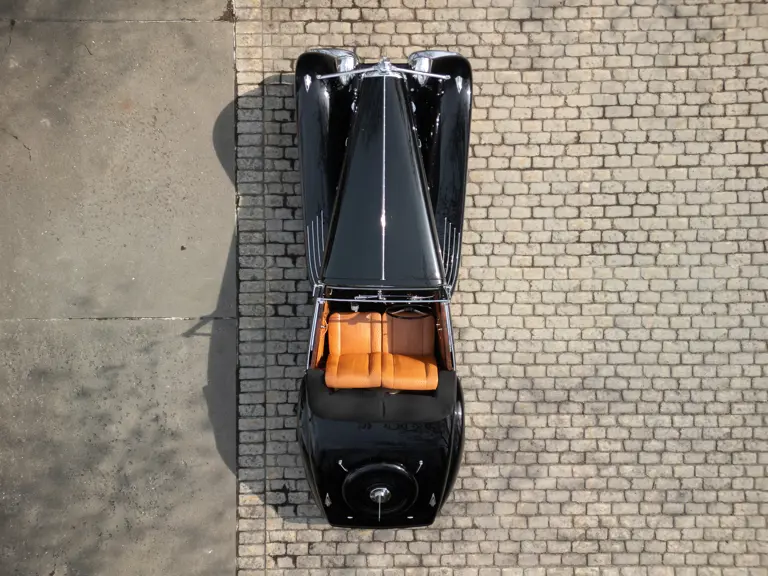
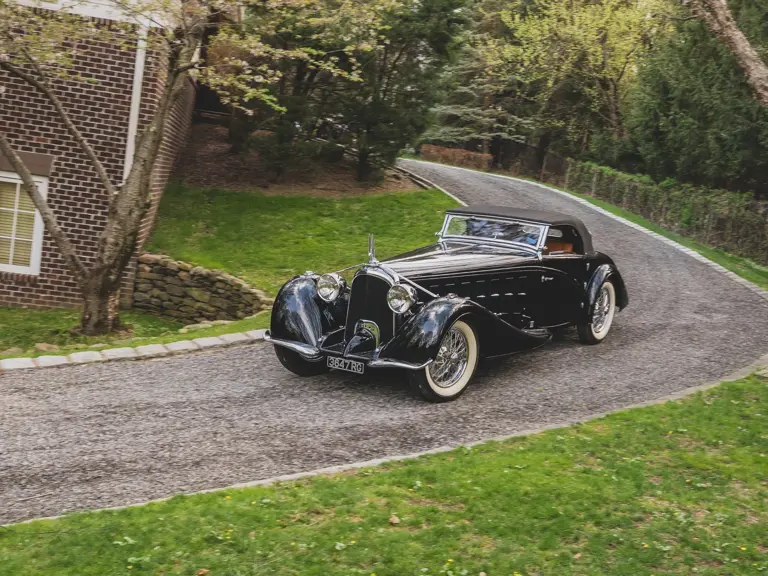
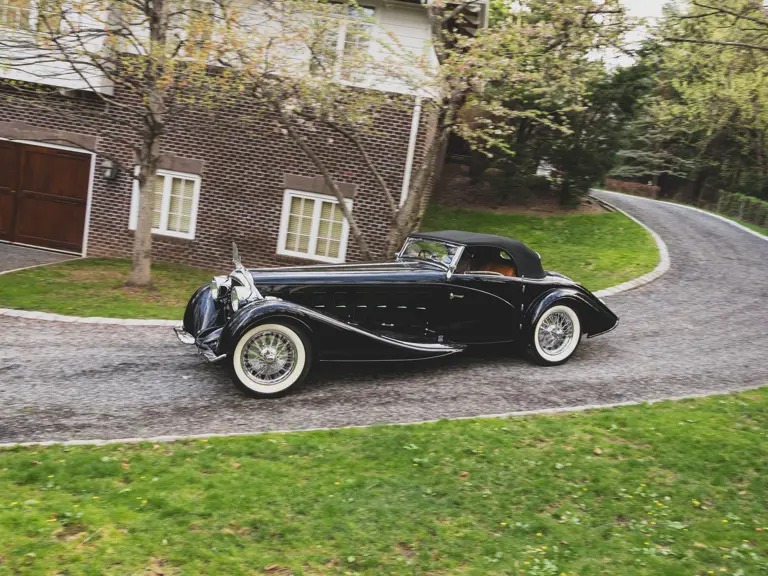
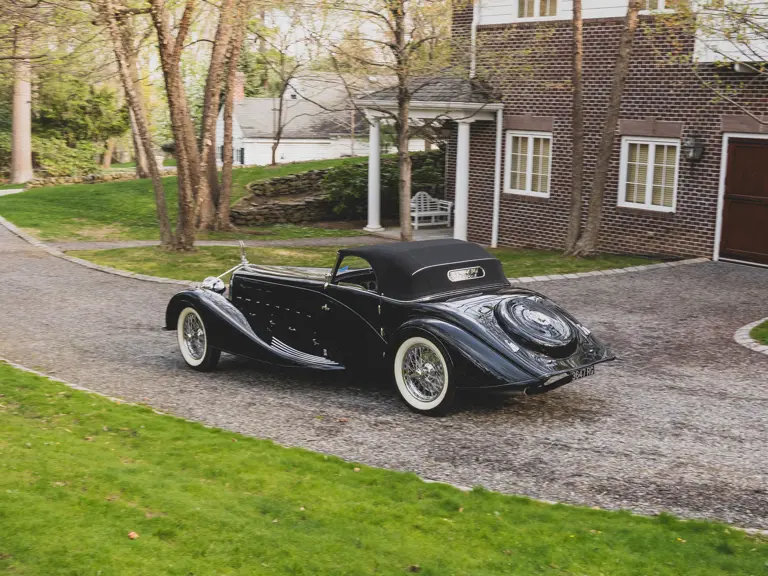
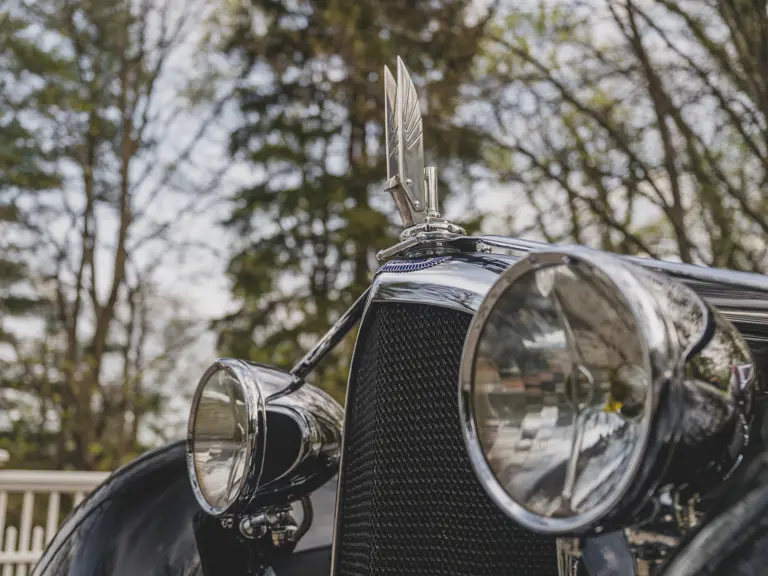
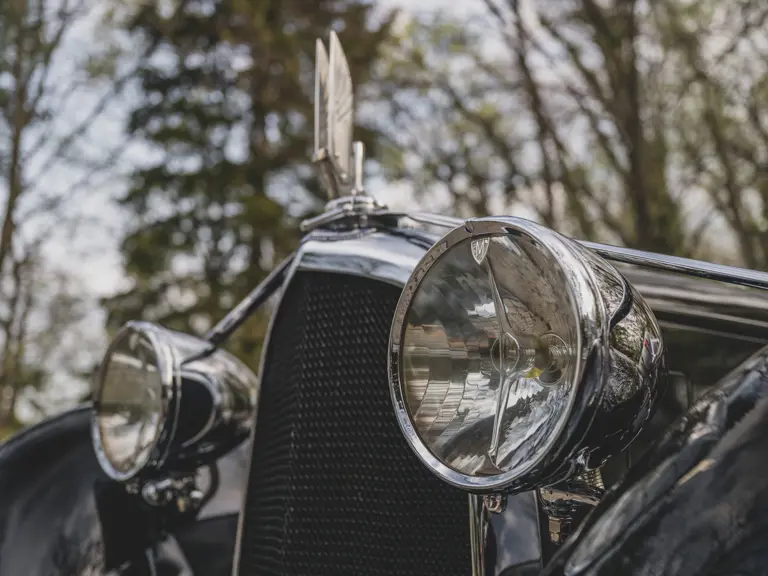
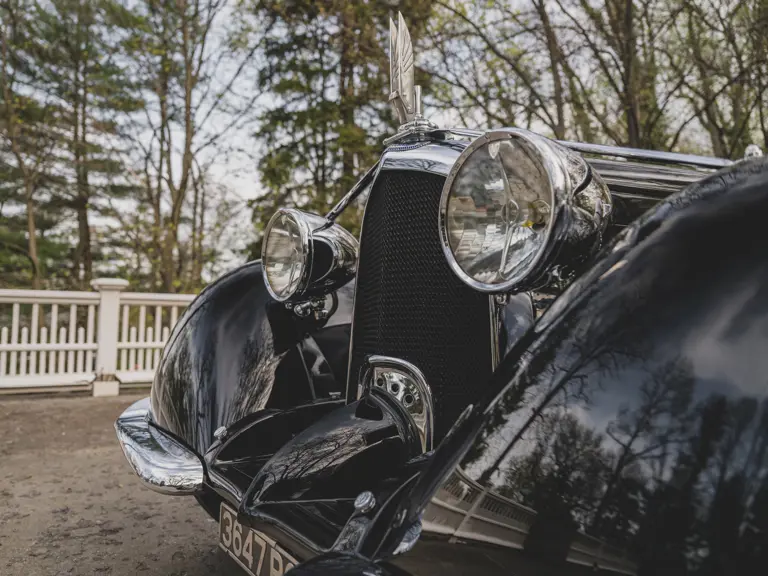
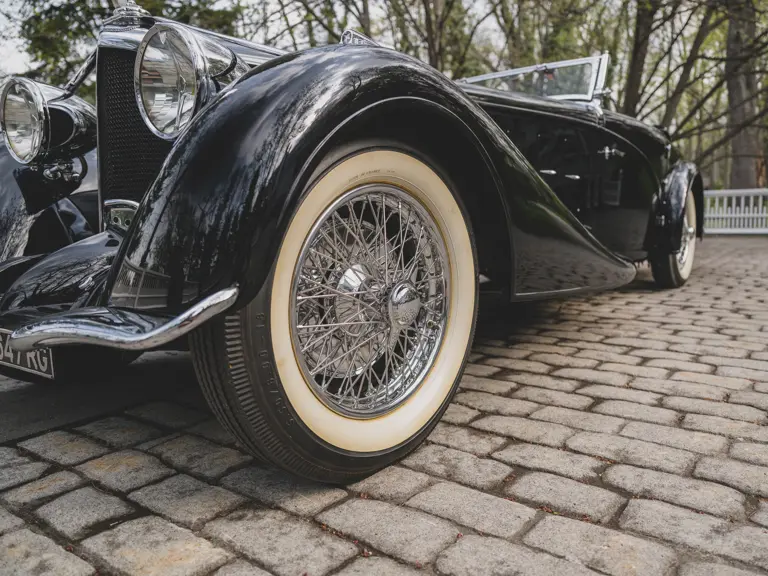
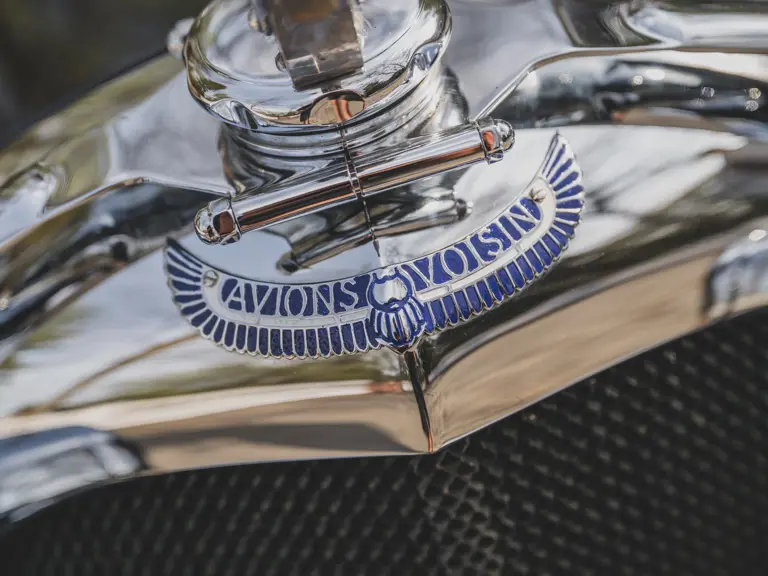
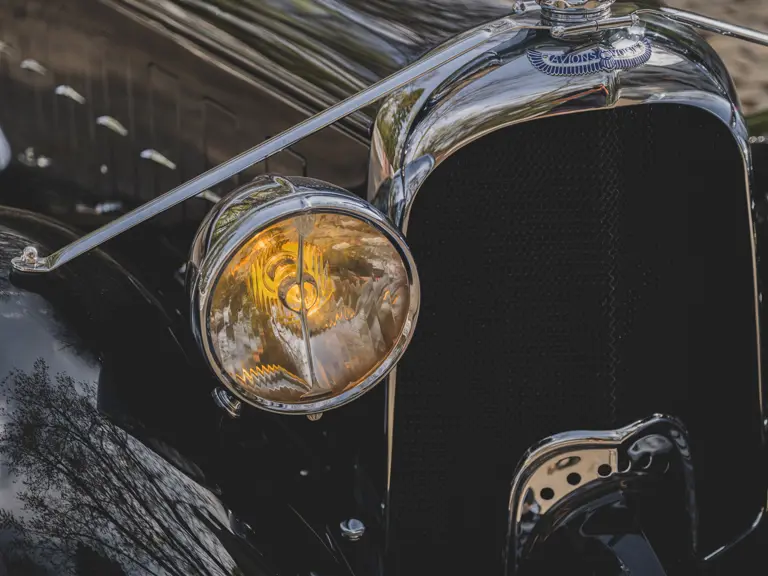
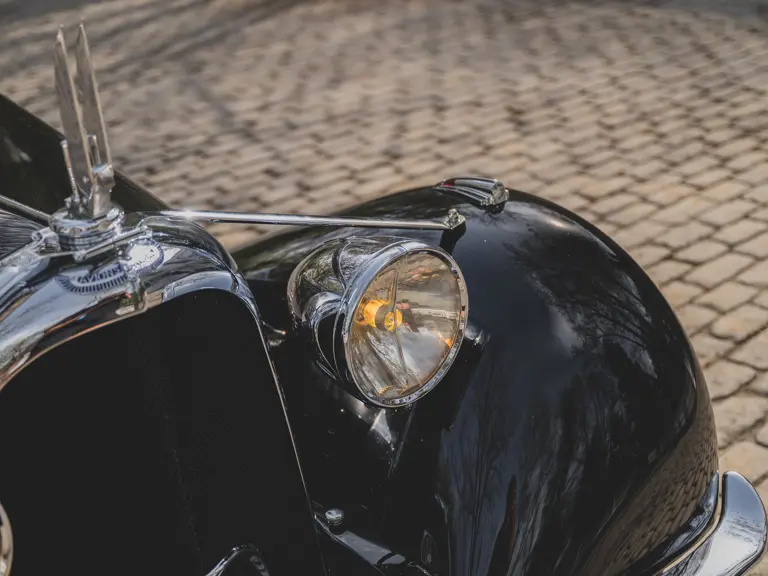
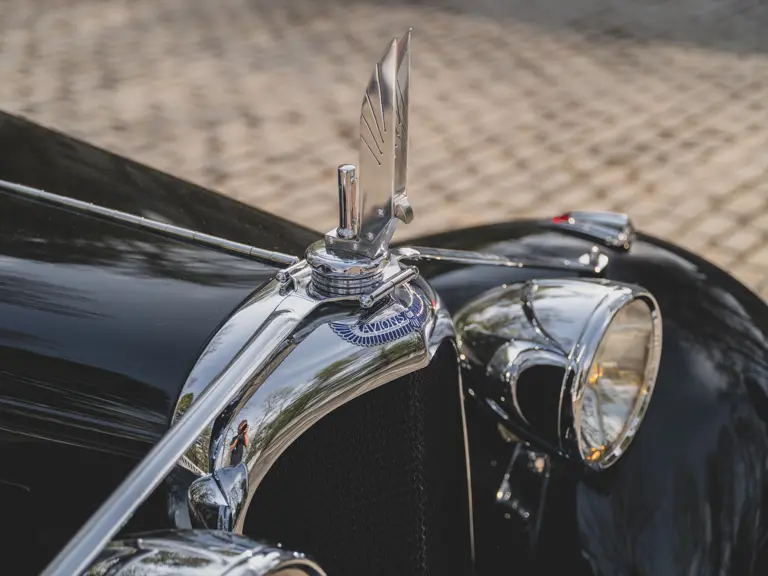
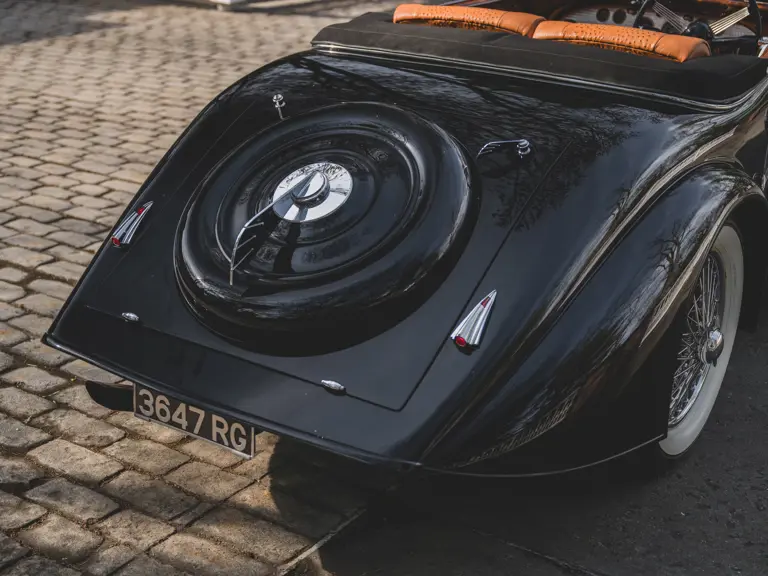
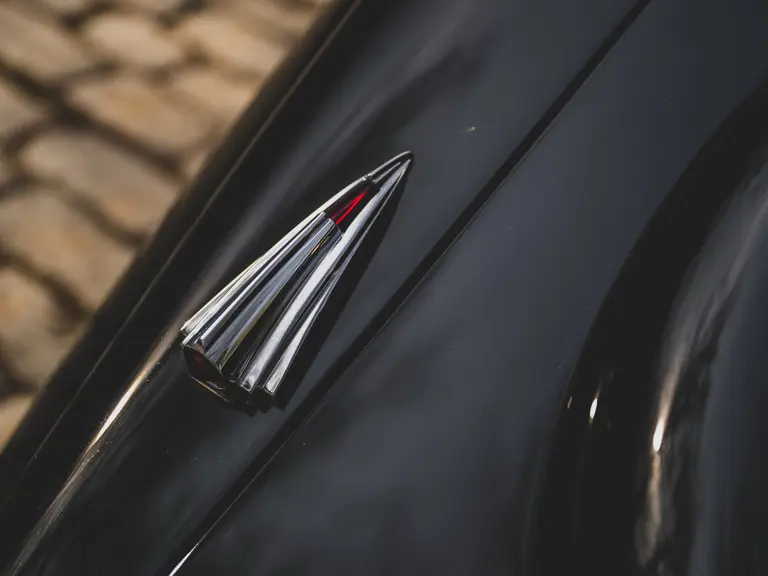
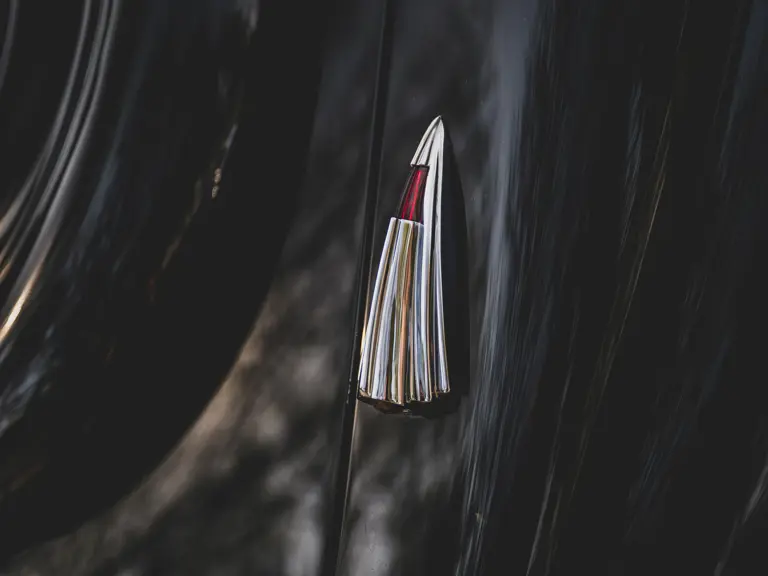
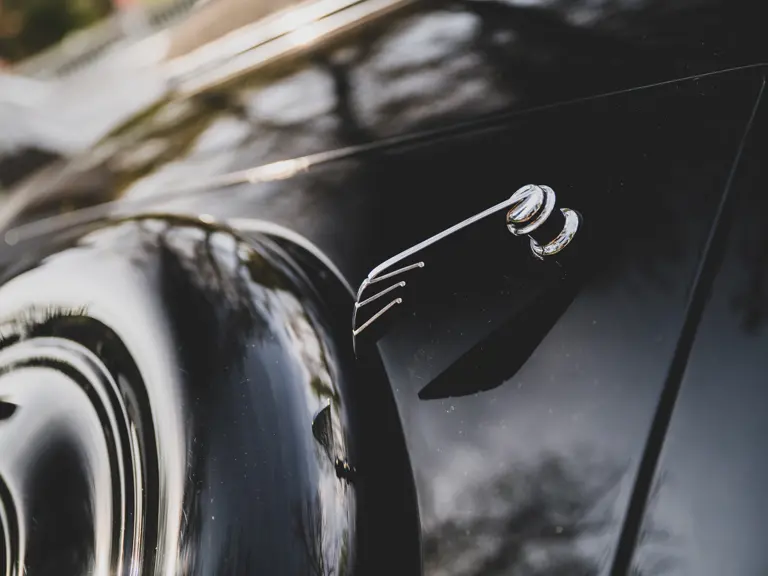
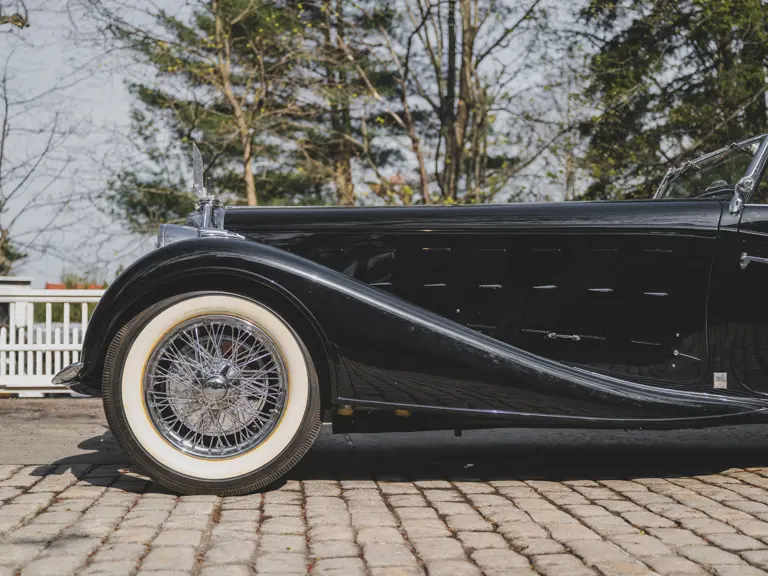
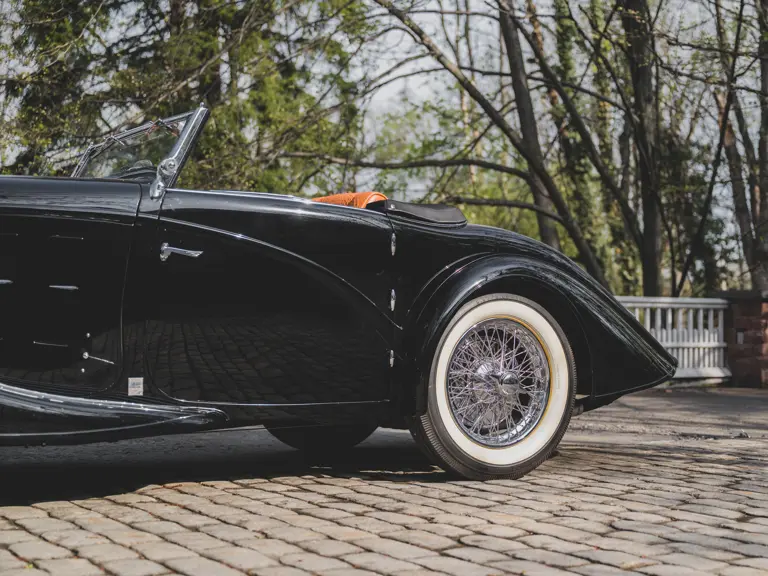
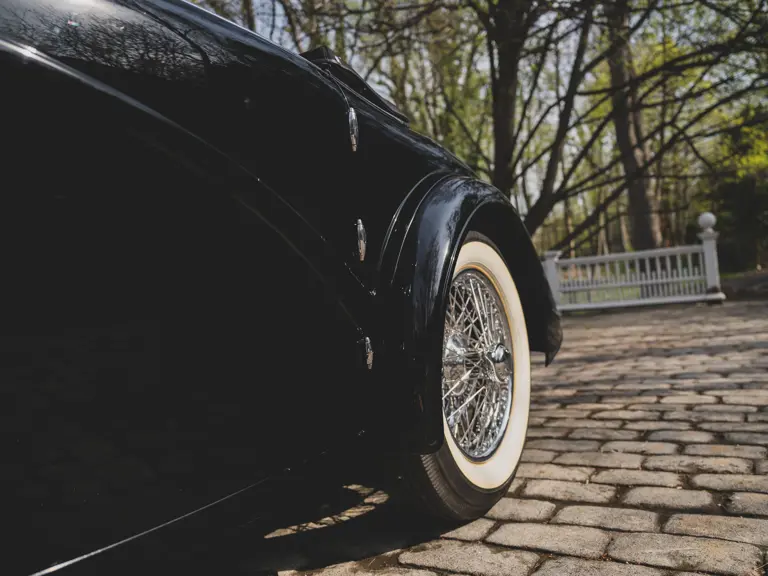
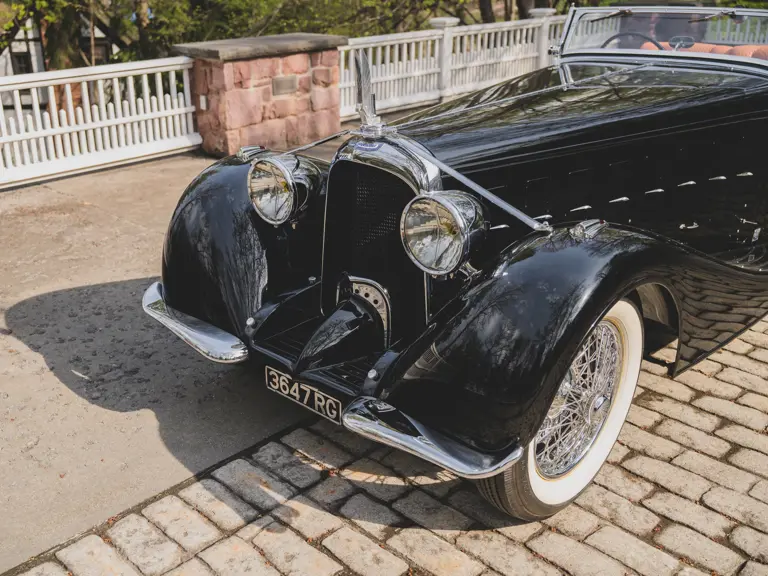
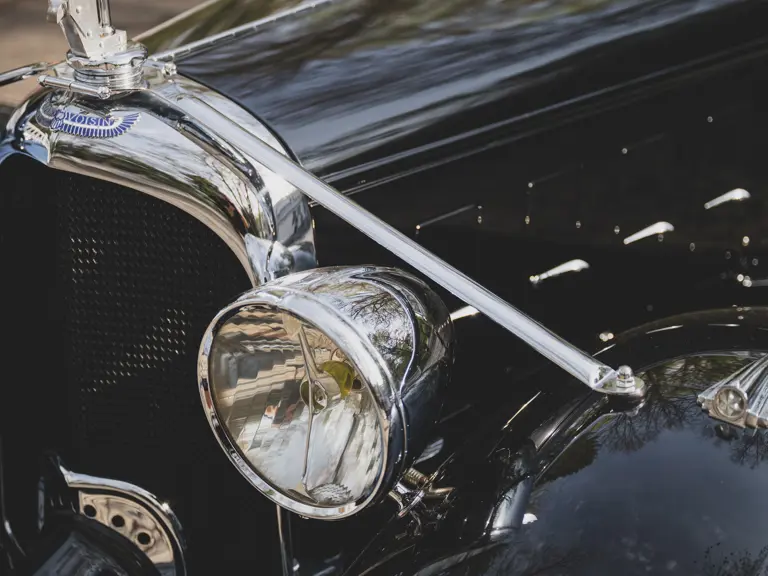
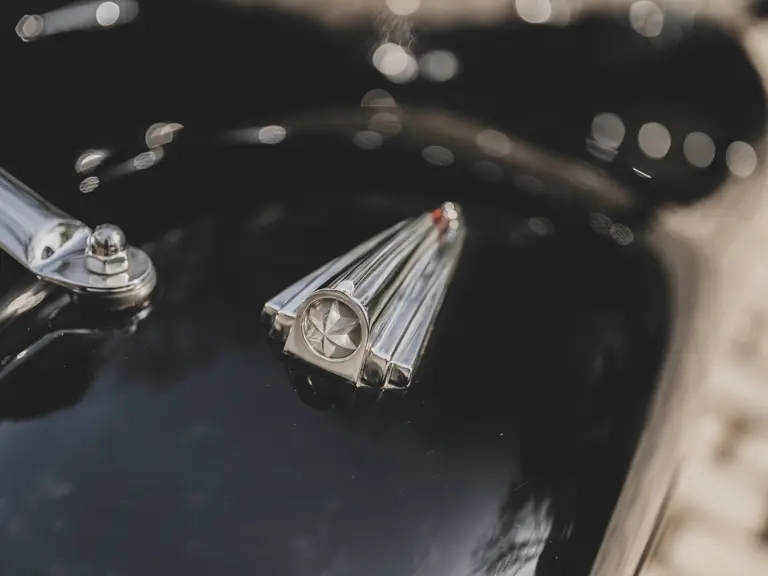
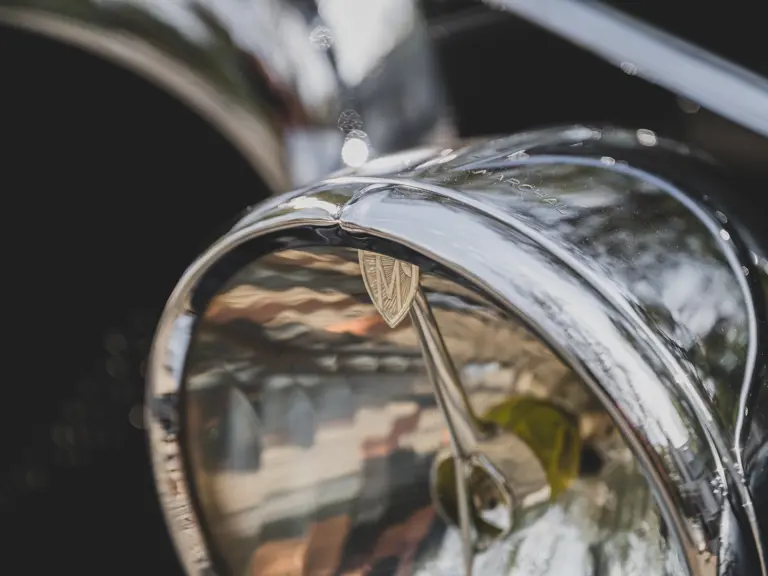
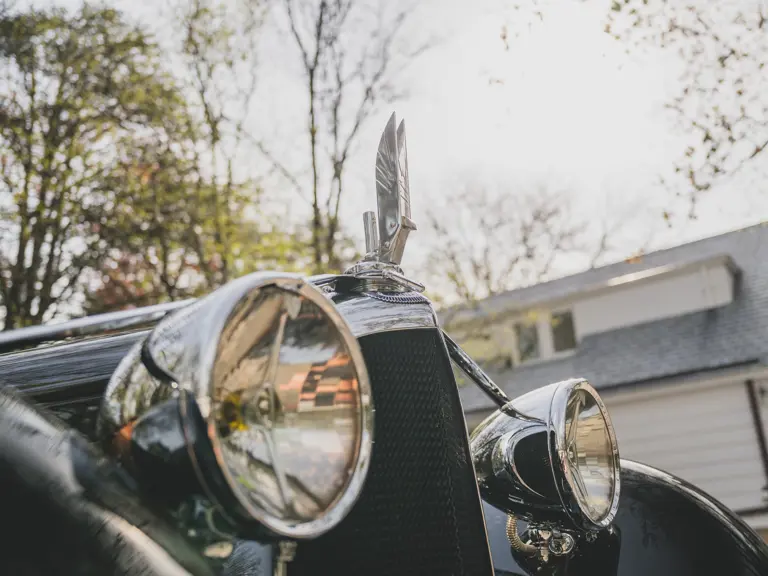
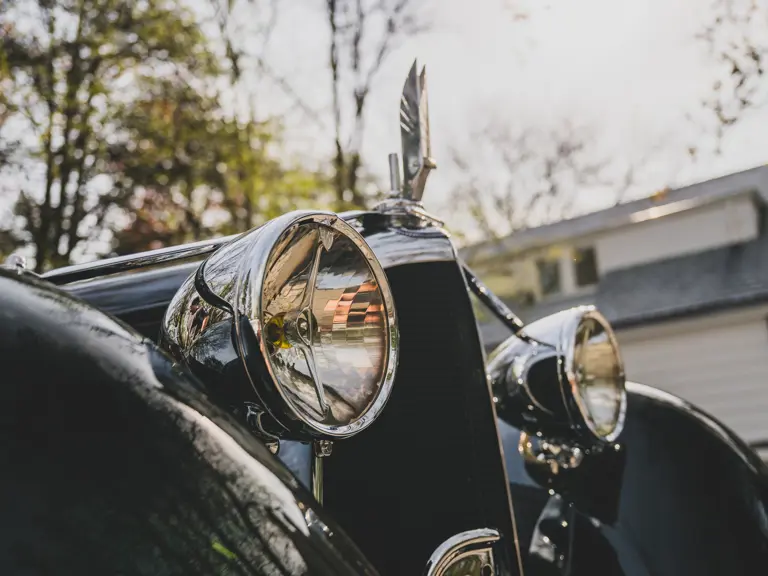
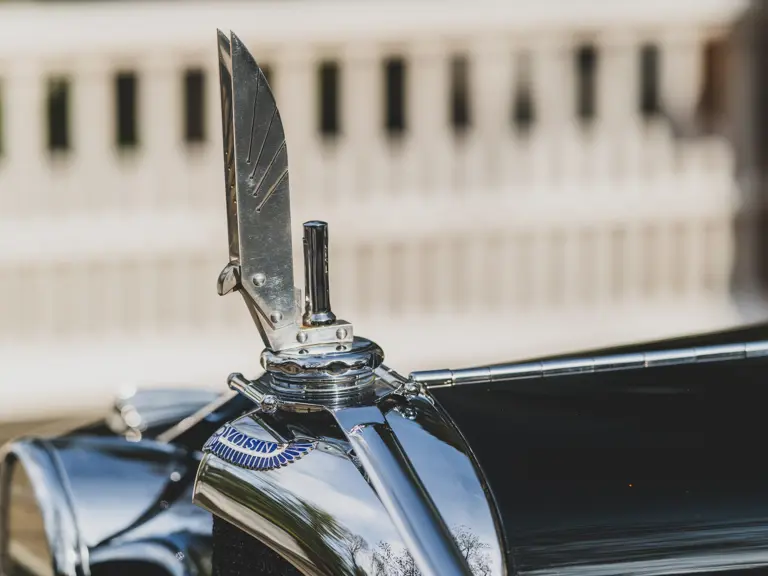
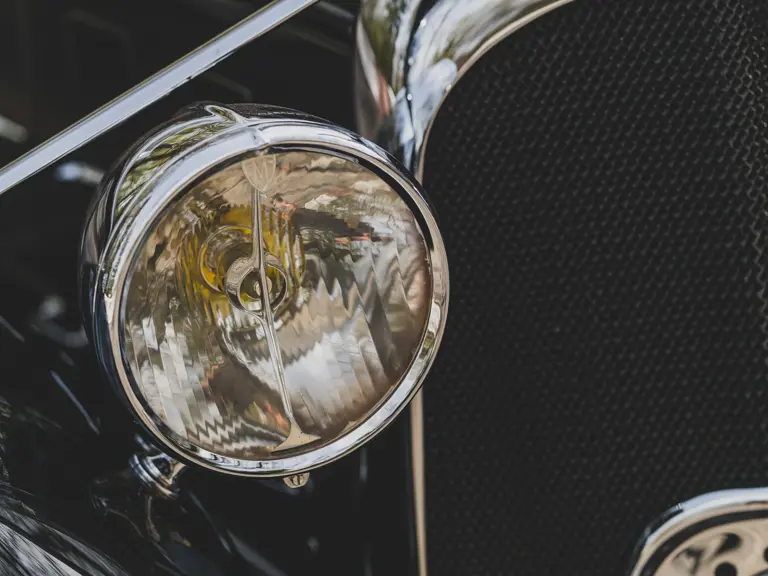
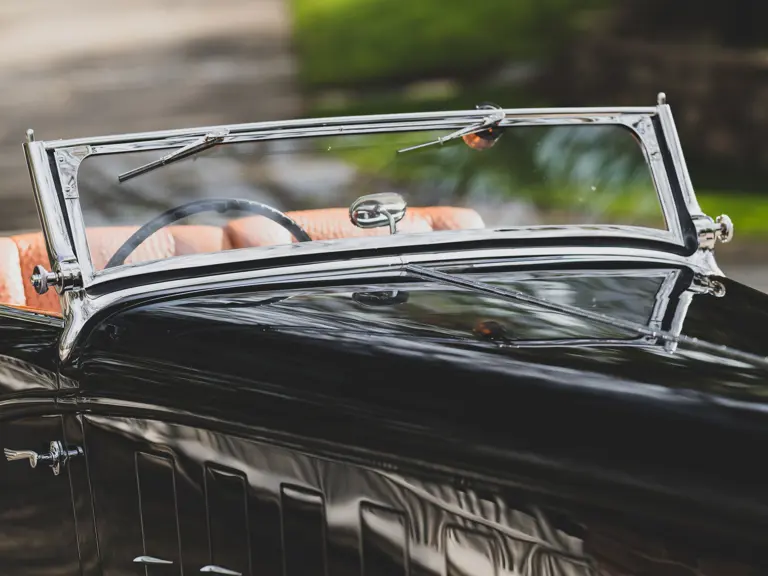
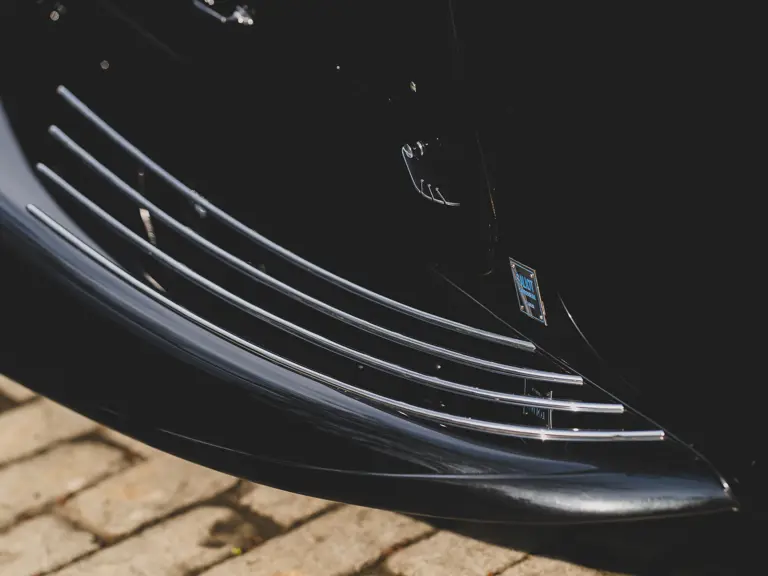
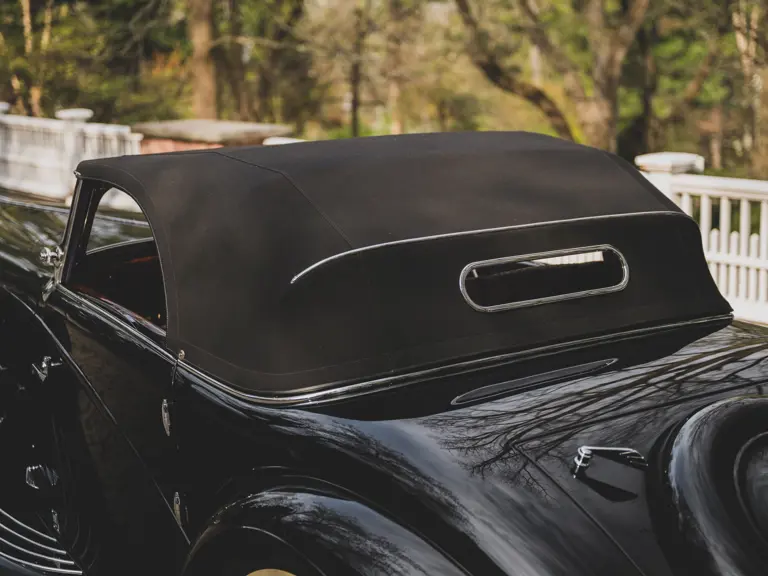
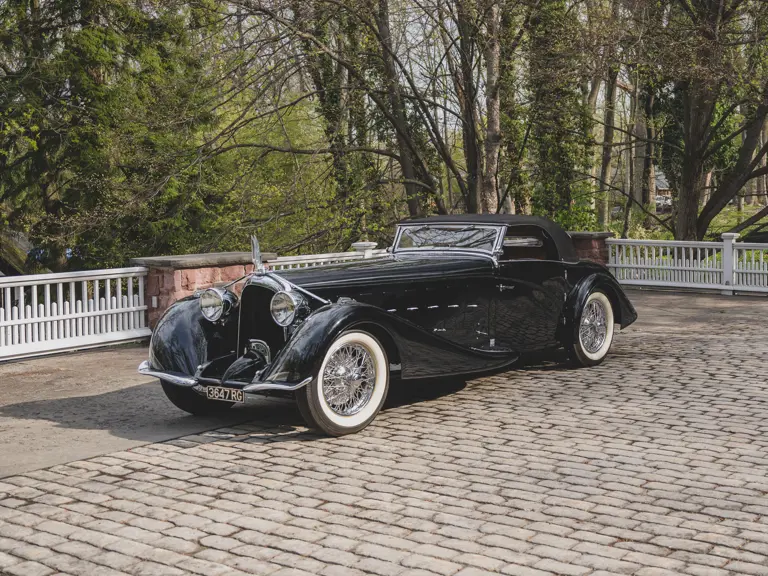
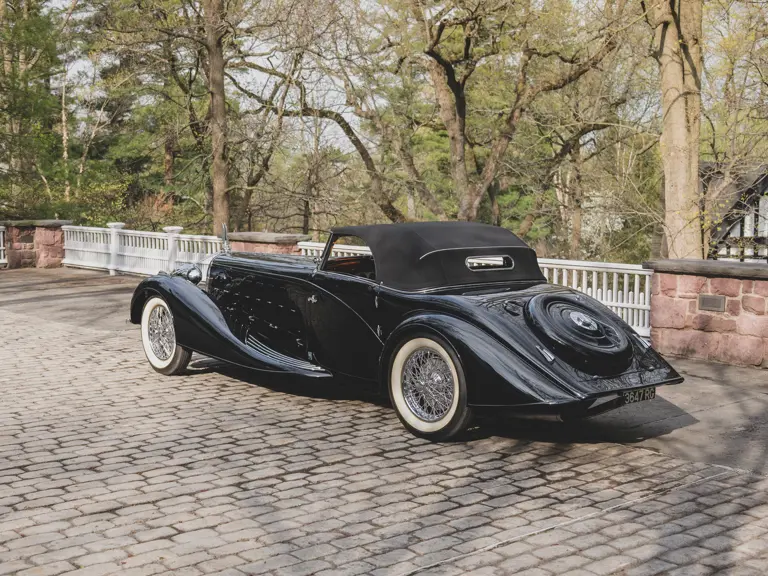
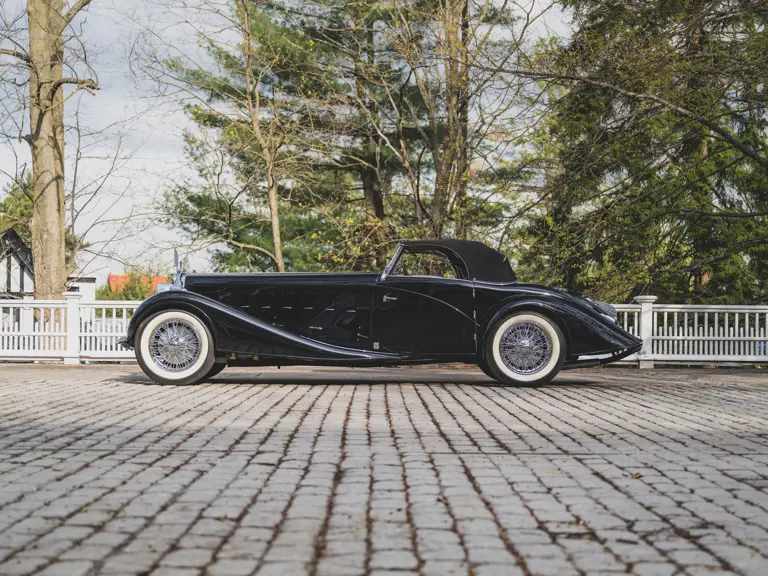
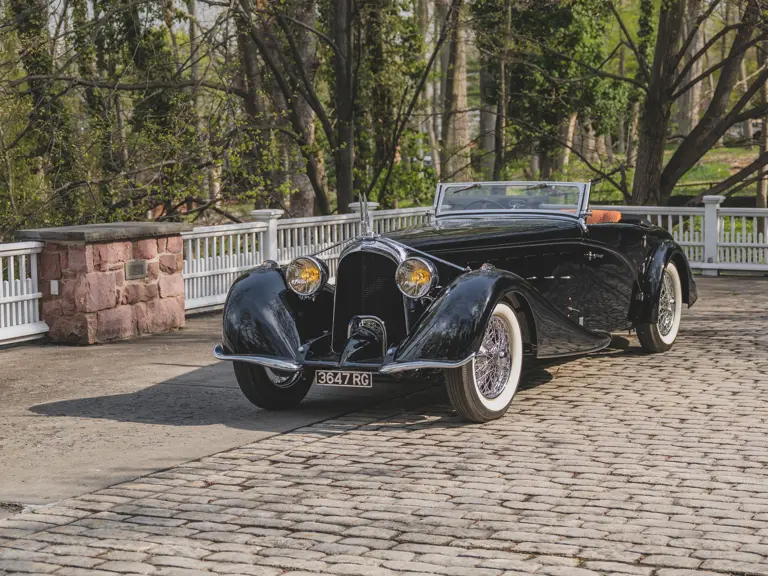
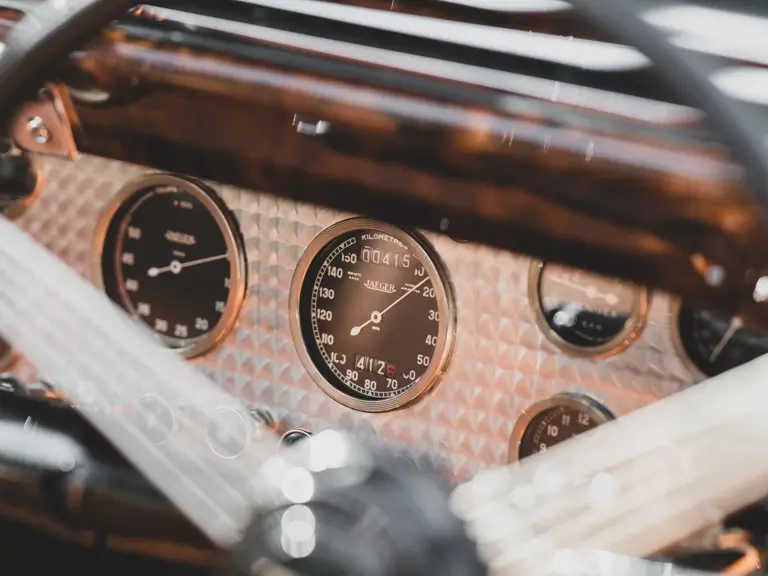
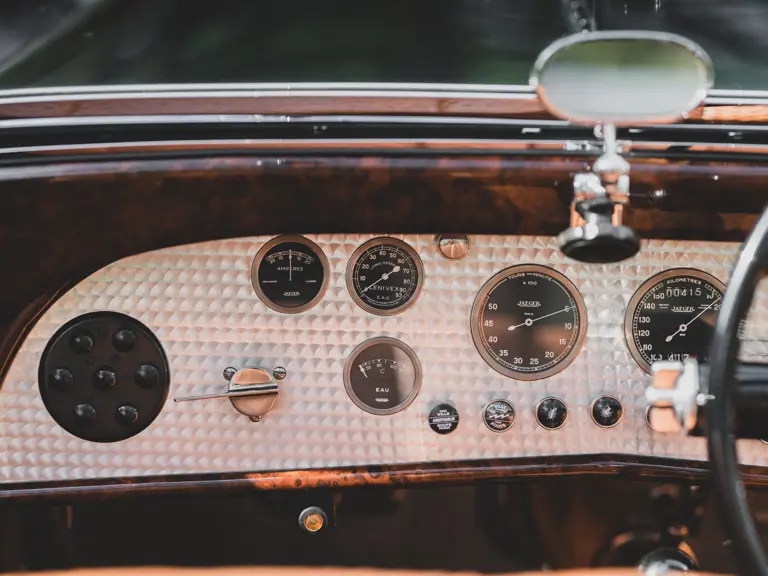
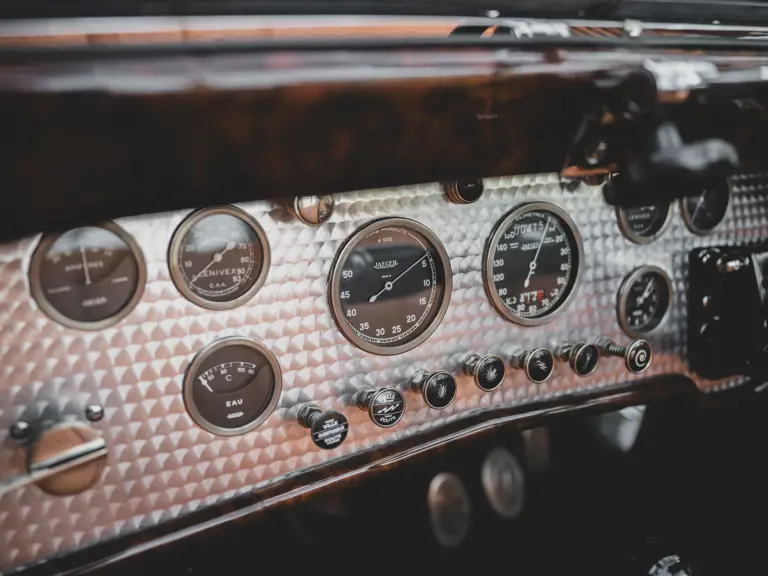
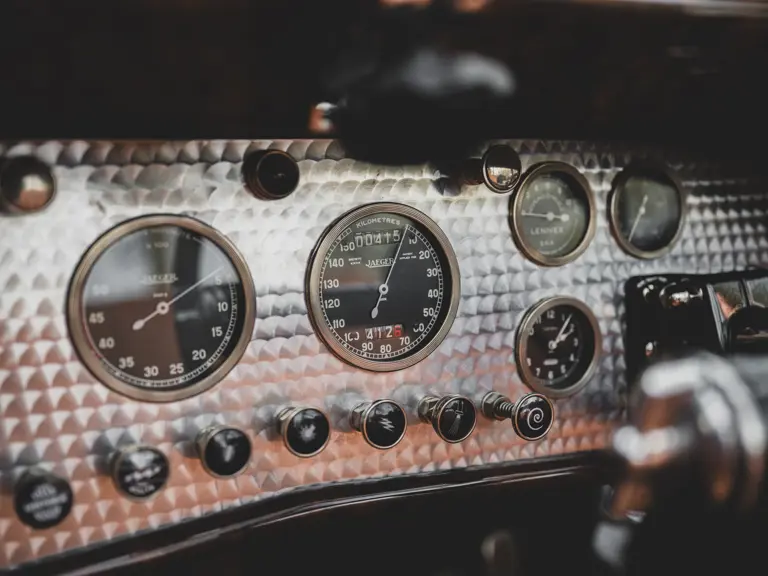
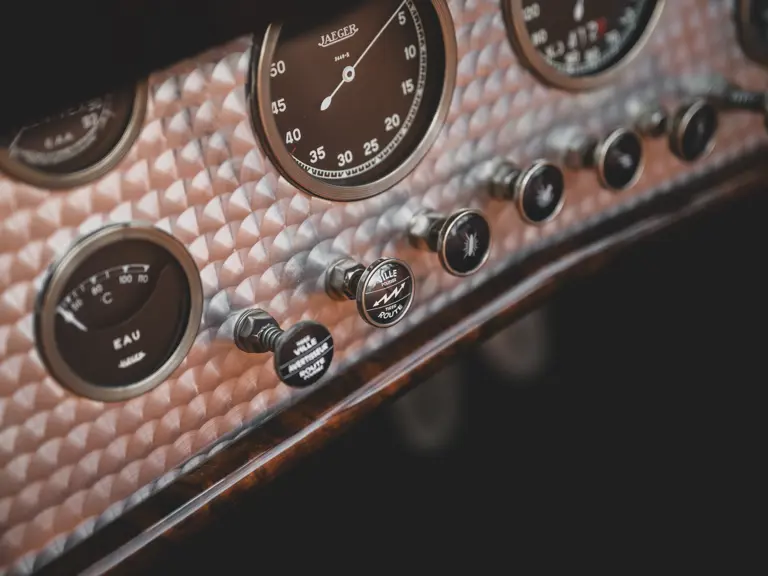
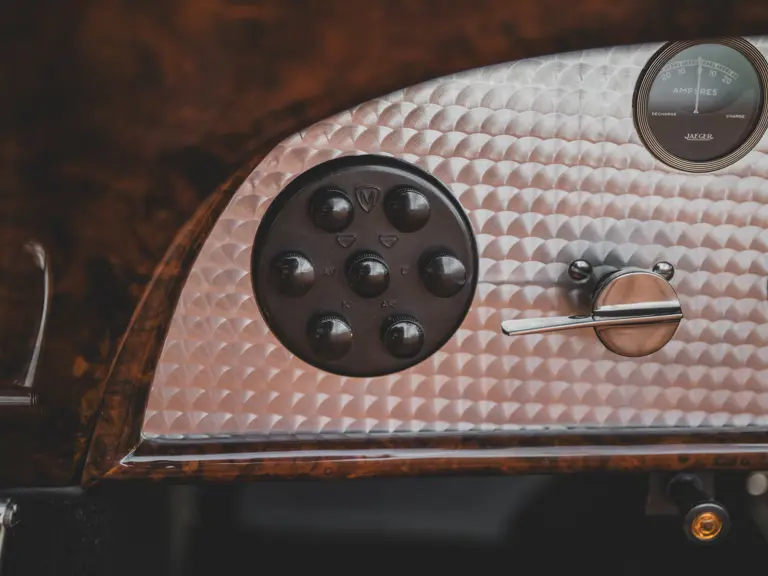
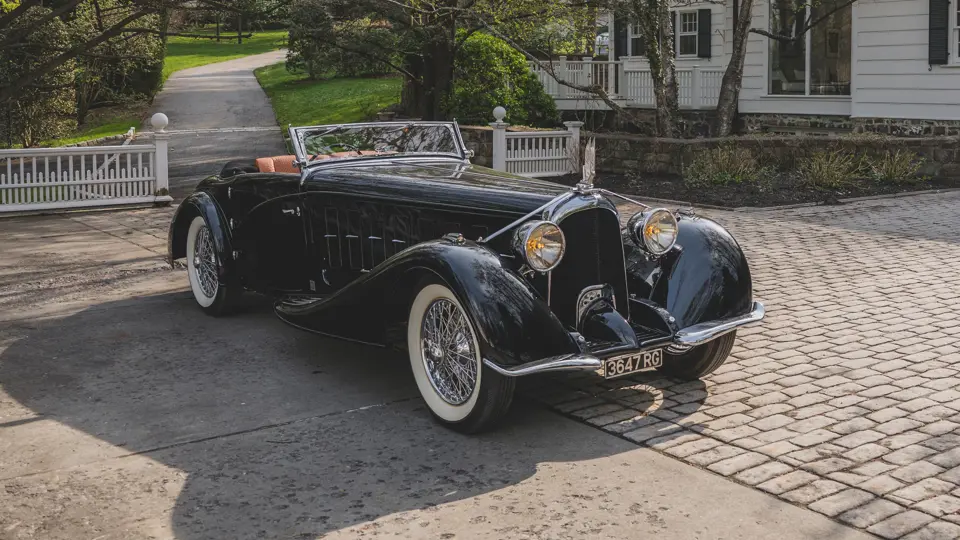
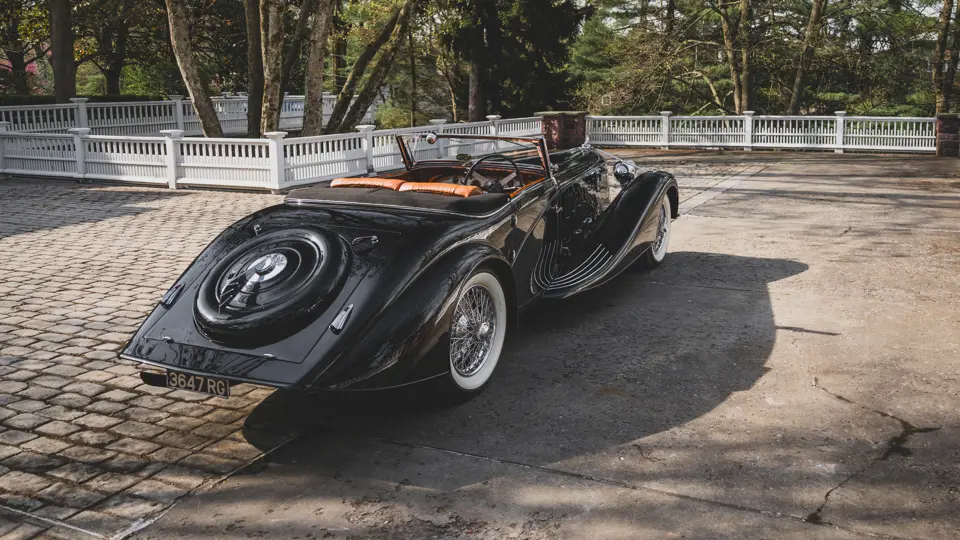
The Avions Voisin by Saliot is an automobile that defines his own collecting philosophy: that the formula for the most beautiful automobile is a two-passenger design where length is emphasized over height. Seldom, indeed, has length been so emphasized that in the Saliot Voisin, a car where the hoodline seems to extend forever, commanding no less than 10 individual door louvers down each of its flanks, terminating at a cockpit and short rear deck—a comet, but whose head is led by its tail. It is an automobile of almost perfectly executed proportions, with top up or down, and from any angle. The details are a full-course feast for the eyes. Decoration throughout is ornate and splendid, yet each piece of jewelry merely accents the flowing shape of the whole.
Simply put, it is one of the most beautiful automobiles ever produced. And it is the very antithesis of everything Gabriel Voisin believed.
VOISIN AND SALIOT: OPPOSITE SIDES OF THE SAME COIN
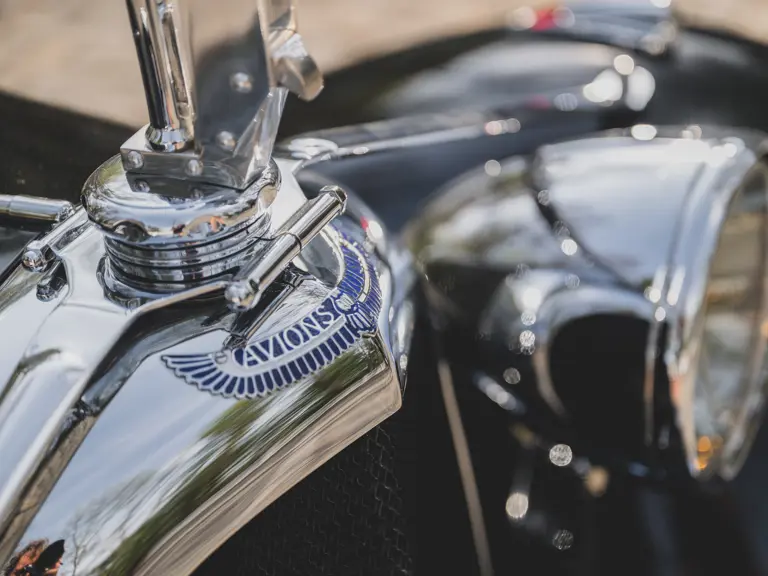
Gabriel Voisin was a pioneer of French aviation, who until his dying day maintained that he had achieved sustained flight before the Wright Brothers. He made his fortune selling, it is estimated, over 10,000 aircraft to the French Government during World War I, and afterward turned his attentions to automobiles, believing there was no future for either private or public aviation. The cars were still built under the Avions Voisin name as a nod to the origins of the capital involved.
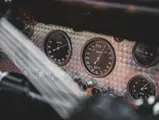
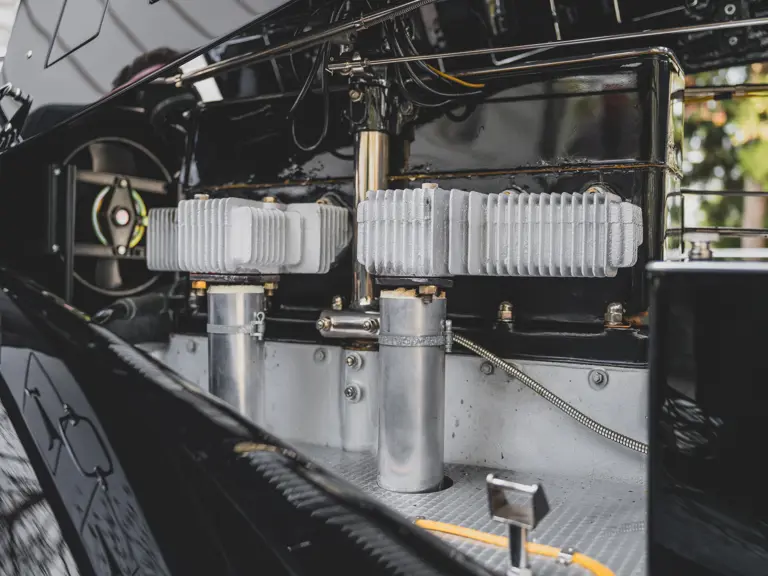
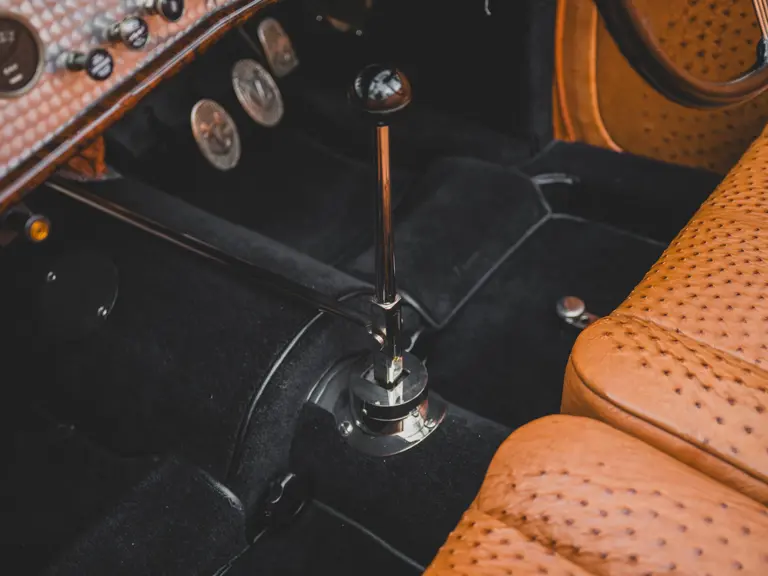
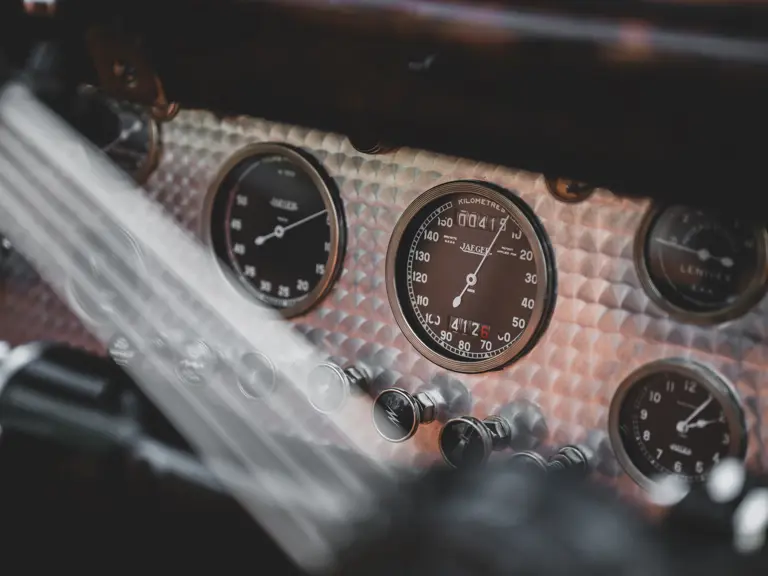
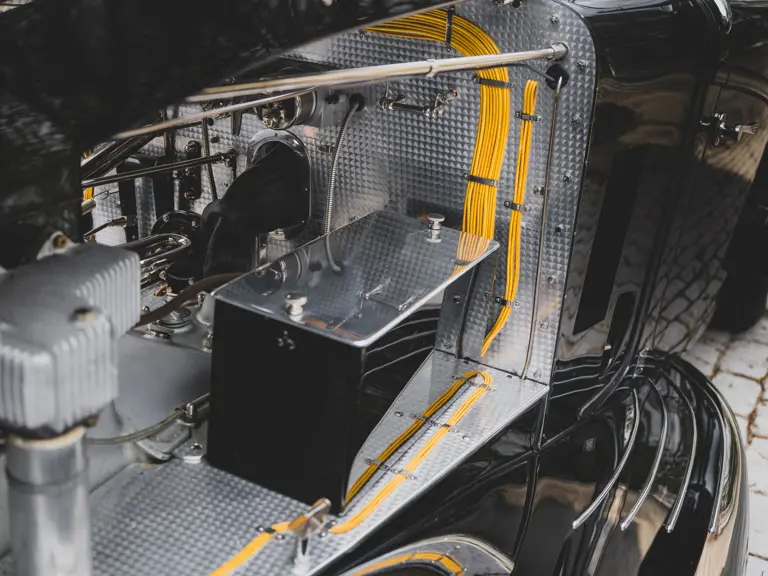
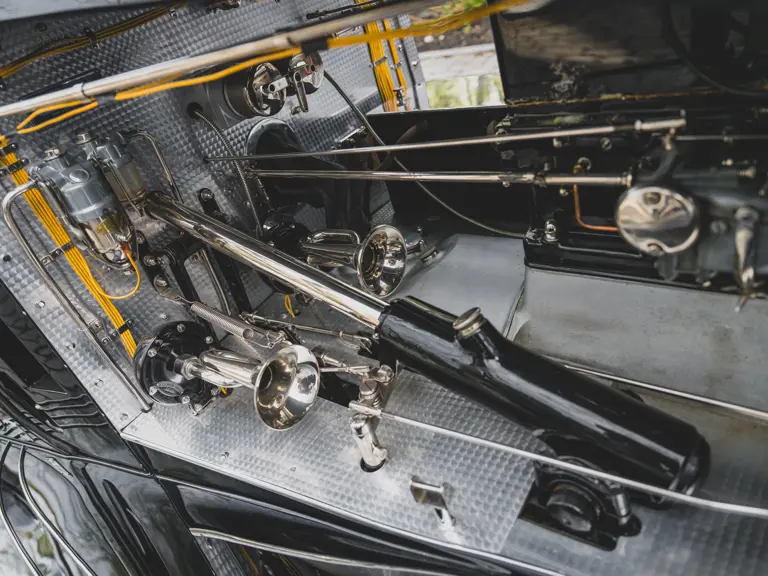
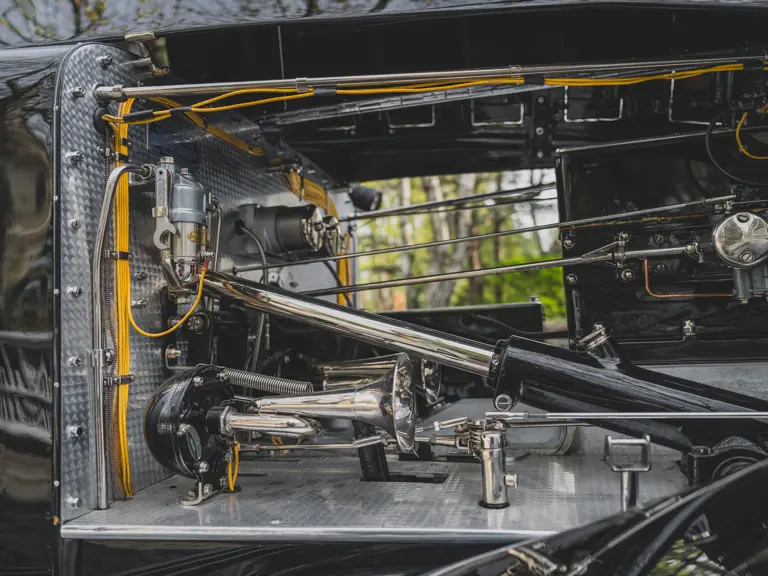
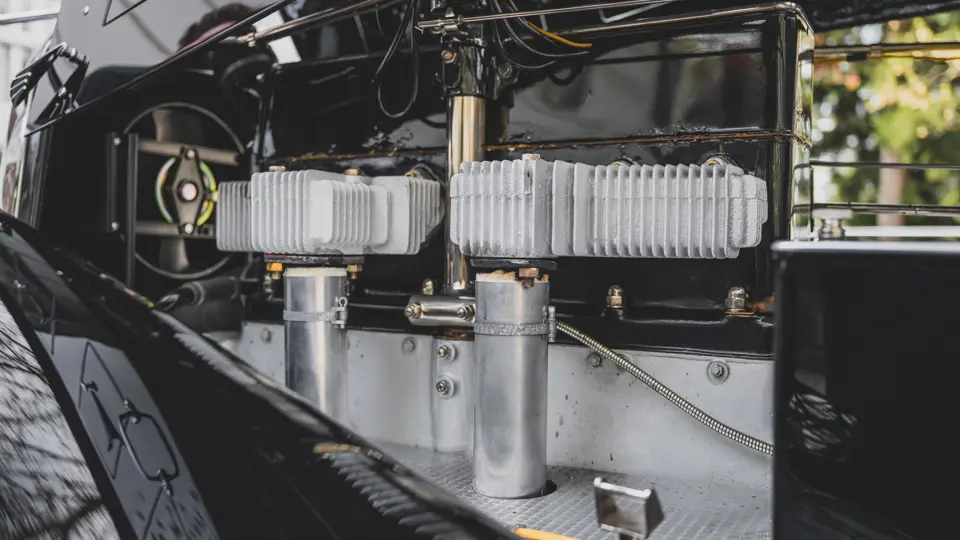
Voisin, an engineer, architect, and sculptor, believed that technology was beautiful, and thus mechanical components were left bare whenever possible, exposing shift mechanisms and floors for all to view. His bodywork was often Cubist in style, with slab sides and unusually shaped rooflines and windows. Power was provided by sleeve-valve engines, with mechanically actuated pistons, a complex design but one that was both smooth and powerful, as well as virtually silent. That the cars he built were unconventional cannot be denied; they were, and are, among the most iconoclastic automobiles to ever achieve actual production, each an absolute testament to the whims and philosophies of its creator, as well as the great wealth that supported his passions.
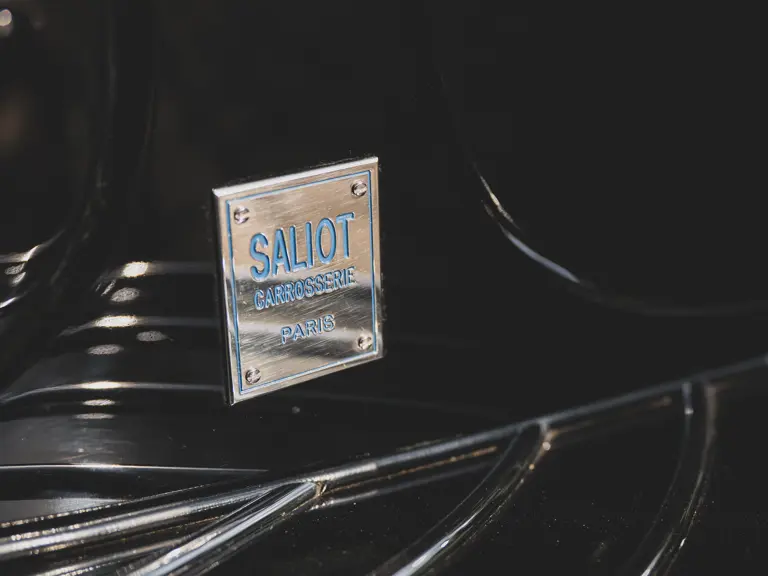
Raymond Saliot was similarly a man who went his own way, one whose dreams were seldom fettered by reality, and who had been raised with a capacity for hard work that propelled a drive to turn those dreams into reality. Having apprenticed in his father’s coachbuilding shop, Saliot struck out on his own and in 1928 established Edouard Valliant Automobile, located on the street of the same name in Levallois-Perret, which specialized in both body repair and mechanical servicing. Avions Voisin automobiles soon became a specialty of the shop. It is thus appropriate that when Avions Voisin met its end, a victim of economic strife and its creator’s refusal to bend towards convention, Saliot, a man of a similar mindset to Voisin, essentially took over. He acquired the shuttered factory’s stock of spare parts, and for some years ministered to the Avions Voisin automobiles still on the road in France.
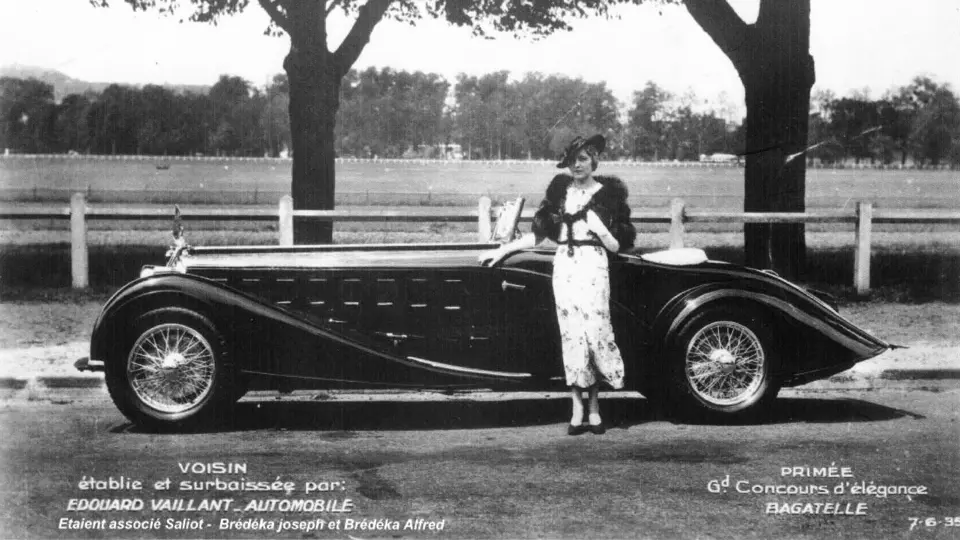
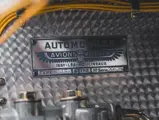
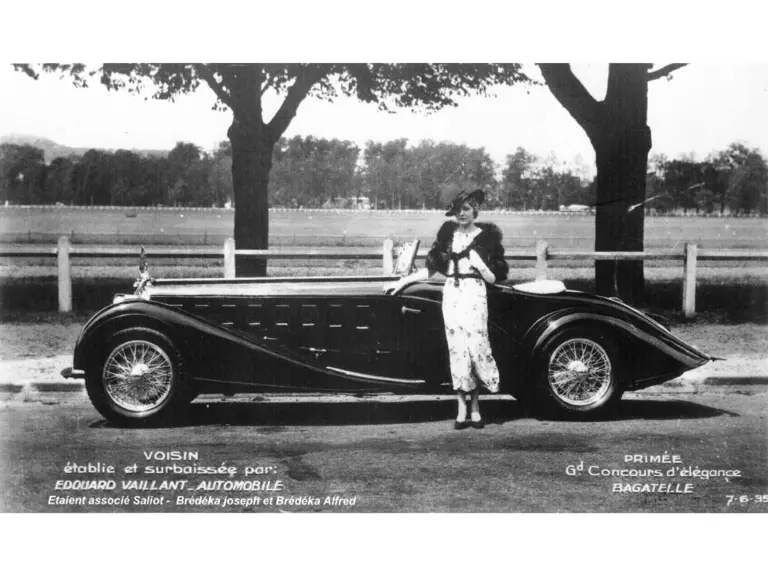
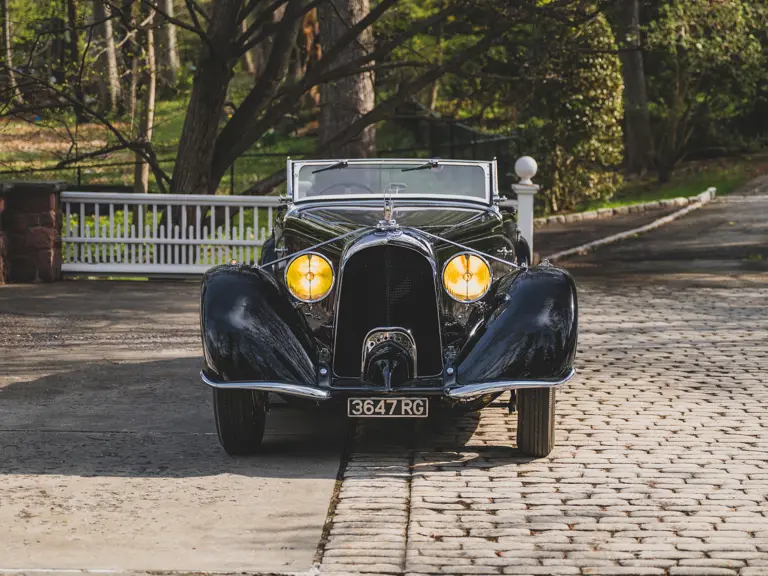
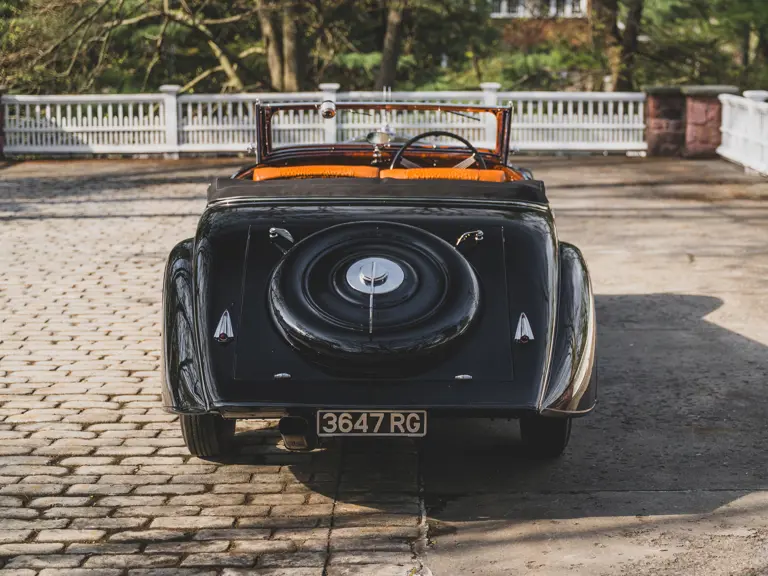
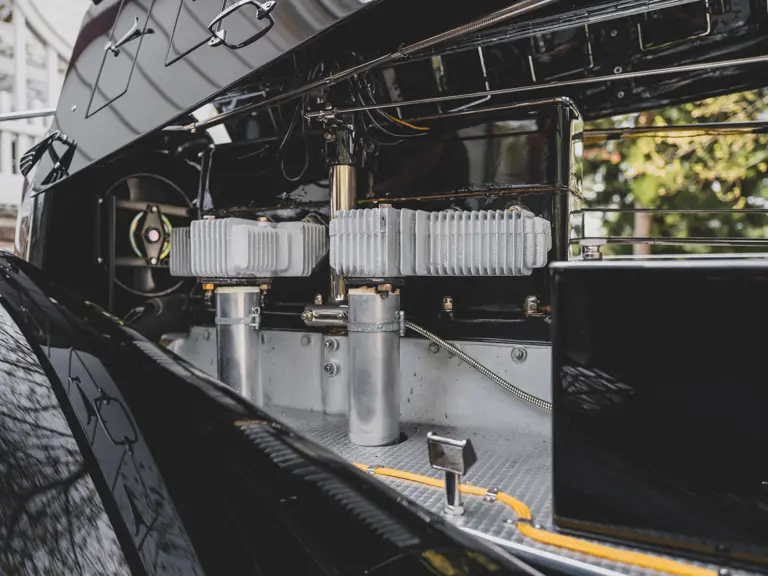
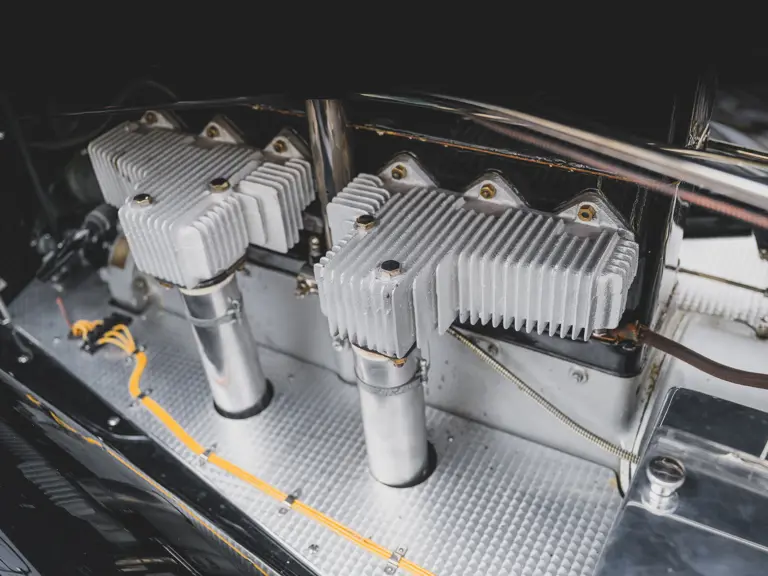
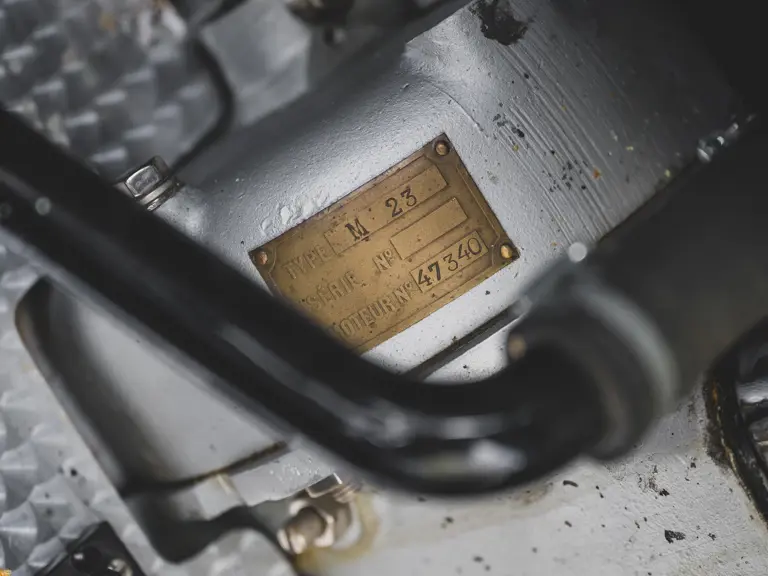
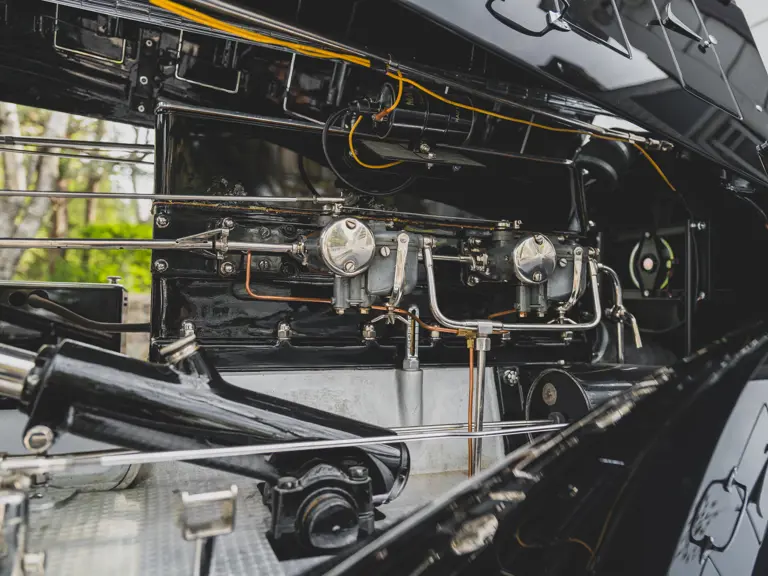
He also created, as it were, two of his own, both coachbuilt creations built on second-hand Avions Voisin chassis. The Mann collection’s automobile was the first, created at the behest of the Baron de l’Ecluse, a client who wanted something truly unforgettable and flamboyant for the annual Grand Concours d’Elegance at the Bagatelle. Upon which model Avions Voisin it is based is a matter of some controversy, a matter made more challenging by the simple truth that Gabriel Voisin was never a man to build the same car twice, or even maintain the same specification through the same run of a so-called model. Per Jean Saliot, its creator’s son, his father began with a C23 chassis, registered “3647 RG,” with its suspension lowered in the surbaisse style and repowered by a slightly later C24 2,500-cubic-centimeter six-cylinder engine with dual carburetors. Working in secrecy with employees Joseph and Alfred Brédéka, he created the object seen today.
One may wonder how such a beautiful creation came out of the Saliot facility, one not primarily dedicated to from-scratch coachbuilding. It must be remembered that Raymond Saliot had been born into the trade of bodywork, and had learned its art his entire life. Furthermore, Edouard Valliant Automobile was a real and going concern, whose staff had much experience in repairing—which, necessarily, meant crafting, albeit in part—the coachbuilt creations of the time. Further, it is likely that a bit of inspiration was involved. Period design sketches by Figoni show curves and details identical to those found in Saliot’s Avions Voisin. Someone moonlighted—or, perhaps, simply took the few blocks’ walk to Figoni et Falaschi and poked their head in a door to look around. The end product, nonetheless, was purely Saliot and his team’s talent and invention. To the Baron went the glory, as his car was exhibited at Bagatelle in 1935 and received the show’s top honor, the Primée.
Subsequent history is not known until January 1951, when historian André Vaucourt noted its registration as “324 AH51”; it was seen the following year in Paris and apparently pictured in the magazine L’Automobile. The automobile passed in July 1953 to Jacques Renaud, then, only three days later, back to the Saliot firm! Afterward, it vanished yet again, only to reappear in 1969 at a certain Mr. Vanderval’s farm near Cosne-sur-Loire, where it was bought by collector André Corre. Mr. Corre restored the car in silver, and occasionally displayed it over the next several years in French shows; it was also featured in magazines and supplied for a prominent role in the filming of the 1972 Roger Vadim motion picture, Hellé, with Gwen Wells and Jean-Claude Bouillon. The following year, the Avions Voisin was sold again, this time to a Mr. Girard, a Volkswagen dealer in Paris, who refinished it to black.
THE GLIMPSE
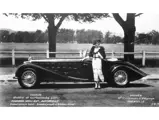
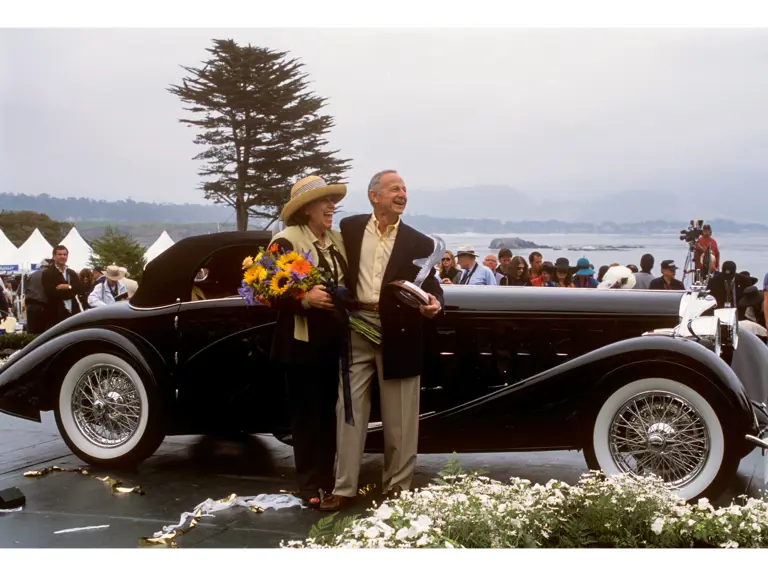
In 1999, Sam Mann found himself visiting the premises of legendary California car-hunter Don Williams, a frequent collaborator in the Manns’ acquisitions of coachbuilt exotica. The two men were discussing other automobiles when Mr. Mann spotted a photograph on the desk of an extraordinarily long, flowing, exquisite automobile, alongside a woman holding a bouquet of flowers. Mr. Mann’s interest was instantly piqued, but after a moment’s glimpse, Mr. Williams flipped the photograph over, saying, “You don’t want that car.” Not to be denied, Mr. Mann picked up the photograph, and after a few moments spent studying it, said, “Buy it.”
Upon its arrival from France, the Avions Voisin was sent to Stone Barn, the renowned Vienna, New Jersey, firm, which undertook a complete restoration to original condition. In his typical fashion, Sam Mann was highly involved in the process, researching the car’s history through longtime automotive historian André Vaucourt, and compiling an utterly fascinating folio of documentation that included correspondence with Saliot family members and with many of the living Voisin historians.
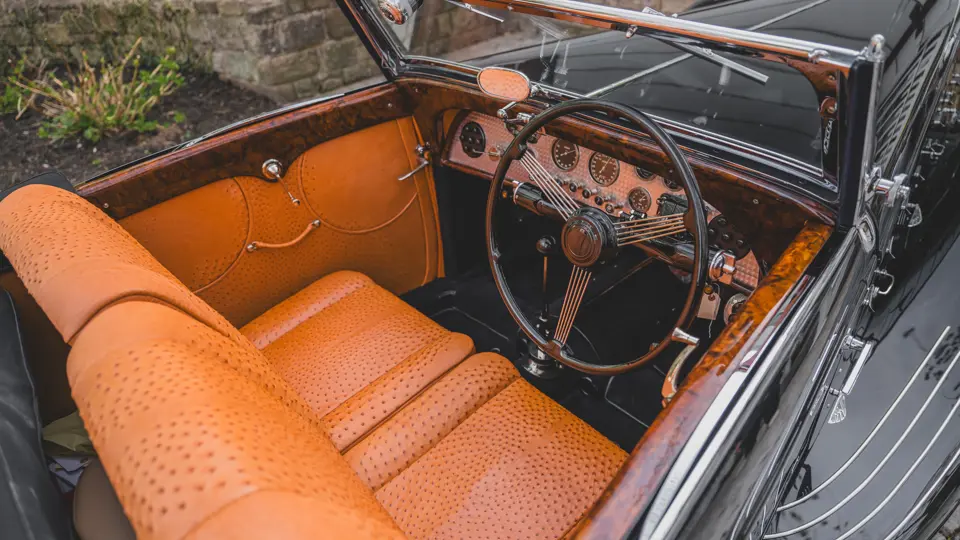
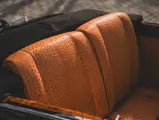
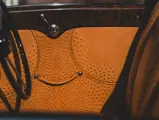
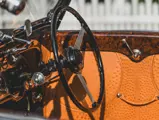
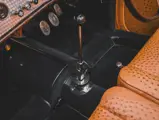
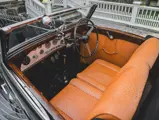
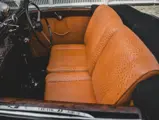
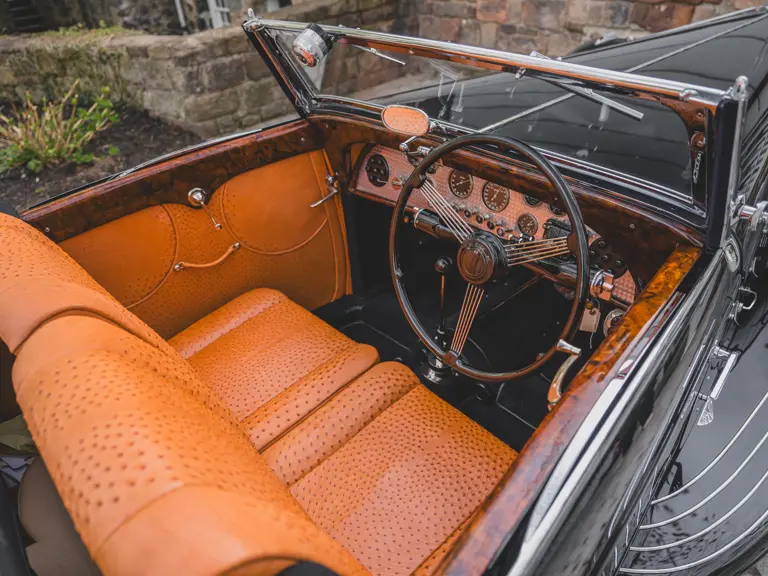
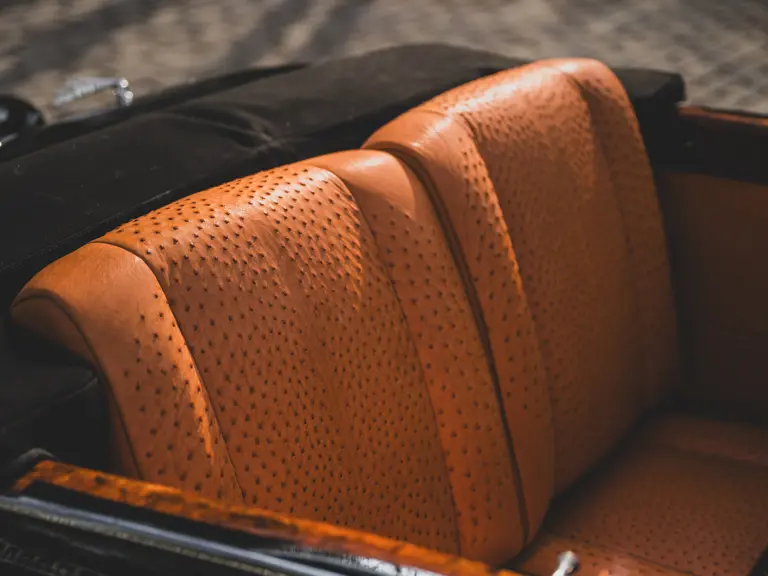
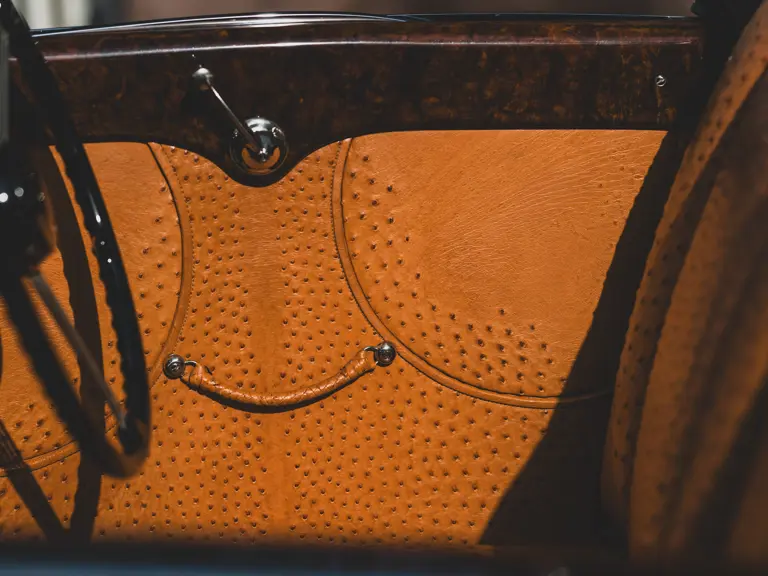
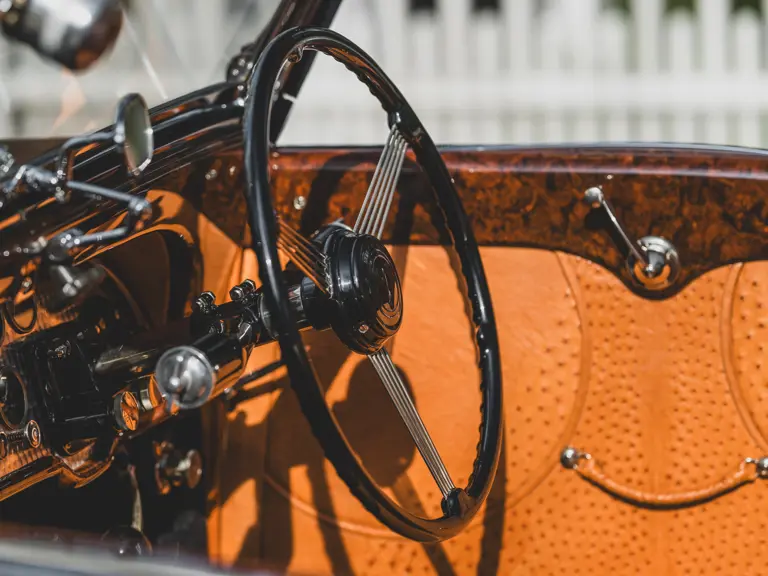
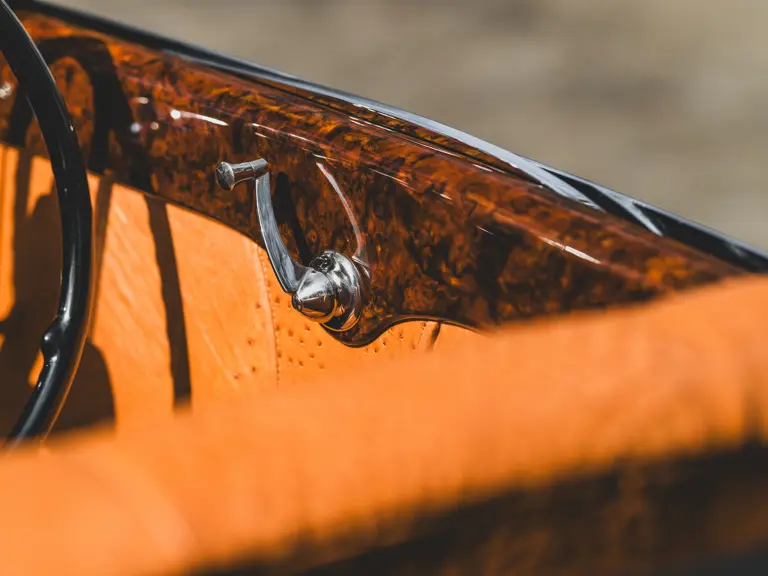
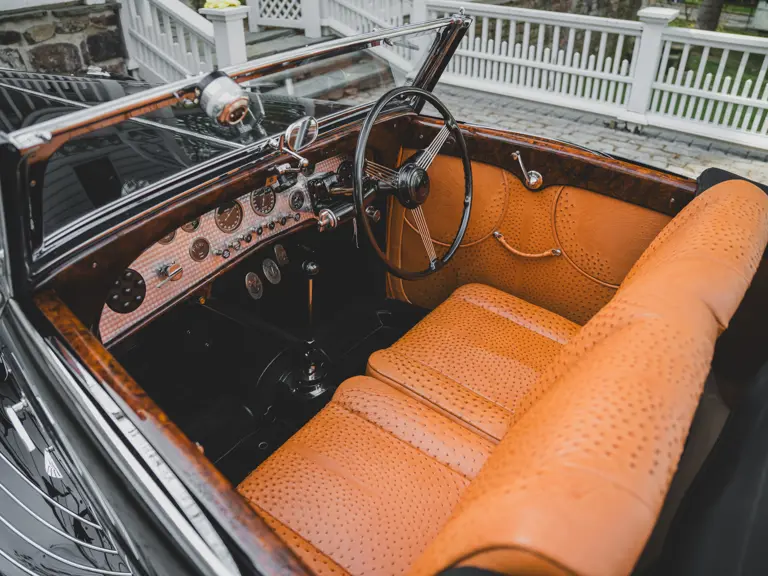
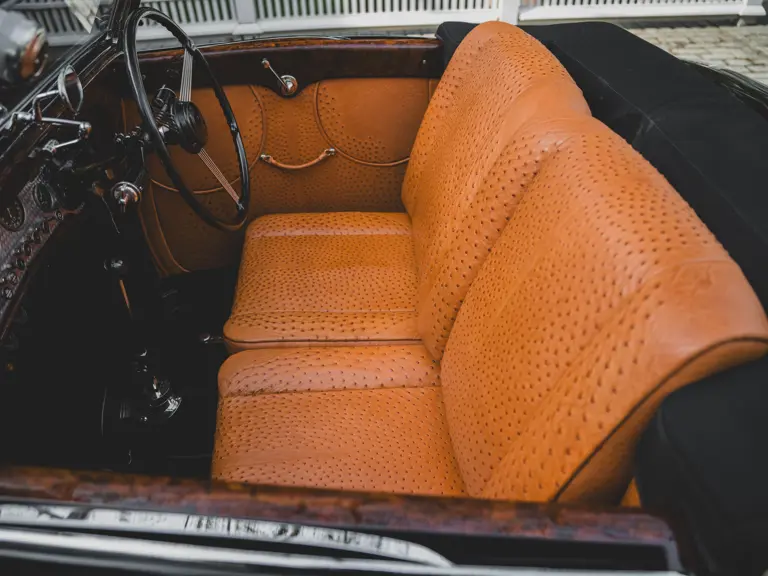
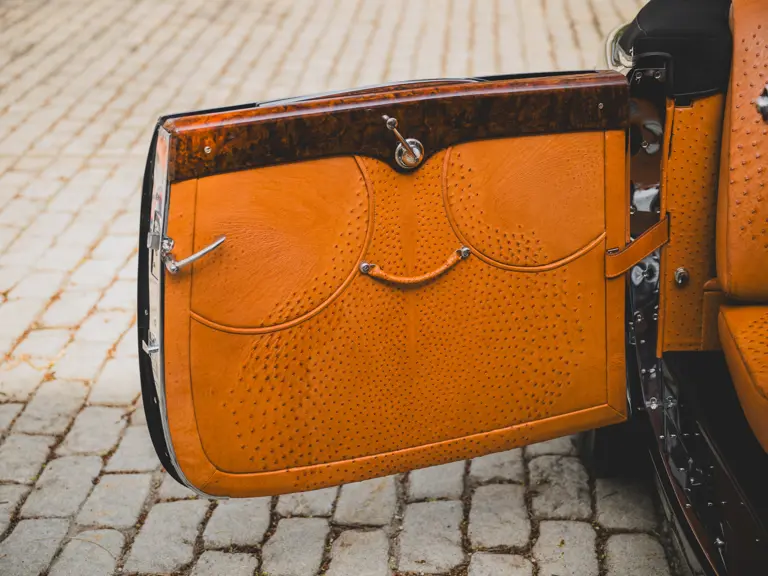
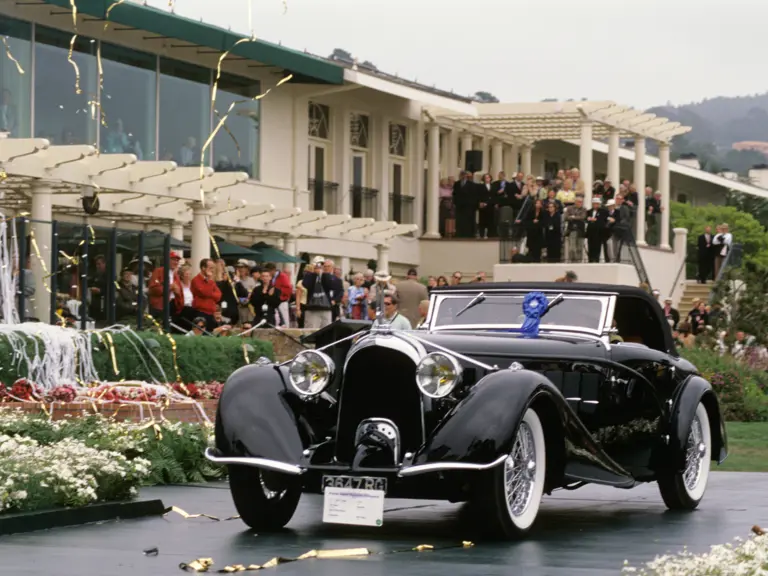
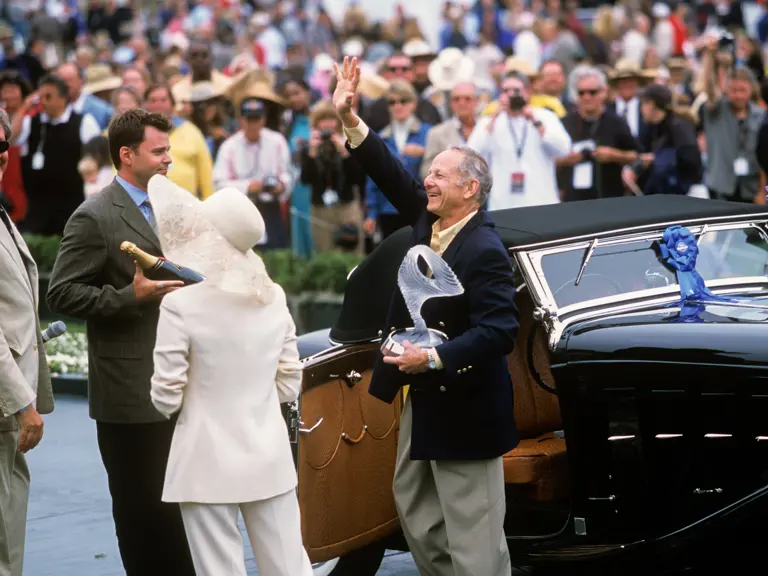
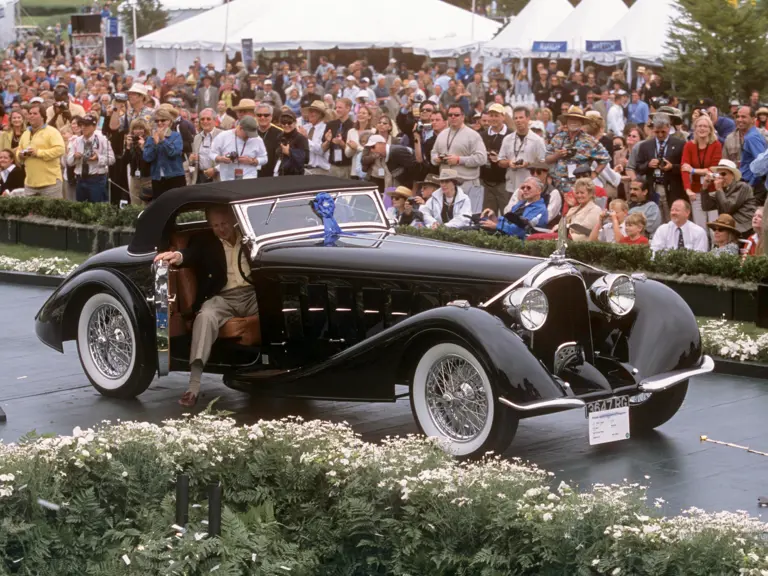
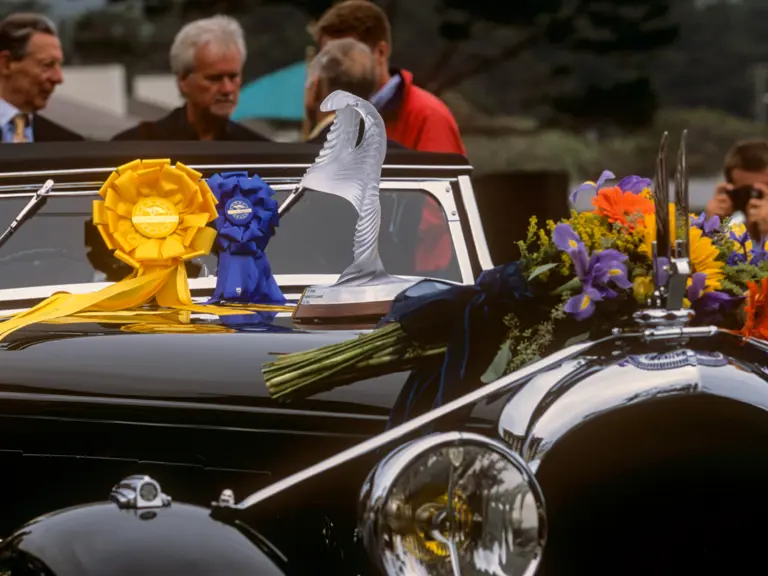
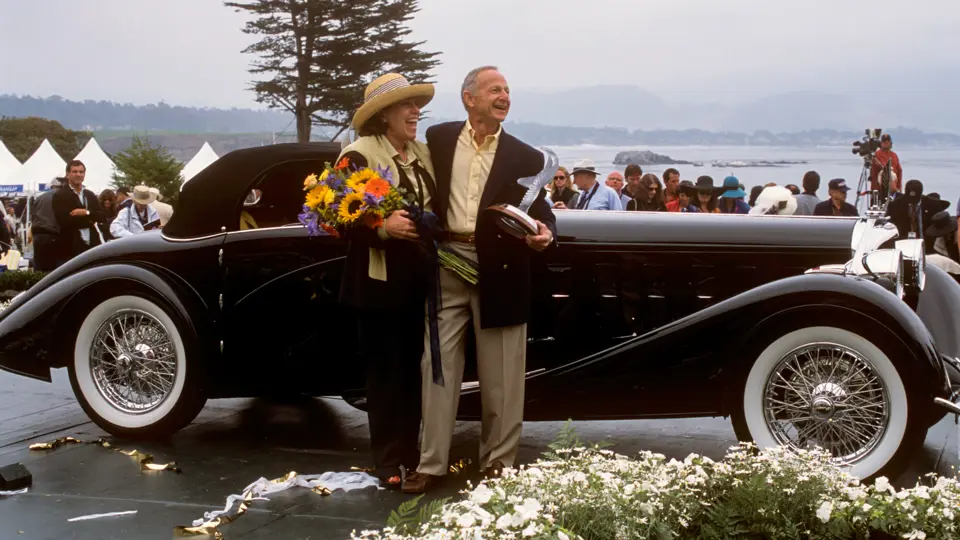
The completed automobile, finished in black with a remarkable genuine ostrich leather interior, was presented at the 2002 Pebble Beach Concours d’Elegance, where it won its class and, at the end of the day, Best of Show, the third time that a Mann collection automobile had been so laureled. It was clear by the time that the confetti had settled that something special, indeed, had been released upon the world. The Saliot Avions Voisin would prove it in the coming years, winning Best of Show at Amelia Island in 2004.
In more recent years, the car has reposed at the Mann collection, largely unshown but continuously well-loved, and with its restoration still in high-point condition and very impressive in its level of finish and detailing. Sam Mann is especially proud of its mechanical components, noting that the engine is still so smooth that it is virtually silent.
The Saliot Avions Voisin emerges today as not simply one of the most beautiful cars of the Mann collection, but one of the most beautiful of its own or any period—a masterpiece of form whose beauty is lasting, and has never been forgotten by anyone lucky enough to have their eyes fall upon it. It runs in beauty.
And on that cheek, and o’er that brow,
So soft, so calm, yet eloquent,
The smiles that win, the tints that glow,
But tell of days in goodness spent…
 | Monterey, California