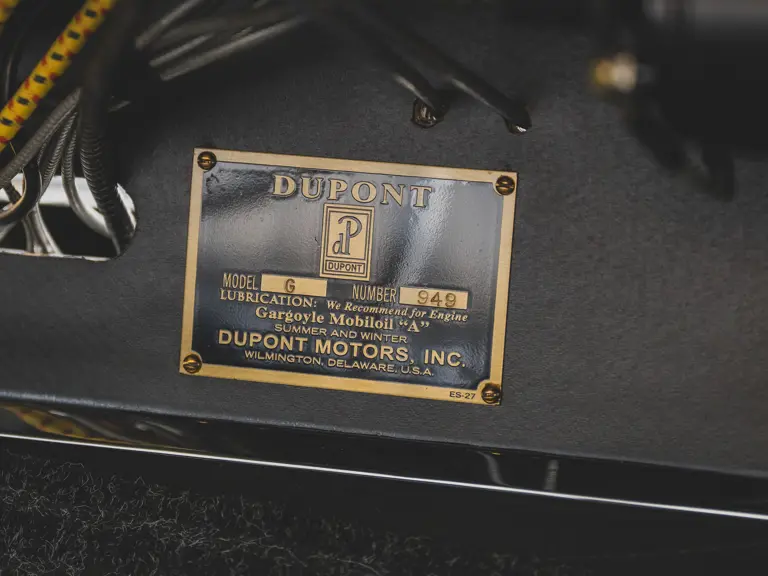
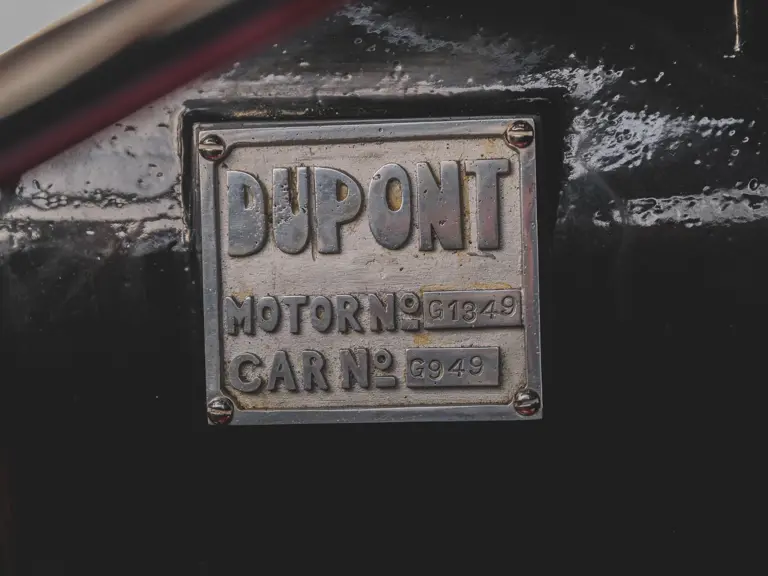
Chassis No.
G-949
$885,000 USD | Sold
Offered from The Sam and Emily Mann Collection
{{bidding.lot.reserveStatusFormatted}}
It is spectacular, and different than anything else. – S.M.
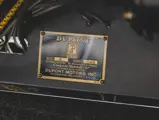
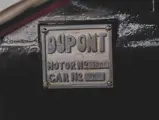
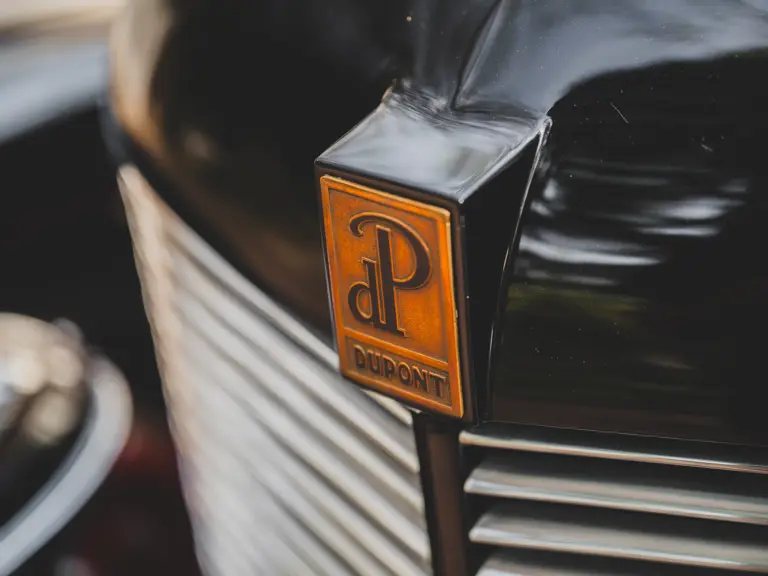
E. Paul du Pont, of the fabled Delaware family, began building automobiles in Wilmington in 1920, and in the next dozen years built fewer than 500 cars before the Great Depression put an end to the enterprise.
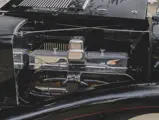
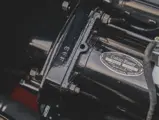
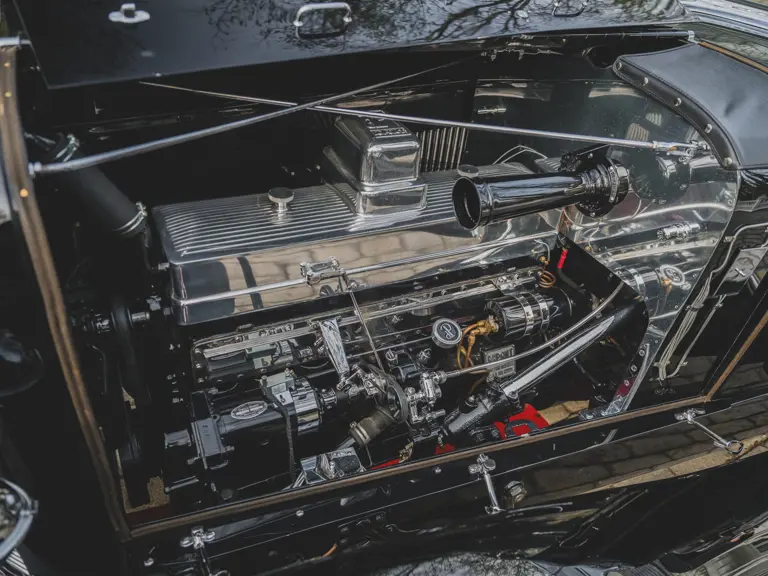
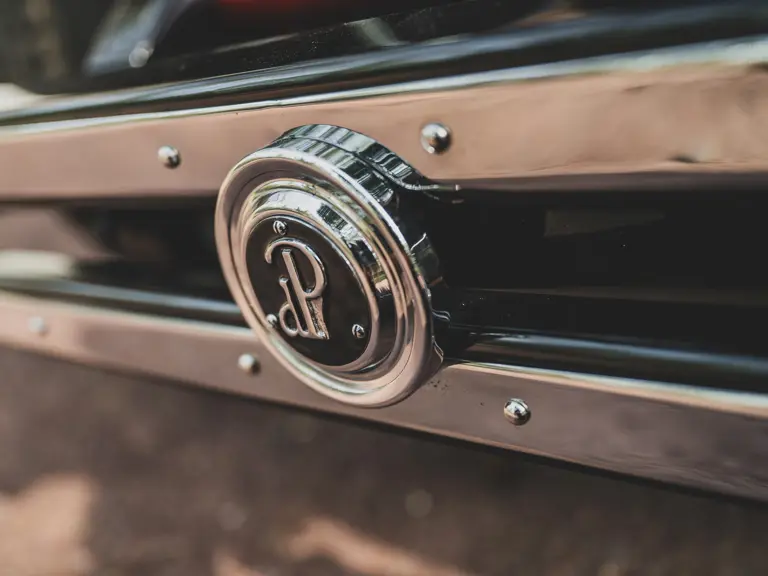
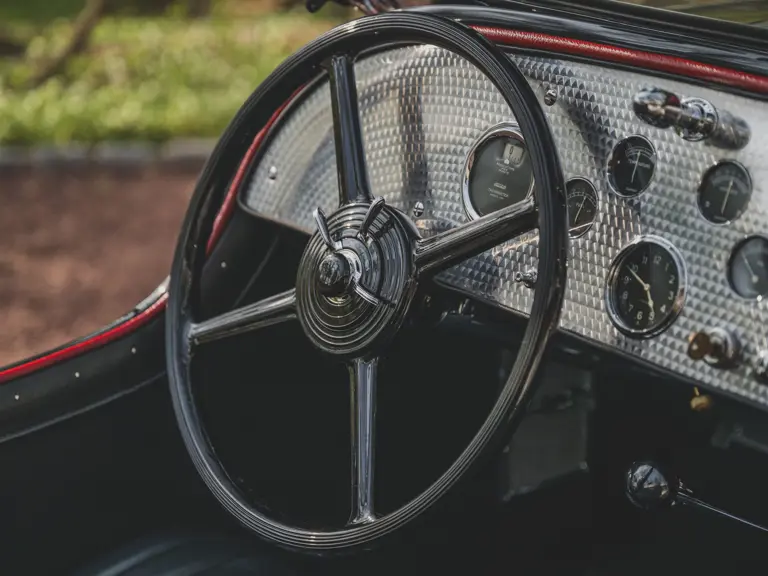
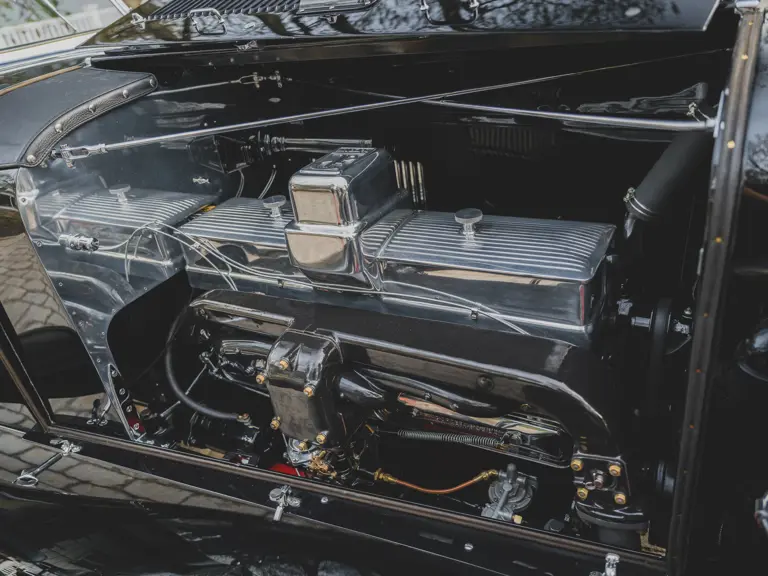
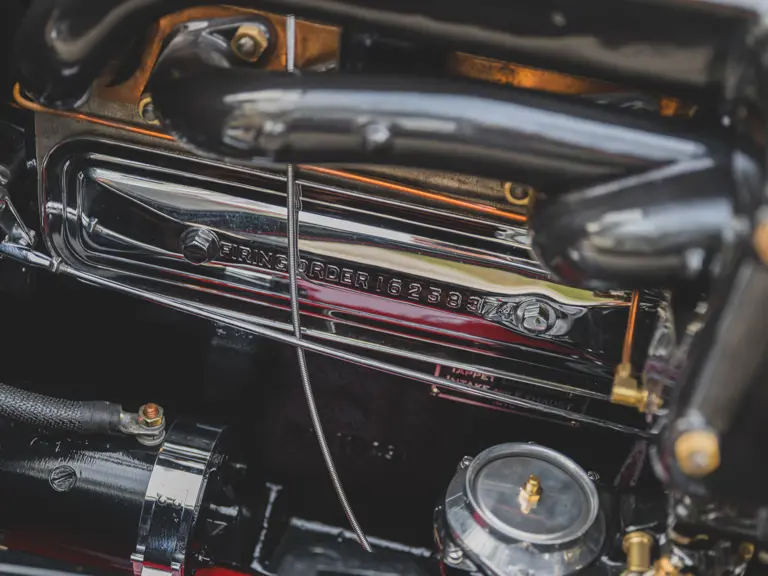
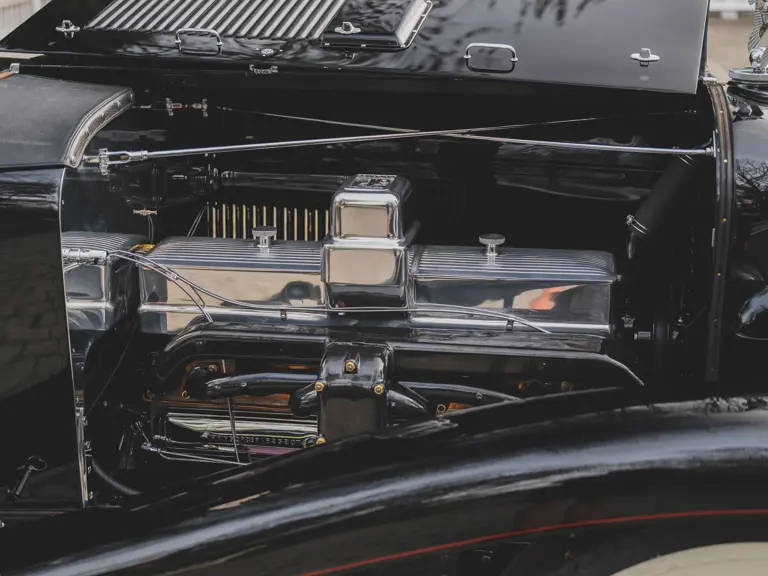
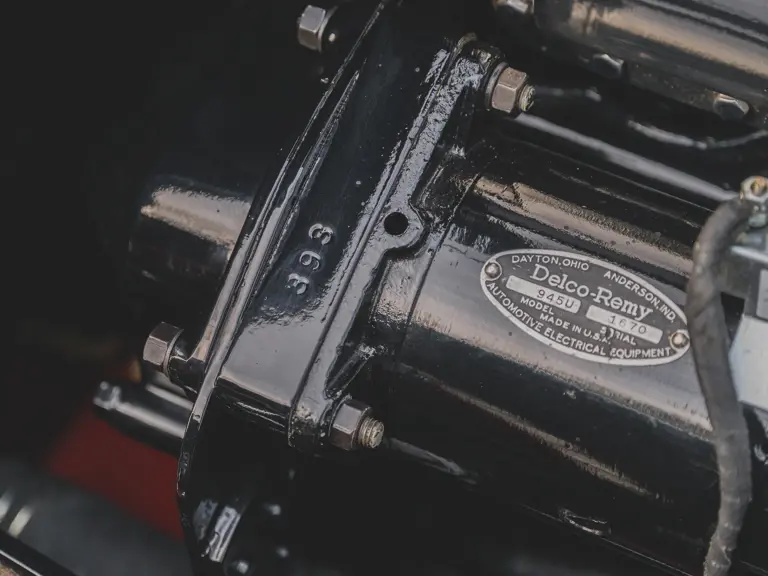
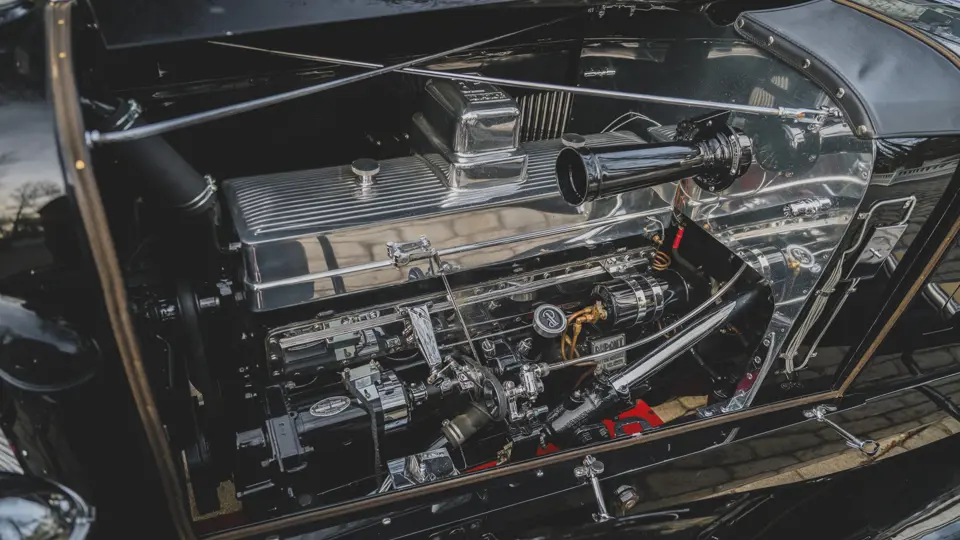
Mechanically, the Du Pont was a rather conservative but solidly designed automobile by the standards of a Classic Era luxury car. The firm’s most prolific product was the Model G, powered by a Continental inline eight-cylinder engine, with a fancy “shield” of sorts concealing its spark plugs and other unattractive mechanical bits, delivering its power through a four-speed transmission on a formidable chassis with four-wheel Lockheed hydraulic brakes. Du Pont made every effort with the design in competition, running cars in the 1929 24-hour race at Le Mans, alongside Stutz and Chrysler—at one point it outpaced them both—and then at the 1930 Indianapolis 500. That the cars were unsuccessful in both events mattered little. The appearances built up a reputation that the Du Pont was something saucy, a sporty alternative to the staid automobiles of one’s forefathers.
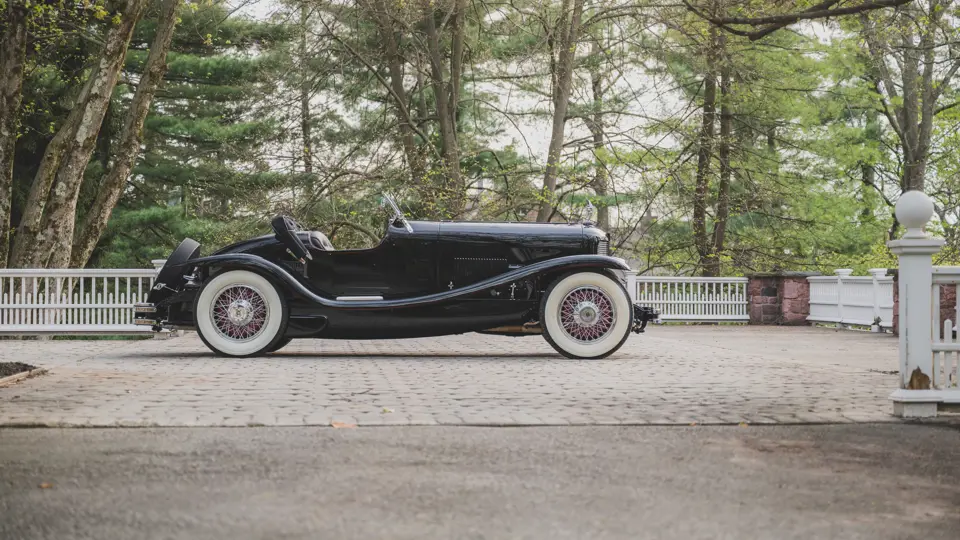
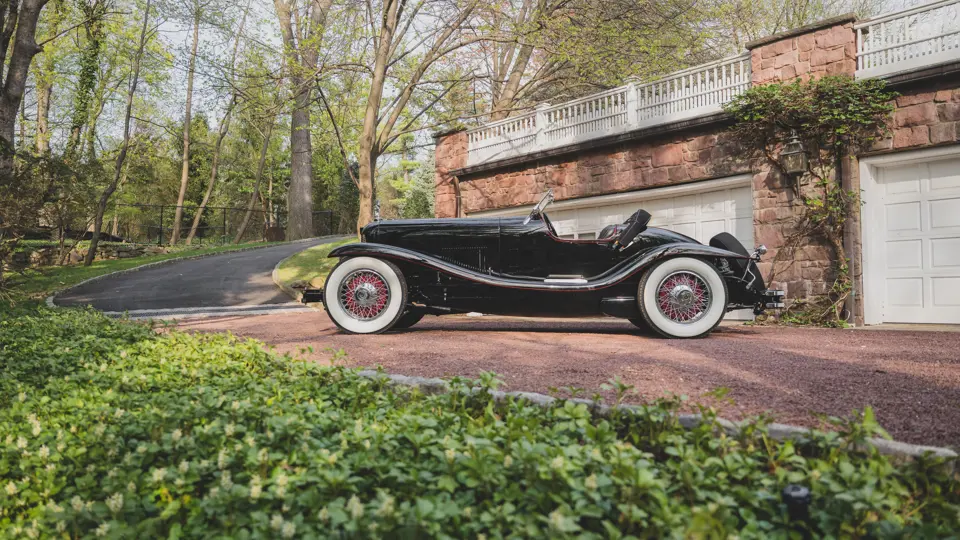
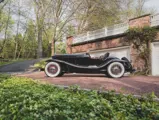
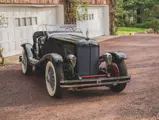
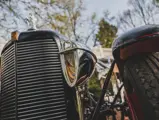
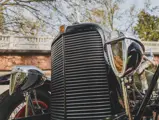
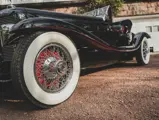
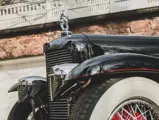
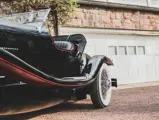
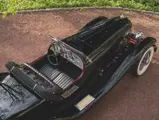
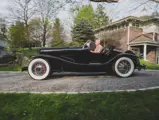
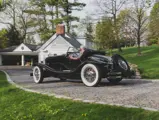
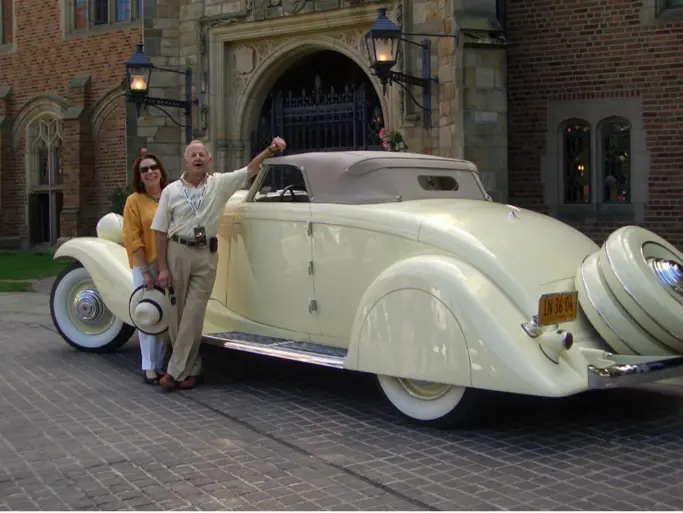
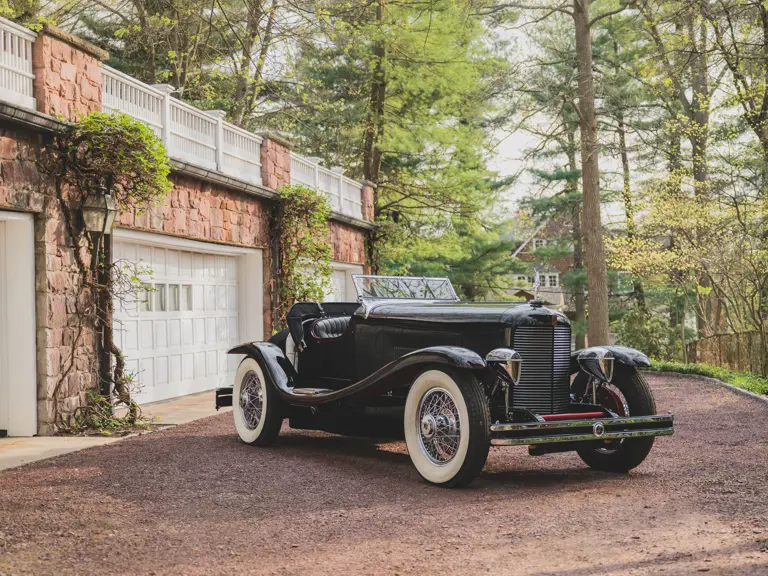
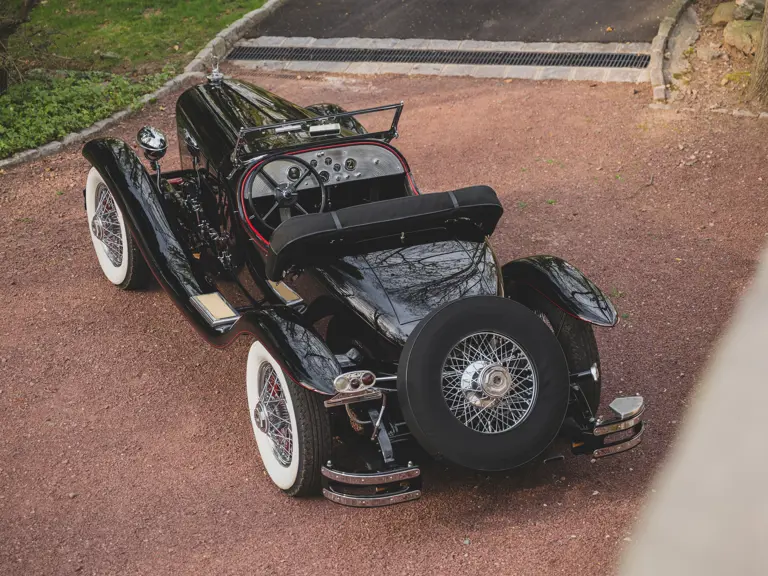
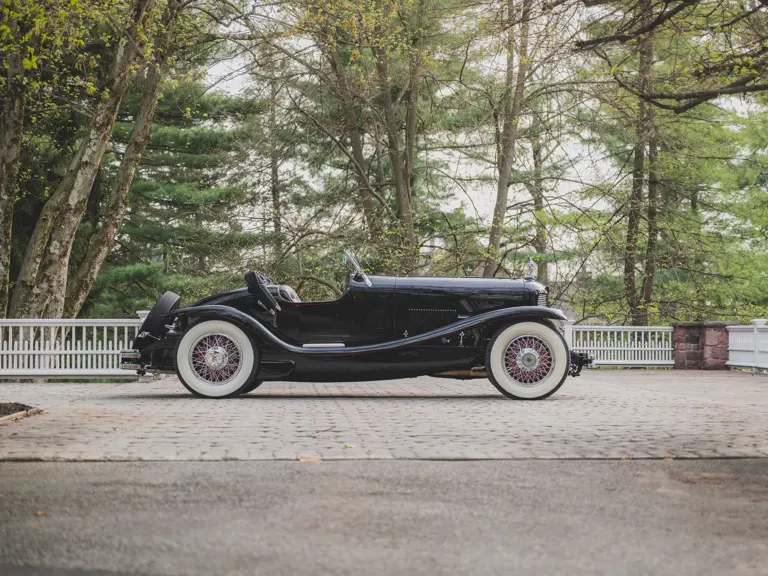
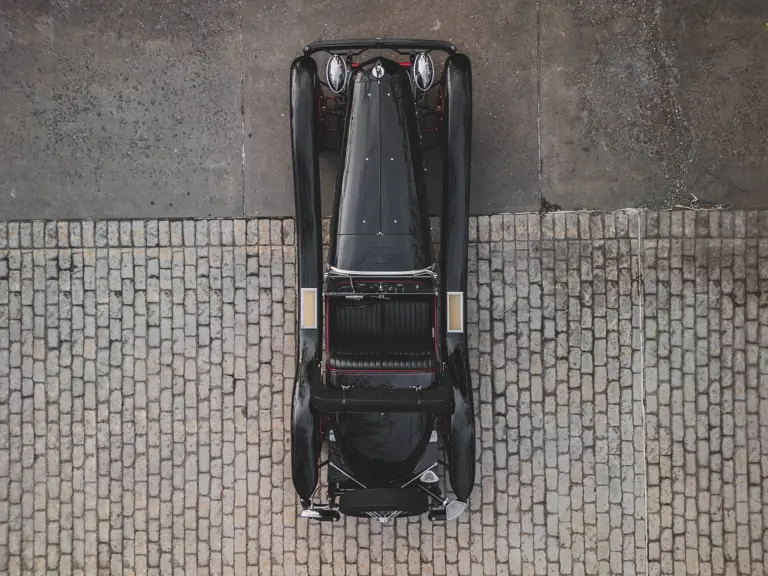
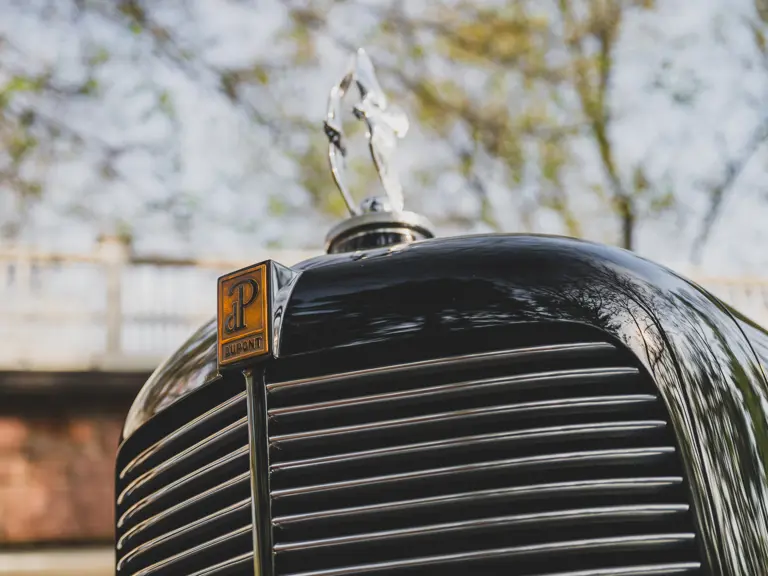
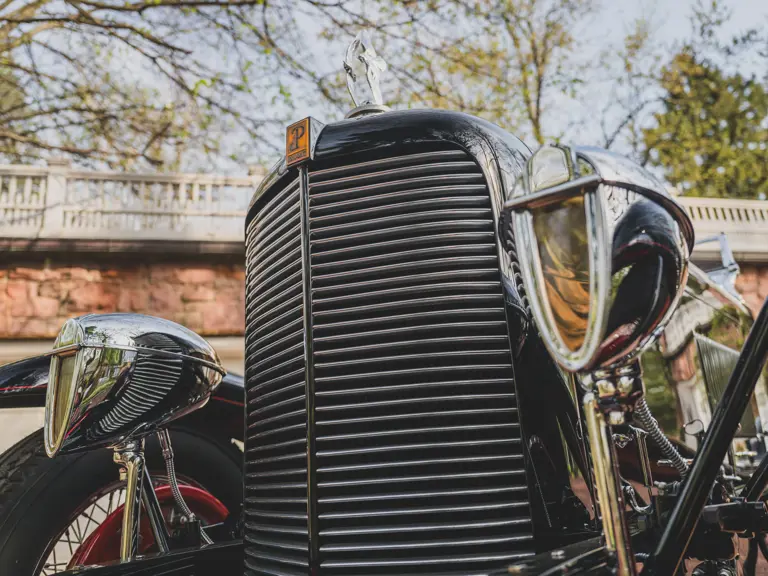
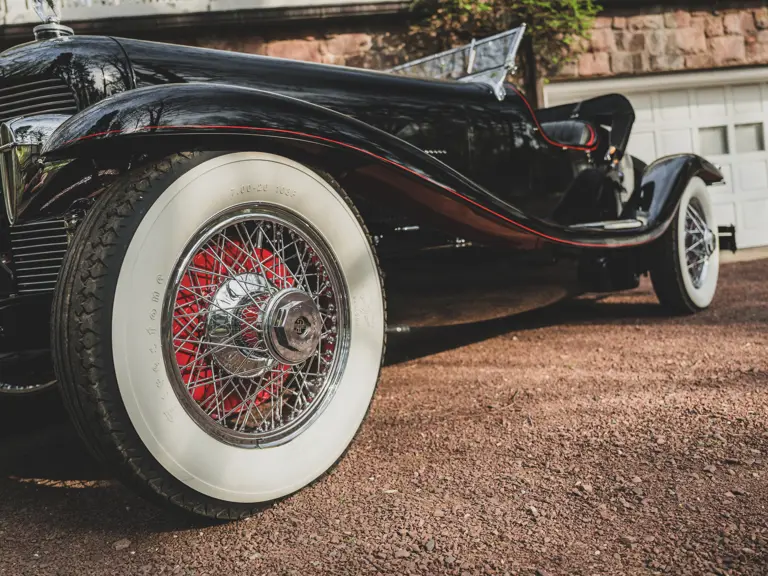
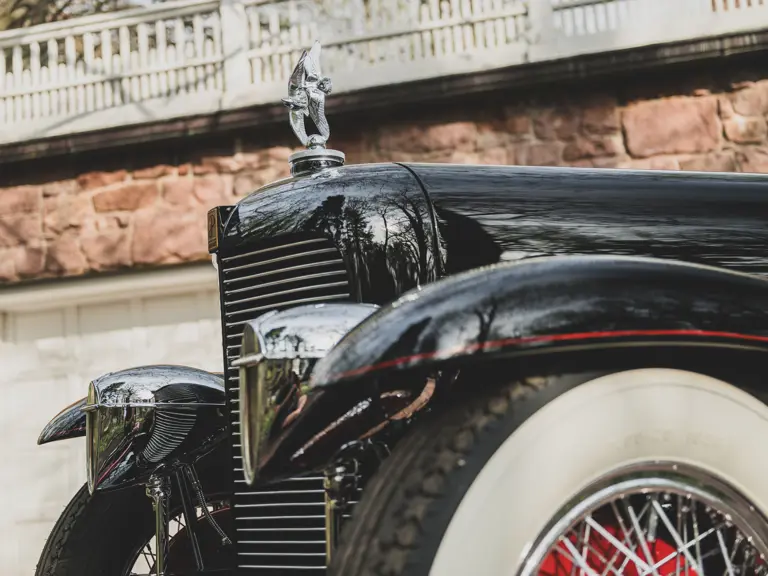
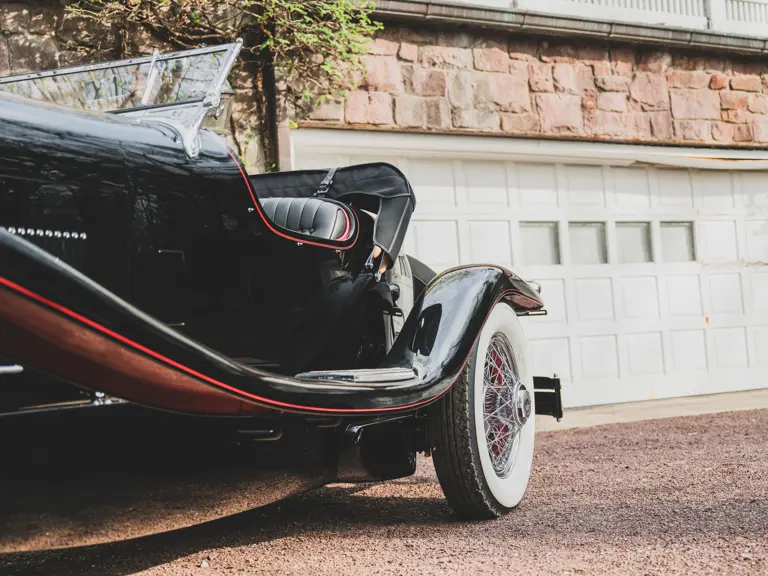
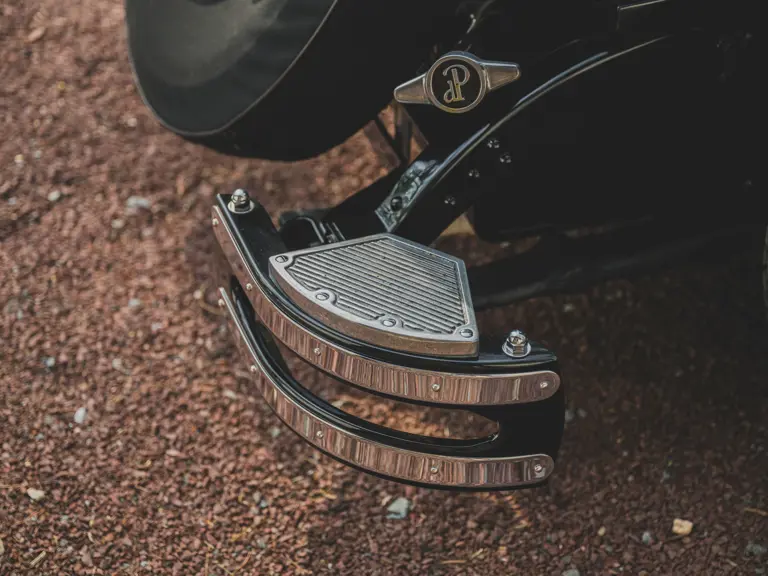
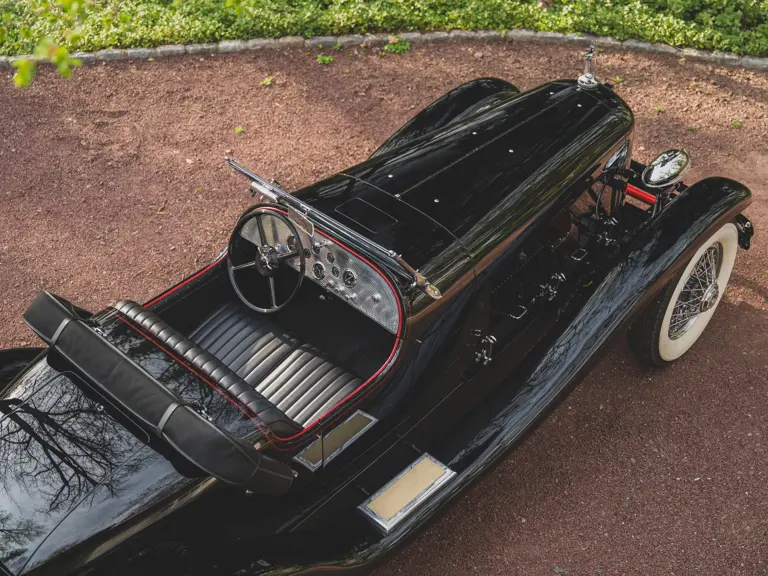
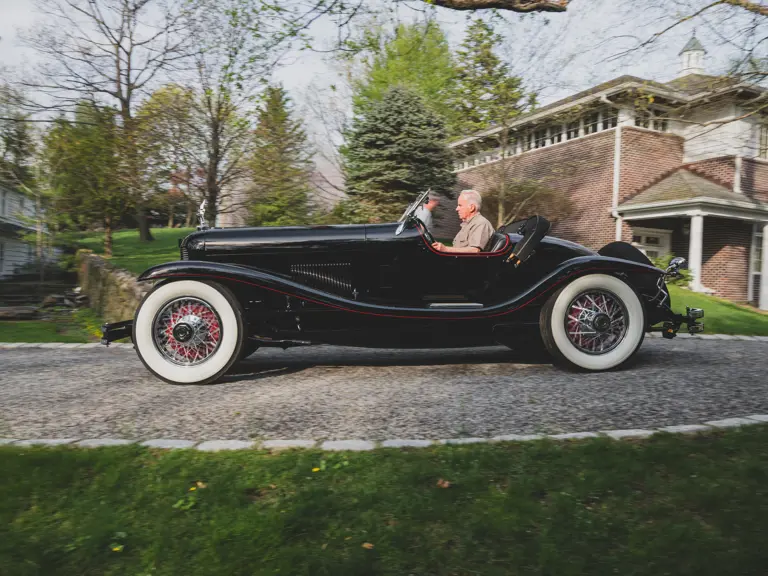
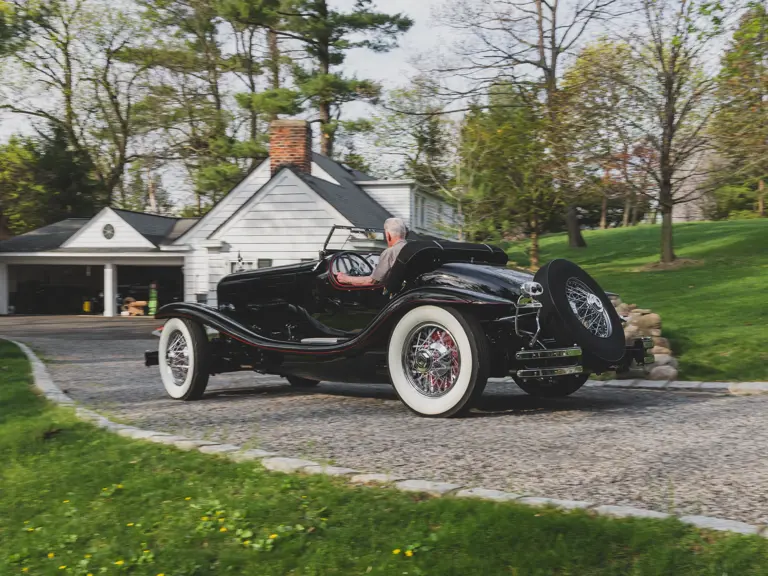
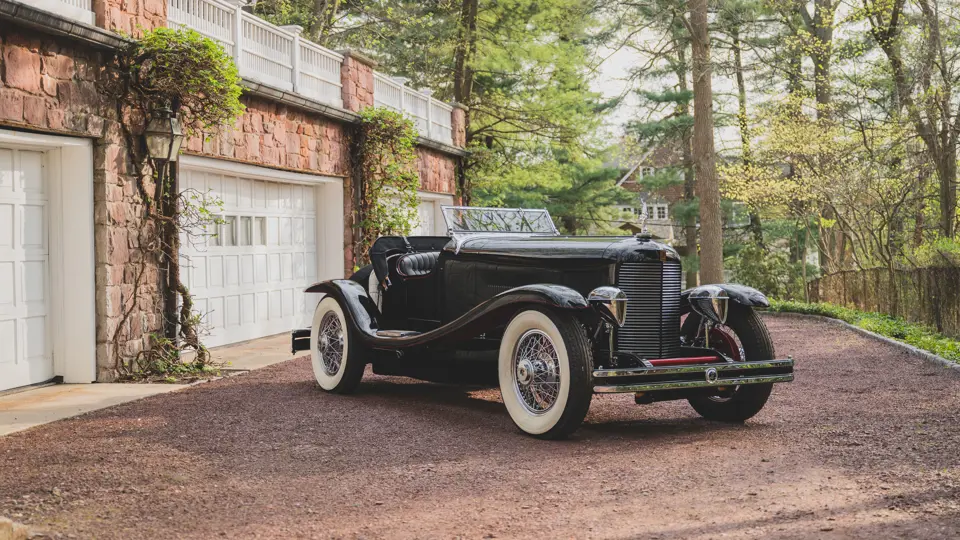
To prove it, one could buy a roadgoing variant of the Le Mans Du Pont, the speedster, in either two- or four-passenger form. Styled by L. Briggs Weaver, it was as sensual an automobile as was ever allowed through an American coachbuilder’s door, distinguished by tapering all-aluminum bodywork with cut-down doors, partial belly pans that wrapped under to conceal the chassis frame and springs, and a one-piece cast aluminum grille and radiator shell assembly. Each feathery fender was a sixteen-foot-long strip of alloy. To look at a Du Pont speedster was to see the modern Mercer Raceabout—a powerful car stripped to its essentials, but then blown smooth by the force of its own aerodynamic power. Nothing looked faster.
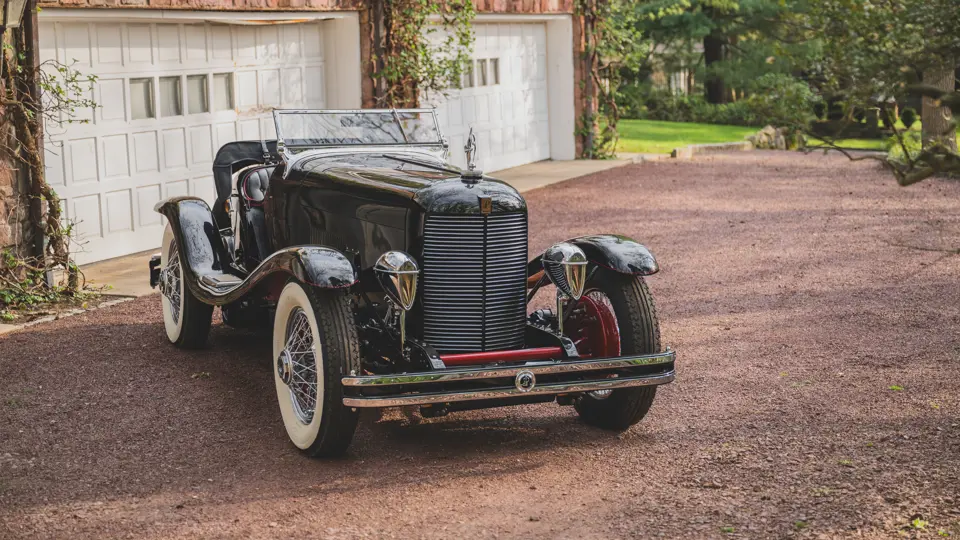
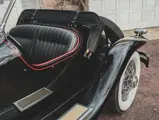
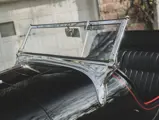
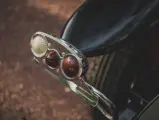
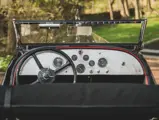
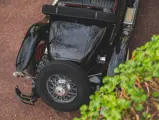
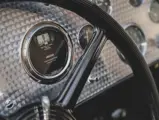
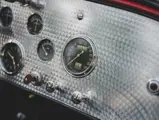
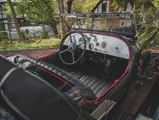
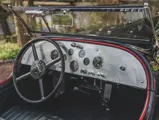
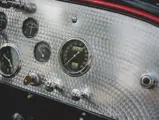
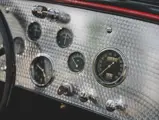
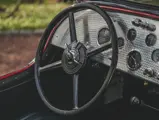
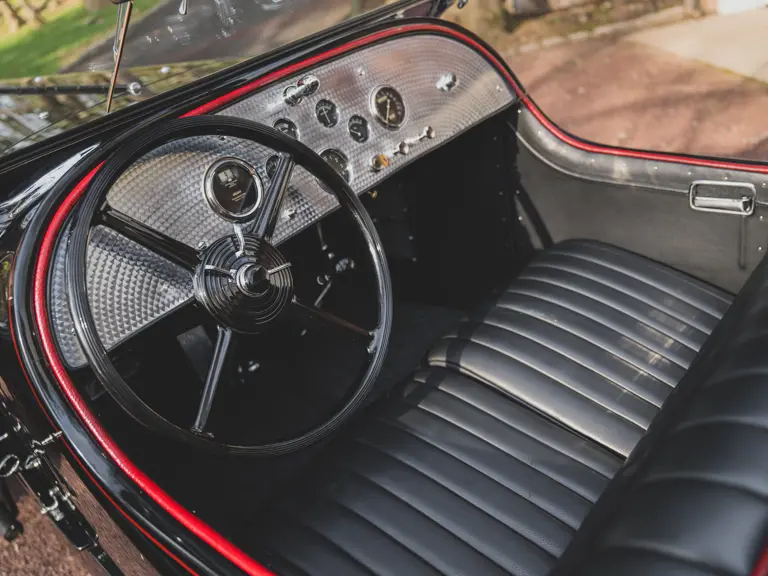
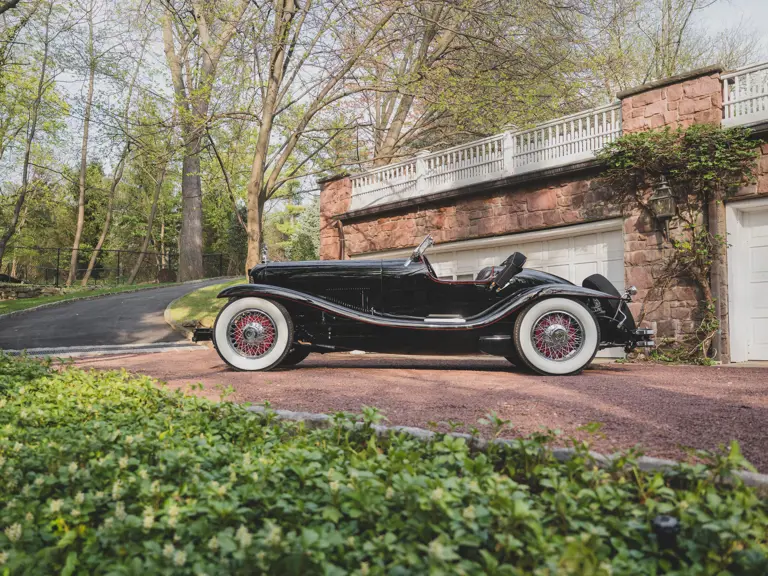
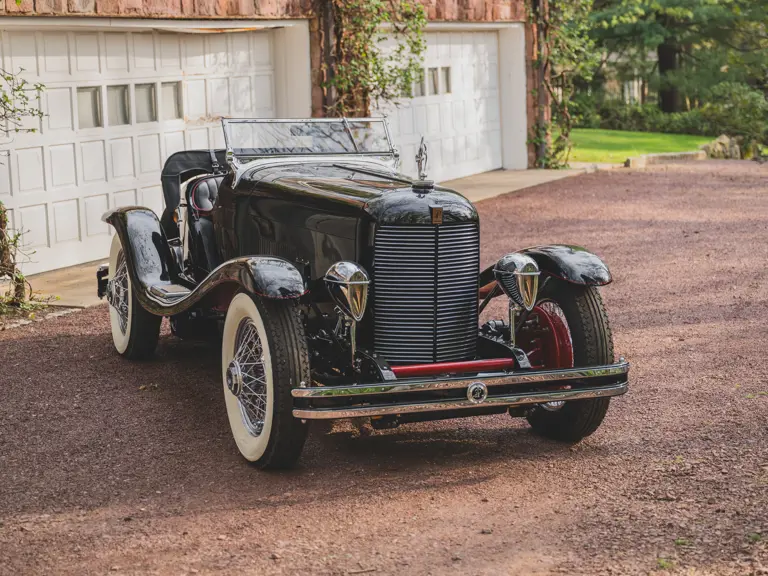
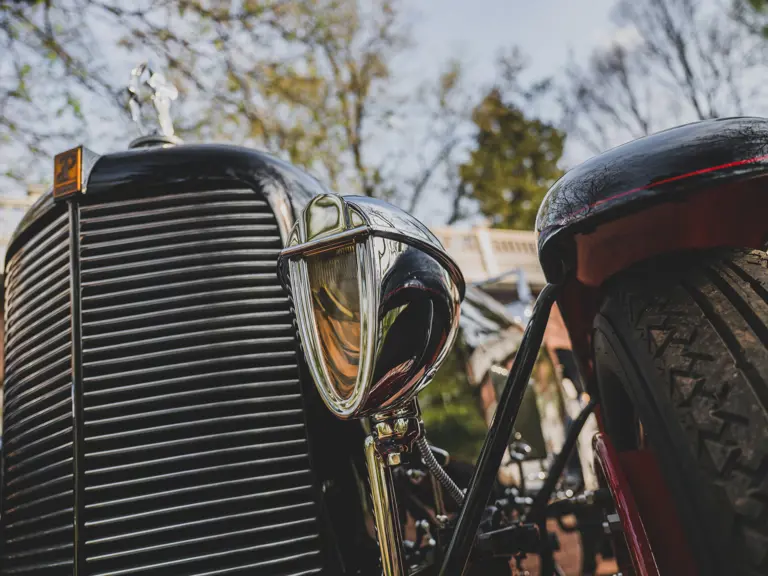
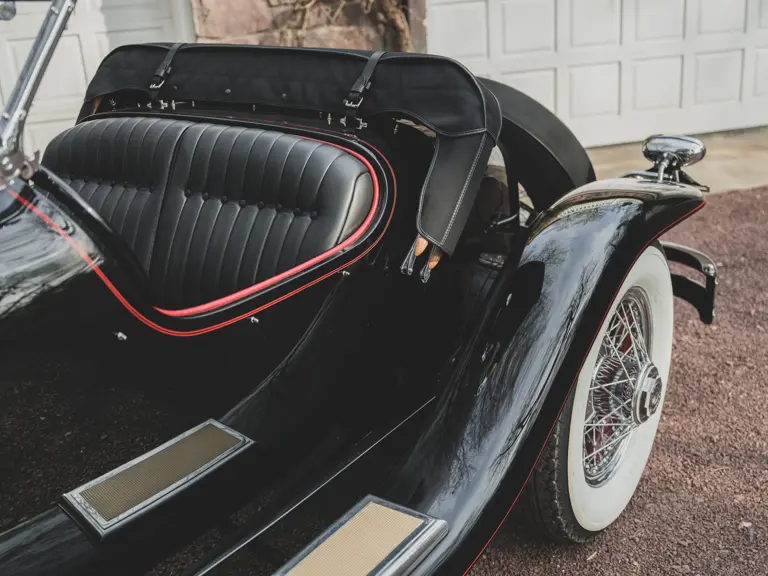
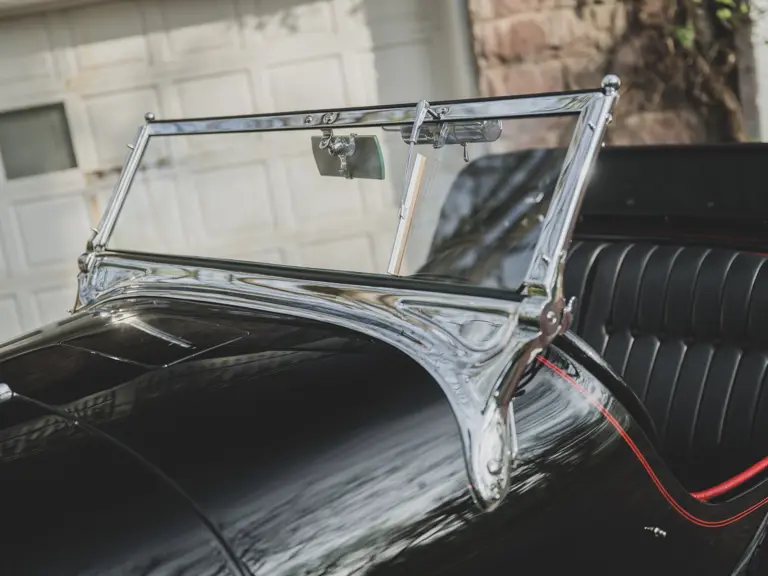
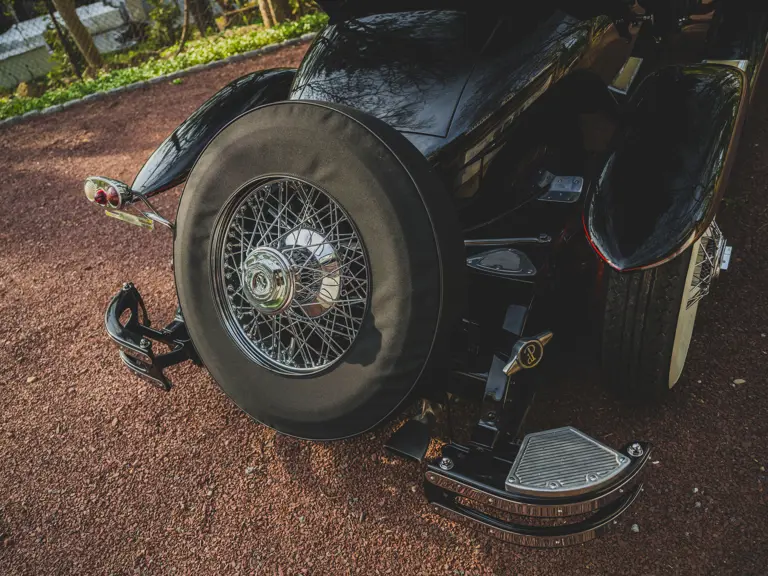
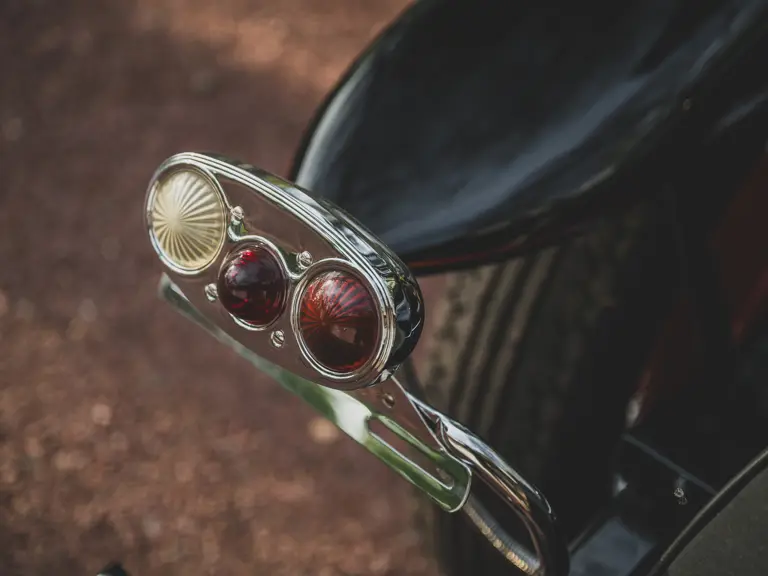
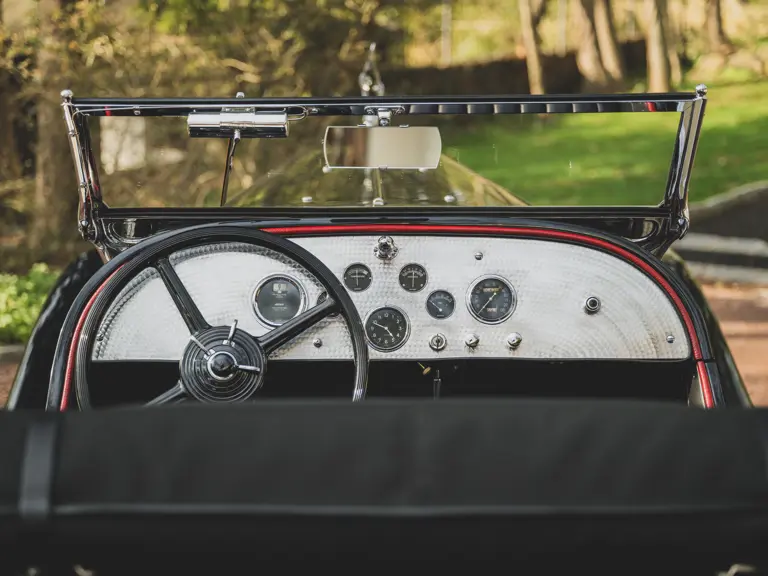
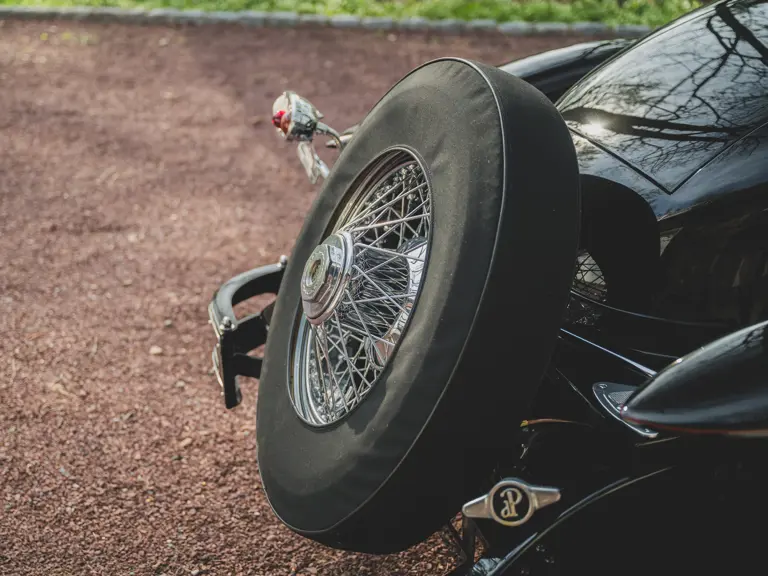
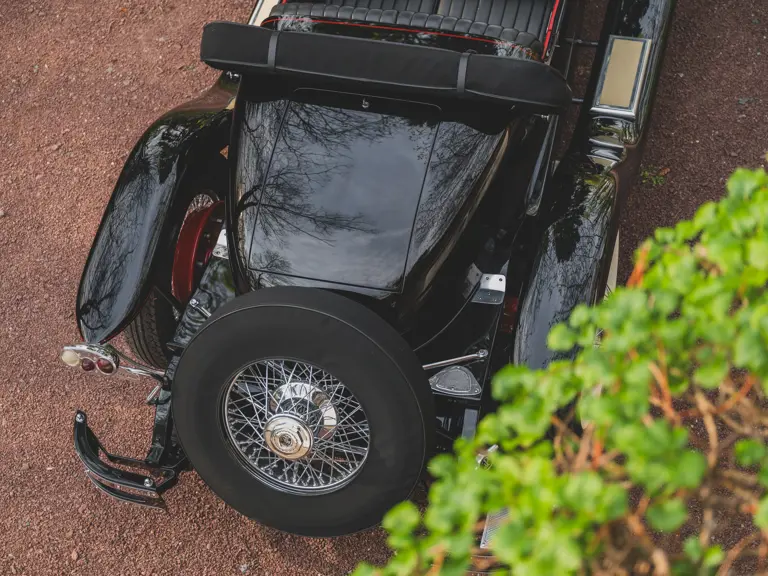
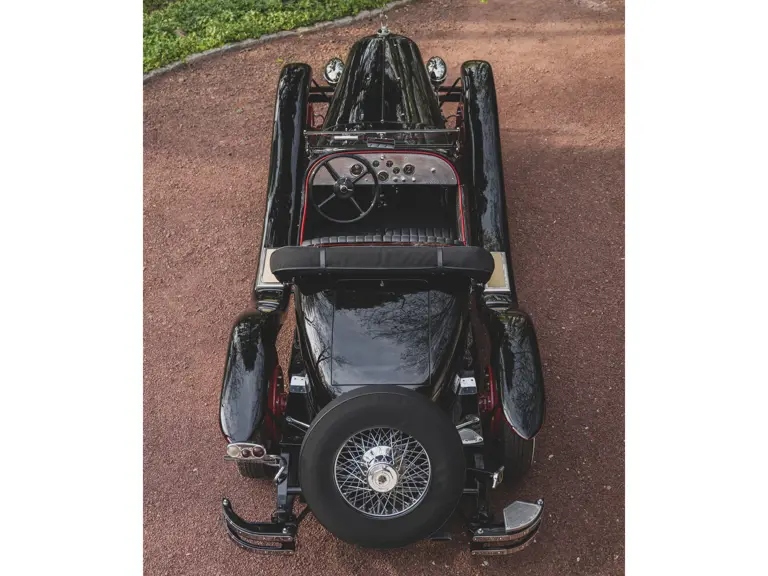
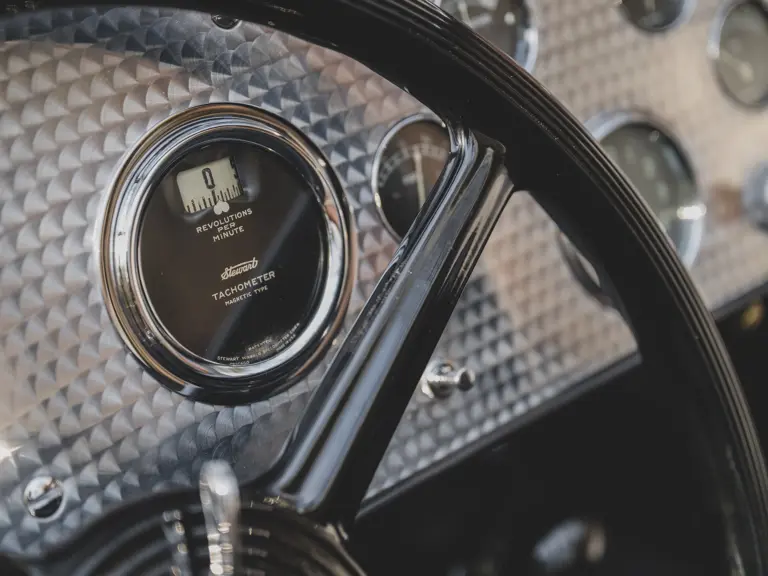
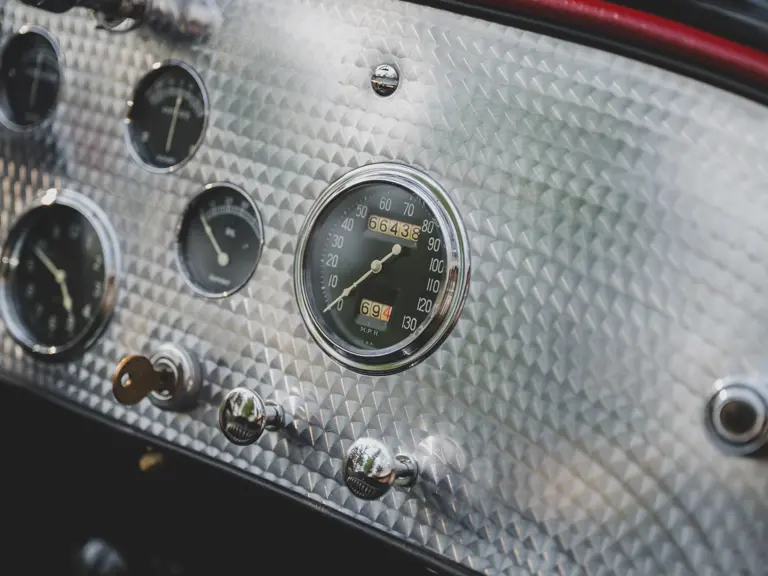
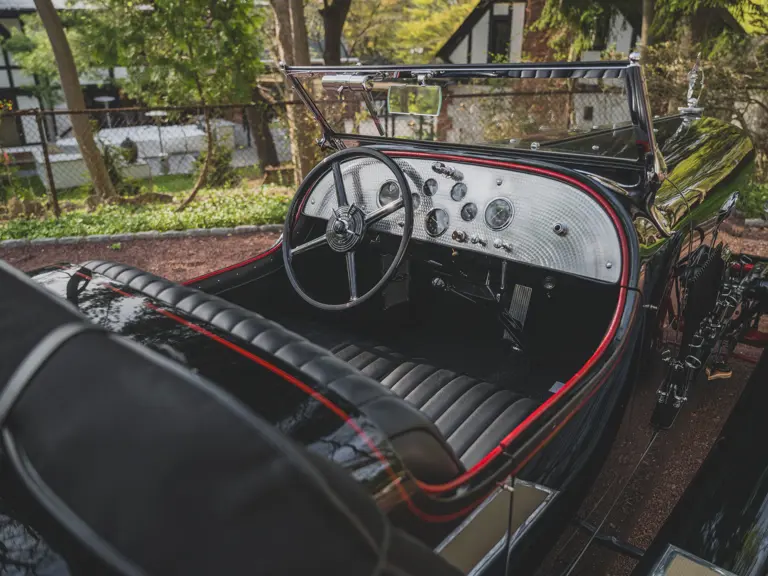
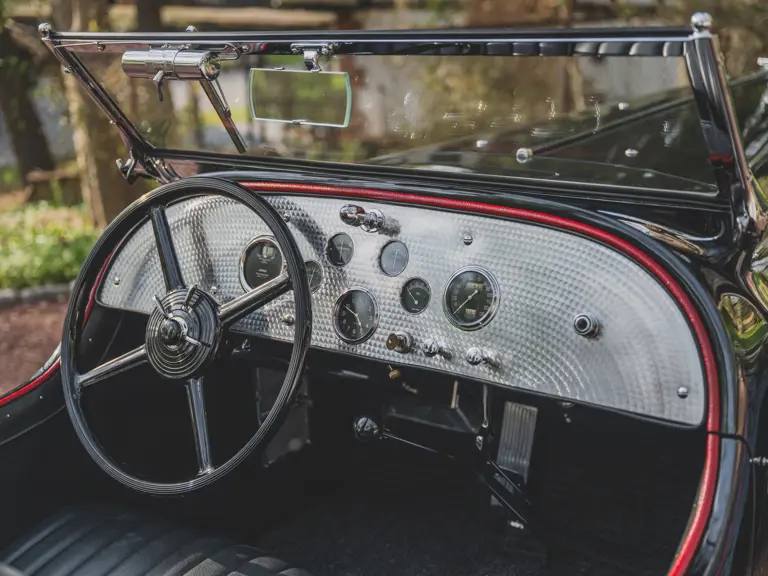
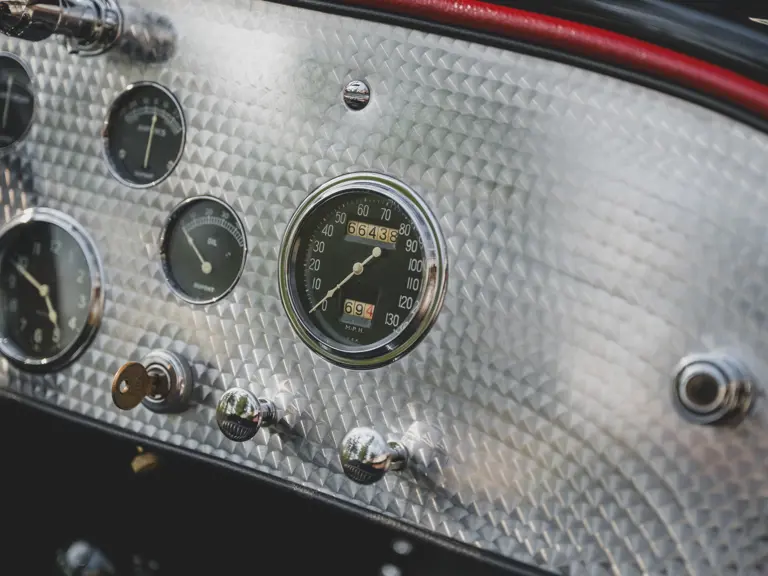
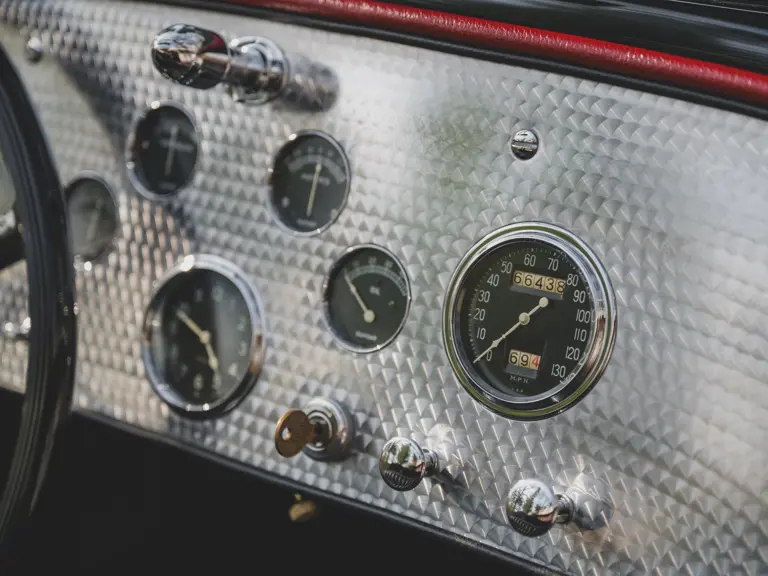
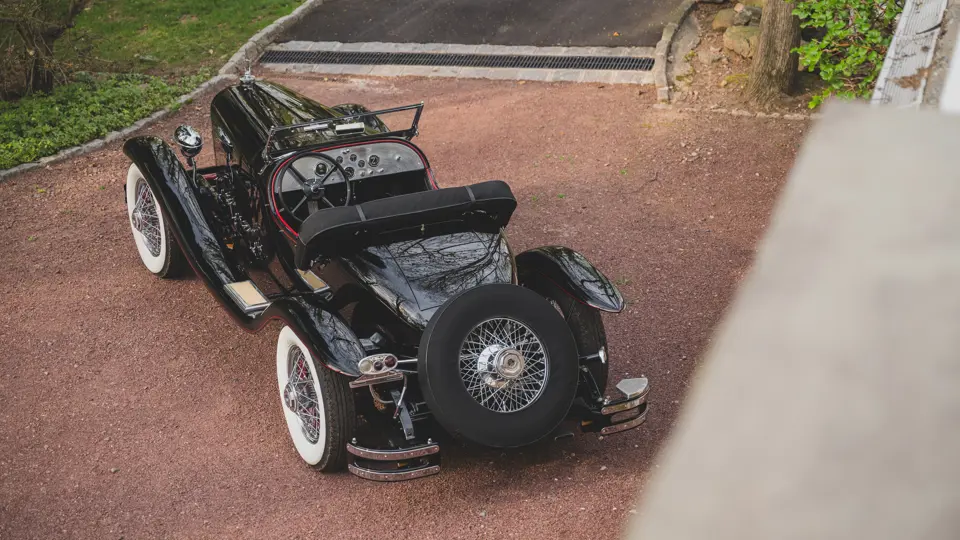
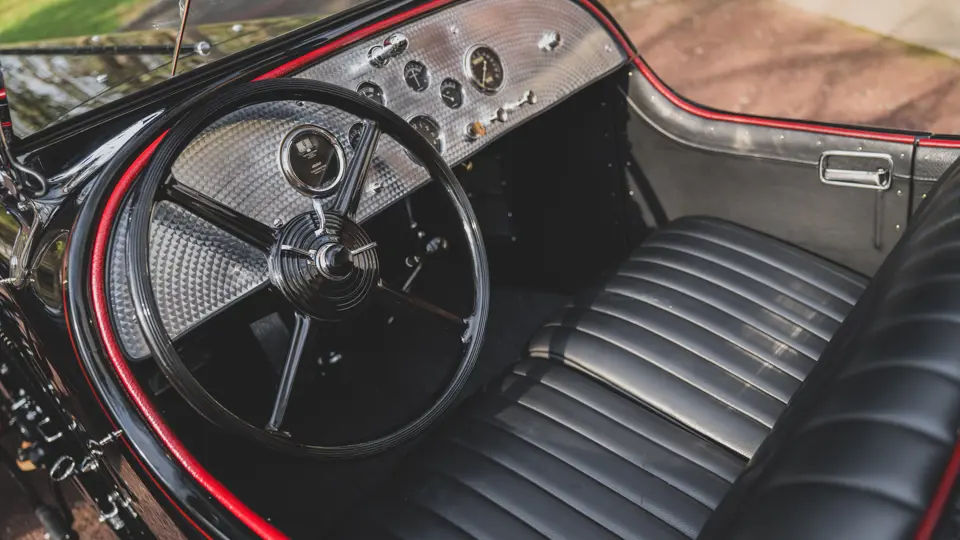
Chassis number G-949, offered here, is recorded in its factory Car Record as having been built as a two-passenger speedster with exhaust cut-out, tachometer, and Woodlite headlamps. It was one of three of the two-passenger speedsters built with the so-called “taper tail,” a lower and pointed boattail carrying an exposed spare; one of two with a rumble seat, noted on the Car Record; and the only “taper tail” speedster with a folding windshield and an exposed vertical center bar in the grille. In sum, it was the ultimate configuration of the ultimate Du Pont—exactly what drew Sam Mann’s eye to it.
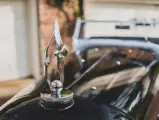
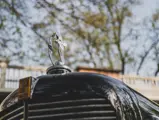
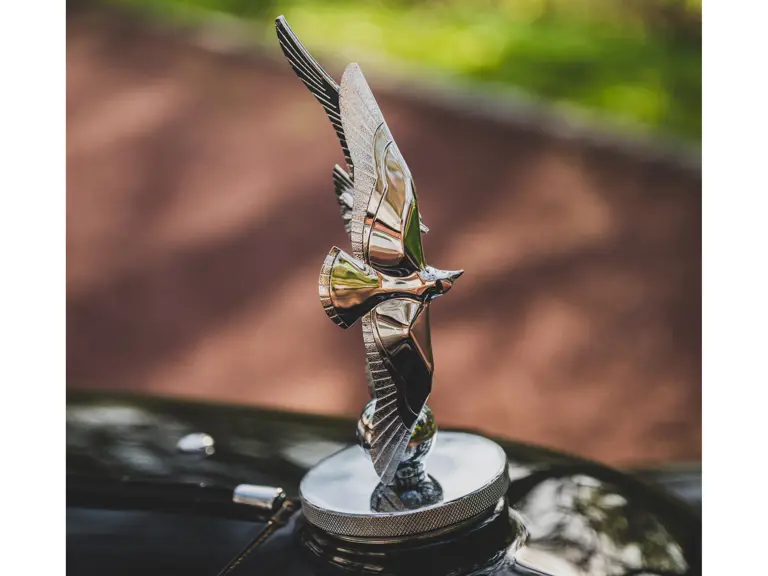
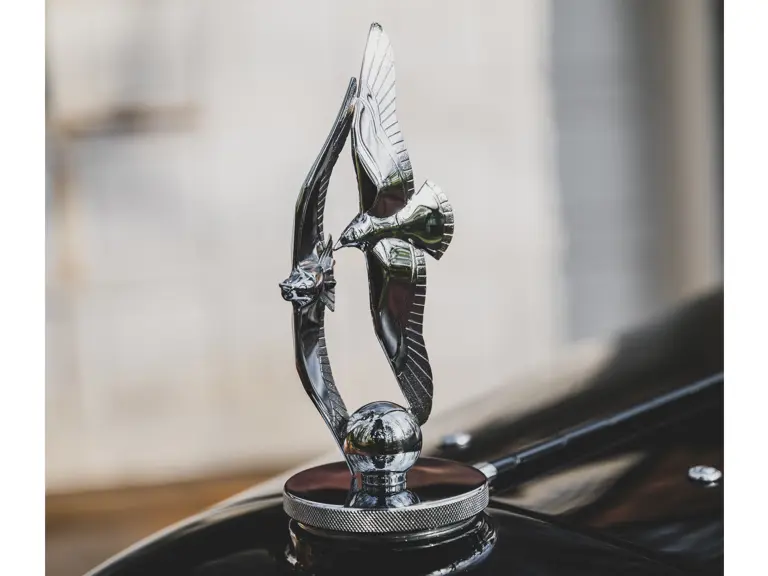
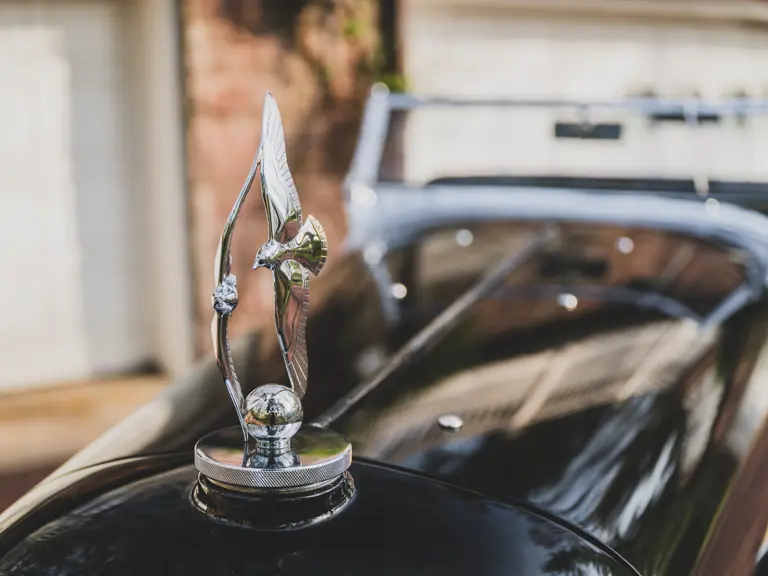
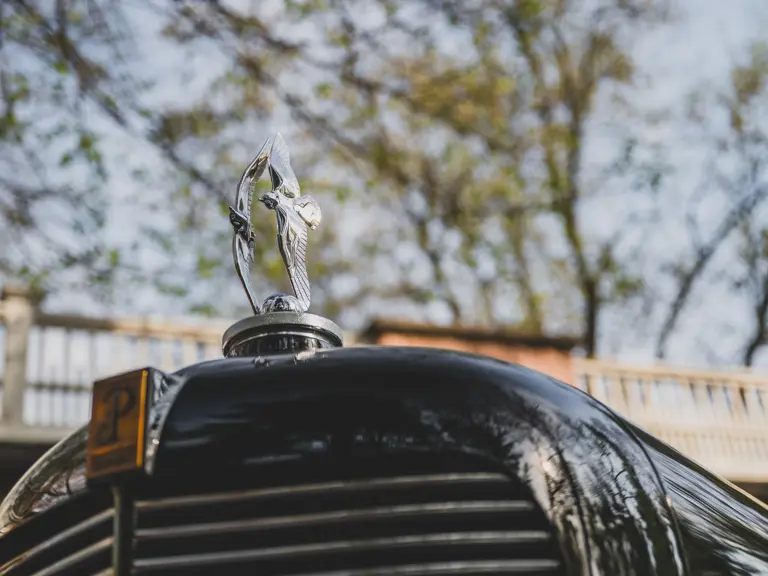
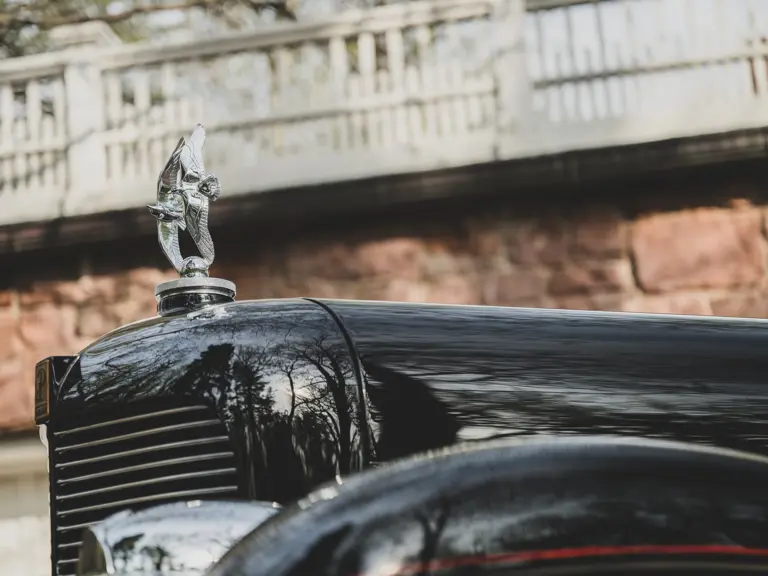
According to Du Pont authority Stan Smith, G-949 was originally delivered to Charles Hirshhorn, whose family’s National Tea Packing Company had patented and popularized the tea bag (or, as the patent application described it, a “tea cartridge”). Mr. Hirshhorn maintained the Du Pont meticulously, reportedly using the services of a live-in chauffeur, storing the car at the National Tea Packing facility, and never taking it out on the road when rain threatened. Its breathtakingly beautiful radiator mascot, a pair of seagulls commissioned from the Paris atelier of Cartier, was acquired early in the car’s life from Manhattan toy store impresario F.A.O. Schwartz, himself a Du Pont owner.
As noted by second owner R.B. George of Germantown, Pennsylvania, in a letter on file, the car was professionally maintained as Mr. Hirshhorn’s “pride and joy” until Mr. George acquired it in 1953. Subsequently, its new caretaker lightly reconditioned the car cosmetically, noting that it otherwise remained largely solid and intact. It was sold again in 1958 to the prolific early Philadelphia enthusiast Stan Tarnopol, then in 1962 to Henry Gerlach of Philadelphia, and in classic Du Pont fashion was held closely by him for a long period, 37 years, before Sam and Emily Mann acquired it in May 1999.
Subsequently, fully restored by the Manns’ in-house facility in its rich black-on-black livery, the Du Pont went on to be awarded First in Class in the always hotly contested American Classic Open category at the 2012 Pebble Beach Concours d’Elegance, followed by First in Class the following March at Amelia Island, as well. More recently, the car, upkept to the same outstanding standards as the Manns' other automobiles, was exhibited as part of a special reunion of Du Pont Motors automobiles, hosted by members of the founding family in Wilmington in June of 2025.
To appropriate a phrase once used to describe Bugattistes, the Du Pont is the “cherished game of an ardent cult.” About 25 Model Gs remain in existence, but all but 10 of them are held by various members of the du Pont family; of the 10, all but two are in more or less permanent museum collections. Thus, Sam and Emily Mann’s Model G—the most supreme of all, the “taper tail” two-passenger speedster—is, quite literally, the only chance to acquire an example of this breathtaking form for one’s own stable.
It looks Space Age, from before there was a Space Age. – S.M.
 | Monterey, California