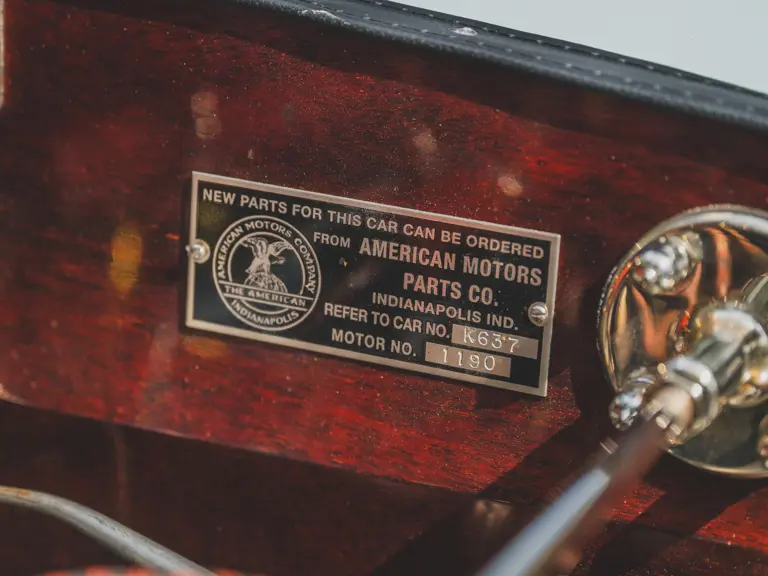
Chassis No.
K637
$940,000 USD | Sold
Offered from The Sam and Emily Mann Collection
{{bidding.lot.reserveStatusFormatted}}
To me, the American Underslung is one of the Brass Era cars where the aesthetics are “just right.” The design just catches a spirit of speed, youth, and exuberance. – S.M.
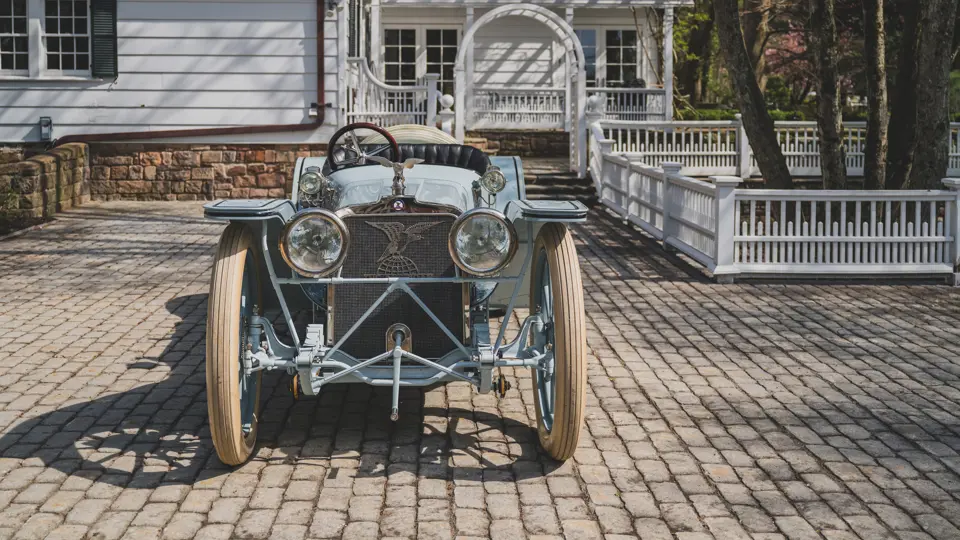
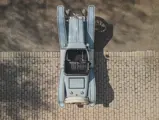
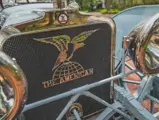
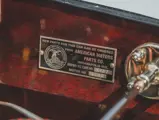
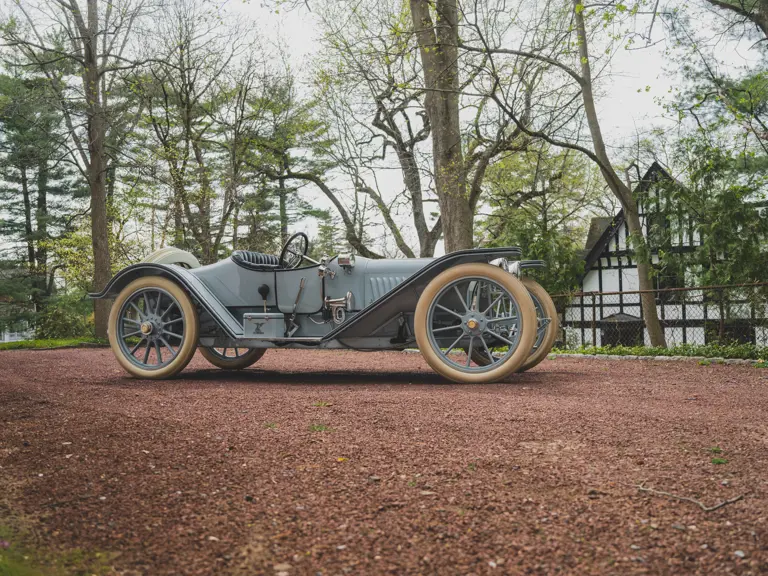
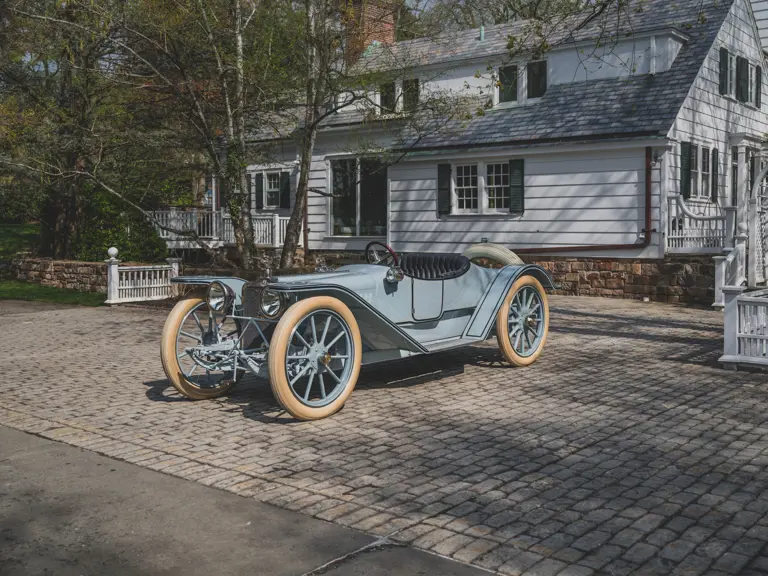
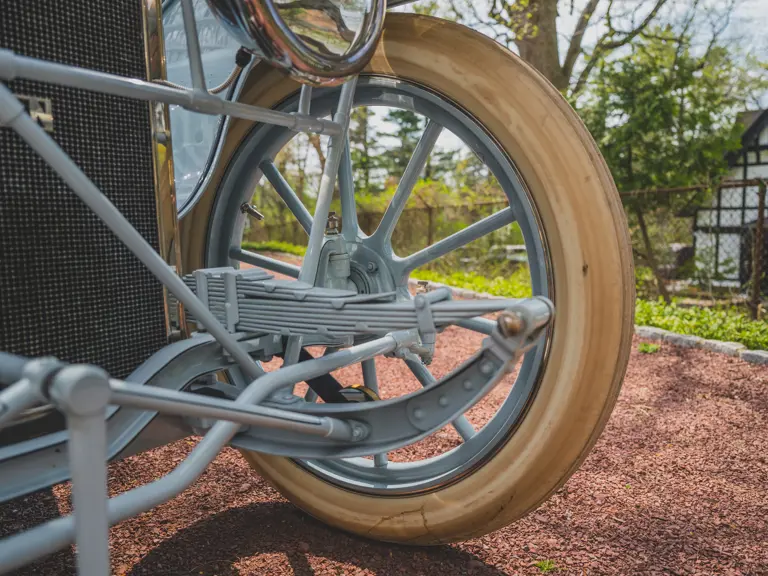
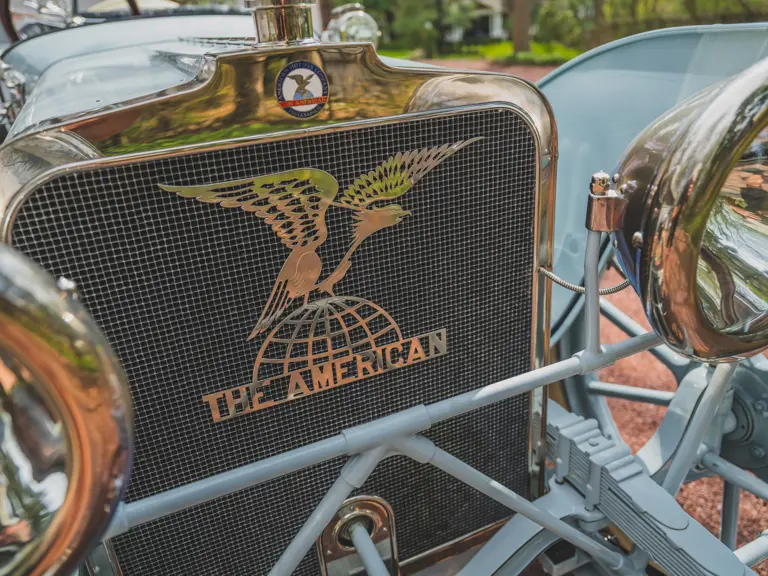
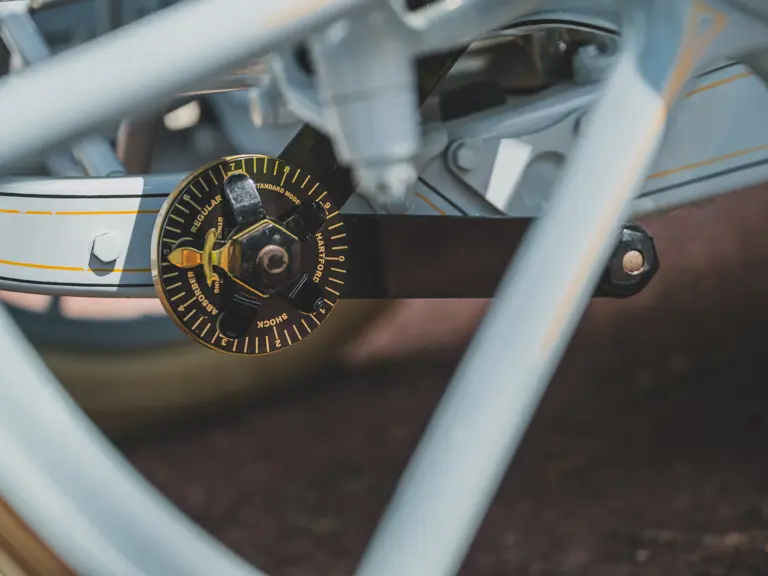
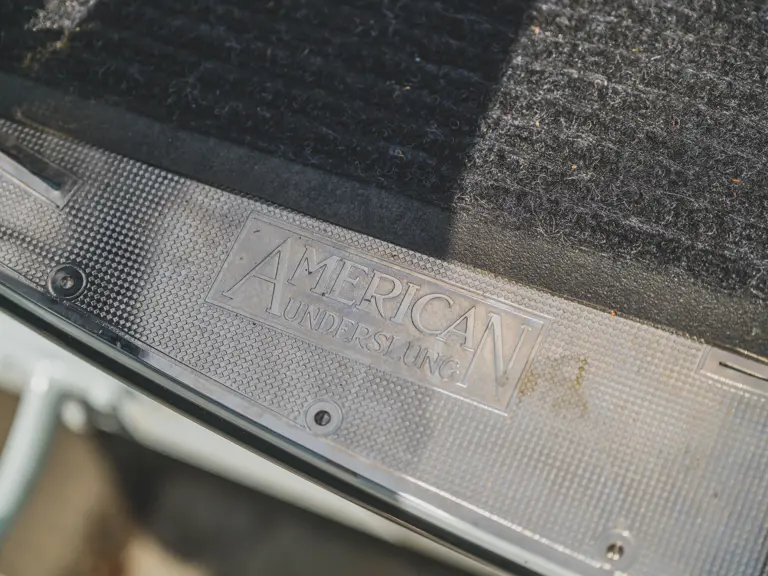
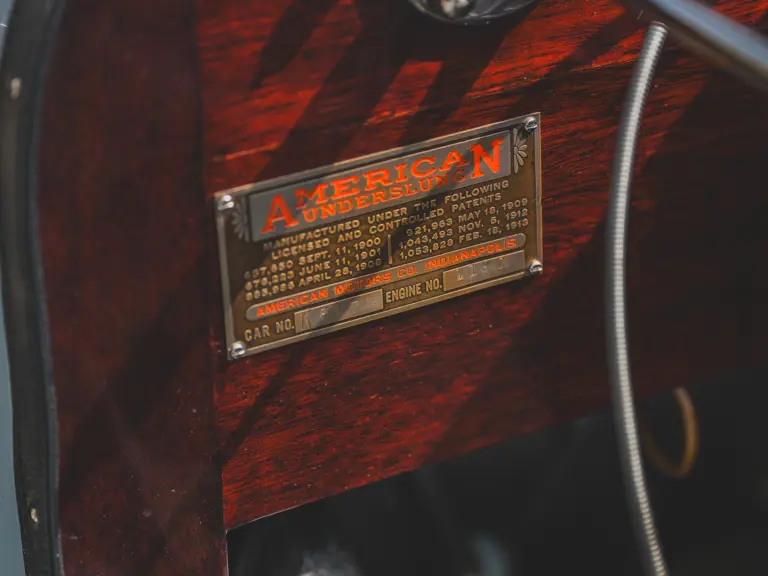
If the Mercer Raceabout was America’s first hypercar, the American Underslung may well have been its first genuine grand tourer. The Indianapolis-built motor car was designed by Fred Tone with a highly advanced chassis design, that ran below and dipped between the axles, serving to lower the body closer to the ground and, therefore, also lower its center of gravity.
While many a Brass Era machine had brute force, the American Underslung had that, but was also engineered to drive and handle better than most anything else of its power range, while carrying from two to four passengers in slinkily-lined, often barely-there bodywork. It was aptly marketed towards true enthusiasts who could appreciate an automobile for myriad reasons beyond its mere outright speed.
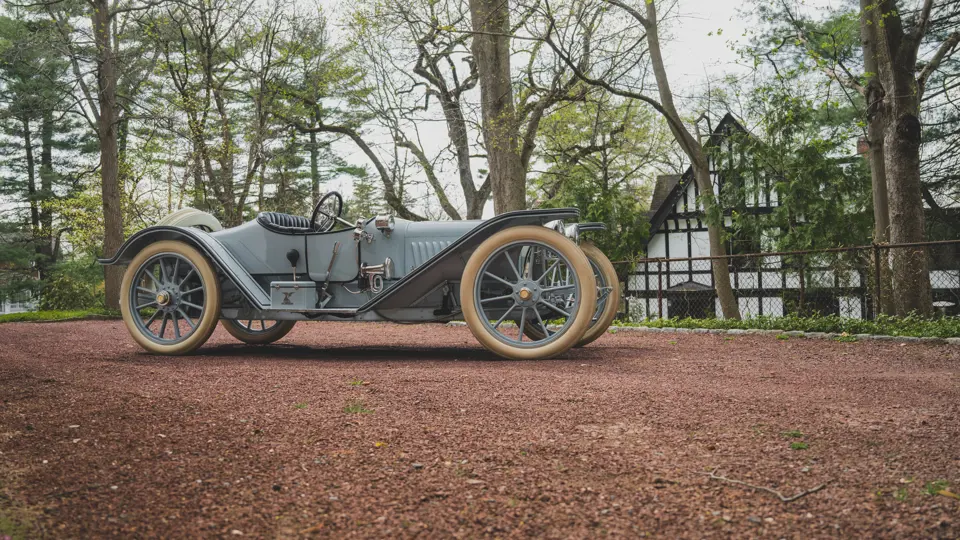
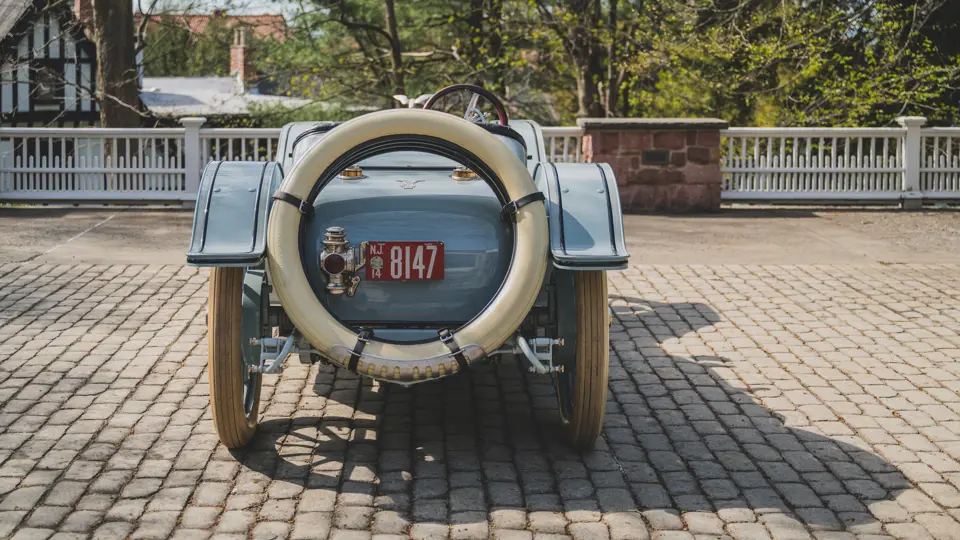
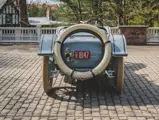
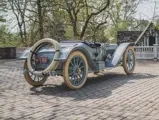
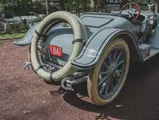
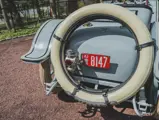
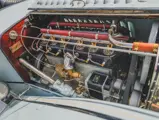
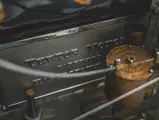
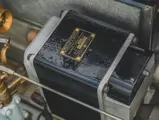
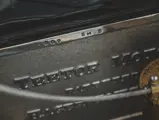
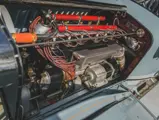
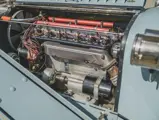
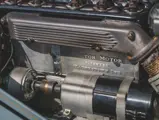
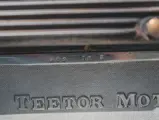
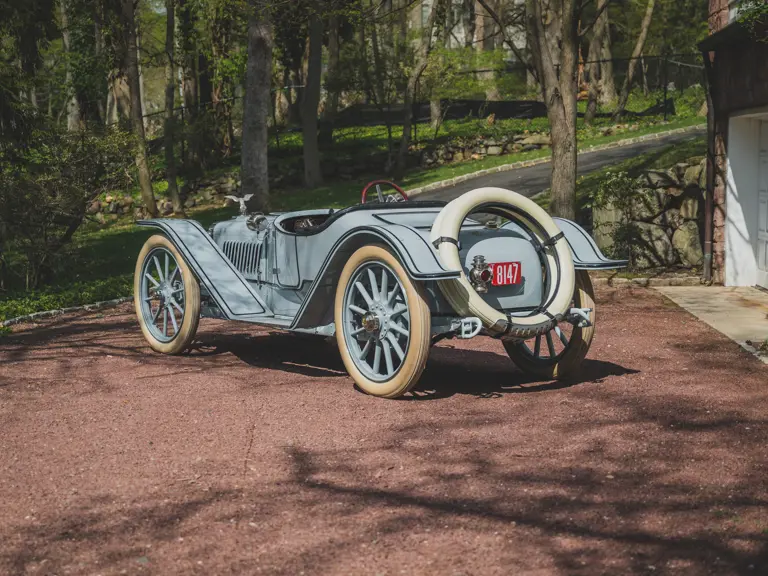
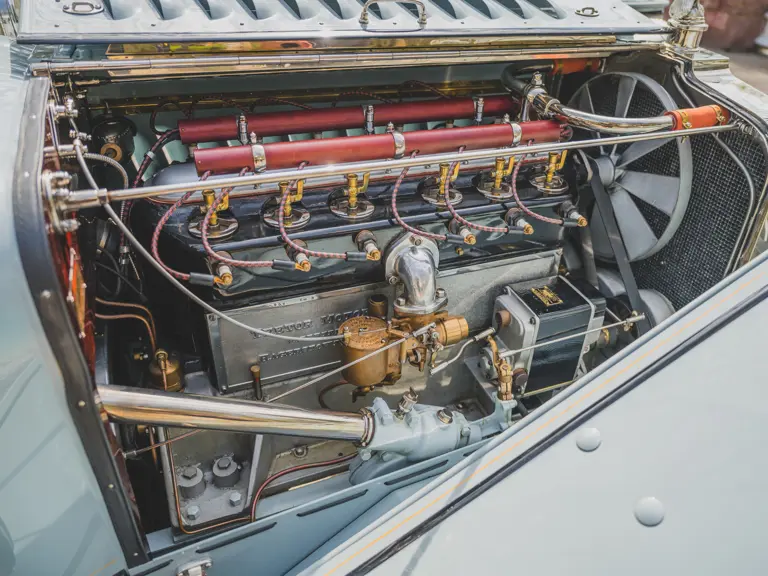
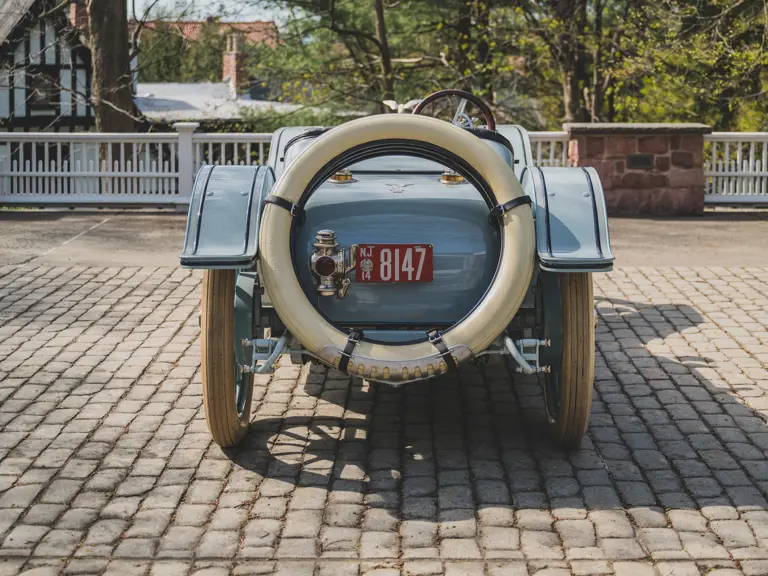
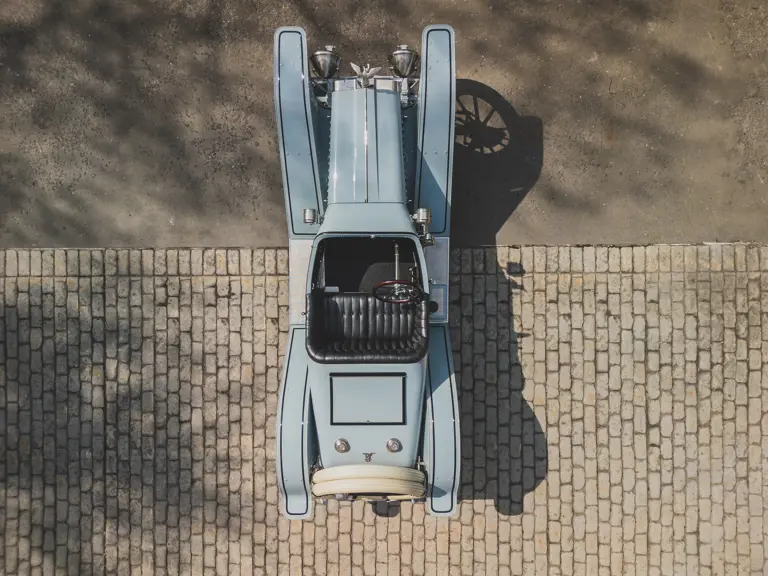
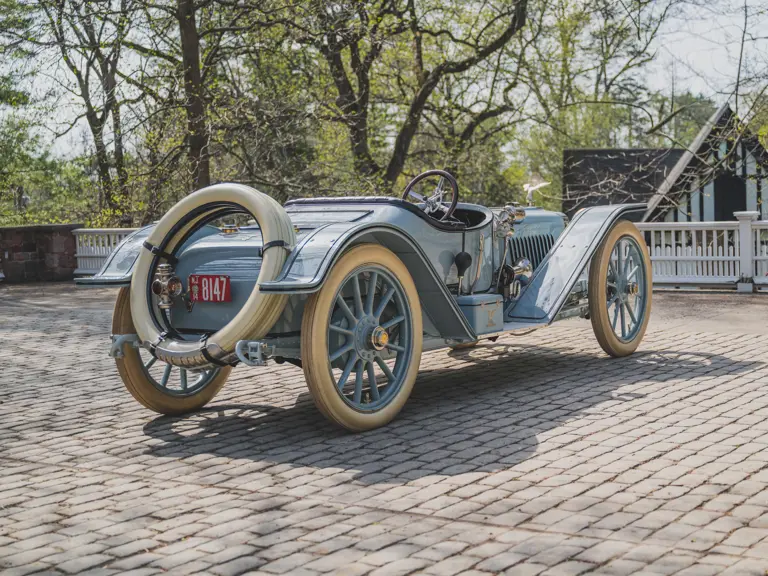
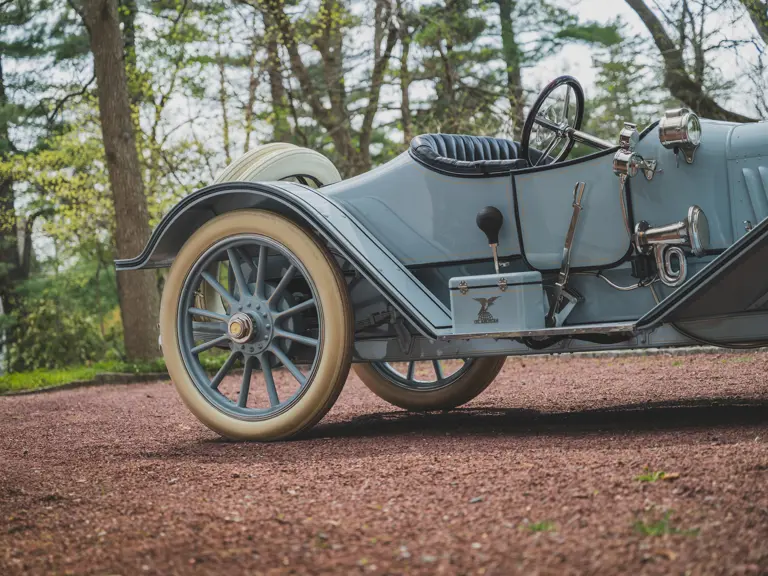
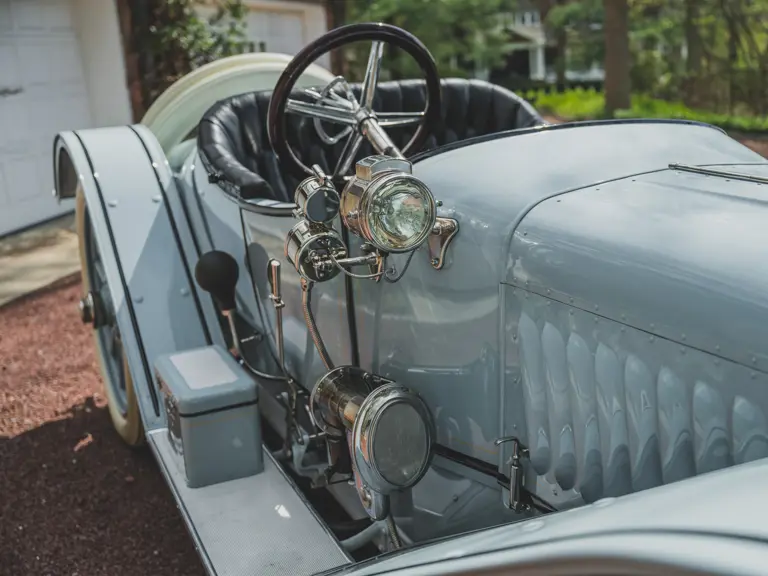
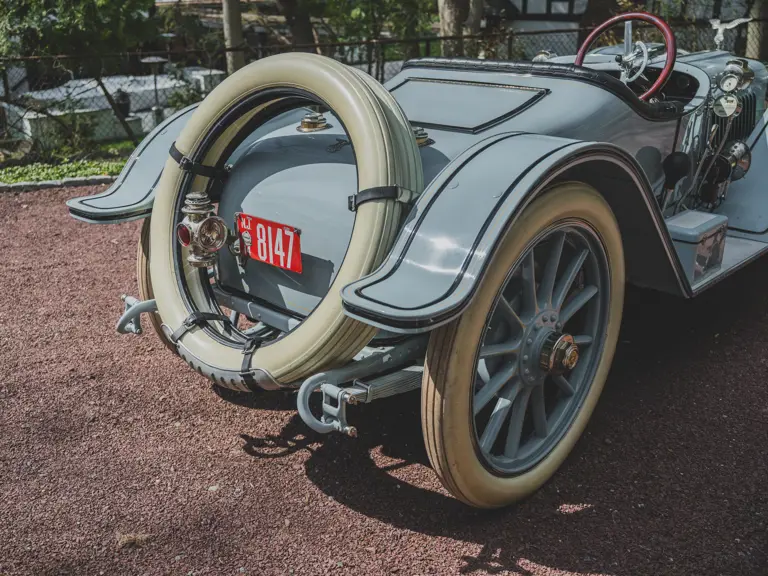
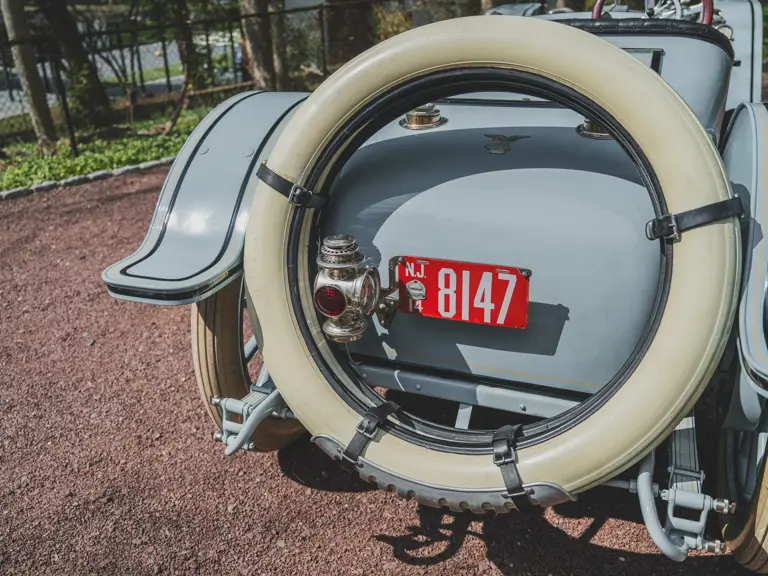
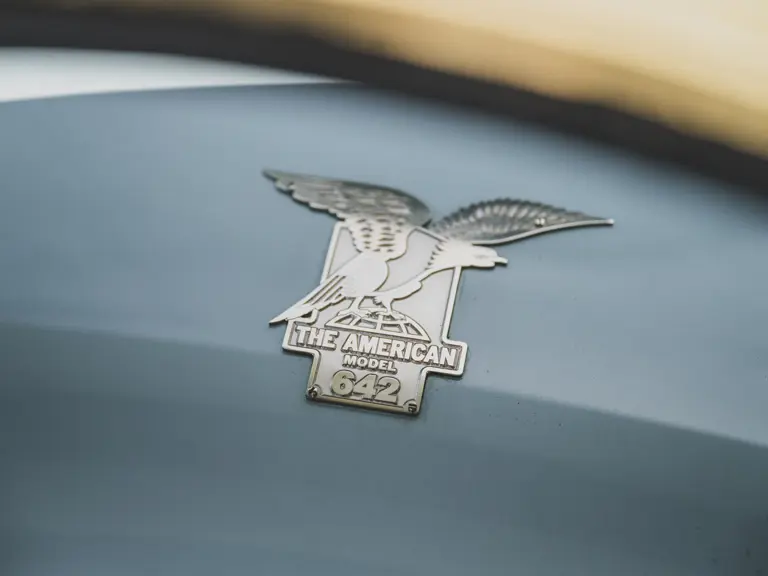
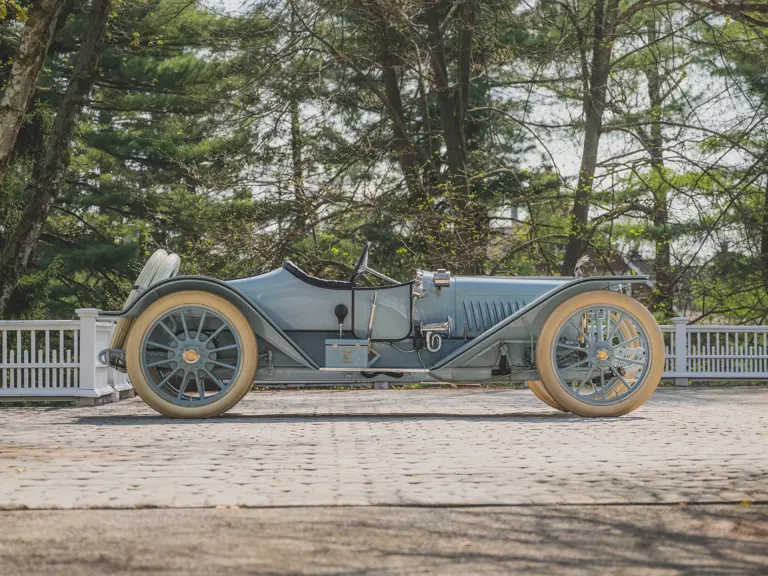
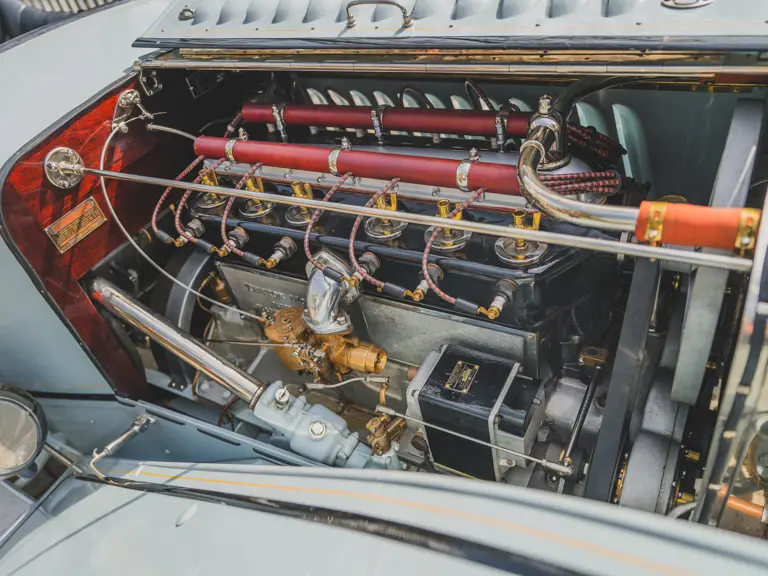
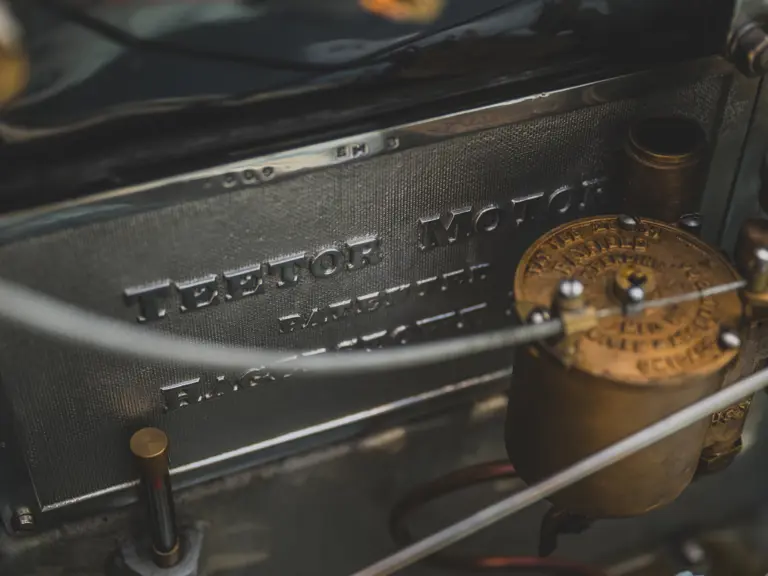
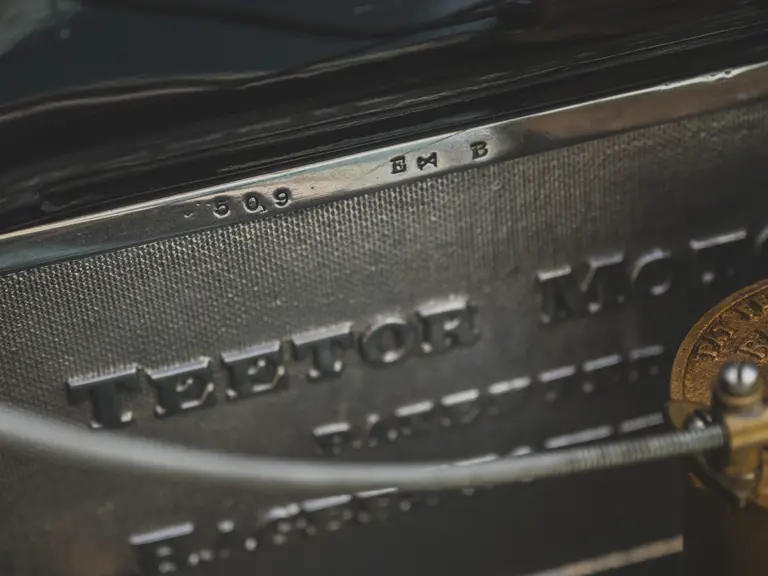
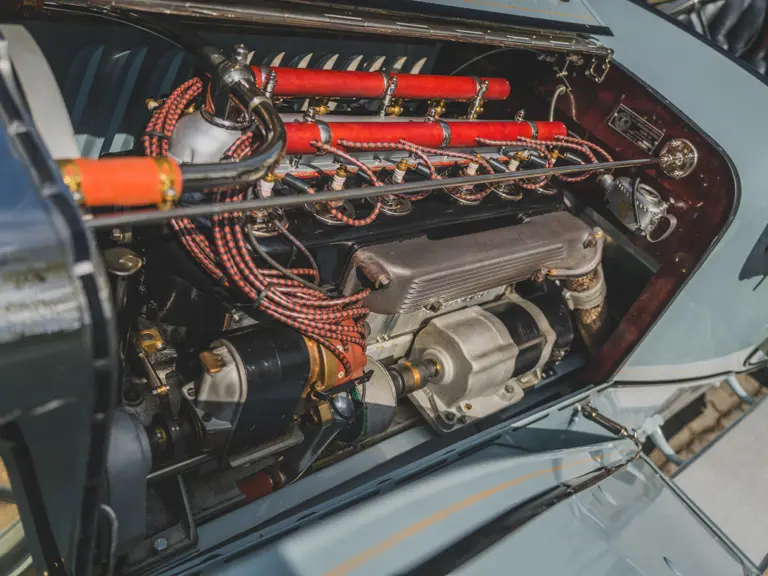
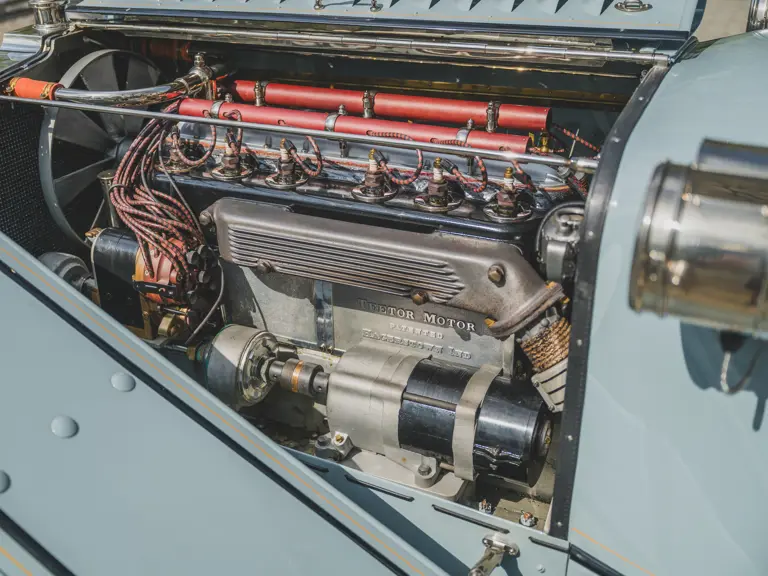
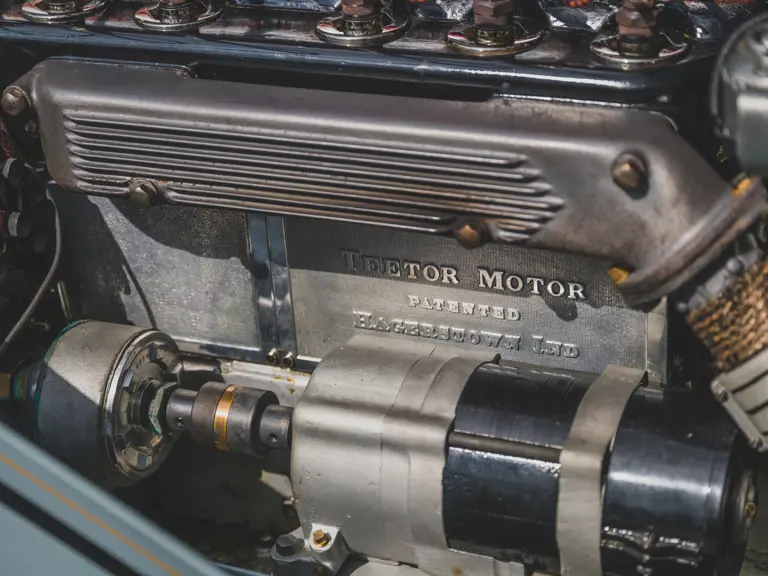
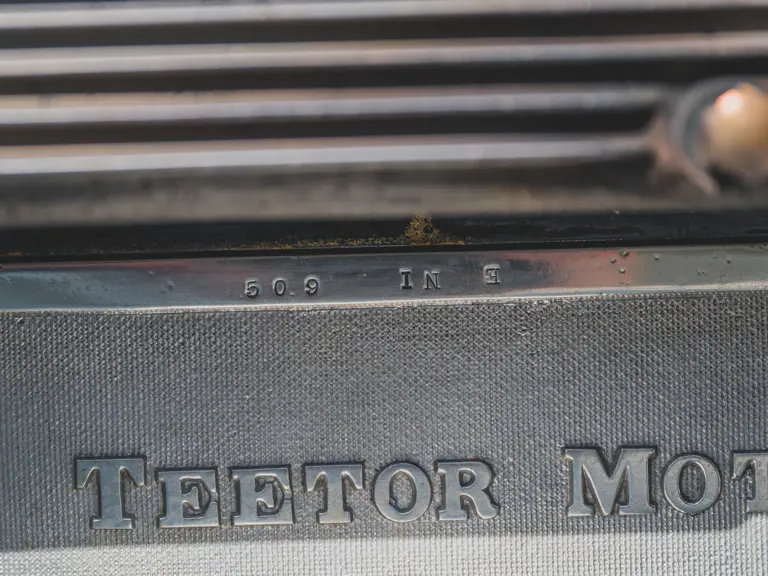
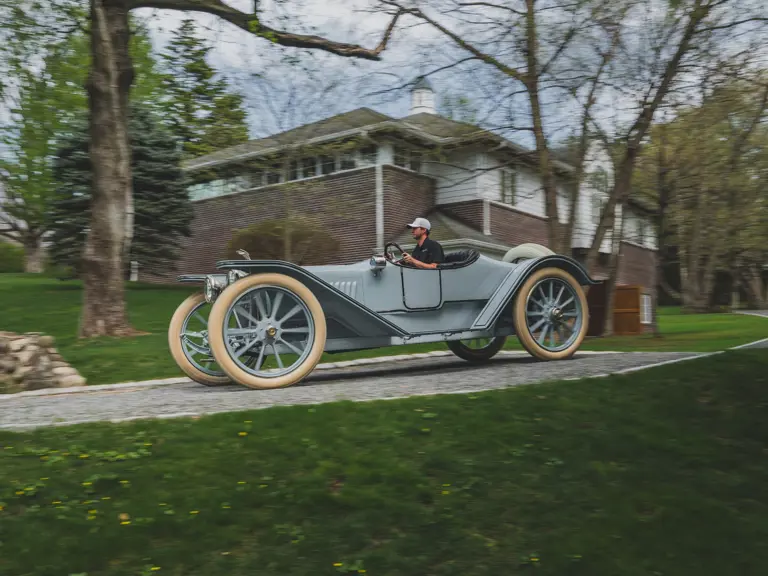
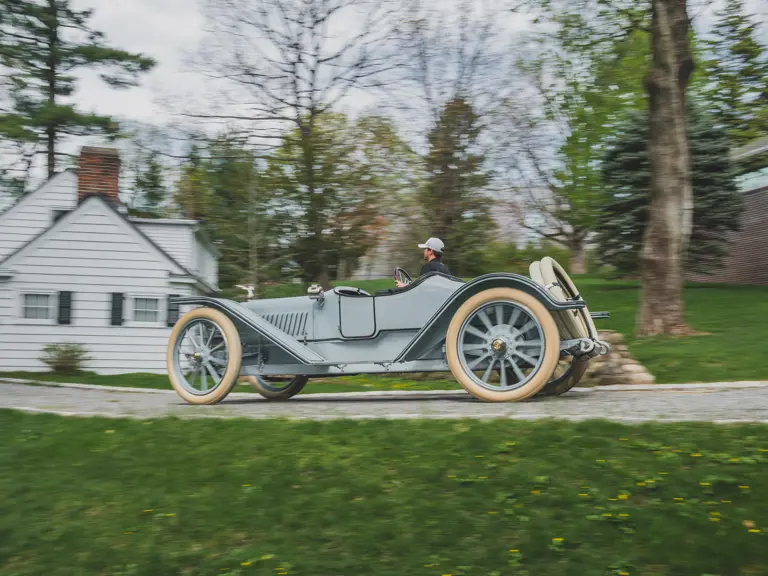
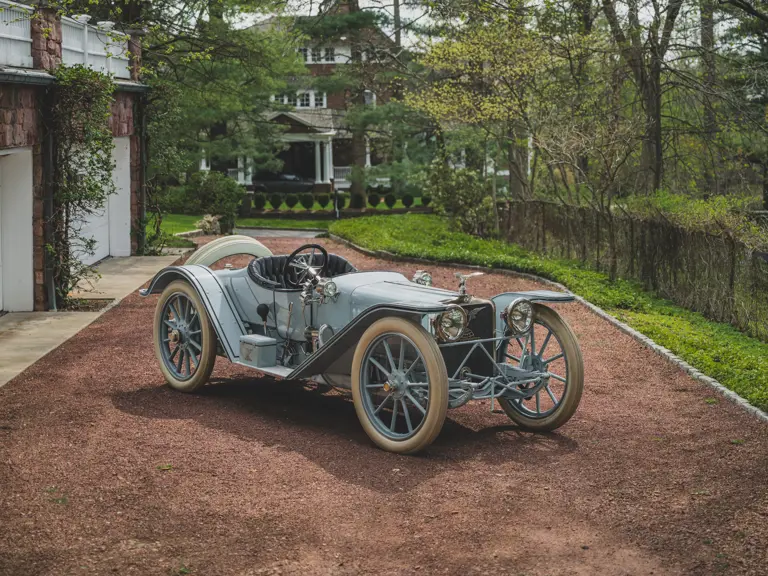
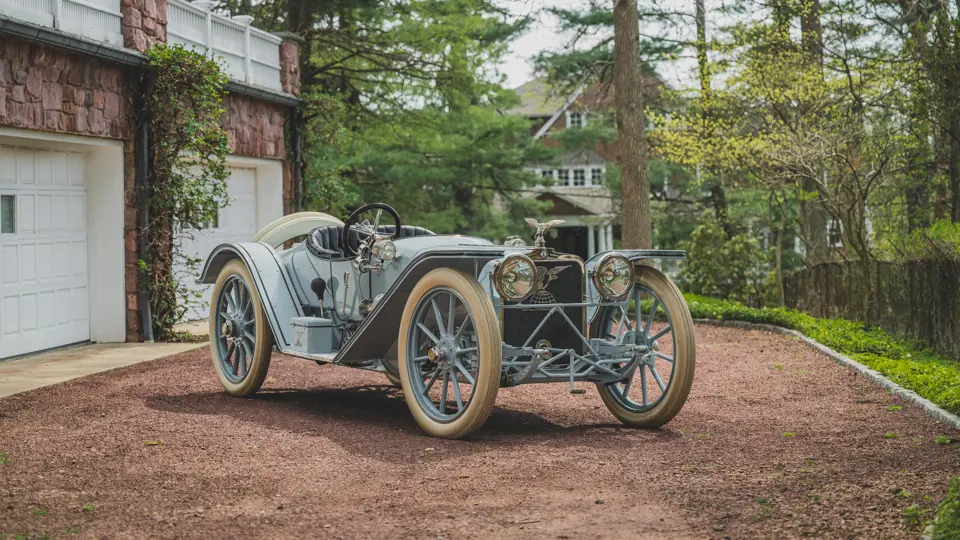
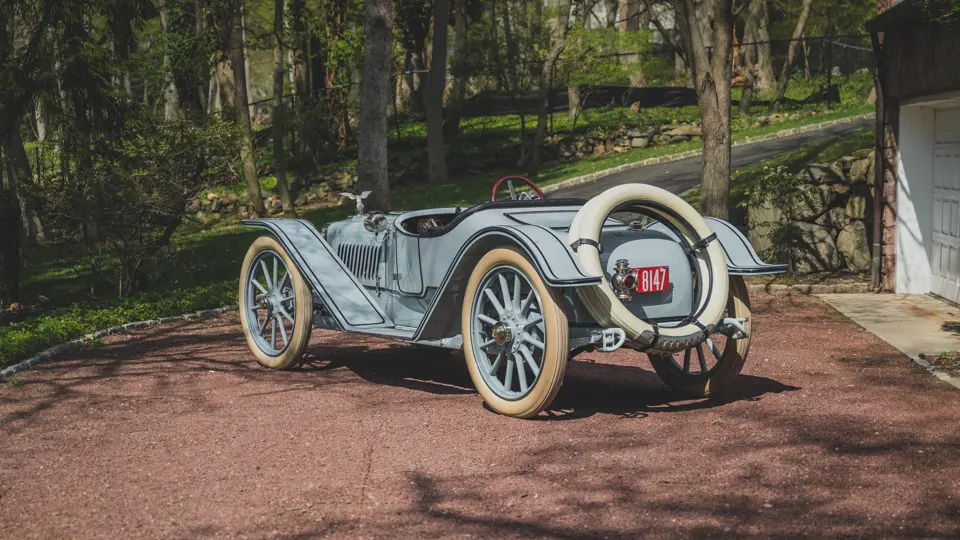
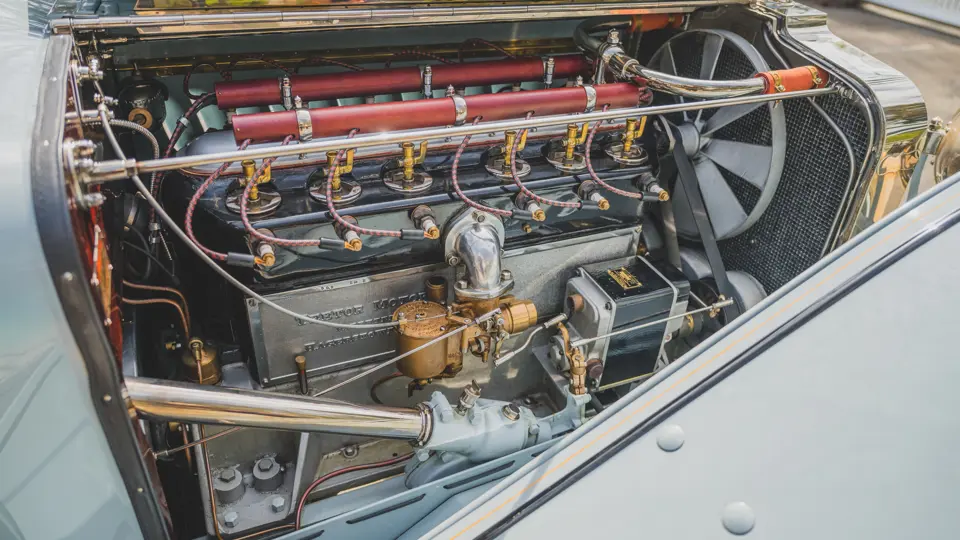
The vast majority of American Underslungs were open touring cars. Among the few roadsters was the Model 642, which featured more elaborate bodywork than the earlier, speedster-style roadsters, with a cowl that curved and flowed elaborately into the doors and then into a rounded rear deck that carried both a luggage space and an external mount for the spare. Ample power was delivered by a Teetor-Hartley T-head six-cylinder engine, delivering its peak 60 horsepower at a throbbing 1,600 rpm through a four-speed transmission. Alas, the Model 642 was introduced very late both in the run of the Underslung design and American manufacture, and scant few are believed to have been produced to bring their spirit of speed, youth, and exuberance to the road.
THE SURVIVING MODEL 642
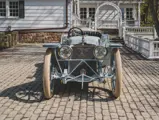
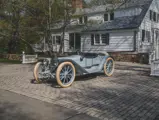
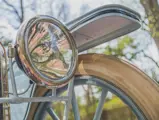
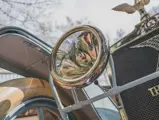
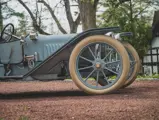
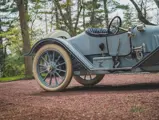
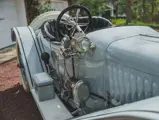
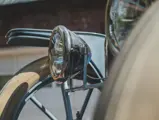
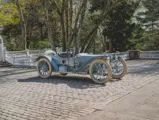
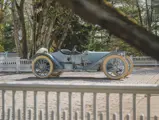
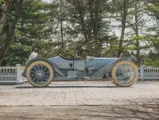
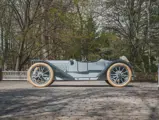
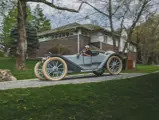
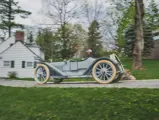
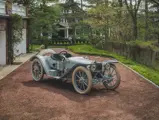
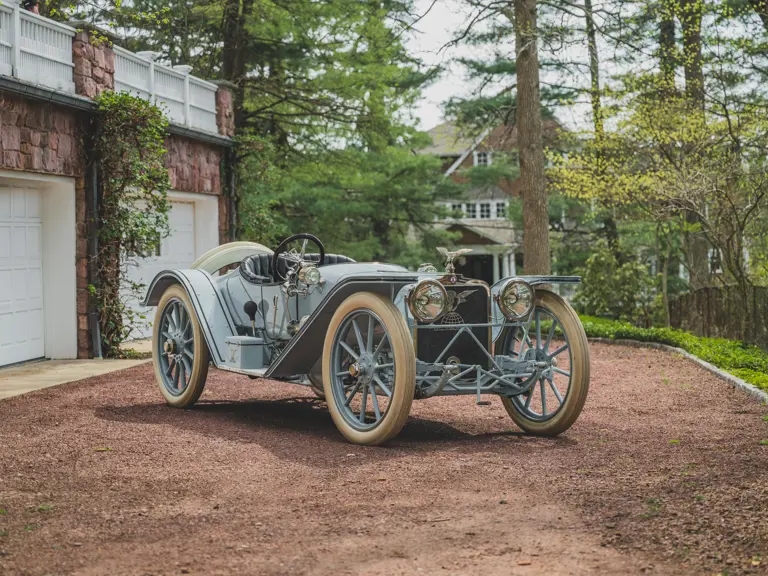
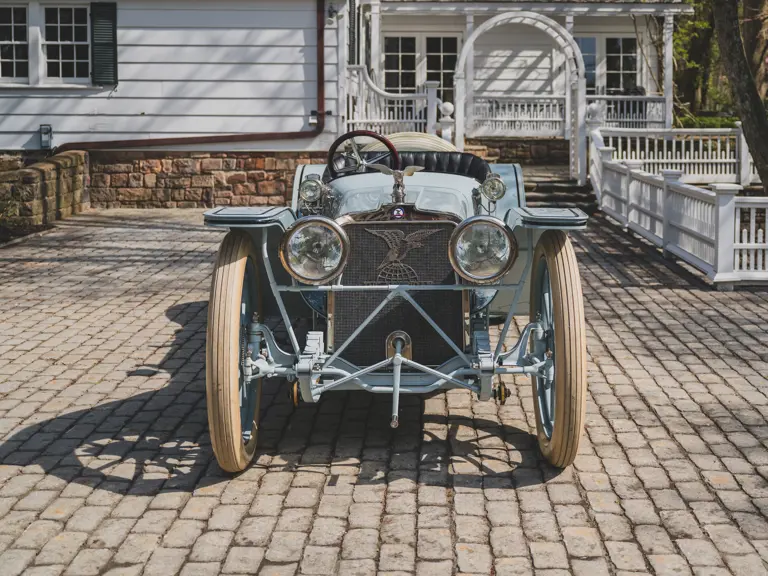
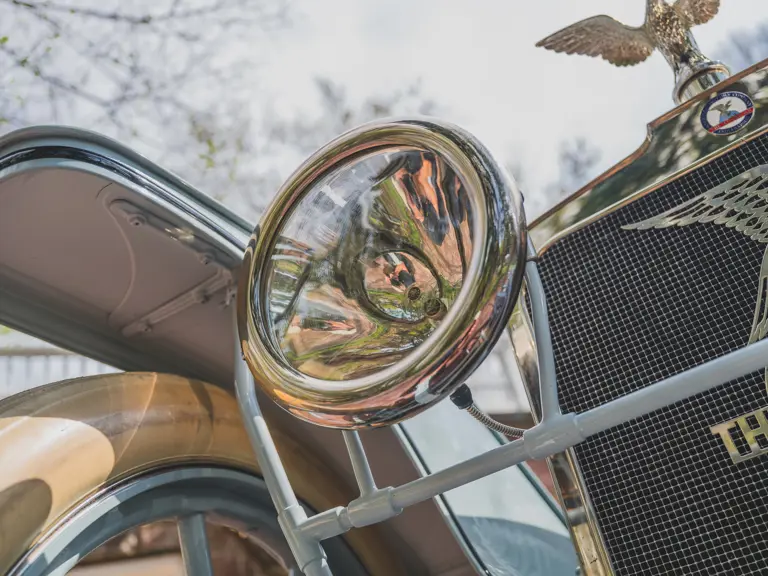
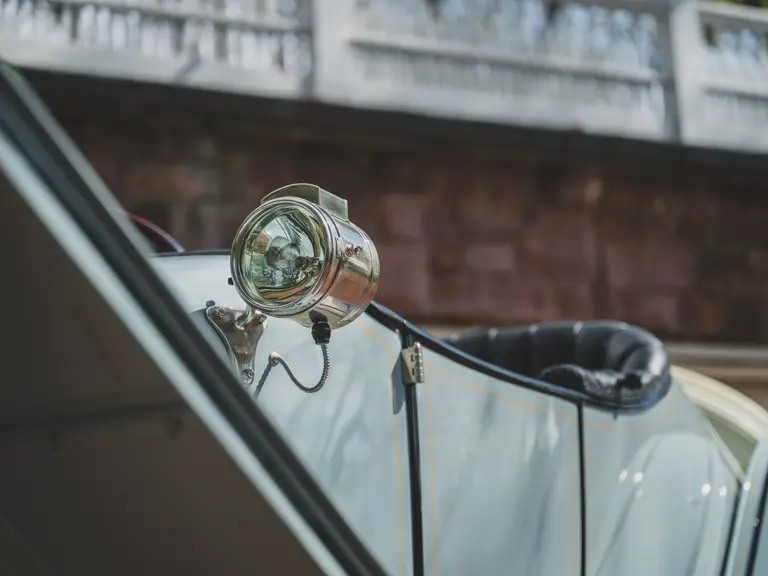
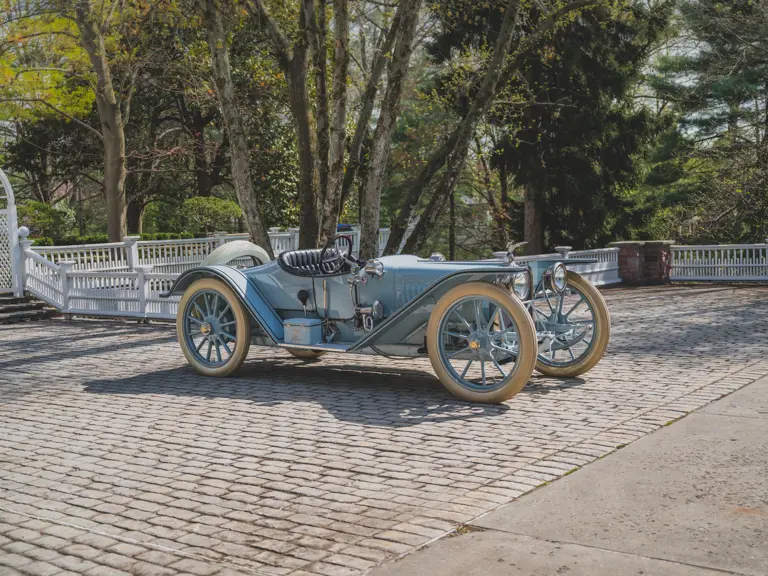
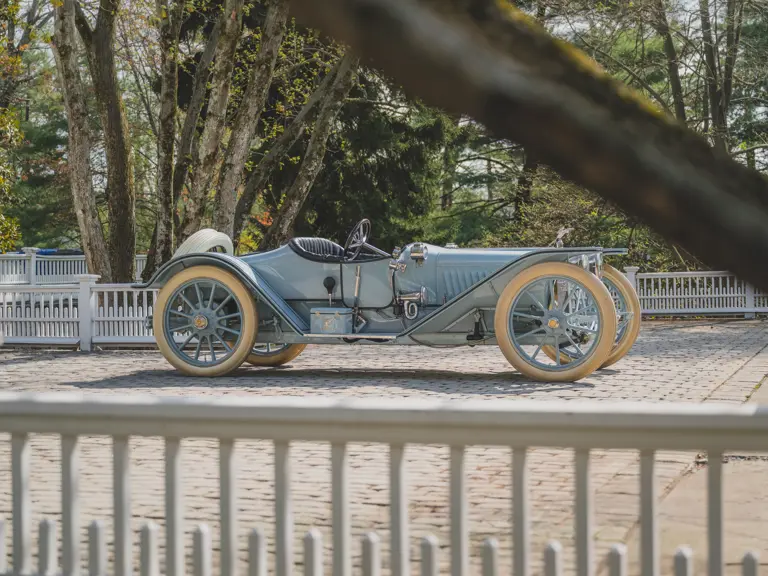
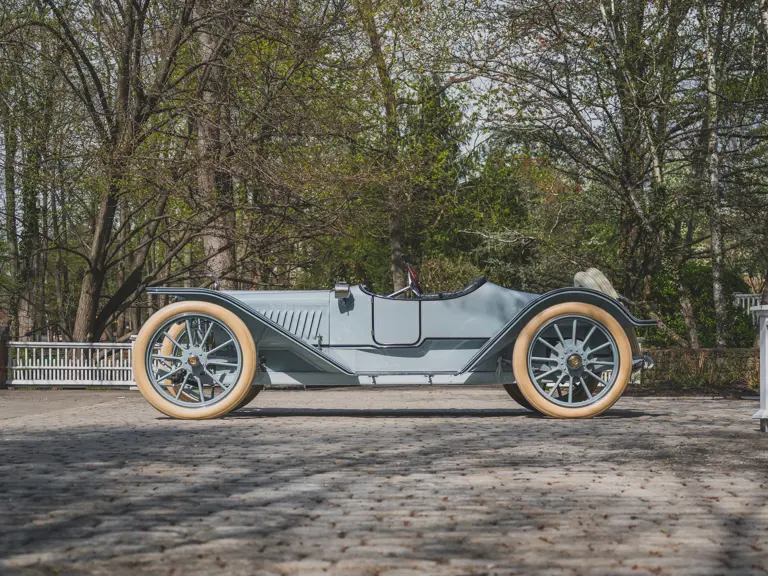
The Manns’ Model 642 roadster is the only such example in existence and may well have been the only one produced in 1914, the last and abbreviated year of American Underslung manufacture. It also appears to have been built by special-order, as there are slight differences between the surviving catalogue illustrations of the Model 642 and this car as-built, most prominently the rakishly angled hood louvers that give it a very racy look for its period.
According to Mr. Mann, the roadster is believed to have been built for Frank E. Smith, assistant general manager for American and, later, court-appointed receiver in its liquidation. The car was eventually acquired by another former American employee, Michael A. Watkins, who in 1947 sold it to J. Marvin Lowe of Little Rock, Arkansas. Mr. Lowe fitted the car with conventional rims to accept modern tires, slightly shortened and curved the fenders to suit them, and installed a Continental engine with appropriate left-hand-drive, but fortuitously left the bulk of the car, including its original chassis, drivetrain, and bodywork wholly intact. Afterward he drove it almost daily, considering it his “sports car.” He retained the Model 642 until 1962, when it was spotted by a “finder” who acquired it on behalf of the famed Harrah’s Automobile Collection.
Harrah’s retained the car as-purchased until 1976. It was sold that year to the Ohio-based Brass automobile collector and restorer, Joe Loecy, then only a year later to his contemporary Bob Barrett of Buffalo, New York. A longtime and very active Horseless Carriage Club of America member, Mr. Barrett was an industrial designer who was well-known and highly regarded for his mechanical expertise on his own restorations and those of others, and is much remembered by his many friends in the hobby. In particular he was an enthusiast of the American Underslung, and ministered to many over the years.
Sam and Emily Mann met Mr. Barrett through their prior American Underslung, a 1908 roadster, which the talented craftsman had returned to excellent running order. The trio became great friends. Eventually the Manns learned of Mr. Barrett’s own car, this 1914 Model 642, for which he had acquired a correct Teetor-Hartley engine in the intention of restoring the Underslung to its original condition. They prevailed upon Mr. Barrett to sell it to them; as Mr. Barrett had been intending to restore the car himself, the compromise was that he would be the one to restore it.
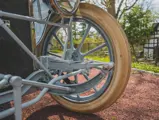
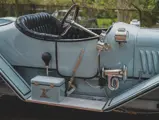
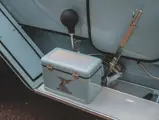
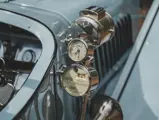
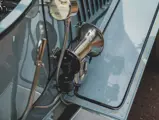
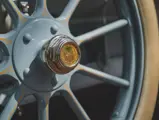
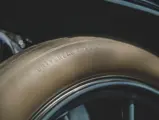
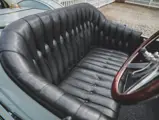
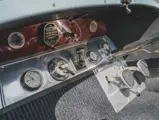
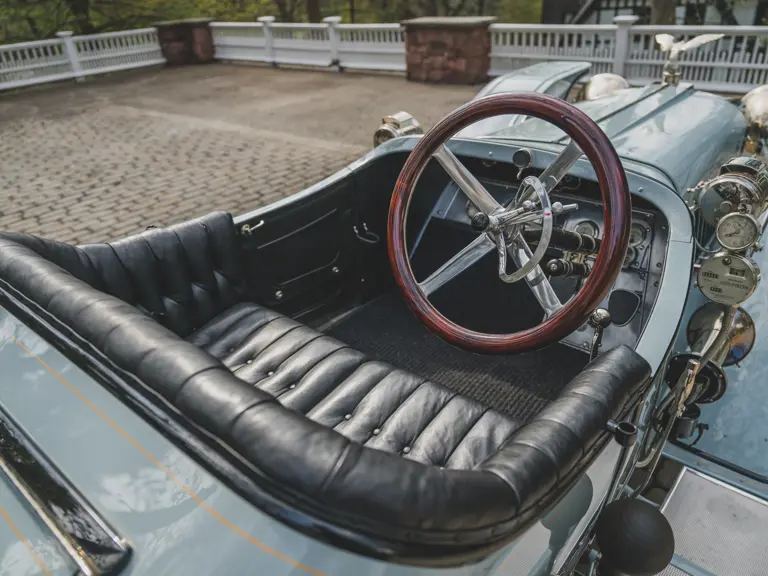
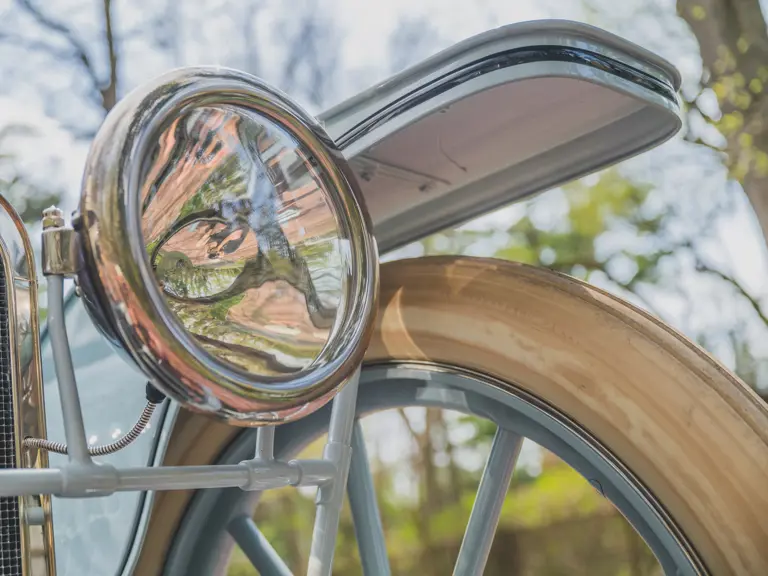
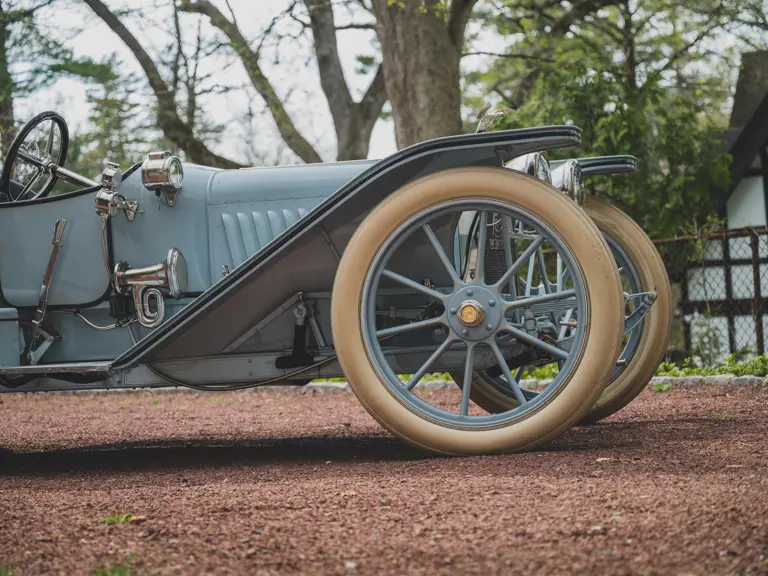
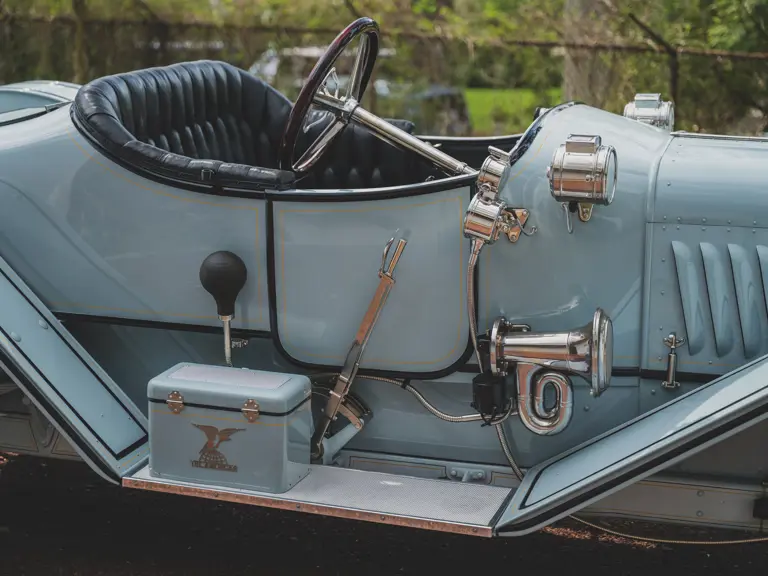
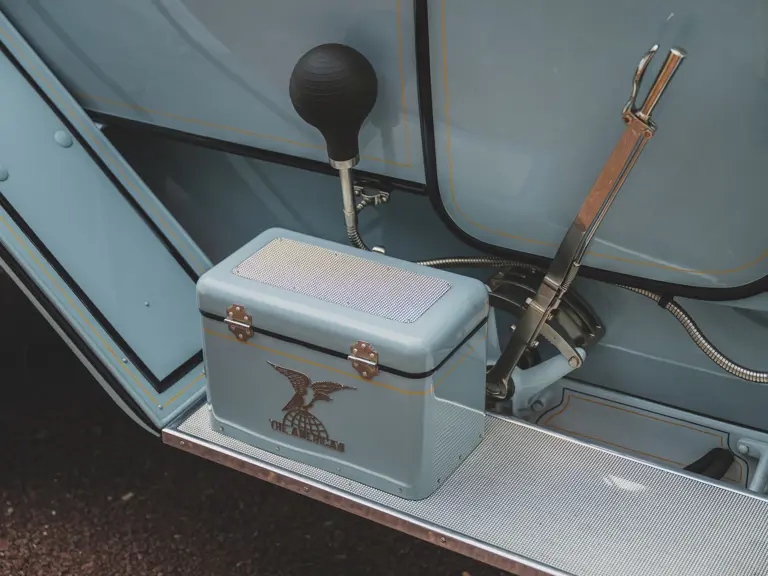
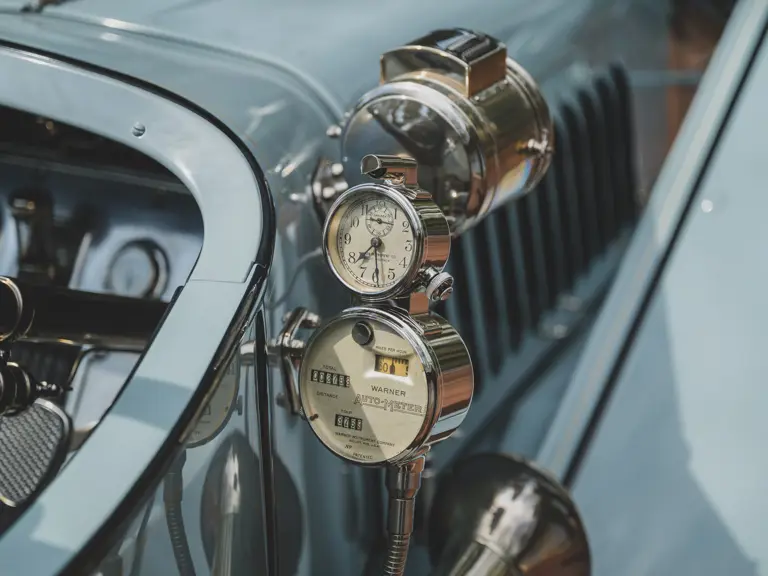
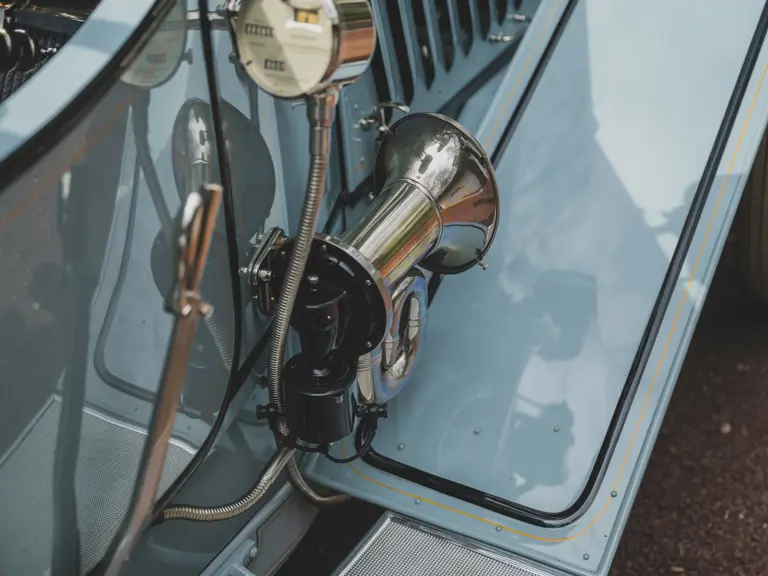
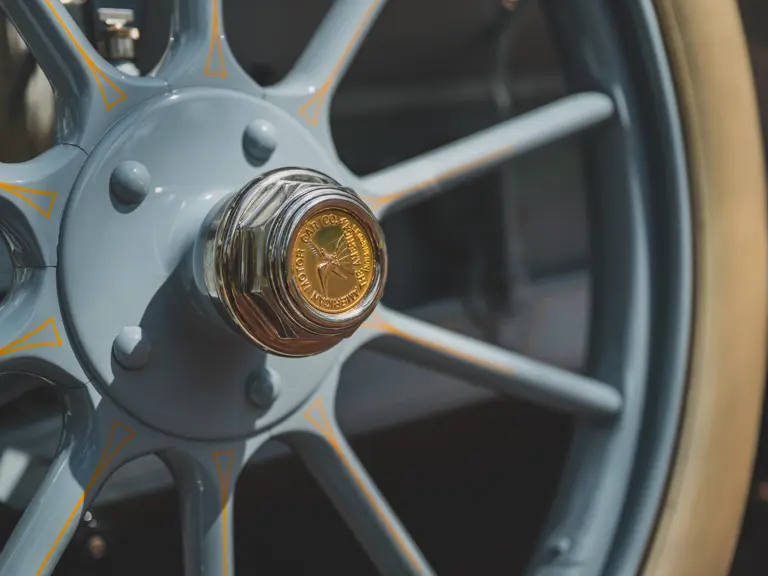
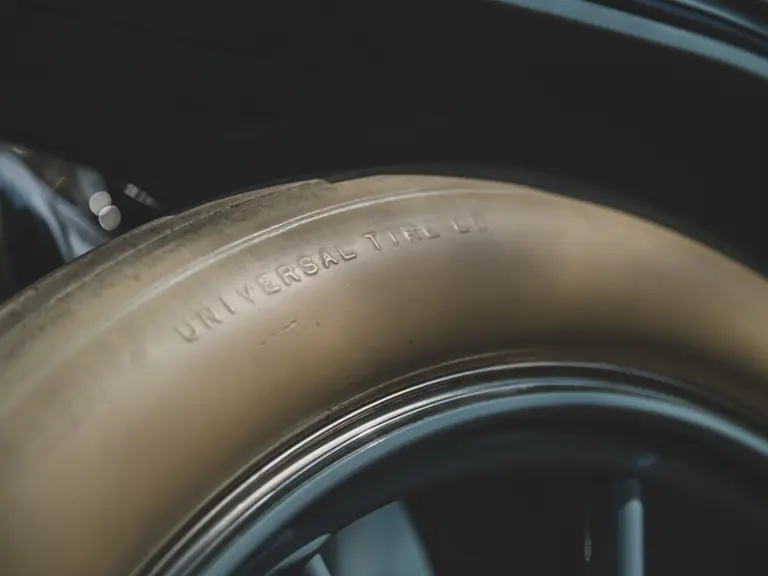
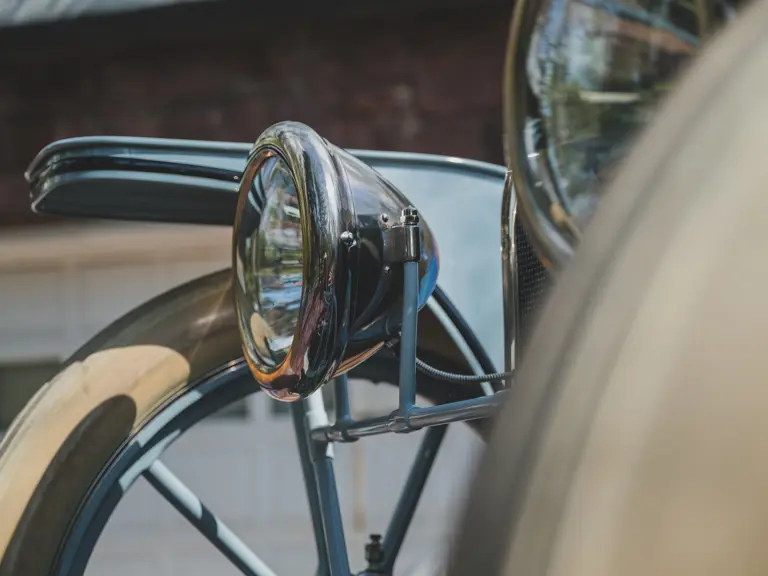
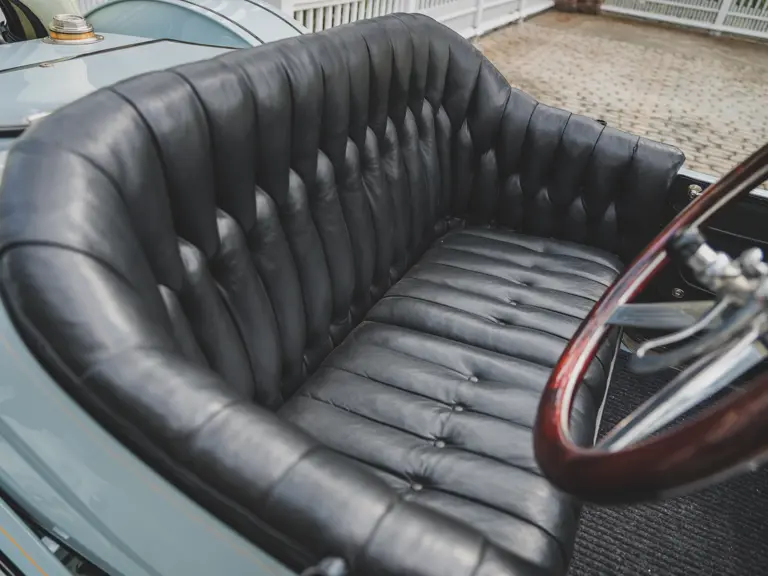
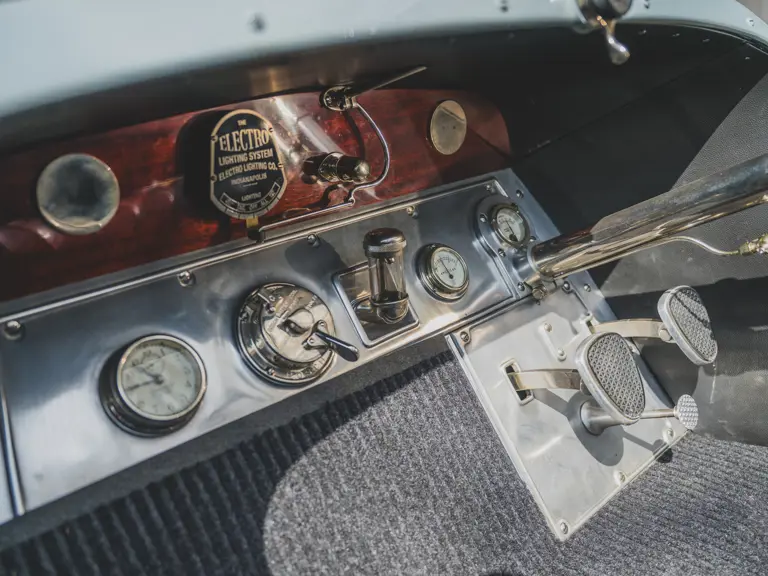
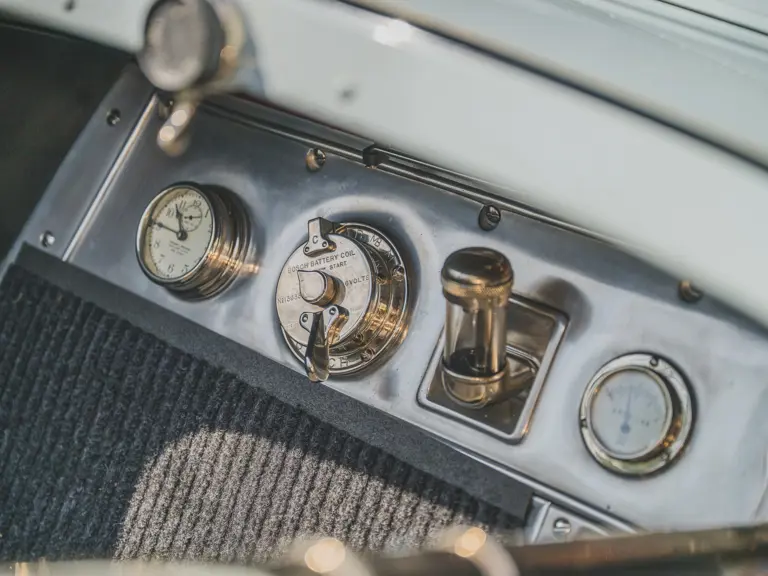
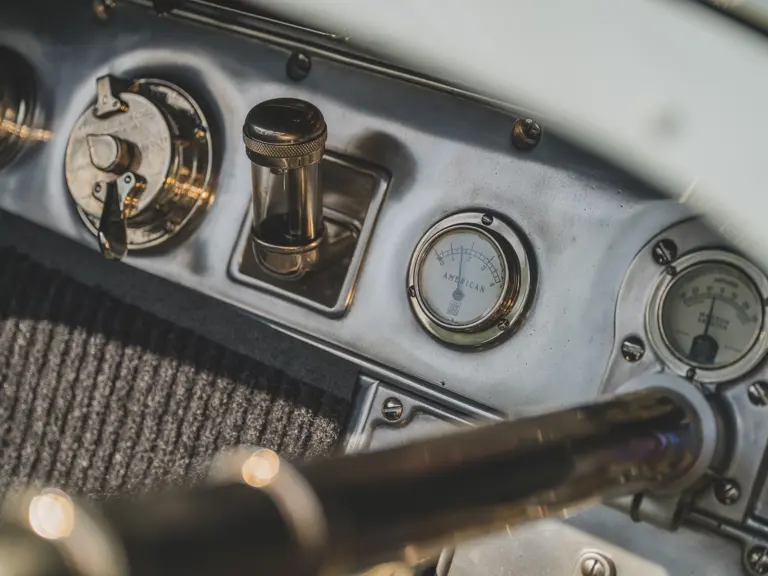
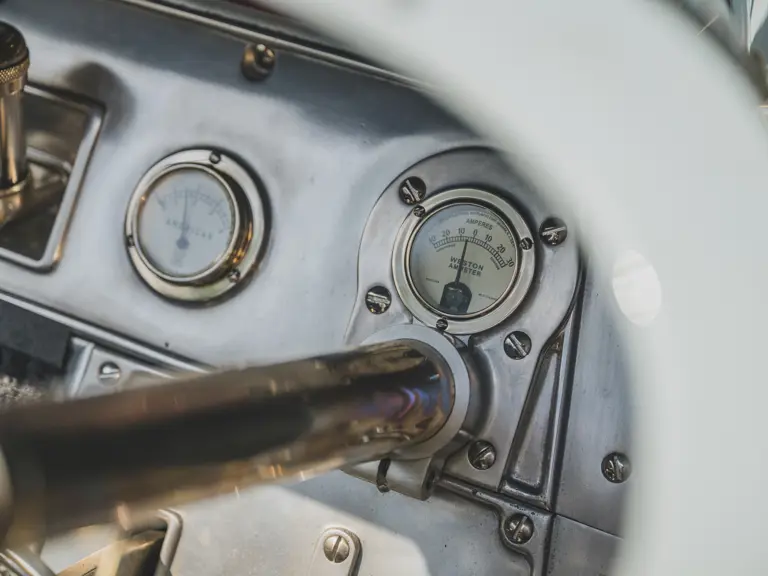
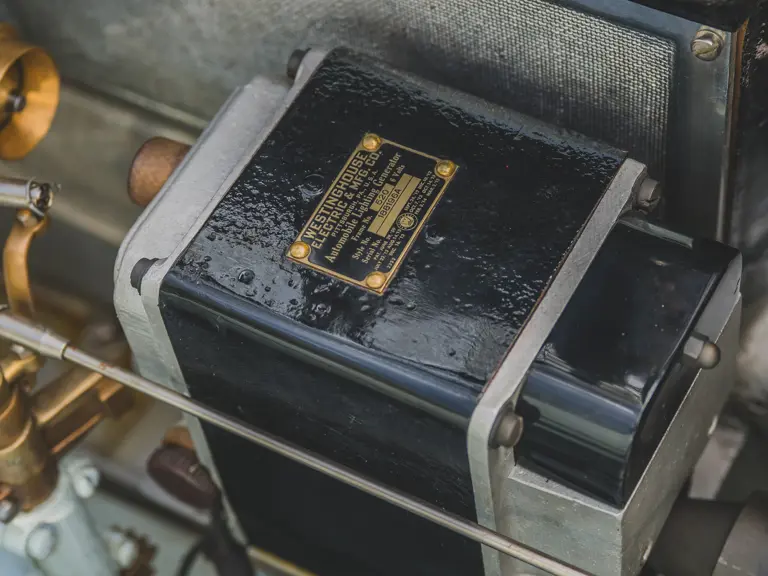
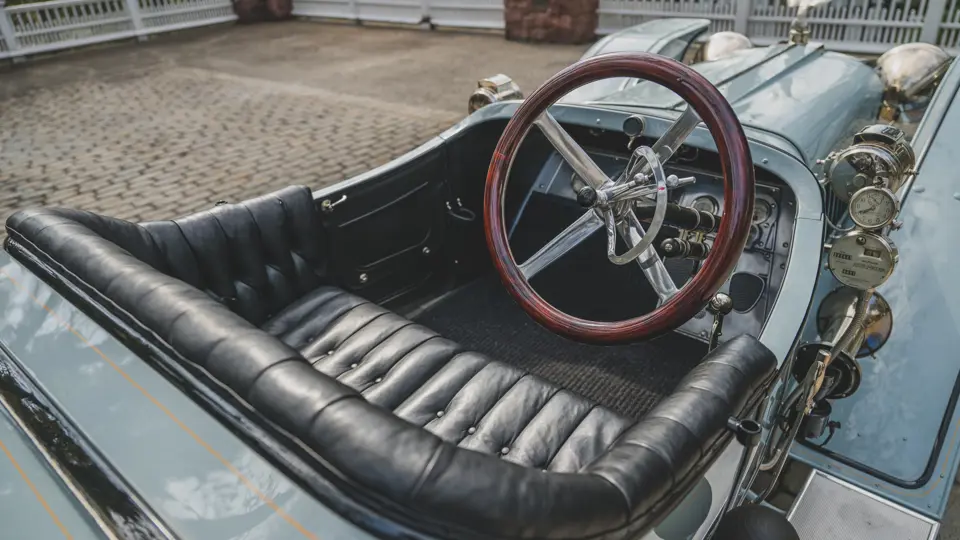
Inspection showed that the car, despite its “tweaks” from the Lowe ownership, had survived surprisingly well. Its body was in amazing condition, straight and clean, with even the hood sides remaining in excellent shape; photographs on file attest to this, as well as to the excellence of the original wood framework behind the body panels and in the floors. Only a few small pieces of wood had to be replaced, and a small patch panel welded into a lower edge of the body. Original upholstery was still present and usable for patterns—and the upholsterer’s name was still painted behind the fabric on the inner door panels! Much of the cosmetic work was undertaken by the Manns’ own in-house facility, with the body refinished in a beautiful pale blue-grey, with neither windshield or top to interrupt its lines. Mechanical restoration was done by Bob Barrett, as no one knew the car better, with the engine outsourced to Mr. Mann’s favored rebuilders at Leydon Restorations, and all was mounted on American-correct wheels with 41-inch tires.
At completion, the car was, like nearly all fresh Mann restorations, taken west for debut at the Pebble Beach Concours d’Elegance, in 2013, and justifiably received the Charles A. Chayne Trophy, recognizing its advanced engineering. It subsequently was shown at the 2014 Amelia Island Concours d’Elegance. Mr. Mann notes that, compared to his prior 1908 model, this American is a much smoother and easier automobile to drive, and returns lovely performance on the open road, making it ideal not only for further concours enjoyment but for the driving events that he and Emily have so enjoyed in their various Brass cars.
It is a splendid survivor, and still does, indeed, capture the spirit of its youth.
 | Monterey, California