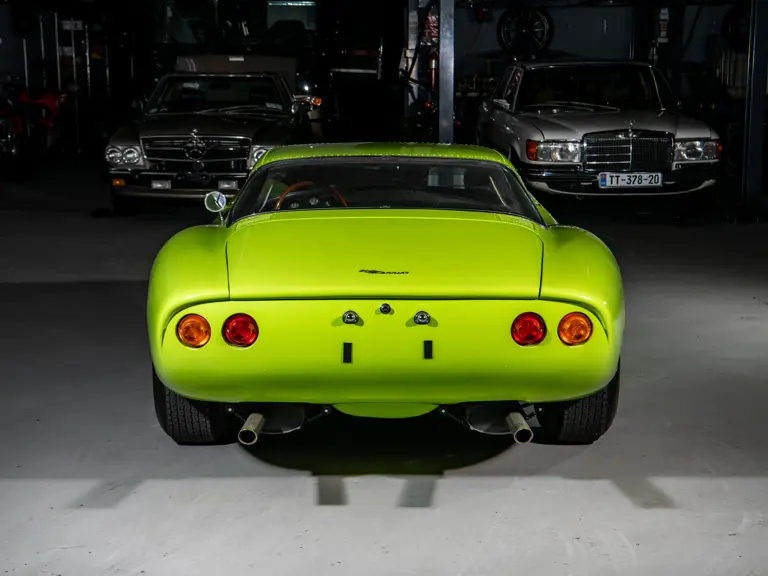
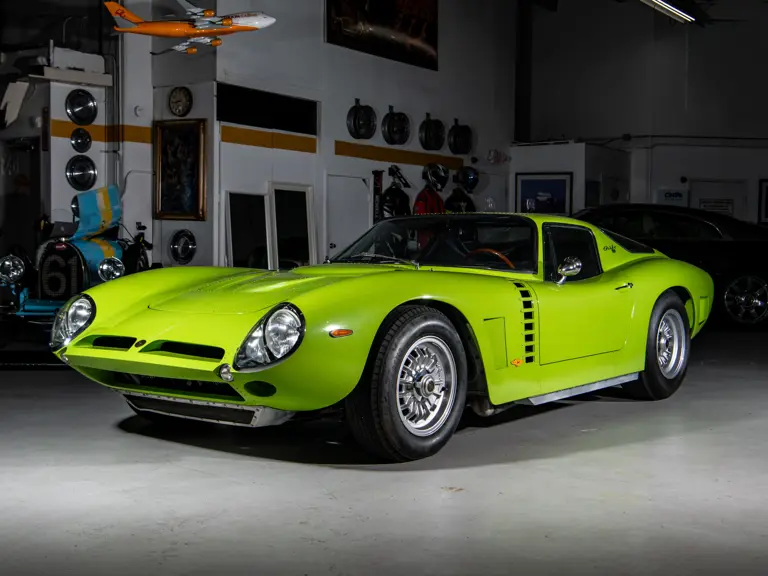
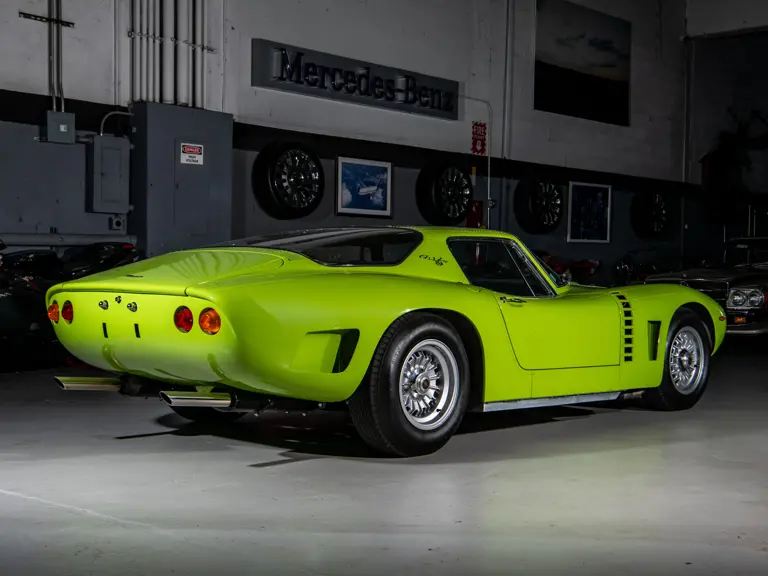
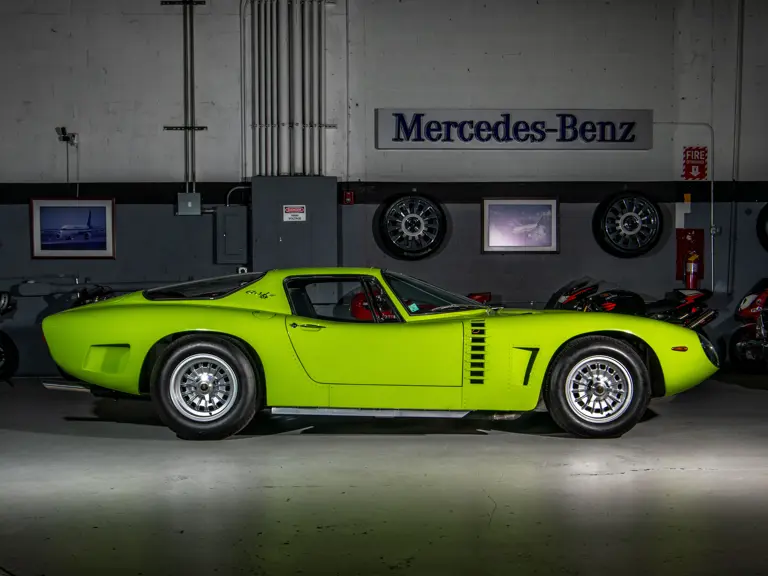


Chassis No.
B 0216
$940,000 USD | Sold
{{bidding.lot.reserveStatusFormatted}}
Few figures loom as large in the canon of 1960s Italian sports car engineering as Giotto Bizzarrini. Beginning his career as a test driver with Alfa Romeo in the 1950s, his subsequent tenure at Ferrari would cement his reputation, where he played a key role in the evolution of the Testa Rossa before leading the team responsible for the hallowed 250 GTO.
Departing Ferrari in 1962, he established his own consultancy, channeling his fiercely independent engineering philosophy into a series of ambitious projects. His collaborations during this period were prolific and influential, including work with Ferruccio Lamborghini on the marque’s seminal V-12 engine, the creation of the radical 250 GT SWB “Breadvan,” and a fruitful partnership with Renzo Rivolta’s Iso marque. It was through Iso that Bizzarrini would form a lasting relationship with stylist Giorgetto Giugiaro, contributing to the development of the Iso Rivolta and Grifo.
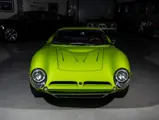
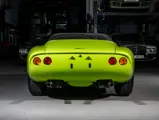
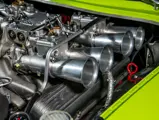
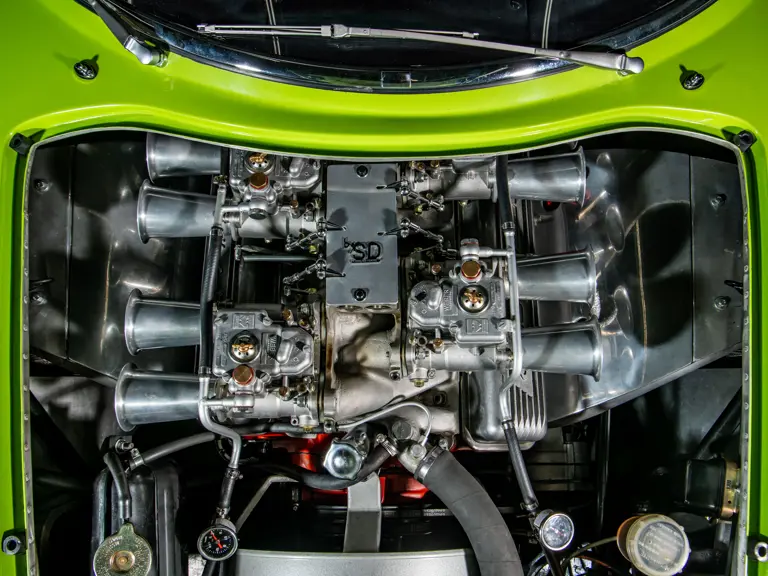
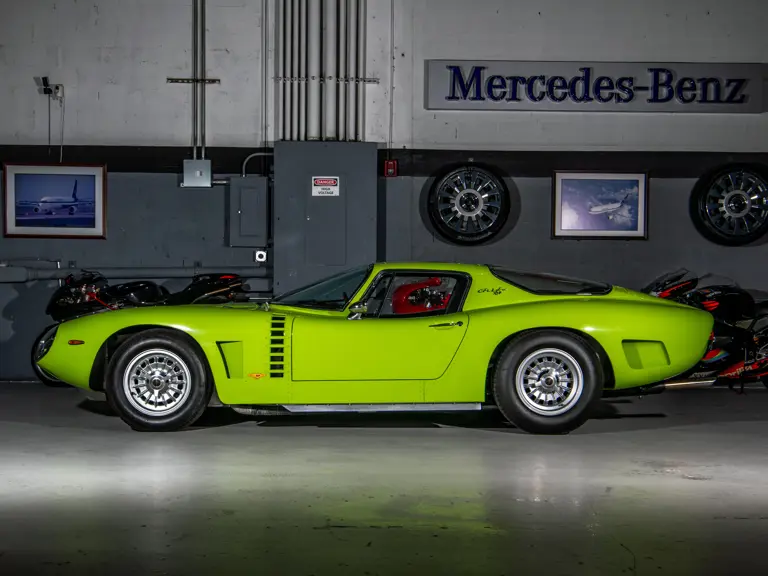
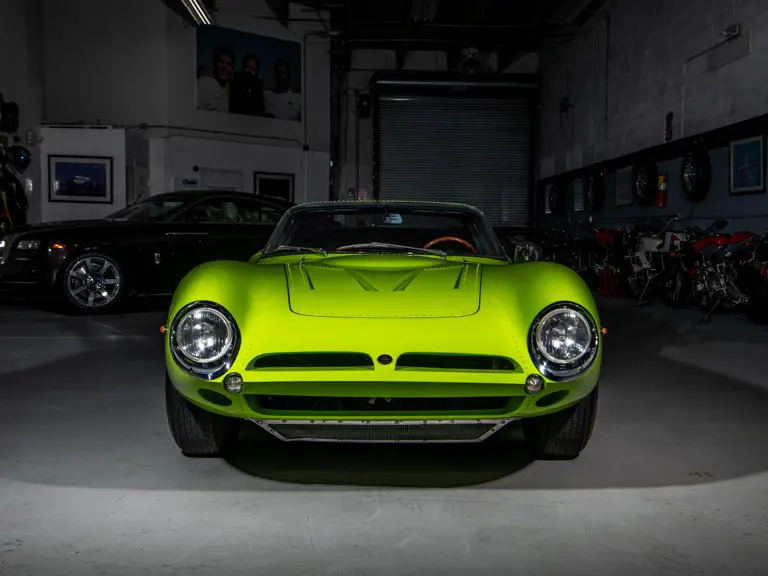
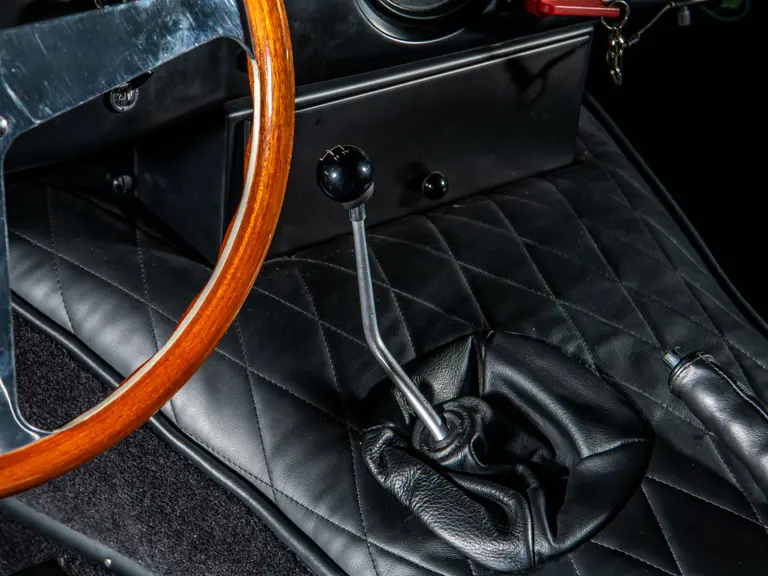
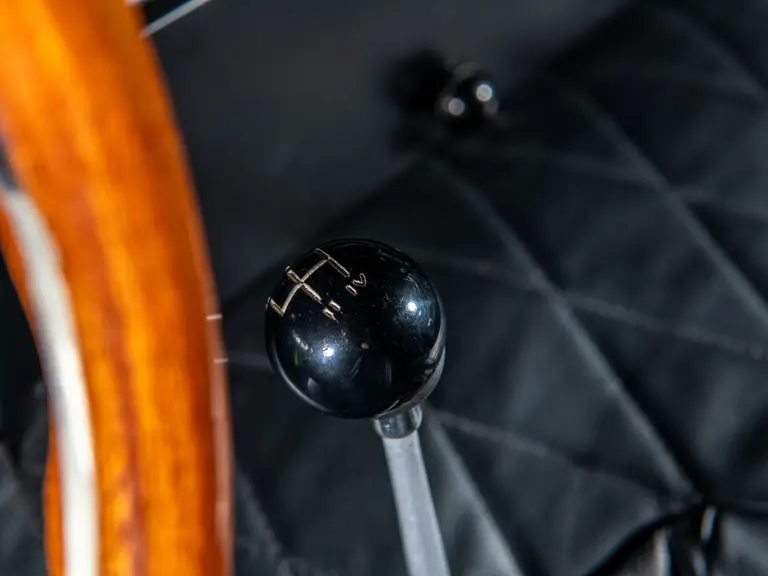
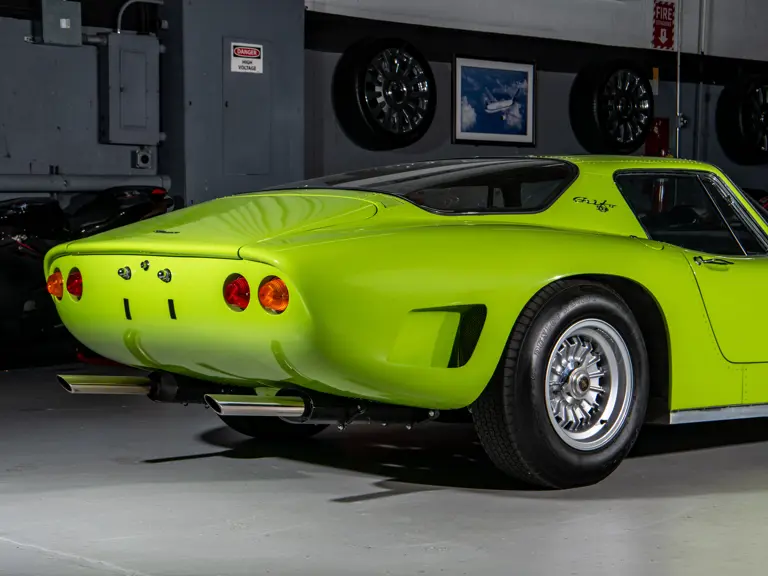
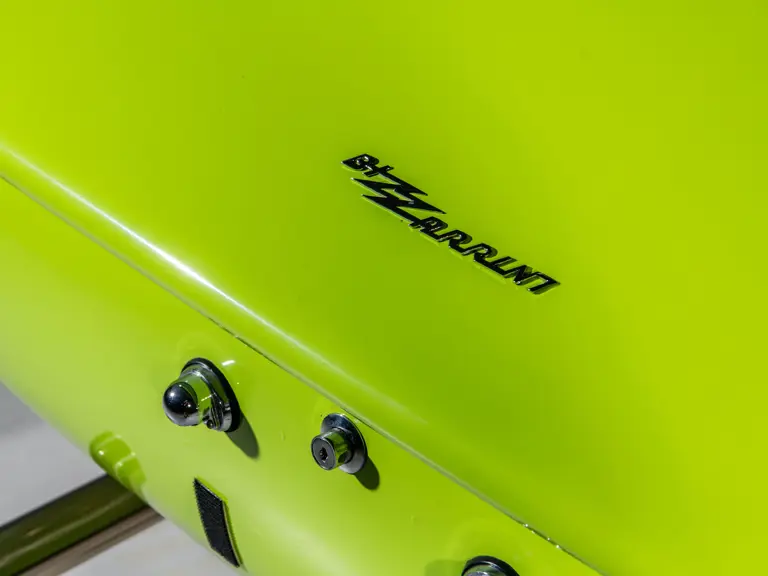
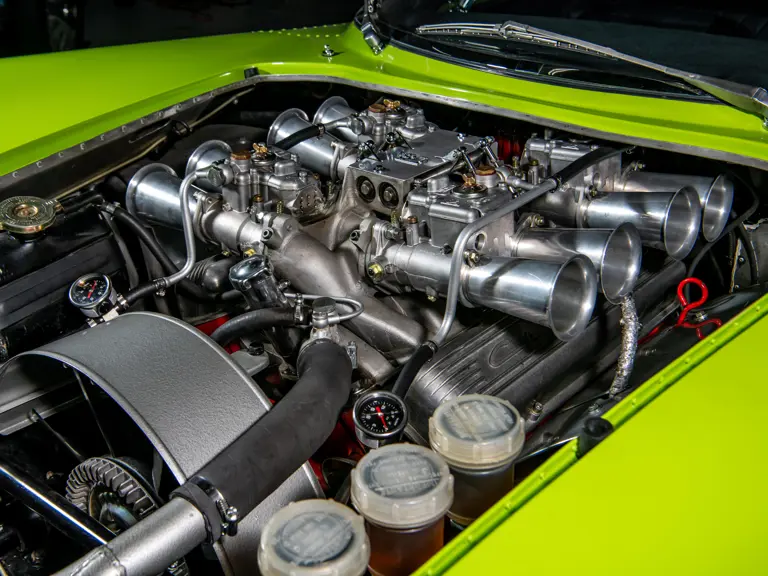
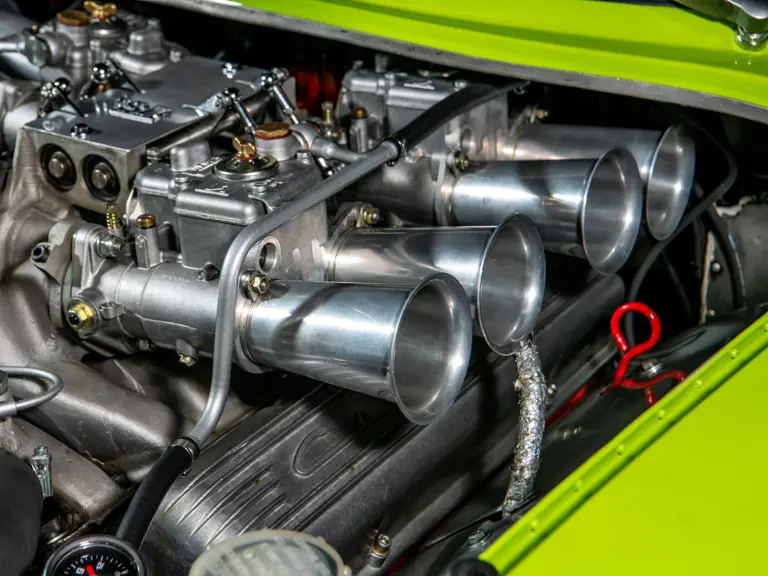
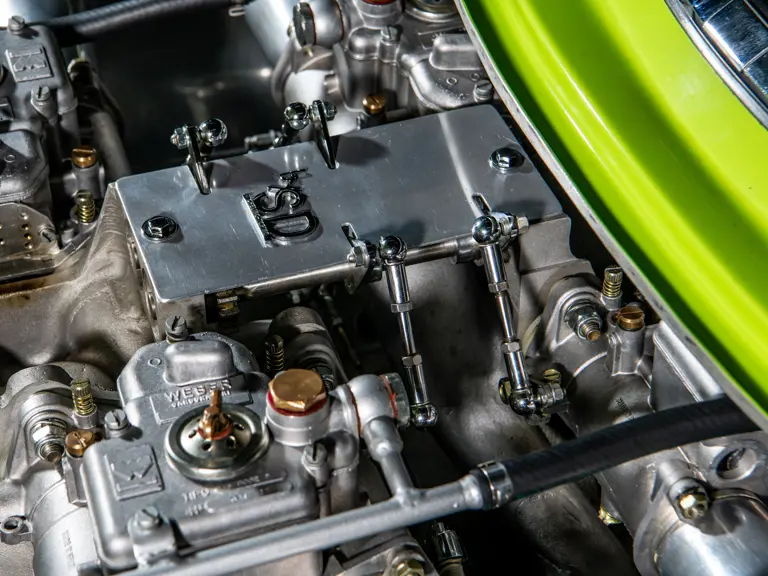
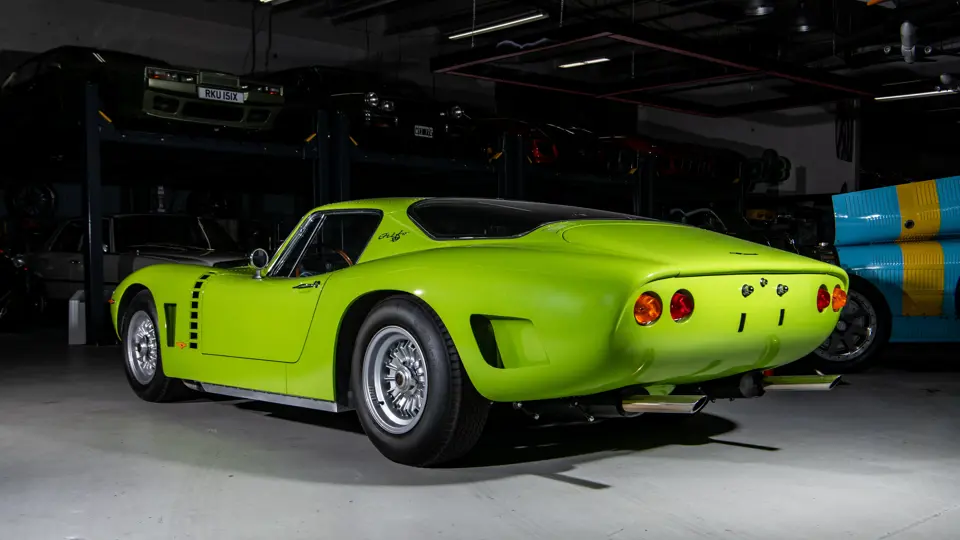
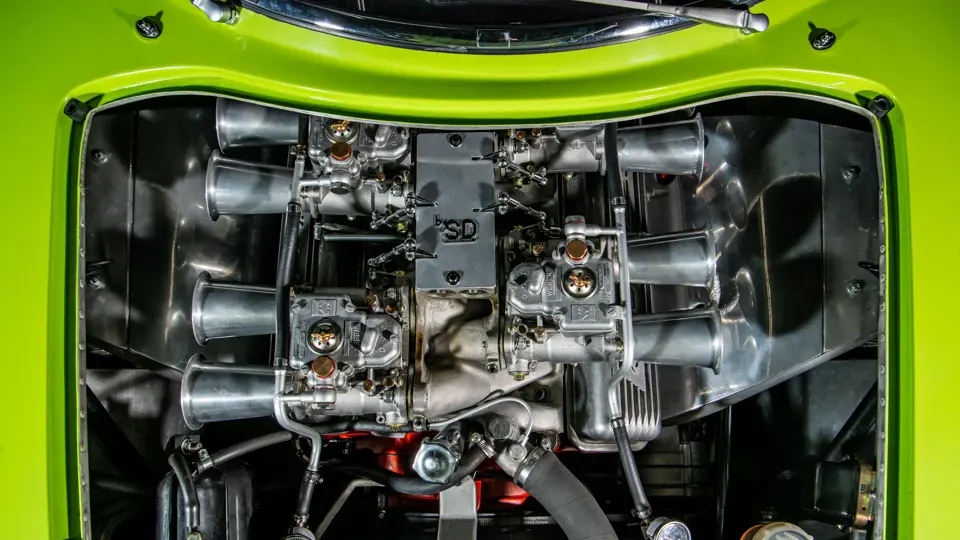
However, it was the competition-focused A3/C that fully demonstrated the breadth of Bizzarrini’s talents. Developed with Pierluigi Raggi, it combined a shortened Iso Rivolta chassis with welded pressed-steel construction, reinforced by a lightweight tubular framework. Mounted as close to the middle as possible was a 5.3-liter Chevrolet Corvette V-8, delivering power through a Borg-Warner T-10 four-speed manual transmission. Perhaps most striking was the A3/C’s aerodynamic bodywork, executed in collaboration with Piero Drogo. Its low, aggressive form reflected a marked evolution in Bizzarrini’s understanding of airflow and high-speed stability, rendering many contemporary front-engined rivals effectively obsolete upon its competition debut. The model’s defining achievement came in 1965, when it secured a class victory at the 24 Hours of Le Mans, adding yet another racing triumph to Giotto Bizzarrini’s already illustrious legacy.
Despite its competition prowess, the Iso Grifo A3/C was equally impressive as a road car, combining effortless cruising power with stunning Italian styling and a lavish interior. Its advanced chassis and near-perfect weight distribution delivered outstanding performance and exceptional handling, while its Corvette V-8 engine provided remarkable capability with a top speed approaching 180 mph.
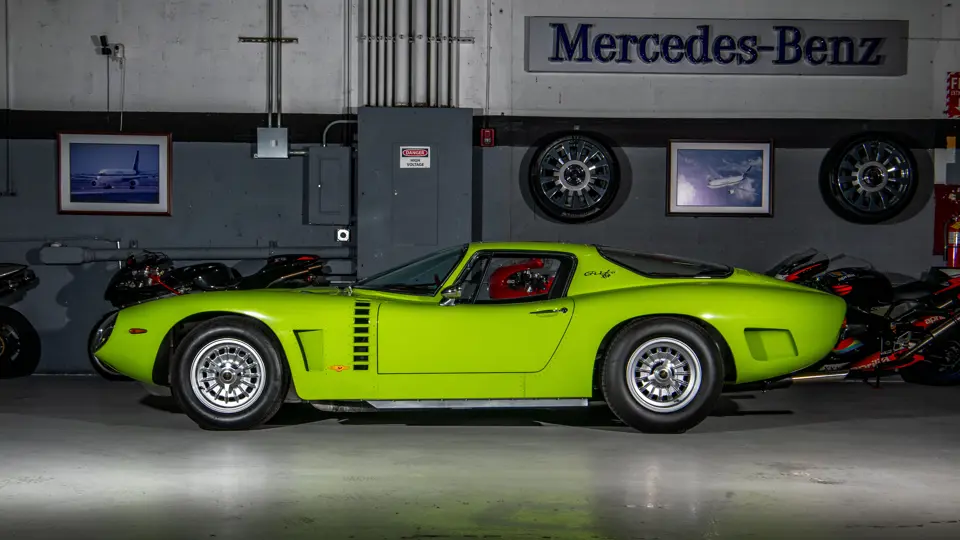
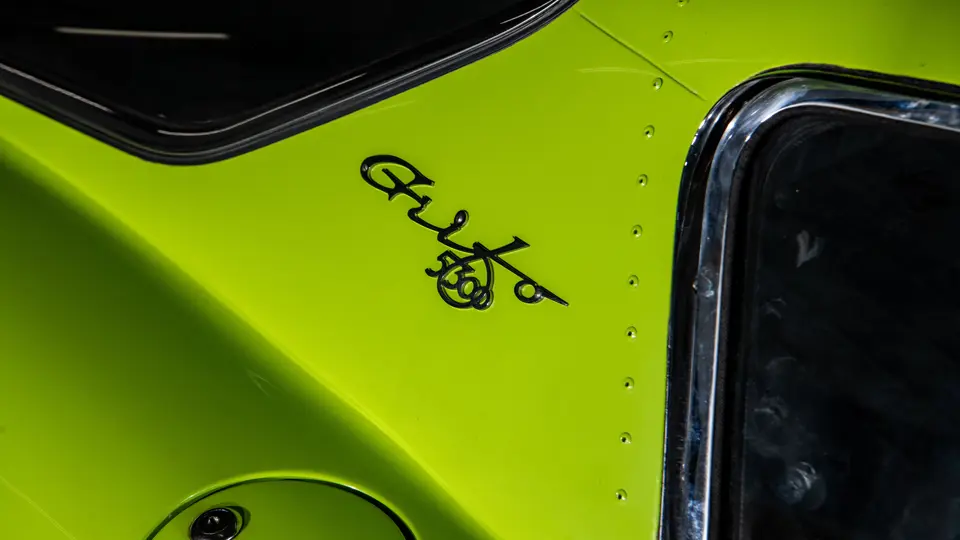
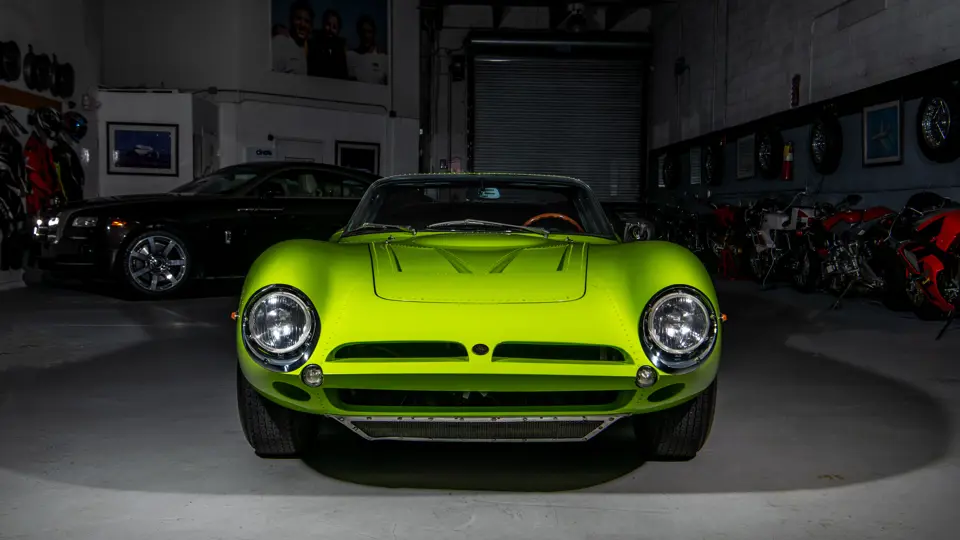
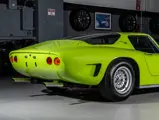
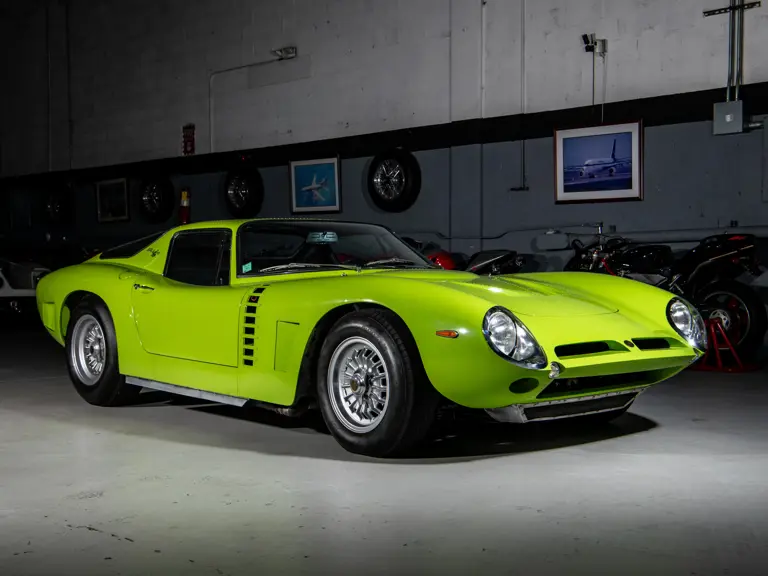
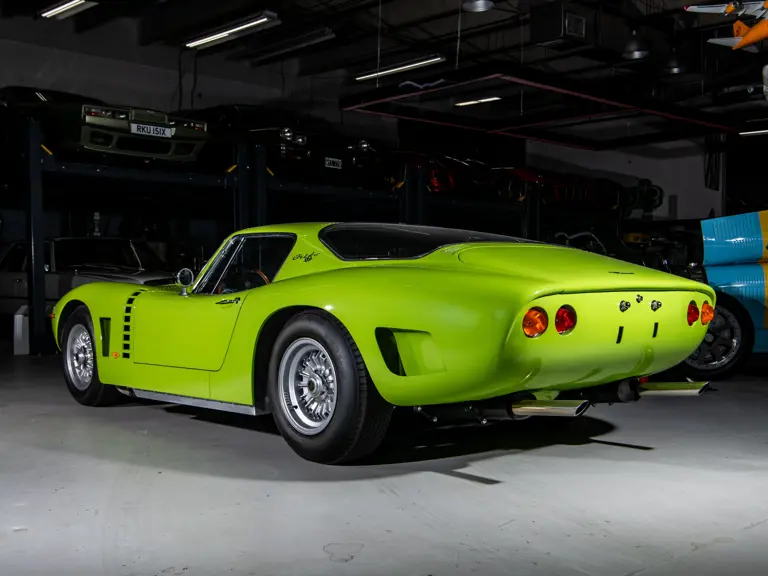
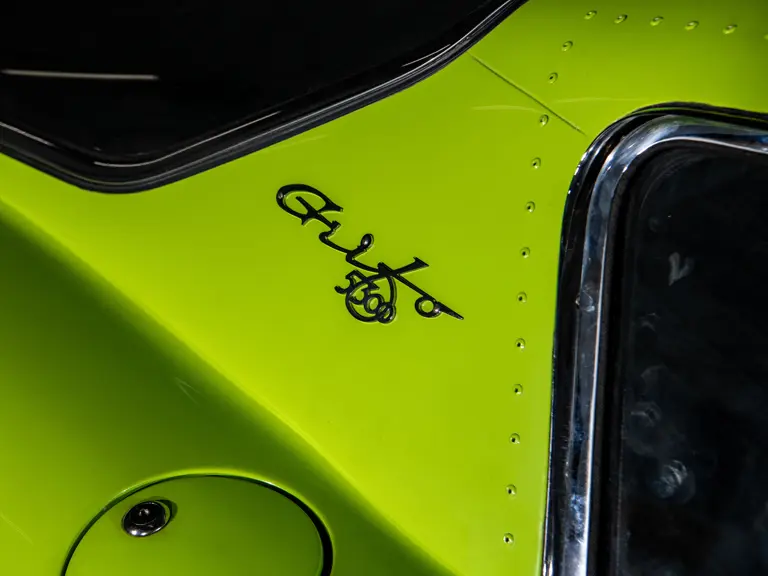
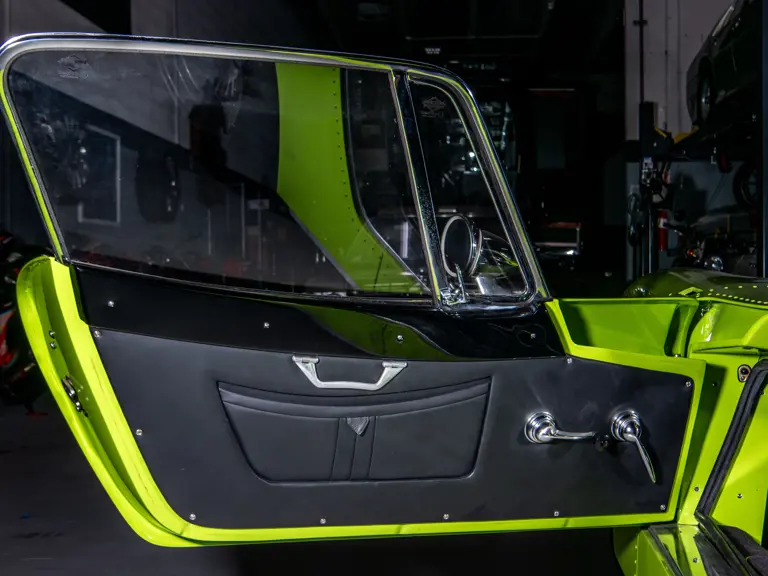
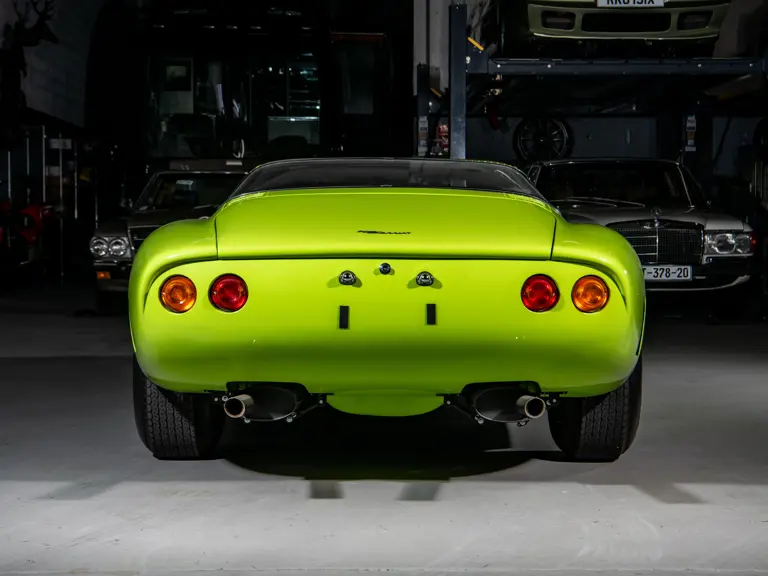
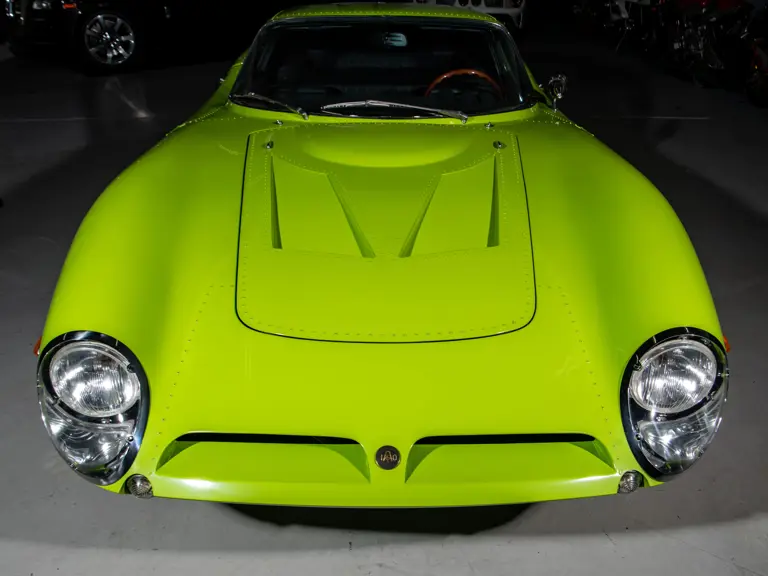
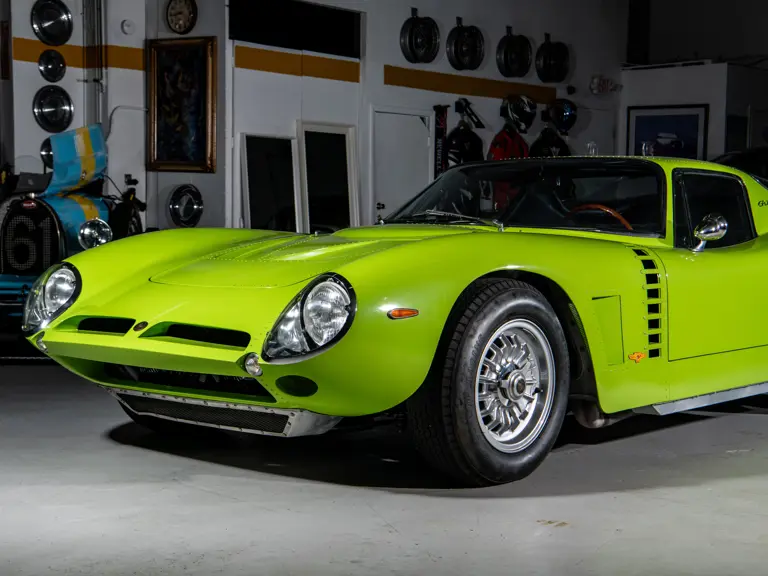
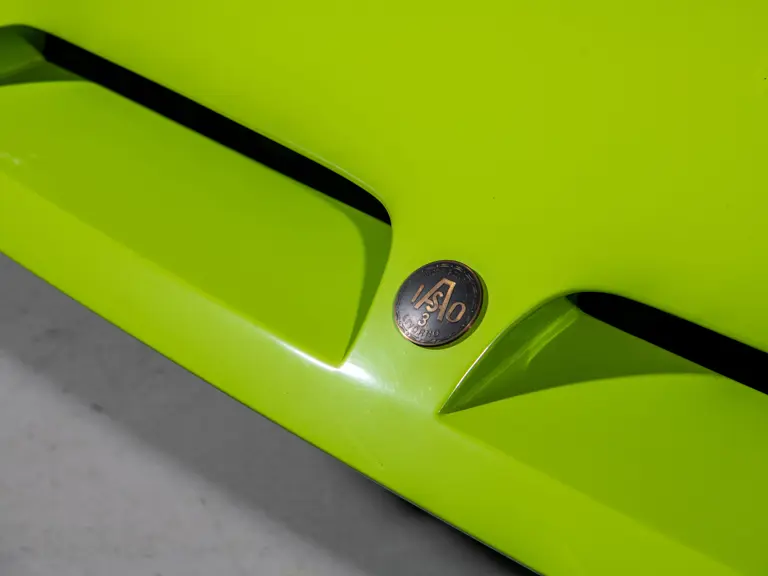
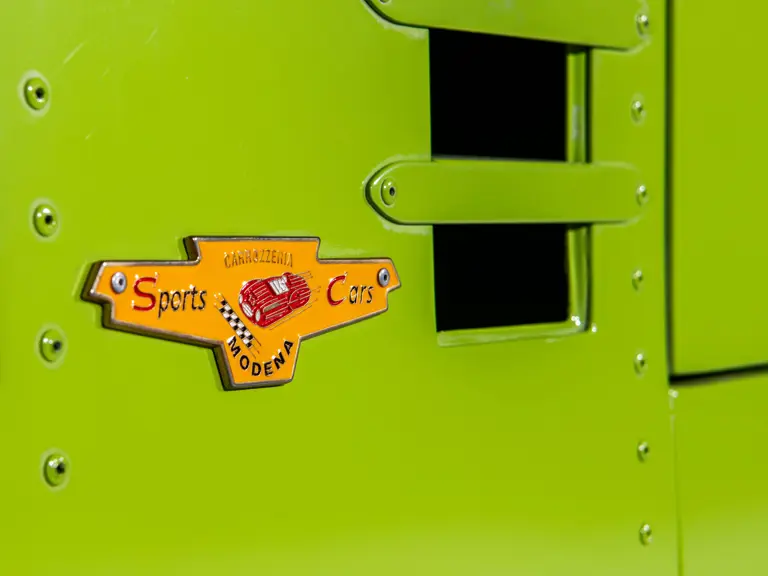
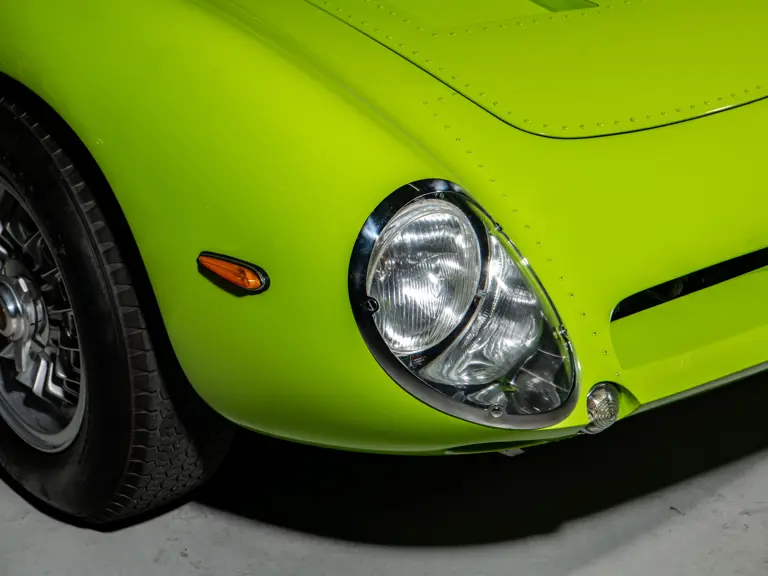
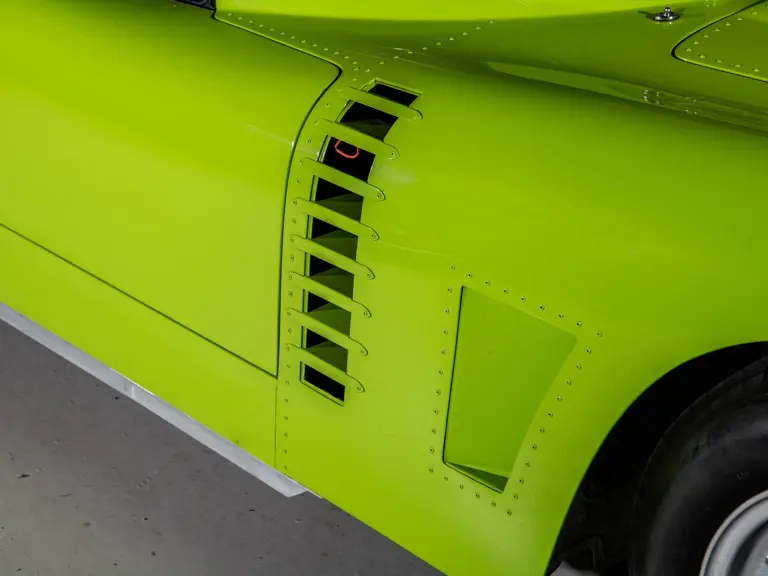
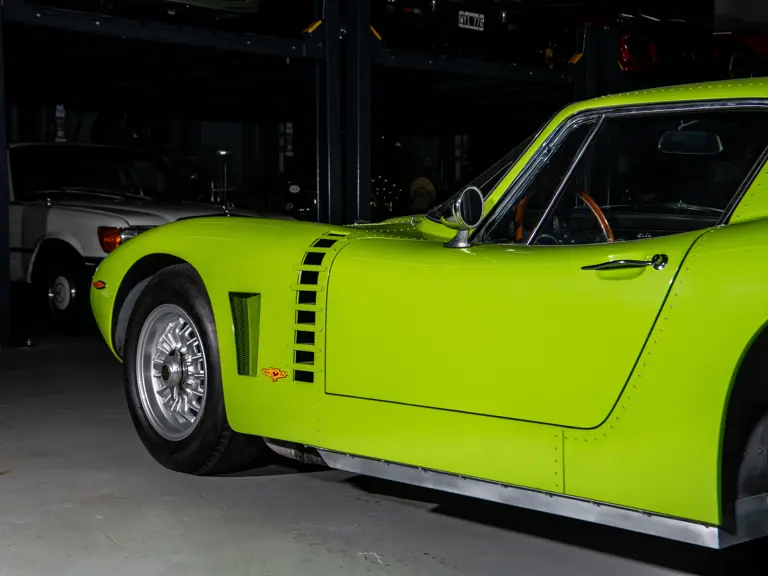
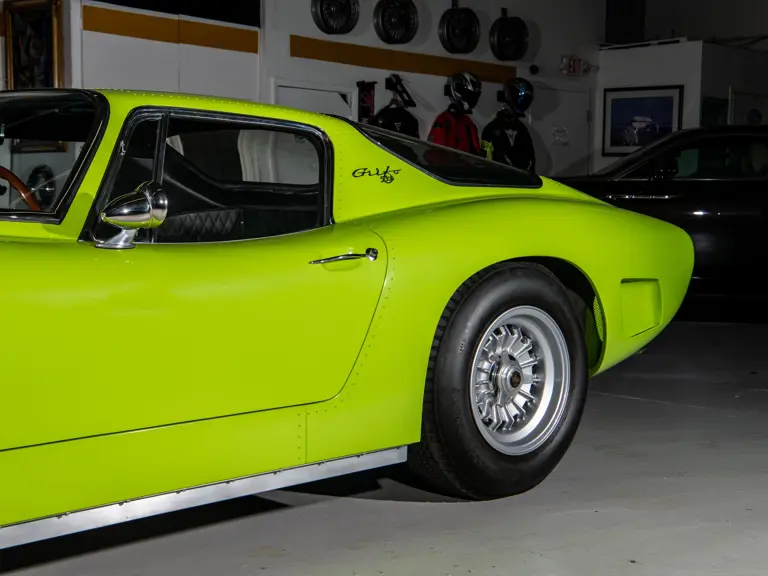
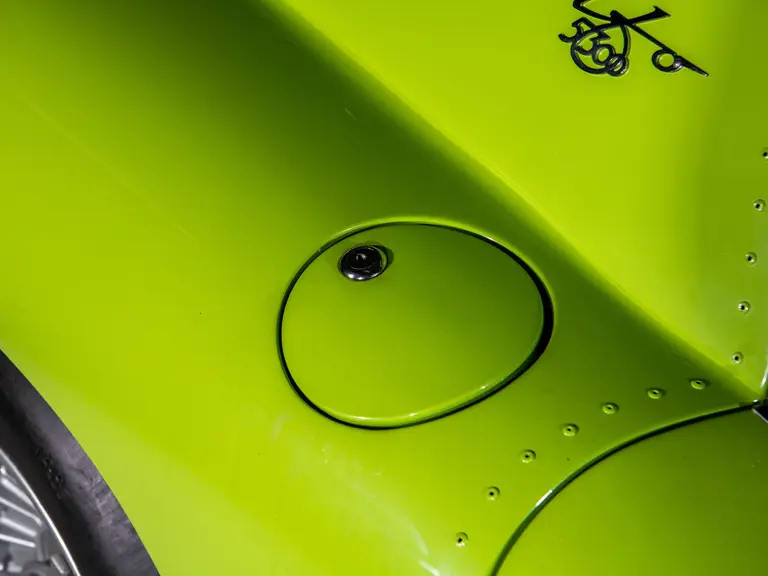
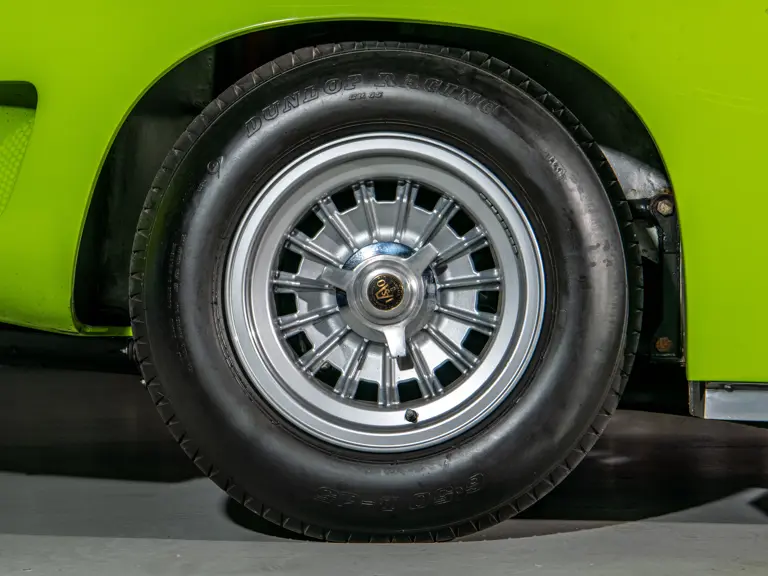
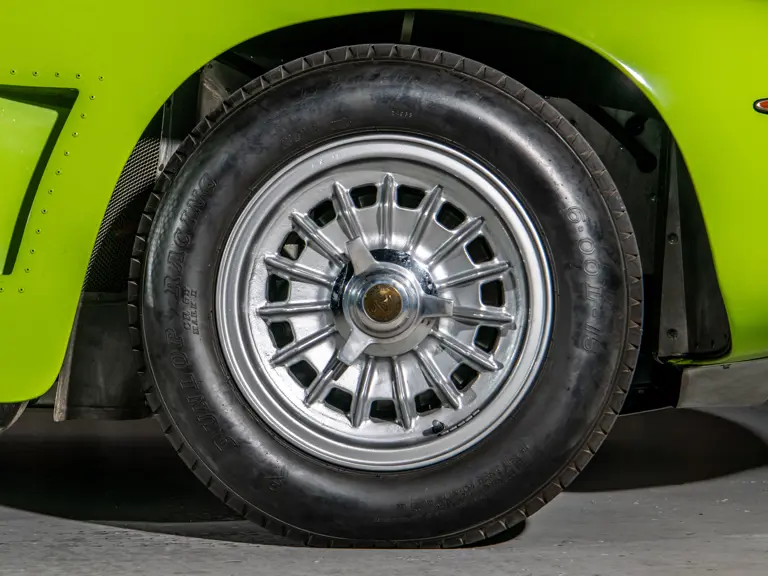
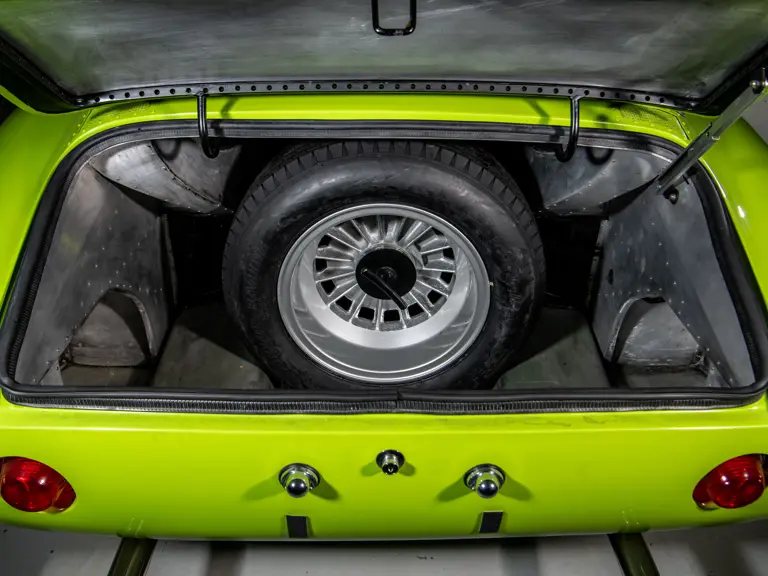
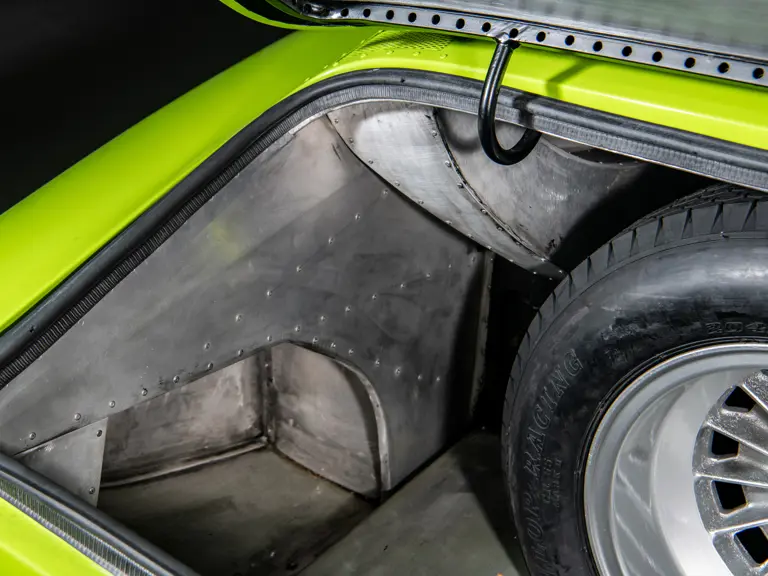
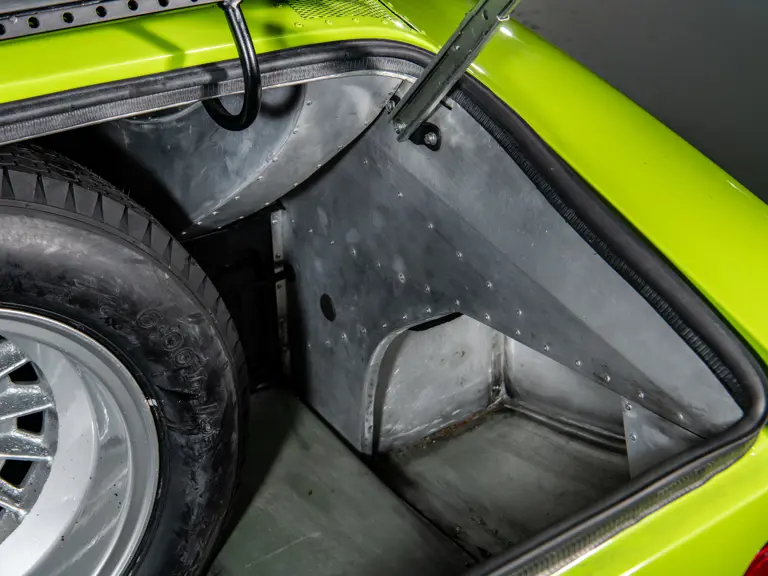
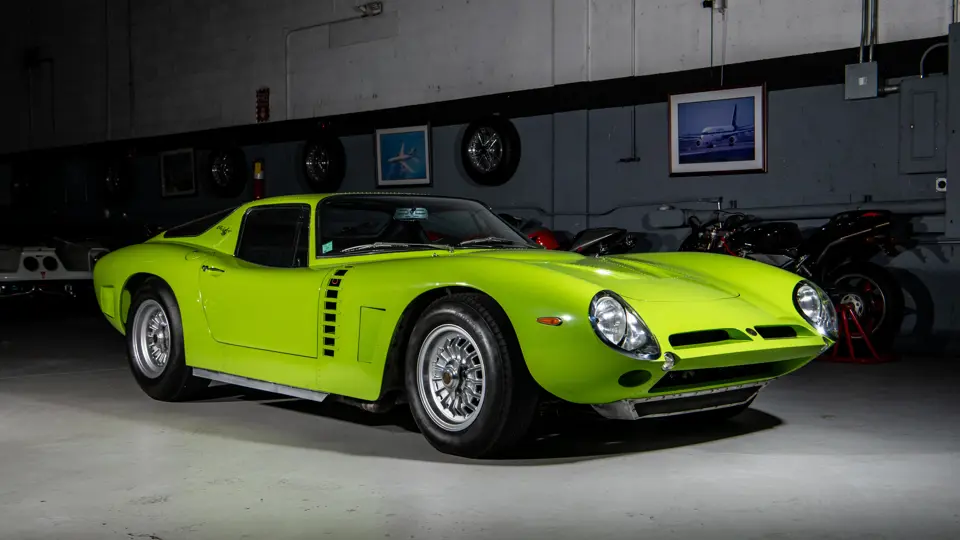
Reportedly delivered new through Auto Becker in Germany, the Iso Grifo A3/C presented here is believed to be one of only 22 “riveted” examples constructed with lightweight aluminum bodies. Following an accident early in its life, the car is understood to have returned to the factory, where it was rebodied to Bizzarrini 5300 specification. Shortly thereafter, it made its way back to Germany before being exported to the United States in the late 1970s, where it remained with a succession of owners until its acquisition by new ownership in 2002.
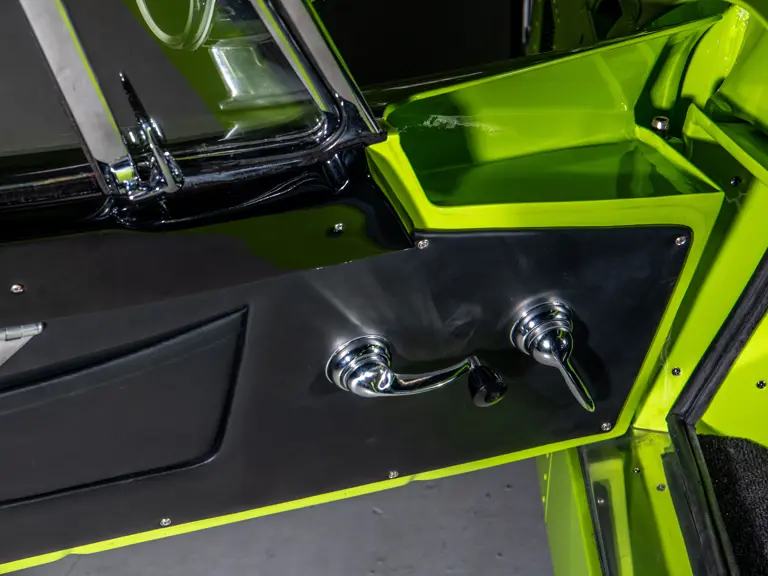
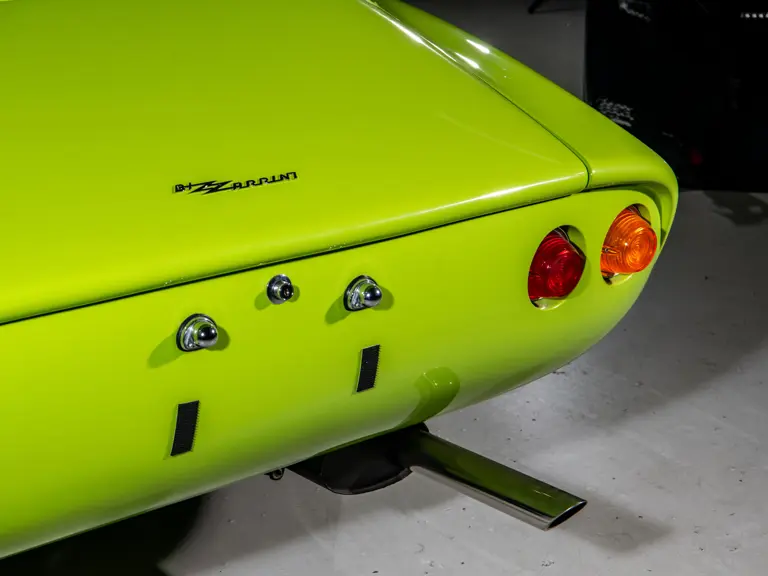
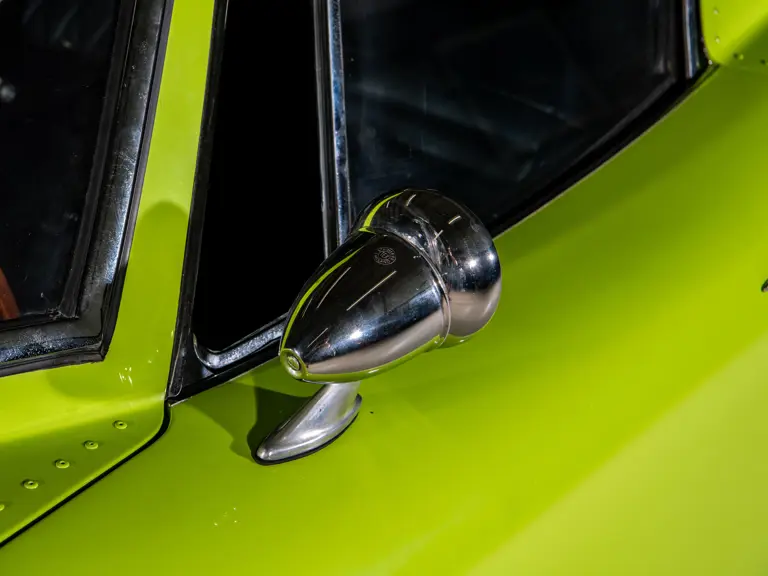
The new custodian immediately commissioned a detailed inspection by respected specialists during which several important original features were uncovered. Beneath the tired and deteriorating paintwork, the car’s distinctive riveted aluminum construction was revealed, while the original chassis stamping—B 0216—was rediscovered on the frame, confirming its identity as an A3/C.
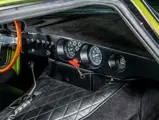
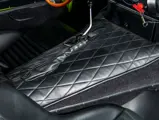
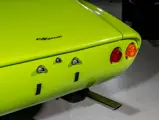
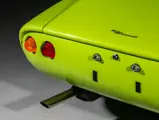
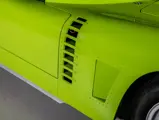
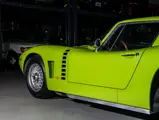
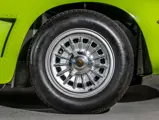
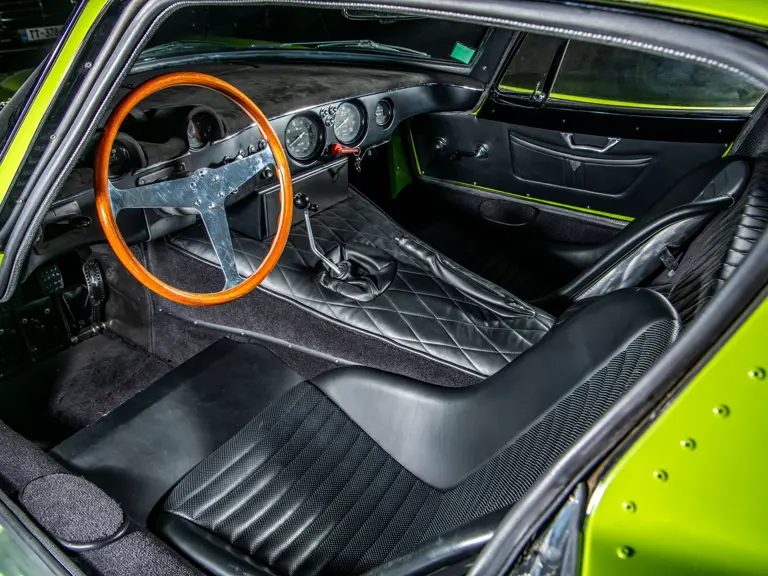
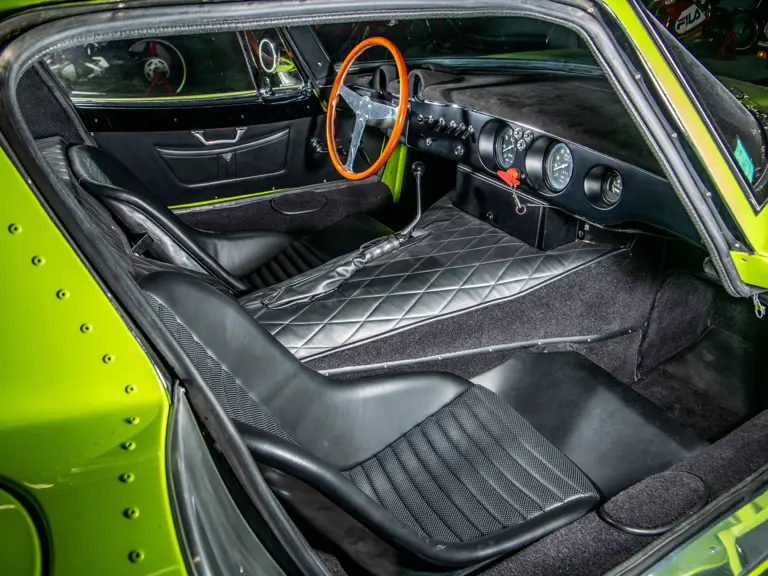
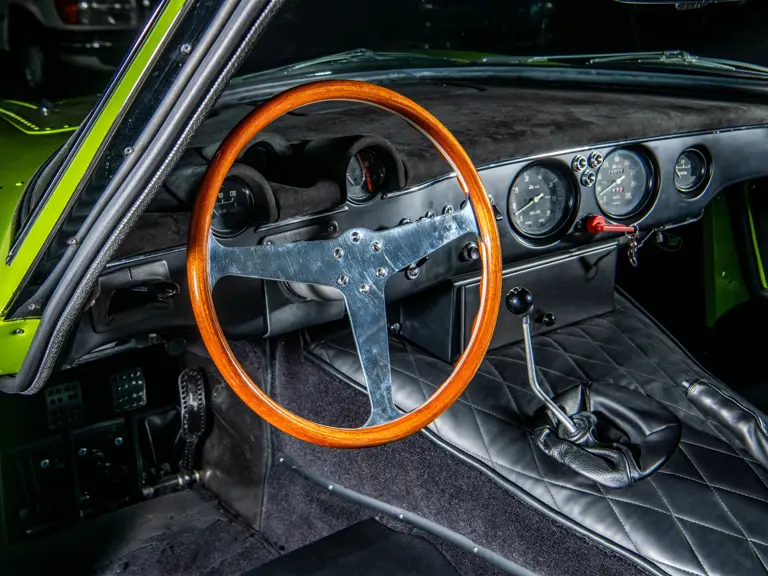
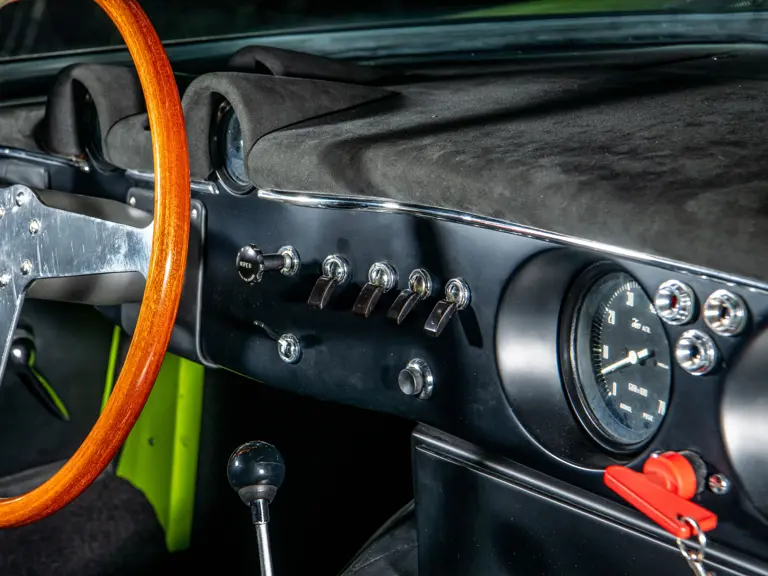
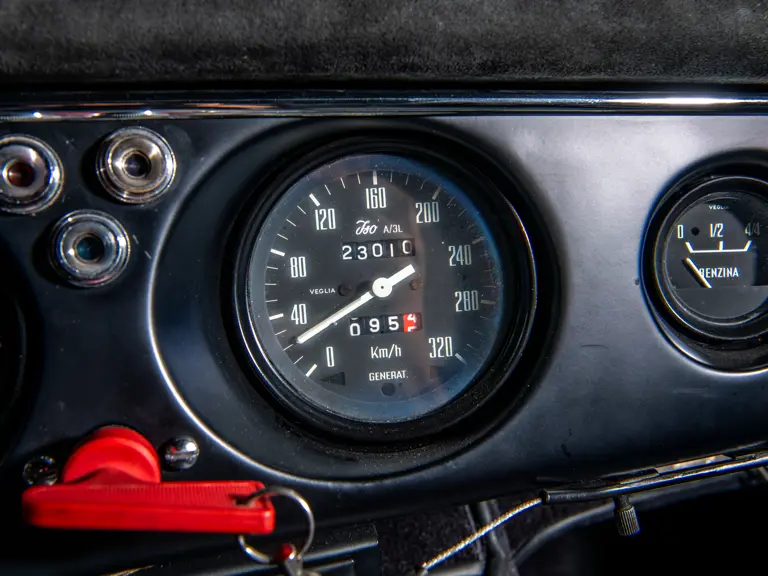
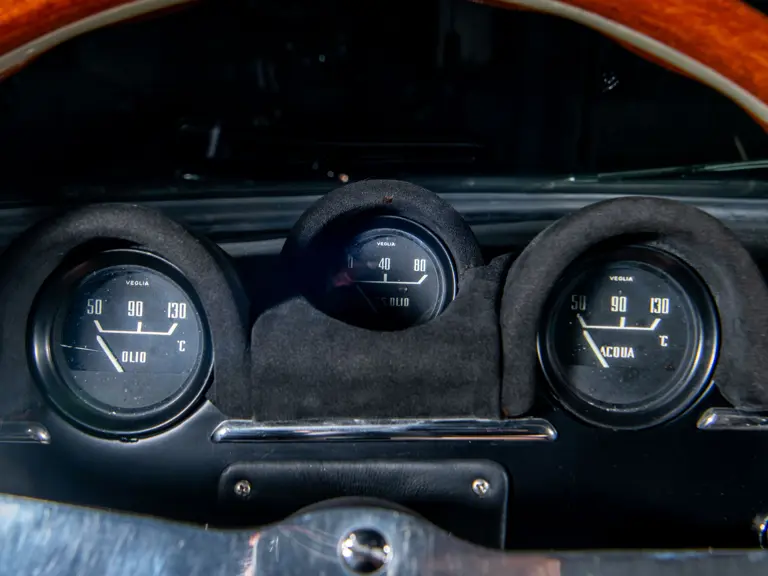
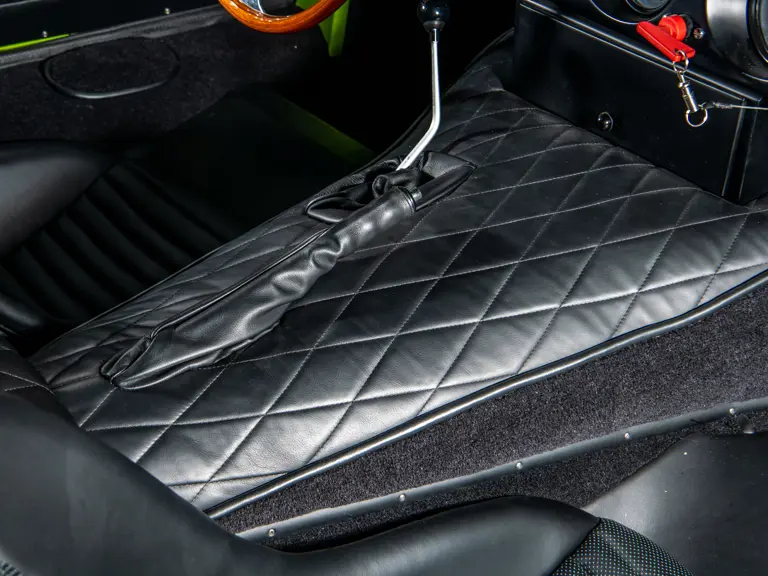
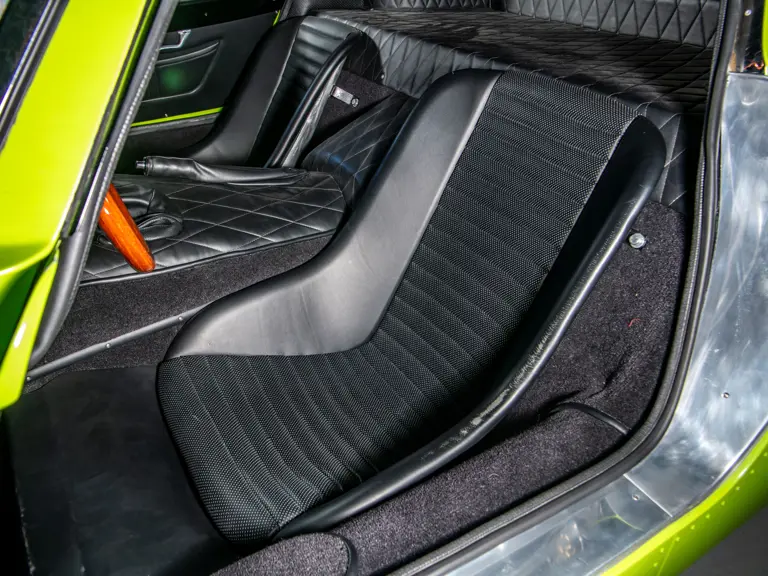
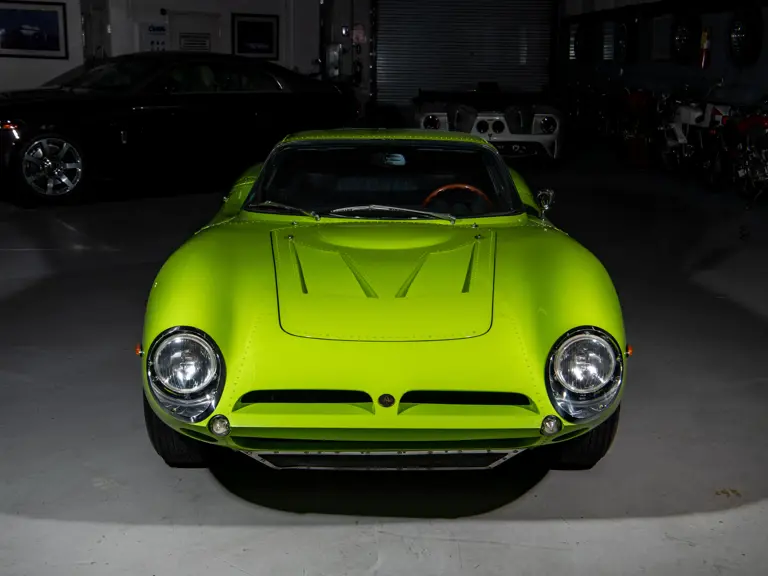
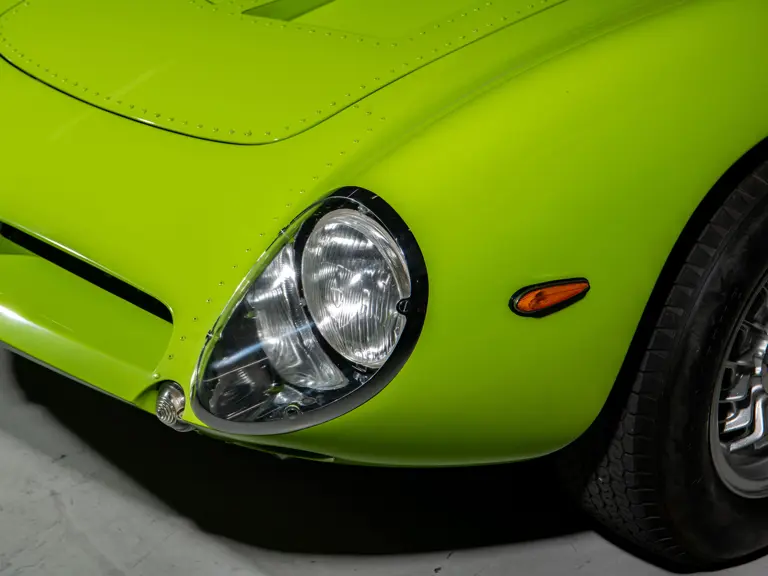
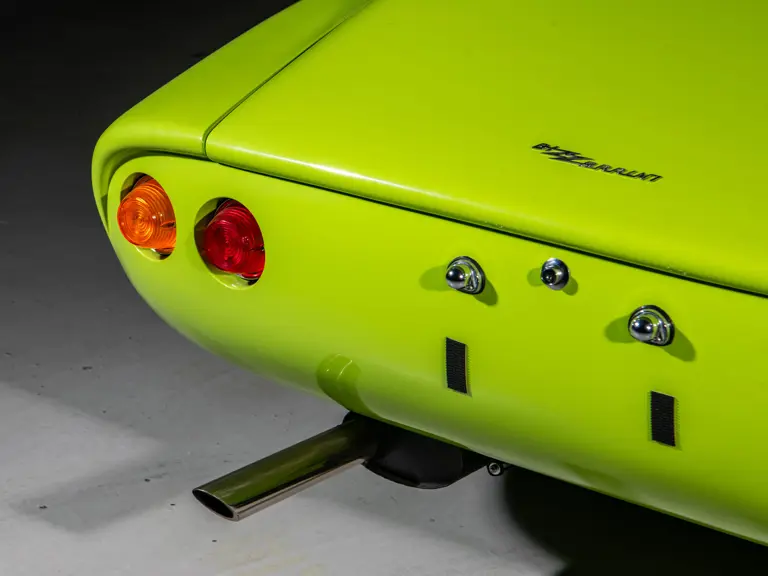
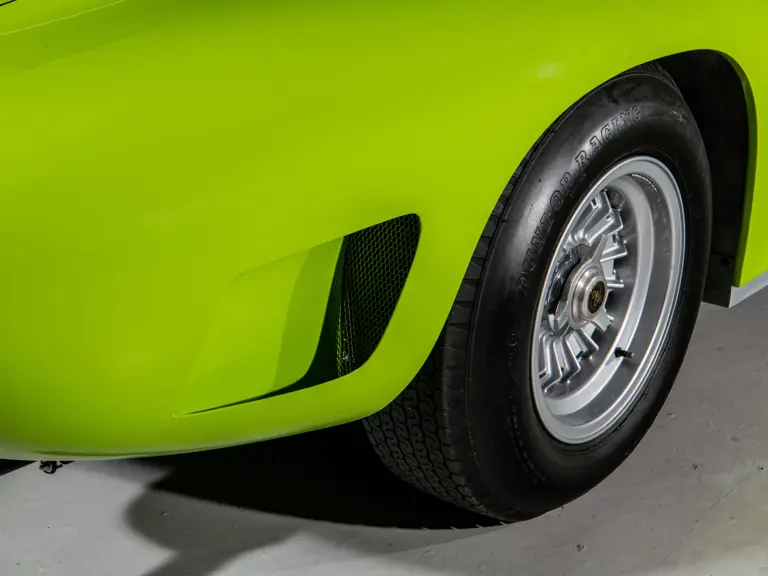
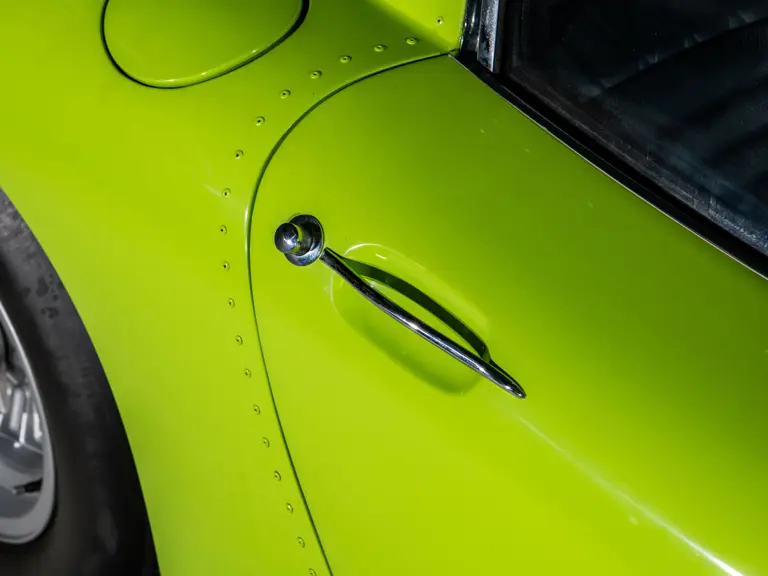
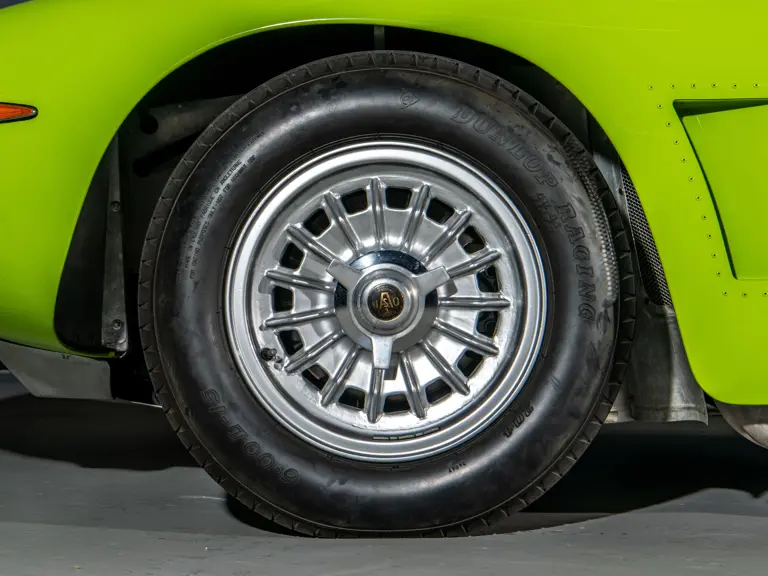
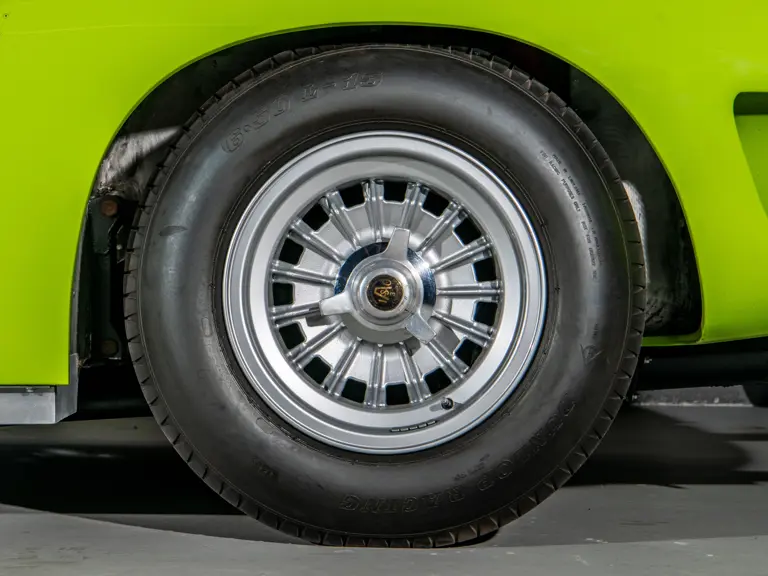
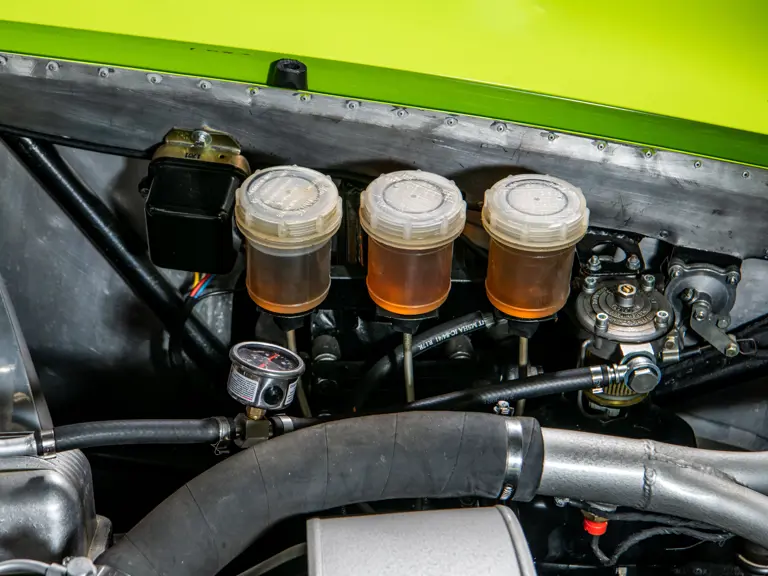
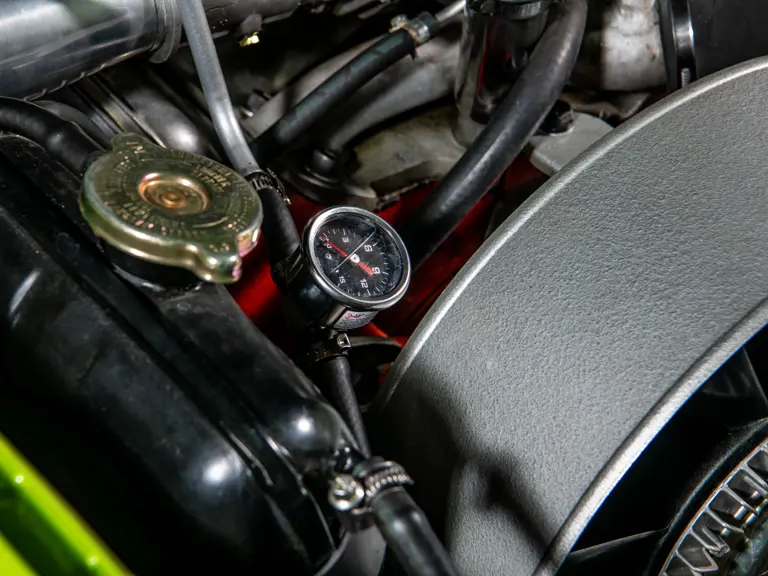
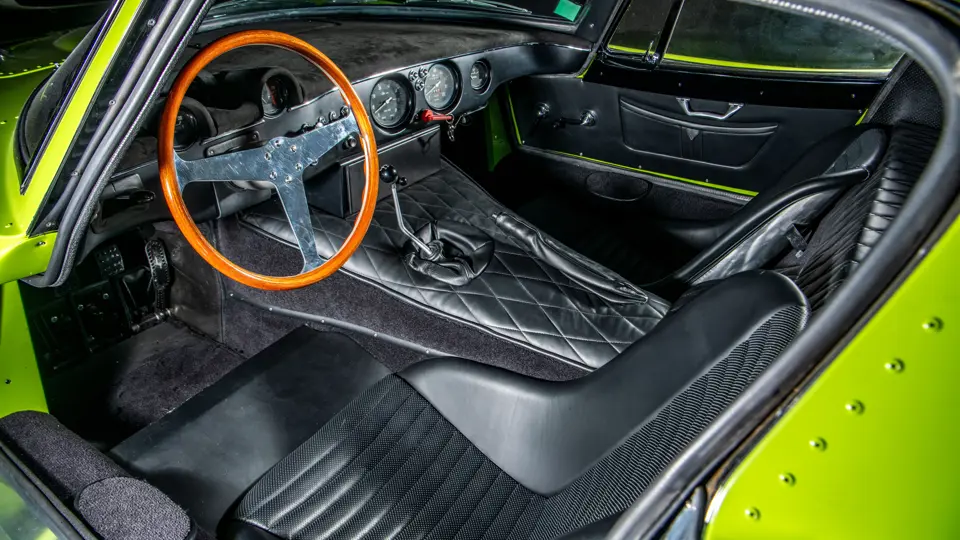
In 2012, a comprehensive restoration was entrusted to Salvatore Diamonte of Autocostruzioni S.D. in Turin. Upon removal of the car’s former black paintwork, a vivid green finish was uncovered within the door apertures. The decision was subsequently made to refinish the car in the light, opaque green shade of Mela Verde, closely resembling what is believed to have been its original factory color. The restoration also included a complete mechanical overhaul, an interior retrim in correct black leather, and the return of the dashboard to its correct configuration of centrally mounted instruments angled toward the driver. Since joining a prominent South Florida collection in 2023, the car has remained a cherished cornerstone, benefiting from consistent care by the collection’s in-house technical staff.
Equally suited to competing on the concours green or at the highest levels of historic racing, this A3/C embodies a remarkable fusion of American muscle and Italian artistry to create one of the most sensational sports cars of the 1960s.
 | Monterey, California