Vehicle No.
1108-70
$4,295,000 USD | Sold
{{bidding.lot.reserveStatusFormatted}}
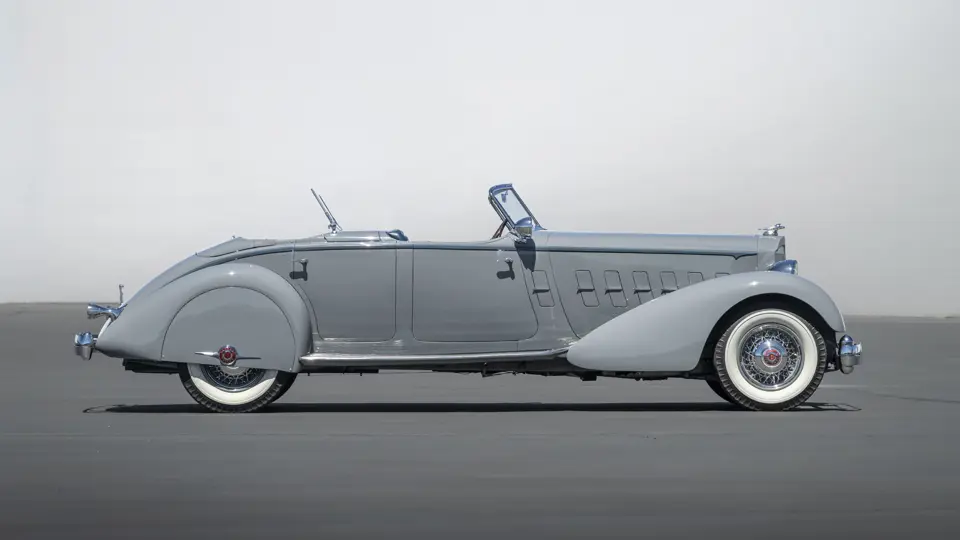
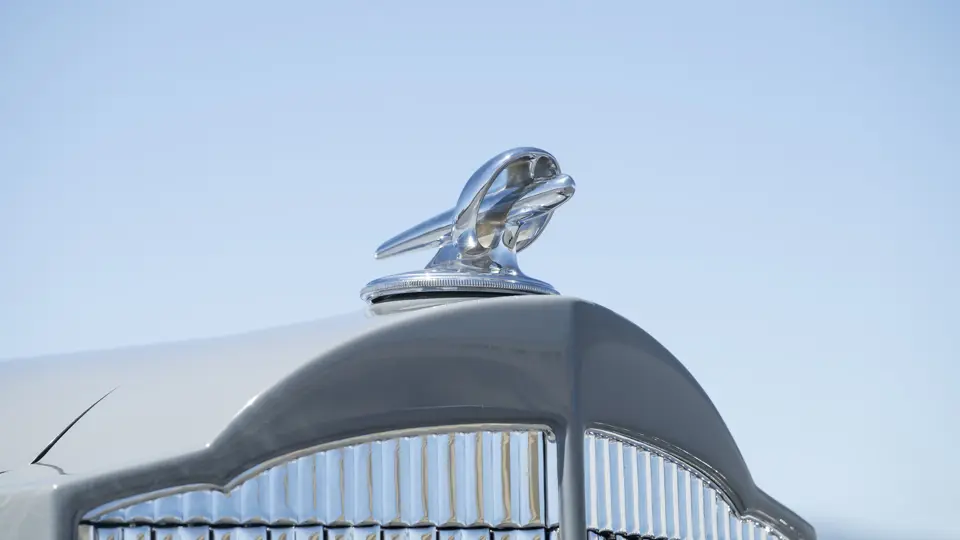
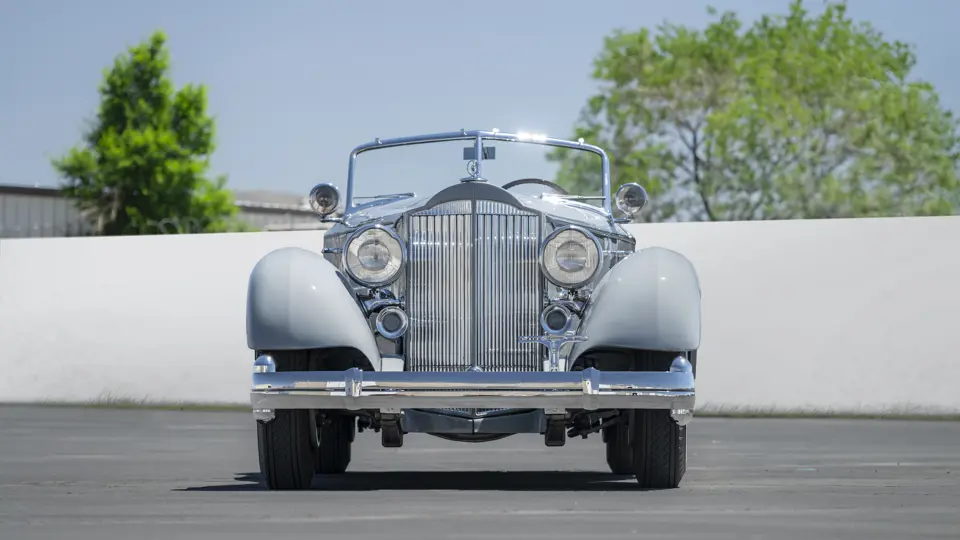
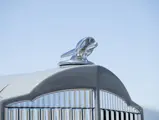
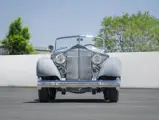
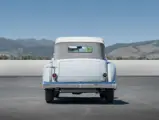
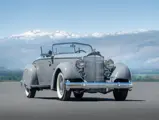
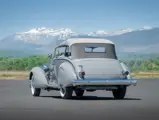
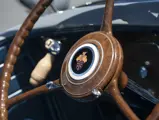
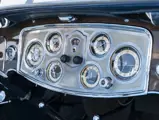
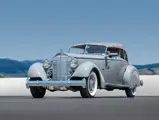
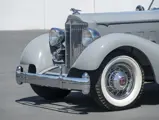
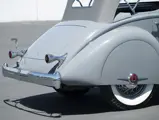
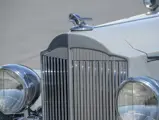
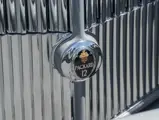
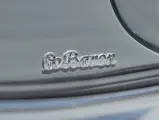
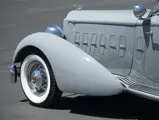
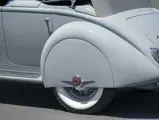
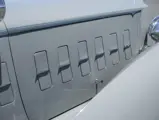
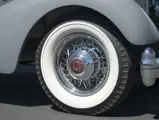
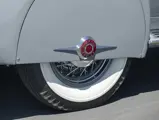
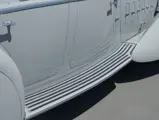
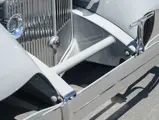
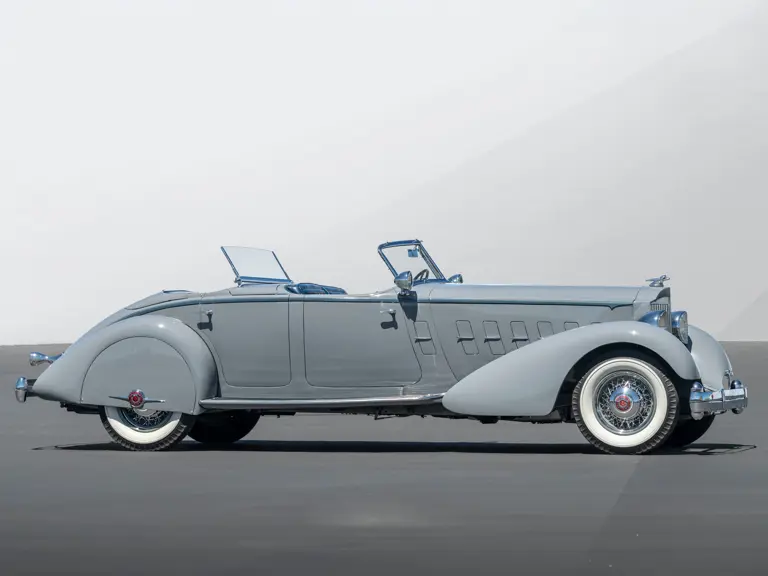
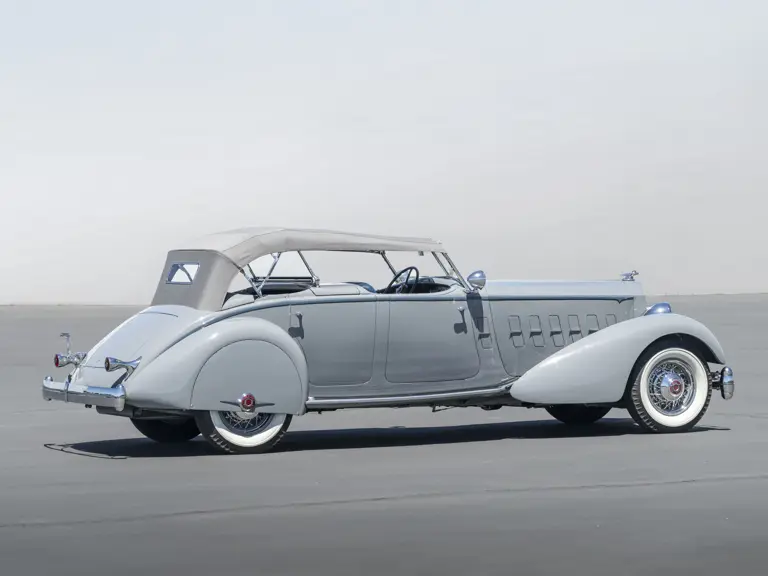
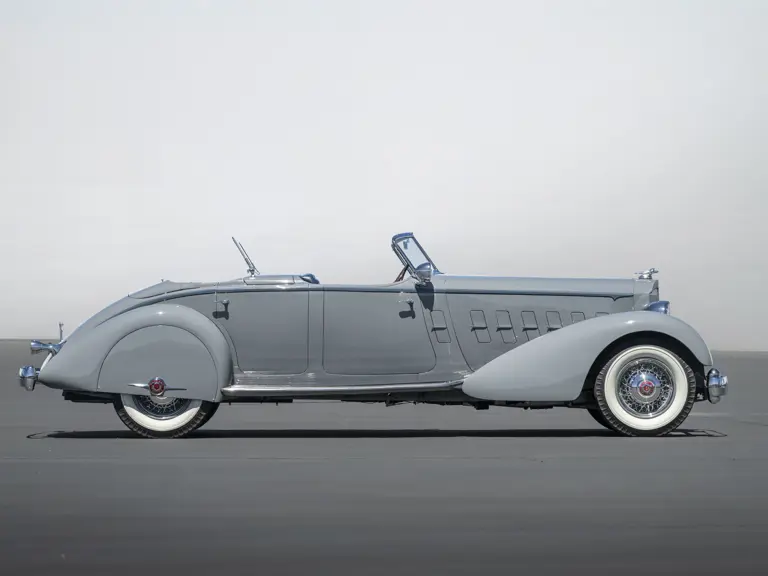
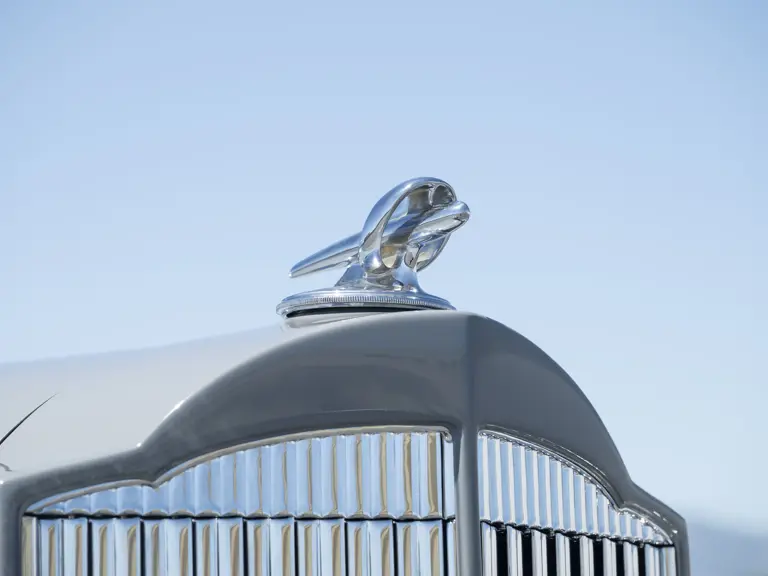
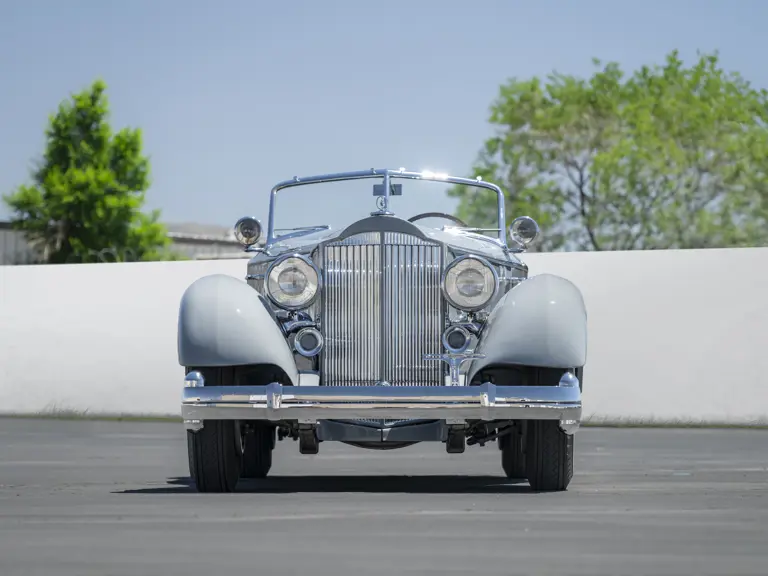
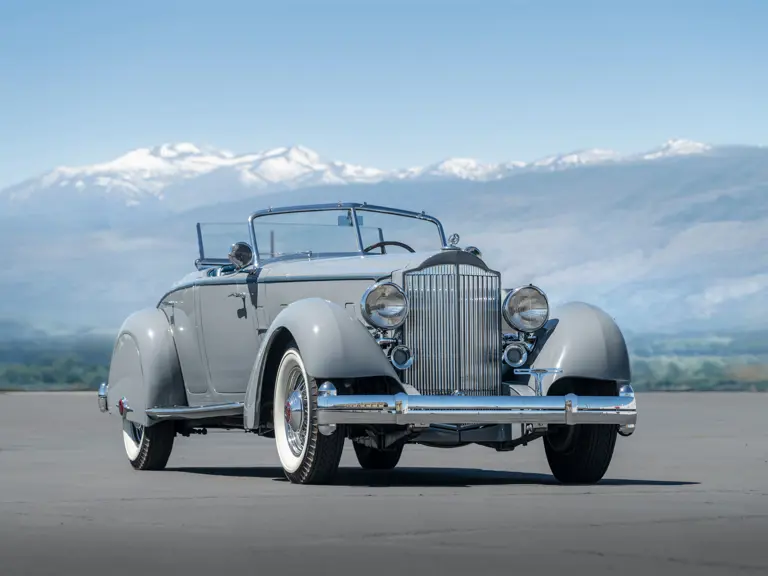
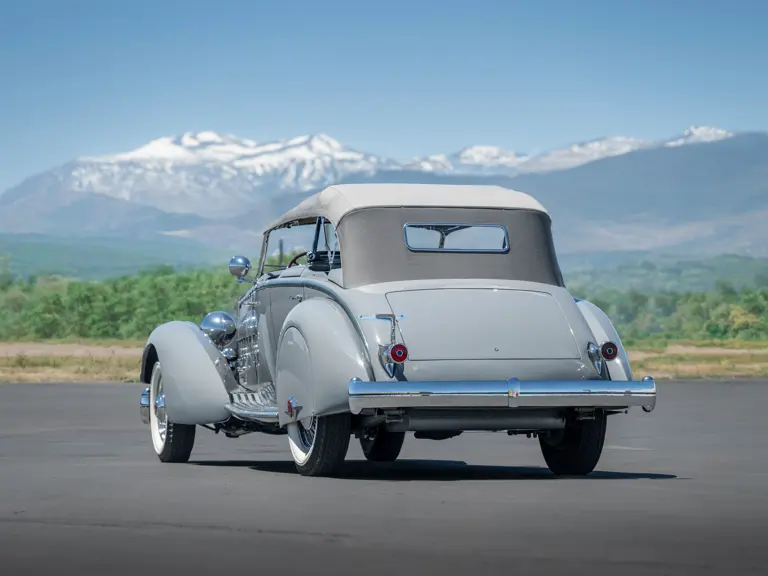
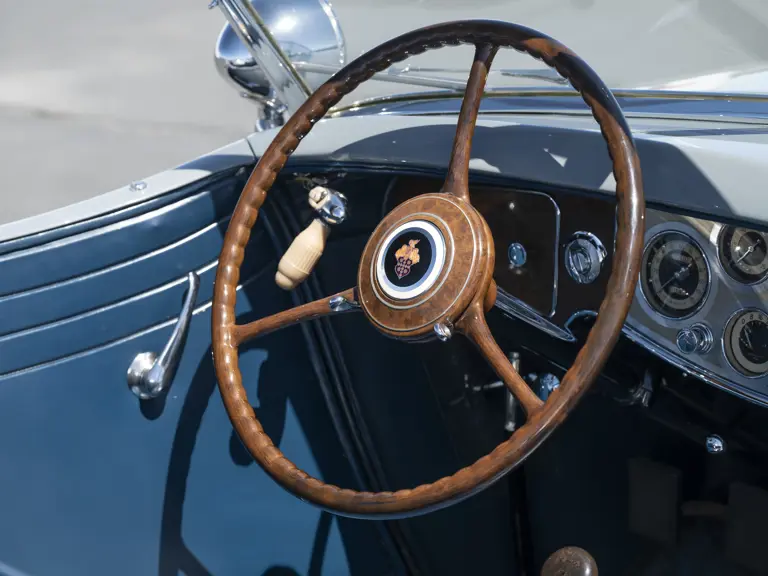
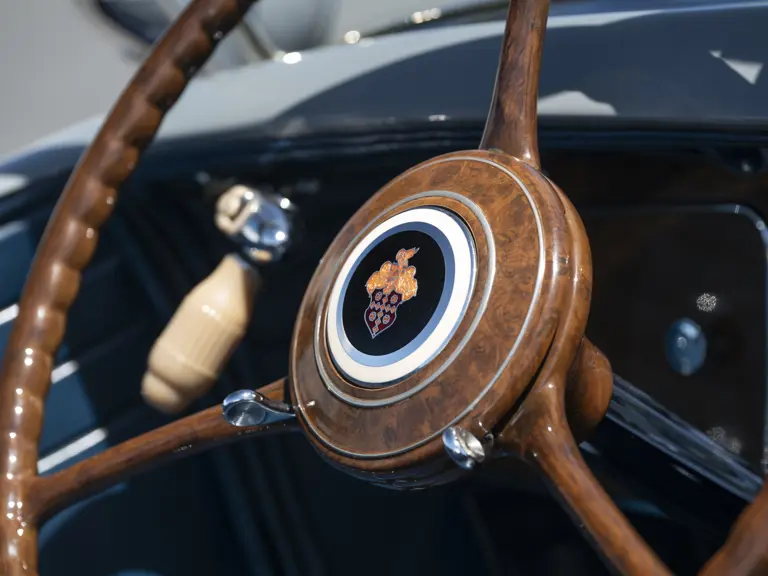
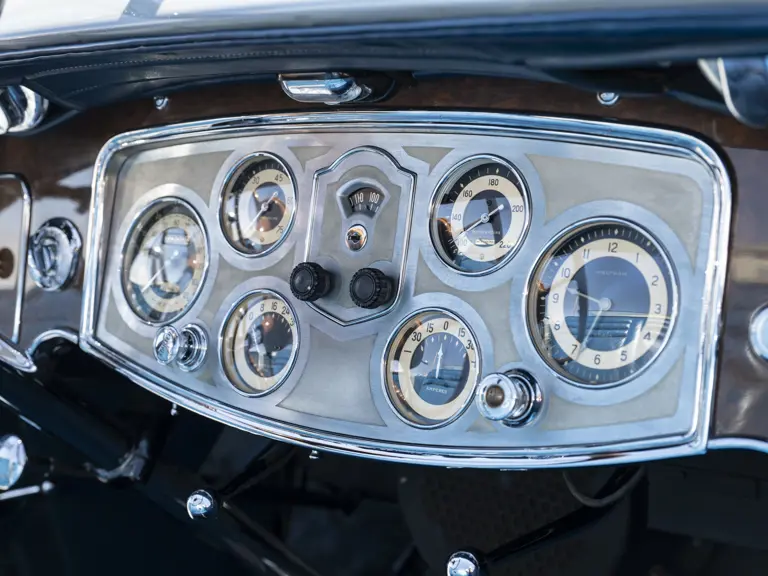
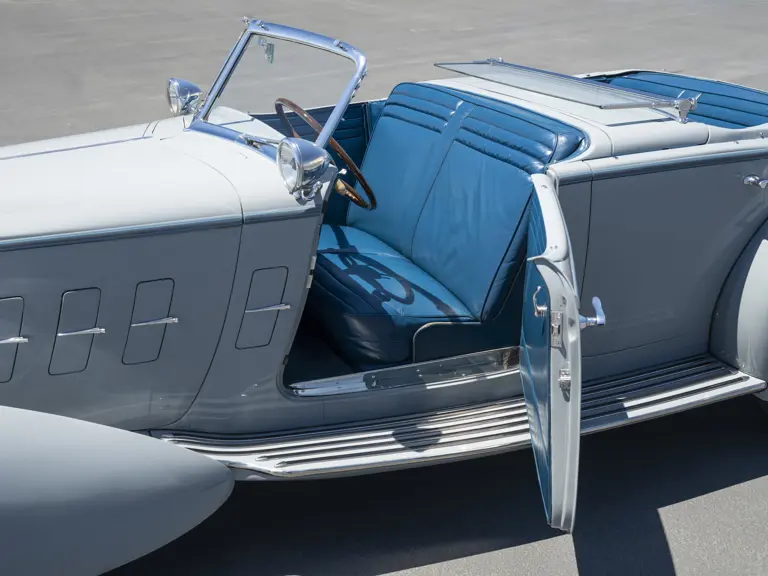
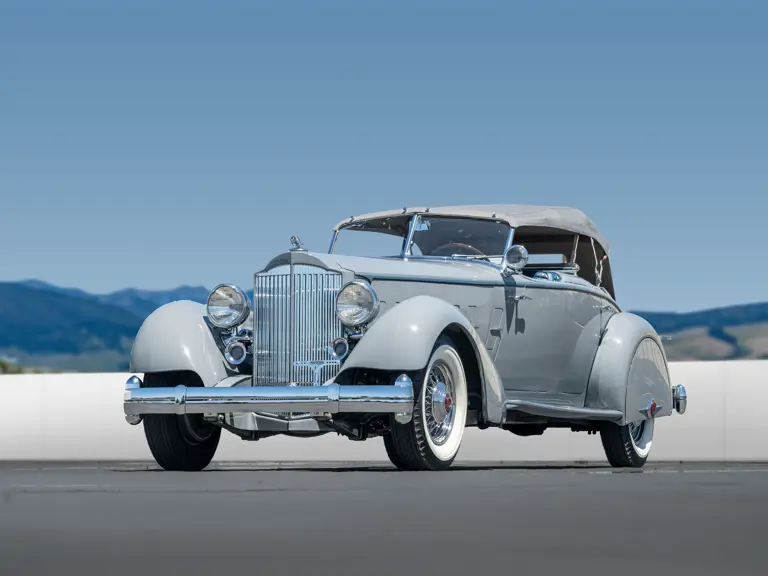
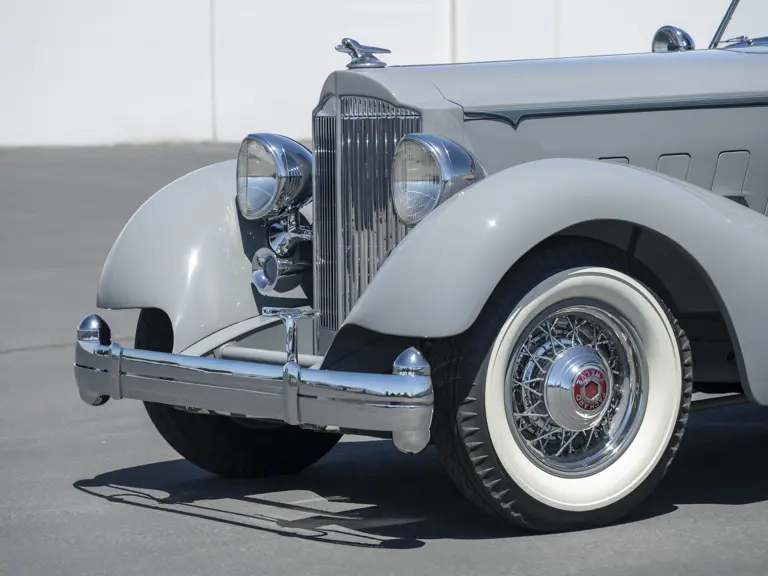
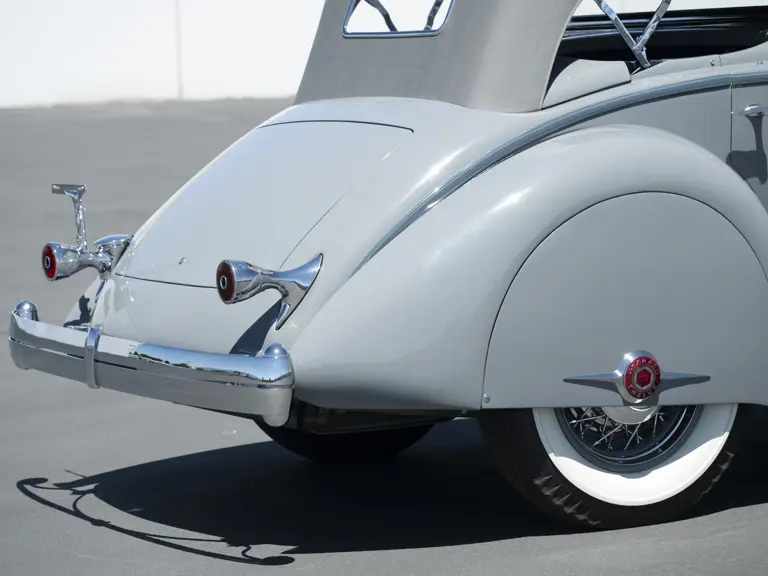
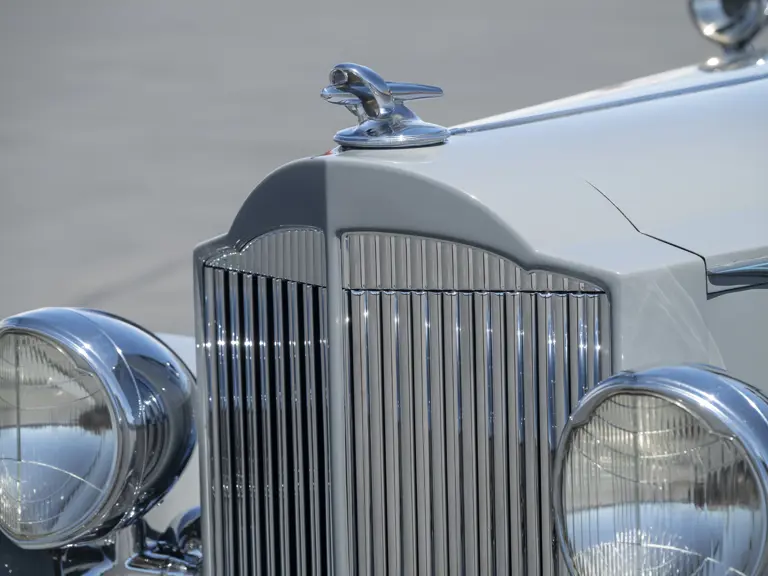
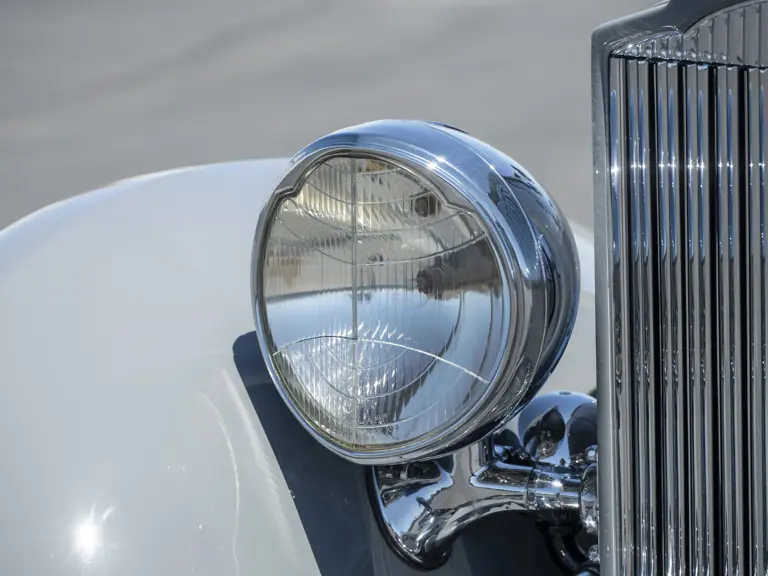
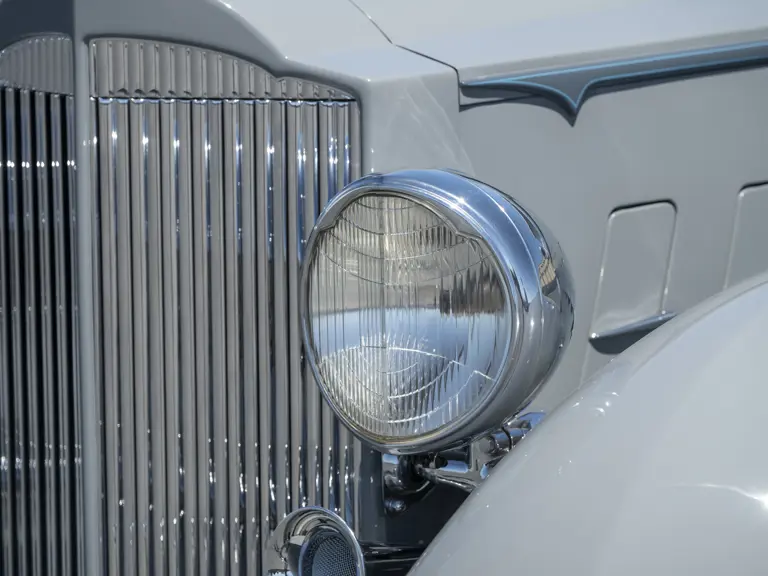
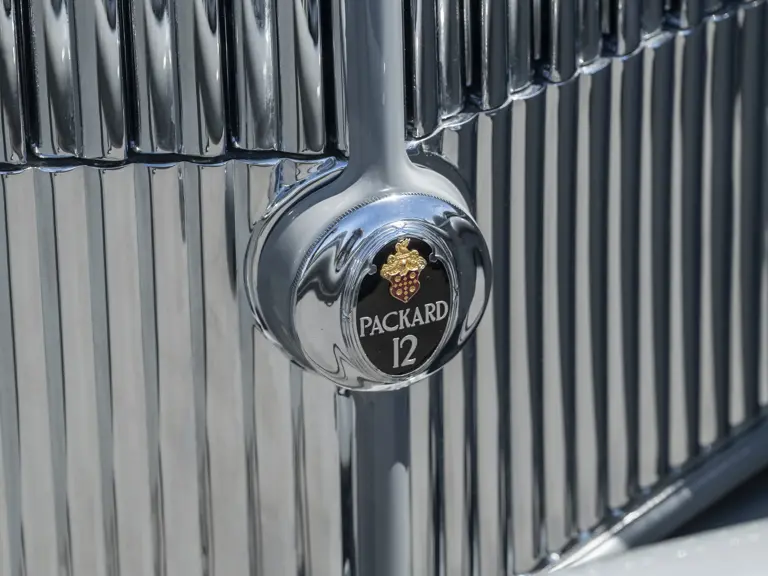
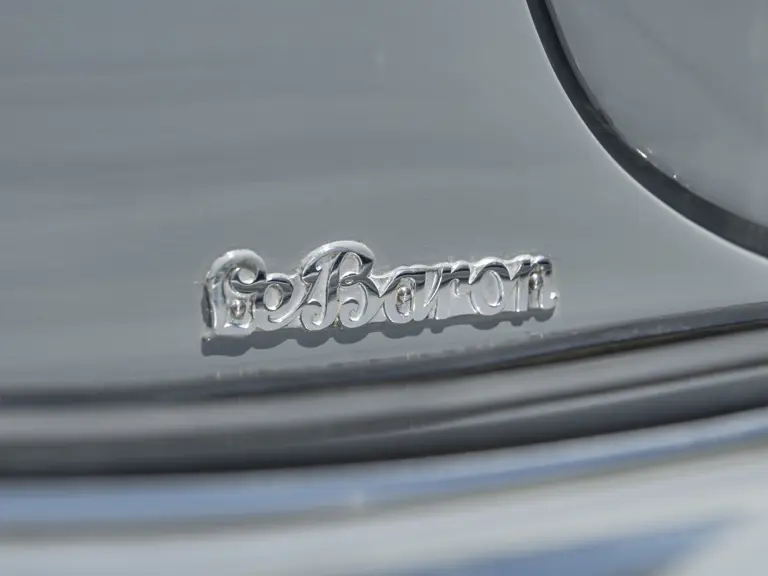
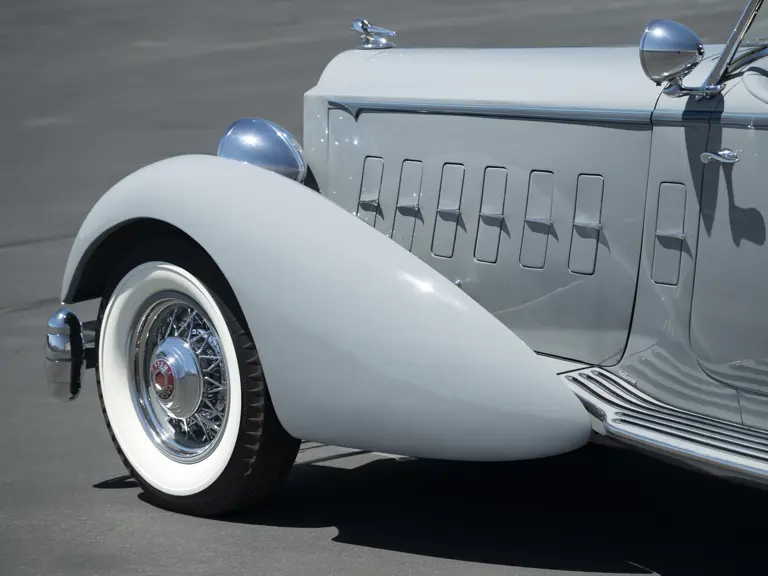
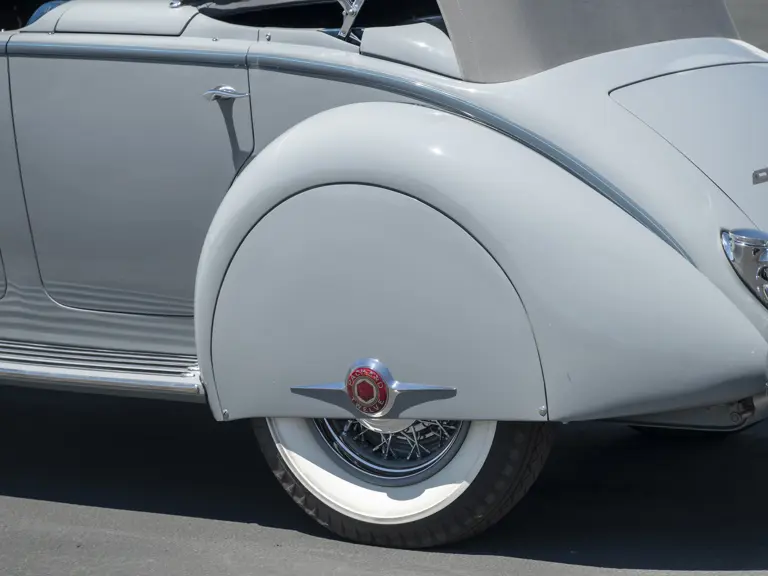
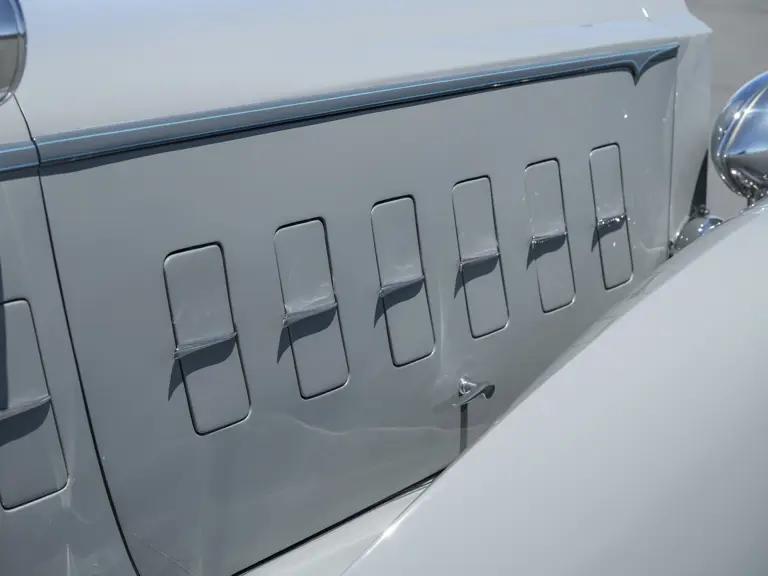
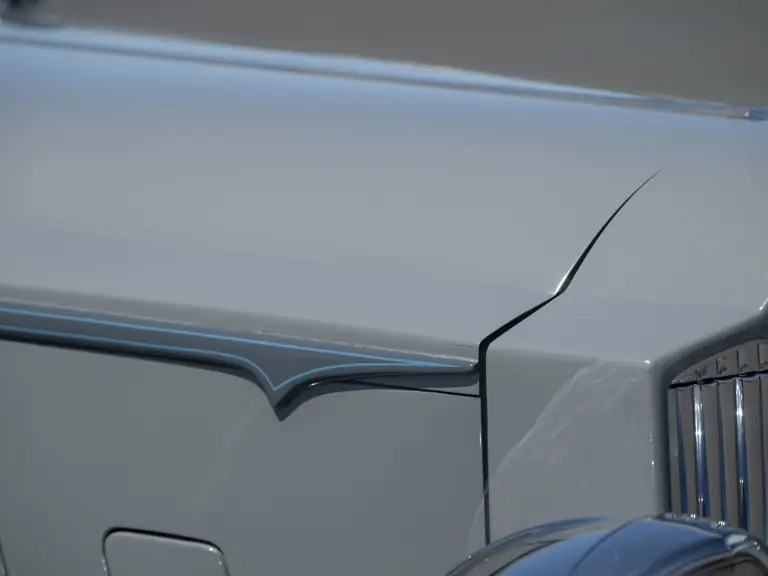
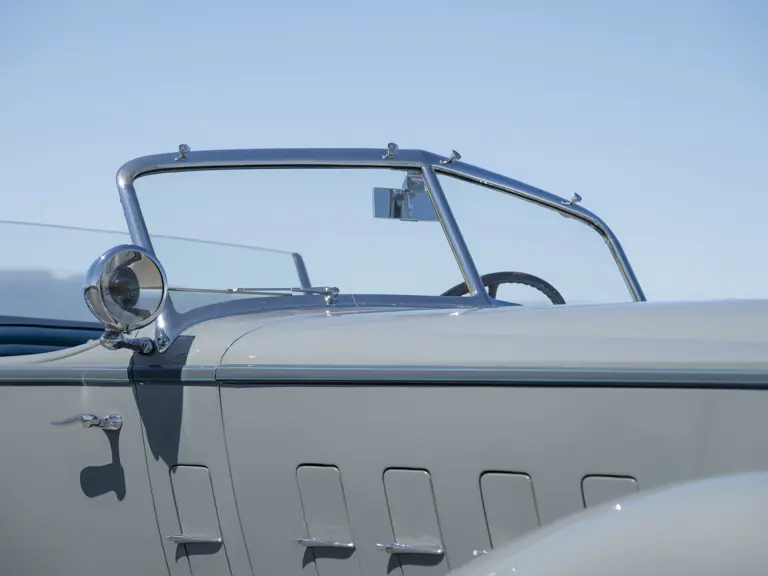
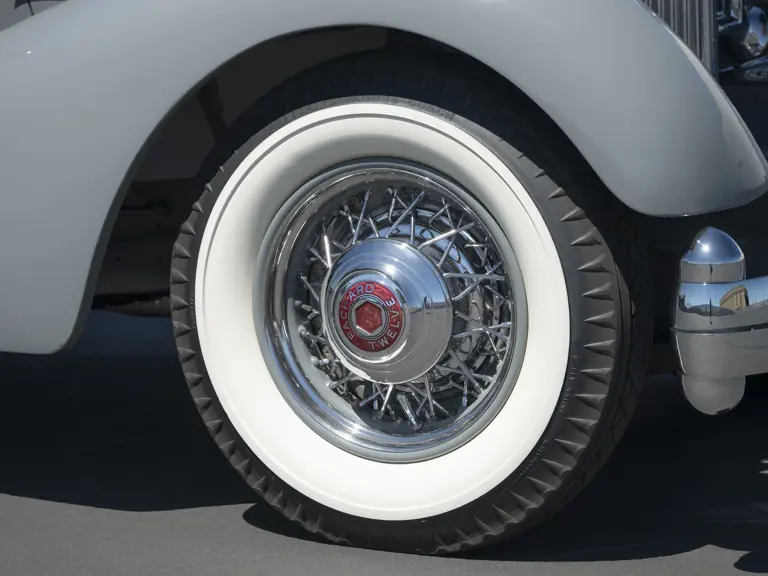
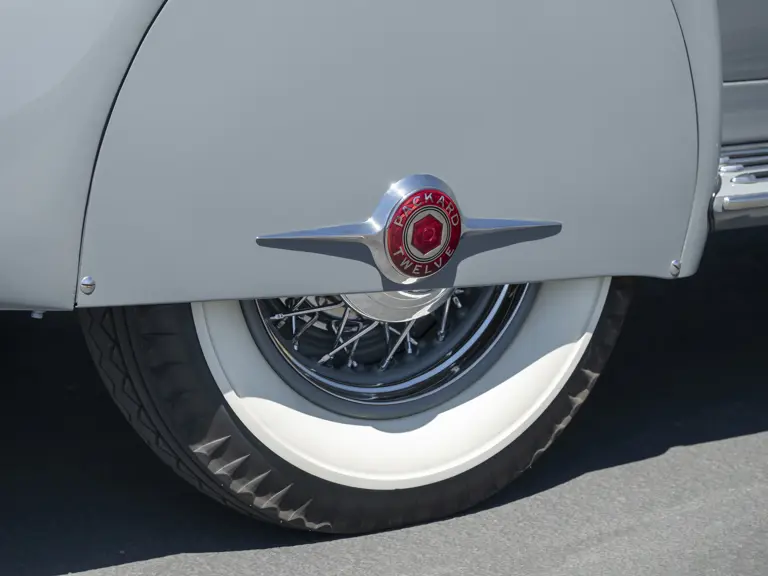
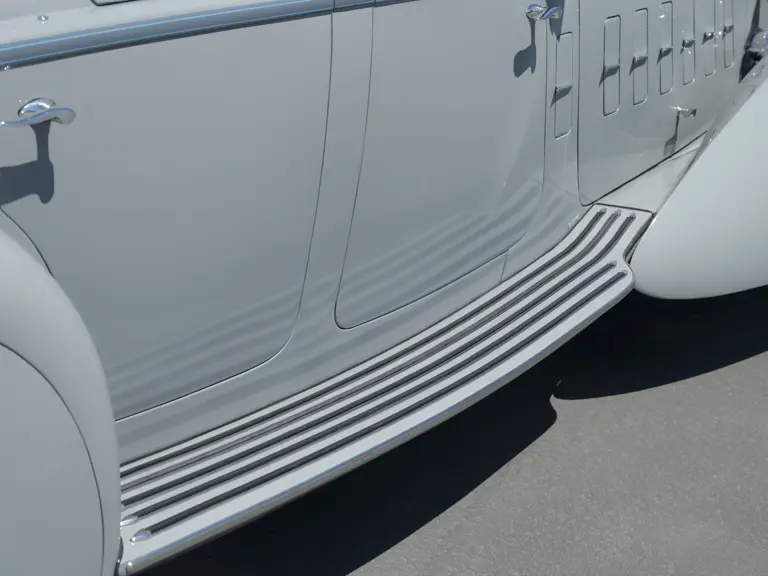
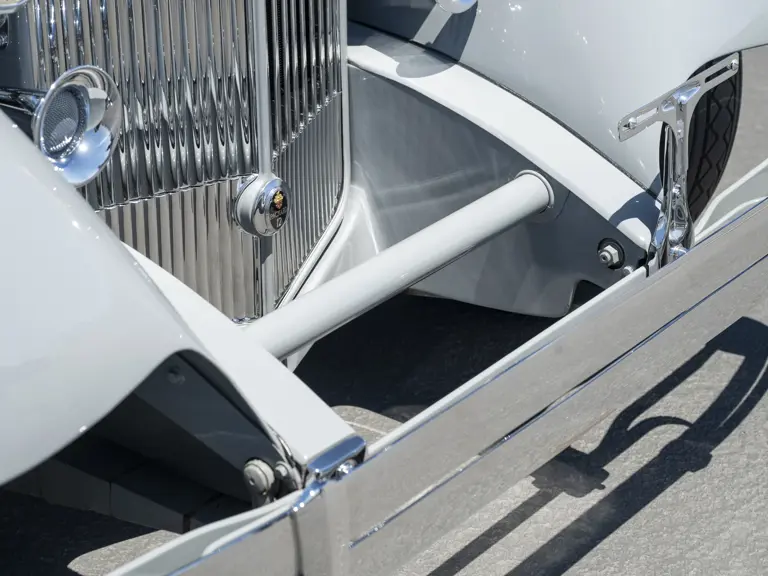
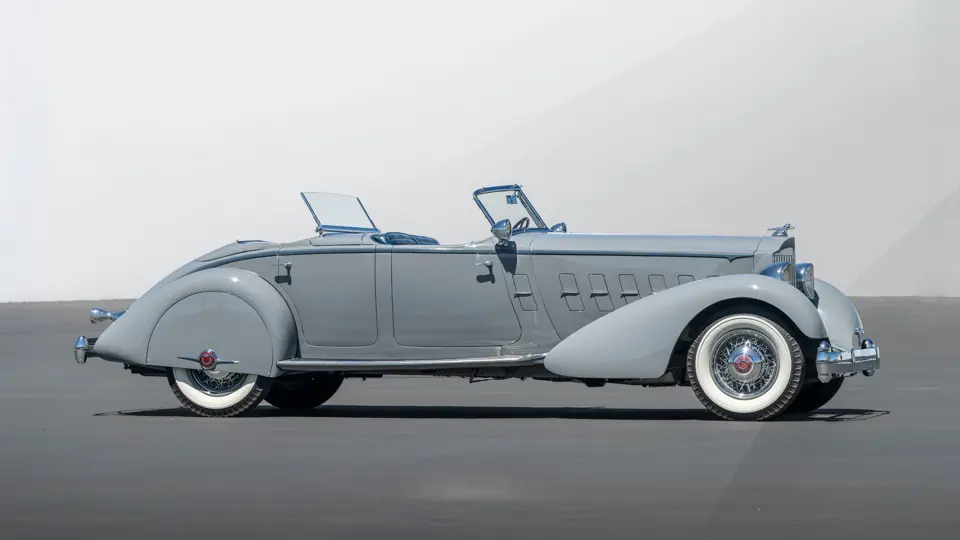
Packard’s most beautiful automobiles of the 1930s were arguably produced as part of the Eleventh Series, and they boasted the first gentle hints of streamlining, such as a slightly angled radiator shell, more deeply skirted fenders, and vee’d headlamp lenses. The 12-cylinder models of this series were the ultimate Packards, and the ultimate of the ultimate were the versions designed by Alexis de Sakhnoffsky and built by LeBaron, of Detroit. These scarce cars featured the latest in aerodynamics, including separate sensuously rounded pontoon fenders, curved running boards nearly blended into the body, and tapered tails. They were the hottest thing to come from East Grand Boulevard in years.
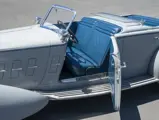
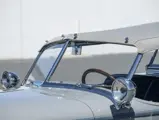
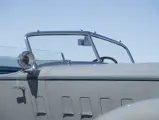
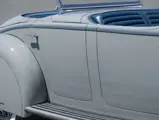
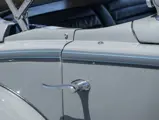
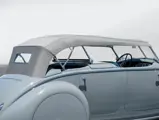
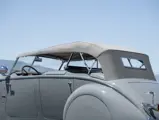
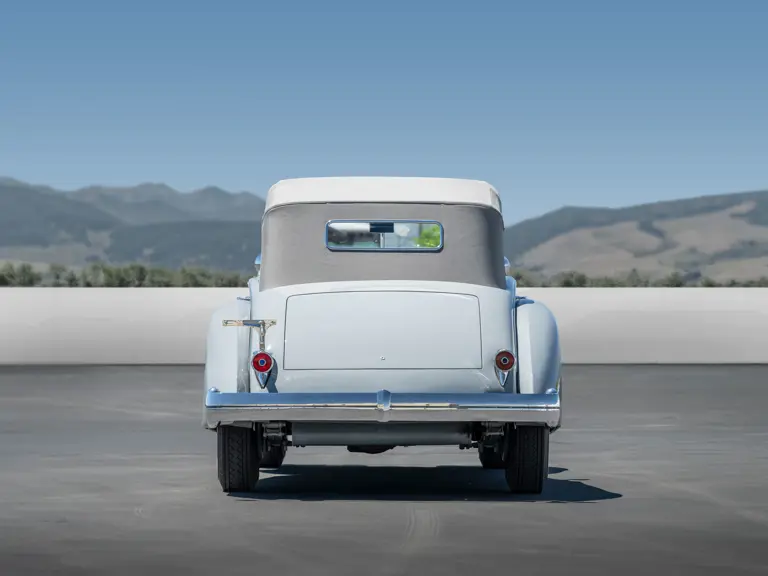
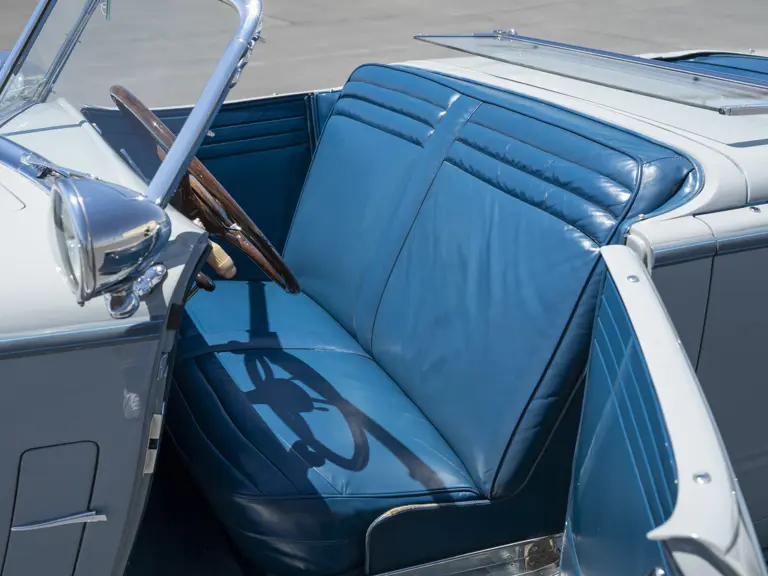
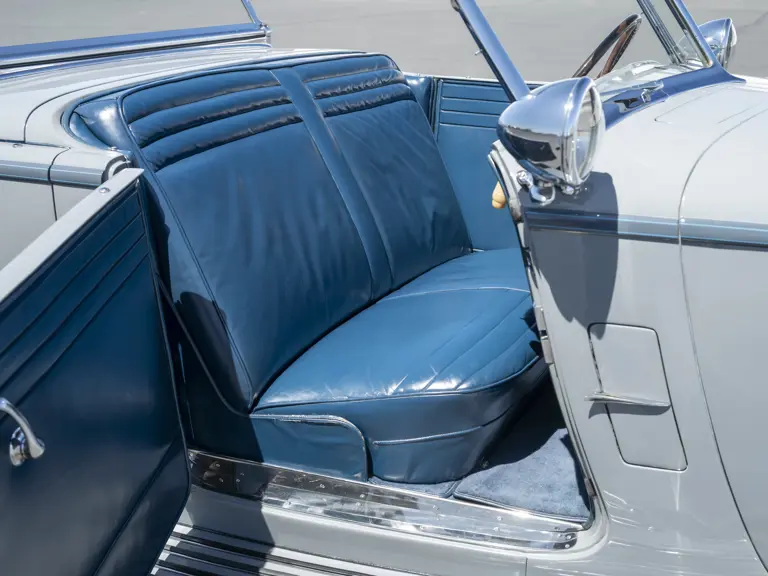
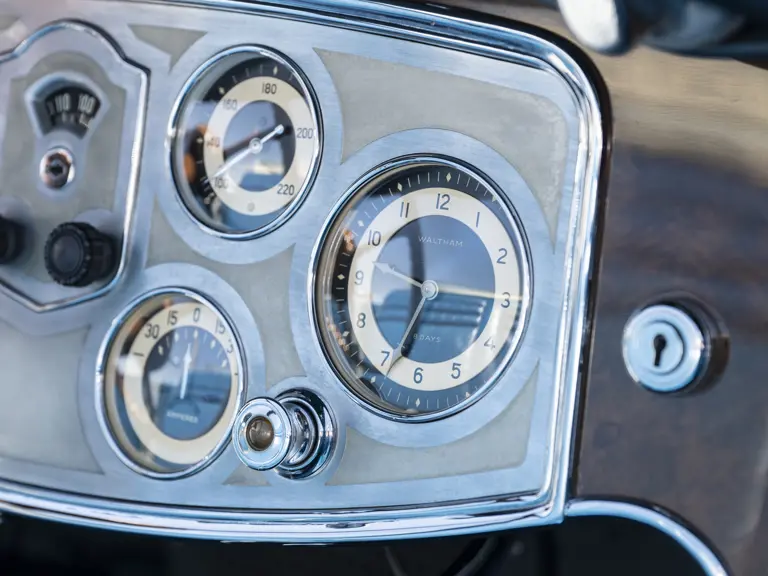
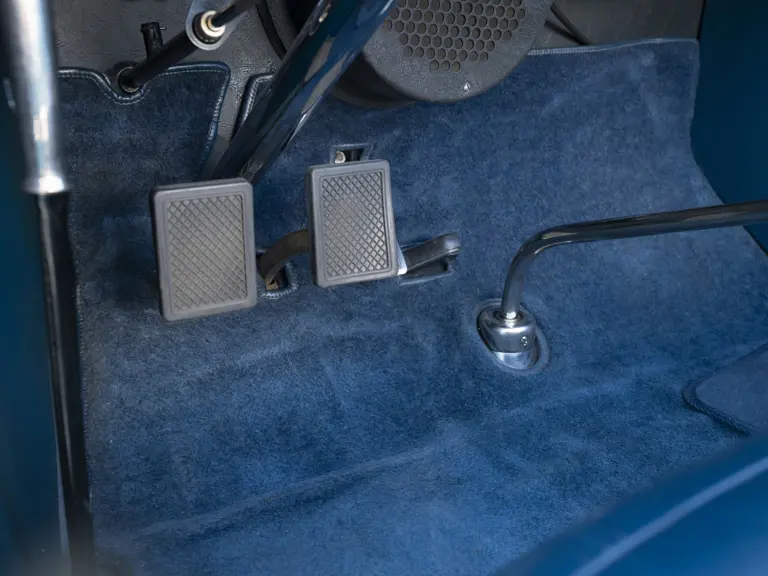
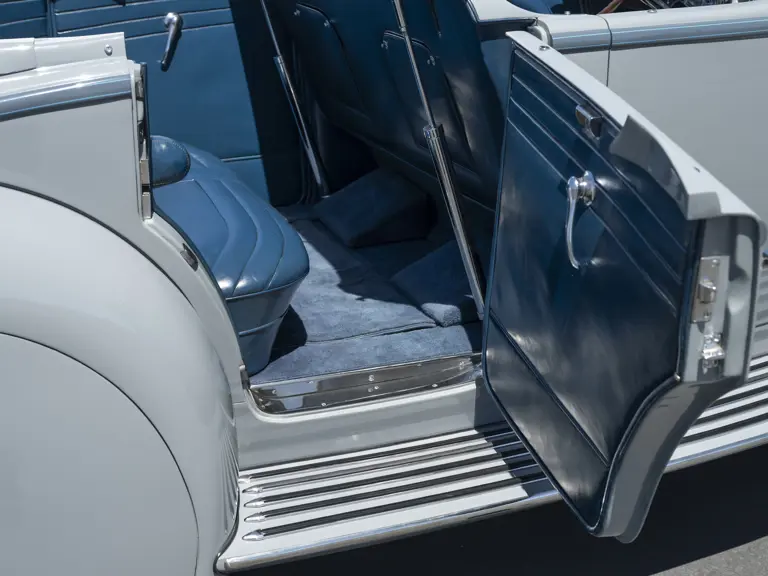
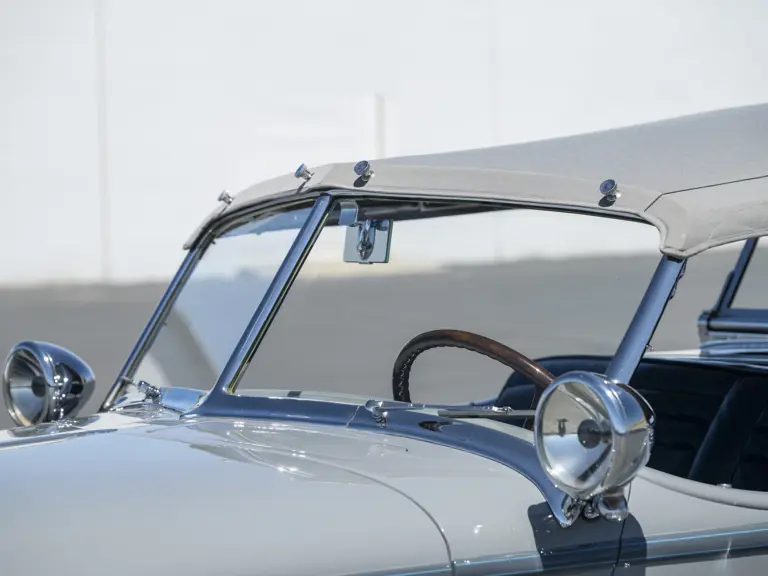
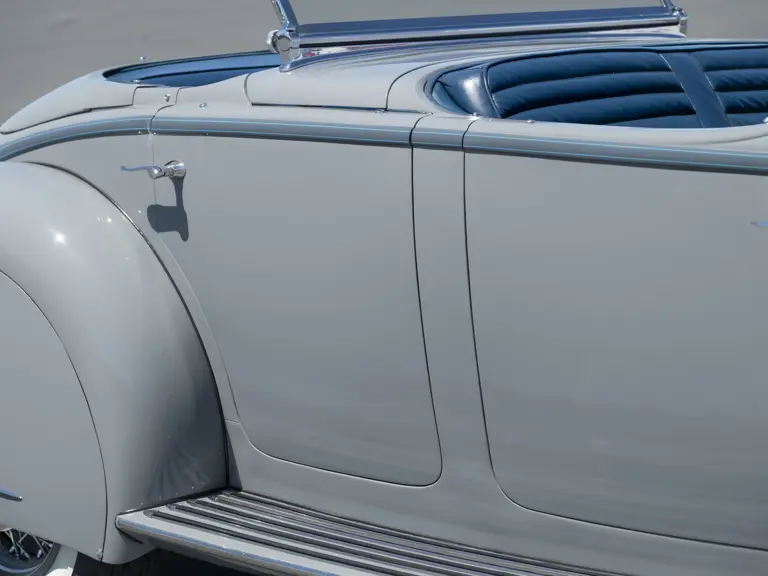
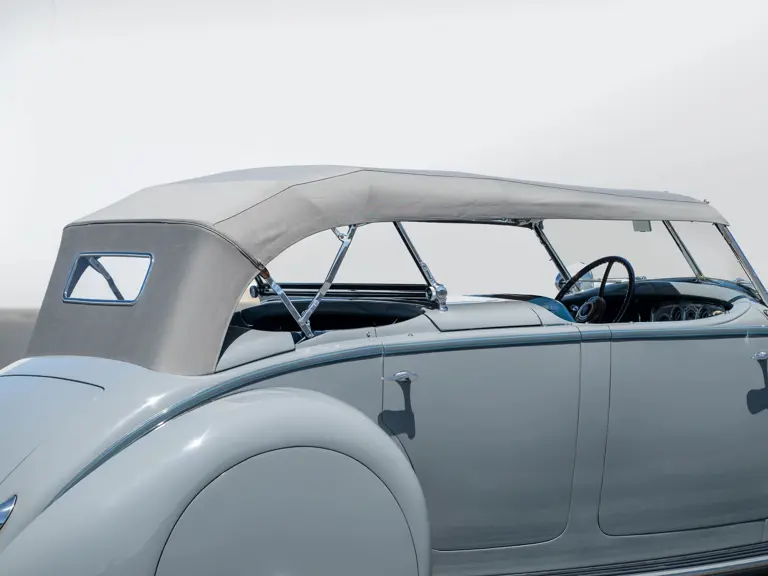
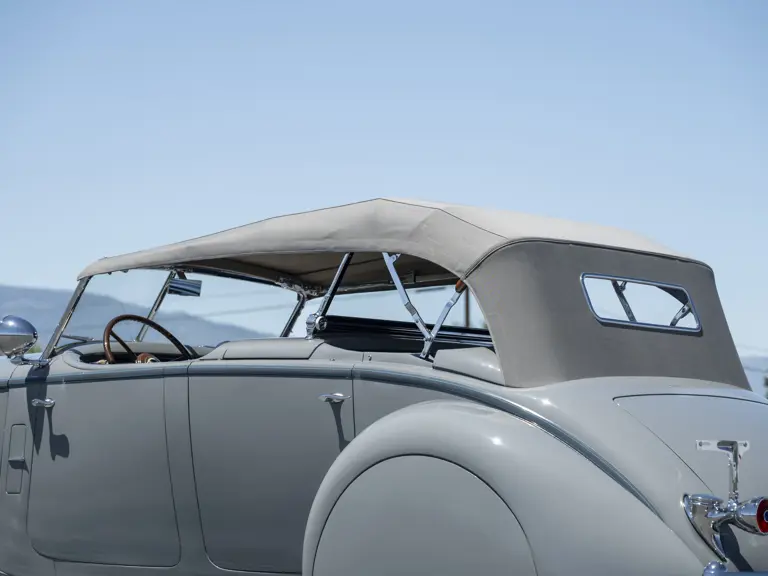
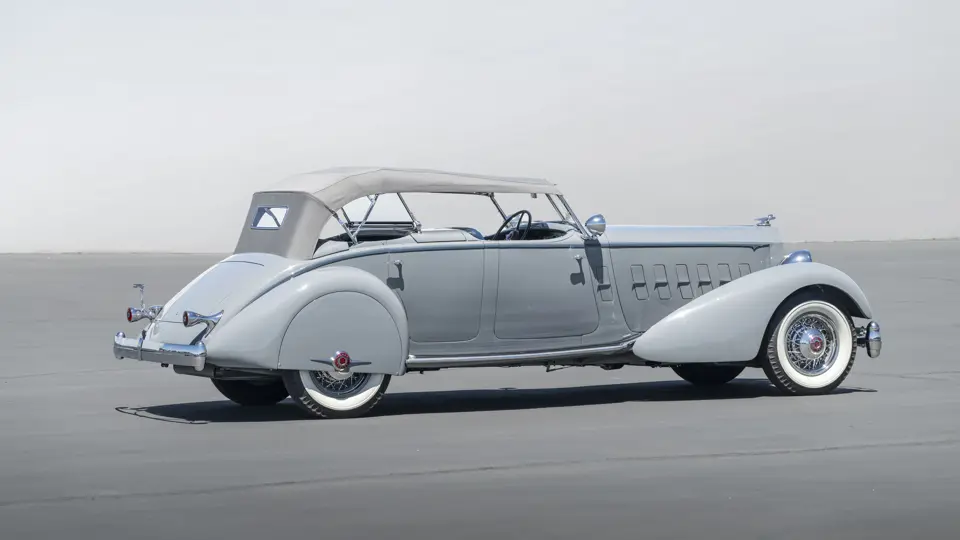
The LeBaron Sport Phaeton was built on the vast 147-inch wheelbase 1108 Twelve chassis, the longest available, and masterfully transformed the classic dual-cowl phaeton in a modern idiom, complete with an elaborately engineered disappearing top that ensured there would be no interruption to the beauty of its lines. It lost utterly nothing in grace to its two-passenger siblings.
Packard historians generally agree that five original Sport Phaetons were produced. One of this quintet was, depending upon the source, either dismantled in 1952, as was noted by historian Edward J. Blend in his The Magnificent Packard Twelve of Nineteen Thirty-Four, or apparently sent across the Atlantic for shows in Europe and never returned, disappearing forever into the fog of World War II. The remaining four survived, happily, and became part of some of the United States’ most prominent collections.
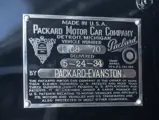
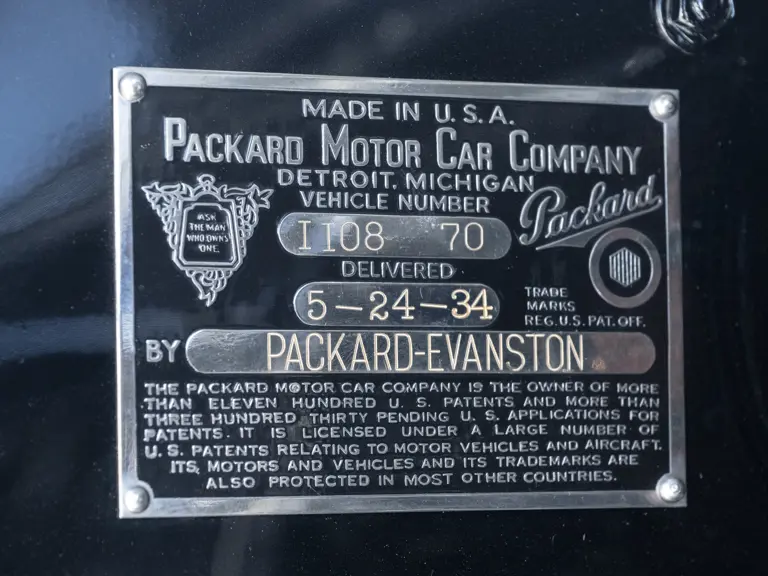
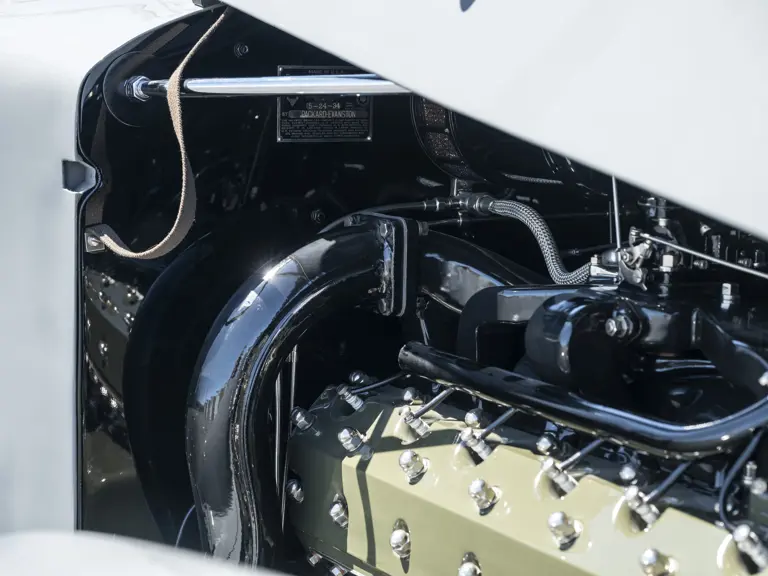
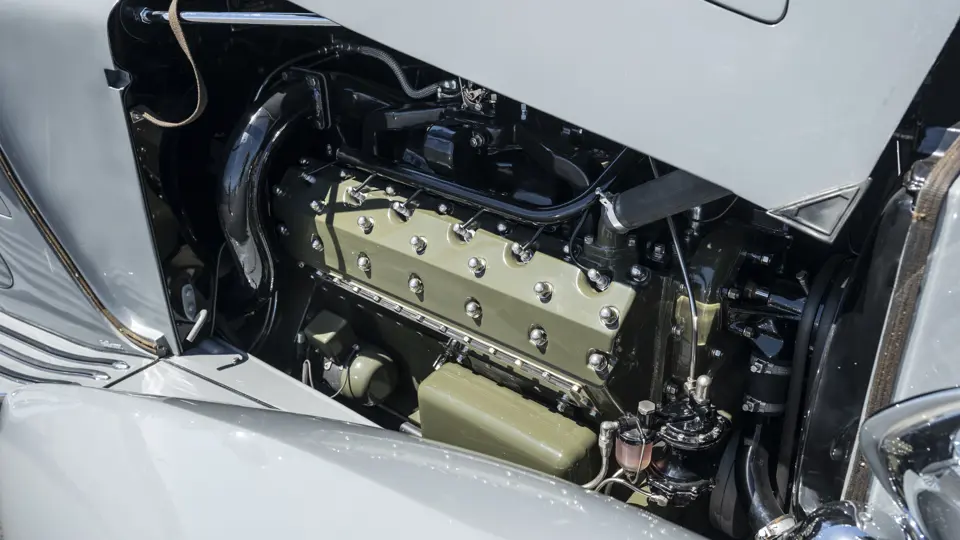
Interestingly, examination of the chassis and engine numbers of the four extant Sport Phaetons indicate that in large part their bodies appear to have been mounted to chassis as they were completed, rather than finished “in the white” and installed randomly at an order. Vehicle number 1108-70, offered here, was by body number the third Sport Phaeton built. The third Sport Phaeton to be delivered, as well, its firewall vehicle number tag notes it was supplied to the original owner by the Packard dealer in Evanston, Illinois, on 24 May 1934. While the tag presently on the car is an excellent reproduction, the original is held by the owner in their files.
Having not journeyed far from Evanston, the car reappeared in the ownership of Edward D. Bonham of La Grange, Illinois, a TWA flight engineer who was an early, devoted enthusiast of both Packard and Duesenberg automobiles, and advertised widely, sharing parts and literature, in the enthusiast magazines of the time. He recorded the Sport Phaeton with the Antique Automobile Club of America in their 1954 roster, indicating it was in his ownership by the time it was 20 years old, and subsequently in the 1957 and 1961 editions, as well.
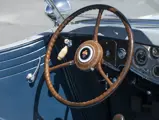
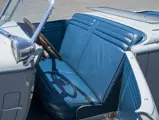
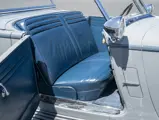
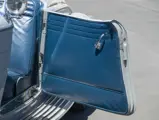
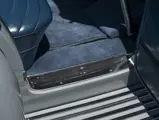
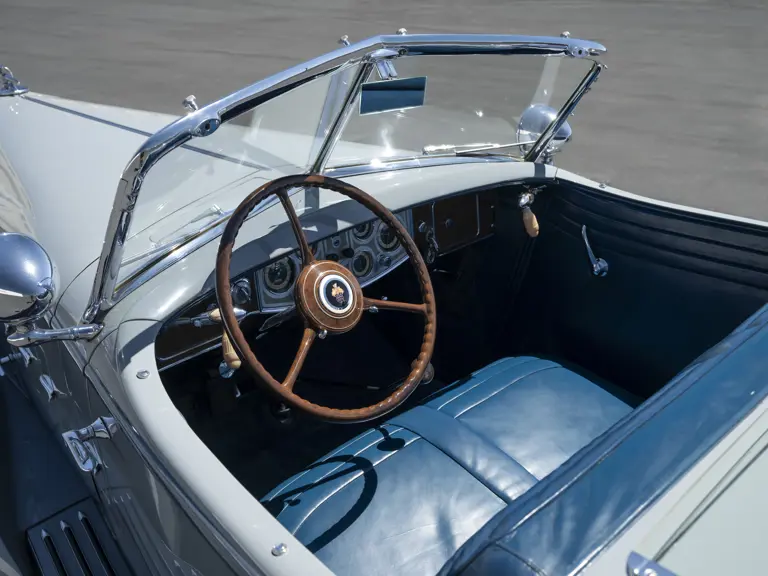
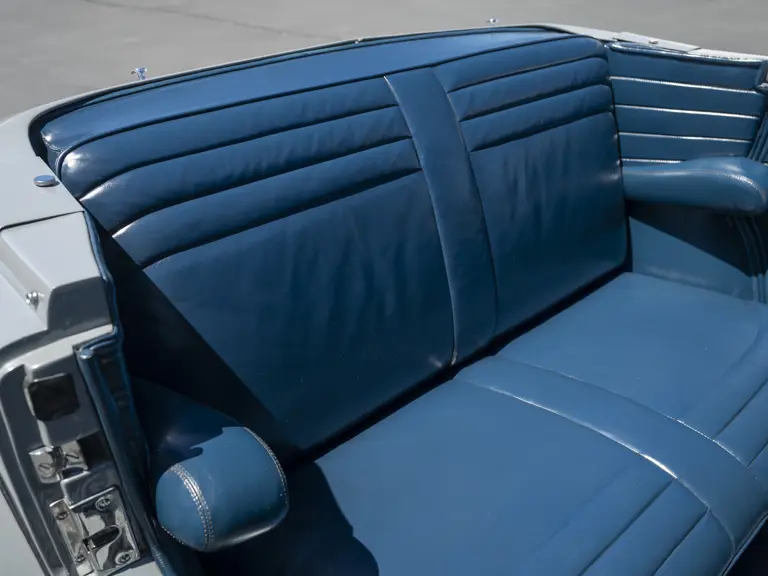
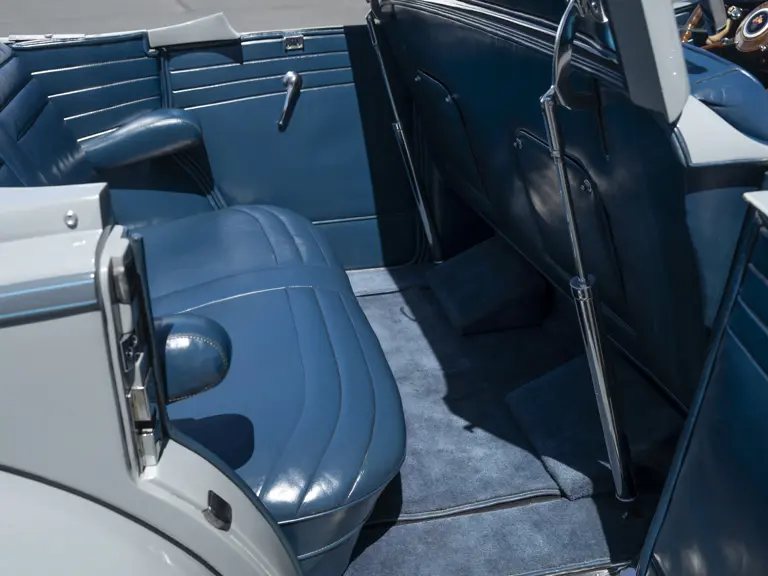
Sadly, Bonham passed away later in 1961, having not gotten around to restoring the Sport Phaeton. It was subsequently sold from his estate to the famed Harrah’s Automobile Collection, then growing into what would eventually become one of the largest and most complete collections of vintage cars in the world. Photographs in the file show the car as-acquired in apparently very solid and intact condition, including much of its original interior.
Bill Harrah’s vast stable was justifiably renowned in this era for both the breadth of its holdings, spanning virtually the entire history and scope of motoring, and for their quality. They are today regarded as one of the collections that established a modern standard of concours restoration, with their most fortunate automobiles receiving what was dubbed a “Gold Star” restoration by the unusually well-equipped Harrah’s shops, enabled by meticulous research from an on-site research library.
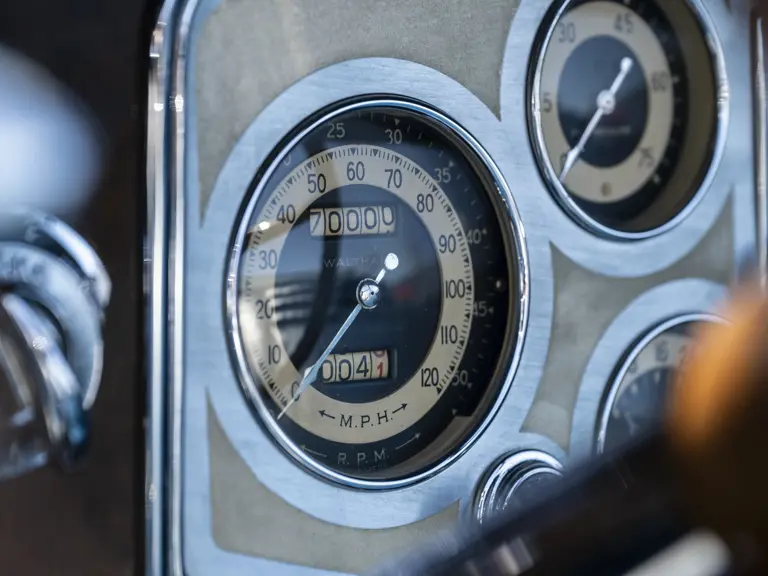
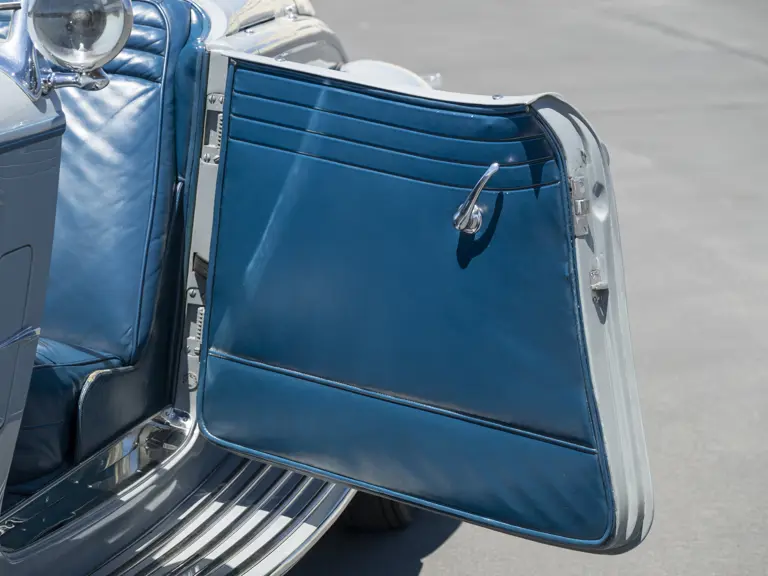
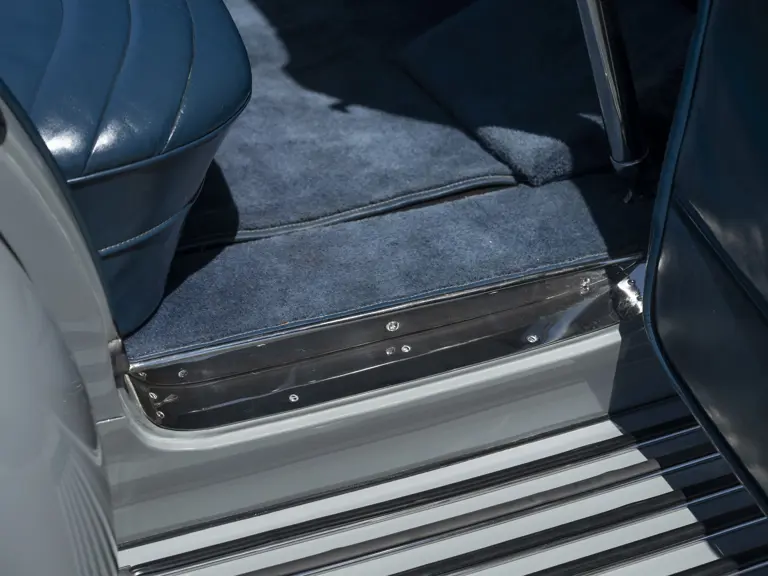
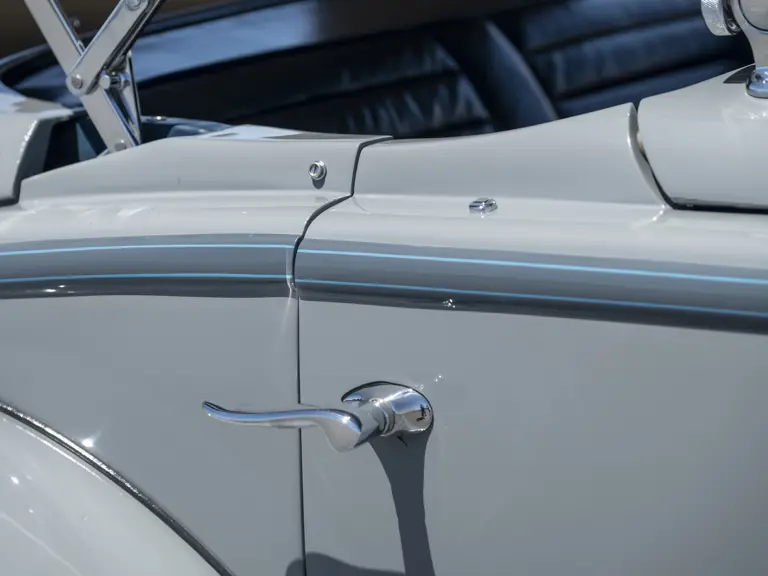
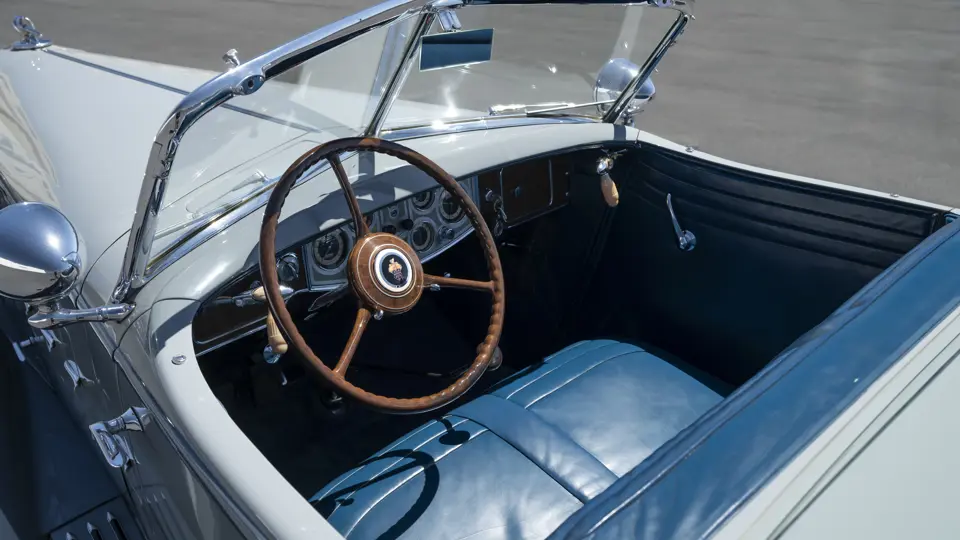
The “Gold Star” restoration of the LeBaron Sport Phaeton, which in large part it still wears today, was one of the last to be completed by Harrah’s, in 1975. Finished in Quebec Gray with Arlington Gray moldings, it was debuted at that year’s Classic Car Club of America Grand Classic in Newport Beach, where it scored 99.75 points. Late in its Harrah ownership, it appeared in the Rose Parade in Pasadena, California, in 1980, and in a 1984 Dick Clark television special, Super Stars and Classic Cars. More significantly, it was also prominently featured in Dean Batchelor’s book, Harrah’s Automobile Collection, and in Leon Mandel’s American Cars.
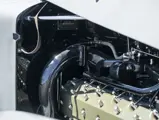
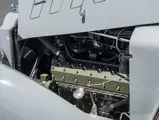
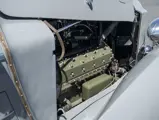
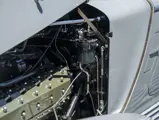
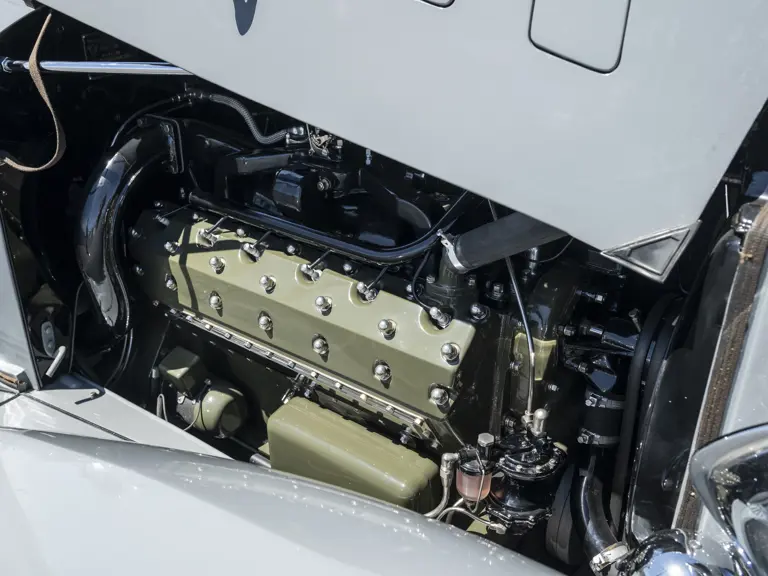
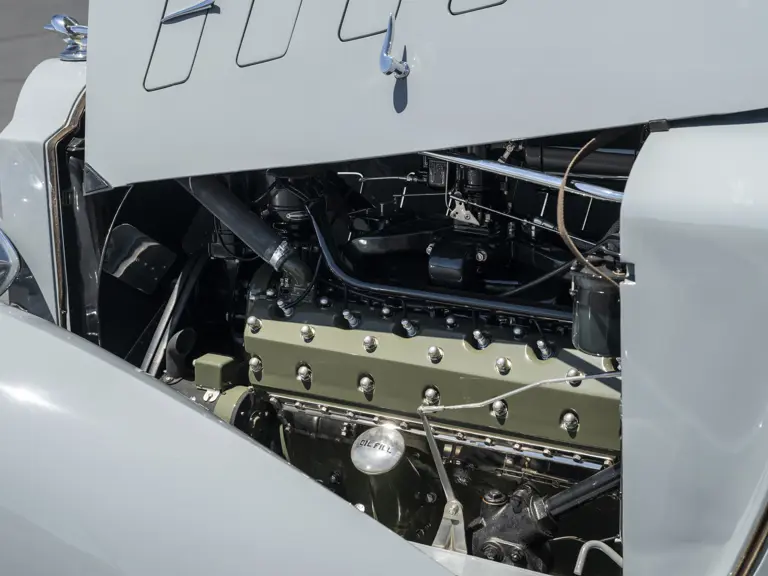
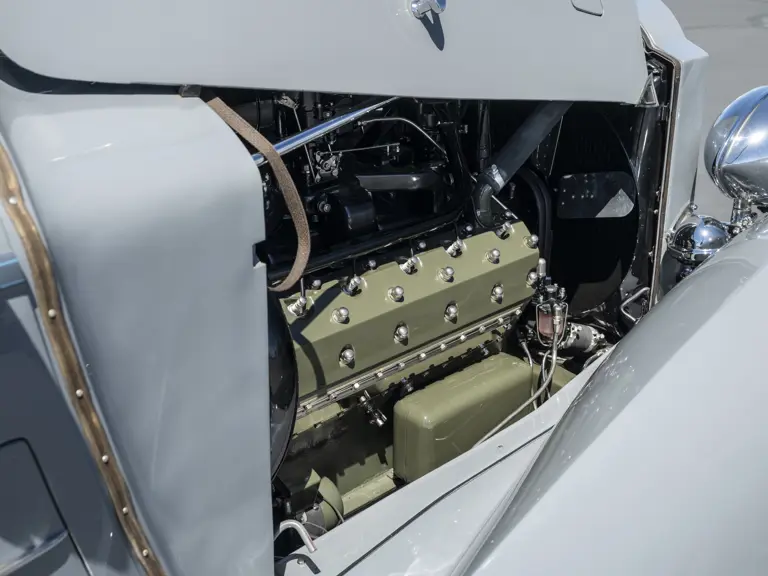
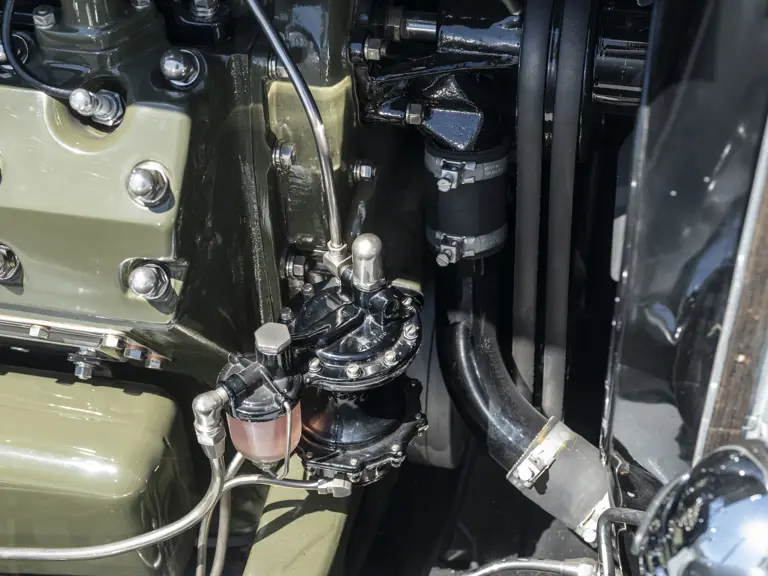
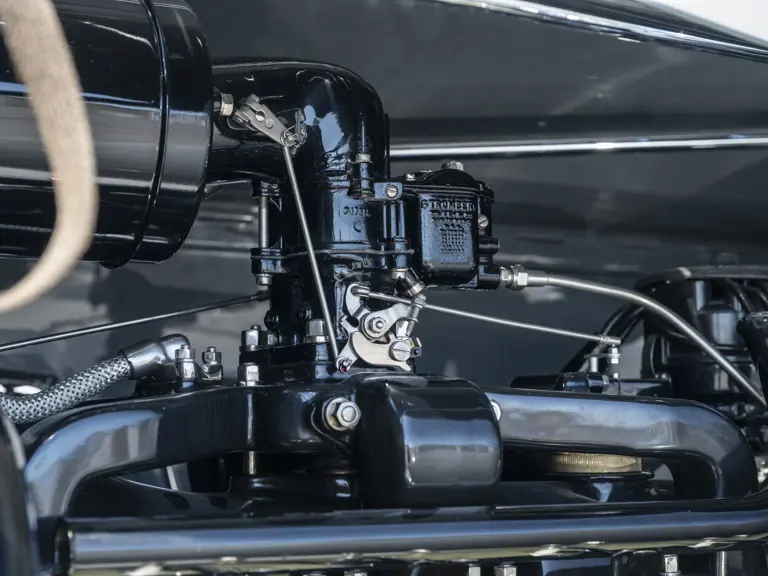
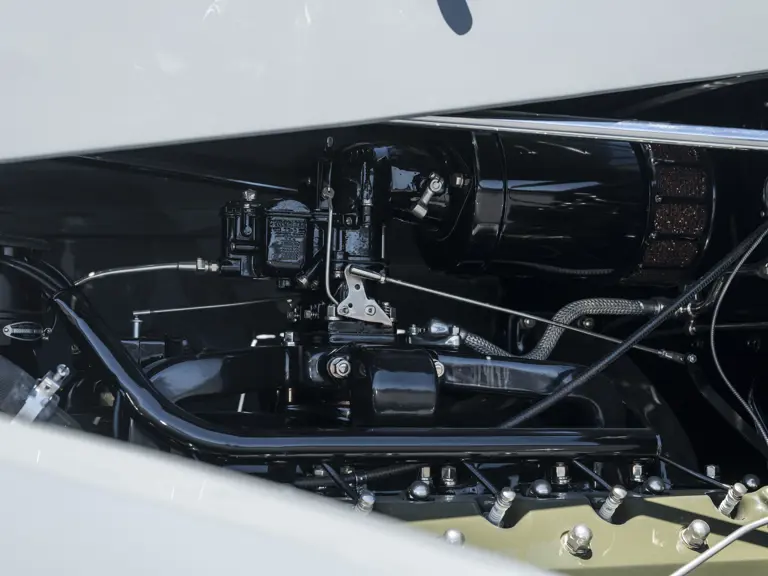
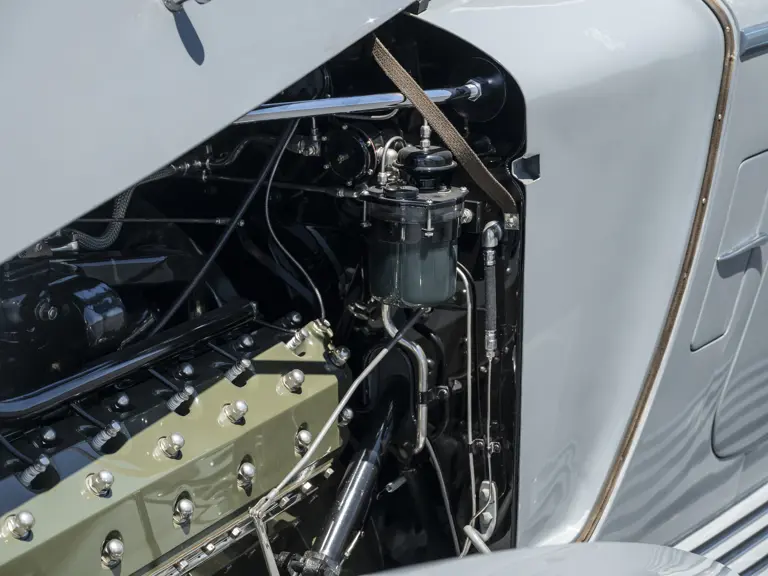
When the Harrah’s collection was broken up later in the 1980s, many of the finest and most valuable cars were sold privately as a group in late 1987 to renowned collector General William Lyon. The LeBaron Sport Phaeton was among them. It remained a standout in the Lyon stable in Orange County, California, until 1995, when it was sold to the present collection. The Harrah restoration has been well-conserved and, while displaying its age in some areas, is still attractive, and significantly all of the car’s major numbered mechanical components—chassis, engine, and steering box—are all very closely numbered together, and thus all original to this example.
Believed to have been exhibited only twice in present ownership, at The Quail, A Motorsports Gathering in 2010 and at the Pebble Beach Concours d’Elegance in 2015, the offering of this car is quite literally a generational opportunity. The last example to transact publicly did so in 1981, and only two of the four have traded, both quietly and privately, in the 45 years since, including this car’s 1995 acquisition. That speaks to the desirability of the LeBaron Sport Phaeton, a car whose winning beauty captures those who capture it—and then never let it go. Soon another caretaker is to have that pleasure.
 | Monterey, California