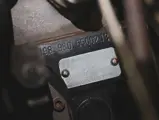
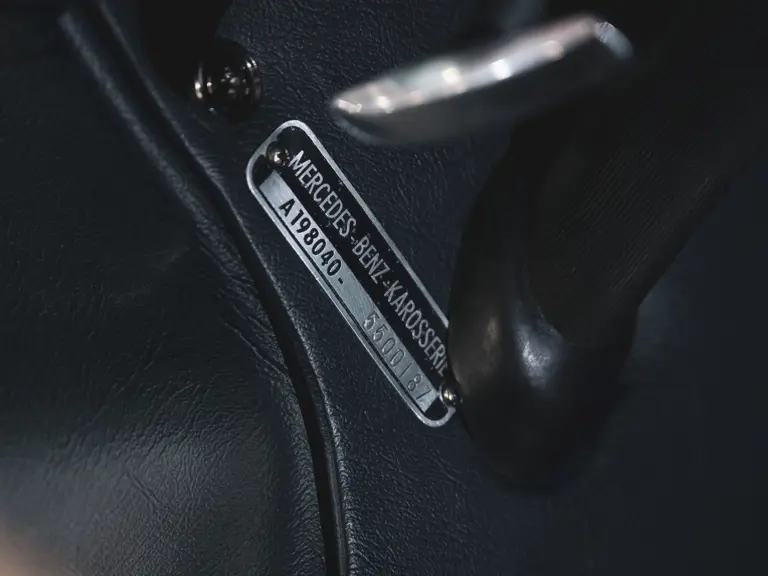
Chassis No.
198.040.5500192
$1,820,000 USD | Sold
{{bidding.lot.reserveStatusFormatted}}
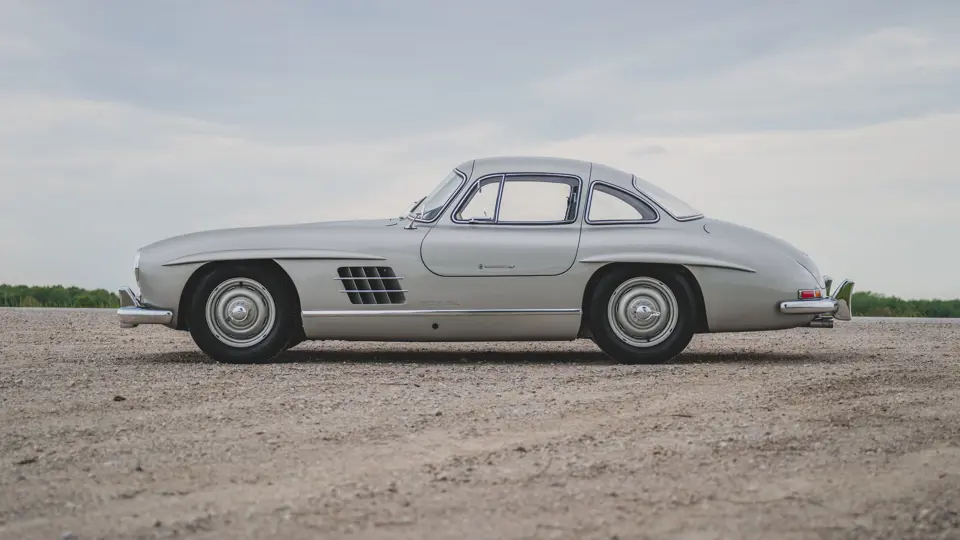
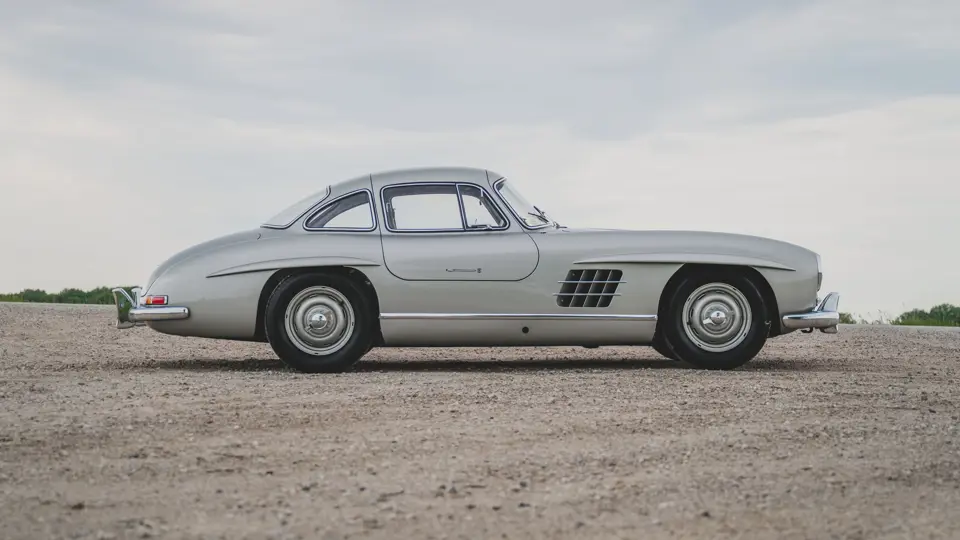
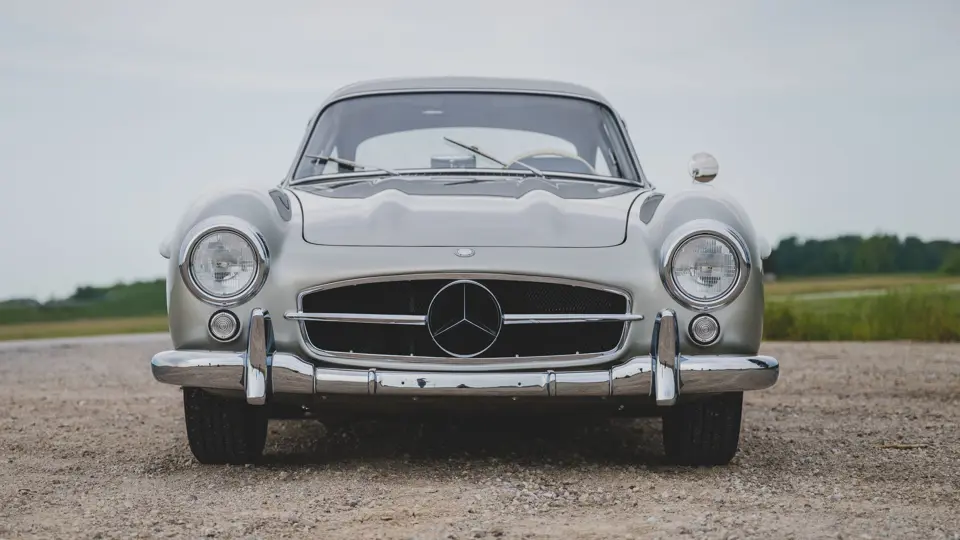
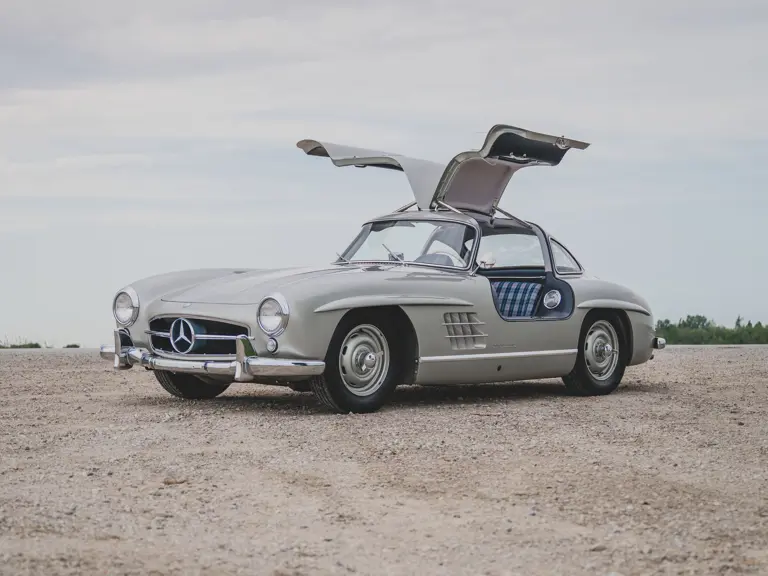
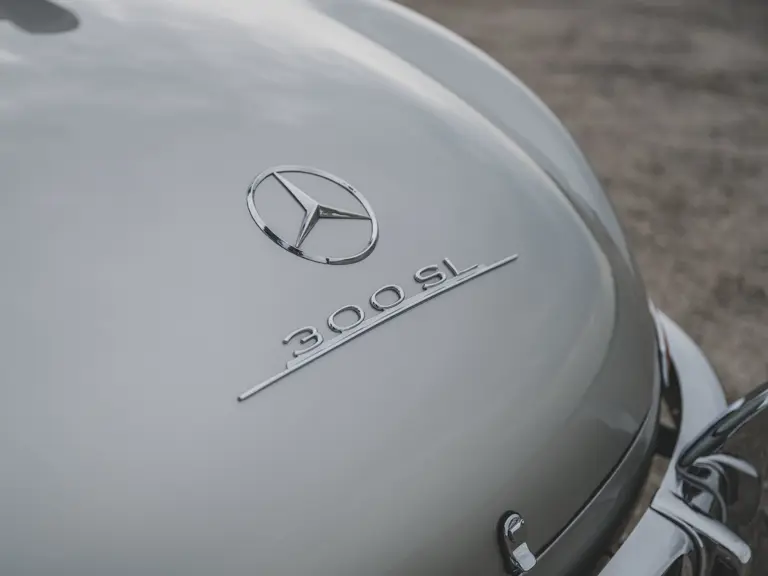
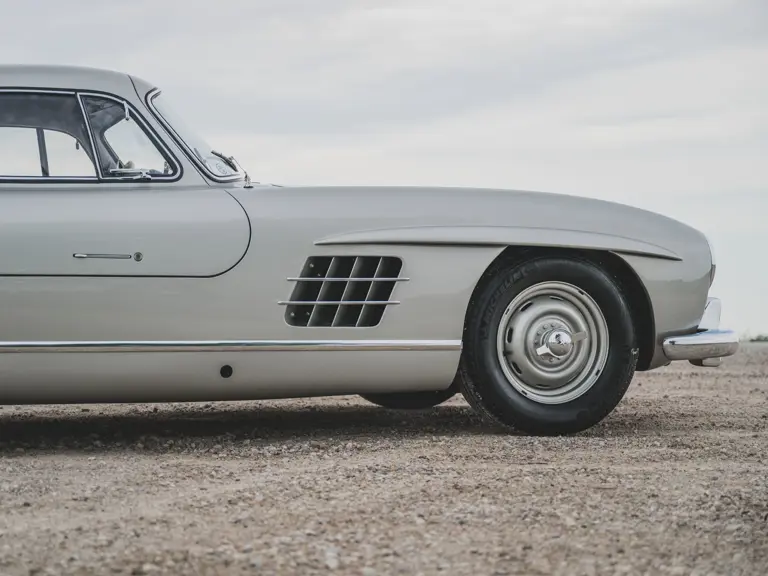
Widely considered the world’s first supercar, the Mercedes-Benz 300 SL is based on a purpose-built racecar that thrust the German automaker back into the victory circle after a long absence. Revered among enthusiasts and collectors, its influence is so great that the two letters in its short name have passed down through a storied lineage that continues through present day.
After resuming vehicle production following World War II, Mercedes-Benz delved into sports car racing to bolster its reputation and boost sales, a strategy that Wilhelm Haspel, the company’s chairman at the time, championed. With limited resources to develop an entirely new racecar, testing department head and former racing technical director Rudolf Uhlenhaut devised a plan to use off-the-shelf components from Mercedes’ top-of-the-line 300 and 300 S models, including their inline six-cylinder engine, gearbox, brake system, and axles. To give the new racecar a fighting chance against more powerful and proven competitors from the likes of Ferrari and Jaguar, the project, led by Chief Engineer Fritz Nallinger, focused on keeping weight down, optimizing aerodynamics, and prioritizing reliability and durability over sheer power.
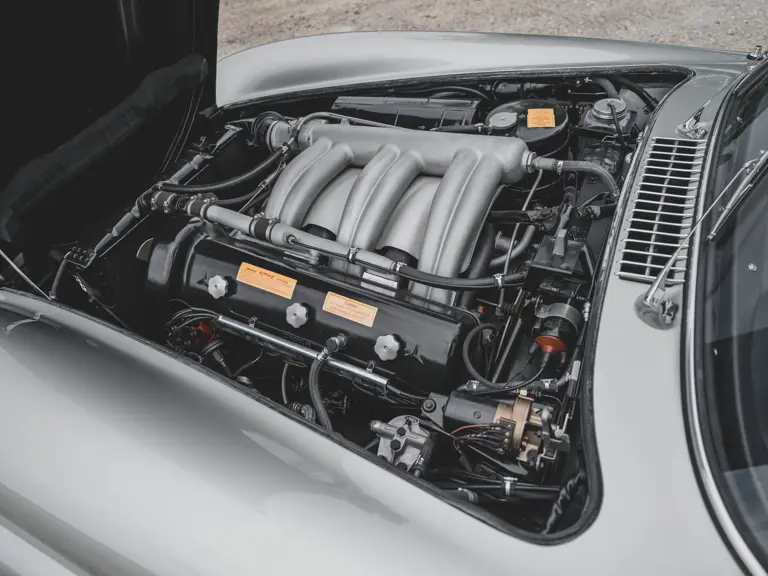
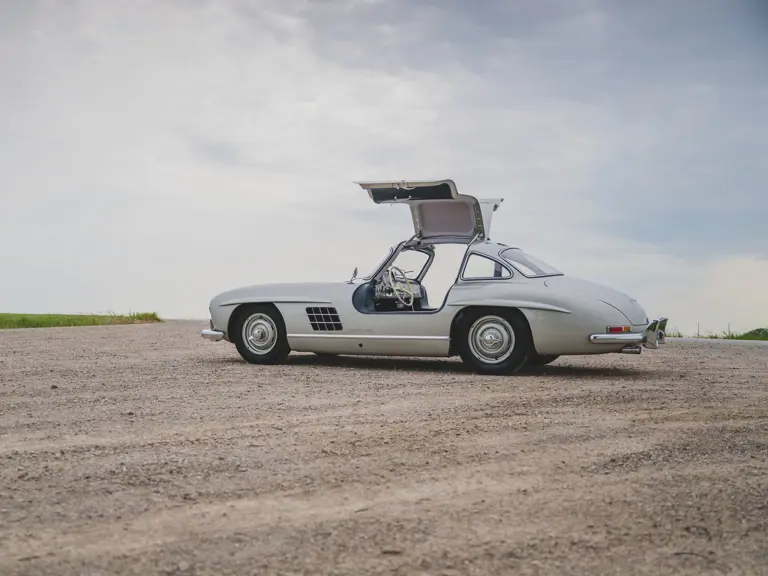
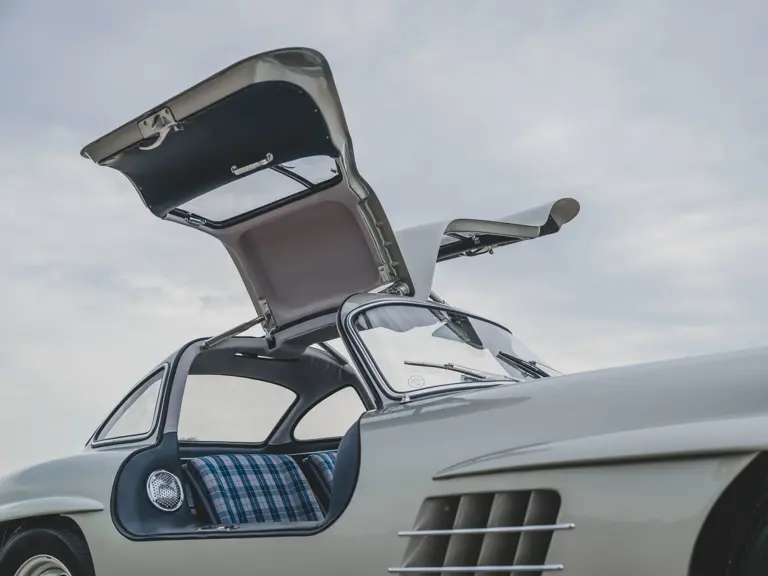
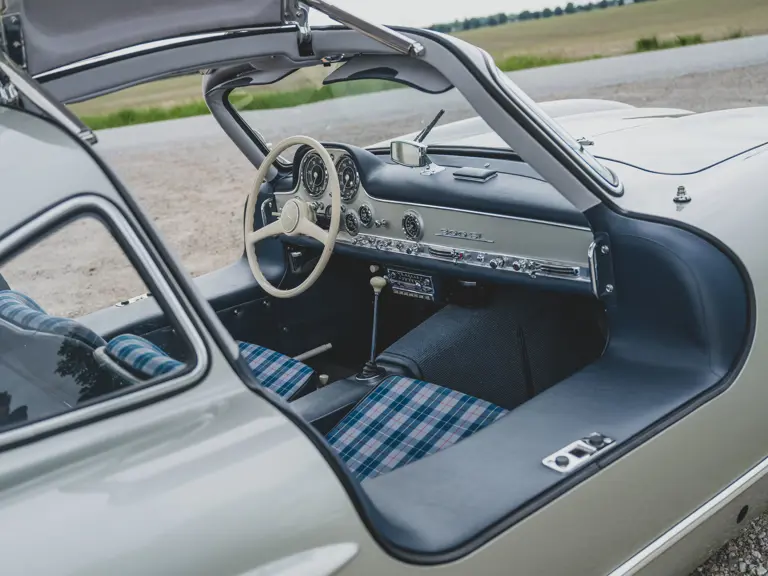
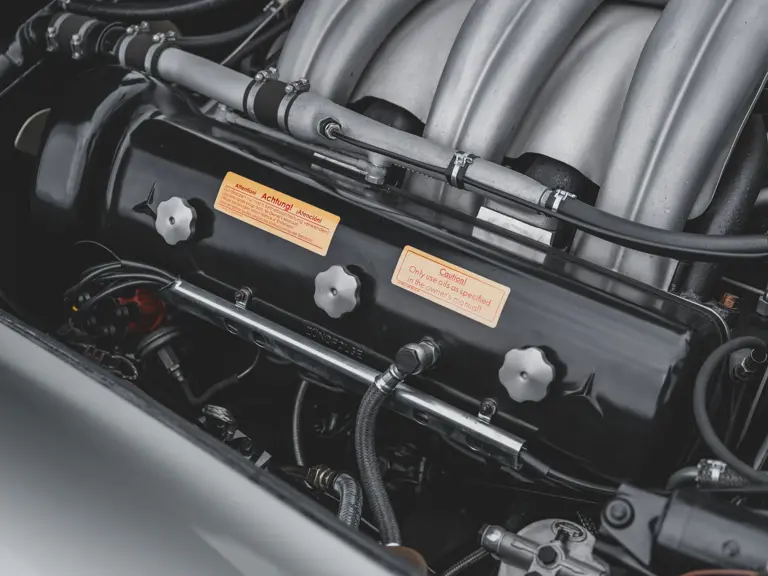
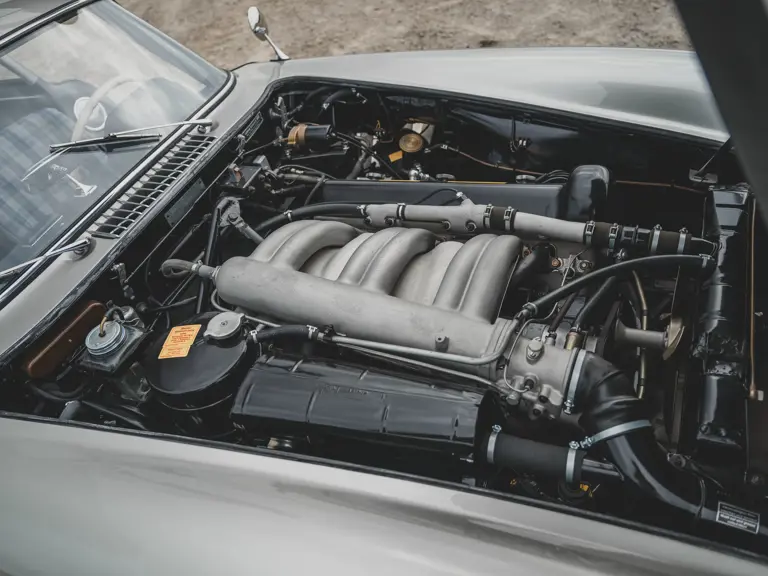
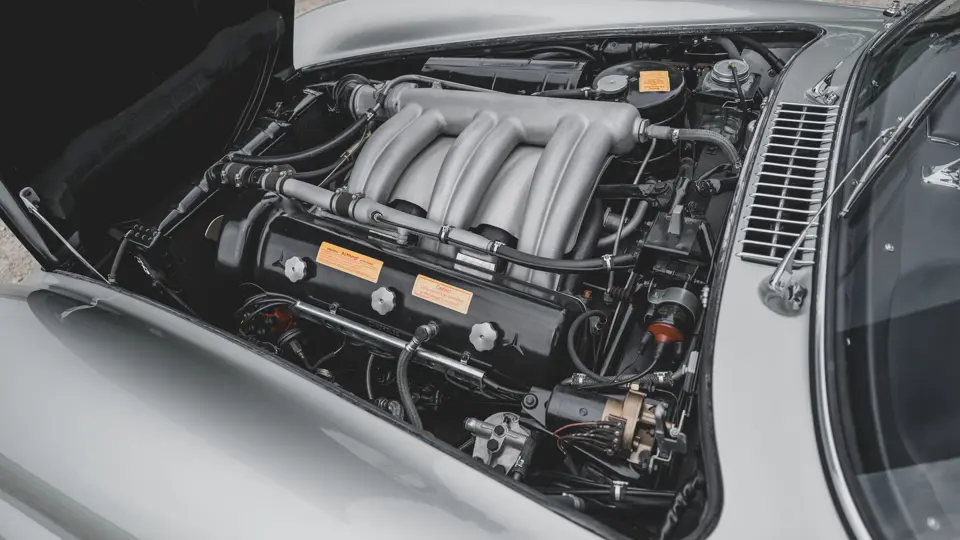
Uhlenhaut designed a novel chassis frame with thin-walled round tubes of various diameters arranged in triangular groups of three. The result was an incredibly stiff structure lighter than any the company had produced to that point. With the 3.0-liter inline-six mounted at a 50-degree angle to allow as low and flat of a hood as possible to improve aerodynamics, svelte bodywork was shrink-wrapped around the so-called “birdcage” chassis. Thus the 300 SL—internally designated the W194—was born, replete with what would become its most famous feature: “gullwing” doors hinged at the roof, opening upward to allow ingress/egress over the high side sills of the trellis-like chassis framework. Fitted with dry-sump lubrication and triple Solex carburetors, the engine was tuned for optimal performance according to the demands of each race it competed in, resulting in output ranging from 162.5 to 180 horsepower at 5,600 rpm.
Success was spectacular, with the 300 SL taking first and second place at the prestigious 1952 24 Hours of Le Mans, sweeping the top four spots at that year’s sports car support race for the Eifelrennen at Nürburgring, and clinching the top three positions at both the Bern-Bremgarten Grand Prix and Carrera Panamericana endurance race in Mexico. The W194 would continue to rack up victories through 1956.
As trophies flooded in, American importer Max Hoffman pleaded with management for a roadgoing variant of the 300 SL, convinced it would burnish Mercedes-Benz’s reputation in the United States. A production version, known internally as W198, debuted at the 1954 International Motor Sports Show in New York, featuring revised bodywork, a more accommodating interior, and Bosche mechanical fuel injection. With its gorgeous lines, competition-honed driving dynamics, and dazzling doors, the series-production 300 SL “Gullwing” was as enthralling to behold and drive on-road as it was in competition, drawing immediate interest from the rich and famous. Affirming his shrewd foresight, Hoffman sold more than 1,000 of the 1,400 examples produced from 1954 through 1957 through his American distributorship.
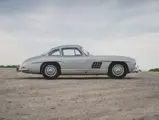
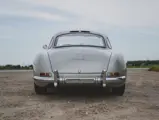
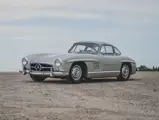
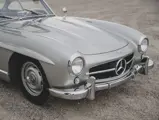
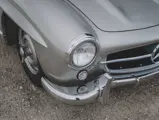
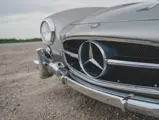
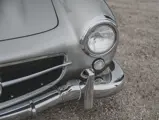
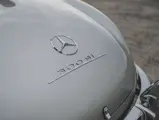
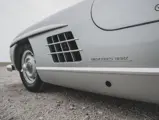
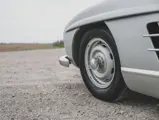
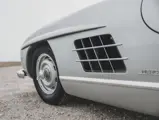
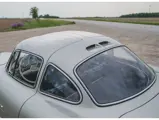
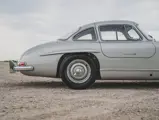
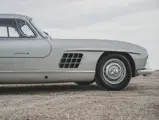
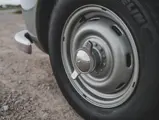
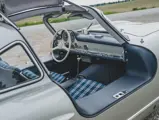
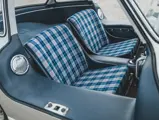
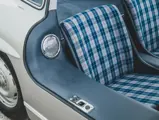
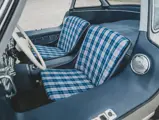
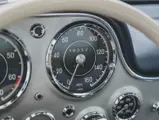
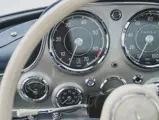
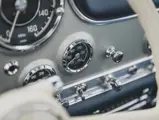
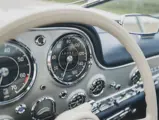
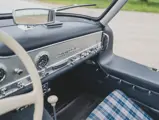
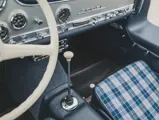
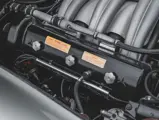
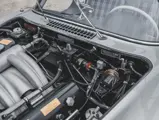
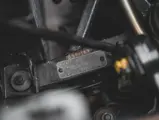
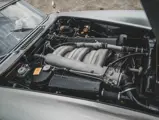
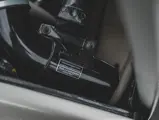
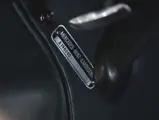
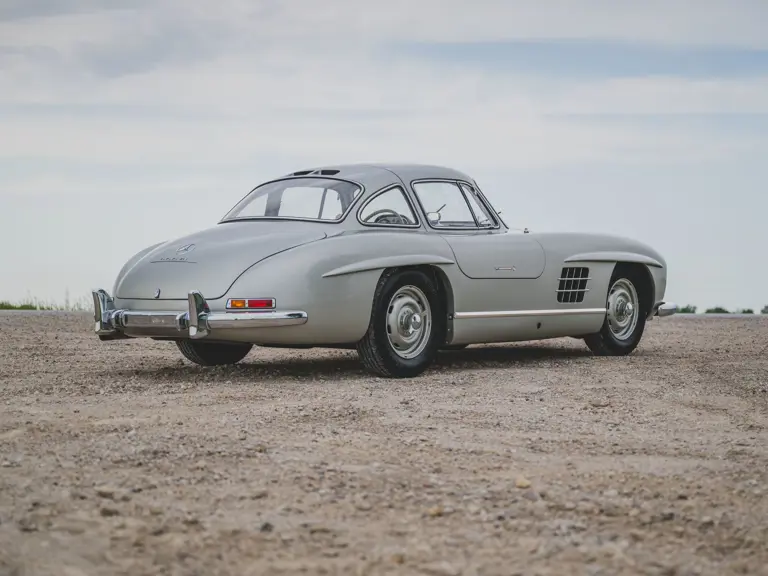
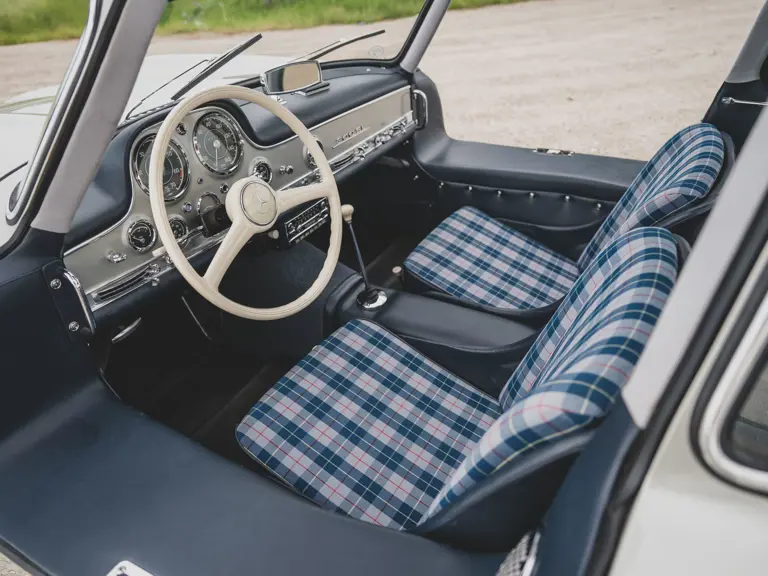
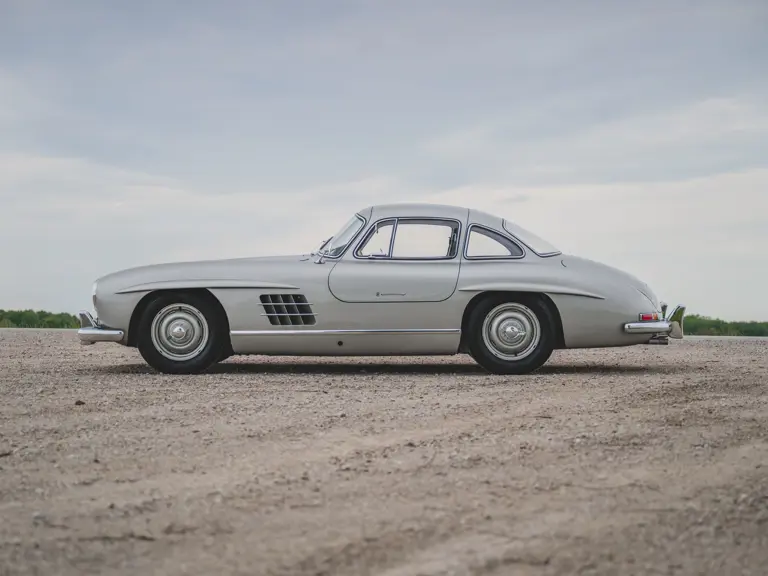
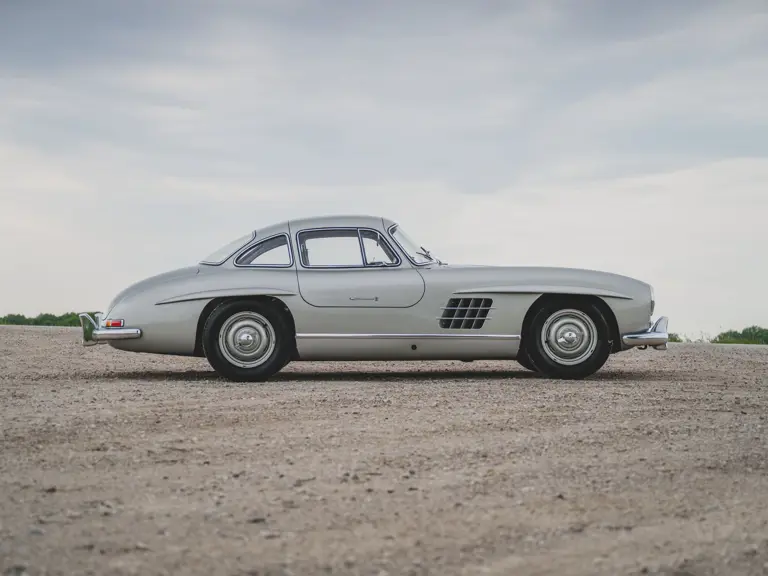
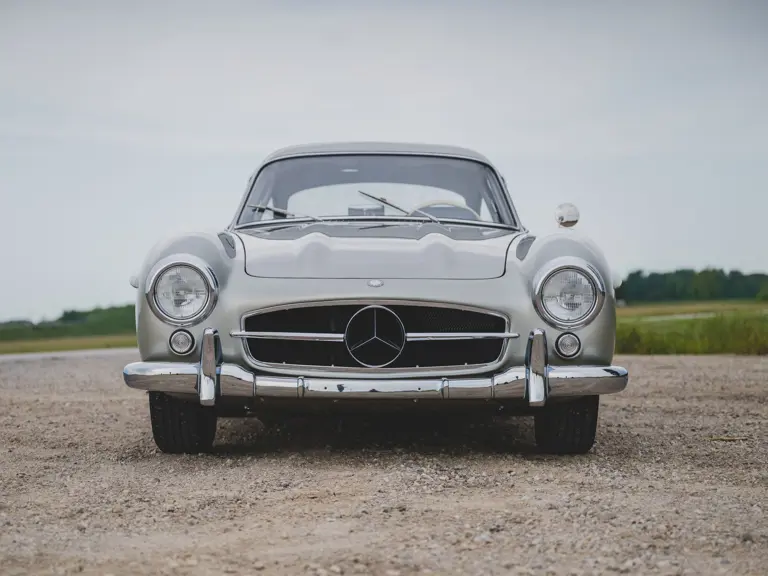
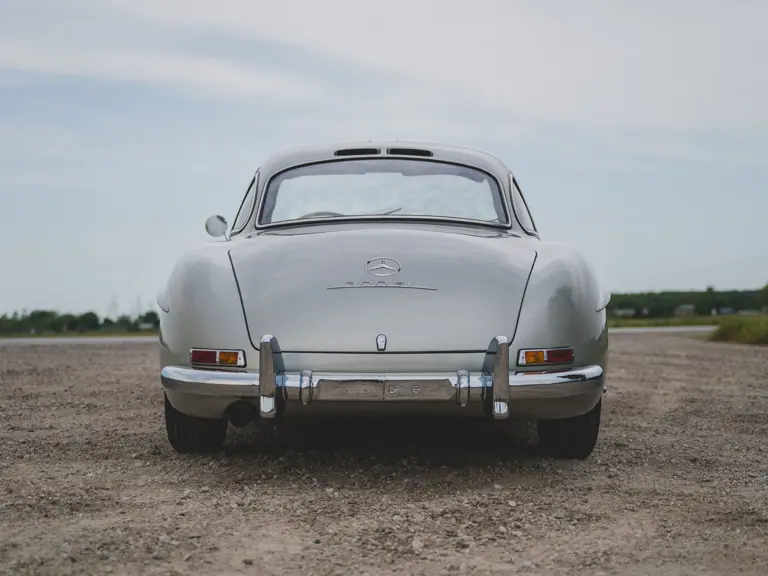
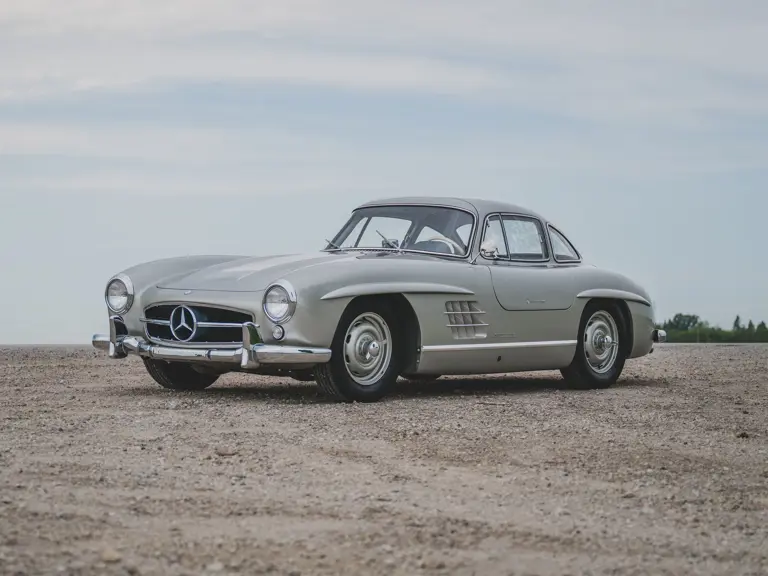
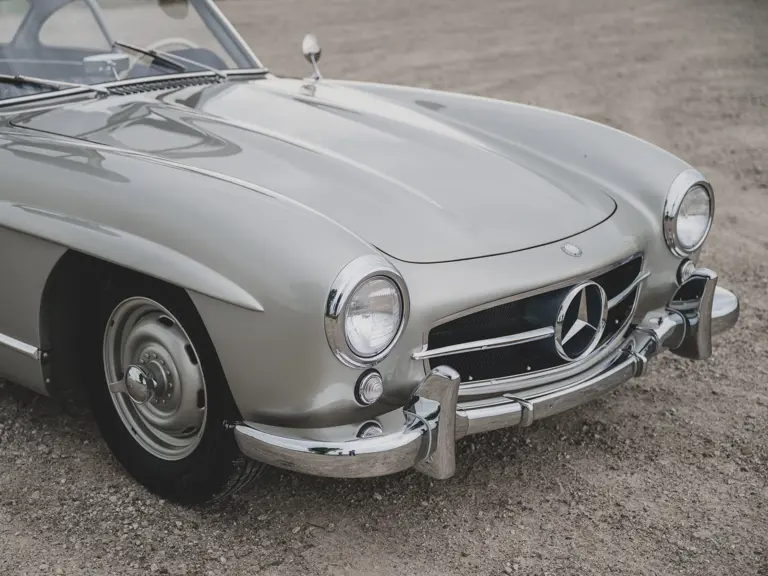
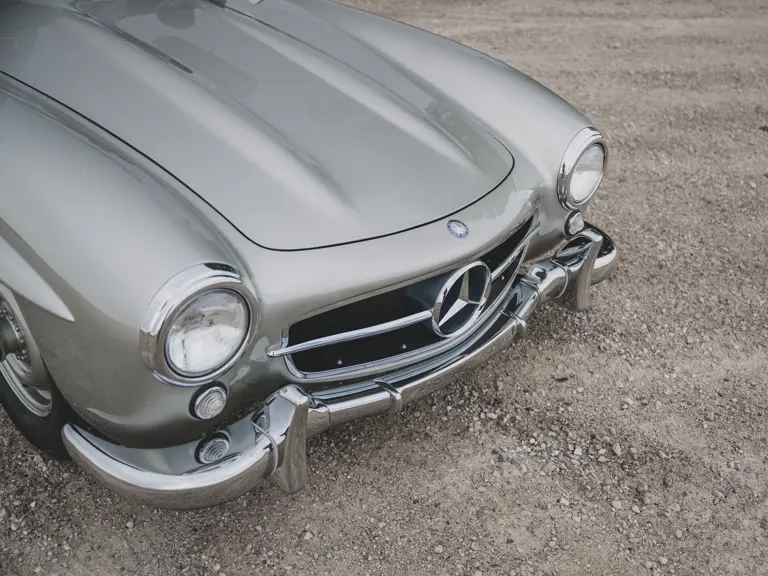
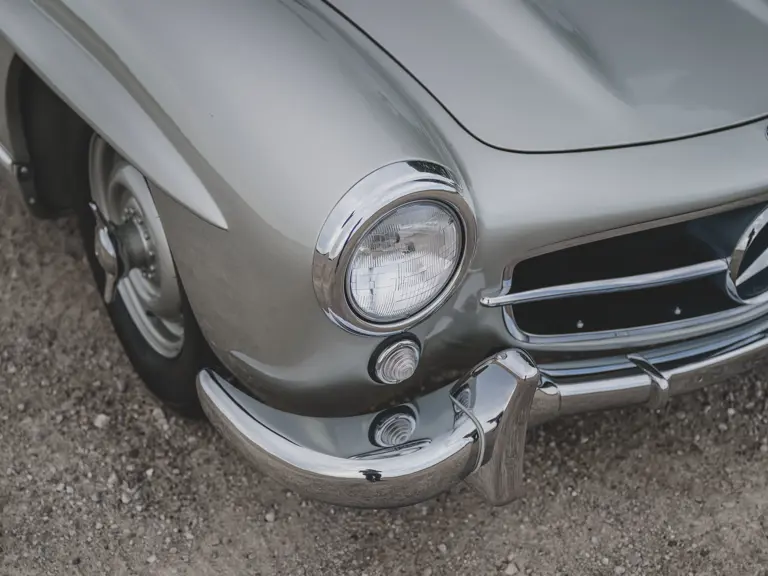
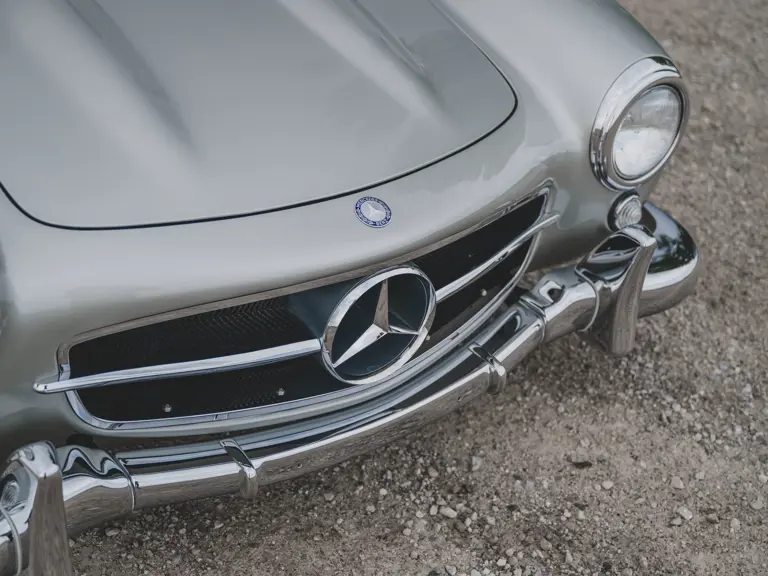
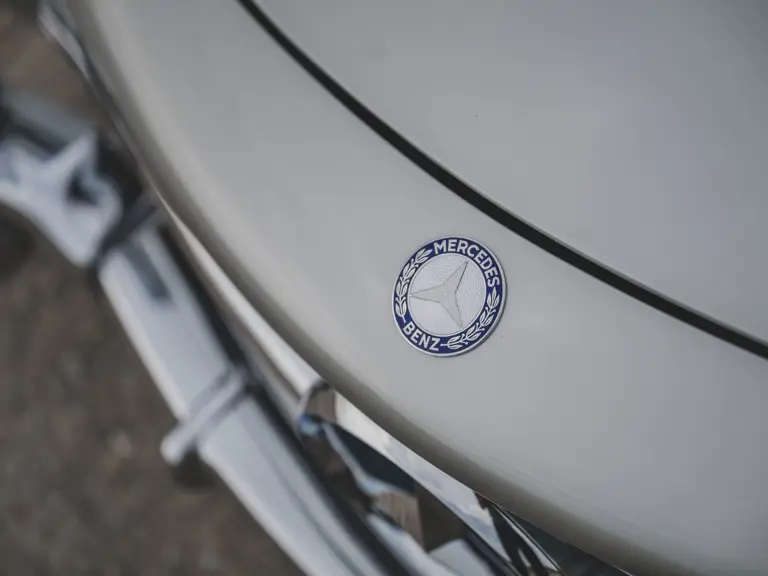
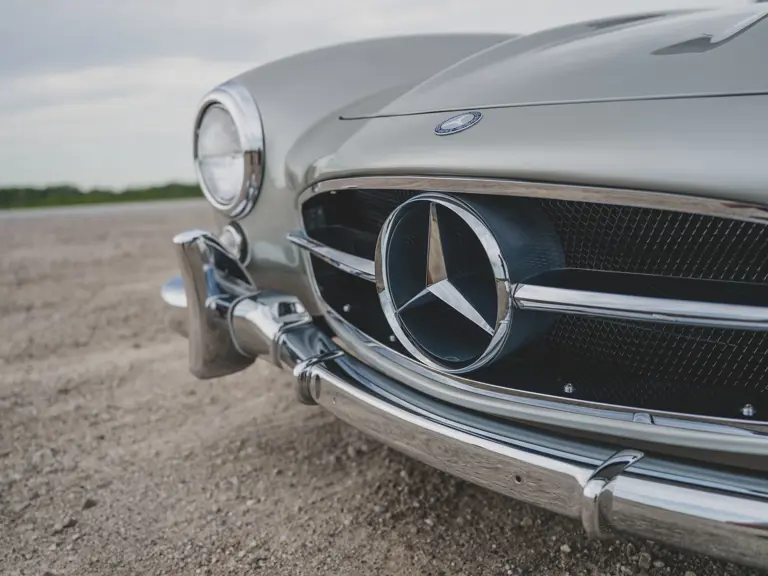
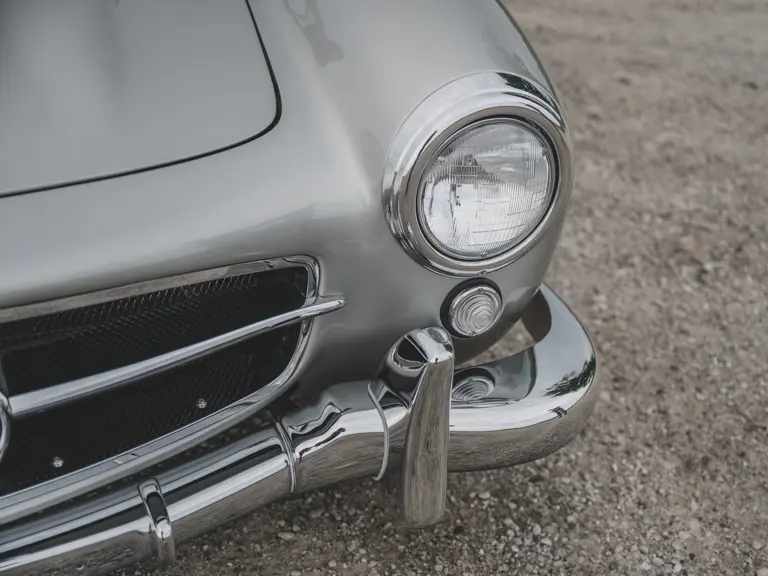
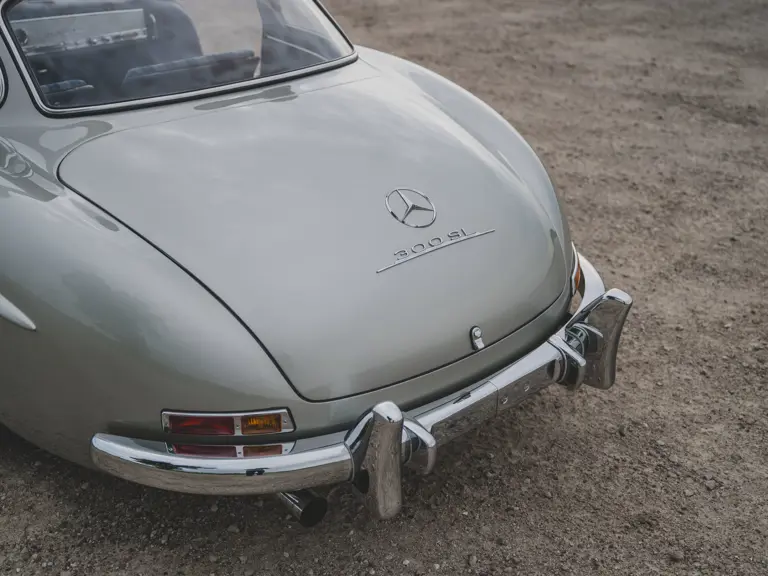
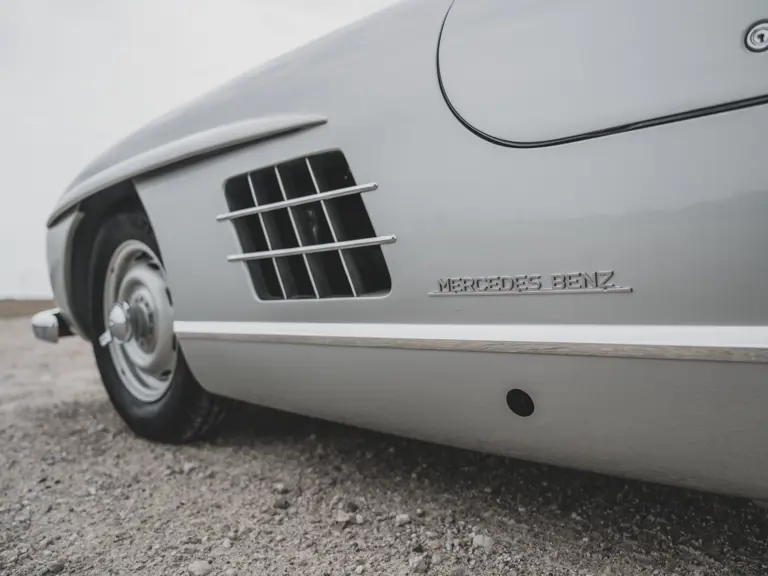
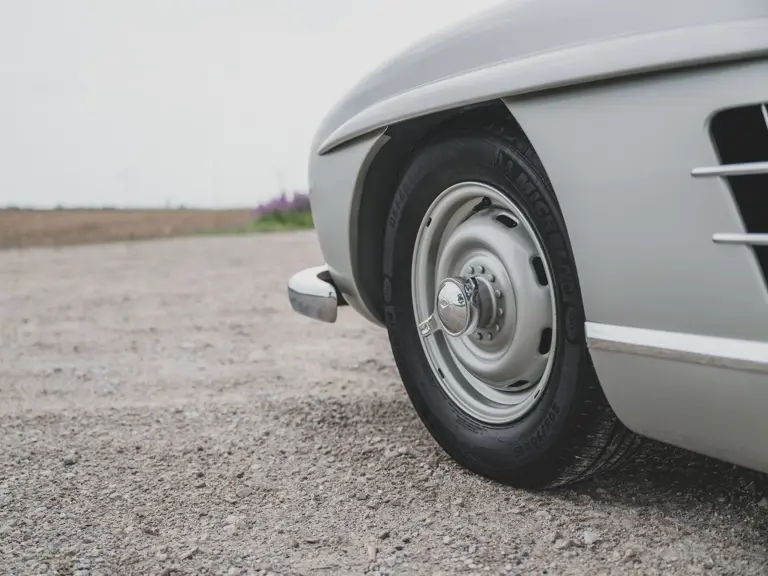
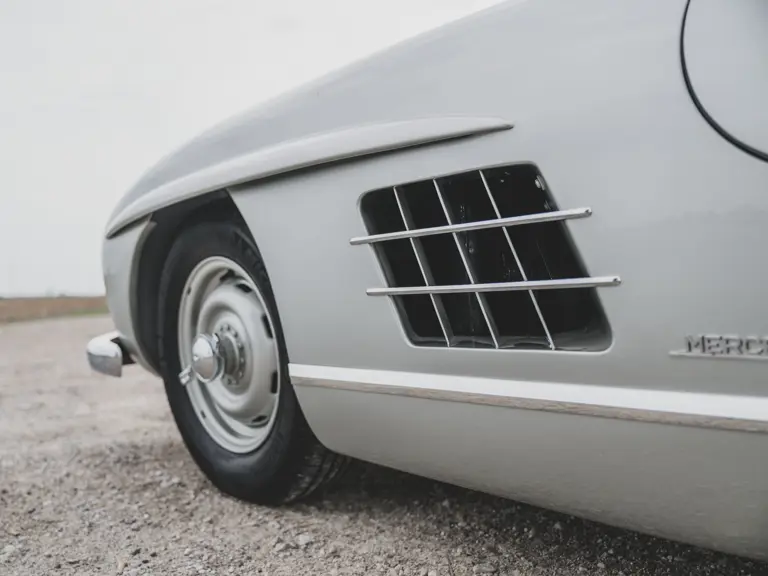
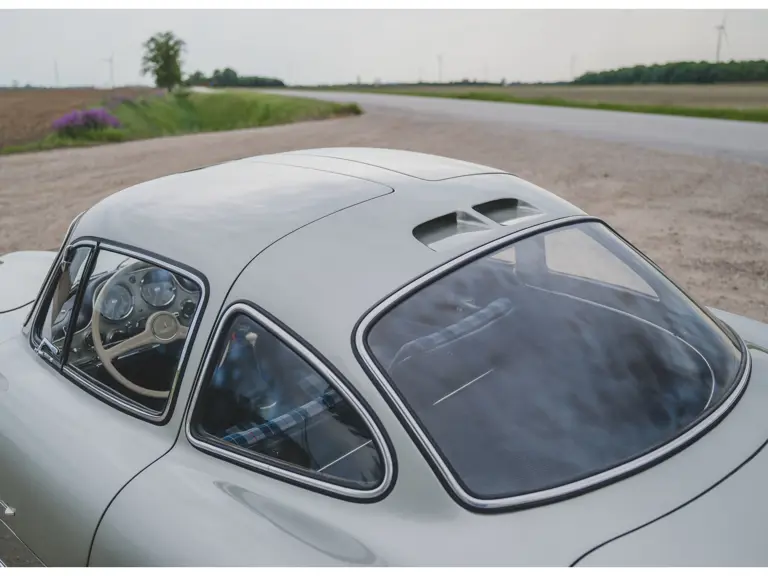
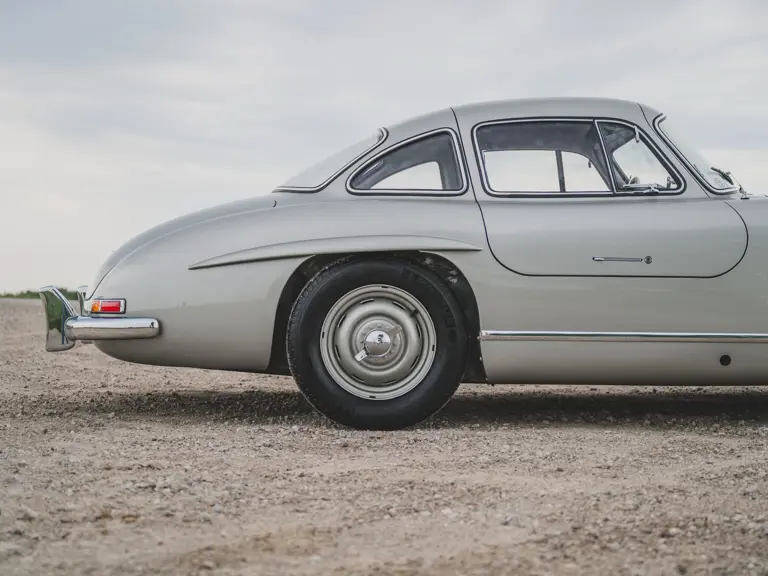
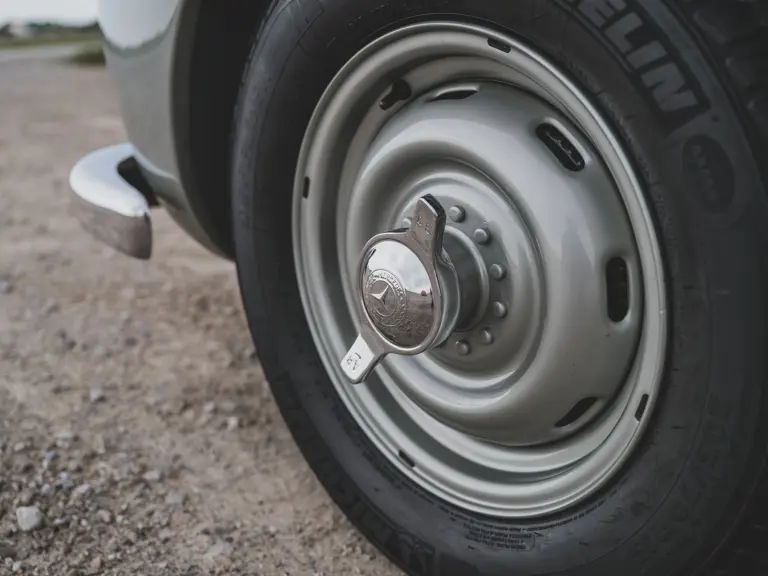
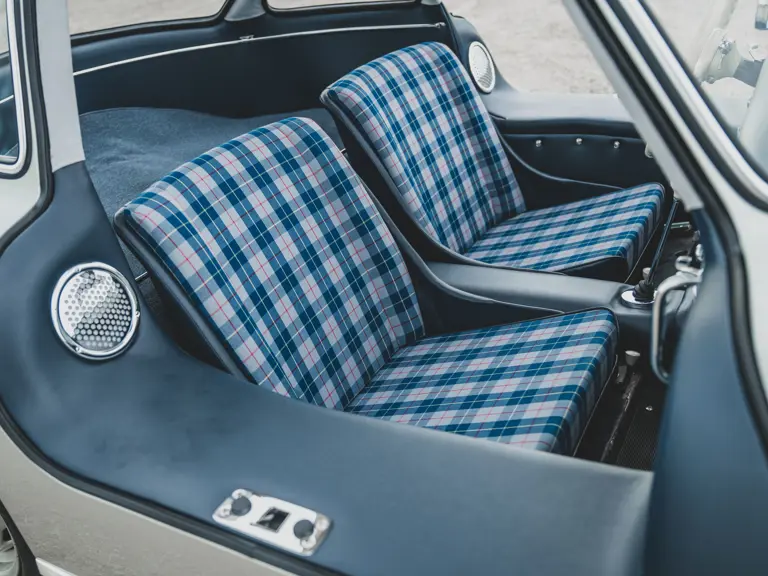
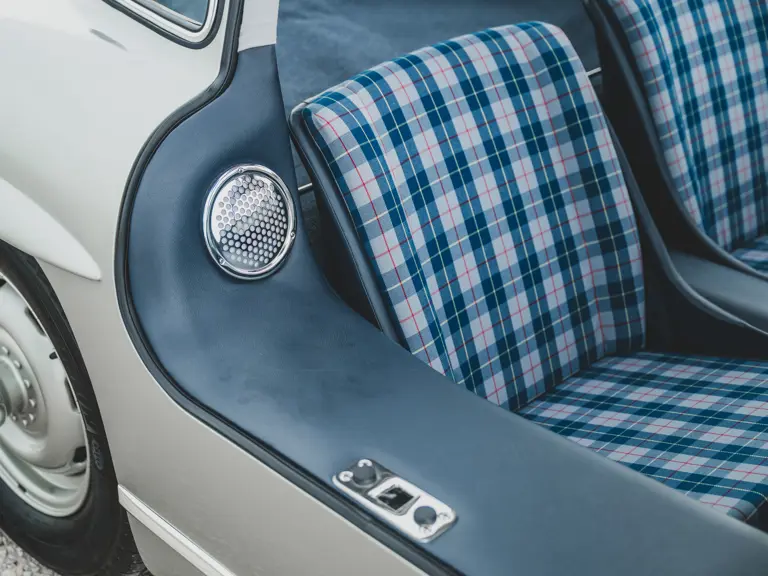
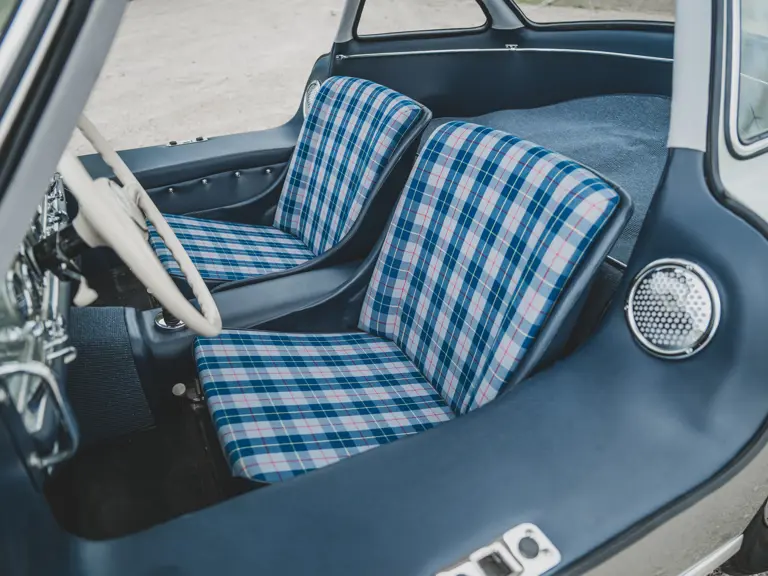
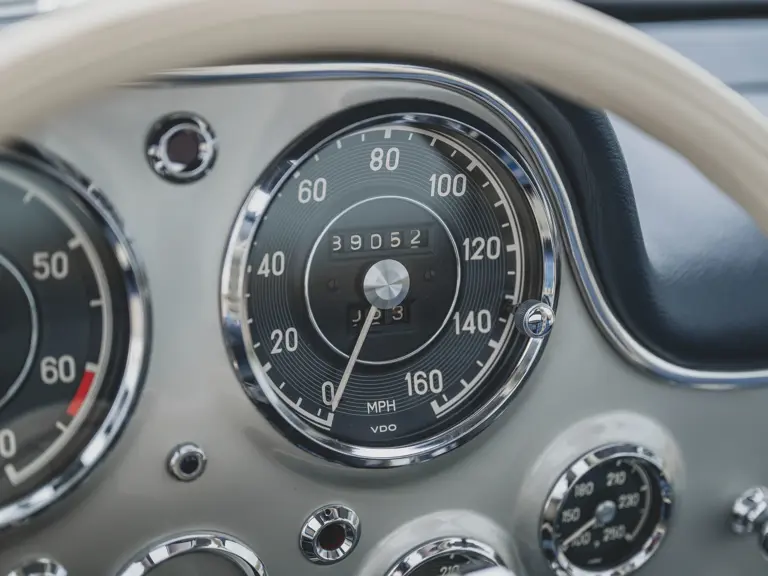
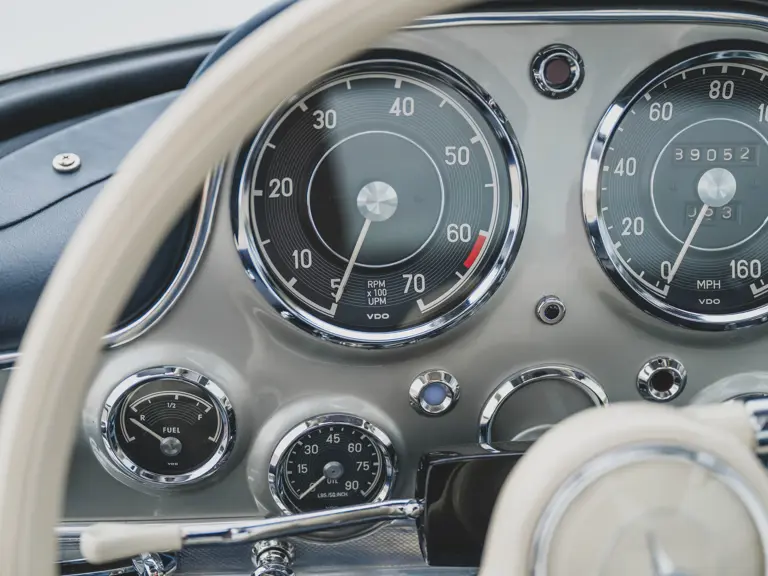
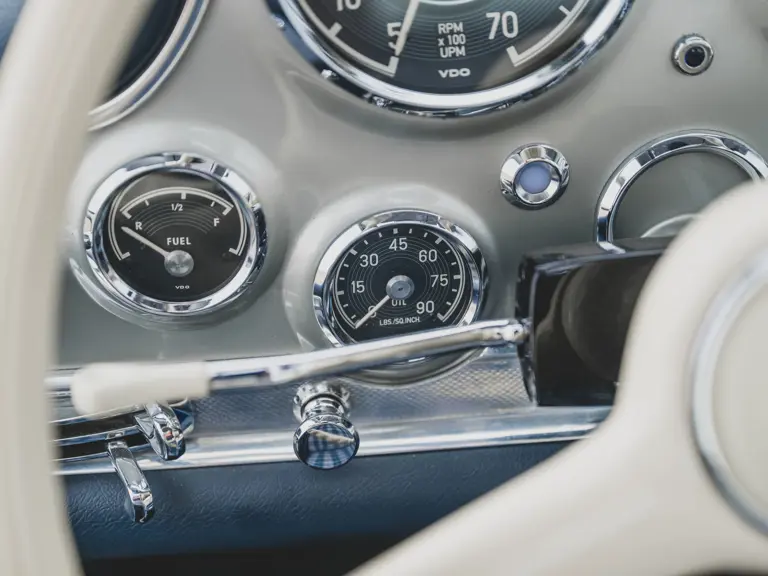
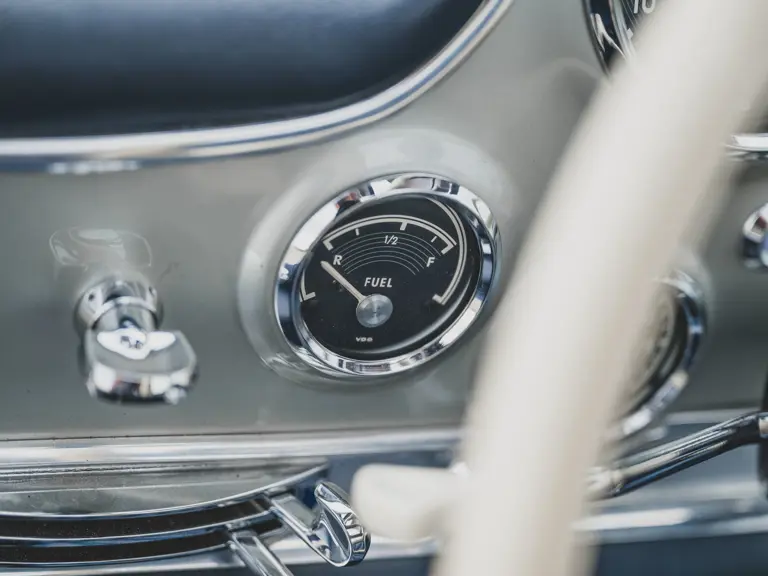
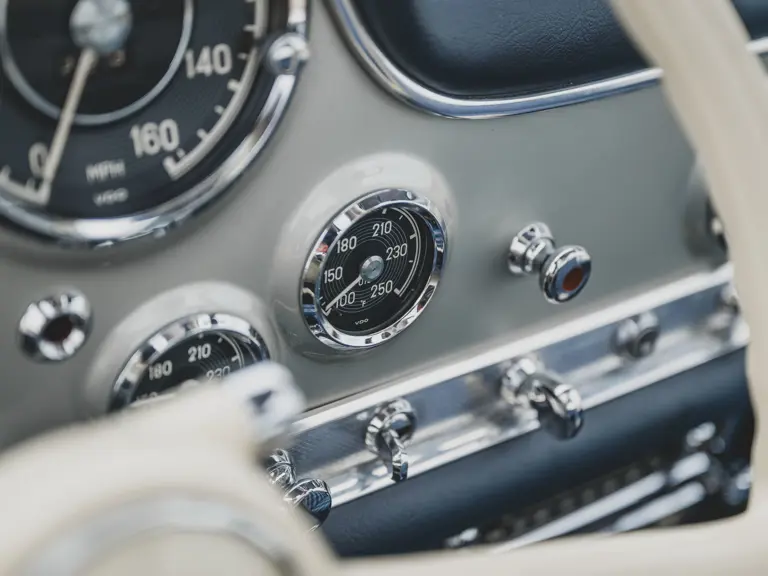
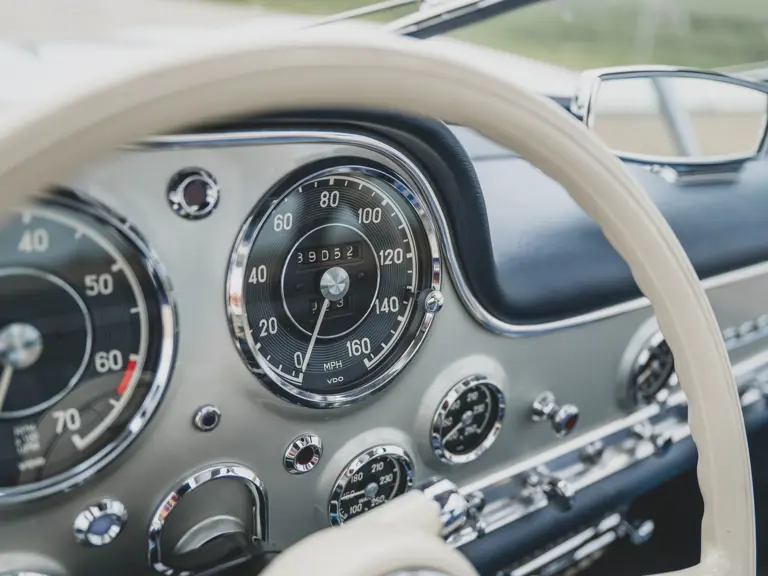
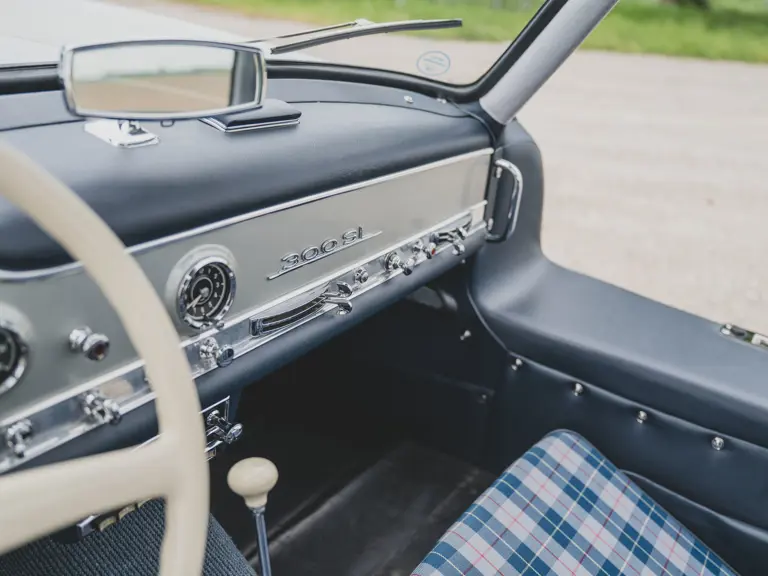
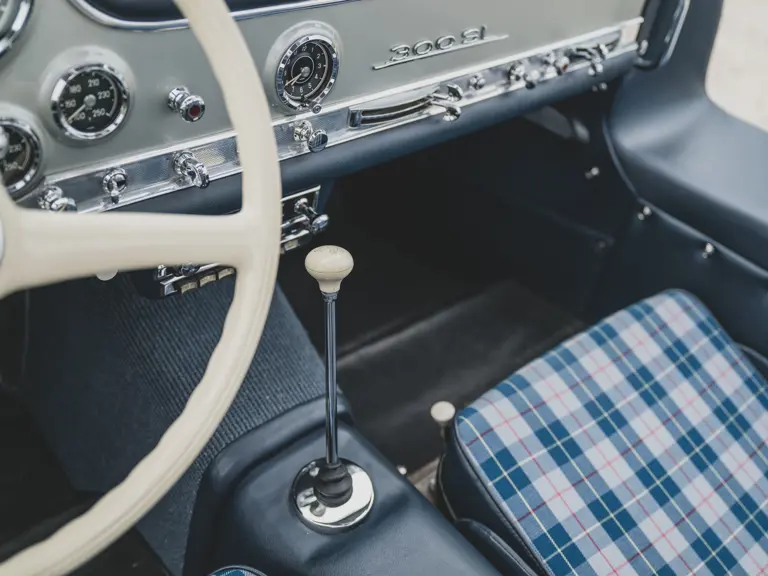
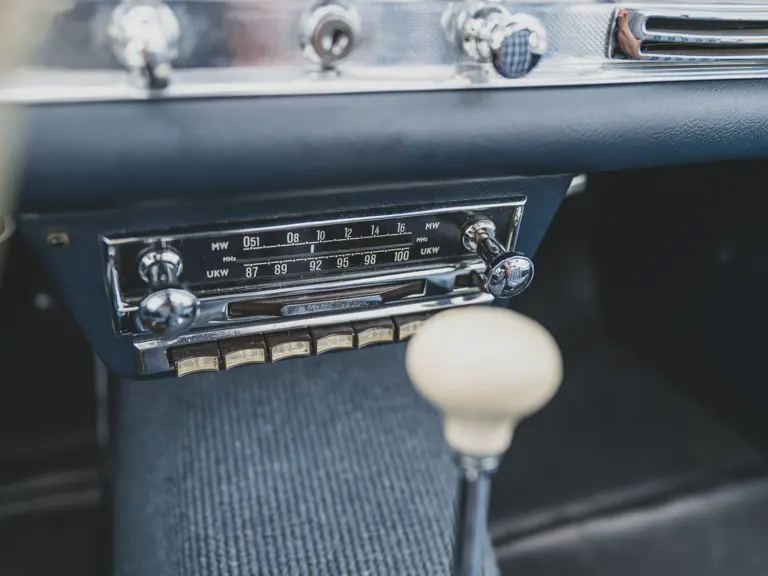
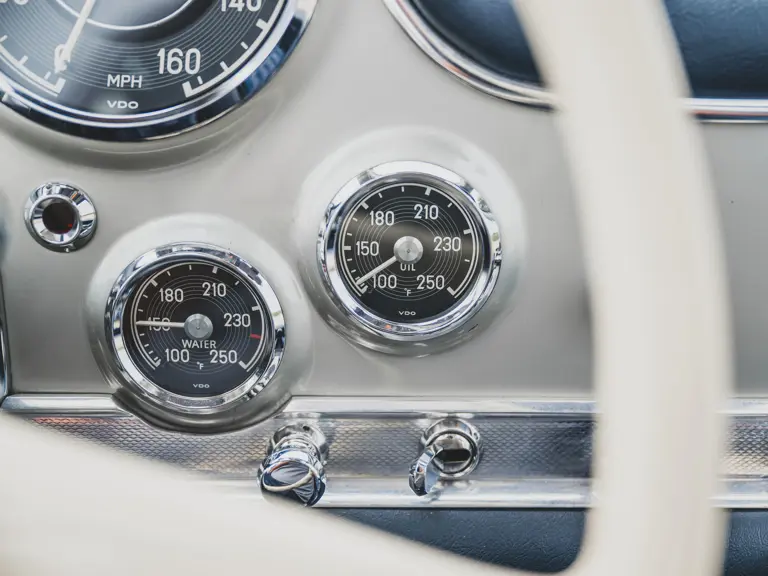
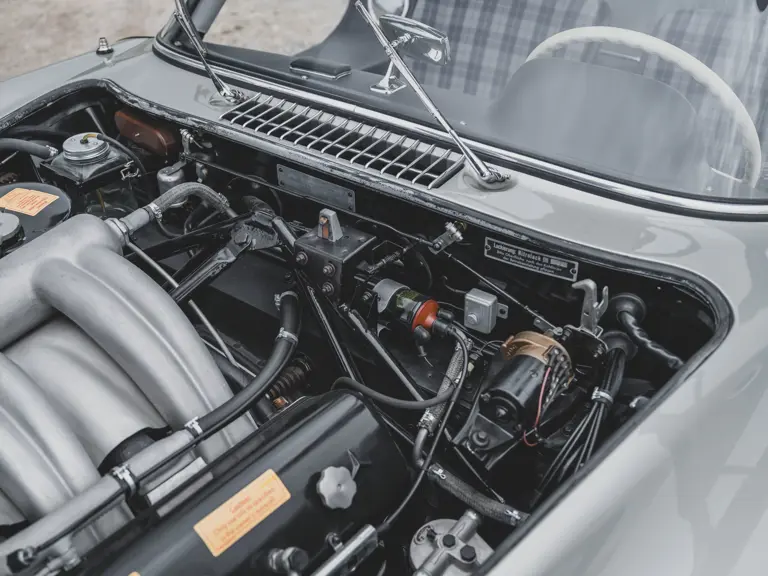
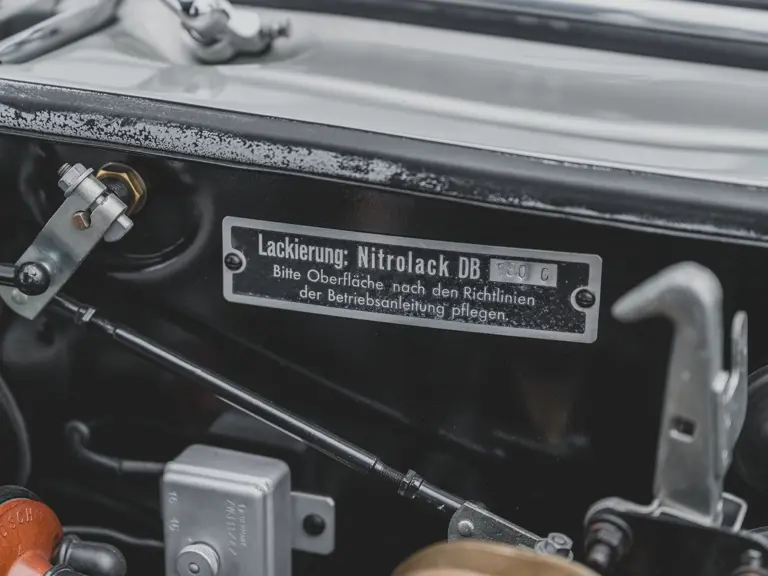
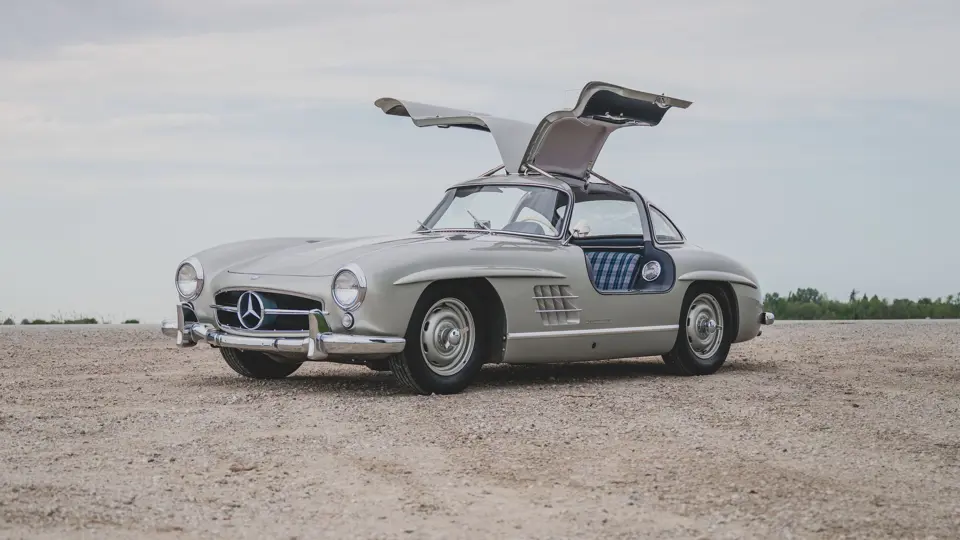
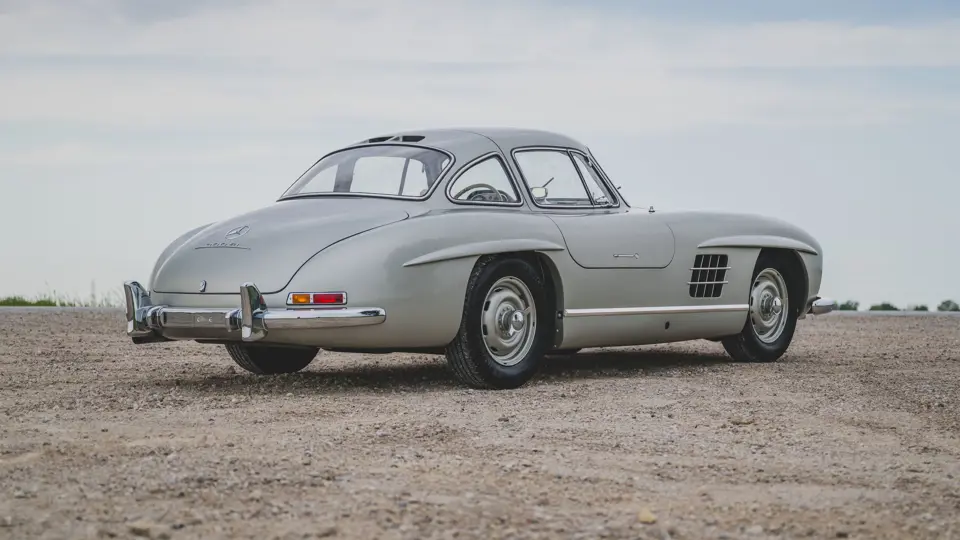
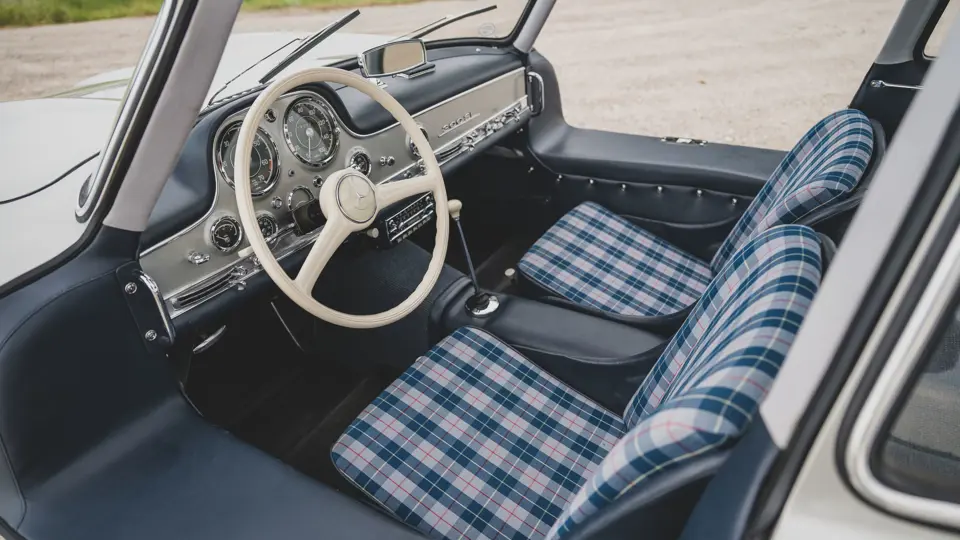
This 300 SL completed production on 4 April 1955, finished in Silver Grey Metallic over a combination of Blue vinyl and Blue plaid inserts. Factory equipped with a Becker Mexico radio and desirable Rudge wheels, according to a copy of its original data card on file, it was dispatched to New York on 7 April 1955. The consignor’s father is said to have acquired the 300 SL from the original owner around 1970. After a long period of not being driven, it underwent a multi-year restoration beginning in 2014 that addressed issues with the body, interior, engine, and other mechanical components. Invoices for the work, which concluded in 2022, are on file and available to review.
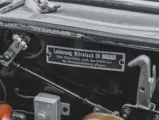
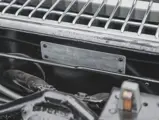
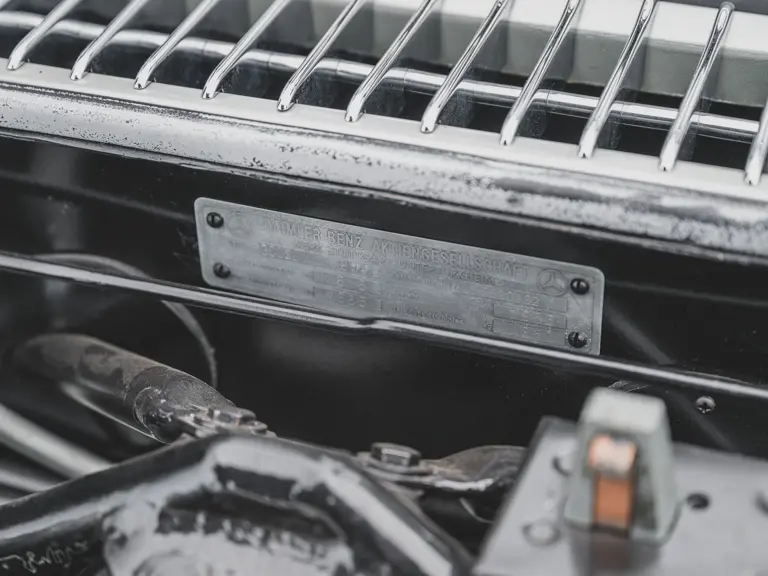
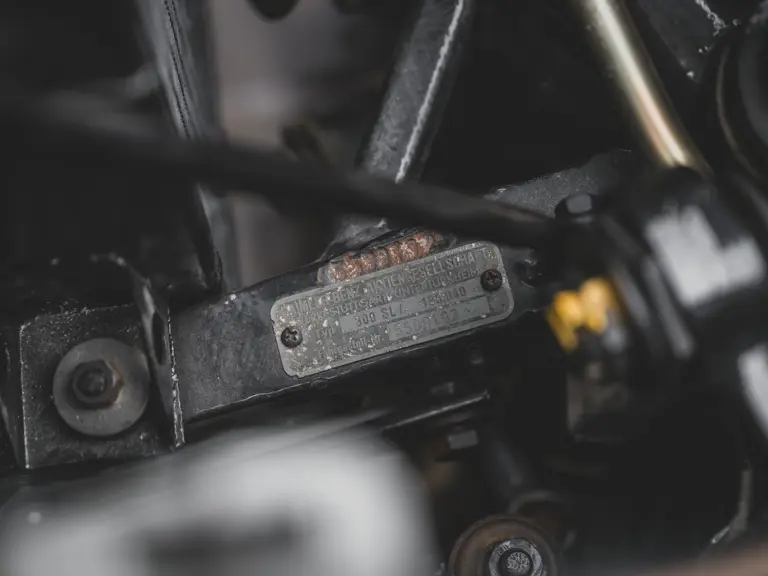
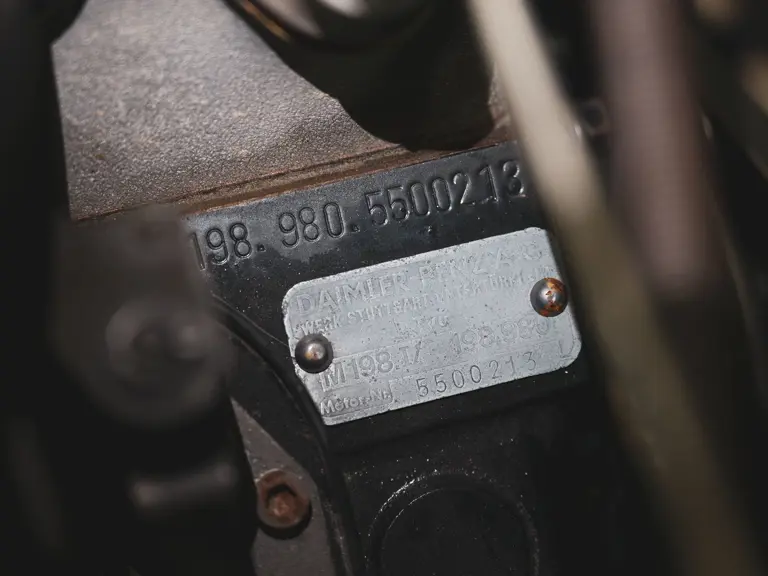
Presented in its factory-correct color combination with numbers-matching chassis, body, engine, gearbox, and front and rear axles, this Gullwing now awaits its next fortunate owner to enjoy on any number of prestigious, historic road rallies, where its race-winning pedigree will surely delight.
 | Monterey, California