Chassis No.
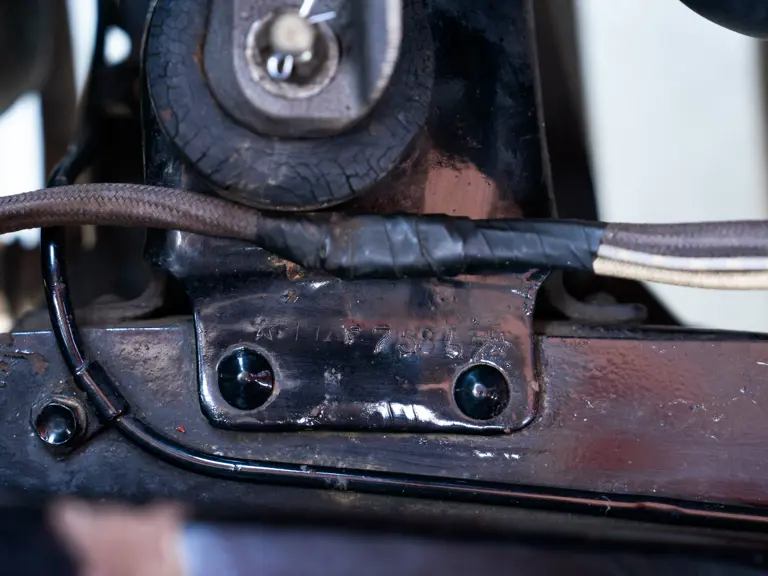
99A-75867
{{lr.item.text}}
Offered Without Reserve
{{bidding.lot.reserveStatusFormatted}}
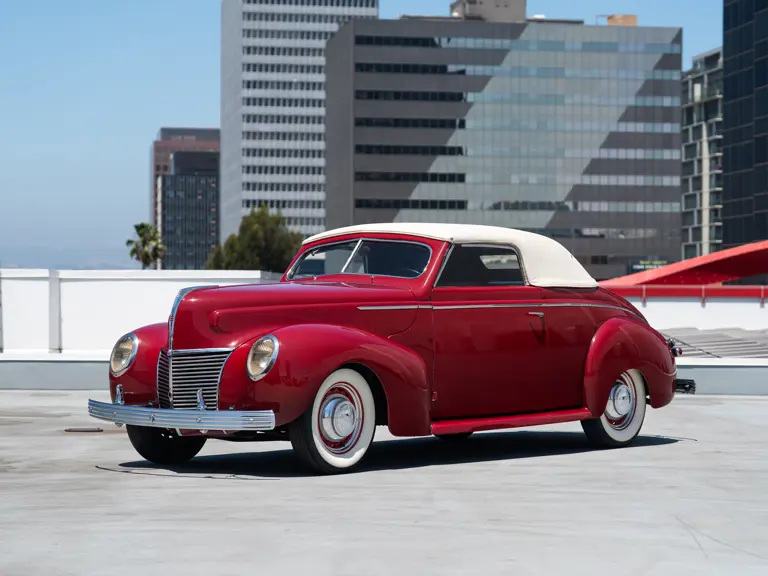
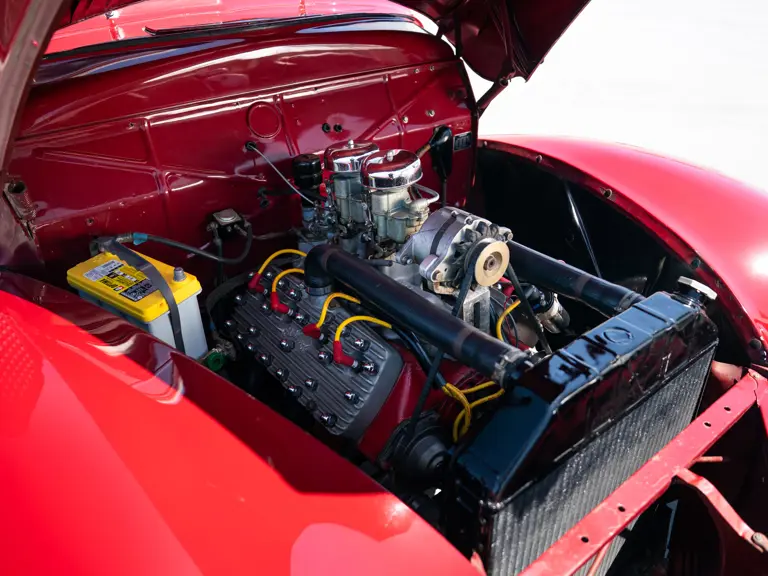
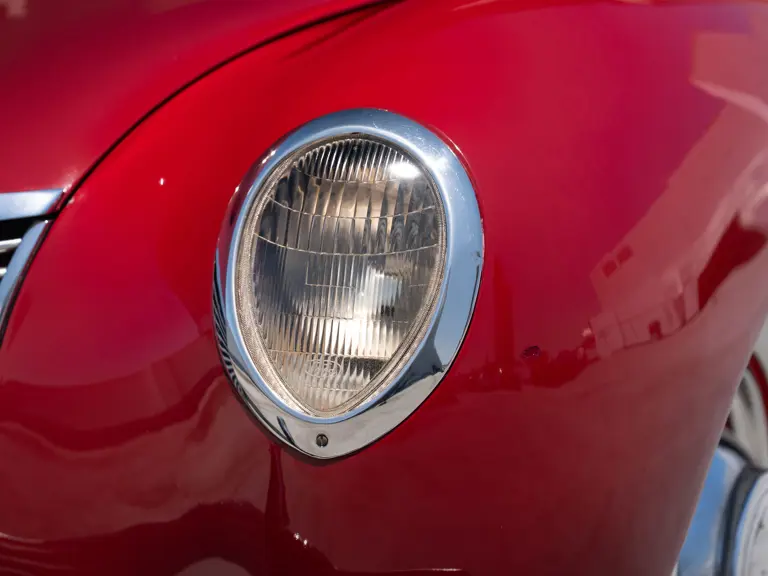
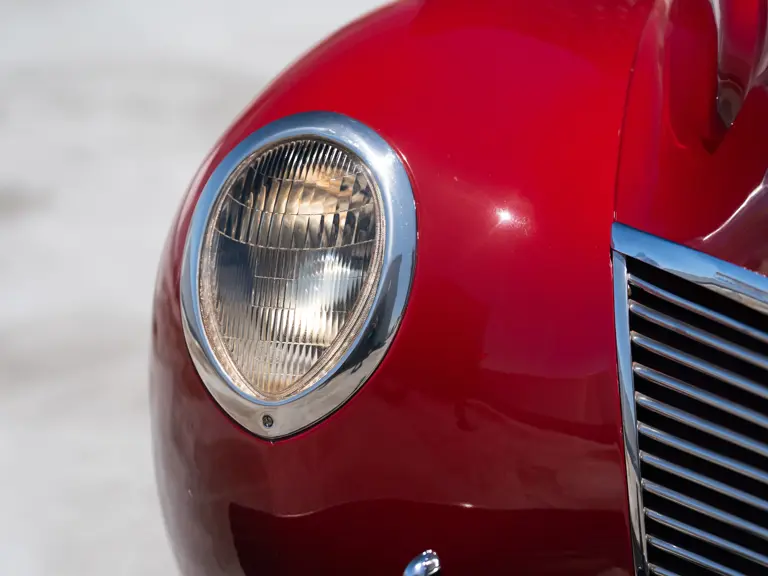
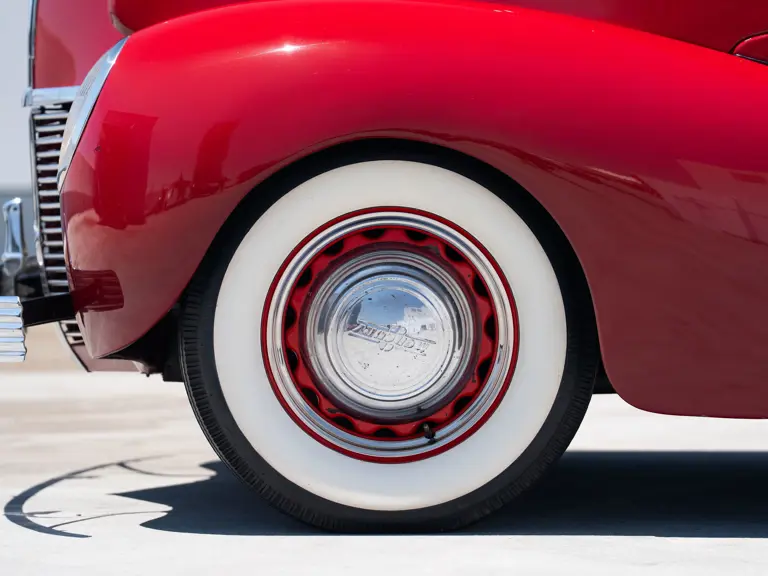
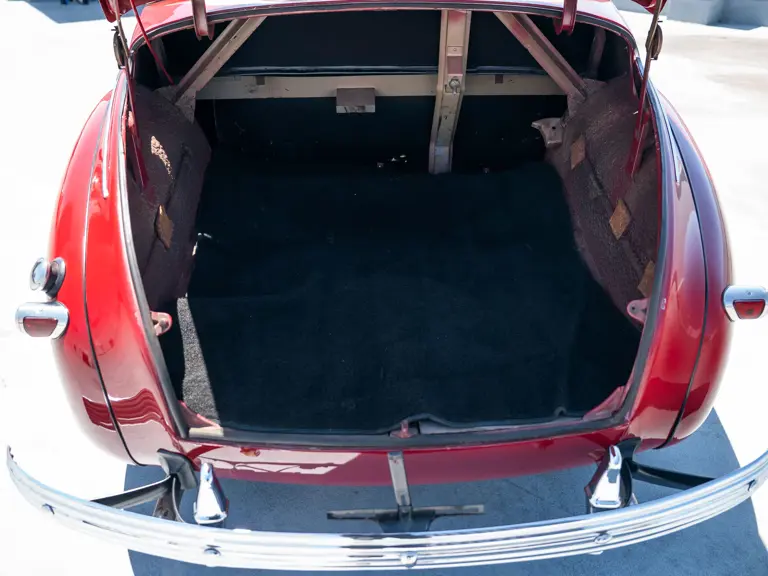
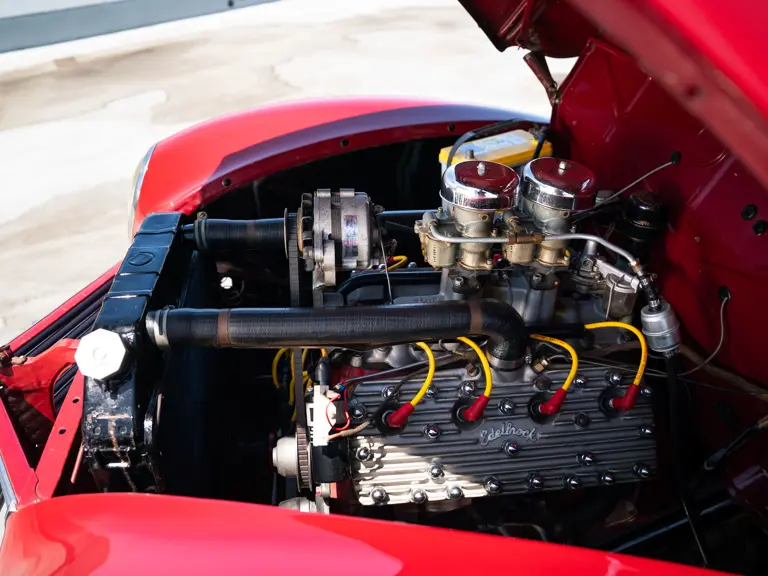
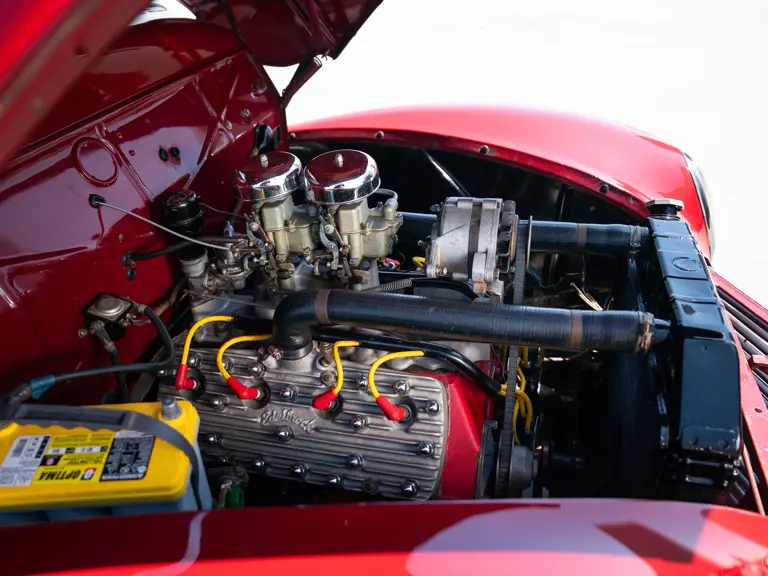
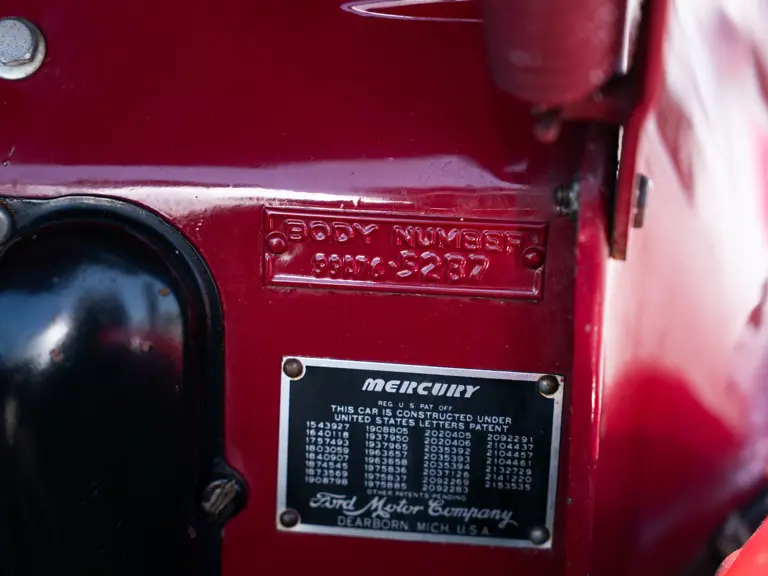
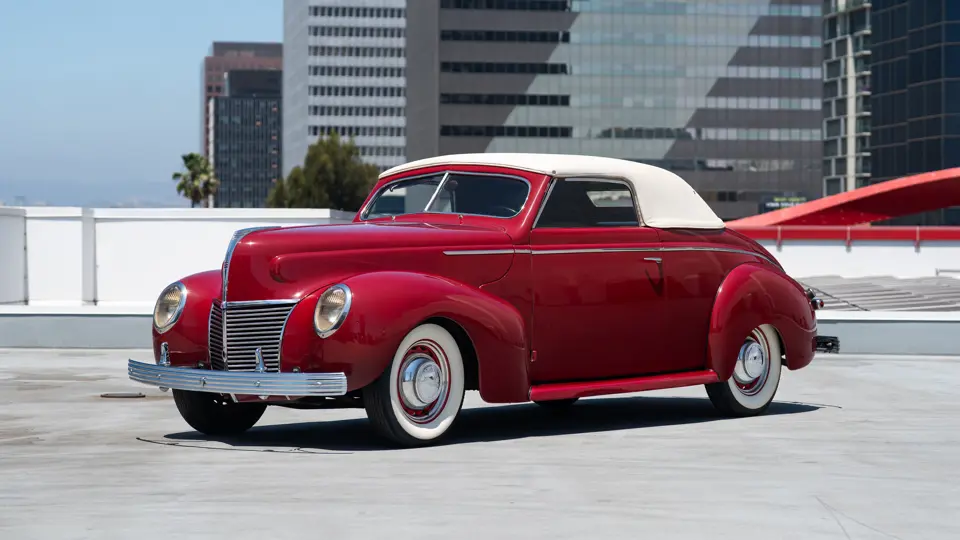
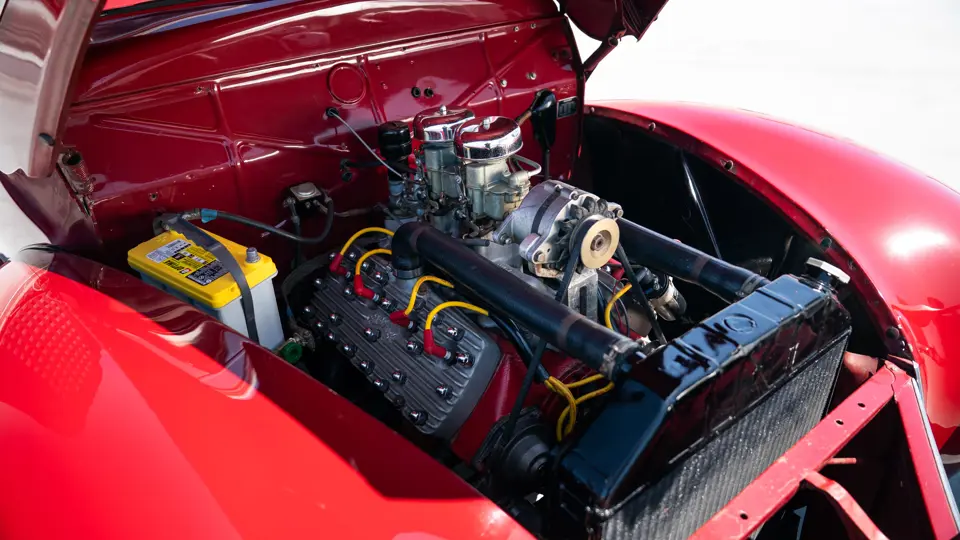
Launched in 1939 to fill a product gap between the Ford DeLuxe V-8 and Lincoln Zephyr, Mercury cars would become a platform of choice for young hot-rodders after World War II, thanks to their accessible price, sleek, Zephyr-inspired styling, robust chassis, and potent flathead V-8, which produced an impressive 95 horsepower in stock form.
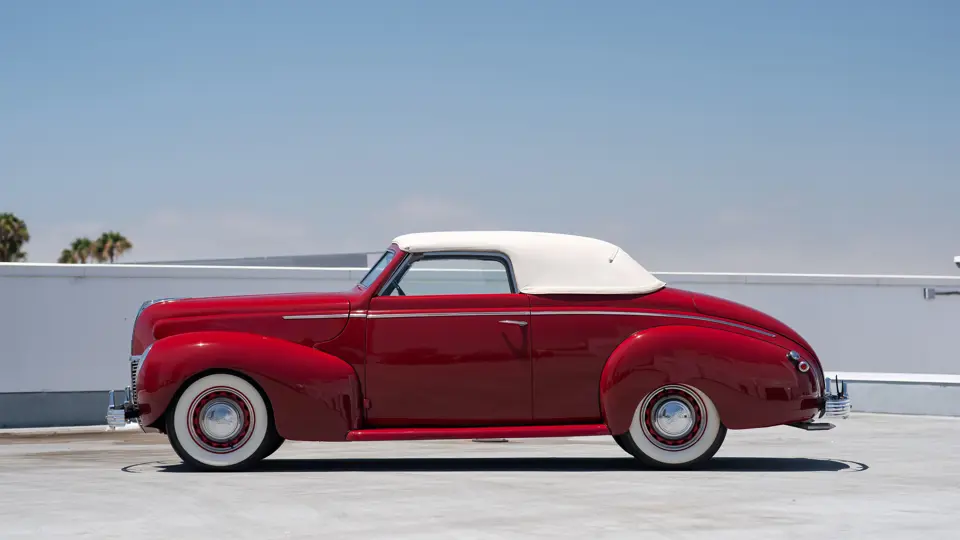
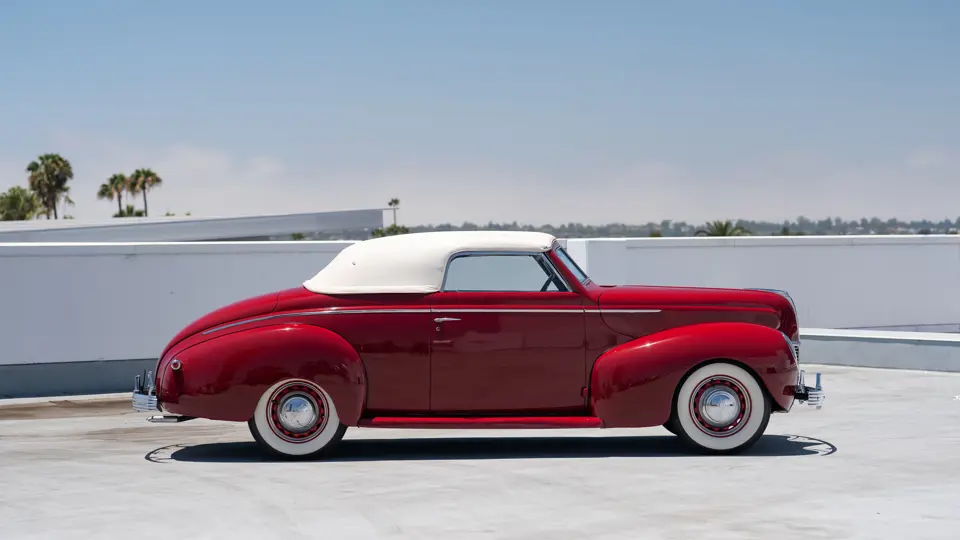
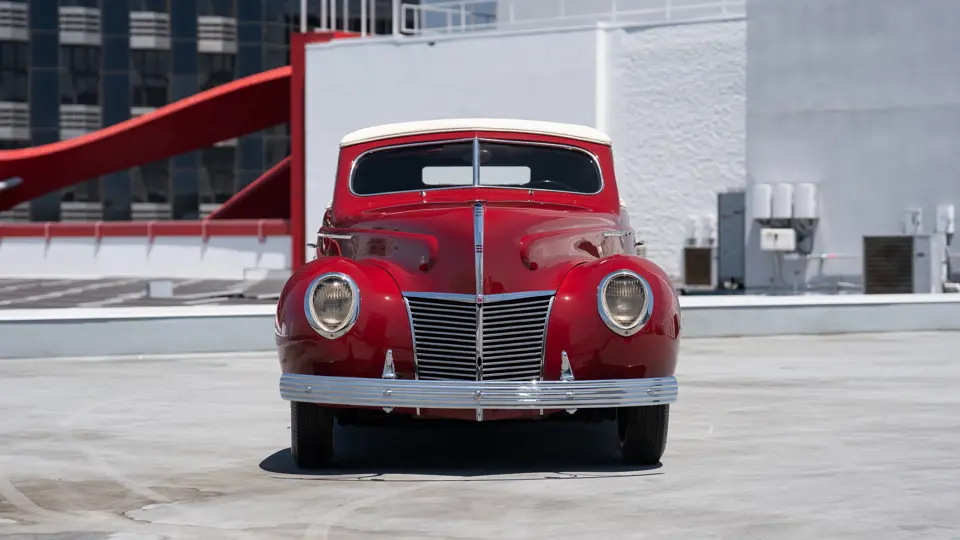
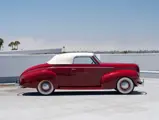
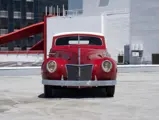
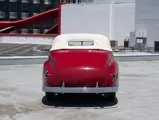
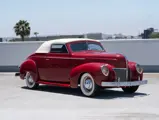
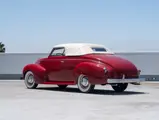
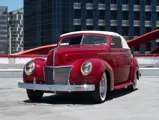
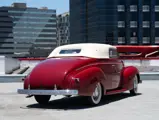
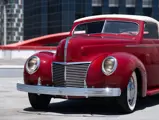
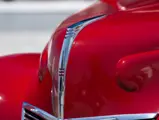
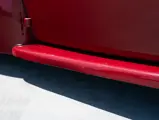
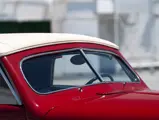
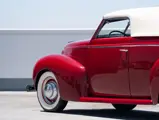
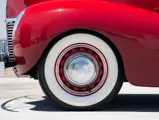
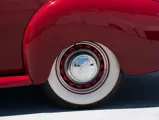
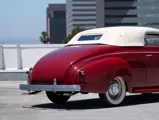
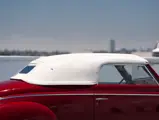
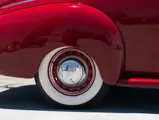
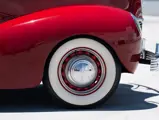
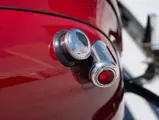
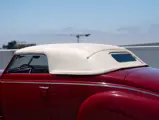
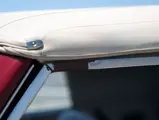
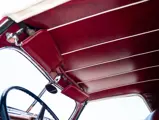
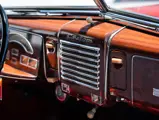
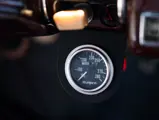
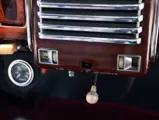
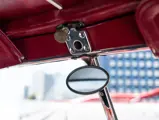
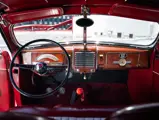
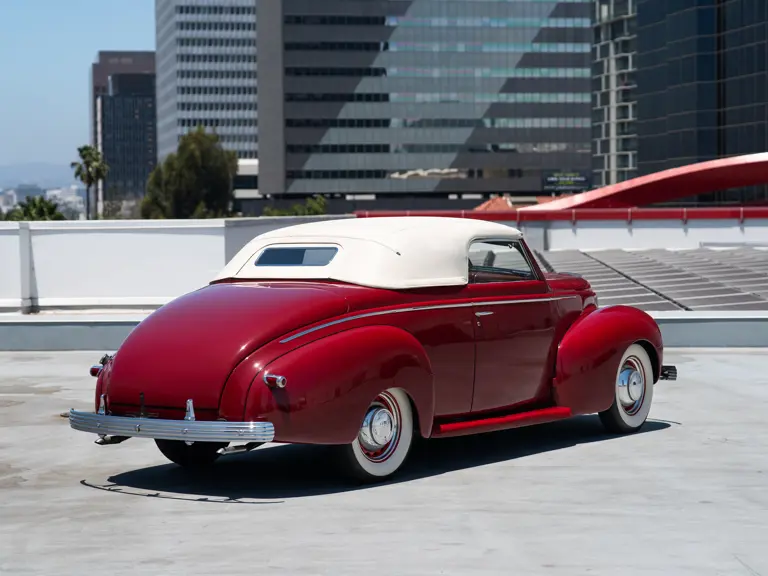
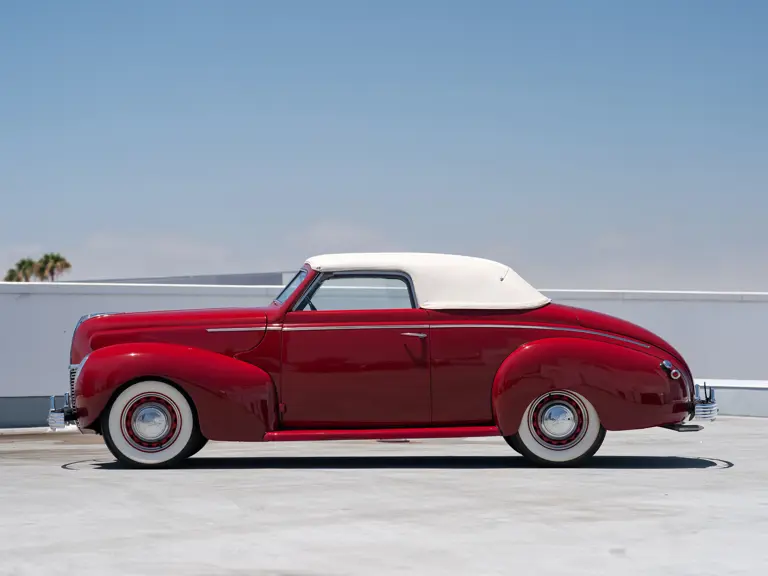
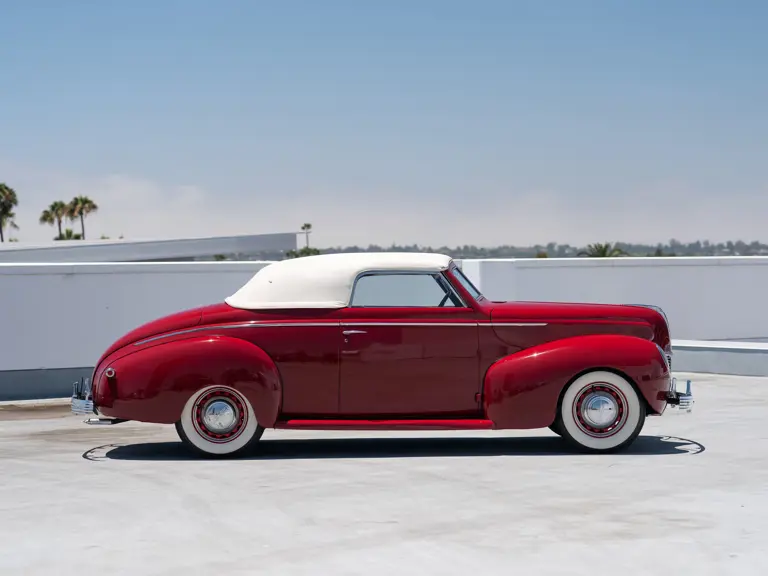
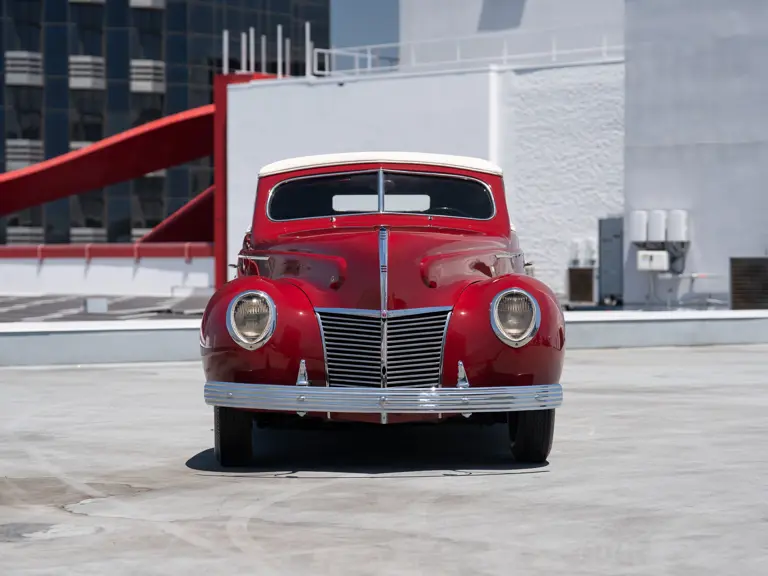
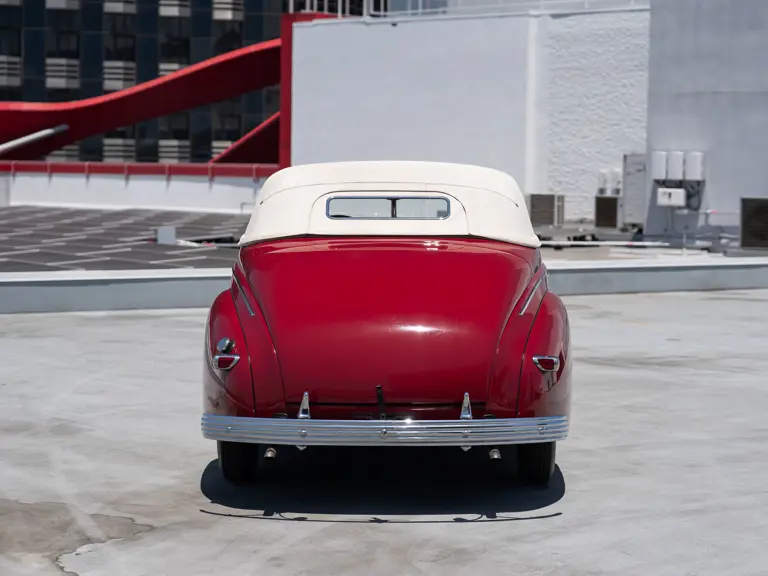
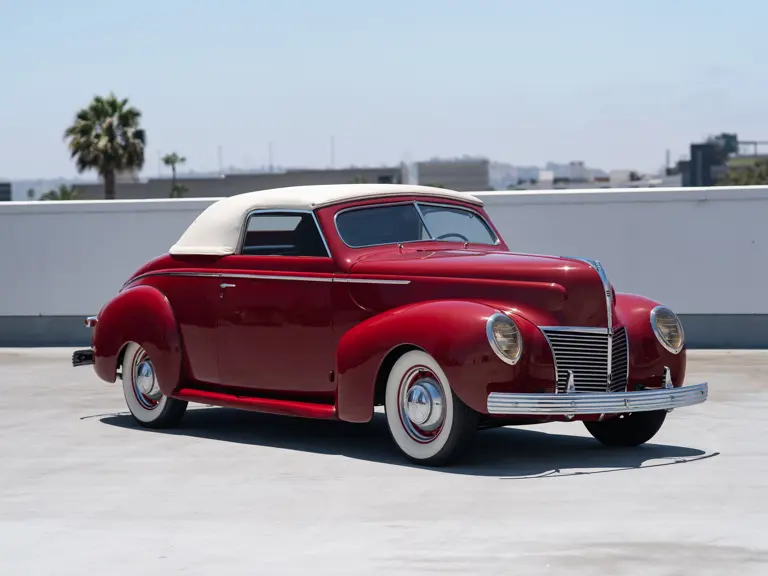
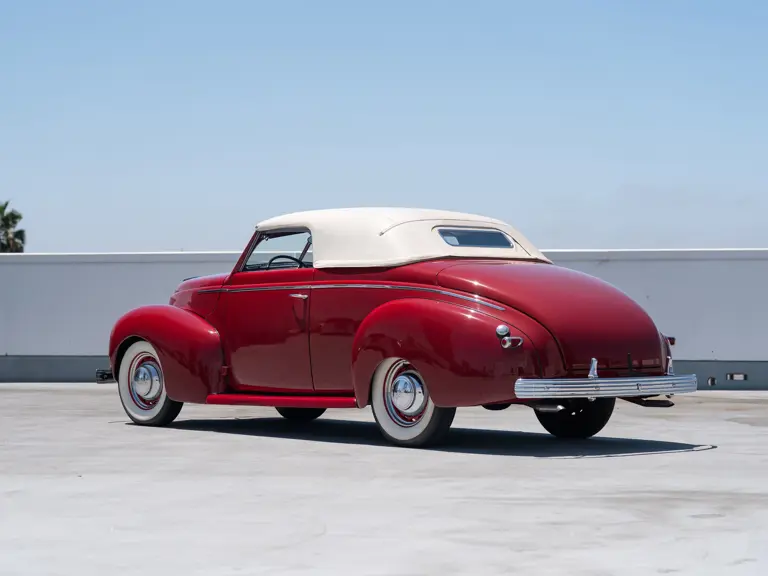
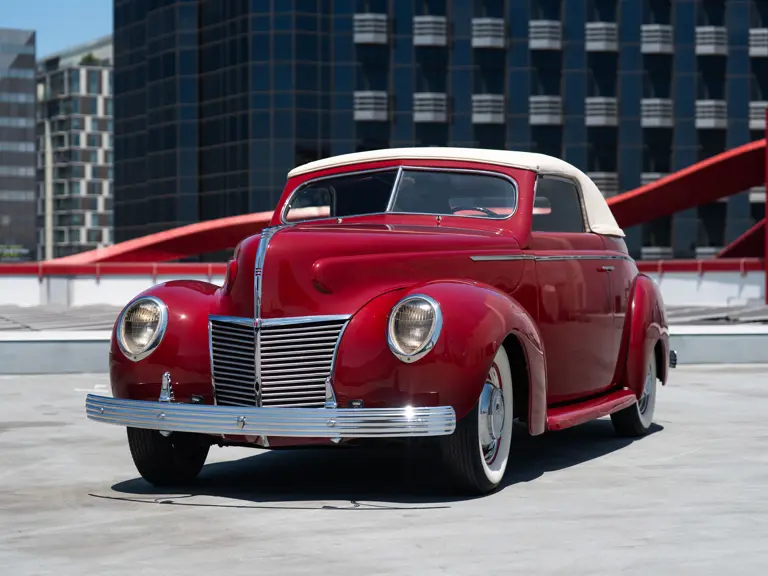
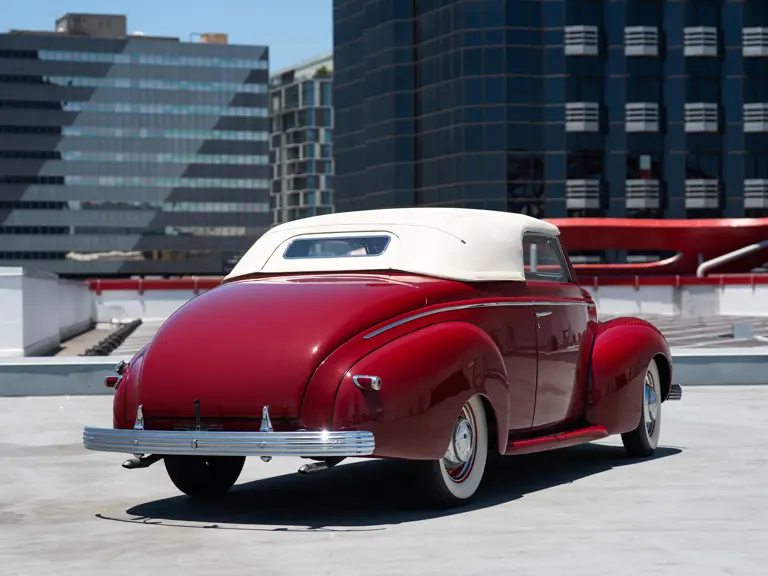
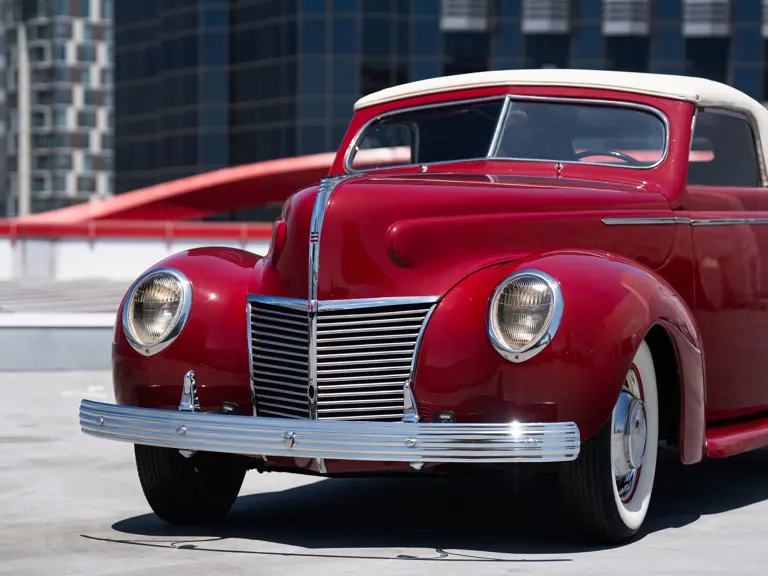
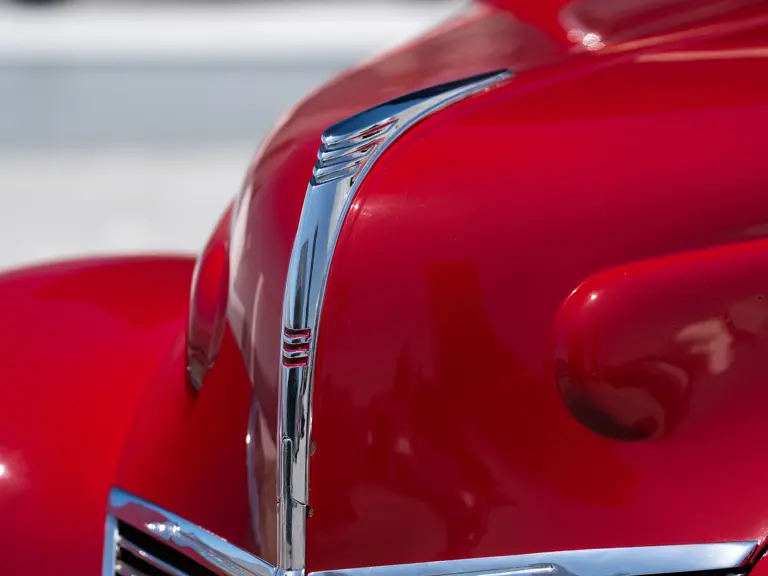
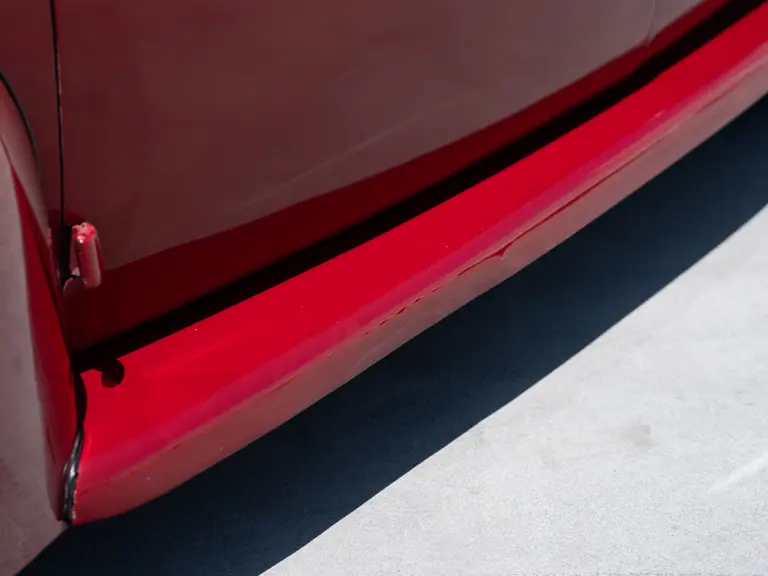
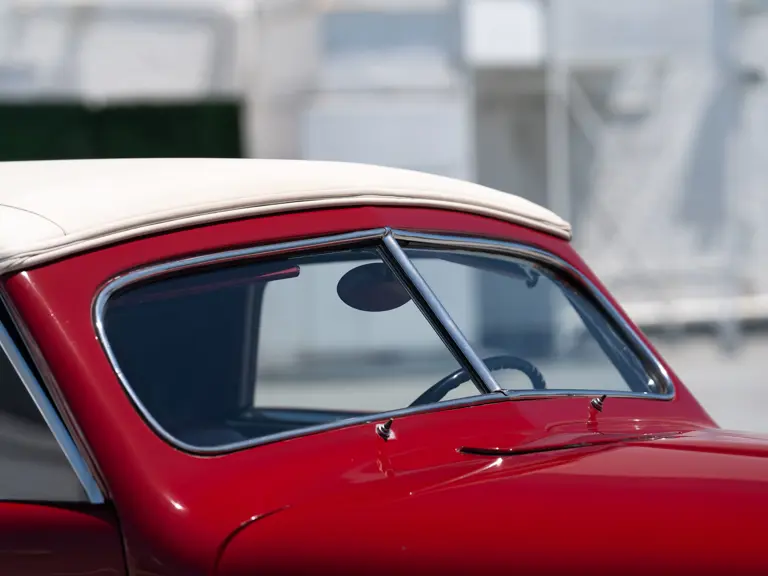
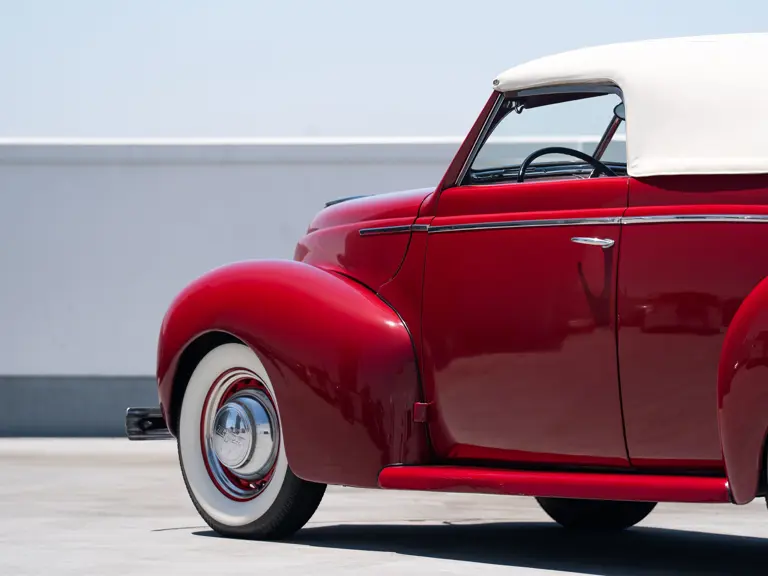
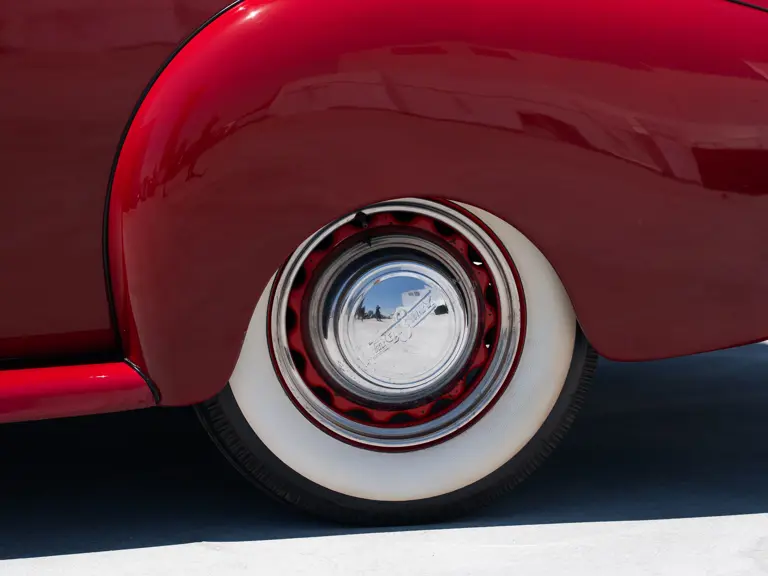
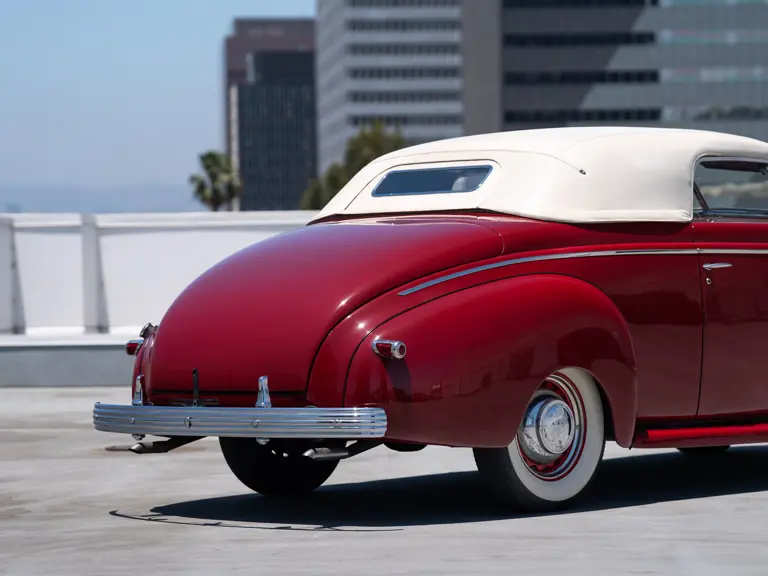
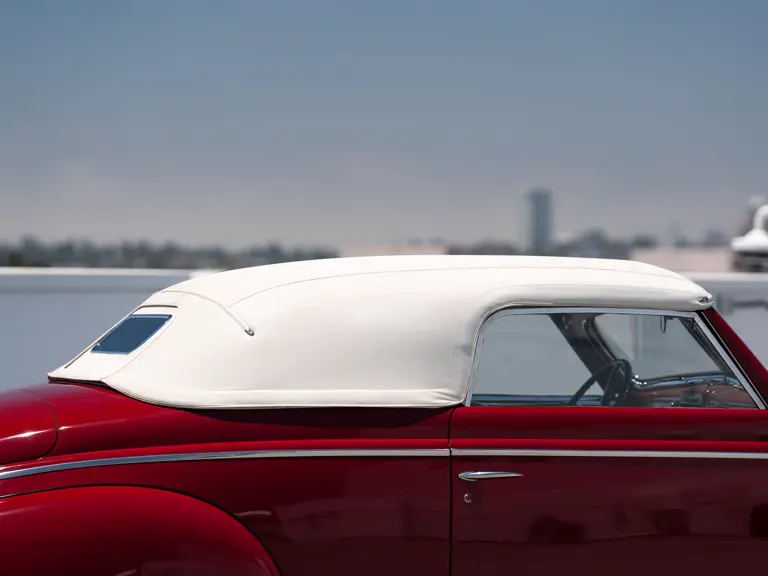
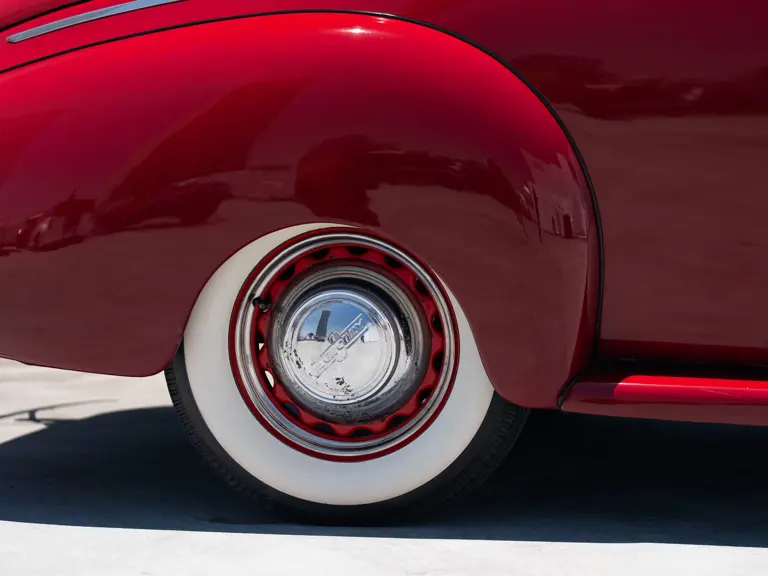
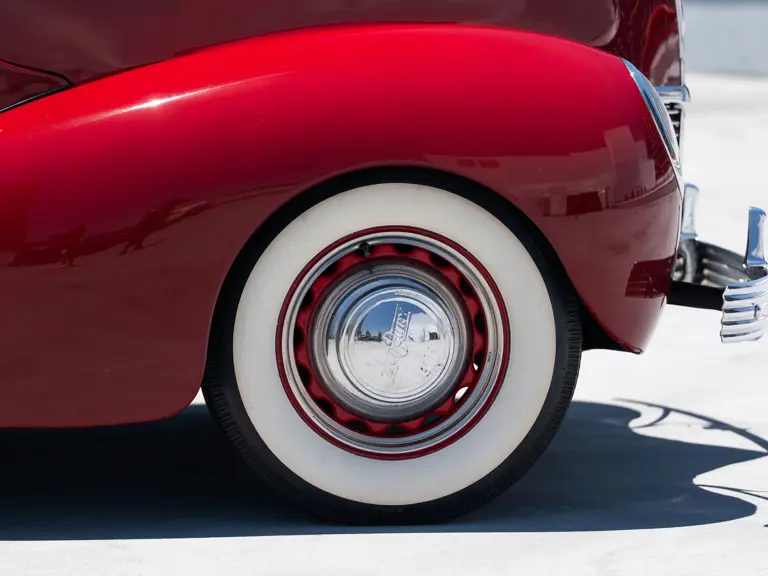
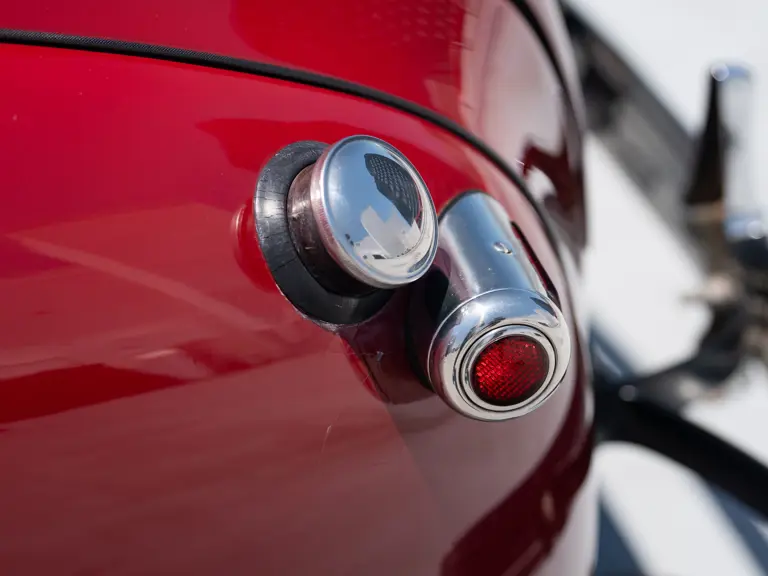
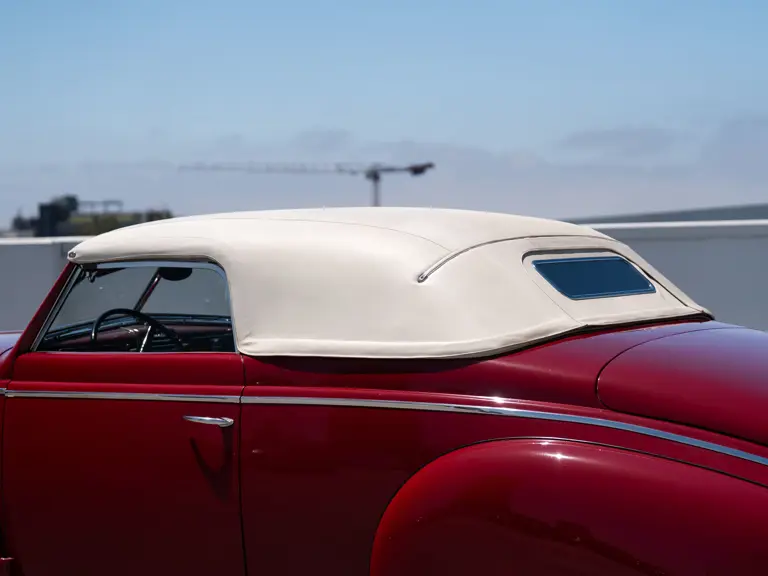
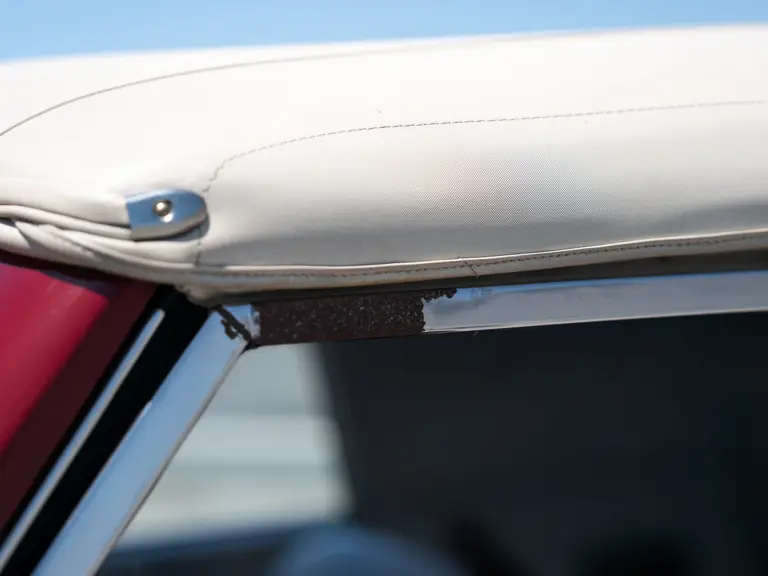
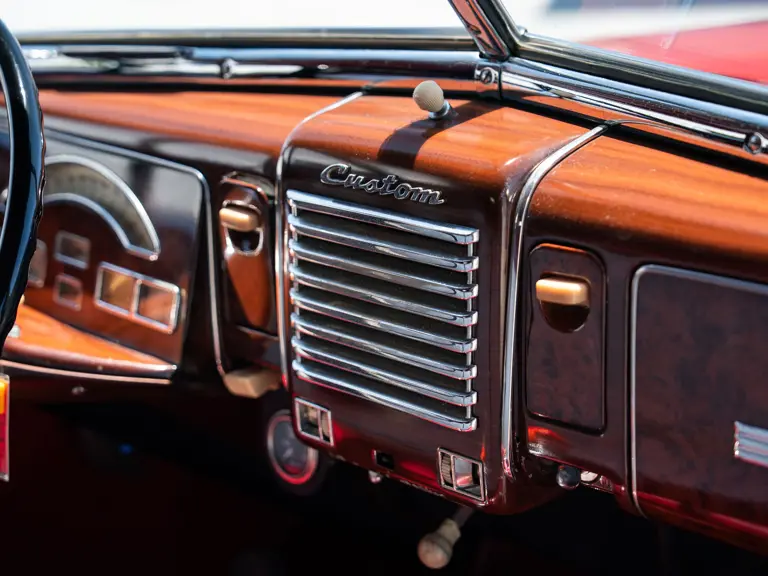
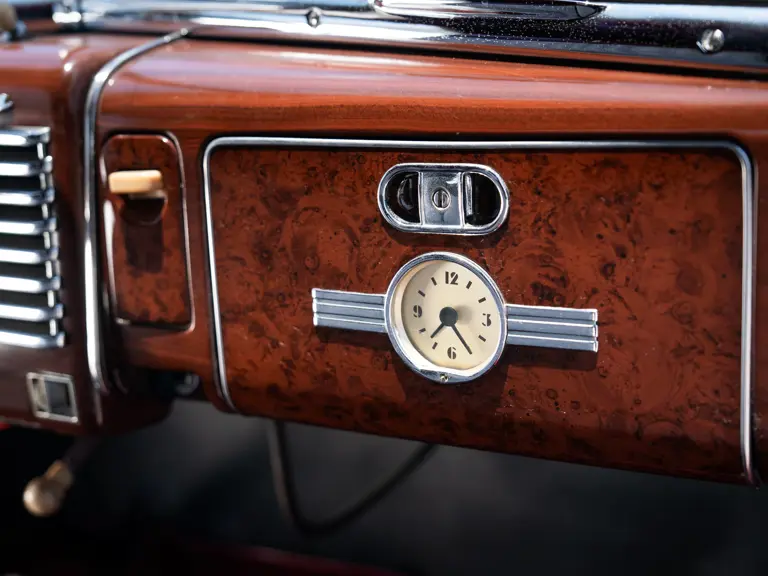
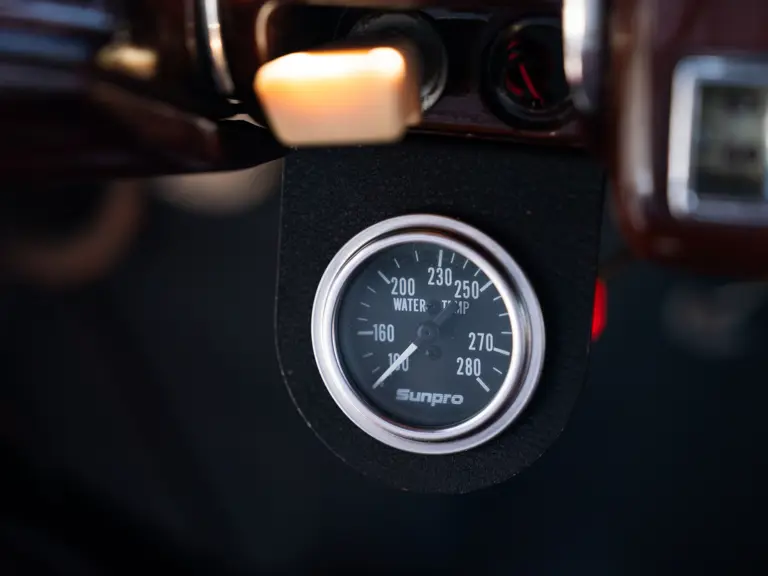
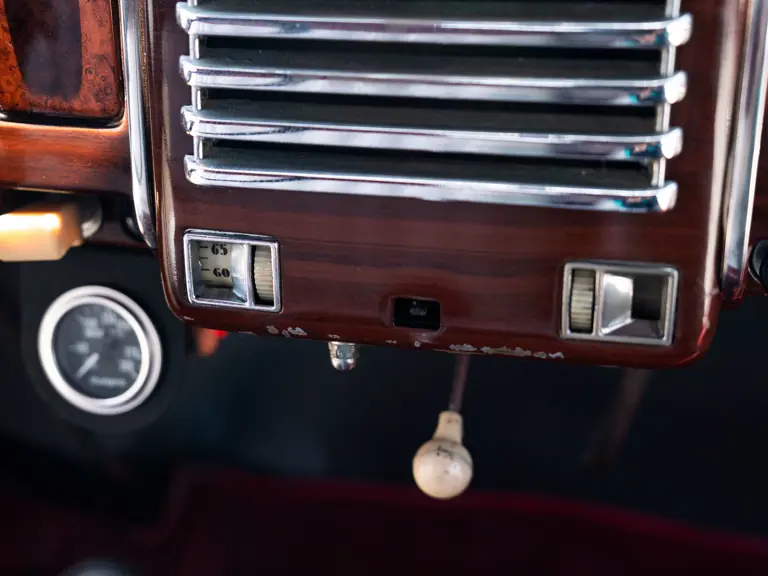
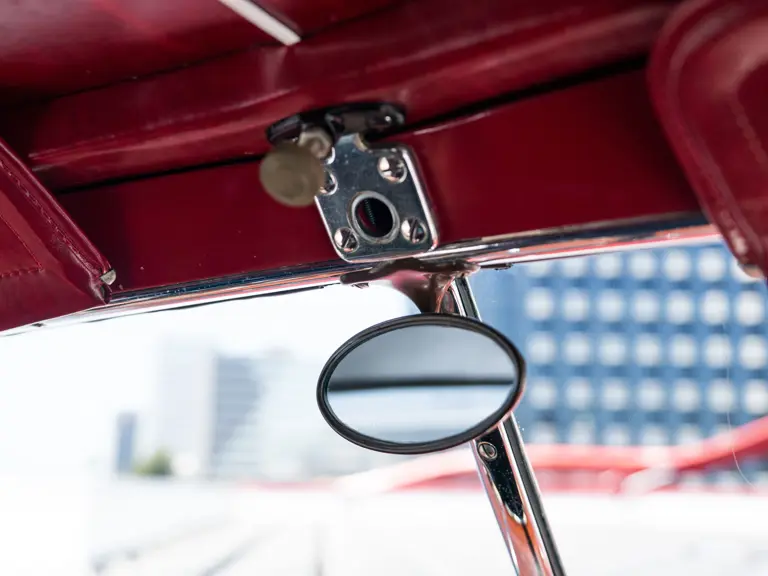
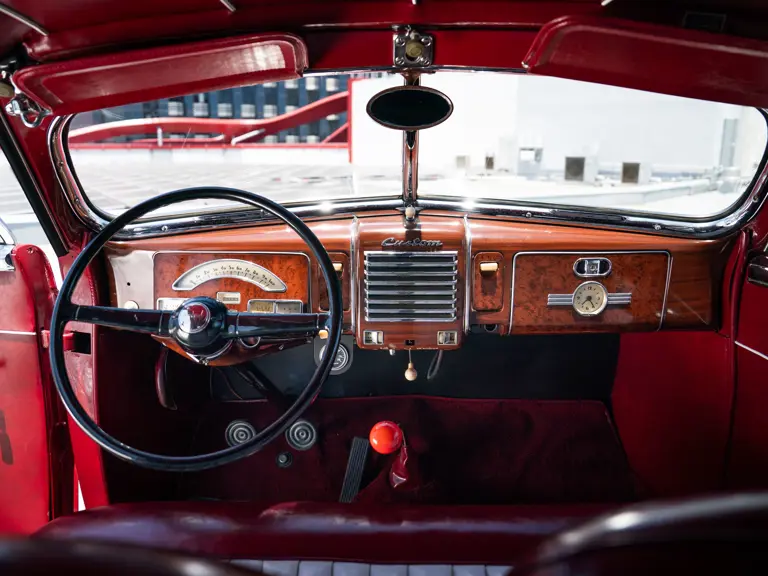
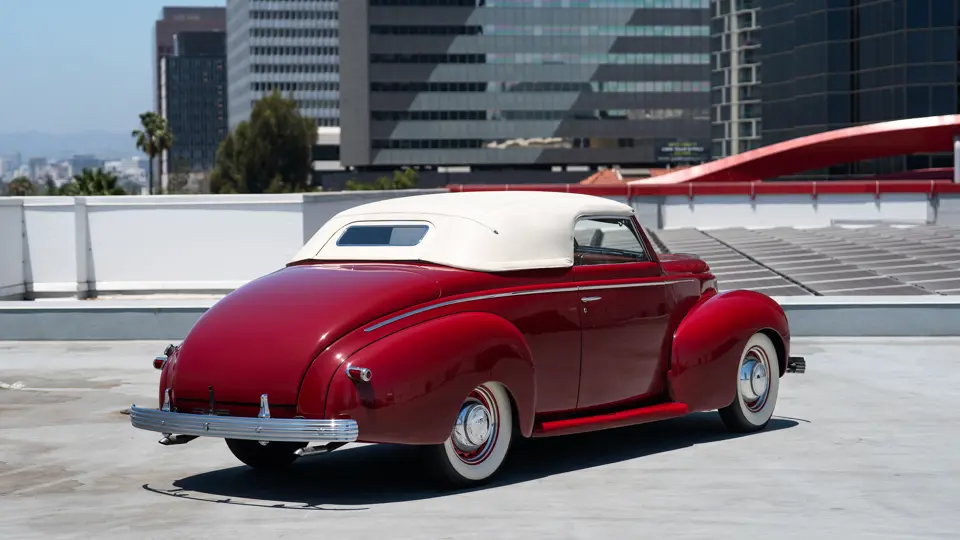
Those attributes must have drawn young Rulon O. McGregor of Monterey Park, California, to this 1939 Mercury Eight Convertible. Deeply involved in the burgeoning West Coast hot rod scene, McGregor is understood to have tastefully modified the Mercury—likely circa the 1940s—by chopping the windshield, selectively removing some exterior chrome, fitting a padded top from Carson Top Shop in Los Angeles, swapping in ribbed bumpers from a DeSoto, installing a front drop axle, and lowering the rear suspension. McGregor was an active member of the Road Runners car club, one of the charter groups of the Southern California Timing Association, founded in 1937 to sanction land speed racing events held at El Mirage Lake in California and the Bonneville Salt Flats in Utah.
The Road Runners car club counted many eventual hot-rodding legends among its members, including Bill Burke, credited as the first to build and run a “belly tanker” racecar in speed trials. Burke himself built up an early-twenties Model T “lakester” that McGregor ran in speed trials. He was on his way back from completing one such run in his Burke-built “lakester” at El Mirage Lake on 22 May 1949 when a 1940 Ford coupe inexplicably crossed the racing line and the two cars collided, killing McGregor, the other driver, and at least one other occupant. McGregor was only 21.
Unable to part with his son’s Mercury, McGregor’s father parked it in a barn for three decades. He never drove it and dutifully turned down multiple offers over the years. In the early eighties, Jim Fuller of Santa Barbara caught wind of the car from a local and went to check it out. Mr. and Mrs. McGregor allowed him to see it but would not sell. Undeterred, Fuller returned sometime later with a paper bag full of cash. Mr. McGregor remained adamant about keeping his son’s Mercury, but Mrs. McGregor, who was signing things on her husband’s behalf by this time, made the deal.
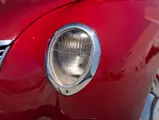
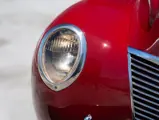
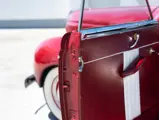
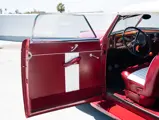
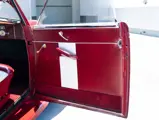
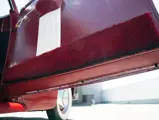
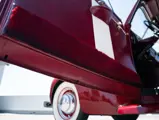
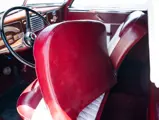
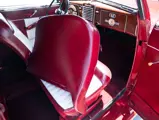
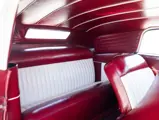
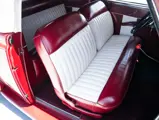
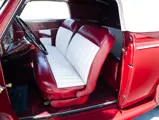
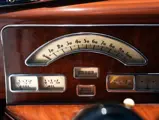
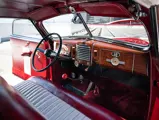
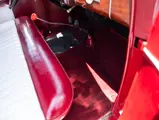
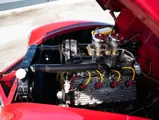
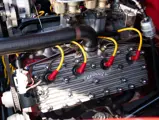
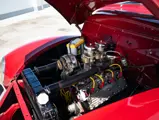
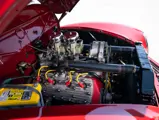
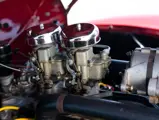
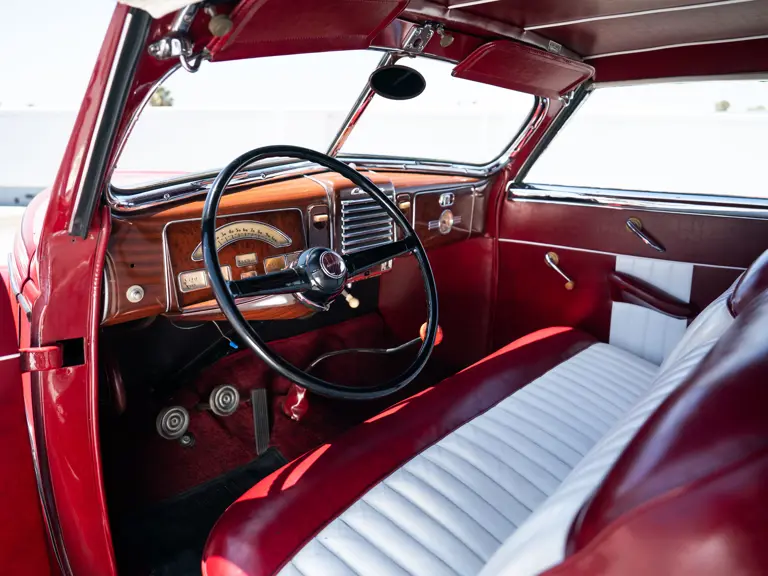
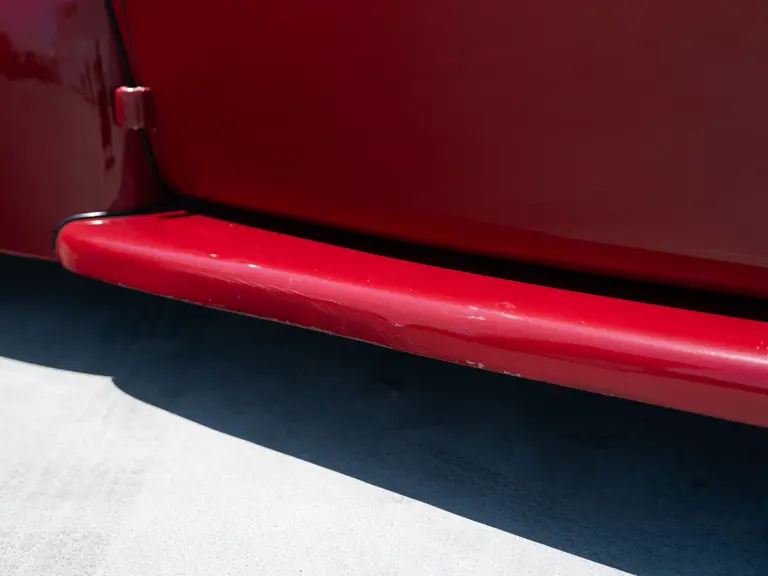
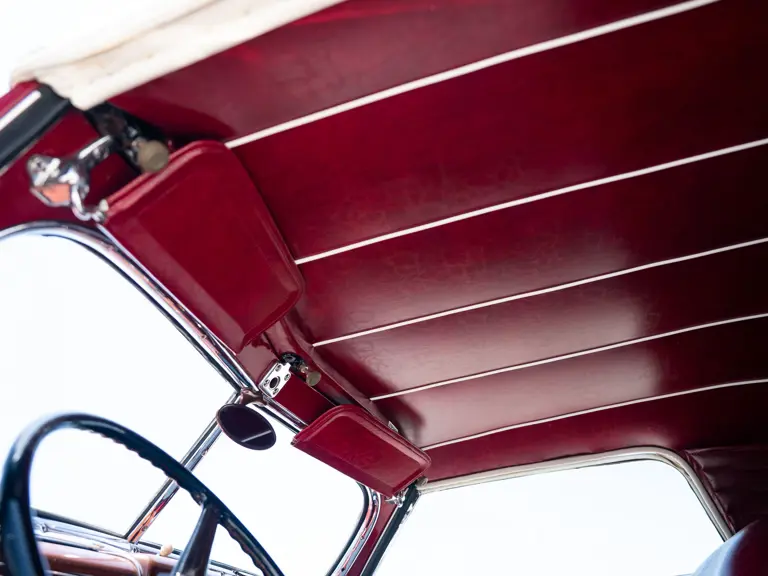
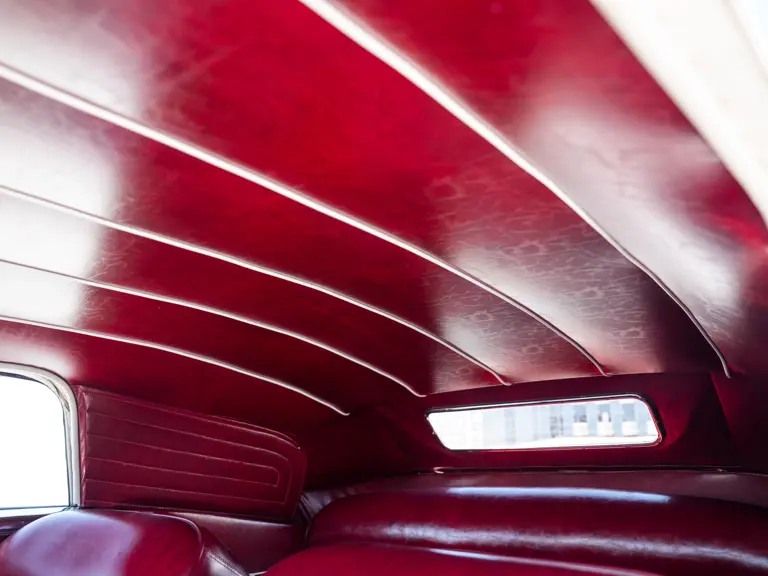
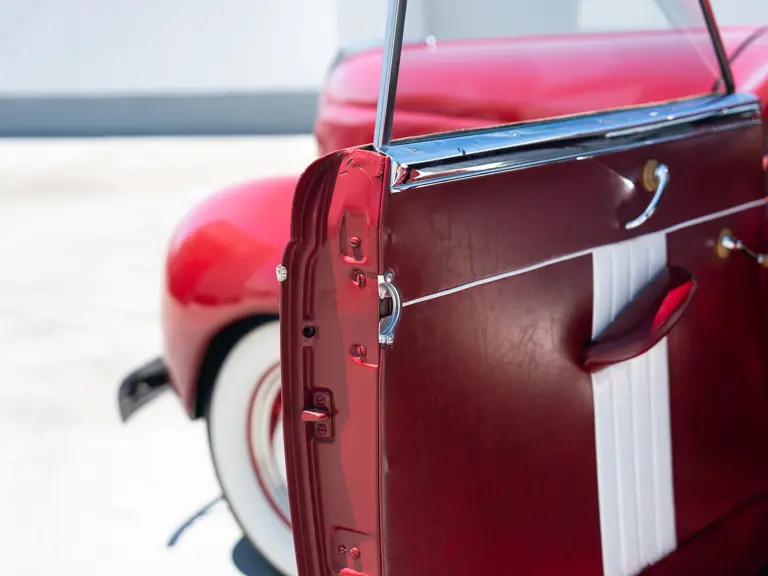
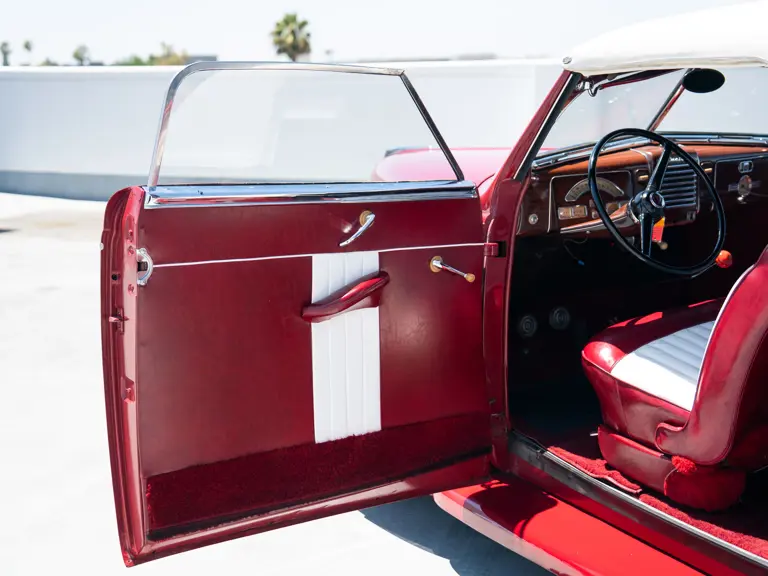
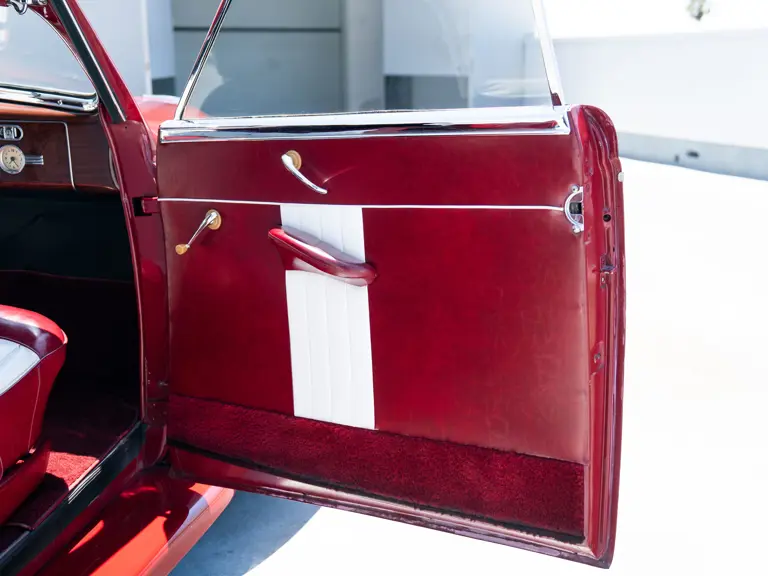
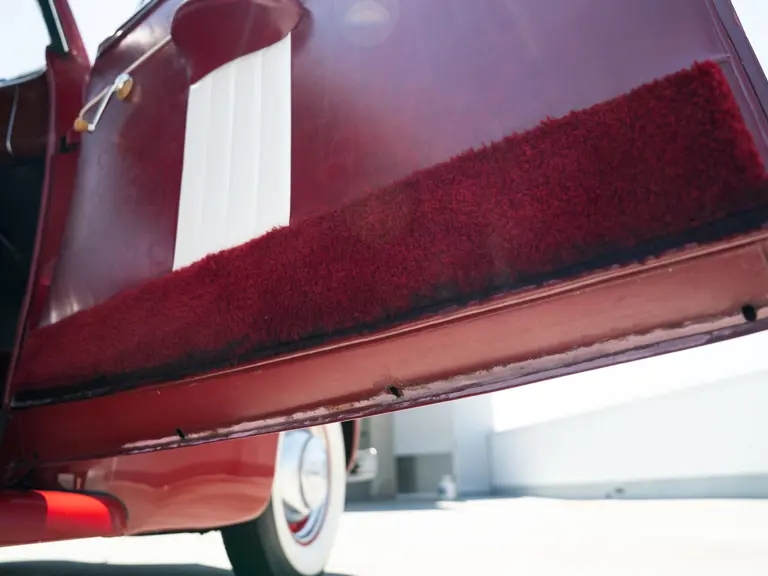
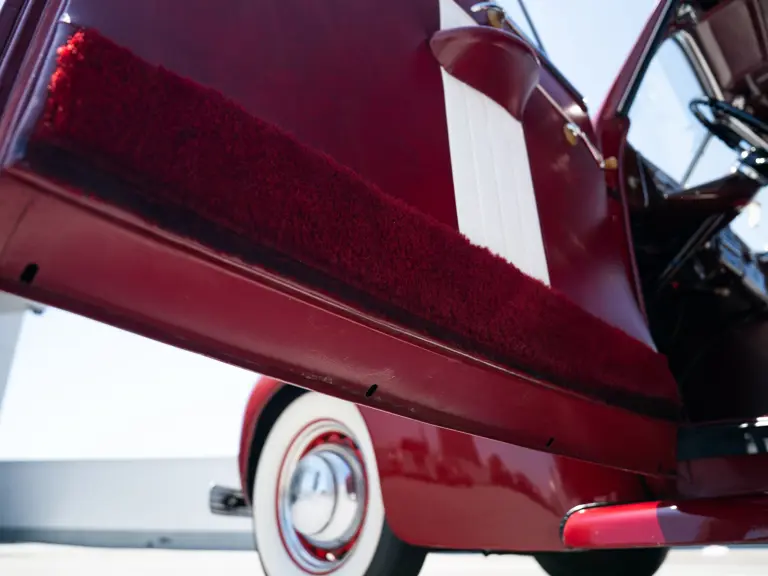
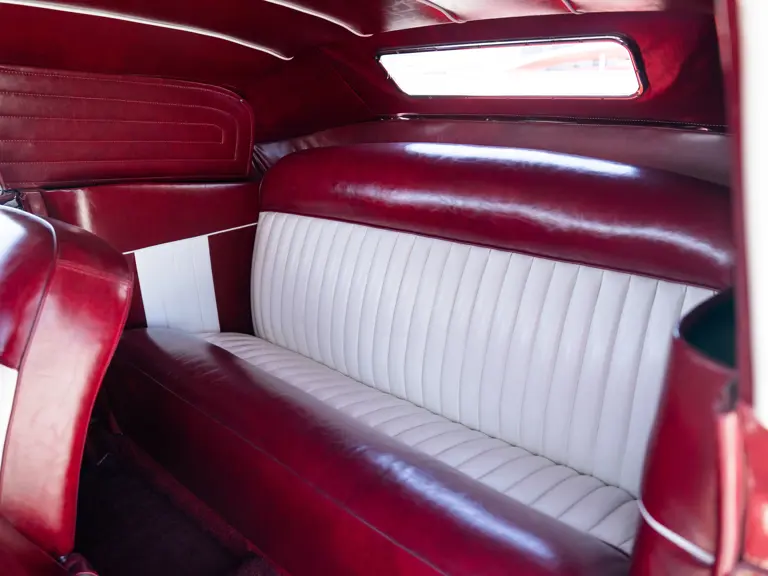
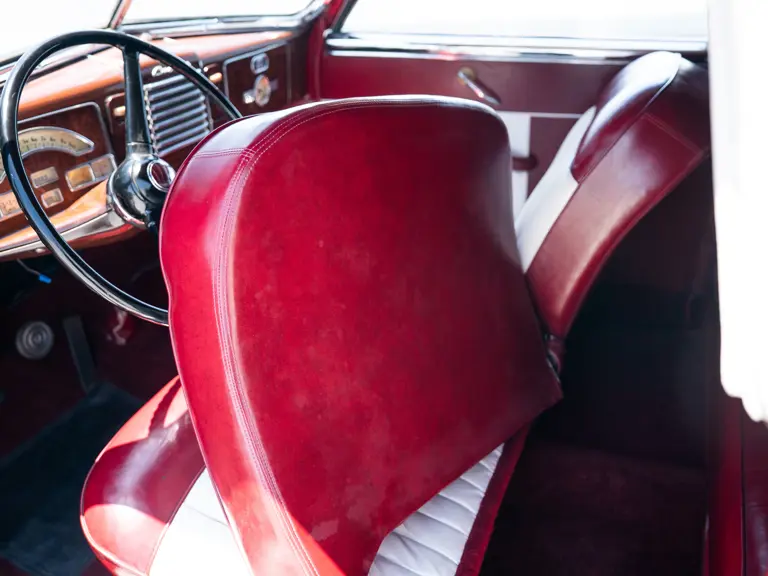
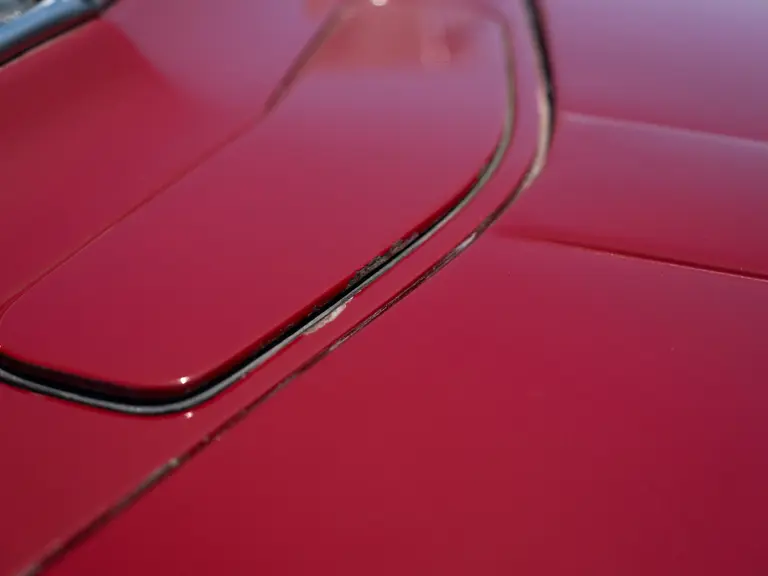
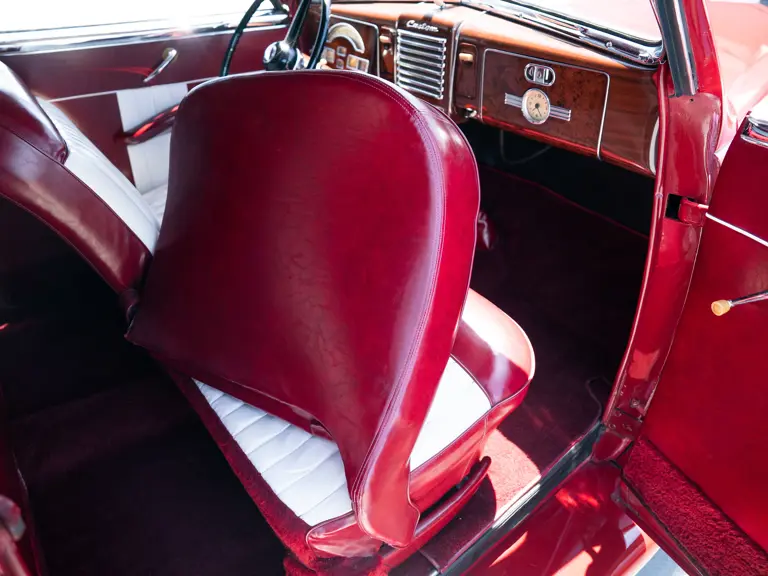
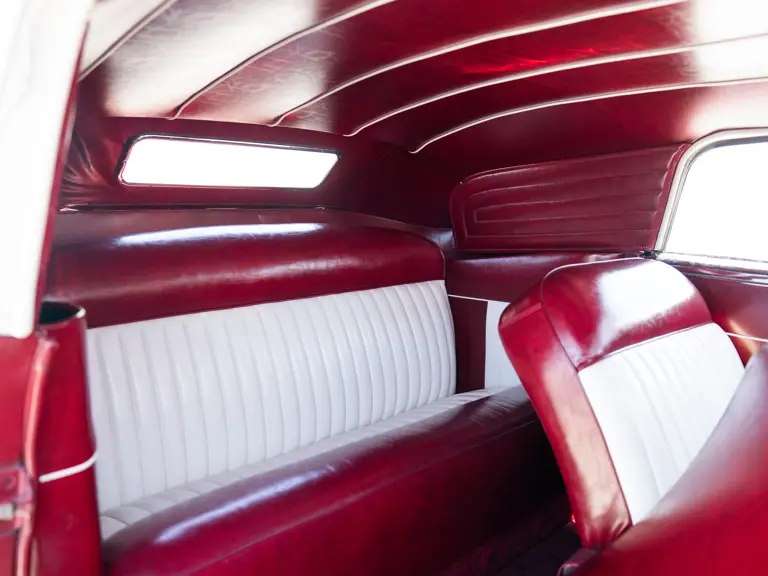
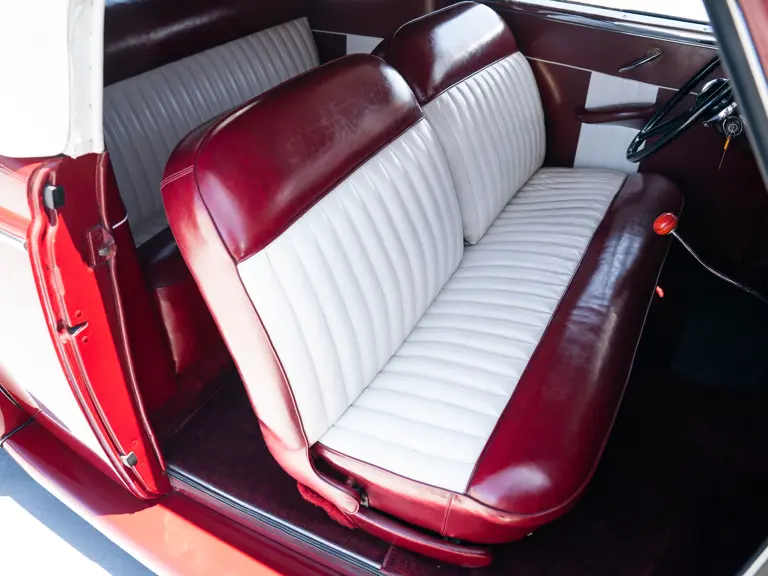
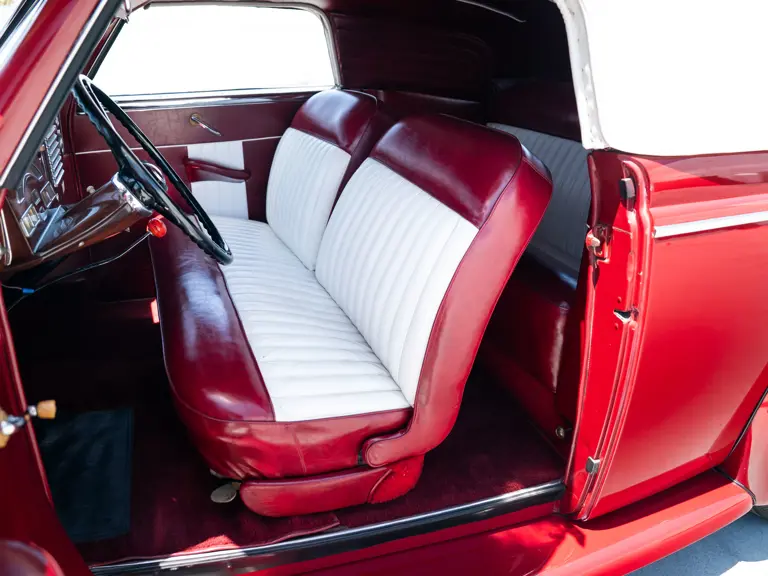
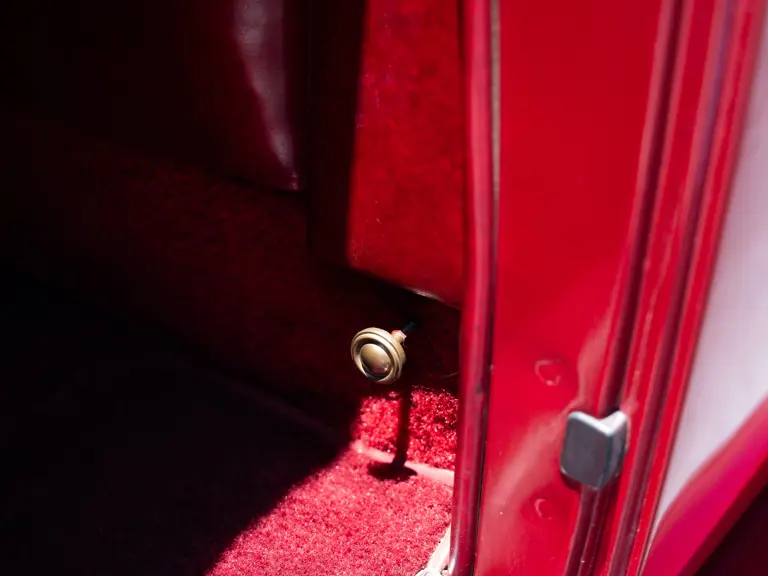
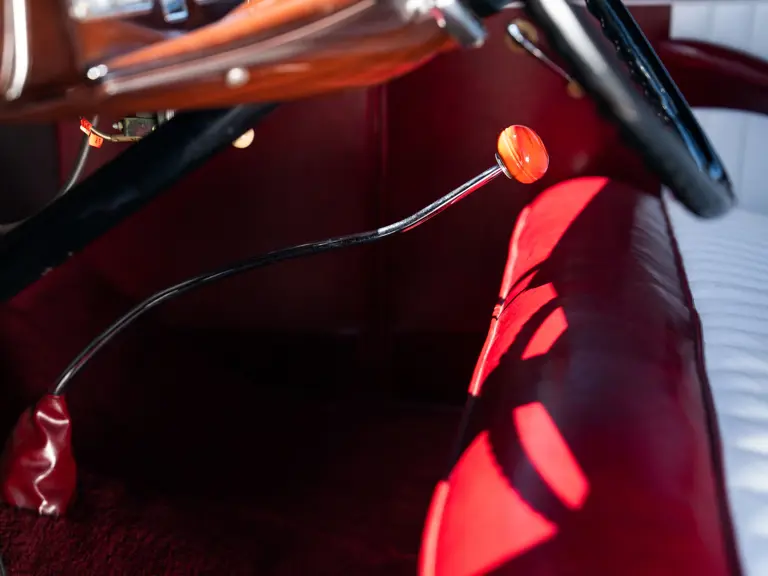
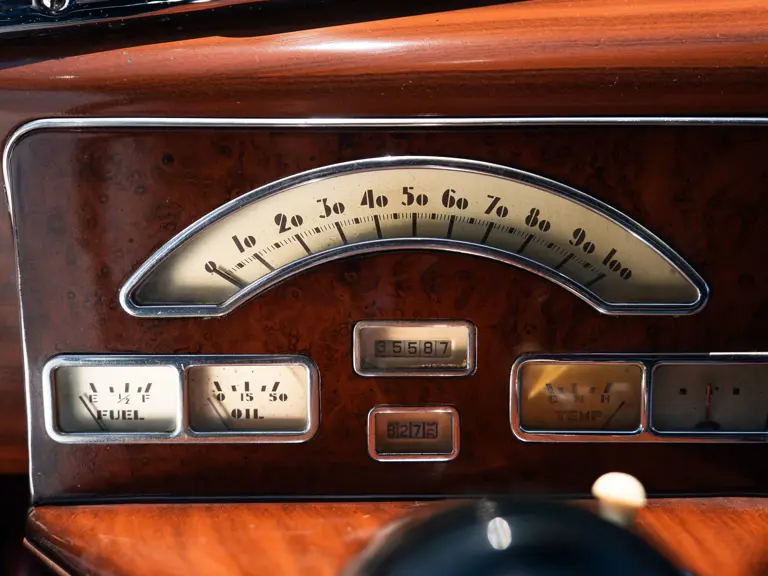
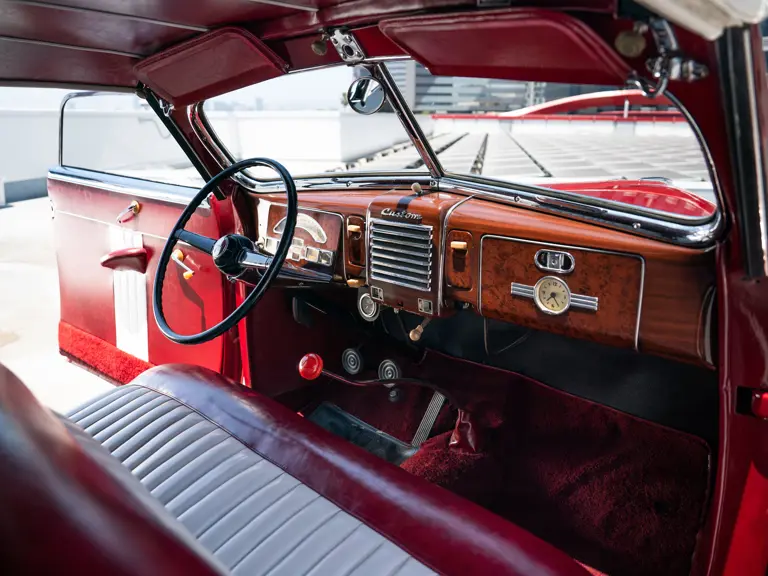
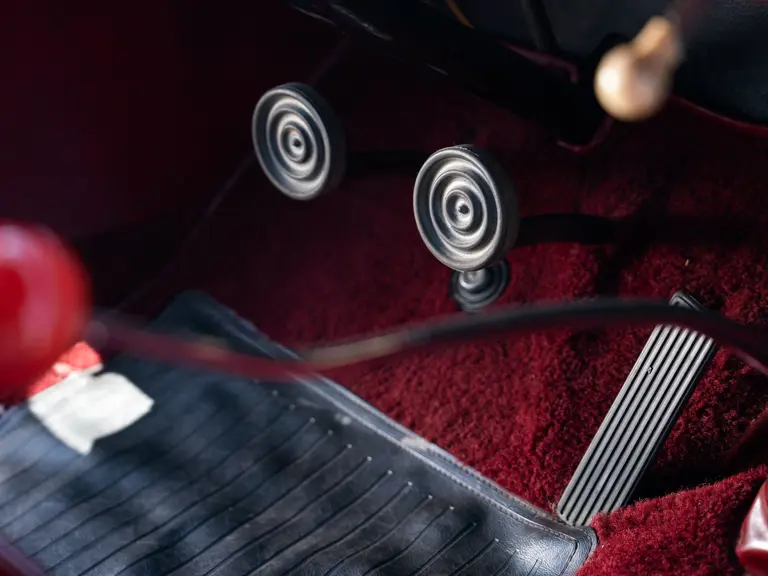
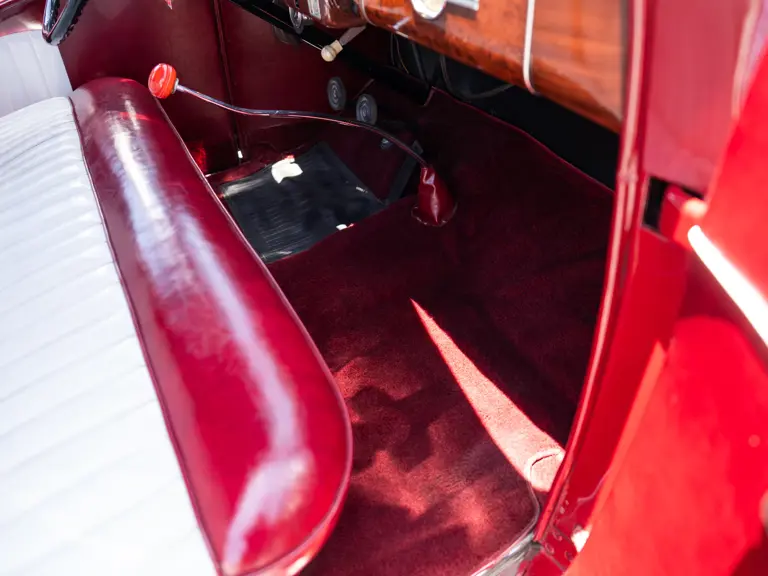
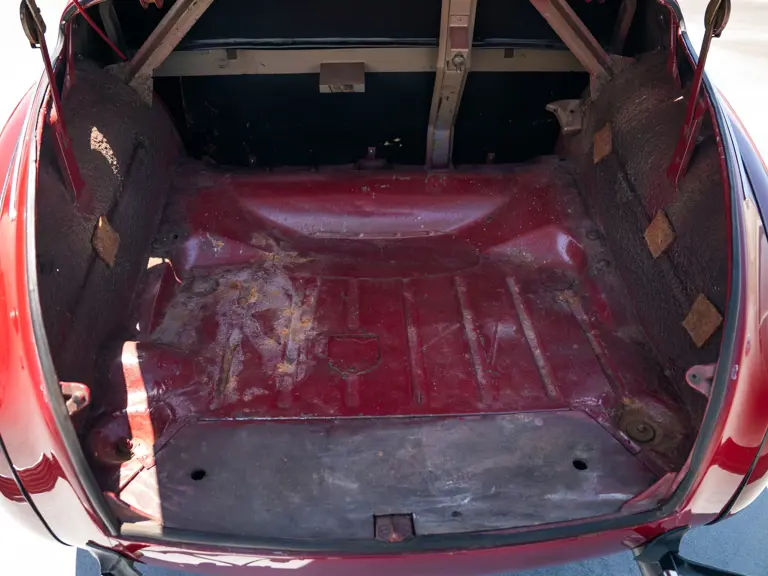
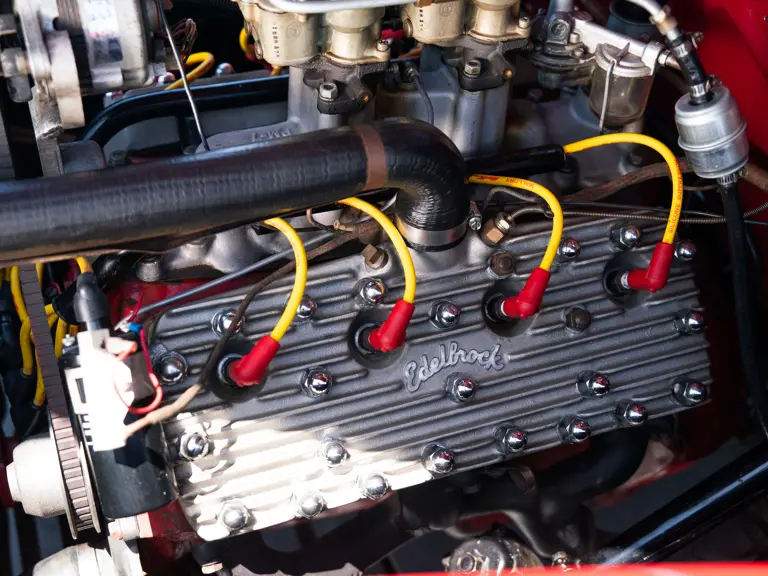
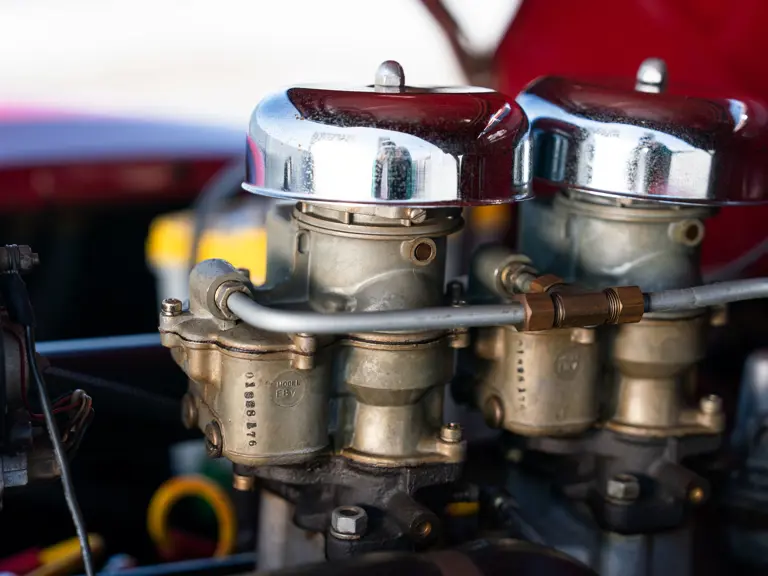
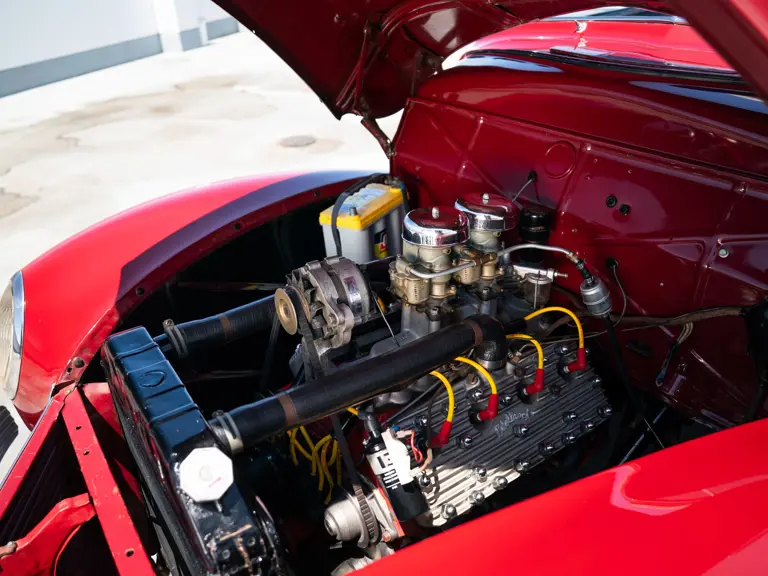
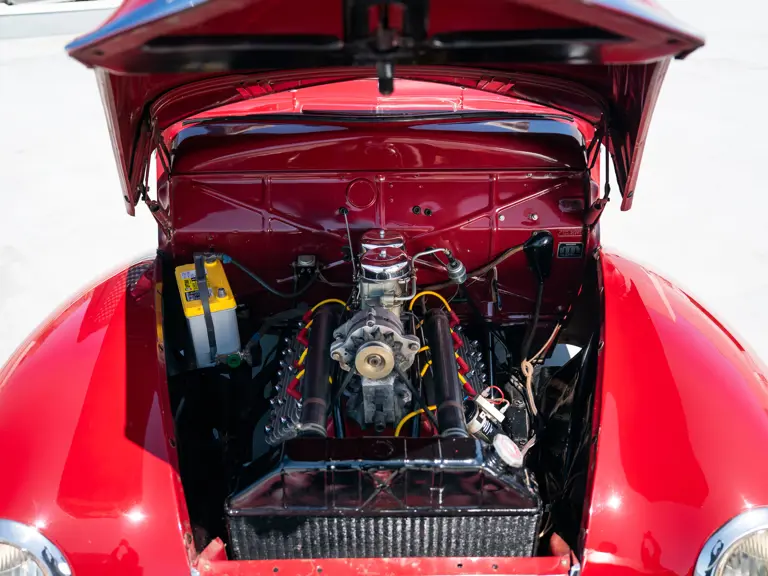
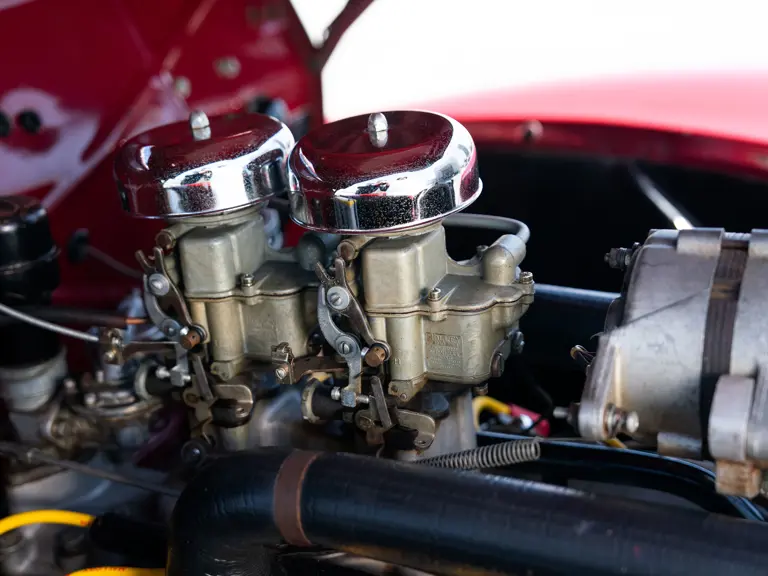
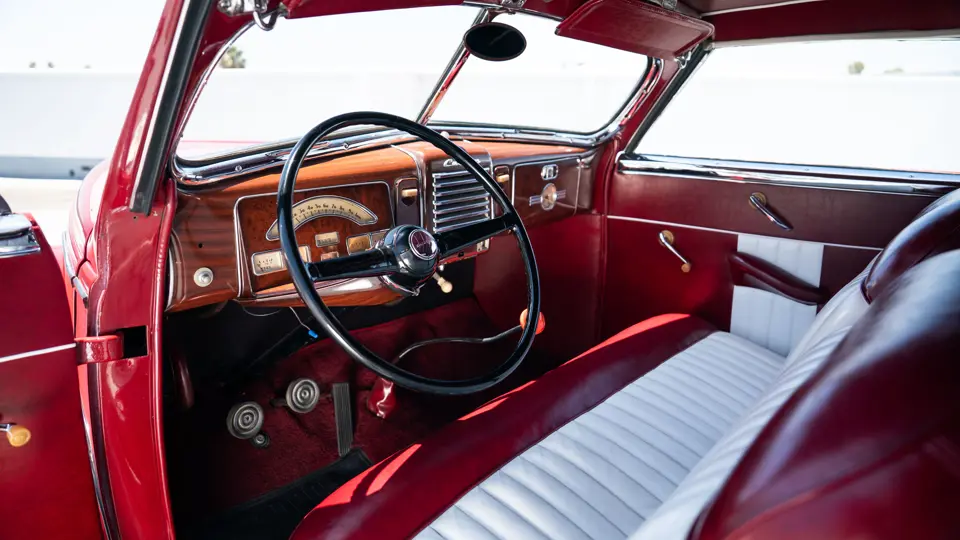
The car had a stock engine in it when Fuller took possession, along with what appeared to be the original heavily weathered maroon interior. Fuller had the car repainted in a shade of red similar to what it was before, had the Carson top refurbished, the interior reupholstered in red and white pleated leather, and the present engine installed. Fuller drove the car sparingly for 15 years before selling it in 1999 to Walter F. Larson of Plainview, Texas, who soon re-listed it, upon realizing that it was not in show-quality condition. Robert E. Petersen acquired the car in September 2000 and put it on display in his Petersen Automotive Museum in Los Angeles, where it has remained since.
McGregor’s Mercury was the subject of a cover feature in issue number 21 of The Rodder’s Journal, published in 2002 and written by well-known automotive writer and Pebble Beach Concours d'Elegance Chief Class Judge Ken Gross, who had been executive director of the Petersen Automotive Museum when Mr. Larson put the car up for sale. In the 12-page article, Gross poignantly brings to life young McGregor’s tragic story and chronicles the fate of his modified Mercury, noting that it was he who came across Mr. Larson’s ad in 2000 and helped facilitate Mr. Petersen’s acquisition. Now, after more than 25 years on display at the Petersen Automotive Museum, this storied custom from the golden age of hot rodding is ready for its next chapter with a new custodian of its rich history.
 | Hershey, Pennsylvania