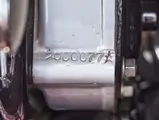
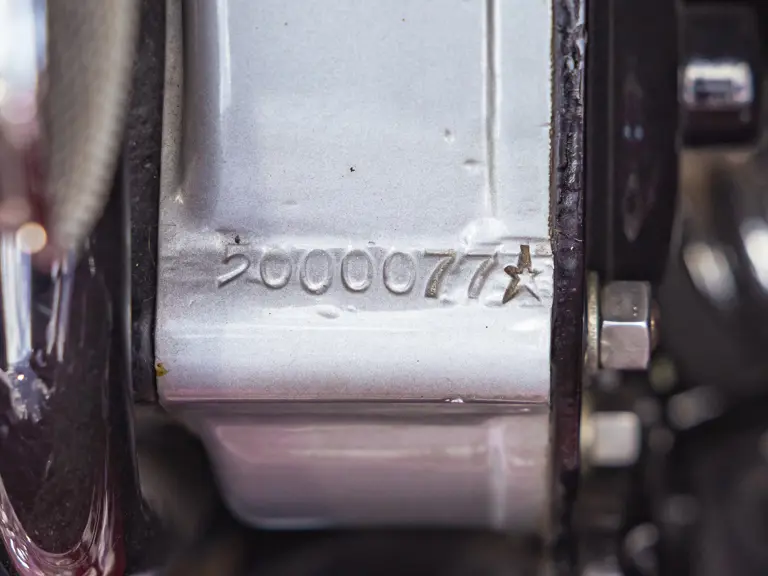
Engine No.
5000077
{{lr.item.text}}
Offered from The Groendyke Collection
{{bidding.lot.reserveStatusFormatted}}
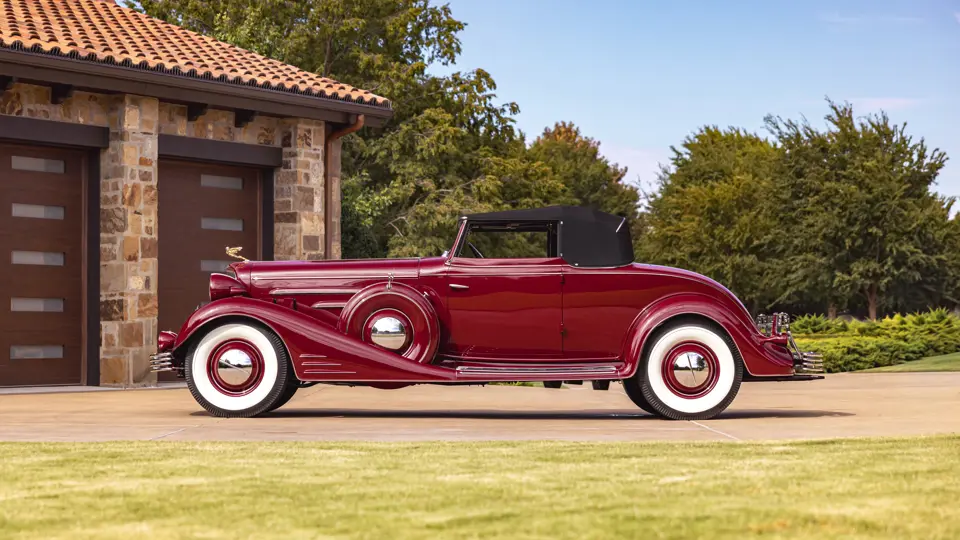
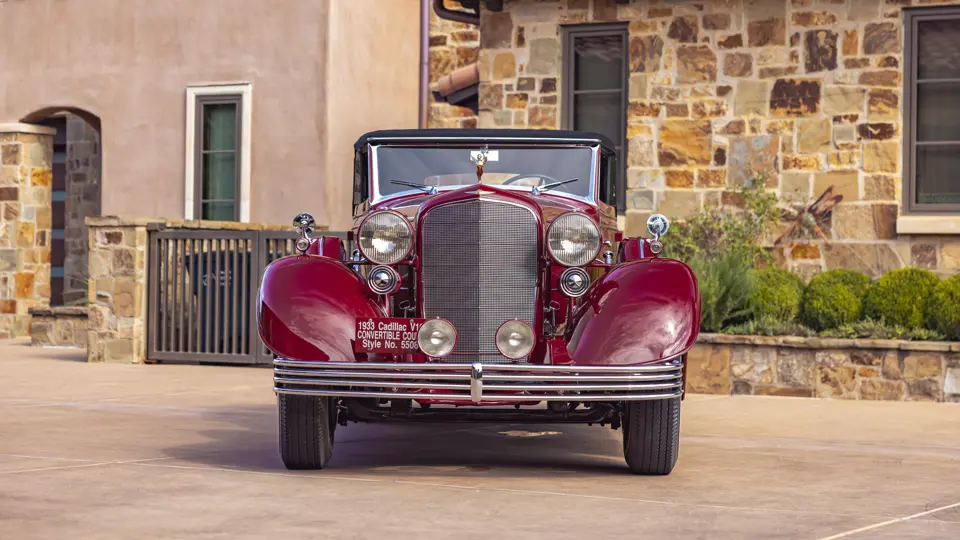
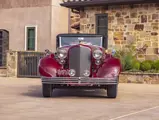
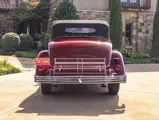
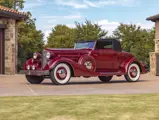
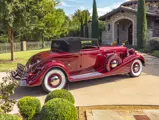
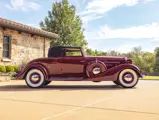
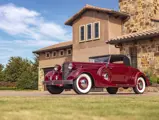
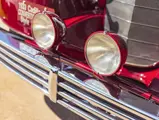
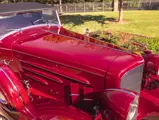
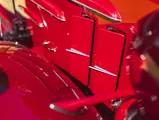
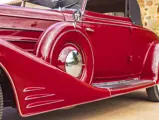
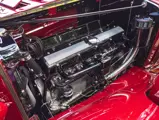
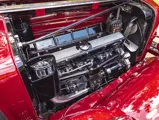
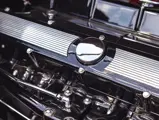
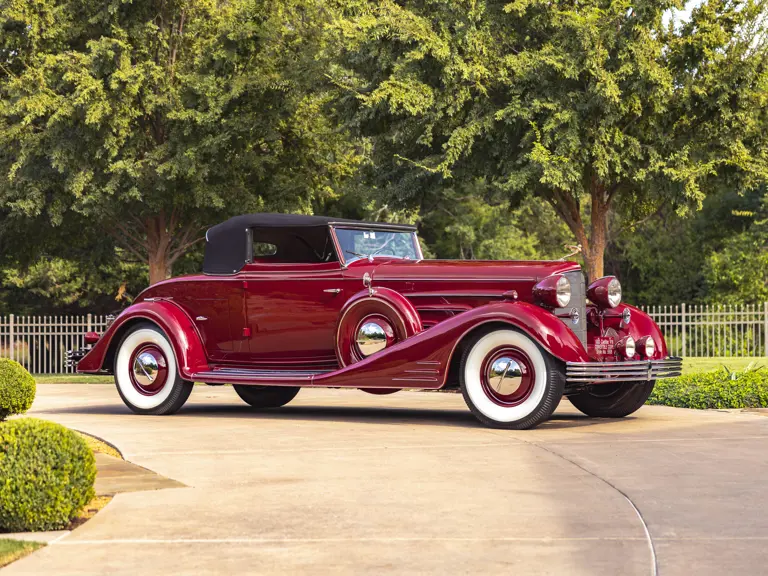
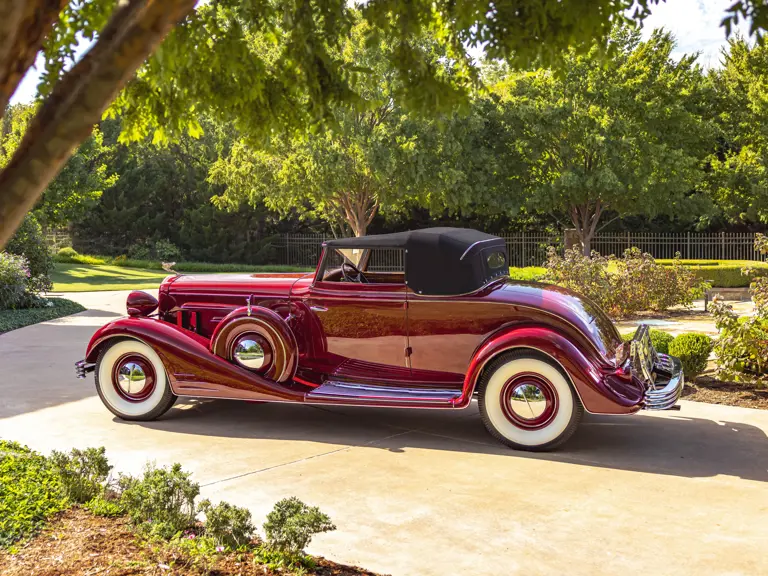
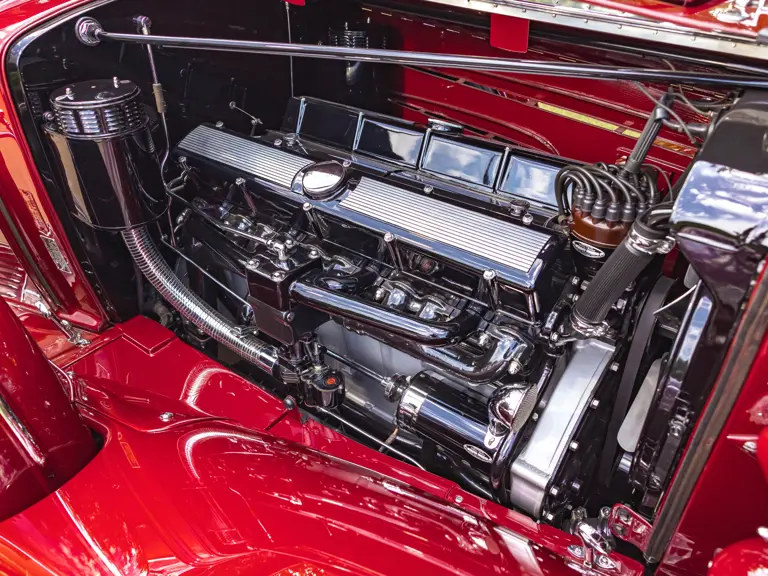
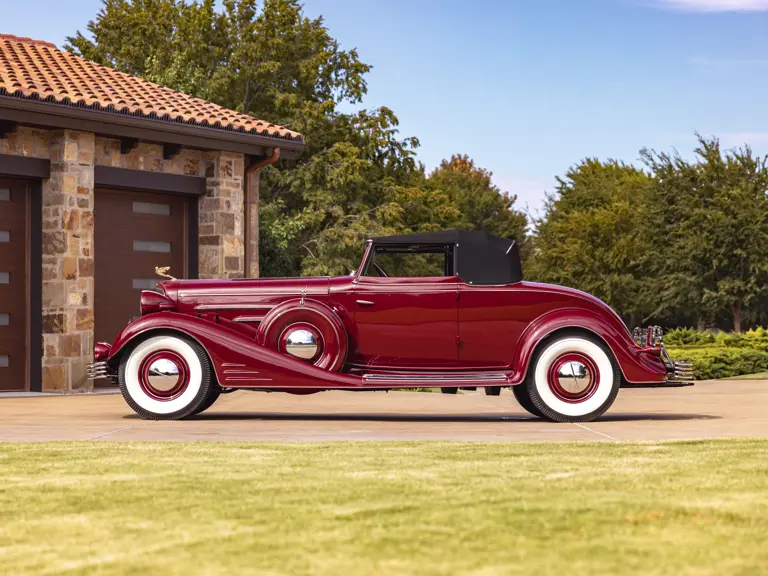
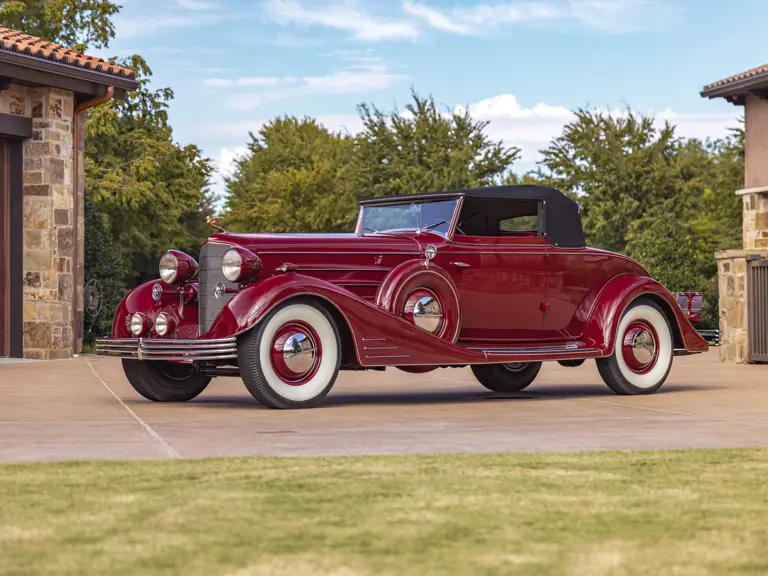
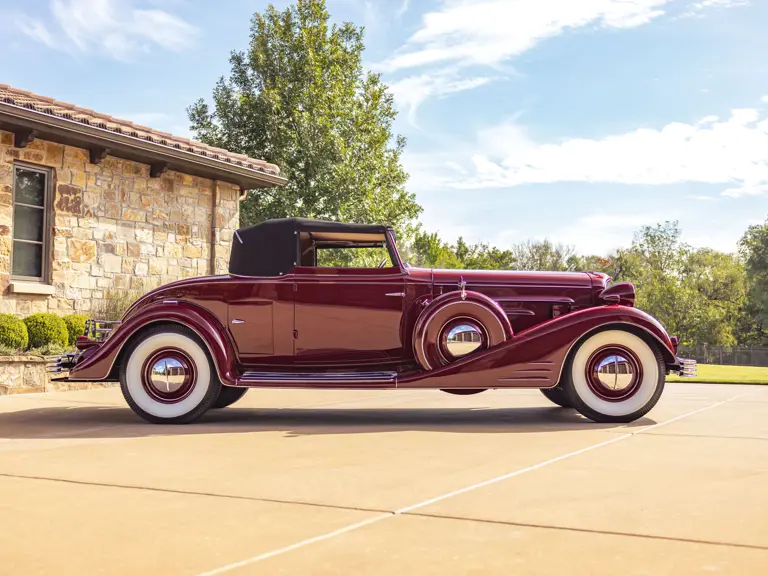
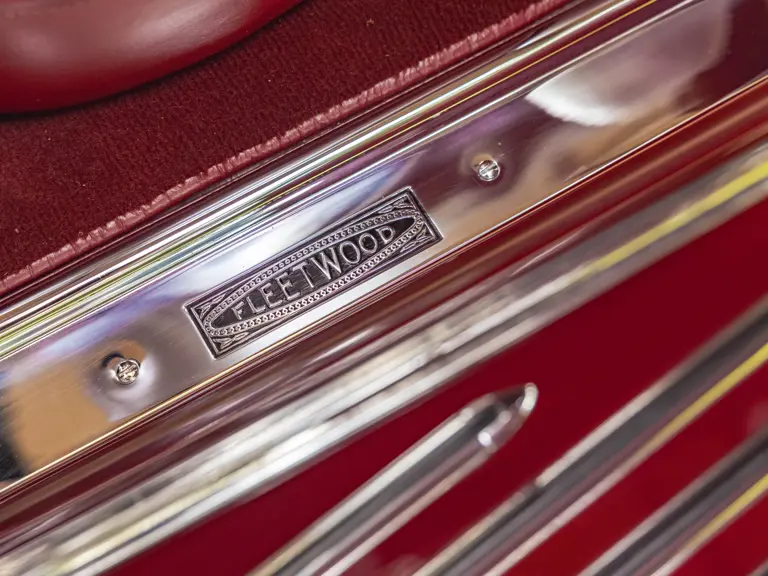
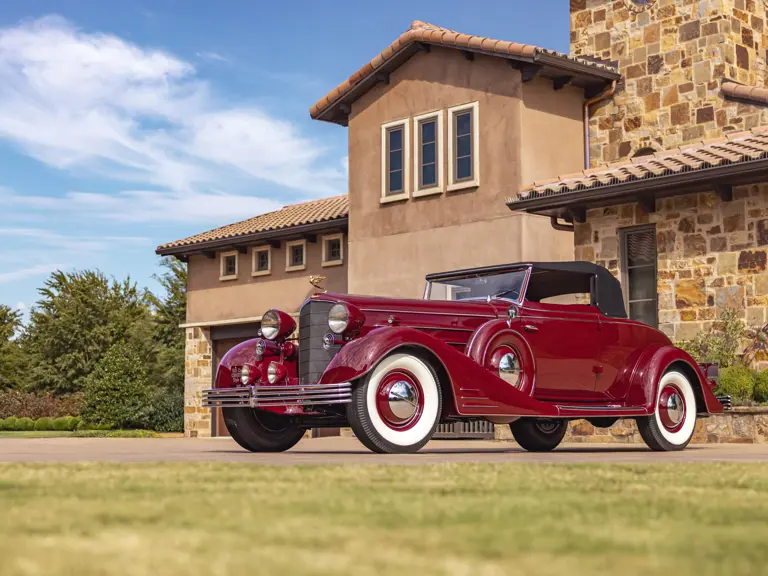
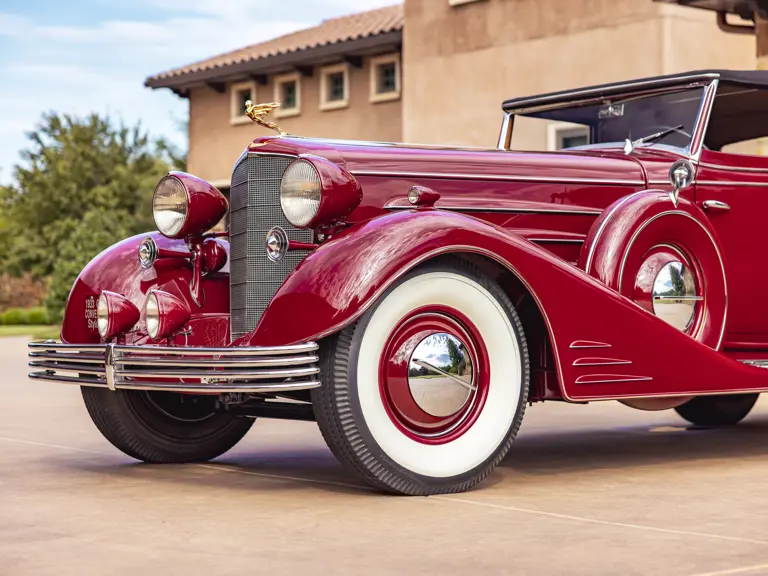
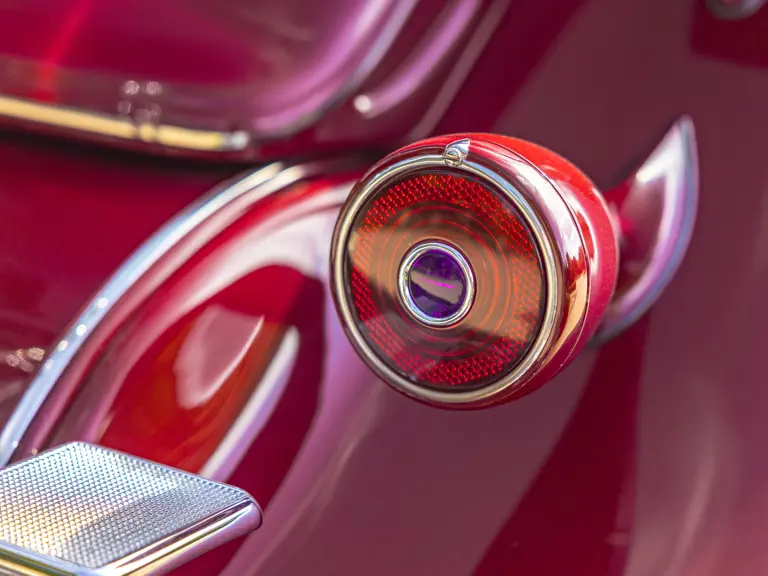
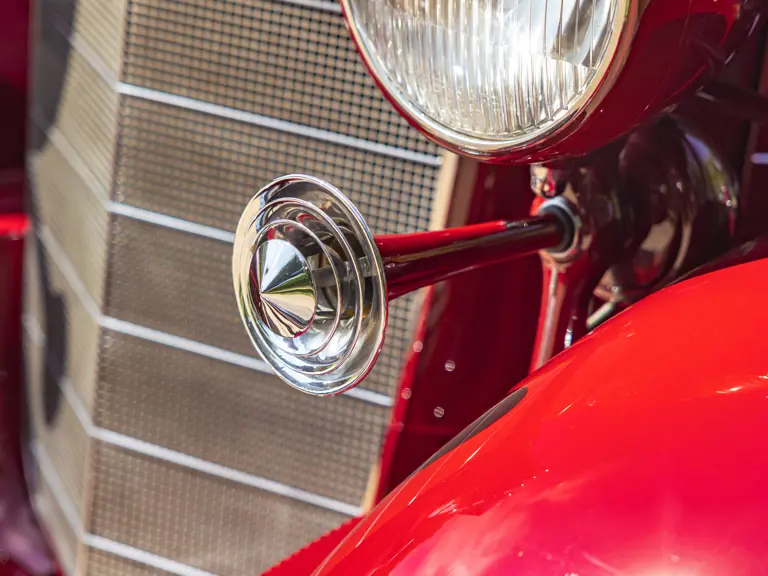
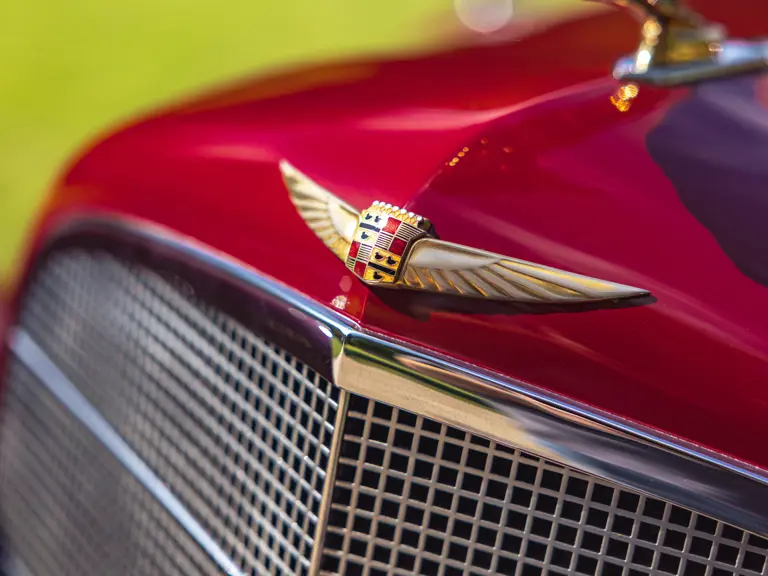
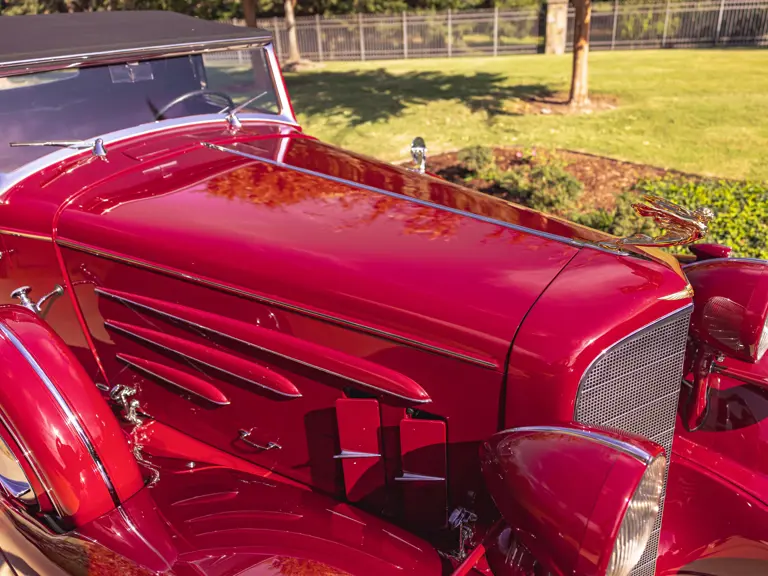
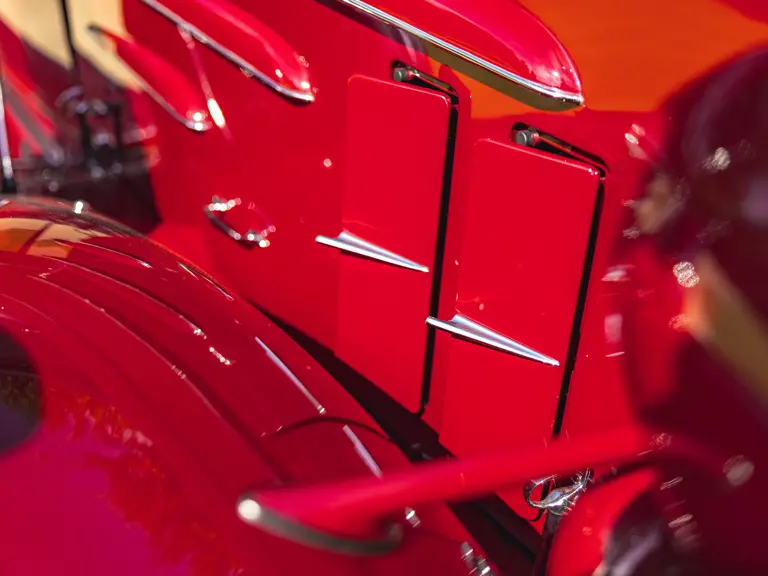
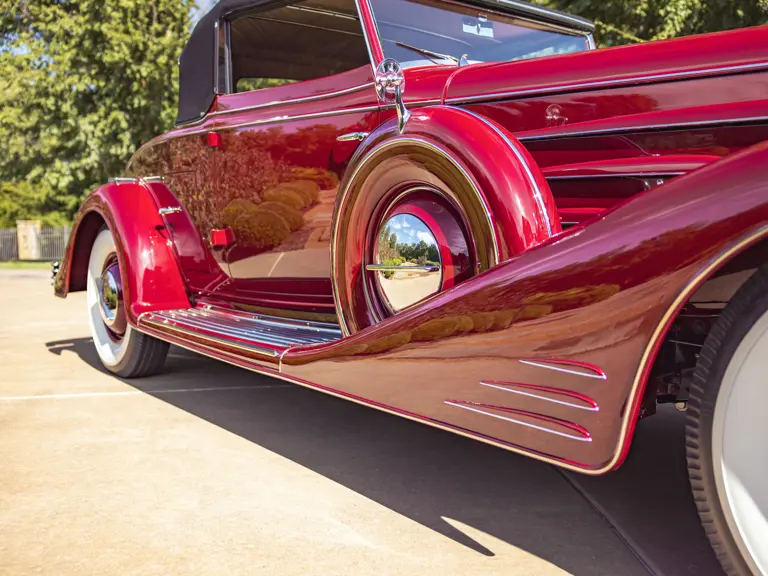
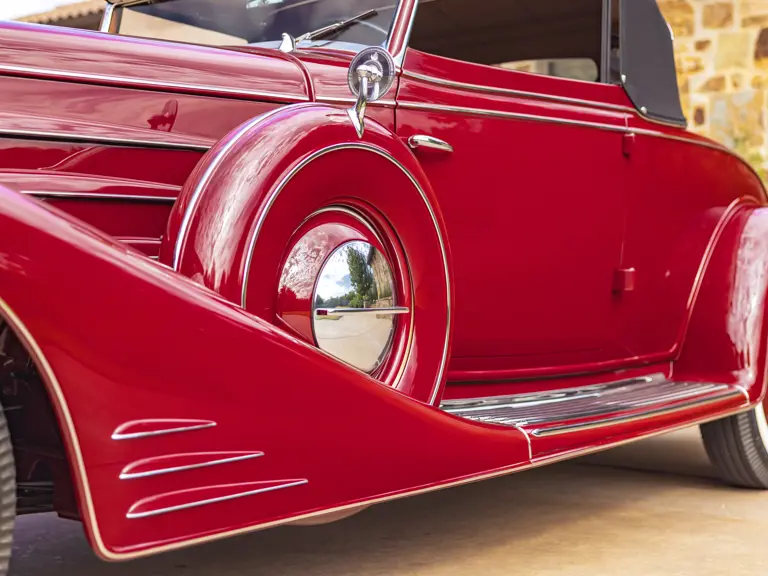
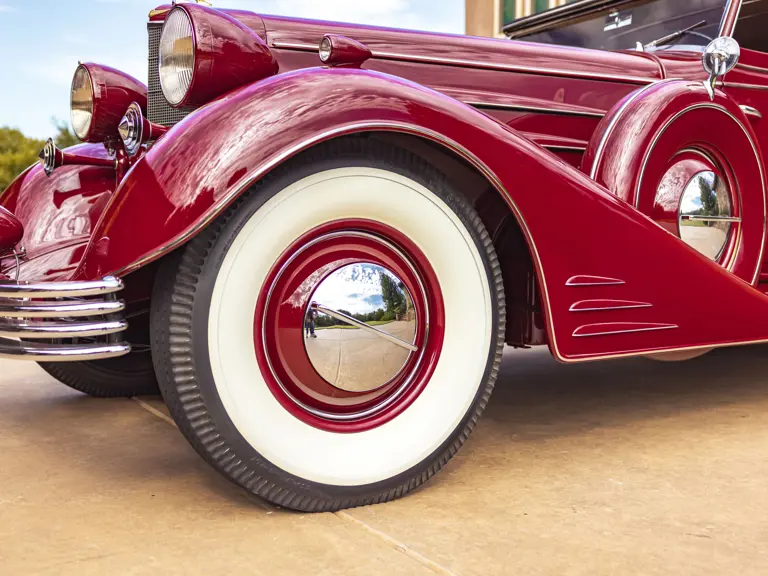
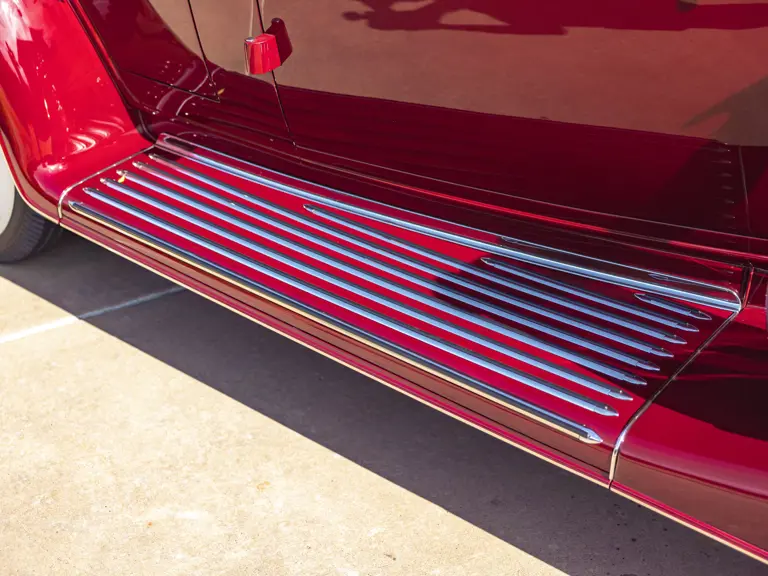
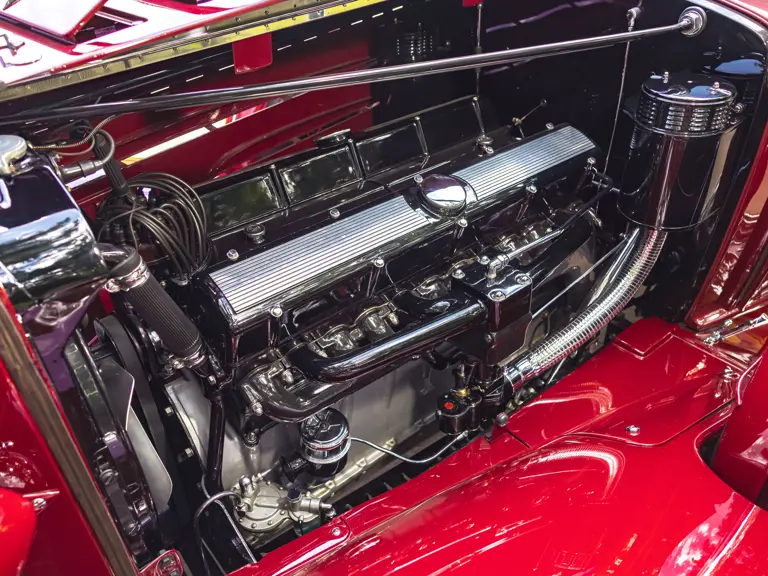
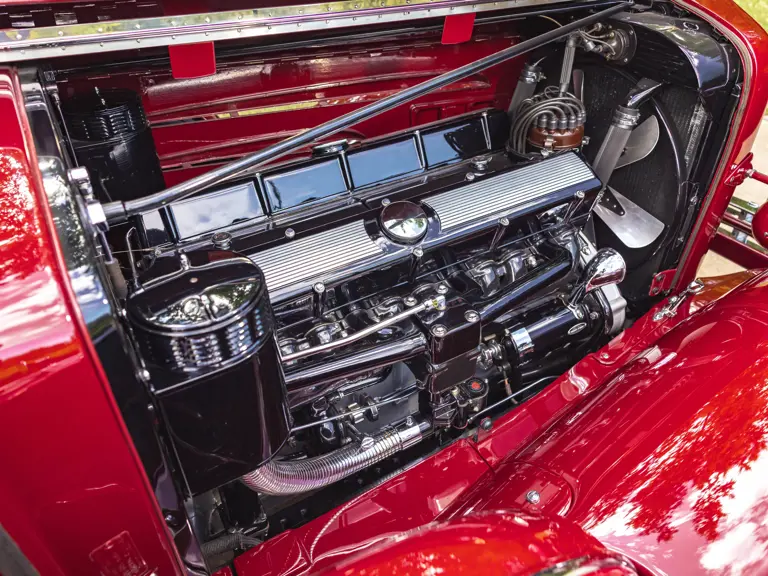
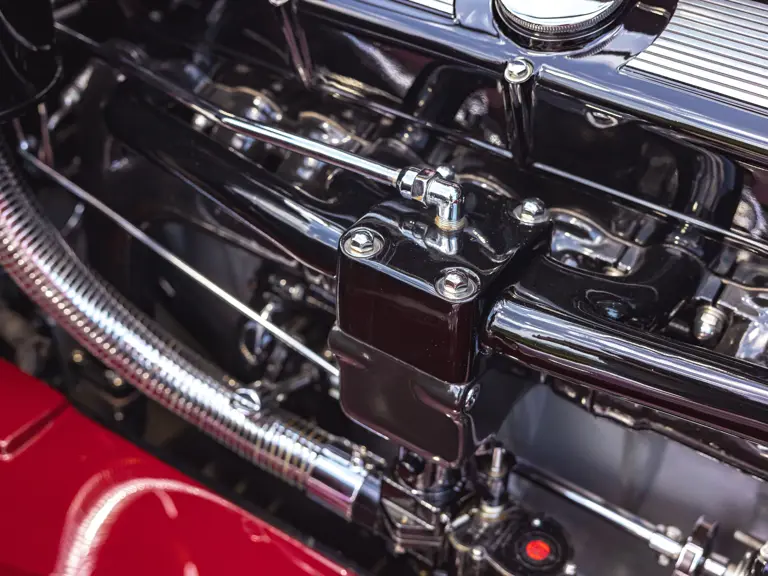
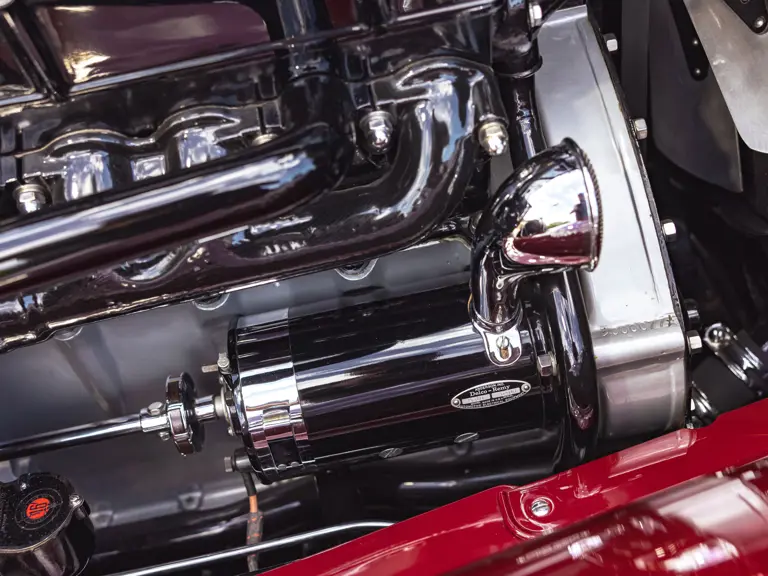
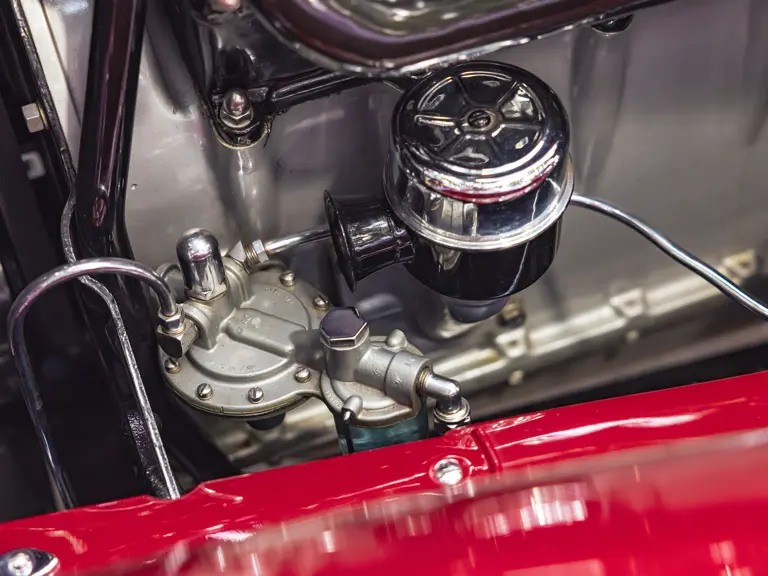
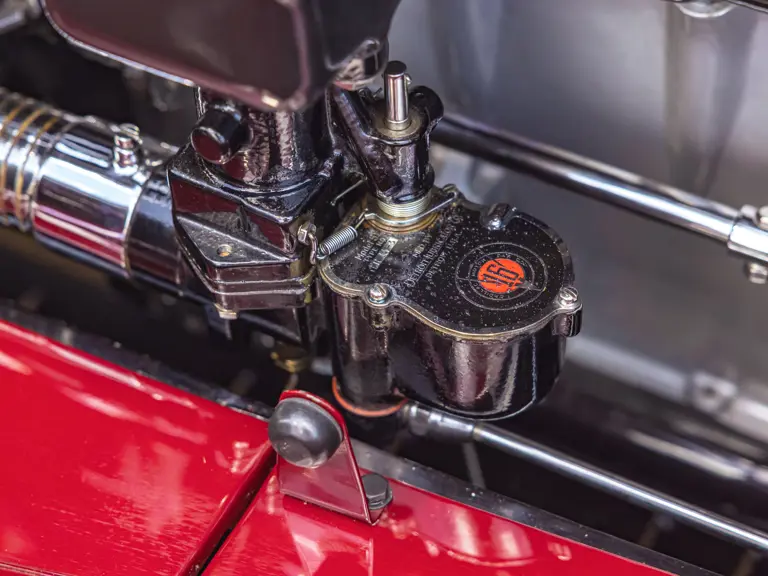
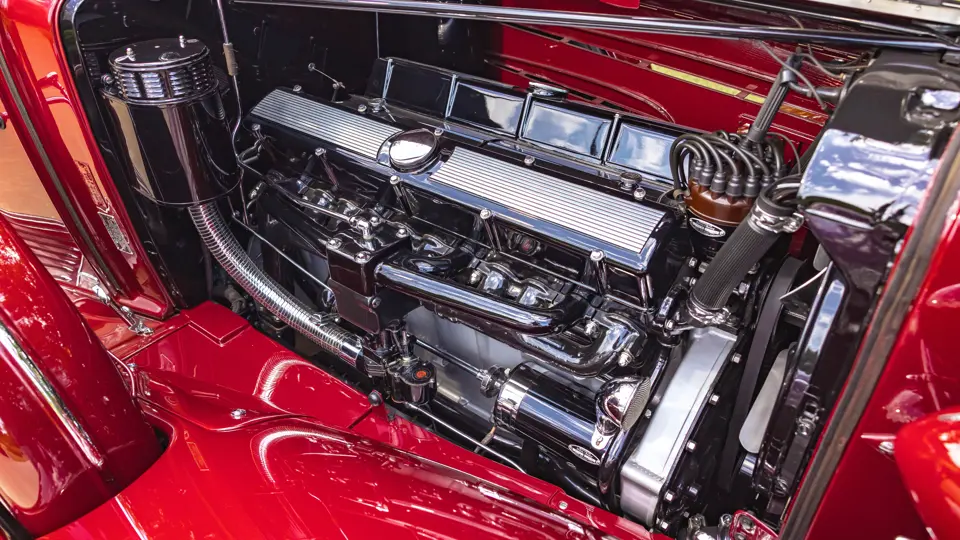
By 1933, Cadillac was entering their fourth year of V-16 production. Wrapped around these engines were masterpieces of Art Deco styling: Bodies with streamlined forms, featuring skirted fenders, smooth, sleek rooflines, and long hoods with horizontal engine louvers hinting at the power within. Fleetwood once again offered an impressive catalogue of available body styles.
While production had been planned at 400 examples annually, the Great Depression pushed sales down to just 125 for 1933. By the end of the model year, Cadillac was the only marque offering a V-16. They would continue to proudly produce such engines through 1940, proving that in terms of automotive prestige, there was no replacement for displacement—or a higher cylinder count.
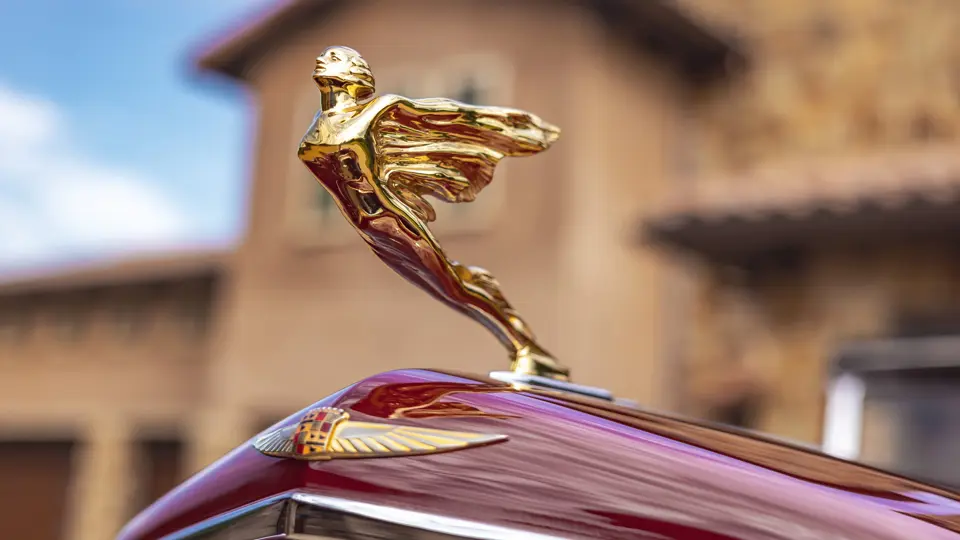
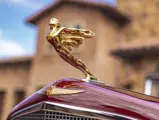
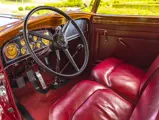
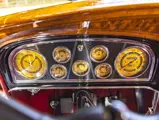
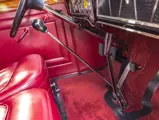
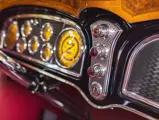
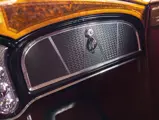
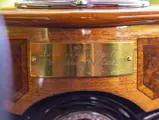
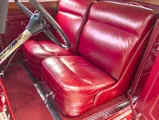
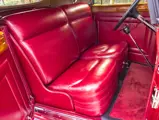
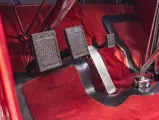
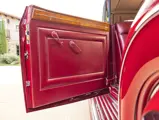
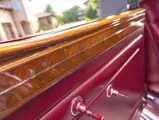
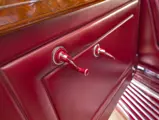
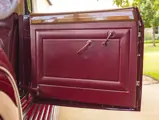
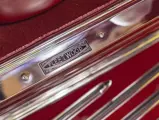
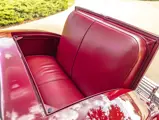
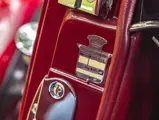
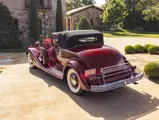
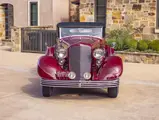
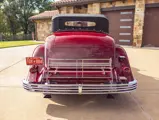
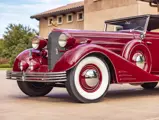
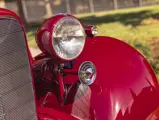
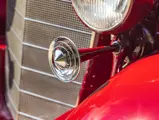
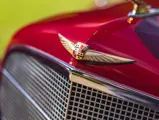
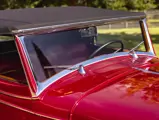
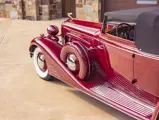
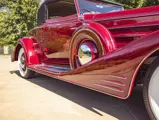
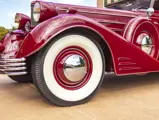
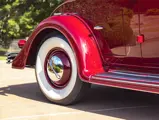
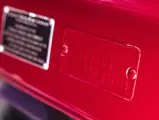
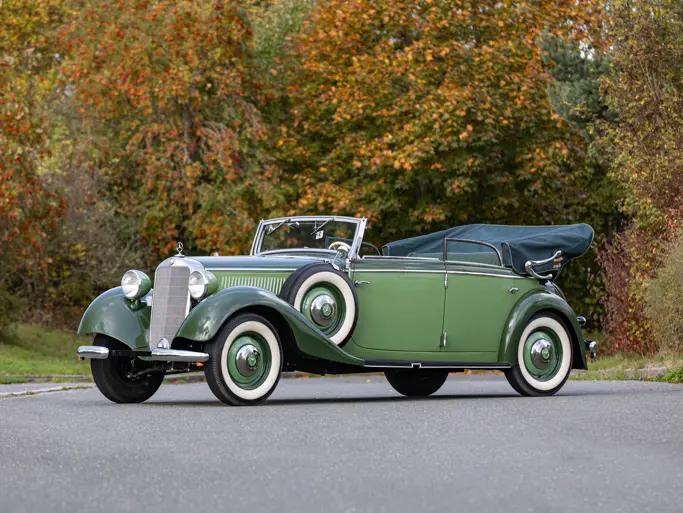
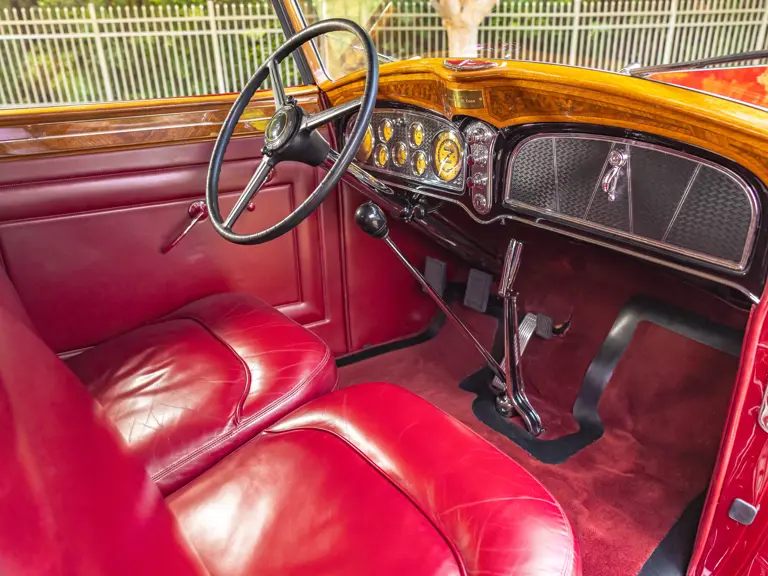
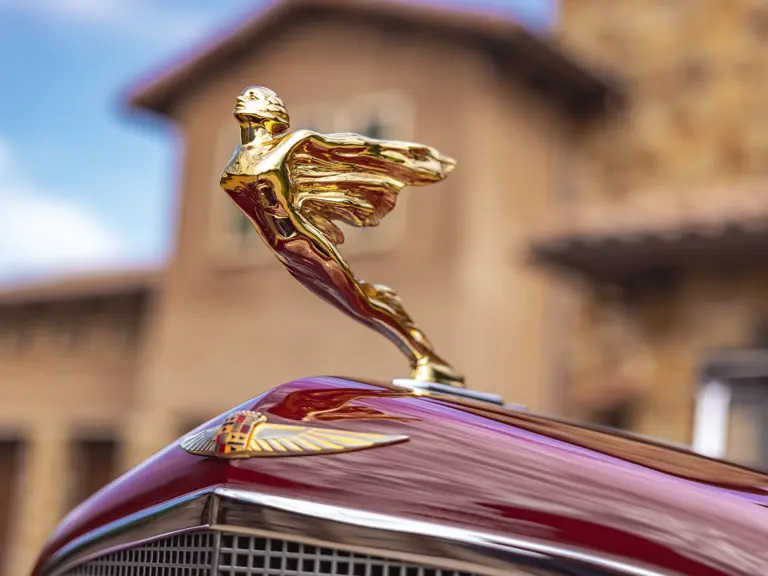
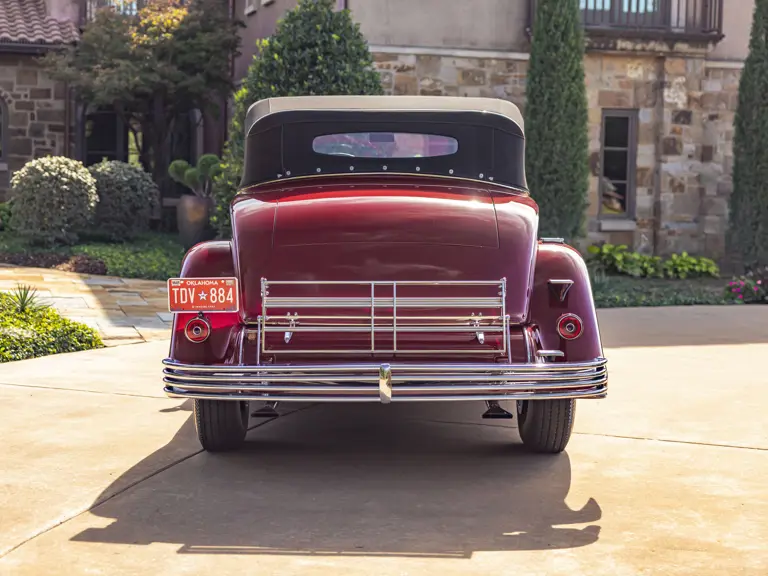
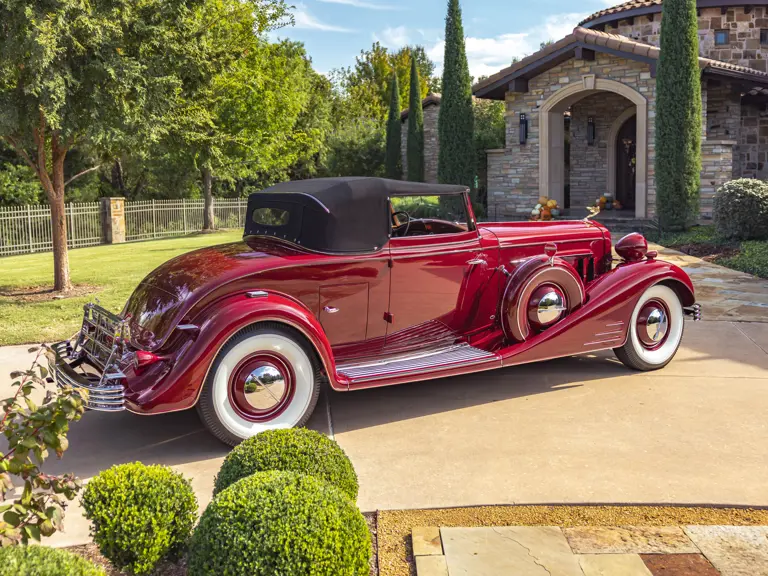
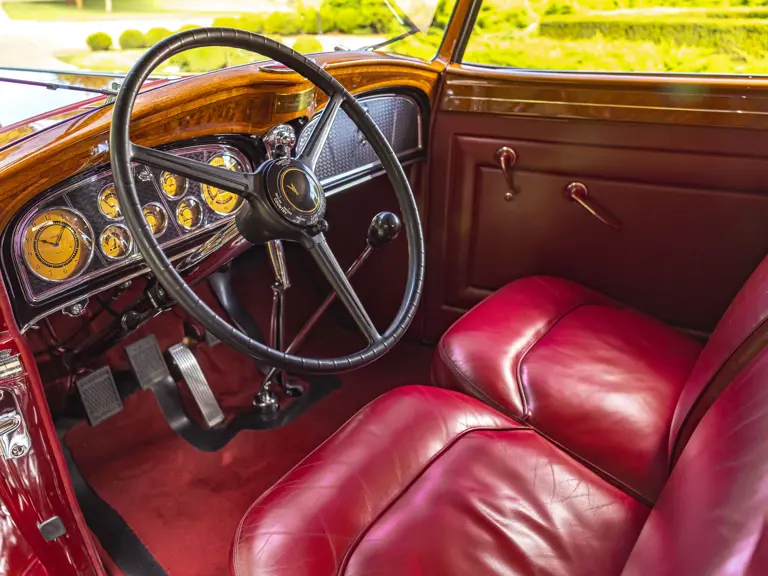
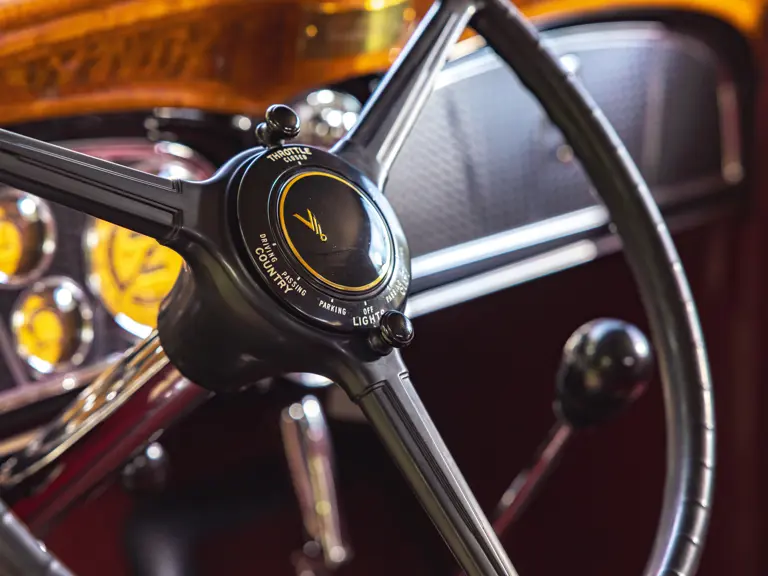
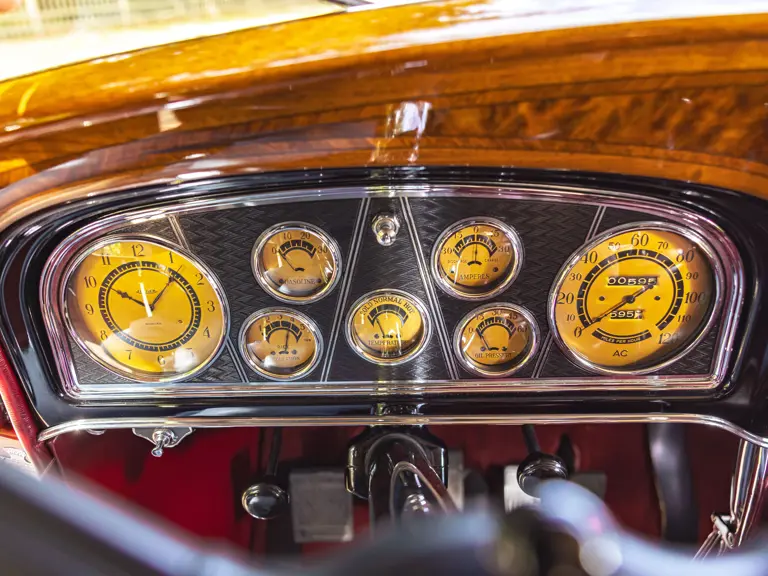
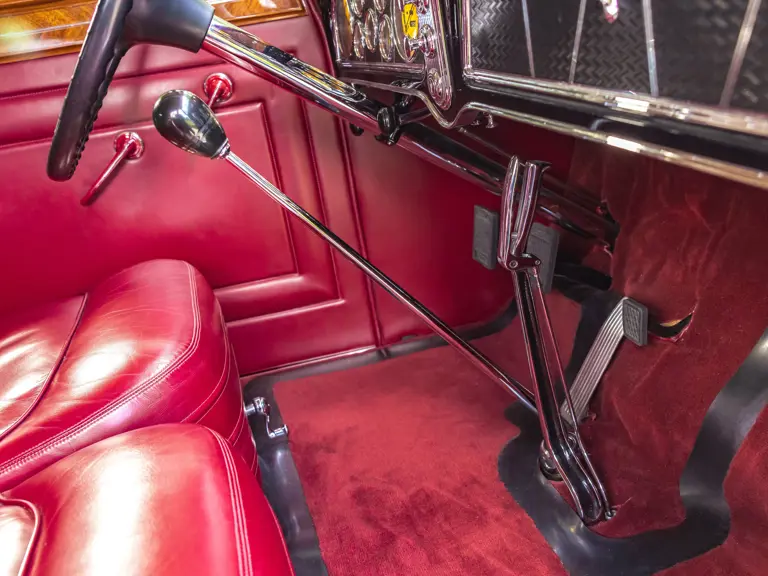
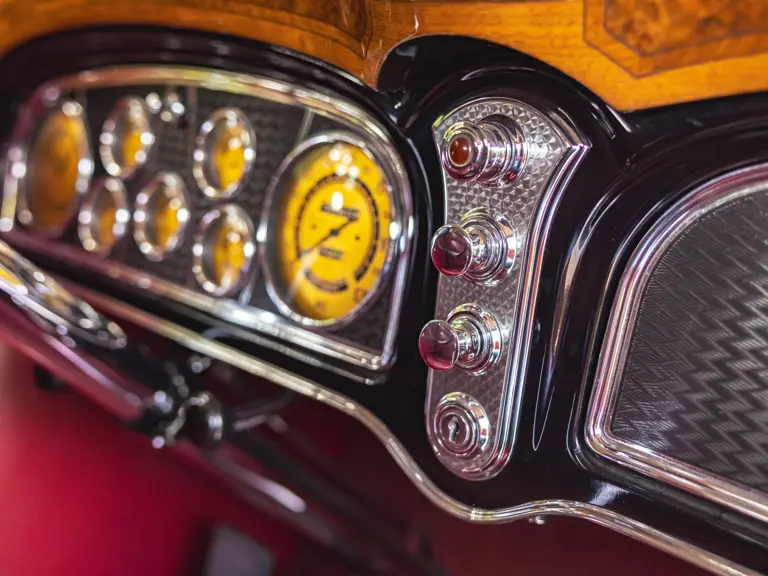
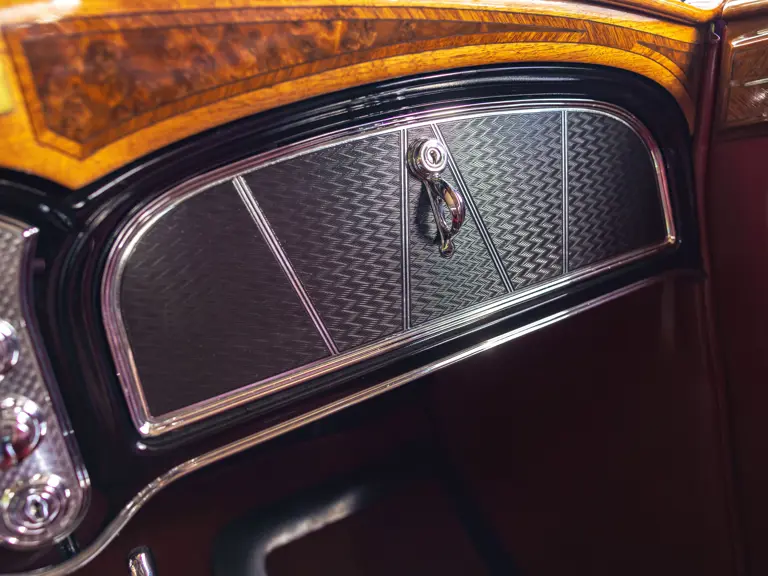
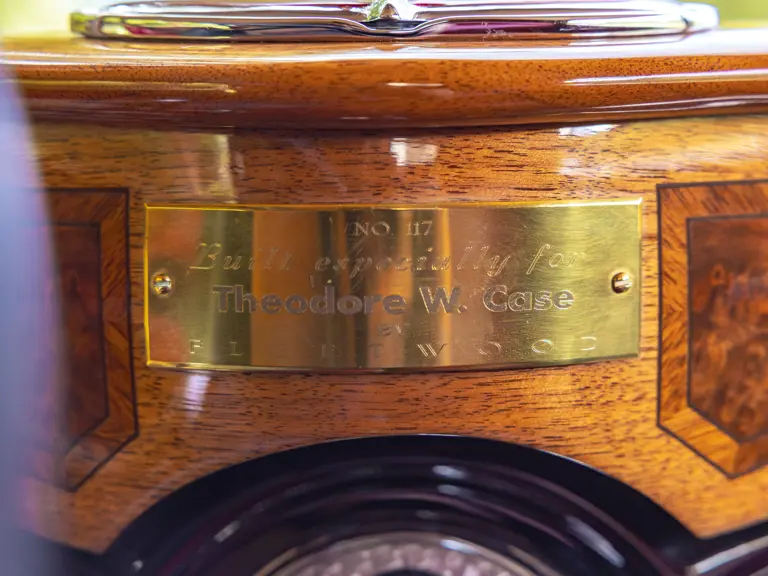
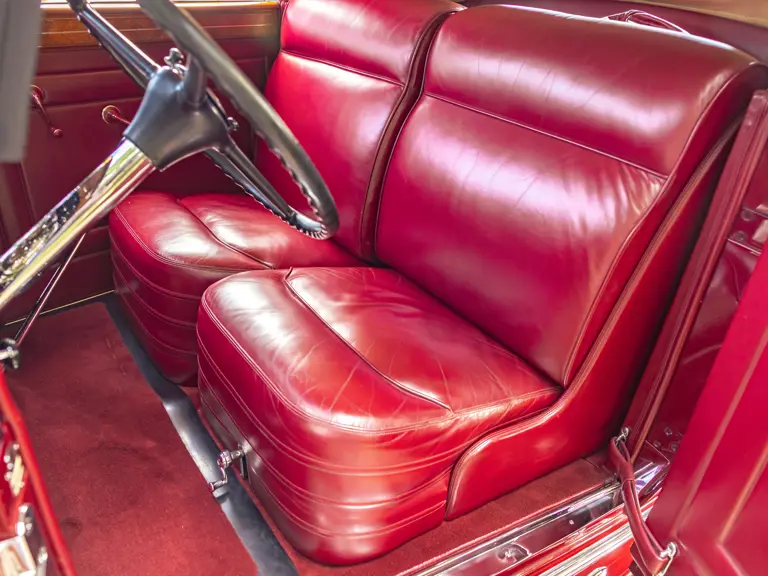
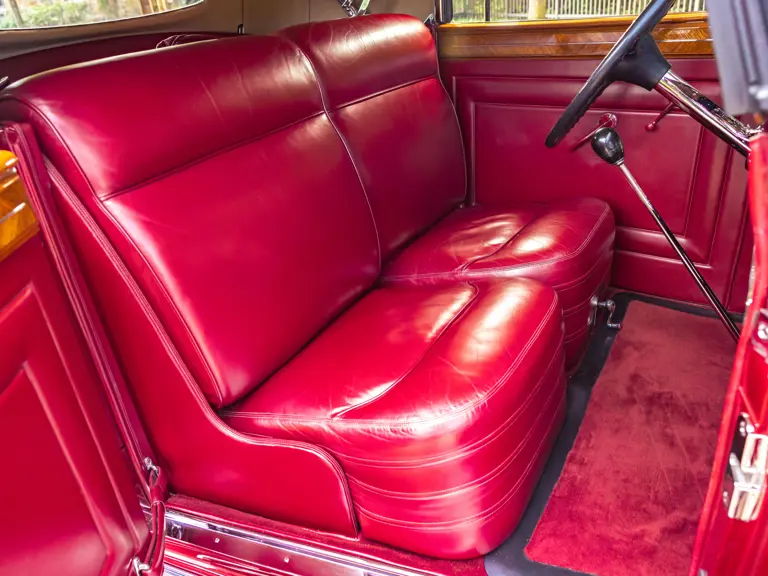
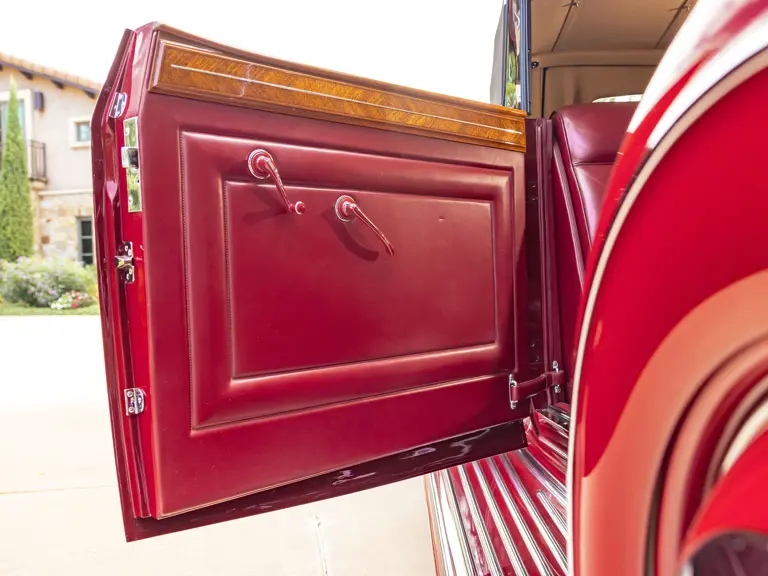
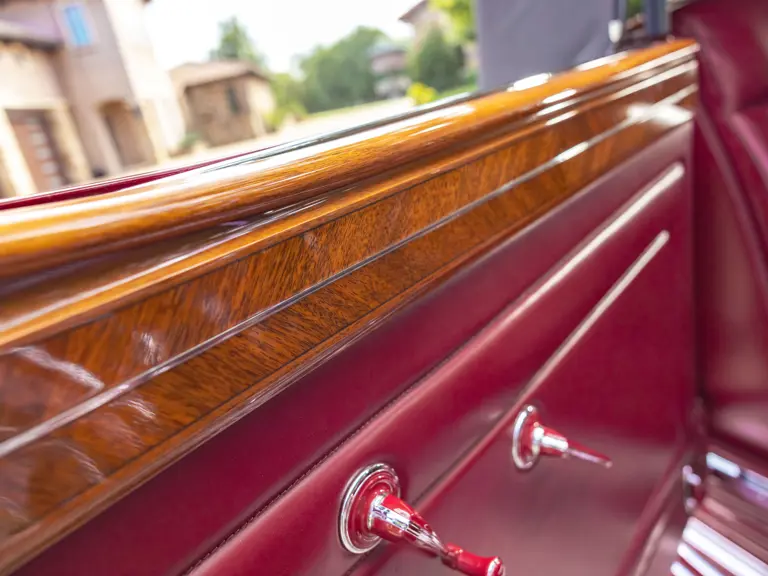
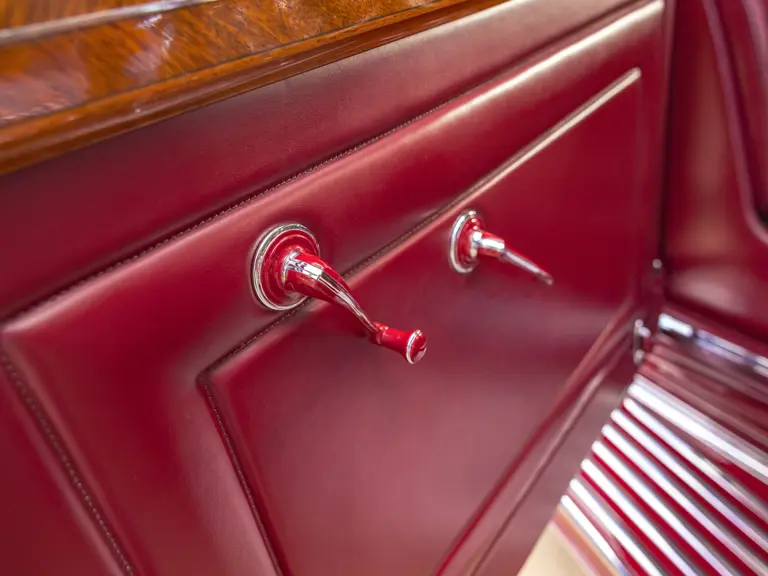
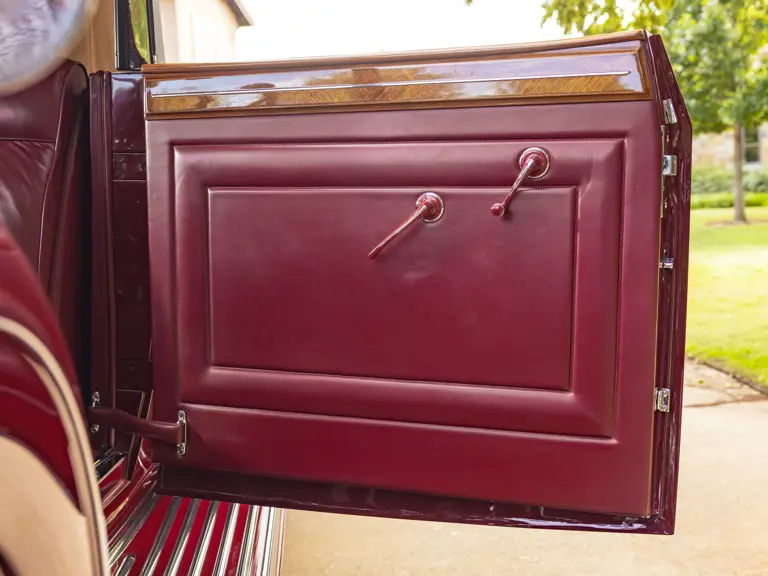
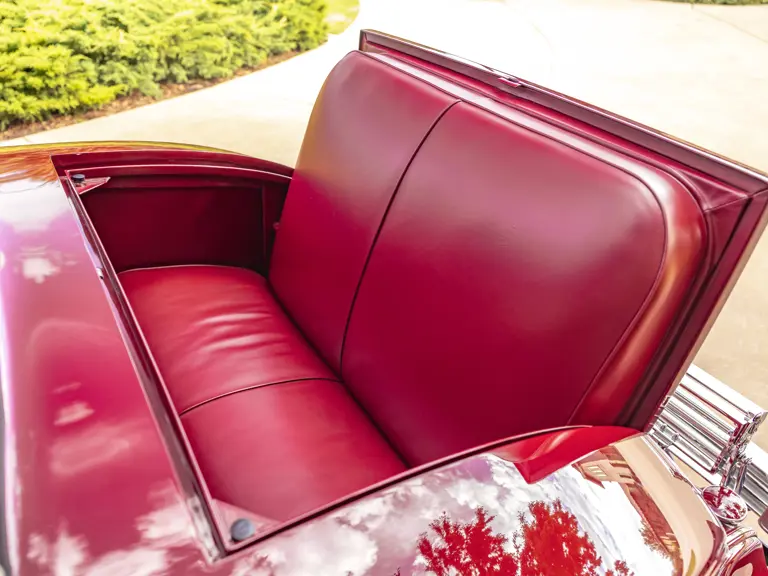
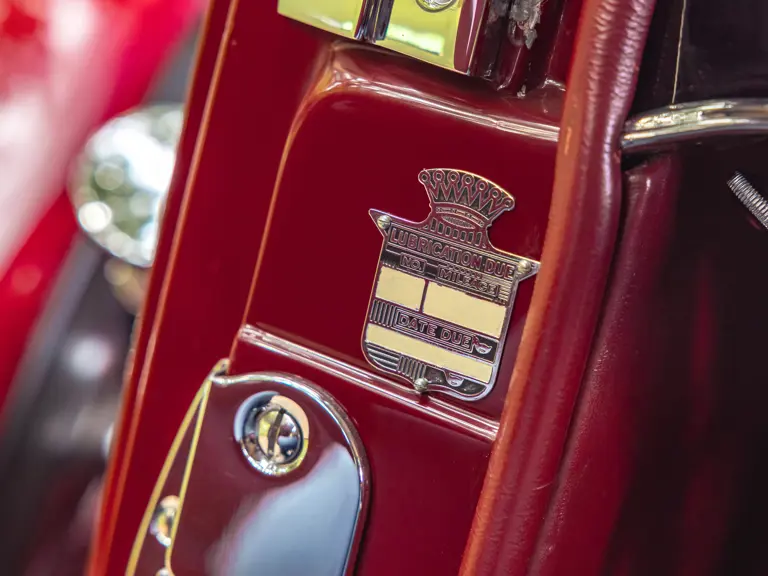
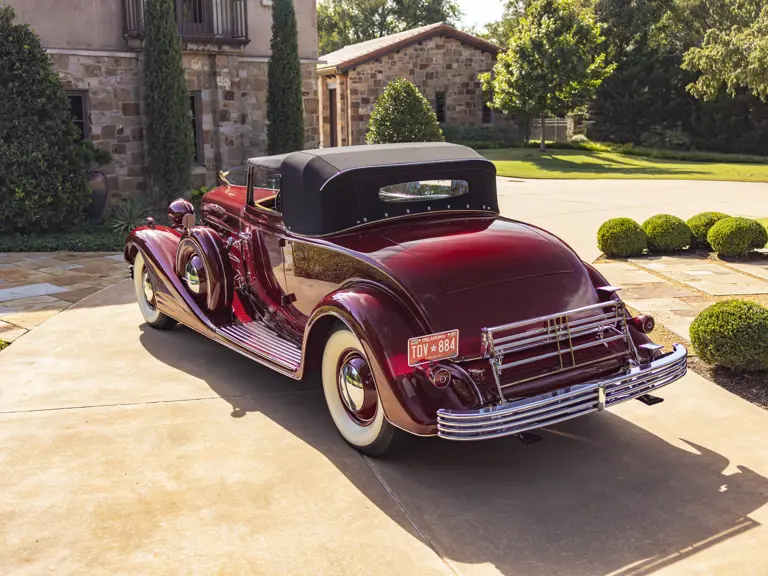
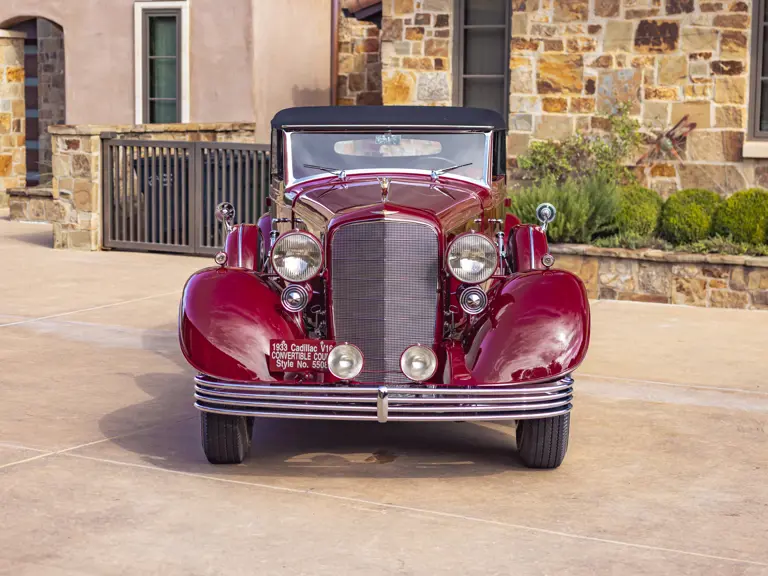
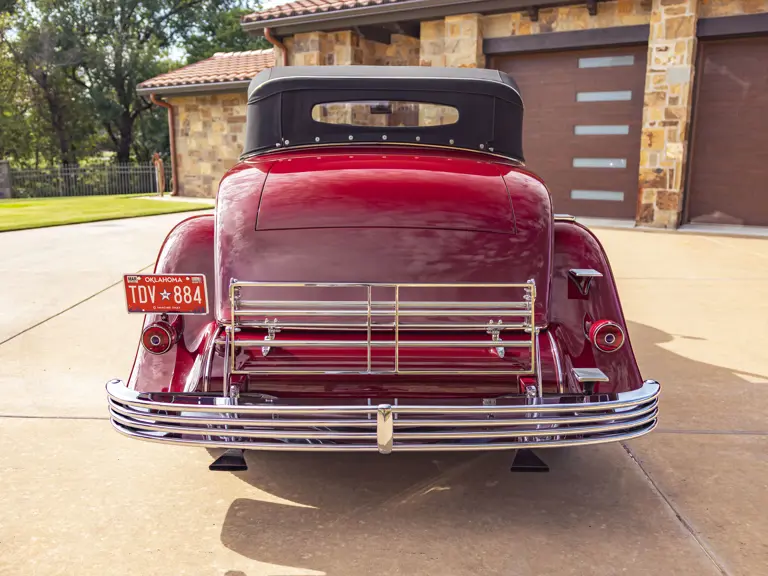
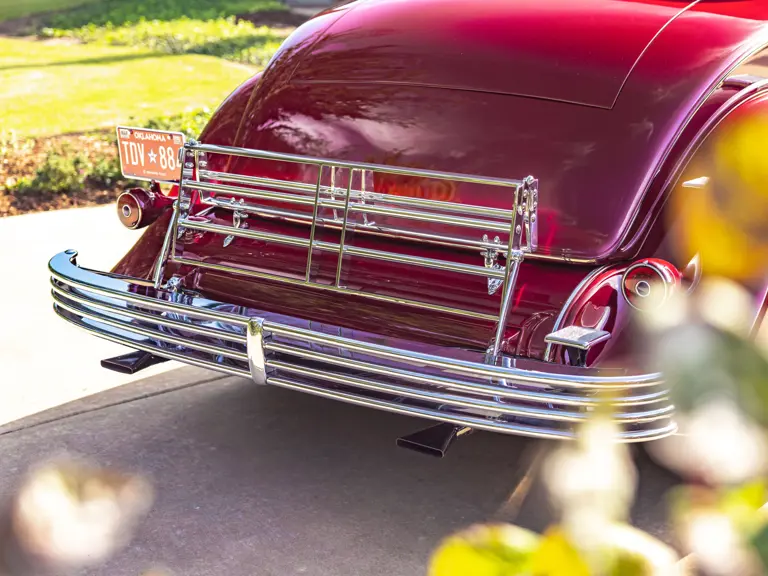
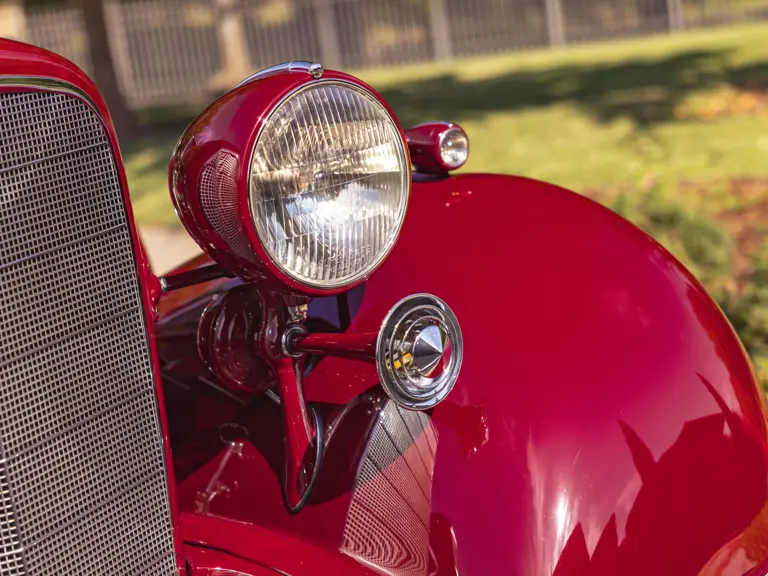
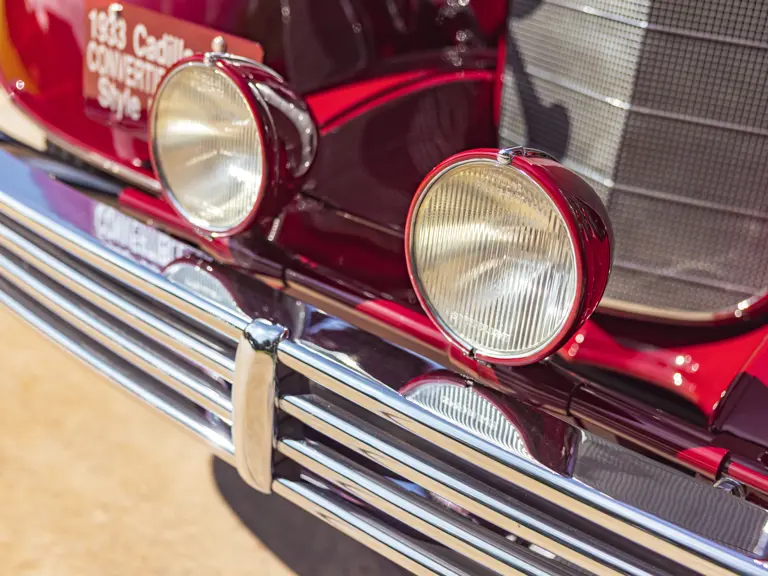
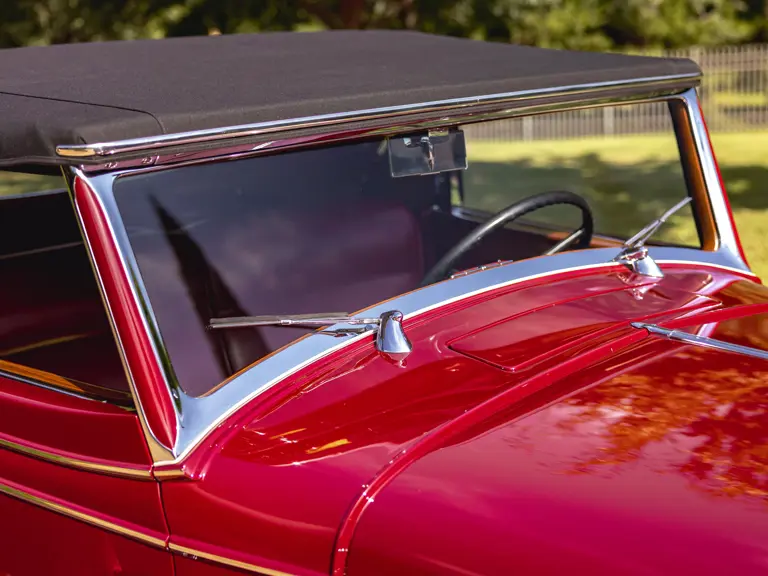
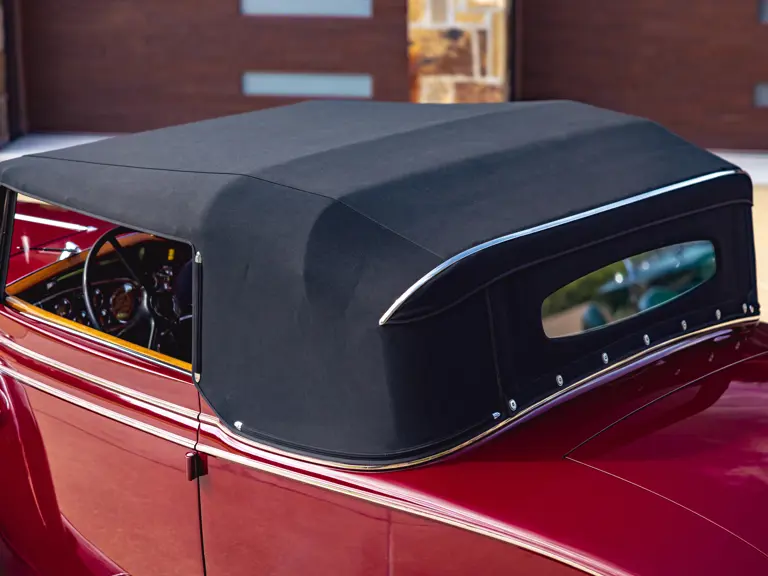
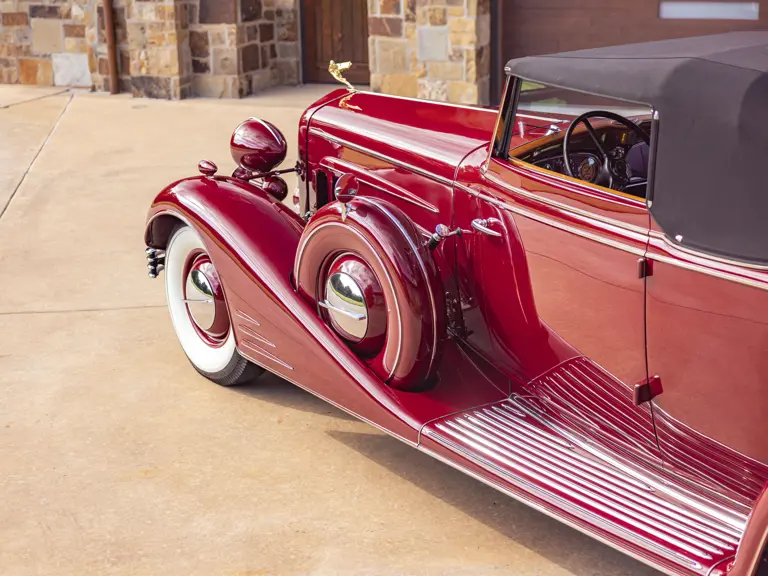
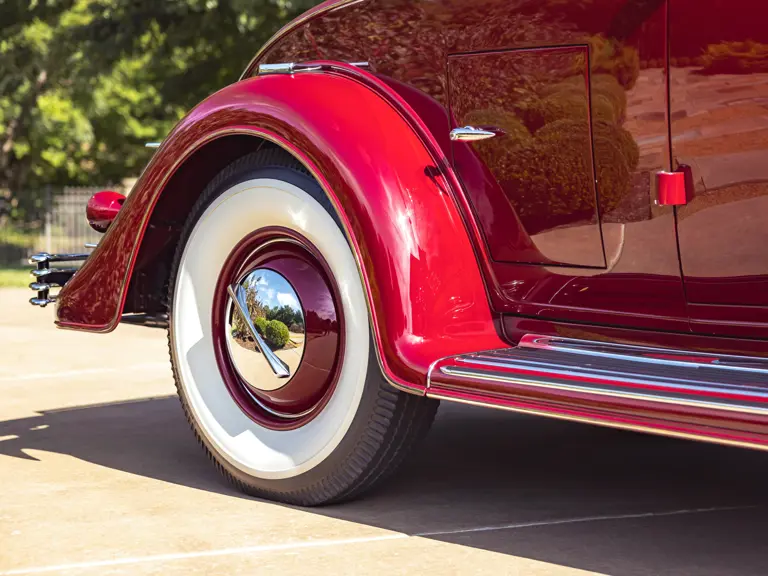
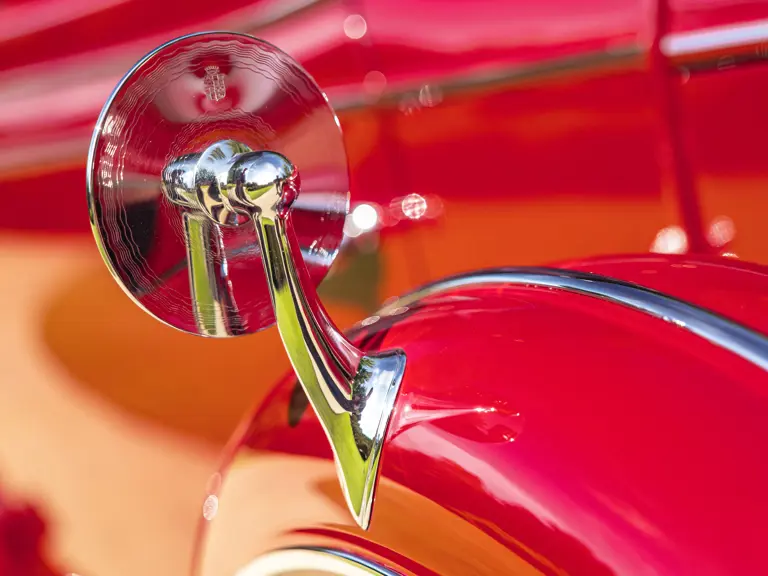
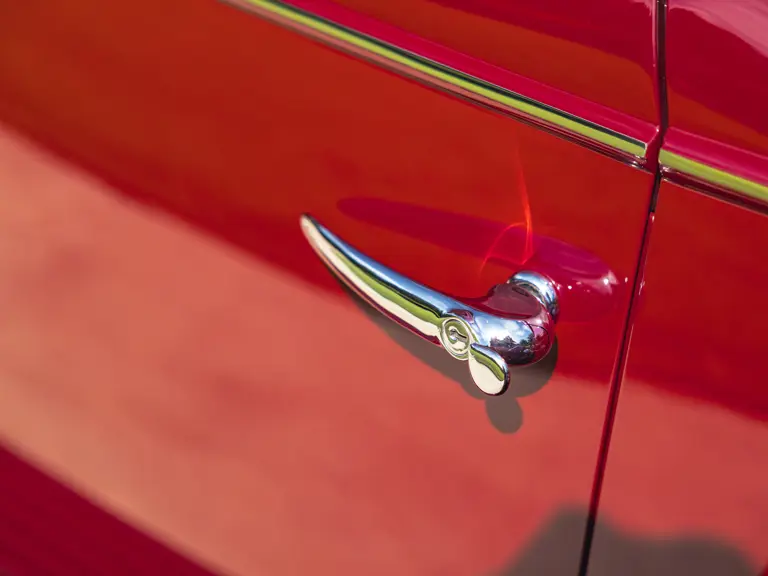
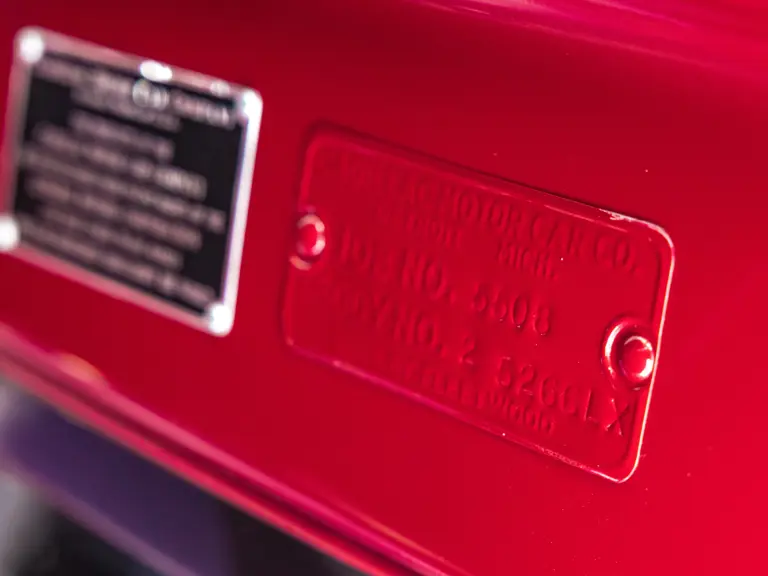
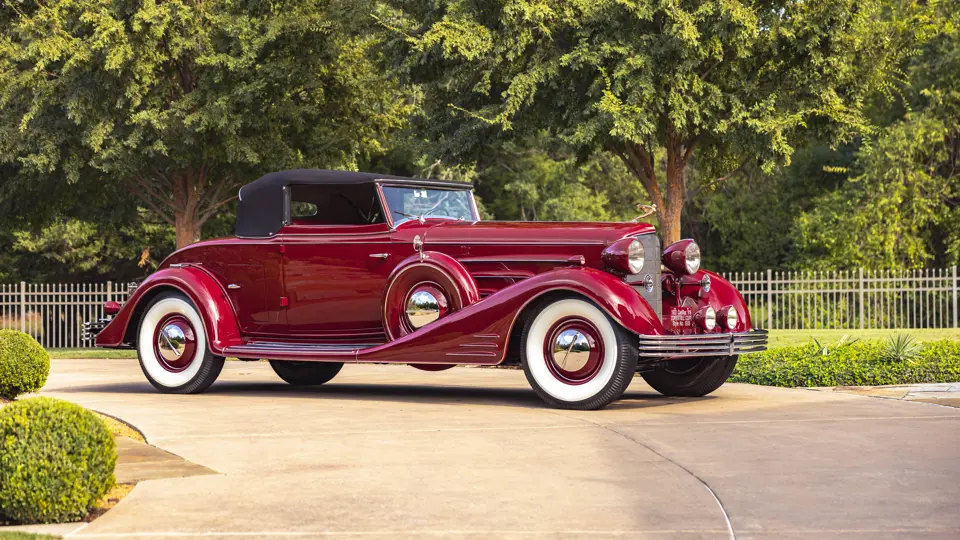
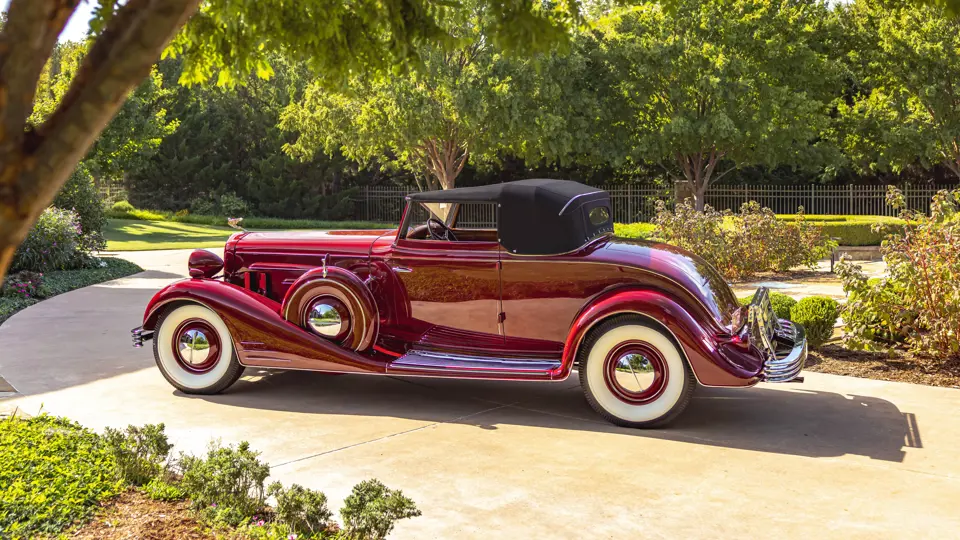
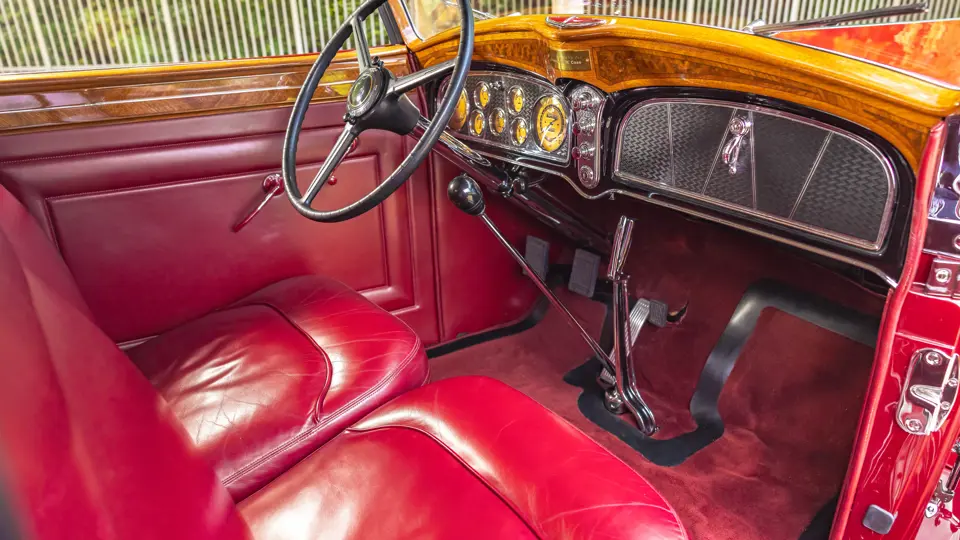
This 1933 Cadillac was ordered and sold new through Lewis E. Springer’s Cadillac dealership in Auburn, New York, in the Finger Lakes region. A Special Fleetwood Body Order, it left the factory finished entirely in Classic Blue with a Haartz Jonarts 5000 top over a black leather interior with Lackawanna Jet (black) painted dashboard. It was further specified with a Goddess ornament in silver, cowl screen, radio, chrome-plated landau joints and supports, 9/32-inch chrome body stripe, 4.31:1 rear axle ratio, six wheels with Goodyear tires, fender well spares, a pair of painted metal covers for the spares, chrome hubcaps, driver’s half of front seat adjustable, gunmetal pearl interior hardware, and garnish moldings on the doors in walnut with chrome stripe through centers. Capping off the car was a dash plaque that proudly stated, “No. 117 Built especially for Theodore W. Case by Fleetwood.”
Mr. Case, a graduate of Yale, was an American chemist and inventor. He is most noted for having invented Movietone, the system that synchronized sound to motion pictures. In 1926, he sold the rights to his invention to William Fox, then owner of Fox Film Corporation, which later became 20th Century Fox. Mr. Case’s invention made him a very wealthy man, allowing him to build the 65-room, 36,000-square-foot Case Mansion, completed in 1931; it remains the largest house in Auburn. His Case Research Lab, where he developed the Movietone technology, was originally a greenhouse behind the Willard-Case family mansion, and it is today part of the campus of the Cayuga Museum of History & Art.
By the 1950s this Cadillac was said to have been under the ownership of David A. Gano of Salem, Ohio, having been discovered prior by V-16 expert Rick LeForge. Noted Cadillac collector Bob Hoffman is then understood to have owned the car for seven to 10 years. It was eventually acquired by a private collector in New Jersey, who commissioned a full restoration by the renowned experts at RM Auto Restoration in the early 1990s.
The restored car was subsequently acquired by Mr. Groendyke in the late 1990s. It was featured in the September 1999 edition of The Classic Car, and at the 2002 Amelia Island Concours d’Elegance, it was shown as part of the event’s celebration of Cadillac’s 100th anniversary, winning first in class. Mr. Groendyke later sold the V-16, curiously enough, back to the private collection from which he had acquired it. The New Jersey-based private collection would go on to show the car at the 2008 Pebble Beach Concours d’Elegance, where it took home a third in class in what was a very competitive show field. It was subsequently sold to a private collection in Colorado.
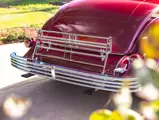
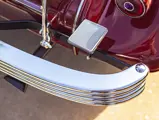
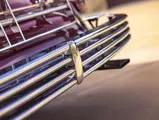
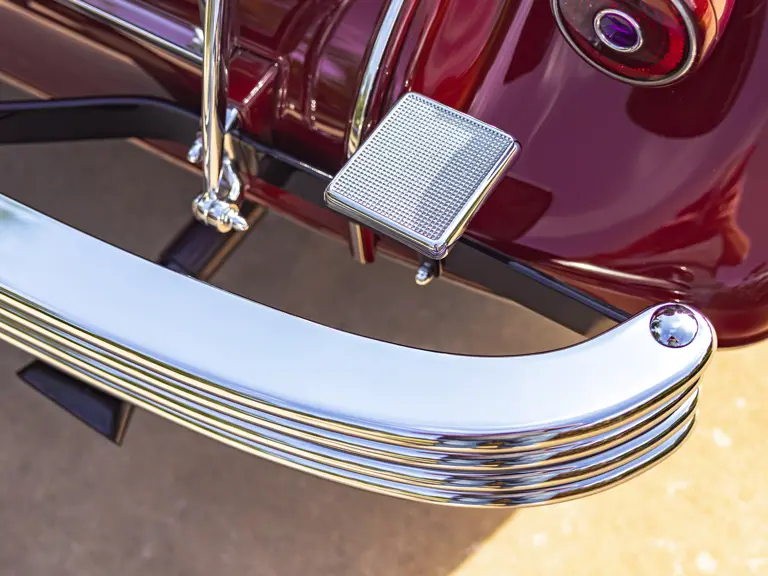
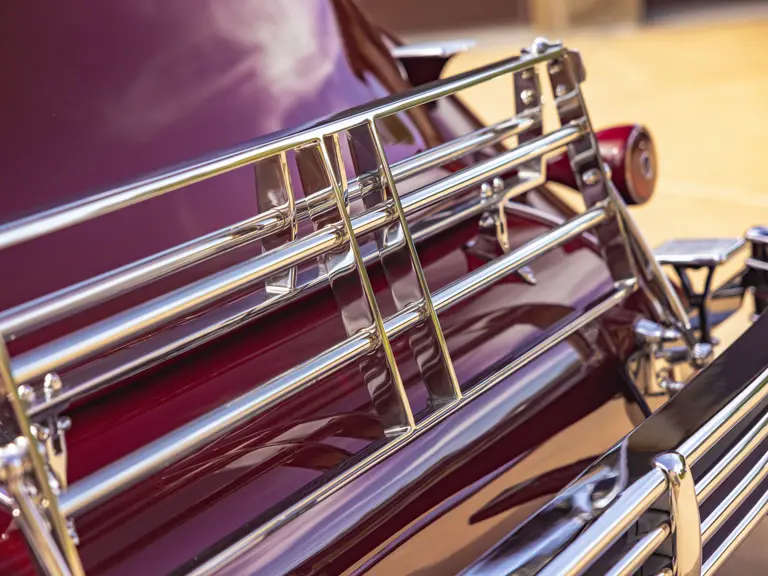
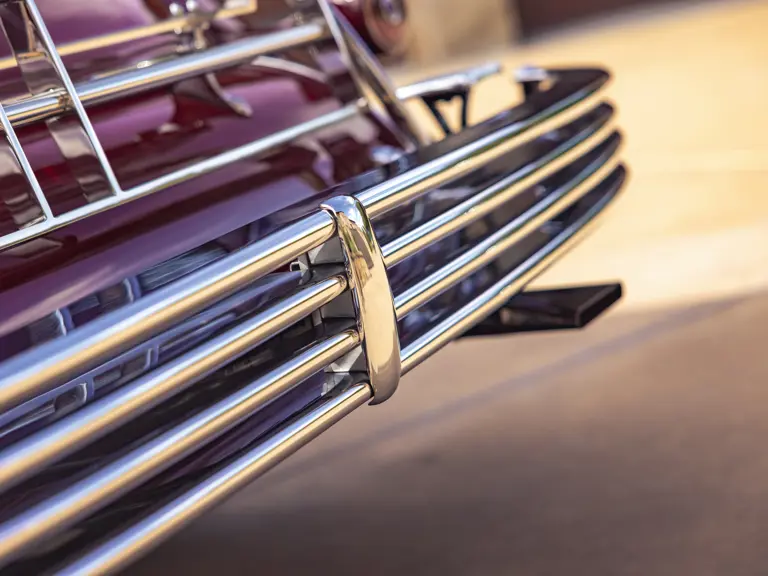
Later regretting his decision to sell, Mr. Groendyke tracked the Cadillac down and reacquired it in February 2014, this time “for keeps.” Mr. Groendyke then commissioned the pre-war experts at Stone Barn Automobile Restorations in Great Meadows, New Jersey, to complete a high-quality repaint which was finished in early 2015. Afterwards the bumpers were re-chromed back in Oklahoma.
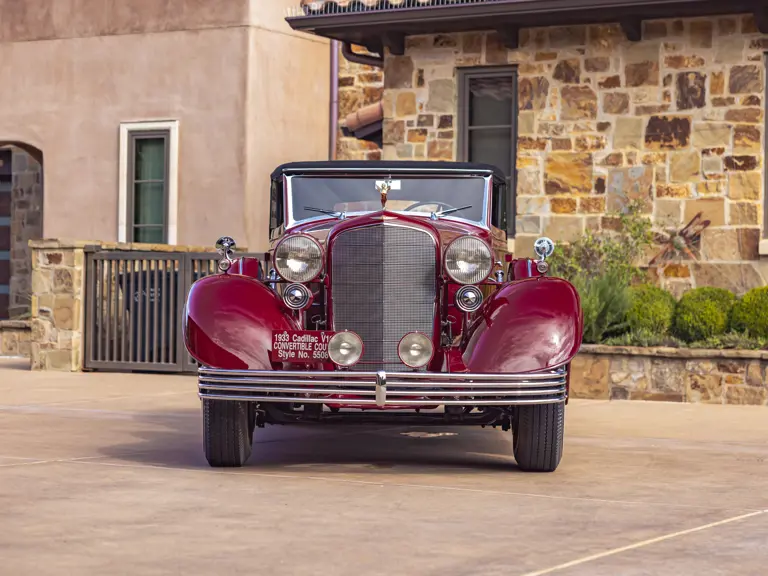
In 2016, this 1933 Cadillac V-16 Convertible Coupe, along with a 1936 Cadillac V-16 Aerodynamic Coupe, were shown at the Amelia Island Concours d’Elegance by Mr. Groendyke. In 2019, at the 41st annual Concours d’Elegance of America at the Inn at St. John’s, Mr. Groendyke was honored as Collector of the Year. There, he proudly displayed six of his Cadillacs, including this 1933 V-16 Convertible Coupe. In 2021 it was shown at the 2021 Pebble Beach Concours d’Elegance, performing flawlessly on the Tour d’Elegance and impressing spectators on the concours show field that Sunday. The following weekend, the Cadillac was shown at the CCCA Summer Grand Classic held in San Marino, California. There it scored a 98.75, achieving an impressive first place in the Premier Division.
A Special Fleetwood Body Order, with a fascinating first ownership, this Cadillac has been shown at the Pebble Beach Concours d’Elegance on two occasions—a true testament to its rarity and high-quality workmanship, preserved across multiple discerning collectors. Believed to be one of just two surviving examples of this body style, with the other spoken for by another respected private caretaker, this likely represents a generational opportunity to acquire a car that would serve as the crown jewel of any world-class collection.
 | Phoenix, Arizona