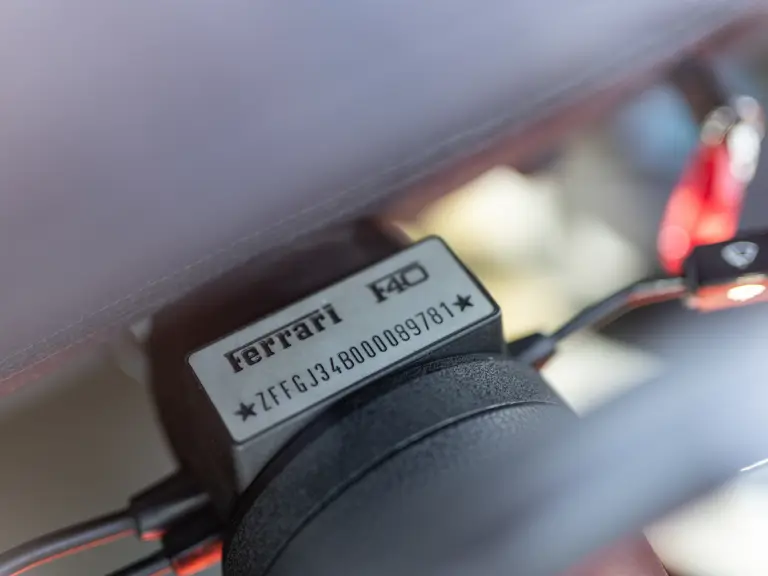
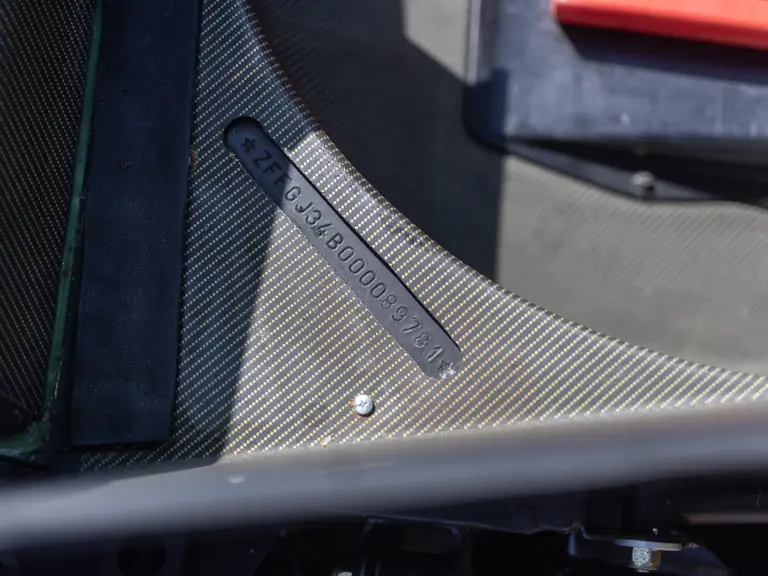
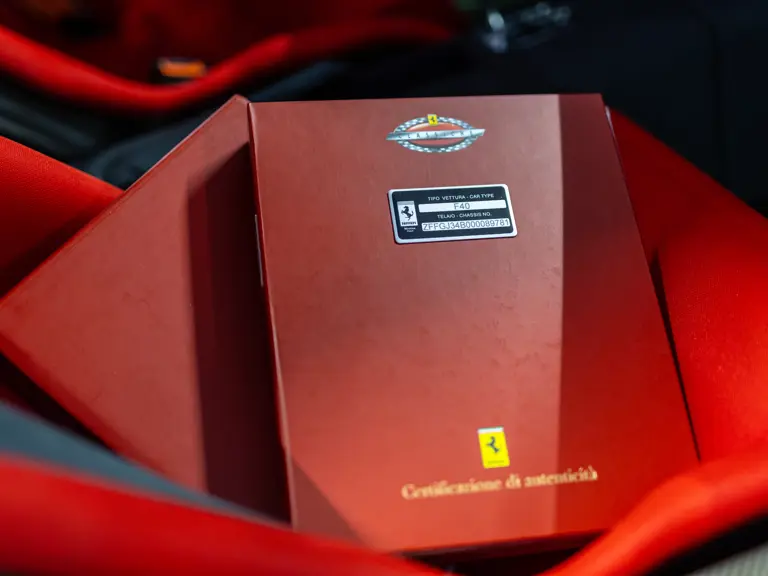
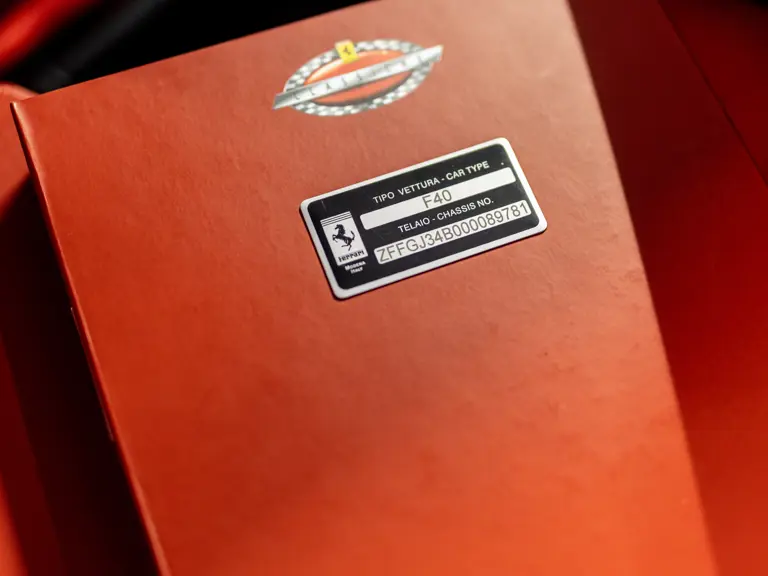
Chassis No.
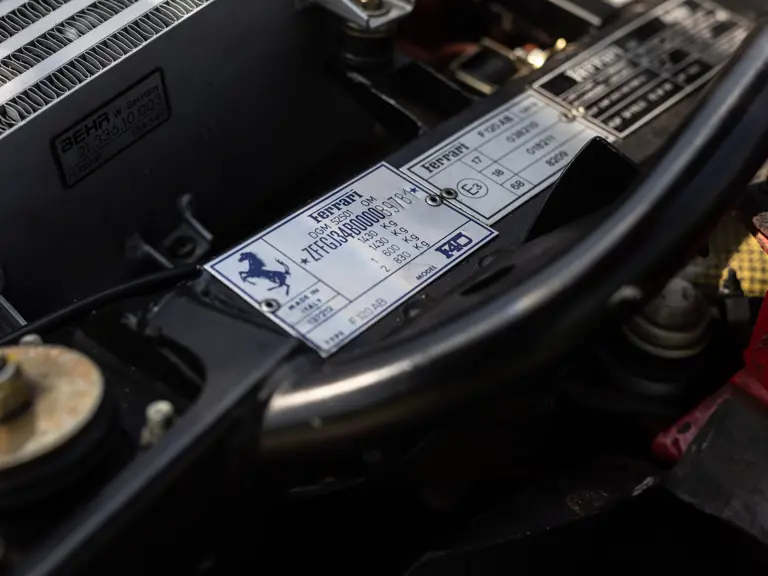
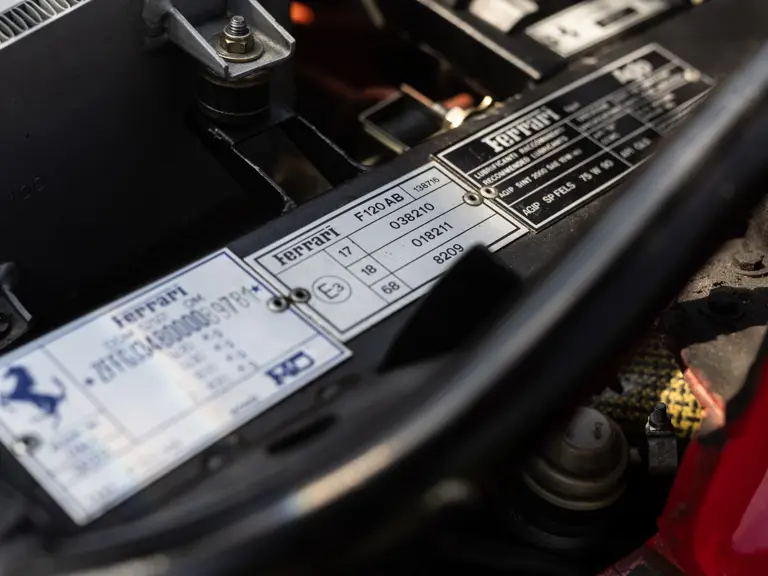
ZFFGJ34B000089781
CHF3,323,750 | Sold
{{bidding.lot.reserveStatusFormatted}}
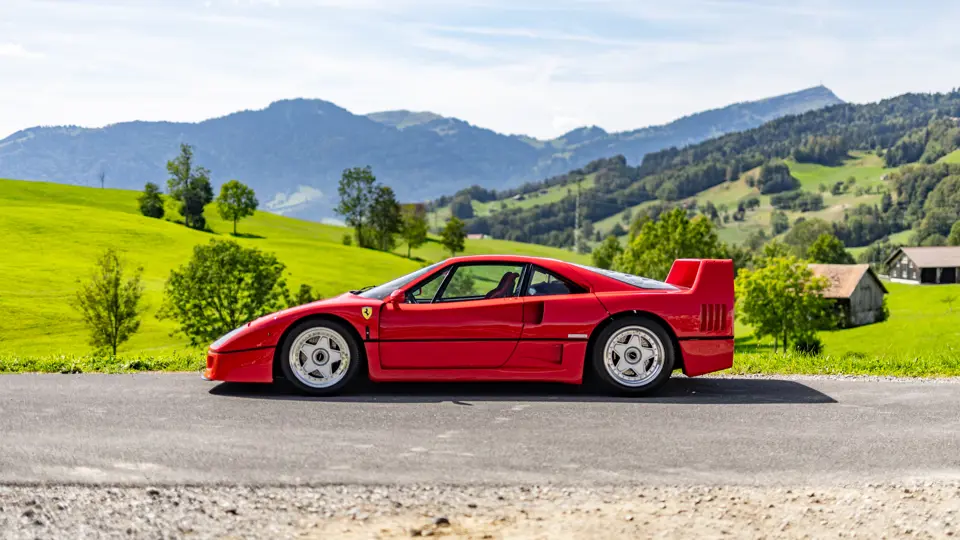
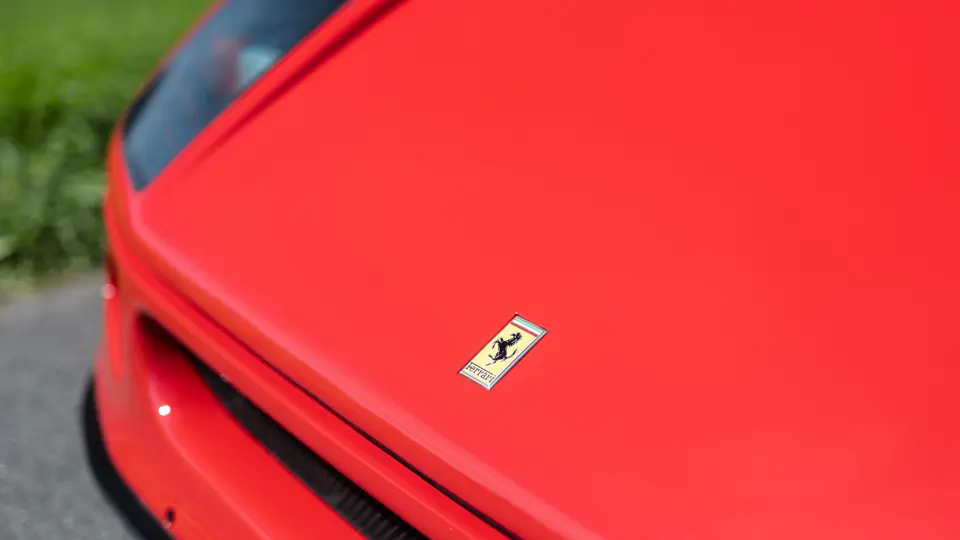
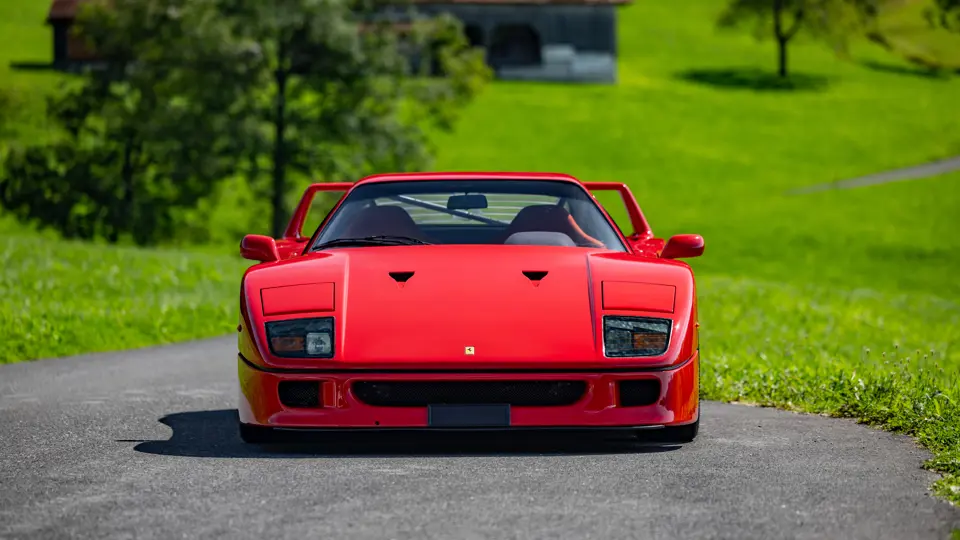
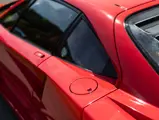
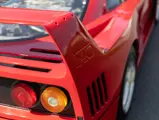
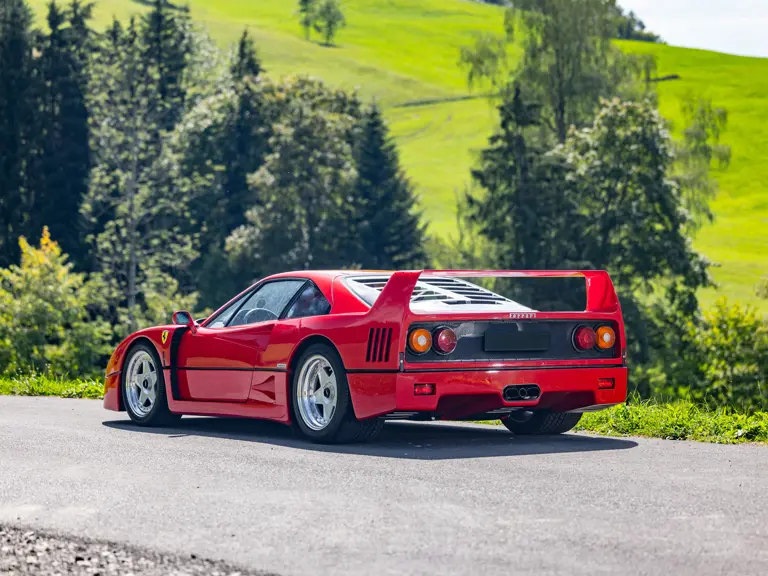
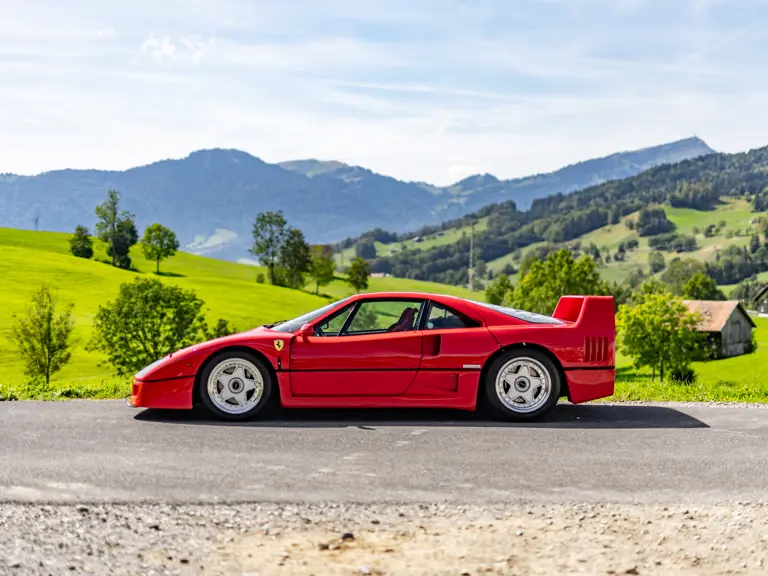
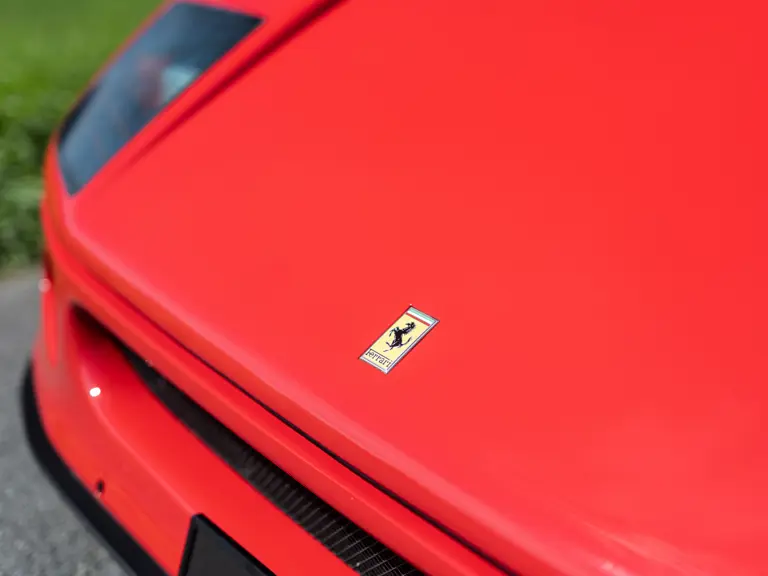
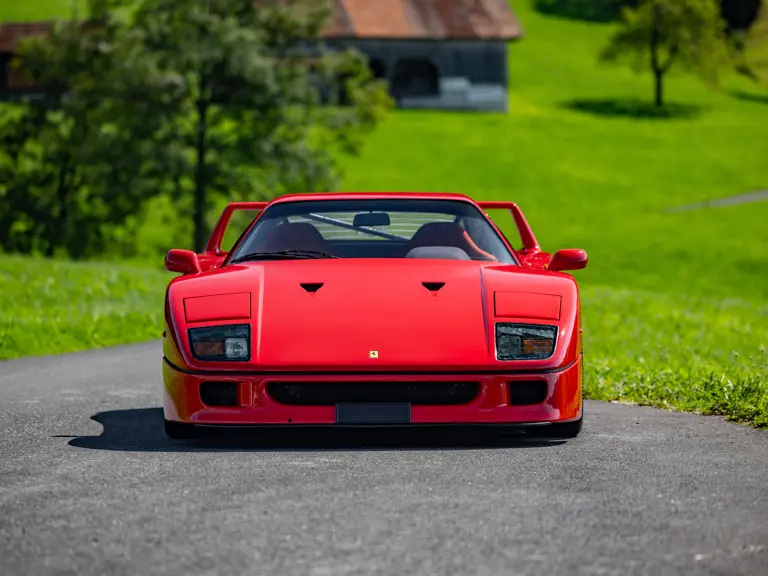
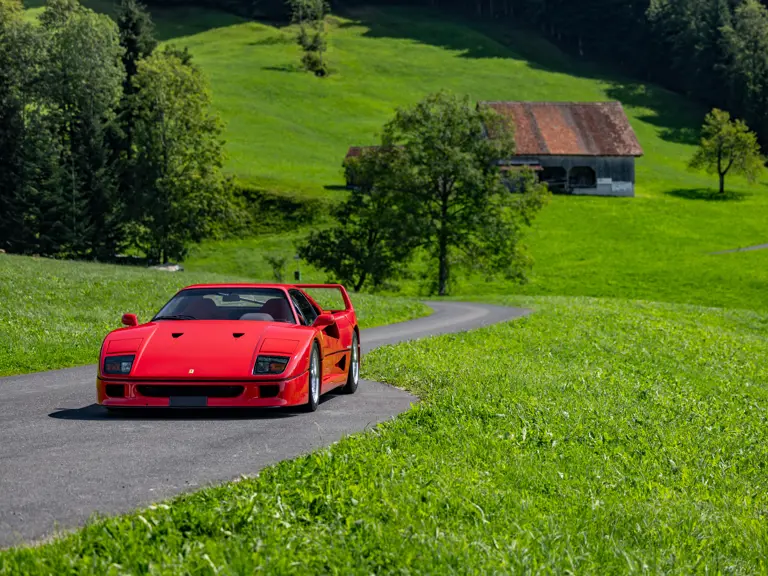
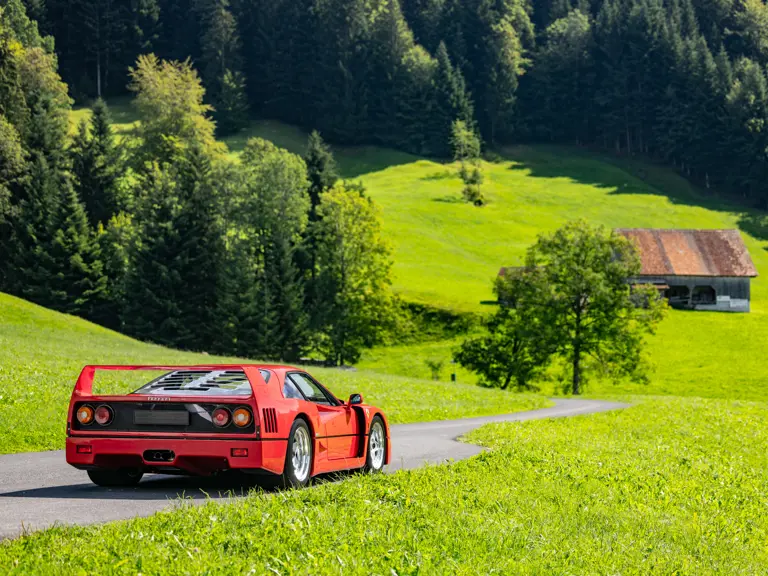
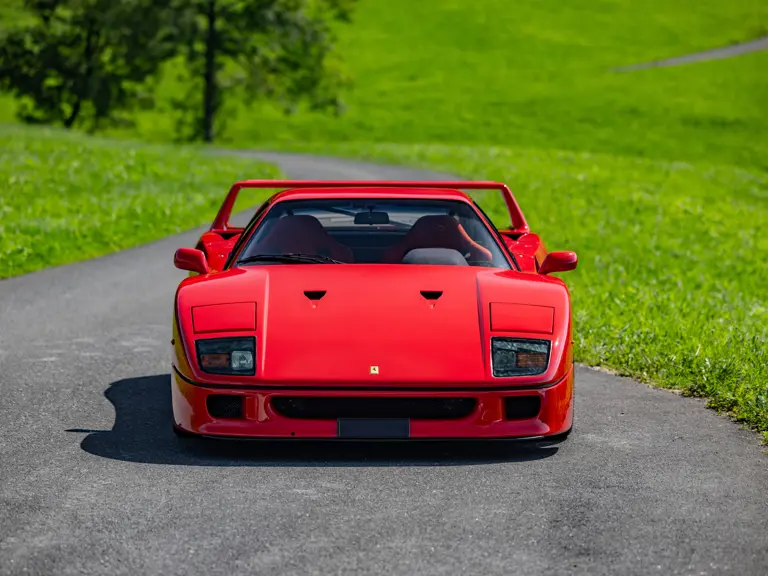
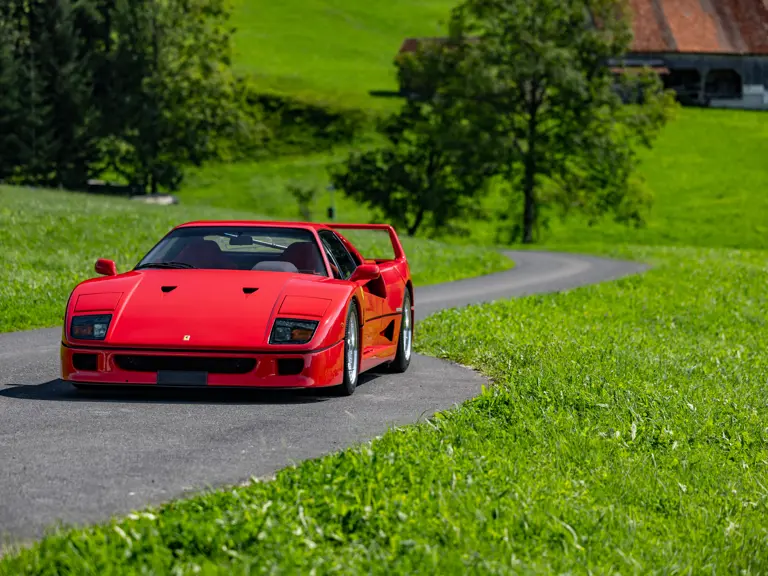
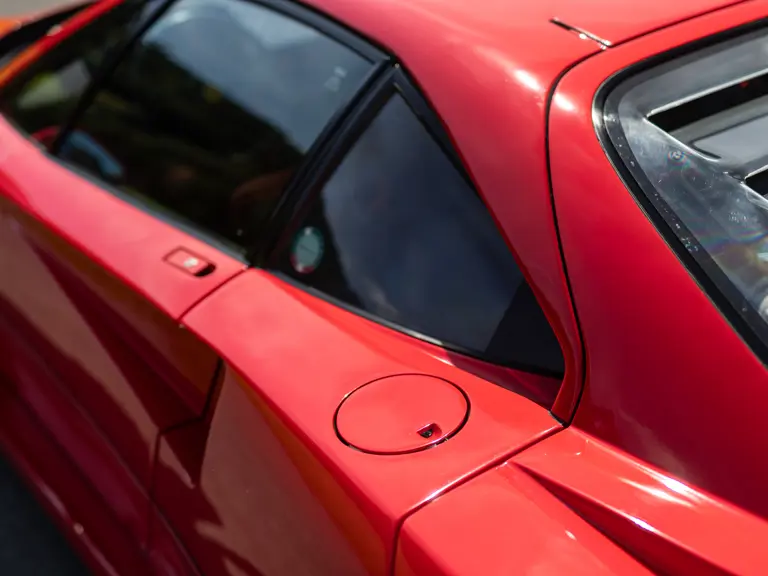
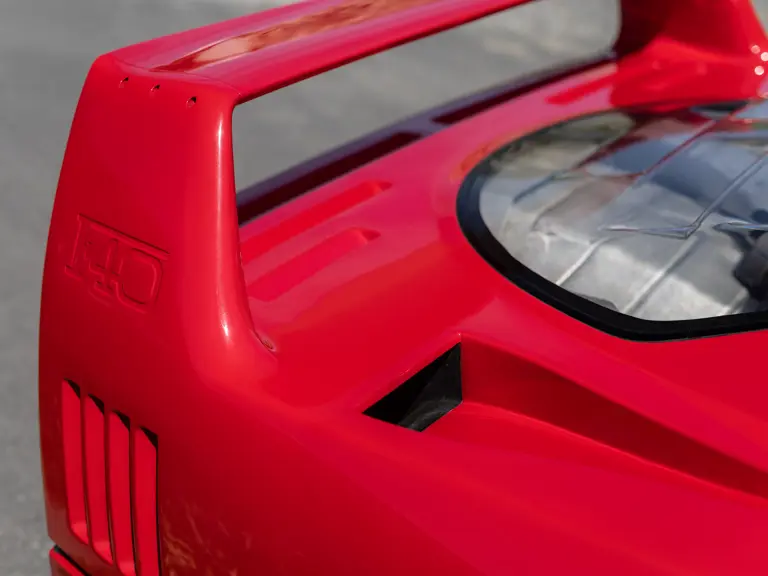
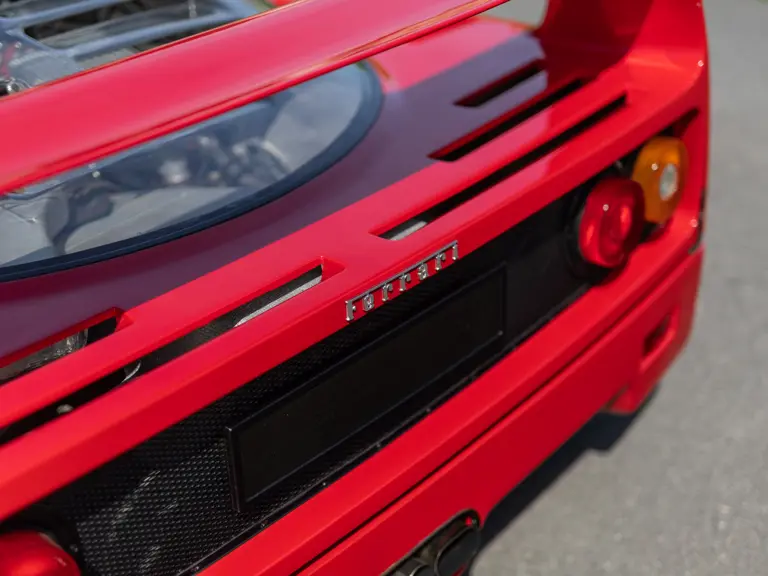
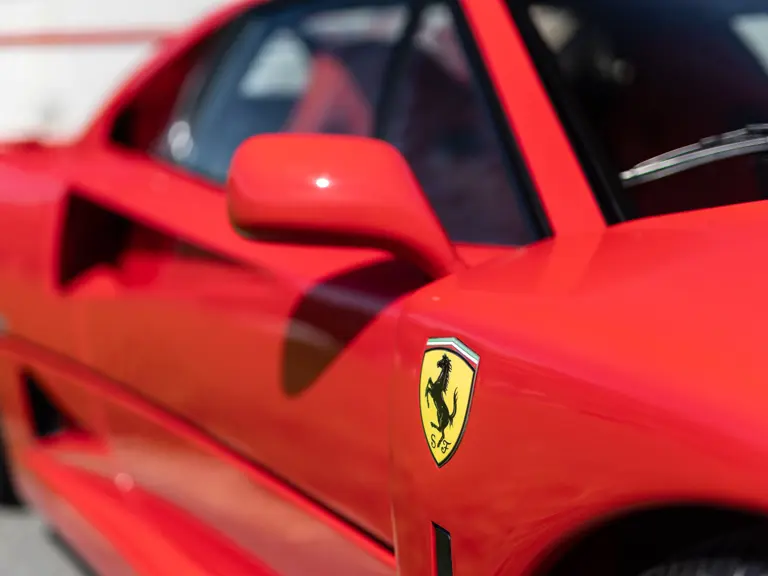
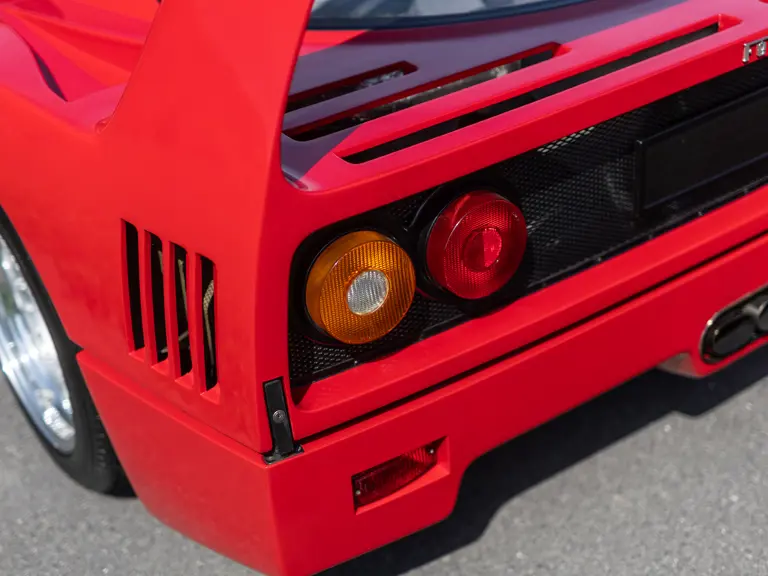
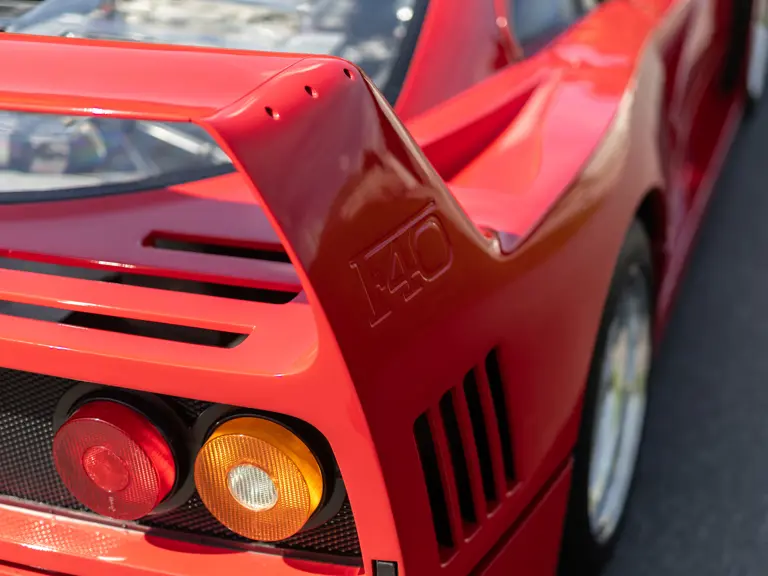
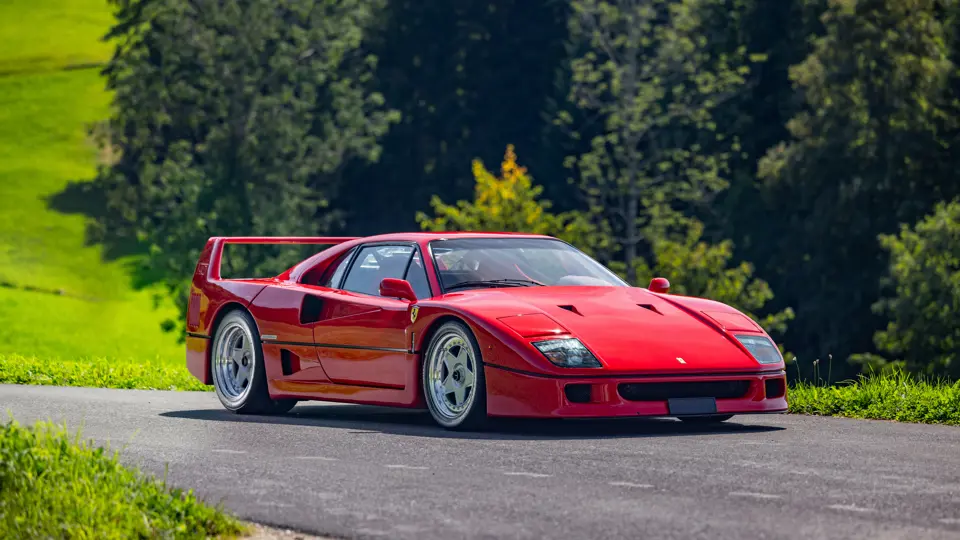
As the progenitor of Ferrari’s flagship line of anniversary-celebrating hypercars, the F40 is undeniably one of the most special Prancing Horses ever produced. Essentially built to racing specifications with a twin-turbocharged V-8, aerodynamically perfected carbon fibre and Kevlar coachwork, and the barest modicum of cockpit trim, the F40 oozed Maranello’s racing DNA. It was not merely coincidental that this was the last model developed under Enzo Ferrari’s watchful eye, as the F40 exemplified the spirit of Scuderia Ferrari’s finest competition machines.
The model was originally conceived to be an FIA Group B competitor, developed from the superlative 288 GTO, to take on the likes of the Porsche 959. Enthusiasts can be grateful that the F40’s development continued regardless of the racing class’s cancellation. Rather than scrap the programme entirely, Ferrari opted to use the five initial 288 GTO Evoluzione development cars as the basis of a new 40th anniversary model.
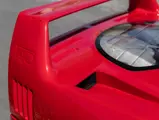
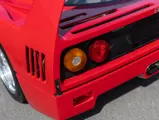
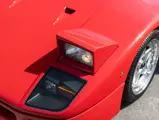
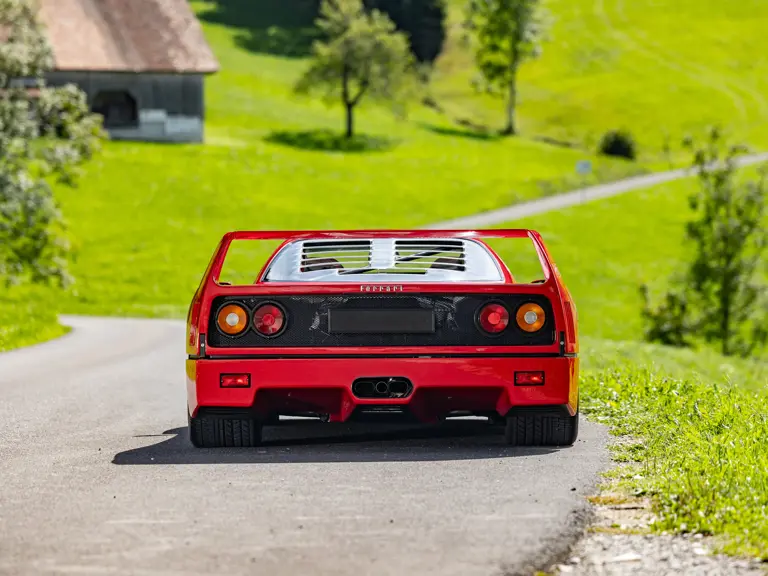
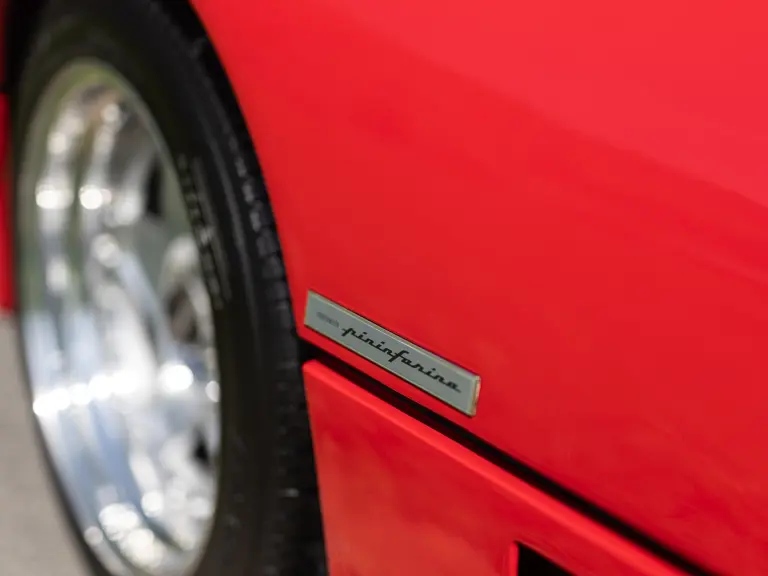
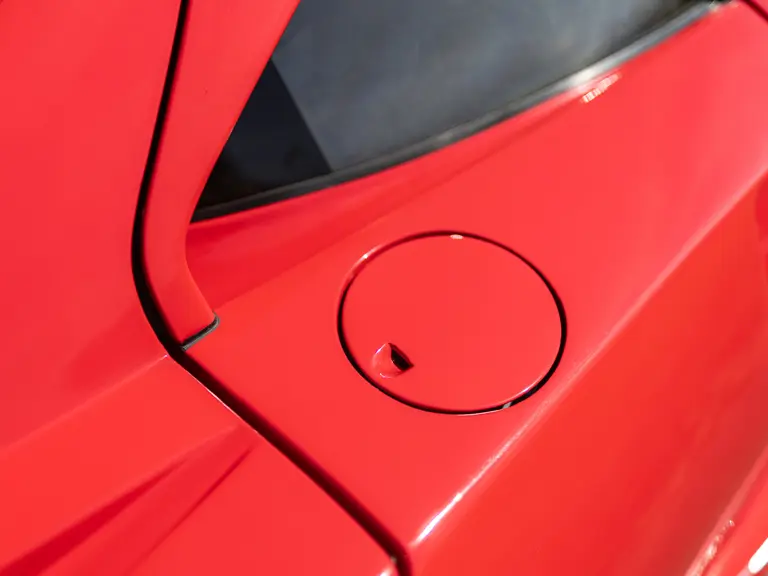
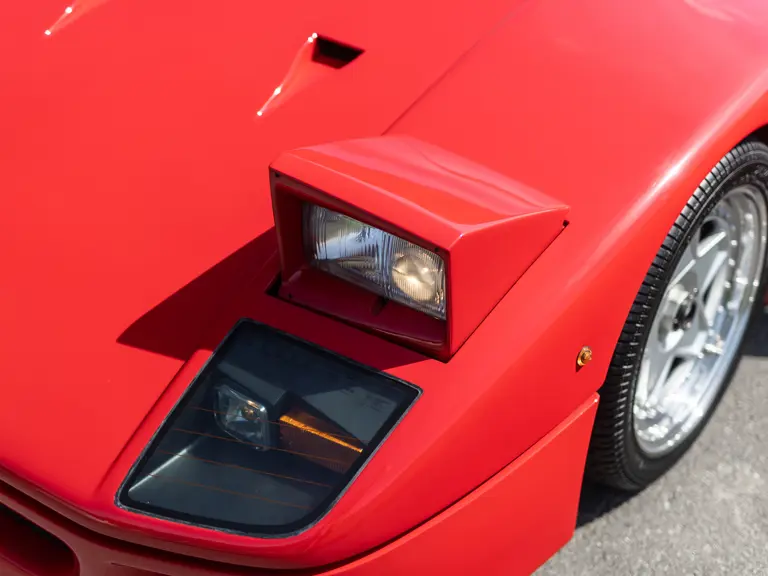
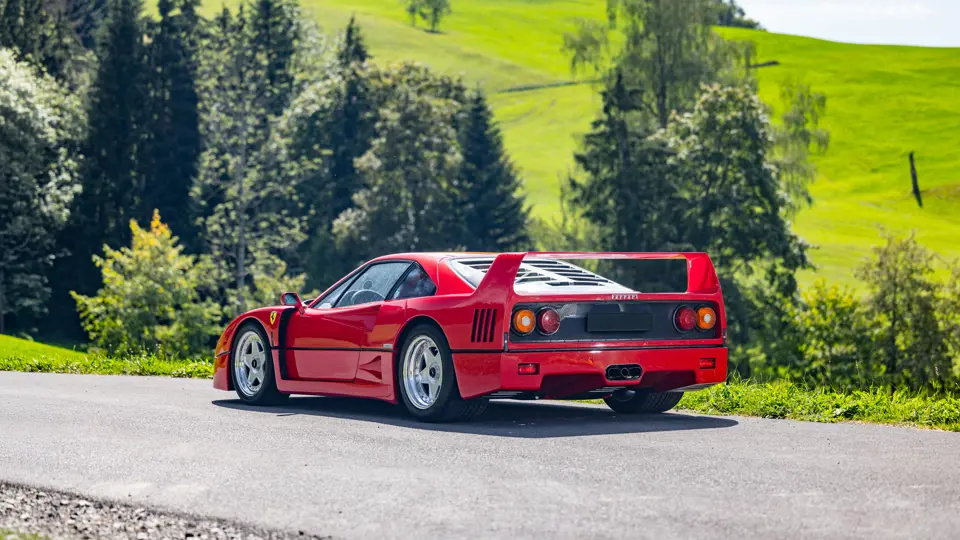
As it was designed for competition, the F40 featured a race-developed steel tube-frame chassis with four-wheel double-wishbone independent suspension, coil-over Koni shock absorbers, and four-calliper ventilated disc brakes. Pietro Camardella’s coachwork design, executed under the direction of Leonardo Fioravanti and aerodynamically perfected in Pininfarina’s wind tunnel, was built with panelling woven of Kevlar and carbon fibre. This reduced the kerb weight by approximately 20 per cent, while simultaneously tripling the car’s structural rigidity.
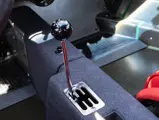
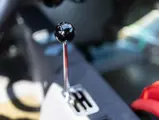
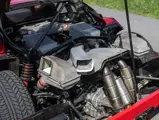
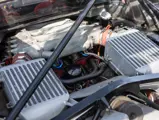
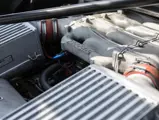
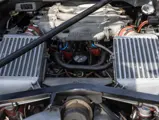
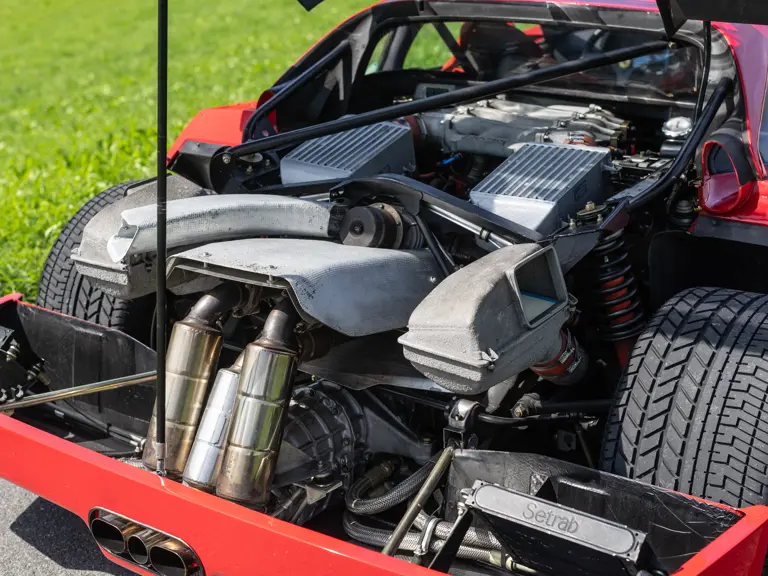
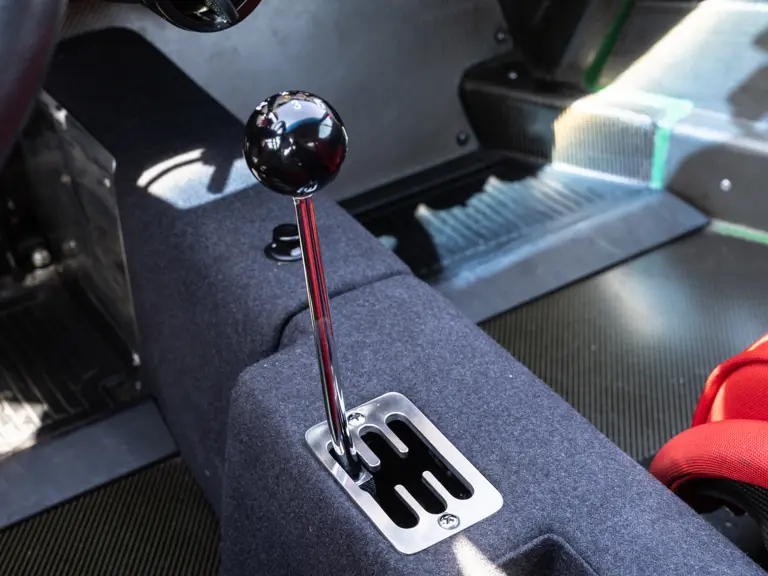
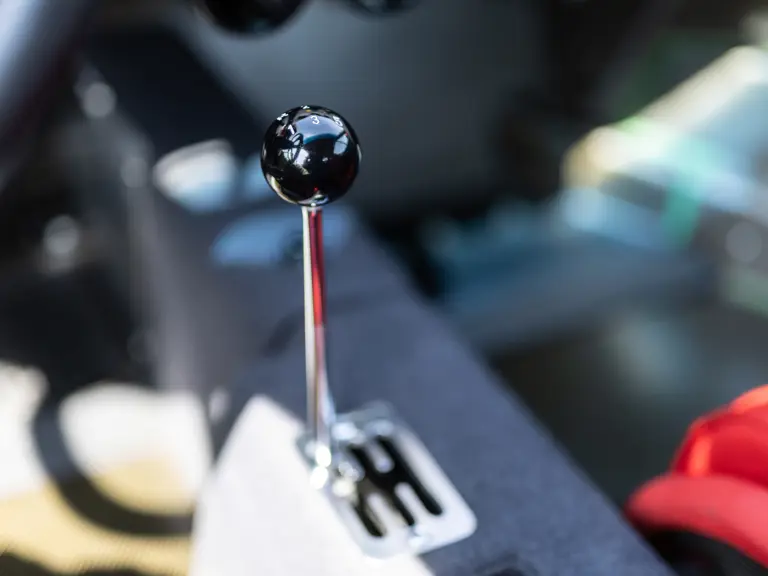
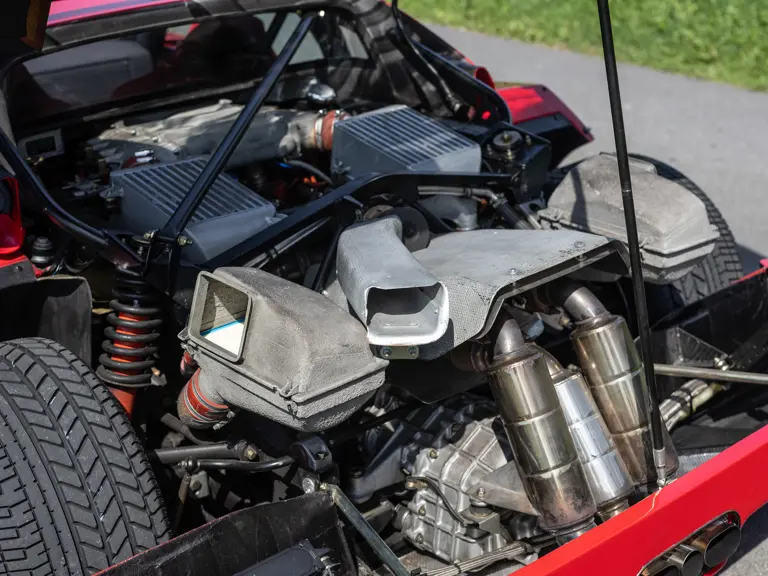
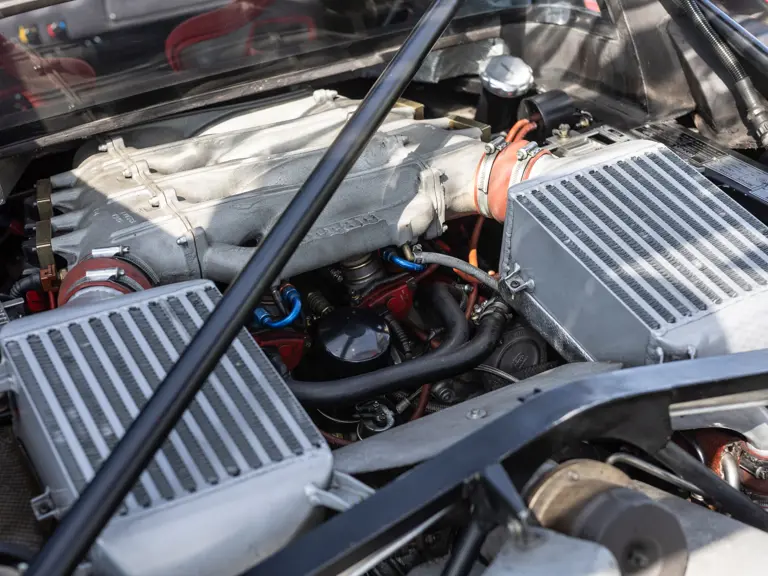
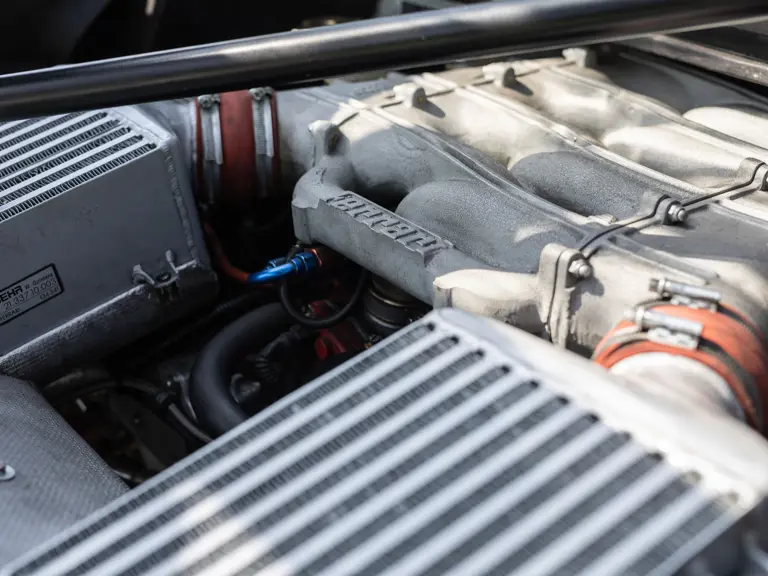
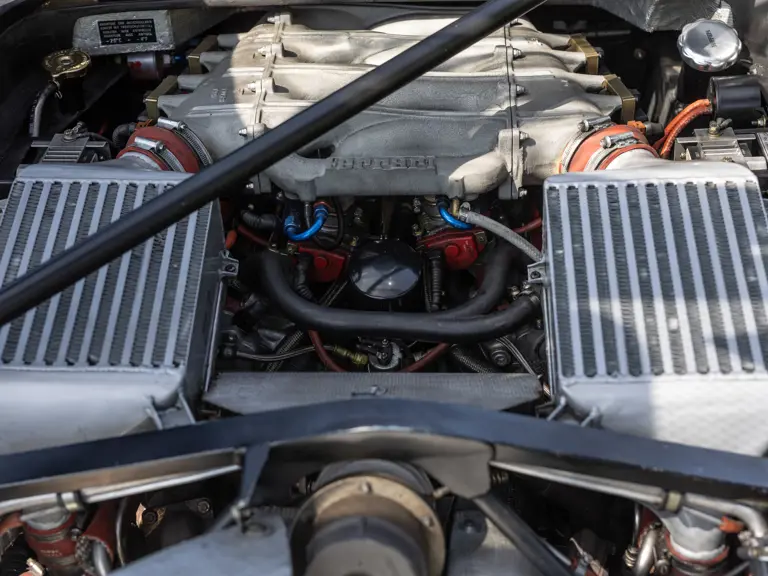
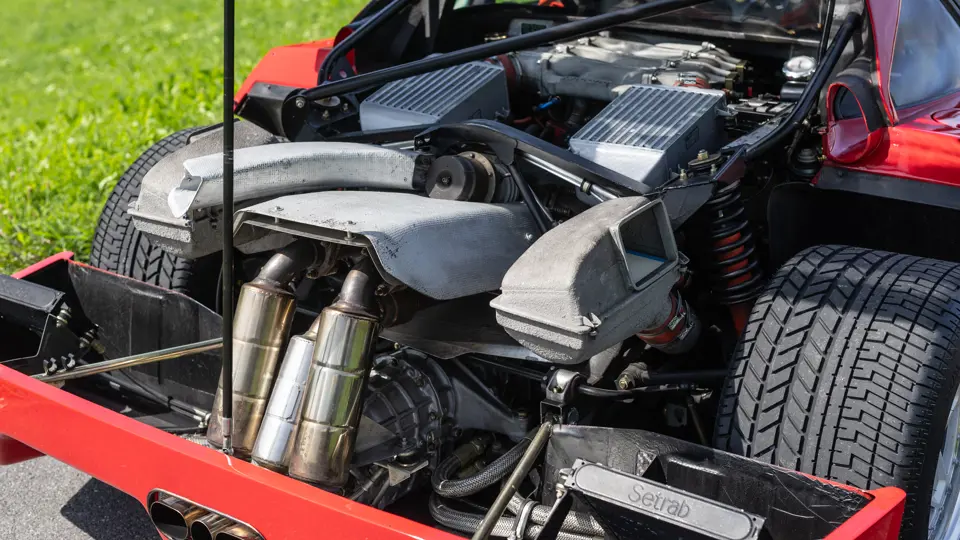
The 288’s twin-turbocharged V-8 was bored to displace 2.9 litres and equipped with IHI turbochargers and Behr intercoolers. It was then mated to a five-speed transaxle actuated by a gated shifter. The resulting performance was nothing short of astonishing. The type F120 040 engine developed 471 brake horsepower and 425 pounds-feet of torque to launch the F40 to 100 km/h from a standstill in just 4.1 seconds and achieving a top speed of 324 km/h (thereby exceeding the 959 and Lamborghini Countach).
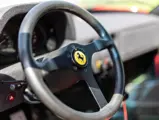
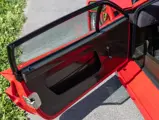
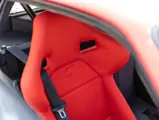
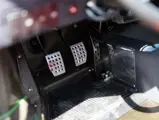
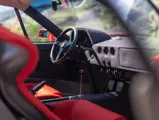
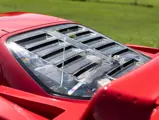
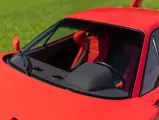
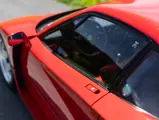
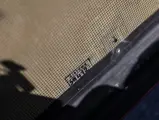
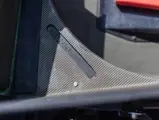
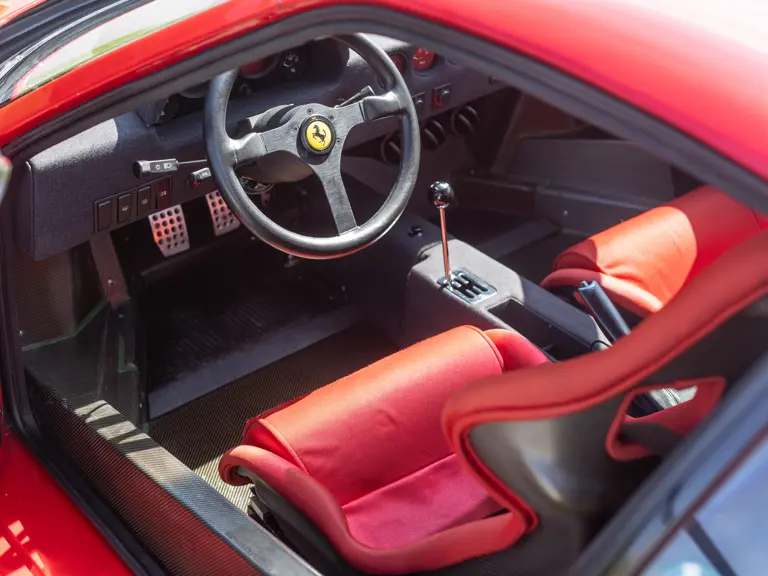
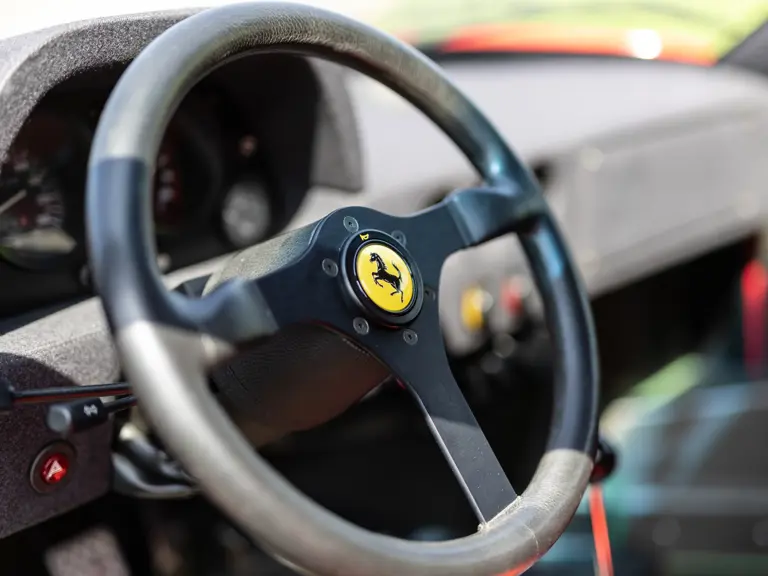
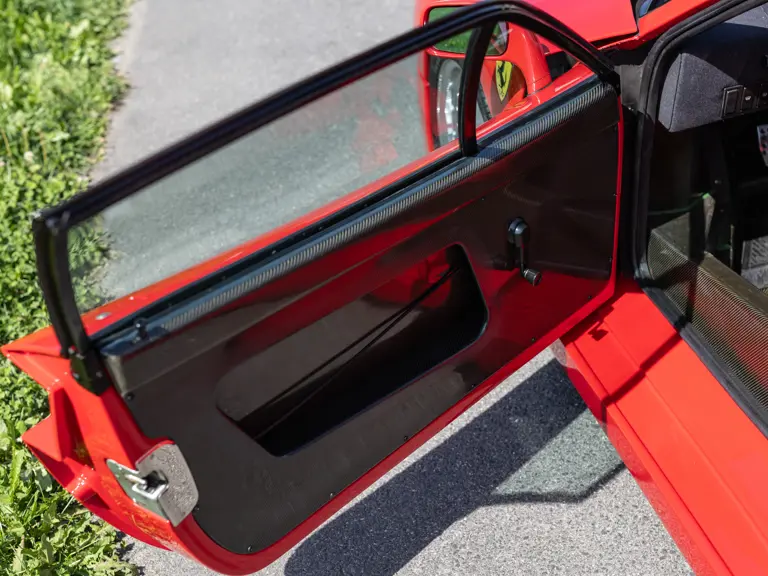
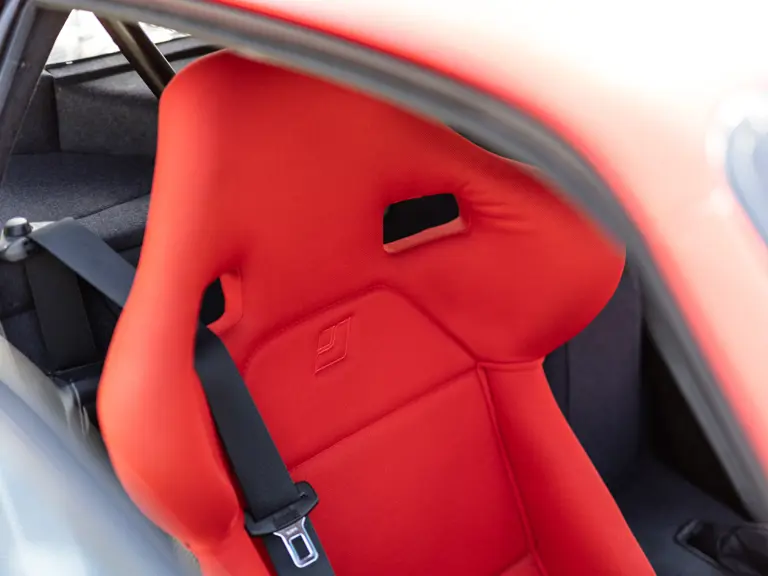
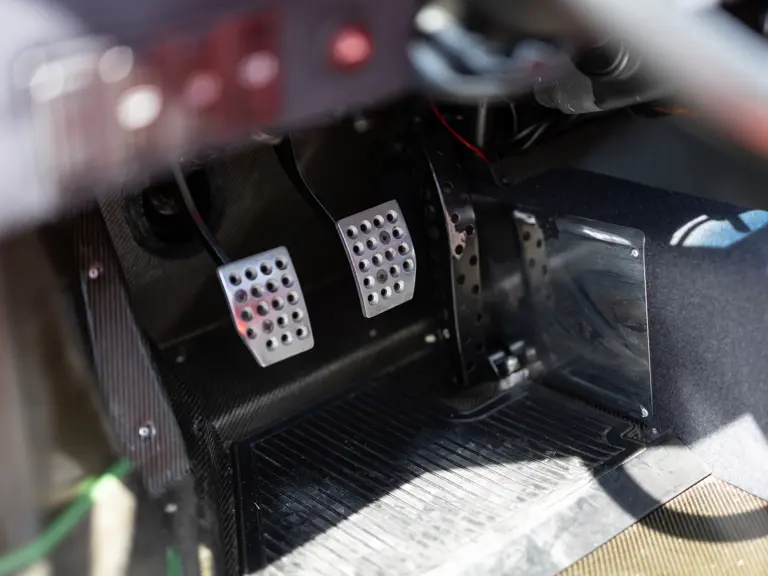
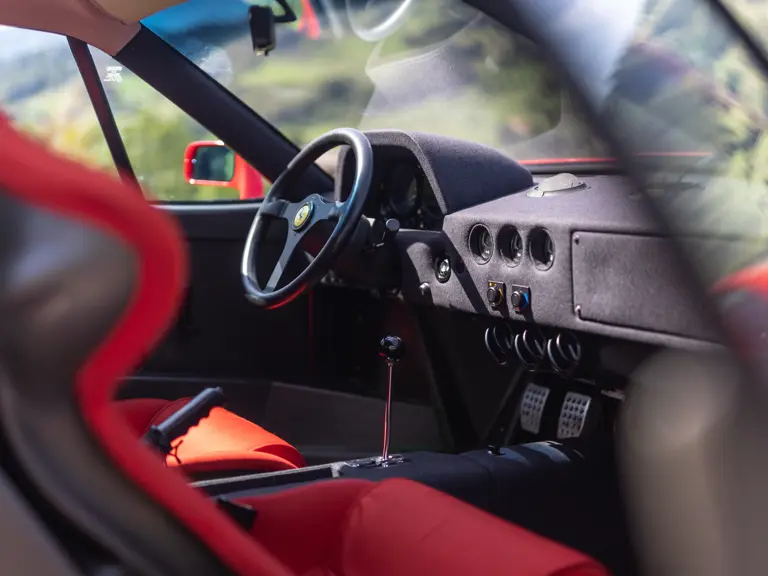
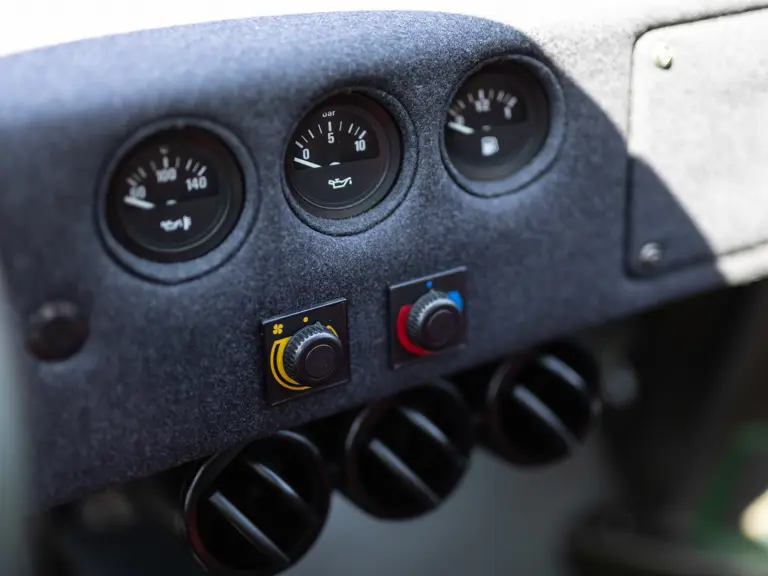
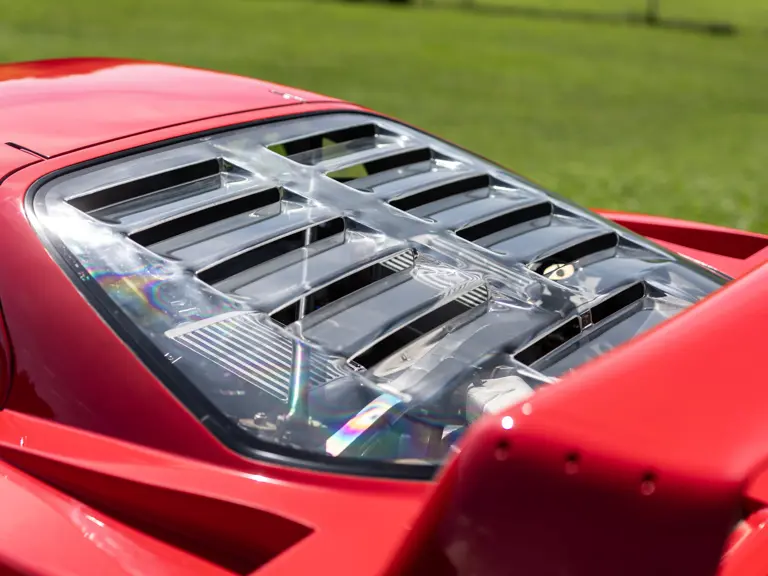
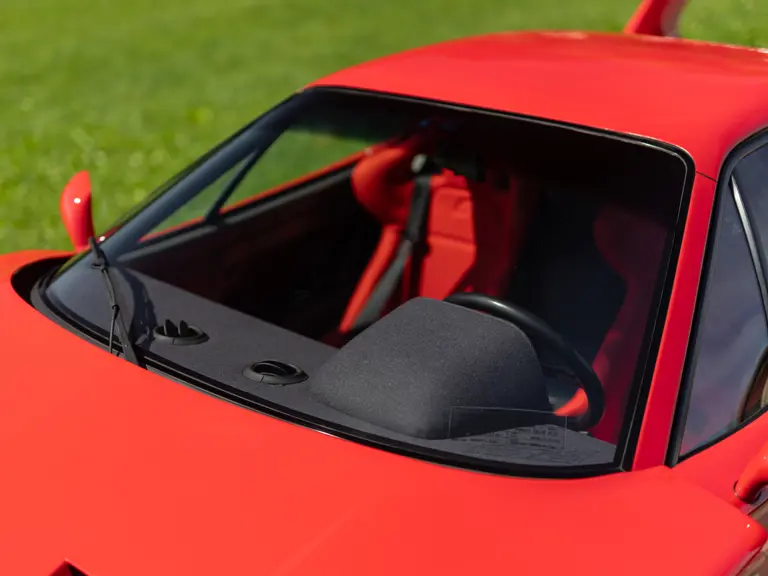
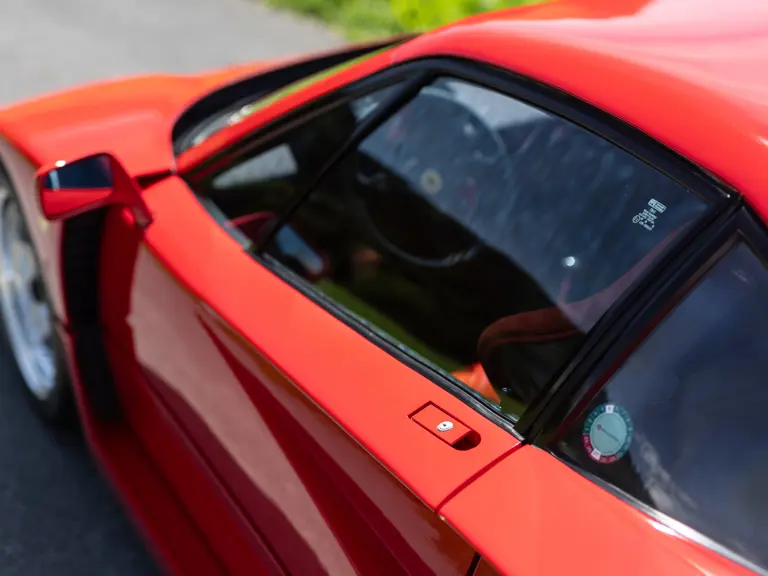
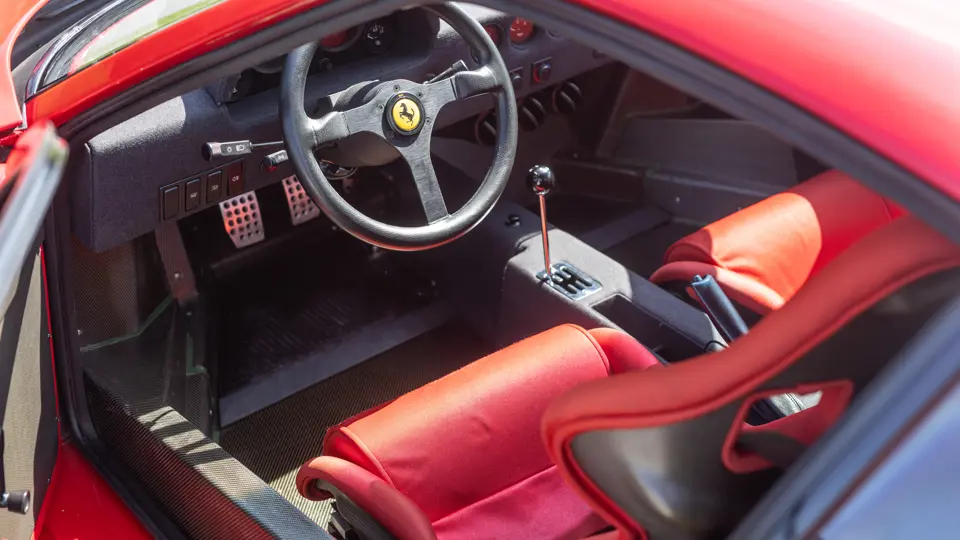
Unlike the more luxurious treatments that have become fashionable today, the F40’s interior aptly reflected its basis in race car development, with a no-frills spartan design philosophy. Accordingly, weight was thoroughly minimised with the use of components such as cloth upholstery on plastic-composite racing seats, pull-strap door releases, drilled pedals, and Perspex windows.
The highly desirable “cat, non-adjust” model offered here was delivered new to Switzerland in July 1991. The eventual introduction of the catalytic converter allowed the F40 to comply with modern emissions regulations, notably in Switzerland, while the later introduction of adjustable suspension came at the cost of heavier, more complex componentry. This F40 was imported by Ferrari Suisse Nyon and handed over to its first owner, a resident of Emmetten, in the canton of Nidwalden, by the dealer Walter Hasler AG. The vehicle handover is documented to have taken place on 23 July 1991.
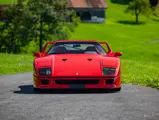
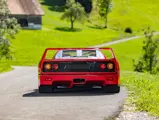
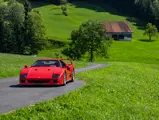
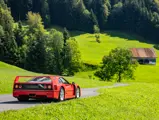
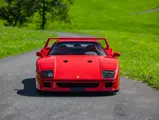
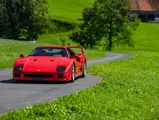
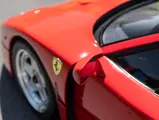
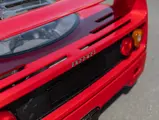
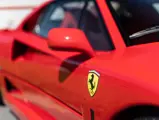
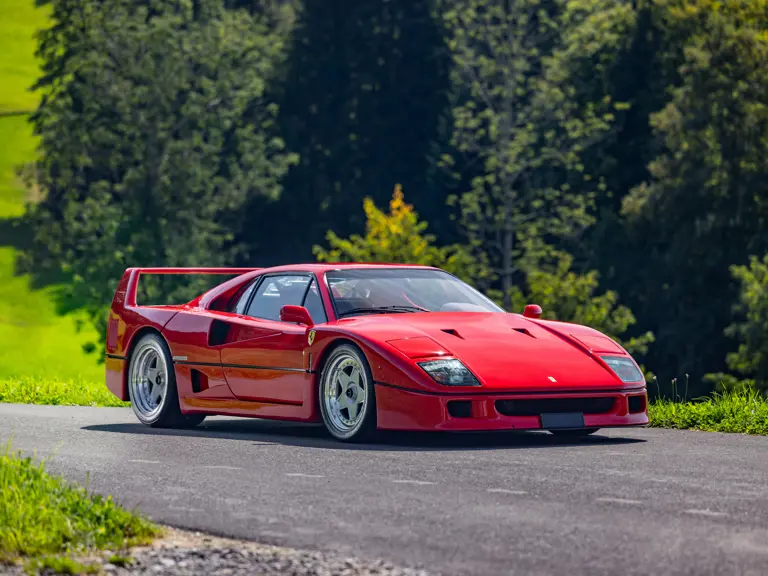
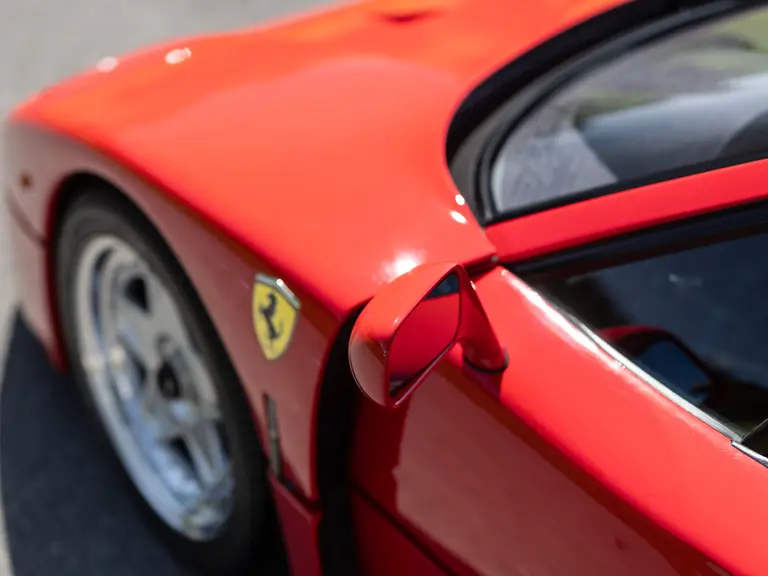
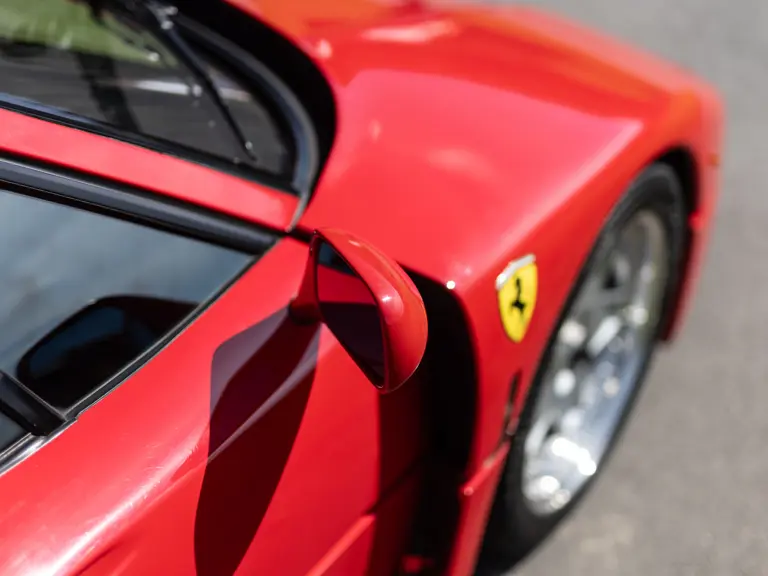
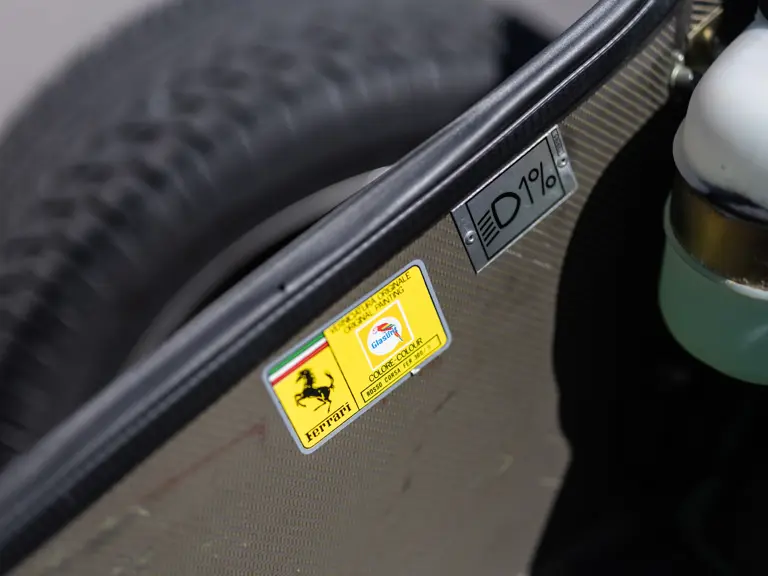
As with every other F40 to leave the gates of the Maranello factory, this car was finished in Rosso Corsa, while the seats were specified in Stoffa Vigogna—also a standard option—taking the form of red wool fabric. The accompanying service book notes maintenance by Swiss garages throughout the car’s early years. Between May and June 1997, the F40 was seen participating in Ferrari’s 50th anniversary celebrations taking place between Rome and Modena, observed there wearing Swiss registration plates. Some 20 years later, the car was seen at the Ferrari 70th Anniversary Concourse d’Elegance held at the marque’s private Fiorano circuit in Maranello, here wearing different Swiss number plates.
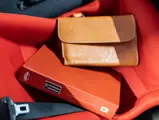
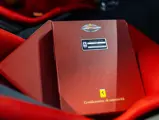
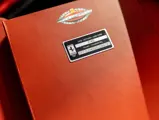
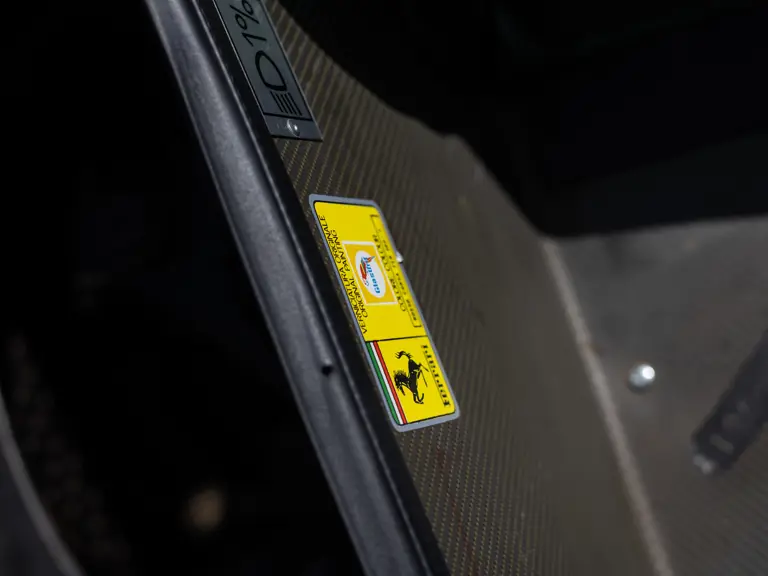
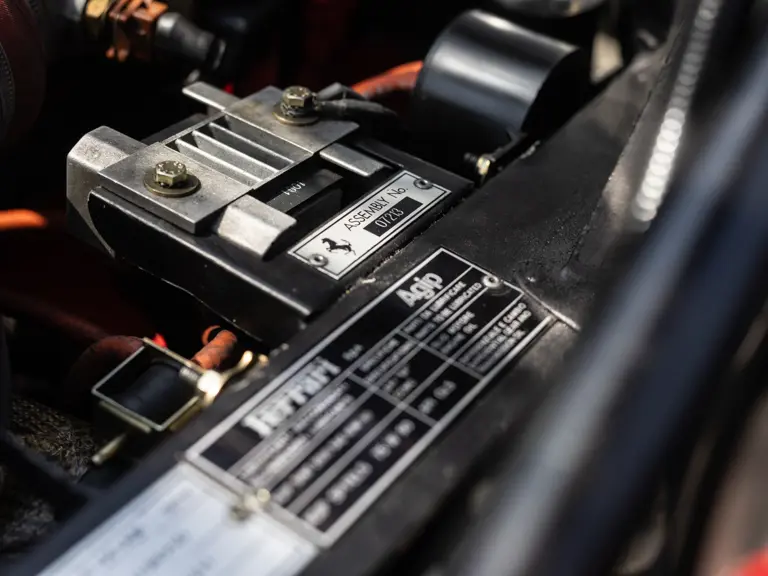
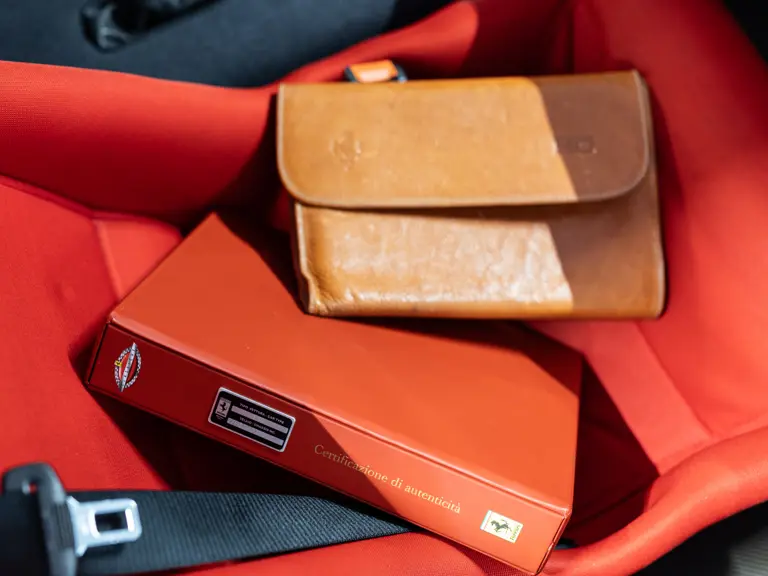
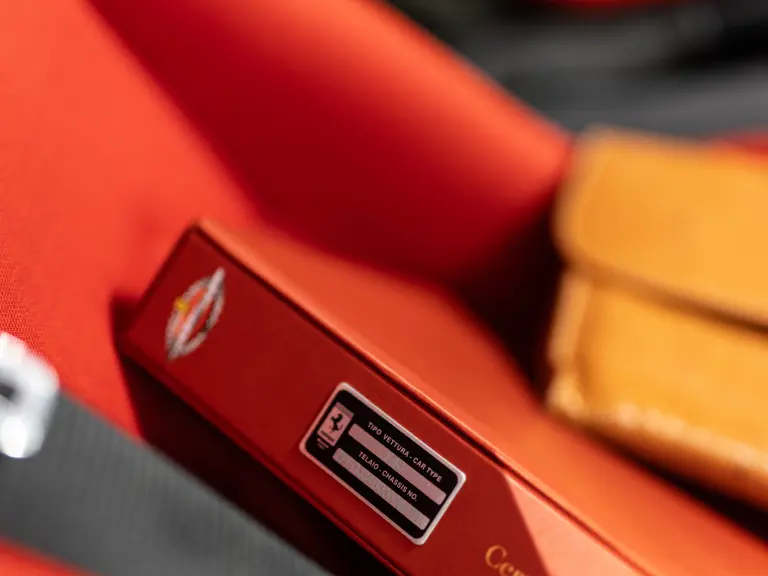
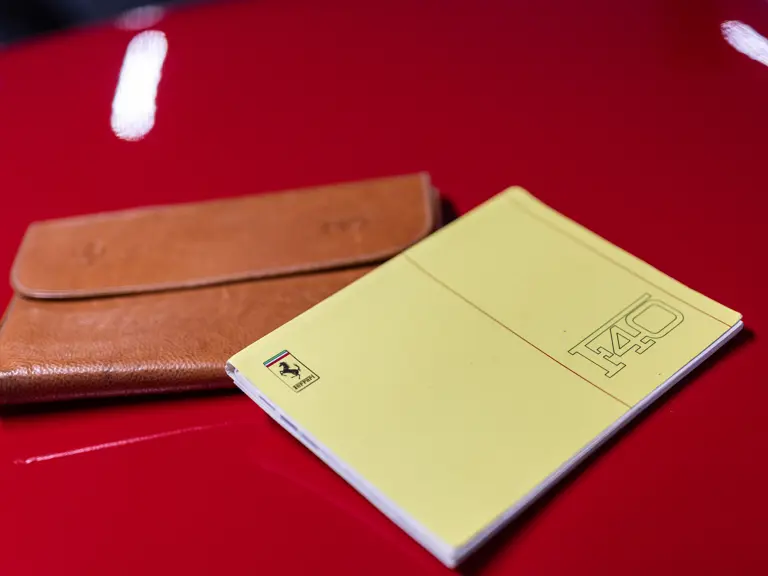
In October 2018, the F40 was certified by Ferrari Classiche, at which point the important “Red Book” was issued. This certification underpins the car’s originality and significantly marks the chassis, engine, and gearbox as matching-numbers components.
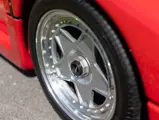
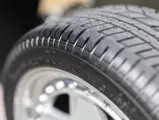
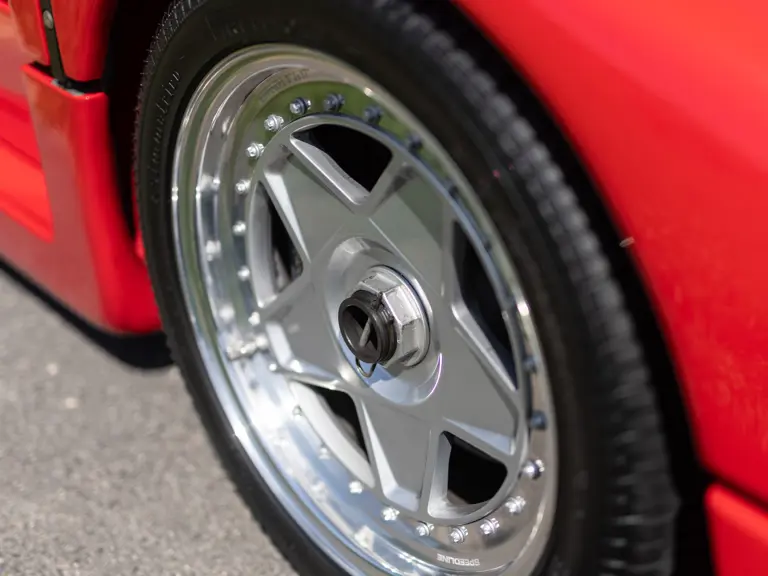
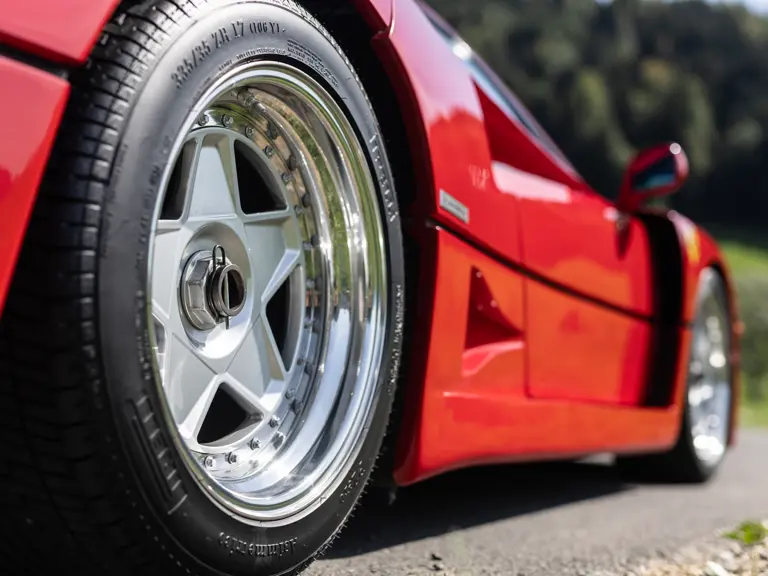
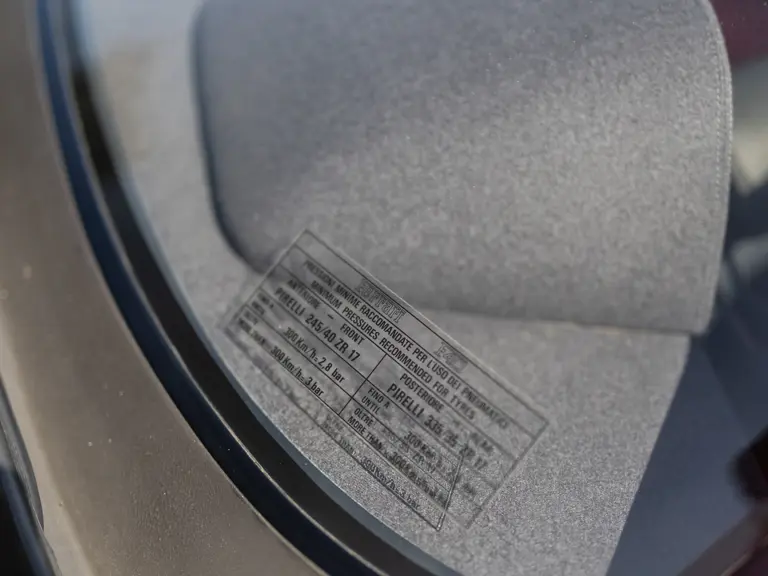
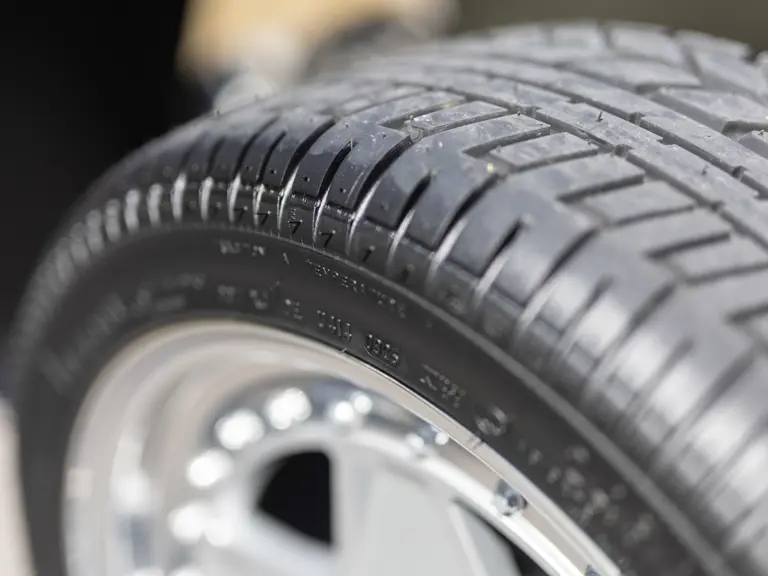
The F40 has since become part of a prominent Swiss private collection of supercars, where it has been enjoyed with light use and the necessary provisions for maintenance. In the care of the consigning owner, the F40 has been maintained by Ferrari main dealer Niki Hasler AG, with invoices on file to support the work. The workshop handled the Ferrari in 2023, 2024 (at which point the 40,000-kilometre service was performed), and twice in 2025 (with one of those visits marked by the fitment of four new tyres).
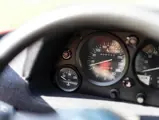
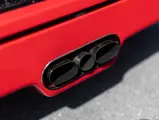
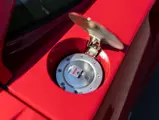
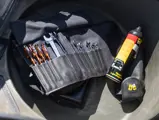
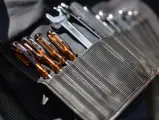
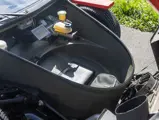
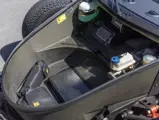
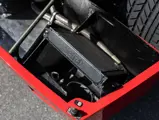
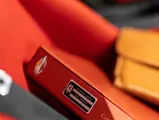
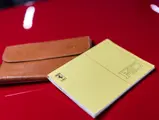
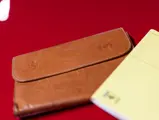
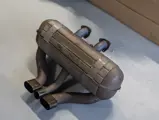
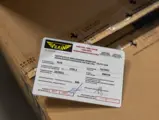
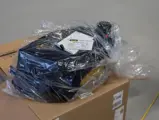
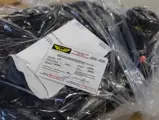
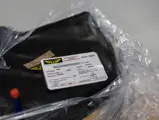
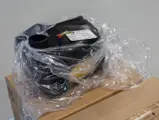
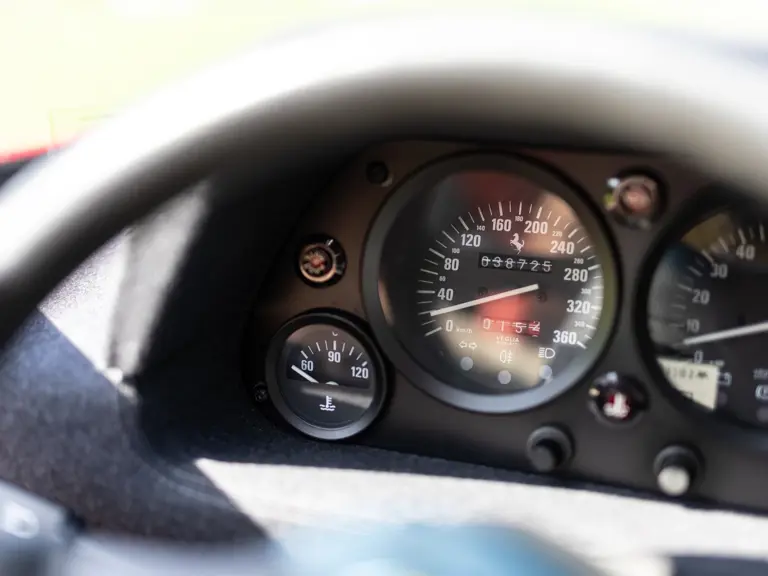
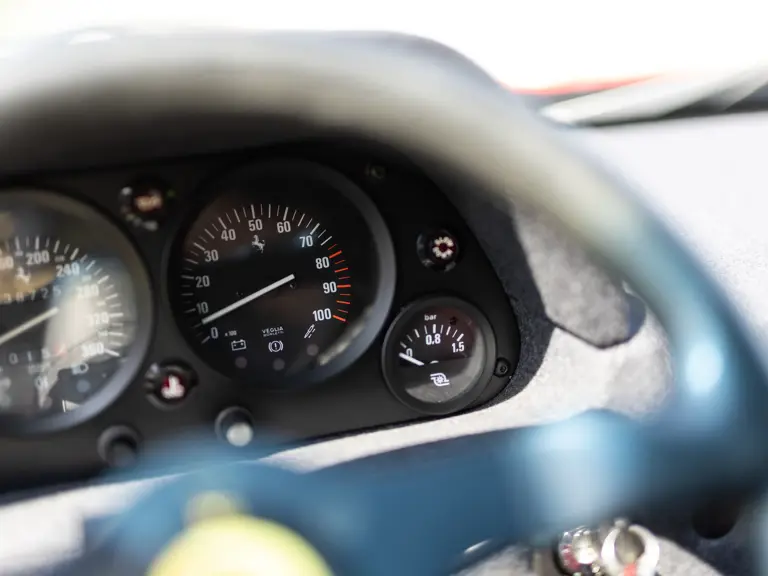
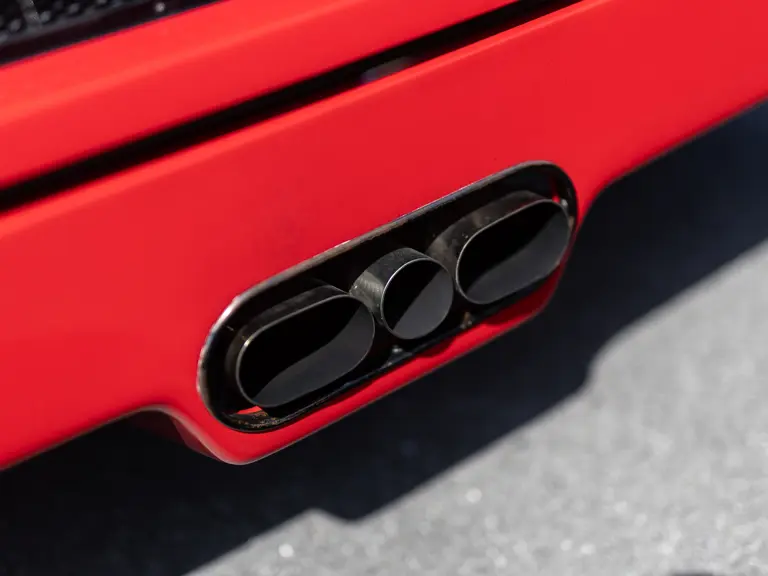
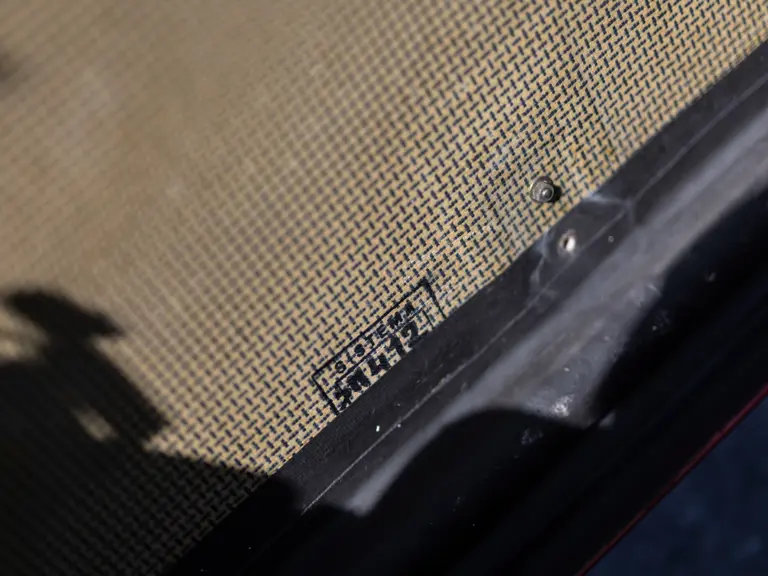
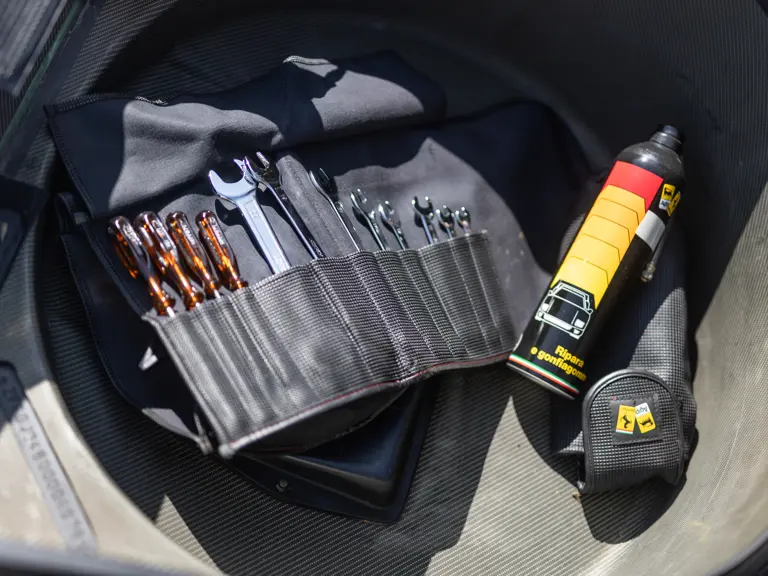
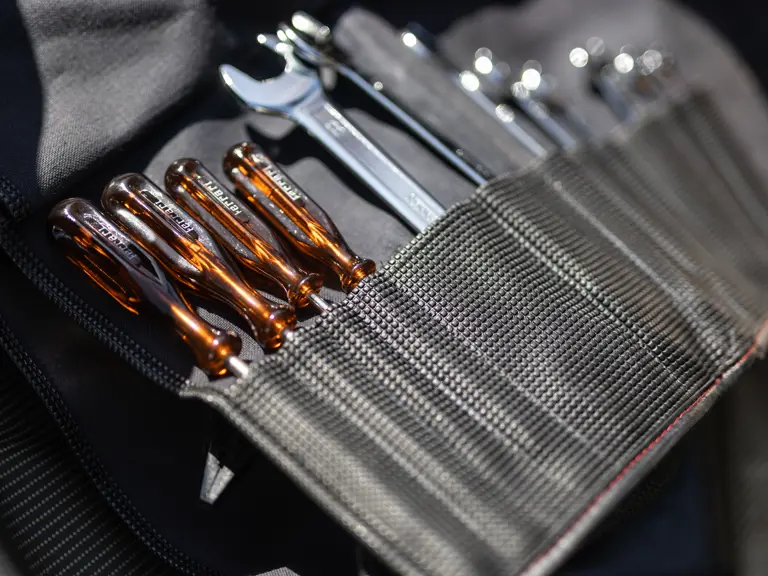
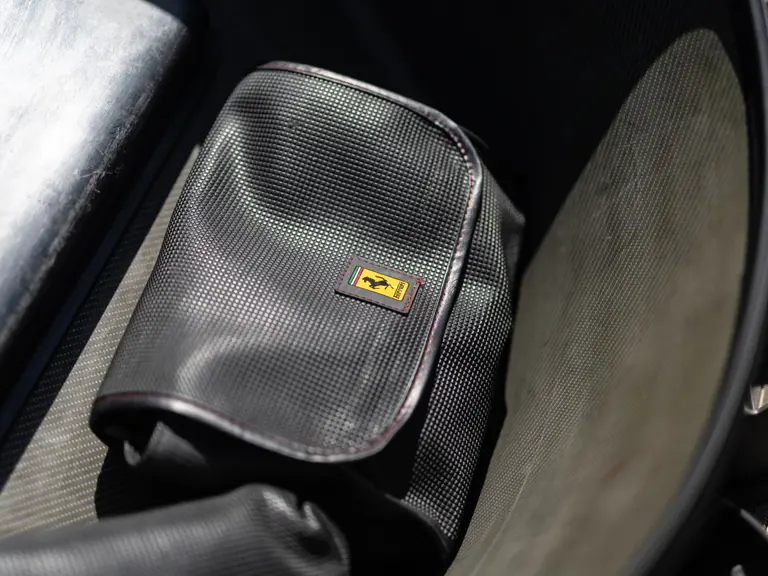
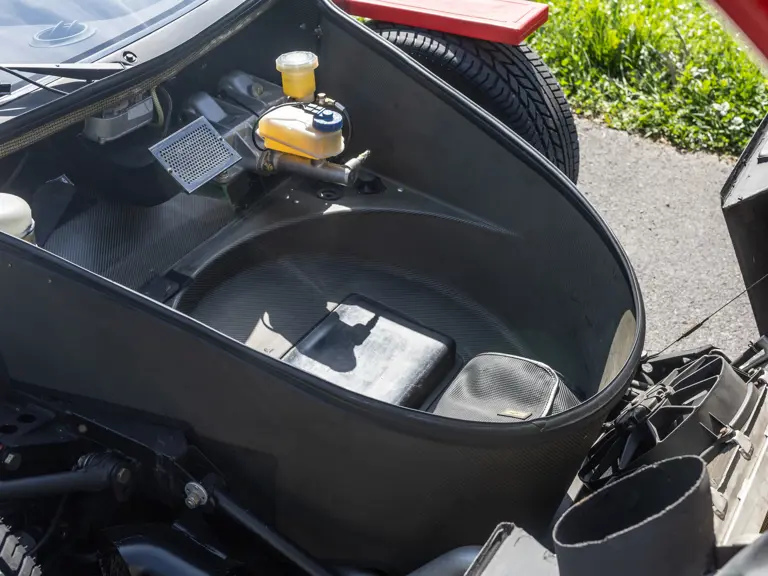
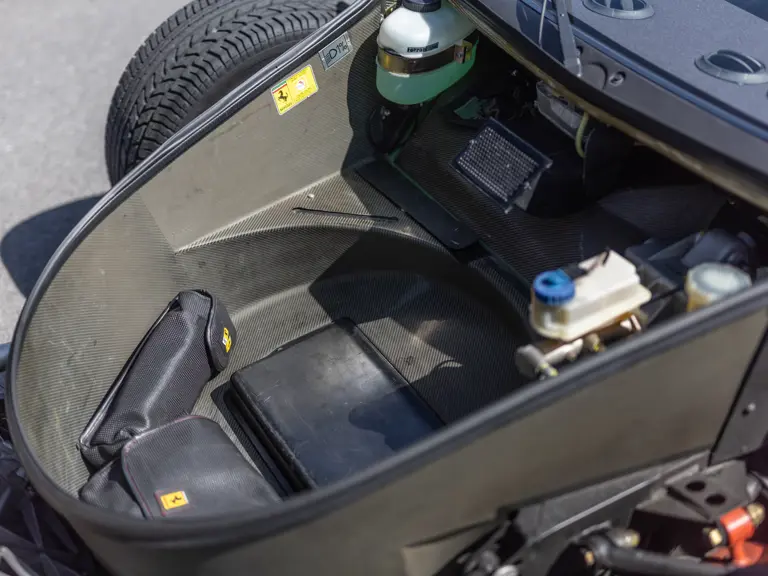
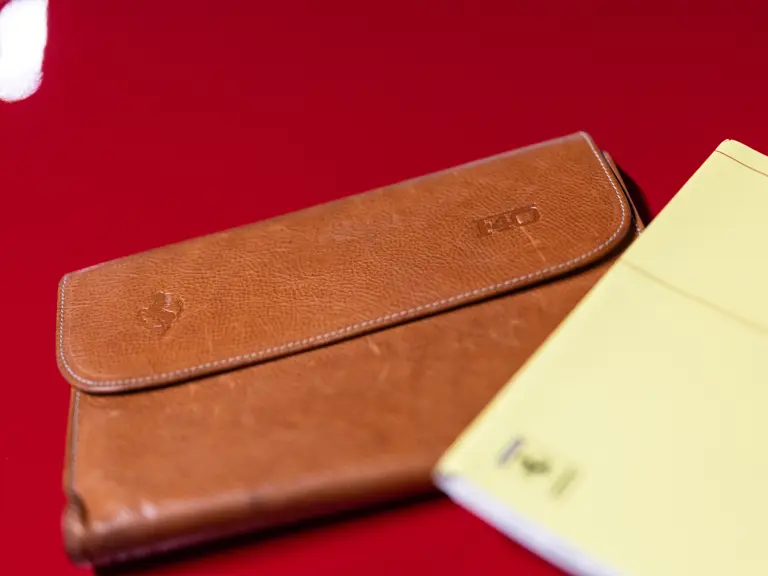
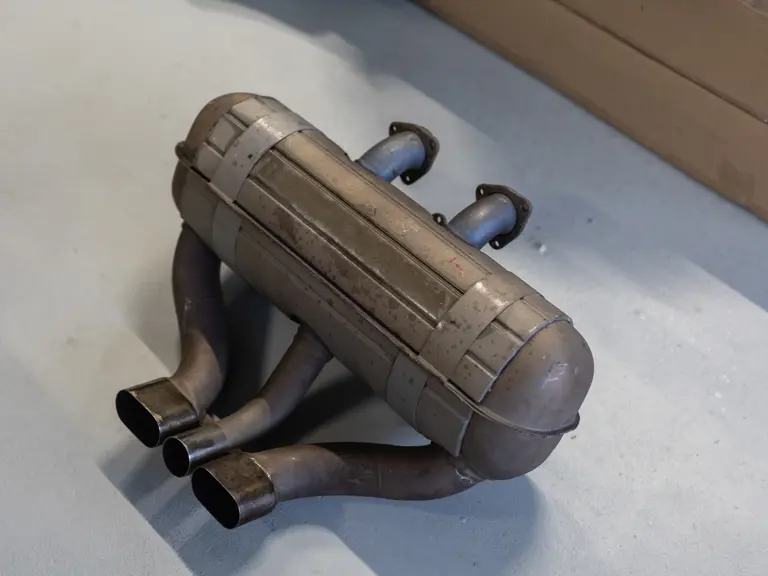
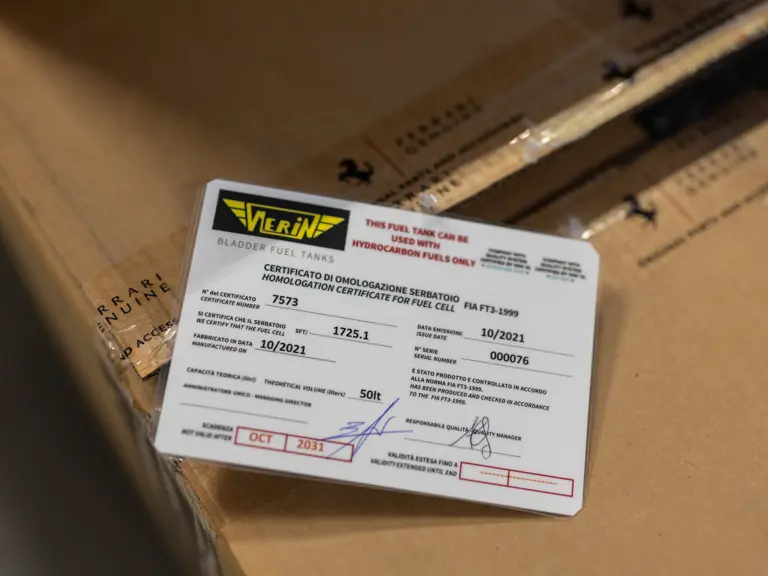
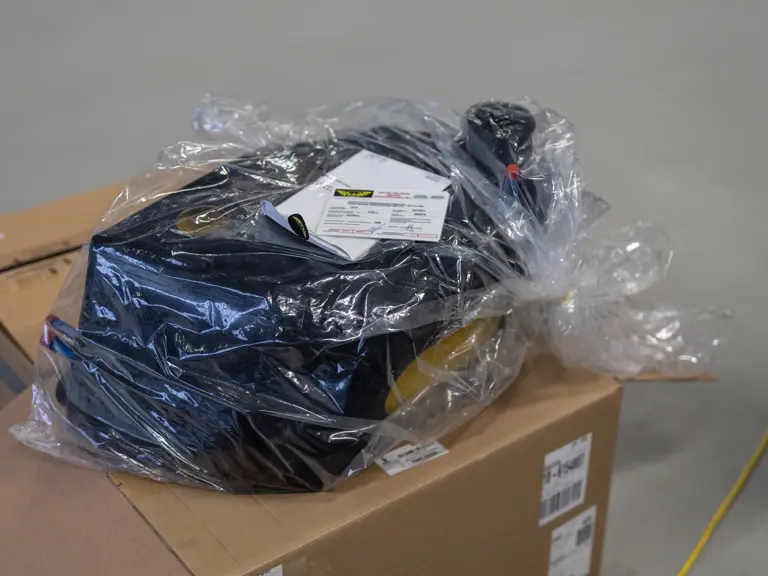
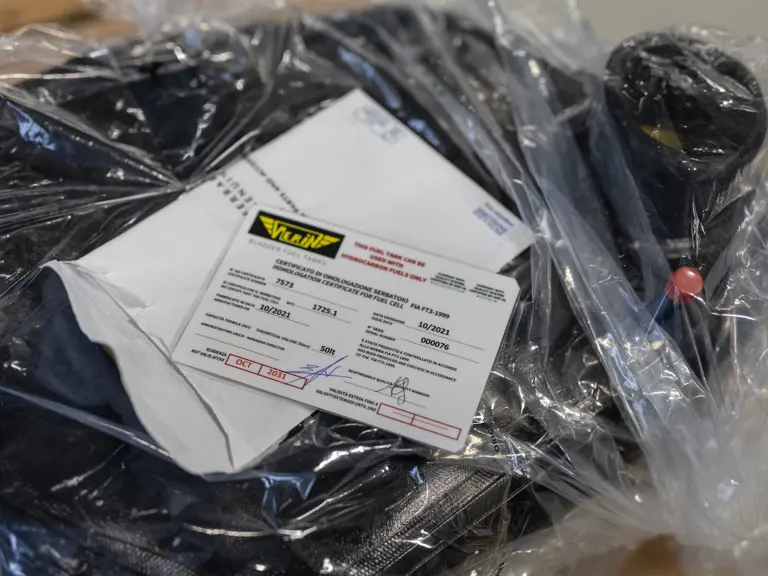
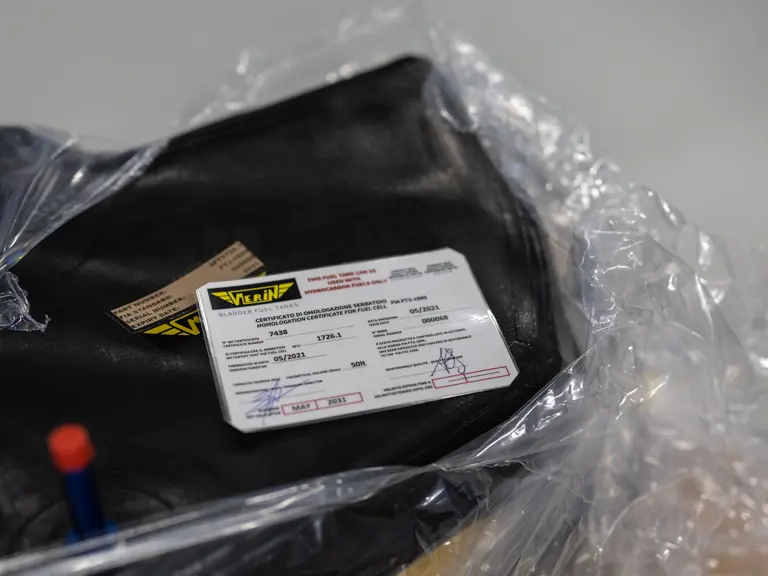
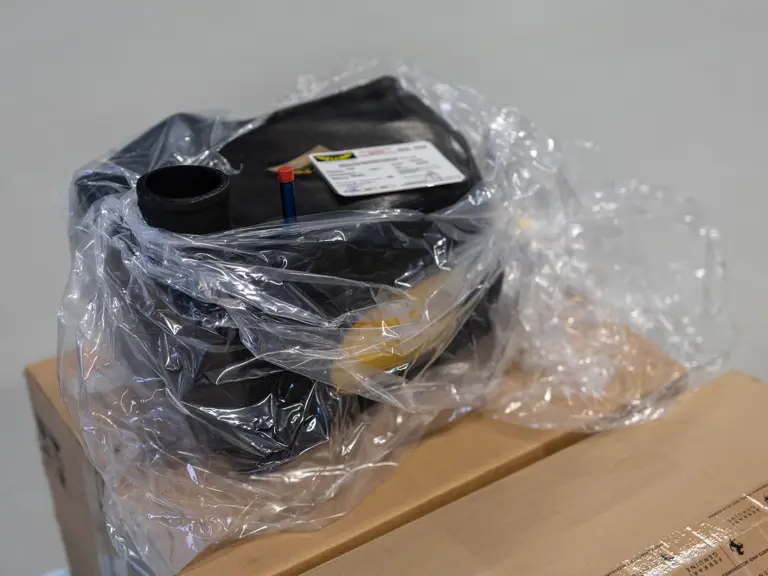
The Ferrari is presented to auction with its odometer reading 38,725 kilometres at the time of cataloguing; this relatively low use is verified by its service book and dated stamps. As well as its books and manuals, the F40 is further accompanied by a tool roll, plus two spare fuel tanks and the original exhaust that require installation.
Approximately 1,315 examples of Ferrari’s 40th anniversary masterpiece were ultimately built—surpassing original expectations but never diminishing the car’s mystique. While it remains a darling of the collector car world, the F40’s significance extends far beyond market value. A noted participant at prior Ferrari anniversary events in Italy, this very alluring F40 could be the ideal companion to attend upcoming concours events, drives, and meets planned to celebrate 80 years of the Prancing Horse in 2027.
 | Zurich, Switzerland