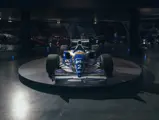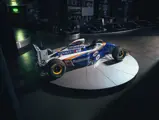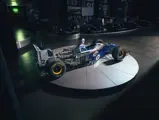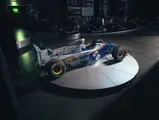
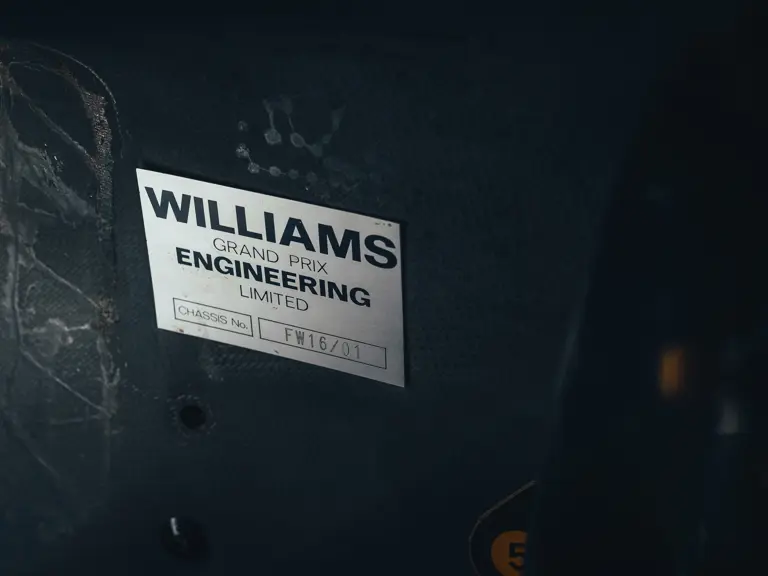
Chassis No.
01
{{lr.item.text}}
{{bidding.lot.reserveStatusFormatted}}
| Date | Event | Driver | Entrant | Race # | Result |
|---|---|---|---|---|---|
| March 17, 1994 | Silverstone Test | Damon Hill | Williams | N/A | N/A |
| March 25-27, 1994 | Brazilian Grand Prix (Sunday Practice) | Ayrton Senna | Williams | 2 | N/A |
| April 6, 1994 | Jerez Test | Ayrton Senna, Damon Hill | Williams | N/A | N/A |
| May 12-15, 1994 | Monaco Grand Prix (T-Car) | Damon Hill | Williams | 0 | N/A |
| May 27-30, 1994 | Spanish Grand Prix | David Coulthard | Williams | 2 | DNF |
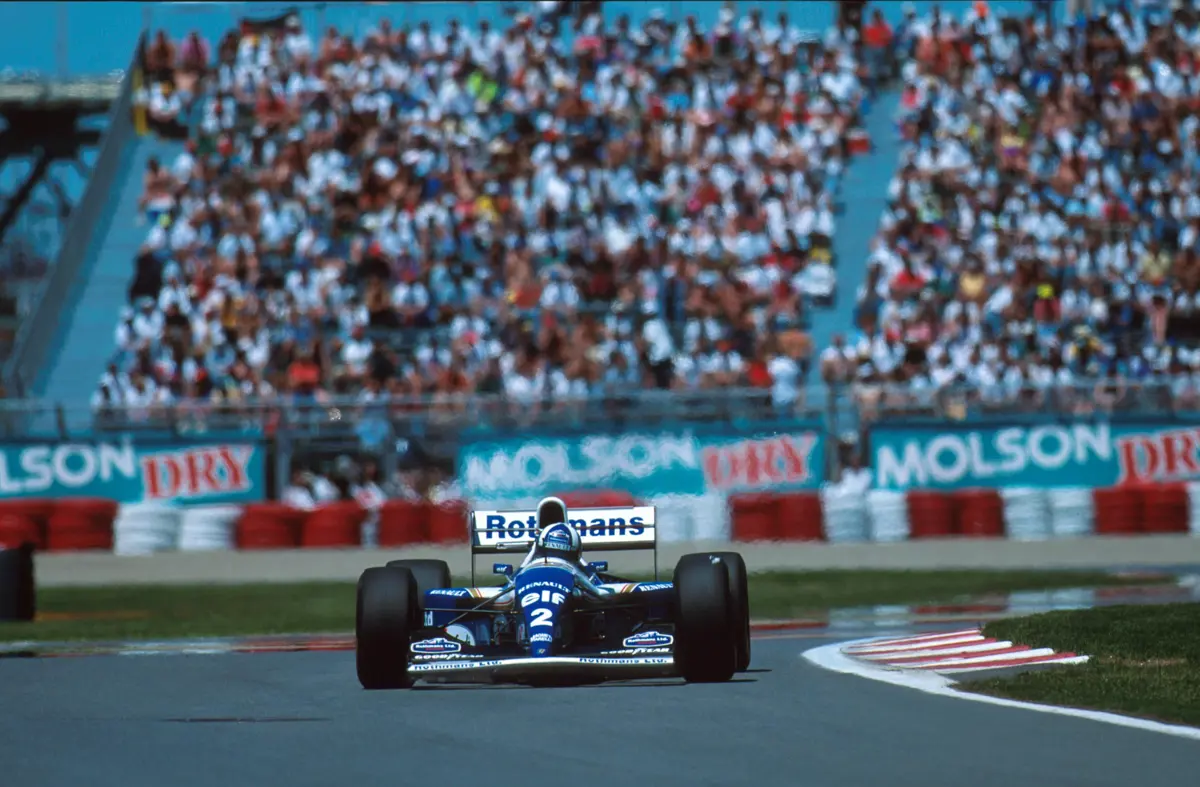
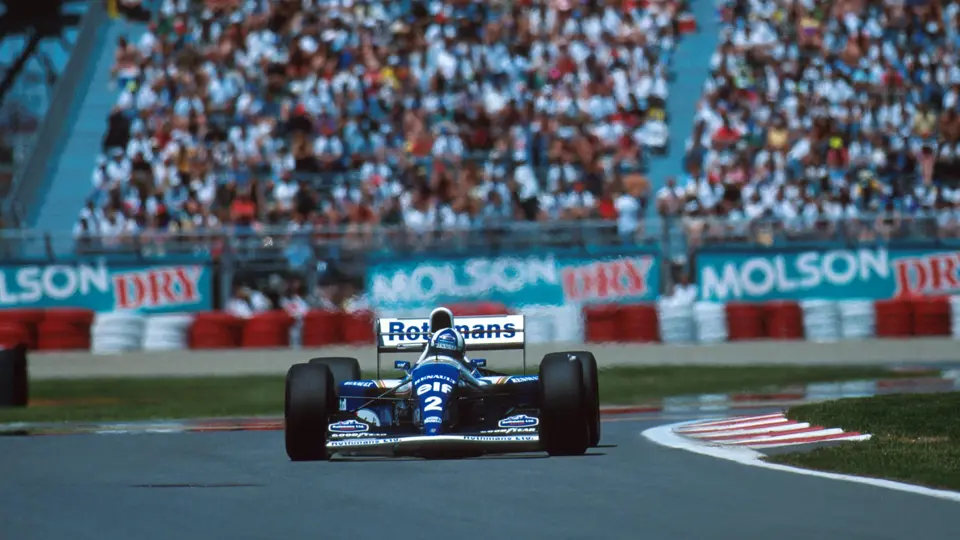
| June 10-12, 1994 | Canadian Grand Prix | David Coulthard | Williams | 2 | 5th |
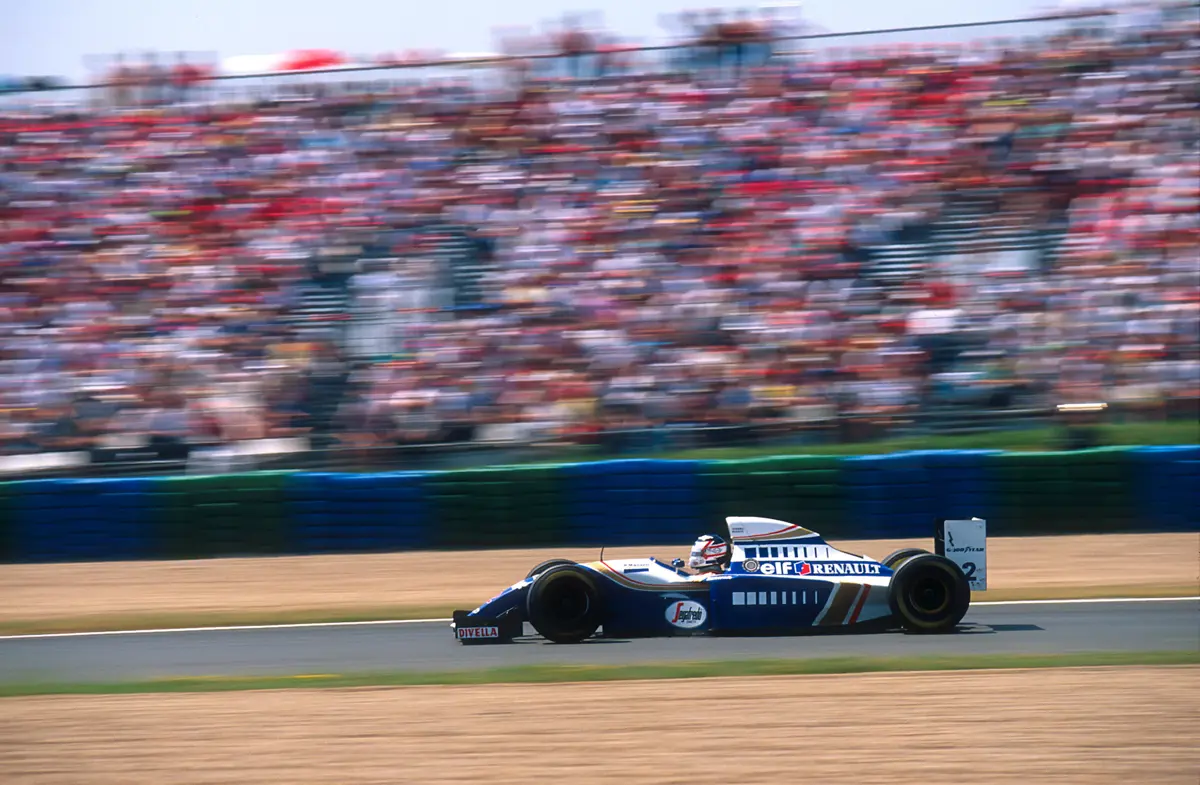
| July 1-3, 1994 | French Grand Prix | Nigel Mansell | Williams | 2 | DNF |
| July 8-10, 1994 | British Grand Prix | David Coulthard | Williams | 2 | 5th |
| October 14-16, 1994 | European Grand Prix (T-Car) | Damon Hill | Williams | 0 | N/A |
| October 20, 1994 | Silverstone Test | David Coulthard | Williams | N/A | N/A |
| November 4-6, 1994 | Japanese Grand Prix (T-Car) | Damon Hill | Williams | 0 | N/A |
| November 11-13, 1994 | Australian Grand Prix (T-Car) | Damon Hill | Williams | 0 | N/A |
| November 22-25, 1994 | Paul Ricard Test | Emmanuel Collard, Jean Christophe Boullion | Williams | N/A | N/A |
| December 12-16, 1994 | Estoril Test | Emmanuel Collard, Jean Christophe Boullion | Williams | N/A | N/A |
| December 20-22, 1994 | Paul Ricard Test | Emmanuel Collard, Jean Christophe Boullion | Williams | N/A | N/A |
TRIUMPH OVER ADVERSITY
The greatest driver of his generation, Ayrton Senna was charismatic, sharp, and was embodied by an aura that set him apart from all his rivals. Out of the car he was enigmatic, while behind the wheel he was simply inspired, capable of finding pace where lesser men foundered, possessing a fearlessness that made others afraid. The Brazilian’s career was punctuated by moments of brilliance, from guiding his Toleman through the torrent at Monaco in 1984 to his display of grit holding off Prost and Schumacher at Silverstone in 1993. His greatest triumphs came at times of greatest adversity, when the only factor separating him from the field was the strength of his genius; the darker the night, the brighter he shone. Senna’s final season in Formula 1 was one of those periods. He had left McLaren-Ford in 1993 bound for reigning World Constructors’ Champions Williams, but the move met with a change in rules that tore away the team’s advantage. The outgoing FW15C—a technological marvel of hydraulically and electronically controlled suspension, anti-lock brakes, traction control, and a fully automated gearbox—was banned for 1994. Senna’s arrival at the team coincided with a return to the passive suspension, and pure racing that had marked an earlier generation.
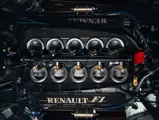
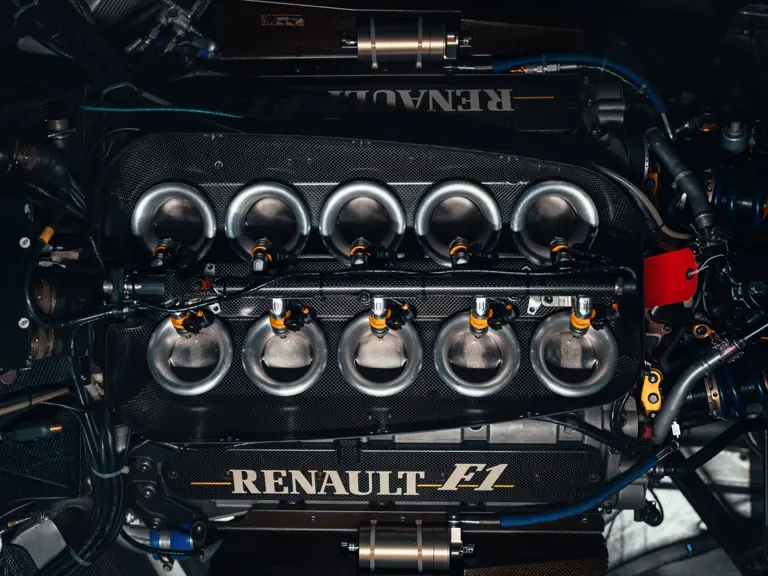
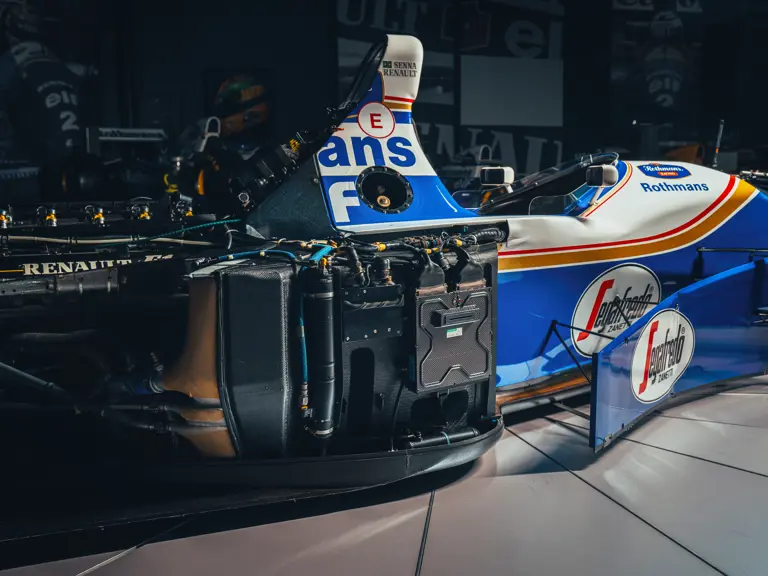
The car that he and teammate Damon Hill were given was dubbed the FW16. It had been designed by engineering genius Adrian Newey and Patrick Head, but the team was hamstrung by the move to passive suspension. Williams’ early adoption of active technology meant they had more ground to make up than the competition when adapting the previous season’s FW15C for the new regulations. Despite the challenges, the car was ready for the season opener in Brazil, complete with its low-profile engine cover, tall sidepods, enclosed driveshafts, and striking anhedral rear wing—not to mention trick rear suspension and an update of the RS6 engine adapted for mid-race refueling. Senna’s generational talent was put to the test immediately. The first iteration of FW16 had such a narrow window of setup that any one of a dozen variables could throw off the handling, and Damon Hill struggled for pace. In contrast, Senna managed to wrestle the car to pole position
at the season opener in Interlagos, qualifying more than 1.5 seconds ahead of his teammate. It was a promising start at his home circuit, and he carried his pace to race day, quickly gaining a four-second advantage over Schumacher’s chasing Benetton. Schumacher leapfrogged into the lead during the first pit stop, and though Senna came back strongly, halving the German’s 10-second advantage, he eventually lost control of the Williams and retired on lap 55.The Formula 1 circus headed to Japan for the second round of the Championship, and the newly opened Tanaka International Circuit to host the Pacific Grand Prix. Senna once again showed his class in qualifying, putting the Williams on pole for the second consecutive race. It would also be the second event from which he was forced to retire, after being hit from behind first by Mika Häkkinen and then Nicola Larini. Senna’s final outing in the third round at San Marino marked his third consecutive pole position—a testament to the Brazilian’s breathtaking talent behind the wheel. Tragically, he wouldn’t finish the race. As the season continued the FW16 was gradually updated and improved, with a raft of aerodynamic changes made before Imola. The front wing—so sensitive to changes in ride height that came with passive suspension—was positioned higher on the nose along with taller end plates and shorter sidepods. By the German Grand Prix in July, the previous changes—coupled
with new FIA rules for an opening airbox following the accidents at Imola—amounted to a new designation for the model of FW16B. The new car finally matched the performance of its predecessor, with Damon Hill adding to his tally of two wins with victory at the Belgian, Italian, Portuguese, and Japanese Grands Prix. Hill missed out on the Drivers’ Championship to Schumacher by a single point, but Williams had overcome the odds to take the 1994 Formula 1 Constructors’ World Championship.
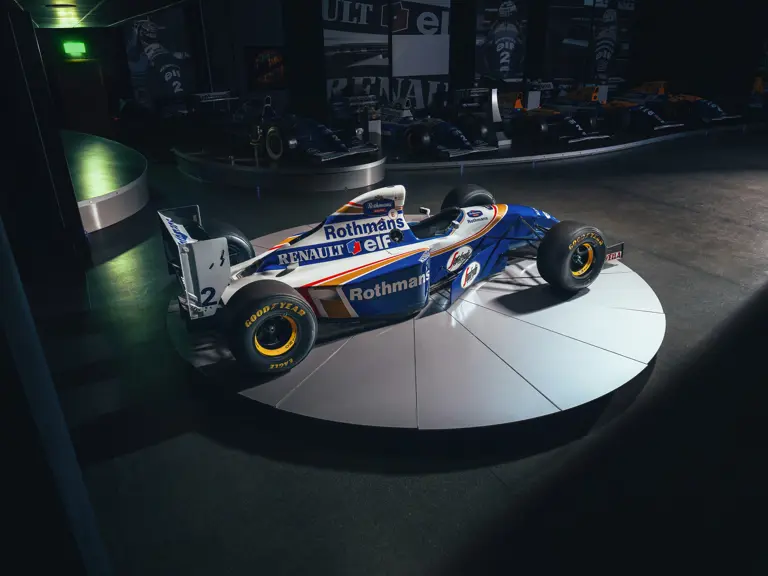
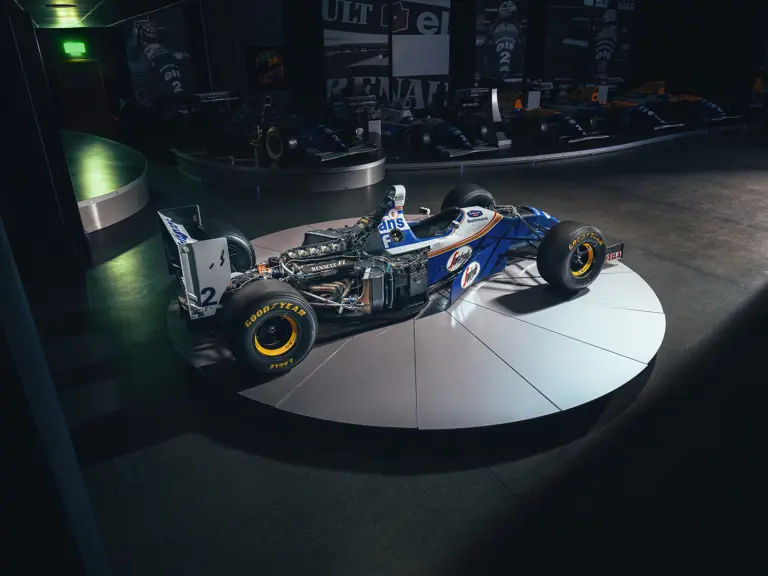
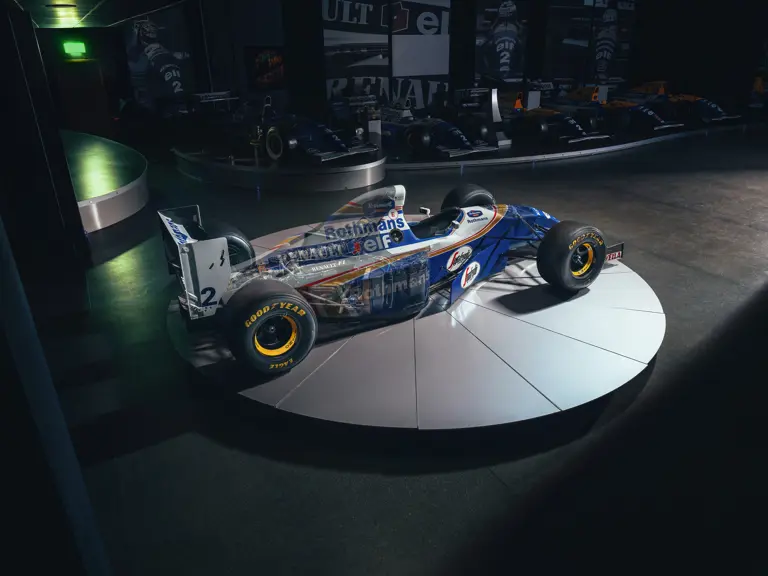
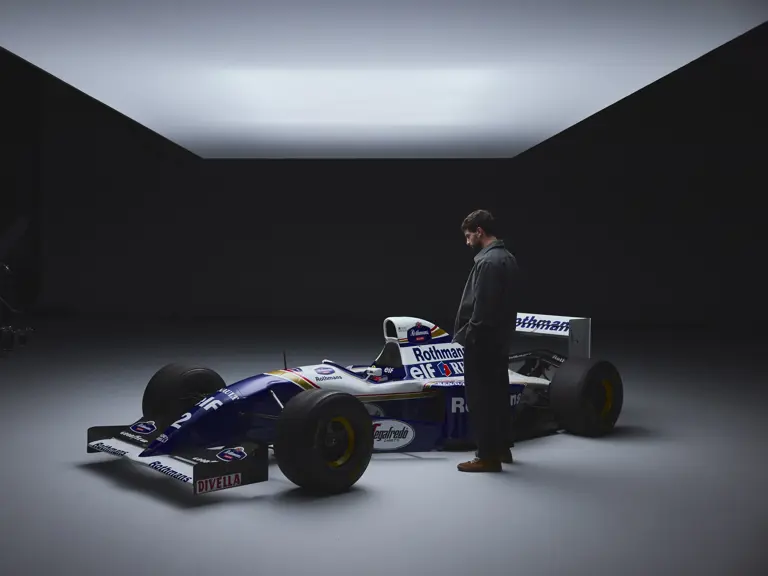
CHASSIS FW16B-01
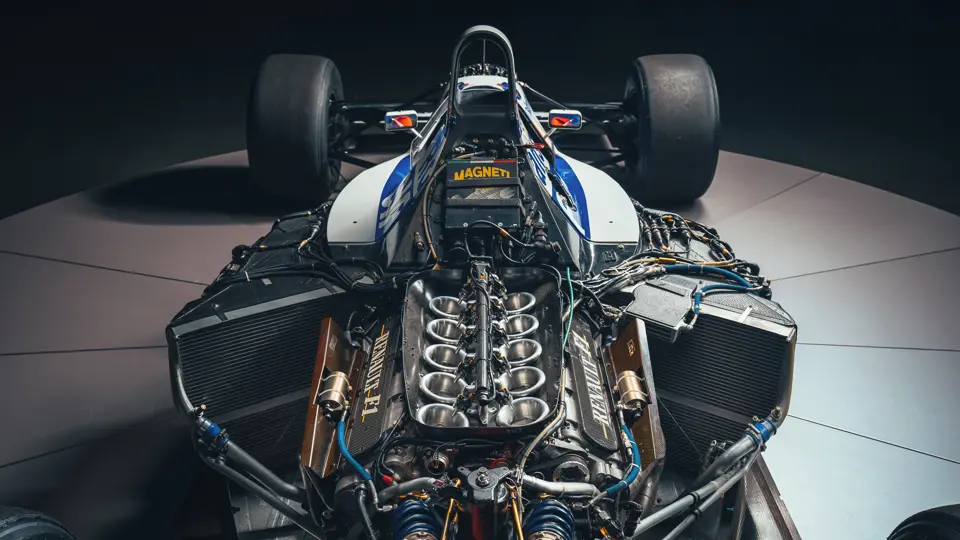
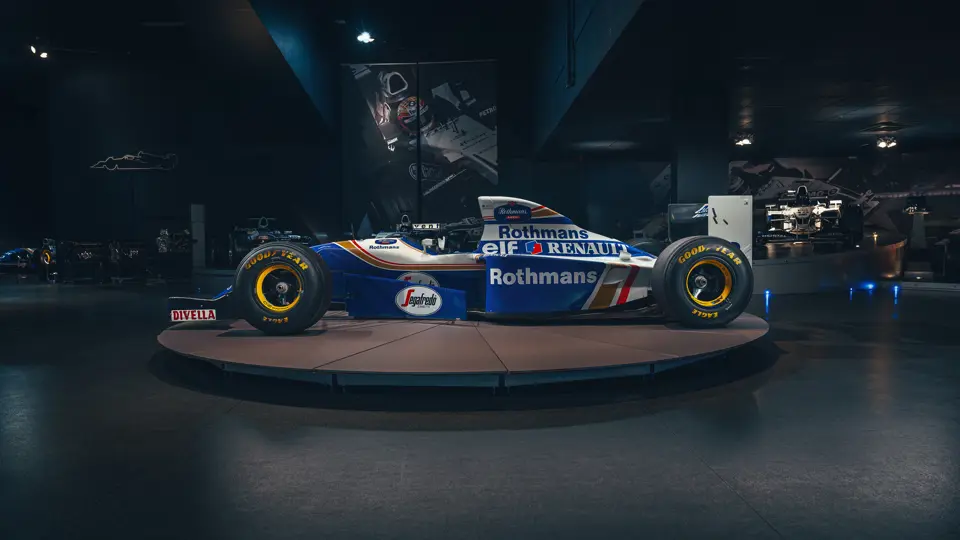
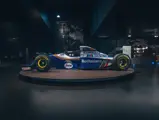
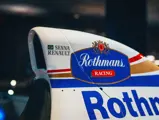
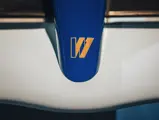
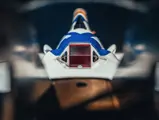
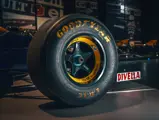
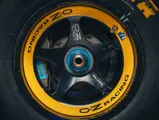
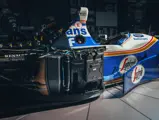
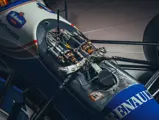
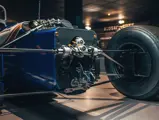
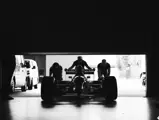
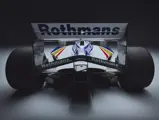
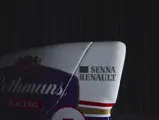
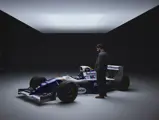
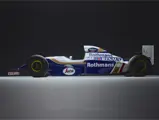
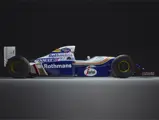
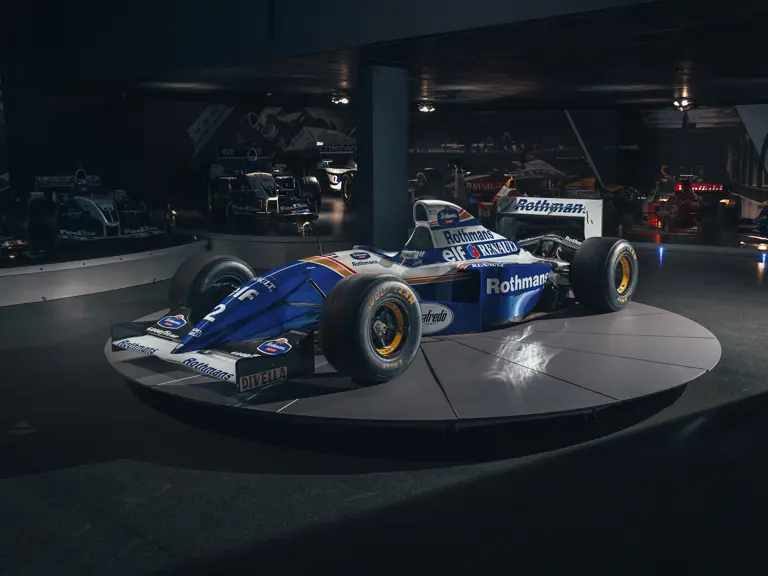
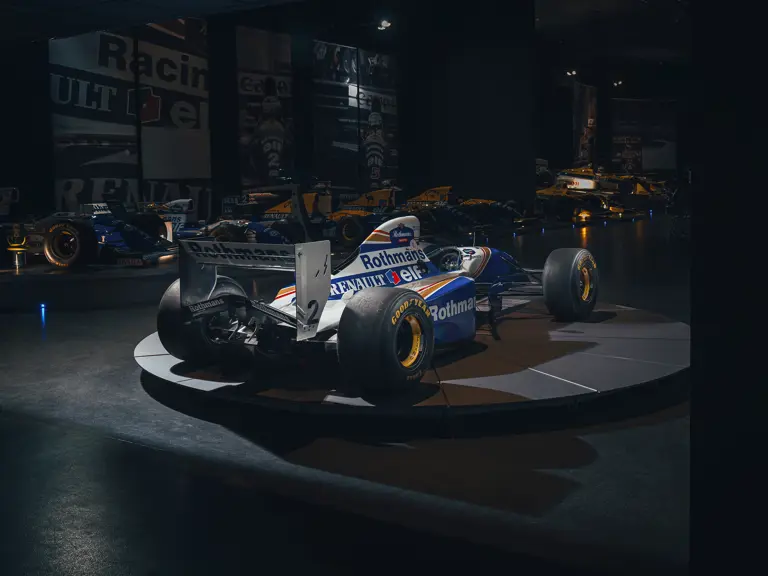
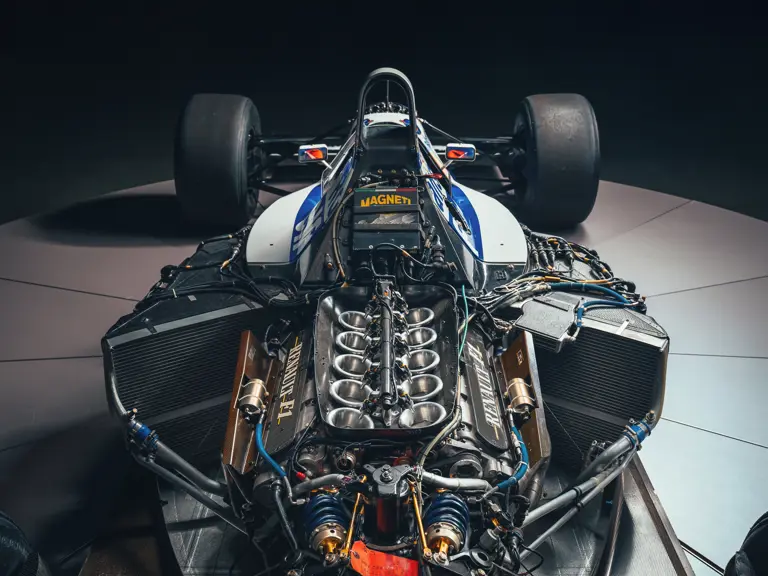
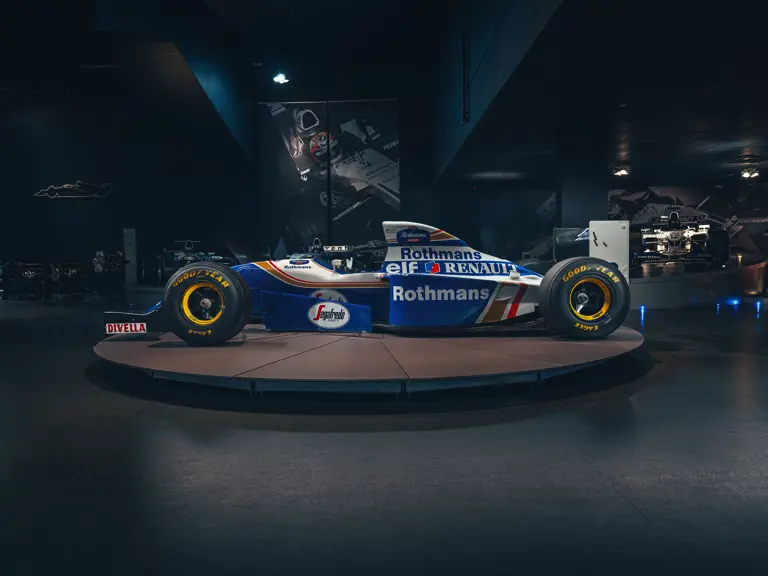
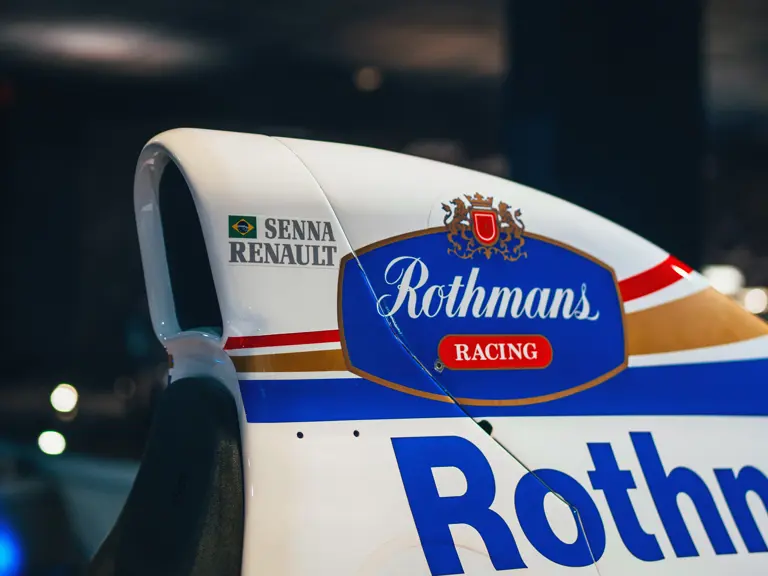
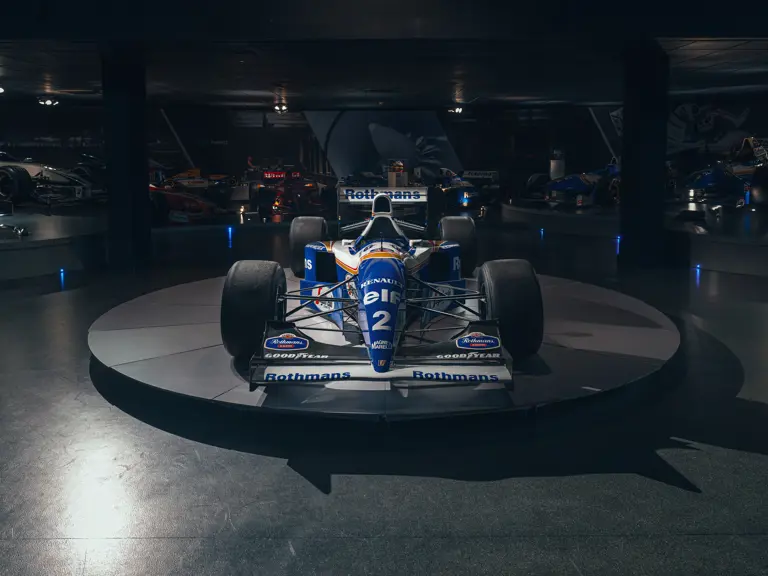
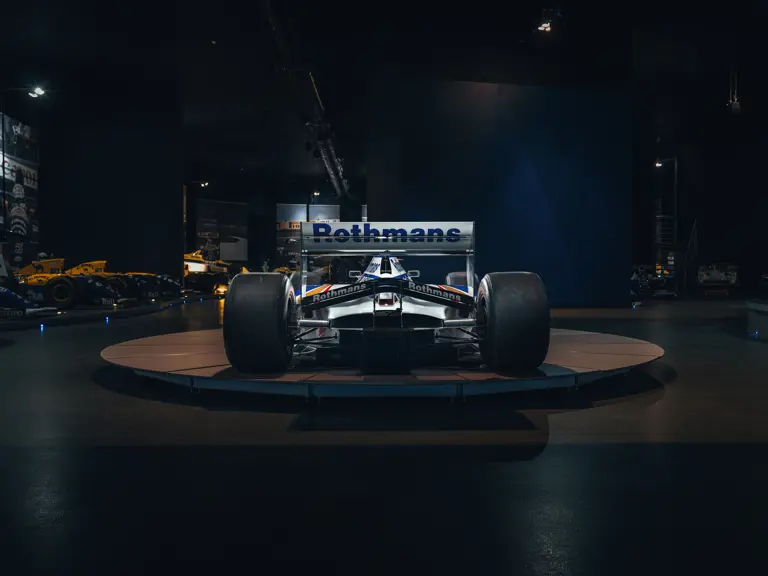
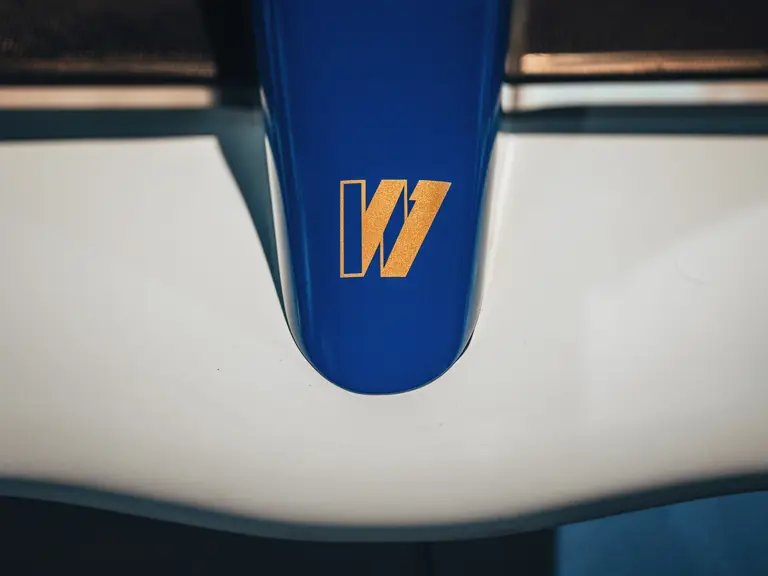
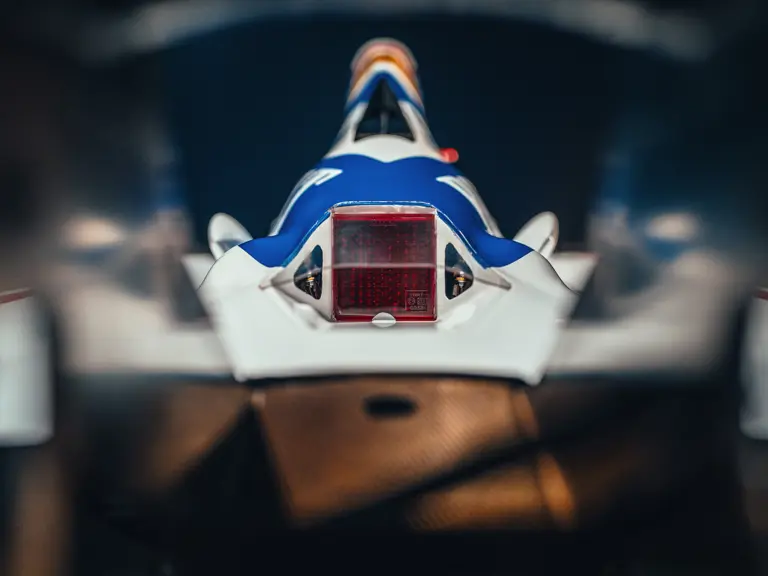
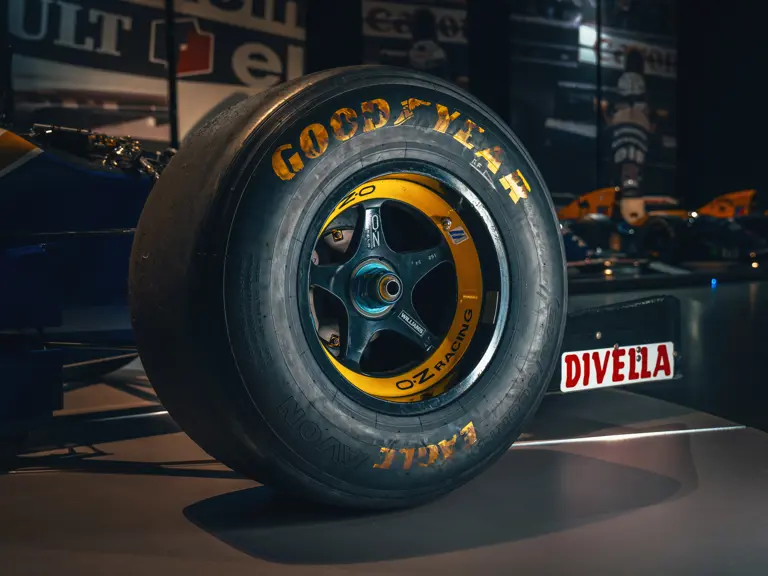
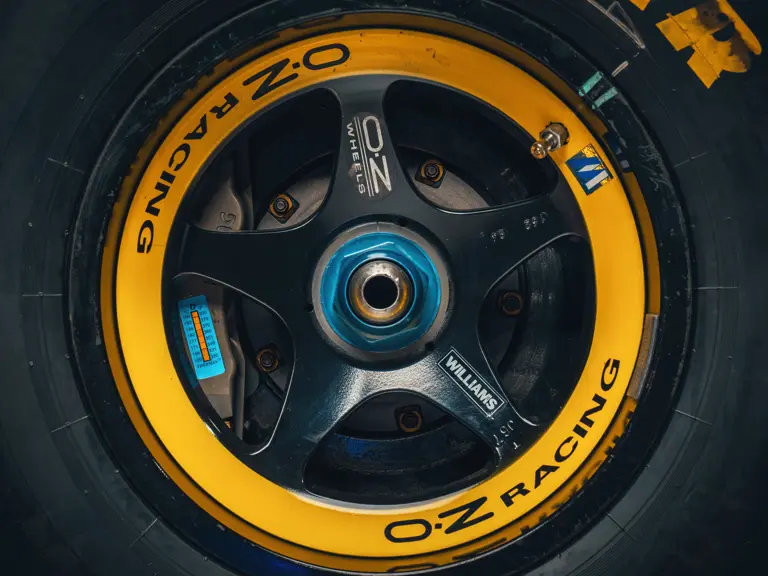
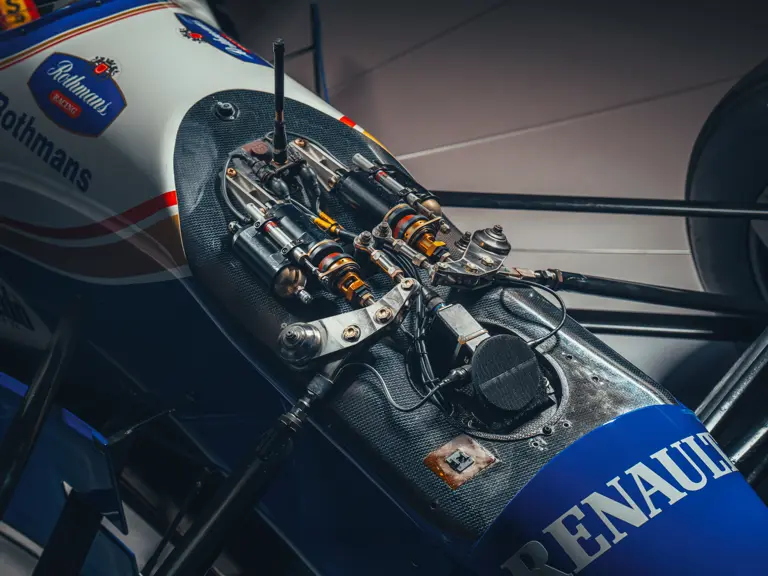
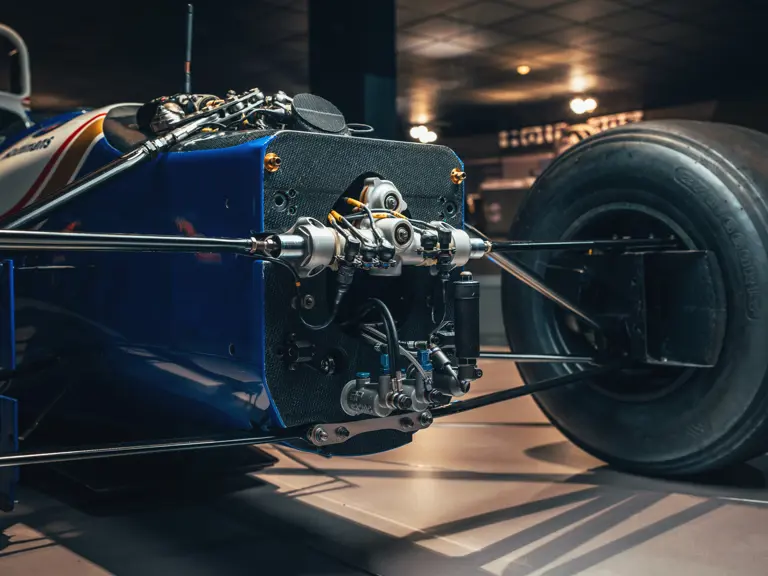
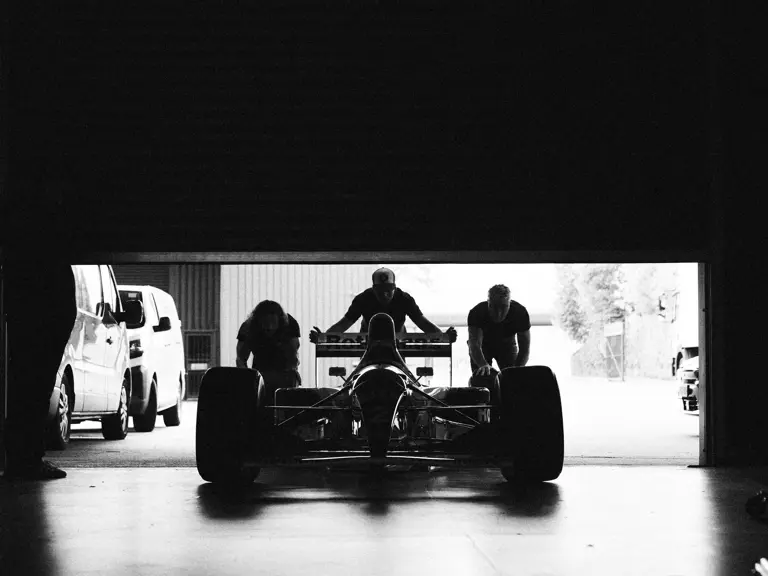
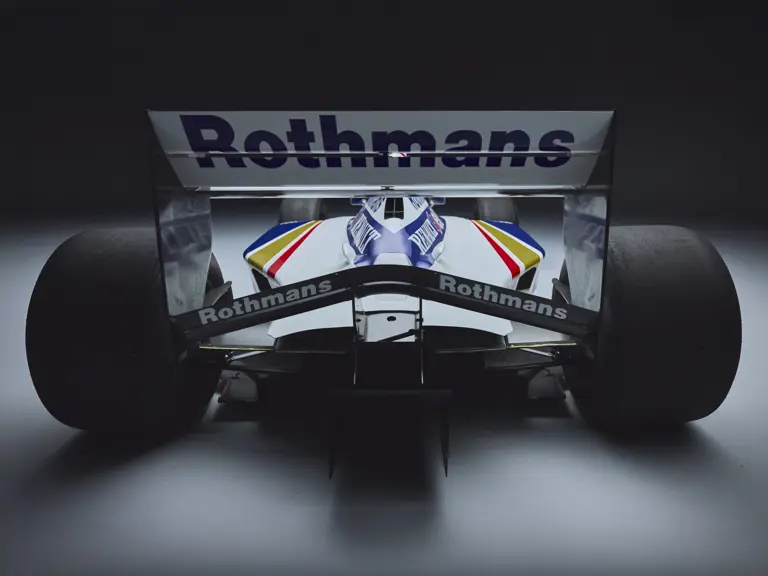
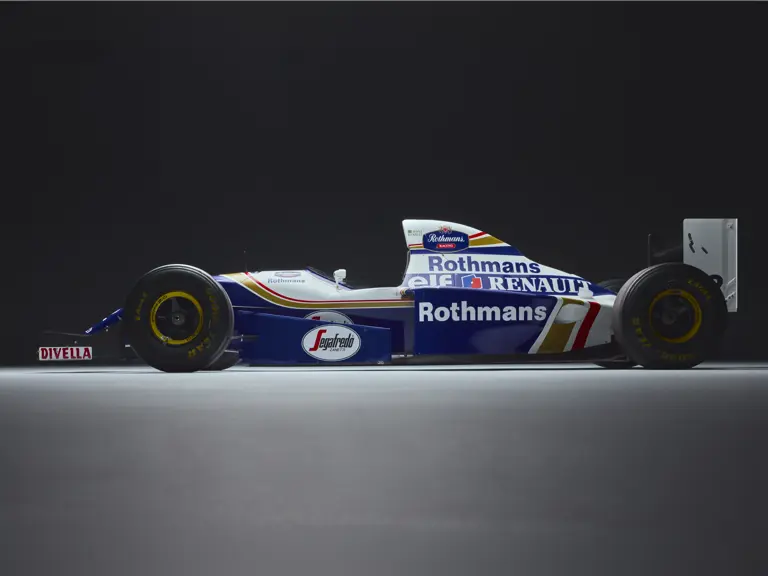
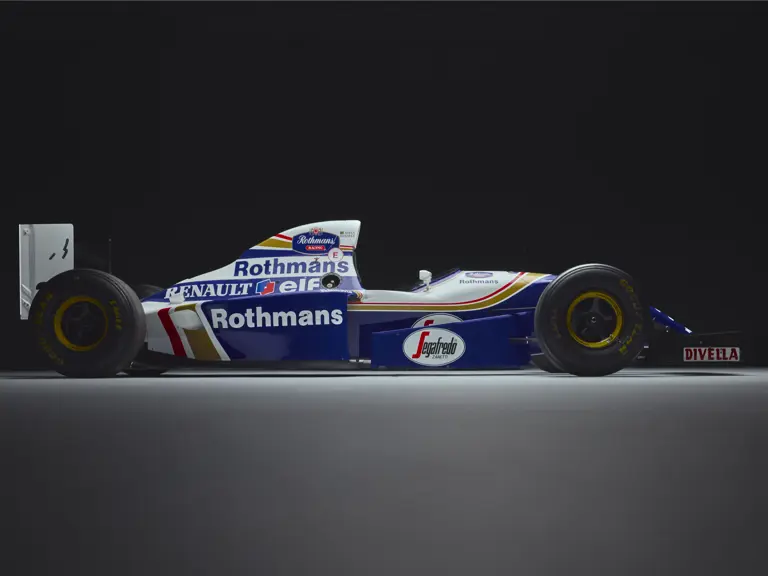
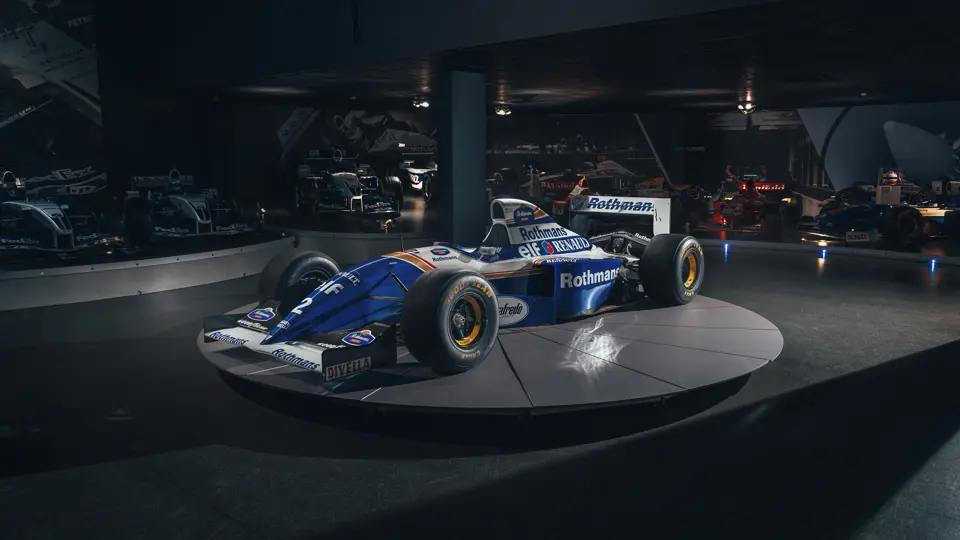
This remarkable grand prix car started life as the first Williams-Renault FW16 and the first chassis of the post-active suspension era. It was an integral part of Williams’ development program in the 1994 season and played a pivotal role in the creation of the FW16B, the car that delivered the British team the 1994 Formula 1 Constructors’ World Championship. This chassis was also indelibly linked to perhaps the greatest racing driver of all time, Ayrton Senna.
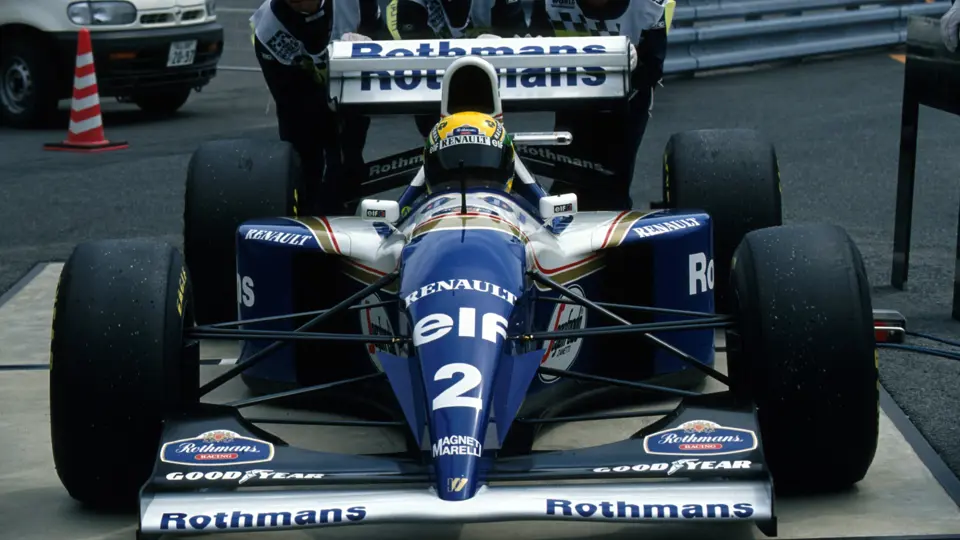
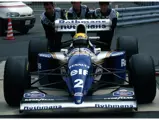
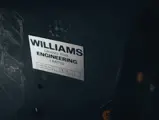
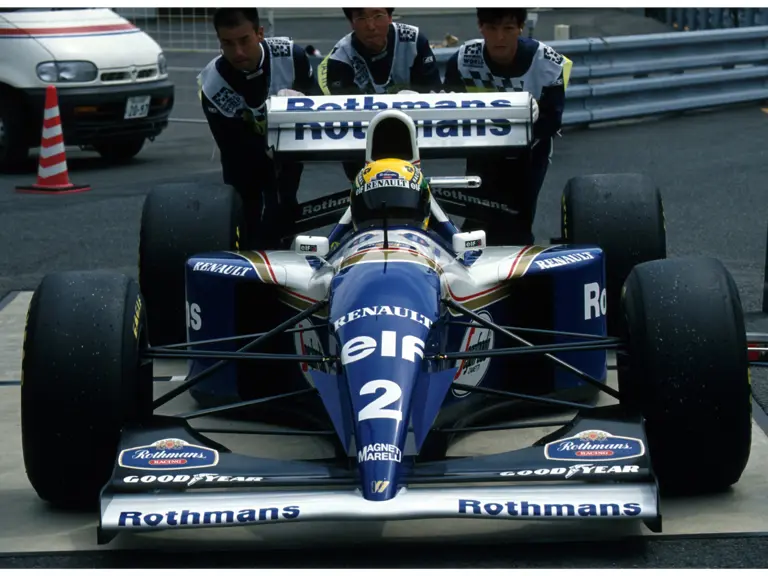
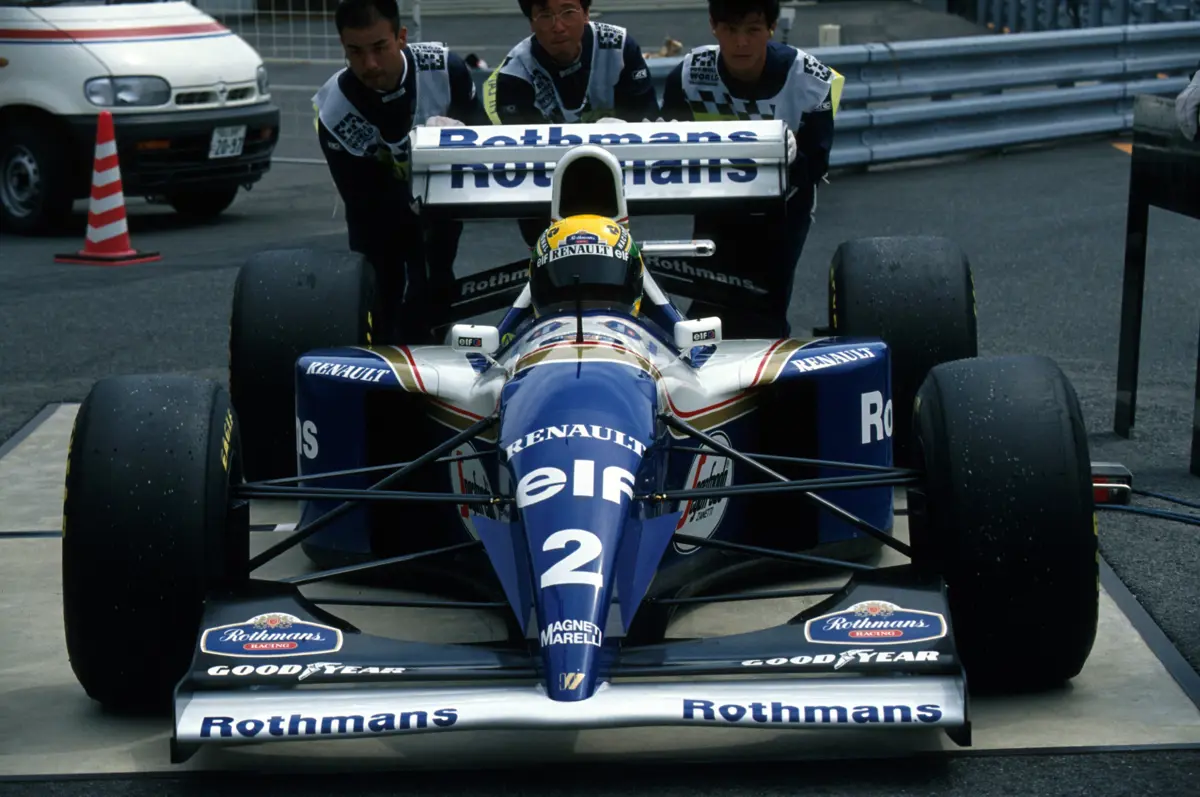
Ahead of the 1994 season, Williams records show that chassis FW16-01 was driven by Damon Hill during testing at Silverstone in March, before making the trip to Brazil for the season opener and Senna’s home grand prix. It was designated as the spare for the race weekend but was crucially driven by Senna during the warm-up for the event on Sunday morning, a session in which the Brazilian lapped quicker than eventual race-winner, Michael Schumacher. Fascinating period documents give insight into the development that was ongoing during that time, including instructions that the front wing was to be taken from chassis FW16-02 and fitted to this car prior to the start of the race. Just a week later, chassis 01 was taken to the Circuito de Jerez, where it covered some 842 kilometres of testing at the hands of both Damon Hill and Ayrton Senna. Detailed test sheets documenting the car’s three sessions offer a rare window into a pivotal moment in Formula 1, and paint a colourful picture of the car’s ongoing development.
Chassis 01’s competition career continued at Monaco, where it served as an unused T-car, before getting its first call up to the starting grid at the Spanish Grand Prix in Catalunya. Former test driver David Coulthard was given driving duties, running the car in each qualifying session to start 9th on the grid. A battling performance saw him take chassis FW16-01 up to 5th on his Formula 1 debut, though he was eventually forced to retire on lap 32 following electrical problems. The overall race, meanwhile, was won in fine style by Damon Hill, who dedicated Williams’ first race win of the season to the team and fans of Ayrton Senna he had met in Brazil.
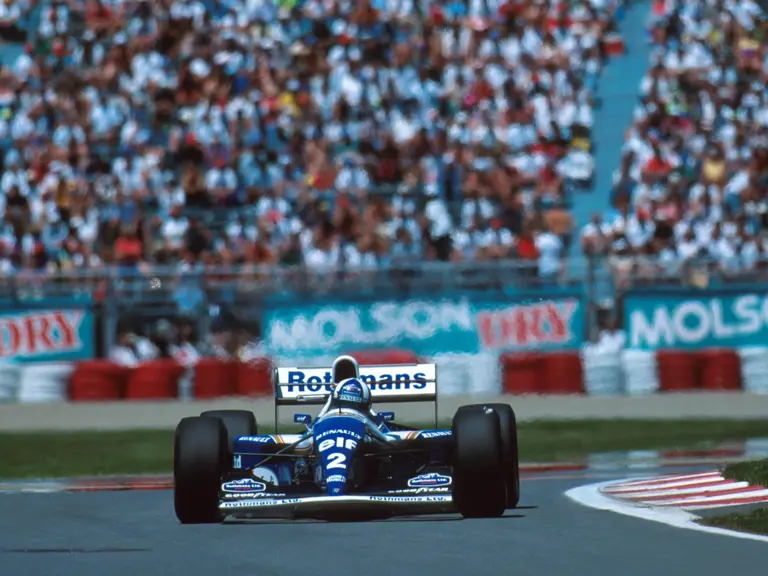
Coulthard took chassis FW16-01 to the next round in Montreal, again using the car throughout the entire weekend. He qualified an impressive 5th behind teammate Hill, managing to hold his position throughout the race. Though the Williams was off the pace of Schumacher’s Benetton, chassis 01 had carried Coulthard to the first Formula 1 points finish of his career.
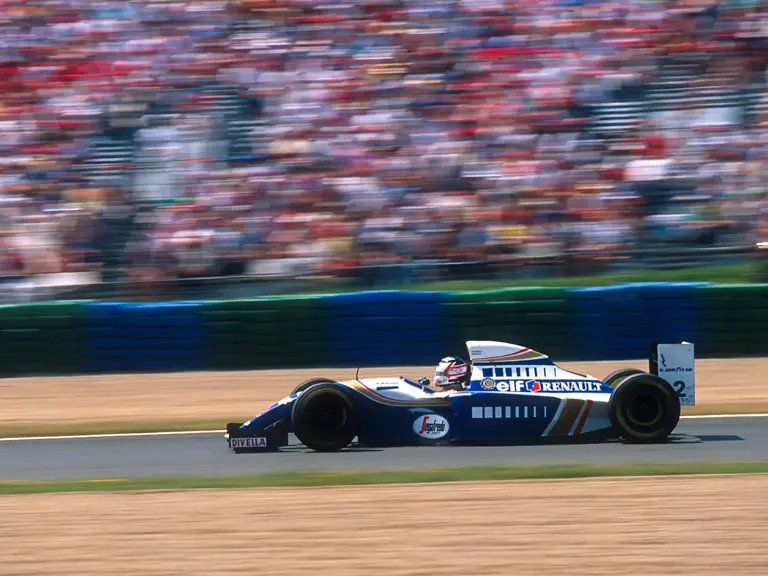
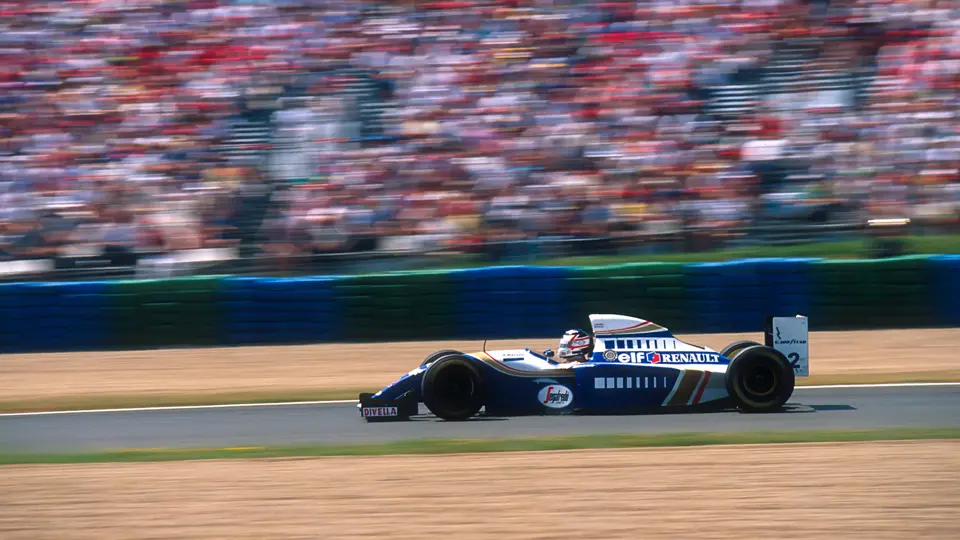
The car was also present at another significant moment in the season, when Nigel Mansell made his spectacular return to Formula 1 following his successful outing in the American CART Indycar Series, a title he had captured in his rookie season. Mansell was given chassis FW16-01 for his first race at Magny-Cours and immediately showed his pace. Though he ultimately qualified behind his teammate, the Williams’ had locked out the first row of the grid ahead of Schumacher’s Benetton. Sadly, gearbox problems forced the car’s retirement on lap 45.
Chassis FW16-01’s final competitive outing came in July at the British Grand Prix. In front of a home crowd, Coulthard steered the car to 7th in qualification, making up two places to finish 5th in the race proper, marking a second points finish in just his third grand prix. Williams took the spoils with Hill winning ahead of Ferrari’s Jean Alesi, while Schumacher was disqualified for ignoring a black flag.
Following its outing at Silverstone, chassis FW16-01 was upgraded to FW16B specification, gaining a raft of improvements that revolutionized the sometimes-tricky handling characteristics and turned around the team’s fortunes. It was taken to three further grands prix, and was tested towards the end of the season by Emmanuel Collard and Jean Christophe Boullion. Williams would go on to win five out of the remaining eight races, capturing in the process the Constructors’ World Championship.
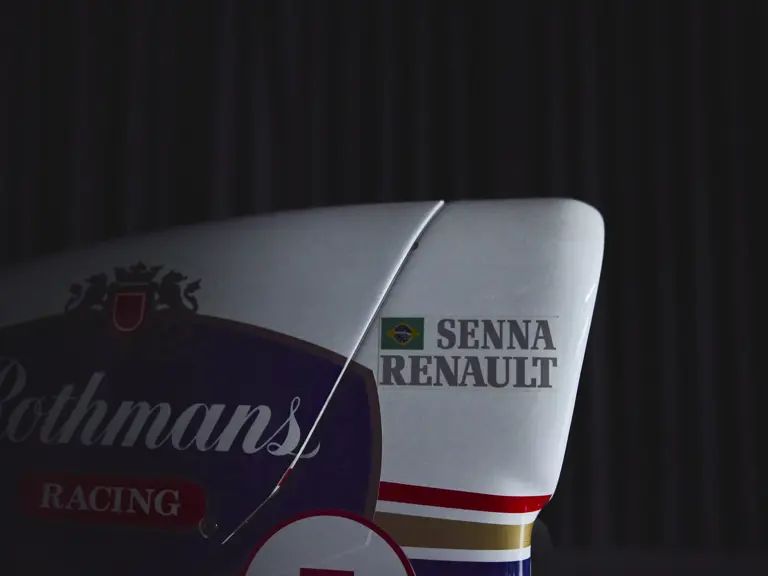
The provenance of chassis FW16B-01 would then take a significant turn. As part of the Formula One contract of the late Aryton Senna, he was to receive a chassis used during the season if Williams won the World Championship. In one of the more honorable moments of F1 history, Williams honored that contract and at the close of the season, chassis FW16B-01 was gifted by Williams to the family of Ayrton Senna. This chassis was chosen as it was tested extensively by Senna and driven in morning warm-up at Interlagos in front of his adoring home fans. Today, it remains as one of only two surviving Williams grand prix cars that he had driven that season.
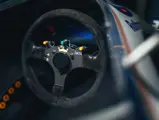
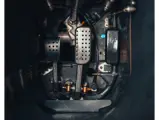
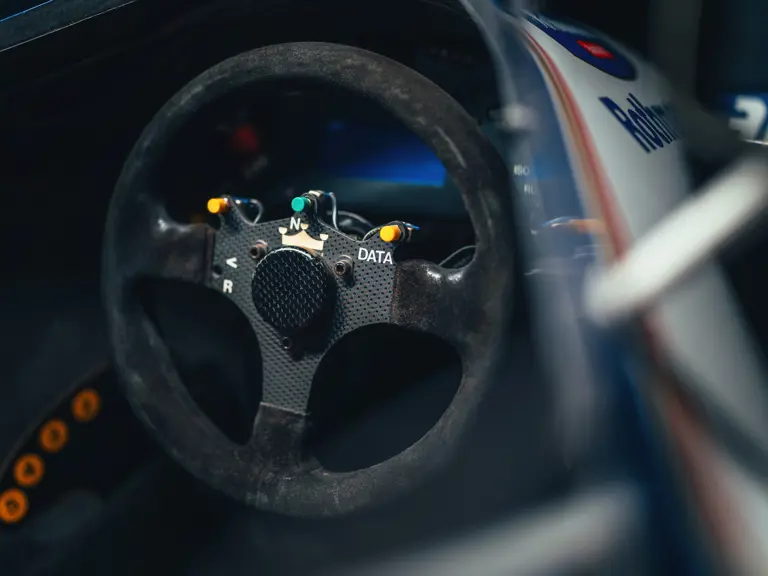
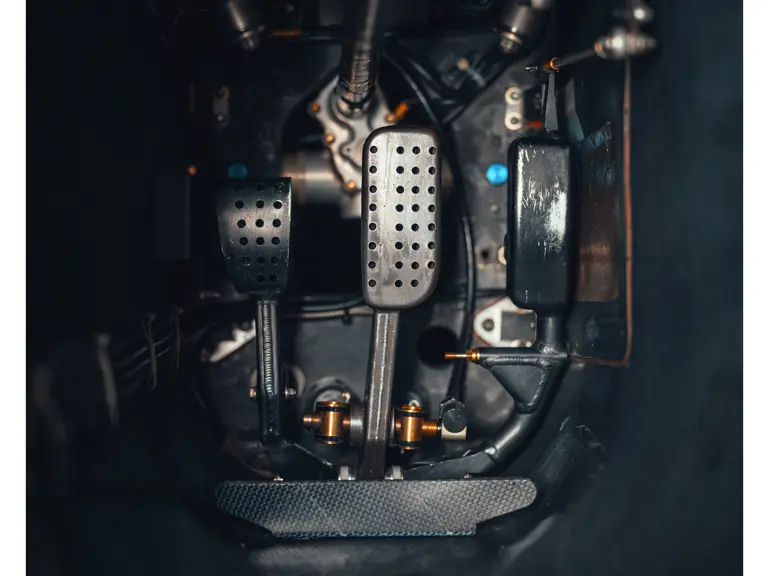
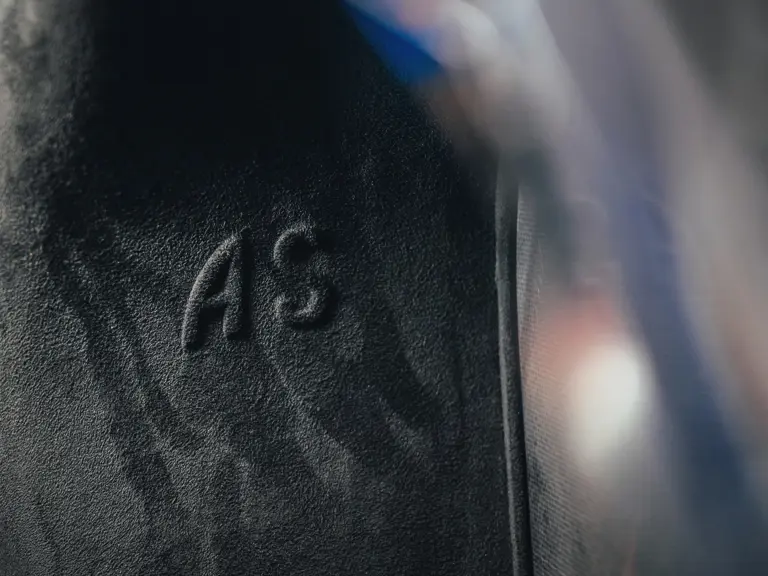
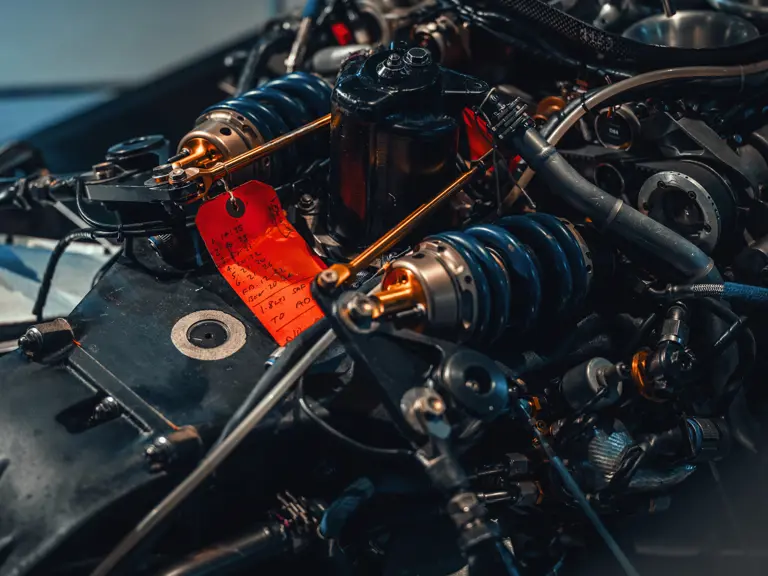
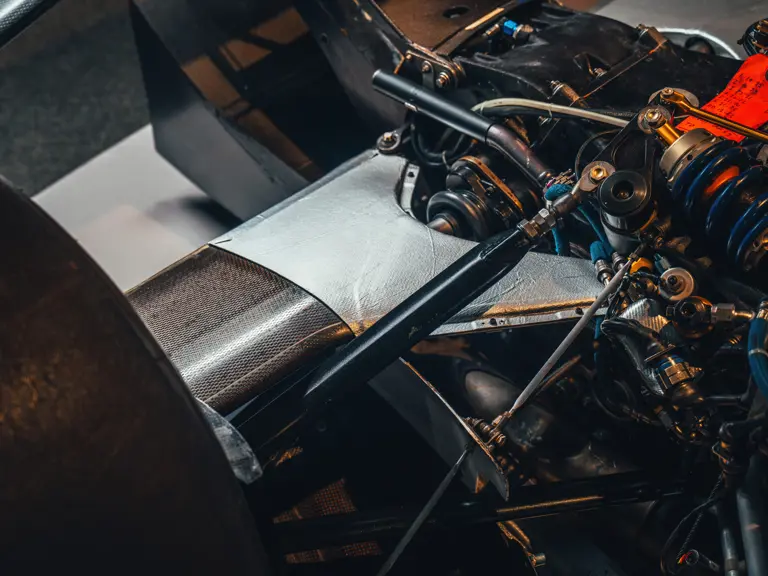
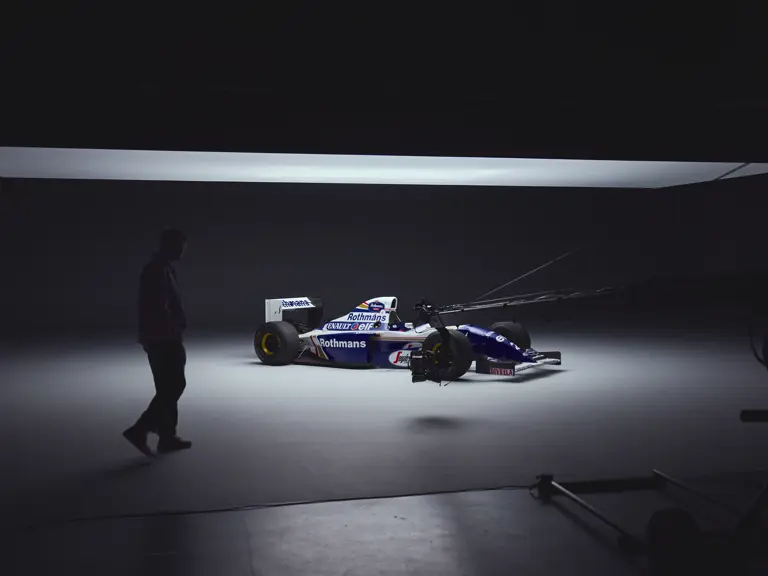
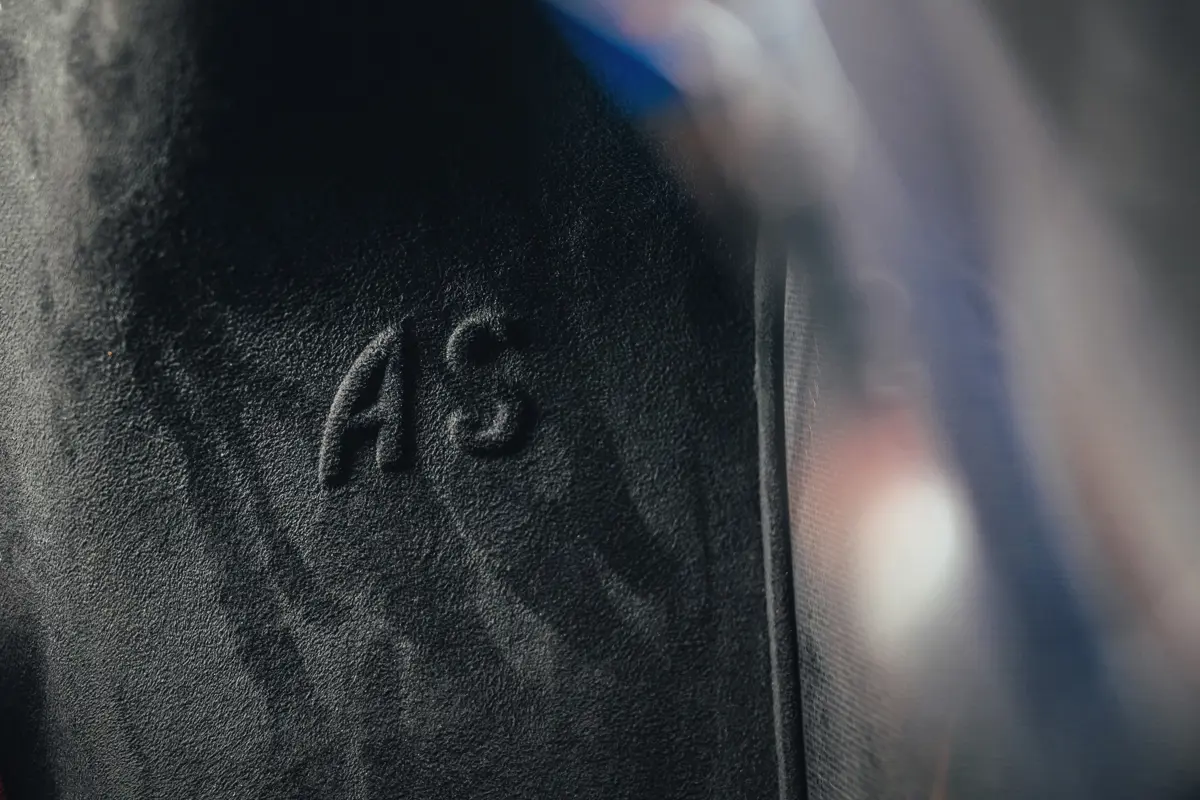
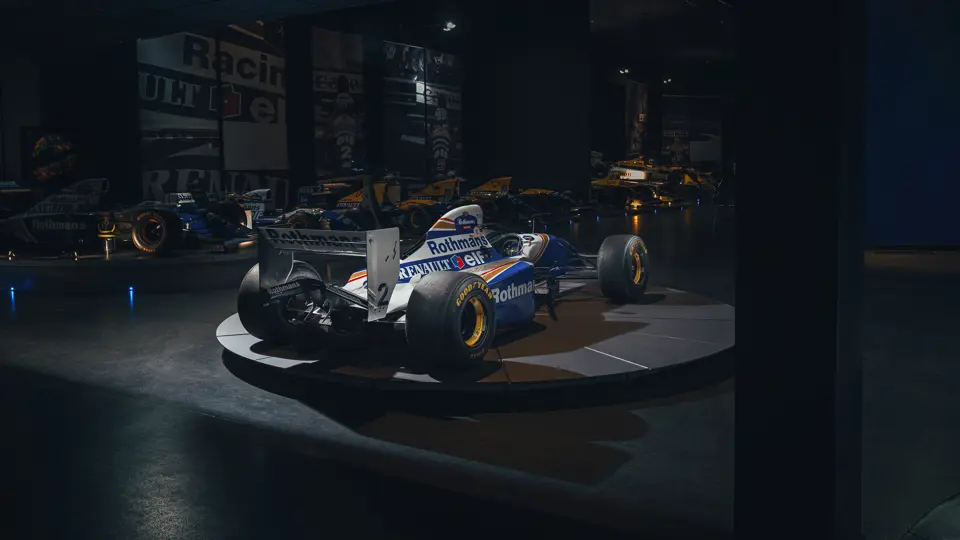
Chassis FW16B-01 remained completely untouched for the following 30 years, with a notable exception being the addition of Senna’s personal seat, and is today presented in totally preserved, unrestored condition. Acquired by the current owner in 2024 having been purchased from the Senna family via RM Sotheby’s, it has remained preserved and unused since. Now being offered for the first time publicly, this chassis unveils one of the great stories of F1 motoring history which honors not only the greatest driver of his generation, but also a multi-championship winning manufacturer in their quest for greatness.
This offering presents a historically significant opportunity to acquire an inestimable artifact with peerless provenance that is just coming to light for the first time. A grand prix car driven by the best racing driver of his generation—a genius on the track and a giant off it is alone an extremely rare opportunity. The provenance of chassis FW16B-01 makes it a landmark piece of Senna history and encapsulates one of the greatest stories in Formula 1, a story which could become almost bigger than the car itself. Williams’ decision to honor their contract and gift one of the last cars ever driven by the Brazilian ace (a car also driven by two other Formula 1 World Champions) to the Senna family with whom it remained as a treasured centerpiece to his legacy for thirty years, truly sets it apart from any other example. It is without a doubt one of the most significant grand prix cars to be made available in recent years.
Ayrton Senna lived an incredible life, and he will forever be remembered for both his motor racing successes and his unwavering support for the people of his native Brazil. Chassis FW16B-01 offers an incredible opportunity to write the next chapter in the story of a legend and is a worthy addition to any of the greatest automotive collections in the world.
 | New York, New York