



Chassis No.
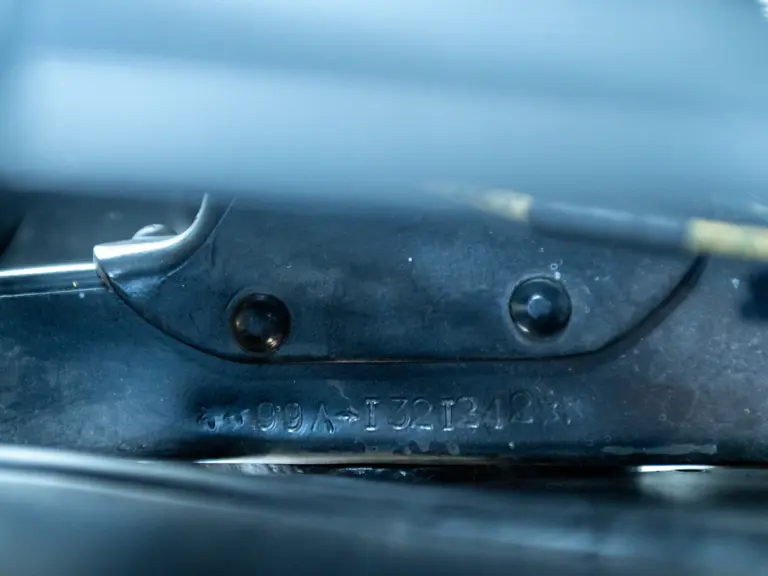
99A-1321242
{{lr.item.text}}
Offered from The James G. Robinson Collection
Offered Without Reserve
{{bidding.lot.reserveStatusFormatted}}
Ford introduced its 1946 passenger-car line in the fall of 1945, only weeks after the conclusion of World War II. With civilian automobile production having been suspended during the war, the American public was eager for new cars, and Ford moved quickly to return its factories to peacetime production. Like most early post-war automobiles, the new Fords were essentially updated versions of their short-lived 1942 predecessors, incorporating modest styling revisions and mechanical improvements while retaining their familiar pre-war architecture.
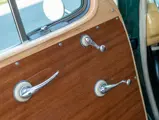
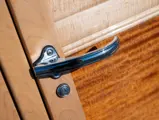
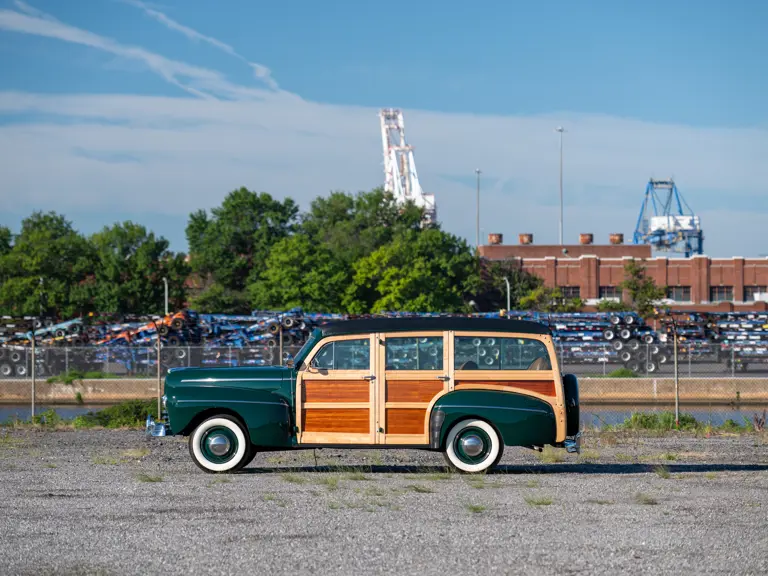
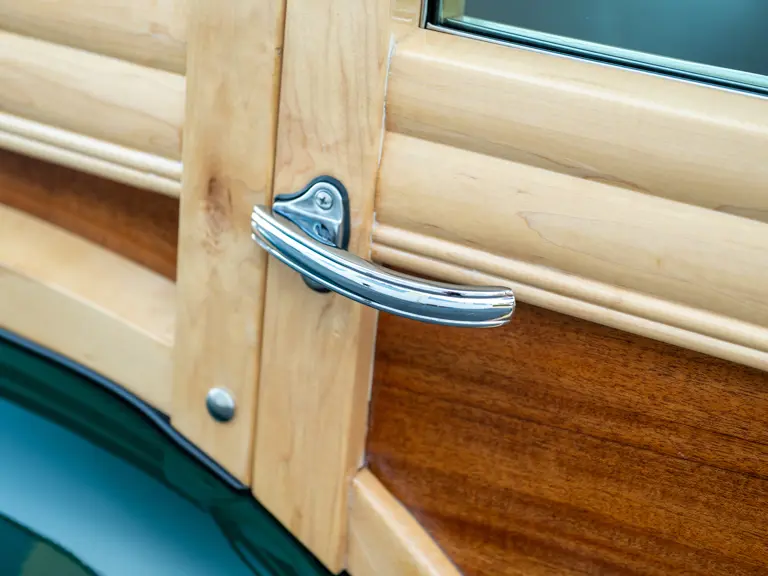
Among the most distinctive automobiles in Ford’s post-war lineup was the Super DeLuxe Station Wagon. Long before the “woodie” became associated with surf culture and seaside leisure, station wagons were practical vehicles intended to carry passengers and their luggage in considerable comfort. Their intricate wood bodies, however, required considerably more craftsmanship than Ford’s conventional steel-body models. Ford had the unusual advantage of controlling much of this process itself through its Iron Mountain facility in Michigan, where skilled craftsmen fashioned the structural wood framing and contrasting panels that gave these wagons their unmistakable appearance.
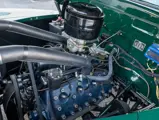
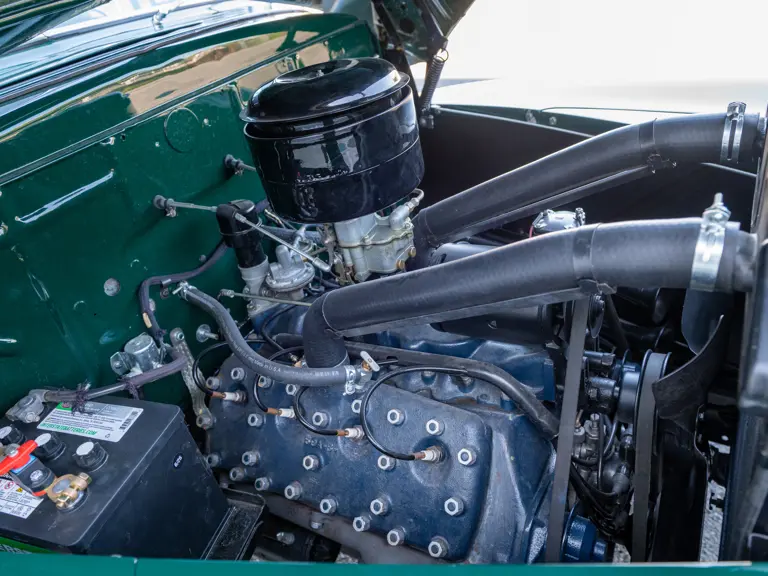
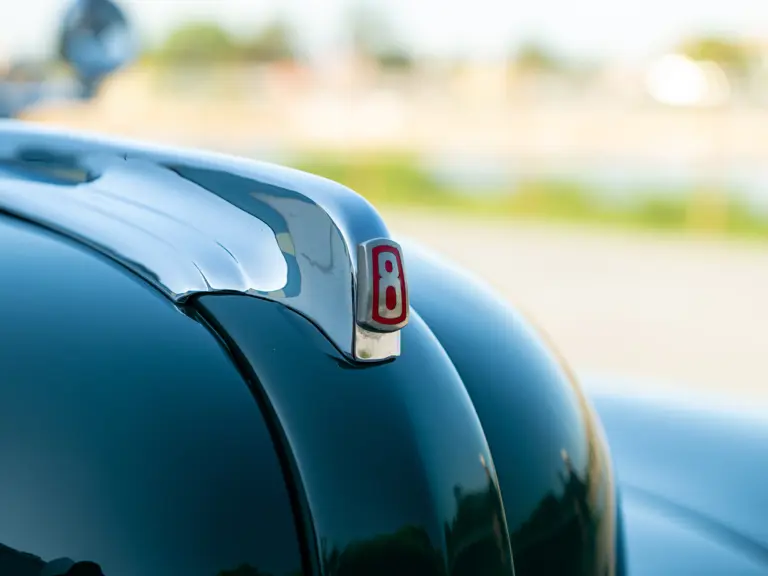
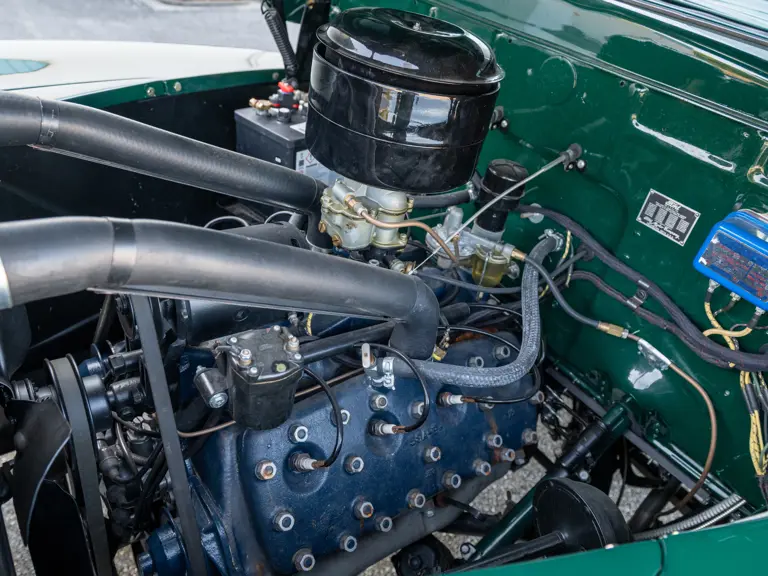
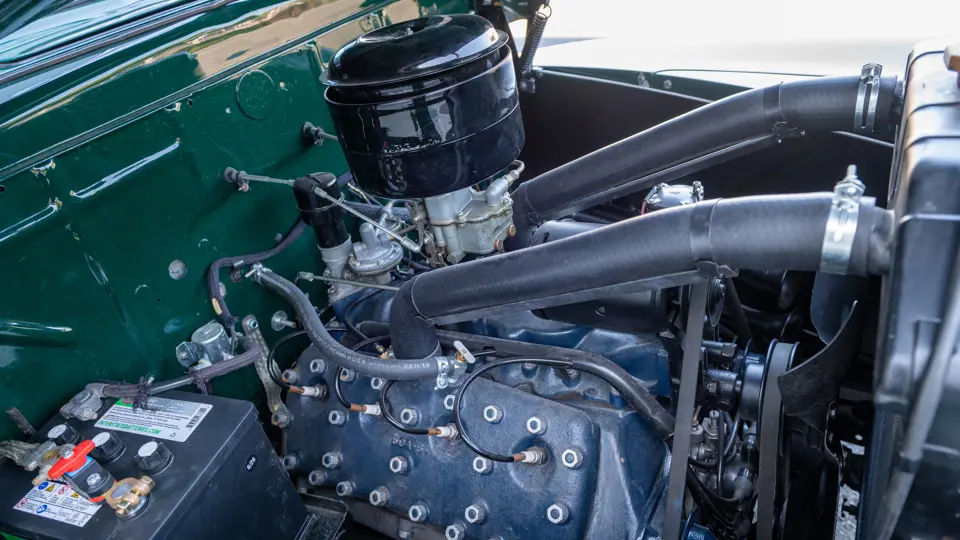
For 1946, Ford offered the Station Wagon exclusively in its upscale Super DeLuxe series. Accordingly, it received the model line’s additional interior appointments and brightwork. More significant was the availability of Ford’s Mercury-derived 239-cubic-inch flathead V-8. Producing 100 horsepower and paired with a three-speed manual transmission, the larger V-8 provided welcome additional performance for the substantial eight-passenger wagon.
Ford produced 16,960 Super DeLuxe Station Wagons for the 1946 model year, encompassing both six-cylinder and V-8-powered examples. Although successful when new, their wood-intensive construction made these wagons considerably more vulnerable to deterioration than their all-steel contemporaries. As surviving examples became increasingly scarce, the Ford woodie evolved from utilitarian family transportation into one of the most recognizable and desirable American automobiles of the immediate post-war era.
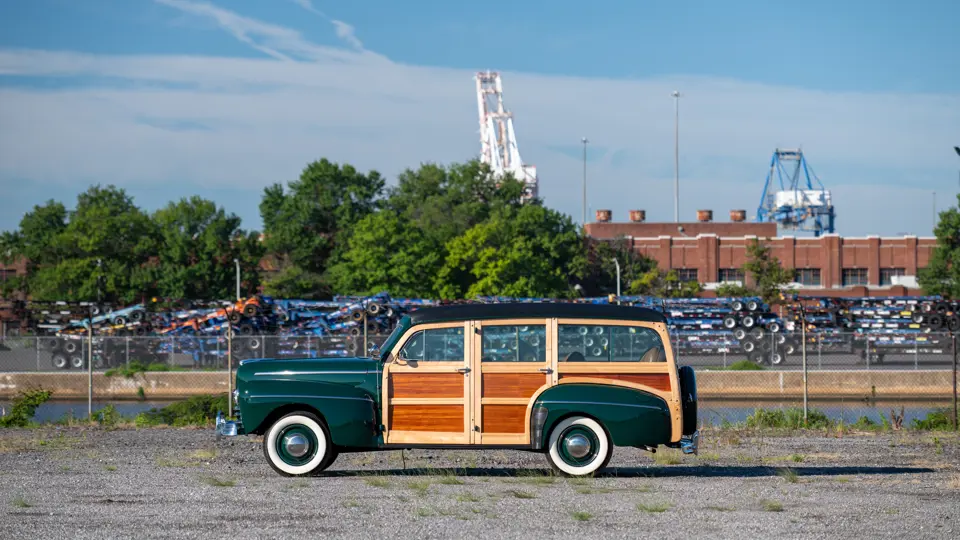
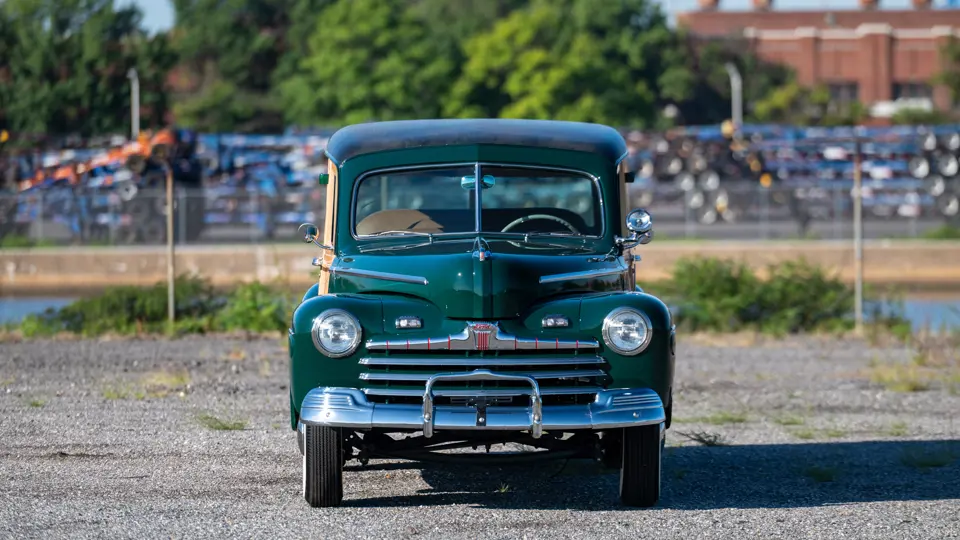
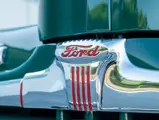
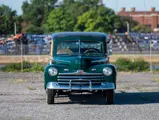
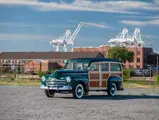
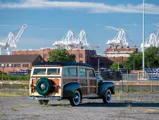
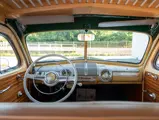
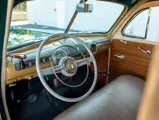
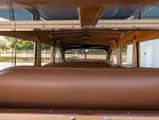
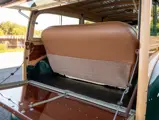
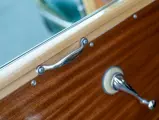
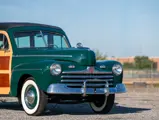
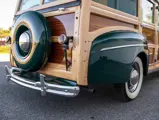
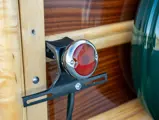
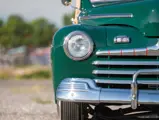
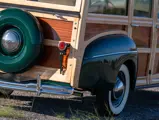
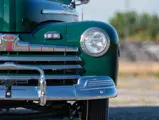
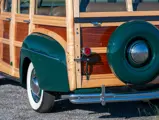
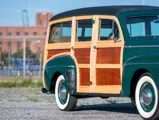
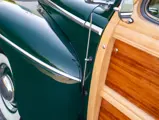
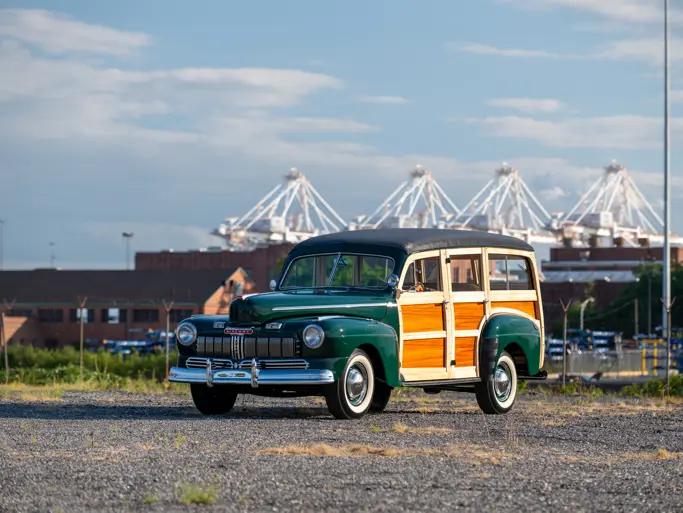
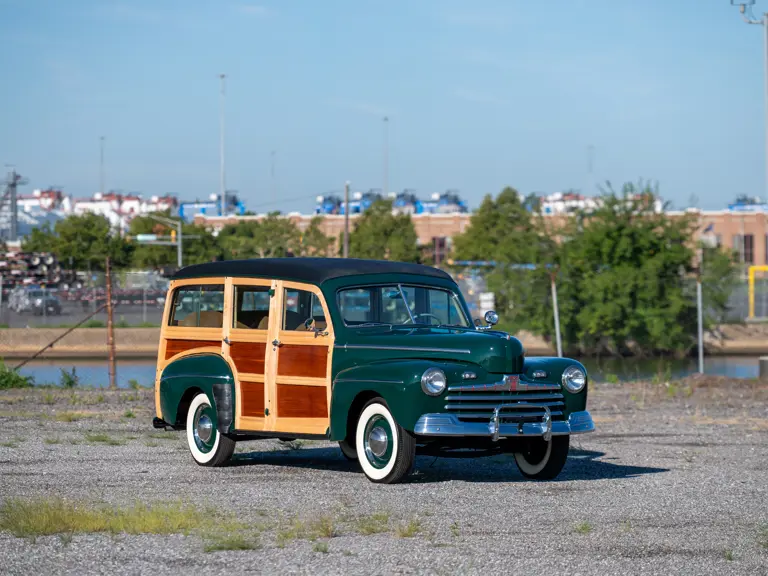
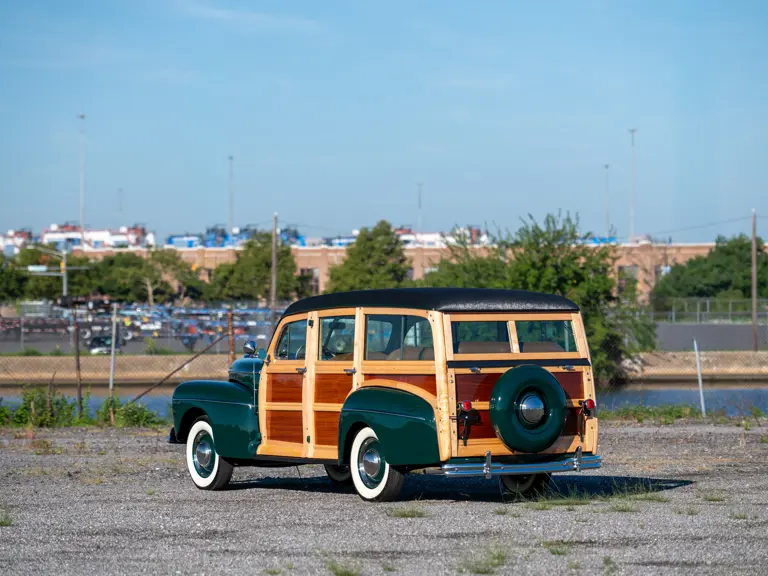
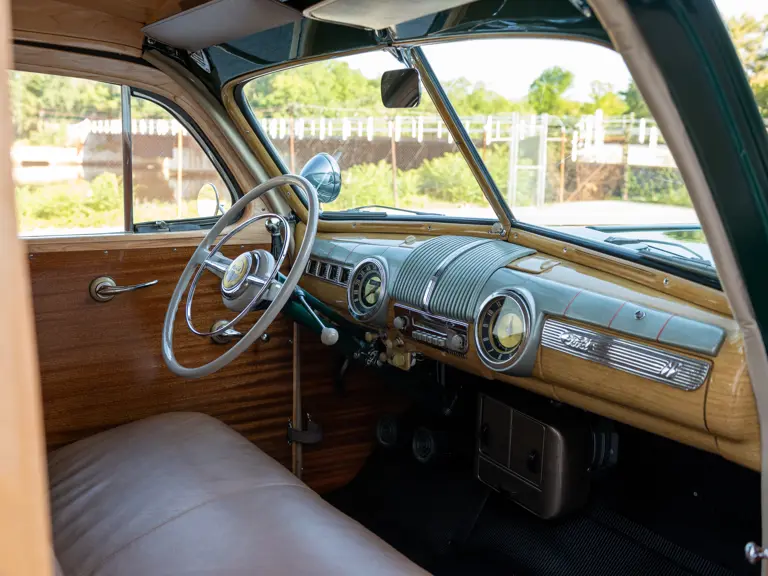
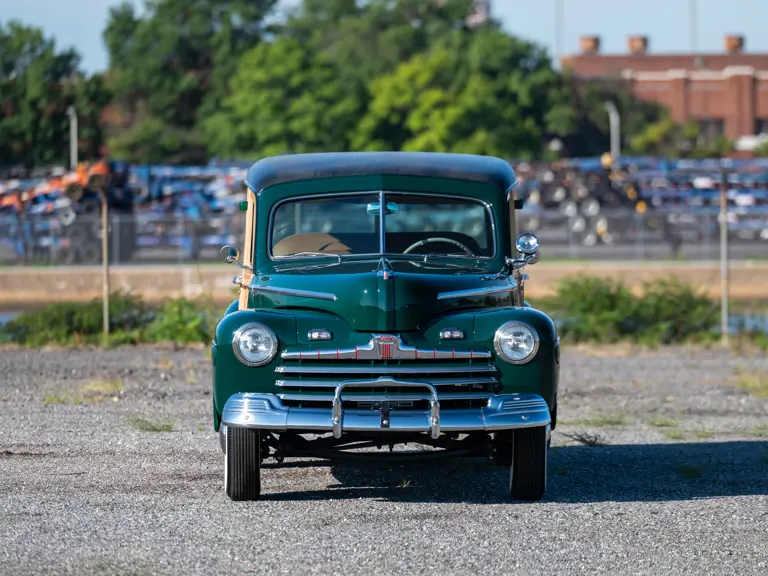
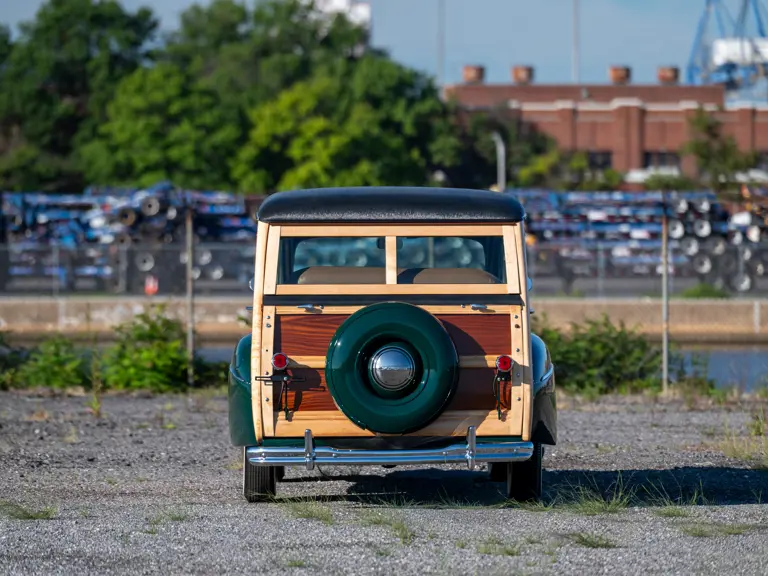
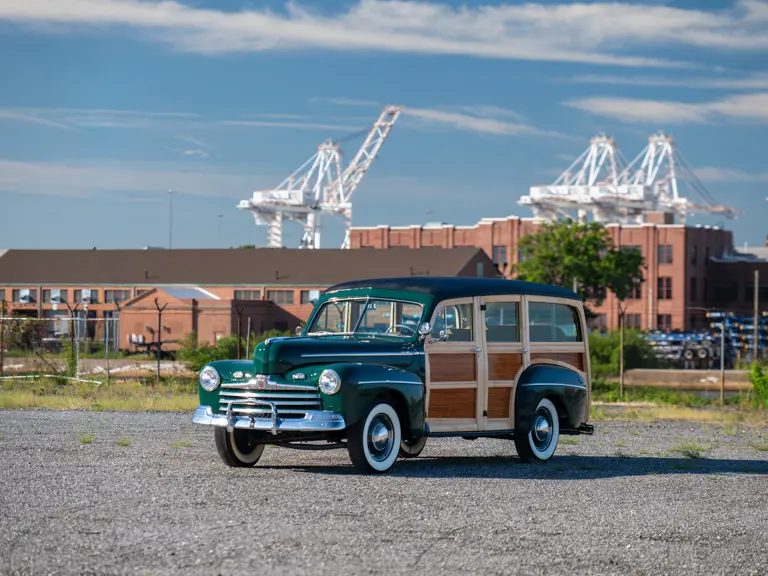
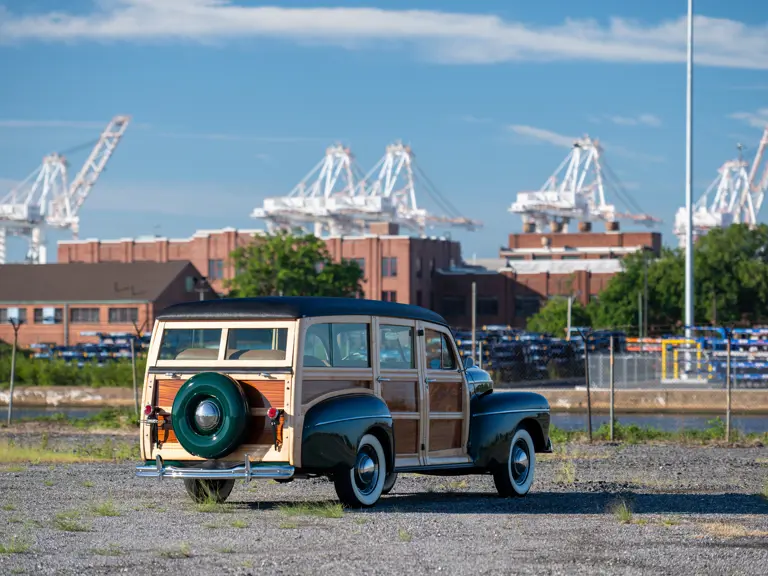
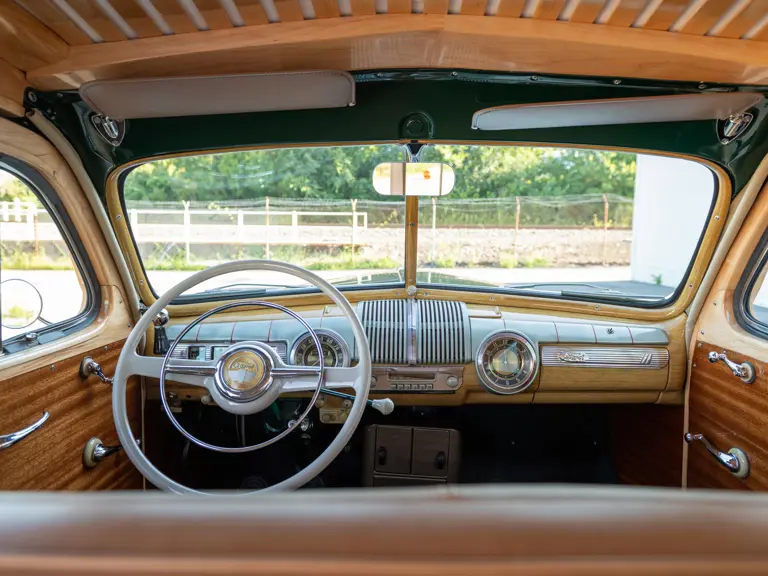
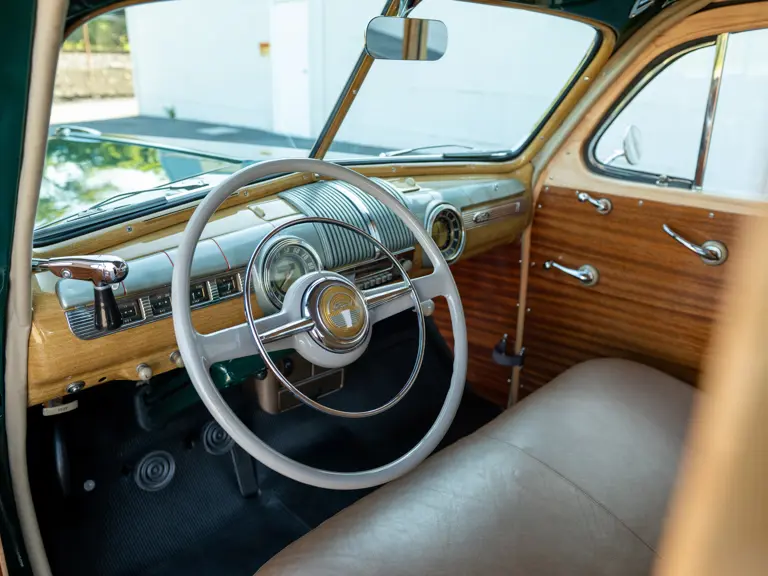
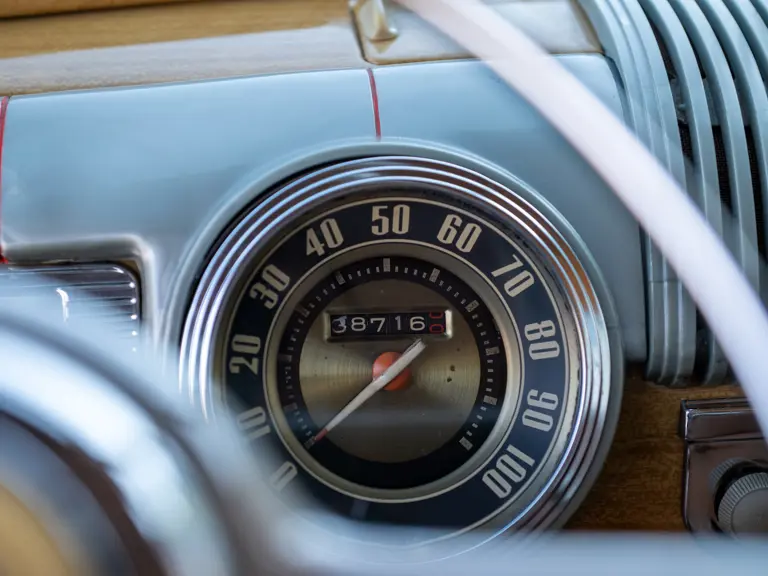
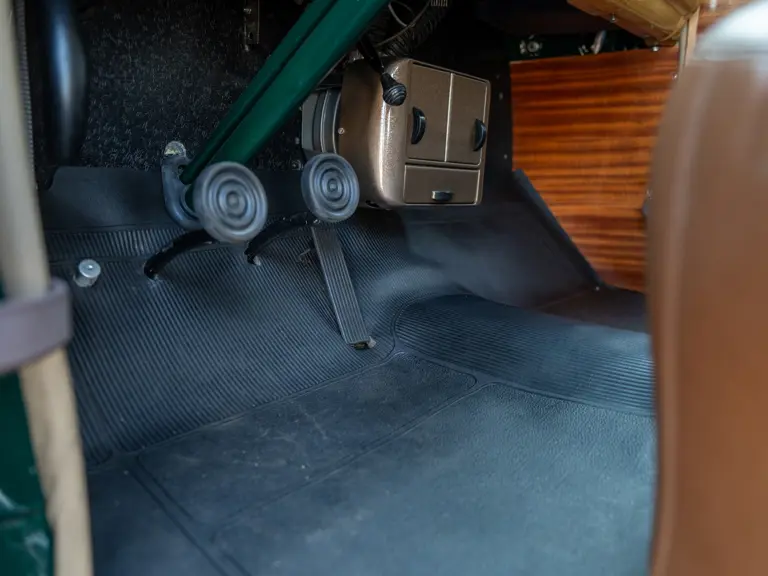
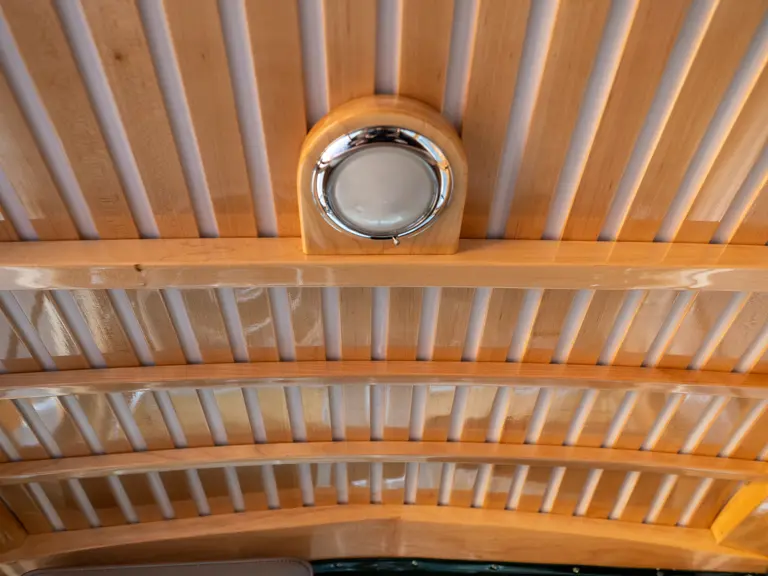
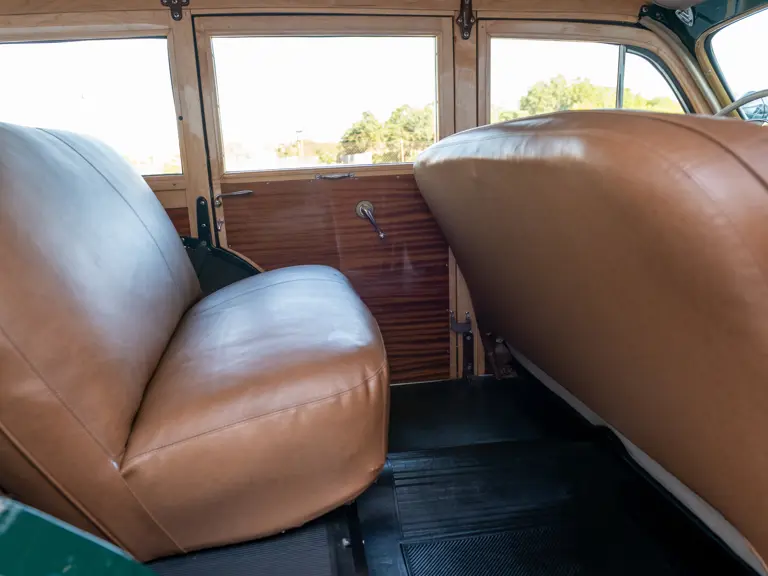
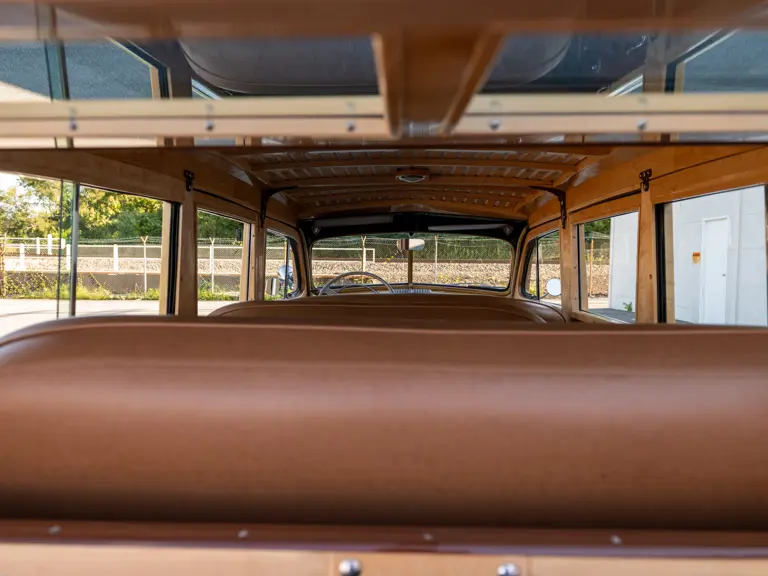
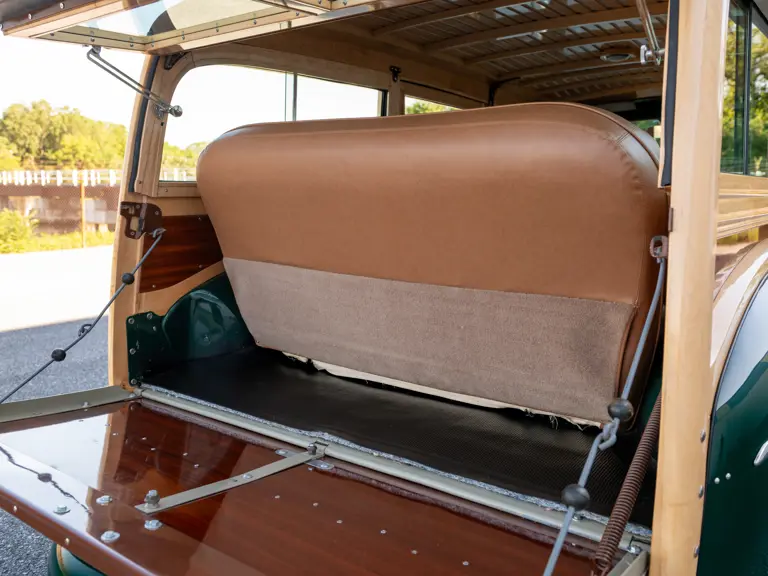
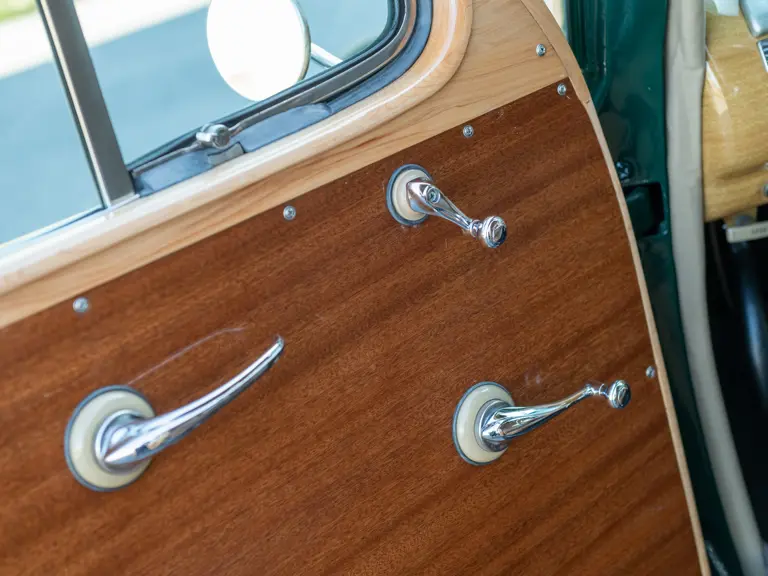
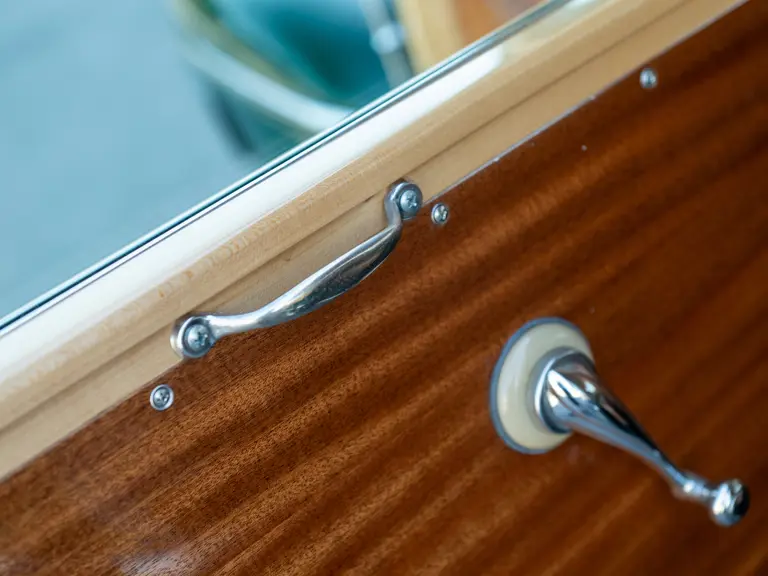
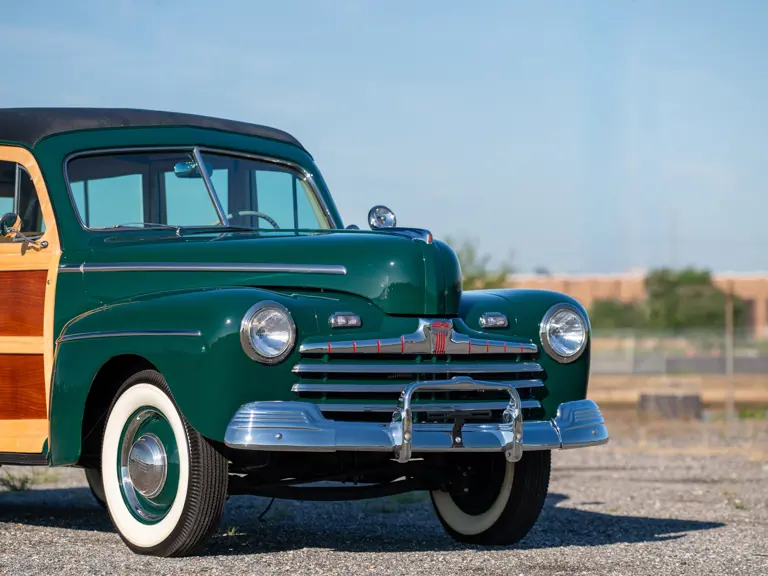
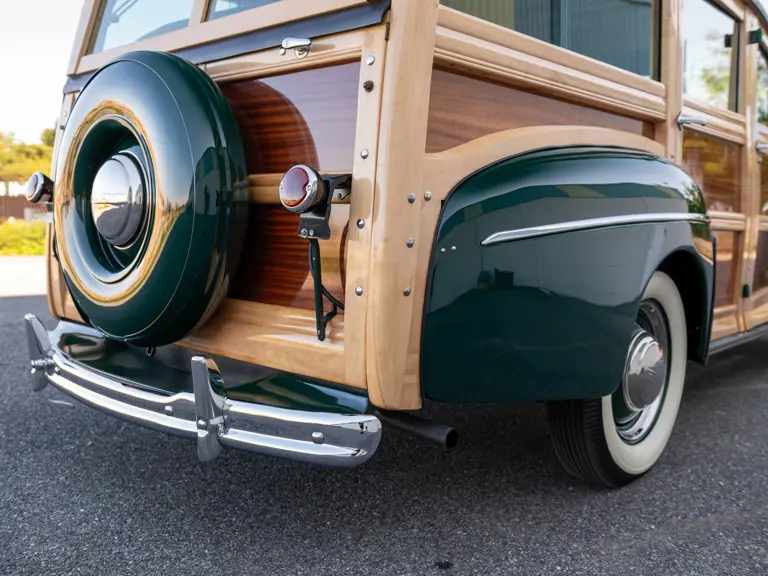
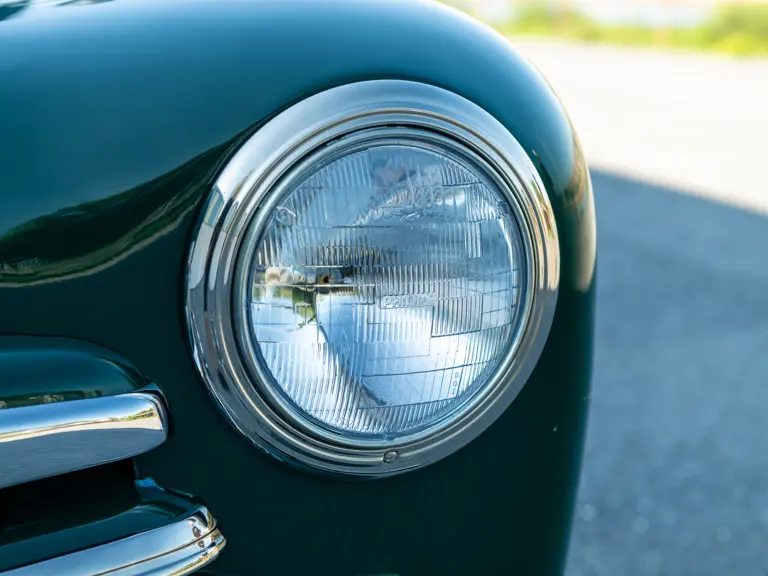
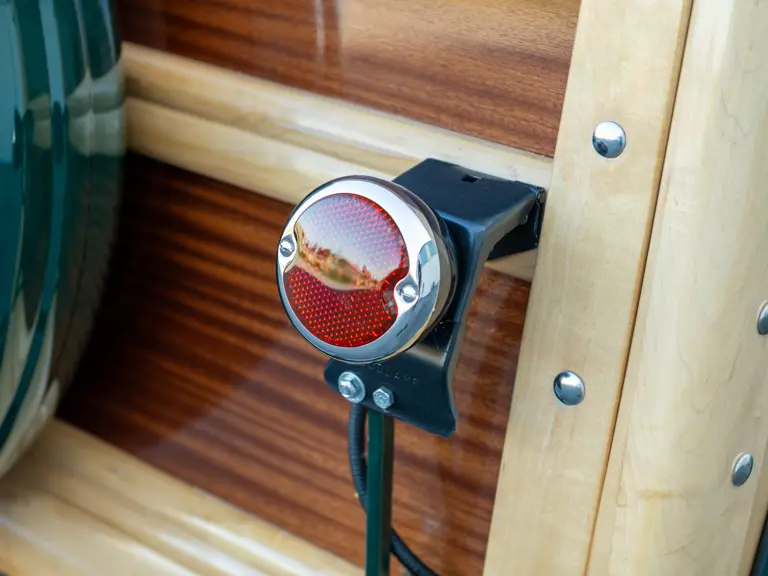
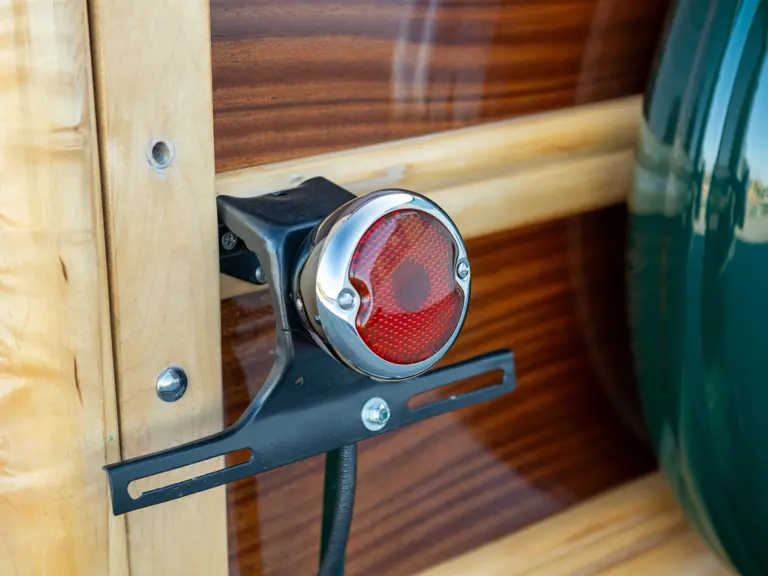
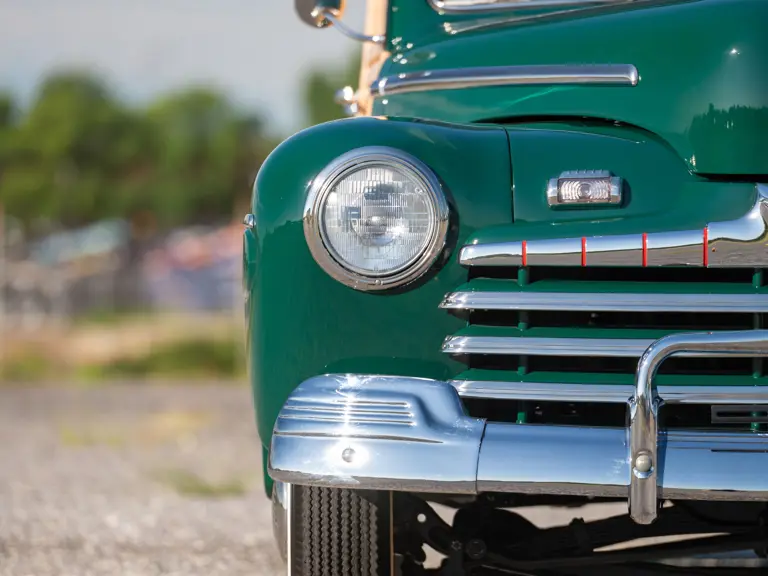
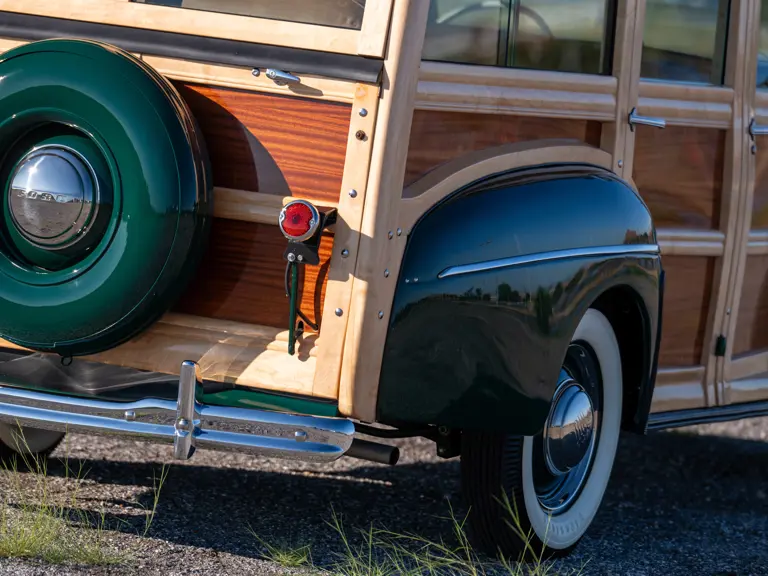
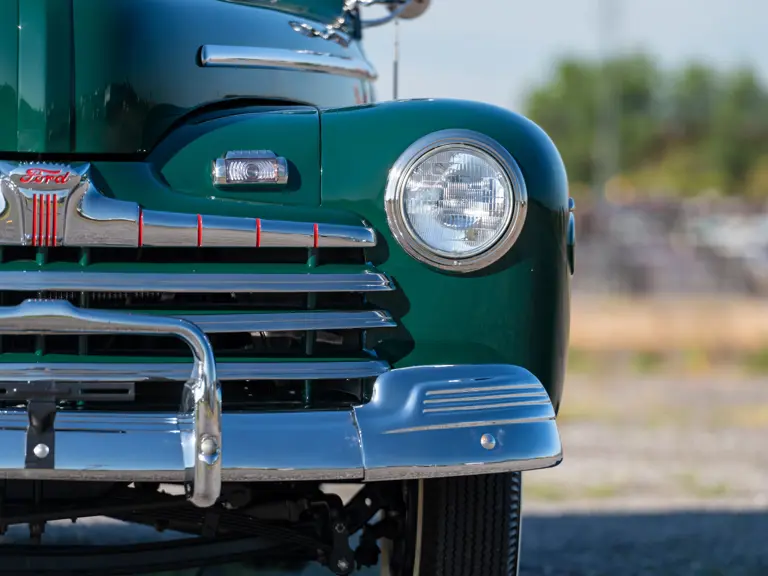
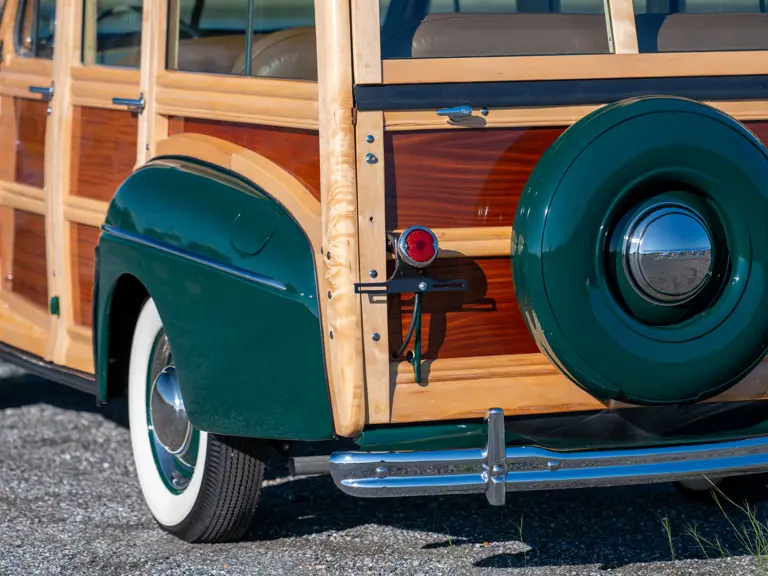
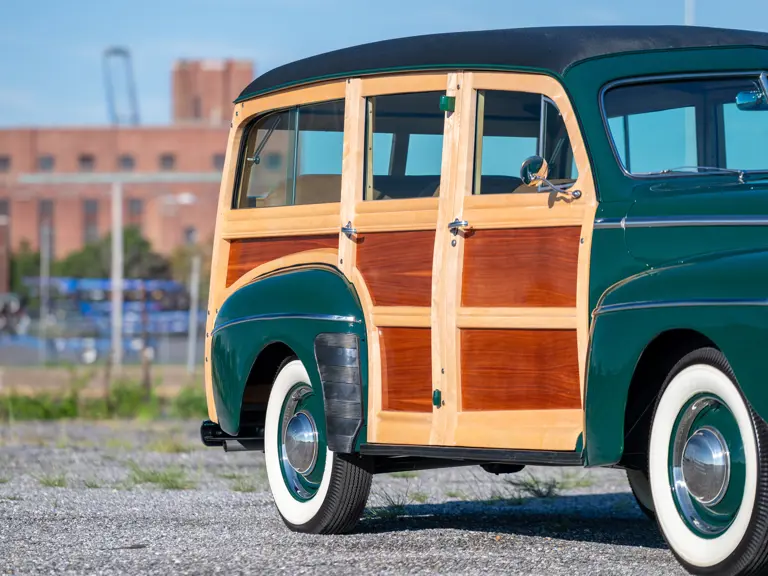
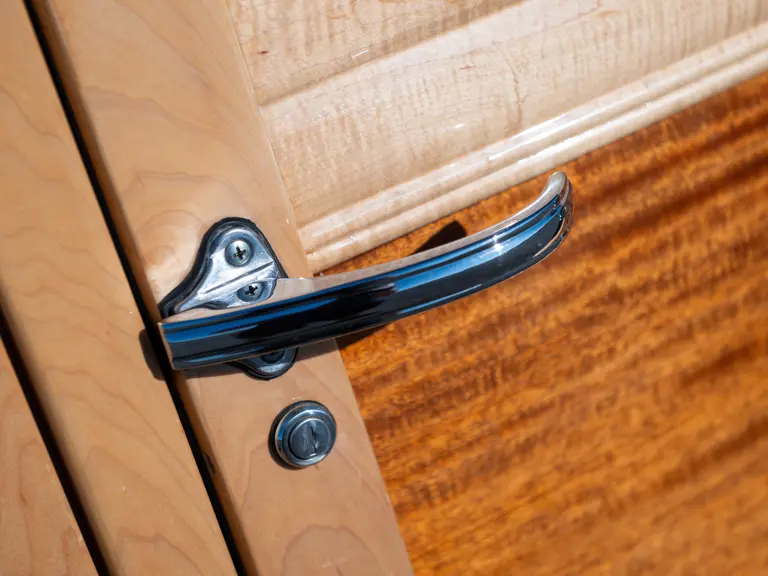
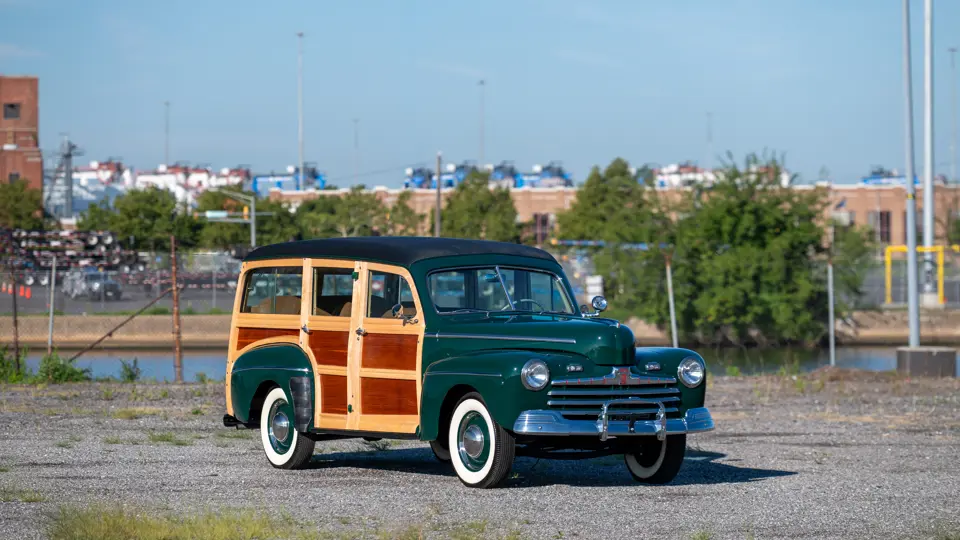
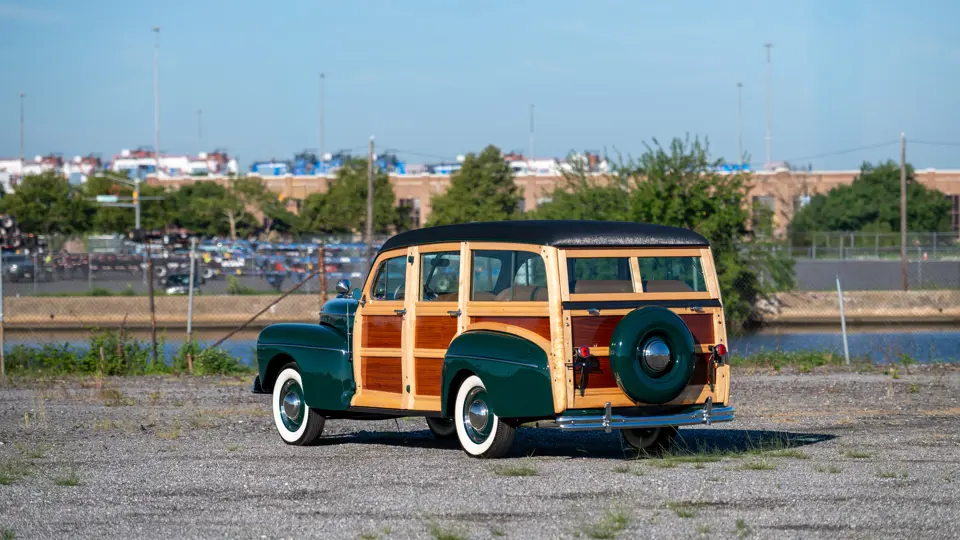
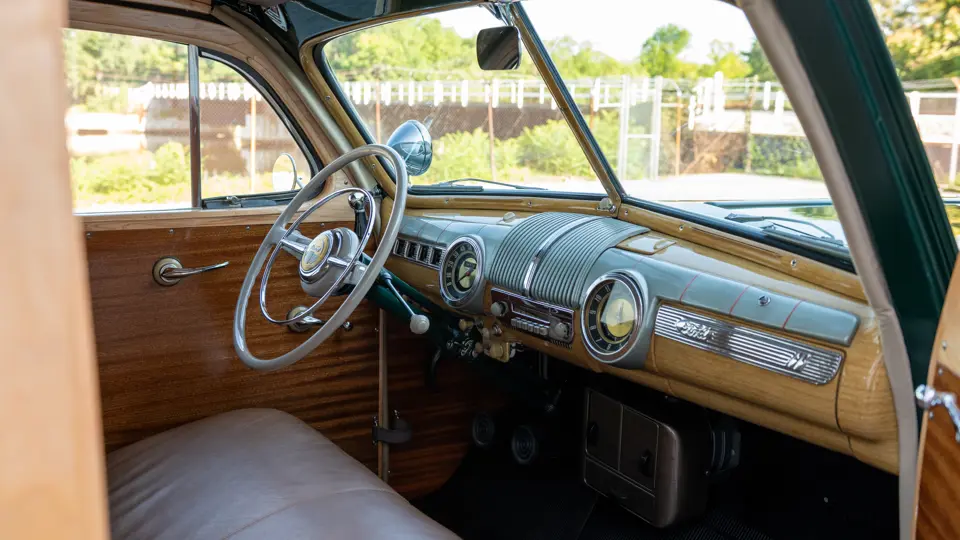
Offered from The James G. Robinson Collection, this 1946 Super DeLuxe Station Wagon benefits from a well-preserved older restoration. Its dark green finish provides an especially attractive contrast to the richly varnished woodwork, while the tan interior complements the warm tones of the exterior wood. Particularly appealing is the visible grain and figuring throughout portions of the framing, an important visual element on any properly presented woodie.
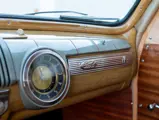
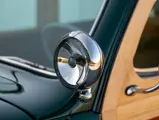
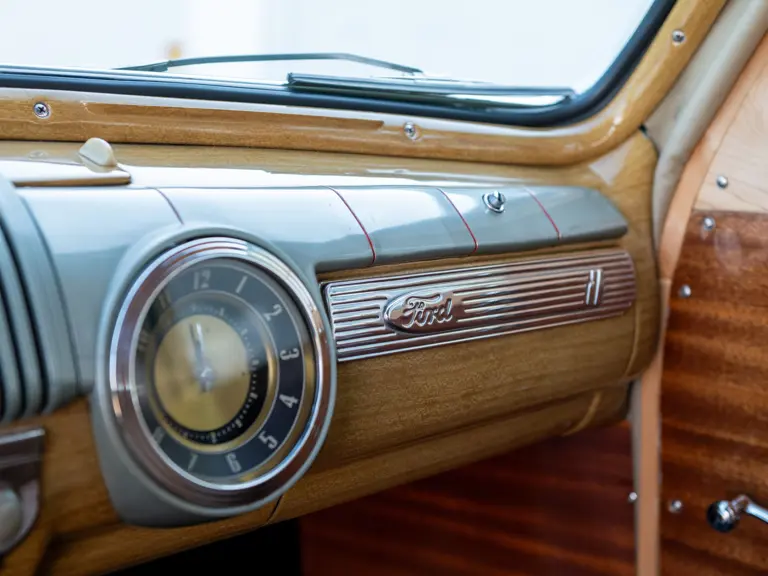
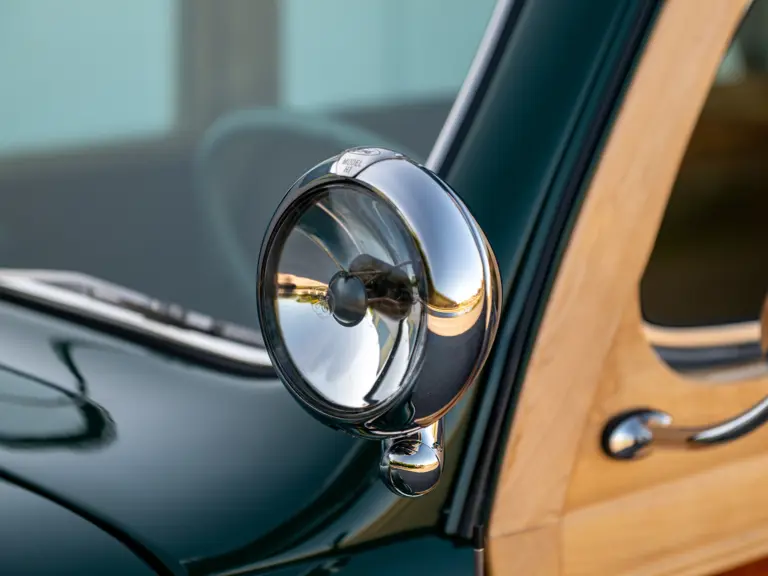
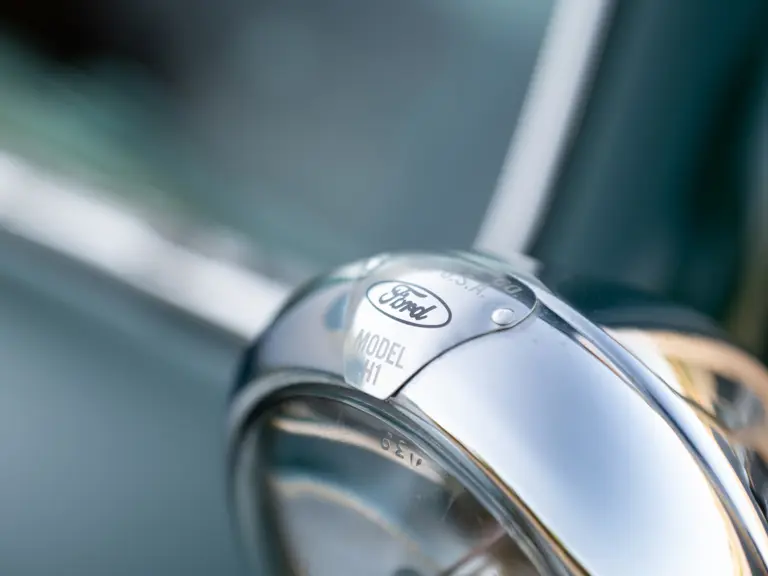
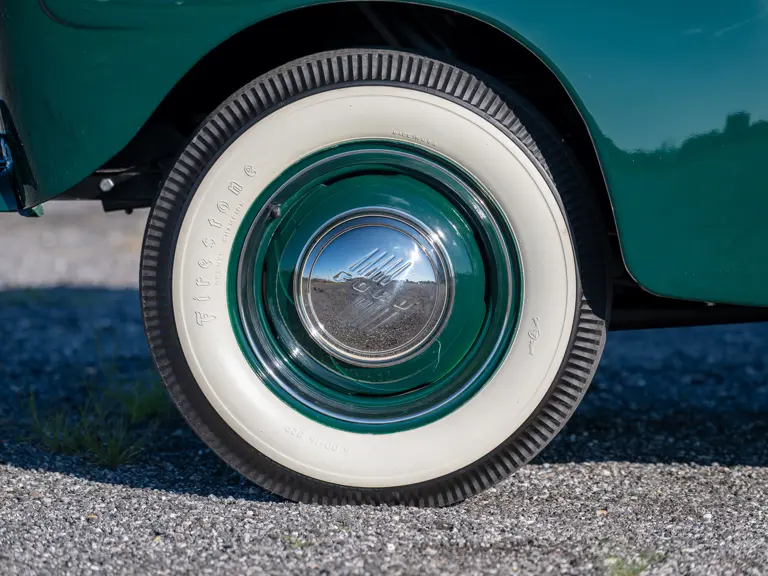
This example is powered by the desirable 239-cubic-inch flathead V-8 and is further equipped with a radio, heater, in-dash clock, spotlight, and rear-mounted covered spare. Wide whitewall tires complete its handsome period appearance.
Few American automobiles evoke the optimism and leisurely lifestyle of the immediate post-war era quite like a Ford woodie. Equally at home at a country estate, seaside retreat, or collector car gathering, this attractively presented Super DeLuxe Station Wagon offers both the craftsmanship and unmistakable presence that have made Ford’s wood-body wagons enduring icons of American automotive design.
 | Hershey, Pennsylvania