





Chassis No.
H119928
$42,000 USD | Sold
Offered from The James G. Robinson Collection
{{bidding.lot.reserveStatusFormatted}}
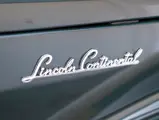
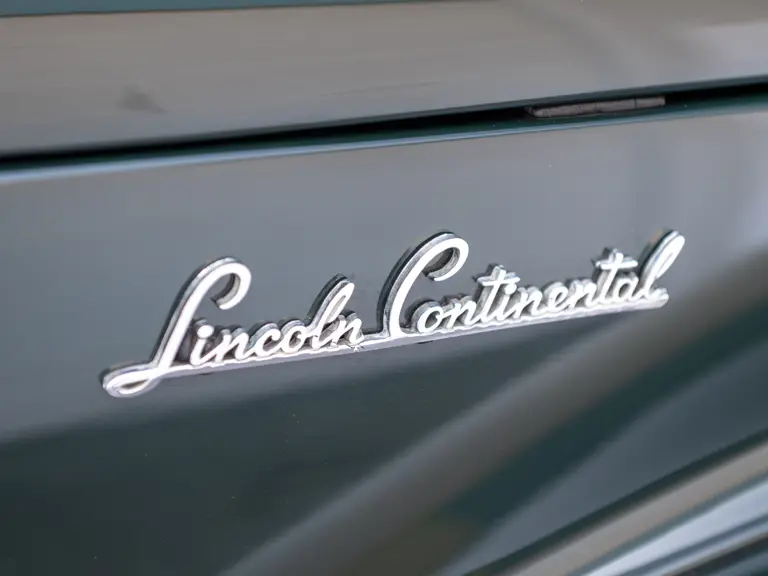
Few American automobiles are as immediately recognizable as the original Lincoln Continental. Conceived under the direction of Edsel Ford and brought to life by talented designer Eugene T. “Bob” Gregorie, the Continental combined European-inspired proportions with distinctly American presence, creating one of the most influential luxury car designs of the pre-war era.
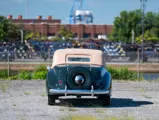
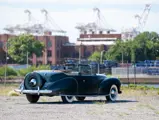
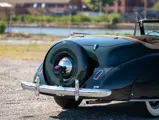
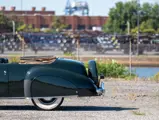
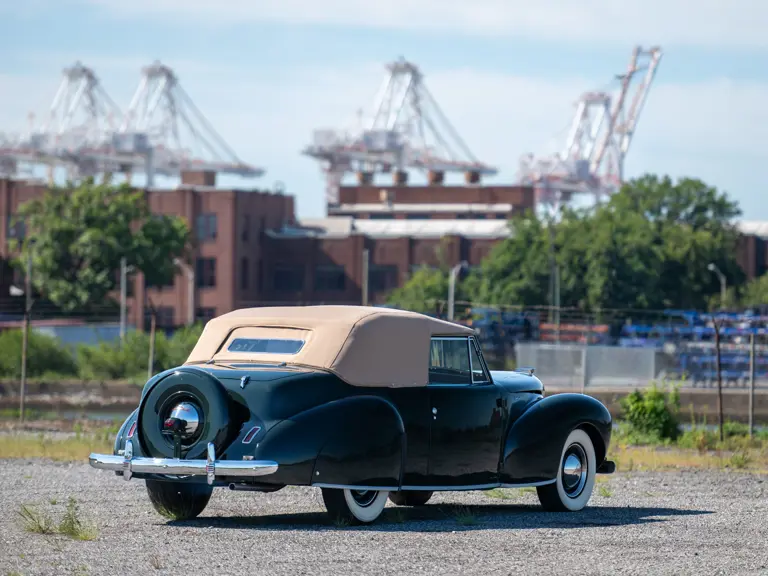
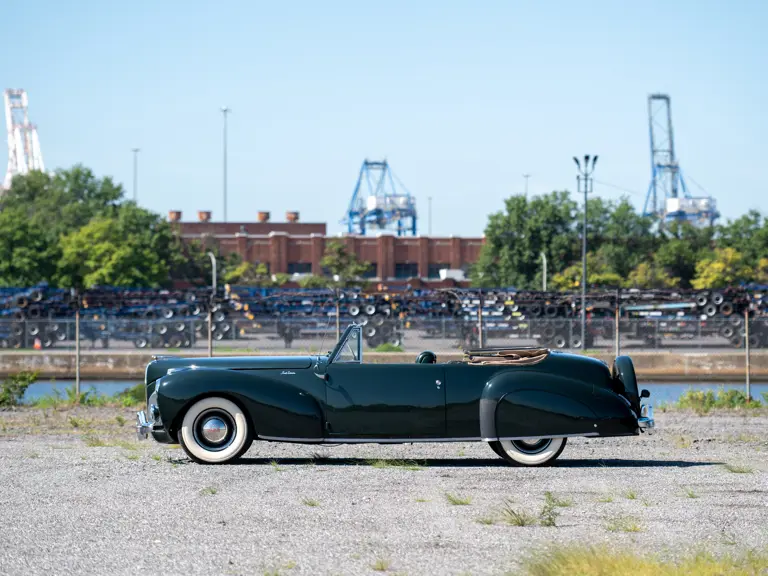
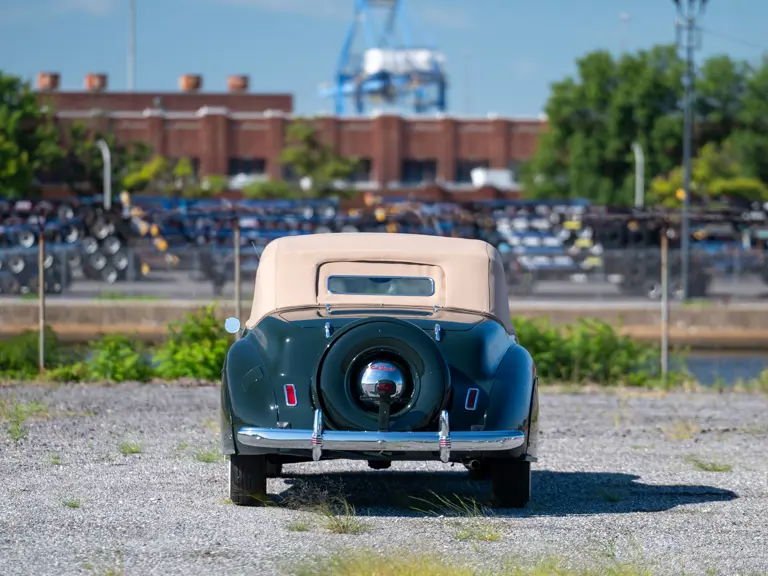
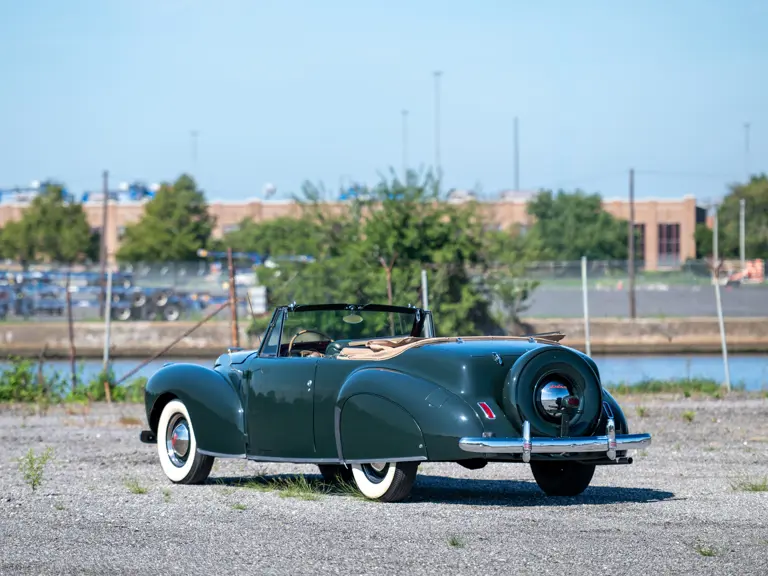
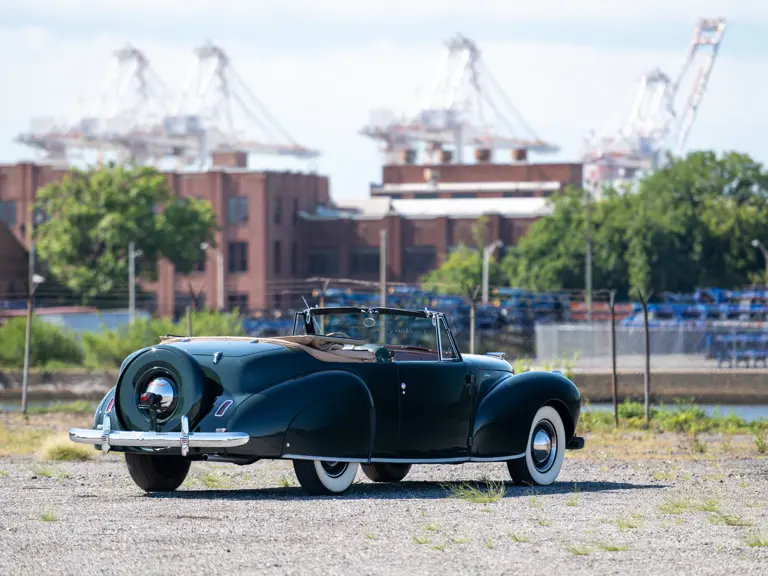
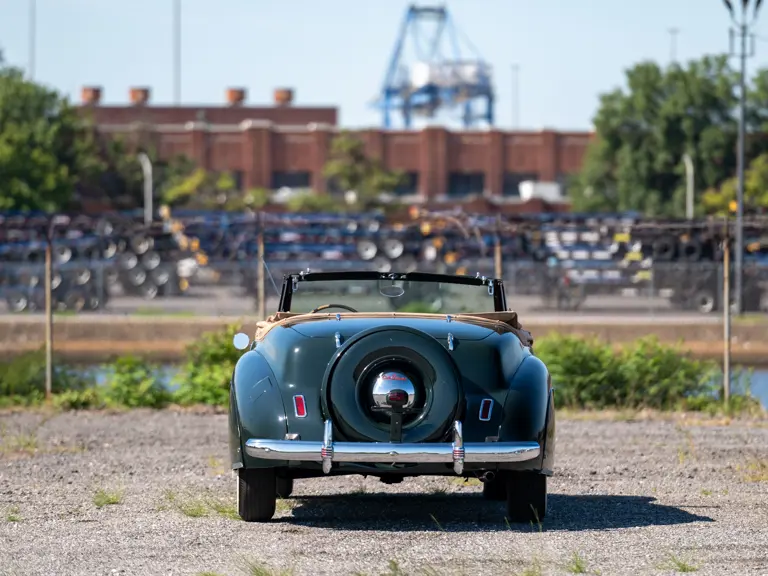
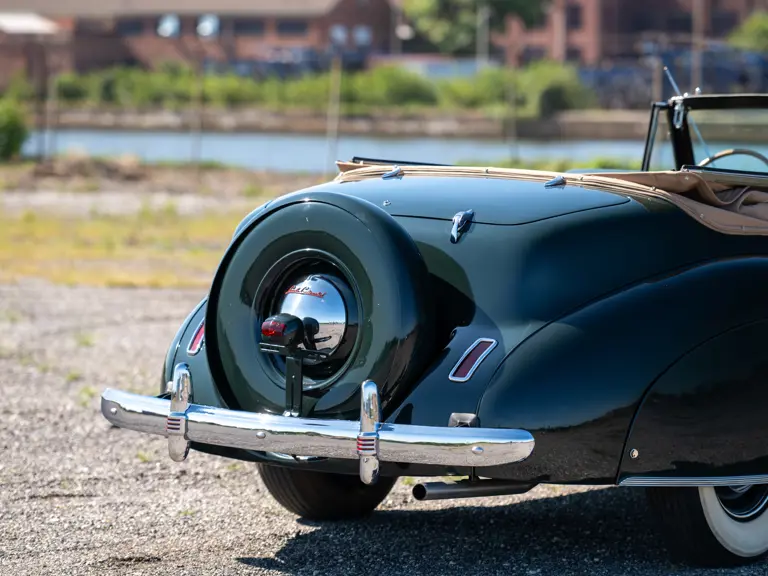
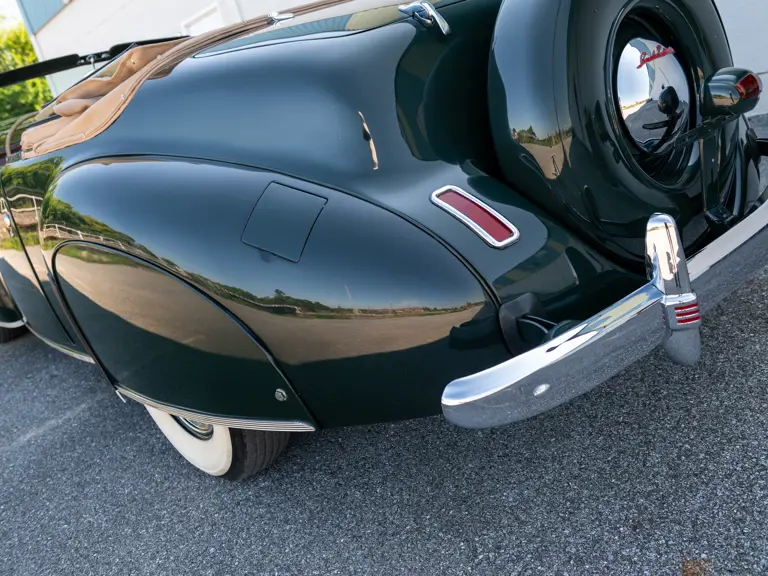
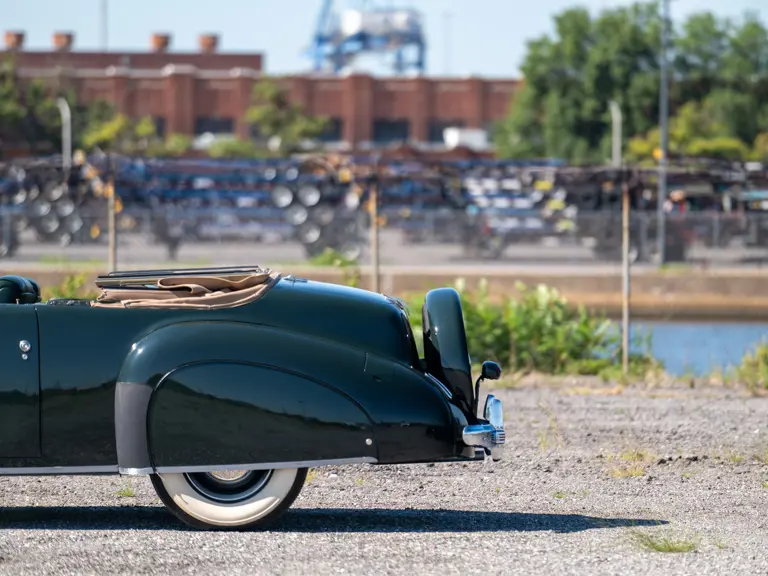
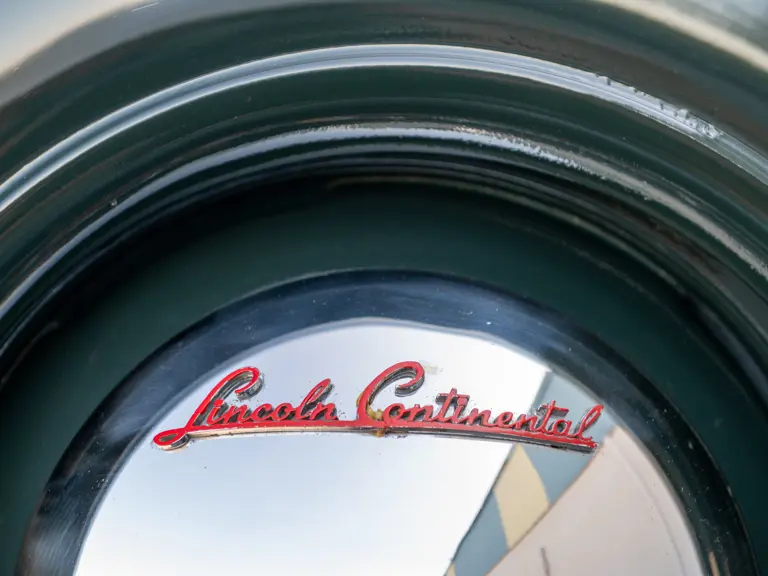
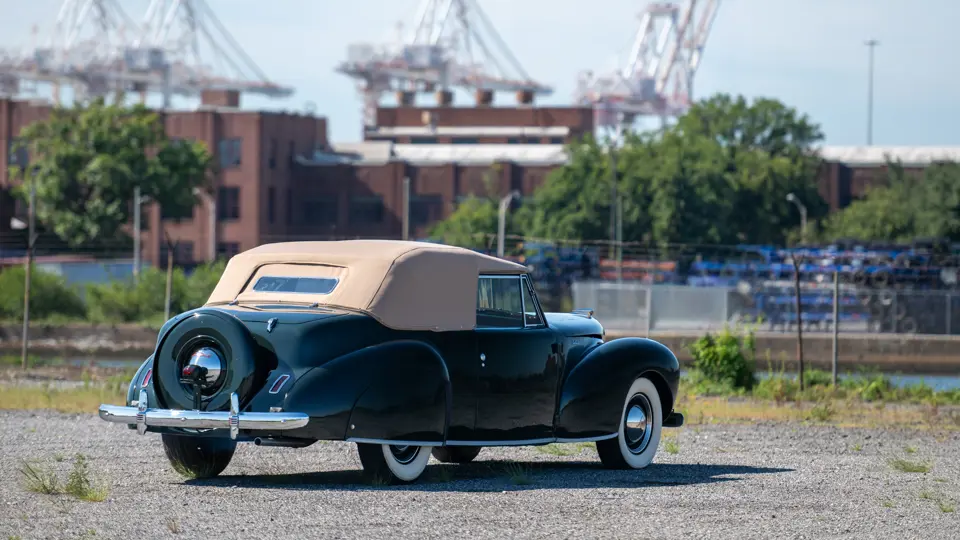
The Continental’s origins can be traced to Edsel Ford’s 1938 trip to Europe, where he was particularly taken by the sophisticated proportions and restrained elegance of contemporary European automobiles. Upon his return, Ford challenged Gregorie to create a special Lincoln reflecting those influences. Working from the streamlined Lincoln-Zephyr, Gregorie developed a dramatically lower and longer automobile, extending the hood and front fenders while lowering the body and emphasizing its long-hood, short-deck proportions. An externally mounted, covered spare tire completed the distinctive appearance and would become so closely associated with the model that the treatment later became universally known as a “Continental” spare.
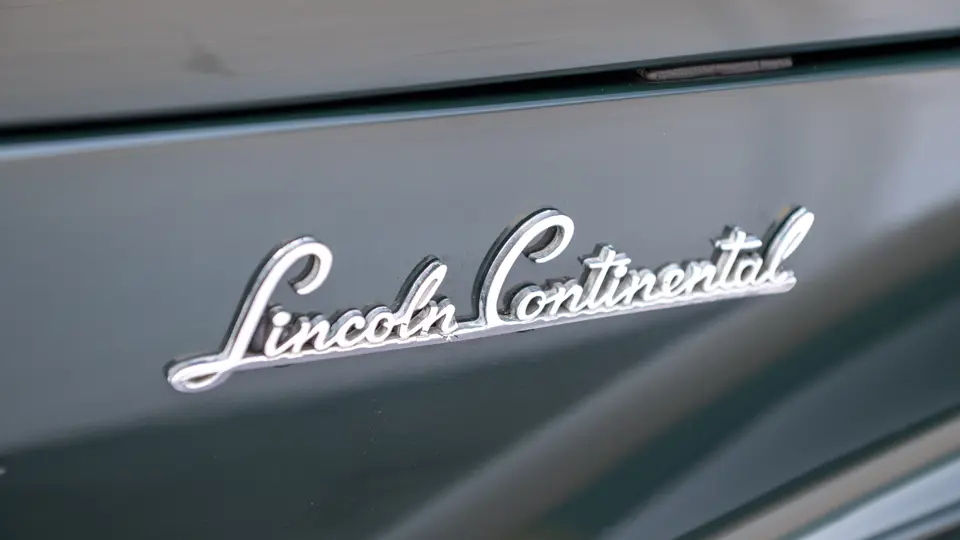
Completed in early 1939 for Edsel Ford’s personal use, the prototype accompanied him to his winter home in Hobe Sound, Florida. Its reception was immediately enthusiastic, convincing Ford that the design had commercial potential. A limited-production version followed for the 1940 model year, with the largely hand-finished Continental offered in both cabriolet and coupe form. For 1941, the Zephyr designation was dropped, and the automobile became simply the Lincoln Continental.
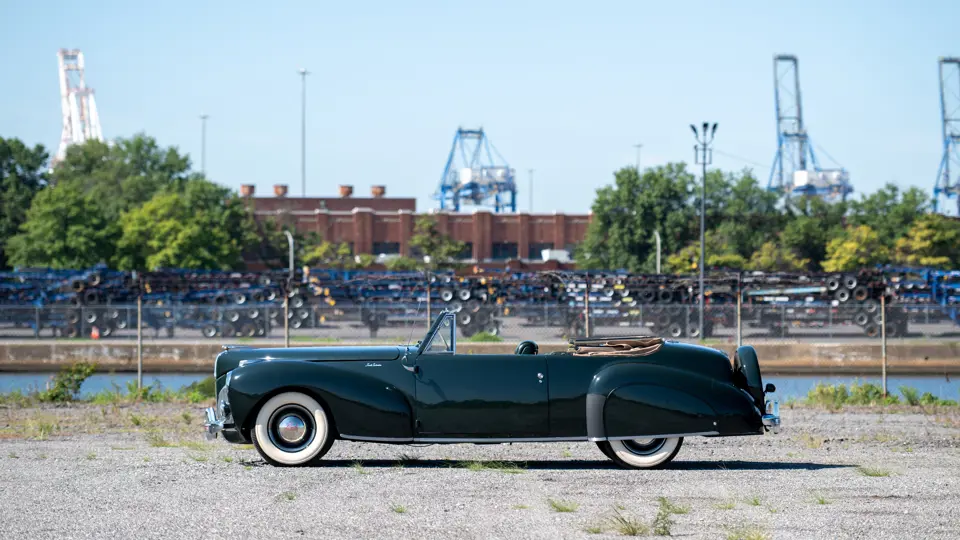
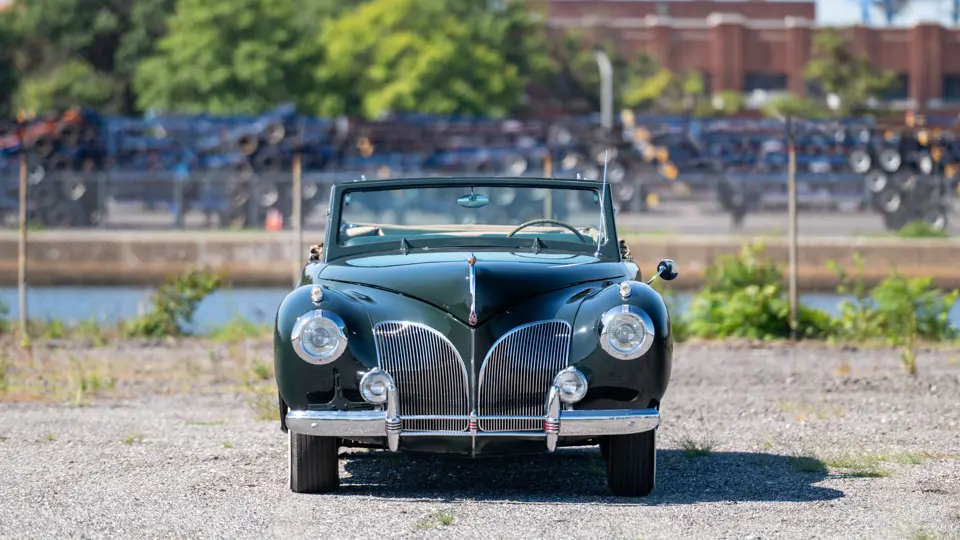
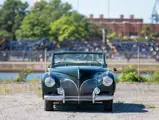
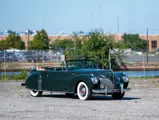
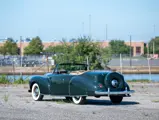
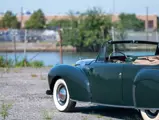
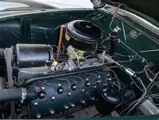
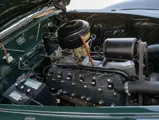
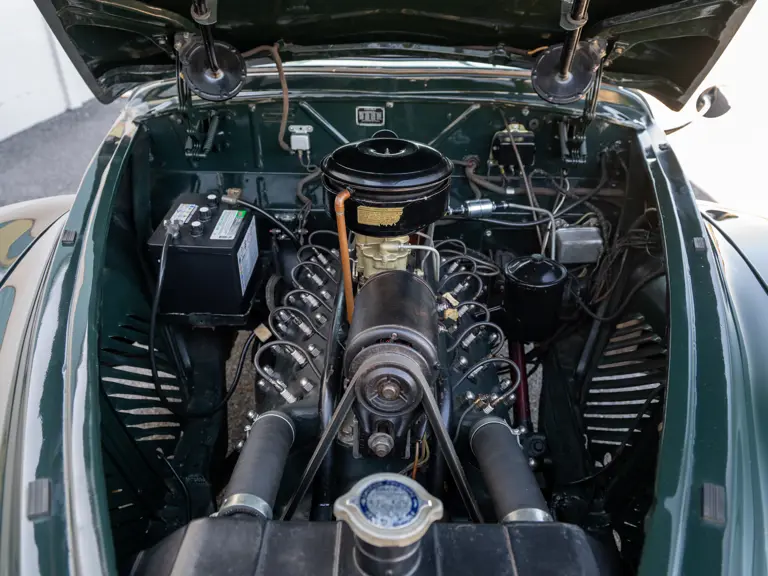
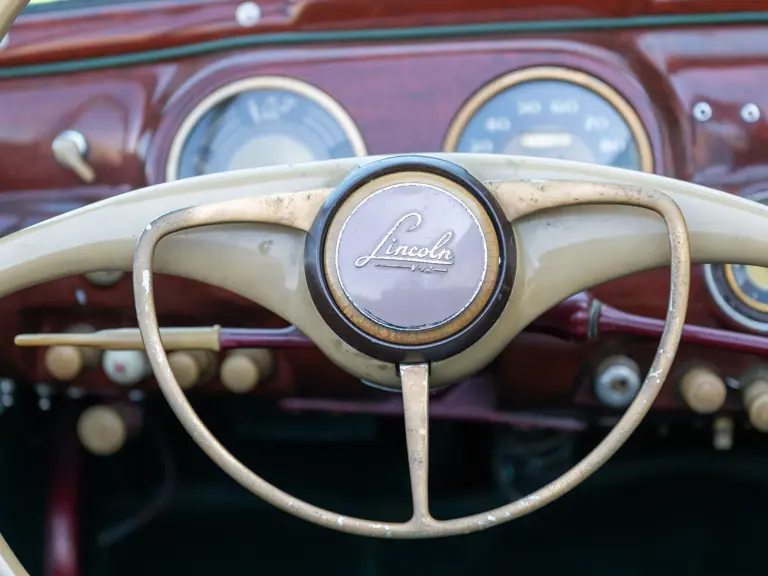
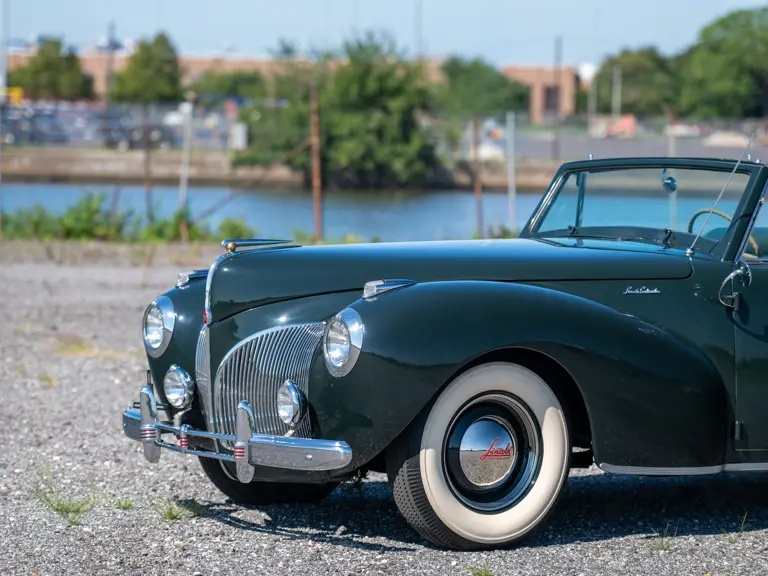
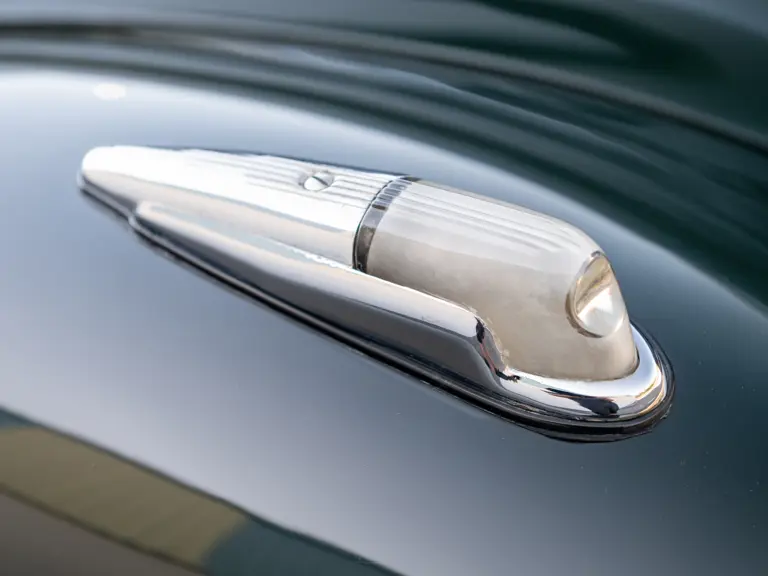
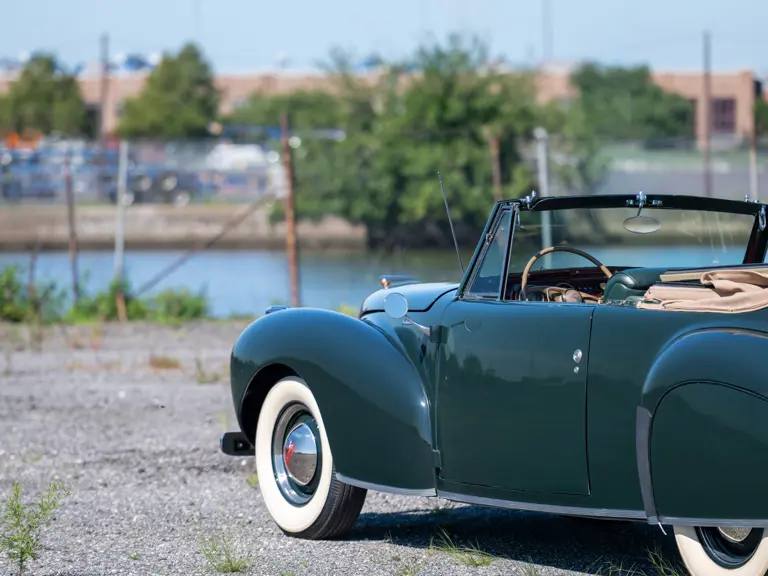
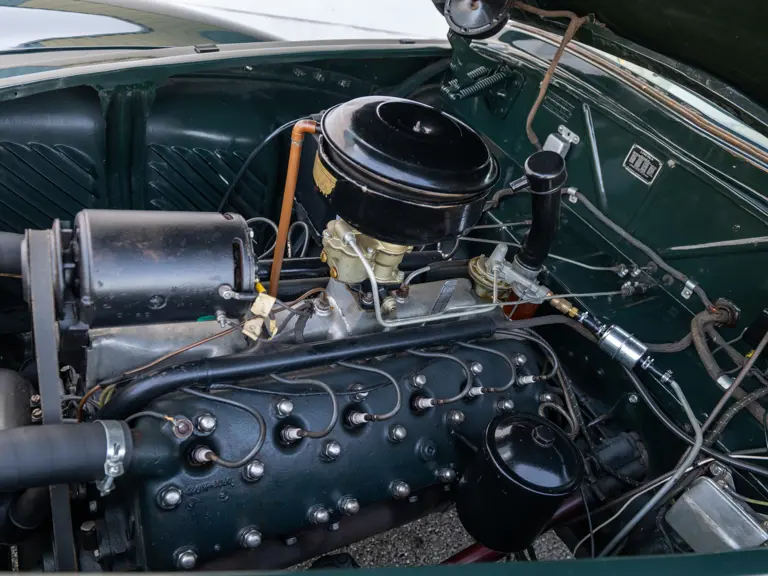
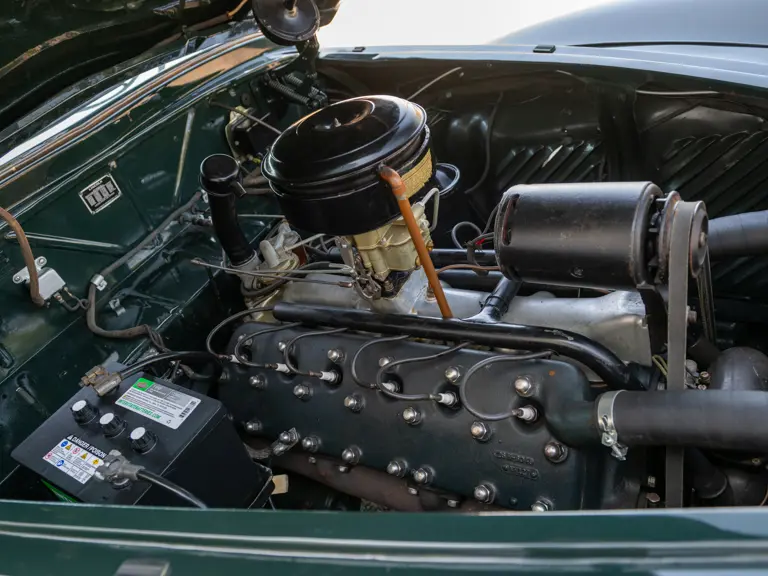
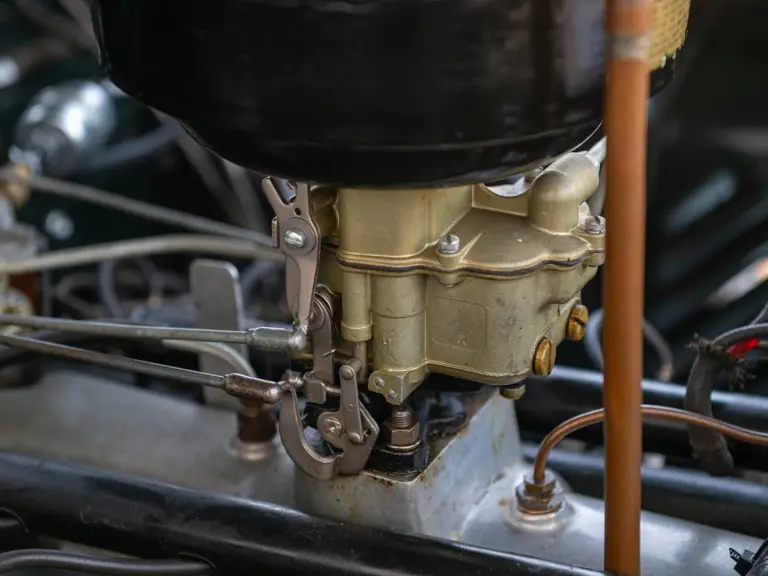
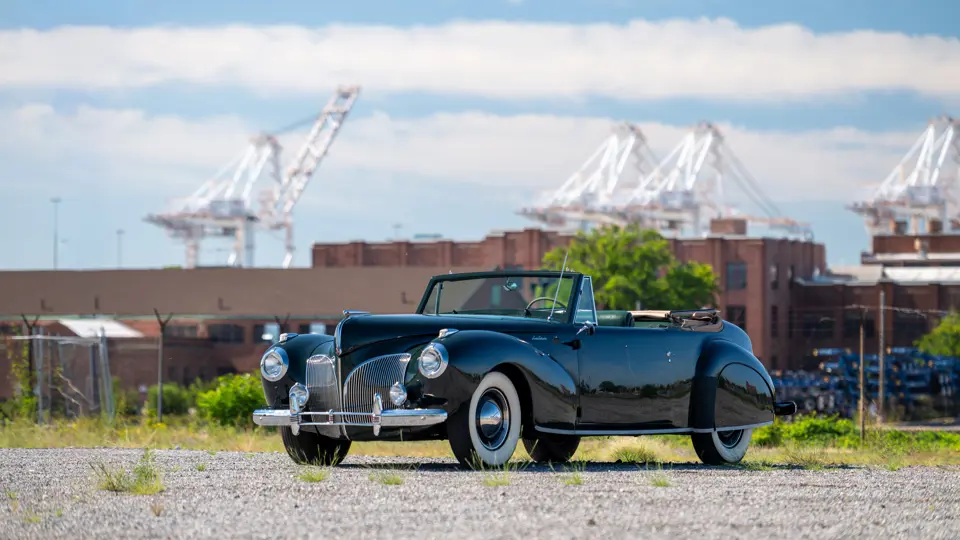
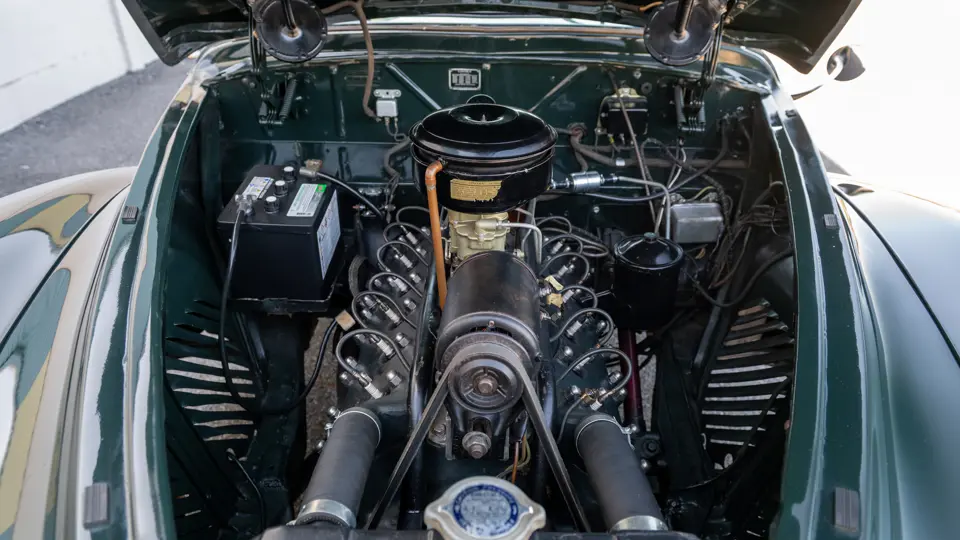
The Continental remained an exceptionally exclusive automobile. Just 400 cabriolets were produced for 1941, each powered by Lincoln’s 292-cubic-inch L-head V-12, rated at 120 horsepower and paired with a three-speed manual transmission. With its sweeping fenders, exceptionally long hood, low beltline, restrained brightwork, and signature rear-mounted spare, the Continental possessed a visual presence unlike virtually anything else offered by an American manufacturer.
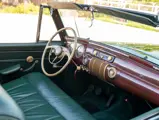
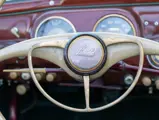
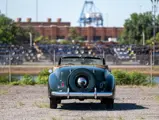
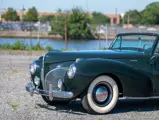
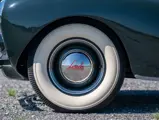
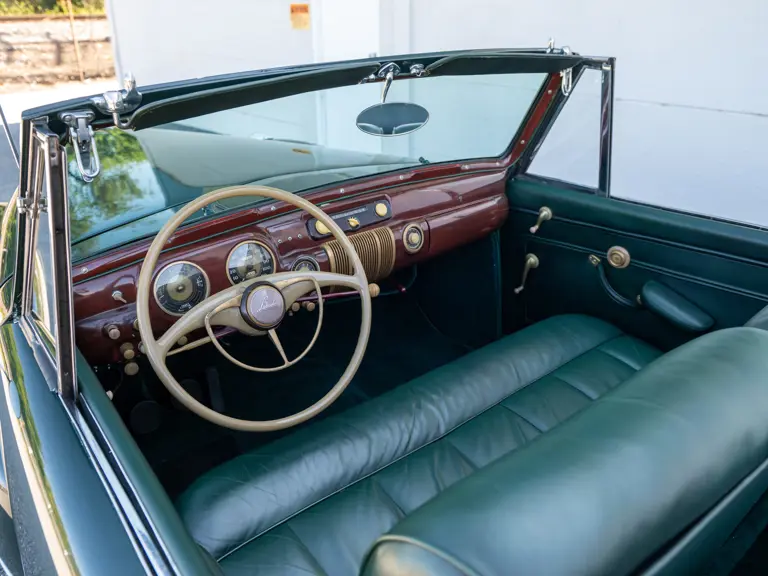
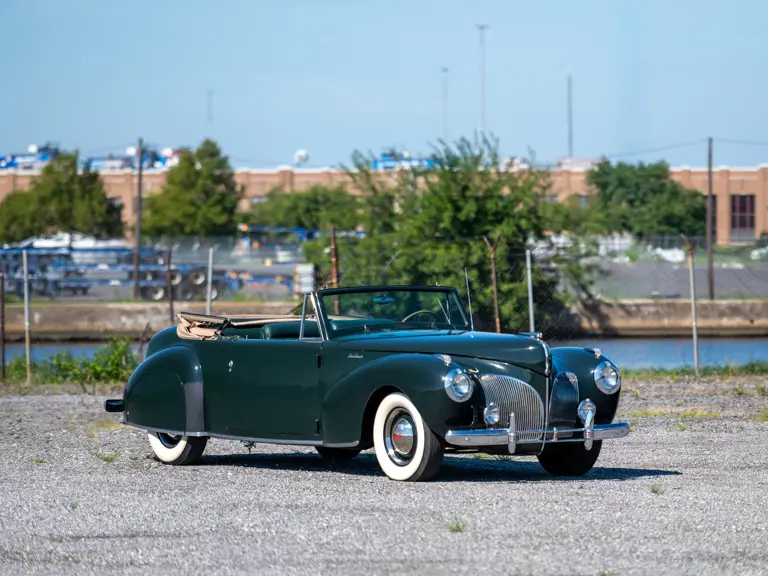
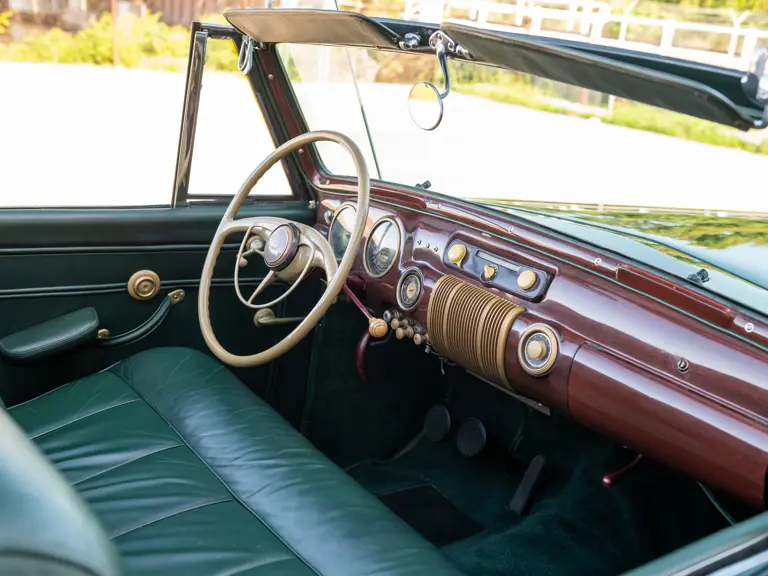
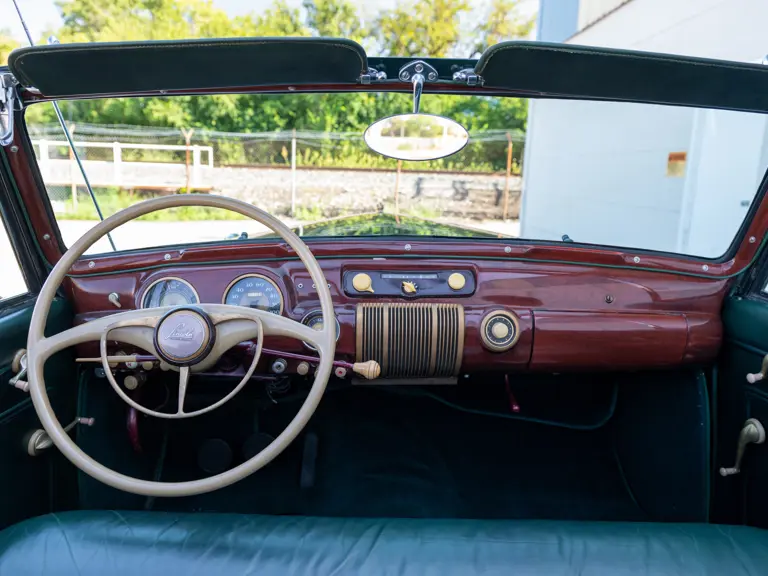
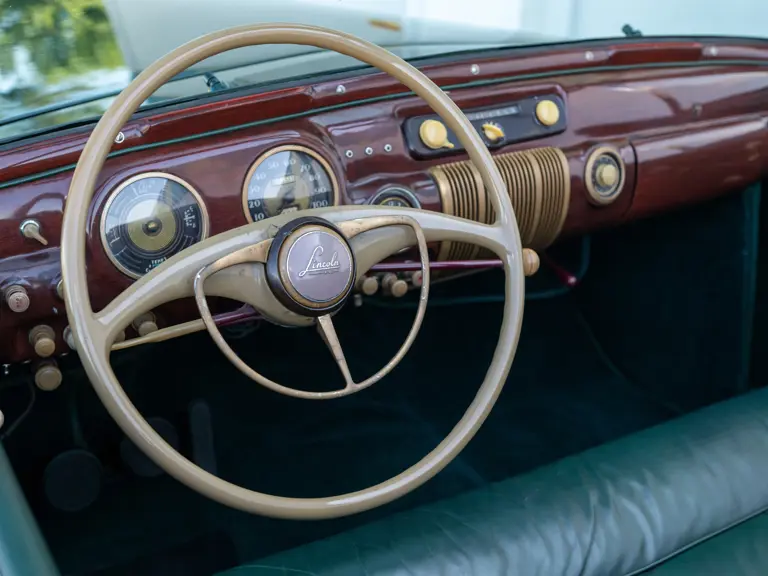
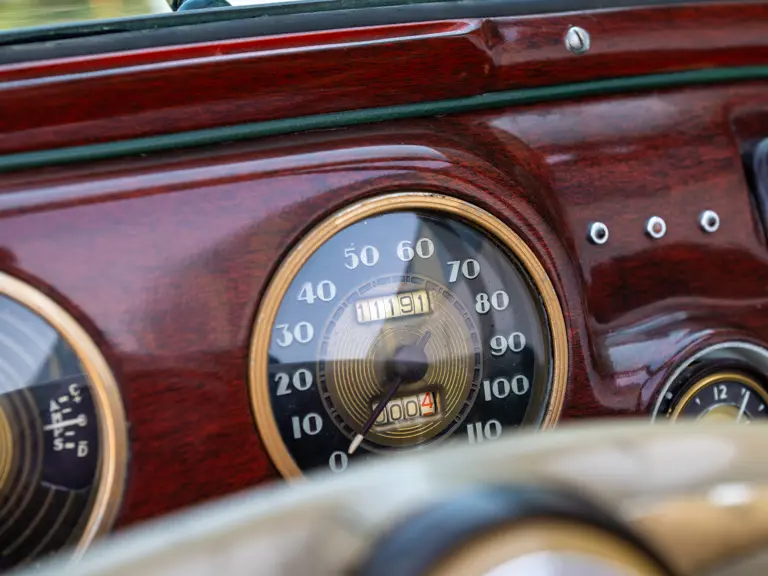
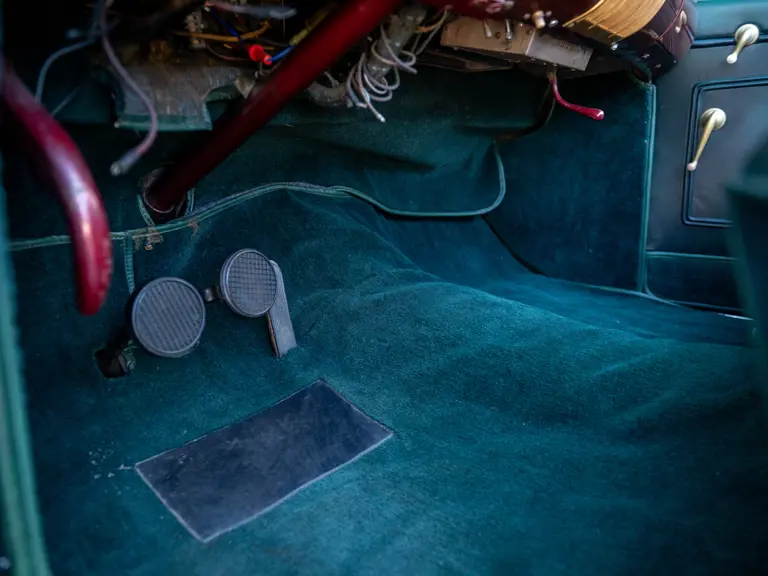
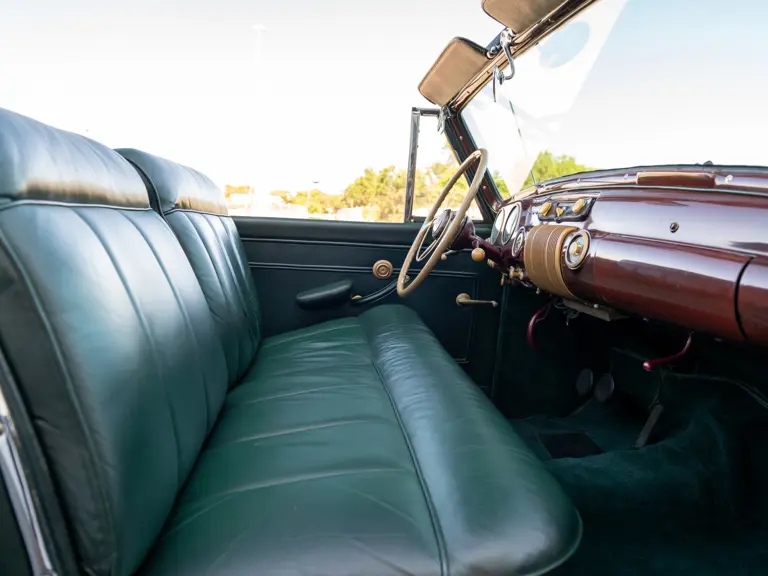
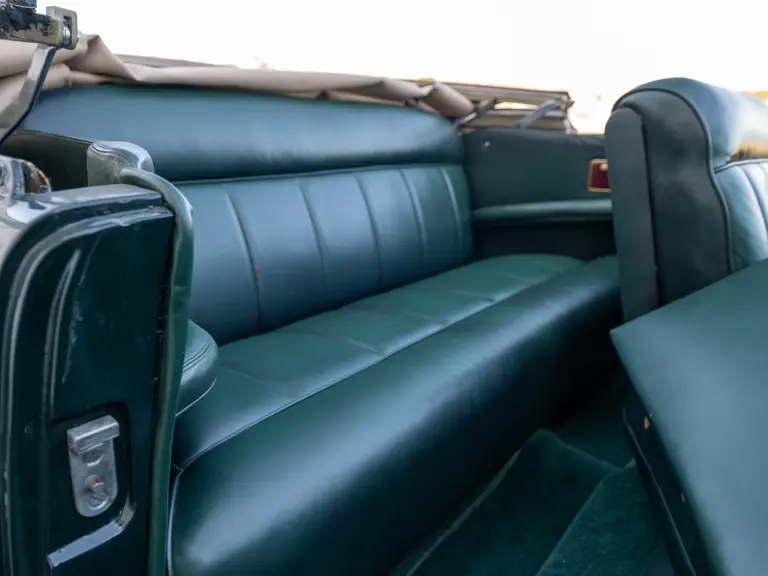
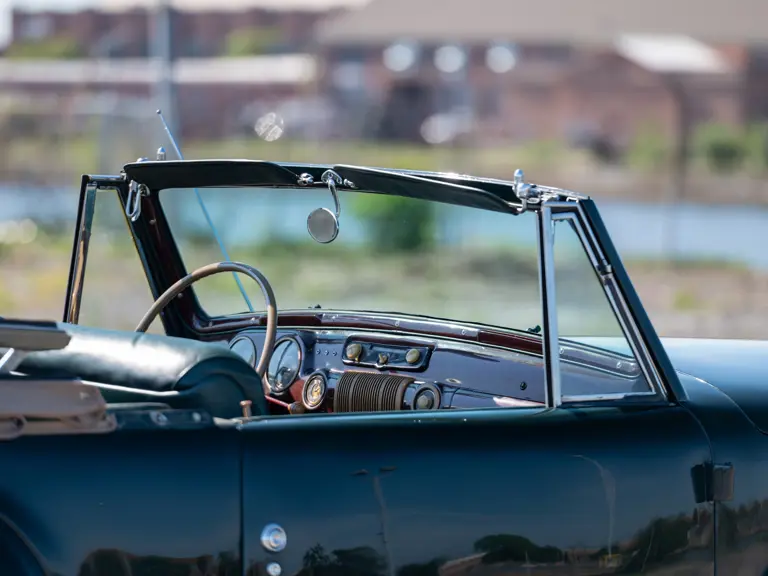
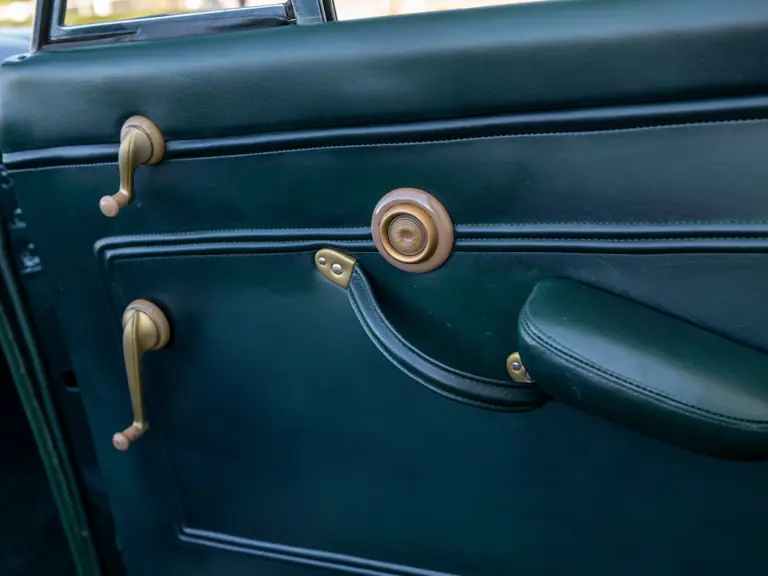
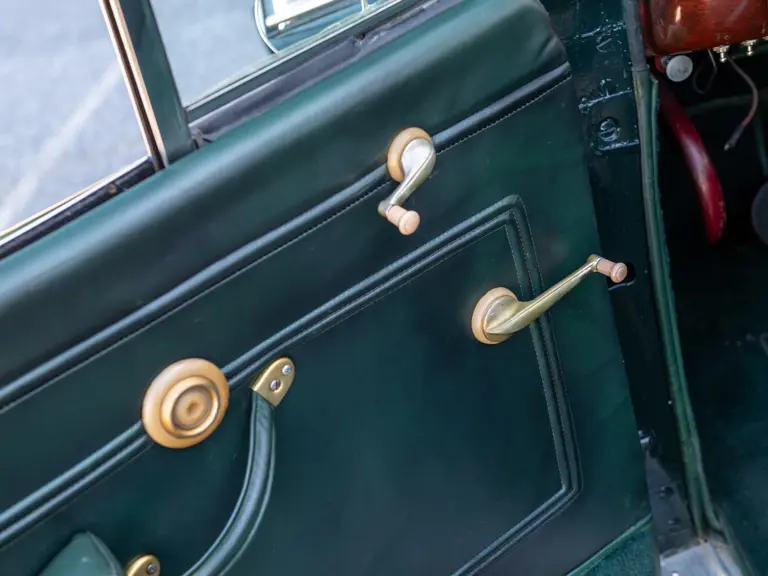
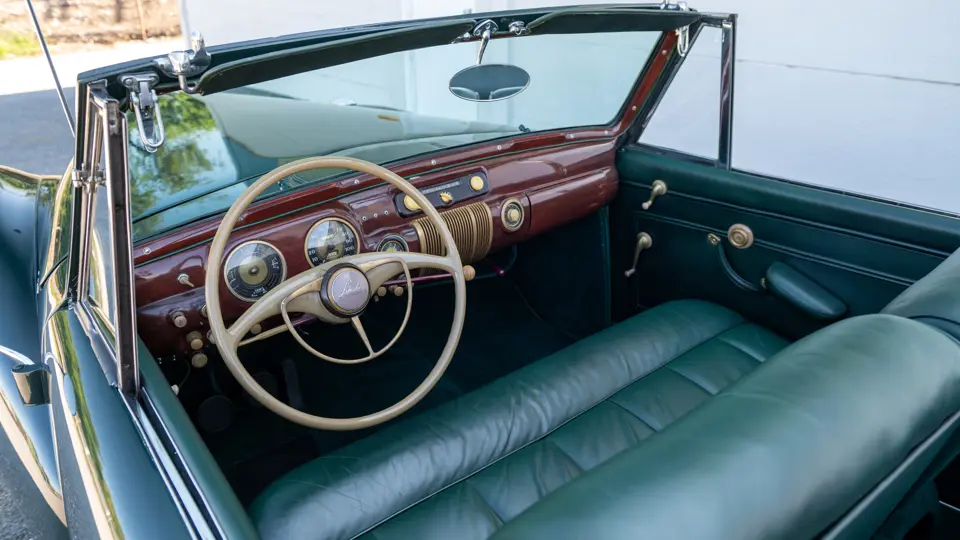
According to its accompanying Lincoln build record from The Henry Ford, this Continental Cabriolet was completed on 5 February 1941. It left the factory finished in handsome Spode Green over a green leather interior with a tan convertible top. Factory specifications further included instrumentation calibrated in miles, a side-view mirror, chrome wheel bands, and Goodyear white-sidewall tires. Two days after completion, on 7 February 1941, it was shipped to Edgewater.
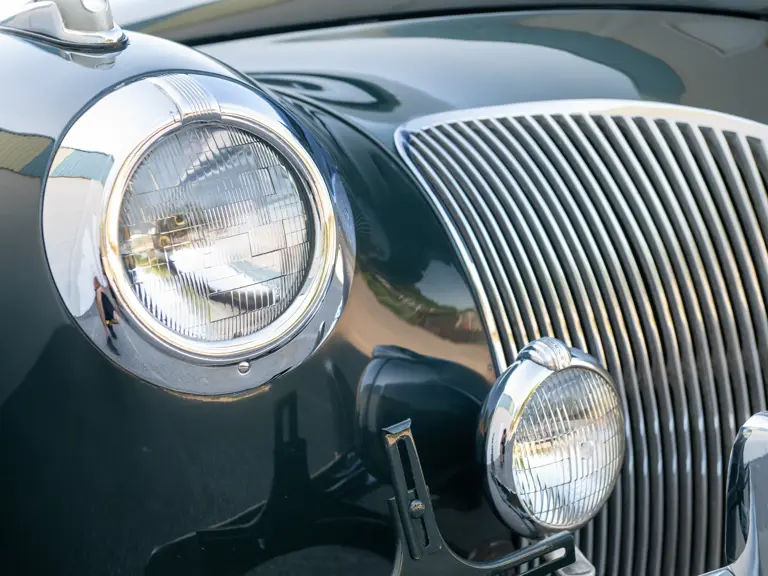
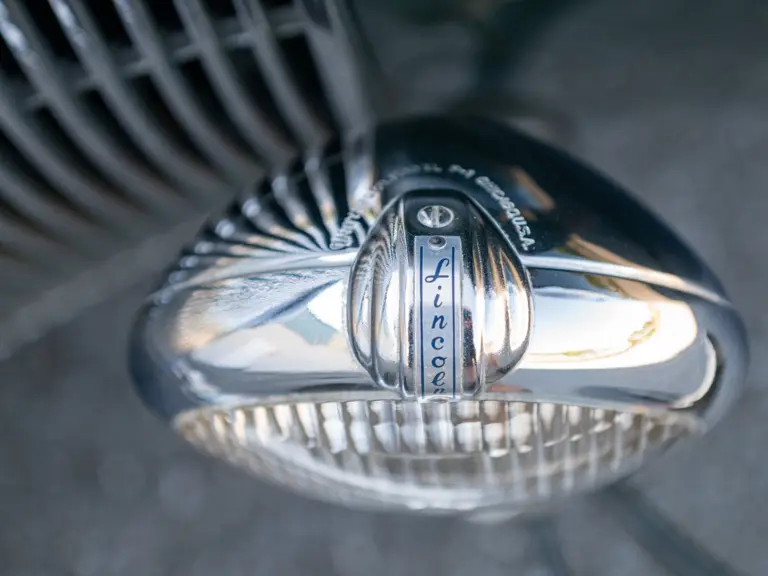
Today, the Continental Cabriolet presents in its attractive factory-specified color combination, with the addition of fog lamps and a radio. Importantly, its accompanying build record provides valuable documentation of the car’s original configuration and equipment.
Recognized by the Classic Car Club of America as a Full Classic, this Continental is eligible for the organization’s showfield competition and CARavan tours. As one of only 400 cabriolets produced for 1941, it represents one of the most desirable expressions of Edsel Ford and Bob Gregorie’s landmark design—a beautifully proportioned, V-12-powered automobile that remains an enduring symbol of pre-war American elegance.
 | Hershey, Pennsylvania