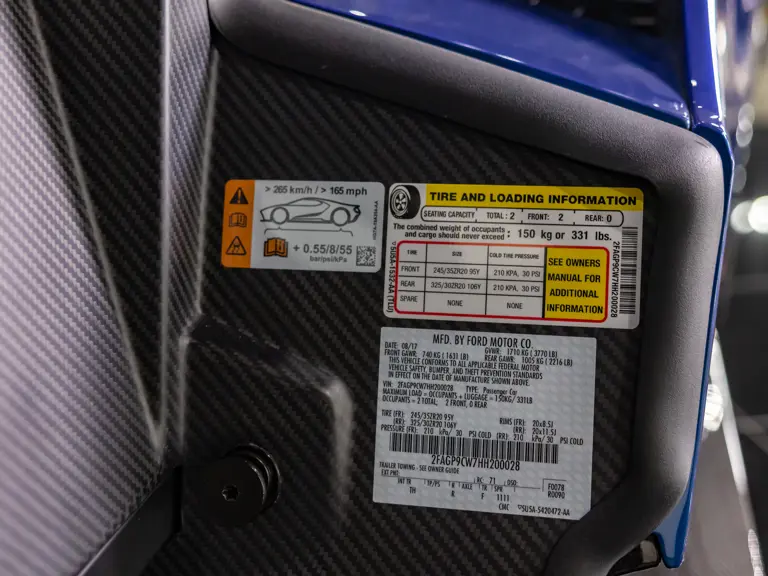
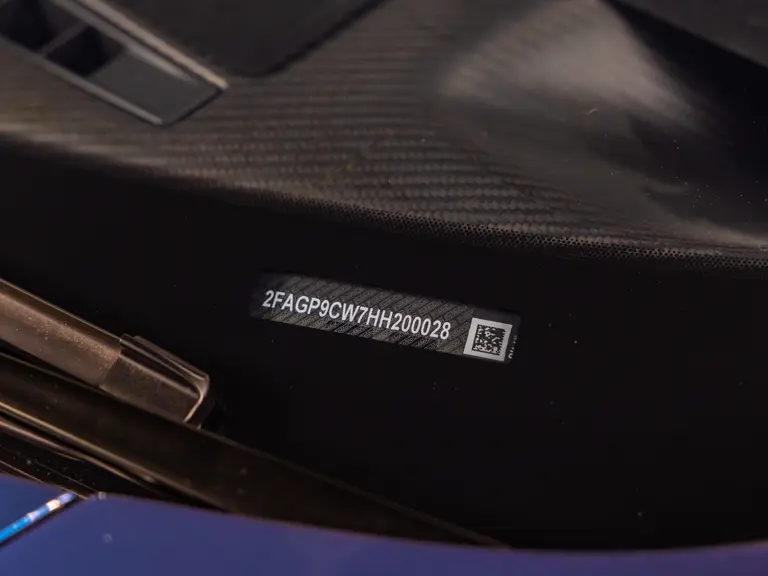

Chassis No.
2FAGP9CW7HH200028
{{lr.item.text}}
Offered Without Reserve
{{bidding.lot.reserveStatusFormatted}}
Ford debuted the second-generation GT on 6 February 2015 at the Detroit Auto Show. The supercar was built to celebrate the 50th anniversary of Ford’s legendary 1966 victory at the 24 Hours of Le Mans, where the Carroll Shelby-managed GT40 program finished in an impressive 1-2-3 sweep. By winning its first Le Mans title, Ford snapped Ferrari’s six-race winning streak—and the American automaker went on to dominate the grueling endurance race for four consecutive years, culminating in a final historic victory in 1969 to close out the GT40's legendary era.
Following that triumph, Ford walked away from Le Mans, leaving the racing world to wonder when they would ever return.
On 12 June 2015, just months after the GT’s debut, and the day before the start of the 83rd running of the 24 Hours of Le Mans, Ford officially announced that the following year, in 2016, they would be fielding a four-car team of second-generation Ford GTs to compete in the LM GTE Pro class. Like in 1966 with Carroll Shelby’s Shelby American managing the GT40 racing efforts, Ford turned to another American racing legend, Chip Ganassi and his Chip Ganassi Racing, to manage the Ford GT’s 2016 push. The team faced immense pressure to perform on the global stage, especially given that the race was the 50th anniversary of Ford’s last win. The legendary pairing of Ford and Ganassi delivered, with the Chip Ganassi Racing #68 car piloted by Joey Hand, Dirk Müller, and Sébastien Bourdais securing a 1st in class finish, and fittingly, over a Ferrari 488 GTE.
Engineered as a racecar first, the second-generation GT proved its pedigree with the dramatic class victory at Le Mans, while two other GTs finished 3rd and 4th. Its highly anticipated road-going counterpart provided select buyers the opportunity to experience authentic, track-bred technology. Production was initially planned for four years (2017–2020) at 250 units per year. However, overwhelming global demand drove Ford to extend production through 2022, ultimately delivering 1,350 street-legal examples.
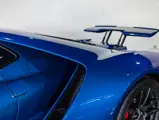
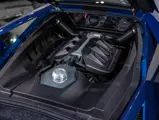
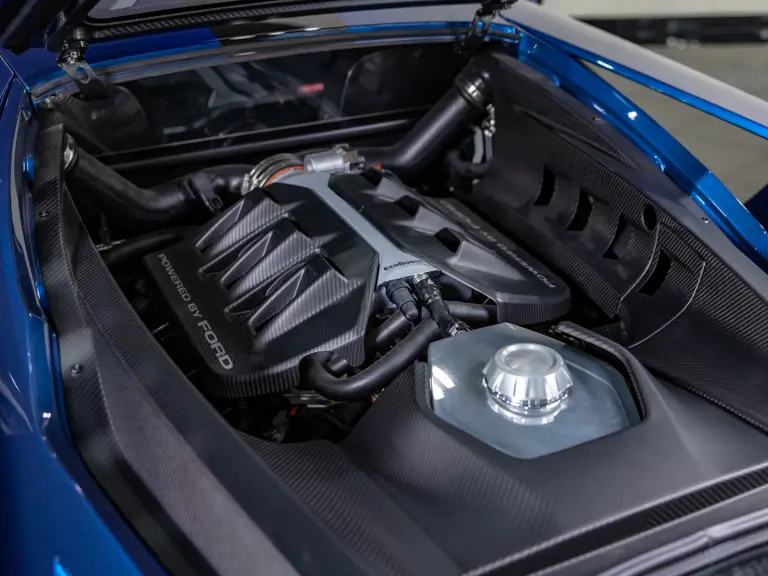
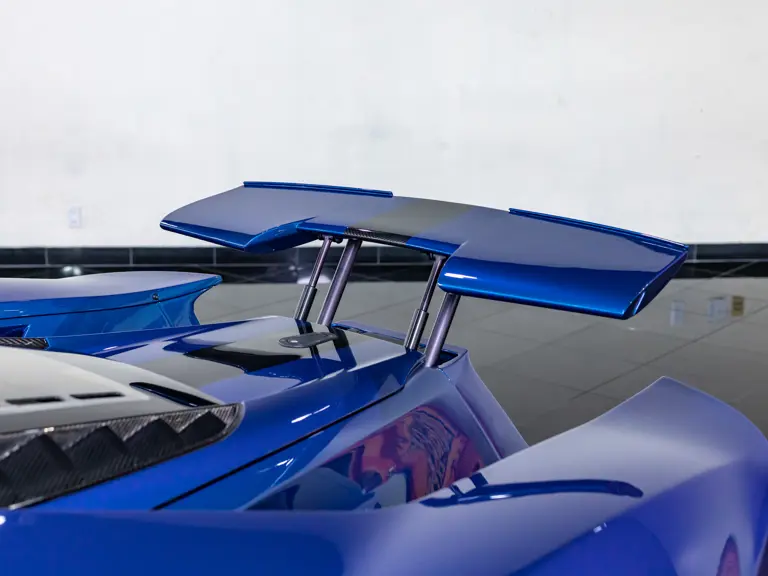
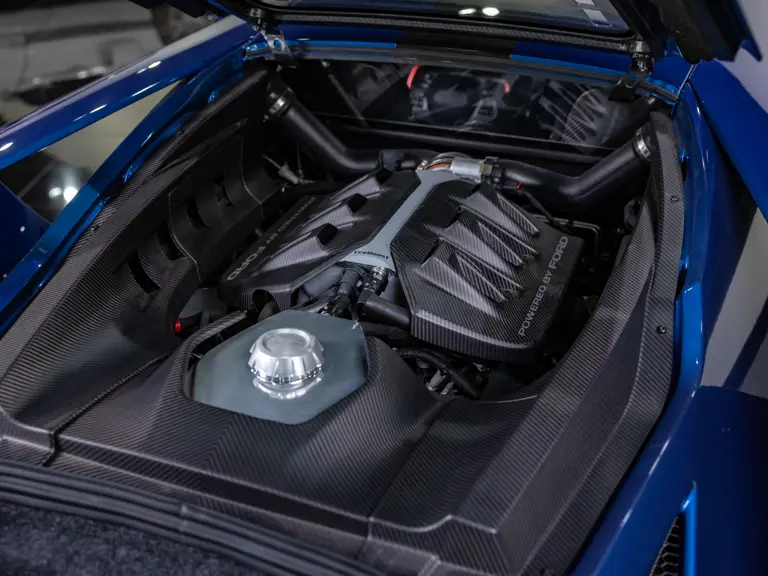
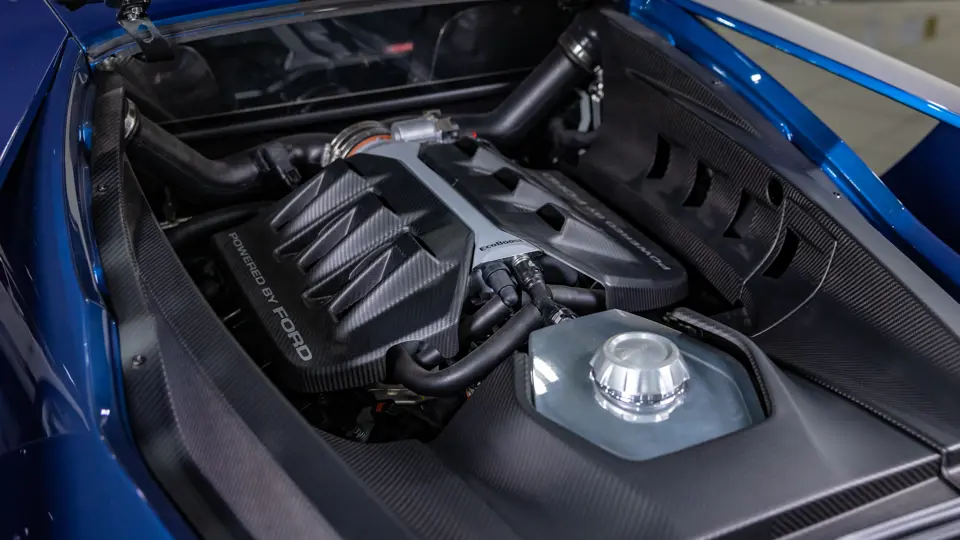
The second-generation GT is powered by a 647 horsepower 3.5-liter twin-turbocharged EcoBoost V-6 engine, hand-built by Roush Yates Engines in Mooresville, North Carolina. The engine is backed by a seven-speed dual-clutch transaxle from Getrag, which was more than capable of handling the supercar’s 550 pound-feet of torque. At its core, the GT utilizes a lightweight carbon fiber monocoque tub bolted to aluminum front and rear subframes. The lightweight material theme carries over to the bodywork, where the hood, fenders, doors, and active rear wing are also all carbon fiber. In its final form, the second-generation GT launches from 0 to 60 mph in approximately 3 seconds, on its way to a breathtaking top speed of 216 mph. It remains the fastest street-legal production car Ford Motor Company has ever produced.
For the 2017 model year, the GT was offered in two special production variants. The first was the Heritage Edition, with only 27 examples built in a #2 livery paying homage to the 1966 GT40 Mk II driven to victory at the 24 Hours of Le Mans by Bruce McLaren and Chris Amon.
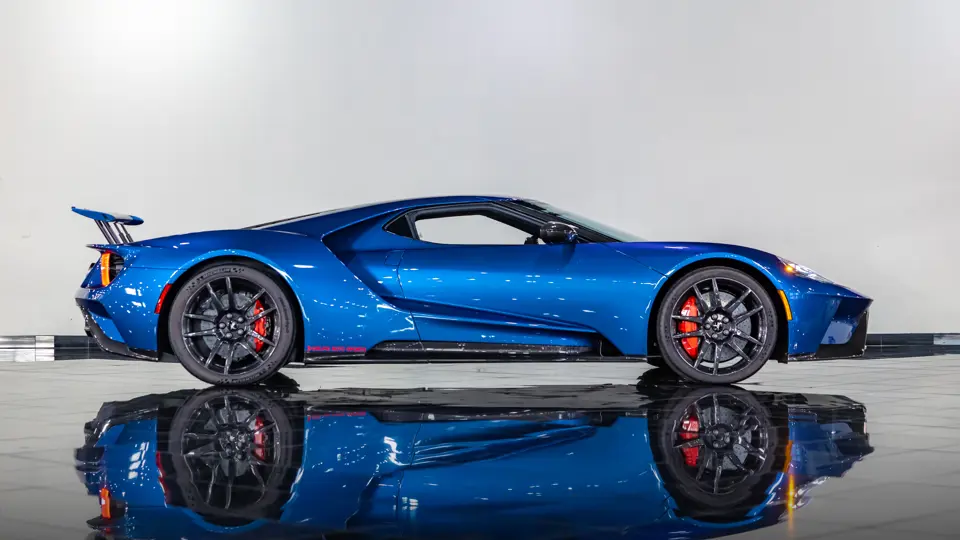
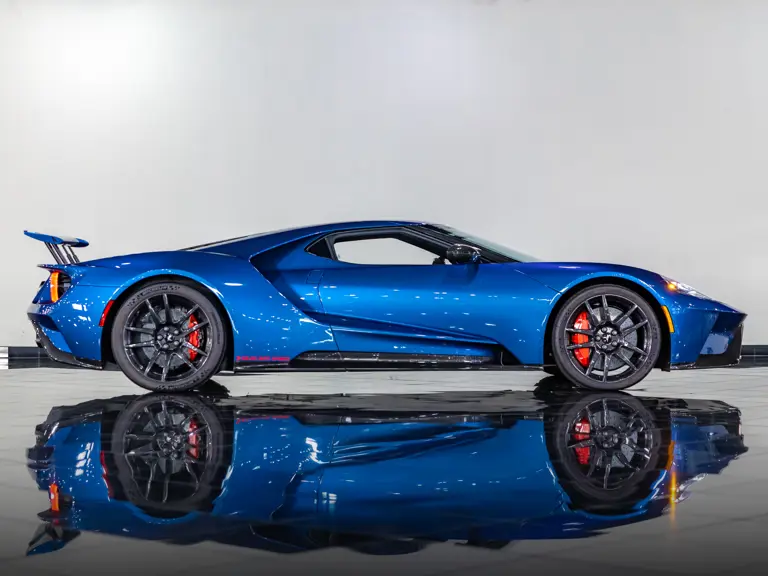
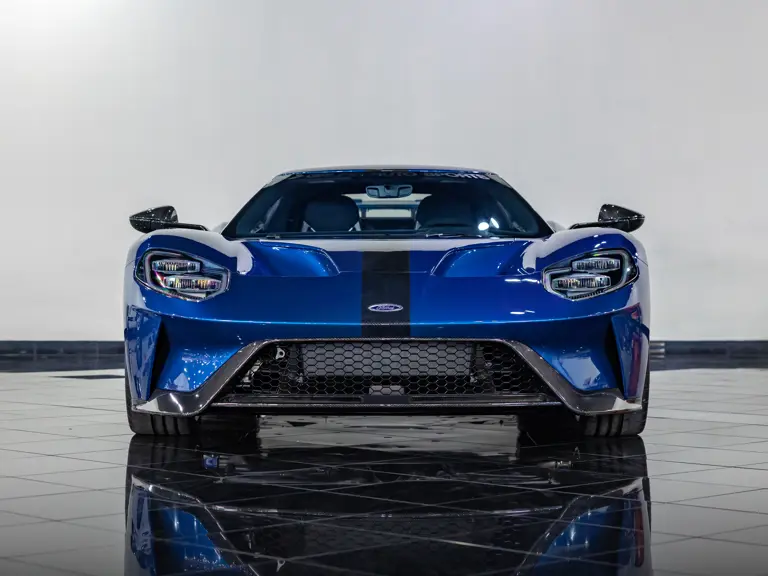
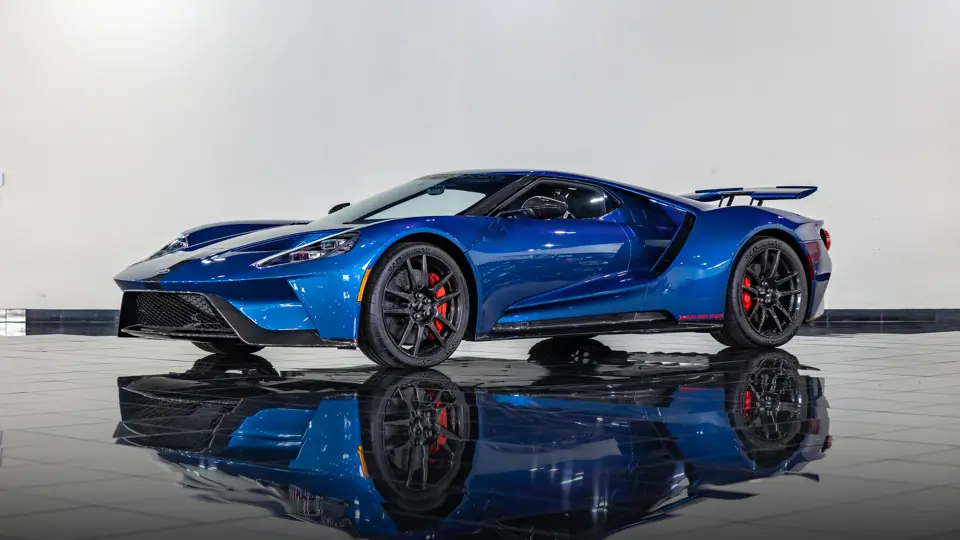
The GT on offer is the second variant, a rare Competition Series.
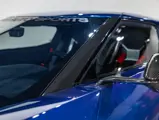
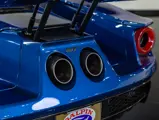
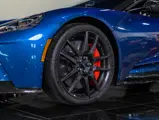
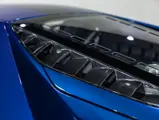
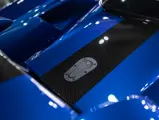
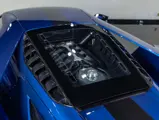
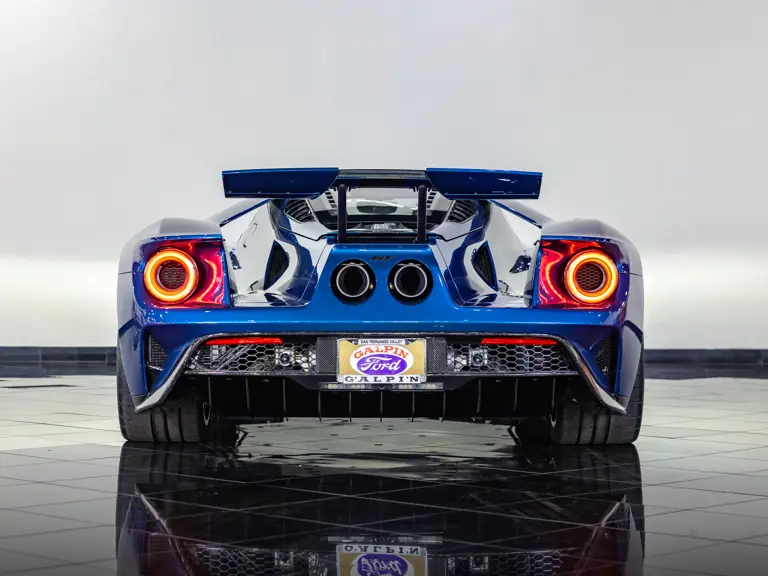
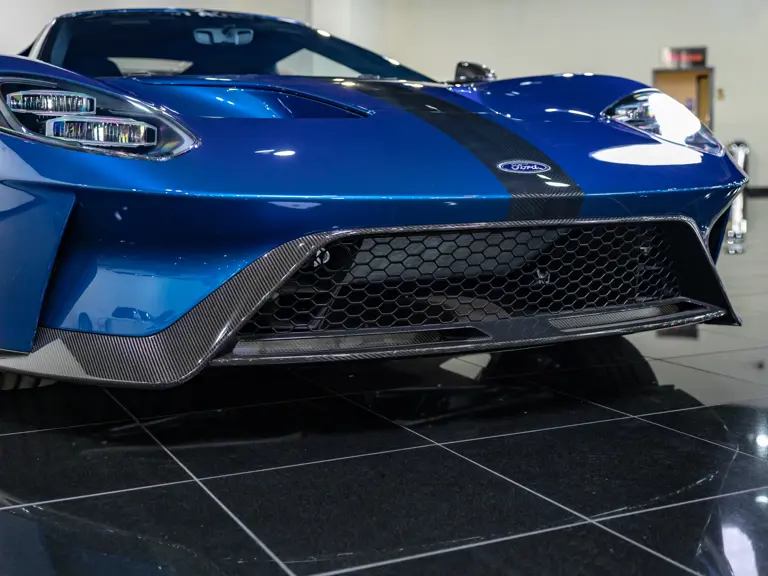
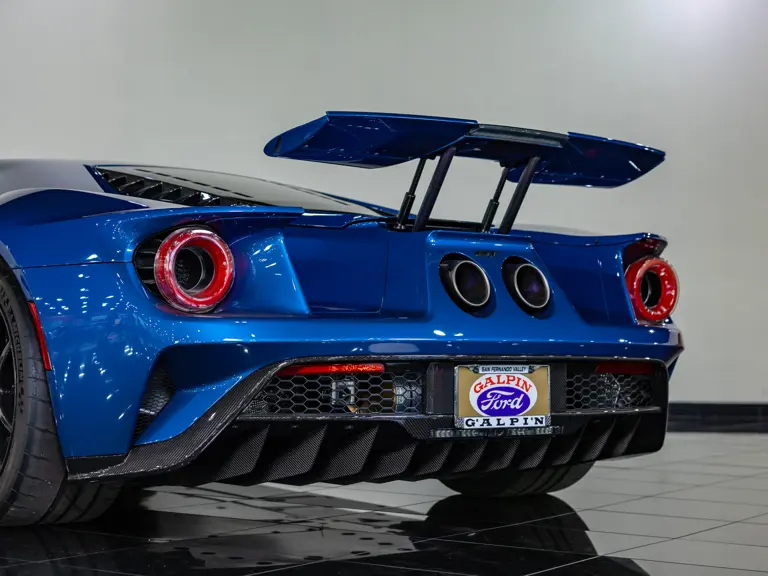
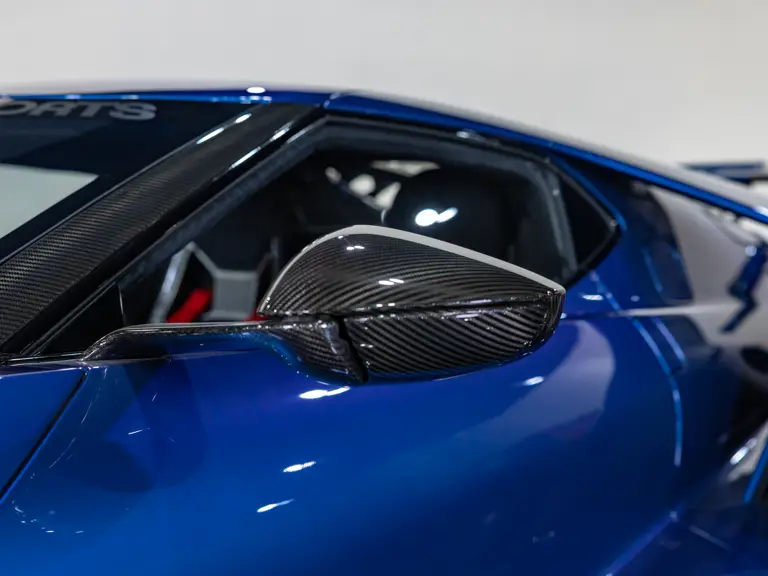
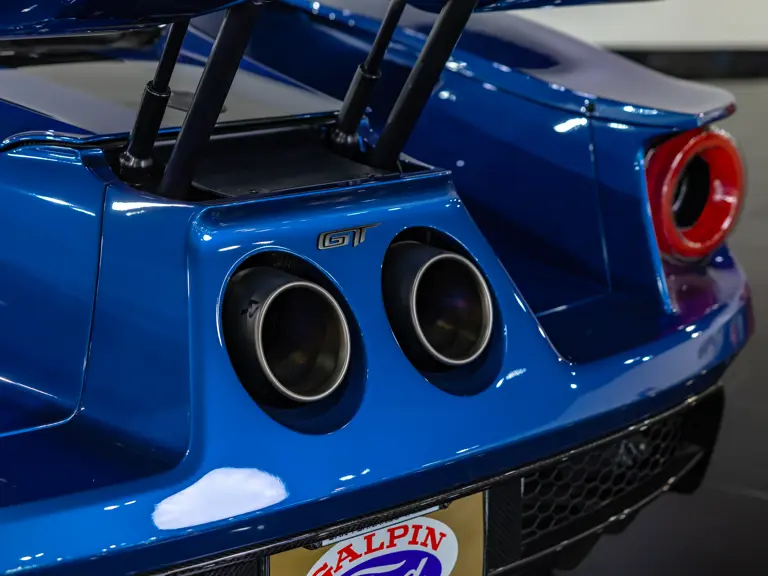
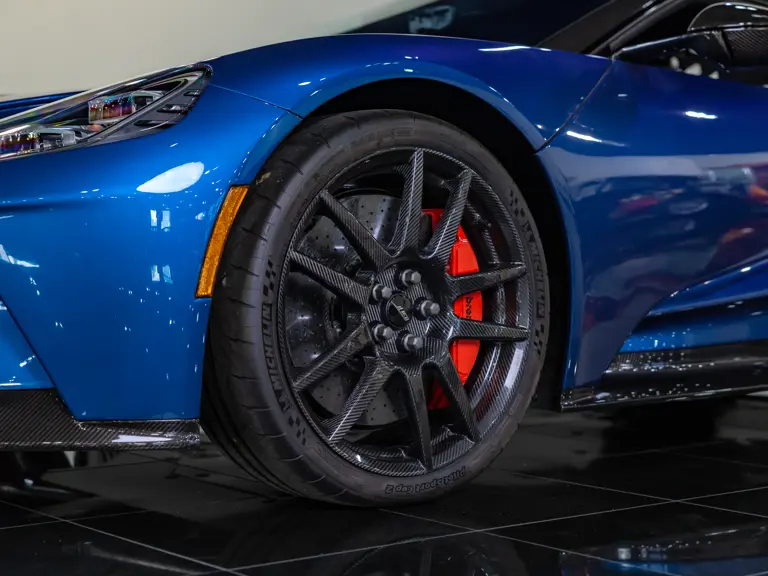
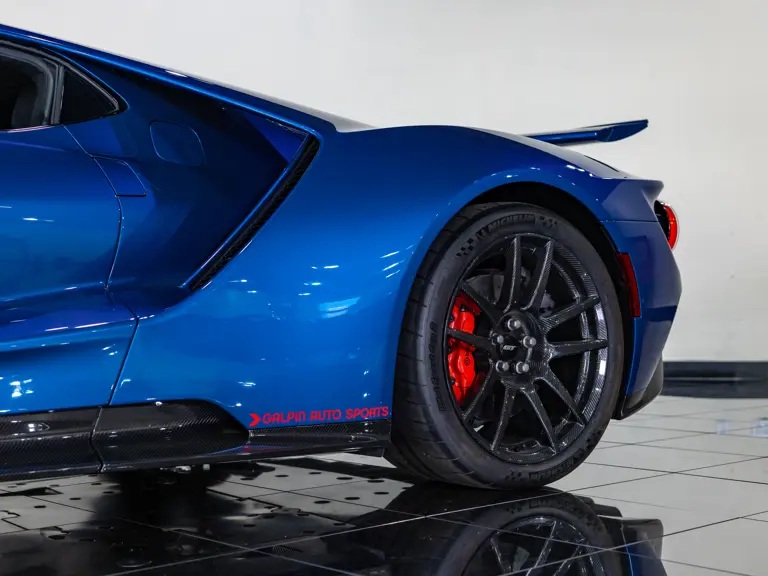
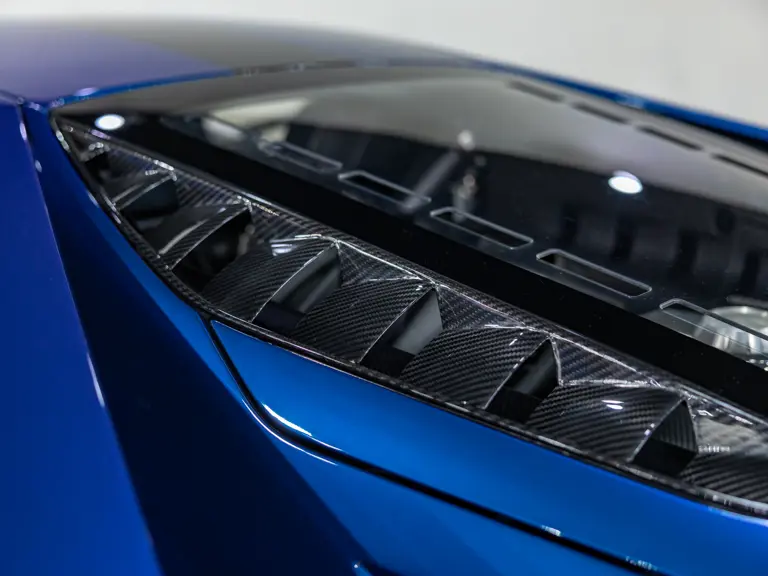
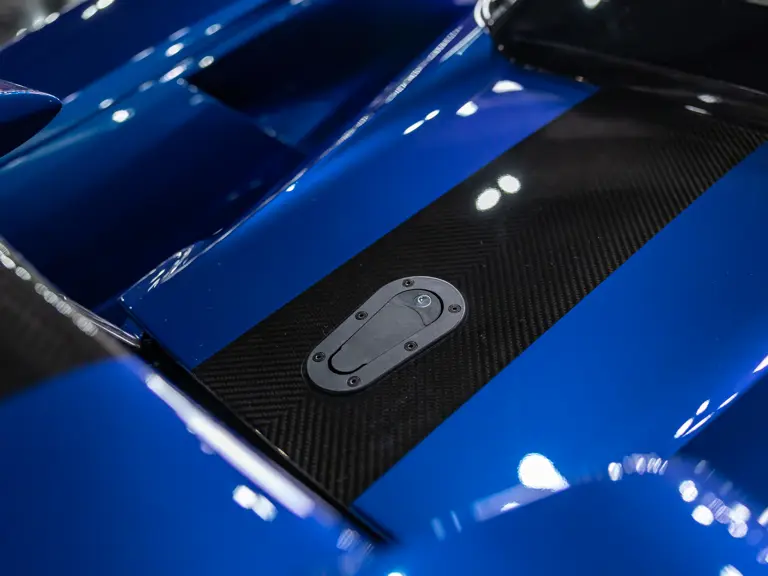
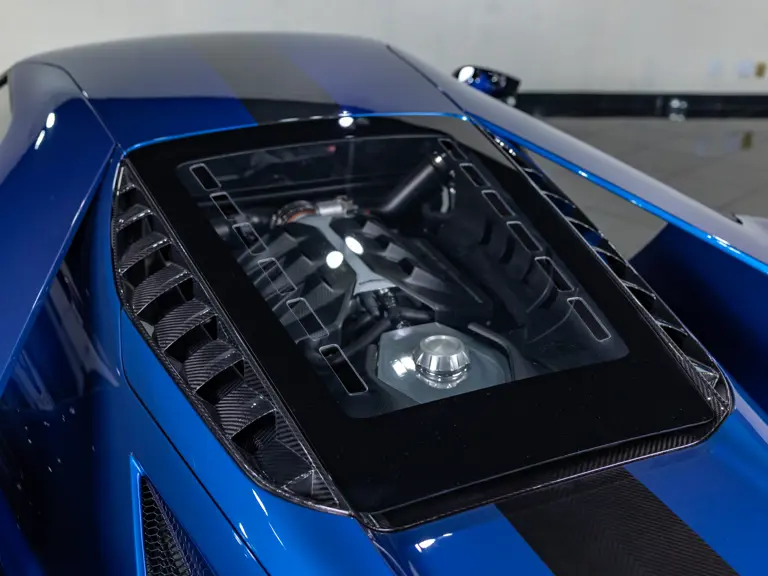
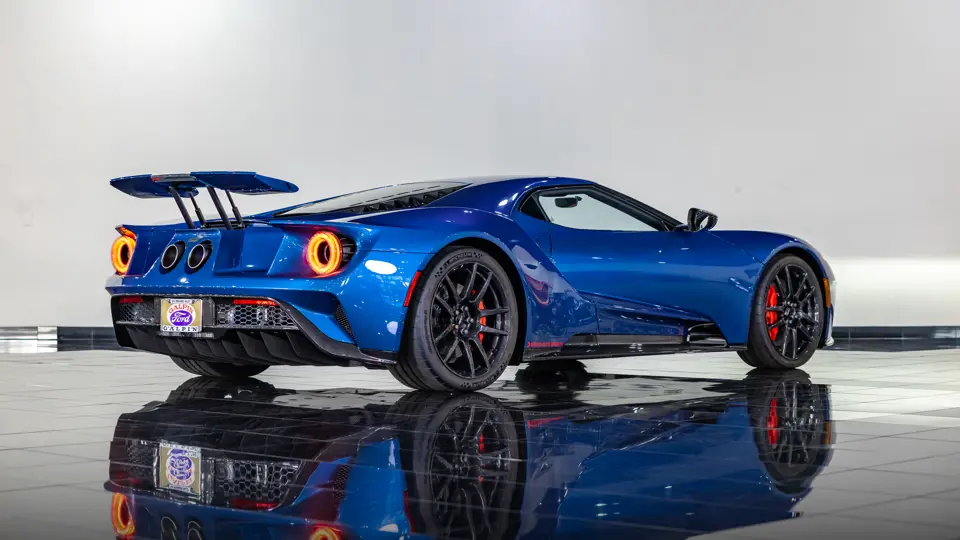
The Competition Series was a lightweight, track-focused variant, of which just six examples are believed to have been built for the 2017 model year. Weight savings began with the bulkhead glass replaced by lightweight Gorilla Glass. The glass engine cover with struts was swapped for a lightweight Perspex acrylic with a manual carbon fiber prop rod. The electronic rear hatch release was replaced by a manual system featuring an exterior AeroCatch-style hood-pin latch. The weight savings for the Competition Series carried throughout the car, with carbon fiber wheels and titanium exhaust made standard.
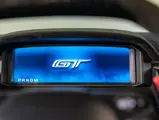
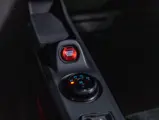
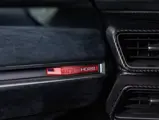
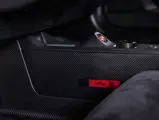
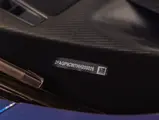
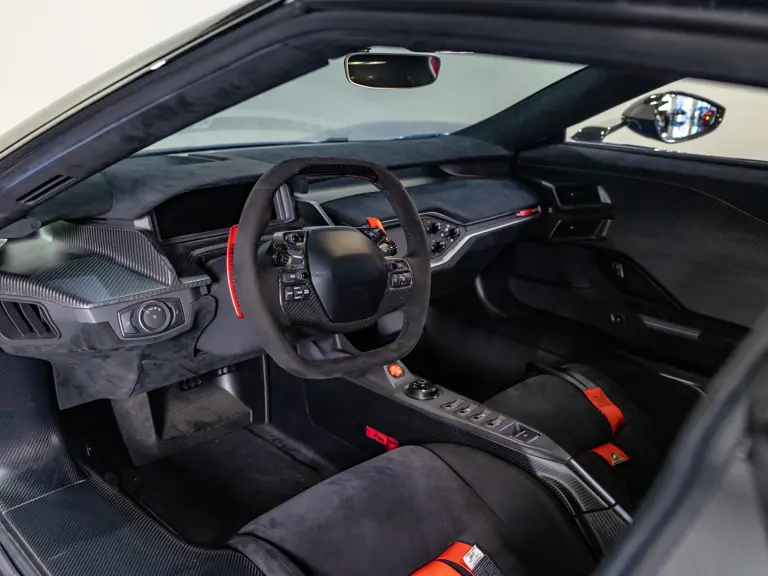
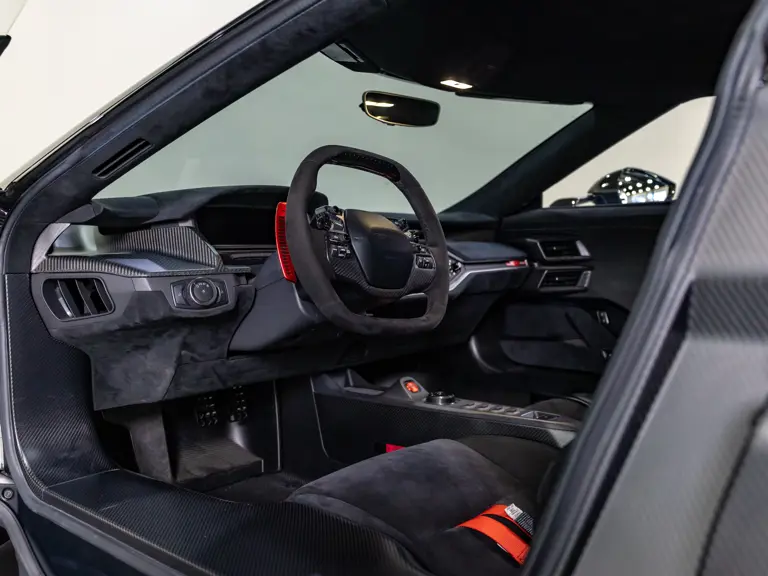
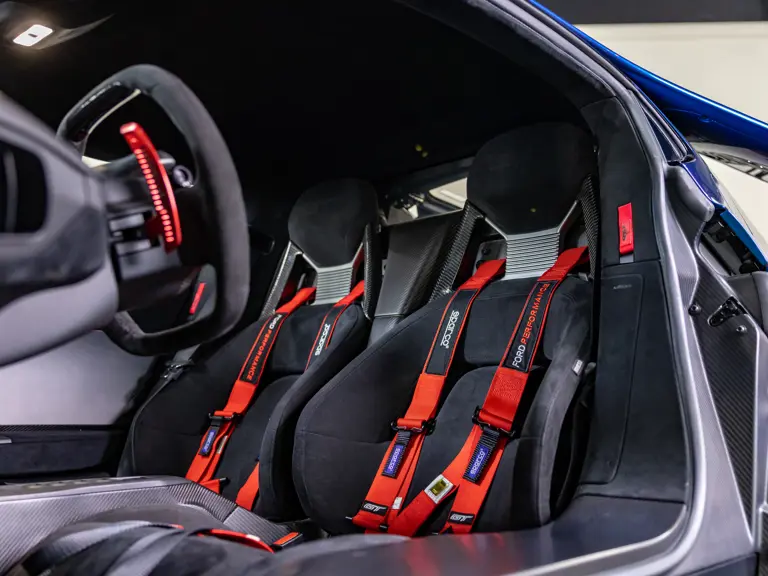
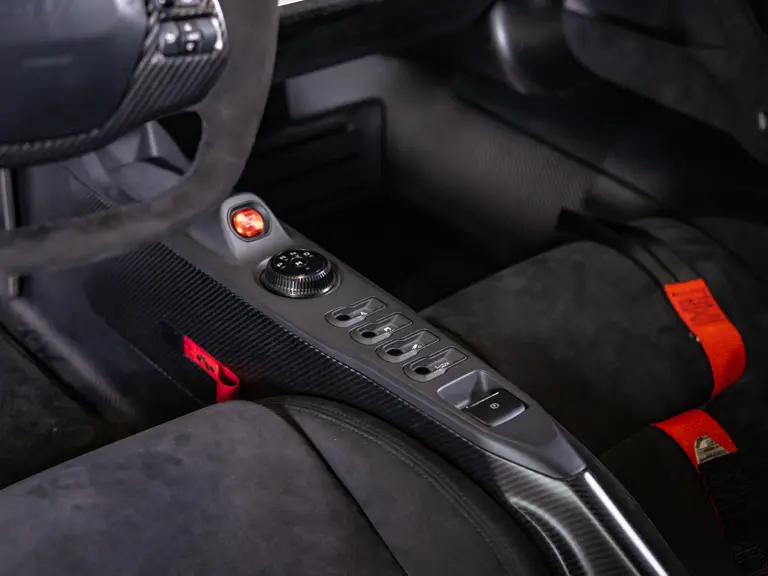
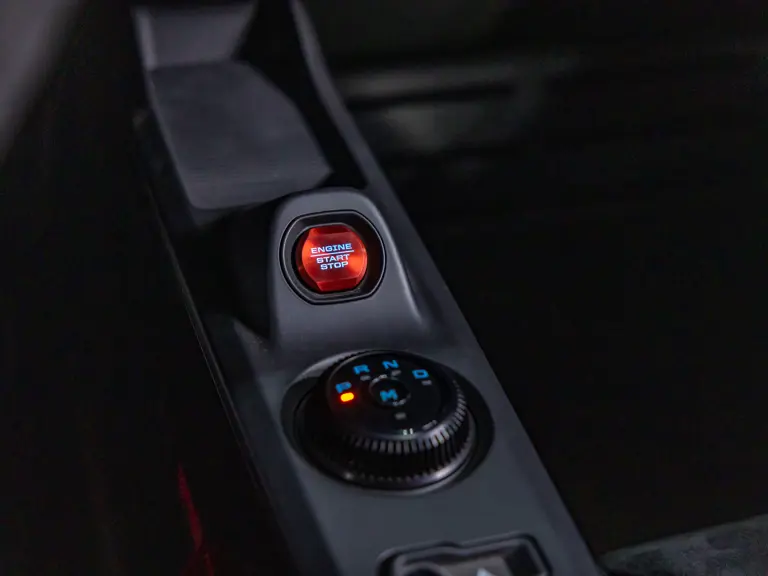
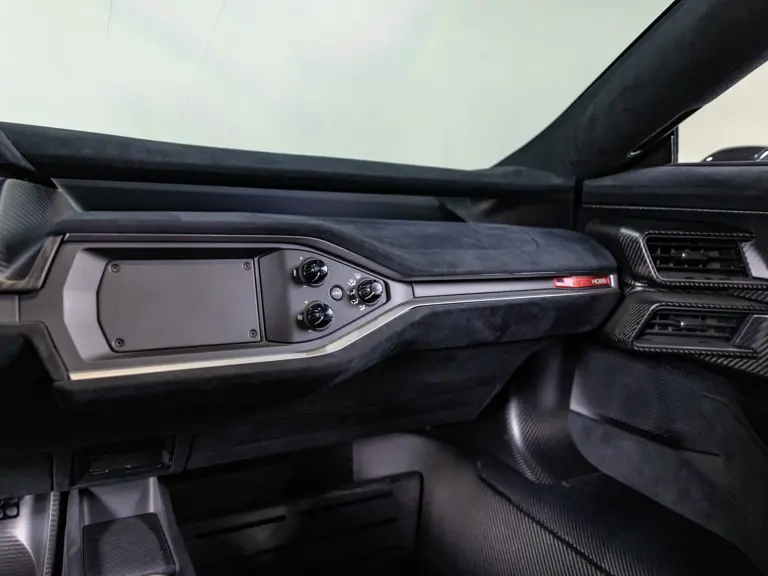
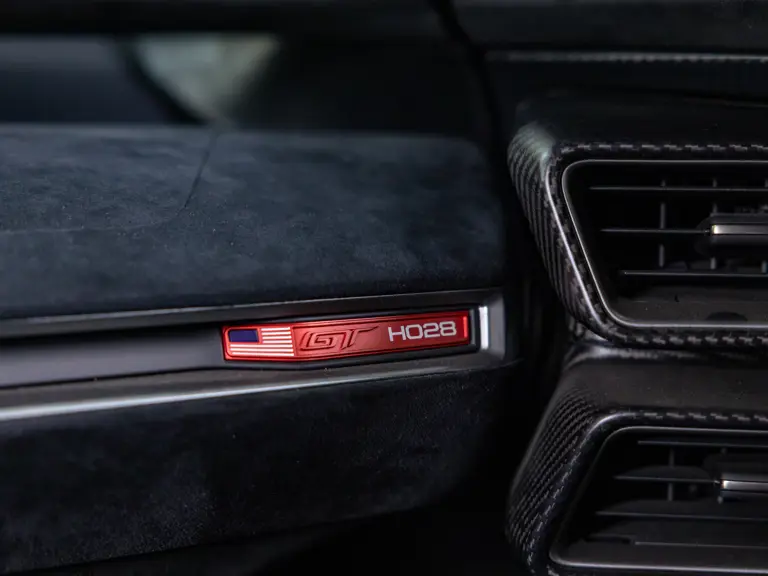
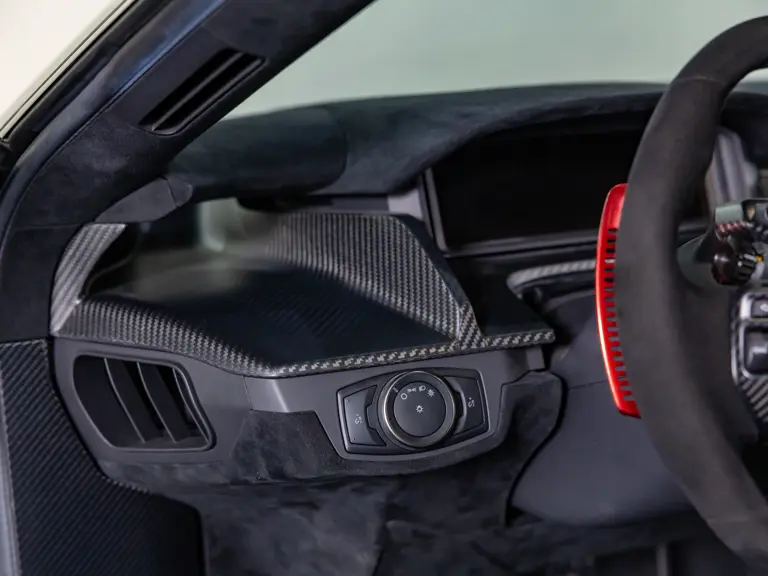
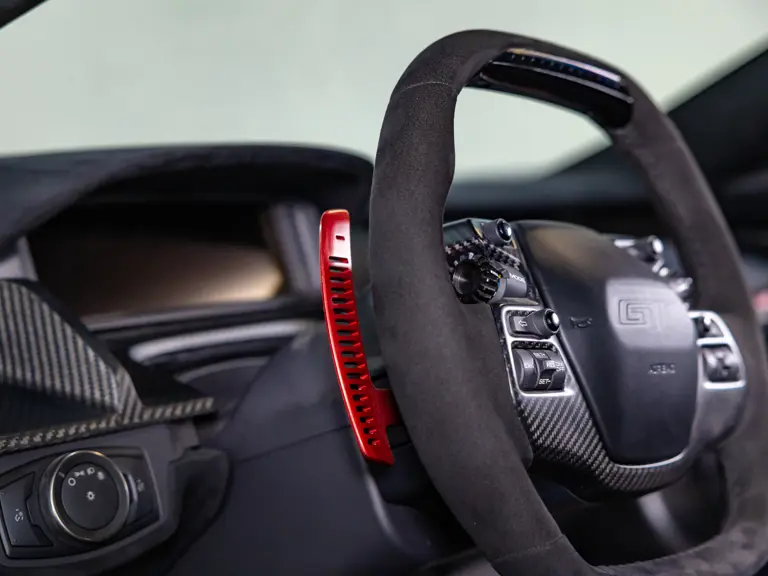
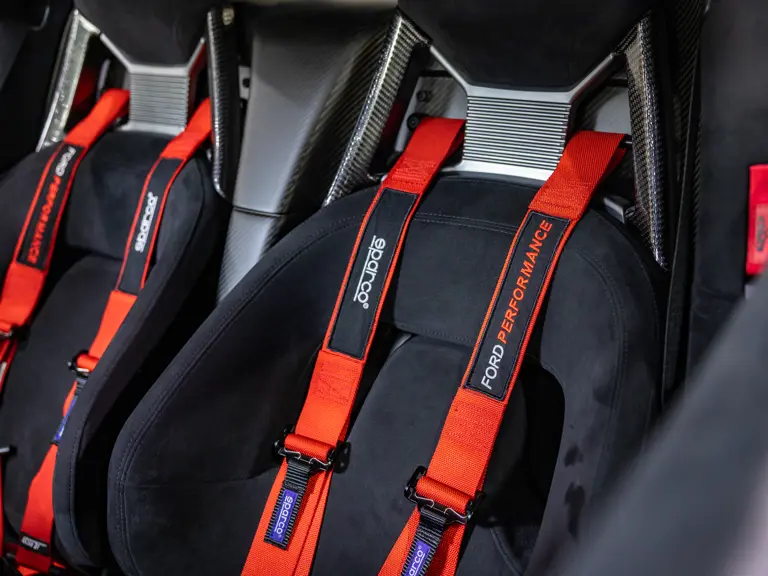
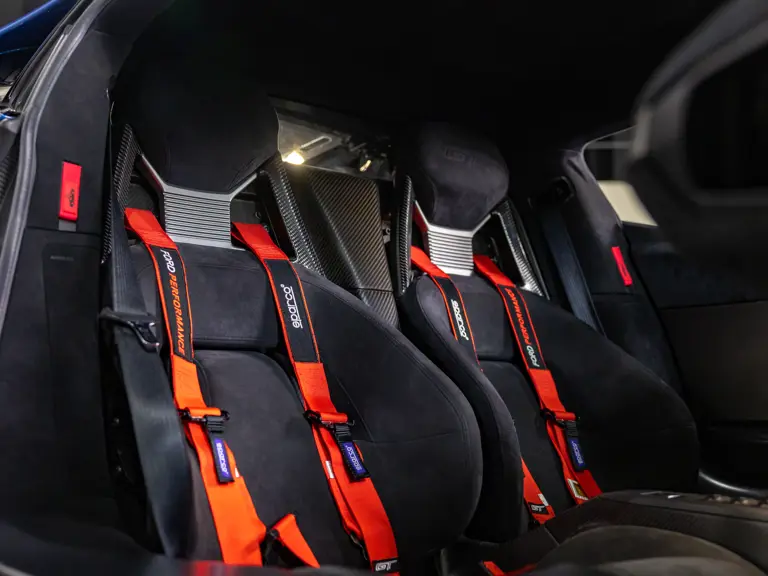
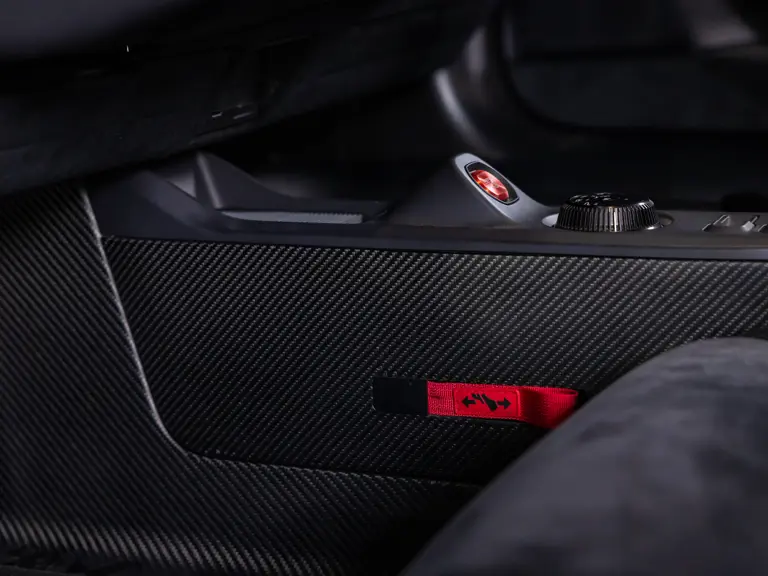
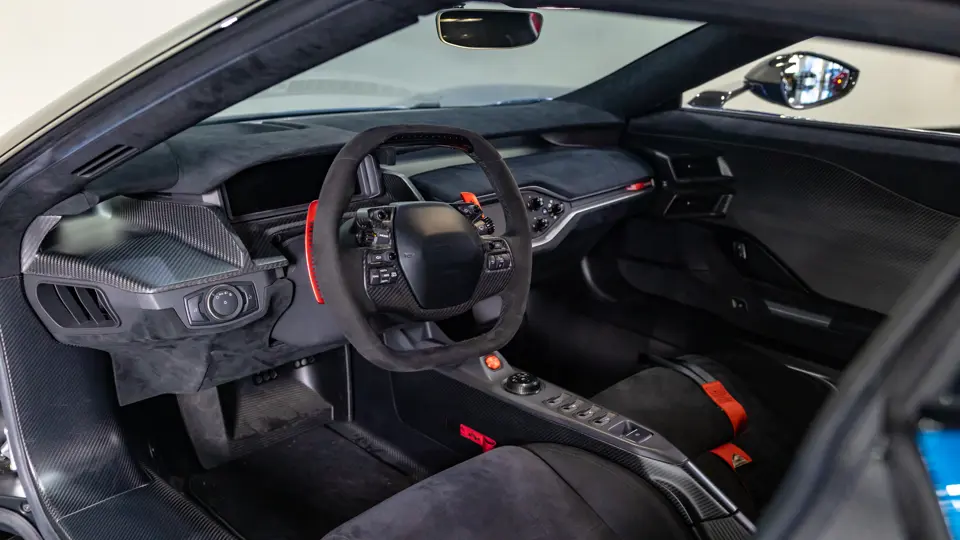
For the interior, carbon fiber was left exposed across the console and door sills, the seats and headliner were trimmed in a lightweight Ebony Alcantara suede. This was in addition to the removal of the air conditioning, interior storage bins, as well as the speakers and infotainment, with the infotainment space fitted with a delete-plate. All Competition Series cars received red paddle shifters and a red serial number badge on the passenger-side dashboard.
While Ford never publicly advertised the total weight savings of the Competition Series, it is believed to be approximately 250 pounds lighter than the standard GT. The Competition Series was also offered for 2018, prior to being replaced in 2019 by the Carbon Series, which was essentially a Competition Series with air conditioning and infotainment added back in, with a choice of interior accent options and standard dual carbon exterior stripes.
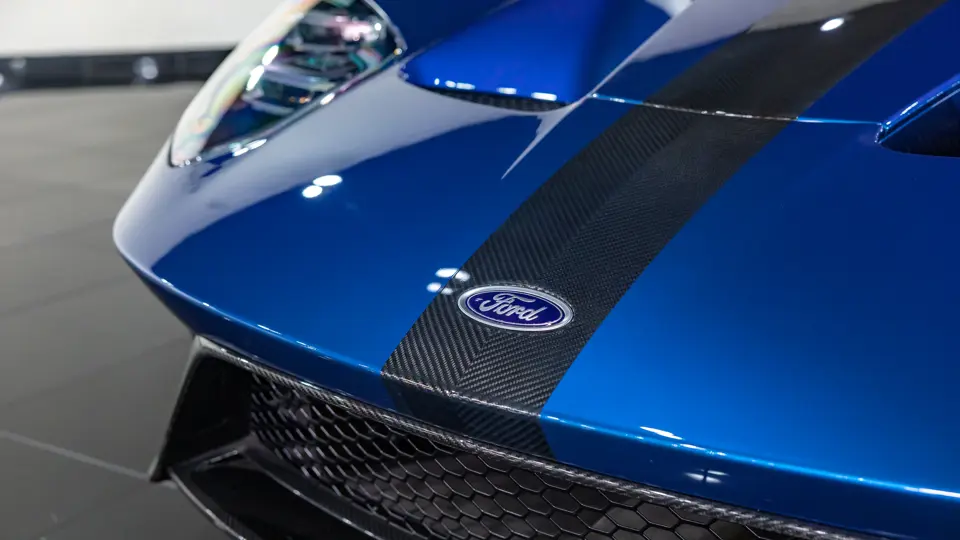
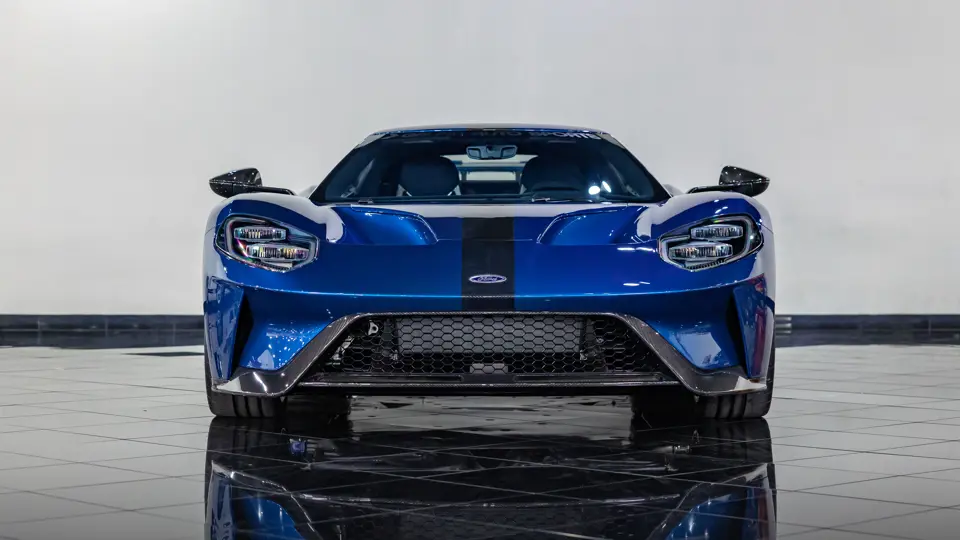
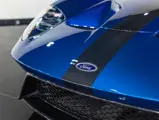
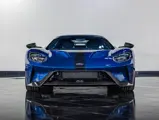
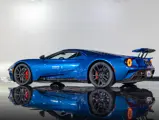
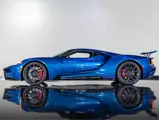
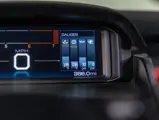
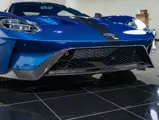
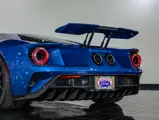
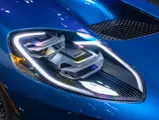
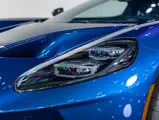
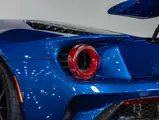
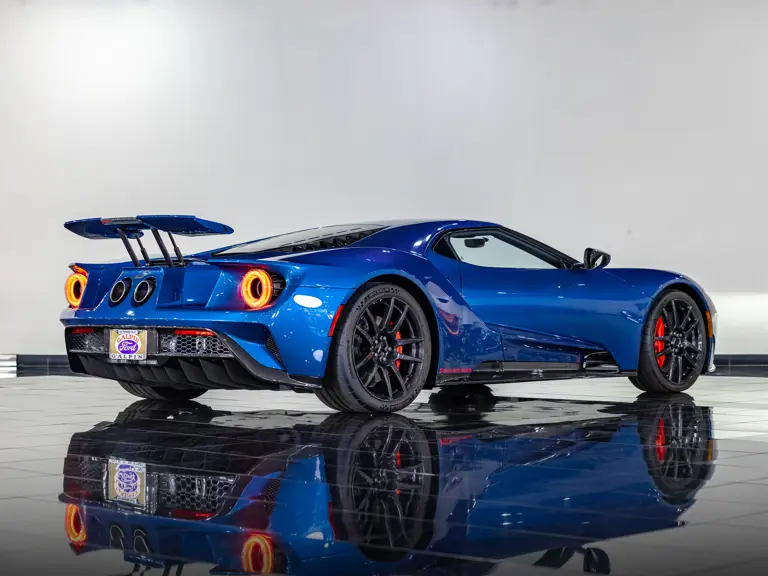
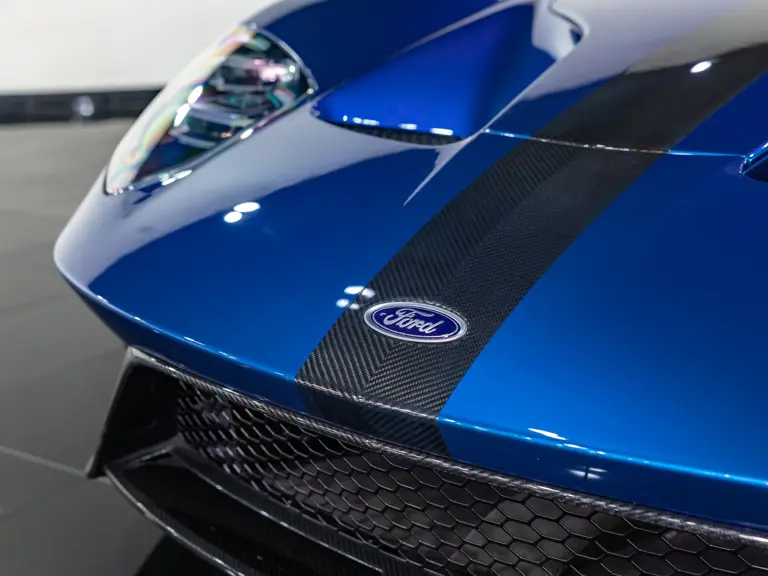
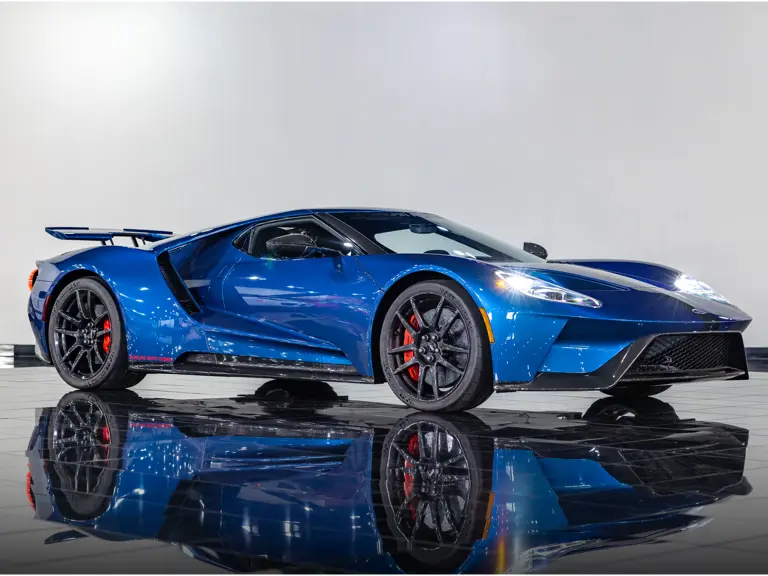
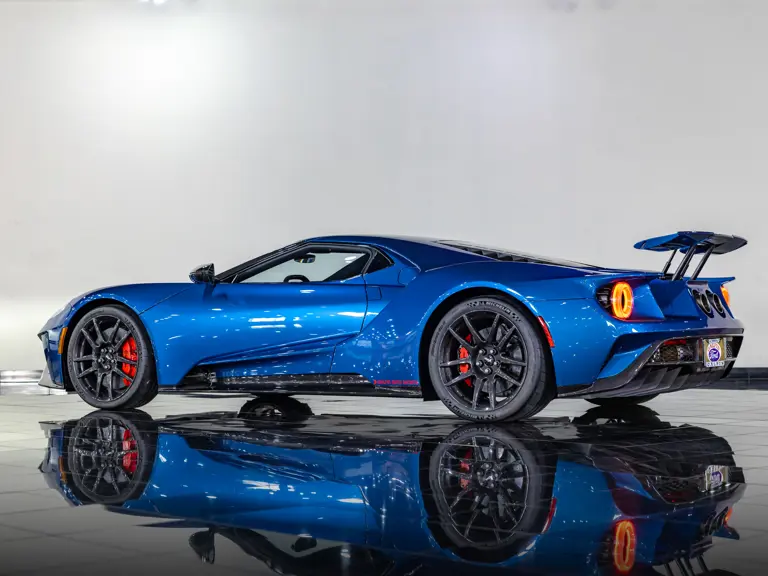
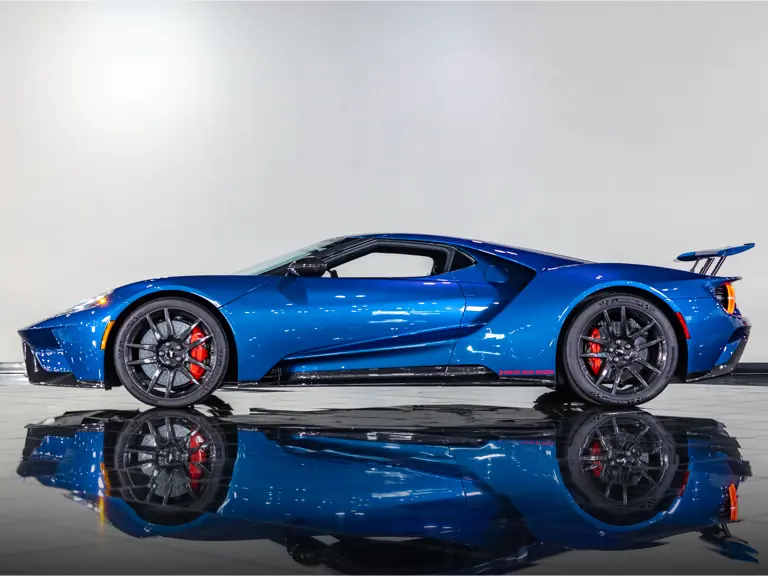
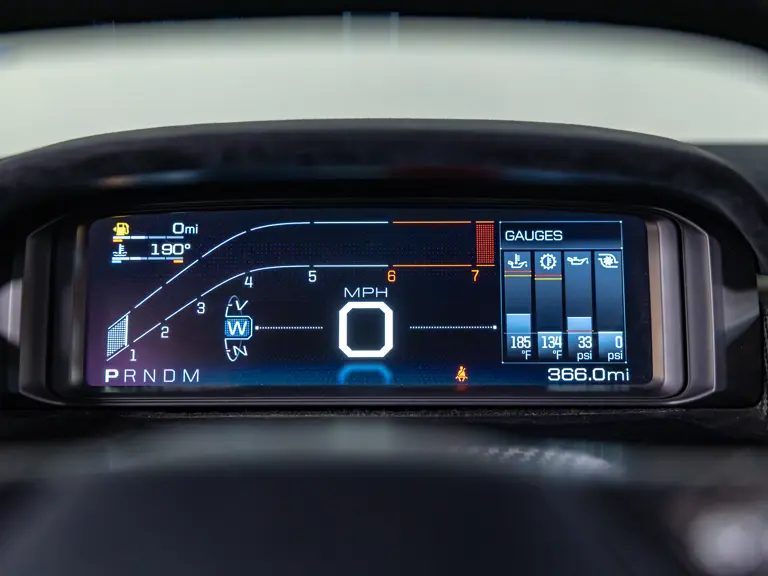
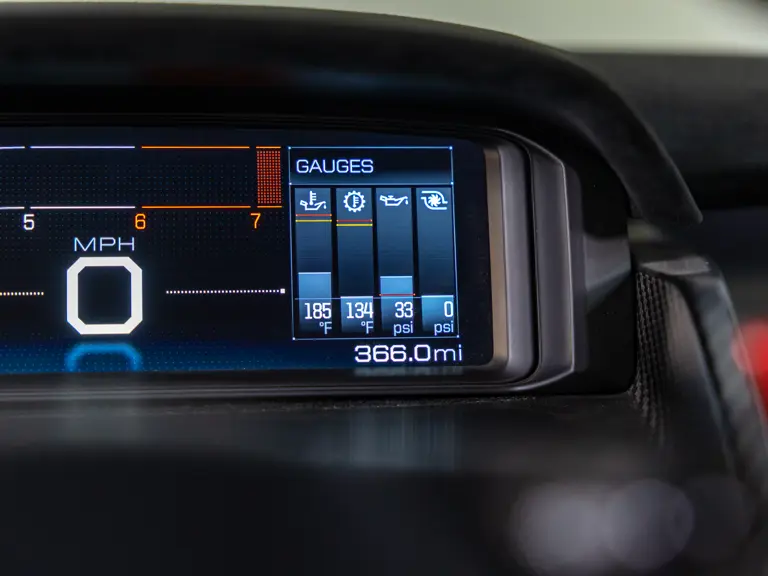
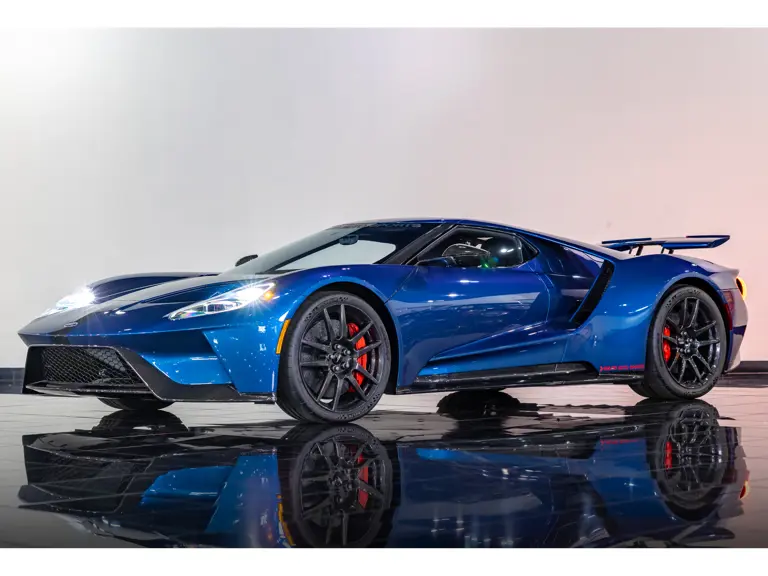
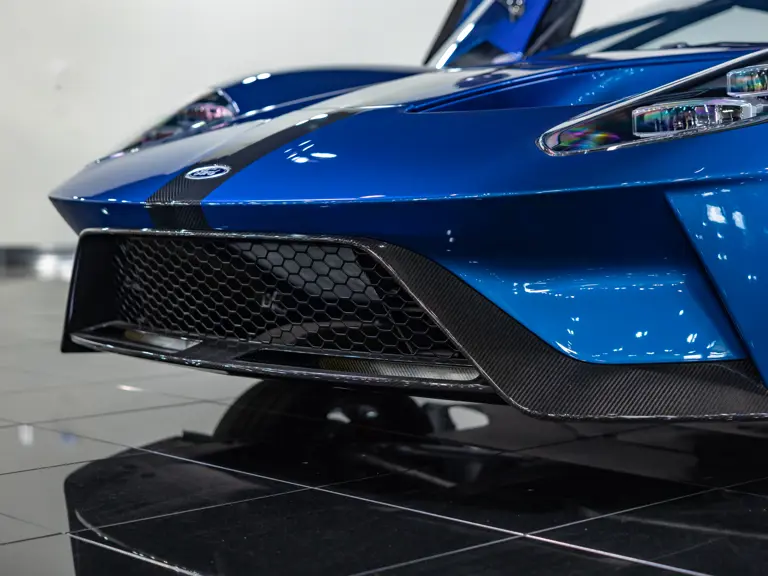
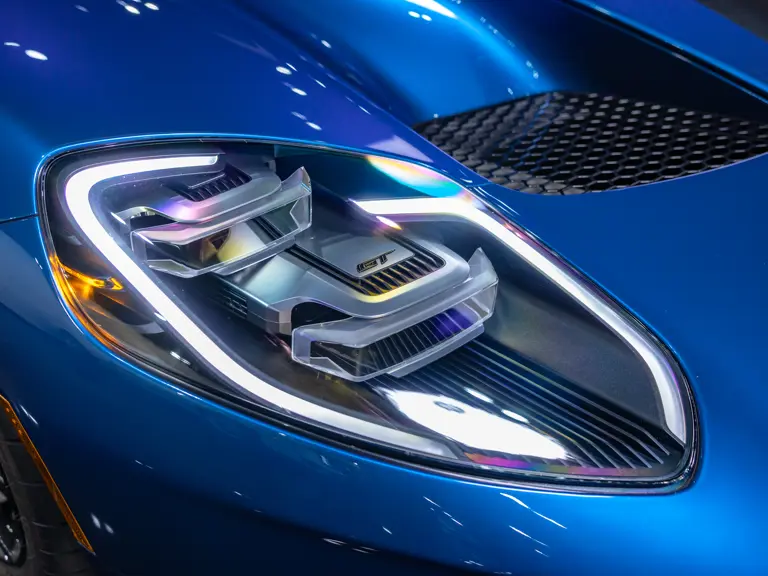
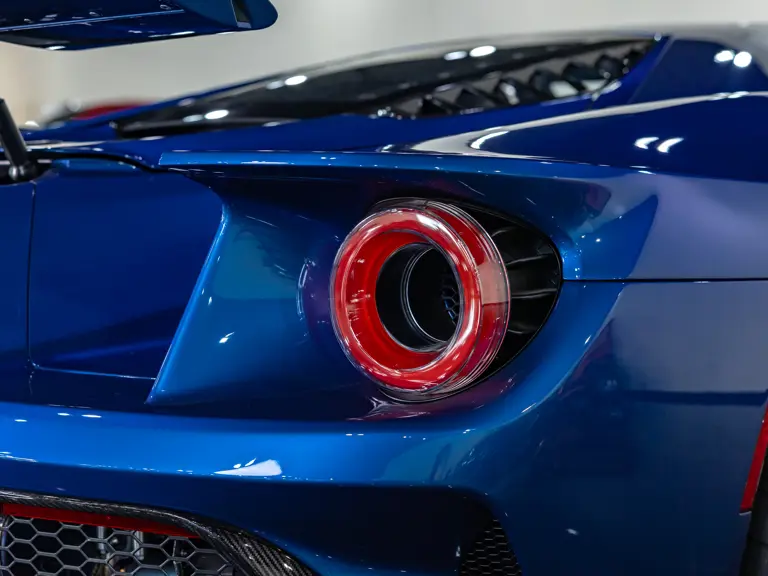
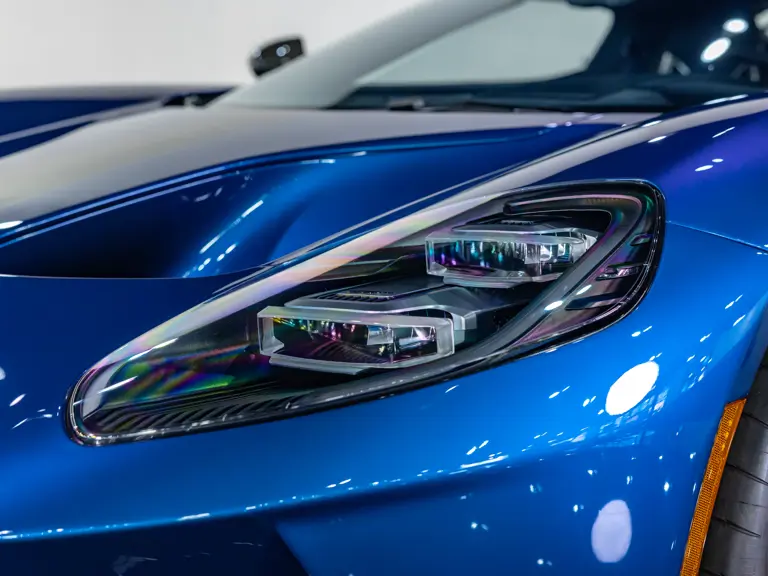
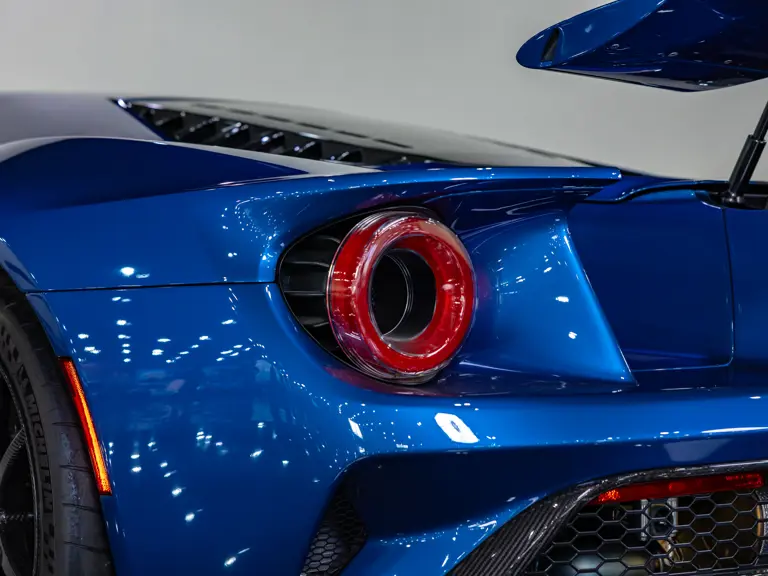
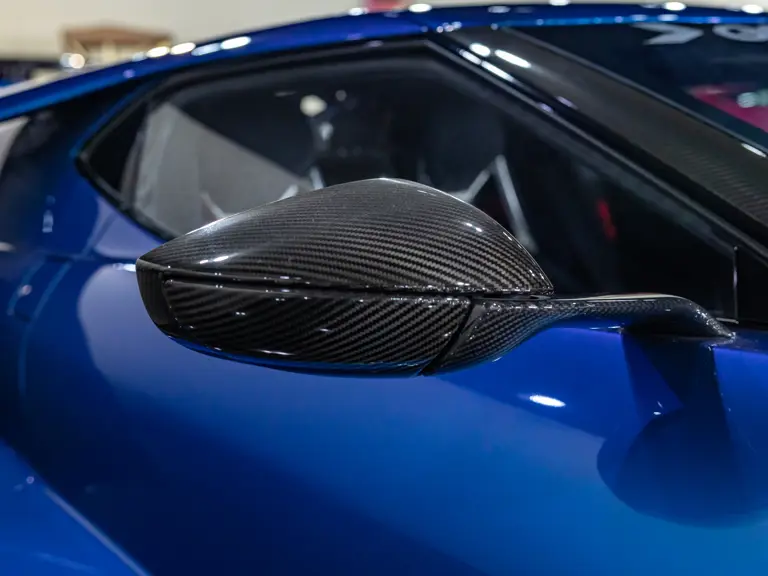
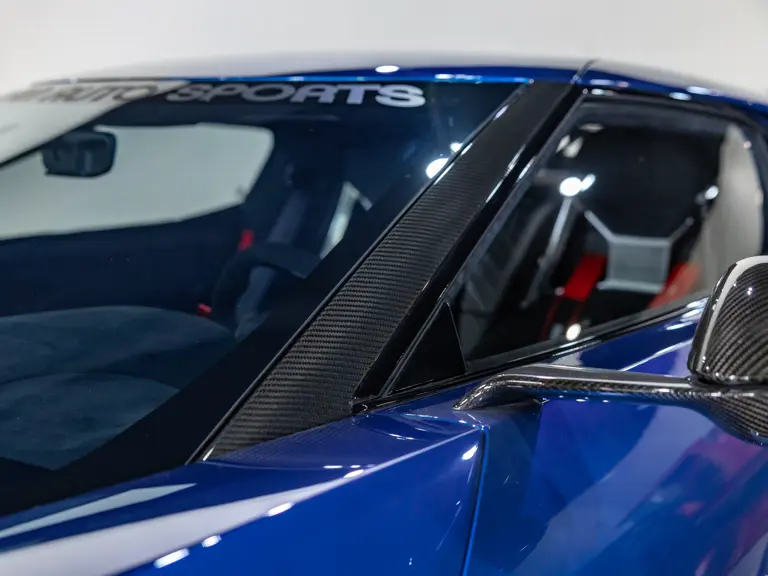
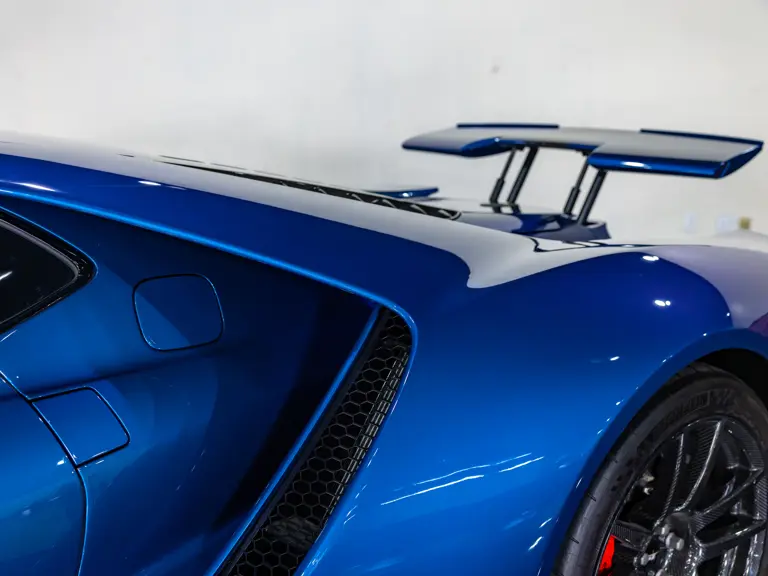
This Ford GT was special-ordered by Galpin Ford in optional shade of Liquid Blue Tri-Coat over a Competition interior. It is believed to be one of only six examples for the 2017 model year to feature the Competition Series (Equipment Group 600A), the rare package that included titanium lug nuts, competition exterior graphics package, the titanium exhaust, and the gloss carbon fiber exterior package. This example was further optioned with six-point harness anchors, red brake calipers, and a Ford GT indoor car cover in black. Retained by Galpin since new as part of their collection, it is now offered having covered just 366 miles from at time of cataloguing.
As rarity goes, the most coveted second-generation GTs are, by far, the four actual Le Mans participants. From there, attention for many discerning collectors turns to the 2017 Competition Series cars, of which just six are believed to have been produced—making it significantly rarer than even the ‘66 Heritage edition also offered that model year. In today's era of overly insulated supercars, this nicely optioned Competition Series GT offers a raw experience that few modern contenders can match, stimulating the senses and demanding to be driven.
 | Phoenix, Arizona